All about photo.com: photo contests, photography exhibitions, galleries, photographers, books, schools and venues.
Win a Solo Exhibition in June 2026 + An Exclusive Interview!
Jens Hoffmann
Jens Hoffmann
Jens Hoffmann

Jens Hoffmann

Country: Germany
Birth: 1972

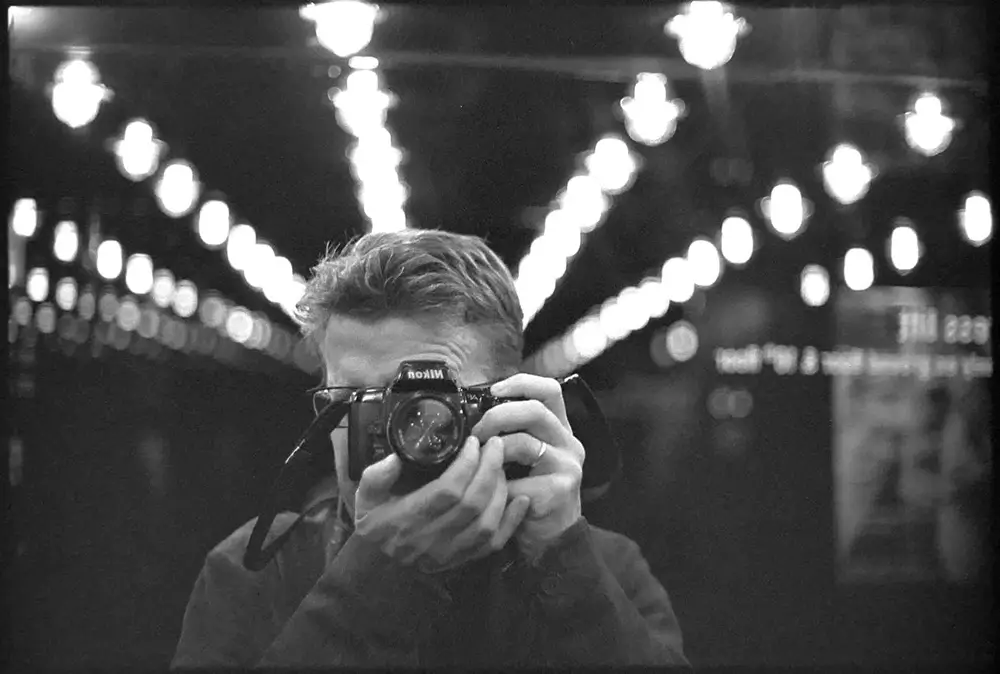
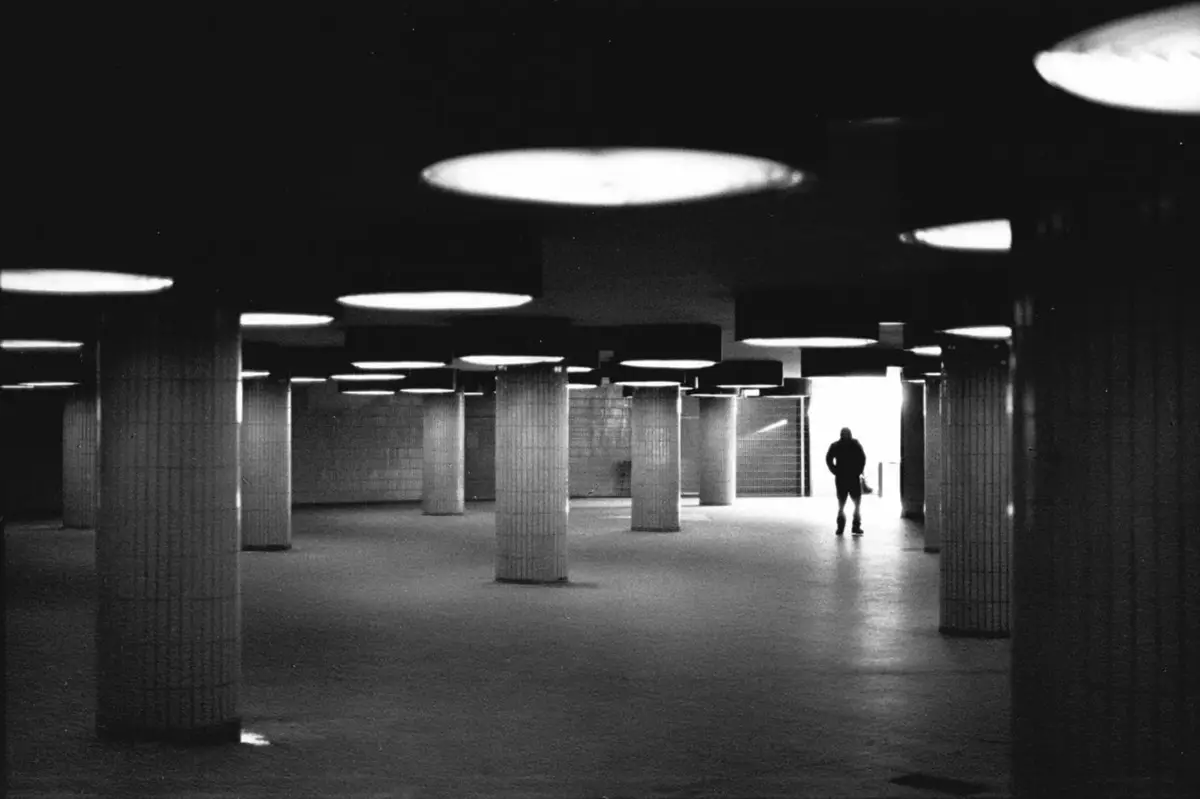
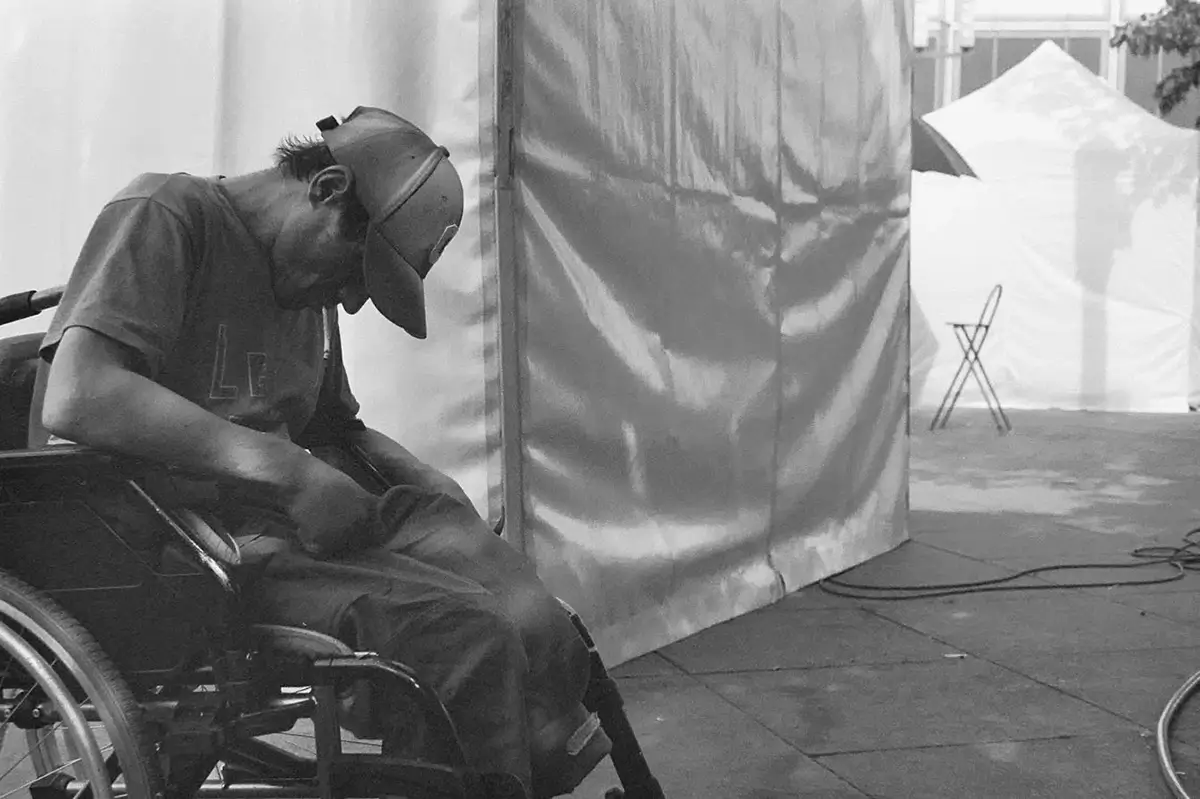
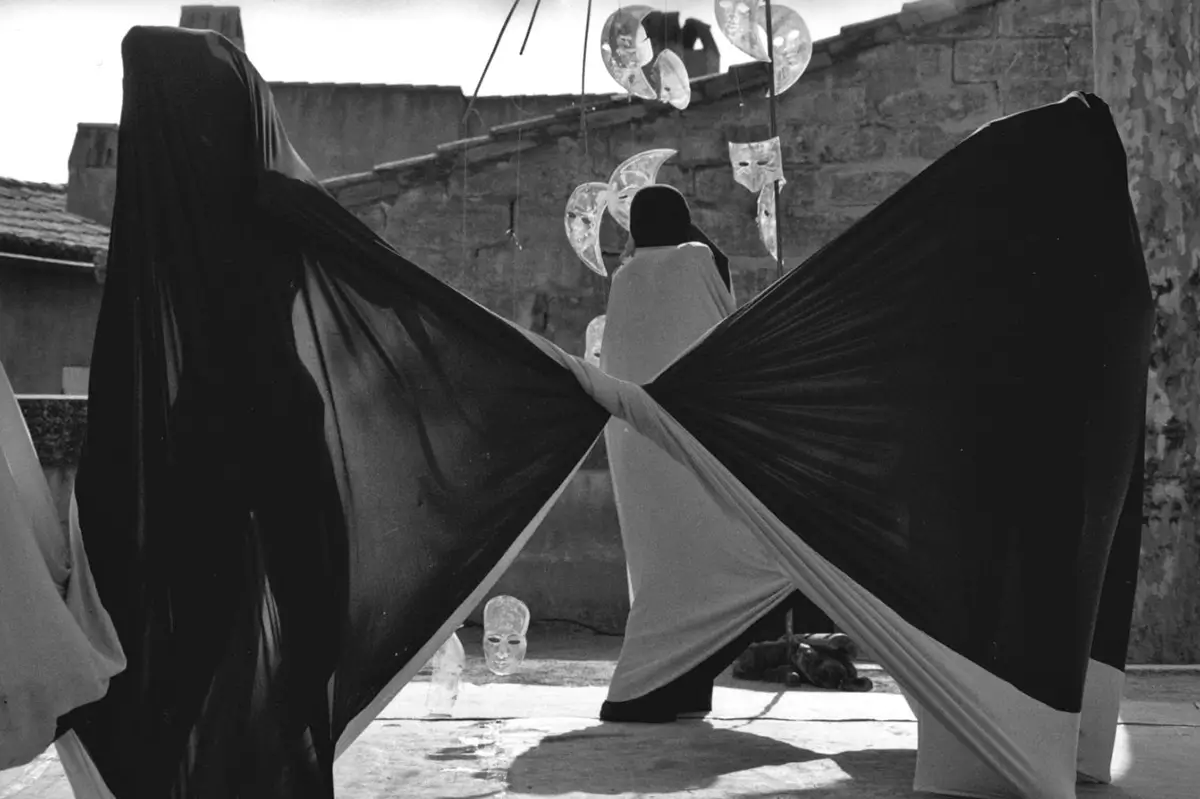
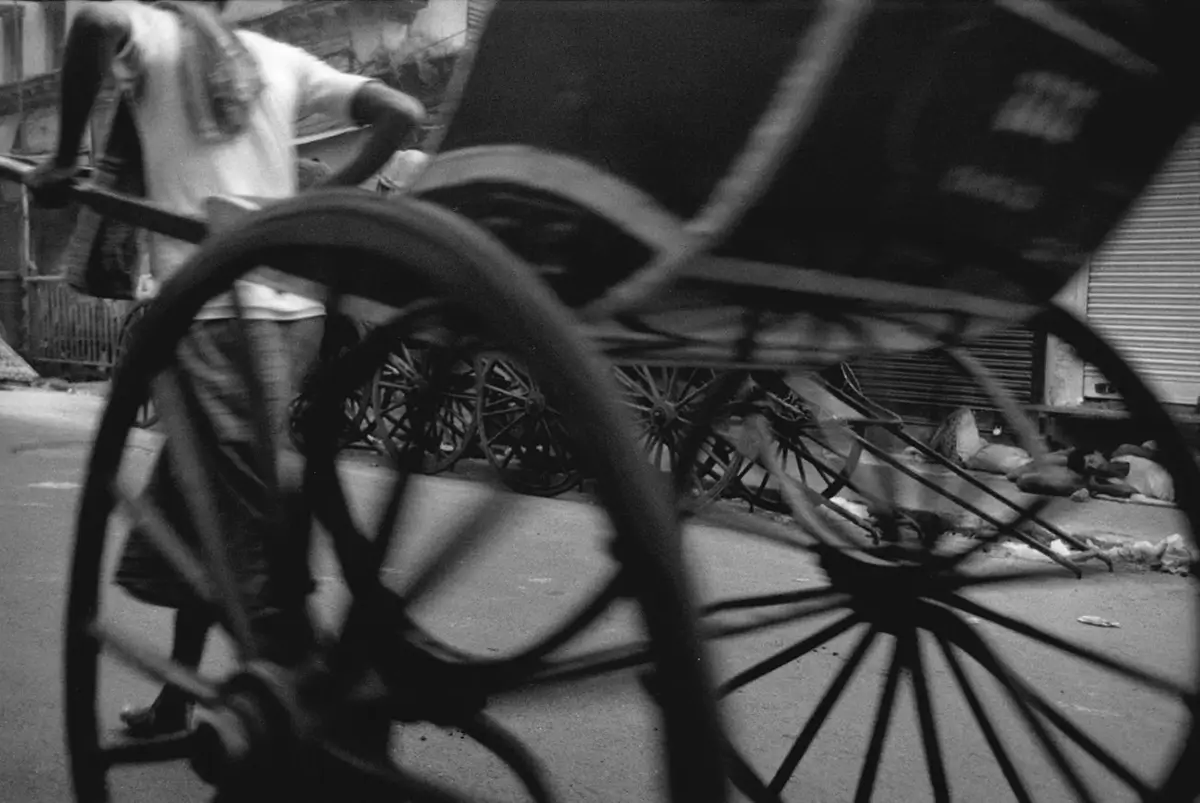
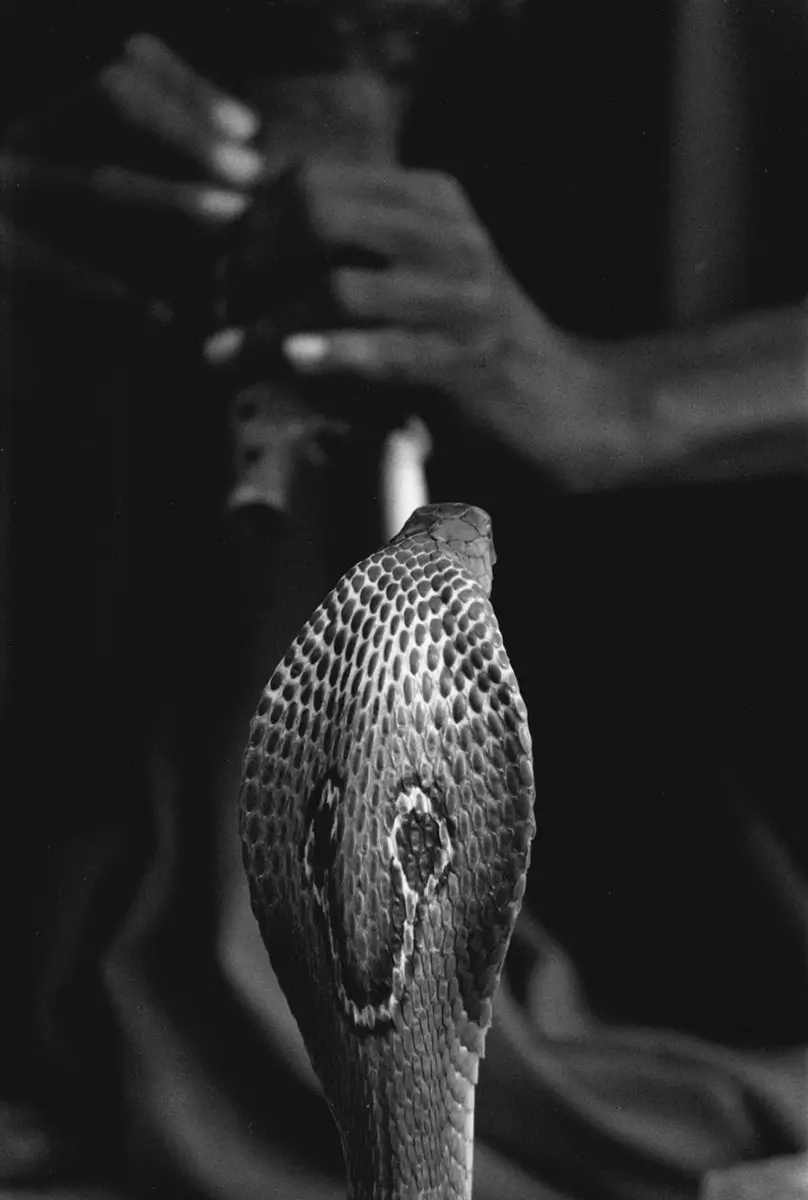
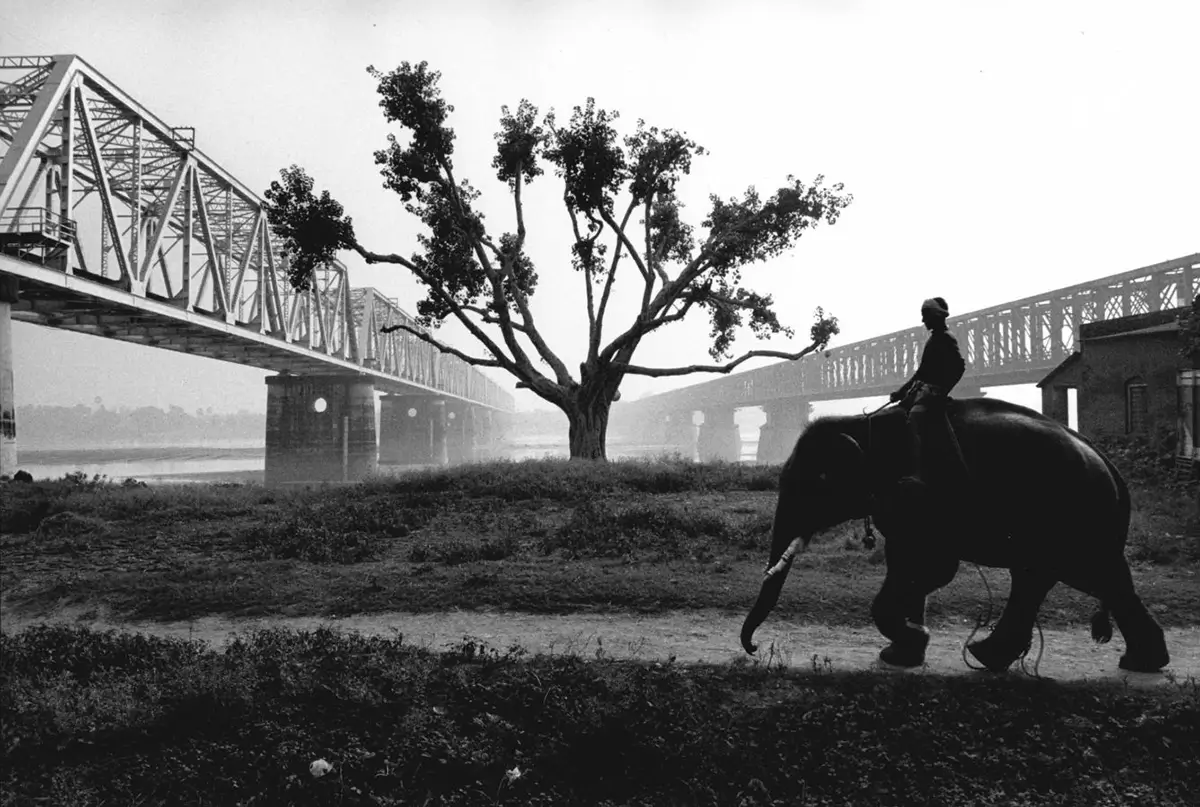
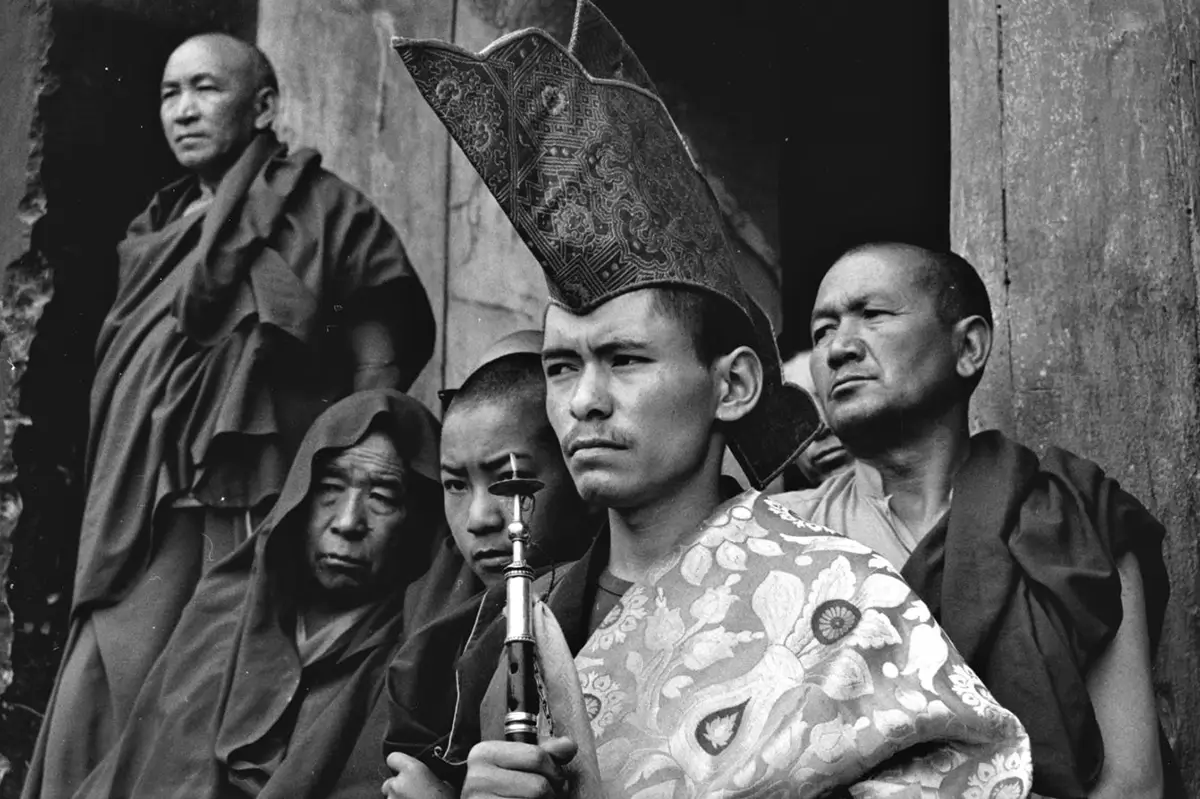
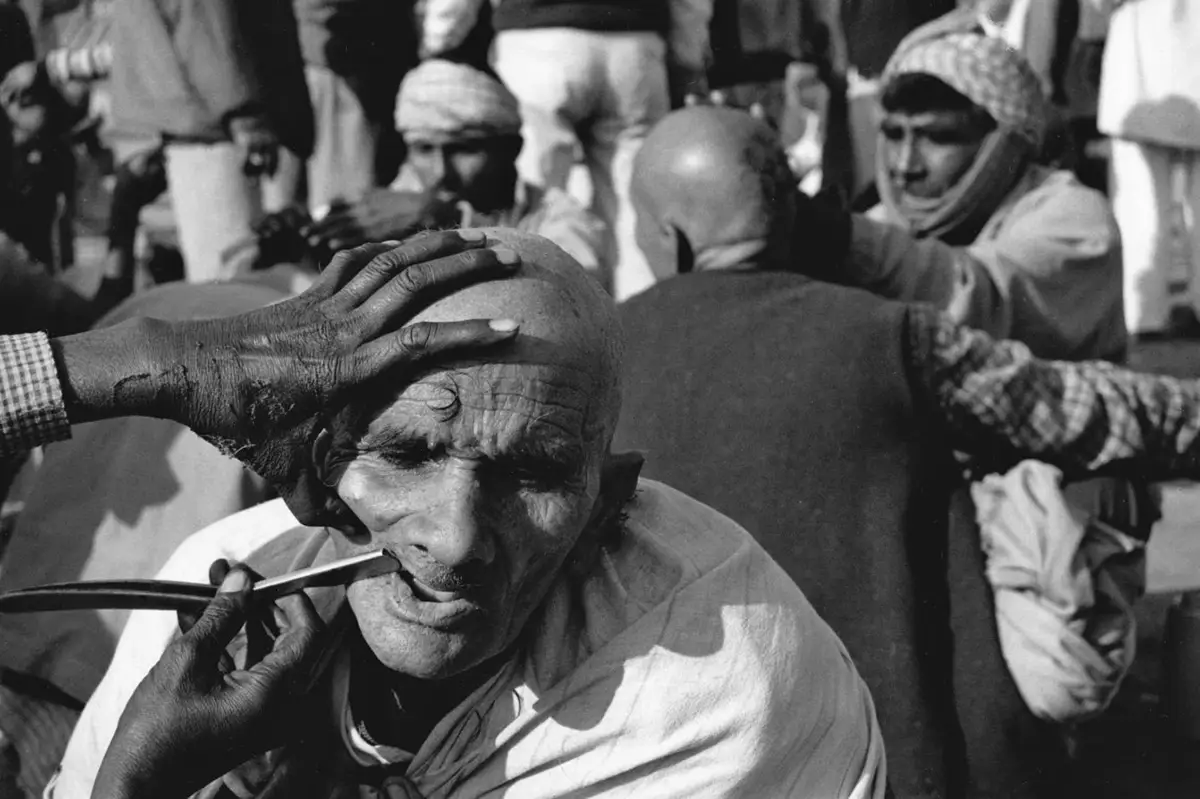
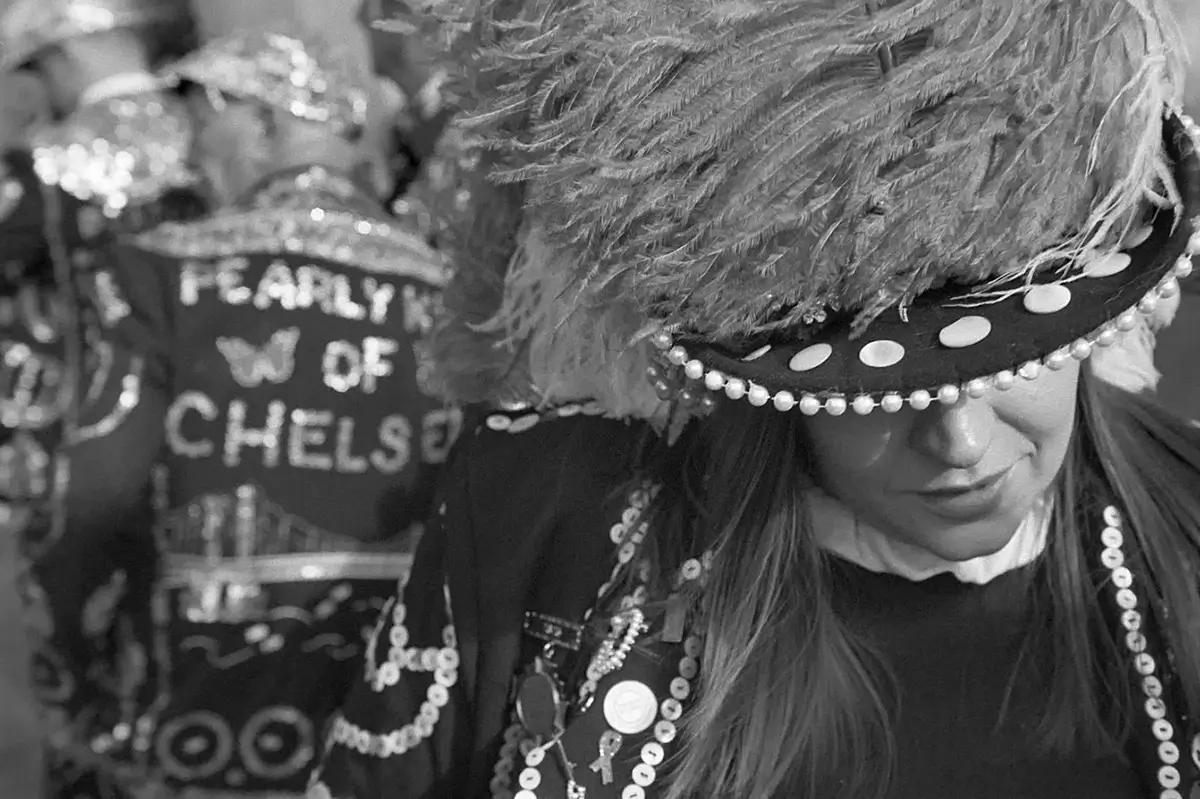
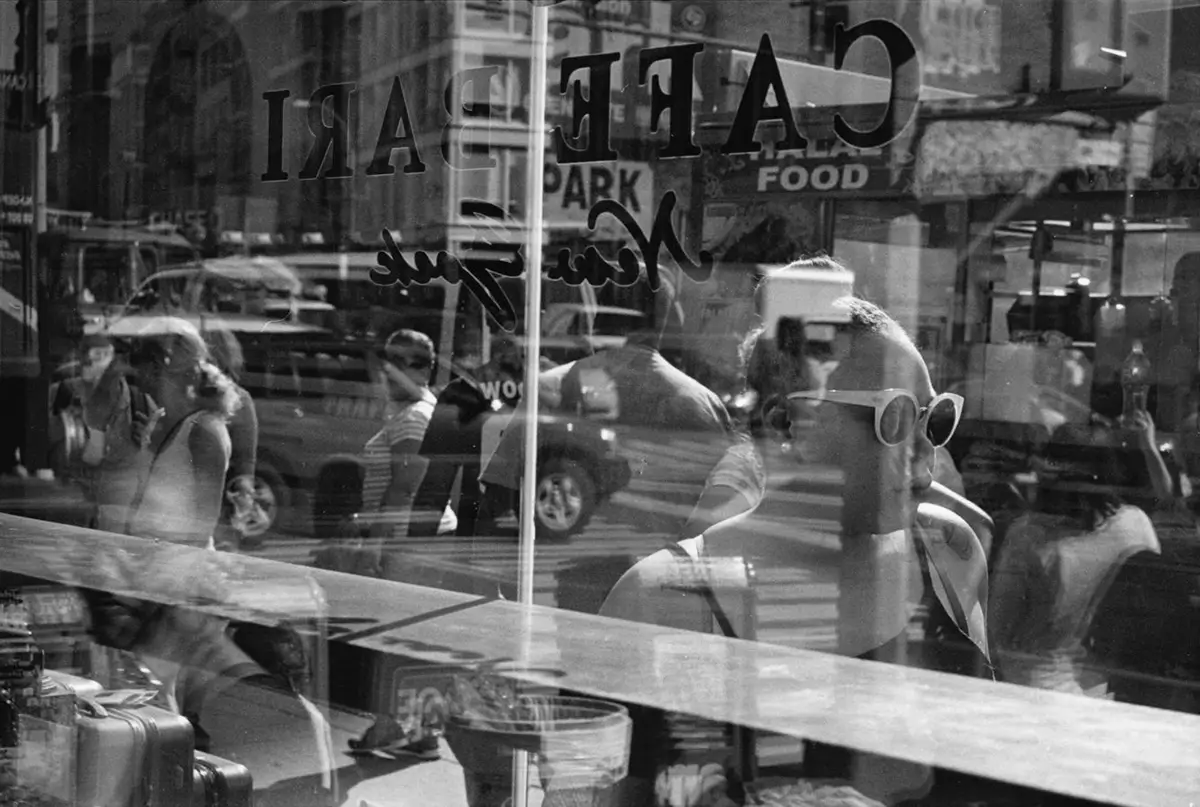
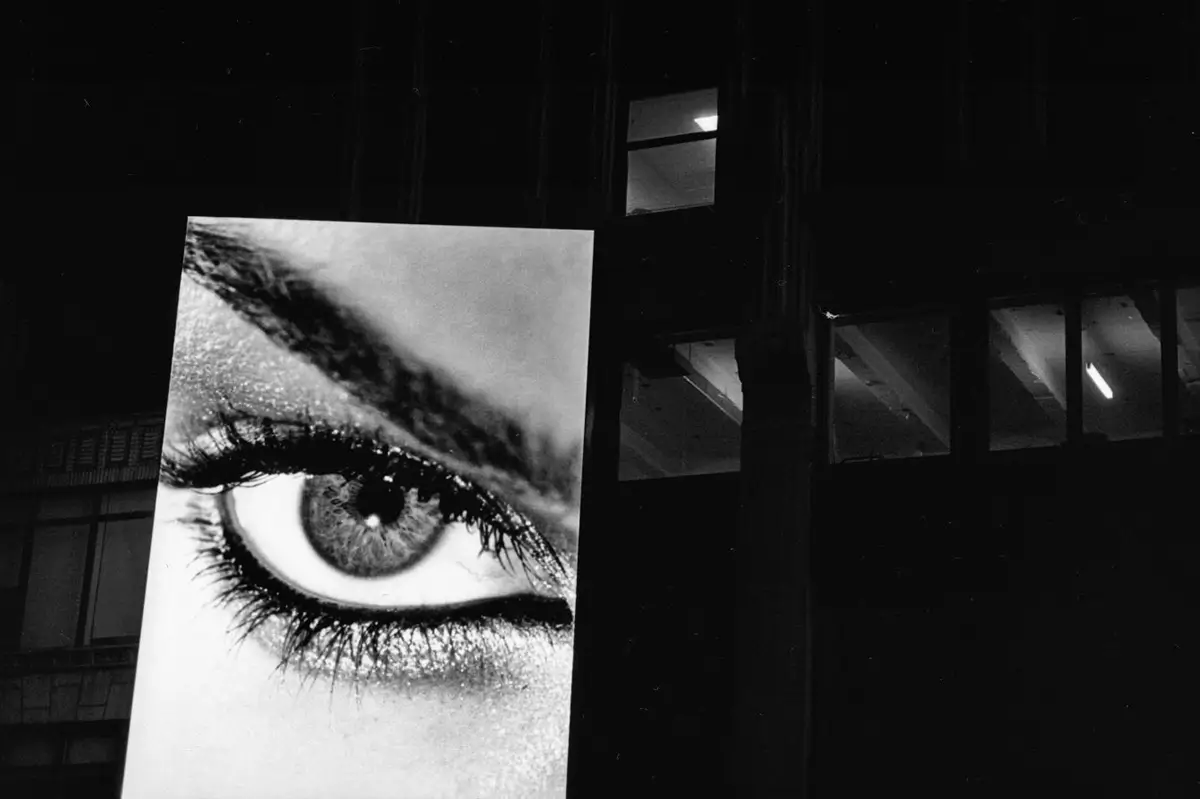
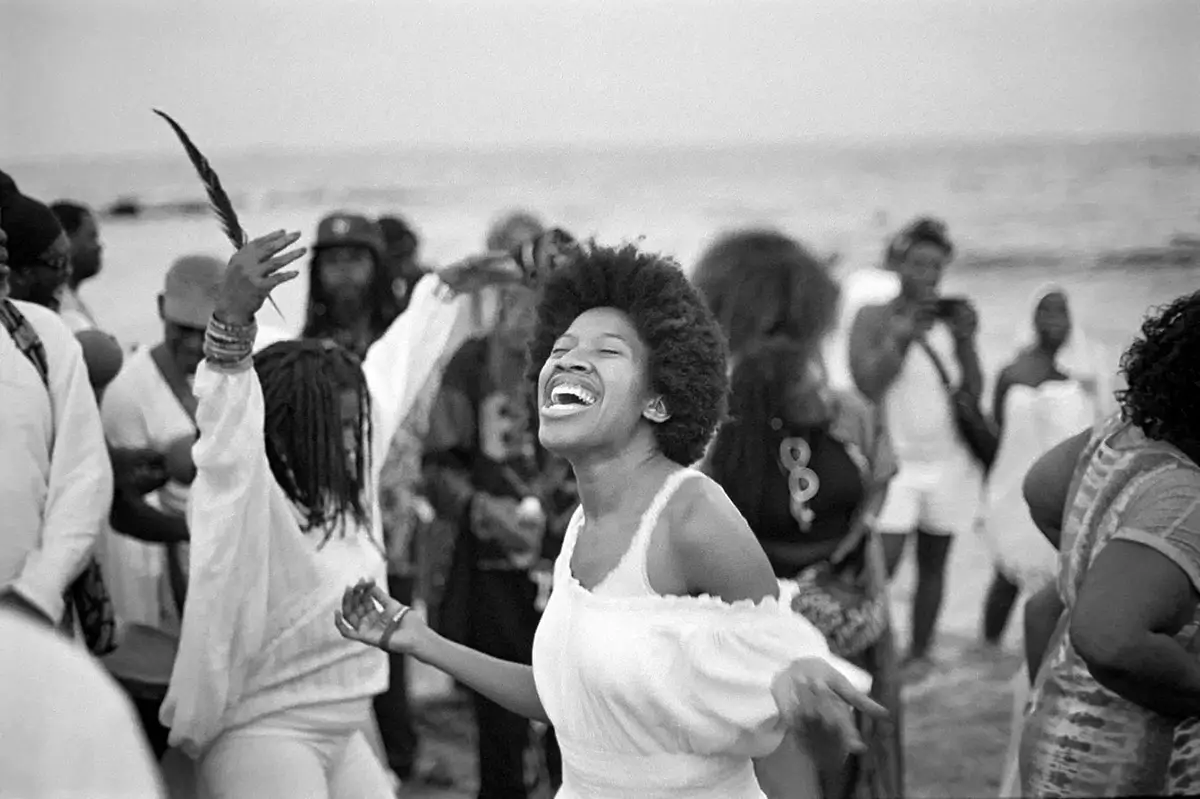
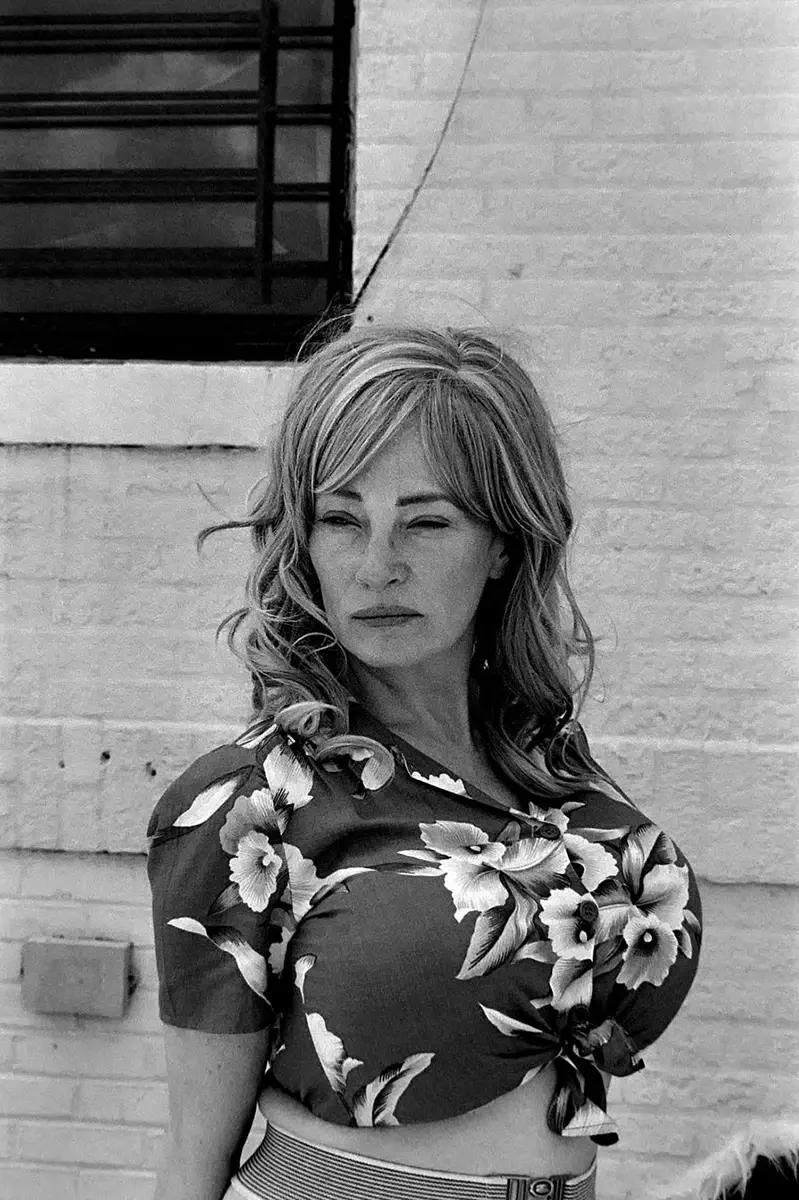
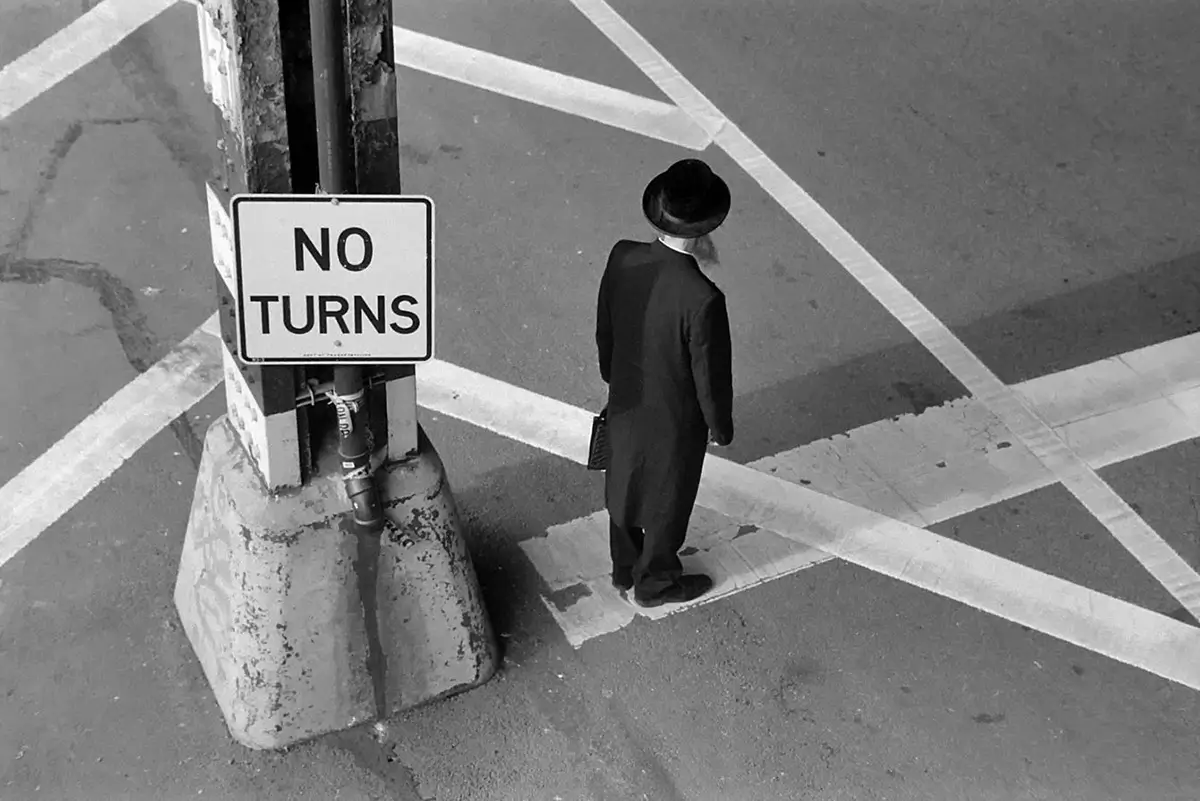
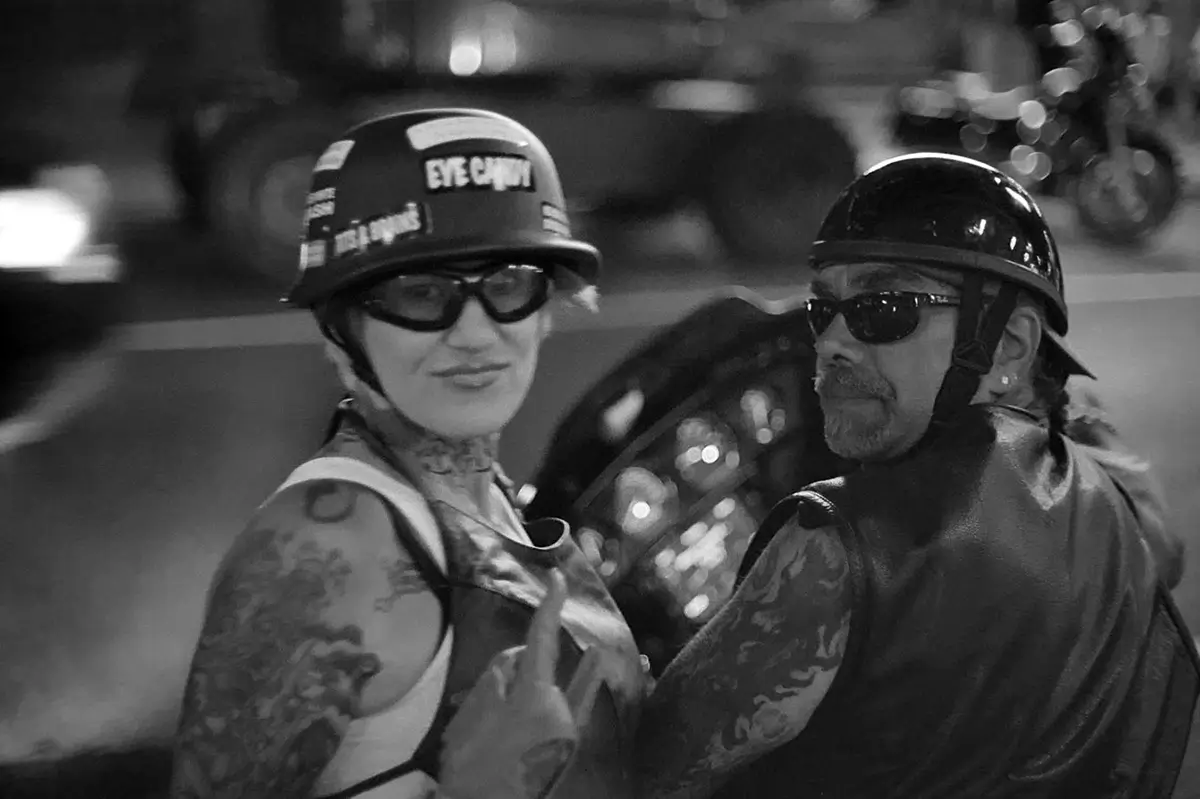
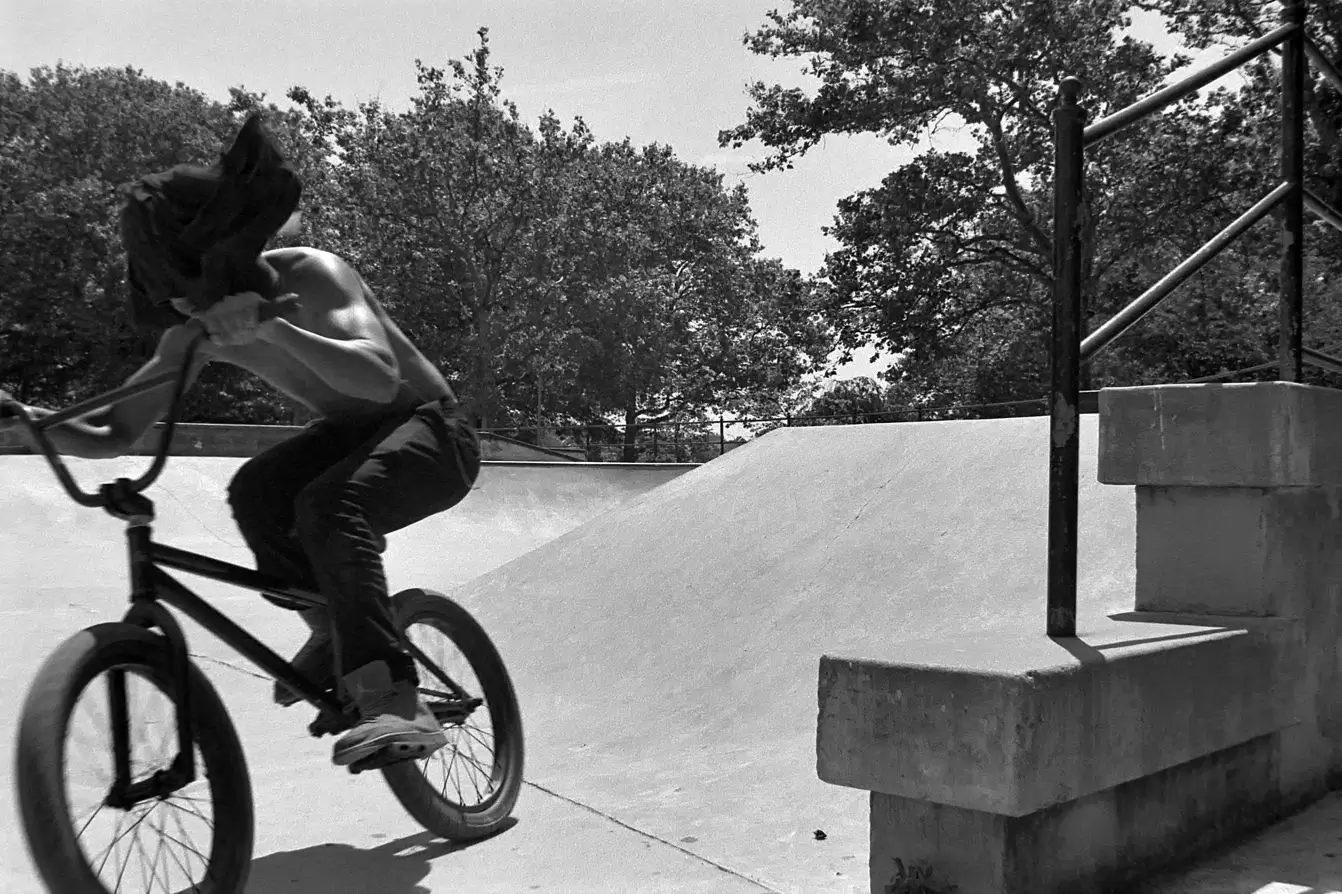
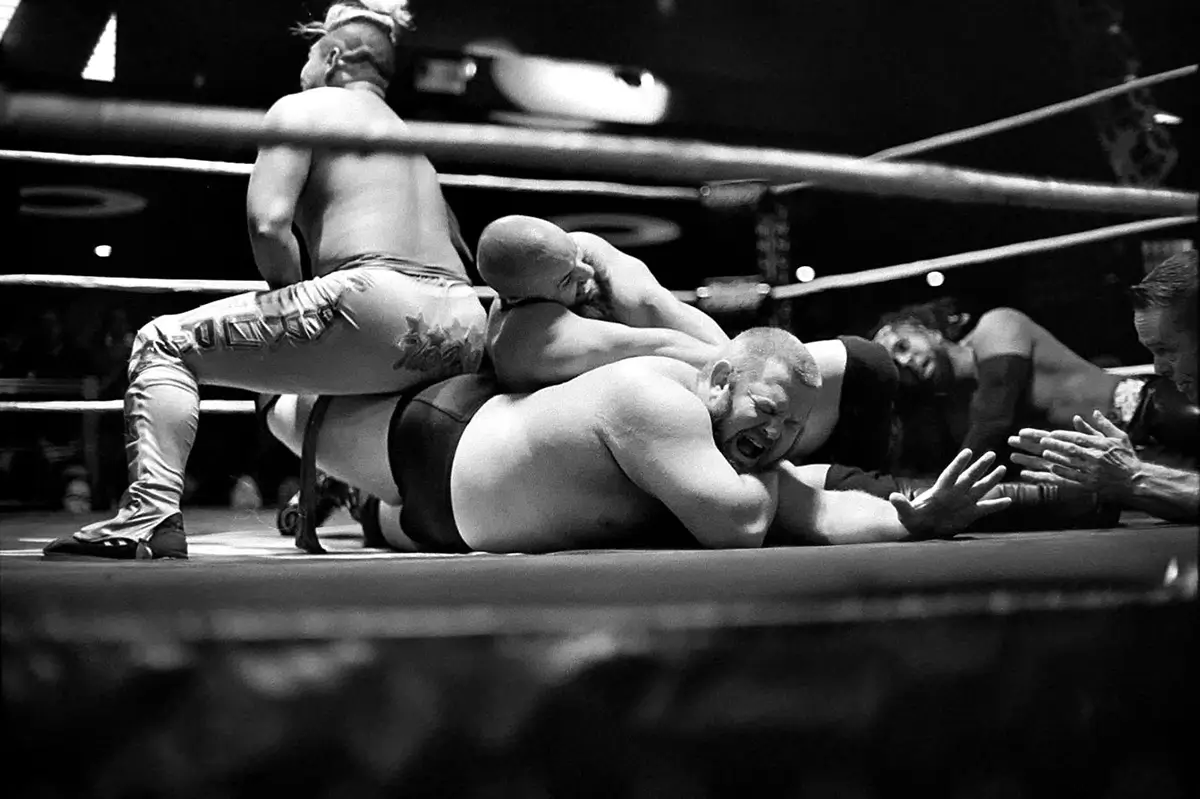
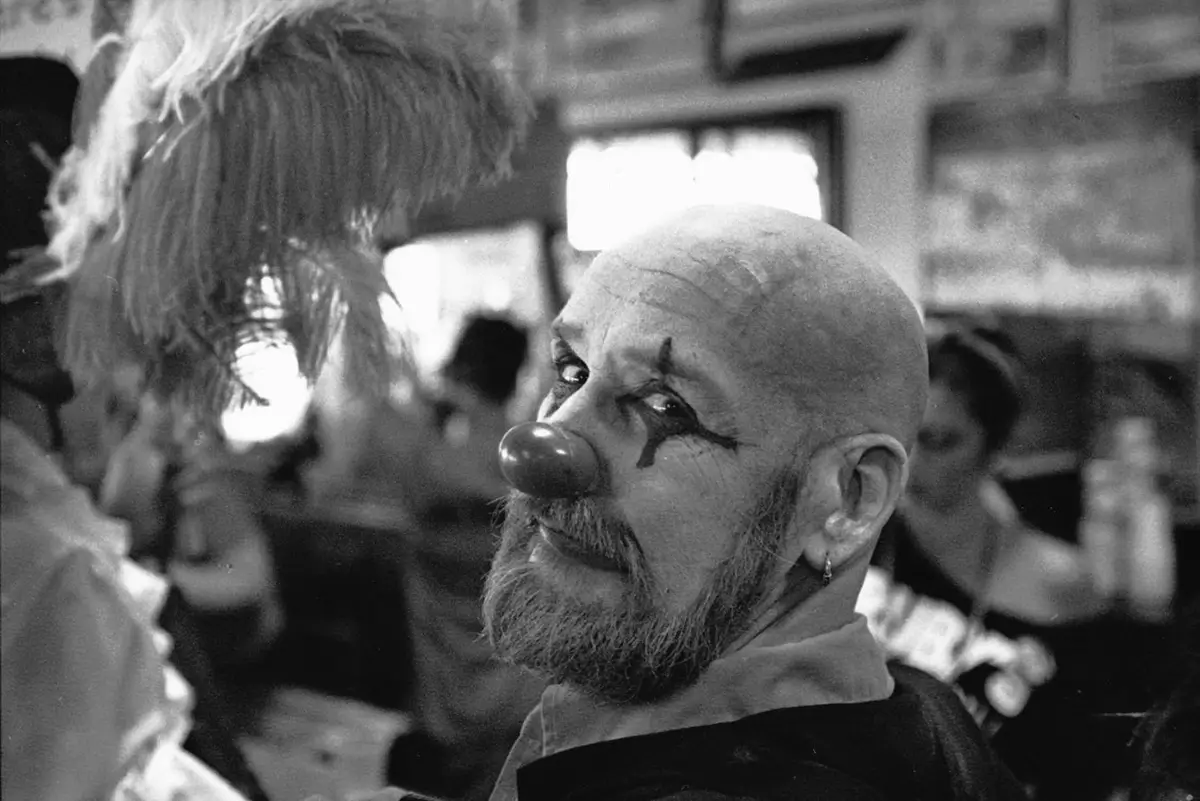
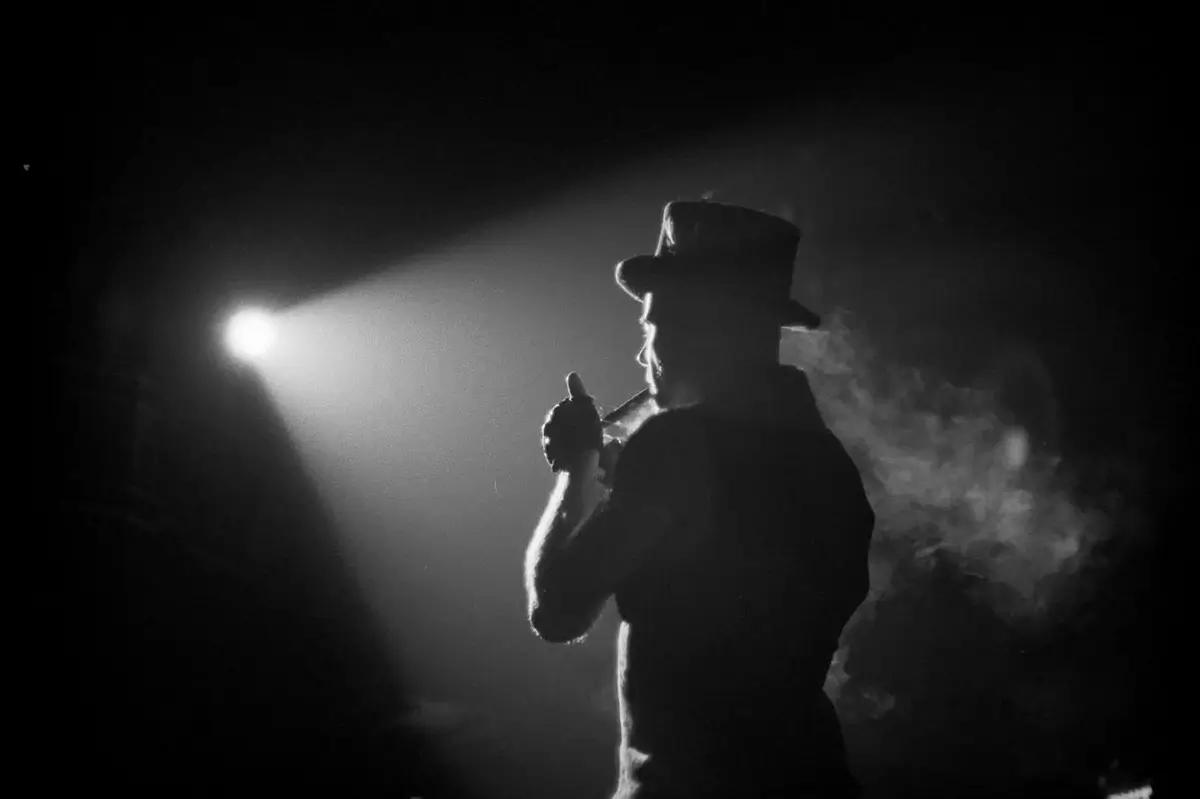
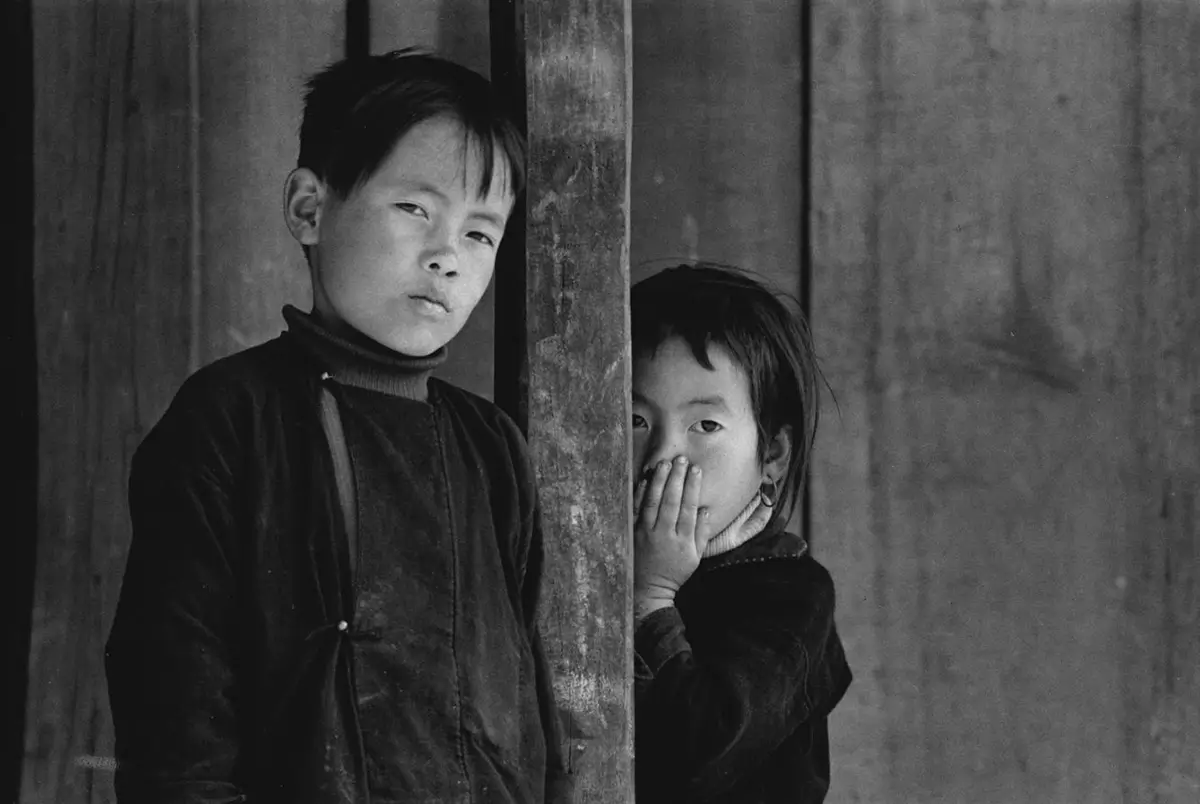
I was born in Neustrelitz, Germany, in 1972. In addition to my career as an urban planner and now a professor of land-use change, I began taking photographs about 25 years ago. My work has always focused on analog black-and-white photography, supplemented by a few digital color projects. Photography has always been my motivation for traveling: to Vietnam, India, New York, London, and Berlin.

All About Photo Competitions

AAP Magazine 56 Shadows
 

Inspiring Portfolios

Call for Entries
AAP Magazine #58 B&W
Publish your work in our printed magazine and win $1,000 cash prizes
 
Stay up-to-date  with call for entries, deadlines and other news about exhibitions, galleries, publications, & special events.

More Great Photographers To Discover

 JR
France
1983
JR has the largest art gallery in the world. Thanks to his photographic collage technique, he exhibits his work free of charge on the walls of the whole world - attracting the attention of those who do not usually go to museums. Originator of the 28 Millimeters Project which he started in and around Clichy-Montfermeil in 2004, continued in the Middle East with Face 2 Face (2007), in Brazil and Kenya for Women Are Heroes (2008-2011), the documentary for which was presented at the Cannes Film Festival in 2010 (Critics' Week). JR has created "Infiltrating art". During his collage activities, the local communities take part in the act of artistic creation, with no stage separating actors from spectators. The anonymity of JR and the absence of any explanation accompanying his huge portraits leave him with a free space in which issues and actors, performers and passers-by meet, forming the essence of his work. In 2011 he received the Ted Prize, giving him the opportunity to make a vow to change the world. He created Inside Out, an international participatory art project that allows people from around the world to receive a print of their portrait and then billboard it as support for an idea, a project, an action and share that experience. In 2014, working with the New York City Ballet, he used the language of dance to tell his version of the riots in the Clichy-Montfermeil district. He created The Groves, a ballet and short film, the music for which was composed by Woodkid, Hans Zimmer and Pharrell Williams, and which was presented at the Tribeca Film Festival. At the same time, JR worked in the abandoned hospital of Ellis Island, an important place in the history of immigration - and made the short film ELLIS, with Robert De Niro. In 2016, JR was invited by the Louvre, whose pyramid he made disappear the with the help of an astonishing anamorphosis. The same year, during the Olympic Games in Rio, he created gigantic new sculptural installations throughout the city, to underline the beauty of the sporting gesture. JR & Agnès Varda - Faces, Places. In 2017, he co-directed with Agnès Varda "Faces, Place"s, screened the same year in the official selection out of competition for the Cannes Film Festival. The film won the Golden Eye (for best documentary) and was nominated for a Caesar and an Oscar in the same category in 2018. He has received other awards around the world. In 2013, the first retrospectives of JR's work took place in Tokyo (at the Watari-Um Museum) and the Cincinnati Contemporary Arts Center, followed by exhibitions at the Frieder Burda Museum in Baden Baden in 2014, and at the HOCA Foundation in Hong Kong in 2015. He exhibited in 2018 at the Maison Européenne de la Photographie in Paris, and in 2019 at the San Francisco Museum of Modern Art (SFMOMA) and the Brooklyn Museum. Source: jr-art.net
Helmut Newton
Germany/Australia
1920 | † 2004
Helmut Newton was a German-Australian photographer. The New York Times described him as a "prolific, widely imitated fashion photographer whose provocative, erotically charged black-and-white photos were a mainstay of Vogue and other publications." Newton was born in Berlin, the son of Klara "Claire" (née Marquis) and Max Neustädter, a button factory owner. Newton attended the Heinrich-von-Treitschke-Realgymnasium and the American School in Berlin. Interested in photography from the age of 12 when he purchased his first camera, he worked for the German photographer Yva (Elsie Neuländer Simon) from 1936. Any photographer who says he’s not a voyeur is either stupid or a liar. -- Helmut Newton The increasingly oppressive restrictions placed on Jews by the Nuremberg laws meant that his father lost control of the factory in which he manufactured buttons and buckles; he was briefly interned in a concentration camp on Kristallnacht, 9 November 1938, which finally compelled the family to leave Germany. Newton's parents fled to Argentina. He was issued with a passport just after turning 18 and left Germany on 5 December 1938. At Trieste, he boarded the Conte Rosso (along with about 200 others escaping the Nazis), intending to journey to China. After arriving in Singapore, he found he was able to remain there, first briefly as a photographer for the Straits Times and then as a portrait photographer. Newton was interned by British authorities while in Singapore and was sent to Australia on board the Queen Mary, arriving in Sydney on 27 September 1940. Internees travelled to the camp at Tatura, Victoria by train under armed guard. He was released from internment in 1942 and briefly worked as a fruit picker in Northern Victoria. In August 1942, he enlisted with the Australian Army and worked as a truck driver. After the war in 1945, he became a British subject and changed his name to Newton in 1946. In 1948, he married actress June Browne, who performed under the stage name June Brunell. Later she became a successful photographer under the ironic pseudonym Alice Springs (after Alice Springs, the town in Central Australia). In 1946, Newton set up a studio in fashionable Flinders Lane in Melbourne and worked on fashion, theatre and industrial photography in the affluent postwar years. He shared his first joint exhibition in May 1953 with Wolfgang Sievers, a German refugee like himself, who had also served in the same company. The exhibition of New Visions in Photography' was displayed at the Federal Hotel in Collins Street and was probably the first glimpse of New Objectivity photography in Australia. Newton went into partnership with Henry Talbot, a fellow German Jew who had also been interned at Tatura, and his association with the studio continued even after 1957, when he left Australia for London. The studio was renamed Helmut Newton and Henry Talbot. Newton's growing reputation as a fashion photographer was rewarded when he secured a commission to illustrate fashions in a special Australian supplement for Vogue magazine, published in January 1956. He won a 12-month contract with British Vogue and left for London in February 1957, leaving Talbot to manage the business. Newton left the magazine before the end of his contract and went to Paris, where he worked for French and German magazines. He returned to Melbourne in March 1959 to a contract for Australian Vogue. Newton and his wife finally settled in Paris in 1961 and work continued as a fashion photographer. His images appeared in magazines including the French edition of Vogue and Harper's Bazaar. He established a particular style marked by erotic, stylized scenes, often with sadomasochistic and fetishistic subtexts. A heart attack in 1970 reduced Newton's output, nevertheless his wife's encouragement led to his profile continuing to expand, especially with a big success, the 1980 studio-bound stark infinity of the Big Nudes series. His Naked and Dressed portfolio followed and in 1992 Domestic Nudes which marked the pinnacle of his erotic-urban style, these series all underpinned with the prowess of his technical skills. Newton also worked in portraiture and more fantastical studies. Newton shot a number of pictorials for Playboy, including pictorials of Nastassja Kinski and Kristine DeBell. Original prints of the photographs from his August 1976 pictorial of DeBell, "200 Motels, or How I Spent My Summer Vacation" were sold at auctions of Playboy archives by Bonhams in 2002. I just had a bellyful and realized I had shot enough nudes to last a lifetime. In fact, although I have no idea of the number, I think I photographed too many naked women. -- Helmut Newton In 2009, June Browne Newton conceptualized a tribute exhibition to Newton, based on three photographers that befriended Newton in Los Angeles in 1980: Mark Arbeit, Just Loomis, and George Holz. All three had been photography students at The Art Center College of Design in Pasadena, California. All three became friends with Helmut and June Newton and to varying degrees assisted Helmut Newton. Each went on to independent careers. The exhibit premiered at the Helmut Newton Foundation in Berlin and combined the work of all three with personal snapshots, contact sheets, and letters from their time with Newton. Since the 1970s Newton regularly used Polaroid cameras and film for instant visualization of compositions and lighting situations, especially for his fashion photography. By his own admission, for the shoot of Naked and Dressed series that started in 1981 for the Italian and French Vogue he used Polaroid film “by the crate”. These polaroids also served as a sketchbook, where he scribbled notes with regard to the model, client or location and date. In 1992 Newton published Pola Woman, a book consisting only of his Polaroids. Over 300 works based on the original Polaroids were shown at 2011 exhibition Helmut Newton Polaroids at the Museum für Fotografie in Berlin. In his later life, Newton lived in both Monte Carlo and Los Angeles, California where he spent winters at the Chateau Marmont, which he had done every year since 1957. On 23 January 2004, he suffered a serious heart attack while driving his automobile down Marmont Lane from the Chateau Marmont to Sunset Boulevard. He was taken to Cedars-Sinai Medical Center; doctors were unable to save him, and he was pronounced dead. His ashes are buried at the Städtischer Friedhof III in Berlin.Source: Wikipedia
Marcos Zegers
Chile
1987
"I am a Chilean photographer, with a background in architecture and with a strong interest in geopolitical, territorial and migration conflicts. My work focuses on long-term documentary projects in which I illustrate urgent situations through a careful and studied proposal. My work has been exhibited in Chile (Animal, Ekho Gallery), and fairs in London, Paris, Shanghai and New York and I participated in photo festivals as PhotoEspaña (Esp), Format (UK) and FIFV (Chile). Recently my documentary project was published on The New York Times which gave me the opportunity to start working as a freelancer for the same newspaper. I teach at the University Diego Portales in Chile where I currently live." About Mining and Exodus in the Atacama Desert This visual essay is the narrative of an endless journey through the desert and the Andes Highlands in Bolivia and Chile. A paused and deep journey through places full of memory. What appears to be photographs of elements randomly dispersed throughout the territory, when consciously grouped together, are transformed into a linear narrative linked to the extractive era. Like a map that is revealed in parts, a harsh story uncovers the relationship between mining activities and cultural displacements, all united under a common element in dispute, water. Following the course of the extractive history of colonial Latin America, what was rubber in Iquitos, cane in the Caribbean, gold in Guanajuato, or silver in Potosi, in Chile was the nitrate (saltpeter). For almost two centuries, the Atacama Desert has been a constant source of mineral resource extraction. The "Saltpetre Offices" has left the mark of an era of wealth and exploitation. Today the situation repeats itself as an exact cycle: what was nitrate, passed to copper, and today, it turns to lithium. Right in the middle of this extractive history are the woman and the man who inhabited the territory. On the one hand, there is the Aymara woman who walks and grazes the cattle in the Andean mountain range. She has not seen the face of the mining company. However, they critically meet in the use of the same resource: water. The excessive water consumption by mining companies has dried the soil, making livestock and agriculture unviable. Consequently, the highlands man has been forced to go down to work in the city, where possible, the job to which he aspires, is precisely in mining. This uncovers a vicious circle which is greatly enhanced by the government's lack of attention to these isolated areas. The risk is profound. The desert has not been completely unravelled. It continues to have lots of minerals, and at the same time, it stalks a climate change that will not stop any time soon. In Chile the water is sold, the water rights belong to private. This situation has alarmed the inhabitants of this territory, amongst organizations and activists who wage real legal battles in the courts. This visual essay, far from addressing the issue on all its extents, seeks to contribute to the latent conversation about extractive practices and the current economic model in Chile. To bring back this apparently scenic desert to an urgent reality, promoting a reflection that contributes to the appreciation of rural territory and its culture.
Monica Testa
Italy
1967
Shortly after my art studies, I started working as a fashion designer for a large company, which allowed me to deepen my knowledge and work in the world of graphics and style. It was a challenging and rewarding job, thanks to which I had the opportunity to travel a lot around the world, meeting people from various ethnic backgrounds, enriching myself enormously from a cultural and personal point of view. I had always been passionate about photography and to such an extent that I could no longer do without it. After taking several courses and studying the greatest photographers in history, I decided to enrol at the Italian Institute of Photography in Milan: a constructive experience that made me grow a lot, both on a technical and creative level. I truly enjoy observing people and also studying their psychological side. That's why I especially love working on portraits and telling the stories of those I meet, always keeping a careful and respectful eye, tiptoeing into situations that I find interesting. I delve into them, I make them my own. I use photography to express how I feel, how I see, how I perceive and absorb the flow of life around me. I transform my thoughts and my feelings into images, thus aiming to become a same part of the image I portray. The River Text from "Monica’s Diary (Benin 2019):" Today we reached a small village flooded by the abundant rains of recent days. The tribe that lives there is accustomed to this situation and in effect they live in real palafittes suspended on the water; and so we reached the village in the only way possible ... by canoe. We brought t-shirts for the children, eggs for snacks and, more importantly, mosquito nets which, given the area they live in, particularly humid and infested with mosquitoes, are essential. The landscape was spectacular and my eyes saw incredible realities... all so far from our daily life! The school was small and very crowded, obviously they had been warned of our arrival and especially the children were waiting for us with trepidation. Compared to other villages we had visited the previous days, the people who live here are quite aggressive. They were a little agitated, they all talked loudly, they pushed us constantly. The adults looked at us with curiosity and the children with shyness: it was noticeable that they were not used to seeing people of a different color in their village. For this we were escorted by the local police, in case the situation deteriorated. But everything went well and another day passed ... lived as if it were a whole life. Face to Face Form zero to one hundred This is an ambitious project, started in 2017 and not yet finished. The idea would be to photograph portraits of people of different ages, sex and ethnicity, who in some way fascinated me and consequently I asked them to pose for me. I would like to get to a hundred photos, a different one for each age from zero to one hundred years.
Rod Harbinson
United Kingdom
During the initial emergence of coronavirus in 2020, Rod published a photobook: Zen in the Time of Corona - A photographic homage to Japanese Buddhism during the Coronavirus pandemic: Writer, photographer and filmmaker, Rod often reports in Asia, drawing attention to critical environmental and human-rights issues. From deforestation in Borneo, to mining protests by Cambodian fisherfolk, his stories and investigations have appeared in books, documentaries and over fifty high-profile academic and media titles. Long engaged in climate change, forest, Indigenous rights and biodiversity issues, he has a record of working with non-profit, academic and media organisations and has a Masters in Environment and Development. He led the Environment and Climate Change Programmes at Panos London, was a founder of the Climate Change Media Partnership, and editor of seven magazines and academic journals. His 2014 documentary, 'Defenders of the Spirit Forest' explores efforts by Cambodian people to defend the last forests in the country. It premiered at Glasgow's Document international Human Rights film festival. During the Kosovan war, Rod led the Kosovan Information programme at the British Refugee Council. Here he produced a film about returning refugees and published a book about the conflict, which featured his photographic coverage of the war. He worked with several organisations in the 1990's to stop the global spread of genetically engineered crops, and to uphold the rights of Indigenous people and small farmers, over their land and genetic resources. This came during a global rise of social movements questioning the rapid acceleration of neo-liberal economic globalisation. Actively engaged, Rod photographed this period of dynamic social change. His forest investigations and campaigning, have profiled numerous concerns and highlighted environmental crimes. He has documented mineral mining conflicts in forest regions in Madagascar, Zambia, Laos and the Philippines, to name a few. He also co-produced a book on campaigns to save Europe's Forests. Agencies representing his photography, Zuma Press and Polaris Images, carry his news and feature stories. He shares his expertise through freelance and consultancy work. Born in the UK in 1966, when not publishing books, Rod explores the outside world with a camera and the inner world through meditation and yoga. Zen In The Time Of Corona
Hugo Thomassen
Netherlands
1972
Shadow of Truth In his search for shadow, Hugo Thomassen found light. It is not the play of light that intrigues, but the richness of shadow. The bottles are what they are, yet they inadvertently evoke associations. Are we looking at a nocturnal cityscape with figures? Are we witnessing a chance encounter, a moment frozen in time, or simply an elegant composition with one or more bottles as the photographic subject? The bottle as a shape. In actual fact, the bottle has been constructed down in minute detail. Although the associations may suggest coincidence, the composition itself makes no such assumption. After all, it was built layer by layer. Painstakingly so. It is rich in its simplicity. No expense is spared. Each line is deliberate, considered. So much is expressed through so little. Without warning, this piece sends you soaring into the void - at least it had that effect on me. The void in which there is no time, and the severity of silence reigns. From a compositional standpoint, you have no reference point for space and time. As such, you go on your instincts and create a story yourself. Or you experience it in a meditative sense. What am I feeling? Is it abandonment, bottomless loneliness? Or am I experiencing silence, light, and intimacy? The image is poetic, still, melancholy, and harmonious. Reassurance emanates from the strict imposition of order. Coincidence is out of the question. The meaning of the work is hidden in the order that it projects. The interplay of lines formed by light and shadows never becomes a labyrinth, instead forming a guide pointing out the right direction. The photo has a reassuring effect on me which does not indicate a lack of thought. It makes me wander off in my mind’s eye while deciding my own perspective. This piece puts me outside of time. I can find no links to a memory, something which photography usually excels at. The image is new, though I believe I see a shade of art history through which the influence of Giorgio de Chirico, Morandi, and Night Shadows by Edward Hopper subtly shine through. The photograph distils the bottle to its purest form. It lays bare its essence. An idea. Is it truth that we see? Reality being exposed? Or are these simply shadows created by shapes? It is this that Thomassen plays with. Is it a single photograph or a picture composed of several images, a multitude of shots? In a sense, the photographic image is attempting to transcend the flatness of the paper. Photography is the means by which Thomassen explores the world. He exposes order in chaos or reveals an event through an ordering. He is the author of a visual story. His work is a narrative without words. It is excitement without something taking place. It represents an ode to emptiness, silence, and form. The bottle as the bearer of meaning. Everything has been translated into a language that one does not necessarily need to understand, but that one feels. He finds beauty in the composition of things, of objects. Naturally, a bottle is just a bottle, but in a composition and in relation to other bottles, by sheer coincidence a story is created. Thomassen brings light and shadow as nuances to that composition. He does not impose hierarchy onto the image. The background, the negative space, is just as important as the bottle. This piece is so streamlined that there are no secondary subjects. Light and shadow are of equal importance, because they need one another. Hugo Thomassen provides a context to the bottles. It is up to the viewer to make a story out of them - or not, of course. Because what is simply a charming image to one may appear to another as a story about existence and appearances. Ludo Diels
Sergey Prokudin-Gorsky
Russia
1863 | † 1944
Sergey Mikhaylovich Prokudin-Gorsky (Russian, August 30, 1863 Russian Empire – September 27, 1944) was a Russian chemist and photographer. He is best known for his pioneering work in color photography of early 20th-century Russia.Prokudin-Gorsky was born in the ancestral estate of Funikova Gora, in what is now Kirzhachsky District, Vladimir Oblast. His parents were of the Russian nobility, and the family had a long military history. They moved to Saint Petersburg, where Prokudin-Gorsky enrolled in Saint Petersburg State Institute of Technology to study chemistry under Dmitri Mendeleev. He also studied music and painting at the Imperial Academy of Arts. In 1890, Prokudin-Gorsky married Anna Aleksandrovna Lavrova, and later the couple had two sons, Mikhail and Dmitri, and a daughter, Ekaterina. Anna was the daughter of the Russian industrialist Aleksandr Stepanovich Lavrov, an active member in the Imperial Russian Technical Society (IRTS). Prokudin-Gorsky subsequently became the director of the executive board of Lavrov's metal works near Saint Petersburg and remained so until the October Revolution. He also joined Russia's oldest photographic society, the photography section of the IRTS, presenting papers and lecturing on the science of photography. In 1901, he established a photography studio and laboratory in Saint Petersburg. In 1902, he traveled to Berlin and spent six weeks studying color sensitization and three-color photography with photochemistry professor Adolf Miethe, the most advanced practitioner in Germany at that time. Throughout the years, Prokudin-Gorsky's photographic work, publications and slide shows to other scientists and photographers in Russia, Germany and France earned him praise, and in 1906 he was elected the president of the IRTS photography section and editor of Russia's main photography journal, the Fotograf-Liubitel. Lithograph print of Leo Tolstoy in front of Prokudin-Gorsky's camera in Yasnaya Polyana, 1908. Perhaps Prokudin-Gorsky's best-known work during his lifetime was his color portrait of Leo Tolstoy,[6] which was reproduced in various publications, on postcards, and as larger prints for framing. The fame from this photo and his earlier photos of Russia's nature and monuments earned him invitations to show his work to the Russian Grand Duke Michael Alexandrovich and Dowager Empress Maria Feodorovna in 1908, and to Tsar Nicholas II and his family in 1909. The Tsar enjoyed the demonstration, and, with his blessing, Prokudin-Gorsky got the permission and funding to document Russia in color.[8] In the course of ten years, he was to make a collection of 10,000 photos. Prokudin-Gorsky considered the project his life's work and continued his photographic journeys through Russia until after the October Revolution. He was appointed to a new professorship under the new regime, but he left the country in August 1918. He still pursued scientific work in color photography, published papers in English photography journals and, together with his colleague S. O. Maksimovich, obtained patents in Germany, England, France and Italy.In 1920, Prokudin-Gorsky remarried and had a daughter with his assistant Maria Fedorovna née Schedrimo. The family finally settled in Paris in 1922, reuniting with his first wife and children. Prokudin-Gorsky set up a photo studio there together with his three adult children, naming it after his fourth child, Elka. In the 1930s, the elderly Prokudin-Gorsky continued with lectures showing his photographs of Russia to young Russians in France, but stopped commercial work and left the studio to his children, who named it Gorsky Frères. He died at Paris on September 27, 1944, and is buried in the Sainte-Geneviève-des-Bois Russian Cemetery.Documentary of the Russian EmpireAround 1905, Prokudin-Gorsky envisioned and formulated a plan to use the emerging technological advances that had been made in color photography to document the Russian Empire systematically. Through such an ambitious project, his ultimate goal was to educate the schoolchildren of Russia with his "optical color projections" of the vast and diverse history, culture, and modernization of the empire. Outfitted with a specially equipped railroad-car darkroom provided by Tsar Nicholas II and in possession of two permits that granted him access to restricted areas and cooperation from the empire's bureaucracy, Prokudin-Gorsky documented the Russian Empire around 1909 through 1915. He conducted many illustrated lectures of his work. His photographs offer a vivid portrait of a lost world—the Russian Empire on the eve of World War I and the coming Russian Revolution. His subjects ranged from the medieval churches and monasteries of old Russia, to the railroads and factories of an emerging industrial power, to the daily life and work of Russia's diverse population. It has been estimated from Prokudin-Gorsky's personal inventory that before leaving Russia, he had about 3500 negatives. Upon leaving the country and exporting all his photographic material, about half of the photos were confiscated by Russian authorities for containing material that seemed to be strategically sensitive for war-time Russia. According to Prokudin-Gorsky's notes, the photos left behind were not of interest to the general public. Some of Prokudin-Gorsky's negatives were given away, and some he hid on his departure. Outside the Library of Congress collection, none has yet been found.By Prokudin-Gorsky's death, the tsar and his family had long since been executed during the Russian Revolution, and Communist rule had been established over what was once the Russian Empire. The surviving boxes of photo albums and fragile glass plates the negatives were recorded on were finally stored in the basement of a Parisian apartment building, and the family was worried about them getting damaged. The United States Library of Congress purchased the material from Prokudin-Gorsky's heirs in 1948 for $3500–$5000 on the initiative of a researcher inquiring into their whereabouts. The library counted 1902 negatives and 710 album prints without corresponding negatives in the collection.(Source: en.wikipedia.org)
Eugenio Recuenco
Eugenio Recuenco was born in Madrid in May of 1968, in the middle of student protests that had spread out from Paris. As he himself would say: " I heard all that to-do, and was in a rush to be born and see what was going on."He studied fine art, graduating with a degree in painting from the Universidad Complutense de Madrid. Without a space in which to create his large-scale paintings, he began to collaborate with fashion magazines - first in Spain and later in Paris, where he habitually spent long periods - while waiting to be able to devote himself to painting. Vogue Espana, Madame Figaro, Wad, Vogue UK, Spoon, Planet, Vanity Fair, Stern, Kult, Twill, GQ, and Zink are some of the magazines he's worked with.It was in Paris that he produced his first advertising piece for Boucheron. From that moment, many brands would begin to call him to create their images, including Nina Ricci, Diesel, Shanghai Tang, Yves Saint Laurent, Sony Playstation, Custo, Le Bon Marché, BSI Lugano and Pernod Ricard.In 2007 he was invited to create the Lavazza Calendar and from the US he was called to conceive, together withe Eric Dover, the set design and staging the opera, Les Huguenots, at the Richard B. Fisher Center in New York City.Paris became the city that established his rhythm. It is there where he also created his first advertising spot. This time it was for "Nina" by Nina Ricci. This newly-opened avenue quickly lead to opportunities with other brands such as Loewe, Freixenet, Mango, Codormiú,Chivas Regal, Regione Campania, Vanderbilt, and Motorola among others.In 2008 his video, Essence of a Seduction, won the award for best advertisement of the year in Spain and the award for best short film at the Mexico City International Film Week. From that moment, he continued to create short films and video clips, such as Rammstein's Mein Herz Brennt, for example. He is now preparing his first full length film.Although his photographs had already been shown at the Reina Sofia museum in Madrid, the BAC (Barcelona Arte Contemporáneo), the Naardeen Photo Festival, the FEM (Festival Edición Madrid), Les Rencontres d'Arles, PhotoEspana, Art Toronto, and the Spanish National Library, it was once again in Paris where he would have his first solo exhibit, "Dream and Storm" at the Bertin-Toublanc Gallery.In 2004 he was given the ABC National Photography Award, in 2009 he won Gold and Bronze Awards at the Sol Festival, and in 2006 and 2013 his photographs won Gold Lions at the Cannes Lions Festival.In 2013 teNeues approached him to create his first solo book, Revue, whose launch will coincide with an exhibit at Camera Work Contemporary in Berlin.Eugenio Recuendo currently lives behind a camera.All about Eugenio Recuendo:AAP:Do you have a mentor or role model?To be honest I only have my intuition.AAP: How long have you been a photographer?I think since I was born. Another question is from what moment afterwards and I began taking pictures. Light and its effects have a great influence on me; I was always conscious of what was happening around me. I think that’s the first need a photographer must have.AAP: Do you remember your first shot? What was it?They were some household pictures that I took after my dad finally let me borrow his camera. It was during a school-trip. Those pictures were horrible; and, however they were really symbolic and full of emotions. That’s what magic is all about.AAP: What or who inspires you?Life inspires me.AAP: How would you describe your style?I have no clue. I don’t frown upon a specific style; I just go along doing what I feel is best. I don’t tell myself that things have to be a certain determined way. I start building and end up doing it in a certain way. But it’s all about circumstances, your vibes and needs and priorities when it comes down to transmitting them that end up paving a style for each series.AAP: Do you have favorite pictures or series?I’ve hated all of them at one point or another for not being loyal to what I expected them to be like; and all of them are favorites because there is something from me in all.AAP: What kind of gear do you use? Camera, lens, digital, film?It depends on each cases. Now more digital, Canon and with Hasselblad; always old ones and which treat the image with honesty. That is why I like old ones, ones that have a less forced definition.AAP: Do you spend a lot of time editing your images? For what purpose?It depends. It's all in the take. After that it's all a question of taking out defects and over all working on the texture and what it looks like in the end.AAP: Favorite(s) photographer(s)?A lot of them. For example I love Paolo Ventura.AAP: What advice would you give a young photographer?Shoot and shoot. Above all to shoot what you feel; not what is in fashion.AAP: What mistake should a young photographer avoid?Trying to go too fast and do what is currently succesful. Because when doing that, success will be in another type of photography.AAP: An idea, a sentence, a project you would like to share?(W)Hole time. A project I would like to take to movie-making. AAP: What are your projects?A book with 365 pictures, it is a poetry about the world we live in and the full-length film that I mentioned before.AAP: Your best memory as a photographer?When I stumble upon a photograph I didn't mean to do.AAP: Your worst souvenir as a photographer?Deal with creative managers who don't have a clear concept of their idea. It happens quite often.AAP:If you were someone else who would it be?I don't know. You can be creative in any activity that humans do.AAP: Your favorite photo book?I have a huge library because I actually love photo books as an object as a whole; regardless of its content.
Advertisement
AAP Magazine #58 B&W
Win a Solo Exhibition in June
AAP Magazine #58 B&W

Latest Interviews

Exclusive Interview with Carolyn Moore
American photographer Carolyn Moore explores the inner landscape of emotion, memory, and personal transformation through a deeply intuitive photographic practice. Her work unfolds as a quiet dialogue between artist and viewer, where images become a space for reflection, vulnerability, and connection.
Exclusive Interview with Luca Desienna and Laura Estelle Barmwoldt
For over seven years, Of Lilies and Remains has explored the depths of the goth and darkwave underground, unfolding in Leipzig—a city long associated with a vibrant and enduring subcultural scene. Moving between iconic gatherings such as Wave-Gotik-Treffen and more intimate moments on the fringes, the project offers a rare and immersive glimpse into a world often misunderstood, yet rich in expression and community. Created by Luca in collaboration with Laura Estelle Barmwoldt, the work embraces a cinematic and deeply personal approach. Rather than documenting from a distance, it moves within the scene itself, capturing its atmosphere, its codes, and its quiet contradictions. The title Of Lilies and Remains hints at this duality—where beauty and darkness, fragility and strength coexist. As the book prepares for its release, we spoke with both artists about the origins of the project, their process, and what it means to document a subculture that continues to evolve while remaining true to its spirit.

Exclusive Interview with Matthew Finley
American photographer Matthew Finley turns inward, using photography as a way to explore identity, memory, and emotional truth. Based in Los Angeles, his practice moves between performance, gesture, and found imagery, creating a visual language that is both intimate and deeply personal
Exclusive Interview with Jan Janssen
Dutch photographer Jan Janssen explores universal human experiences through his long-term project It Matters, winner of the May 2025 Solo Exhibition. Begun in 2016, the series captures intimate moments of everyday life—love, loss, connection, and belonging—across Central and Eastern Europe. Working in countries such as Turkey, Azerbaijan, and Armenia, Janssen spends extended time within communities, building relationships based on trust and respect. His approach allows him to move beyond observation, revealing deeply human and authentic moments. Rooted in travel and personal discovery, It Matters reflects Janssen’s search for what connects us all in an increasingly divided world. The project is ongoing and will culminate in a photobook scheduled for publication in 2026.
Exclusive Interview with Henk Kosche
German photographer Henk Kosche turns his lens toward the streets of Halle an der Saale, capturing everyday life in the late years of the former German Democratic Republic. At the time, Kosche was studying design and exploring the city with his camera, drawn to the atmosphere of its industrial landscape and the quiet rhythms of daily life. His series Street Photography at the End of the 80s, selected as the Solo Exhibition for July 2025, revisits a body of work created just before a period of profound change. Rediscovered decades later in a small box of 35mm negatives, these photographs offer glimpses of a city and its people at a moment suspended between the familiar and the unknown.
Exclusive Interview with Anastasia Samoylova
Anastasia Samoylova is an American artist whose photographic practice is shaped by close observation and a deep attentiveness to place. Working between documentary and formal exploration, she photographs landscapes, architecture, and everyday scenes with a sensitivity to light, structure, and atmosphere. Since relocating to Miami in 2016, her work has increasingly focused on how environments—both natural and built—carry social, cultural, and emotional traces. We asked her a few questions about her practice and her way of seeing, to better understand the thoughts and experiences that shape her work—while allowing the images themselves to remain open and speak in their own time.
Exclusive Interview with Marijn Fidder
Marijn Fidder is a Dutch documentary photographer whose work powerfully engages with current affairs and contemporary social issues. Driven by a deep sense of social justice, she uses photography to speak on behalf of the voiceless and to advocate for the rights of those who are most vulnerable. Her images have been widely published in major international outlets including National Geographic, CNN Style, NRC Handelsblad, Volkskrant, GUP New Talent, and ZEIT Magazin. Her long-term commitment to disability rights—particularly through years of work in Uganda—culminated in her acclaimed project Inclusive Nation, which earned her the title of Photographer of the Year 2025 at the All About Photo Awards. She is also the recipient of multiple prestigious honors, including awards from World Press Photo and the Global Peace Photo Award. We asked her a few questions about her life and work.
Exclusive Interview with Josh S. Rose
Josh S. Rose is a multidisciplinary artist working across photography, film, and writing. His practice bridges visual and performing arts, with a strong focus on movement, emotion, and the expressive potential of the image. Known for his long-standing collaborations with leading dance companies and performers, Rose brings together authenticity and precise composition—a balance he describes as “technical romanticism.” His work has been commissioned and exhibited internationally, appearing in outlets such as Vogue, at the Super Bowl, in film festivals, and most recently as a large-scale installation for Lincoln Center for the Performing Arts. A sought-after collaborator, he has worked with major artists, cultural institutions, and brands, following a previous career as Chief Creative Officer at Interpublic Group and the founder of Humans Are Social. We asked him a few questions about his life and work.
Interview with Maureen Ruddy Burkhart
Photographer Maureen Ruddy Burkhart brings a quietly attentive and deeply human sensibility to her exploration of the world through images. Shaped by a life immersed in photography, film, and visual storytelling, her work is guided by intuition, observation, and an enduring interest in the emotional undercurrents of everyday life. With a practice rooted in both fine art traditions and documentary awareness, she approaches her subjects with sensitivity, allowing subtle moments to emerge naturally rather than be imposed. Her series Til Death, selected as the Solo Exhibition for February 2025, reflects this long-standing commitment to photography as a space for reflection rather than spectacle. Drawn to moments that exist just outside the expected frame, Burkhart’s images suggest narratives without resolving them, leaving room for ambiguity, humor, and quiet connection. We asked her a few questions about her life and work.
Call for Entries
Win A Solo Exhibition in June
Get International Exposure and Connect with Industry Insiders