All about photo.com: photo contests, photography exhibitions, galleries, photographers, books, schools and venues.
Win a Solo Exhibition in June 2026 + An Exclusive Interview!
Seppo Tuomaala
Seppo Tuomaala
Seppo Tuomaala

Seppo Tuomaala

Country: Finland

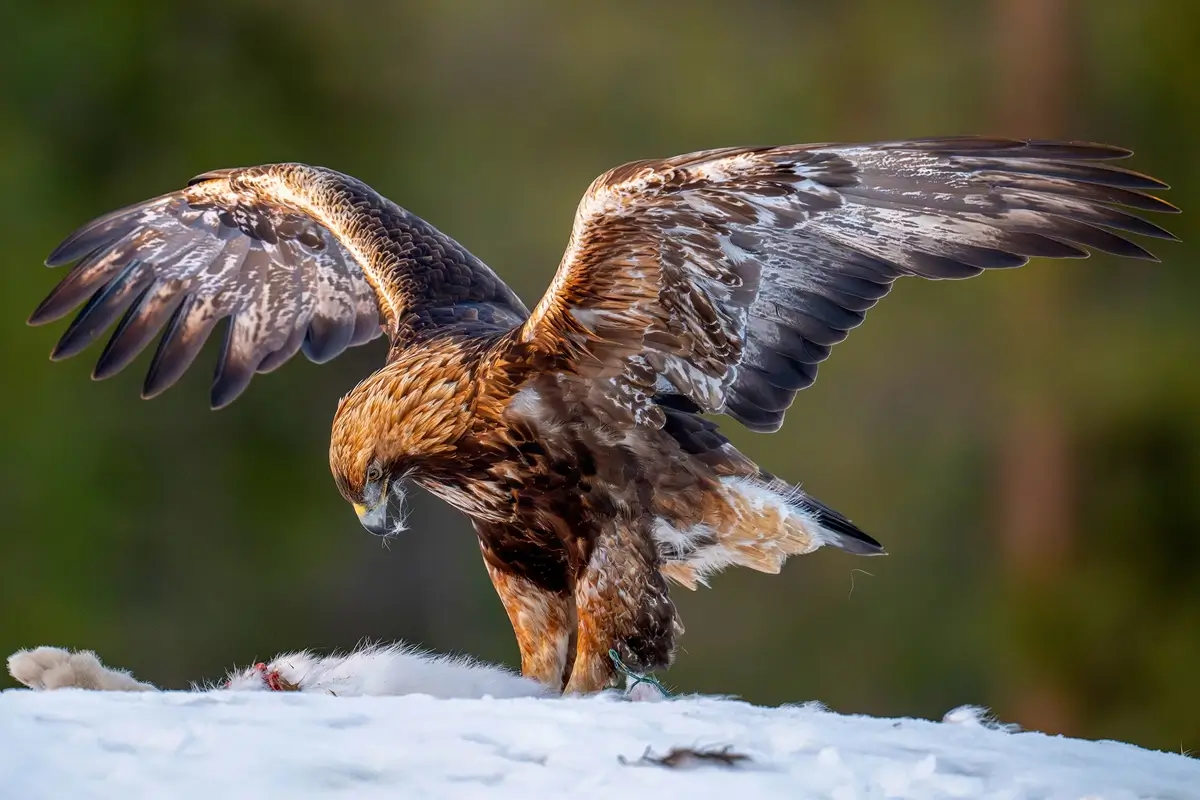
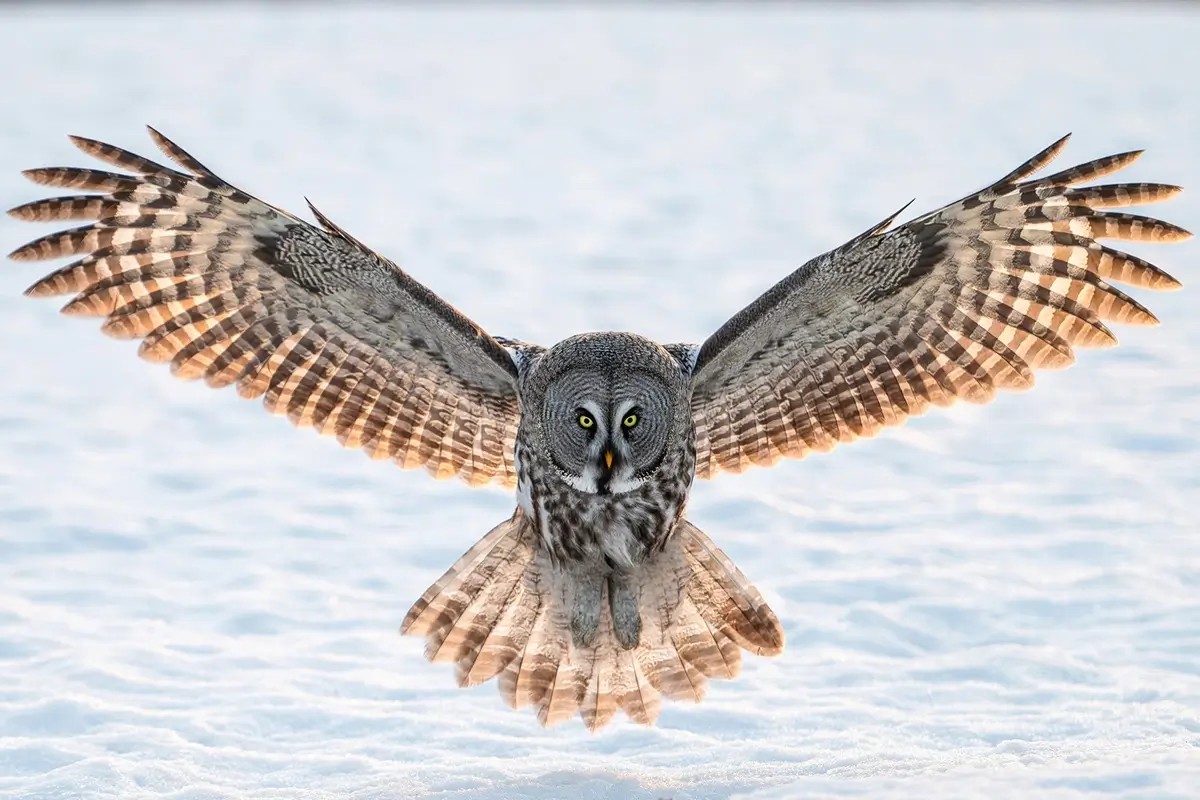
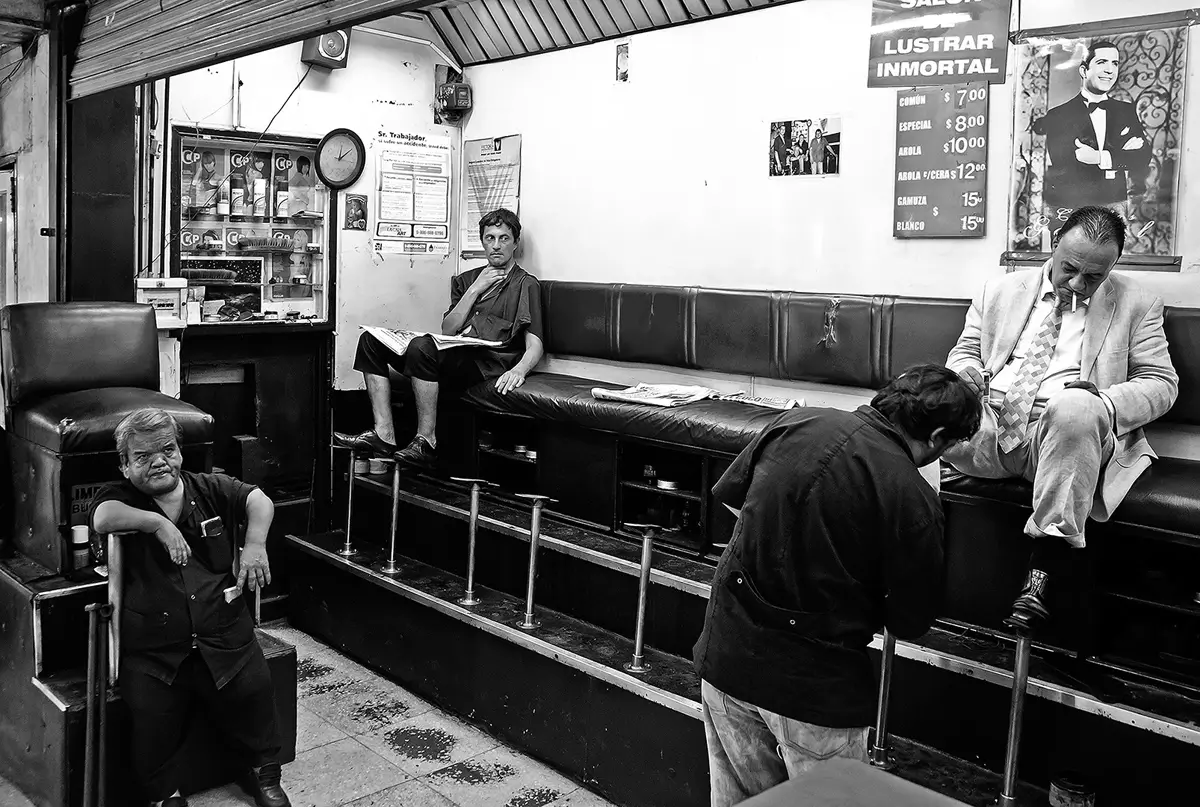
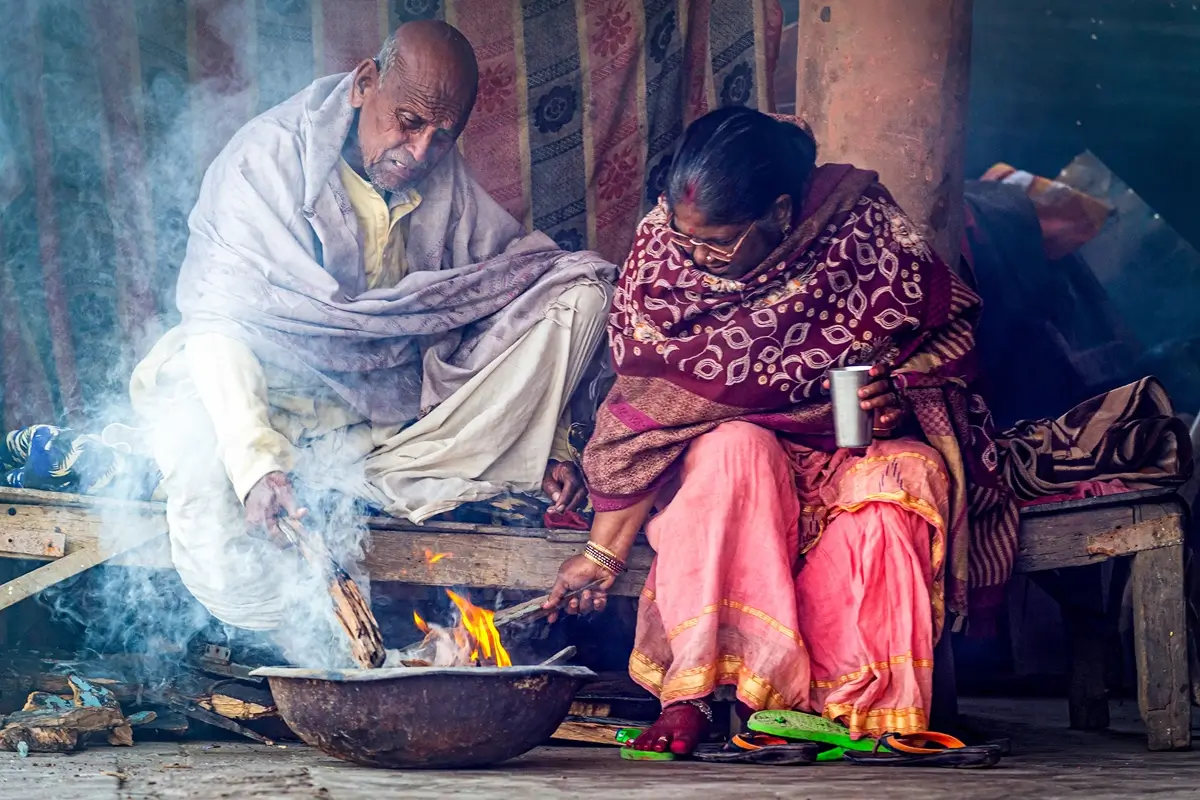
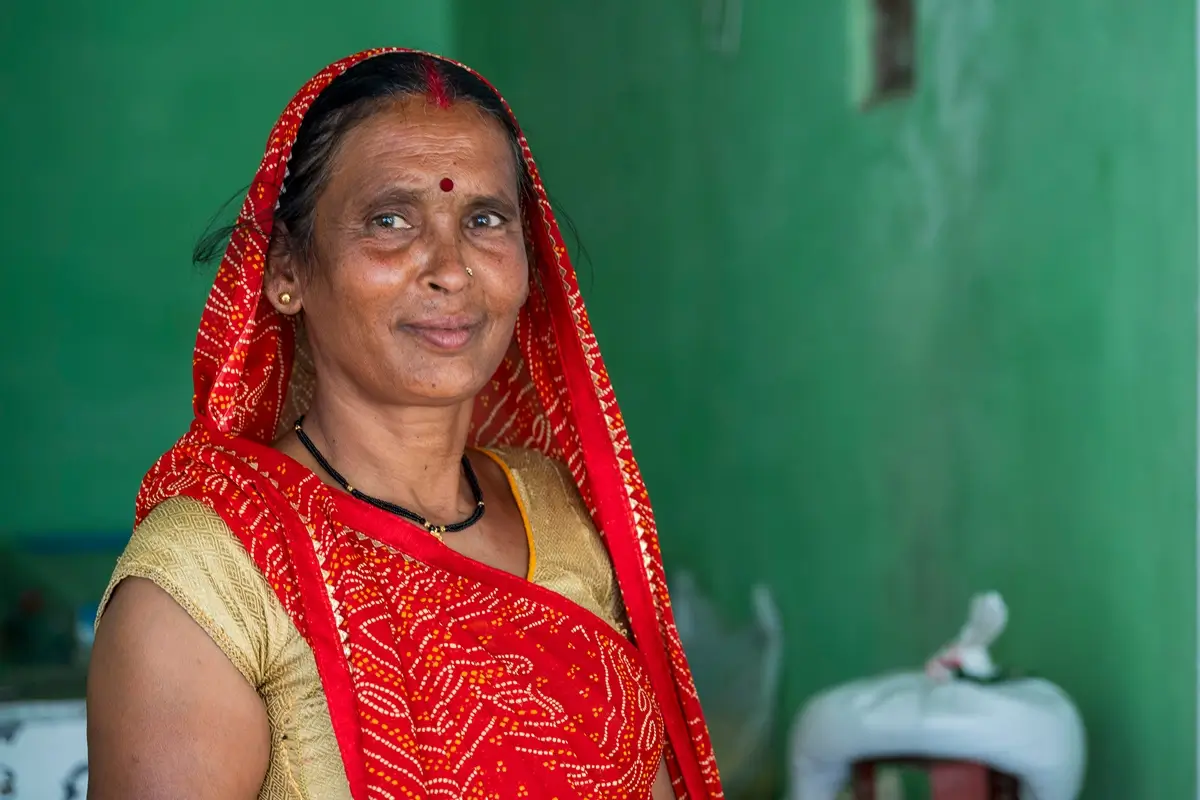
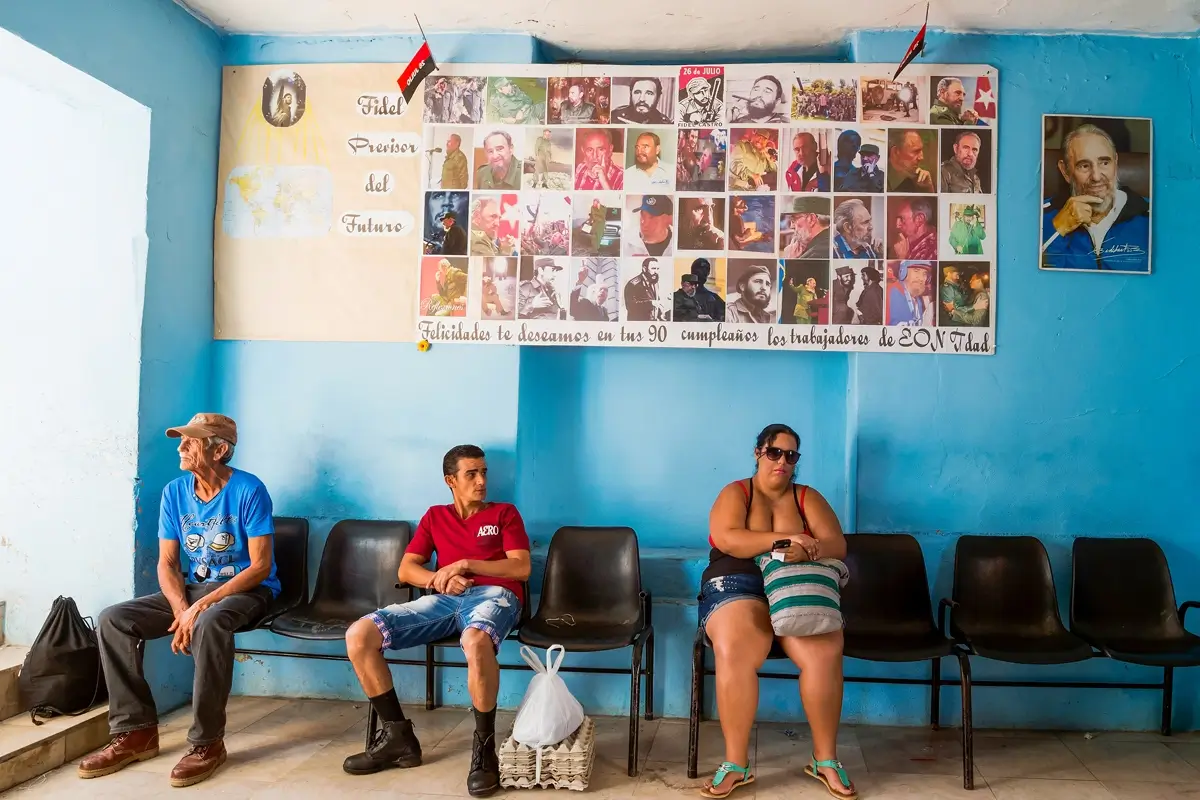
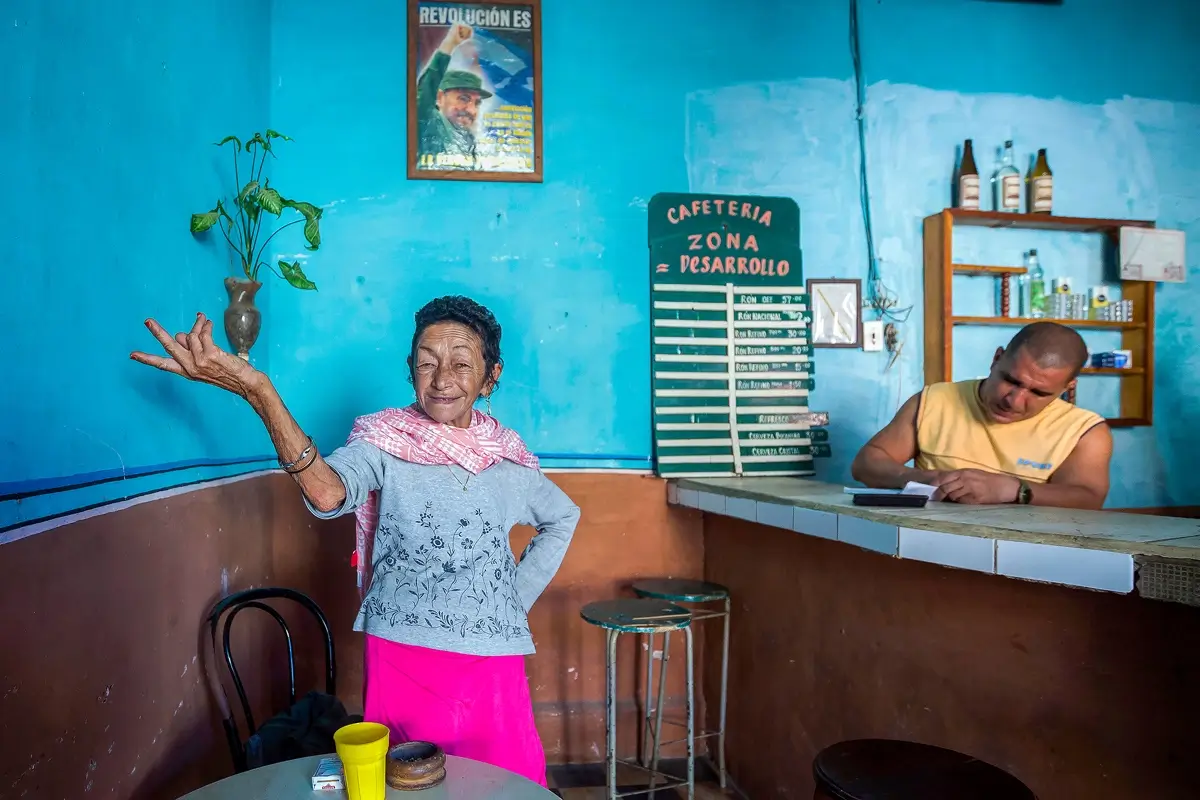
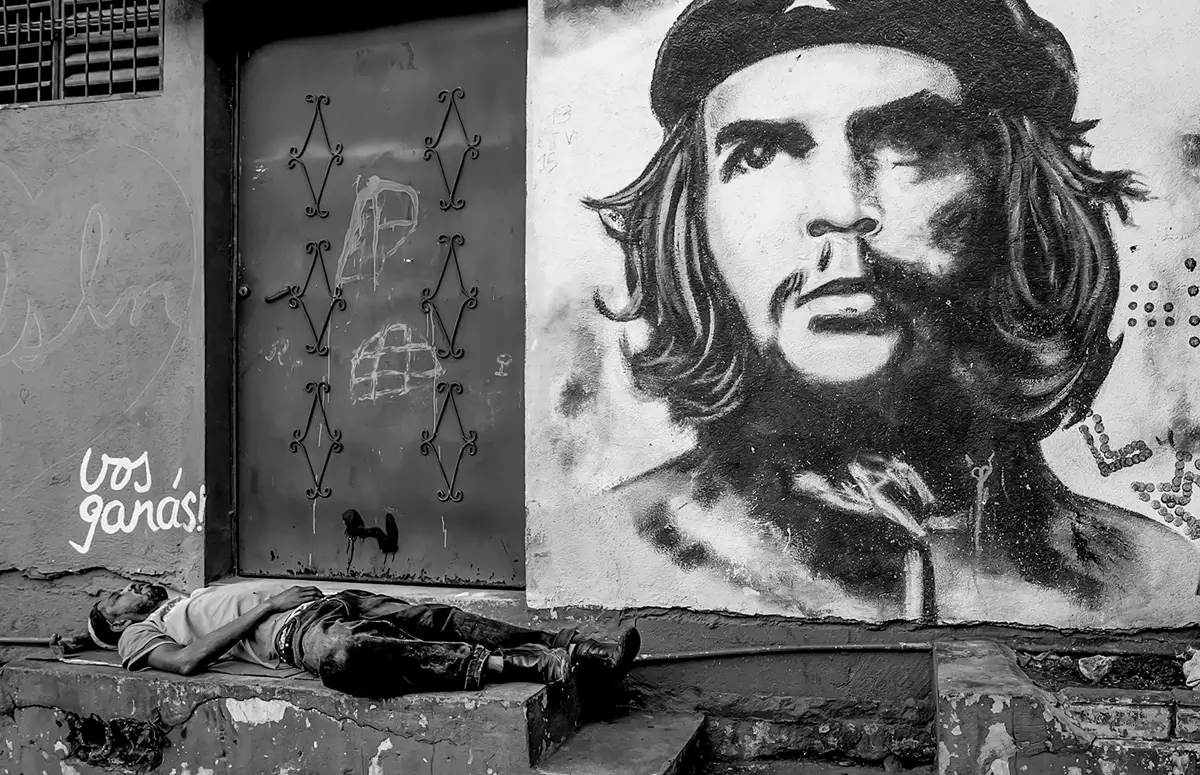
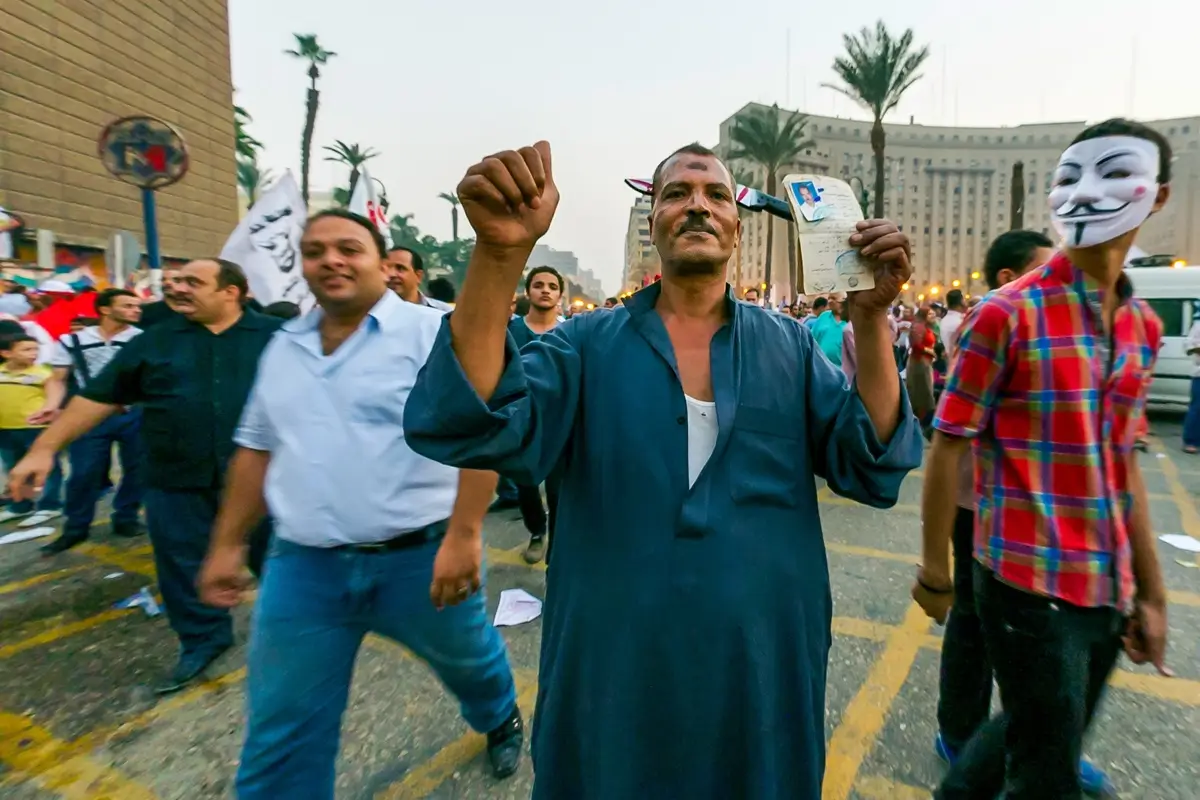
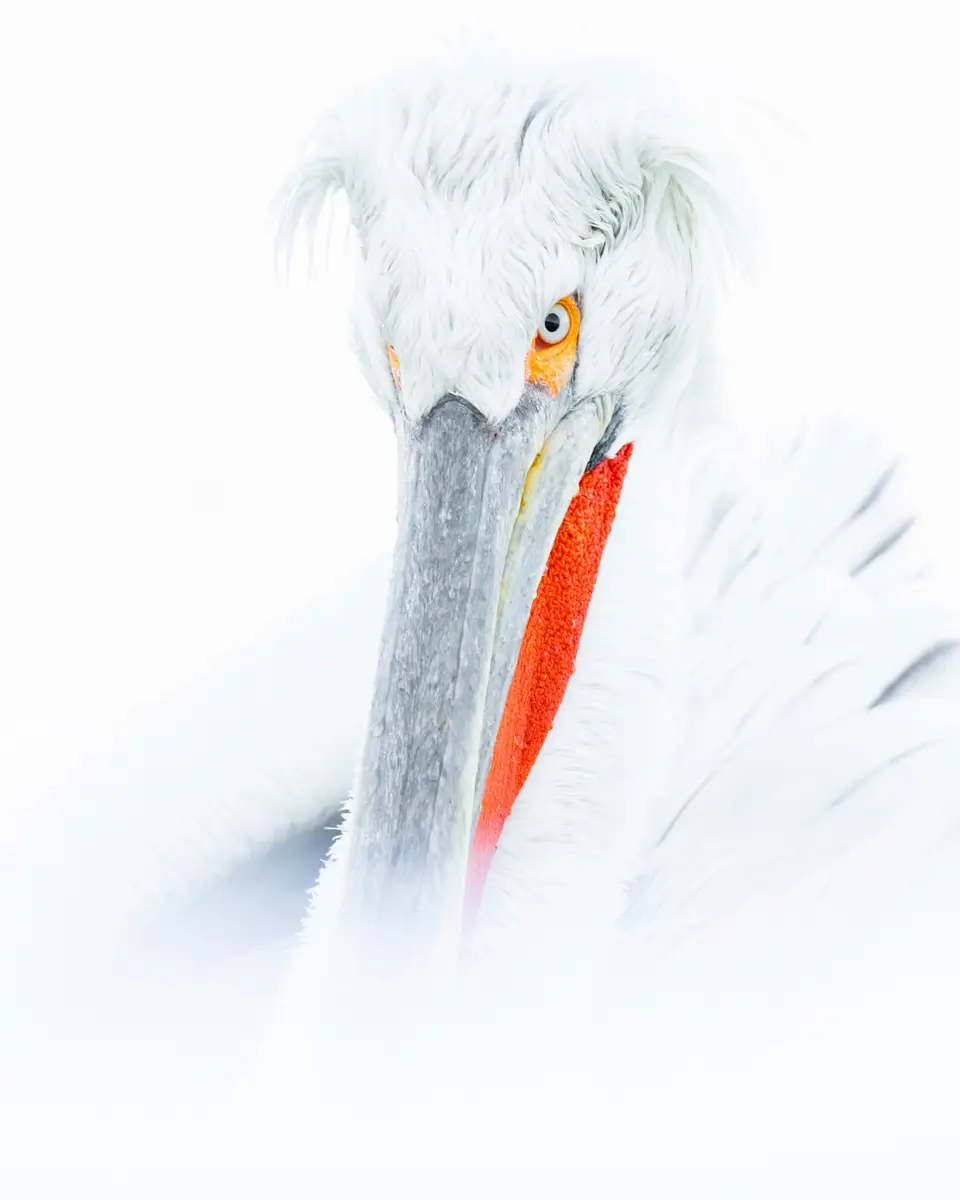
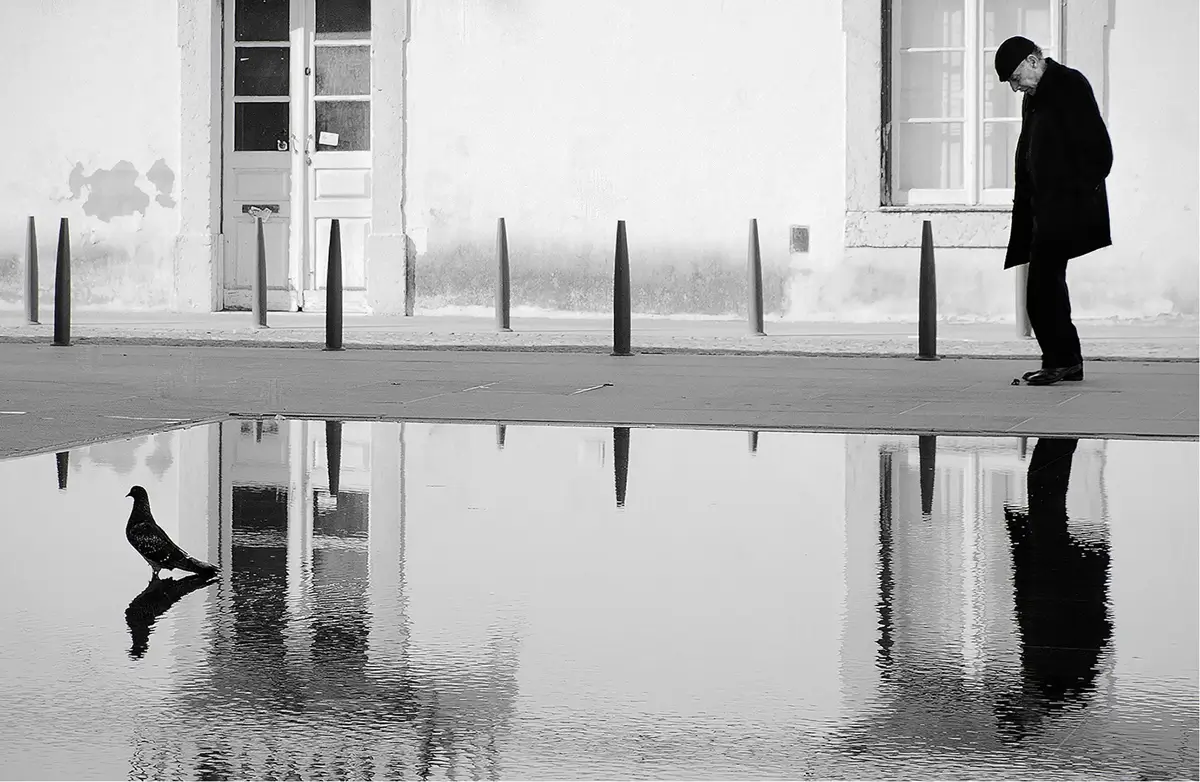
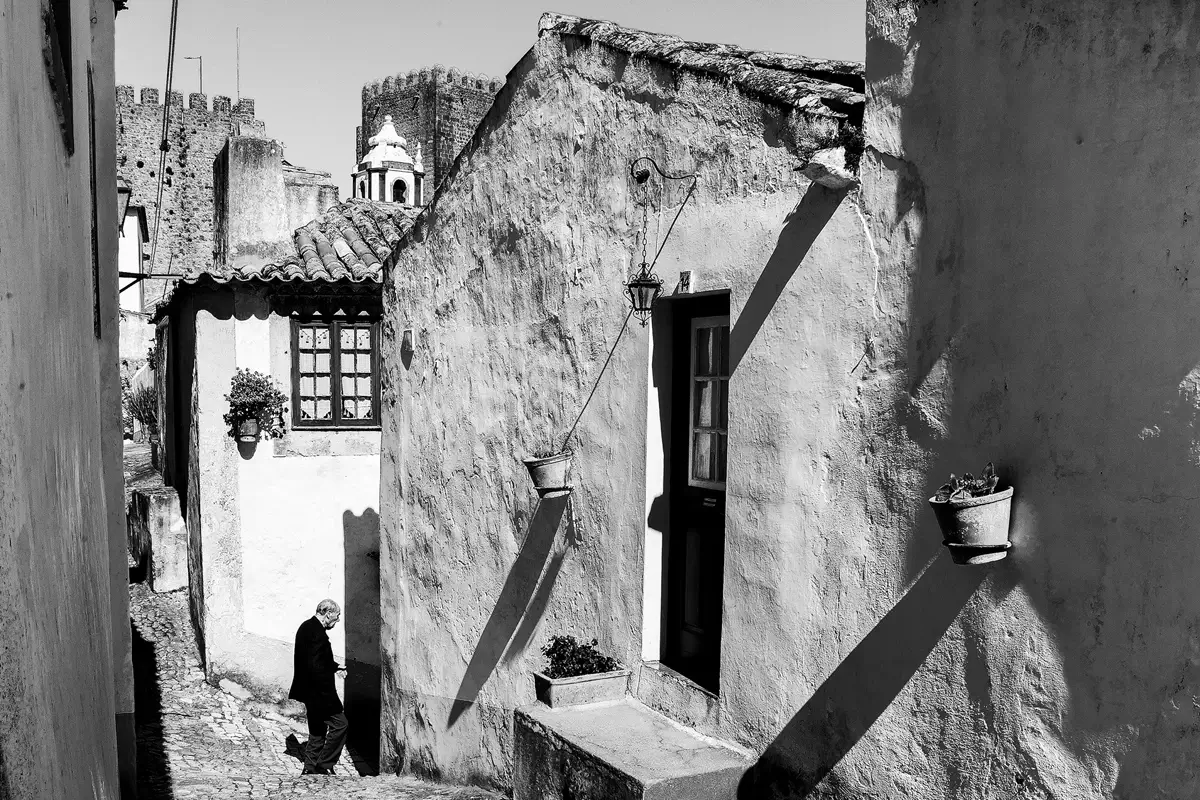
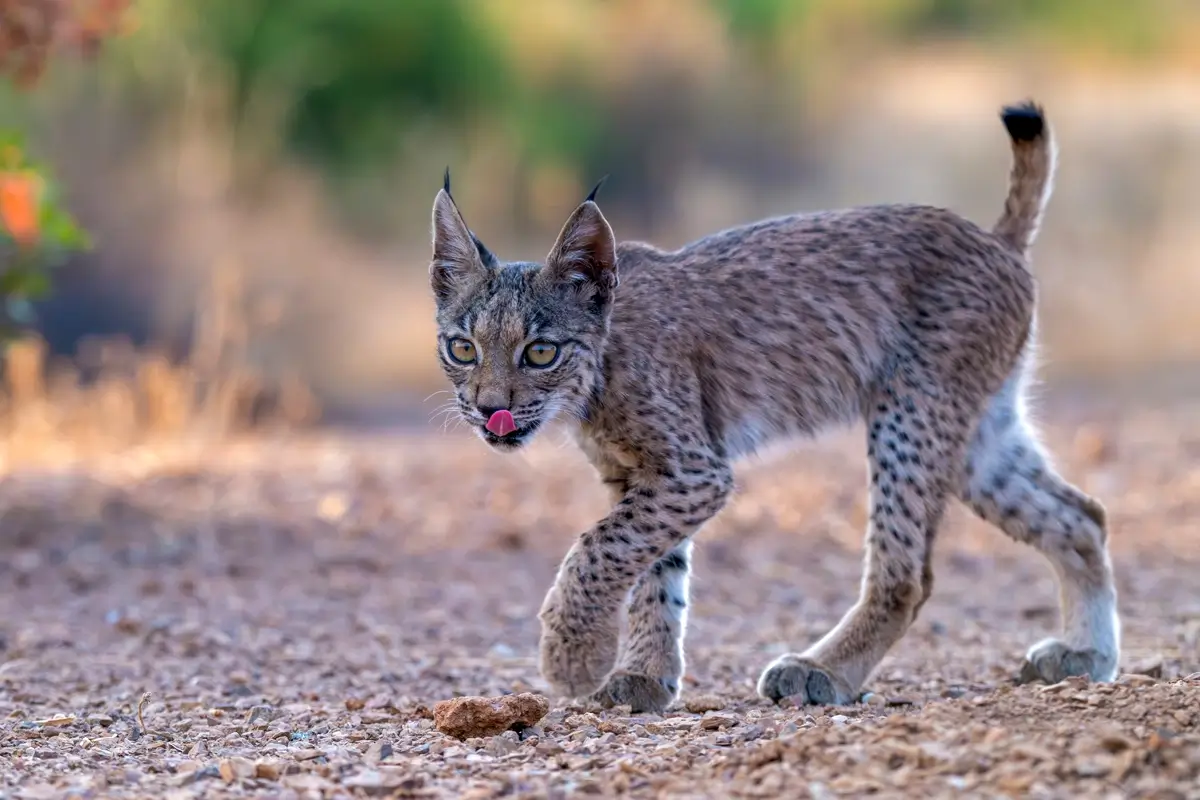
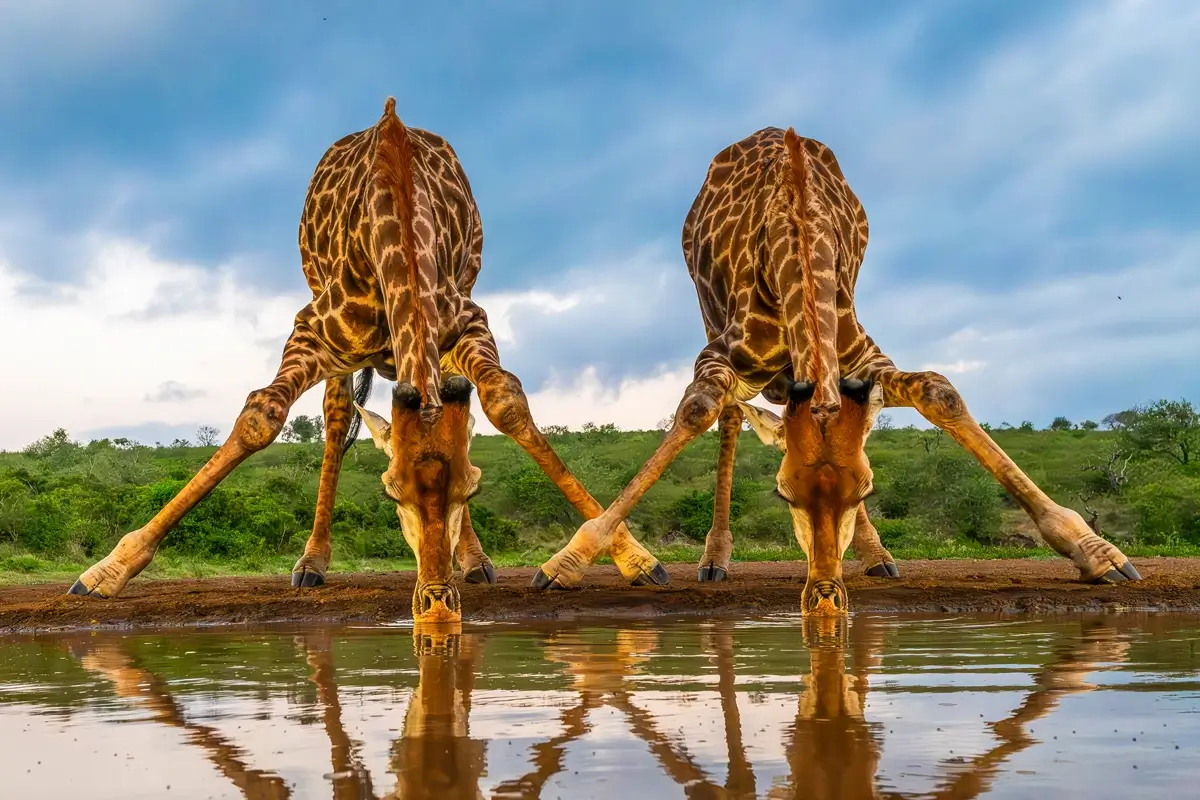
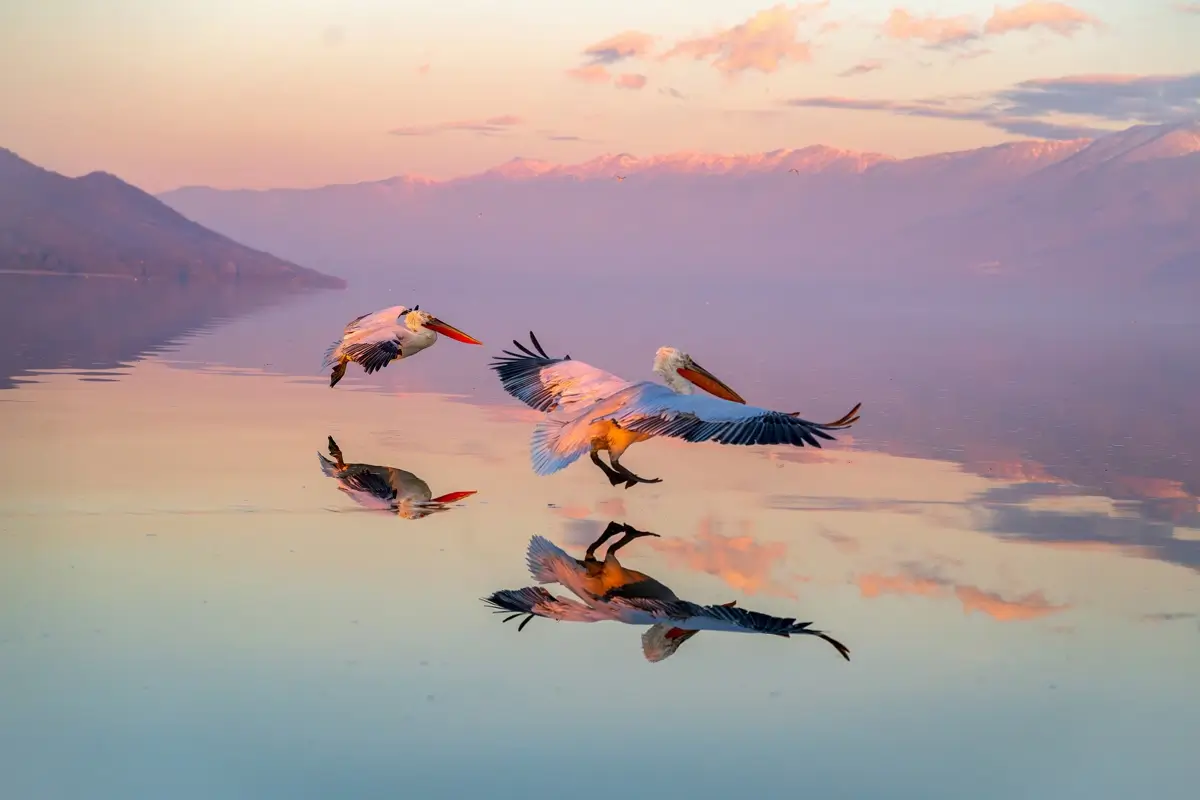
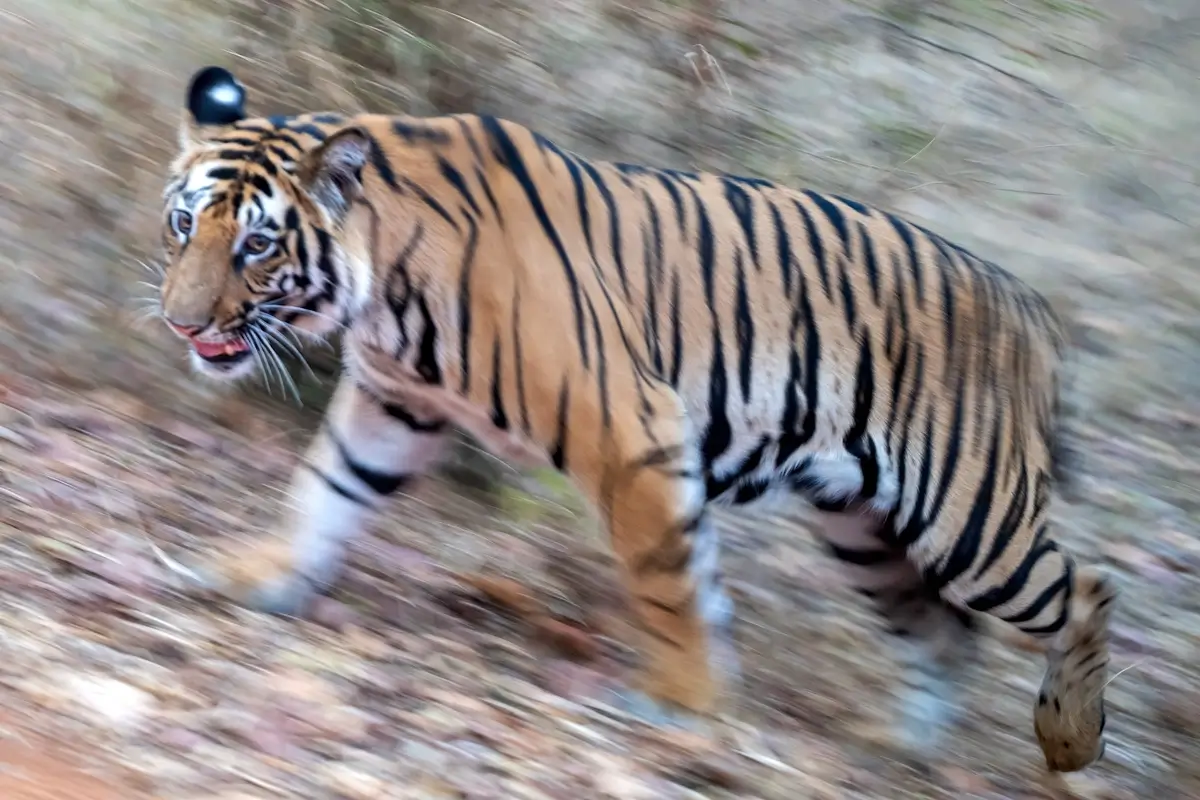
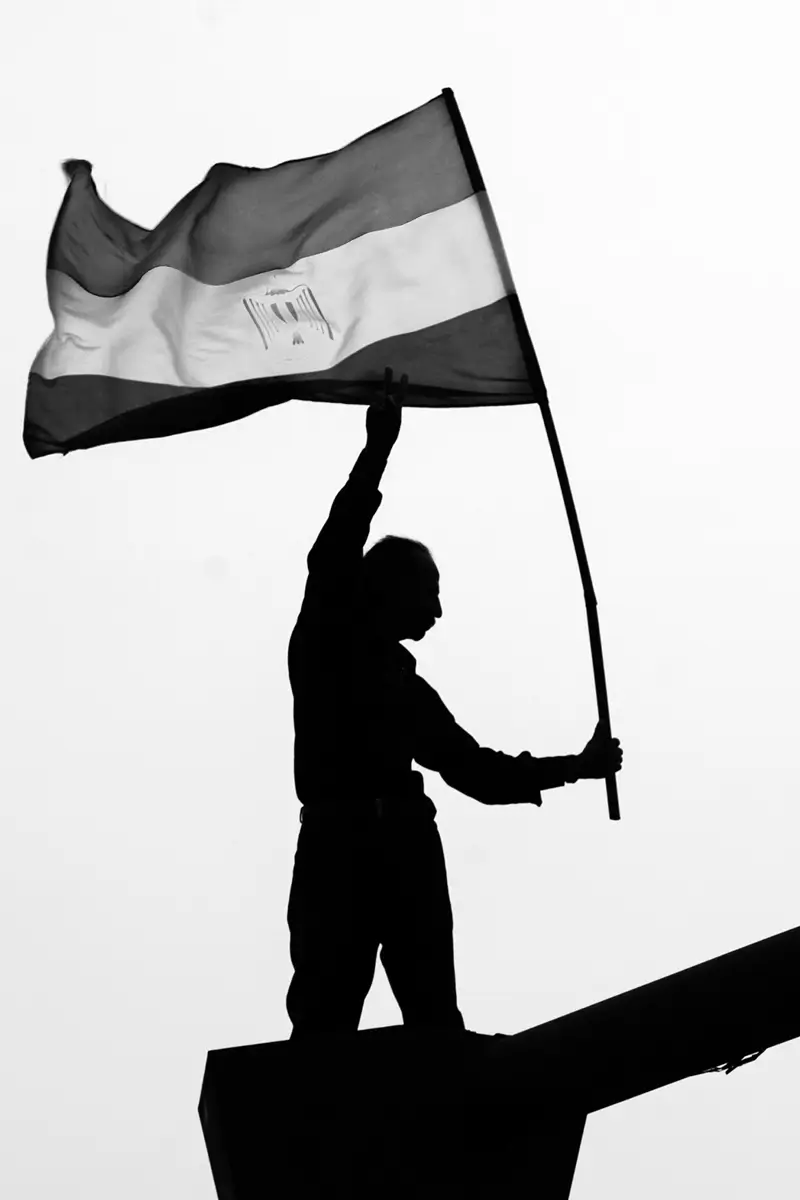
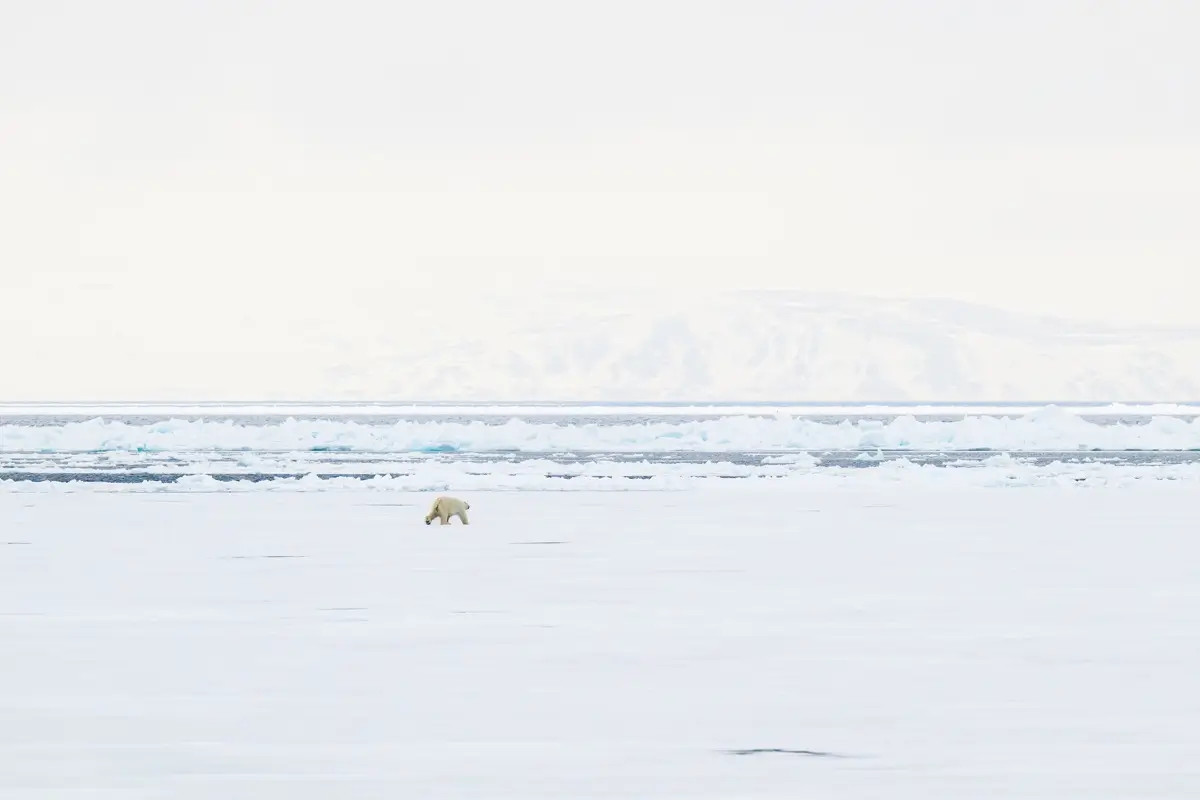
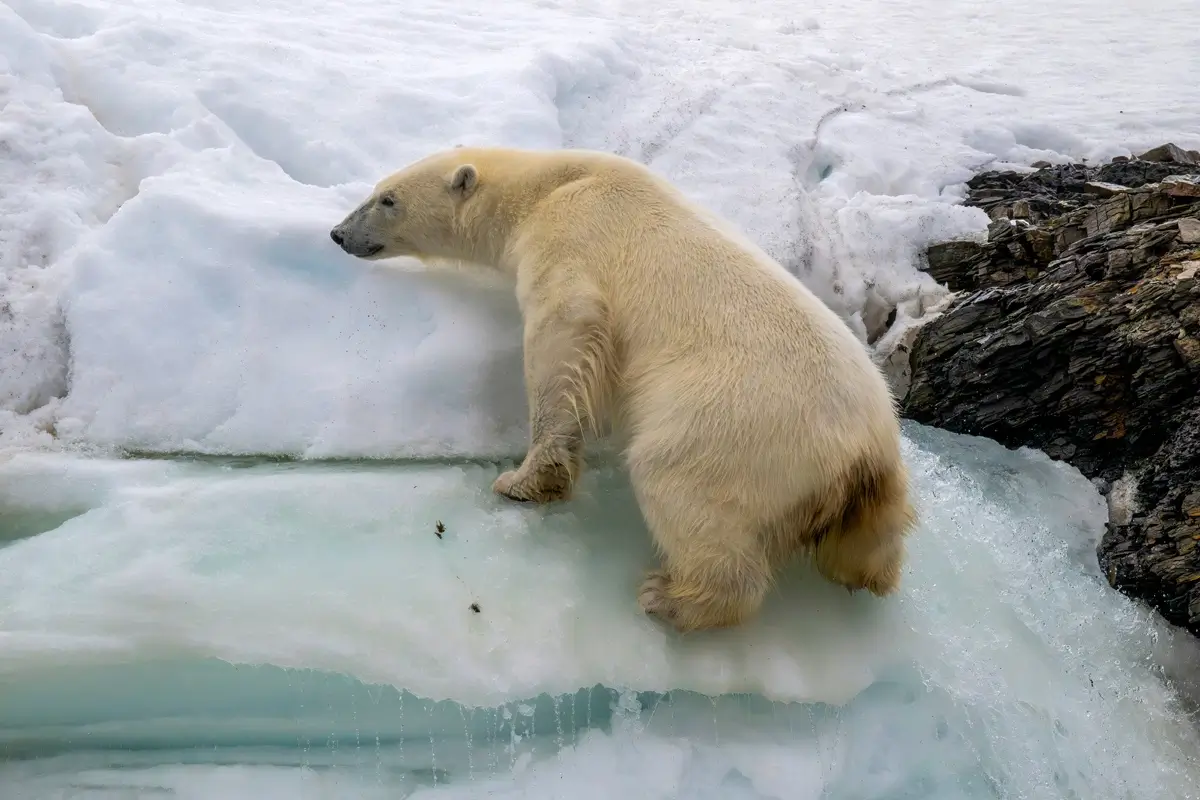
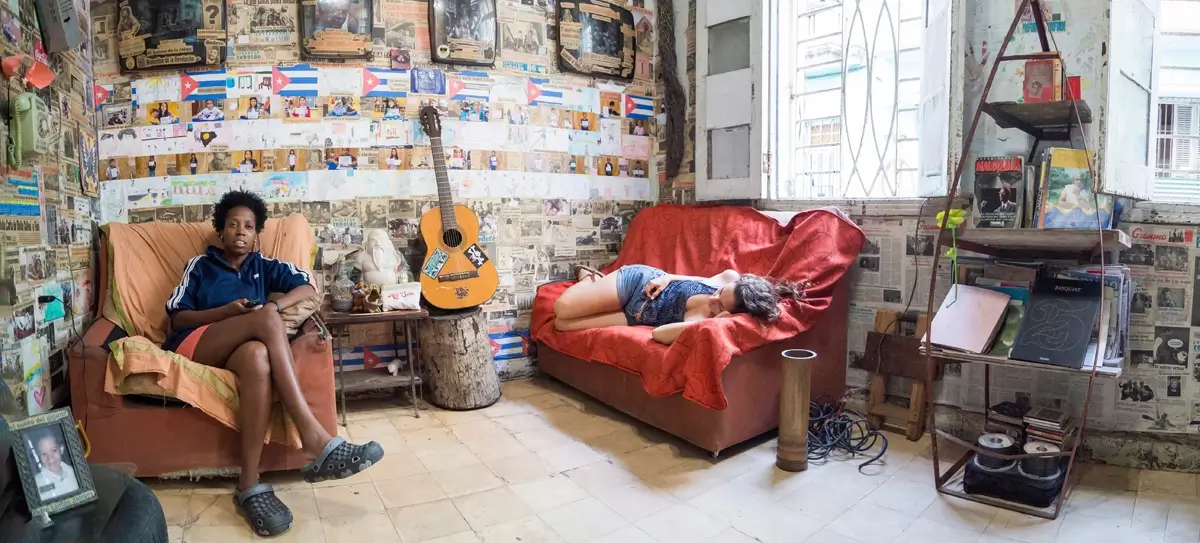
Seppo Tuomaala is a Finnish photographer working at the intersection of documentary and wildlife photography. His work moves between human environments and remote natural settings, often focusing on quiet moments that reveal deeper connections between subjects and their surroundings.

He began his photographic work in street and documentary photography before expanding into wildlife photography in recent years. He studied photography at Tornio Vocational College in Finland and brings an observational and precise approach to his images, characterized by minimalism, strong composition, and an emphasis on atmosphere rather than spectacle.

His work has been recognized in international photography competitions and exhibited in Finland and abroad. Today, his practice brings together documentary and wildlife perspectives, exploring the relationship between people, animals, and the environments they share.

All About Photo Competition:

All About Photo Awards 2026

 

Inspiring Portfolios

Call for Entries
AAP Magazine #58 B&W
Publish your work in our printed magazine and win $1,000 cash prizes
 
Stay up-to-date  with call for entries, deadlines and other news about exhibitions, galleries, publications, & special events.

More Great Photographers To Discover

Thomas Barbèy
Switzerland
Thomas Barbey grew up in Geneva, Switzerland, across the street from the “Caran D'ache” factory, the largest manufacturer of art supplies. He started drawing seriously at the age of 13, using black “encre de Chine” and gouaches for color. His influences were Philippe Druillet, Roger Dean and H.R. Giger. After living in Geneva for 17 years and designing posters for musical bands, he decided to move to Italy, where he lived in Milan for 15 years making a living as a successful recording artist, lyricist and fashion photographer. Today, he resides in Las Vegas and travels the world, taking his camera wherever he goes. Thomas has been a photographer for over twenty years now and prefers to use his old Canon AE1s when he shoots in 35mm or his RB67 when he shoots in medium format. More recently, he has been doing Black and White Photomontages for the sole purpose of doing Fine Art, without working for a specific client. He has combined several images taken over a period of twenty years to create surreal situations with the help of the enlarger in a dark room. His work has a specific style and is very characteristic. He only works with Black and White, including Sepia toning at times. Every single one of his images has to pass what he likes to call the “So what?” test. If a combination of two or more negatives put together doesn't touch him or have any particular meaning, he starts over. At times, he tries to combine images and sometimes the results can be disappointing. A giant clock in the middle of the ocean can be an unusual image, but if he looks at it and says to himself, “So what?”, this means it isn't good enough.” If, instead, an ocean liner is going down a “funnel-type” hole and he titles it “Shortcut to China”, it takes on a whole new meaning. The picture takes you into an imaginary world where you can see the captain telling the passengers to fasten their safety belts and get prepared for the descent, and so on. At times Thomas comes up with ideas beforehand, try to materialize them and it works. At other times, it comes as an accident, where the ideas come afterwards, when the image is already finished and the concept has yet to be understood. Thomas claims he is learning constantly through the process of creation. Thomas travels 2-3 times a year to take photographs of different things and places. Sometimes he uses an image several years later, but only when it fits, like the perfect piece in a puzzle, and completes his latest project. Some images are composed of negatives that are separated by a decade in the actual time that he has taken them and only come to life when they found their perfect match. It's the combination of two or more negatives that give birth to a completely unusual vision, but most of all, the title he gives the final image is the glue and the substance of the piece. Source: thomasbarbey.com
Alejandra Nowiczewski
Italy/Argentina
1966
Born in Buenos Aires and based in Madrid since 2022, Alejandra Nowiczewski is a sworn translator and a photographer specializing in philosophical, social and environmental issues. She obtained a Master’s Degree in Photographic Projects from PhotoESPAÑA and completed several photography workshops and mentorship programs in Argentina and Madrid. She has recently exhibited in Madrid Penumbra, a conceptual photobook dummy based on a book she wrote on the translation of legal metaphor and its social dimension. Addressing metaphor and symbol, she presents her photographic series as a visual and metaphorical reinterpretation of processes, concepts or essential texts. Within the framework of contemporary photography, she seeks to explore the ability of the photographic document to suggest something more than itself, to serve as a conduit to visualize social, philosophical or environmental topics. Her works were featured in Artdoc Magazine and in its online exhibition. She was also a nominee in the reFocus Awards 2022, Black & White Photo Contest, Minimalism, and was selected for PhotoESPAÑA’s Descubrimientos PHE25 portfolio review. She has exhibited her photographic work in Buenos Aires (Rolf Art, Ingõt Arte, Pinta BAphoto 2024 and 2022, and BAphoto 2021) and Madrid (PhotoESPAÑA, Centro de Arte Alcobendas, Museo Zapadores Ciudad del Arte and PhotoESPAÑA, Galería Nueva Las Letras). Her works are also in private collections in Argentina. Statement: I intend that my work, in its form of expression, should have the potential to add meaning and raise awareness. In line with my training in translation and its social dimension, I am interested in creating visual metaphors from linguistic metaphors, with the aim of bringing the cognitive into the visual universe and thus broadening its understanding. My work also explores a variety of themes, ranging from philosophical to climate change, biodiversity and sustainability issues. In the first case, I try to awaken intuition regarding the symbolic; in the second, I compose my images in such a way that, beyond their aesthetic component, they raise awareness about these critical global issues, which I consider priority for human and natural systems. I also accompany my projects with documentary archives that support the research on these topics.
Stuart Franklin
United Kingdom
1956
Stuart Franklin is a British photographer. He is a member of Magnum Photos and was its President from 2006 to 2009. Franklin was born on June 16 1956 at Guys Hospital in London. He studied drawing under Leonard McComb in Oxford and Whitechapel, London, and from 1976 to 1979 photography at West Surrey College of Art and Design, where he graduated with a BA. Moreover, between 1995 and 1997, he studied geography at the University of Oxford, first receiving a BA and the Gibbs Prize for geography. He received a doctorate in Geography from the University of Oxford in 2000. Stuart Franklin was awarded a professorship in documentary photography in 2016. He teaches photography and visual storytelling at Volda University College, Norway. From 1980 until 1985, Franklin worked with Sygma in Paris. During that time he photographed the civil war in Lebanon, unemployment in Britain, famine in Sudan and the Heysel Stadium disaster. Joining Magnum Photos in 1985, he became a full member in 1989. In the same year, Franklin photographed the uprising in Tiananmen Square and shot one of the Tank Man photographs, first published in TIME Magazine, as well as widely documenting the uprising in Beijing earning him a World Press Photo Award. In 1989 Franklin traveled with Greenpeace to Antarctica. He worked on about twenty stories for National Geographic between 1991 and 2009, subjects including Inca conqueror Francisco Pizarro and the hydro-struggle in Quebec and places such as Buenos Aires and Malaysia. In addition, he worked on book and cultural projects. In October 2008, his book Footprint: Our Landscape in Flux was published by Thames & Hudson. An ominous photographic document of Europe’s changing landscape, it highlights Franklin's ecological concern. During 2009 Franklin curated an exhibition on Gaza - Point of No Return for the Noorderlicht Photo Festival. Since 2009 he has focused on a long-term landscape project in Norway published as Narcissus in 2013. More recently he has worked on documentary projects on doctors working in Syria, and immigration in Calais. Franklin's most recent book, The Documentary Impulse was published by Phaidon in April 2016. It investigates the nature of truth in reporting and the drive towards self-representation beginning 50,000 years ago with cave art through to the various iterations and impulses that have guided documentary photography along its differing tracks for nearly 200 years. Franklin was the general chair of the World Press Photo jury 2017.Source: Wikipedia How Stuart Franklin took his Tank Man photograph In our book, The Documentary Impulse, the acclaimed photographer Stuart Franklin explores the human drive behind documentary photography, whether it's the passion to record the moments we experience, or the need to bear witness to forces that we want to change. The second of those two drives spurred Franklin in the summer of 1989, when he shot Tank Man, the unnamed, and to-this-day still unknown pro-democracy protestor who stood in the way of the Chinese army’s tanks, as they tried to clear Tiananmen Square. Franklin's film was smuggled out of Beijing to Magnum's Paris office by a French student in a box of tea, and, following its development and distribution, his picture moved world leaders across the globe, including the then US president George H W Bush. Here’s how he got that photograph. “I remember lying prone on a balcony on the sixth floor of the Beijing Hotel with the Newsweek photographer Charlie Cole, photographing the event around noon on 4 June,” Franklin recalls. “Earlier that day Tiananmen Square had been cleared by the Chinese Army. However, a group of civilians lined up to face a double row of soldiers who themselves stood in firing positions in front of a column of tanks. These civilians were shot at repeatedly, leaving at least twenty casualties. As the bodies were carried away the standoff died down and a column of tanks broke through, moving slowly eastwards. Waiting for them a few hundred metres down the road was a man in a white shirt and dark trousers, carrying two shopping bags. Alone he blocked the path of the tanks, watched by groups of nervous bystanders and perhaps fifty journalists, camera crews and photographers on balconies on almost every floor of the hotel." Franklin captured the most widely distributed image of the event. Yet, after the taking the shot, he wasn’t convinced of the image’s power. “On the balcony after the event, which lasted less than three minutes, a conversation ensued with a writer for Vanity Fair, T.D. Allman. Allman insisted on the significance of the spectacle,” Franklin writes. “I recalled images from 1968 in Prague and Bratislava where protesters stood up bare-chested against Russian tanks, and similar accounts from China during the Japanese invasion. Tank man felt very distant by comparison." Thankfully, once his film was out of the country, the world looked favourably on the photograph. “My rolls of film were smuggled out of China the following day packed in a small box of tea and carried to Paris by a French student,” he recalls. “The transparencies were later processed, duplicated and distributed from Magnum’s office in Paris." “Images and reports of the tank man incident emerged slowly. The first the world saw of the tank man was on television on 5 June. Television drew the world’s attention to the incident. George Bush Senior referenced it after watching CNN. ‘I was very moved today’, Bush said at a news conference on the morning of 5 June, ‘by the bravery of that one young individual that stood alone in front of the tanks, rolling down the avenue there.’”Source: Phaidon
Harry Benson
Scotland
1929
Scottish born photojournalist Harry Benson arrived in America with the Beatles in 1964. Harry has photographed every U.S. president from Eisenhower to Barack H. Obama; was just feet away from Bobby Kennedy the night he was assassinated; in the room with Richard Nixon when he resigned; on the Meredith march with Martin Luther King, Jr., next to Coretta Scott King at her husband's funeral; on maneuvers with the IRA; was there when the Berlin Wall went up and when it came down; and covered the aftermath of Katrina in New Orleans. In 2013 Harry received an Honorary Doctor of Letters from The University of St. Andrews, Scotland. On January 1, 2009, Harry was appointed a Commander of the Order of the British Empire by Her Majesty Queen Elizabeth II and received his honor at Buckingham Palace in March. In London in November 2009 Harry received an Honorary Fellowship in the Royal Photographic Society. Harry was honored with a Doctor of Letters from the Glasgow School of Art and Glasgow University in 2007. Twice named NPPA Magazine Photographer of the Year, Harry received the 2005 LUCIE Award for Lifetime Achievement in Portrait Photography; the 2005 AMERICAN PHOTO Magazine Award for Achievement in Photography; the 2006 Lifetime Achievement Award from the Scottish Press Photographers Association; and has twice received the Leica Medal of Excellence. He has had 40 gallery solo exhibitions and fourteen books of his photographs have been published. His photographs are in the permanent collection of the Scottish National Portrait Gallery in Edinburgh, and the Smithsonian National Portrait Gallery in Washington, DC, both museums hosted his Harry Benson: Being There exhibition (2006-7). A major retrospective exhibition of Harry's photographs was at Kelvingrove Museum in Glasgow from June to September, 2008. Harry was under contract to LIFE Magazine from 1970 to 2000. His photographs appear in major magazines including Vanity Fair, Town & Country, Architectural Digest, Time, Newsweek, Vice, Paris Match, and The London Sunday Times Magazine. Harry lives in Wellington, Florida with his wife, Gigi, who works with him on his book and exhibit
Mary Ellen Mark
United States
1940 | † 2015
Mary Ellen Mark is an American photographer known for her photojournalism, portraiture, and advertising photography. She has had 16 collections of her work published and has been exhibited at galleries and museums worldwide. She has received numerous accolades, including three Robert F. Kennedy Journalism Awards and three fellowships from the National Endowment for the Arts. Mary Ellen Mark was born in suburban Philadelphia, Pennsylvania, and began photographing with a Box Brownie camera at age nine. She attended Cheltenham High School, where she was head cheerleader and exhibited a knack for painting and drawing. She received a BFA degree in painting and art history from the University of Pennsylvania in 1962, and a Masters Degree in photojournalism from that university's Annenberg School for Communication in 1964. The following year, Mark received a Fulbright Scholarship to photograph in Turkey for a year. While there, she also traveled to photograph England, Germany, Greece, Italy, and Spain. In 1966 or 1967, she moved to New York City, where over the next several years she photographed Vietnam War demonstrations, the women's liberation movement, transvestite culture, and Times Square, developing a sensibility, according to one writer, "away from mainstream society and toward its more interesting, often troubled fringes". As Mark explained in 1987, "I'm just interested in people on the edges. I feel an affinity for people who haven't had the best breaks in society. What I want to do more than anything is acknowledge their existence". Her shooting style ranges from a 2 ¼ inch format, 35 mm, and 4x5 inch view camera. She also uses a Leica 4 for most photographs and Nikons for long-range shooting. Mark loves shooting with a Hasselblad for square format and she shoots primarily in black-and-white, using classic Kodak Tri-X film. Source: Wikipedia Mary Ellen Mark achieved worldwide visibility through her numerous books, exhibitions and editorial magazine work. She published photo essays and portraits in such publications as Life, New York Times, The New Yorker, Rolling Stone, and Vanity Fair. For over five decades, she traveled extensively to make pictures that reflect a high degree of humanism. She is recognized as one of our most respected and influential photographers. Her images of our world's diverse cultures have become landmarks in the field of documentary photography. Her portrayals of Mother Teresa, Indian circuses, and brothels in Bombay were the product of many years of work in India. A photo essay on runaway children in Seattle became the basis of the academy award-nominated film Streetwise, directed and photographed by her husband, Martin Bell. Mary Ellen received the 2014 Lifetime Achievement in Photography Award from the George Eastman House as well as the Outstanding Contribution Photography Award from the World Photography Organisation. She has also received the Infinity Award for Journalism, an Erna & Victor Hasselblad Foundation Grant, and a Walter Annenberg Grant for her book and exhibition project on America. Among her other awards are the Cornell Capa Award from the International Center of Photography, the John Simon Guggenheim Fellowship, the Matrix Award for outstanding woman in the field of film/photography, and the Dr. Erich Salomon Award for outstanding merits in the field of journalistic photography. She was also presented with honorary Doctor of Fine Arts degrees from her Alma Mater, the University of Pennsylvania and the University of the Arts; three fellowships from the National Endowment for the Arts; the Photographer of the Year Award from the Friends of Photography; the World Press Award for Outstanding Body of Work Throughout the Years; the Victor Hasselblad Cover Award; two Robert F. Kennedy Awards; and the Creative Arts Award Citation for Photography at Brandeis University. She published twenty books including Passport (Lustrum Press, 1974), Ward 81 (Simon & Schuster, 1979), Falkland Road (Knopf, 1981), Mother Teresa's Mission of Charity in Calcutta (Friends of Photography, 1985), The Photo Essay: Photographers at work (A Smithsonian series), Streetwise (second printing, Aperture, 1992), Mary Ellen Mark: 25 Years (Bulfinch, 1991), Indian Circus (Chronicle, 1993 and Takarajimasha Inc., 1993), Portraits (Motta Fotografica, 1995 and Smithsonian, 1997), a Cry for Help (Simon & Schuster, 1996), Mary Ellen Mark: American Odyssey (Aperture, 1999), Mary Ellen Mark 55s (Phaidon, 2001), Photo Poche: Mary Ellen Mark (Nathan, 2002), Twins (Aperture, 2003), Exposure (Phaidon, 2005), Extraordinary Child (The National Museum of Iceland, 2007), Seen Behind the Scene (Phaidon, 2009), Prom (Getty, 2012,) Man and Beast (University of Texas Press, 2014,) Tiny: Streetwise revisited (Aperture, 2015,) and Mary Ellen Mark on the Portrait and the Moment (Aperture, 2015.) Mark's photographs have been exhibited worldwide. She also acted as the associate producer of the major motion picture, American Heart (1992), directed by, Martin Bell. Her last book Tiny: Streetwise Revisited is a culmination of 32 years documenting Erin Blackwell, who she first met in 1983 on assignment for Life Magazine. Erin was the subject of both the book and film Streetwise. Martin also made an updated film, Tiny: The Life of Erin Blackwell. Aside from her book and magazine work, Mark photographed advertising campaigns among which are Barnes and Noble, British Levis, Coach Bags, Eileen Fisher, Hasselblad, Heineken, Keds, Mass Mutual, Nissan, and Patek Philippe.Source: www.maryellenmark.com
Graciela Iturbide
Graciela Iturbide was born in 1942 in Mexico City. In 1969 she enrolled at the age of 27 at the film school Centro de Estudios Cinematográficos at the Universidad Nacional Autónama de México to become a film director. However she was soon drawn to the art of still photography as practiced by the Mexican modernist master Manuel Alvarez Bravo who was teaching at the University. From 1970-71 she worked as Bravo's assistant accompanying him on his various photographic journeys throughout Mexico. In the early half of the 1970s, Iturbide traveled widely across Latin America in particular to Cuba and several trips to Panama. In 1978 Graciela Iturbide was commissioned by the Ethnographic Archive of the National Indigenous Institute of Mexico to photograph Mexico's indigenous population. Iturbide decided to document and record the way of life of the Seri Indians, a group of fisherman living a nomadic lifestyle in the Sonora desert in the north west of Mexico, along the border with Arizona, US. In 1979 she was invited by the artist Francisco Toledo to photograph the Juchitán people who form part of the Zapotec culture native to Oaxaca in southern Mexico. Iturbide's series that started in 1979 and runs through to 1988 resulted in the publication of her book Juchitán de las Mujeres in 1989. Between 1980 and 2000, Iturbide was variously invited to work in Cuba, East Germany, India, Madagascar, Hungary, Paris and the US, producing a number of important bodies of work. She has enjoyed solo exhibitions at the Centre Pompidou (1982), San Francisco Museum of Modern Art (1990), Philadelphia Museum of Art (1997), The J. Paul Getty Museum (2007), MAPFRE Foudation, Madrid (2009), Photography Museum Winterthur (2009), and Barbican Art Gallery (2012), between others. Iturbide is the recipient of the W. Eugene Smith Memorial Foundation Award, 1987; the Grand Prize Mois de la Photo, Paris, 1988; a Guggenheim Fellowship for the project 'Fiesta y Muerte', 1988; the Hugo Erfurth Award, Leverkusen, Germany, 1989; the International Grand Prize, Hokkaido, Japan, 1990; the Rencontres Internationales de la Photographie Award, Arles, 1991; the Hasselblad Award, 2008; the National Prize of Sciences and Arts in Mexico City in 2008; an Honorary Degree in photography from the Columbia College Chicago in 2008; and an Honorary Doctorate of Arts from the San Francisco Art Institute in 2009.Source: www.gracielaiturbide.org Graciela Iturbide photographs everyday life, almost entirely in black-and-white, following her curiosity and photographing when she sees what she likes. She was inspired by the photography of Josef Koudelka, Henri Cartier-Bresson, Sebastiao Salgado and Manuel Álvarez Bravo. Her self-portraits especially reflect and showcase Bravo's influence and play with innovation and attention to detail. Iturbide eschews labels and calls herself complicit with her subjects. With her way of relating to those she is photographing, she is said to allow her subjects to come to life, producing poetic portraits. She became interested in the daily life of Mexico's indigenous cultures and people (the Zapotec, Mixtec, and Seri) and has photographed life in Mexico City, Juchitán, Oaxaca and on the Mexican/American border (La Frontera). With focus on identity, sexuality, festivals, rituals, daily life, death, and roles of women, Iturbide's photographs share visual stories of cultures in constant transitional periods. There's also juxtaposition within her images between urban versus rural life, and indigenous versus modern life. Iturbide's main concern has been the exploration and investigation of her own cultural environment. She uses photography as a way of understanding Mexico; combining indigenous practices, assimilated Catholic practices and foreign economic trade under one scope. Art critic, Oscar C. Nates, has describes Iturbide's work as "anthropoetic." Iturbide has also photographed Mexican-Americans in the White Fence (street gang) barrio of Eastside Los Angeles as part of the documentary book A Day in the Life of America (1987). She has worked in Argentina (in 1996), India (where she made her well-known photo, "Perros Perdidos" (Lost Dogs)), and the United States (an untitled collection of photos shot in Texas). One of the major concerns in her work has been "to explore and articulate the ways in which a vocable such as 'Mexico' is meaningful only when understood as an intricate combination of histories and practices." She is a founding member of the Mexican Council of Photography. She continues to live and work in Coyoacán, Mexico. In awarding her the 2008 Hasselblad Award, the Hasselblad Foundation said: "Graciela Iturbide is considered one of the most important and influential Latin American photographers of the past four decades. Her photography is of the highest visual strength and beauty. Graciela Iturbide has developed a photographic style based on her strong interest in culture, ritual and everyday life in her native Mexico and other countries. Iturbide has extended the concept of documentary photography, to explore the relationships between man and nature, the individual and the cultural, the real and the psychological. She continues to inspire a younger generation of photographers in Latin America and beyond." Some of Iturbide's recent work documents refugees and migrants. In her work Refugiados (2015), offers a stark contrast between love and family and danger and violence showing a smiling mother holding her child in front of a hand-painted mural of Mexico dotted with safety and danger zones. The largest institutional collection of Iturbide's photographs in the United States is preserved at the Wittliff collections, Texas State University, San Marcos, TX.Source: Wikipedia
Advertisement
AAP Magazine #58 B&W
Win a Solo Exhibition in June
AAP Magazine #58 B&W

Latest Interviews

Exclusive Interview with Carolyn Moore
American photographer Carolyn Moore explores the inner landscape of emotion, memory, and personal transformation through a deeply intuitive photographic practice. Her work unfolds as a quiet dialogue between artist and viewer, where images become a space for reflection, vulnerability, and connection.
Exclusive Interview with Luca Desienna and Laura Estelle Barmwoldt
For over seven years, Of Lilies and Remains has explored the depths of the goth and darkwave underground, unfolding in Leipzig—a city long associated with a vibrant and enduring subcultural scene. Moving between iconic gatherings such as Wave-Gotik-Treffen and more intimate moments on the fringes, the project offers a rare and immersive glimpse into a world often misunderstood, yet rich in expression and community. Created by Luca in collaboration with Laura Estelle Barmwoldt, the work embraces a cinematic and deeply personal approach. Rather than documenting from a distance, it moves within the scene itself, capturing its atmosphere, its codes, and its quiet contradictions. The title Of Lilies and Remains hints at this duality—where beauty and darkness, fragility and strength coexist. As the book prepares for its release, we spoke with both artists about the origins of the project, their process, and what it means to document a subculture that continues to evolve while remaining true to its spirit.
Exclusive Interview with Matthew Finley
American photographer Matthew Finley turns inward, using photography as a way to explore identity, memory, and emotional truth. Based in Los Angeles, his practice moves between performance, gesture, and found imagery, creating a visual language that is both intimate and deeply personal
Exclusive Interview with Jan Janssen
Dutch photographer Jan Janssen explores universal human experiences through his long-term project It Matters, winner of the May 2025 Solo Exhibition. Begun in 2016, the series captures intimate moments of everyday life—love, loss, connection, and belonging—across Central and Eastern Europe. Working in countries such as Turkey, Azerbaijan, and Armenia, Janssen spends extended time within communities, building relationships based on trust and respect. His approach allows him to move beyond observation, revealing deeply human and authentic moments. Rooted in travel and personal discovery, It Matters reflects Janssen’s search for what connects us all in an increasingly divided world. The project is ongoing and will culminate in a photobook scheduled for publication in 2026.
Exclusive Interview with Henk Kosche
German photographer Henk Kosche turns his lens toward the streets of Halle an der Saale, capturing everyday life in the late years of the former German Democratic Republic. At the time, Kosche was studying design and exploring the city with his camera, drawn to the atmosphere of its industrial landscape and the quiet rhythms of daily life. His series Street Photography at the End of the 80s, selected as the Solo Exhibition for July 2025, revisits a body of work created just before a period of profound change. Rediscovered decades later in a small box of 35mm negatives, these photographs offer glimpses of a city and its people at a moment suspended between the familiar and the unknown.
Exclusive Interview with Anastasia Samoylova
Anastasia Samoylova is an American artist whose photographic practice is shaped by close observation and a deep attentiveness to place. Working between documentary and formal exploration, she photographs landscapes, architecture, and everyday scenes with a sensitivity to light, structure, and atmosphere. Since relocating to Miami in 2016, her work has increasingly focused on how environments—both natural and built—carry social, cultural, and emotional traces. We asked her a few questions about her practice and her way of seeing, to better understand the thoughts and experiences that shape her work—while allowing the images themselves to remain open and speak in their own time.
Exclusive Interview with Marijn Fidder
Marijn Fidder is a Dutch documentary photographer whose work powerfully engages with current affairs and contemporary social issues. Driven by a deep sense of social justice, she uses photography to speak on behalf of the voiceless and to advocate for the rights of those who are most vulnerable. Her images have been widely published in major international outlets including National Geographic, CNN Style, NRC Handelsblad, Volkskrant, GUP New Talent, and ZEIT Magazin. Her long-term commitment to disability rights—particularly through years of work in Uganda—culminated in her acclaimed project Inclusive Nation, which earned her the title of Photographer of the Year 2025 at the All About Photo Awards. She is also the recipient of multiple prestigious honors, including awards from World Press Photo and the Global Peace Photo Award. We asked her a few questions about her life and work.
Exclusive Interview with Josh S. Rose
Josh S. Rose is a multidisciplinary artist working across photography, film, and writing. His practice bridges visual and performing arts, with a strong focus on movement, emotion, and the expressive potential of the image. Known for his long-standing collaborations with leading dance companies and performers, Rose brings together authenticity and precise composition—a balance he describes as “technical romanticism.” His work has been commissioned and exhibited internationally, appearing in outlets such as Vogue, at the Super Bowl, in film festivals, and most recently as a large-scale installation for Lincoln Center for the Performing Arts. A sought-after collaborator, he has worked with major artists, cultural institutions, and brands, following a previous career as Chief Creative Officer at Interpublic Group and the founder of Humans Are Social. We asked him a few questions about his life and work.
Interview with Maureen Ruddy Burkhart
Photographer Maureen Ruddy Burkhart brings a quietly attentive and deeply human sensibility to her exploration of the world through images. Shaped by a life immersed in photography, film, and visual storytelling, her work is guided by intuition, observation, and an enduring interest in the emotional undercurrents of everyday life. With a practice rooted in both fine art traditions and documentary awareness, she approaches her subjects with sensitivity, allowing subtle moments to emerge naturally rather than be imposed. Her series Til Death, selected as the Solo Exhibition for February 2025, reflects this long-standing commitment to photography as a space for reflection rather than spectacle. Drawn to moments that exist just outside the expected frame, Burkhart’s images suggest narratives without resolving them, leaving room for ambiguity, humor, and quiet connection. We asked her a few questions about her life and work.
Call for Entries
Win A Solo Exhibition in June
Get International Exposure and Connect with Industry Insiders