All about photo.com: photo contests, photography exhibitions, galleries, photographers, books, schools and venues.
FINAL DAYS TO WIN A SOLO EXHIBITION IN MAY 2026
Marina Dego
Marina Dego
Marina Dego

Marina Dego

Country: Italy
Birth: 1977

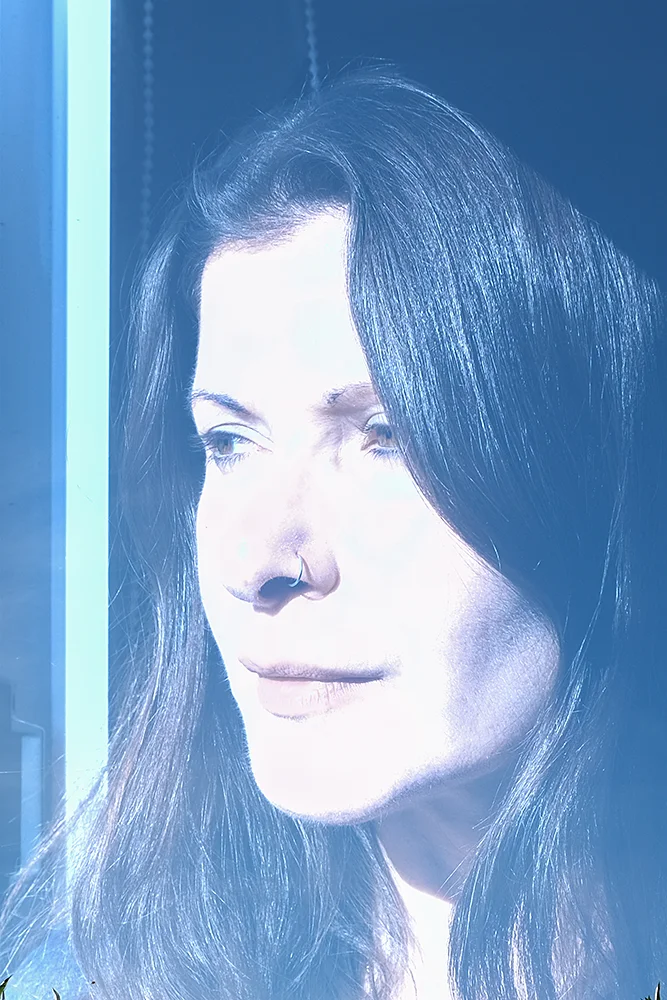
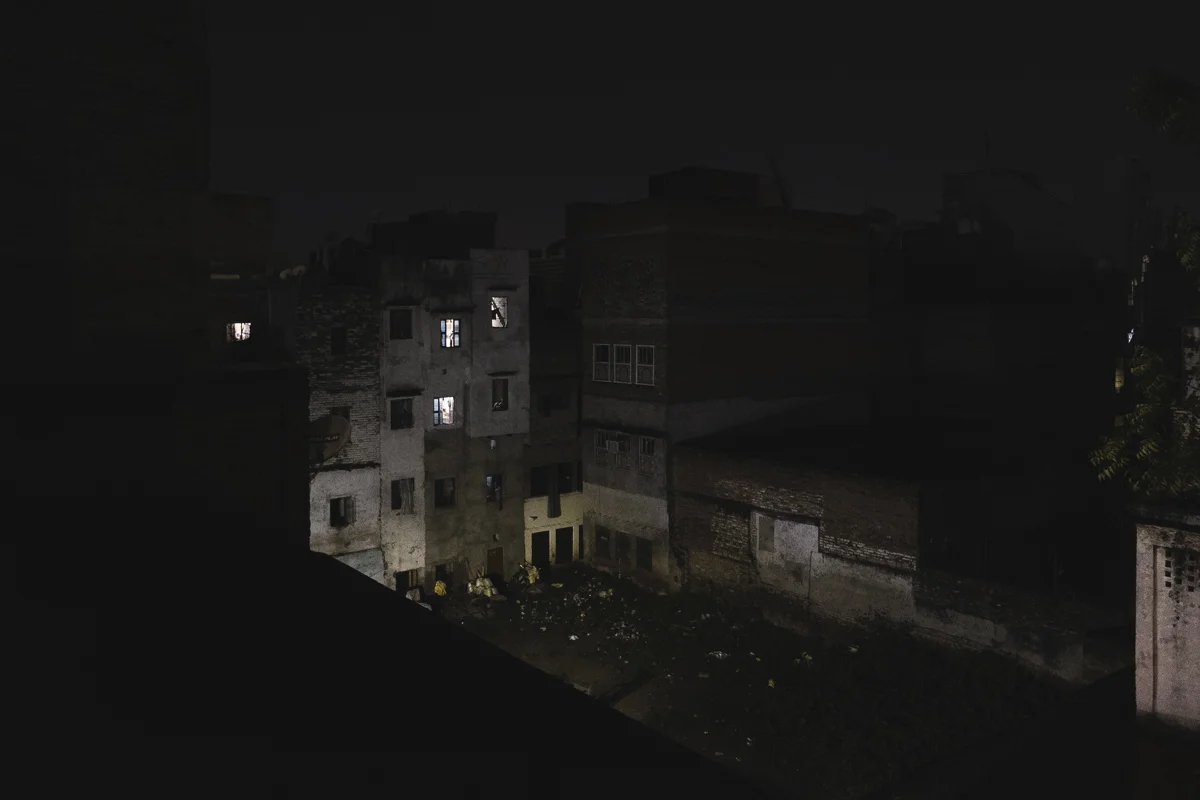
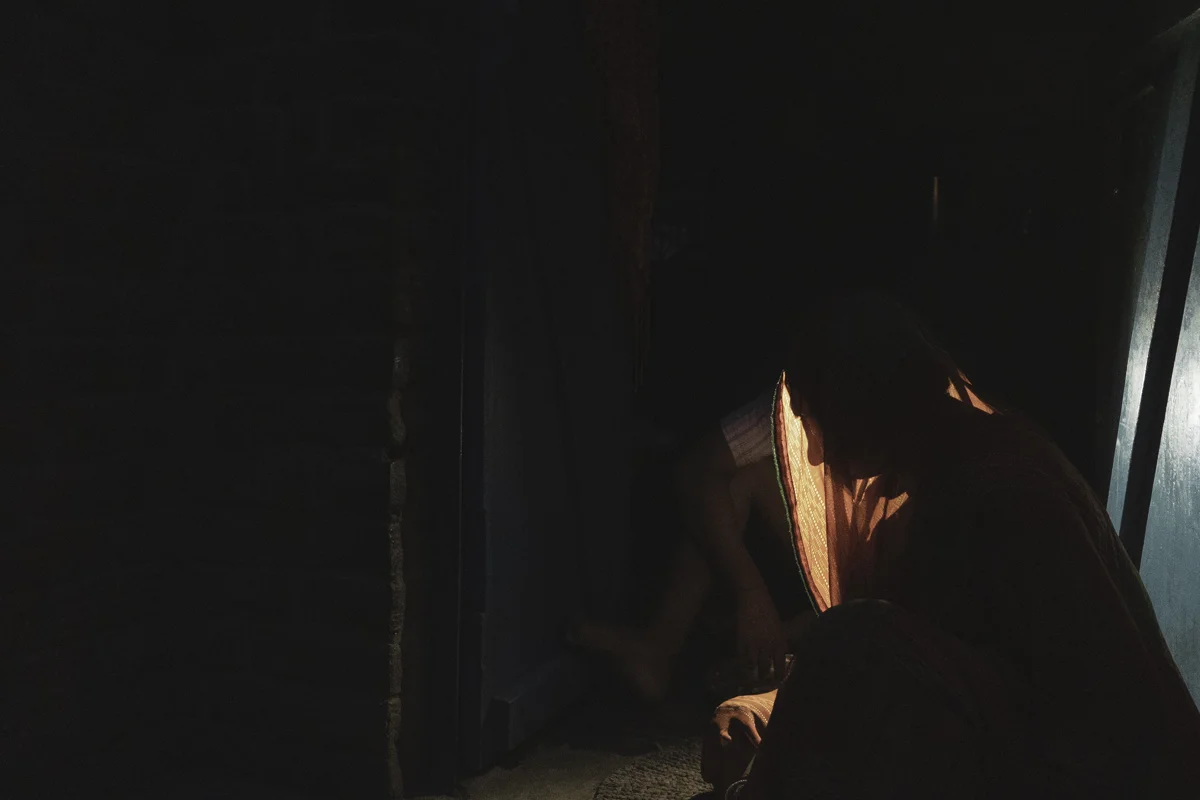
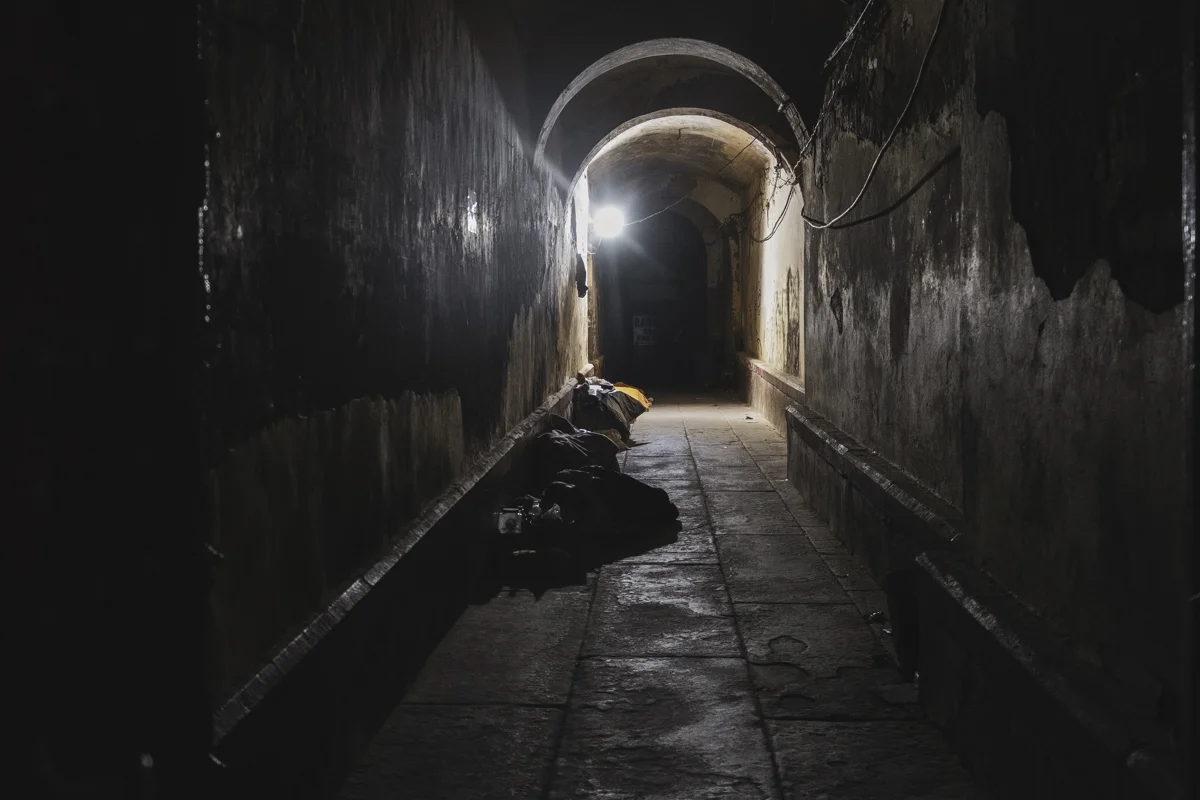
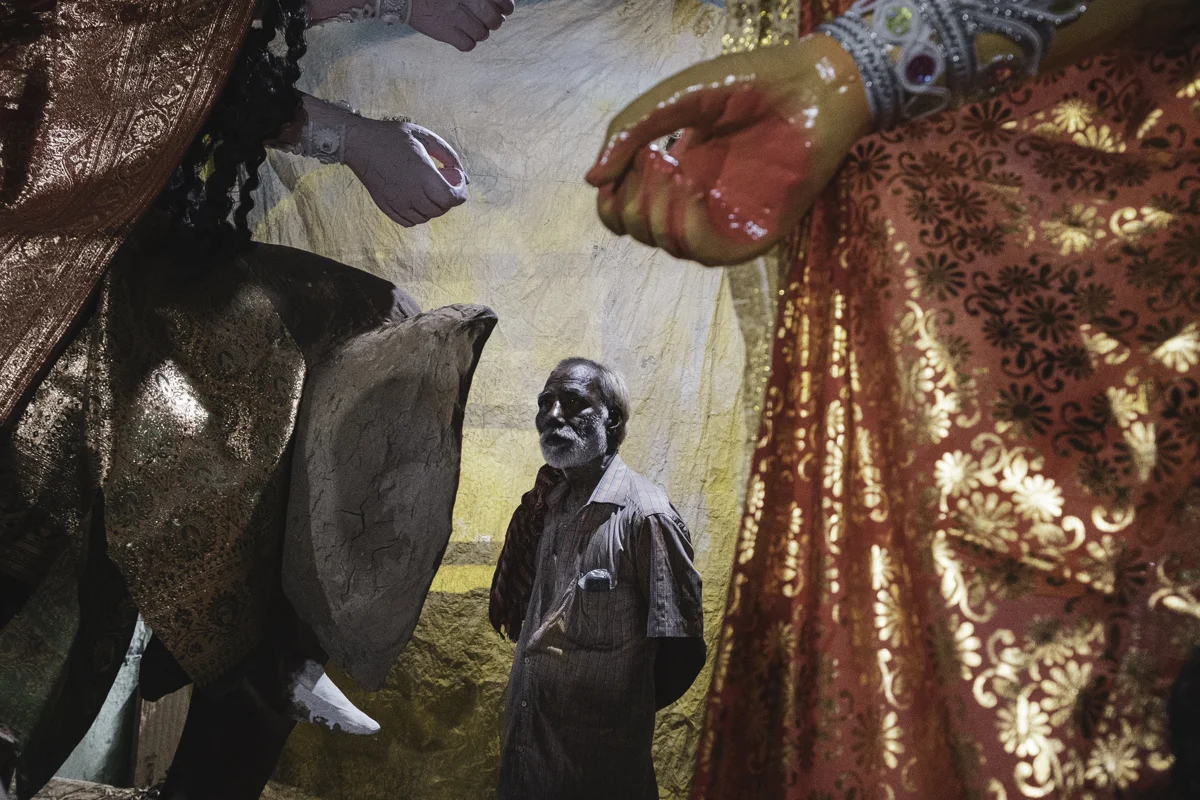
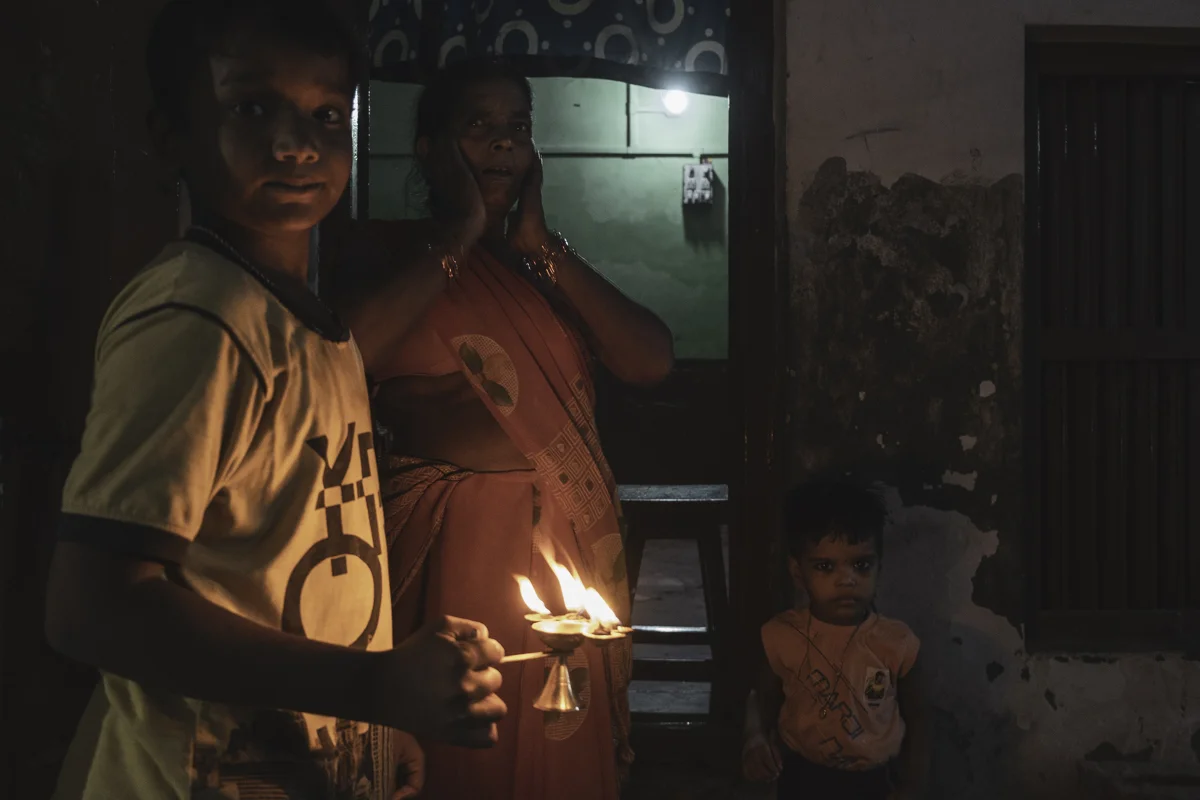
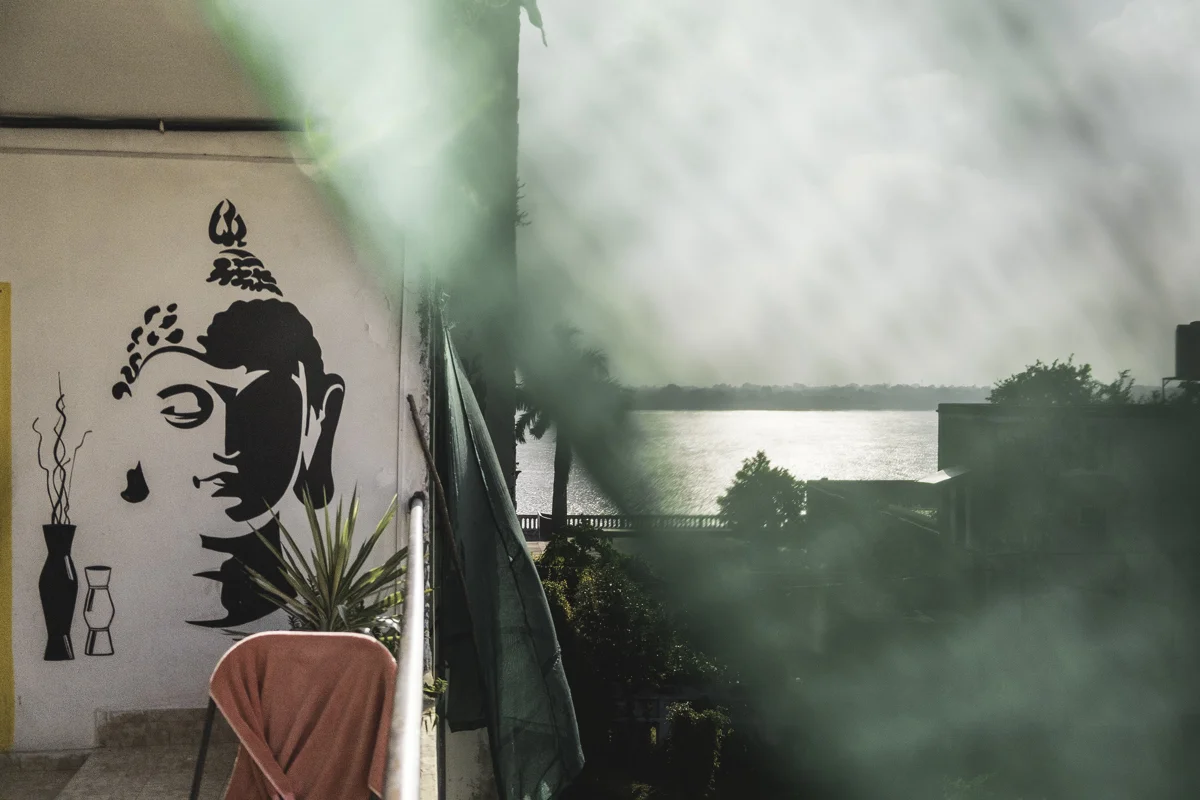
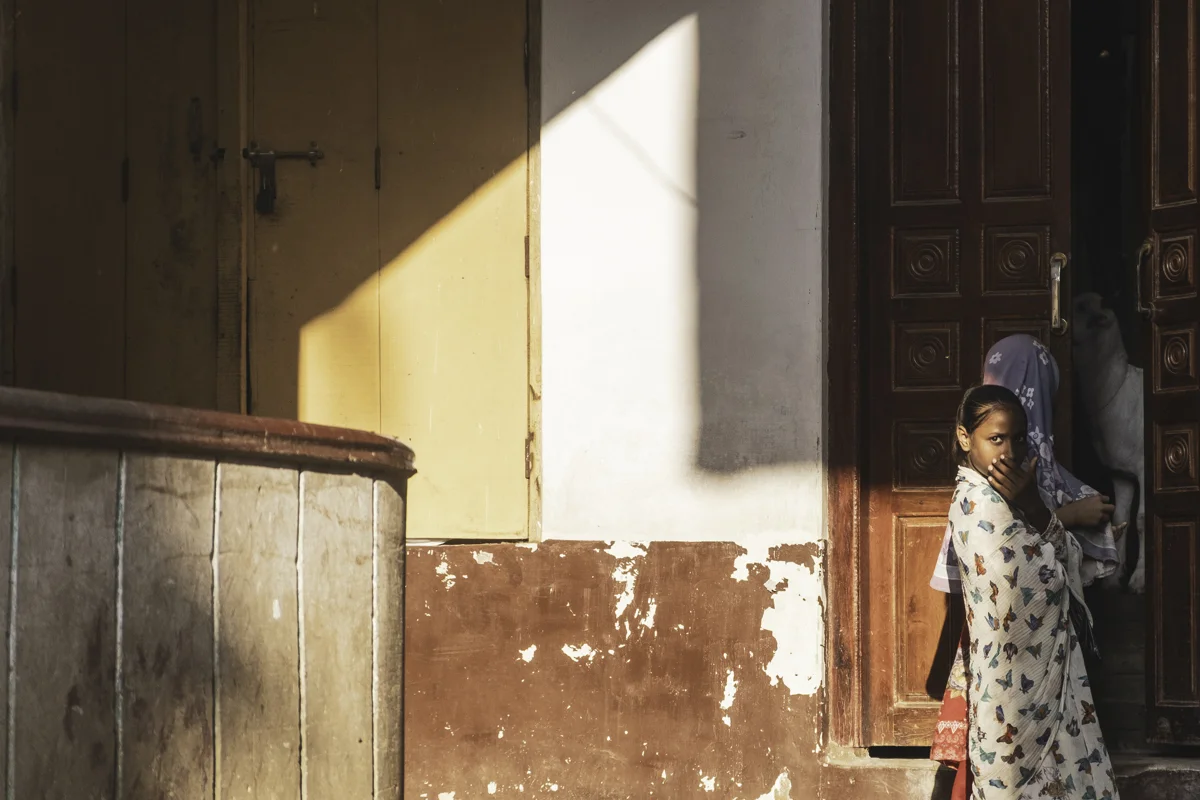
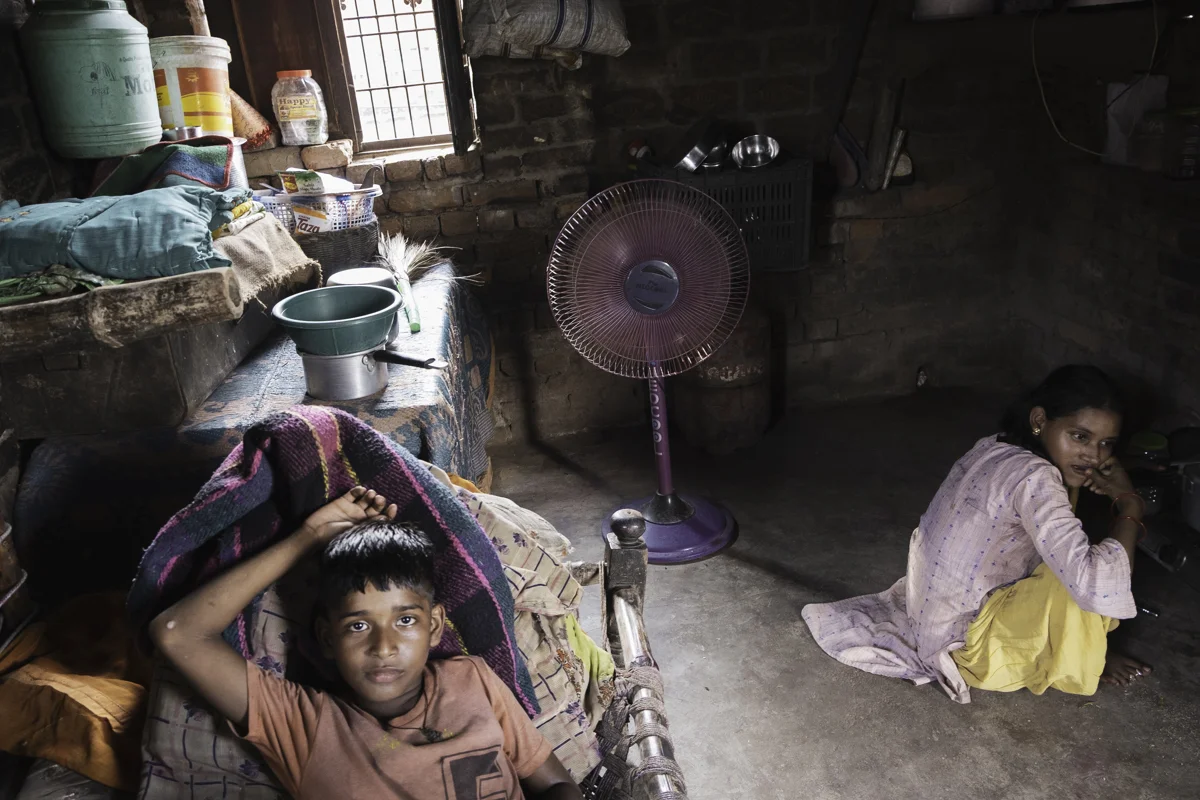
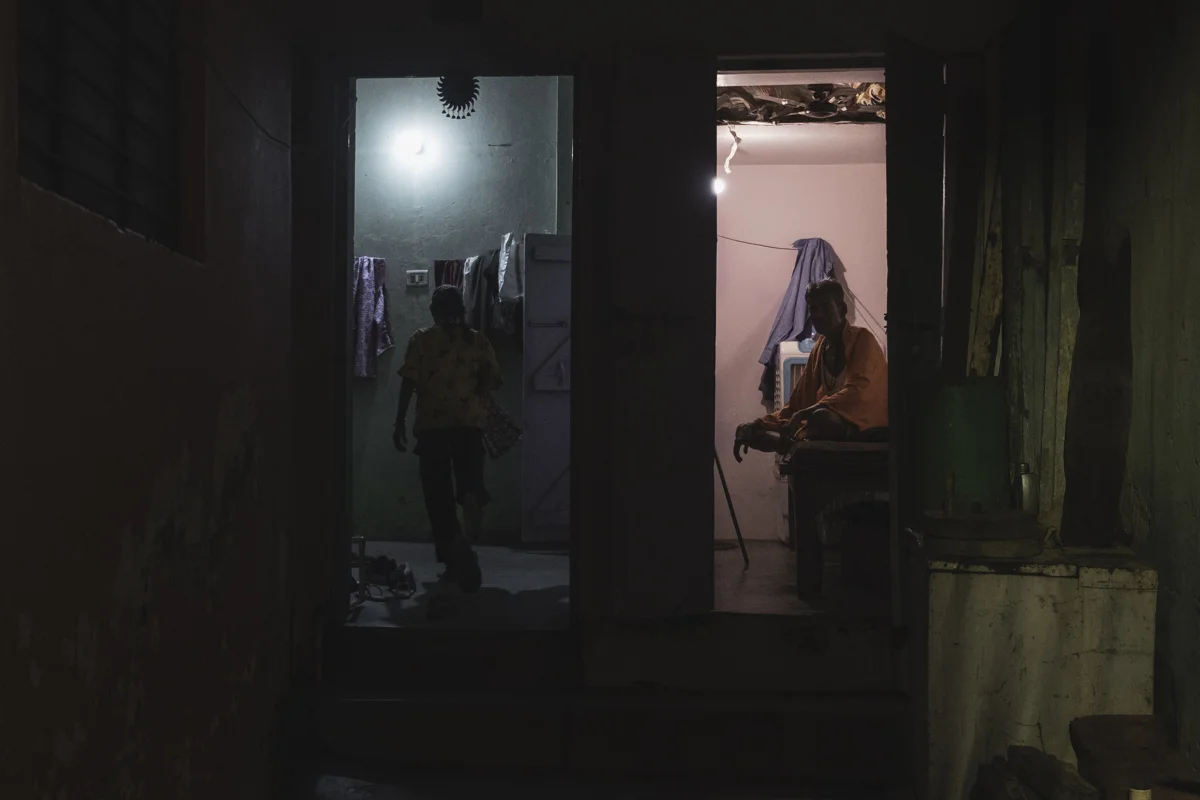
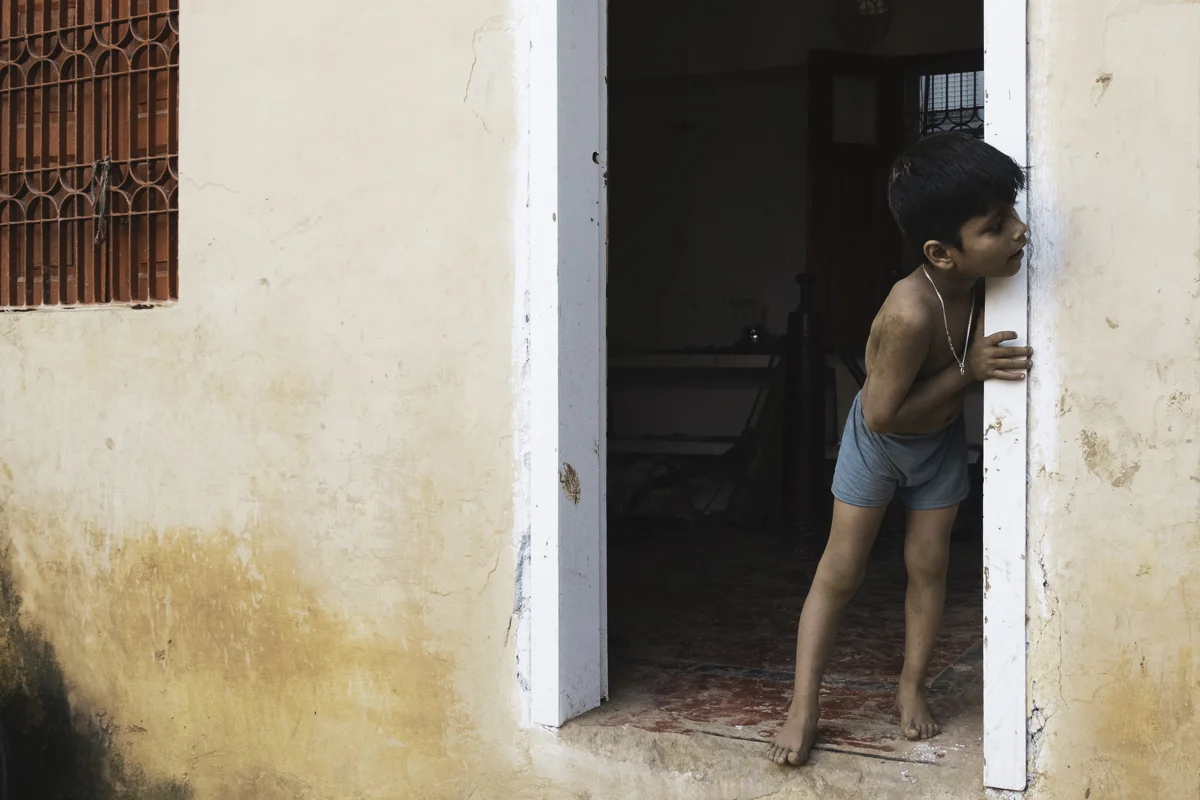
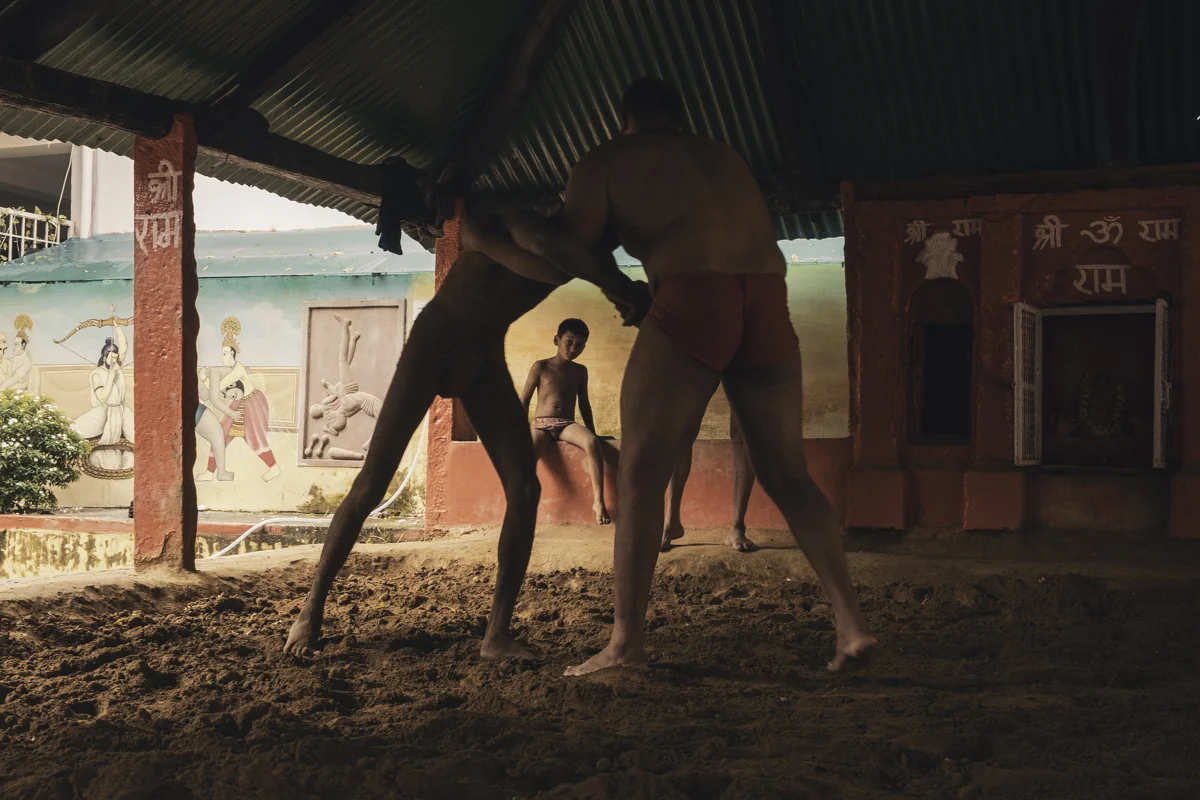
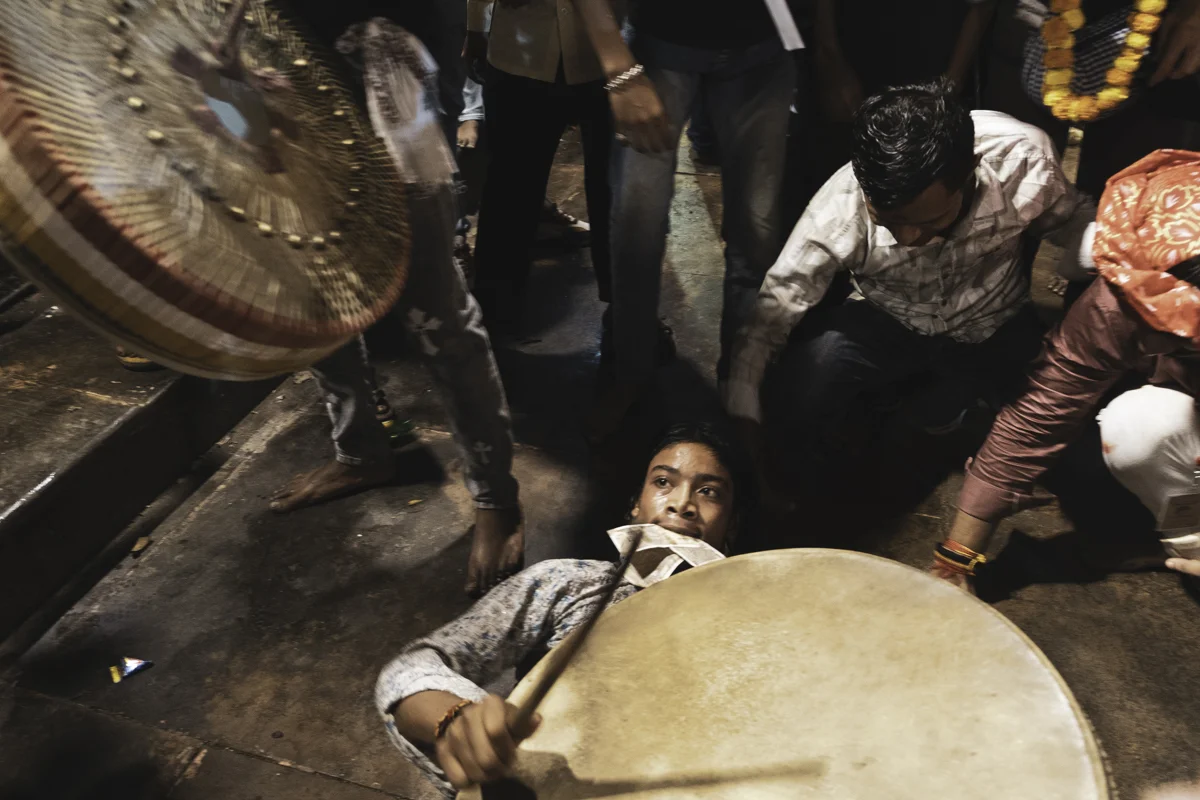
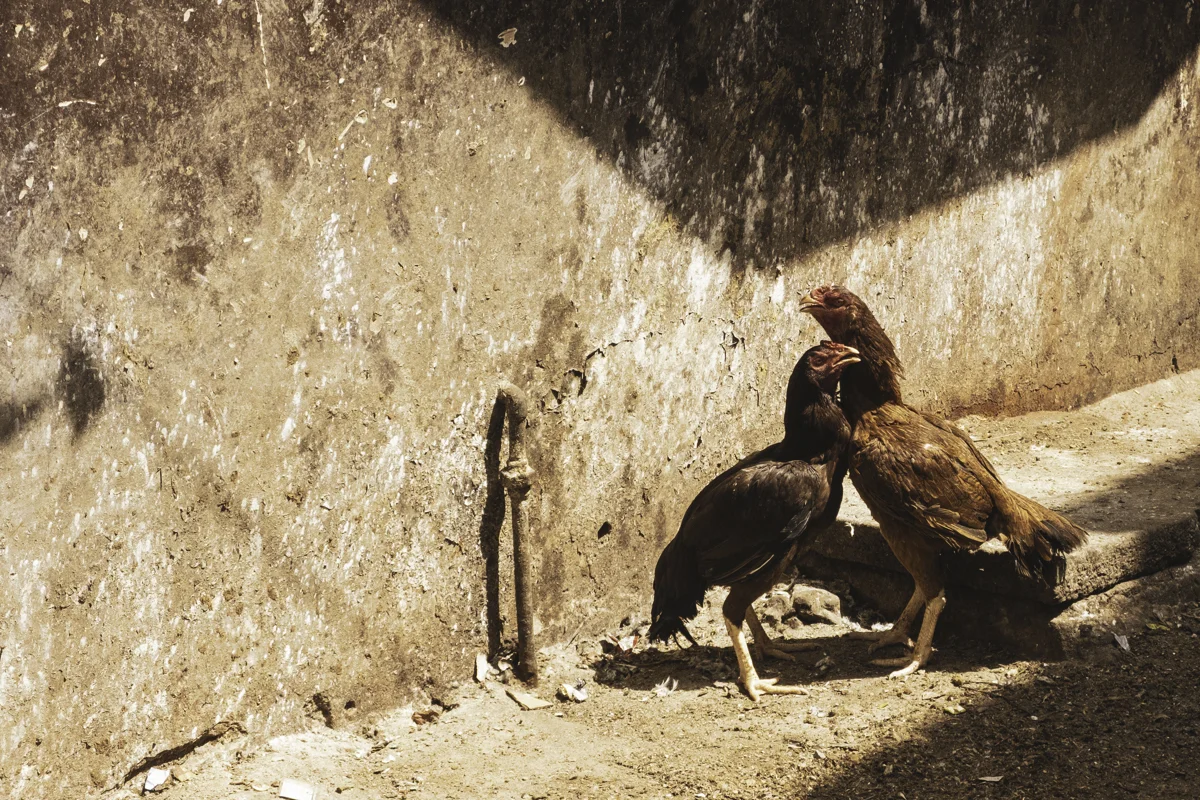
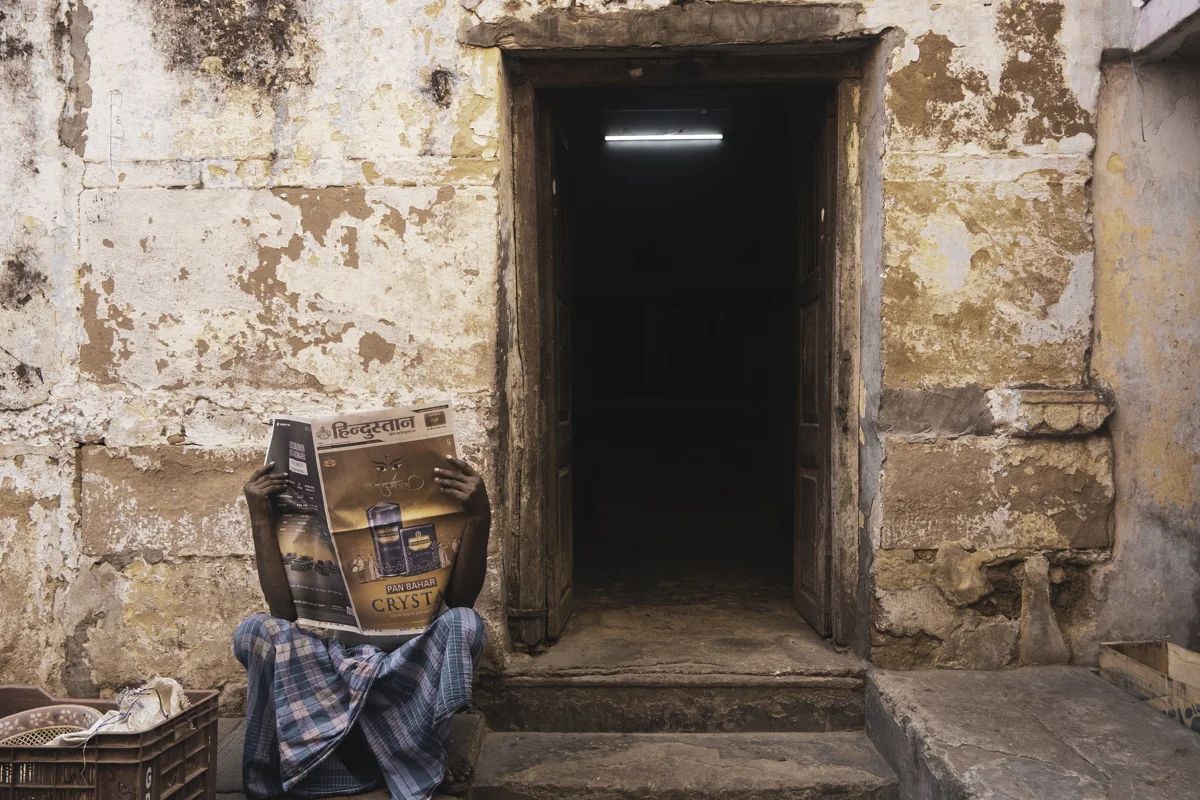
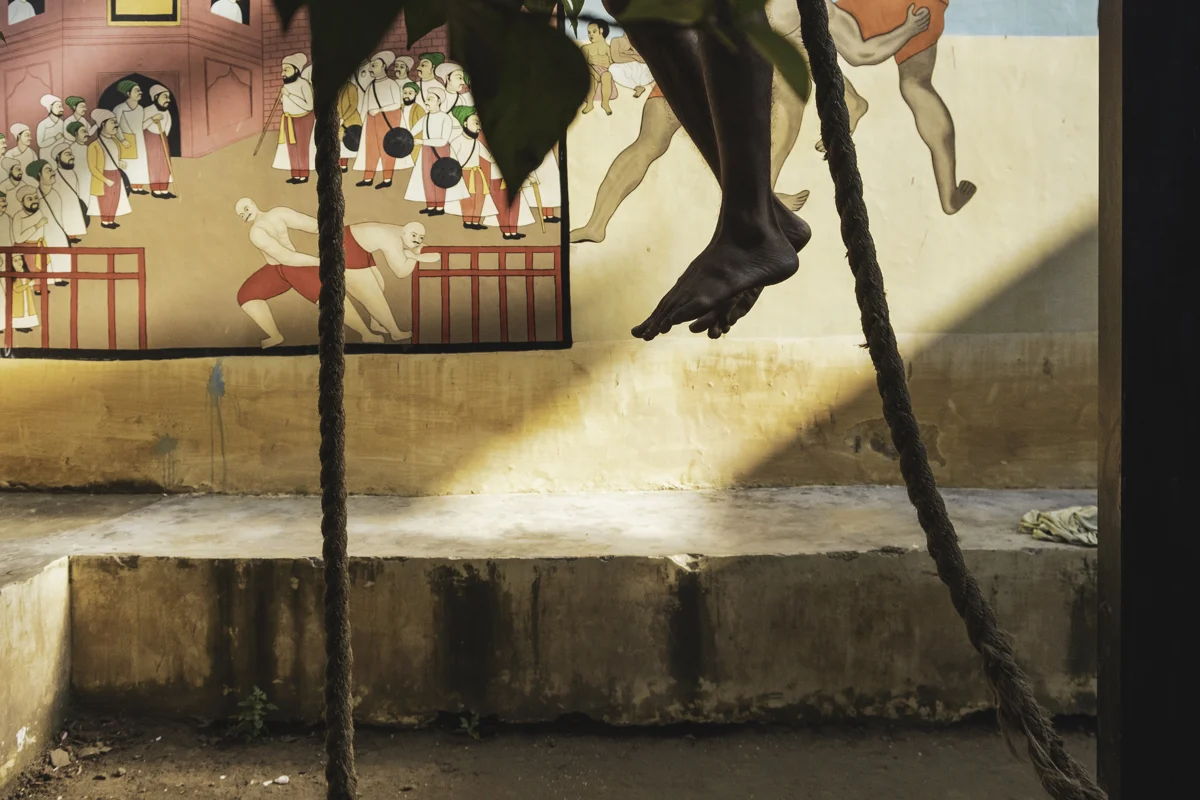
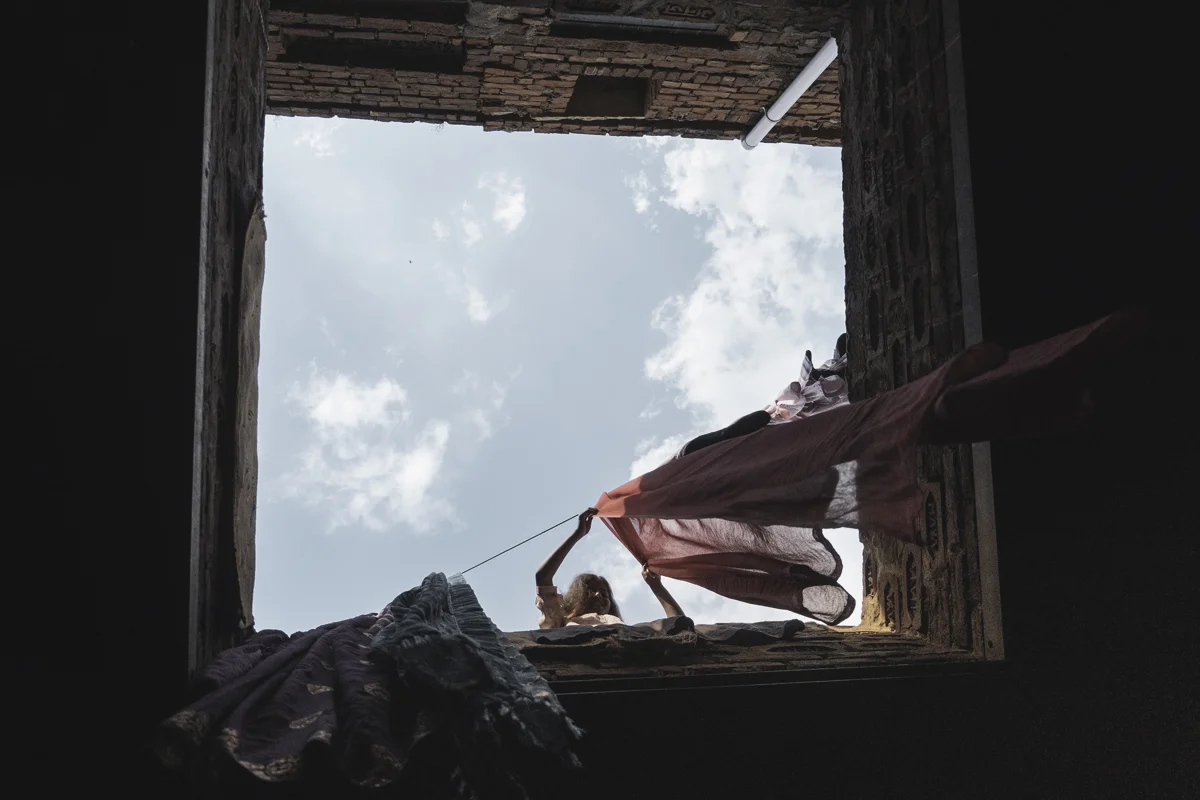
Born by the lake but marine by name and by nature, she spends half her life in London, rushing from one end of the city to the other, in perpetual motion. One day she wakes up, drops everything and takes the plunge without a safety net, but with a burning desire to change her perspective. From a career in the fashion world to a new path made up of images and words, she explores the inner and outer worlds guided by her heart, driven by a restless curiosity. She constantly wonders what she’ll do when she grows up, even though she’s been an adult for quite some time. She believes in human connections, genuine exchange and kindness. She loves listening to stories and giving them a voice. Perhaps the world can be saved this way, one story at a time.

Statement
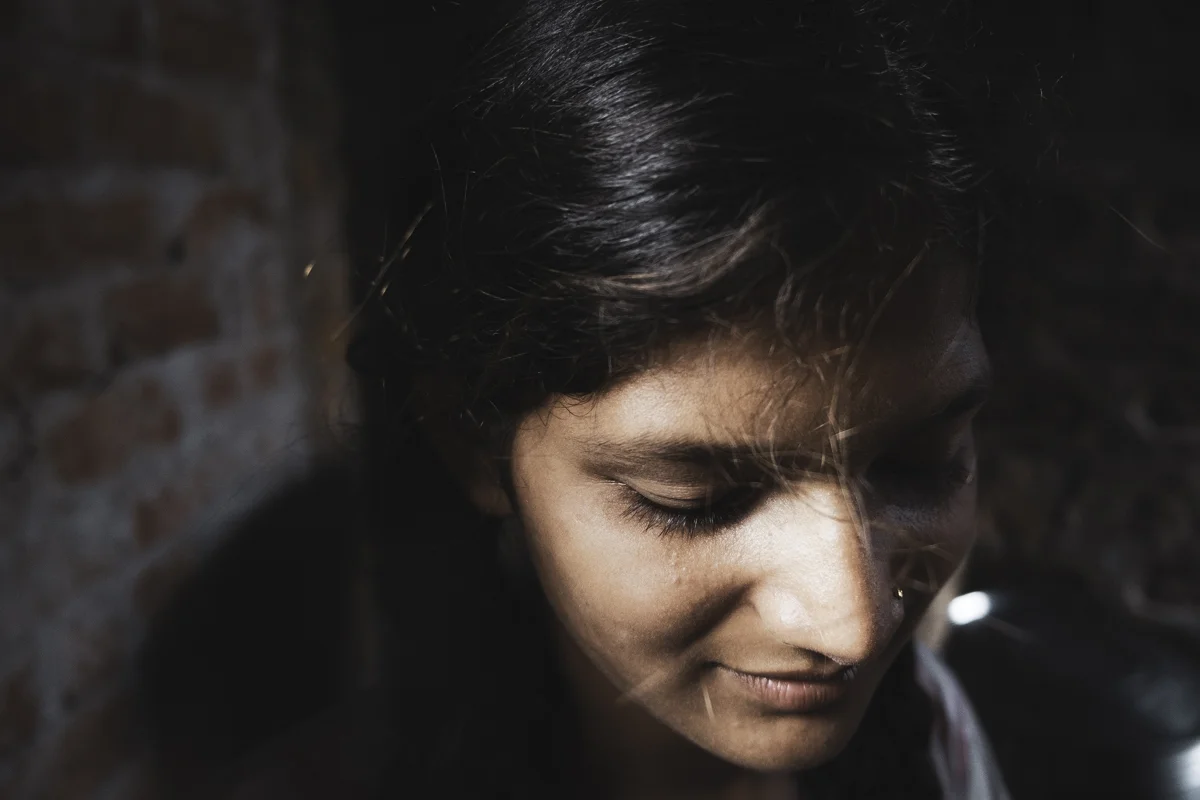
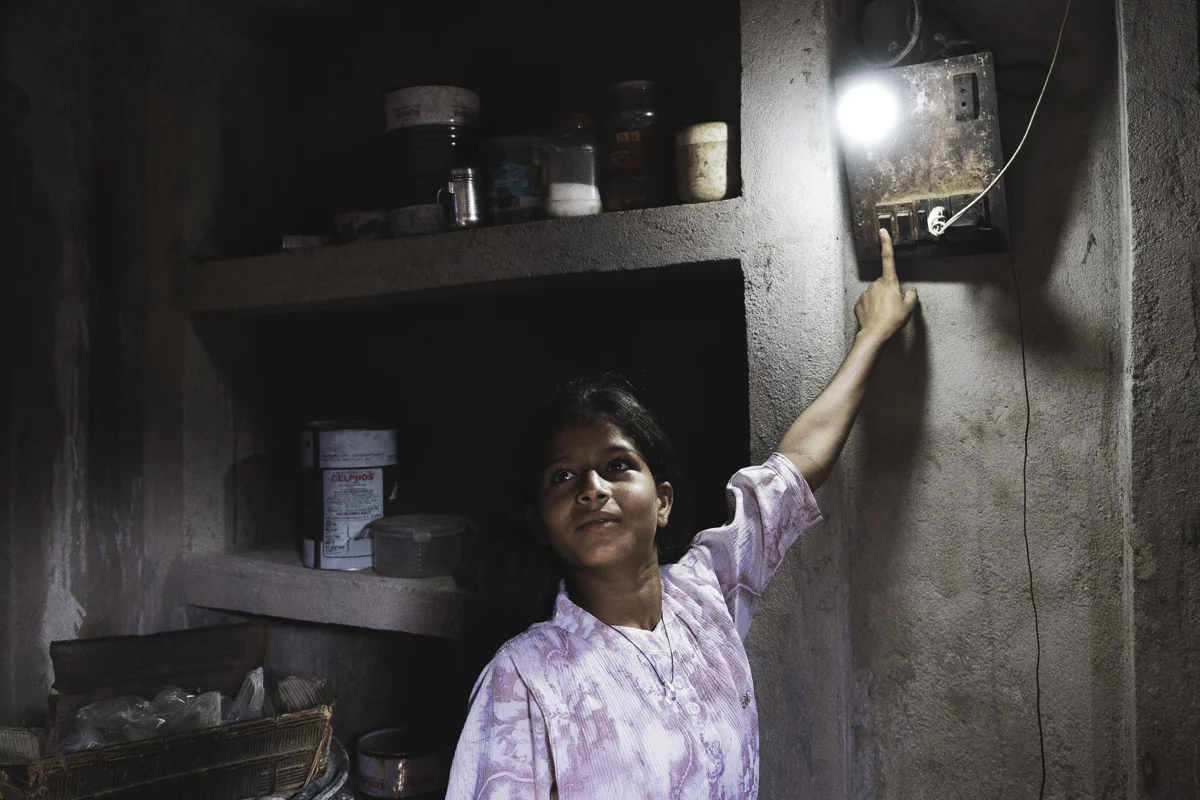
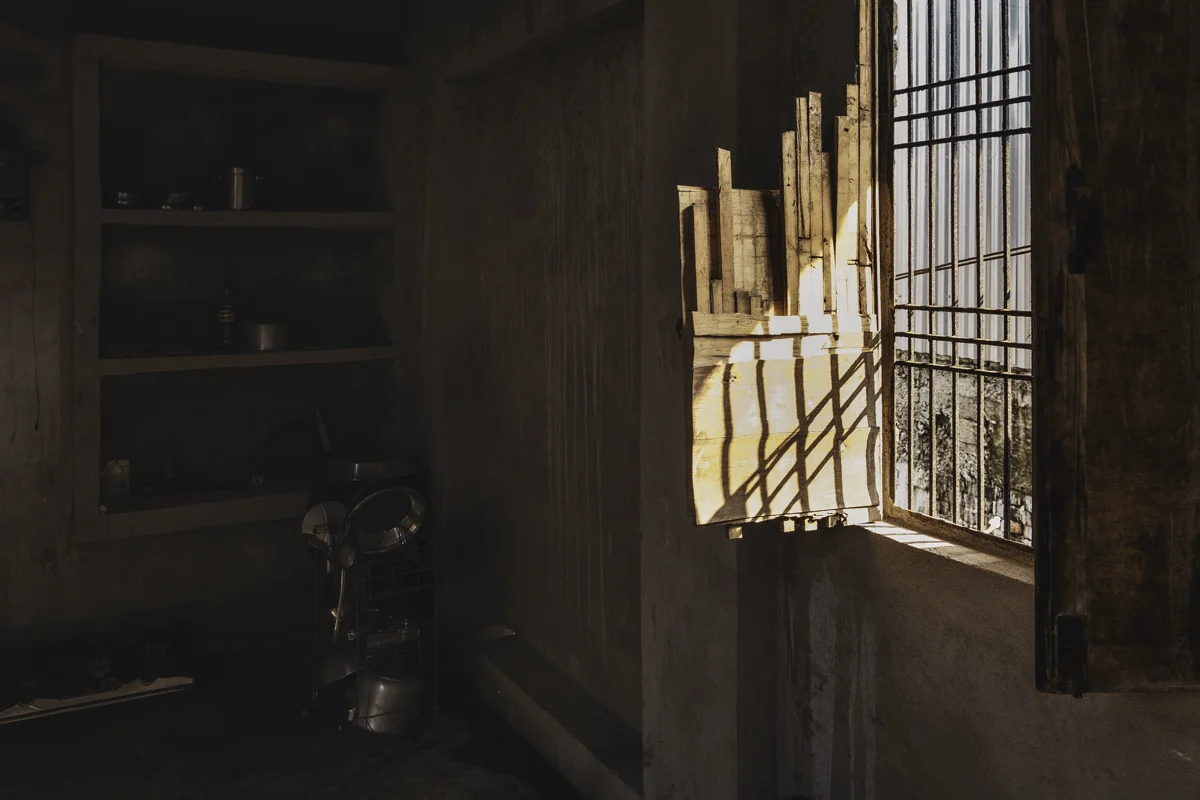
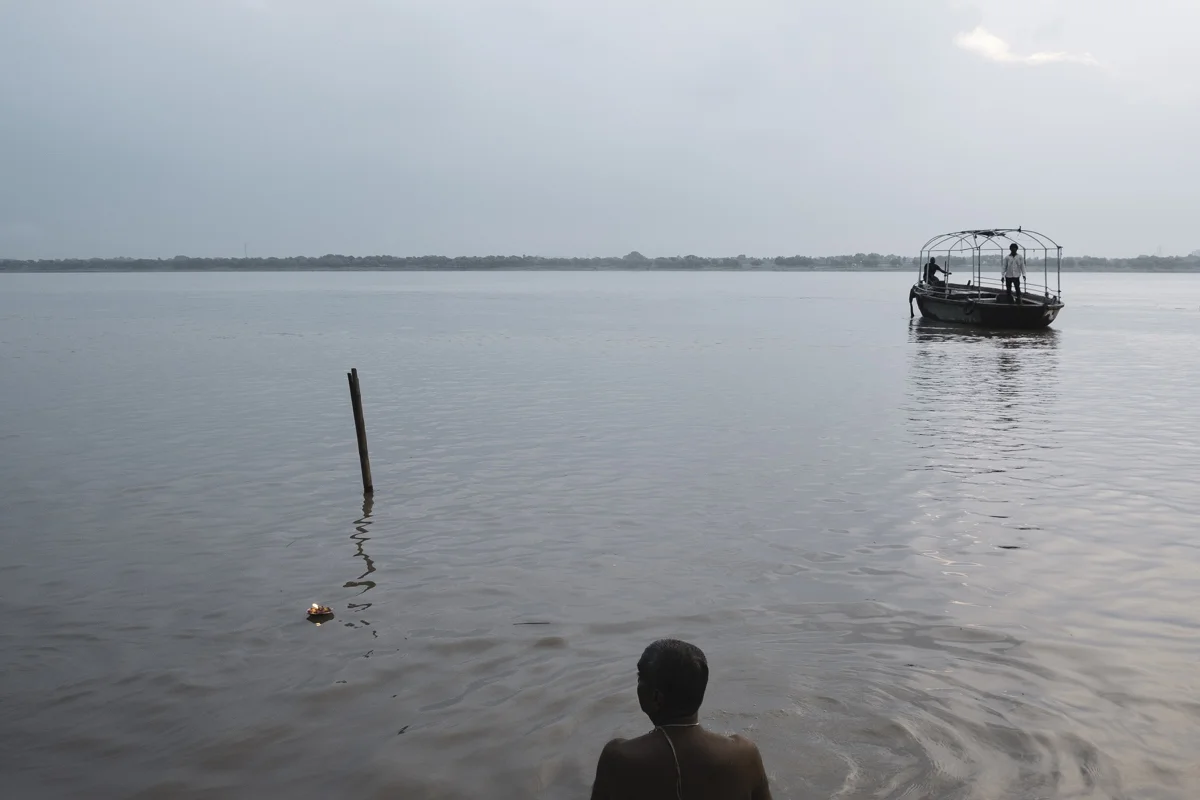
Driven by a restless curiosity, both a source of energy and a curse, I oscillate between the search for light and a more or less conscious attraction to darkness. In a world that I often perceive as chaotic, photography and writing are compasses and anchors that I rely on to chart a route and bring order to my thoughts and stimuli. My research often plunges into the depths of the soul and memory, only to re-emerge and wander the world, with the intention of discovering wonder, lightening pain, making my gaze more responsible and able to return the stories I encounter.

Awarded Photographer of the Week - Week 17, 2026
 

Inspiring Portfolios

Call for Entries
AAP Magazine #57 Portrait
Publish your work in our printed magazine and win $1,000 cash prizes
 
Stay up-to-date  with call for entries, deadlines and other news about exhibitions, galleries, publications, & special events.

More Great Photographers To Discover

Beth Moon
United States
1956
San Francisco Bay Area artist, Beth Moon, has gained international recognition for her large-scale, richly toned platinum prints. Since 1999, Moon’s work has appeared in more than sixty solo and group exhibitions in the United States, Italy, England, France, Israel, Brazil, Dubai, Singapore, and Canada. Her work is held in numerous public and private collections, including the Museum of Fine Arts, Houston, the Museum of Photographic Arts in San Diego, and the Fox Talbot Museum in Wiltshire, England. In 2013, Between Earth and Sky, the first monograph of her work, was published by Charta Art Books of Milan. In 2014, Abbeville Press published, Ancient Trees: Portraits of Time, with a third book to follow that same year from Galerie Vevais, La Lange Verte. Moon studied fine art at the University of Wisconsin before moving to England where she experimented with alternative photographic processes and learned to make platinum prints. Source: www.vervegallery.com Beth Moon was born in Neenah, Wisconsin and studied fine art at the University of Wisconsin. Classes in painting, life drawing, sculpture, and design would set the groundwork for her work in photography, which was to come years later. Moving to England, a country with a love for all things arboreal, gave her a fresh look at a land that boasts the largest concentration of ancient trees. Inspired by these trees she decided to make a series of their portraits. Unhappy with the photographic tonality and stability of ink-jet printing, she started to experiment with alternative printing processes, learning platinum/palladium printing, an ideal process for her vision. She concentrated on mastering this printing technique, doing all of her own printing. “By using the longest lasting photographic process, I hope to speak about survival, not only of man and nature’s but to photography’s survival as well. For each print I mix ground platinum and palladium metals, making a tincture that is hand-coated onto heavy watercolor paper and exposed to light. There are many steps involved in creating the final print and these are as important to me as the capturing of the image," said Moon. A platinum print can last for centuries, drawing on the common theme of time and survival, pairing photographic subject and process. Source: www.josephsaxton.com
El Lissitzky
Russia
1890 | † 1941
Lazar Markovich Lissitzky, known as El Lissitzky, was a Russian artist, designer, photographer, typographer, polemicist and architect. He was an important figure of the Russian avant-garde, helping develop suprematism with his mentor, Kazimir Malevich, and designing numerous exhibition displays and propaganda works for the Soviet Union. His work greatly influenced the Bauhaus and constructivist movements, and he experimented with production techniques and stylistic devices that would go on to dominate 20th-century graphic design. Lissitzky's entire career was laced with the belief that the artist could be an agent for change, later summarized with his edict, "das zielbewußte Schaffen" (goal-oriented creation). Lissitzky, of Lithuanian Jewish оrigin, began his career illustrating Yiddish children's books in an effort to promote Jewish culture in Russia. When only 15 he started teaching, a duty he would maintain for most of his life. Over the years, he taught in a variety of positions, schools, and artistic media, spreading and exchanging ideas. He took this ethic with him when he worked with Malevich in heading the suprematist art group UNOVIS, when he developed a variant suprematist series of his own, Proun, and further still in 1921, when he took up a job as the Russian cultural ambassador to Weimar Germany, working with and influencing important figures of the Bauhaus and De Stijl movements during his stay. In his remaining years he brought significant innovation and change to typography, exhibition design, photomontage, and book design, producing critically respected works and winning international acclaim for his exhibition design. This continued until his deathbed, where in 1941 he produced one of his last works – a Soviet propaganda poster rallying the people to construct more tanks for the fight against Nazi Germany. In 2014, the heirs of the artist, in collaboration with Van Abbemuseum and leading worldwide scholars on the subject, established the Lissitzky Foundation in order to preserve the artist's legacy and to prepare a catalogue raisonné of the artist's oeuvre.Source: Tate Margarita Tupitsyn included the essays by Ulrich Pohlmann and Mathew Drutt in her book Beyond the Abstract Cabinet (1999). This book was aimed at an audience with an interest in Russian photography and modernism. The essays in this book brought Lissitzky’s work to limelight. The essays mention various aspect of his work. From 1922 to 1925, Lissitzky experimented with photograph collage and photograms. While working on photograms, Lissitzky experimented with photomontage as well. He was able to achieve vibrant compositions using several printing exposures in order to utilize the effects of transparency. These experiments help him in many advertisements he produced starting from 1924 until 1925. Lissitzky was among the first avant-gardists to revive the photogram or cameraless photographic image, combining this technique with experiments in montage to generate fantastic portraits and design proposals. Largely using photography, Lissitzky also rethought the illustrated book as an architectural form, to be tabbed through, unfolded in all directions, and made into a fully three-dimensional object. These many ideas were deployed in the service of artists and arts organizations, as well as, above all, institutions of the Soviet state, on whose behalf Lissitzky was committed to “influencing the human psyche” collectively and in the public realm. He survived the reversals of fortune suffered by so many politically committed artists in the 1930s but had chronically poor health and died of tuberculosis.Source: The Art Institute of Chicago
Imani McCray
United States
1992
"Born in Baltimore Maryland 1992, the probability of me being dead or negative statistic was inherited from birth. With the help of those who have come into my life, I have triumphed over those odds and wish it help others overcome their adversity. Progressive art aids social justice by using its polyrhythmic mediums to give form to the thoughts, needs, and pains of a broken society. As an advocate for social justice and artist, my goal is to use impactful images, easily accessible copy, and strategic design to engage and inspire my audience. Passion, deception, faith, and spontaneity, are constant themes throughout our world. Navigating these experiences through different mediums is my attempt to shape this reality with imagination and passion. Photography and graphic design are the mediums I nurture as a way of bringing tangibility to my imagination." Statement "2020 has presented the world with a myriad of challenges being met in succession. The events that continue to transpire are radically reshaping our societies and mindsets. People have been tasked with navigating the well-being of themselves, their livelihood, and conscious contribution to change. Our individual and collective ability to adapt is continually being pushed. With the future uncertain, we must be proactive in creating our reality. We must be the change we want to see. Be The Change is a multifaceted photo-journalistic design series highlighting some amazing people working to shape a better future through vast forms of social justice. I progress the second issue is focused on documenting the changes our society is going through from the frontline. As a minority I have marched in solidarity with others striving to defend our most basic human rights to life, to freedom, to vote, and to love in public without the threat of an oppressive society continuing to cause us harm. Protesters have occupied streets and been used in social justice movements to remind others of our humanity. January 6th was a sight that should have been relegated only to horror movies and pre-reconstruction ignorance-not 2021. What we witnessed wasn't protest-peaceful or otherwise. It was an insurrection and the manifestation and mass personification of white privilege and fragility. The mob implored the tactics of a victimhood mentality, while simultaneously showing a broad sense of entitlement. They should be held accountable for their actions and not allowed to shrink back into the shadows of ignorance and hate. For the last four years, we have watched as America's darker truths were aired for the entire world to see. We have watched white privilege documented and the murder of black bodies go without justice. America has never been the land of the free, but we have always believed we can be more. The entire world has had to adapt to the adversity of a global pandemic and overcome the fear of the unknown. The American dream is based on success through adversity. The American reality is adversity reveals character and many Americans should be ashamed of what happened on January 6 and all that led up to it. From the ones that stormed the Capitol with malicious intent to the ones that allow ignorance to go unchecked, and all the in-between-we all hold responsibility. There is always room to be better and be the change you want to see. As Amanda Gorman, National Youth Poet Laureate said at the inauguration of a new President, 'There is always light if we're brave enough to see it. There's always light if we're brave enough to be it.' I aim for my photography and Be the Change to be a path forward with both truth and light." -- Imani McCray
Lukas Holas
Czech Republic
I am a small-town photographer and a graphic designer from the Czech Republic. I have occasionally been taking photos of everything that comes along - people, animals, macro and landscape ... for about 6 years. My dream is taking pictures of wild and exotic animals in their natural environment. So far, however, workload, a tight family budget and most of all being an active father of three children do not allow me to fulfill it. I can only combine business with pleasure and therefore we often go with the whole family to zoos in our small country at least. And so it happens that instead of tracking wildlife I often seek and “tame” our wild offspring. Nevertheless, it sometimes comes about that Dad gets away for a few minutes and gets stuck in a willingly posing animal.It may not seem so but shooting in a zoo might turn into a totally exciting matter. "Will the picture be good despite a smudged glass, strong steel bars, frequent apathy of animals or omnipresent crowds of tourists?" Sometimes it works out well! I'm trying to take pictures of the animals against a naturally dark background, but the contrasting final form is given by the adjustments in Photoshop. The experience and the daily practice at my work (a graphic designer) come in handy. My images have no specific message, but I believe that they leave some space for personal imagination and foreshadow a deeper story of animals portrayed. I also suppose that the black colour simply suits the animals and presents them in a more dignified environment than the stark walls of the enclosures do.I was also pleased with the opportunity to cooperate with the Union of Czech and Slovakian Zoos (for which I have been designing the annual reports using my black&white photos for several years), or with some specific gardens in the Czech Republic. I hope that such cooperation will continue in future and that the animals in my images will delight and inspire people in other countries than the Czech Republic.
Ed Sievers
United States
1932 | † 2002
Ed Sievers was born in 1932 in St. Louis, MO, the son of a family doctor that made house calls and an aspiring opera singer. He attended Grinnell College, graduating with a degree in Speech in 1954. His first job was as a creative writer for Hallmark Cards. The slogans he penned were notable for the wry wit and wisdom with which he commented on the human condition. At the same time, his interest in the arts was expanding from the literary to the visual, and would ultimately lead him in a new direction. In 1966 he was accepted into the MFA program at the Rhode Island School of Design to study photography with Harry Callahan. Upon graduation in 1968 he joined the faculty of California State University, Northridge, as a specialist in fine art photography. He took up residence in the Carlton Hotel in Venice Beach and soon realized he had walked into a street photographer's dream. Originally designed as a resort community modeled after its Italian namesake, Venice had fallen on hard times. Buildings were in disrepair and rents were cheap. Influenced by the Bohemian lifestyle of its poets, artists, students and a struggling lower class, the boardwalk suddenly sprang to life. There were musicians, dancers, jugglers, mimes, magicians, comedians, roller skaters, fortune tellers, gritty street people and colorful hippies. And, of course, there was the sprawling nude beach. Throngs of gapers flocked from throughout Southern California to enjoy the expressive spirit of the moment. But that was only on weekends. A quieter, more sensitive mood prevailed during the week. The gentle gestures of holocaust survivors at the Israel Levin Center. The recovering alcoholics quietly heading home after Al-Anon meetings. The homeless searching for food and drink. The once cheerful cottages longing for attention. The iconic murals. The myopic murals. The motions of a people not sure of what lay ahead. Within a decade the Venice that Ed knew had been swallowed up by rampant commercialism and the inexorable influx of the nouveau riche. Upon his death in 2002, the Edwin R. Sievers Memorial Award was established to share his vision with future students; "His approach to photography was straight forward: use the nuances of available light to enhance the subject, whatever that may be: ordinary, quirky, or sublime." Source: Robert Mann Gallery
Werner Bischof
Switzerland
1916 | † 1954
Bischof was born in Zürich, Switzerland. When he was six years old, the family moved to Waldshut, Germany, where he subsequently went to school. In 1932, having abandoned studies to become a teacher, he enrolled at the Kunstgewerbeschule in Zürich, where he graduated cum laude in 1936. From 1939 on, he worked as an independent photographer for various magazines, in particular, du, based in Zürich. He travelled extensively from 1945 to 1949 through nearly all European countries from France to Romania and from Norway to Greece. His works on the devastation in post-war Europe established him as one of the foremost photojournalists of his time. He was associated into Magnum Photos in 1948 and became a full member in 1949. At that time Magnum was composed of just five other photographers, its founders Robert Capa, Henri Cartier-Bresson, George Rodger, David Seymour, and Ernst Haas. The focus of much of Bischof's post-war humanist photography was showing the poverty and despair around him in Europe, tempered with his desire to travel the world, conveying the beauty of nature and humanity. In 1951, he went to India, freelancing for Life, and then to Japan and Korea. For Paris Match he worked as a war reporter in Vietnam. In 1954, he travelled through Mexico and Panama, before flying to Peru, where he embarked on a trip through the Andes to the Amazonas on 14 May. On 16 May his car fell off a cliff on a mountain road in the Andes, and all three passengers were killed. Source: Wikipedia Werner Bischof was born in Switzerland. He studied photography with Hans Finsler in his native Zurich at the School for Arts and Crafts, then opened a photography and advertising studio. In 1942, he became a freelancer for Du magazine, which published his first major photo essays in 1943. Bischof received international recognition after the publication of his 1945 reportage on the devastation caused by the Second World War. In the years that followed, Bischof traveled in Italy and Greece for Swiss Relief, an organization dedicated to post-war reconstruction. In 1948, he photographed the Winter Olympics in St Moritz for LIFE magazine. After trips to Eastern Europe, Finland, Sweden and Denmark, he worked for Picture Post, The Observer, Illustrated, and Epoca. He was the first photographer to join Magnum with the founding members in 1949. Disliking the ‘superficiality and sensationalism’ of the magazine business, he devoted much of his working life to looking for order and tranquility in traditional culture, something that did not endear him to picture editors looking for hot topical material. Nonetheless, he found himself sent to report on the famine in India by Life magazine (1951), and he went on to work in Japan, Korea, Hong Kong and Indochina. The images from these reportages were used in major picture magazines throughout the world. In the autumn of 1953, Bischof created a series of expansively composed color photographs of the USA. The following year he traveled throughout Mexico and Panama, and then on to a remote part of Peru, where he was engaged in making a film. Tragically, Bischof died in a road accident in the Andes on 16 May 1954, only nine days before Magnum founder Robert Capa lost his life in Indochina. Source: Magnum Photos
Nicola Ducati
Italy
1973
My name is Nicola Ducati I am an Italian photographer, travel and portrait photography is my expressive medium. With my pictures I want to tell stories that create empathy between the viewer and the subject with elegance and authenticity. I was born in a small town among the Italian Alps. I have always lived in a beautiful place that has made me grow and appreciate nature, animals, quiet places and respect for what surrounds us, I think this way of living in the countryside has greatly influenced my photographic sensitivity. I approached the world of photography by chance. As a child, I used to play with an old camera found who knows where, a shabby but fascinating object that soon became a passion. Later, my curiosity led me to experiment with many different genres, from the first landscape, travel photography, and finally the travel portrait. Today I especially like photography, which tells stories but also lets you imagine them, which excites and suggests reflections. A narrating photography. What I like I photograph only what I like and what fascinates me, I am a curious person and i try to find what in the world unites us not what divides us, I mean that I try to bring out those traits of humanity that make us all connected. An exercise to accept with empathy the entropy of our world. My photography is not conceptual, it represents what I see, what I feel important, what excites me or moves me. I love when the emotion and the story hidden inside a picture reaches the observer. I entrust my work and aesthetics photography to the task of telling and giving the observer inspiration and sense of belonging. Photography that responds to this, is a successful one.
Advertisement
AAP Magazine #57 Portrait
Win a Solo Exhibition in May
AAP Magazine #57 Portrait

Latest Interviews

Exclusive Interview with Carolyn Moore
American photographer Carolyn Moore explores the inner landscape of emotion, memory, and personal transformation through a deeply intuitive photographic practice. Her work unfolds as a quiet dialogue between artist and viewer, where images become a space for reflection, vulnerability, and connection.
Exclusive Interview with Luca Desienna and Laura Estelle Barmwoldt
For over seven years, Of Lilies and Remains has explored the depths of the goth and darkwave underground, unfolding in Leipzig—a city long associated with a vibrant and enduring subcultural scene. Moving between iconic gatherings such as Wave-Gotik-Treffen and more intimate moments on the fringes, the project offers a rare and immersive glimpse into a world often misunderstood, yet rich in expression and community. Created by Luca in collaboration with Laura Estelle Barmwoldt, the work embraces a cinematic and deeply personal approach. Rather than documenting from a distance, it moves within the scene itself, capturing its atmosphere, its codes, and its quiet contradictions. The title Of Lilies and Remains hints at this duality—where beauty and darkness, fragility and strength coexist. As the book prepares for its release, we spoke with both artists about the origins of the project, their process, and what it means to document a subculture that continues to evolve while remaining true to its spirit.
Exclusive Interview with Matthew Finley
American photographer Matthew Finley turns inward, using photography as a way to explore identity, memory, and emotional truth. Based in Los Angeles, his practice moves between performance, gesture, and found imagery, creating a visual language that is both intimate and deeply personal
Exclusive Interview with Jan Janssen
Dutch photographer Jan Janssen explores universal human experiences through his long-term project It Matters, winner of the May 2025 Solo Exhibition. Begun in 2016, the series captures intimate moments of everyday life—love, loss, connection, and belonging—across Central and Eastern Europe. Working in countries such as Turkey, Azerbaijan, and Armenia, Janssen spends extended time within communities, building relationships based on trust and respect. His approach allows him to move beyond observation, revealing deeply human and authentic moments. Rooted in travel and personal discovery, It Matters reflects Janssen’s search for what connects us all in an increasingly divided world. The project is ongoing and will culminate in a photobook scheduled for publication in 2026.
Exclusive Interview with Henk Kosche
German photographer Henk Kosche turns his lens toward the streets of Halle an der Saale, capturing everyday life in the late years of the former German Democratic Republic. At the time, Kosche was studying design and exploring the city with his camera, drawn to the atmosphere of its industrial landscape and the quiet rhythms of daily life. His series Street Photography at the End of the 80s, selected as the Solo Exhibition for July 2025, revisits a body of work created just before a period of profound change. Rediscovered decades later in a small box of 35mm negatives, these photographs offer glimpses of a city and its people at a moment suspended between the familiar and the unknown.
Exclusive Interview with Anastasia Samoylova
Anastasia Samoylova is an American artist whose photographic practice is shaped by close observation and a deep attentiveness to place. Working between documentary and formal exploration, she photographs landscapes, architecture, and everyday scenes with a sensitivity to light, structure, and atmosphere. Since relocating to Miami in 2016, her work has increasingly focused on how environments—both natural and built—carry social, cultural, and emotional traces. We asked her a few questions about her practice and her way of seeing, to better understand the thoughts and experiences that shape her work—while allowing the images themselves to remain open and speak in their own time.
Exclusive Interview with Marijn Fidder
Marijn Fidder is a Dutch documentary photographer whose work powerfully engages with current affairs and contemporary social issues. Driven by a deep sense of social justice, she uses photography to speak on behalf of the voiceless and to advocate for the rights of those who are most vulnerable. Her images have been widely published in major international outlets including National Geographic, CNN Style, NRC Handelsblad, Volkskrant, GUP New Talent, and ZEIT Magazin. Her long-term commitment to disability rights—particularly through years of work in Uganda—culminated in her acclaimed project Inclusive Nation, which earned her the title of Photographer of the Year 2025 at the All About Photo Awards. She is also the recipient of multiple prestigious honors, including awards from World Press Photo and the Global Peace Photo Award. We asked her a few questions about her life and work.
Exclusive Interview with Josh S. Rose
Josh S. Rose is a multidisciplinary artist working across photography, film, and writing. His practice bridges visual and performing arts, with a strong focus on movement, emotion, and the expressive potential of the image. Known for his long-standing collaborations with leading dance companies and performers, Rose brings together authenticity and precise composition—a balance he describes as “technical romanticism.” His work has been commissioned and exhibited internationally, appearing in outlets such as Vogue, at the Super Bowl, in film festivals, and most recently as a large-scale installation for Lincoln Center for the Performing Arts. A sought-after collaborator, he has worked with major artists, cultural institutions, and brands, following a previous career as Chief Creative Officer at Interpublic Group and the founder of Humans Are Social. We asked him a few questions about his life and work.
Interview with Maureen Ruddy Burkhart
Photographer Maureen Ruddy Burkhart brings a quietly attentive and deeply human sensibility to her exploration of the world through images. Shaped by a life immersed in photography, film, and visual storytelling, her work is guided by intuition, observation, and an enduring interest in the emotional undercurrents of everyday life. With a practice rooted in both fine art traditions and documentary awareness, she approaches her subjects with sensitivity, allowing subtle moments to emerge naturally rather than be imposed. Her series Til Death, selected as the Solo Exhibition for February 2025, reflects this long-standing commitment to photography as a space for reflection rather than spectacle. Drawn to moments that exist just outside the expected frame, Burkhart’s images suggest narratives without resolving them, leaving room for ambiguity, humor, and quiet connection. We asked her a few questions about her life and work.
Call for Entries
Win A Solo Exhibition in May
Get International Exposure and Connect with Industry Insiders