All about photo.com: photo contests, photography exhibitions, galleries, photographers, books, schools and venues.
Final Call to enter All About Photo Awards: $5,000 Cash Prizes - Juror Steve McCurry
Antti Yrjönen
Antti Yrjönen
Antti Yrjönen
Antti Yrjönen

Antti Yrjönen

Country: Finland
Birth: 1992

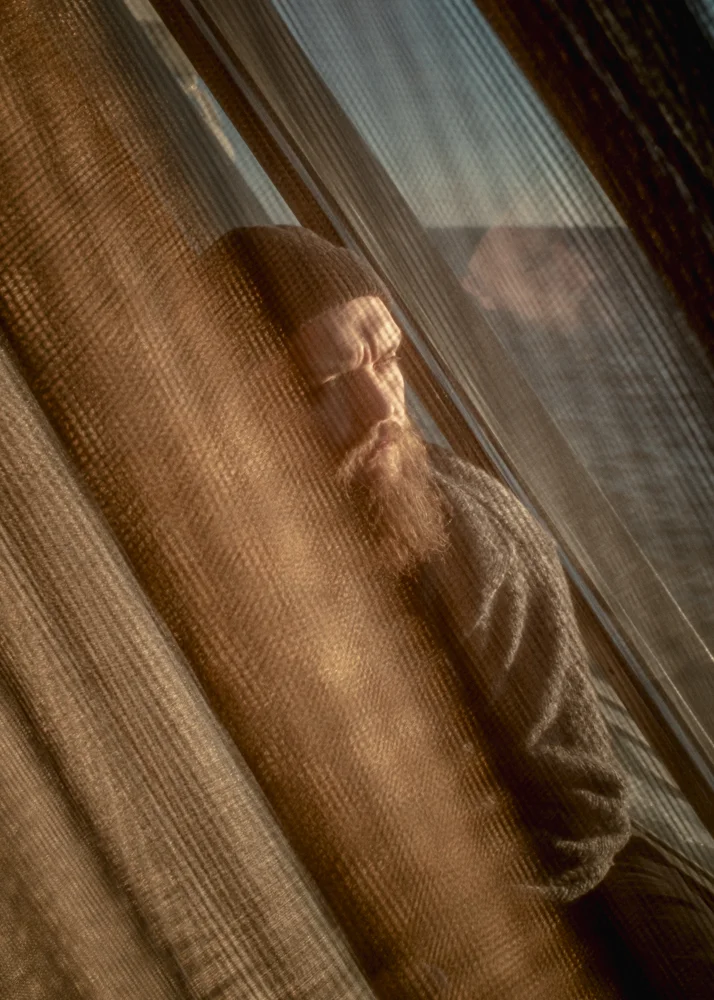
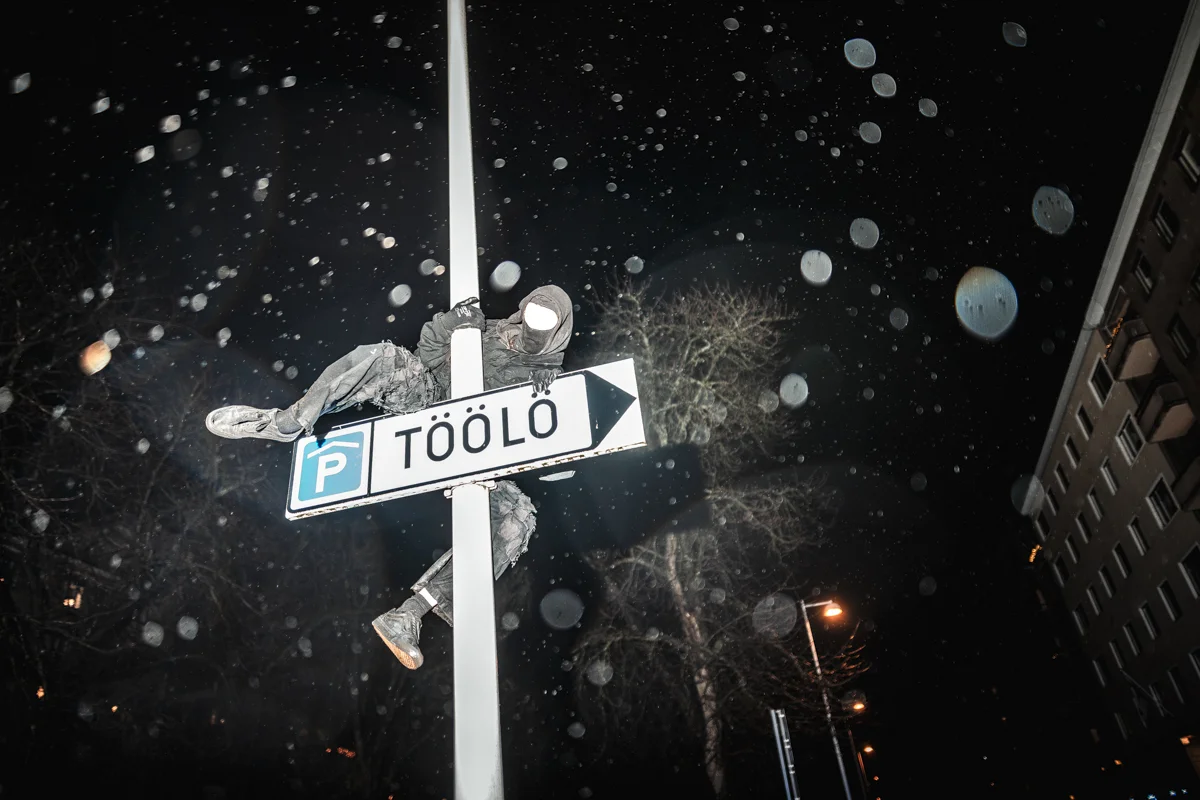
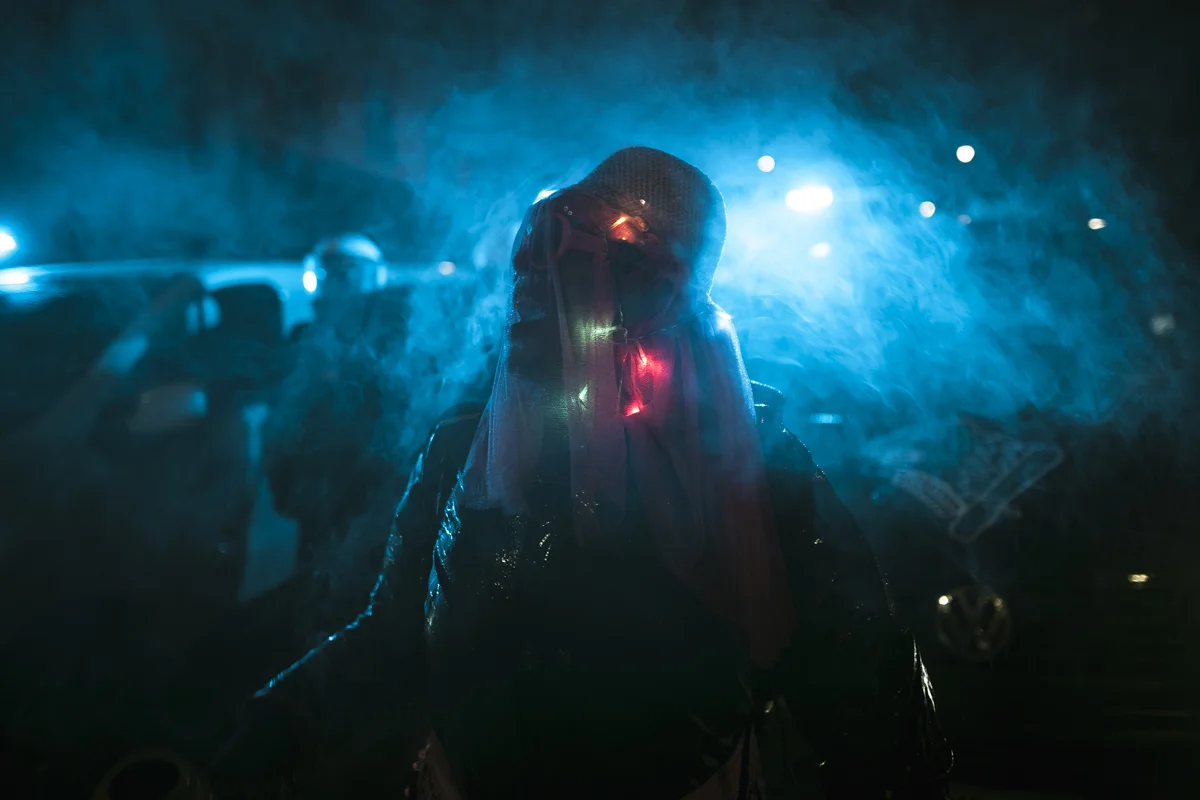
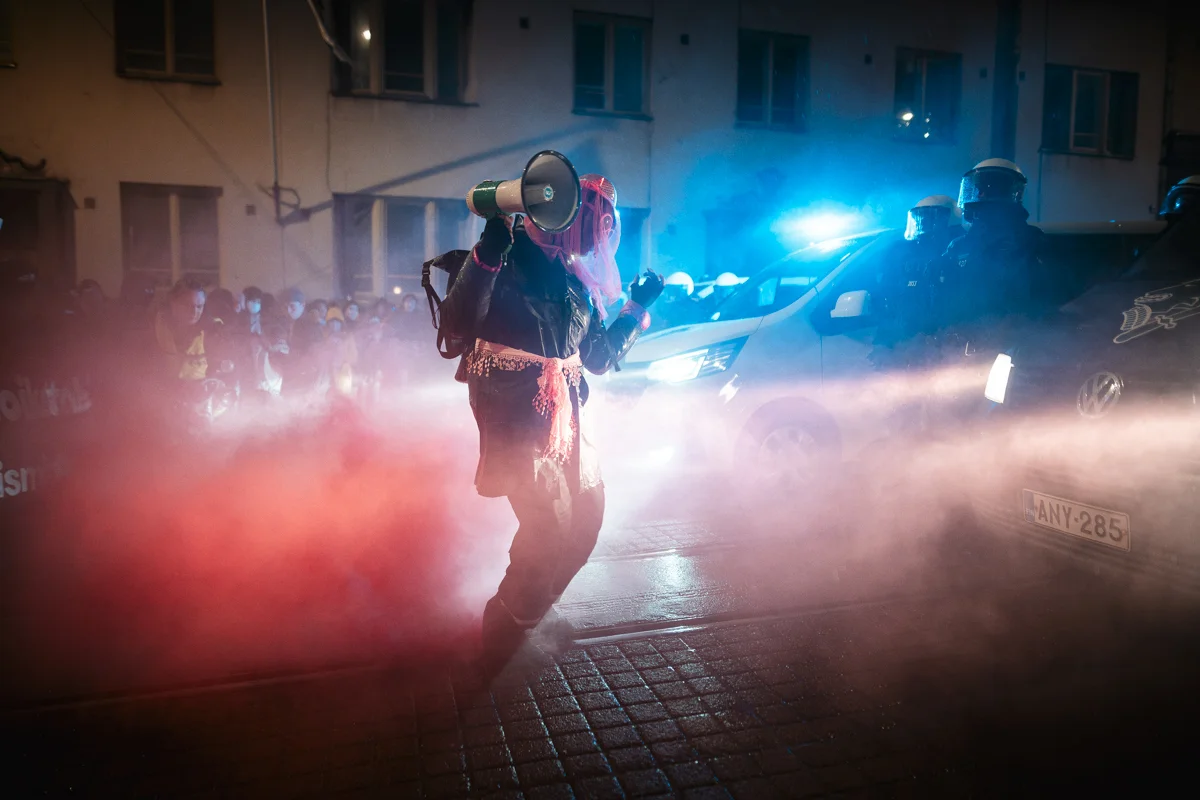
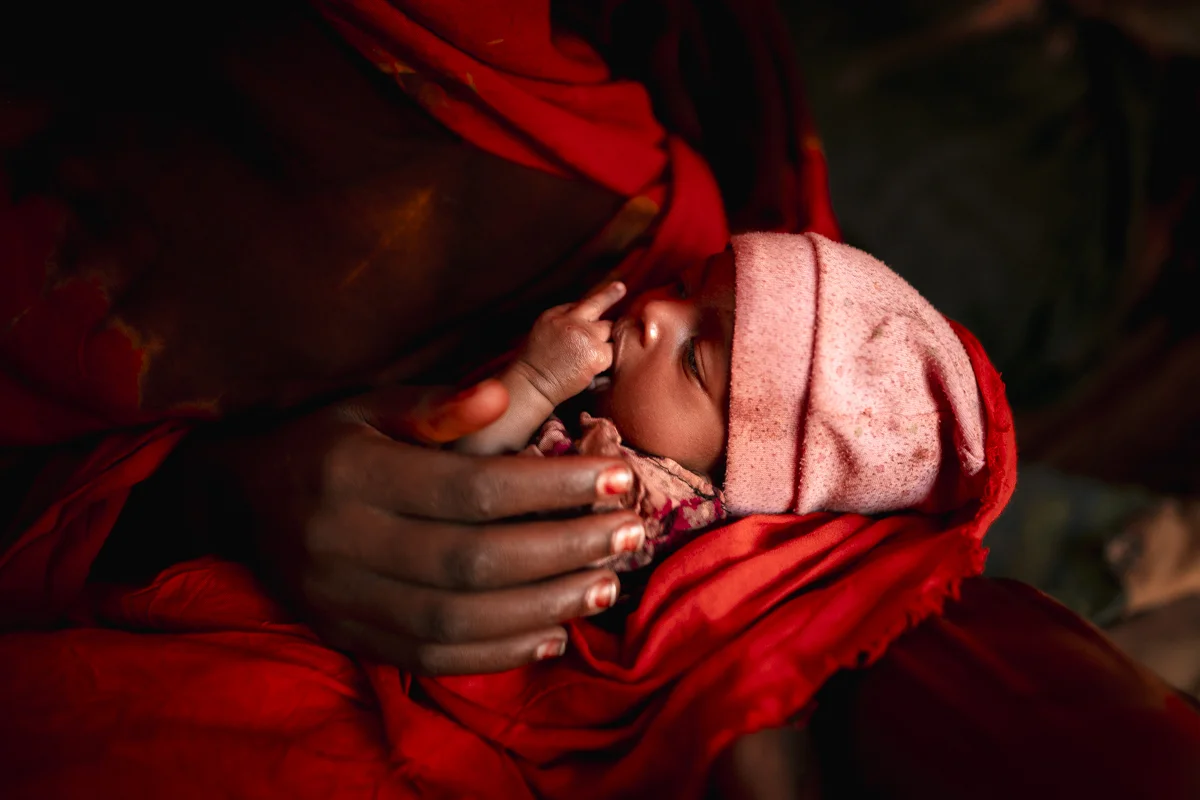
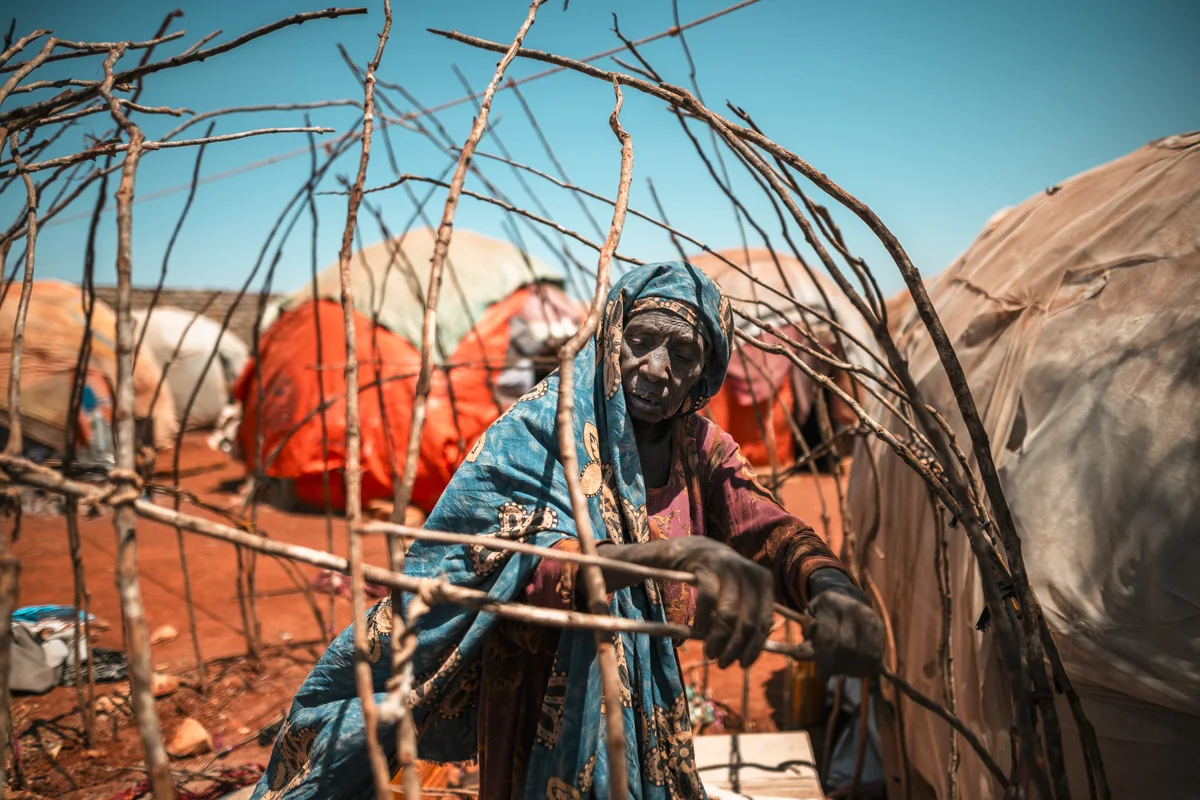
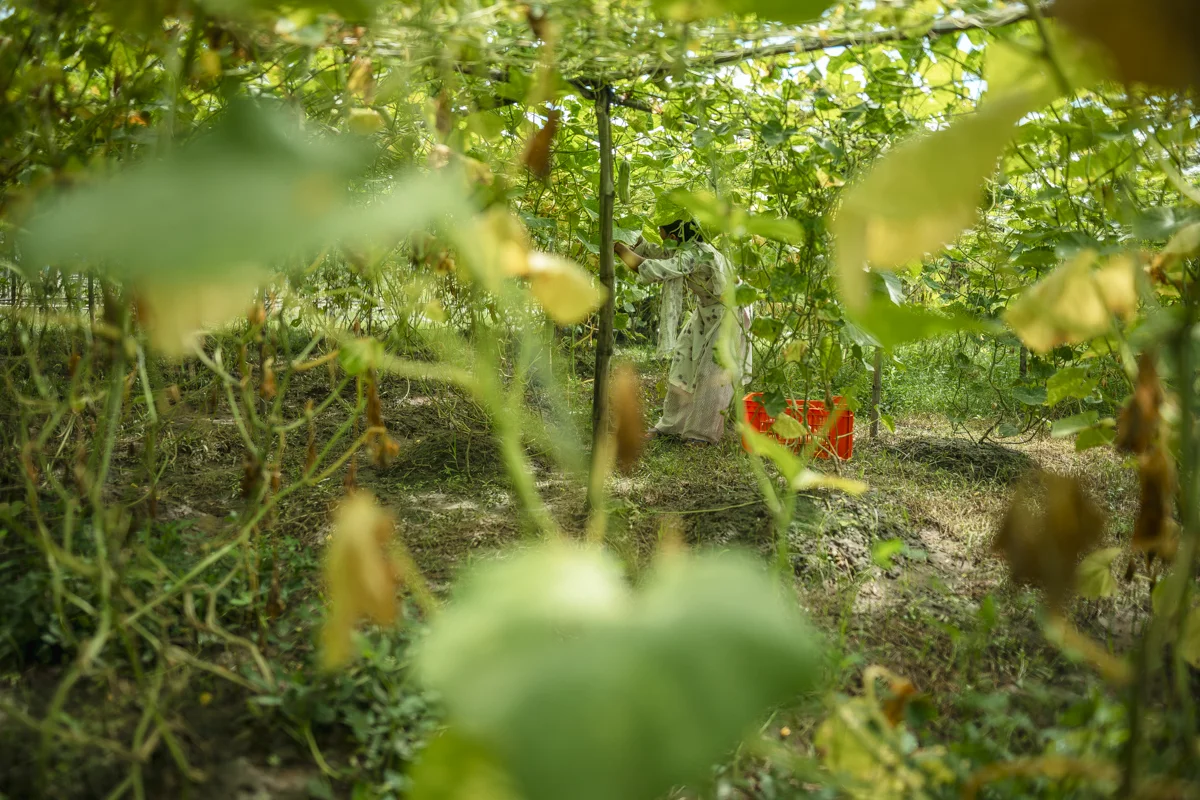
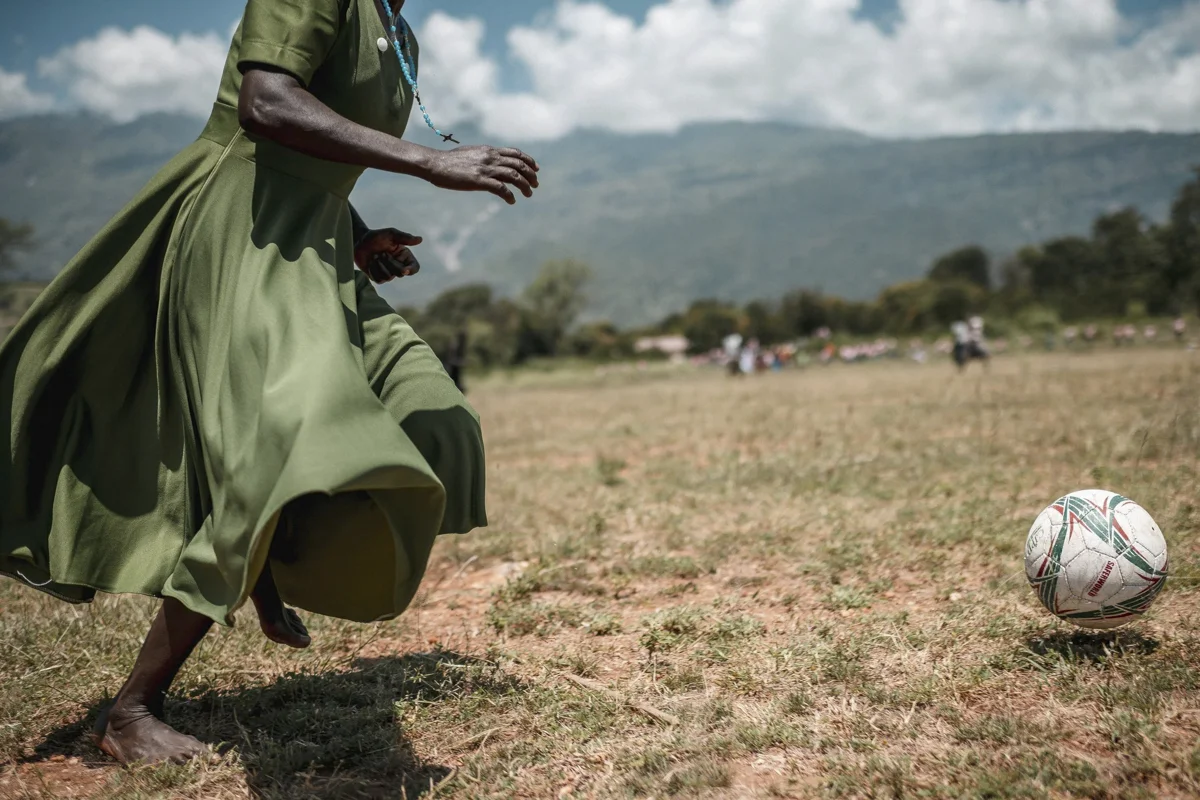
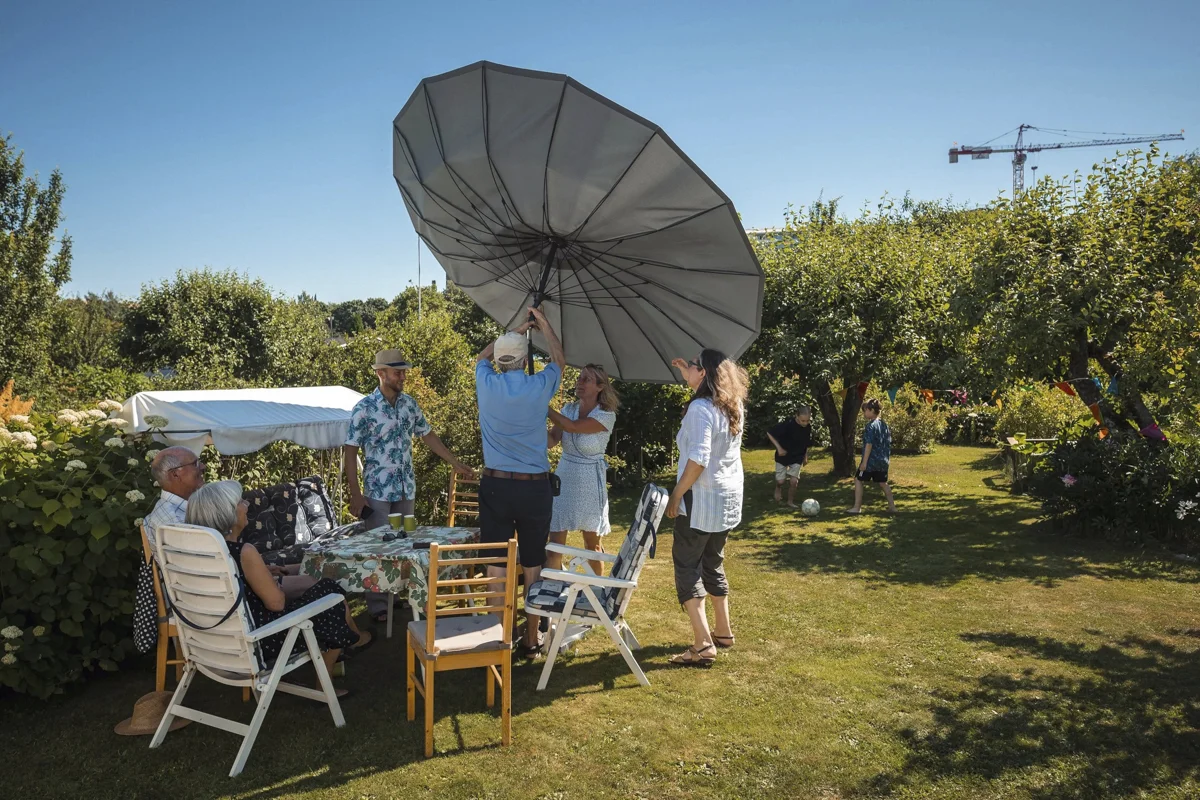
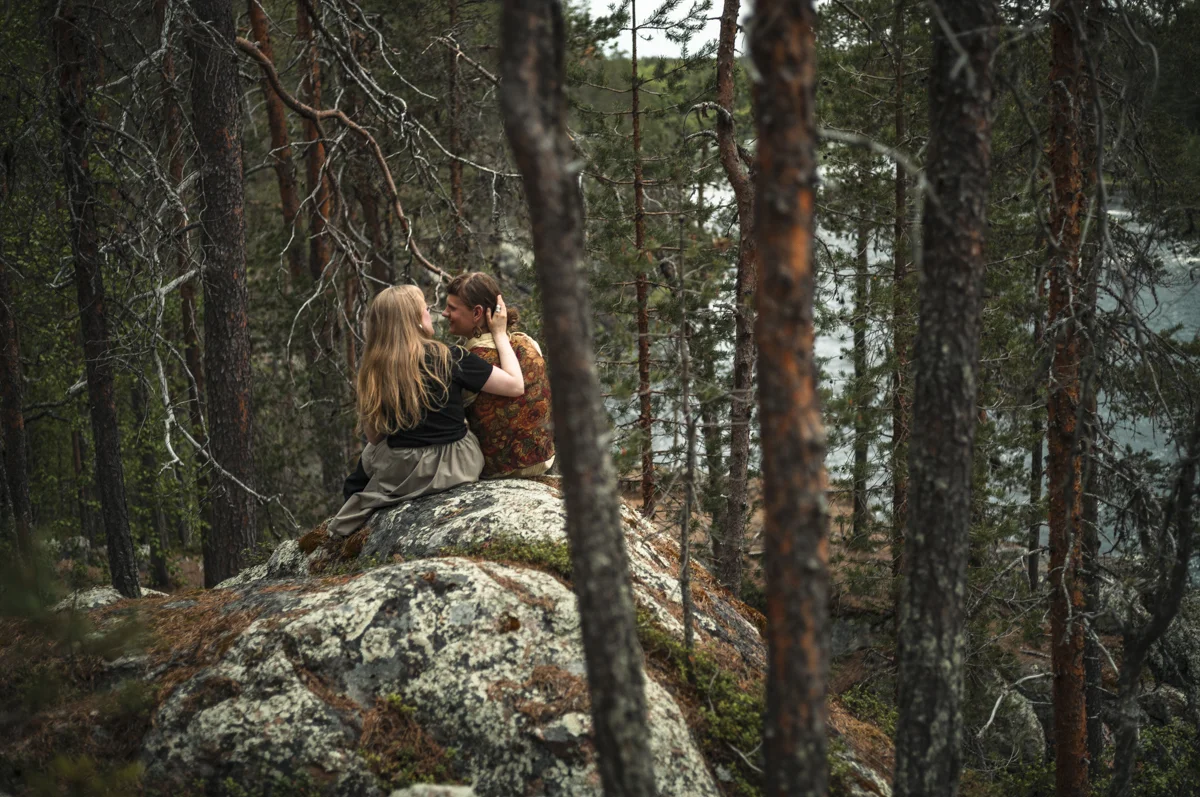
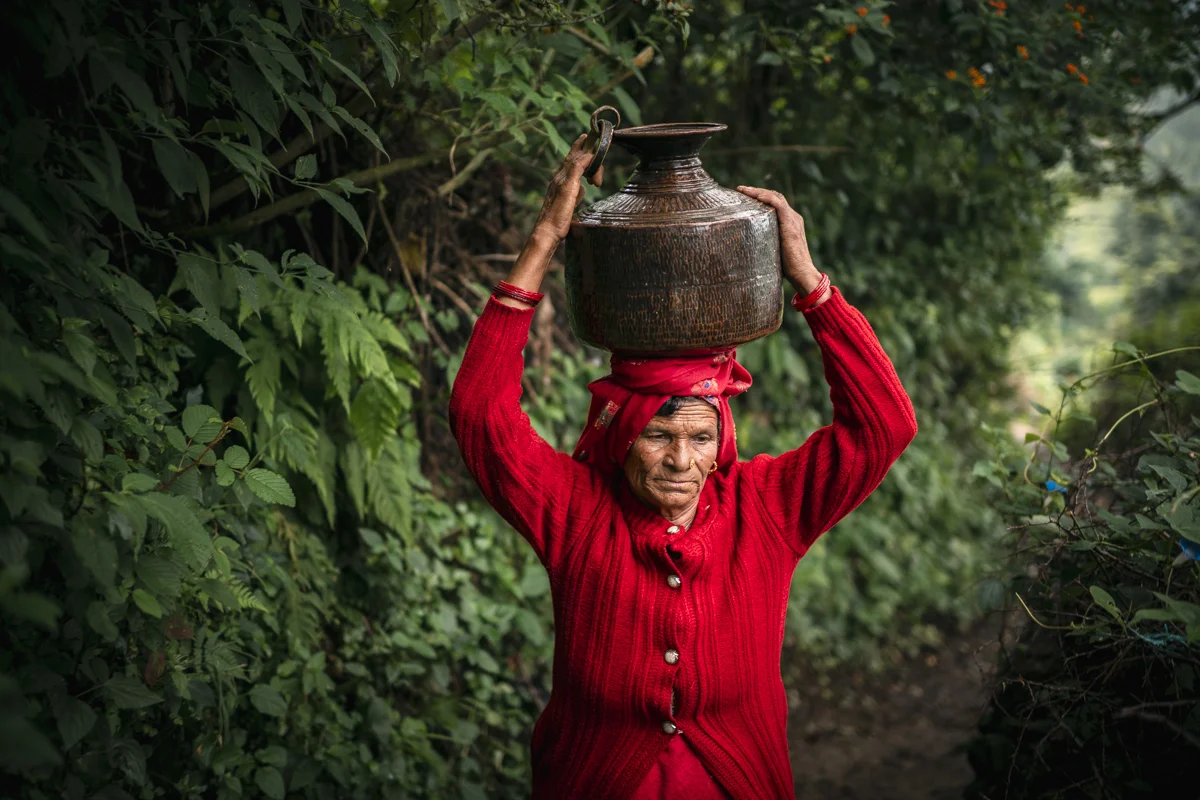
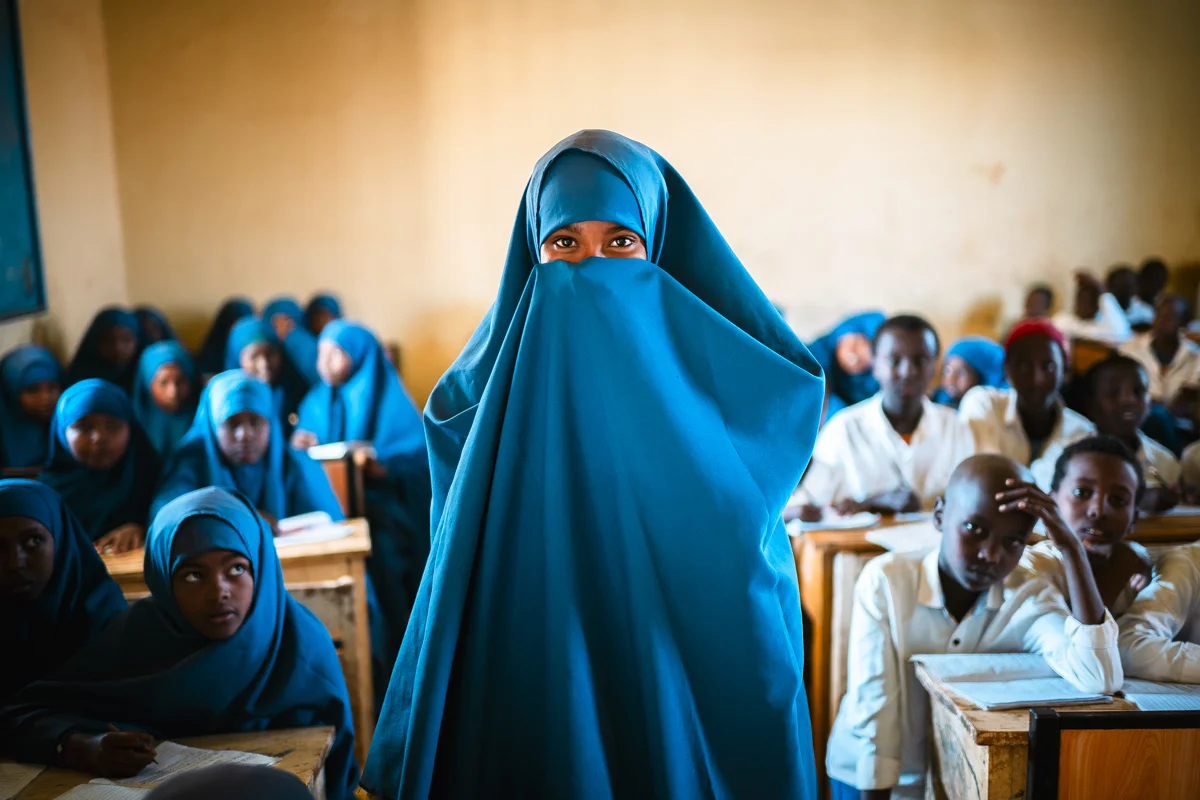
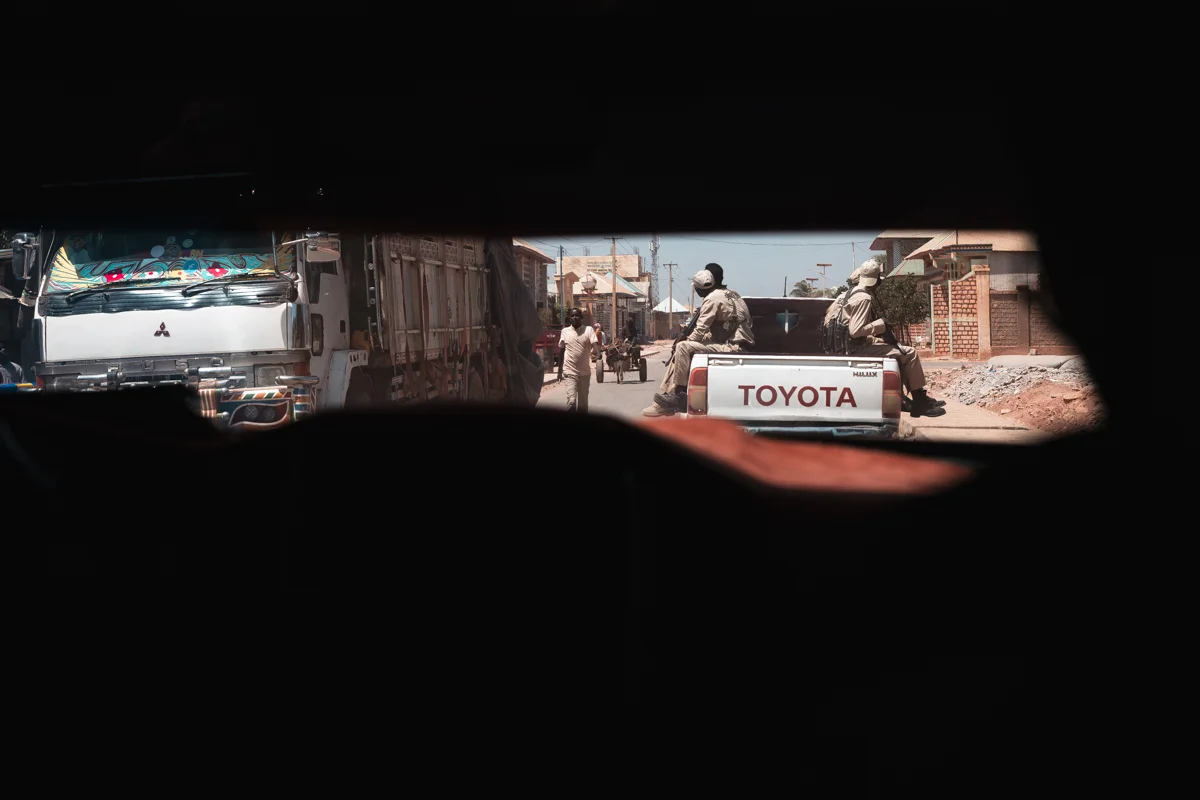
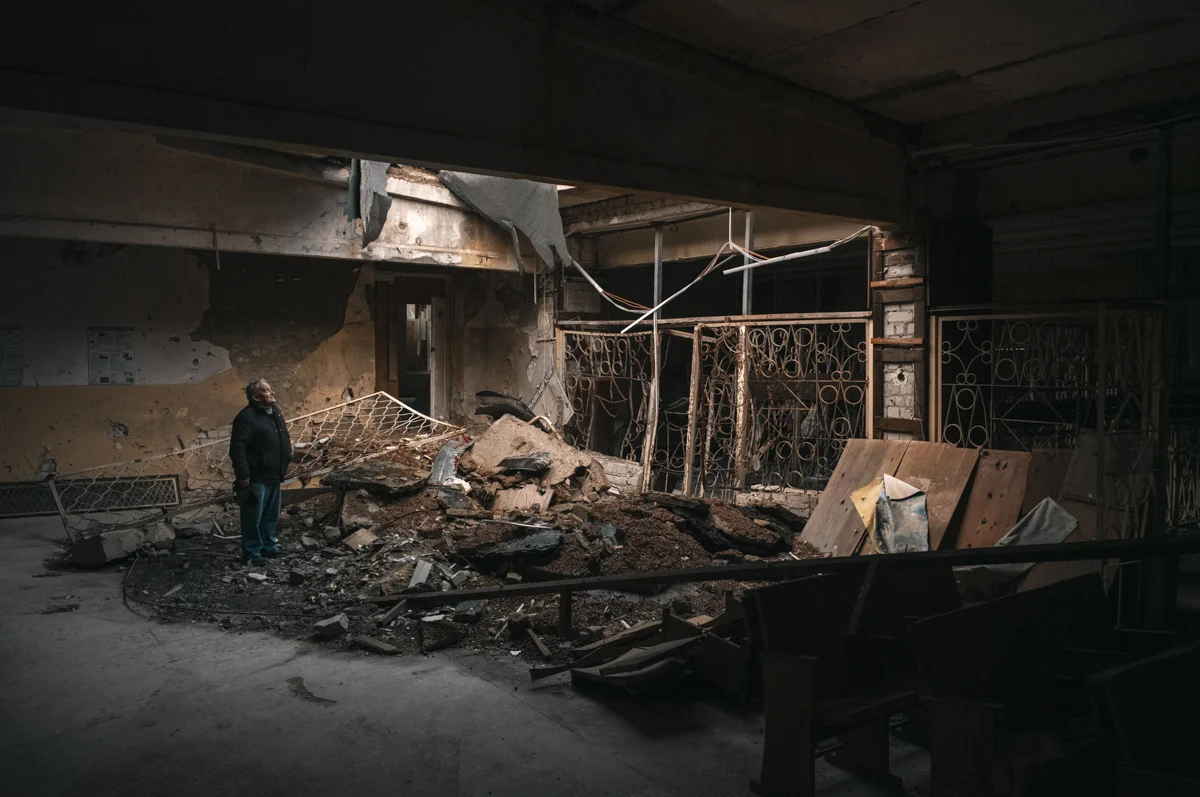
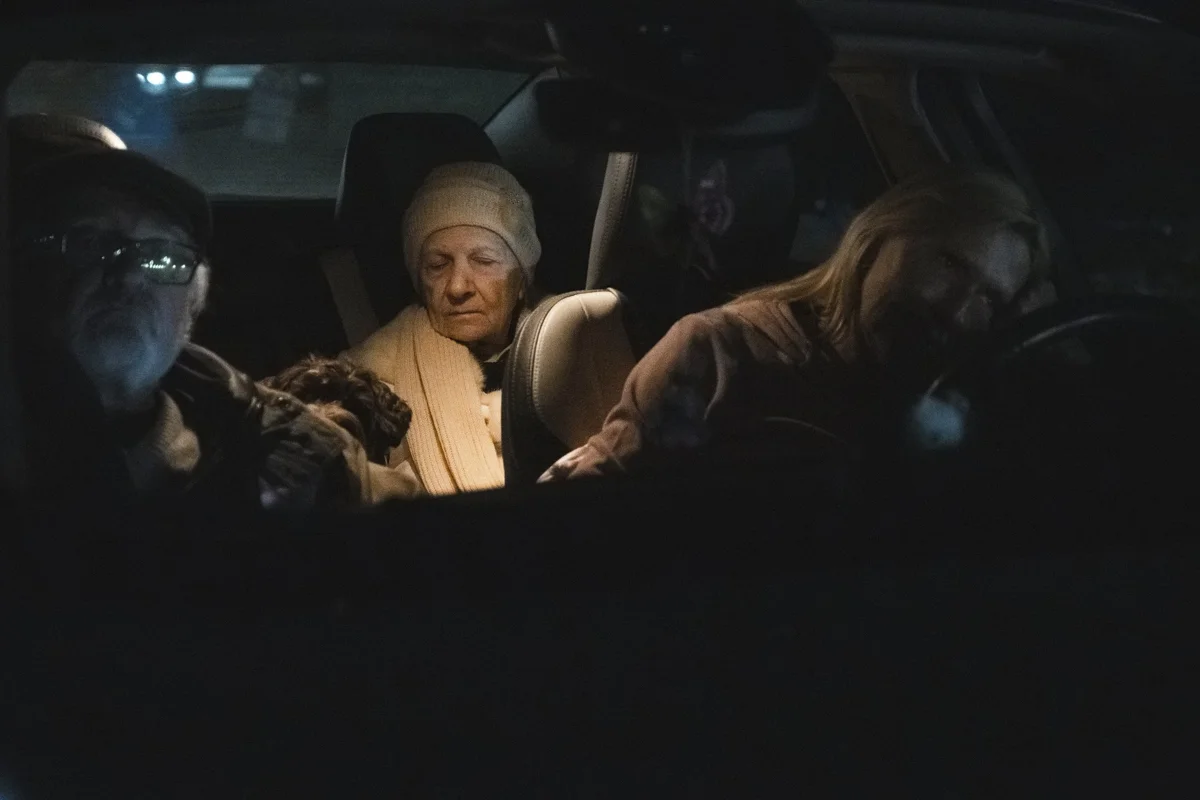
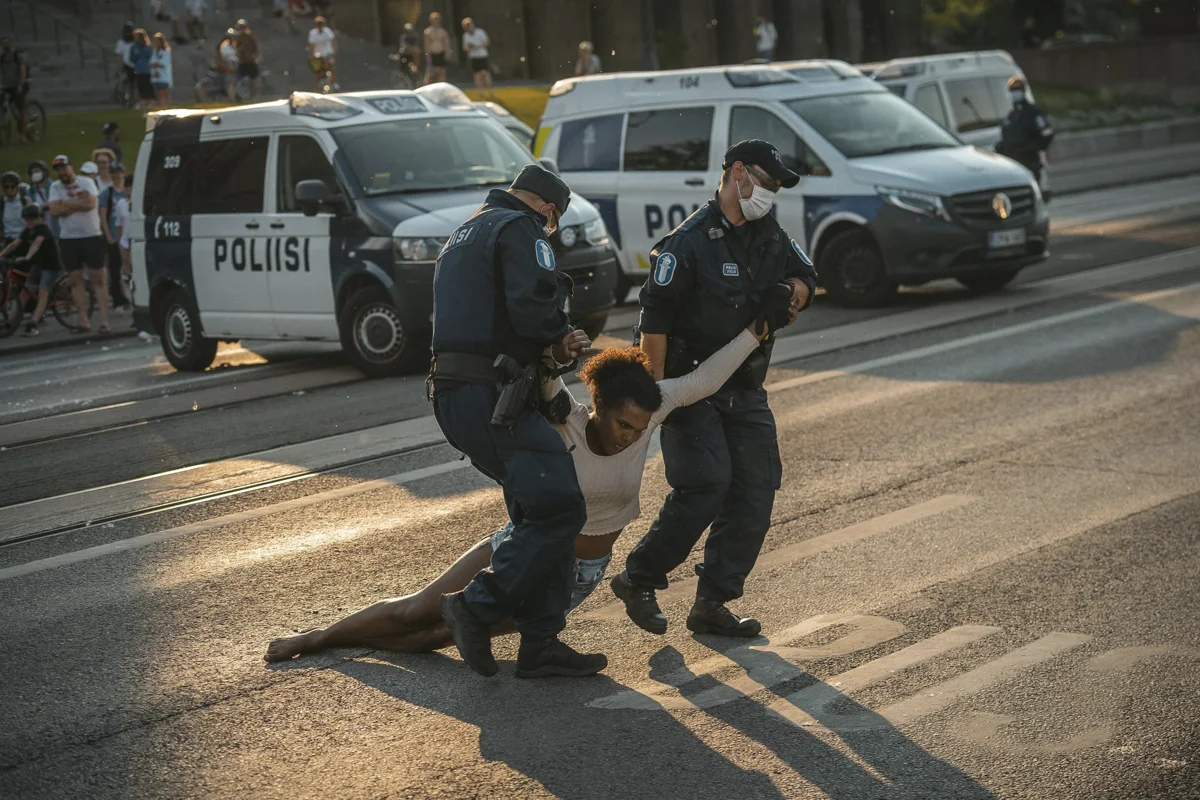
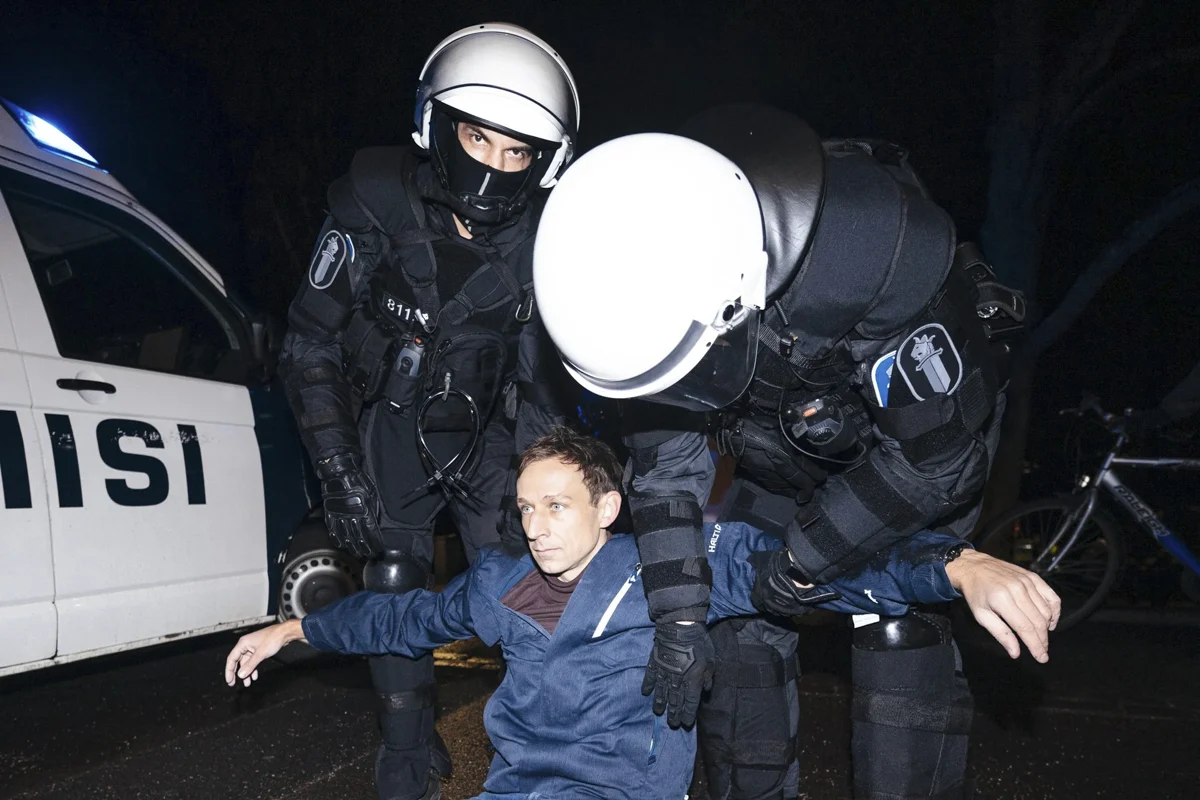
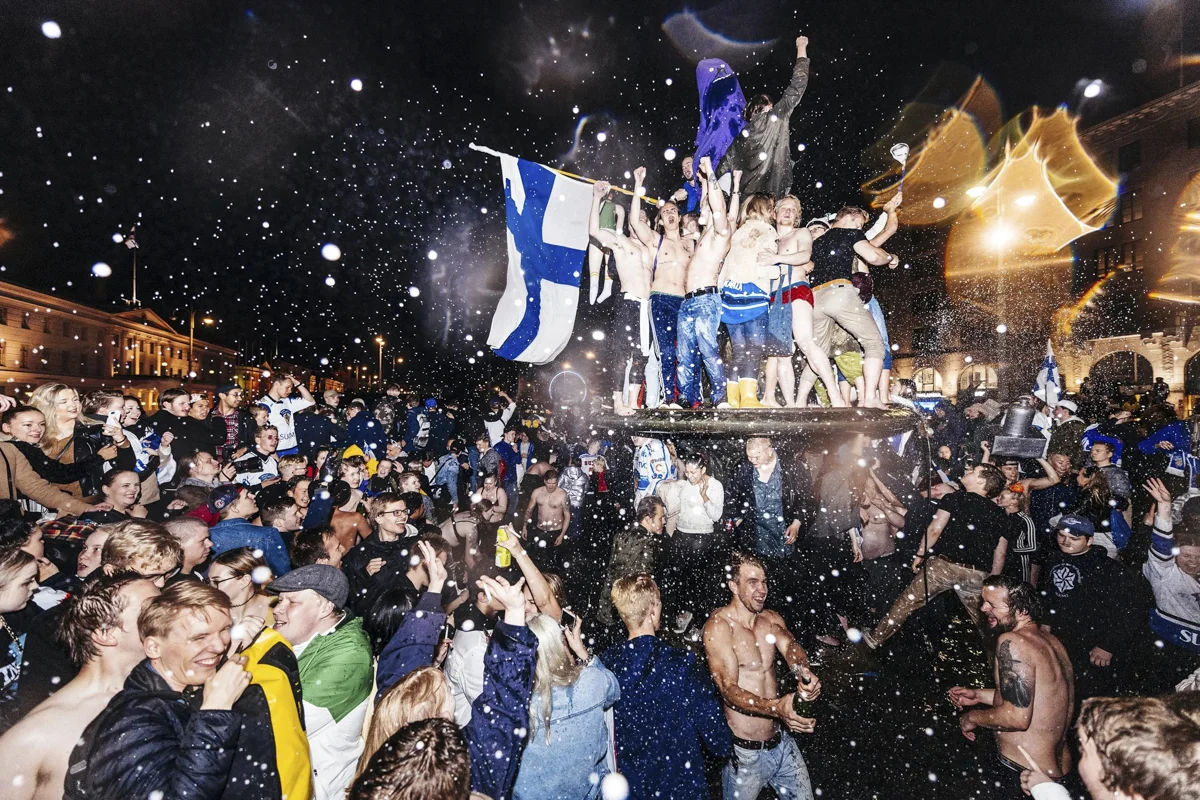
Antti Yrjönen is a Finnish photojournalist and documentary photographer with over a decade of experience reporting internationally and at home. He works across media and humanitarian contexts, covering conflict, displacement and everyday life in places including Somalia, Syria, South Sudan and Ukraine, while also returning to stories closer to home.

He is drawn to stories that can’t be understood in a single visit. Yrjönen revisits places, people and movements over time, building relationships without surrendering his position as a journalist. He works from a simple premise: you cannot photograph what you do not understand. That insistence on understanding shapes both his reporting and the way he edits, sequencing images to create clarity rather than noise.

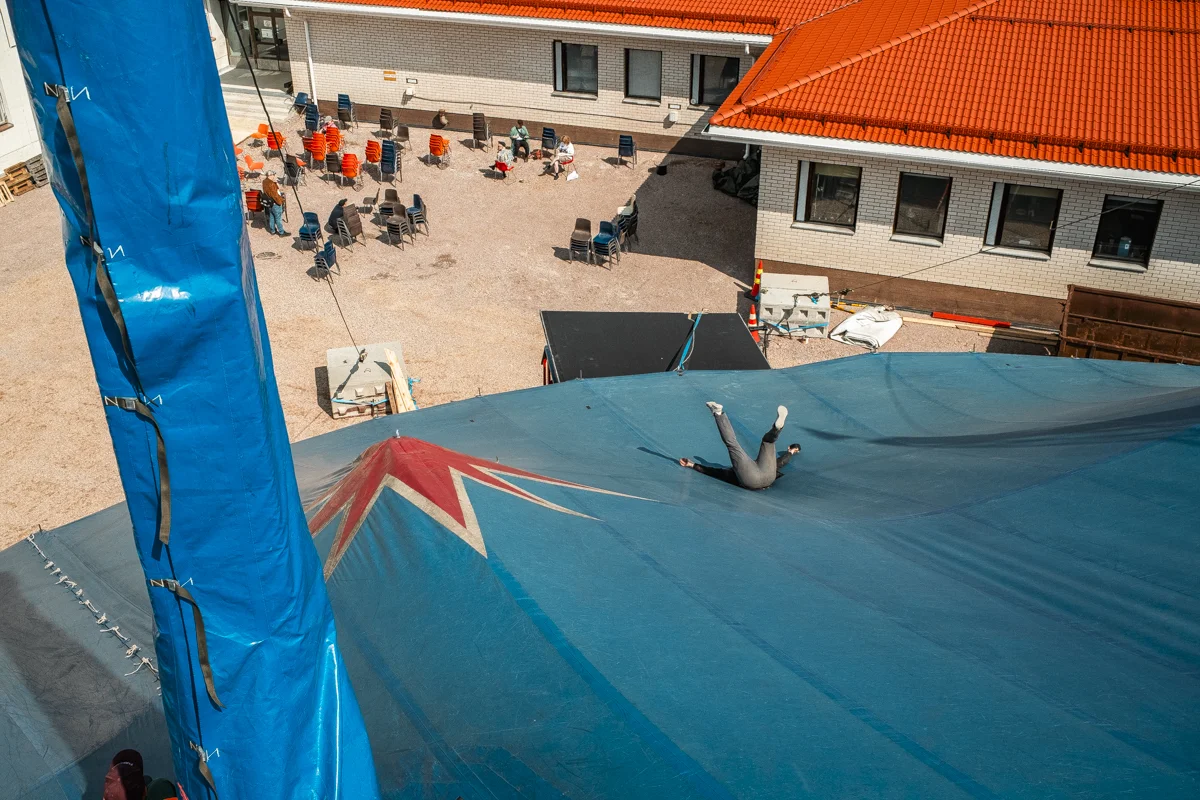
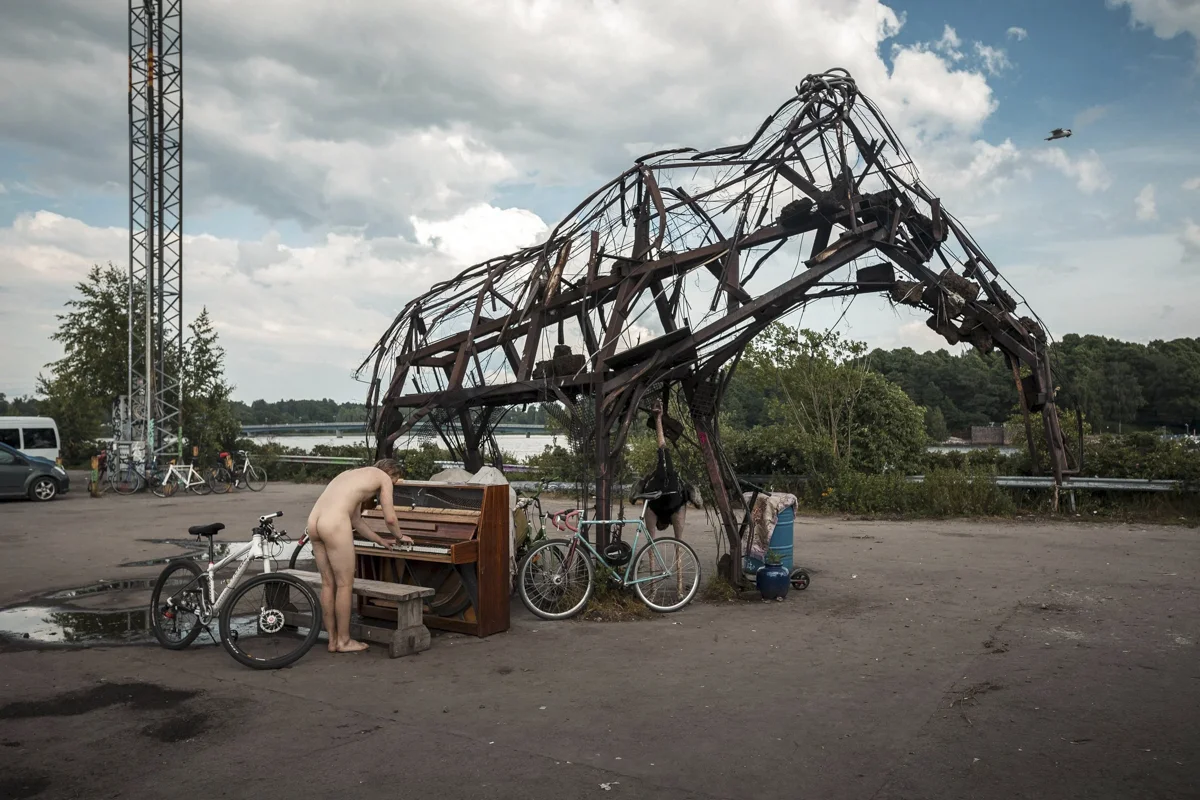
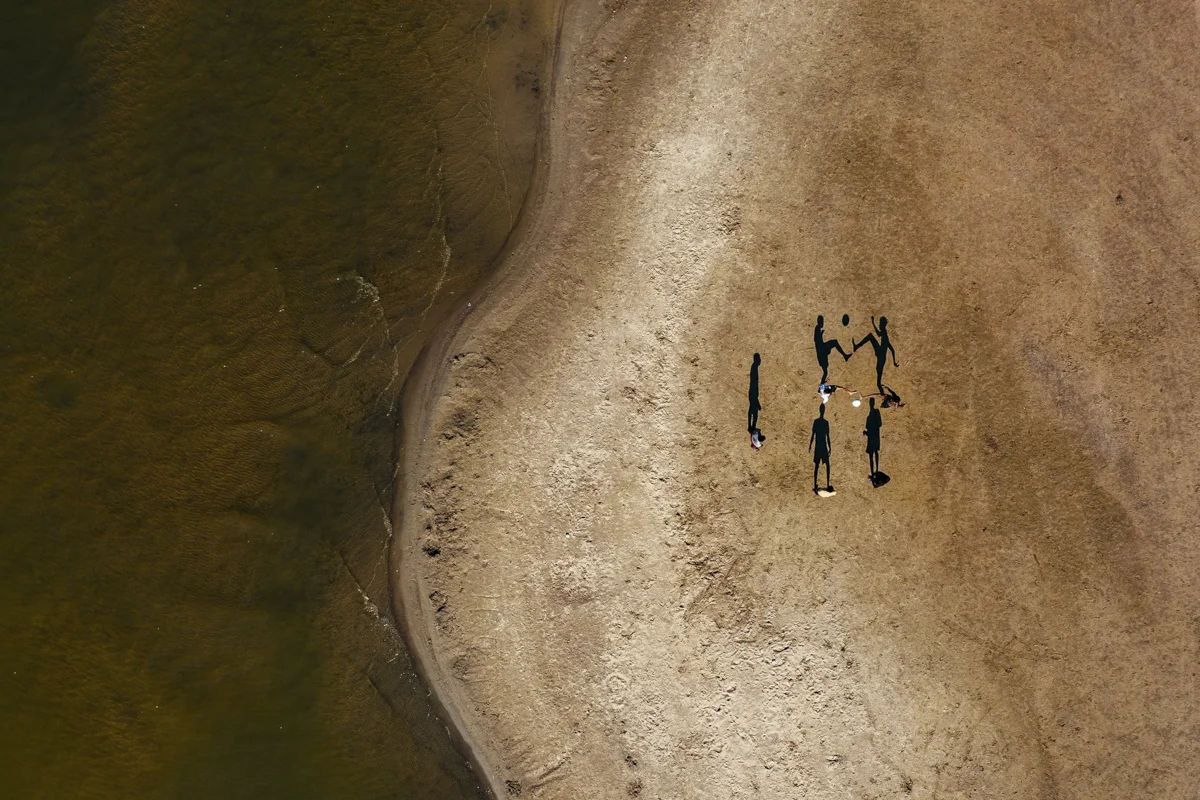
His photographs look for nuance and for the small details that hold a larger story in place, sometimes through quiet humour or a hint of the surreal. For Yrjönen, humour is not a distraction from difficult realities but part of them: a sign of life, especially in hard times.

Alongside visual work, he writes on visual culture, journalism ethics, media critique and press freedom, and he occasionally lectures on responsible photojournalism and conflict reporting.

His work has been published internationally by outlets including The New York Times, BBC, Le Temps, Bloomberg, Haaretz, Frankfurter Allgemeine Zeitung, Condé Nast Traveller, Helsingin Sanomat and Suomen Kuvalehti, and he has received multiple awards for his photography.

He studied photojournalism at Tampere University and is currently developing a long-term book project on polycrisis at the intersection of conflict, climate change and food security.

Statement
"Photography is how I stay present. Being there matters, but so does being in the moment. I return to the same places and people because understanding takes time, and because you can’t photograph what you don’t understand. My work follows power up and down its chain, from policy rooms to street corners and back again, looking for the human consequences of politics, conflict and crisis. Sometimes a quiet humour slips in, not to soften reality, but to tell it honestly."

Awarded Photographer of the Week - Week 05, 2026

 

Inspiring Portfolios

Call for Entries
All About Photo Awards 2026
$5,000 Cash Prizes! Juror: Steve McCurry
 
Stay up-to-date  with call for entries, deadlines and other news about exhibitions, galleries, publications, & special events.

More Great Photographers To Discover

Lenka Klicperová
Czech Republic
1976
Journalist and photographer. She obtained a master's degree at the University of Hradec Králové and immediately after that started working as a journalist. From 2004 to 2018 she was the editor-in-chief of the leading Czech travel magazine Lidé a Země. Since 2018 she has been working as a freelance reporter and photographer focused on war zones. She has worked in a number of African countries, including conflict zones of Democratic Republic of Congo. She visited Afghanistan several times, as well as Somalia, plagued by several decades of war. Since 2014, she has focused on the issue of the war with the ISIS in Iraq and Syria. She is the co-author of several documentaries (Tears of the Congo, Latim – the Circumcised, Iraqui Women, Women in the Land of Taliban, Unbroken) and a number of television reports. She has won a number of prizes and nominations in the Czech Press Photo competition - both for photography and video. In 2020 she was included in the prestigious Women Photograph database, she was shortlisted for the International Women In Photo Association Award. She is the co-author of nine books about Africa and about the wars in the Middle East and Nagorno Karabakh. Her work from Syria resulted in two books entitled In Sight of the Islamic State I and In Sight of the Islamic State II, which were co-authored by Markéta Kutilová. Together with Kutilová she also wrote other books on the wars in Syria and Iraq: In the War (2018) and War is My Fate (2020). In 2019, a book called AK47 was published, which depicts the dramatic life of the world-famous Czech war photographer Antonín Kratochvíl. Klicperová wrote the text of the book based on Kratochvíl's narration. In September 2020, war broke out in Nagorno Karabakh. Lenka Klicperová and Markéta Kutilová quickly moved to the center of events. The war in the Caucasus was captured by both reporters in many reports, but also in a book The Last One Sets the Village on Fire (2021). Klicperová cooperates with a number of Czech media. She also lectures at the University of Hradec Králové. Statement Twelve years ago I first came to a war zone, to the eastern part of the Democratic Republic of the Congo. My goal was to document the drastic effects of the protracted war on women. The local militias are committing mass rape of women and children; rape is a weapon of war. It was my first encounter with war. I understood that I wanted to bear witness to the injustices of this world, the way they fall on innocent victims who have nothing to do with them. I returned to the Congo several times and started working in Afghanistan. Then the war in Syria and Iraq started. I spent six years traveling to these areas watching and documenting how the Islamic State terrifies the world. And how it is gradually being defeated with the generous contribution of the Syrian Kurds. The city of Kobani, the center of the Kurds, has been indelibly engraved in my heart, defending itself against the enormous superiority of the Islamists. At the cost of high casualties. I have been on the front lines, in refugee camps, documenting the lives of the wives of ISIS fighters and their children. I managed to get in the prison where ISIS fighters who survived the fighting are being held. When the war broke out in Nagorno Karabakh, I knew I had to go there immediately. I followed the war to the end and documented the lives of civilians sentenced to live suddenly in a war zone. I saw their exodus. War zones have thus become a part of my life... Lost War
Alan Henriksen
United States
1949
Alan Henriksen was born in 1949 in Richmond Hill, Queens, New York, and has lived his entire life on Long Island. He became interested in photography as a hobby in 1958, and began making contact prints in late 1959. His interest became serious following a chance discovery of the work of Edward Weston and Ansel Adams at the local library. Henriksen holds college degrees in Psychology and Computer Science and is now retired from a long career in software engineering. Beginning in the mid-1970?s he worked for nearly ten years at Agfa-Gevaert’s photo paper manufacturing plant on Long Island as a sensitometrist and software engineer. In the late 1980?s he authored a Zone System software program named ZoneCalc, which was marketed by the Maine Photographic Resource. In 1968 he and his wife Mary made their first visit to the Maine coast, starting a photographic project that continues to this day. They now divide their time between their homes in Smithtown, Long Island and Southwest Harbor, Maine. All about Alan Henriksen:AAP: When did you realize you wanted to be a photographer?Although I had already been photographing as a hobbyist for six years, my interest became more serious in 1964 when, during a library visit, I chanced upon Peter Pollack's book, "A Picture History of Photography," and opened it to the section devoted to the work of Edward Weston.AAP: Where did you study photography?My formal photographic education was limited to the 1970 Ansel Adams Workshop in Yosemite National Park.AAP:Do you have a mentor?In 1967 I composed a letter and sent it, along with some prints, to Ansel Adams in Carmel. Toward the close of his two-page single-spaced typewritten reply he wrote, "I want to follow your work and see more of your prints." This began a correspondence, soon supplemented with phone calls, that lasted until 1970, at which time I attended his Ansel Adams Workshop in Yosemite National Park.AAP: How long have you been a photographer?I began photographing in 1958, purely as a hobby, and began printing in 1959.AAP: Do you remember your first shot? What was it?The first photograph I remember taking was made in 1958. I photographed my neighbor while she was leaning into a baby carriage to tend to her child.AAP: What or who inspires you?I do not believe in inspiration; I believe in simply working, and working simply. When photographing, my ideas arise directly from my exploration of the subject matter at hand. But I cannot say why I find a certain bit of the world, seen from just such an angle, in a certain light, interesting.AAP: How could you describe your style?I do not consciously try to apply a style to my photographs. I believe in the maxim, "Style does not precede; it results." Although there is a kind of consistency to my photographs over the years, and more so during any particular period, that is presumably because I have remained roughly the same person.AAP: What kind of gear do you use? Camera, lens, digital, film?I currently work with a Canon 5D Mark II and various Canon lenses.AAP: Do you spend a lot of time editing your images?I take an iterative approach to image editing, generally performing several editing passes. I like to leave some time between each pass in order to help me see the image with fresh eyes during each session. I consider an image completed (for the time being) when I view the image and it seems to "work" as is. For some images the editing process is completed within a few sessions, while others take much longer.
Iwao Yamawaki
Japan
1898 | † 1987
Iwao Yamawaki, born Iwao Fujita, was a Japanese photographer and architect who trained at the Bauhaus. Born in Nagasaki, Yamawaki studied architecture at the Tokyo School of Fine Arts (now the Tokyo University of the Arts) from 1921 to 1926. After his graduation, he worked as an architect for the Yokogawa Construction Company and began to take photographs, which he submitted to the publications and competitions of Kenchiku Gakkai (the Society for Architectural Research). He was active in theatre circles as a costume and set designer and in 1926 he founded the Ningyō-za theatre in Tokyo with Koreya Senda (1904–1994) and others, and became involved with Tan'i Sanka, an avant-garde artists' group, where he met the Bauhaus student Sadanosuke Nakada (1888–1970), and where he later became friends with Takehiko Mizutani (1898–1969), the first Japanese student to study at the Bauhaus. He was formally introduced to Michiko Yamawaki (1910–2000), an heiress and the eldest daughter of a wealthy businessman, whom he married in 1928. He was asked by her father to adopt her family name, which he did in return for is new family-in-law financing the opportunity for both of them to study at the Bauhaus. In May 1930 Iwao and Michiko left Japan for New York, where they spent two months, before traveling to Berlin, where they were reunited with Koreya Senda, who had already been living in Berlin for about two years. Senda, a politically active socialist, was involved with underground theatre in Berlin, and with the Japanese artistic community in the city, to which he introduced the Yamawaki to. They often gathered in decadent bars, such as the El Dorado, a famous gay, lesbian and trans venue. In 1930 Yamawakis, together with Senda, the painter Osuke Shimazaki, lacquer artist Kotaro Fukuoka and photographer Hiroshi Yoshizawa, founded the design studio Tomoe in Berlin. The studio produced posters, gift-wrap paper, and leaflets, and undertook window dressing and interior design for Japanese restaurants. In October 1930 the couple began Josef Albers' first semester preliminary course at the Bauhaus in Dessau. In April 1931 Michiko went on to study in the weaving workshop and Iwao initially studied architecture, but a few months later he changed to the photography course taught by Walter Peterhans. Iwao developed a close friendship with fellow student and later Bauhaus teacher Kurt Kranz. Kranz was interested in photomontage and introduced Yamawaki to it. Iwao Yamawaki had a strong interest in architectural photography and took many photographs of the exterior and interior of the famous Bauhaus Dessau building complex, as well as of buildings in Berlin, Amsterdam and Moscow. His photographs are strongly influenced by the Neues Sehen (New Vision), an avant-garde movement of the 1920s and 1930s espoused by Bauhaus teacher László Moholy-Nagy, which encouraged photography of ordinary scenes using unfamiliar perspectives and angles, close-up details, use of light and shadow, and experimentation with multiple exposure. Senda and his wife, Irma, returned to Japan in January 1931 on the Trans-Siberian Railway. They stayed for a time in Moscow on their way back, and Yamawakis and several others in the Berlin Japanese artistic community joined them for a week, visiting the theatre and seeing the sights. The couple remained in Germany until the Bauhaus Dessau closed at the end of August 1932, when they returned to Japan. On his return to Tokyo, Yamawaki taught photography for 6 months at the Shinkenchiku kōgei (New Architecture and Design College), which was known as the 'Japanese Bauhaus'. He exhibited some of his work, but was dissatisfied with the Japanese photographic scene and gave up photography altogether. He became a successful architect and designed houses for the wealthy, developing a hybrid Japanese and Western design style, with architects such as Mies van der Rohe and Le Corbusier as his influences. Yamawaki also worked as an architectural journalist and was widely published. He designed a modernist villa for himself and his wife in 1934 and they furnished it with pieces that they imported from Germany, such as the Wassily Chair. He established his own architectural office in 1939 and designed the interiors of the Japanese pavilion in the Government Zone at the 1939–1940 New York World's Fair. The Yamawakis had two children in the late 1930s – early 1940s. Although they had mixed in a socialist milieu in Germany, during World War II they collaborated with the ruling Japanese fascist regime. In 1953 Yamawaki designed the Haiyūza theatre for his old friend Koreya Senda, and in 1954 and 1971 Iwao and Michiko Yamawaki brought Bauhaus exhibitions to Japan. However, in the post-war years, they both largely fell into obscurity.Source: Wikipedia
Maynard Switzer
Maynard Switzer was born in Los Angeles and is a professional freelance travel and documentary photographer. He is a graduate of the Art Center College of Design in Pasadena and a former assistant to legendary photographer Richard Avedon. He has taught at the International Center of Photography in New York City and has written many magazine articles about travel photography. His love of foreign cultures and their fascinating customs has been the main catalyst for Maynard’s photography around the globe. Maynard has had his photography published in National Geographic Traveler Magazine, Geo Magazine, Afar Magazine and the prestigious Fine Art Spanish Magazine Art Fotografico. Statement There are approximately 195 independent countries in the world and an estimated 6,800 different languages spoken, and often times there is a breakdown in communication. Some caused by language barriers, other times lost or inadequate translation and sometimes a woeful attempt at hand signals. However, images are universally understood. The cliché "a picture is worth a thousand words" certainly rings true. Pictures speak a thousand words to a thousand different people in a thousand different ways. This global understanding has been the main reason that I have been documenting various cultures around the world. Over the past 20+ years I have concentrated on photographing people and their various ways of life that seem to have been left behind by the world's rush to modernize. Certain aspects of these various cultures seem to be in a time warp, many within their own country. The photographs presented here are part of a long-term project photographing some of these people that live and work in challenging environments that time seems to have forgotten and whose way of life may never be seen again.
Pierre Verger
France
1902 | † 1996
Pierre Edouard Leopold Verger, alias Fatumbi or Fátúmbí was a photographer, self-taught ethnographer, and babalawo (Yoruba priest of Ifa) who devoted most of his life to the study of the African diaspora - the slave trade, the African-based religions of the new world, and the resulting cultural and economical flows from and to Africa. At the age of 30, after losing his family, Pierre Verger took up the career of journalistic photographer. Over the next 15 years, he traveled the four continents, documenting many civilizations that would soon be effaced by progress. His destinations included Tahiti (1933); United States, Japan, and China (1934 and 1937); Italy, Spain, Sudan (now Mali), Niger, Upper Volta, Togo and Dahomey (now Benin, 1935); the West Indies (1936); Mexico (1937, 1939, and 1957); the Philippines and Indochina (now Thailand, Laos, Cambodia and Vietnam, 1938); Guatemala and Ecuador (1939); Senegal (as a conscript, 1940); Argentina (1941), Peru and Bolivia (1942 and 1946); and finally Brazil (1946). His photographs were featured in magazines such as Paris-Soir, Daily Mirror (under the pseudonym of Mr. Lensman), Life, and Paris Match. In the city of Salvador, Brazil he fell in love with the place and people, and decided to stay for good. Having become interested in the local history and culture, he turned from errant photographer to a researcher of the African diaspora in the Americas. His subsequent voyages are focused on that goal: the west coast of Africa and Paramaribo (1948), Haiti (1949), and Cuba (1957). After studying the Yoruba culture and its influences in Brazil, Verger became an initiated of the Candomblé religion, and officiated at its rituals. During a visit to Benin, he was initiated into Ifá (cowrie-shell divination), became a babalawo (priest) of Orunmila, and was renamed Fátúmbí ("he who is reborn through the Ifá"). Veger's contributions to ethnography are embodied in dozens of conference papers, journal articles and books and were recognized by Sorbonne University, which conferred upon him a doctoral degree (Docteur 3eme Cycle) in 1966 — quite a feat for someone who dropped out of high school at 17. Verger continued to study and document his chosen subject right until his death in Salvador, at the age of 94. During that time he became a professor at the Federal University of Bahia in 1973, where he was responsible for the establishment of the Afro-Brazilian Museum in Salvador; and served as visiting professor at the University of Ifé in Nigeria. The non-profit Pierre Verger Foundation in Salvador, which he established to continue his work, holds more than 63,000 photos and negatives taken until 1973, as well as his papers and correspondence. Source: Wikipedia
Iris Brito Stevens
United States
I was born and raised in Salinas, California (U.S.), a farming community known for its lettuce. As a daughter of Mexican immigrants, I became aware of, and sensitive to, the differences between the immigrant and non-immigrant communities and their perspectives, which at times felt narrow and somewhat limiting. Growing up surrounded by family grounded me deeply, yet an insatiable curiosity and passion for learning about the world beyond me, called out. I spread my wings and traveled to destinations that were completely foreign, often under the auspices of humanitarian and educational endeavors. The lens through which I saw the world opened-up and expanded my perspective, just like a camera. Through first-hand experience, I became aware of the lives and conditions of marginalized and oppressed peoples globally. This new dimensionality helped me to confront certain realities, to grow, and to self-reflect on what it means to be human. It also led me toward activism and social documentary photography, which enabled me to blend visual narrative with the stories of other people through projects or partnerships in Uganda, the Occupied Palestinian Territories, Spain, San Francisco and more. My photographic work is my passion, and it serves to create awareness and a more intimate human connection, by encouraging a path that looks beyond our limited and inherent perceptions and conditioning. Statement In America, we place so much value on individuality and independence, that we forget how truly interdependent we are on one another, both on a local and global scale. We have become hyper-focused on the self and are losing our ability to empathize and see the intense vulnerability around us—though considering recent events, this appears to be shifting. As a social documentary photographer, I am drawn towards people and the conditions that are relevant in their lives, as individuals and as members of a family, community, or society. Our perception of the world can be limited to our own multi-faceted forms of conditioning; I utilize the impact of visual narrative to bring awareness of the human condition worldwide. There is so much beauty in diversity. I want to validate that diversity through photography, to help others grow in that appreciation, to demonstrate that we are all a part of something collectively - that life's experience doesn't begin and end with us, as individuals. Dominance consciousness is so pervasive in society; it's like a box with thick walls and nothing to see, nowhere to go, devoid of any inspiration. It kills curiosity and ideas. I want us all to be inspired and curious by the diversity we see and experience in everyday life. Diversity is beautiful.
Christian Werner
Germany
1987
Christian Werner is a freelance multimedia/photojournalist based in Boitzum, Germany. As a teenager he developed his interest in photography while traveling to foreign countries. In 2014 he graduated the photojournalism & documentary photography course at the University of Applied Sciences in Hannover. His main interests are social diversity and global political issues. The areas of interest is mainly the arabic world and culture. Chris worked in various countries in Asia, Africa, Eastern Europe and South America. His work has been exhibited internationally. He welcomes assignments local and overseas. Since 2012, Christian is represented by Agency Laif. Source: World Press Photo Chris, born in 1987, studied from 2009 to 2014 photojournalism and documentary photography at the University of Hanover. He works as a freelance photojournalist and published his photos and stories, among others, in Der Spiegel, Die Zeit, TIME Magazine, The Washington Post and many more. From 2012 -2016 Christian Werner was represented by the German reportage agency laif. In late 2016 Chris is represented by Zeitenspiegel. His photographic focus is the processing of social injustice, conflicts and geopolitical issues. His work has been awarded several times and frequently exhibited internationally. In 2015 Chris participated at the World Press Joop Swart Mastercalss in Amsterdam. 2016 Chris has been chosen in the 30 under 30 Europe Forbes List in the Media category. In late summer 2016 he begins working with MOAS (Migrant Offshore Aid Station). Chris worked in various countries in Asia, Africa, Eastern Europe and South America. Artist Statement "Rubble and Delusion - A Journey Through Assad's Syria With the fall of Aleppo, the regime of Bashar Assad once again controls the country's second-largest city. But is reconciliation possible in the country? A journey through the dictator's rump state. Our journey leads us to the three largest cities in northern and western Syria: Aleppo, Latakia and Homs. Aleppo has become symbolic of the brutal bombing campaign. Latakia, the regime stronghold on the Mediterranean, was largely untouched by the war and is still a popular vacation spot in the summer. And Homs, once the center of the uprising, was destroyed and is now slated to become a model of reconstruction."
Emmanuelle Becker
France/United States
Advertisement
All About Photo Awards 2026
Win a Solo Exhibition in March
All About Photo Awards 2026

Latest Interviews

Exclusive Interview with Marijn Fidder
Marijn Fidder is a Dutch documentary photographer whose work powerfully engages with current affairs and contemporary social issues. Driven by a deep sense of social justice, she uses photography to speak on behalf of the voiceless and to advocate for the rights of those who are most vulnerable. Her images have been widely published in major international outlets including National Geographic, CNN Style, NRC Handelsblad, Volkskrant, GUP New Talent, and ZEIT Magazin. Her long-term commitment to disability rights—particularly through years of work in Uganda—culminated in her acclaimed project Inclusive Nation, which earned her the title of Photographer of the Year 2025 at the All About Photo Awards. She is also the recipient of multiple prestigious honors, including awards from World Press Photo and the Global Peace Photo Award. We asked her a few questions about her life and work.
Exclusive Interview with Josh S. Rose
Josh S. Rose is a multidisciplinary artist working across photography, film, and writing. His practice bridges visual and performing arts, with a strong focus on movement, emotion, and the expressive potential of the image. Known for his long-standing collaborations with leading dance companies and performers, Rose brings together authenticity and precise composition—a balance he describes as “technical romanticism.” His work has been commissioned and exhibited internationally, appearing in outlets such as Vogue, at the Super Bowl, in film festivals, and most recently as a large-scale installation for Lincoln Center for the Performing Arts. A sought-after collaborator, he has worked with major artists, cultural institutions, and brands, following a previous career as Chief Creative Officer at Interpublic Group and the founder of Humans Are Social. We asked him a few questions about his life and work.
Interview with Maureen Ruddy Burkhart
Photographer Maureen Ruddy Burkhart brings a quietly attentive and deeply human sensibility to her exploration of the world through images. Shaped by a life immersed in photography, film, and visual storytelling, her work is guided by intuition, observation, and an enduring interest in the emotional undercurrents of everyday life. With a practice rooted in both fine art traditions and documentary awareness, she approaches her subjects with sensitivity, allowing subtle moments to emerge naturally rather than be imposed. Her series Til Death, selected as the Solo Exhibition for February 2025, reflects this long-standing commitment to photography as a space for reflection rather than spectacle. Drawn to moments that exist just outside the expected frame, Burkhart’s images suggest narratives without resolving them, leaving room for ambiguity, humor, and quiet connection. We asked her a few questions about her life and work.
Exclusive Interview with Peter Ydeen
Winner of AAP Magazine #45 Travels, his series reflects this unique vision—capturing the spirit of place through subtle layers of light, color, and emotion. Whether traveling abroad or observing the rhythms of his own surroundings, Ydeen creates images that feel both grounded and enchanted, inviting viewers into a world where reality and reverie meet.
Exclusive Interview with Julie Wang
Chinese-born photographer Julie Wang brings a poetic, contemplative sensitivity to her visual exploration of the world. Having lived for nearly equal parts of her life in China, Europe, and the United States, she approaches her subjects with the nuanced perspective of someone shaped by many cultures. This blend of distance, curiosity, and emotional resonance infuses her work with a quiet depth, allowing her to reveal the fragile beauty and subtle tensions that often pass unnoticed.
Exclusive Interview with Ghawam Kouchaki
American photographer Ghawam Kouchaki brings a sharply observant and introspective gaze to the streets of Japan’s capital. Based in Los Angeles, he approaches Tokyo with the distance — and curiosity — of an outsider, allowing him to uncover the city’s subtle contradictions, quiet tensions, and fleeting gestures that often go unnoticed. His series Tokyo no no, selected as the Solo Exhibition for December 2024, explores the hidden undercurrents of urban life: the unspoken rules, the small ruptures in routine, the poetic strangeness found in everyday moments. Through muted tones, instinctive timing, and meticulous framing, Kouchaki reveals a Tokyo that exists somewhere between reality and imagination — both intimate and enigmatic. We asked him a few questions about his life and work.
Exclusive Interview with Tommi Viitala
Tommi Viitala, winner of AAP Magazine #44: Street, is a Finnish photographer celebrated for his striking and cinematic street photography. With a keen eye for atmosphere and composition, he captures fleeting urban moments that reveal the poetry of everyday life. His work often explores the tension between solitude and connection within contemporary cityscapes, blending documentary realism with artistic sensibility. Viitala’s photographs have been exhibited internationally and recognized for their strong visual storytelling and emotional depth. We asked him a few questions about his life and work.
Exclusive Interview with Robert Mack
Robert Mack is a California-based visual artist, photographer, and filmmaker. His fine art photography and films have been exhibited widely in the United States and Europe, with major shows at the Baltimore Museum of Art and the Reiss-Engelhorn Museum in Mannheim, Germany. Both institutions hold his work in their permanent collections. Working across different media, Mack has built a career exploring the complexities of human presence and representation. In 1981, while living in Baltimore, he produced The Perkins Project: Not Guilty by Reason of Insanity, a rare photographic and film study inside Maryland’s hospital for the criminally insane. These stark yet compassionate black-and-white portraits remain one of his most powerful and controversial bodies of work.
Exclusive Interview with Alan Schaller About Irys
Alan Schaller is a London-based photographer best known for his striking black-and-white street photography and as co-founder of Street Photography International, one of the largest online communities dedicated to the genre. With years of experience both behind the camera and in building platforms that give visibility to photographers, Schaller has now turned his focus to creating a new digital space for photography itself. His latest venture, Irys, is a photography app designed by photographers, for photographers, with the aim of offering a dedicated platform where images are respected as works of art rather than treated as disposable content.
Call for Entries
All About Photo Awards 2026
$5,000 Cash Prizes! Juror: Steve McCurry