All about photo.com: photo contests, photography exhibitions, galleries, photographers, books, schools and venues.
Submit your Best Project to Win a Solo Exhibition this March!
Morteza Pahang
Morteza Pahang
Morteza Pahang

Morteza Pahang

Country: Iran
Birth: 1995

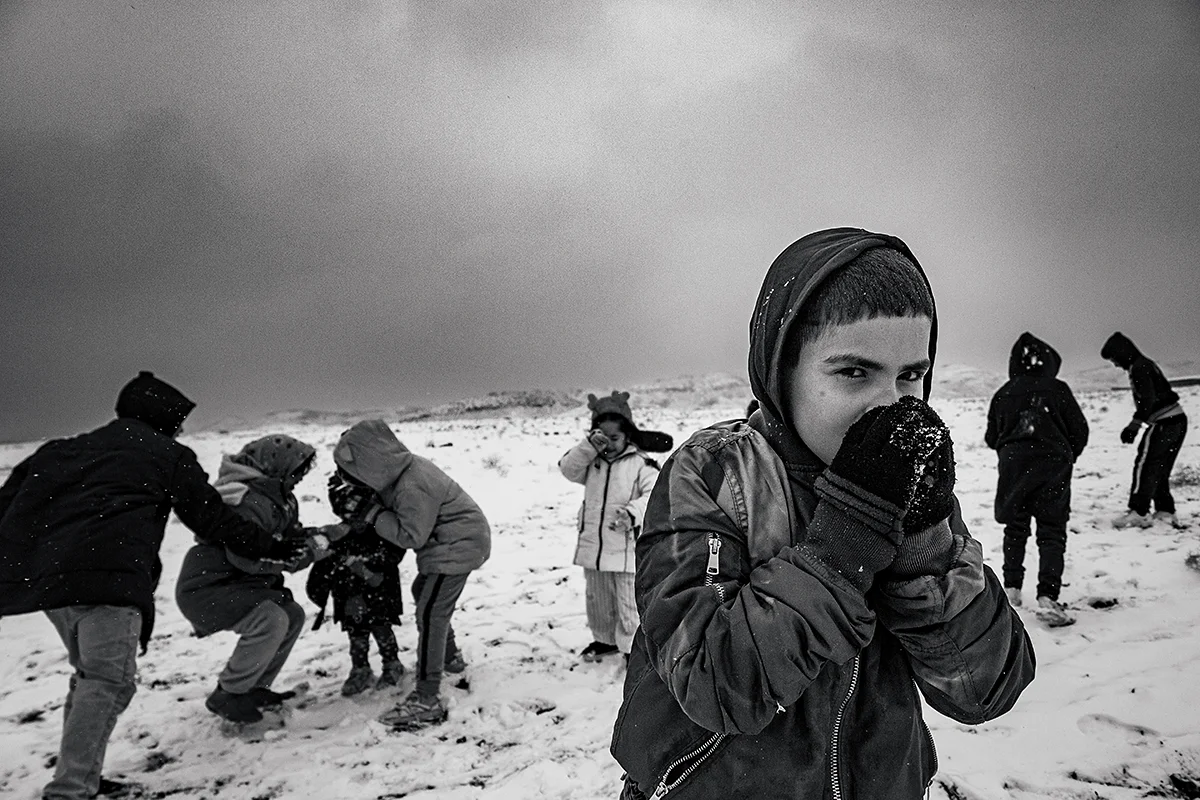
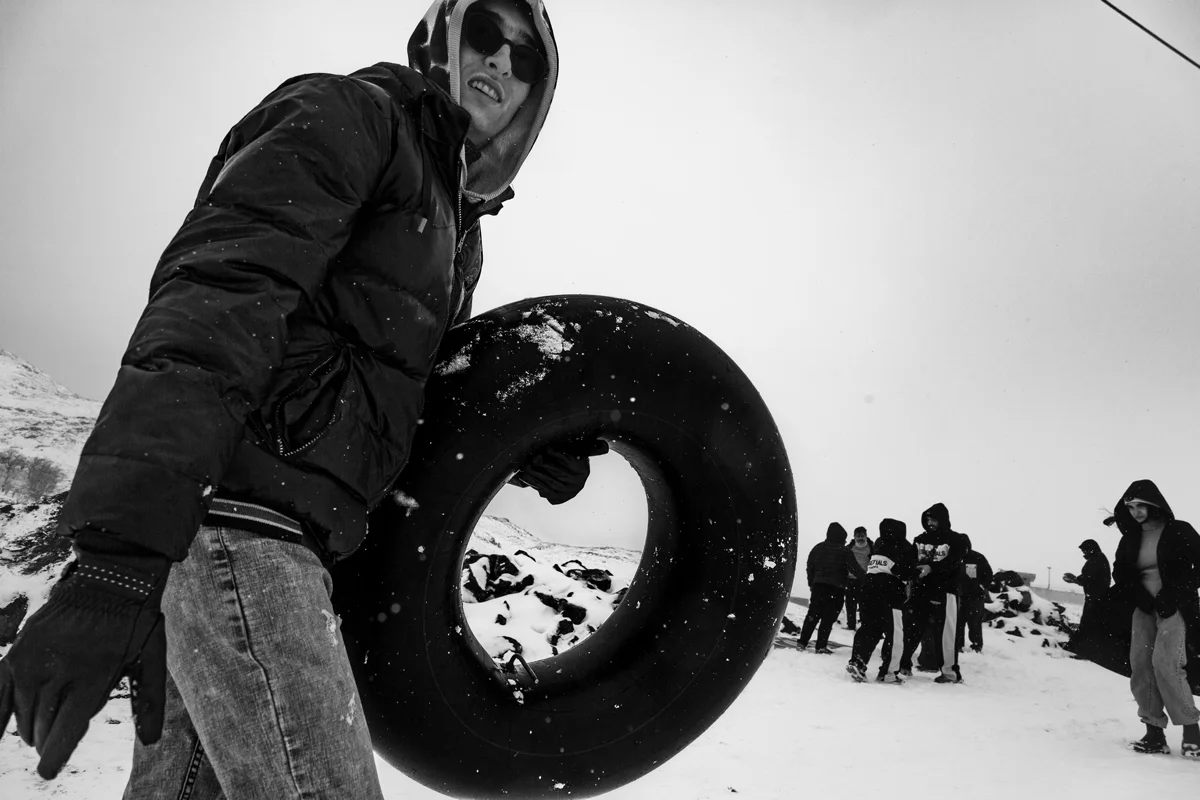
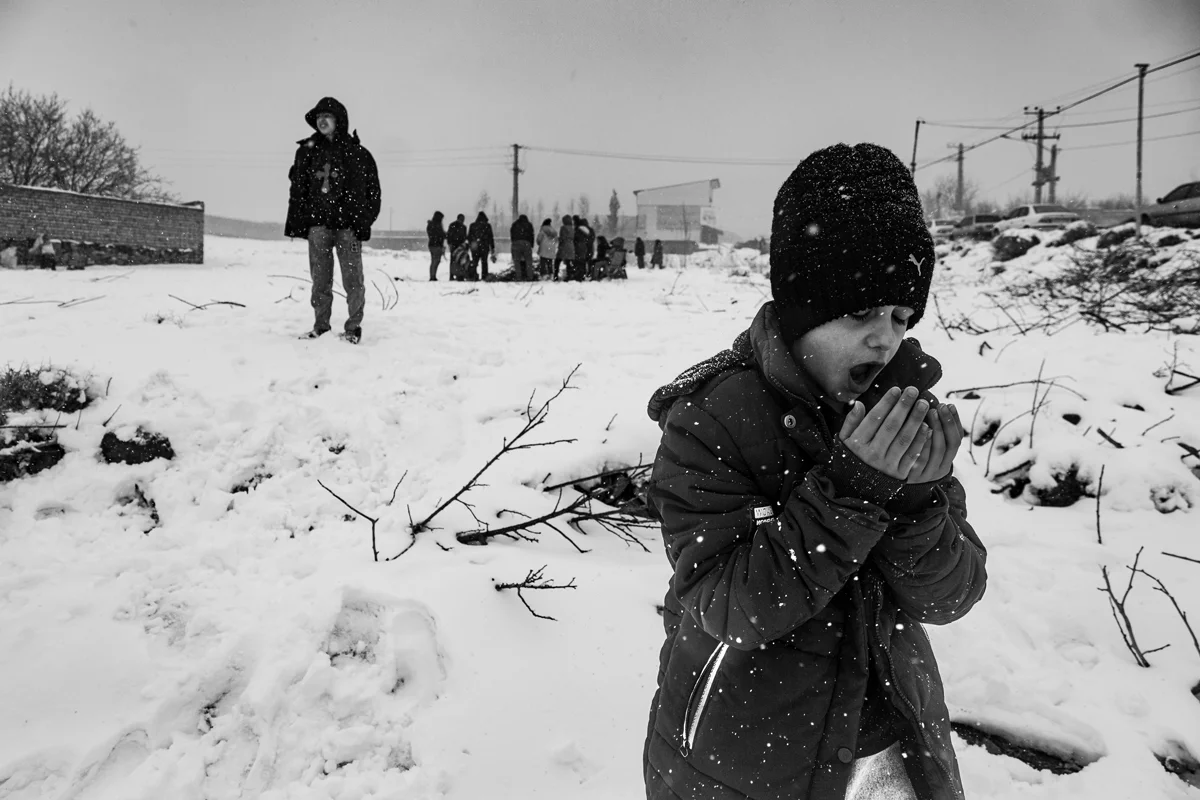
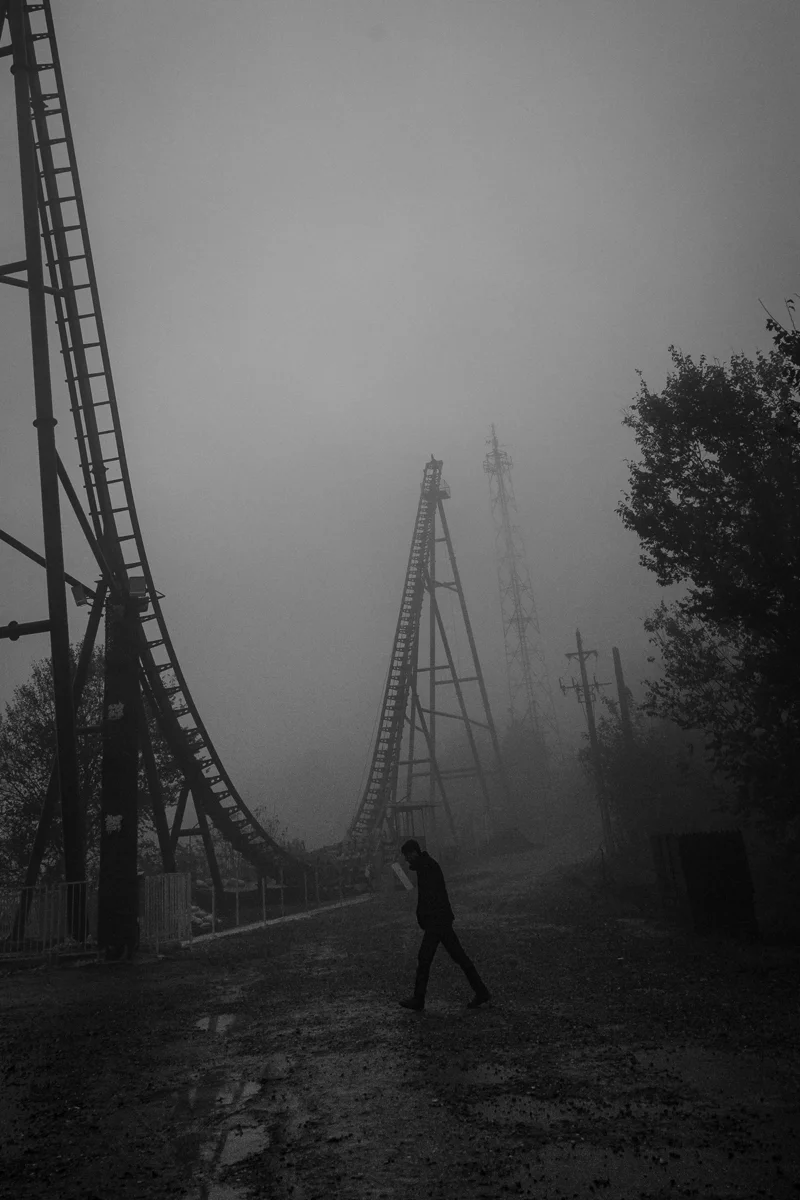
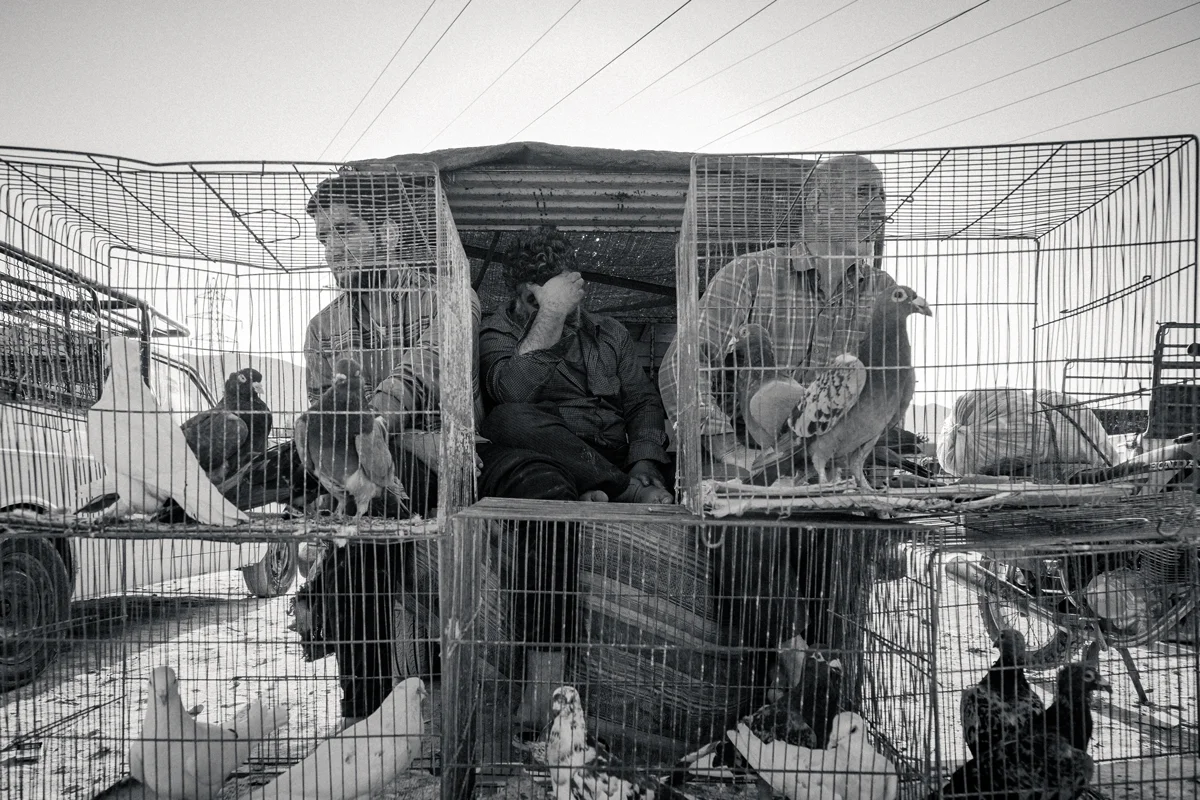
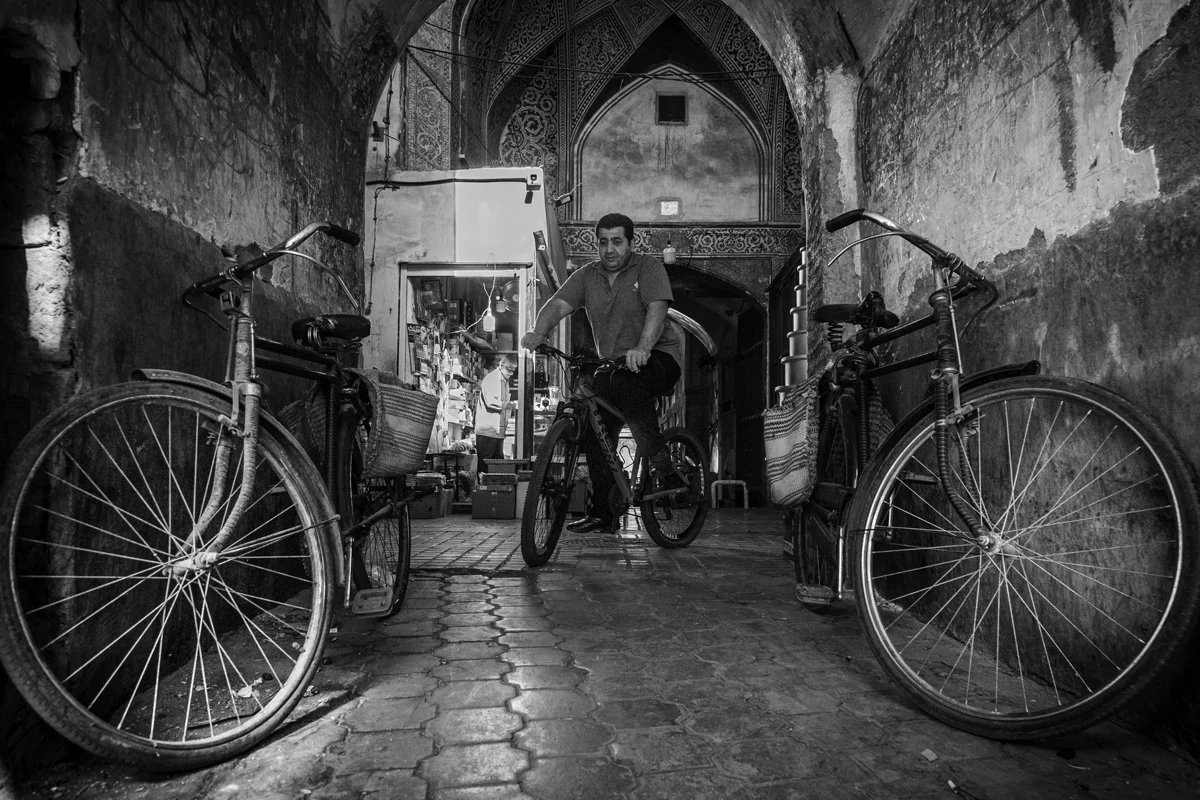
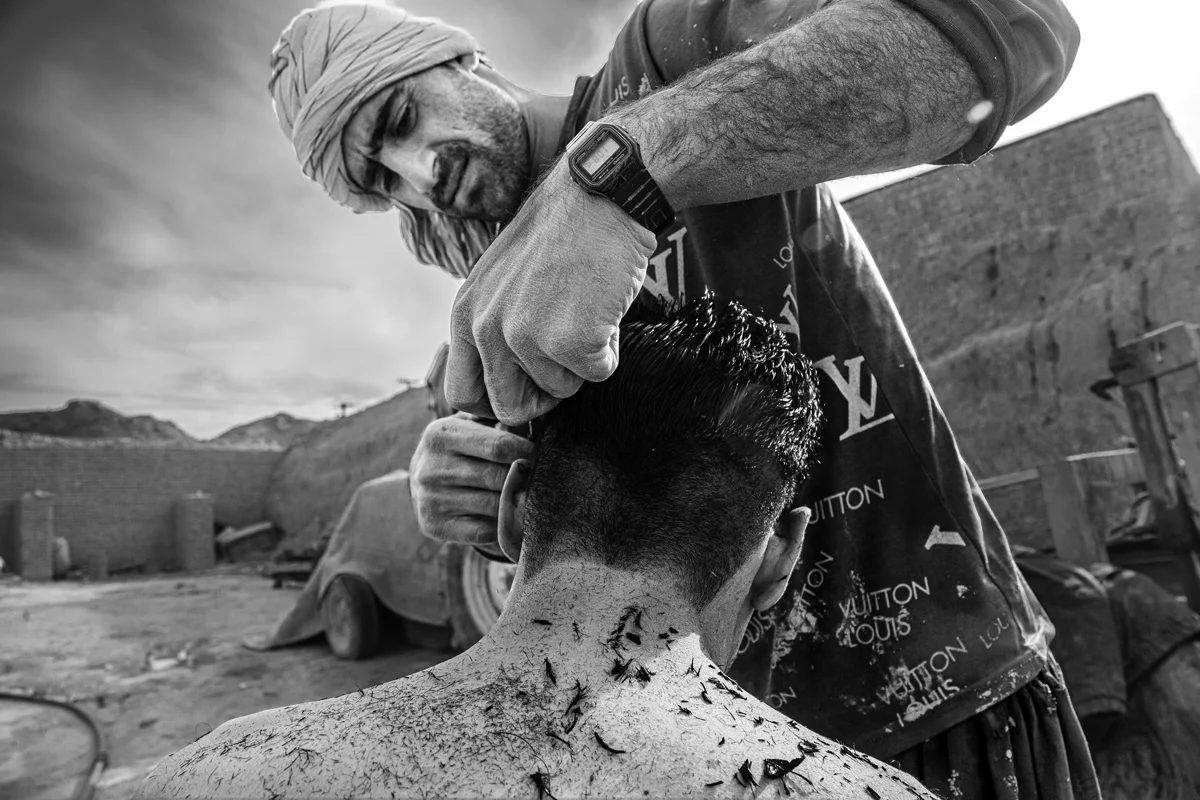
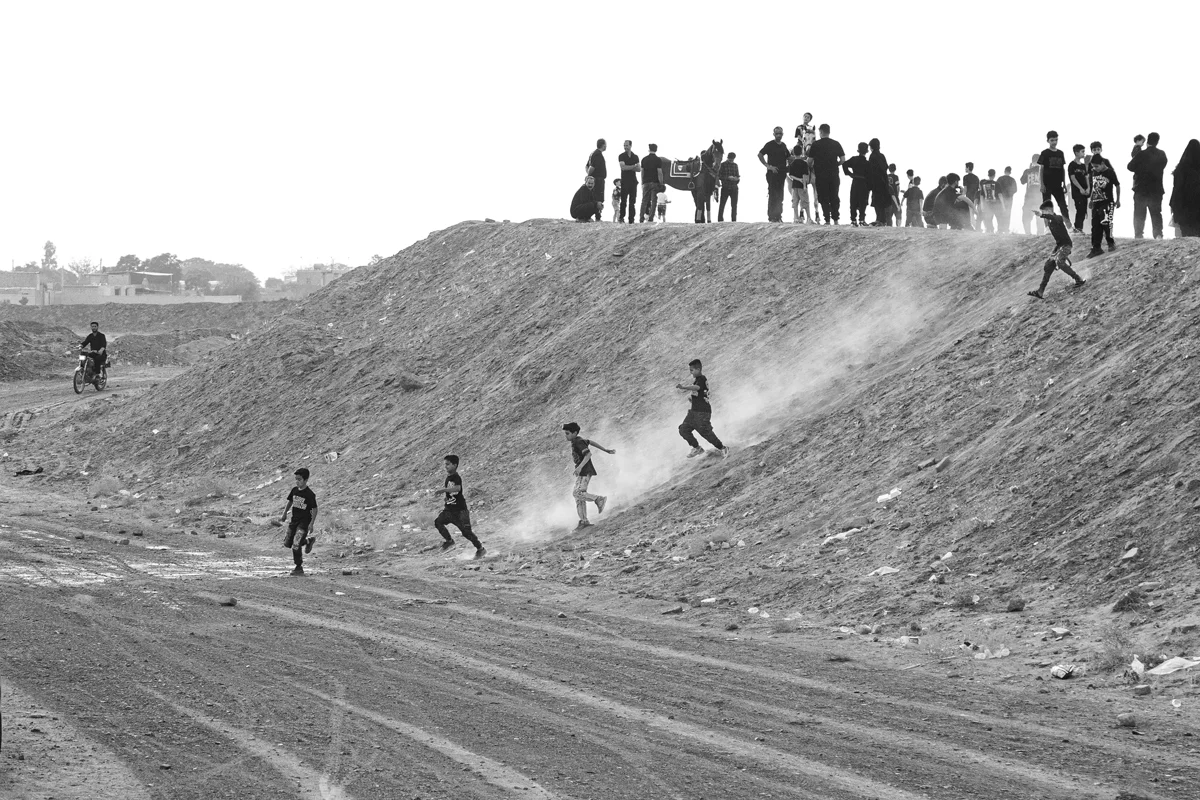
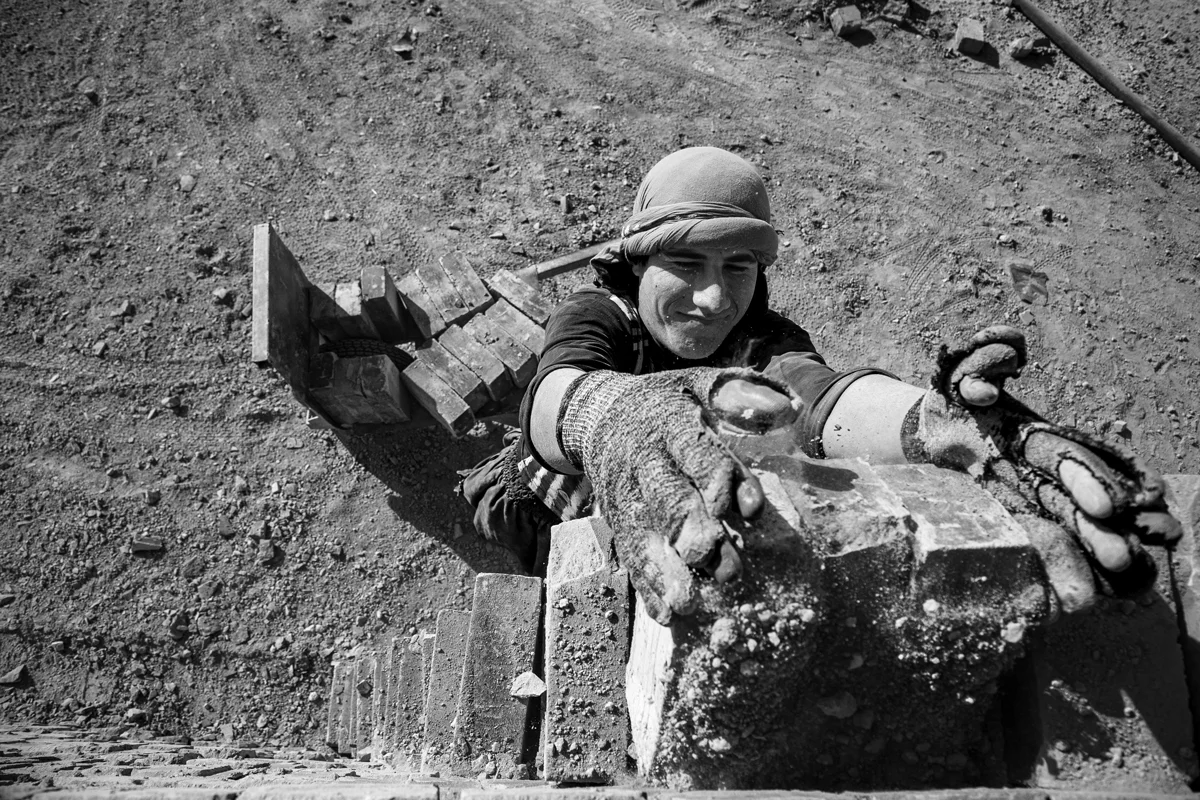
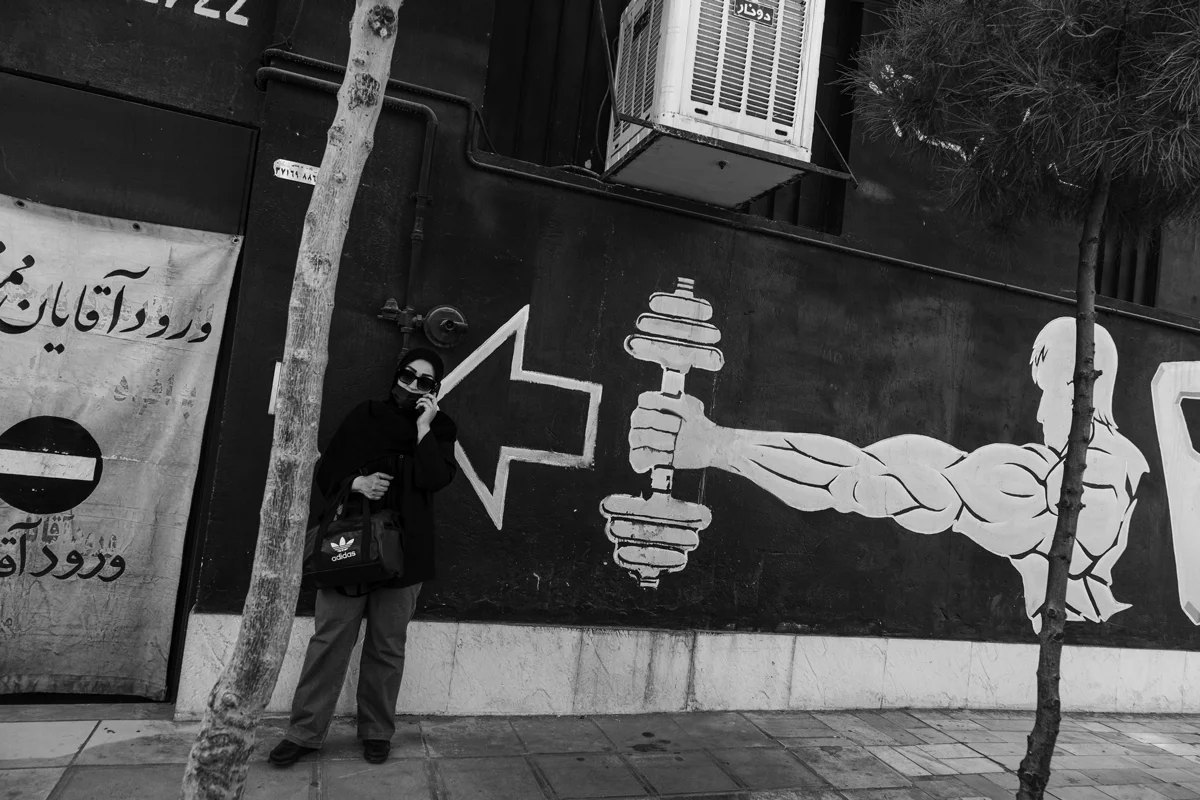
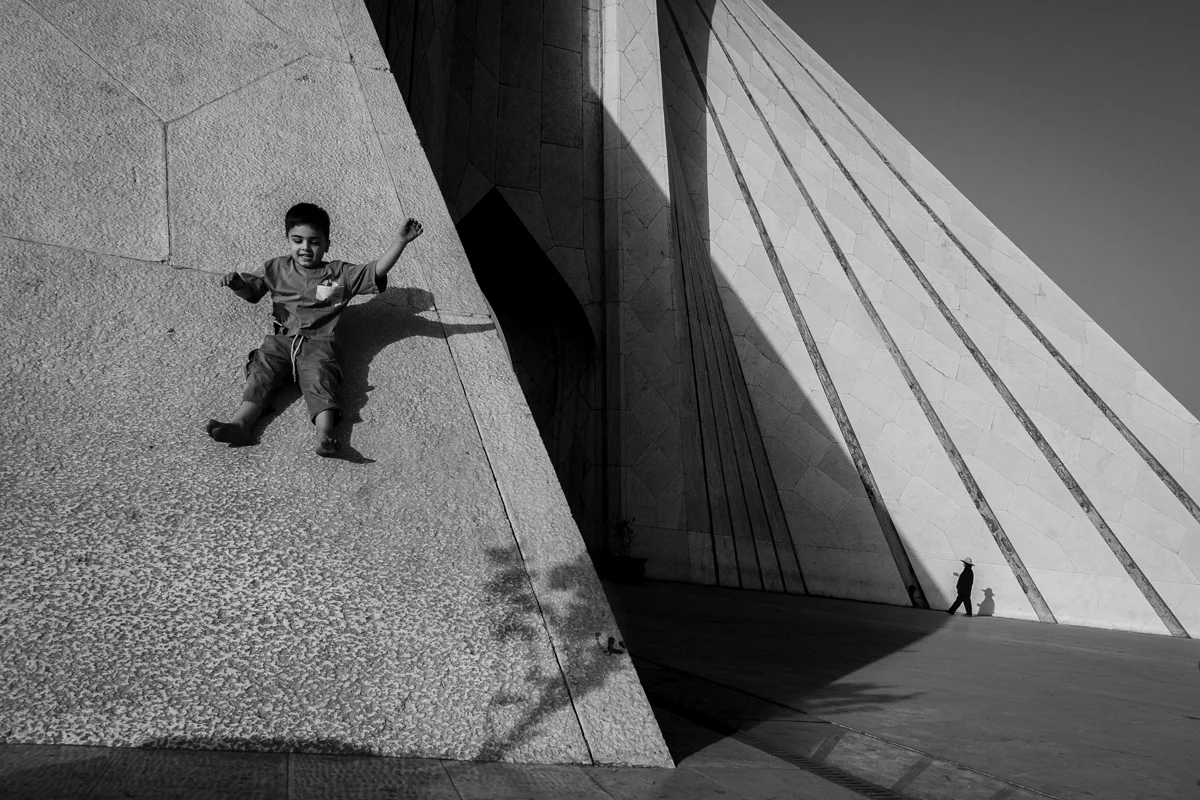
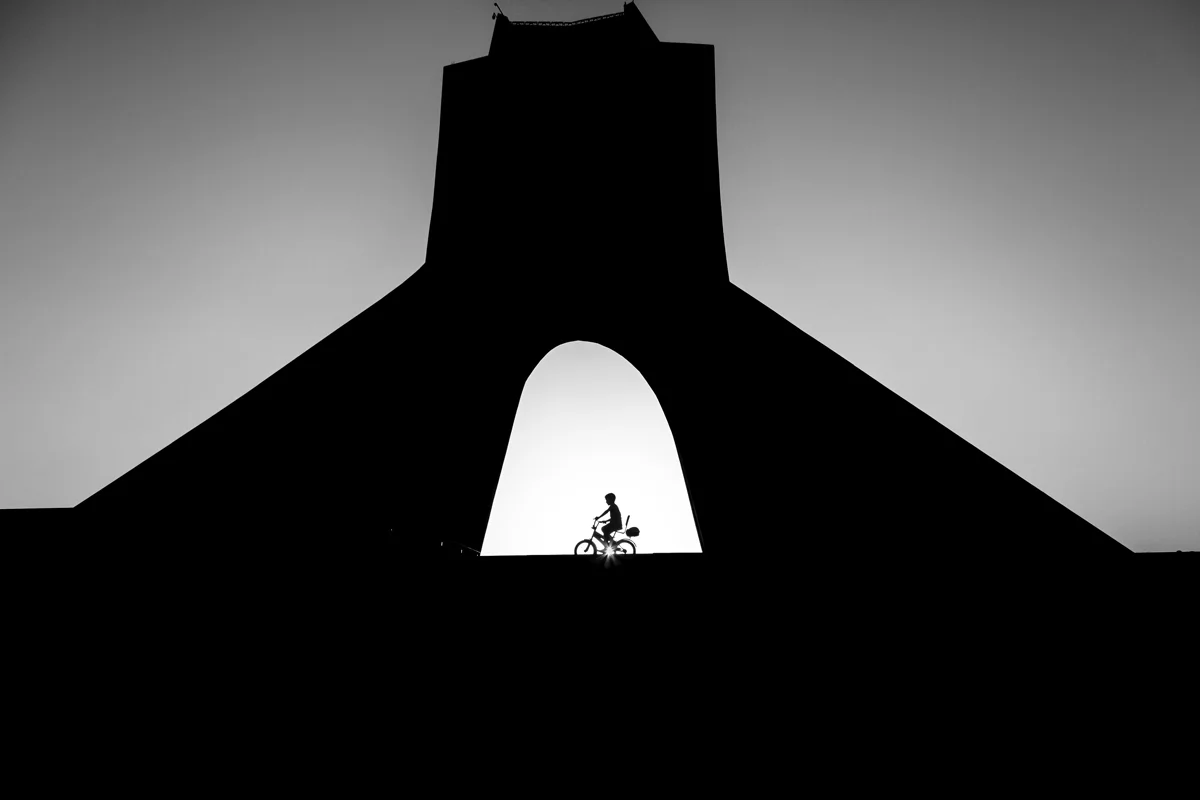
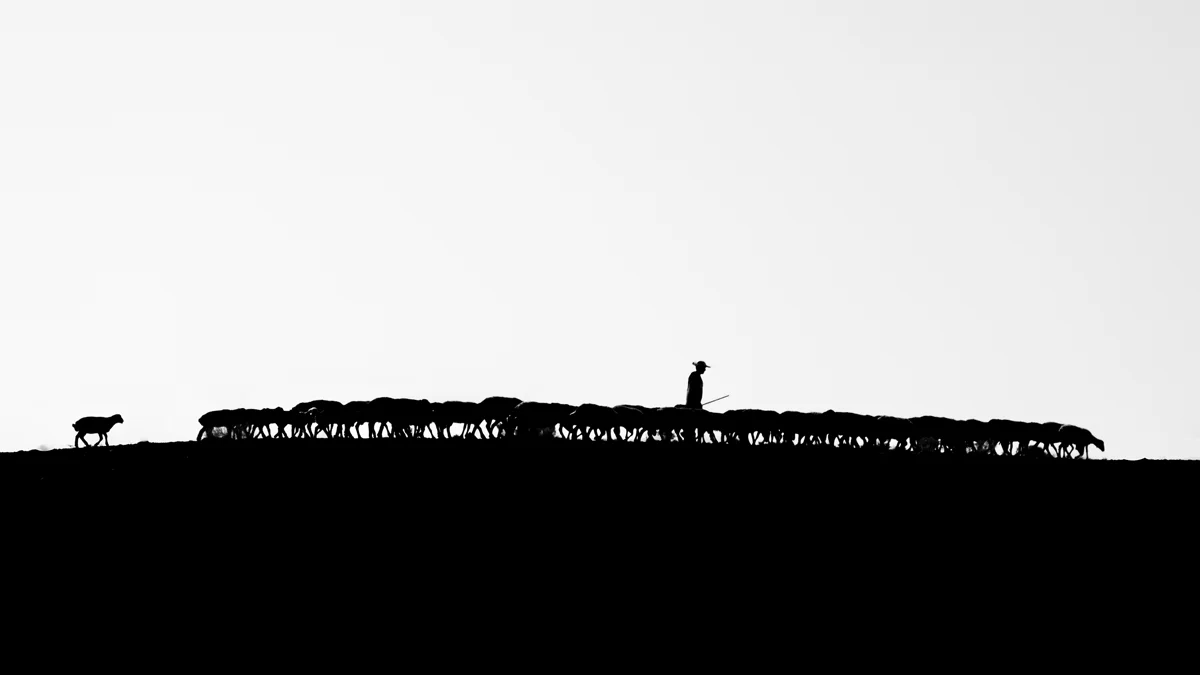
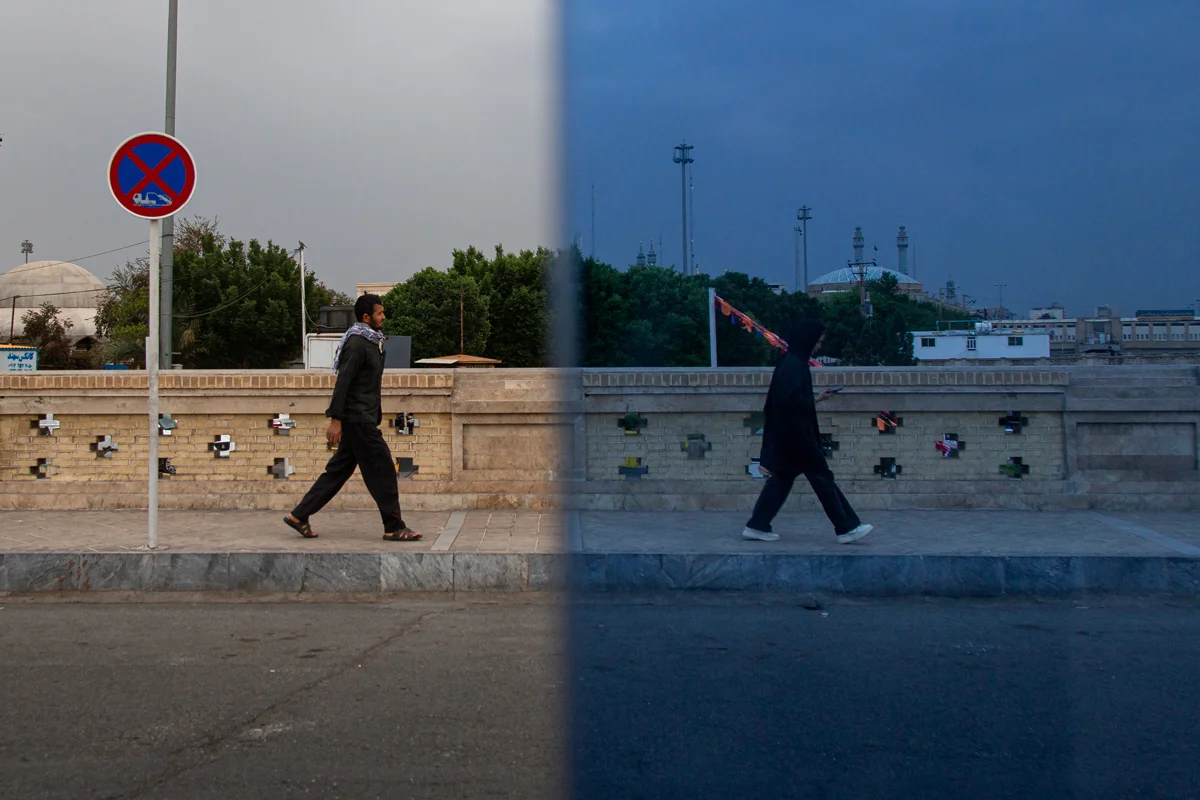
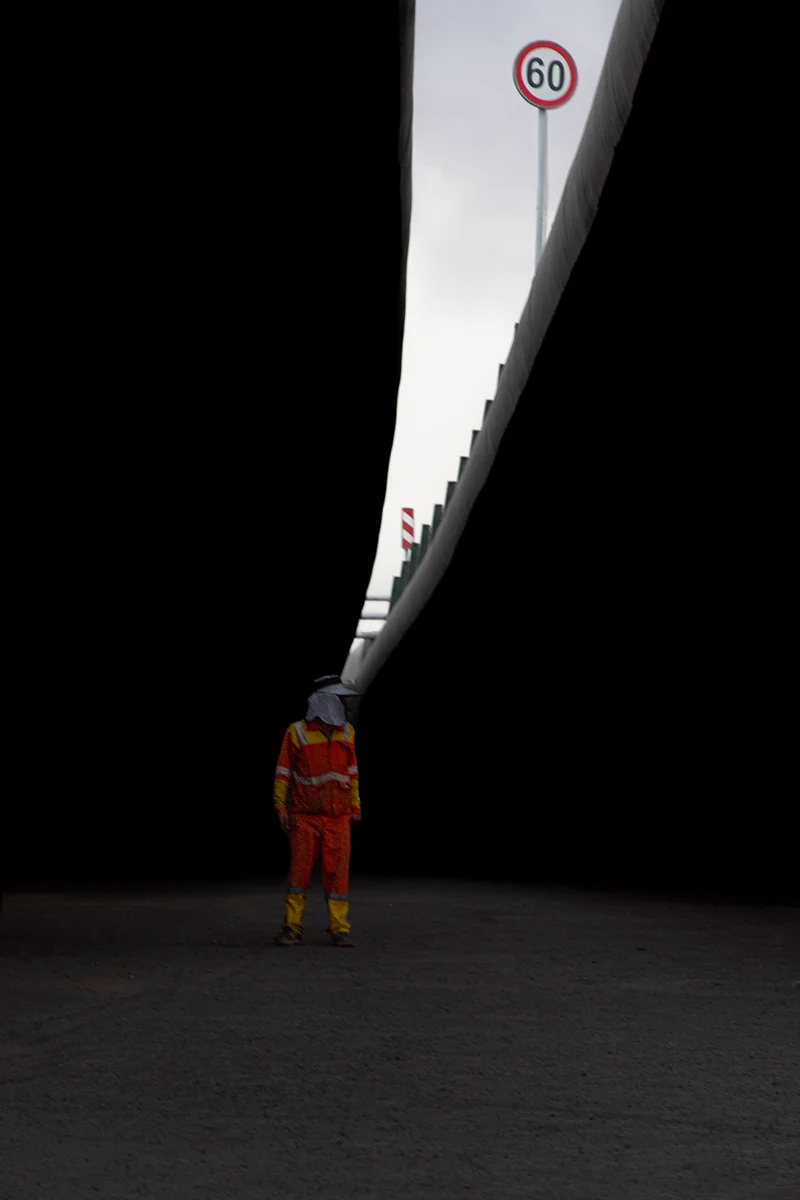
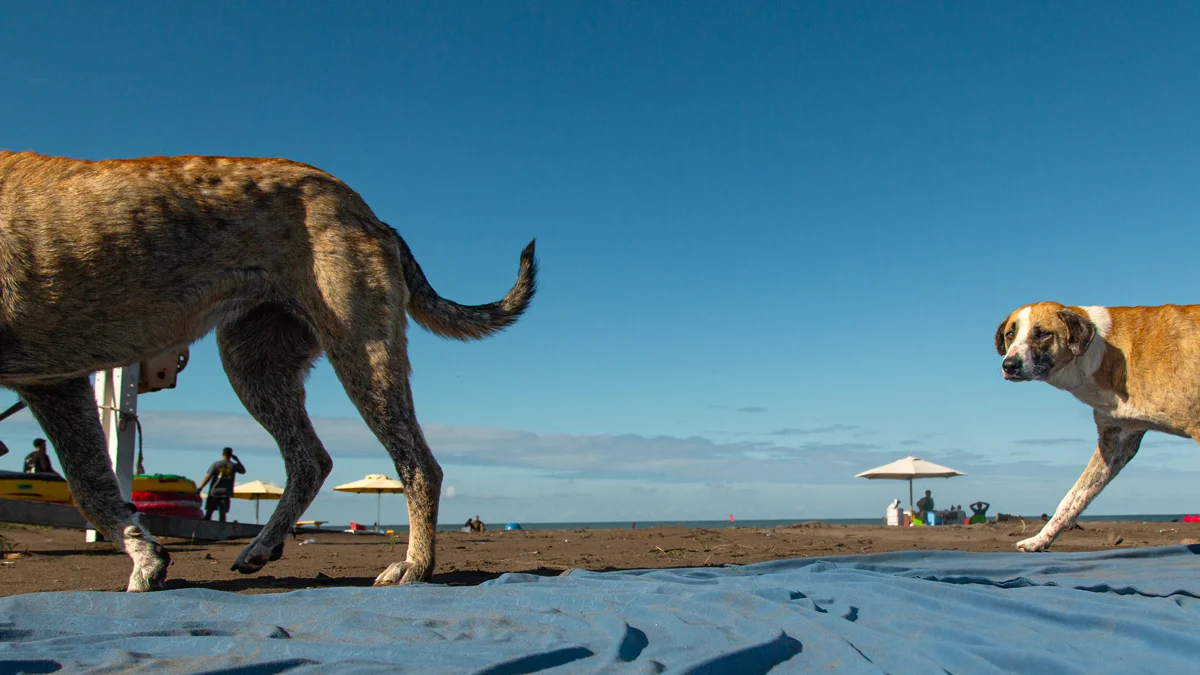
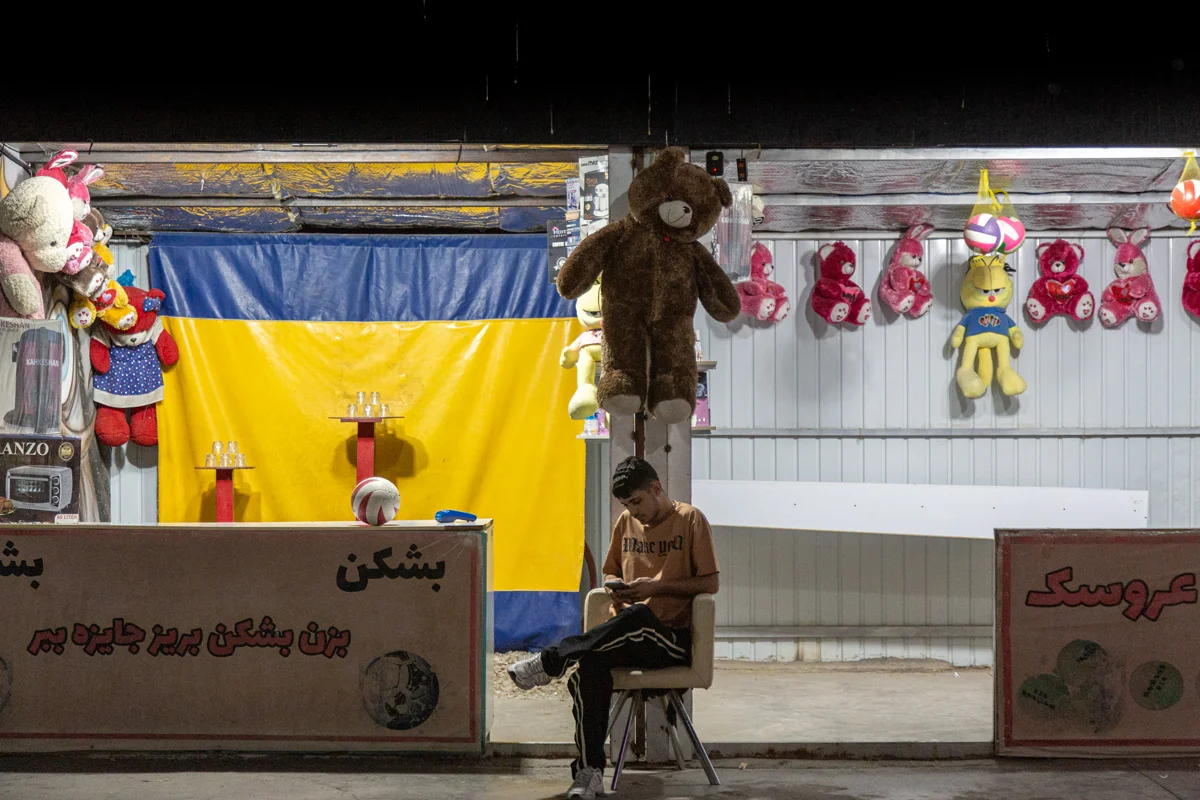
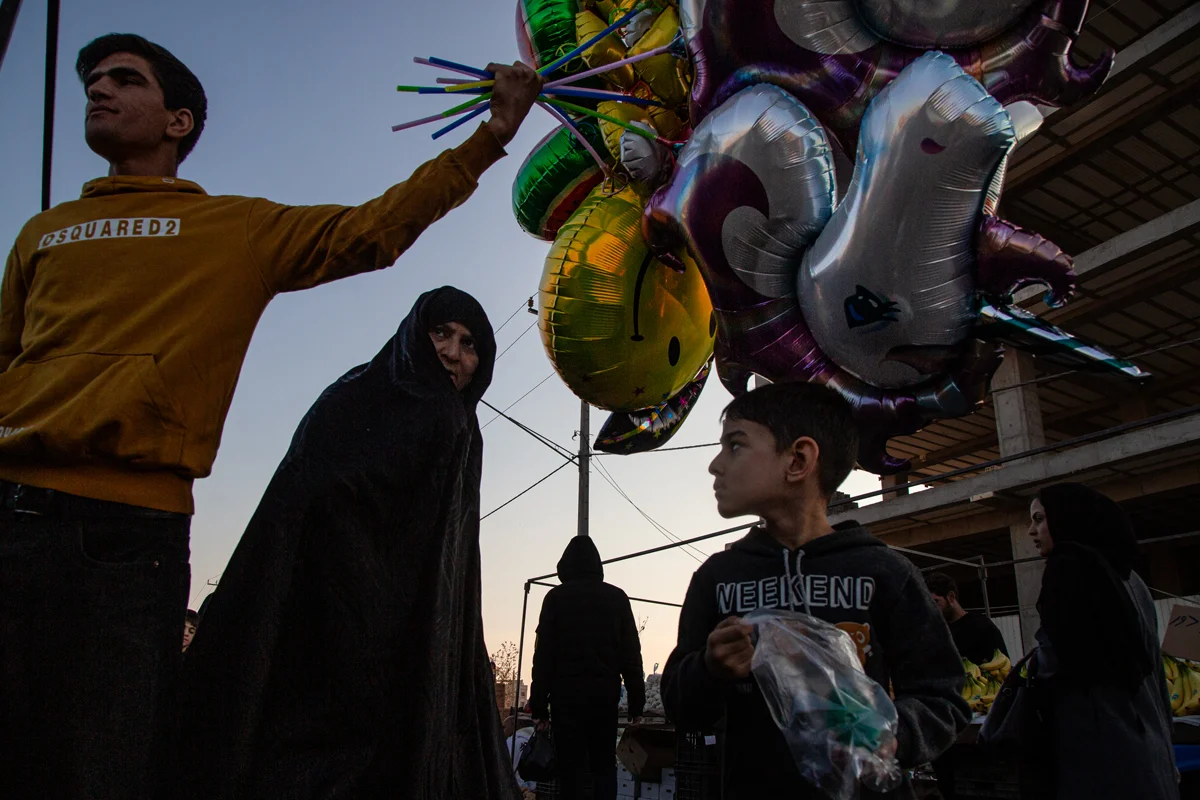
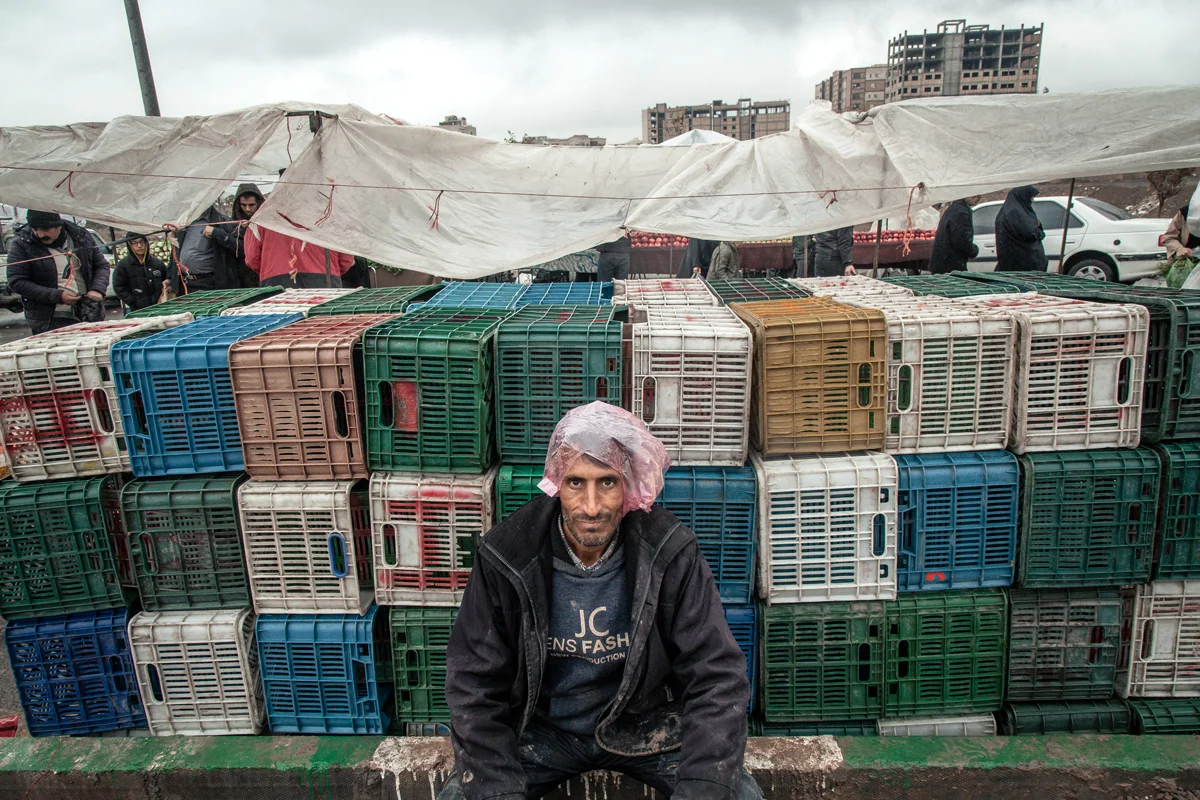
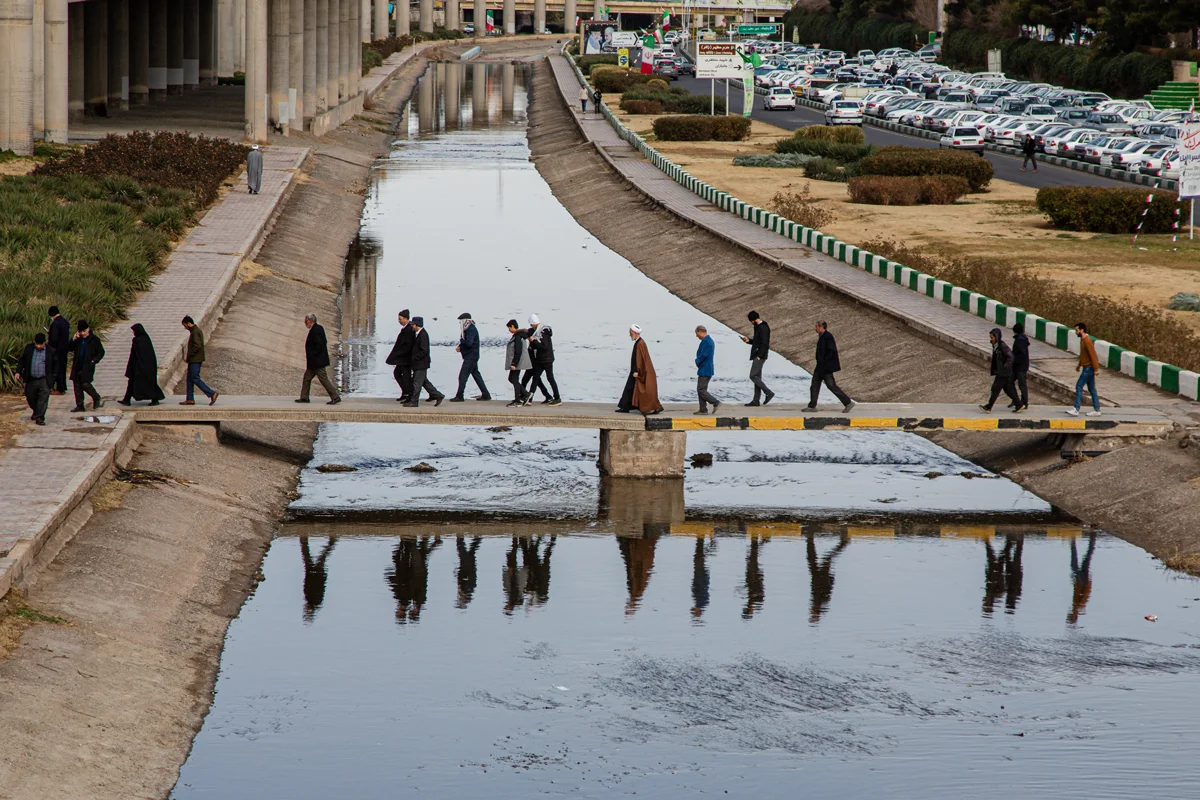
Morteza Pahang is an Iranian documentary and street photographer whose work is rooted in the rhythms of everyday life and the human stories that unfold within it. Based in Iran, Pahang has carved out a distinct visual voice focused on the subtle poetry found in urban environments and the lived experiences of the people who inhabit them. His photography often distills moments of ordinary existence into compelling visual narratives, revealing both the texture of daily life and the deeper social rhythms that shape it.

Awarded Photographer of the Week - Week 03, 2026
 

Inspiring Portfolios

Call for Entries
AAP Magazine #55 Women
Publish your work in our printed magazine and win $1,000 cash prizes
 
Stay up-to-date  with call for entries, deadlines and other news about exhibitions, galleries, publications, & special events.

More Great Photographers To Discover

Tariq Zaidi
United Kingdom
Tariq Zaidi is a freelance photographer currently based out of London, UK. In January 2014, he gave up an executive management position to pursue his passion of capturing the dignity, strength and soul of people, within their environment. His photography focuses on documenting social issues, inequality, traditions and endangered communities around the world. Tariq's stories, images and videos from Afghanistan, Angola, Brazil, Cambodia, Chad, DRC, El Salvador, Ethiopia, Georgia, Haiti, Indonesia, Mongolia, North Korea, Republic of the Congo & South Sudan have been featured internationally in over 900 magazines / newspapers / websites (in more than 90 countries) including The Guardian, BBC, CNN, National Geographic, Smithsonian Magazine, Los Angeles Times, Washington Post, Chicago Tribune, Der Spiegel, El Pais Semanal, Geo, Independent On Sunday, National Geographic Traveler, GQ, Marie Claire, Vogue, GQ Style, Esquire, PDN, Frankfurter Allgemeine Zeitung, 6 Mois, Telegraph, Conde Nast Traveler, Global Times China, Internazionale, Feature Shoot, China Daily, People's Daily, China, Deutsche Welle, Das Erste/ARD, Hindustan Times, Newsweek, Foreign Policy Magazine and Times of London among other respected international titles. Tariq has won many major international photography awards (POYi, UNICEF, NPPA, PDN, IPA, AI-AP, AAPA etc). His work has been shown in 80 international exhibitions and he has worked on projects and assignments in 21 countries across 4 continents. He is a self-taught photographer, holds an M.Sc. (Master of Science) from University College London and is an Eddie Adams Worksop 2015 Alumini. In Feb 2018, Tariq was awarded one of the Premier Awards in POY75 (Pictures of the Year International Competition) - "Photographer of the Year" Award of Excellence for his work from North Korea, Congo and Brazil and also for 2nd place in the Feature Category in the same year. He was also a winner of PDN Photo Annual 2018 (Photojournalism / Documentary Category) and was awarded The Marty Forscher Fellowship Fund for outstanding achievement in Humanistic Photography, presented by PDN and Parsons School of Design, USA. In 2019, he was nominated to the Prix Pictet. In 2020, his work from Congo, El Salvador and Georgia was recognised 5 times by POY77 (Pictures of the Year International Competition) including 1st place for Portraits Series, 2nd place Spot News and 3rd Place Issue Reporting. His work from El Salvador has also been honoured as a 2020 Amnesty International Media Awards finalist (Photojournalism category) in recognition of his commitment to human rights. In Sep 2020, Tariq's work entitled Sapeurs: Ladies and Gentlemen of the Congo was shown at Visa Pour L'image, International Festival of Photojournalism. Tariq is currently working on a long-term personal project entitled Capturing the Human Spirit - a visual anthology about hope, dignity and community in some of the poorest regions in the world. The first 3 chapters of this work from the slum communities of Haiti, Brazil and Cambodia was featured at Visa Pour L'image, International Festival of Photojournalism, in September 2018. His first book Sapeurs: Ladies and Gentlemen of the Congo was published in September 2020. Articles Tariq Zaidi's Exclusive Interview Sin Salida Cattle of Kings - The Mundari of South Sudan Sapeurs North Korea The People's Paradise All about Photo Compeitions All About Photo Awards 2018 All About Photo Awards 2022 All About Photo Awards 2023
Alisa Golovkina
Russia
2000
Alisa Golovkina was born and raised in Moscow, though her early years were spent navigating diverse worlds between Moscow, Khakassia in Siberia, and Italy. This rich cultural upbringing laid the foundation for her artistic passions and explorative nature. Her journey into education and the arts began when she moved to the UK to study abroad, attending CATS College Canterbury. Here, she thrived both academically and artistically, becoming the head of the music club, art club, and head of house, while also serving as class president. For her high school years, Alisa relocated to Canada, where she completed her education at Shawnigan Lake School. During this time, her love for the arts deepened as she pursued Advanced Placement Art and became the head of the arts team in her house. Photography, in particular, became a defining passion that would carry her through her artistic endeavors. Always interested in capturing the raw beauty of life, she found joy in immortalizing intimate moments through the lens of her camera. After high school, Alisa continued her academic journey, studying at the prestigious London College of Communication, where she completed a foundation course in Design, Media, and Screen. This experience was further enriched when she pursued a Bachelor of Arts degree in Design for Art Direction at the same institution, part of the University of the Arts London. These formative years gave her a broader understanding of design and its connection to storytelling, as well as honing her ability to express her worldview through visual mediums. Photography remained a consistent thread throughout Alisa’s life. She began at a young age, capturing the world around her, driven by a desire to seize private and intimate moments, freezing them in time. Street photography, in particular, became a genre that resonated deeply with her sensibilities, as it allowed her to reflect the world in its most authentic form. Perhaps Alisa's most passionate and meaningful project is *Transcending Vulnerability*, a photographic exploration that spanned from 2015 to 2023. In this project, she documented rural life in Khakassia, Siberia, capturing the fragile beauty and resilience of communities that exist in the delicate balance between tradition and the pressures of the modern world. Through her lens, she revealed the stark contrasts of daily life in these remote regions, where the immediacy of rural rituals exists alongside the distant reverberations of global change. Her work poetically encapsulates the interwoven nature of vulnerability and survival, highlighting the grace and endurance of the people she encountered. Alisa Golovkina continues to use her photography as a means of interpreting and expressing her understanding of the world, with a focus on moments of human connection, cultural landscapes, and the transient beauty of life. Statement: My artistic practice is an exploration of the complexities of existence, capturing moments that resonate with personal significance and universal themes. Drawing inspiration from the philosophies of photographers like Daido Moriyama and writers like Moyra Davey, I embrace the notion of photography as a medium for raw expression, devoid of pretense or expectation. In my work, I employ photography as a personal diary, documenting the intricacies of my own experiences and the myriad ideas that captivate my mind. Like a curator of memories, I confront the fear of forgetting by immortalising fleeting moments in visual form. Each photograph serves as a portal to my past, a testament to the enduring power of memory amidst the relentless march of time. I navigate between spontaneous street photography and meticulously staged portraiture, oscillating between the accidental and the deliberate. Transitioning from digital to film photography, I have discovered a profound appreciation for the unique texture and depth that analogue processes offer. Film, with its inherent unpredictability, becomes a collaborator in my artistic journey, imbuing each image with a rich narrative of the circumstances in which it was created. Through my lens, I seek to interrogate the world around me, probing the wounds of time and uncovering the hidden beauty in neglected spaces. My work delves into the complexities of identity, history, and sentimentality, inviting viewers to contemplate the intricacies of human existence and the transient nature of life itself
Ayumi Tanaka
Gautam Narang
United Kingdom
1984
I found photography by mistake, when doing my GCSE, I was sitting in the study room, then heard a teacher describe the subjects they taught at the school. As he was going through the subjects, he mentioned photography. I thought to myself was this a subject? Photography! It's so easy, all you do is click (How, wrong I was, how very wrong) *sigh*. As a child I used to play around with cameras. I always looked through them as was interested In them. So I sat in the lesson and was very enthusiastic to start a creative art. The journey had begun. One of the first subjects I started to picture was boats .....mmm yes boats. I lived near a canal and started to photograph boats. I don't know why I picked boats, it's quite sad when I look back, but that was one of my subjects. I took thousands of photographs, trying to make the subjects look Interesting. I remember one day I took all my photographs and filled up a whole table. The obsession had started but I hadn't known. Pictures now filled my room. From the start I always wanted to show my best. I would keep a box of my best photographs and then throw away all the one's I didn't like. I always feel the next picture is my favorite picture, wanting to create new work. As I progressed through my studies, I became distracted. There were so many subjects to do and I tried them all. One week I was doing art of history, then chemistry. I then dropped them all and just focused on photography. To this day, I follow photography. I have learned a lot but I am still confused on what to do next. I love what I do, but everybody tells me go into other things. Photography is more than clicking a button. From my first trip In India I have learned more about life then I would from anything. It teaches you to look, understand and observe rather then just walk away.All about Gautam Narang:AAP: When did you realize you wanted to be a photographer?Well after high school, I pretty much knew that is something that I’ve wanted to do, and it’s pretty much all that I’ve pictured myself doing. I’ve tried office jobs, but they usually don’t work, for example being an assistant was not a great experience. Order wold be forgotten and i’m not a office type or person, the stress kills me. So i’ve always gratiated to something creative.AAP: Where did you study photography?I studied at HND Photography at City and islington. Was the youngest student, out of the program my closet friend was Robert Harper who does amazing fashion photography. We used to chill and take pictures, it was really nice experience. Education to me, especially in the arts isn’t what i’ve expected it to be. The real learning happens when your out of school, and making friends with like minded pepole, finding who you are, I know it sounds like a really simple question, but you get asked “Who are you? What is your favorite movie? Favorite Artist and etc.” These days things are getting competitive and to really stand out is to have strong connections with people. AAP:Do you have a mentor?Yes, the teacher at my school. He was in 60’s and was my best friend, he taught me a lot on business, being an artist, encouraged me, let me use his studio and gave experience in the studio with while doing still life photography. He would also make all his own equipment, was really cool learning from him. My other mentor was Jasper James, he introduced me to style. He showed me that movies could be arty, before that I didn’t really watch any arty stuff. We also traveled around the UK on projects and that was a lot of fun. AAP: How long have you been a photographer?12 years.AAP: Do you remember your first shot? What was it?They were pictures of cannel boats, in England I used to live near a cannel.AAP: What or who inspires you?Well Edward Hooper is a great inspiration. His images feel like movie scenes, they have such a powerful mood to them. Artist have always inspired me. William Eggleston is someone would really inspires me.AAP: How could you describe your style?As simple and bold. I’m a huge fan of bold colors and like to keep things simple.AAP: What kind of gear do you use? Camera, lens, digital, film?I use the Canon 5D Mark II and my iPhone 4, it’s great, you can take it anywhere and pepole aren’t imitated by it, you look like a tourist. The iPhone has a look, in 20 years when we have images that are so sharp that you can’t tell if your looking at something real. Images from are primitive cameras and mobile devices will be called “Retro” they come with a time stamp, the actually medium is a time capsule. It’s not about the quality, it’s about the message, that will last longer.AAP: Do you spend a lot of time editing your images?I’m not a fan of editing, i’ve never liked it, only the darkroom.AAP: Favorite(s) photographer(s)?Steve McCurry, Willam Eggleston, Dorothea Lange. AAP: What advice would you give a young photographer?Go out and find your own vision, and all this likes and things mean nothing. It’s hard putting yourself out there, and pepole don’t usually respond. You start to want to appeal to others and worry if you posting to much. Do it for yourself, who cares about all this fame? Who knows if these websites will be around, this data? One day, you might be recognized.AAP: What mistake should a young photographer avoid?Don’t point fingers, point them at yourself first. Don’t blame others, really look at yourself first.AAP: An idea, a sentence, a project you would like to share?My work is constantly changing and I like that. To keep evolving you need to keep changing.AAP: Your best memory has a photographer?Working on location in India, working in a old Indian palace, documenting Indian folk singers. It’s an experience the kings once enjoyed.AAP: Your worst souvenir has a photographer?A broken camera lens.AAP: If you could have taken the photographs of someone else who would it be?Steve McCurry he has my dream jobAAP: Anything else you would like to share?I’m into film making now, really want to be a DOP or camera operator. Currently i’m based in Toronto.
Yael Martínez
Mexico
1984
Yael Martínez (born 1984) is a Mexican Photographer which became a Magnum Photos Nominee member in 2020. Martínez is based in Guerrero, Mexico. Martínez's work has explored the connections between, poverty, narcotrafic, organized crime, and how this affects on the communities in his native Guerrero in southern Mexico. He is trying to represent the relationship of absence and presence and this state of invisibility in a symbolic manner working with the concepts of pain, emptiness, absence, and forgetting. Yael Martínez received the Magnum Emergency Fund, Magnum On religión, and was named one of the PDN´s 30 new and emerging photographers to watch in 2017. In 2015 he was selected in the Joop Joop Swart Master Class Latinoamerica and was finalist in the Eugene Smith grant in 2015, 2016. He was nominated to the Foam Paul Huf Award, the Prix Pictet and the Infinity award of the International Center of Photography.Source: www.yaelmartinez.com Martínez’s work addresses fractured communities in his native Mexico. He often works symbolically to evoke a sense of emptiness, absence, and pain suffered by those affected by organized crime in the region. He is the recipient of the Eugene Smith Award 2019, was fellow of the Photography and Social Justice Program of The Magnum Foundation. He won the 2nd Prize of the World Press Photo contests 2019 in the category of long-term projects. Martínez was grantee of the Magnum Foundation in the grants: Emergency Fund and On Religion in 2016- 2017. His work has been featured in group shows in America, Europe, Africa and Asia. His work has been published by: The Wall Street Journal, Blomberg news, Lens NY times, Time, Vogue Italy, Vrij Nederland, Aperture.Source: Magnum Photos
Wang Qingsong
China
1966
Born in Daqing, Heilongjiang Province, China 1966 1993: Oil Painting Department of Sichuan Academy of Fine Arts, Sichuan, China Lives and works in Beijing since 1993 Awards: 2006 Outreach Award from Rencontres de la Photographie, Arles, France Wang Qingsong graduated from the Oil Painting Department of the Sichuan Academy of Fine Arts and currently lives and works in Beijing. After starting his career as an oil painter engaged in the Gaudi movement, he began taking highly staged photographs that explore the influence of Western consumer culture in China. In more recent works he has explored political and social themes including the struggles of the migrant population and Chinese diplomacy. His photographs are known for their massive scale, deep symbolism and careful staging, which can sometimes take several weeks and involve up to 300 extras. Although photography is his main medium, he has explored performance and video art in more recent years. Qingsong’s work has been presented at prestigious galleries, museums and art fairs across the globe including the 55th Venice Biennale China Pavillion (Venice), the International Centre of Photography (NY), the Hammer Museum (Los Angeles), the Victoria and Albert Museum (London), the 42nd Rencontres de la Photographie (Arles), the Daegu Art Museum (Seoul), MOCA (Taipei), the Rockbund Art Museum (Shanghai) and the Mori Art Museum (Tokyo). Wang Qingsong is a contemporary Chinese artist whose large-format photographs address the rapidly changing society of China. His photographs, appearing at first humorous and ironic, have a much deeper message. Critical of the proliferation of Western consumerism in China, his, Competition (2004), depicts the artist standing with a megaphone in front of a city hall covered in advertisements for brands such as Citibank, Starbucks, and Art Basel. "I think it is very meaningless if an artist only creates art for art's sake," he said. "I think it would be absurd for an artist to ignore what's going on in society." Born in 1966 in Heilongjiang Province, China, Wang studied at the Sichuan Academy of Fine Arts. Although he was trained as a painter, Wang began taking photographs in the 1990s as a way to better document the tension of cultural shifts. The artist's works have been in exhibitions at the Hammer Museum in Los Angeles and the National Gallery of Victoria in Melbourne. Wang currently lives and works in Beijing, China. Source: Artnet
Advertisement
AAP Magazine #55 Wmen
Win a Solo Exhibition in March
AAP Magazine #55 Wmen

Latest Interviews

Exclusive Interview with Anastasia Samoylova
Anastasia Samoylova is an American artist whose photographic practice is shaped by close observation and a deep attentiveness to place. Working between documentary and formal exploration, she photographs landscapes, architecture, and everyday scenes with a sensitivity to light, structure, and atmosphere. Since relocating to Miami in 2016, her work has increasingly focused on how environments—both natural and built—carry social, cultural, and emotional traces. We asked her a few questions about her practice and her way of seeing, to better understand the thoughts and experiences that shape her work—while allowing the images themselves to remain open and speak in their own time.
Exclusive Interview with Marijn Fidder
Marijn Fidder is a Dutch documentary photographer whose work powerfully engages with current affairs and contemporary social issues. Driven by a deep sense of social justice, she uses photography to speak on behalf of the voiceless and to advocate for the rights of those who are most vulnerable. Her images have been widely published in major international outlets including National Geographic, CNN Style, NRC Handelsblad, Volkskrant, GUP New Talent, and ZEIT Magazin. Her long-term commitment to disability rights—particularly through years of work in Uganda—culminated in her acclaimed project Inclusive Nation, which earned her the title of Photographer of the Year 2025 at the All About Photo Awards. She is also the recipient of multiple prestigious honors, including awards from World Press Photo and the Global Peace Photo Award. We asked her a few questions about her life and work.
Exclusive Interview with Josh S. Rose
Josh S. Rose is a multidisciplinary artist working across photography, film, and writing. His practice bridges visual and performing arts, with a strong focus on movement, emotion, and the expressive potential of the image. Known for his long-standing collaborations with leading dance companies and performers, Rose brings together authenticity and precise composition—a balance he describes as “technical romanticism.” His work has been commissioned and exhibited internationally, appearing in outlets such as Vogue, at the Super Bowl, in film festivals, and most recently as a large-scale installation for Lincoln Center for the Performing Arts. A sought-after collaborator, he has worked with major artists, cultural institutions, and brands, following a previous career as Chief Creative Officer at Interpublic Group and the founder of Humans Are Social. We asked him a few questions about his life and work.

Interview with Maureen Ruddy Burkhart
Photographer Maureen Ruddy Burkhart brings a quietly attentive and deeply human sensibility to her exploration of the world through images. Shaped by a life immersed in photography, film, and visual storytelling, her work is guided by intuition, observation, and an enduring interest in the emotional undercurrents of everyday life. With a practice rooted in both fine art traditions and documentary awareness, she approaches her subjects with sensitivity, allowing subtle moments to emerge naturally rather than be imposed. Her series Til Death, selected as the Solo Exhibition for February 2025, reflects this long-standing commitment to photography as a space for reflection rather than spectacle. Drawn to moments that exist just outside the expected frame, Burkhart’s images suggest narratives without resolving them, leaving room for ambiguity, humor, and quiet connection. We asked her a few questions about her life and work.
Exclusive Interview with Peter Ydeen
Winner of AAP Magazine #45 Travels, his series reflects this unique vision—capturing the spirit of place through subtle layers of light, color, and emotion. Whether traveling abroad or observing the rhythms of his own surroundings, Ydeen creates images that feel both grounded and enchanted, inviting viewers into a world where reality and reverie meet.
Exclusive Interview with Julie Wang
Chinese-born photographer Julie Wang brings a poetic, contemplative sensitivity to her visual exploration of the world. Having lived for nearly equal parts of her life in China, Europe, and the United States, she approaches her subjects with the nuanced perspective of someone shaped by many cultures. This blend of distance, curiosity, and emotional resonance infuses her work with a quiet depth, allowing her to reveal the fragile beauty and subtle tensions that often pass unnoticed.
Exclusive Interview with Ghawam Kouchaki
American photographer Ghawam Kouchaki brings a sharply observant and introspective gaze to the streets of Japan’s capital. Based in Los Angeles, he approaches Tokyo with the distance — and curiosity — of an outsider, allowing him to uncover the city’s subtle contradictions, quiet tensions, and fleeting gestures that often go unnoticed. His series Tokyo no no, selected as the Solo Exhibition for December 2024, explores the hidden undercurrents of urban life: the unspoken rules, the small ruptures in routine, the poetic strangeness found in everyday moments. Through muted tones, instinctive timing, and meticulous framing, Kouchaki reveals a Tokyo that exists somewhere between reality and imagination — both intimate and enigmatic. We asked him a few questions about his life and work.
Exclusive Interview with Tommi Viitala
Tommi Viitala, winner of AAP Magazine #44: Street, is a Finnish photographer celebrated for his striking and cinematic street photography. With a keen eye for atmosphere and composition, he captures fleeting urban moments that reveal the poetry of everyday life. His work often explores the tension between solitude and connection within contemporary cityscapes, blending documentary realism with artistic sensibility. Viitala’s photographs have been exhibited internationally and recognized for their strong visual storytelling and emotional depth. We asked him a few questions about his life and work.
Exclusive Interview with Robert Mack
Robert Mack is a California-based visual artist, photographer, and filmmaker. His fine art photography and films have been exhibited widely in the United States and Europe, with major shows at the Baltimore Museum of Art and the Reiss-Engelhorn Museum in Mannheim, Germany. Both institutions hold his work in their permanent collections. Working across different media, Mack has built a career exploring the complexities of human presence and representation. In 1981, while living in Baltimore, he produced The Perkins Project: Not Guilty by Reason of Insanity, a rare photographic and film study inside Maryland’s hospital for the criminally insane. These stark yet compassionate black-and-white portraits remain one of his most powerful and controversial bodies of work.
Call for Entries
AAP Magazine #55 Women
Publish your work in our printed magazine and win $1,000 cash prizes