All about photo.com: photo contests, photography exhibitions, galleries, photographers, books, schools and venues.
Win a Solo Exhibition this February. Juror: Harvey Stein
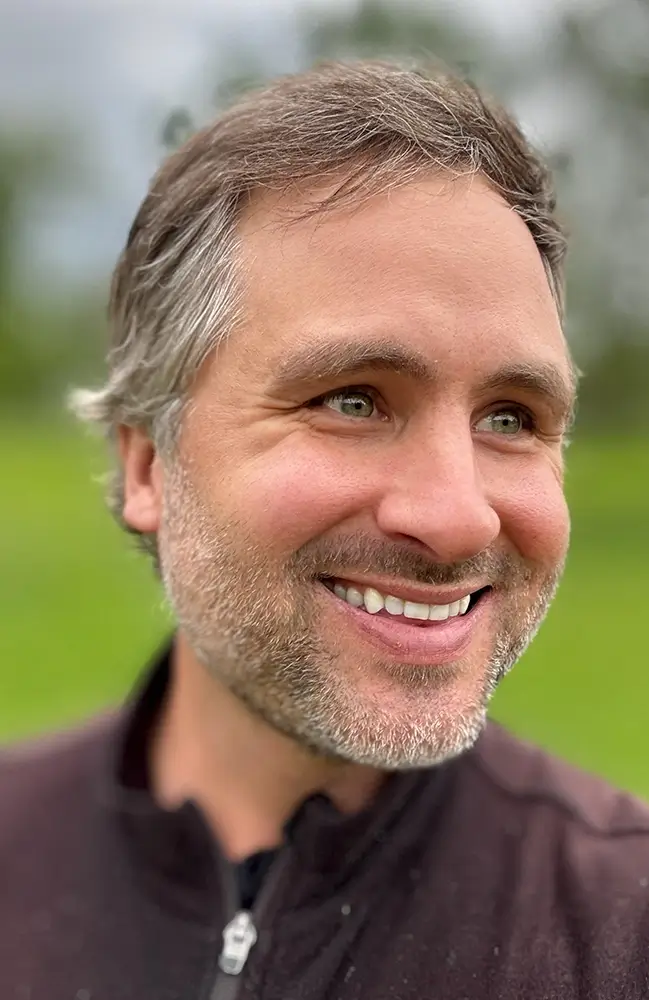
Ryan Kost
Ryan Kost
Ryan Kost

Ryan Kost

Country: United States
Birth: 1985

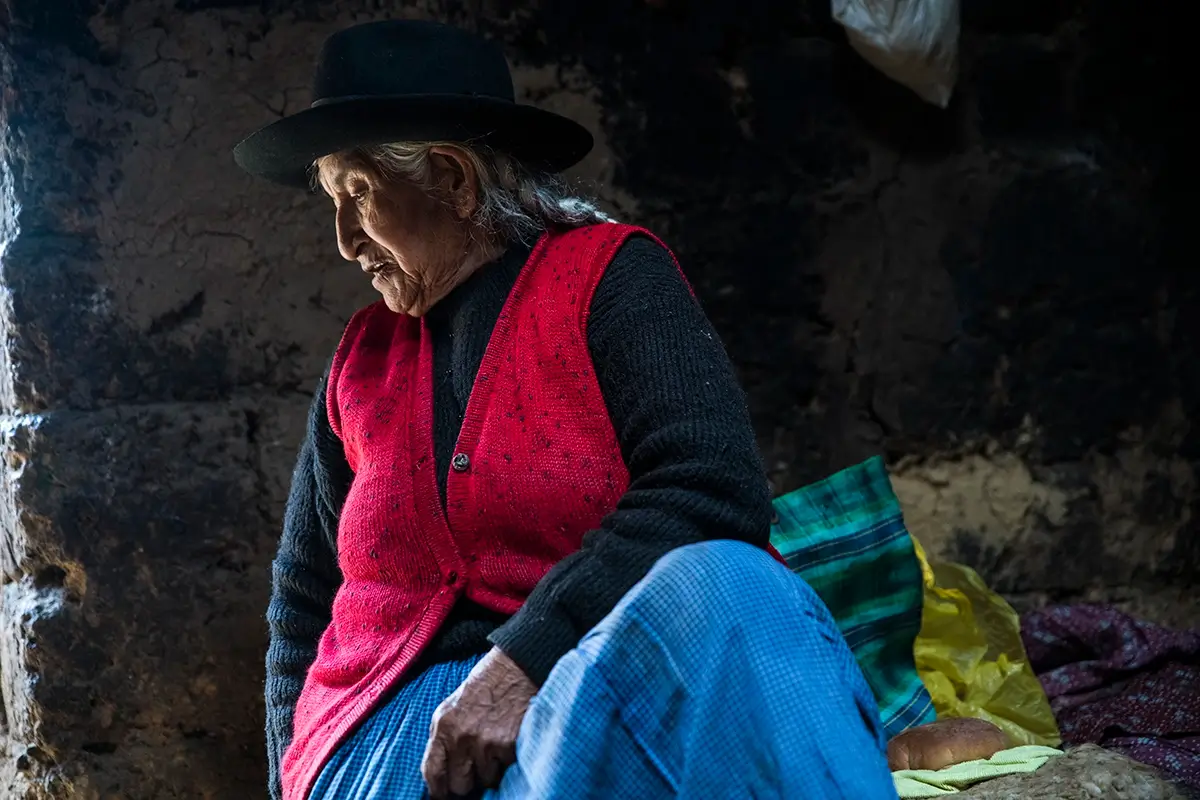
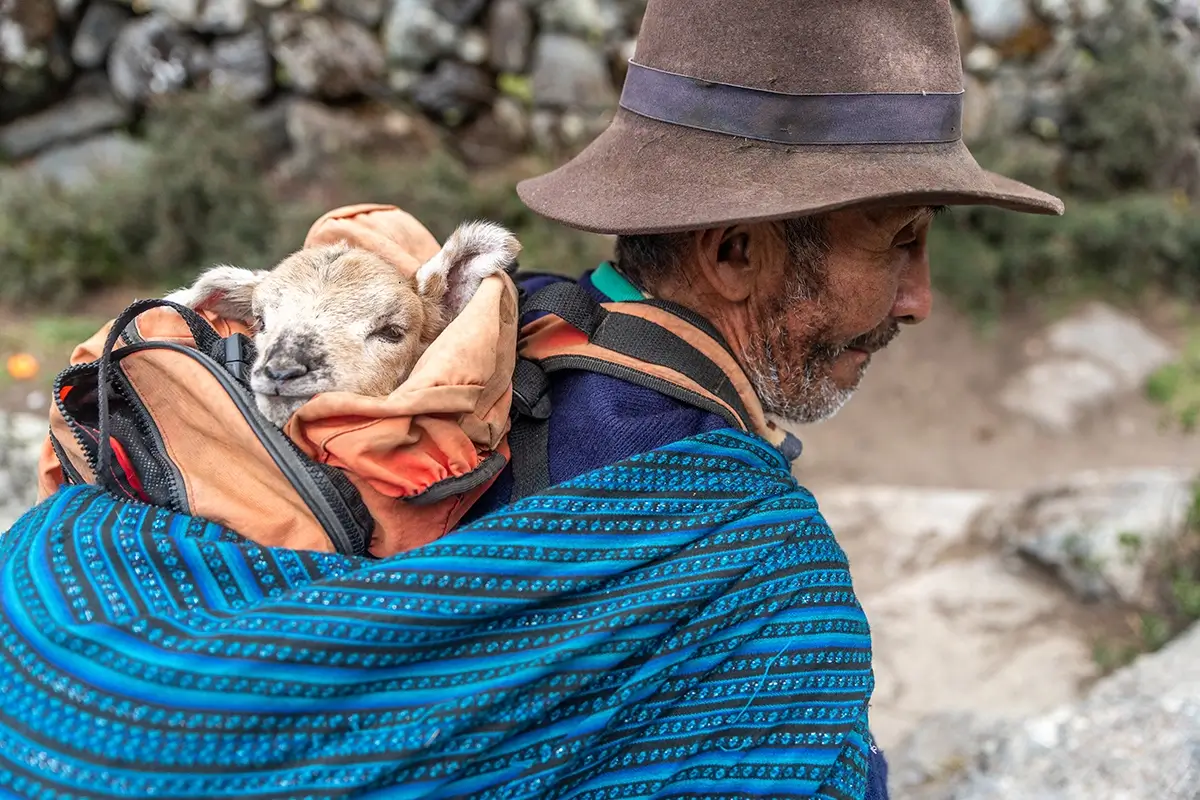
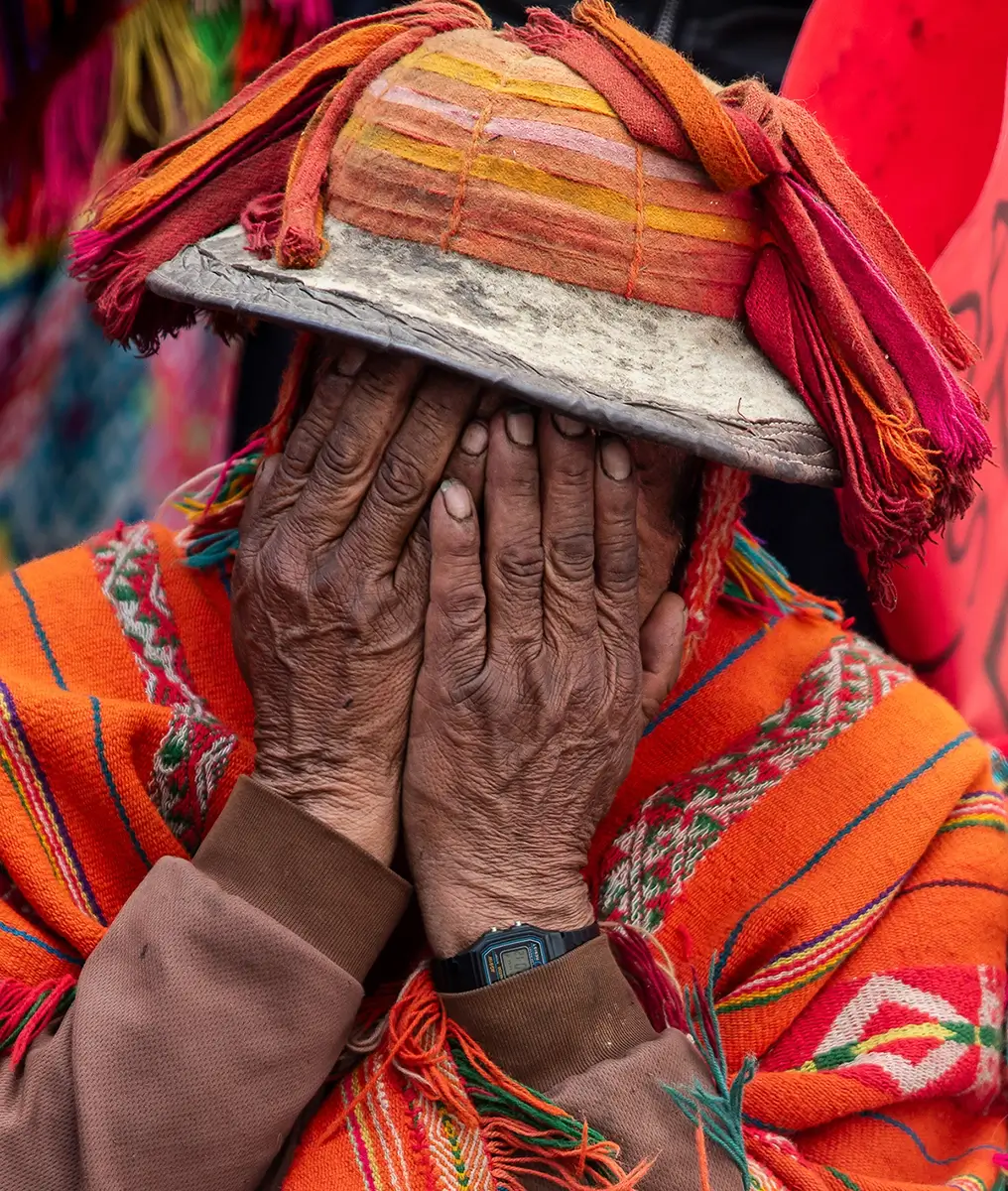
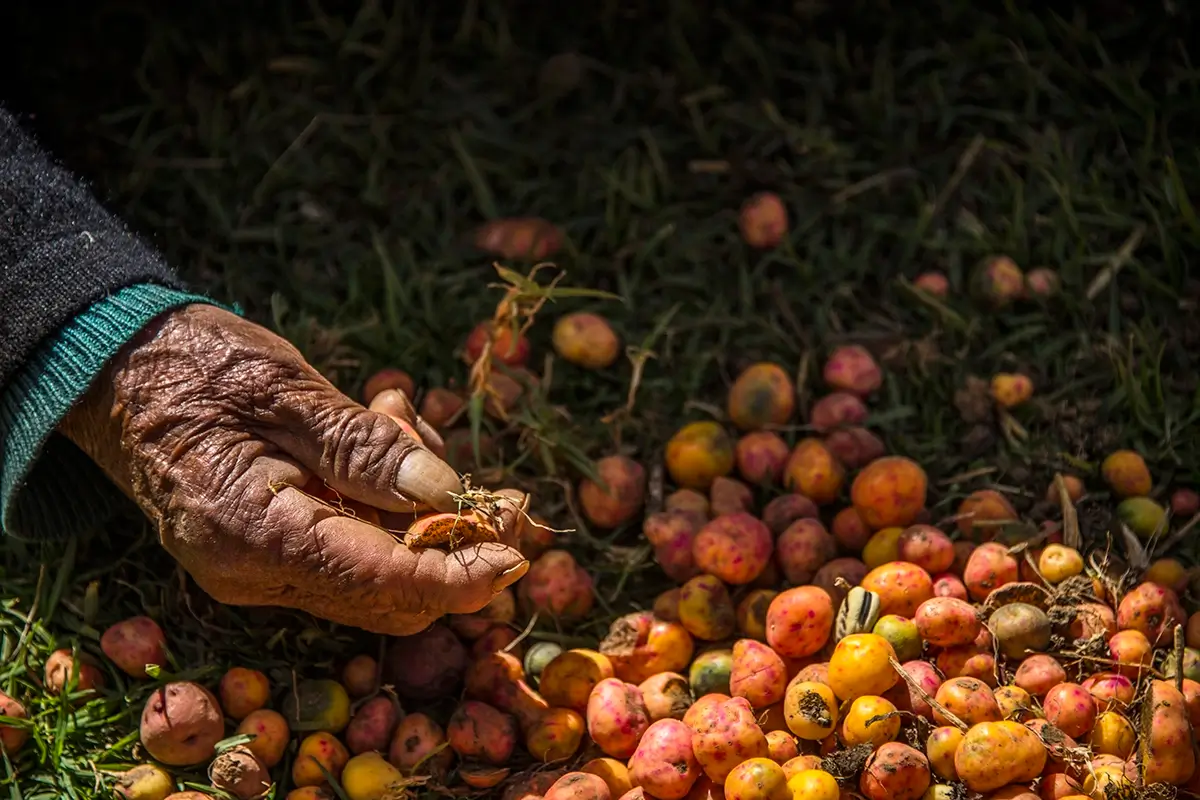
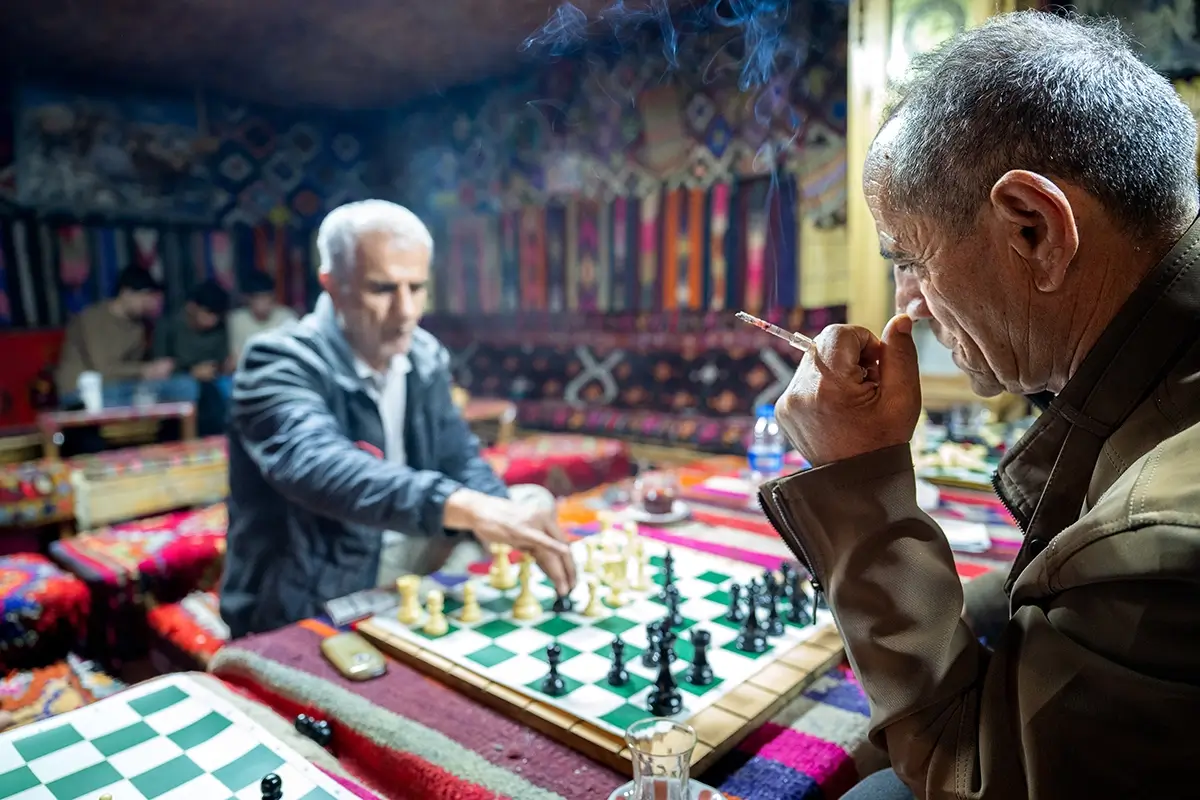
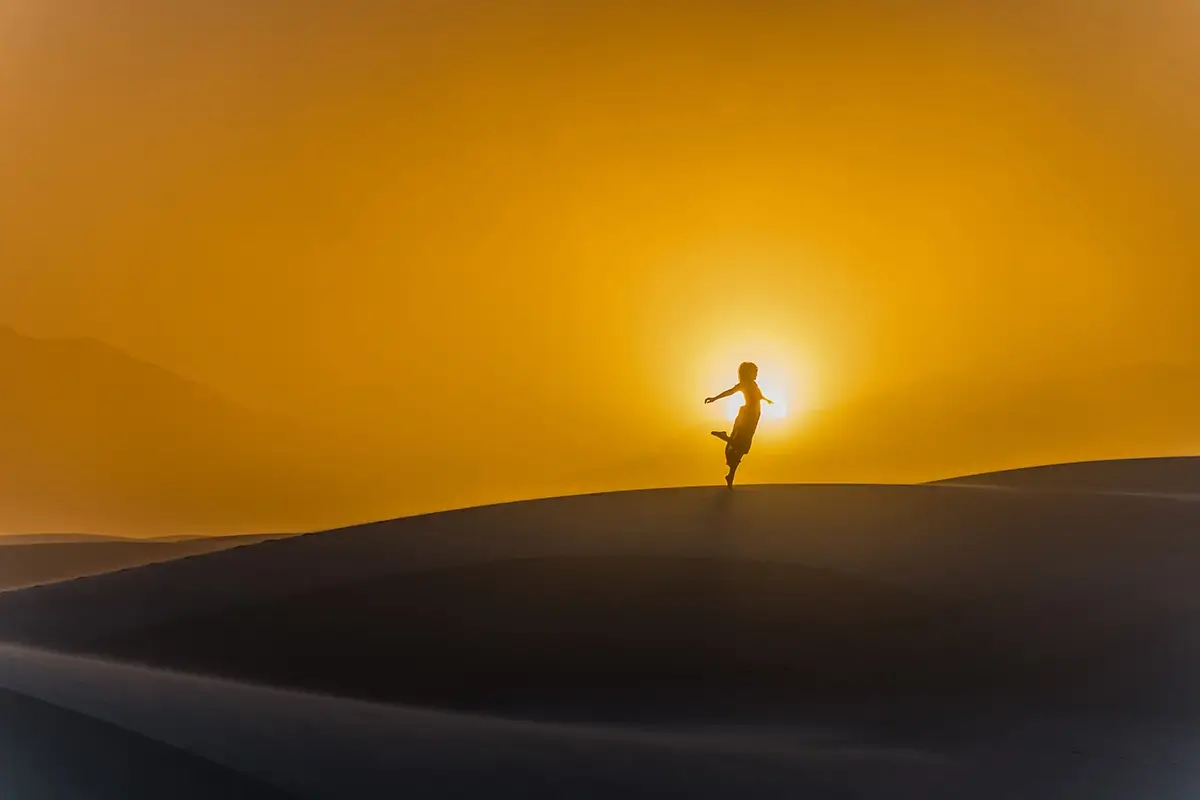
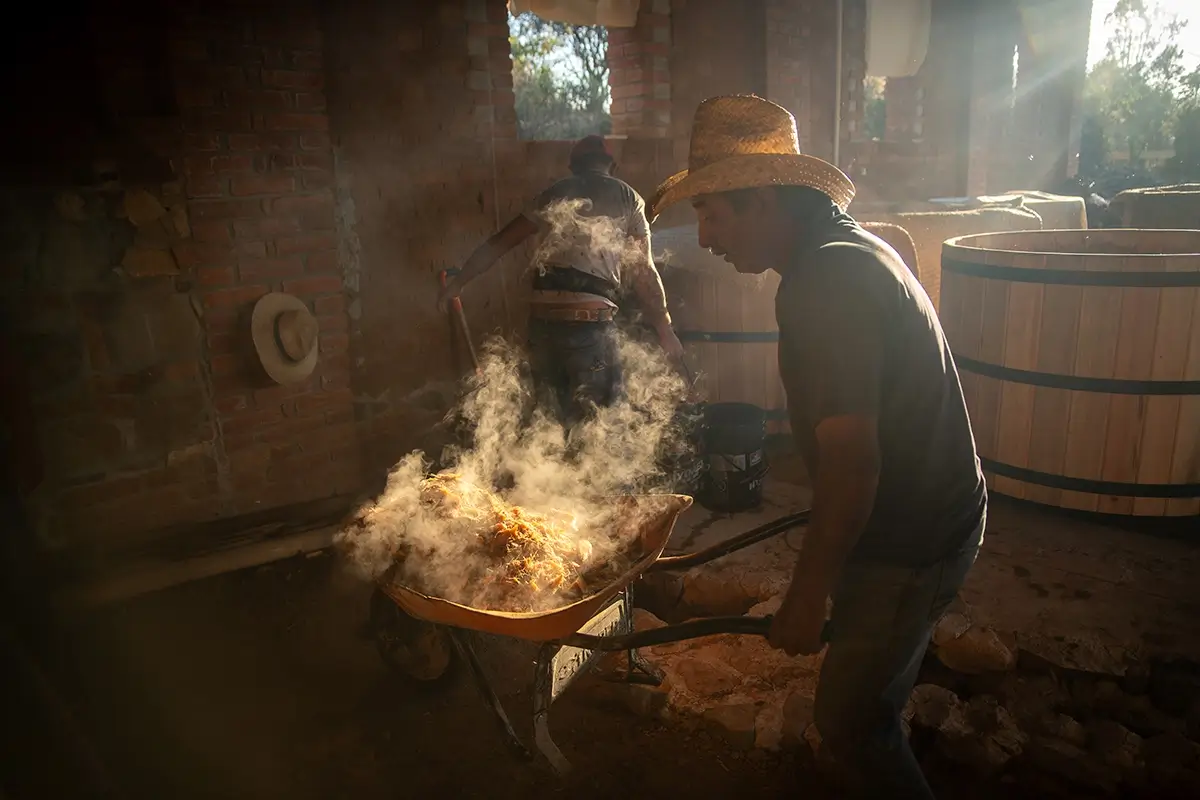
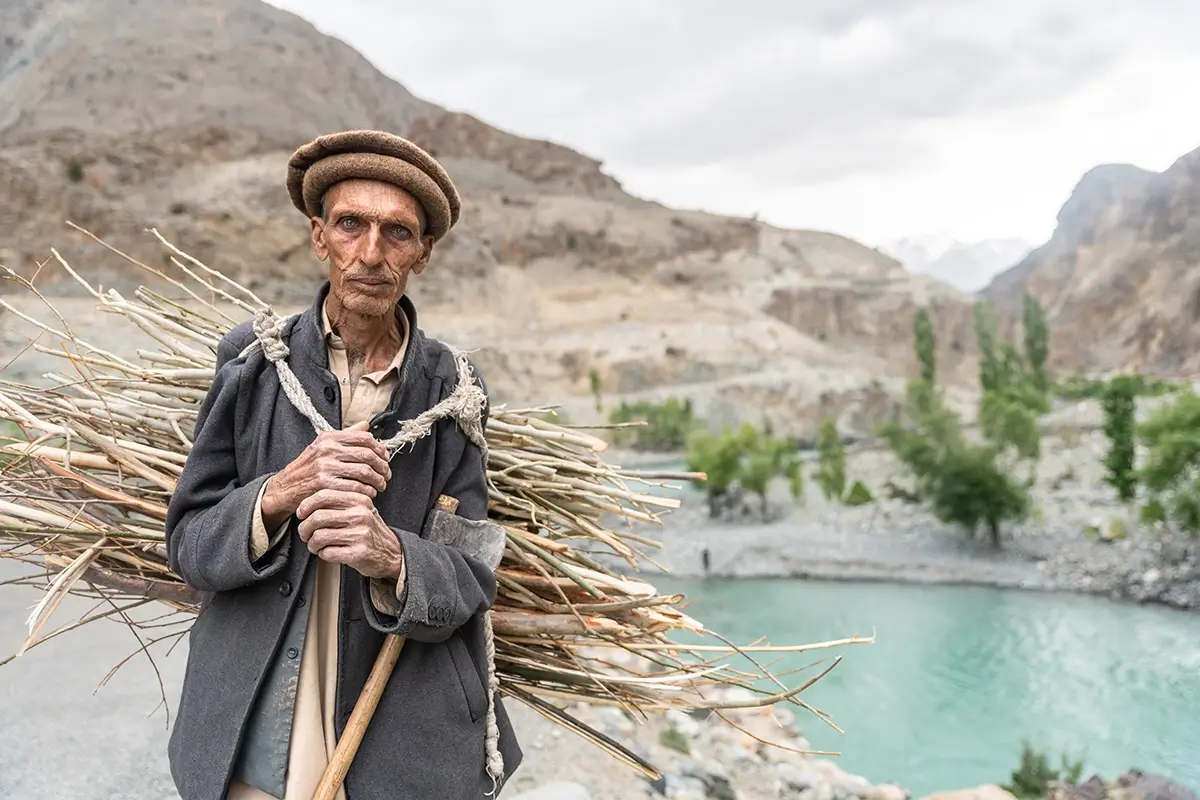
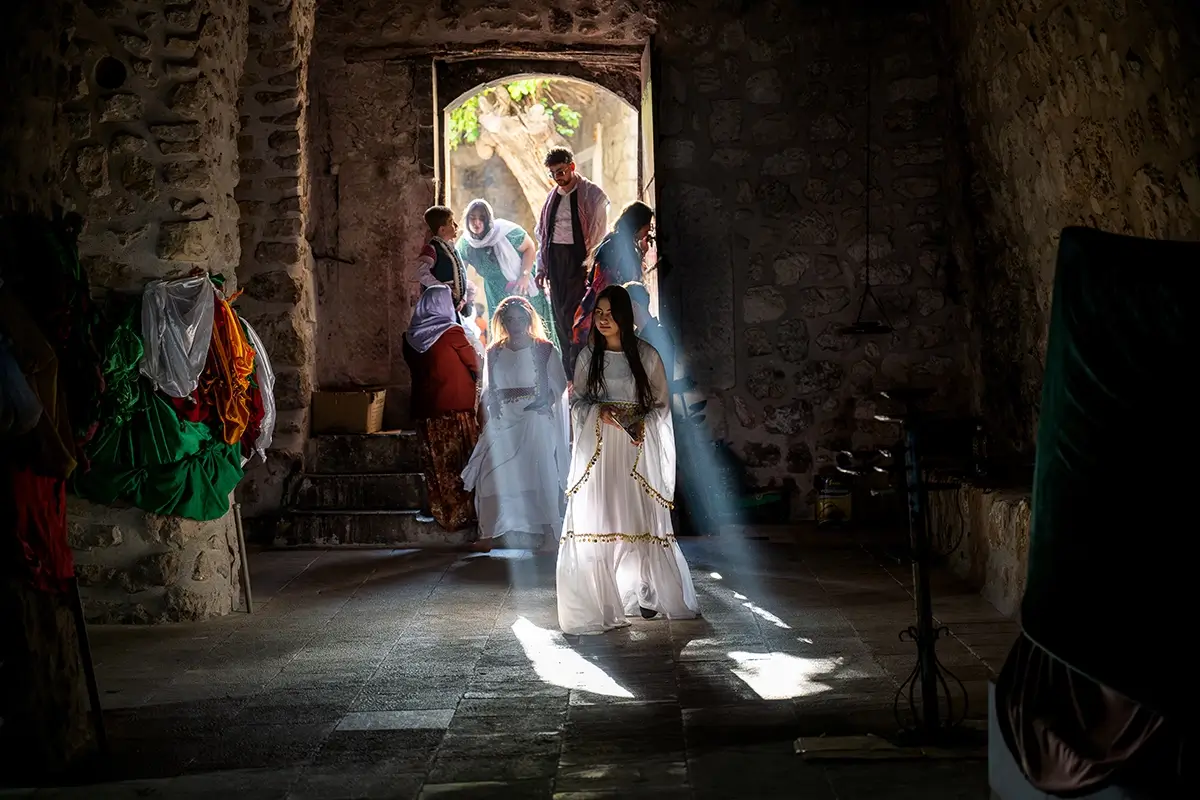
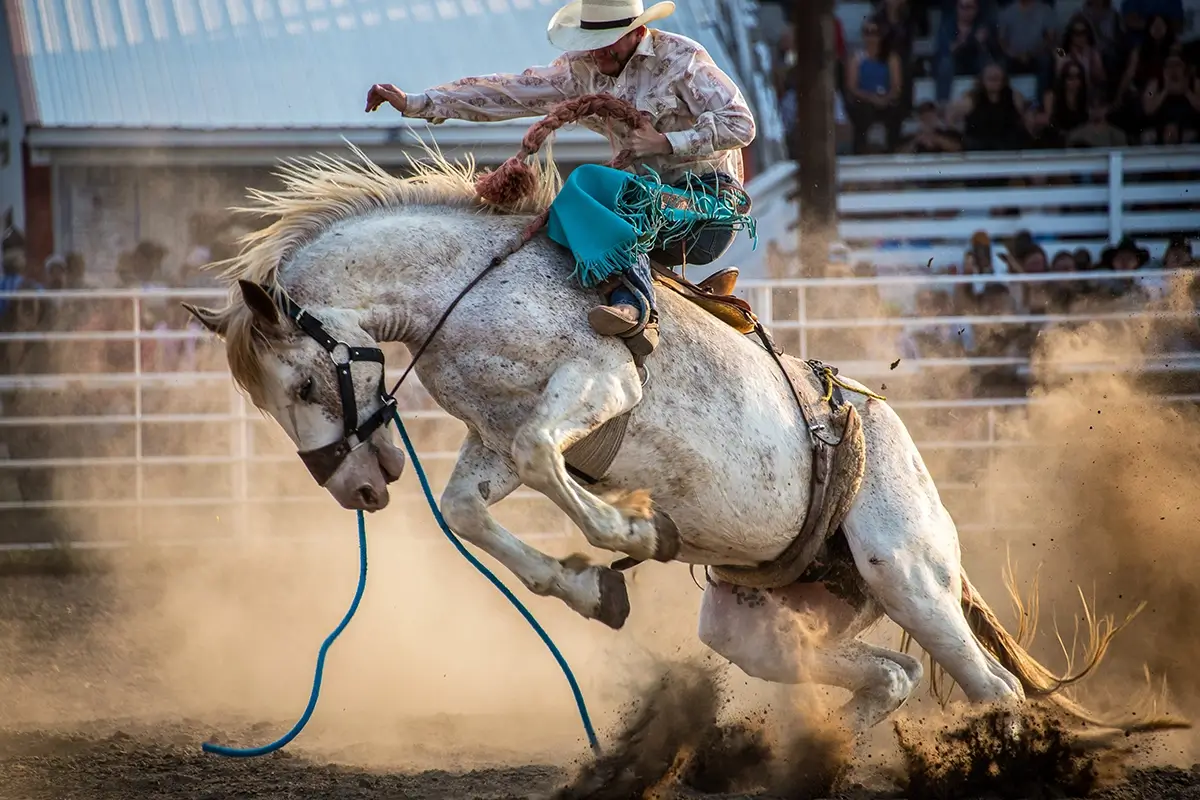
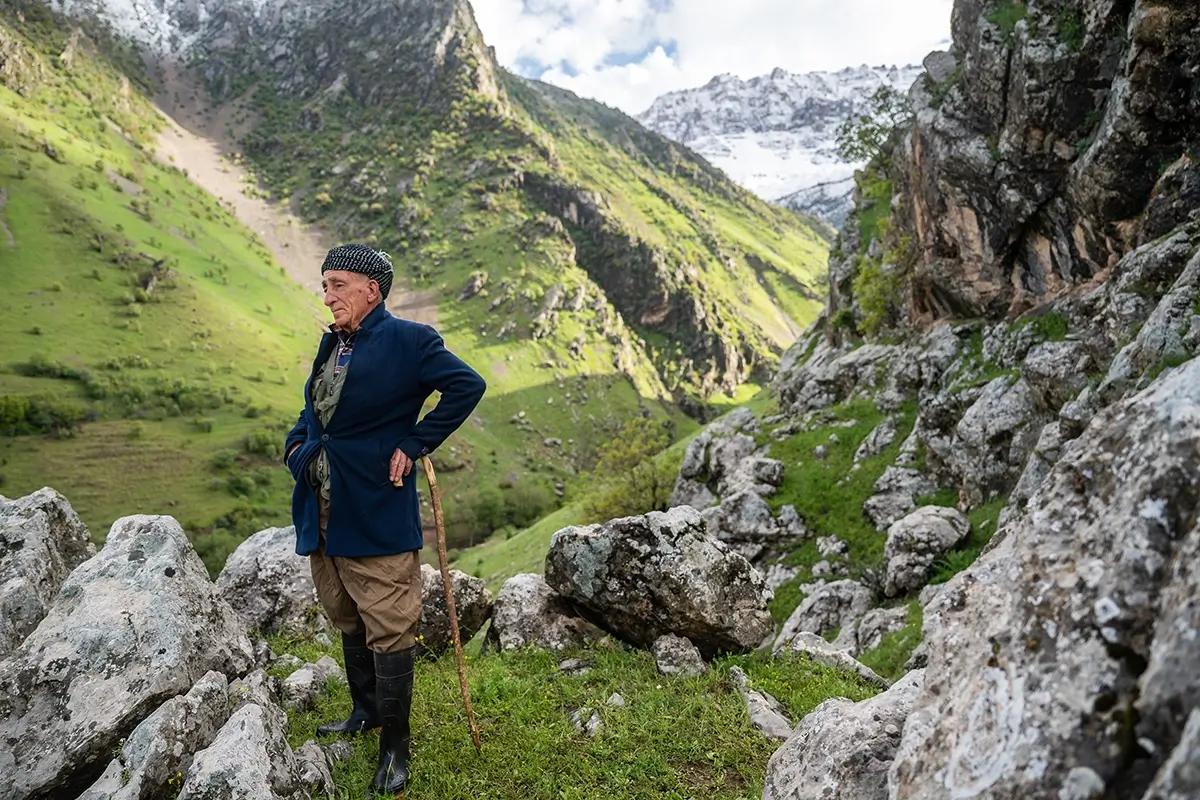
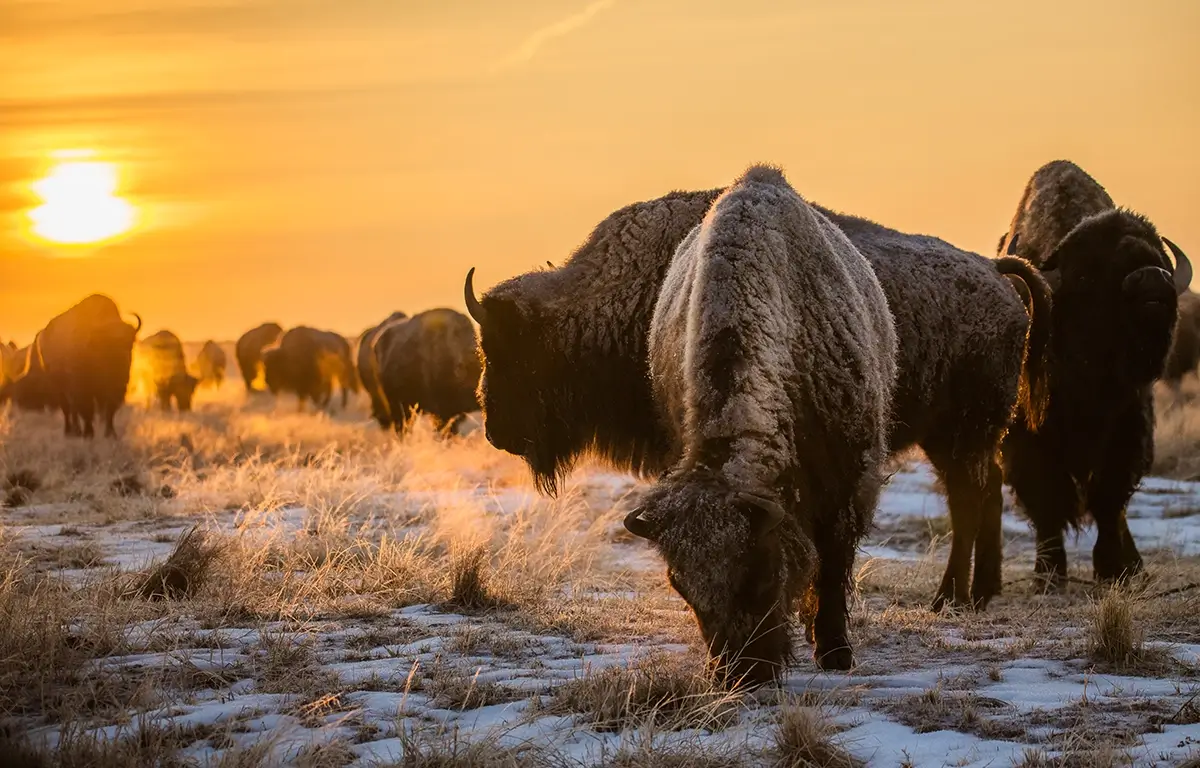
I want to sit next to a stranger and learn about their life. I’m guided by curiosity and an inheritance of wonder, drawn to those who live close to the land and move through the world with intention.

As a child, maps were my portals. I spun globes, chased far-off places with my imagination, and wanted more than facts—I wanted to understand people, their rhythms, and their stories. That curiosity carried me barefoot through forests and, eventually, across the world.

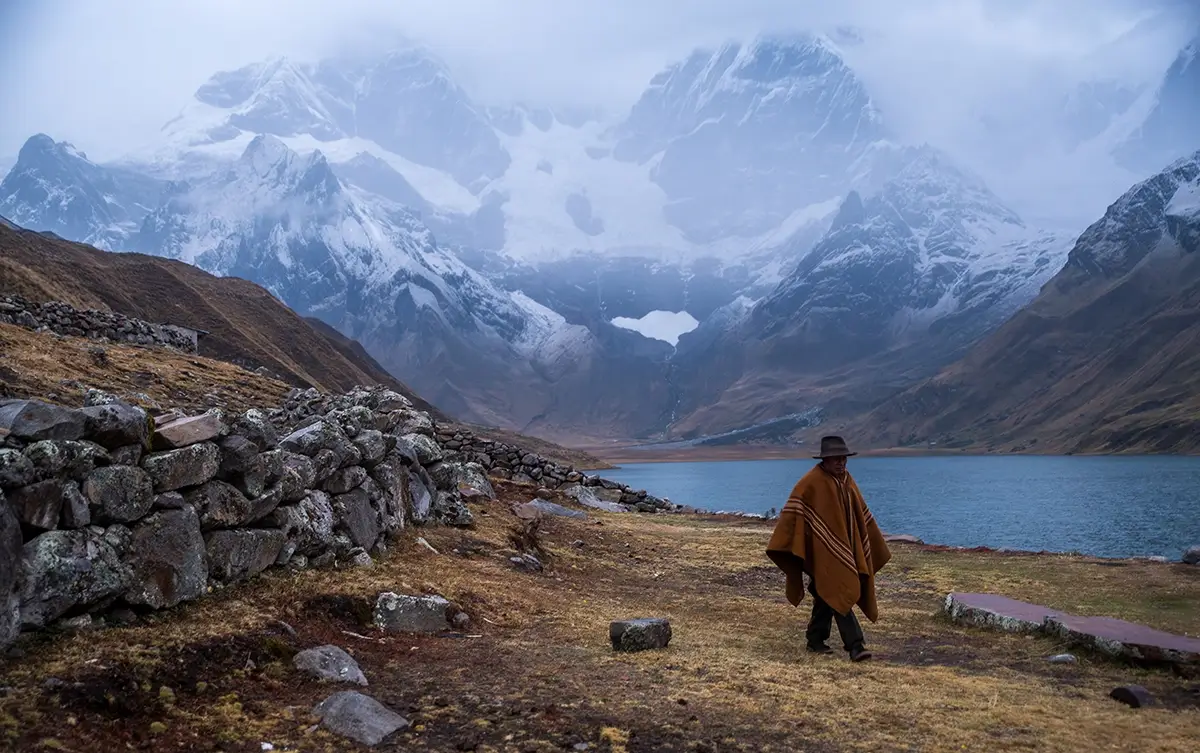
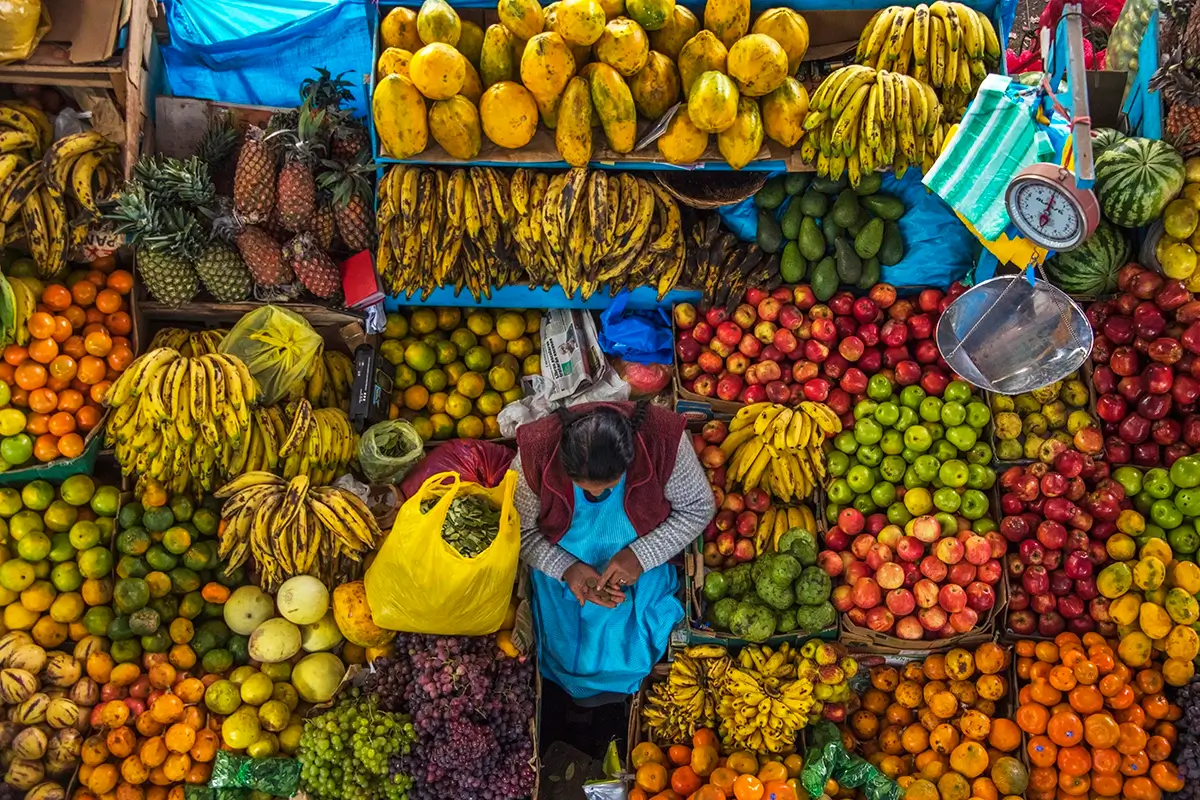
Based in Arvada, Colorado, I’ve spent the past 15 years working as an outdoor guide, photographer, and experiential educator, living, studying, and traveling through 70+ countries. Peru holds a particularly deep place in my heart, where I’ve led dozens of trips in the Andes, taught cultural anthropology, and continue guiding in the Cordillera Blanca and Huayhuash ranges. I hold a Master’s in Socio-Cultural Anthropology, but my greatest teachers have been the people I’ve met—those whose generosity, resilience, and connection to place continue to shape how I move through the world.

Photography is the natural extension of this lifelong wonder. It allows me to slow down, listen, and become a student again—connecting story with place, and people with the land beneath their feet. I’m not chasing spectacle, but meaning: images that invite curiosity, conversation, and reverence, reminding us of our shared humanity and this vast, beautiful planet we all call home.

AAP Magazine:

AAP Magazine 53 Travels

 

Inspiring Portfolios

Call for Entries
All About Photo Awards 2026
$5,000 Cash Prizes! Juror: Steve McCurry
 
Stay up-to-date  with call for entries, deadlines and other news about exhibitions, galleries, publications, & special events.

More Great Photographers To Discover

Jack Savage
United Kingdom
1980
Jack Savage is a fine art photographer, digital and mixed media artist and gallery owner. Born in Northampton, England (1980) - He was educated at Nottingham University, where he carries an MA in American Studies and Film. Winner of over 100 international professional photography awards -he produces a unique brand of artworks using the varying mediums of studio portraiture, landscapes, street photography, mixed media photographic art, and digital psychedelic creations from what he labels "His Unconscious Soul". Savage's multi-faceted works have gained international recognition and acclaim - resulting in several prestigious international prizes, including most notably The Pangea Prize from Siena Photo Awards, Gold from the Shatto Gallery - Los Angeles, Photographer of the Year from The Spider Awards - Beverly Hills California and Gold in consecutive years from Tokyo Foto Awards. Over the last few years, he has exhibited his artworks internationally, in countries such as Italy, France, Greece, Hungary, Germany, USA and throughout the UK. Jack is currently represented by Singulart, Paris, The Zari Gallery, London, The Opulent Art Gallery, London, and ThePassePartout Gallery, Milan, Italy. In 2022 Jack became an influential gallerist, with the formation of The Influx Gallery, Notting Hill - London - showcasing the very best of contemporary art from around the world. Jack Savage is one of the UK’s most celebrated fine art photographers, acclaimed for his haunting black-and-white "Definitive Ambiguities" series. A certified Adobe Photoshop CC expert, Savage fuses classical film noir lighting with precise post-production to create images steeped in moral ambiguity, repressed desire, and an undercurrent of violence. Winner of the Pangea Prize at the Siena International Photo Awards, two consecutive Gold medals at the Tokyo International Foto Awards, Photographer of the Year at the Black & White Spider Awards (Los Angeles), and First Place at the Mono Awards, Savage draws heavily on the cinematic language of Otto Preminger and Orson Welles. His work echoes the words of historian Alain Silver, who described film noir as “a cinema of moral uncertainty and dangerous seduction,” and James Ursini, who noted its “dark urban poetry.” All portraits in this series feature residents from Savage’s hometown of Northampton, England, intensifying what Ursini might call the “claustrophobic menace” of the Midlands’ urban landscape. From shadow-draped alleys to the spectral “men in hats,” Savage’s noir vision transforms everyday streets into charged stages of human drama, where desire and danger meet in a single frame.
Dora Maar
France
1907 | † 1997
Henriette Theodora Markovitch, also known as Dora Maar, was a French photographer, painter, and poet who lived from November 22, 1907 until July 16, 1997. Dora Maar had an important role in the life of the famed artist Pablo Picasso, serving as his love partner. Picasso featured her in various paintings, including Portrait of Dora Maar and Dora Maar au Chat. She was the only daughter of Croatian architect Josip Marković, also known as Joseph Markovitch, who studied at Zagreb and Vienna before arriving in Paris in 1896. Her mother was Louise-Julie Voisin (1877–1942), a Cognac native raised in the Catholic religion. The family moved to Buenos Aires in 1910, where the father earned many commissions, including one for Austria-Hungary's embassy. Despite his success, he was "the only architect who did not make a fortune in Buenos Aires." Nonetheless, his accomplishments were recognized, and Emperor Francis Joseph I awarded him a decoration. In 1926, the family went back to Paris. Under the alias Dora Maar, she studied at the Central Union of Decorative Arts and the School of Photography. She also registered at the École des Beaux-Arts and the Académie Julian, both of which provide equal instruction to men and women. Dora Maar actively engaged in André Lhote's workshop, where she met Henri Cartier-Bresson. During her time at the École des Beaux-Arts, Maar encountered the fellow female surrealist Jacqueline Lamba. Reflecting on their connection, Maar expressed, "I was closely linked with Jacqueline. She asked me, 'where are those famous surrealists?' and I told her about cafe de la Place Blanche." Subsequently, Jacqueline started frequenting the café, eventually leading to her meeting André Breton, whom she would later marry. Dora Maar left the workshop and traveled alone from Paris to Barcelona and then to London. In London, she took images portraying the effects of the economic crisis that followed the Wall Street Crash of 1929 in the United States. She returned to Paris and, with the help of her father, opened another factory at 29 rue d'Astorg in the 8th arrondissement. In 1935, she met Pablo Picasso and became his companion and muse. She photographed the last phases of Picasso's colossal masterpiece, Guernica, in his workshop at the Grands Augustins. She also acted as a model for his artwork Monument à Apollinaire, which pays respect to the late poet Guillaume Apollinaire. Maar's earliest known images were from the early 1920s, when she used a Rolleiflex camera on a cargo ship destined for the Cape Verde Islands. In the early 1930s, she opened a photographic studio on rue Campagne-Première in conjunction with Pierre Kefer, a photographer and designer best known for his work on Jean Epstein's 1928 film The Fall of the House of Usher. Maar and Kefer worked together at the studio, largely on commercial photography for ads and fashion magazines. During this time, her father gave financial assistance as she faced the obstacles of establishing herself and earning a living. The studio rose to prominence, displaying fashion, advertising, and nude photography, and achieved tremendous success. Within the studio, Maar crossed paths with the photographer Brassaï, with whom she shared the darkroom. Brassaï once remarked on her "bright eyes and an attentive gaze, a disturbing stare at times." Dora Maar's work in commercial and fashion photography was heavily influenced by Surrealism, as evidenced by her extensive use of mirrors and harsh play with shadows. She felt that art should transmit the essence of reality by connecting with intuitions or ideas, rather than simply copying the visual qualities of nature. Notably, Dora Maar met Louis-Victor Emmanuel Sougez, a photographer who worked in advertising, archeology, and as the artistic director of the daily L'Illustration. She saw Sougez as a mentor during this time. In 1932, she had an affair with filmmaker Louis Chavance. Dora Maar joined the "October group," which formed around Jacques Prévert and Max Morise following their expulsion from surrealism. Her first publication was in the magazine Art et Métiers Graphiques in 1932, and she had her first solo show at the Galerie Vanderberg in Paris. The gelatin silver pieces from Dora Maar's surrealist era remain highly coveted by enthusiasts, especially works like Portrait of Ubu (1936), located at 29 rue d'Astorg. These black and white compositions include collages, photomontages, and superimpositions. The photograph features the central character from Alfred Jarry's renowned series of plays, Ubu Roi. Initially showcased at the Exposition Surréaliste d'objets at the Galerie Charles Ratton in Paris and later at the International Surrealist Exhibition in London in 1936, the piece gained notable acclaim. Additionally, Dora Maar participated in Participates in Fantastic Art, Dada, Surrealism at the Museum of Modern Art in New York during the same year. During her surrealist phase, Dora Maar found resonance with the political ideologies of the left, leading her to actively engage in political activities. Following the fascist demonstrations on February 6, 1934, in Paris, she, along with René Lefeuvre and Jacques Soustelle, supported by Simone Weil and Georges Bataille, signed the tract "Appeal to the Struggle," initiated by André Breton. Much of her artistic output during this period was strongly influenced by the leftist politics of the time, often portraying individuals thrust into poverty by the Great Depression. Dora Maar was involved in various leftist groups, including the "Masses," an ultra-leftist association where she first encountered Georges Bataille, as well as the Union of Intellectuals Against Fascism, an anti-fascist organization. She also participated in a radical collective of left-wing actors and writers known as October. She actively engaged in various Surrealist circles, frequently joining demonstrations, convocations, and café discussions. Dora Maar was a signatory of numerous manifestos, among them "When Surrealists were Right," penned in August 1935, addressing the Congress of Paris that had convened in March of the same year. In 1935, she captured a photograph of the fashion illustrator and designer Christian Bérard. Described by writer and critic Michael Kimmelman as "wry and mischievous, with only his head perceived above the fountain, as if he were John the Baptist on a silver platter." During the 1980s, Dora Maar created several photograms. Her final years were spent in her apartment on Rue de Savoie, located on the Left Bank of Paris. She passed away on July 16, 1997, at the age of 89. She was laid to rest in the Bois-Tardieu cemetery in Clamart. Posthumously, her experiments with photograms and darkroom photography were discovered.
Robin Hammond
New Zealand
1975
Builder Levy
United States
New Yorker Builder Levy has been photographing America and her inhabitants for the past 50 years. His social consciousness took him to significant areas of our country during tumultuous times. His commitment to aesthetically [or artistically] documenting the world around him earned him the prestigious Guggenheim Fellowship in 2008. Levy's work is in more than 50 public collections, including the Metropolitan Museum of Art, Brooklyn Museum, High Museum of Art, International Center of Photography, Victoria and Albert Museum, and La Bibliotheque Nationale. He is also the author of two published photographic books. Source: Arnika Dawkins Gallery Intertwining social documentary, art and street photography, Builder Levy has been making photographs as objects of art that celebrate the human spirit for almost fifty years. He was awarded a John Simon Guggenheim Memorial Foundation Fellowship (’08), an Alicia Patterson Foundation Fellowship (‘04), a Furthermore Grant (‘03), Puffin Foundation Grant (‘01), and National Endowment for the Arts Visual Artists Fellowship in Photography (‘82), and two commissions from the Appalachian College Association (’95 and ‘02). Levy’s two books are Images of Appalachian Coalfields, Temple Univ. Press, with a foreword by Cornell Capa, and Builder Levy Photographer, A.R.T. Press, with an introduction by noted photo historian Naomi Rosenblum. Levy has exhibited in more than 200 shows, including more than 50 one-person exhibitions in New York City, throughout the United States and around the world. In the Fall 2011, he is included in the exhibits Coal + Ice, curated by Susan Meiselas & Jeroen de Vries, a project of the Asia Society, at the Three Shadows Art Centre in Beijing; Posing Beauty, curated by Deborah Willis at Fisher Museum of Art, USC, Los Angeles (9/11-12/11); Photo Folio at the Museum of Fine Arts, Houston (10/11-1/12); at the Arnika Dawkins Gallery (Black & White and Color), (with 13 photographs) (10/1-10/29/11) in conjunction with Atlanta Celebrates Photography; and Mirrors and Reflections: A Group Show, curated by Evelyne Z. Daitz with co-curator Alison Bradley at the Robert Anderson Gallery at 24 West 57th Street, New York (11/17/11-1/7/12) The High Museum of Art included Levy’s photographs in the historic exhibition, Road to Freedom: Photographs of the Civil Rights Movement, 1956-1968 (and the accompanying eponymous book/catalogue), curated by Julian Cox. It opened at the High Museum of Art in 2008, and traveled for two years to museums in D.C., Chicago, Los Angeles and New York City. The Rubin Museum of Art in NYC featured 14 of Levy’s photographs in the show Mongolia: Beyond Chinggis Khan, 11/06-4/07. Levy’s work is in more than 50 public collections in the US and around the world, including the Metropolitan Museum of Art, Brooklyn Museum, High Museum of Art, International Center of Photography, Victoria and Albert Museum, and La Bibliotheque Nationale. His photographs are featured in more than 25 books including, Harlem, A Century in Images, Studio Museum of Harlem, Skira/Rizzoli 2010, Freedom, Phaidon Press, 100 New York Photographers, Schiffer Press ‘09, Deborah Willis’ Posing Beauty, Norton Press, ‘09, Coal Country, Sierra Club Books, ’09, and Road To Freedom: Photographs of the Civil Rights Movement, 1956-1968. He was the featured artist (with 22 photos) in Appalachian Heritage, (Spring 2010). His subjects include inner-city New York City where he was a NYC teacher of at-risk adolescents for 35 years; coalfield Appalachia (spanning more than 40 years), civil rights and peace demonstrations (in the 1960s), Mongolia and other developing nations. He is completing a new book, Appalachia USA. Source: builderlevy.com
Ole Marius Joergensen
Ole Marius Joergensen is an artist with a background in film based in Asker, Norway. He is best known for his meticulously staged cinematic photographs. With the use of theatrical light and vivid color juxtapositions, Ole Marius' work emphasizes the mystery and duality of rural life in the modern world. A child of 80s rural Norway, he became fascinated with suburban America, like the popular narratives told on screen by Steven Spielberg and the storytelling of author Stephen King. Drawn to the descriptive narrative and quality of light, he found himself wanting to create his own stories. Influenced by the work of the mid century painter Hopper and the directors Alfred Hitchcock, David Lynch, as well as 19th Century painting traditions of David Caspar Frederic, his work often depicts ordinary situations infused with a unique narrative that unlocks an unexpected mystery that feels both old and new. In 2014 he debuted his first major series "No Superhero," an ode to one of his childhood heroes, and a playful series with dark undertones. Ole Marius views Superman as a metaphor for taking risks and the worry of failure. Each scene is depicted through a lens that captures childhood nostalgia with the hero as an ordinary man. In 2015 Ole Marius made the series "Space Travels" which was his rediscovery of his native country. It was a narrative driven by the feeling of being trapped in a place and yearning for a new adventure that is out of reach. "Vignettes of a Salesman" (2016) is a love letter to simpler times of Scandinavia in the 1950s and 1960s. This series follows the main protagonist on a silent, solitary journey and the complex emotions, from the dark to the eccentric, associated with a stranger's life unfulfilled. Ole Marius' work has been exhibited widely in the United States, Asia, and Europe. His work can be found in private collections in Hong Kong, Los Angeles, Oslo, New York, Madrid and Berlin. His work has been featured on international art & culture websites, as well as in printed publications around the world.
Advertisement
All About Photo Awards 2026
Win a Solo Exhibition in February
All About Photo Awards 2026

Latest Interviews

Exclusive Interview with Marijn Fidder
Marijn Fidder is a Dutch documentary photographer whose work powerfully engages with current affairs and contemporary social issues. Driven by a deep sense of social justice, she uses photography to speak on behalf of the voiceless and to advocate for the rights of those who are most vulnerable. Her images have been widely published in major international outlets including National Geographic, CNN Style, NRC Handelsblad, Volkskrant, GUP New Talent, and ZEIT Magazin. Her long-term commitment to disability rights—particularly through years of work in Uganda—culminated in her acclaimed project Inclusive Nation, which earned her the title of Photographer of the Year 2025 at the All About Photo Awards. She is also the recipient of multiple prestigious honors, including awards from World Press Photo and the Global Peace Photo Award. We asked her a few questions about her life and work.
Exclusive Interview with Josh S. Rose
Josh S. Rose is a multidisciplinary artist working across photography, film, and writing. His practice bridges visual and performing arts, with a strong focus on movement, emotion, and the expressive potential of the image. Known for his long-standing collaborations with leading dance companies and performers, Rose brings together authenticity and precise composition—a balance he describes as “technical romanticism.” His work has been commissioned and exhibited internationally, appearing in outlets such as Vogue, at the Super Bowl, in film festivals, and most recently as a large-scale installation for Lincoln Center for the Performing Arts. A sought-after collaborator, he has worked with major artists, cultural institutions, and brands, following a previous career as Chief Creative Officer at Interpublic Group and the founder of Humans Are Social. We asked him a few questions about his life and work.
Interview with Maureen Ruddy Burkhart
Photographer Maureen Ruddy Burkhart brings a quietly attentive and deeply human sensibility to her exploration of the world through images. Shaped by a life immersed in photography, film, and visual storytelling, her work is guided by intuition, observation, and an enduring interest in the emotional undercurrents of everyday life. With a practice rooted in both fine art traditions and documentary awareness, she approaches her subjects with sensitivity, allowing subtle moments to emerge naturally rather than be imposed. Her series Til Death, selected as the Solo Exhibition for February 2025, reflects this long-standing commitment to photography as a space for reflection rather than spectacle. Drawn to moments that exist just outside the expected frame, Burkhart’s images suggest narratives without resolving them, leaving room for ambiguity, humor, and quiet connection. We asked her a few questions about her life and work.
Exclusive Interview with Peter Ydeen
Winner of AAP Magazine #45 Travels, his series reflects this unique vision—capturing the spirit of place through subtle layers of light, color, and emotion. Whether traveling abroad or observing the rhythms of his own surroundings, Ydeen creates images that feel both grounded and enchanted, inviting viewers into a world where reality and reverie meet.
Exclusive Interview with Julie Wang
Chinese-born photographer Julie Wang brings a poetic, contemplative sensitivity to her visual exploration of the world. Having lived for nearly equal parts of her life in China, Europe, and the United States, she approaches her subjects with the nuanced perspective of someone shaped by many cultures. This blend of distance, curiosity, and emotional resonance infuses her work with a quiet depth, allowing her to reveal the fragile beauty and subtle tensions that often pass unnoticed.
Exclusive Interview with Ghawam Kouchaki
American photographer Ghawam Kouchaki brings a sharply observant and introspective gaze to the streets of Japan’s capital. Based in Los Angeles, he approaches Tokyo with the distance — and curiosity — of an outsider, allowing him to uncover the city’s subtle contradictions, quiet tensions, and fleeting gestures that often go unnoticed. His series Tokyo no no, selected as the Solo Exhibition for December 2024, explores the hidden undercurrents of urban life: the unspoken rules, the small ruptures in routine, the poetic strangeness found in everyday moments. Through muted tones, instinctive timing, and meticulous framing, Kouchaki reveals a Tokyo that exists somewhere between reality and imagination — both intimate and enigmatic. We asked him a few questions about his life and work.
Exclusive Interview with Tommi Viitala
Tommi Viitala, winner of AAP Magazine #44: Street, is a Finnish photographer celebrated for his striking and cinematic street photography. With a keen eye for atmosphere and composition, he captures fleeting urban moments that reveal the poetry of everyday life. His work often explores the tension between solitude and connection within contemporary cityscapes, blending documentary realism with artistic sensibility. Viitala’s photographs have been exhibited internationally and recognized for their strong visual storytelling and emotional depth. We asked him a few questions about his life and work.
Exclusive Interview with Robert Mack
Robert Mack is a California-based visual artist, photographer, and filmmaker. His fine art photography and films have been exhibited widely in the United States and Europe, with major shows at the Baltimore Museum of Art and the Reiss-Engelhorn Museum in Mannheim, Germany. Both institutions hold his work in their permanent collections. Working across different media, Mack has built a career exploring the complexities of human presence and representation. In 1981, while living in Baltimore, he produced The Perkins Project: Not Guilty by Reason of Insanity, a rare photographic and film study inside Maryland’s hospital for the criminally insane. These stark yet compassionate black-and-white portraits remain one of his most powerful and controversial bodies of work.
Exclusive Interview with Alan Schaller About Irys
Alan Schaller is a London-based photographer best known for his striking black-and-white street photography and as co-founder of Street Photography International, one of the largest online communities dedicated to the genre. With years of experience both behind the camera and in building platforms that give visibility to photographers, Schaller has now turned his focus to creating a new digital space for photography itself. His latest venture, Irys, is a photography app designed by photographers, for photographers, with the aim of offering a dedicated platform where images are respected as works of art rather than treated as disposable content.
Call for Entries
All About Photo Awards 2026
$5,000 Cash Prizes! Juror: Steve McCurry