All about photo.com: photo contests, photography exhibitions, galleries, photographers, books, schools and venues.
Win a Solo Exhibition this February. Juror: Harvey Stein
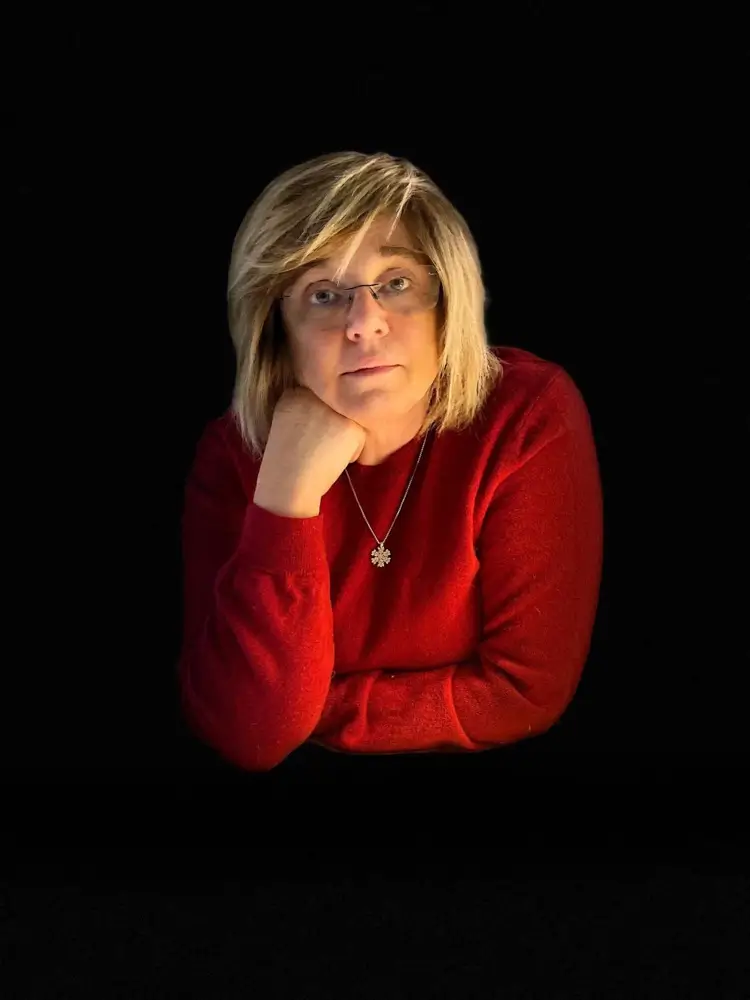
Fiorella Baldisserri

Fiorella Baldisserri

Country: Italy
Birth: 1959

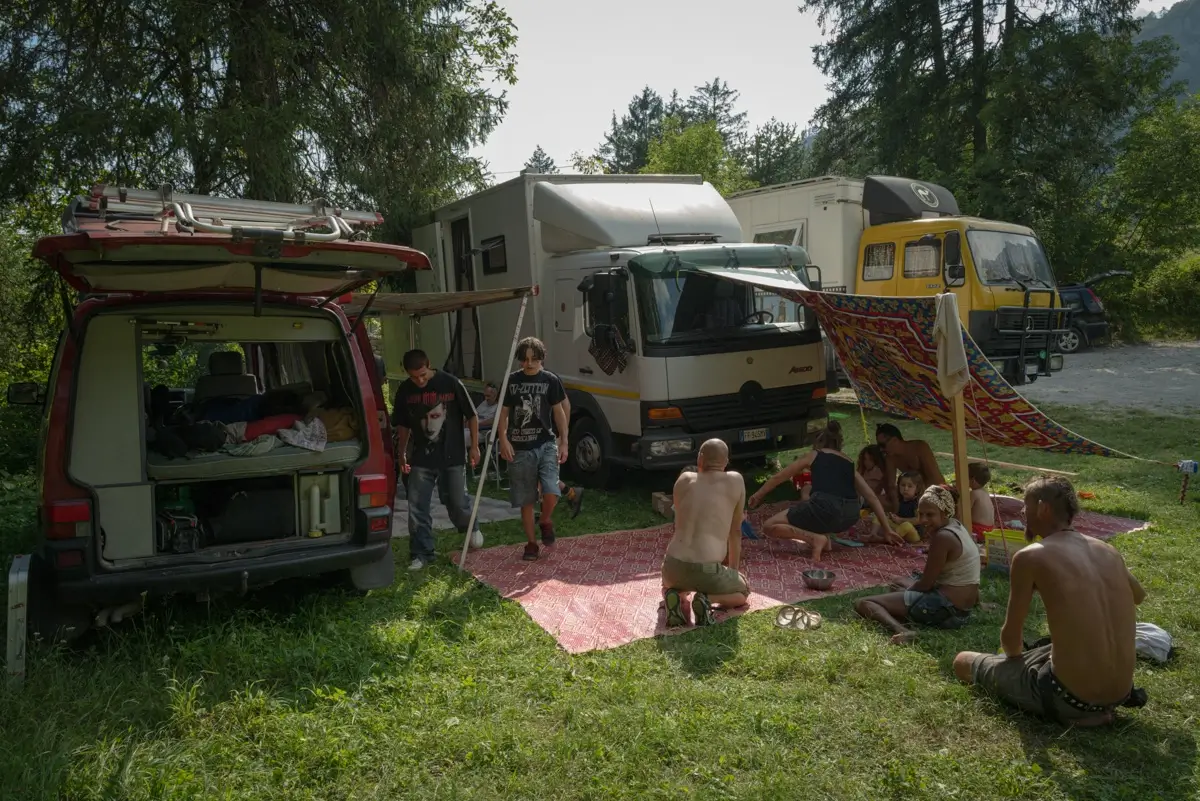
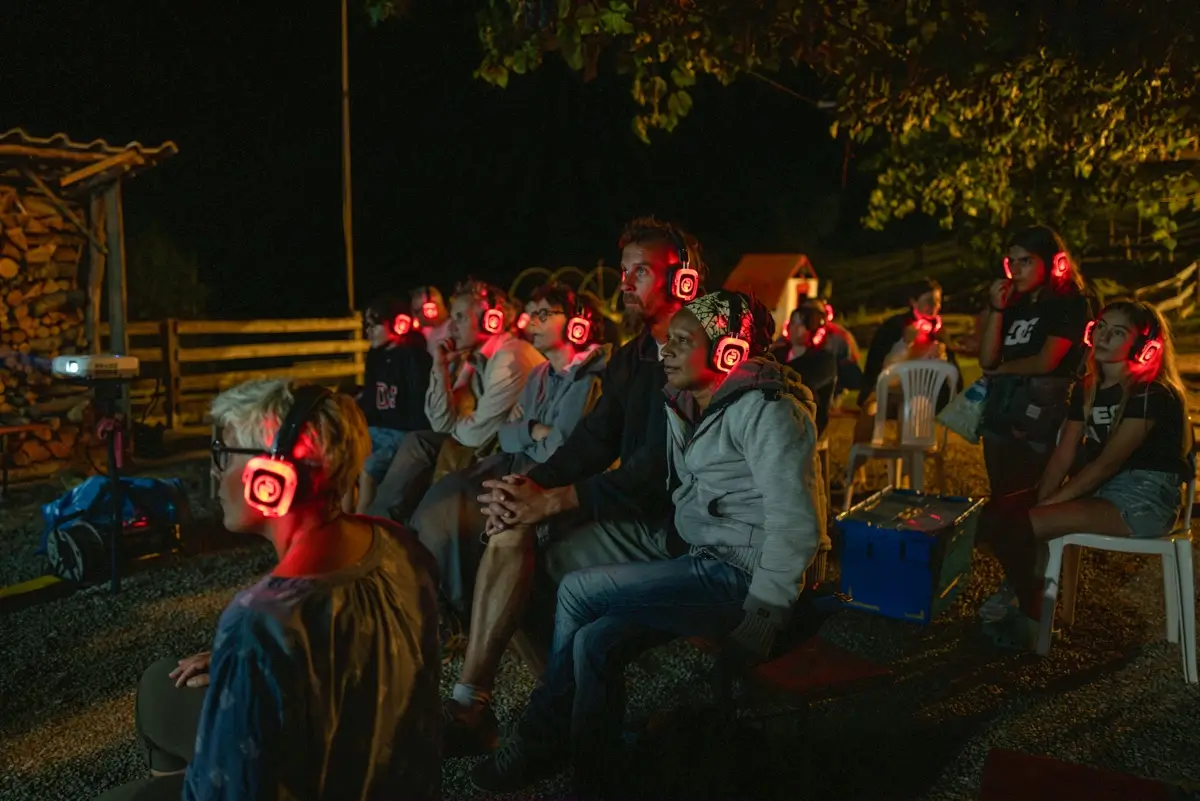
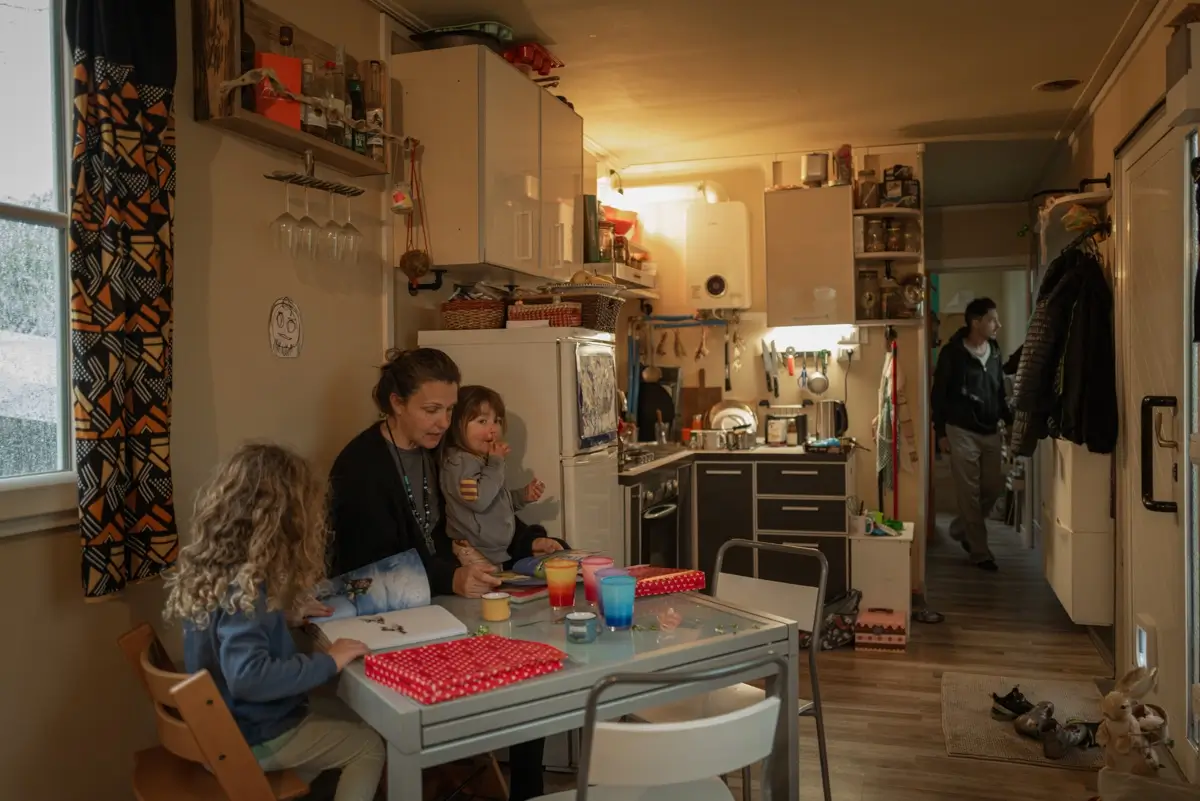
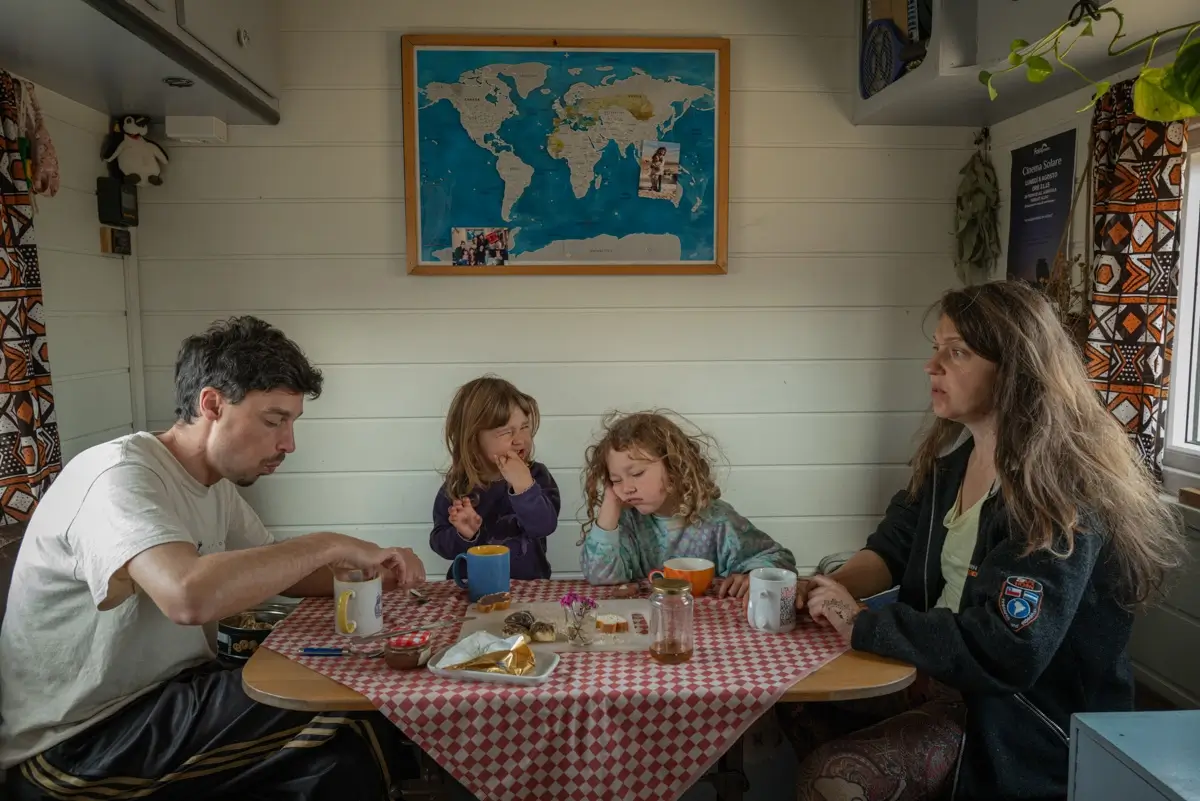
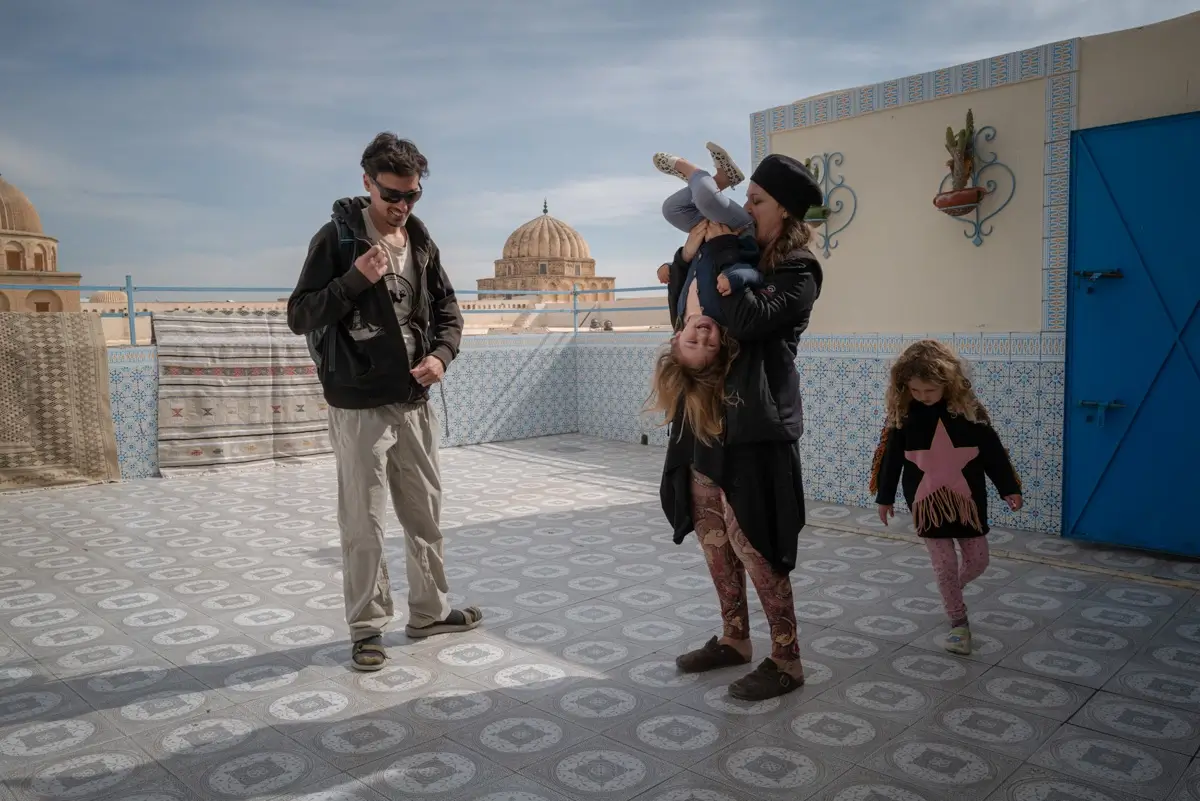
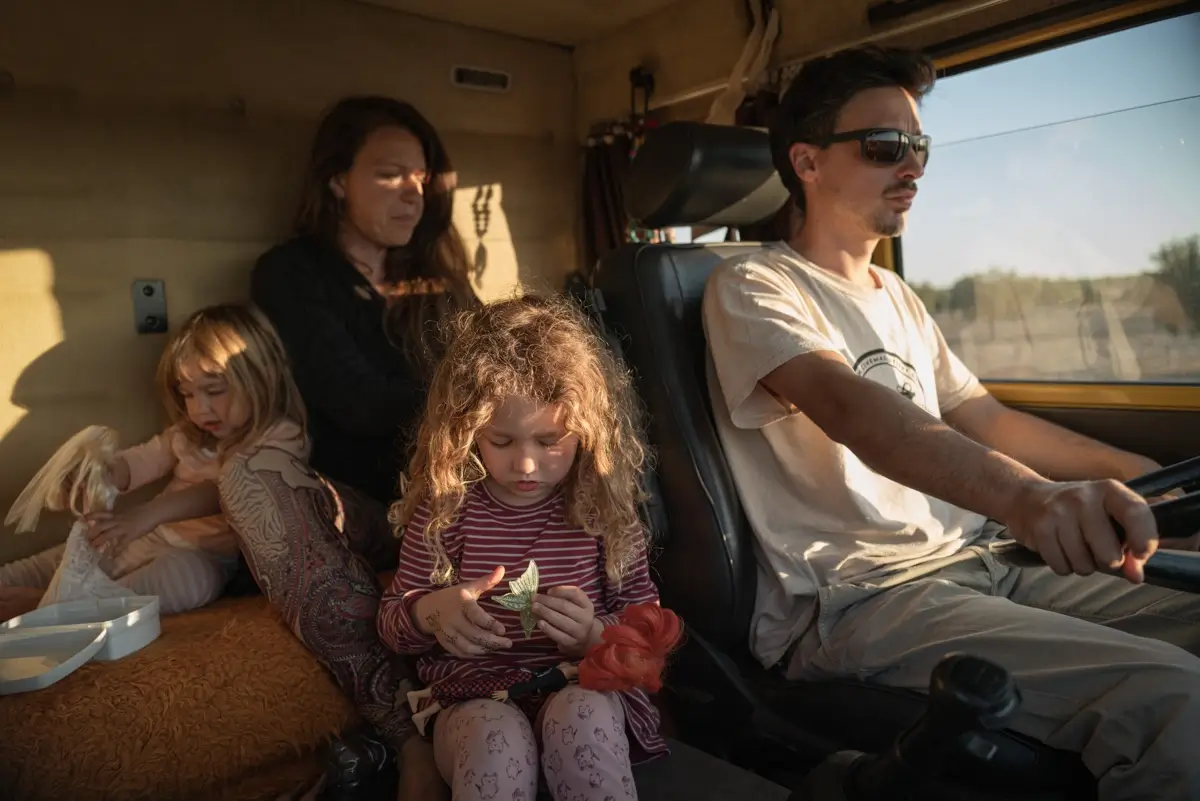
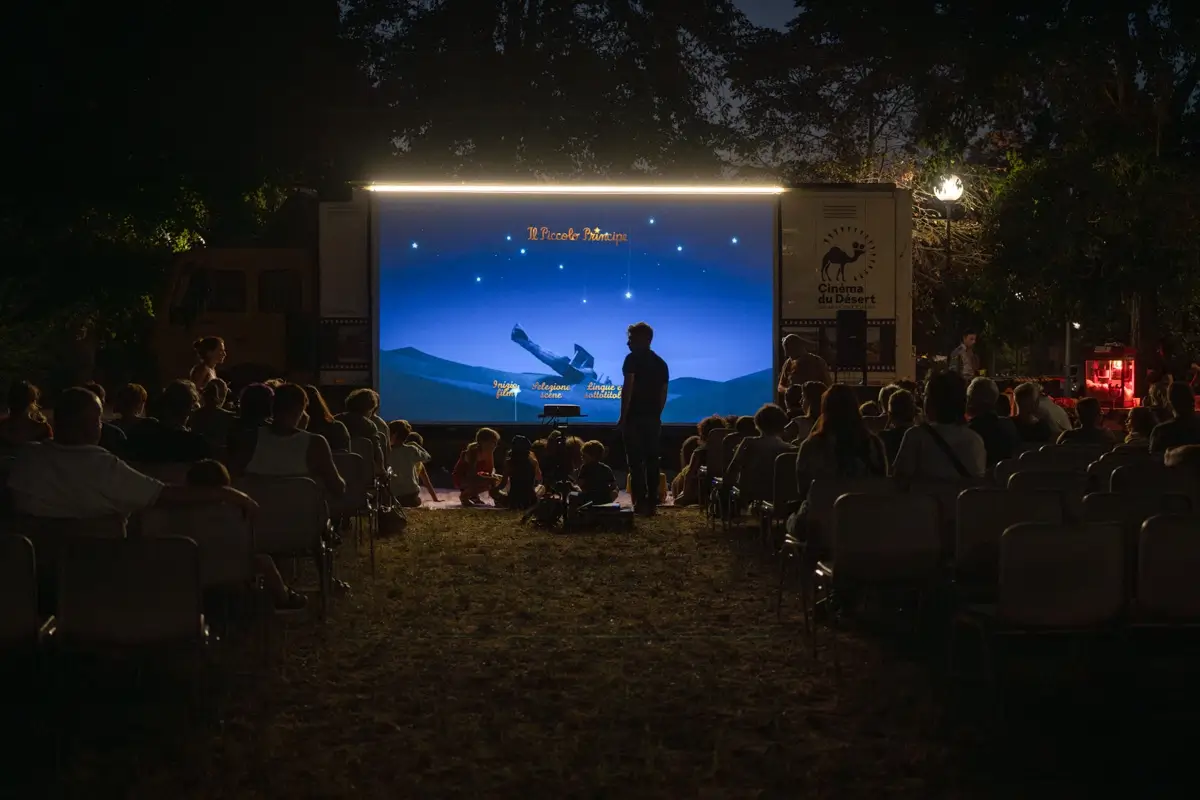
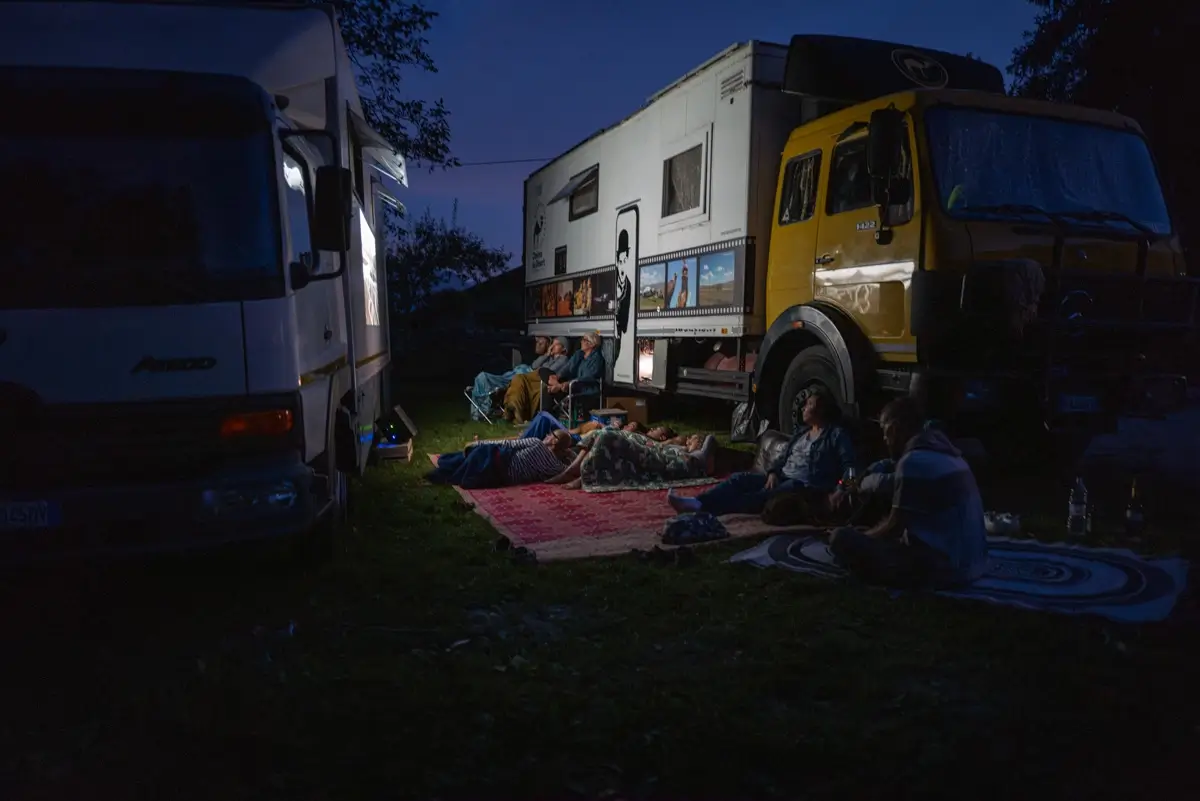
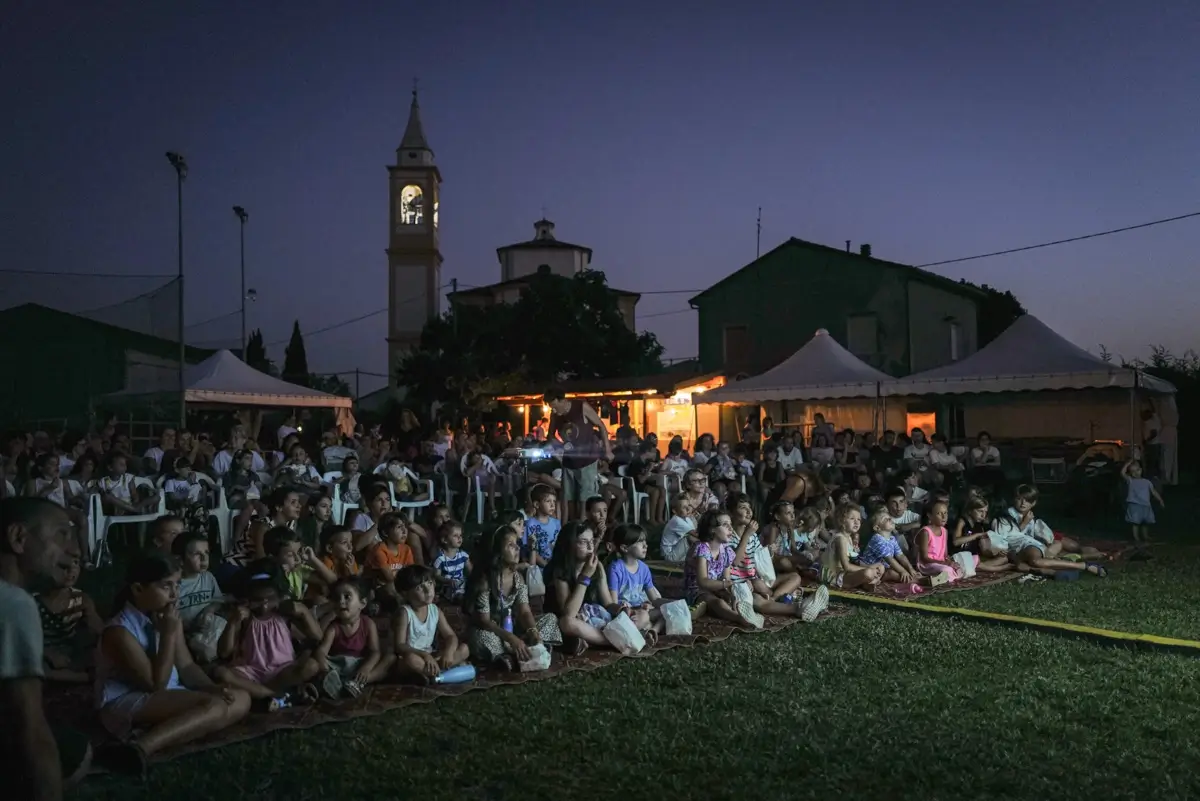
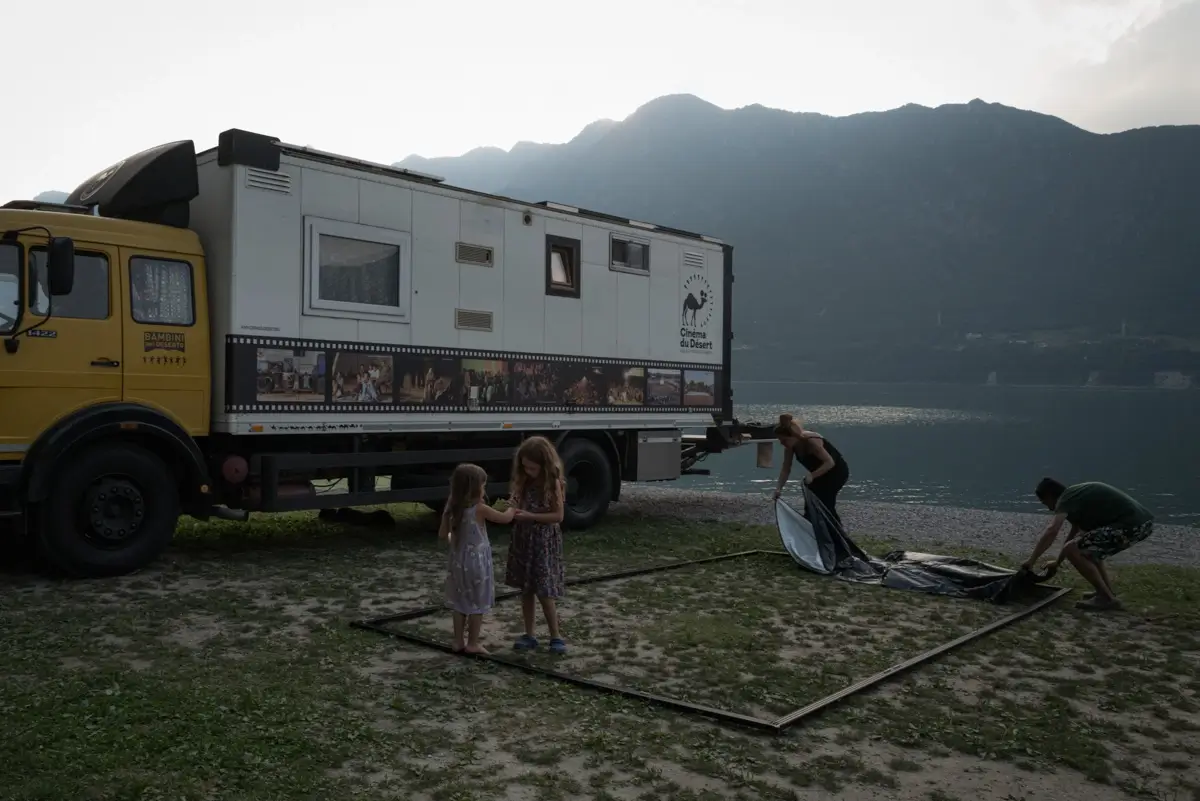
Fiorella Baldisserri is an Italy-based freelance photographer whose work investigates the relationship between place, identity, and lived experience. With a background in classical studies and photojournalism, she develops long-term projects rooted in time, immersion, and human connection.

Her practice is closely linked to sustainability and environmental awareness, focusing on social and cultural contexts often overlooked by mainstream narratives. Travel functions as a research method, allowing her to engage with communities, observe daily rituals, and build visual stories based on exchange and proximity.

Her work has been published by several international and national media outlets, including Stern, Eltern, Doppelpunk, L’Inkiesta, Elle, Il Fotografo, and Gente di Fotografia. She has exhibited extensively in Italy and abroad and has received numerous international photography awards. One of her projects was selected for Cortona On The Move.

AAP Magazine

AAP Magazine 53 Travels

 

Inspiring Portfolios

Call for Entries
All About Photo Awards 2026
$5,000 Cash Prizes! Juror: Steve McCurry
 
Stay up-to-date  with call for entries, deadlines and other news about exhibitions, galleries, publications, & special events.

More Great Photographers To Discover

Lorenzo Meloni
Lorenzo Meloni (born 1983) is an Italian Photographer. He joined Magnum Photos as a nominee member in 2015. Meloni is known for his searing, artfully drawn photography covering conflicts in the Middle East. Though he is often working on the frontline—he has covered some of the most pivotal battles in the war against the Islamic State—he is also concerned with deeper themes, such as history and post-colonialism. In 2011, he finished his photography studies and immediately joined Contrasto, a major Italian photographic agency. He lived in Beirut from 2012 to 2014 and dedicated himself to long-term projects regarding the aftermath of the fall of Gaddafi in Libya, the conflict in Syria (specifically the area of Rojava) and its impact in Lebanon, between 2014 to 2016. His work currently focuses on the consequences of the Sykes-Picot agreement and the military and political intervention of the West in the Middle East. Meloni’s work has been exhibited in festivals worldwide including the Venice Biennale, Visa pour L’Image, Les Rencontres d’Arles, Boutographies and Fotoleggendo and has been featured in global publications including The Telegraph, TIME, Le Figaro, Vanity Fair, Internazionale, L’Espresso, La Repubblica.Source: Magnum Photos When proclaimed in June 2014 in Mosul, the Caliphate was then at the height of its power. The Jhiadists controlled a territory that was as big as the United Kingdom and were in charge of a significant arsenal captured from the Iraqis army, composed of volunteers coming from all over the world. Lorenzo Meloni has documented this conflict, getting the exclusive opportunity to cover the battles of Kobane, Palmyra, Sirte, Mosul and Ragga. Five major battles for the same war, a huge number of actors: locals, regional, international ones; a sole enemy: the Islamic State. Each of these five cities embodies a distinct symbolic aspect of this global war against the Islamic State. Kobane, a Kurdish-Syrian stronghold, pro-PKK, was the first great defeat for the Jihadists and the beginning of the intervention of the coalition led by the United States in Syria. The battle of Palmyra is representative of the destruction of archeological sites committed by the Islamic State. Meloni is one of the few photographers to travel there in April 2016 to record the liberation of the city by the Syrian regime and its alleys. Sirte, in Lybia, went from being Gadaffi’s birthplace to the African capital of the Islamic State. Mosul, the jewel in the crown of the Jihadists. The biggest urban battle after World War II and the capital of the Islamic State in Iraq. And ultimately Ragga, an important administrative headquarter and capital of the Islamic State in Syria, liberated by the Kurdish and Arab forces in Syria. Lorenzo Meloni, covering these five battles, offers a unique perspective of five echoes of the same war. He shows the fighting and the ruins, the fury and the silence. The silence of these places where war has estranged life.Source: IMP Festival
Mona Kuhn
Brazil
1969
Acclaimed for her contemporary depictions, Kuhn is considered a leading artist in the world of figurative discourse. Throughout a career spanning more than twenty years, the underlying theme of her work is her reflection on humanity's longing for spiritual connection and solidarity. As she solidified her photographic style, Kuhn created a notable approach to the nude by developing friendships with her subjects, and employing a range of playful visual strategies that use natural light and minimalist settings to evoke a sublime sense of comfort between the human figure and its environment. Her work is natural, restful, and a reinterpretation of the nude in the canon of contemporary art. For the past two decades, the Los-Angeles based artist's works have been shown steadily, revealing an astonishing consistency in technique, of subject and of purpose. In 2001, Kuhn's photographs were first seen by an influential audience during the exhibition at Charles Cowles Gallery in Chelsea, New York. Kuhn's distinct aesthetic has propelled her as one of the most collectible contemporary art photographers-her work is in private and public collections worldwide and she is represented by galleries across the United States, Europe and Asia. Kuhn was born in São Paulo, Brazil, in 1969, of German descent. In 1989, Kuhn moved to the US and earned her BA from The Ohio State University, before furthering her studies at the San Francisco Art Institute. She is currently an independent scholar at The Getty Research Institute in Los Angeles. Occasionally, Mona teaches at UCLA and the Art Center College of Design in Pasadena. Mona Kuhn's first monograph, Photographs, was debuted by Steidl in 2004; followed by Evidence (2007), Native (2010), Bordeaux Series (2011), Private (2014), and She Disappeared into Complete Silence (2018/19). In addition, Kuhn's monograph titled Bushes and Succulents has been published by Stanley/Barker Editions, with a debut at Jeu de Paume in Paris, in 2019. A stunning career retrospective of Mona Kuhn's Works has been published by Thames & Hudson, Spring 2021. Kuhn's forthcoming publication Kings Road, will be published and released by Steid this Spring 2022. Mona Kuhn's work is in private and public collections worldwide, including The J. Paul Getty Museum, Los Angeles County Museum of Art, The Hammer Museum, Perez Art Museum Miami, Museum of Fine Arts, Houston, and the Kiyosato Museum in Japan. Kuhn's work has been exhibited at The Louvre Museum and Le Bal in Paris; The Whitechapel Gallery and Royal Academy of Arts in London; Musée de l'Elysée in Switzerland; Leopold Museum in Vienna Austria, The Polygon Gallery in Vancouver Canada, Taipei Fine Arts Museum in Taiwan and Australian Centre for Photography. Mona Kuhn lives and works in Los Angeles. I'm most comfortable representing the nude as minimal and timeless. I like to cherish the body as a source of inspiration, as a platform for metaphors, for intimacy and complexities of human nature. It is my way of investigating the deepest questions about life. -- Mona Kuhn Articles Selected Works at Galeri XII Paris Paradise Lost at Jackson Fine Art Works at Galeri XII Los Angeles Between Modernism and Surrealism at Edwynn Houk Gallery
Giandomenico Veneziani
My name is Giandomenico Veneziani. I am an Italian photographer. I approached photography from a young age. I have learned over time the techniques and the infinite possibilities of artistic creation. Photographic experimentation finds ample expression during my travels. I was inspired by people, their stories, faces, emotions. Photography for me is an important means of sharing feelings and stories of the people I photograph. I take inspiration mainly from painting, books and films. I also studied the most important photographers who made the history of photography. I really like portraits and fashion photography. I try to make unique and unconventional shots giving my portraits a cinematic vision. Bringing my point of view to the public eye is my main goal. Getting someone into my inner world is something extraordinary just as photography is extraordinary. In every shot there is my person, my fragility, my emotions. I love photographing people and interacting with them drawing their essence through the photographic medium. My greatest gratification is being told "I feel beautiful because I am just like that". These shots represent me and also the photographed subject. Portrait photography is the testimony of an encounter, in fact the photographer's task is to guide the person so that she is able to bring out herself. Establishing a relationship of trust between the artist and the photographed subject leads to the creation of a connection that enriches both, since in the realization of a photographic project the fundamental element is to create a path whose journey is carried out side by side between photographer and model. I really like using artificial lights to create the right atmosphere. I take great pleasure in presenting my projects that deviate from a usual reality, which everyone sees. Sometimes it is very distorted, I represent parallel and imaginary visions and worlds belonging to a dystopian future. I like it for this because it is different and the different is beautiful because it is unique.
Christopher Felver
United States
1946
Christopher Felver (born October 1946) is a photographer and filmmaker who has published several books of photos of public figures, especially those in the arts, most notably those associated with beat literature. He has made numerous films (as director, cinematographer, or producer), including a documentary on Lawrence Ferlinghetti, Ferlinghetti: A Rebirth of Wonder, released in 2013. Christopher Felver has photographed numerous writers, intellectuals and filmmakers such as Charles Bukowski, William Burroughs, Noam Chomsky, Gregory Corso, Clint Eastwood, Lawrence Ferlinghetti, Allen Ginsberg, Dennis Hopper, Oliver Stone, Elizabeth Taylor, Hunter S. Thompson and Kurt Vonnegut. His photography has been exhibited internationally, with solo photographic exhibitions at the Arco d'Alibert, Rome (1987); the Art Institute for the Permian Basin, Odessa, Texas (1987); Torino Fotografia Biennale Internazionale, Turin, Italy (1989); Centre Georges Pompidou, Paris (1994); Roosevelt Study Center, Middelburg, Netherlands (1998); Fahey/Klein Gallery, Los Angeles (2002); the Maine Photographic Workshop (2002); Robert Berman Gallery, Los Angeles (2007); the San Francisco Public Library (2018)[3] and other galleries and museums. His works have also appeared in major group exhibitions, including The Beats: Legacy & Celebration, New York University (1994) and Beatific Soul: Jack Kerouac On The Road, New York Public Library (2007). A collection of his photographs is held by the University of Delaware. Source: Wikipedia Christopher Felver is a cultural documentarian. His distinctive visual signature is a lasting contribution to the legacy of our national cultural community. Felver’s films & photographs reads like a roster of American mid-century avant-garde. Aside from portraits, Christopher Felver has also produced another body of work entitled: Ordered World. About this body of work, curator, James Crump writes, “Mr. Felver celebrates the elemental essences manmade and natural objects that tend to elude observation. Working in a manner not unlike Karl Blossfeldt, Albert Renger-Patzsch and the New Objectivity artists of 1920s and ’30s Germany, Felver asserts his own contemporary vision here. His pictures are informed by Minimalism and the keen, refined observation of a poet unwilling to discard the mundane or topical content that surrounds us but, nevertheless, is overlooked in the quickened pace of our technologically frenzied age. The series, while concerned with monumentalizing and focusing our attention on the ordered and structured surfaces of objects, resists any historical referencing to the hardened gaze of the twentieth century. It asks the viewer to ruminate on the overlooked beauty which surrounds us, the wonderment that unfolds, with careful and refined examination.” In 1994 Felver attended a Connecticut gathering of Native American dancers in ceremonial dress. These 20 photographs capture a traditional gathering of Northeastern tribes in Felver’s direct portrait style. As visiting artist in 1988 & 1989 at the American Academy in Rome, Christopher Felver made over 250 portraits of European artists across the continent. Felver’s 1350 portraits represent American and European cultural icons. In 1984 Christopher Felver traveled as a journalist to Japan, Hong Kong and Beijing documenting the customs and social conditions. Writers Lawrence Ferlingetti, Robert Creeley, David Amram, Amiri Baraka, George Plimpton, David Shapiro, Luc Sante, Lee Ranaldo, William Parker, Douglas Brinkley, Gary Snyder, Lance Henson, Linda Hogan and Simon Ortiz have written introductions for Christopher Felver’s books. Source: chrisfelver.com "With his gravelly voice, Felver would have made a great gumshoe in a mystery serial during the Golden Age of American radio, which ended around 75 years ago. Luckily for us, he did not miss his calling, which is to take portraits of the people who make up the cultural backbone of America — its artists, writers, composers, and musicians — people in the public eye, even if that audience is tiny." "Felver didn’t just take a photograph, as each portrait is accompanied by a short poem or line of poetry written by the subject in his or her own hand. He finds another way to be a witness." "I cannot think of another person who has given us such intimate portraits of Sherman Alexie, Amiri Baraka, Louise Erdrich, Lawrence Ferlinghetti, Allen Ginsberg, Joy Harjo, Eartha Kitt, Jasper Johns, Toni Morrison, Patti Smith, and Anne Waldman. He has made photographic portraits of Native American writers, and of composers and musicians from John Cage and Doc Watson to Mavis Staples and Ozzy Osbourne. He spent a week in Nicaragua in early part of 1984 with Lawrence Ferlinghetti, five years after the 1979 July revolution there. The photographs in Felver’s book, The Late Great Allen Ginsberg (2002), were taken between 1980 and 1997, in which various other people make appearances: Philip Glass, Ray Manzarek, Ed Sanders, Norman Mailer, Robert Frank, and Gary Snyder." "Each of these projects reveals another side of Felver’s capacity to engage with others and the world, as well as to stand aside and let his subjects speak. I cannot think of anyone who has been as devoted as Felver has been to his subjects. Perhaps it is time we find a way to return that devotion." -- John Yau Source: Hyperallergic
Alain Laboile
France
1968
I was born on the 1st of May, 1968, in Bordeaux. After an half-hearted schooling, I live of odd jobs until 1990, the year I met Anne. It was the time of my opening to art.I accompanied Anne, student in Art History, to her lectures.It is in the darkness of the crowded amphitheatres that I witnessed heatedly the dissection of the Italian Renaissance artworks. Drawing being my ally since childhood, I can let myself drift into this third dimension by making plaster portaits in a corner of the studio we share. Then came, through a random reading, my fascination for insects. Jean-Henri Fabres's Souvenirs entomologiques will inspire me and accompany me for several years.Plaster and stone slowly fade away to let the rusty iron turn into shaggy insects.On the top of a hill near Bordeaux ,in Gironde, our house fills up with kids.My activity is taking off, and I need to take some photos of my sculptures. That's precisely at that moment, in 2004, that I accidently dive into photography, or more accurately macrophotography, were insects are predominant.Three years later, insects went into hiding under the leaves, my six children are born, and we have left the hill for the stream on the edge of the world. My photo-diary was established without my really noticing, It now seems vital and everlasting. About "La famille" I'm a father of six. Through my photographic work I celebrate and document my family life:A life on the edge of the world, where intemporality and the universality of childhood meet. Day to day I create a family album that constitues a legacy that I will pass on to my children.My work reflects our way of life,revolving around their childhood. My photographs will be the testimony of that. In a way my approach can be considered similar to the one of an ethnologist. Though my work is deeply personal, It's also accessible,addressing human nature and allowing the viewer to enter my world and reflect on their own childhoods. Fed everyday and shared with the world via the internet, my photographic production has became a mean of communication, leading to a questionning about freedom, nudity, being and having. Exclusive Interview with Alain Laboile: All About Photo: When did you realize you wanted to be a photographer?I was working as a sculptor. In 2004 I bought my first camera to photograph my sculptures and my passion for insects drove me to practice macrophotography. After the birth of my last two daughters I raised little by little my lens towards my family. The passion was born and did not leave me any more since 9 years.Where did you study photography?I am totally self-taught. When I began, I had a very limited photographic culture, no technique. I learned by sharing my photos on forums on the web, by receiving critics which allowed me to progress.Do you have a mentor or role model?I met the famous American photographer Jock Sturges during the summer 2012. He became a good friend, a kind of spiritual father who accompanies me in my artistic route. I owe him a lot. Do you remember your first shot? What was it? I think It was a macrophotography showing a mating of slugs. What or who inspires you? My work is extremely personal because it concerns my family life and our little offbeat lifestyle. I try to be inspired by nobody. It is the spectators of my work, that sometimes establish comparisons. Sally Mann’s work is often mentioned. How could you describe your style? An Internet user compared one day my photographic style with street photography. I think that if indeed I lived in town I would practise street photography. But living in the countryside, I photograph my family in its close environment, on the deep. Do you have a favorite photograph or series? I like very much the work of joseph-Philippe Bevillard, His series of portraits of Irish gypsies is fascinating. What kind of gear do you use? Camera, lens, digital, film? I worked for a long time with a Canon 5 D Mark III camera and 35 mm f1,4 lens. I now own a Leica M monochrom which I use with a 35 mm f1,4 Leica lens. Do you spend a lot of time editing your images? For what purpose?I am very selective. I do not hesitate to delete all the photos which do not satisfy me totally. What advice would you give a young photographer?I would say to him that he should not focus on the equipment nor to be intimidated by the lack of technique, all this is secondary. It is necessary to let speak its instinct, accept the criticism. What are your projects?I will publish a book with Steidl Verlag in 2014. An exciting project! Your best memory as a photographer?My publication in the NY times in 2012. I had made several interviews before and I made a lot since but that this has a real symbolic value ! AYour worst souvenir as a photographer?In 2009, I had to stop photography for several months. I needed money and I sold my photographic stuff. A nightmare! The compliment that touched you most?One day Jock Sturges let this comment on one of my photos: "It's wonderful images like this that reinforce my realization that you are my favorite living photographer. Amen " If you were someone else who would it be?I am not certain to want to be somebody else but I would have liked to began to practise photography 20 years earlier. An anecdote?I won a big Canon competition. I left exploring the canopy in the rainforest of kakamega in Kenya. I was accompanied by a crew managed by Peter Webber the director of the movie “Girl with a pearl earring” and “Hannibal Lecter”. We ate spaghetti bolognese together in the middle of the jungle. Fabulous memories a little bit crazy! Anything else you would like to share?I published my first book "Waiting for the postman" in november 2012 . My next exhibition will take place in Santa Monica (California) at dnj Gallery from november 2nd ( 2013) to January 4 th( 2014)
Trini Schultz
Trini Schultz is a self-taught fine-art photographer living in Orange County, California with her husband, Dan, and two children. She was born on July, 1961 in Peru, South America. Growing up watching her grandfather paint, she grew an appreciation and interest for art. With the encouragement of her family & friends she pursued in her enthusiasm of drawing and painting from a young age. Photography intrigued her but it wasn't until her father bought her her first camera at the age of 16, a Pentax K1000, when her passion for taking pictures began. She studied Commercial Art in Fullerton College where she also took a class in black and white photography to learn how to develop her own film. A few years after her second child was born, she started her own photography business creating black & white photos in her home-built darkroom and then hand coloring the images. With the evolution of the digital camera and photo software, traditional film and darkroom supplies started to become less available. Trini then set off to learning the new techniques of digital age photography. Her husband taught her the basics of Adobe Photoshop and she took it from there. She began creating painterly-like images with the use of photoshop techniques she had picked up over the years and more recently with the inspiration of surreal photography slowly becoming a popular style of art.From www.mymodernmet.comCalifornia-based photographer Trini Schultz, aka Trini61, explores new worlds through her lens filled with haunting and, at times, romanticized portraits of people with their own captivating narratives. Time stands still in each of her surreal images as wafts of dust billow around a mysterious man, floating umbrellas fill the sky, and a rainstorm of rocks are caught in midair like weightless aerial objects. The fine art photographer's portfolio boasts a fantasy-driven collection that exposes an expressive beauty in the uncontrollable nature of her imagined worlds. There's an engaging charm about the photos that are both intriguing and captivating. With the help of her family, who often serve as her willing models (including a husband who wound up breaking his foot while performing a stunt for a photo shoot), Schultz is able to bring her creative visions to life.All about Trini Schultz:AAP: When did you realize you wanted to be a photographer?When my dad bought me my first "real" camera. A Pentax K1000. It was a Christmas gift, and I was about 16. He got me a huge Polaroid camera before that, but it wasn't the same as having an actual 35mm camera. I loved photography but I didn't think of it as a choice for a career, it was more of a hobby, but family and friends kept telling me I should consider being a photographer. So it wasn't till after I got married and had my second child that I picked up the camera again after many years, and took photography more seriously, and fell in love with it all over again.AAP: Where did you study photography?I took a class at a local community college in black & white developing many years ago, but that was it. I'm mostly self taught. Same with photoshopping, taught myself.AAP:Do you have a mentor?NoAAP: How long have you been a photographer?Oh gosh...a long time! Probably 30 yrs or more. But there was a period in my life where I didn't do it as often, because the rolls of film and to having them developed could get expensive. Then I started developing my own pictures at home, but photo papers and the chemicals could get expensive too. Then came digital photography and my life changed.AAP: Do you remember your first shot? What was it?No, I don't remember but it was probably a family member or a friend. People was my favorite subject. Still is.AAP: What or who inspires you?Everyday I'm inspired. Looking at other photographer's work on the internet. The shapes of the mountains and the clouds. The way the sun shines thru the window and creates shadows on the walls and floor. Music videos, movies, fashion shows, paintings. I love going to antique shops, so much inspiration and ideas pop up. Interesting buildings abandoned or new. Artists look at the world with awe and inspiration, every little detail from a dead insect on the floor to fog rolling over the hills, seeing the beauty in it and the potential in them to make an amazing subject on a photograph or a painting.AAP: How could you describe your style?Surreal or conceptual photography. i love fashion photography too so I would like to experiment more with editorial type of photography as well, especially now that my daughter is studying costume/fashion design.AAP: What kind of gear do you use? Camera, lens, digital, film? I used to use a digital Nikon D80 for a little while, and then got myself a Canon EOS 5D Mark II digital camera. I use two different lenses, Canon EF 24-105mm 0.45m/1.5ft, and a Canon EF 85mm F1.8.AAP: Do you spend a lot of time editing your images?Depending on the image. If it has a lot of details, a lot of work needed, then it takes me a while. I'm a perfectionist and sometimes I find myself spending more time than I need to on a single image. Some images only take a few hours, and some take weeks! Even when I'm finished with it, I sit on it for a little while, making sure it doesn't need anything else.AAP: Favorite(s) photographer(s)?I love the work of Martin Chambi, a Peruvian photographer from the early to mid 20th century. He was one of the first major indigenous photographers in Latin America. Another Peruvian photographer I admire is Mario Testino. The beautiful black & white work of Dorthea Lange and Ansel Adams. And of course, Annie Leibovitz & Richard Avedon, who's work I've admired since I first started taking photos. But it's the incredible work of lesser known or not as famous photographers I see on the internet every day, that leave me very much inspired and excited about photography.AAP: What advice would you give a young photographer?Not give up. It takes a lot of practice & playing around with. Try different styles, subjects, experiment with it, it helps to take a class or two at your local college if you like, and never stop learning and trying new things, it's how you grow artistically. Don't be afraid to think outside the box too.AAP: What mistake should a young photographer avoid?The feeling that you failed cause the only failure is when you give up.AAP: Your best memory has a photographer?It's a personal one. I was inspired by the photographs taken by Annie Leibovitz in her book 'A Photographer's Life' in which she included images of her partner's ordeal during her cancer treatments all the way to her death. They were so beautifully documented in black & white photos. Before my grandmother passed away my mother and I were caring for her, and during this time I documented some of the moments in black & white photos. I never plan to show the images to anyone, except close family, if they wish to see them. They are bittersweet memories, of my grandmother's final images of her life. And out of all the images, a close-up photograph of her hands is probably my favorite.
Advertisement
All About Photo Awards 2026
Win a Solo Exhibition in February
All About Photo Awards 2026

Latest Interviews

Exclusive Interview with Marijn Fidder
Marijn Fidder is a Dutch documentary photographer whose work powerfully engages with current affairs and contemporary social issues. Driven by a deep sense of social justice, she uses photography to speak on behalf of the voiceless and to advocate for the rights of those who are most vulnerable. Her images have been widely published in major international outlets including National Geographic, CNN Style, NRC Handelsblad, Volkskrant, GUP New Talent, and ZEIT Magazin. Her long-term commitment to disability rights—particularly through years of work in Uganda—culminated in her acclaimed project Inclusive Nation, which earned her the title of Photographer of the Year 2025 at the All About Photo Awards. She is also the recipient of multiple prestigious honors, including awards from World Press Photo and the Global Peace Photo Award. We asked her a few questions about her life and work.
Exclusive Interview with Josh S. Rose
Josh S. Rose is a multidisciplinary artist working across photography, film, and writing. His practice bridges visual and performing arts, with a strong focus on movement, emotion, and the expressive potential of the image. Known for his long-standing collaborations with leading dance companies and performers, Rose brings together authenticity and precise composition—a balance he describes as “technical romanticism.” His work has been commissioned and exhibited internationally, appearing in outlets such as Vogue, at the Super Bowl, in film festivals, and most recently as a large-scale installation for Lincoln Center for the Performing Arts. A sought-after collaborator, he has worked with major artists, cultural institutions, and brands, following a previous career as Chief Creative Officer at Interpublic Group and the founder of Humans Are Social. We asked him a few questions about his life and work.
Interview with Maureen Ruddy Burkhart
Photographer Maureen Ruddy Burkhart brings a quietly attentive and deeply human sensibility to her exploration of the world through images. Shaped by a life immersed in photography, film, and visual storytelling, her work is guided by intuition, observation, and an enduring interest in the emotional undercurrents of everyday life. With a practice rooted in both fine art traditions and documentary awareness, she approaches her subjects with sensitivity, allowing subtle moments to emerge naturally rather than be imposed. Her series Til Death, selected as the Solo Exhibition for February 2025, reflects this long-standing commitment to photography as a space for reflection rather than spectacle. Drawn to moments that exist just outside the expected frame, Burkhart’s images suggest narratives without resolving them, leaving room for ambiguity, humor, and quiet connection. We asked her a few questions about her life and work.
Exclusive Interview with Peter Ydeen
Winner of AAP Magazine #45 Travels, his series reflects this unique vision—capturing the spirit of place through subtle layers of light, color, and emotion. Whether traveling abroad or observing the rhythms of his own surroundings, Ydeen creates images that feel both grounded and enchanted, inviting viewers into a world where reality and reverie meet.
Exclusive Interview with Julie Wang
Chinese-born photographer Julie Wang brings a poetic, contemplative sensitivity to her visual exploration of the world. Having lived for nearly equal parts of her life in China, Europe, and the United States, she approaches her subjects with the nuanced perspective of someone shaped by many cultures. This blend of distance, curiosity, and emotional resonance infuses her work with a quiet depth, allowing her to reveal the fragile beauty and subtle tensions that often pass unnoticed.
Exclusive Interview with Ghawam Kouchaki
American photographer Ghawam Kouchaki brings a sharply observant and introspective gaze to the streets of Japan’s capital. Based in Los Angeles, he approaches Tokyo with the distance — and curiosity — of an outsider, allowing him to uncover the city’s subtle contradictions, quiet tensions, and fleeting gestures that often go unnoticed. His series Tokyo no no, selected as the Solo Exhibition for December 2024, explores the hidden undercurrents of urban life: the unspoken rules, the small ruptures in routine, the poetic strangeness found in everyday moments. Through muted tones, instinctive timing, and meticulous framing, Kouchaki reveals a Tokyo that exists somewhere between reality and imagination — both intimate and enigmatic. We asked him a few questions about his life and work.
Exclusive Interview with Tommi Viitala
Tommi Viitala, winner of AAP Magazine #44: Street, is a Finnish photographer celebrated for his striking and cinematic street photography. With a keen eye for atmosphere and composition, he captures fleeting urban moments that reveal the poetry of everyday life. His work often explores the tension between solitude and connection within contemporary cityscapes, blending documentary realism with artistic sensibility. Viitala’s photographs have been exhibited internationally and recognized for their strong visual storytelling and emotional depth. We asked him a few questions about his life and work.
Exclusive Interview with Robert Mack
Robert Mack is a California-based visual artist, photographer, and filmmaker. His fine art photography and films have been exhibited widely in the United States and Europe, with major shows at the Baltimore Museum of Art and the Reiss-Engelhorn Museum in Mannheim, Germany. Both institutions hold his work in their permanent collections. Working across different media, Mack has built a career exploring the complexities of human presence and representation. In 1981, while living in Baltimore, he produced The Perkins Project: Not Guilty by Reason of Insanity, a rare photographic and film study inside Maryland’s hospital for the criminally insane. These stark yet compassionate black-and-white portraits remain one of his most powerful and controversial bodies of work.
Exclusive Interview with Alan Schaller About Irys
Alan Schaller is a London-based photographer best known for his striking black-and-white street photography and as co-founder of Street Photography International, one of the largest online communities dedicated to the genre. With years of experience both behind the camera and in building platforms that give visibility to photographers, Schaller has now turned his focus to creating a new digital space for photography itself. His latest venture, Irys, is a photography app designed by photographers, for photographers, with the aim of offering a dedicated platform where images are respected as works of art rather than treated as disposable content.
Call for Entries
All About Photo Awards 2026
$5,000 Cash Prizes! Juror: Steve McCurry