All about photo.com: photo contests, photography exhibitions, galleries, photographers, books, schools and venues.
FINAL HOURS to enter All About Photo Awards: $5,000 Cash Prizes - Juror Steve McCurry
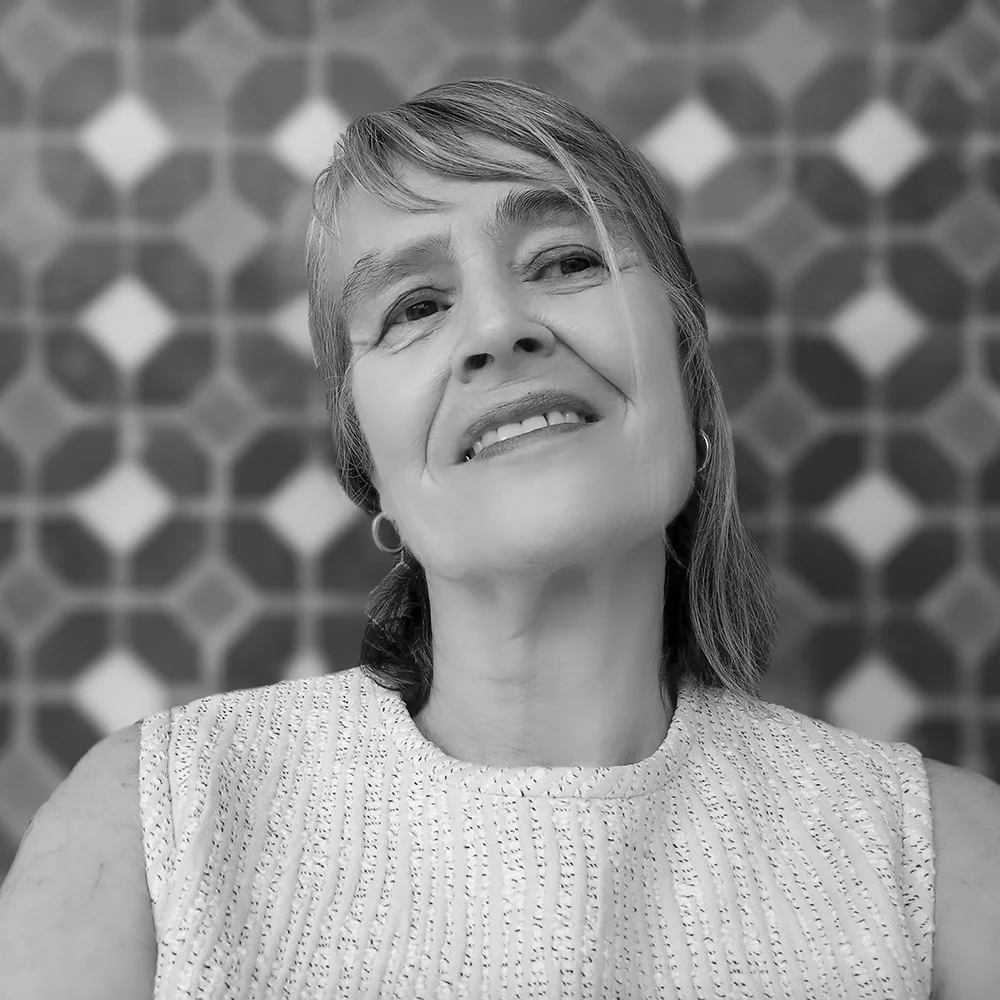
Pascale Le Lann
Pascale Le Lann
Pascale Le Lann

Pascale Le Lann

Country: France
Birth: 1959

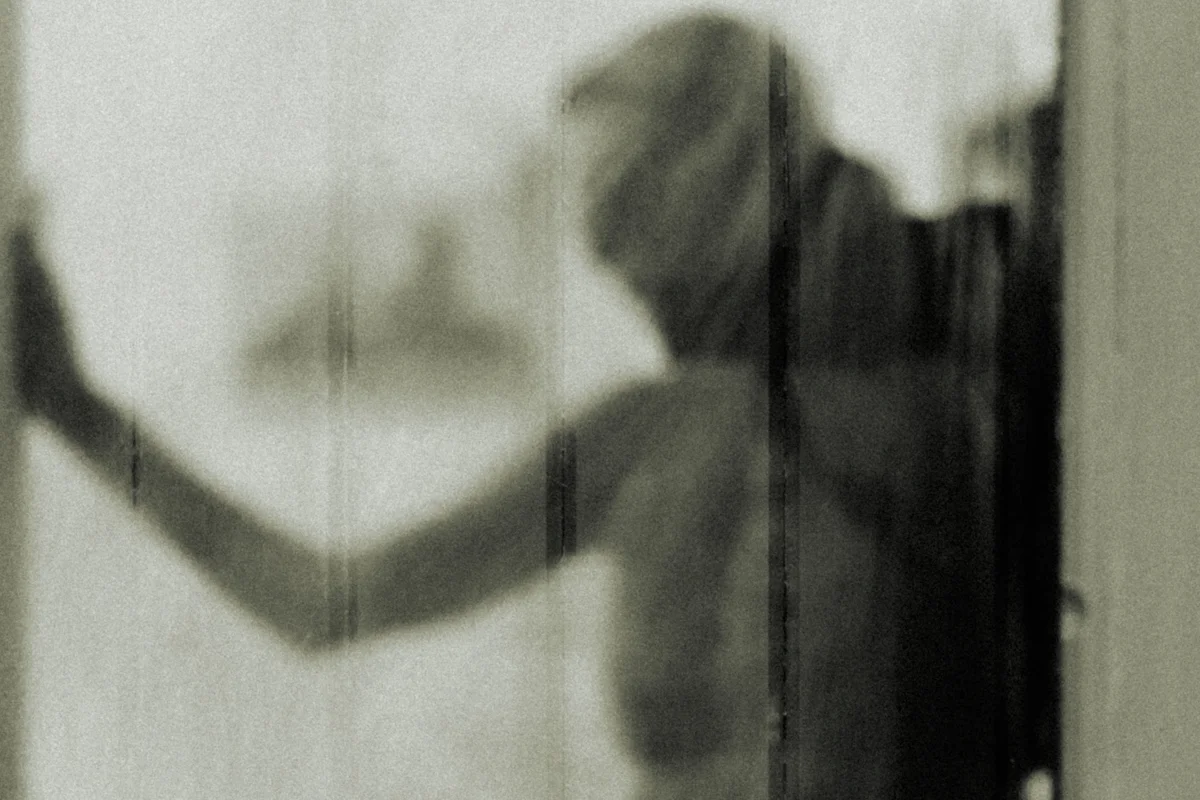
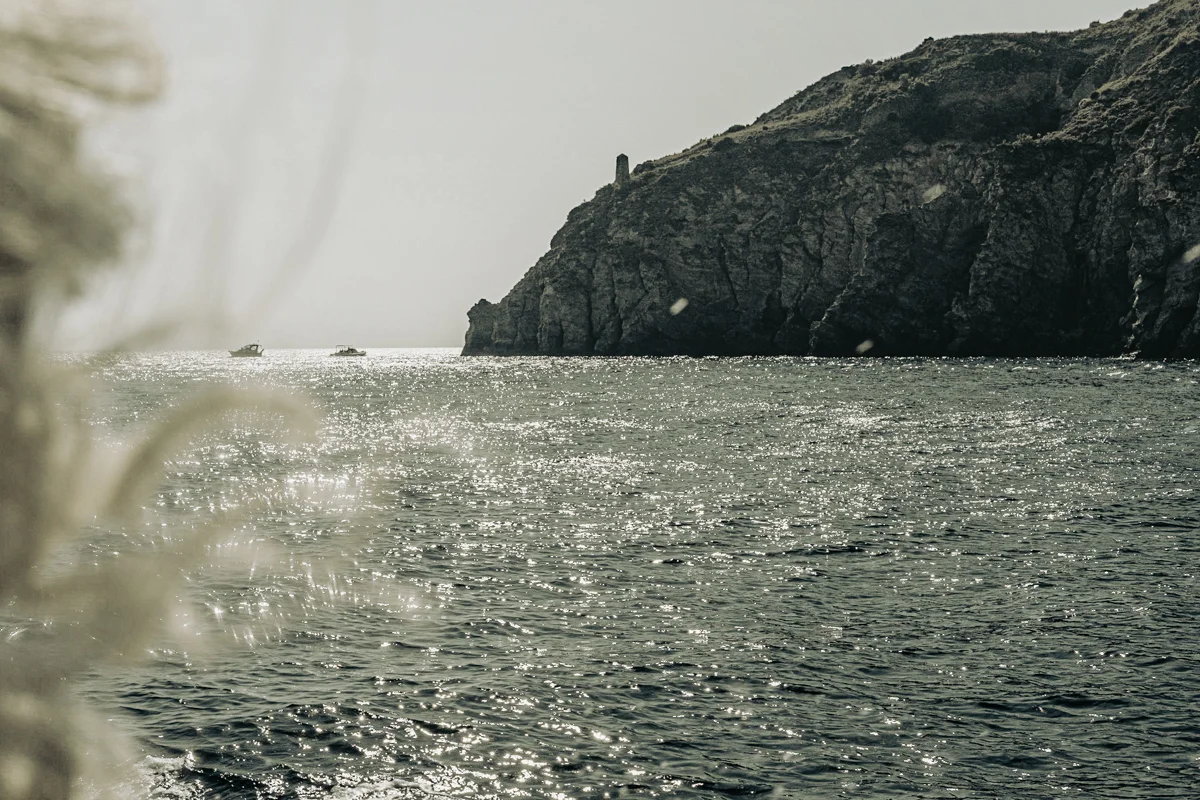
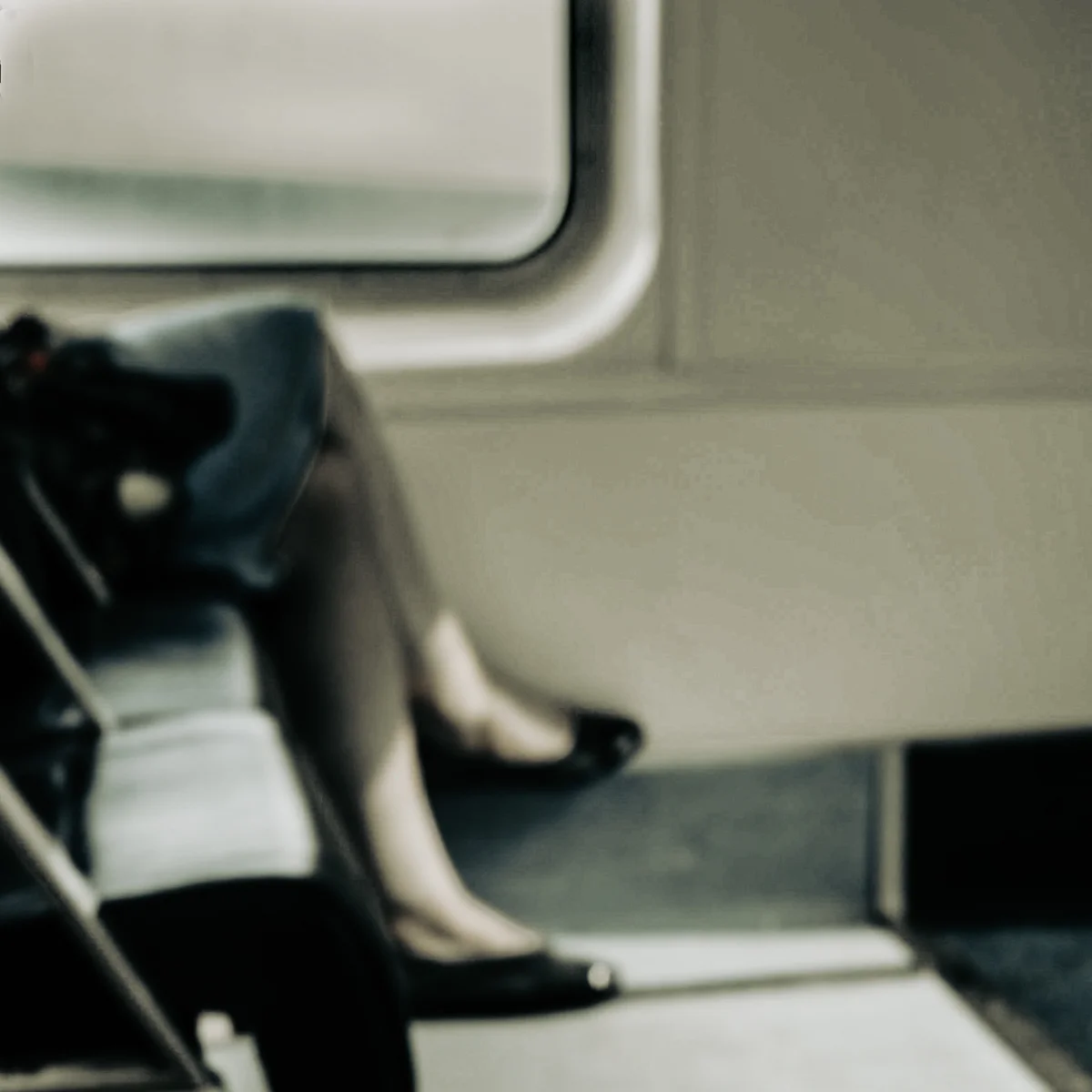
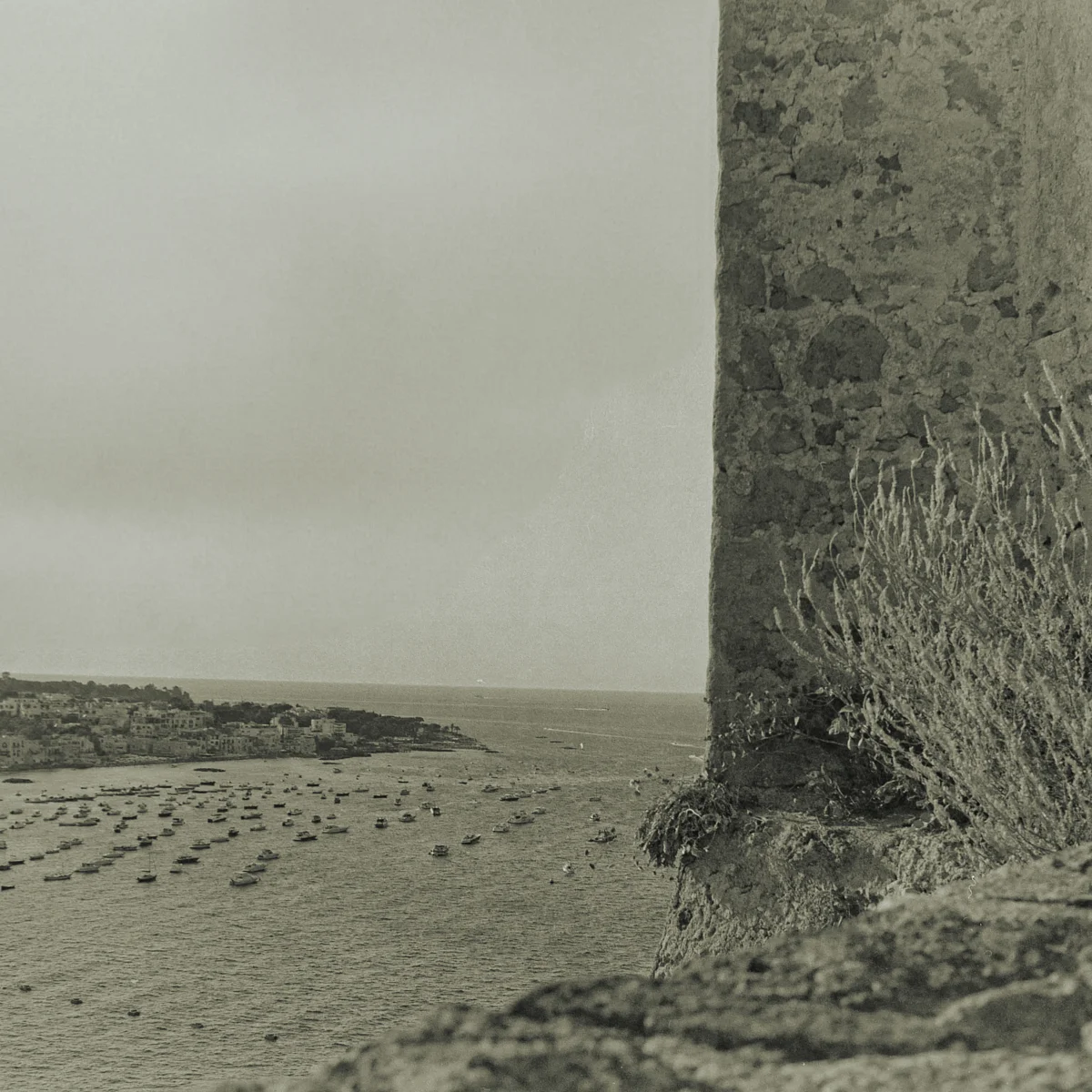
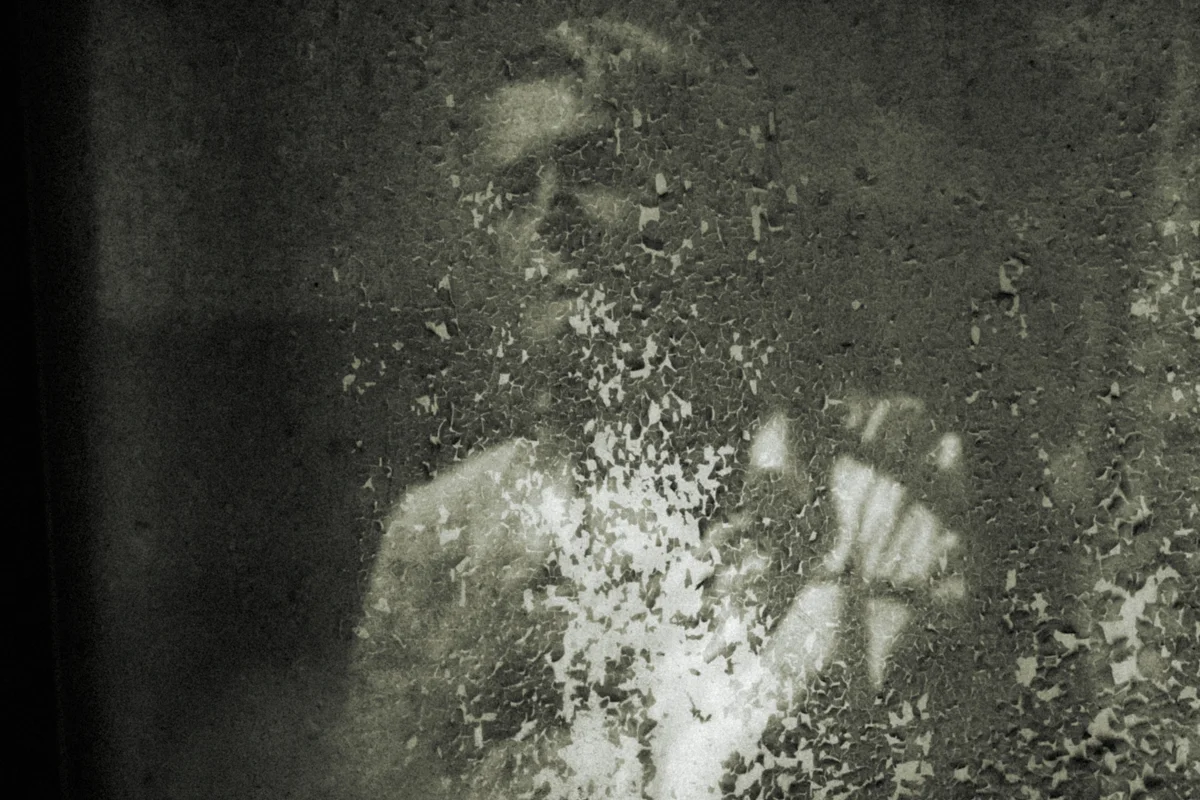
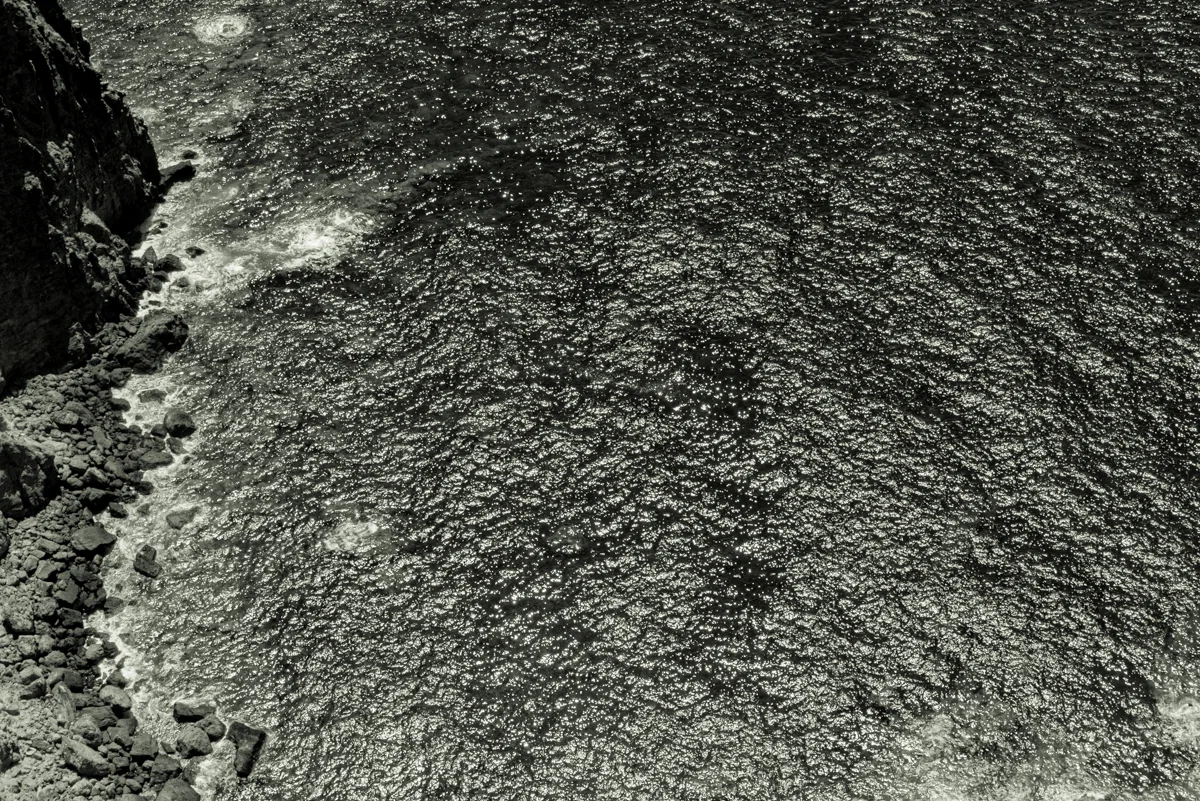
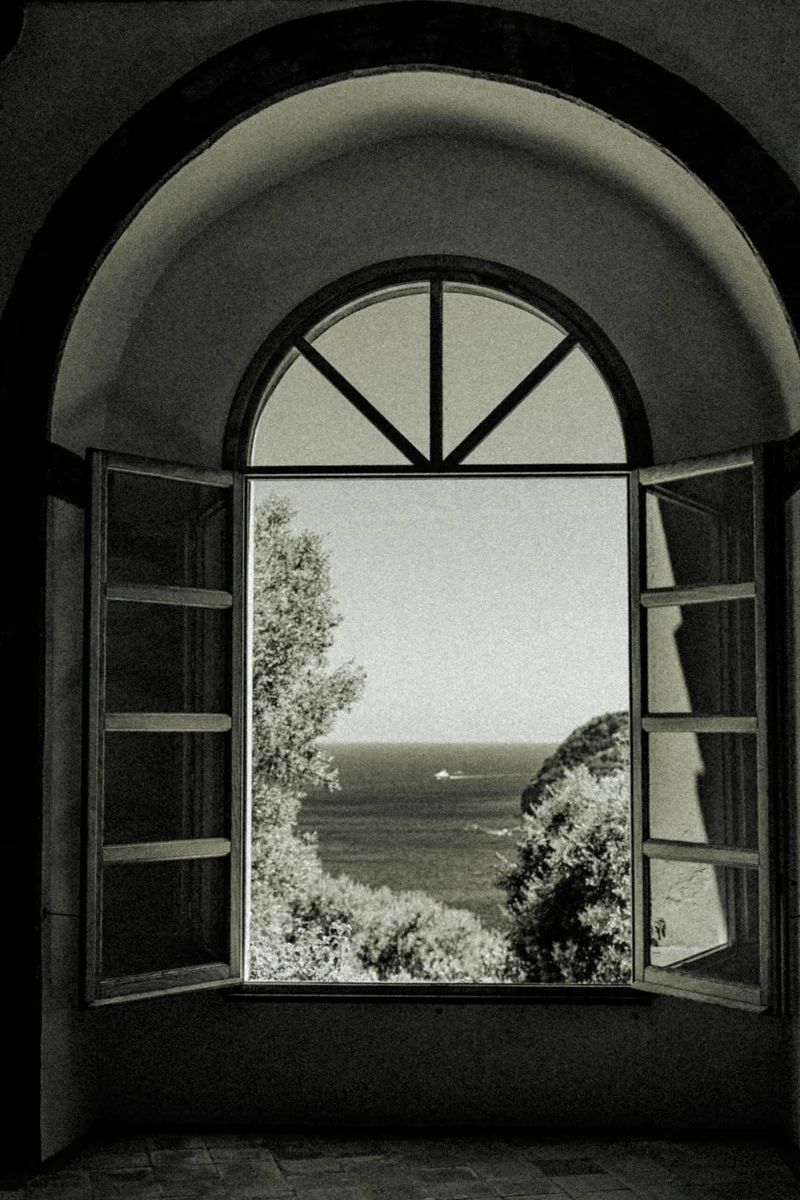
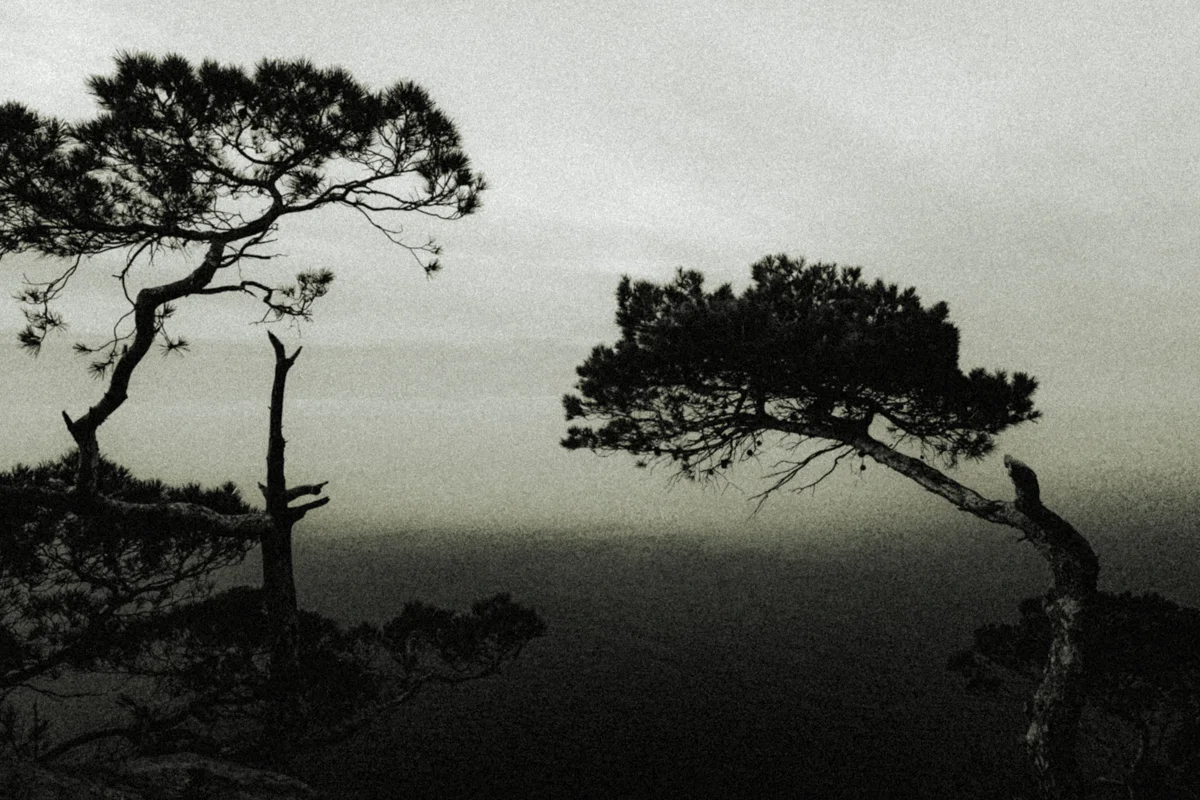
Pascale Le Lann is a French photographer based in Paris.

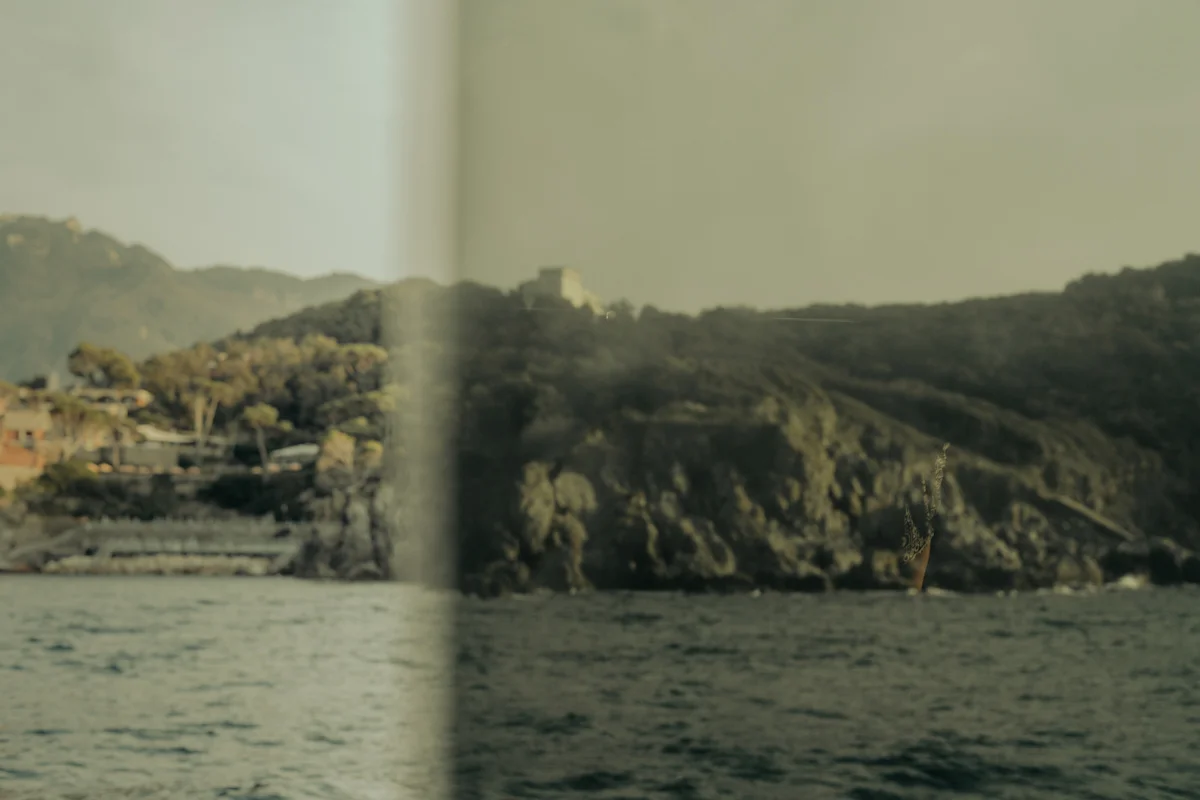
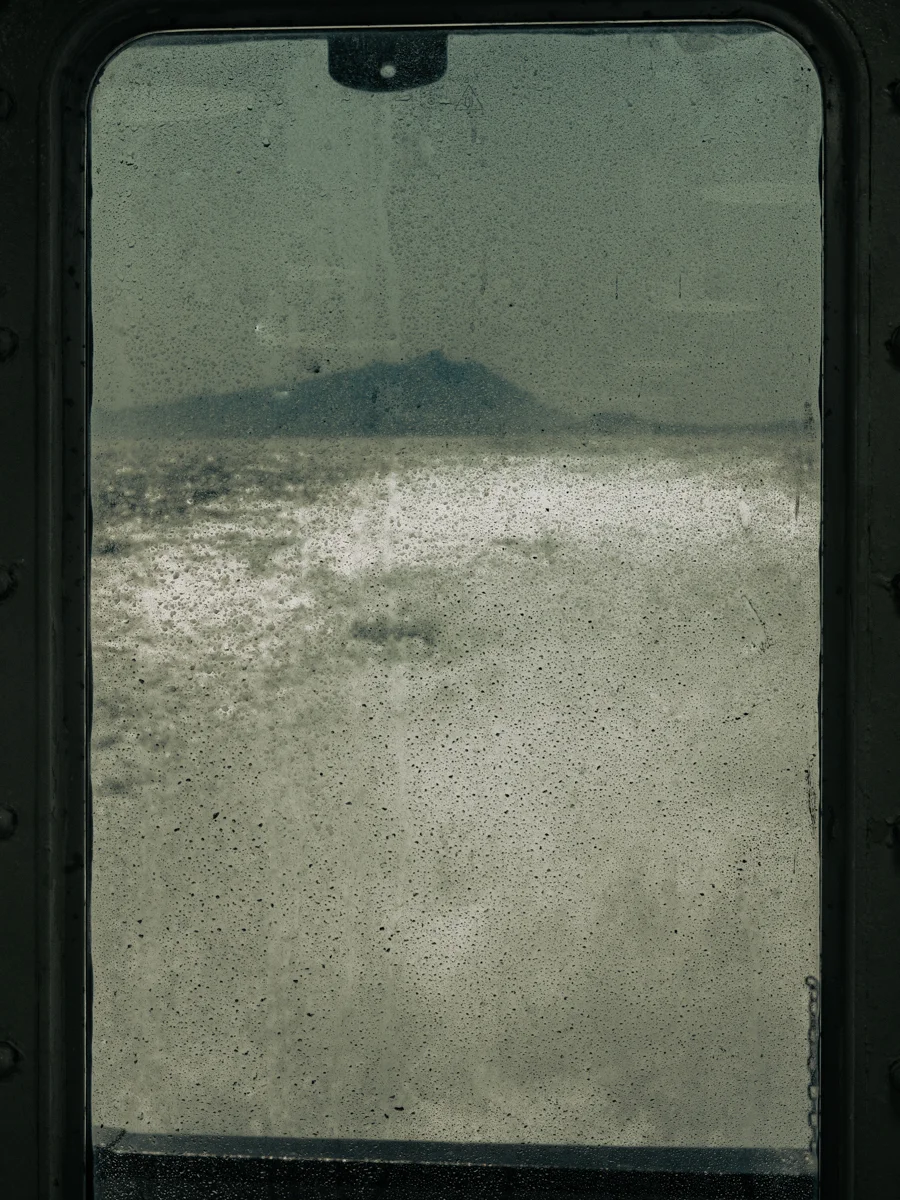
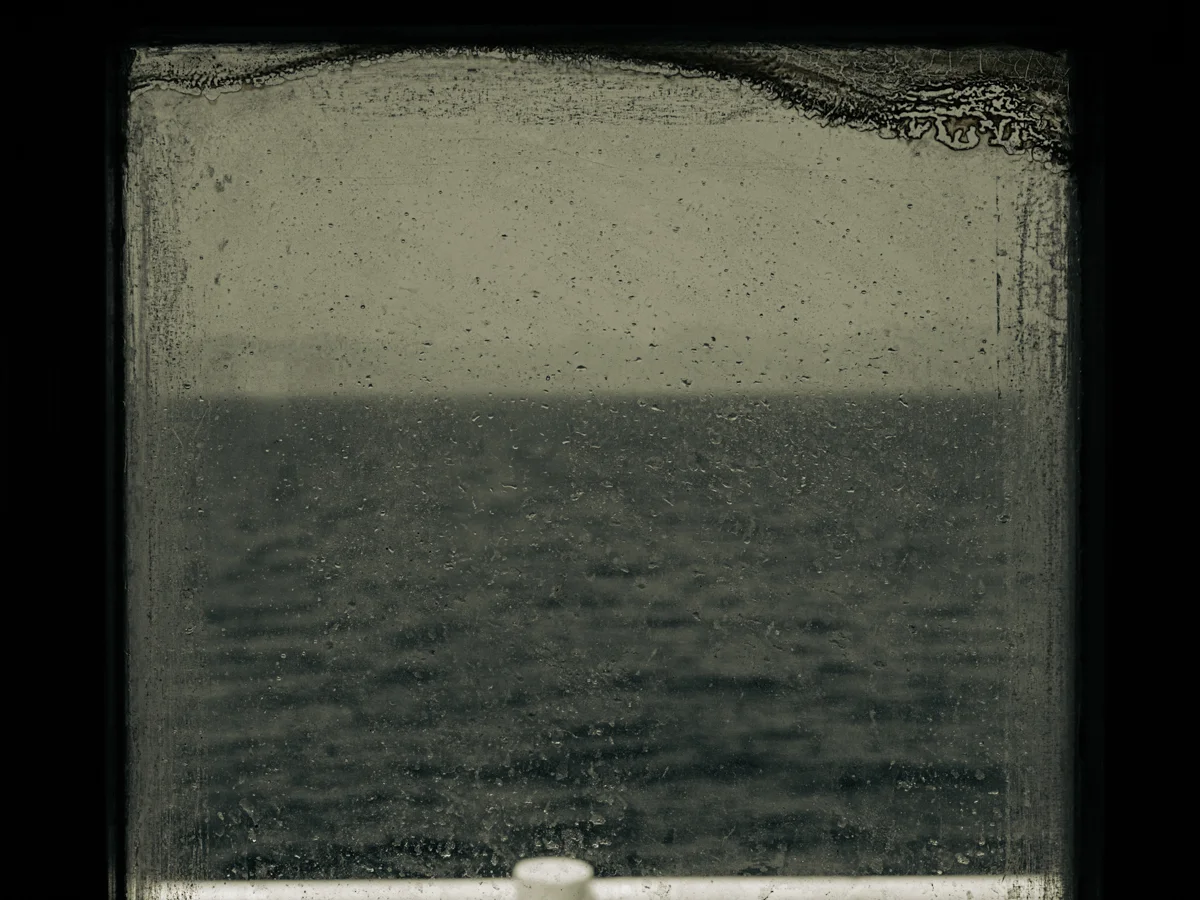
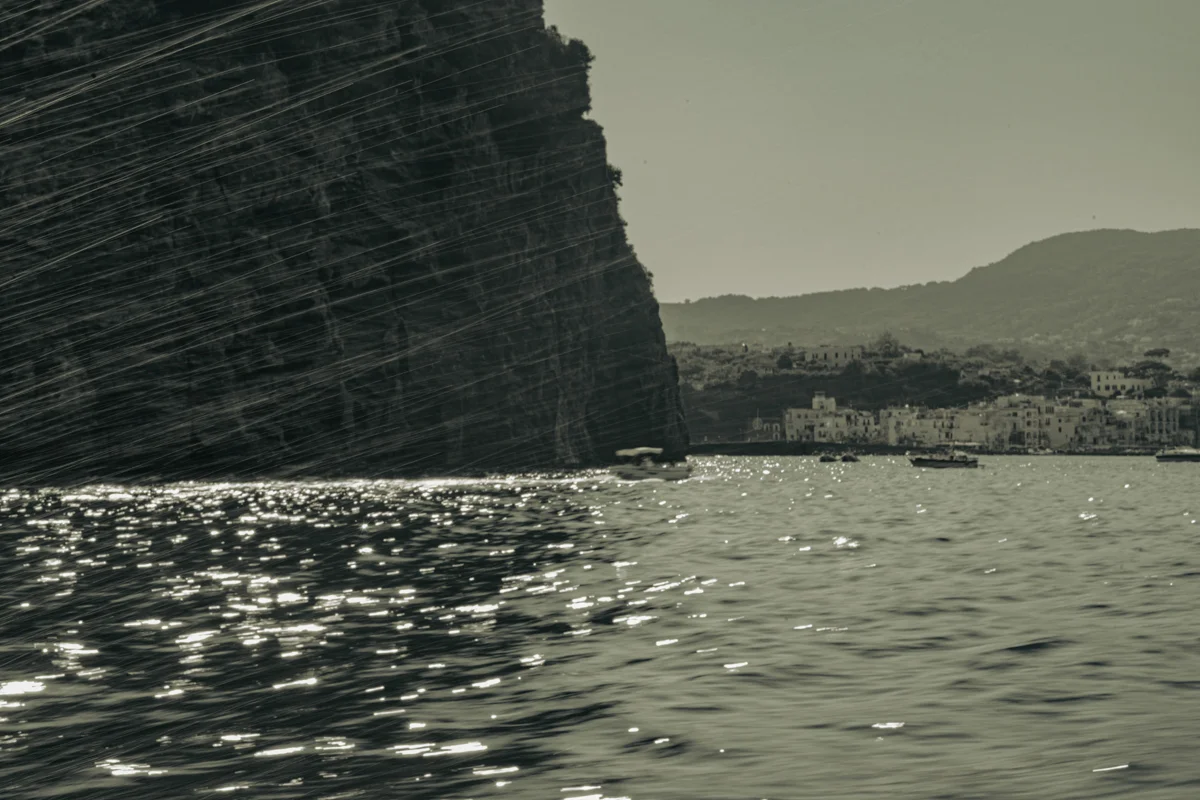
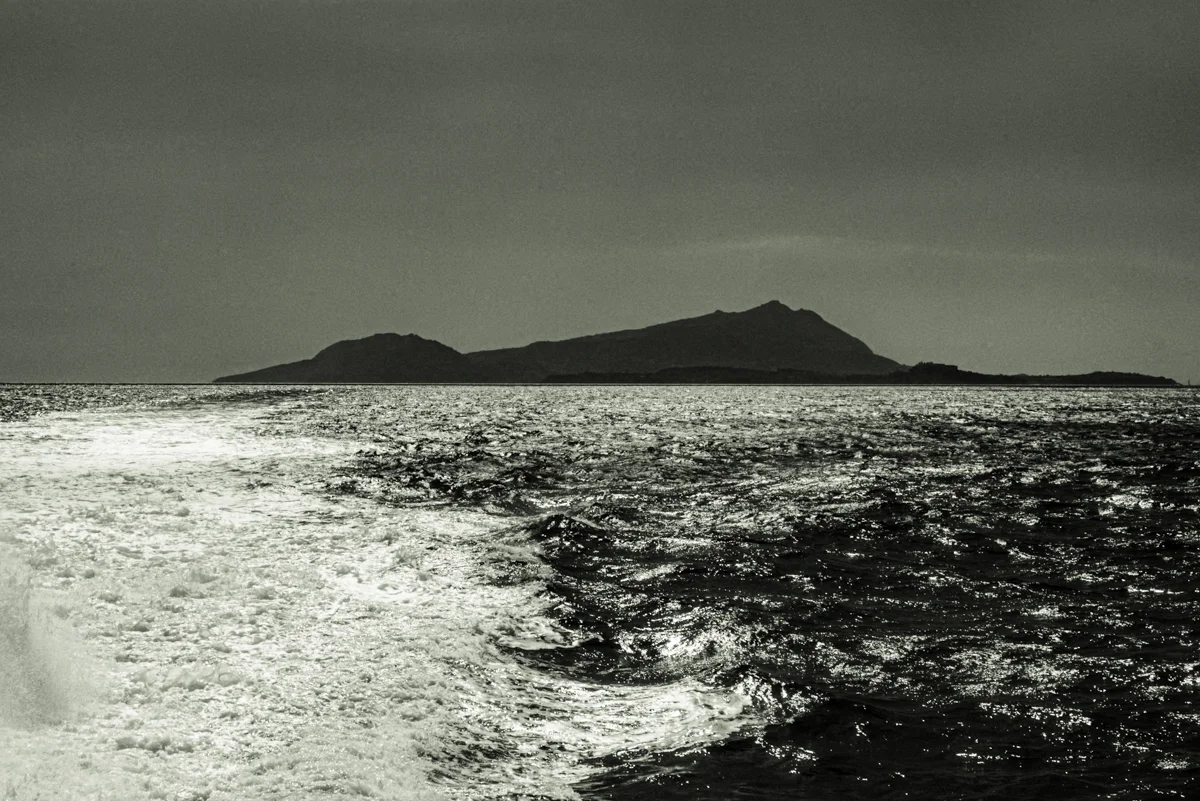
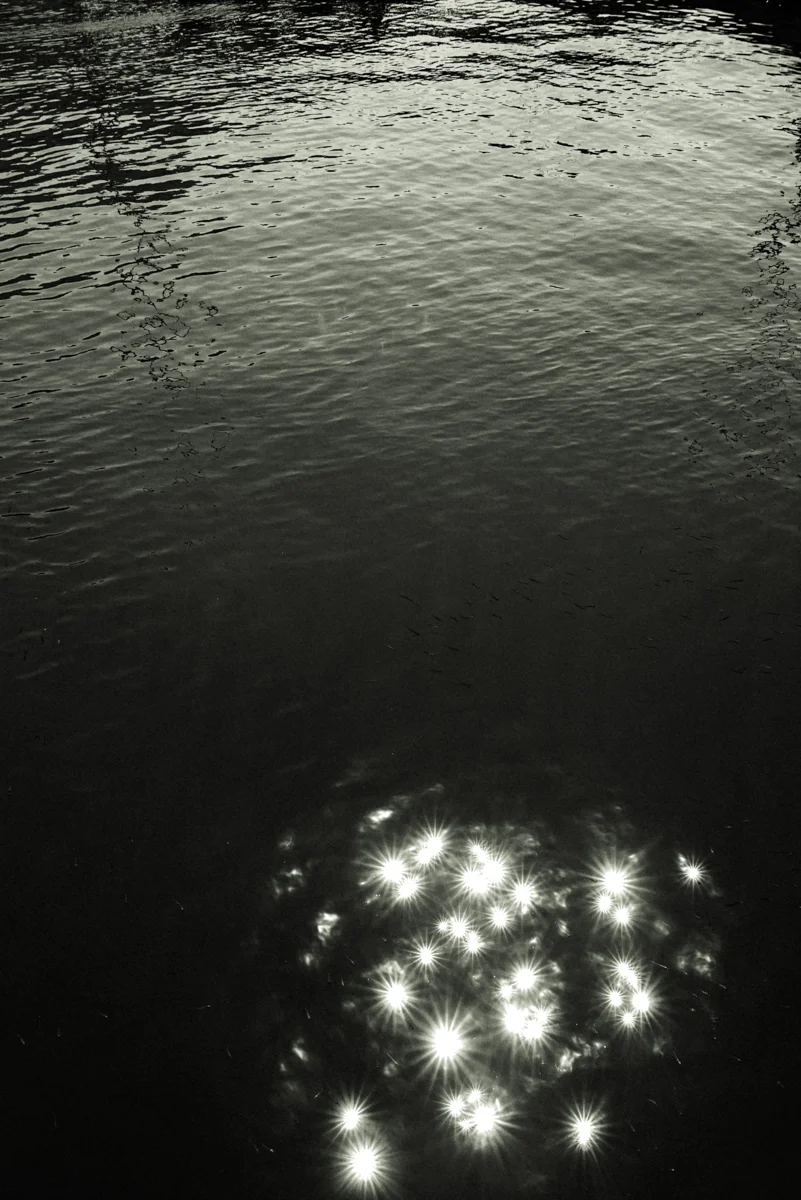
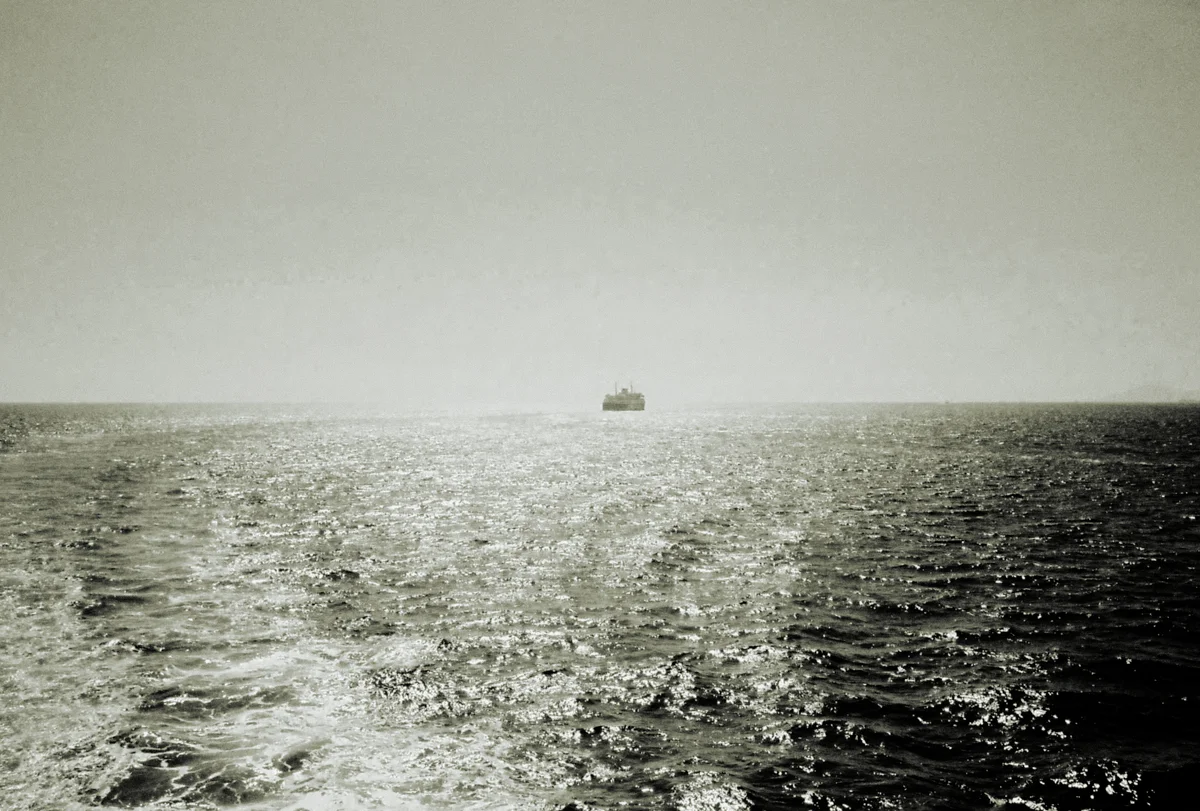
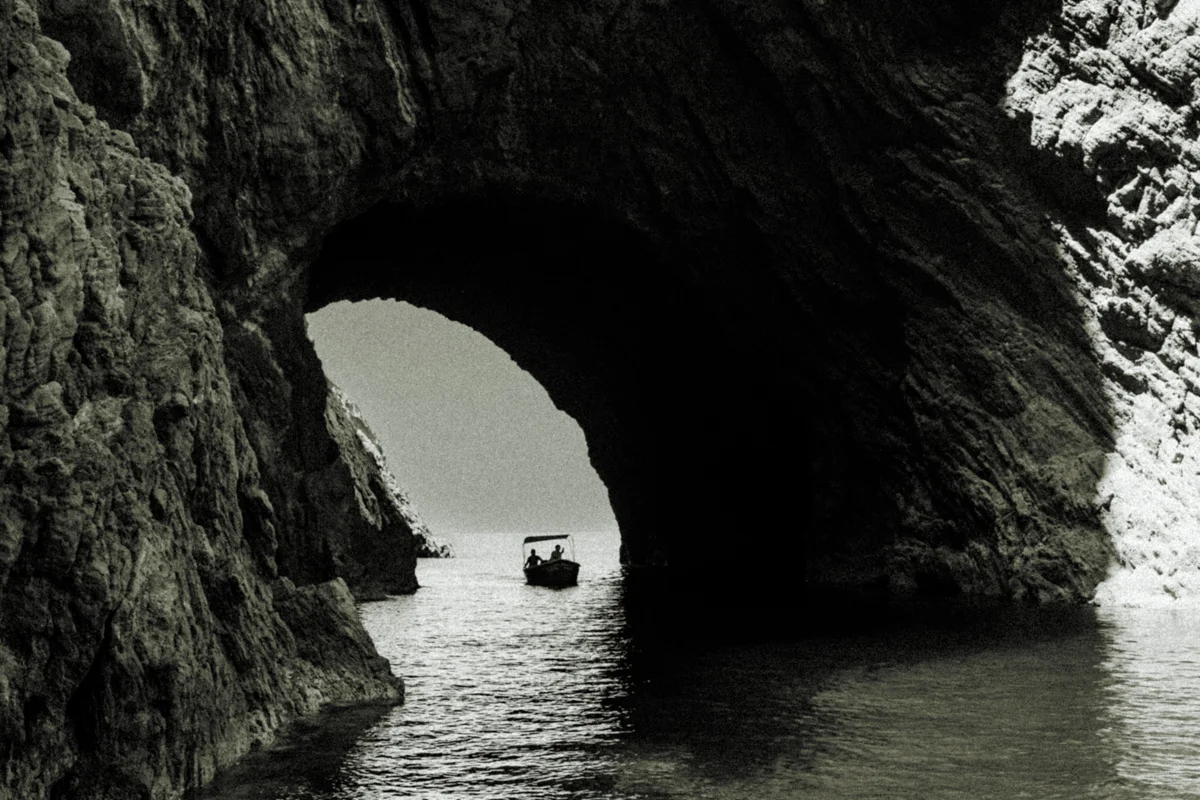
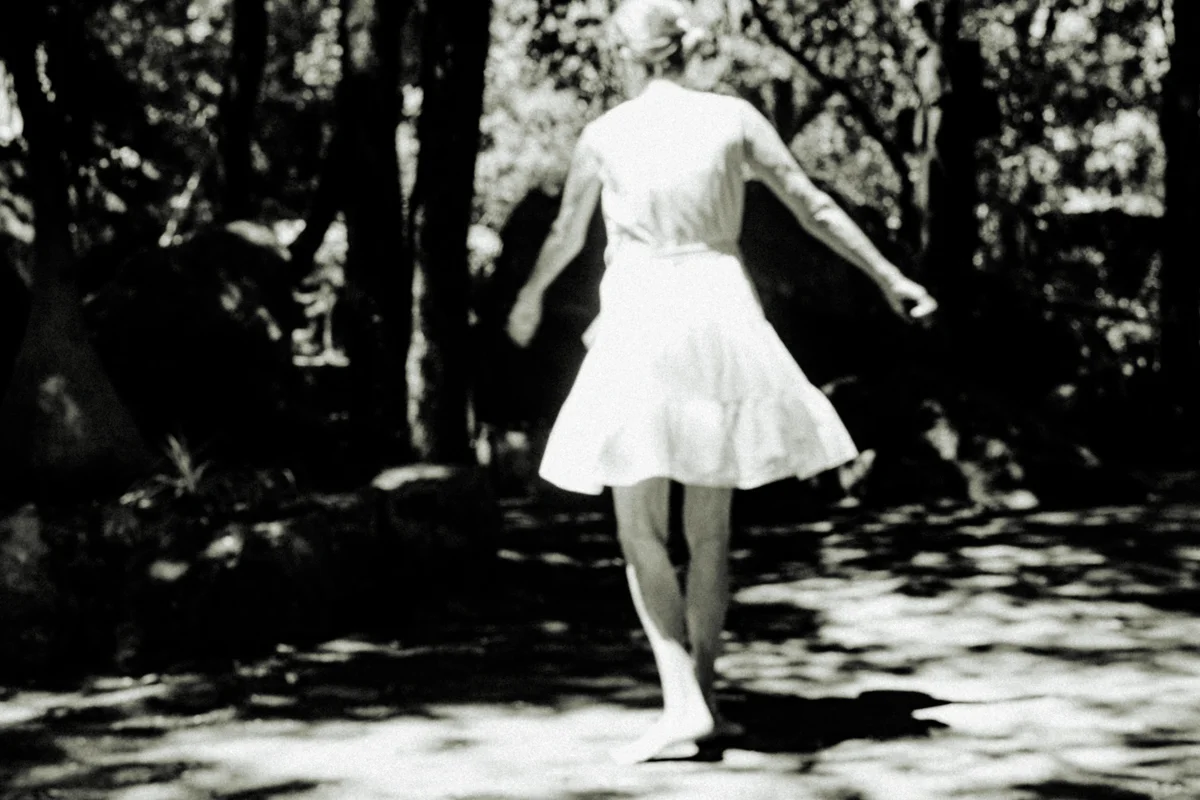
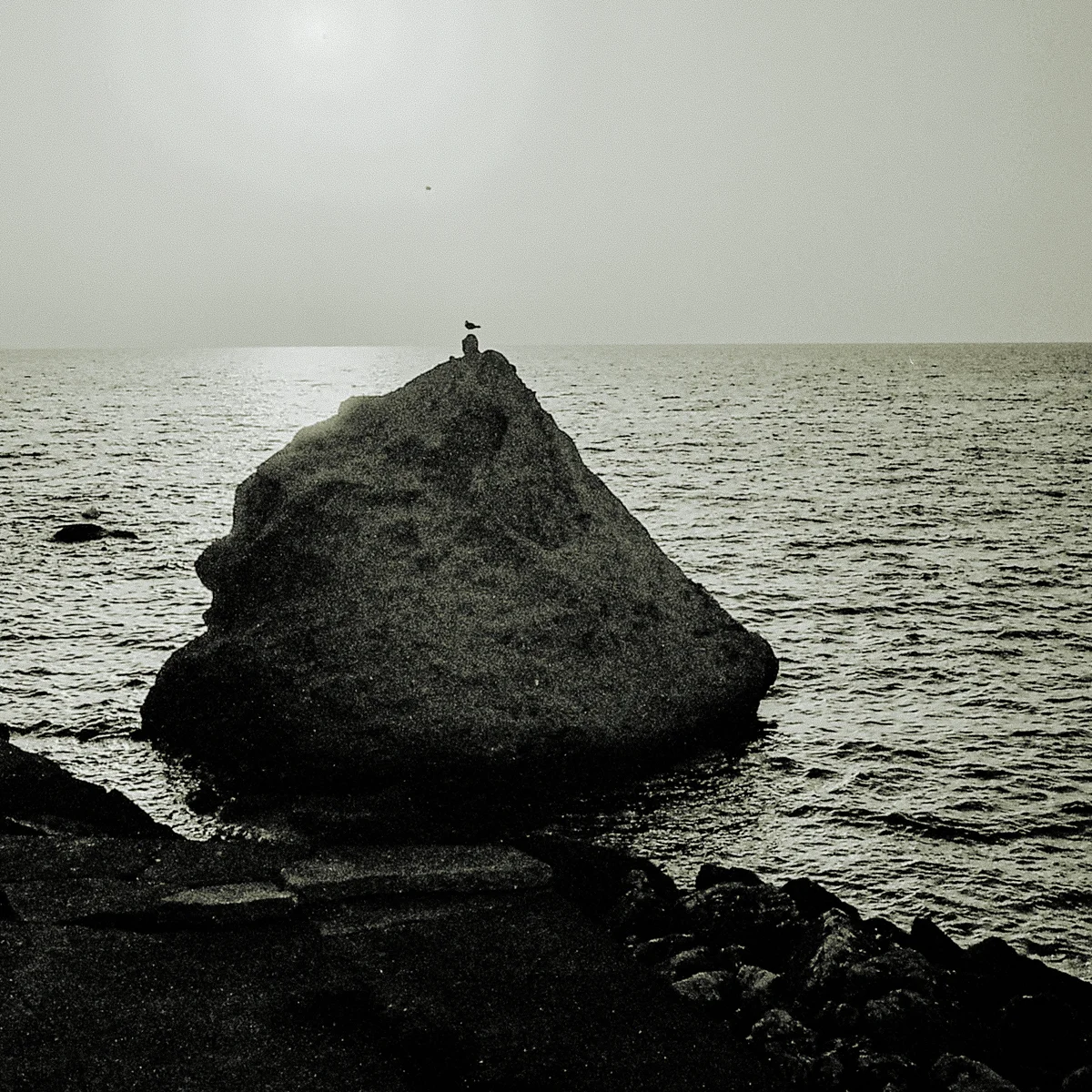
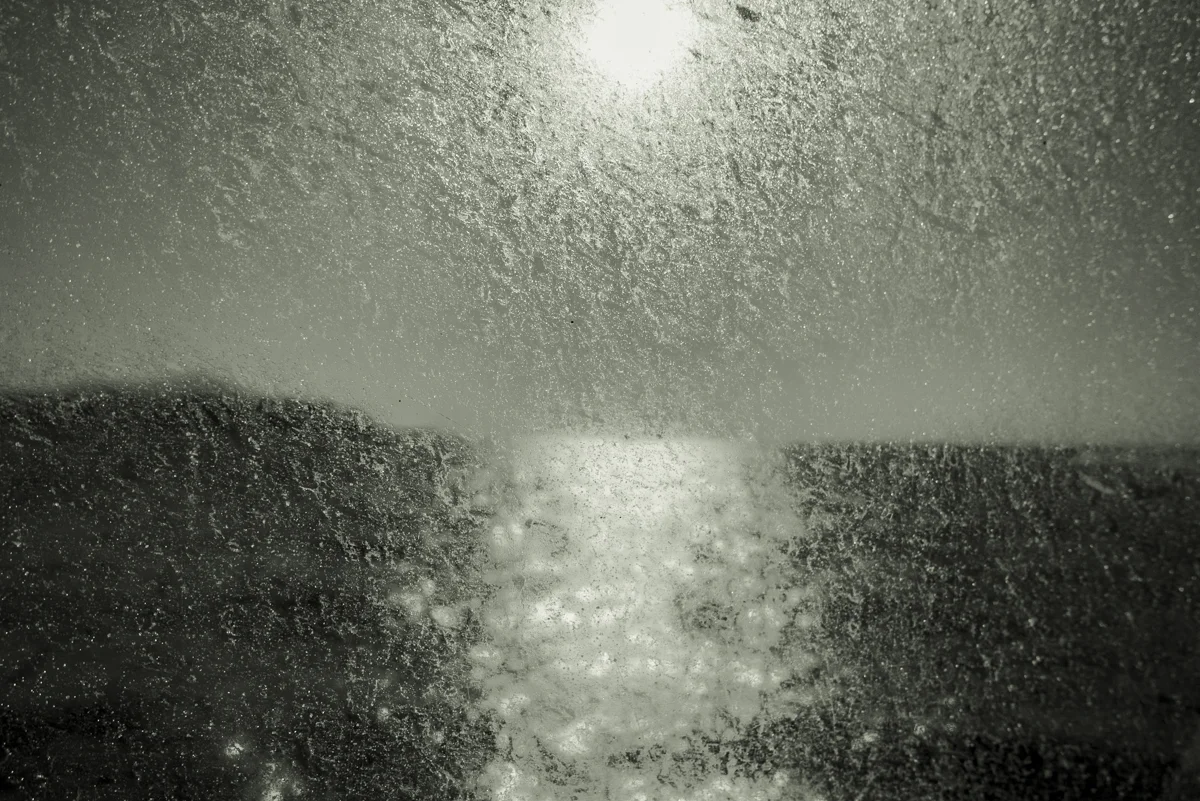
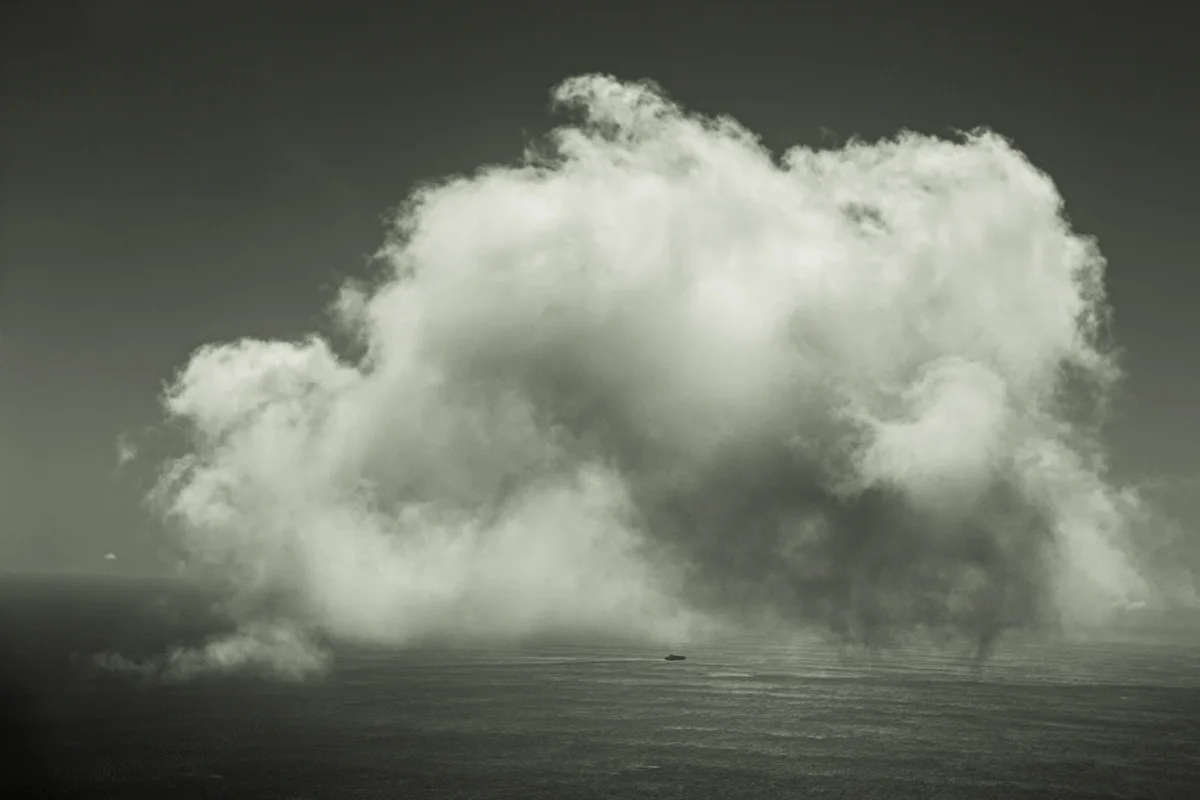
Her work is developed primarily in series, using photography as a form of visual narration. She works with landscape, travel, and symbolic or staged imagery, depending on the project.

Her photographs have been exhibited in France and featured in festivals, exhibitions, and online photography platforms. She is currently developing several long-term photographic projects, including Lumières intimes italiennes and Jeux de poupées.

Statement
"My work seeks to tell, through images, what words often leave unspoken."

Awarded Photographer of the Week - Week 52, 2025

 

Inspiring Portfolios

Call for Entries
All About Photo Awards 2026
$5,000 Cash Prizes! Juror: Steve McCurry
 
Stay up-to-date  with call for entries, deadlines and other news about exhibitions, galleries, publications, & special events.

More Great Photographers To Discover

José Ney Milá Espinosa
José Ney Milá Espinosa, of Cuban nationality, was born in Havana on March 4, 1959. He is a self-taught photographer, recognized within documentary photography and auteur photography since the mid-1980s. Initially trained as a technical drawer, artisan artist, civil designer, and finally abandoned his career in architecture for photography. He received several awards in his country in drawing, painting, applied arts and photography, but his greatest achievements were from the early 90s, in international photography salons, achieving numerous awards and distinctions throughout his career. Much of his work is in permanent collections such as the Southeast Museum of Photography Daytona; Palmer Museum of Art, Pennsylvania; Houston Museum of Fine Arts; Lehigh University Art Galleries / Museum Operation, Bethlehem, PA; Inés María Galerie, Houston; Mother Jones International. Fund for Documentary Photog, San Francisco; Fotofest, Houston, USA; Museum of Fine Arts of Santo Domingo. Dominican R.; Toscano Photographic Archive, Italy; UNESCO / ACCU, Tokyo. Japan; World Press Photo Foundation. Holland; University of La Rabida, Huelva. Spain; Media Library, INAH, Mexico; Galerie Bilderwelt Reinhard Schultz. Berlin Germany; National Museum of Photography, Pachuca, Mexico, and Fototeca de Cuba among others. His dedication and innovation in the chemical processes of analog photography led him to develop new formulas for film development that surpassed the results and practices of the Black and White laboratory, of the avant-garde of the time such as Tetenal, Ilford, and Kodak. . He presented his inventions at the Spanish Patent and Trademark Office and marketed them at Casanova Profesional (specialized store in Barcelona) in partnership with Luis Casademunt (photographer) in 1997 and later in 1998, with Isaac Donoso (businessman in Madrid) to guarantee industrial production by a commercial contract signed with the international company JOBO, well known for its laboratory instruments (Labortechnik, GmbH & Co. KG. Gmbh) of Cologne, Germany. His new formulas were published in the catalog of the year of JOBO products as New fine art line “The new generation fine art B / N chemistry” Page 70 and back cover, presented during the International Festival "FOTOKINA 2000" Kolonia, Germany, with the technical support of various specialists on the subject, such as the English John Tisley and the North American, John Sexton among others. In addition, various tests were published in various specialized magazines of the time, such as SCHWARZWEISS 27 (Das magazin für fotografie) "Auf anderer Wellenlänge", November, Germany. 2000; F.V. Nº 149. “Jobo: new Classic Line products”, Spain. 2001; Super Photo. No. 67. "Diary of a personalized development" Spain. 2001 and Super Photo. No. 70. "Diary of a personalized development (II)", Spain. 2001.
Angelika Kollin
Estonia
1976
Angelika Kollin is a 44 year old Estonian photographer currently based in Tampa, Florida. She is self-taught and engages with her passion for photography and art as a tool of exploration of interhuman connections, intimacy, and/or the absence of such. Angelika has spent the last 8 years living in African countries (Ghana, Namibia, South Africa), where she explored the same topic in a variety of different cultures and economic conditions. More and more it strengthens her belief that despite many circumstances in life, the one thing that shapes us the most is our relationship with our parents. Through intense artistic evolution she has arrived at her current and ongoing project You Are My Mother/Father. Statement: My main project for the year 2020 became You are my Mother that subsequently expanded into You are my Father. As the covid pandemic rolled over the world, many of us found ourself going back to basics and spending more times with our families. I started photographing my project in April, while we were still in complete lockdown in Cape Town,South Africa. Initially I only wanted to document an act of acceptance and joining I witnessed between a mother and her adult daughter. Afterwards I continued to explore same "story" in other mother/child connections, examining the impact it has on my own family life and on my audience. There is no groundbreaking story occurring in my project, and yet, at least for myself, I am learning to understand the significance and value of connection to our family and how it shapes us for the rest of our life.
Ian McFarlane
United States
1970
Todd Webb
United States
1905 | † 2000
Todd Webb (September 5, 1905 – April 15, 2000) was an American photographer notable for documenting everyday life and architecture in cities such as New York City, Paris as well as from the American west. His photography has been compared with Harry Callahan, Berenice Abbott, Walker Evans, and the French photographer Eugène Atget. He traveled extensively during his long life and had important friendships with artists such as Georgia O'Keeffe, Ansel Adams and Harry Callahan. He photographed famous people including Dorothea Lange. His life was like his photos in the sense of being seemingly simple, straightforward, but revealing complexity and depth upon a closer examination. Capturing history, his pictures often transcend the boundary between photography and artistic expression. Webb was born in Detroit in 1905 and grew up there and in a Quaker community in Ontario. From 1924 to 1929 he worked as a bank teller and clerk at a brokerage firm in Detroit; in another account, he was a successful stockbroker during the 1920s but lost his earnings during the Crash before the Depression. During the Depression beginning in 1929, he moved to California and worked as a prospector and earned a meager living. During these years he also worked as a fire ranger for the United States Forestry Service. Webb reportedly wrote short stories which were unpublished. After 1934, Webb returned to Detroit and worked for the automobile manufacturer Chrysler in their export division. In 1937, he visited a friend in Panama in search of gold, but had little success. But in Panama, he brought along a camera donated by his former employer, Chrysler. Webb returned to Detroit and studied at the Detroit Camera Club. He met photographer Harry Callahan. In 1940, he completed a ten‑day workshop with Ansel Adams as his teacher. In 1941, he visited Rocky Mountain State Park with Harry Callahan, and realized during this trip that he was drawn more to the urban cityscape, and although he found Adams to be an inspiration, he would not make photographs like his teacher. During World War II, Webb was a photographer for the United States Navy and was deployed to the South Pacific theater of operations. After World War II, in 1945, Webb moved to New York City and began his career as a professional photographer. He made key friendships with Alfred Stieglitz and Georgia O'Keeffe as well as Beaumont Newhall, Berenice Abbott, Helen Levitt, and Minor White. Webb began a remarkable project of walking the streets of New York City with his heavy camera and tripod and photographing people and buildings he encountered. What set these photos apart was their "straightforward, descriptive clarity" even though they were often of familiar views. One large 10-foot–long panorama photograph which was critically acclaimed showed a section of Sixth Avenue from 43rd–44th streets which, in 1991, was seen as a "visual time capsule of the city" and was described as a "stunner." Webb's photos reflected the photographer's sense of discovery and captured the times, such as photos of hand-painted banners over apartment house doors saying "Welcome Home, G.I.s". In one photograph, Webb went to the top of the RCA Building and shot south using a backlit technique, which captured the Empire State Building at night. The best photographs, according to New York Times art critic Charles Hagen, contained the "simple geometries of urban architecture" in a "simple elegance"; Hagen thought Webb's New York City photographs were his best. In 1946, he had the first solo exhibition of his photographs at the Museum of the City of New York. In 1947, Webb was hired by Fortune magazine and he worked with professional photographers funded by the Standard Oil Company led by Roy Stryker and the group included notable photographers such as Sol Libsohn. According to the New York Times, the team of professional photographers was "given amazingly free rein by its corporate sponsor" to produce a documentary about oil. One of these photographs, Webb's Pittsburgh Panorama (ca. 1950) shows a grim industrial view towards Pittsburgh from a hill near Westinghouse Bridge that takes in a bare river valley across which snake highways and railways and a row of tall smokestacks in the distance. Curator Edward Steichen selected it for the 1955 Museum of Modern Art exhibition The Family of Man, seen by 9 million visitors on its world tour. However, in his memoir, Webb records his disappointment with the way images were "over-enlarged to billboard size" losing "all the qualities that make photographs unique." Webb traveled to Paris in 1949 and married fellow American Lucille Minqueau. In Paris, Webb produced a "vivid record" of the city which earned him recognition. Then, Webbs moved back to New York City to live in Greenwich Village in 1952. In 1955, he was awarded a Guggenheim Fellowship to photographically record pioneer trails of early settlers of the western United States. He was hired in 1957 by the United Nations to photograph its General Assembly. He won a contract to photograph Sub–Saharan Africa in 1958. The Webbs moved to Santa Fe in New Mexico around 1961. Webb's photos of his friend Georgia O'Keeffe suggested not only a "loner, severe figure and self-made person" but that there was an "intense connection" between Webb and O'Keeffe. While O'Keeffe was known to have a "prickly personality", Webb's photographs portray her with a kind of "quietness and calm" suggesting a relaxed friendship, and revealing new contours of O'Keeffe's character. Webb's landscape photographs as well as photos of the artist walking among the sagebrush bring O'Keeffe to life "even in pictures where she doesn't appear", according to Chicago Tribune art critic Abigail Foerstner. His photos suggest an "ageless spirit" which was "weathered and indomitable" like desert rock formations. These photos were done using matte finish paper and appear in a book entitled Georgia O'Keeffe: The Artist's Landscape. The Webbs lived in the Provence region of France, around 1970, and he continued to photograph regularly, and later lived, for a period, in Bath, England. The Webbs finally settled in the state of Maine, living in the city of Portland, based on the suggestion of a friend. In 1978, Webb won a grant from the National Endowment for the Arts, and continued to live and work in Maine. Source: Wikipedia Up until the 1980's, Todd Webb photographed and produced a unique body of work, which has attained an important place in the annals of American photographic history. Frequently referred to as "an historian with a camera," Webb's rich images document life all over the world. His work has been exhibited nationally and internationally, and is included in numerous museum collections including the Museum of Modern Art, the Metropolitan Museum of Art, the Minneapolis Art Institute, and the Chicago Art Institute. Todd Webb died in May, 2000 at the age of 94 in Central Maine. His life was like his photographs; at first they seem very simple, without obvious tricks or manipulation, but upon closer examination, they are increasingly complex and marvellously subtle.Source: Todd Webb Archive Todd Webb used documentary photography to convey a sense of intimacy and curiosity in the relationship between history, place, and people. Although Webb initially pursued photography to augment his writing, by 1940 he saw it as his central passion. In his hometown of Detroit, Webb attended camera club meetings where he took up with fellow novice Harry Callahan, and the more experienced Arthur Siegel. In 1941, Ansel Adams led a workshop for the camera club that profoundly influenced the ambitions of both Webb and Callahan. Todd Webb’s humanistic approach to documentation allowed him to create a compelling narrative whether he was working in the great cities of the world or within the vast American landscape. The Todd Webb Archive contains personal papers and photographic materials related to his long career as a photographer, including correspondence, biographical files, exhibition documentation, manuscripts, journals, extensive files of negatives, contact sheets, and over 1,400 fine prints.Source: Center for Creative Photography
Martín Chambi
Peru
1891 | † 1973
Martín Chambi Jiménez was a Peruvian photographer, originally from southern Peru. He was one of the first major Indigenous Latin American photographers. Recognized for the profound historic and ethnic documentary value of his photographs, he was a prolific portrait photographer in the towns and countryside of the Peruvian Andes. As well as being the leading portrait photographer in Cuzco, Chambi made many landscape photographs, which he sold mainly in the form of postcards, a format he pioneered in Peru. In 1979, New York's Museum of Modern Art held a Chambi retrospective, which later traveled to various locations and inspired other international expositions of his work. Martín Chambi was born into a Quechua-speaking peasant family in one of the poorest regions of Peru, at the end of the nineteenth century. When his father went to work in a Carabaya Province gold mine on a small tributary of the River Inambari, Martin went along. There he had his first contact with photography, learning the rudiments from the photographer of the Santo Domingo Mine near Coaza (owned by the Inca Mining Company of Bradford, Pa). This chance encounter planted the spark that made him seek to support himself as a professional photographer. With that idea in mind, he headed in 1908 to the city of Arequipa, where photography was more developed and where there were established photographers who had taken the time to develop individual photographic styles and impeccable technique. Chambi initially served as an apprentice in the studio of Max T. Vargas, but after nine years set up his own studio in Sicuani in 1917, publishing his first postcards in November of that year. In 1923 he moved to Cuzco and opened a studio there, photographing both society figures and his Indigenous compatriots. During his career, Chambi also traveled the Andes extensively, photographing landscapes, Inca ruins, and local people. Chambi began his work as a photographer as an apprentice to Max T. Vargas in Arequipa, Peru. During this time as an apprentice, Chambi learned different ways of manipulating light for portraits in the studio. His daughter, Julia Chambi, is quoted as saying, "my father was enchanted by light." His studio in Cuzco included a set of blinds and shutters made specifically so that he could alter the natural lighting to best suit his photographs. Furthermore, most of Chambi's photos of Indigenous people were taken outside so that he could use only natural lighting. Chambi produced a variety of works over his career as a photographer. Within the studio, he took many portraits of both wealthy and elite members of society, as well as the Indigenous people; he also took many self-portraits. Chambi is well-known for his work in documenting the Indigenous culture, including Machu-Picchu and other ruins. In a magazine interview in 1936, he is quoted saying "in my archive I have more than two hundred photographs of diverse aspects of the Quechua culture." He took pictures of ruins and architecture, but also tried to capture the events of everyday life. With regard to Chambi's diverse work, Jorge Heredia once said, "He has been the photographer of whites who seek after his images, but also of Indians and Mestizos." In addition to taking photographs for individual commissions or for his own personal interests, Chambi also used his photographs in other publications. One such publication was the use of his photographs in postcards. The other main use for his photographs was in a weekly Argentine newspaper called La Nación ("The Nation") where he contributed photographs of artists, writers, and any other assignments he was commissioned to do. Chambi traveled to Chile to exhibit some of his artworks and used his artistic skills to allow the audience to understand how the photographer prioritized the Indigenous outcome that relates to the Peruvians and the Chileans. There were some arguments that the two countries disagreed with each other when involving the differences of race, indigeneity, and civilization. The photographer managed to redevelop the process through his artwork, letting the viewers and art critics to understand these types of political issues that concern the Chileans and the Peruvians. The Peruvians were able to accept Indigenous people from various countries, but the Chileans did not accept them because of the 'pacification' campaigns of the late 19th century. The Mapuche leaders discuss educational benefits; however, they were dealing with some problems with governmental authorities that involves Chile and Peru. Chambi was determined to debunk racial stereotypes, but often up reinforcing them. El Sol, La Nacion, and other news critics prioritize the photographer's artwork because it would enable them to discuss national boundaries and open up ideological debate. Eighty-eight images by Peruvian photographer Martin Chambi have been added to the archives of the famous Instituto Moreira Salles (IMS) in Brazil. It gives the public an opportunity to discover one of the first major, indigenous Latin American photographers. Face Andina features nearly 90 photographs and 23 postcards of studio portraits and the urban and rural landscapes of Cuzco, Arequipa and Puno.Source: Wikipedia
Advertisement
All About Photo Awards 2026
Win a Solo Exhibition in March
All About Photo Awards 2026

Latest Interviews

Exclusive Interview with Anastasia Samoylova
Anastasia Samoylova is an American artist whose photographic practice is shaped by close observation and a deep attentiveness to place. Working between documentary and formal exploration, she photographs landscapes, architecture, and everyday scenes with a sensitivity to light, structure, and atmosphere. Since relocating to Miami in 2016, her work has increasingly focused on how environments—both natural and built—carry social, cultural, and emotional traces. We asked her a few questions about her practice and her way of seeing, to better understand the thoughts and experiences that shape her work—while allowing the images themselves to remain open and speak in their own time.
Exclusive Interview with Marijn Fidder
Marijn Fidder is a Dutch documentary photographer whose work powerfully engages with current affairs and contemporary social issues. Driven by a deep sense of social justice, she uses photography to speak on behalf of the voiceless and to advocate for the rights of those who are most vulnerable. Her images have been widely published in major international outlets including National Geographic, CNN Style, NRC Handelsblad, Volkskrant, GUP New Talent, and ZEIT Magazin. Her long-term commitment to disability rights—particularly through years of work in Uganda—culminated in her acclaimed project Inclusive Nation, which earned her the title of Photographer of the Year 2025 at the All About Photo Awards. She is also the recipient of multiple prestigious honors, including awards from World Press Photo and the Global Peace Photo Award. We asked her a few questions about her life and work.
Exclusive Interview with Josh S. Rose
Josh S. Rose is a multidisciplinary artist working across photography, film, and writing. His practice bridges visual and performing arts, with a strong focus on movement, emotion, and the expressive potential of the image. Known for his long-standing collaborations with leading dance companies and performers, Rose brings together authenticity and precise composition—a balance he describes as “technical romanticism.” His work has been commissioned and exhibited internationally, appearing in outlets such as Vogue, at the Super Bowl, in film festivals, and most recently as a large-scale installation for Lincoln Center for the Performing Arts. A sought-after collaborator, he has worked with major artists, cultural institutions, and brands, following a previous career as Chief Creative Officer at Interpublic Group and the founder of Humans Are Social. We asked him a few questions about his life and work.
Interview with Maureen Ruddy Burkhart
Photographer Maureen Ruddy Burkhart brings a quietly attentive and deeply human sensibility to her exploration of the world through images. Shaped by a life immersed in photography, film, and visual storytelling, her work is guided by intuition, observation, and an enduring interest in the emotional undercurrents of everyday life. With a practice rooted in both fine art traditions and documentary awareness, she approaches her subjects with sensitivity, allowing subtle moments to emerge naturally rather than be imposed. Her series Til Death, selected as the Solo Exhibition for February 2025, reflects this long-standing commitment to photography as a space for reflection rather than spectacle. Drawn to moments that exist just outside the expected frame, Burkhart’s images suggest narratives without resolving them, leaving room for ambiguity, humor, and quiet connection. We asked her a few questions about her life and work.
Exclusive Interview with Peter Ydeen
Winner of AAP Magazine #45 Travels, his series reflects this unique vision—capturing the spirit of place through subtle layers of light, color, and emotion. Whether traveling abroad or observing the rhythms of his own surroundings, Ydeen creates images that feel both grounded and enchanted, inviting viewers into a world where reality and reverie meet.
Exclusive Interview with Julie Wang
Chinese-born photographer Julie Wang brings a poetic, contemplative sensitivity to her visual exploration of the world. Having lived for nearly equal parts of her life in China, Europe, and the United States, she approaches her subjects with the nuanced perspective of someone shaped by many cultures. This blend of distance, curiosity, and emotional resonance infuses her work with a quiet depth, allowing her to reveal the fragile beauty and subtle tensions that often pass unnoticed.
Exclusive Interview with Ghawam Kouchaki
American photographer Ghawam Kouchaki brings a sharply observant and introspective gaze to the streets of Japan’s capital. Based in Los Angeles, he approaches Tokyo with the distance — and curiosity — of an outsider, allowing him to uncover the city’s subtle contradictions, quiet tensions, and fleeting gestures that often go unnoticed. His series Tokyo no no, selected as the Solo Exhibition for December 2024, explores the hidden undercurrents of urban life: the unspoken rules, the small ruptures in routine, the poetic strangeness found in everyday moments. Through muted tones, instinctive timing, and meticulous framing, Kouchaki reveals a Tokyo that exists somewhere between reality and imagination — both intimate and enigmatic. We asked him a few questions about his life and work.
Exclusive Interview with Tommi Viitala
Tommi Viitala, winner of AAP Magazine #44: Street, is a Finnish photographer celebrated for his striking and cinematic street photography. With a keen eye for atmosphere and composition, he captures fleeting urban moments that reveal the poetry of everyday life. His work often explores the tension between solitude and connection within contemporary cityscapes, blending documentary realism with artistic sensibility. Viitala’s photographs have been exhibited internationally and recognized for their strong visual storytelling and emotional depth. We asked him a few questions about his life and work.
Exclusive Interview with Robert Mack
Robert Mack is a California-based visual artist, photographer, and filmmaker. His fine art photography and films have been exhibited widely in the United States and Europe, with major shows at the Baltimore Museum of Art and the Reiss-Engelhorn Museum in Mannheim, Germany. Both institutions hold his work in their permanent collections. Working across different media, Mack has built a career exploring the complexities of human presence and representation. In 1981, while living in Baltimore, he produced The Perkins Project: Not Guilty by Reason of Insanity, a rare photographic and film study inside Maryland’s hospital for the criminally insane. These stark yet compassionate black-and-white portraits remain one of his most powerful and controversial bodies of work.
Call for Entries
All About Photo Awards 2026
$5,000 Cash Prizes! Juror: Steve McCurry