All about photo.com: photo contests, photography exhibitions, galleries, photographers, books, schools and venues.
FINAL CHANCE to enter All About Photo Awards: $5,000 Cash Prizes - Juror Steve McCurry
Tracy Burke
Tracy Burke

Tracy Burke

Country: United States
Birth: 1964

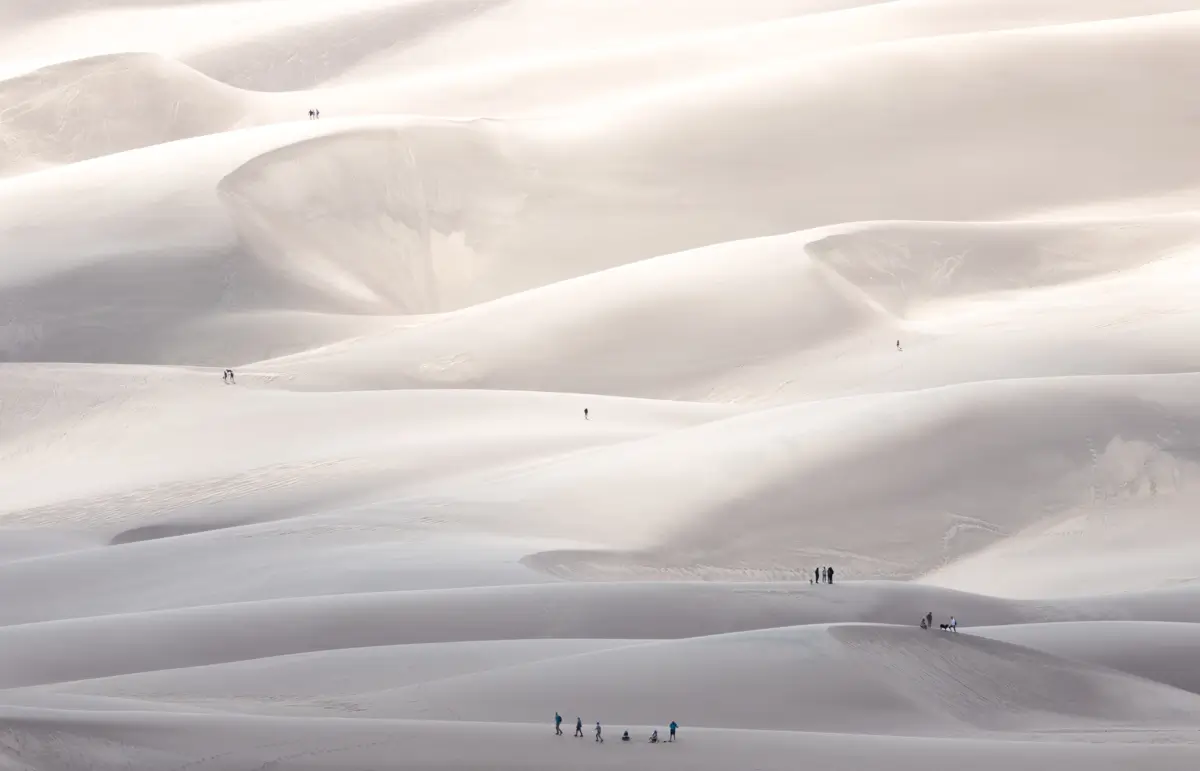
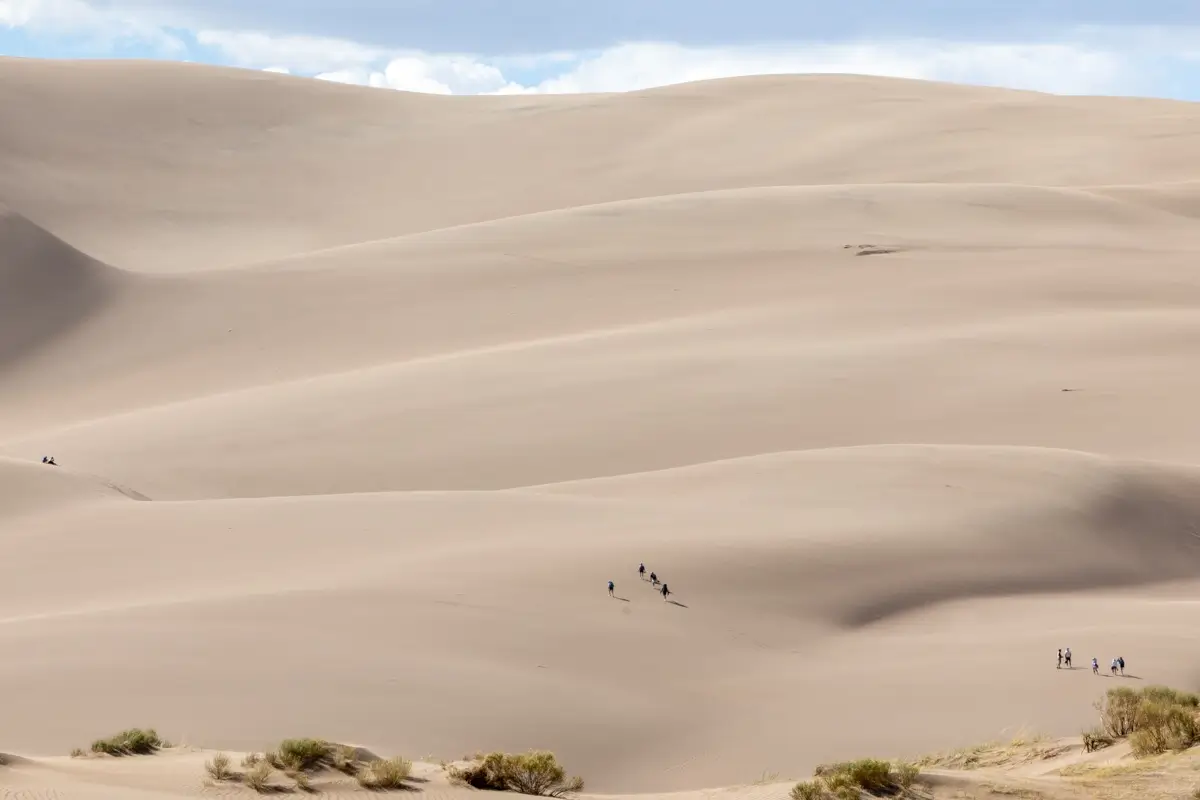
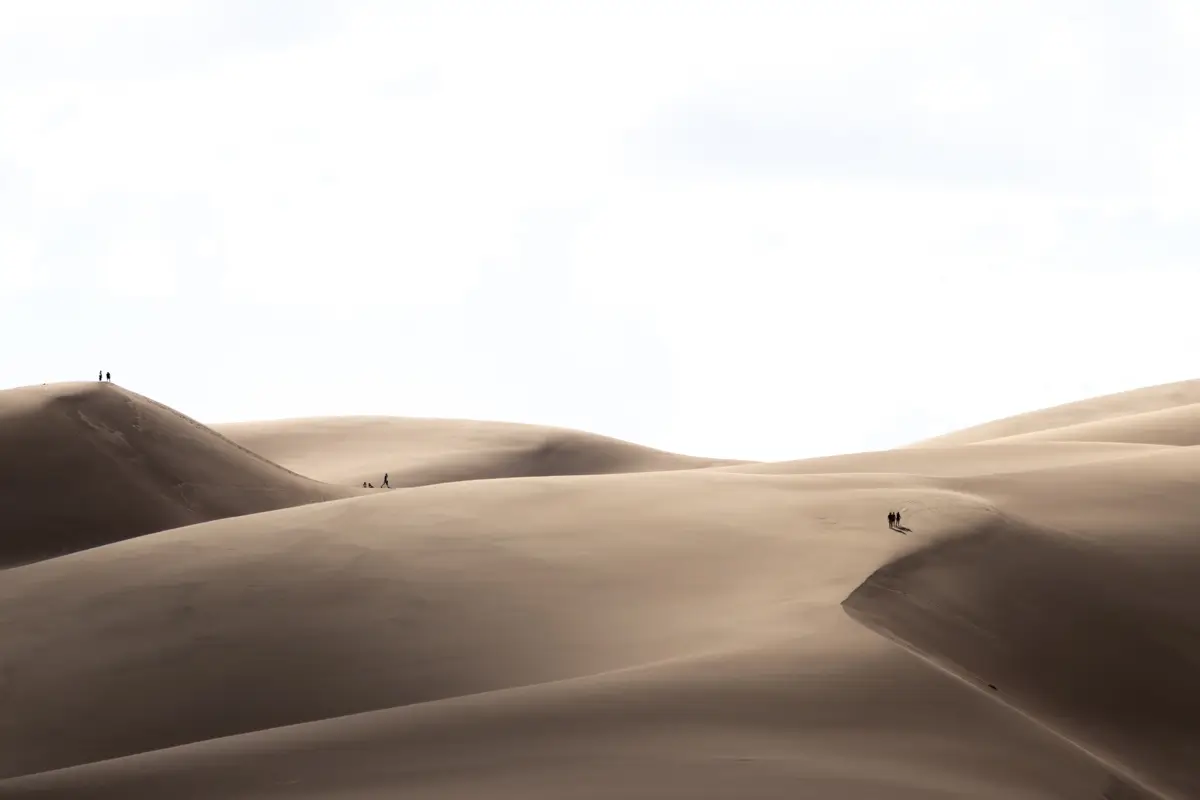
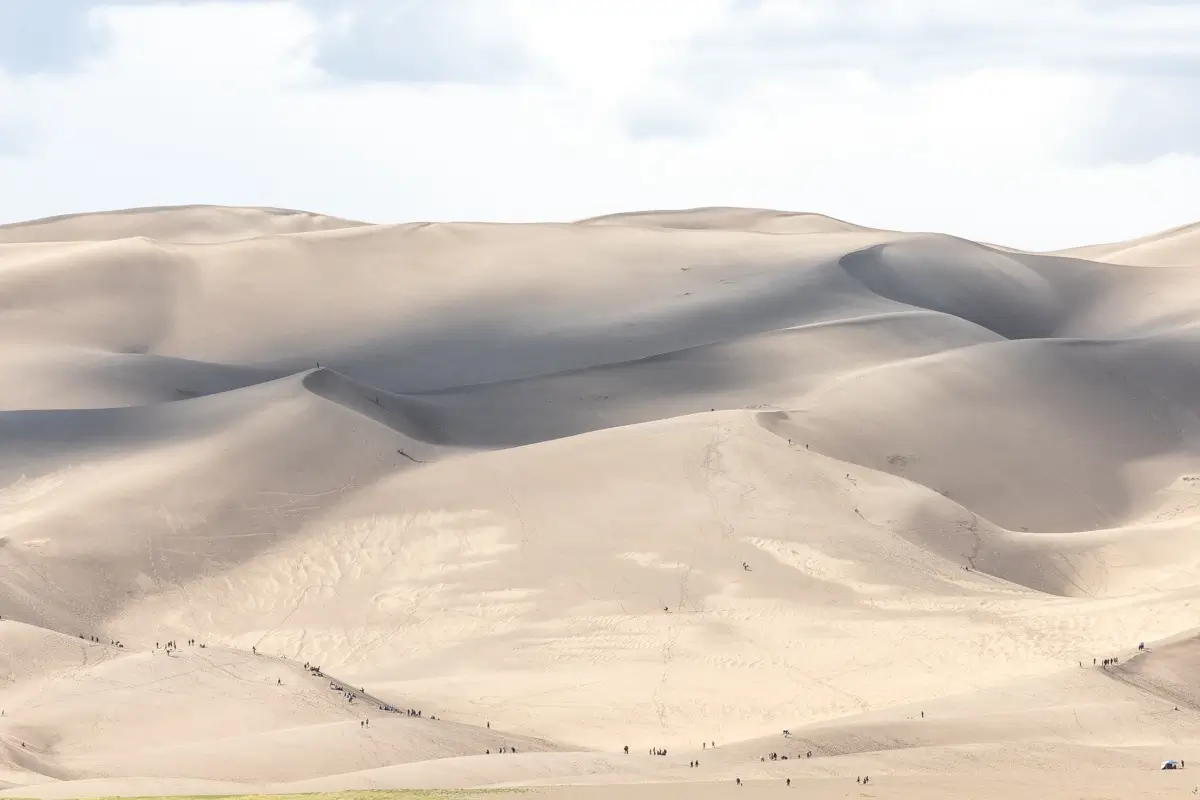
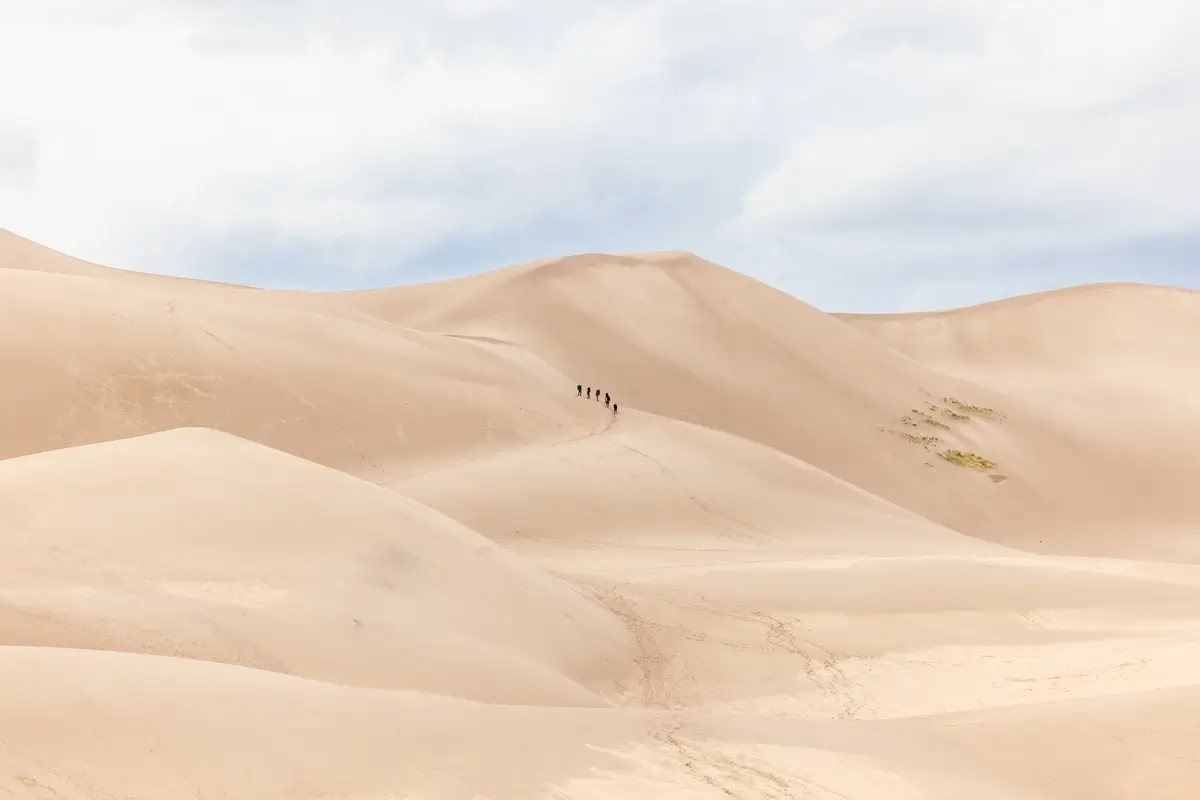
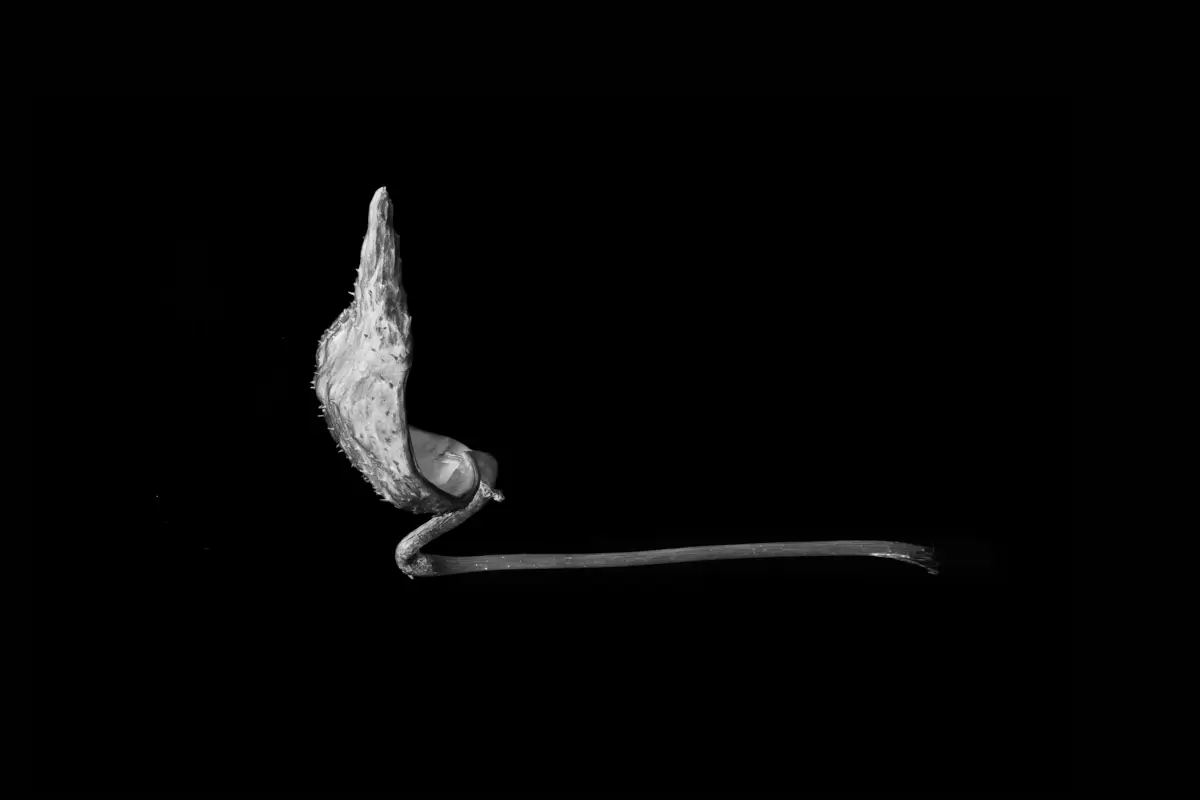
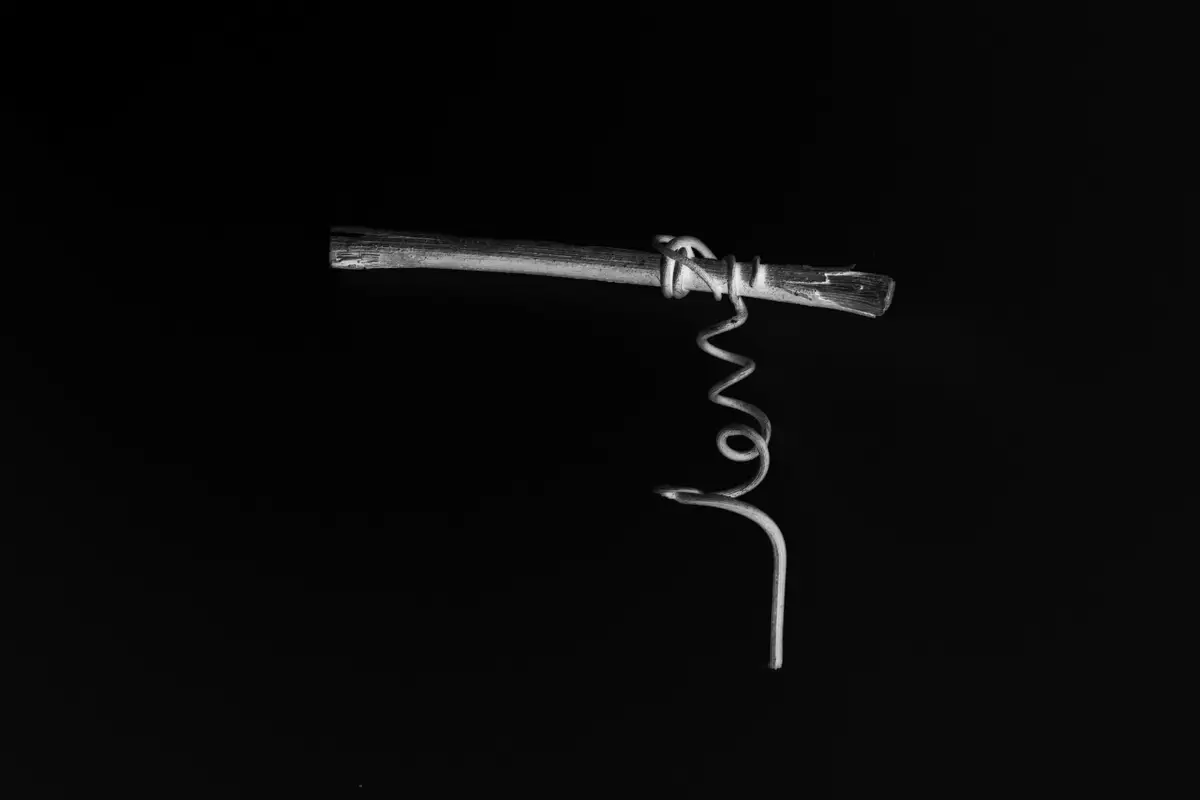
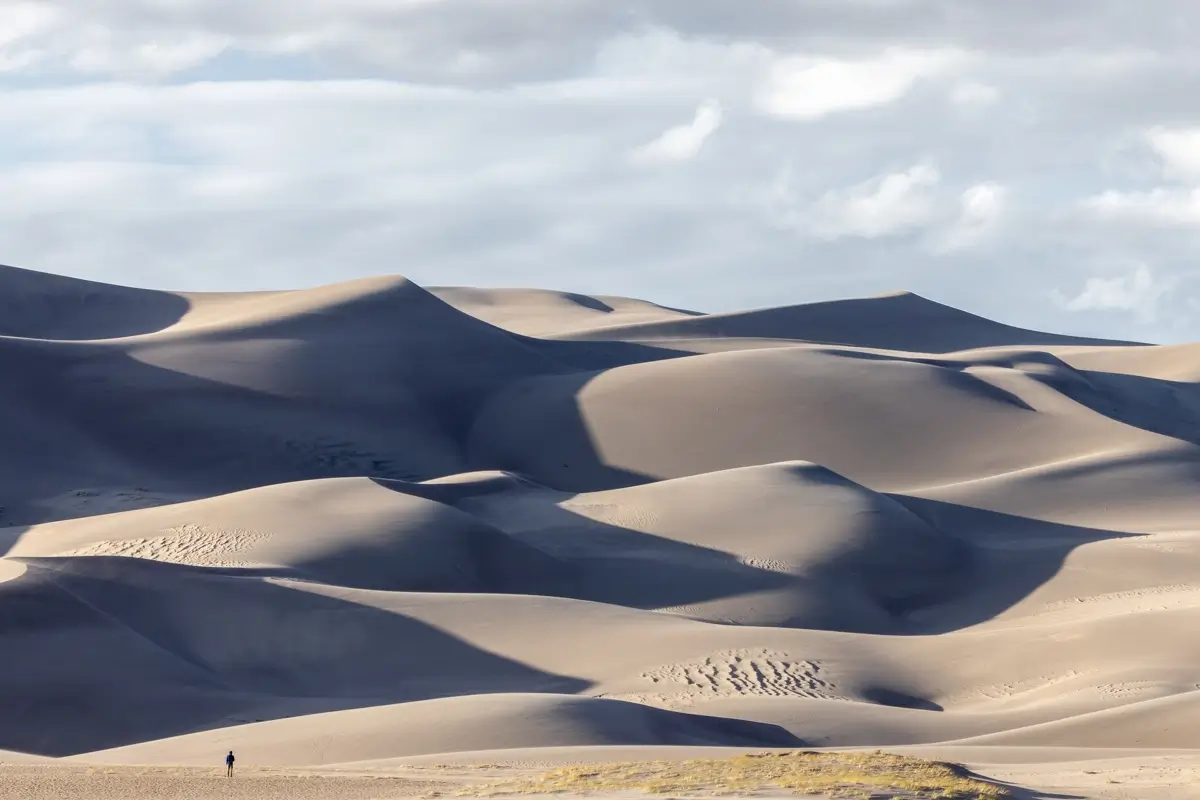
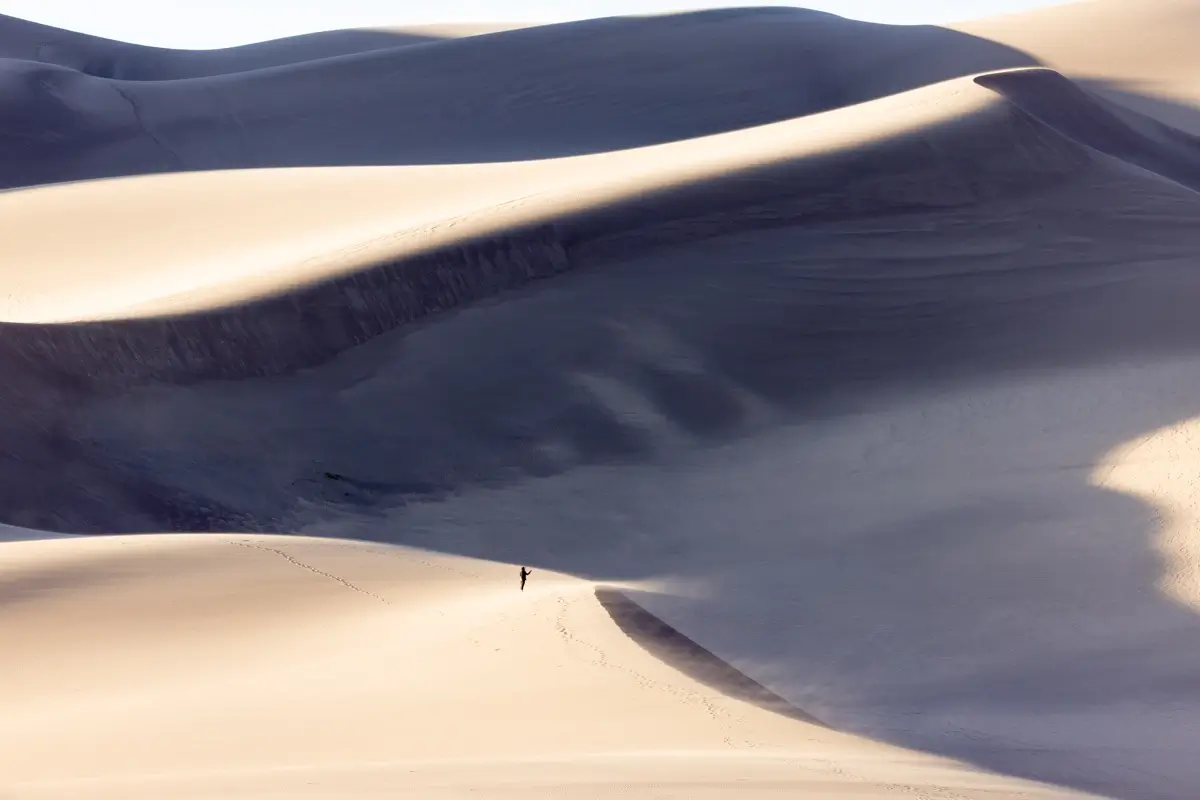
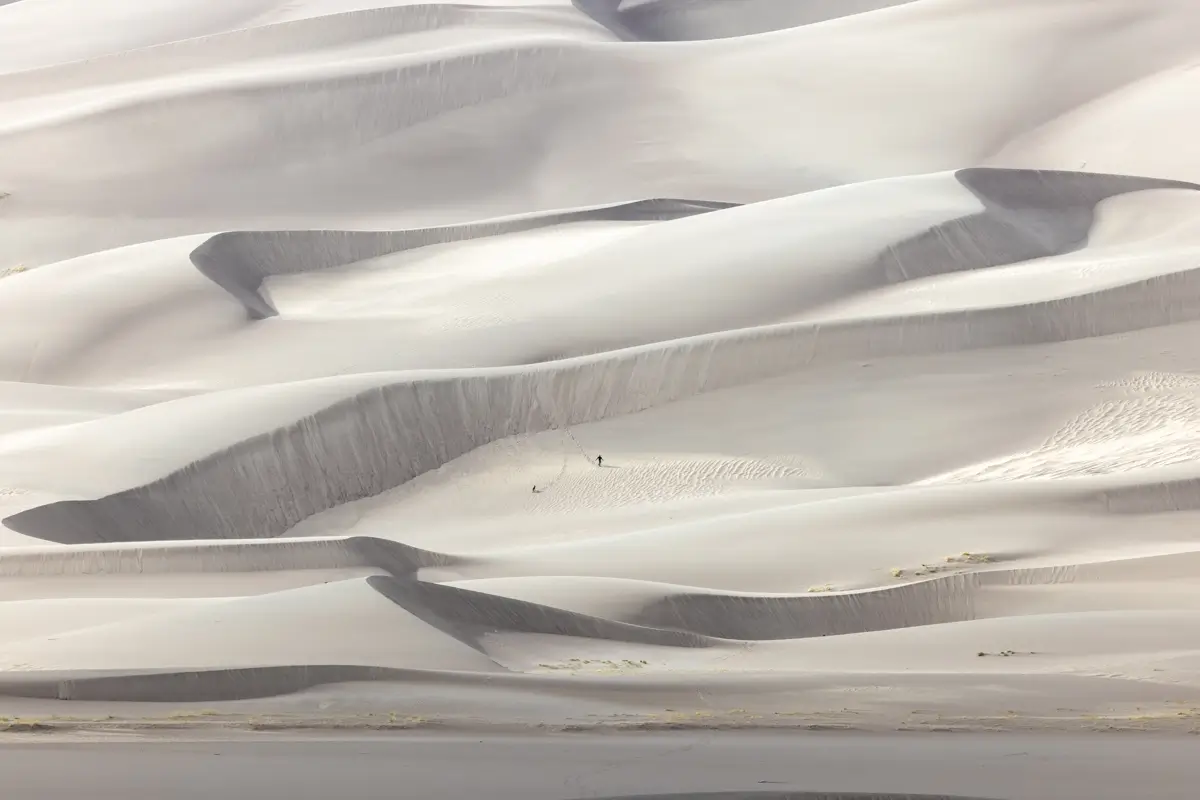
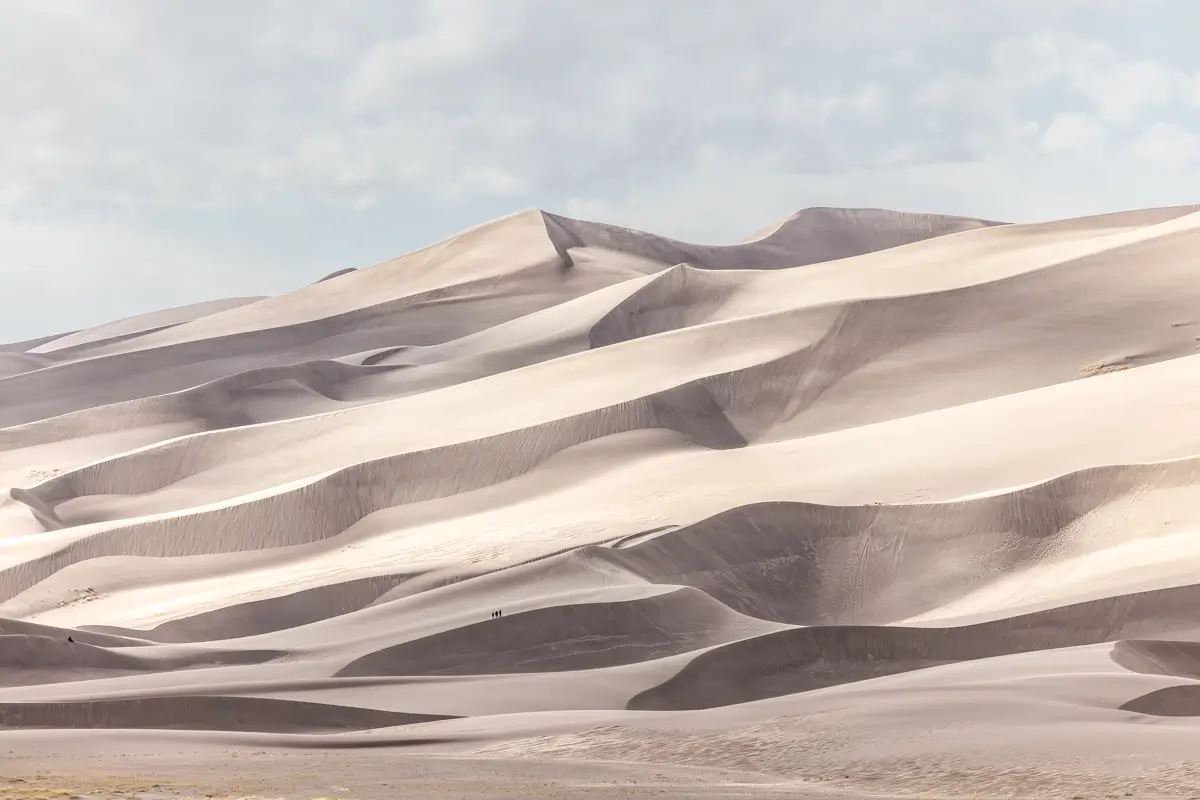
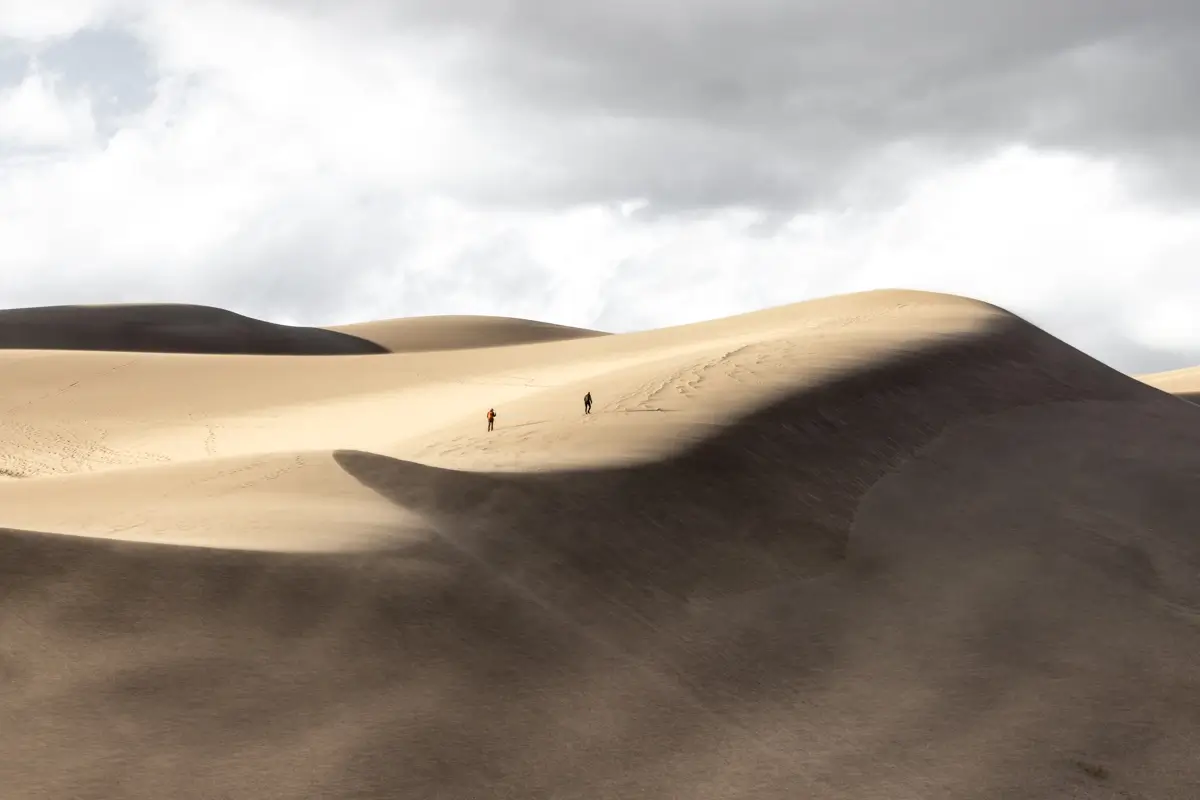
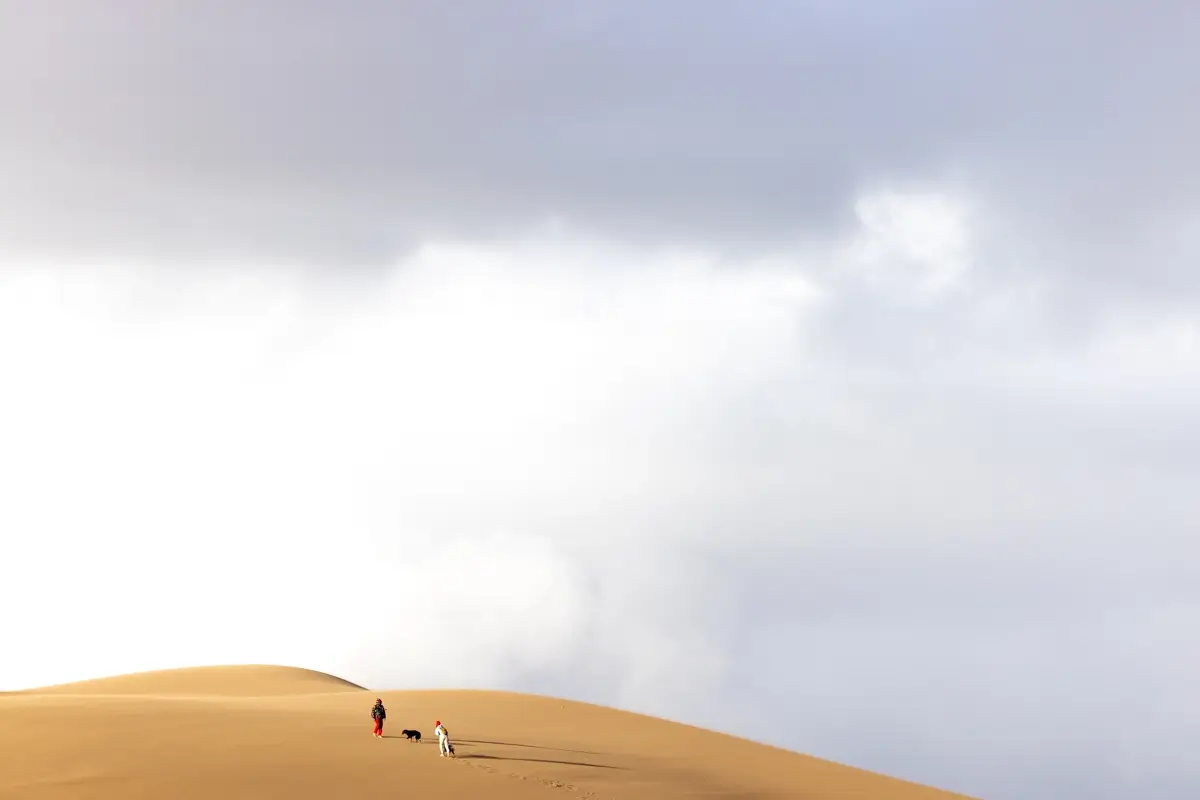
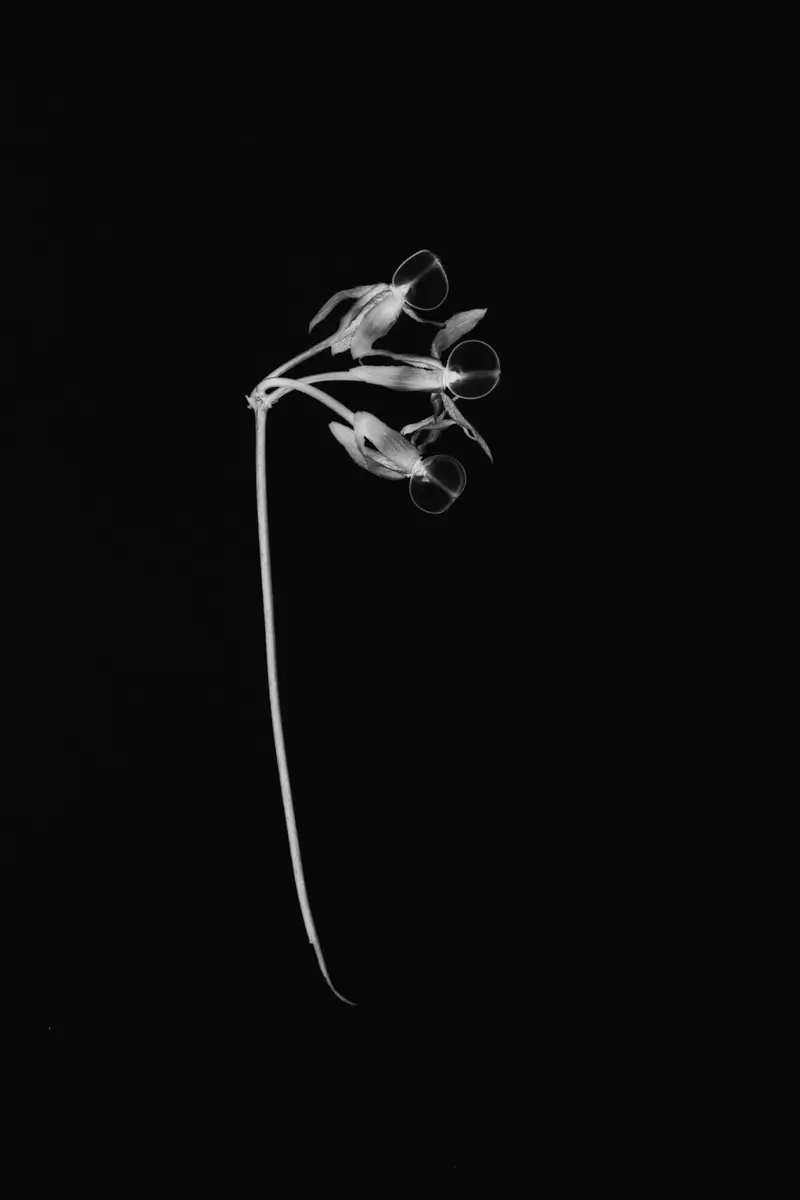
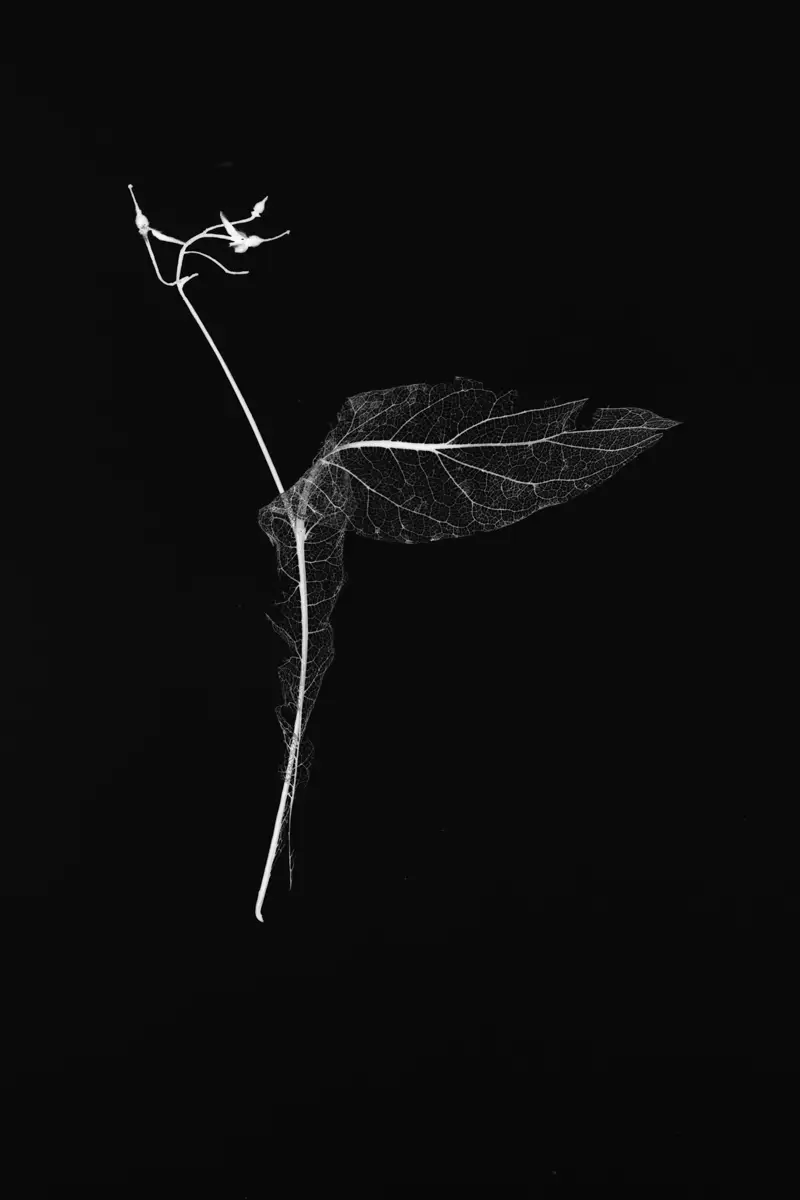
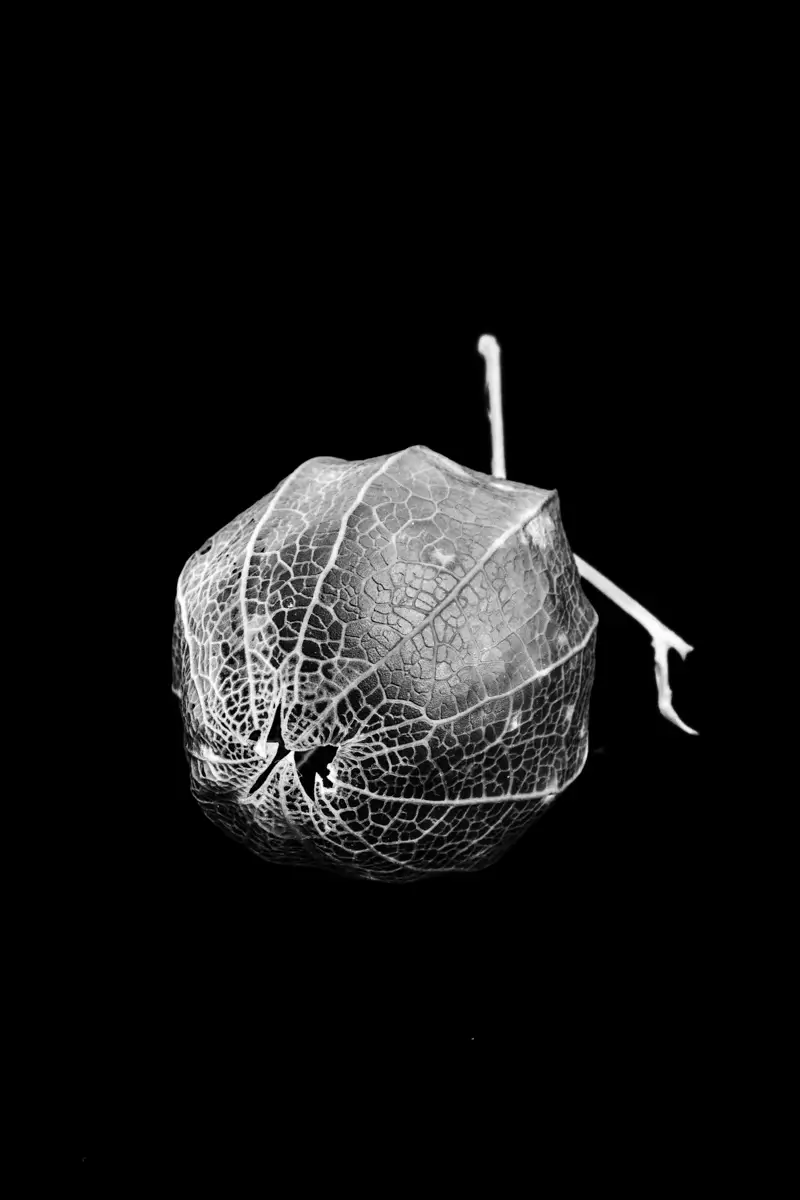
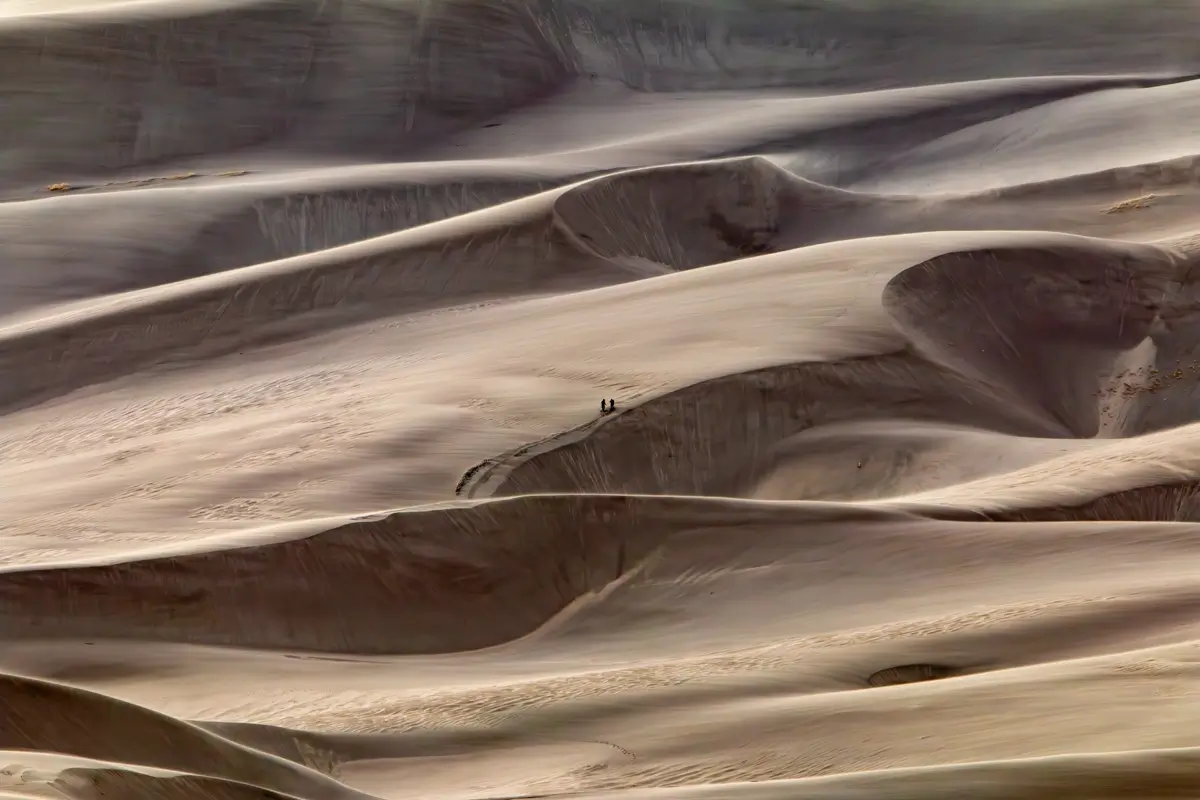
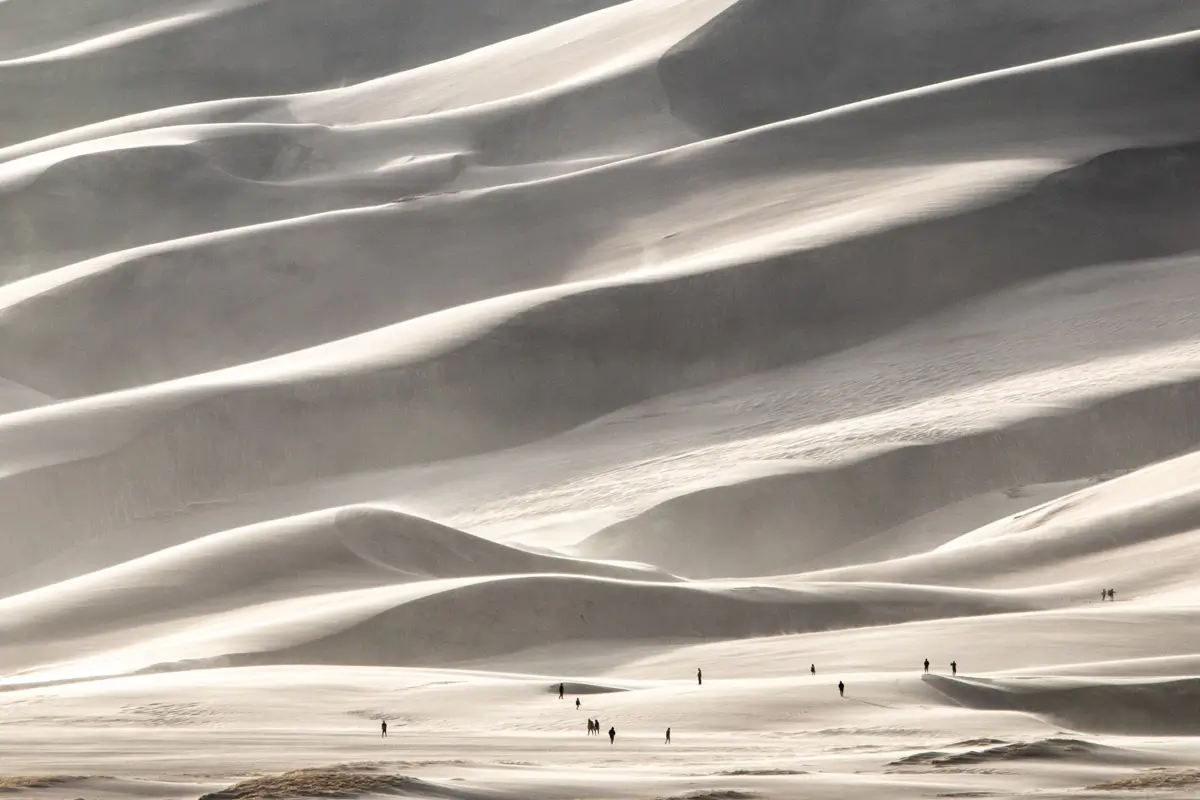
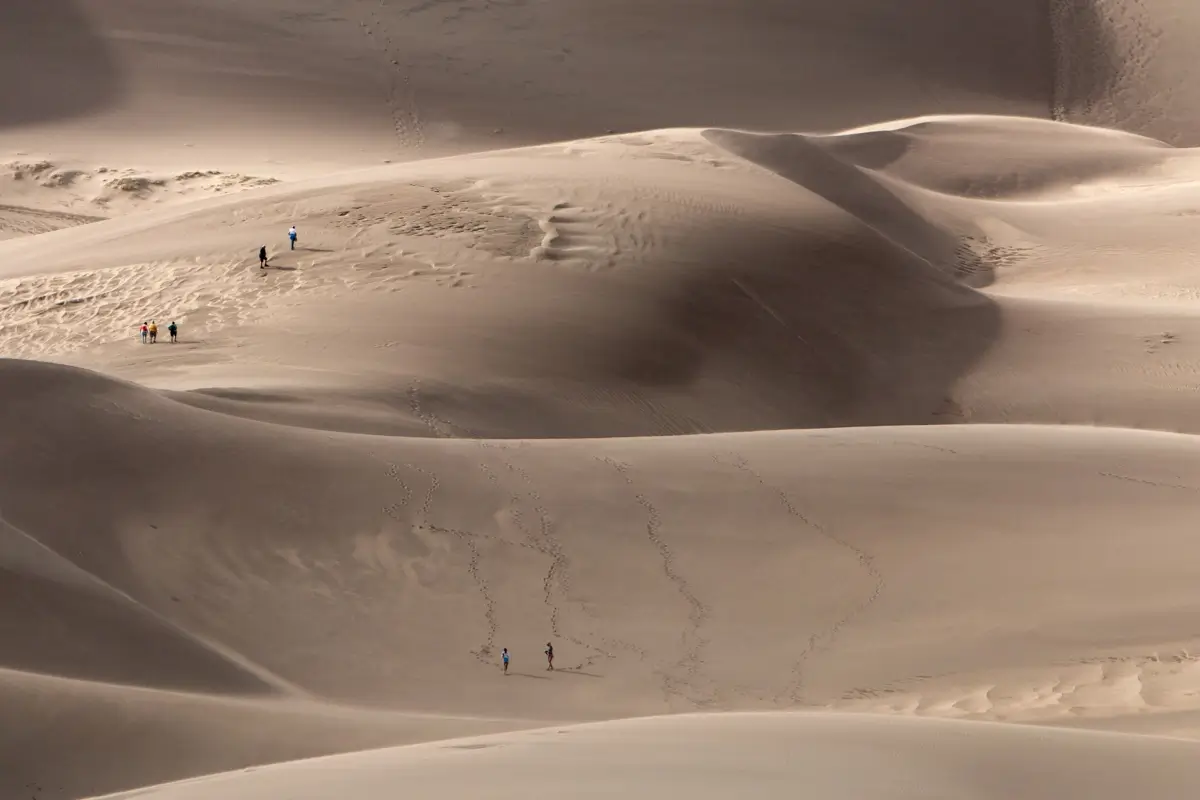
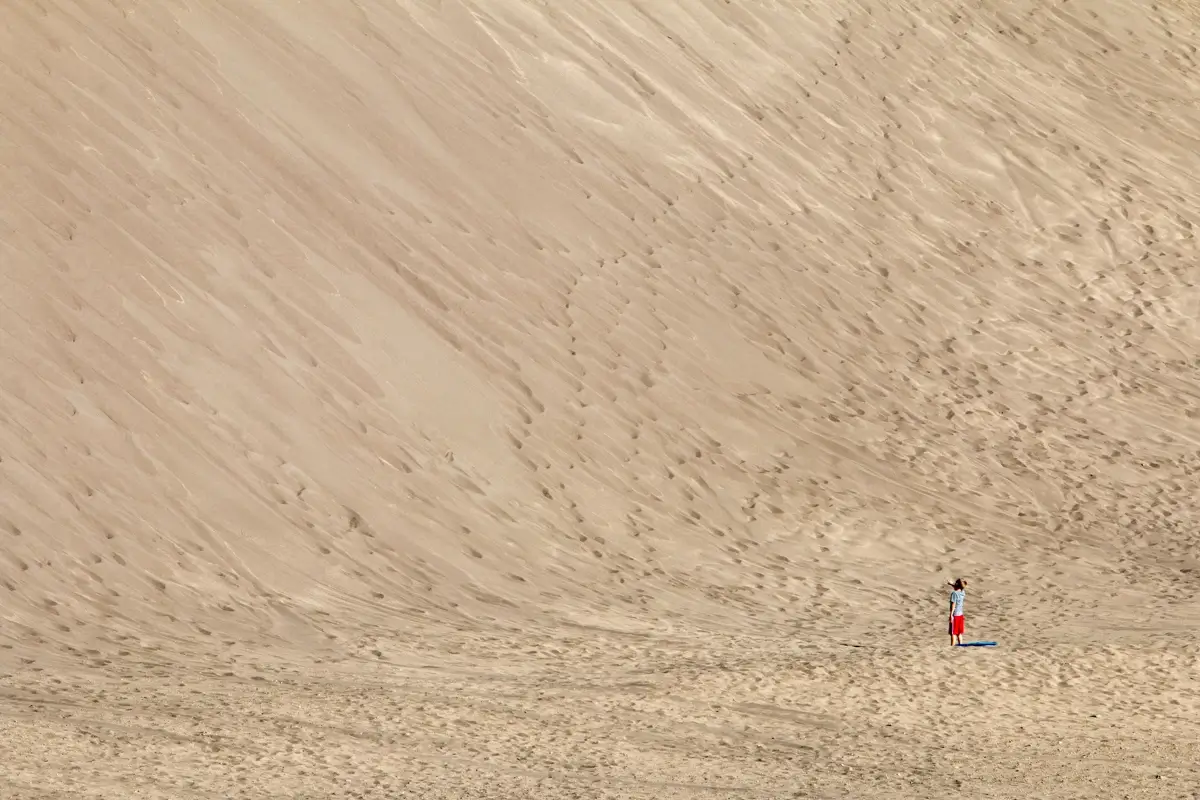
Tracy Burke is a visual artist whose practice examines nature as humanity's salvation. Working primarily through photography, she explores places that remain essentially untamed despite their public accessibility, investigating human engagement with the natural world and its profoundly positive psychological, emotional, and physical effects.

Burke received her BA in History from Yale University, where she served as editor and publisher of Black and White: The Yale Undergraduate Photography Review. She later earned a master's degree in clinical social work from Smith College.

After a transformative three-month wilderness experience at age 22 that fundamentally shifted her understanding of what gives life meaning, Burke initially set aside photography, feeling unable to capture the profound impact of the natural world through her lens. She returned to the medium years later while documenting family outings to national parks, recognizing that these images transcended family snapshots to become powerful artistic statements about human connection to the natural world.

Burke's work has been exhibited at the Colorado Photographic Arts Center in Denver and the Dairy Arts Center in Boulder, Colorado. Her photographs have been published in Lenscratch and included in online exhibitions with the Center for Fine Art Photography in Fort Collins, Colorado, and PhotoPlace Gallery in Vermont. Her work is held in numerous private collections.

She lives and works in Boulder, Colorado.

AAP Magazine

AAP Magazine 54 Nature

 

Inspiring Portfolios

Call for Entries
All About Photo Awards 2026
$5,000 Cash Prizes! Juror: Steve McCurry
 
Stay up-to-date  with call for entries, deadlines and other news about exhibitions, galleries, publications, & special events.

More Great Photographers To Discover

Philippe Chancel
Over the past twenty years Philippe Chancel’s photography has explored the complex, shifting and fertile territory where art, documentaries and journalism meet. His is a constantly evolving project, focusing on the status of images when they are confronted with what constitutes “images” in the contemporary world.Born in 1959, Philippe Chancel now works and lives in Paris. He was introduced to photography at a very young age, took an economics degree at the University of Paris (Nanterre) followed by a post-graduate diploma in journalism at the Cfpj in Paris.Philippe Chancel’s work has been widely exhibited and published in France and abroad in a number of prestigious publications. These include « Regards d’artistes » – portraits of contemporary artists –, « Souvenirs » – a series of portraits of great capital cities (Paris, London, New York, Tokyo, Brussels) glimpsed through shop windows - produced in collaboration with Valérie Weill, and, lastly, his North Korean project, which brought him international recognition.« DPRK », in which Chancel offers a revealing and original vision of North Korea, was first shown in 2006 at the « Rencontres d’Arles », then at the C/O Berlin. It was also exhibited at the Photographers’ Gallery in London, as part of the Deutsche Borse photography prize exhibition, where it won the visitors’ poll. « DPRK » also appeared in book form, published by Thames and Hudson. His Emirates project was initially presented at the 53rd Venice Biennale in the Abu Dhabi pavilion, curated by Catherine David, and was part of the « Dreamlands » exhibition at the Pompidou Centre from May 2010 followed by many others all over the world. « Desert sprit » published by Xavier Barral and « Dubai » published by be-pôles already present this project in book form. « Workers Emirates », published by Bernard Chauveau Editeur, is his latest photo essay book.Philippe Chancel is currently working on a new long-term project entitled « Datazone » that aims to explore the many-faceted aftermaths within the documentary field, revealing some of the world’s most singular lands which are recurrently in the news or, conversely, hardly ever picked up by the media radar. This visionary quest has already taken him from Port au Prince to Kabul via Fukushima, Niger's delta, Pyongyang or Astana. His work is included in many permanent public collections as well as private collections.
Bettina Rheims
France
1952
Bettina Rheims, born Bettina Caroline Germaine Rheims is a French artist and photographer. She began her career with a series of images of striptease dancers and acrobats, and over the years she became one of the most notable persons behind the lens. "I adore flesh. I am a skin photographer," she says famously, and that perfectly explains her work. It is raw and erotic, frequently involving nudity and stuffed animals, and she achieves a visceral emotion that captivates the audience. Some of her most well-known pieces raise problems of gender, androgyny, and transsexuality. Although Bettina Rheims began with obscure and marginalized subjects, her later assignments included advertising campaigns for fashion and major brands like Chanel and Lancôme, as well as prominent international magazines. Madonna, Charlotte Rampling, Catherine Deneuve, Kylie Minogue, Claudia Schiffer, and many others were photographed by Rheims. And there's something indisputably human and true in every photograph she takes, perhaps too natural and personal. I have always believed that whether the work is my idea or a commission, it is personal work.... In the end, as my old master Helmut Newton used to say, there are only two kinds of pictures: the good ones and the bad ones. -- Bettina Rheims Bettina Rheims was born in Neuilly-sur-Seine, France. She is the daughter of the French Academy's Maurice Rheims. She began her career as a photographer in 1978, at the age of 26, after working as a model, a journalist, and running an art gallery. Initially, she accomplished a lot of commissioned work, such as record covers for Jean-Jacques Goldman and celebrity portraits. She devoted herself entirely to photography beginning in 1980. She created a series of images of strippers and acrobats, which were presented in two personal exhibits in Paris in 1981, at the Centre Pompidou and the Galerie Texbraun. Encouraged by her success, she began work on a series of plush animal portraits, which were shown in Paris and New York. In 1982, Rheims' Animal series allowed her to focus her lens on a different type of nudity: stuffed animals with fixed looks, "which seemed to desire to express something beyond death." "I had to capture their stare," the photographer claimed. The photographer questioned gender, androgyny, and transsexuality in Modern Lovers (1989-1990). Les Espionnes (1992) and Kim (1993) were two subsequent publications on the same subject (1994). At the same time she took portrait images for worldwide magazines and advertising campaigns (Well and Chanel), created her first fashion series, worked on cover sleeves, and film posters, and in 1986 directed her first advertising campaign. Her female portraits were published in a monograph, Female Trouble, in 1989, and exhibited in Germany and Japan. The next year, she created Modern Lovers, a series of portraits of androgynous youths that were presented in France, the United Kingdom, and the United States, as well as being published in book form. I still find myself having to justify being a woman taking pictures of naked women. It never occurred to me that there was something bizarre about it, it always felt very natural. -- Bettina Rheims Bettina Rheims began work on one of her major series, Chambre Close, in the early 1990s (1990-1992). This was her first color work, and it marked the beginning of her partnership with novelist Serge Bramly, in which her images were combined with the writer's fiction. Chambre Close is a parody of the first pornographic images in form — chambers with fading walls and old-fashioned wallpaper — but in substance, it attempts to stage amateur models in stances that play on the eroticism and misunderstanding between those looking and those displaying themselves. At the close of his presidential campaign in 1995, Jacques Chirac allowed Rheims to work behind the scenes on a series of images depicting the last moments of the election. Following the election, the French Republic's Presidency commissioned Bettina Rheims to create the official picture of Jacques Chirac. According to Libération, she intended to give the President "the easygoing look of the great heroes in westerns." The decade ended with the publishing of the book I.N.R.I. and its accompanying exhibition in 1999. I.N.R.I. constructs a philosophical debate on the history of the crucifixion through images of episodes from Christ's life, from the Annunciation to the Ascension, once again connecting the gaze of Rheims with the writing of Serge Bramly. Bettina Rheims advocated "modern illustrations, following the advent of photography, cinema, and advertising imagery, as if Jesus were to return today." The release of this work was highly contentious in France. During two long stays in Shanghai in 2002, Bettina Rheimsmade a series about the city. "The initial impressions of a visitor coming in Shanghai are of people with deep-rooted ancestral rituals and customs who have thrown themselves into the frenzied race of the modern world." Rheims, blending into this 'alternative way of thinking,' offers us a fresh perspective on the enigma that is China's coexistence with its millenary traditions, avant-garde facet, official elements, and underground qualities. Rheims exhibited Héroïnes, a piece that was essentially an homage to sculpture, at the Galerie De Noirmont in 2005. On this occasion, the photographer worked with designer Jean Colonna to outfit the women in unique outfits. "Thus, old haute couture gowns were reassembled on each of these contemporary icons. These unusually beautiful women then toyed with a stone, which became their pedestal for a brief while." Bettina Rheims collaborated with Serge Bramly again at the end of the 2000s, and Rose, c'est Paris was shown at the Bibliothèque Nationale de France in 2010. Bettina Rheims and Serge Bramly crafted a fictional thread from autobiographical parts for the photographic story. In this piece, Paris plays "the role of the muse more than the subject, and [appears] in an almost allegorical manner through the figures weaved into a story." A young woman we'll call B. is hunting for Rose, her twin sister who she thinks has vanished. Rose, c'est Paris is presented as a "great mysterious series," a genre beloved by surrealists, and is divided into thirteen episodes in which we discover, among other things, an unusual or obscure Paris that is voluntarily timeless." Exhibited in 2012 in Düsseldorf, the Gender Studies series pursues the questioning of gender representation. The device linking image and sound (by Frédéric Sanchez) presents 27 sound portraits of young men and women who responded to a request the photographer posted on Facebook. The photos are accompanied by interview clips and have featured in several exhibitions and a book. Rheims has also worked on advertising campaigns for fashion and big brands, such as Chanel and Lancôme, as well as taking portraits of famous women for international magazines. Rheims says that she has been inspired by Diane Arbus and Helmut Newton as well as by the work of early painters.
Joel Sternfeld
United States
1944
Joel Sternfeld (born June 30, 1944) is an American fine-art color photographer. He is noted for his large-format documentary pictures of the United States and helping establish color photography as a respected artistic medium. Sternfeld's work is held in the collection of the Museum of Modern Art in New York. Sternfeld earned a BA from Dartmouth College and teaches photography at Sarah Lawrence College in New York. He began taking color photographs in 1970 after learning the color theory of Johannes Itten and Josef Albers. Color is an important element of his photographs. American Prospects (1987) is Sternfeld's most known book and explores the irony of human-altered landscapes in the United States. To make the book, Sternfeld photographed ordinary things, including unsuccessful towns and barren-looking landscapes. On This Site: Landscape in Memoriam (1997), is about violence in America. Sternfeld photographed sites of recent tragedies. Next to each photograph is text about the events that happened at that location. From 1991 to 1994 Sternfeld worked with Melinda Hunt to document New York City's public cemetery on Hart Island, resulting in the book Hart Island (1998). Sternfeld has also published books about social class and stereotypes in America: Stranger Passing (2001), an abandoned elevated railway in New York: Walking the High Line (2002), and Sweet Earth: Experimental Utopias in America (2006). When It Changed (2007) contains close-up portraits of delegates debating global warming at the 2005 United Nations Climate Change Conference in Montreal.Source: Wikipedia Joel Sternfeld is an artist-photographer whose work is concerned with utopic and dystopic possibilities of the American experience. Ever since the publication of his landmark study, American Prospects in 1987 his work has maintained conceptual and political aspects, while also being steeped in history, art history, landscape theory and attention to seasonal passage. It is a melancholic, spectacular, funny and profound portrait of America. The curator Kevin Moore has claimed that the work embodies the “synthetic culmination of so many photographic styles of the 1970s, incorporating the humor and social perspicacity of street photography with the detached restraint of New Topographics photographs and the pronounced formalism of works by so many late-decade colorists” (Kevin Moore, Starburst: Color Photography in America 1970-1980). On This Site (1996) examines violence in America while simultaneously raising significant epistemological questions about photographs as objects of knowledge. Sweet Earth: Experimental Utopias in America (2006) “can be seen as a generous respite from the traumatic history in On This Site... It is a survey of American human socialization, alternative ways of living, of hopeful being” (Elin O’Hara Slavik, 2018). All his subsequent work has sought to expand the narrative possibilities of still photography primarily through an authored text. All of his books and bodies of work converse with each other and may be read as a collective whole. His work represents a melding of time and place that serves to elucidate, honor, and warn. The images hold a certain urgency, as their histories survive solely through their photographic representation— they are an archive for the future. Sternfeld is the recipient of two Guggenheim Fellowships and spent a year in Italy on a Rome Prize. He teaches at Sarah Lawrence College, where he holds the Noble Foundation Chair in Art and Cultural History.Source: www.joelsternfeld.net Joel Sternfeld is well known for large-format color photographs that extend the tradition of chronicling roadside America initiated by Walker Evans in the 1930s. Sternfeld's projects have consistently explored the possibility of a collective American identity by documenting ordinary people and places throughout the country. Each project he embarks on is bound by a concept that imbues it with subtle irony, often through insightful visual juxtapositions or by pairing images with informational text. Another characteristic aspect of Sternfeld's work is that color is never arbitrary; it functions in highly sophisticated ways to connect elements and resonate emotion. Sternfeld earned a BA in Art from Dartmouth College in 1965. He began making color photographs in the 1970s after learning the color theory of Johannes Itten and Josef Albers. He initially made street photographs with small- and medium-format cameras, but by the time he produced what would become a seminal project, American Prospects (1987), he was working with an eight-by-ten-inch camera. This enabled him to achieve the crisp details his work is known for. Sternfeld's style-his careful attention to visual qualities combined with an insightful and often ironic view of his subjects was first articulated in American Prospects. One of his best-known images, for example, depicts a fireman shopping for a pumpkin as a house burns in the background. The pumpkins' vibrant oranges match the autumnal colors of the countryside, and ironically, the fire's flames.Source: The J. Paul Getty Museum
Claudio Allia
Italy
1962
Claudio Allia (1962), is an Ophthalmologist, jazz and classical music producer, and an amateur awards-winning photographer living in Sicily. Music and photography have always been his main passions that he has cultivated all his life since childhood. Fascinated by fine art and conceptual photography, at early 90's Claudio began to devote himself to the creation of photographic projects and series trying to transfigure and filter most disparate social themes, even the most crude and brutal, through his personal sensitivity and imagination. Since 2005, started to experiment with new visual and creative approaches into his photographic world, exploring and developing as well his knowledges in the digital editing field and spacing his body of work from fine art to surrealistic or conceptual photo collections/series up to pure social/documentary photography. Slum Glam series Despite the harsh living conditions I have recognised the high level of dignity shown by the Mathare residents and my Slum Glam series attempted to depict this. A hand painted, makeshift wooden chair rests in front of a multi coloured shack wall that the women have decorated using brightly coloured designs wearing their best clothes to pose for my camera. Flower Pots series (Mathare Valley Slum - Nairobi) "Now we go into the vulnerable realm of an impossible privacy, constantly threatened and modified by all that's happening outside; rooms as decorated trenches of a never-ending battle; 9 square meters where to try a claustrophobic but worthy independence, where to keep dignity at low cost. Now focus in the flowerpots; the picture is a transparent flowerpot allowing you to check every corner of these rooms... look again: the dwellers are the flowers." --Claudio Torres Remote Control series (Mathare Valley Slum – Nairobi) For the Remote Control series some of the children of Mathare joined me on a photo shoot, turning up well dressed and carrying a favourite, or only toy. As they walked through the area of corregated dwellings I handed them a remote control i had brought withme in preparation and they instinctively grasped the significance and started pointing it towards areas that they wished to see change to improve their existence.
Martín Chambi
Peru
1891 | † 1973
Martín Chambi Jiménez was a Peruvian photographer, originally from southern Peru. He was one of the first major Indigenous Latin American photographers. Recognized for the profound historic and ethnic documentary value of his photographs, he was a prolific portrait photographer in the towns and countryside of the Peruvian Andes. As well as being the leading portrait photographer in Cuzco, Chambi made many landscape photographs, which he sold mainly in the form of postcards, a format he pioneered in Peru. In 1979, New York's Museum of Modern Art held a Chambi retrospective, which later traveled to various locations and inspired other international expositions of his work. Martín Chambi was born into a Quechua-speaking peasant family in one of the poorest regions of Peru, at the end of the nineteenth century. When his father went to work in a Carabaya Province gold mine on a small tributary of the River Inambari, Martin went along. There he had his first contact with photography, learning the rudiments from the photographer of the Santo Domingo Mine near Coaza (owned by the Inca Mining Company of Bradford, Pa). This chance encounter planted the spark that made him seek to support himself as a professional photographer. With that idea in mind, he headed in 1908 to the city of Arequipa, where photography was more developed and where there were established photographers who had taken the time to develop individual photographic styles and impeccable technique. Chambi initially served as an apprentice in the studio of Max T. Vargas, but after nine years set up his own studio in Sicuani in 1917, publishing his first postcards in November of that year. In 1923 he moved to Cuzco and opened a studio there, photographing both society figures and his Indigenous compatriots. During his career, Chambi also traveled the Andes extensively, photographing landscapes, Inca ruins, and local people. Chambi began his work as a photographer as an apprentice to Max T. Vargas in Arequipa, Peru. During this time as an apprentice, Chambi learned different ways of manipulating light for portraits in the studio. His daughter, Julia Chambi, is quoted as saying, "my father was enchanted by light." His studio in Cuzco included a set of blinds and shutters made specifically so that he could alter the natural lighting to best suit his photographs. Furthermore, most of Chambi's photos of Indigenous people were taken outside so that he could use only natural lighting. Chambi produced a variety of works over his career as a photographer. Within the studio, he took many portraits of both wealthy and elite members of society, as well as the Indigenous people; he also took many self-portraits. Chambi is well-known for his work in documenting the Indigenous culture, including Machu-Picchu and other ruins. In a magazine interview in 1936, he is quoted saying "in my archive I have more than two hundred photographs of diverse aspects of the Quechua culture." He took pictures of ruins and architecture, but also tried to capture the events of everyday life. With regard to Chambi's diverse work, Jorge Heredia once said, "He has been the photographer of whites who seek after his images, but also of Indians and Mestizos." In addition to taking photographs for individual commissions or for his own personal interests, Chambi also used his photographs in other publications. One such publication was the use of his photographs in postcards. The other main use for his photographs was in a weekly Argentine newspaper called La Nación ("The Nation") where he contributed photographs of artists, writers, and any other assignments he was commissioned to do. Chambi traveled to Chile to exhibit some of his artworks and used his artistic skills to allow the audience to understand how the photographer prioritized the Indigenous outcome that relates to the Peruvians and the Chileans. There were some arguments that the two countries disagreed with each other when involving the differences of race, indigeneity, and civilization. The photographer managed to redevelop the process through his artwork, letting the viewers and art critics to understand these types of political issues that concern the Chileans and the Peruvians. The Peruvians were able to accept Indigenous people from various countries, but the Chileans did not accept them because of the 'pacification' campaigns of the late 19th century. The Mapuche leaders discuss educational benefits; however, they were dealing with some problems with governmental authorities that involves Chile and Peru. Chambi was determined to debunk racial stereotypes, but often up reinforcing them. El Sol, La Nacion, and other news critics prioritize the photographer's artwork because it would enable them to discuss national boundaries and open up ideological debate. Eighty-eight images by Peruvian photographer Martin Chambi have been added to the archives of the famous Instituto Moreira Salles (IMS) in Brazil. It gives the public an opportunity to discover one of the first major, indigenous Latin American photographers. Face Andina features nearly 90 photographs and 23 postcards of studio portraits and the urban and rural landscapes of Cuzco, Arequipa and Puno.Source: Wikipedia
Advertisement
All About Photo Awards 2026
Win a Solo Exhibition in March
All About Photo Awards 2026

Latest Interviews

Exclusive Interview with Anastasia Samoylova
Anastasia Samoylova is an American artist whose photographic practice is shaped by close observation and a deep attentiveness to place. Working between documentary and formal exploration, she photographs landscapes, architecture, and everyday scenes with a sensitivity to light, structure, and atmosphere. Since relocating to Miami in 2016, her work has increasingly focused on how environments—both natural and built—carry social, cultural, and emotional traces. We asked her a few questions about her practice and her way of seeing, to better understand the thoughts and experiences that shape her work—while allowing the images themselves to remain open and speak in their own time.
Exclusive Interview with Marijn Fidder
Marijn Fidder is a Dutch documentary photographer whose work powerfully engages with current affairs and contemporary social issues. Driven by a deep sense of social justice, she uses photography to speak on behalf of the voiceless and to advocate for the rights of those who are most vulnerable. Her images have been widely published in major international outlets including National Geographic, CNN Style, NRC Handelsblad, Volkskrant, GUP New Talent, and ZEIT Magazin. Her long-term commitment to disability rights—particularly through years of work in Uganda—culminated in her acclaimed project Inclusive Nation, which earned her the title of Photographer of the Year 2025 at the All About Photo Awards. She is also the recipient of multiple prestigious honors, including awards from World Press Photo and the Global Peace Photo Award. We asked her a few questions about her life and work.
Exclusive Interview with Josh S. Rose
Josh S. Rose is a multidisciplinary artist working across photography, film, and writing. His practice bridges visual and performing arts, with a strong focus on movement, emotion, and the expressive potential of the image. Known for his long-standing collaborations with leading dance companies and performers, Rose brings together authenticity and precise composition—a balance he describes as “technical romanticism.” His work has been commissioned and exhibited internationally, appearing in outlets such as Vogue, at the Super Bowl, in film festivals, and most recently as a large-scale installation for Lincoln Center for the Performing Arts. A sought-after collaborator, he has worked with major artists, cultural institutions, and brands, following a previous career as Chief Creative Officer at Interpublic Group and the founder of Humans Are Social. We asked him a few questions about his life and work.
Interview with Maureen Ruddy Burkhart
Photographer Maureen Ruddy Burkhart brings a quietly attentive and deeply human sensibility to her exploration of the world through images. Shaped by a life immersed in photography, film, and visual storytelling, her work is guided by intuition, observation, and an enduring interest in the emotional undercurrents of everyday life. With a practice rooted in both fine art traditions and documentary awareness, she approaches her subjects with sensitivity, allowing subtle moments to emerge naturally rather than be imposed. Her series Til Death, selected as the Solo Exhibition for February 2025, reflects this long-standing commitment to photography as a space for reflection rather than spectacle. Drawn to moments that exist just outside the expected frame, Burkhart’s images suggest narratives without resolving them, leaving room for ambiguity, humor, and quiet connection. We asked her a few questions about her life and work.
Exclusive Interview with Peter Ydeen
Winner of AAP Magazine #45 Travels, his series reflects this unique vision—capturing the spirit of place through subtle layers of light, color, and emotion. Whether traveling abroad or observing the rhythms of his own surroundings, Ydeen creates images that feel both grounded and enchanted, inviting viewers into a world where reality and reverie meet.
Exclusive Interview with Julie Wang
Chinese-born photographer Julie Wang brings a poetic, contemplative sensitivity to her visual exploration of the world. Having lived for nearly equal parts of her life in China, Europe, and the United States, she approaches her subjects with the nuanced perspective of someone shaped by many cultures. This blend of distance, curiosity, and emotional resonance infuses her work with a quiet depth, allowing her to reveal the fragile beauty and subtle tensions that often pass unnoticed.
Exclusive Interview with Ghawam Kouchaki
American photographer Ghawam Kouchaki brings a sharply observant and introspective gaze to the streets of Japan’s capital. Based in Los Angeles, he approaches Tokyo with the distance — and curiosity — of an outsider, allowing him to uncover the city’s subtle contradictions, quiet tensions, and fleeting gestures that often go unnoticed. His series Tokyo no no, selected as the Solo Exhibition for December 2024, explores the hidden undercurrents of urban life: the unspoken rules, the small ruptures in routine, the poetic strangeness found in everyday moments. Through muted tones, instinctive timing, and meticulous framing, Kouchaki reveals a Tokyo that exists somewhere between reality and imagination — both intimate and enigmatic. We asked him a few questions about his life and work.
Exclusive Interview with Tommi Viitala
Tommi Viitala, winner of AAP Magazine #44: Street, is a Finnish photographer celebrated for his striking and cinematic street photography. With a keen eye for atmosphere and composition, he captures fleeting urban moments that reveal the poetry of everyday life. His work often explores the tension between solitude and connection within contemporary cityscapes, blending documentary realism with artistic sensibility. Viitala’s photographs have been exhibited internationally and recognized for their strong visual storytelling and emotional depth. We asked him a few questions about his life and work.
Exclusive Interview with Robert Mack
Robert Mack is a California-based visual artist, photographer, and filmmaker. His fine art photography and films have been exhibited widely in the United States and Europe, with major shows at the Baltimore Museum of Art and the Reiss-Engelhorn Museum in Mannheim, Germany. Both institutions hold his work in their permanent collections. Working across different media, Mack has built a career exploring the complexities of human presence and representation. In 1981, while living in Baltimore, he produced The Perkins Project: Not Guilty by Reason of Insanity, a rare photographic and film study inside Maryland’s hospital for the criminally insane. These stark yet compassionate black-and-white portraits remain one of his most powerful and controversial bodies of work.
Call for Entries
All About Photo Awards 2026
$5,000 Cash Prizes! Juror: Steve McCurry