All about photo.com: photo contests, photography exhibitions, galleries, photographers, books, schools and venues.
1 Week Left to enter All About Photo Awards: $5,000 Cash Prizes - Juror Steve McCurry
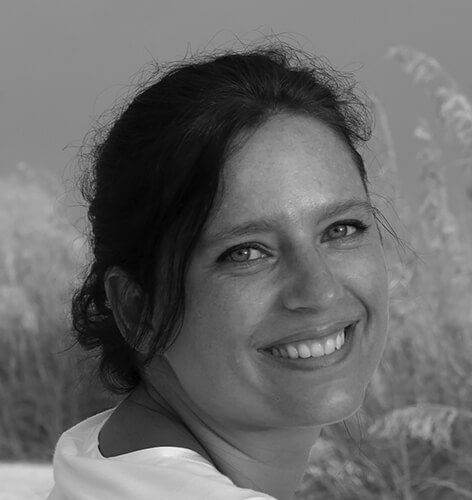
Sandrine Hermand-Grisel

Sandrine Hermand-Grisel

Country: France
Birth: 1973

Sandrine Hermand-Grisel grew up in Paris, France and in London, UK. She studied International Law before deciding to dedicate her life to photography in 1997. Influenced by her late mother's sculptures and her husbands paintings and films, she worked on several personal projects before her series Nocturnes was recognized in 2005 by Harry Gruyaert, Bertrand Despres and John Batho for the Prix Kodak de la Critique Photographique. In 2006 she moved with her family to the United States and began experimenting landscape photography with her series Somewhere and On the road.

Despite the diversity of her projects she has a unique, very intimate, relationship with her subjects. Photography provides her with a way to express her feelings, like in the series ''Nocturnes'' where she photographed only close friends and family members peacefully abandoning themselves in front of her camera. ''Somewhere'' is her dream of America, a road trip through her adopted country. And ''Waterlilies'' is full of joy and love for her two children as she watched them jumping and playing in pools over and over again. Sandrine Hermand-Grisel not only photographs what she loves, she breaks free from her own reality in her poetic vision of the world.

In 2013, she created the acclaimed website All About Photo and now spends most of her time discovering new talents while still working on personal projects.

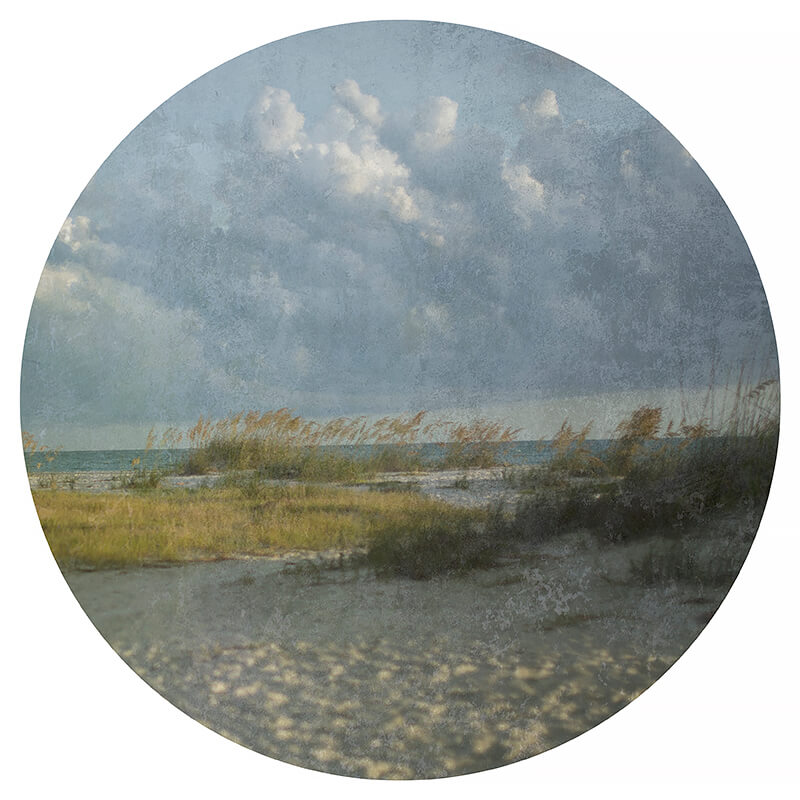
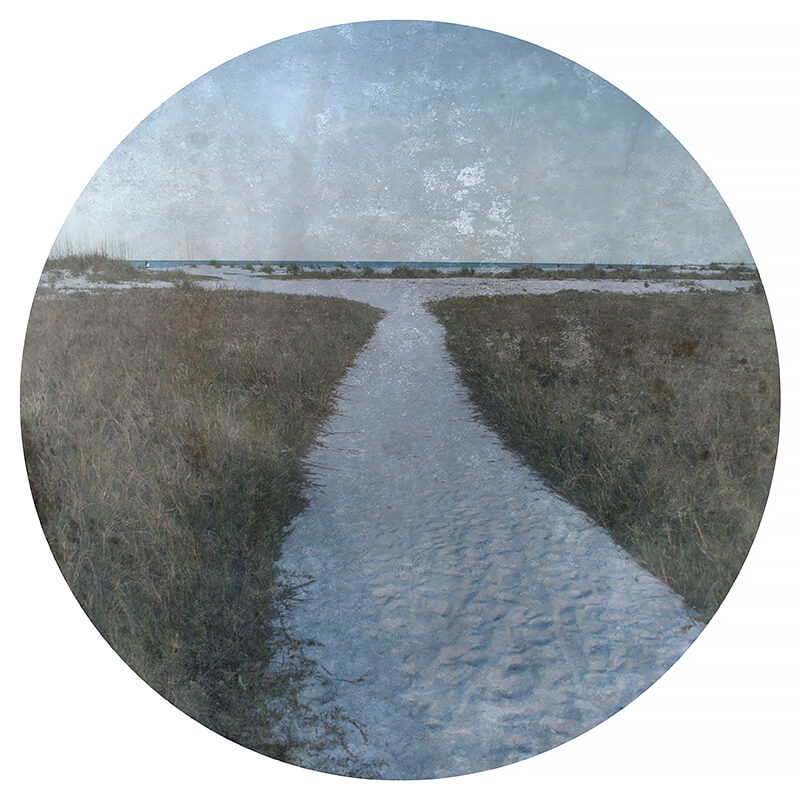
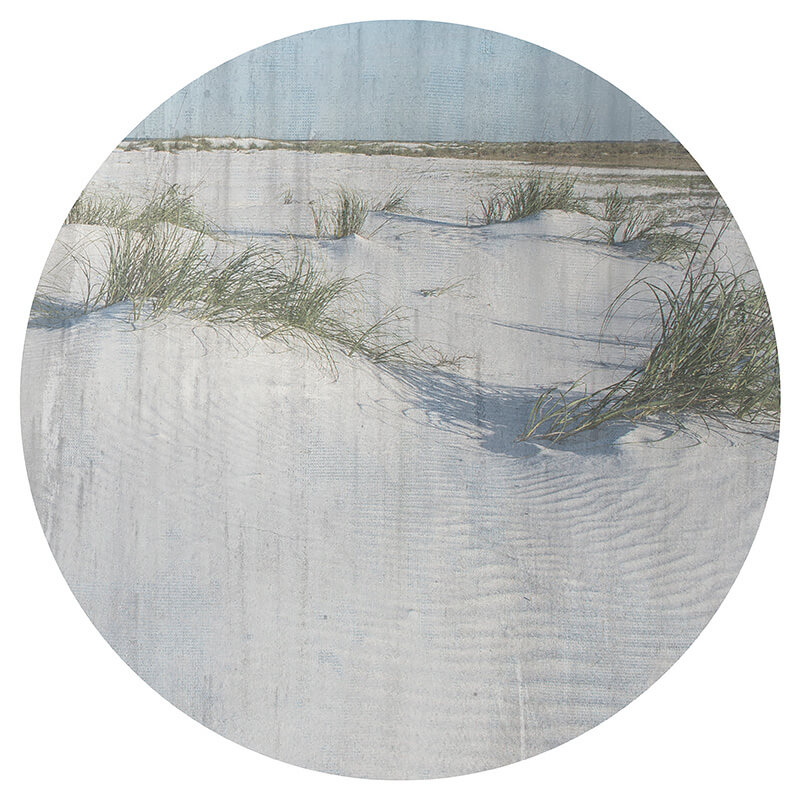
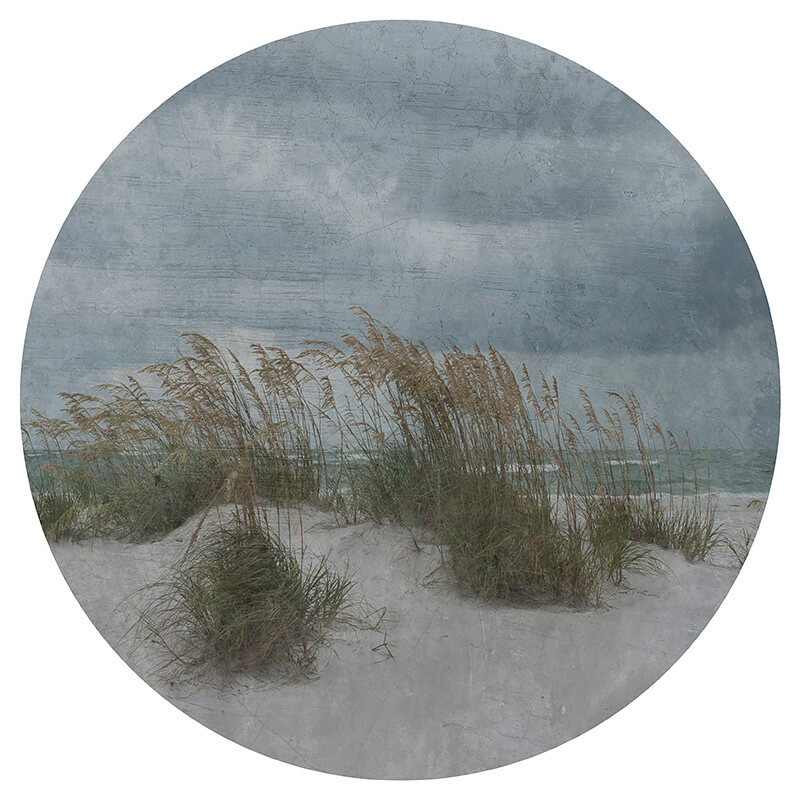
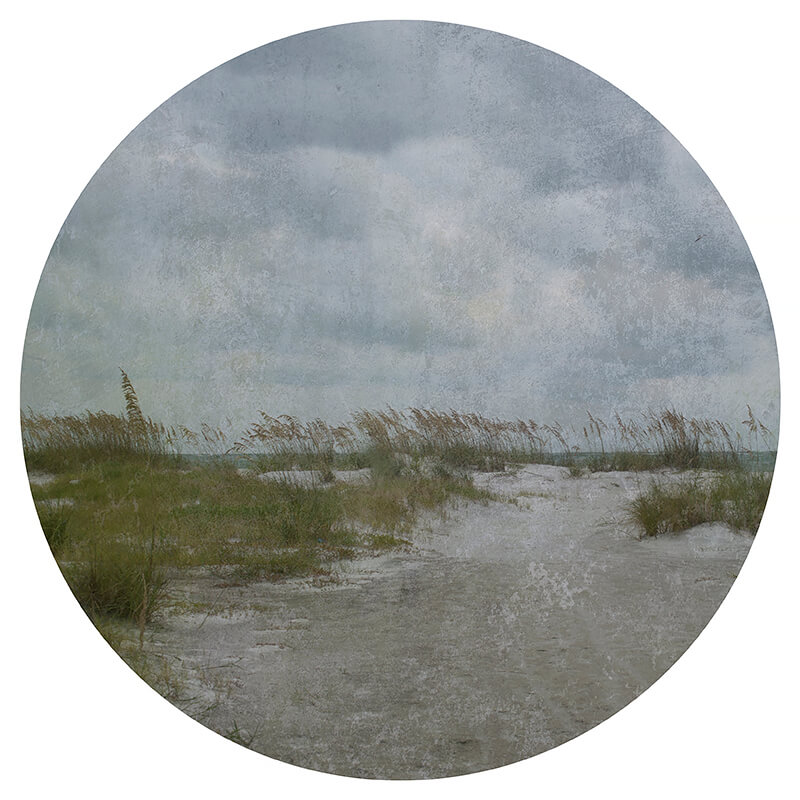
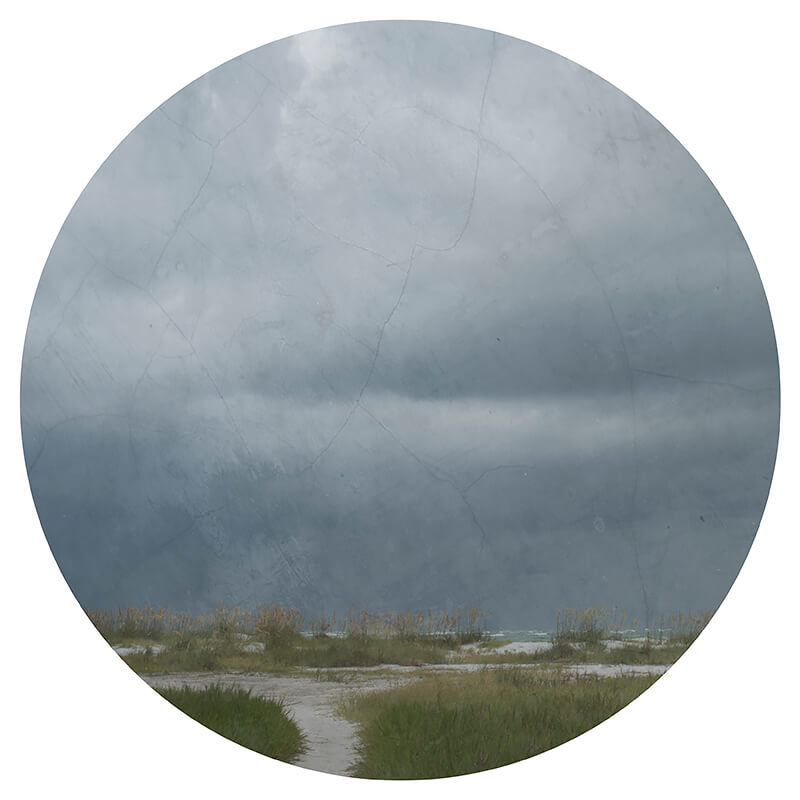
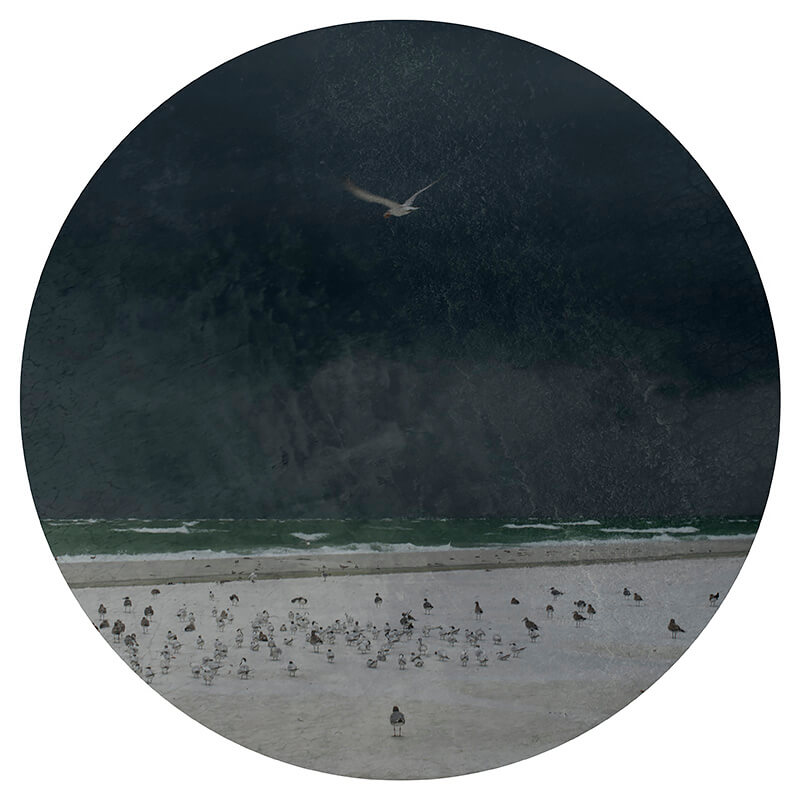
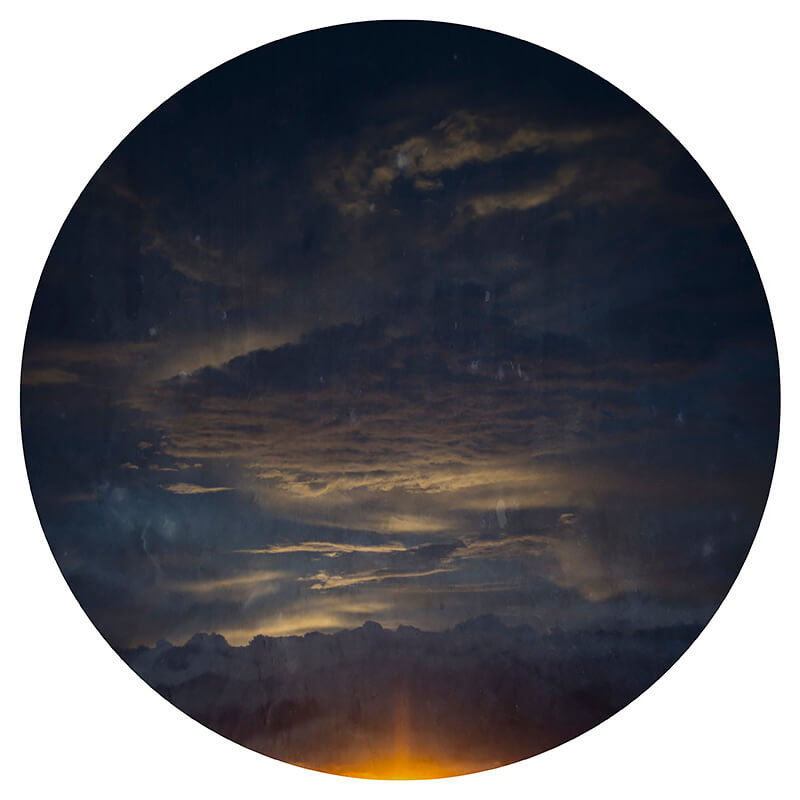
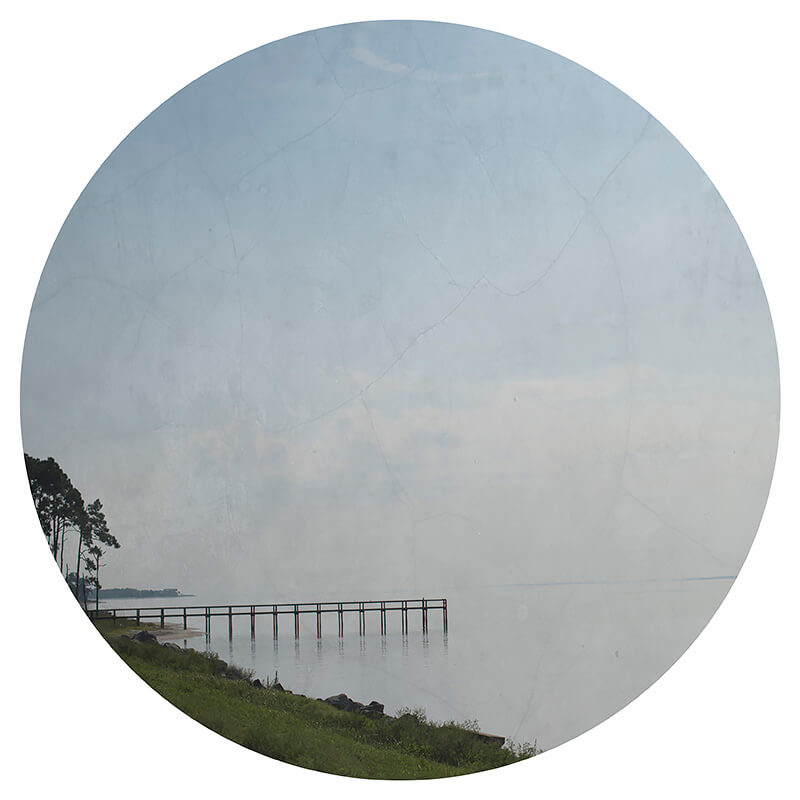
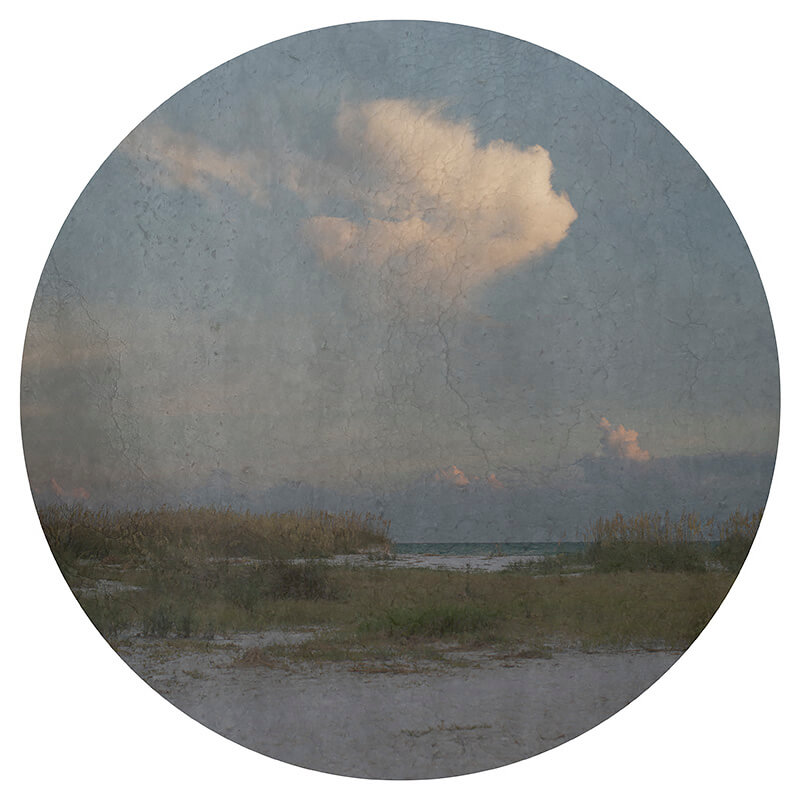
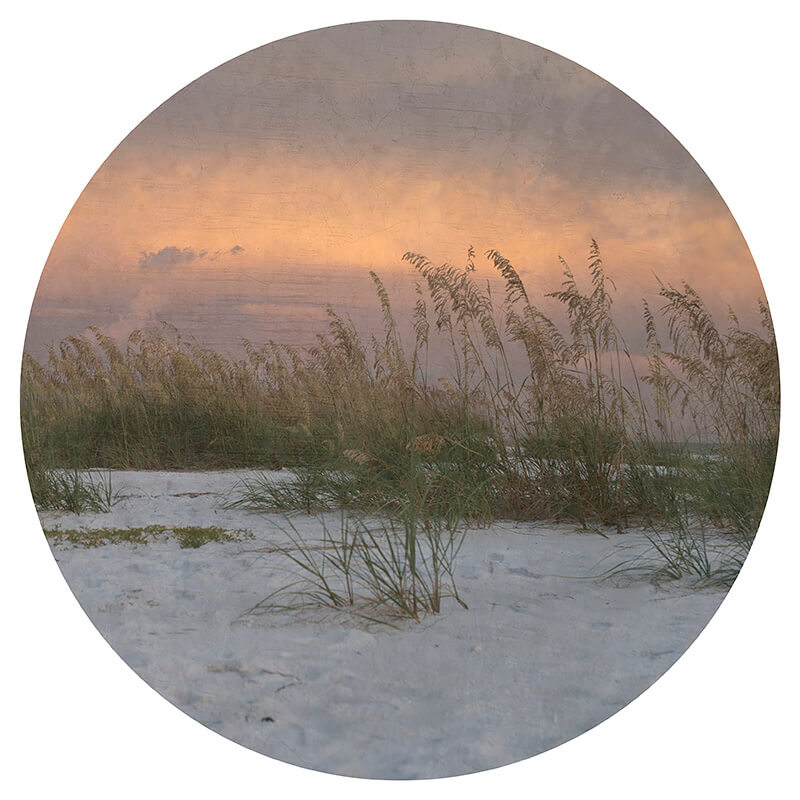
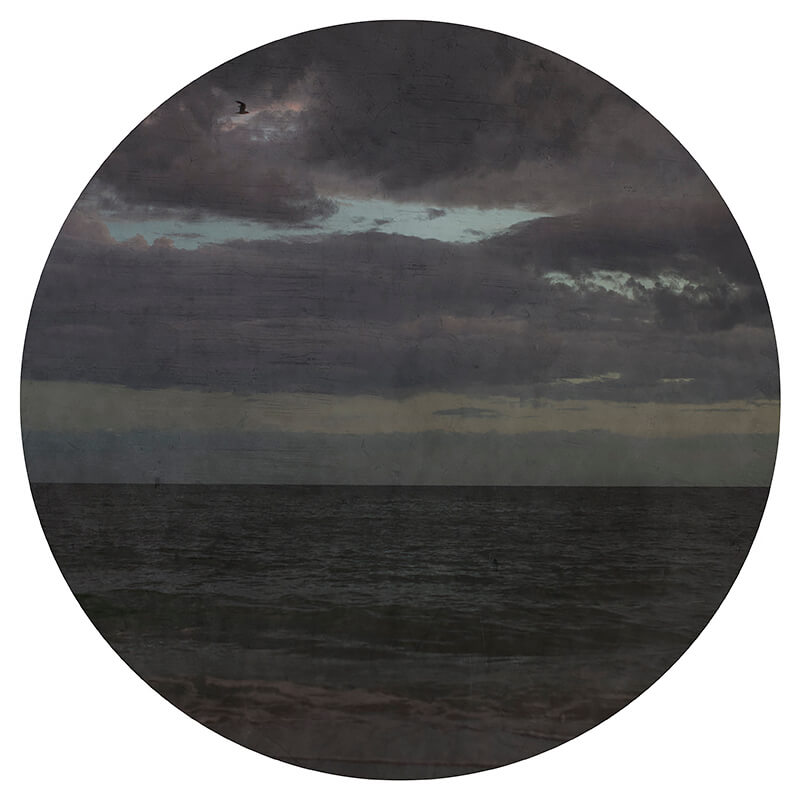
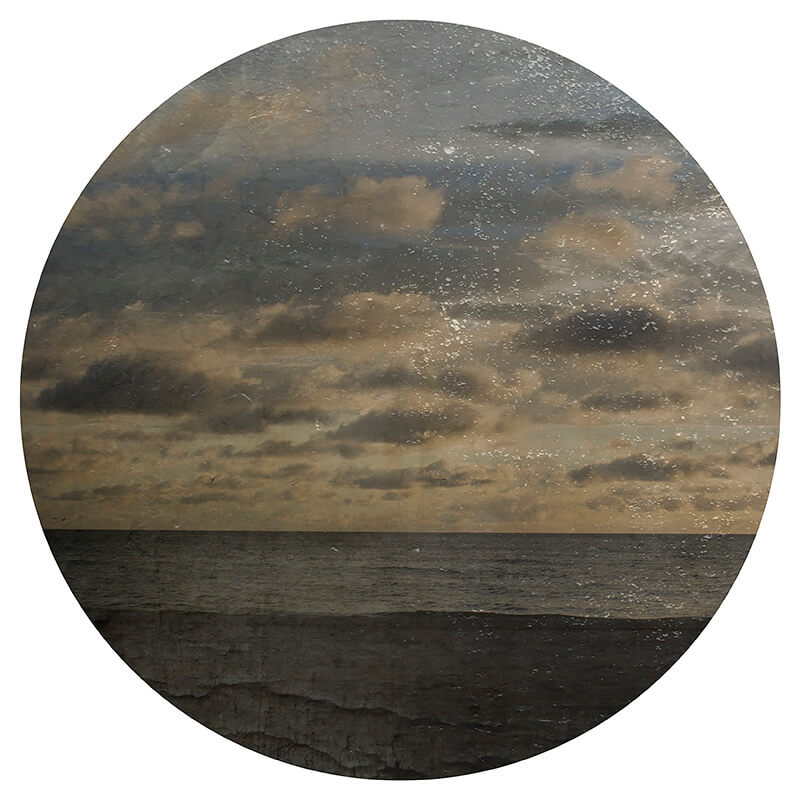
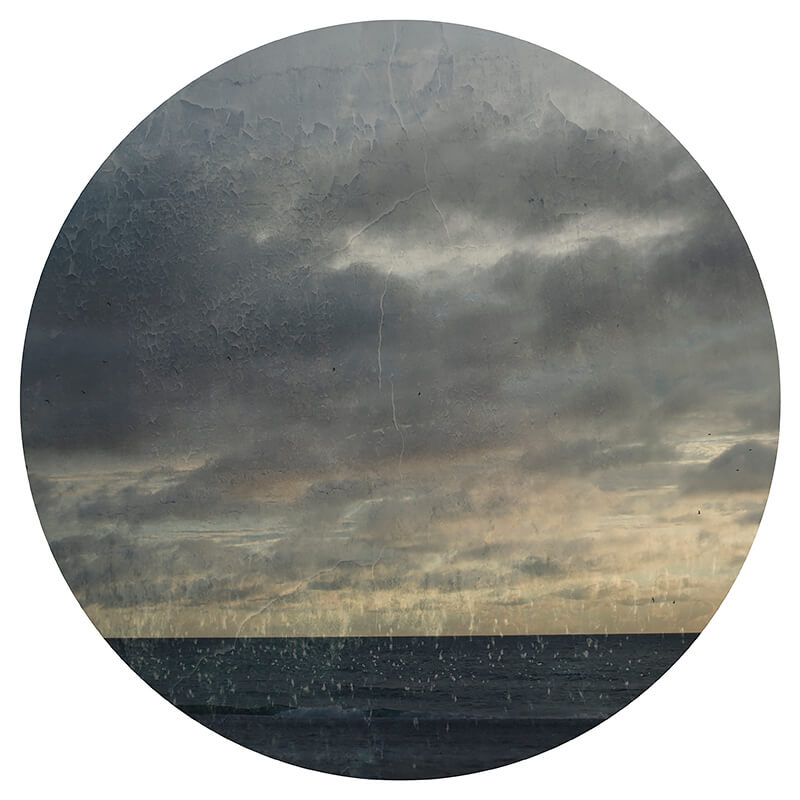
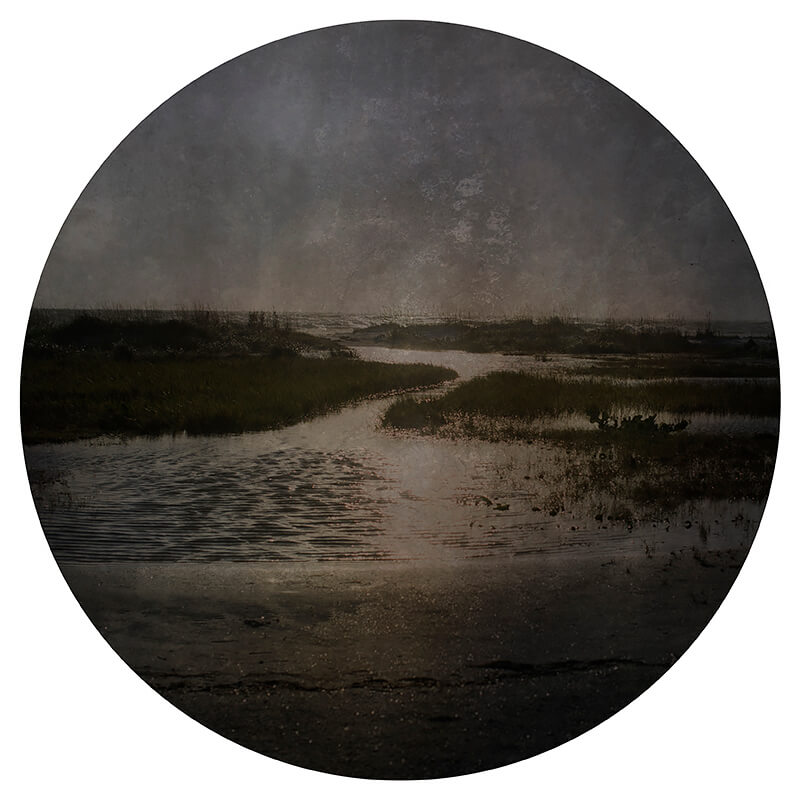
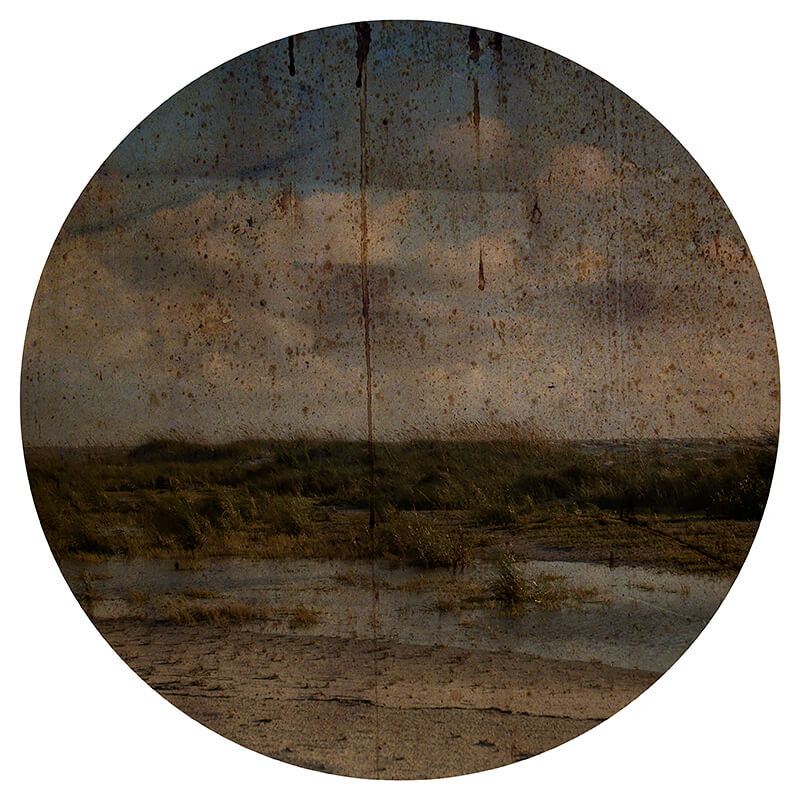
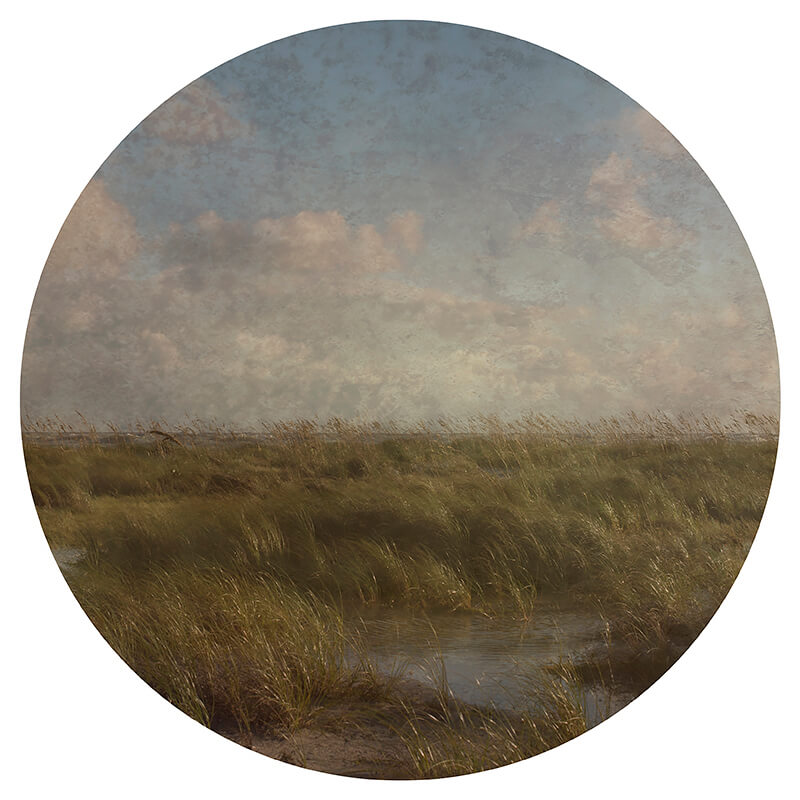
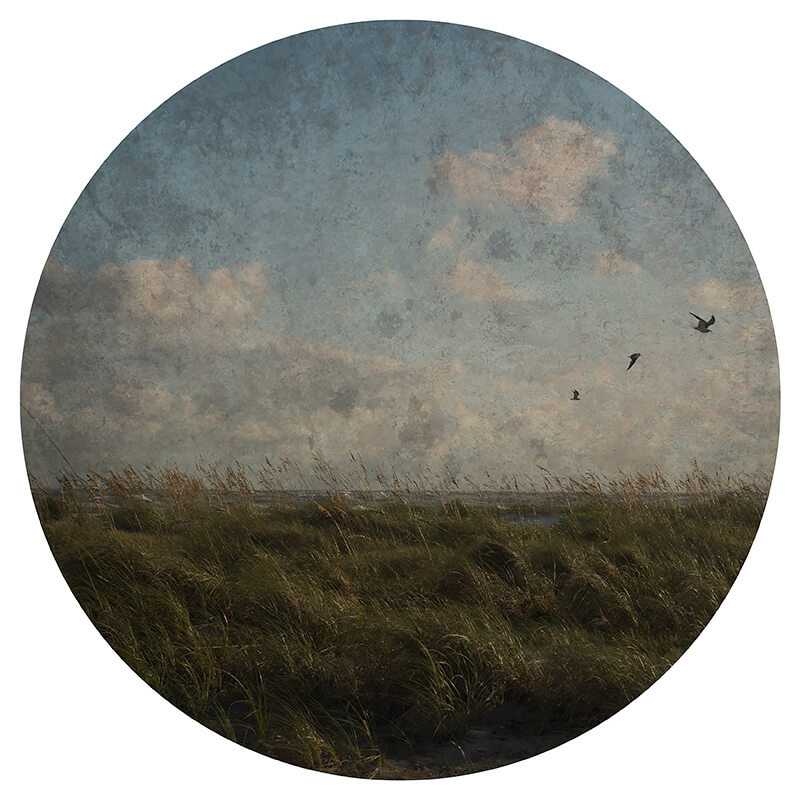
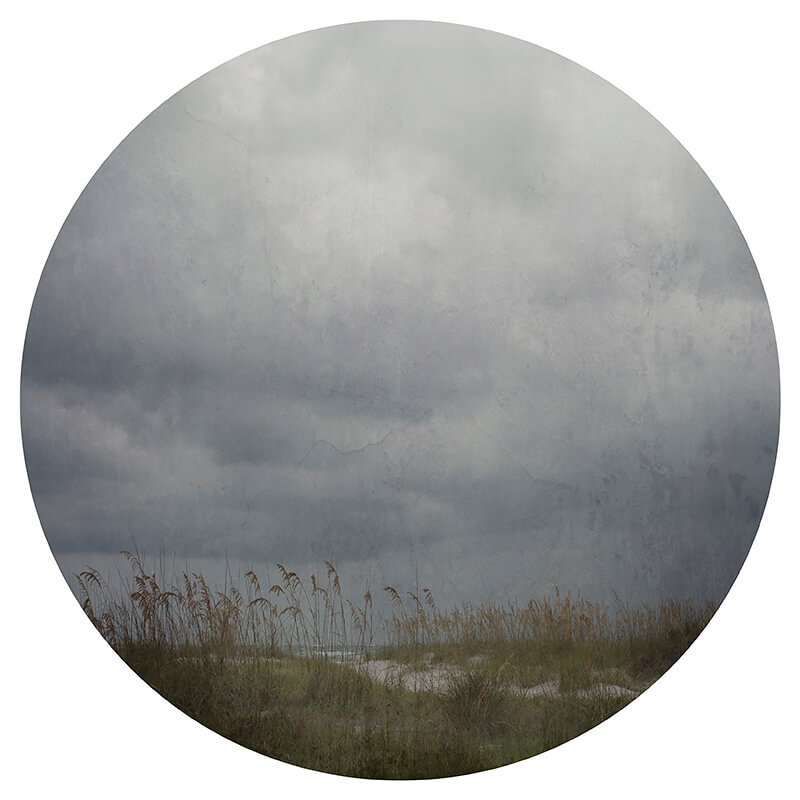
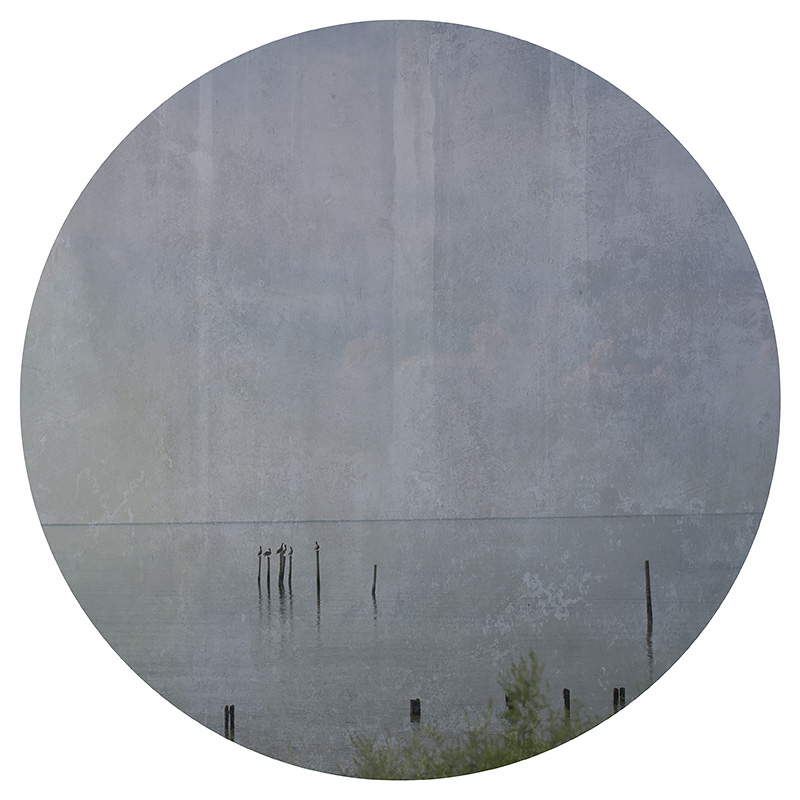
All about Sea Sketches

Since I was a little girl my parents insisted that my brother and I accompany them almost every weekend to see an exhibition, a museum or an historic house. What was excruciating at first slowly became a real pleasure. Thanks to them, I had the privilege to see incredible exhibitions both in Paris and London where I grew up. Depending on my age and moods at the time, I favored a century, a movement, a painter...

It was love at first sight when I discovered "Wanderer above the Sea of Fog" by Caspar David Friedrich. In the foreground, a young man stands upon a rocky precipice with his back to the viewer. He overlooks a landscape covered in a thick sea of fog. I was overwhelmed by the beauty of nature, the subtle colors, the calm and yet the movement that came from the wind.

I perceived the character as content and in harmony with nature and I wondered if one day I would find my perfect place... and many years later, I did. On the west coast of Florida lies Anna Maria, a quaint barrier island nestled in the Gulf of Mexico. The water is warm and turquoise, the sand is white. Well preserved, the birds and turtles come here to nest while the respectful tourists lie on the sand every night to witness the incredible sunsets. Time is suspended.

With the romantic painters Turner and Friedrich in mind, I captured a glimpse of Anna Maria, its light, its beaches, its movement, its unleashed elements... I hope you will immerse yourself in my Sea Sketches "paintings" and escape with me, even for the length of a sigh, from the harsh realities of life and share my happy place.

 

Sandrine Hermand-Grisel's Video

Inspiring Portfolios

Call for Entries
All About Photo Awards 2026
$5,000 Cash Prizes! Juror: Steve McCurry
 
Stay up-to-date  with call for entries, deadlines and other news about exhibitions, galleries, publications, & special events.

More Great Photographers To Discover

Vik Muniz
Brazil
1961
Vik Muniz is a Brazilian artist and photographer. Initially a sculptor, Muniz grew interested in the photographic representations of his work, eventually focusing completely on photography. Primarily working with unconventional materials such as tomato sauce, diamonds, magazine clippings, chocolate syrup, dust, dirt, etc., Muniz creates works of art, referencing old master's paintings and celebrity portraits, among other things, and then photographs them. His work has been met with both commercial success and critical acclaim and has been exhibited worldwide. He is currently represented by Galeria Nara Roesler based in New York and Brazil. In 2010, Muniz was featured in the documentary film Waste Land. Directed by Lucy Walker, the film highlights Muniz's work on one of the world's largest garbage dumps, Jardim Gramacho, on the outskirts of Rio de Janeiro. The film was nominated to the Academy Award for Best Documentary Feature at the 83rd Academy Awards. Vik Muniz was born in 1961 in São Paulo, Brazil, as the only child of Maria Celeste, a telephone operator, and Vincente Muniz, a restaurant waiter. Muniz’s grandmother, Ana Rocha, taught him how to read at an early age. In his memoir, Muniz recalled struggling with writing in school which is why he turned to visuals to communicate his thoughts. At the age of 14, his math teacher recommended him to enter an art contest. He won and was awarded a partial scholarship to an art studio. At the age of 18, Muniz got his first job working in the advertising industry in Brazil, redesigning billboards for higher readability. While on the way to his first black-tie gala, Muniz witnessed and attempted to break up a street fight, where he was accidentally shot in the leg by one of the brawlers. He was paid by the shooter to not press charges and used the money to travel to Chicago in 1983. In Chicago, Muniz worked at a local supermarket cleaning the parking lot while he attended night school to study English. In the English class, he learned Polish, Italian, Spanish, and Korean without any improvements to his English vocabulary. Later, Muniz attended culinary and carpentry classes where he learned most of his English. Muniz took his first trip to New York in 1984. There, he visited the Museum of Modern Art and met a woman who changed his thoughts on Jackson Pollock’s paintings. This also influenced Muniz to move to New York just two months after his first visit. Muniz's friend lent him a studio where he started his career as a sculptor. He was 28 when he had his first solo exhibit in 1989. Inspired by works of Man Ray and Max Ernst, Muniz executes simple imagery intricately. Marshall McLuhan’s Understanding Media encouraged Muniz to explore perception in the media through abstraction and manipulating the components of the image. He cites the mosaics in a church in Ravenna as one of his influences and is also a self-proclaimed student of Buster Keaton. He decided to become an artist after seeing the works of the Postmodernists Cindy Sherman and Jeff Koons. Muniz, like both of these artists, reworks popular imagery in his work. Muniz says that he does not believe in originals, but rather believes in individuality. Muniz works to re-purpose themes and showcase them in a different light for the viewer. Muniz is best known for recreating famous imagery from art history and pop culture with unexpected, everyday objects, and photographing them. For example, Muniz's Action Photo, After Hans Namuth (From Pictures of Chocolate), a Cibachrome print, is a Bosco Chocolate Syrup recreation of one of Hans Namuth's photographs of Jackson Pollock in his studio. The monumental series Pictures of Cars (after Ruscha) is his social commentary of the car culture of Los Angeles utilizing Ed Ruscha's 60's Pop masterpieces rendered from car ephemera. Muniz often works on a large scale and then he destroys the originals of his work and only the photo of his work remains. Muniz has spoken of wanting to make "color pictures that talked about color and also talked about the practical simplification of such impossible concepts." He also has an interest in making pictures that "reveal their process and material structure," and describes himself as having been "a willing bystander in the middle of the shootout between structuralist and post-structuralist critique." Muniz says that when he takes photographs, he intuitively searches for "a vantage point that would make the picture identical to the ones in my head before I’d made the works," so that his photographs match those mental images. He sees photography as having "freed painting from its responsibility to depict the world as fact." In Muniz's earthworks series, Pictures of Earthworks, show a strong resemblance to the 1970s Earthworks movement. However, unlike the Earthworks movement, that were influenced by ancient cultures, Muniz's series shows distinct human impact on nature. In addition to sculpting, Muniz experiments with drawing and photography, which is seen in the series Sugar Children, featured in the Museum of Modern Art's New Photography 13 show, alongside Rineke Dijikstra, An-My Le, and Kunié Sugiura, in 1997. In Sugar Children, Muniz photographed the families that worked on sugar plantations on the Caribbean island of St. Kitts. Beginning with Polaroids of several of the children of plantation workers, Muniz "drew" the images by sprinkling sugar on black paper and rephotographed these compositions. This series was met with criticism, where scholars have pointed out that he photographs of subjects continuing to live in poverty and yet can make upwards of 5 figures on these works at auction. After his Pictures in Garbage series, Muniz donated the profits, close to $50,000, from the Marat (Sebastiao) to the workers collective after it was auctioned in the UK. He also tries to make art more accessible through the use of common materials, because of his belief that the art world should not be just for the elite. Muniz stated in the documentary Waste Land, "I'm at this point in my career where I'm trying to step away from the realm of fine arts because I think it's a very exclusive, very restrictive place to be. What I want to be able to do is to change the lives of people with the same materials they deal with every day."Source: Wikipedia Originally trained as a sculptor, Muniz’s work began to take on its mature form with The Best of LIFE; he drew from memory pictures of Life magazine photographs included in the coffee table book The Best of Life after losing the book in a move. He then photographed his drawings and kept only the photographs, thereby establishing his signature working style. Muniz subsequently applied this methodology to works in the art history canon, reproducing Leonardo da Vinci’s Mona Lisa as well as iconic photographs of Marlon Brando and Marilyn Monroe using chocolate syrup and replicating a Donald Judd sculpture by using dust taken from the Whitney Museum’s halls and galleries. To make the series Pictures of Garbage, Muniz spent two years working with garbage pickers at Jardim Gramacho, an open-air dump site near Rio. He photographed several of the pickers as subjects of classical portraits, with the background details supplied by the garbage they scavenged. This effort was captured in the documentary Waste Land, which was nominated for an Academy Award. Muniz’s photographs are in many collections, including the Metropolitan Museum of Art; the Museum of Modern Art; the Tate Gallery; and the Victoria and Albert Museum.Source: International Center of Photography
Cig Harvey
United Kingdom
1973
The photographs and artist books of Cig Harvey have been widely exhibited and remain in the permanent collections of major museums and collections, including the Museum of Fine Arts, Houston, Texas; the Farnsworth Art Museum, Rockland, Maine; and the International Museum of Photography and Film at the George Eastman House, Rochester, New York. Cig began working in a darkroom at thirteen and has been dedicated to photography ever since. She grew up in the deep valleys of Devon in the UK, and came to the States for her MFA in 1999, after years spent living in Barcelona and Bermuda. Cig Harvey's first monograph, You Look At Me Like An Emergency (Schilt Publishing, 2012,) is a collection of ten years of pictures and written vignettes. It sold out in all printings and was named one of PDNʼs Best Books of the Year 2012. Cig had her first solo museum show at the Stenersen Museum in Oslo, Norway, in conjunction with the release. The book was well reviewed in a number of publications, including The Independent, Aesthetica, the Boston Globe, Blink, and PDN. Pro Photographer magazine ran an in depth feature, "Chance: Cig Harvey's deceptively simple photographs tap into the universal elements of the human experience: love, loss, longing and belonging. She's in demand for editorial and commercial work-as well as her for her fine art prints and books." Cig Harvey's second monograph, Gardening at Night (Schlit Publishing, 2015,) was published in conjunction with solo shows at Robert Mann Gallery, New York, Robert Klein Gallery, Boston and Paul Kopeiken Gallery, Los Angeles. The book received critical acclaim with features and reviews in Vogue, The Telegraph, the International Wall Street Journal, the International New York Times, and Aesthetica among others. The International Wall Street Journal said of the series, "Though the subjects and setting are familiar to us, we cannot help but feel that Cig Harvey has led us through the looking glass to a world of wonder. In the way that twilight is not quite day and not quite night, the photographs of Gardening at Night are stories not yet fully developed, while still capturing the unexpected yet oddly harmonious moments that surround us daily." Cig Harvey's work has been displayed at Paris Photo, Art Miami, and AIPAD every year since 2006. She has been a nominee for John Gutmann fellowship and the Santa Fe Prize, and a finalist for the BMW Prize at Paris Photo and for the Prix Virginia, an international photography prize for women. Cig's devotion to visual storytelling has lead to innovative international campaigns and features with New York Magazine, Harper's Bazaar Japan, Kate Spade, and Bloomingdales. Cig teaches workshops and regularly speaks on her work and processes at institutions around the world. She is known for her high energy, sense of humor and creativity. She brings a profound sense of optimism to all that she does. Cig lives in a farmhouse in the Midcoast of Maine with her husband Doug (who has the profile of an emperor on a Roman coin), their wayward daughter Scout, and Scarlet the dog (the original baby). The slow passing of time and the natural surroundings of her rural home has made her alert to the magic in the mundane. Articles Discover Cig Harvey's Interview Find out more about Cig Harvey in this article
Gabriel Isak
Sweden
1990
Gabriel Isak was born in 1990 in Huskvarna, Sweden. In 2016, he received his Bachelor of Fine Arts Degree in Photography at Academy of Art University in San Francisco, California. Isak has exhibited his work at solo exhibitions at The Cannery Gallery, San Francisco, California and his works have been included in various important exhibitions including "Acclimatize" at Museum of Modern Art, Stockholm, Sweden and "Culture Pop" at M Contemporary, Sydney, Australia. Isak lives and works in Stockholm, Sweden, from where he travels all around the world for personal and commissioned projects. Artist Statement Gabriel Isak's art entails surreal and melancholic scenes where he invites the viewer to interact with the inner world of solitary figures that symbolize our own unconscious states. He uses photography as a medium to draw and paint surreal images, minimal and graphic in its aesthetic, rich in symbolism and emotion, focusing on themes inspired by human psychology, dreams and romanticism, as well as his own experiences, especially the years he went through depression. Isak's work is a serene and melancholic meditation that stills the chaos of life and transforms into an introspective journey that questions the depths of existence. The objective of Gabriel Isak's art is to shine a light on the experiences of being and the states of mind those brings along. His subjects are anonymous, imprisoned in monochromatic settings, so the viewer can envision oneself as the subject, reflecting back on one's own experiences and journey in life.
Janette Beckman
United Kingdom
1959
Janette Beckman is a British documentary photographer who currently lives in New York City. Beckman describes herself as a documentary photographer. While she produces a lot of work on location (such as the cover of The Police album Zenyatta Mondatta, taken in the middle of a forest in the Netherlands), she is also a studio portrait photographer. Her work has appeared on records for major labels, and in magazines including Esquire, Rolling Stone, Glamour, Italian Vogue, The Times, Newsweek, Jalouse, Mojo and others. Beckman was at King Alfred School, in Golders Green in north London, from 1953 to 1967. She spent a year at Saint Martin's School of Art, and then three years at London College of Communication studying photography. After initially working for Sounds magazine with Vivien Goldman – her first shoot was with Siouxsie and the Banshees – she had a job shooting for music magazines such as Melody Maker and The Face, with a studio and darkroom in central London. Her primary focus was the UK's burgeoning punk subculture. Beckman moved permanently to New York City in 1982 and continued her career, shooting for her UK clients as well as new ones in the U.S. After moving to New York, Beckman presented her portfolio to American record companies looking for work shooting album covers, but the gritty feel of her work did not fit the "airbrushed" aesthetic preferred at the time. She was passed on to smaller rap and hip-hop labels, where she photographed acts such as Salt-N-Pepa, LL Cool J, Public Enemy, and the Beastie Boys in their early days. In a 2015 interview with American Photo magazine, she recalled "It is amazing, 30 years later, people going 'oh you photographed legends.' I guess I did, but they weren’t legends when I was taking pictures of them".Source: Wikipedia As a child growing up in London in the 1960s, Janette Beckman visited the National Portrait Gallery. Entranced by the portraits of people from distant times and places, she instinctively knew that’s what she wanted to do. “I was always fascinated by people,” she remembers. “I’d see them at the bus stop on the way to school but I was too shy to talk to anybody, so I’d stare at them. My mother would say, ‘Don’t stare,’ but I couldn’t help myself.” Drawn to the irrepressible expression of style, character, and personality, Beckman forged ahead with her dream of becoming an artist. In the early 1970s, she enrolled at Central St. Martins to study art while living in a semi-squat in Streatham, South London, with her classmates. “We lived on four floors, shared a bathroom, and there was no heat — but my rent was only £5 a week,” she recalls. Beckman’s foray into photography happened by sheer serendipity. “We would sit around drawing each other endlessly,” she says. “My dear friend Eddie was a fantastic artist; he could draw as well as David Hockney. I would look at his work, then mine, and realize I was never going to be that good. When the end of the school year came, I had to decide what I was going to do, and I thought, I’ll try photography.” After enrolling in photography school, where she was just one of three women in the class, Janette Beckman quickly realized she didn’t want to learn by instruction — she wanted to do it herself. Determined to chart her own path, Beckman gave herself portrait assignments, and only went into class to learn the things she needed to know, like how to make prints. “I was in my really rebellious stage,” says Beckman, who followed this guiding light throughout her career. Her love for subversives, innovators, and activists is collected in the new book, Rebels: From Punk to Dior, which brings together four decades of photographs celebrating artists, musicians, and movements on the fringe that have redefined mainstream culture and society. Beckman’s photographs have played a seminal role in these seismic shifts — one so undeniable that institutions are finally taking note. In a truly full-circle moment, earlier this year, the National Portrait Gallery acquired four Beckman prints of British musicians including the Specials and Laurel Aitken as part of “Inspiring People,” a major curatorial redevelopment project to represent cultural and gender diversity across both sitter and artists.Source: Blind Magazine
Michele Zousmer
United States
Michele Zousmer is a humanitarian and fine art photographer. The camera is her tool to give voice to marginalized communities and witness the human experience. Michele's work celebrates each individual's strength and beauty, as well as their vulnerability and spirit, going beyond how one presents oneself to the world. They are infused with her almost overwhelming empathy. Michele believes a photograph can create a lasting impression of emotion, curiosity, love, and ultimately hope of mankind. It can help people heal, give them dignity, and feel empowered. Her photographs reveal insights into the lives of people we wouldn't otherwise meet. Through her world travels, Michele meets people from different walks of life, listening to their stories and sharing intimate moments with them. The permission they grant and openness they offer by inviting them into their world never ceases to move Michele. The soulfulness of her images comes from developing relationships with the people she engages with. Michele truly believes that even though we may have differences on the outside, inside we are all the same. The images are infused with her almost overwhelming empathy. Artist Statement "My mind, my eyes, and my heart have been opened by my experiences. My life has been forever changed. I hope my work inspires others to feel we all matter and to care more profoundly. Engaging in the world and becoming open to different cultures and traditions allows for more conversation on diversity and equality. Photographs hold the power to connect people and create understanding. This is why I do what I do." Article Mis(s)Understood
Advertisement
All About Photo Awards 2026
Win a Solo Exhibition in March
All About Photo Awards 2026

Latest Interviews

Exclusive Interview with Anastasia Samoylova
Anastasia Samoylova is an American artist whose photographic practice is shaped by close observation and a deep attentiveness to place. Working between documentary and formal exploration, she photographs landscapes, architecture, and everyday scenes with a sensitivity to light, structure, and atmosphere. Since relocating to Miami in 2016, her work has increasingly focused on how environments—both natural and built—carry social, cultural, and emotional traces. We asked her a few questions about her practice and her way of seeing, to better understand the thoughts and experiences that shape her work—while allowing the images themselves to remain open and speak in their own time.
Exclusive Interview with Marijn Fidder
Marijn Fidder is a Dutch documentary photographer whose work powerfully engages with current affairs and contemporary social issues. Driven by a deep sense of social justice, she uses photography to speak on behalf of the voiceless and to advocate for the rights of those who are most vulnerable. Her images have been widely published in major international outlets including National Geographic, CNN Style, NRC Handelsblad, Volkskrant, GUP New Talent, and ZEIT Magazin. Her long-term commitment to disability rights—particularly through years of work in Uganda—culminated in her acclaimed project Inclusive Nation, which earned her the title of Photographer of the Year 2025 at the All About Photo Awards. She is also the recipient of multiple prestigious honors, including awards from World Press Photo and the Global Peace Photo Award. We asked her a few questions about her life and work.
Exclusive Interview with Josh S. Rose
Josh S. Rose is a multidisciplinary artist working across photography, film, and writing. His practice bridges visual and performing arts, with a strong focus on movement, emotion, and the expressive potential of the image. Known for his long-standing collaborations with leading dance companies and performers, Rose brings together authenticity and precise composition—a balance he describes as “technical romanticism.” His work has been commissioned and exhibited internationally, appearing in outlets such as Vogue, at the Super Bowl, in film festivals, and most recently as a large-scale installation for Lincoln Center for the Performing Arts. A sought-after collaborator, he has worked with major artists, cultural institutions, and brands, following a previous career as Chief Creative Officer at Interpublic Group and the founder of Humans Are Social. We asked him a few questions about his life and work.
Interview with Maureen Ruddy Burkhart
Photographer Maureen Ruddy Burkhart brings a quietly attentive and deeply human sensibility to her exploration of the world through images. Shaped by a life immersed in photography, film, and visual storytelling, her work is guided by intuition, observation, and an enduring interest in the emotional undercurrents of everyday life. With a practice rooted in both fine art traditions and documentary awareness, she approaches her subjects with sensitivity, allowing subtle moments to emerge naturally rather than be imposed. Her series Til Death, selected as the Solo Exhibition for February 2025, reflects this long-standing commitment to photography as a space for reflection rather than spectacle. Drawn to moments that exist just outside the expected frame, Burkhart’s images suggest narratives without resolving them, leaving room for ambiguity, humor, and quiet connection. We asked her a few questions about her life and work.
Exclusive Interview with Peter Ydeen
Winner of AAP Magazine #45 Travels, his series reflects this unique vision—capturing the spirit of place through subtle layers of light, color, and emotion. Whether traveling abroad or observing the rhythms of his own surroundings, Ydeen creates images that feel both grounded and enchanted, inviting viewers into a world where reality and reverie meet.
Exclusive Interview with Julie Wang
Chinese-born photographer Julie Wang brings a poetic, contemplative sensitivity to her visual exploration of the world. Having lived for nearly equal parts of her life in China, Europe, and the United States, she approaches her subjects with the nuanced perspective of someone shaped by many cultures. This blend of distance, curiosity, and emotional resonance infuses her work with a quiet depth, allowing her to reveal the fragile beauty and subtle tensions that often pass unnoticed.
Exclusive Interview with Ghawam Kouchaki
American photographer Ghawam Kouchaki brings a sharply observant and introspective gaze to the streets of Japan’s capital. Based in Los Angeles, he approaches Tokyo with the distance — and curiosity — of an outsider, allowing him to uncover the city’s subtle contradictions, quiet tensions, and fleeting gestures that often go unnoticed. His series Tokyo no no, selected as the Solo Exhibition for December 2024, explores the hidden undercurrents of urban life: the unspoken rules, the small ruptures in routine, the poetic strangeness found in everyday moments. Through muted tones, instinctive timing, and meticulous framing, Kouchaki reveals a Tokyo that exists somewhere between reality and imagination — both intimate and enigmatic. We asked him a few questions about his life and work.
Exclusive Interview with Tommi Viitala
Tommi Viitala, winner of AAP Magazine #44: Street, is a Finnish photographer celebrated for his striking and cinematic street photography. With a keen eye for atmosphere and composition, he captures fleeting urban moments that reveal the poetry of everyday life. His work often explores the tension between solitude and connection within contemporary cityscapes, blending documentary realism with artistic sensibility. Viitala’s photographs have been exhibited internationally and recognized for their strong visual storytelling and emotional depth. We asked him a few questions about his life and work.
Exclusive Interview with Robert Mack
Robert Mack is a California-based visual artist, photographer, and filmmaker. His fine art photography and films have been exhibited widely in the United States and Europe, with major shows at the Baltimore Museum of Art and the Reiss-Engelhorn Museum in Mannheim, Germany. Both institutions hold his work in their permanent collections. Working across different media, Mack has built a career exploring the complexities of human presence and representation. In 1981, while living in Baltimore, he produced The Perkins Project: Not Guilty by Reason of Insanity, a rare photographic and film study inside Maryland’s hospital for the criminally insane. These stark yet compassionate black-and-white portraits remain one of his most powerful and controversial bodies of work.
Call for Entries
All About Photo Awards 2026
$5,000 Cash Prizes! Juror: Steve McCurry