All about photo.com: photo contests, photography exhibitions, galleries, photographers, books, schools and venues.
FINAL DAYS TO WIN A SOLO EXHIBITION IN MAY 2026
Beth Stahn
Beth Stahn
Beth Stahn

Beth Stahn

Country: United States
Birth: 1988

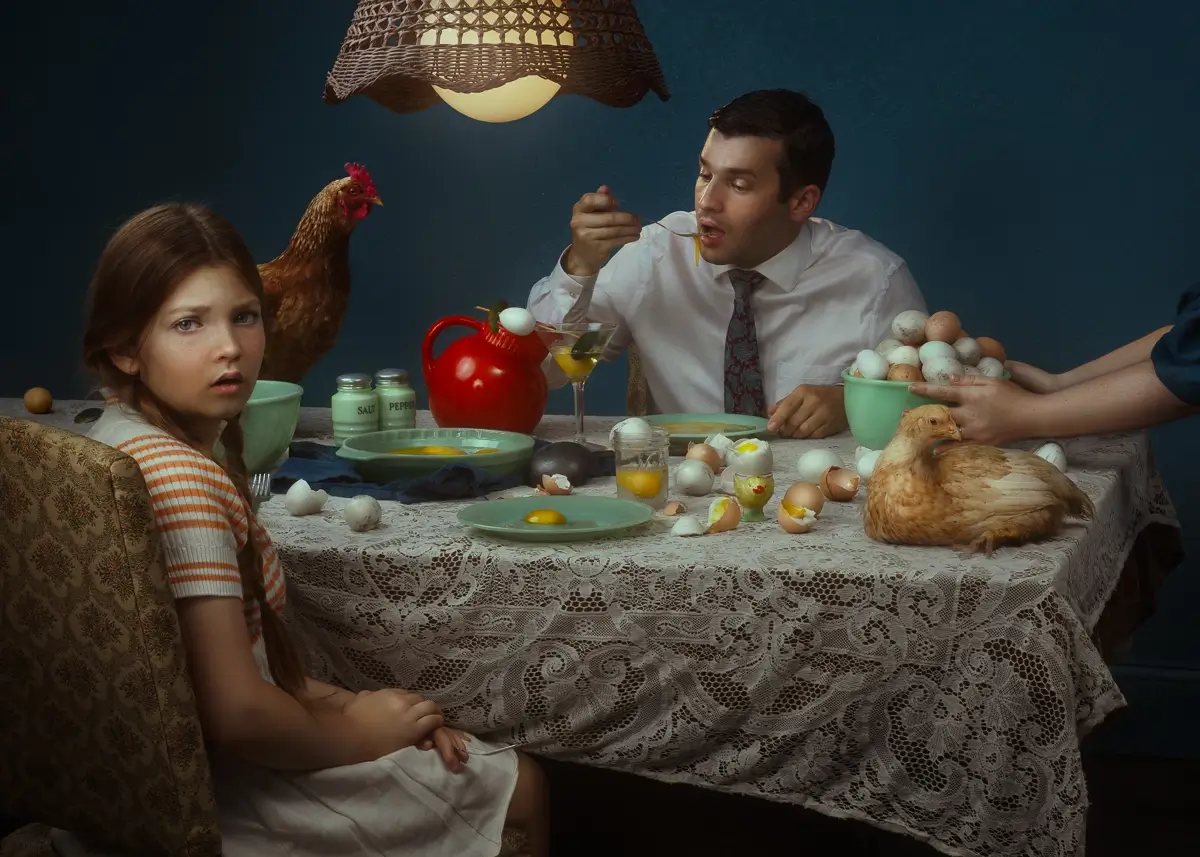
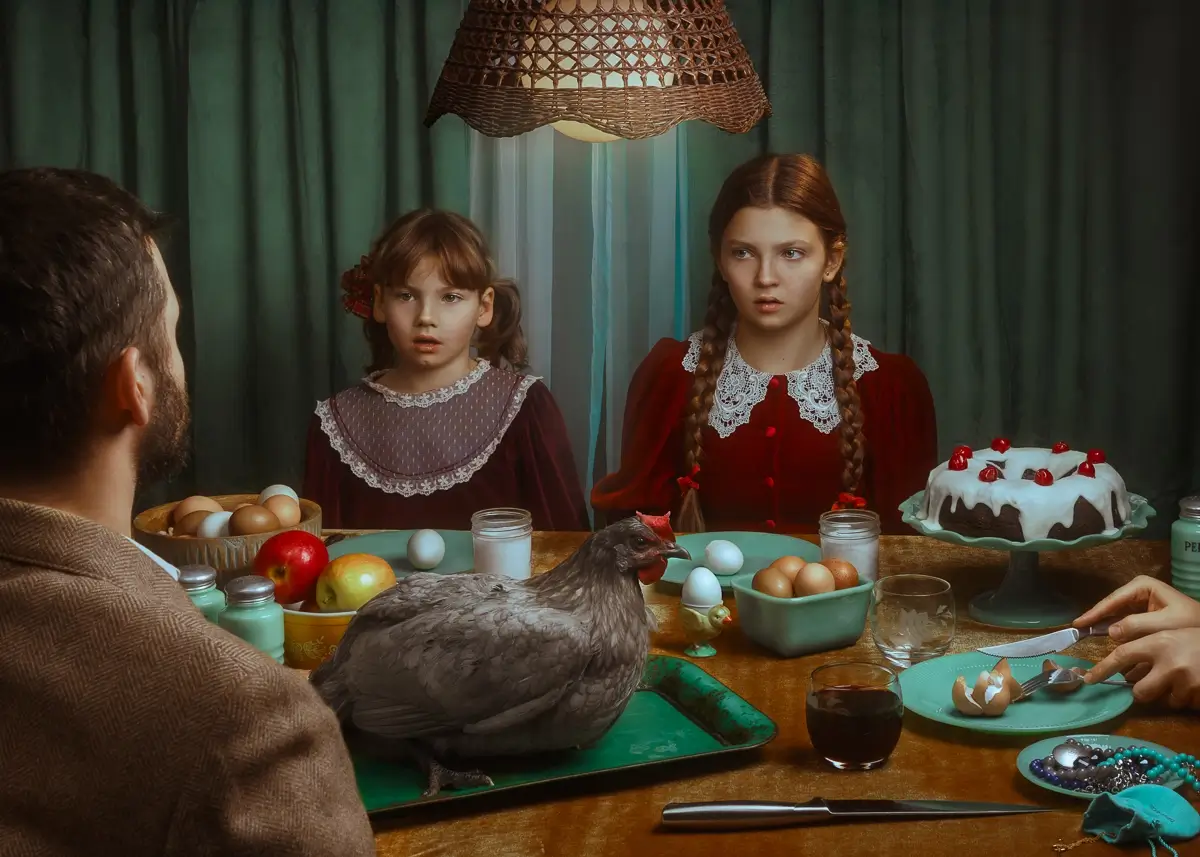
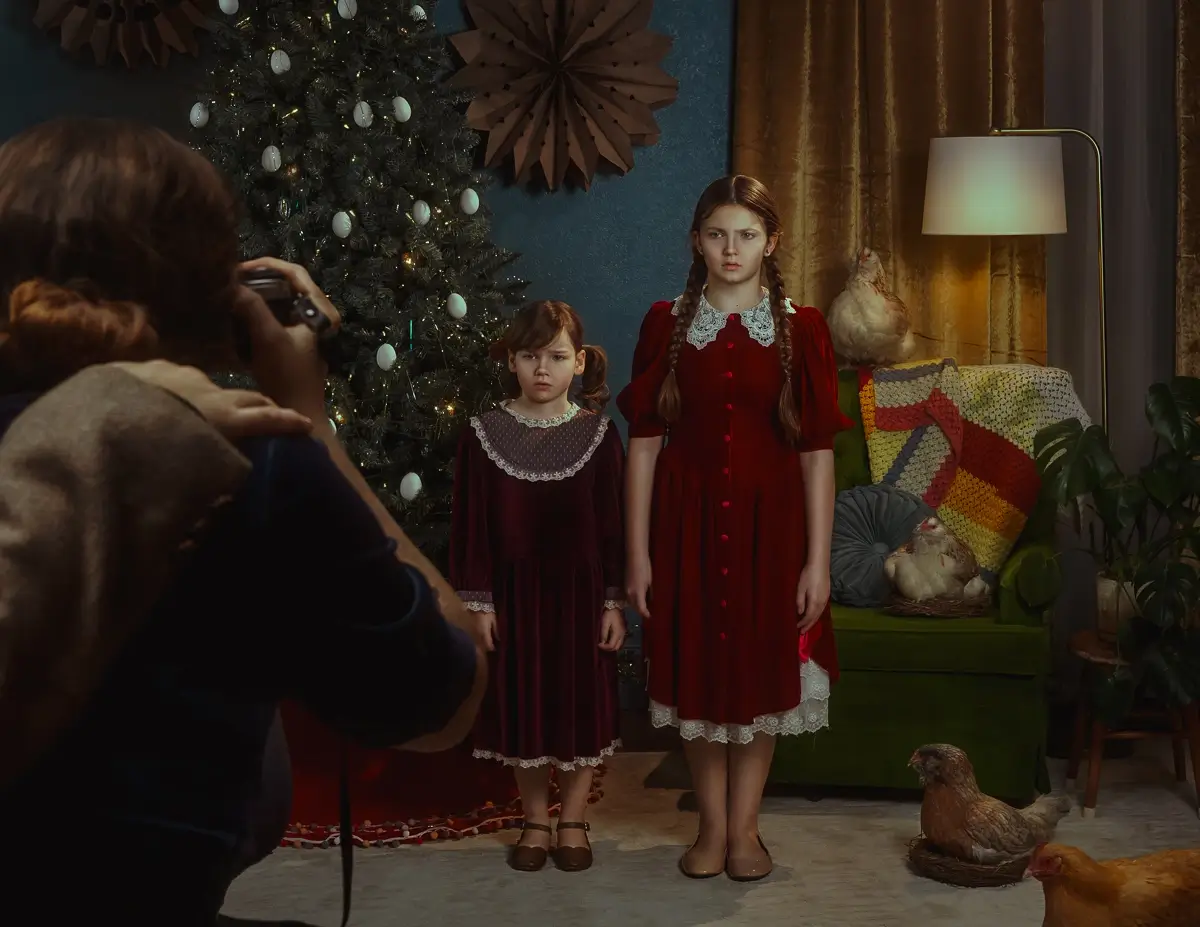
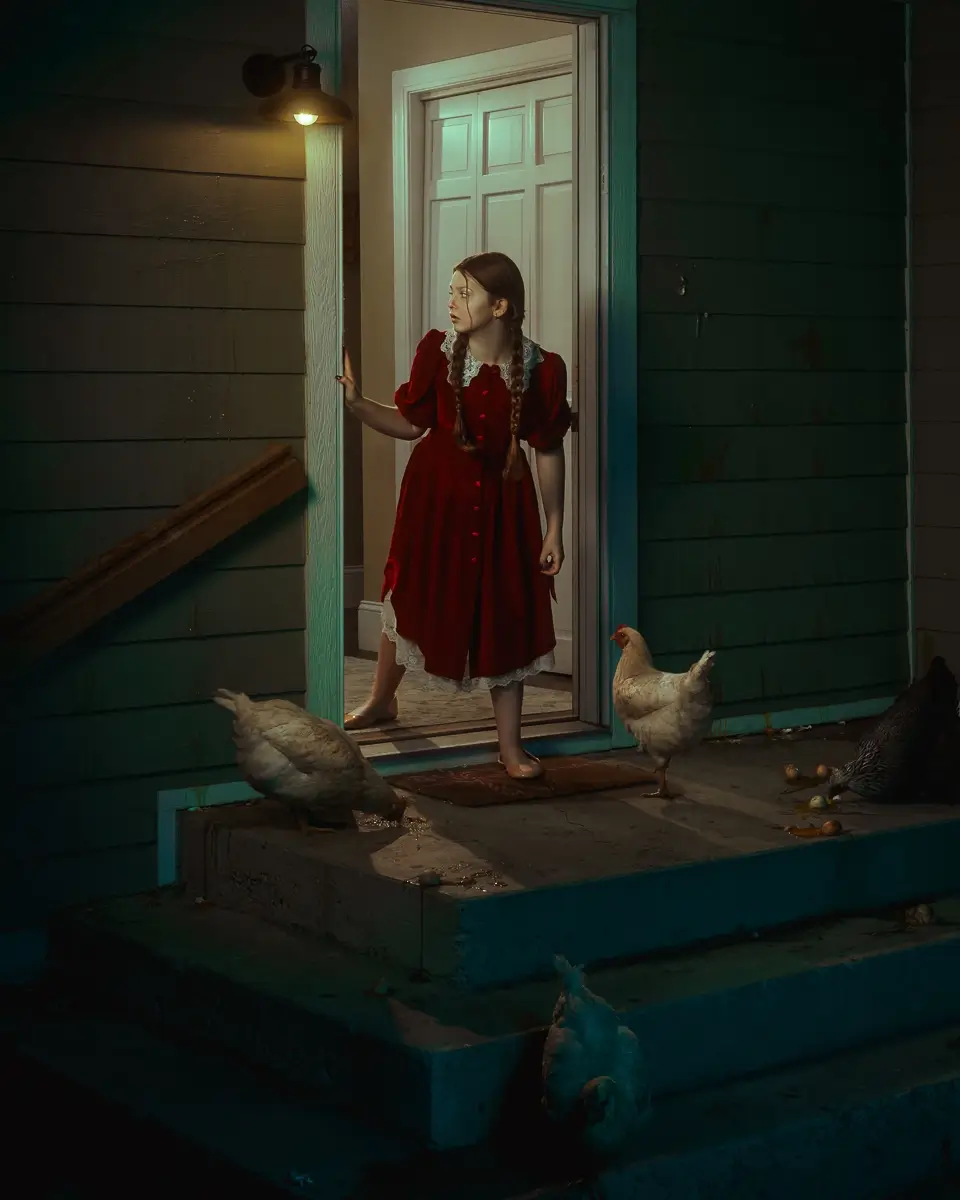
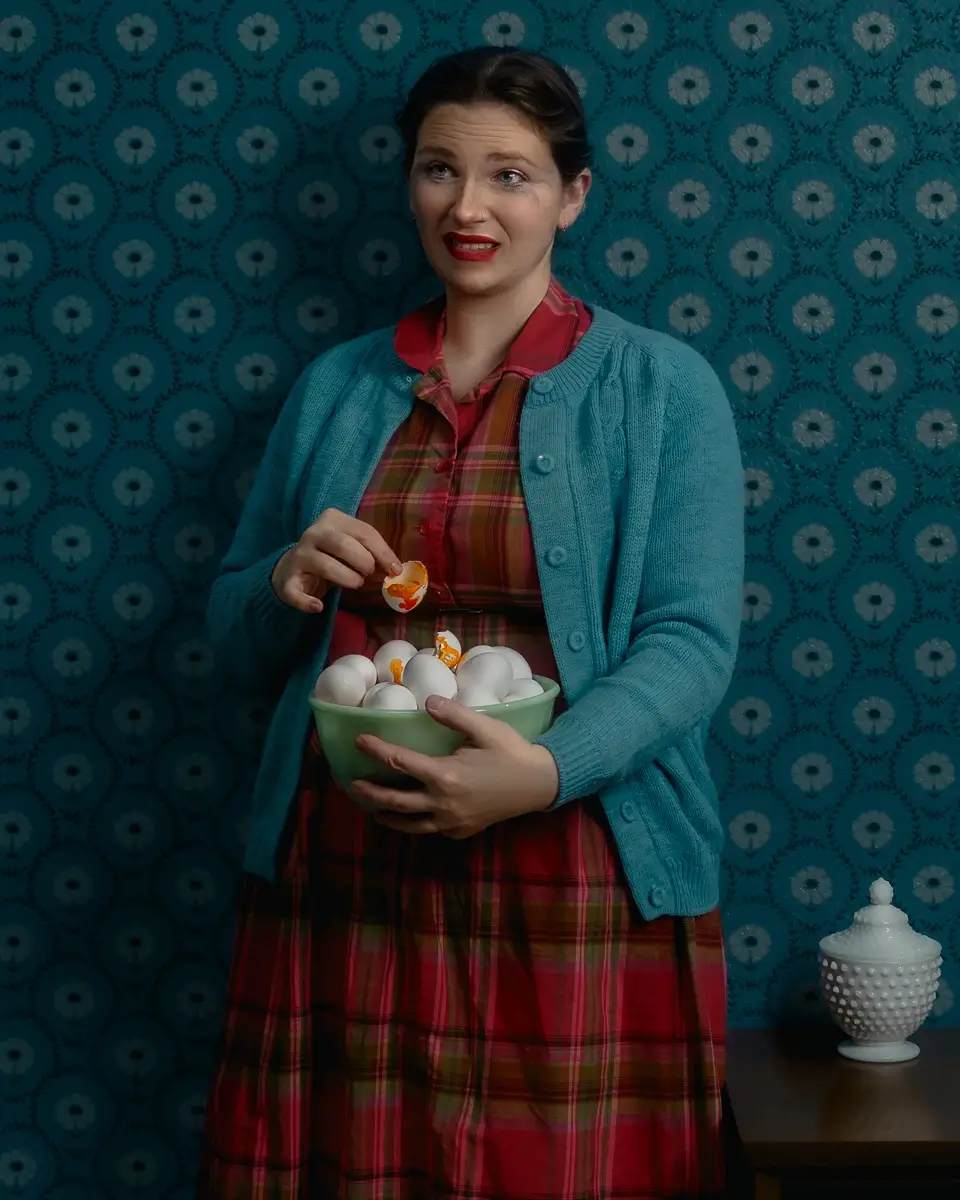
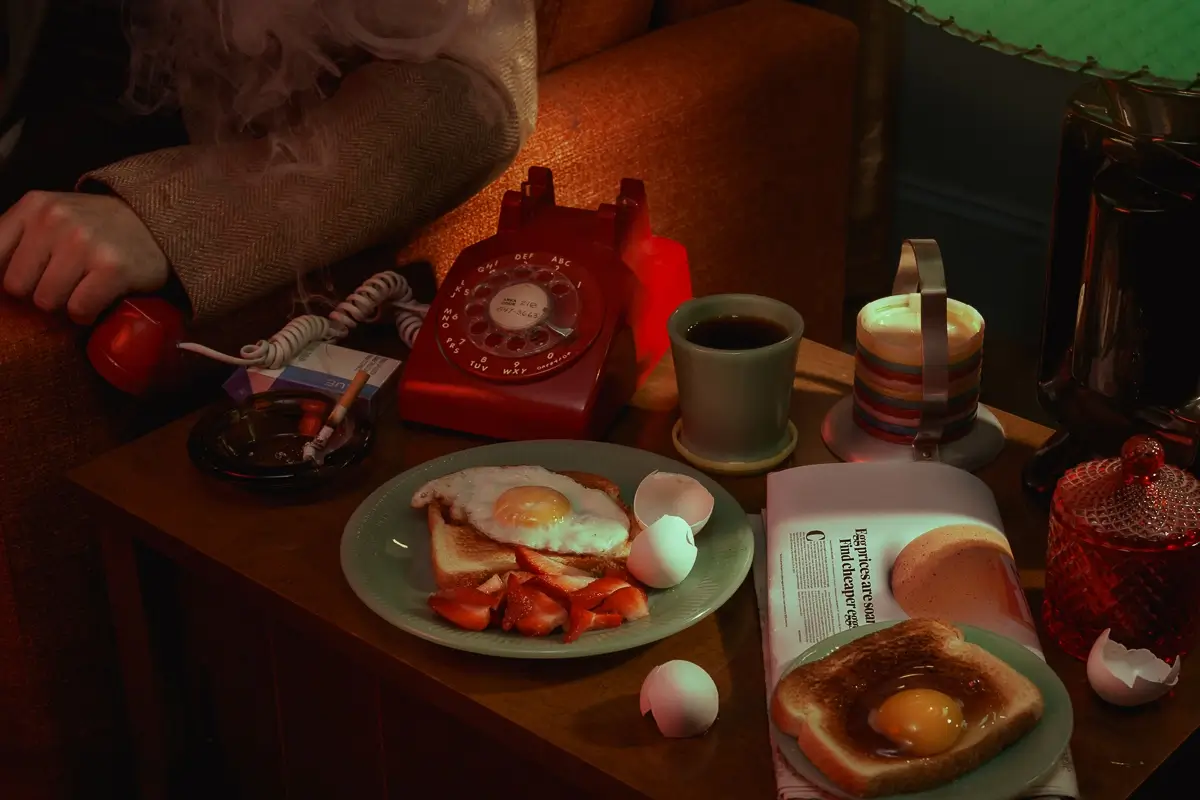
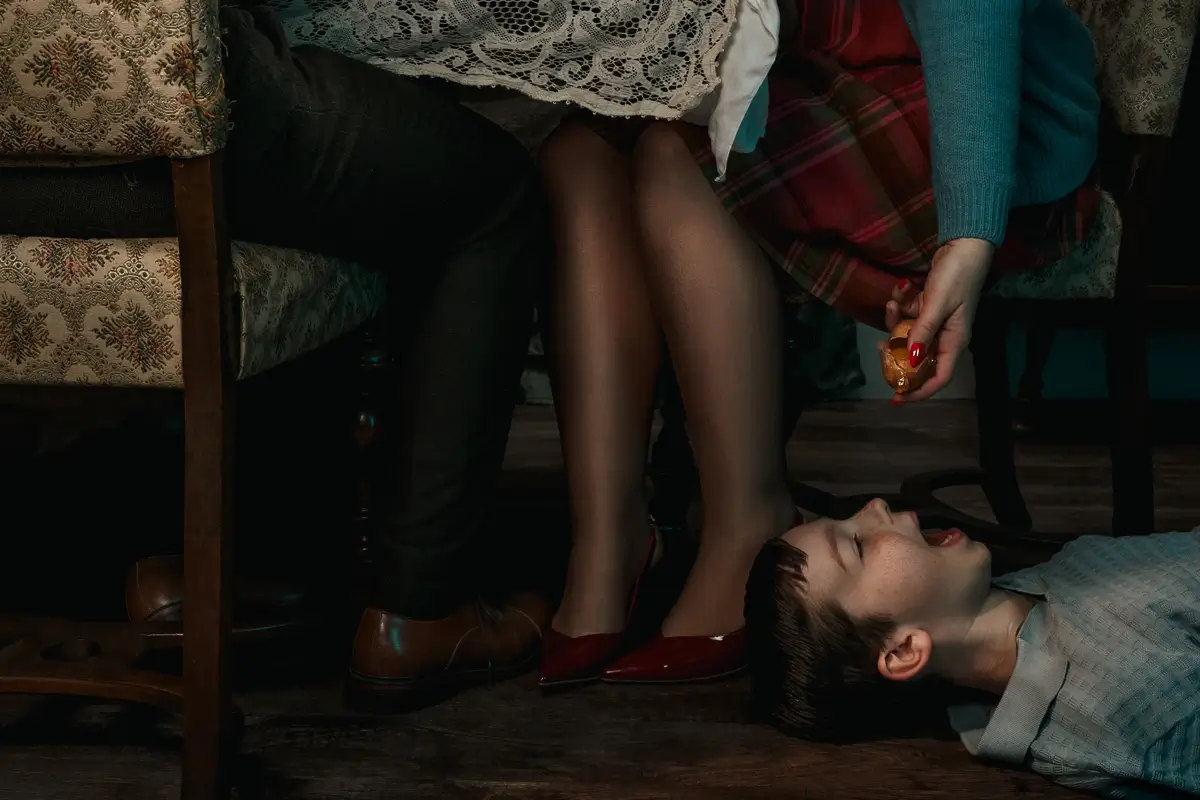
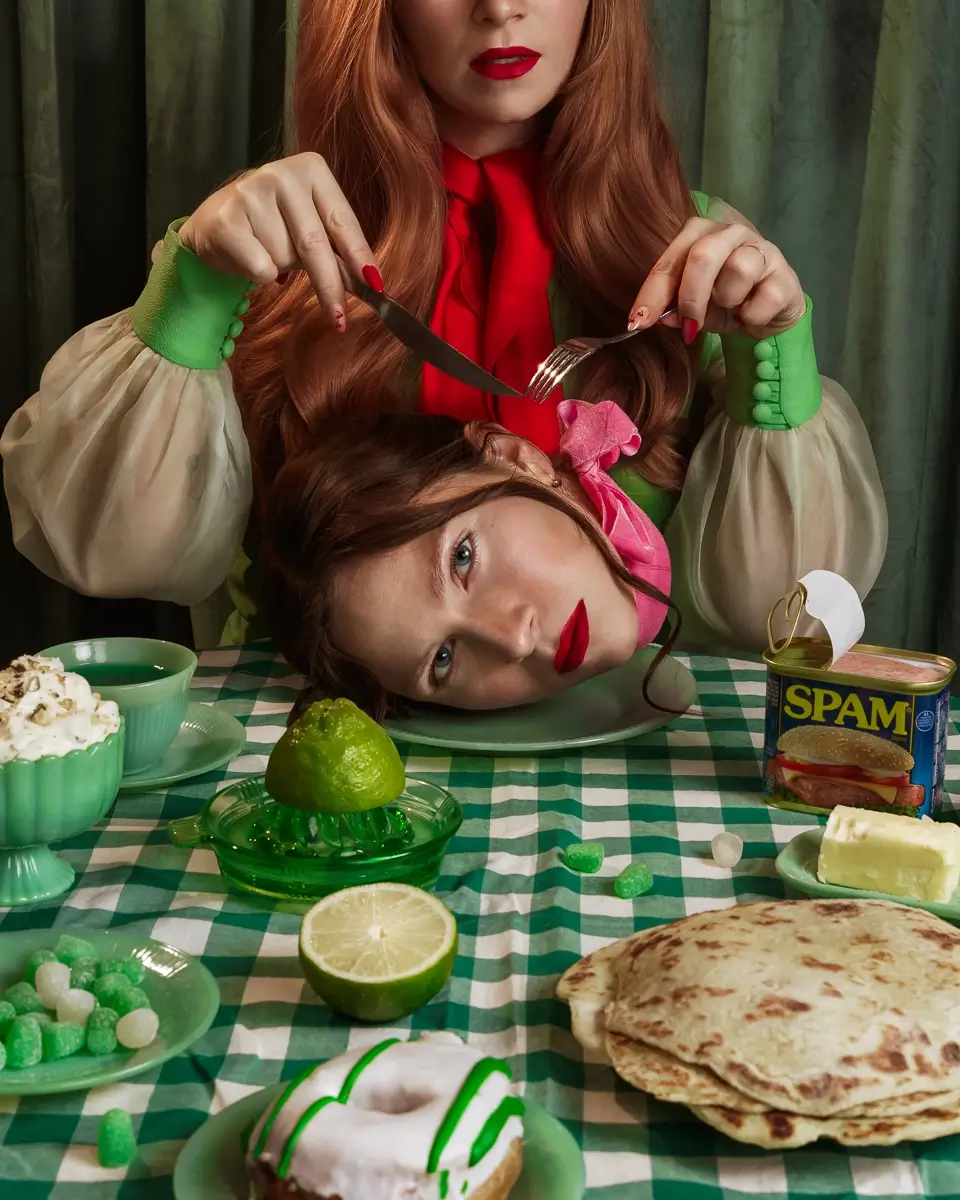
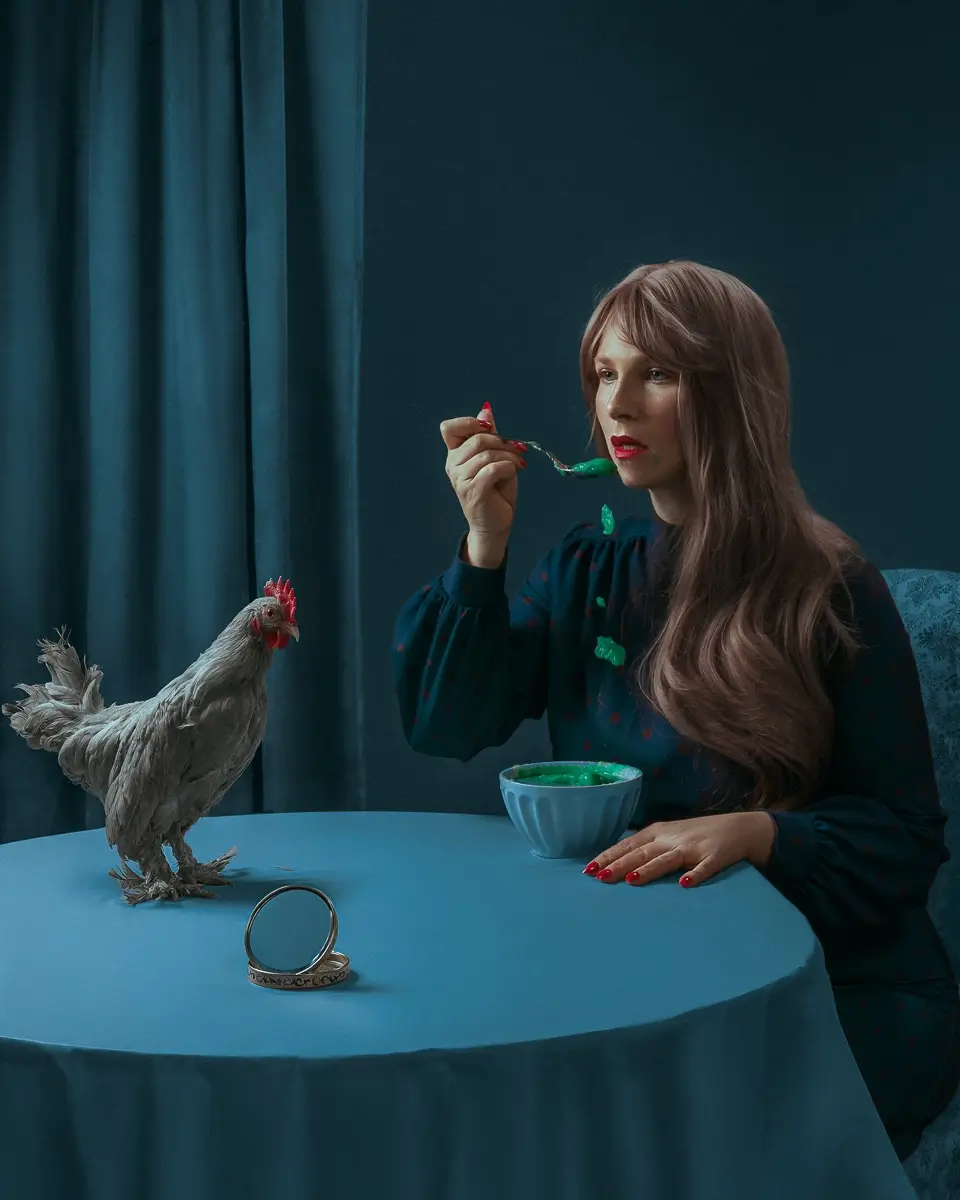
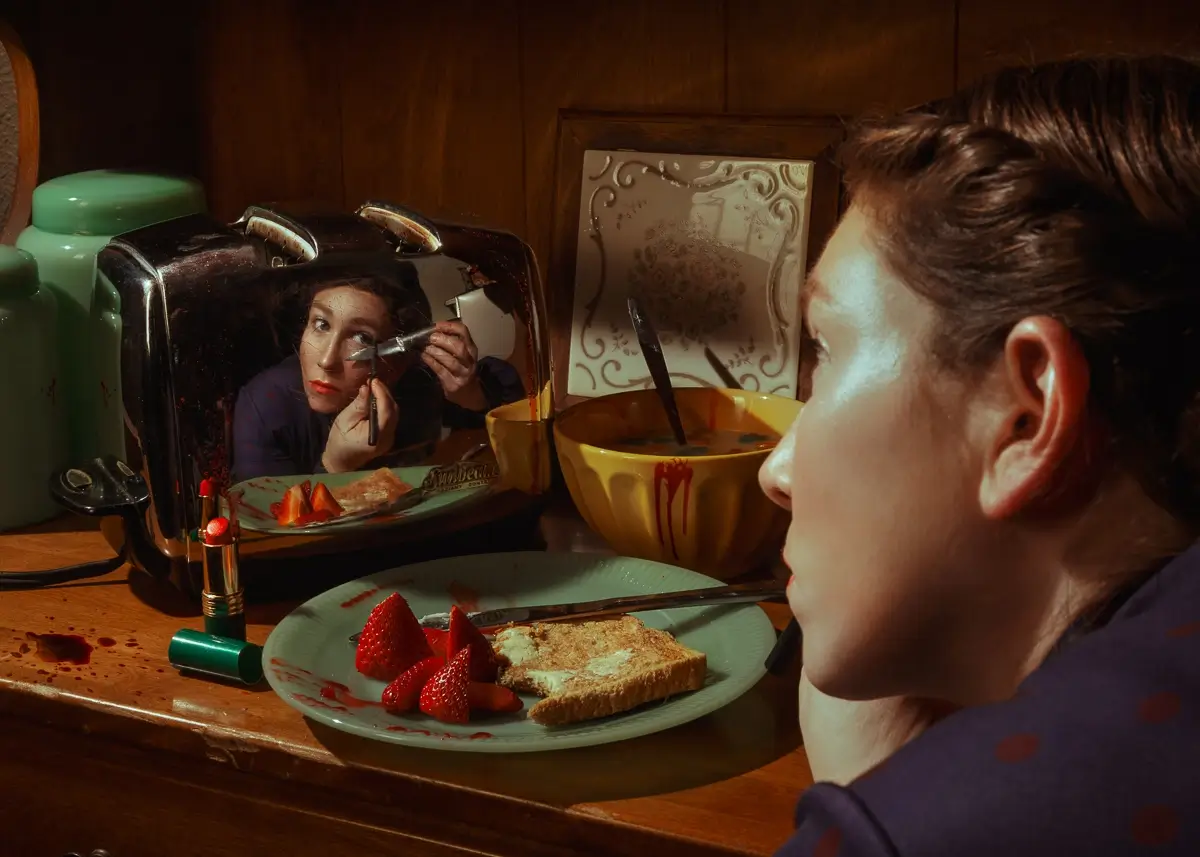
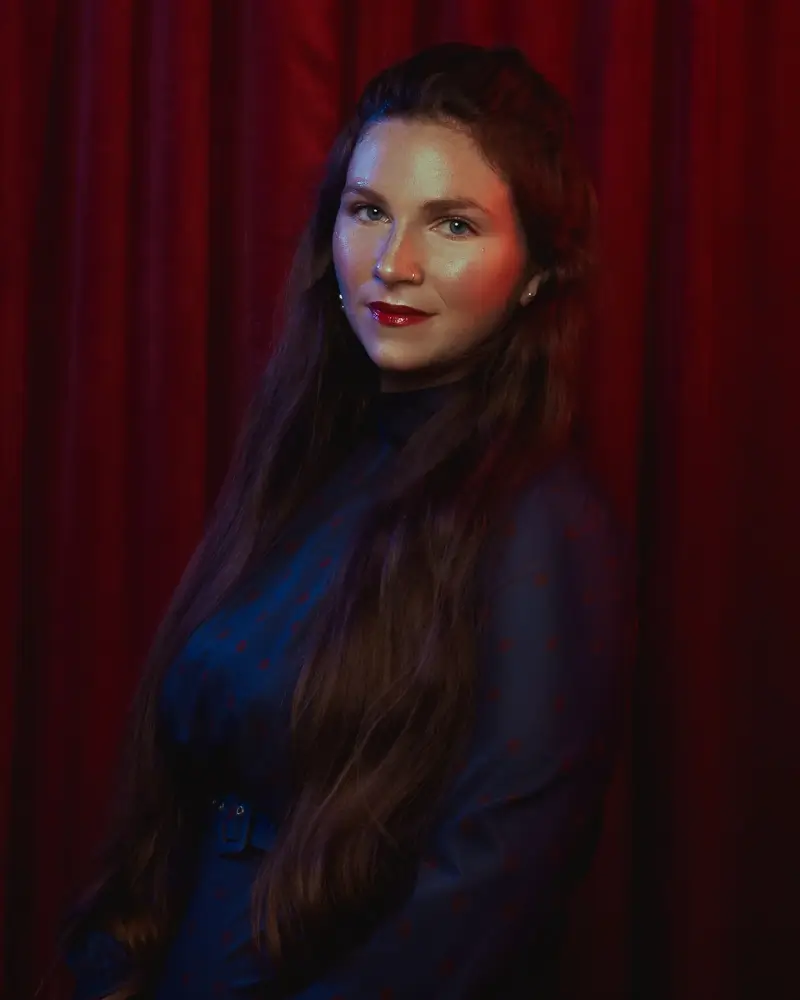
Beth is an award-winning conceptual portrait artist based in Minnesota. A mother of six, her work is deeply personal and ever-evolving. Her love for art began in childhood through drawing, later expanding into photography after receiving a film camera from her father and taking high school film classes. After stepping away from photography for a time, motherhood reignited her creativity as she documented her children’s lives. In recent years, she has focused on conceptual work and self-portraiture, occasionally collaborating with her children to create images that blend personal narrative with imaginative storytelling.

Artist Statement:
Beth Stahn's work explores surrealism, the uncanny, and the tension beneath nostalgia. Through character-driven, staged photographs, she constructs boldly saturated surreal dreamscapes shaped by domestic life. Blurring autobiography and fiction, her images examine how familiar rituals and traditions can shift into spaces of subtle unease, revealing the emotional complexity hidden within the everyday.

AAP Magazine

AAP Magazine 55 Women

 

Inspiring Portfolios

Call for Entries
AAP Magazine #57 Portrait
Publish your work in our printed magazine and win $1,000 cash prizes
 
Stay up-to-date  with call for entries, deadlines and other news about exhibitions, galleries, publications, & special events.

More Great Photographers To Discover

Rajan Dosaj
United States
1958
Born and raised in the United States, I spent nearly 20 years in the theater world, first as a dancer and singer in Broadway musicals and later as an actor and director. Upon my retirement from theater, I settled into the business world but it wouldn't be long before I was in need of a creative outlet and the Sebastiao Salgado documentary, The Salt of the Earth, rekindled my brief high school interest in photography. Soon, the books of Alec Soth, Nancy Rexroth, Sally Mann, Joshua Jackson, and many more were on my selves and with a newly purchased camera in hand, I started out on my latest adventure. Naturally, I started with dance portraits and found it incredibly exciting and fulfilling but soon I ventured into other genres to improve my work. Whether it was wildlife, street, architecture, portrait, or fine art photography, I was either taking a class or teaching myself about the genre in order to become a better photographer. In my short time behind the camera, I have been fortunate enough to have some of my images appear in galleries across the country, including Photo Place Gallery, A Smith Gallery, Praxis Gallery, Black Box Gallery, SE Center for Photography, and the Decode Gallery. With my background in theater, I know that photography can be a frustrating art form where most of the time I end up kicking myself for the mistakes that I continuously make over and over. But every once in a while, those rare moments come along when my eyes through a camera are able to see and capture an extraordinary moment.
Margaret Watkins
Canada
1884 | † 1969
Margaret Watkins (1884-1969) was born in Canada. Best known for art and advertising photography executed in New York in the 1920s, Watkins was active in the Clarence White school of photography and a participant in the shift from pictorialism to modernism. Her working life spanned a Victorian upbringing in Hamilton, Ontario, and the witnessing of the first Soviet Five-Year Plan. Watkins' modernism, which involved experimentation and a radical focus on form, transgressed boundaries of conventional, high-art subject matter. Her focus was daily life and her photographs, whether an exploration of the objects in her New York kitchen or the public and industrial spaces of Glasgow, Paris, Cologne, Moscow, and Leningrad in the 1930s, strike a balance between abstraction and an evocation of the everyday, offering a unique gendered perspective on modernism and modernity. Watkins established a studio in Greenwich Village and in 1920 she accepted the position of editor of the annual publication Pictorial Photography in America. Clarence White asked Watkins to join the faculty of his school, where Watkins met other notable photographers, including Alfred Stieglitz and Paul Strand. She worked for Macy's department stores and for the J. Walter Thompson advertising agency, capturing simple domestic objects with a clarity of modernist vision rare in commercial photography at the time. Her landscapes, portraits, nudes, still lifes, and abstractions received praise and attracted controversy. Exhibitions were held in the United States and in Europe. In 1928, Watkins decided to visit her four elderly aunts in Glasgow, Scotland. She traveled throughout Europe, photographing extensively and producing a body of work documenting post-revolution Russia. Her aunts began to take ill, and Watkins remained in Glasgow to help care for them. She drifted from the spotlight of public recognition, and few photographs or negatives exist from this time. Watkins lived in Scotland in seclusion until her death in 1969.
Meg McKenzie Ryan
United States
Los Angeles resident Meg McKenzie Ryan married young, before graduating from college. Her husband's job involved flying to Hong Kong, so one day Meg surprised him by flying there. Asking friends what she should shop for there, buying a camera was the unanimous suggestion. So that's what happened. She didn't know how to use it, so she enrolled in a not-for-credit class at the University of California, Los Angeles. Jerry McMillan was her instructor there and later at California State University, Northridge where she earned her Bachelor in photography. In the early 70s, McMillan was active in the Los Angeles art scene, and he was particularly interested (it seemed) in helping photography to be recognized as an art form. Non-traditional subjects and alternative presentations were encouraged. I was game. Then, Meg remarried and moved to Burkina Faso, a country in West Africa, and then to neighboring Lome, Togo where her daughter was born. The culture there was incredibly different than her Los Angeles home. Religion, work and working conditions, poverty, homes, clothing, food, etc. were all new. It was a lot to digest, and more than she was prepared to face with her camera. Next, the young family moved to Bloomington, Indiana where Meg was able to study for a Masters degree in photography. Jeff Wolin was her primary instructor, and he was shooting an 8" x 10" field camera, so Meg decided to acquire one. Mostly she shot landscapes at the time. Wolin, on the other hand, was shooting beautiful shots of the rock quarries around Bloomington, and later did a project on Holocaust survivors and later still on homelessness. Moving again to the lower desert of California (city of El Centro), Meg landed a full-time photography job at the local daily newspaper. It was excellent experience for the young and somewhat shy photographer because she learned to shoot pictures of people. And this was the start of her project featured here, The lives of others. Her home was just ten miles north of the Mexicali, Mexico border town and capital of the state of Baja California, Mexico. It was easy (at the time) to cross the border, find the poorer neighborhoods, and ask to shoot their pictures. It's no accident that her photography became more documentary-like at its heart. The newspaper work and living in such a foreign place as West Africa pulled her in that direction. And at some point she realized that photos of people interested her the most. The work was wonderful, rewarding, and rich with experience and learning. Meg hopes you'll take time to look at the photos here.
Marilyn Silverstone
United States
1929 | † 1999
Marilyn Silverstone, who has died of cancer in Kathmandu aged 70, was one of only five women members of the Magnum Photos co-operative. Yet after more than 20 years of freelancing for publications such as Life and Paris Match, she gave up the glamour of photo-journalism to become a Buddhist nun in Nepal.Source: The Guardian Marilyn Rita Silverstone (9 March 1929 – 28 September 1999) was the eldest daughter of Murray and Dorothy Silverstone was born in London. Her father, the son of Polish immigrants to America, rose to become managing director, and president, international, respectively, of United Artists and 20th-Century Fox, working with Charlie Chaplin and other early film stars in London. The family returned to America just before the outbreak of the Second World War in Europe. Silverstone grew up in Scarsdale, New York. After graduating from Wellesley College, she became an associate editor for Art News, Industrial Design and Interiors in the early 1950s. She moved to Italy to make documentary art films. Marilyn Silverstone became a working photojournalist in 1955, traveling and capturing the range of images that her vision led her to find in Europe, Africa and the Middle East. In 1956, she travelled to India on an assignment to photograph Ravi Shankar. She returned to the subcontinent in 1959; what was intended to be a short trip became the beginning of a fascination with India which lasted for the rest of her life. Her photographs of the arrival in India of the Dalai Lama, who was escaping from the Chinese invasion of Tibet, made the lead in Life. In that period, she met and fell in love with the journalist Frank Moraes. Moraes was then editor of The Indian Express. The couple lived together in New Delhi until 1973, socializing with politicians, journalists and intellectuals, and diplomats. A number of Moraes' editorials had earned the ire of Prime Minister Indira Gandhi and the situation deteriorated to the point that a retreat to London became the best course. Over the years, Silverstone's reputation as a photographer grew. In 1967, she joined Magnum Photos, in which she was only one of five women members. Silverstone's work for Magnum included photographing subjects ranging from Albert Schweitzer to the coronation of the Shah of Iran. Silverstone's conversion to Buddhist nun was said to have begun when she was a teenager suffering from the mumps. She later explained that during this conventional childhood illness, she read Secret Tibet by Fosco Maraini and she said the book provided a key she long carried in her subconscious. In the late 1960s, Marilyn Silverstone had worked on a photography assignment about a Tibetan Buddhist lama in Sikkim named Khanpo Rinpoche and, when the lama came to London for medical treatment in the 1970s, Rinpoche stayed with the couple. At this point, Silverstone decided to learn Tibetan in order to study Buddhism with him. After Moraes's death in 1974, Silverstone decided to join the entourage of another celebrated lama, Khentse Rinpoche, who left London for a remote monastery in Nepal. In 1977, she took vows as a Buddhist nun. Her Buddhist name was Bhikshuni Ngawang Chödrön, or Ani Marilyn to her close friends. In her new life in Kathmandu, she researched the vanishing customs of Rajasthan and the Himalayan kingdoms. In 1999, Ngawang Chödrön returned to the United States for cancer treatment and she learned that she was terminally ill. She was clear that she wanted to die in Nepal, her home for the past 25 years. However, no airline would carry a passenger in her fragile condition. She resolved the impasse by persuading a doctor on vacation to accompany her on the return to Kathmandu. The journey was fraught with difficulties. She was barely conscious during the trip and a stopover was necessary in Vienna. She died in 1999 in a Buddhist monastery near Katmandu where she had worked to establish and maintain. At the time of Silverstone's death, the preparation of an exhibition at the Scottish National Portrait Gallery featuring her work and that of other Magnum photographers was nearing completion. The University of St Andrews hosted a seminar in conjunction with this exhibition, and as Silverstone had just recently died, the seminar became an opportunity for her peers to celebrate her life and career. Source: Wikipedia Born in London in 1929, Marilyn Silverstone graduated from Wellesley College in Massachusetts, then worked as an associate editor for Art News, Industrial Design, and Interiors during the 1950s. She also served as an associate producer and historical researcher for an Academy Award-winning series of films on painters. In 1955 she began to photograph professionally as a freelancer with the Nancy Palmer Agency, New York, working in Asia, Africa, Europe, Central America and the Soviet Union. In 1959, she was sent on a three-month assignment to India, but ended up moving to New Delhi and was based there until 1973. During that time she produced the books Bala Child of India (1962) and Ghurkas and Ghosts (1964), and later The Black Hat Dances (1987), and Ocean of Life (1985), a journey of discovery that aims to take the reader to the heart of a complex and compassionate Buddhist culture. Kashmir in Winter, a film made from her photographs, won an award at the London Film Festival in 1971. Silverstone became an associate member of Magnum in 1964, a full member in 1967, and a contributor in 1975. Marilyn Silverstone, whose photographs have appeared in many major magazines, including Newsweek, Life, Look, Vogue and National Geographic, became an ordained Buddhist nun in 1977. She lived in Kathmandu, Nepal, where she practiced Buddhism and researched the vanishing customs of the Rajasthani and Himalayan kingdoms. She died in October 1999 at the Shechen monastery, near Kathmandu, which she had helped to finance. Silverstone’s photographic estate is managed by Magnum Photos under the direction of James A. Fox, a former Magnum Editor-in-Chief, and present Curator.Source: Magnum Photos
Peter Hujar
United States
1934 | † 1987
Peter Hujar was an American photographer best known for his black and white portraits. He has been recognized posthumously as "one of the major American photographers of the late twentieth century" and "among the greatest American photographers." Hujar was born October 11, 1934, in Trenton, New Jersey, to Rose Murphy, a waitress abandoned by her husband during her pregnancy. He was raised by his Ukrainian grandparents on their farm, where he spoke only Ukrainian until he started school. He remained on the farm with his grandparents until his grandmother's death in 1946. He moved to New York City to live with his mother and her second husband. The household was abusive, and in 1950, when Hujar was 16, he left home and began to live independently. Hujar received his first camera in 1947 and in 1953 entered the School of Industrial Art where he expressed interest in being a photographer. He was fortunate to encounter an encouraging teacher, the poet Daisy Aldan (1923–2001), and following her advice, he became a commercial photography apprentice. Apart from classes in photography during high school, Hujar's photographic education and technical mastery were acquired in commercial photo studios. By 1957, when he was 23 years old, he was making photographs now considered to be of museum quality. Early in 1967, he was one of a select group of young photographers in a master class taught by Richard Avedon and Marvin Israel, where he met Alexey Brodovitch and Diane Arbus. In 1958, Hujar accompanied the artist Joseph Raffael on a Fulbright to Italy. In 1963, he secured his own Fulbright and returned to Italy with Paul Thek, where they explored and photographed the Capuchin Catacombs of Palermo, classic images featured in his 1975 book Portraits in Life and Death. In 1964, Hujar returned to America and became a chief assistant in the studio of the commercial photographer Harold Krieger. Around this time, he also met Andy Warhol, posed for four of Warhol's three-minute "screen tests," and was included in the compilation film The Thirteen Most Beautiful Boys. In 1967, Hujar quit his job in commercial photography, and at a great financial sacrifice, began to pursue primarily his own work. What followed was a dramatic expansion of his output. In 1969, with his lover the political activist Jim Fouratt, he witnessed the Stonewall riots in the West Village. In 1973, he moved into a loft above The Eden Theater at 189 2nd Avenue, where he lived for the rest of his life. In the 1970s and early 1980s, he inhabited the small bohemian art world in downtown New York City and made portraits of people such as drag queen and actor Divine, writers Susan Sontag, William Burroughs, Fran Lebowitz, and Vince Aletti. He visited "extremely serious, very heavy S&M bars" and the abandoned West Side Hudson River piers where men cruised for sex. In 1975, Hujar published Portraits in Life and Death, with an introduction by Sontag. After a tepid reception, the book became a classic in American photography. The rest of the 1970s was a period of prolific work. In early 1981, Hujar met the writer, filmmaker, and artist David Wojnarowicz, and after a brief period as Hujar's lover, Wojnarowicz became a protégé linked to Hujar for the remainder of the photographer's life. Hujar remained instrumental in all phases of Wojnarowicz's emergence as an important young artist. Hujar's work received only marginal public recognition during his lifetime. In January 1987, Hujar was diagnosed with AIDS. He died 10 months later at the age of 53 on November 25 at Cabrini Medical Center in New York. His funeral was held at Church of St. Joseph in Greenwich Village and he was buried at Gate of Heaven Cemetery in Valhalla, New York. Hujar willed his estate to his friend Stephen Koch. Source: Wikipedia Peter Hujar (born 1934) died of AIDS in 1987, leaving behind a complex and profound body of photographs. Hujar was a leading figure in the group of artists, musicians, writers, and performers at the forefront of the cultural scene in downtown New York in the 1970s and early 80s, and he was enormously admired for his completely uncompromising attitude towards work and life. He was a consummate technician, and his portraits of people, animals, and landscapes, with their exquisite black-and-white tonalities, were extremely influential. Highly emotional yet stripped of excess, Hujar’s photographs are always beautiful, although rarely in a conventional way. His extraordinary first book, Portraits in Life and Death, with an introduction by Susan Sontag, was published in 1976, but his “difficult” personality and refusal to pander to the marketplace ensured that it was one of the last publications during his lifetime.Source: The Peter Hujar Archive Peter Hujar, who died of aids-related pneumonia in 1987, at the age of fifty-three, was among the greatest of all American photographers and has had, by far, the most confusing reputation. A dazzling retrospective, curated by Joel Smith at the Morgan Library & Museum, of a hundred and sixty-four pictures affirms Hujar’s excellence while, if anything, complicating his history. The works range across the genres of portraiture, nudes, cityscape, and still-life—the stillest of all from the catacombs of Palermo, Italy, shot in 1963, when he was there with his lover at the time, the artist Paul Thek. The finest are portraits, not only of people. Some memorialize the existence of cows, sheep, and—one of my favorites—an individual goose, with an eagerly confiding mien. The quality of Hujar’s hand-done prints, tending to sumptuous blacks and simmering grays, transfixes. He was a darkroom master, maintaining technical standards for which he got scant credit except among certain cognoscenti. He never hatched a signature look to rival those of more celebrated elders who influenced him, such as Richard Avedon and Diane Arbus, or those of Robert Mapplethorpe and Nan Goldin, younger peers who learned from him. His pictures share, in place of a style, an unfailing rigor that can only be experienced, not described. Hujar needed no introduction to the low. He never met his father, who abandoned his mother, a diner waitress, before his birth, in 1934, in Trenton. She left his raising to her Ukrainian-speaking Polish parents in semirural surroundings in Ewing Township, New Jersey, until, when he was eleven, she took him to live with her and a new husband in a one-room apartment in Manhattan. The home wasn’t happy. Hujar moved out at sixteen, at first sleeping on the couch of a mentoring English teacher at the School of Industrial Arts (now the High School of Art and Design): the fine poet, editor, and translator Daisy Aldan, a free-spirited lesbian who is portrayed in the earliest of his works in the Morgan show, from 1955.Source: The New Yorker
Advertisement
AAP Magazine #57 Portrait
Win a Solo Exhibition in May
AAP Magazine #57 Portrait

Latest Interviews

Exclusive Interview with Carolyn Moore
American photographer Carolyn Moore explores the inner landscape of emotion, memory, and personal transformation through a deeply intuitive photographic practice. Her work unfolds as a quiet dialogue between artist and viewer, where images become a space for reflection, vulnerability, and connection.
Exclusive Interview with Luca Desienna and Laura Estelle Barmwoldt
For over seven years, Of Lilies and Remains has explored the depths of the goth and darkwave underground, unfolding in Leipzig—a city long associated with a vibrant and enduring subcultural scene. Moving between iconic gatherings such as Wave-Gotik-Treffen and more intimate moments on the fringes, the project offers a rare and immersive glimpse into a world often misunderstood, yet rich in expression and community. Created by Luca in collaboration with Laura Estelle Barmwoldt, the work embraces a cinematic and deeply personal approach. Rather than documenting from a distance, it moves within the scene itself, capturing its atmosphere, its codes, and its quiet contradictions. The title Of Lilies and Remains hints at this duality—where beauty and darkness, fragility and strength coexist. As the book prepares for its release, we spoke with both artists about the origins of the project, their process, and what it means to document a subculture that continues to evolve while remaining true to its spirit.
Exclusive Interview with Matthew Finley
American photographer Matthew Finley turns inward, using photography as a way to explore identity, memory, and emotional truth. Based in Los Angeles, his practice moves between performance, gesture, and found imagery, creating a visual language that is both intimate and deeply personal
Exclusive Interview with Jan Janssen
Dutch photographer Jan Janssen explores universal human experiences through his long-term project It Matters, winner of the May 2025 Solo Exhibition. Begun in 2016, the series captures intimate moments of everyday life—love, loss, connection, and belonging—across Central and Eastern Europe. Working in countries such as Turkey, Azerbaijan, and Armenia, Janssen spends extended time within communities, building relationships based on trust and respect. His approach allows him to move beyond observation, revealing deeply human and authentic moments. Rooted in travel and personal discovery, It Matters reflects Janssen’s search for what connects us all in an increasingly divided world. The project is ongoing and will culminate in a photobook scheduled for publication in 2026.
Exclusive Interview with Henk Kosche
German photographer Henk Kosche turns his lens toward the streets of Halle an der Saale, capturing everyday life in the late years of the former German Democratic Republic. At the time, Kosche was studying design and exploring the city with his camera, drawn to the atmosphere of its industrial landscape and the quiet rhythms of daily life. His series Street Photography at the End of the 80s, selected as the Solo Exhibition for July 2025, revisits a body of work created just before a period of profound change. Rediscovered decades later in a small box of 35mm negatives, these photographs offer glimpses of a city and its people at a moment suspended between the familiar and the unknown.
Exclusive Interview with Anastasia Samoylova
Anastasia Samoylova is an American artist whose photographic practice is shaped by close observation and a deep attentiveness to place. Working between documentary and formal exploration, she photographs landscapes, architecture, and everyday scenes with a sensitivity to light, structure, and atmosphere. Since relocating to Miami in 2016, her work has increasingly focused on how environments—both natural and built—carry social, cultural, and emotional traces. We asked her a few questions about her practice and her way of seeing, to better understand the thoughts and experiences that shape her work—while allowing the images themselves to remain open and speak in their own time.
Exclusive Interview with Marijn Fidder
Marijn Fidder is a Dutch documentary photographer whose work powerfully engages with current affairs and contemporary social issues. Driven by a deep sense of social justice, she uses photography to speak on behalf of the voiceless and to advocate for the rights of those who are most vulnerable. Her images have been widely published in major international outlets including National Geographic, CNN Style, NRC Handelsblad, Volkskrant, GUP New Talent, and ZEIT Magazin. Her long-term commitment to disability rights—particularly through years of work in Uganda—culminated in her acclaimed project Inclusive Nation, which earned her the title of Photographer of the Year 2025 at the All About Photo Awards. She is also the recipient of multiple prestigious honors, including awards from World Press Photo and the Global Peace Photo Award. We asked her a few questions about her life and work.
Exclusive Interview with Josh S. Rose
Josh S. Rose is a multidisciplinary artist working across photography, film, and writing. His practice bridges visual and performing arts, with a strong focus on movement, emotion, and the expressive potential of the image. Known for his long-standing collaborations with leading dance companies and performers, Rose brings together authenticity and precise composition—a balance he describes as “technical romanticism.” His work has been commissioned and exhibited internationally, appearing in outlets such as Vogue, at the Super Bowl, in film festivals, and most recently as a large-scale installation for Lincoln Center for the Performing Arts. A sought-after collaborator, he has worked with major artists, cultural institutions, and brands, following a previous career as Chief Creative Officer at Interpublic Group and the founder of Humans Are Social. We asked him a few questions about his life and work.
Interview with Maureen Ruddy Burkhart
Photographer Maureen Ruddy Burkhart brings a quietly attentive and deeply human sensibility to her exploration of the world through images. Shaped by a life immersed in photography, film, and visual storytelling, her work is guided by intuition, observation, and an enduring interest in the emotional undercurrents of everyday life. With a practice rooted in both fine art traditions and documentary awareness, she approaches her subjects with sensitivity, allowing subtle moments to emerge naturally rather than be imposed. Her series Til Death, selected as the Solo Exhibition for February 2025, reflects this long-standing commitment to photography as a space for reflection rather than spectacle. Drawn to moments that exist just outside the expected frame, Burkhart’s images suggest narratives without resolving them, leaving room for ambiguity, humor, and quiet connection. We asked her a few questions about her life and work.
Call for Entries
Win A Solo Exhibition in May
Get International Exposure and Connect with Industry Insiders