The winners of AAP Magazine #53: Travels have been announced, featuring 25 outstanding photographers whose projects celebrate the spirit of travel, discovery, and visual storytelling. This international travel photography competition drew thousands of submissions from around the world, showcasing breathtaking landscapes, intimate cultural moments, striking wildlife encounters, and unique ways of life. Representing 13 countries across 4 continents, the selected projects highlight the diversity and global reach of contemporary travel photography. Notably, 12 of the 25 winners are women, reflecting a vibrant balance of perspectives in today’s photographic landscape.
For this edition, the magazine sought projects that transport viewers to the heart of human and natural experience, capturing moments that speak to devotion, labor, identity, and belonging. The winning works explore sacred spaces in Afghanistan, ancestral rituals in Ethiopia and Borneo, disappearing ways of life in Papua New Guinea and the Amazon, and intimate glimpses of childhood, labor, and migration worldwide. Each project asserts its own coherence and vision, while collectively forming a layered portrait of a world shaped by history, belief, environment, and human connection.
Published monthly,
AAP Magazine provides a platform for both emerging and established photographers, showcasing projects that push the boundaries of visual storytelling. The Travels edition honors the creativity, passion, and technical excellence of these artists, offering audiences new ways to engage with the world.
Explore the full AAP Magazine #53: Travels
Winners Gallery online and experience the award-winning projects that are redefining the art of travel photography. Congratulations to all the winners whose work brings the world closer, one photograph at a time.
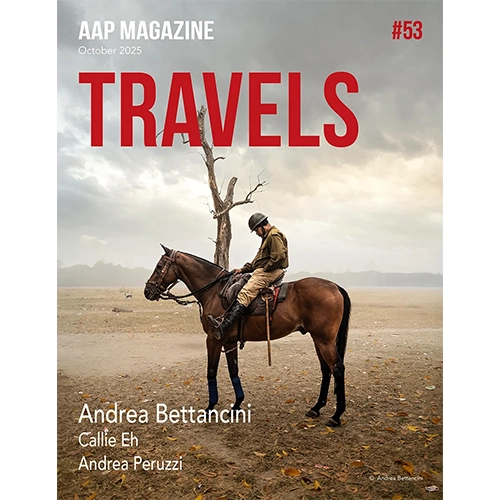
The Winner of AAP Magazine 53 Travels is Andrea Bettancini (Italy) with the series 'The Background Noise'
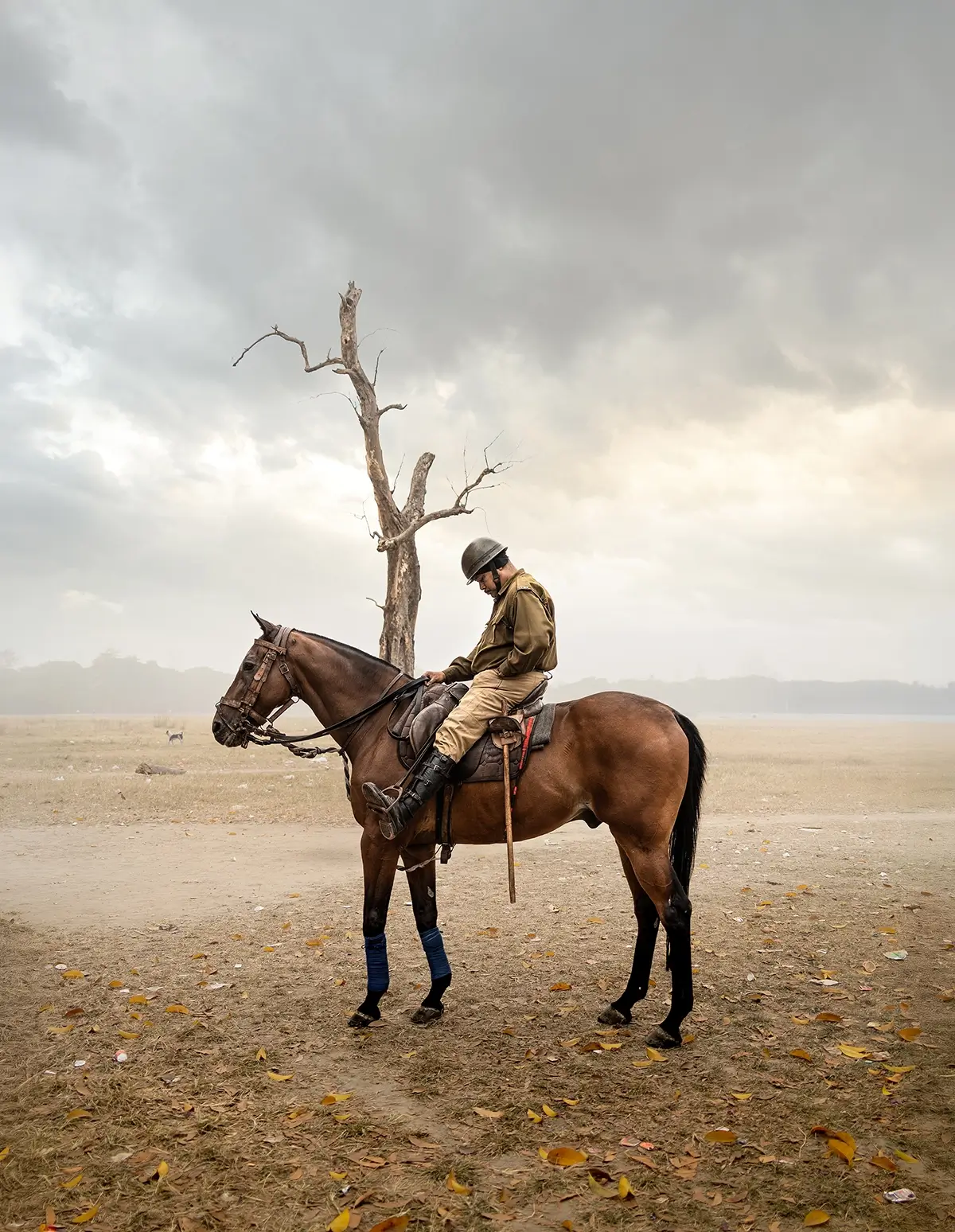
Maidan from the series 'The Background Noise' © Andrea Bettancini
The image was taken in Kolkata, in the vast Maidan Park, an open space that in the early morning is
often wrapped in a dense fog.
At the center of the scene, a mounted soldier of the Indian Army stands still in silence.
The soldier is stationed at Fort William, the historic fortress located on the edge of the park and
owned by the Indian Army. It houses the headquarters of the Eastern Command, one of the
country’s main strategic structures, with the capacity to accommodate up to 10,000 troops.
The fog softens the urban context and transforms the scene into a rarefied vision, where the
everyday gesture of surveillance takes on an intimate and almost dreamlike dimension.
About the series 'The Background Noise'
Listening to silence within the uproar: a sideways India, almost whispered, where background noise
— the invisible, everyday, intimate one — takes shape through faces, gestures, voids, and waiting.
A flow of images unfolding like fragments of a visual thought, suspended between harmony and
dissonance, between distance and closeness, isolated encounters: suspended moments that detach
themselves from the mass flow and become singular presences.
A silent India within a context often perceived only through clamor.
It is a journey into the echo of things, where the gaze rests not on what reveals itself, but on what
remains. In this suspended dimension, where the everyday transforms into vision, a dreamlike India
is revealed — made of light, almost unreal presences that vibrate in what is left unsaid.
Yet behind this delicacy, behind this ability to transform reality into apparition, there also lies the
tension of a country undergoing radical change.
@andreabettancini
www.facebook.com/andrea.bettancini66
All About Andrea Bettancini
The Second Place Winner is Callie Eh (Malaysia) with the series 'A Journey of Heart and Heritage'
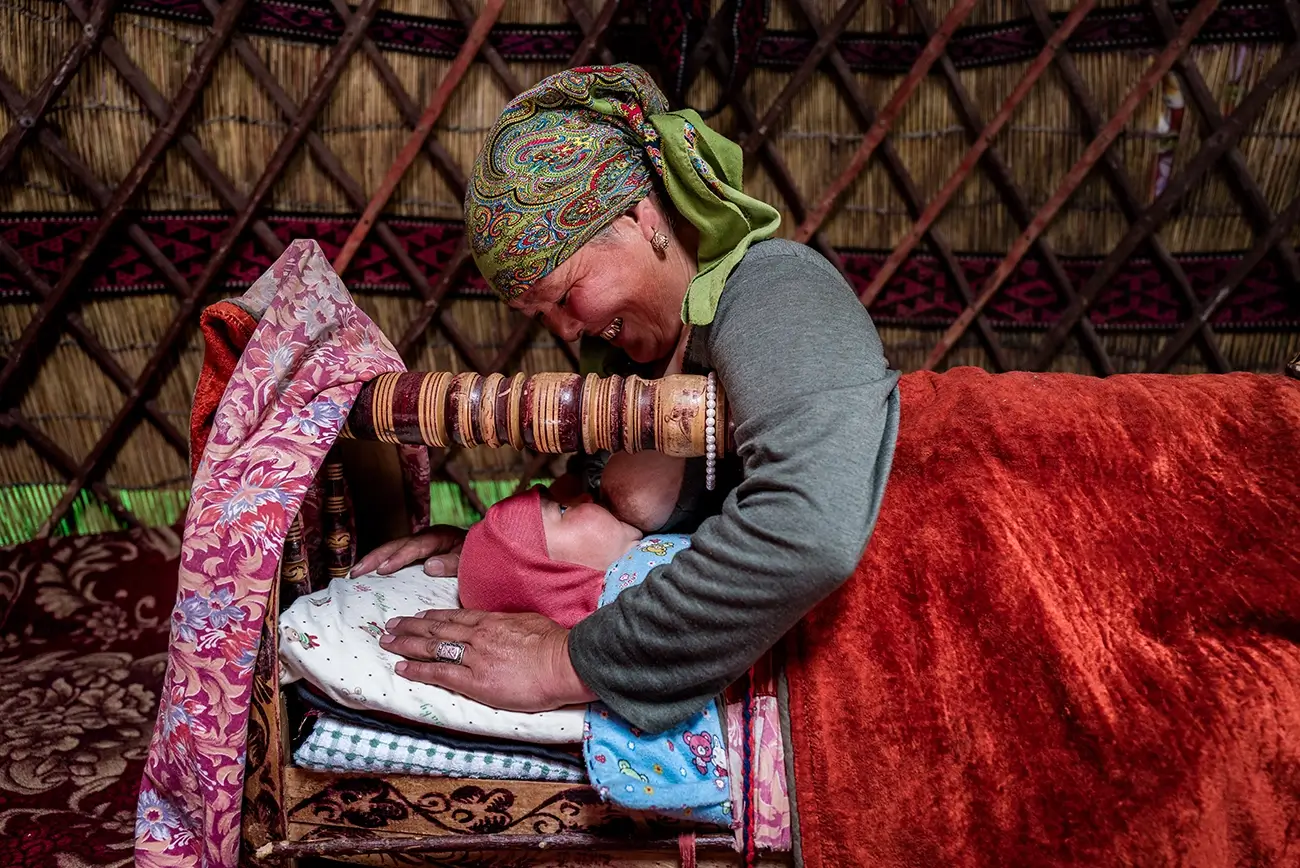
The Art of Beshik from the series 'A Journey of Heart and Heritage' © Callie Eh
The Kyrgyz mother, Meikin, is breastfeeding her child in a
traditional cradle called a Beshik. This rocking cradle,
crafted from juniper wood—symbolic of longevity—has
been an important part of Kyrgyz traditions for many
generations.
A Journey of Heart and Heritage
My trip to Kyrgyzstan was truly remarkable! The locals'
warm hospitality made me feel at home, and the
harmonious relationship between animals, nature, and
humanity was inspiring. Interaction with the spirited
nomadic traditions of the Kyrgyz people made my journey
unforgettable.
www.callieeh.com
@callie_eh
All About Callie Eh
The Third Place Winner is Andrea Peruzzi (Italy) with the series 'Devotion in Mazar-I Sharif'
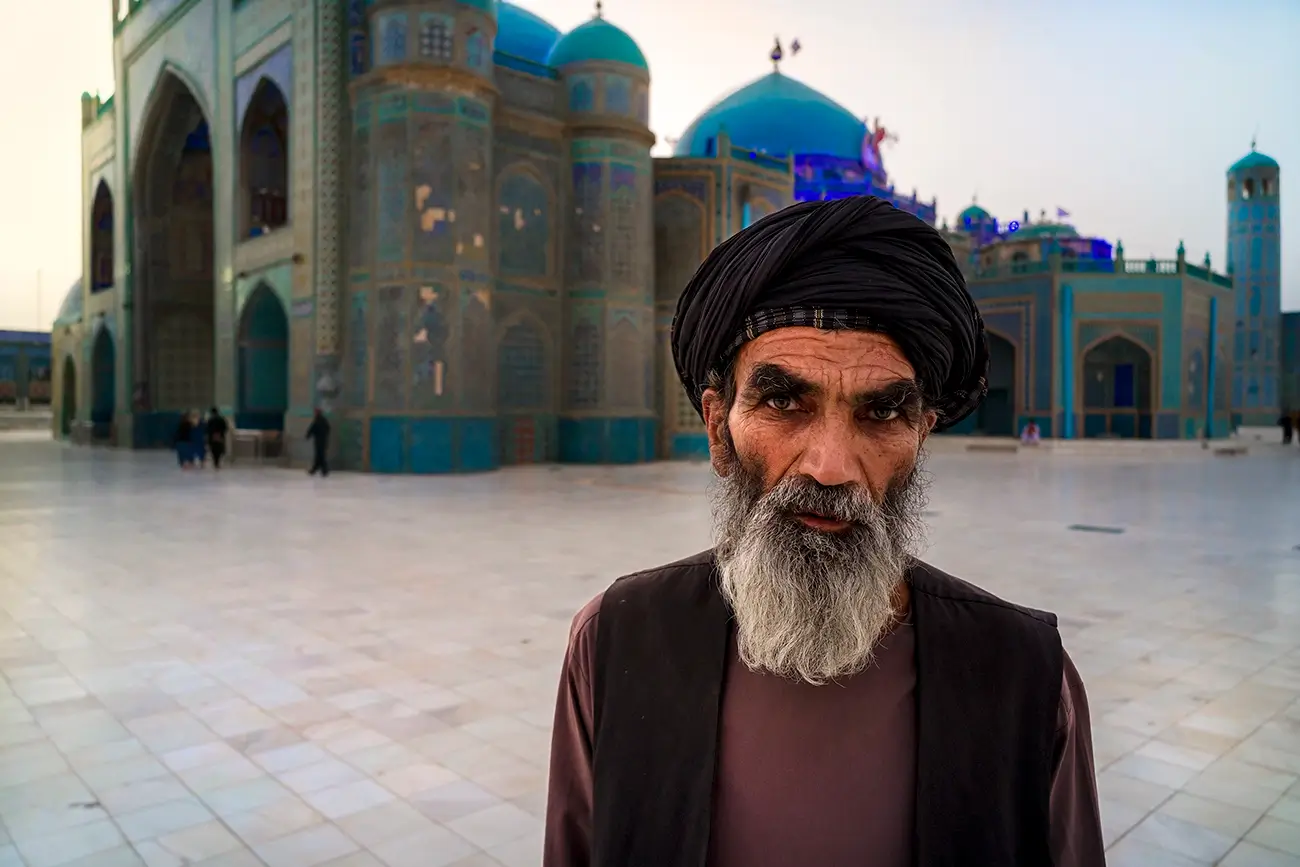
The Guardian from the series 'Devotion in Mazar-I Sharif' © Andrea Peruzzi
At sunset, in front of the majestic Blue Mosque in Mazar-i-Sharif, a Taliban approaches to understand the reason for my presence in the sacred courtyard of the mosques, asking me if I wish to pray and if I am a Muslim. His penetrating gaze embodies faith and authority, a dual sense of protection and control.
Behind him, the turquoise tiles shimmer in the twilight, silent witnesses to the devotion of believers and the power of the Taliban, intertwined with their faith.
Devotion in Mazar-I Sharif, Afghanistan, 2025
In the heart of Mazar-i-Sharif, whose name means noble sanctuary, the Blue Mosque stands as one of Afghanistan's most revered spiritual sites. Clad in thousands of turquoise and lapis lazuli tiles, it reflects centuries of faith, pilgrimages, and daily devotion. According to tradition, Hazrat Ali rests here, making the complex not only an architectural masterpiece but a vibrant center of worship and meditation.
At sunset, the warm light caresses the enameled surfaces and transforms the blue into a continuous dialogue of reflections and shadows. The vast courtyard falls silent, traversed by faithful who pray, walk slowly, or pause in contemplation. Gestures are essential, intimate, suspended in time, and prayer becomes an integral part of the space, as do light and color.
This photographic series narrates the pilgrimage to this place as a visual and spiritual experience, where the grandeur of the sacred place, amidst perfect geometry and silent presences, coexists with human devotion.
www.andreaperuzziphotos.com
@andreaperuzzi_photos
All About Andrea Peruzzi
MERIT AWARD GALLERY
Artem Postelnikov (Ukraine)
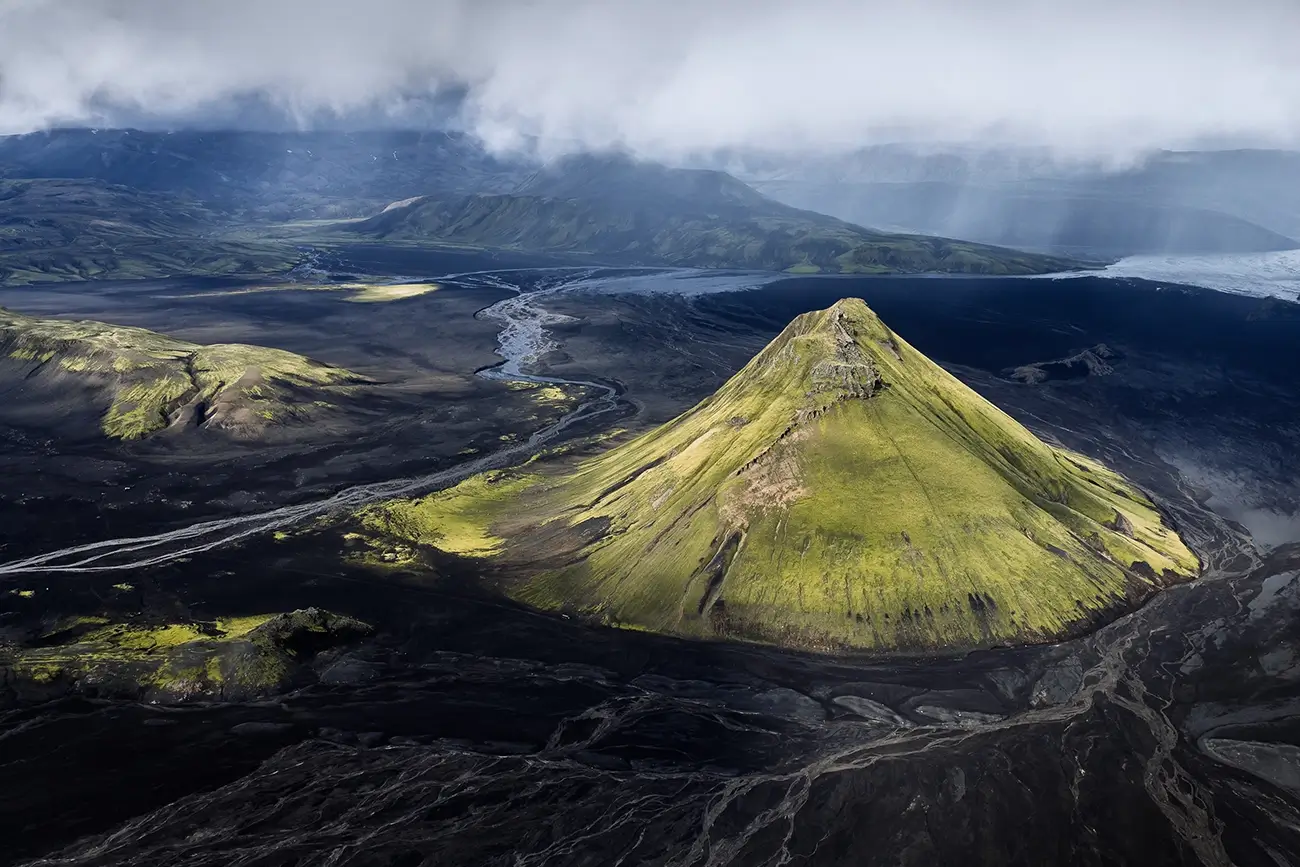
Heart of the Highlands from the series 'Iceland from above' © Artem Postelnikov
My first trip to the Icelandic Highlands left me in awe. Standing here felt like witnessing the Earth in its purest, most powerful form.
@postelnikov
All About Artem Postelnikov
Kristyn Taylor (Australia)
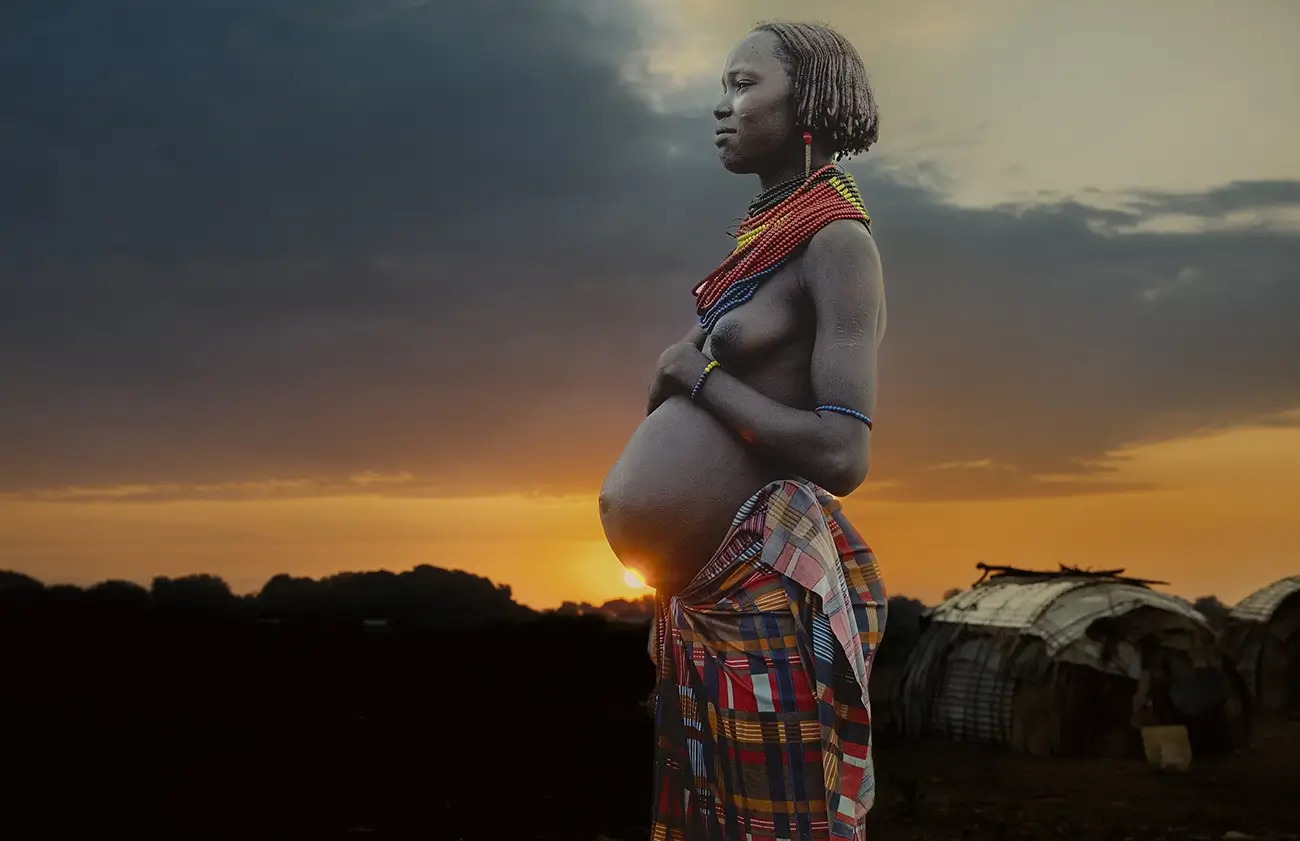
Dassanech woman with new life from the series 'Early Morning Coffee with the Dassanech' © Kristyn Taylor
The sun was just starting to rise as Hodi and I walked towards the Dassanech tribe in the Omo Valley, Ethiopia, right on the border with Kenya. Women were busy brewing the early morning coffee.
@ckristyn_taylor
Kristyntaylorphotography.com
All About Kristyn Taylor
Andrea Torrei (Italy)
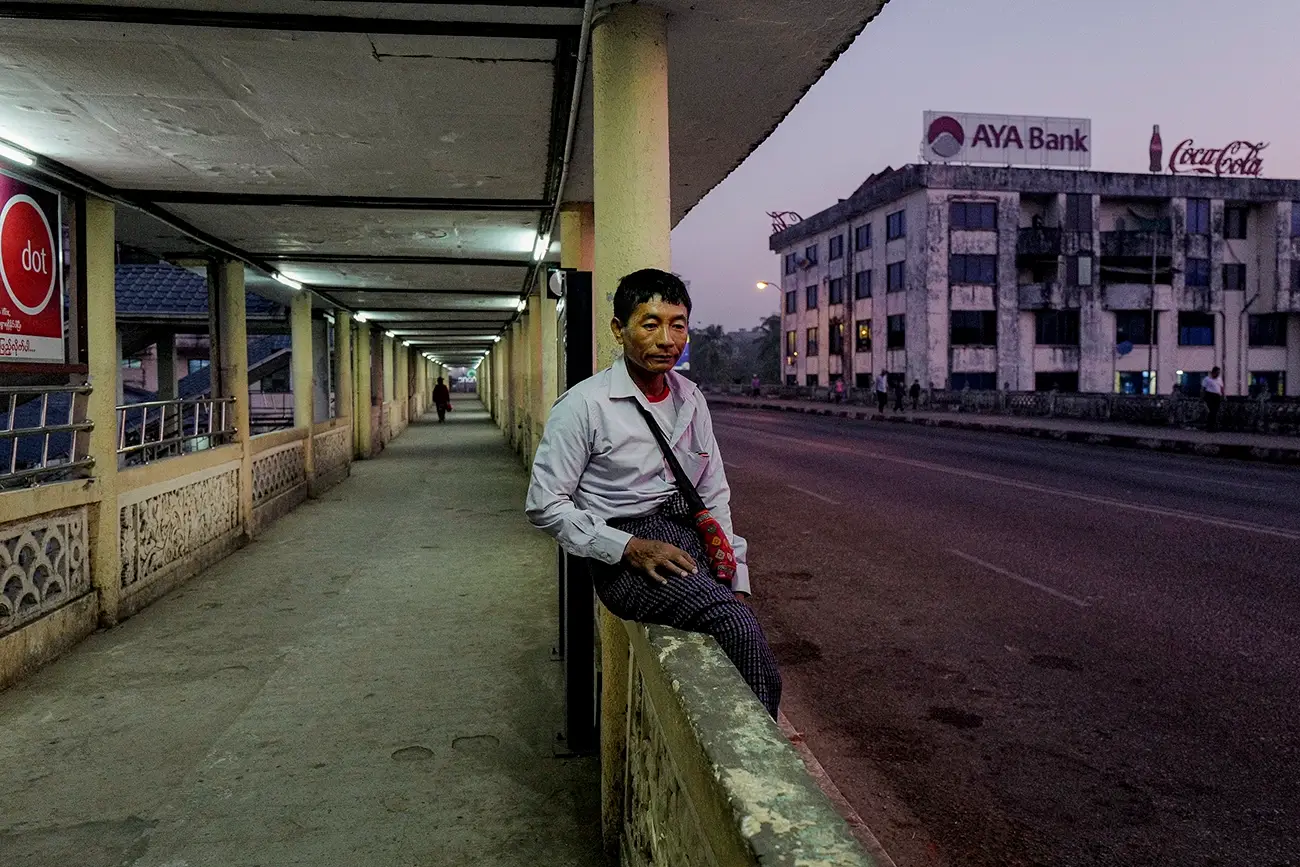
Between Departures from the series 'The Distance of Light' © Andrea Torrei
Made in Myanmar in 2018, during a brief period of openness. The work focuses on distance — and on how light passes between people and places, leaving only a trace.
www.andreatorrei.com
@andreatorrei
All About Andrea Torrei
Guillaume Petermann (France)
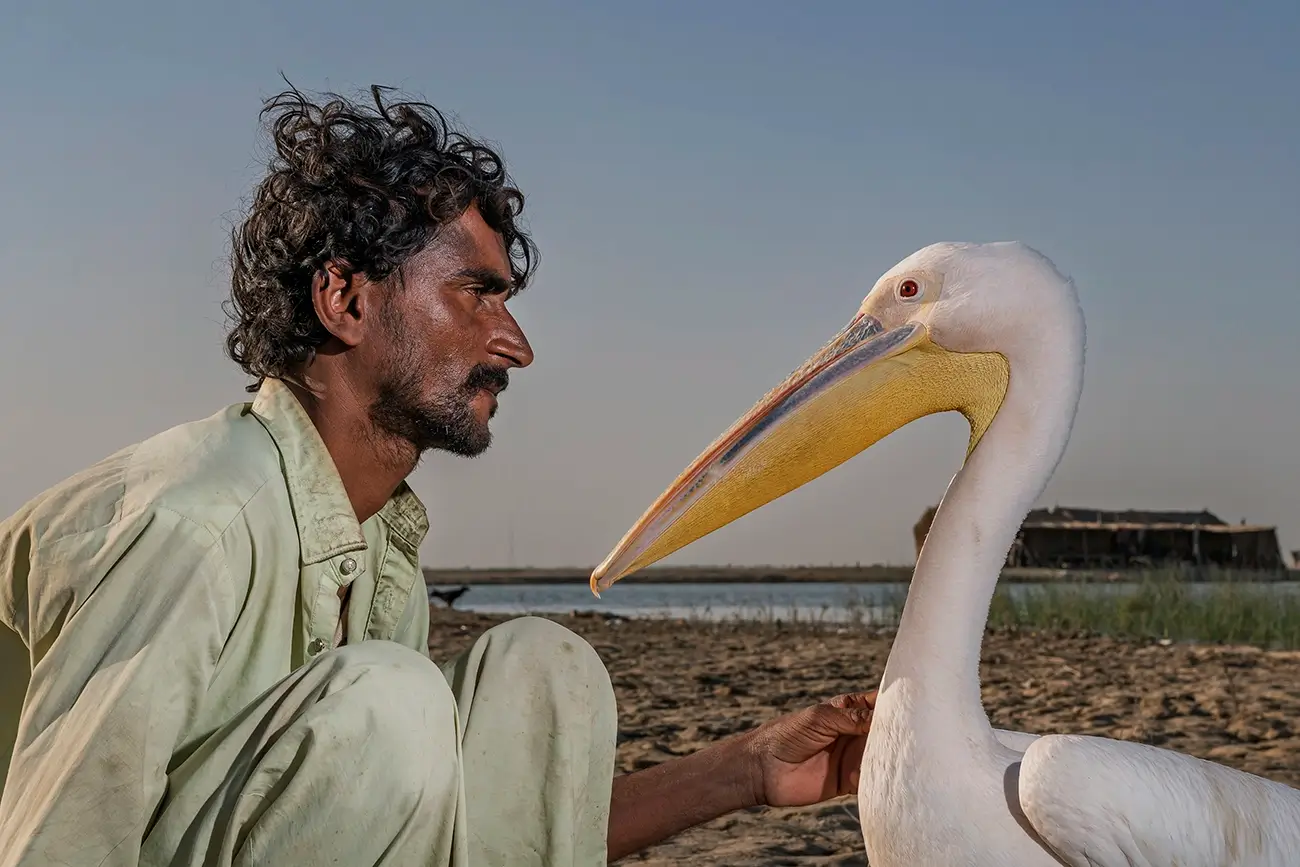
Bird people © Guillaume Petermann
The Mohana, often called the “bird people,” are a fishing community who have lived for generations on the waters of Lake Manchar, Pakistan’s largest freshwater lake, located in Sindh Province. They carry on an ancestral tradition found nowhere else in the world: hunting birds… with birds.
Herons, cormorants, pelicans… Birds are at the heart of Mohana culture. The most distinctive aspect of this community is their special bond with these creatures, their ability not only to tame them but also to train them to assist in hunting and fishing.
Ali Kasghar is one of the last masters of this ancient technique. Submerged up to the neck, with a stuffed bird fixed on his head as camouflage, he glides slowly across the lake’s surface. Led by a live bird tethered to the end of a slender branch, he approaches other birds without alarming them until the final moment. Fooled by the decoy, the birds suspect nothing. he snatches them with lightning speed.
Blending patience, ingenuity, and an intimate understanding of nature, this ancient ritual reflects a rare harmony between the Mohana and the wild — an echo of a bond that has endured for centuries on the waters of Lake Manchar.
www.guillaumepetermann.com
@guillaumepetermann
Somenath Mukhopadhyay (India)
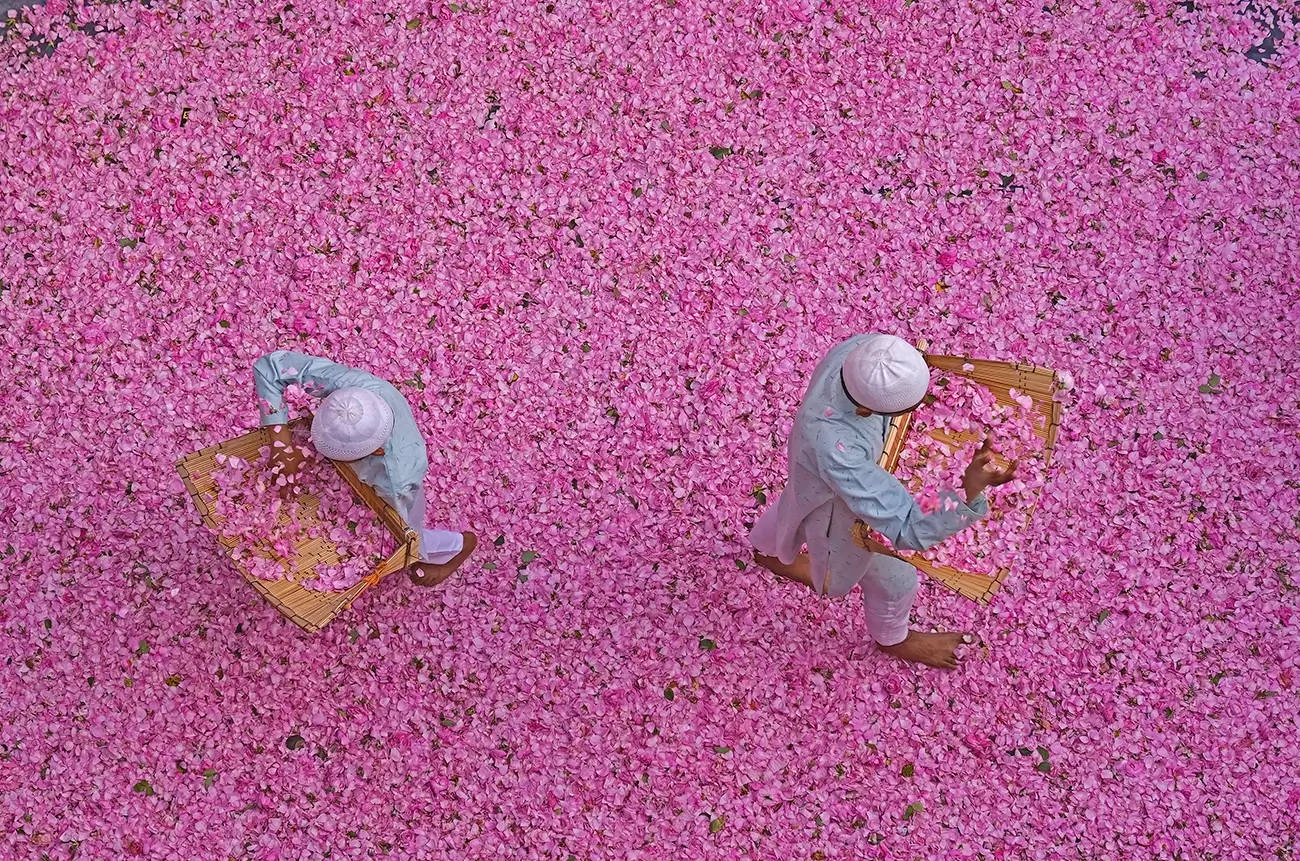
Colour Spread from the series 'Aroma Story' © Somenath Mukhopadhyay
The photograph shows local boys of Kannauj in Uttar Pradesh, India spreading rose petals to dry them in the sun and these sun-dried petals are used for making condiments for use in culinary and cosmetic purposes.
@sanam_mukho
www.facebook.com/somenath.mukhopadhyay
Indranil Sengupta (India)
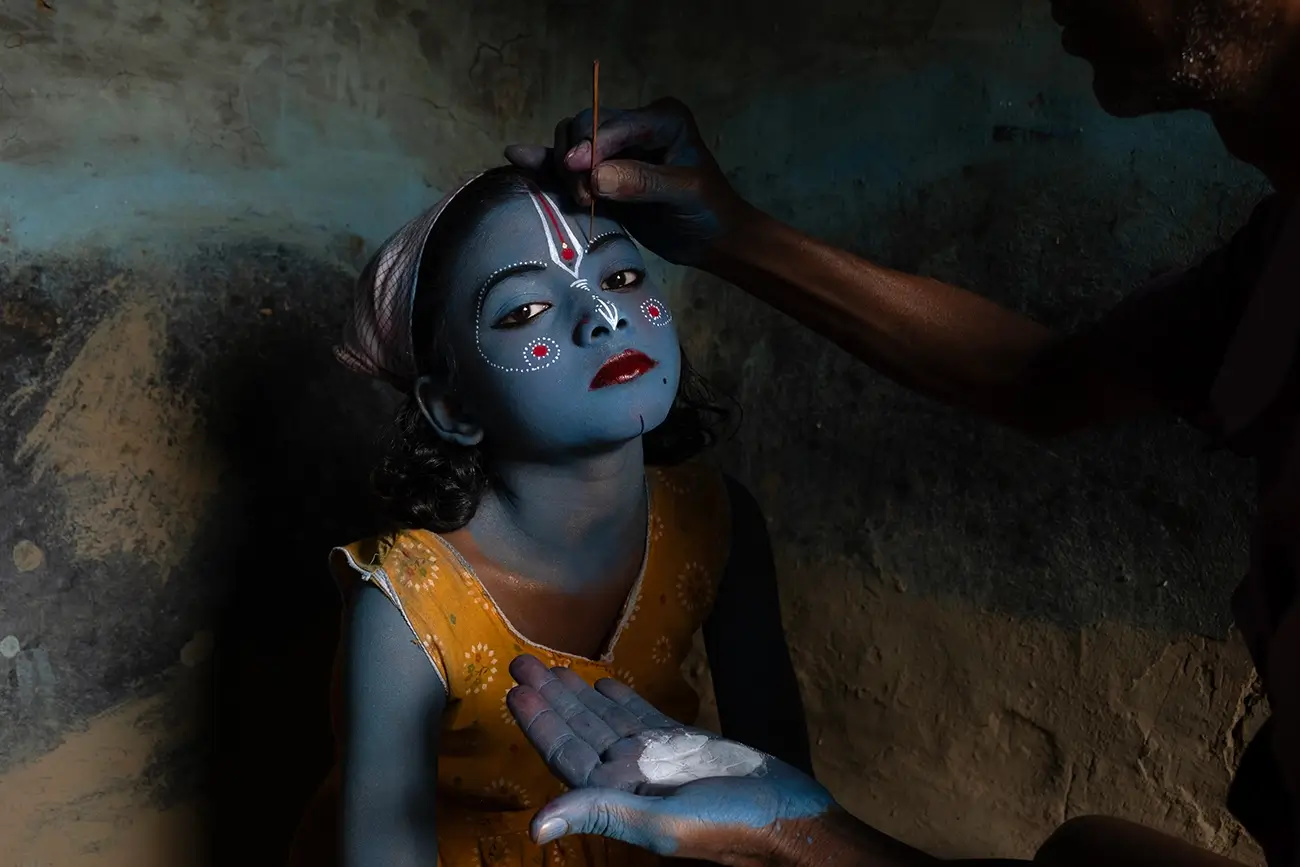
Make Up from the series 'Bohurupi' © Indranil Sengupta
Bohurupis are traditional folk artists of rural West Bengal who transform themselves into different Gods and goddesses
by exquisite make up in which they paint their faces like those of different deities. Usually they perform various mythological enactments
before the rural audiences which earn them their livelihood. Their activities soar specially during the annual GAJAN festival in which they
are of high demand because of their expertise in enacting mythological dance dramas.
@indrakash
Vitaly Golovatyuk (Russia)
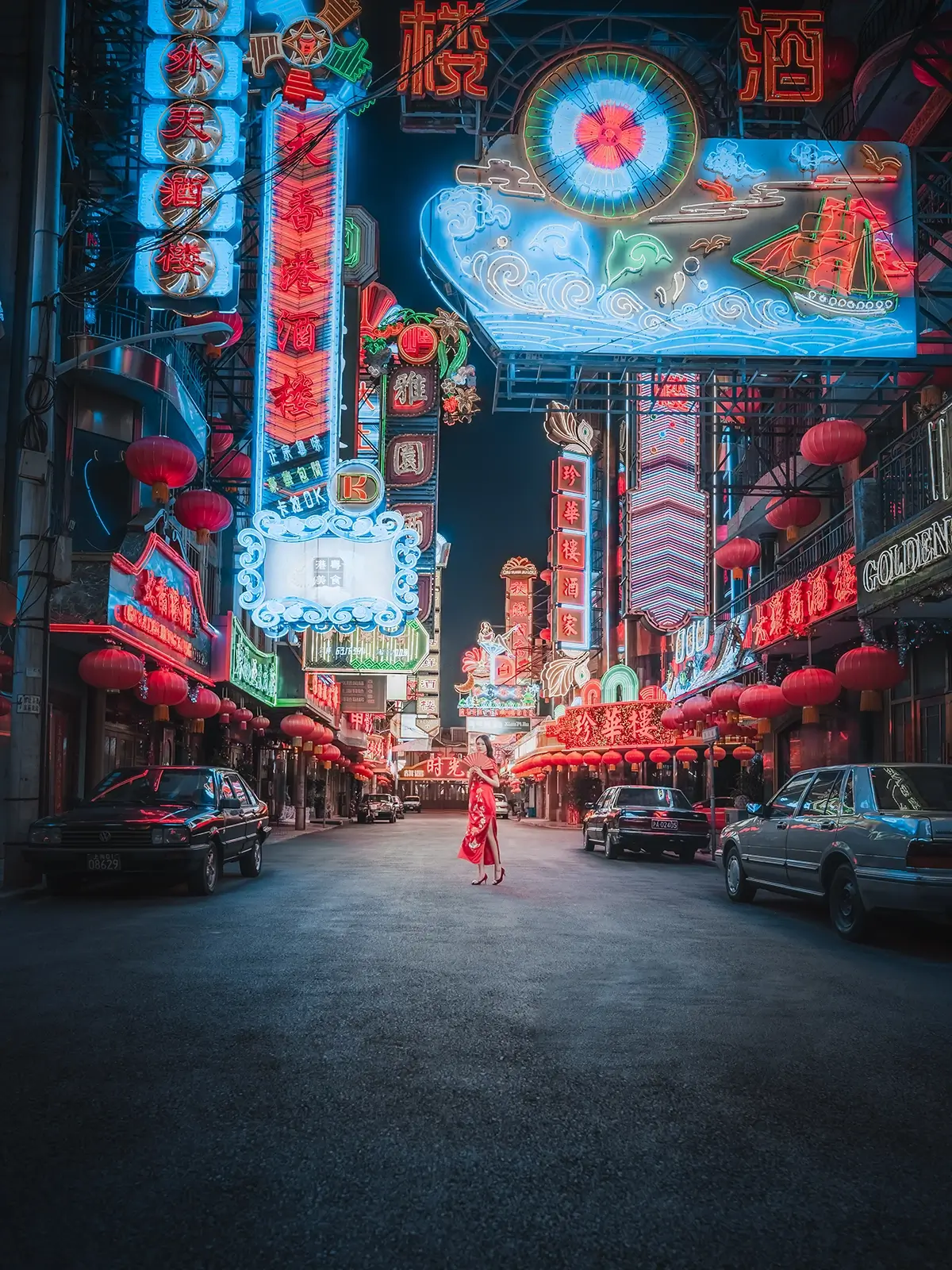
Shanghai Tang © Vitaly Golovatyuk
It’s just a random night on the streets of Old Shanghai.
www.panvelvet.com
@panvelvet
All About Vitaly Golovatyuk
Thibault Gerbaldi (France/United States)
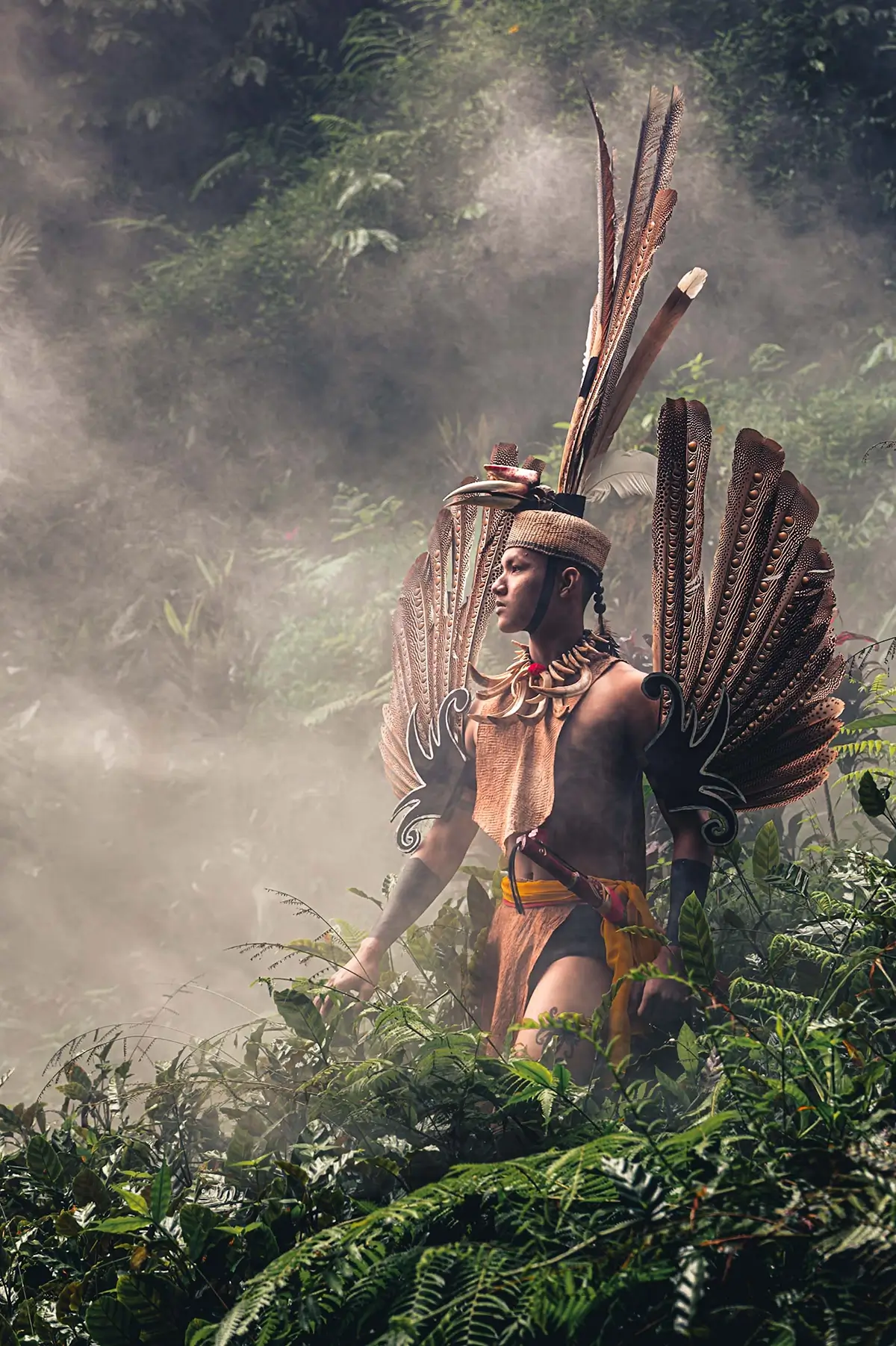
Guardians of the Forest © Thibault Gerbaldi
Dayak warriors from Borneo reenact ancestral rituals that once celebrated unity, courage, and communion with nature. Their elaborate costumes — made of bark, beads, and hornbill feathers — honor the spirits that guard the forest and sustain life. Rooted in Kaharingan, the island’s ancient belief system, these ceremonies bridge the human and the spiritual worlds, preserving an identity deeply intertwined with the land.
www.tgcrossroads.com
@tg_crossroads
All About Thibault Gerbaldi
Fiorella Baldisserri (Italy)
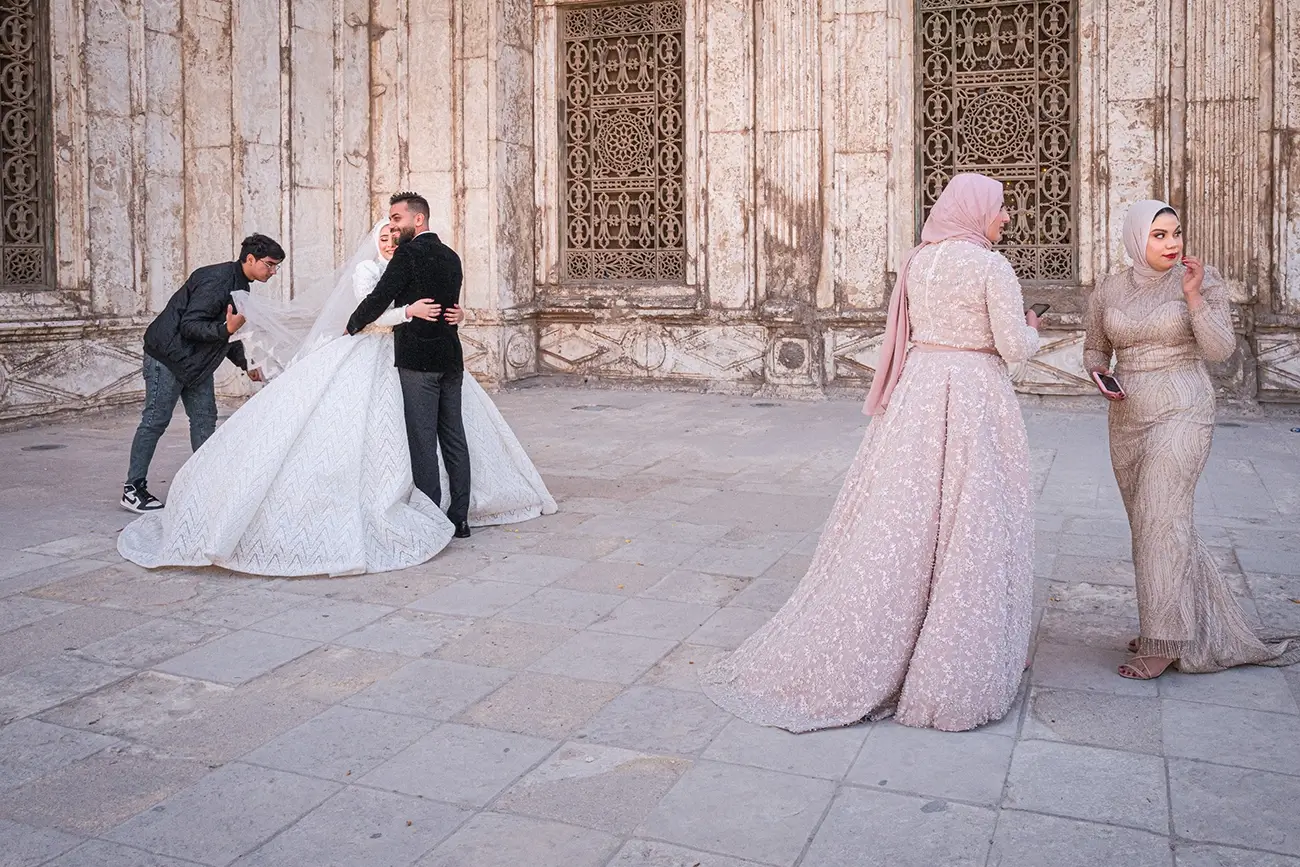
Marriage from the series 'River Nile' © Fiorella Baldisserri
Marriage in Egypt is an important moment in both cultural and religious life,
and most Egyptians see it as a fundamental step in adult life. Weddings are
often elaborate and expensive both for the ceremony and for the clothes
necessary for the spouses and guests. The families are committed to saving
for years to be able to organize it.The clothing is usually formal as elegant,
elaborate, sophisticated evening dresses with silver gold embroidery and
lace and for women it is expected to cover legs, neck arms and the head is
covered with a scarf or veil.
www.fiorellabaldisserri.com
@fiorella_baldisserri
All About Fiorella Baldisserri
Brigitte Bourger (France)

Crossroads V © Brigitte Bourger
My photographic work explores the meeting point of landscape, abstraction and cultural geography, tracing the subtle contrasts between marine environments shaped by human hands and those that remain largely untouched. Through aerial photography, I capture patterns, colors, and forms that transform coastlines and marine zones into poetic visual narratives.
By shifting perspective from the ground to the sky, I seek to reimagine the familiar. Marshes, salt flats, and tidal zones unfold into fluid compositions of light and texture. These spaces become visual metaphors for the interconnectedness of life, where natural processes and human interventions overlap in a fragile balance.
www.brigittebourger.com
@brigittebourger
All About Brigitte Bourger
Lise Leino (Finland/UK)
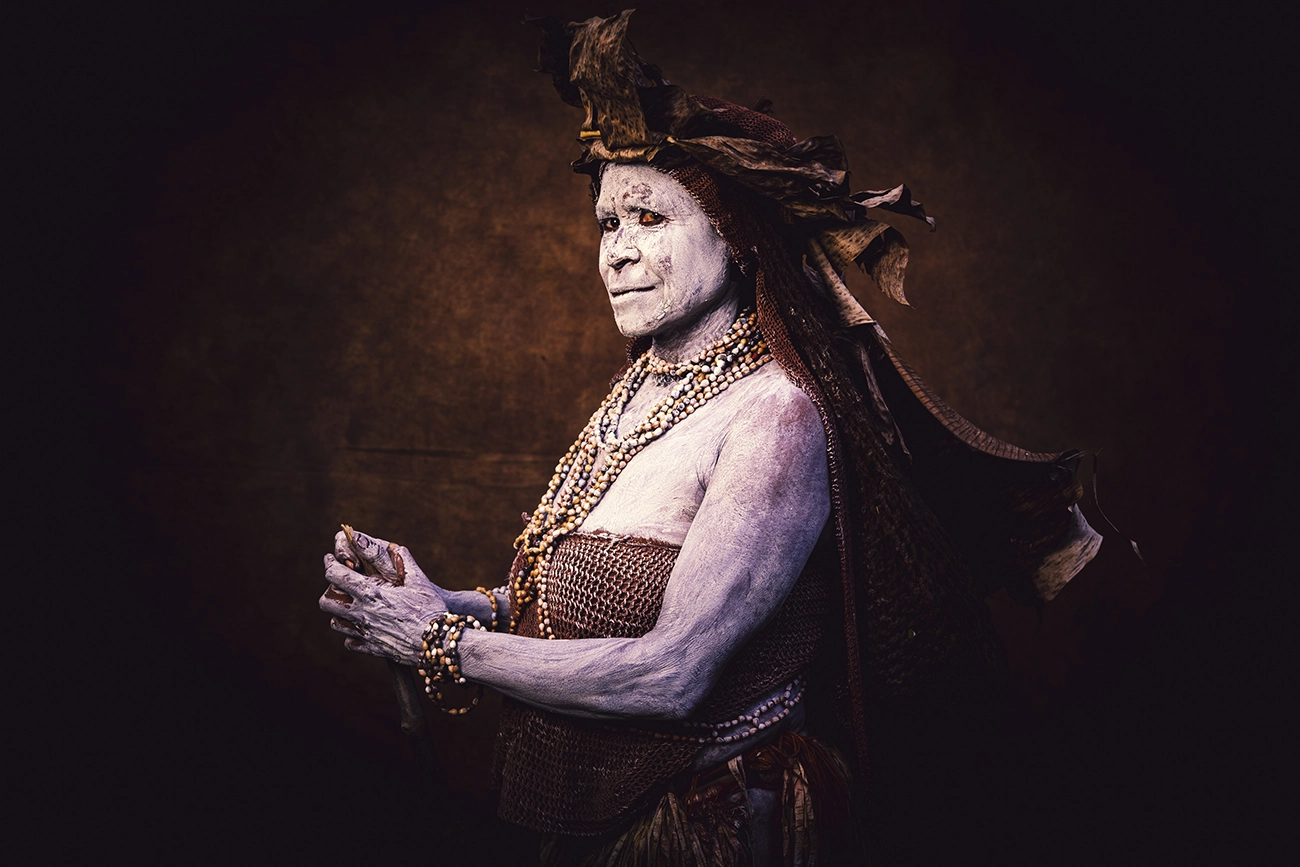
This is a portrait of a Huli tribe widow from the Highlands of Papua New Guinea. In Huli culture, widows follow specific rituals, including covering themselves in white clay to become unrecognizable to their late husband's spirit, helping them move on and consider remarrying. A key part of her ritual involves wearing necklaces made of Jobs tears seeds. Each week, she removes one seed, symbolising the passage of time and the end of her mourning.
www.liseleino.com
@liseleinophotography
All About Lise Leino
Ryan Kost (United States)
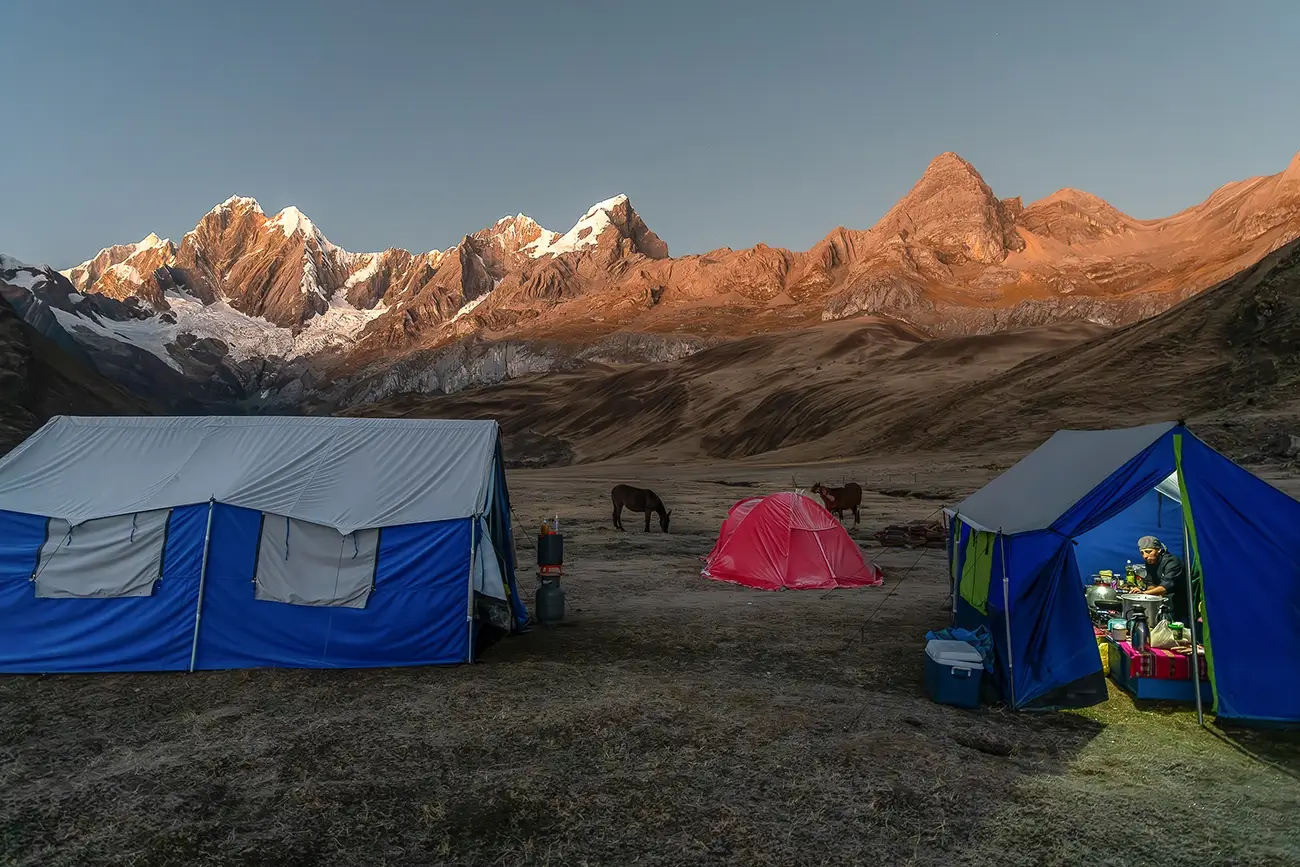
Abel Milla Flores works diligently in camp at Mitucocha at dusk, cooking dinner for 14 people on a simple two-burner propane stove. We carried the stove for 13 days while trekking through the Cordillera Huayhuash Range in Peru. All supplies are transported by a team of donkeys and horses, crossing high mountain passes over 16,600 feet.
www.ryankostphotography.com
@rkostphotography
All About Ryan Kost
Prescott Lassman (United States)
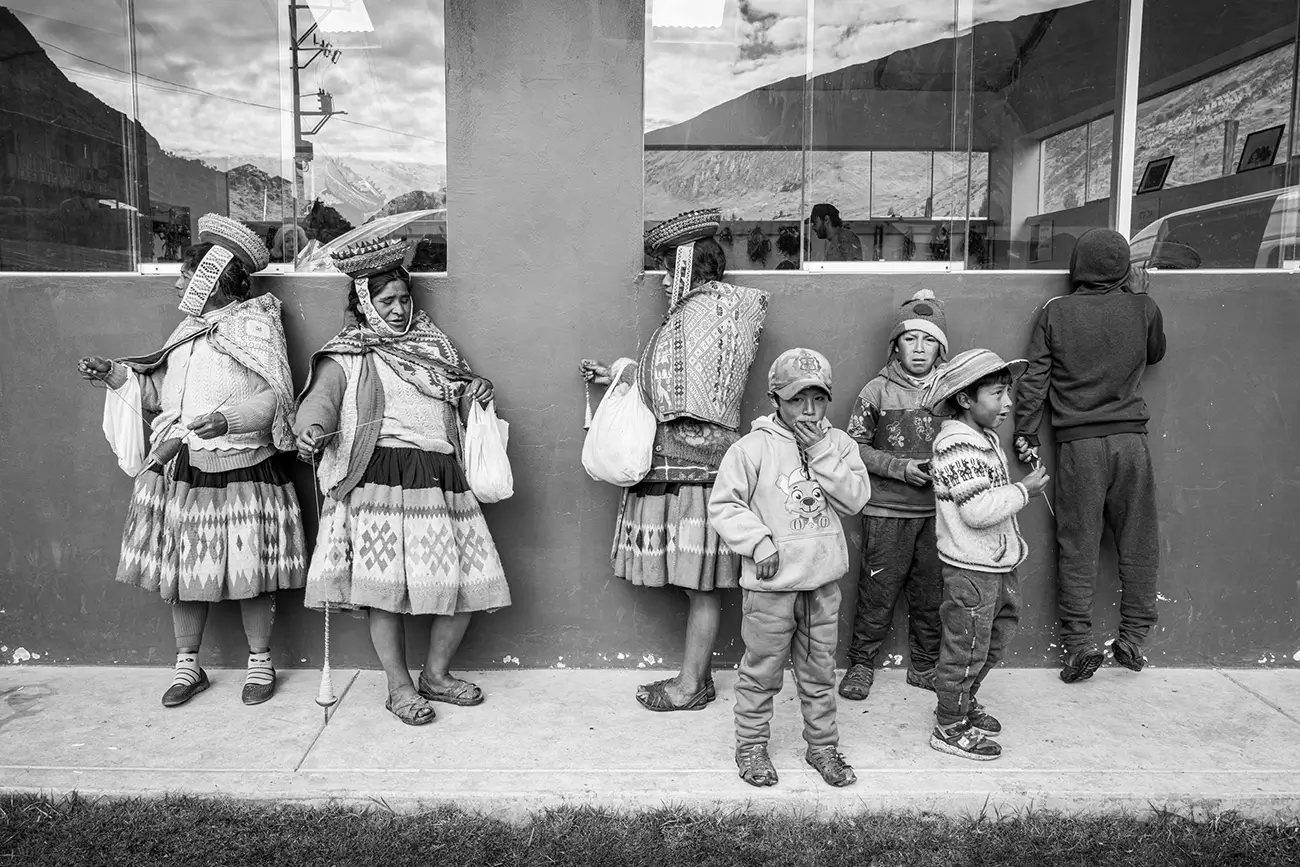
Outside the Weaving Cooperative from the series 'The Road to Machu Picchu' © Prescott Lassman
The Road to Machu Picchu follows my travels in Peru from the former Inca city of Cusco through the Sacred Valley to the ruins of Machu Picchu perched high in the Andes Mountains. This photograph captures local weavers and their children standing outside a weaving cooperative in a small town in the Sacred Valley.
www.lassmanlenswork.com
@lassman_lenswork
All About Prescott Lassman
Mogli Maureal (Philippines/ United States)
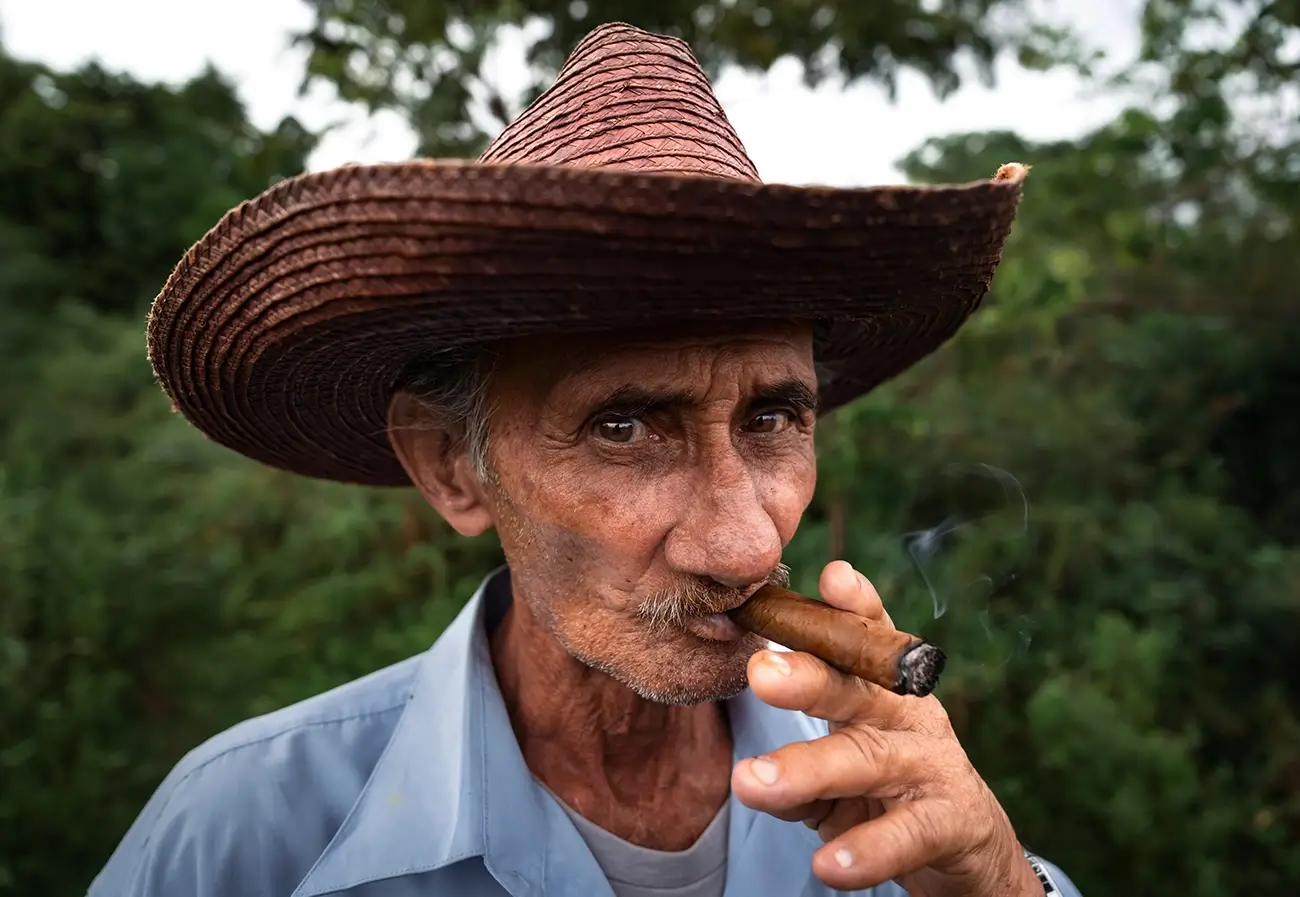
Don Mario from the series 'Life in Viñales' © Mogli Maureal
There was a busy road behind me and everyone said Hola to Don Mario. I asked if he was famous around here and he chuckled. This photo resembles his expression telling stories of hard work, heritage, and the enduring spirit of rural life while he takes a break in the tobacco fields.
www.themogli.com
@themogli
All About Mogli Maureal
Costanza Rossi (Italy)
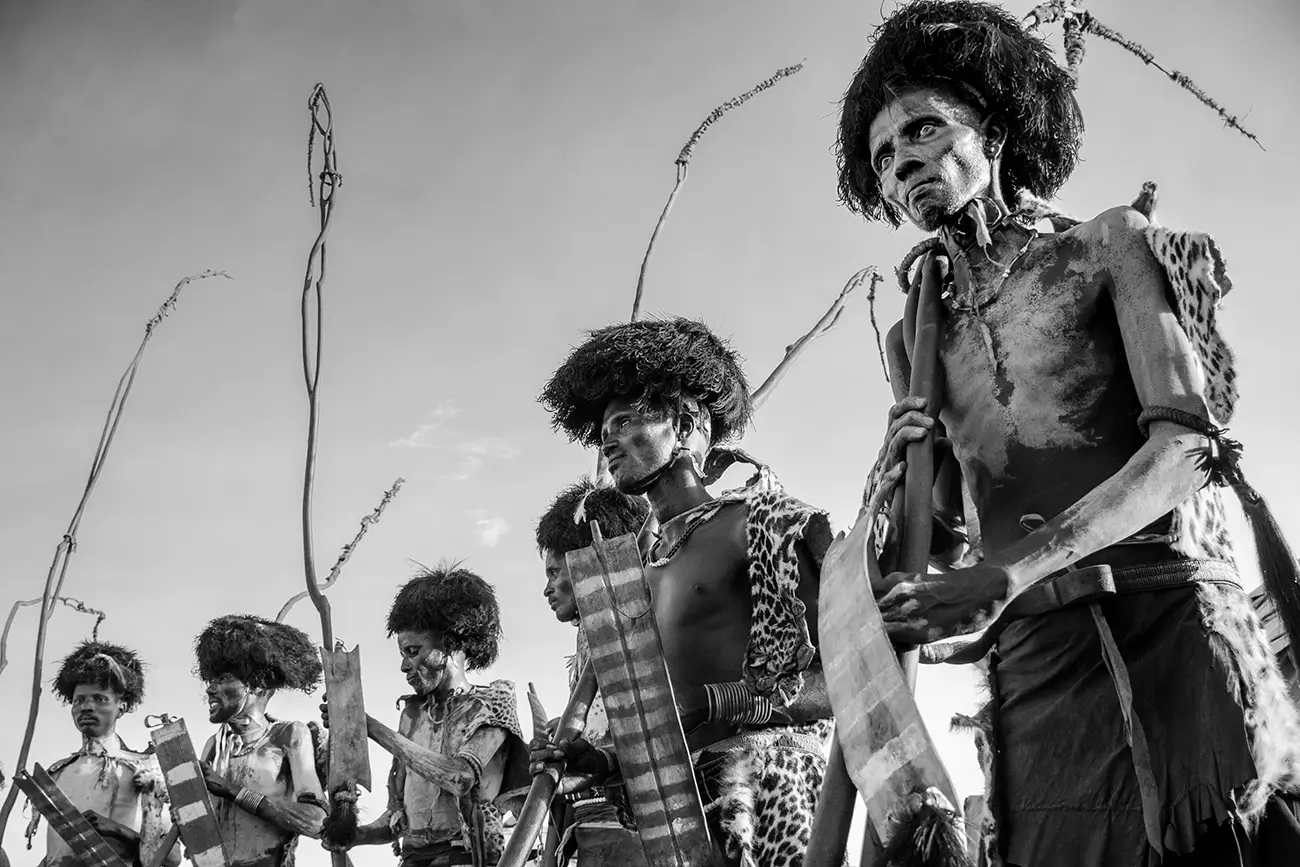
The new elders from the series 'The Fathers of the Rite' © Costanza Rossi
The Dimi ceremony of the Dassanech in Ethiopia is a ritual built around female genital mutilation (infibulation), a practice still present in parts of Africa and deeply rooted in the Omo Valley. Though distant from Western culture, it remains a lived reality, often carried out in rudimentary conditions and leading to infections and, at times, the death of young girls.
Paradoxically, the girls remain hidden throughout the celebration, confined inside huts and invisible to the community. The public space belongs to the parents: for mothers, it is the fulfillment of duty; for fathers, it marks the passage into elderhood, bringing power, recognition, and social prestige.
The ceremony begins with the fathers dressing in symbolic attire — leopard skins, cowhides, body paint, and elaborate hairstyles. Families move from hut to hut, dancing and chanting, while tall decorated poles placed outside the dwellings signal that a Dimi ritual is taking place inside.
This project documents a cultural reality that still exists today, while inviting reflection on how our understanding of other cultures is inevitably shaped by our own heritage, history, and unconscious beliefs.
www.costanzarossiphotography.com
@costanza_rossi_photography
Carole Mills Noronha (Australia)
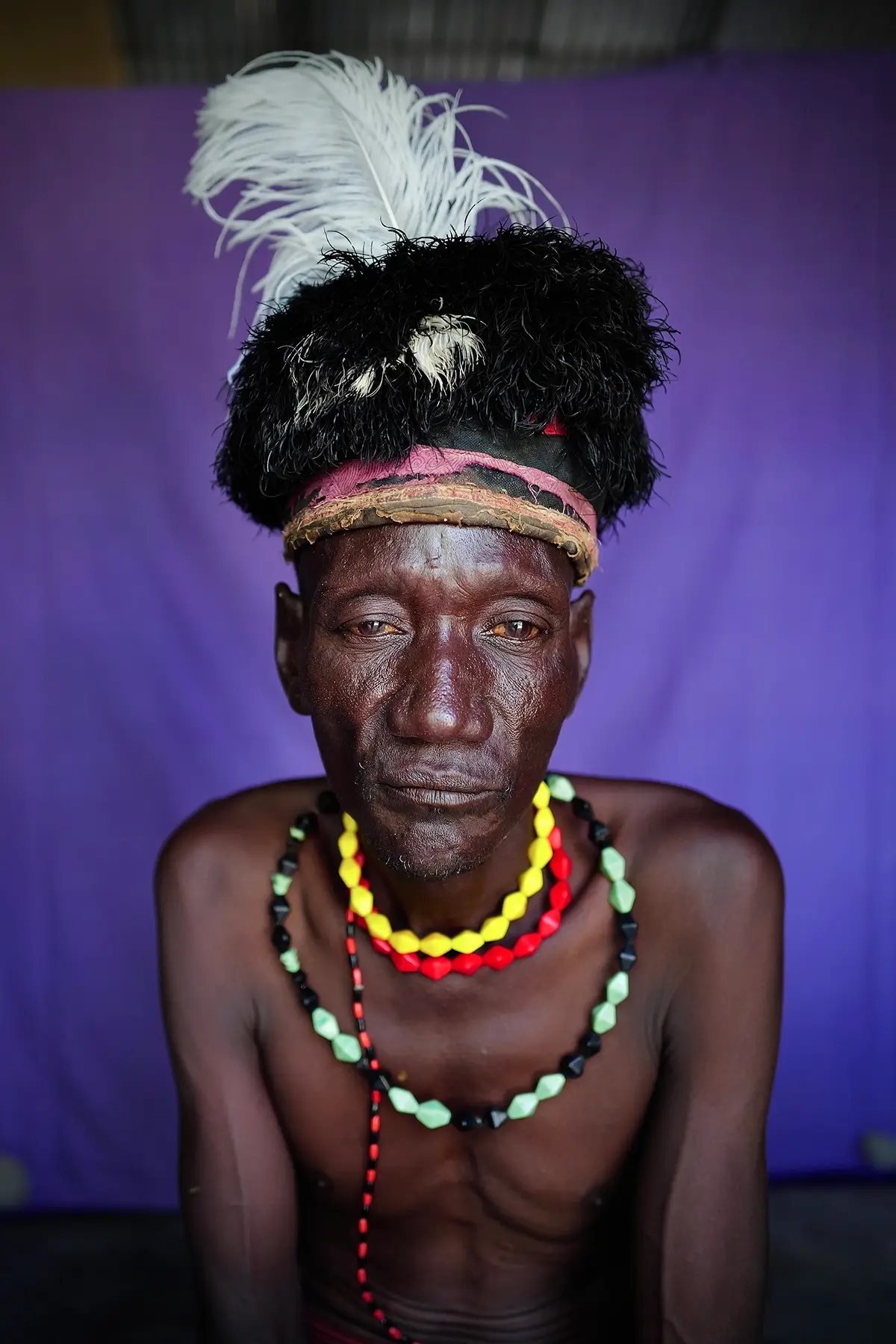
Portrait of Natata from the series 'Level 5, Kenya' © Carole Mills Noronha
A series of photos from my travels through Kenya, visiting various tribal groups. This portrait was taken in Turkana. Each tribe was unique and remote. The title of my series came about after a conversation I had with a young woman on the streets of Nairobi. She told me she was level 2, about to turn level 3. She was referring to her age. Twenty-nine years old about to be thirty. I told her I was level 5. I loved this take on age. Reaching a higher level each decade. One of the beautiful ways life is described in Kenya which will stay with me always.
@carolemillsnoronha
All About Carole Mills Noronha
Orna Naor (Israel)
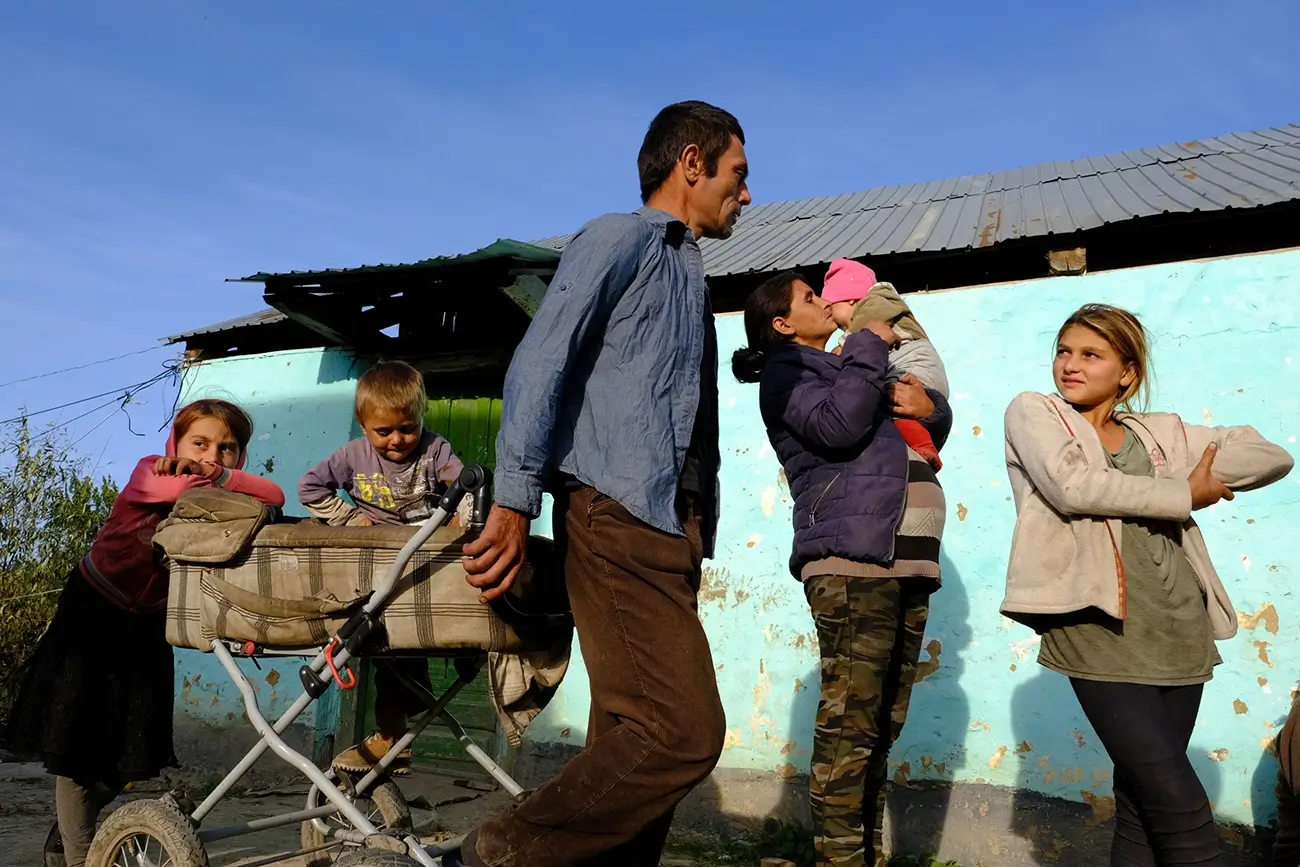
Gypsy Village, Romania © Orna Naor
I was traveling among Gypsy villages in Romania taking pictures of people living on the margins and their lifestyles.
www.ornanaor.com
@orna50
All About Orna Naor
TJ Vissing (United States)
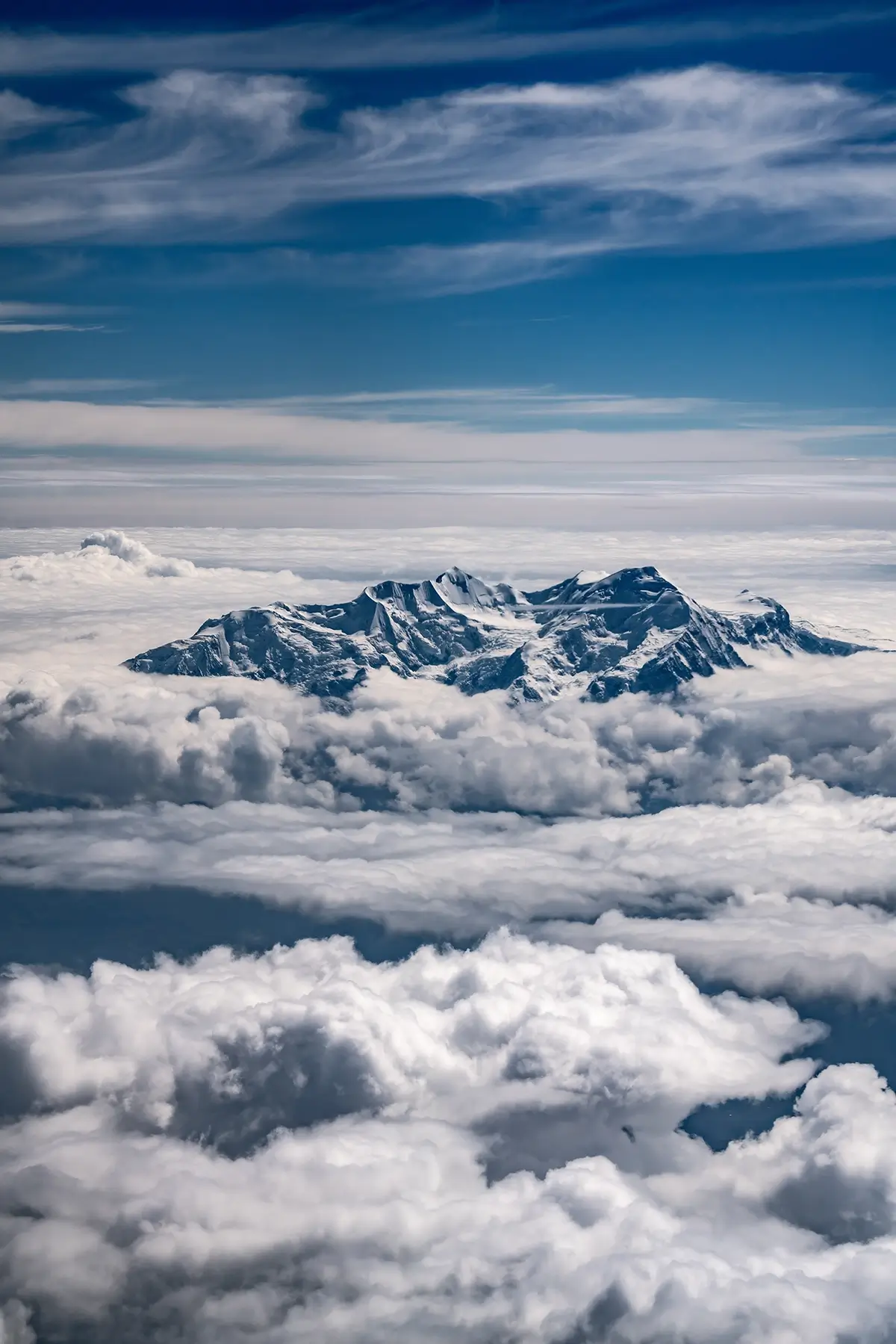
Illimani from the Sky from the series 'Bolivia at 12,000 feet and above' ©TJ Vissing
Across Bolivia's salt flats a few landmarks anchor the eye. The Salar de Uyuni invites a slower way of seeing, where subtle shifts in weather and light redefine the landscape. These photographs explore moments of stillness and vastness, capturing the quiet balance between presence and emptiness that defines one of the world's most elemental landscapes.
travel.omsphoto.com
@tjvissingphotography
All About TJ Vissing
Emilie Favier (France)
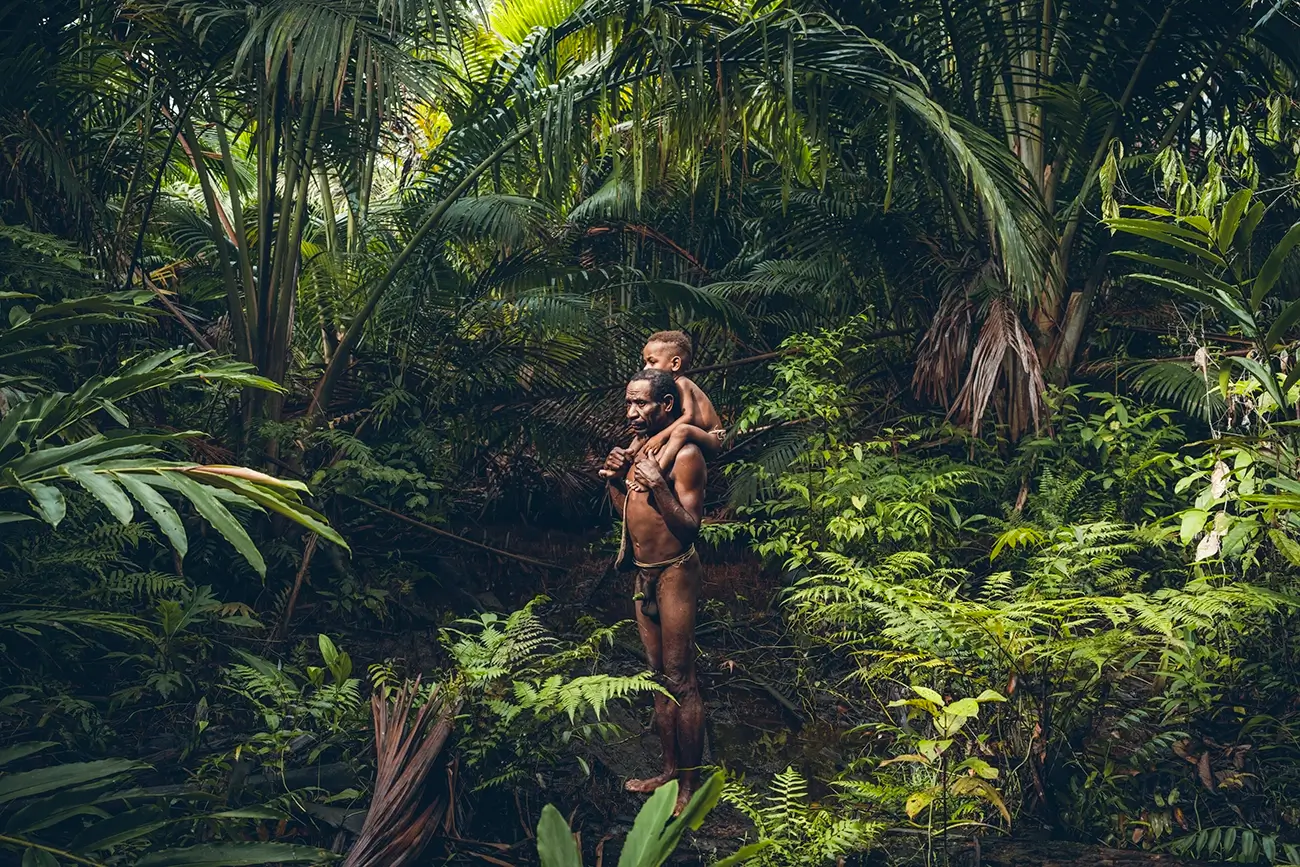
Legacy Light © Emilie Favier
A suspended moment of a father and son on their backs, belonging to the Korowai ethnic group, in the middle of their jungle, their home, and an almost divine light. This ethnic group now has only one soldier, and their way of life, so close to nature, is disappearing.
www.emiliefavierphotographie.com
@emiliefav
Marika Poquet (France)
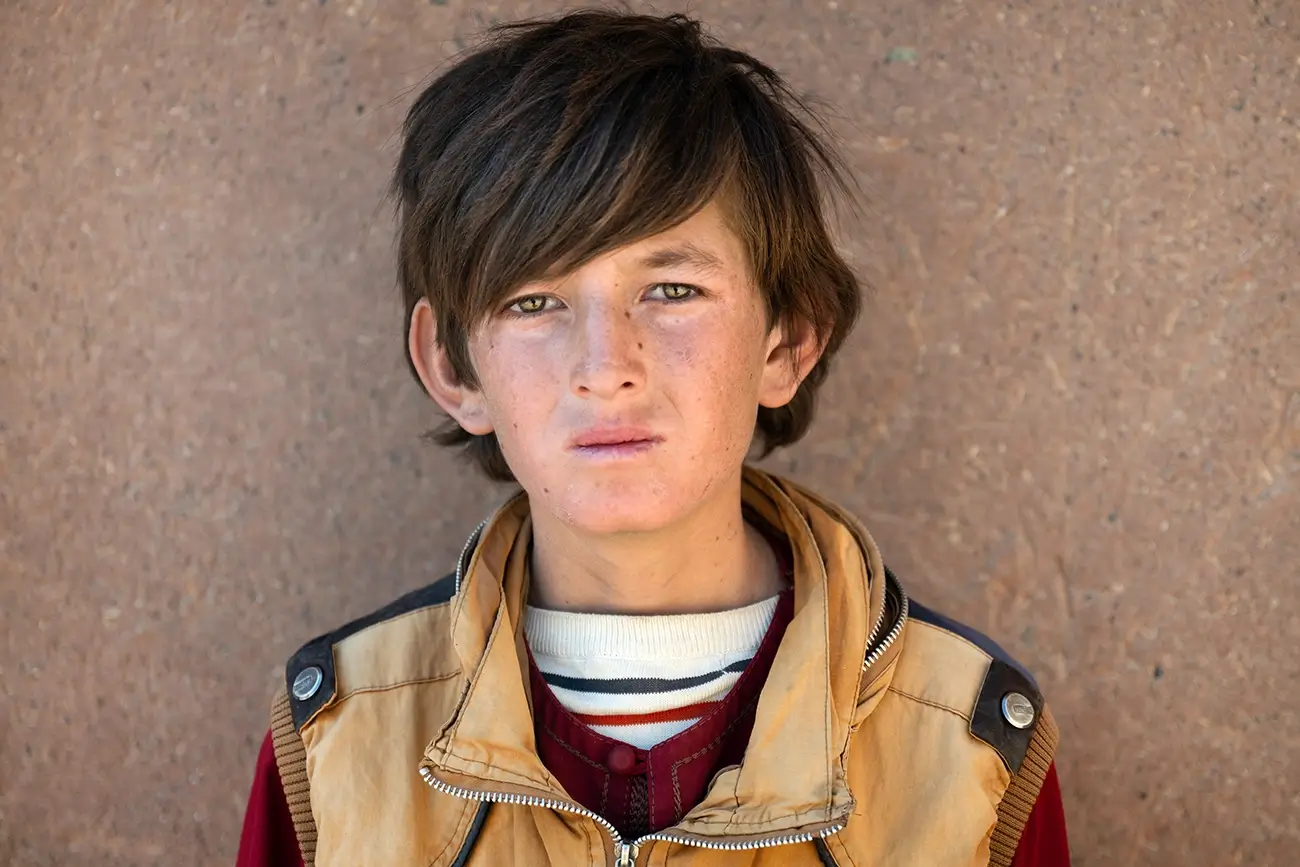
A Boy From The Valley from the series 'Where the mountains remember' © Marika Poquet
Bamyan is a place that stays with you, not for its noise or crowds, but for its quiet weight.
It sits high in central Afghanistan, in the heart of the Hindu Kush, where the mountains feel old enough to remember everything.
For centuries, this valley was a crossroads. Monks, merchants, caravans, and nomads were passing through along the Silk Road. You feel those passages in the stillness.The cliffs that once held the great Buddhas rise like open pages of history.
The people of Bamyan are predominantly Hazara, a Shia ethnic group with Central Asian origins.
What stands out in Bamyan is the atmosphere.The city breathes slowly. And those who live here breathe with it. Bamyan does not ask to be remembered, yet it is difficult to forget.
www.marikapoquet.com
@marikapoquet
All About Marika Poquet
Sanghamitra Sarkar (India)
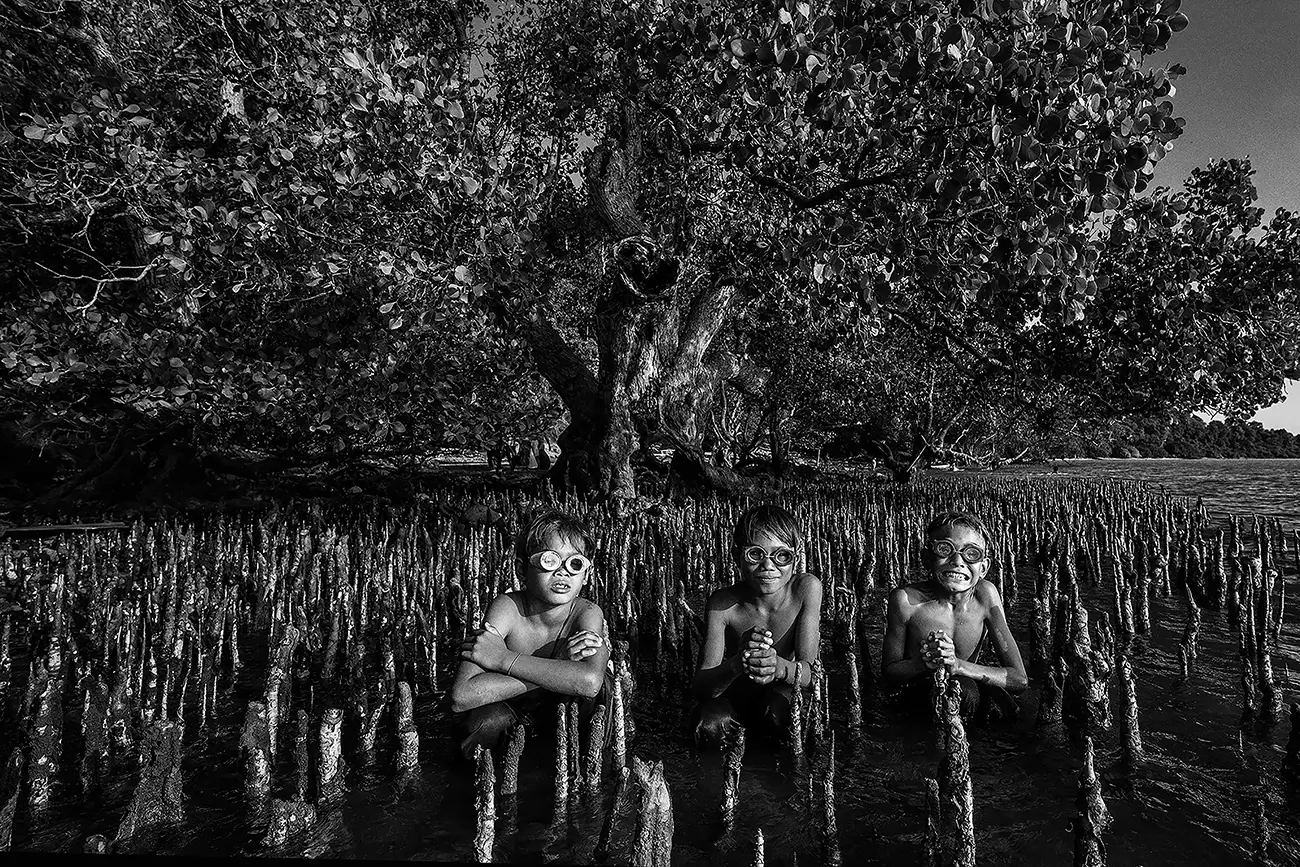
Bajao boys in Mangrove forest © Sanghamitra Sarkar
Three joyful children of Bajao tribe playing in a mangrove forest by the sea. With water up to their knees and roots rising around them, they smile and pose freely, wearing simple goggles that hint at their adventurous spirit. The dense green trees behind them blend into the bright blue sky and the calm sea, creating a peaceful and lively scene. The boys seem at home in nature, enjoying the water and the moment without any distractions. Their laughter, curiosity, and connection to their environment shine through the photo. It’s a pure and heartwarming glimpse into childhood — wild, free, and deeply connected to the natural world.
www.facebook.com/sanghamitra.sarkar.984
Laura Jean Zito (Ireland)
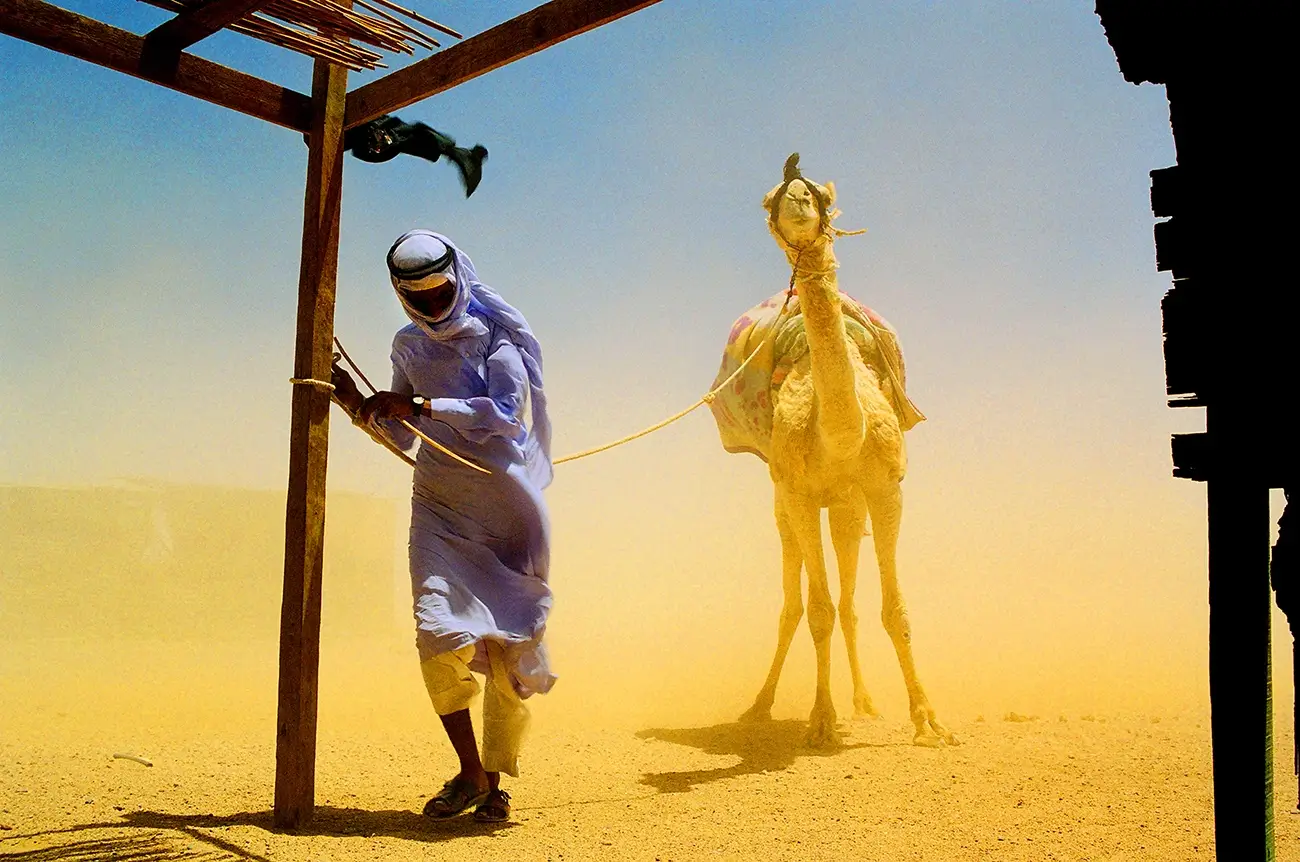
Give Me Shelter from the series 'Going Bedouin' © Laura Jean Zito
Give Me Shelter expresses the stress of climate change, the struggle for survival and the need for shelter and the comfort of others all in one image. The eerie tones of turquoise and ochre heighten the pitch of the sandstorm the Bedouin boy and his camel seek refuge from, in a palm frond hoosha.
As I waited in this hoosha and saw the boy approach, I knew my moment had arrived to express what we all seek, and what the Bedouin have been great at for centuries, safety and security in the company of others. Challenges inevitably draw people back together to approach their solution as community.
This day Msallim convinced me to go to Ras abu Galoom with him and two Danish tourists, despite my protest that I had no film or cash with me. The Danish girl gave me five Egyptian pounds ($1.00 at best) and Msallim said we'd stop and buy some film on the way, but that didn't happen. When I saw the sandstorm, as we arrived after a bumpy two-hour drive in the jeep through the mountains, I was distraught. Such a visual feast and no film!
I saw in the fog of dust a lone ice cream seller struggling down the beach with his cooler. I ran down to him with the 5 pounds the Dane had given me and asked if he had feellum. He said La (no). Not to be diswayed, I grabbed the cooler, shifted all the ice creams out of the way, and lo and behold, there on the bottom of the cooler was the gold I needed! One roll of precious film!!!!!!!Kodak Gold Color Negative Film!
That's how I got this shot, which I called Give Me Shelter so as not to invite conflict from Rolling Stones copyright police. Ironically, later in life, the negative got damaged in a flood, like melted ice cream dripping on it, but luckily I had had a high res scan made already.
laurajeanzito.weebly.com
lightnessofbeing2008-tbnse.wordpress.com
All About Laura Jean Zito