All about photo.com: photo contests, photography exhibitions, galleries, photographers, books, schools and venues.
Last Call to Win a Solo Exhibition this February. Juror: Harvey Stein
Kristyn Taylor
Kristyn Taylor
Kristyn Taylor

Kristyn Taylor

Country: New Zealand/Australia
Birth: 1959

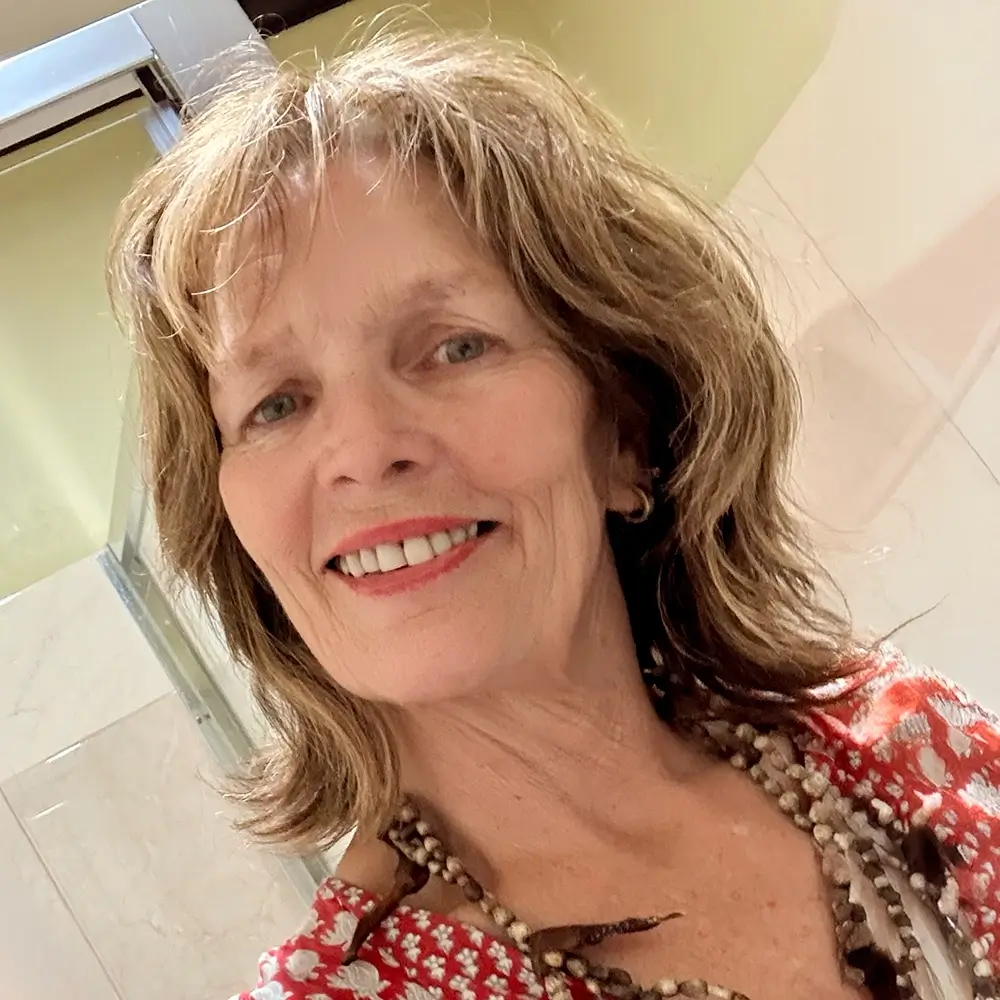
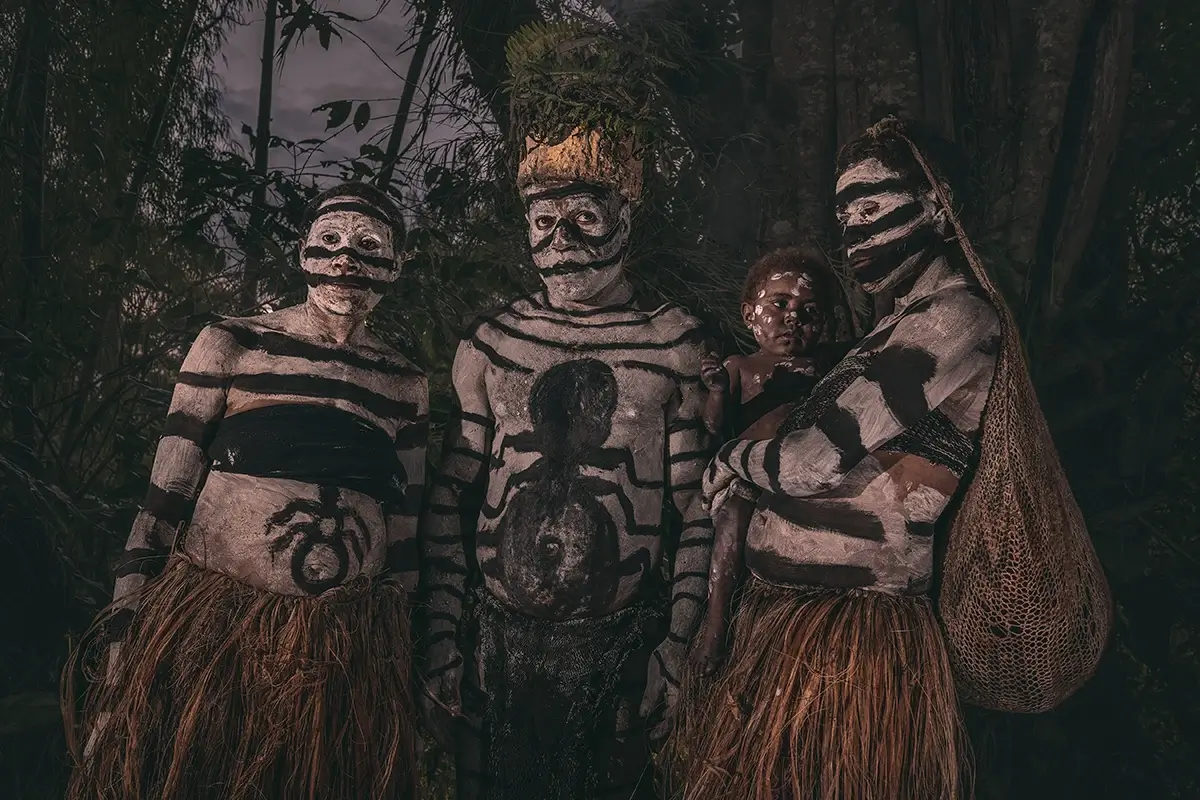
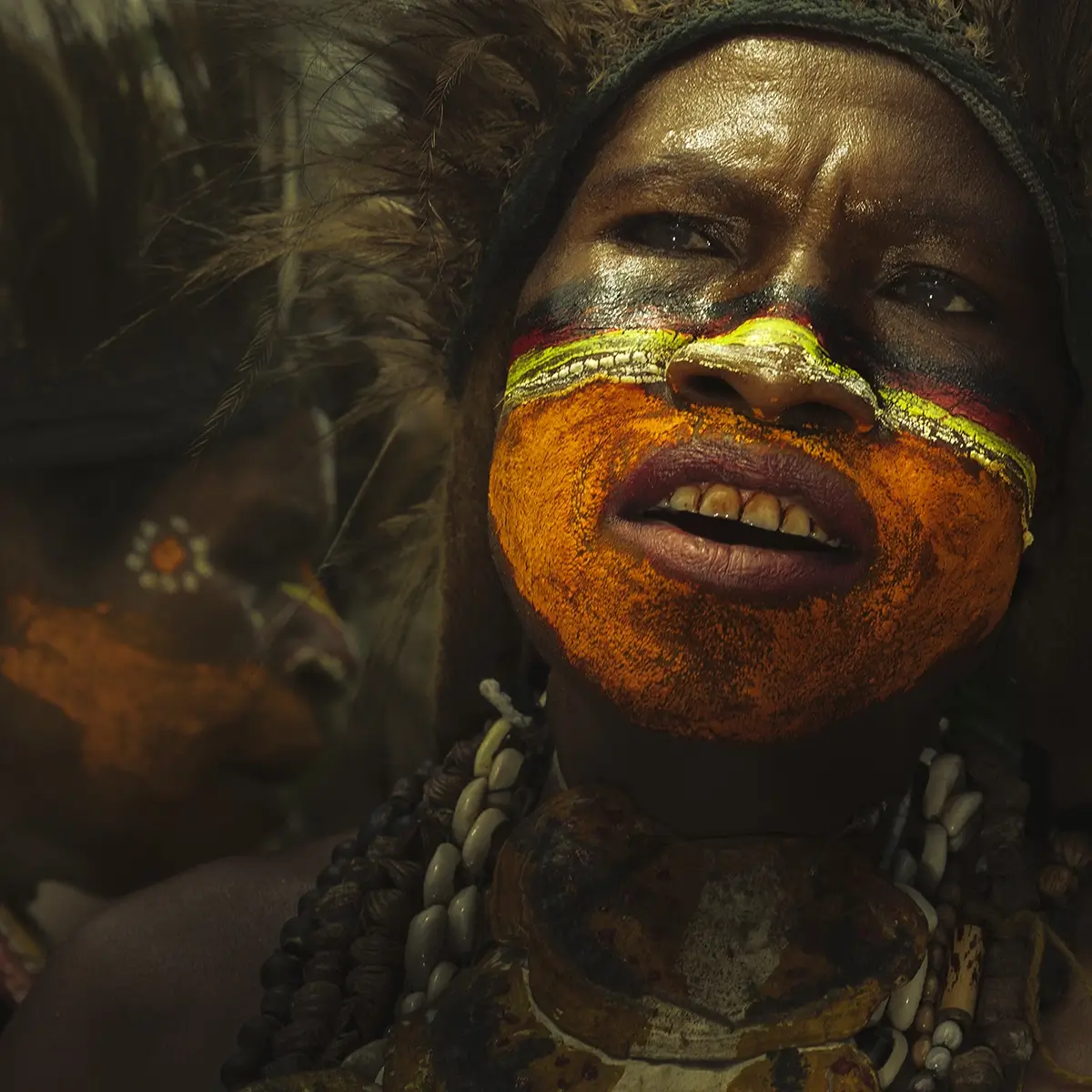
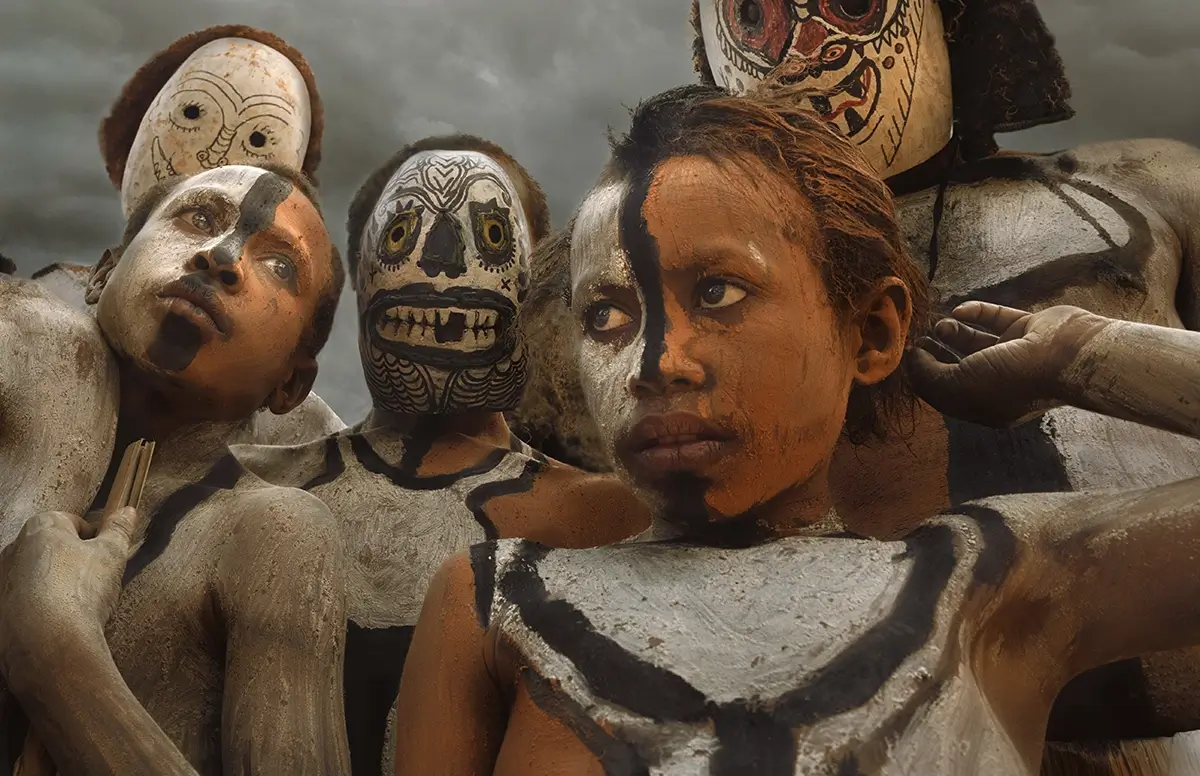
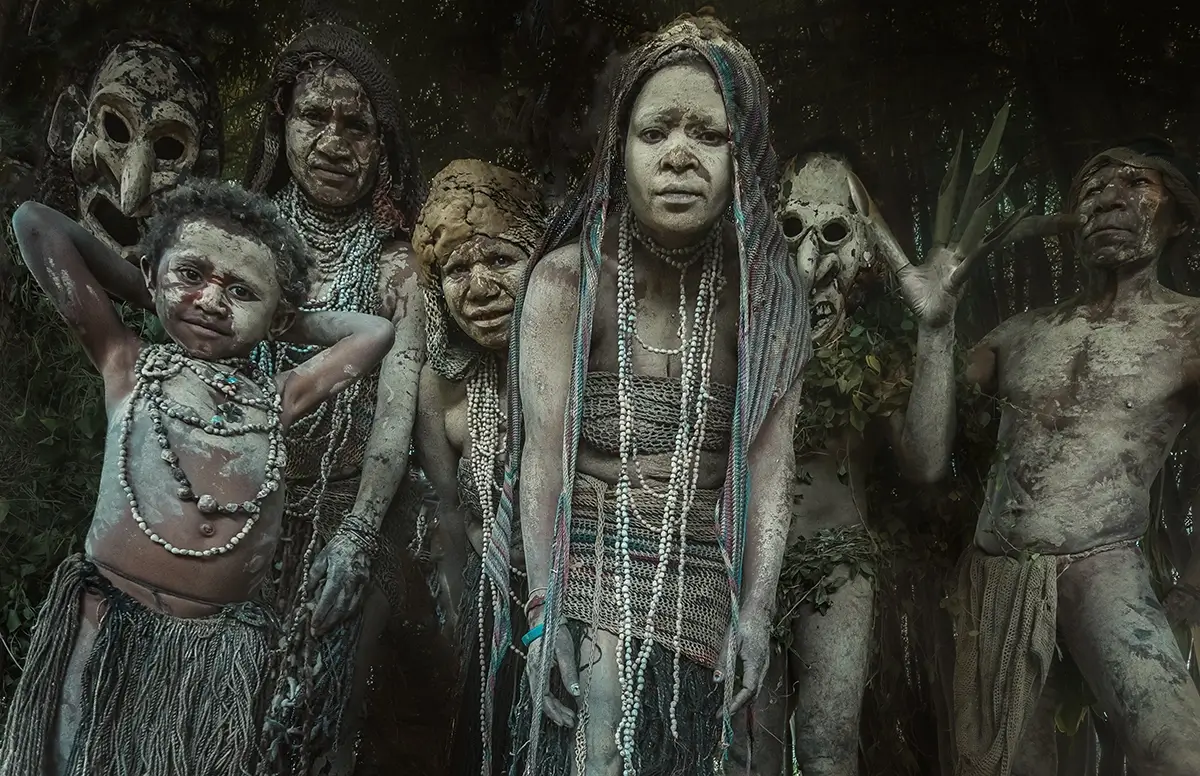
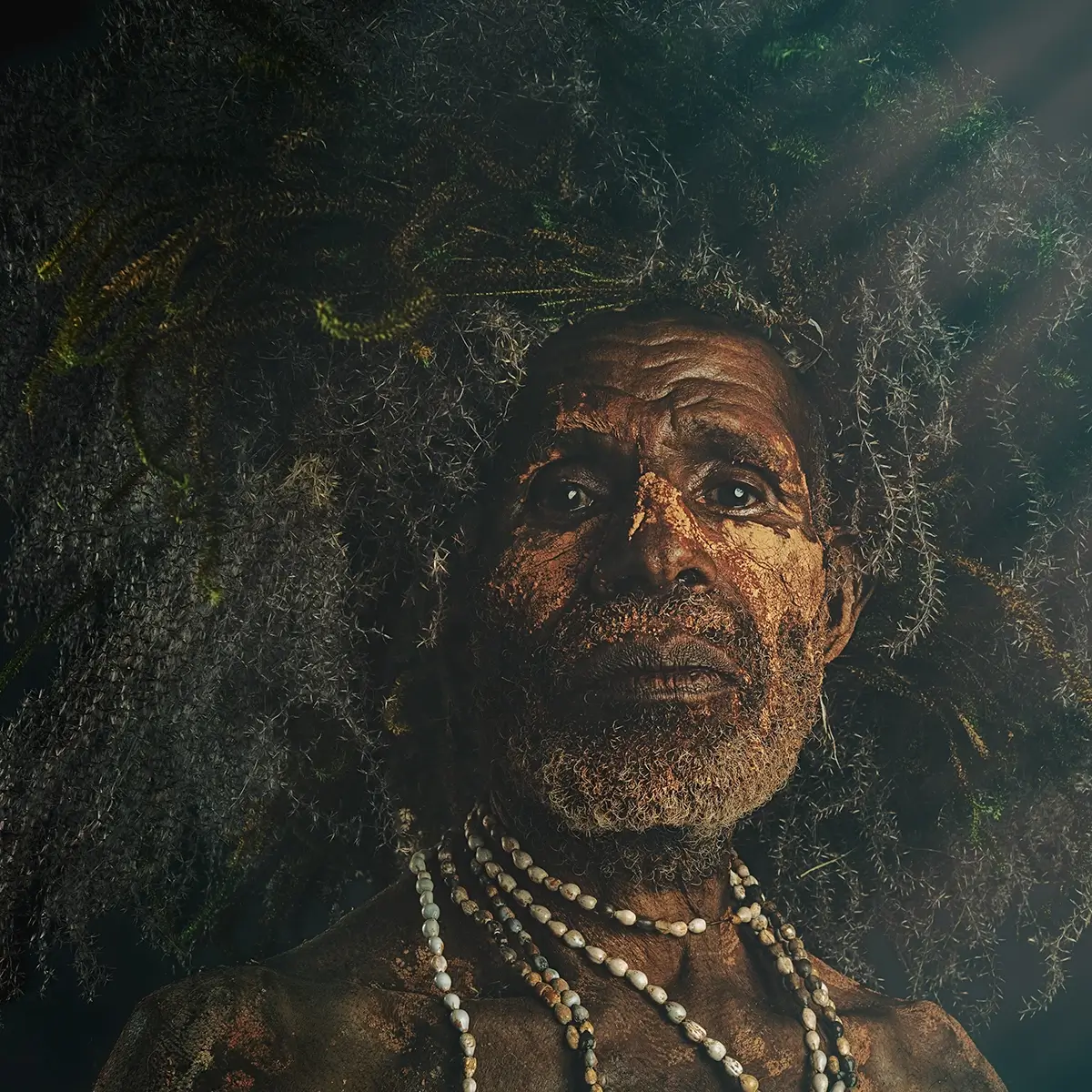
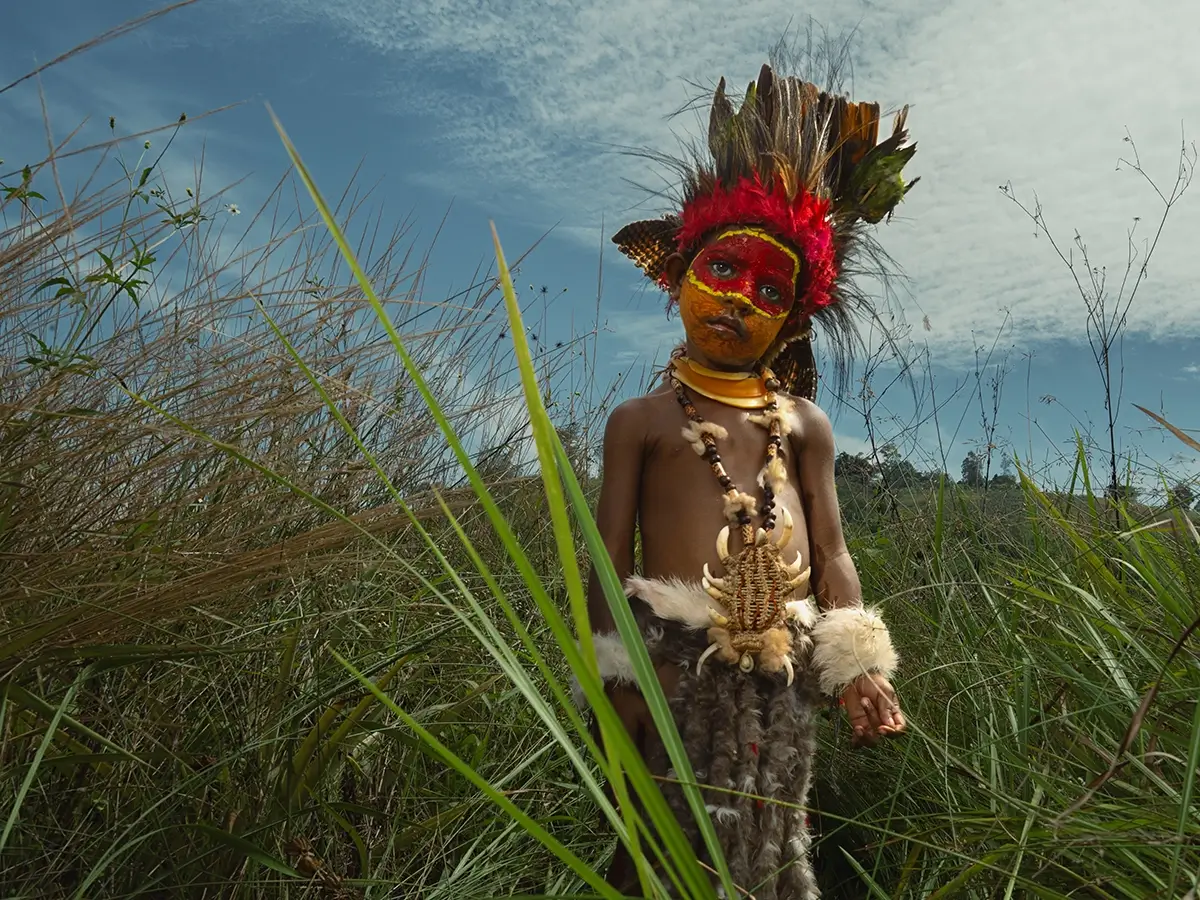
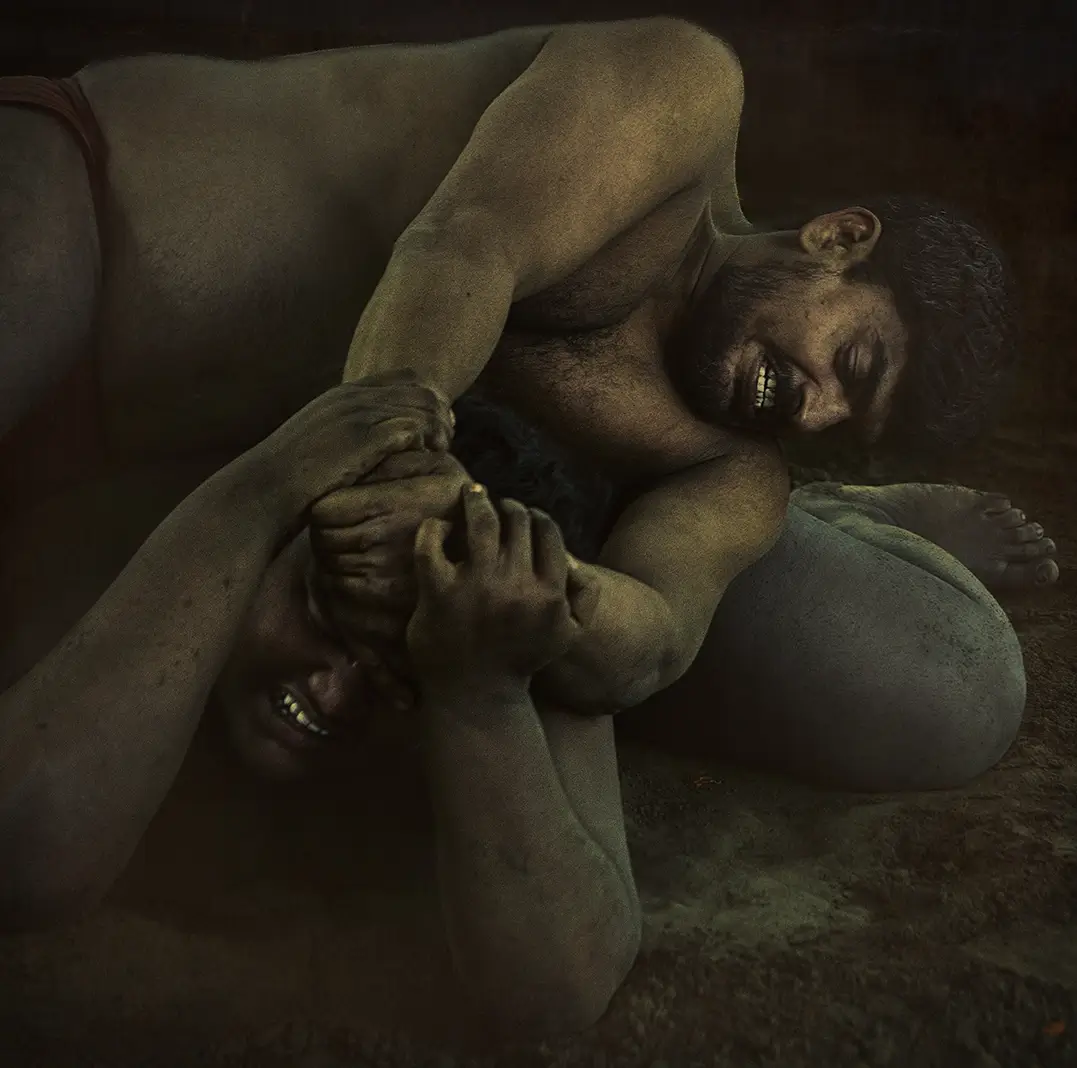
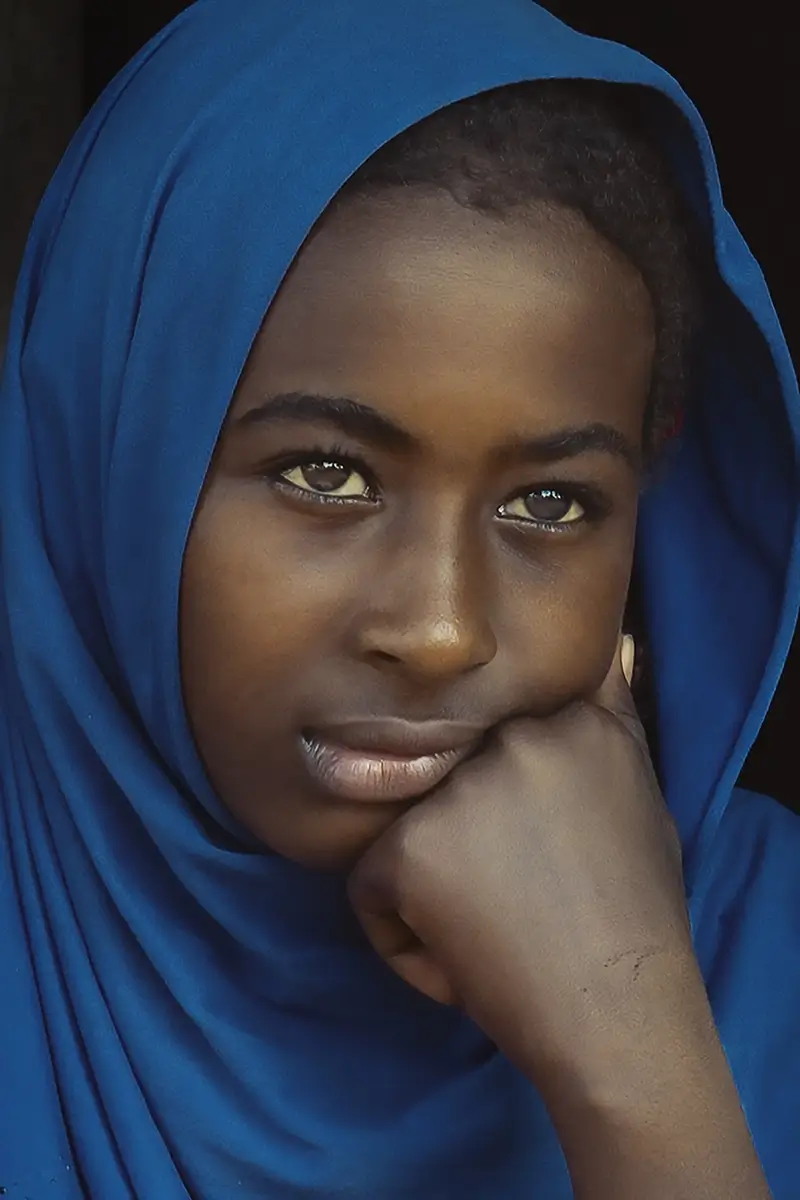
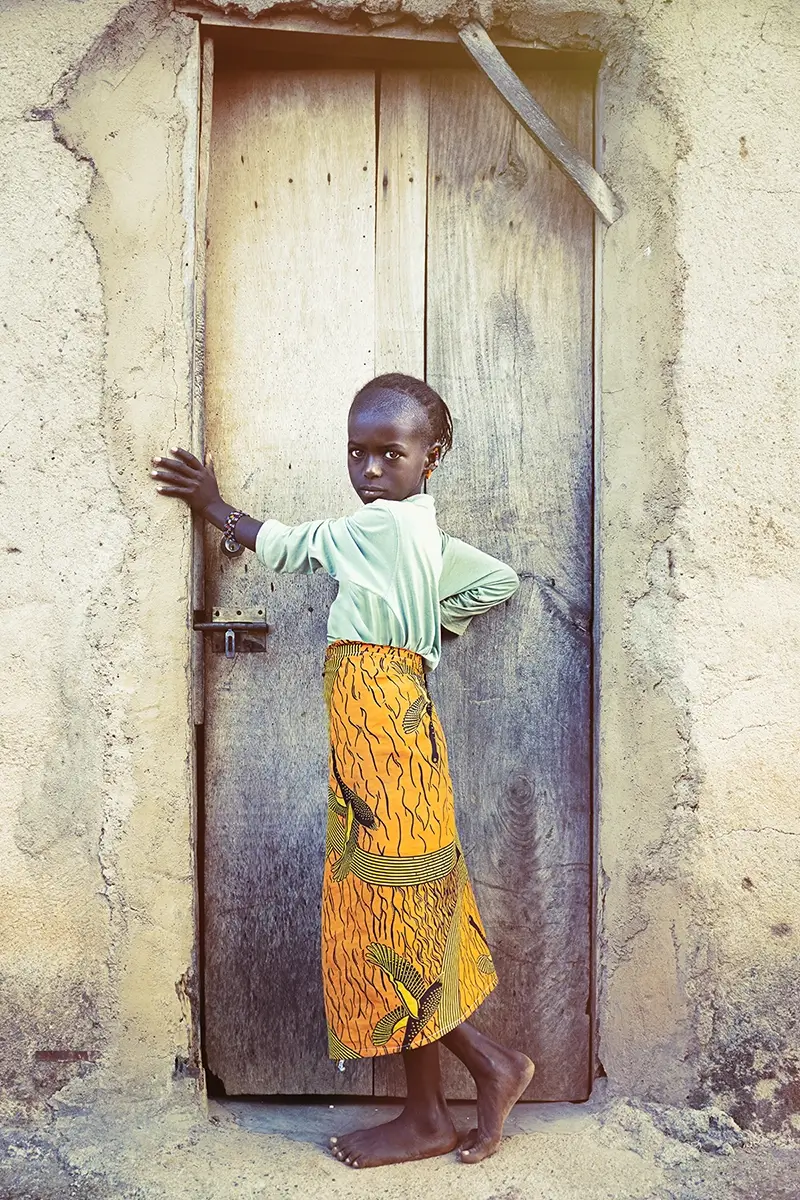
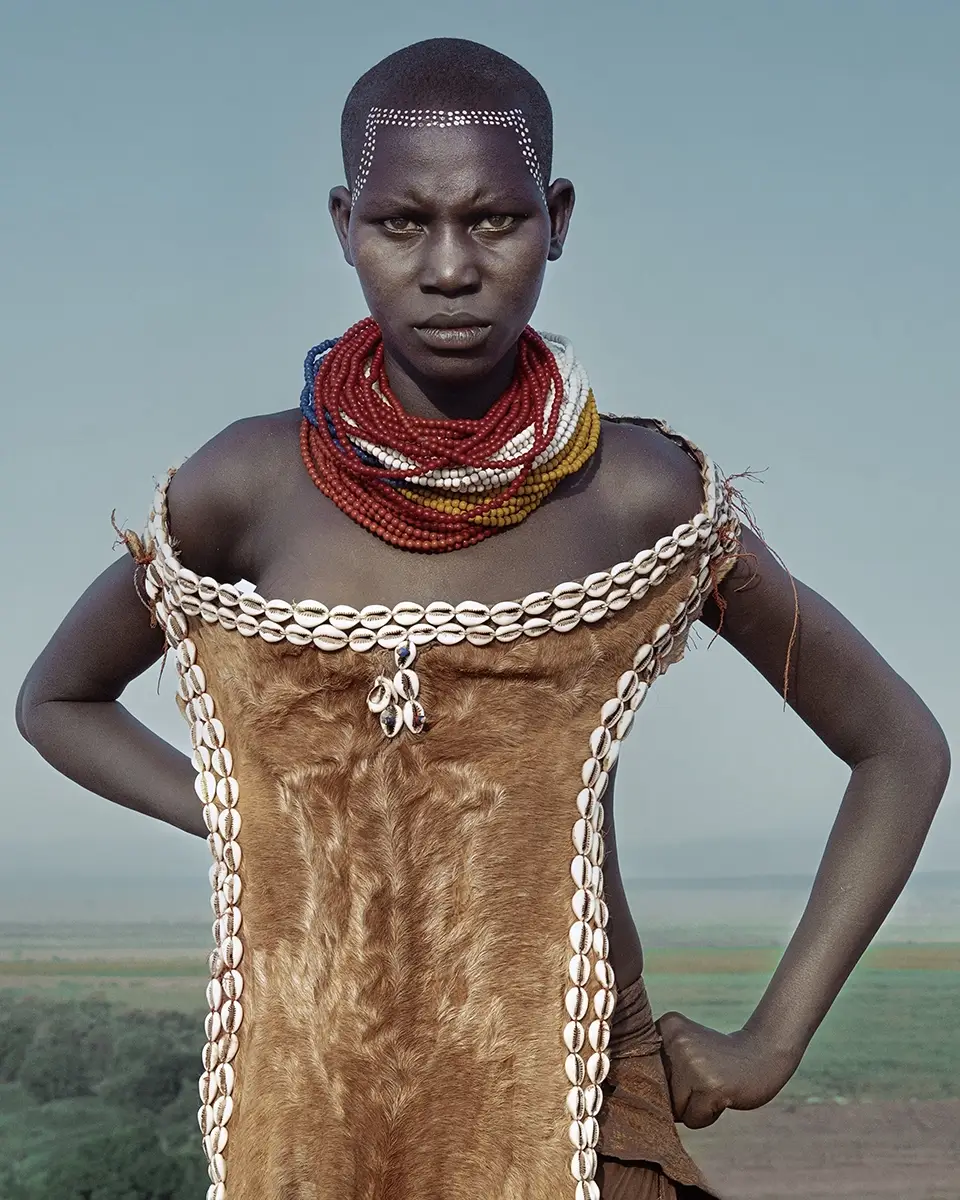
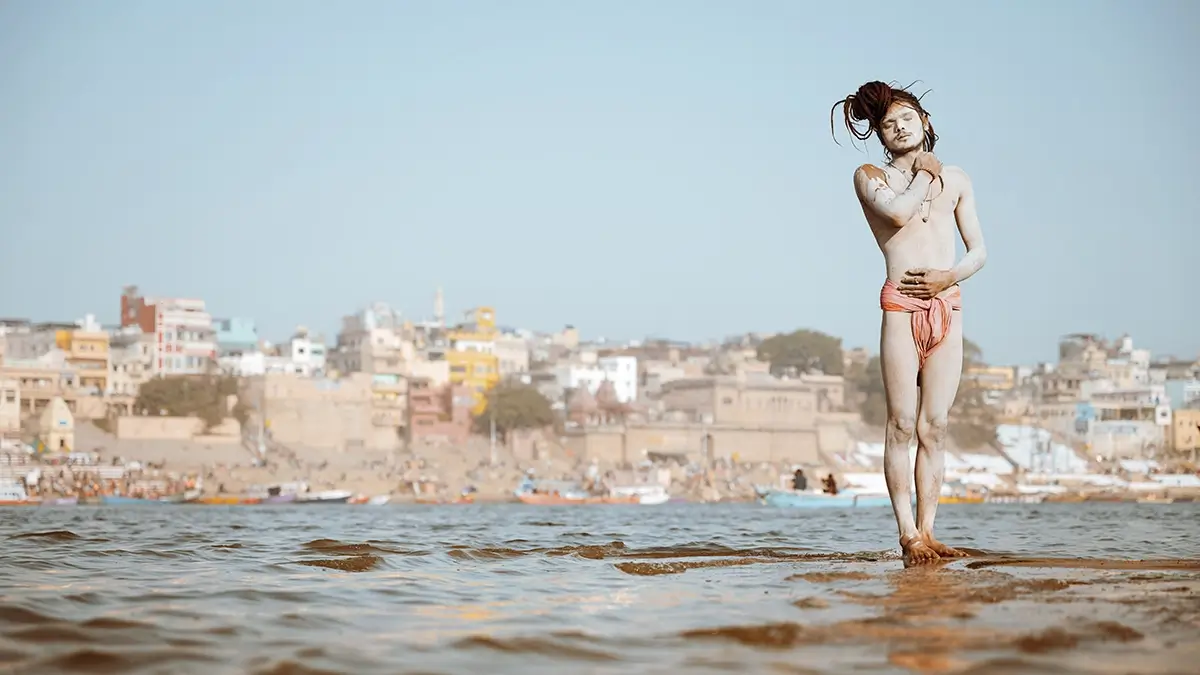
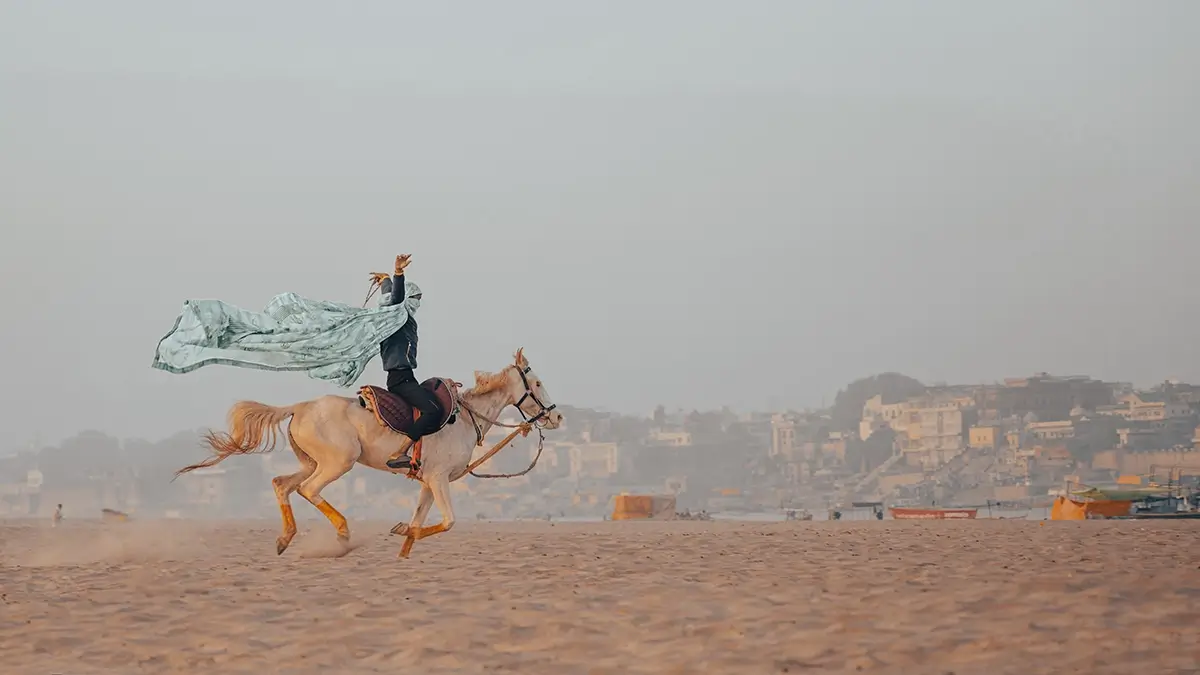
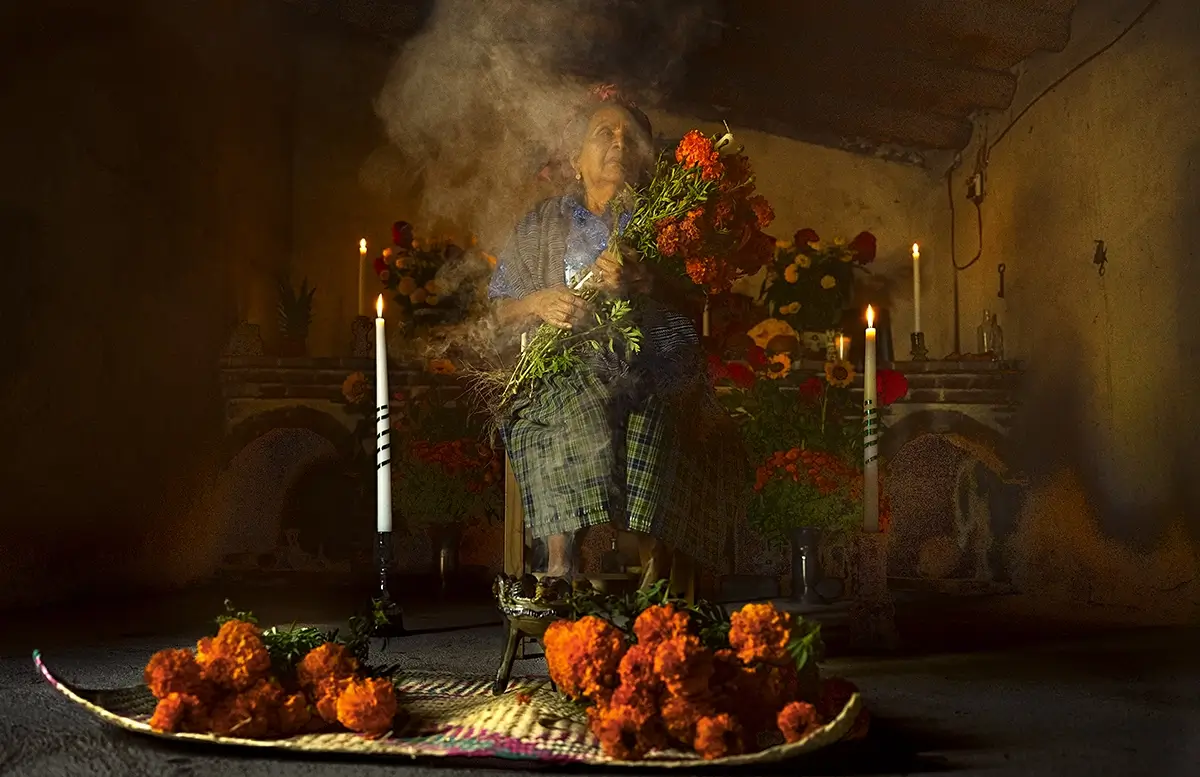
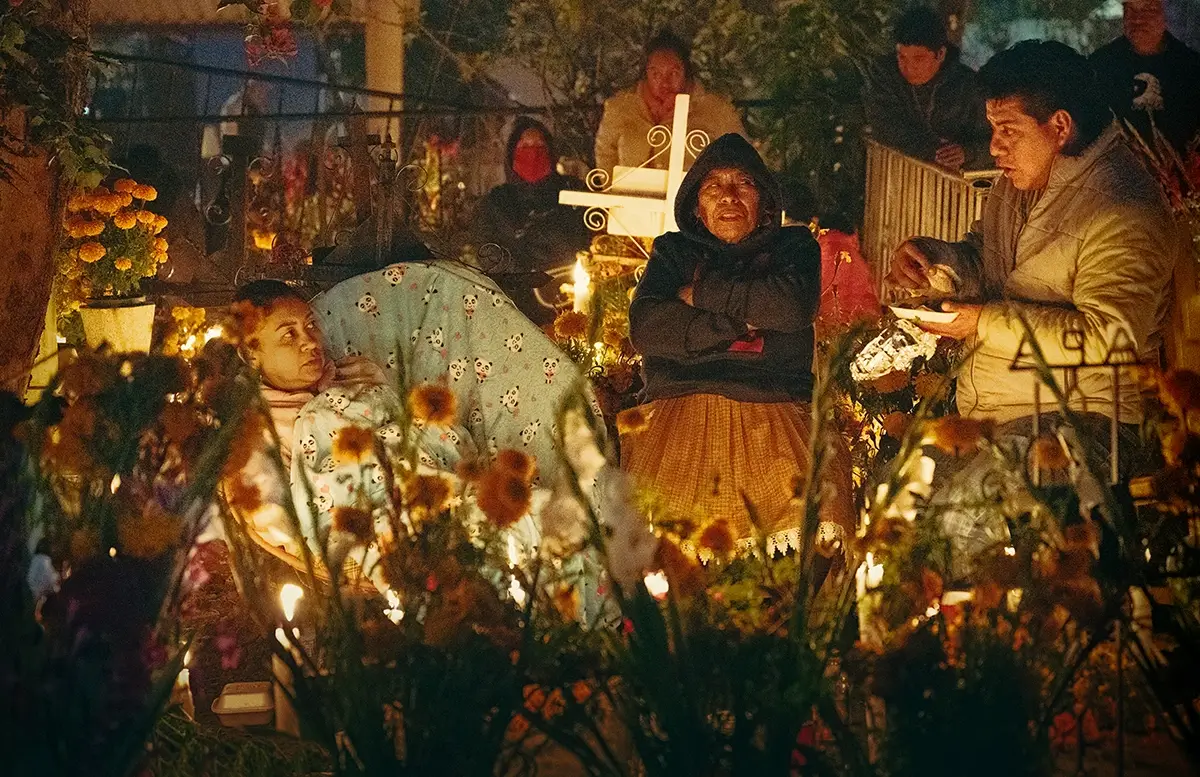
I’m Kristyn Taylor, a self-taught photographer based in Australia.

After arriving in Australia from New Zealand, I studied Zoology at university—a passion developed in childhood and shaped by influences such as the TV series Daktari, Sunday night wildlife documentaries, and the legendary Jane Goodall. I went on to complete a thesis on bird behaviour, developing a deep appreciation for observation and documentation.

Over time, my creative focus evolved into ceramic sculpture, and I became an exhibiting artist creating life-sized dioramas that reflected my life experiences. Through this work, I developed an eye for form and colour.

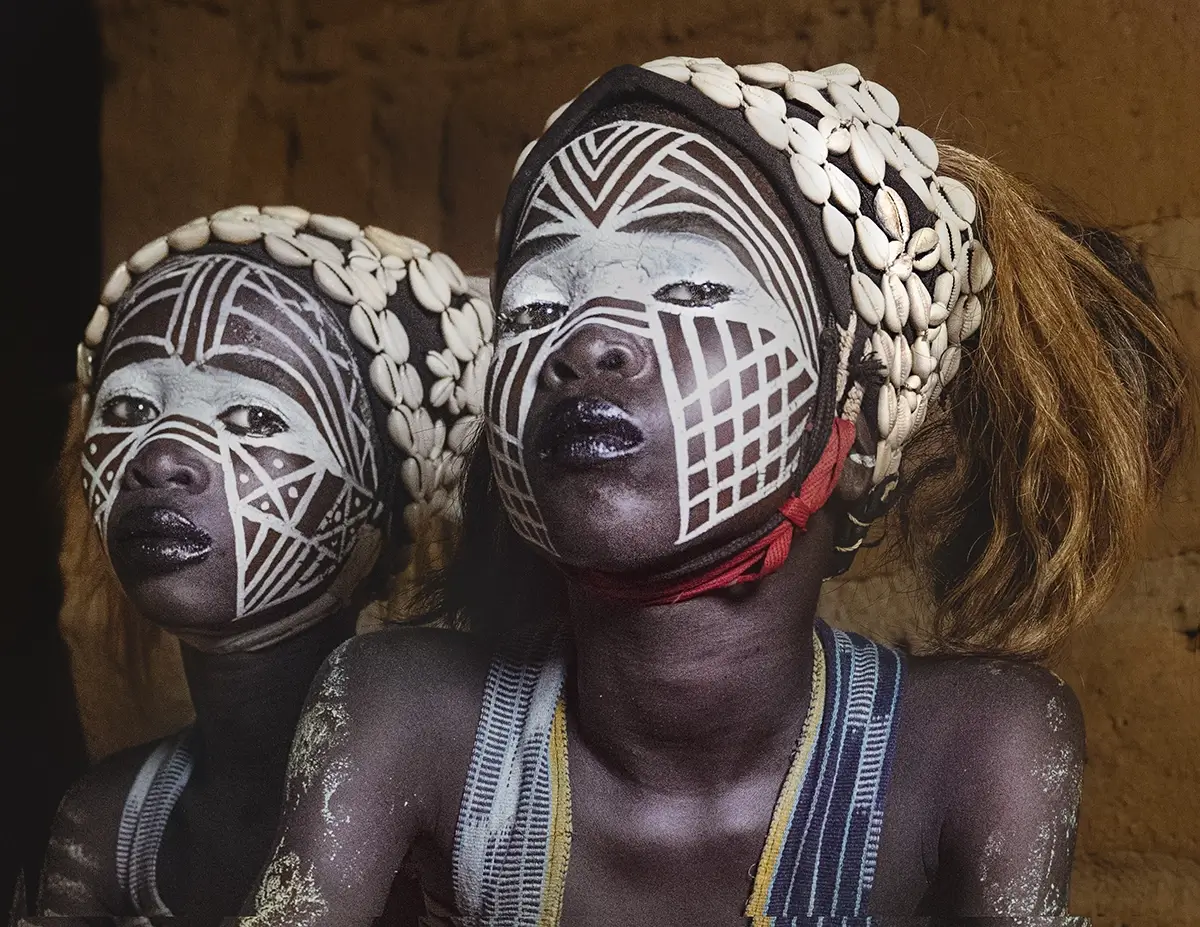
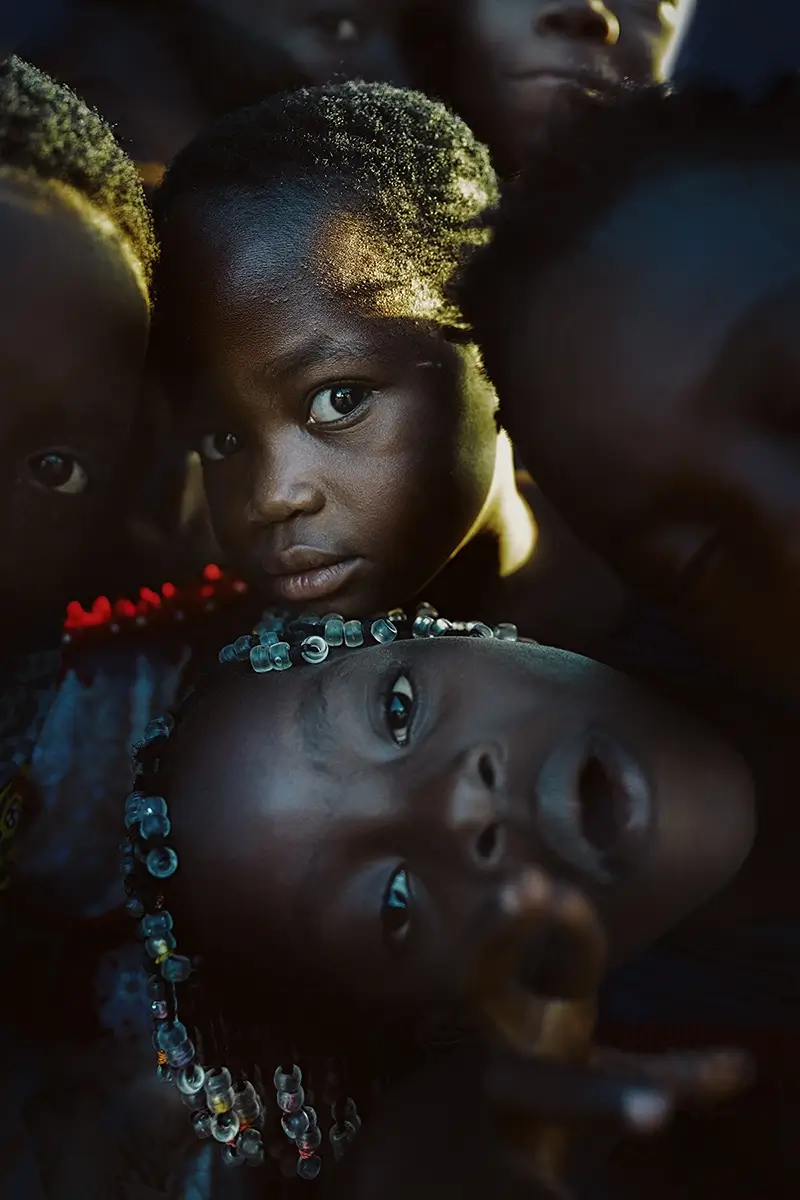
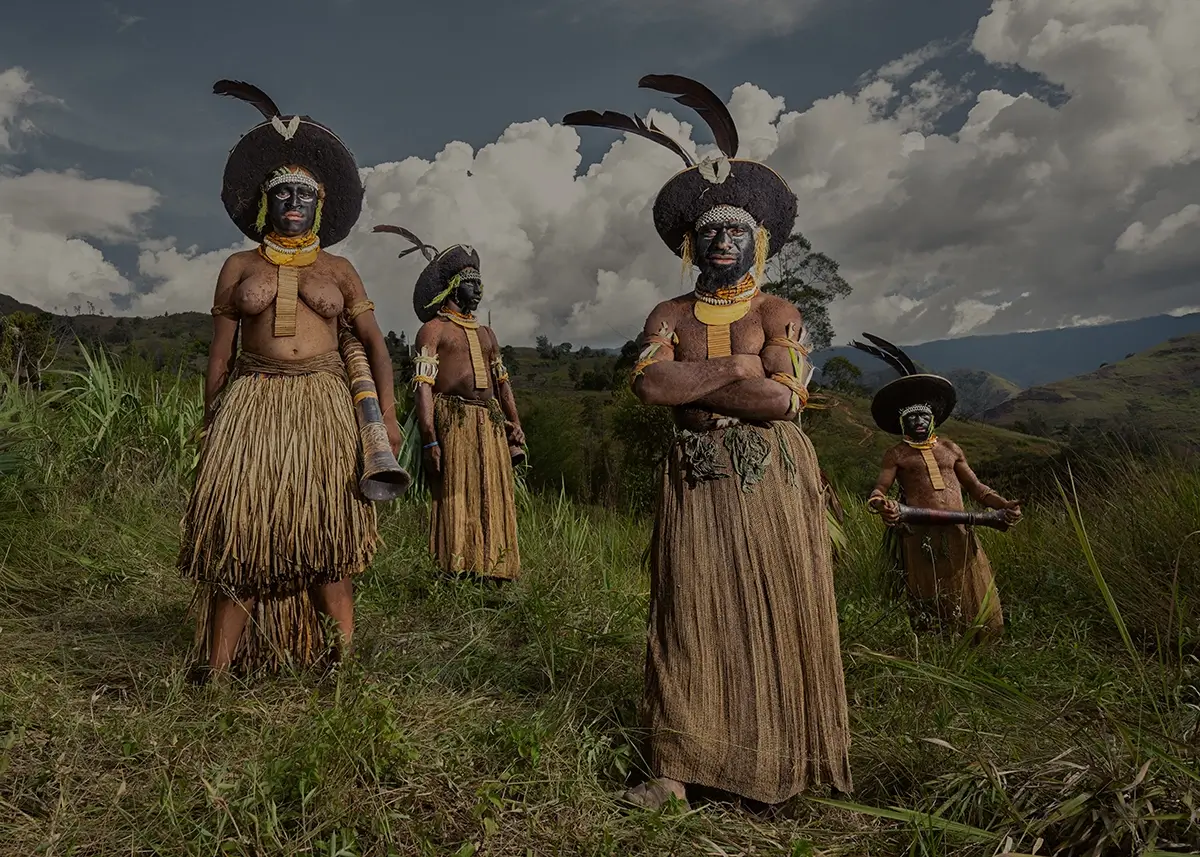
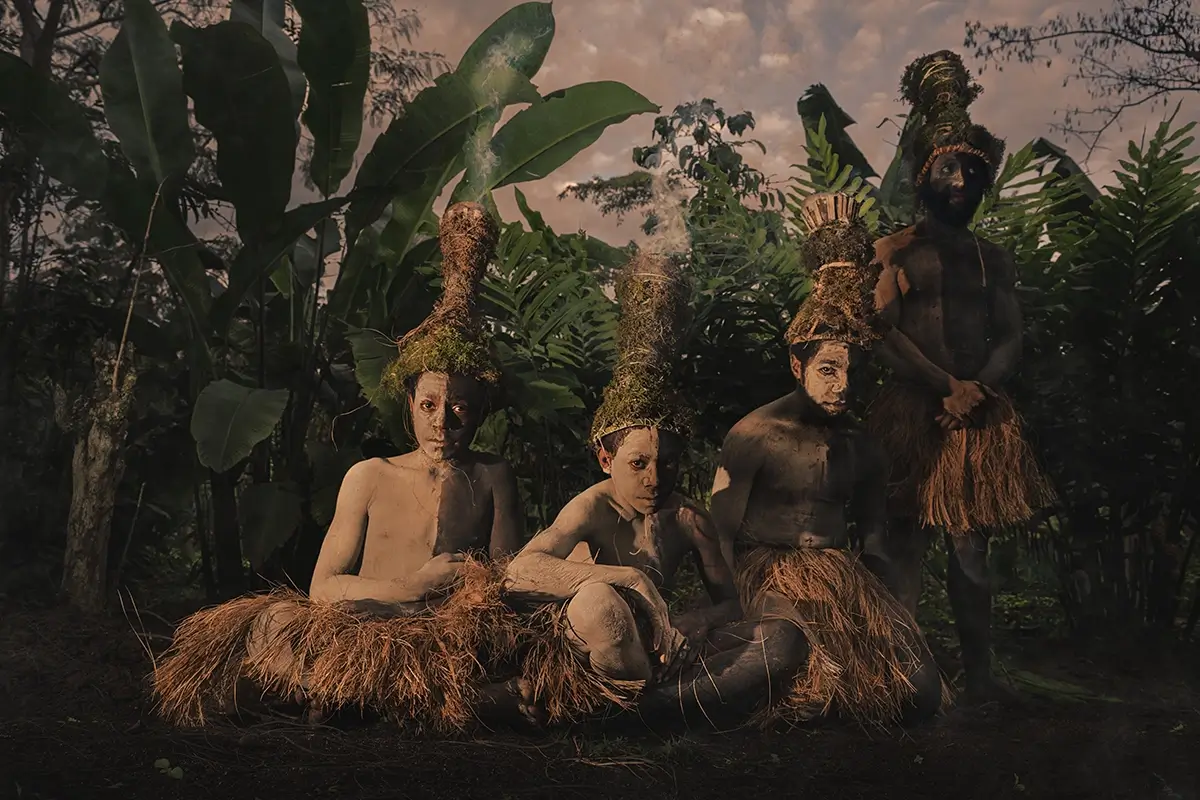
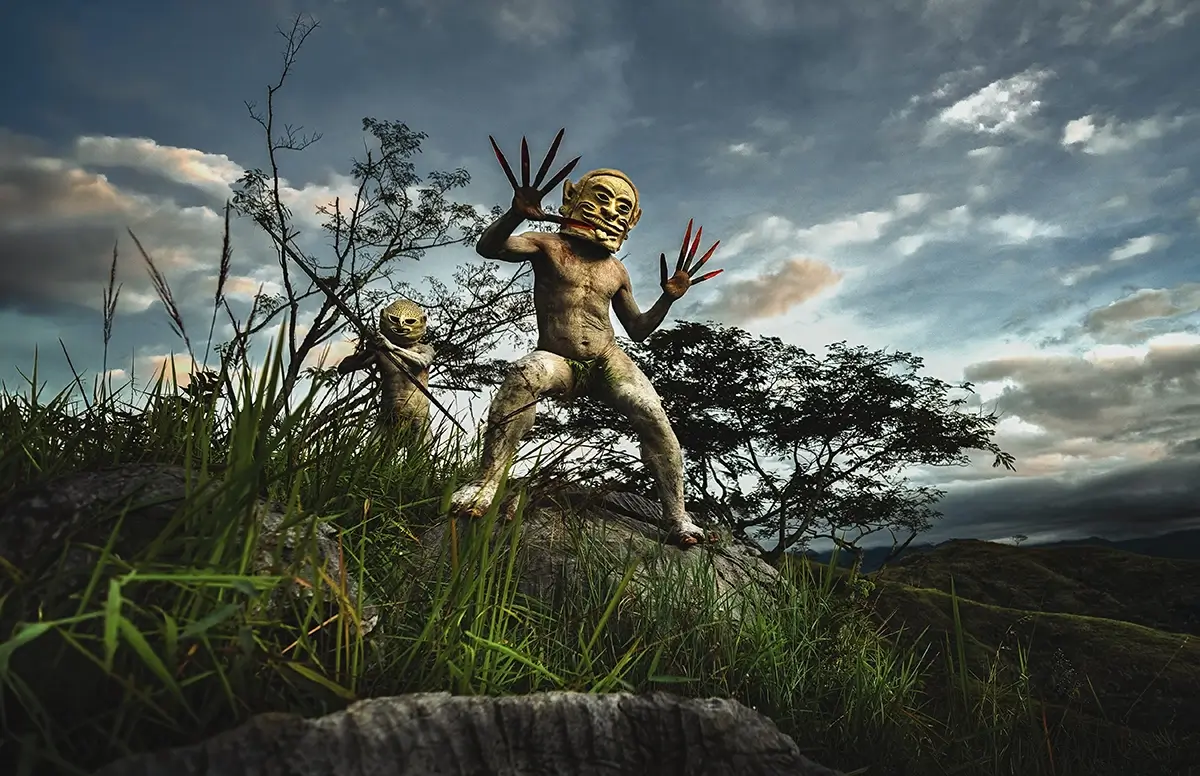
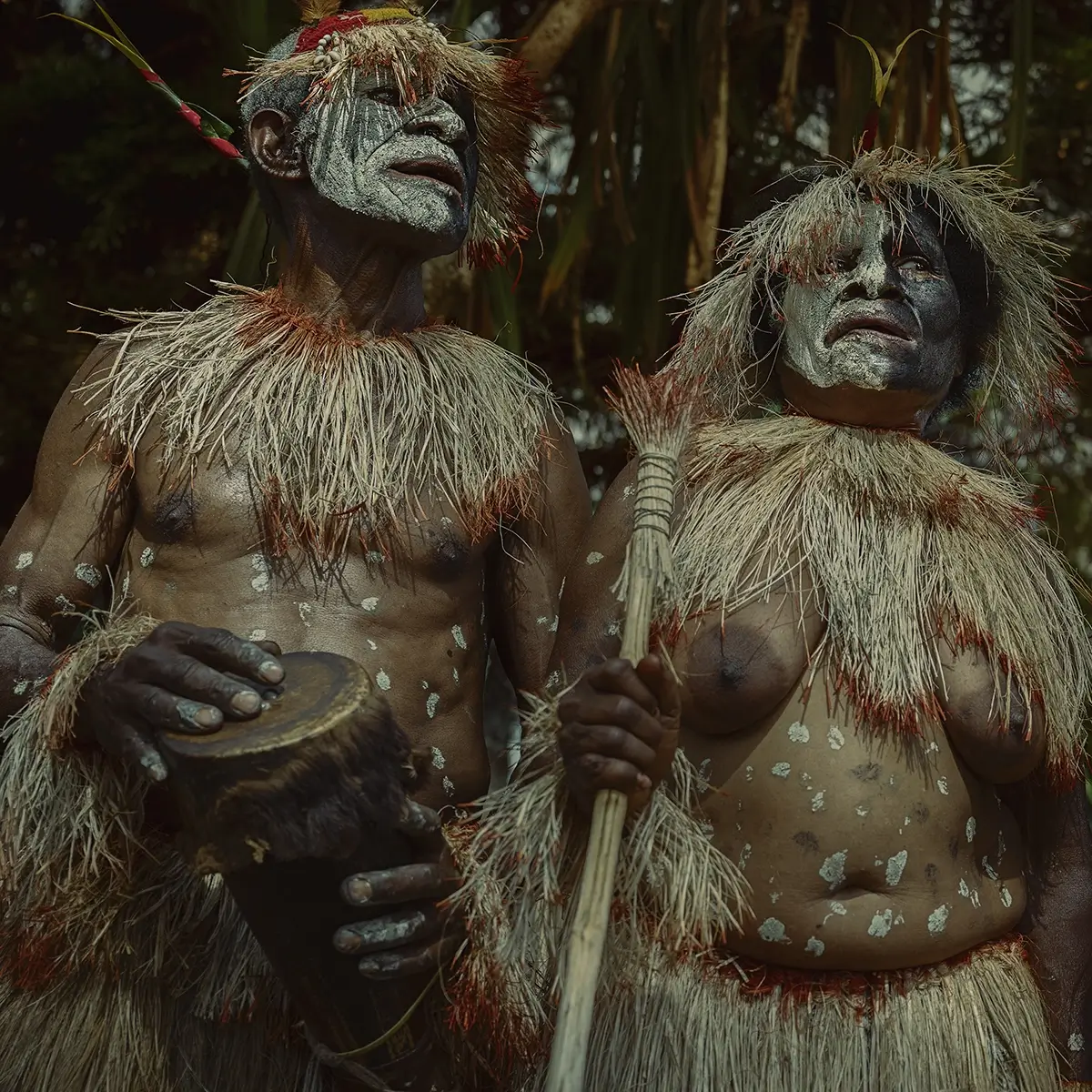
In 2014, when my children were old enough for me to travel independently, I began working with photography and started travelling solo. During this time, I developed a particular interest in people and traditional cultures.

In 2025, I stepped away from other work to focus fully on developing my photography. I feel that my background in both science and the arts has greatly informed and shaped my photographic practice.

AAP Magazine:

AAP Magazine 53 Travels

 

Inspiring Portfolios

Call for Entries
All About Photo Awards 2026
$5,000 Cash Prizes! Juror: Steve McCurry
 
Stay up-to-date  with call for entries, deadlines and other news about exhibitions, galleries, publications, & special events.

More Great Photographers To Discover

Lotta Lemetti
Finland
1995
Lotta Lemetti is a photographer with a unique vision that embraces the beauty of the simple and mundane. Her minimal aesthetic carries through the diverse work she loves to make and she's not afraid to use alternative processes, mixed media and graphic design in her image making. The native of Finland obtained her Bachelor of Fine Arts in Photography from the NewYork Film Academy, and was also the recipient of the highly prestigious Fulbright undergraduate award in 2015, one of only 3 Finnish winners that year and the only grantee in the field of arts. Her work has since been exhibited in galleries around the world, including New York, Los Angeles, Italy, and Finland. Lotta is constantly sought after by leading artists in her field, and has worked alongside many, including award-winning photographer and visual artist Amanda Rowan, named Chromatic Photographer of the Year 2018 for her achievements in color photography and Photo District News' The Curator Fine Art competition in Still Life in 2019, whose work has been exhibited in Photo LA, and Paris Photo as well as the Wall Street Gallery and the Leica Gallery in Los Angeles, and on display at the Palms with Damien Hirst, Jean-Michel Basquiat, Andy Warhol, and Takashi Murakami, and Photographer/Visual Artist Naomi White, winner of Photo District News' Objects of Desire award and has exhibited throughout North America and Europe, including with Tobey Fine Arts, Christopher Henry Gallery and the Lower Manhattan Cultural Council in New York. In 2018, Lemetti's latest photography series Kekta won the title of Latitude Life APS Photographer of the Year. Kekta was then exhibited in New York and the city of Pravisdomini, Italy. Ms. Lemetti's work has been featured in FAYN Magazine, U+I Magazine, NewBeauty Magazine, PhotoVogue and FLOAT Magazine. Kekta is an exploration of cultural blending and national identity. These photographs originate from her own experience of living between two cultures. She created scenes that are inspired by the immemorial beliefs of unity between humans and nature, and cultural traditions that have been passed on for generations in the form of oral folk tales about Finnish mythology. The stories are hand picked from the Finnish national epic Kalevala, which is a book of poems collected from different regions of Finland and then stitched together into one cohesive story. I took these individual stories and photographed them in a variety of American landscapes, with people from different ethnic backgrounds, creating a new narrative of polycultural identity. Today, we live in a global age, which means that we must reconsider the old ways of thinking about national identity. People are no longer bound by the geographical borders of countries and only a few places on earth can be said to remain monocultural. Bigger metropolis cities are starting to resemble a ‘human mosaic' in which we are moving from multiculturalism, which emphasises the coexistence of different individual cultures to polyculturalism, which indicates the integratedness of the cultures.
JJ Jordan
Poland
1973
JJ Jordan is a visual artist, graphic designer, and photographer based in Surrey, UK. Working with both digital and analogue photography he creates monochrome, blurred, layered, or multi-exposed visual metaphors that favour ambiguity over certainty. Jordan’s work is deeply informed by personal experience, influenced by the dreamlike narratives of Murakami, Schulz, and Kafka, and the surreal aesthetics. Artist Statement My work explores the fragile line between perception and reality, between what is seen and what is felt. Through experimental portraiture and conceptual photography, I aim to question visual certainty and challenge the camera’s claim to truth. Often working in monochrome, and drawing on both digital and analogue processes (while deliberately excluding AI), I construct images that blur, layer, or distort, embracing ambiguity over resolution. Themes of memory, identity, and absence run through much of my work. Figures appear half-seen or obscured, more like echoes than individuals, suggestive rather than declarative. A blurred face, a painted square, a fleeting gesture, each becomes a site of tension between presence and disappearance. I am less interested in documenting a subject than in evoking the trace they leave behind: a flicker, a feeling, a fragment. Influenced by the surreal visual languages of art history and by the dreamlike narratives of Murakami, Schulz, and Kafka, my photographs often borrow from the whimsical and the uncanny. I aim to create images that invite pause, a space for wonder, doubt, and emotional reflection. Born behind the Iron Curtain and shaped by time spent across cultures, my perspective is rooted in a sense of displacement and layered experience. My portraits are not confessions; they are invitations, open-ended and unresolved, like memories still in the making. Awarded Photographer of the Week - Week 24
Cardell Phillips
United States
1952
I'm a photographer living in Chicago. I discovered photography when I was in high school. My uncle was a photographer, and he showed me what the world looked like through a viewfinder. What I enjoyed the most about it was the freedom to explore the world and then show everyone what I found. When I got a job, I bought my first camera, an Olympus Trip 35, and learned how to use it by taking photographs of family and friends. Basically, anyone who would put up with me taking their picture when they weren't expecting it. When I was in grammar school, my two sisters and I spent our summer vacations at our grandparents' farm in Michigan. It was there that I experienced what it was like to live close to the land. So, when I thought about what kind of photography I wanted to specialize in, I chose landscape photography. Enchanted by the images taken by Ansel Adams and others, I traveled to the Canadian Rockies for a weeklong workshop where I learned some of the finer aspects of photography and gained confidence as a photographer. For years, I only shot portraits and landscapes. My interest in street photography began around 2008, when I came across the work of Walker Evans. His vision of the beauty in everyday life led me to other masters like Henri Cartier-Bresson, Vivian Maier, Roy DeCarava, and Wayne Miller. Their humanist approach to photography, to explore what it means to be human, inspired me. It's what I think about when I'm out with my camera and immersing myself in the flow of life, seeking to capture its disillusionment, solitude, and indigence but also the beauty, joy, and everyday wonders. In September 2021, the Praxis Gallery in Minneapolis chose one of my images for its "Shape of Things," exhibit. It was my first gallery showing. Statement One of the best places to take photographs in Chicago is the Lakefront. There, the beaches are strung out along Lake Michigan, from north to south, like pearls on a string, where there are many opportunities to photograph both people and landscapes. The 57th Street Beach is my favorite. It's a small beach with trees at the north and south ends that give it a touch of wilderness. As I photographed there, I noticed the people who came out to the lake in the early morning to engage in creative or spiritual work. As I began photographing them, I got the idea for a project about the power of the lake and the people who go there to resonate with the sky and water and to energize their hopes and dreams.
Eadweard Muybridge
United Kingdom
1830 | † 1904
Eadweard James Muybridge was an English photographer important for his pioneering work in photographic studies of motion and in motion-picture projection. He adopted the name Eadweard Muybridge, believing it to be the original Anglo-Saxon form of his name. He immigrated to the United States as a young man but remained obscure until 1868, when his large photographs of Yosemite Valley, California, made him world famous. Muybridge is known for his pioneering work on animal locomotion in 1877 and 1878, which used multiple cameras to capture motion in stop-action photographs, and his zoopraxiscope, a device for projecting motion pictures that pre-dated the flexible perforated film strip used in cinematography. In his earlier years in San Francisco, Muybridge had become known for his landscape photography, particularly of the Yosemite Valley. He also photographed the Tlingit people in Alaska, and was commissioned by the United States Army to photograph the Modoc War in 1873. In 1874 he shot and killed Major Harry Larkyns, his wife's lover, and was acquitted in a jury trial on the grounds of justifiable homicide. He travelled for more than a year in Central America on a photographic expedition in 1875. In the 1880s, Muybridge entered a very productive period at the University of Pennsylvania in Philadelphia, producing over 100,000 images of animals and humans in motion, capturing what the human eye could not distinguish as separate movements. He spent much of his later years giving public lectures and demonstrations of his photography and early motion picture sequences. He also edited and published compilations of his work, which greatly influenced visual artists and the developing fields of scientific and industrial photography. Source: Wikipedia
Ralph Eugene Meatyard
United States
1925 | † 1972
Ralph Eugene Meatyard (May 15, 1925 – May 7, 1972) was an American photographer from Normal, Illinois, U.S. Meatyard was born in Normal, Illinois and raised in the nearby town of Bloomington. When he turned 18 during World War II, he joined the United States Navy, though he did not serve overseas before the war ended. After leaving the force he briefly studied pre-dentistry, before training to become an optician. He moved with his new wife Madelyn to Lexington, Kentucky to continue working as an optician for Tinder-Krausse-Tinder, a company which also sold photographic equipment. The owners of the company were active members of the Lexington Camera Club, for which the Art Department of the University of Kentucky provided exhibition space. Meatyard purchased his first camera in 1950 to photograph his newborn first child, and subsequently worked primarily with a Rolleiflex medium-format camera. He joined the Lexington Camera club and the Photographic Society of America in 1954. At the Lexington Camera Club he met Van Deren Coke, who exhibited work by Meatyard in an exhibition for the university entitled Creative Photography in 1956. During the mid-1950s, Ralph Eugene Meatyard attended a series of summer workshops run by Henry Holmes Smith at Indiana University, and also with Minor White, who fostered Meatyard's interest in Zen Philosophy. An autodidact and voracious reader, Meatyard worked in productive bursts, often leaving his film undeveloped for long stretches, then working feverishly in the makeshift darkroom in his home. "His approach was somewhat improvisational and very heavily influenced by the jazz music of the time." He used his children in his work addressing the surreal "masks" of identity. Much of his work was made in abandoned farmhouses in the central Kentucky bluegrass region during family weekend outings and in derelict spaces around Lexington. Some of his earliest camera work was made in the traditionally African-American neighborhood around Lexington's Old Georgetown Street. Meatyard was a close acquaintance of several well-known writers in the Kentucky literary renaissance of the 1960s and 1970s, including his neighbor Guy Davenport, who later helped compile a posthumous edition of his photos. In 1971, Meatyard co-authored a book on Kentucky's Red River Gorge, The Unforeseen Wilderness, with writer Wendell Berry. The two frequently traveled into the Appalachian foothills. Berry and Meatyard's book contributed to saving the gorge from destruction by a proposed Army Corps of Engineers dam. Meatyard's ashes were scattered in the gorge after his death. Meatyard was also a friend and correspondent of Catholic monk and writer Thomas Merton, who lived at the Abbey of Gethsemani, a Trappist monastery just west of Bardstown, Kentucky. Merton appeared in a number of Meatyard's experimental photographs taken on the grounds of the monastery, and they shared an interest in literature, philosophy, and Eastern and Western spirituality. Meatyard wrote Merton's eulogy in the Kentucky Kernel shortly after his death in Bangkok, Thailand, in December 1968. Meatyard died four years later, in 1972, of cancer. Though Lexington was not a well-established center of photography, Meatyard did not consider himself a "Southern" or regional photographer. His work was beginning to be recognized nationally at the time of his death, shown and collected by some prominent museums and published in magazines. He exhibited with photographers including Edward Weston, Ansel Adams, Minor White, Aaron Siskind, Harry Callahan, Robert Frank, and Eikoh Hosoe. By the late 1970s, his photographs appeared mainly in exhibitions of 'southern' art, but have since attracted renewed interest. His best-known photography featured dolls and masks, or family, friends and neighbors pictured in abandoned buildings or in ordinary suburban backyards.Source: Wikipedia Ralph Eugene Meatyard lived in Lexington, Kentucky, where he made his living as an optician while creating an impressive and enigmatic body of photographs. Meatyard’s creative circle included mystics and poets, such as Thomas Merton and Guy Davenport, as well as the photographers Cranston Ritchie and Van Deren Coke, who were mentors and fellow members of the Lexington Camera Club. Meatyard’s work spanned many genres and experimented with new means of expression, from dreamlike portraits—often set in abandoned places—to multiple exposures, motion-blur, and other methods of photographic abstraction. He also collaborated with his friend Wendell Berry on the 1971 book The Unforeseen Wilderness, for which Meatyard contributed photographs of Kentucky’s Red River Gorge. Meatyard’s final series, The Family Album of Lucybelle Crater, are cryptic double portraits of friends and family members wearing masks and enacting symbolic dramas. Museum exhibitions of the artist’s work have recently been presented at Art Institute of Chicago; The Philadelphia Museum of Art; the de Young Museum, San Francisco; The International Center of Photography, New York; Cincinnati Museum of Art, Ohio; the Center for Creative Photography, Tucson; and Blanton Museum of Art, Austin, Texas. His works are held in the collections of the Metropolitan Museum of Art, San Francisco Museum of Modern Art, J. Paul Getty Museum, The Eastman Museum, and Yale University Art Gallery, among others. Monographs include American Mystic, Dolls and Masks, A Fourfold Vision, and The Family Album of Lucybelle Crater and Other Figurative Photographs.Source: Fraenkel Gallery
Cayetano González
My grandparents met during their studies in the University of Fine Arts in Valencia. Most of my close relatives work in the field of visual arts. On my behalf, I've always wanted to be a painter, and was fascinated by many artists: Sorolla, Velázquez, Rembrandt, Delacroix... During High School I had the opportunity to work on a short film for one of the courses, I then realised I wanted to work in the film industry. In 2006 I started my adventure. I studied Film in Valencia, and afterwards worked as a freelancer in a television production company for a year. At that time everything we did was recorded on tapes, and the cinematography quality I was searching for was unattainable. Fortunately, my grandfather lent me his Leica and everything changed. I slowly began learning how to use different cameras and I knew I had found my calling. Before even realising it I was already working as a photographer. I knew (or at least I thought I knew) how to use a camera, but not what to express with it, I needed to expand my knowledge of Art and extend my perspective. I began my studies in Fine Arts, and it was one of the best decisions I have ever made. I still don't know the meaning of Art, fully, but I was able to learn what people could achieve thanks to having artistic values. During the last two years of my Arts studies I concentrated on Contemporary Art, Film and Photography. When I finished I wanted to specialise in Cinematography and decided to move to Barcelona to study a Masters in Cinematography in ESCAC (Superior School of Cinema of Catalonia). Since then I'm based in Barcelona and my work is focused mainly on Photography and Cinematography. I also teach workshops specialised in natural light and try to direct my work towards a more natural feel, creating atmospheres that recall the painters I've always admired. About Light In 2016, after years of studying arts and photography I decided I wanted to specialise in natural light. I wanted to learn everything I could about it, so I began to research and practice, studying from artists starting from the 15th century until today. This research evolved in a personal project called "aboutlight", shot with natural light, about beauty, femininity, loneliness, melancholy and any type of feeling you can transmit while in a state of calm. I'm currently teaching and learning constantly, improving and making others improve. It's this combination that's helping me grow and develop my skills day to day. Find out more in his exclusive interview
Henri Cartier-Bresson
France
1908 | † 2004
Born in Chanteloup, Seine-et-Marne, Henri Cartier-Bresson developed a strong fascination with painting early on, and particularly with Surrealism. In 1932, after spending a year in the Ivory Coast, he discovered the Leica - his camera of choice thereafter - and began a life-long passion for photography. In 1933 he had his first exhibition at the Julien Levy Gallery in New York. He later made films with Jean Renoir. Taken prisoner of war in 1940, he escaped on his third attempt in 1943 and subsequently joined an underground organization to assist prisoners and escapees. In 1945 he photographed the liberation of Paris with a group of professional journalists and then filmed the documentary Le Retour (The Return). In 1947, with Robert Capa, George Rodger, David 'Chim' Seymour and William Vandivert, he founded Magnum Photos. After three years spent travelling in the East, in 1952 he returned to Europe, where he published his first book, Images à la Sauvette (published in English as The Decisive Moment). He explained his approach to photography in these terms, "For me the camera is a sketch book, an instrument of intuition and spontaneity, the master of the instant which, in visual terms, questions and decides simultaneously. It is by economy of means that one arrives at simplicity of expression." From 1968 he began to curtail his photographic activities, preferring to concentrate on drawing and painting. In 2003, with his wife and daughter, he created the Fondation Henri Cartier-Bresson in Paris for the preservation of his work. Cartier-Bresson received an extraordinary number of prizes, awards and honorary doctorates. He died at his home in Provence on 3 August 2004, a few weeks short of his 96th birthday.Source: Magnum Photos His technique: Henri Cartier-Bresson almost exclusively used Leica 35 mm rangefinder cameras equipped with normal 50 mm lenses or occasionally a wide-angle for landscapes. He often wrapped black tape around the camera's chrome body to make it less conspicuous. With fast black and white films and sharp lenses, he was able to photograph almost by stealth to capture the events. No longer bound by a huge 4×5 press camera or an awkward medium format twin-lens reflex camera, miniature-format cameras gave Cartier-Bresson what he called "the velvet hand [and] the hawk's eye." He never photographed with flash, a practice he saw as "Impolite...like coming to a concert with a pistol in your hand." He believed in composing his photographs in the viewfinder, not in the darkroom. He showcased this belief by having nearly all his photographs printed only at full-frame and completely free of any cropping or other darkroom manipulation. Indeed, he emphasized that his prints were not cropped by insisting they include the first millimetre or so of the unexposed clear negative around the image area resulting, after printing, in a black border around the positive image. Henri Cartier-Bresson worked exclusively in black and white, other than a few unsuccessful attempts in color. He disliked developing or making his own prints and showed a considerable lack of interest in the process of photography in general, likening photography with the small camera to an "instant drawing". Technical aspects of photography were valid for him only where they allowed him to express what he saw: "Constant new discoveries in chemistry and optics are widening considerably our field of action. It is up to us to apply them to our technique, to improve ourselves, but there is a whole group of fetishes which have developed on the subject of technique. Technique is important only insofar as you must master it in order to communicate what you see... The camera for us is a tool, not a pretty mechanical toy. In the precise functioning of the mechanical object perhaps there is an unconscious compensation for the anxieties and uncertainties of daily endeavor. In any case, people think far too much about techniques and not enough about seeing." He started a tradition of testing new camera lenses by taking photographs of ducks in urban parks. He never published the images but referred to them as "my only superstition" as he considered it a 'baptism' of the lens. Henri Cartier-Bresson is regarded as one of the art world's most unassuming personalities. He disliked publicity and exhibited a ferocious shyness since his days in hiding from the Nazis during World War II. Although he took many famous portraits, his own face was little known to the world at large (which presumably had the advantage of allowing him to work on the street in peace). He dismissed others' applications of the term "art" to his photographs, which he thought were merely his gut reactions to moments in time that he had happened upon. "In photography, the smallest thing can be a great subject. The little human detail can become a leitmotiv."Source: Wikipedia Henri Cartier-Bresson has intuitively chronicled decisive moments of human life around the world with poetic documentary style. His photographs impart spontaneous instances with meaning, mystery, and humor in terms of precise visual organization, and his work, although tremendously difficult to imitate, has influenced many other photographers. His photographs may be summed up through a phrase of his own: "the decisive moment," the magical instant when the world falls into apparent order and meaning, and may be apprehended by a gifted photographer.Source: International Center of Photography
Advertisement
All About Photo Awards 2026
Win a Solo Exhibition in February
All About Photo Awards 2026

Latest Interviews

Exclusive Interview with Marijn Fidder
Marijn Fidder is a Dutch documentary photographer whose work powerfully engages with current affairs and contemporary social issues. Driven by a deep sense of social justice, she uses photography to speak on behalf of the voiceless and to advocate for the rights of those who are most vulnerable. Her images have been widely published in major international outlets including National Geographic, CNN Style, NRC Handelsblad, Volkskrant, GUP New Talent, and ZEIT Magazin. Her long-term commitment to disability rights—particularly through years of work in Uganda—culminated in her acclaimed project Inclusive Nation, which earned her the title of Photographer of the Year 2025 at the All About Photo Awards. She is also the recipient of multiple prestigious honors, including awards from World Press Photo and the Global Peace Photo Award. We asked her a few questions about her life and work.
Exclusive Interview with Josh S. Rose
Josh S. Rose is a multidisciplinary artist working across photography, film, and writing. His practice bridges visual and performing arts, with a strong focus on movement, emotion, and the expressive potential of the image. Known for his long-standing collaborations with leading dance companies and performers, Rose brings together authenticity and precise composition—a balance he describes as “technical romanticism.” His work has been commissioned and exhibited internationally, appearing in outlets such as Vogue, at the Super Bowl, in film festivals, and most recently as a large-scale installation for Lincoln Center for the Performing Arts. A sought-after collaborator, he has worked with major artists, cultural institutions, and brands, following a previous career as Chief Creative Officer at Interpublic Group and the founder of Humans Are Social. We asked him a few questions about his life and work.
Interview with Maureen Ruddy Burkhart
Photographer Maureen Ruddy Burkhart brings a quietly attentive and deeply human sensibility to her exploration of the world through images. Shaped by a life immersed in photography, film, and visual storytelling, her work is guided by intuition, observation, and an enduring interest in the emotional undercurrents of everyday life. With a practice rooted in both fine art traditions and documentary awareness, she approaches her subjects with sensitivity, allowing subtle moments to emerge naturally rather than be imposed. Her series Til Death, selected as the Solo Exhibition for February 2025, reflects this long-standing commitment to photography as a space for reflection rather than spectacle. Drawn to moments that exist just outside the expected frame, Burkhart’s images suggest narratives without resolving them, leaving room for ambiguity, humor, and quiet connection. We asked her a few questions about her life and work.
Exclusive Interview with Peter Ydeen
Winner of AAP Magazine #45 Travels, his series reflects this unique vision—capturing the spirit of place through subtle layers of light, color, and emotion. Whether traveling abroad or observing the rhythms of his own surroundings, Ydeen creates images that feel both grounded and enchanted, inviting viewers into a world where reality and reverie meet.
Exclusive Interview with Julie Wang
Chinese-born photographer Julie Wang brings a poetic, contemplative sensitivity to her visual exploration of the world. Having lived for nearly equal parts of her life in China, Europe, and the United States, she approaches her subjects with the nuanced perspective of someone shaped by many cultures. This blend of distance, curiosity, and emotional resonance infuses her work with a quiet depth, allowing her to reveal the fragile beauty and subtle tensions that often pass unnoticed.
Exclusive Interview with Ghawam Kouchaki
American photographer Ghawam Kouchaki brings a sharply observant and introspective gaze to the streets of Japan’s capital. Based in Los Angeles, he approaches Tokyo with the distance — and curiosity — of an outsider, allowing him to uncover the city’s subtle contradictions, quiet tensions, and fleeting gestures that often go unnoticed. His series Tokyo no no, selected as the Solo Exhibition for December 2024, explores the hidden undercurrents of urban life: the unspoken rules, the small ruptures in routine, the poetic strangeness found in everyday moments. Through muted tones, instinctive timing, and meticulous framing, Kouchaki reveals a Tokyo that exists somewhere between reality and imagination — both intimate and enigmatic. We asked him a few questions about his life and work.
Exclusive Interview with Tommi Viitala
Tommi Viitala, winner of AAP Magazine #44: Street, is a Finnish photographer celebrated for his striking and cinematic street photography. With a keen eye for atmosphere and composition, he captures fleeting urban moments that reveal the poetry of everyday life. His work often explores the tension between solitude and connection within contemporary cityscapes, blending documentary realism with artistic sensibility. Viitala’s photographs have been exhibited internationally and recognized for their strong visual storytelling and emotional depth. We asked him a few questions about his life and work.
Exclusive Interview with Robert Mack
Robert Mack is a California-based visual artist, photographer, and filmmaker. His fine art photography and films have been exhibited widely in the United States and Europe, with major shows at the Baltimore Museum of Art and the Reiss-Engelhorn Museum in Mannheim, Germany. Both institutions hold his work in their permanent collections. Working across different media, Mack has built a career exploring the complexities of human presence and representation. In 1981, while living in Baltimore, he produced The Perkins Project: Not Guilty by Reason of Insanity, a rare photographic and film study inside Maryland’s hospital for the criminally insane. These stark yet compassionate black-and-white portraits remain one of his most powerful and controversial bodies of work.
Exclusive Interview with Alan Schaller About Irys
Alan Schaller is a London-based photographer best known for his striking black-and-white street photography and as co-founder of Street Photography International, one of the largest online communities dedicated to the genre. With years of experience both behind the camera and in building platforms that give visibility to photographers, Schaller has now turned his focus to creating a new digital space for photography itself. His latest venture, Irys, is a photography app designed by photographers, for photographers, with the aim of offering a dedicated platform where images are respected as works of art rather than treated as disposable content.
Call for Entries
All About Photo Awards 2026
$5,000 Cash Prizes! Juror: Steve McCurry