All about photo.com: photo contests, photography exhibitions, galleries, photographers, books, schools and venues.
Win a Solo Exhibition this February. Juror: Harvey Stein
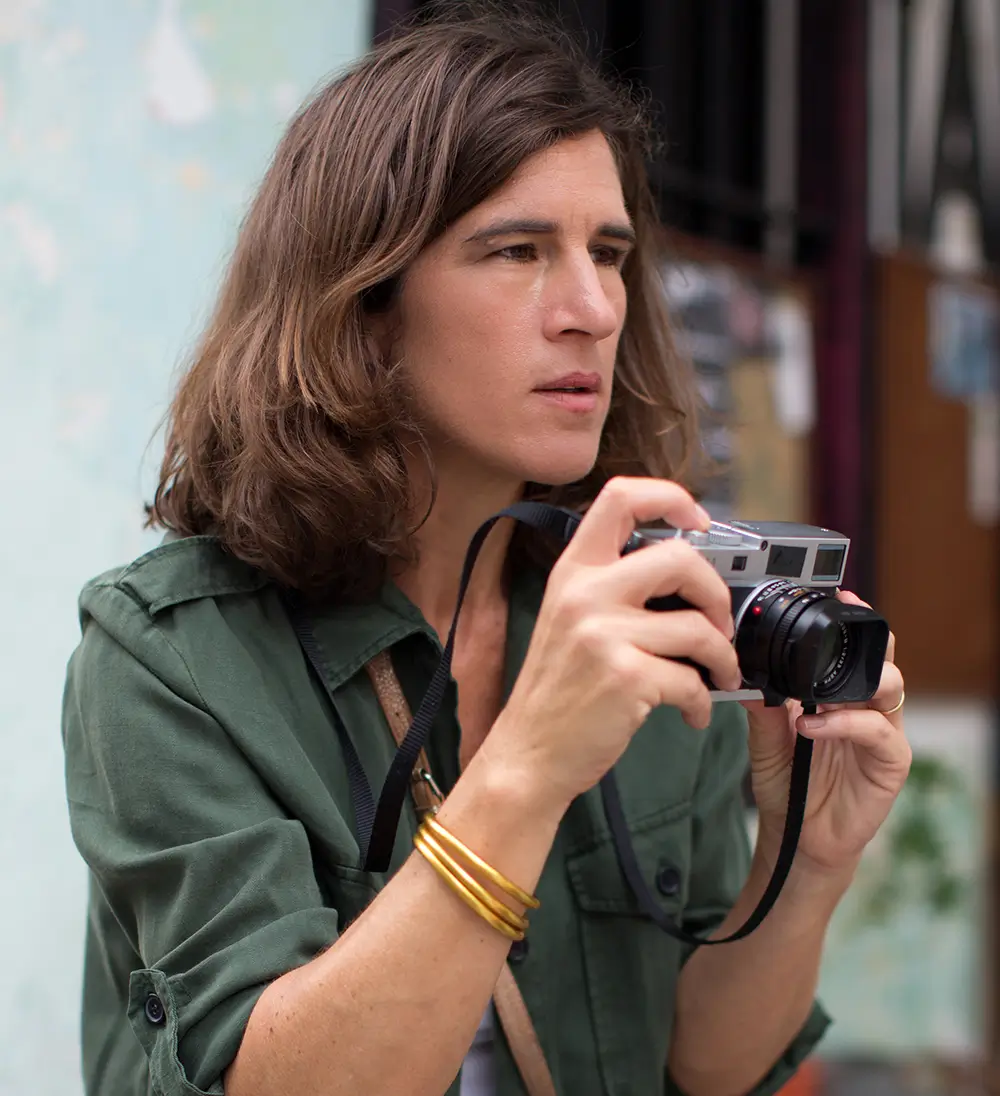
Marika Poquet
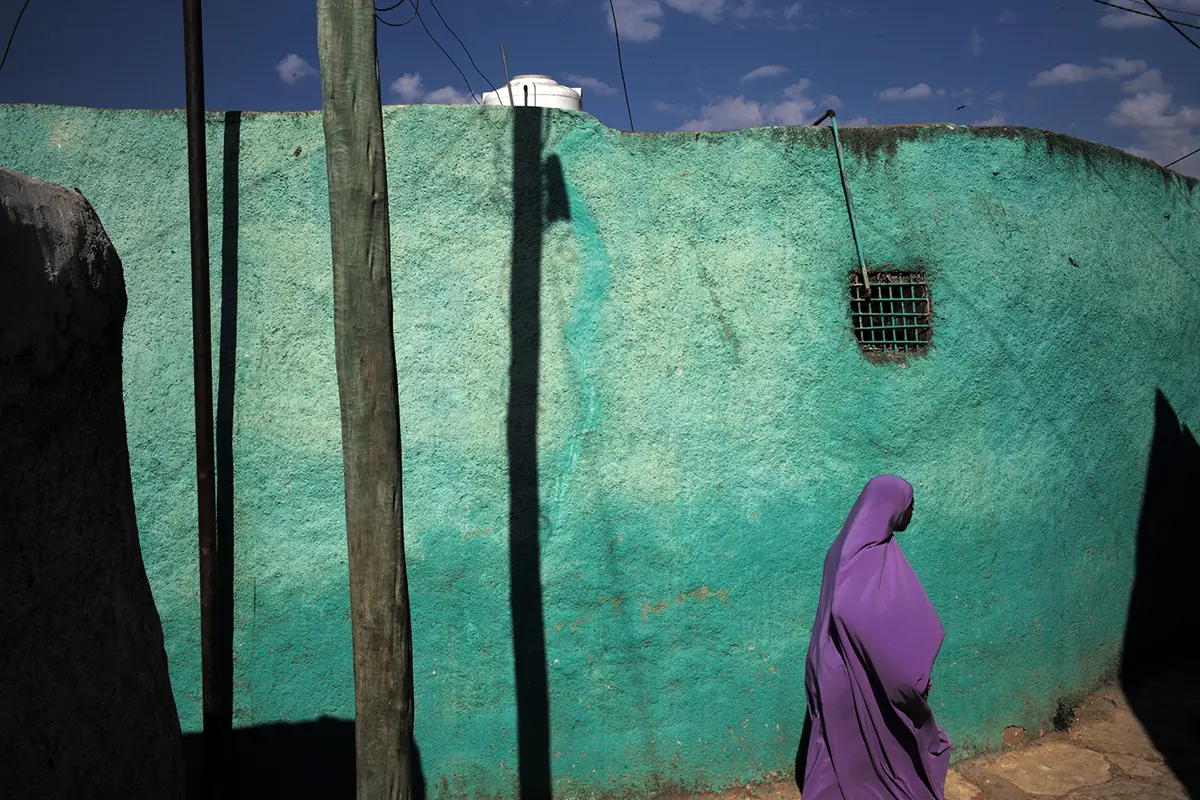
Marika Poquet
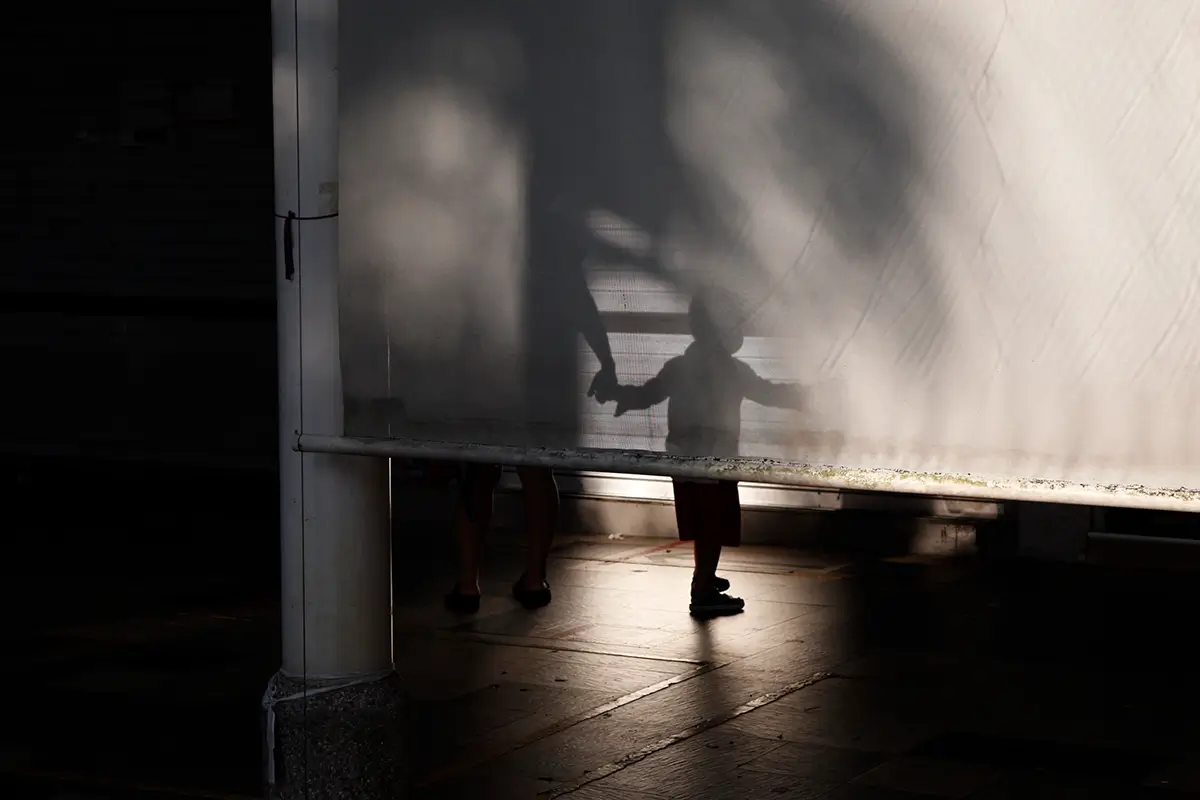
Marika Poquet

Marika Poquet

Country: France
Birth: 1972

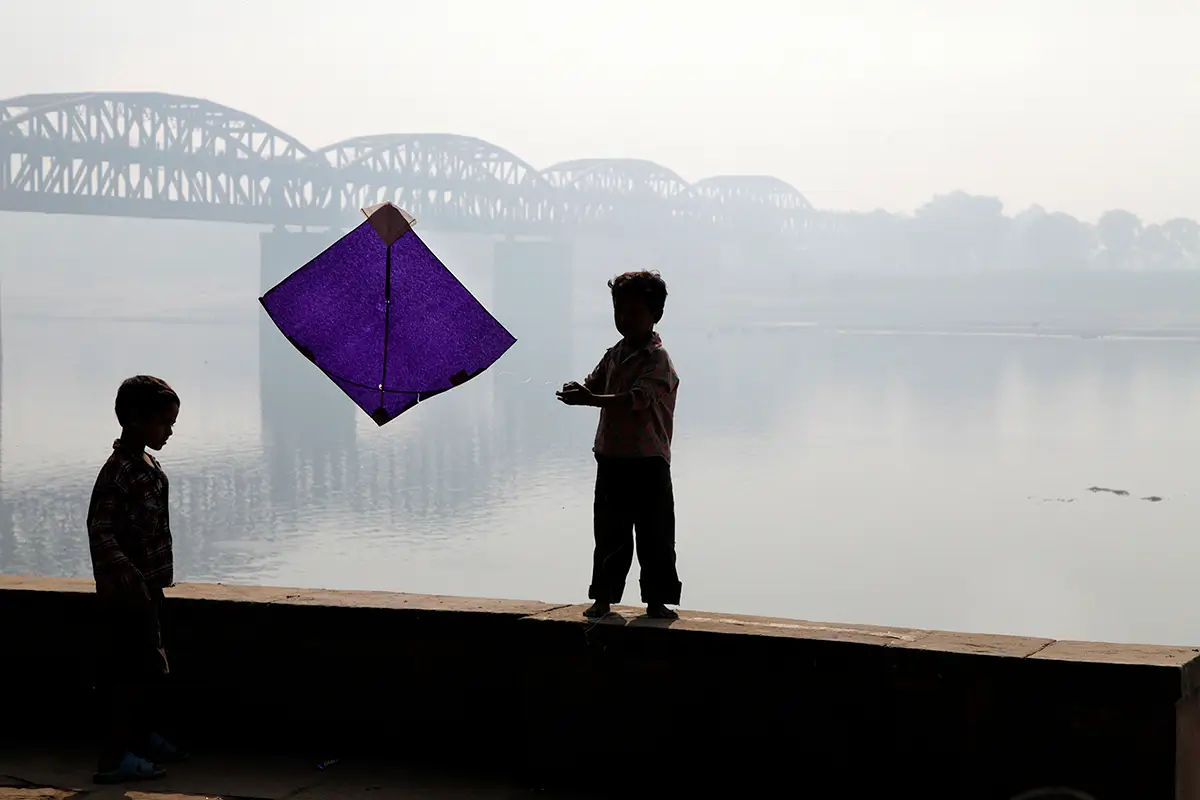
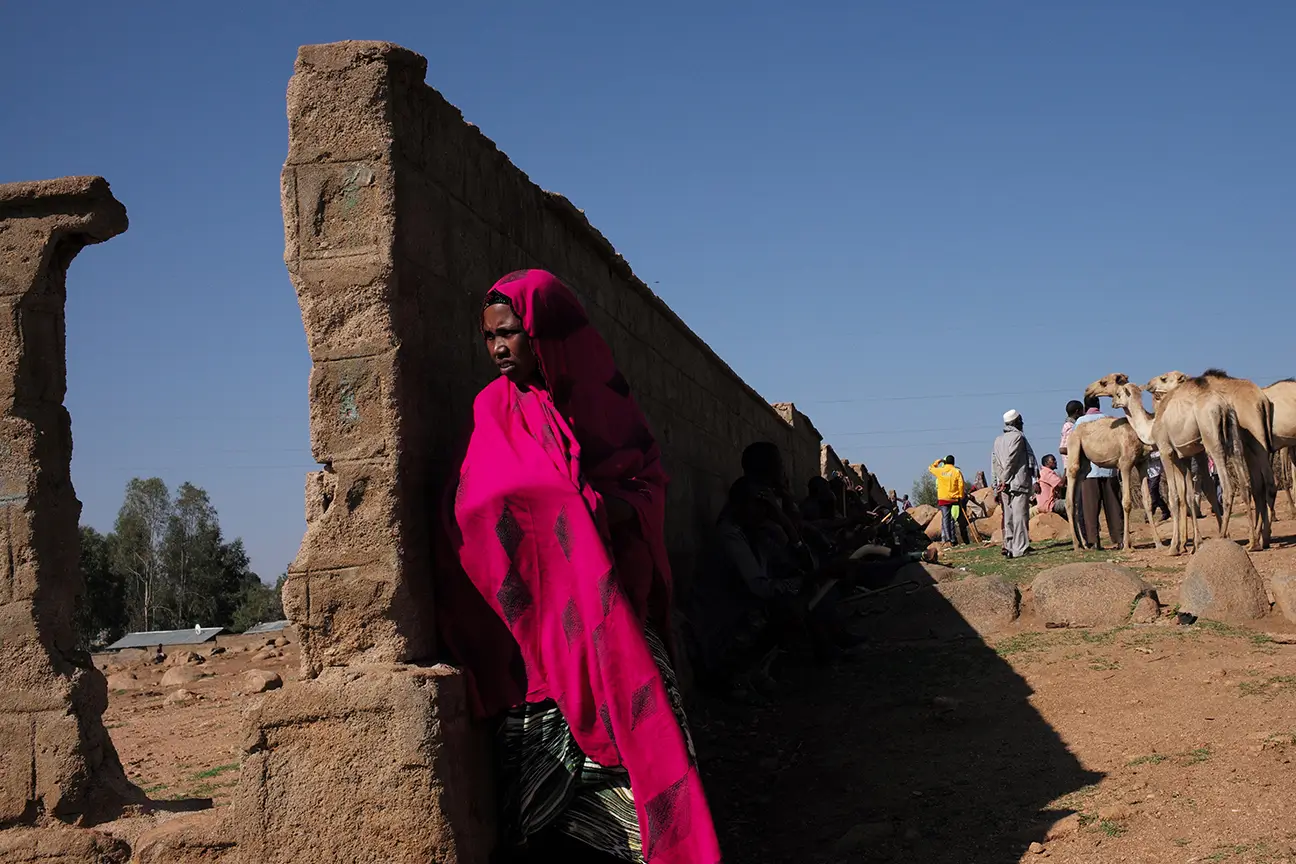
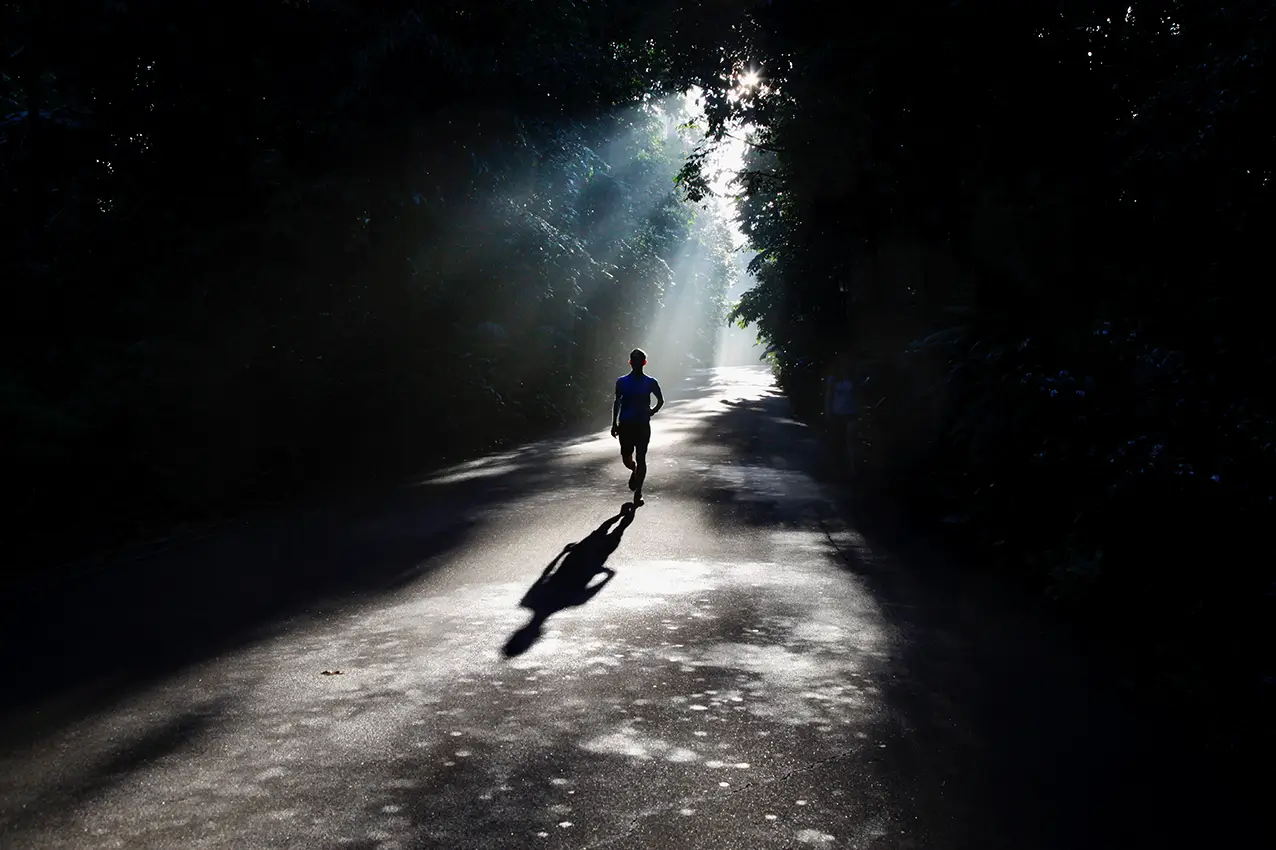
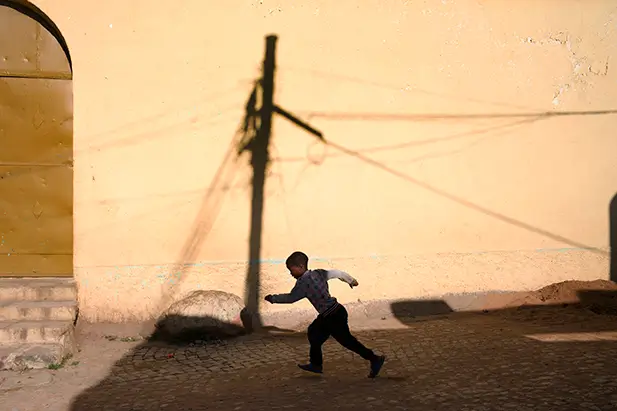
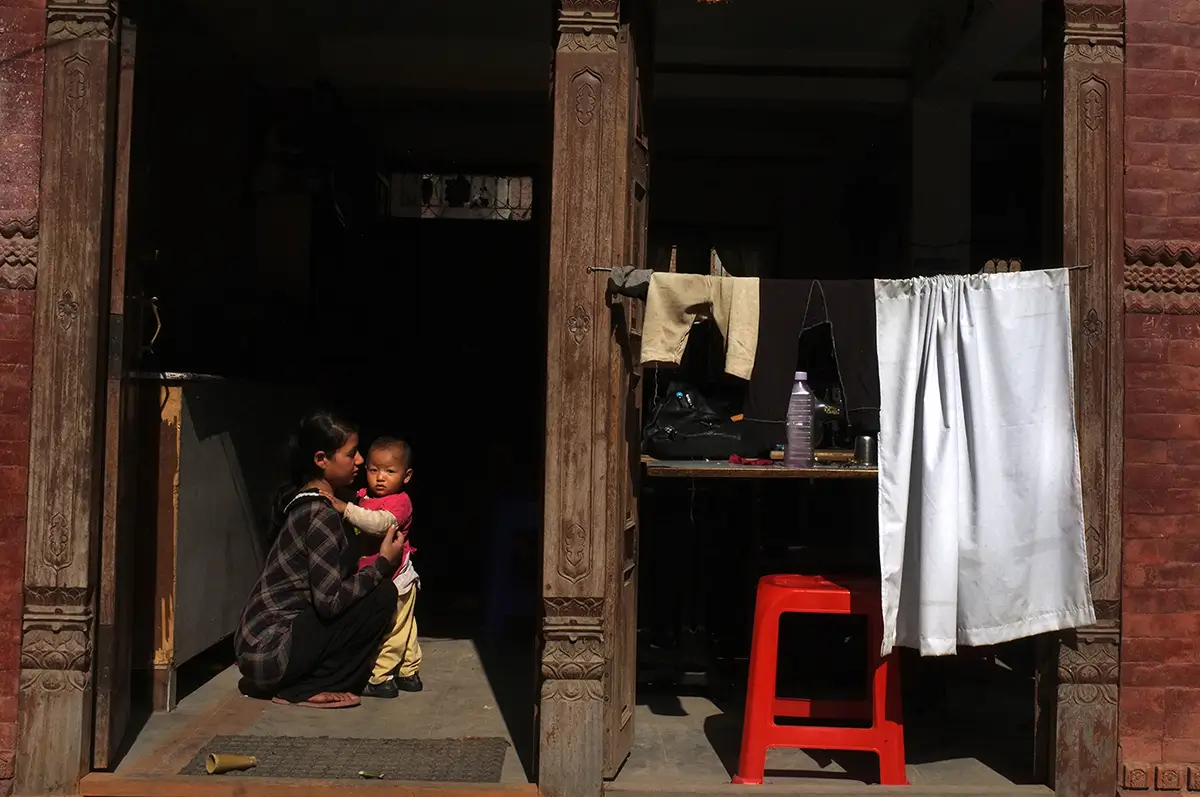
I come from an artistic family of musicians, painters, sculptors and writers. I was given my first camera when I was ten years old. On every possible occasion, I took pictures of family and friends. What I enjoyed most was catching people in their everyday life. In my late teens, I started wandering the streets of Paris taking pictures of people. I would then shut myself up in a dark room. I still remember the excitement when I discovered what I had shot. After 15 years of working in finance, I decided to put an end to my career and started what I had always wanted to do as a child: photography.

Statement
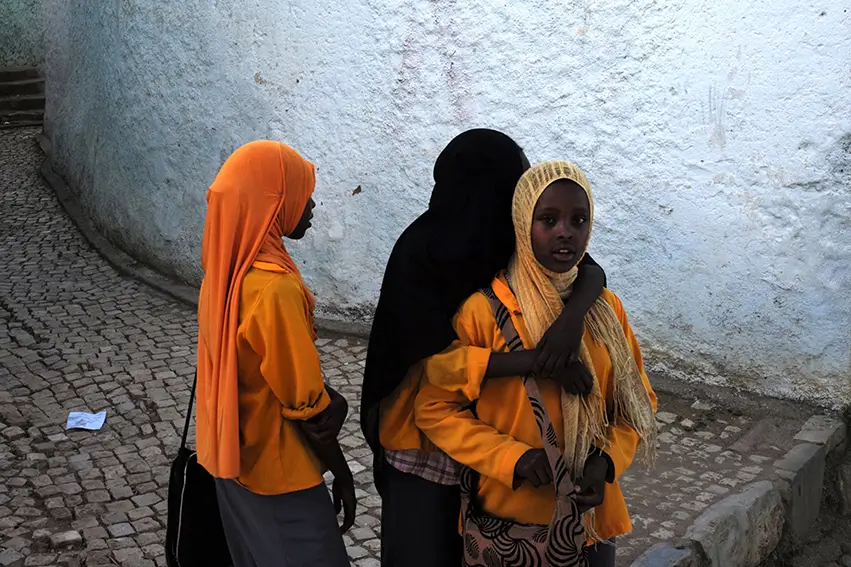
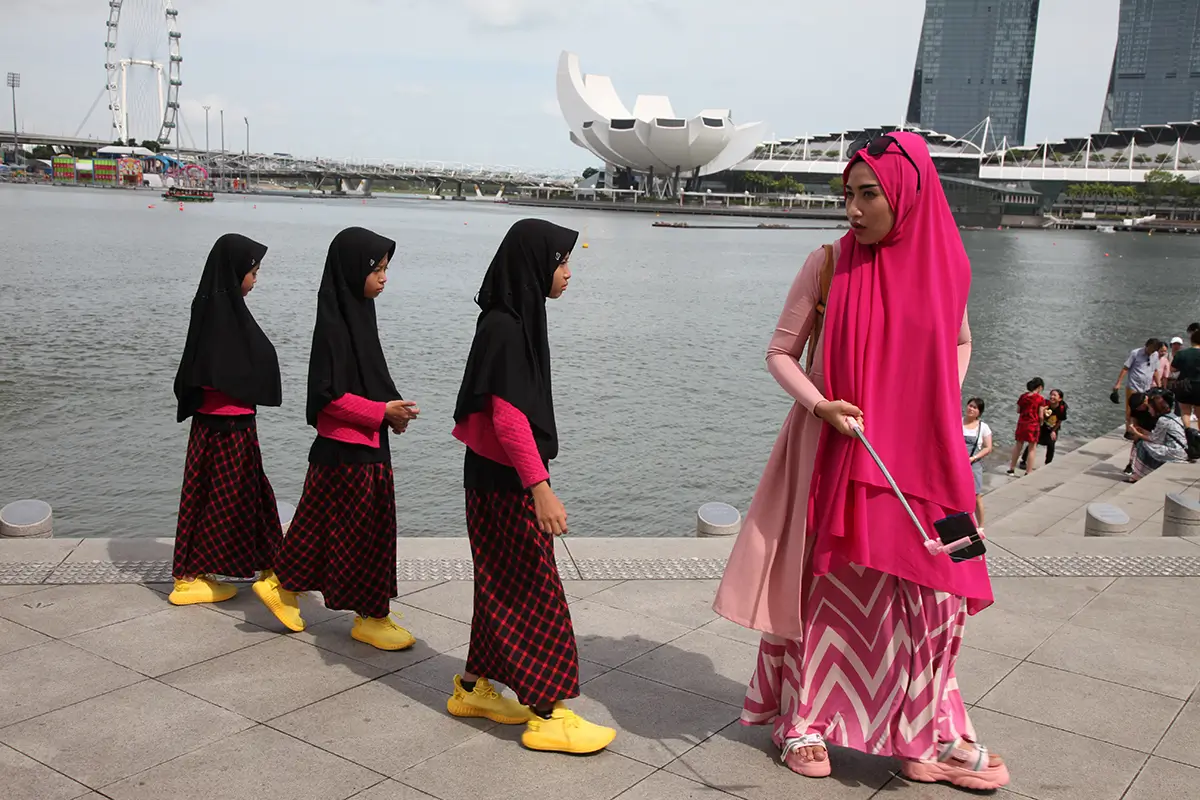
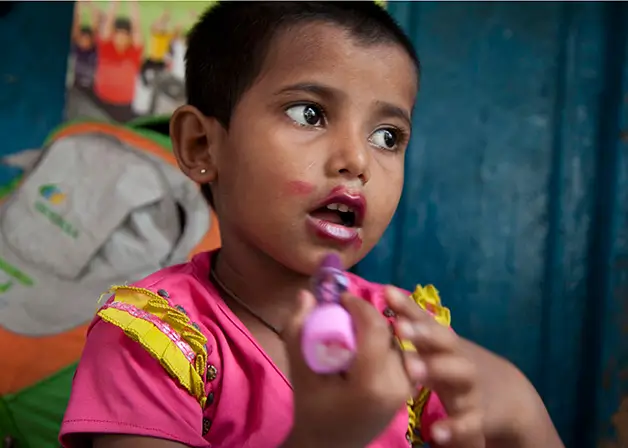
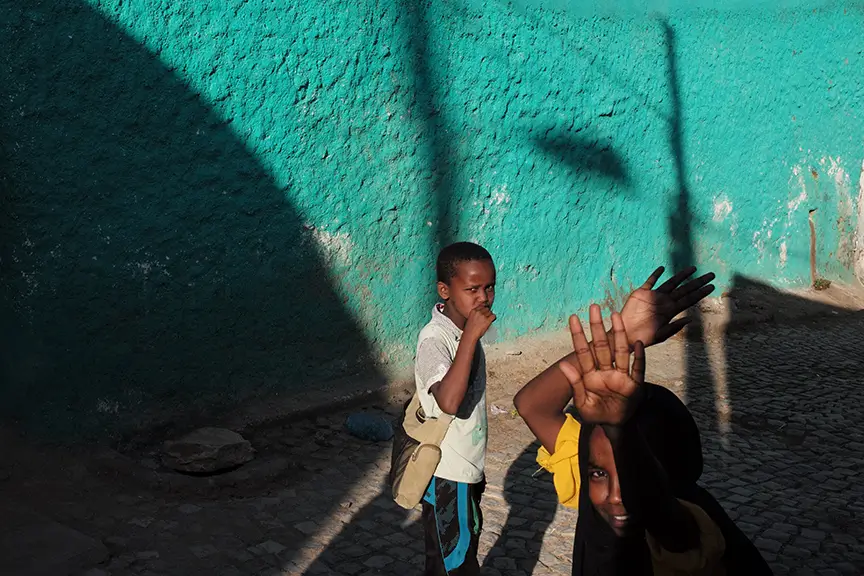
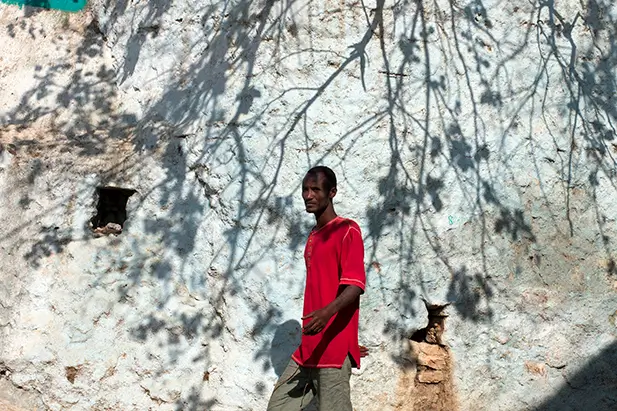
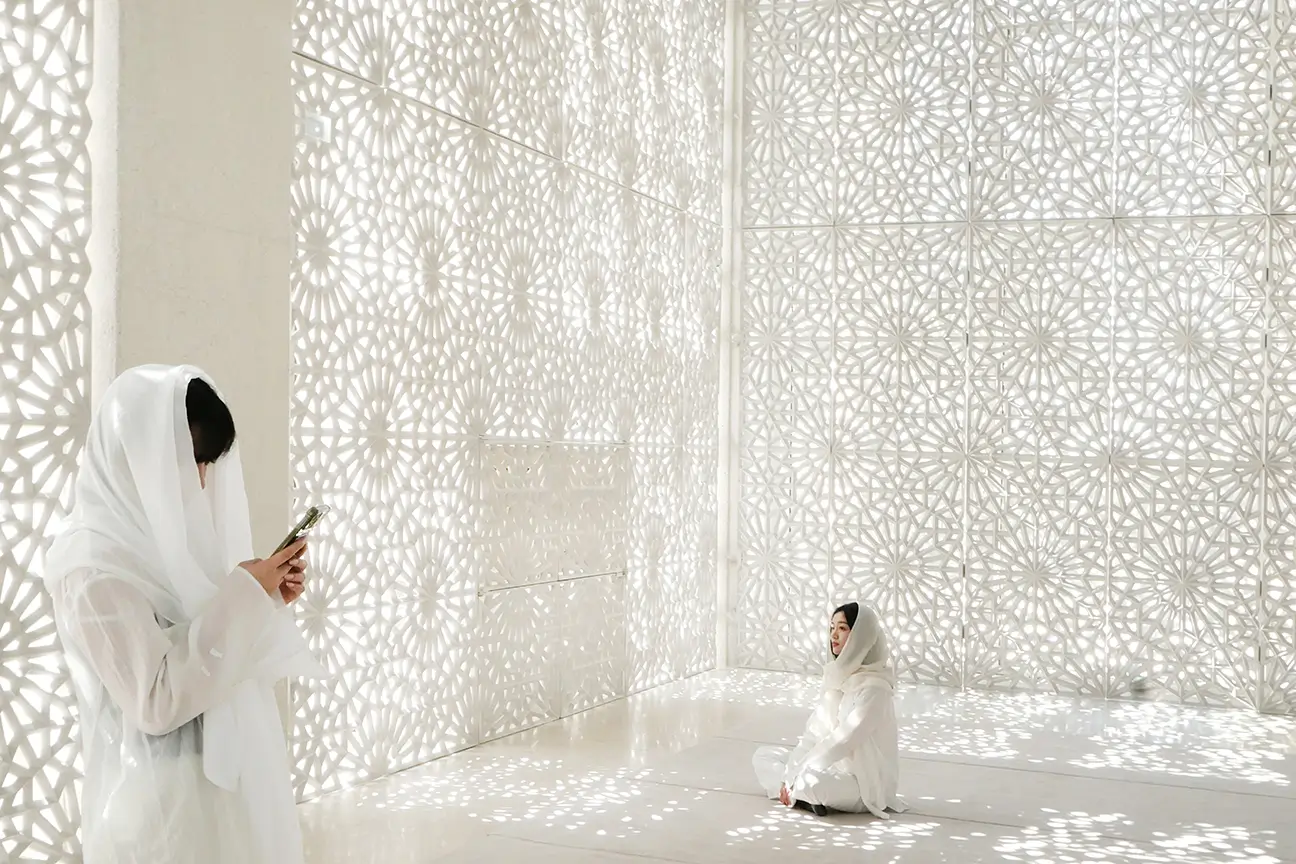
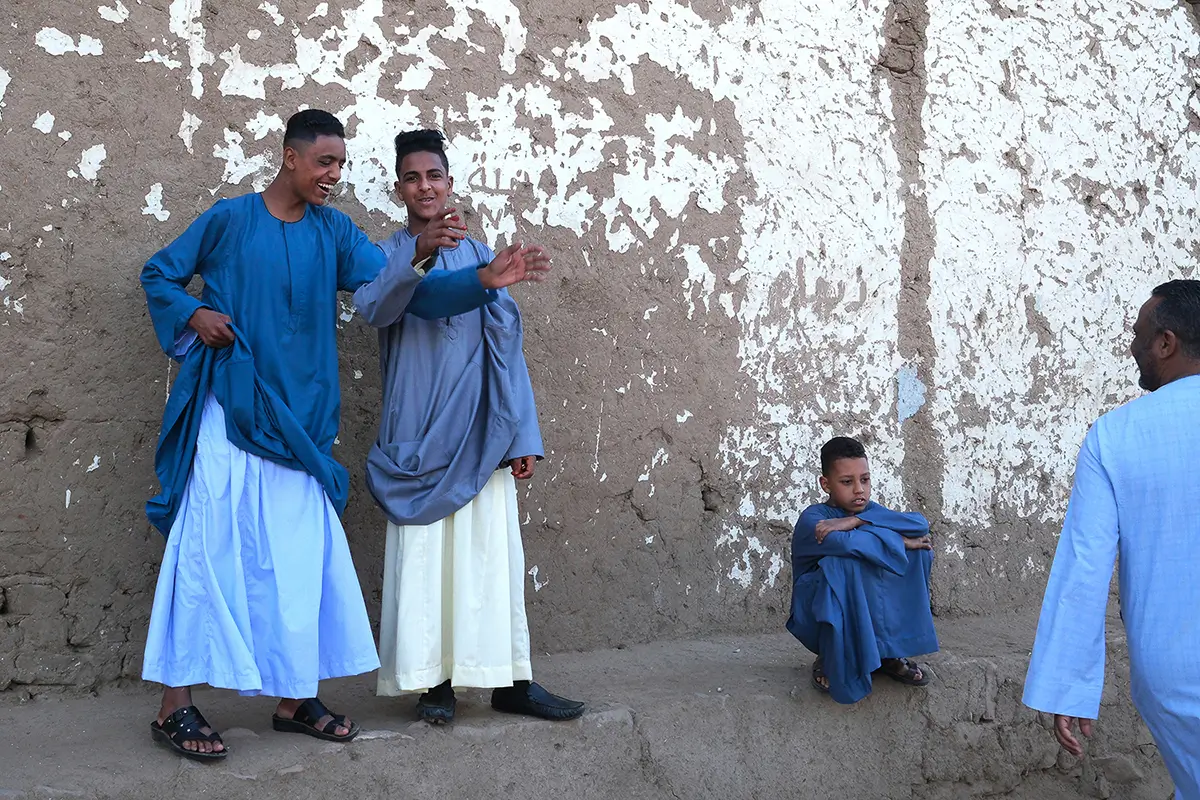
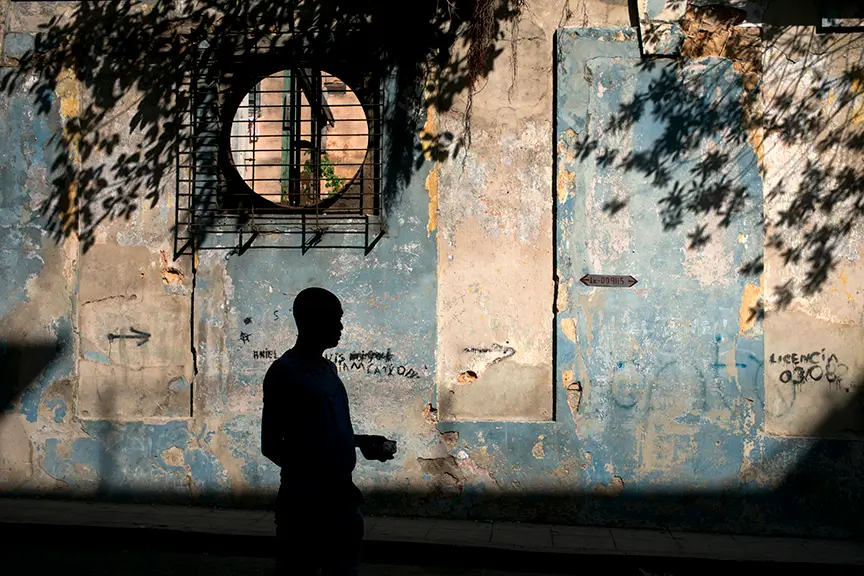
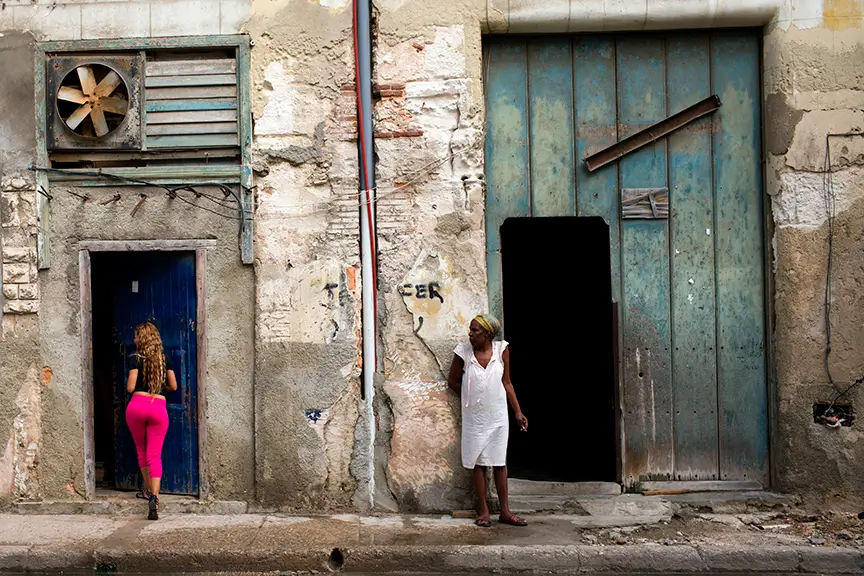
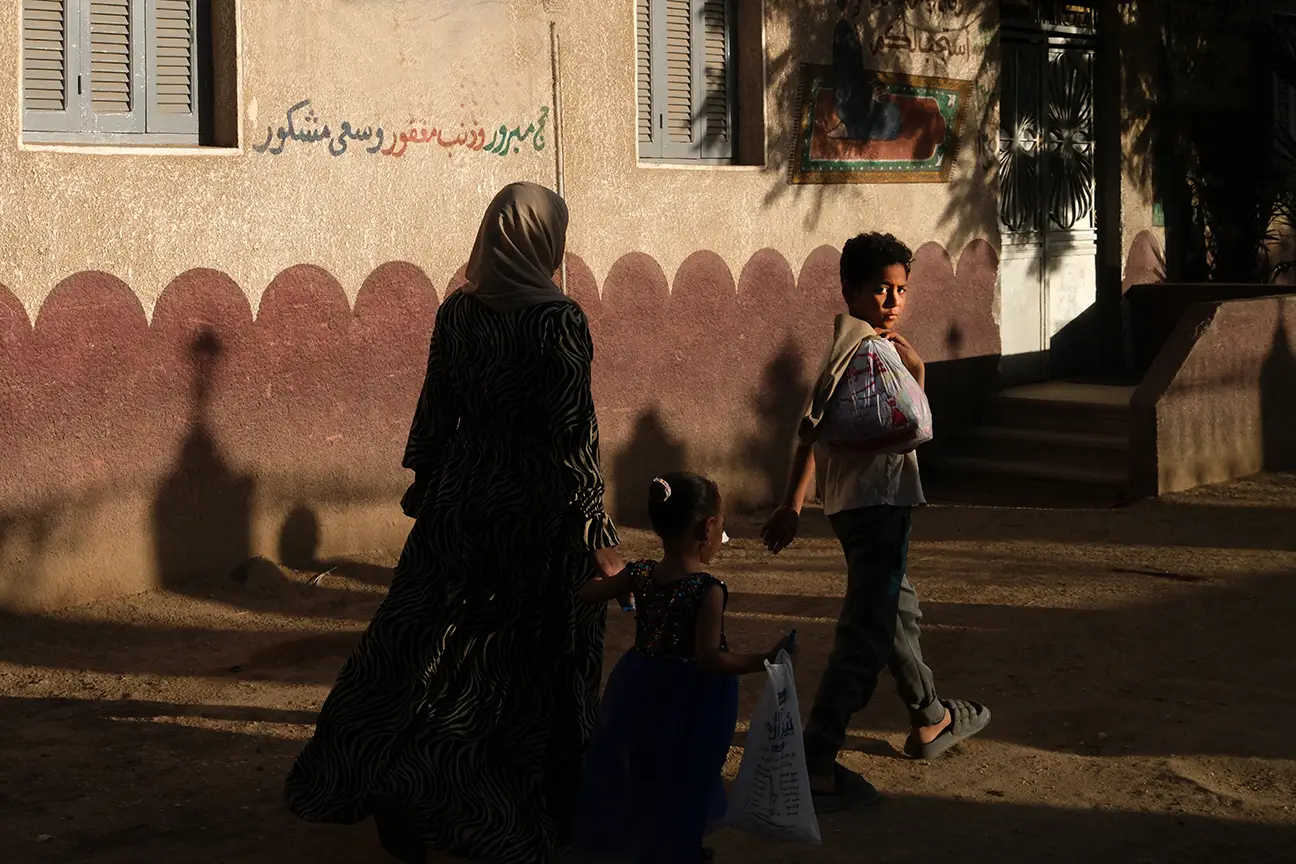
I love discovering the world, capturing people’s emotion, and soul, documenting their everyday life. I take candid street photography. I wander in the streets with no precise idea following my instincts, trying to be invisible, looking for something beautiful, unexpected, surprising, magical, mysterious, ambiguous, or even funny trying to capture the perfect moment when everything comes together.
Lately I have started working more on documentary projects using my street photography style.

AAP Magazine:

AAP Magazine 43 Colors
AAP Magazine 46 Women
AAP Magazine 53 Travels
 

Inspiring Portfolios

Call for Entries
All About Photo Awards 2026
$5,000 Cash Prizes! Juror: Steve McCurry
 
Stay up-to-date  with call for entries, deadlines and other news about exhibitions, galleries, publications, & special events.

More Great Photographers To Discover

William Ropp
France
1960
William Ropp is a contemporary photographer and photo-artist, best known for his series of portraits. Lives and works in France. William Ropp is often called not just a photographer but a photo-artist, and his style of photography is spoken of as unique, inimitable, and recognizable. For the impression they produce, his works are compared to those by painters: individuals depicted in them are as if looking at the viewer – not vice versa. Ropp is known as the Shadow Sculptor. Portraits by him — it is his work with the human body and portrait photography he is famous for — are indeed so dimensional and expressive that they look like they are sculpted from shadow and light. William Ropp began his career in the theatre three decades ago. There is something theatrical about his pictures today as well: each of them is like a speechless monologue by the character depicted in it, a play with one actor, which is encased into one instant caught by the photographer. William Ropp made his first series of black-and-white photographs in 1988: those were images of human figures reflected in distorting mirrors. Ropp continued working with the human body in the studio, experimenting with lighting and photographic technology. In the early 90’s, he found the style that would make him famous. Ropp would plunge figures of models, which, as it is, perplexed the viewer with the complexity of their intricate postures, into darkness and “paint” their body outlines with a bright beam of light. He would increase the exposure time to 10 minutes to make the image a bit blurred but would focus one’s attention on the main thing: the eyes, the facial expression, the shoulder line, or the arm’s expressive curve. In the mid-2000’s, Ropp, the already famous Shadow Sculptor, undertook a number of trips, each of which resulted in a series of portraits of people – Africans and Gypsies, inhabitants of Mexico and Russia, adults and kids. In 2010, he started working in color, portrait photography remaining the primary one in his work. Ropp is the author of several books on the art of photography; his exhibitions and workshops for photographers are staged all over the world. Works by William Ropp form part of the collections of the Musée de l’Elysée (Lausanne, Switzerland), the Museum of Fine Art (Houston, USA), the Maison Européenne pour la Photographie (Paris, France), the Museet for Fotokunst (Odense, Denmark), the New York Public Library (the Spencer Collection, New York, USA), and other public and private collections. Galleries throckmorton-nyc.com www.thephotogallery.se www.originalsong.cn www.holdenluntz.com www.galerie-stp.de jiromiuragallery.com louisegallery.be
Alan Henriksen
United States
1949
Alan Henriksen was born in 1949 in Richmond Hill, Queens, New York, and has lived his entire life on Long Island. He became interested in photography as a hobby in 1958, and began making contact prints in late 1959. His interest became serious following a chance discovery of the work of Edward Weston and Ansel Adams at the local library. Henriksen holds college degrees in Psychology and Computer Science and is now retired from a long career in software engineering. Beginning in the mid-1970?s he worked for nearly ten years at Agfa-Gevaert’s photo paper manufacturing plant on Long Island as a sensitometrist and software engineer. In the late 1980?s he authored a Zone System software program named ZoneCalc, which was marketed by the Maine Photographic Resource. In 1968 he and his wife Mary made their first visit to the Maine coast, starting a photographic project that continues to this day. They now divide their time between their homes in Smithtown, Long Island and Southwest Harbor, Maine. All about Alan Henriksen:AAP: When did you realize you wanted to be a photographer?Although I had already been photographing as a hobbyist for six years, my interest became more serious in 1964 when, during a library visit, I chanced upon Peter Pollack's book, "A Picture History of Photography," and opened it to the section devoted to the work of Edward Weston.AAP: Where did you study photography?My formal photographic education was limited to the 1970 Ansel Adams Workshop in Yosemite National Park.AAP:Do you have a mentor?In 1967 I composed a letter and sent it, along with some prints, to Ansel Adams in Carmel. Toward the close of his two-page single-spaced typewritten reply he wrote, "I want to follow your work and see more of your prints." This began a correspondence, soon supplemented with phone calls, that lasted until 1970, at which time I attended his Ansel Adams Workshop in Yosemite National Park.AAP: How long have you been a photographer?I began photographing in 1958, purely as a hobby, and began printing in 1959.AAP: Do you remember your first shot? What was it?The first photograph I remember taking was made in 1958. I photographed my neighbor while she was leaning into a baby carriage to tend to her child.AAP: What or who inspires you?I do not believe in inspiration; I believe in simply working, and working simply. When photographing, my ideas arise directly from my exploration of the subject matter at hand. But I cannot say why I find a certain bit of the world, seen from just such an angle, in a certain light, interesting.AAP: How could you describe your style?I do not consciously try to apply a style to my photographs. I believe in the maxim, "Style does not precede; it results." Although there is a kind of consistency to my photographs over the years, and more so during any particular period, that is presumably because I have remained roughly the same person.AAP: What kind of gear do you use? Camera, lens, digital, film?I currently work with a Canon 5D Mark II and various Canon lenses.AAP: Do you spend a lot of time editing your images?I take an iterative approach to image editing, generally performing several editing passes. I like to leave some time between each pass in order to help me see the image with fresh eyes during each session. I consider an image completed (for the time being) when I view the image and it seems to "work" as is. For some images the editing process is completed within a few sessions, while others take much longer.
Corky Lee
China/United States
1947 | † 2021
Corky Lee, born as Young Kwok Lee on June 3, 1947, in Queens, New York, was a prominent Chinese-American photographer celebrated for his documentary work capturing the Asian American experience. Lee's interest in photography was sparked during his high school years when he stumbled upon a book about photography in a library. He began photographing the Asian American community in New York City, focusing on their daily lives, struggles, and cultural events. Lee's work often centered around the theme of representation and visibility for Asian Americans in mainstream media and American society. He aimed to challenge stereotypes and amplify the voices of Asian Americans through his photography. One of his most famous series is the "Chinatown" collection, which portrays the vibrant life and culture of New York City's Chinatown. Throughout his career, Lee tirelessly documented significant events and milestones within the Asian American community. He became known as the "undisputed unofficial Asian American Photographer Laureate" for his dedication to capturing moments that might otherwise have been overlooked by mainstream media. Lee's photographs were not only a means of documenting history but also served as a form of activism. He used his camera to advocate for social justice and raise awareness about issues affecting Asian Americans, including immigration, discrimination, and cultural identity. In addition to his documentary work, Lee was known for his efforts to honor and celebrate the contributions of Asian Americans to American society. He organized numerous exhibitions, events, and projects aimed at showcasing Asian American culture and history. One of Lee's most iconic photographs is the "Gathering of the Master Photographers" taken in 2003. It features a group of renowned photographers, including himself, gathered in front of the Transcontinental Railroad in Promontory Summit, Utah. This image pays homage to the Chinese railroad workers who played a vital role in building the railroad but were often overlooked in historical narratives. Lee's impact extended far beyond the realm of photography. He was a mentor and inspiration to many aspiring photographers and activists, encouraging them to use their talents to advocate for social change and celebrate their cultural heritage. Sadly, Corky Lee passed away on January 27, 2021, due to complications from COVID-19. However, his legacy lives on through his photographs, which continue to inspire and educate people about the rich and diverse tapestry of Asian American experiences.
Julius Shulman
United States
1910 | † 2009
Julius Shulman was an American architectural photographer best known for his photograph Case Study House #22, Los Angeles, 1960. Pierre Koenig, Architect. The house is also known as the Stahl House. Shulman's photography spread the aesthetic of California's Mid-century modern architecture around the world. Through his many books, exhibits, and personal appearances his work ushered in a new appreciation for the movement beginning in the 1990s. His vast library of images currently resides at the Getty Center in Los Angeles. His contemporaries include Ezra Stoller and Hedrich Blessing photographers. In 1947, Julius Shulman asked architect Raphael Soriano to build a mid-century steel home and studio in the Hollywood Hills. Some of his architectural photographs, like the iconic shots of Frank Lloyd Wright's or Pierre Koenig's remarkable structures, have been published countless times. The brilliance of buildings like those by Charles Eames, as well as those of his close friends, Richard Neutra and Raphael Soriano, was first brought to wider attention by Shulman's photography. The clarity of his work added to the idea that architectural photography be considered as an independent art form in which perception and understanding for the buildings and their place in the landscape informs the photograph. Many of the buildings photographed by Shulman have since been demolished or re-purposed, lending to the popularity of his images. I’m not modest about myself. I know for a fact that I am good. But good in the sense that I can put things together. I expound vociferously to students of architecture and photography, the significance of design. A photograph is a design in which you assemble thoughts in your mind. -- Julius Shulman Julius Shulman was born in Brooklyn to Russian-Jewish parents on October 10, 1910, and grew up on a small farm in Connecticut before moving to Los Angeles while still a boy. He briefly attended the University of California, Los Angeles and the University of California, Berkeley, and earned pocket money by selling his photographs to fellow students. In 1936 he returned to Los Angeles, where he was enlisted by a friend, working as a draftsman for Richard Neutra, to take photographs of a new, Neutra-designed Kun Residence in Hollywood with his amateur Kodak Vest Pocket camera. When Neutra saw the pictures, he asked to meet the photographer and proceeded to give him his first assignments which assisted Shulman in launching his career in architectural photography. Shulman opened a studio in Los Angeles in 1950, by that time drawing much of his work from magazines based in New York. He remained in business full-time until the late 1980s. In 2000, Shulman gave up retirement to begin working with business partner Juergen Nogai. The Getty Research Institute held a 2005–2006 exhibition of Shulman's prints entitled Julius Shulman, Modernity and the Metropolis. The exhibition included sections entitled Framing the California Lifestyle, Promoting the Power of Modern Architecture, The Tools of an Innovator and The Development of a Metropolis. The exhibition traveled to the National Building Museum and to the Art Institute of Chicago. In 1987, the Shulman House was designated a Cultural Heritage Monument by the city of Los Angeles. Shulman himself had a Golden Palm Star on the Palm Springs Walk of Stars dedicated to him in 2006. He died at his home in Los Angeles, California on July 15, 2009; he was 98 years old. He was buried at Hillside Memorial Park Cemetery in Culver City, California.Source: Wikipedia I sell architecture better and more directly and more vividly than the architect does... The average architect is stupid. He doesn’t know how to sell. He’s not a merchandiser. He doesn’t know how to express his own image. He doesn’t know how to create a design of his image... And I do it. I’ve done it all my career over half a century, and it gets better. -- Julius Shulman
Emin Özmen
Turkey
1985
Emin Özmen (born 1985) is a Turkish photographer, photojournalist and film maker based in Istanbul. He has worked especially on Turkey, on refugees and in the wider Middle East, including Syria and Iraq. In 2013 he founded a photography cooperative named Agence Le Journal, which is based in Istanbul. In 2017, he became a nominee member of Magnum Photos. He currently lives in Istanbul.Source: Wikipedia In 2008, he published two photobooks, "Humans of Anatolia" and "Microcredit Stories in Turkey", a collection of stories on women who were able to access a microcredit in Turkey. That same year, he obtained a degree in media photography and documentary (photography) at the University of Art and Design in Linz, Austria. In 2011, his work on drought in Somalia was published in a book and he worked on the disaster of Tohoku Earthquake and economic protests in Greece. The following year, he covered the Syrian civil war and ISIS crises in Iraq. Since 2012, Emin Özmen is working on his longterm project "Limbo - Les Limbes" and has undertaken a long work of photographic documentation with the populations uprooted by the spiral of conflicts. He has traveled many times to Syria, Iraq, Turkey, Greece, Macedonia, Serbia, Croatia, Hungary, Austria, Germany, Italy and France to meet people who were forced into becoming “refugees”.Source: www.eminozmen.com Emin Özmen is concerned with documenting human rights violations in his home country of Turkey and around the world. His deeply affecting work has brought attention to the suffering of those who are victim to natural disaster, civil unrest and corruption. Since a few years, he has been working on his two long-term projects: Limbo - Les Limbes, which documents the populations uprooted by the spiral of conflicts and Hidden War about the Kurdish conflict that has simmered for decades in Turkey. He worked in South Sudan in 2018 on the adversity and resilience of life in a Protection of Civilians camp and surrounding villages. In 2019 he travelled to Venezuela, where he covered the humanitarian crisis inflicting the country. His work has been published by TIME Magazine, New York Times, Washington Post, Der Spiegel, Le Monde magazine M, Paris Match, Newsweek, among others. Özmen has won several awards, among them two World Press Photo awards and Public Prize of The Bayeux Calvados awards for war correspondents. He was a member of the jury of 2016 and 2018 World Press Photo Multimedia contests.Source: Magnum Photos
Solmaz Daryani
Solmaz Daryani is an Iranian photographer and photojournalist, based between the UK and Iran. Her work is particularly known for exploring the themes of climate security, climate change, water crisis, human identity and environment. Daryani has worked internationally, covering social and environmental documentary stories in Iran, Afghanistan, Turkey and the United Kingdom. Her work has been published by international magazines and newspapers such as National Geographic Magazine, L'OBS Magazine, Foreign Policy Magazine, Polka Magazine, Zenith Magazine among others. The Eyes of Earth (THE DEATH OF LAKE URMIA) "A lake is earth's eye; looking into which the beholder measures the depth of his own nature." Henry David Thoreau Lake Urmia is located in the northwest of Iran. It was once the biggest salt lake in the Middle East and sixth biggest salt lake on earth situated between two neighboring provinces (East-Azerbaijan and West-Azerbaijan) in Iran. Lake Urmia was home to many birds like ducks, pelicans, and flamingoes.10 years ago; the lake was still a popular destination for vacationers. Bathers immersed themselves in the saline water and smeared their bodies with its legendary black mud, which helped to treat skin disease. My extended family on my mother's side born and lived in Sharafkhaneh port. The town used to be one of the heavily traveled touristic villages on the north coast of Lake Urmia. My grandfather had built a motel beside the lake, and my uncles were sailors. Less than a decade ago, my grandfather hosted dozens of tourists a day in the summers, with his two sons taking them on boat tours. During the past 20 years, approximately 80% of this lake dried due to climatic changes, excessive development in the agriculture sector, lack of correct management of water consumption, and excessive dams constructed on the lake's basin river in this area. At the moment, hopes for the salt lake's survival have been revived after 2018 torrential rain has boosted a government program aimed at preserving it before it dries up. The desiccation is one of the most unfortunate environmental disasters of Iran in recent years. It will increase the frequency of salt storms that sweep across the exposed lakebed, diminishing the productivity of surrounding land and encouraging farmers to move away. More than 4 million people live in two neighboring provinces (East-Azerbaijan and West Azerbaijan) around the lake and agriculture, animal husbandry, and handicraft making play a significant role in the region. As the lake dried up, agriculture waned which caused my grandparent's garden dry and deserted. Lake's ducks; flamingos and pelicans have vanished, too. My childhood in Sharafkhaneh seems like a long time ago. The motel abandoned, and the almond trees have withered. The port today is a sparsely populated village where most people are old, and it no longer resembles the place where I left my childhood memories. The project investigates the impacts of drying of Urmia Lake on people and the environment around it and to demonstrate environmental, economic, physical, and social changes that happened after lake shrinking. (the Year 2014-ongoing)
Advertisement
All About Photo Awards 2026
Win a Solo Exhibition in February
All About Photo Awards 2026

Latest Interviews

Exclusive Interview with Marijn Fidder
Marijn Fidder is a Dutch documentary photographer whose work powerfully engages with current affairs and contemporary social issues. Driven by a deep sense of social justice, she uses photography to speak on behalf of the voiceless and to advocate for the rights of those who are most vulnerable. Her images have been widely published in major international outlets including National Geographic, CNN Style, NRC Handelsblad, Volkskrant, GUP New Talent, and ZEIT Magazin. Her long-term commitment to disability rights—particularly through years of work in Uganda—culminated in her acclaimed project Inclusive Nation, which earned her the title of Photographer of the Year 2025 at the All About Photo Awards. She is also the recipient of multiple prestigious honors, including awards from World Press Photo and the Global Peace Photo Award. We asked her a few questions about her life and work.
Exclusive Interview with Josh S. Rose
Josh S. Rose is a multidisciplinary artist working across photography, film, and writing. His practice bridges visual and performing arts, with a strong focus on movement, emotion, and the expressive potential of the image. Known for his long-standing collaborations with leading dance companies and performers, Rose brings together authenticity and precise composition—a balance he describes as “technical romanticism.” His work has been commissioned and exhibited internationally, appearing in outlets such as Vogue, at the Super Bowl, in film festivals, and most recently as a large-scale installation for Lincoln Center for the Performing Arts. A sought-after collaborator, he has worked with major artists, cultural institutions, and brands, following a previous career as Chief Creative Officer at Interpublic Group and the founder of Humans Are Social. We asked him a few questions about his life and work.
Interview with Maureen Ruddy Burkhart
Photographer Maureen Ruddy Burkhart brings a quietly attentive and deeply human sensibility to her exploration of the world through images. Shaped by a life immersed in photography, film, and visual storytelling, her work is guided by intuition, observation, and an enduring interest in the emotional undercurrents of everyday life. With a practice rooted in both fine art traditions and documentary awareness, she approaches her subjects with sensitivity, allowing subtle moments to emerge naturally rather than be imposed. Her series Til Death, selected as the Solo Exhibition for February 2025, reflects this long-standing commitment to photography as a space for reflection rather than spectacle. Drawn to moments that exist just outside the expected frame, Burkhart’s images suggest narratives without resolving them, leaving room for ambiguity, humor, and quiet connection. We asked her a few questions about her life and work.
Exclusive Interview with Peter Ydeen
Winner of AAP Magazine #45 Travels, his series reflects this unique vision—capturing the spirit of place through subtle layers of light, color, and emotion. Whether traveling abroad or observing the rhythms of his own surroundings, Ydeen creates images that feel both grounded and enchanted, inviting viewers into a world where reality and reverie meet.
Exclusive Interview with Julie Wang
Chinese-born photographer Julie Wang brings a poetic, contemplative sensitivity to her visual exploration of the world. Having lived for nearly equal parts of her life in China, Europe, and the United States, she approaches her subjects with the nuanced perspective of someone shaped by many cultures. This blend of distance, curiosity, and emotional resonance infuses her work with a quiet depth, allowing her to reveal the fragile beauty and subtle tensions that often pass unnoticed.
Exclusive Interview with Ghawam Kouchaki
American photographer Ghawam Kouchaki brings a sharply observant and introspective gaze to the streets of Japan’s capital. Based in Los Angeles, he approaches Tokyo with the distance — and curiosity — of an outsider, allowing him to uncover the city’s subtle contradictions, quiet tensions, and fleeting gestures that often go unnoticed. His series Tokyo no no, selected as the Solo Exhibition for December 2024, explores the hidden undercurrents of urban life: the unspoken rules, the small ruptures in routine, the poetic strangeness found in everyday moments. Through muted tones, instinctive timing, and meticulous framing, Kouchaki reveals a Tokyo that exists somewhere between reality and imagination — both intimate and enigmatic. We asked him a few questions about his life and work.
Exclusive Interview with Tommi Viitala
Tommi Viitala, winner of AAP Magazine #44: Street, is a Finnish photographer celebrated for his striking and cinematic street photography. With a keen eye for atmosphere and composition, he captures fleeting urban moments that reveal the poetry of everyday life. His work often explores the tension between solitude and connection within contemporary cityscapes, blending documentary realism with artistic sensibility. Viitala’s photographs have been exhibited internationally and recognized for their strong visual storytelling and emotional depth. We asked him a few questions about his life and work.
Exclusive Interview with Robert Mack
Robert Mack is a California-based visual artist, photographer, and filmmaker. His fine art photography and films have been exhibited widely in the United States and Europe, with major shows at the Baltimore Museum of Art and the Reiss-Engelhorn Museum in Mannheim, Germany. Both institutions hold his work in their permanent collections. Working across different media, Mack has built a career exploring the complexities of human presence and representation. In 1981, while living in Baltimore, he produced The Perkins Project: Not Guilty by Reason of Insanity, a rare photographic and film study inside Maryland’s hospital for the criminally insane. These stark yet compassionate black-and-white portraits remain one of his most powerful and controversial bodies of work.
Exclusive Interview with Alan Schaller About Irys
Alan Schaller is a London-based photographer best known for his striking black-and-white street photography and as co-founder of Street Photography International, one of the largest online communities dedicated to the genre. With years of experience both behind the camera and in building platforms that give visibility to photographers, Schaller has now turned his focus to creating a new digital space for photography itself. His latest venture, Irys, is a photography app designed by photographers, for photographers, with the aim of offering a dedicated platform where images are respected as works of art rather than treated as disposable content.
Call for Entries
All About Photo Awards 2026
$5,000 Cash Prizes! Juror: Steve McCurry