All about photo.com: photo contests, photography exhibitions, galleries, photographers, books, schools and venues.
Win a Solo Exhibition this February. Juror: Harvey Stein
Andrea Peruzzi
Andrea Peruzzi
Andrea Peruzzi

Andrea Peruzzi

Country: Italy
Birth: 1963

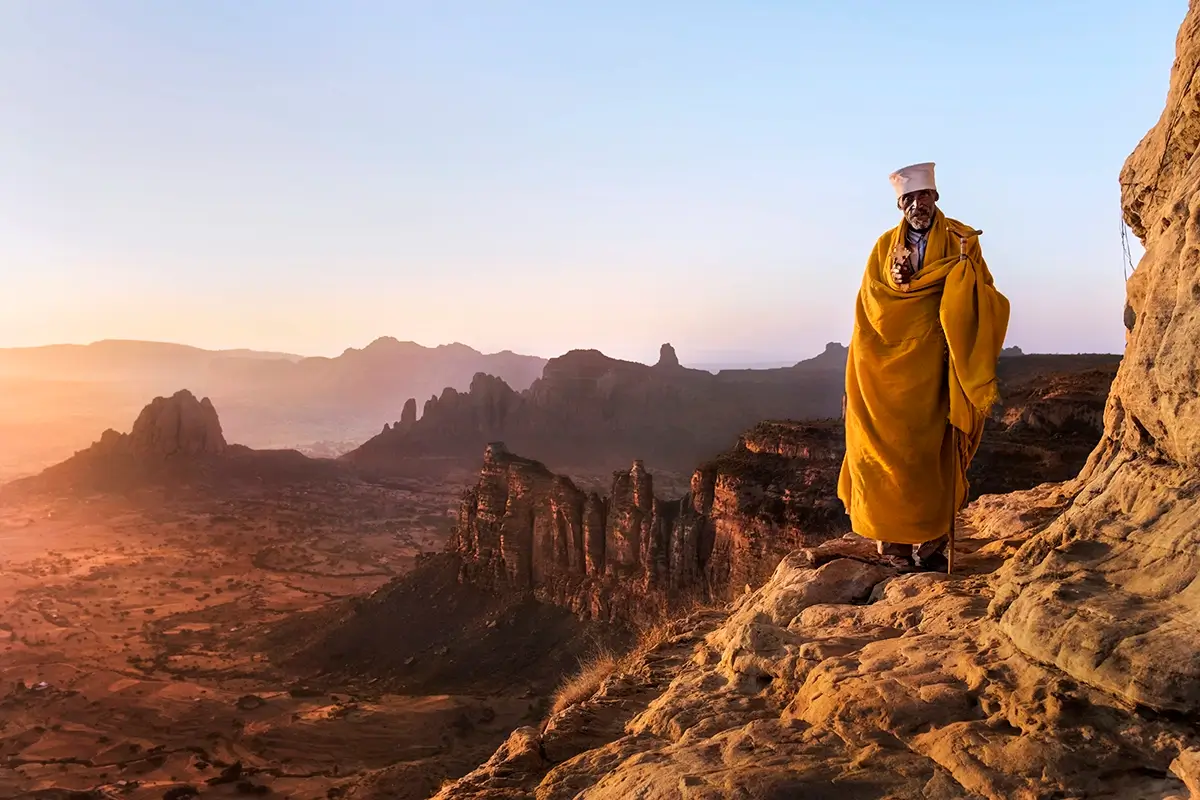
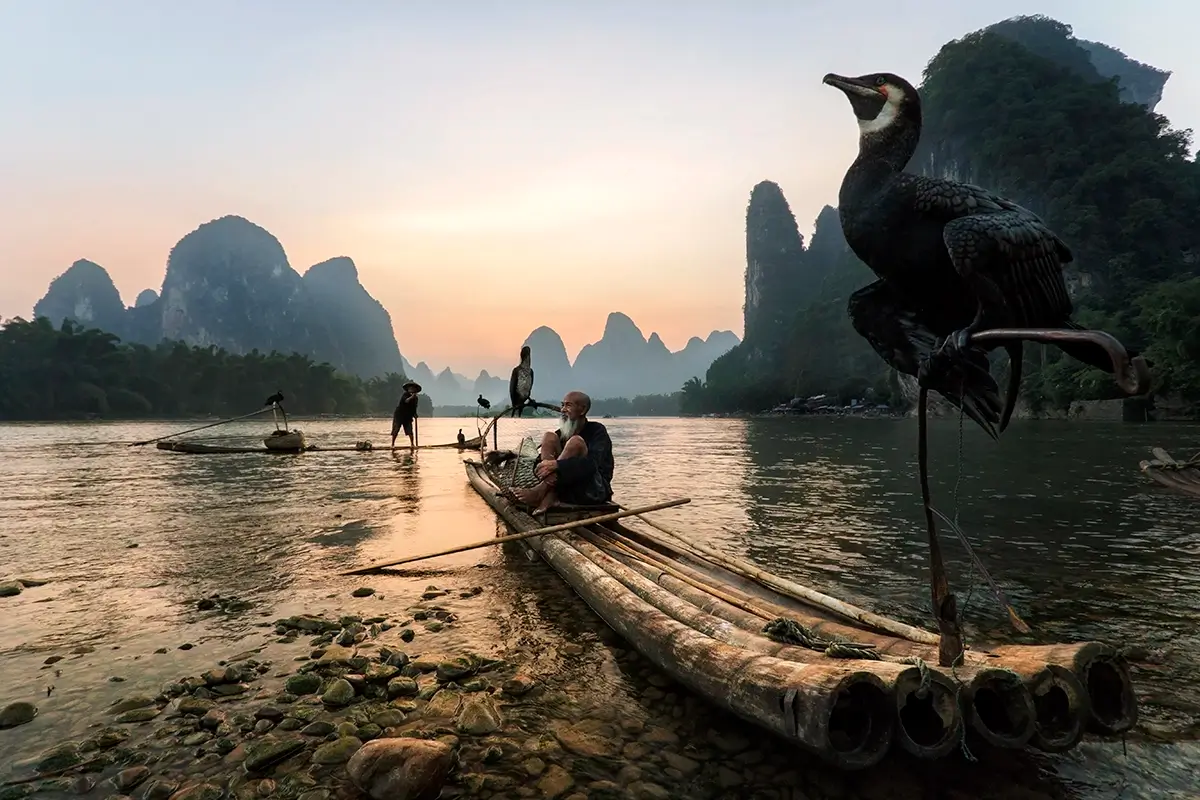
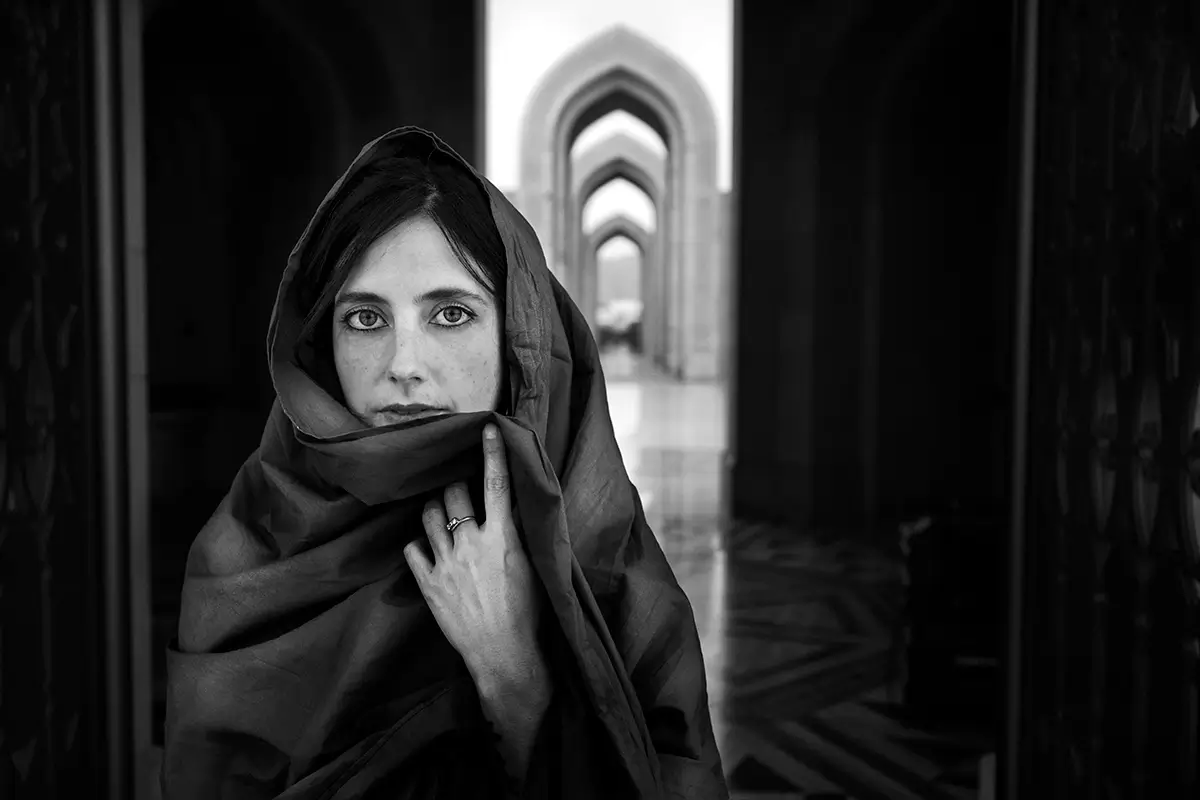
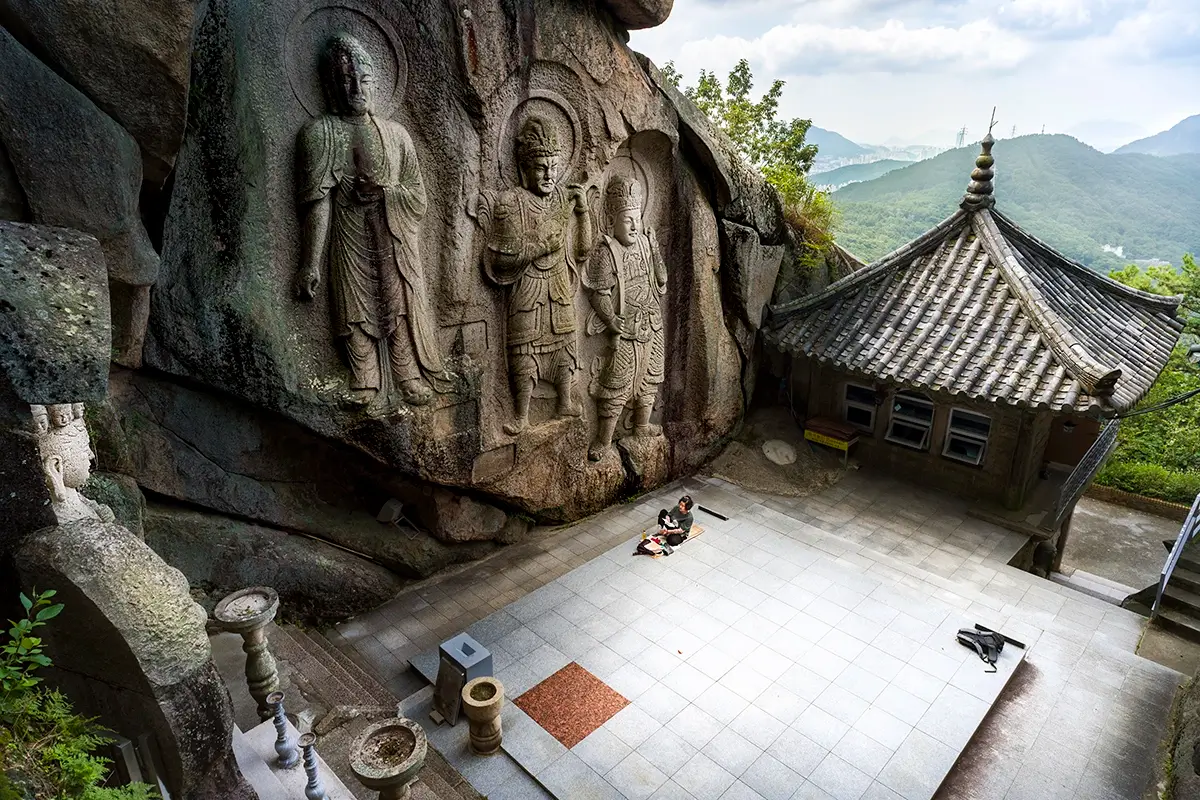
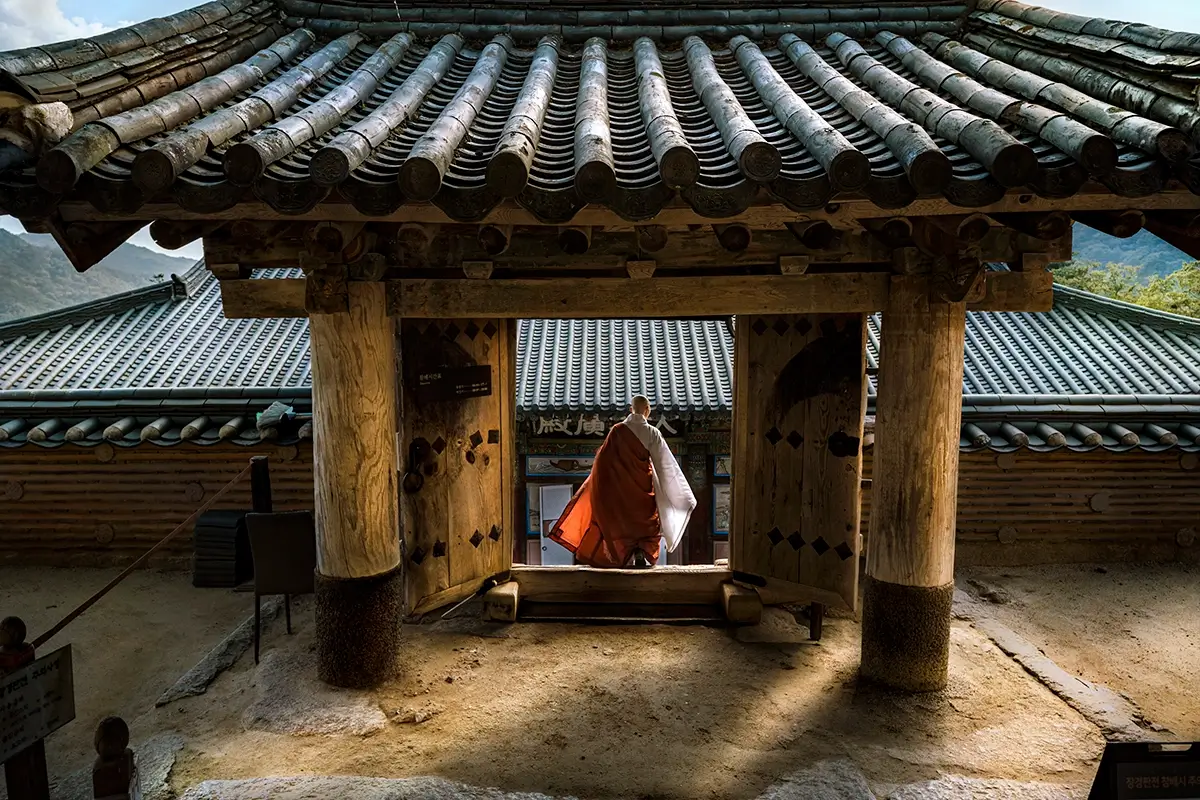
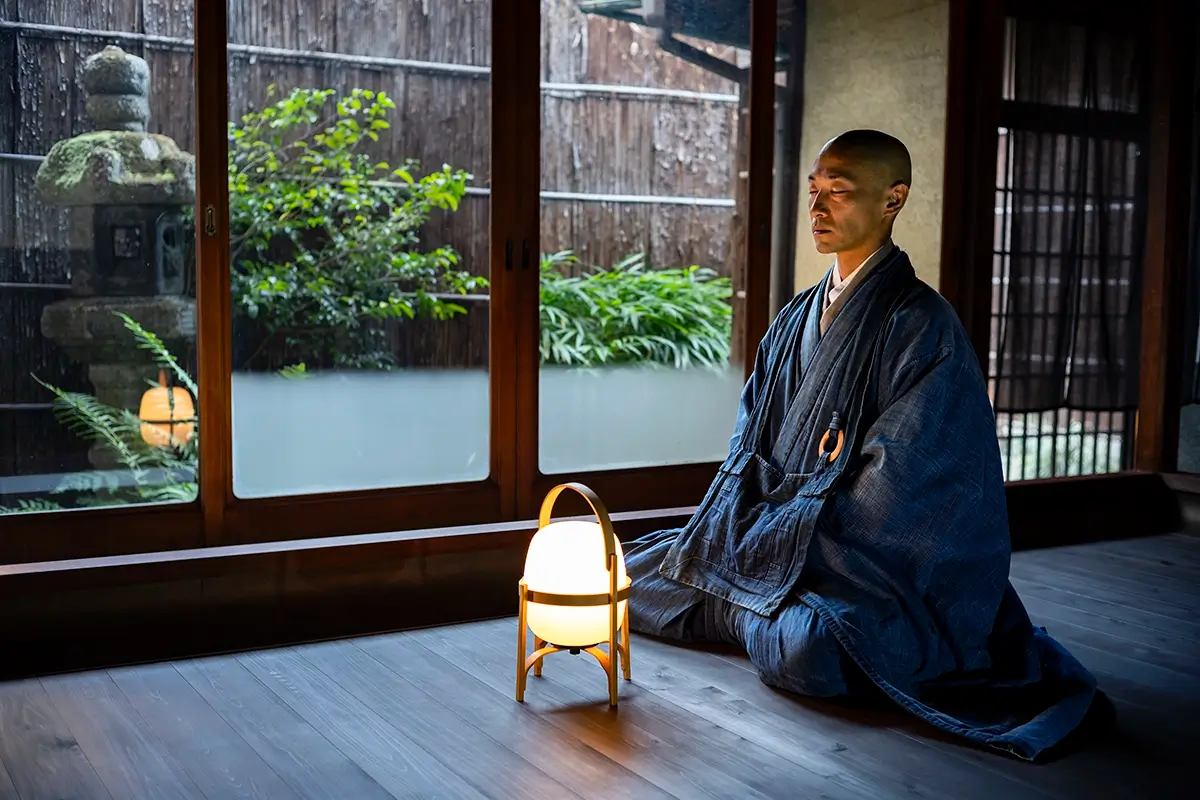
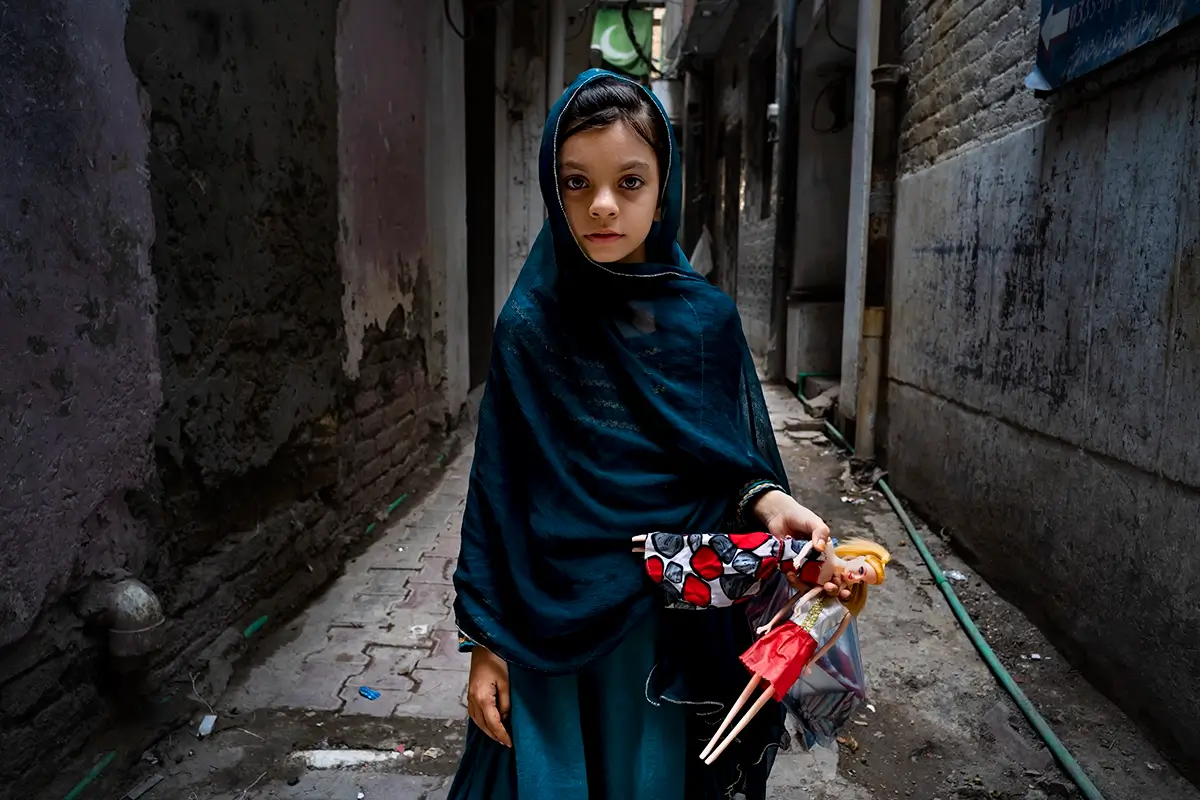
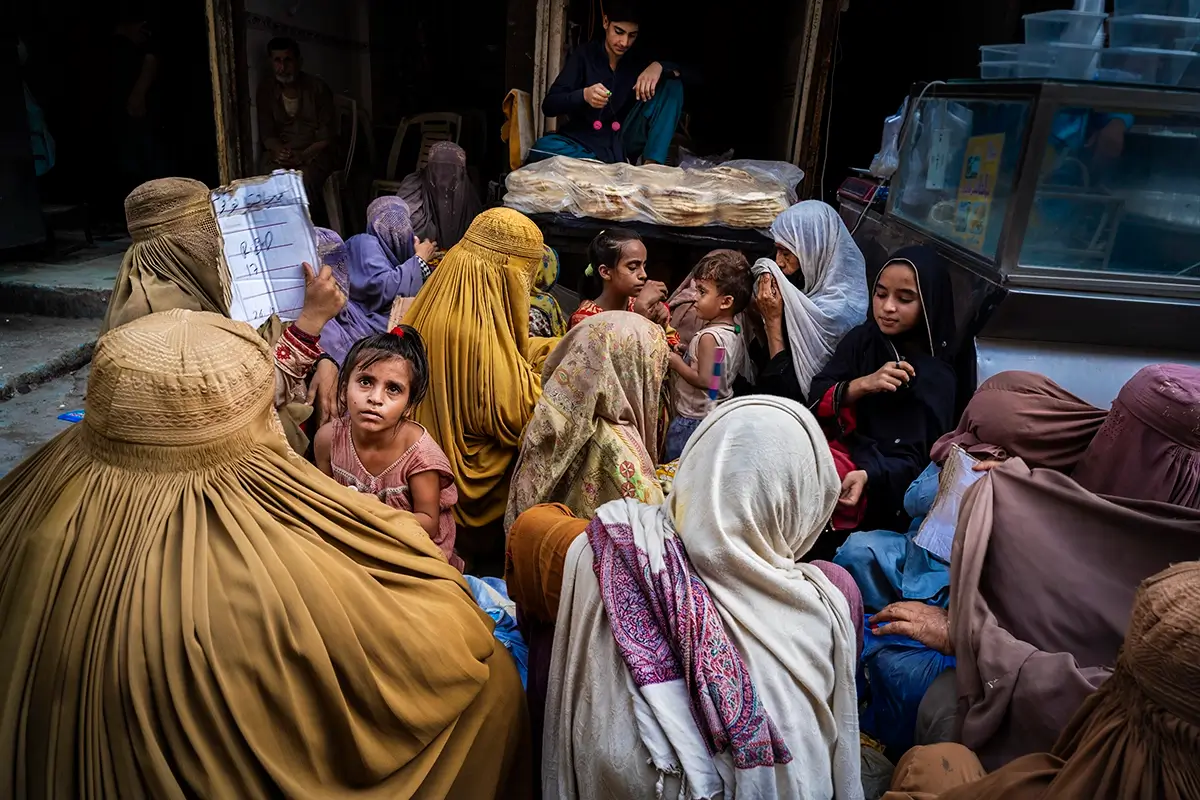
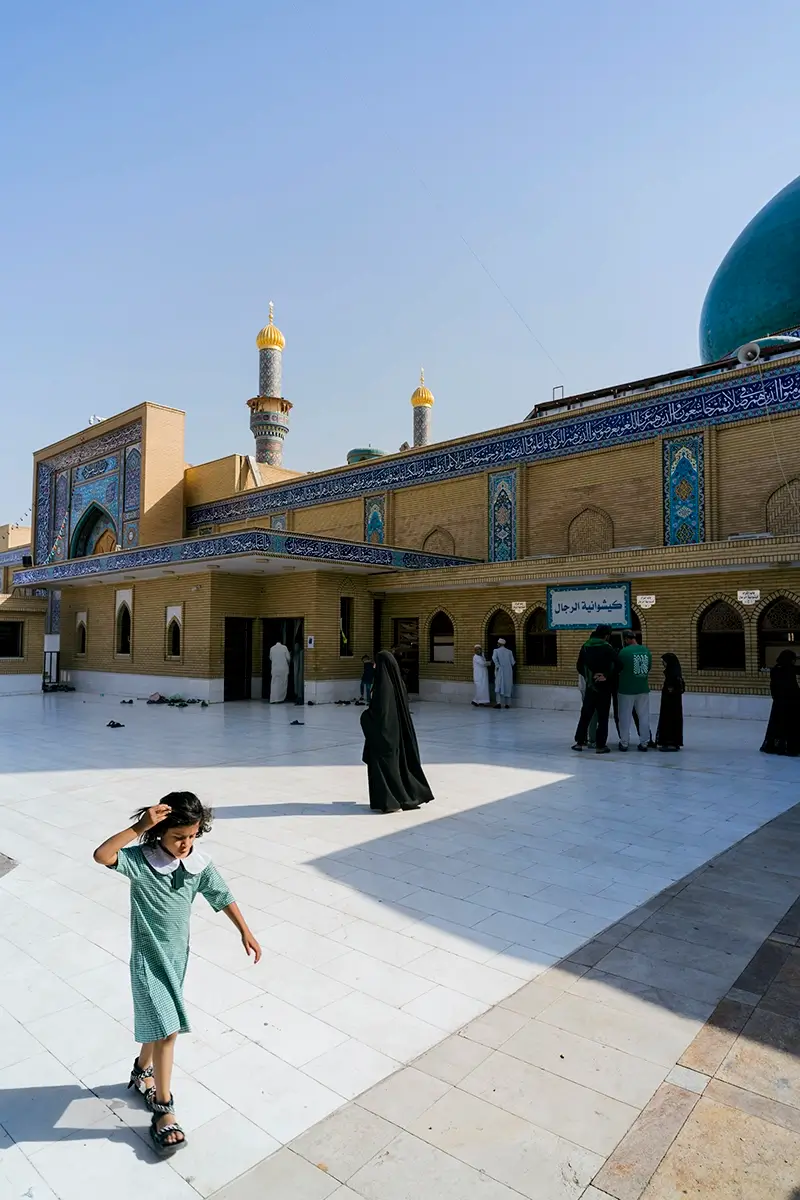
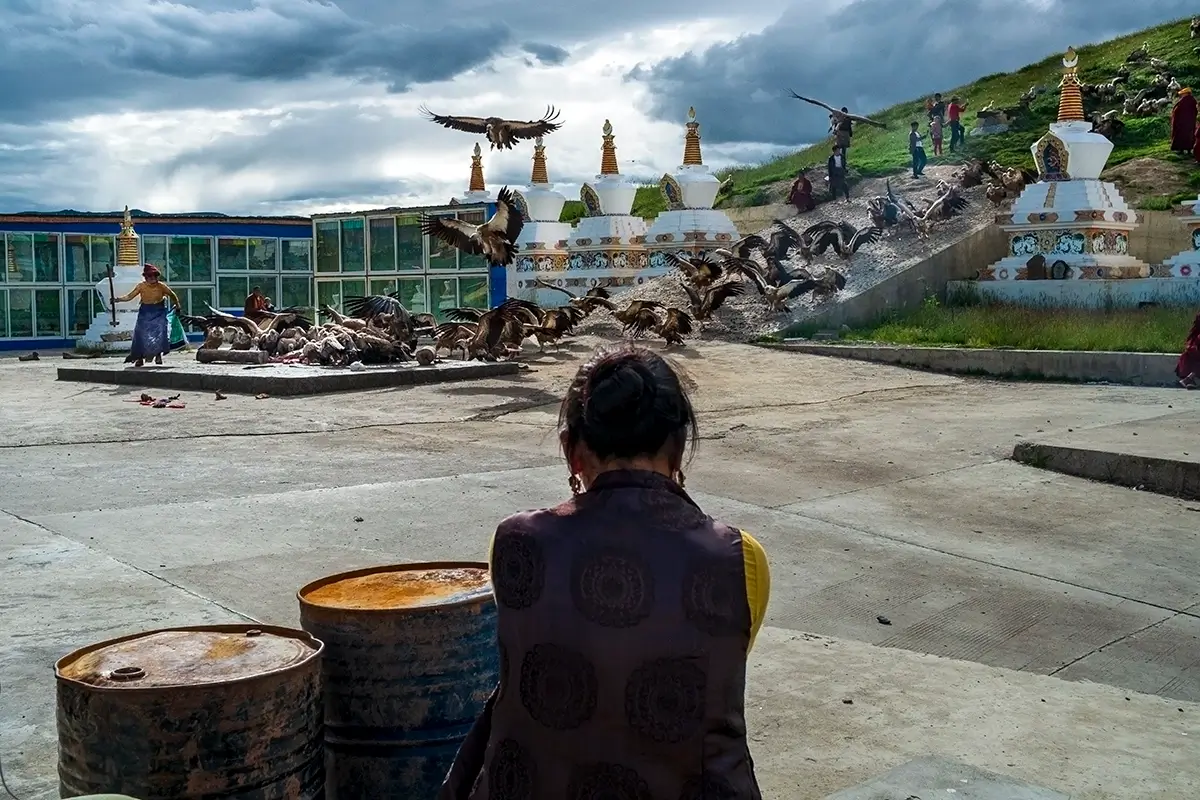
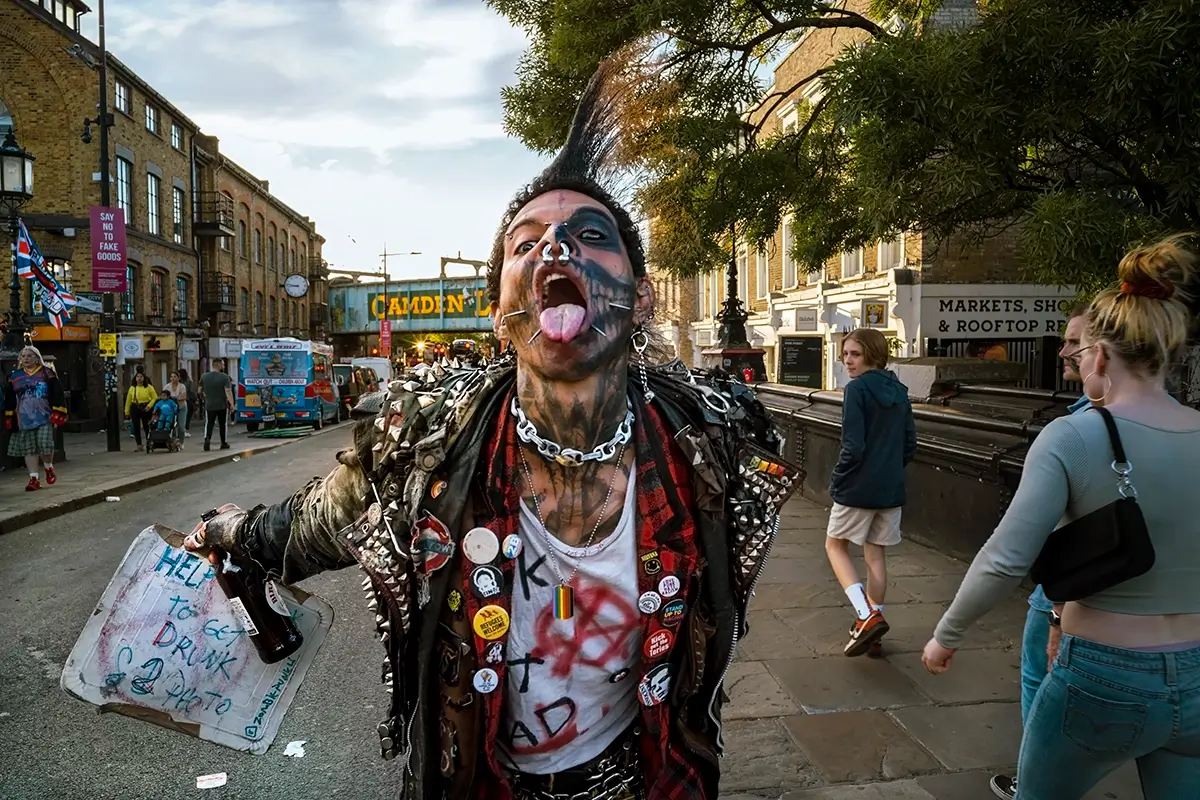
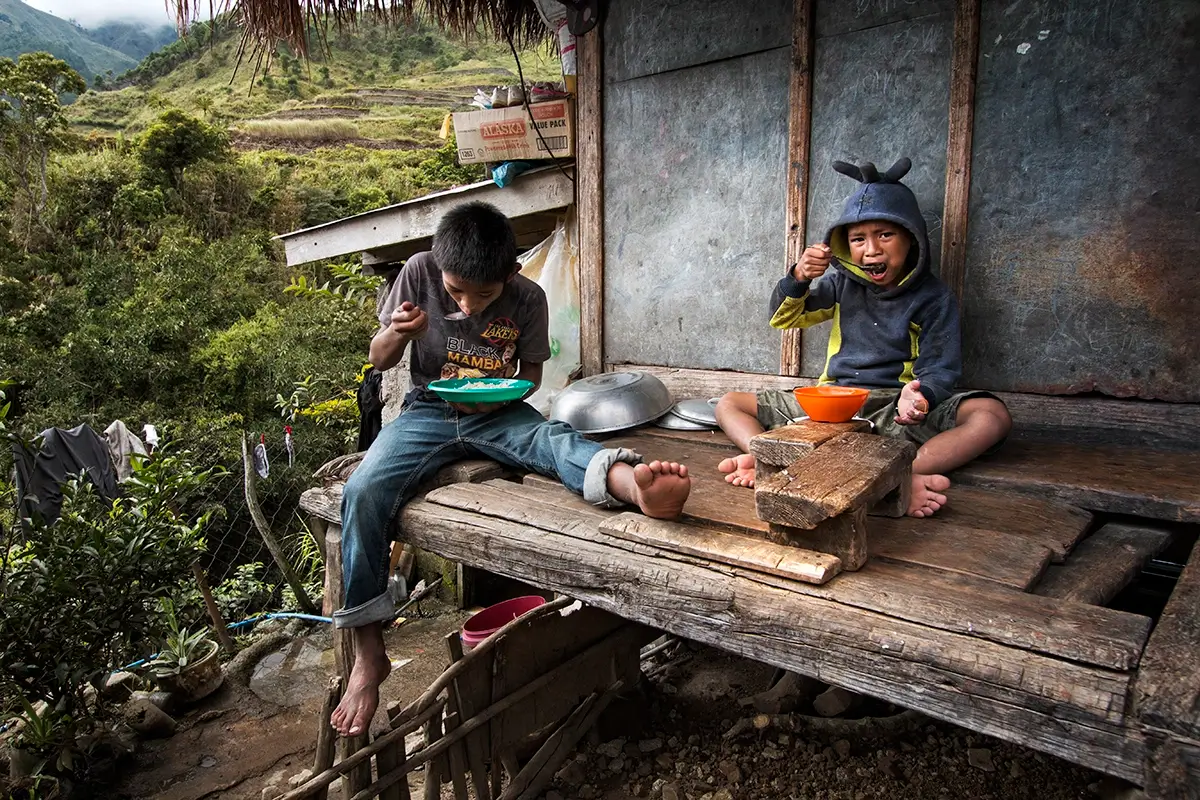
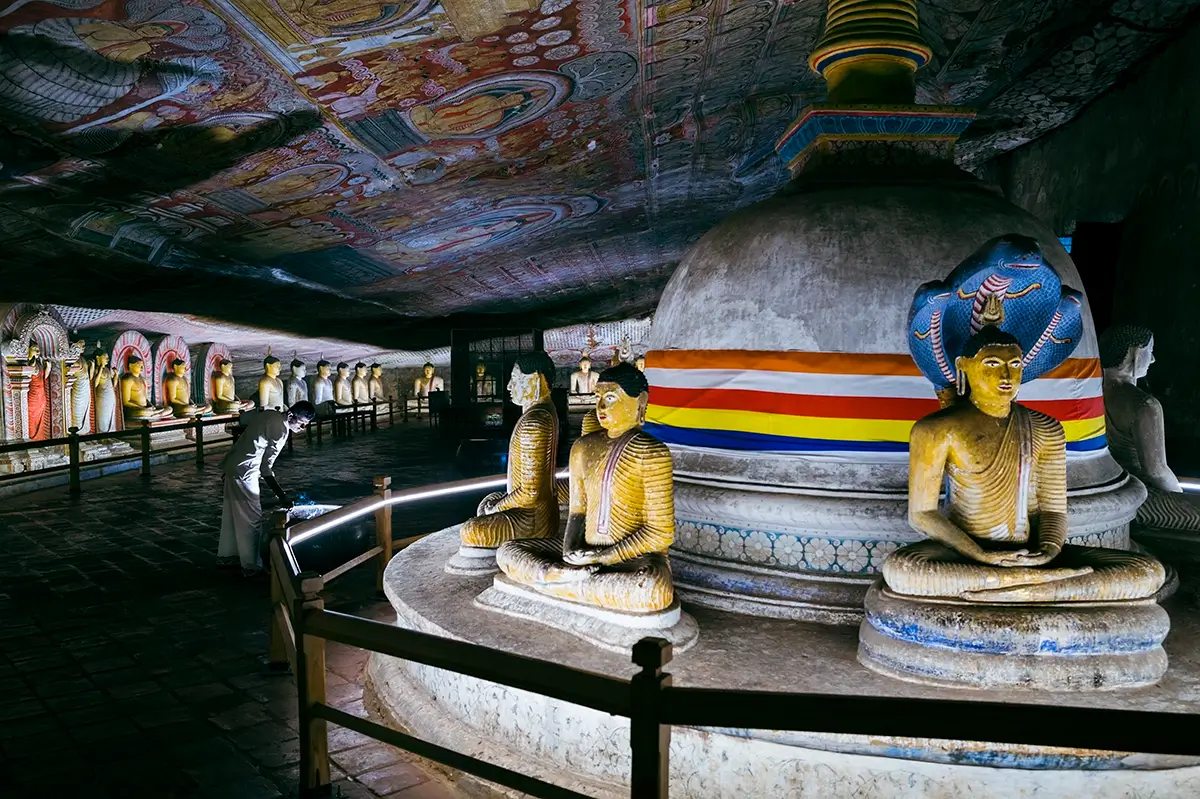
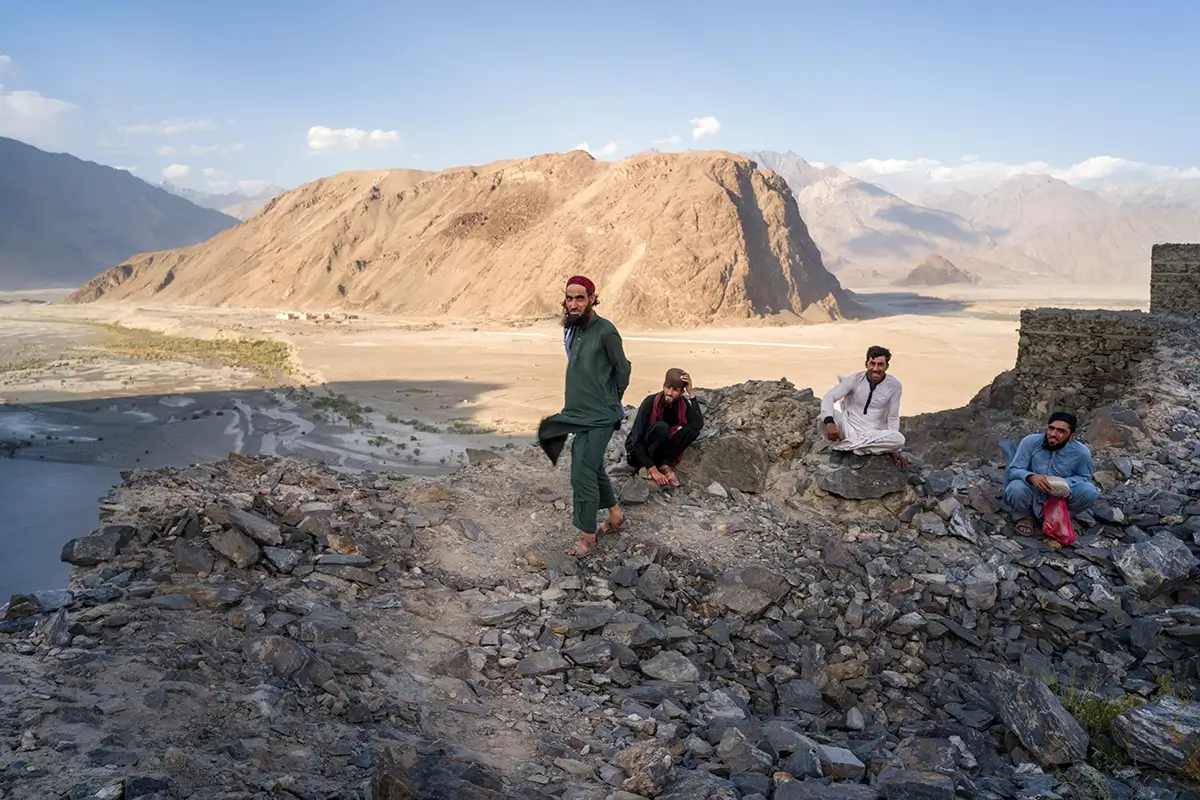
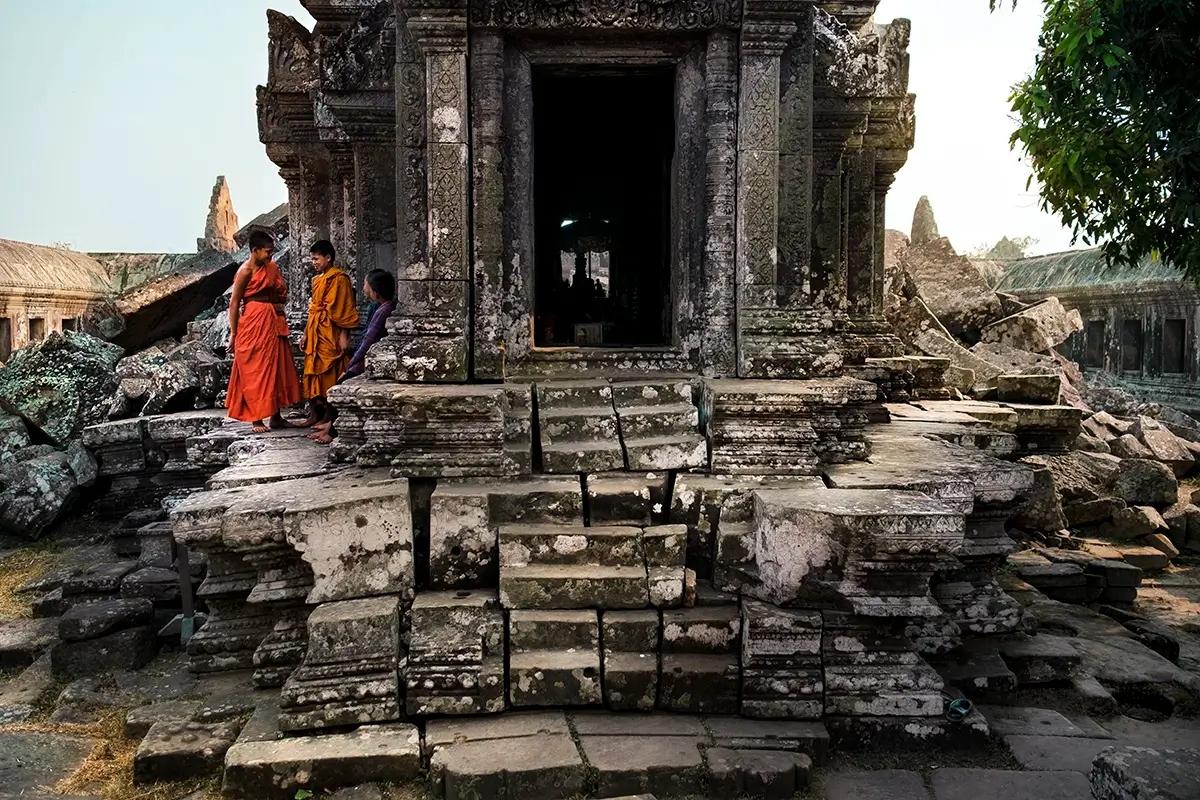
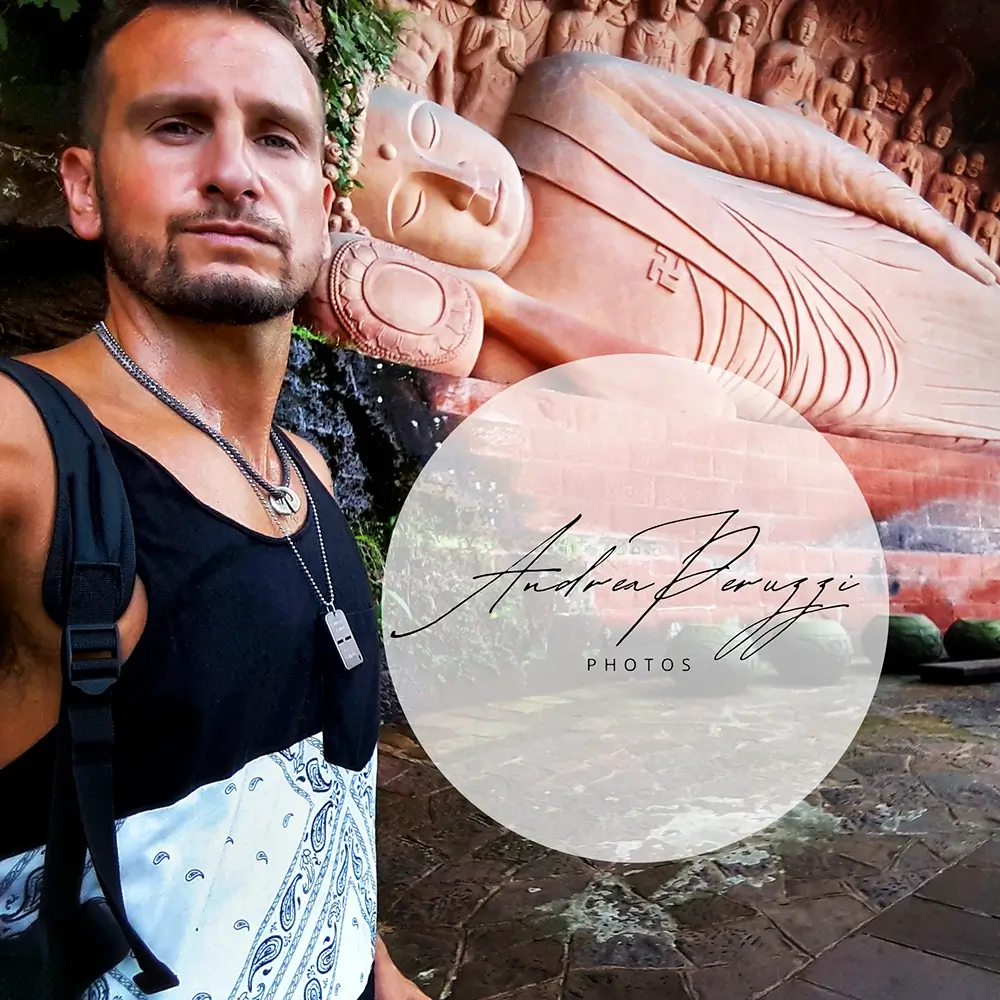
Andrea Peruzzi is an Italian travel photographer and documentary photographer.
Born in 1983 in Florence, the cradle of the Renaissance, and immersed in the Tuscan countryside, he grew up fascinated by history and nature. As a teenager, he began capturing places and moments with simple analog cameras.

In 2010, he purchased his first digital camera, marking the beginning of his photography journey. Andrea travels light, "with camera and backpack," seeking the true essence of the places he visits and the people he meets. He values authentic connections and mutual respect, which enrich his emotional and intellectual experience with each journey.

Attracted by cultural diversity, Andrea has traveled from the vibrant piazzas of Florence to remote villages around the world, documenting the daily lives of communities that preserve their traditions, untouched by globalization and mass tourism.

His work has received numerous international awards, publications and photography exhibitions.
Today Andrea Peruzzi continues to travel and “see the nations through the people’s eyes” documenting humanity in all its depth and diversity.

AAP Competitions

All About Photo Awards 2024
AAP Magazine 45 Travels
AAP Magazine 53 Travels

 

Inspiring Portfolios

Call for Entries
All About Photo Awards 2026
$5,000 Cash Prizes! Juror: Steve McCurry
 
Stay up-to-date  with call for entries, deadlines and other news about exhibitions, galleries, publications, & special events.

More Great Photographers To Discover

Georgi Zelma
Russia
1906 | † 1984
Georgi Zelma (1906-1984) is best known for his photographs of Central Asia in the 1920s, of major industrial projects in the early days of the Soviet Union, and of World War II (especially the Battle of Stalingrad). Zelma was a major contributor to the Constructivist photography movement through the 1920s and 30s, working alongside such masters as Aleksandr Rodchenko, El Lissitzky and Boris Ignatovich.Source: Nailya Alexander Gallery Georgi Zelma was born in Tashkent in 1906. The family moved to Moscow in 1921 and Zelma eventually found work at the Proletkino film studios. Later he joined the Russfoto Agency and from 1924 to 1927 was their correspondent in Uzbekistan, Afghanistan, Iran and Central Asia. A large number of his photographs appeared in Pravda. Zelma served in the Red Army (1927-29) before working briefly in Tashkent. In 1930 Zelma joined Souizfoto Agency and his assignments included taking photographs of collective farms and military exercises. His pictures often appeared in the propaganda magazine, USSR in Construction. During the Second World War Zelma worked for Izvestia and took photographs in Moldova, Odessa and the Ukraine. He also covered the battle of Stalingrad. Source: Spartacus Educational Born in Tashkent, Uzbekistan, in 1906, Georgii Anatolevich Zelma moved to Moscow with his family in 1921, where he began taking pictures with an old 9 x 12 Kodak camera. His first experiences as a photographer took place at the Proletkino film studios and during theater repetitions for the magazine Teatr. He soon joined the Russfoto agency. From 1924 to 1927, he returned to his homeland as a correspondent for Uzbekistan, Afghanistan, Iran and Central Asia in order to document Islamic culture being reformed by Soviet socialist reconstruction. This work was published in Pravda Vostoka. In 1927, Zelma was enlisted in the ranks of the Red Army, serving in Moscow. After the demobilization in 1929, he returned to Tashkent and worked briefly for the Uzbek cinema chronicles. In Moscow, he entered the team of Soiuzfoto and received a Leica. Through the 1930s, he was sent on assignment to the mines and factories in the Donbass region, to Collective Farms in Tula province and to the Soviet Military maneuvers in the Black Sea region. He worked with Roman Karmen on the stories The USSR from the Air and Ten Years of the Soviet Socialist Republic of Iakutia, which were published in the propaganda magazine “USSR in Construction”. For this magazine he also collaborated with Max Alpert and Aleksandr Rodchenko. During World War II, he was a correspondent for Isvestiia stationed at the front-line campaigns in Moldova, Odessa, and Ukraine. His most memorable photographs are of the Battle of Stalingrad, where he spent the severe winter of 1942-43. After the war, Zelma worked for the magazine Ogonek and from 1962 for the Novosti press agency. He died in 1984. Source: Lumiere Gallery
George Hoyningen-Huene
United States/France
1900 | † 1968
Baron George Hoyningen-Huene was a seminal fashion photographer of the 1920s and 1930s. He was born in Russia to Baltic German and American parents and spent his working life in France, England, and the United States. Born in Saint Petersburg, Russia, on September 4, 1900, Hoyningen-Huene was the only son of Baron Barthold Theodor Hermann (Theodorevitch) von Hoyningen-Huene (1859-1942), a Baltic nobleman, military officer, and lord of Navesti manor (near Võhma), and his wife, Emily Anne "Nan" Lothrop (1860-1927), a daughter of George Van Ness Lothrop, an American minister to Russia. (The couple was married in Detroit, Michigan, in 1888.) He had two sisters. Helen (died 1976) became a fashion designer in France and the United States, using the name Helen de Huene. Elizabeth (1891-1973), also known as Betty, also became a fashion designer (using the name Mme. Yteb in the 1920s and 1930s) and married, first, Baron Wrangel, and, second, Lt. Col. Charles Norman Buzzard, a British Army officer. During the Russian Revolution, the Hoyningen-Huenes fled to first London, and later Paris. By 1925 George had already worked his way up to chief of photography of the French Vogue. In 1931 he met Horst, the future photographer, who became his lover and frequent model and traveled to England with him that winter. While there, they visited photographer Cecil Beaton, who was working for the British edition of Vogue. In 1931, Horst began his association with Vogue, publishing his first photograph in the French edition of Vogue in November of that year. In 1935 Hoyningen-Huene moved to New York City where he did most of his work for Harper's Bazaar. He published two art books on Greece and Egypt before relocating to Hollywood, where he earned his wedge by shooting glamorous portraits for the film industry. Hoyningen-Huene worked in huge studios and with whatever lighting worked best. Beyond fashion, he was a master portraitist as well from Hollywood stars to other celebrities. He also worked in Hollywood in various capacities in the film industry, working closely with George Cukor, notably as a special visual and color consultant for the 1954 Judy Garland movie A Star Is Born. He served a similar role for the 1957 film Les Girls, which starred Kay Kendall and Mitzi Gaynor, the Sophia Loren film Heller in Pink Tights, and The Chapman Report. In 1952 his cousin Baron Ernst Lyssardt von Hoyningen-Huene, whom he had adopted, married Nancy Oakes, the daughter of the gold mining tycoon Sir Harry Oakes. That union lasted until 1956 and produced one son Baron Alexander von Hoyningen-Huene, also known as Sasha. He died at 68 years of age in Los Angeles. Source: Wikipedia
Trevor Cole
To capture people and landscapes and the interactions between them in the light of a world in transition is to encapsulate an inimitable moment, which will never again materialise. My own 'take' as a geographer photographer! Born in the City of Derry, but I have lived most of my life outside the bounds of Ireland; in England, Singapore, Togo, Italy, Ethiopia and Brazil. I returned to Ireland (Donegal) in 2012. My photography, together with travel, have become two of my life's passions. My photography focuses predominantly on culture and landscapes; images which reflect a spatial and temporal journey through life and which try to convey a need to live in a more sustainable world. I seek the moment and the light in whatever context I find myself and endeavour to use my photographic acumen to turn the ordinary into the extraordinary. I lead small photo tours in my 'own Donegal' and Ireland but also to other destinations. I lived in Ethiopia from 2006-2010 and since then have returned to take photographers to the Western and Eastern Omo, Harar, the Danakil desert and the highlands of Ethiopia. Additionally I take photo tours to Chad, Angola and South Sudan, Iceland, Namibia and India as well as travelling myself to discover and capture in new locations. I aspire to have a vision for tomorrow - An Alternative Vision. I believe that photography can capture those inimitable moments and empower us to make a positive change in our world. Article: Exclusive Interview AAP Magazine: AAP Magazine 10 Portrait AAP Magazine 51 Colors
Soumya Sankar Bose
I am a documentary photographer based in India. I did my Post graduate diploma in photography from Pathshala South Asian Media Institute.Born in 1990 Midnapore - Lives and works in KolkataAwards and Fellowships: The Toto-Tasveer Emerging Photographer of the Year. India foundation for the Arts grant for the Project "Let's Sing an Old Song". Magnum Foundation's Photography and Social Justice Fellowship for the Project "Full Moon in a Dark night"Publications: The Telegraph, The Indian Express , Better Photography, Kindle Magazine, Mint Lounge, The Caravan, Wired, A’int-Bad Magazine, Platform, Harmony . As well as online portals such as Scroll.in, The Huffington Post, BBC Online, Gallery Carte Blanche, F-Stop Magazine, Galli Magazine, Fltr , Medium and etc. AAP: Do you have a mentor or role model? Yes, Shahidul Alam who is the principal of Pathshala .And Morten Krogvold was one of my mentor during Chobimela VII .AAP: Do you remember your first shot? What was it?I don't remember my first shot exactly but when I was 7-8 years old, I got a Kodak KB10 from my mother and then I started to capture each and everything around me.AAP: What or who inspires you?My Parents ,Friends, Barnali But mostly my Grand father whose photographs inspire me to become a photographer in my childhood.AAP: How could you describe your style?Once one of my mentor Hasib Zakaria told me that my work is about hyper real. "Hyper reality is seen as a condition in which what is real and what is fiction are seamlessly blended together so that there is no clear distinction between where one ends and the other begins."AAP: What kind of gear do you use? Camera, lens, digital, film?I like to shoot only on 35mm Prime lens in Film and Digital both.AAP: Do you spend a lot of time editing your images? For what purpose?I don't spend lot of time in editing my pictures but what I keep in mind during my editing is that I should not off-tracked.AAP: Favorite(s) photographer(s)?Alec Soth, Stfan bladh, Graciela Iturbide, Diane Arbus, Dayanita Singh and so on.AAP: What advice would you give a young photographer?I am also a young Photographer.AAP: What are your projects?My project documents retired Jatra artists (Jatra is four hundred years old Bengali folk theater which is disappearing day by day) or who have been working in Jatra for more than 25-30 years.AAP: Your favorite photo book?Calcutta Ladies by Dayanita Singh, Fauna and Flora by Dietmar Busse and so on.
Gueorgui Pinkhassov
France / Russia
1953
Gueorgui Pinkhassov is a photographer, born in Moscow in 1953. He is a member of Magnum Photos. Pinkhassov began his interest in photography in his teens, and enrolled at the Moscow Institute of Cinematography (VGIK) in 1969. Following college and two years in the army, he joined the film crew at Mosfilm. Continuing his interest in still photography he became a set photographer at the studio. His work was noticed by the film director Andrei Tarkovsky, who invited Pinkhassov to work on the set of his film Stalker. Being awarded independent artist status by the Moscow Union of Graphic Arts in 1978 allowed Pinkhassov far more freedom to travel, allowing him to exhibit his work internationally. In 1979 his work was noticed outside of Russia for the first time, in a group exhibition of Soviet photographers held in Paris. Previously, his work had mainly been seen in a number of Russian magazines, including L'artiste Sovietique. His acceptance by the Magnum Photos agency in 1988 opened up his work to a wider audience. He worked for the international media covering major events in Lithuania, Mongolia, Indonesia, and Africa. Returning to Moscow to cover the 1991 Coup, for the New York Times. In 1995, he received a photographic scholarship from the city, and in 1998, he published the book Sightwalk, photographs of Japan. Pinkhassov is now a French citizen, living in Paris.Source: Wikipedia Gueorgui Pinkhassov is known for his vivid art-reportage, which elevates the everyday to the extraordinary. His richly-colored images are absorbing, complex and poetic—sometimes bordering on an abstraction which embraces the visual complexity of contemporary life. As well as his global documentary work, Pinkhassov has photographed iconic cultural events from Cannes Film Festival to backstage at Paris Fashion Week. “It is foolish to change the vector of chaos. You shouldn’t try to control it, but fall into it” he says of his approach. Born in Moscow in 1952, Pinkhassov’s interest in photography began while he was still at school. After studying cinematography at the VGIK (The Moscow Institute of Cinematography), he went on to work at the Mosfilm studio as a cameraman and then as an on-set photographer. He joined the Moscow Union of Graphic Artists in 1978, which allowed him more freedom to travel and exhibit internationally. His work was soon noticed by the prominent Russian filmmaker Andrei Tarkovsky, who invited him to make a reportage about his film Stalker (1979). Recent work includes his study of Blackpool Illuminations in 2018, an ongoing series of city portraits illuminating places as varied as Beirut, Lisbon, Venice, Moscow and Nancy, and his coverage of the clashes between Anti-government protesters and police in the Ukrainian capital, Kyiv in 2014. Today, he works regularly for the international press, particularly for Geo, Actuel and The New York Times Magazine. He joined Magnum Photos in 1988.Source: Magnum Photos
Imogen Cunningham
United States
1883 | † 1976
Imogen Cunningham is renowned as one of the greatest American women photographers. In 1901, having sent away $15 for her first camera, she commenced what would become the longest photographic career in the history of the medium... Cunningham soon turned her attention to both the nude as well as native plant forms in her back garden. The results were staggering; an amazing body of work comprised of bold, contemporary forms. These works are characterized by a visual precision that is not scientific, but which presents the lines and textures of her subjects articulated by natural light and their own gestures. Her refreshing, yet formal and sensitive floral images from the 1920’s ultimately became her most acclaimed images. Cunningham also had an intuitive command of portraiture but her real artistic legacy was secured though her inclusion in the "F64" show in San Francisco in 1932. With a small group of photographers which included Edward Weston and Ansel Adams, she pioneered the renewal of photography on the West Coast. Awarded a Guggenheim Fellowship, Cunningham’s work continues to be exhibited and collected around the world.Source: Photography West Gallery I never divide photographers into creative and uncreative, I just call them photographers. Who is creative? How do you know who is creative or not? -- Imogen Cunningham Cunningham was born in Portland, Oregon, in 1883. In 1901, at the age of eighteen, Cunningham bought her first camera, a 4x5 inch view camera, from the American School of Art in Scranton, Pennsylvania. She soon lost interest and sold the camera to a friend. It wasn’t until 1906, while studying at the University of Washington in Seattle, that she was inspired by an encounter with the work of Gertrude Käsebier, to take up photography again. With the help of her chemistry professor, Dr. Horace Byers, she began to study the chemistry behind photography and she subsidized her tuition by photographing plants for the botany department. After being graduated in 1907 Cunningham went to work for Edward S. Curtis in his Seattle studio, gaining knowledge about the portrait business and practical photography. In 1909, Cunningham won a scholarship from her sorority (Pi Beta Phi) for foreign study and applied to study with Professor Robert Luther at the Technische Hochschule in Dresden, Germany. In Dresden she concentrated on her studies and didn’t take many photographs. In May 1910 she finished her paper, “About the Direct Development of Platinum Paper for Brown Tones,” describing her process to increase printing speed, improve clarity of highlights tones, and produce sepia tones. On her way back to Seattle she met Alvin Langdon Coburn in London, and Alfred Stieglitz and Gertrude Käsebier in New York. In Seattle, Cunningham opened her studio and won acclaim for portraiture and pictorial work. Most of her studio work of this time consisted of sitters in their own homes, in her living room, or in the woods surrounding Cunningham's cottage. She became a sought-after photographer and exhibited at the Brooklyn Academy of Arts and Sciences in 1913. In 1914, Cunningham's portraits were shown at An International Exhibition of Pictorial Photography in New York. Wilson's Photographic Magazine published a portfolio of her work. The next year, she married Roi Partridge, a teacher and artist. He posed for a series of nude photographs, which were shown by the Seattle Fine Arts Society. Although critically praised, Cunningham didn’t revisit those photographs for another fifty-five years. Between 1915 and 1920, Cunningham continued her work and had three children (Gryffyd, Rondal, and Padraic) with Partridge. In 1920, they moved to San Francisco where Partridge taught at Mills College. Cunningham refined her style, taking a greater interest in pattern and detail and becoming increasingly interested in botanical photography, especially flowers. Between 1923 and 1925 she carried out an in-depth study of the magnolia flower. Later in the decade she turned her attention toward industry, creating several series of industrial landscapes in Los Angeles and Oakland. In 1929, Edward Weston nominated 10 of Cunningham's photographs (8 botanical, 1 industrial, and 1 nude) for inclusion in the Film und Foto exhibition and her renowned, Two Callas, debuted in that exhibition. Cunningham once again changed direction, becoming more interested in the human form, particularly hands, and she was fascinated with the hands of artists and musicians. This interest led to her employment by Vanity Fair, photographing stars without make-up. In 1932, with this unsentimental, straightforward approach in mind, Cunningham became one of the co-founders of the Group f/64, which aimed to “define photography as an art form by a simple and direct presentation through purely photographic methods.” In 1934, Cunningham was invited to do some work in New York for Vanity Fair. Her husband wanted her to wait until he could travel with her, but she refused. They later divorced. She continued with Vanity Fair until it stopped publication in 1936. In the 1940s, Cunningham turned to documentary street photography, which she executed as a side project while supporting herself with her commercial and studio photography. In 1945, Cunningham was invited by Ansel Adams to accept a position as a faculty member for the art photography department at the California School of Fine Arts. Dorothea Lange and Minor White joined as well. In 1973, her work was exhibited at the Rencontres d'Arles festival in France through the group exhibition: Trois photographes américaines, Imogen Cunningham, Linda Connor, Judy Dater. Cunningham continued to take photographs until shortly before her death at age ninety-three on June 24, 1976, in San Francisco, California.Source: Wikipedia The imaginative photographer is always dreaming and trying to record his dream. -- Imogen Cunningham
Michael Nguyen
Germany
1958
Michael Nguyen is a photo artist and documentary photographer living near Munich, Germany. He takes photographs since 1988. He has been living in Munich since 2007 and moved to Gauting near Munich in 2015. After a long break in the cultural sector and after a sickness he has dedicated himself 2018 entirely to art again. He is an artist and a photographic poet who moves away from the mainstream, at the same time blurs genres. Most of the time, he focuses on small, ordinary things but through the subjective lens, he give them new perspectives, a new soul. I found my way to photography when I was a journalist for art and culture. One of my main subjects was "Greece", and there was a lot to do with photography. Then, in close cooperation with Dr. Matthias Harder (now Director of the Helmut Newton Foundation, Berlin), we laid the foundation for understanding the photographs of Herbert List and Walter Hege. Since then, photography has opened up a whole new world to me. Michael Nguyen roamed various cities in Bavaria during the Corona pandemic. A focus of his works since COVID-19 are urban landscapes as well as urban spaces in different cities. Urban spaces can all enrich a life between buildings. Since Covid-19, social interaction in the Urban landscapes with their spaces has lain fallow. Michael Nguyen conveys this sensitively in his mostly "deserted pictures“. Nguyen enters the motifs of his urban landscapes with a great deal of empathy. He makes the city, urban landscapes and architecture visible and documents them for posterity. With his artistic documentary photography he refers to a reality that we all know, but interprets this reality with his images. Everywhere I go, my eyes and senses are in motion. With my camera I capture little things that we often don't notice in everyday life. At the BIFA Budapest International Foto Awards 2020 his artwork "Antimatter" was awarded in December 2020 with Gold. In addition to his artistic activities, Michael Nguyen is in Editor-in-chief of the online magazine for photography and art: Tagree. End of March 2021 Michael Nguyen is nominated for the Tassilo Culture Prize of the Süddeutsche Zeitung. Süddeutsche Zeitung (SZ) is a German national daily newspaper. It is published in Munich. SZ is the second largest daily newspaper in Germany (as of October 2020). Promoting the cultural sector in the Munich area and motivating creative artists (these are the goals of the Tassilo Culture Prize), which the Süddeutsche Zeitung is offering for the eleventh time this year. The SZ Prize is named after the Bavarian Duke Tassilo. Statement Our head is round so that thinking can change direction - a sentence by the writer and artist Francis Picabia, who inspired me as a young man interested in art and the art scene. Art broadened my perspectives and saved my soul. In the 1980s and 1990s I was a journalist, poet, photographer and event manager. After almost two decades, I found my way back to art in the dark times of my life in early 2018. Yes, once again art has saved my soul. Everywhere I go, my eyes and senses are in motion. With my camera I capture little things that we often don't notice in everyday life. The power of design and the contradictions between art and life Munich's most colorful shopping center facade by Prof. Dr. Rainer Funke When will the containers be loaded? Such a question comes to mind when approaching the shopping mall built in 2008 from a distance. But stop! The intense colors of the seemingly stacked cubes and their sophisticated composition immediately give rise to other associations. As if someone had created a special order out of building blocks. One wonders whether this is already the perfect final state, as one tries to create with the Magic Cube, for example. The variety of combinations seems too great for this. Both that of the colors and that of the surface structures. Added to this are the manifold reflections and the astonishing visual dynamics. One does not seem to move past the building itself, but its facades begin to run, to turn, to flow. One is almost reminded of the dancing of the facades and interiors of baroque courtly buildings in downtown Munich. Instead of baroque figurativeness, however, here it is geometry. The closer one gets, the more details become visible. No, these are neither containers nor building blocks. The prismatic shape of the colored and reflective metal plates gives the building shell pronounced plasticity. One would not have expected so much sophistication from a shopping center, especially not here, where Munich hardly has anything typically Munich anymore and is fraying into the landscape. Whether red voluptuousness with bold blue, pastel sweetness, noble gold, lush, or pale green: the overwhelming power of color is, of course, the basic theme of the series of images, always in powerfully soaring, a contrast-rich vertical sequence of seemingly endless parallels. Michael Nguyen's imposing photographs take us very close to this color organ. They make us stand at attention on the parade ground of the verticals. Especially the severity of the composition in detail becomes a theme. This gesture appears once again mercilessly emphasized by Nguyen's camera, as refractions and disturbances emerge from close up. Two framed, square blue lockers, for instance, according to their dimensions probably placed on a blue ground with metallic fittings not colored blue - the attempt to hide them has failed. Nguyen places them in the center. The wonderful striped pattern is disturbed in this way, less perfect and also a bit more lifelike. We experience something similar with the door locks (here the hinges additionally form a counter-rotating rhythm), the intercom, and the stickers on two other images. As a photographer, Michael Nguyen is as uninhibitedly consistent as the facades depicted want to be but cannot be in the storm of life and entropy. The mirrored surfaces evoke almost poetic associations when nature and urban space gently and carefully combine in them (in one picture, the soft shapes of the snow remains are added). Here, too, Nguyen is provocative. One picture is intended to irritate through eight seemingly irregular horizontal cuts in the surrounding colour surfaces. And, of course, dirt and trash. Such a design focused on geometric color perfection is highly moralistic. It points its moral finger in full size at the viewers, admonishing us not to disturb order, to preserve perfection and cleanliness. When we then perceive small discarded things and in addition a dirty floor or even dirty facade surfaces, it hits us with full force. At the same time, we are referred to the particularity and artistic rapture of the facade. Even a traffic sign, placed somewhat askew and in turn, defaced with remnants of a sticker, emphasizes the distance of the art object from life. Even the clash of different grid dimensions of the facade strips and the paving of the sidewalk draws attention and distances. Here nothing has grown out of the ground, where it has been landed. This impression is further emphasized by the filigree grid structure of the surfaces pointing to the left. If then still objects stand before the work of art, like a somewhat demolished container for the clothes collection, an ashtray (nevertheless in strict vertical-orthogonal high-grade steel form and exactly aligned), or admittedly color-coordinated garbage can one wished a ban mile for objects around the building. People appear in two photos. They make us breathe a sigh of relief: yes, the whole thing is made for people. The two people in a picture, shot somewhat voyeuristically behind a lamppost, could, however, already be a bit tighter, more upright, and perhaps defilade past the facade in step! The man with his shopping cart, on the other hand, seems to want to save himself from the austerity of the backdrop into the organic world of the leafy settlement. In an impressive way, Michael Nguyen presents us with this photo series of a building as a work of art and thus points us to the power of design but also to the contradictions between art and life. Prof. Dr. Rainer Funke researches and publishes on design-theoretical issues from a semiotic, cultural-theoretical and philosophical perspective and works as a design consultant for companies. He teaches design theory at the Potsdam University of Applied Sciences. After studying philosophy at Martin Luther University Halle-Wittenberg, he earned his doctorate in semiotics and subsequently worked in design-theoretical research at Burg Giebichenstein - University of Art and Design Halle. In 1992, he was appointed to Potsdam as the founding dean of the Department of Design. Rainer Funke was the owner of a design agency, chairman of the board of the Brandenburg Design Center, and visiting professor at the University of Art and Industrial Design Linz. Design theory is supposed to motivate in an enlightening way by conveying methods for the analysis of design, especially for the manifold relations between perceptible forms of artifacts and their meanings in the context of the process of use. Design theory explicates modes of action and historically founded developmental relationships of design and their various influencing factors. (Prof. Dr. Rainer Funke) Exclusive Interview with Michael Nguyen
Advertisement
All About Photo Awards 2026
Win a Solo Exhibition in February
All About Photo Awards 2026

Latest Interviews

Exclusive Interview with Marijn Fidder
Marijn Fidder is a Dutch documentary photographer whose work powerfully engages with current affairs and contemporary social issues. Driven by a deep sense of social justice, she uses photography to speak on behalf of the voiceless and to advocate for the rights of those who are most vulnerable. Her images have been widely published in major international outlets including National Geographic, CNN Style, NRC Handelsblad, Volkskrant, GUP New Talent, and ZEIT Magazin. Her long-term commitment to disability rights—particularly through years of work in Uganda—culminated in her acclaimed project Inclusive Nation, which earned her the title of Photographer of the Year 2025 at the All About Photo Awards. She is also the recipient of multiple prestigious honors, including awards from World Press Photo and the Global Peace Photo Award. We asked her a few questions about her life and work.
Exclusive Interview with Josh S. Rose
Josh S. Rose is a multidisciplinary artist working across photography, film, and writing. His practice bridges visual and performing arts, with a strong focus on movement, emotion, and the expressive potential of the image. Known for his long-standing collaborations with leading dance companies and performers, Rose brings together authenticity and precise composition—a balance he describes as “technical romanticism.” His work has been commissioned and exhibited internationally, appearing in outlets such as Vogue, at the Super Bowl, in film festivals, and most recently as a large-scale installation for Lincoln Center for the Performing Arts. A sought-after collaborator, he has worked with major artists, cultural institutions, and brands, following a previous career as Chief Creative Officer at Interpublic Group and the founder of Humans Are Social. We asked him a few questions about his life and work.
Interview with Maureen Ruddy Burkhart
Photographer Maureen Ruddy Burkhart brings a quietly attentive and deeply human sensibility to her exploration of the world through images. Shaped by a life immersed in photography, film, and visual storytelling, her work is guided by intuition, observation, and an enduring interest in the emotional undercurrents of everyday life. With a practice rooted in both fine art traditions and documentary awareness, she approaches her subjects with sensitivity, allowing subtle moments to emerge naturally rather than be imposed. Her series Til Death, selected as the Solo Exhibition for February 2025, reflects this long-standing commitment to photography as a space for reflection rather than spectacle. Drawn to moments that exist just outside the expected frame, Burkhart’s images suggest narratives without resolving them, leaving room for ambiguity, humor, and quiet connection. We asked her a few questions about her life and work.
Exclusive Interview with Peter Ydeen
Winner of AAP Magazine #45 Travels, his series reflects this unique vision—capturing the spirit of place through subtle layers of light, color, and emotion. Whether traveling abroad or observing the rhythms of his own surroundings, Ydeen creates images that feel both grounded and enchanted, inviting viewers into a world where reality and reverie meet.
Exclusive Interview with Julie Wang
Chinese-born photographer Julie Wang brings a poetic, contemplative sensitivity to her visual exploration of the world. Having lived for nearly equal parts of her life in China, Europe, and the United States, she approaches her subjects with the nuanced perspective of someone shaped by many cultures. This blend of distance, curiosity, and emotional resonance infuses her work with a quiet depth, allowing her to reveal the fragile beauty and subtle tensions that often pass unnoticed.
Exclusive Interview with Ghawam Kouchaki
American photographer Ghawam Kouchaki brings a sharply observant and introspective gaze to the streets of Japan’s capital. Based in Los Angeles, he approaches Tokyo with the distance — and curiosity — of an outsider, allowing him to uncover the city’s subtle contradictions, quiet tensions, and fleeting gestures that often go unnoticed. His series Tokyo no no, selected as the Solo Exhibition for December 2024, explores the hidden undercurrents of urban life: the unspoken rules, the small ruptures in routine, the poetic strangeness found in everyday moments. Through muted tones, instinctive timing, and meticulous framing, Kouchaki reveals a Tokyo that exists somewhere between reality and imagination — both intimate and enigmatic. We asked him a few questions about his life and work.
Exclusive Interview with Tommi Viitala
Tommi Viitala, winner of AAP Magazine #44: Street, is a Finnish photographer celebrated for his striking and cinematic street photography. With a keen eye for atmosphere and composition, he captures fleeting urban moments that reveal the poetry of everyday life. His work often explores the tension between solitude and connection within contemporary cityscapes, blending documentary realism with artistic sensibility. Viitala’s photographs have been exhibited internationally and recognized for their strong visual storytelling and emotional depth. We asked him a few questions about his life and work.
Exclusive Interview with Robert Mack
Robert Mack is a California-based visual artist, photographer, and filmmaker. His fine art photography and films have been exhibited widely in the United States and Europe, with major shows at the Baltimore Museum of Art and the Reiss-Engelhorn Museum in Mannheim, Germany. Both institutions hold his work in their permanent collections. Working across different media, Mack has built a career exploring the complexities of human presence and representation. In 1981, while living in Baltimore, he produced The Perkins Project: Not Guilty by Reason of Insanity, a rare photographic and film study inside Maryland’s hospital for the criminally insane. These stark yet compassionate black-and-white portraits remain one of his most powerful and controversial bodies of work.
Exclusive Interview with Alan Schaller About Irys
Alan Schaller is a London-based photographer best known for his striking black-and-white street photography and as co-founder of Street Photography International, one of the largest online communities dedicated to the genre. With years of experience both behind the camera and in building platforms that give visibility to photographers, Schaller has now turned his focus to creating a new digital space for photography itself. His latest venture, Irys, is a photography app designed by photographers, for photographers, with the aim of offering a dedicated platform where images are respected as works of art rather than treated as disposable content.
Call for Entries
All About Photo Awards 2026
$5,000 Cash Prizes! Juror: Steve McCurry