All about photo.com: photo contests, photography exhibitions, galleries, photographers, books, schools and venues.
Submit your Best Project to Win a Solo Exhibition this March!
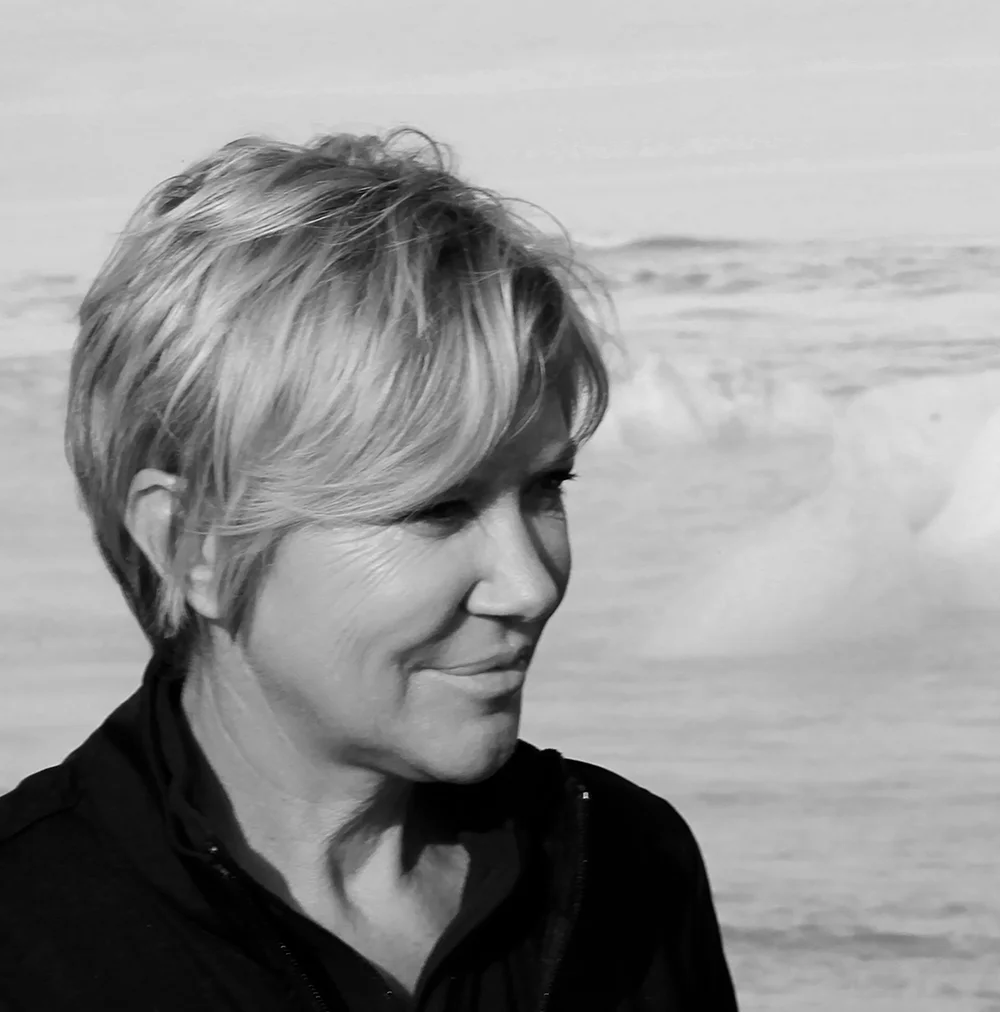
Brigitte Bourger
Brigitte Bourger
Brigitte Bourger

Brigitte Bourger

Country: France
Birth: 1954

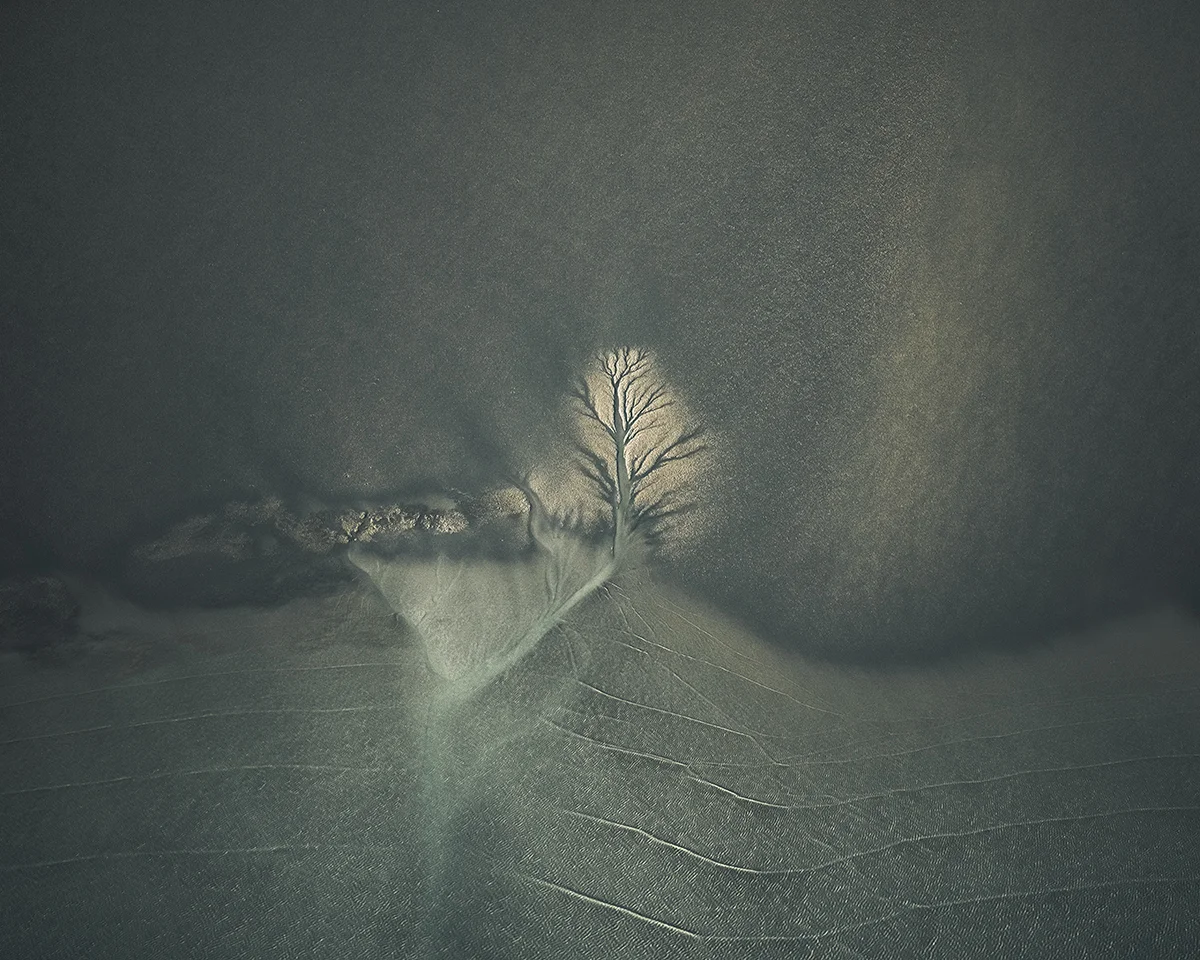
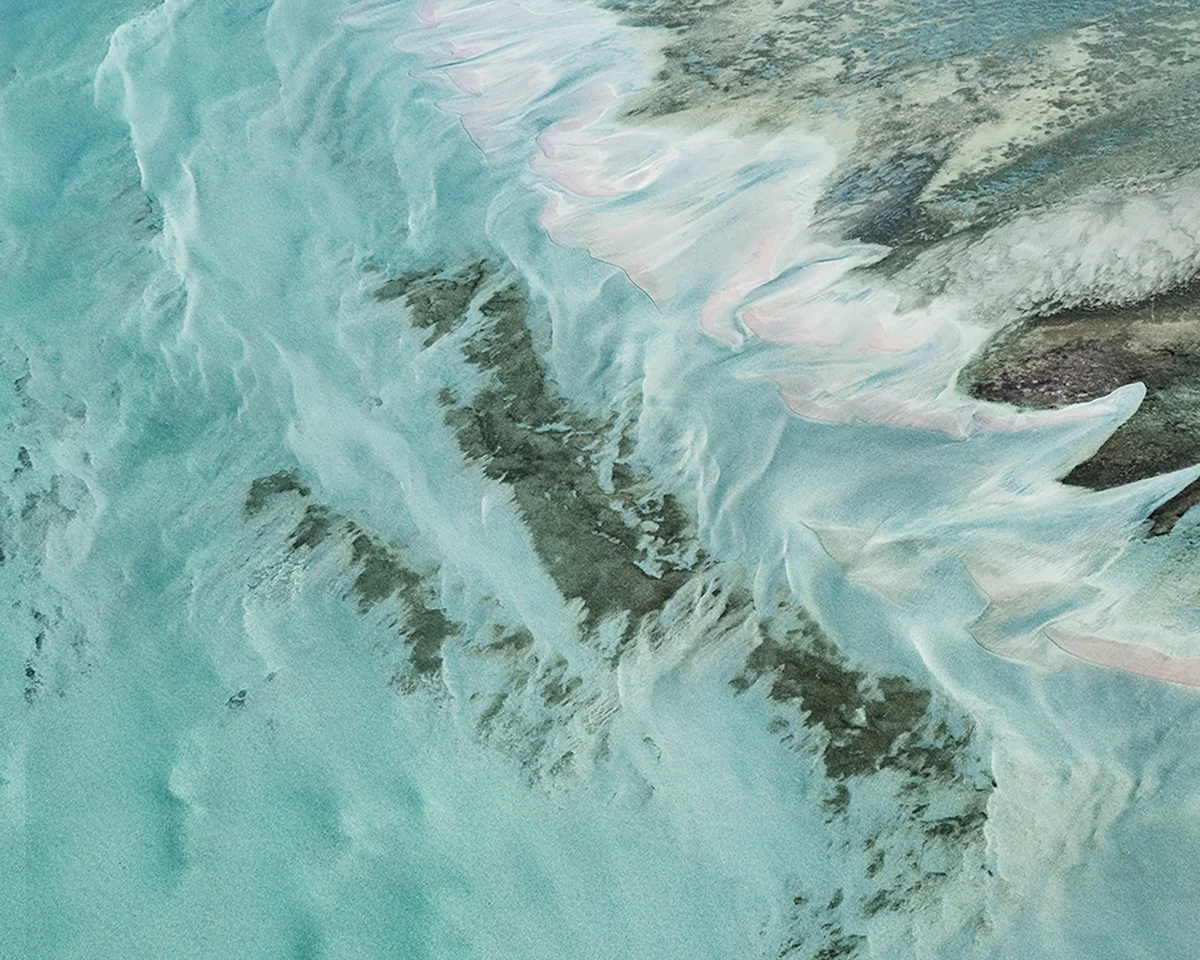
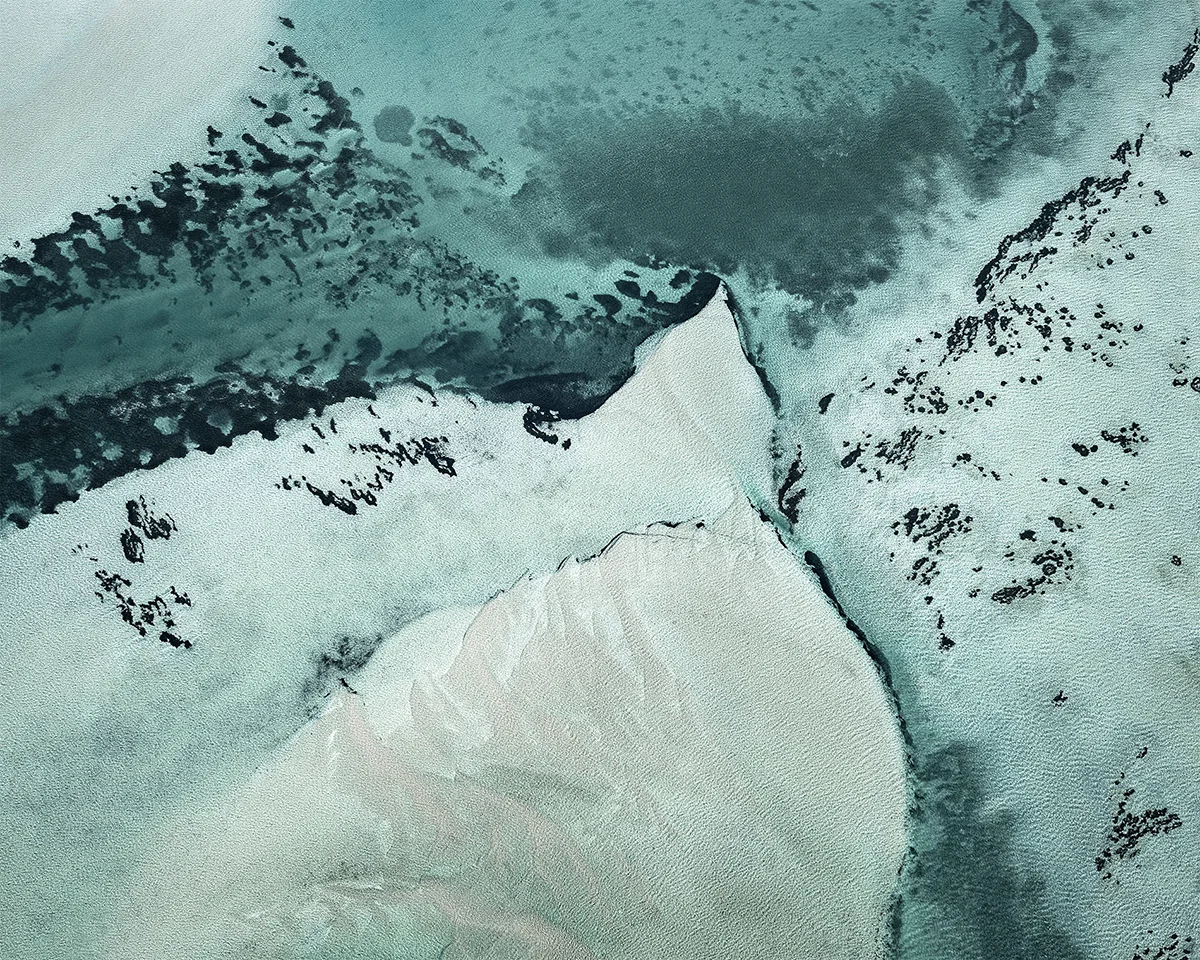
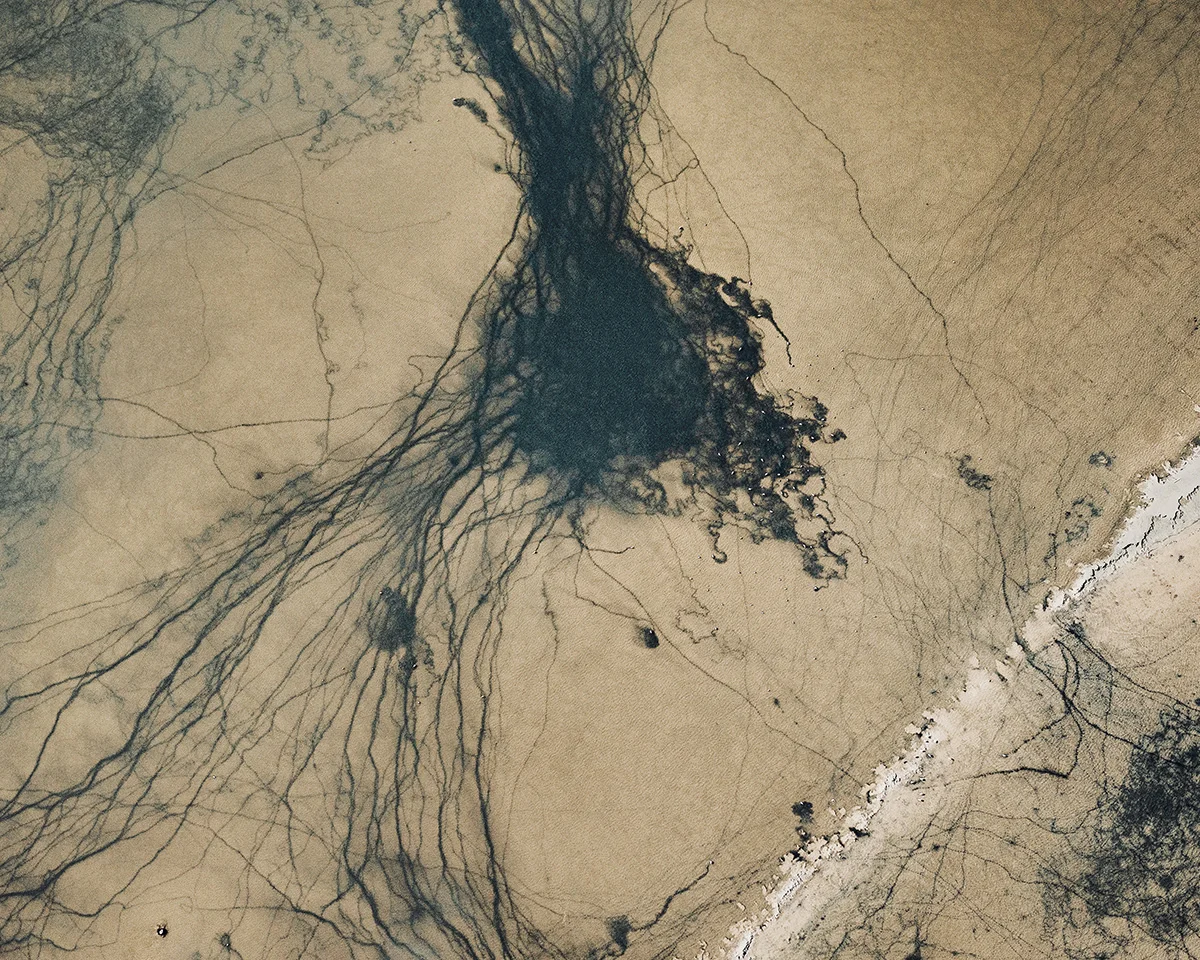
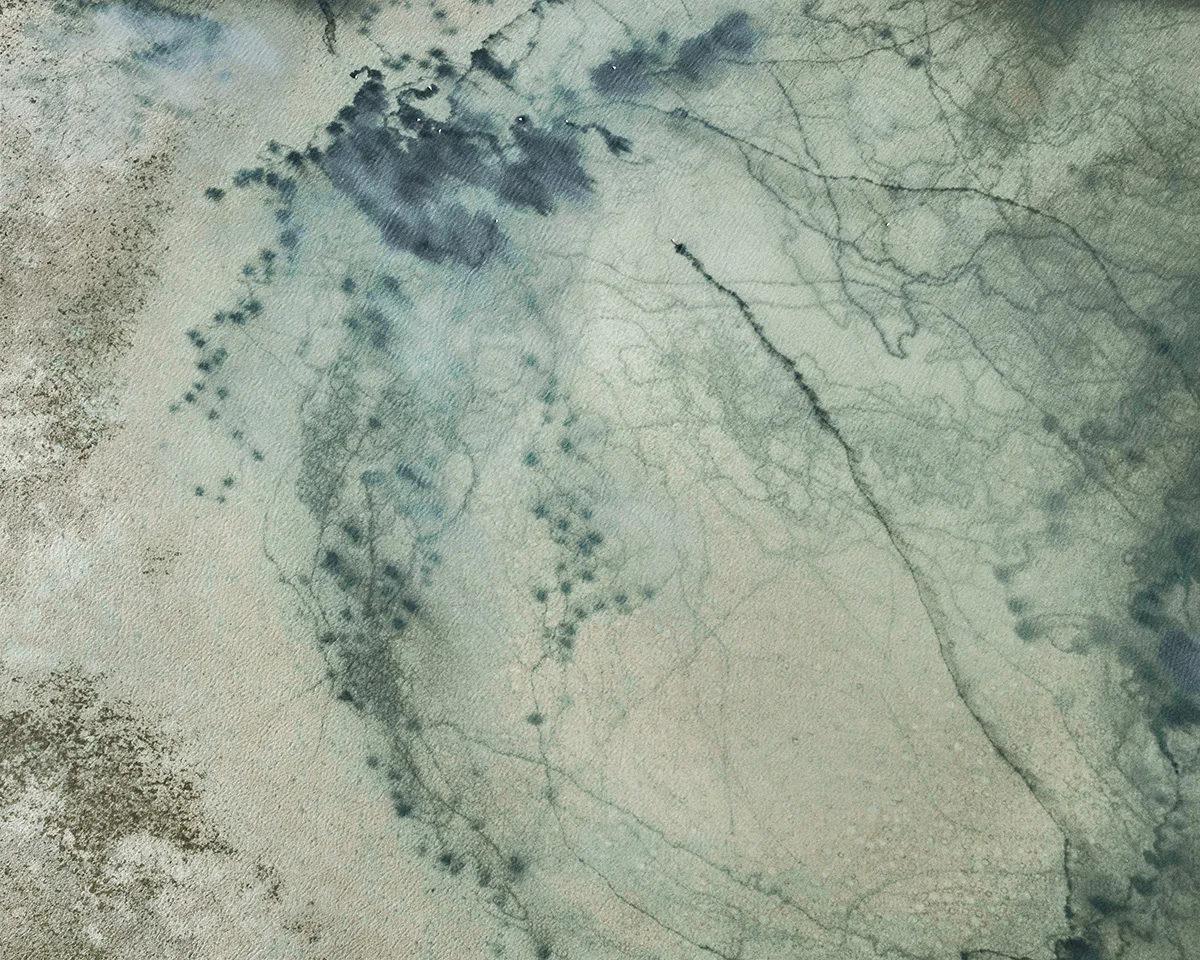
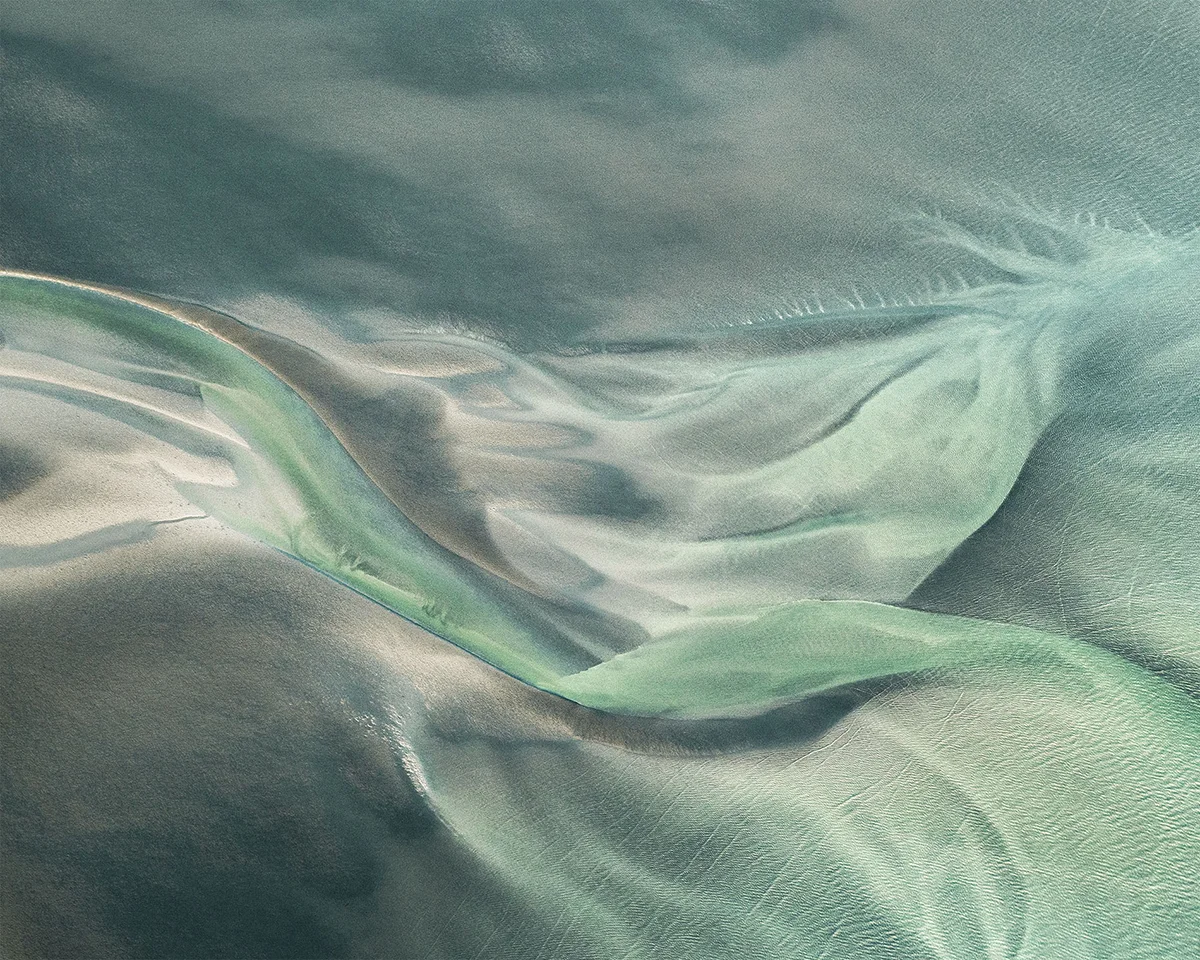
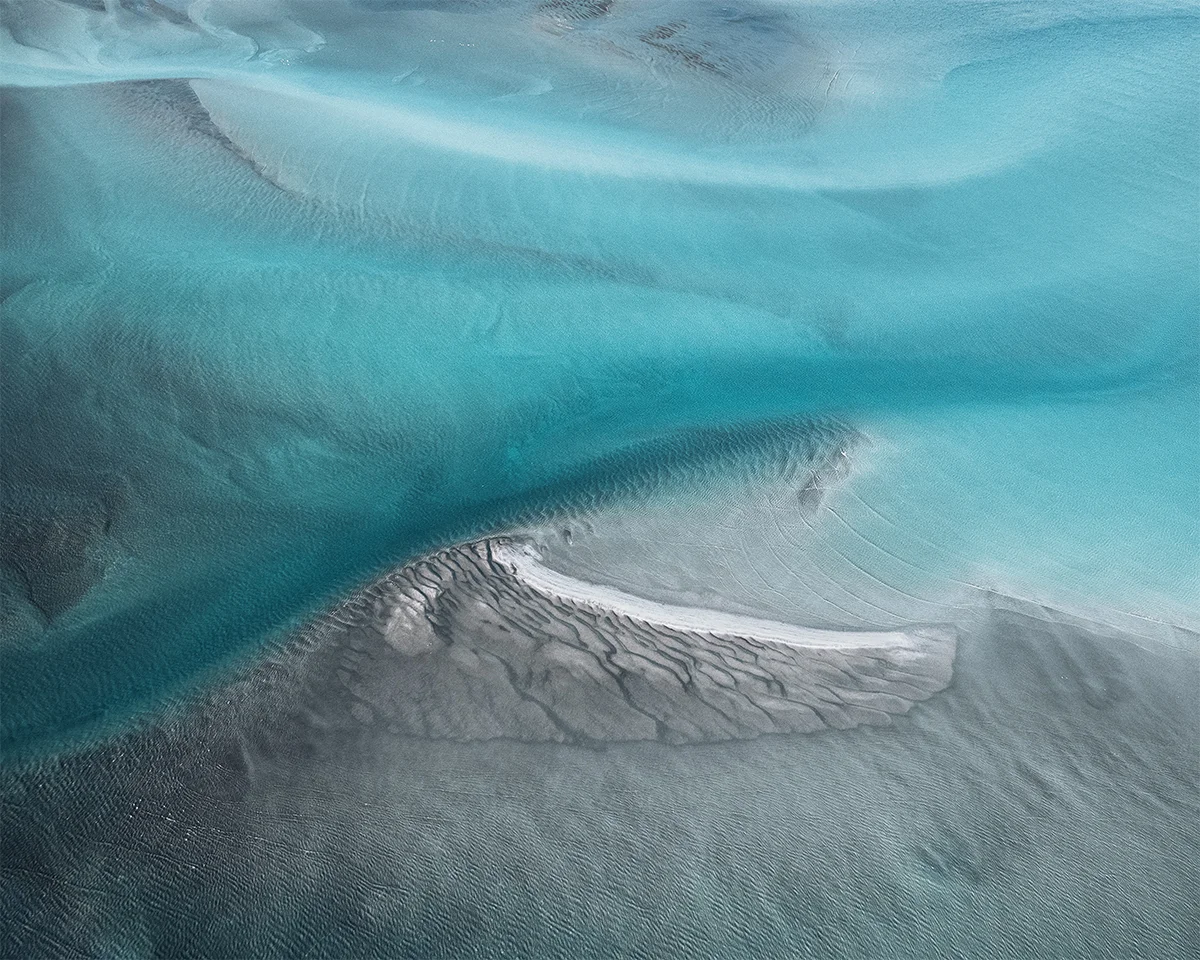
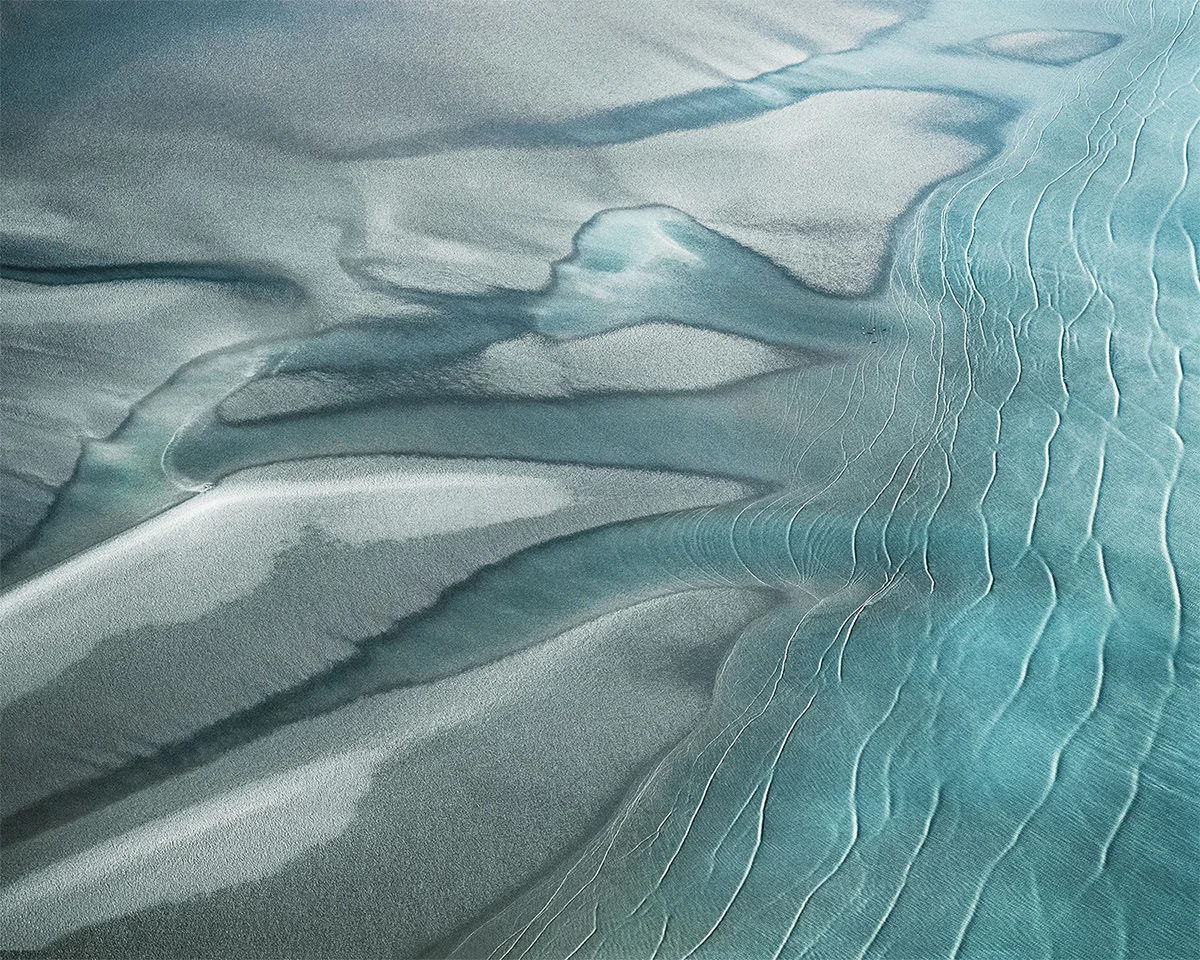
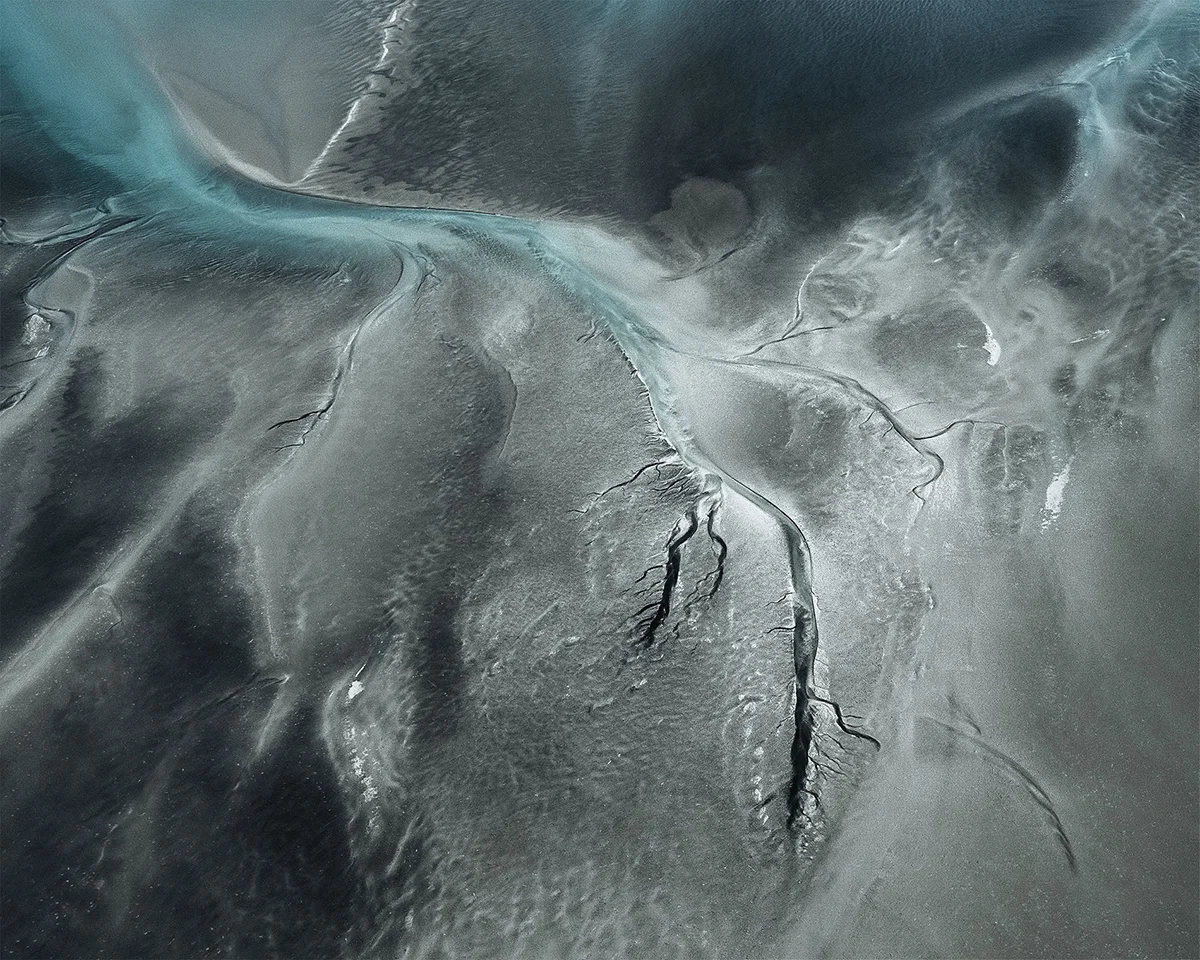
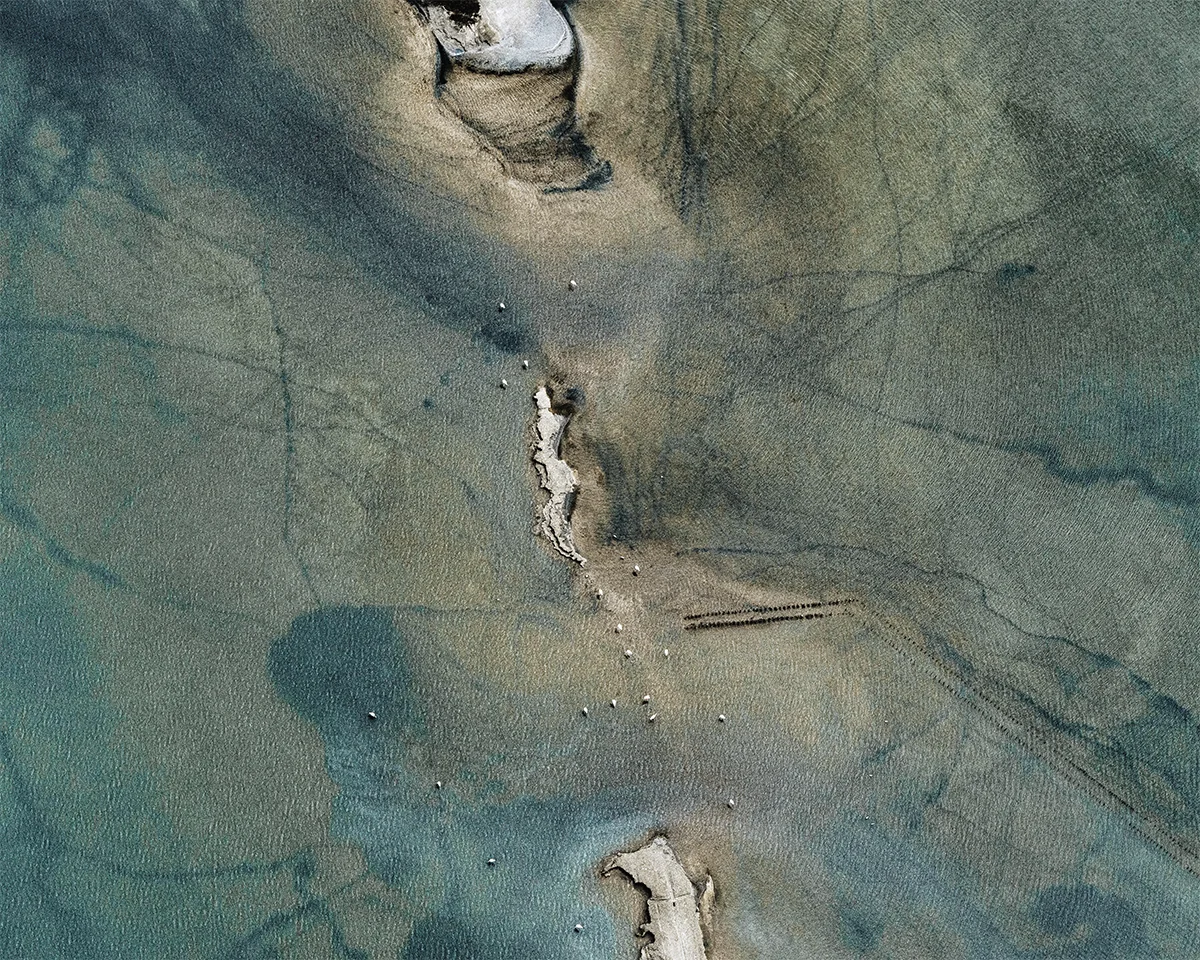
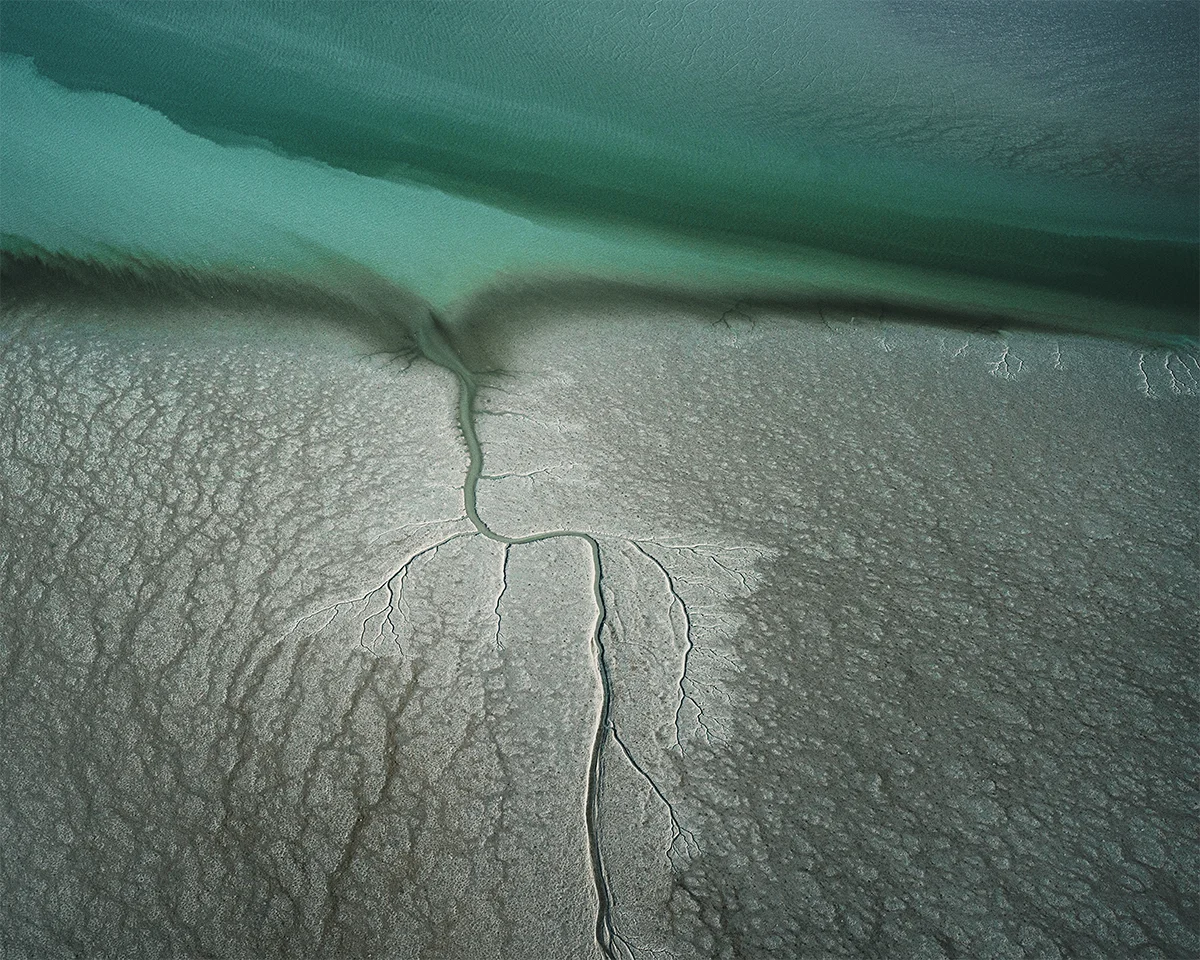
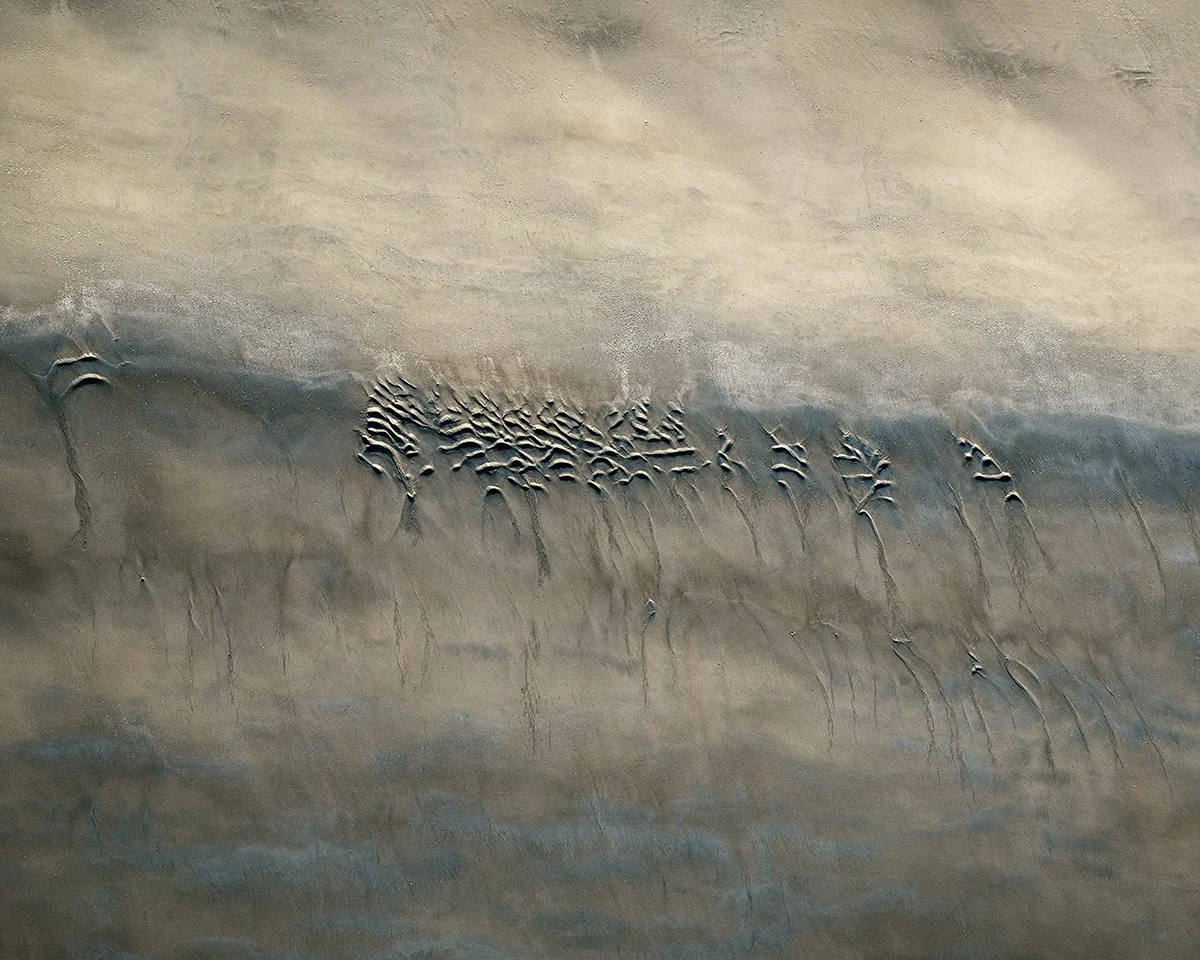
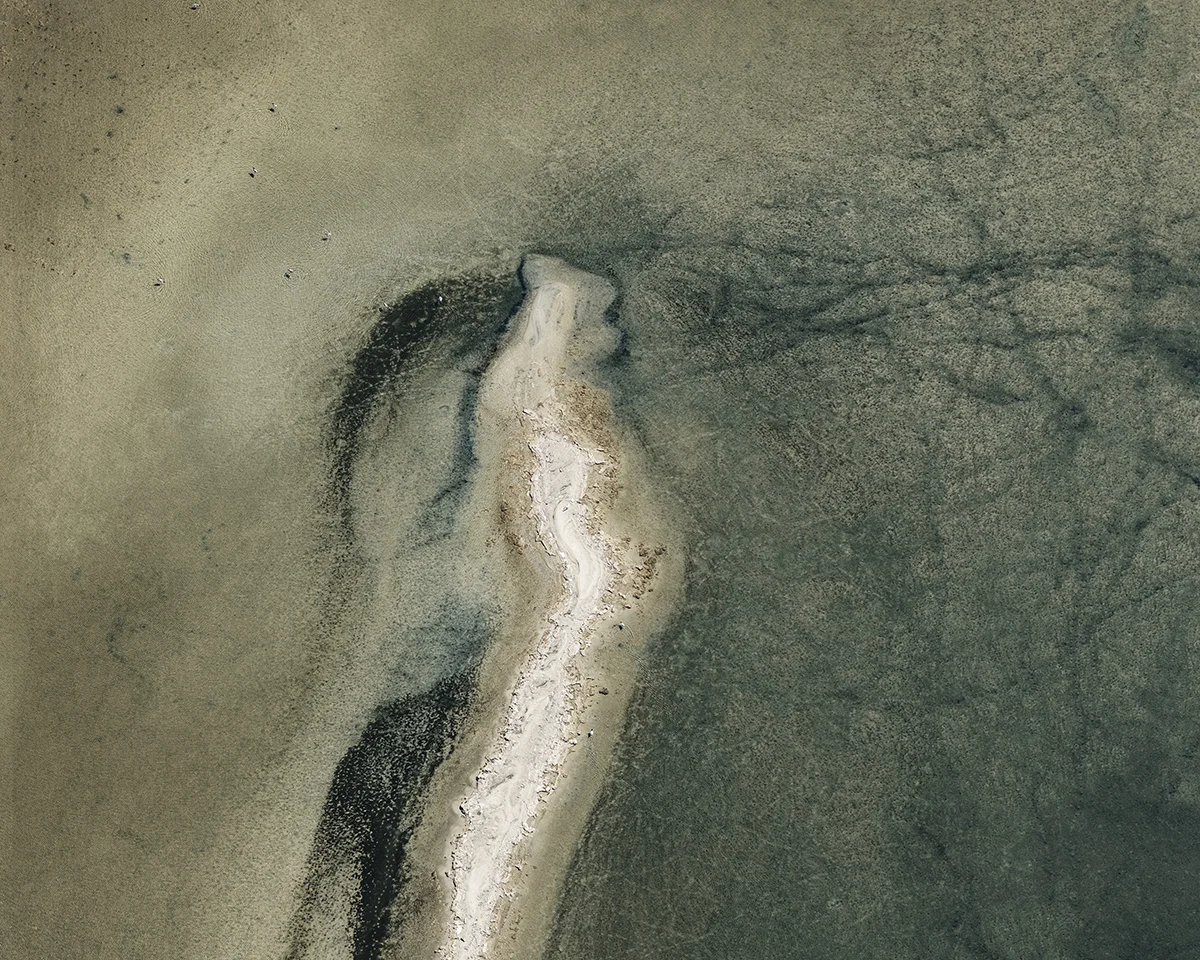
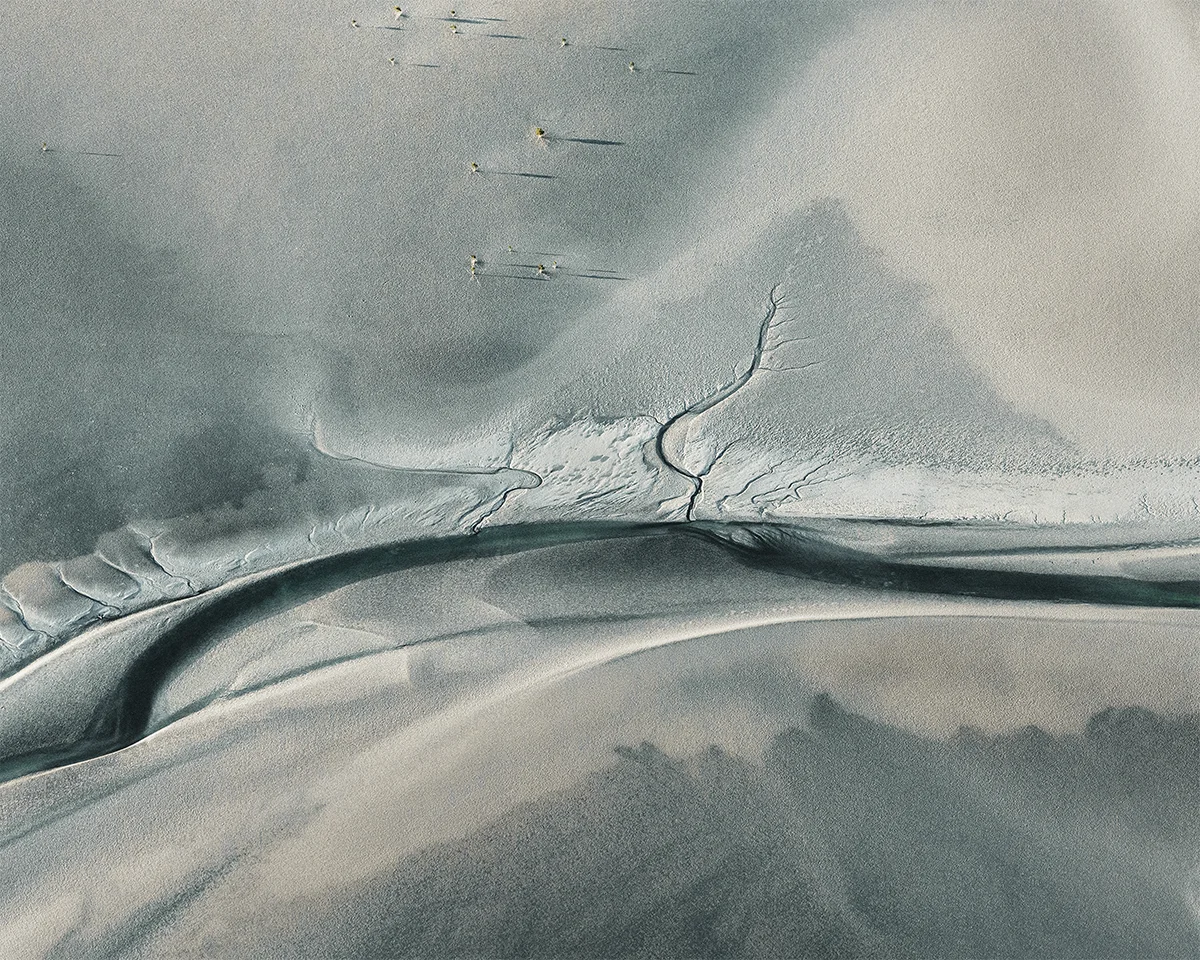
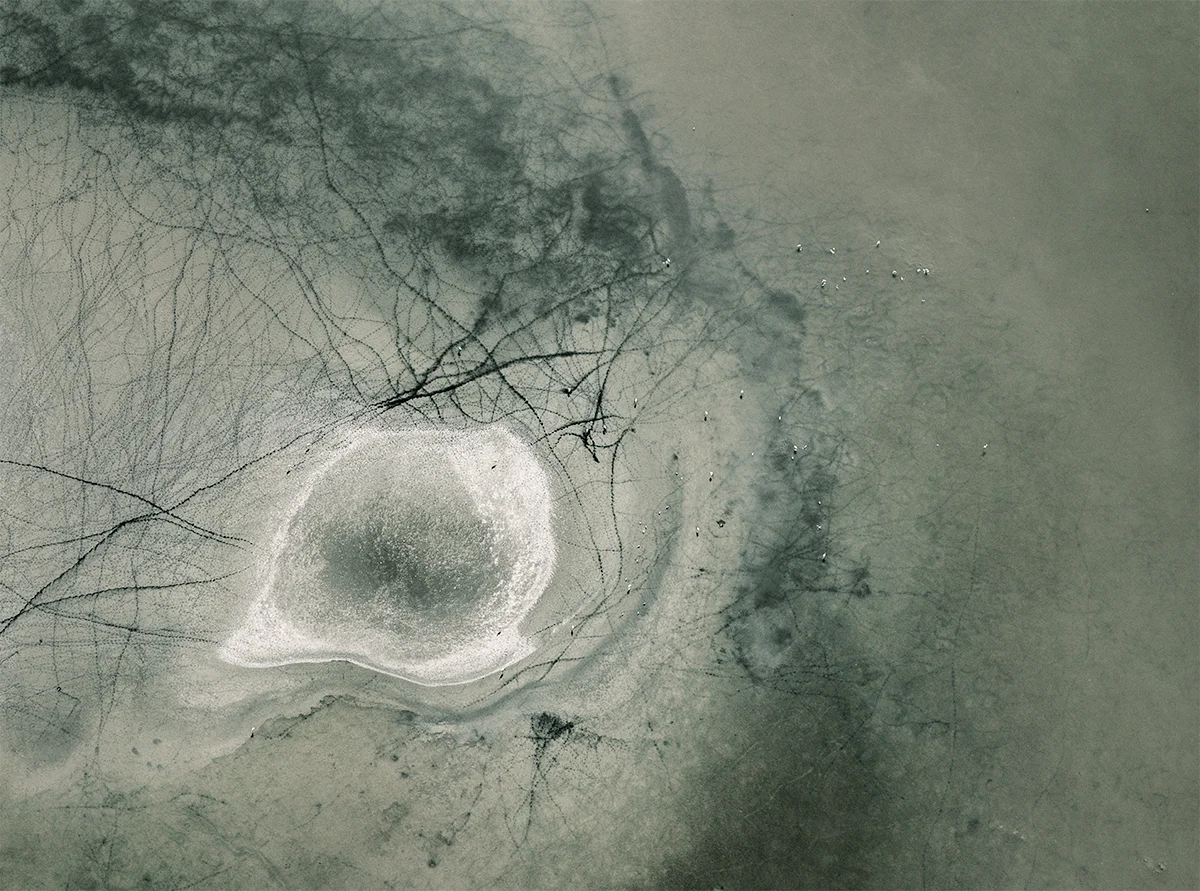
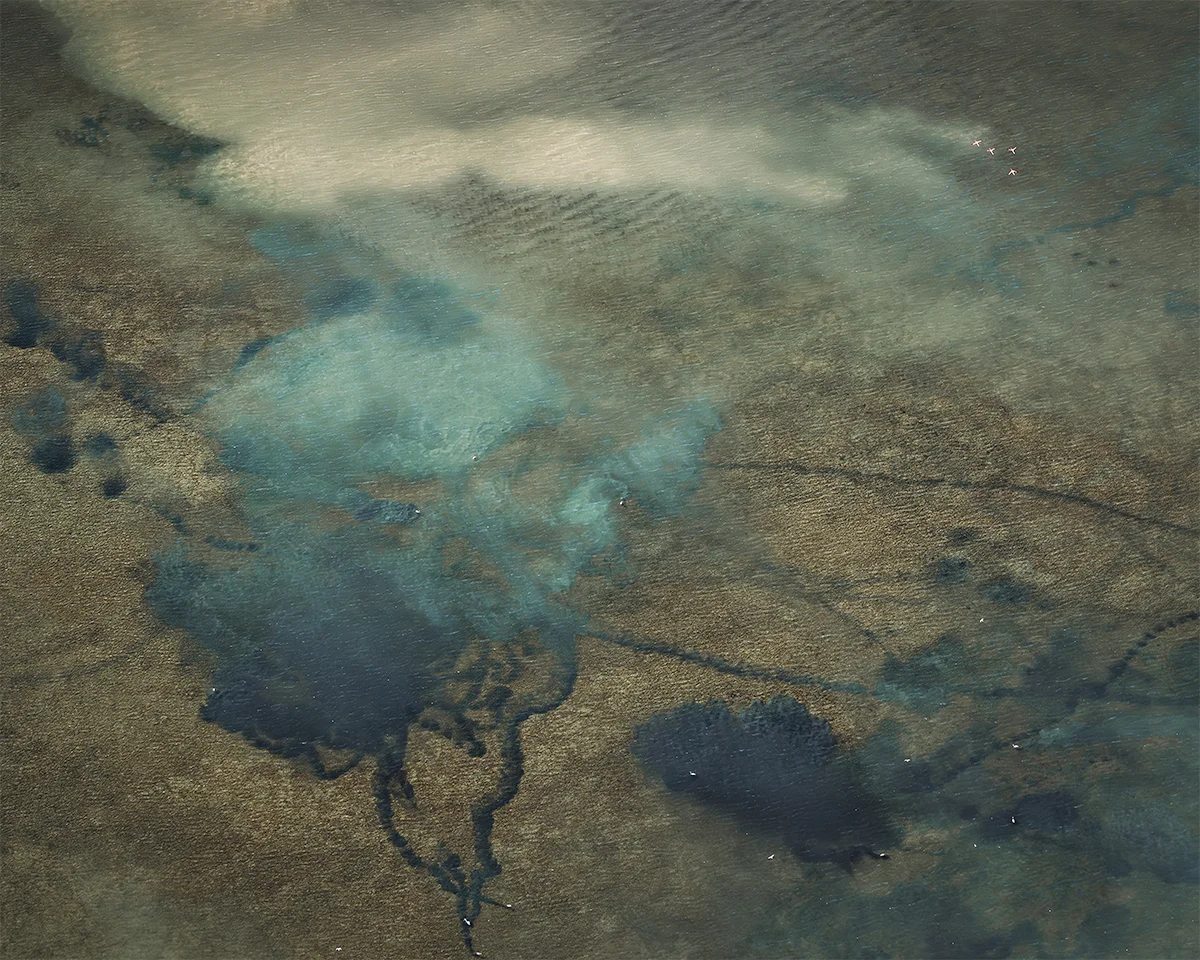
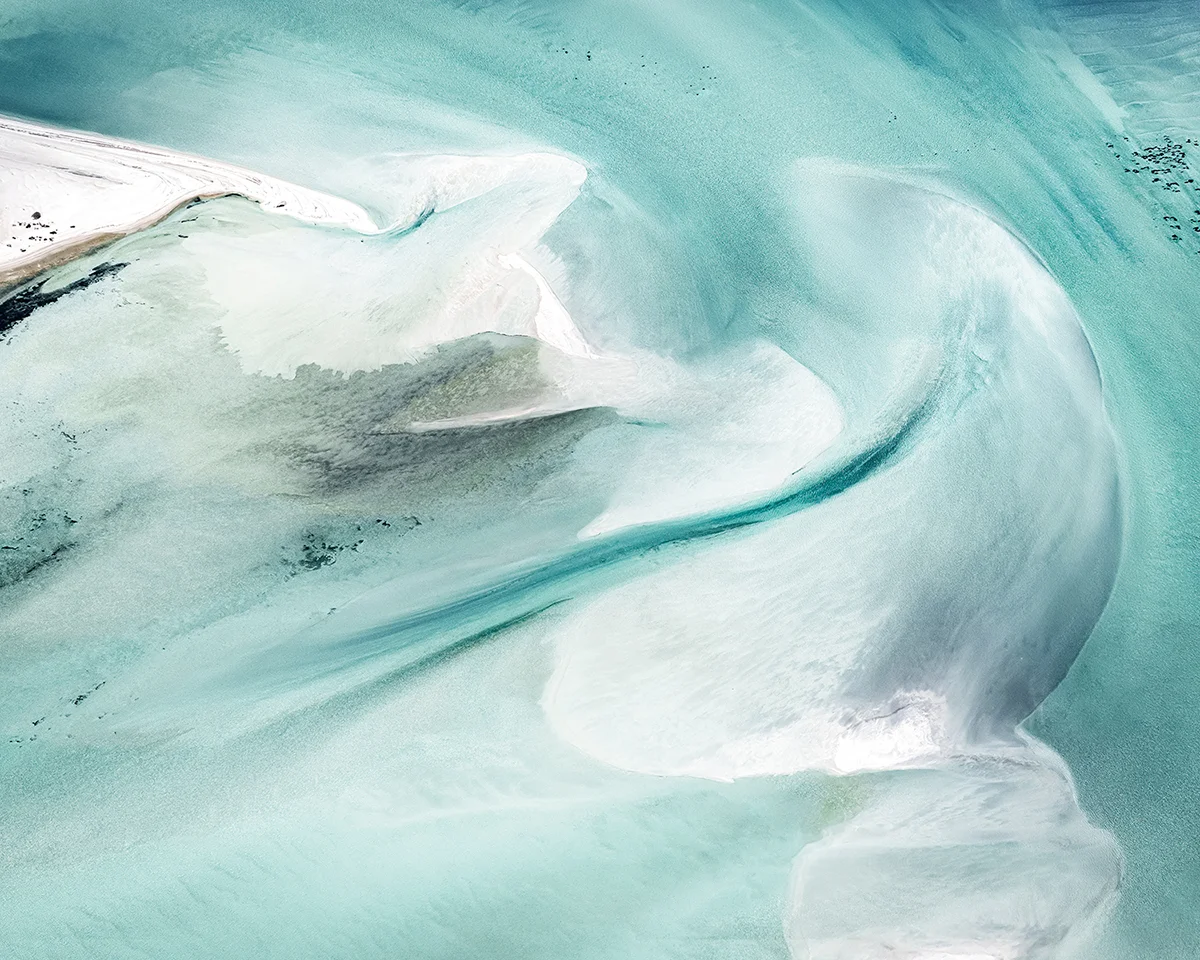
Brigitte Bourger is a visual artist and photographer based in French Polynesia, originally from France, where she lived for over forty years. A pharmacist by training, she has devoted recent years to aerial and abstract photography, capturing the patterns, colors, and lines of natural landscapes and transforming them into poetic visual narratives.

Her work lies at the intersection of geography, environmental awareness, and contemporary aesthetics, often balancing representation and abstraction. Notable projects include Éphémères Impressions, a minimalist series that highlights the fragility of marine life in French Polynesia. Her eponymous book, published in France by Escourbiac, won first prizes at PX3 Paris and TIFA Tokyo.

She continues to develop internationally recognized projects examining the impact of environmental change on landscapes, bridging cultural and geographic contexts between France, the Pacific, and the wider world.

Awarded Photographer of the Week - Week 47, 2025

 

Inspiring Portfolios

Call for Entries
AAP Magazine #55 Women
Publish your work in our printed magazine and win $1,000 cash prizes
 
Stay up-to-date  with call for entries, deadlines and other news about exhibitions, galleries, publications, & special events.

More Great Photographers To Discover

Matthew Pillsbury
United States / France
1973
Matthew Pillsbury is a French-born American photographer, living in New York City. The Screen Lives series, inspired by Sugimoto's movie theater photos, features black and white, long-exposure photographs of family and friends sitting in their apartments interacting with their computer and television screens. In 2004 The New York Times Magazine commissioned him to do a portfolio of photos of New York museums after hours. One such photo was taken at the Guggenheim Museum: An installation in progress in the Ronald O. Perelman Rotunda (Oct. 1, 2004.) In addition to New York, he continued to shoot within museums in both London and Paris, including the Musée du Louvre. At the Louvre he photographed the Mona Lisa. The New York Times and the Aperture Foundation published New York Times Photographs in the fall of 2011, featuring one of his photos of the American Museum of Natural History's Rose Center For Earth and Space. In the Dec 11, 2011 issue of New York Magazine, Pillsbury's works were published as part of their "Reasons to Love New York 2011" feature. The photos included four shots from City Stages, which included Occupy Wall Street protesters in Zuccotti Park, as well as Jing Fong dim sum, Fausto in Washington Square Park and High Line. His series, City Stages initially ran from February 23, 2012 to April 28, 2012 at the Bonni Bunrubi Gallery in New York City. The exhibition opened in Atlanta, GA on September 13, 2012 and ran until November 17, 2012 at The Jackson Fine Art gallery. In September 2013, the Aperture Foundation published a monograph that includes a retrospective of his works, titled, City Stages. The New York Times Magazine published one of Pillsbury's City Stages photos as part of their Manhattanhenge feature in July 2013. Art Relish conducted an interview in October 2012 with him discussing his City Stages works. In the Oct 1, 2012 edition of Time Magazine, High Line photo, featuring a park in Manhattan constructed of abandoned train tracks, was highlighted as part of his exhibit at the Jackson Fine Art gallery. The Screen Lives series, inspired by Sugimoto's movie theater photos, features black and white, long-exposure photographs of family and friends sitting in their apartments interacting with their computer and television screens. On the CNN Photos Blog, Pillsbury's Screen Lives series was featured in a post about the School of Visual Arts "Myths & Realities" show, which took at the Visual Arts Gallery in New York, Aug 29-Sept 29, 2012. On November 27, 2011, New York Times Magazine featured two of Pillsbury's photos of Jane's Carousel from "City Stages." In April 2014, Pillsbury was one of 11 photographers awarded with the John Simon Guggenheim Memorial Foundation Fellowship. Approximately 200 Fellowships are awarded each year through two annual competitions that receive between 3,500 and 4,000 applications. Guggenheim Fellowships are grants awarded to "advanced professionals in mid-career" who have demonstrated exceptional ability by publishing a significant body of work within the fields of natural sciences, social sciences, humanities and the creative arts, excluding the performing arts. In 2014, Pillsbury photographed various cities in Japan, with the focus being in and around Tokyo. Recent photographs from his work in Tokyo were revealed in a photo essay published on July 18, 2014 in The New York Times Magazine and include images from Tokyo Disneyland, Robot Restaurant and the CupNoodles Museum in Yokohama. In April 2014, The New York Times Magazine first ran a photo essay of Pillsbury's work that centered around the hanami parties that occur during the week when the cherry blossoms are at peak bloom. An exhibition of His new Tokyo work opened Sept 10, 2014 and closed November 15, 2014 in New York City at Benrubi Gallery. A portfolio of Pillsbury's new images was featured in The New Yorker in September 2015, and showcased locations that include the High Line, the American Museum of Natural History, Astoria Park Pool and the Coney Island Boardwalk. He has also widened the project's focus to include locations outside of Manhattan, after a move to Brooklyn in January 2015 that inspired him to shoot urban life in the outer boroughs. In a redesign and relaunch in the February 22, 2015 issue, The New York Times Magazine published a photograph Of his on its cover. The long exposure image featured an illuminated spinning globe, which he took in his basement. He is represented exclusively by Edwynn Houk Gallery in New York.Source: Wikipedia
Francis Meslet
France
1963
A graduate in Design from the Fine Art School of Nancy in 1986, early in his career Francis Meslet was a designer, but soon turned to advertising when he joined several agencies as an artistic director. After 30 years spent questioning the creative concept and studying images in all his compositions, he is now a creative director. Francis does not hesitate to roam the world in his spare time, searching for abandoned sites, sanctuaries where time seems to have stopped after humans have evacuated them. He thus brings back captivating and melancholic images of his travels to the other side of the world... Like time capsules, testifying to a parallel world and perfect for enabling the mind to wander and ponder, Francis Meslet’s melancholic images brave the passage of time, making way for silence after the memories left behind by human inhabitation. In these deserted places, no more than the rustling of the wind can be heard through a broken window or the sound of water dripping from a dilapidated ceiling. These silences nonetheless invite the spectator to slip into these well-guarded and mysterious places captured by the photographer and attempt to bring to life that which has been forgotten. In this power station orders were shouted in German, in this French Catholic school the cries of children resounded to the sound of the bell but who can imagine the sounds hidden behind the walls of this old psychiatric asylum in Italy or on the docks of this abandoned island off Japan? From these silences, everyone can imagine their own interpretations, ...reinterpretations.
Arlene Gottfried
United States
1950 | † 2017
Arlene Harriet Gottfried was a New York City street photographer who was known for recording the candid scenes of ordinary daily life in some of the city's less well-to-do neighborhoods; her work was not widely known until she was in her 50s. Born in Coney Island, she was the daughter of Lillian (Zimmerman), a homemaker, and Max Gottfried, who ran a hardware store with his own father, above which the family lived. Gottfried was the older sister of comedian and actor Gilbert Gottfried (1955–2022). When she was 9, Arlene moved to Crown Heights, where she became heavily influenced by the nearby, fast-growing Puerto Rican community. Later in the 70s, she moved with her Jewish immigrant family to the neighborhoods of Alphabet City and the Lower East Side. When Gottfried was a teenager, her father gave her an old 35 mm camera, which she eventually took to Woodstock, even though she said, "I had no clue what I was doing". She credited her upbringing for giving her the ability to get intimate photographs of strangers: "We lived in Coney Island, and that was always an exposure to all kinds of people, so I never had trouble walking up to people and asking them to take their picture." Gottfried graduated from the Fashion Institute of Technology taking photography courses. She worked as a photographer for an advertising agency before freelancing for publications such as The New York Times Magazine, Fortune, Life, the Village Voice, and The Independent (London). She was a habitué of Nuyorican Poets Café, a friend of Miguel Piñero, and on the Lower East Side sang gospel with the Eternal Light Community Singers. In 1991 while on assignment Gottfried photographed the Eternal Light Community Singers, eventually singing with them, as well. Gottfried also sang gospel with the Jerriese Johnson East Village Gospel Choir. In her later years, she published five books of her work: The Eternal Light (Dewi Lewis Publishing, 1999), Midnight (powerHouse 2003), Sometimes Overwhelming (2008), Bacalaitos and Fireworks (powerHouse 2011), and Mommie: Three Generations of Women (powerHouse 2015). Her photographs and archives have been exhibited at the Leica Gallery in New York and Tokyo, the Smithsonian Institution in Washington, D.C., the European House of Photography (MEP), the Brooklyn Museum of Art, and the New York Public Library. Gottfried died on August 8, 2017, from complications of breast cancer at her home in Manhattan at the age of 66 surrounded by friends and family.
Tamara Reynolds
United States
Tamara Reynolds is a documentary photographer whose unflinching eye considers what it means to be human in today’s society. In particular, her work focuses on the lives of those who are usually unseen. Reynolds’ photobook The Drake was published and released by Dewi Lewis in early 2022. The work — portraits, still lifes and streetscapes that document the lives of people existing just above survival on one square block around a motel in Nashville, Tennessee — has received numerous honors, including a 2021 Guggenheim Fellowship, the 2021 BarTur Photo Award, a 2020 Puffin Grant, the 2019 Tennessee Arts Commission Individual Artist Grant and the Santa Fe Center 2018 Project Launch Grant. Reynolds’ acclaimed earlier body of work, Southern Route, which explores issues of identity, conflict and the disappearing culture of the South, was included in Southbound, a traveling exhibition and book curated by Mark Sloan and Mark Long of Halsey Institute of Contemporary Art, with support from the NEA and the Robert Mapplethorpe Foundation. In addition to numerous exhibitions around the country, Reynolds’ photographs have been featured on the New York Times Lens Blog, PBS News Hour, Lenscratch, Strange Fire Collective, Photo-Emphasis, Oxford American and FotoRoom, among others. Her images have also been published in Ain’t Bad, American Photography 29, 30 and 33, Oxford American Magazine: Eyes on the South, Communication Arts and All About Photos and are in the public collections such as The Do Good Fund and Cassilhaus. In 2017, she received a Master of Fine Arts from the University of Hartford, where she graduated with honors. She holds a Bachelor of Fine Arts from Middle Tennessee State University where she was recently inducted to their Wall of Fame. Reynolds has been a guest lecturer at George Fox University, Middle Tennesse University, Vanderbilt University, the Montgomery Museum of Fine Arts, Cassilhaus Gallery, the Halsey Institute of Contemporary Art and Morris Museum of Fine Art. Prior to her current work in documentary photography, Reynolds has worked as a commercial photographer for over 30 years. Her work has appeared in many national publications including NBC News, Bloomberg Businessweek, Forbes, The New York Times Magazine and The Wall Street Journal to name only a few and has been part of numerous national advertising campaigns. Along with working as an editorial photographer, she currently teaches as a Lecturer at Vanderbilt University and Adjunct Professor at Belmont University. Tamara Reynolds was born in Nashville, Tennessee, and has lived there all her life. The Drake he Drake is a series of portraits, still lifes and streetscapes that document the lives of people existing just above survival on one square block around a motel in Nashville, Tennessee. The Drake Motel is located in an area ignored by developers, a microcosm of the disregarded or resentfully tolerated. Alcohol and drug addiction are prevalent among those who live in its shadow. Prostitution, panhandling and day labor have become ways to maintain addiction. The Drake offers a means to delve deeply into a world far removed from my own but also perilously close — how my life might have looked had I not found the resources that led me to recovery. The work continuously challenges my concept of empathy and how to photograph my subjects in such a way as to make the unseen seen. I am passionate in my intent to push back against a society of increasing culturally endorsed behavior to not acknowledge the marginalized. These are not easy pictures, but my hope is that the images give space for viewers to move closer, to enter the stillness of the photographs and consider the lives of those looking back.
E. J. Bellocq
United States
1873 | † 1949
Ernest Joseph Bellocq was an American professional photographer who worked in New Orleans during the early 20th century. Bellocq is remembered for his haunting photographs of the prostitutes of Storyville, New Orleans' legalized red-light district. These have inspired novels, poems and films. Bellocq was born into a wealthy family of French créole origins in the French Quarter of New Orleans. He became known locally as an amateur photographer before setting himself up as a professional, making his living mostly by taking photographic records of landmarks and of ships and machinery for local companies. However, he also took personal photographs of the hidden side of local life, notably the opium dens in Chinatown and the prostitutes of Storyville. These were only known to a small number of his acquaintances. He had been something of a dandy in his early days, while he lived alone in the latter part of his life and acquired a reputation for eccentricity and unfriendliness. According to acquaintances from that period, he showed little interest in anything other than photography. Bellocq died in 1949, and was buried in Saint Louis Cemetery No. 3 in New Orleans. After his death, most of his negatives and prints were destroyed. However, the Storyville negatives were later found. After many years, they were purchased by a young photographer, Lee Friedlander. In 1970, a show of Friedlander's posthumous prints on gold tone printing out paper from Bellocq's 8" x 10" glass negatives were mounted by curator John Szarkowski at the Museum of Modern Art in Manhattan. A selection of the photographs were also published concurrently in the book, Storyville Portraits. These photographs were immediately acclaimed for their unique poignancy and beauty. A more extensive collection of Friedlander's prints, entitled Bellocq: Photographs from Storyville, was published with an introduction by Susan Sontag in 1996. In recent times, a significant number of prints from Bellocq's own studio have come to light. They are typical professional photographs of the day, such as portraits, copy work for the Louisiana State Museum, and local views, yet few if any Storyville portraits printed by Bellocq's hand exist. A number of early posthumous prints from Bellocq's negatives by photographer Dan Leyrer have also surfaced. The Storyville photographs All the photographs are portraits of women. Some are nude, some dressed, others posed as if acting a mysterious narrative. Many of the negatives were badly damaged, in part deliberately, which encouraged speculation. Many of the faces had been scraped out; whether this was done by Bellocq, his Jesuit priest brother who inherited them after E. J.'s death or someone else is unknown. Bellocq is the most likely candidate, since the damage was done while the emulsion was still wet. In a few photographs the women wore masks. Some prints made by Bellocq have since surfaced. These are far more conventional than the full-negative prints made by Friedlander. The Storyville photographs not only serve as a record of the prostitutes, but also the interiors of the businesses that housed them.
Jean-Francois Jonvelle
France
1943 | † 2002
Jean-François Jonvelle, born on October 3, 1943, in Cavaillon was a French photographer of fashion, glamor and portraiture. Work on the release of 20 ans magazine and then work on Dim, Dam, Dom, Vogue, Stern, Gala, Elle. In the 1960s, Jonvelle was assistant to Richard Avedon. During his career, he made many portraits of women, often his friends: natural young people, often naked, unconcerned. Unlike other fashion and glamor photographers, who offer a provocative woman, Jean-François Jonvelle's performance is much softer, more natural, more jovial but equally sensual. He died at the age of 58 years of terminal cancer, 15 days after it was detected on January 16, 2002, in Paris.Source: Wikipedia Jean-François Jonvelle was snatched by the hand of death with a suddenness to match the photographs that were his life. Just as that life was dedicated to capturing these stolen moments, so death followed suit, carrying him off in the midst of life. A tumor was discovered in early January, a final farewell just a fortnight later. He was gone in a flash. As I turn the pages of my friend’s last book my eyes mist over. My tears dissolve Jonvelle’s photographs into the soft focus of a David Hamilton. Jonvelle’s work is often described as being – in the time-honored formula – ‘sexy but not vulgar’. I prefer his own description of what he sought out: ‘la poésie du quotidien’, ‘the poetry of the everyday’. Photographs freeze moments of truth, all you have to do is choose the ones that do it best. "I tell myself that the present and the future don’t exist", he also used to say. "Everyone, every day, creates their own past." The quality that makes his images more moving than the rest is their vulnerability. Jonvelle taught me one crucial lesson: in photography, as in literature, what counts is feeling. Eroticism and tenderness are not sworn enemies. A downy arm, the frail nape of a neck, an uptilted breast, the curve of a back beneath the sheets, damp hair, closed eyelids, the trace of a kiss on the neck all these can be arousing. Jonvelle’s women are fresh and natural because they are unaware of our gaze. Jonvelle makes adoring voyeurs of us all. He shows us why heterosexuality can be so painful: everywhere, in every house and every bathroom, paradise lurks. Paradise delicately removes her T-shirt, brushes her teeth, buttocks pert, the curve of her breasts taut, timeless. Suddenly paradise parts her legs in silence, biting her fingernails as she looks you straight in the eye, teasing you as she waits for you on the sheets. Jonvelle is in paradise now, but for him nothing has changed: he was already there in his lifetime. As I gaze in wonder, the way I always do, at these images, so far removed from the familiar clichés, my thoughts turn to the beautiful women he immortalized. Photographs fix the fleeting, immortalize the ephemeral. Many of the women Jonvelle photographed are now old or dead, but – thanks to this photographer who is now also dead – their perfection will never fade. Every one of Jonvelle’s photographs is a declaration of love. One day, at my request, he photographed Delphine Vallette, the mother of my daughter. I wanted to give this brunette whom I loved a portrait. Never have I felt such a cuckold – though in the most erotic of ways. Beauty is an evanescent mystery that some artists have the ability to capture. As I look again at these wonderful images, I’m reminded of the title of that American comedy Drop Dead Gorgeous. Jonvelle’s work as a whole is not an ode to femininity; the story it tells is of the battle to vanquish death by means of the celebration of desire. All these shoulders caught by surprise, these half-seen breasts, these finely- arched insteps, these flawless backs, this sensual solitude, this calm between two storms, all these beautiful women who don’t give a damn are simply doors softly opened, through which we may catch a glimpse of eternal life. -- Frédéric Beigbeder Jean-François Jonvelle was born in 1943 in Cavaillon, south of France. Soon he will sell famous melons to buy Hasselblad. Its inspirations will come from the painting of Balthus, Bacon, of Schiele, but the true influence comes from films from Mankiewicz, Lubitsch, Fritz Lang, Orson Welles, Arthur PEN, Minnelli and more recently of Terry Gillian of which it acknowledges to have seen eleven times the film Brazil; Finally its preferred film: Jules and Jim of François Truffaut. In 1959, it is the photographer George Glasberg who initiates him with photography while making him make the turn of France of the cathedrals. It is a photographic revelation which will leave it never again. At the age of 20 he becomes the assistant of the American photographer Richard Avedon. After this enriching experiment he becomes his own 'Master' whose favorite subject will be the woman. Her mom and her small sister of whom he always was very near will be her 'first agreeing victims'. Then come the first 'muse' and accomplice, Tina Sportolaro whom he meets in 1982 and with which he carries out some of his more beautiful images. Will be then Béatrice, Myriam and many others.Source: The Eye of Photography
Advertisement
AAP Magazine #55 Wmen
Win a Solo Exhibition in March
AAP Magazine #55 Wmen

Latest Interviews

Exclusive Interview with Anastasia Samoylova
Anastasia Samoylova is an American artist whose photographic practice is shaped by close observation and a deep attentiveness to place. Working between documentary and formal exploration, she photographs landscapes, architecture, and everyday scenes with a sensitivity to light, structure, and atmosphere. Since relocating to Miami in 2016, her work has increasingly focused on how environments—both natural and built—carry social, cultural, and emotional traces. We asked her a few questions about her practice and her way of seeing, to better understand the thoughts and experiences that shape her work—while allowing the images themselves to remain open and speak in their own time.
Exclusive Interview with Marijn Fidder
Marijn Fidder is a Dutch documentary photographer whose work powerfully engages with current affairs and contemporary social issues. Driven by a deep sense of social justice, she uses photography to speak on behalf of the voiceless and to advocate for the rights of those who are most vulnerable. Her images have been widely published in major international outlets including National Geographic, CNN Style, NRC Handelsblad, Volkskrant, GUP New Talent, and ZEIT Magazin. Her long-term commitment to disability rights—particularly through years of work in Uganda—culminated in her acclaimed project Inclusive Nation, which earned her the title of Photographer of the Year 2025 at the All About Photo Awards. She is also the recipient of multiple prestigious honors, including awards from World Press Photo and the Global Peace Photo Award. We asked her a few questions about her life and work.
Exclusive Interview with Josh S. Rose
Josh S. Rose is a multidisciplinary artist working across photography, film, and writing. His practice bridges visual and performing arts, with a strong focus on movement, emotion, and the expressive potential of the image. Known for his long-standing collaborations with leading dance companies and performers, Rose brings together authenticity and precise composition—a balance he describes as “technical romanticism.” His work has been commissioned and exhibited internationally, appearing in outlets such as Vogue, at the Super Bowl, in film festivals, and most recently as a large-scale installation for Lincoln Center for the Performing Arts. A sought-after collaborator, he has worked with major artists, cultural institutions, and brands, following a previous career as Chief Creative Officer at Interpublic Group and the founder of Humans Are Social. We asked him a few questions about his life and work.
Interview with Maureen Ruddy Burkhart
Photographer Maureen Ruddy Burkhart brings a quietly attentive and deeply human sensibility to her exploration of the world through images. Shaped by a life immersed in photography, film, and visual storytelling, her work is guided by intuition, observation, and an enduring interest in the emotional undercurrents of everyday life. With a practice rooted in both fine art traditions and documentary awareness, she approaches her subjects with sensitivity, allowing subtle moments to emerge naturally rather than be imposed. Her series Til Death, selected as the Solo Exhibition for February 2025, reflects this long-standing commitment to photography as a space for reflection rather than spectacle. Drawn to moments that exist just outside the expected frame, Burkhart’s images suggest narratives without resolving them, leaving room for ambiguity, humor, and quiet connection. We asked her a few questions about her life and work.
Exclusive Interview with Peter Ydeen
Winner of AAP Magazine #45 Travels, his series reflects this unique vision—capturing the spirit of place through subtle layers of light, color, and emotion. Whether traveling abroad or observing the rhythms of his own surroundings, Ydeen creates images that feel both grounded and enchanted, inviting viewers into a world where reality and reverie meet.
Exclusive Interview with Julie Wang
Chinese-born photographer Julie Wang brings a poetic, contemplative sensitivity to her visual exploration of the world. Having lived for nearly equal parts of her life in China, Europe, and the United States, she approaches her subjects with the nuanced perspective of someone shaped by many cultures. This blend of distance, curiosity, and emotional resonance infuses her work with a quiet depth, allowing her to reveal the fragile beauty and subtle tensions that often pass unnoticed.
Exclusive Interview with Ghawam Kouchaki
American photographer Ghawam Kouchaki brings a sharply observant and introspective gaze to the streets of Japan’s capital. Based in Los Angeles, he approaches Tokyo with the distance — and curiosity — of an outsider, allowing him to uncover the city’s subtle contradictions, quiet tensions, and fleeting gestures that often go unnoticed. His series Tokyo no no, selected as the Solo Exhibition for December 2024, explores the hidden undercurrents of urban life: the unspoken rules, the small ruptures in routine, the poetic strangeness found in everyday moments. Through muted tones, instinctive timing, and meticulous framing, Kouchaki reveals a Tokyo that exists somewhere between reality and imagination — both intimate and enigmatic. We asked him a few questions about his life and work.
Exclusive Interview with Tommi Viitala
Tommi Viitala, winner of AAP Magazine #44: Street, is a Finnish photographer celebrated for his striking and cinematic street photography. With a keen eye for atmosphere and composition, he captures fleeting urban moments that reveal the poetry of everyday life. His work often explores the tension between solitude and connection within contemporary cityscapes, blending documentary realism with artistic sensibility. Viitala’s photographs have been exhibited internationally and recognized for their strong visual storytelling and emotional depth. We asked him a few questions about his life and work.
Exclusive Interview with Robert Mack
Robert Mack is a California-based visual artist, photographer, and filmmaker. His fine art photography and films have been exhibited widely in the United States and Europe, with major shows at the Baltimore Museum of Art and the Reiss-Engelhorn Museum in Mannheim, Germany. Both institutions hold his work in their permanent collections. Working across different media, Mack has built a career exploring the complexities of human presence and representation. In 1981, while living in Baltimore, he produced The Perkins Project: Not Guilty by Reason of Insanity, a rare photographic and film study inside Maryland’s hospital for the criminally insane. These stark yet compassionate black-and-white portraits remain one of his most powerful and controversial bodies of work.
Call for Entries
AAP Magazine #55 Women
Publish your work in our printed magazine and win $1,000 cash prizes