All about photo.com: photo contests, photography exhibitions, galleries, photographers, books, schools and venues.
Win a Solo Exhibition this February. Juror: Harvey Stein
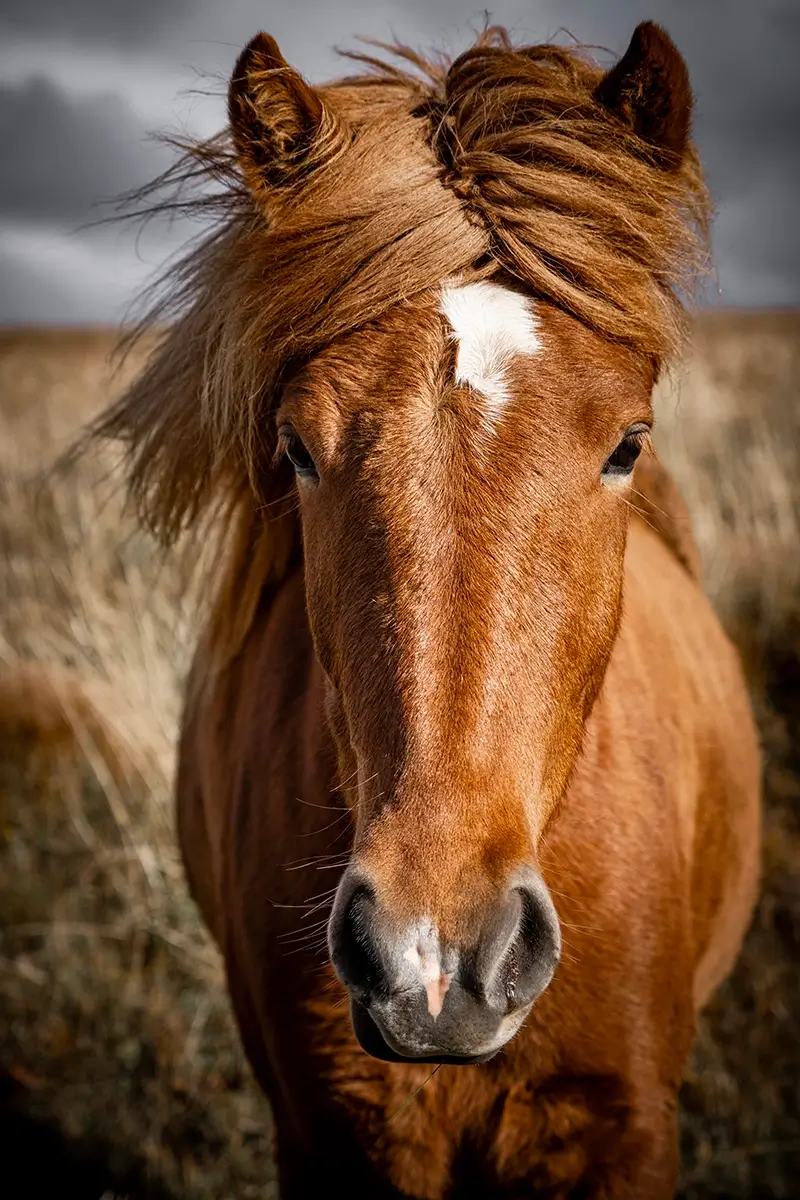
TJ Vissing
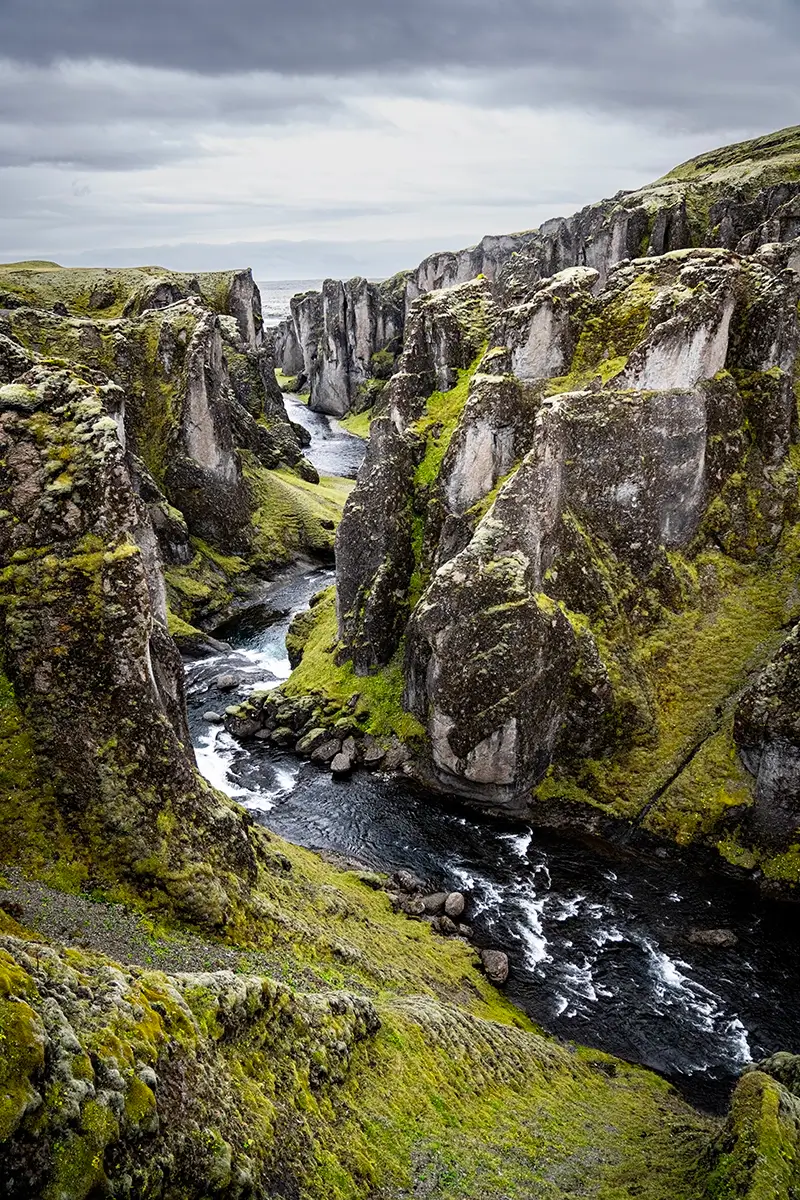
TJ Vissing
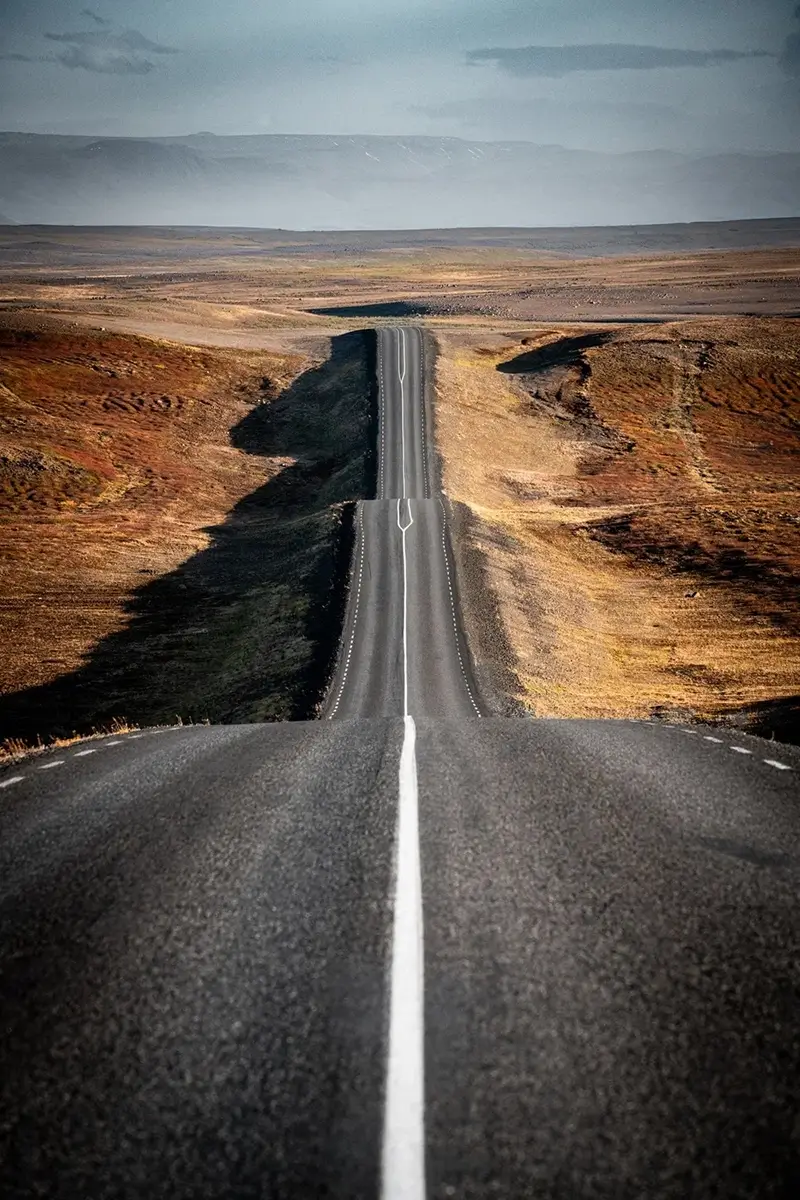
TJ Vissing

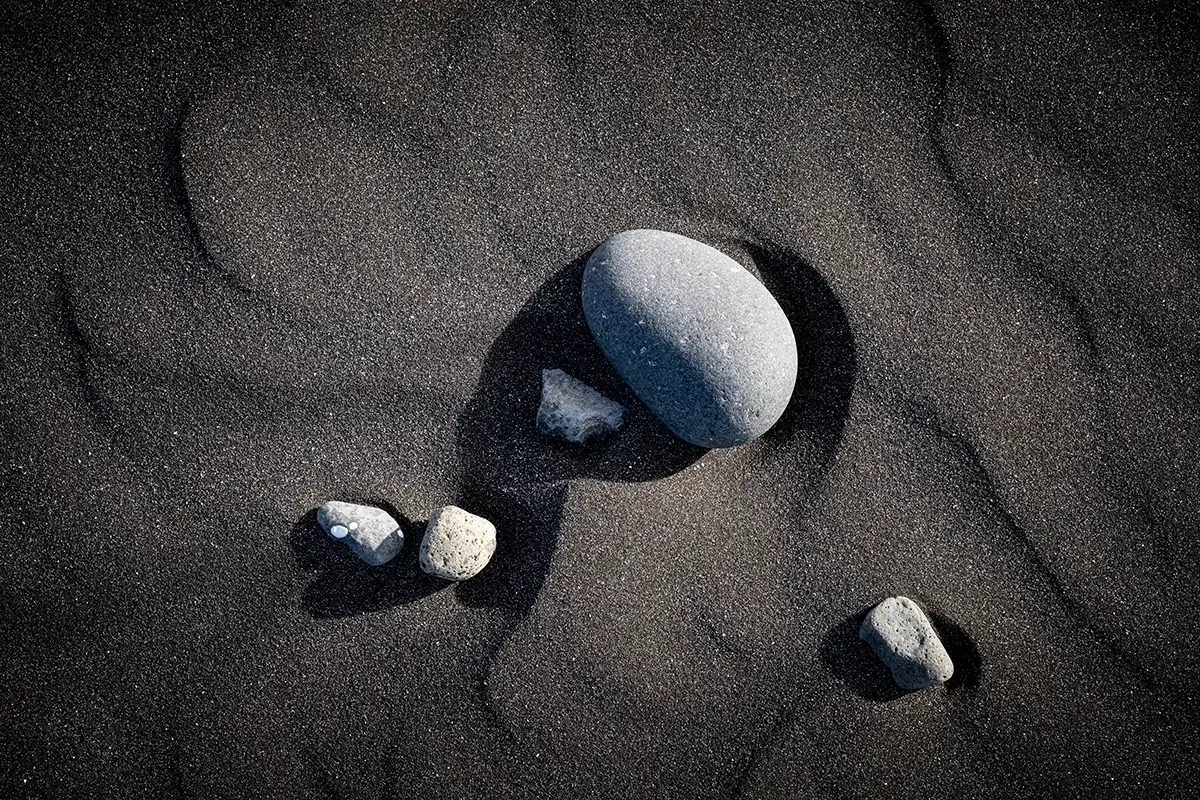
TJ Vissing

Country: United States
Birth: 1962

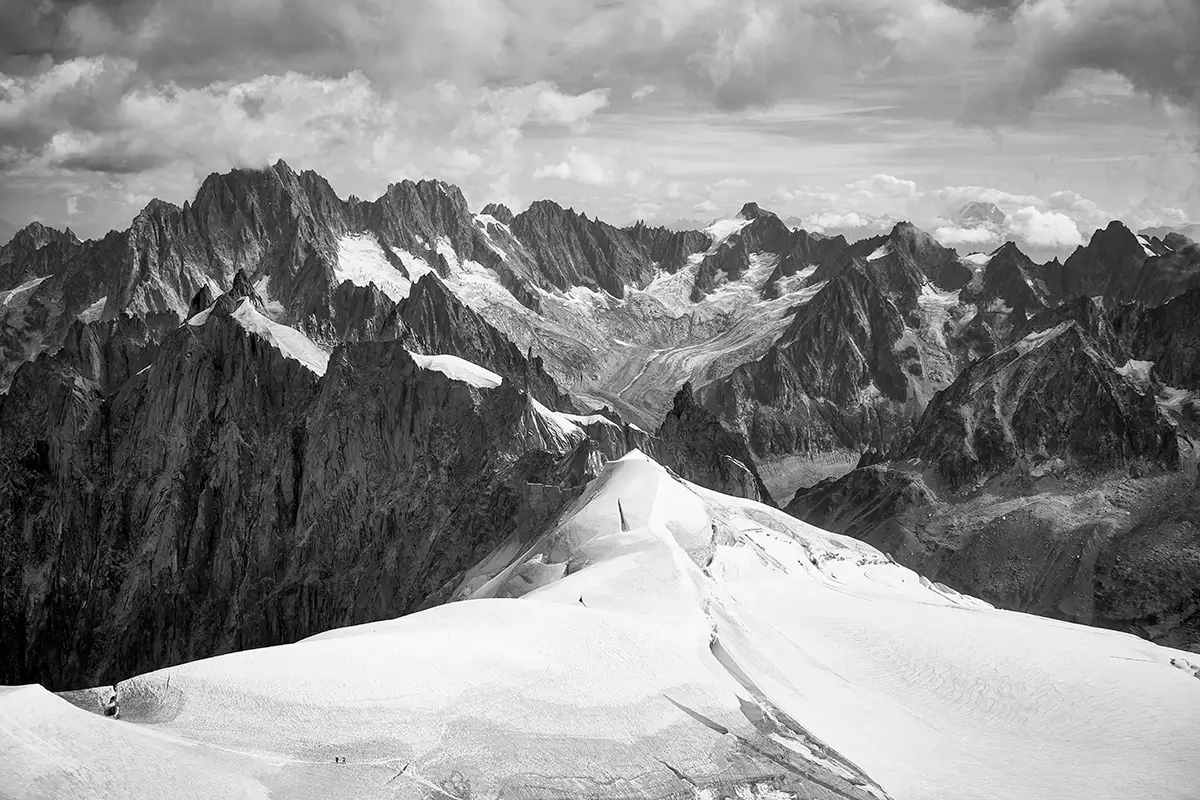
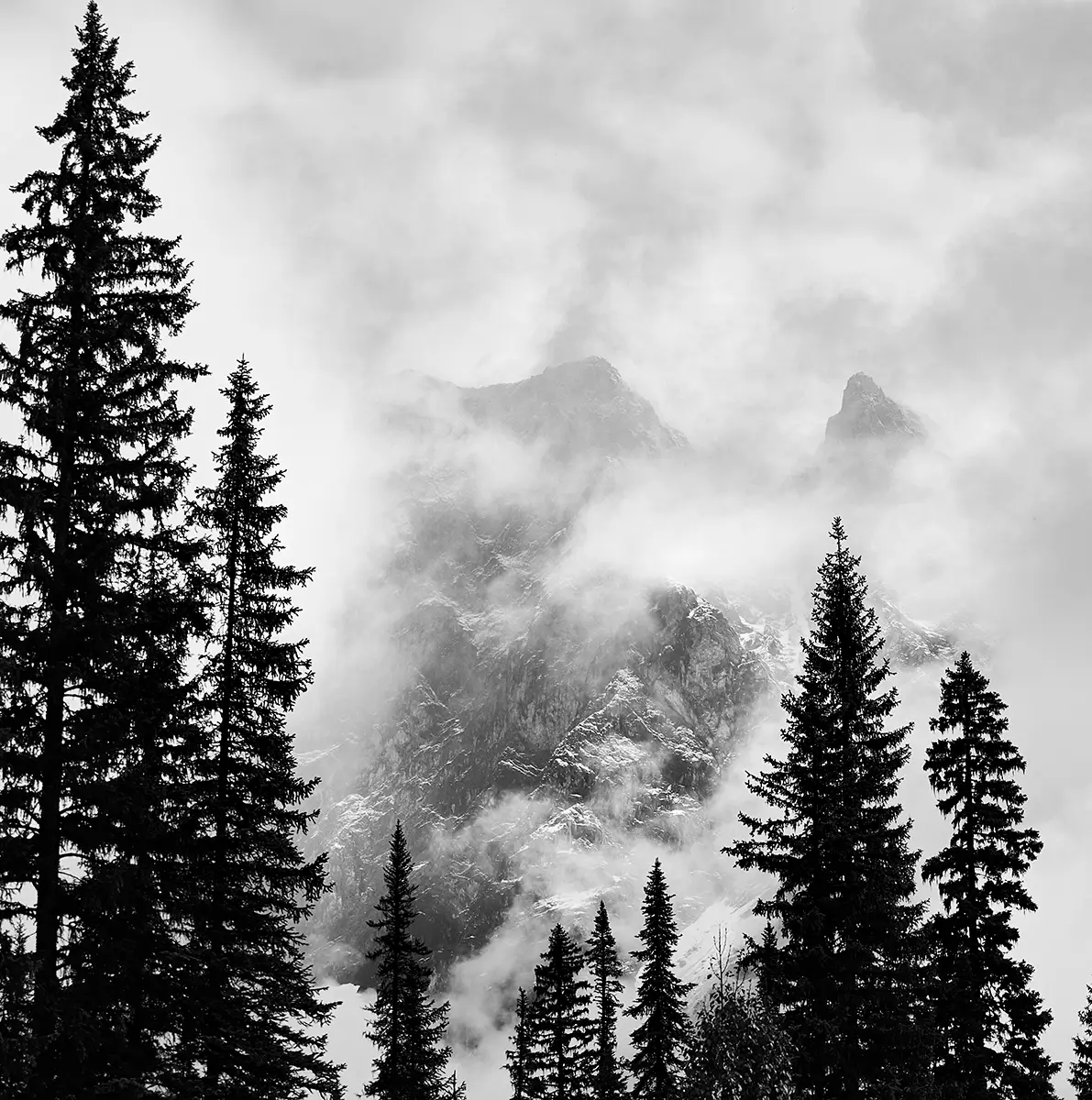
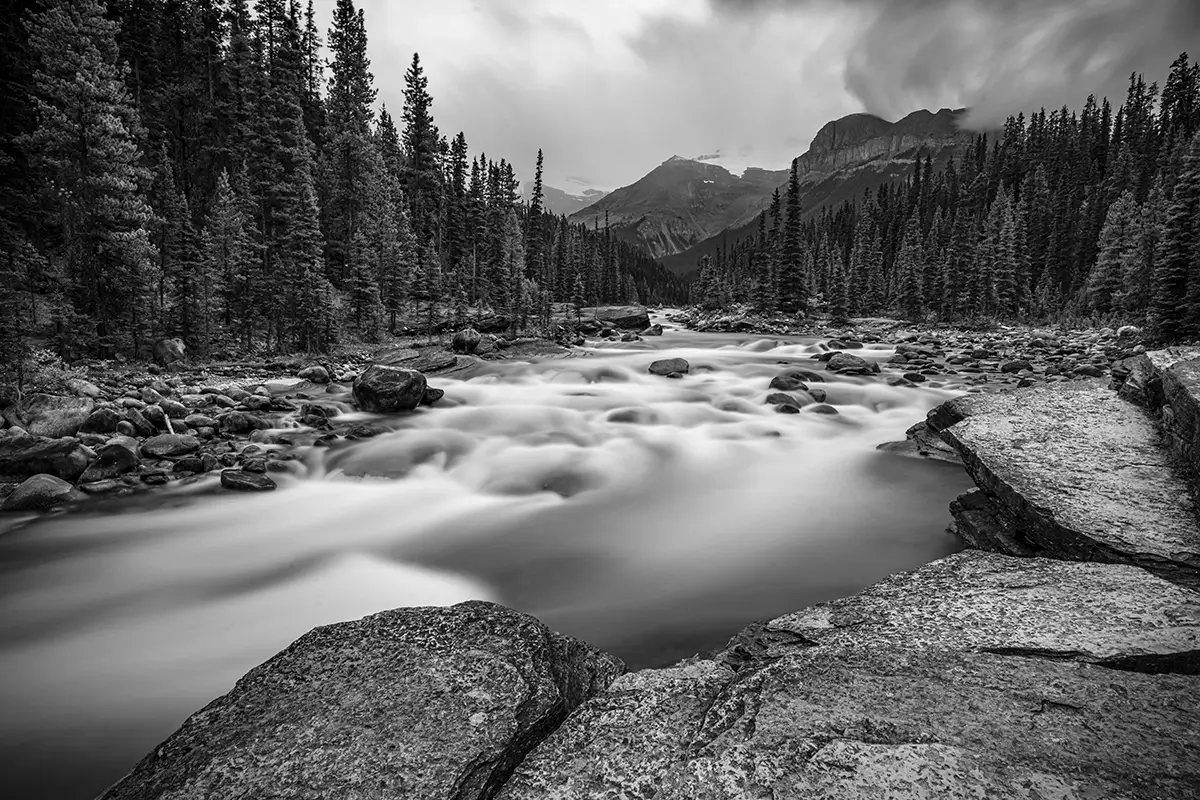
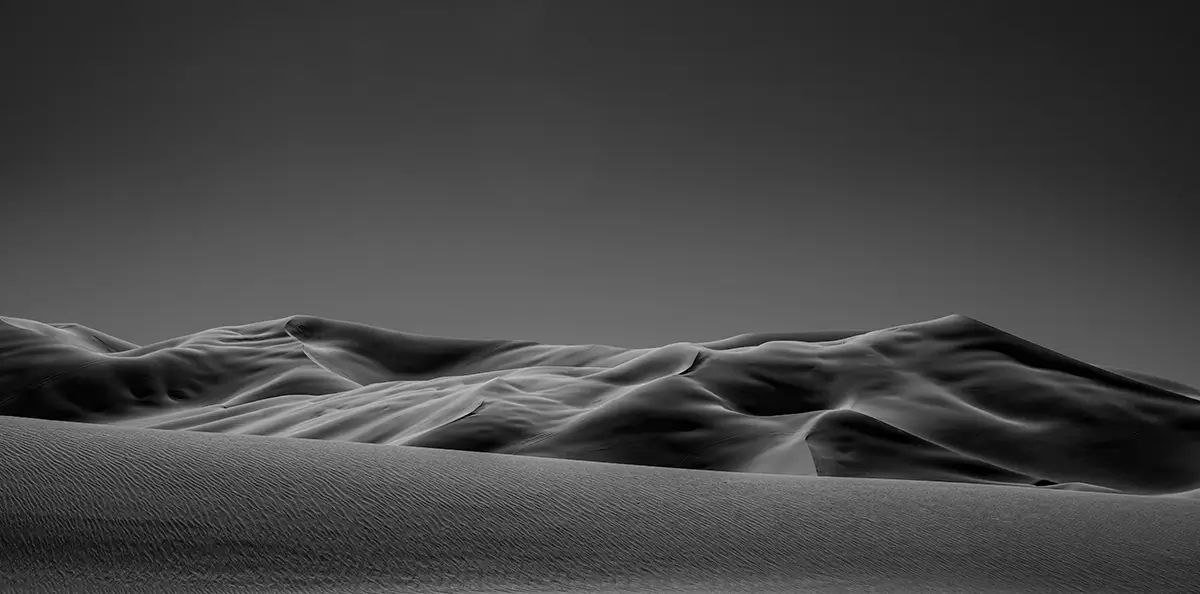
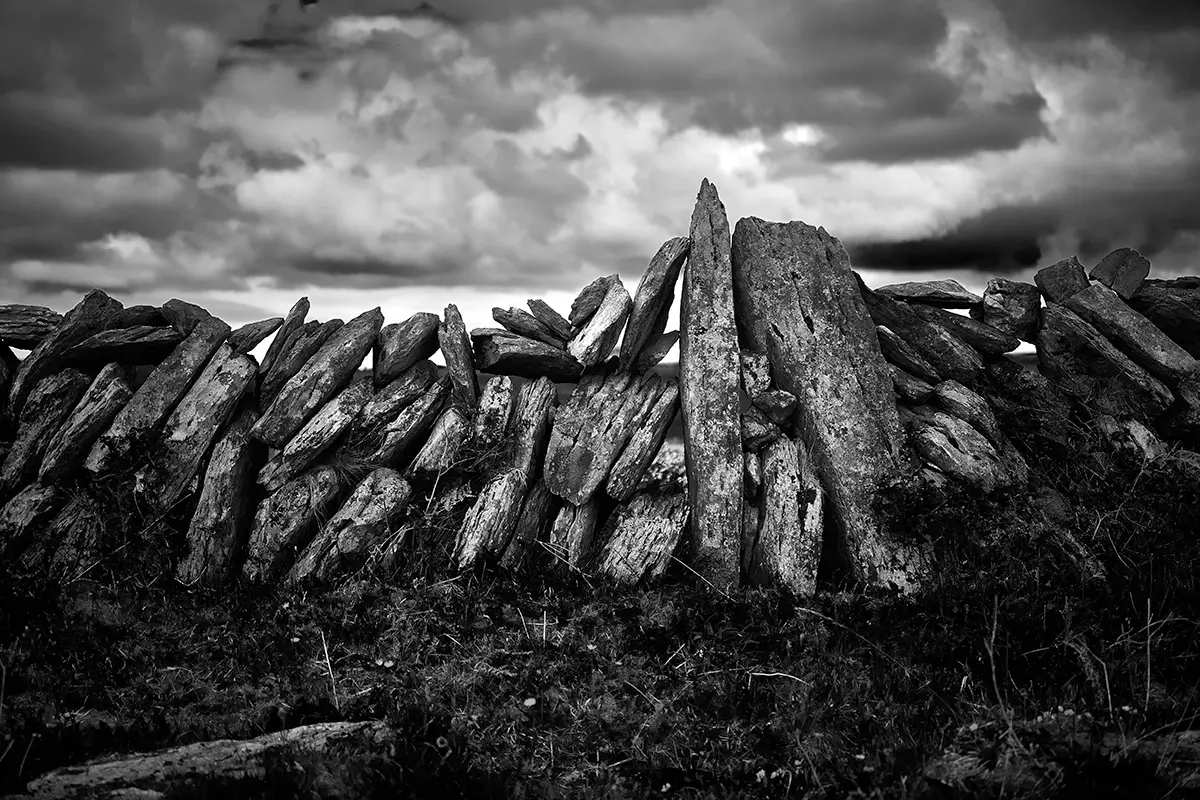
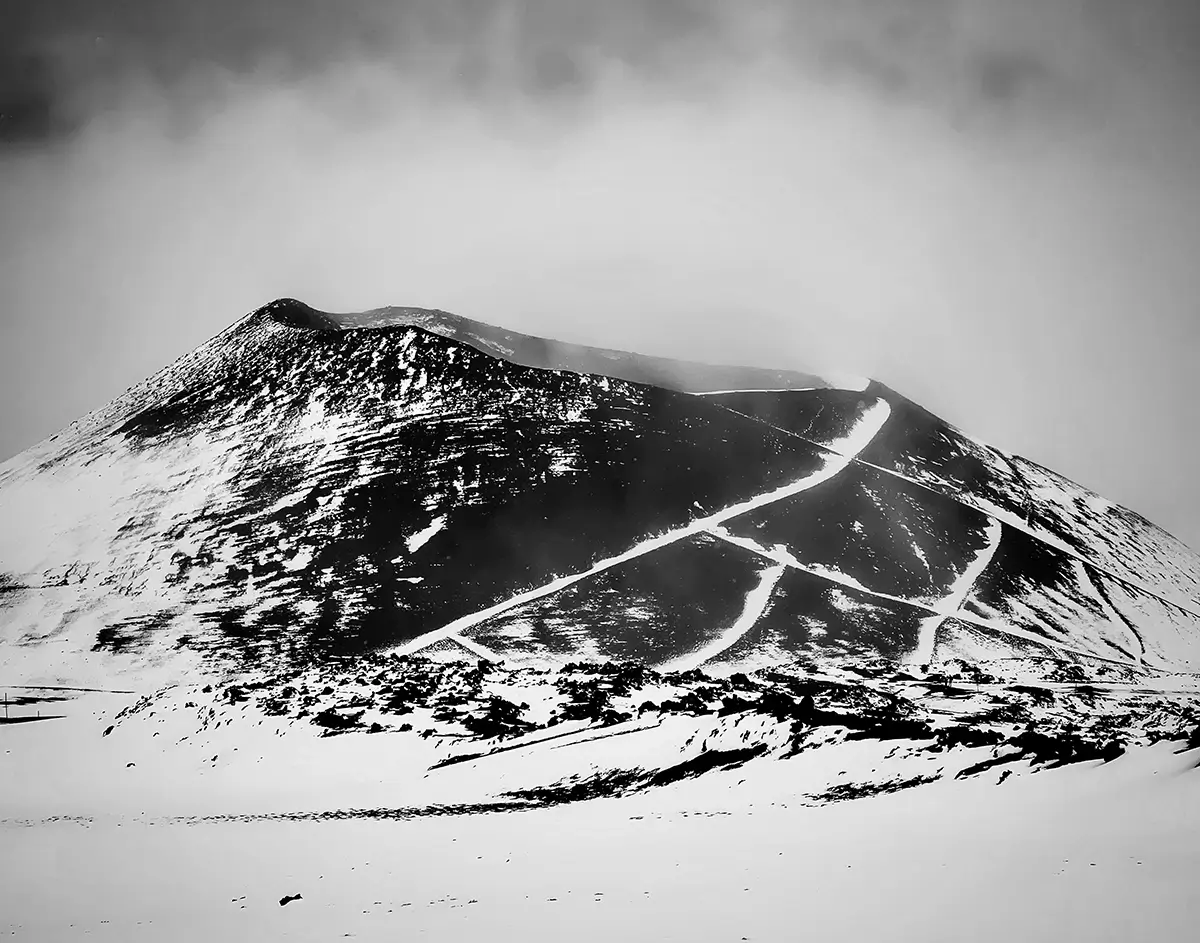
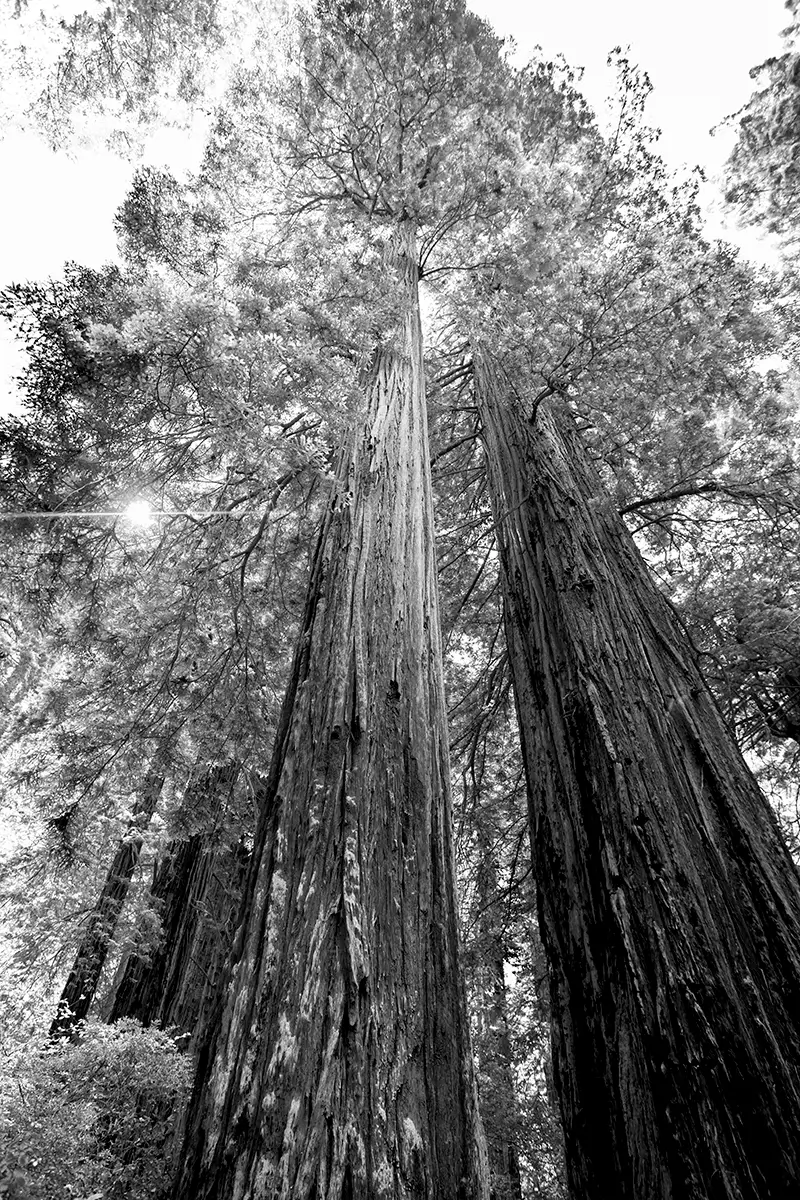
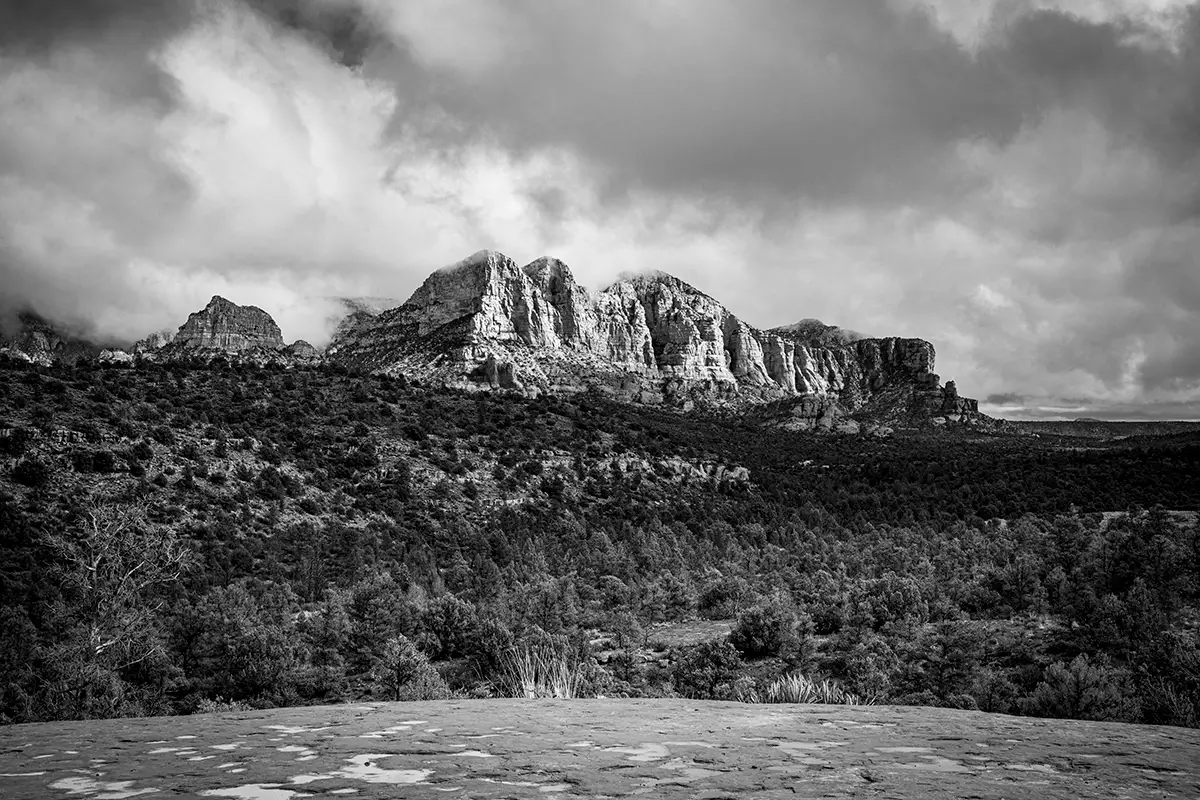
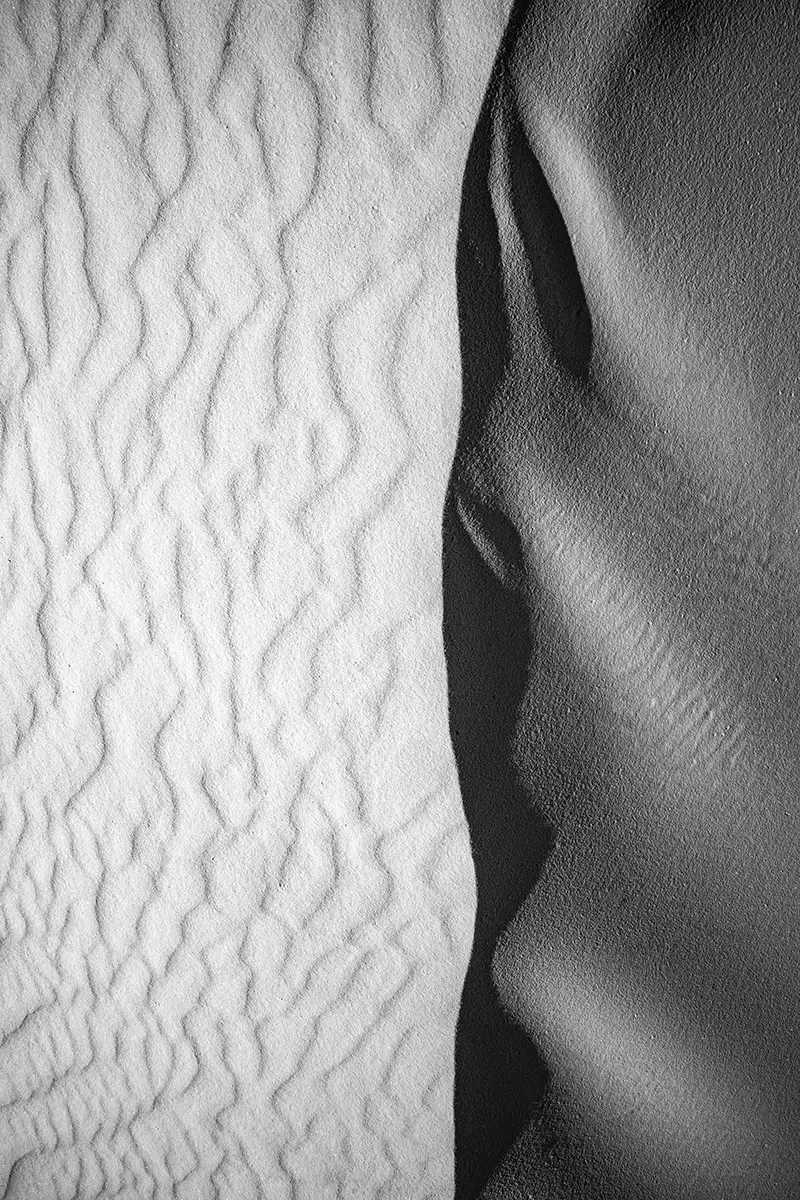
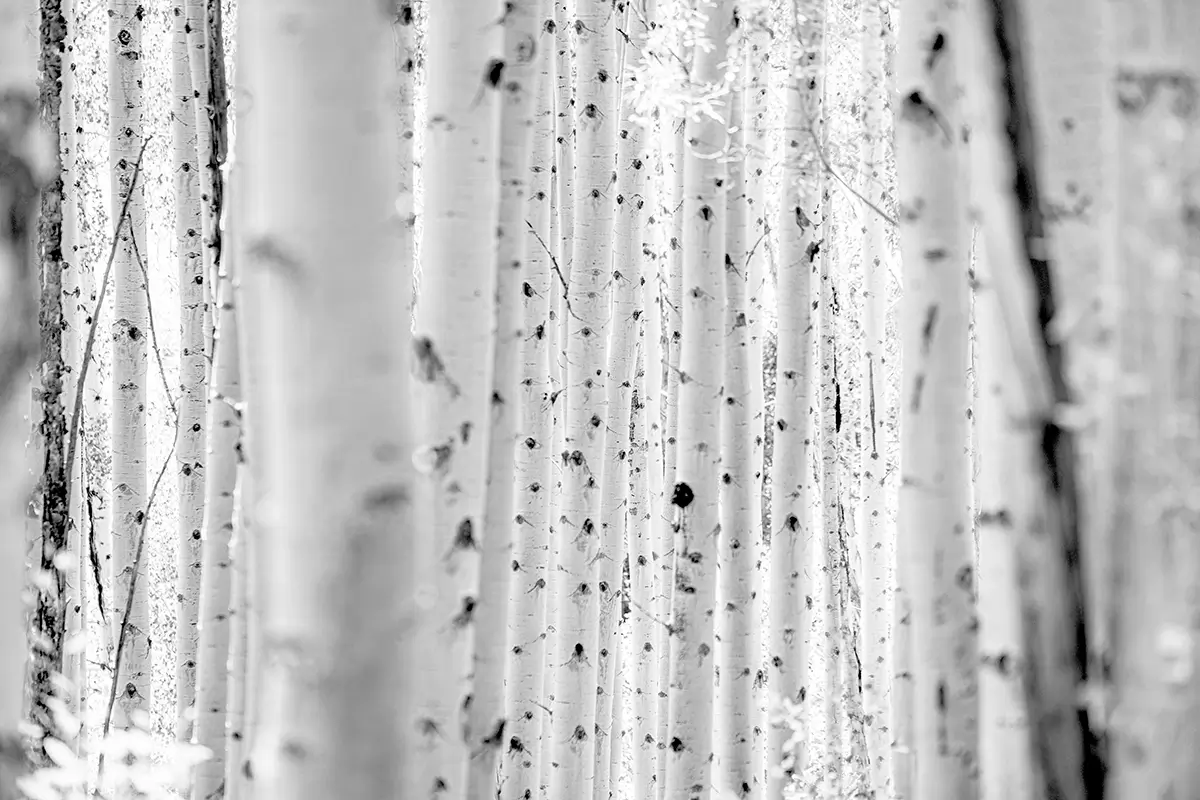
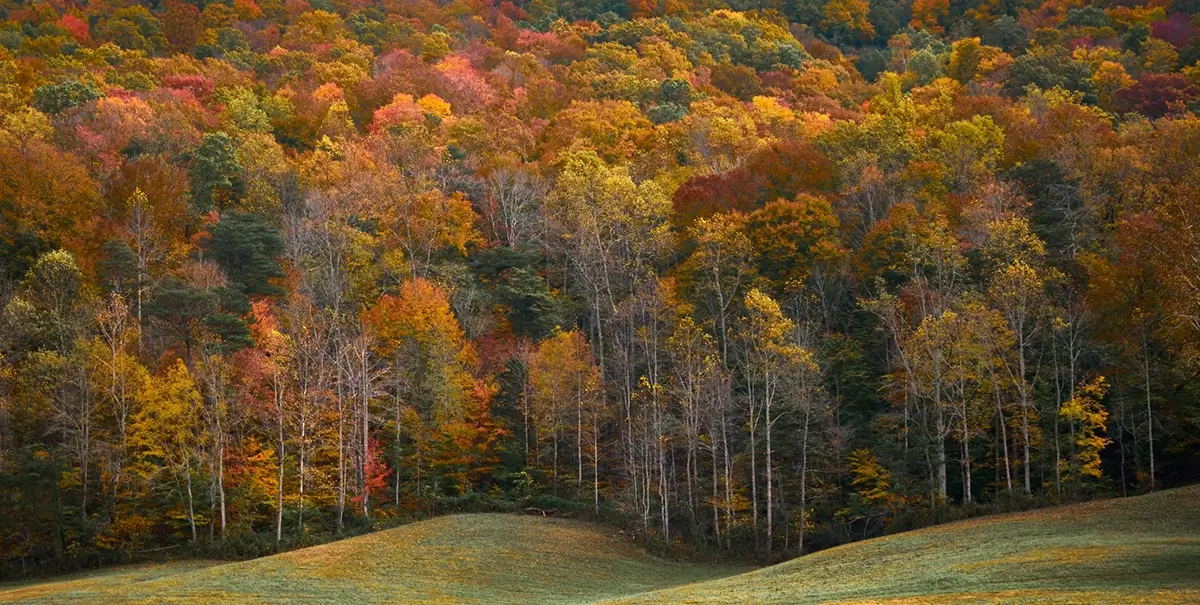
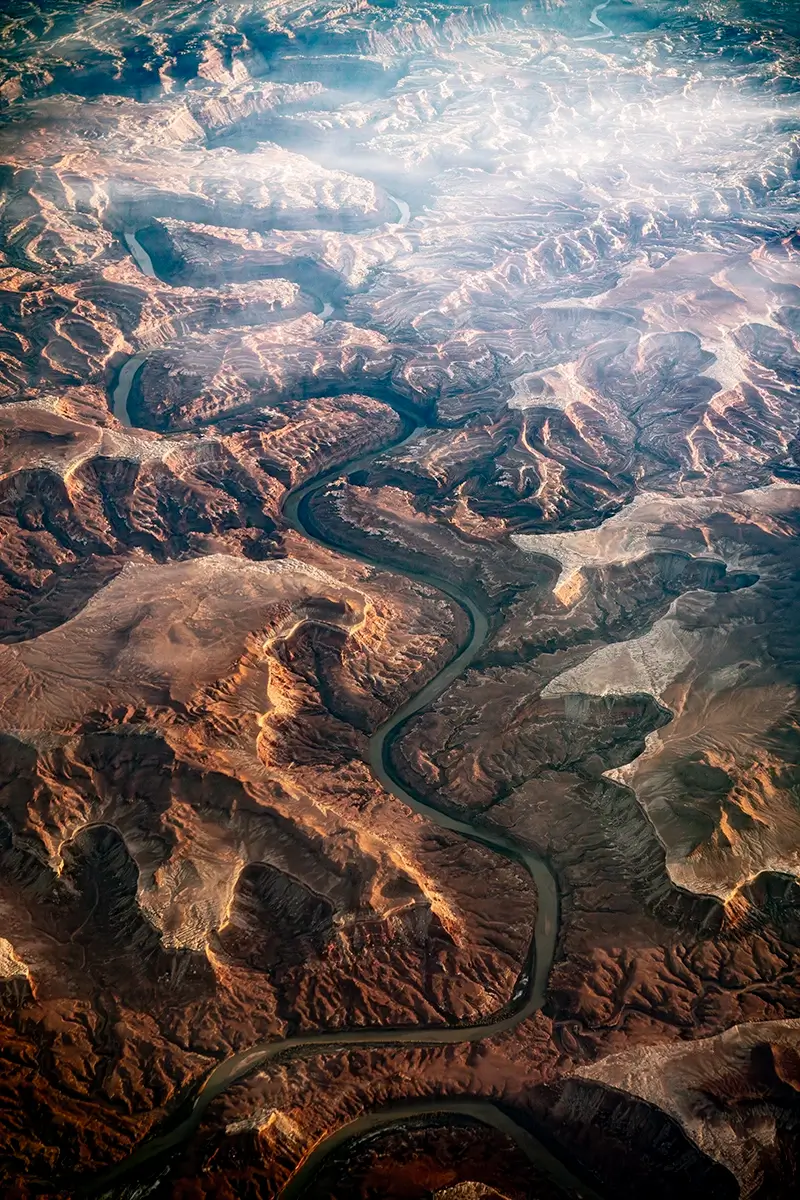
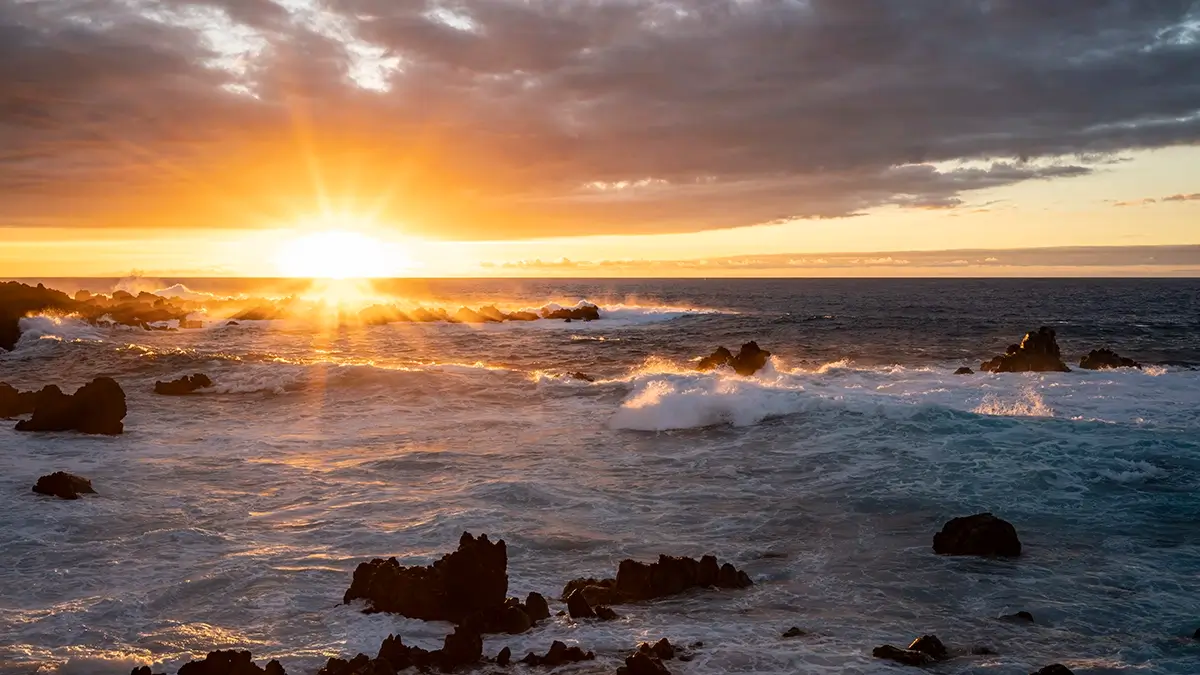
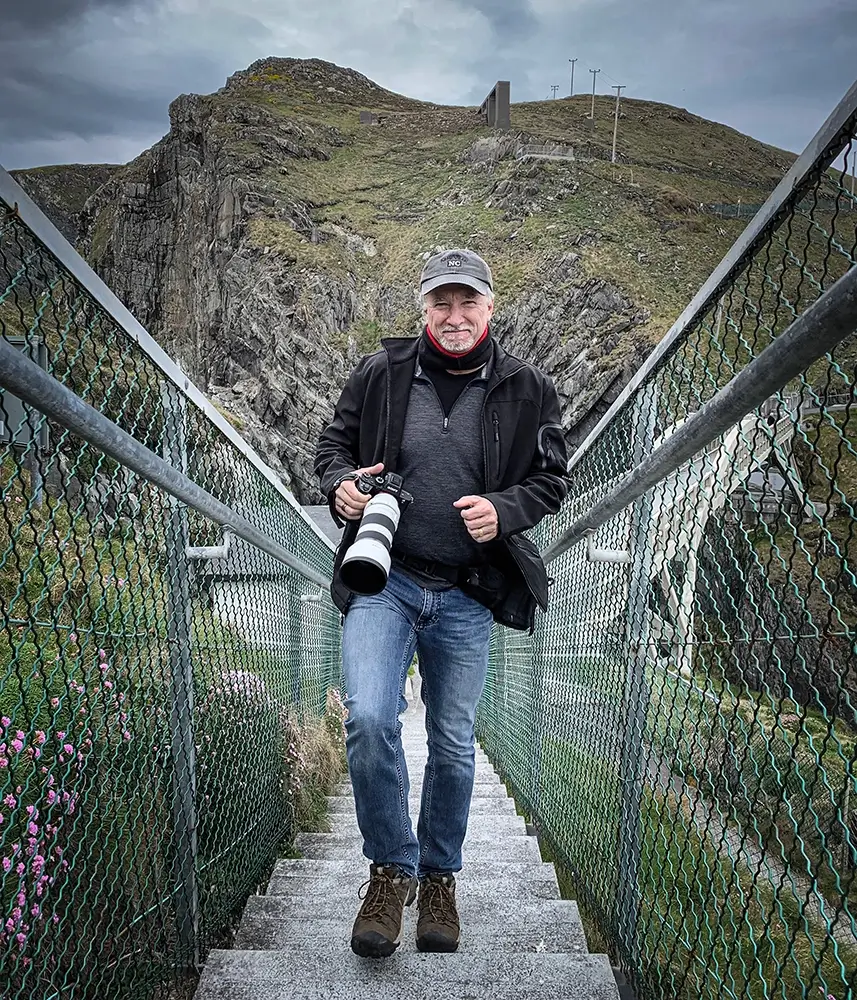
TJ Vissing is a commercial and travel photographer with over 30 years of professional experience. He values the contemplative time spent behind the camera while traveling and is rarely without a window seat on airplanes, observing the landscape below with his camera and telephoto lens at hand. Photography serves as a form of time travel in his practice, slowing the pace of movement and allowing for careful observation. Through this process, he is able to engage more deeply with the places he visits, transforming moments of transit into opportunities for sustained perception.
 

Inspiring Portfolios

Call for Entries
All About Photo Awards 2026
$5,000 Cash Prizes! Juror: Steve McCurry
 
Stay up-to-date  with call for entries, deadlines and other news about exhibitions, galleries, publications, & special events.

More Great Photographers To Discover

Matthew Finley
United States
1972
Matthew Finley uses his photography to express himself and connect to the world around him. With a variety of photography processes, he explores intimate emotions through gesture, line and performance to communicate his experience. Growing up queer in an unaccepting environment, Finley felt apart from the world around him. Now, as an adult working through social anxiety, the studio is a safe space to create where he can be vulnerable and express his true self. Creating and exhibiting his work is a way to forge relationships with viewers and help those who see themselves reflected in it to feel less alone. Finding inspiration in nature, classic art and found photographs, he address-es modern issues such as his coming out story, intimate relationships, and finding peace in our tumultuous world. Based in Los Angeles, Finley’s work has shown in solo and group shows in multiple galleries across the U.S. Most recently, his work was on the walls of the esteemed Fahey/Klein Gallery in Los Angeles with the likes of Herb Ritts and Herbert List. Other works have circled the globe as part of the FOTOFILMIC 17 traveling show and he has pieces in the permanent col-lections of the Museum of Contemporary Photography, Columbia College Chicago, The Museum of Art and History, Lancaster, and the Center for Fine Art Photography. His images have also appeared in publications including Oxford American, Shots Magazine, and Plates to Pixels where he won the Juror Award in The Visual Armistice 10th Annual Juried Showcase. Finley’s most current project An Impossibly Normal Life recently received Center Santa Fe’s 2024 Personal Award as well as the Center for Photographic Art’s 2024 LGBTQ+ Artist Grant.
Andreas Feininger
United States
1906 | † 1999
Andreas Bernhard Lyonel Feininger (December 27, 1906 - February 18, 1999) was an American photographer and a writer on photographic technique. He was noted for his dynamic black-and-white scenes of Manhattan and for studies of the structures of natural objects. Feininger was born in Paris, France, the eldest son of Julia Berg, a German Jew, and the American painter and art educator Lyonel Feininger (1871-1956). His paternal grandparents were the German violinist Karl Feininger (1844-1922) and the American singer Elizabeth Feininger, (née Lutz), who was also of German descent. His younger brother was the painter and photographer T. Lux Feininger (1910-2011). In 1908 the Feininger family moved to Berlin, and in 1919 to Weimar, where Lyonel Feininger took up the post of Master of the Printing Workshop at the newly formed Bauhaus art school. Andreas left school at 16, in 1922, to study at the Bauhaus; he graduated as a cabinetmaker in April 1925. After that he studied architecture, initially at the Staatliche Bauschule Weimar (State Architectural College, Weimar) and later at the Staatliche Bauschule Zerbst. (Zerbst is a city in the German state of Saxony-Anhalt, about 20 km from Dessau, where the Bauhaus moved to in 1926.) The Feininger family moved to Dessau with the Bauhaus. In addition to continuing his architectural studies in Zerbst, Andreas developed an interest in photography and was given guidance by neighbour and Bauhaus teacher László Moholy-Nagy. In 1936, he gave up architecture and moved to Sweden, where he focused on photography. In advance of World War II, in 1939, Feininger immigrated to the U.S. where he established himself as a freelance photographer. In 1943 he joined the staff of Life magazine, an association that lasted until 1962. Feininger became famous for his photographs of New York. Other frequent subjects among his works were science and nature, as seen in bones, shells, plants, and minerals in the images of which he often stressed their structure. Rarely did he photograph people or make portraits. Feininger wrote comprehensive manuals about photography, of which the best known is The Complete Photographer. In the introduction to one of Feininger's books of photographs, Ralph Hattersley, the editor of the photography journal Infinity, described him as "one of the great architects who helped create photography as we know it today." In 1966, the American Society of Media Photographers (ASMP) awarded Feininger its highest distinction, the Robert Leavitt Award. In 1991, the International Center of Photography awarded Feininger the Infinity Lifetime Achievement Award. Today, Feininger's photographs are in the permanent collections of the Center for Creative Photography, the Museum of Modern Art, the Metropolitan Museum of Art, the National Gallery of Art, London's Victoria and Albert Museum, and the George Eastman House in Rochester, New York. Source: Wikipedia
Inge Morath
Austria/United States
1923 | † 2002
Inge Morath, the daughter of a scientist, was born in Austria on 27th May 1923. The family moved to Nazi Germany and as a teenager she was sent to the force labour camp at Tempelhof for refusing to join the Hitler Youth. Morath graduated from Berlin University in 1944. After the Second World War she worked as an interpreter for the United States Information Service before joining the RWR radio network. Morath also contributed articles to the literary magazine Der Optimist. In 1950 Morath moved to France where she worked with the Austrian photographers Ernst Haas and Erich Lessing. This involved writing text captions for the two photographers. The following year she found work as a photojournalist with Picture Post, a magazine based in London. Morath's first book was, Fiesta In Pamplona (1954). After the publication of an photo essay on French worker priests by Morath in 1955 Robert Capa invited her to join the Magnum Photos agency. Other books by Morath included Venice Observed (1956), Bring Forth The Children (1960), Tunisia (1961) and From Persia to Iran (1961). Morath married Arthur Miller in 1962 and together they published the book In Russia (1969). This was followed by My Sister Life (1973) with poems by Boris Pasternak, In the Country (1977), Chinese Encounters (1979), Salesman in Beijing (1984), Portraits (1987), Shaking the Dust of Ages (1998), an autobiography, Life As A Photographer (1999), Masquerade (2000) and Border Spaces; Last Journey (2002). Inge Morath died of lymphatic cancer on 30th January 2002. Source: Spartacus Educational Morath's achievements during her first decade of work as a photographer are significant. Along with Eve Arnold, she was among the first women members of Magnum Photos, which remains to this day a predominantly male organization. Many critics have written of the playful surrealism that characterizes Morath's work from this period. Morath attributed this to the long conversations she had with Cartier-Bresson during their travels in Europe and the United States. Morath's work was motivated by a fundamental humanism, shaped as much by her experience of war as by its lingering shadow over post-war Europe. In Morath's mature work, she documents the endurance of the human spirit under situations of extreme duress, as well as its manifestations of ecstasy and joy. After relocating to the United States, during the 1960s and 1970s Morath worked closer to home, raising a family with Miller and working with him on several projects. Their first collaboration was the book In Russia (1969), which, together with Chinese Encounters (1979), described their travels and meetings in the Soviet Union and the People's Republic of China. In the Country, published in 1977, was an intimate look at their immediate surroundings. For both Miller, who had lived much of his life in New York City, and Morath, who had come to the US from Europe, the Connecticut countryside offered a fresh encounter with America. Reflecting on the importance of Morath's linguistic gifts, Miller wrote that "travel with her was a privilege because [alone] I would never been able to penetrate that way." In their travels Morath translated for Miller, while his literary work was the entrée for Morath to encounter an international artistic elite. The Austrian photographer Kurt Kaindl, her long-time colleague, noted that "their cooperation develop[ed] without outward pressure and is solely motivated by their common interest in the people and the respective cultural sphere, a situation that corresponds to Inge Morath's working style, since she generally feels inhibited by assignments." Morath sought out, befriended, and photographed artists and writers. During the 1950s she photographed artists for Robert Delpire's magazine L'Oeil, including Jean Arp and Alberto Giacometti. She met the artist Saul Steinberg in 1958. When she went to his home to make a portrait, Steinberg came to the door wearing a mask which he had fashioned from a paper bag. Over a period of several years, they collaborated on a series of portraits, inviting individuals and groups of people to pose for Morath wearing Steinberg's masks. Another long-term project was Morath's documentation of many of the most important productions of Arthur Miller's plays. Some of Morath's signal achievements are in portraiture, including posed images of celebrities as well as fleeting images of anonymous passersby. Her pictures of Boris Pasternak's home, Pushkin's library, Chekhov's house, Mao Zedong's bedroom, as well as artists' studios and cemetery memorials, are permeated with the spirit of invisible people still present. The writer Philip Roth, whom Morath photographed in 1965, described her as "the most engaging, sprightly, seemingly harmless voyeur I know. If you're one of her subjects, you hardly know your guard is down and your secret recorded until it's too late. She is a tender intruder with an invisible camera." As the scope of her projects grew, Morath prepared extensively by studying the language, art, and literature of a country to encounter its culture fully. Although photography was the primary means through which Morath found expression, it was but one of her skills. In addition to the many languages in which she was fluent, Morath was also a prolific diary and letter-writer; her dual gift for words and pictures made her unusual among her colleagues. Morath wrote extensively, and often amusingly, about her photographic subjects. Although she rarely published these texts during her lifetime, posthumous publications have focused upon this aspect of her work. They have brought together her photographs with journal writings, caption notes, and other archival materials relating to her various projects. During the 1980s and 1990s, Morath continued to pursue both assignments and independent projects. The film Copyright by Inge Morath was made by German filmmaker Sabine Eckhard in 1992, and was one of several films selected for a presentation of Magnum Films at the Berlin International Film Festival in 2007. Eckhard filmed Morath at home and in her studio, and in New York and Paris with her colleagues, including Cartier-Bresson, Elliott Erwitt and others. In 2002, working with film director Regina Strassegger, Morath fulfilled a long-held wish to revisit the lands of her ancestors, along the borderlands of Styria and Slovenia. This mountainous region, once part of the Austro-Hungarian Empire, had become the faultline between two conflicting ideologies after World War II and until 1991, when attempts at rapprochement led to conflict on both sides of the border. The book Last Journey (2002), and Strasseger's film Grenz Räume (Border Space, 2002), document Morath's visits to her homeland during the final years of her life.Source: Wikipedia
Christian Werner
Germany
1987
Christian Werner is a freelance multimedia/photojournalist based in Boitzum, Germany. As a teenager he developed his interest in photography while traveling to foreign countries. In 2014 he graduated the photojournalism & documentary photography course at the University of Applied Sciences in Hannover. His main interests are social diversity and global political issues. The areas of interest is mainly the arabic world and culture. Chris worked in various countries in Asia, Africa, Eastern Europe and South America. His work has been exhibited internationally. He welcomes assignments local and overseas. Since 2012, Christian is represented by Agency Laif. Source: World Press Photo Chris, born in 1987, studied from 2009 to 2014 photojournalism and documentary photography at the University of Hanover. He works as a freelance photojournalist and published his photos and stories, among others, in Der Spiegel, Die Zeit, TIME Magazine, The Washington Post and many more. From 2012 -2016 Christian Werner was represented by the German reportage agency laif. In late 2016 Chris is represented by Zeitenspiegel. His photographic focus is the processing of social injustice, conflicts and geopolitical issues. His work has been awarded several times and frequently exhibited internationally. In 2015 Chris participated at the World Press Joop Swart Mastercalss in Amsterdam. 2016 Chris has been chosen in the 30 under 30 Europe Forbes List in the Media category. In late summer 2016 he begins working with MOAS (Migrant Offshore Aid Station). Chris worked in various countries in Asia, Africa, Eastern Europe and South America. Artist Statement "Rubble and Delusion - A Journey Through Assad's Syria With the fall of Aleppo, the regime of Bashar Assad once again controls the country's second-largest city. But is reconciliation possible in the country? A journey through the dictator's rump state. Our journey leads us to the three largest cities in northern and western Syria: Aleppo, Latakia and Homs. Aleppo has become symbolic of the brutal bombing campaign. Latakia, the regime stronghold on the Mediterranean, was largely untouched by the war and is still a popular vacation spot in the summer. And Homs, once the center of the uprising, was destroyed and is now slated to become a model of reconstruction."
Herman Leonard
United States
1923 | † 2010
Herman Leonard was born in 1923 in Allentown, Pennsylvania to Romanian immigrants. At the young age of 9, he first witnessed an image being developed in his brother's darkroom and became enthralled with the magic of photography. As the official photographer for his high school, Herman quickly learned that with a camera in hand, he had an "open sesame" to people and events, that his shyness might have prevented him from experiencing. When it came time for college, Herman chose Ohio University, "The only university at the time that could offer me a degree in Photography." His college studies were interrupted from 1943-1945, as Herman joined the United States Army and was sent to Burma with the 13th Mountain Medical Battalion. He had hoped to be a field photographer, but was ironically assigned as a combat anesthetist when he failed a test, which required him to identify the chemical ingredients of film developer. After the war, Herman returned to college and graduated in 1947 with a Bachelor of Fine Arts Degree. Upon graduation from Ohio University, he took a chance and drove to Ottawa, Canada in hopes of working with a famed portraiture photographer, Yousuf Karsh. Karsh was impressed with his determination and took him on as an apprentice. Herman assisted Karsh in the darkroom and with photographic sittings including, Martha Graham, Harry Truman, and Albert Einstein. Karsh's photographic advice to Leonard, "Tell the truth, but in terms to beauty." During a portrait session with Albert Einstein, Leonard questioned the professor about the connection between a musician and a mathematician. Einstein's response, "Improvisation." Leonard was inspired by these two influential men and applied their credos to his work. In 1948, Herman's passion for jazz brought him to New York City's Greenwich Village, where he set up a small studio at 220 Sullivan Street. He made his way into the swinging clubs of Broadway, 52nd Street and Harlem. With his camera as his free ticket, he offered to shoot publicity stills at the jazz clubs for admission. While shooting at The Royal Roost and Birdland, he quickly developed friendships with the some of the greats of jazz royalty, including Duke Ellington, Miles Davis, Dizzy Gillespie, Charlie Parker, Lena Horne, Billie Holiday, Louis Armstrong, Quincy Jones and many more. His stunning photographs began appearing in Downbeat and Metronome magazines, and on the covers of albums while working for jazz producer Norman Granz. In 1956, he was hired by Marlon Brando as his personal photographer and traveled with him on an extensive research trip throughout the Far East. Upon his return to NYC, he was offered a position at Barclay Records in Paris, France. He continued to photograph the prolific jazz scene, with many of the American jazz artists now living there, he also photographed many French recording artists such as Charles Aznavour, Jacques Brel, Eddy Mitchell and Johnny Hallyday. Paris would be his home for the next 25 years, working from his studio in Paris's Neuilly-sur-Seine neighborhood. He also had a successful career working in advertising, for fashion houses Yves St. Laurent and Dior, as well as many international magazines including Life, Time and early Playboy. In 1980, he left France for a more tranquil life, and moved his family to the Spanish island of Ibiza. During that time he rediscovered his jazz negatives that had been stored in a box under his bed, and in 1985 released his first book, The Eye of Jazz, published by Hachette/Filipachi Publications. In 1988 he moved to London where he had the first exhibition of his jazz photographs at the Special Photographers Company. After rave reviews by the London Times and the BBC, he became an overnight sensation, with 10,000 people coming to the small Notting Hill gallery to view his unseen images. The following year he premiered his first US show, which toured nationally. After living in Europe for over thirty years, he returned to the U.S. In 1992, an exhibit in New Orleans would change his life. He fell in love with the city and moved there to immerse himself in its vibrant and lively jazz scene. He continued to exhibit his work around the world in numerous solo shows. In 1995, Leonard released his second book, Jazz Memories, published by Editions Filipacchi, and in that same year was awarded an "Honorary Masters of Science in Photography" from The Brooks Institute of Photography. Other awards received at this time included the "Milt Hinton Award for Excellence in Jazz Photography," from Jazz Photographer's Association, the "Excellence in Photography Award" from the Jazz Journalists Association, and a "Lifetime Achievement Award" from Downbeat Magazine in 2004. In August 2005, Hurricane Katrina destroyed his home and studio when it was flooded with over 8 feet of water. The storm claimed his life's work, some 8,000 silver gelatin photographs that had been hand printed by him, a master printer in his own right. As the storm blew in, Leonard's crew had gathered the negatives and securely placed them in the care of the Ogden Museum of Southern Art, where they were stored in an upper level vault. At the age of 82, and with his city in ruins, he decided to move with his family to Los Angeles to reestablish his life and business. In 2006, he released his third book, Jazz, Giants, And Journeys: The Photography of Herman Leonard, published by Scala Publishers, Ltd. In the forward to the book, Quincy Jones wrote, "When people think of jazz, their mental picture is likely one of Herman's." Herman Leonard's photographs, now considered fine art collector's items, are a unique record of the jazz scene in the 1940's, 50's and 60's. Throughout his long life, he traveled and lived around the world, capturing images with his distinctive style. Whether he was photographing Miles Davis, Frank Sinatra, Louis Armstrong or a street musician in his home in New Orleans, Herman's smile, warmth and engaging personality continued to open doors for him and his camera; to reveal a world we might have missed. Certainly Herman Leonard's iconic photographs will long be remembered not only for their enduring historic significance, but also for their breathtaking artistic beauty. They are part of the permanent archives of the Smithsonian Museum in Washington, D.C., where they are considered as essential to American music history as Benny Goodman's clarinet or Louis Armstrong's trumpet. His legacy has continued to be honored with major touring exhibitions of his work including the GRAMMY Museum in Los Angeles, Jazz at Lincoln Center in NYC, the San Francisco Jazz Center (SFJAZZ), the National Portrait Gallery in Washington, DC, and The Clinton Presidential Center. President Bill Clinton has called Herman Leonard, "The greatest jazz photographer in the history of the genre." In the last years of his life, Herman Leonard's goal was to bring his entire jazz collection, comprising a visual documentation of America's original art form, back to life and preserve it for future generations. Source: hermanleonard.com
Damian Lemański
Damian Lemański aka Damian Wolf Wagabunda Polish freelance photojournalist documenting the life around him. He is mainly interested in people and their place in today's world - especially those left aside, on the margins of society. In 2008 he graduated from the European Academy of Photography in Warsaw - Dr Izabela Jaroszewska's school. He took part in workshops led by Kadir van Lohuizen, Pep Bonet, Tanya Habjouga, Espen Rasmussen, Stefano De Luigi, Tomasz Tomaszewski, Michael Ackerman, Lorenzo Castore. Vagabond and dreamer. At the turn of 2011 and 2012 he wandered for 181 days through South America. From this solitary expedition he edited the film 181. And in 2015 he set off on his bike from Korsze in Masuria (Poland) to Africa, to reach Dakar in Senegal after 171 days. During this expedition, together with the foundation Hear Africa, he raised money for the education of a deaf girl, Makane Dieng. From this expedition, Damian created the film Restaurant, which premiered in February 2018. In early 2019, he flew to the Greek island of Lesbos, where Europe's largest refugee camp is located, because he wanted to get to know the people that so many are afraid of without knowing them at all. For a few weeks, walking between tents in the so-called jungle next to the Moria camp (which he was not allowed into) and in other places on the island, he met hundreds of people who willingly invited him to join them around the campfire for warm tea or a meal in the tent that is currently their home, shared bread they had just baked in an oven dug into the ground, and shared heartbreaking stories. He met people who live in inhumane conditions and try to maintain their dignity, people who, having little, get offended if you don't eat enough, when they offer what they have. He also met there a wonderful Greek couple, Katerina and Nikos, who 6 days a week host the residents of the Moria and Kara Tepe camps for dinner in their restaurant and take the meals to the place. They are assisted by many volunteers, including from Poland. In October 2019, he visited Senegal again - this time to document the work of the Polish Medical Mission. At that time, he met Huleje (Little Princess) and her parents. Since 2017, every now and then he visits Lunik IX, a Roma settlement in Kosice, Slovakia, where he left his heart among the children living there. On a daily basis, he tries to love.
Advertisement
All About Photo Awards 2026
Win a Solo Exhibition in February
All About Photo Awards 2026

Latest Interviews

Exclusive Interview with Marijn Fidder
Marijn Fidder is a Dutch documentary photographer whose work powerfully engages with current affairs and contemporary social issues. Driven by a deep sense of social justice, she uses photography to speak on behalf of the voiceless and to advocate for the rights of those who are most vulnerable. Her images have been widely published in major international outlets including National Geographic, CNN Style, NRC Handelsblad, Volkskrant, GUP New Talent, and ZEIT Magazin. Her long-term commitment to disability rights—particularly through years of work in Uganda—culminated in her acclaimed project Inclusive Nation, which earned her the title of Photographer of the Year 2025 at the All About Photo Awards. She is also the recipient of multiple prestigious honors, including awards from World Press Photo and the Global Peace Photo Award. We asked her a few questions about her life and work.
Exclusive Interview with Josh S. Rose
Josh S. Rose is a multidisciplinary artist working across photography, film, and writing. His practice bridges visual and performing arts, with a strong focus on movement, emotion, and the expressive potential of the image. Known for his long-standing collaborations with leading dance companies and performers, Rose brings together authenticity and precise composition—a balance he describes as “technical romanticism.” His work has been commissioned and exhibited internationally, appearing in outlets such as Vogue, at the Super Bowl, in film festivals, and most recently as a large-scale installation for Lincoln Center for the Performing Arts. A sought-after collaborator, he has worked with major artists, cultural institutions, and brands, following a previous career as Chief Creative Officer at Interpublic Group and the founder of Humans Are Social. We asked him a few questions about his life and work.

Interview with Maureen Ruddy Burkhart
Photographer Maureen Ruddy Burkhart brings a quietly attentive and deeply human sensibility to her exploration of the world through images. Shaped by a life immersed in photography, film, and visual storytelling, her work is guided by intuition, observation, and an enduring interest in the emotional undercurrents of everyday life. With a practice rooted in both fine art traditions and documentary awareness, she approaches her subjects with sensitivity, allowing subtle moments to emerge naturally rather than be imposed. Her series Til Death, selected as the Solo Exhibition for February 2025, reflects this long-standing commitment to photography as a space for reflection rather than spectacle. Drawn to moments that exist just outside the expected frame, Burkhart’s images suggest narratives without resolving them, leaving room for ambiguity, humor, and quiet connection. We asked her a few questions about her life and work.
Exclusive Interview with Peter Ydeen
Winner of AAP Magazine #45 Travels, his series reflects this unique vision—capturing the spirit of place through subtle layers of light, color, and emotion. Whether traveling abroad or observing the rhythms of his own surroundings, Ydeen creates images that feel both grounded and enchanted, inviting viewers into a world where reality and reverie meet.
Exclusive Interview with Julie Wang
Chinese-born photographer Julie Wang brings a poetic, contemplative sensitivity to her visual exploration of the world. Having lived for nearly equal parts of her life in China, Europe, and the United States, she approaches her subjects with the nuanced perspective of someone shaped by many cultures. This blend of distance, curiosity, and emotional resonance infuses her work with a quiet depth, allowing her to reveal the fragile beauty and subtle tensions that often pass unnoticed.
Exclusive Interview with Ghawam Kouchaki
American photographer Ghawam Kouchaki brings a sharply observant and introspective gaze to the streets of Japan’s capital. Based in Los Angeles, he approaches Tokyo with the distance — and curiosity — of an outsider, allowing him to uncover the city’s subtle contradictions, quiet tensions, and fleeting gestures that often go unnoticed. His series Tokyo no no, selected as the Solo Exhibition for December 2024, explores the hidden undercurrents of urban life: the unspoken rules, the small ruptures in routine, the poetic strangeness found in everyday moments. Through muted tones, instinctive timing, and meticulous framing, Kouchaki reveals a Tokyo that exists somewhere between reality and imagination — both intimate and enigmatic. We asked him a few questions about his life and work.
Exclusive Interview with Tommi Viitala
Tommi Viitala, winner of AAP Magazine #44: Street, is a Finnish photographer celebrated for his striking and cinematic street photography. With a keen eye for atmosphere and composition, he captures fleeting urban moments that reveal the poetry of everyday life. His work often explores the tension between solitude and connection within contemporary cityscapes, blending documentary realism with artistic sensibility. Viitala’s photographs have been exhibited internationally and recognized for their strong visual storytelling and emotional depth. We asked him a few questions about his life and work.
Exclusive Interview with Robert Mack
Robert Mack is a California-based visual artist, photographer, and filmmaker. His fine art photography and films have been exhibited widely in the United States and Europe, with major shows at the Baltimore Museum of Art and the Reiss-Engelhorn Museum in Mannheim, Germany. Both institutions hold his work in their permanent collections. Working across different media, Mack has built a career exploring the complexities of human presence and representation. In 1981, while living in Baltimore, he produced The Perkins Project: Not Guilty by Reason of Insanity, a rare photographic and film study inside Maryland’s hospital for the criminally insane. These stark yet compassionate black-and-white portraits remain one of his most powerful and controversial bodies of work.
Exclusive Interview with Alan Schaller About Irys
Alan Schaller is a London-based photographer best known for his striking black-and-white street photography and as co-founder of Street Photography International, one of the largest online communities dedicated to the genre. With years of experience both behind the camera and in building platforms that give visibility to photographers, Schaller has now turned his focus to creating a new digital space for photography itself. His latest venture, Irys, is a photography app designed by photographers, for photographers, with the aim of offering a dedicated platform where images are respected as works of art rather than treated as disposable content.
Call for Entries
All About Photo Awards 2026
$5,000 Cash Prizes! Juror: Steve McCurry