All about photo.com: photo contests, photography exhibitions, galleries, photographers, books, schools and venues.
Submit your Best Project to Win a Solo Exhibition this March!
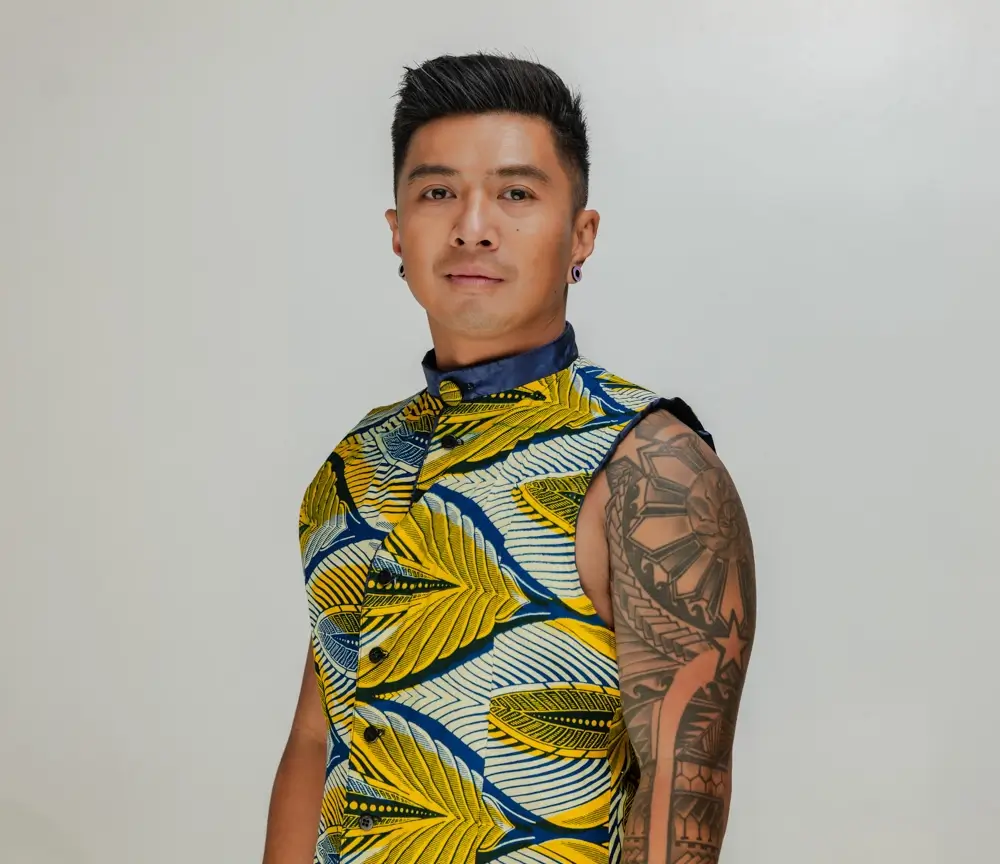
Mogli Maureal
Mogli Maureal
Mogli Maureal

Mogli Maureal

Country: Philippines/United States
Birth: 1990

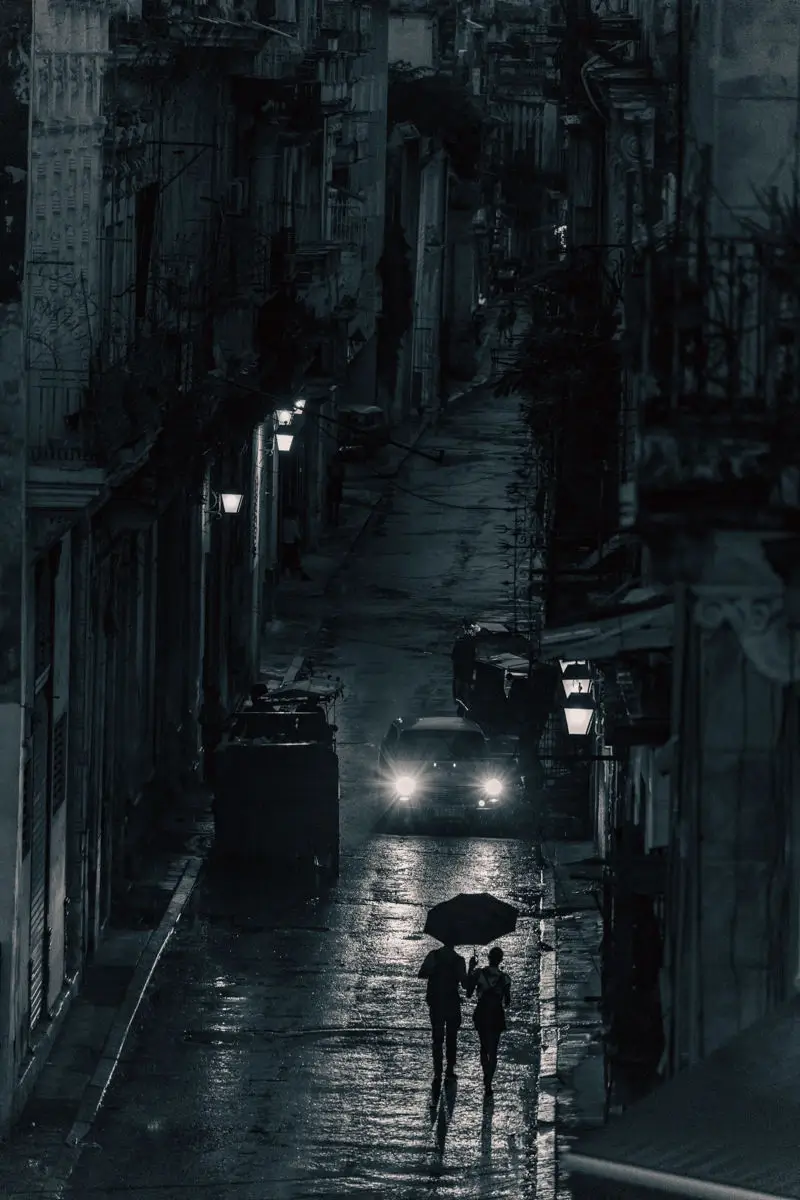
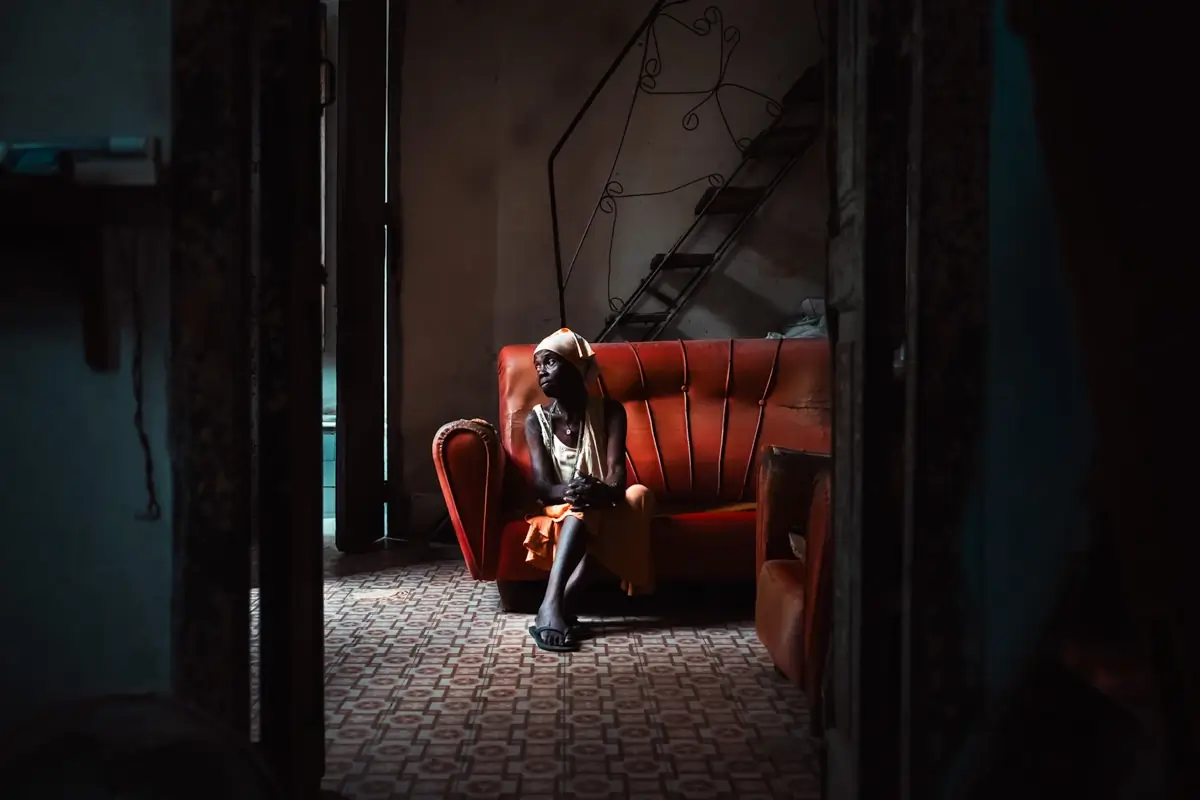
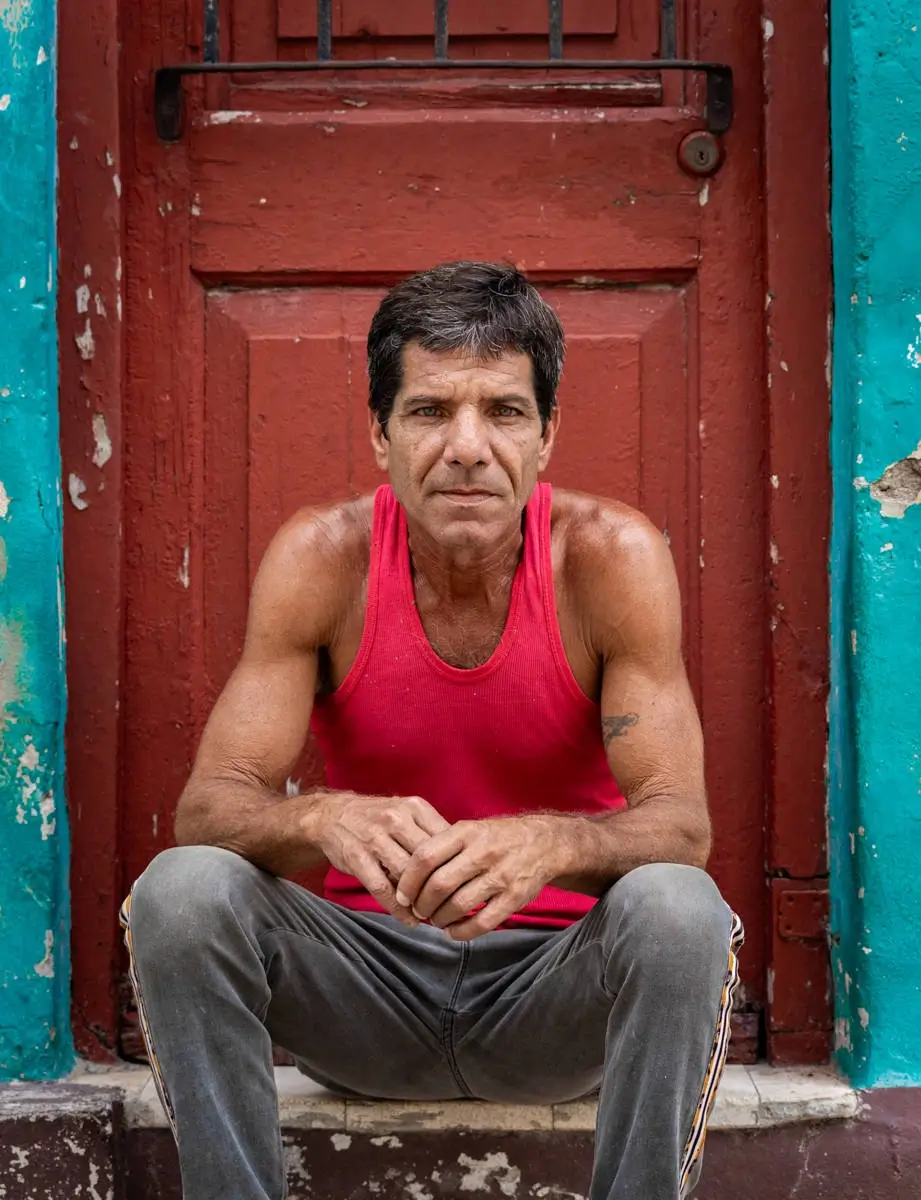
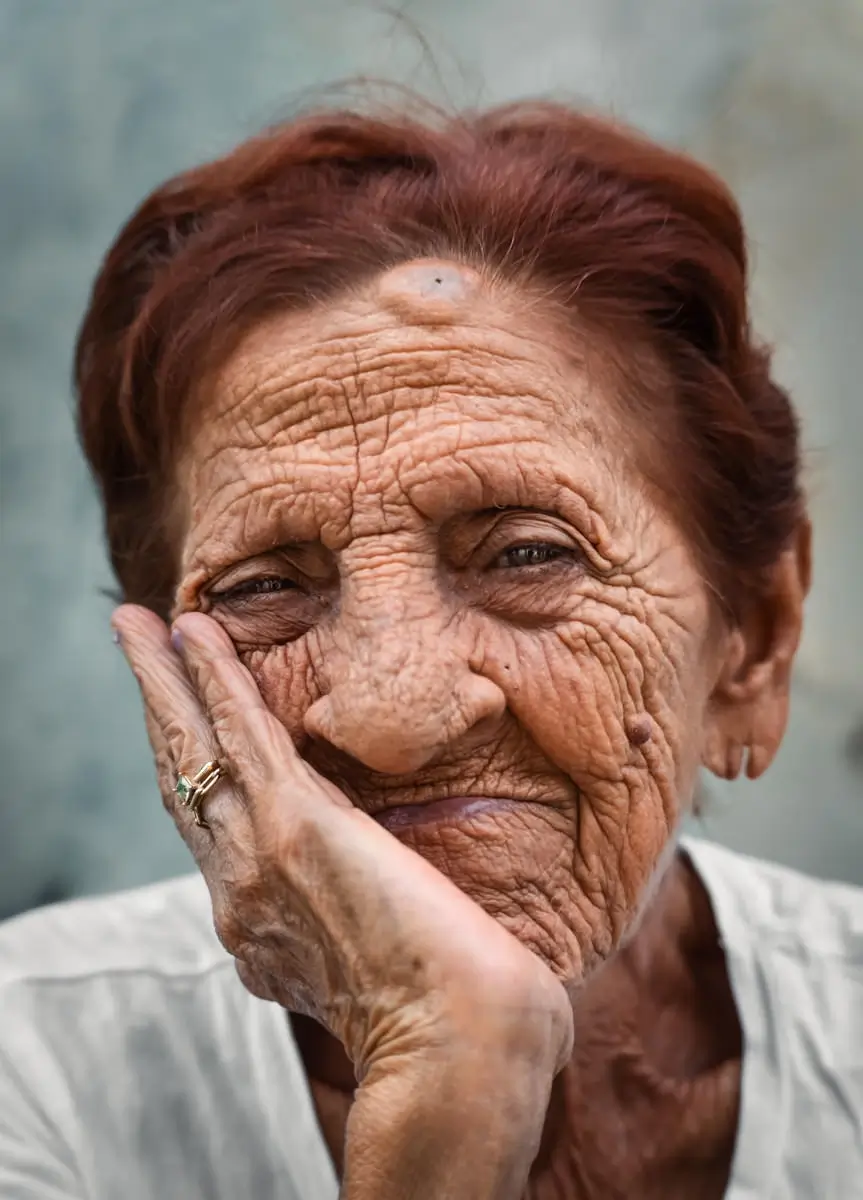
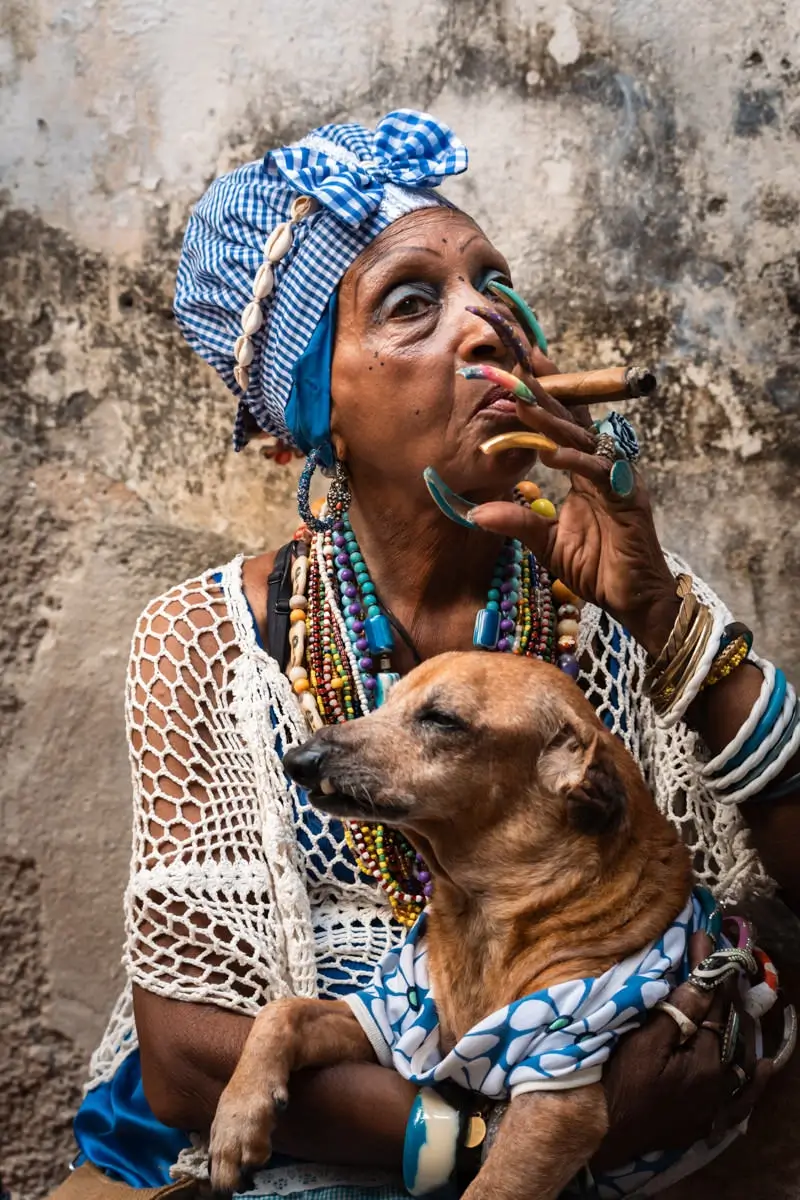
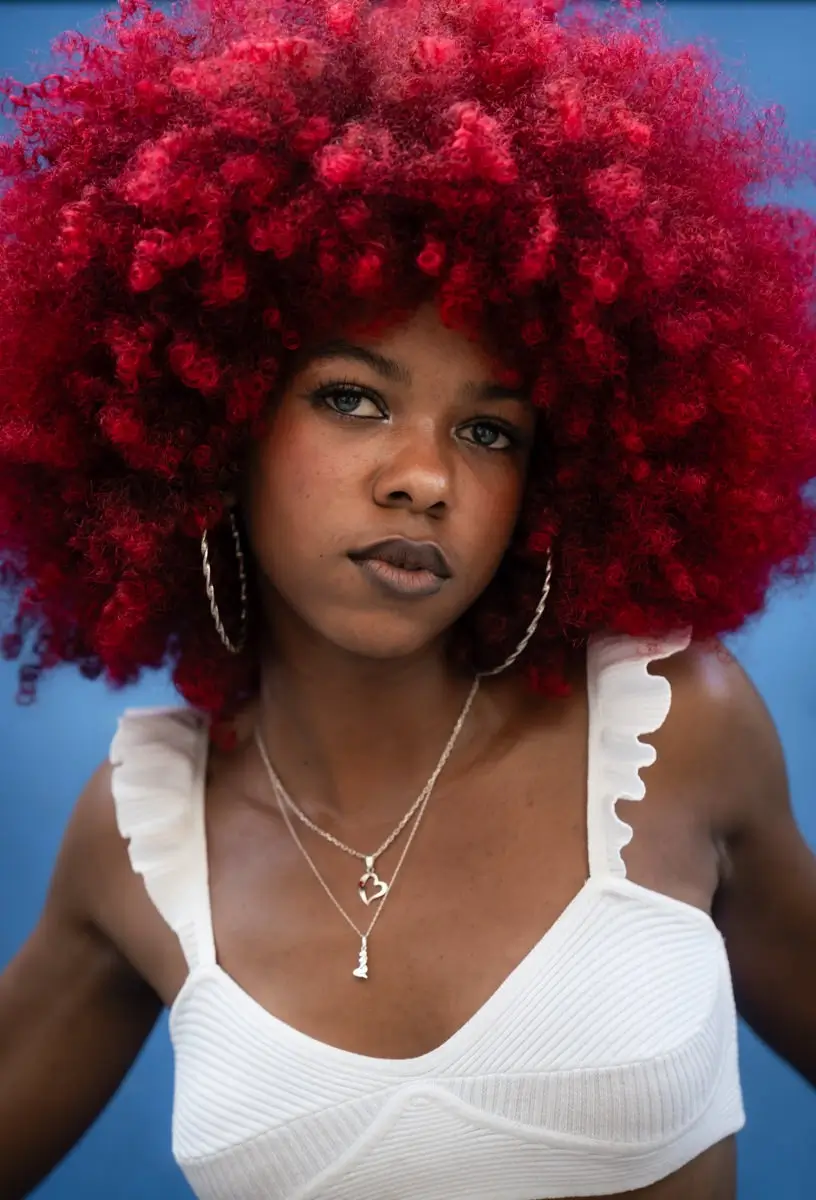
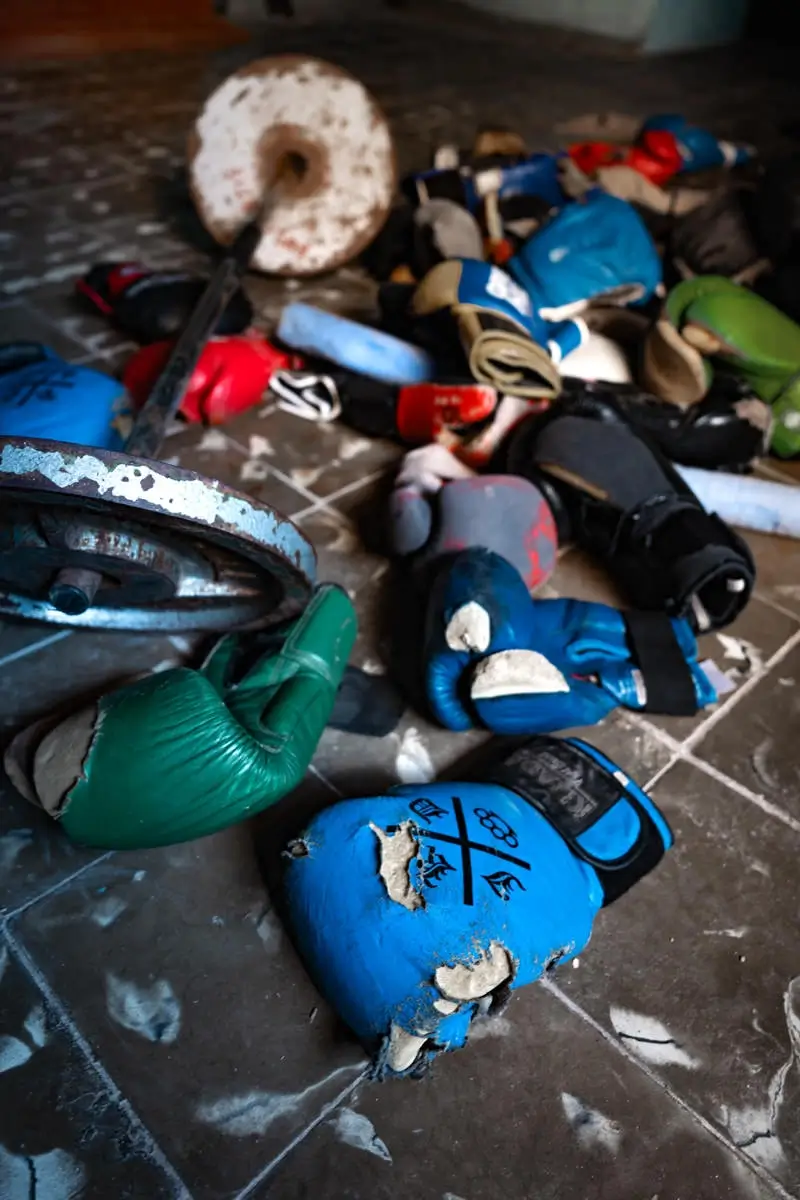
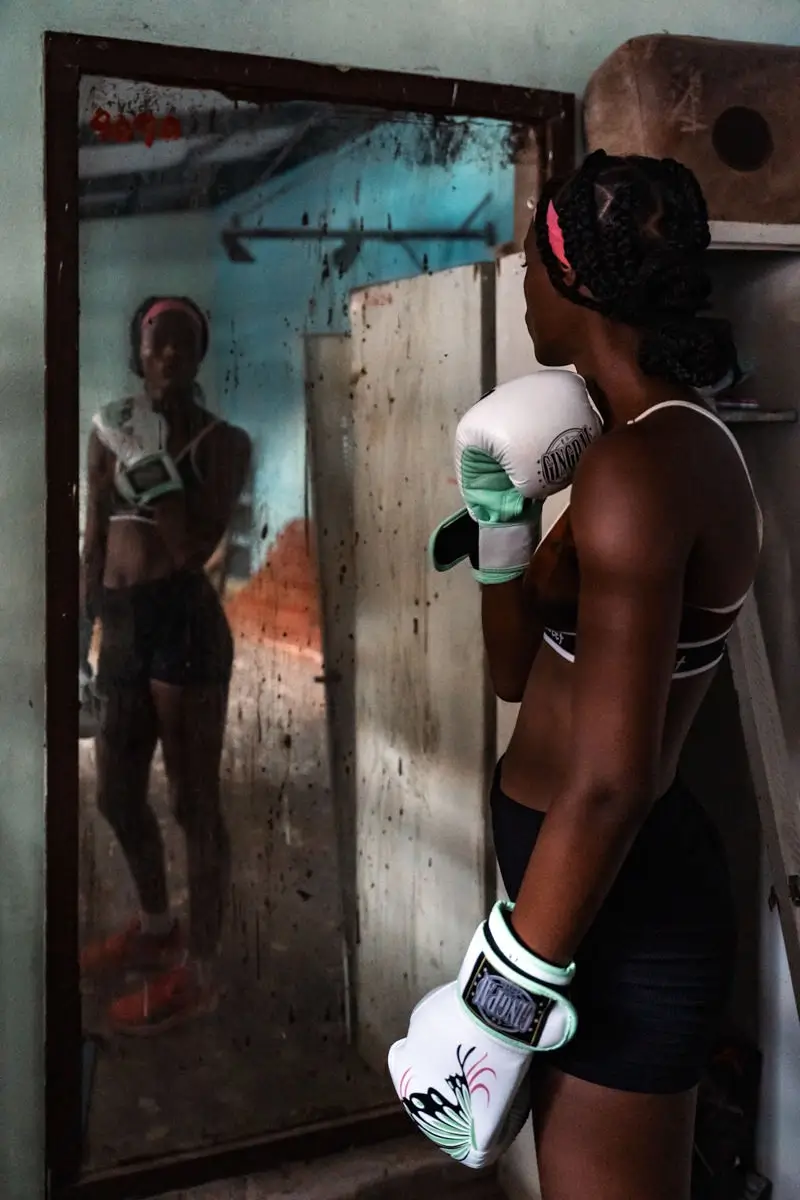
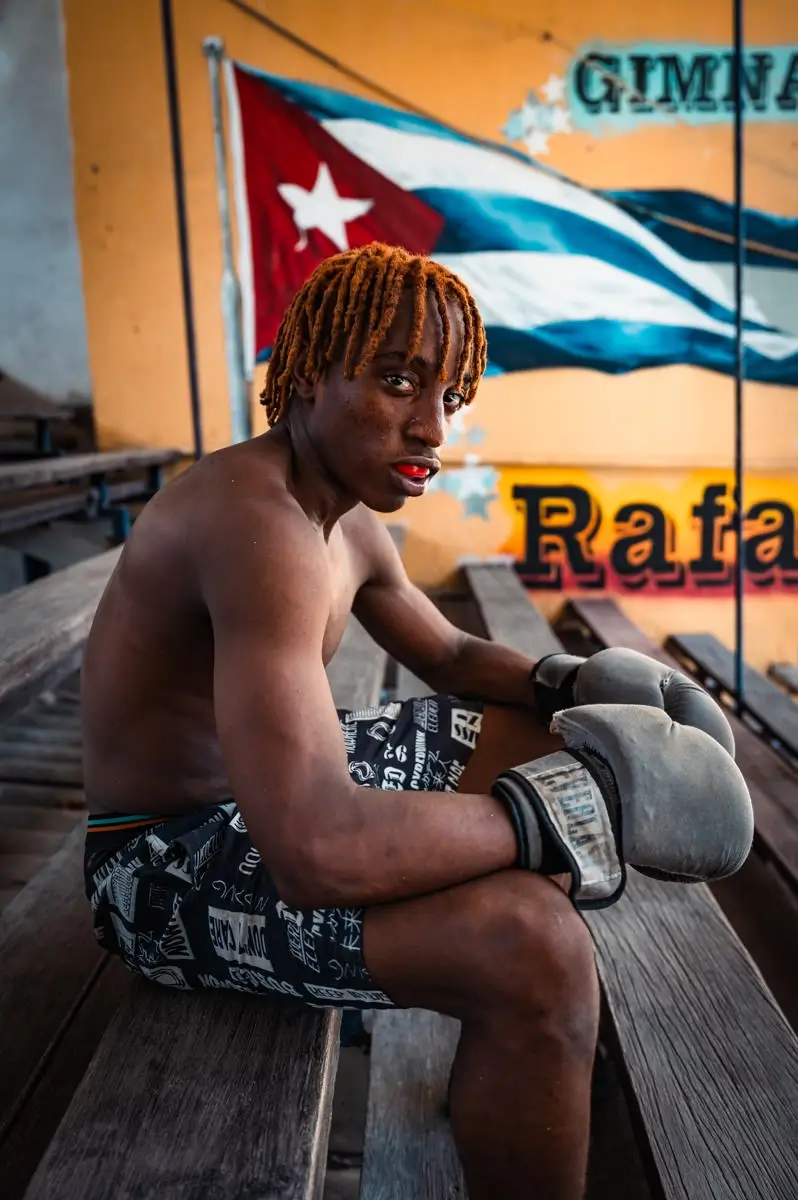
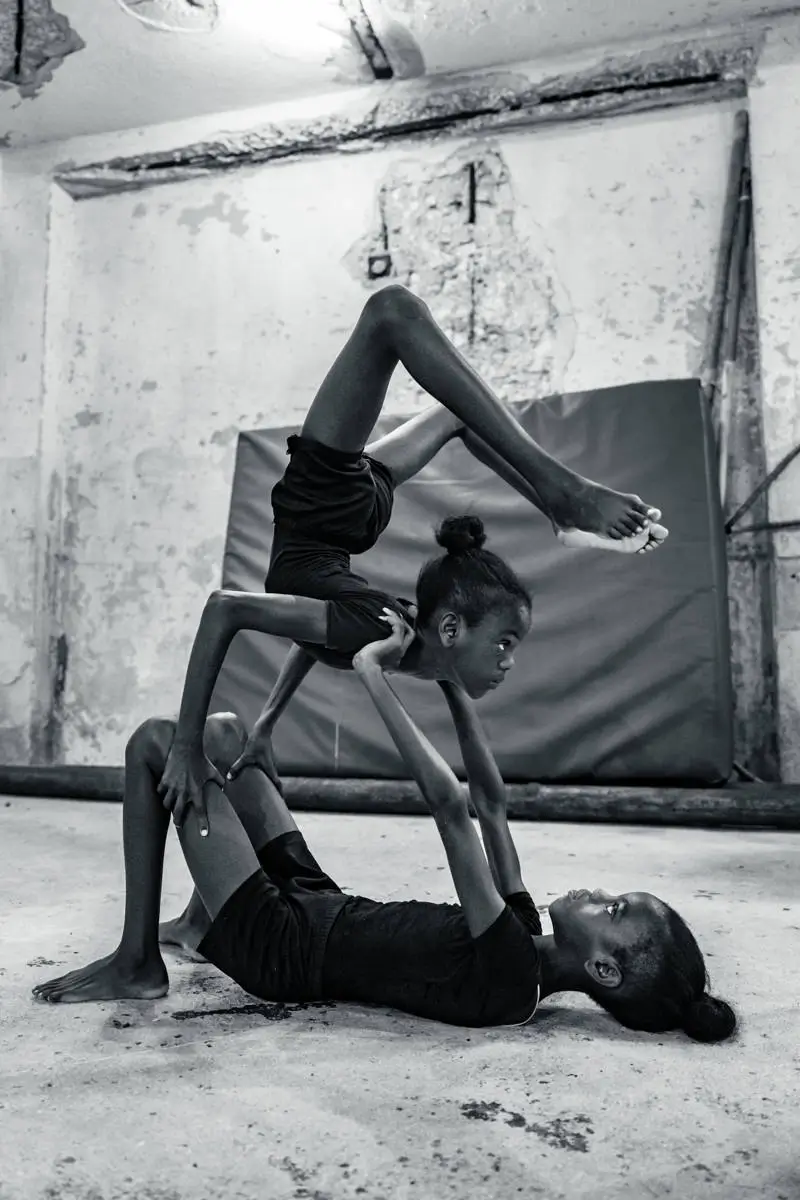
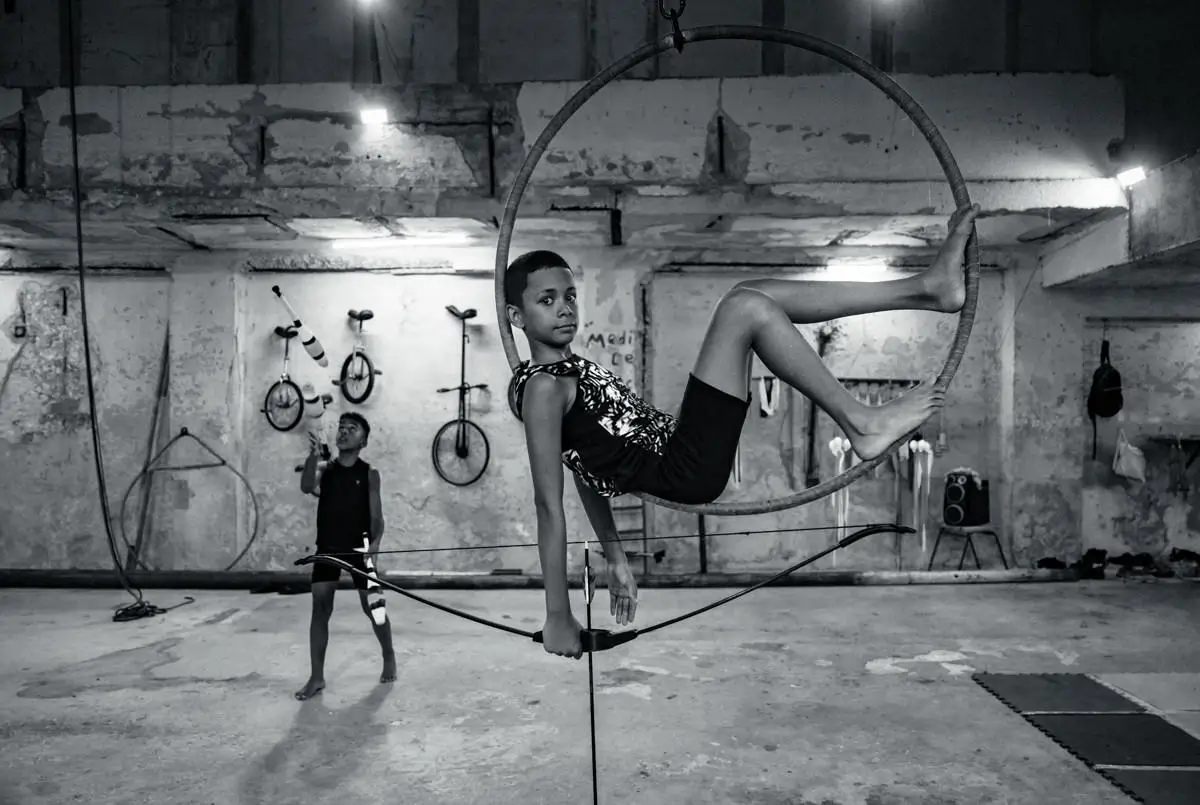
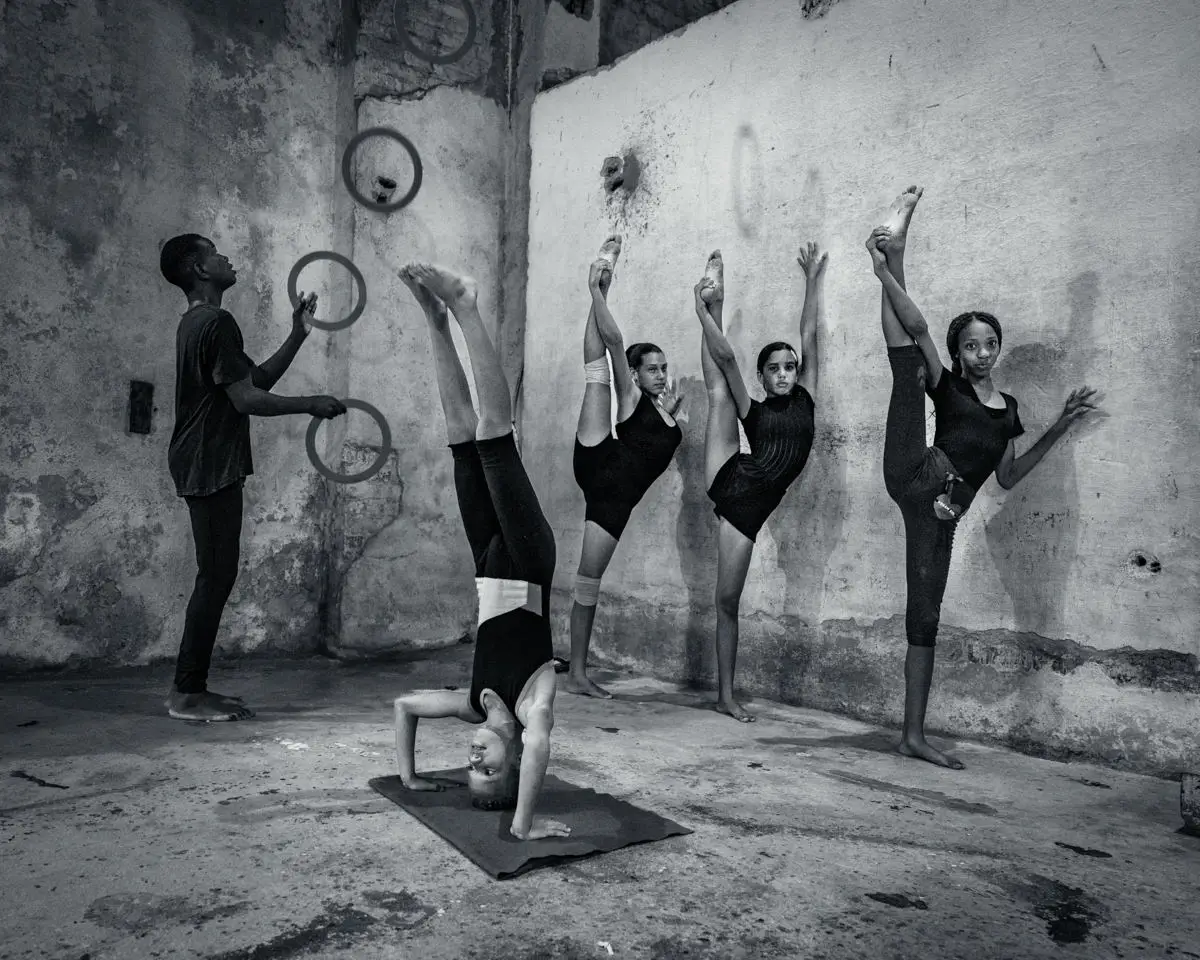
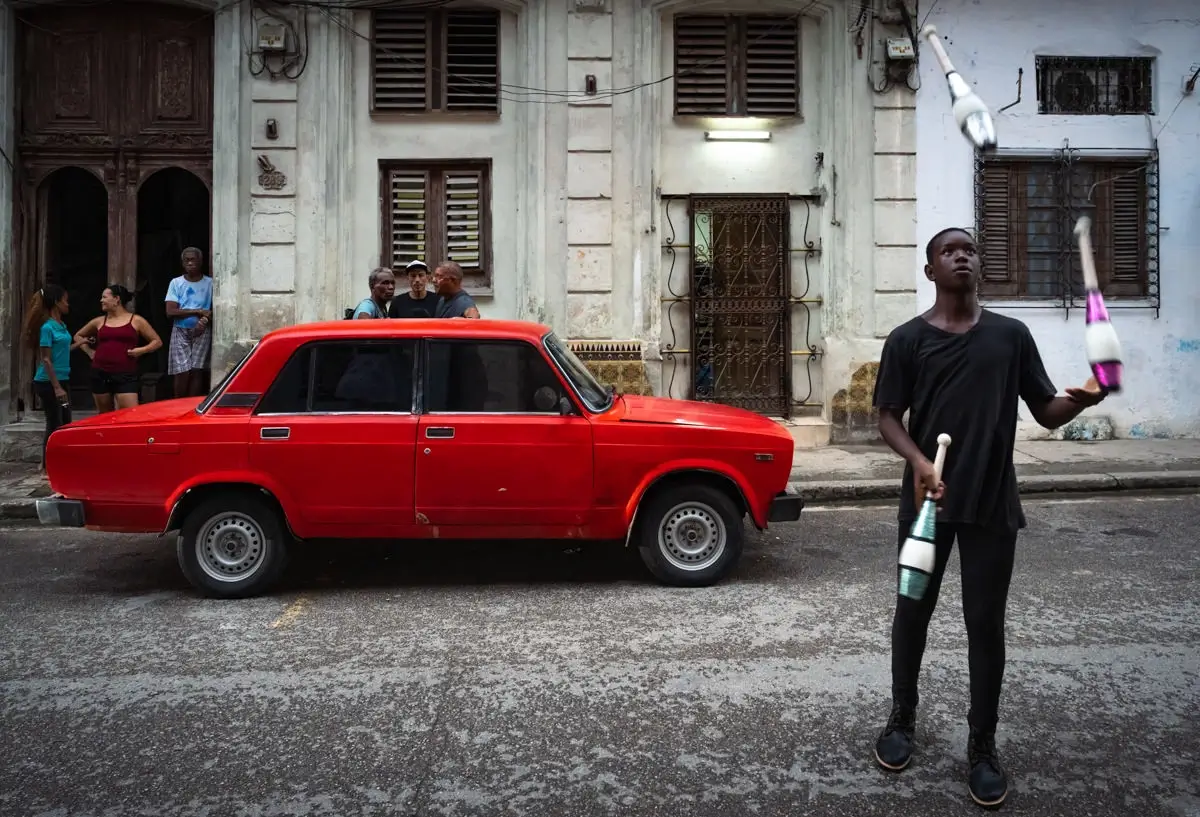
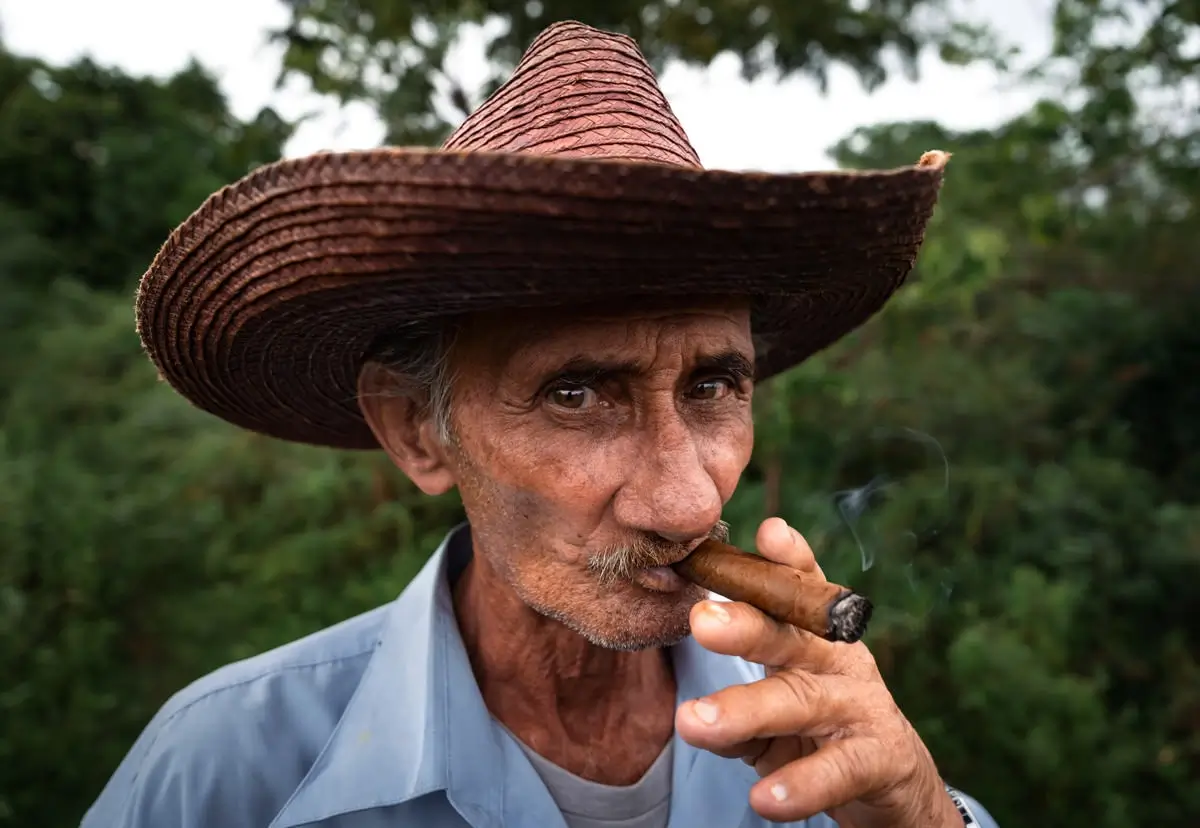
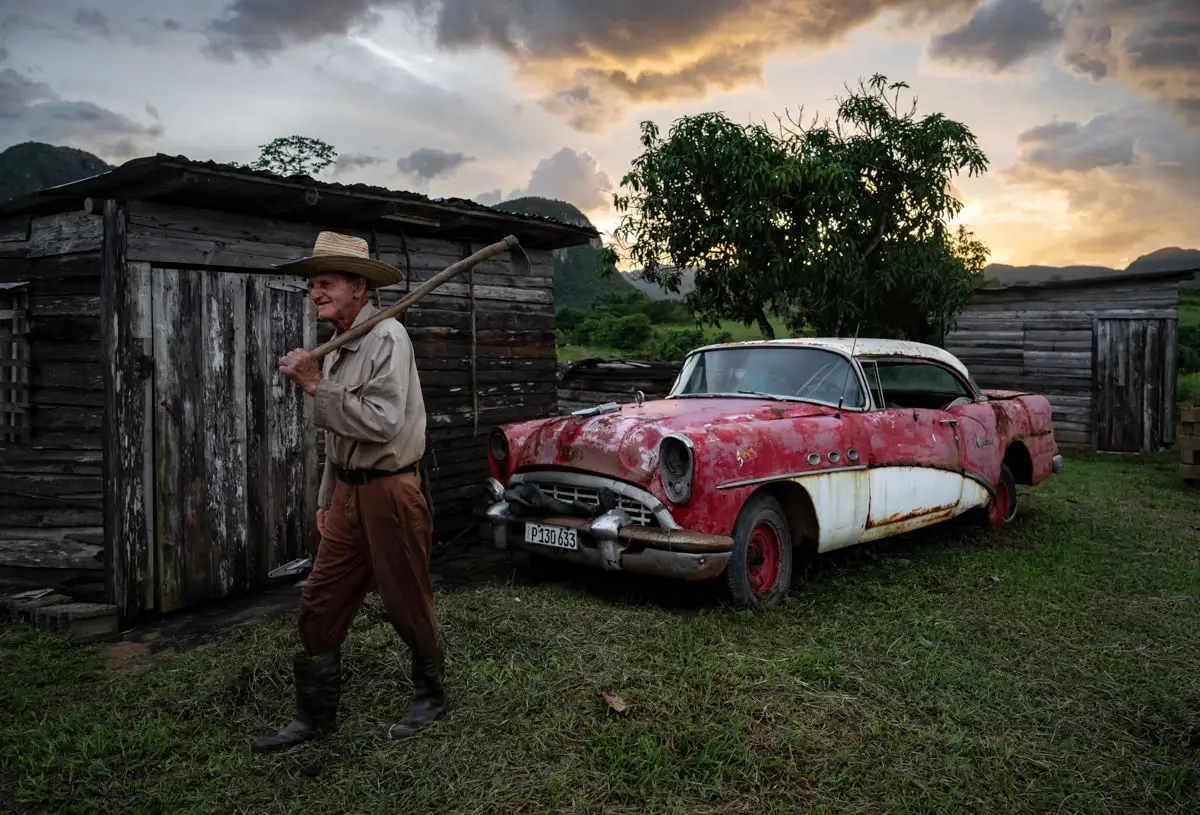
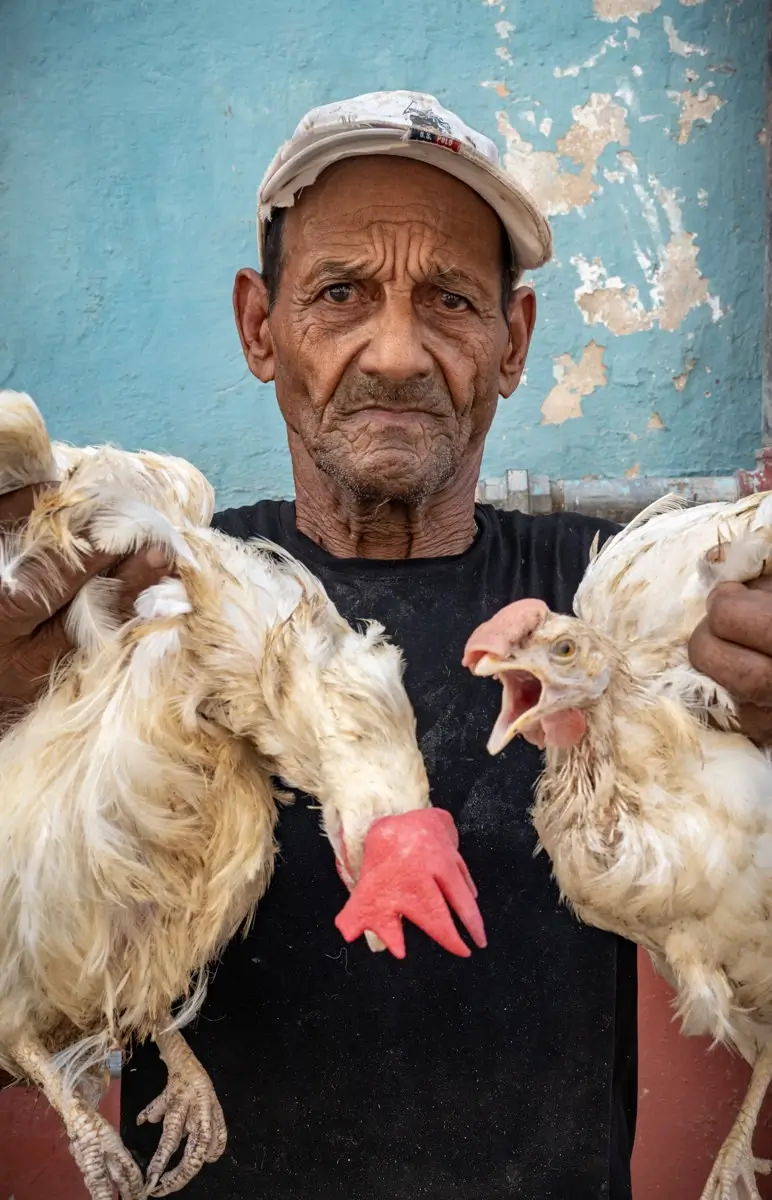
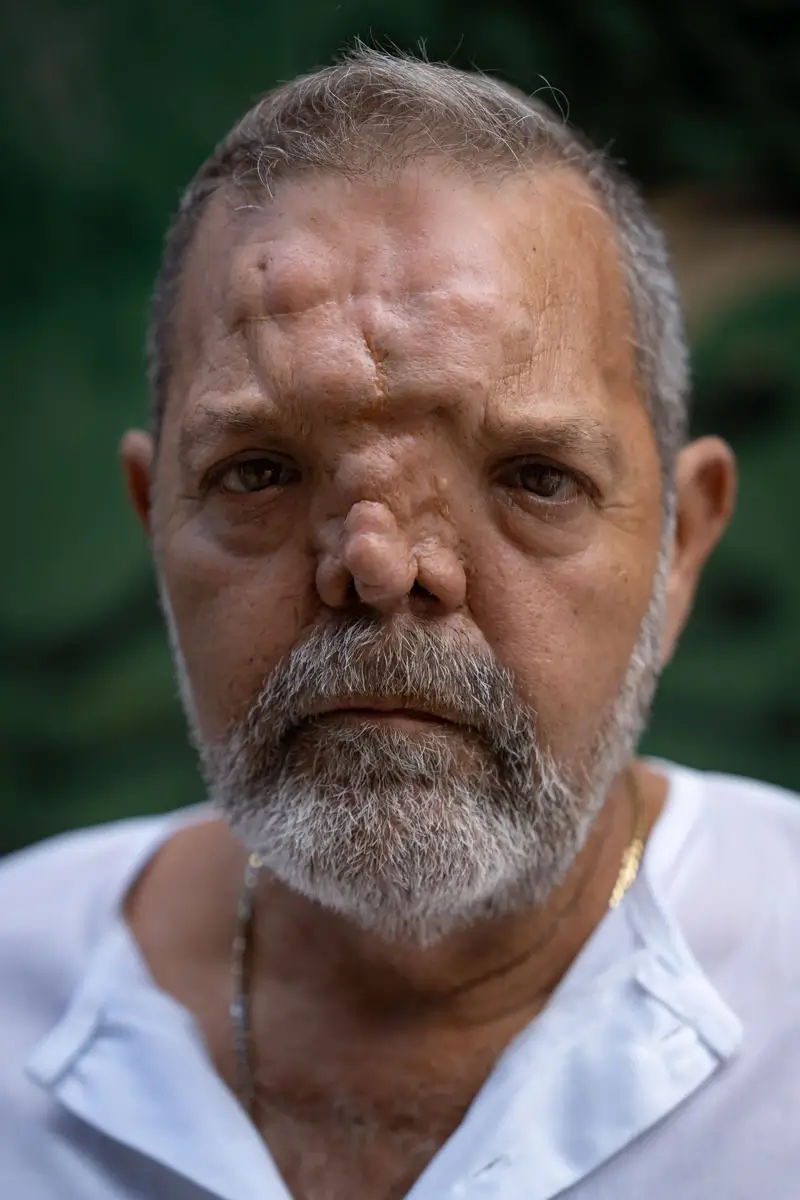
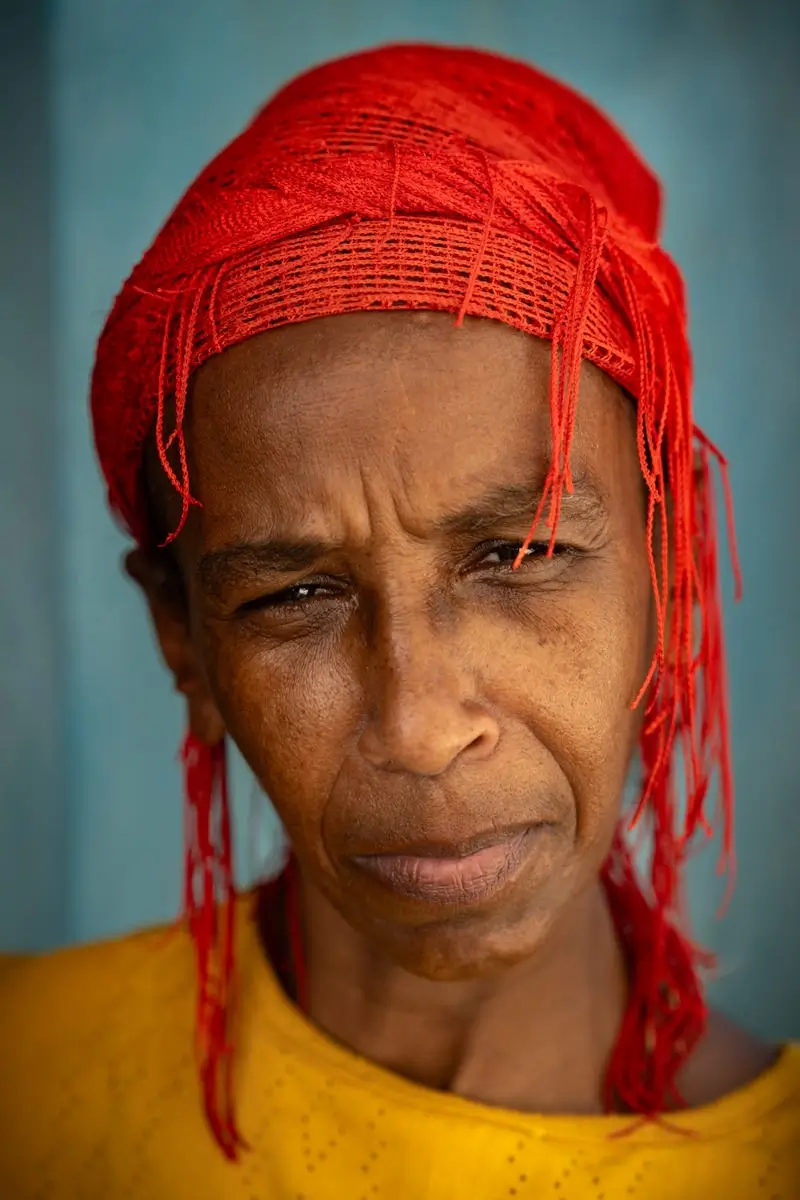
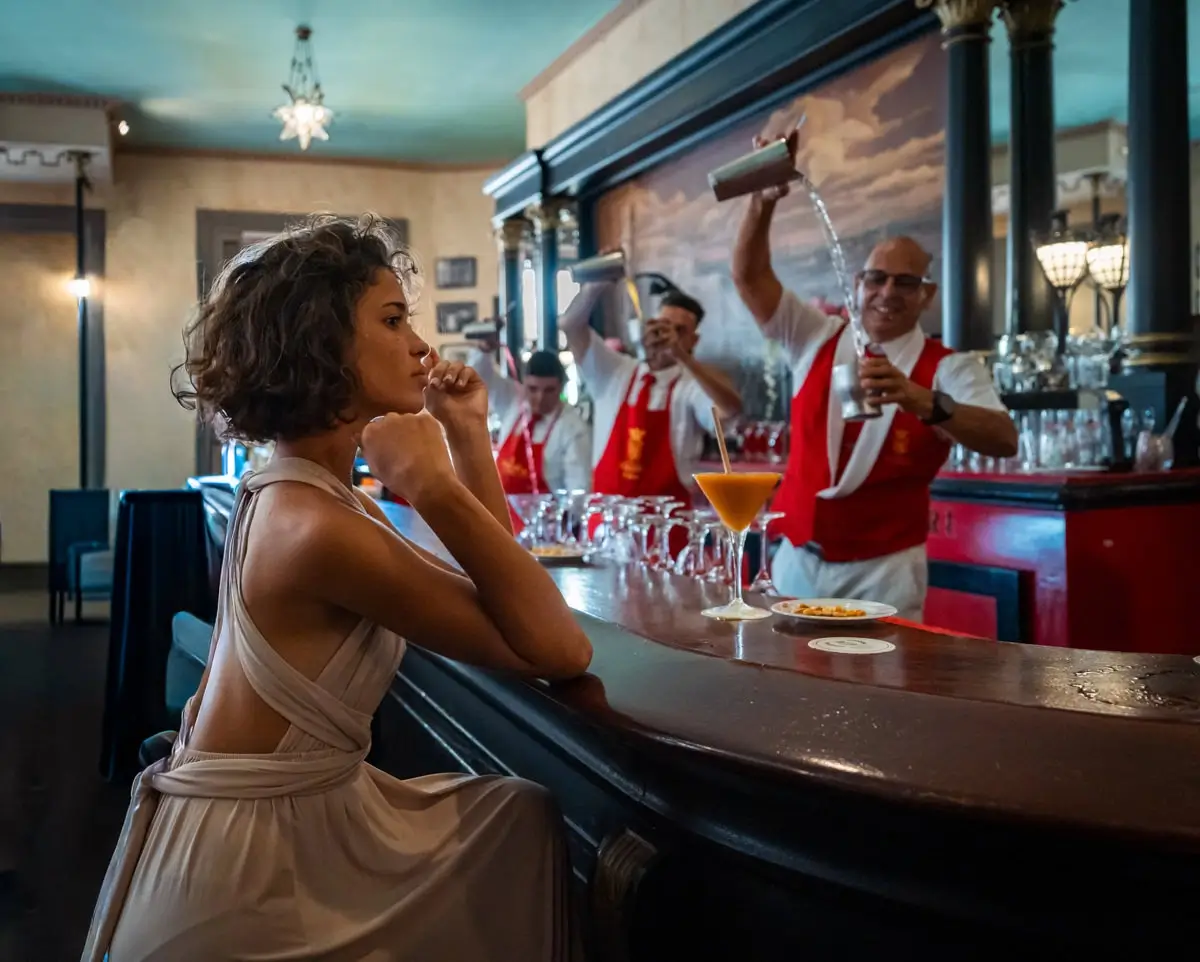
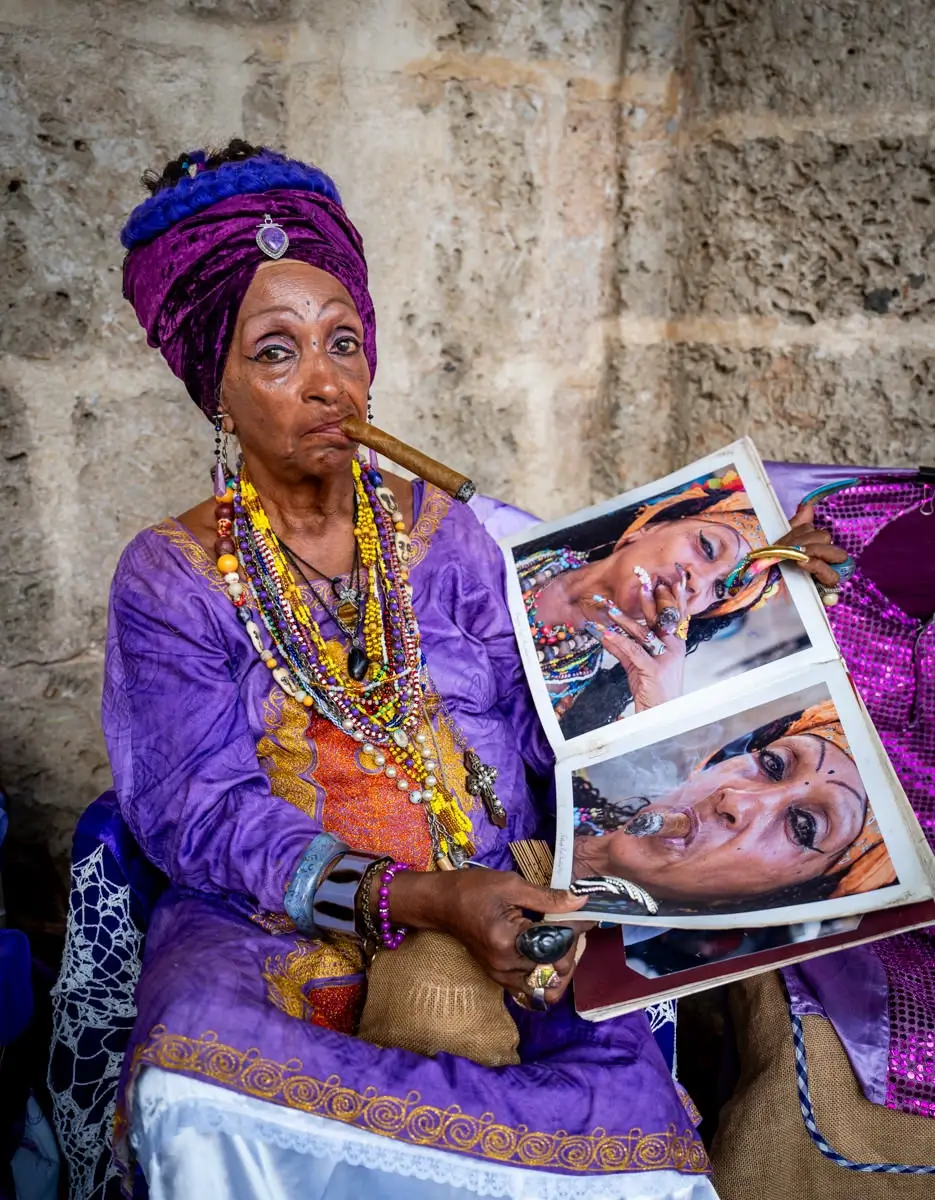
Mogli Maureal is a Los Angeles based visual storyteller and experienced cinematographer and photographer whose work bridges memory, light, and emotion. With a poet’s eye and a documentarian’s instinct, he captures the subtle elegance of passing moments, transforming light and emotion into timeless imagery. His imagery blends intimacy, movement, and honest storytelling, inviting viewers not just to look, but to feel.

Mogli has collaborated with brands, hotels and creative projects crafting cinematic visuals that transform stories into experiences.

AAP Magazine

AAP Magazine 53 Travels

 

Inspiring Portfolios

Call for Entries
AAP Magazine #55 Women
Publish your work in our printed magazine and win $1,000 cash prizes
 
Stay up-to-date  with call for entries, deadlines and other news about exhibitions, galleries, publications, & special events.

More Great Photographers To Discover

Nicola Balestrazzi
Born and raised in Italy, Nicola Balestrazzi has worked in London as a trader in the financial sector. His love for photography and travels pushed him to undertake photography full time since 2022, dedicating more time exploring the world and shooting what satisfies his curiosity and stimulates his sight. He favors street and documentary/social photography, and more generally everything that documents human life and the surrounding environment. My Work I photograph what draws my attention to, from people to the beauty of nature, patterns, shapes, shadows, reflections, colors and light. Lately, my focus has been mainly on people: I feel the need to capture the humanity in them. I enjoy to watch how other human beings conduct themselves. I like to catch people staring, laughing, having fun, showing pain, when they are doing something that surprise me, often being oblivious to everything around them, catching them in off guard moments. I love being on the road and traveling without a predetermined purpose, usually. In the past few years, I have been attracted by the juxtaposition between traditions and modernity caught in a fast, ever-changing world. For this purpose, I started a long-term project on Mexicans and on India. They are mainly street photography projects, both colors and black & white, but with some documental and social elements in them. Being self-taught, my process is one of instinct rather than of intellect or thought. I don’t try to control, or stage anything. The idea is to collect as many interesting pictures as possible, and then figure out how to build a sequence and a narrative that reflect the main theme of modernity vs. tradition.
Benjamin Dimmitt
United States
Benjamin Dimmitt photographs wetlands and forests using film and a medium format camera. He uses his camera to investigate interdependence, competition, survival and mortality in the natural world. Benjamin was born and raised on the Gulf Coast of Florida. He graduated from Eckerd College in St. Petersburg, FL and also studied at the International Center of Photography in NYC, NY, Santa Fe Photographic Workshop in Santa Fe, NM, Santa Reparata Graphic Arts Centre in Florence, Italy and City and Guild Arts School in London, England. He moved to New York City after college and held an adjunct professor position at the International Center of Photography from 2001-2013. He now lives and works in Asheville, NC and teaches workshops throughout the Southeast. Benjamin's photographs have been exhibited at Museum of Fine Arts, Houston, TX, School of International Center of Photography, NYC, NY, American Academy of Arts & Letters, NYC, NY, Ogden Museum of Southern Art, New Orleans, LA, Griffin Museum, Boston, MA, Florida Museum of Photographic Arts, Tampa, FL, Center for Fine Art Photography, Ft. Collins, CO and Midtown Y Photography Gallery, NYC, NY. In November, 2019, his work will be included in a three person climate change exhibit at Southeast Museum of Photography in Daytona Beach, FL. His work is represented by Clayton Galleries in Tampa, FL and is in the collection of the Museum of Fine Arts, Houston, the American Academy of Arts and Letters, the Florida Museum of Photographic Arts and Eckerd College among many others. Ain't Bad, Architectural Digest, Black & White, Don't Take Pictures, Lenscratch, Oxford American, Orion, Photo District News, The New Yorker Photo Booth and others have featured Benjamin's photographs. He was a finalist in Photolucida's Critical Mass Award in 2014, 2017 and 2018 and in New Orleans Photo Alliance's Clarence John Laughlin Award in 2014 and 2015. An Unflinching Look The Chassahowitzka National Wildlife Refuge is a very fragile, spring-fed estuary on Florida's Gulf Coast, north of Tampa. I was overwhelmed by its lush, primeval beauty on my first visit over 30 years ago and have photographed there extensively since 2004. The dense palm hammocks and hardwood forests were festooned with ferns and orchids and the fresh water creeks were a clear azure. There are other similar estuaries nearby but the Chassahowitzka River and the surrounding wetlands are protected as part of the federal National Wildlife Refuge system and the river itself is designated as an Outstanding Florida Water. Unfortunately, saltwater began creeping up into the spring creeks around 2011. Rising sea levels due to climate change are the primary cause. However, the saltwater intrusion was accelerated when the state water commissioners, appointed by climate change denier and former governor Rick Scott, determined that the wetlands could survive with less fresh water. This new minimum flow policy would allow the state to increase the pumping of fresh water for large-scale inland developments and agricultural interests. The drawdown of fresh water for these lobbyists has taken fresh water away from the aquifer that feeds Chassahowitzka's springs and many others nearby. As the fresh water flow in the estuaries decreased, saltwater advanced upstream and took its place. What had been verdant, semi-tropical forest is now mostly an open plain of grasses relieved by palms and dying hardwood trees. Sabal palms are the most salt tolerant trees in this ecosystem and are the last to expire. This is a widespread phenomenon, occurring all along the Big Bend section of the Gulf coast of Florida. In 2014, I began to photograph in the salt-damaged sawgrass savannas and spring creeks there as a way of reckoning with the ecosystem loss and of understanding what has become of my native Florida. I have narrowed my focus to a small, remote area that I know and love. My intention in bearing witness to this loss has been to portray the ruined landscape with respect, nuance and beauty. To document the progress of the saltwater intrusion, I have re-photographed landscapes that I first photographed as much as 30 years ago. This ruin is the fate of estuaries around the world as sea levels rise. With increasingly fierce storms and extensive flooding along coastal areas, we are reminded that climate change is a certainty and a priority.
Carolyn Hampton
United States
Denis Church
United States
1949
I grew up on an Iowa (USA) farm and drove trucks, tractors, and heavy machinery at a very young age. I loved being out in the weather and open-air fields. One of my earliest memories is riding with my parents when they took a drive to look at area agricultural crops freshly planted and growing in the springtime. These trips inspired my current desire to make car trips to see the world. I studied psychology and sociology in college and was planning a career as a counseling psychologist. These experiences formed my inclination to photograph in public outdoor areas and investigate how the world is “painted and put together”. I acquired a very good expensive camera on a total whim a long time ago, and something radical shifted for me. I left graduate school six credits shy of a master’s degree to pursue the art of photography, which I intuitively felt was my path to truth, instead of the science. I have held many jobs: farm hand, gas station attendant, auto dealer parts manager, car salesman, government employee in two different states, free-lance commercial photographer, real estate investor, landlord, property developer, and photography instructor. Photography has been my main energizing activity for fifty years, for both commercial clients and for myself, pursuing and refining my personal vision of the world. My photographic aesthetic is based on observational street/documentary photography. I currently have several self-assigned documentary projects that I am pursuing. My interest is producing photo-books as a depository for my work, that have availability to future generations. AMERICOLOR - Exploring Urban Color Fields The series or project is a retrospective look at my work from 2007 to 2024. I saw a large exhibition of Color Field painters in early 2024 at The NSU Art Museum Fort Lauderdale, Florida. A painting by Frank Stella particularly enthralled me and I was puzzled why it had such a strong hold on me. A few days later while I was editing photographs I came across my photograph, Bonita Springs, Florida 2012, and I immediately felt a connection and the reason why the Stella painting was so entrancing. I found that many of my photographs have a similar feel with layered subjects and a planar feel: some more, some less. I decided to edit a group of photographs into a book paying homage to the color field painters, therefore my title, AMERICOLOR: Exploring Urban Color Fields. Recently in 2024, I published this book in collaboration with Palm Beach Atlantic University where I also presented an exhibition of about one third of the 116 photographs in the book.
Arnaud Gaertner
France
1966
Born in 1966 in Nancy, France. Gaertner moved to Pennsylvania, US at the age of 3-6 (learned arnaud gaertnerto drink milk at school and sing the national anthem, never stopped!). He then spent 5 years in Rio de Janeiro, Brazil from age 10 to 16. Gaertner then travelled all over South America. He moved to Belgium for two years at the age of 16 and spent the next 12 years in in France. He took thousands of photos while traveling in North America, Asia Pacific, Europe, and the Middle East. He has resided in the Bay Area since 2012 with his wife Marine and their four sons. Gaertner is an explorer of California and its wonders.Series “In the middle of nowhere”, 2014In the middle of the Back Rock Desert, Nevada. In that Middle of Nowhere, 70 000 people camp in total autonomy for one week on a 30 million old dried lake, and on the main square, dozens, hundreds of art pieces, static or moving, are there, subject to the weather conditions: extreme heat, wind, dust storm. Most of the wooden art pieces are burned by the end of the week. As we speak all these moments are gone, people have left, art pieces returned into ashes, and I am glad these ephemeral moments are still alive through my photographs. This series is about the Ephemeral nature and Mystical dimension of the American desert.Artist statementBy 16 years of age, I had already visited more than 30 countries and had lived abroad, away from my home country France, for close to10 years in the United States, Brazil and Belgium. This decade opened my eyes to the diversity of the world, seen through its landscapes, people, cultures, sounds and tastes. I love people. I love getting to know others better. I love trying to understand who people are and what it is that makes them who they are. I made my first pictures when my Dad let me borrow his old camera while we were discovering the world, then he bought me a Kodak with Cube Flashes-this was my first camera and I have never stopped taking pictures since then. As an adult, I continue exploring all the continents. Photography keeps me connected to the magic of the planet. During my travels I have taken thousands of photos :f rom nature to cities, from diverse subjects to artists in their studios. This project, “In The Middle of Nowhere”, was born in the Black Rock Desert, Nevada, in September 2014. My son Baptiste had come to me and said “Dad, a friend of mine just came back from a crazy art festival in the desert called Burning Man”. Curious, we researched it and discovered something strange and amazing. For my first time at Burning Man I stayed only 3 days, but I took over 3000 pictures! My camera lens ended up ull of dust, but that probably added to the mystery of my images and the “sense of nowhere” I felt deeply. In the middle of nowhere, under 100 degrees Fahrenheit, cycling on a lake that dried 30 million years ago, 70 000 people live in total autonomy for one week where no money is exchanged, and hundreds of art pieces, static or moving, under the heat, in a dust storm, are admired by visitors in very creative costumes. Everything is burned by the end of the festival in a ritual of true “Ephemeral Art!” I seek to testify for the ephemeral, fleeting nature of these art pieces and unique moments made lasting by the photographic image. I try to capture the place, light, dusty wind that surround this eclectic eccentric happening. For this project I have selected about 30 im- ages out of 3000, helped by my two friends Gino Castoriano and Jules Maeght who are both gallerists. “In The Middle of Nowhere” is about people, places and art—those unique, ephemeral moments I capture through my images and that I want to share with you.
Thomas Devaux
France
1980
Thomas Devaux has authored several complex and ambitious series. In each of them one can find a subtle but strong game of jousting played out between his core values and the evolutions brought about by modern technology. The inflammatory value behind the photography is not so innate. It is more a direct effort meant to mirror a fragment of a future re-composition.The works in the "ATTRITION" series were selected according to their composition and their figurative will. This is a double articulation between what is borrowed and that which is a reinterpretation on one hand and an axe in art history on the other hand. "ATTRITION", thanks to the expanded possibilities of digital techniques of which I have become very experienced, shows a n affluence of forms and materials such as an organic proliferation of hair, of body parts, etc. The portrait becomes a division of a face created by itself or vanishes in its own contour. The development material, though shadowy and opaque, is light and see-through. It raises the texture of the paper which allows for an automatic refinement of the forms and pigments.The final result is both sensual and onirique in the in the very image of the models that Devaux photographs in the backstages of fashion shows. They allow him to grasp the pictorial qualities which remain anchored in this field of photography. His surface does not rely upon the thickness of painting materials but rather on an artificial yet original vocabulary which is personal and photographic." Source: Anne Biroleau-Lemagny, General Curator Charge of Contemporary 21st Century: French National Library Born in 1980. Lives and works in Paris.Thomas Devaux moved frequently when he was young and he never stopped being "in motion". He moved to London after graduating from high school, and then he started his studies in Montpellier, while exploring the image in all its forms: photography, experimental cinema, painting and collage...He achieved through this artistic extension to remove the boundary between drawing and photography. Finally, he obtained diploma of Licence in Performing Art in Paris (Paris X). Developing great interest in traveling and exploring the world, he found his place in 2006 working for a fashion magazine: Fashion Insider. He first started as a photographer and cameraman, and became the artistic director of the magazine in 2009. He attended the world's most famous fashion shows and worked in many countries (France, Italy, Brazil, Portugal, Georgia, UK, Turkey, Denmark, Cyprus...). Opening up to the world, and to all the celebrities he met and interviewed for his magazine, was the opportunity to develop and make his style recognized: Jean-Paul Gaultier, Karl Lagerfeld, John Galliano, Donatella Vercace, Sonia Rykiel, Usher, Chris Brown, Kanye West, Milla Jovovich, Beth Ditto, Pedro Almodovar... Source: 1:1 Photo Magazine At first sight, portraits. At second glance, the questioning. Paintings or photographs? Thomas Devaux artwork throws off. By its form as its content, it upsets any certainty. And, it is precisely though that movement that it comes to its full magnitude.Fashion photographer, Thomas Devaux keeps from its reports thousands of shoots made behind the scenes that feed a later digital work. Indeed, in front of his screen, he cuts, deconstructs, assembles and recomposes his pictures until he creates images full of contradictions. Far from being frightened, Thomas Devaux finds with these dualities a remarkable tool to transcend the boundaries and ward off any kind of fatality. Of fashion, he likes the aesthetics but condemns the stylistic dictum and the imperative beauty. Of photography, he praises the documentary force but fears the frozen relation to time. And, from these considerations, comes out the idea of an nonconformism, un-postural, in the original meaning, as Thomas Devaux refuses any reductive normativity without denying for all that any legagy. Entitling his series "Attriction", he seems to insist on the idea of wear. A notion that does not necessarily imply deterioration. As, if the marks of time destroy some aspects, they also reveal some others. Finally, his work damages beauty to enhance it out of the conservative models. It brings together traditional approaches and opens them to modernity. It integrates the cyclic dimension of existence and reminds that what springs dies and what dies springs again with a new form. Source: Ozarts Etc
Advertisement
AAP Magazine #55 Wmen
Win a Solo Exhibition in March
AAP Magazine #55 Wmen

Latest Interviews

Exclusive Interview with Anastasia Samoylova
Anastasia Samoylova is an American artist whose photographic practice is shaped by close observation and a deep attentiveness to place. Working between documentary and formal exploration, she photographs landscapes, architecture, and everyday scenes with a sensitivity to light, structure, and atmosphere. Since relocating to Miami in 2016, her work has increasingly focused on how environments—both natural and built—carry social, cultural, and emotional traces. We asked her a few questions about her practice and her way of seeing, to better understand the thoughts and experiences that shape her work—while allowing the images themselves to remain open and speak in their own time.
Exclusive Interview with Marijn Fidder
Marijn Fidder is a Dutch documentary photographer whose work powerfully engages with current affairs and contemporary social issues. Driven by a deep sense of social justice, she uses photography to speak on behalf of the voiceless and to advocate for the rights of those who are most vulnerable. Her images have been widely published in major international outlets including National Geographic, CNN Style, NRC Handelsblad, Volkskrant, GUP New Talent, and ZEIT Magazin. Her long-term commitment to disability rights—particularly through years of work in Uganda—culminated in her acclaimed project Inclusive Nation, which earned her the title of Photographer of the Year 2025 at the All About Photo Awards. She is also the recipient of multiple prestigious honors, including awards from World Press Photo and the Global Peace Photo Award. We asked her a few questions about her life and work.
Exclusive Interview with Josh S. Rose
Josh S. Rose is a multidisciplinary artist working across photography, film, and writing. His practice bridges visual and performing arts, with a strong focus on movement, emotion, and the expressive potential of the image. Known for his long-standing collaborations with leading dance companies and performers, Rose brings together authenticity and precise composition—a balance he describes as “technical romanticism.” His work has been commissioned and exhibited internationally, appearing in outlets such as Vogue, at the Super Bowl, in film festivals, and most recently as a large-scale installation for Lincoln Center for the Performing Arts. A sought-after collaborator, he has worked with major artists, cultural institutions, and brands, following a previous career as Chief Creative Officer at Interpublic Group and the founder of Humans Are Social. We asked him a few questions about his life and work.
Interview with Maureen Ruddy Burkhart
Photographer Maureen Ruddy Burkhart brings a quietly attentive and deeply human sensibility to her exploration of the world through images. Shaped by a life immersed in photography, film, and visual storytelling, her work is guided by intuition, observation, and an enduring interest in the emotional undercurrents of everyday life. With a practice rooted in both fine art traditions and documentary awareness, she approaches her subjects with sensitivity, allowing subtle moments to emerge naturally rather than be imposed. Her series Til Death, selected as the Solo Exhibition for February 2025, reflects this long-standing commitment to photography as a space for reflection rather than spectacle. Drawn to moments that exist just outside the expected frame, Burkhart’s images suggest narratives without resolving them, leaving room for ambiguity, humor, and quiet connection. We asked her a few questions about her life and work.
Exclusive Interview with Peter Ydeen
Winner of AAP Magazine #45 Travels, his series reflects this unique vision—capturing the spirit of place through subtle layers of light, color, and emotion. Whether traveling abroad or observing the rhythms of his own surroundings, Ydeen creates images that feel both grounded and enchanted, inviting viewers into a world where reality and reverie meet.
Exclusive Interview with Julie Wang
Chinese-born photographer Julie Wang brings a poetic, contemplative sensitivity to her visual exploration of the world. Having lived for nearly equal parts of her life in China, Europe, and the United States, she approaches her subjects with the nuanced perspective of someone shaped by many cultures. This blend of distance, curiosity, and emotional resonance infuses her work with a quiet depth, allowing her to reveal the fragile beauty and subtle tensions that often pass unnoticed.
Exclusive Interview with Ghawam Kouchaki
American photographer Ghawam Kouchaki brings a sharply observant and introspective gaze to the streets of Japan’s capital. Based in Los Angeles, he approaches Tokyo with the distance — and curiosity — of an outsider, allowing him to uncover the city’s subtle contradictions, quiet tensions, and fleeting gestures that often go unnoticed. His series Tokyo no no, selected as the Solo Exhibition for December 2024, explores the hidden undercurrents of urban life: the unspoken rules, the small ruptures in routine, the poetic strangeness found in everyday moments. Through muted tones, instinctive timing, and meticulous framing, Kouchaki reveals a Tokyo that exists somewhere between reality and imagination — both intimate and enigmatic. We asked him a few questions about his life and work.
Exclusive Interview with Tommi Viitala
Tommi Viitala, winner of AAP Magazine #44: Street, is a Finnish photographer celebrated for his striking and cinematic street photography. With a keen eye for atmosphere and composition, he captures fleeting urban moments that reveal the poetry of everyday life. His work often explores the tension between solitude and connection within contemporary cityscapes, blending documentary realism with artistic sensibility. Viitala’s photographs have been exhibited internationally and recognized for their strong visual storytelling and emotional depth. We asked him a few questions about his life and work.
Exclusive Interview with Robert Mack
Robert Mack is a California-based visual artist, photographer, and filmmaker. His fine art photography and films have been exhibited widely in the United States and Europe, with major shows at the Baltimore Museum of Art and the Reiss-Engelhorn Museum in Mannheim, Germany. Both institutions hold his work in their permanent collections. Working across different media, Mack has built a career exploring the complexities of human presence and representation. In 1981, while living in Baltimore, he produced The Perkins Project: Not Guilty by Reason of Insanity, a rare photographic and film study inside Maryland’s hospital for the criminally insane. These stark yet compassionate black-and-white portraits remain one of his most powerful and controversial bodies of work.
Call for Entries
AAP Magazine #55 Women
Publish your work in our printed magazine and win $1,000 cash prizes