All about photo.com: photo contests, photography exhibitions, galleries, photographers, books, schools and venues.
Win the First Solo Exhibition of 2026! Submit your best project now. Open Theme
Darin  Back
Darin  Back
Darin  Back

Darin Back

Country: United States

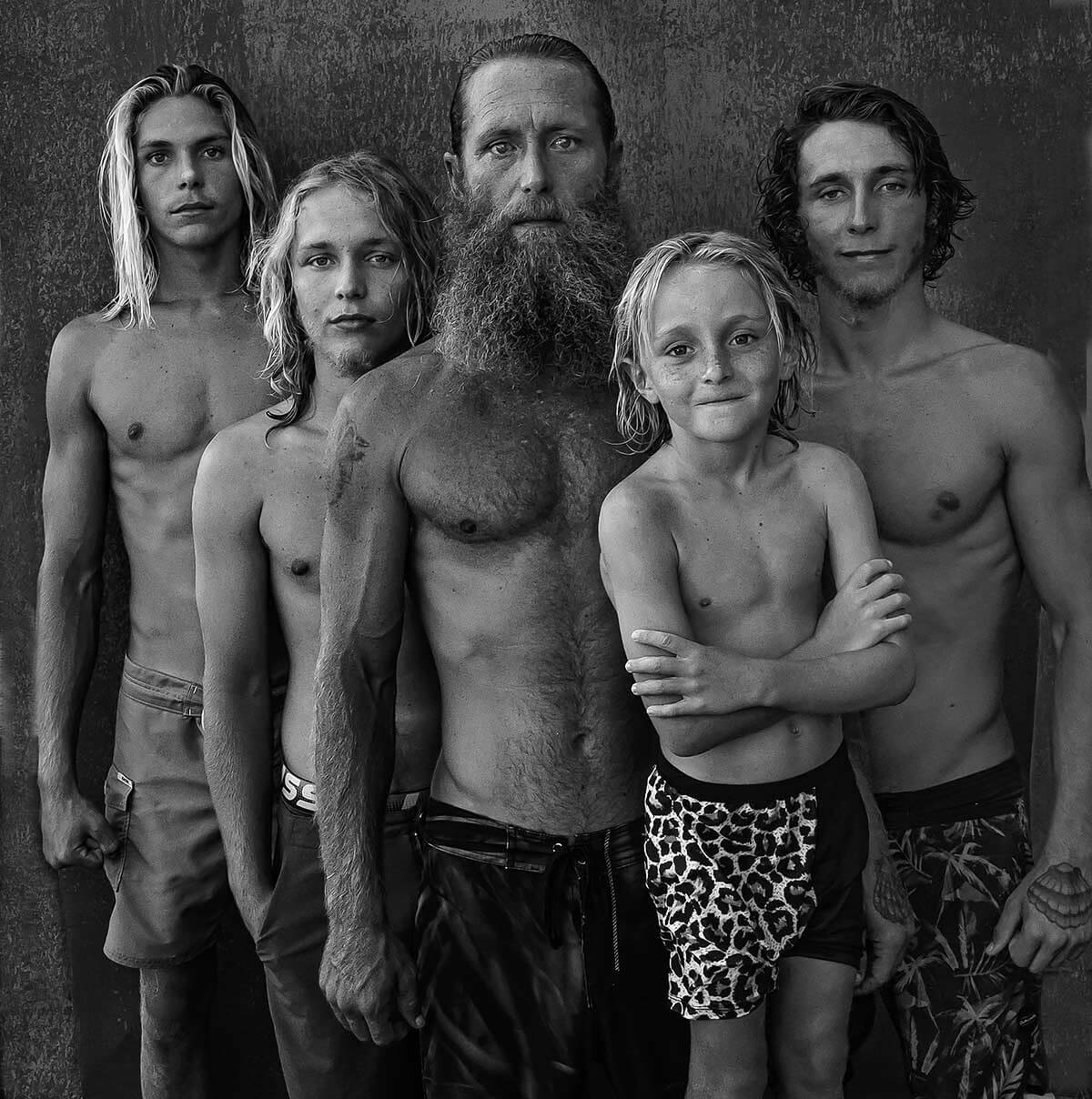
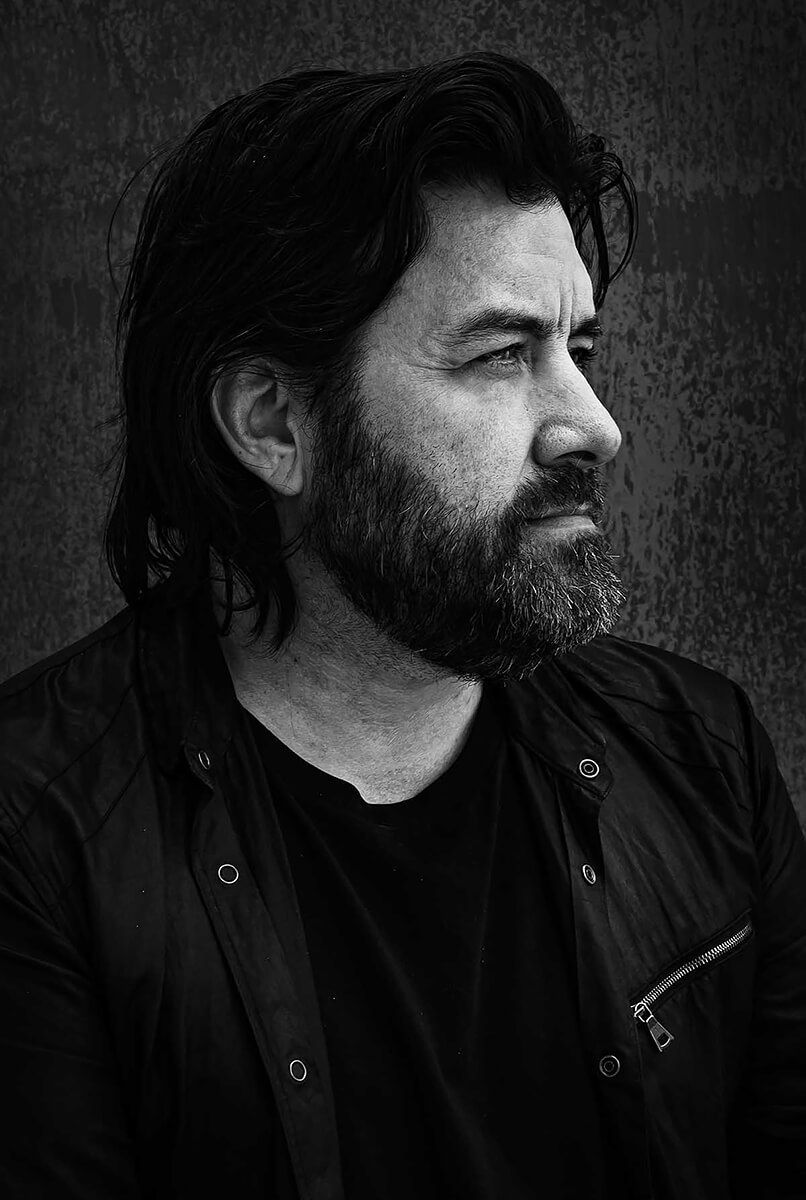
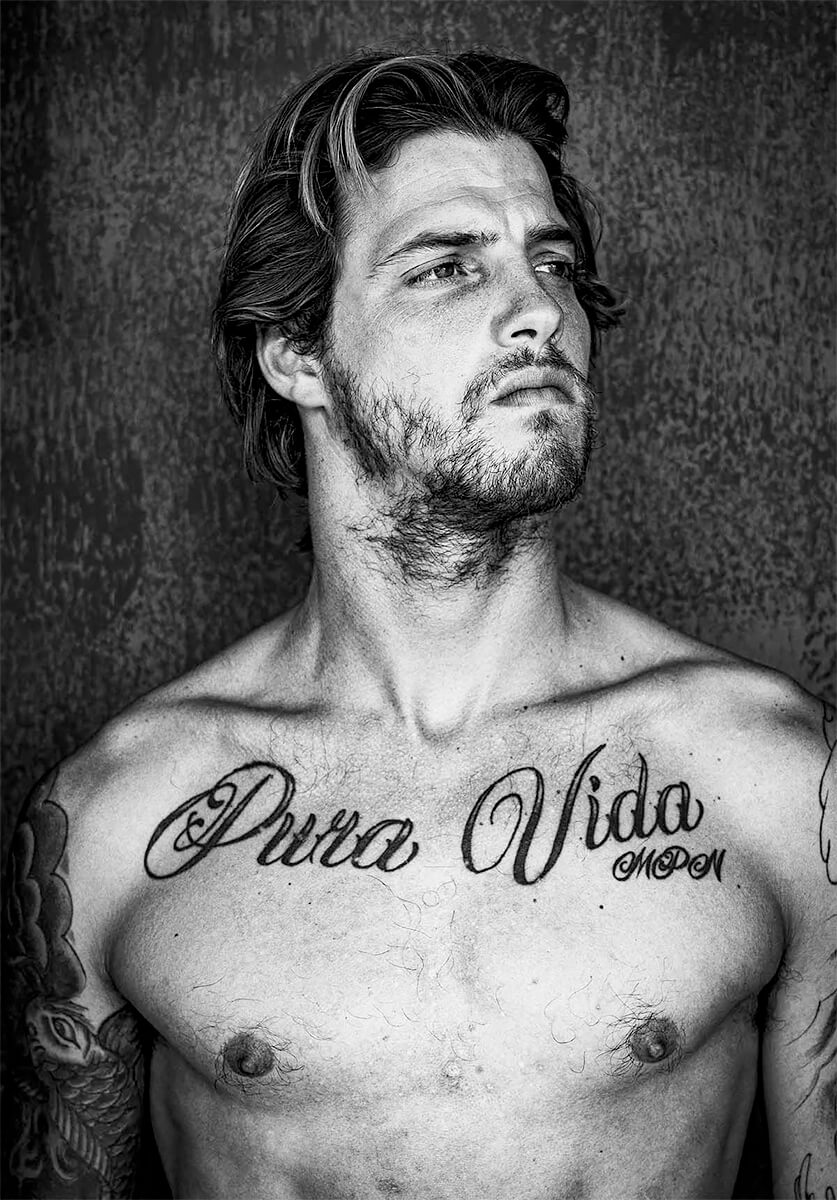
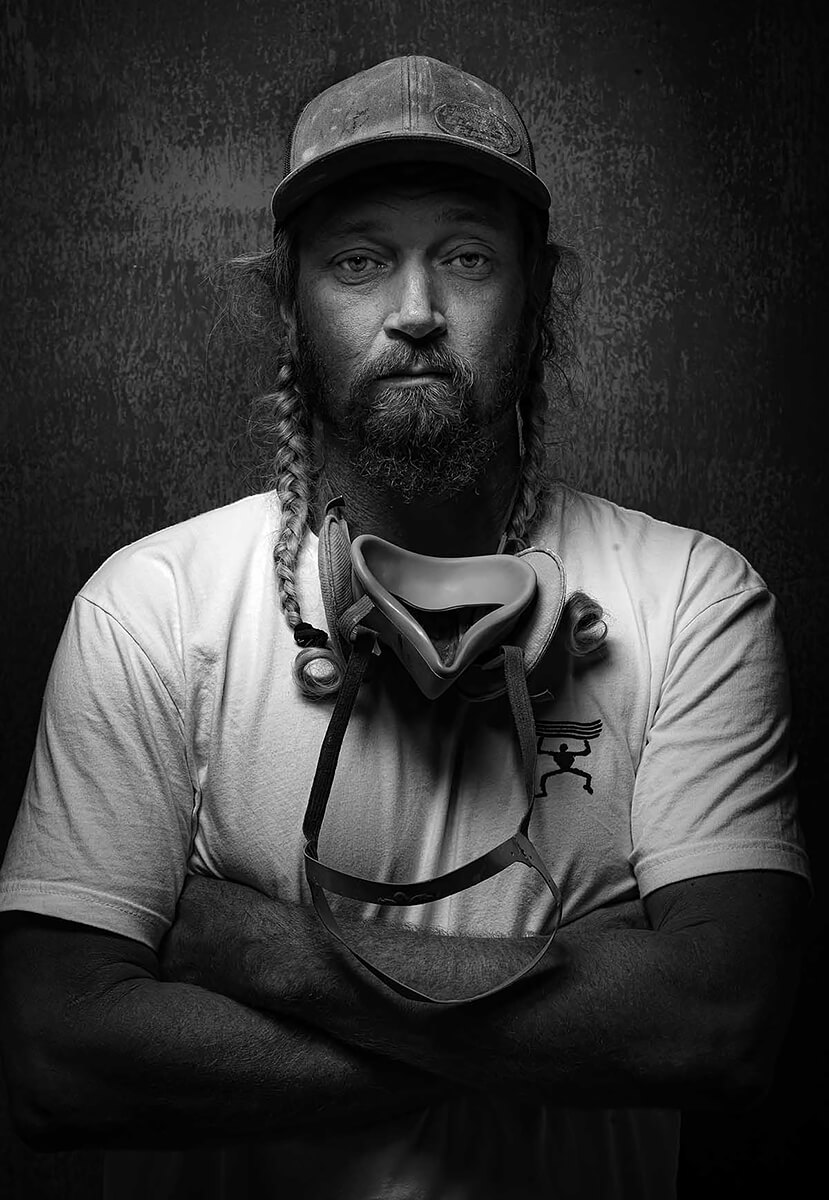
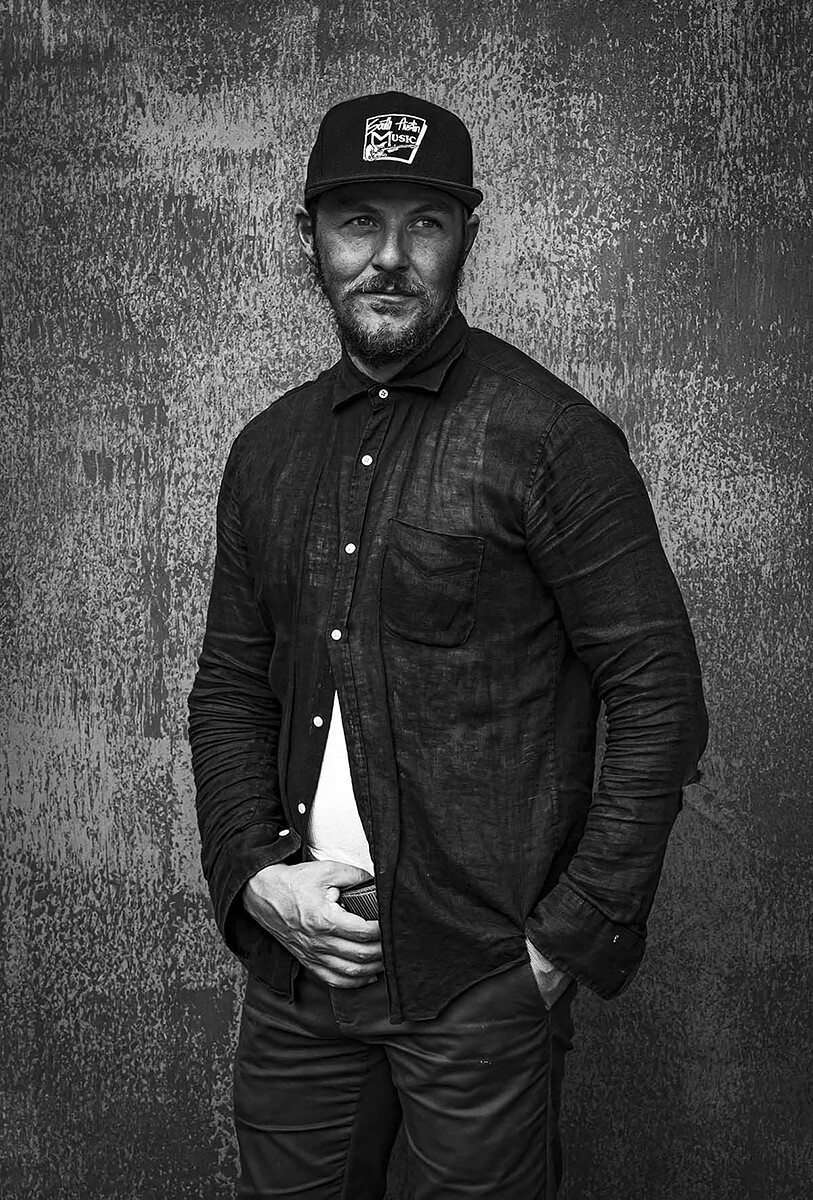
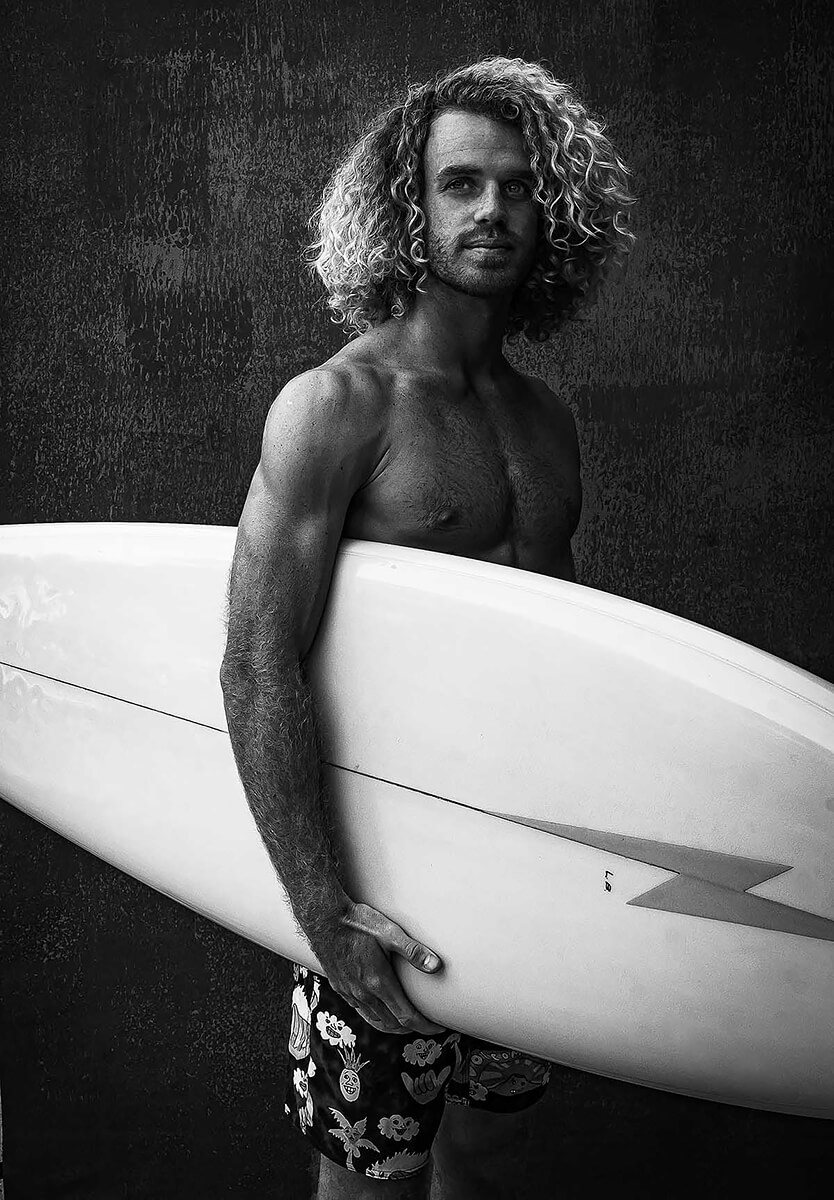
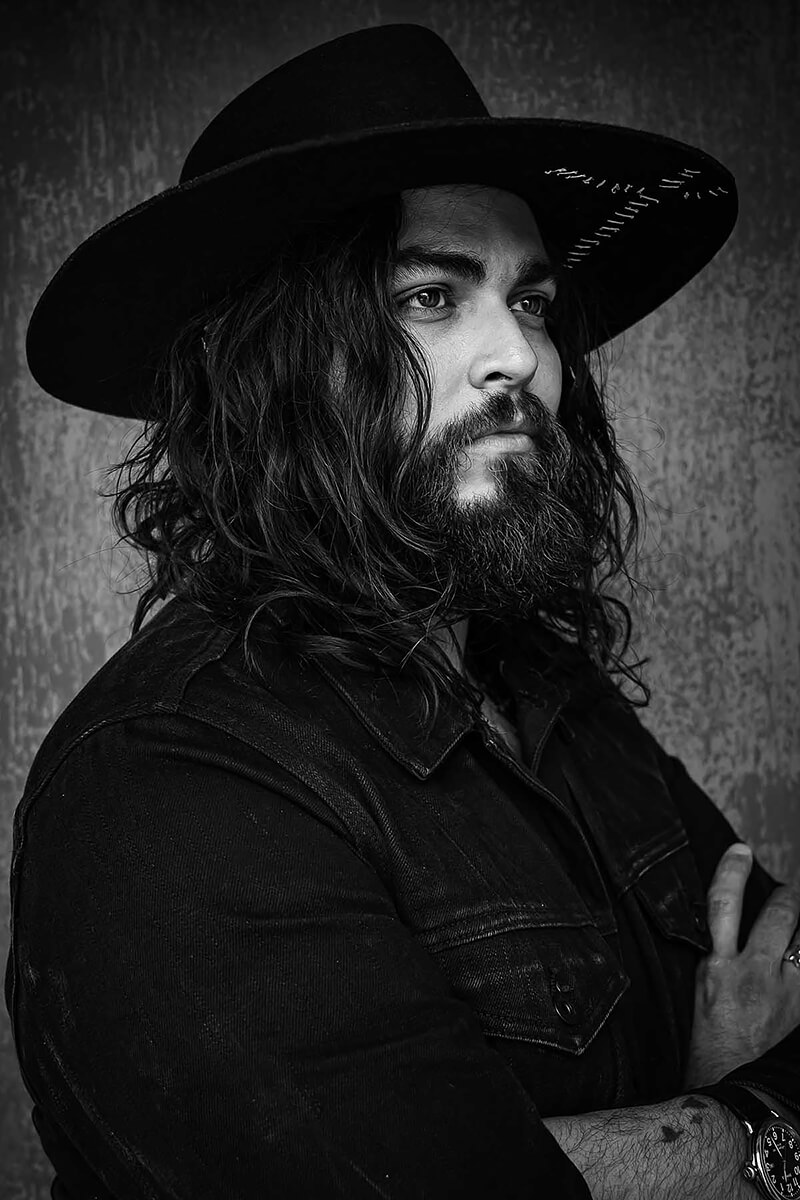
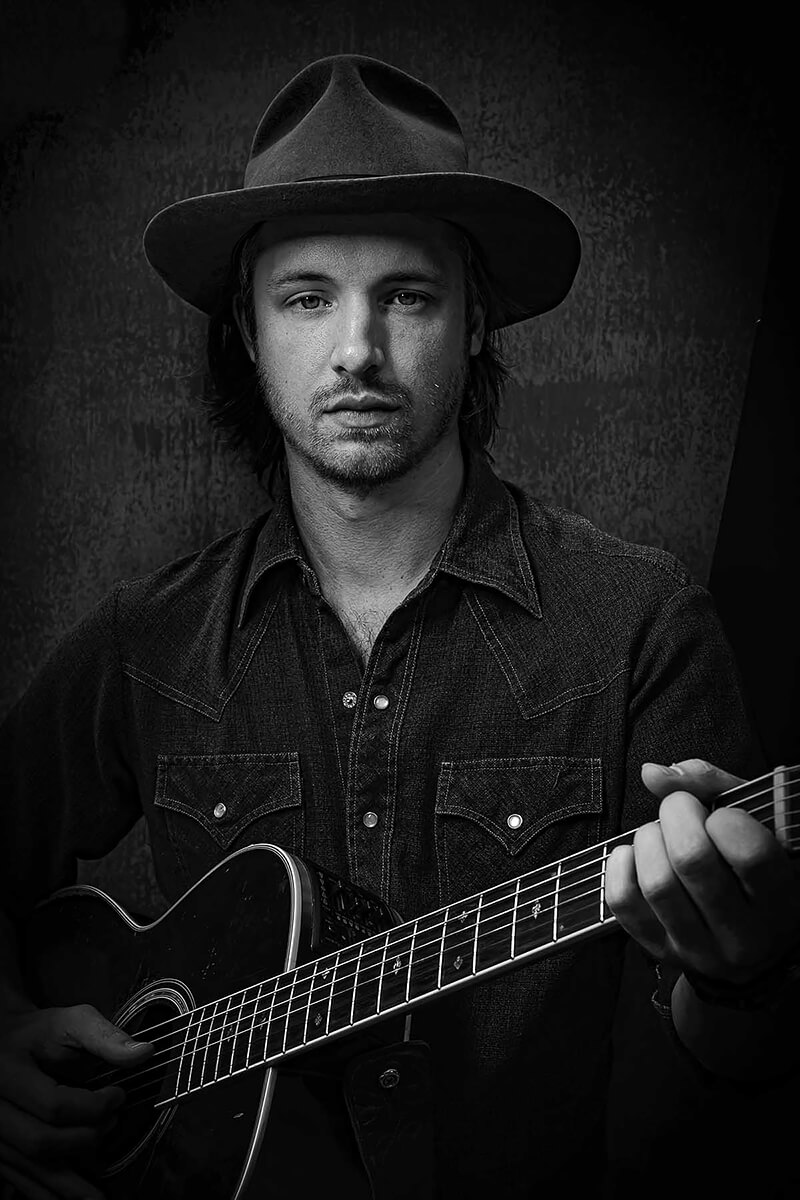
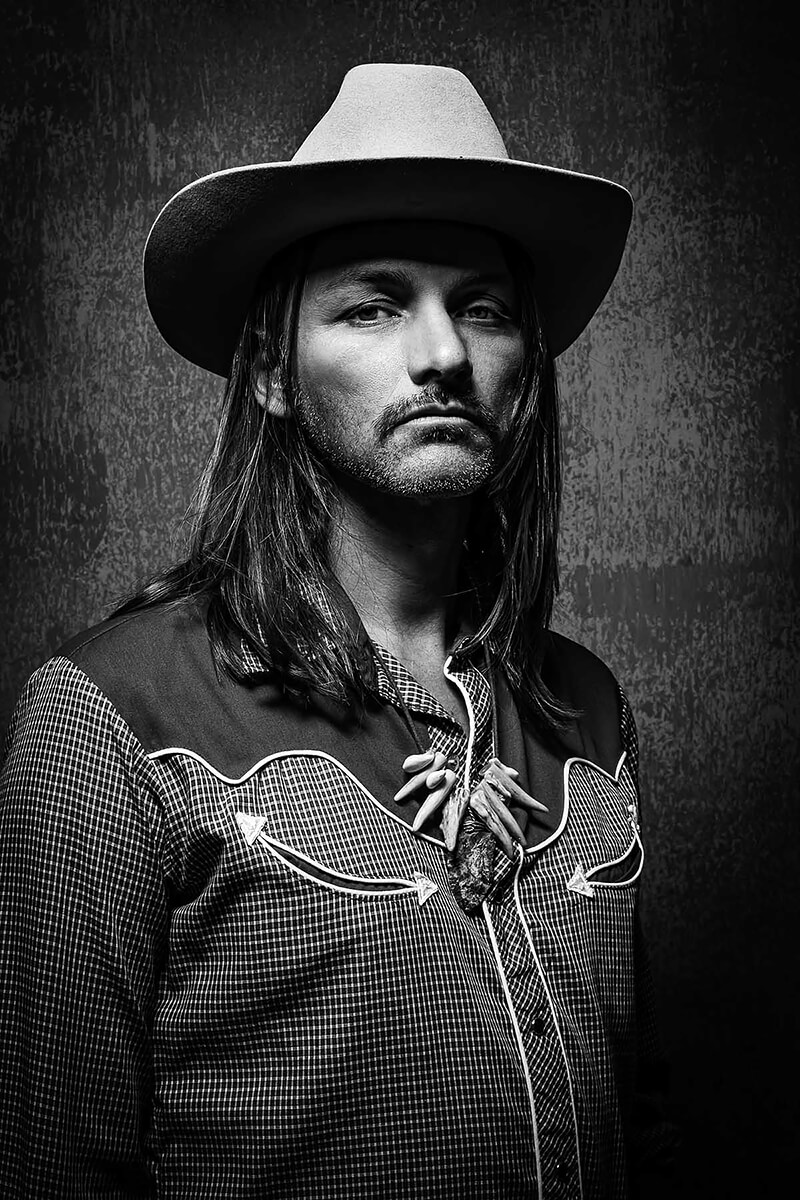
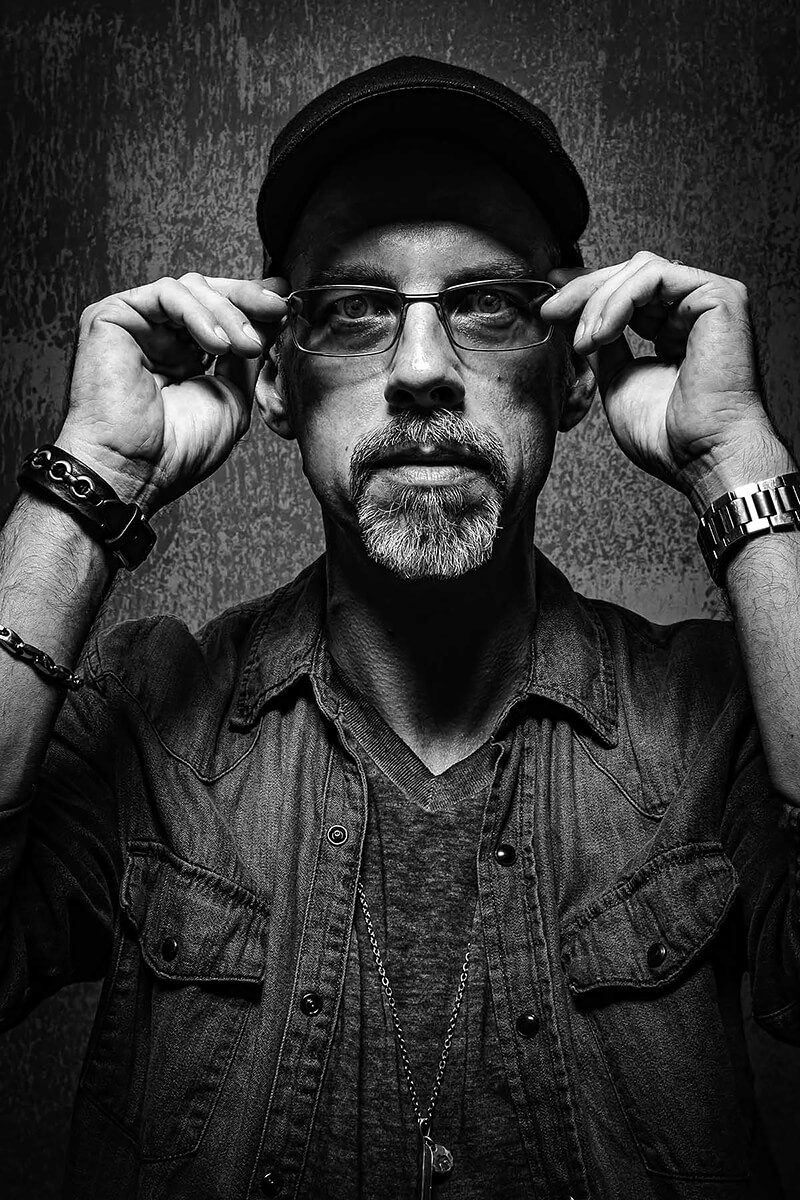
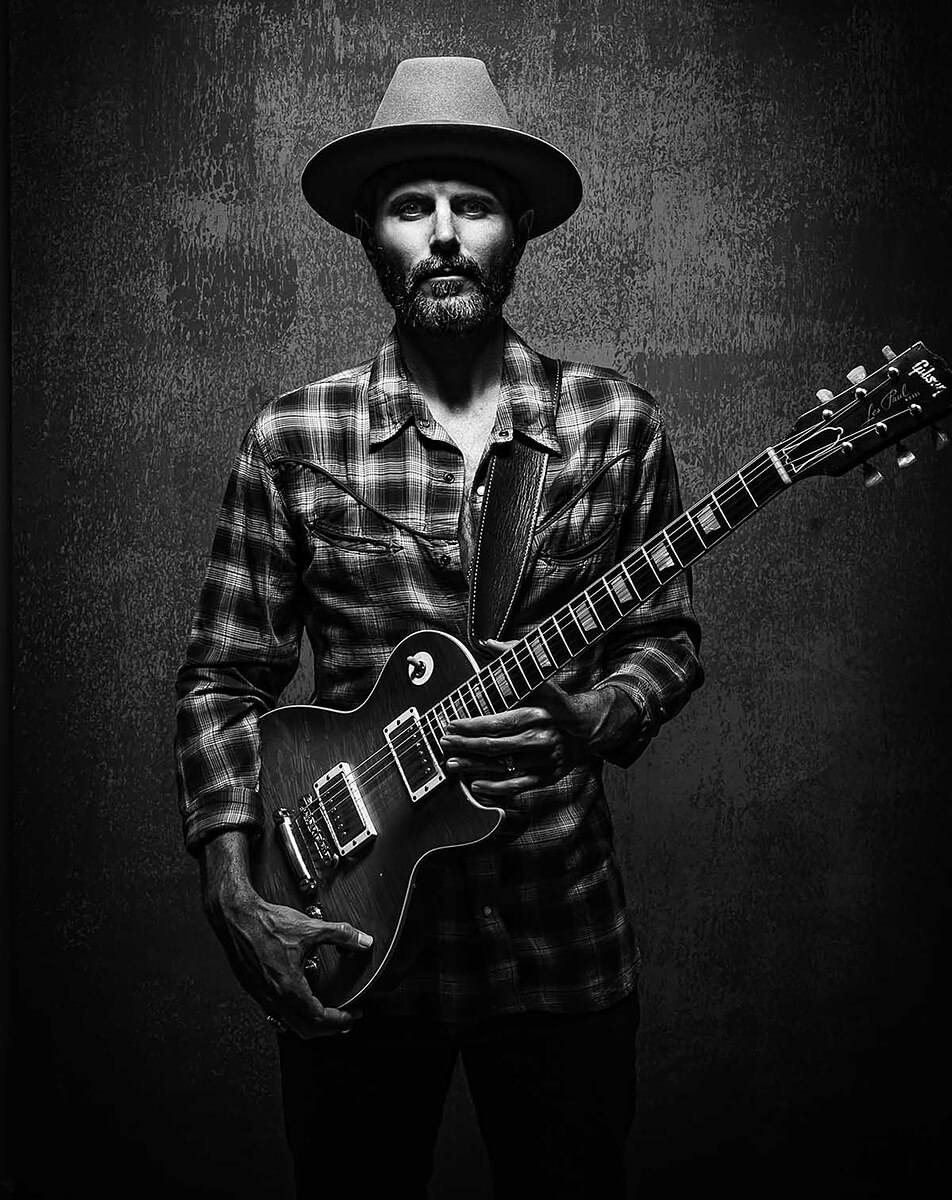
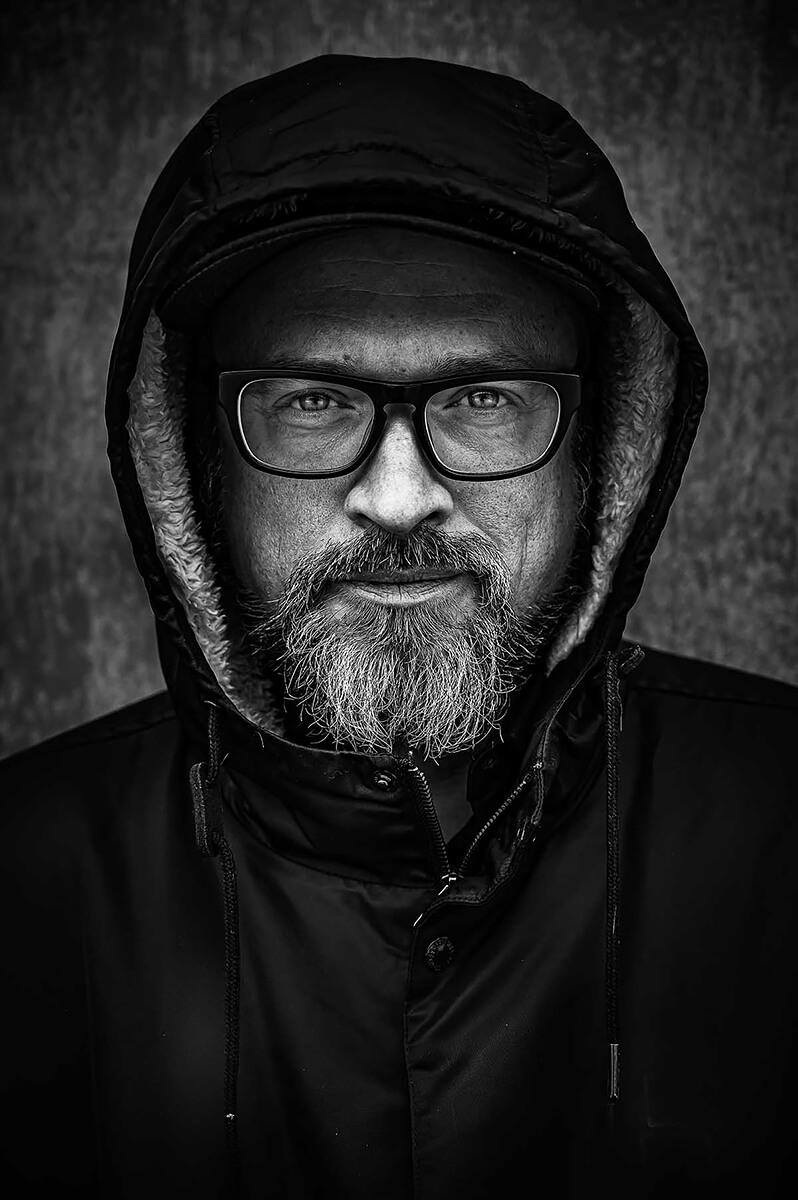
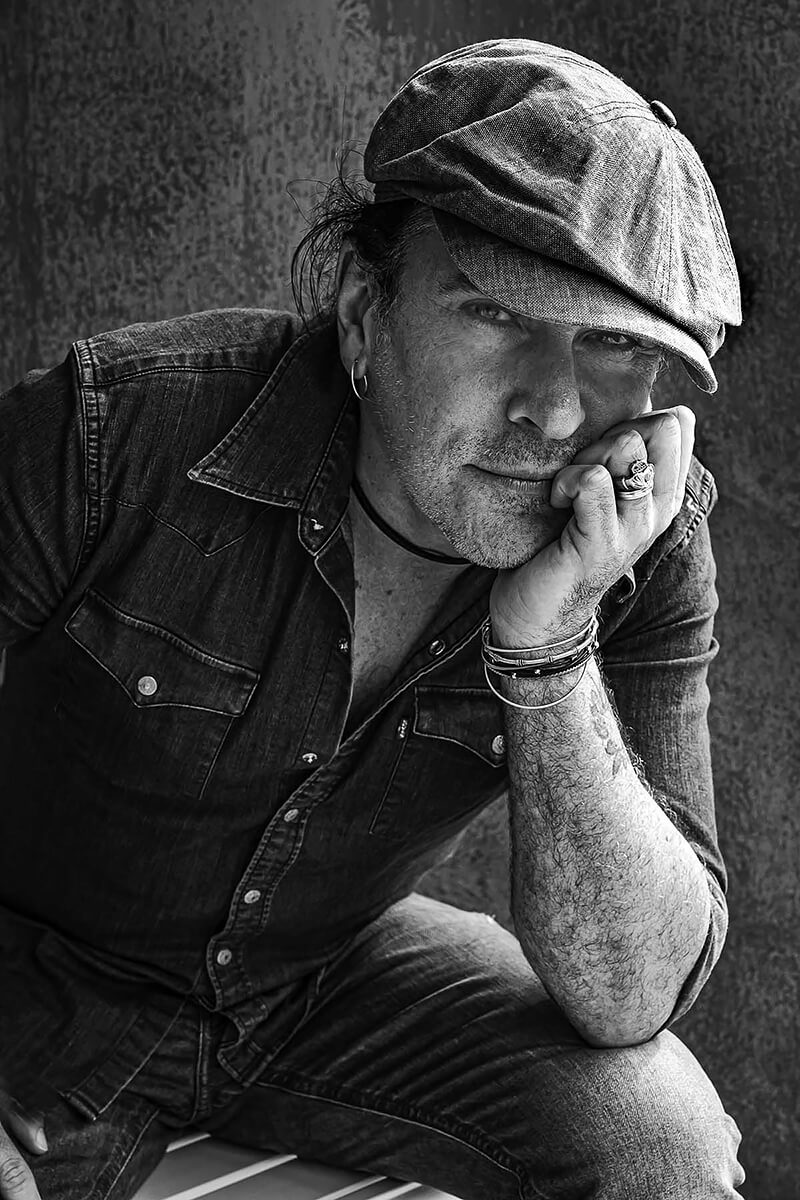
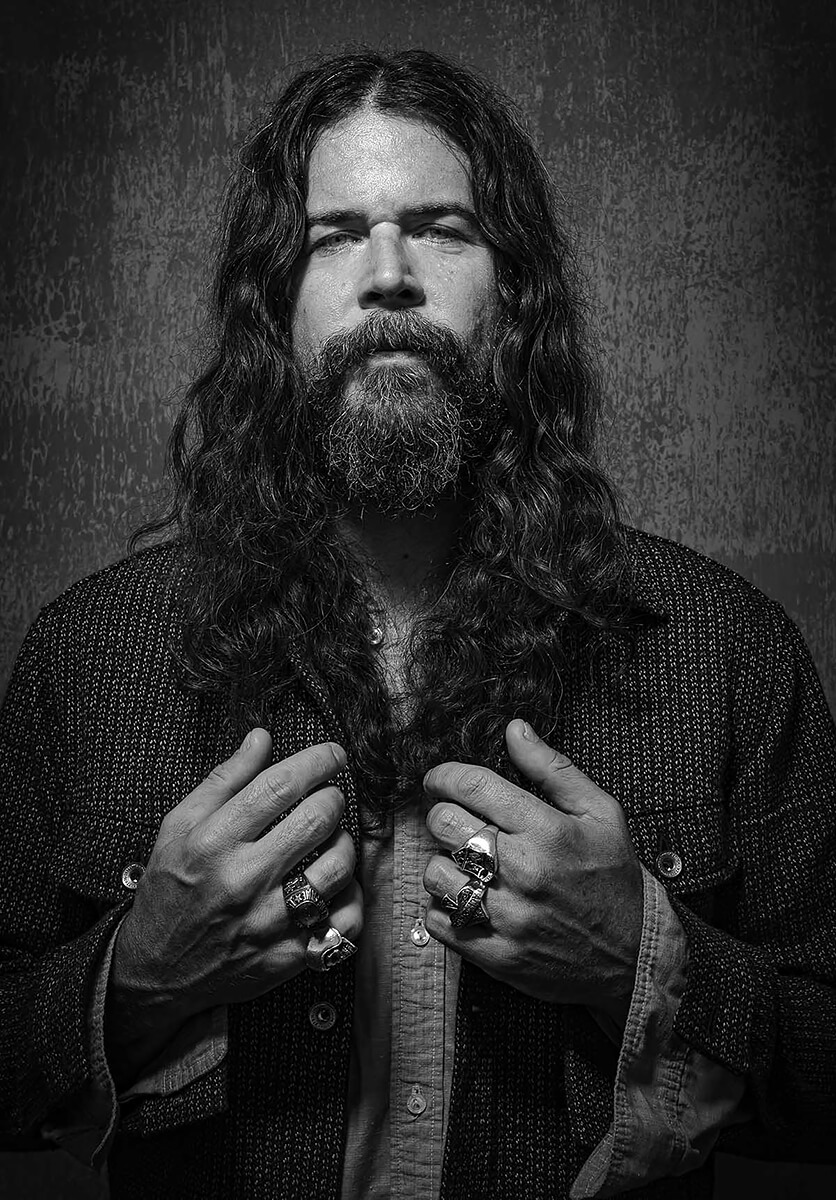
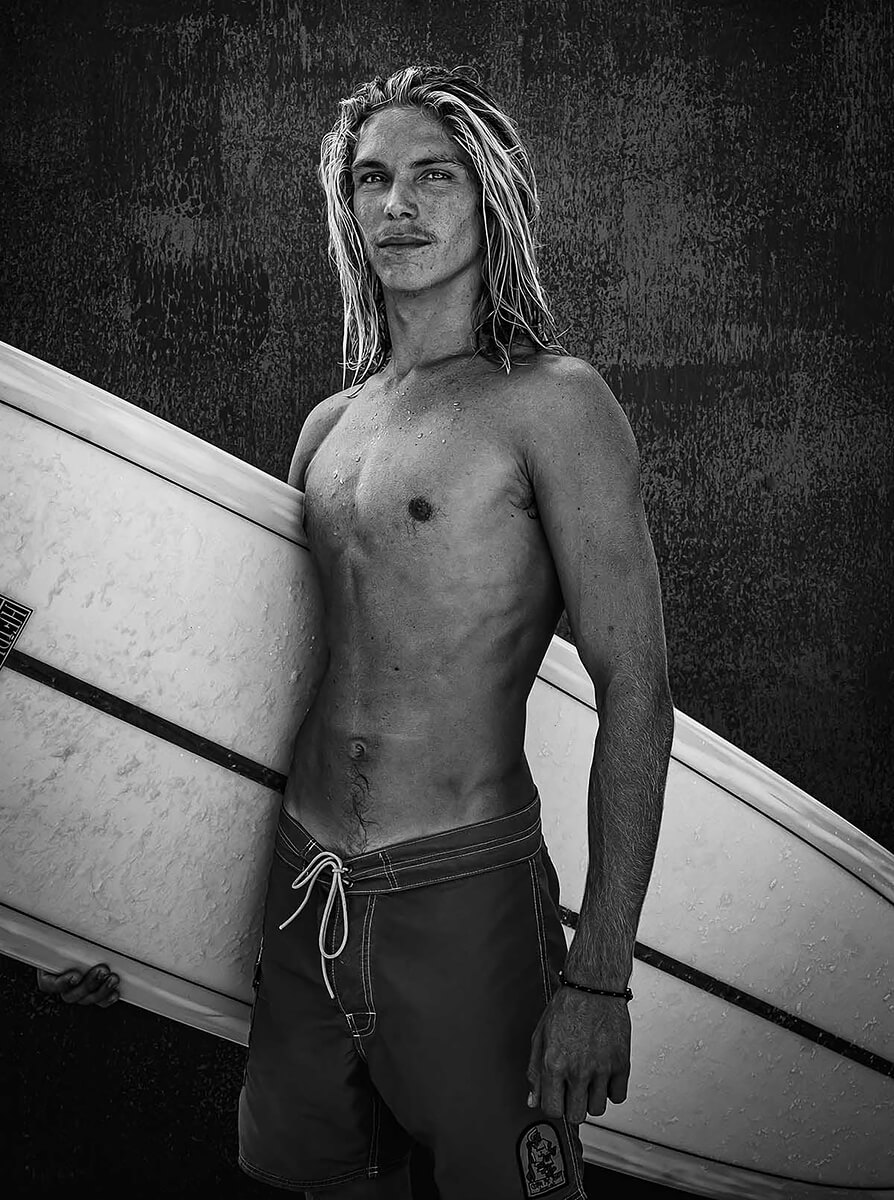
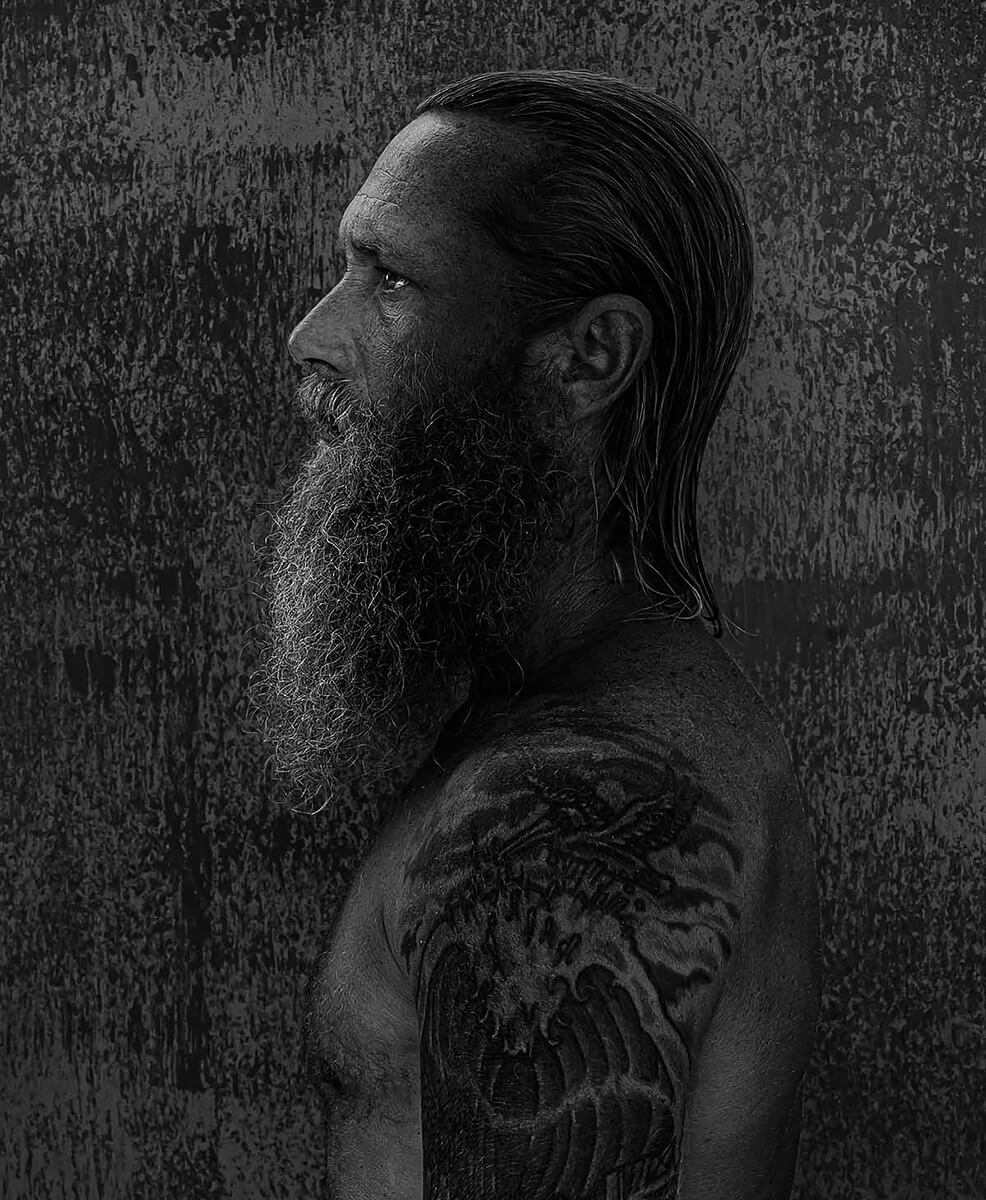
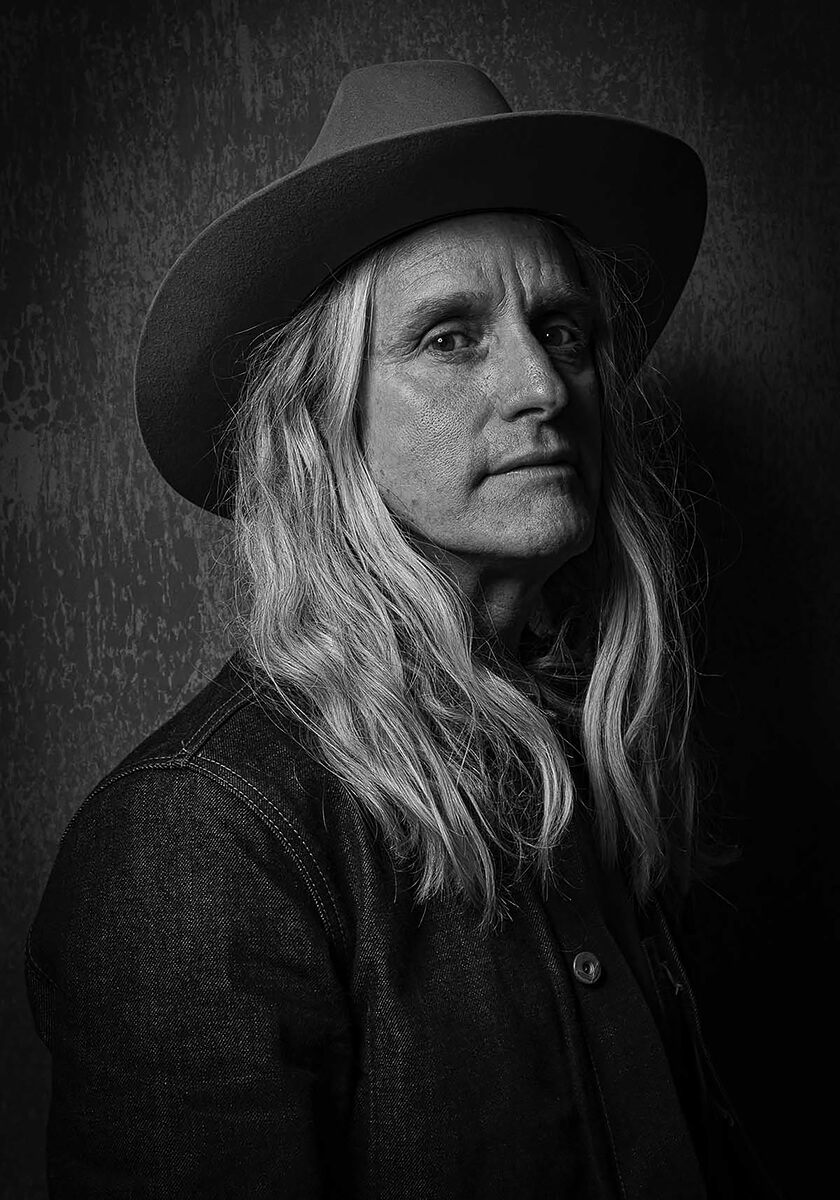
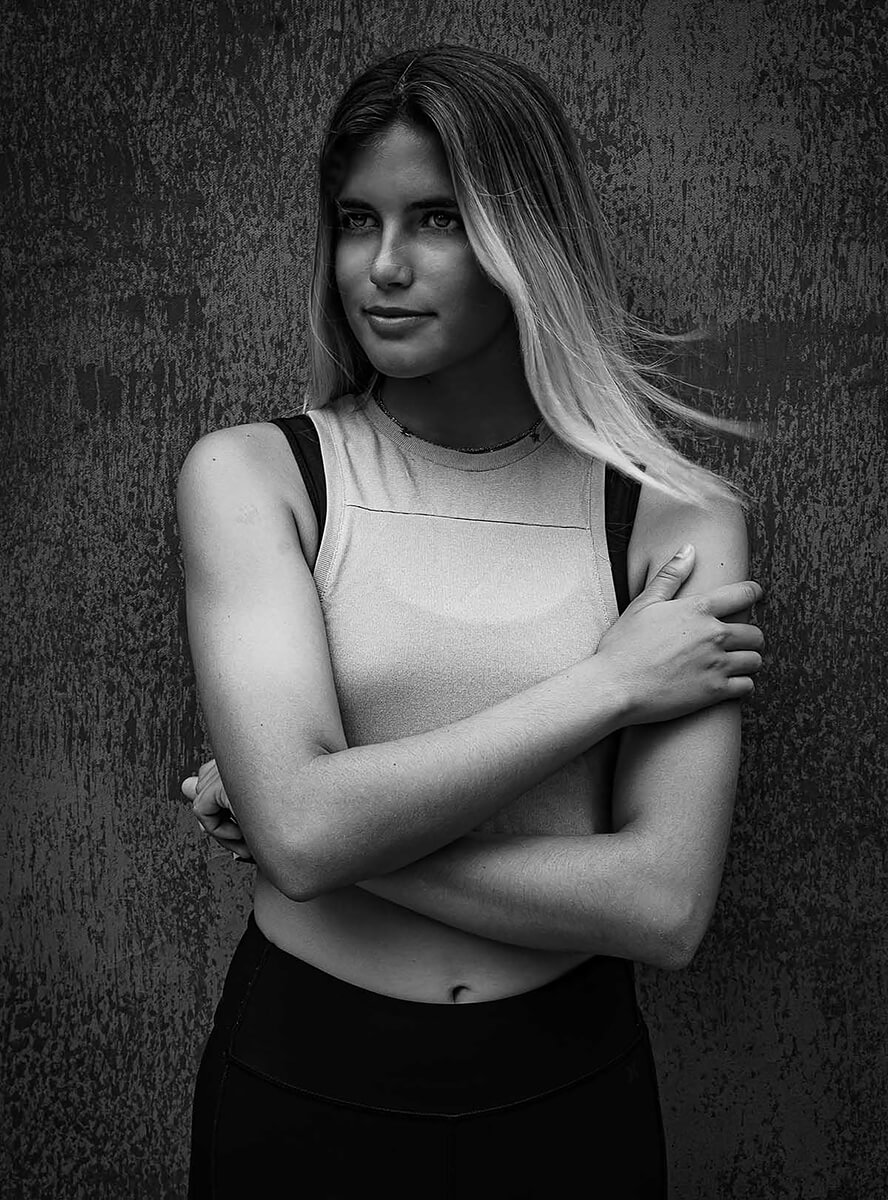
Darin Back is mostly known by his stark black and white portraits he's been shooting since 1992. He started his career in the early 1990's after a small photography trade school, he left early to work as an assistant. He spent two years assisting in Minneapolis, a modeling season (1991-1992) in Miami assisting photographers for German Vogue, Italian Vogue. Eventually he went west to Los Angeles (1993-1995) to assist with Greg Gorman, Dewey Nicks for a few years. After working on his first advertising commercial he met Lori Goldstein, the stylist for photographer Annie Leibovitz. After a few assignments with Annie, he headed back to Minnesota for 12 years (2001-2013). During that time he was represented by Redux Pictures from 2009-2014. Darin headed east and north to Maine (2013-14), lived in a train caboose for a year, trying to find some much needed rest and inspiration. He finally made his way back home to Florida where he continues to shoot portraits, live on the beach and travel.

He won 2nd place in the "Single Series Image" published April 1, 2020 in Lensculture

 

Inspiring Portfolios

Call for Entries
All About Photo Awards 2026
$5,000 Cash Prizes! Juror: Steve McCurry
 
Stay up-to-date  with call for entries, deadlines and other news about exhibitions, galleries, publications, & special events.

More Great Photographers To Discover

Javier Arcenillas
Javier Arcenillas is a Spanish freelance photographer, with a degree in Evolutionary Psychology from the Complutense University of Madrid. He is Professor of documentary photography at the PICA School of PHE and editor of photographic projects. Arcenillas develops humanitarian essays where the protagonists are integrated in societies that limit and aggregate all reason and right. He has won several international prizes, including The Arts Press Award, Kodak Young Photographer, European Social Fund Grant, Euro Press of Fujifilm, FotoPress, UNICEF, Sony World Photography of the Year, POYI, POYILatam, Fotoevidence, Gomma Grant, W. Eugene Smith Grant 2013, Getty Images Grant, PDN 2018, World Press Photo 2018, Lucas Dolega 2019. In 2013, Javier Arcenillas entered the dictionary of Spanish photographers. It has 4 books published, City Hope on the satellite cities that populate the landfills of Latin America, Welcome that tells the story of the Rohingya refugees of Myanmar in the Kutupalong camp, Sicarios on the hitmen in Central America and UFO Presences in 2018, the fun project about the spaces of UFO sightings and the way of transformation that localities, roads and cities turned into a legend. Aliens, Area 51, Death Valley or Roswell. The project that conceptualizes in images, maps and graphics the UFO phenomenon offers us places where these strange appearances have entered a unique subculture in the environment, endowing it with a singular energy. In the year 2016 La Fabrica publishes a Photobolsillo within the Photographers Spanish collection. His most complete news articles outside Spain can be read in Time, CNN, IL Magazine, Leica Magazine, Der Spiegel, Stern, Esquire, GEO, El Mundo, PAPEL, VICE News, TRIP, Matador, Man on the Moon, L´Expresso, Zazpika, Primera Linea, El País Semanal, Planeta Futuro, Libero, Gatopardo, El Confidencial, El periódico de Guatemala, Sputnik News as most important magazines. His work is distributed by the Agency LUZ. CITY HOPE Since the mid-nineties settlements bordering on rubbish dumps in the major capitals of Central America and Caribean have experienced a radical transformation. Now a days there are numerous families living in the recycling of waste in these macrociudades of disposable plastic or glass, their economic survival depends on it. Neighborhoods such as La Esperanza in Guatemala, La Duquesa on the Dominican Republic or in Managua Acahualinca fairly communities adapted to the collection of waste in landfills. This essay shows how and where they live hundreds of people in Latin America whose work is not the collection of organic waste. LATIDOAMERICA Latidoamerica is a Photojournalistic Research project that describes and analyzes violence in Central America, one of the most dangerous places in the world documenting the direct consequences of violence Sumida in revolutions, dictatorships, genocides, wars or political lack of control inheriting in each country, these Societies use the fear learned in their worst years to coexist daily with death and criminality in each city. This inheritance that left so much death has transformed the way of thinking and acting in the area. Today, a large part of its citizens live in fear and insecurity of certain death by firearm, rape, aggression, extortion, kidnapping and murder. Since the end of hostilities in countries like El Salvador, the young people who emigrated due to the war in the United States returned as street soldiers with new laws and regulations. The gangs known as "Maras" are responsible for that fear in which they live because they have bloodied any attempt at peaceful democratic socialization and have led the country to a new undeclared war in which Salvadorans are the victims. Similar circumstances in Guatemala where after years of dictatorship, genocide and death professions like that of Sicario end up seducing the poorest young people for the fear and respect they instill. The hired killer recruits teenagers attracted to fast money. Her main game is fear and her job is intimidation and death. In order to ‘graduate' these assassins murder a person on the condition that the situation involves risk. But it is not the only problem, in these countries without war where deaths from violence occur every hour, their social portrait is considered the most terrifying place in the world according to the United Nations. In Honduras, its geographical value is a place of transit for drug trafficking, a constant fight by drug cartels, a country that does not generate social policies. It is the heartbeat of America. CITIZENS OF DESPAIR More than years after his expulsion from Myanmar, thousands of unregistered Rohingya refugees living in makeshift camp Kutupalong, Bangladesh, have been forcibly displaced from their homes, in an act of intimidation and abuse of local authorities. Some international organizations have been treating many people for injuries where the majority were women and children victims of rejection and the disdain and the situation seems to be moving to nowhere. The Rohingya are a small Muslim ethnic group have for years been fleeing the northern Rakhine state of Myanmar which were subject to cruel of Abandonment, violence and exploitation. AmA The story begins like this... "In Genesis there was only the sea. Everything was dark, neither sun nor moon, the water was the mother and her cloak covered everything." For indigenous people there is no difference between dream or reality, day and night, visible or invisible.... Everything is equally real with the eyes open or with them closed. The native, like Alicia, pierces the mirror of appearances naturally but not always with tranquility because if the imaginary is sobering it also has its black and white. EdeN is a story, an illusion that we build in its most spiritual and dreamy emotional state. For generations, indigenous people have explored light and the subconscious on trips beyond reason about a latent unreality of space / time, that origin is found in the need for mastery of the cosmos. They are dreams materialized in a hidden place of the mind. In a meeting of two worlds their universes divide or intertwine over water or earth, the ground and the stars, consciousness and matter. The project embraces an imaginative and unreal photography that plays with illusion and fable as a different form of viewing. That exploration that directs us to delve into the narrative forms of visual expression.
André Kertész
Hungary
1894 | † 1985
André Kertész, born Kertész Andor, was a Hungarian-born photographer known for his groundbreaking contributions to photographic composition and the photo essay. In the early years of his career, his then-unorthodox camera angles and style prevented his work from gaining wider recognition. Kertész never felt that he had gained the worldwide recognition he deserved. Today he is considered one of the seminal figures of photojournalism. Expected by his family to work as a stockbroker, Kertész pursued photography independently as an autodidact, and his early work was published primarily in magazines, a major market in those years. This continued until much later in his life, when Kertész stopped accepting commissions. He served briefly in World War I and moved to Paris in 1925, then the artistic capital of the world, against the wishes of his family. In Paris he worked for France's first illustrated magazine called VU. Involved with many young immigrant artists and the Dada movement, he achieved critical and commercial success. Due to German persecution of the Jews and the threat of World War II, Kertész decided to emigrate to the United States in 1936, where he had to rebuild his reputation through commissioned work. In the 1940s and 1950s, he stopped working for magazines and began to achieve greater international success. His career is generally divided into four periods, based on where he was working and his work was most prominently known. They are called the Hungarian period, the French period, the American period and, toward the end of his life, the International period. Source: Wikipedia André Kertész (1894–1985) has been hailed as one of the most important photographers of the twentieth century. Working intuitively, he captured the poetry of modern urban life with its quiet, often overlooked incidents and odd, occasionally comic, or even bizarre juxtapositions. He endeavored "to give meaning to everything" about him with his camera, "to make photographs as by reflection in a mirror, unmanipulated and direct as in life." Combining this seemingly artless spontaneity with a sophisticated understanding of composition, Kertész created a purely photographic idiom that celebrates direct observation of the everyday. Neither a surrealist, nor a strict photojournalist, he nevertheless infused his best images with strong tenets of both. "You don't see" the things you photograph, he explained, "you feel them." Born Kertész Andor in Budapest, he received his first camera in 1912 and immediately began to make intimate portraits of family and friends, studies of the Hungarian countryside, and scenes of daily life behind the battle lines of World War I. Seeking to make a living through photography, he moved in 1925 to Paris, where he established a successful career as a photojournalist. Buoyed by this accomplishment and inspired by the vibrant artistic community of the French capital, he created some of the most intriguing and celebrated images of the period. In 1936 Kertész relocated to New York in order to further his career. Captivated by the rich visual spectacle of the city and awed by its scale, he used the camera to record both his fascination with, and sense of alienation from, his new surroundings. The images attest to a complicated personal history borne through the political upheavals of two wars and life in three countries. He died at age ninety-one. This exhibition offers a comprehensive overview of Kertész's rich and varied career. Source: The International Center of Photography
Marcos Zegers
Chile
1987
"I am a Chilean photographer, with a background in architecture and with a strong interest in geopolitical, territorial and migration conflicts. My work focuses on long-term documentary projects in which I illustrate urgent situations through a careful and studied proposal. My work has been exhibited in Chile (Animal, Ekho Gallery), and fairs in London, Paris, Shanghai and New York and I participated in photo festivals as PhotoEspaña (Esp), Format (UK) and FIFV (Chile). Recently my documentary project was published on The New York Times which gave me the opportunity to start working as a freelancer for the same newspaper. I teach at the University Diego Portales in Chile where I currently live." About Mining and Exodus in the Atacama Desert This visual essay is the narrative of an endless journey through the desert and the Andes Highlands in Bolivia and Chile. A paused and deep journey through places full of memory. What appears to be photographs of elements randomly dispersed throughout the territory, when consciously grouped together, are transformed into a linear narrative linked to the extractive era. Like a map that is revealed in parts, a harsh story uncovers the relationship between mining activities and cultural displacements, all united under a common element in dispute, water. Following the course of the extractive history of colonial Latin America, what was rubber in Iquitos, cane in the Caribbean, gold in Guanajuato, or silver in Potosi, in Chile was the nitrate (saltpeter). For almost two centuries, the Atacama Desert has been a constant source of mineral resource extraction. The "Saltpetre Offices" has left the mark of an era of wealth and exploitation. Today the situation repeats itself as an exact cycle: what was nitrate, passed to copper, and today, it turns to lithium. Right in the middle of this extractive history are the woman and the man who inhabited the territory. On the one hand, there is the Aymara woman who walks and grazes the cattle in the Andean mountain range. She has not seen the face of the mining company. However, they critically meet in the use of the same resource: water. The excessive water consumption by mining companies has dried the soil, making livestock and agriculture unviable. Consequently, the highlands man has been forced to go down to work in the city, where possible, the job to which he aspires, is precisely in mining. This uncovers a vicious circle which is greatly enhanced by the government's lack of attention to these isolated areas. The risk is profound. The desert has not been completely unravelled. It continues to have lots of minerals, and at the same time, it stalks a climate change that will not stop any time soon. In Chile the water is sold, the water rights belong to private. This situation has alarmed the inhabitants of this territory, amongst organizations and activists who wage real legal battles in the courts. This visual essay, far from addressing the issue on all its extents, seeks to contribute to the latent conversation about extractive practices and the current economic model in Chile. To bring back this apparently scenic desert to an urgent reality, promoting a reflection that contributes to the appreciation of rural territory and its culture.
García De Marina
Born in Spain in 1975. Since the year 2012 uses the object like expression way. This Poet of the Prosaic made the leap from social networking to the galleries in a few months' time. His creativity has not gone unnoticed in Spain as well as the foreign media, having his work published in several countries in the world. He has made a number of individual exhibitions and taken part in different collective exhibits, in addition to diverse art fairs. His lens is profoundly irreverent with the real: it seeks to transform and stamp objects with new identities; it challenges the obvious, and pays heed to the grandeur of the everyday. The bareness of his photography endows objects with a leading role, while they are stripped of their essence to be reinvented. The artist does not carry out any photographic manipulation on the images. From the minimalist perspective, the inventiveness of his gaze lays claim to another reality. In 2015 the artist was one of the chosen ones, by the Spanish Embassy, to participate in the "Photo Week Washington D.C.". In 2017, the Contemporary Art Museum of Castilla León in Spain (MUSAC) selected three of his pieces for the "Constellations" exhibition, experimental poetry in Spain (1963-2016), where for the first time, the presence of visual and experimental poetry in Spain from the 1960s to the present is addressed. During last years the artist has participated in some Festivals of photography, in Spain and abroad as Photo Week D.C. in Washington (2015), Photo Romania Festival (2015), Photometria Festival in Greece (2016), Festival of the light in Argentina (2016), Bucharest Foto Week (2016), Addis Foto Fest in Ethiopia (2016), Uppsala Foto Festival in Sweden (2017) and Yangon Photo Festival in Myanmar (2018). In 2018 presented his exhibition "Diálo2" in the Barjola's Museum in Spain together with one the most important visual poets of the 20th century in Spain, Joan Brossa."
Abelardo Morell
Abelardo (Abe) Morell (born 1948 in Havana, Cuba) is a Boston-based photographer. Morell and his family fled Cuba in 1962, moving to New York City. Morell earned a Bachelor of Arts from Bowdoin College in 1977, and a Master of Fine Arts from Yale University School of Art in 1981. He received an honorary Doctor of Fine Arts degree from Bowdoin in 1997. Morell is well known in the photographic community for creating camera obscura images in various places around the world and photographing these. Morell was awarded the Cintas Foundation fellowship in 1992 and the John Simon Guggenheim Memorial Foundation Fellowship in 1993. Morell is currently a professor of photography at the Massachusetts College of Art. He is represented by Bonni Benrubi Gallery, NYC. A documentary on elements of Morell's life and work, Shadow of the House, was released in 2007. Source: Wikipedia He has received a num­ber of awards and grants, which include a Cin­tas grant in 1992 a Guggen­heim fel­low­ship in 1994 a Rap­pa­port Prize in 2006 and an Alturas Foun­da­tion grant in 2009 to pho­to­graph the land­scape of West Texas. He was the recip­i­ent of the International Center of Photography 2011 Infin­ity award in Art. His work has been col­lected and shown in many gal­leries, insti­tu­tions and muse­ums, includ­ing the Museum of Modern Art, the Whitney Museum of American Art, the Metropolitan Museum of Art in New York, the Art Institute of Chicago, the San Francisco Museum of Modern Art, the Hous­ton Museum of Art, the Boston Museum of Fine Arts, the Victoria and Albert Museum and over sev­enty other muse­ums in the United States and abroad. A ret­ro­spec­tive of his work orga­nized jointly by the Art Insti­tute of Chicago, The J. Paul Getty Museum and the High Museum in Atlanta will be on view start­ing in the sum­mer of 2013. His pub­li­ca­tions include a pho­to­graphic illus­tra­tion of Alice’s Adven­tures in Won­der­land (1998) by Dut­ton Children’s Books, A Cam­era in a Room (1995) by Smith­son­ian Press, A Book of Books (2002) and Cam­era Obscura (2004) by Bulfinch Press and Abelardo Morell (2005), pub­lished by Phaidon Press. Recent pub­li­ca­tions include a lim­ited edi­tion book by the Museum of Mod­ern Art in New York of his Cliché Verre images with a text by Oliver Sacks. He lives with his wife, Lisa McE­laney, a film­maker, and his chil­dren Brady and Laura in Brook­line, Massachusetts. Film­maker Allie Humenuk has made a film enti­tled Shadow of the House, an in-depth doc­u­men­tary about Morell’s work and expe­ri­ence as an artist. Source: www.abelardomorell.net
Advertisement
All About Photo Awards 2026
Win a Solo Exhibition this January
All About Photo Awards 2026

Latest Interviews

Interview with Maureen Ruddy Burkhart
Photographer Maureen Ruddy Burkhart brings a quietly attentive and deeply human sensibility to her exploration of the world through images. Shaped by a life immersed in photography, film, and visual storytelling, her work is guided by intuition, observation, and an enduring interest in the emotional undercurrents of everyday life. With a practice rooted in both fine art traditions and documentary awareness, she approaches her subjects with sensitivity, allowing subtle moments to emerge naturally rather than be imposed. Her series Til Death, selected as the Solo Exhibition for February 2025, reflects this long-standing commitment to photography as a space for reflection rather than spectacle. Drawn to moments that exist just outside the expected frame, Burkhart’s images suggest narratives without resolving them, leaving room for ambiguity, humor, and quiet connection. We asked her a few questions about her life and work.
Exclusive Interview with Peter Ydeen
Winner of AAP Magazine #45 Travels, his series reflects this unique vision—capturing the spirit of place through subtle layers of light, color, and emotion. Whether traveling abroad or observing the rhythms of his own surroundings, Ydeen creates images that feel both grounded and enchanted, inviting viewers into a world where reality and reverie meet.
Exclusive Interview with Julie Wang
Chinese-born photographer Julie Wang brings a poetic, contemplative sensitivity to her visual exploration of the world. Having lived for nearly equal parts of her life in China, Europe, and the United States, she approaches her subjects with the nuanced perspective of someone shaped by many cultures. This blend of distance, curiosity, and emotional resonance infuses her work with a quiet depth, allowing her to reveal the fragile beauty and subtle tensions that often pass unnoticed.
Exclusive Interview with Ghawam Kouchaki
American photographer Ghawam Kouchaki brings a sharply observant and introspective gaze to the streets of Japan’s capital. Based in Los Angeles, he approaches Tokyo with the distance — and curiosity — of an outsider, allowing him to uncover the city’s subtle contradictions, quiet tensions, and fleeting gestures that often go unnoticed. His series Tokyo no no, selected as the Solo Exhibition for December 2024, explores the hidden undercurrents of urban life: the unspoken rules, the small ruptures in routine, the poetic strangeness found in everyday moments. Through muted tones, instinctive timing, and meticulous framing, Kouchaki reveals a Tokyo that exists somewhere between reality and imagination — both intimate and enigmatic. We asked him a few questions about his life and work.
Exclusive Interview with Tommi Viitala
Tommi Viitala, winner of AAP Magazine #44: Street, is a Finnish photographer celebrated for his striking and cinematic street photography. With a keen eye for atmosphere and composition, he captures fleeting urban moments that reveal the poetry of everyday life. His work often explores the tension between solitude and connection within contemporary cityscapes, blending documentary realism with artistic sensibility. Viitala’s photographs have been exhibited internationally and recognized for their strong visual storytelling and emotional depth. We asked him a few questions about his life and work.
Exclusive Interview with Robert Mack
Robert Mack is a California-based visual artist, photographer, and filmmaker. His fine art photography and films have been exhibited widely in the United States and Europe, with major shows at the Baltimore Museum of Art and the Reiss-Engelhorn Museum in Mannheim, Germany. Both institutions hold his work in their permanent collections. Working across different media, Mack has built a career exploring the complexities of human presence and representation. In 1981, while living in Baltimore, he produced The Perkins Project: Not Guilty by Reason of Insanity, a rare photographic and film study inside Maryland’s hospital for the criminally insane. These stark yet compassionate black-and-white portraits remain one of his most powerful and controversial bodies of work.
Exclusive Interview with Alan Schaller About Irys
Alan Schaller is a London-based photographer best known for his striking black-and-white street photography and as co-founder of Street Photography International, one of the largest online communities dedicated to the genre. With years of experience both behind the camera and in building platforms that give visibility to photographers, Schaller has now turned his focus to creating a new digital space for photography itself. His latest venture, Irys, is a photography app designed by photographers, for photographers, with the aim of offering a dedicated platform where images are respected as works of art rather than treated as disposable content.
Exclusive Interview with Guillaume Bonn
With his latest book Paradise, Inc., celebrated documentary photographer Guillaume Bonn takes us deep into the heart of East Africa, where the promises and failures of wildlife conservation collide. Far from offering a romanticized vision of nature, Bonn’s work confronts us with urgent realities: the tensions between local communities and conservation policies, the sacrifices of rangers on the frontlines, and the long-lasting impact of human activity on fragile ecosystems. Spanning more than two decades of fieldwork, the project blends powerful imagery with investigative depth, raising difficult but necessary questions about transparency, accountability, and the Western-led models that dominate conservation. Enriched by the voices of those too often left out of the conversation—including a preface by Maasai leader Ezekiel Ole Katato and an introduction by journalist Jon Lee Anderson—Paradise, Inc. is both a stunning visual journey and a call to action. In the following interview, Guillaume Bonn reflects on the making of Paradise, Inc., the ethical dilemmas at the heart of his work, and the urgent need to rethink our approach to conservation in East Africa and beyond.
Exclusive Interview with Sander Vos
Sander Vos is a fine art photographer based in London whose work seamlessly blends elements of Surrealism with portraiture. Drawing inspiration from his background in design, Vos embraces light and contrast to sculpt striking, graphic compositions. His photographs invite the viewer into a world where revelation and concealment coexist, leaving space for imagination and interpretation.
Call for Entries
Solo Exhibition January 2026
Get International Exposure and Connect with Industry Insiders