All about photo.com: photo contests, photography exhibitions, galleries, photographers, books, schools and venues.
FINAL CALL TO ENTER AAP MAGAZINE B&W: PUBLICATION AND $1,000 CASH PRIZES
Agniva Kolay
Agniva Kolay

Agniva Kolay

Country: India
Birth: 1997

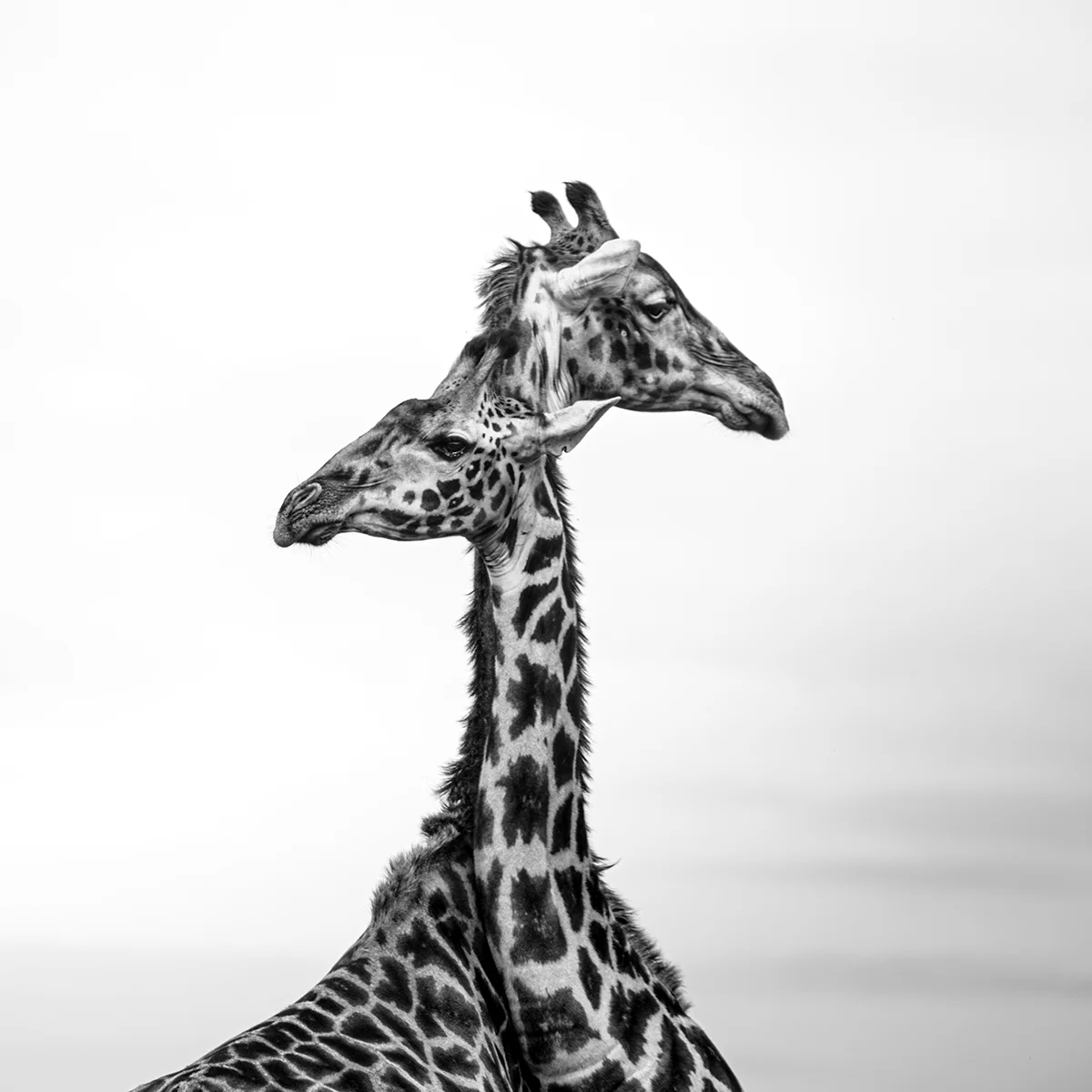
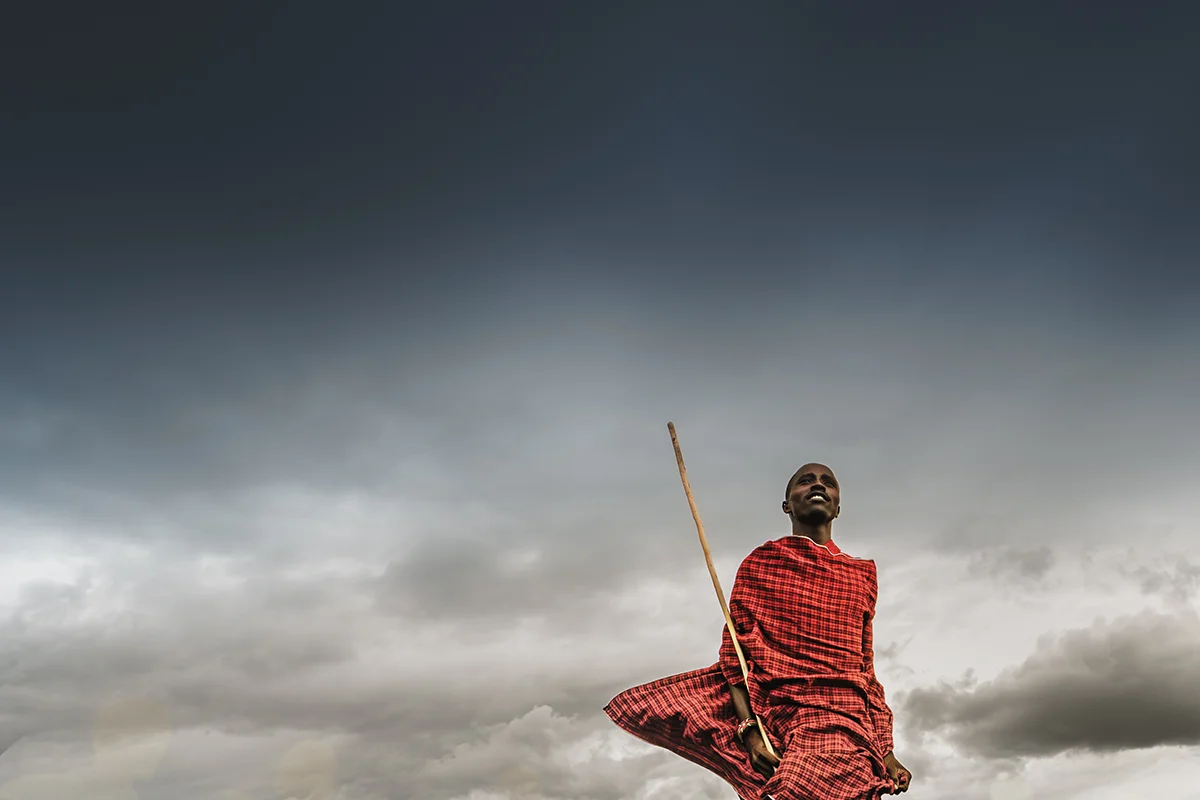
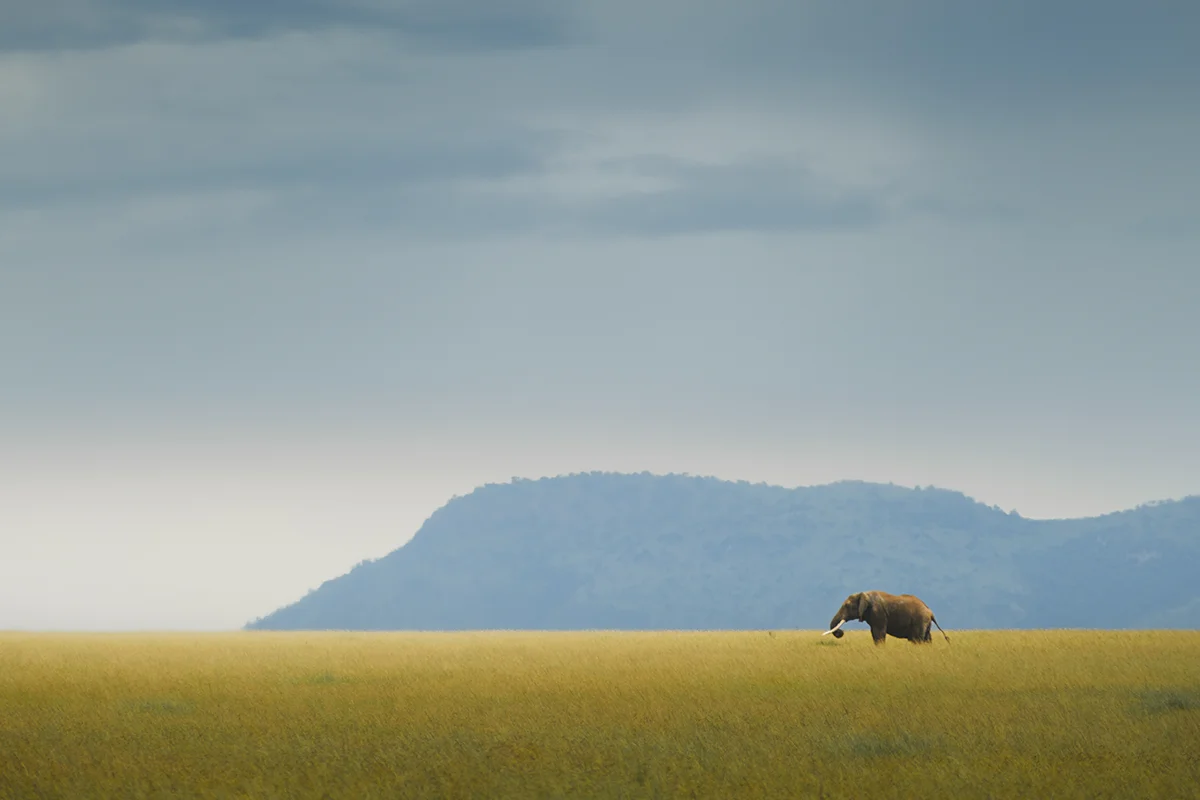
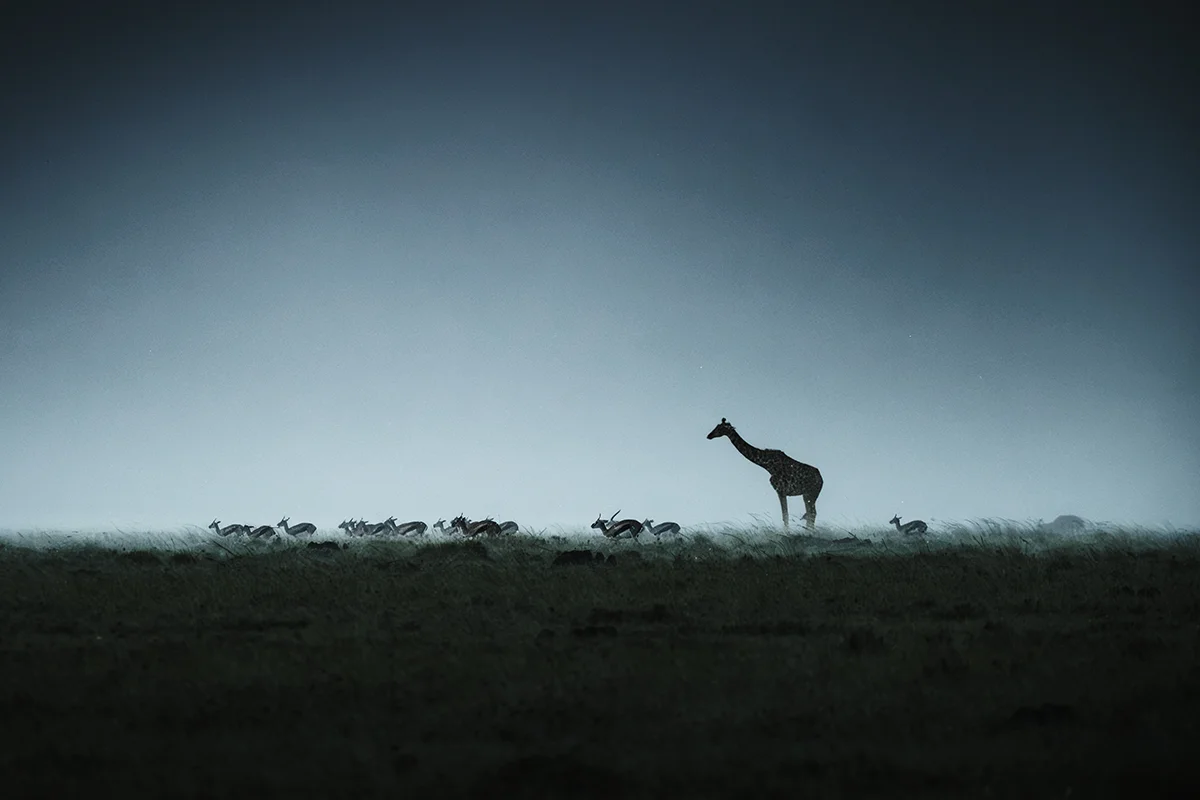
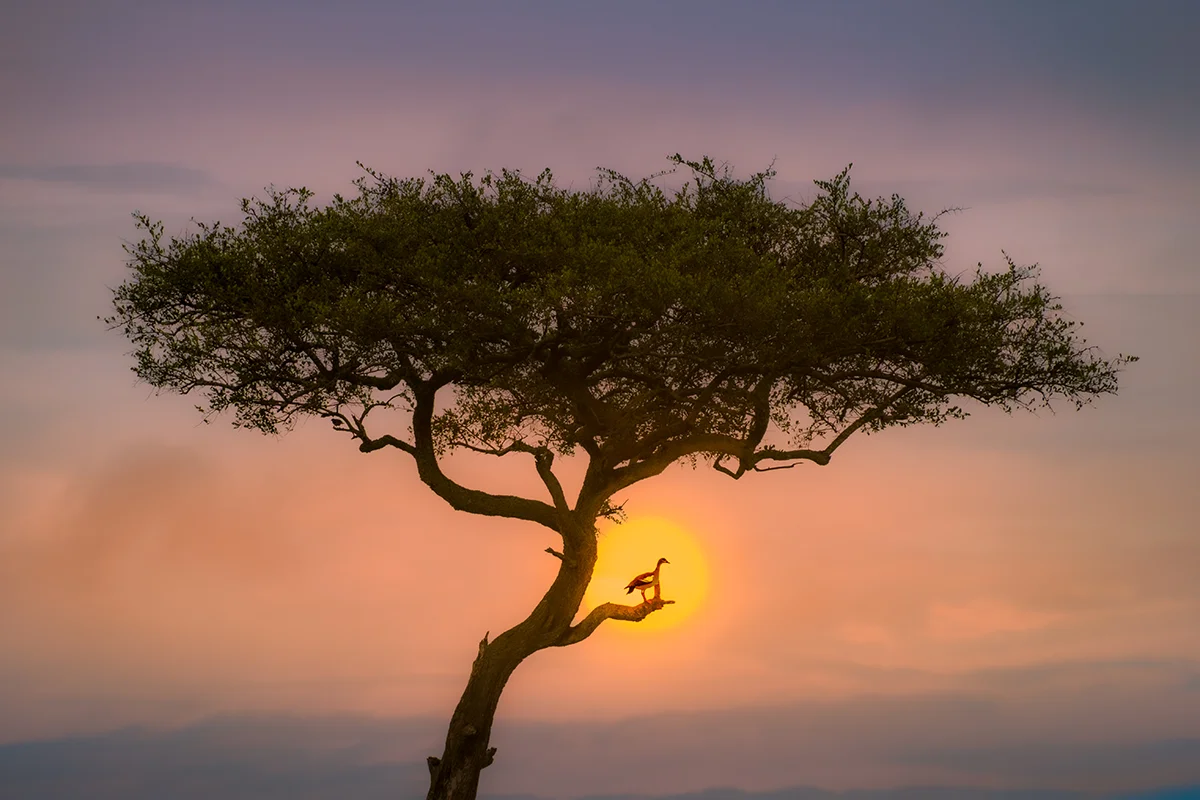
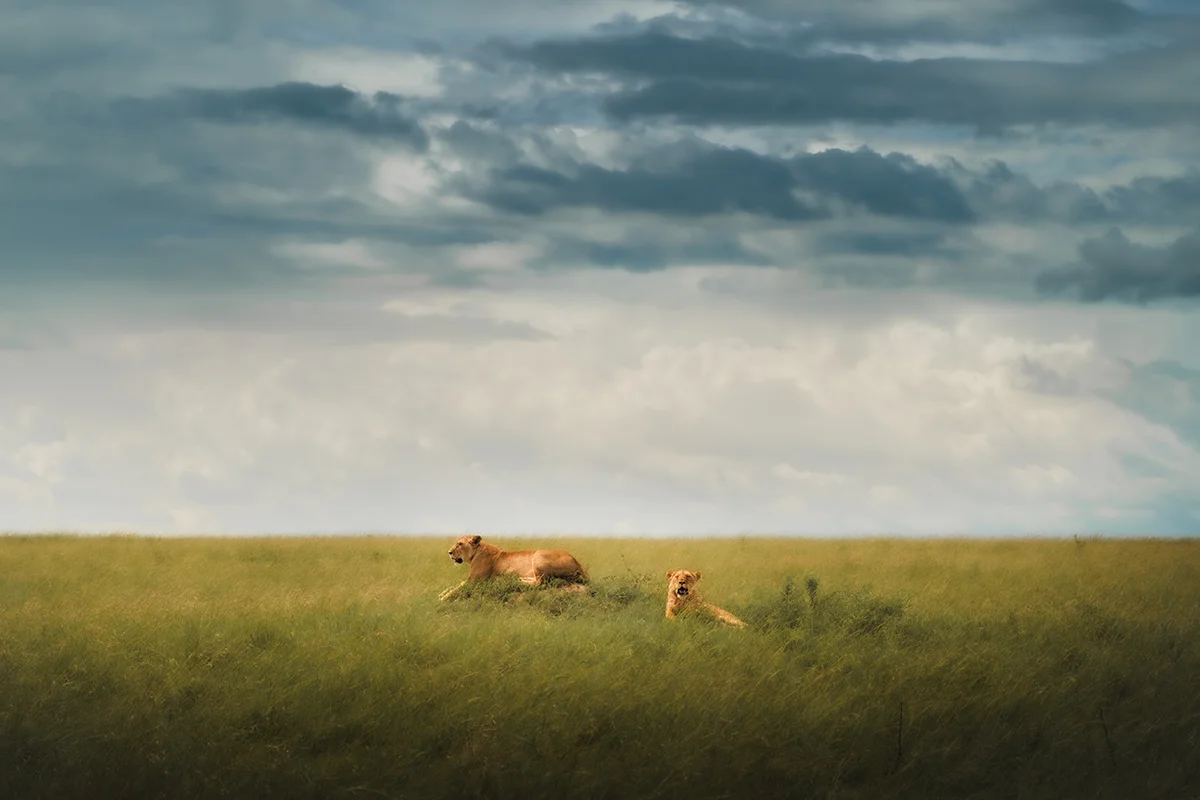
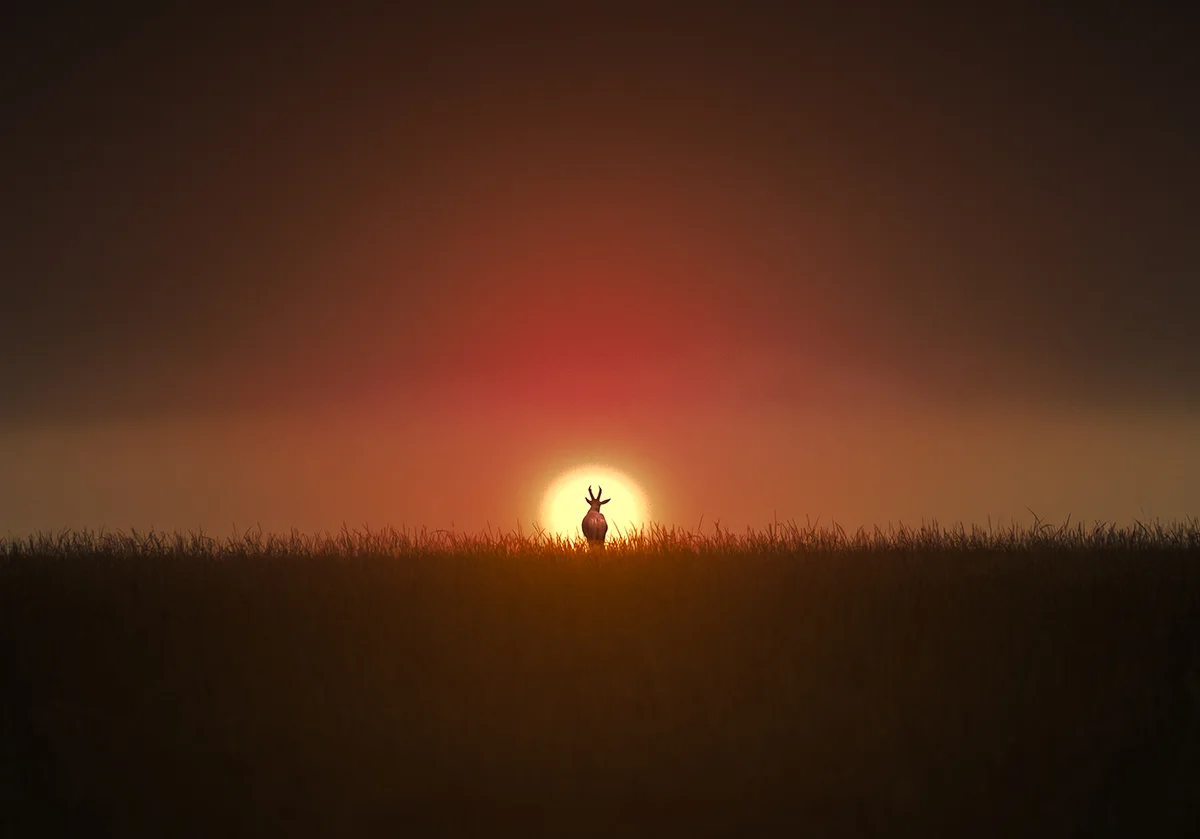
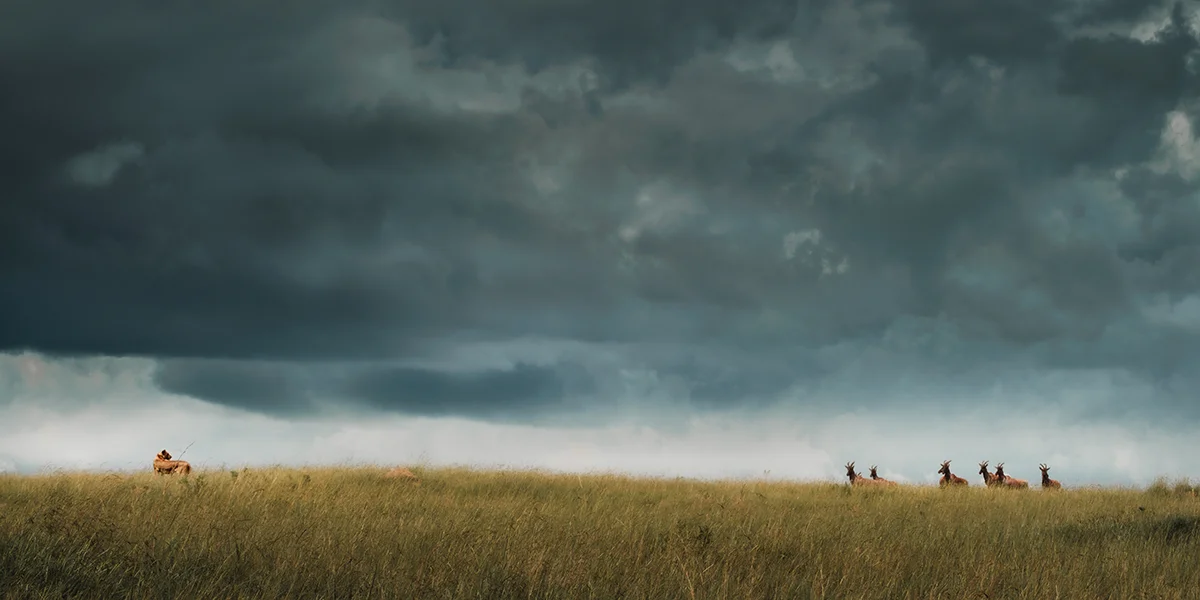
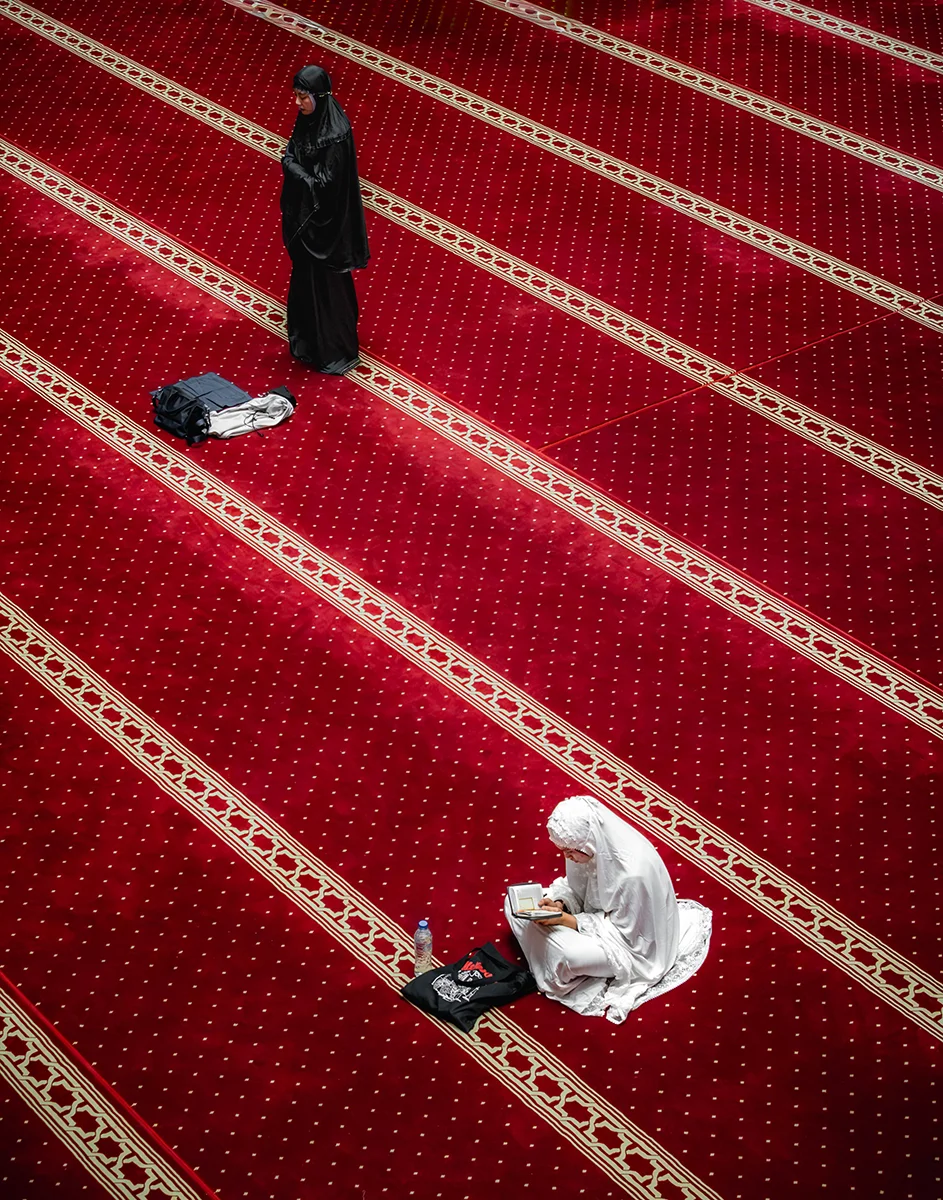
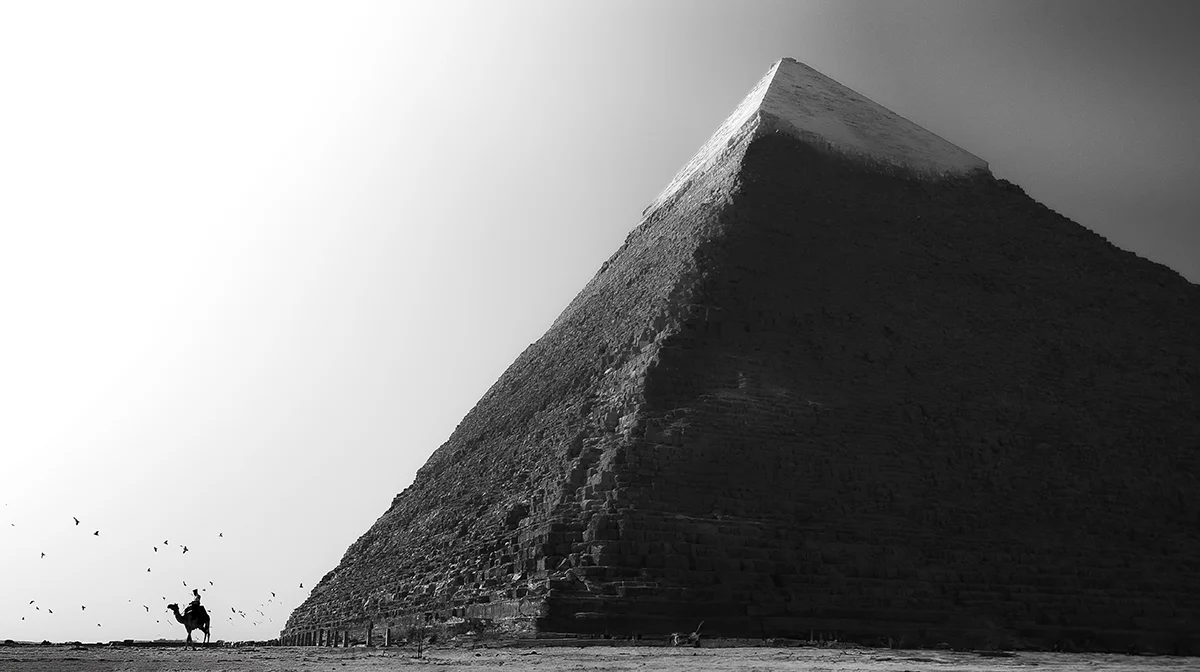
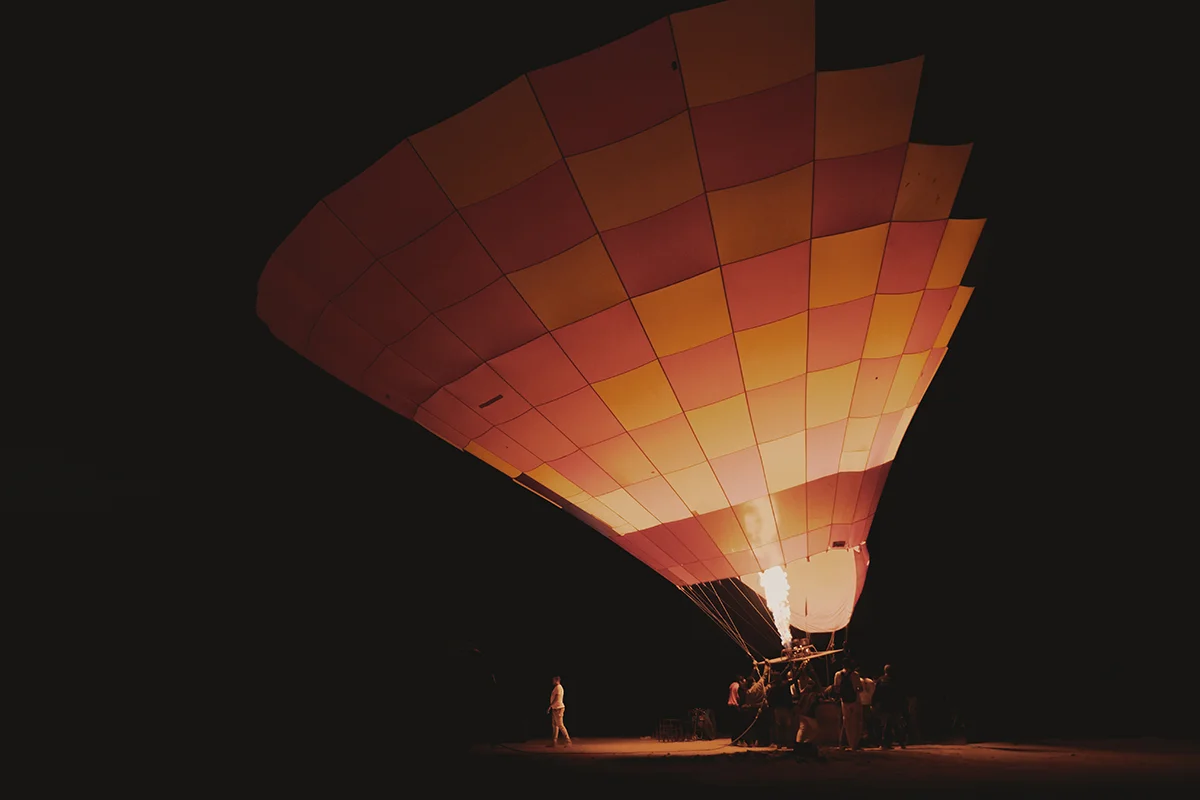
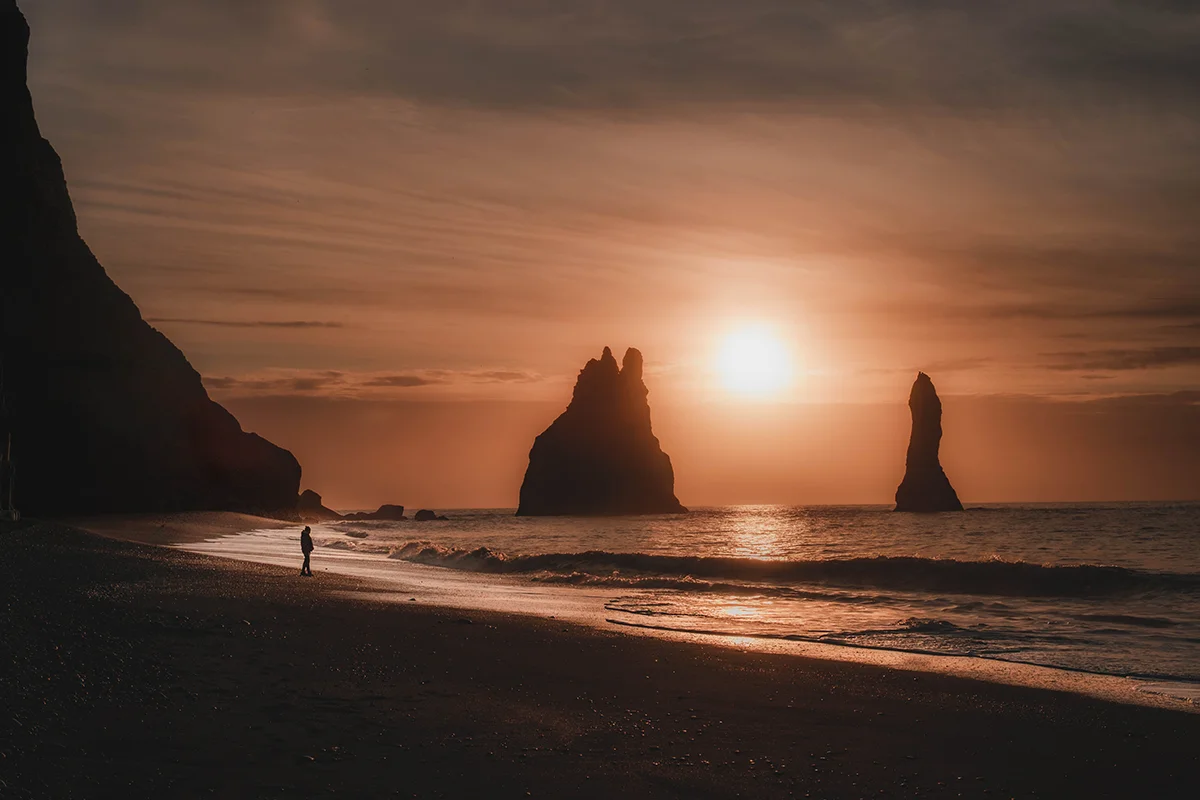
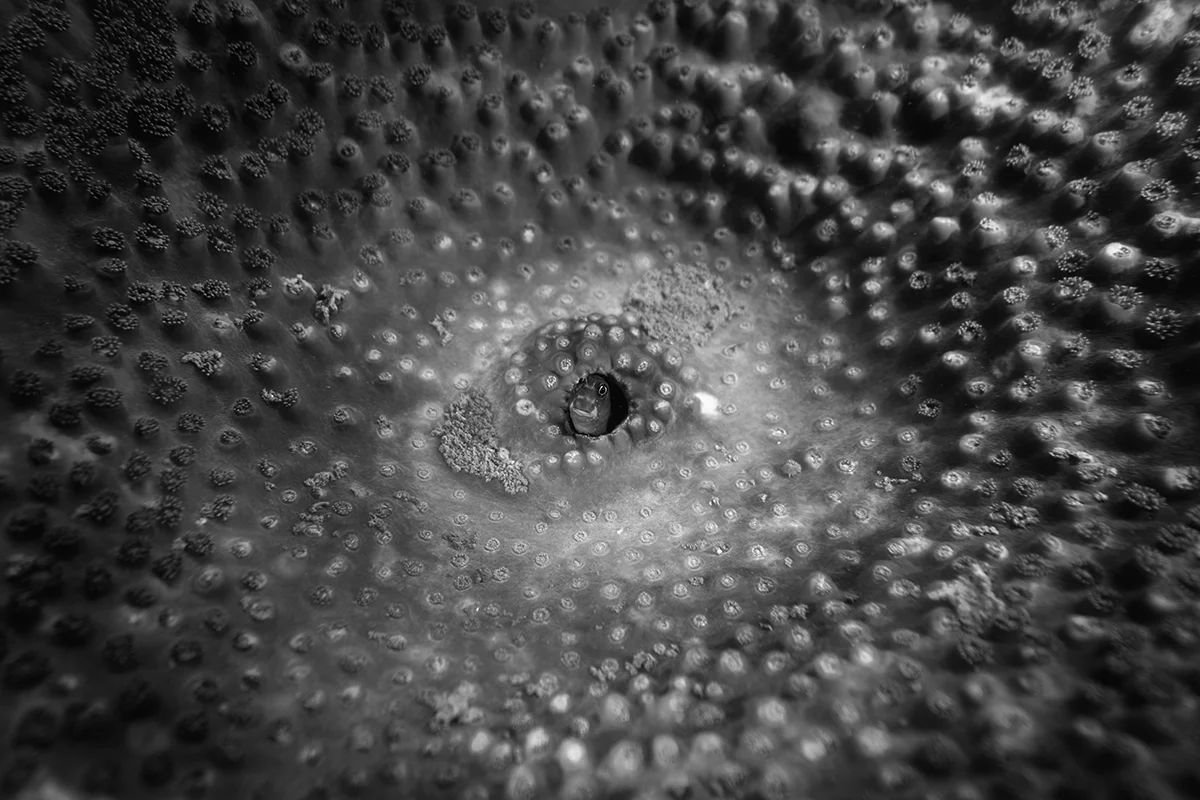
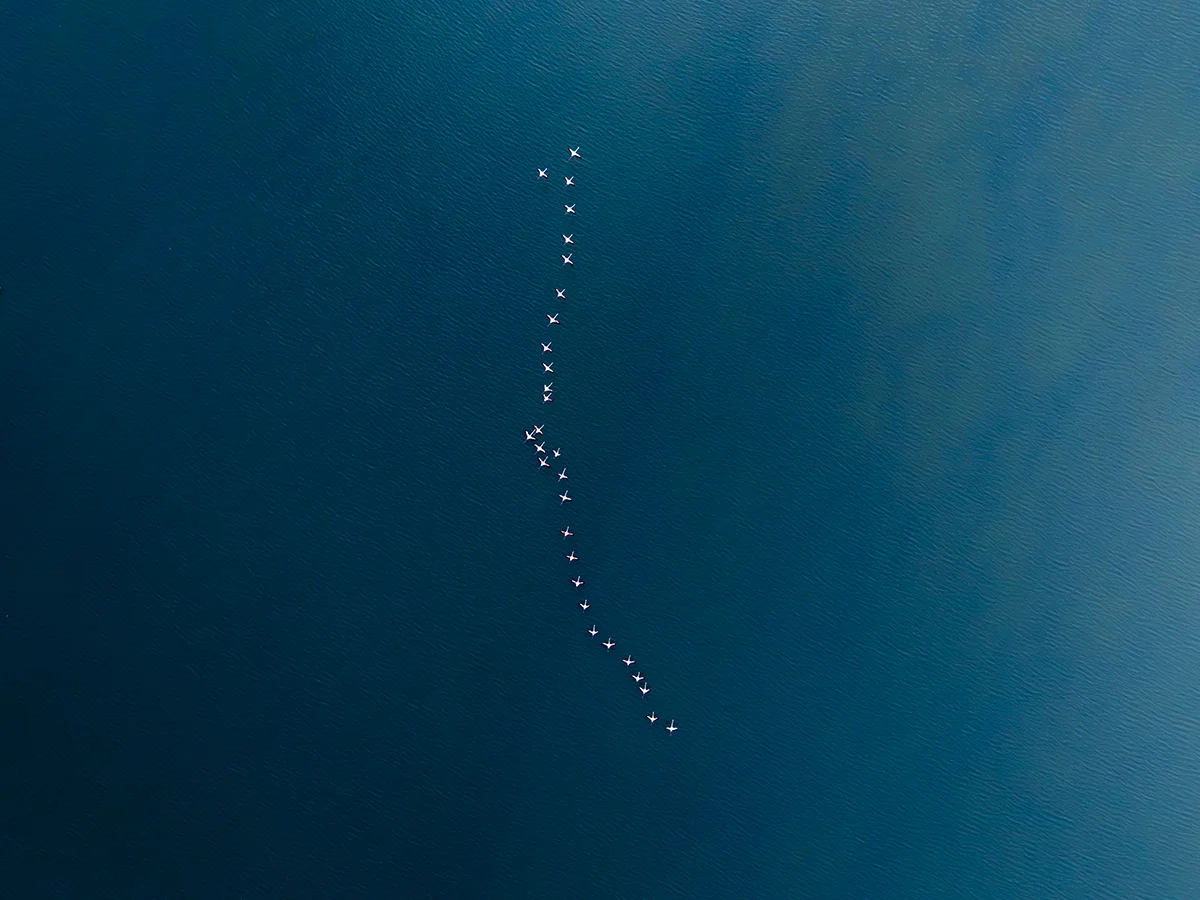
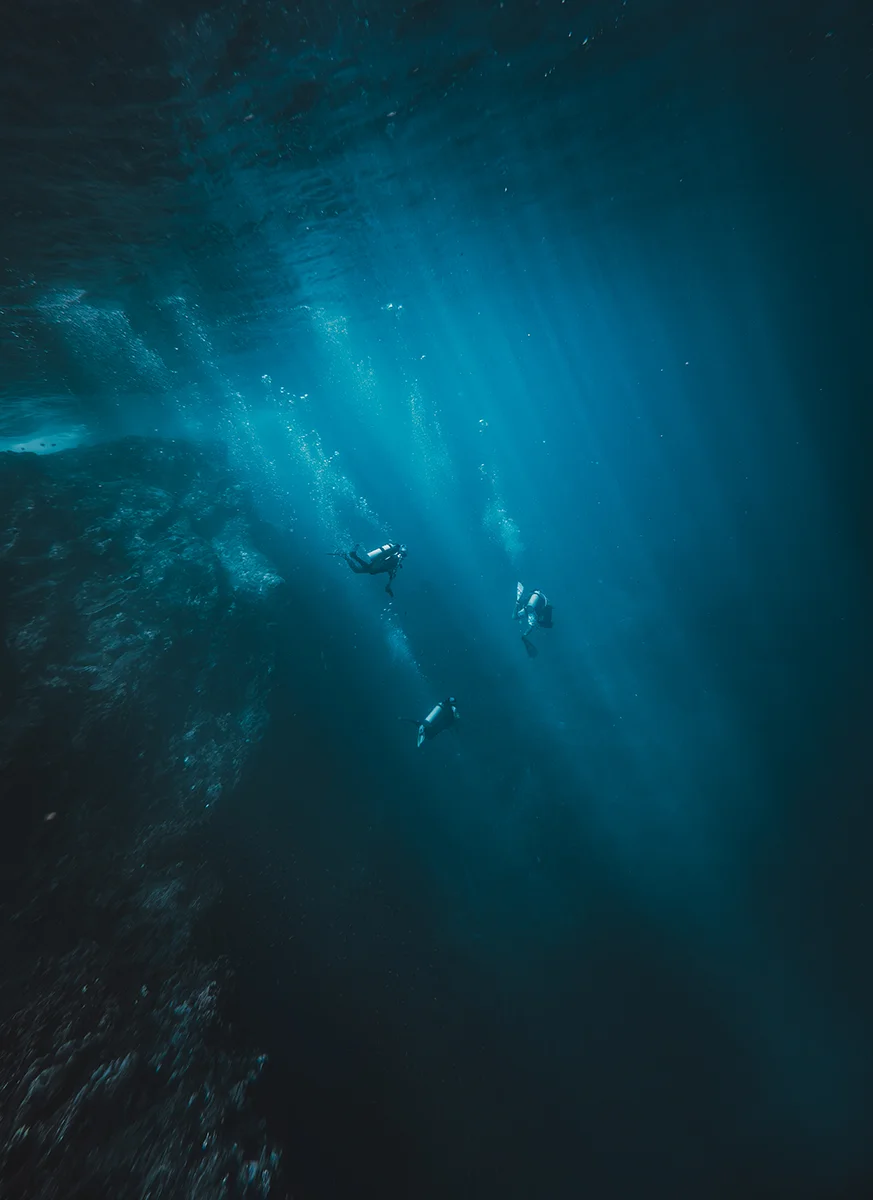
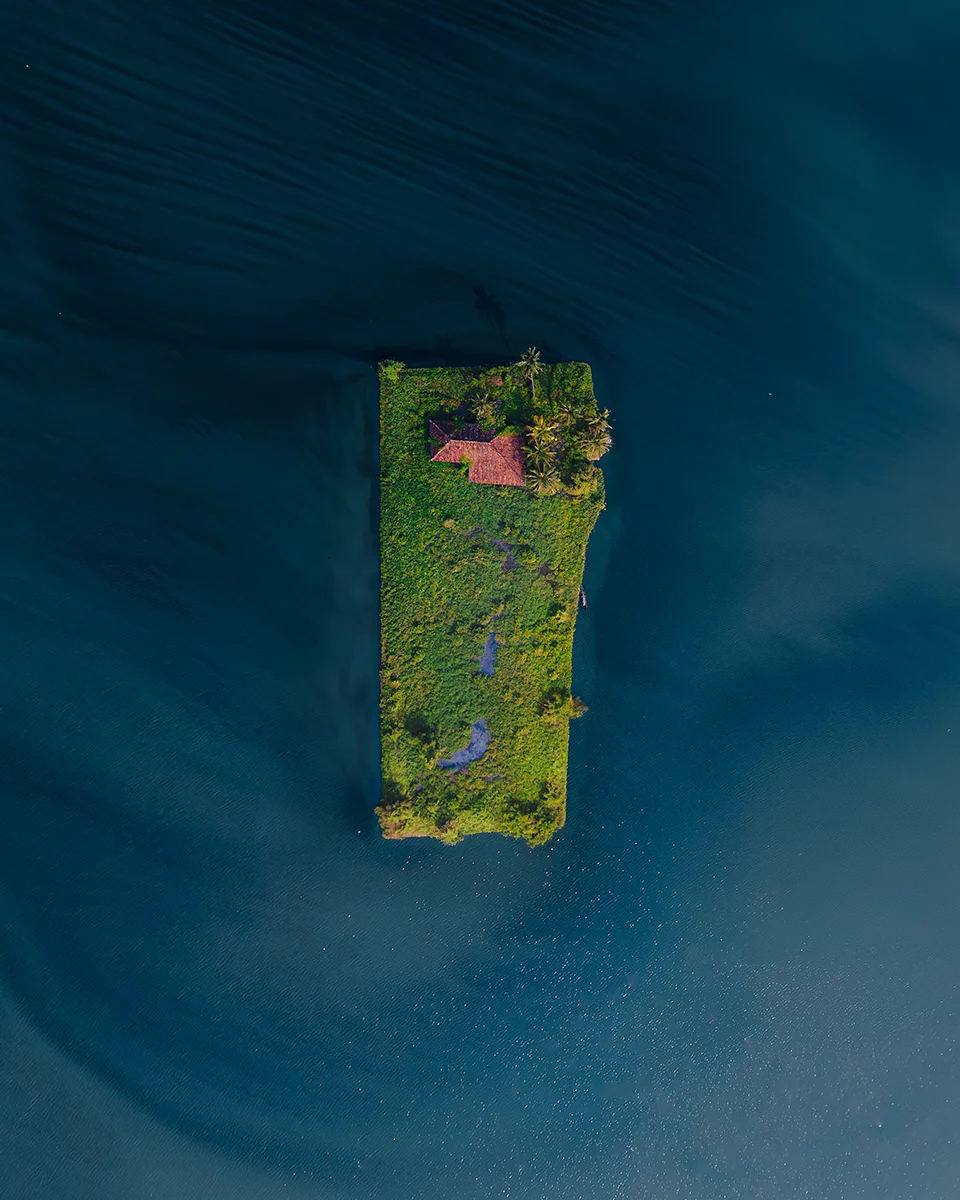
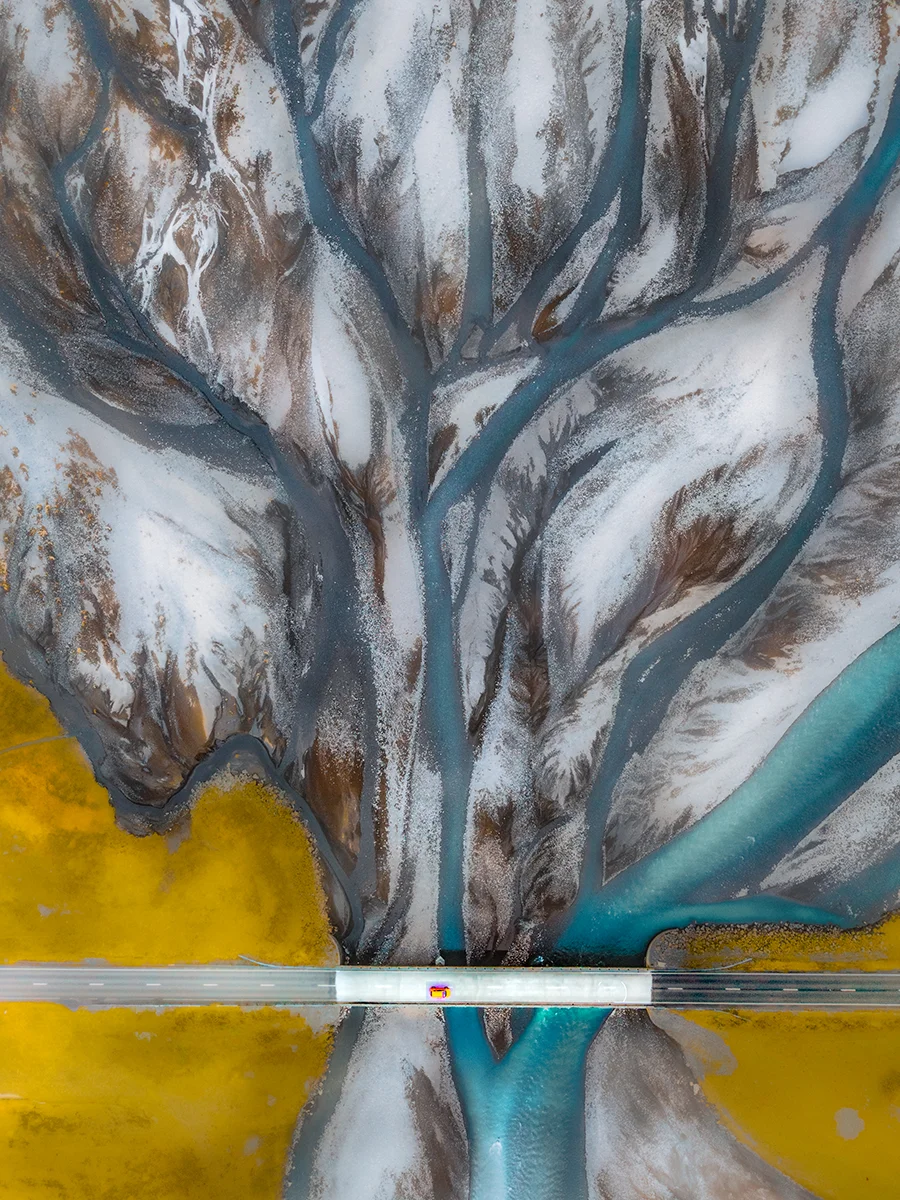
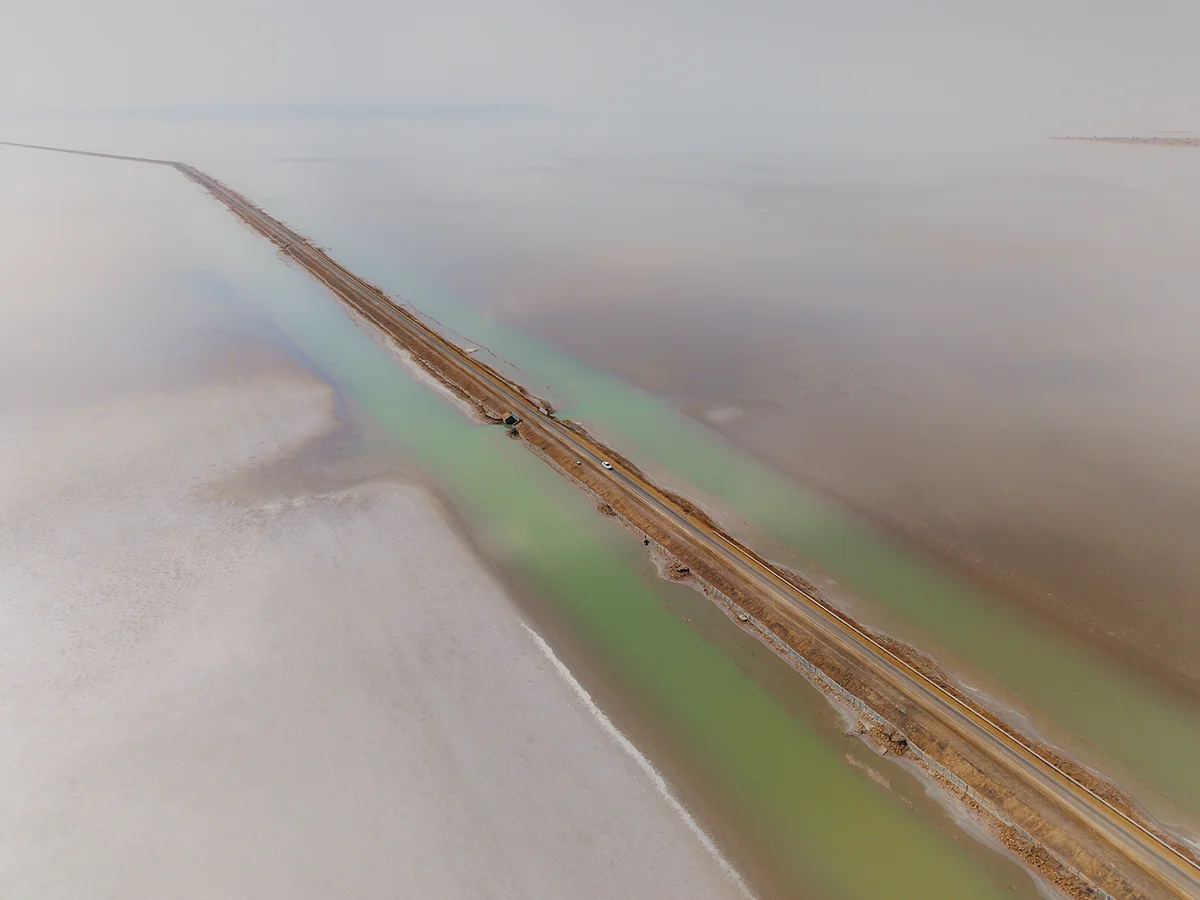
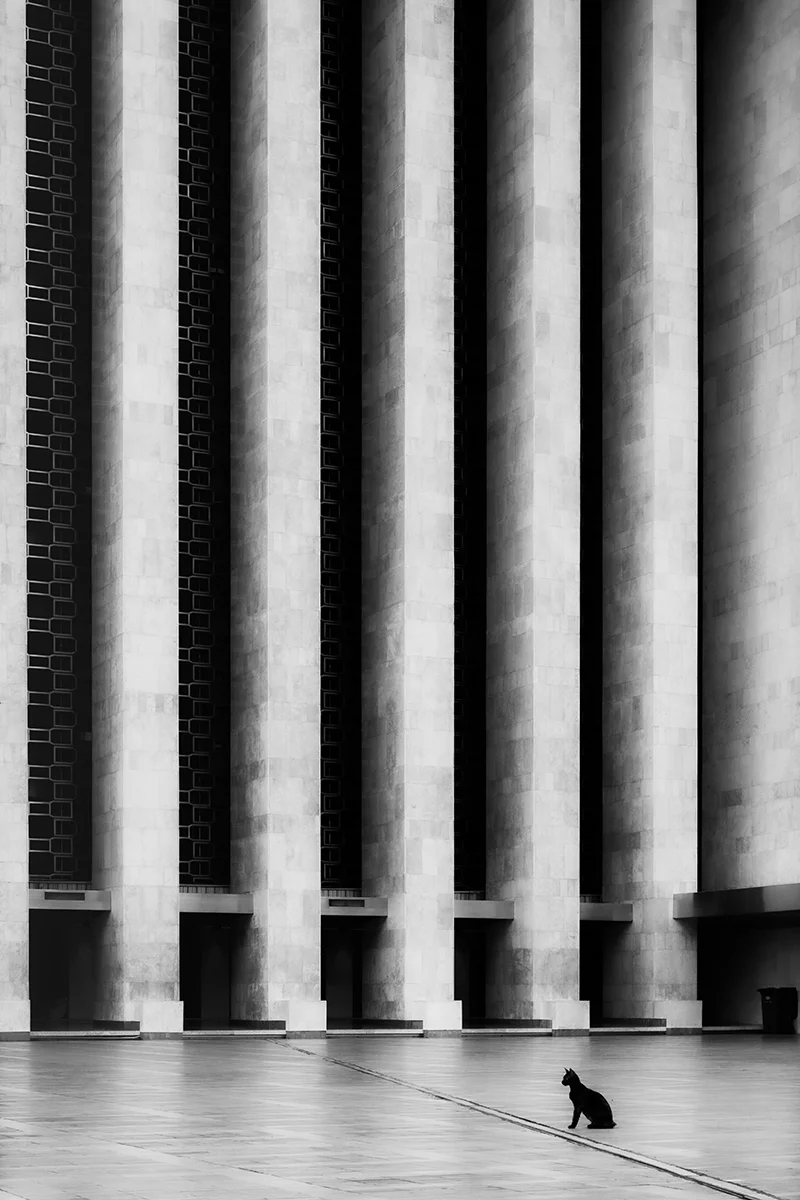
Agniva Kolay is a photographer based in Bangalore whose work spans wildlife, travel, aerial, street, and underwater photography. A self-taught photographer, he is drawn to moments where simplicity, geometry, and emotion come together through minimalist compositions and the use of negative space. Through extensive travel and exploration, Agniva documents both natural and human environments with a focus on form, relationships, and scale. Influenced by both painting and documentary photography, he approaches his images as an intersection of art and observation, using photography not just to document a scene, but to reinterpret it through form, atmosphere, and perspective.

Statement
For me, a successful photograph is one that creates both visual impact and emotional connection.

All About Photo Competitions

Photographer of the Week 23, 2026

Website

@agniva_k


Inspiring Portfolios

Call for Entries
AAP Magazine #58 B&W
Publish your work in our printed magazine and win $1,000 cash prizes
 
Stay up-to-date  with call for entries, deadlines and other news about exhibitions, galleries, publications, & special events.

More Great Photographers To Discover

Dale Odell
United States
Dale O'Dell lives in Prescott, Arizona and is a professional photographer and digital artist. He studied photography and philosophy in college and earned a Bachelor's of Science degree in Photography in 1982 from Sam Houston State University in Huntsville, Texas. Since 1979 he has exhibited in over two-hundred group and solo shows, his works have been exhibited and published internationally and he's written for most of the leading photographic magazines and journals. He is a consummate experimenter and innovator and works with diverse subjects in a variety of styles. He has published nineteen art books and is currently at work on number twenty. He uses modern digital technologies to create artwork in a variety of styles. “Using the power of technology and an active imagination there are few limitations. I've produced straight documentary-style photos, advertising, editorial illustration, street photography, portraiture, landscape, infrared, night and astronomical photography as well as abstract-expressionism, impressionism and surrealism. You won't find me making the same image over and over.” Despite their photographic origins, Dale's images are best described as 'photo/digital artworks' and are not all straight photographs. He has fully embraced the digital revolution of photography to explore expression beyond traditional photographic limitations. Zen Cairns A cairn is a human-made pile (or stack) of stones. The word cairn comes from the Scottish Gaelic: càrn. Cairns are used for a variety of purposes. In modern times, cairns are often erected as landmarks, a use they have had since ancient times and cairns are used as trail markers in many parts of the world. They vary in size from small stone markers to entire artificial hills, and in complexity from loose conical rock piles to delicately balanced sculptures and elaborate feats of megalithic engineering. Cairns may be painted or otherwise decorated, whether for increased visibility or for religious reasons. The Zen Cairns came into existence as a result of researching what other photographers had done with the cairn as subject. I look at others' works to see what's already been done with the subject. This helps me to avoid repeating what others have done and (hopefully) forge my own path of originality with the subject. As I studied the myriad of cairn photos online I saw some that made me look twice and carefully consider the laws of gravity. While I saw many examples of true 'balance artistry' when stacks of rocks seemed to be magically balanced for real, I also saw images that really did defy the law of gravity. These were 'impossible' stacks of rocks that, at first glance, looked 'real,' but they were, in fact, held together with metal rods or glue. These were probable yet impossible cairns. A quick look at these could easily fool the viewer. Looking at the probable yet impossible cairns I thought I could create a series of physically impossible yet visually probable cairns - after all, I do have Photoshop. Almost immediately I could see the finished images in my minds-eye. I went to my sketchbook and very quickly did a series of drawings - which came to me full-blown, complete with titles! I already had the river rocks in my studio so I photographed them all twice, with lighting from two different directions, allowing me to use them in different ways in Photoshop yet keep a consistent direction of light. With the image fully-formed in my mind's eye I created a portrait-studio type background which would be lit oppositely from the rocks. I did a quick version of this background as a proof-of-concept (which worked) and then went to various paint and lighting programs to create the actual background. Interestingly, each new and improved background failed to work in the image and I ultimately ended up using the original proof-of-concept background. Sometimes you get it right the first time but you've got to do the extra work anyway so you know the first one really does work and you didn't quit too soon. For consistency I used the same background for all ten images. Using my sketches as guides I assembled each image from individually photographed river rocks. I added shadows to simulate what it would really look like as a set in the studio. I sharpened all the rocks to enhance their texture and softened the background to create a more three-dimensional effect. I worked in black and white to emulate the luminosity of classic B&W still-life prints from the darkroom. It is my hope that the direction of light, shadows and texture induces an emotional response of 'reality' in the viewer before the intellect of analysis informs them, 'this is not real.'
Michael Ernest Sweet
Michael Ernest Sweet is a Canadian photographer and arts writer. He is the author of two photography monographs, The Human Fragment and Michael Sweet's Coney Island, both from Brooklyn Arts Press in New York. Michael is best known for his gritty black and white images of people composed at odd angles, which often omit people's faces. His work has been praised by such master photographers as Roger Ballen, Martin Parr, and Jay Maisel. A recipient of many awards, Michael holds both a Prime Minister's Award and a Queen Elizabeth II Medal from Canada for significant contributions to education and the arts. In 2018, Michael appeared in the film, Garry Winogrand: All Things Are Photographable, and again in 2021 in the film, Fill The Frame. Michael is a senior contributing writer for Photo Life Magazine and a former writer for HuffPost. He holds several degrees including a Master of Liberal Arts from The Johns Hopkins University. Michael lives and teaches in New York City. Statement: My photography is about pleasing myself. I do not photograph for an audience. Quite frankly, that would be too hard for me. I make photographs of things that interest me. I like weird angles and odd compositions because they tend to tell a better story. As a writer, I look for the story, not just the image. Photographs need to be able to be read from left to right, all across the frame, just like a good book. Everything in the frame matters. Everything that is not in the frame matters. Most people don't get my work. They don't try hard enough. My photos cannot be consumed in 10 seconds on an iPhone. Those who put in the effort get to see what I saw, get to feel what I felt, and, most importantly get to enjoy the moment as I did when I made the image. For me, a photo that is easy to look at and quick to understand is a boring, pedestrian photograph. I am not here to photograph aunt Betty's Birthday party.
Abelardo Morell
Abelardo (Abe) Morell (born 1948 in Havana, Cuba) is a Boston-based photographer. Morell and his family fled Cuba in 1962, moving to New York City. Morell earned a Bachelor of Arts from Bowdoin College in 1977, and a Master of Fine Arts from Yale University School of Art in 1981. He received an honorary Doctor of Fine Arts degree from Bowdoin in 1997. Morell is well known in the photographic community for creating camera obscura images in various places around the world and photographing these. Morell was awarded the Cintas Foundation fellowship in 1992 and the John Simon Guggenheim Memorial Foundation Fellowship in 1993. Morell is currently a professor of photography at the Massachusetts College of Art. He is represented by Bonni Benrubi Gallery, NYC. A documentary on elements of Morell's life and work, Shadow of the House, was released in 2007. Source: Wikipedia He has received a num­ber of awards and grants, which include a Cin­tas grant in 1992 a Guggen­heim fel­low­ship in 1994 a Rap­pa­port Prize in 2006 and an Alturas Foun­da­tion grant in 2009 to pho­to­graph the land­scape of West Texas. He was the recip­i­ent of the International Center of Photography 2011 Infin­ity award in Art. His work has been col­lected and shown in many gal­leries, insti­tu­tions and muse­ums, includ­ing the Museum of Modern Art, the Whitney Museum of American Art, the Metropolitan Museum of Art in New York, the Art Institute of Chicago, the San Francisco Museum of Modern Art, the Hous­ton Museum of Art, the Boston Museum of Fine Arts, the Victoria and Albert Museum and over sev­enty other muse­ums in the United States and abroad. A ret­ro­spec­tive of his work orga­nized jointly by the Art Insti­tute of Chicago, The J. Paul Getty Museum and the High Museum in Atlanta will be on view start­ing in the sum­mer of 2013. His pub­li­ca­tions include a pho­to­graphic illus­tra­tion of Alice’s Adven­tures in Won­der­land (1998) by Dut­ton Children’s Books, A Cam­era in a Room (1995) by Smith­son­ian Press, A Book of Books (2002) and Cam­era Obscura (2004) by Bulfinch Press and Abelardo Morell (2005), pub­lished by Phaidon Press. Recent pub­li­ca­tions include a lim­ited edi­tion book by the Museum of Mod­ern Art in New York of his Cliché Verre images with a text by Oliver Sacks. He lives with his wife, Lisa McE­laney, a film­maker, and his chil­dren Brady and Laura in Brook­line, Massachusetts. Film­maker Allie Humenuk has made a film enti­tled Shadow of the House, an in-depth doc­u­men­tary about Morell’s work and expe­ri­ence as an artist. Source: www.abelardomorell.net
Kimiko Yoshida
Kimiko Yoshida is a Japanese visual artist who was born in 1963 and lives in Europe since 1995. Subtle, fictional, paradoxical, Kimiko Yoshida’s Bachelor Brides form an ensemble of quasi-monochromatic self-portraits, fragments of an intimate web, elaborating on a singular story: the feminine condition in Japan. Her images are large format, luminous squares, underlining her fantasy-bio epic. While still very young, Kimiko Yoshida was struck by the story of her own mother, who met her husband for the first time on her wedding day. Kimiko Yoshida’s own story is compelling. Born in Japan, she left to France in 1995, where she adopted a new language, a new way to live, to create. She studied photography at the Ecole Nationale at Arles, later she went to Le Fresnoy Studio at Tourcoing, France. Kimiko Yoshida has been concentrating on this series of intangible self-portraits which can be read as a quest for the hybridization of cultures, for the transformation of the being, and perhaps even as a deletion of identities. The metamorphosis of her own identity into a multiplicity of identifications expresses the fading of uniqueness, the "deconstruction" of the self. Source: Gallery 51 Kimiko Yoshida was born in Tokyo, Japan in 1963. Feeling oppressed as a woman, she left Japan in 1995 and moved to France to pursue her artistic ambitions. She studied at the École Nationale Supérieure de la Photographie in Arles and the Studio National des Arts Contemporains in "Le Fresnoy". Since gaining her artistic freedom, Yoshida has been working prolifically. Her work revolves around feminine identity and the transformative power of art. In her most recent project, Painting. Self-Portrait she wears elaborate costumes and paints her skin in a monochrome color that matches the background. The monochromatic elements accentuate the fashion of Yoshida’s costumes. For the artist, the costume is "the field of diversion, detournement, and deflection." The visual elements, coupled with the titles’ reference to artists and paintings of the past (Ophelia by Delacroix, The Torero Bride with a Black Suit of Lights, Remembering Picasso), are meant to come together to challenge conventional notions and traditions of art and cultural identity. "I want an image that tries to rethink its own meanings and references." For her self-portraits, Yoshida received the International Photography Award in 2005. She continues to exhibit worldwide, and her work is found in the permanent collections of the Museum of Fine Arts of Houston, the Israel Museum, the Kawasaki City Museum, and the Maison Européenne de la Photographie in Paris. Source: Holden Luntz Photo Gallery
Advertisement
AAP Magazine #58 B&W
Win a Solo Exhibition in July
AAP Magazine #58 B&W

Latest Interviews

Exclusive Interview with Trevor Cole: Pastoral Peoples and Practices
For this interview, we wanted to focus specifically on The Face of the Mundari and the wider Pastoral Peoples and Practices series. We spoke with Trevor about his long-term work among the Mundari, what continues to draw him back to their cattle camps, and the experience of documenting a culture whose identity remains deeply connected to livestock, tradition, and the natural environment.
Exclusive Interview with Frank Meo
In our latest exclusive feature for All About Photo, I speak with veteran photography representative Frank Meo about what it truly takes to build a sustainable creative career today. Frank brings decades of experience working with Fortune 500 companies, major agencies, and documentary photographers to the table. We dive into the critical business skills often left out of art school curriculums, the power of mentorship, and the inspiring evolution of PROJECTIONS—his international salon platform for visual storytellers. It’s an essential read for anyone navigating the commercial or editorial photography landscape today.
Exclusive Interview with Carolyn Moore
American photographer Carolyn Moore explores the inner landscape of emotion, memory, and personal transformation through a deeply intuitive photographic practice. Her work unfolds as a quiet dialogue between artist and viewer, where images become a space for reflection, vulnerability, and connection.
Exclusive Interview with Luca Desienna and Laura Estelle Barmwoldt
For over seven years, Of Lilies and Remains has explored the depths of the goth and darkwave underground, unfolding in Leipzig—a city long associated with a vibrant and enduring subcultural scene. Moving between iconic gatherings such as Wave-Gotik-Treffen and more intimate moments on the fringes, the project offers a rare and immersive glimpse into a world often misunderstood, yet rich in expression and community. Created by Luca in collaboration with Laura Estelle Barmwoldt, the work embraces a cinematic and deeply personal approach. Rather than documenting from a distance, it moves within the scene itself, capturing its atmosphere, its codes, and its quiet contradictions. The title Of Lilies and Remains hints at this duality—where beauty and darkness, fragility and strength coexist. As the book prepares for its release, we spoke with both artists about the origins of the project, their process, and what it means to document a subculture that continues to evolve while remaining true to its spirit.
Exclusive Interview with Matthew Finley
American photographer Matthew Finley turns inward, using photography as a way to explore identity, memory, and emotional truth. Based in Los Angeles, his practice moves between performance, gesture, and found imagery, creating a visual language that is both intimate and deeply personal
Exclusive Interview with Jan Janssen
Dutch photographer Jan Janssen explores universal human experiences through his long-term project It Matters, winner of the May 2025 Solo Exhibition. Begun in 2016, the series captures intimate moments of everyday life—love, loss, connection, and belonging—across Central and Eastern Europe. Working in countries such as Turkey, Azerbaijan, and Armenia, Janssen spends extended time within communities, building relationships based on trust and respect. His approach allows him to move beyond observation, revealing deeply human and authentic moments. Rooted in travel and personal discovery, It Matters reflects Janssen’s search for what connects us all in an increasingly divided world. The project is ongoing and will culminate in a photobook scheduled for publication in 2026.
Exclusive Interview with Henk Kosche
German photographer Henk Kosche turns his lens toward the streets of Halle an der Saale, capturing everyday life in the late years of the former German Democratic Republic. At the time, Kosche was studying design and exploring the city with his camera, drawn to the atmosphere of its industrial landscape and the quiet rhythms of daily life. His series Street Photography at the End of the 80s, selected as the Solo Exhibition for July 2025, revisits a body of work created just before a period of profound change. Rediscovered decades later in a small box of 35mm negatives, these photographs offer glimpses of a city and its people at a moment suspended between the familiar and the unknown.
Exclusive Interview with Anastasia Samoylova
Anastasia Samoylova is an American artist whose photographic practice is shaped by close observation and a deep attentiveness to place. Working between documentary and formal exploration, she photographs landscapes, architecture, and everyday scenes with a sensitivity to light, structure, and atmosphere. Since relocating to Miami in 2016, her work has increasingly focused on how environments—both natural and built—carry social, cultural, and emotional traces. We asked her a few questions about her practice and her way of seeing, to better understand the thoughts and experiences that shape her work—while allowing the images themselves to remain open and speak in their own time.
Exclusive Interview with Marijn Fidder
Marijn Fidder is a Dutch documentary photographer whose work powerfully engages with current affairs and contemporary social issues. Driven by a deep sense of social justice, she uses photography to speak on behalf of the voiceless and to advocate for the rights of those who are most vulnerable. Her images have been widely published in major international outlets including National Geographic, CNN Style, NRC Handelsblad, Volkskrant, GUP New Talent, and ZEIT Magazin. Her long-term commitment to disability rights—particularly through years of work in Uganda—culminated in her acclaimed project Inclusive Nation, which earned her the title of Photographer of the Year 2025 at the All About Photo Awards. She is also the recipient of multiple prestigious honors, including awards from World Press Photo and the Global Peace Photo Award. We asked her a few questions about her life and work.
Call for Entries
AAP Magazine #58 B&W
Publish your work in our printed magazine and win $1,000 cash prizes