All about photo.com: photo contests, photography exhibitions, galleries, photographers, books, schools and venues.
Win a Solo Exhibition in June 2026 + An Exclusive Interview!
Ruppert Chambers
Ruppert Chambers
Ruppert Chambers

Ruppert Chambers

Country: United States
Birth: 1944

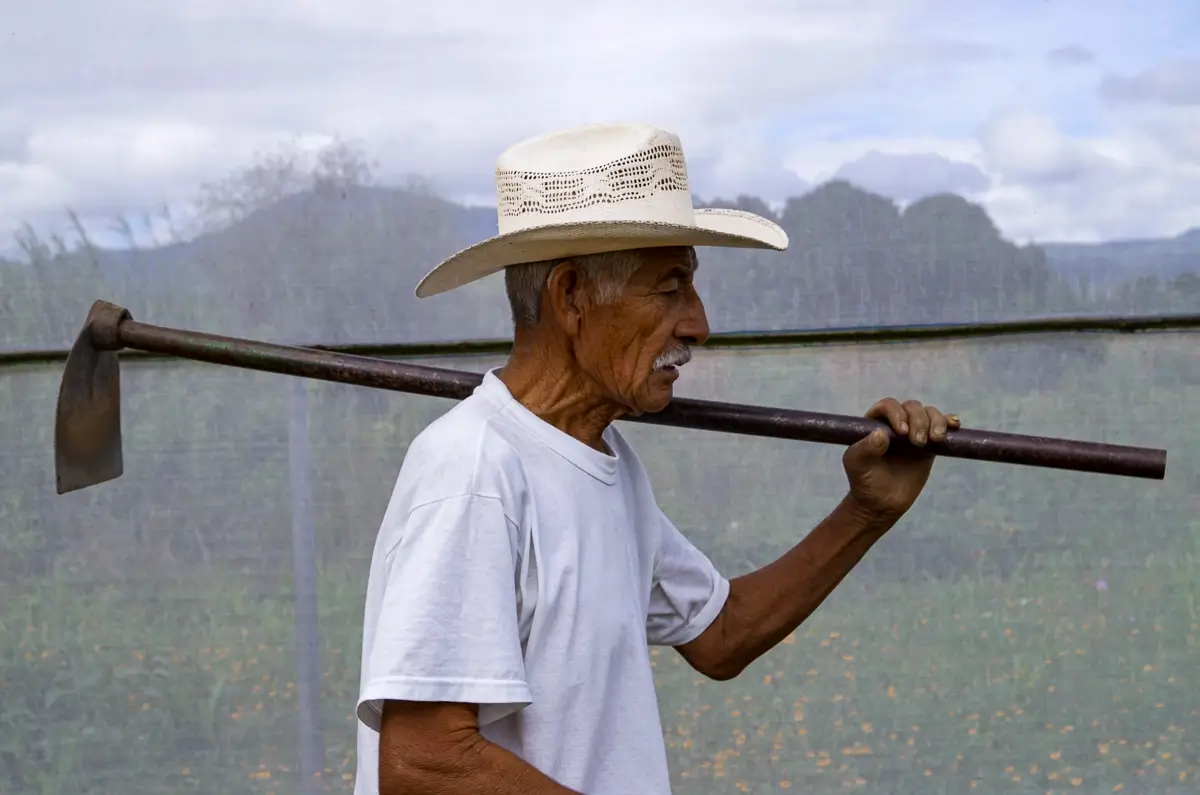
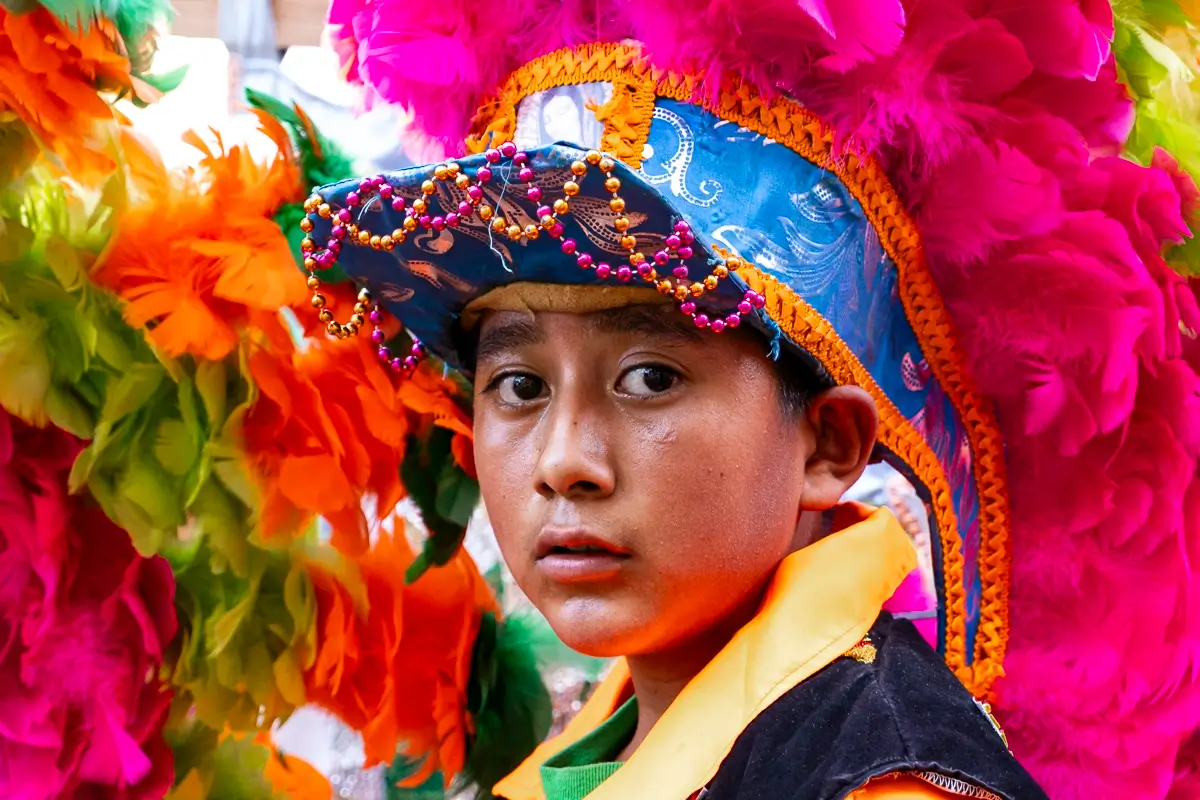
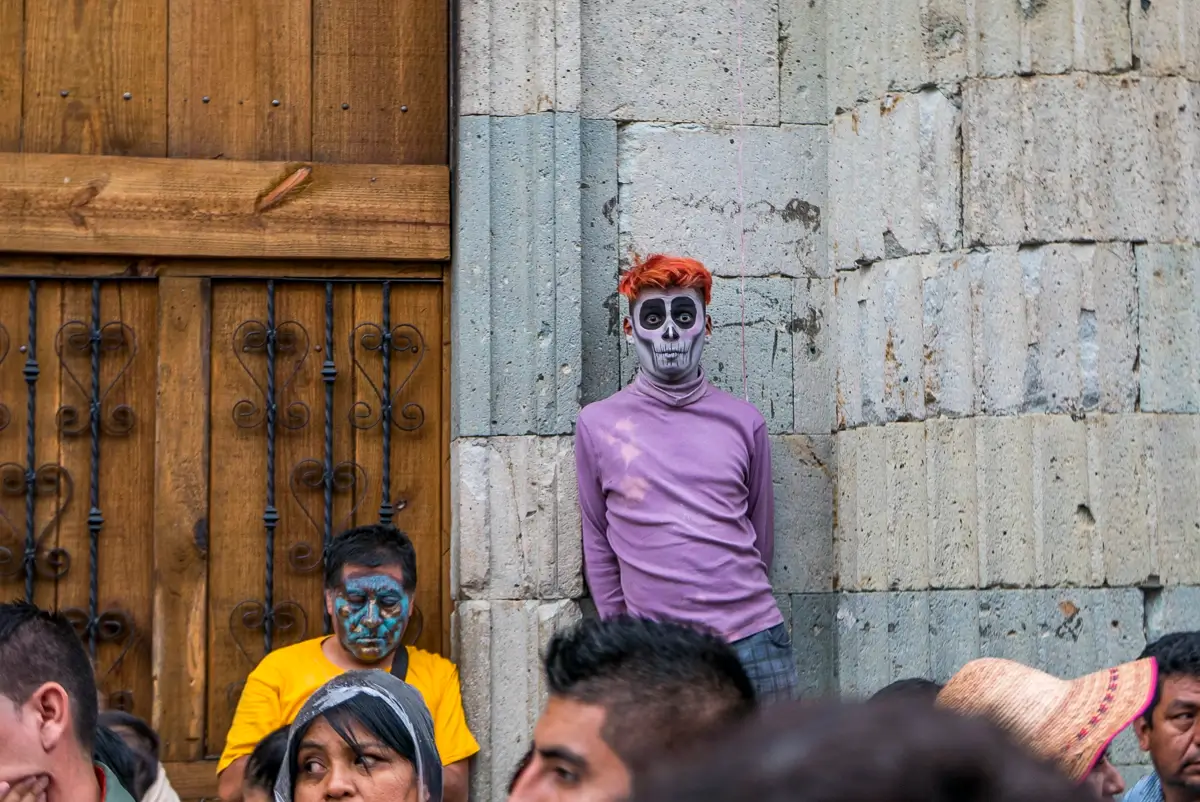
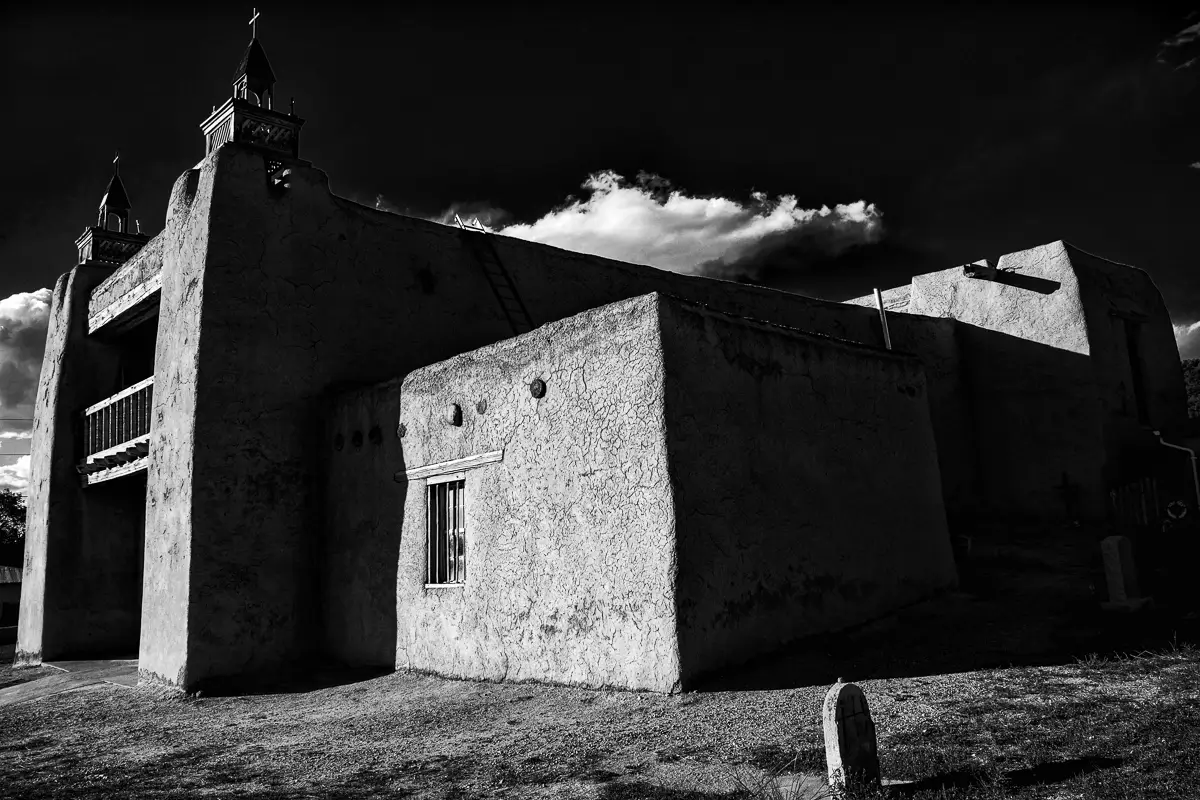
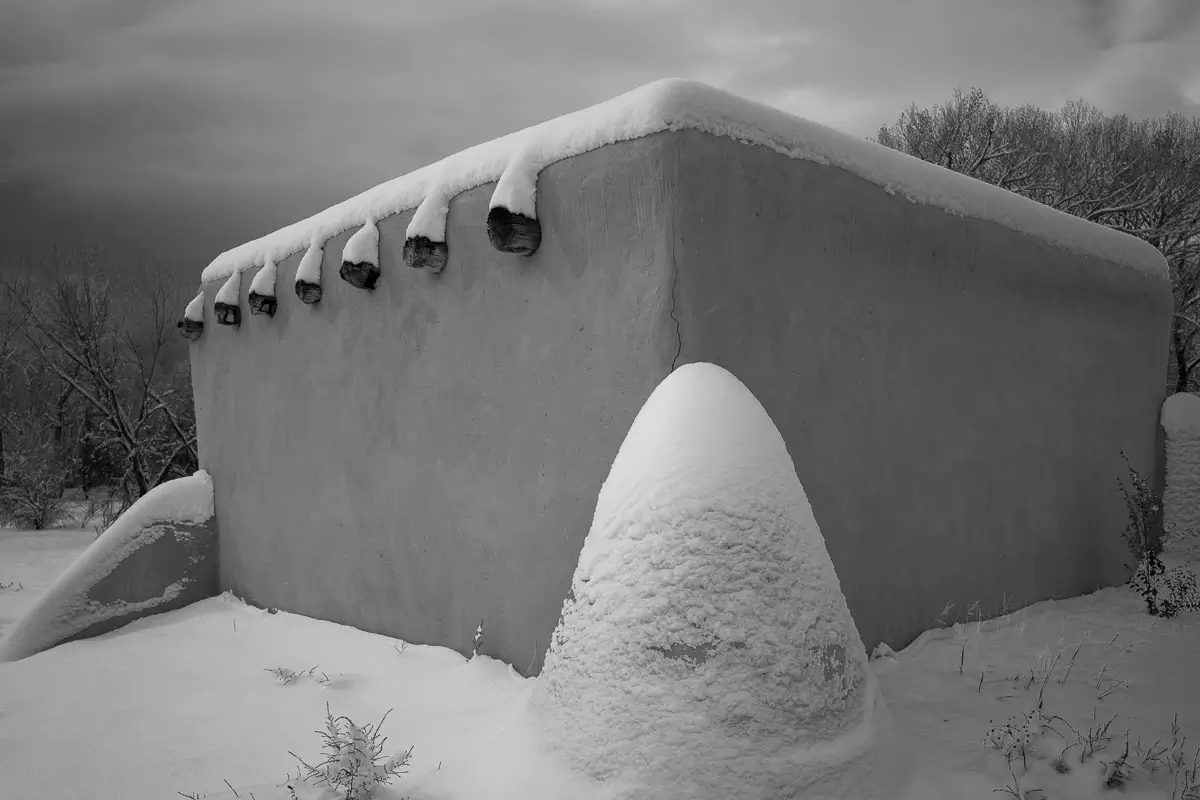
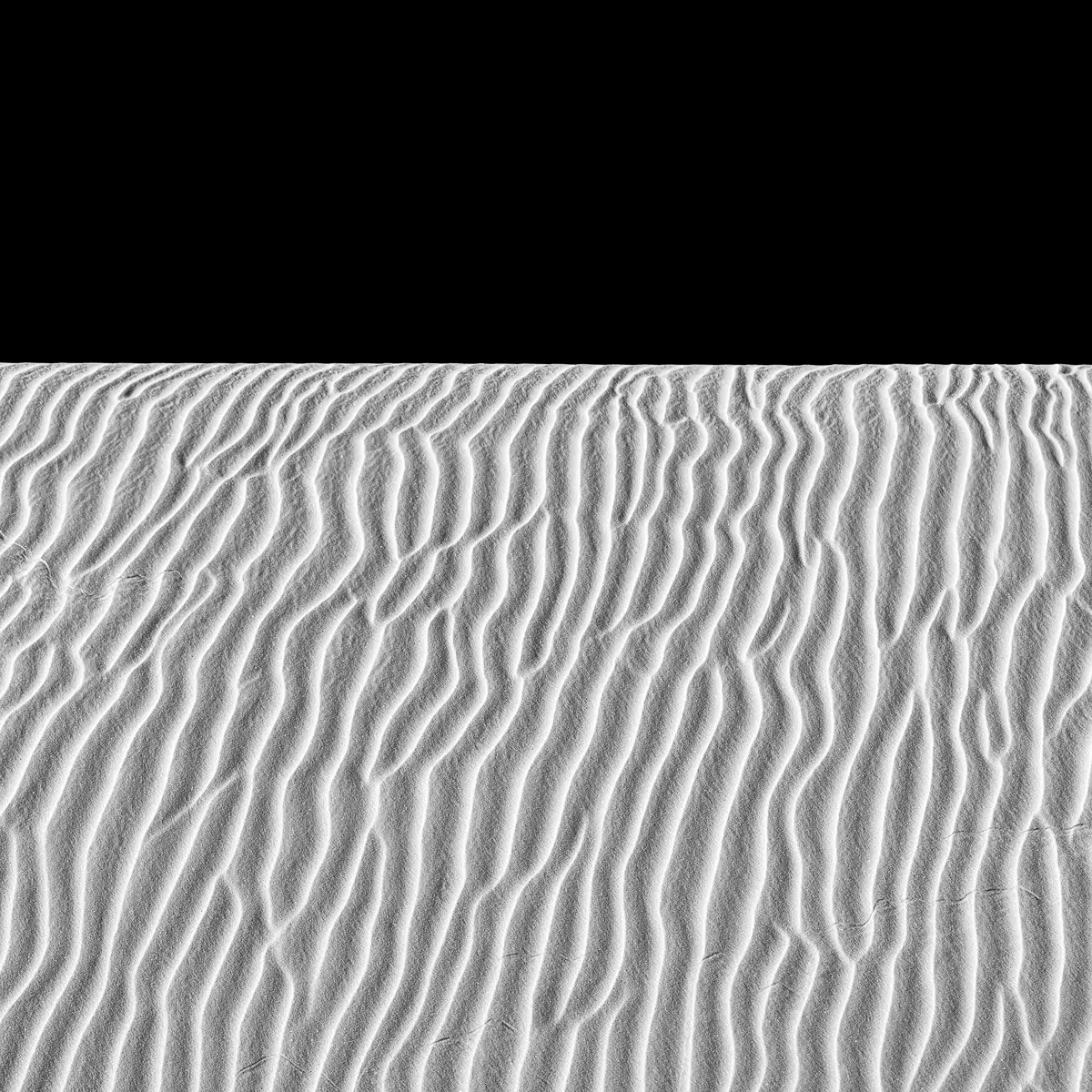
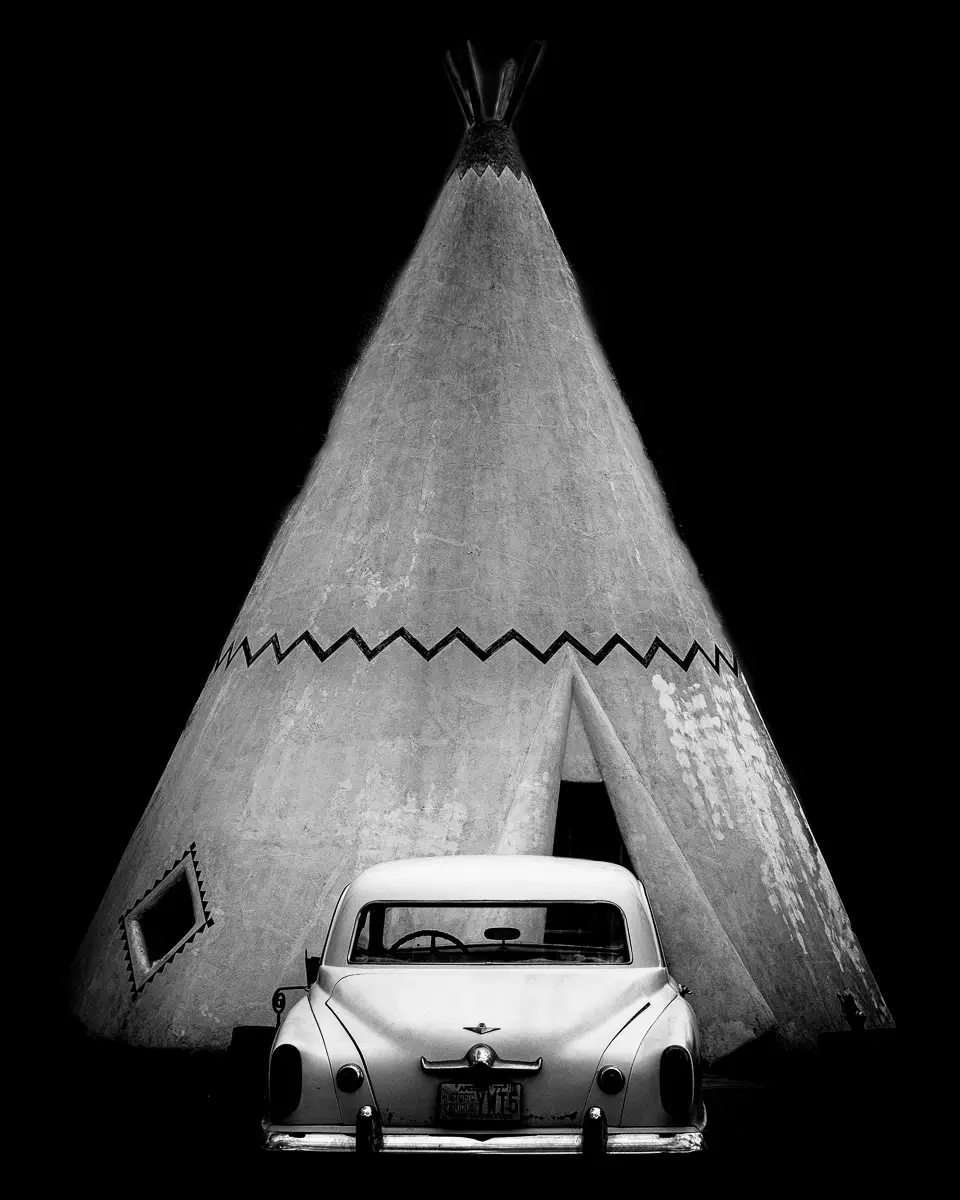
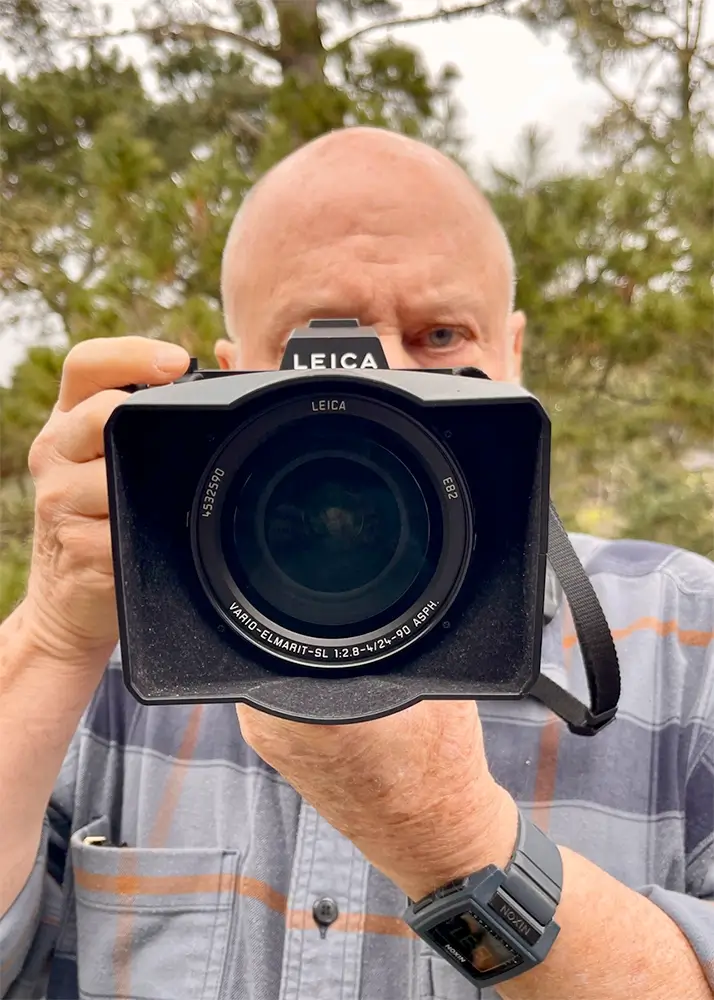
Rupert Chambers enjoyed only episodic involvement in his passion for photography until he retired. In retirement, he is the fine arts photographer he always wanted to be.

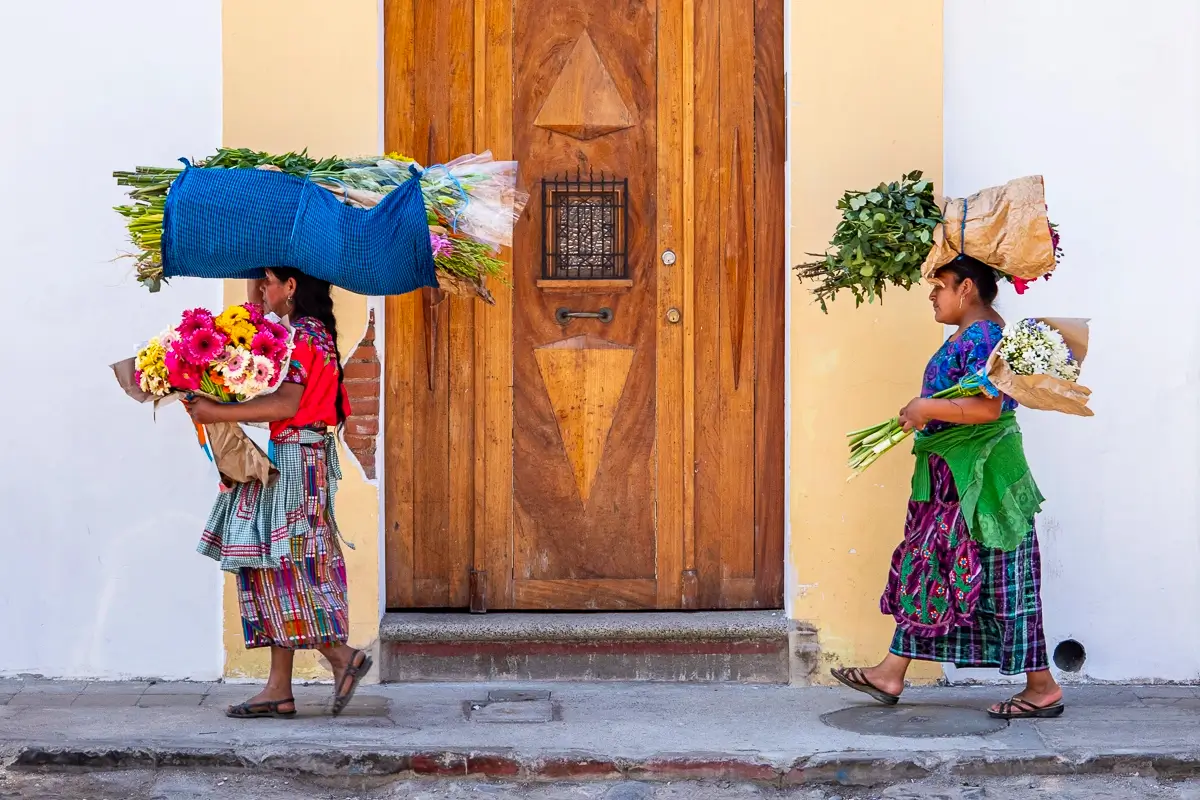
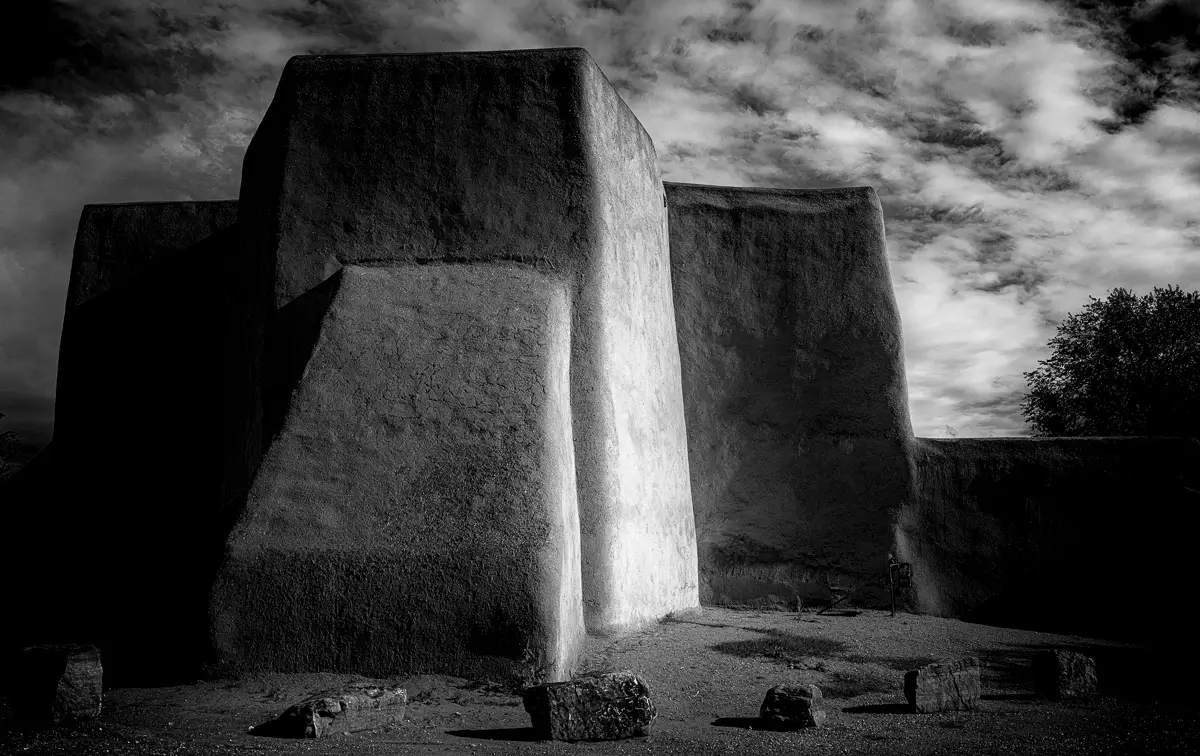
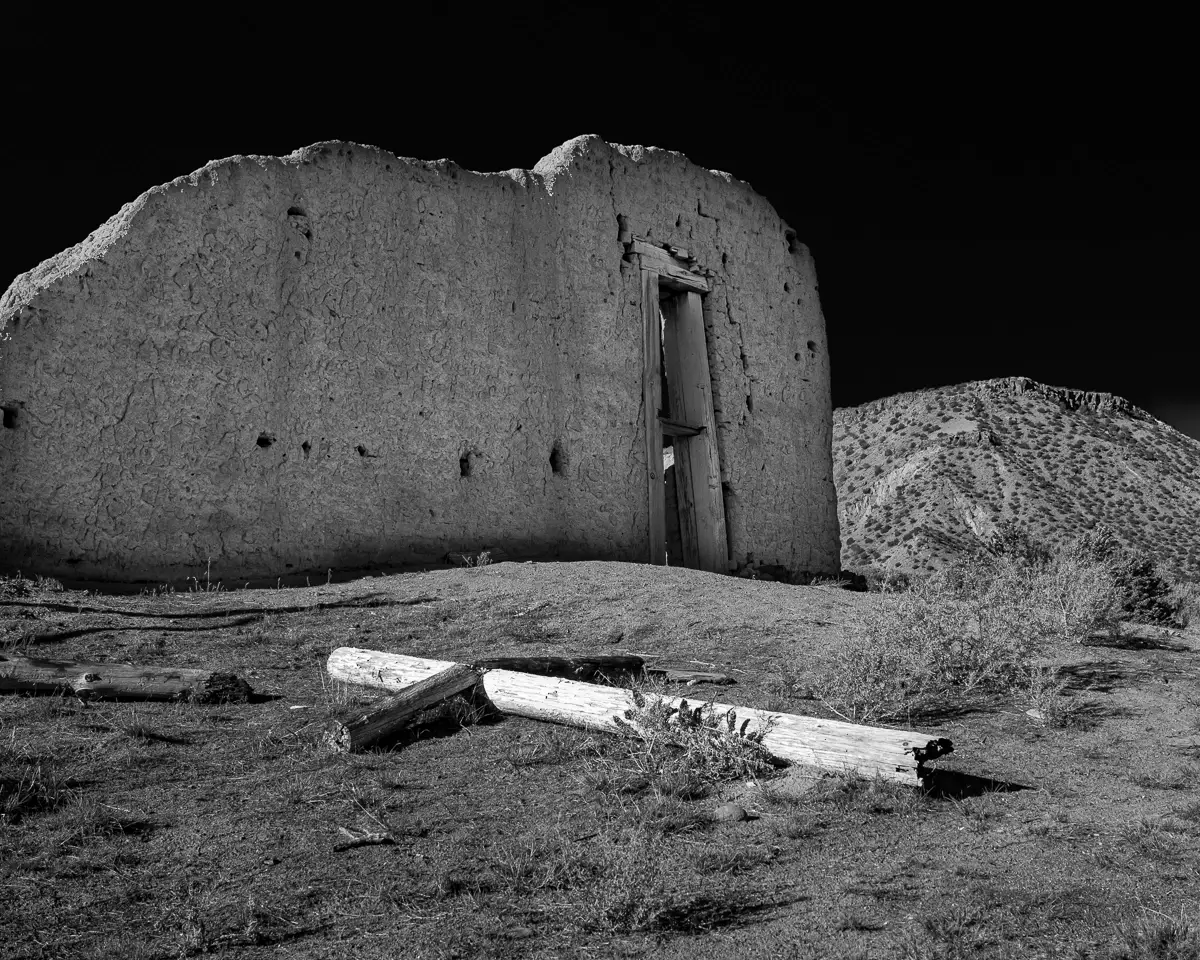
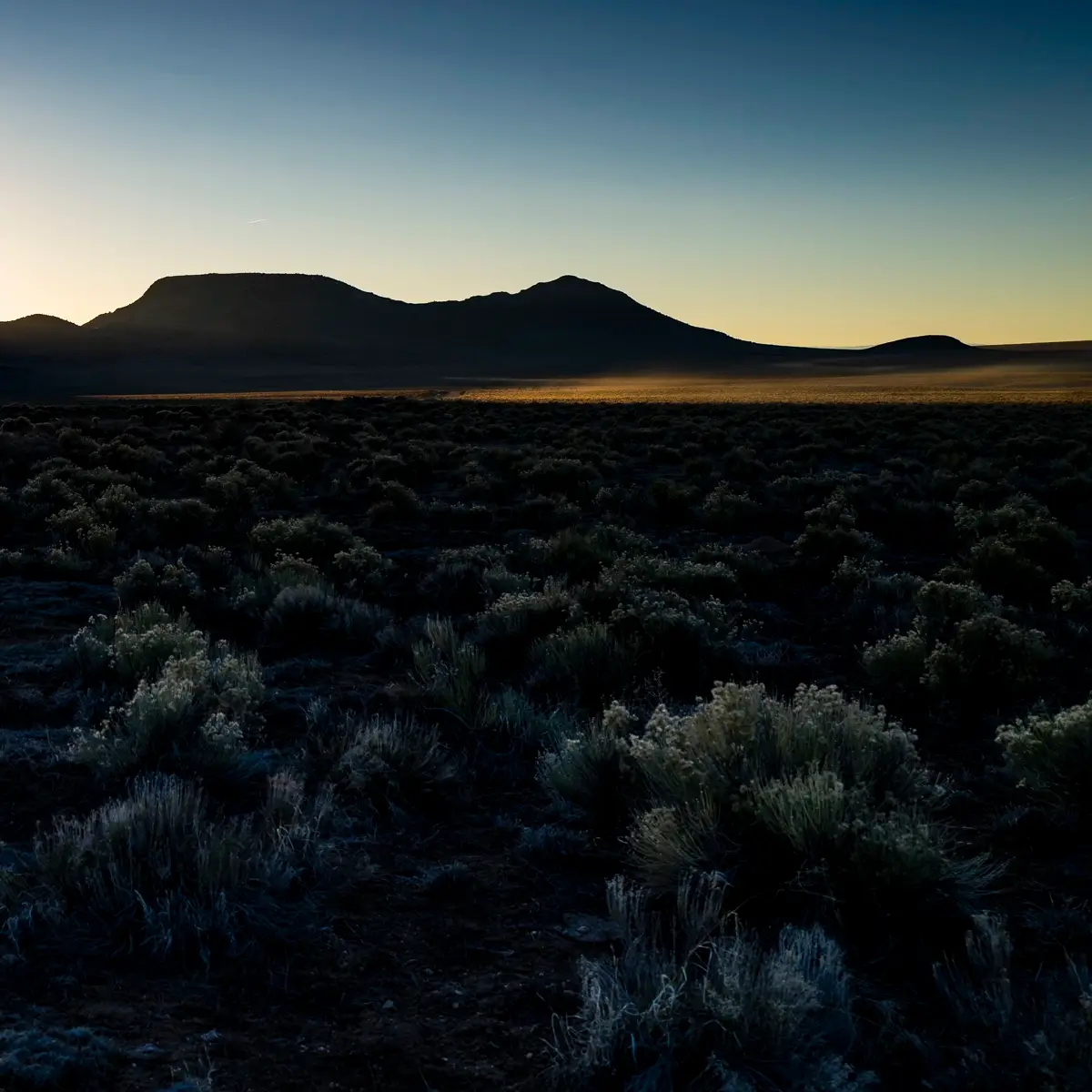
He initially focused on candid street photography, especially in Mexico and Guatemala, until Covid masked his subjects, chased them indoors, and limited his travel. That reoriented him toward the rich landscape and “new topographic” opportunities close to his Taos home in northern New Mexico, at least until the shortage of oxygen at high altitudes transported him to the California coast.

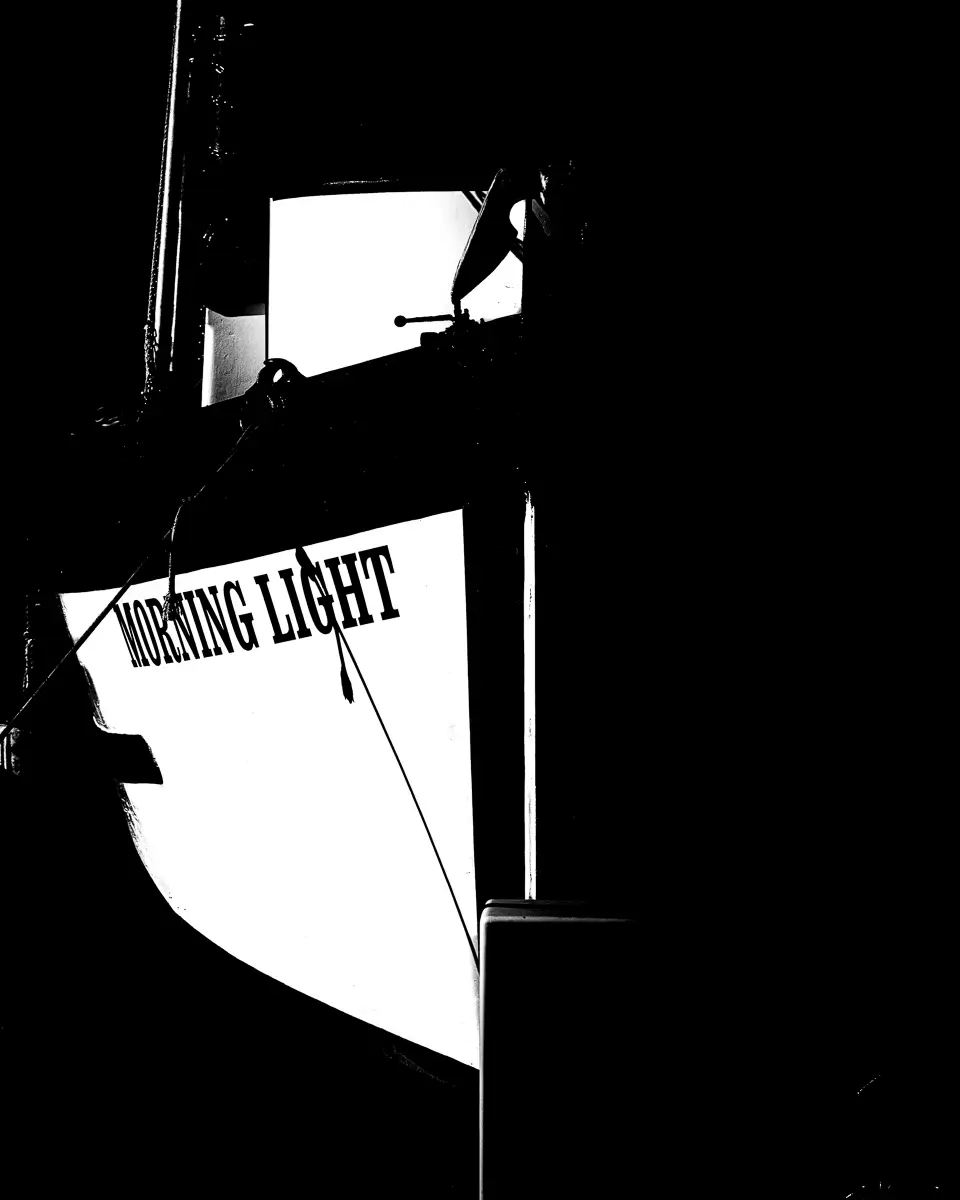
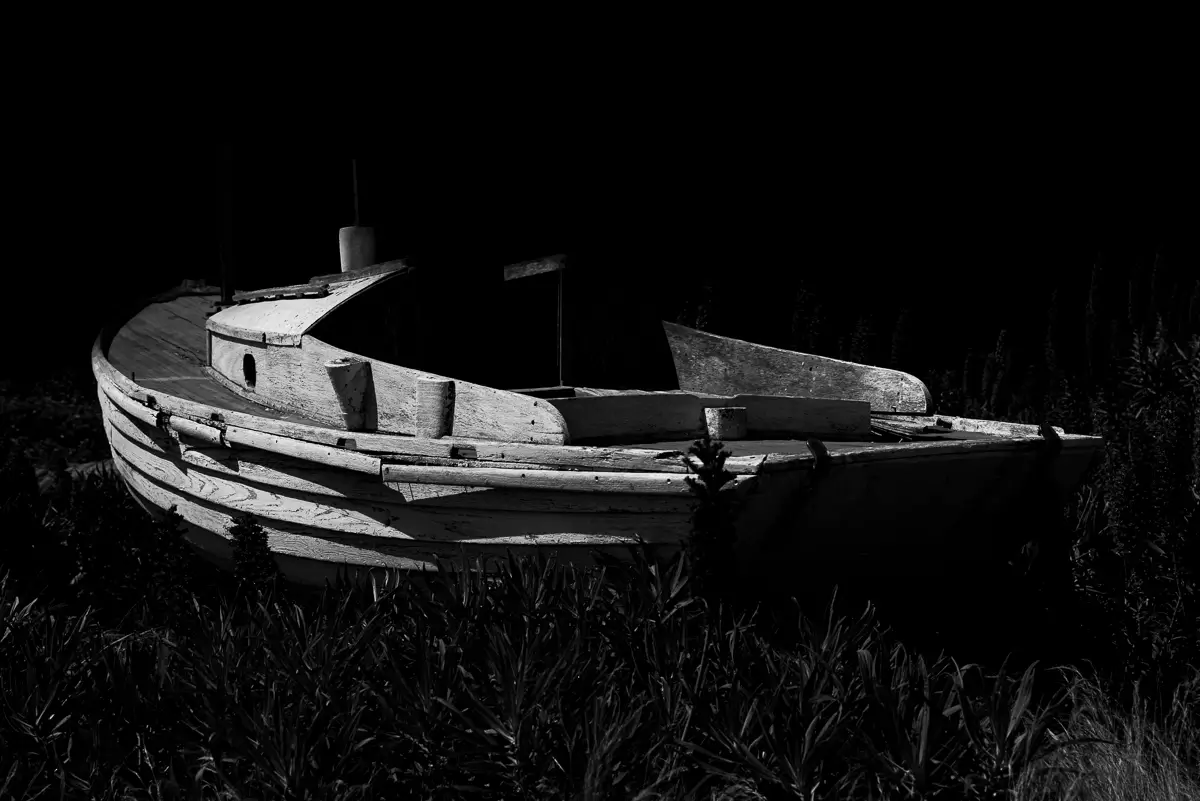
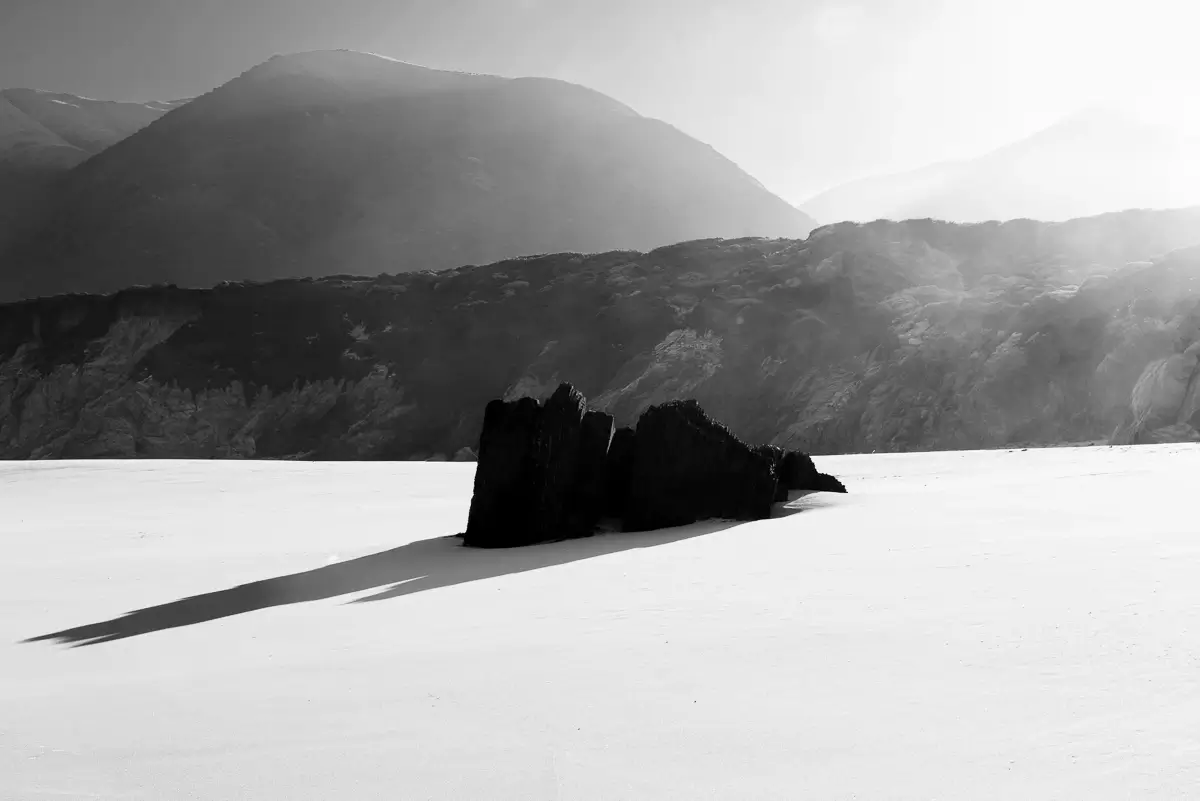
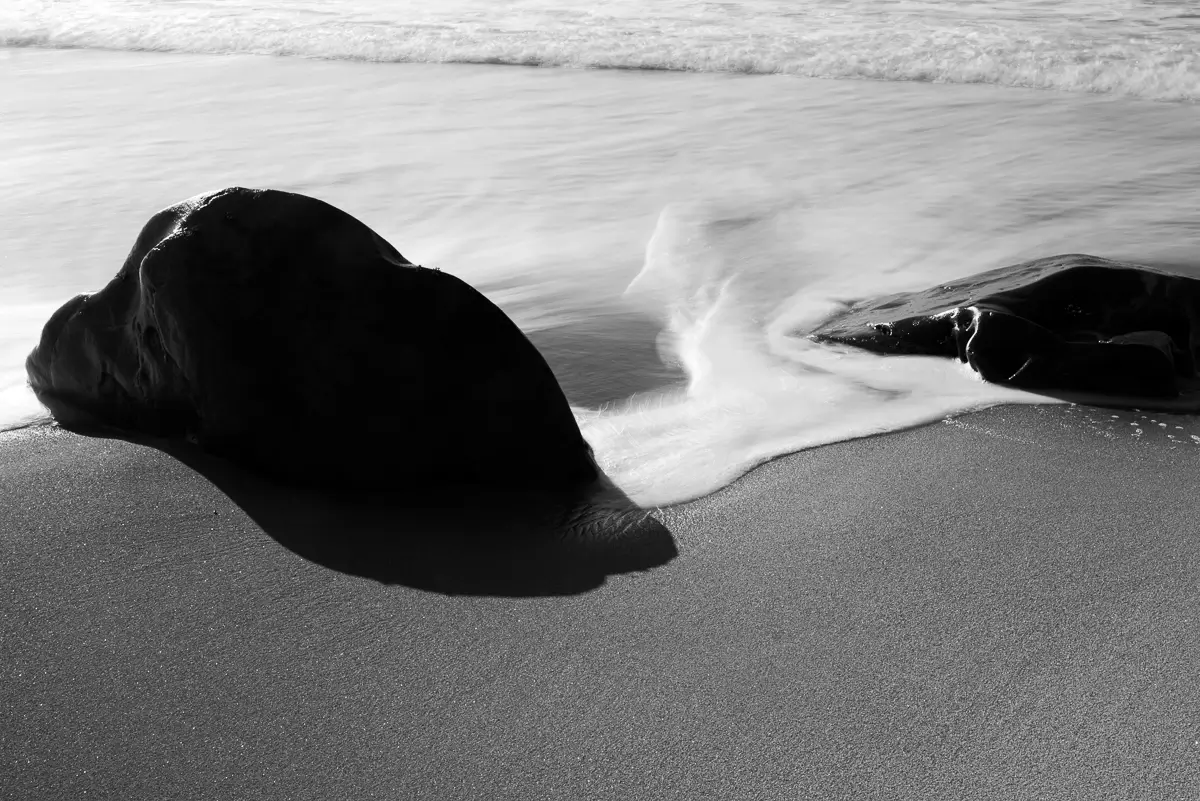
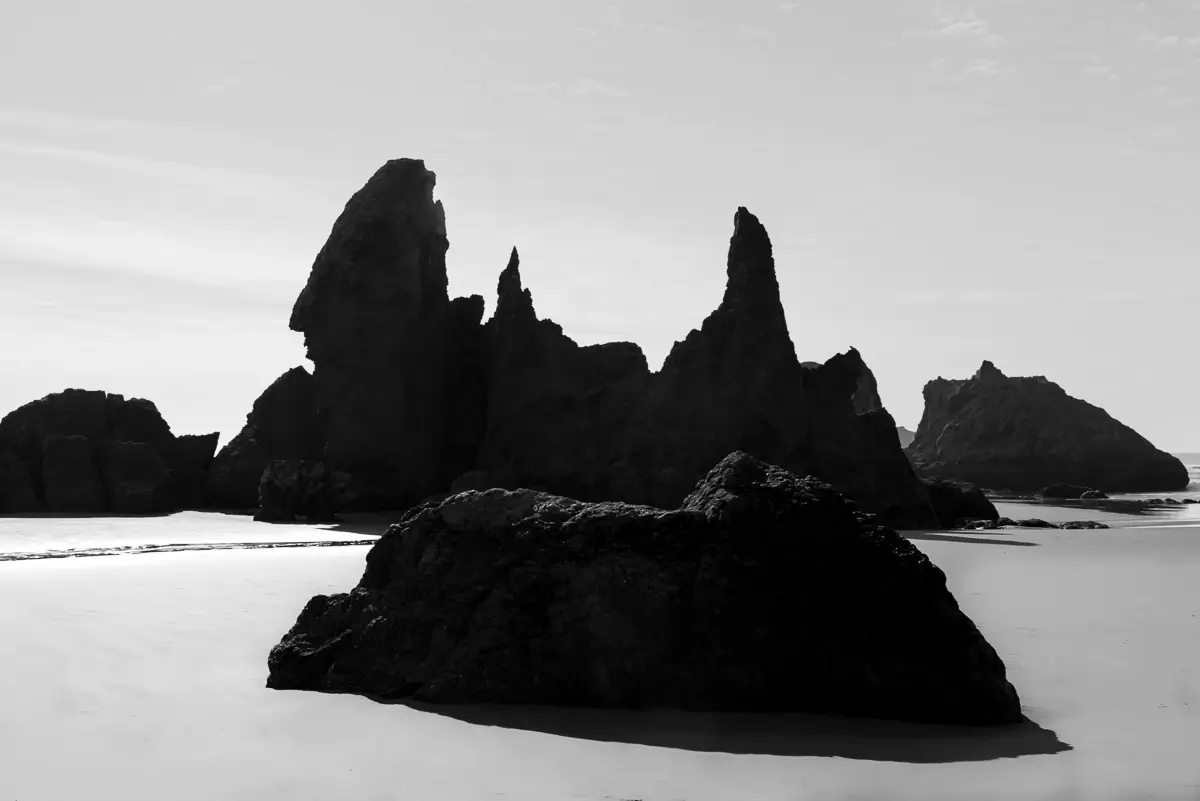
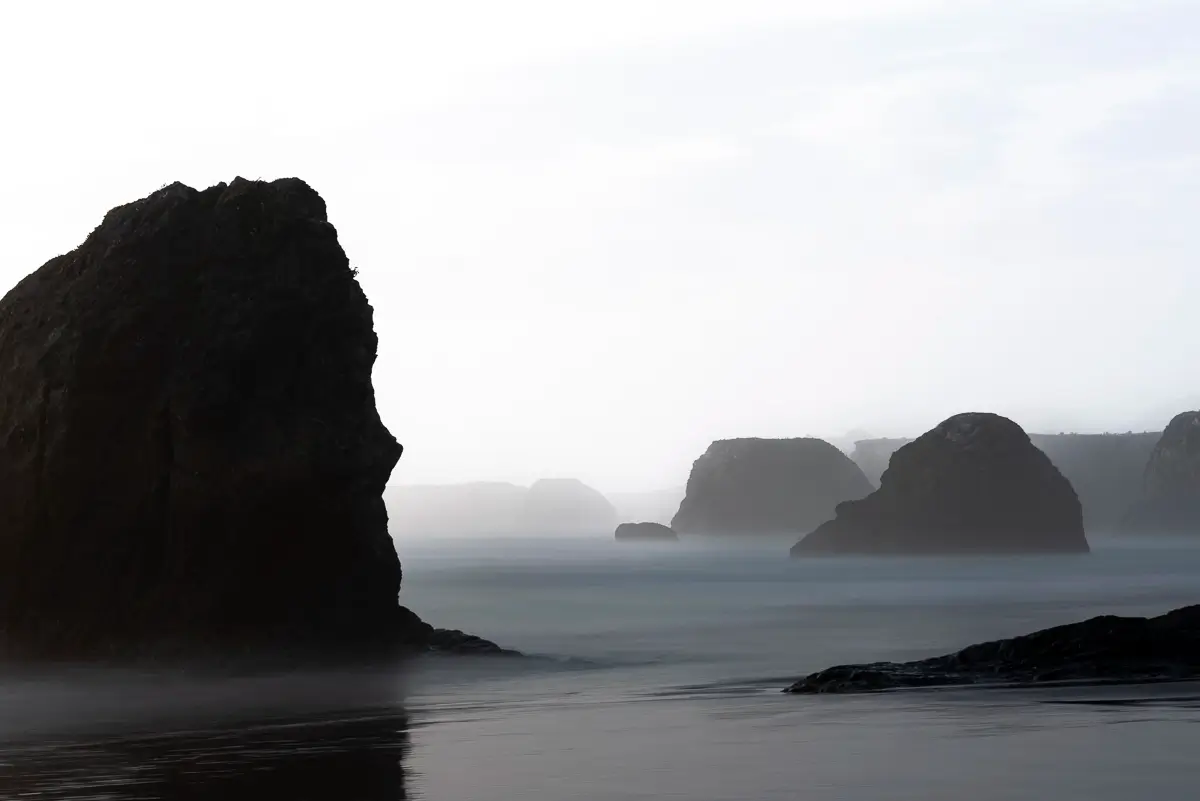
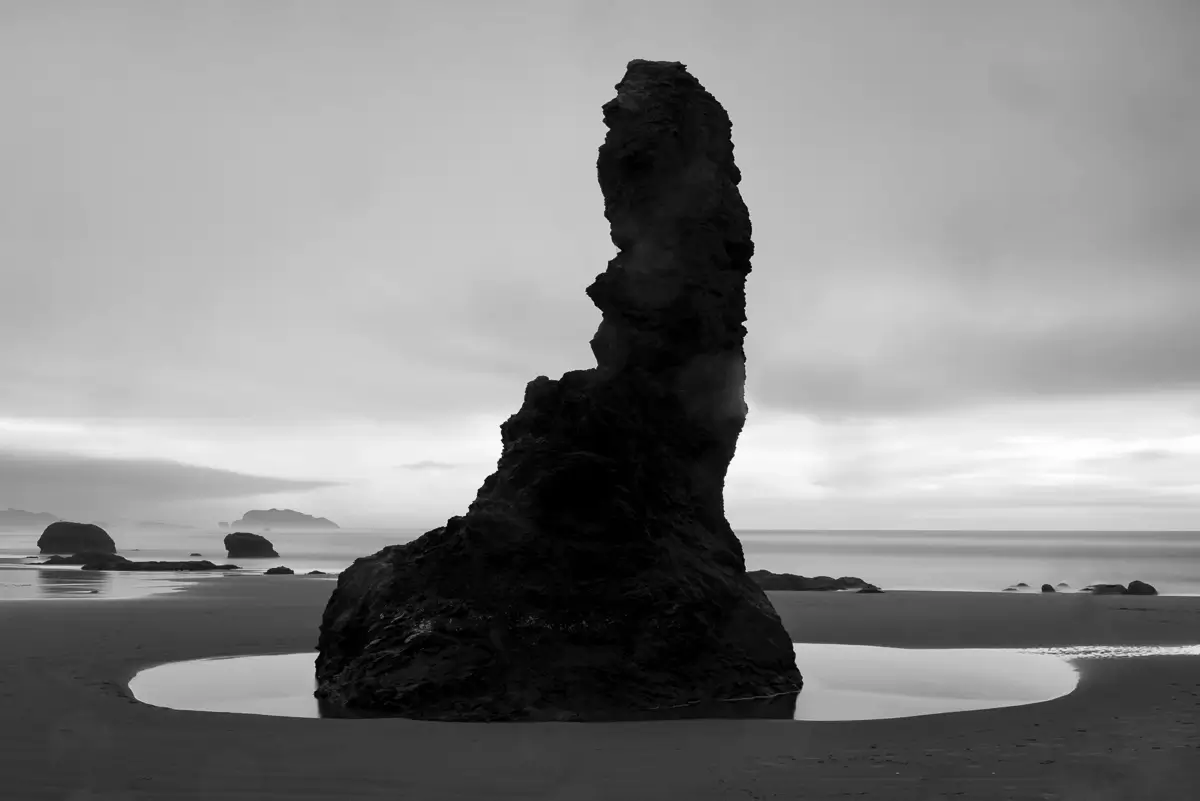
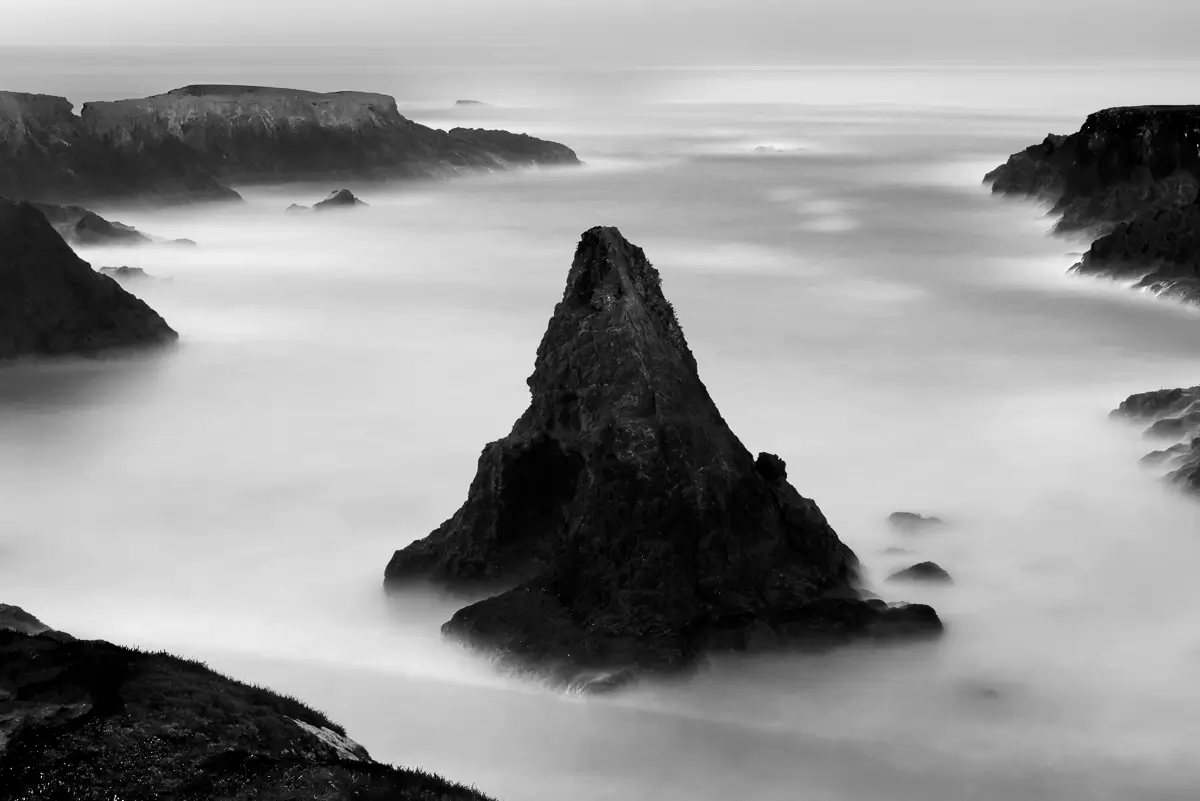
He now creates intimate, intertidal landscapes within the threshold between sea and land — the liminal in the littoral. On the Pacific coast, twice each day it is sea, and twice each day it is land. It belongs to both; it belongs to neither. His work owes an obvious intellectual debt to California Impressionism and to the West Coast Photographic Movement. Now in his eighties, he has been drawn increasingly to the patience of intertidal rocks as subjects. He shares Edward Weston’s objective “to photograph a rock, have it look like a rock, but be MORE than a rock.”

The past year he has increasingly employed long exposures on a tripod to emphasize the fluidity of the sea in contrast to the sculptural geology of seastacks, especially backlit at negative low tides.

All About Photo Competitions

AAP Magazine 56 Shadows

 

Inspiring Portfolios

Call for Entries
AAP Magazine #58 B&W
Publish your work in our printed magazine and win $1,000 cash prizes
 
Stay up-to-date  with call for entries, deadlines and other news about exhibitions, galleries, publications, & special events.

More Great Photographers To Discover

Anthony Goicolea
United States/Cuba
1971
Anthony Goicolea is a New York-based fine art photographer. Goicolea's photographs frequently deal with issues of androgyny, homosexuality, and child sexuality. Goicolea, Cuban-American and gay, was educated at the University of Georgia and studied painting, photography, and sculpture at that institution. He holds an MFA in fine arts from the Pratt Institute. He made his debut in 1999, and now shows work with Postmasters gallery in New York and Aurel Scheibler in Berlin, Germany. In 2005, he received the BMW-Award for Photography. Some of his work features photographs of "pre- to barely pubescent boys" (Art in America, Dec, 2001) in elaborately staged tableau settings, commonly showing multiple boys wearing traditional private school uniforms either engaged in school-life or recreation after school — but with often transgressive and erotic twists in their activities. Of great interest in these compositions is the fact that Goicolea himself portrays all of the boys in his photographs through the astute use of costumes, wigs, make-up, and post-production editing via the software Adobe Photoshop; "always looking uncannily like a boy on the edge of puberty" (The Advocate, August 14, 2001). Therefore, despite having numerous figures in them, Goicolea's photographs are actually very complex large-scale self-portraits, and are always done in a flawlessly realist manner. The pioneering fine-art photographer Cindy Sherman is an apparent influence on Goicolea's work, given her own extensive use of self-portraits and emphasis on sexually-charged narrative topics. Sherman and Goicolea have also had several joint exhibitions. His work can be strongly compared to similar manipulated and/or staged art photography featuring children and adolescents, such as that of Bernard Faucon, Loretta Lux, and Justine Kurland. Recently, Goicolea has also been producing and exhibiting his drawings, which follow much of the same subject matter as his photographs. He has also published several books. Goicolea is also represented by Gow Langsford Gallery based in Auckland, New Zealand.Source Wikipedia
Oriol Torra Segon
He was born in Manresa (Spain) in 1981. He studied photography at Catalan Institute of Photographic Studies (IEFC). He participated in several documentary workshops taught by Antoine d’Agata (Magnum Photos), Franco Pagetti (VII), Jose Manuel Navia (Agence Vu) or Arianna Rinaldo, among others. Since 2011 he is a freelance photographer. His photography focuses in human frailty and vulnerability. His photographic project Young Patriots has been has received the EXPOSURE AWARD 2014 of See Me (New York, United States), has been one of the photographic projects selected as Descubrimientos PhotoEspaña 2014 (Madrid, Spain), was exhitibted at the Emerging Photography PA-TA-TA Granada Festival (Granada, Spain) and will be exhibited at DOCfield 2014 Festival (Barcelona, Spain), La Kursala de la UCA gallery (Cádiz, Spain) , Backlight Festival (Findland) and Encontros da Imagem Festival (Braga, Portugal). Young Patriots was also published in CNN and Cicero Magazine (Germany). Currently he works on commercial assignments and he is also a contributor of the Echo Photo Agency.About Young Patriots: “Young patriots documents the daily life in a military summer camp for children and teenagers focusing on the fragility of the atendees, in transition between from the childhood to the adulthood”The military summer camp in Mogyoród, Hungary, is a private project which each year sees the arrival of hundreds of children and teenagers between 10 and 15 years old. Some came attracted by the fascination of the military way of life, a militarism which is omnipresent in Hungarian society thanks to its imperial past and the memories of both the Nazi and the Communist periods. Others are brought here by their parents (mostly Hungarian nationalists) so as to introduce them to the unforgiving adult world where emotions are rarely permitted and life must be faced with rectitude and discipline.For a week they will live in tents, will receive military training from experienced soldiers who are still active, will acquire notions regarding Order and the Homeland, will endure long nights on guard duty without sleep, will learn how to use old out of service AK-47s built in Czechoslovakia (with blanks) and will even simulate being under teargas attacks.It will be a week of screamed orders during which intense physical exercise, educational behaviorism and precooked food will prevail; a place where any vulnerabilities and all questioning of military methods are simply overlooked, silenced and inwardly repressed.The young soldiers who had previously already felt the call of the Homeland will live the week’s activities impregnates wit epic airs. On the other hand, the skeptical protagonists, increasingly desensitized, more obedient, more docile, will have been transformed into disciplined young patriots of the great Hungary which one day will go back to being what it once was.All the images of this project were taken in Mogyoród, Hungary in the first week of July, 2013.
Mona Singh
Gurgaon, (India) based street/ travel photographer. Capturing emotions is one of the key ingredients in Mona Singh’s work. She firmly believes in making photographs that she resonates with. Even though it is the emotions of her subjects that she is documenting, she finds a reflection of herself in them. Her love for the unexpected and candid moments gives her the ability to find visual order within the chaos of the world and an unparalleled creative vision. She loves to creatively capture the weird and wonderful fleeting moments as they unfold in front of her eyes. She beautifully fuses emotions and art to tell stories through her pictures. Photography for her has been a life-transforming experience. Photography is the love of her life and traveling is like blood in her veins. She loves waking up to new horizons, making new friends and exploring the world. Silent Colors: "Who doesn't like colors? Well, we all do... but these women are considered a curse and have lost the joy and privilege of having colors in their lives. These are the widows of Vrindavan, the abandoned and forgotten souls in one of the holiest cities of India. Thousands of them have made this city their home and the place is known as 'The city of widows'. Sitting cross-legged in a dingy room with a noisy fan, plaster peeling off the walls, watching her favorite Bengali serial on an old T.V. set, Purba (name changed) greeted me by saying 'Radhe Radhe', the only popular way to greet in Vrindavan. She left her family in Bengal and came to the Widows Ashram in Vrindavan after her husband’s death. Many others like her in the room have either been abandoned by their families or have decided to stay away from the societal pressures and people ostracizing them. Breaking the age-old rigid Indian tradition, these widows celebrate Holi, the vibrant festival of colors at the ancient Gopinath temple. Soaked in colors, they throw rose and marigold flower petals at each other and dance with joy. It is a blissful experience for all. It is mesmerizing to see such a sight. Their white saris turn bright and colorful. It is like getting revived in the most tender way."
Jaroslav Rössler
Czech Republic
1902 | † 1990
Jaroslav Rössler was a pioneer of Czech avant-garde photography and a member of the association of Czech avant-garde artists Devětsil (Butterbur). He was born to the Czech-German father, Eduard Rössler, and a Czech mother, Adéla Nollová. From 1917 to 1920, Rössler studied in the atelier of the company owned by renowned Czech photographer František Drtikol. Subsequently, he worked with the company as a laboratory technician. At 21 years old, he began a collaboration with the art theorist Karel Teige, who assigned him to create a typographic layout for magazines Pásmo, Disk, Stavba and ReD (Revue Devětsilu). While working on these tasks, Rössler deepened his knowledge of photographic methods. In his works he utilized and combined the techniques of photogram, photomontage, collage and drawing. The beginnings of his photographic work were influenced by Cubism and Futurism, but he also attempted to create the first abstract photographs. In 1923, he became a member of the avant-garde association Devětsil. In 1925, he went on a six-month study visit to Paris. The same year he began working as a photographer in the Osvobozené divadlo in Prague. Before his second departure to Paris, he co-worked as a commercial photographer with the pictorial magazine Pestrý týden. In 1927, Rössler moved to Paris together with his wife, Gertruda Fischerová (1894–1976). Initially, he focused on commercial photography. He collaborated with the experimental studio of Lucien Lorell, and worked on commissions for notable companies such as Michelin and Shell. However, later he found an interest in the "street life" of Paris, which influenced his future stay in the city. During a demonstration, he encountered the protesters and took photographs of the event. Shortly after that he was arrested, and after a six-month imprisonment, he was expelled from the country, in 1935. The alleged reason for his expulsion was his German-sounding surname. After his return from Paris, Rössler and his wife resided in Prague, Žižkov. He opened a small photographic atelier, but difficulties associated with the management of the studio caused a significant gap in his artistic work, lasting for almost two decades. In the 1950s, he resumed his previous activities and again began experimenting with the camera and photographic techniques. He created so-called prizmata (prisms), photographs taken through a birefringent prism. Additionally, he experimented with solarisation and explored the possibilities of the Sabatier effect. Jaroslav Rössler, together with František Drtikol, Josef Sudek and Jaromír Funke, is today considered an important exponent of Czech modern photography and avant-garde art.Source: Wikipedia Jaroslav Rössler was one of the most distinctive artists of the Czech avant-garde, known for fusing disparate elements of Symbolism, Pictorialism, Expressionism, Cubism, Futurism, Constructivism, New Objectivity and abstract art. From 1917 to 1920, Rossler studied and worked as a lab technician under František Drtikol, but he quickly abandoned the pictorialist style of his famous teacher, turning instead to more avant-garde techniques and compositional approaches, including experiments with photograms, enlarged detail, diagonal composition, photomontage, double exposure, and experiments with color advertising photographs and still lifes produced with the carbro print process. Jaroslav Rössler often photographed objects against stark backgrounds, or used long exposures, to reduce subjects to their elementary lines and geometric shapes. In 1923 he became a member of the assocation of Czech avant- garde artists Devětsil. From 1927 to 1935, he lived and worked in Paris, producing work influenced by Constructivism and New Objectivity. After his return to Prague, he was relatively inactive until the late 1950s, when he renewed experimentations with solarization and photographing through a prism.Source: Robert Koch Gallery
Kathryn Oliver
United States
Kathryn discovered a love for making pictures as a small child and developed a rich inner life of impressions. As she grew, creative aspirations led her to bring this inner world forward through art. Self taught, her creative journey has repeatedly taken her into the field of metaphor and myth as a way to express something eternal within herself. Her professional arts background of painting, theater and dance feeds the photography she does now as she blends hints of all these elements into her images. She currently creates and exhibits black and white fine art photography and photo encaustics, teaching workshops on the midcoast of Maine throughout the year. Drawn to the symbolic language of myth and archetypes, I am forever on a quest, seeking a visual narrative that evokes an internal recognition of nature — something in exile, lost, or hidden — yet leaves an impression inwardly known.About the series The Wild Garden Of Childhood: When I was a child the best part of me was wild. The Wild Garden Of Childhood is an exploration into the untamed vitality and sacred beauty of being young. That universality of raw spirit, where emotional authenticity reigns naturally and fiercely -- dancing on the edge of innocence. Arising from my own fragmented memories, inspired by the open innocence and un-self conscious freedom of my subjects, a world is conjured, somewhere between the real and imagined - where the fertile ground of being is at play. The most precious of stories are stored away for safe keeping, Somewhere In the wild garden of childhood awaiting becomingness
Advertisement
AAP Magazine #58 B&W
Win a Solo Exhibition in June
AAP Magazine #58 B&W

Latest Interviews

Exclusive Interview with Carolyn Moore
American photographer Carolyn Moore explores the inner landscape of emotion, memory, and personal transformation through a deeply intuitive photographic practice. Her work unfolds as a quiet dialogue between artist and viewer, where images become a space for reflection, vulnerability, and connection.
Exclusive Interview with Luca Desienna and Laura Estelle Barmwoldt
For over seven years, Of Lilies and Remains has explored the depths of the goth and darkwave underground, unfolding in Leipzig—a city long associated with a vibrant and enduring subcultural scene. Moving between iconic gatherings such as Wave-Gotik-Treffen and more intimate moments on the fringes, the project offers a rare and immersive glimpse into a world often misunderstood, yet rich in expression and community. Created by Luca in collaboration with Laura Estelle Barmwoldt, the work embraces a cinematic and deeply personal approach. Rather than documenting from a distance, it moves within the scene itself, capturing its atmosphere, its codes, and its quiet contradictions. The title Of Lilies and Remains hints at this duality—where beauty and darkness, fragility and strength coexist. As the book prepares for its release, we spoke with both artists about the origins of the project, their process, and what it means to document a subculture that continues to evolve while remaining true to its spirit.
Exclusive Interview with Matthew Finley
American photographer Matthew Finley turns inward, using photography as a way to explore identity, memory, and emotional truth. Based in Los Angeles, his practice moves between performance, gesture, and found imagery, creating a visual language that is both intimate and deeply personal
Exclusive Interview with Jan Janssen
Dutch photographer Jan Janssen explores universal human experiences through his long-term project It Matters, winner of the May 2025 Solo Exhibition. Begun in 2016, the series captures intimate moments of everyday life—love, loss, connection, and belonging—across Central and Eastern Europe. Working in countries such as Turkey, Azerbaijan, and Armenia, Janssen spends extended time within communities, building relationships based on trust and respect. His approach allows him to move beyond observation, revealing deeply human and authentic moments. Rooted in travel and personal discovery, It Matters reflects Janssen’s search for what connects us all in an increasingly divided world. The project is ongoing and will culminate in a photobook scheduled for publication in 2026.
Exclusive Interview with Henk Kosche
German photographer Henk Kosche turns his lens toward the streets of Halle an der Saale, capturing everyday life in the late years of the former German Democratic Republic. At the time, Kosche was studying design and exploring the city with his camera, drawn to the atmosphere of its industrial landscape and the quiet rhythms of daily life. His series Street Photography at the End of the 80s, selected as the Solo Exhibition for July 2025, revisits a body of work created just before a period of profound change. Rediscovered decades later in a small box of 35mm negatives, these photographs offer glimpses of a city and its people at a moment suspended between the familiar and the unknown.
Exclusive Interview with Anastasia Samoylova
Anastasia Samoylova is an American artist whose photographic practice is shaped by close observation and a deep attentiveness to place. Working between documentary and formal exploration, she photographs landscapes, architecture, and everyday scenes with a sensitivity to light, structure, and atmosphere. Since relocating to Miami in 2016, her work has increasingly focused on how environments—both natural and built—carry social, cultural, and emotional traces. We asked her a few questions about her practice and her way of seeing, to better understand the thoughts and experiences that shape her work—while allowing the images themselves to remain open and speak in their own time.
Exclusive Interview with Marijn Fidder
Marijn Fidder is a Dutch documentary photographer whose work powerfully engages with current affairs and contemporary social issues. Driven by a deep sense of social justice, she uses photography to speak on behalf of the voiceless and to advocate for the rights of those who are most vulnerable. Her images have been widely published in major international outlets including National Geographic, CNN Style, NRC Handelsblad, Volkskrant, GUP New Talent, and ZEIT Magazin. Her long-term commitment to disability rights—particularly through years of work in Uganda—culminated in her acclaimed project Inclusive Nation, which earned her the title of Photographer of the Year 2025 at the All About Photo Awards. She is also the recipient of multiple prestigious honors, including awards from World Press Photo and the Global Peace Photo Award. We asked her a few questions about her life and work.
Exclusive Interview with Josh S. Rose
Josh S. Rose is a multidisciplinary artist working across photography, film, and writing. His practice bridges visual and performing arts, with a strong focus on movement, emotion, and the expressive potential of the image. Known for his long-standing collaborations with leading dance companies and performers, Rose brings together authenticity and precise composition—a balance he describes as “technical romanticism.” His work has been commissioned and exhibited internationally, appearing in outlets such as Vogue, at the Super Bowl, in film festivals, and most recently as a large-scale installation for Lincoln Center for the Performing Arts. A sought-after collaborator, he has worked with major artists, cultural institutions, and brands, following a previous career as Chief Creative Officer at Interpublic Group and the founder of Humans Are Social. We asked him a few questions about his life and work.
Interview with Maureen Ruddy Burkhart
Photographer Maureen Ruddy Burkhart brings a quietly attentive and deeply human sensibility to her exploration of the world through images. Shaped by a life immersed in photography, film, and visual storytelling, her work is guided by intuition, observation, and an enduring interest in the emotional undercurrents of everyday life. With a practice rooted in both fine art traditions and documentary awareness, she approaches her subjects with sensitivity, allowing subtle moments to emerge naturally rather than be imposed. Her series Til Death, selected as the Solo Exhibition for February 2025, reflects this long-standing commitment to photography as a space for reflection rather than spectacle. Drawn to moments that exist just outside the expected frame, Burkhart’s images suggest narratives without resolving them, leaving room for ambiguity, humor, and quiet connection. We asked her a few questions about her life and work.
Call for Entries
Win A Solo Exhibition in June
Get International Exposure and Connect with Industry Insiders