Rupert Chambers enjoyed only episodic involvement in his passion for
photography until he retired. In retirement, he is the fine arts photographer he
always wanted to be.
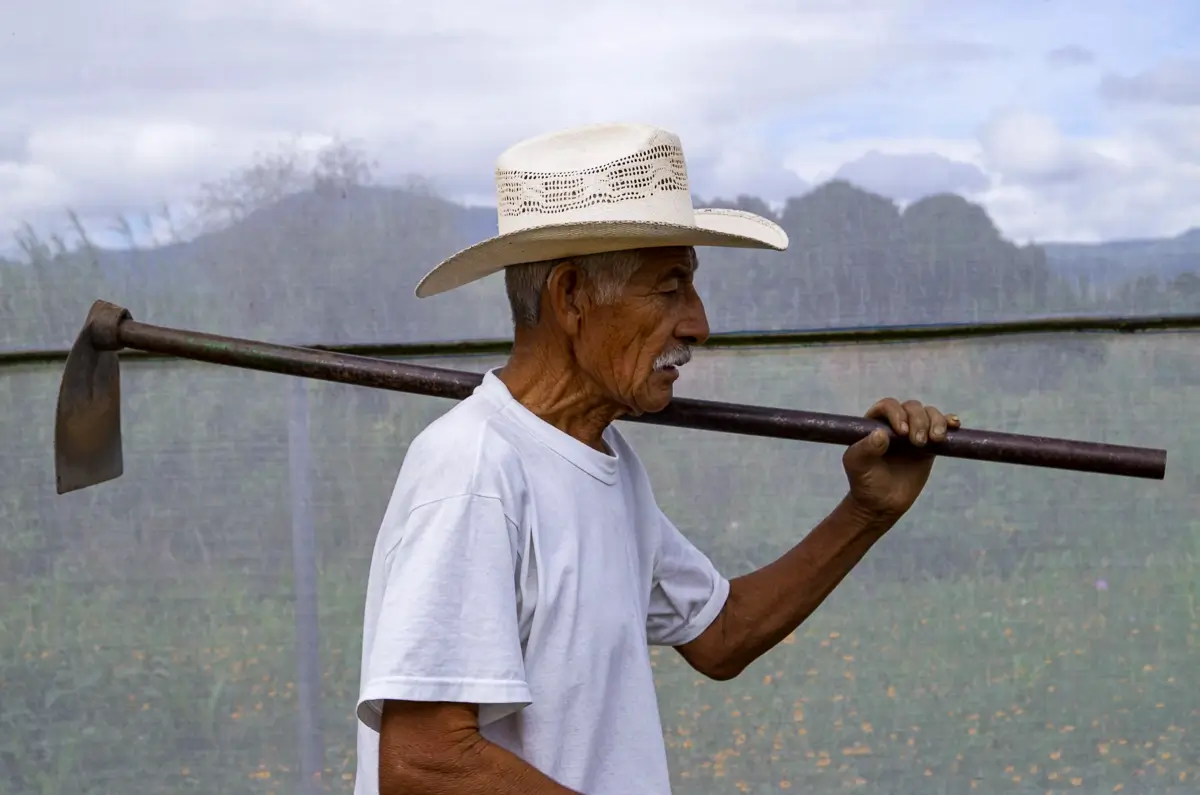
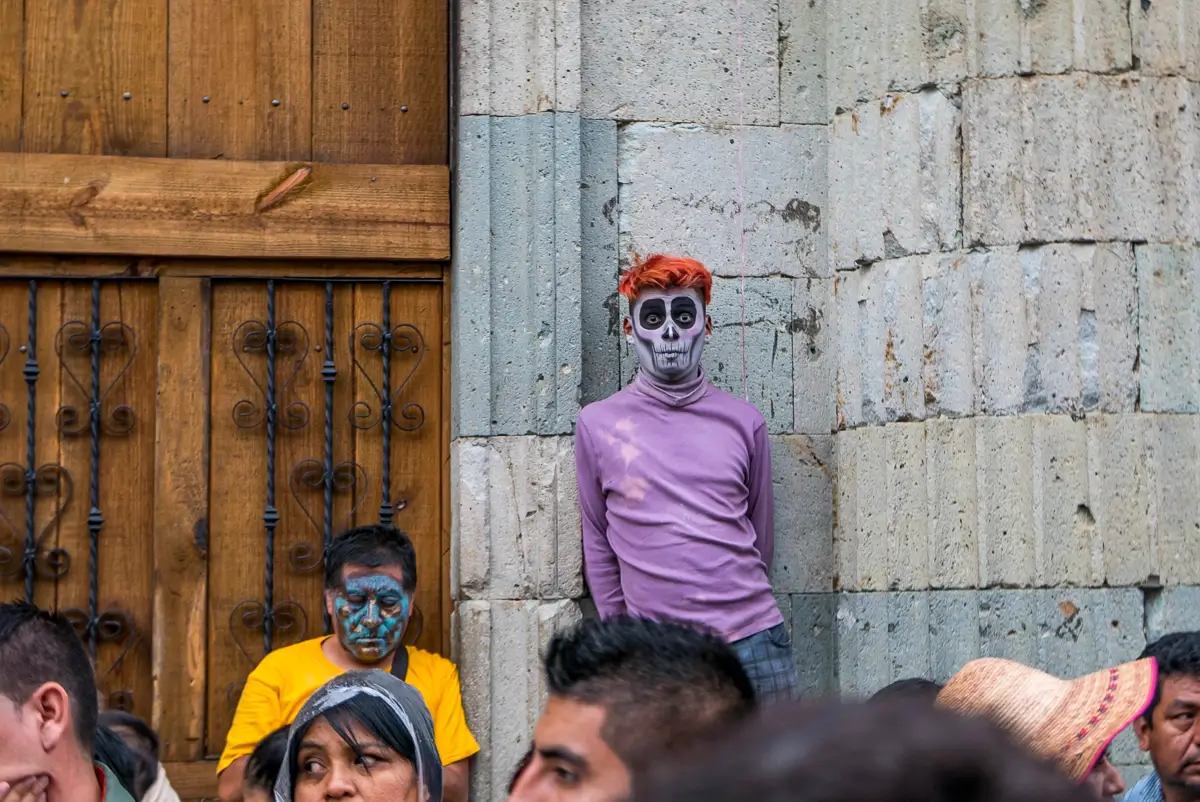
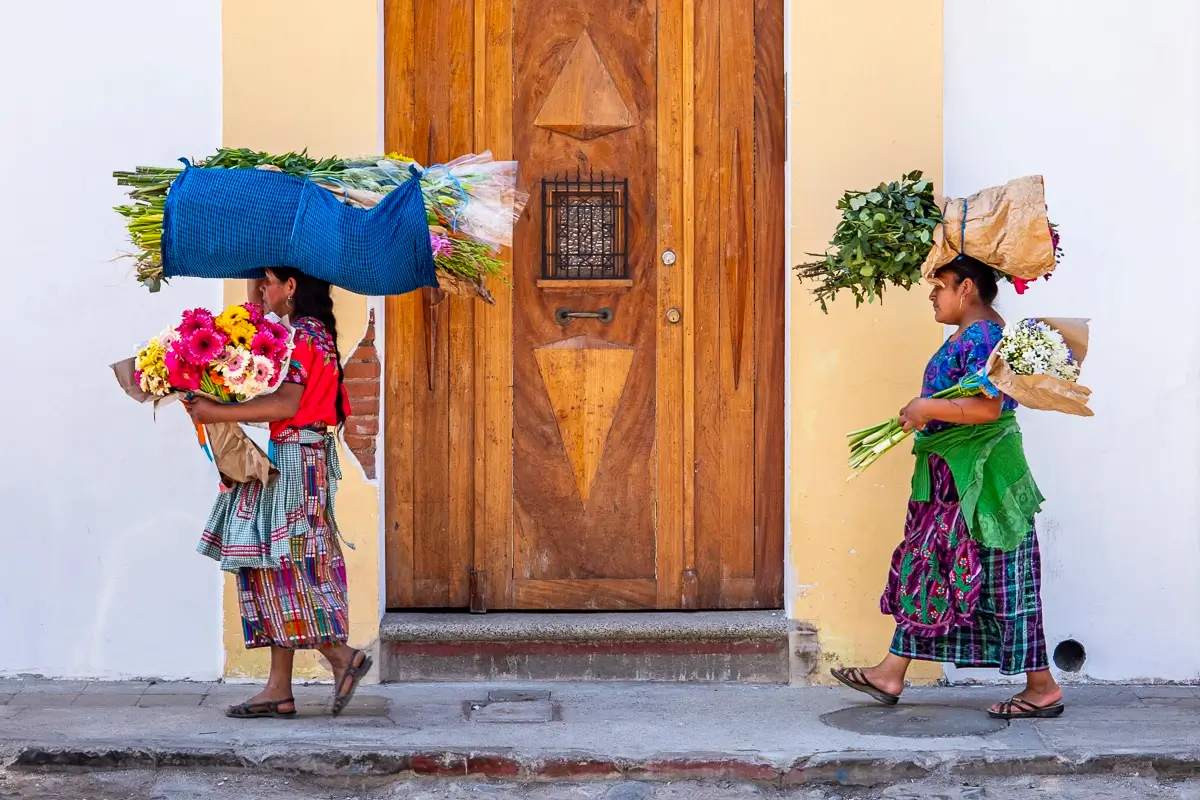
He initially focused on candid street photography, especially in Mexico and
Guatemala, until Covid masked his subjects, chased them indoors, and limited
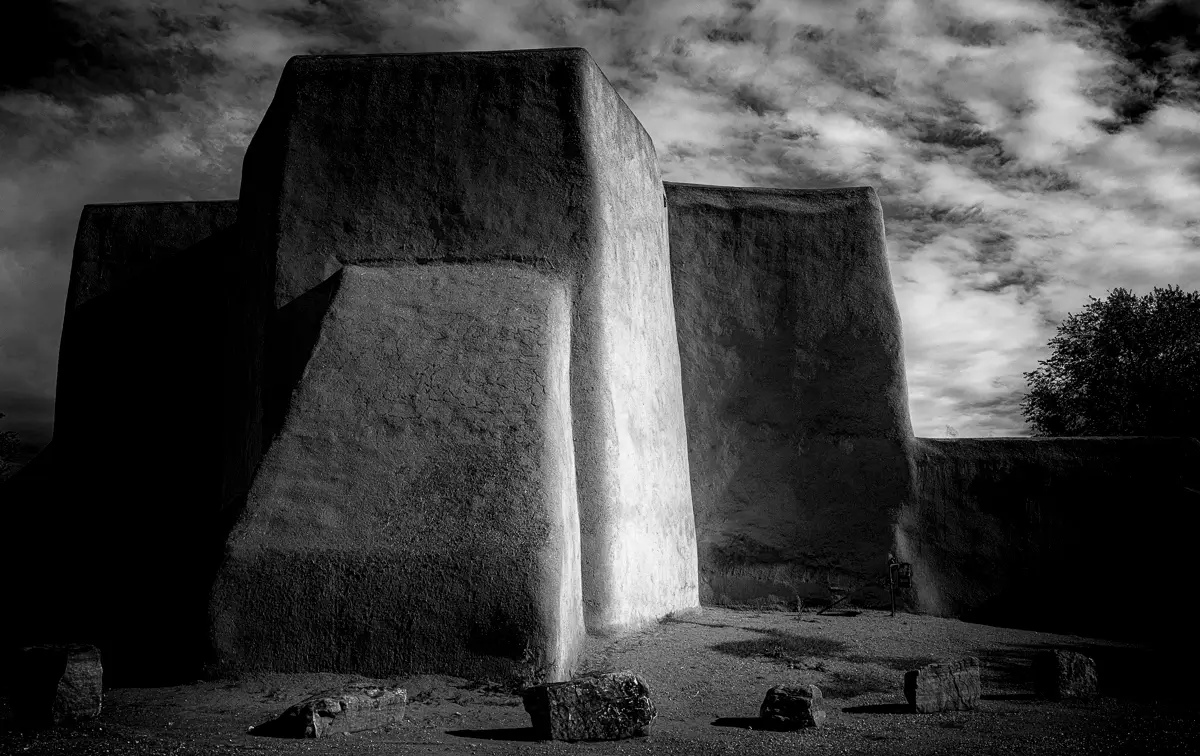
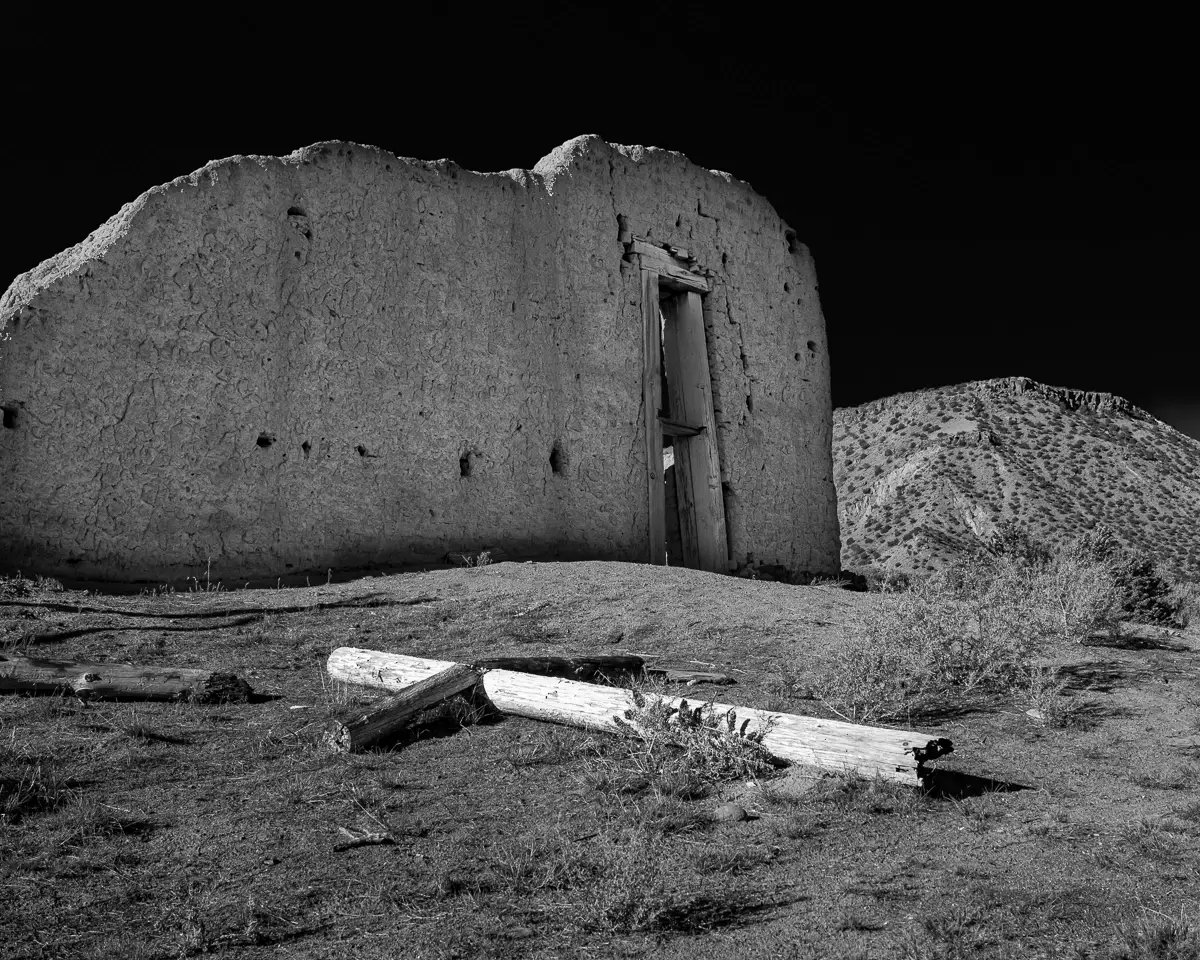
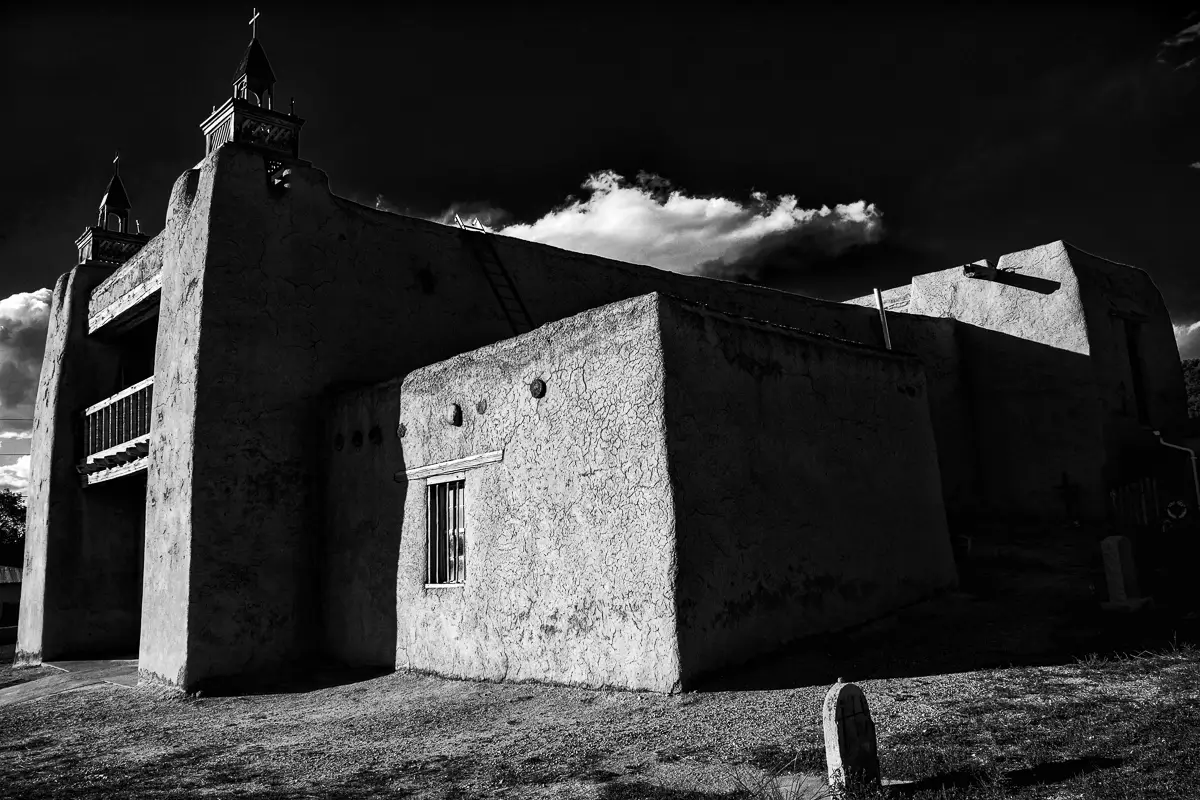
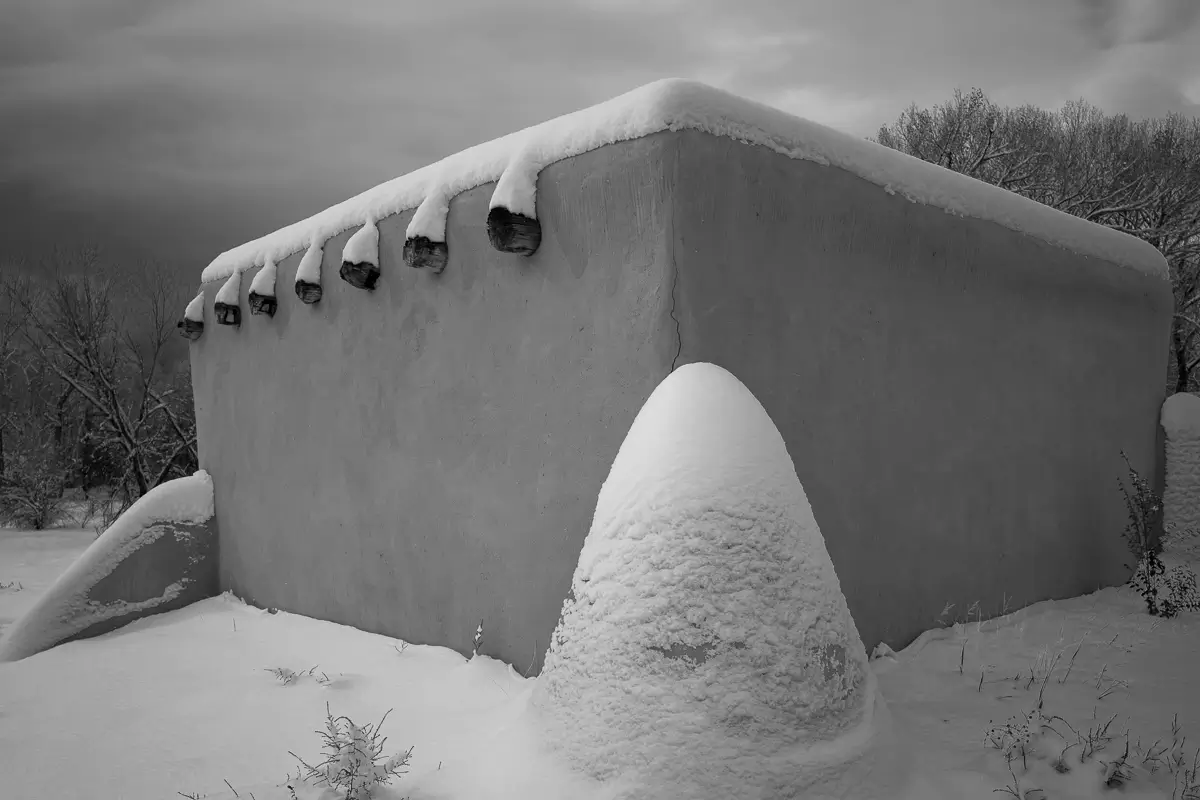
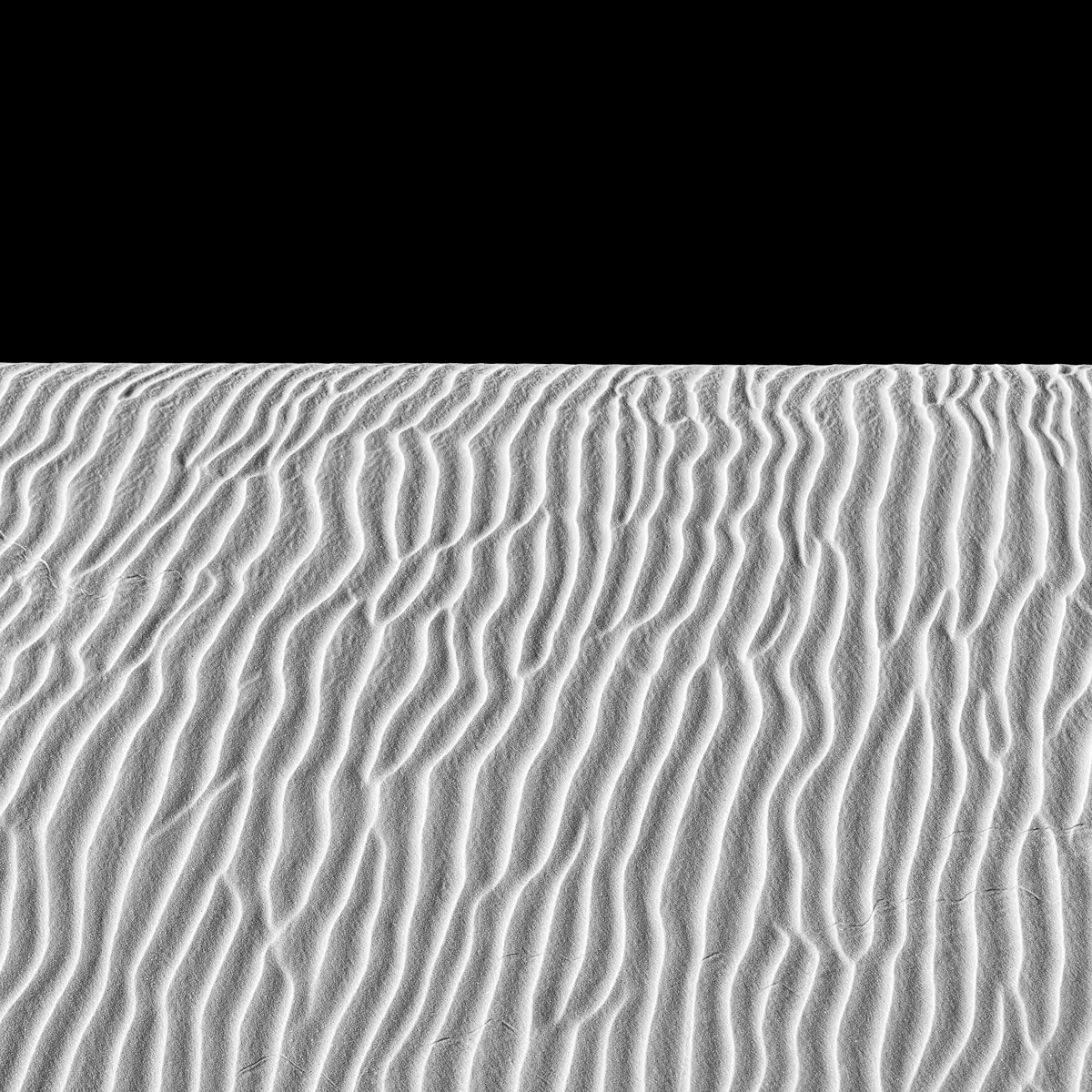
his travel. That reoriented him toward the rich landscape and “new
topographic” opportunities close to his Taos home in northern New Mexico, at
least until the shortage of oxygen at high altitudes transported him to the
California coast.
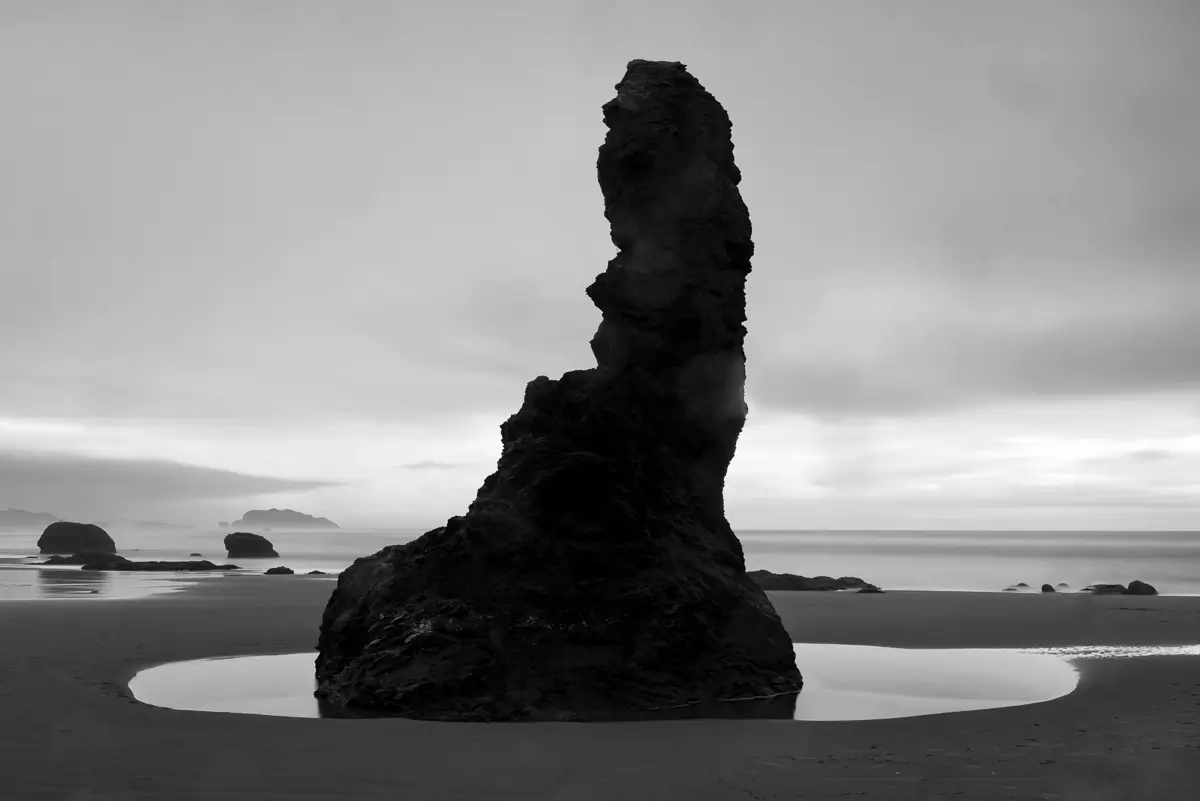
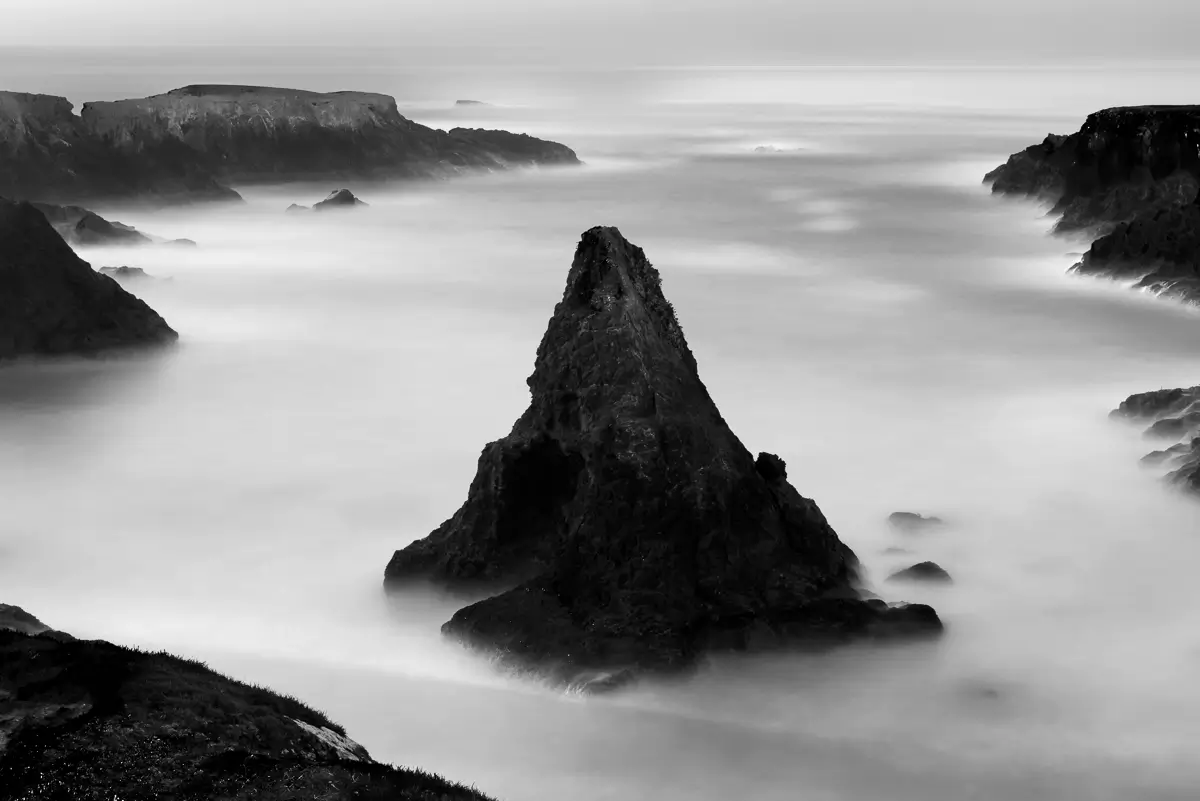
He now creates intimate, intertidal landscapes within the threshold between sea
and land — the liminal in the littoral. On the Pacific coast, twice each day it is
sea, and twice each day it is land. It belongs to both; it belongs to neither.
His work owes an obvious intellectual debt to California Impressionism and to
the West Coast Photographic Movement. Now in his eighties, he has been
drawn increasingly to the patience of intertidal rocks as subjects. He shares
Edward Weston’s objective “to photograph a rock, have it look like a rock, but
be MORE than a rock.”
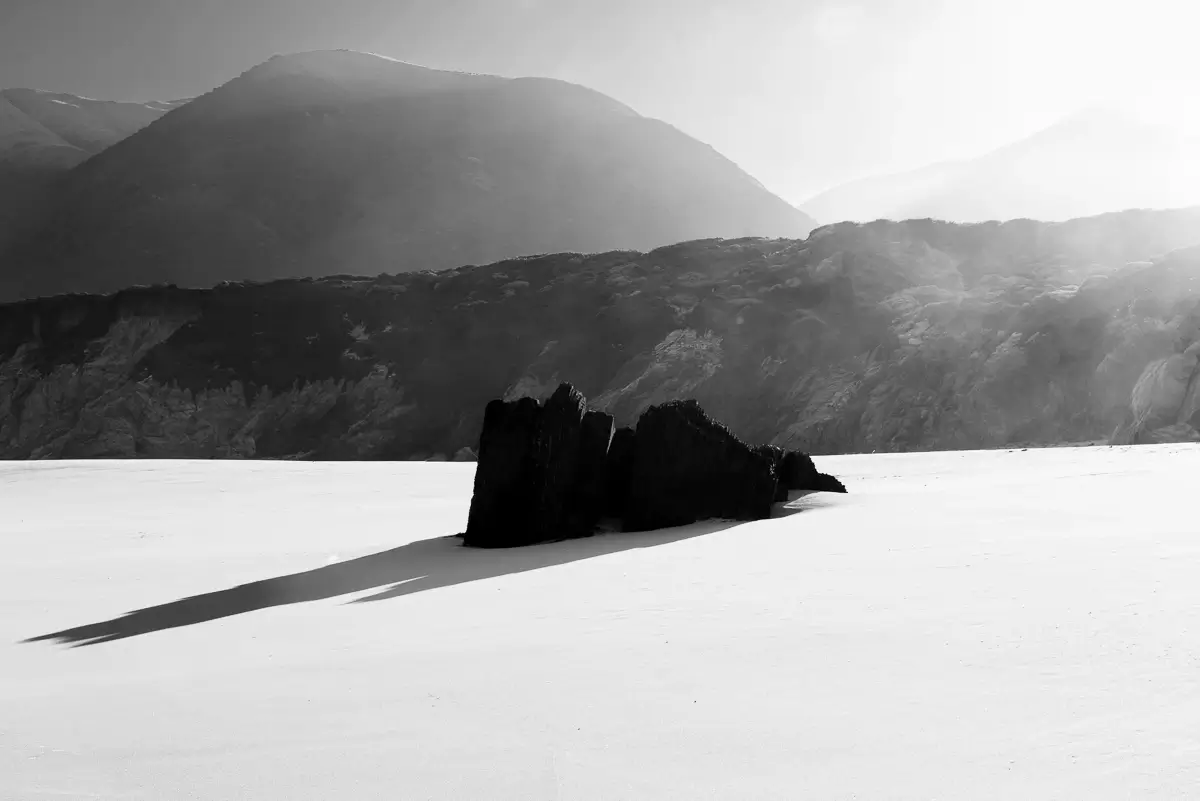
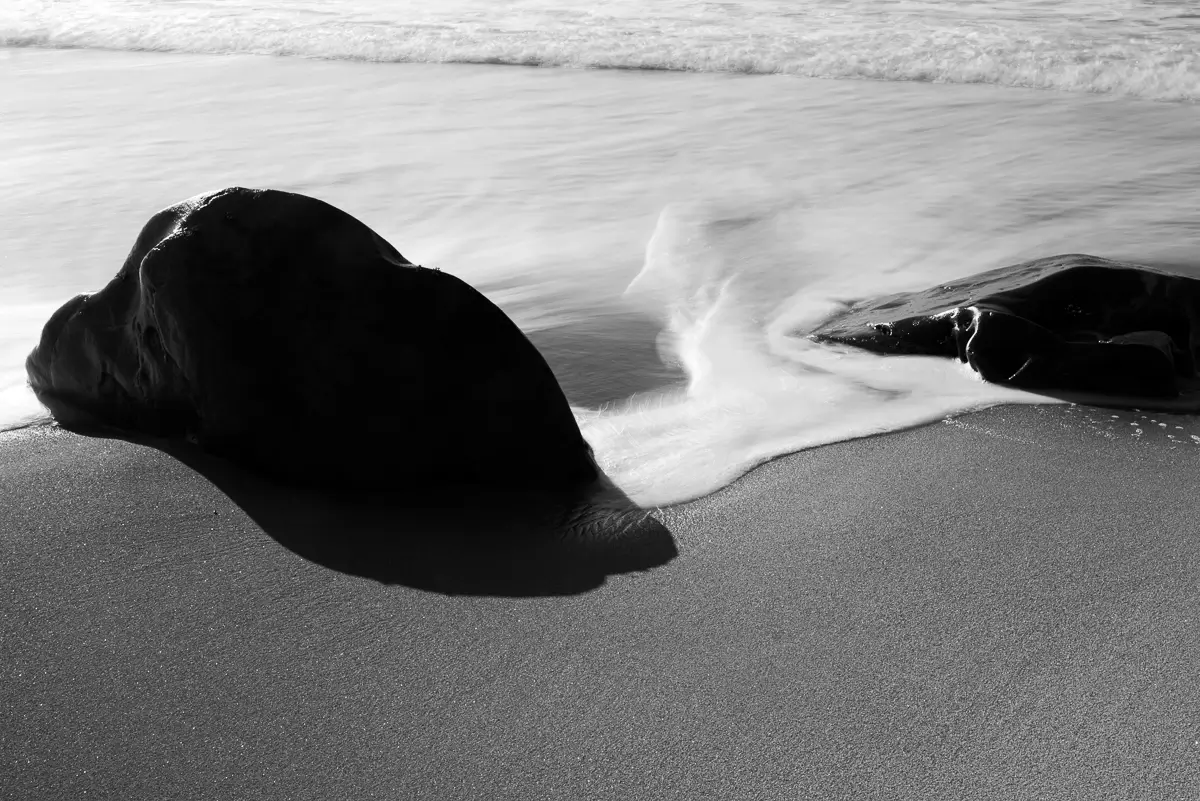
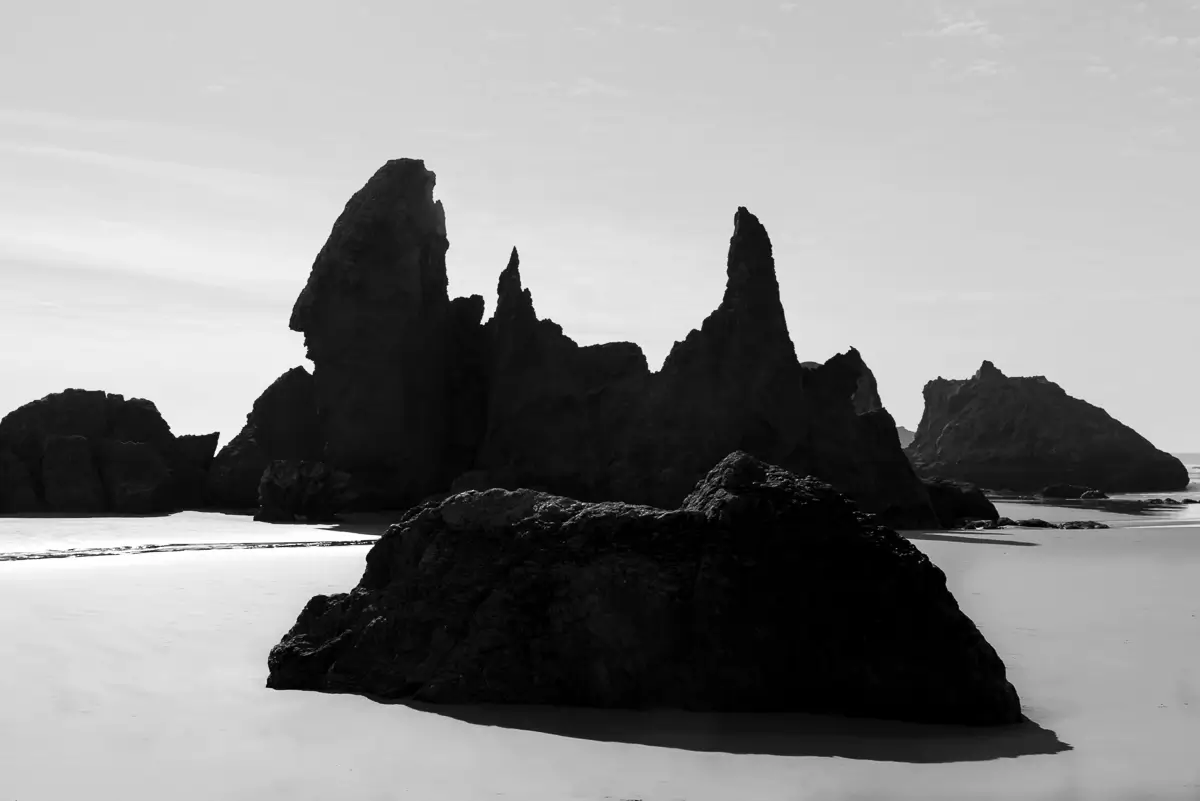
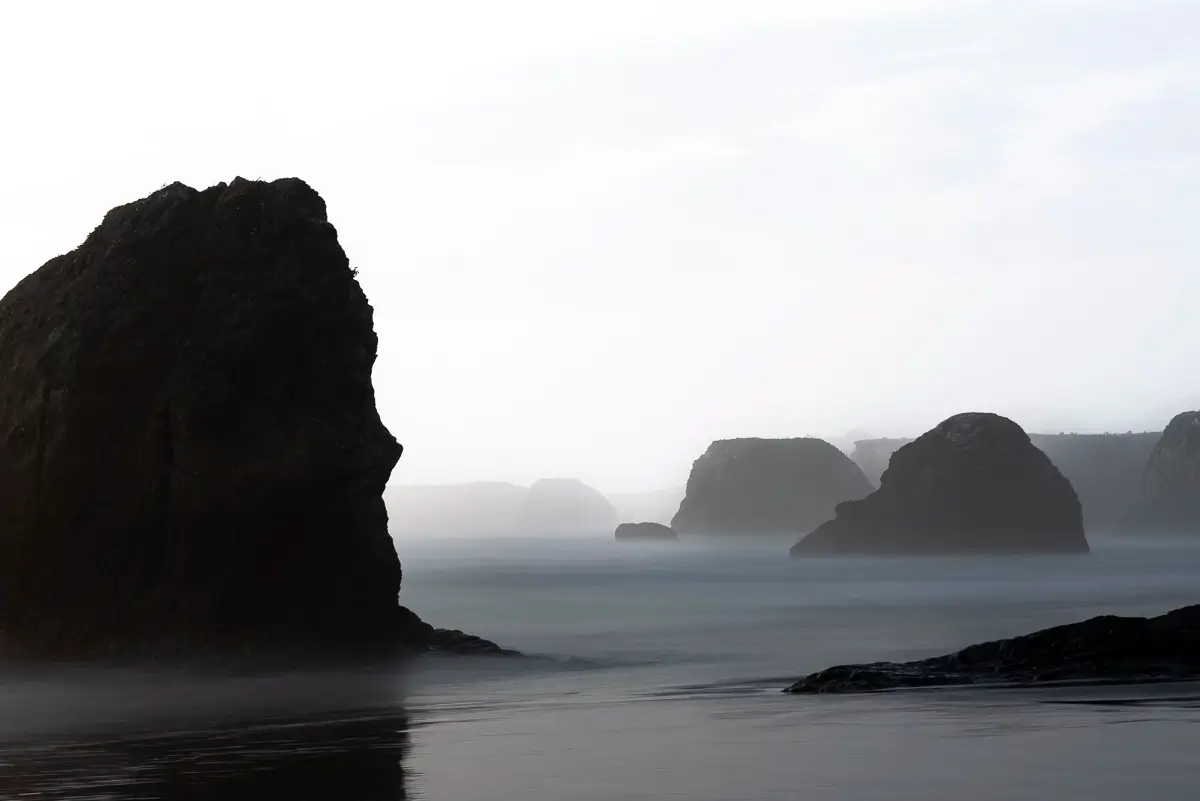
The past year he has increasingly employed long exposures on a tripod to
emphasize the fluidity of the sea in contrast to the sculptural geology of
seastacks, especially backlit at negative low tides.
All About Photo Competitions
AAP Magazine 56 Shadows