All about photo.com: photo contests, photography exhibitions, galleries, photographers, books, schools and venues.
Win a Solo Exhibition in June 2026 + An Exclusive Interview!
Eleonora Laufer
Eleonora Laufer

Eleonora Laufer

Country: Argentina
Birth: 1983

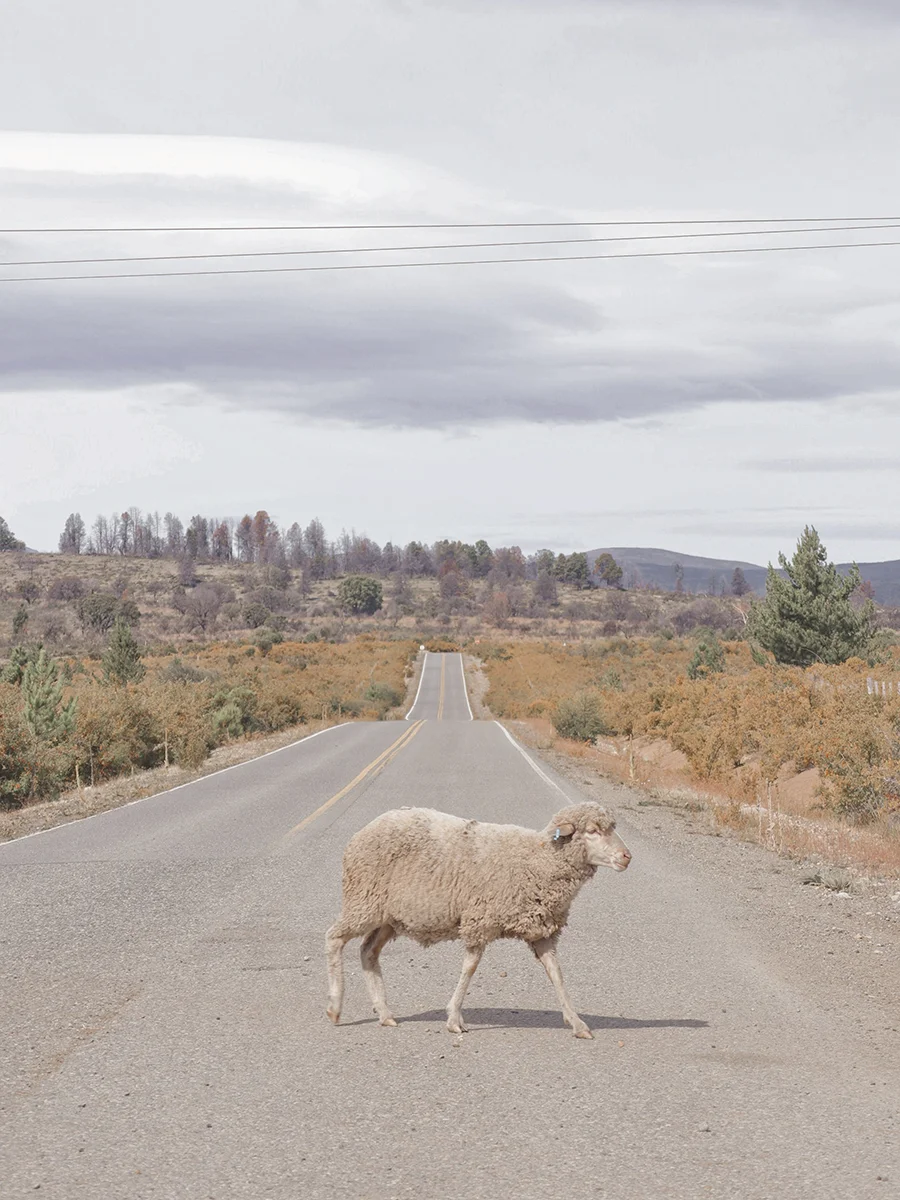
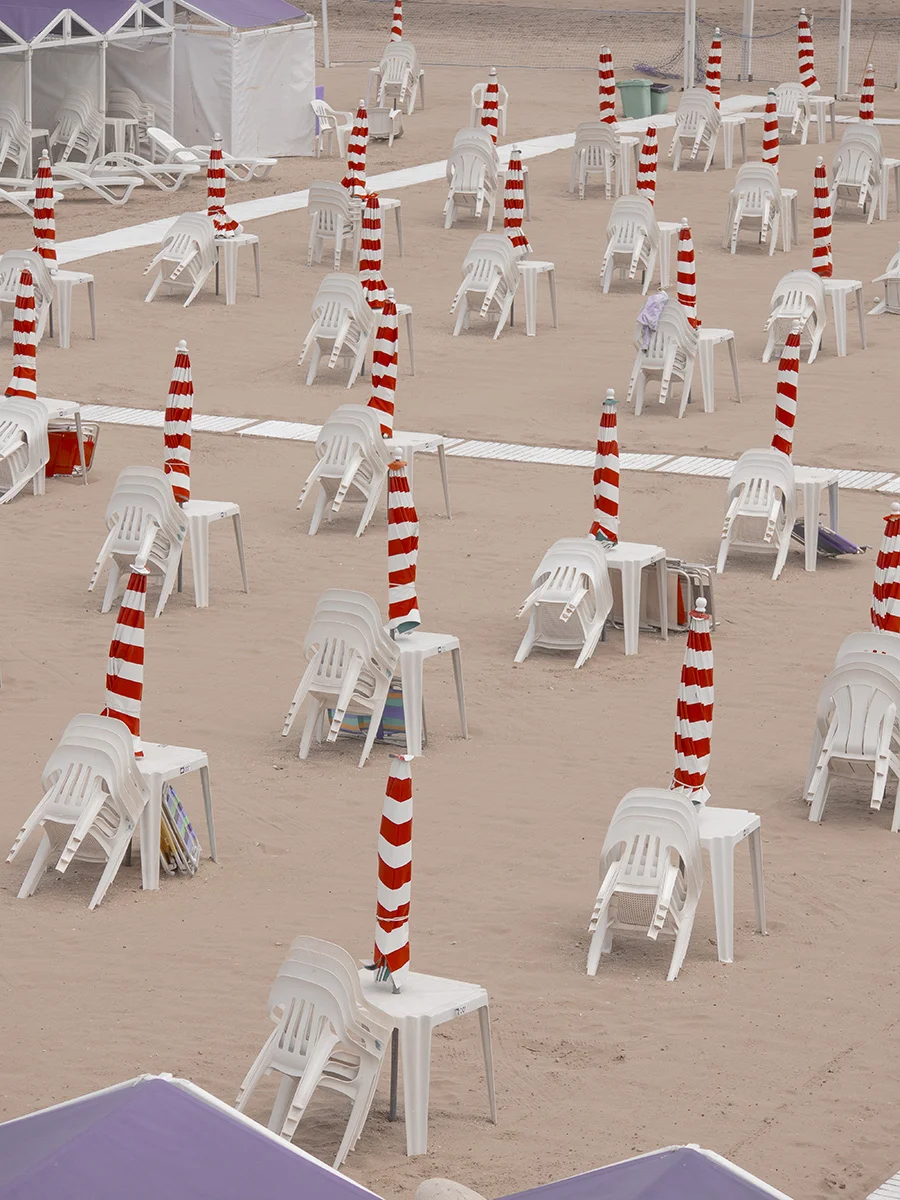
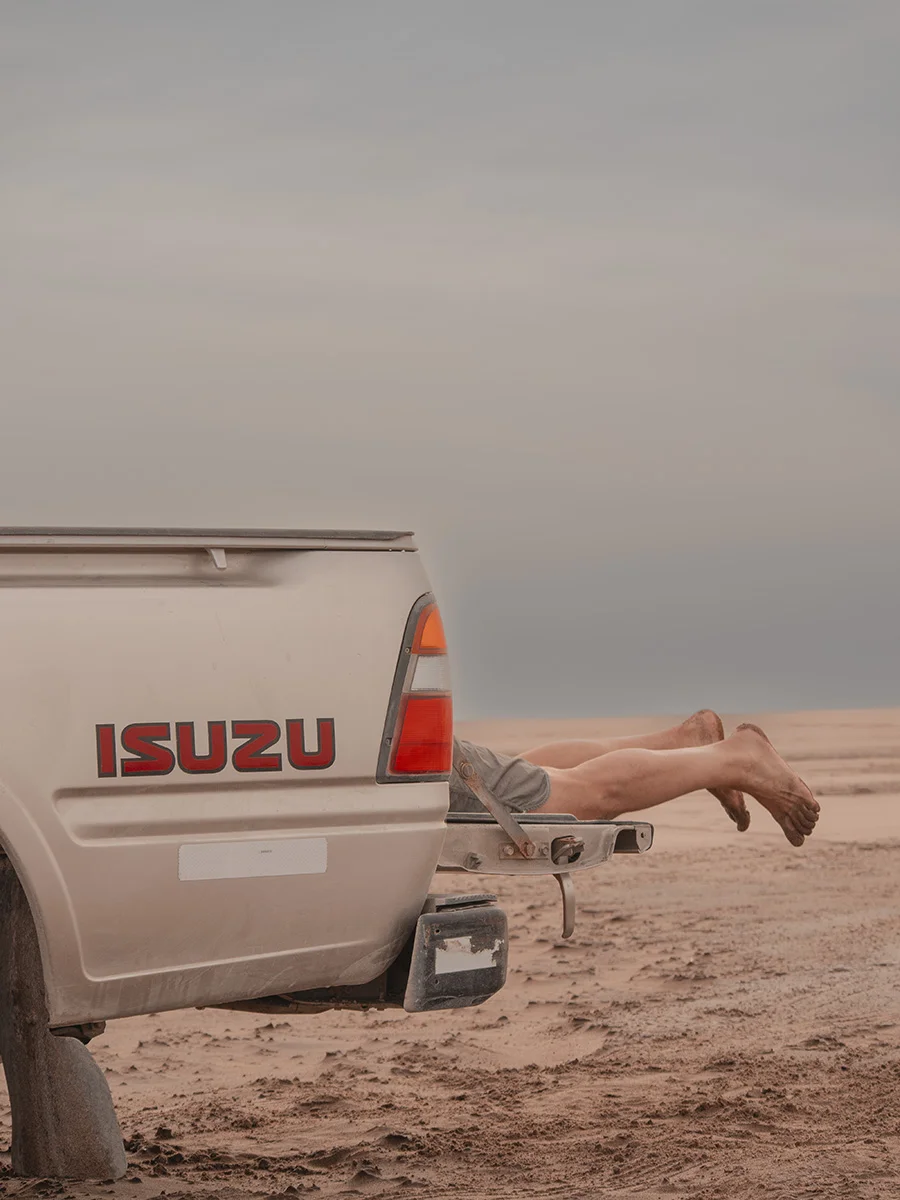
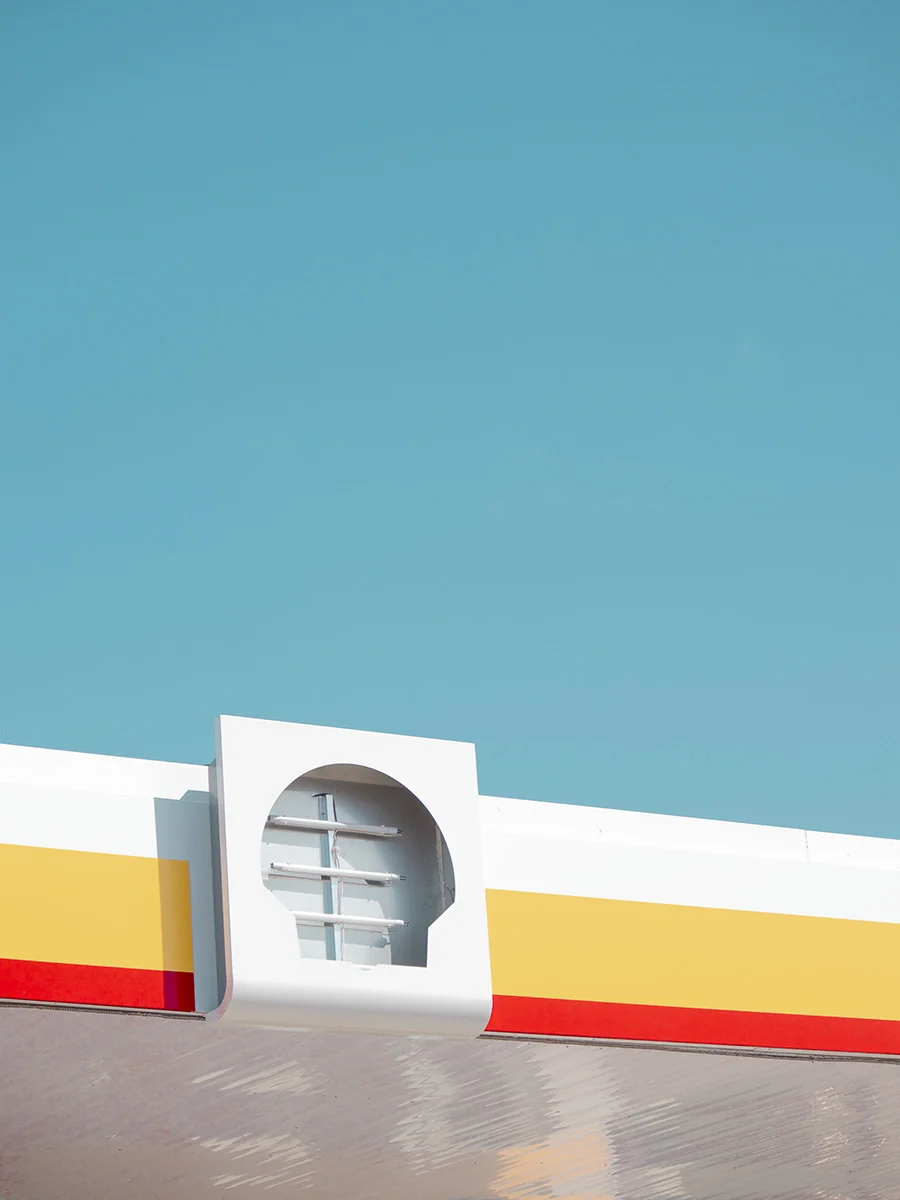
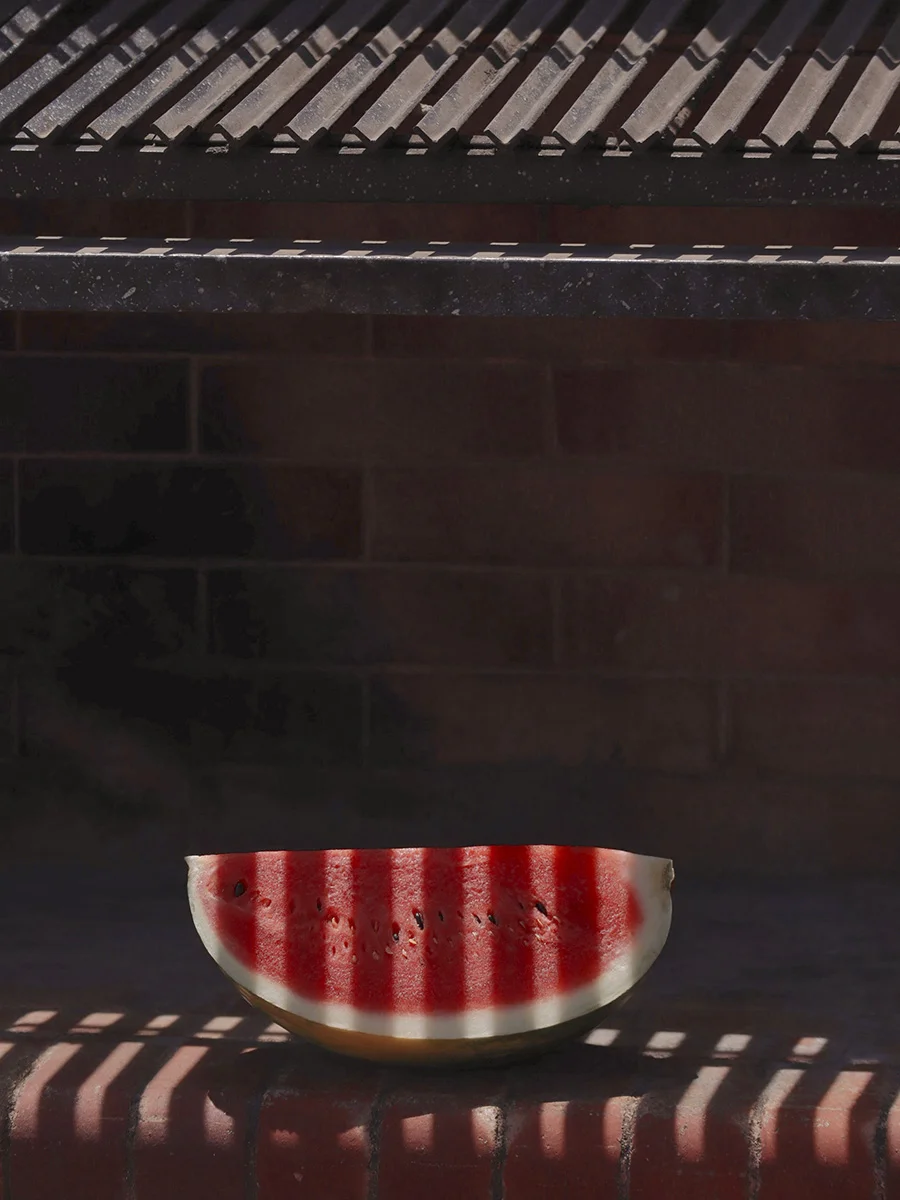
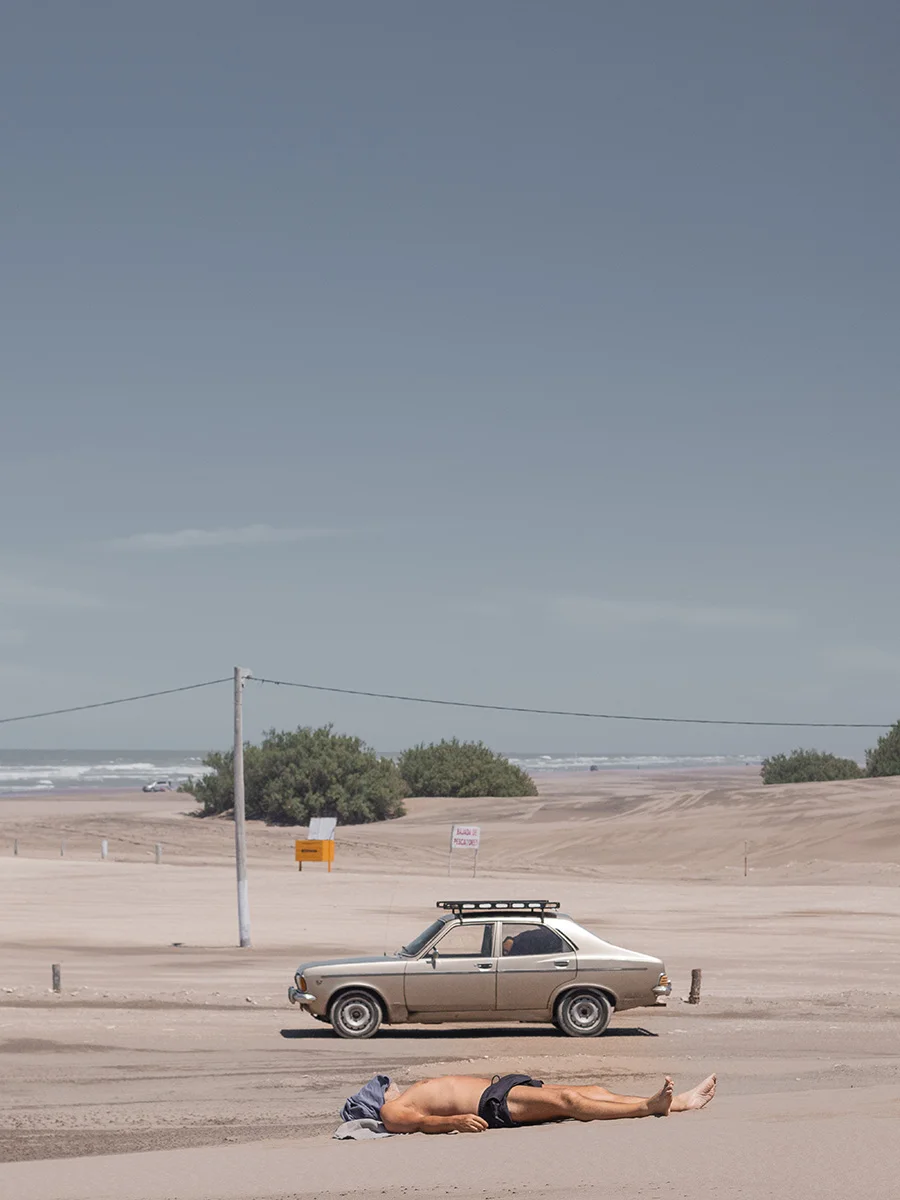
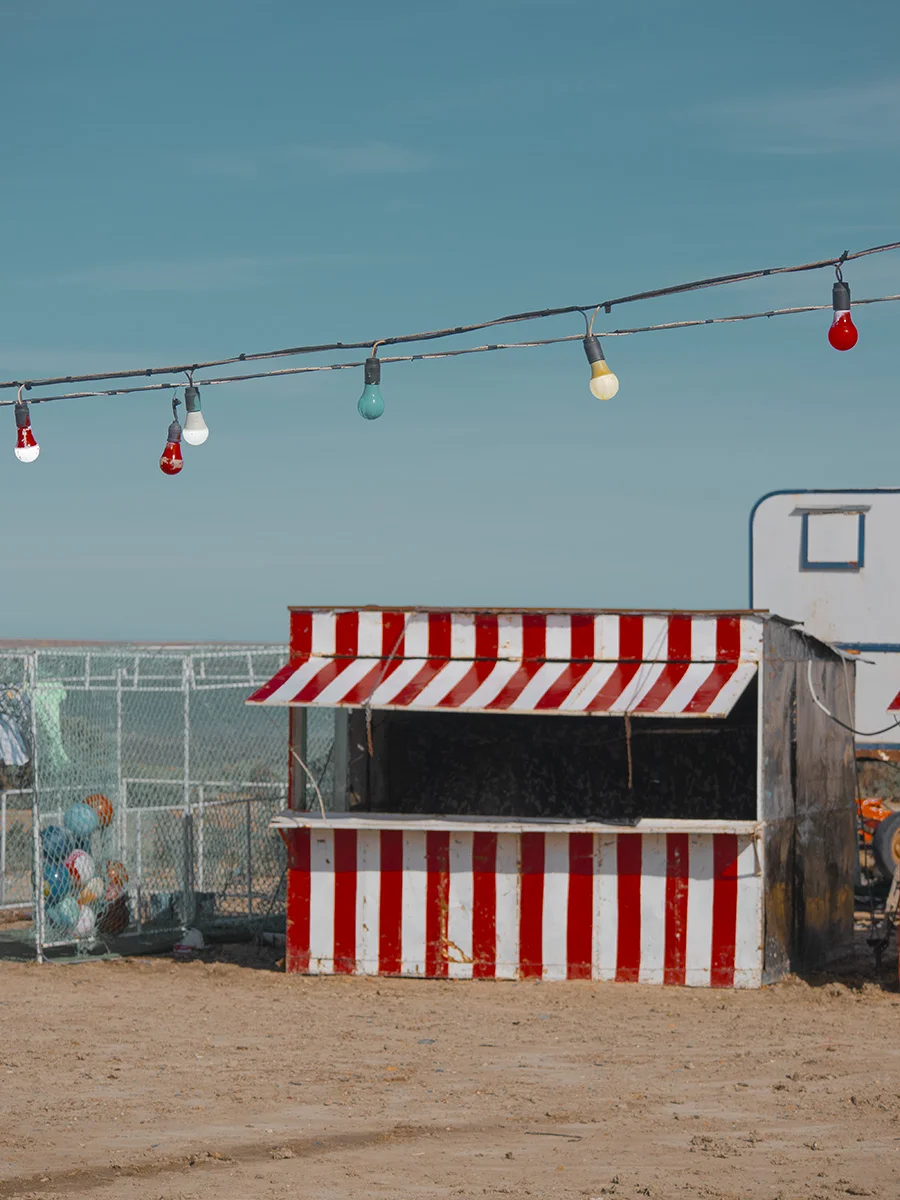
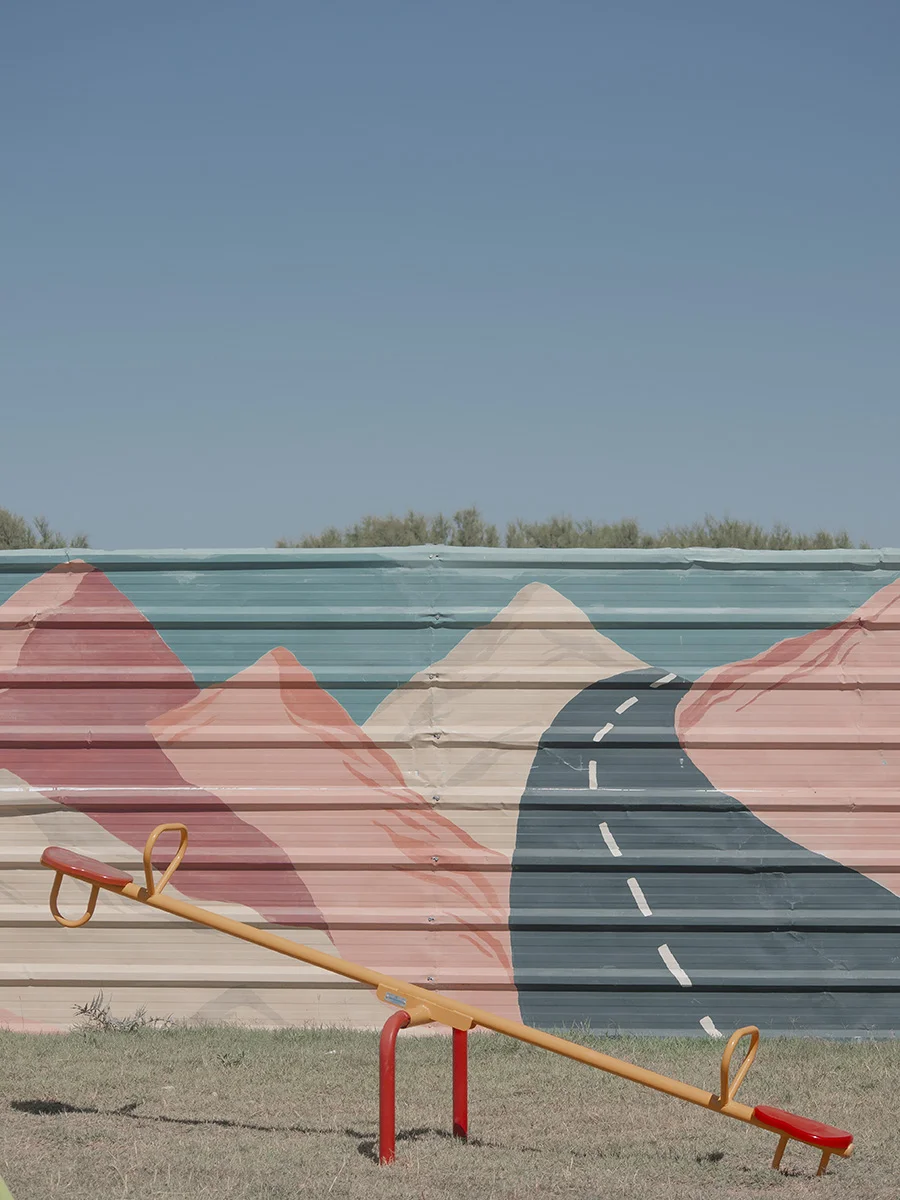
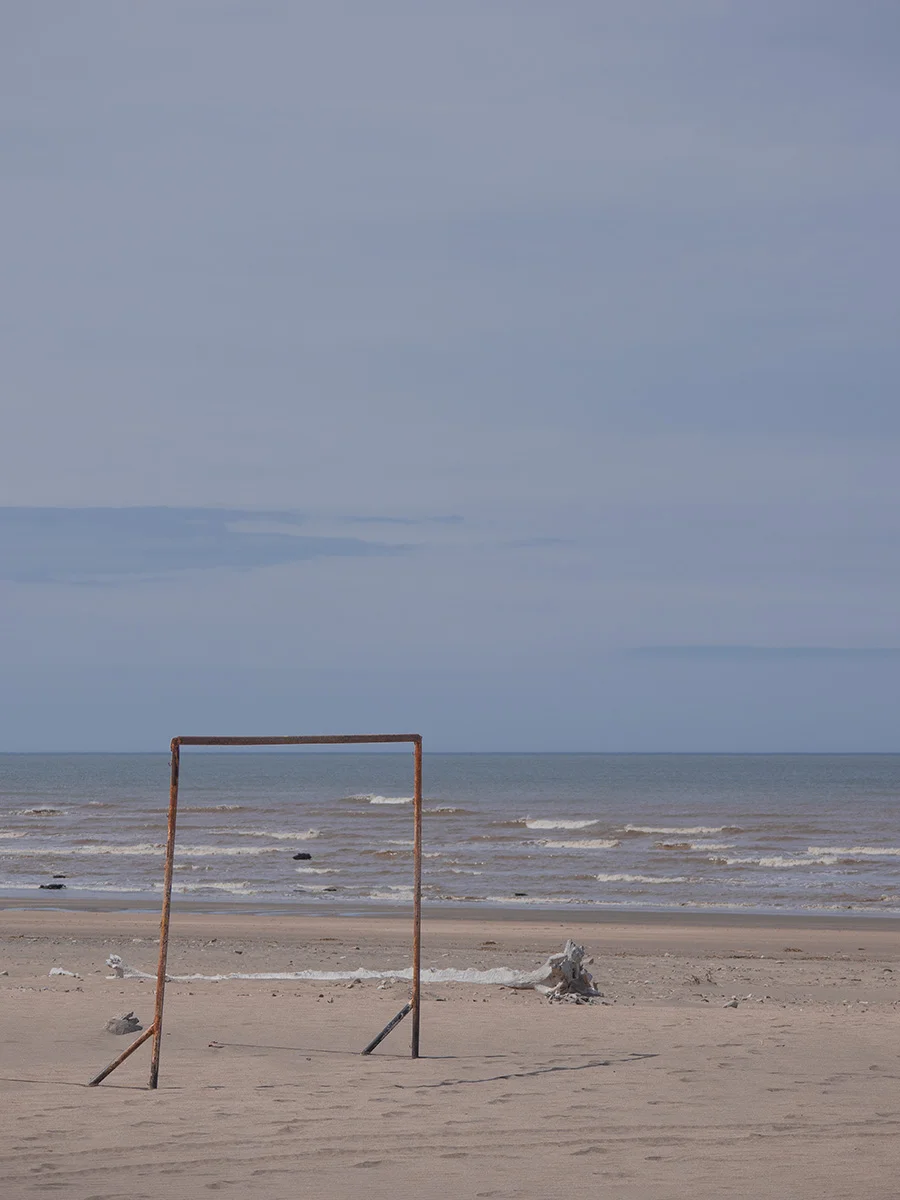
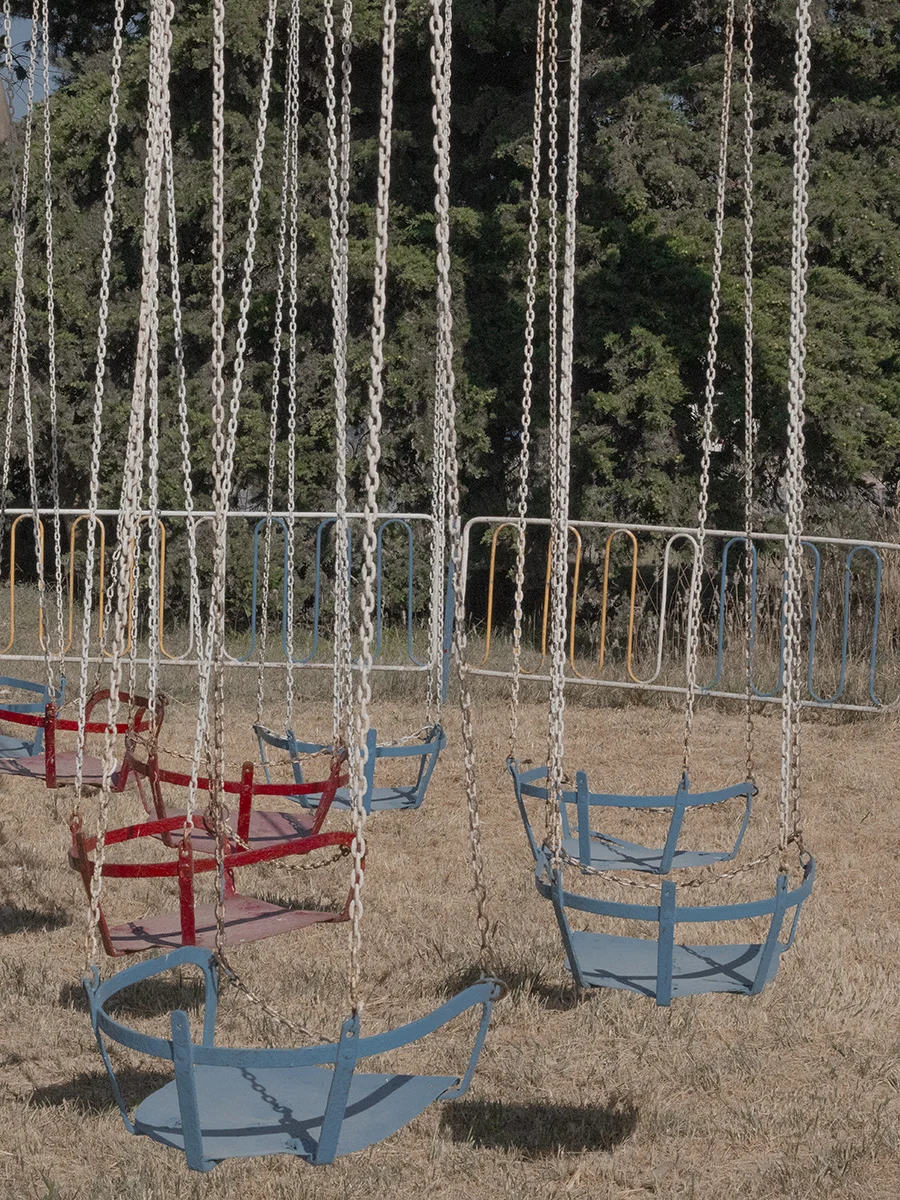
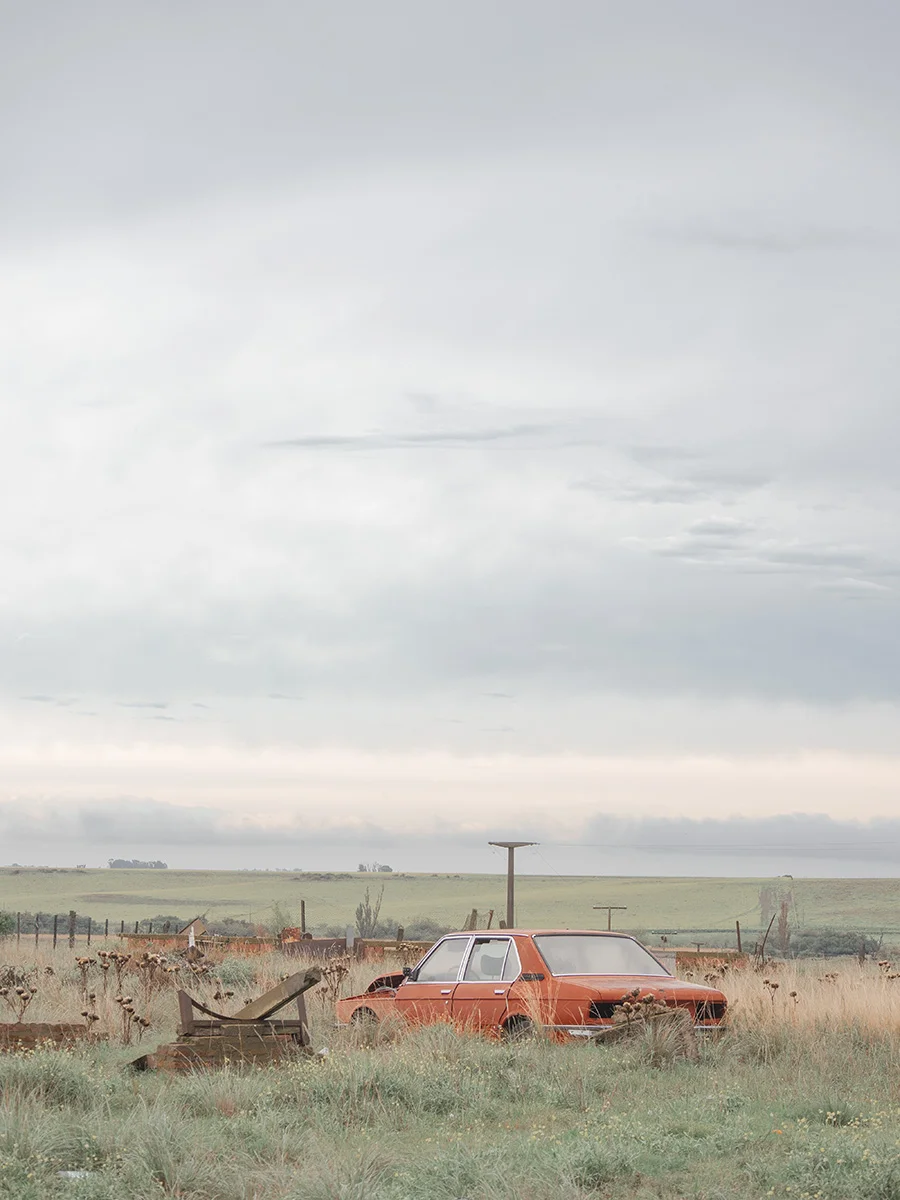
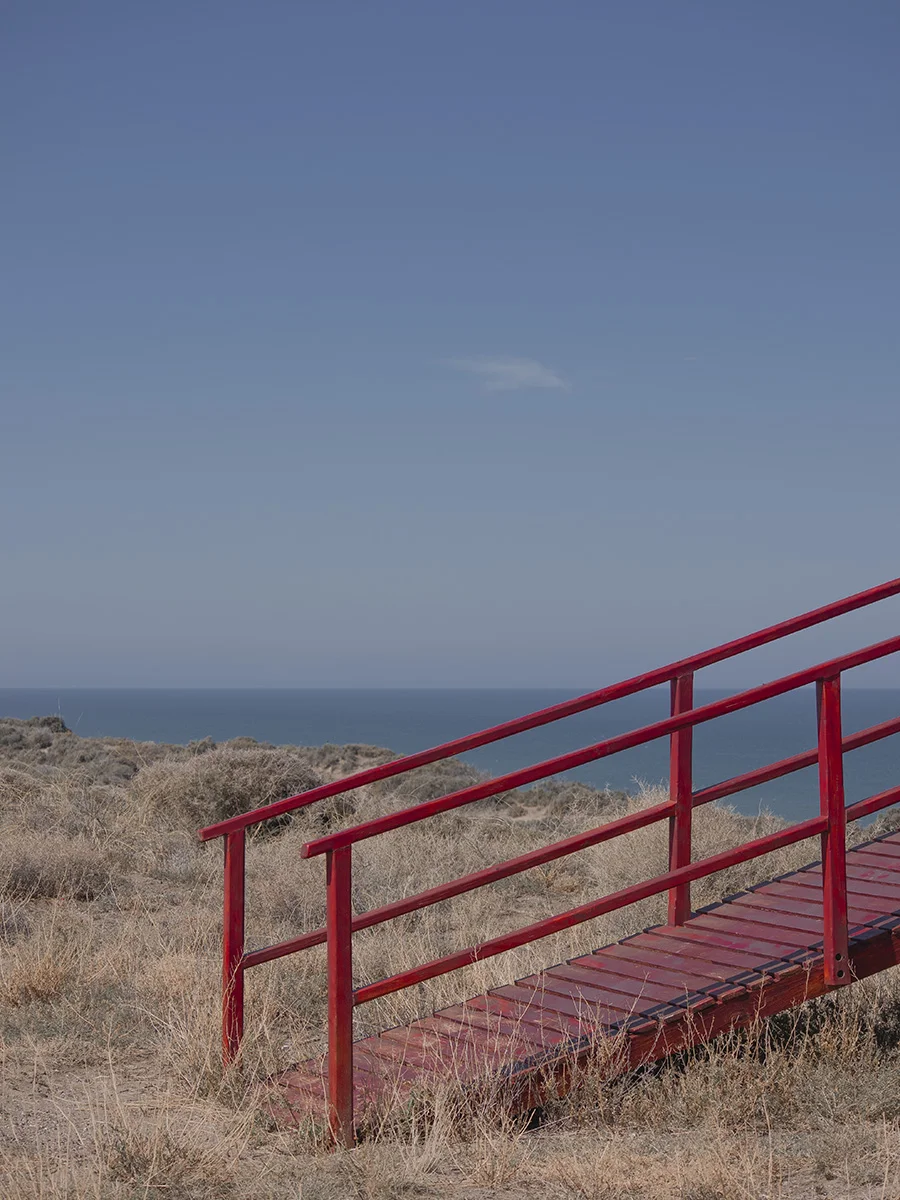
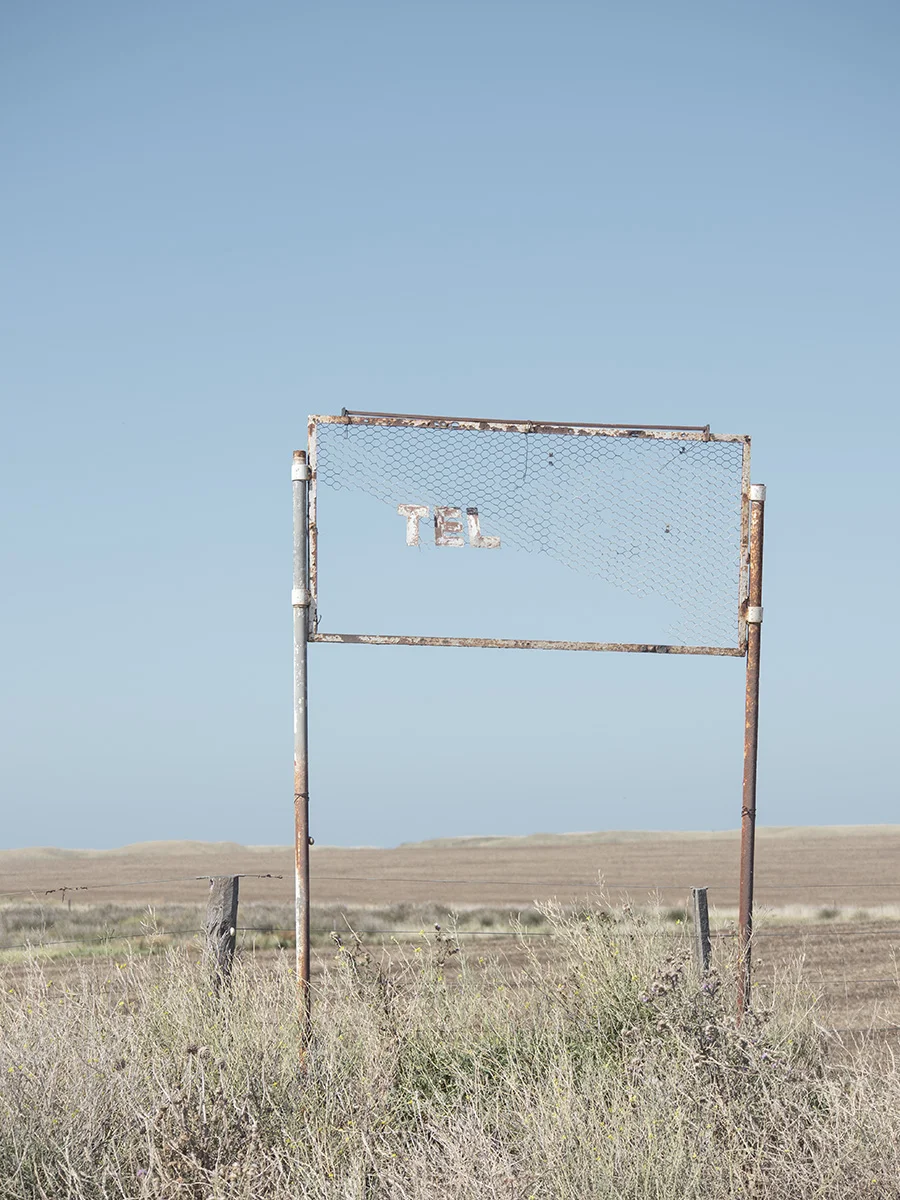
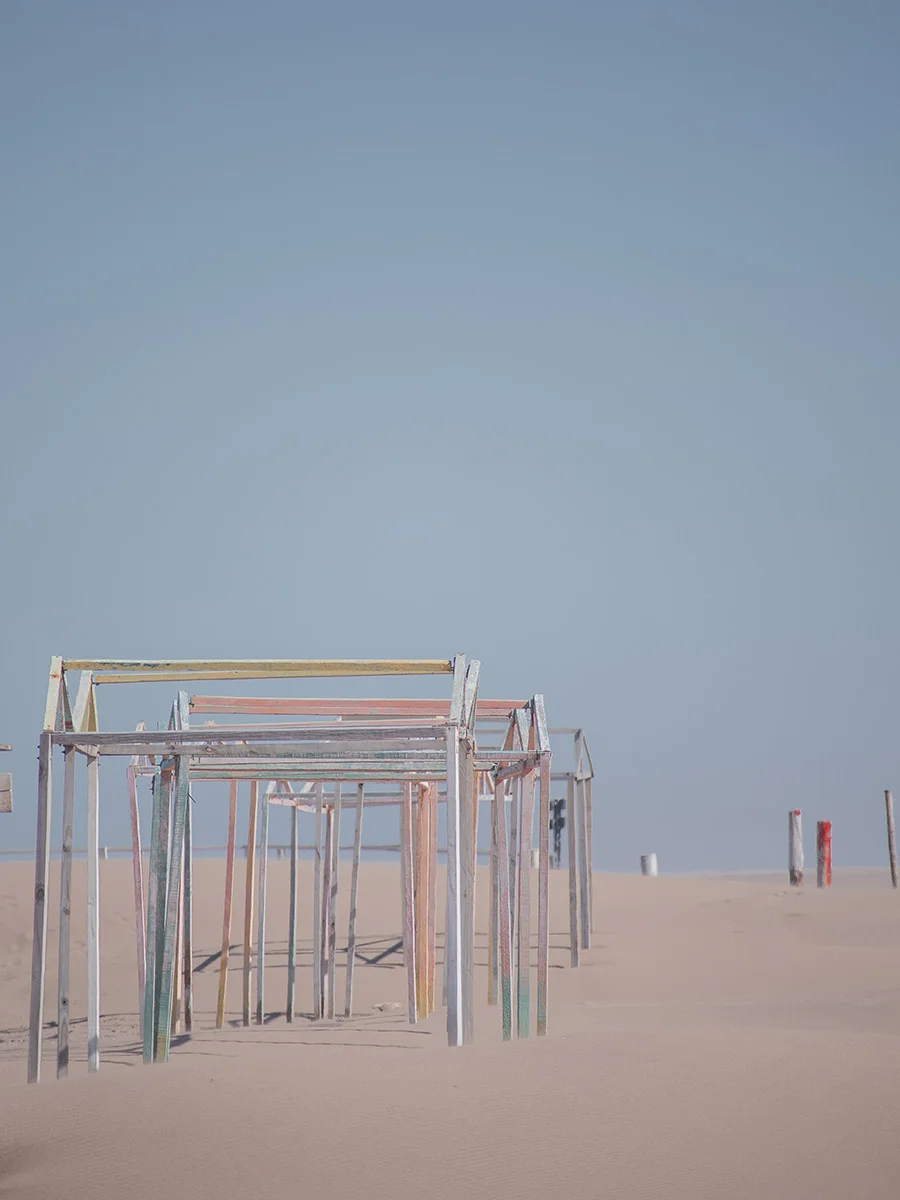
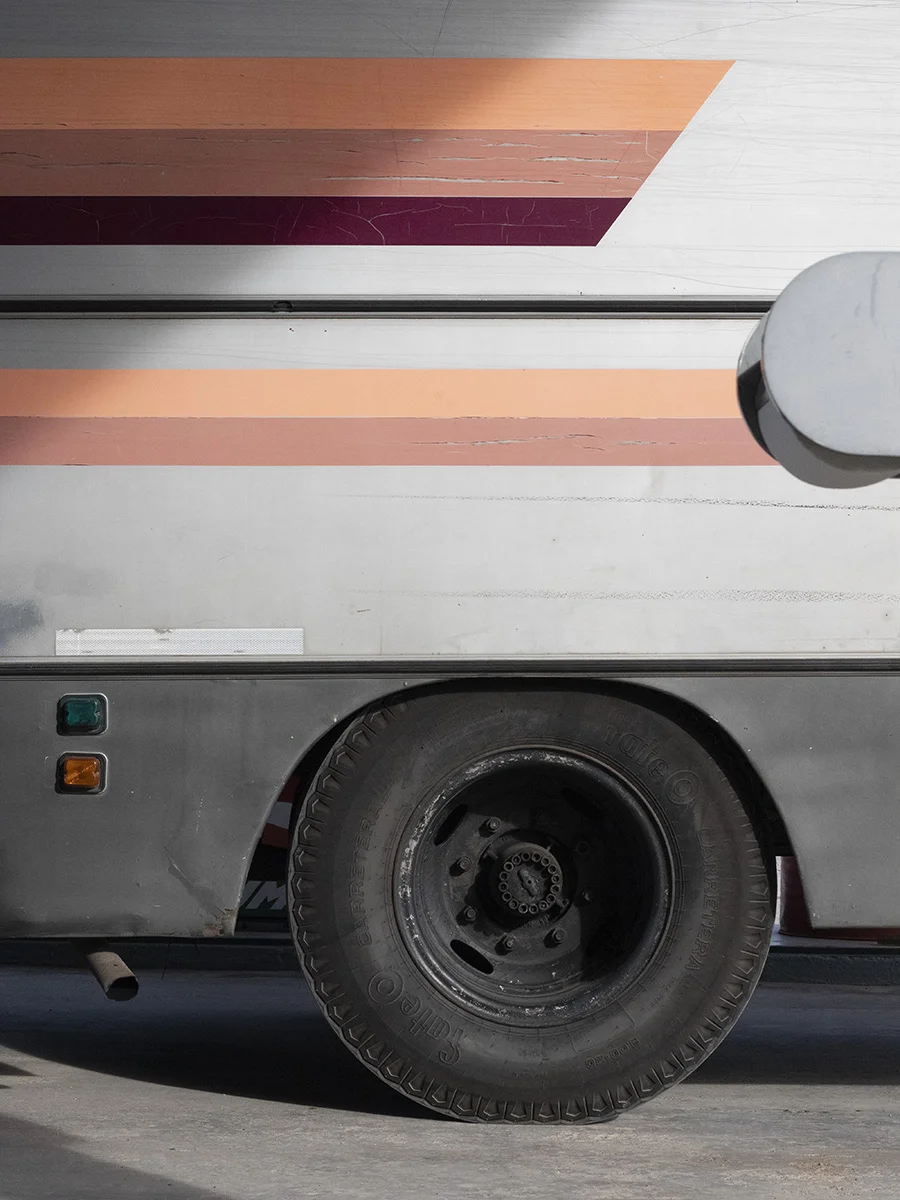
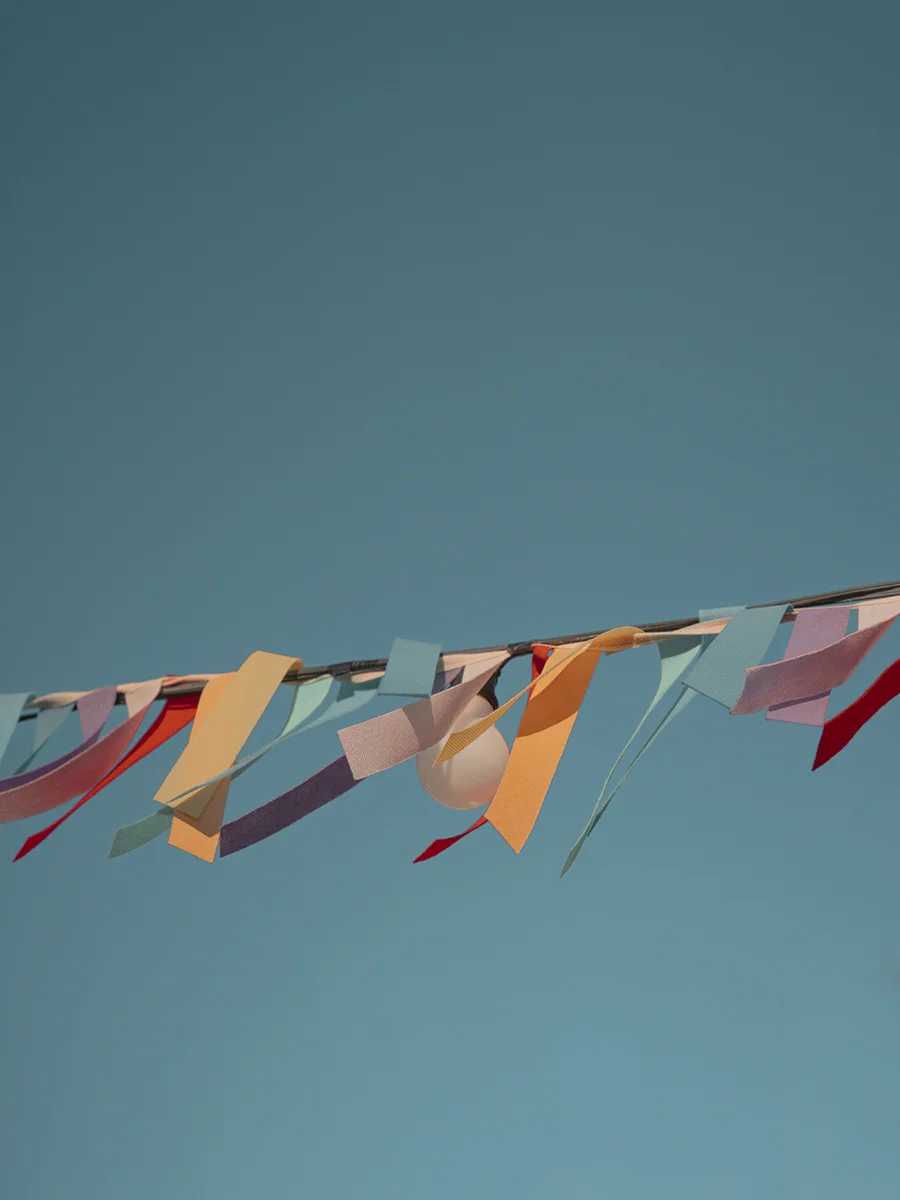
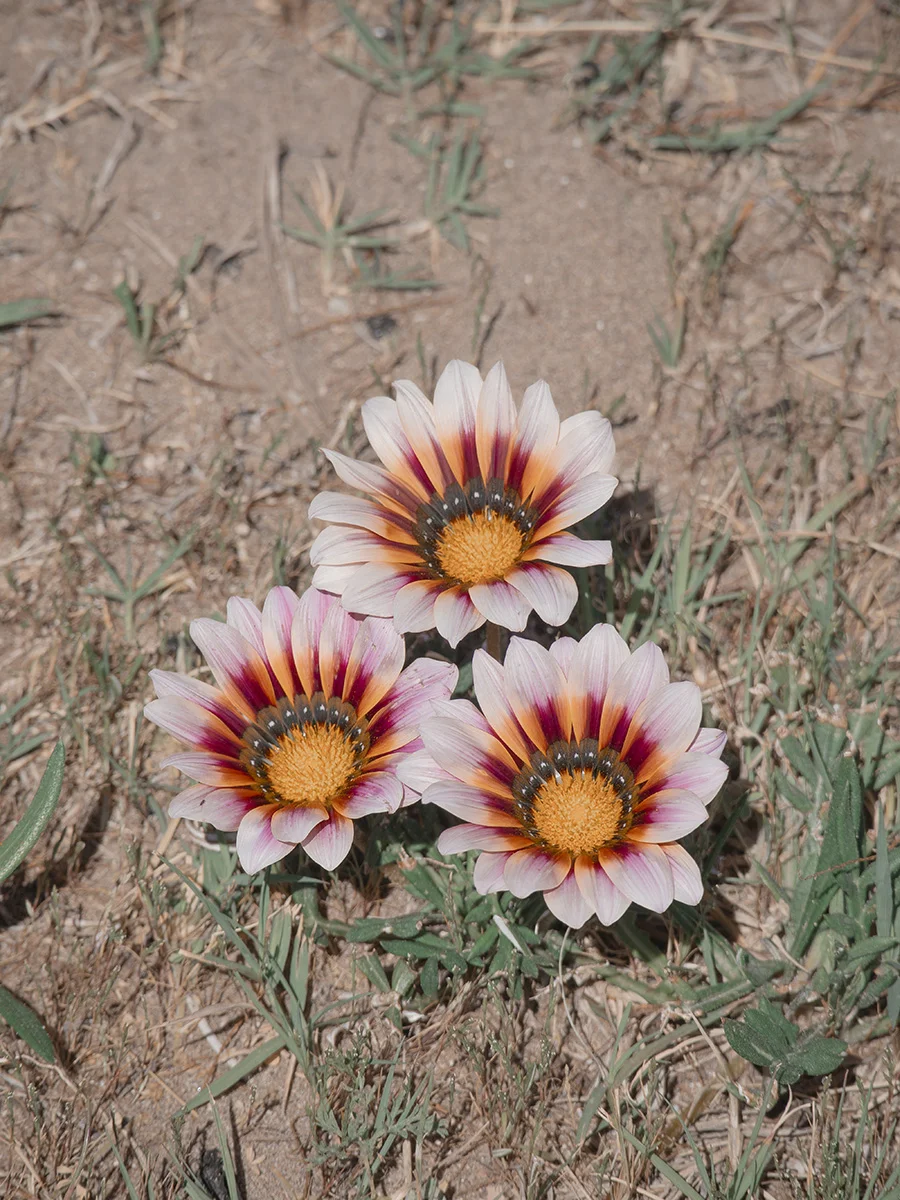
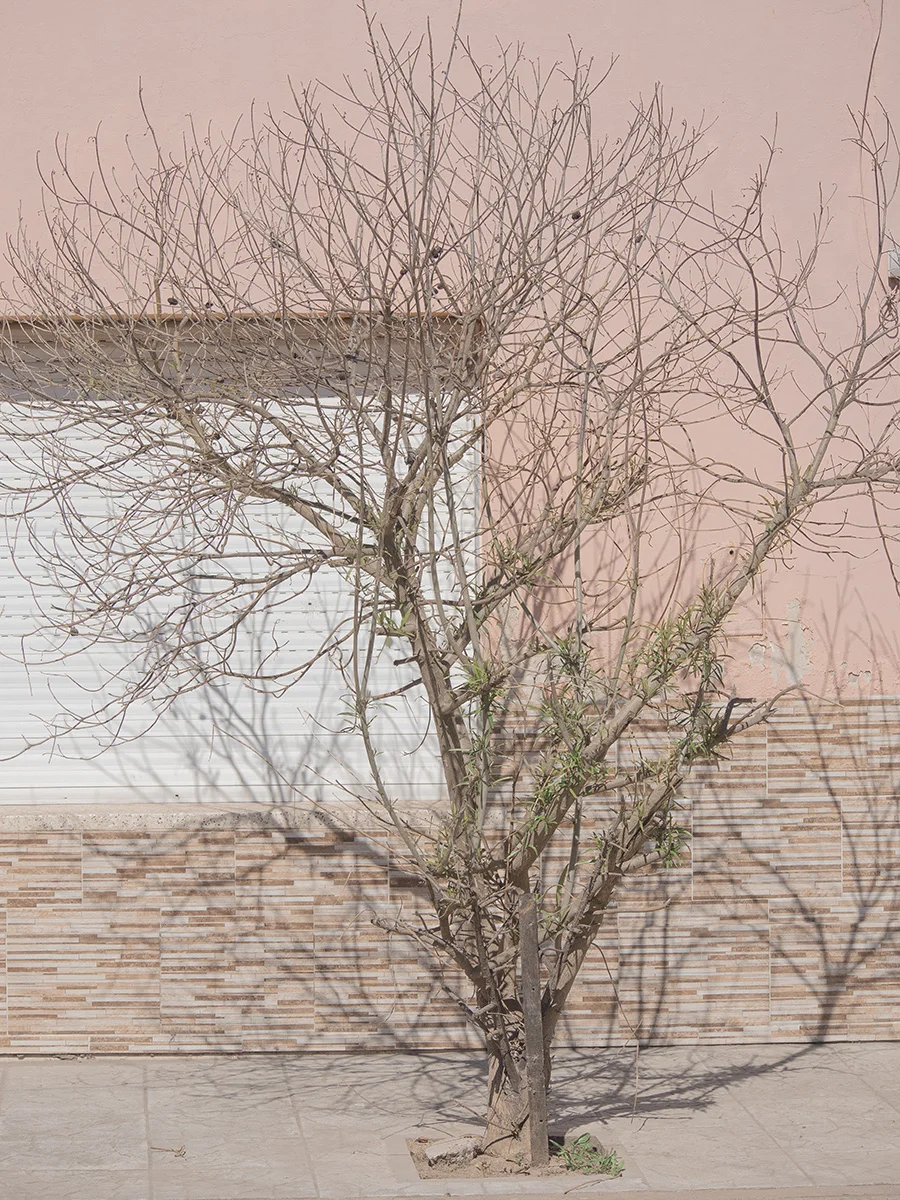
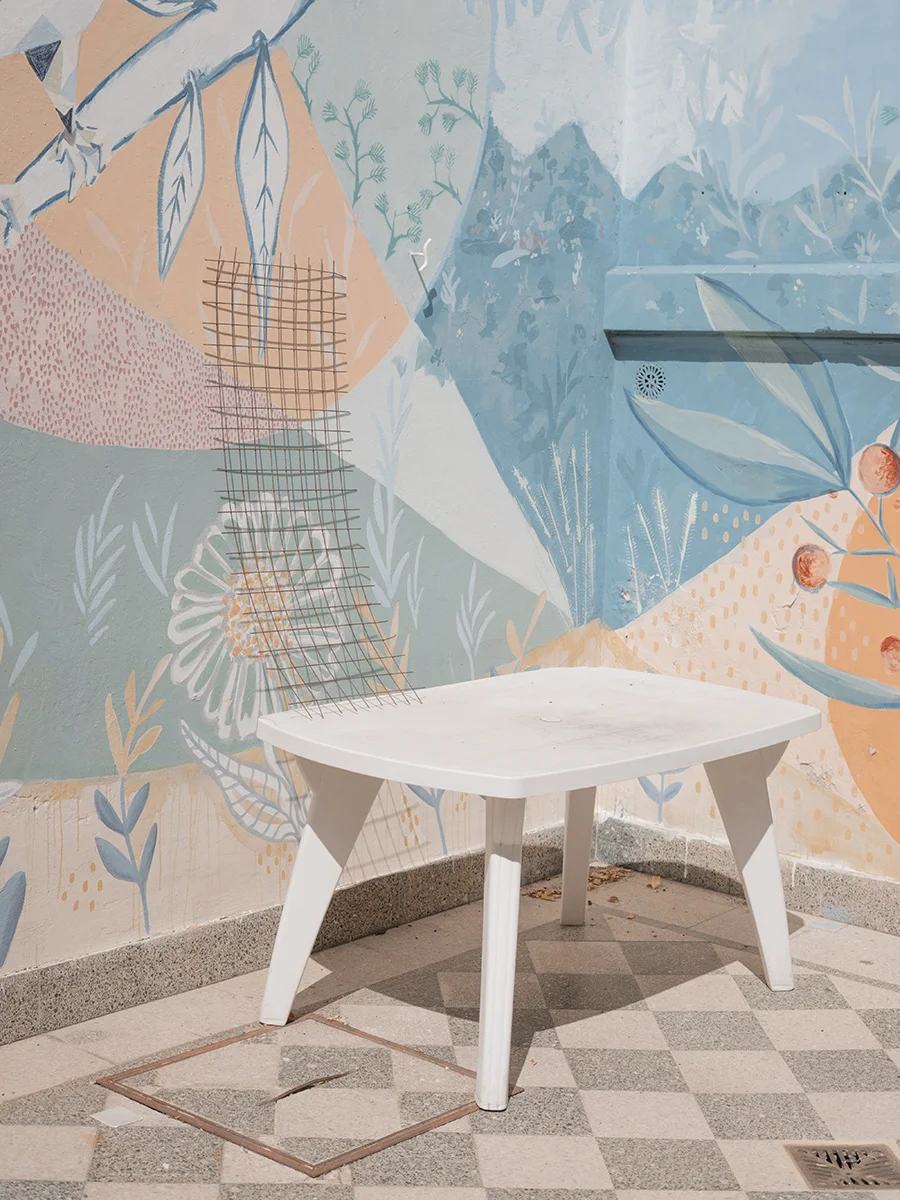
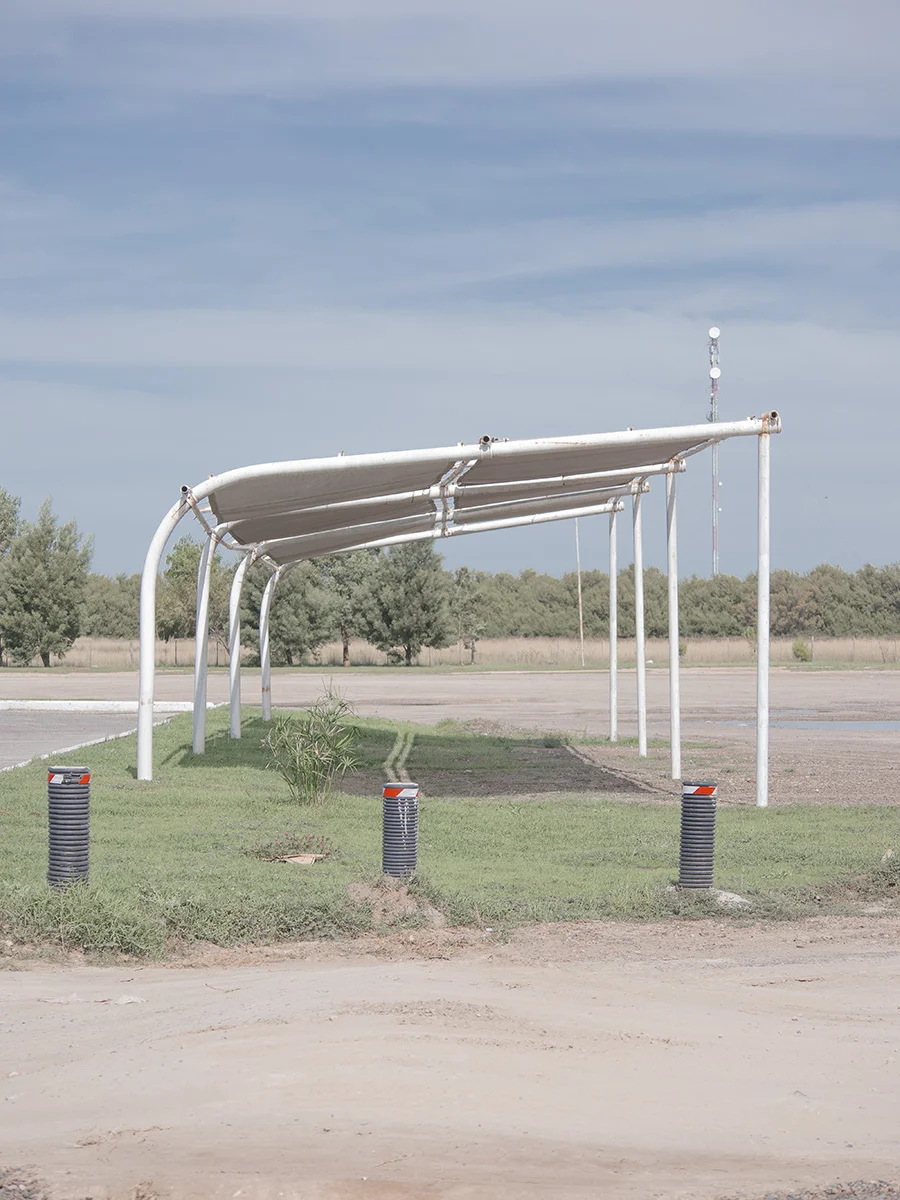
Eleonora Laufer (Buenos Aires, Argentina) is a self-taught photographer whose work explores quiet landscapes, minimal traces of human presence, and the subtle tension between stillness and movement. Working with a minimal visual language and soft color palettes, she creates contemplative images that reveal what emerges as activity fades. Her practice is shaped by over fifteen years of experience in dance and body awareness, which have cultivated her sensitivity to balance, rhythm, and an intuitive sense of space.

All About Photo Competitions

Photographer of the Week 20, 2026
 

Inspiring Portfolios

Call for Entries
AAP Magazine #58 B&W
Publish your work in our printed magazine and win $1,000 cash prizes
 
Stay up-to-date  with call for entries, deadlines and other news about exhibitions, galleries, publications, & special events.

More Great Photographers To Discover

Szymon Barylski
Poland
1984
Szymon Barylski Polish freelance photographer born in 1984 based in Ireland. He has been published, among others, The Irish Times, National Geographic Poland, The Eye of Photography, Edge of Humanity Magazine. He has had a number of exhibitions in many countries including 3rd Documentary Photography Days in Istambul, MIFA Photography, The SE Centre for Photography- Documentary Photography. His pictures were awarded in many competitions. Szymon is involved in documentary photography and photo essays. Photographing for he is a tool for exploring and learning about the world. He tries to tell a story and show it directly. In his opinion, people are an inexhaustible topic and a source of inspiration. Szymon said: „When traveling, I meet people; as a result, I create the image of my relation with them. The exploration of the environment where I take photos allow me to create emotional and convincing scenes.“ He thinks you cannot photograph the things you do not know well. That is why he prepares himself for each project individually, accurately, going into detail in the newspapers and on the Internet. Next, he looks for an inspiration in other photographer’s photos and conversations, as a result, he can create real pictures. His own narrative presented in his photos are at the same time very personal and common. Szymon thinks that a lot of people can identify themselves with his works. Photographer wish his photos could increase individual and collective awareness about the social, political and economic need and urge people to act, be part of positive changes.
Henry Peach Robinson
United Kingdom
1830 | † 1901
Henry Peach Robinson was an English pictorialist photographer best known for his pioneering combination printing - joining multiple negatives or prints to form a single image; an early example of photomontage. He joined vigorously in contemporary debates in the photographic press and associations about the legitimacy of 'art photography' and in particular the combining of separate images into one. Robinson was the oldest of four children of John Robinson, a Ludlow schoolmaster, and his wife Eliza. He was educated at Horatio Russell's academy in Ludlow until he was thirteen, when he took a year's drawing tuition with Richard Penwarne before being apprenticed to a Ludlow bookseller and printer, Richard Jones. While continuing to study art, his initial career was in bookselling, in 1850 working for the Bromsgrove bookseller Benjamin Maund, then in 1851 for the London-based Whittaker & Co. In 1852 he exhibited an oil painting, On the Teme Near Ludlow, at the Royal Academy. That same year Robinson began taking photographs, and five years later, following a meeting with the photographer Hugh Welch Diamond, decided to devote himself to that medium, in 1855 opening a studio in Leamington Spa, selling portraits. In 1856, with Rejlander, he was a founding member of the Birmingham Photographic Society. In 1859 he married Selina Grieves, daughter of a Ludlow chemist, John Edward Grieves. His son, Ralph Winwood Robinson, was also a photographer. In 1864, at the age of 34, Robinson was forced to give up his studio due to ill-health from exposure to toxic photographic chemicals. Gernsheim (1962) has shown that thereafter he preferred the easier 'scissors and paste-pot' method of making his combination prints, rather than the more exacting darkroom method employed by Rejlander. Relocating to London, Robinson kept up his involvement with the theoretical side of photography, writing the influential essay Pictorial Effect in Photography (1869), Being Hints on Composition and Chiaroscuro for Photographers, published in 1868. Around this time his health had improved sufficiently to open a new studio in Tunbridge Wells with Nelson King Cherrill, and in 1870 he became vice-president of the Royal Photographic Society. He advocated strongly for photography to be regarded as an art form. The partnership with Cherrill dissolved in 1875, Robinson continuing the business until his retirement in 1888. His son, Ralph Winwood Robinson, took over the studio business. Following internal disputes within the Photographic Society, he resigned in 1891 to become one of the early members of the rival Linked Ring society, in which he was active until 1897, when he was also elected an honorary member of the Royal Photographic Society. Robinson was an early supporter of the Photographic Convention of the United Kingdom and took part in this institution's long running debates about photography as an art form. He was invited to serve as the President of the PCUK in 1891 but, as he described later, "I felt compelled to decline, knowing that I could not carry out the duties as they should be carried out, having a defect of voice which would not allow me to read my own address." He was subsequently persuaded to serve as President in 1896, when his presidential speeches were read out by a colleague. He died aged 70 and was buried in Tunbridge Wells in early 1901. Henry Peach Robinson was one of the most prominent art photographers of his day. His third and the most famous composite picture, Fading Away (1858) was both popular and fashionably morbid. He was a follower of the pre-Raphaelites and was influenced by the aesthetic views of John Ruskin. In his Pre-Raphaelite phase he attempted to realize moments of timeless significance in a "mediaeval" setting, anticipating the work of Julia Margaret Cameron, Burne-Jones and the Symbolists. According to his letters, he was influenced by the paintings of J.M.W. Turner. He defended composite photography, asserting that the creation of combination photographs were as demanding of the photographer as paintings were of the artist. Robinson compared the making of Fading Away with Zeuxis' legendary combining of the best features of five young ladies from Crotona to produce his picture of Helena.Source: Wikipedia To produce Fading Away, this intimate narrative of family tragedy, Robinson seamlessly combined five separate negatives. The scene centers on a bedridden young woman dying of tuberculosis—or possibly of a broken heart, as suggested by the Shakespearean title of a preliminary study, She Never Told Her Love. The picture was notorious both for the “artificiality” of its technique and for its subject matter, which was considered too morbid and painfully intimate to be represented photographically. Robinson’s seamless blending of reality and artifice did, however, appeal to Prince Albert, the husband of Queen Victoria, who purchased a print of Fading Away and issued a standing order for every major composite photograph Robinson would make.Source: Metropolitan Museum of Art
Álvaro Vegazo
Álvaro Vegazo was born in the city of Sanlúcar de Barrameda, south of Andalucia, in 1977. He's Civil Engineer, but his authentic passion is photography. From his adolescence he was involocruded with it, but since 2015 he has been working seriously about street and documentary photography. The mostly Alvaro's work is about the life in the streets around his closest environment, mainly in "La Costa de la Luz" in Andalucía, although in last years he was in Portugal practicing too. Really he takes advantage any place he goes, beacuse he always carry on his camera. Although he does not rule out the use of black and white, his work focuses more on color. As can be seen in his photos, the colors fill a large part of the frame and he also intends to play with different layers. In relation with his projects, Álvaro has finished two of them: "Tránsitos de Luz" (2018) in book format, where he show his photos during more of three years in the street. And the second one, "Carmen de Bonanza" is a documentary project that for four years documents the religious event that takes place in that coastal neighborhood and it was exhibited in different locations in Spain. On the other hand, the “Underxpose”, publishing house, published my her 37th fanzine dedicated to my serie "That time we coincide". His photographs and articles were published in some relevant media such as Street Photography Magazine, Inspired Eye , Lensculture or “El País”. He also showed his photos in collective exhibitions nationally and internationally: Seville, Florence, Miami, Siena, New York, Warsaw and Vienna. And among the most important awards we can mention: finalist in The Miami Street Photography Festival (MSPF, Miami 2019), finalist in Street Photography International (SPI, London 2020), finalist in Urban Photo Awards Contest, with a serie (Triestre, 2021), honorable mentions in Siena International Photography Awards (SIPA, Siena 2019) and International Photography Awards (IPA, New York 2019), Juror’s Pick’ Lensculture 2023, finalist and gold medalist Paris International Photo Awards 2023, second place Italian Street Photo Festival 2024, and finalist in Leica Street Photo 2025.
André Kertész
Hungary
1894 | † 1985
André Kertész, born Kertész Andor, was a Hungarian-born photographer known for his groundbreaking contributions to photographic composition and the photo essay. In the early years of his career, his then-unorthodox camera angles and style prevented his work from gaining wider recognition. Kertész never felt that he had gained the worldwide recognition he deserved. Today he is considered one of the seminal figures of photojournalism. Expected by his family to work as a stockbroker, Kertész pursued photography independently as an autodidact, and his early work was published primarily in magazines, a major market in those years. This continued until much later in his life, when Kertész stopped accepting commissions. He served briefly in World War I and moved to Paris in 1925, then the artistic capital of the world, against the wishes of his family. In Paris he worked for France's first illustrated magazine called VU. Involved with many young immigrant artists and the Dada movement, he achieved critical and commercial success. Due to German persecution of the Jews and the threat of World War II, Kertész decided to emigrate to the United States in 1936, where he had to rebuild his reputation through commissioned work. In the 1940s and 1950s, he stopped working for magazines and began to achieve greater international success. His career is generally divided into four periods, based on where he was working and his work was most prominently known. They are called the Hungarian period, the French period, the American period and, toward the end of his life, the International period. Source: Wikipedia André Kertész (1894–1985) has been hailed as one of the most important photographers of the twentieth century. Working intuitively, he captured the poetry of modern urban life with its quiet, often overlooked incidents and odd, occasionally comic, or even bizarre juxtapositions. He endeavored "to give meaning to everything" about him with his camera, "to make photographs as by reflection in a mirror, unmanipulated and direct as in life." Combining this seemingly artless spontaneity with a sophisticated understanding of composition, Kertész created a purely photographic idiom that celebrates direct observation of the everyday. Neither a surrealist, nor a strict photojournalist, he nevertheless infused his best images with strong tenets of both. "You don't see" the things you photograph, he explained, "you feel them." Born Kertész Andor in Budapest, he received his first camera in 1912 and immediately began to make intimate portraits of family and friends, studies of the Hungarian countryside, and scenes of daily life behind the battle lines of World War I. Seeking to make a living through photography, he moved in 1925 to Paris, where he established a successful career as a photojournalist. Buoyed by this accomplishment and inspired by the vibrant artistic community of the French capital, he created some of the most intriguing and celebrated images of the period. In 1936 Kertész relocated to New York in order to further his career. Captivated by the rich visual spectacle of the city and awed by its scale, he used the camera to record both his fascination with, and sense of alienation from, his new surroundings. The images attest to a complicated personal history borne through the political upheavals of two wars and life in three countries. He died at age ninety-one. This exhibition offers a comprehensive overview of Kertész's rich and varied career. Source: The International Center of Photography
Keith Carter
United States
1948
Keith Carter is an American photographer who is known for his dreamlike black and white photographs of the figure, animals, and meaningful objects. He began photographing new and unknown realities in his native East Texas environment. This setting, with heavy folklore, religious, and cultural motifs, inspired Carter to create some of his most iconic images. Since his start in Texas, his work continues to push imaginative realms in his travels within the United States and across oceans. In 1970, Carter earned a Business Management degree from Lamar University and began his career as a commercial photographer while working on personal projects. These personal projects have resulted in a long career and over twelve published monographs. Carter currently teaches photography at Lamar University as a Distinguished Faculty Lecturer. He travels worldwide providing photography lectures and workshops for artists. Carter's fine art career has made him the recipient of an array of awards such as the 2009 Texas Medal of Arts, 2009 Artist of the Year presented by the Art League Houston and, in 1991 the Center for Documentary Studies at Duke University presented Carter with the Lange-Taylor Prize. His work has also been featured in print and online publications, television, and film. In 2006, the Anthropy Arts in New York filmed a documentary about Carter's photographic work, and in 1997 CBS made an art segment on Carter's work for public television. He has extensively exhibited his work throughout the world and participated in over 100 solo exhibitions. Permanent collections of his work can be found in many private and public institutions including the San Francisco Museum of Modern Art, the George Eastman House, the Museum of Fine Arts, Houston, Dallas Museum of Art, the Amon Carter Museum of American Art, the Smithsonian American Art Museum, and the Art Institute of Chicago.
Aaron Blum
United States
1983
Aaron Blum is an eighth generation West Virginian, and creates art deeply linked to his home. Most of his work centers around a single question, what does it mean to be Appalachian? Through this question he address many different artistic concepts from idealized memory vs. stereotypes to ideas of folk taxonomy. His creation process is a diversified approach of image-based media to create a glimpse into his own concepts of Appalachia, and the social fabric of a very large and misrepresented people and place. He pays close attention to the quality of light and the landscape as well as cultural markers to produce a unique version of life in the hills. After graduating with degrees in photography from West Virginia University and Syracuse University, Aaron immediately began receiving recognition for his work including Center of Santa Fe, Silvereye Center for photography, Critical Mass, and FOAM. About The Prevailing Winds of Hills and Heritage Appalachia pulls at me like a haunted memory. There is an ineffable force that compels me to suspend reality and embrace superstition and myth. It is a longing to hold on to my culture and history in spite of the modern world. The nebulous forests, enveloping moss and dark corners seem to tell a purer truth. Storytelling in Appalachia has a long-standing tradition, and it infuses the region with mystery. Using lore, pseudo-scientific study, and personal experiences as a compass I see this place through idealized eyes of wonder, and these images become my personal folklore. They bring to life the fantasies and memories I carry with me. This is a place where you can wash away sin in cool stream waters, where corpse birds come to ferry away souls to the next life, rocks burn and kudzu conceals. This is the place where the prevailing winds whisper old stories to those who know how to listen.
Robert Farber
United States
1944
Robert Farber’s style has influenced generations of photographers. His painterly, impressionistic style captures the essence of composition in every genre, including nudes, still life, landscapes and architecture. His ten photo art books have sold over half a million copies. Jacqueline Kennedy Onassis brought Farber into Doubleday for the publication of his book “By The Sea,” which won the Art Director’s Award for color photography. Aside from numerous creative awards, Robert Farber also received the Photographer of the Year from PMA (Photographic Manufacturers Association), ASP International Award from the PPA (Professional Photographers of America) and The American Society of Photographers. This award was given to those who’ve made a significant contribution to the science and art of photography. Some previous recipients of this award include Dr. Edwin Land (inventor of the Polaroid), George Hurrell, and National Geographic. Farber’s work with nudes in fine art as well as in the commercial realm is known and respected. He has lectured for Ogilvy & Mather on the “Nude in Advertising.” ASMP requested to use Farber’s nudes as an examples of the artistic application in support of the National Endowment of Arts, after its backing of the controversial Mapplethorpe/Serrano exhibit. His book, “Farber Nudes,” was also included the Jacqueline Kennedy Onassis estate collection. Farber’s fine-art photographs have been published in virtually every form. Farber has exhibited in galleries and museums world-wide. He’s lectured at the Smithsonian Institute, The George Eastman House, as well as Universities and professional groups throughout the United States, Japan, Australia and Europe. Aside from his fine art photography, Robert Farber’s work encompasses major campaigns for fashion, beauty and advertising, as well as directing for TV and film. A documentary highlighting Farber’s life and career, is in development for PBS.Source: www.farber.com Robert Farber has become renown for his depictions of the female form, although his painterly, impressionistic photographic style captures the essence of composition in many genres. Farber’s unique compositions allow the viewer to see the subject from a different perspective and in his words, “to evoke a feeling of romance. That the viewer wants to be there, be a part of it, get lost in it, whether it is a still life or landscape.” A pioneer in many ways, Robert Farber has been a leading force in the world of photography, particularly in his treatment of the subject of the nude. His work has paved the way for the female form to be shown in fine art, publishing, and advertising in a way that he describes only as “respectfully.” Delighting the viewer with his natural approach and fully embracing the female form with a fine art approach, Farber began introducing nudes in his advertising work in the 1970s. He brings the romance depicted in his fine art photographs to his renowned commercial work that has been celebrated over for their captivatingly composed settings. Robert Farber is a New York City native whose artistic career began with art shows in 1970 just after college. At the start of his career, his most moving memory was when he was forced to leave an art show since photography was not widely accepted as an art form at that time. Persisting with his passion, he was eventually discovered at an Upper East Side art show. Both a publishing company and an advertising agency approached him, allowing his fine art career and fashion photography career to take off simultaneously. Farber also brings his romantic style to landscapes through his Americana series. By forcing the viewer to look at the images in a different way the artist hopes to show the heart and soul of America; a perspective he also applies to his New York Series. He hopes that his unique take on composition and style allow the viewer to experience the excitement, nostalgia, the grit and the elegance of the city. Aside from numerous other creative awards, Robert Farber has received the distinctive Photographer of the Year award from the Photographic Manufacturers Association. He has also received the ASP International Award from the Professional Photographers of America and The American Society of Photographers. Farber has lectured at the Smithsonian Institute, The George Eastman House, as well as universities and professional groups throughout the United States, Japan, Australia and Europe. Jackie Kennedy Onassis recruited Farber during her time working for the publisher Doubleday that resulted in the publication of his notable book By the Sea which would be the first of many others. Recently, Canon presented Farber's work in a solo exhibition at Art Miami in 2013, while a documentary highlighting the artist is currently in development for PBS and will air in September of 2014 chronicling this artist’s amazingly elegant work over the past four decades.Source: Holden Luntz Gallery
Slim Aarons
United States
1916 | † 2006
Slim Aarons was an American photographer noted for his images of socialites, jet-setters, and celebrities. At 18 years old, Aarons enlisted in the United States Army, worked as a photographer at the United States Military Academy, and later served as a combat photographer in World War II and earned a Purple Heart. Aarons said combat had taught him the only beach worth landing on was "decorated with beautiful, seminude girls tanning in a tranquil sun." After the war, Aarons moved to California and began photographing celebrities. In California, he shot his most praised photo, Kings of Hollywood, a 1957 New's Year's Eve photograph depicting Clark Gable, Van Heflin, Gary Cooper, and James Stewart relaxing at a bar in full formal wear. Aaron's work appeared in Life, Town & Country, and Holiday magazines. Aarons never used a stylist, or a makeup artist. He made his career out of what he called "photographing attractive people doing attractive things in attractive places." An oft-cited example of this approach is his 1970 Poolside Gossip shot at the Kaufmann Desert House designed by Richard Neutra, with owner Nelda Linsk as one of the models in the photo. "I knew everyone," he said in an interview with The (London) Independent in 2002. "They would invite me to one of their parties because they knew I wouldn't hurt them. I was one of them." Alfred Hitchcock's film, Rear Window (1954), whose main character is a photographer played by Jimmy Stewart, is set in an apartment reputed to be based on Aarons' apartment. When you photograph a lot of women, you get to know things. -- Slim Aarons In 1997, Mark Getty, the co-founder of Getty Images, visited Aarons in his home and bought Aarons' entire archive. In 2017, filmmaker Fritz Mitchell released a documentary about Aarons, called Slim Aarons: The High Life. In the documentary, it is revealed that Aarons was Jewish and grew up in conditions that were in complete contrast to what he told friends and family of his childhood. Aarons claimed that he was raised in New Hampshire, was an orphan, and had no living relations. After his death in 2006, his widow and daughter learned the truth that Aarons had grown up in a poor immigrant Yiddish-speaking family on the Lower East Side of Manhattan. As a boy his mother was diagnosed with mental health issues and admitted to a psychiatric hospital, which caused him to be passed around among relatives. He resented and had no relationship with his father and had a brother, Harry, who would later commit suicide. Several documentary interviewees postulate that if Aarons's true origins had been known, his career would have been unlikely to succeed within the restricted world of celebrity and WASP privilege his photography glamorized.Source: Wikipedia Slim Aarons was a celebrated American photographer who chronicled the leisurely lifestyle of the rich and famous in his captivating shots of beguiling figures in luxurious environments. The glamorous world of his photographs, in which effortlessly beautiful and wealthy people lounge poolside, became an iconic series that allowed Aarons access to shoot some of the most candid portraiture of the 20th century. We love how Aarons worked without any need for stylists or elaborate lighting, instead preferring to photograph celebrities just as they were, creating alluring scenes that are a window into a different lifestyle. In presenting glimpses of the rich and famous engrossed in leisurely pursuits, the artist exposes elements of a life that would otherwise not be on view, allowing his audience to live the high life - vicariously. Born and raised in New York, Aarons began taking pictures at the age of eighteen, after enlisting in the US Army, where he served as an official combat photographer during WWII. In a career that spanned six decades, Aarons’ camera lens moved from soldiers to stars and celebrities, and the self-proclaimed realisation that the only beaches worth photographing were "decorated with beautiful, seminude girls tanning in a tranquil sun." Over the course of his 50 year career, Aarons was a regular contributor to magazines such as Life, Town & Country, Vogue and Holiday and received an exclusive look into the lives of figures such as the Kennedys, Marilyn Monroe and Grace Kelly. In 1997, Mark Getty of Getty Images bought Aarons’ entire archive of photographs, and published a book of his work Poolside with Slim Aarons a decade later. Aarons’ intimately candid scenes have given him an era-defining legacy as one of the most influential photographers of his generation. Source: Art Republic
Advertisement
AAP Magazine #58 B&W
Win a Solo Exhibition in June
AAP Magazine #58 B&W

Latest Interviews

Exclusive Interview with Carolyn Moore
American photographer Carolyn Moore explores the inner landscape of emotion, memory, and personal transformation through a deeply intuitive photographic practice. Her work unfolds as a quiet dialogue between artist and viewer, where images become a space for reflection, vulnerability, and connection.
Exclusive Interview with Luca Desienna and Laura Estelle Barmwoldt
For over seven years, Of Lilies and Remains has explored the depths of the goth and darkwave underground, unfolding in Leipzig—a city long associated with a vibrant and enduring subcultural scene. Moving between iconic gatherings such as Wave-Gotik-Treffen and more intimate moments on the fringes, the project offers a rare and immersive glimpse into a world often misunderstood, yet rich in expression and community. Created by Luca in collaboration with Laura Estelle Barmwoldt, the work embraces a cinematic and deeply personal approach. Rather than documenting from a distance, it moves within the scene itself, capturing its atmosphere, its codes, and its quiet contradictions. The title Of Lilies and Remains hints at this duality—where beauty and darkness, fragility and strength coexist. As the book prepares for its release, we spoke with both artists about the origins of the project, their process, and what it means to document a subculture that continues to evolve while remaining true to its spirit.

Exclusive Interview with Matthew Finley
American photographer Matthew Finley turns inward, using photography as a way to explore identity, memory, and emotional truth. Based in Los Angeles, his practice moves between performance, gesture, and found imagery, creating a visual language that is both intimate and deeply personal
Exclusive Interview with Jan Janssen
Dutch photographer Jan Janssen explores universal human experiences through his long-term project It Matters, winner of the May 2025 Solo Exhibition. Begun in 2016, the series captures intimate moments of everyday life—love, loss, connection, and belonging—across Central and Eastern Europe. Working in countries such as Turkey, Azerbaijan, and Armenia, Janssen spends extended time within communities, building relationships based on trust and respect. His approach allows him to move beyond observation, revealing deeply human and authentic moments. Rooted in travel and personal discovery, It Matters reflects Janssen’s search for what connects us all in an increasingly divided world. The project is ongoing and will culminate in a photobook scheduled for publication in 2026.
Exclusive Interview with Henk Kosche
German photographer Henk Kosche turns his lens toward the streets of Halle an der Saale, capturing everyday life in the late years of the former German Democratic Republic. At the time, Kosche was studying design and exploring the city with his camera, drawn to the atmosphere of its industrial landscape and the quiet rhythms of daily life. His series Street Photography at the End of the 80s, selected as the Solo Exhibition for July 2025, revisits a body of work created just before a period of profound change. Rediscovered decades later in a small box of 35mm negatives, these photographs offer glimpses of a city and its people at a moment suspended between the familiar and the unknown.
Exclusive Interview with Anastasia Samoylova
Anastasia Samoylova is an American artist whose photographic practice is shaped by close observation and a deep attentiveness to place. Working between documentary and formal exploration, she photographs landscapes, architecture, and everyday scenes with a sensitivity to light, structure, and atmosphere. Since relocating to Miami in 2016, her work has increasingly focused on how environments—both natural and built—carry social, cultural, and emotional traces. We asked her a few questions about her practice and her way of seeing, to better understand the thoughts and experiences that shape her work—while allowing the images themselves to remain open and speak in their own time.
Exclusive Interview with Marijn Fidder
Marijn Fidder is a Dutch documentary photographer whose work powerfully engages with current affairs and contemporary social issues. Driven by a deep sense of social justice, she uses photography to speak on behalf of the voiceless and to advocate for the rights of those who are most vulnerable. Her images have been widely published in major international outlets including National Geographic, CNN Style, NRC Handelsblad, Volkskrant, GUP New Talent, and ZEIT Magazin. Her long-term commitment to disability rights—particularly through years of work in Uganda—culminated in her acclaimed project Inclusive Nation, which earned her the title of Photographer of the Year 2025 at the All About Photo Awards. She is also the recipient of multiple prestigious honors, including awards from World Press Photo and the Global Peace Photo Award. We asked her a few questions about her life and work.
Exclusive Interview with Josh S. Rose
Josh S. Rose is a multidisciplinary artist working across photography, film, and writing. His practice bridges visual and performing arts, with a strong focus on movement, emotion, and the expressive potential of the image. Known for his long-standing collaborations with leading dance companies and performers, Rose brings together authenticity and precise composition—a balance he describes as “technical romanticism.” His work has been commissioned and exhibited internationally, appearing in outlets such as Vogue, at the Super Bowl, in film festivals, and most recently as a large-scale installation for Lincoln Center for the Performing Arts. A sought-after collaborator, he has worked with major artists, cultural institutions, and brands, following a previous career as Chief Creative Officer at Interpublic Group and the founder of Humans Are Social. We asked him a few questions about his life and work.
Interview with Maureen Ruddy Burkhart
Photographer Maureen Ruddy Burkhart brings a quietly attentive and deeply human sensibility to her exploration of the world through images. Shaped by a life immersed in photography, film, and visual storytelling, her work is guided by intuition, observation, and an enduring interest in the emotional undercurrents of everyday life. With a practice rooted in both fine art traditions and documentary awareness, she approaches her subjects with sensitivity, allowing subtle moments to emerge naturally rather than be imposed. Her series Til Death, selected as the Solo Exhibition for February 2025, reflects this long-standing commitment to photography as a space for reflection rather than spectacle. Drawn to moments that exist just outside the expected frame, Burkhart’s images suggest narratives without resolving them, leaving room for ambiguity, humor, and quiet connection. We asked her a few questions about her life and work.
Call for Entries
Win A Solo Exhibition in June
Get International Exposure and Connect with Industry Insiders