All about photo.com: photo contests, photography exhibitions, galleries, photographers, books, schools and venues.
PUBLICATION AND $1,000 CASH PRIZES: Black and White ends Friday
Cheng Zhu
Cheng Zhu
Cheng Zhu

Cheng Zhu

Country: China
Birth: 1979

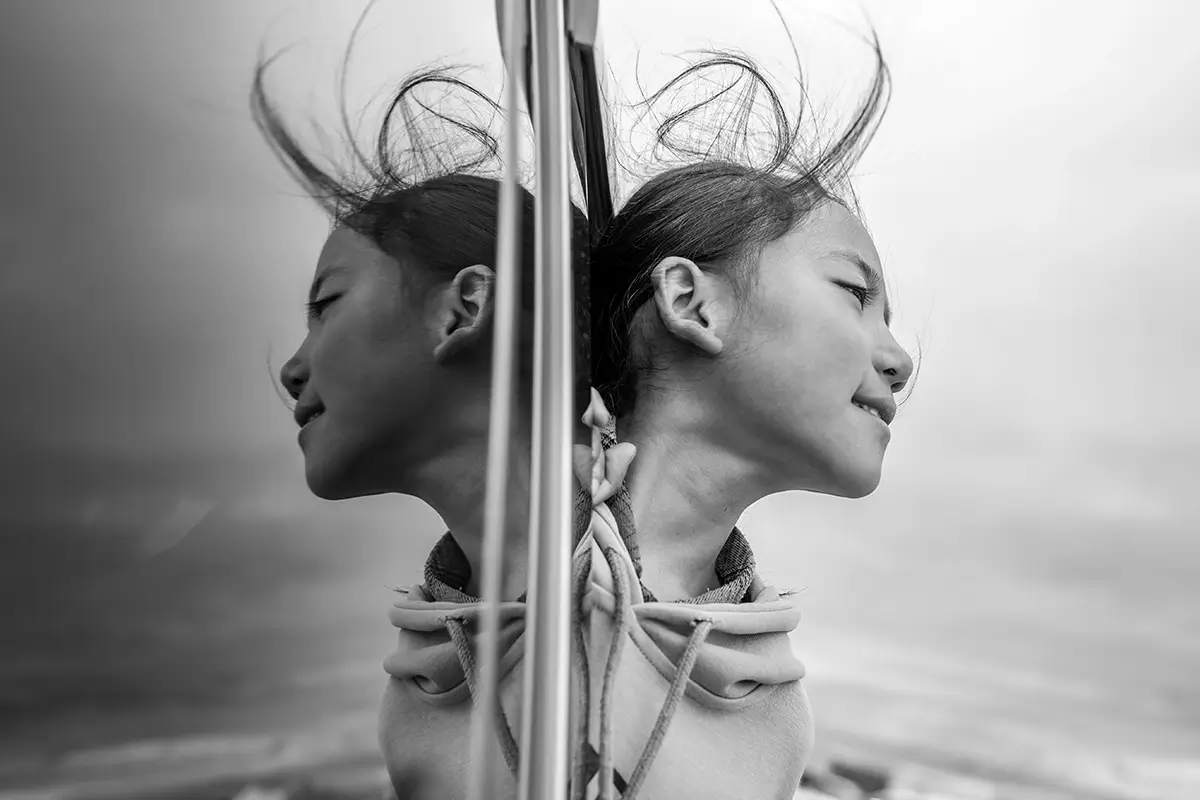
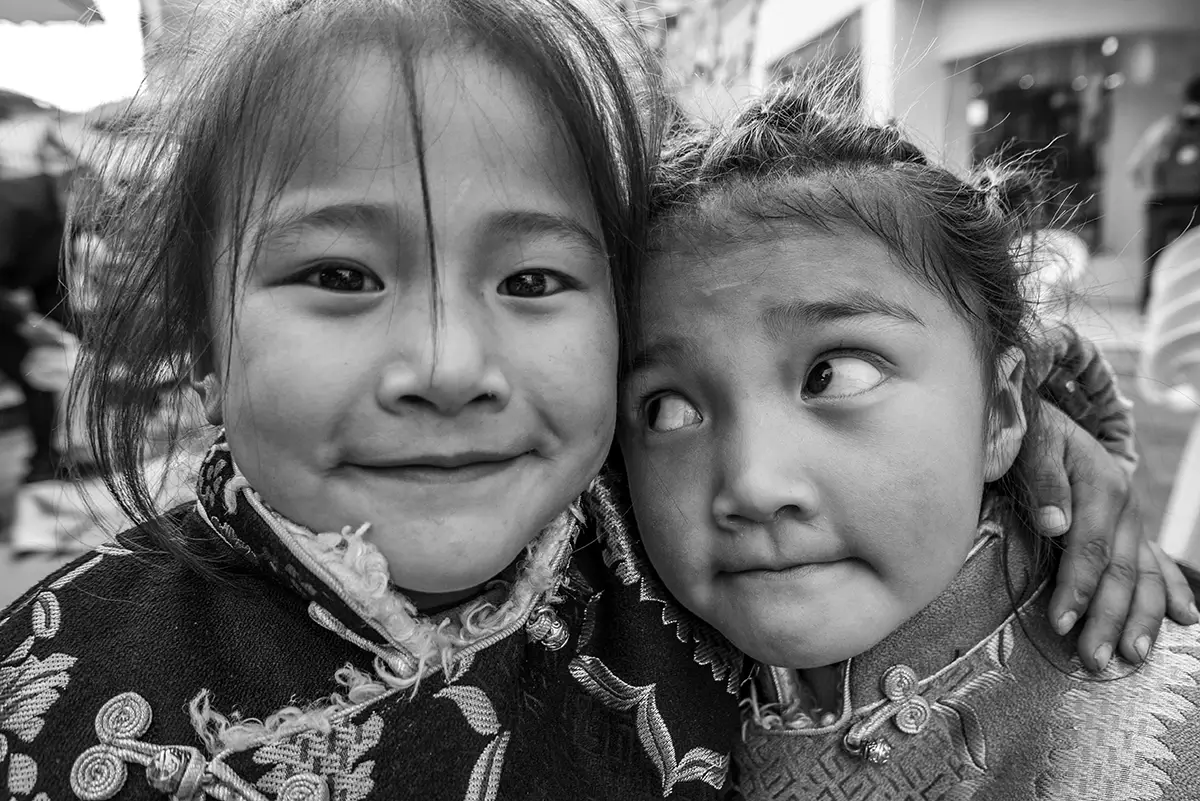
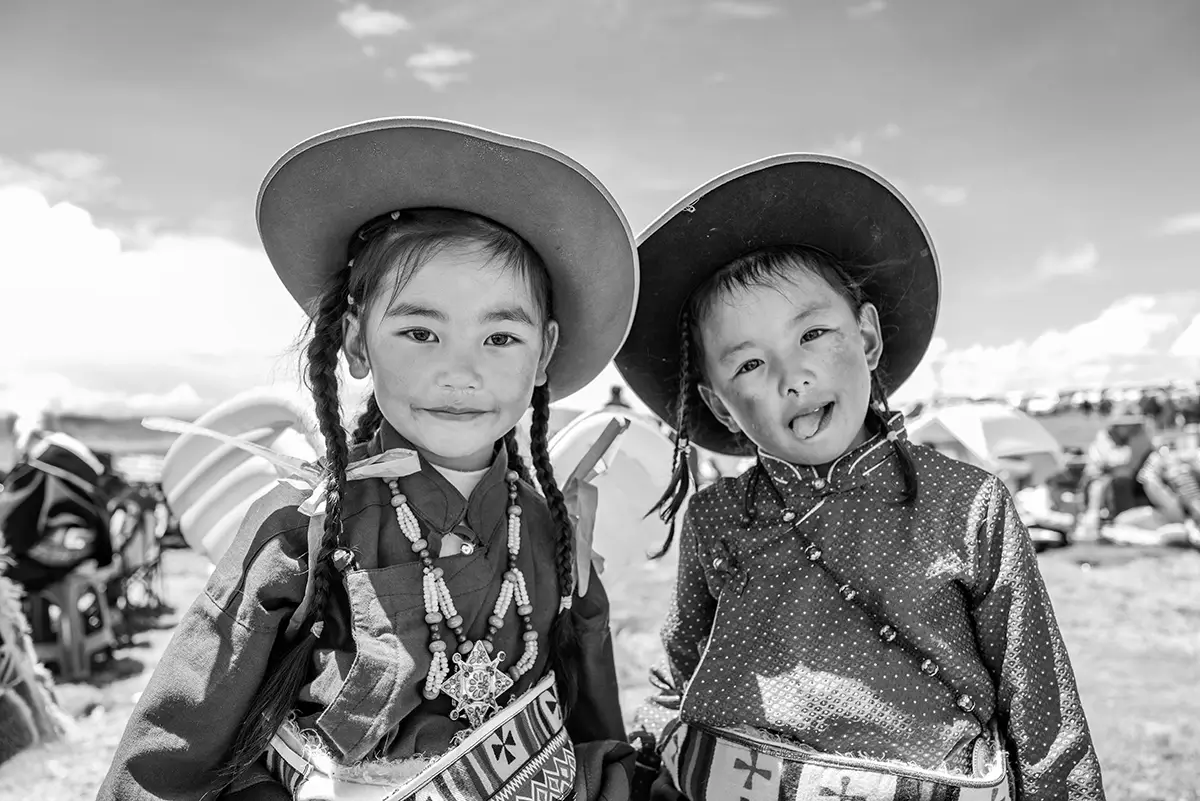
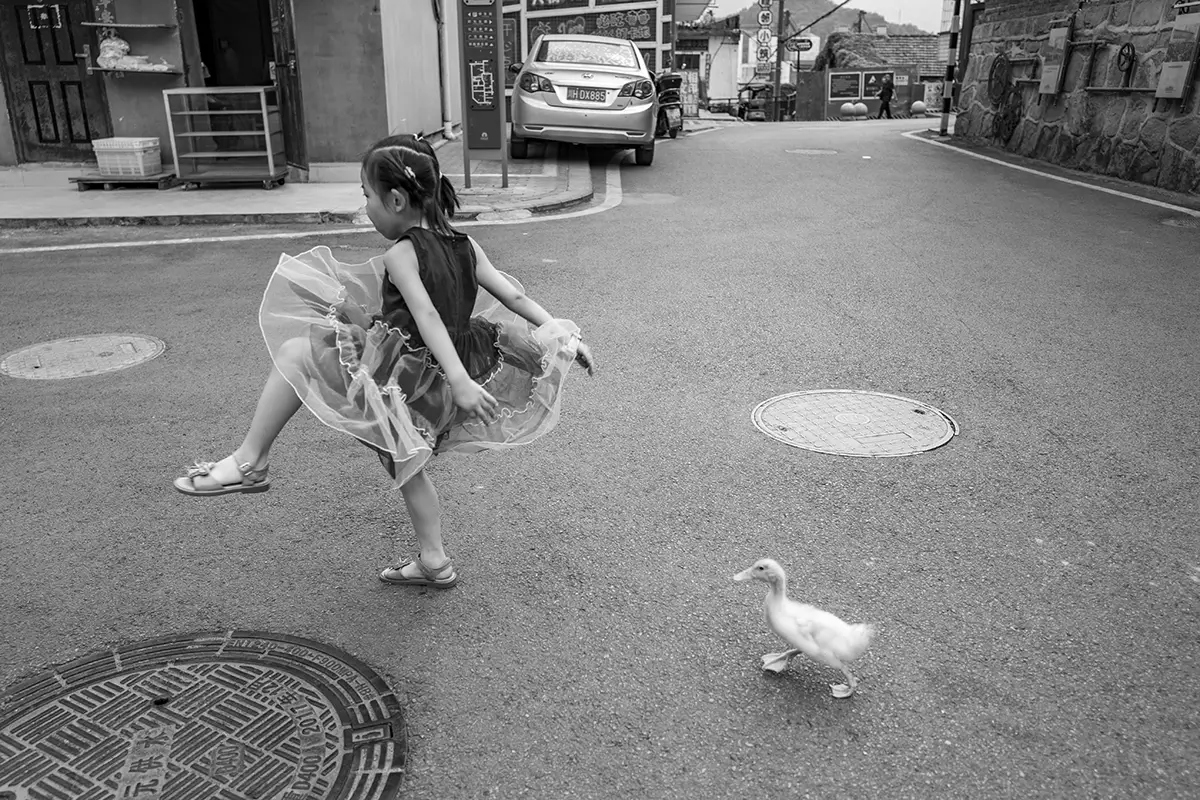
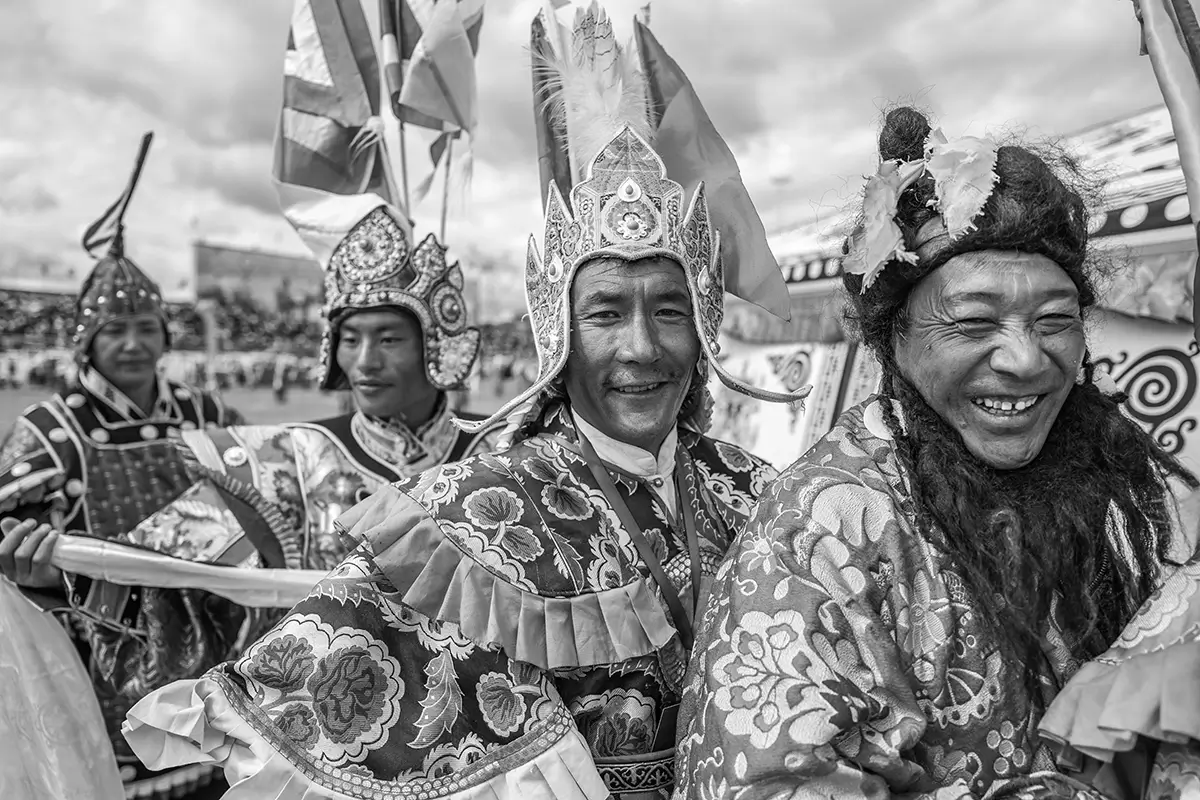
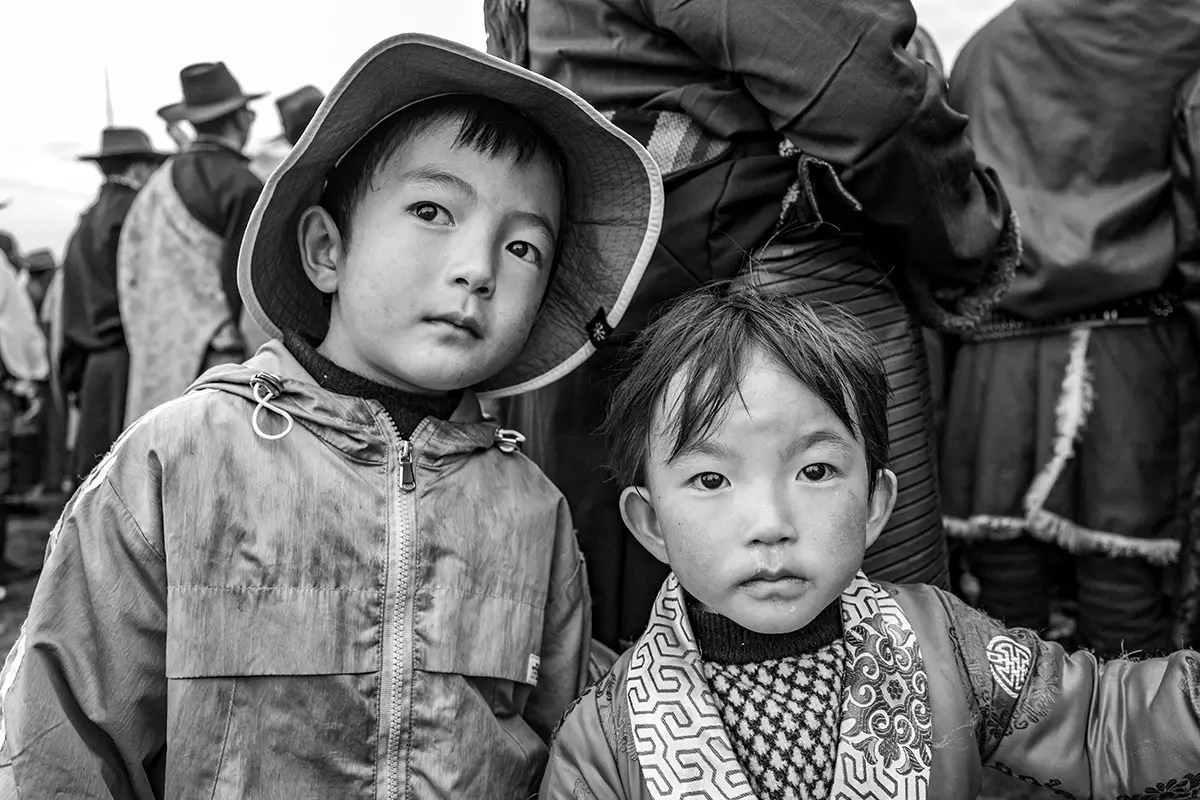
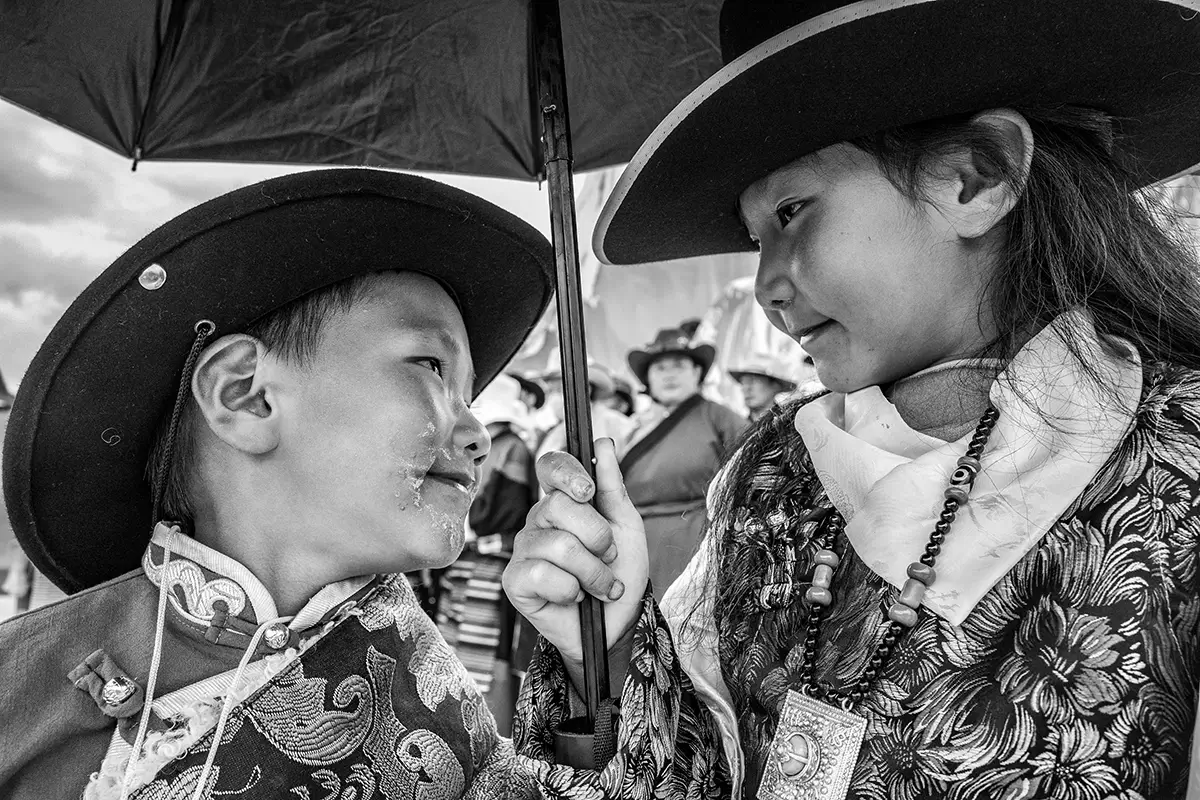
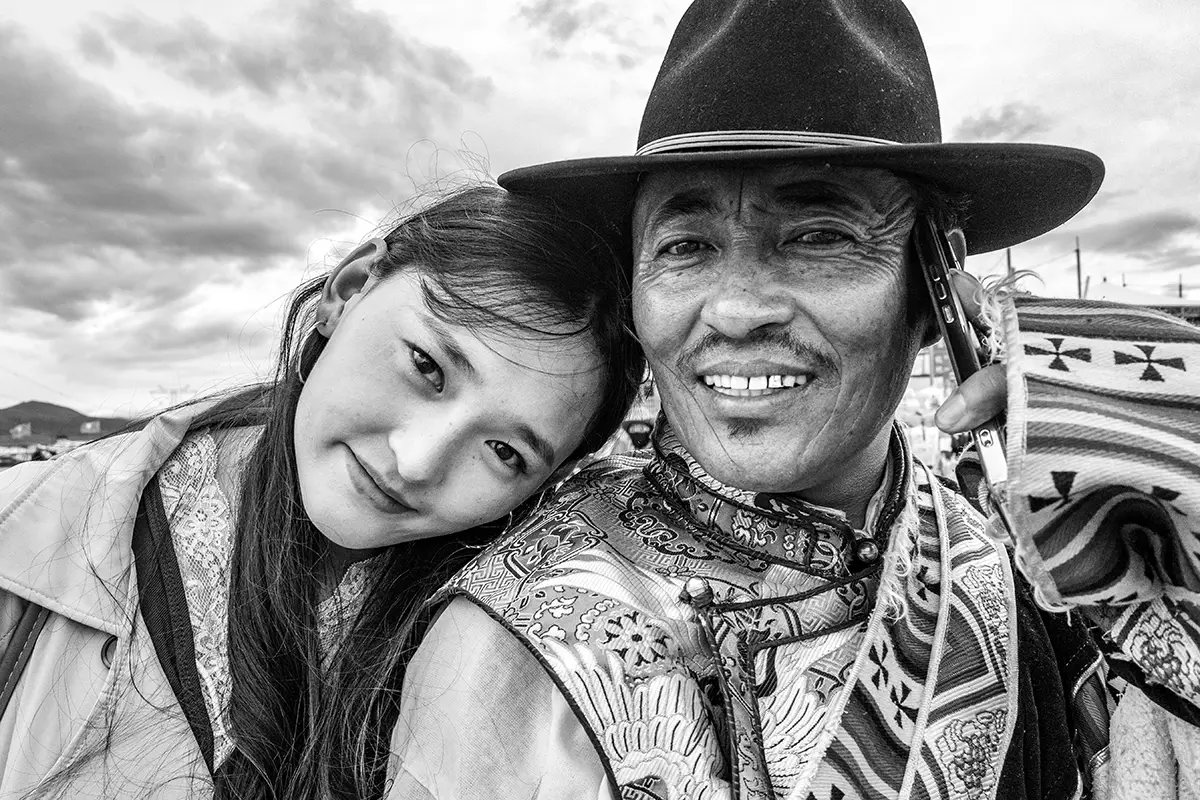
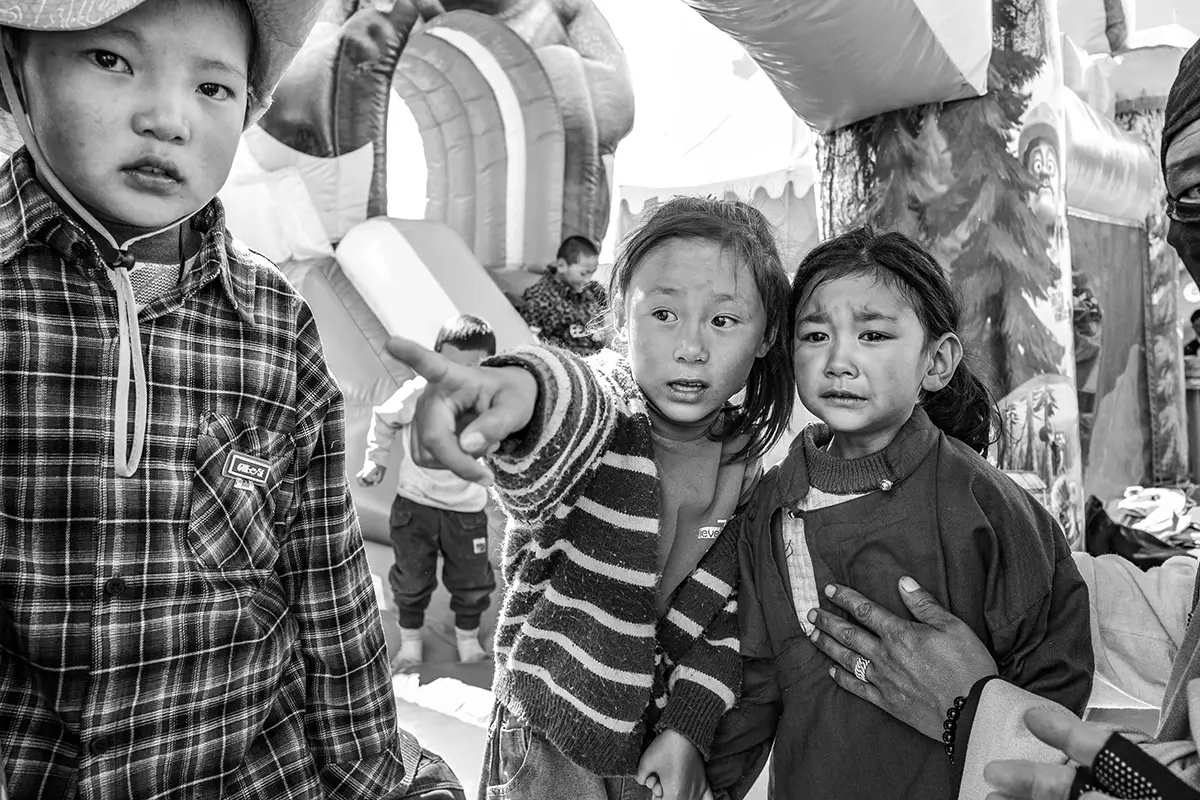
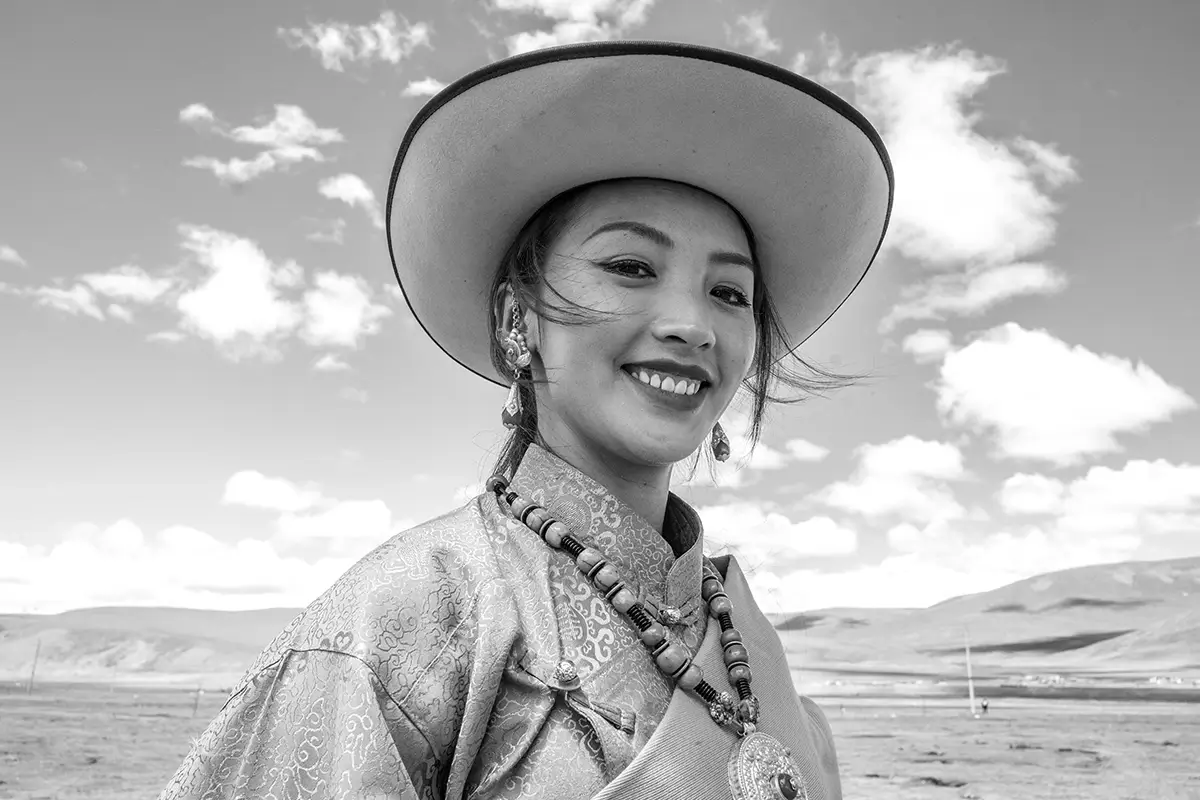
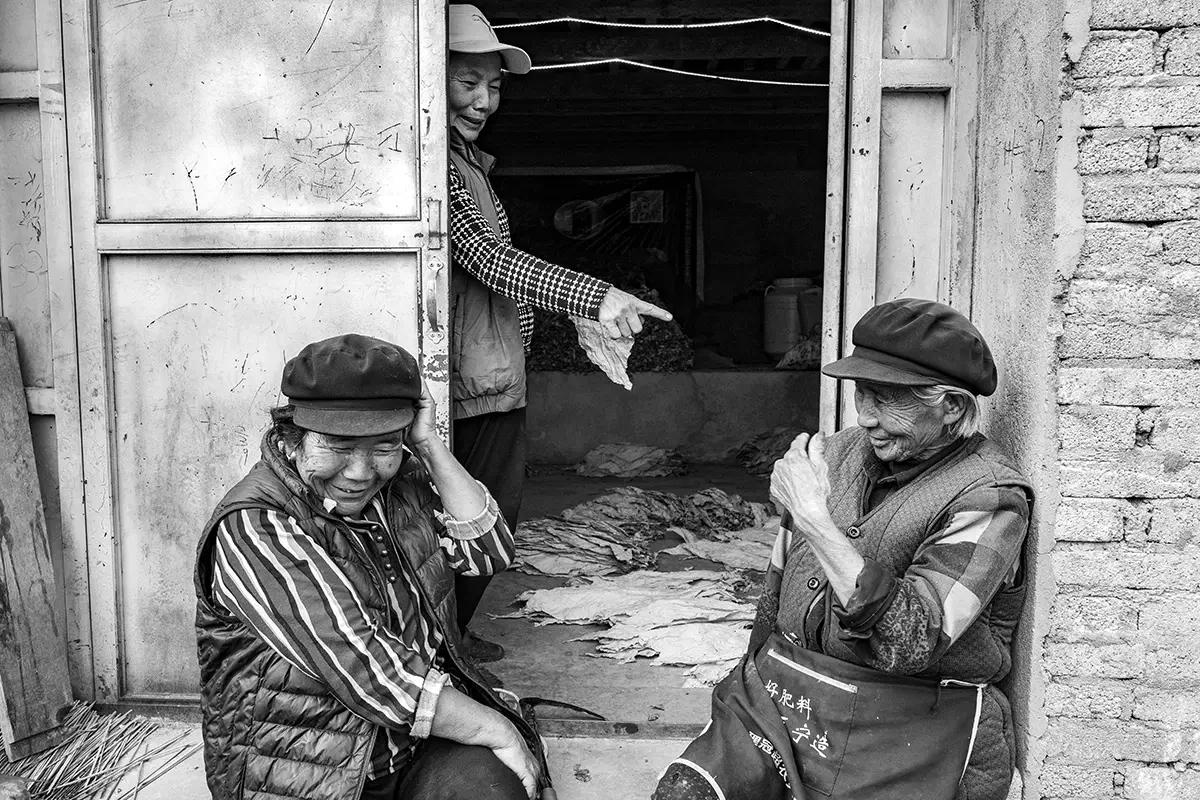
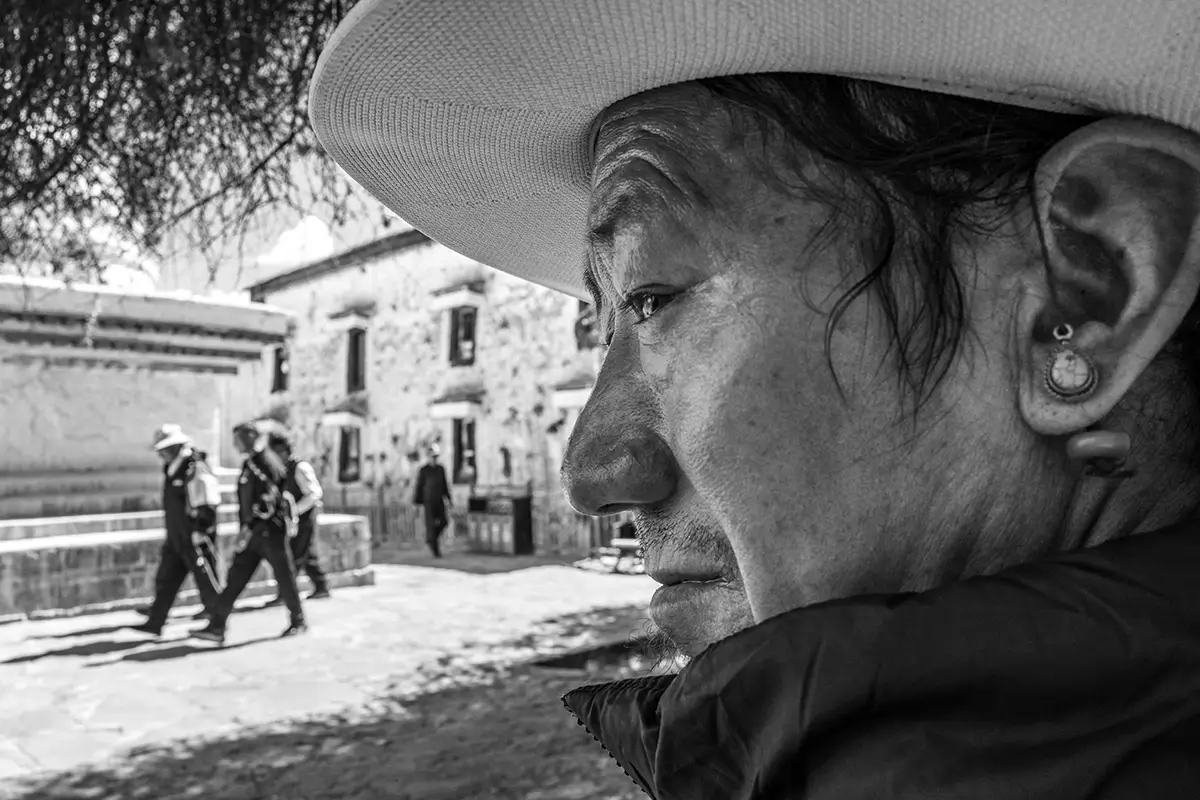
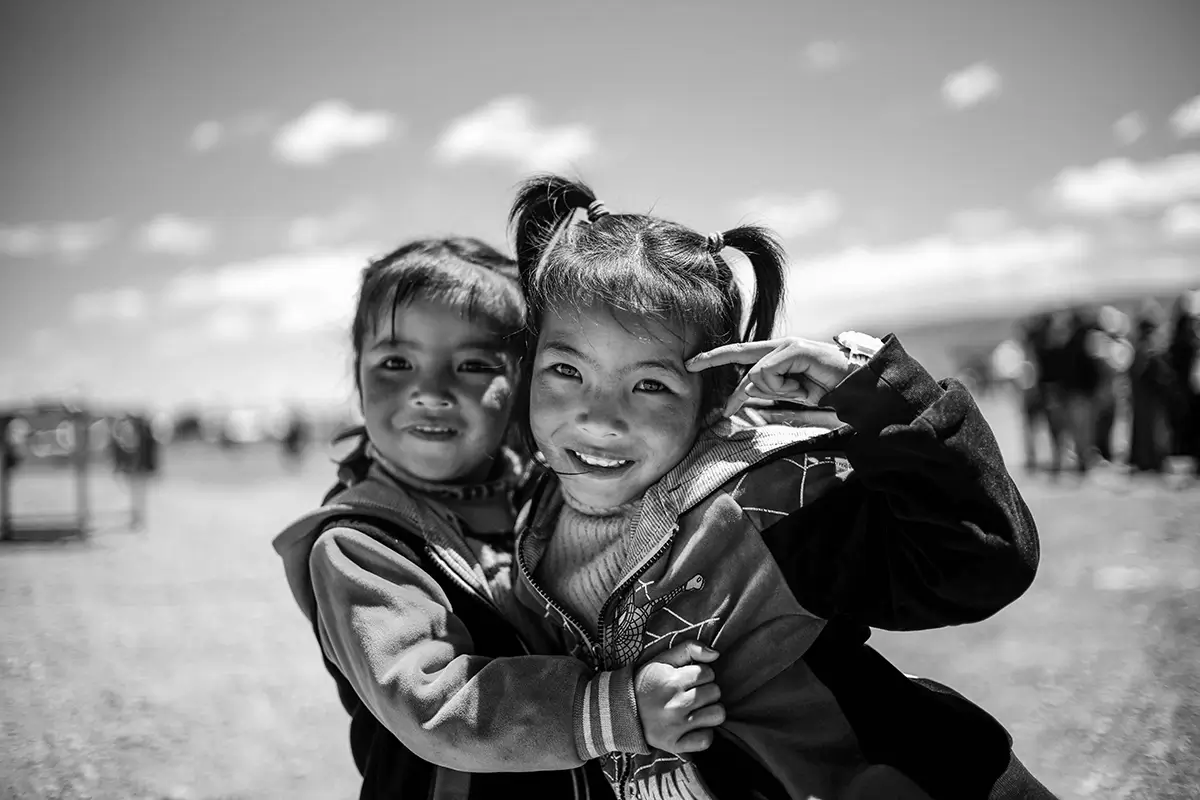
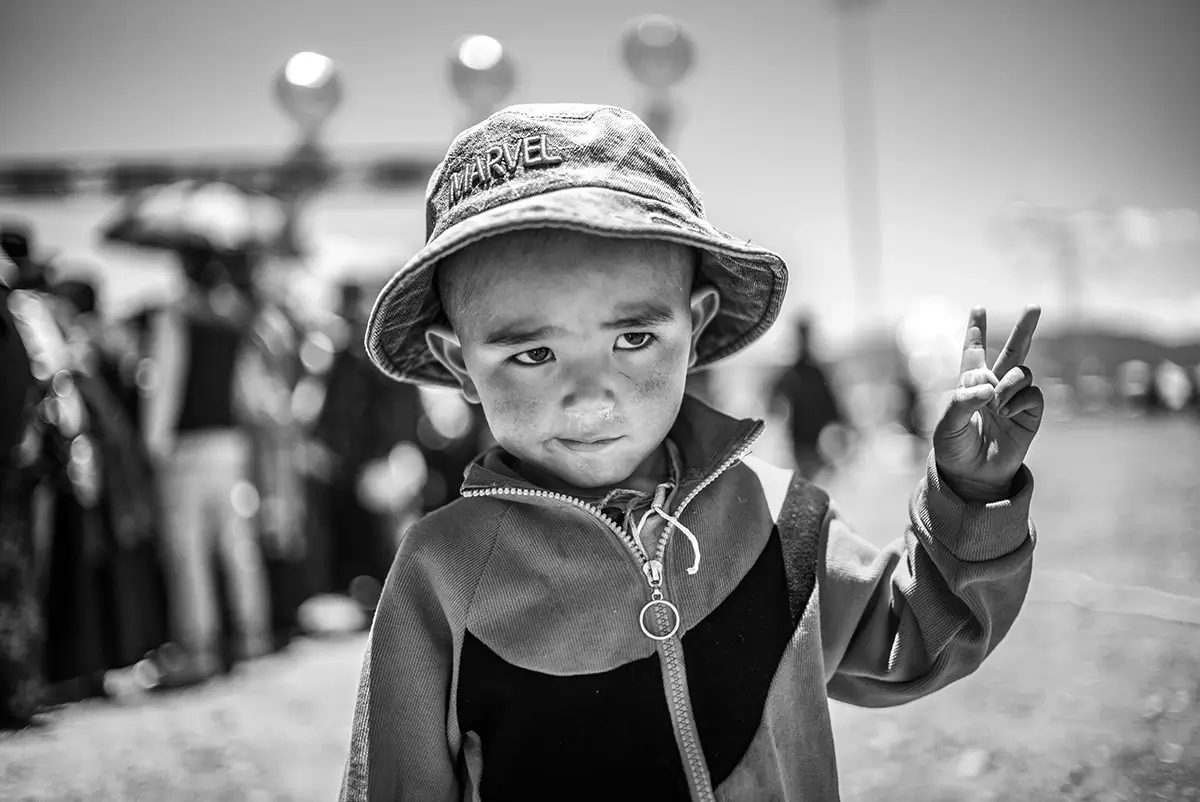
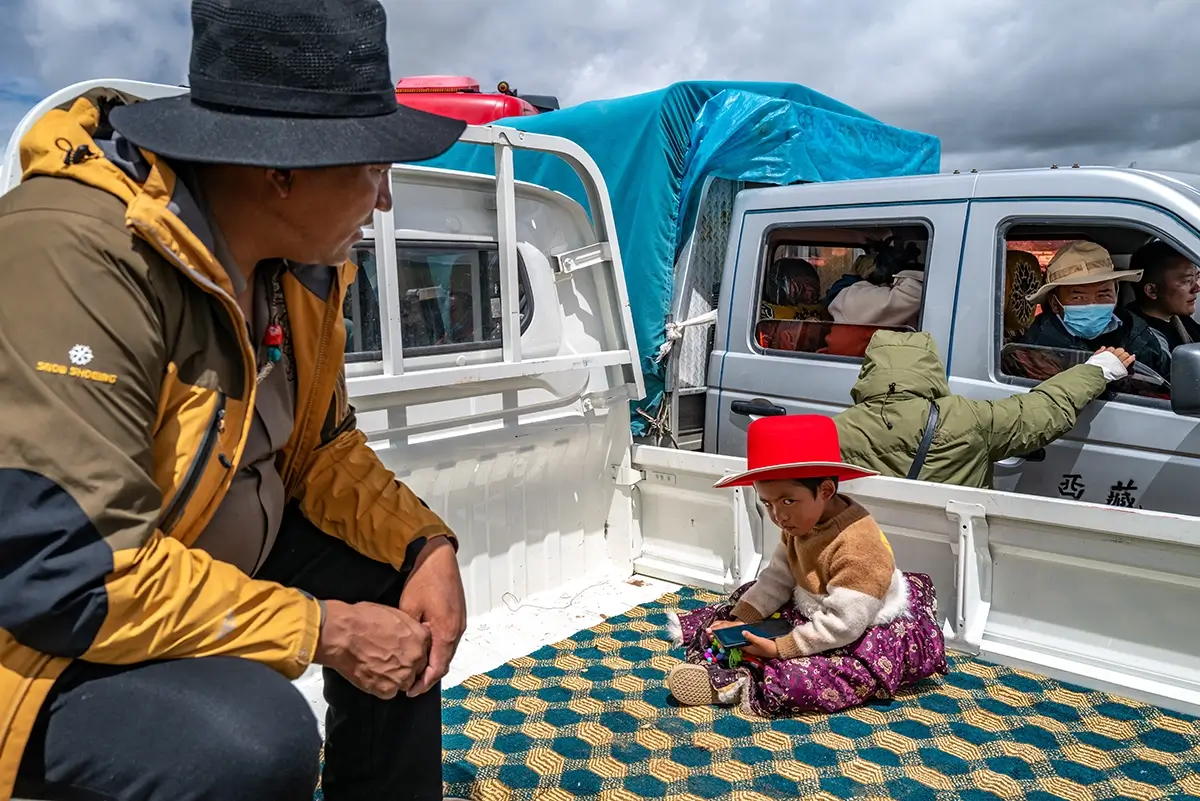
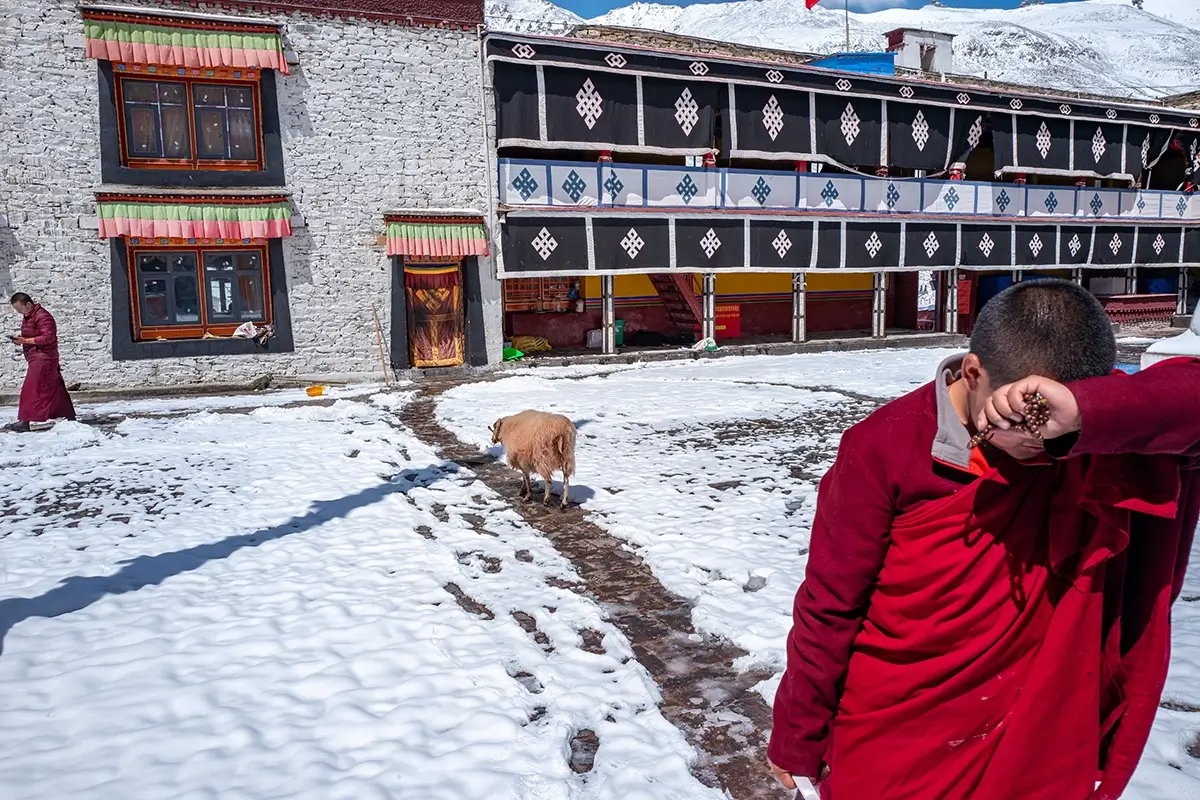
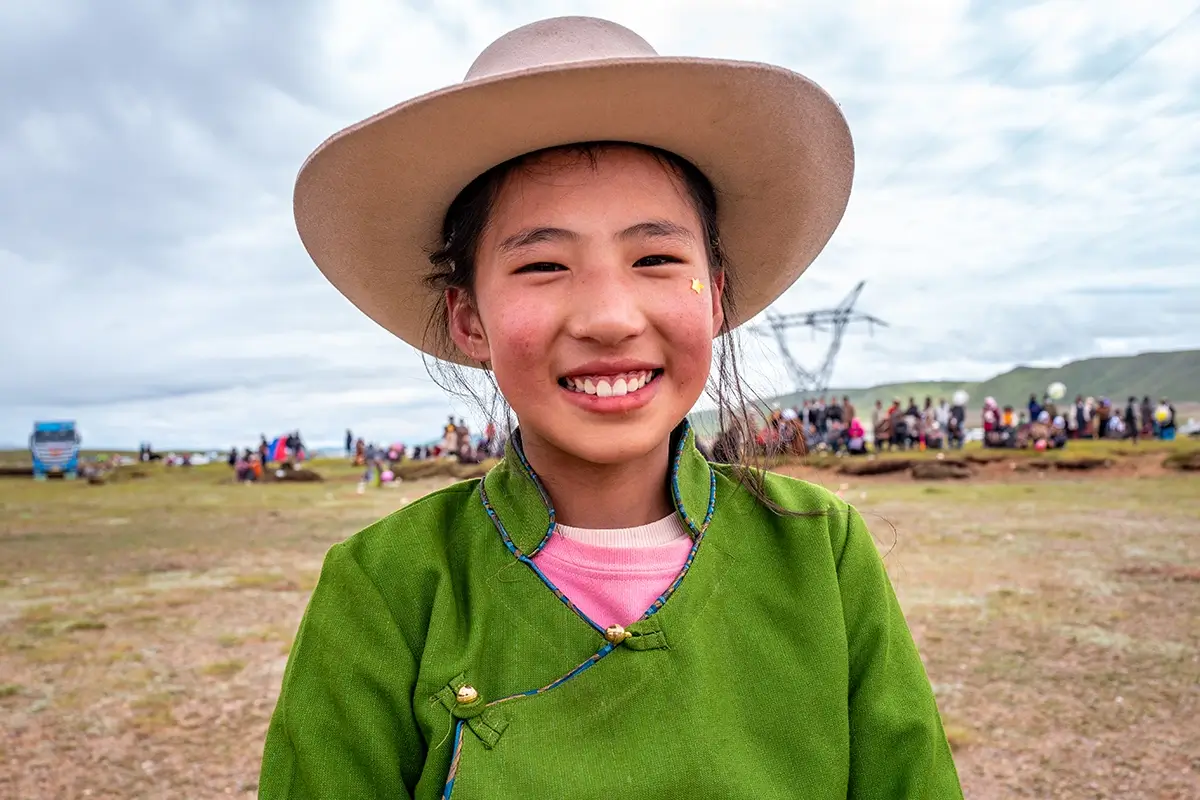
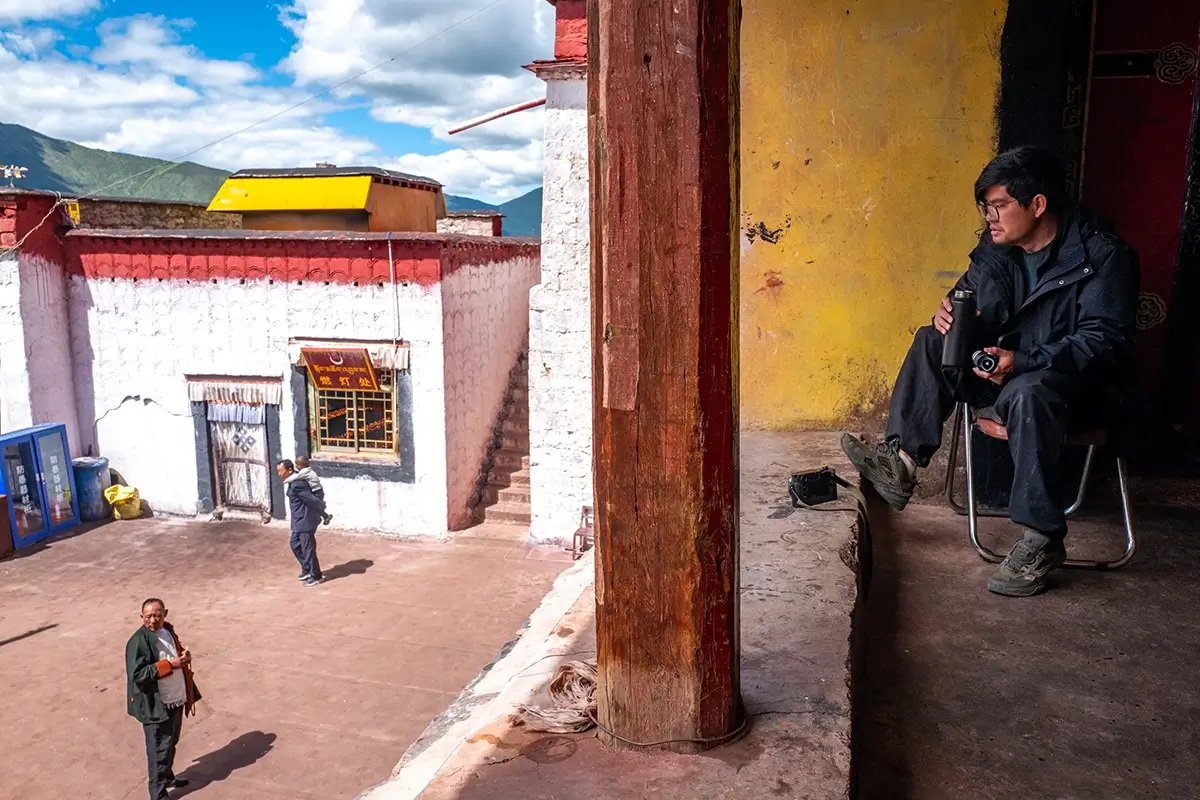
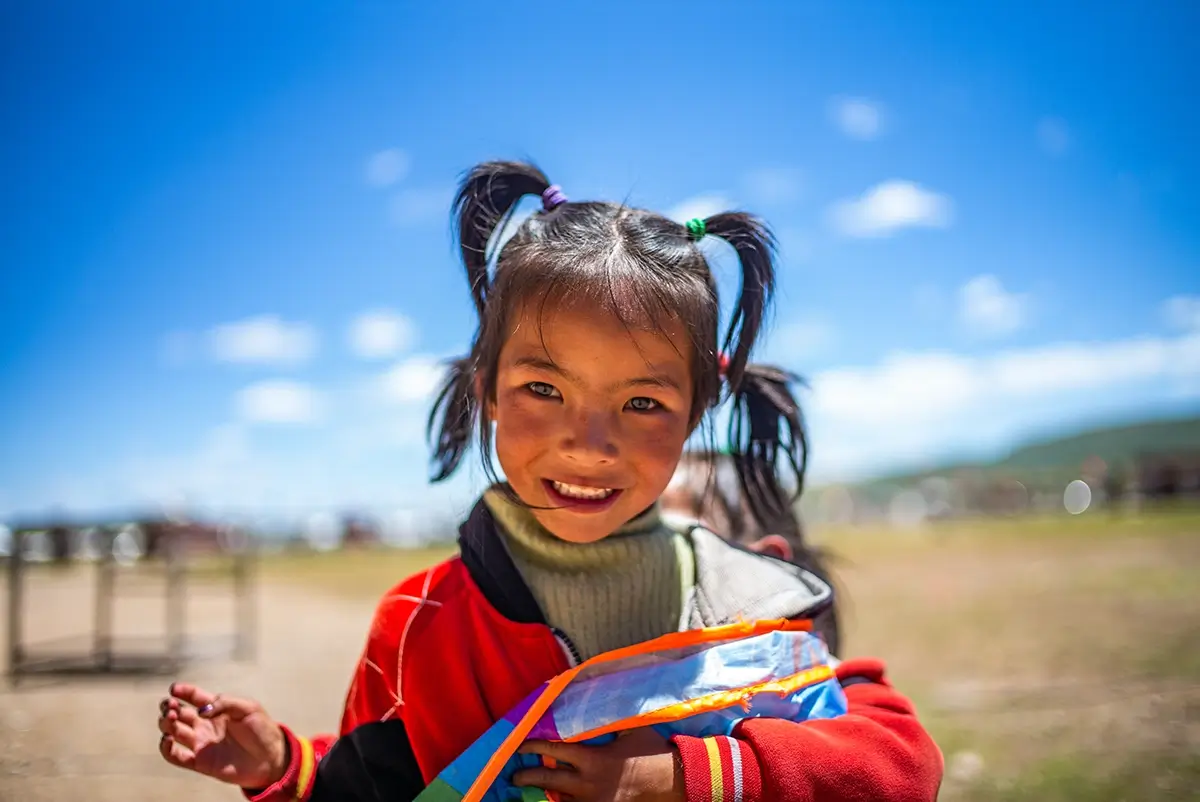
Cheng Zhu (Alias Max Chu) is a distinguished Chinese photographer, film director, and artist whose creative vision is deeply rooted in the highlands of Tibet. For years, he has immersed himself in the Tibetan landscape, dedicated to documenting the region’s profound humanistic spirit through the lens of his Leica. Specialized in portraiture, street photography, and capturing the candid essence of childhood, Cheng has amassed an extraordinary archive of over one million photographs.

His dual mastery of the still and moving image defines his unique perspective. As a filmmaker, his cinematic works have earned prestigious recognition at top-tier international festivals, including the Cannes Film Festival and the Venice International Film Festival. This directorial eye translates into his photography as a powerful narrative depth and a relentless pursuit of the essence of life.

Cheng’s work is a testament to the "vitality of existence." He possesses a rare ability to perceive and portray the warmest nuances of human nature, even in the most rugged environments. His dedication to the craft has been recognized globally: to date, 410 of his photographs have been selected by the LFI (Leica Fotografie International) Gallery, including two "Picture of the Week" honors. Driven by a philosophy of discovering, recording, and sharing beauty, Cheng Zhu continues to use his Leica to bridge the gap between the fleeting moment and eternity.

Artist Statement
For me, the shutter is not just a mechanism to freeze time; it is a heartbeat shared between the observer and the observed.

My artistic journey is a synthesis of cinematic narrative and the raw, unscripted pulse of life. As a film director, I have traversed the structured storytelling of Cannes and Venice, yet it is on the high altars of the Tibetan plateau where I found my most profound inspiration. In the vast, thin air of Tibet, life is stripped of its pretenses, revealing an elemental vitality that I feel a sacred duty to record.

My work is an ongoing dialogue with the essence of humanity. Whether capturing the fiery determination in a young boy’s eyes or the weathered grace of a nomad, I seek the "warmth" within the human spirit—a flicker of light that persists regardless of the environment. With over a million frames captured through my Leica, I do not merely aim for aesthetic perfection; I strive for radical sincerity.

I believe that true art exists at the intersection of a filmmaker’s vision and a photographer’s patience. My lens is a witness to the dignity of the ordinary and the eternity found in a fleeting second. Through my photography, I invite the world to look beyond the surface, to feel the weight of a moment, and to recognize the universal thread of resilience that connects us all. To discover beauty is a gift; to document it with truth is my lifelong mission.

All About Photo Competition

All About Photo Awards 2026

 

Inspiring Portfolios

Call for Entries
AAP Magazine #58 B&W
Publish your work in our printed magazine and win $1,000 cash prizes
 
Stay up-to-date  with call for entries, deadlines and other news about exhibitions, galleries, publications, & special events.

More Great Photographers To Discover

Rogan Coles
South Africa/United Kingdom
1954
I was born in 1954. Photography is what I do. The stories lie therein. In presenting this body of work I want to explore something that is often overlooked - as in the intrinsic value of photography. As one of his mantras, Jack Ma, the founder and now former CEO of Alibaba and a person whose tenacity I admire, said this, "I always look 10 years ahead". While I'm not going to suggested that this is what I do with my photography or when I am about to embark on a project. But and quite often, there's something prescient in what I do and how I approach my work as a photographer. When I set out to document Smithfield Market in London, this is more or less what happened. Besides all the talk of closing down the market, there were suggestions that the market was going to be refurbished and, in the process, brought up to European Union health standards. At around this time, I used to take a short cut through the market's precinct as I walked from one side of the city to the other. Of course, during the day, there was nothing there. Well, let me qualify, there were no people there. Working hours were from just around midnight until the early hours of the morning. With these various stories doing the rounds, I wanted to investigate. In the process I made contact with the market's management. As a result, I was granted to two week window to document the market and the activities there. This was back in April of 1991. Yes, nearly 30 years ago. This is what I mean, the "intrinsic value of photography". I don't know what these images are worth. I have never exhibited them or ever had them published in any form. No real reason. Then as now, perhaps I didn't have a compelling enough story that publications or curators could buy into. "Intrinsic value" is not going to see this work through to anything significant. Perhaps something like "British working class heroes", "End of an era" or "Times are a changing" may have done it. But, we live on in hope. I have long admired photography of Vivien Maier and see her work in much the same way - and that is, for its intrinsic value. Through her work, Maier more or less defined the Chicago of a particular era. Another photographer's work who I much admire is Max Yavno. Again, the strength of his work lies in its intrinsic value. Through his work, he more or less defined Los Angeles and San Francisco of an era and, to some degree, Cairo. His work is iconic - just as is Maier's.
Sam Haskins
United Kingdom
1926 | † 2009
Sam Haskins, was a British photographer, born and raised in South Africa. He started his career in Johannesburg and moved to London in 1968. Haskins is best known for his contribution to in-camera image montage, Haskins Posters (1973) and the 1960's figure photography trilogy Five Girls (1962), Cowboy Kate & Other Stories (1964) and November Girl (1967), plus an ode to sub-Saharan tribal Africa African Image (1967). Cowboy Kate & Other Stories was probably the first book to deliberately explore black-and-white photographic grain as a medium for expression and image design. It was highly influential at the time, sold roughly a million copies worldwide and won the Prix Nadar in France in 1964. It continues to influence contemporary photographers, filmmakers, fashion designers, and make-up artists. Cowboy Kate & Other Stories or 'Kate' as the book is often referred to, had its place in photographic history cemented in 2005 when the International Center of Photography in New York included the book in their exhibition The Open Book: A History of the Photographic Book from 1878 to the Present. November Girl contained key image collages which formed the basis of many graphic and surrealist experiments in the 1970s and 1980s. African Imagewas a visual homage to the indigenous people, culture, landscape and wildlife of sub-Saharan Africa. The images represent a lifelong interest in photographing graphically stimulating environments and formally document his passion for the indigenous craft. He broke bones on river rapids and wrote off two Volvo saloon cars on African dirt roads while shooting the book. Despite its international award, this meticulously constructed book, celebrating a love for sub-Saharan Africa, is probably the least known of his major creative projects, but it is coveted by serious collectors of African art and photography. In 1968, Haskins moved to London and ran a studio in Glebe Place just off the King's Road. He worked as an advertising photographer for international consumer brands Asahi Pentax, Bacardi, Cutty Sark whisky, Honda, BMW, Haig whisky, DeBeers, British Airways, Unilever and Zanders, and specialised in the art direction and shooting of calendars, especially for Asahi Pentax in Japan. Although he endorsed Hasselblad for a short period in the late 1960s and early 1970s, his loyalty to the medium format 6x7 camera and lenses from Asahi resulted in a rare long-term association between a camera manufacturer and photographer. From 1970 to 2000, Asahi Optical (later Pentax) produced 30 calendars, of which Haskins shot and art-directed 15 editions including the millennium calendar. No other photographer was invited to contribute more than once. He is still involved with the Pentax Forum Gallery in Tokyo, which hosts his exhibitions. His first contact came in 1967, when Asahi Optical presented him with a 35 mm camera after hearing that he had shot African Image with various competitors' products. In 1972, he produced his first colour book, Haskins Posters. The large-format publication contained pages printed on one side using thick stiff paper and a soft glue perfect binding allowing the pages to be removed and used as posters. Haskins and Alida successfully published the book internationally through their own company, Haskins Press. The book won a gold award at the New York One Show. At the time the best-known image from Haskins Posters, a girl's face superimposed on an apple with a bee near the stem, appeared on the cover or in editorials of almost every major photographic magazine around the world. This image was part of a well-publicised visual and graphic experimentation with the apple theme in the 1970s that for a while resulted in photographic journalists nicknaming him 'Sam the Apple man'. He suffered a stroke on 19 September 2009 the opening day of his exhibition to launch Fashion Etcetera at Milk Gallery in New York, and died at home in Bowral, Australia, nine weeks later.Source: Wikipedia
František Drtikol
Czech Republic
1883 | † 1961
František Drtikol was a Czech photographer of international renown. He is especially known for his characteristically epic photographs, often nudes and portraits. In 1901, aged 18 and after an apprenticeship, Drtikol enrolled in the Teaching and Research Institute of Photography in Munich, a city that was a major center of Symbolism and Art Nouveau and which was influential on his career. From 1907 to 1910 he had his own studio, and until 1935 he operated an important portrait photo studio in Prague on the fourth floor of one of Prague's remarkable buildings, a Baroque corner house at 9 Vodičkova, now demolished. He was a contributor to the illustrated weekly Pestrý Týden. Jaroslav Rössler, an important avant-garde photographer, was one of his pupils. Drtikol made many portraits of very important people and nudes which show development from pictorialism and symbolism to modern composite pictures of the nude body with geometric decorations and thrown shadows, where it is possible to find a number of parallels with the avant-garde works of the period. These are reminiscent of Cubism, and at the same time his nudes suggest the kind of movement that was characteristic of the futurism aesthetic. He began using paper cut-outs in a period he called "photopurism". These photographs resembled silhouettes of the human form. Later he gave up photography and concentrated on painting. After the studio was sold Drtikol focused mainly on painting, Buddhist religious and philosophical systems. In the final stage of his photographic work Drtikol created compositions of little carved figures, with elongated shapes, symbolically expressing various themes from Buddhism. In the 1920s and 1930s, he received significant awards at international photo salons. Drtikol has published Le nus de Drtikol (1929) and Žena ve světle (Woman in the Light)Source: Wikipedia Frantisek Drtikol was a founder of Czech modernist photography and a seminal figure in Czech photography before the Second World War. Now recognized as a modern master, Drtikol produced a monumental body of work--from early Pictorialist and Art Nouveau portraits and landscapes to the influential nude studies of the 20s and 30s--that has permanently established his place in the history of photography. The son of a grocer in the Central Bohemian town of Príbram, Drtikol showed early promise in drawing and painting. Desiring to see his son enter a more practical profession, Drtikol's father arranged for an apprenticeship with a local photographer, Antonín Mattas. During the next three years, Drtikol learned the basics of copying, retouching, toning, and other photographic tasks, but could devote little time to his own photography. In 1901, at the age of 18, Drtikol completed his apprenticeship and left home to attend the Teaching and Research Institute of Photography in Munich. The two-year course of study at the Institute set the course for Drtikol's entire career as an artist. Fin-de-siècle Munich was a thriving German art capital and one of the major European centers of Symbolism and Art Nouveau. Aspects of both movements preoccupied Drtikol throughout his life. In 1907, after several years of travel and work for other photographers, Drtikol returned to Príbram to open his own photographic studio, which he moved to Prague in 1910. In those years, while making his living from custom portrait photography in the Art Nouveau style, he experimented with oil and gum printing and other Pictorialist techniques, producing lyrical landscapes and some of the earliest fine-art nudes produced in Bohemia. Eventually, the nude would become Drtikol's primary mode of photographic expression. In the 1920s he developed the unique style for which he is best known, using Cubist and Art Deco sculptural motifs, elements of Expressionist dance, and ingenious geometric patterns of shadow and light to create dynamic nudes in which the body, no longer serving an illustrative or metaphorical purpose, became a purely aesthetic and erotic motif. In 1935, Drtikol abandoned photography and devoted himself to painting and to the theosophical, Buddhist, and other philosophical studies that had informed much of his art.Source: The National Gallery of Art
Rohina Hoffman
United States
1968
Rohina is a fine art photographer whose practice uses portraiture and the natural world to investigate themes of identity, home, adolescence and the female experience. Born in India and raised in New Jersey, Rohina grew up in a family of doctors spanning three generations. While an undergraduate at Brown University, Rohina also studied photography at the Rhode Island School of Design and she was a staff photographer for the Brown Daily Herald. A graduate of Brown University Medical School and resident at UCLA Medical Center, her training led to a career as a neurologist. A skilled observer of her patients, Rohina was instilled with a deep and unique appreciation of the human experience. Her ability to forge the sacred trust between doctor and patient has been instrumental in fostering a parallel connection between photographer and subject. Rohina published her first monograph Hair Stories with Damiani Editore (February 2019) accompanied by a solo exhibition at Brown University’s Alpert Medical School. Hair Stories is held in many notable public collections including the Metropolitan Museum of Art, Getty Research Institute, Cleveland Institute of Art, and over 25 university libraries. Her second monograph, Embrace, with Schilt Publishing was released October 2022 (Europe) and January 2023 (U.S.) with a solo show of this work at the Griffin Museum of Photography (April 2023). In 2021, she was the winner of the Purchase Award with Atlanta Photography Group and several of her prints from her Generation 1.75 project were acquired by the High Museum of Art in Atlanta, Georgia. Her photographs have been exhibited in juried group shows both nationally and internationally in venues such as The Center for Fine Art Photography, Griffin Museum, Atlanta Photography Group, Colorado Photographic Arts Center, Los Angeles Center for Photography, Photo LA, and A. Smith Gallery. She has received numerous awards and has been published in Marie Claire Italia, F-Stop Magazine, Lenscratch, Shots Magazine, Dodho Magazine and Aesthetica Magazine among others.
Michelle Frankfurter
United States
1961
Born in Jerusalem, Israel Michelle Frankfurter is a documentary photographer, currently living in Takoma Park, Maryland. A graduate from Syracuse University with a bachelor’s degree in English, Michelle has been recognized, published and exhibited worldwide. Before settling in the Washington, DC area, Frankfurter spent three years living in Nicaragua, where she worked as a stringer for the British news agency, Reuters and with the human rights organization Witness For Peace documenting the effects of the contra war on civilians. In 1995, a long-term project on Haiti earned her two World Press Photo awards. Since 2000, Frankfurter has concentrated on the border region between the United States and Mexico and on themes of migration. She is a 2013 winner of the Aaron Siskind Foundation grant, a 2011 Top 50 Critical Mass winner, a finalist for the 2011 Aftermath Project and the 2012 Foto Evidence Book Award for her project Destino, documenting the journey of Central American migrants across Mexico. Her first book, Destino was published in September 2014 by Foto Evidence. About Destino Meaning both "destination" and "destiny" in Spanish, Destino portrays the perilous journey of undocumented Central American migrants along the network of freight trains lurching inexorably across Mexico, towards the hope of finding work in the United States. It is the odyssey of a generation of exiles across a landscape that is becoming increasingly dangerous, heading towards a precarious future as an option of last resorts. Unlike Mexican migration to the United States that dates back to the 1880's, the unprecedented wave of Central American migration began a full century later, the consequence of bloody civil wars, U.S. Cold War-era intervention in the region and crippling international trade policies. Those regional conflicts left a legacy of drug and gang related violence, a high incidence of domestic abuse, and unrelenting poverty. Migration as an issue is current; the story of migration is timeless. Having grown up on the adventure tales of Jack London and Mark Twain, and then later on Cormac McCarthy's border stories, there is no storyline more compelling to me than one involving a youthful odyssey across a hostile wilderness. With a singularity of purpose and a kind of brazen resilience, migrants traverse deadly terrain, relying mostly on their wits and the occasional kindness of strangers. In documenting a journey both concrete and figurative, I convey the experience of individuals who struggle to control their own destiny when confronted by extreme circumstances, much like the anti-hero protagonists of the adventure tales I grew up reading. About The Island I made five trips to Haiti between 1993 and 1995. During that time, a de facto government held the island nation captive, while an international trade embargo intended to oust the regime made life miserable for Haiti's poor. An American-led military intervention restored exiled president, Jean Bertrand Aristide to power. This series depicts the recycled repression, regional isolation, imprisonment, and liberation throughout Haiti's turbulent history.
Stefano Fristachi
Italian photographer and photojournalist, lives in Barcelona. He currently works as a freelance with international magazines and works with production agencies. The interest in all social characteristics opens his vision to Anthropological Photography and Reportage, which allow him to better express the feelings of empathy and understanding of the world, and to deepen his interests in all issues of geopolitics and current affairs. Humanidade The warm humanity, the charm of the popular world of Bahia, of the island of Boipeba, and its characters that animate the colorful landscape with their daily struggles and hopes. Their original humor, the wealth that sweats through the adventures of their stories. They live, immersed in their smells, in their instincts, in contradictions and pains, immersed in the shade of palm trees, protected by the coral reef, among a thousand types of mango, fragrant, sweet to the point of redeeming at least in part the echo of the ancient colonialism. The human race beyond all, that work of God conceived in a week, the human race always alive as a burning wound, a beauty, a rot. An eternal fire, death and resurrection, the human race like a diamond, a drop; the human race is the mine of loneliness, the human race is a scratch, a doodle, the face of desire. A great divine synthesis. A subtropical tradition veiled by a flavor of realism with vivid tones, strong accents, a magical realism, a sort of intrinsic narrative power. Rapid images, sometimes suffocating, due to the temperatures, emotional images of poor morality but animated by a turgid variety, the same that populates the lush Bahia. Nobility of mind, baseness of every order and rank, hunger, thirst, disease, and sex, so much sex, that climbs wet everywhere.
Advertisement
AAP Magazine #58 B&W
Win a Solo Exhibition in July
AAP Magazine #58 B&W

Latest Interviews

Exclusive Interview with Trevor Cole: Pastoral Peoples and Practices
For this interview, we wanted to focus specifically on The Face of the Mundari and the wider Pastoral Peoples and Practices series. We spoke with Trevor about his long-term work among the Mundari, what continues to draw him back to their cattle camps, and the experience of documenting a culture whose identity remains deeply connected to livestock, tradition, and the natural environment.
Exclusive Interview with Frank Meo
In our latest exclusive feature for All About Photo, I speak with veteran photography representative Frank Meo about what it truly takes to build a sustainable creative career today. Frank brings decades of experience working with Fortune 500 companies, major agencies, and documentary photographers to the table. We dive into the critical business skills often left out of art school curriculums, the power of mentorship, and the inspiring evolution of PROJECTIONS—his international salon platform for visual storytellers. It’s an essential read for anyone navigating the commercial or editorial photography landscape today.
Exclusive Interview with Carolyn Moore
American photographer Carolyn Moore explores the inner landscape of emotion, memory, and personal transformation through a deeply intuitive photographic practice. Her work unfolds as a quiet dialogue between artist and viewer, where images become a space for reflection, vulnerability, and connection.
Exclusive Interview with Luca Desienna and Laura Estelle Barmwoldt
For over seven years, Of Lilies and Remains has explored the depths of the goth and darkwave underground, unfolding in Leipzig—a city long associated with a vibrant and enduring subcultural scene. Moving between iconic gatherings such as Wave-Gotik-Treffen and more intimate moments on the fringes, the project offers a rare and immersive glimpse into a world often misunderstood, yet rich in expression and community. Created by Luca in collaboration with Laura Estelle Barmwoldt, the work embraces a cinematic and deeply personal approach. Rather than documenting from a distance, it moves within the scene itself, capturing its atmosphere, its codes, and its quiet contradictions. The title Of Lilies and Remains hints at this duality—where beauty and darkness, fragility and strength coexist. As the book prepares for its release, we spoke with both artists about the origins of the project, their process, and what it means to document a subculture that continues to evolve while remaining true to its spirit.
Exclusive Interview with Matthew Finley
American photographer Matthew Finley turns inward, using photography as a way to explore identity, memory, and emotional truth. Based in Los Angeles, his practice moves between performance, gesture, and found imagery, creating a visual language that is both intimate and deeply personal
Exclusive Interview with Jan Janssen
Dutch photographer Jan Janssen explores universal human experiences through his long-term project It Matters, winner of the May 2025 Solo Exhibition. Begun in 2016, the series captures intimate moments of everyday life—love, loss, connection, and belonging—across Central and Eastern Europe. Working in countries such as Turkey, Azerbaijan, and Armenia, Janssen spends extended time within communities, building relationships based on trust and respect. His approach allows him to move beyond observation, revealing deeply human and authentic moments. Rooted in travel and personal discovery, It Matters reflects Janssen’s search for what connects us all in an increasingly divided world. The project is ongoing and will culminate in a photobook scheduled for publication in 2026.
Exclusive Interview with Henk Kosche
German photographer Henk Kosche turns his lens toward the streets of Halle an der Saale, capturing everyday life in the late years of the former German Democratic Republic. At the time, Kosche was studying design and exploring the city with his camera, drawn to the atmosphere of its industrial landscape and the quiet rhythms of daily life. His series Street Photography at the End of the 80s, selected as the Solo Exhibition for July 2025, revisits a body of work created just before a period of profound change. Rediscovered decades later in a small box of 35mm negatives, these photographs offer glimpses of a city and its people at a moment suspended between the familiar and the unknown.
Exclusive Interview with Anastasia Samoylova
Anastasia Samoylova is an American artist whose photographic practice is shaped by close observation and a deep attentiveness to place. Working between documentary and formal exploration, she photographs landscapes, architecture, and everyday scenes with a sensitivity to light, structure, and atmosphere. Since relocating to Miami in 2016, her work has increasingly focused on how environments—both natural and built—carry social, cultural, and emotional traces. We asked her a few questions about her practice and her way of seeing, to better understand the thoughts and experiences that shape her work—while allowing the images themselves to remain open and speak in their own time.
Exclusive Interview with Marijn Fidder
Marijn Fidder is a Dutch documentary photographer whose work powerfully engages with current affairs and contemporary social issues. Driven by a deep sense of social justice, she uses photography to speak on behalf of the voiceless and to advocate for the rights of those who are most vulnerable. Her images have been widely published in major international outlets including National Geographic, CNN Style, NRC Handelsblad, Volkskrant, GUP New Talent, and ZEIT Magazin. Her long-term commitment to disability rights—particularly through years of work in Uganda—culminated in her acclaimed project Inclusive Nation, which earned her the title of Photographer of the Year 2025 at the All About Photo Awards. She is also the recipient of multiple prestigious honors, including awards from World Press Photo and the Global Peace Photo Award. We asked her a few questions about her life and work.
Call for Entries
AAP Magazine #58 B&W
Publish your work in our printed magazine and win $1,000 cash prizes