All about photo.com: photo contests, photography exhibitions, galleries, photographers, books, schools and venues.
FINAL DAYS TO WIN A SOLO EXHIBITION IN MAY 2026
Oscar González
Oscar González
Oscar González

Oscar González

Country: Costa Rica
Birth: 1986

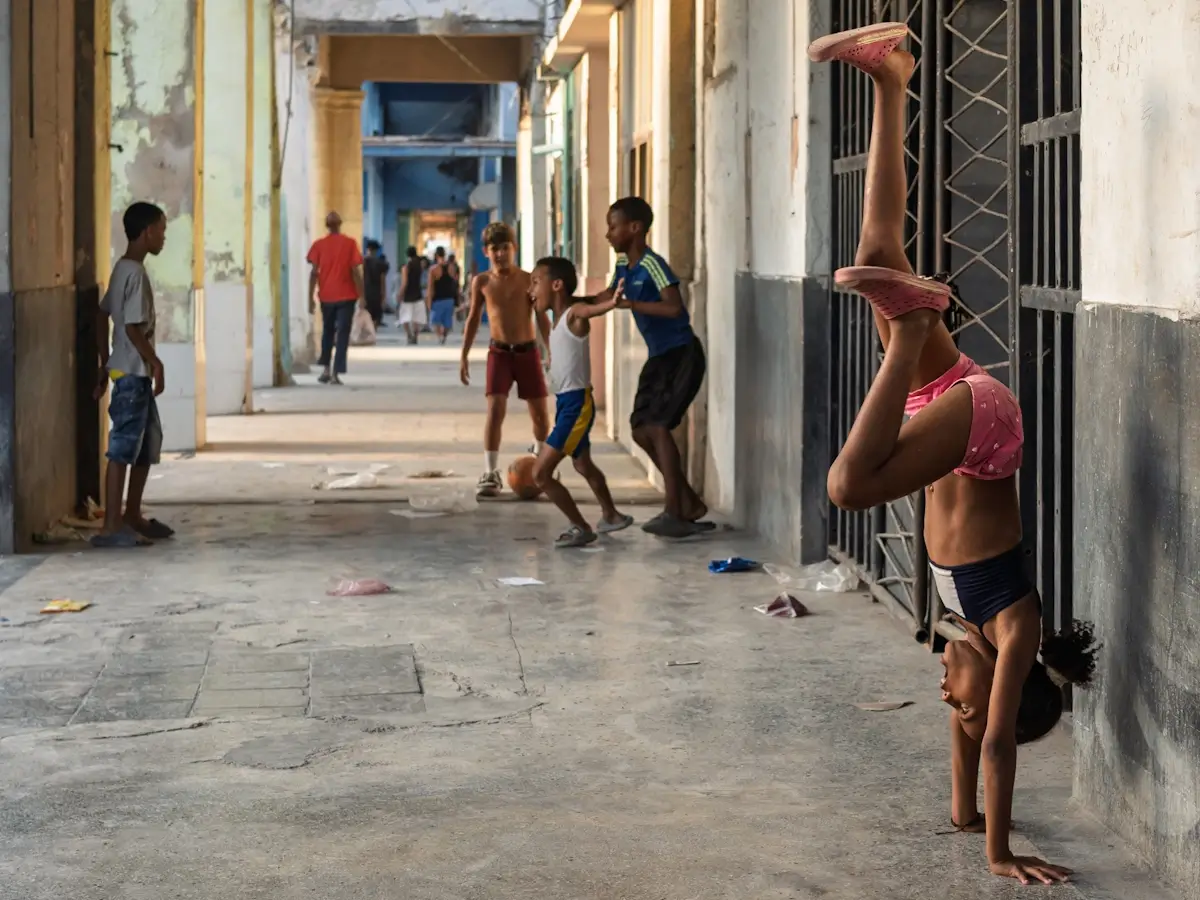
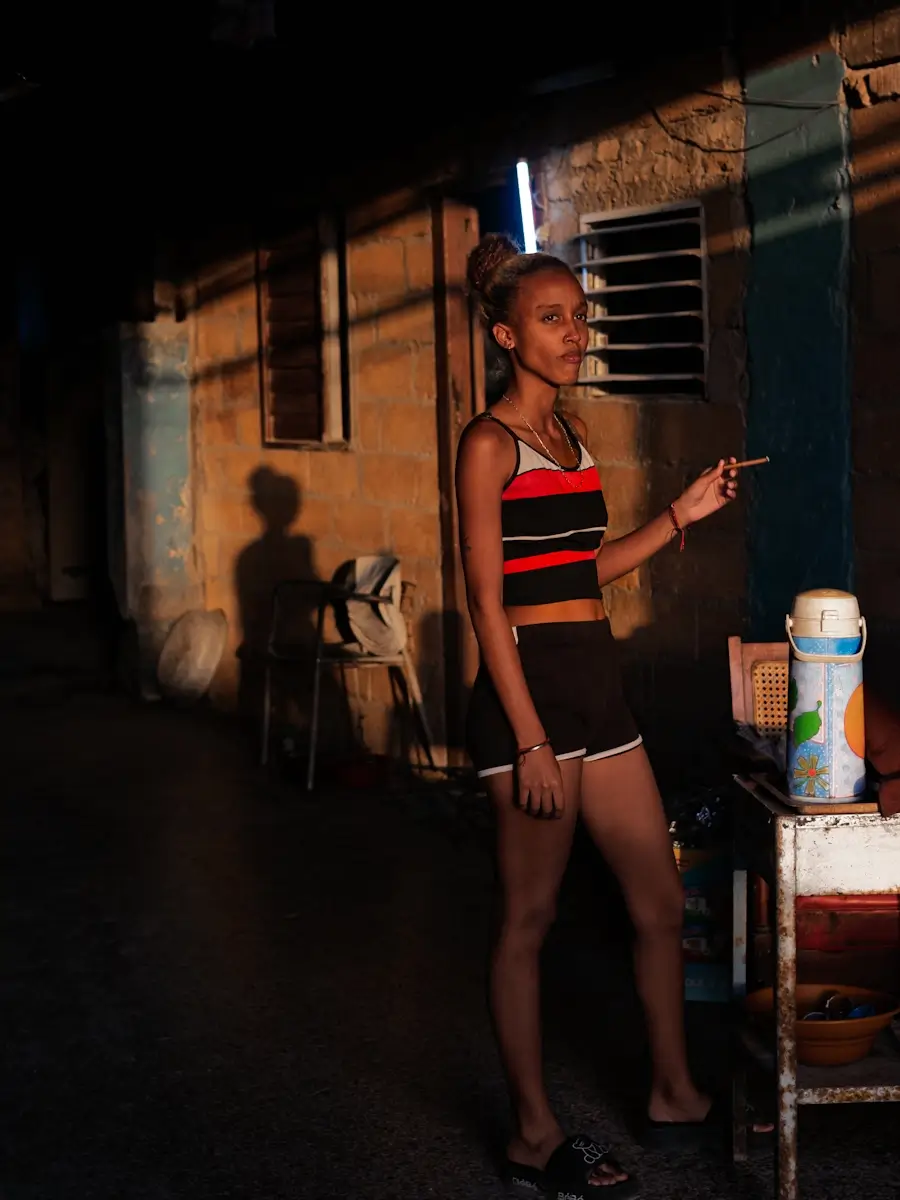
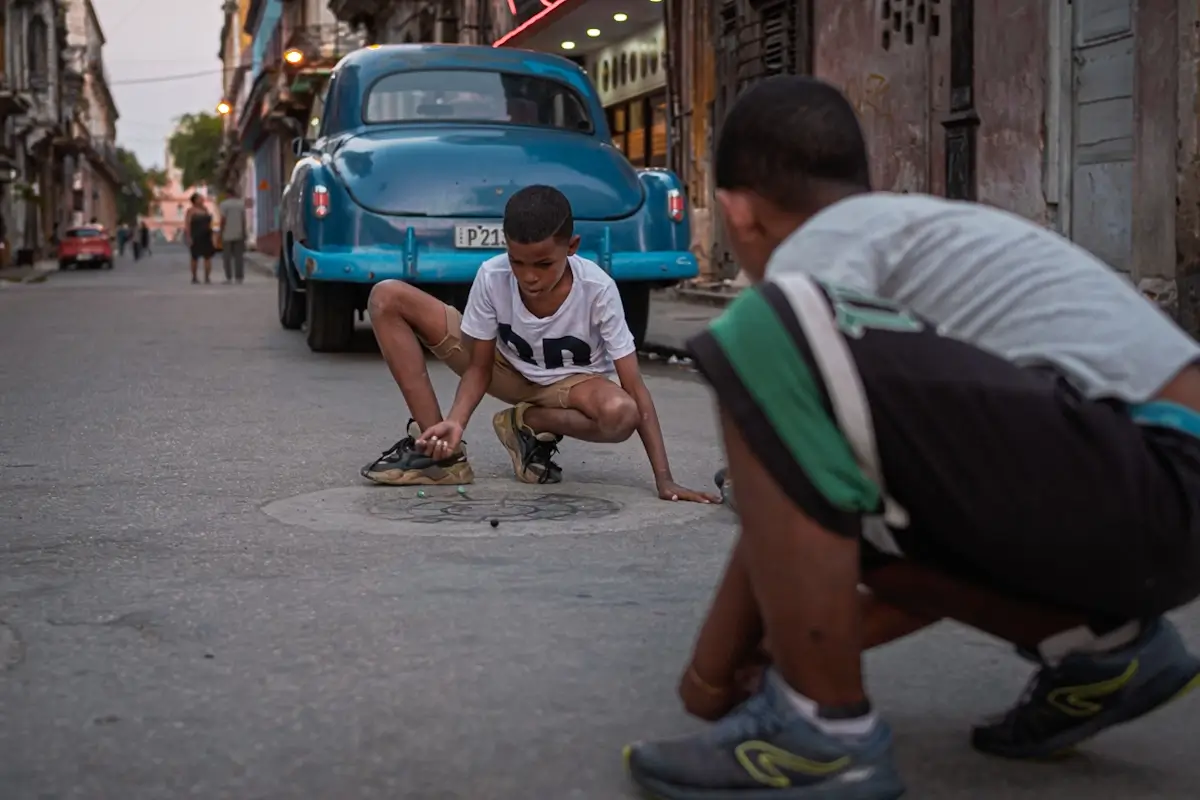
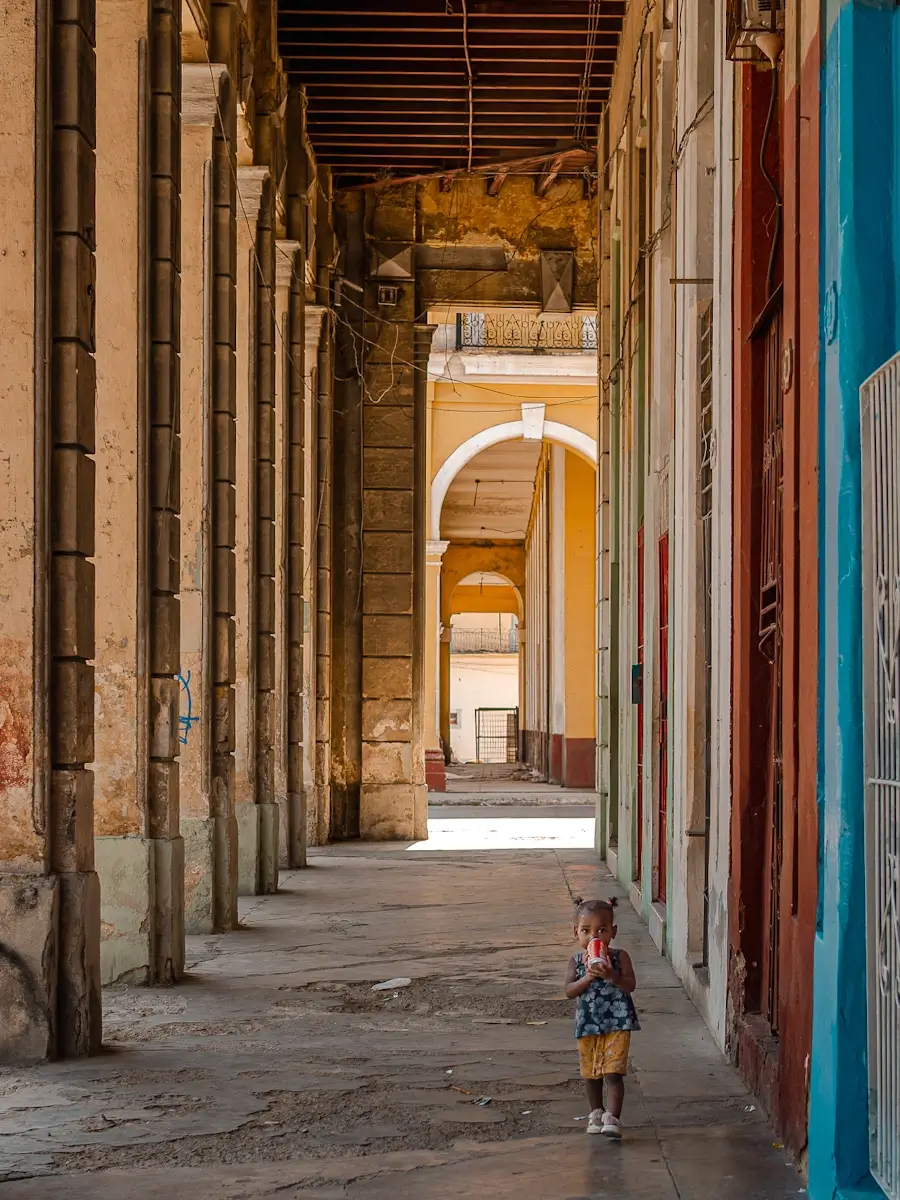
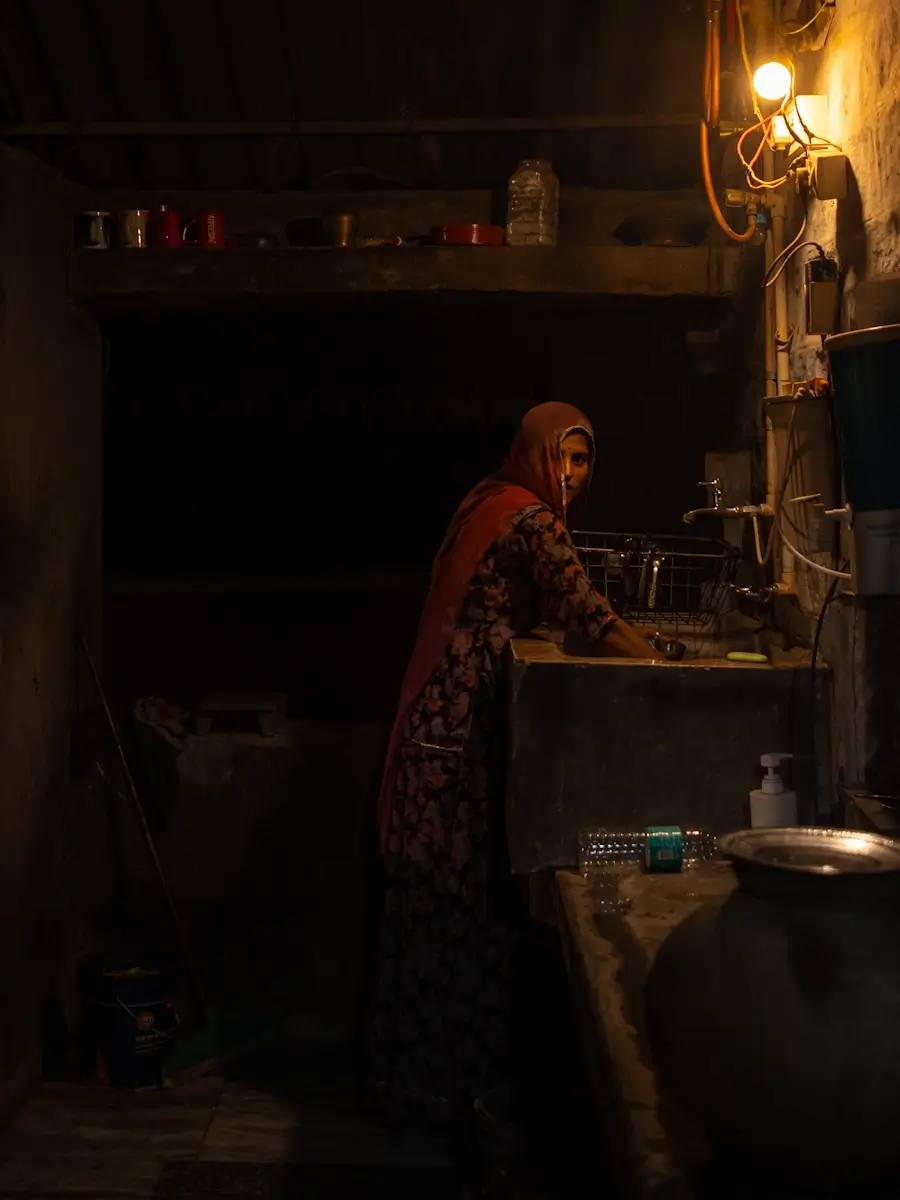
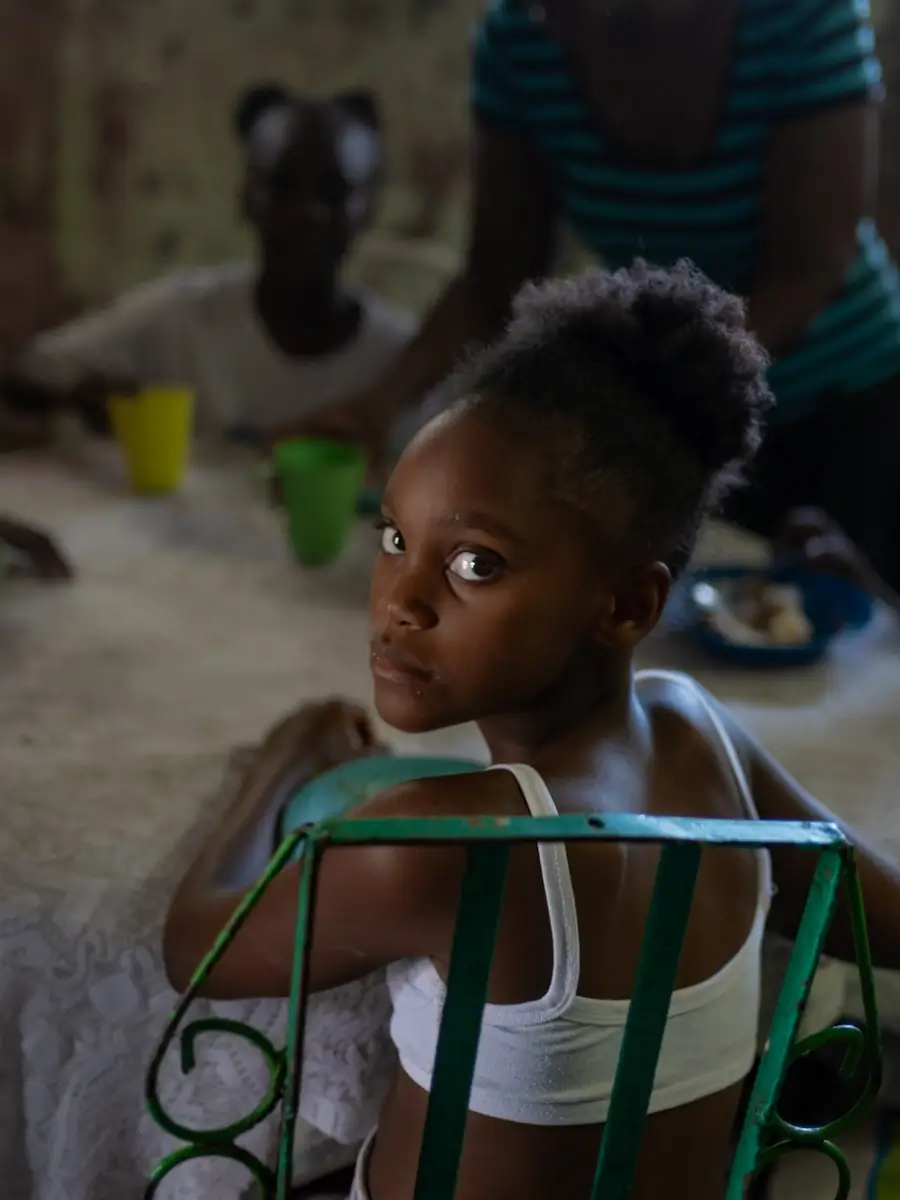
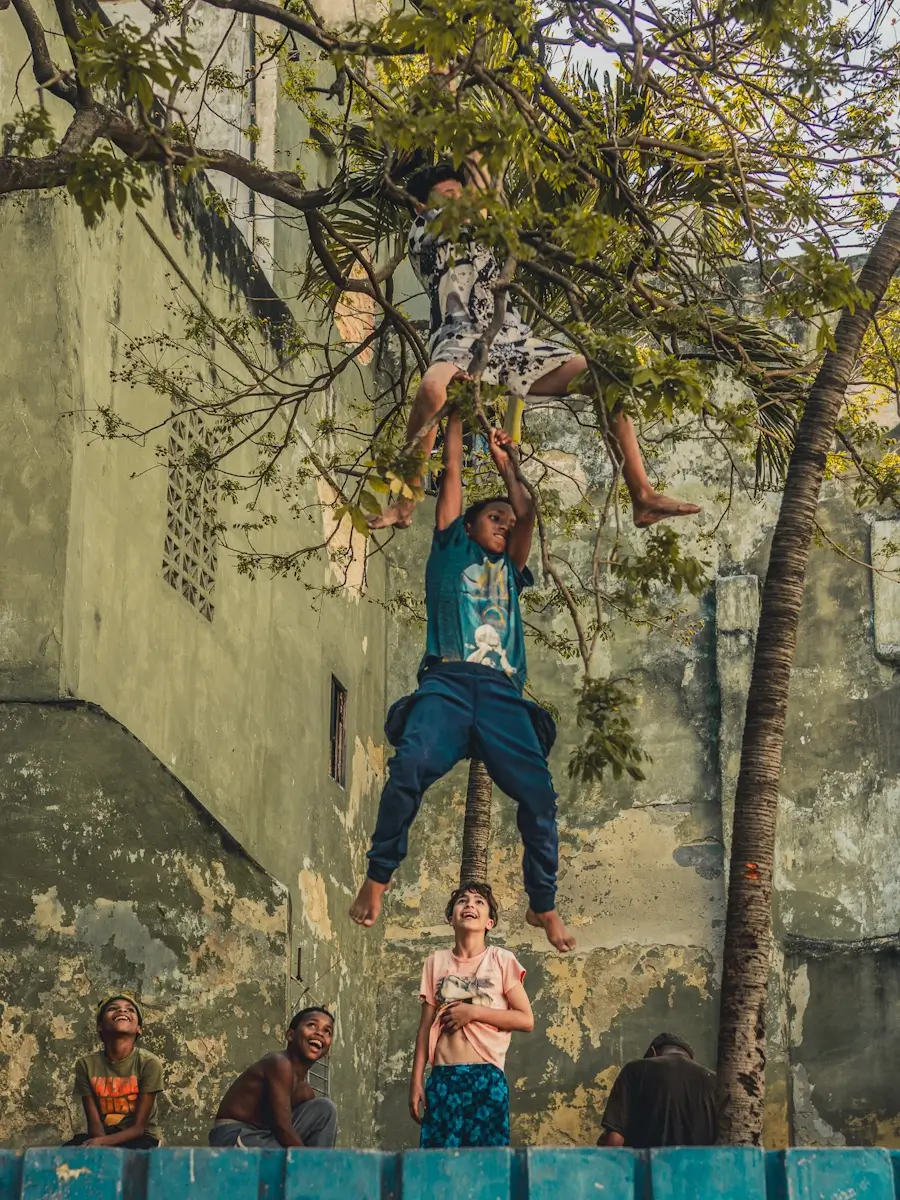
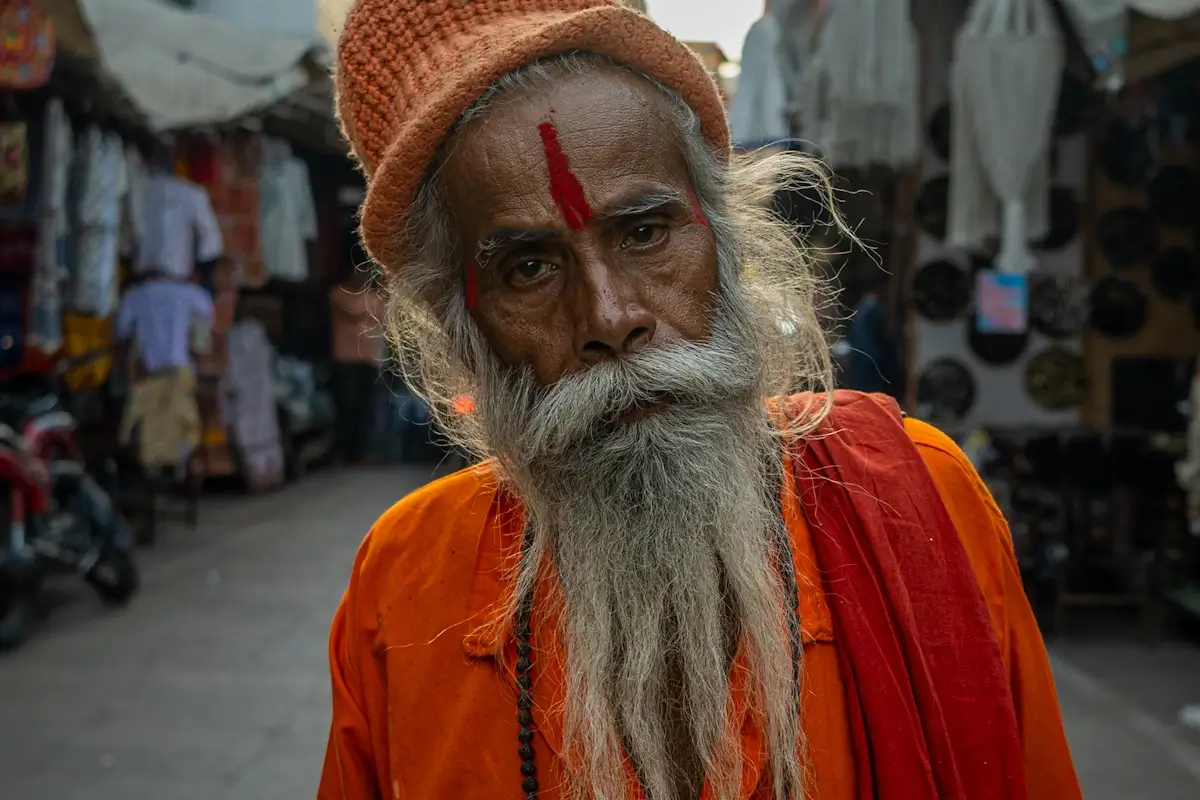
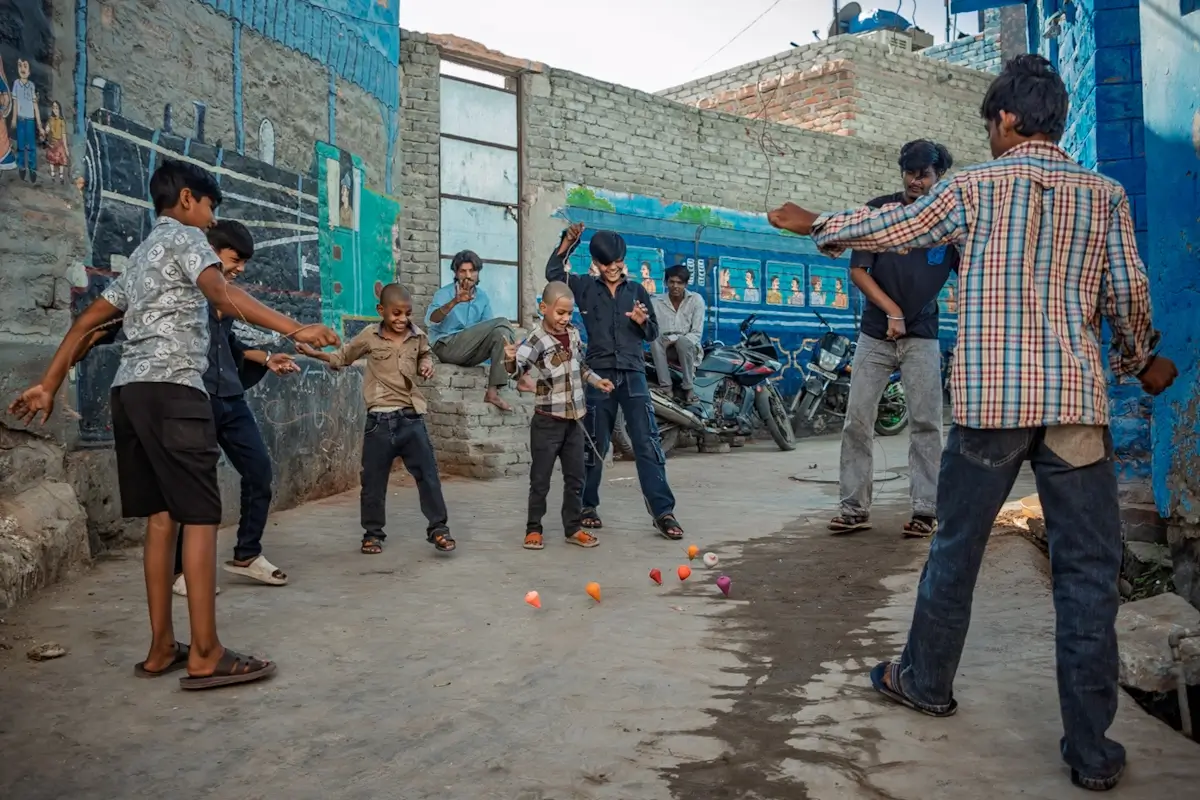
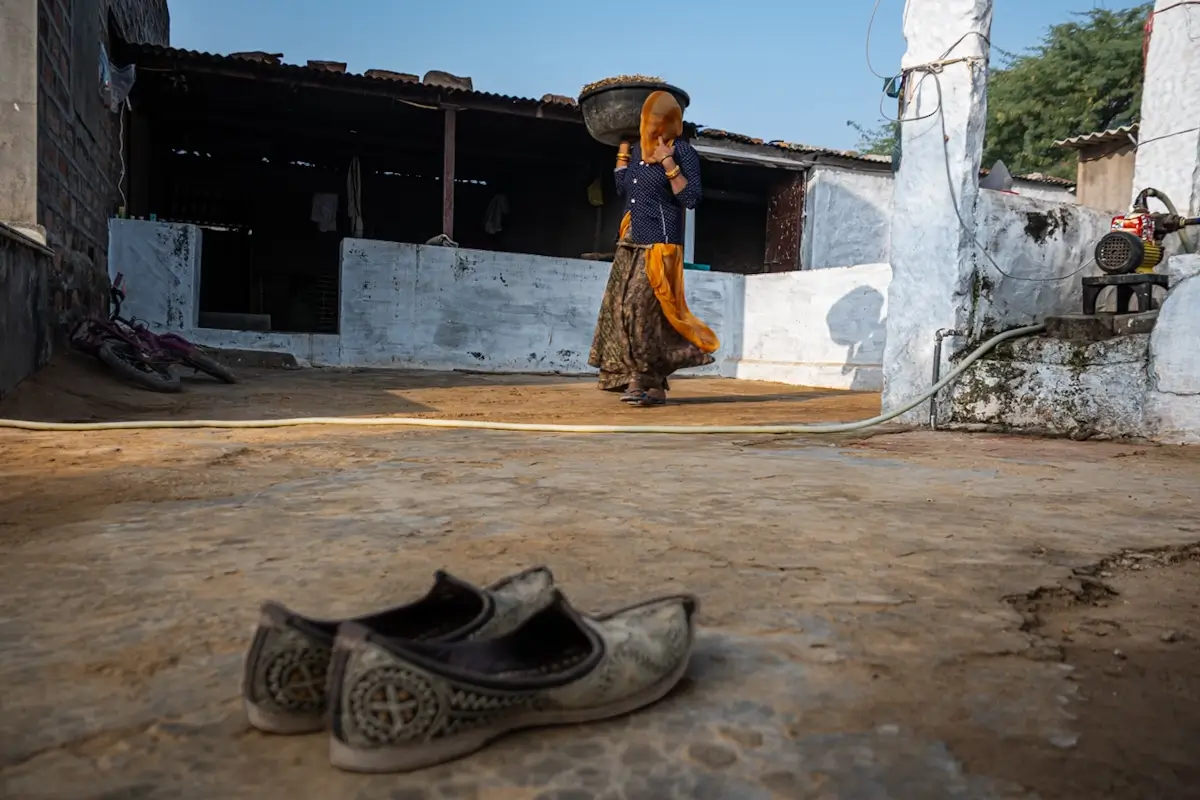
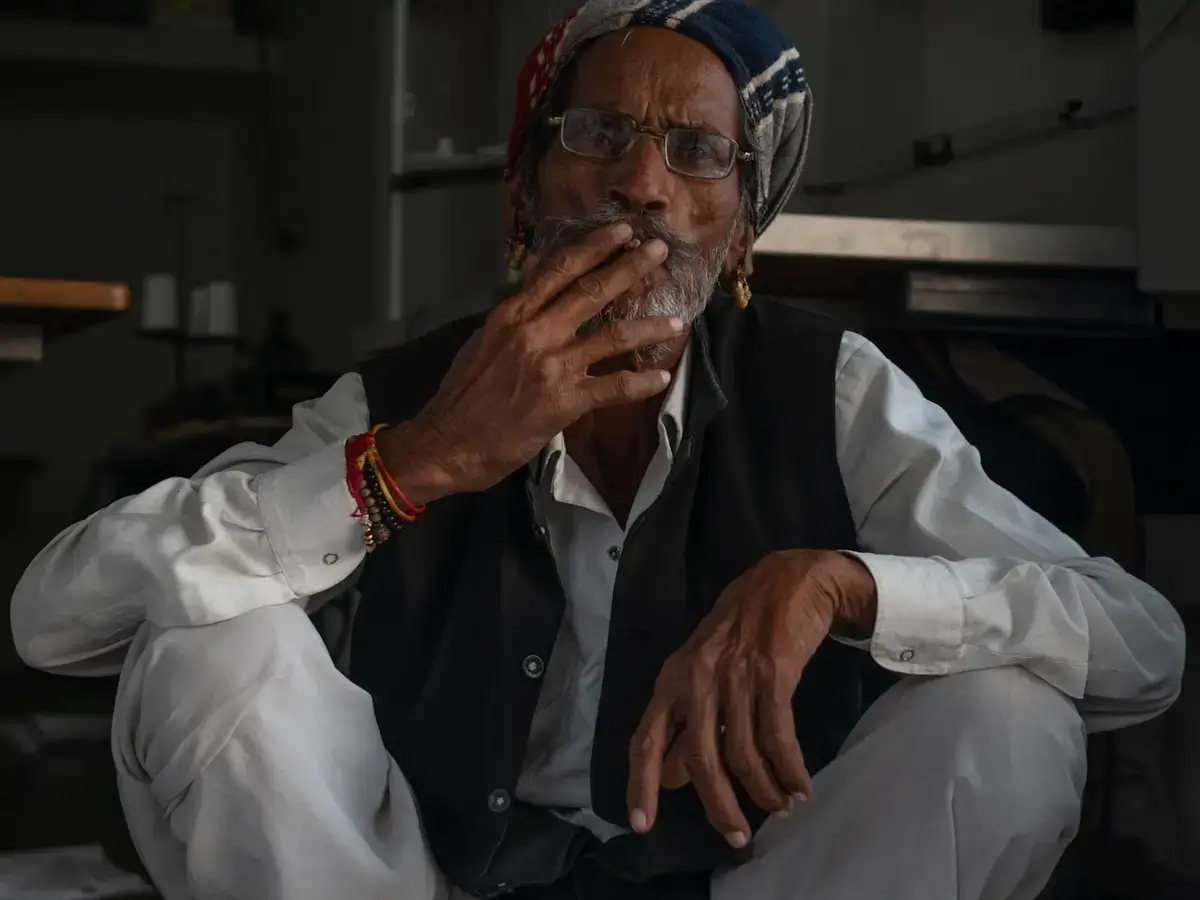
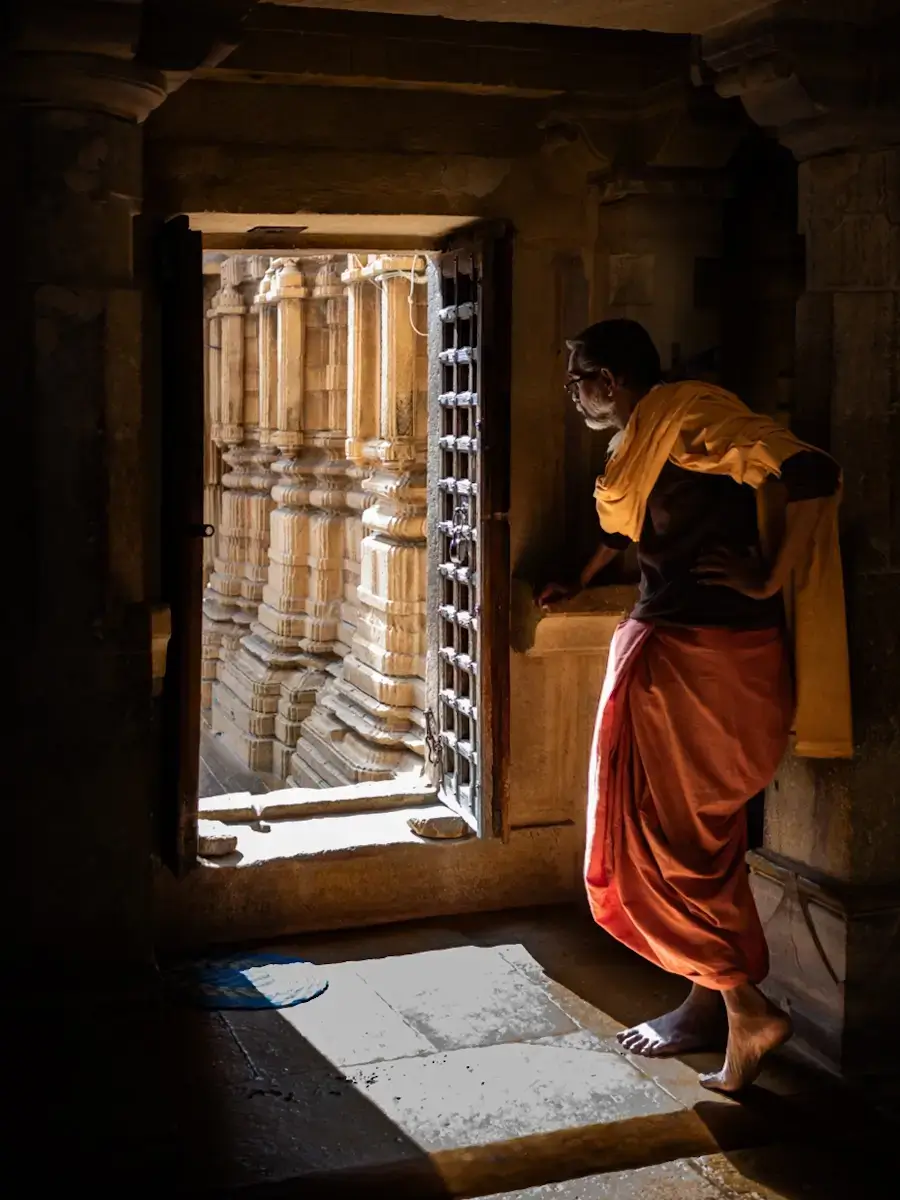
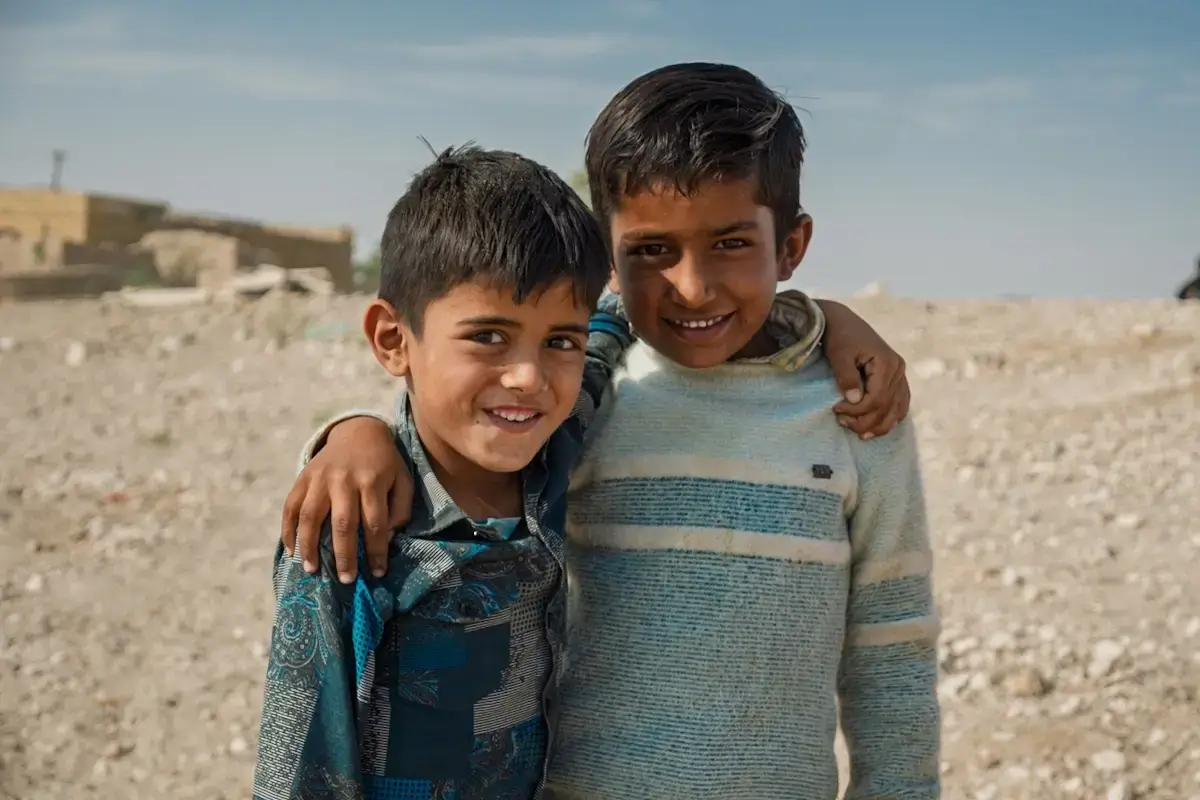
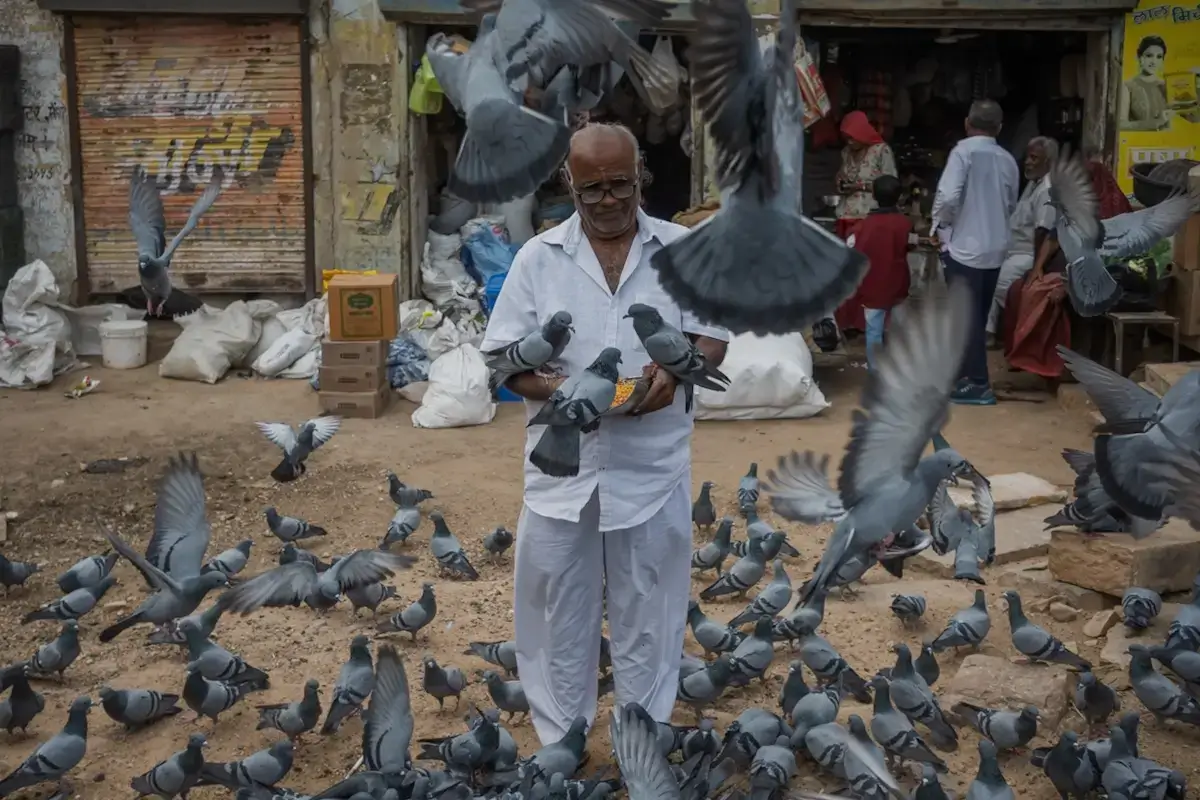
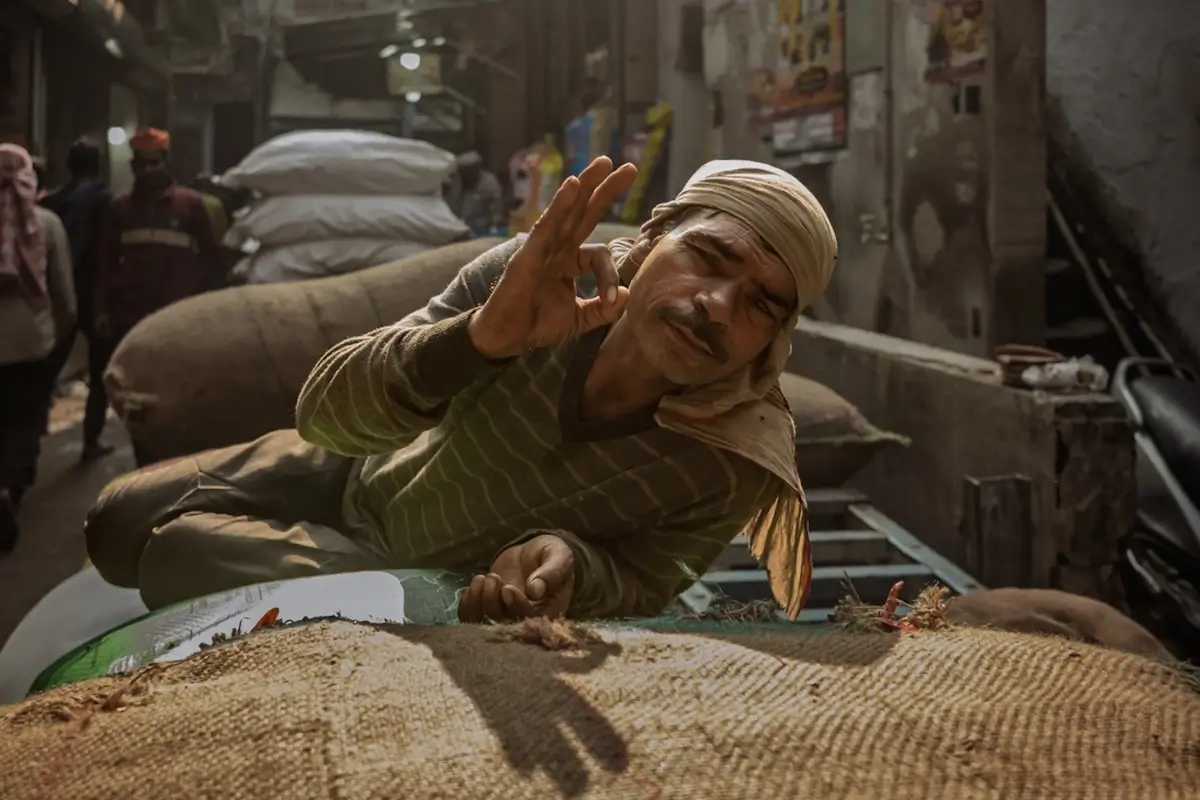
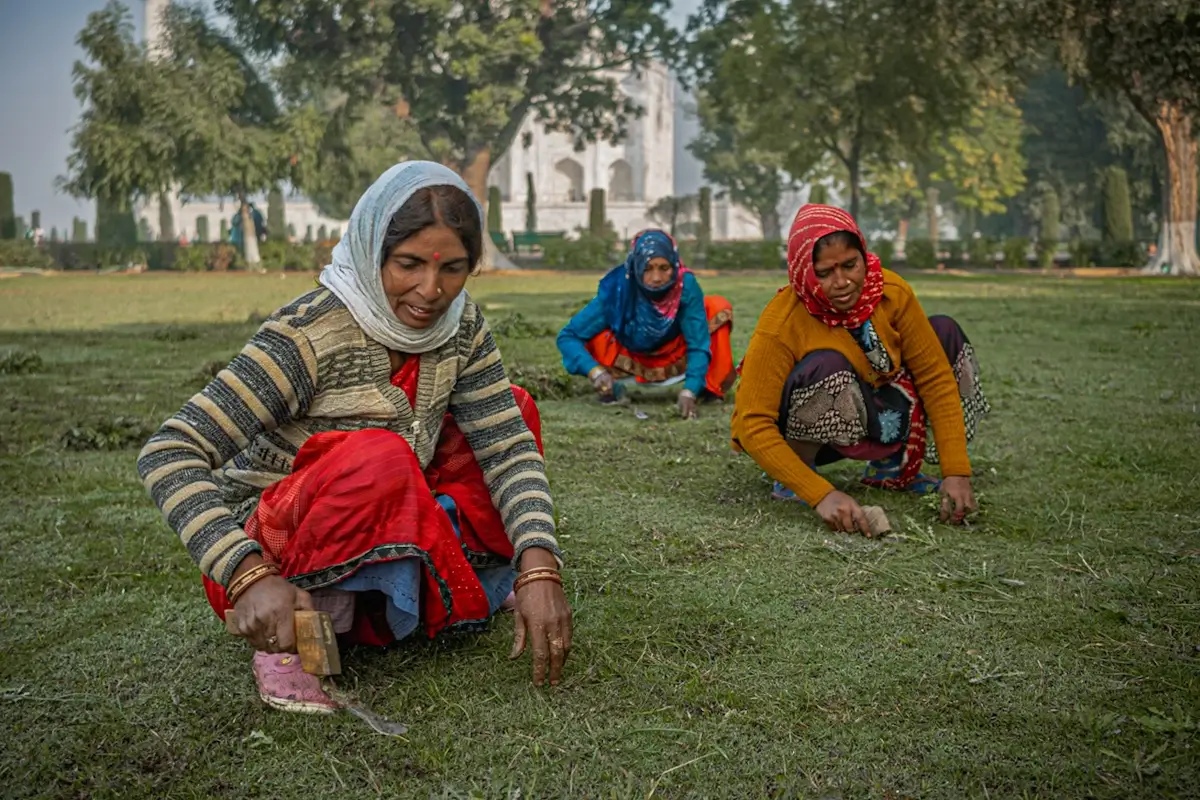
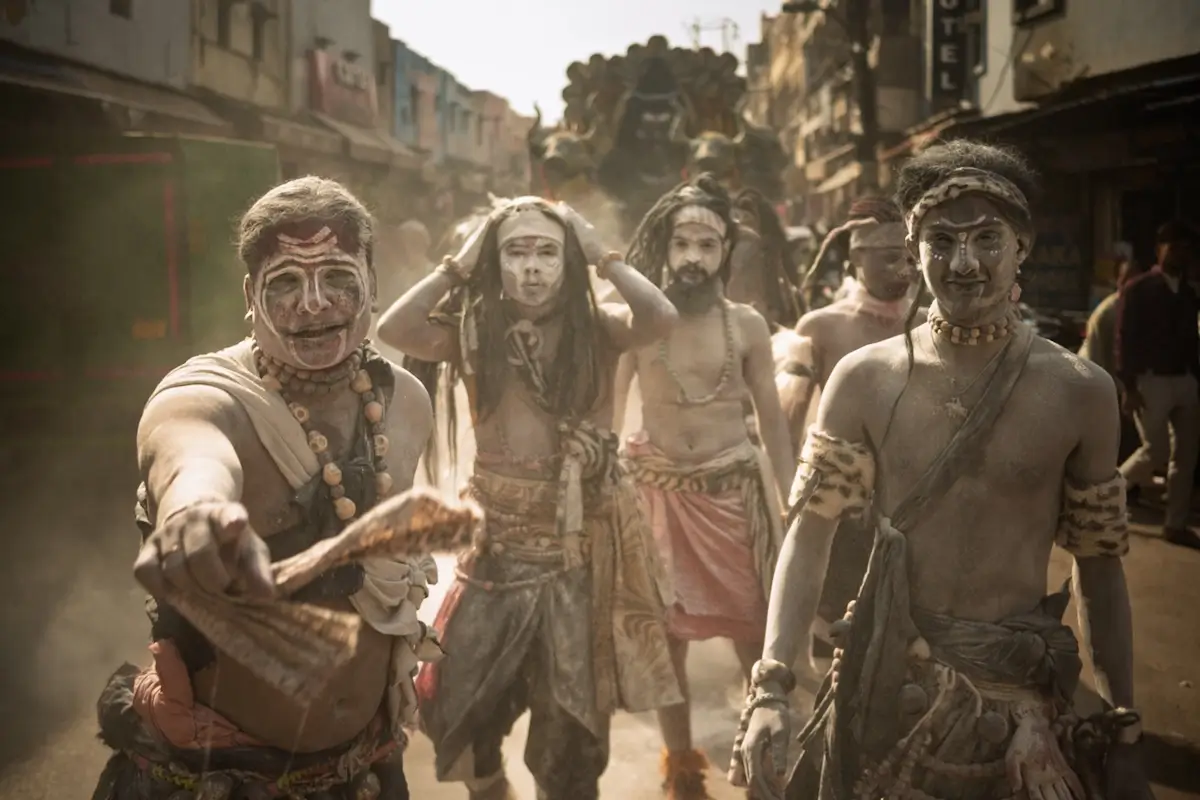
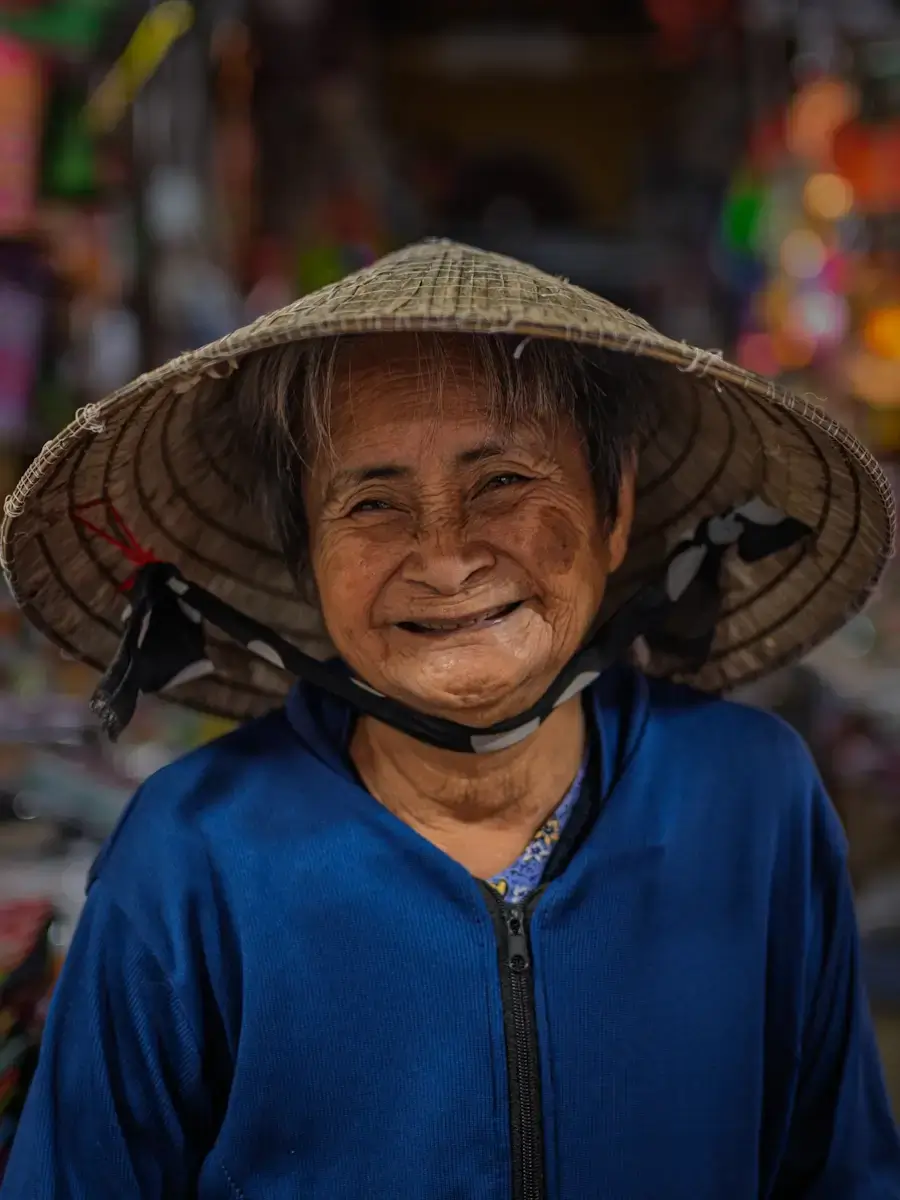
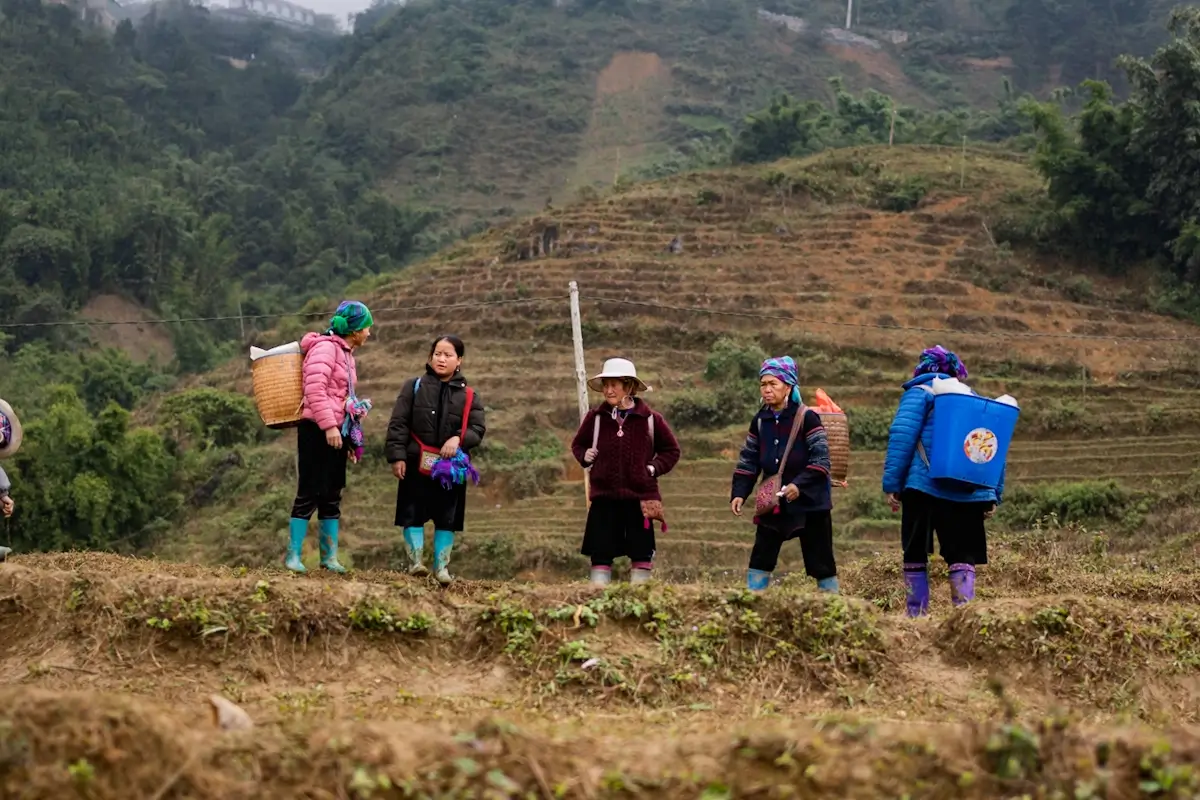
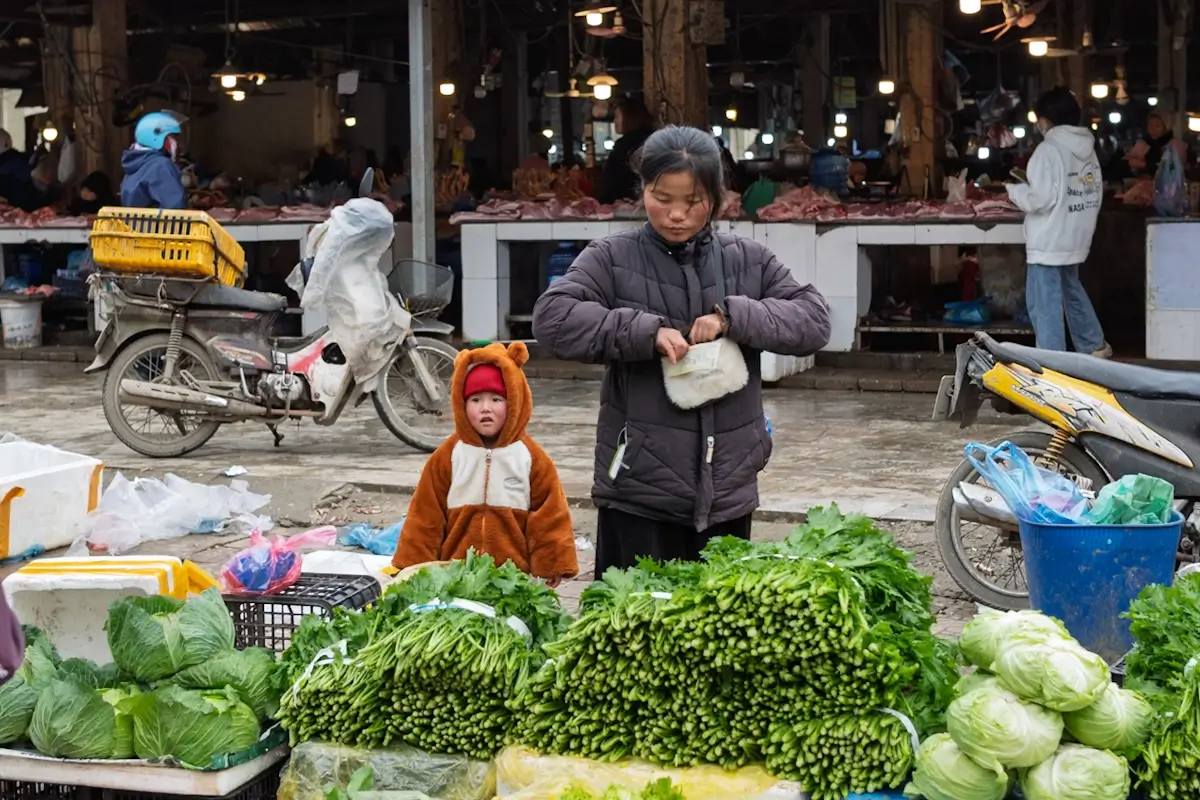
Oscar González is a Costa Rican documentary photographer who began his photographic practice in 2022. His work focuses on observing everyday life across diverse cultural and social contexts.

He has explored the relationship between culture and social context in Asia, Europe, and Latin America, focusing on cultural expressions, social realities, and moments of human intimacy that often unfold beyond the obvious. His images do not seek spectacle, but presence: the act of observing with sensitivity and respect.

Through a restrained approach, his work observes and documents everyday life with sensitivity, distancing itself from spectacle.

AAP Magazine

AAP Magazine 55 Women

 

Inspiring Portfolios

Call for Entries
AAP Magazine #57 Portrait
Publish your work in our printed magazine and win $1,000 cash prizes
 
Stay up-to-date  with call for entries, deadlines and other news about exhibitions, galleries, publications, & special events.

More Great Photographers To Discover

David Bailey
United Kingdom
1938
David Royston Bailey CBE (born 2 January 1938) is an English fashion and portrait photographer. David Bailey was born at Whipps Cross University Hospital in Leytonstone, to Herbert Bailey, a tailor's cutter, and his wife, Gladys a machinist. From the age of three he lived in East Ham. Bailey developed a love of natural history, and this led him into photography. Suffering from undiagnosed dyslexia, he experienced problems at school. He attended a private school, Clark's College in Ilford, where he says they taught him less than the more basic council school. As well as dyslexia he also has the motor skill disorder dyspraxia (developmental coordination disorder). In one school year, he claims he only attended 33 times. He left school on his fifteenth birthday, to become a copy boy at the Fleet Street offices of the Yorkshire Post. He raced through a series of dead-end jobs, before his call up for National Service in 1956, serving with the Royal Air Force in Singapore in 1957. The appropriation of his trumpet forced him to consider other creative outlets, and he bought a Rolleiflex camera. He was demobbed in August 1958, and determined to pursue a career in photography, he bought a Canon rangefinder camera. Unable to obtain a place at the London College of Printing because of his school record, he became a second assistant to David Ollins, in Charlotte Mews. He earned £3 10s (£3.50) a week, and acted as studio dogsbody. He was delighted to be called to an interview with photographer John French. In 1959, Bailey became a photographic assistant at the John French studio, and in May 1960, he was a photographer for John Cole's Studio Five, before being contracted as a fashion photographer for British Vogue magazine later that year. He also undertook a large amount of freelance work. Along with Terence Donovan and Brian Duffy, Bailey captured and helped create the 'Swinging London' of the 1960s: a culture of fashion and celebrity chic. The three photographers socialized with actors, musicians and royalty, and found themselves elevated to celebrity status. Together, they were the first real celebrity photographers, named by Norman Parkinson "the Black Trinity". The film Blowup (1966), directed by Michelangelo Antonioni, depicts the life of a London fashion photographer who is played by David Hemmings, whose character was inspired by Bailey. The "Swinging London" scene was aptly reflected in his Box of Pin-Ups (1964): a box of poster-prints of 1960s celebrities including Terence Stamp, The Beatles, Mick Jagger, Jean Shrimpton, PJ Proby, Cecil Beaton, Rudolf Nureyev and East End gangsters, the Kray twins. The Box was an unusual and unique commercial release. It reflected the changing status of the photographer that one could sell a collection of prints in this way. Strong objection to the presence of the Krays by fellow photographer, Lord Snowdon, was the major reason no American edition of the "Box" was released, and that a second British edition was not issued. The record sale for a copy of 'Box of Pin-Ups' is reported as "north of £20,000". At Vogue Bailey was shooting covers within months, and, at the height of his productivity, he shot 800 pages of Vogue editorial in one year. Penelope Tree, a former girlfriend, described him as "the king lion on the Savannah: incredibly attractive, with a dangerous vibe. He was the electricity, the brightest, most powerful, most talented, most energetic force at the magazine". American Vogue's creative director Grace Coddington, then a model herself, said "It was the Sixties, it was a raving time, and Bailey was unbelievably good-looking. He was everything that you wanted him to be – like the Beatles but accessible – and when he went on the market everyone went in. We were all killing ourselves to be his model, although he hooked up with Jean Shrimpton pretty quickly". Of model Jean Shrimpton, Bailey said: "She was magic and the camera loved her too. In a way she was the cheapest model in the world – you only needed to shoot half a roll of film and then you had it. She had the knack of having her hand in the right place, she knew where the light was, she was just a natural." Since 1966, Bailey has also directed several television commercials and documentaries. From 1968 to 1971 he directed and produced TV documentaries titled Beaton, Warhol and Visconti. As well as fashion photography, Bailey photographed album sleeve art for musicians including The Rolling Stones and Marianne Faithfull. One of Bailey's most famous works depicts the Rolling Stones including Brian Jones, who drowned in 1969 while under the influence of drink and drugs. He is seen standing slightly apart from the rest of the group. Bailey was hired in 1970 by Island Records' Chris Blackwell to shoot publicity photos of Cat Stevens for his upcoming album Tea for the Tillerman. Stevens, who is now known as Yusuf Islam maintains that he disliked having his photo on the cover of his albums, as had previously been the case, although he allowed Bailey's photographs to be placed on the inner sleeve of the album. In 1972, rock singer Alice Cooper was photographed by Bailey for Vogue magazine, almost naked apart from a snake. Cooper used Bailey the following year to shoot for the group's chart-topping 'Billion Dollar Babies' album. The shoot included a baby wearing shocking eye makeup and, supposedly, one billion dollars in cash requiring the shoot to be under armed guard. In 1976, Bailey published Ritz Newspaper together with David Litchfield. In 1985, Bailey was photographing stars at the Live Aid concert at Wembley Stadium. As he recalled later: "The atmosphere on the day was great. At one point I got a tap on my shoulder and spun round. Suddenly there was a big tongue down my throat! It was Freddie Mercury." In October 2020 Bailey's Memoir "Look Again" in co-operation with author James Fox was published by Macmillan Books a review on his life and work.Source: Wikipedia David Bailey is an English fashion photographer best known for his images of celebrities, models, and musicians. Though he is also known for his photography book NWI (1982), which documented the process of gentrification in the London neighborhoods of Primrose Hill and Camden. Born on January 2, 1938 in London, United Kingdom, Bailey dropped out of high school to serve in the Royal Air Force where he developed an interest in the photography of Henri Cartier-Bresson. Returning to England, Bailey began working as the fashion photographer John French’s assistant. Over the course of the 1960s and 70s, the artist gained attention from the press after a string of high-profile marriages to Jean Shrimpton, Catherine Deneuve, and Marie Helvin. In 1965, he published his first photography book Box of Pin-Ups, a collection of black-and-white images portraying Mick Jagger, The Beatles, Twiggy, and Andy Warhol, along with several other celebrity figures. Bailey has gone on to receive the title of Commander of the Order of the British Empire from Queen Elizabeth II, and in 2016 a Lifetime Achievement award from the International Center of Photography in New York. The artist’s photographs are held in the collections of the National Portrait Gallery and the Victoria and Albert Museum in London. Bailey currently lives and works in London, United Kingdom.Source: Artnet
Jaroslav Rössler
Czech Republic
1902 | † 1990
Jaroslav Rössler was a pioneer of Czech avant-garde photography and a member of the association of Czech avant-garde artists Devětsil (Butterbur). He was born to the Czech-German father, Eduard Rössler, and a Czech mother, Adéla Nollová. From 1917 to 1920, Rössler studied in the atelier of the company owned by renowned Czech photographer František Drtikol. Subsequently, he worked with the company as a laboratory technician. At 21 years old, he began a collaboration with the art theorist Karel Teige, who assigned him to create a typographic layout for magazines Pásmo, Disk, Stavba and ReD (Revue Devětsilu). While working on these tasks, Rössler deepened his knowledge of photographic methods. In his works he utilized and combined the techniques of photogram, photomontage, collage and drawing. The beginnings of his photographic work were influenced by Cubism and Futurism, but he also attempted to create the first abstract photographs. In 1923, he became a member of the avant-garde association Devětsil. In 1925, he went on a six-month study visit to Paris. The same year he began working as a photographer in the Osvobozené divadlo in Prague. Before his second departure to Paris, he co-worked as a commercial photographer with the pictorial magazine Pestrý týden. In 1927, Rössler moved to Paris together with his wife, Gertruda Fischerová (1894–1976). Initially, he focused on commercial photography. He collaborated with the experimental studio of Lucien Lorell, and worked on commissions for notable companies such as Michelin and Shell. However, later he found an interest in the "street life" of Paris, which influenced his future stay in the city. During a demonstration, he encountered the protesters and took photographs of the event. Shortly after that he was arrested, and after a six-month imprisonment, he was expelled from the country, in 1935. The alleged reason for his expulsion was his German-sounding surname. After his return from Paris, Rössler and his wife resided in Prague, Žižkov. He opened a small photographic atelier, but difficulties associated with the management of the studio caused a significant gap in his artistic work, lasting for almost two decades. In the 1950s, he resumed his previous activities and again began experimenting with the camera and photographic techniques. He created so-called prizmata (prisms), photographs taken through a birefringent prism. Additionally, he experimented with solarisation and explored the possibilities of the Sabatier effect. Jaroslav Rössler, together with František Drtikol, Josef Sudek and Jaromír Funke, is today considered an important exponent of Czech modern photography and avant-garde art.Source: Wikipedia Jaroslav Rössler was one of the most distinctive artists of the Czech avant-garde, known for fusing disparate elements of Symbolism, Pictorialism, Expressionism, Cubism, Futurism, Constructivism, New Objectivity and abstract art. From 1917 to 1920, Rossler studied and worked as a lab technician under František Drtikol, but he quickly abandoned the pictorialist style of his famous teacher, turning instead to more avant-garde techniques and compositional approaches, including experiments with photograms, enlarged detail, diagonal composition, photomontage, double exposure, and experiments with color advertising photographs and still lifes produced with the carbro print process. Jaroslav Rössler often photographed objects against stark backgrounds, or used long exposures, to reduce subjects to their elementary lines and geometric shapes. In 1923 he became a member of the assocation of Czech avant- garde artists Devětsil. From 1927 to 1935, he lived and worked in Paris, producing work influenced by Constructivism and New Objectivity. After his return to Prague, he was relatively inactive until the late 1950s, when he renewed experimentations with solarization and photographing through a prism.Source: Robert Koch Gallery
Lee Jeffries
United Kingdom
Lee Jeffries lives in Manchester in the United Kingdom. Close to the professional football circle, this artist starts to photograph sporting events. A chance meeting with a young homeless girl in the streets of London changes his artistic approach forever. Lee Jeffries recalls that, initially, he had stolen a photo from this young homeless girl huddled in a sleeping bag. The photographer knew that the young girl had noticed him but his first reaction was to leave. He says that something made him stay and go and discuss with the homeless girl. His perception of the homeless completely changes. They become the subject of his art. The models in his photographs are homeless people that he has met in Europe and in the United States: "Situations arose, and I made an effort to learn to get to know each of the subjects before asking their permission to do their portrait." From then onwards, his photographs portray his convictions and his compassion to the world. "If you will forgive my indulgence, This work is most definitely NOT photojournalism. Nor is it intended as portraiture. It's religious or spiritual iconography. It's powerful stuff. Jeffries gave these people something more than personal dignity. He gave them a light in their eyes that depicts transcendence, a glimmer of light at the gates of Eden, so to speak. The clarity in their eyes is awesome to behold as if God is somewhere in there. He has made these people into more than poor old broken homeless people lazily waiting for a handout from some urbane and thoughtful corporate agent. He infused them with light, not darkness. Even the blind guy has light pouring from his sightless eyes. I think Jeffries intended his art to honor these people, not pity them. He honors those people by giving their likenesses a greater meaning. He gives them a religious spiritual significance. He imbues them with the iconic soul of humanity. I think that's what he was trying to do, at least to some degree thereof."Source: www.yellowkorner.com Lee Jeffries leads a double life – as a full-time accountant near Manchester, and in his free time as an impassioned photographer of the homeless all over the world. A self-taught photographer who started out taking pictures of stock in a bike shop, his epiphany came in April 2008 when, on the eve of running the London Marathon, he snatched a long-lens image of a homeless girl huddling in a doorway, and felt compelled to apologize to her when she called him out for it. Their resulting conversation changed not only his approach to photography; it changed his life. Since that day Lee has been on a mission to raise awareness of – and funds for – the homeless. His work features street people from the UK, Europe, and the US whom he gets to know by living rough with them, the relationship between them enabling him to capture a searing intimacy and authenticity in his portraits. He has published two critically acclaimed fund-raising books, Lost Angels and Homeless, worked with the Salvation Army on a major campaign, and donated the half-dozen cameras he's won in prestigious imaging competitions to charity. He estimates he's given thousands of pounds of his own money to help those he photographs. All this, and he's still 'an amateur'. Source: Nikon In-Frame Read Our Exclusive Interview with Lee Jeffries
Jean-Christophe Béchet
Born in 1964 in Marseille, Jean-Christophe Béchet lives and works in Paris since 1990. Mixing B&W and color, silver and digital prints, 24x36 and medium format, polaroids and photographic 'accidents', Jean-Christophe Béchet seeks the "right tool" for each project, the one that will allow him to obtain a meaningful dialogue between an interpretation of reality and the photographic material. Inheritor of "street photography", whether it be American, French or Japanese, he likes to refer to his photographs as INHABITED LANDSCAPES. His glance on the world is constructed book by book, the area provided by the printed page being his "natural" field of expression. His photographs belong to several private and public collections and they have been showcased in more than sixty exhibitions since 1999, including at the Rencontres d'Arles in 2006 ("Urban Policies" series) and in 2012 ("Accidents" series) and the 'Mois de la Photo' (Month of Photography) in Paris, in 2006, 2008 and 2017. He is also the author of more than 20 books. FRENCHTOWN Project created for the Festival L'Oeil Urbain at Corbeil Essonnes Wedged between several highways and the National Road 7, the City of Corbeil-Essonnes is located 40 km south of Paris. It is the last city in the Paris' belt. As soon as you cross its limits, you are in the middle of nature. Too far from Paris to benefit from its proximity, it's neither in the provinces. This "in-between" gives rise to a feeling of strangeness and uneasiness. In this city, I felt I was in a typical and genuine French city and at the same time in a detective film. I had the impression of being a foreign visitor, an investigator, who was exploring a "French Town" to solve a minor incident. My photos are the result of a year of observation. I worked as a visual writer. Far from hot topics and for a long period of time, I captured the small details of everyday life and built an authentic story. Without forgetting that photography never shows reality, or truth, but an idea of reality. And it's already a lot... JCB
Jonathan Chritchley
United Kingdom
Jonathan Chritchley is one of the foremost fine art photographers in the world today. His instantly recognizable work is seen around the world in exhibitions, galleries, magazines and books, and form part of many fine art collections internationally. His regular clients include Ralph Lauren, Hilton International, Fortuny and P&O Luxury Cruises. Jonathan also speaks and presents his work at photography and sailing events worldwide, and is the founder and owner of Capture Earth and Ocean Capture, two companies specializing in luxury photography workshops & tours. Born in London, England, Jonathan became infatuated with the sea after moving to the famous sailing town of Lymington on the country's south coast at the age of 14. Years later, having moved to the South of France, he gave up a successful career as a marketing and brand director in order to return to his true passion; a combination of the sea and fine art photography. He has now worked in over 35 countries, including Mozambique, Japan, China, Cambodia, Chile, Greenland and South Africa. Jonathan was named one of the 'Top 100 Photographers of All Time' by the Sunday Times. His first book, SILVER, a 136 page fine art art edition, was published in 2014, and in 2016 he was made a Fellow of the Royal Geographical Society (FRGS). An active supporter of ocean conservation, Jonathan currently resides in the South of France with his wife and young family. Source: www.jonathanchritchley.com Jonathan Chritchley is a detail-obsessed perfectionist of black-and-white photography. Sections and details of his work allow us to delve into landscapes of the soul and are both relaxing and contemplative. Natural beauty does not mean perfection: to him it means uniqueness. And accordingly his photographs look like visions of the unknown and new. The atmosphere of his landscapes is not loud or spectacular but rather teases out a picturesque silence while playing with the power of nature, which he encounters in clearings in the forest, in the middle of the sea, or the panorama of a seascape. He explores the scene with his camera like a hiker and captures forces of nature – a stormy collection of clouds and treetops bent by the winds, or the tautly pulled and suddenly billowing sails – in impressive images. We can truly inhale the landscape in Chritchley’s works – sense the wind, the cold, the distance, the resistance – because he has confronted them confidently and persistently with his camera. Chritchley learned to sail as a boy on the south coast of England. He still preserves his excitement for the sport as well as sailing’s creativity and his inherent love of discovery, and he lives these actively in his photos. He abstractly choreographs the play of the wind in the sails. Billowing, cleverly cropped, sometimes full-bodied like a sculpture and momentarily rising to formidable heights, they can then in a split second give way in a windless sky. This creates an exciting scenario and offers aesthetic moments that fascinate more than just passionate sailors. He does not necessarily see himself as the “master of images” but rather as a curious observer of the canvas’s unpredictable moods. As a globetrotter, Chritchley has been a guest not only on all continents but also on the pages of many magazines and in many galleries. His singular sailing portraits are known and loved internationally. The landscapes and sailing scenes specially selected for LUMAS attest to the photographer’s creative diversity, above all in the realm of abstraction. Source: LUMAS
John Divola
United States
1949
John Divola is an American contemporary visual artist born in 1949 in Los Angeles, CA. He received a B.A. from California State University, Northridge in 1971 and later received an M.F.A. from the University of California, Los Angeles in 1974. He has held residencies at many institutions including the California Institute of the Arts. He has held the position of Professor in the art department at the University of California Riverside since 1988. His work has been featured in many solo exhibitions across the United States, Europe, Japan, and Australia. He participated in 1978, 1989, and 2000 Museum of Modern Art group exhibitions and in the 1981 Whitney Biennial. Divola received awards as Individual Artist Fellowship from the National Endowment for the Arts in 1973, 1976, 1979, 1990 and a Guggenheim Fellowship in 1986. He published four books: Continuity, Isolated Houses, Dogs Chasing My Car In The Desert, and Three Acts. In Zuma project, he has described being interested in the relationship between real artworks and representations of them, and the issues of the natural and the artificial. Divola said "I attempted ... to develop a practice in which there could be no distinction between the document and the original." In his series of photographs from 1977, he used deserted houses on Zuma Beach and covered their walls in graffiti. He photographed the ocean from the house's interior through windows and cracks. Divola states: "On initially arriving I would move through the house looking for areas or situations to photograph. If nothing seemed to interest me I would move things around or do some spray painting. The painting was done in much the same way that one might doodle on a piece of paper. At that point, I would return to the camera and explore whatever new potentials existed." These cyclical images skillfully juxtapose romantic skies and sunsets with a seaside structure that, frame by frame, deteriorates into ruin as it is vandalized by the artist and others who eventually set it on fire. Divola's works trace a schematic desire for escape, movement, and transcendence. "My acts, my painting, my photographing, my considering, are part of, not separate from, this process of evolution and change. These photographs are not so much about this process as they are remnants from it. My participation was not so much one of intellectual consideration as one of visceral involvement." Dogs Chasing My Car In The Desert are images of dogs in the desert captured in the midst of running wildly after the car. Emphasizing the grain of the image, these black and white photographs capture a haunting moment in which there is a duality between a sense of absence and presence. The behavior of the dogs suggests a lack of previous stimuli, and loneliness at the same time as an all-consuming reaction to the now, a presence. "It could be viewed as a visceral and kinetic dance. Here we have two vectors and velocities, that of a dog and that of a car and, seeing that a camera will never capture reality and that a dog will never catch a car, evidence of devotion to a hopeless enterprise". In the Dark Star series, dark circles have been painted on the walls of an abandoned house. Creation and destruction are held in a delicate equilibrium, the white rooms of the house, are tattered and derelict. The domestic ruins suggest social collapse, secret renditions of something darkly sinister illuminating our conflicted recent history, updating Zuma and Vandalism for our age of foreclosure. In the As Far As I Can Get project, he made photographs by pushing the self-timer button on his camera. An exposure is made in 10 seconds. John Divola currently lives and works in Riverside, CA. Divola works in photography, describing himself as exploring the landscape by looking for the edge between the abstract and the specific.Source: Wikipedia
Jana Šantavá
Slovakia
1978
Jana Šantavá is a visual artist and fine art photographer based in Bratislava, Slovakia. Her work explores themes of introspection, identity, and the space between reality and dream, often through staged, cinematic imagery that invites the viewer into layered narratives. Using mirrors, duplicated figures, and subtle surreal elements, she creates photographs that function as both visual poetry and metaphorical self-portraits of the human psyche. Her photographs have been exhibited internationally in cities such as Paris, Milan, New York, Venice, Arles, Budapest, and Athens, as well as across Slovakia. She has received multiple awards, including the Gold Medal at the Budapest International Foto Awards 2023, Silver at the World Photo Annual 2023, and recognition from PX3 de la Photographie Paris 2023. In 2024, she presented her solo exhibition Echoes of Identity at the Slovak Institute in Berlin. In 2025, her works are featured at ImageNation London and ImageNation New York, continuing her presence on the international fine art photography scene. Through her distinctive visual language, Šantavá challenges the boundaries between staged reality and dreamlike fiction, offering viewers a space for reflection, emotion, and self-discovery. Artist Statement In my work, I explore silence, introspection, and the space between reality and dream. I am fascinated by the idea of the doppelgänger – the second self – reflecting our inner divisions and untold stories. In my photographs, a figure often turns away, gazes through a curtain, or into a mirror. This moment of indirect gaze becomes a key to intimacy – opening a space for the viewer to become the co-author of the narrative. I stage scenes where I work with mirrors, duplicated figures, and strong color contrasts. My aim is not only aesthetic but also metaphorical – a reflection of our inner dialogues, desires, and contradictions. Each photograph is, for me, a visual trace of an emotional movement that cannot be captured in words. My goal is to create images that awaken questions rather than provide answers, opening an inner conversation about what might be hidden behind an apparent calm. Awarded Photographer of the Week - Week 34, 2025
Advertisement
AAP Magazine #57 Portrait
Win a Solo Exhibition in May
AAP Magazine #57 Portrait

Latest Interviews

Exclusive Interview with Matthew Finley
American photographer Matthew Finley turns inward, using photography as a way to explore identity, memory, and emotional truth. Based in Los Angeles, his practice moves between performance, gesture, and found imagery, creating a visual language that is both intimate and deeply personal
Exclusive Interview with Jan Janssen
Dutch photographer Jan Janssen explores universal human experiences through his long-term project It Matters, winner of the May 2025 Solo Exhibition. Begun in 2016, the series captures intimate moments of everyday life—love, loss, connection, and belonging—across Central and Eastern Europe. Working in countries such as Turkey, Azerbaijan, and Armenia, Janssen spends extended time within communities, building relationships based on trust and respect. His approach allows him to move beyond observation, revealing deeply human and authentic moments. Rooted in travel and personal discovery, It Matters reflects Janssen’s search for what connects us all in an increasingly divided world. The project is ongoing and will culminate in a photobook scheduled for publication in 2026.
Exclusive Interview with Henk Kosche
German photographer Henk Kosche turns his lens toward the streets of Halle an der Saale, capturing everyday life in the late years of the former German Democratic Republic. At the time, Kosche was studying design and exploring the city with his camera, drawn to the atmosphere of its industrial landscape and the quiet rhythms of daily life. His series Street Photography at the End of the 80s, selected as the Solo Exhibition for July 2025, revisits a body of work created just before a period of profound change. Rediscovered decades later in a small box of 35mm negatives, these photographs offer glimpses of a city and its people at a moment suspended between the familiar and the unknown.
Exclusive Interview with Anastasia Samoylova
Anastasia Samoylova is an American artist whose photographic practice is shaped by close observation and a deep attentiveness to place. Working between documentary and formal exploration, she photographs landscapes, architecture, and everyday scenes with a sensitivity to light, structure, and atmosphere. Since relocating to Miami in 2016, her work has increasingly focused on how environments—both natural and built—carry social, cultural, and emotional traces. We asked her a few questions about her practice and her way of seeing, to better understand the thoughts and experiences that shape her work—while allowing the images themselves to remain open and speak in their own time.
Exclusive Interview with Marijn Fidder
Marijn Fidder is a Dutch documentary photographer whose work powerfully engages with current affairs and contemporary social issues. Driven by a deep sense of social justice, she uses photography to speak on behalf of the voiceless and to advocate for the rights of those who are most vulnerable. Her images have been widely published in major international outlets including National Geographic, CNN Style, NRC Handelsblad, Volkskrant, GUP New Talent, and ZEIT Magazin. Her long-term commitment to disability rights—particularly through years of work in Uganda—culminated in her acclaimed project Inclusive Nation, which earned her the title of Photographer of the Year 2025 at the All About Photo Awards. She is also the recipient of multiple prestigious honors, including awards from World Press Photo and the Global Peace Photo Award. We asked her a few questions about her life and work.
Exclusive Interview with Josh S. Rose
Josh S. Rose is a multidisciplinary artist working across photography, film, and writing. His practice bridges visual and performing arts, with a strong focus on movement, emotion, and the expressive potential of the image. Known for his long-standing collaborations with leading dance companies and performers, Rose brings together authenticity and precise composition—a balance he describes as “technical romanticism.” His work has been commissioned and exhibited internationally, appearing in outlets such as Vogue, at the Super Bowl, in film festivals, and most recently as a large-scale installation for Lincoln Center for the Performing Arts. A sought-after collaborator, he has worked with major artists, cultural institutions, and brands, following a previous career as Chief Creative Officer at Interpublic Group and the founder of Humans Are Social. We asked him a few questions about his life and work.
Interview with Maureen Ruddy Burkhart
Photographer Maureen Ruddy Burkhart brings a quietly attentive and deeply human sensibility to her exploration of the world through images. Shaped by a life immersed in photography, film, and visual storytelling, her work is guided by intuition, observation, and an enduring interest in the emotional undercurrents of everyday life. With a practice rooted in both fine art traditions and documentary awareness, she approaches her subjects with sensitivity, allowing subtle moments to emerge naturally rather than be imposed. Her series Til Death, selected as the Solo Exhibition for February 2025, reflects this long-standing commitment to photography as a space for reflection rather than spectacle. Drawn to moments that exist just outside the expected frame, Burkhart’s images suggest narratives without resolving them, leaving room for ambiguity, humor, and quiet connection. We asked her a few questions about her life and work.
Exclusive Interview with Peter Ydeen
Winner of AAP Magazine #45 Travels, his series reflects this unique vision—capturing the spirit of place through subtle layers of light, color, and emotion. Whether traveling abroad or observing the rhythms of his own surroundings, Ydeen creates images that feel both grounded and enchanted, inviting viewers into a world where reality and reverie meet.
Exclusive Interview with Julie Wang
Chinese-born photographer Julie Wang brings a poetic, contemplative sensitivity to her visual exploration of the world. Having lived for nearly equal parts of her life in China, Europe, and the United States, she approaches her subjects with the nuanced perspective of someone shaped by many cultures. This blend of distance, curiosity, and emotional resonance infuses her work with a quiet depth, allowing her to reveal the fragile beauty and subtle tensions that often pass unnoticed.
Call for Entries
Win A Solo Exhibition in May
Get International Exposure and Connect with Industry Insiders