All about photo.com: photo contests, photography exhibitions, galleries, photographers, books, schools and venues.
LAST CALL to Win a Solo Exhibition this March!
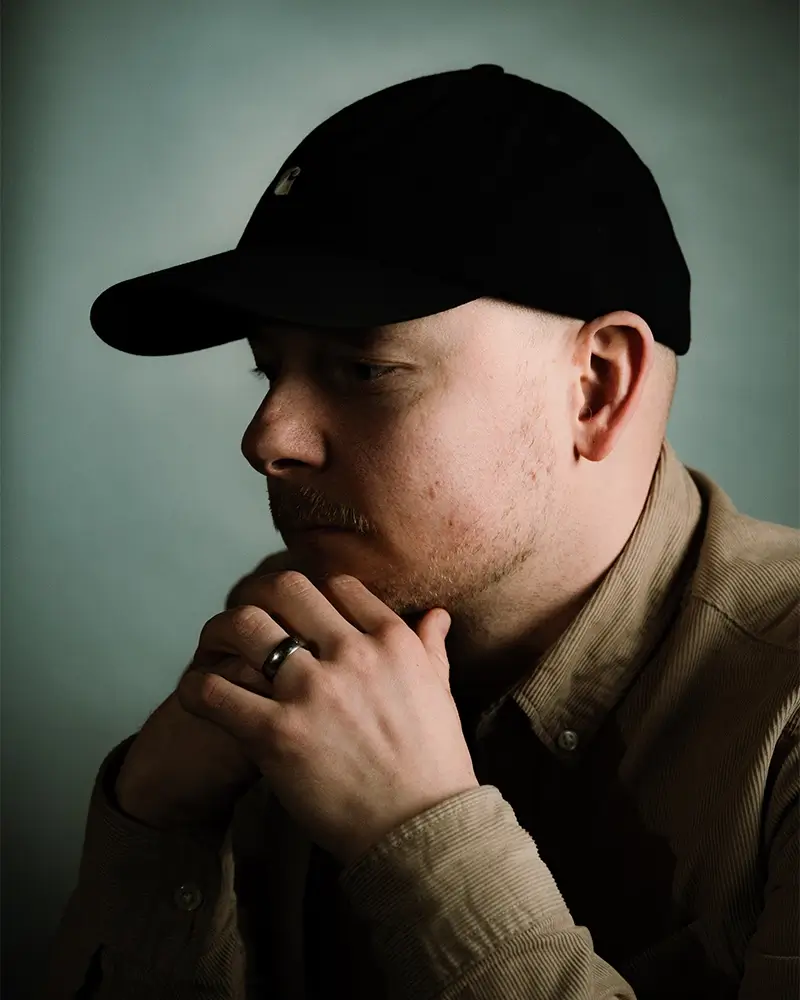
Pekka Välitalo
Pekka Välitalo
Pekka Välitalo

Pekka Välitalo

Country: Finland
Birth: 1985

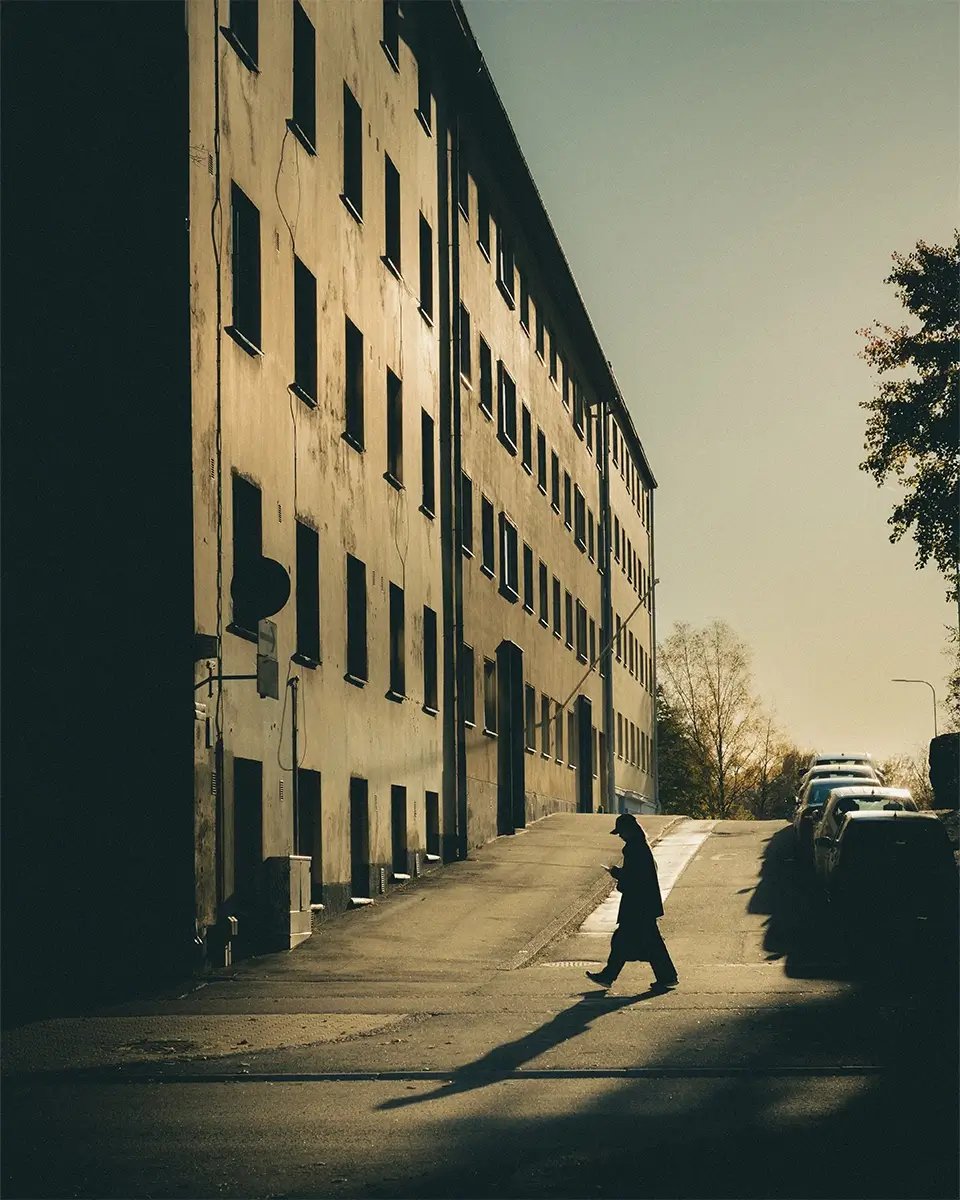
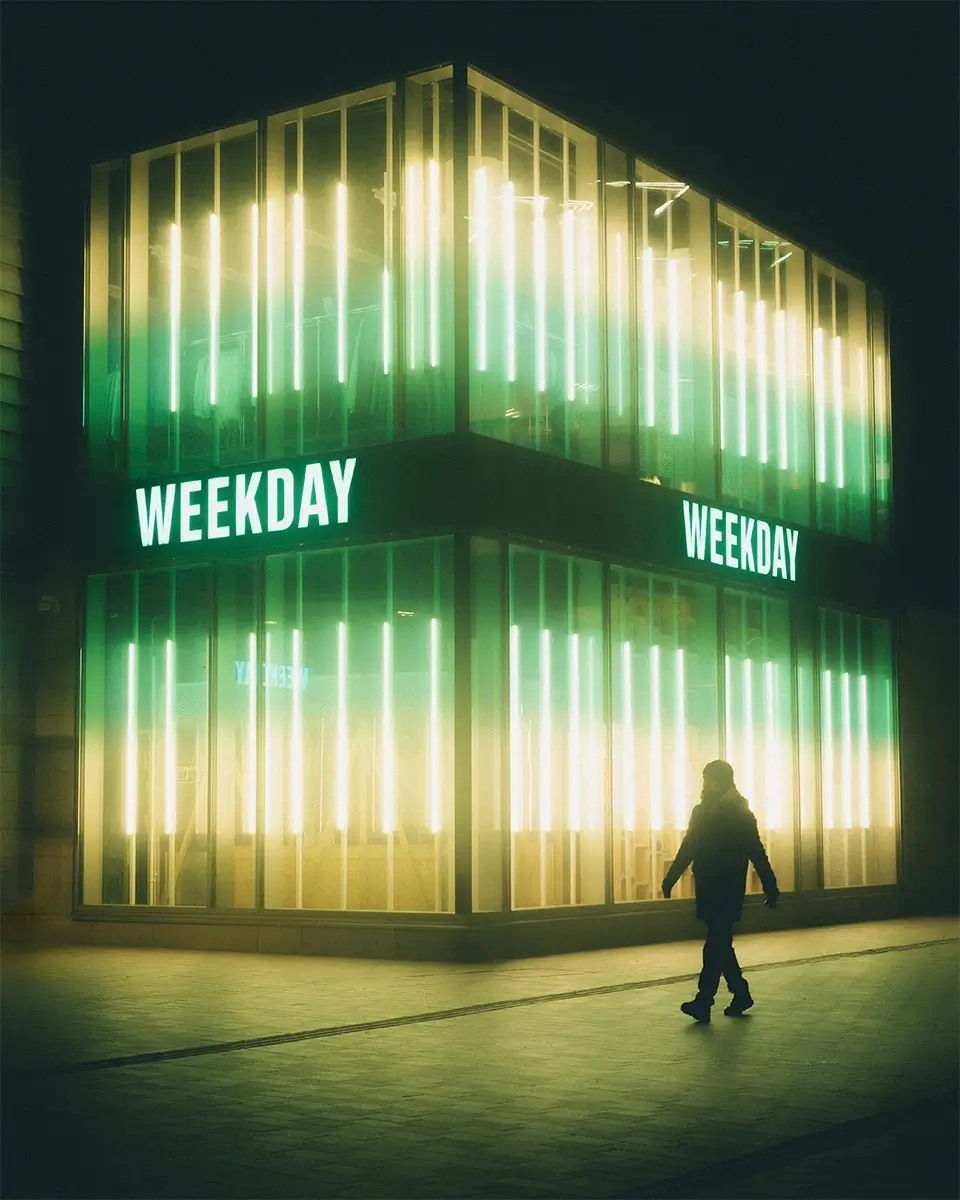
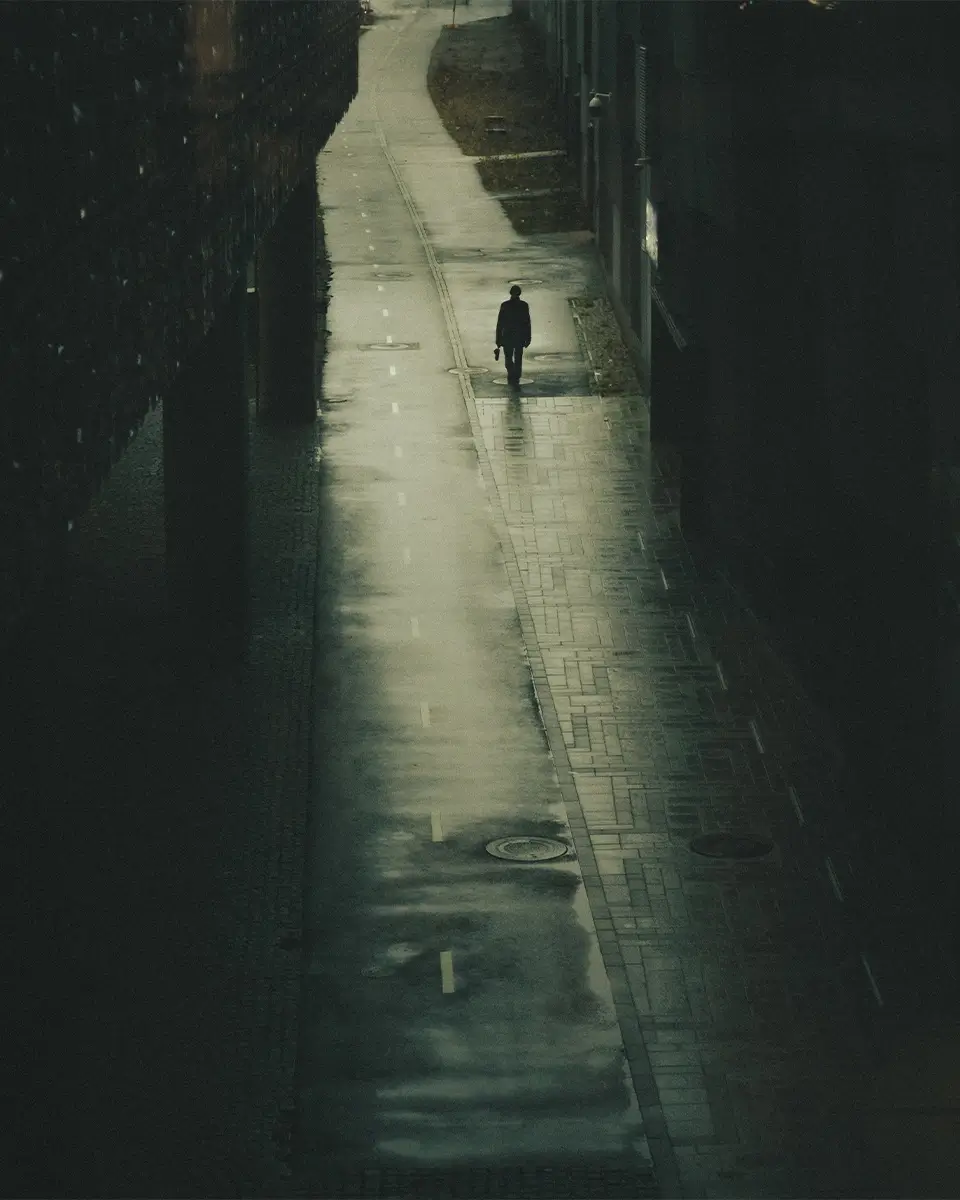
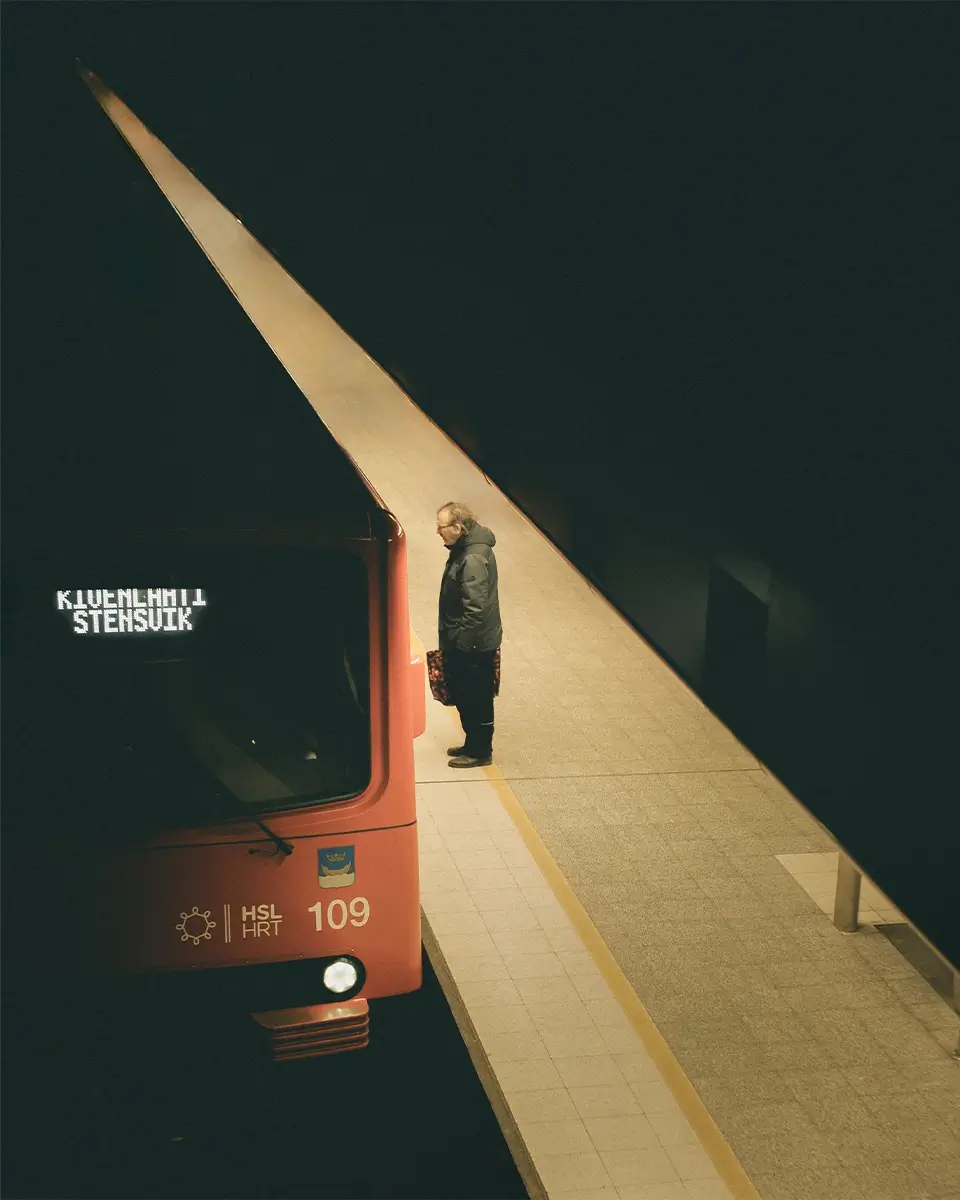
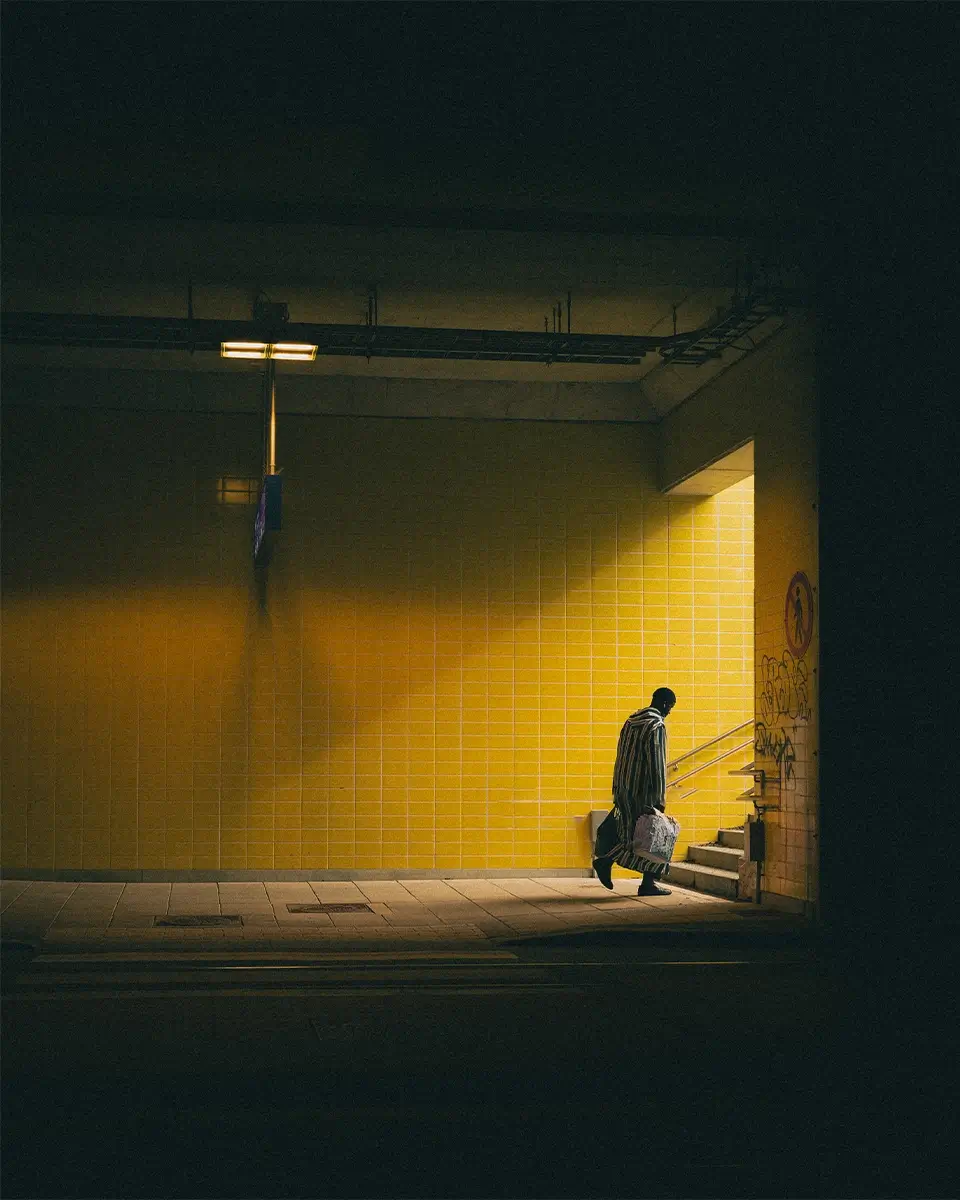
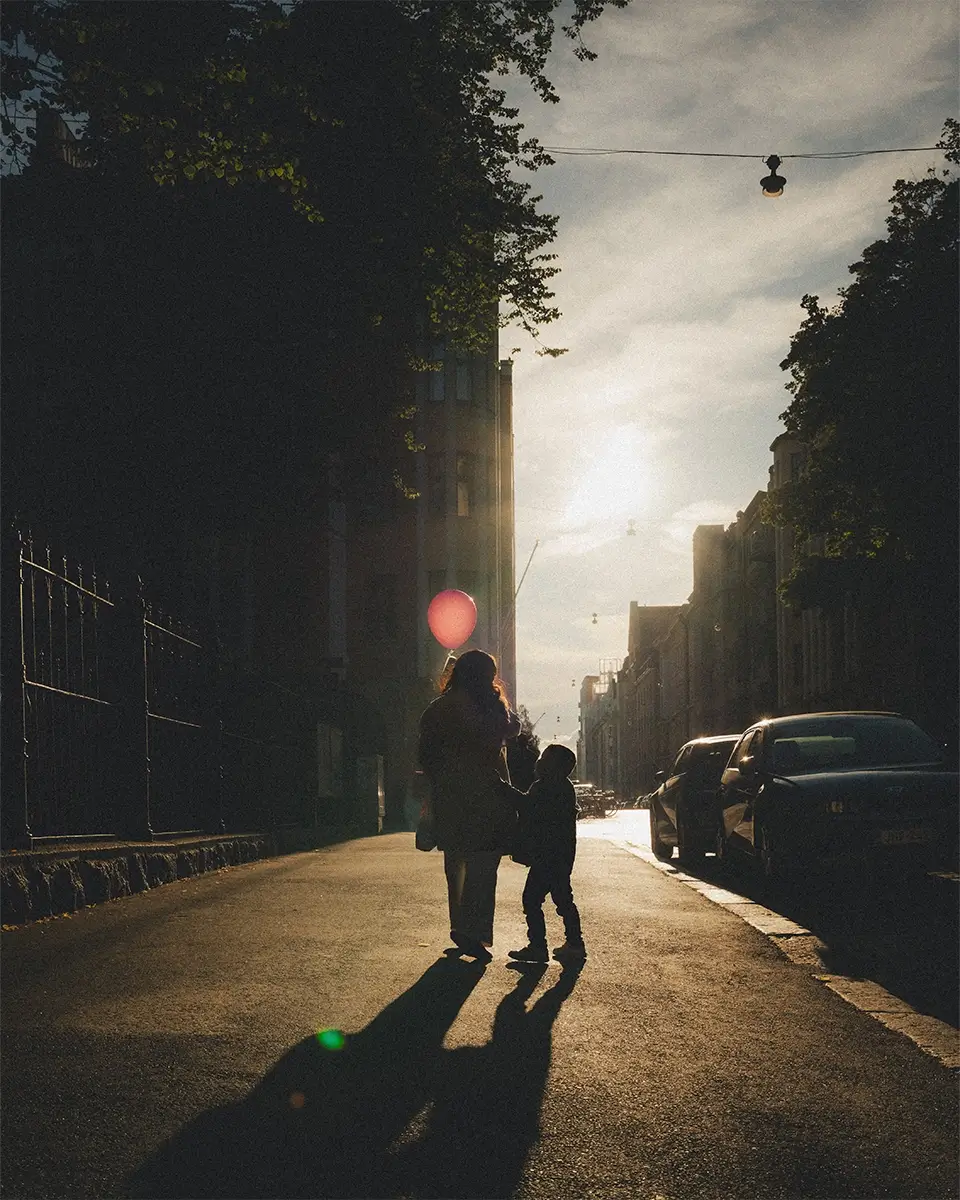
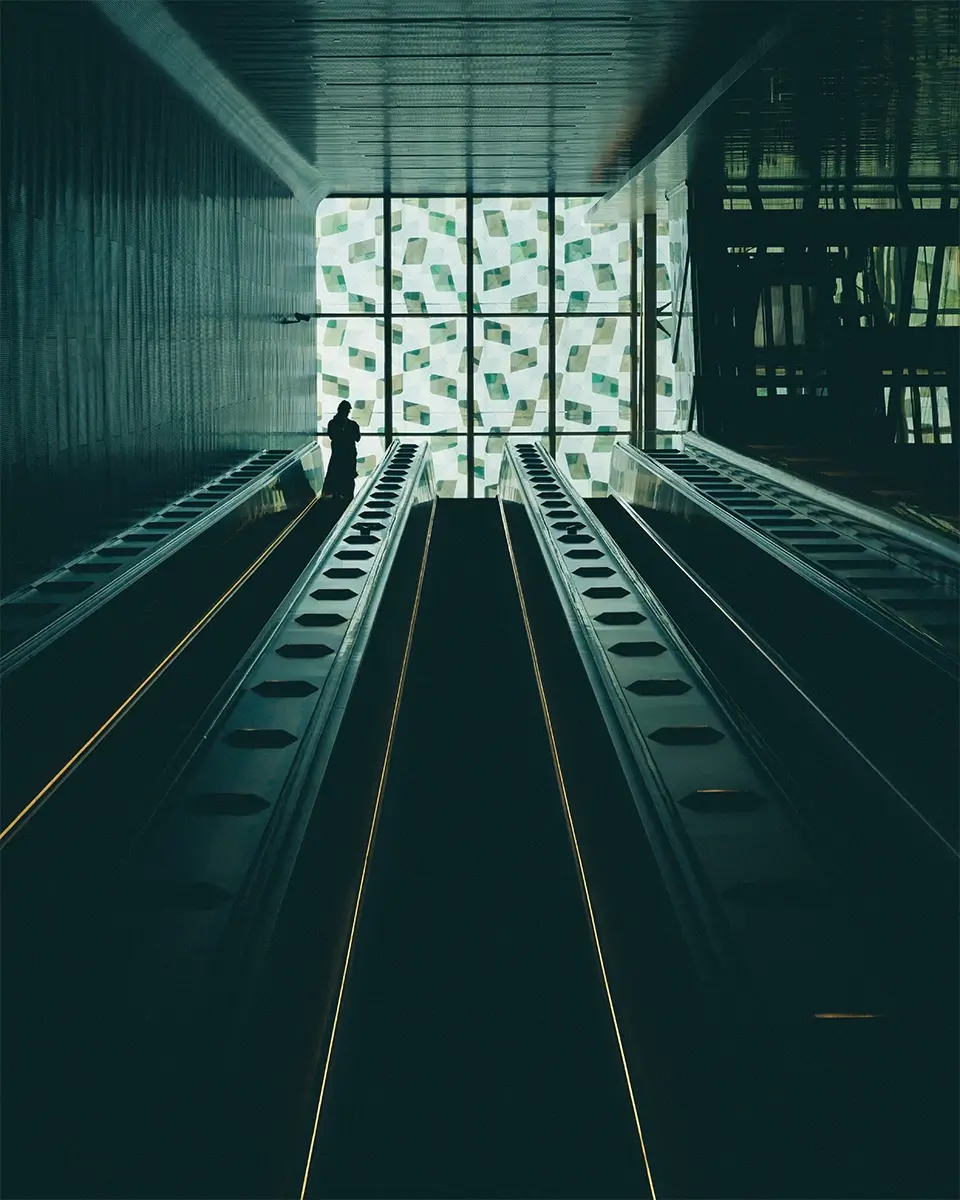
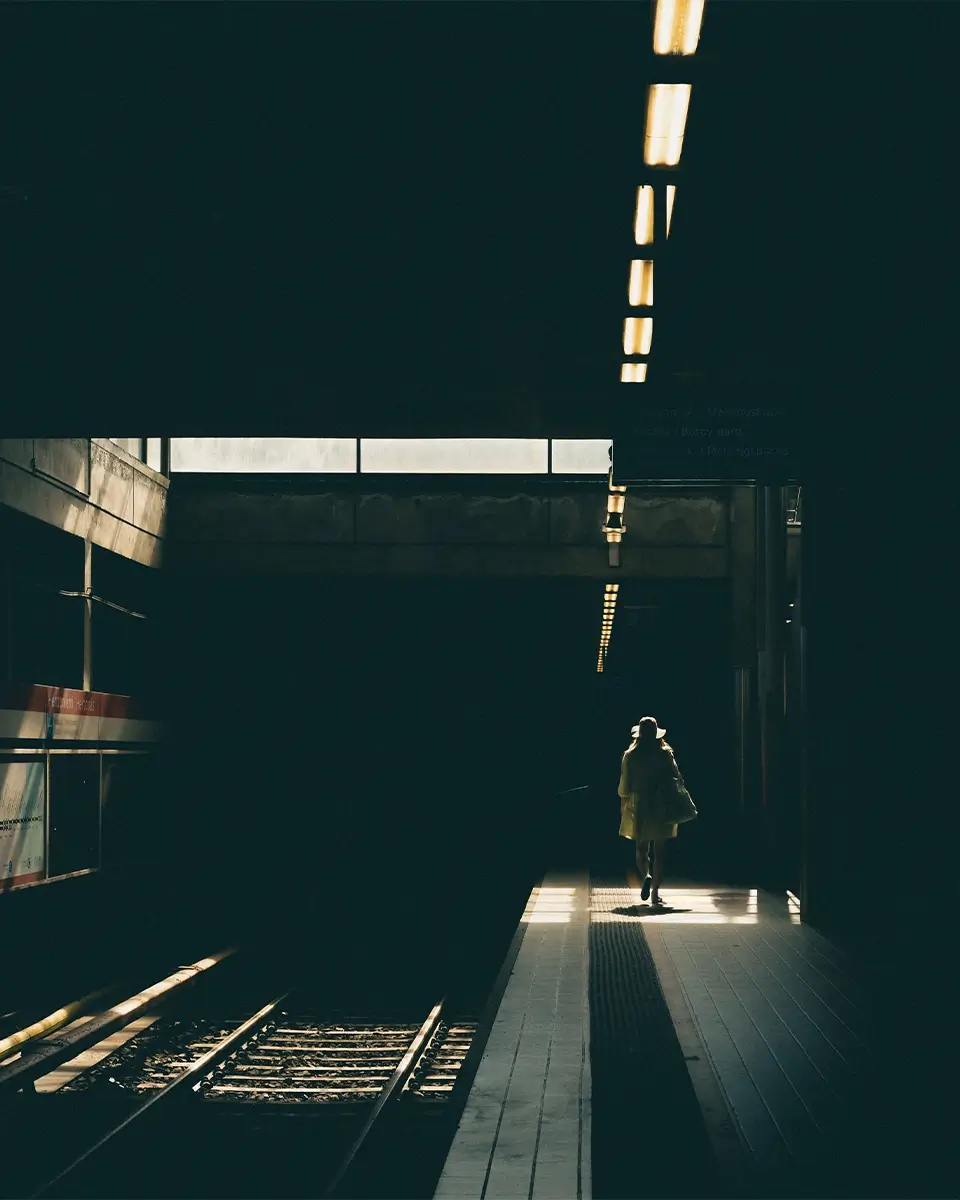
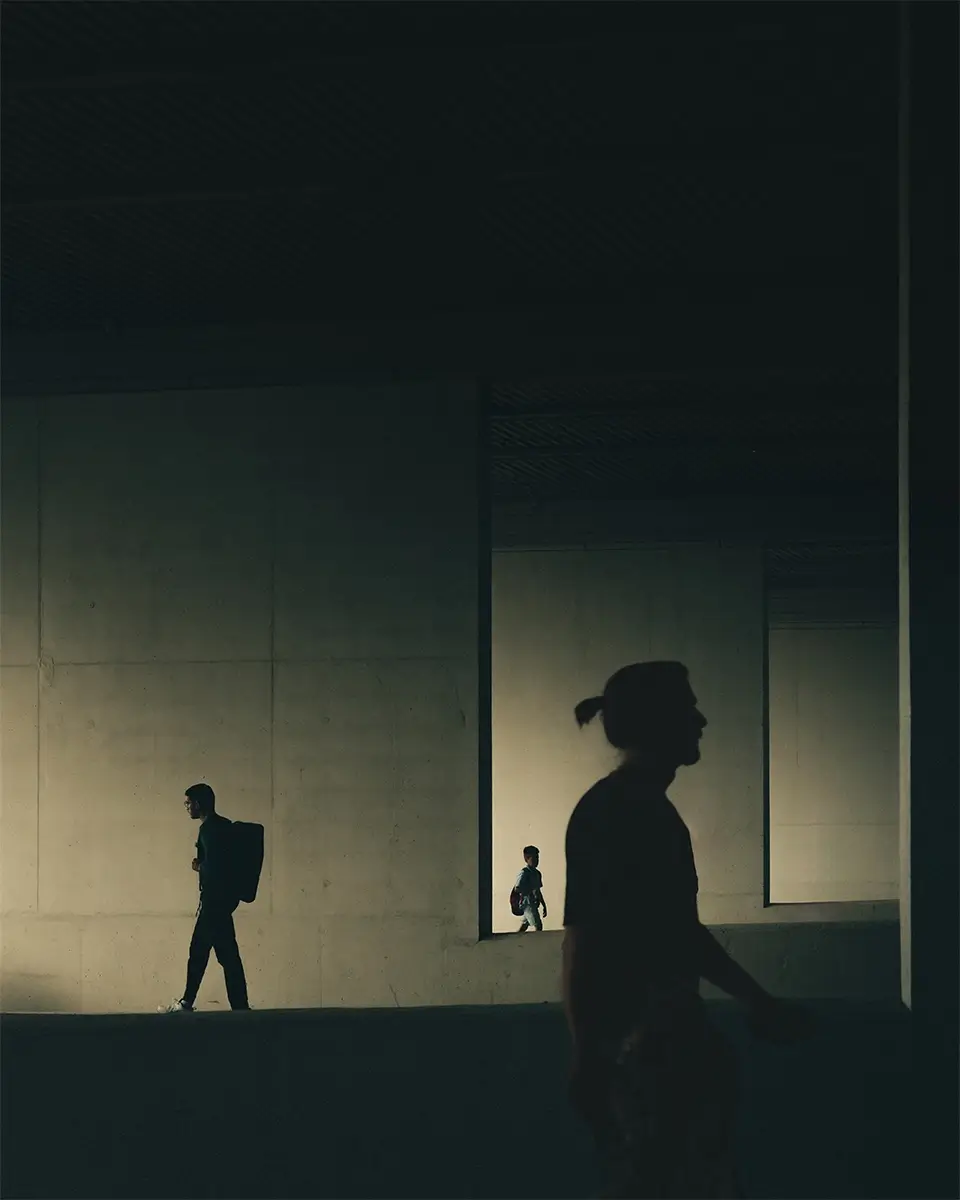
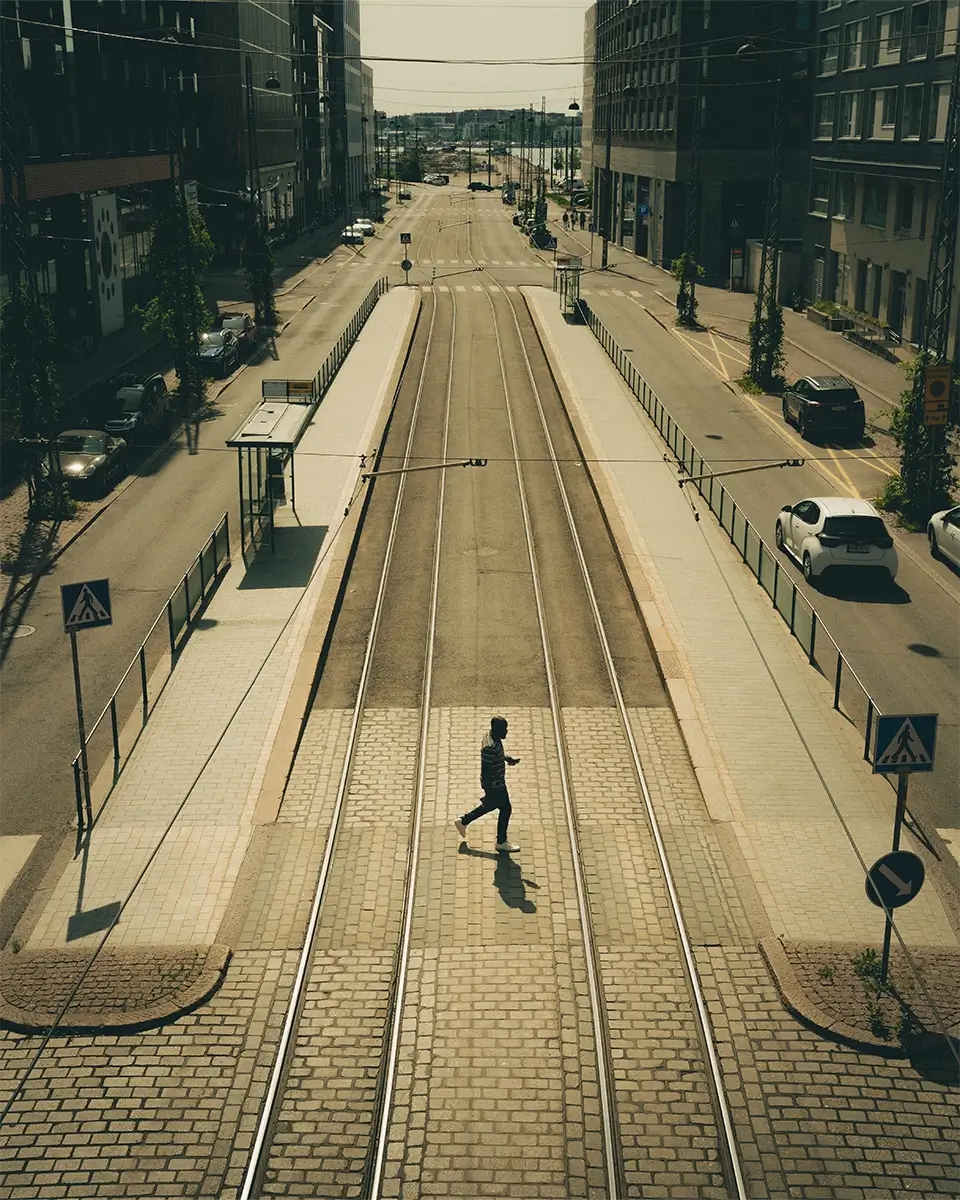
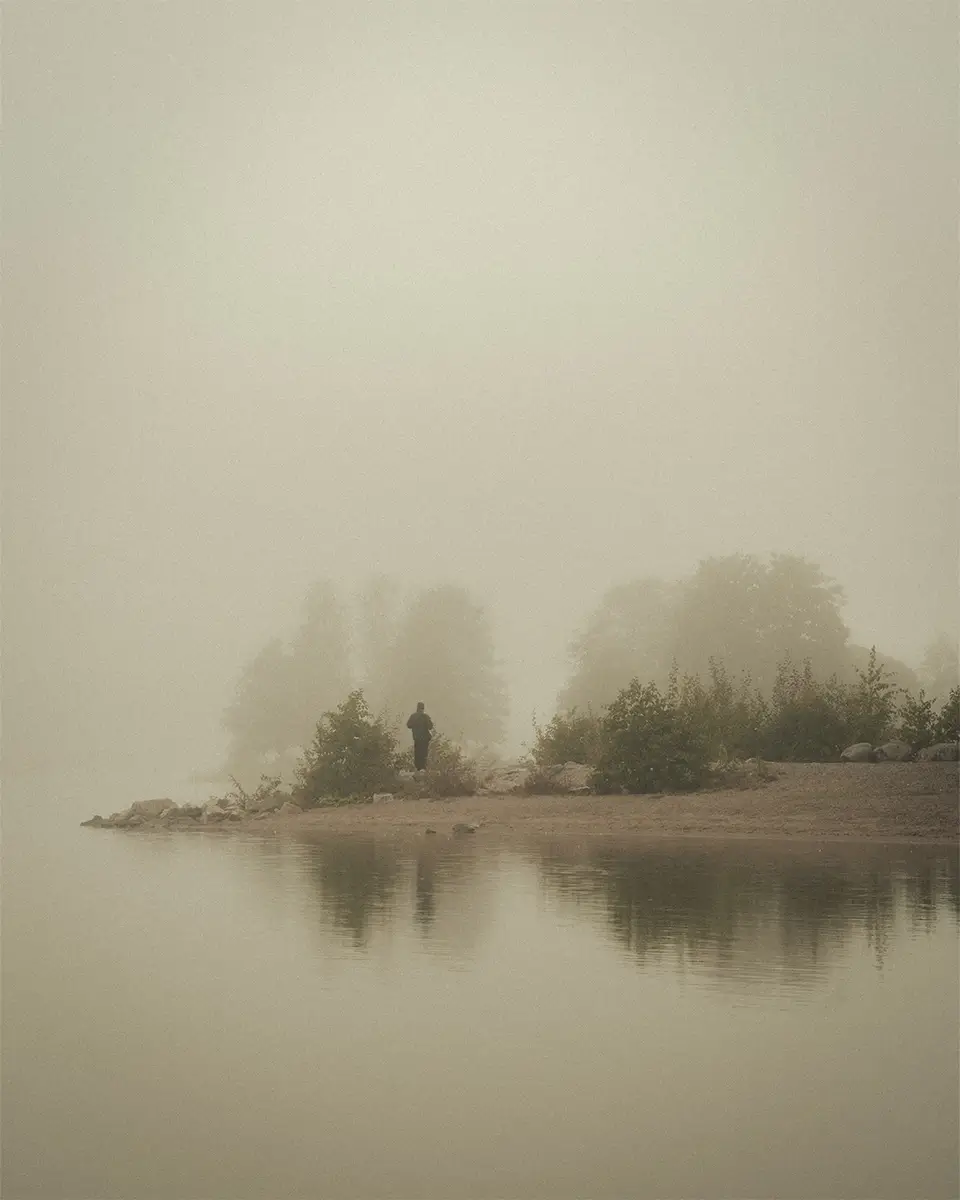
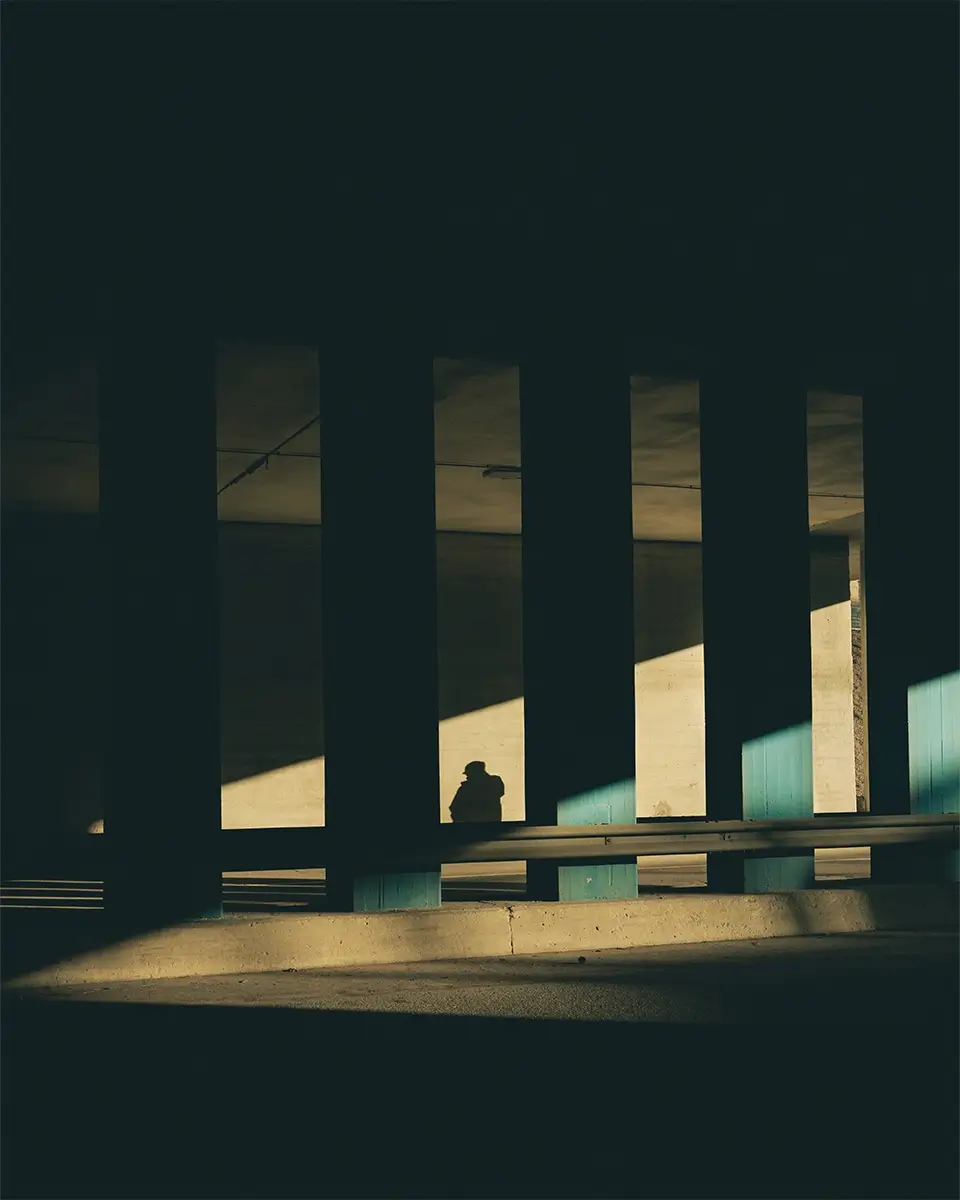
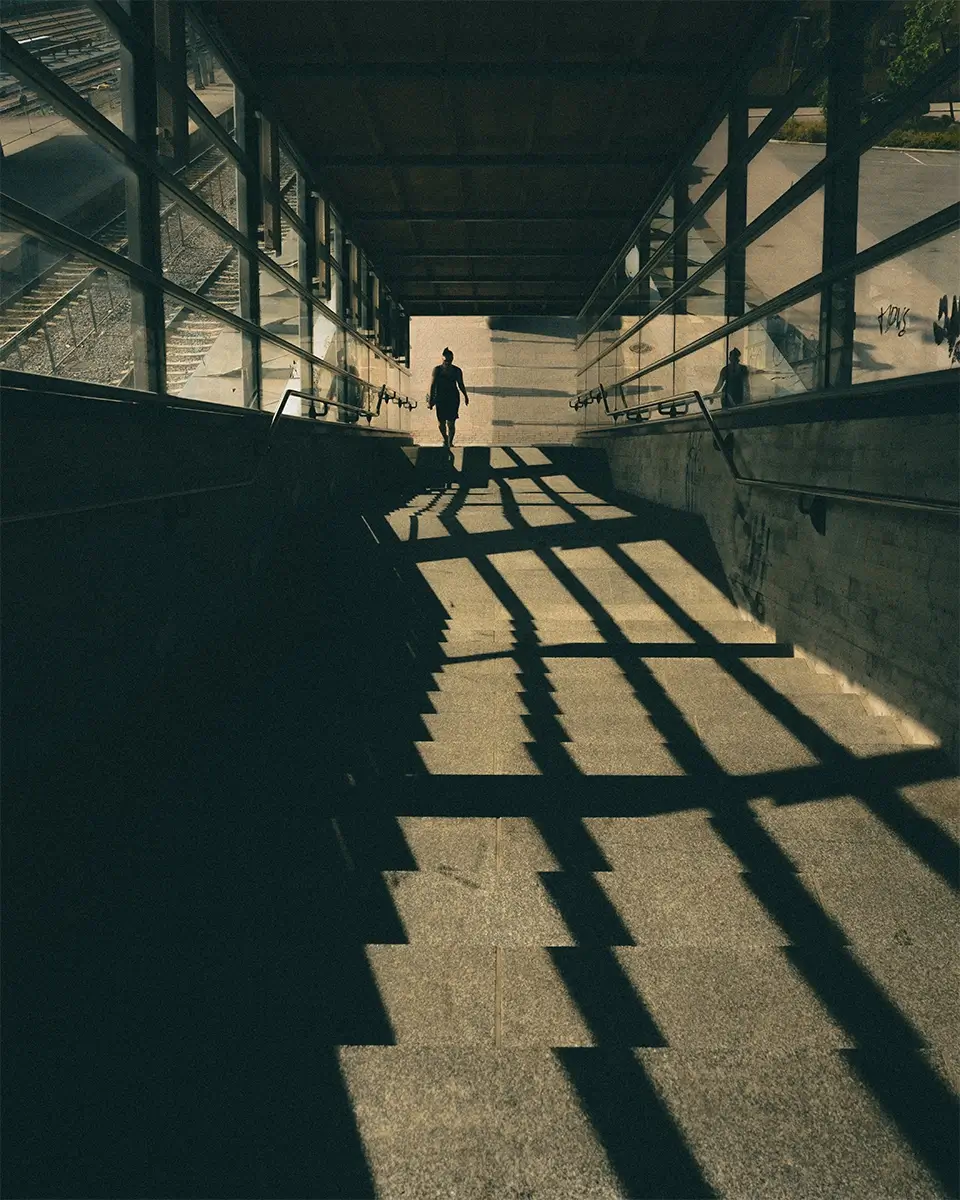
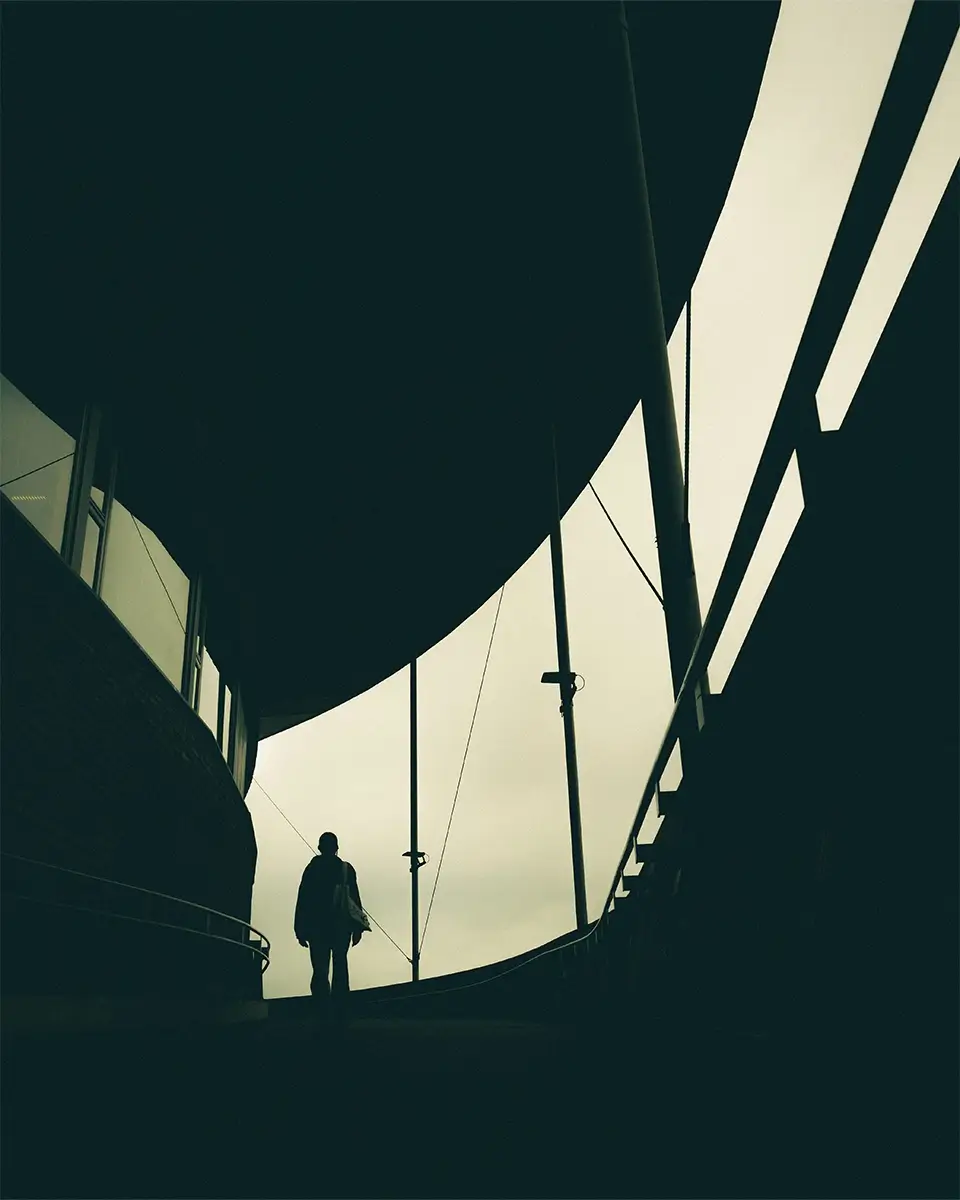
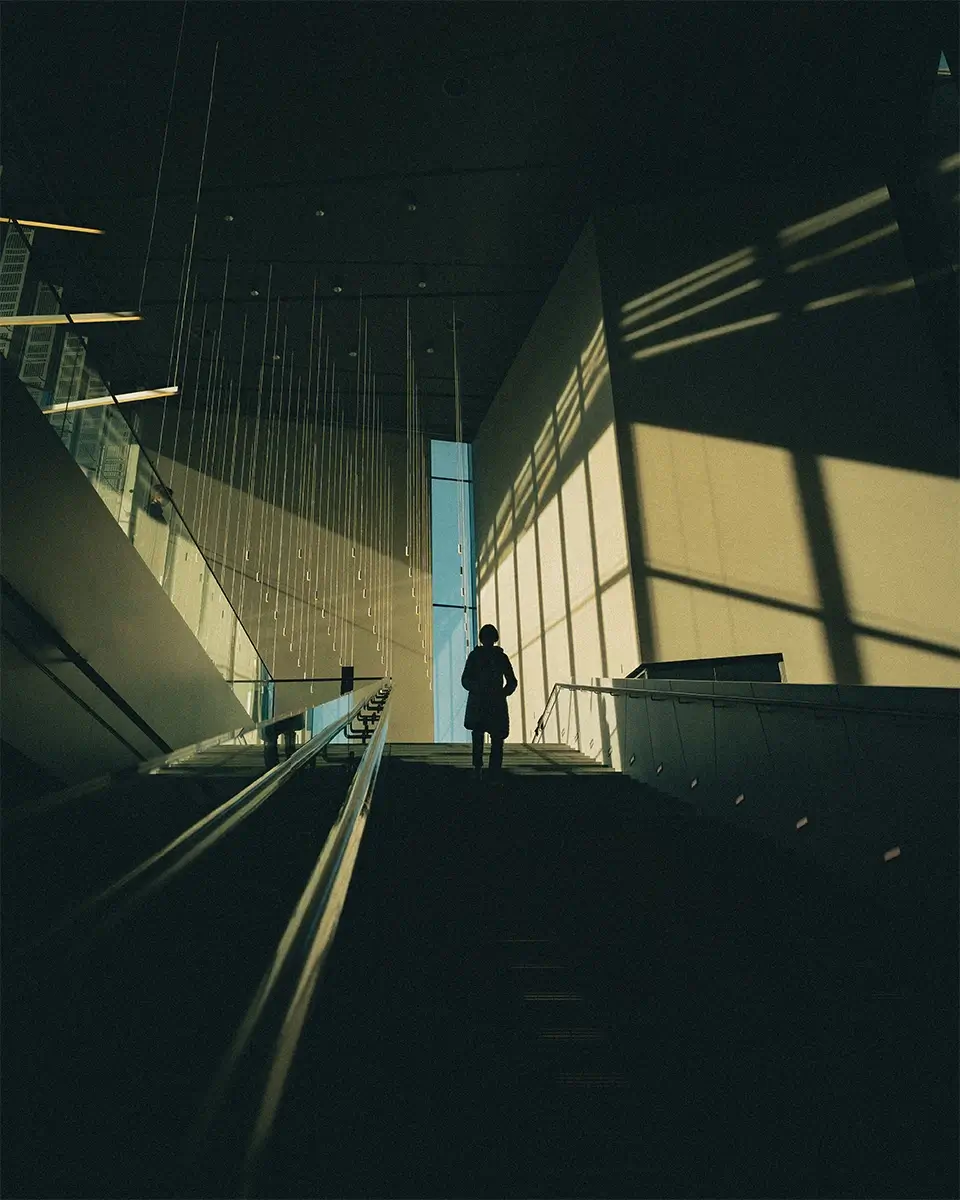
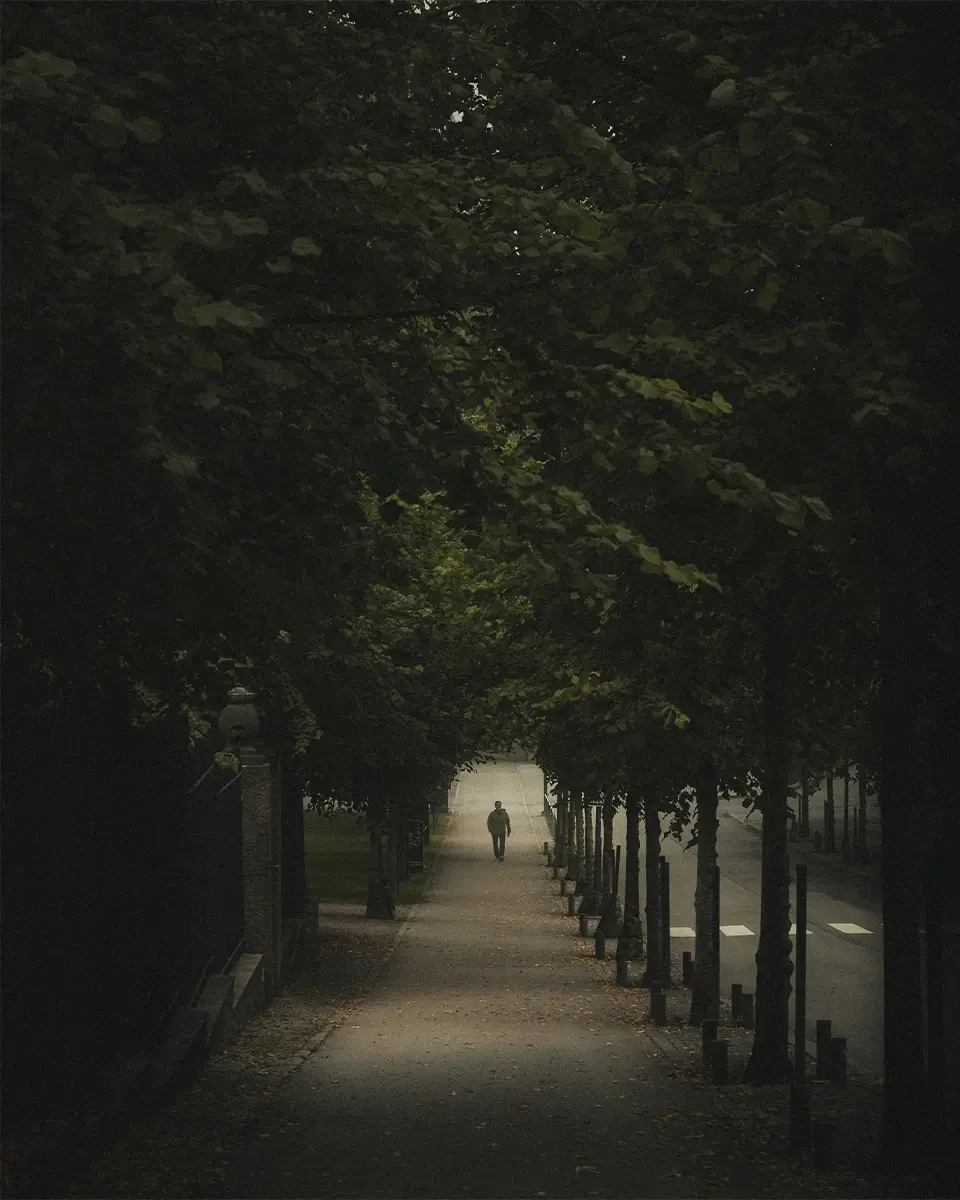
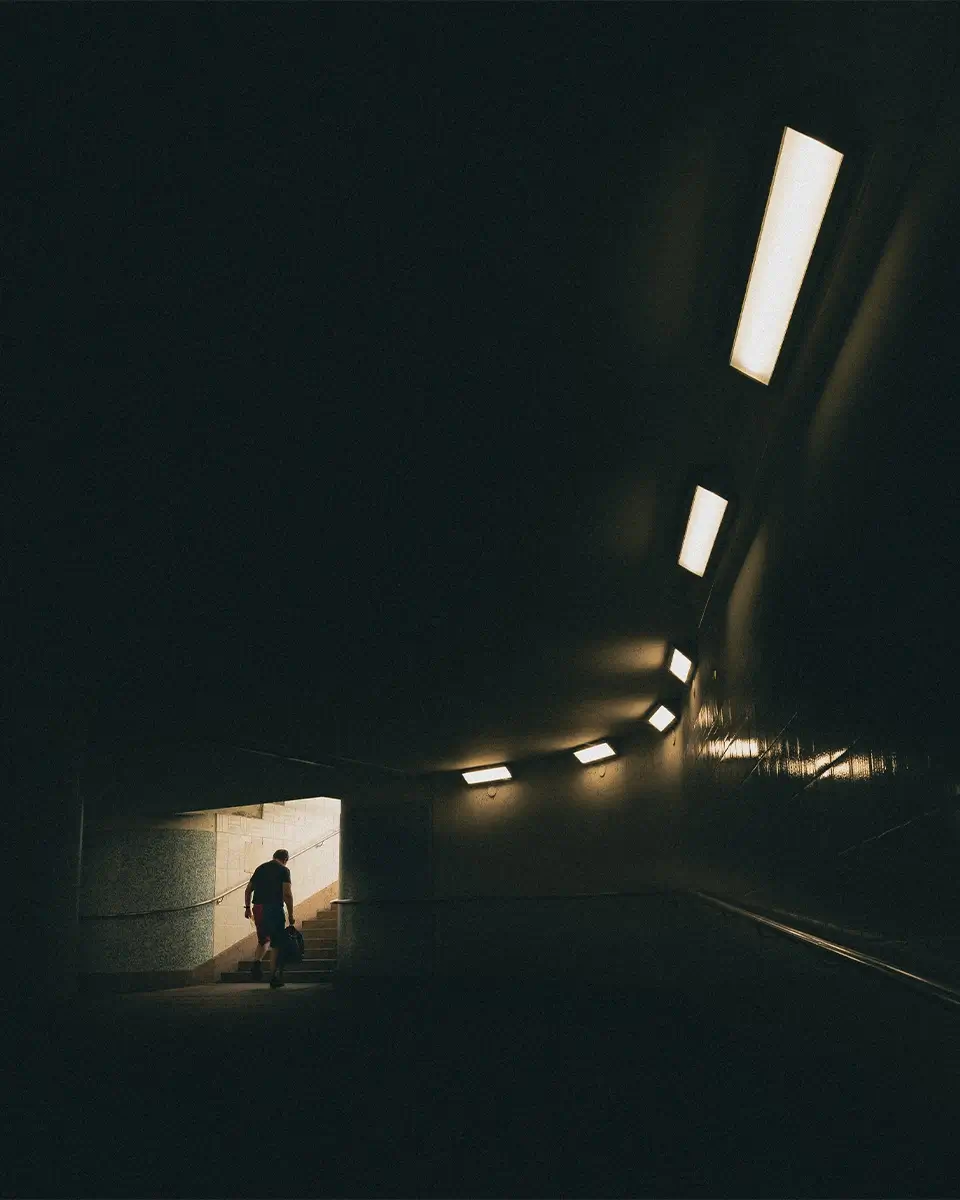
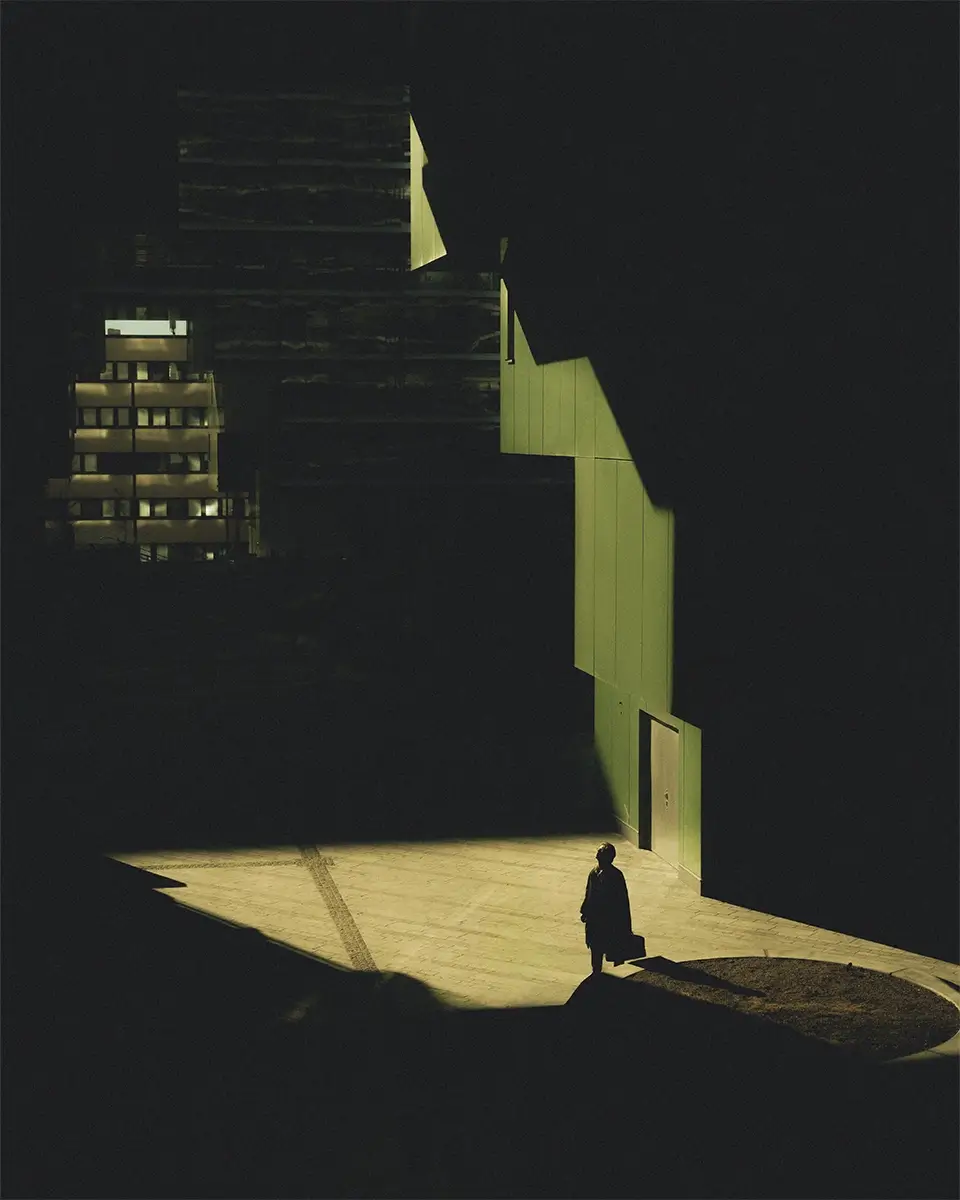
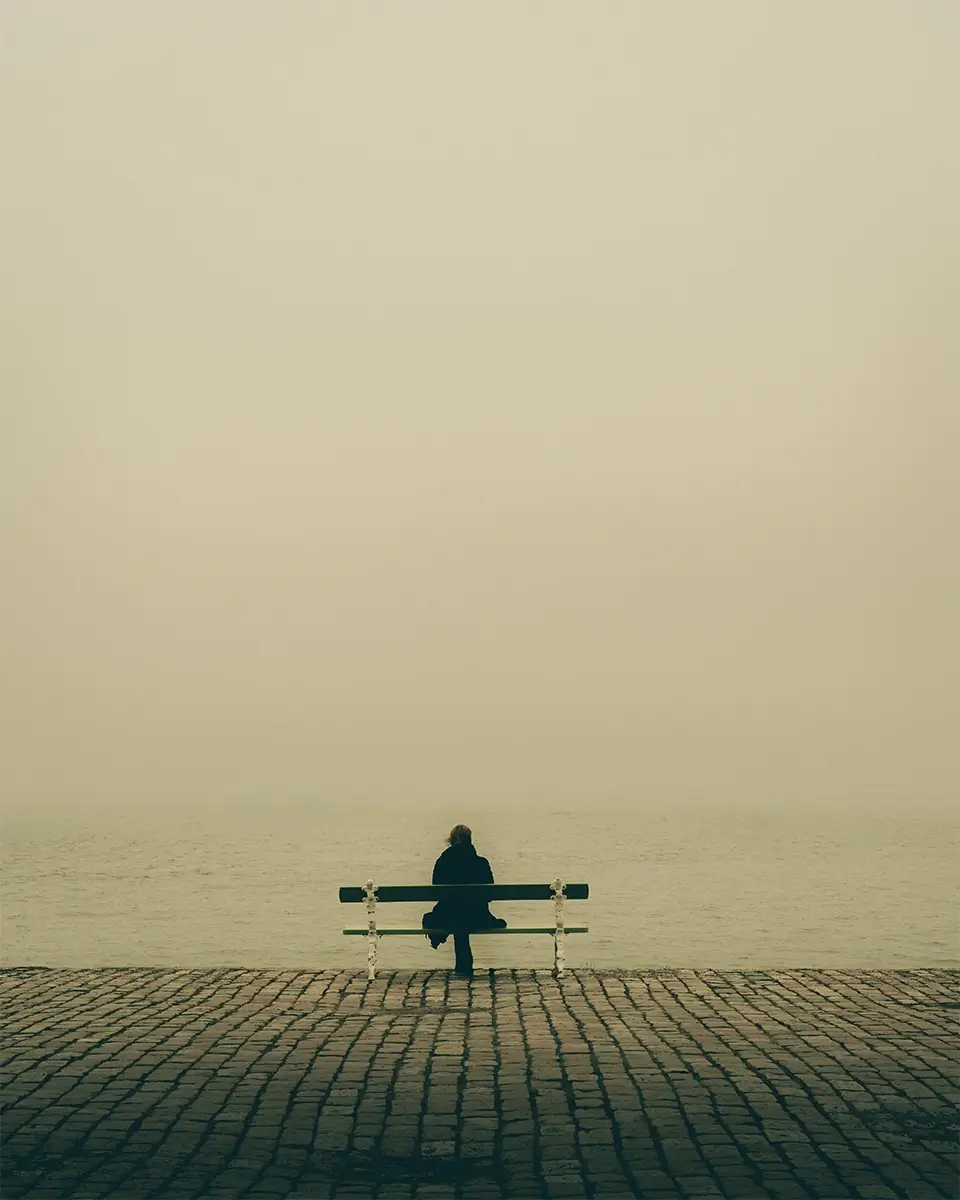
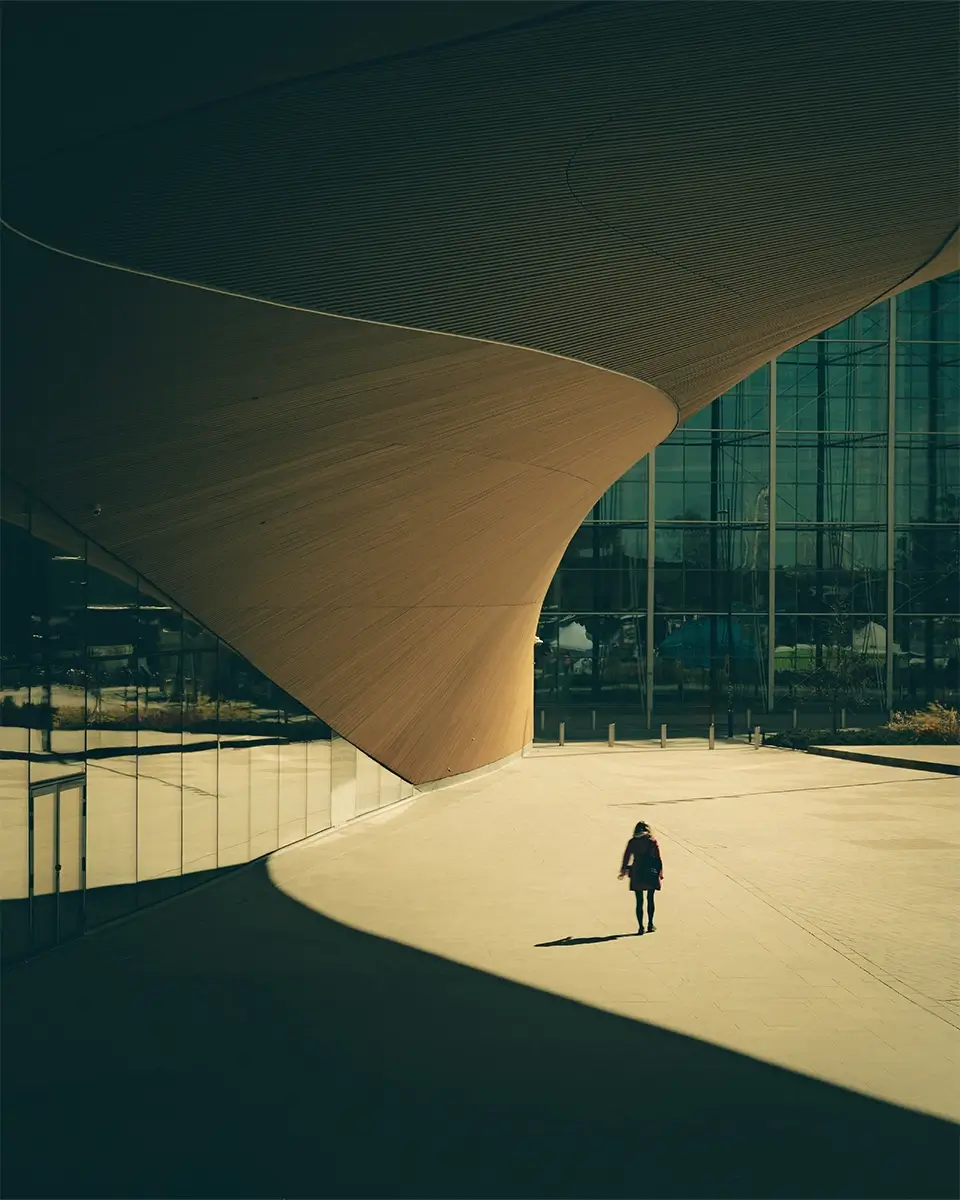
I’m a Finnish street photographer drawn to the quiet poetry of everyday life. Through light, shadow, and geometry, I search for beauty in fleeting urban moments — places where solitude and structure meet. In my work I try to balance precision and emotion, revealing the city in its simplest form: calm, clear, and quietly alive.

AAP Magazine:

AAP Magazine 52 Street
 

Inspiring Portfolios

Call for Entries
AAP Magazine #55 Women
Publish your work in our printed magazine and win $1,000 cash prizes
 
Stay up-to-date  with call for entries, deadlines and other news about exhibitions, galleries, publications, & special events.

More Great Photographers To Discover

Robert Adams
United States
1937
Robert Adams is an American photographer who has focused on the changing landscape of the American West. His work first came to prominence in the mid-1970s through the book The New West (1974) and the exhibition New Topographics: Photographs of a Man-Altered Landscape (1975). He was a John Simon Guggenheim Memorial Foundation Fellow in photography in 1973 and 1980, and he received the MacArthur Foundation's MacArthur Fellowship in 1994. Robert Adams, son of Lois Hickman Adams and Ross Adams, was born on May 8, 1937 in Orange, New Jersey. In 1940 they moved to Madison, New Jersey where his younger sister Carolyn was born. Then in 1947 he moved to Madison, Wisconsin for five years, where he contracted polio at age 12 in 1949 in his back, left arm, and hand but was able to recover. Moving one last time in 1952 his family goes to Wheat Ridge, Colorado, a suburb of Denver, when his father secured a job in Denver. The final strength in really great photographs is that they suggest more than just what they show literally. -- Robert Adams His family moved to Colorado partly because of the chronic bronchial problems that he suffered from in Madison, New Jersey around age 5 as an attempt to help alleviate those problems. He continued to suffer from asthma and allergy problems. During his childhood, Adams often accompanied his father on walks and hikes through the woods on Sunday afternoons. He also enjoyed playing baseball in open fields and working with his father on carpentry projects. He was an active Boy Scout, and was also active with the Methodist church that his family attended. He and his father made several raft trips through Dinosaur National Monument, and during his adolescent years he worked at boys' camps at Rocky Mountain National Park in Colorado. He also took trips on pack horses and went mountain climbing. He and his sister began visiting the Denver Art Museum. Adams also learned to like reading and it soon became an enjoyment for him. In 1955, he hunted for the last time. Adams enrolled in the University of Colorado, Boulder in 1955, and attended it for his freshman year, but decided to transfer the next year to the University of Redlands in California where he received his B.A. in English from Redlands in 1959. He continued his graduate studies at the University of Southern California and he received his Ph.D. in English in 1965. In 1960 while at Redlands, he met and married Kerstin Mornestam, Swedish native, who shared the same interest in the arts and nature. Robert and Kerstin spent their first few summers together in Oregon along the coast, where they took long walks on the beach and spent their evenings reading. In 1962 they moved back to Colorado, and Adams began teaching English at Colorado College in Colorado Springs. In 1963, Adams bought a 35mm reflex camera and began to take pictures mostly of nature and architecture. He soon read complete sets of Camera Work and Aperture at the Colorado Springs Fine Arts Center. He learned photographic technique from Myron Wood, a professional photographer who lived in Colorado. While finishing his dissertation, he began to photograph in 1964. In 1967, he began to teach only part-time in order to have more time to photograph. He met John Szarkowski, then curator of photography at the Museum of Modern Art, on a trip to New York City in 1969. The museum later bought four of his prints. In 1970, he began working as a full-time photographer.Source: Wikipedia Nature photography… that acknowledges what is wrong, is admittedly sometimes hard to bear—it has to encompass our mistakes. Yet in the long run, it is important; in order to endure our age of apocalypse, we have to be reconciled not only to avalanche and hurricane, but to ourselves. -- Robert Adams Robert Adams is an American photographer best known for his images of the American West. Offering solemn meditations on the landscapes of California, Colorado, and Oregon, Adams’s black-and-white photos document the changes wrought by humans upon nature. “By Interstate 70: a dog skeleton, a vacuum cleaner, TV dinners, a doll, a pie, rolls of carpet. Later, next to the South Platte River: algae, broken concrete, jet contrails, the smell of crude oil,” he wrote. “What I hope to document, though not at the expense of surface detail, is the form that underlies this apparent chaos.” Born on May 8, 1937 in Orange, NJ, his family moved around the Midwest throughout his childhood, finally settling in Wheat Ridge, CO in 1952. Adams went on to study English at the University of Redlands and received his PhD in English from the University of Southern California in 1965. It wasn’t until the near completion of his dissertation for USC that Adams began to take photography seriously, learning techniques from professional photographer Myron Wood and reading Aperture magazine. In the 1970s, he was released the book The New West (1974), and a year later was included in the seminal exhibition New Topographics: Photographs of a Man-Altered Landscape. Adams has twice been the recipient of the Guggenheim Fellowship and once the recipient of a MacArthur Fellowship. Adams lives and works in Astoria, OR. Today, his works can be found in the collections of the Whitney Museum of American Art in New York, the National Gallery of Art in Washington, D.C., and the Los Angeles County Museum of Art, among others. Source: Artnet
Jimmy Nelson
United Kingdom
1967
Jimmy Nelson, born in 1967, embarked on a transformative journey across Tibet at age 17, captured by English National Geographic. He became a photojournalist, covering war zones and producing "Literary Portraits of China" for Shell Oil. Later, he celebrated global diversity with "Before they Pass Away" and "Homage to Humanity. " Through his lens, Nelson immortalized indigenous cultures, inspiring cultural preservation and appreciation worldwide. James Philip Nelson, born in 1967 in Sevenoaks, Kent, led a diverse childhood marked by travels across Africa, Asia, and South America alongside his father, a geologist for International Shell. At 16, he developed Alopecia totalis, triggered by stress and malaria medication. A year later, he embarked on a two-year trek across Tibet, capturing the journey with a small camera. Upon his return, his images were published by English National Geographic. Subsequently, Nelson ventured into photojournalism, documenting war zones and later commissioned by Shell Oil for Literary Portraits of China. Transitioning to commercial advertising in 1997, he continued to document remote cultures. In 2010, Nelson embarked on his second book, Before they Pass Away, a three-year endeavor photographing over 35 indigenous tribes worldwide. Using a 50-year-old 4x5in camera, Nelson drew inspiration from Edward S. Curtis, aiming to romantically portray his subjects. He emphasized that the project was not about factual accuracy but rather his artistic interpretation of diversity and beauty. Tribes photographed included the Huli and Kalam tribes of New Guinea, the Tsaatan of Mongolia, and the Mursi people of Ethiopia's Omo River valley. Financing came from Dutch billionaire Marcel Boekhoorn, resulting in a published book with photographs, texts, and limited editions. In September 2018, Nelson released his third book, Homage to Humanity, featuring over 400 photographs showcasing 30 indigenous cultures. The book includes interviews with tribal members, infographics about the depicted locations and cultures, and an application incorporating 360° film material linked to the images, along with behind-the-scenes videos and travel background information. Nelson collaborated with assistant Stephanie van der Wiel, whom he met at Leiden's National Museum of Ethnology. "Homage to Humanity" aims to be more inclusive than Nelson's previous work, addressing criticisms of his earlier book, "Before they Pass Away." Papuan chief Mundiya Kepanga emphasizes in the foreword the importance of preserving cultural values and identity for future generations.
Elise Boularan
France
1984
Elise Boularan grew up in the South of France and has a Master's degree in Creation and Artistic Research from the University of Toulouse. She also studied photography at the Toulouse School of Photography. After finishing her academic research and studies, she moved to Paris. She currently lives between Paris and Toulouse, pursuing a career as a photographic artist.She develops a photographic work turned to the story, realizing images loaded with ellipses and silences. This work does not shy away from the world, but intends to build an interpretation, where something deaf, undefinable is very present. Her preoccupations concern the human reality of our time, trying to reveal what can be secret at the individual's.She has been published extensively and has exhibited in Europe and the USA, notably in Madrid, Denmark, and New York, as well as the French Institute of Ukraine, The Museum of New Art (Mona) and The Russell Industrial Center (Mona Detroit) in Detroit; the Instituto Cultural de México, San Antonio, Texas Hill Country, Usa. Her work is in several private collections.Elise Boularan works also for international & national press and collaborates with musicians and other artists, making the universe of songs match perfectly with her poetical vision.All about photo: When did you realize you wanted to be a photographer?I had already done specialized studies in photography, but I remember I really got caught by the photographer' syndrome when I was in Belgium.Do you spend a lot of time editing your images? For what purpose?After the shooting. there is a lot of work. I don't retouch a lot my images or give this impression... But I spend a great deal of time to select and to see which images work together. It's a difficult and very interesting work.The compliment that touched you most?Indeed, there is a compliment which particularly touched me some years ago in Paris. A compliment coming from one of my references photograph, a famous photographer who has a remarkable work. When we met us, she wanted to discover my work and it was unexpected for me to have compliments on my work from her. And the next day, she phoned me to thank me, because my work had motivated her to boost in her creations again. Is there another job you could have done?No, I don't think so. But it's a good question because we should make no mistake about it, the artistic crafts aren't easy so we can have this kind of questions. But my answer is no.
Jana Šantavá
Slovakia
1978
Jana Šantavá is a visual artist and fine art photographer based in Bratislava, Slovakia. Her work explores themes of introspection, identity, and the space between reality and dream, often through staged, cinematic imagery that invites the viewer into layered narratives. Using mirrors, duplicated figures, and subtle surreal elements, she creates photographs that function as both visual poetry and metaphorical self-portraits of the human psyche. Her photographs have been exhibited internationally in cities such as Paris, Milan, New York, Venice, Arles, Budapest, and Athens, as well as across Slovakia. She has received multiple awards, including the Gold Medal at the Budapest International Foto Awards 2023, Silver at the World Photo Annual 2023, and recognition from PX3 de la Photographie Paris 2023. In 2024, she presented her solo exhibition Echoes of Identity at the Slovak Institute in Berlin. In 2025, her works are featured at ImageNation London and ImageNation New York, continuing her presence on the international fine art photography scene. Through her distinctive visual language, Šantavá challenges the boundaries between staged reality and dreamlike fiction, offering viewers a space for reflection, emotion, and self-discovery. Artist Statement In my work, I explore silence, introspection, and the space between reality and dream. I am fascinated by the idea of the doppelgänger – the second self – reflecting our inner divisions and untold stories. In my photographs, a figure often turns away, gazes through a curtain, or into a mirror. This moment of indirect gaze becomes a key to intimacy – opening a space for the viewer to become the co-author of the narrative. I stage scenes where I work with mirrors, duplicated figures, and strong color contrasts. My aim is not only aesthetic but also metaphorical – a reflection of our inner dialogues, desires, and contradictions. Each photograph is, for me, a visual trace of an emotional movement that cannot be captured in words. My goal is to create images that awaken questions rather than provide answers, opening an inner conversation about what might be hidden behind an apparent calm. Awarded Photographer of the Week - Week 34, 2025
Wendi Schneider
United States
1955
Wendi Schneider is visual artist illuminating impressions of grace and vanishing beauty in our vulnerable environment with photography and precious metals. Her work is influenced by the lush landscapes of Memphis and New Orleans and a background in painting and art history - in particular Whistler and Steichen, and other Pictorialists and Tonalists. She turned to photography in the early 1980s to create references for her paintings. Mesmerized by the alchemy of the darkroom, yet missing the sensuousness of oils, she layered glazes on her prints to create a heightened reality. She moved to New York in 1988, where she also photographed for advertising, book covers and Victoria Magazine, and to Denver in 1994, later sidelining her fine art practice while raising her son and working in commissioned photography, art direction, and design. Inspired to return to fine art photography in 2010, she soon began her ongoing series 'States of Grace' - engaging digital to capture, layer and print her images, then applying gold or silver on verso to infuse the artist's hand and suffuse her subjects with the spirituality and sanctity of the precious metals - insuring each print is a unique object of reverence. Her photographs have been shown in numerous solo and group exhibits internationally and are held in permanent collections at the New Orleans Museum of Art, the Memphis Brooks Museum, the Center for Creative Photography, Auburn University Library, and the Try-Me Collection. Statement My work is rooted in the serenity I find in the sinuous elegance of organic forms. It's a celebration of the senses anchored in the visual. I'm transfixed and transformed in the art of capturing the stillness of the suspended movement of light and compelled to preserve the visual poetry of these fleeting moments of vanishing beauty in our vulnerable environment. I photograph intuitively - what I feel, as much as what I see. Informed by a background in painting, art history and design, I layered oils on silver gelatin prints in the '80s and '90s to find balance between the real and the imagined. My images are now layered digitally with color and texture, often altered within the edition, honoring the inconsistency. Printed on translucent vellum or kozo, these ethereal impressions are illuminated with white gold, moon gold, 24k gold or silver on verso, creating a luminosity that varies as the viewer's position and ambient light transition. My process infuses the artist's hand and suffuses the treasured subjects with the implied spirituality and sanctity of the precious metals - insuring each print is a unique object of reverence. 'States of Grace' has evolved organically into series within series that can be curated by subject, theme, treatment or feeling. Galleries A Gallery for Fine Photography Anika Dawkins Gallery Catherine Couturier Gallery Galeria PhotoGraphic Rick Wester Fine Art Vision Gallery
Carol Beckwith
United States
Thirty years of work on the African continent have carried Carol Beckwith and Angela Fisher across 270,000 miles and through remote corners of 40 countries in exploration of more than 150 African cultures. In the process, this team of world-renowned photographers has produced fourteen widely acclaimed books and made four films about traditional Africa. They have been granted unprecedented access to African tribal rites and rituals and continue to be honored worldwide for their powerful photographs documenting the traditional ceremonies of cultures thousands of years old. As an intrepid team of explorers, they are committed to preserving sacred tribal ceremonies and African cultural traditions all too vulnerable to the trends of modernity. The Beckwith-Fisher images are the result of a long, enduring and deeply respectful relationship with African tribal peoples. This, combined with their photographic skills, creates an intimate portrayal of ceremonies long held secret that might have never been recorded. Their work preserves and presents the power, complexity and celebration found within the rituals of African tribal life. Their extraordinary photographs are recorded in fourteen best-selling books and in their films. Their new book “Painted Bodies” (2012) follows “Maasai” (1980), “Nomads of Niger” (1983), “Africa Adorned” (1984), “African Ark” (1990), “African Ceremonies” (1999), “Passages” (2000), “Faces of Africa” (2004), “Lamu: Kenya’s Enchanted Island” (2009), and “Dinka” (2010). The special limited-edition books, hand printed in Santiago, Chile, are titled “Surma,” “Karo,” “Maasai,” and “Dinka.” “African Ceremonies,” their defining body of work, is a double volume, pan-African study of rituals and rites of passage from birth to death, covering 93 ceremonies from 26 countries. This book won the United Nations Award for Excellence for “vision and understanding of the role of cultural traditions in the pursuit of world peace.” Honored twice with the Annisfield-Wolf Book Award in race relations for “outstanding contributions to the understanding of cultural diversity and prejudice,” Angela and Carol are also winners of the Royal Geographical Society of London’s Cherry Kearton Medal for their contribution to the photographic recording of African ethnography and ritual. The photographers have made four films about traditional Africa, including Way of the Wodaabe (1986), The Painter and the Fighter, and two programs for the Millennium Series Tribal Wisdom and the Modern World. Numerous exhibitions of their photography and films have been shown in museums and galleries around the world. In 2000 their Passages exhibition opened at the Brooklyn Museum of Art featuring 97 mural photographs, six video films and a selection of African masks, sculpture and jewelry. This exhibition has traveled to seven museums on three continents. Aware that traditional cultures in Africa are fast disappearing, Carol and Angela are working with an urgency to complete the third volume of their ongoing study of African Ceremonies with the goal of covering the remaining traditional ceremonies in the 13 African cultures in which they have not yet worked.Source: carolbeckwith-angelafisher.com
Peter Harlow
Australia
1948
Peter was born and educated to first degree standard in the UK. He gained a private pilot license in 1970. His career spans aerial photography, corporate communication and management development. After emigrating to Australia in 2001 he ran his own company providing small light aircraft to farmers, flying schools and private clients. Recently he took up commercial drone flying – which combines his love of photography and views from the sky. He currently lives in Melbourne with his artist partner. As a photographer, I have always been fascinated by the interplay of light, shadows and shapes that exist in both the natural and human-made world. For many years, as a pilot I saw the landscape from a small aeroplane. With the advent of drone technology, which enables the camera platform to remain static and fly much closer to the surface, I can now explore the landscape from new angles and perspectives, capturing images that were impossible from an aeroplane. Artist statement: One of the key elements of abstract art is the process of abstraction, where artists take familiar objects and break them down into their essential components. Similarly, my photographs capture landscapes from above, abstracting the natural world into a series of shapes, colours and textures that are sometimes quite different from their original form. By removing the context of the wider landscape, I want to encourage the viewer to see the world in a new light, as a collection of abstract forms that are both beautiful and intriguing. In abstracting the landscape, my aim is to create a body of work that challenges your perceptions and invites you to see the beauty and charm that exists all around us.
Don McCullin
United Kingdom
1935
Don McCullin is one of our greatest living photographers. Few have enjoyed a career so long; none one of such variety and critical acclaim. For the past 50 years he has proved himself a photojournalist without equal, whether documenting the poverty of London's East End, or the horrors of wars in Africa, Asia or the Middle East. Simultaneously he has proved an adroit artist capable of beautifully arranged still lifes, soulful portraits and moving landscapes. Following an impoverished north London childhood blighted by Hitler's bombs and the early death of his father, McCullin was called up for National Service with the RAF. After postings to Egypt, Kenya and Cyprus he returned to London armed with a twin reflex Rolleicord camera and began photographing friends from a local gang named The Guv'nors. Persuaded to show them to the picture editor at the Observer in 1959, aged 23, he earned his first commission and began his long and distinguished career in photography more by accident than design. In 1961 he won the British Press Award for his essay on the construction of the Berlin Wall. His first taste of war came in Cyprus, 1964, where he covered the armed eruption of ethnic and nationalistic tension, winning a World Press Photo Award for his efforts. In 1993 he was the first photojournalist to be awarded a CBE. For the next two decades war became a mainstay of Don's journalism, initially for the Observer and, from 1966, for the Sunday Times. In the Congo, Biafra, Uganda, Chad, Vietnam, Cambodia, Israel, Jordan, Lebanon, Iran, Afghanistan, Northern Ireland and more, he time and again combined a mastery of light and composition with an unerring sense of where a story was headed, and a bravery that pushed luck to its outermost limits. He has been shot and badly wounded in Cambodia, imprisoned in Uganda, expelled from Vietnam and had a bounty on his head in Lebanon. What's more, he has braved bullets and bombs not only to get the perfect shot but to help dying soldiers and wounded civilians. Compassion is at the heart of all his photography. Away from war Don's work has often focused on the suffering of the poor and underprivileged and he has produced moving essays on the homeless of London's East End and the working classes of Britain's industrialised cities. From the early 1980s increasingly he focused his foreign adventures on more peaceful matters. He travelled extensively through Indonesia, India and Africa returning with powerful essays on places and people that, in some cases, had few if any previous encounters with the Western world. In 2010 he published Southern Frontiers, a dark and at-times menacing record of the Roman Empire's legacy in North Africa and the Middle East. At home he has spent three decades chronicling the English countryside - in particular the landscapes of Somerset - and creating meticulously constructed still lifes all to great acclaim. Yet he still feels the lure of war. As recently as October 2015 Don travelled to Kurdistan in northern Iraq to photograph the Kurds' three-way struggle with ISIS, Syria and Turkey.Source: donmccullin.com Photography has given me a life… The very least I could do was try and articulate these stories with as much compassion and clarity as they deserve, with as loud a voice as I could muster. Anything less would be mercenary. -- Don McCullin
Advertisement
AAP Magazine #55 Wmen
Win a Solo Exhibition in March
AAP Magazine #55 Wmen

Latest Interviews

Exclusive Interview with Anastasia Samoylova
Anastasia Samoylova is an American artist whose photographic practice is shaped by close observation and a deep attentiveness to place. Working between documentary and formal exploration, she photographs landscapes, architecture, and everyday scenes with a sensitivity to light, structure, and atmosphere. Since relocating to Miami in 2016, her work has increasingly focused on how environments—both natural and built—carry social, cultural, and emotional traces. We asked her a few questions about her practice and her way of seeing, to better understand the thoughts and experiences that shape her work—while allowing the images themselves to remain open and speak in their own time.
Exclusive Interview with Marijn Fidder
Marijn Fidder is a Dutch documentary photographer whose work powerfully engages with current affairs and contemporary social issues. Driven by a deep sense of social justice, she uses photography to speak on behalf of the voiceless and to advocate for the rights of those who are most vulnerable. Her images have been widely published in major international outlets including National Geographic, CNN Style, NRC Handelsblad, Volkskrant, GUP New Talent, and ZEIT Magazin. Her long-term commitment to disability rights—particularly through years of work in Uganda—culminated in her acclaimed project Inclusive Nation, which earned her the title of Photographer of the Year 2025 at the All About Photo Awards. She is also the recipient of multiple prestigious honors, including awards from World Press Photo and the Global Peace Photo Award. We asked her a few questions about her life and work.
Exclusive Interview with Josh S. Rose
Josh S. Rose is a multidisciplinary artist working across photography, film, and writing. His practice bridges visual and performing arts, with a strong focus on movement, emotion, and the expressive potential of the image. Known for his long-standing collaborations with leading dance companies and performers, Rose brings together authenticity and precise composition—a balance he describes as “technical romanticism.” His work has been commissioned and exhibited internationally, appearing in outlets such as Vogue, at the Super Bowl, in film festivals, and most recently as a large-scale installation for Lincoln Center for the Performing Arts. A sought-after collaborator, he has worked with major artists, cultural institutions, and brands, following a previous career as Chief Creative Officer at Interpublic Group and the founder of Humans Are Social. We asked him a few questions about his life and work.
Interview with Maureen Ruddy Burkhart
Photographer Maureen Ruddy Burkhart brings a quietly attentive and deeply human sensibility to her exploration of the world through images. Shaped by a life immersed in photography, film, and visual storytelling, her work is guided by intuition, observation, and an enduring interest in the emotional undercurrents of everyday life. With a practice rooted in both fine art traditions and documentary awareness, she approaches her subjects with sensitivity, allowing subtle moments to emerge naturally rather than be imposed. Her series Til Death, selected as the Solo Exhibition for February 2025, reflects this long-standing commitment to photography as a space for reflection rather than spectacle. Drawn to moments that exist just outside the expected frame, Burkhart’s images suggest narratives without resolving them, leaving room for ambiguity, humor, and quiet connection. We asked her a few questions about her life and work.
Exclusive Interview with Peter Ydeen
Winner of AAP Magazine #45 Travels, his series reflects this unique vision—capturing the spirit of place through subtle layers of light, color, and emotion. Whether traveling abroad or observing the rhythms of his own surroundings, Ydeen creates images that feel both grounded and enchanted, inviting viewers into a world where reality and reverie meet.
Exclusive Interview with Julie Wang
Chinese-born photographer Julie Wang brings a poetic, contemplative sensitivity to her visual exploration of the world. Having lived for nearly equal parts of her life in China, Europe, and the United States, she approaches her subjects with the nuanced perspective of someone shaped by many cultures. This blend of distance, curiosity, and emotional resonance infuses her work with a quiet depth, allowing her to reveal the fragile beauty and subtle tensions that often pass unnoticed.
Exclusive Interview with Ghawam Kouchaki
American photographer Ghawam Kouchaki brings a sharply observant and introspective gaze to the streets of Japan’s capital. Based in Los Angeles, he approaches Tokyo with the distance — and curiosity — of an outsider, allowing him to uncover the city’s subtle contradictions, quiet tensions, and fleeting gestures that often go unnoticed. His series Tokyo no no, selected as the Solo Exhibition for December 2024, explores the hidden undercurrents of urban life: the unspoken rules, the small ruptures in routine, the poetic strangeness found in everyday moments. Through muted tones, instinctive timing, and meticulous framing, Kouchaki reveals a Tokyo that exists somewhere between reality and imagination — both intimate and enigmatic. We asked him a few questions about his life and work.
Exclusive Interview with Tommi Viitala
Tommi Viitala, winner of AAP Magazine #44: Street, is a Finnish photographer celebrated for his striking and cinematic street photography. With a keen eye for atmosphere and composition, he captures fleeting urban moments that reveal the poetry of everyday life. His work often explores the tension between solitude and connection within contemporary cityscapes, blending documentary realism with artistic sensibility. Viitala’s photographs have been exhibited internationally and recognized for their strong visual storytelling and emotional depth. We asked him a few questions about his life and work.
Exclusive Interview with Robert Mack
Robert Mack is a California-based visual artist, photographer, and filmmaker. His fine art photography and films have been exhibited widely in the United States and Europe, with major shows at the Baltimore Museum of Art and the Reiss-Engelhorn Museum in Mannheim, Germany. Both institutions hold his work in their permanent collections. Working across different media, Mack has built a career exploring the complexities of human presence and representation. In 1981, while living in Baltimore, he produced The Perkins Project: Not Guilty by Reason of Insanity, a rare photographic and film study inside Maryland’s hospital for the criminally insane. These stark yet compassionate black-and-white portraits remain one of his most powerful and controversial bodies of work.
Call for Entries
AAP Magazine #55 Women
Publish your work in our printed magazine and win $1,000 cash prizes