All about photo.com: photo contests, photography exhibitions, galleries, photographers, books, schools and venues.
FINAL CHANCE to enter All About Photo Awards: $5,000 Cash Prizes - Juror Steve McCurry
Aindreas Scholz
Aindreas Scholz
Aindreas Scholz

Aindreas Scholz

Country: Ireland/Germany
Birth: 1981

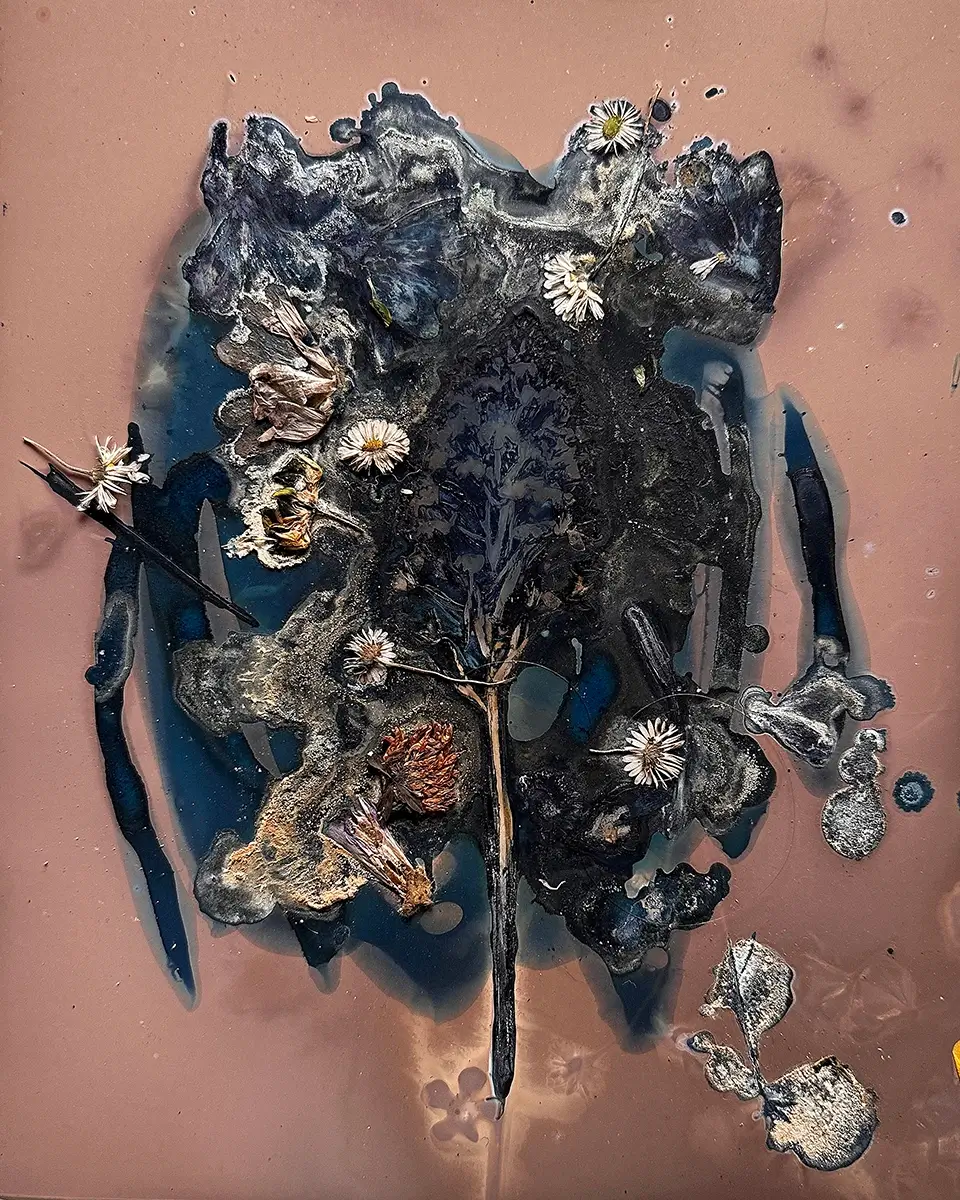
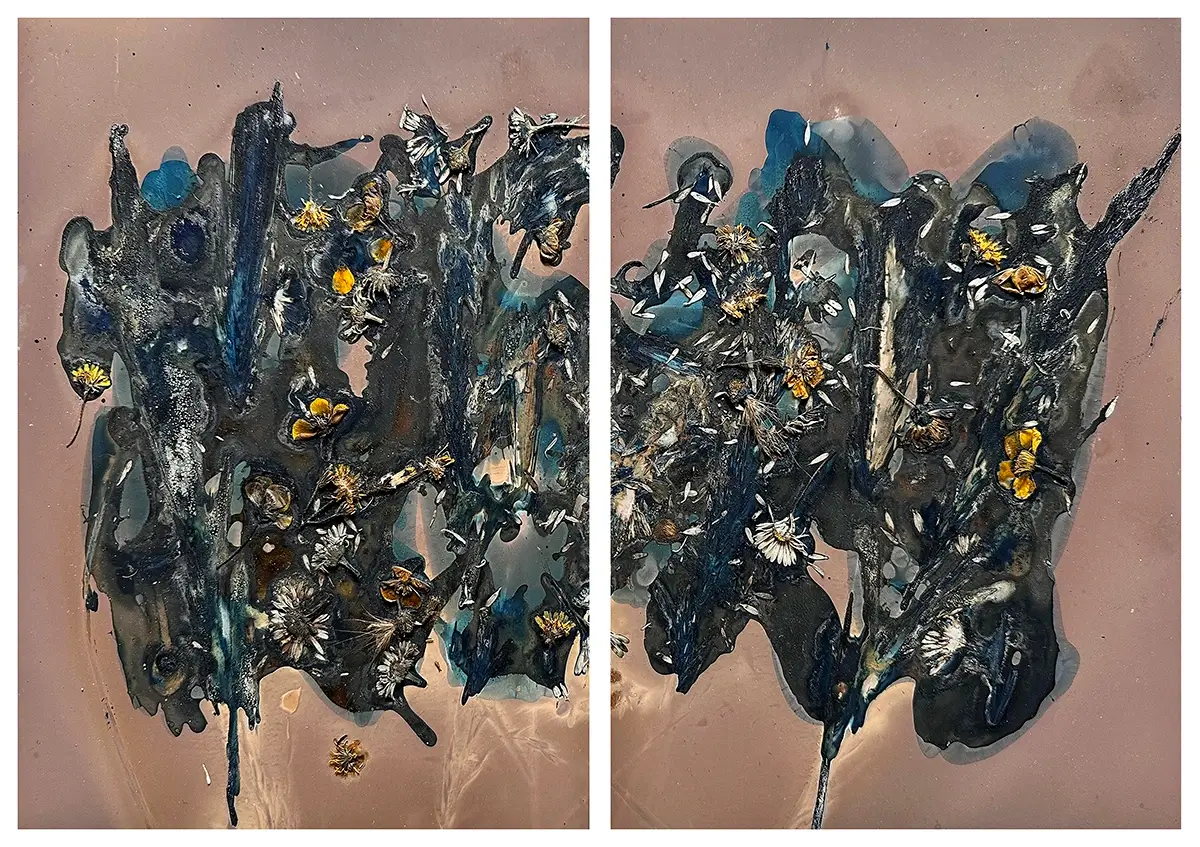
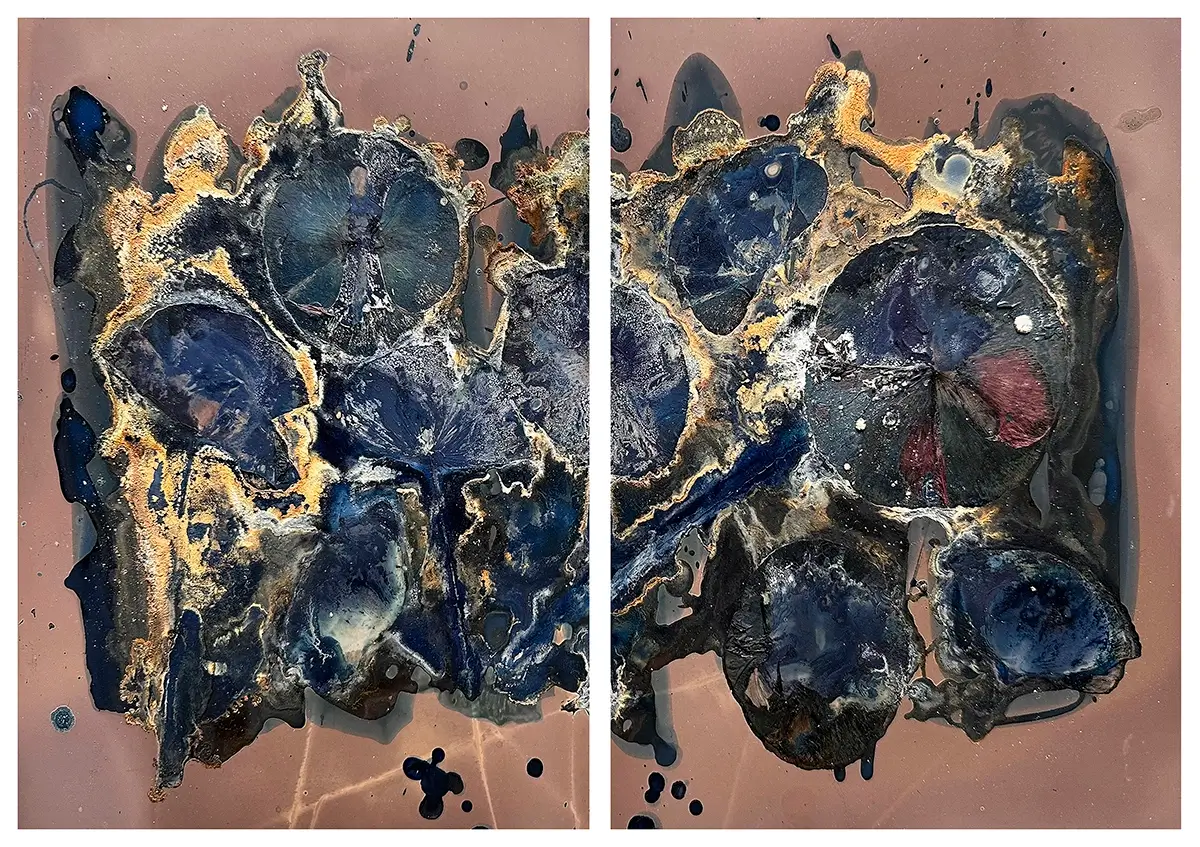
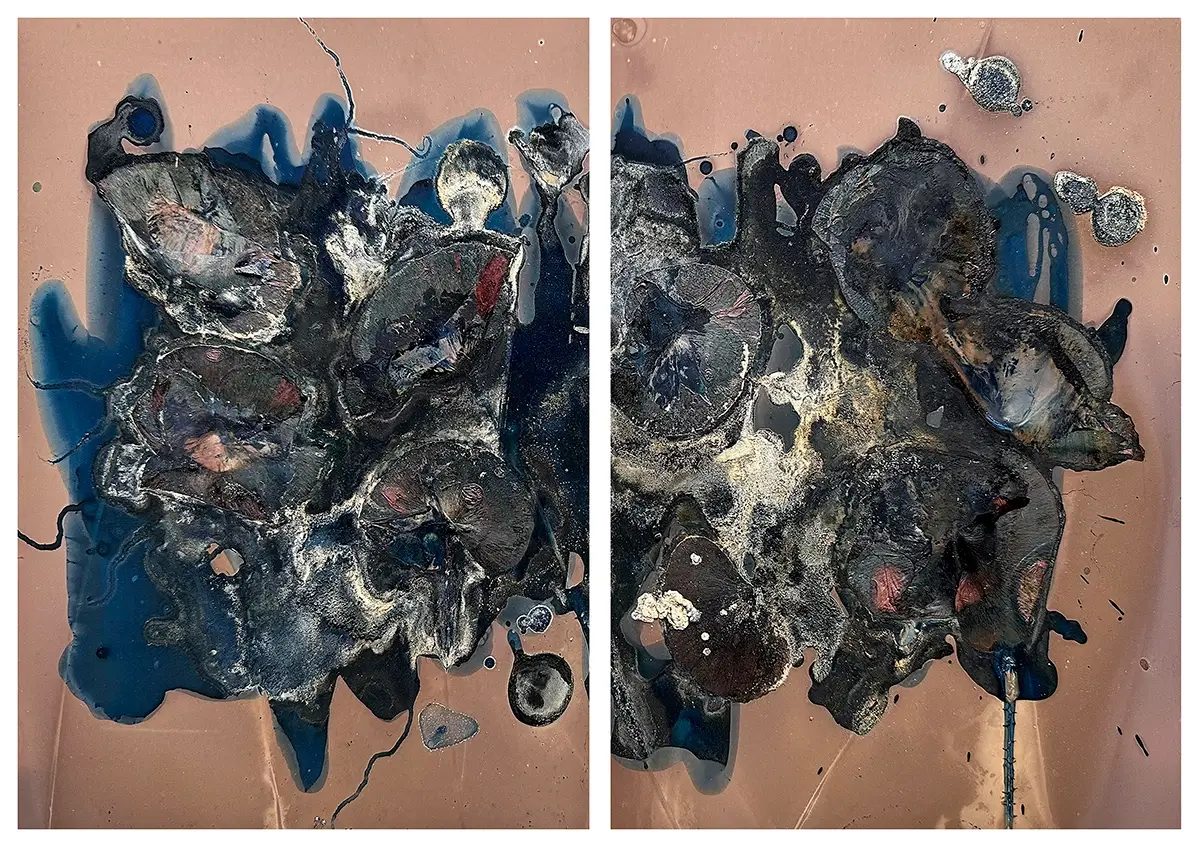
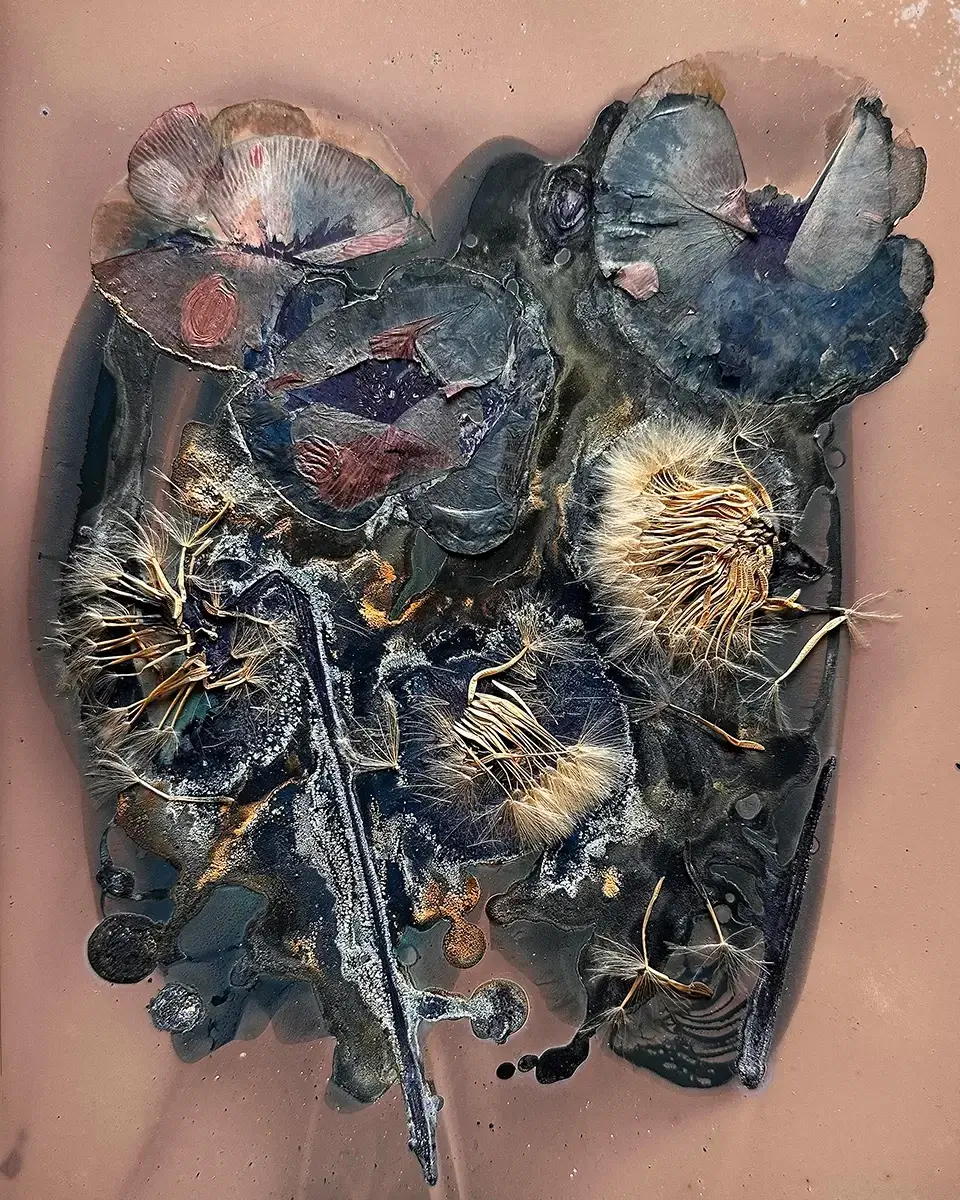
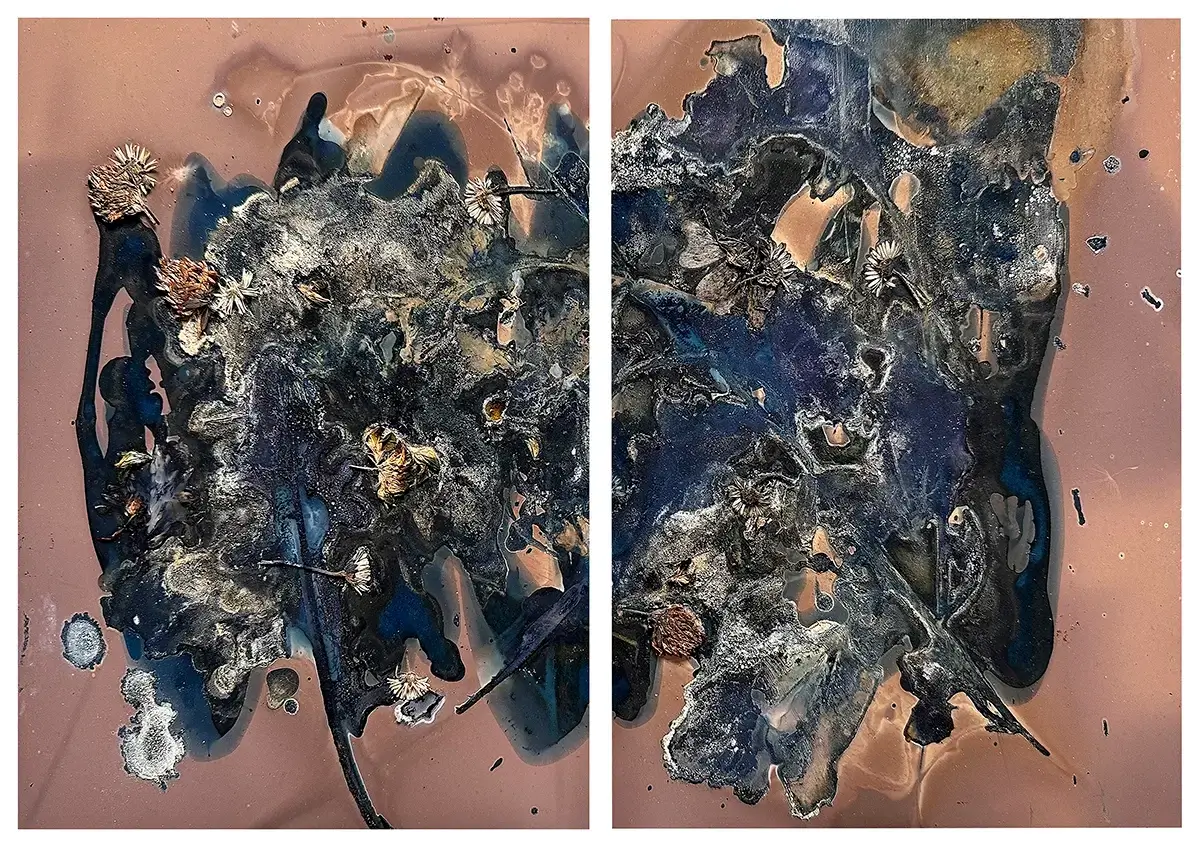
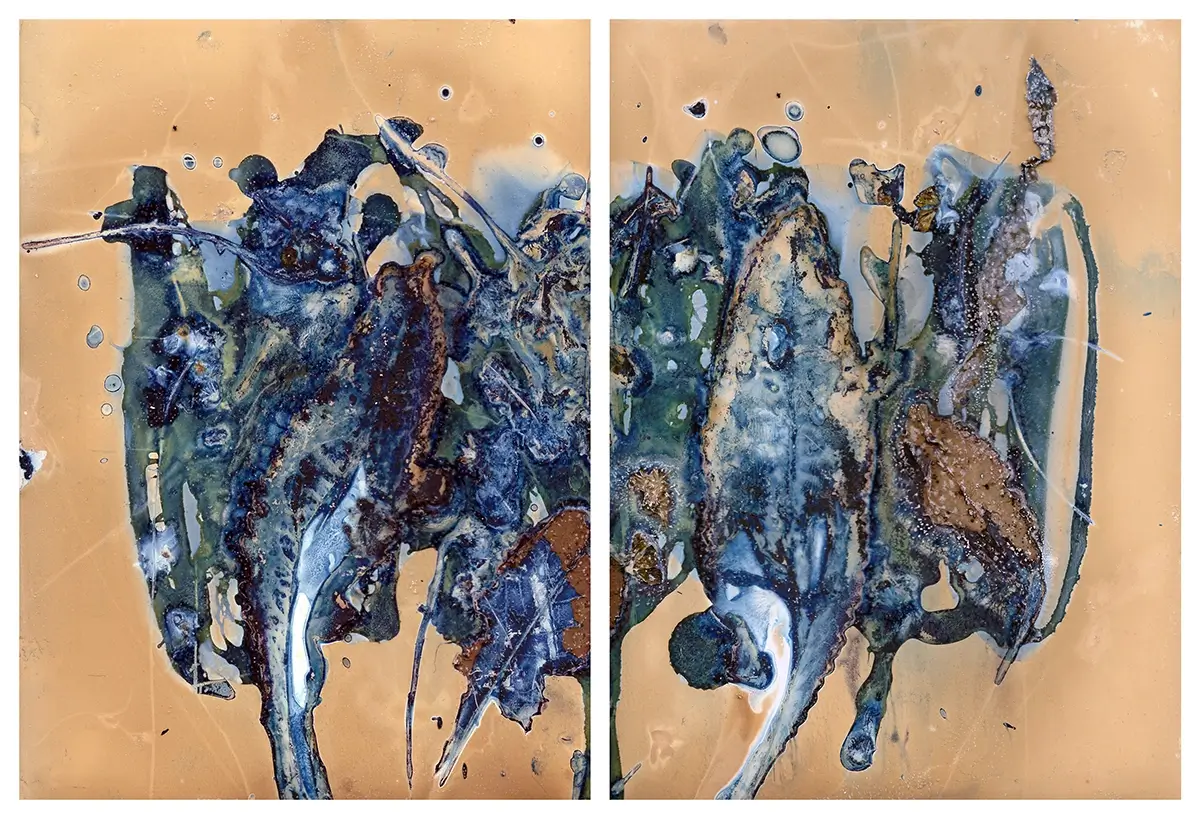
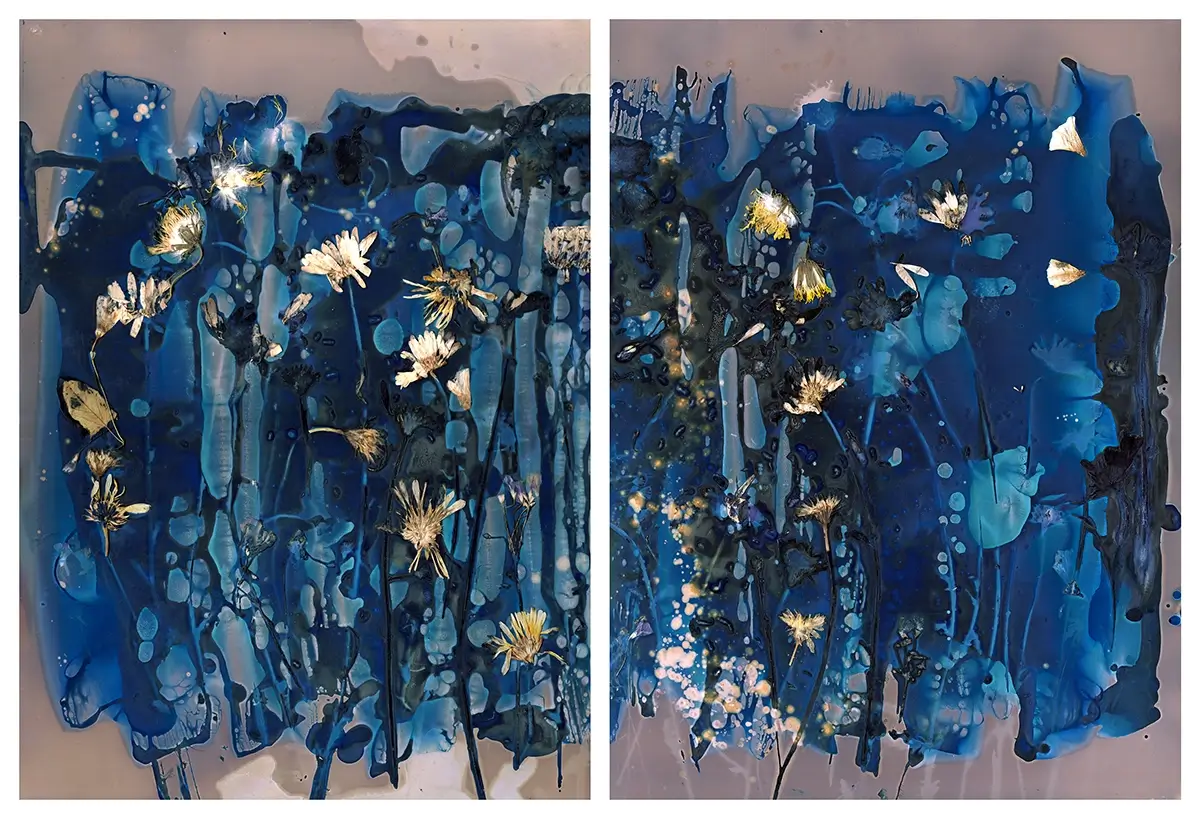
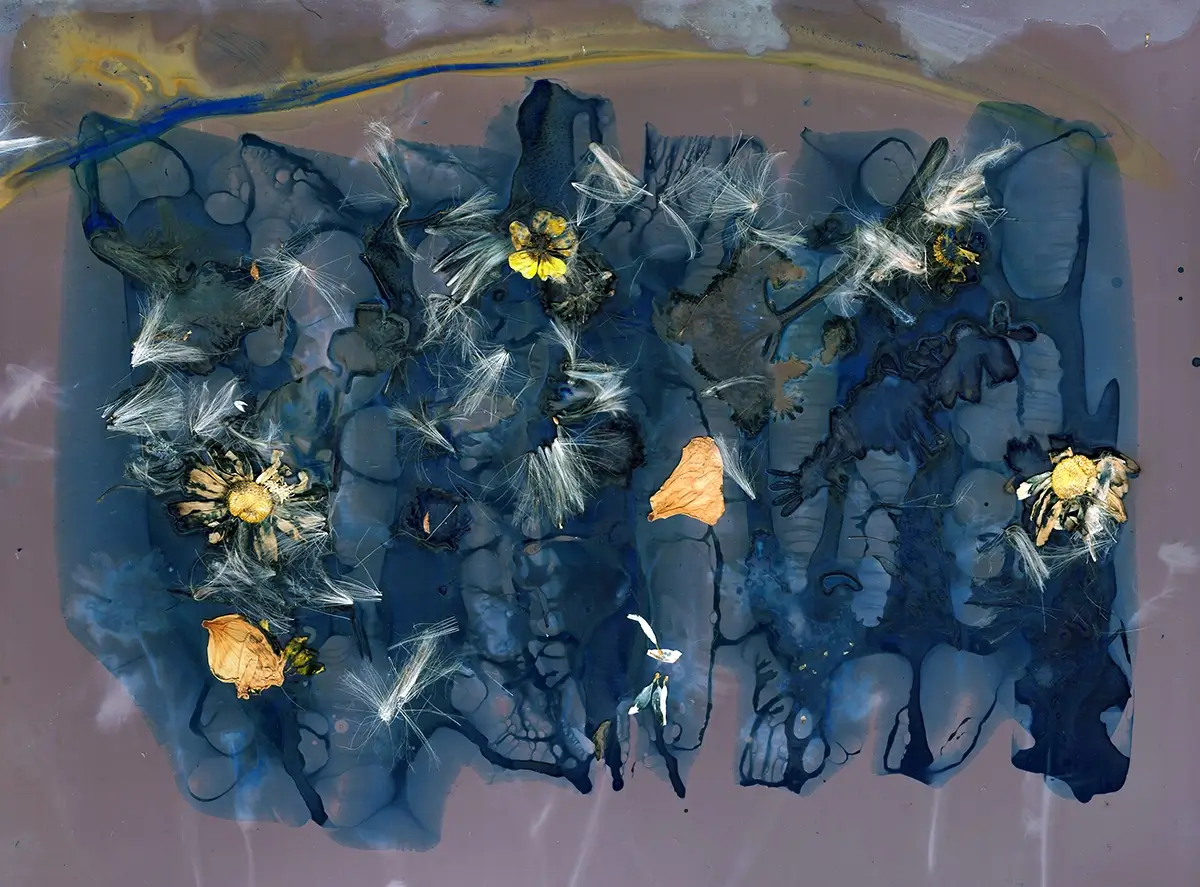
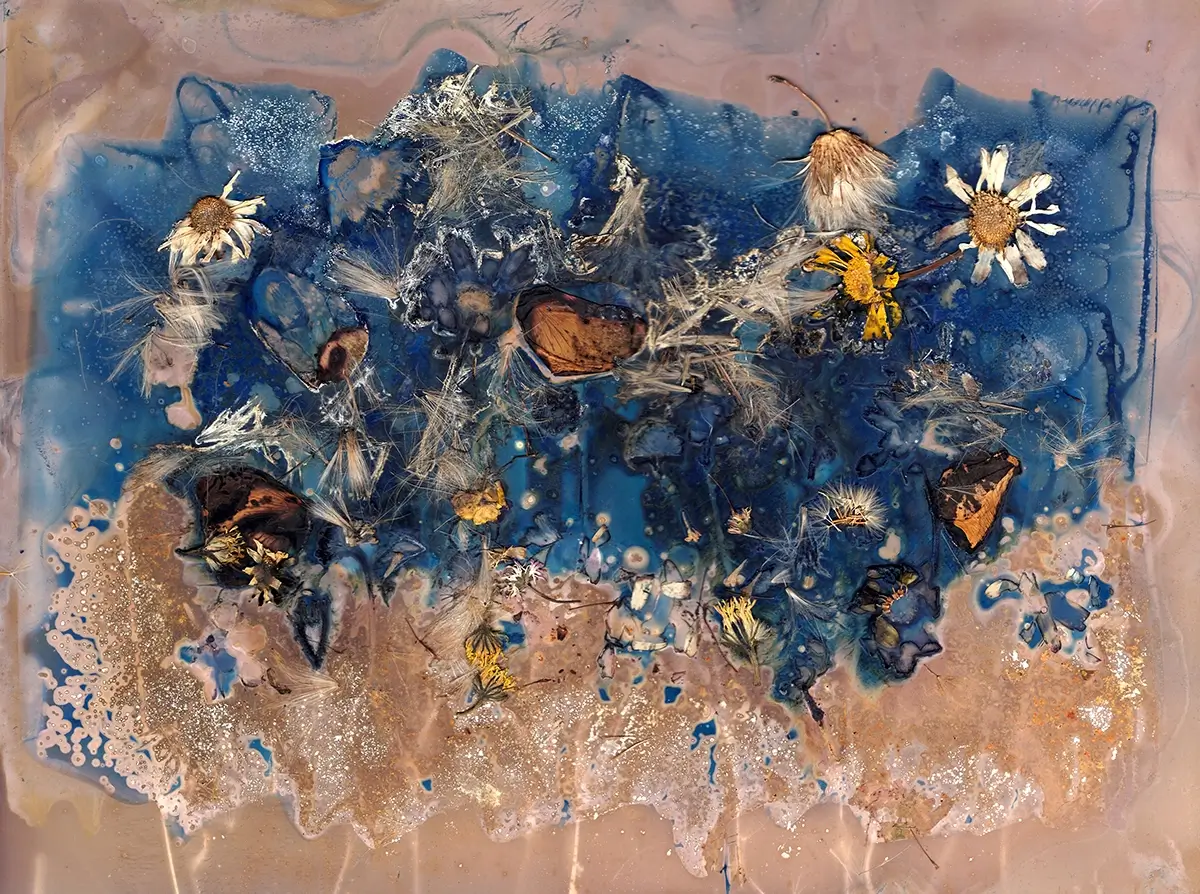
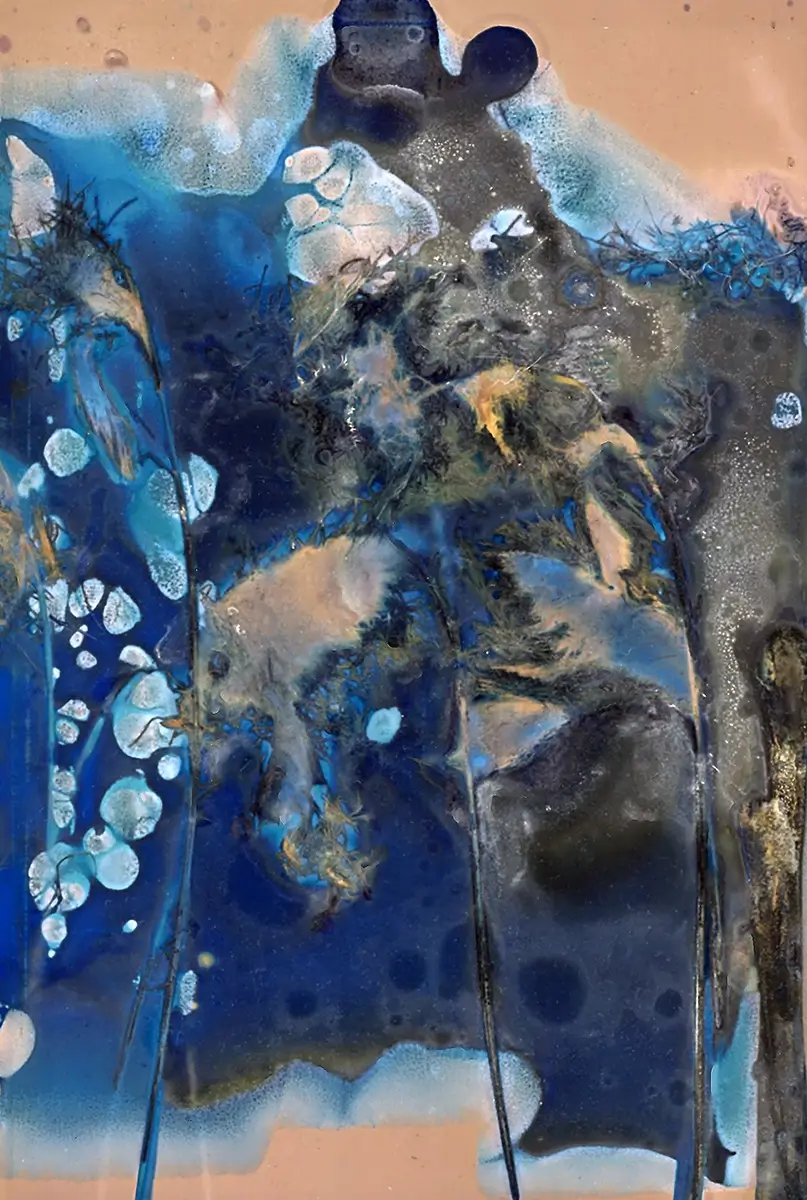
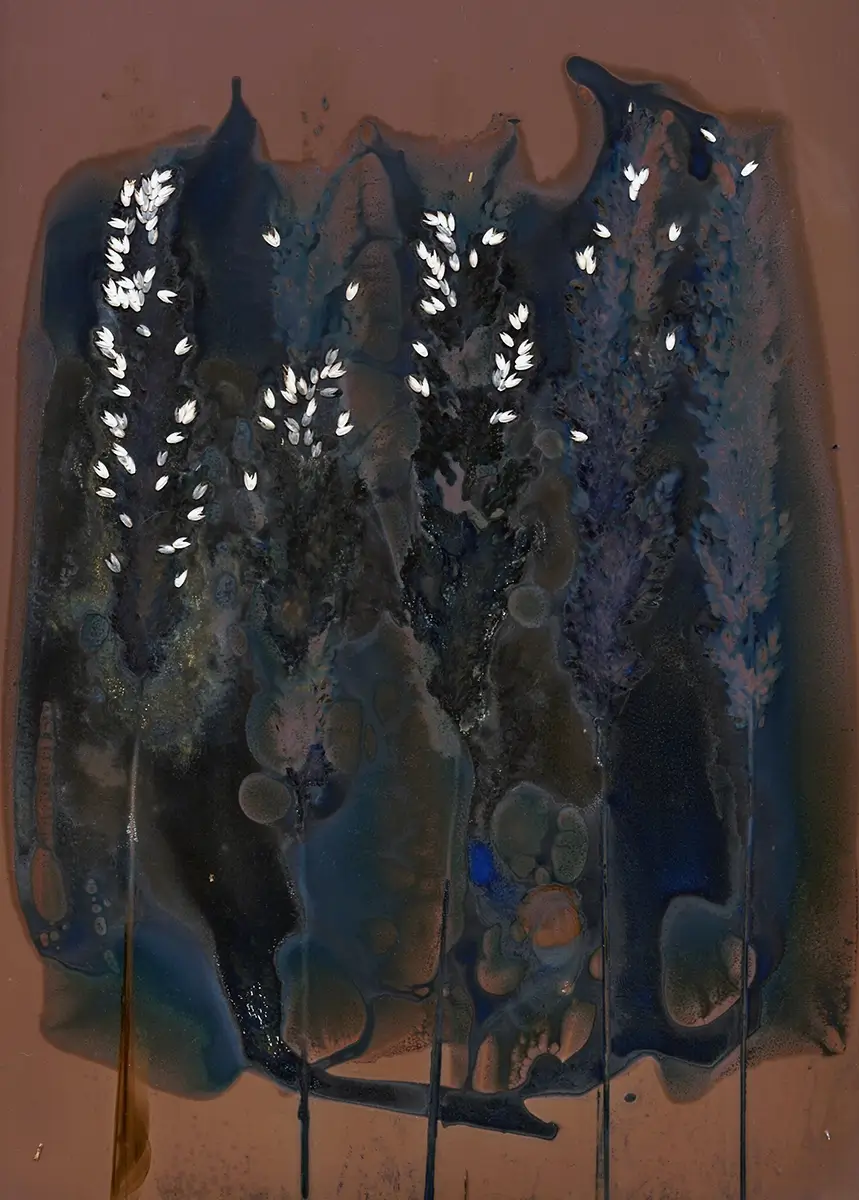
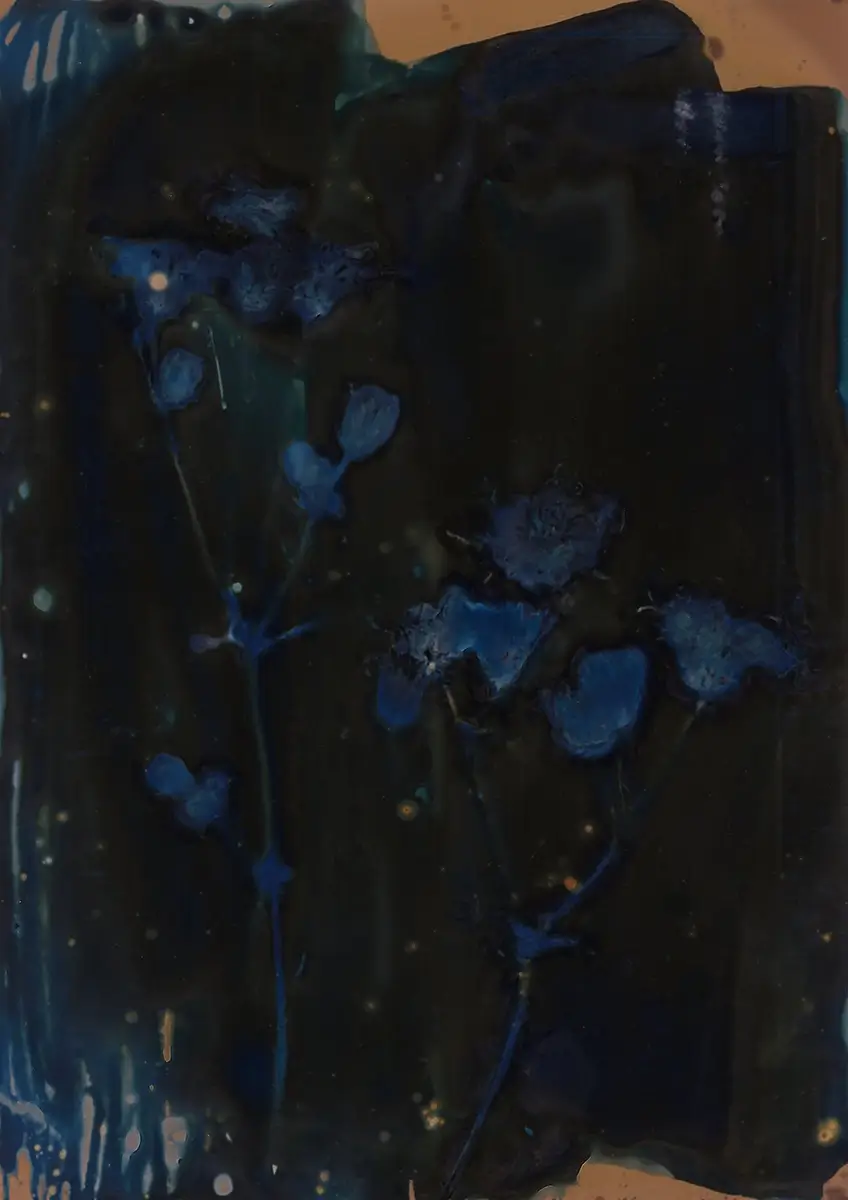
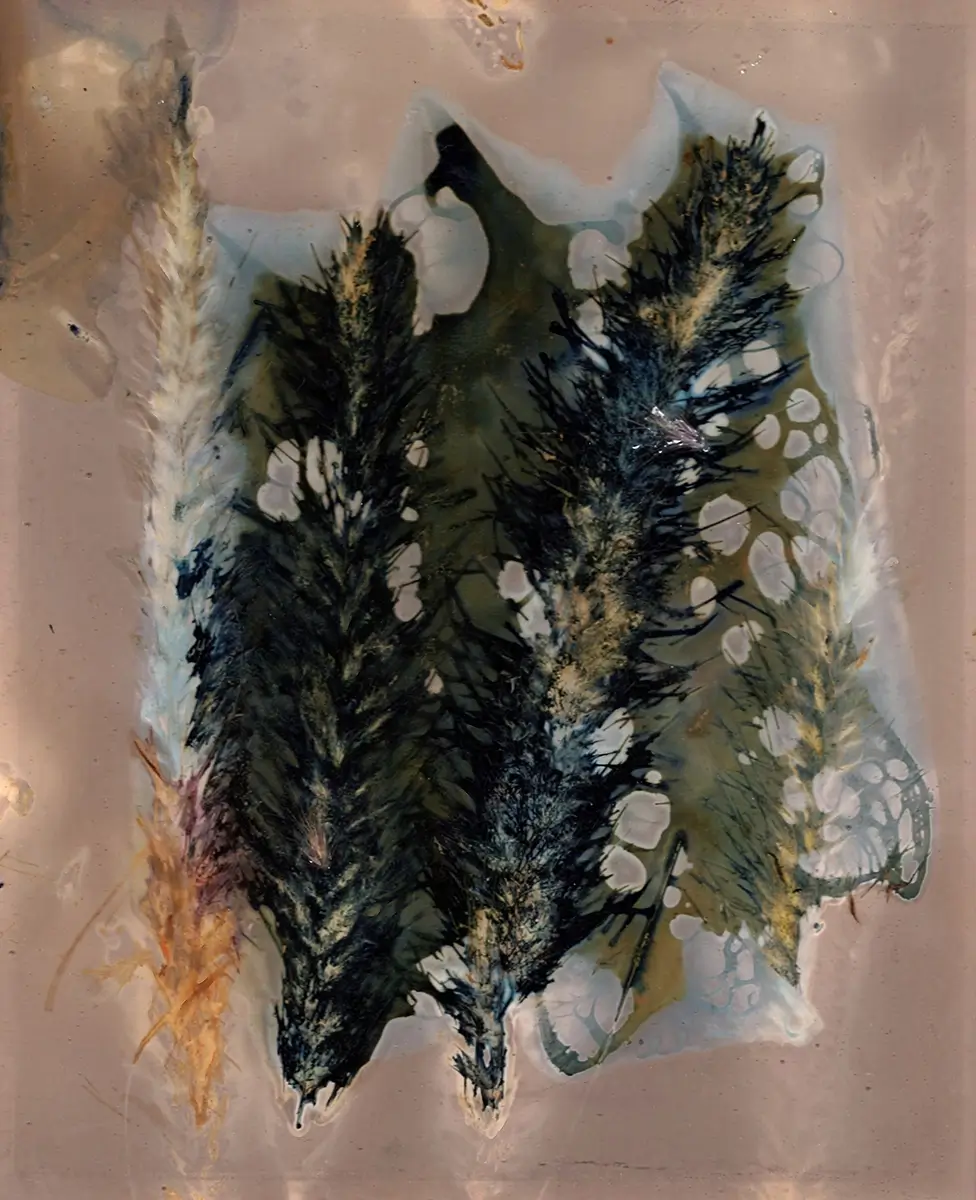
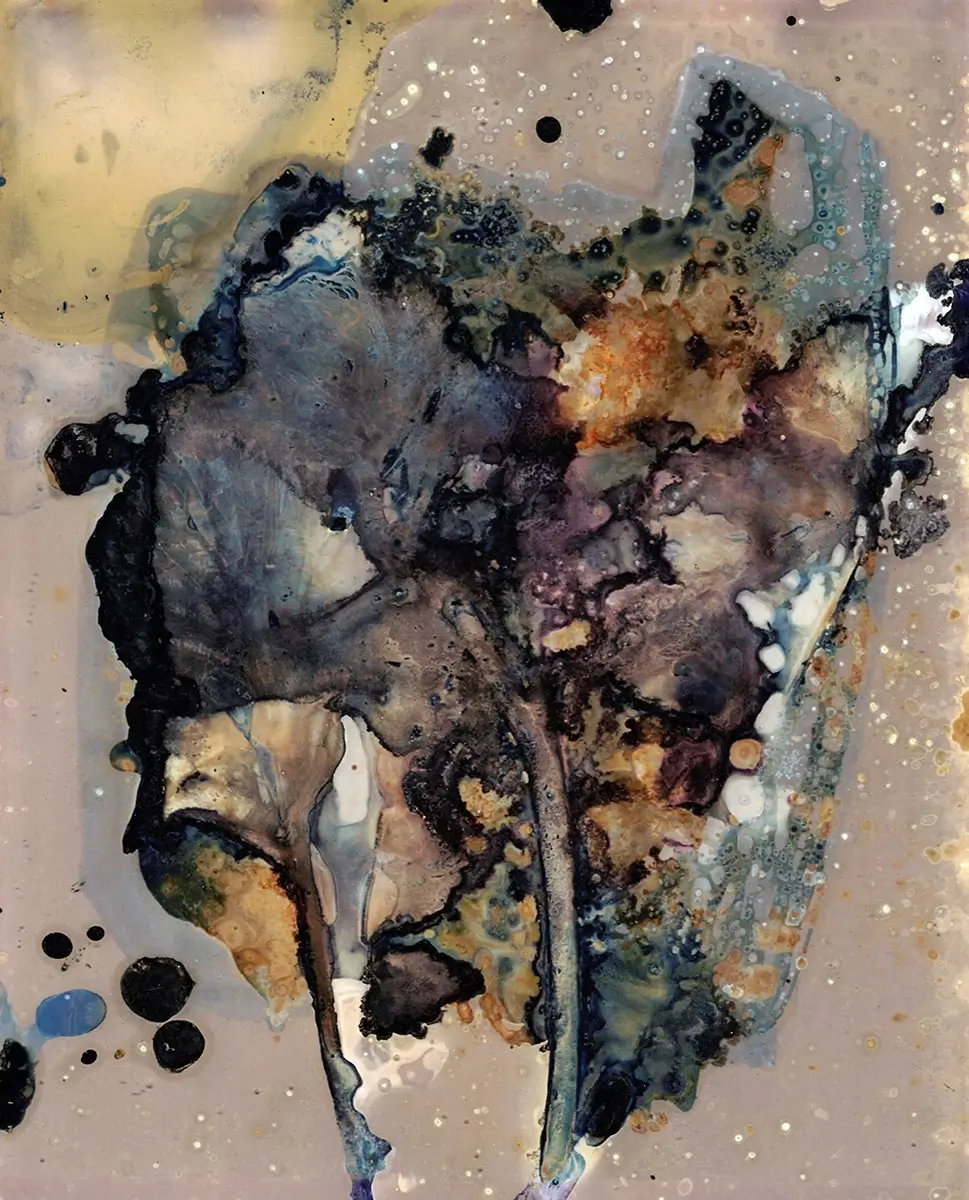
I’m Aindreas Scholz, a photographer and educator based in London, UK, working with analogue and cameraless photographic processes. Growing up between Ireland and Germany in a bilingual family shaped how I think about place, belonging, and the environments we move through. My practice is slow and material-led, often collaborating with sunlight, polluted seawater, acidic rain, and vulnerable plant specimens to make images that hold traces of ecological change and deep time.

Artist Statement:
I make images with and within vulnerable landscapes, letting natural elements co-author the final print. I’m interested in care, responsibility, and the uneven ways climate change is lived. I want the work to feel intimate, like evidence that asks for attention rather than spectacle.

AAP Magazine

AAP Magazine 54 Nature

 

Inspiring Portfolios

Call for Entries
All About Photo Awards 2026
$5,000 Cash Prizes! Juror: Steve McCurry
 
Stay up-to-date  with call for entries, deadlines and other news about exhibitions, galleries, publications, & special events.

More Great Photographers To Discover

Josephine Cardin
Dominican Republic
Born in Santo Domingo, Dominican Republic, Josephine Cardin is a fine arts photographer who grew up in South Florida, until moving to Boston, MA in 2006.Presently, Cardin has been developing her figurative work, inspired by music, dance, and the human themes of loneliness, isolation, melancholy, love and loss. Cardin uses both dancers, and self-portraiture to illustrate scenes that bewitch, seduce, and explore our human sensibilities; through abstract stories with a visual dialogue between the subject and the artist created through a symbiosis of harmonic gestures and magnetic artistry.Cardin's work has been published in The Spoiler�s Hand, Lucy�s, Canto, beau BU, Scope, F-Stop, and Dance Magazines; Playbill, and the book Meet The Dancers. She has exhibited with The Professional Woman Photographers, The Boca Raton Museum of Art Juried Exhibition, and with The Woman in The Visual Arts. Most recently Cardin received and honorable mention for the 2014 Julia Margaret Cameron Awards, and was selected as a finalist for the PhotoNola/International House Mary Magdalene Exhibit in New Orleans. She has done work for the Boston Ballet, Rochester City Ballet, Arts Ballet Theater, and The Broward Center for the Performing Arts; as well as work for corporate clients. Additionally she earned an artistic grant from the state of Florida, prior to her move to Boston.Always an artist in some capacity, Cardin started out as a ballet dancer, then earning her B.A. in Art History from Florida Atlantic University, followed by an M.A. in Communications from Lynn University. She went on to hold several professional jobs in the arts, while continuing to produce personal and professional photography projects as a freelancer. In 2010 Cardin focused on pursuing her fine arts career full-time. She lives and works in Rochester, NY, with her husband and two young children.
Lillian Bassman
United States
1917 | † 2012
Lillian Bassman (June 15, 1917 – February 13, 2012) was an American photographer and painter. Her parents were Jewish intellectuals who emigrated to the United States from Russia in 1905 and settled in Brooklyn, New York. She studied at the Textile High School in Manhattan with Alexey Brodovitch and graduated in 1933. While there, she met the photographer, Paul Himmel, and they were married in 1935; Himmel died in 2009 after 73 years of marriage. From the 1940s until the 1960s Bassman worked as a fashion photographer for Junior Bazaar and later at Harper's Bazaar where she promoted the careers of photographers such as Richard Avedon, Robert Frank, Louis Faurer and Arnold Newman. Under the guidance of the Russian emigrant, Alexey Brodovitch, she began to photograph her model subjects primarily in black and white. Her work was published for the most part in Harper’s Bazaar from 1950 to 1965. By the 1970s Bassman’s interest in pure form in her fashion photography was out of vogue. She turned to her own photo projects and abandoned fashion photography. In doing so she tossed out 40 years of negatives and prints - her life’s work. A forgotten bag filled with hundreds of images was discovered over 20 years later. Bassman’s fashion photographic work began to be re-appreciated in the 1990s. She worked with digital technology and abstract color photography into her 90s to create a new series of work. She used Photoshop for her image manipulation. The most notable qualities about her photographic work are the high contrasts between light and dark, the graininess of the finished photos, and the geometric placement and camera angles of the subjects. Bassman became one of the last great woman photographers in the world of fashion. Bassman died on February 13, 2012, at age 94. Source: Wikipedia Lillian Bassman was born in 1917 into an immigrant family of free-thinking intellectuals, and was brought up with a mindset that allowed her to live as an independent and unconventional woman.She worked as a textile designer and fashion illustrator before working at Harper's Bazaar with Alexey Brodovitch, and ultimately becoming a photographer. Bassman's fashion images are unique, and acheieve their effect through manipulation in the dark room. Appearing in Harper's Bazaar from the 1940's to the 1960's, her work was categorized by their elegance and grace.Bassman had transformed these photographs into original works of art through her darkroom techniques in which she blurs and bleaches the images, investing them with poetry, mystery, and glamour. Source: Staley-Wise Gallery Lillian Bassman is one of the great 20th century fashion photographers along with Irving Penn and Richard Avedon. She began her career not as a photographer but as a painter at the WPA and then took courses at Pratt Institute in Brooklyn, New York. In 1945, Bassman was appointed Art Director at Junior Bazaar, giving projects to photographers such as Richard Avedon, Robert Frank and Paul Himmel (her husband). Later in 1947, she became the Art Director at Harper’s Bazaar, and her work appeared in Harper’s Bazaar throughout the 1940’s and 50’s. Her work was nearly destroyed in the 70’s by a water leak in her studio, and it was not until the 1990’s that her work was revived. With this new spotlight, Bassman received the Agfa Life Time Achievement Award and the Dem Art Directors Club Award in 1996. During the same year, Bassman began photographing again when she was asked to photograph the Haute Couture collection for New York Times Magazine, the Autumn Collection for Neiman Marcus, as well as work for German Vogue. Her work has been exhibited worldwide. Source: Peter Fetterman Gallery
Deborah Bay
United States
Deborah Bay is a Houston artist who specializes in constructed studio photography. She has exhibited most recently at Photo London Digital 2020, Foto Relevance (Houston), Texas Contemporary 2018 and 2019 and Photoville Brooklyn. Her work is in the collection of the Museum of Fine Arts Houston, Center for Creative Photography at the University of Arizona in Tucson and Dorsky Museum of Art at State University of New York at New Paltz. LensCulture and the Griffin Museum of Photography highlighted images from her Traveling Light series in on-line features earlier this year, and the British Journal of Photography has published her work on its cover. Her work was recognized in the Texas National 2018, and she was a finalist for Artadia Houston 2015. An active member of the Houston arts community, she has served on the board of the Houston Center for Photography and its Advisory Council. She holds graduate and undergraduate degrees from The University of Texas at Austin. Statement: My work explores the beauty of light and color. It builds on a studio practice that has focused for the past 15 years on constructed, macro photography. The images in the work presented here bring together an eclectic set of influences, ranging from geometric constructivism to color field. After collecting an assortment of prisms and lenses, I became interested in capturing how light and color interact with optical materials - seeming to bounce nonchalantly across surfaces, yet strictly bound by the laws of physics. Lenses and prisms were layered and stacked at angles to capture light wrapping around form. Chromatic geometries emerged from the planes and lines of color created using film gels. In my practice the camera often is a tool for highlighting details of physical phenomena that are overlooked or not easily observed. Particularly intriguing is the mystery created by the juxtaposition of scale - making close-up images of small objects and showing them as prints at many times their actual size. The images were produced in-camera and follow in the lineage of experimental studies exploring the most elemental components of photographic processes: light and lenses.
Jon Enoch
United KIngdom
1979
Jon Enoch discovered his love of photography on a round-the-world-trip, which he won in a competition while in his first year of university, studying geography. He bought a simple point-and-shoot camera and discovered a passion and a skill for portrait and lifestyle photography - looking for an unusual shot, rather than a standard tourist snap. He returned to university to complete his degree in geography, but was still out every weekend working on his own portraiture projects. After he left university, he did a one year course in newspaper photography and began a career in press photography. Jon started developing his bold portraiture style while freelancing at The Times, and now specialises in photo shoots for CEOs, sportspeople and celebrities, as well as advertising and lifestyle shoots. Describing his work as 'bold and uncomplicated', Jon loves playing with light, and how it affects the mood of the work. Jon still works on his own personal projects, and his 'Bikes of Hanoi' set of street images of moped delivery drivers earned him numerous industry accolades and awards, including the, Sony World Photography Awards 2020, Smithsonian Grand Prize Winner 2020, Portraits of Humanity 2020; Lens Culture Portrait Prize 2020 and a gold at the Prix de la Photographie Paris. Statement Jon said: "I continue to develop my skills and my style at every opportunity I get. I had some great personal photography projects in the planning before Covid-19 hit, so hopefully I will get to pick up those plans again before long. During the UK lockdown, I spent my time developing my directing skills. Mixing stills and moving images is something clients increasingly want and I find it an interesting creative challenge. The two worlds are in many ways so similar but at times so different. Being able to tackle both is something I really enjoy. Essentially I want to take stunning images that people connect with. " Exclusive Interview with Jon Enoch
David Hurn
United Kingdom
1934
David Hurn is a British documentary photographer and member of Magnum Photos. Hurn was born on 21 July 1934 in Redhill, Surrey, England. He was raised in Cardiff, Wales. Because of his dyslexia he joined the school camera club. After leaving school he headed for London, hoping to become a photographer. Hurn is a self-taught photographer. He began his career in 1955 when he worked for Reflex Agency. He gained his reputation as a photojournalist for his documentation of the Hungarian revolution of 1956, and is featured in two of Ken Russell's films for the Monitor television arts' series, A House in Bayswater (1960), and Watch the Birdie (1963). In 1965 he became associated with Magnum Photos and became a full member in 1967. In 1963, Hurn was commissioned by the producers of the James Bond films to shoot a series of stills with Sean Connery and the actresses of From Russia with Love. When the theatrical property Walther PPK pistol didn't arrive, Hurn volunteered the use of his own Walther LP-53 air pistol. The pistol became a symbol of James Bond on many film posters of the series. In 1967 Dino de Laurentiis asked Hurn to travel to Rome to shoot photos of Jane Fonda in Barbarella. Hurn returned to Wales in the late 1960s, initially living in a van for a year photographing the country. He was married from 1964-71 to American actress Alita Naughton (1942-2019), best known for her role in Ken Russell’s French Dressing (1964). In 1973 he set up the School of Documentary Photography in Newport, Wales. Eventually, he turned away from documentary photojournalism, bringing a more personal approach to his image making. He says, "There are many forms of photography. I consider myself simply a recorder of that which I find of interest around me. I personally have no desire to create or stage direct ideas." His book, Wales: Land of My Father (2000), illustrates the traditional and the modern aspects of Wales. In 2001 he was diagnosed with colon cancer but made a full recovery. He continues to live and work in Wales, and has donated a collection of photographs taken by him and other leading contemporary photographers, including Henri Cartier-Bresson, Eve Arnold, and Bill Brandt, to the National Museum of Wales. Hurn has been an avid collector of photography. Remarkably, he has amassed his private collection by swapping works with other photographers. The collection National Museum Cardiff comprises approximately 700 photographs. Swaps: Photographs from the David Hurn Collection, National Museum Cardiff, Wales, September 2017 – April 2018. In 2017 Hurn donated 1500 of his photographs, and 700 of other peoples' photographs, to Amgueddfa Cymru – National Museum Wales. He built his private collection of other peoples' work by swapping prints with them. National Museum Cardiff held an exhibition of the latter collection in 2017/2018, entitled Swaps: Photographs from the David Hurn Collection.Source: Wikipedia
Paul Caponigro
United States
1932 | † 2024
Paul Caponigro (born December 7, 1932), is an American photographer from Boston, Massachusetts. He started having interests in photography at age 13. However, he also had a strong passion for music and began to study music at Boston University College of Music in 1950, before eventually deciding to focus on studying photography at the California School of Fine Art. Caponigro studied with Minor White and has been awarded two Guggenheim Fellowships and three grants from the NEA. His best-known photographs are Running White Deer and Galaxy Apple. His subject matter includes landscape and still life, taking an interest in natural forms. He is best known for his landscape works and for the mystical and spiritual qualities of his work. He is often regarded as one of America's foremost landscape photographers. Caponigro's first one-man exhibition took place at the George Eastman House in 1958. In the 1960s Caponigro taught photography part-time at Boston University while consulting the Polaroid Corporation on various technical research. Caponigro lived in El Rancho de San Sebastian during his time in New Mexico from 1973-1993. In 1971, his work was exhibited in group exhibition "Le Groupe Libre Expression : Expo 5", presented by Jean-Claude Gautrand, at Les Rencontres d'Arles festival, France. Caponigro's work is included in the collections of the Guggenheim, Whitney, Norton Simon Museum, New Mexico Museum of Art and San Francisco Museum of Modern Art. He was awarded The Royal Photographic Society's Centenary Medal and Honorary Fellowship (HonFRPS) in recognition of a sustained, significant contribution to the art of photography in 2001. Caponigro is a dedicated pianist and considers his training with music to be essential to his photographic imagery. His son, John Paul Caponigro, is a digital photographic artist.Source: Wikipedia Paul Caponigro is one of America’s foremost landscape photographers. While he became interested in photography at age of thirteen, he also had a strong passion for music; he studied at Boston University College of Music in 1950 before deciding to focus on photography at the California School of Fine Art, where Ansel Adams had established one of the first photography programs in the United States. Despite the shift from music to photography early in his artistic career, Caponigro remains a dedicated piano player who believes that his musical training and insight influences his photographic imagery. Caponigro is best known for his interest in natural forms, landscapes, and still lives. His subjects include Stonehenge and other Celtic megaliths of England and Ireland; the temples, shrines and sacred gardens of Japan; and the deep mystical woodland of New England.Source: International Center of Photography Paul Caponigro, renowned as one of America’s most significant master photographers is known for his captivating and mystical landscape images. His exquisite silver gelatin prints depict images of nature, including flowers, cloud formations, and forest settings. His work forms a visual bridge between the material world of physical forms and the living spirit behind them.Source: Jackson Fine Art
Luigi Ghirri
Italy
1943 | † 1992
Luigi Ghirri, born on January 5, 1943, in Scandiano, Emilia-Romagna, Italy, was a trailblazing photographer renowned for his innovative use of color. Ghirri's early life in this picturesque region profoundly influenced his artistic vision. Initially trained as a surveyor, he began experimenting with photography in the early 1970s, a time when the medium was predominantly monochrome and used mainly for documentation and advertising. Ghirri diverged from the norm by embracing color photography as a legitimate artistic form. His work delved into the social and cultural changes sweeping through Italy during the 1970s, particularly the infiltration of advertising and the rise of leisure activities. His images often feature everyday scenes, landscapes, and urban environments, infused with a sense of nostalgia and contemplation. He had an uncanny ability to find beauty in the mundane, transforming ordinary moments into profound visual narratives. One of Ghirri's most significant contributions was his ability to convey the evolving identity of post-war Italy. His photographs from this era provide a vivid chronicle of the shifting social landscape, marked by consumerism and modernity, yet always maintaining a deep connection to the region's history and traditions. In 1978, Ghirri published his first book, "Kodachrome," which became a seminal work in the field of color photography. This collection showcased his unique perspective and solidified his reputation as a visionary artist. He continued to produce influential works throughout the 1980s, including notable projects like "Il Profilo delle Nuvole" and "Viaggio in Italia," which further explored themes of travel, memory, and the passage of time. Ghirri's approach was both methodical and poetic. He meticulously composed his shots, paying close attention to light, color, and composition. His photographs often feature elements of surrealism and irony, inviting viewers to see the world through his distinctive lens. Despite his untimely death on February 14, 1992, Ghirri's legacy endures. His work has been celebrated in numerous exhibitions and retrospectives worldwide, influencing generations of photographers. Luigi Ghirri remains a pivotal figure in the history of photography, revered for his pioneering use of color and his profound ability to capture the essence of a changing Italy.
Thomas Crauwels
Switzerland
1983
I live at the service of these impetuous guardians of the eternal snows. Watching their light, vibrating to the rhythm of their beauty has become second nature. I like to live these moments of contemplation of panoramas both frozen and changing, which feed me with their greatness. In these moments, I taste peace and melt into the landscape. When the clouds are absent, when my gaze goes on forever and I can let my inspiration flow freely. Without any particular goal. Just to live. To let myself be carried. At other times, I become a truth hunter. I look for the ephemeral moments. The coming storm. The elements colliding. The wind, the air, the rock, creating a chaos that engulfs me in intense and intoxicating sensations. These minutes where I hold my breath so much they are nimbered of a perfection which exceeds me and carries me in a different space. A space that my eye and its accomplice, my camera, know how to capture. Suddenly, everything calms down. Just after the fin of the world, the revelation of another world arrives. Before my amazed gaze, my senses on the alert, the clouds are torn apart like the curtain rises on a new show. The highest summits are adorned with another light, a new contrast. Nature creates before my eyes. Trembling with an inner joy, I try to capture impermanence. It is like a miracle always renewed. Just after the storm, when the first rays of sunlight illuminate the peaks with their royal light. My daily life is punctuated by the study of weather forecasts. Detecting the approach of the forces of nature. A subtle alliance between intuition and the rational study of the elements. I am at one with nature, who is the chief creative artist...and I the humble craftsman. Mixture of experience and naivety, dancing alchemy of summits and elements, fusion between nature and the human being that I am. Who am I in front of all this? A stardust, present, vibrating, panting in the heart of the mystery of life. I aspire to the mastery of the moment which however escapes... In the end, should I really try to control the moment? When I have everything in place with rigor and yet failure looms, I let my heart speak. And then, sometimes, the miracle happens. This miracle that floods me with joy. I am happy to share with you some of the nuggets I brought back from these journeys to the end of my dreams... My quest for an ever-renewed perfection, nature has offered it to me so that I can offer it to you in turn. I hope you will have as much pleasure in dreaming in front of these photos as I had in looking for the perfect moment, the right moment.
Advertisement
All About Photo Awards 2026
Win a Solo Exhibition in March
All About Photo Awards 2026

Latest Interviews

Exclusive Interview with Anastasia Samoylova
Anastasia Samoylova is an American artist whose photographic practice is shaped by close observation and a deep attentiveness to place. Working between documentary and formal exploration, she photographs landscapes, architecture, and everyday scenes with a sensitivity to light, structure, and atmosphere. Since relocating to Miami in 2016, her work has increasingly focused on how environments—both natural and built—carry social, cultural, and emotional traces. We asked her a few questions about her practice and her way of seeing, to better understand the thoughts and experiences that shape her work—while allowing the images themselves to remain open and speak in their own time.
Exclusive Interview with Marijn Fidder
Marijn Fidder is a Dutch documentary photographer whose work powerfully engages with current affairs and contemporary social issues. Driven by a deep sense of social justice, she uses photography to speak on behalf of the voiceless and to advocate for the rights of those who are most vulnerable. Her images have been widely published in major international outlets including National Geographic, CNN Style, NRC Handelsblad, Volkskrant, GUP New Talent, and ZEIT Magazin. Her long-term commitment to disability rights—particularly through years of work in Uganda—culminated in her acclaimed project Inclusive Nation, which earned her the title of Photographer of the Year 2025 at the All About Photo Awards. She is also the recipient of multiple prestigious honors, including awards from World Press Photo and the Global Peace Photo Award. We asked her a few questions about her life and work.
Exclusive Interview with Josh S. Rose
Josh S. Rose is a multidisciplinary artist working across photography, film, and writing. His practice bridges visual and performing arts, with a strong focus on movement, emotion, and the expressive potential of the image. Known for his long-standing collaborations with leading dance companies and performers, Rose brings together authenticity and precise composition—a balance he describes as “technical romanticism.” His work has been commissioned and exhibited internationally, appearing in outlets such as Vogue, at the Super Bowl, in film festivals, and most recently as a large-scale installation for Lincoln Center for the Performing Arts. A sought-after collaborator, he has worked with major artists, cultural institutions, and brands, following a previous career as Chief Creative Officer at Interpublic Group and the founder of Humans Are Social. We asked him a few questions about his life and work.
Interview with Maureen Ruddy Burkhart
Photographer Maureen Ruddy Burkhart brings a quietly attentive and deeply human sensibility to her exploration of the world through images. Shaped by a life immersed in photography, film, and visual storytelling, her work is guided by intuition, observation, and an enduring interest in the emotional undercurrents of everyday life. With a practice rooted in both fine art traditions and documentary awareness, she approaches her subjects with sensitivity, allowing subtle moments to emerge naturally rather than be imposed. Her series Til Death, selected as the Solo Exhibition for February 2025, reflects this long-standing commitment to photography as a space for reflection rather than spectacle. Drawn to moments that exist just outside the expected frame, Burkhart’s images suggest narratives without resolving them, leaving room for ambiguity, humor, and quiet connection. We asked her a few questions about her life and work.
Exclusive Interview with Peter Ydeen
Winner of AAP Magazine #45 Travels, his series reflects this unique vision—capturing the spirit of place through subtle layers of light, color, and emotion. Whether traveling abroad or observing the rhythms of his own surroundings, Ydeen creates images that feel both grounded and enchanted, inviting viewers into a world where reality and reverie meet.
Exclusive Interview with Julie Wang
Chinese-born photographer Julie Wang brings a poetic, contemplative sensitivity to her visual exploration of the world. Having lived for nearly equal parts of her life in China, Europe, and the United States, she approaches her subjects with the nuanced perspective of someone shaped by many cultures. This blend of distance, curiosity, and emotional resonance infuses her work with a quiet depth, allowing her to reveal the fragile beauty and subtle tensions that often pass unnoticed.
Exclusive Interview with Ghawam Kouchaki
American photographer Ghawam Kouchaki brings a sharply observant and introspective gaze to the streets of Japan’s capital. Based in Los Angeles, he approaches Tokyo with the distance — and curiosity — of an outsider, allowing him to uncover the city’s subtle contradictions, quiet tensions, and fleeting gestures that often go unnoticed. His series Tokyo no no, selected as the Solo Exhibition for December 2024, explores the hidden undercurrents of urban life: the unspoken rules, the small ruptures in routine, the poetic strangeness found in everyday moments. Through muted tones, instinctive timing, and meticulous framing, Kouchaki reveals a Tokyo that exists somewhere between reality and imagination — both intimate and enigmatic. We asked him a few questions about his life and work.
Exclusive Interview with Tommi Viitala
Tommi Viitala, winner of AAP Magazine #44: Street, is a Finnish photographer celebrated for his striking and cinematic street photography. With a keen eye for atmosphere and composition, he captures fleeting urban moments that reveal the poetry of everyday life. His work often explores the tension between solitude and connection within contemporary cityscapes, blending documentary realism with artistic sensibility. Viitala’s photographs have been exhibited internationally and recognized for their strong visual storytelling and emotional depth. We asked him a few questions about his life and work.
Exclusive Interview with Robert Mack
Robert Mack is a California-based visual artist, photographer, and filmmaker. His fine art photography and films have been exhibited widely in the United States and Europe, with major shows at the Baltimore Museum of Art and the Reiss-Engelhorn Museum in Mannheim, Germany. Both institutions hold his work in their permanent collections. Working across different media, Mack has built a career exploring the complexities of human presence and representation. In 1981, while living in Baltimore, he produced The Perkins Project: Not Guilty by Reason of Insanity, a rare photographic and film study inside Maryland’s hospital for the criminally insane. These stark yet compassionate black-and-white portraits remain one of his most powerful and controversial bodies of work.
Call for Entries
All About Photo Awards 2026
$5,000 Cash Prizes! Juror: Steve McCurry