All about photo.com: photo contests, photography exhibitions, galleries, photographers, books, schools and venues.
FINAL CALL TO ENTER AAP MAGAZINE SHADOWS: PUBLICATION AND $1,000 CASH PRIZES
Erik Hadife
Erik Hadife
Erik Hadife

Erik Hadife

Country: Lebanon
Birth: 1998

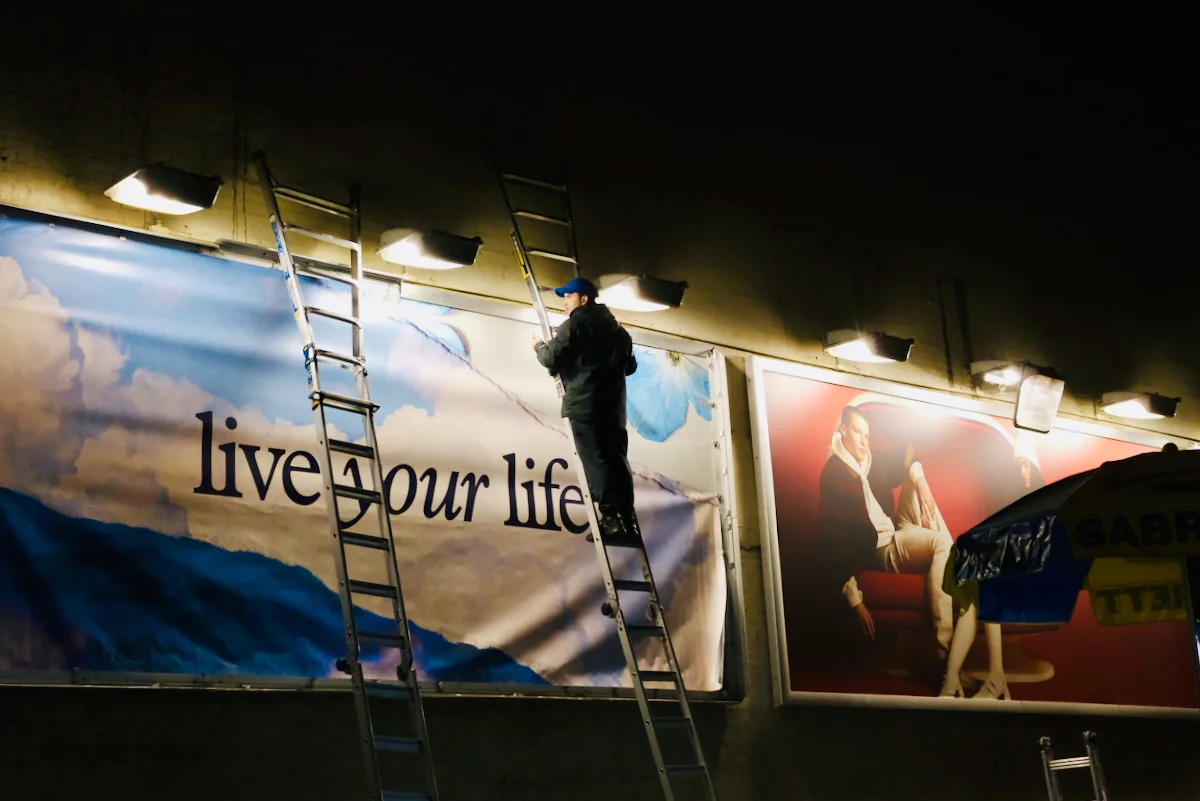
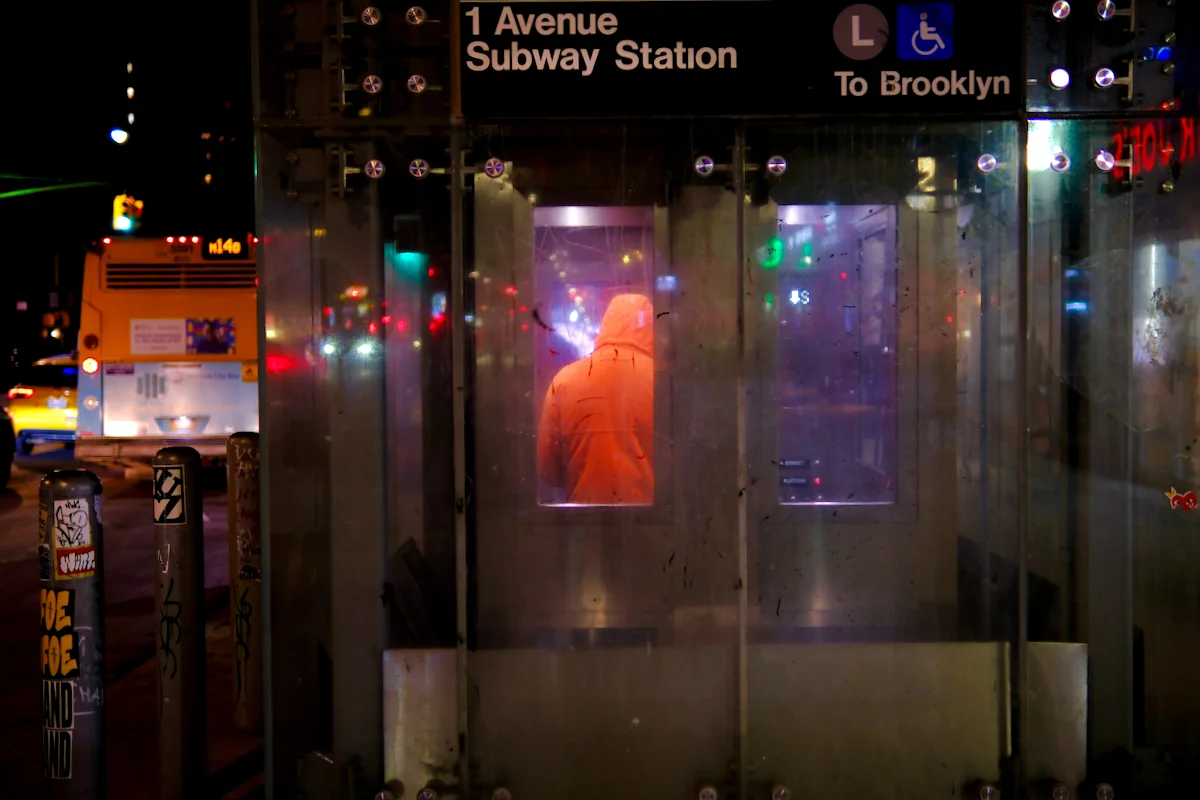
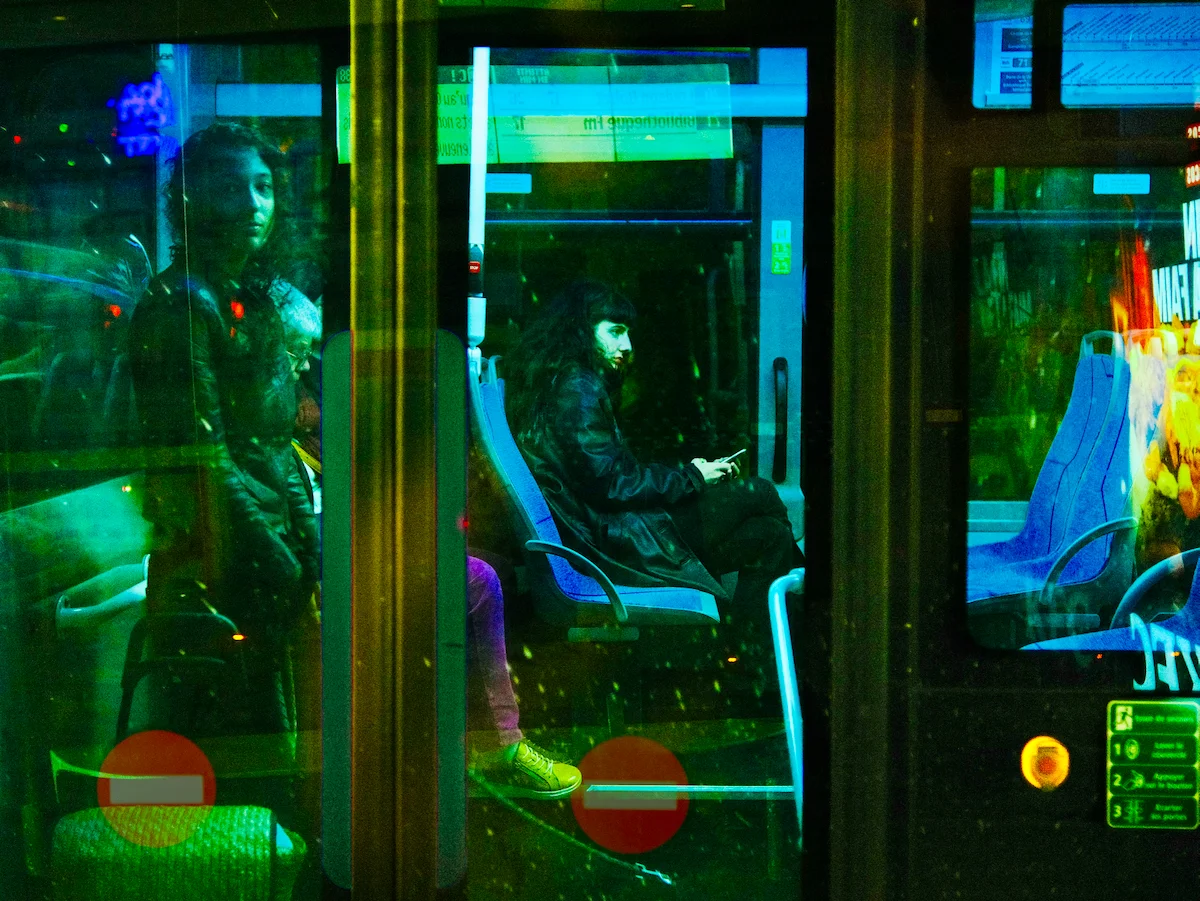
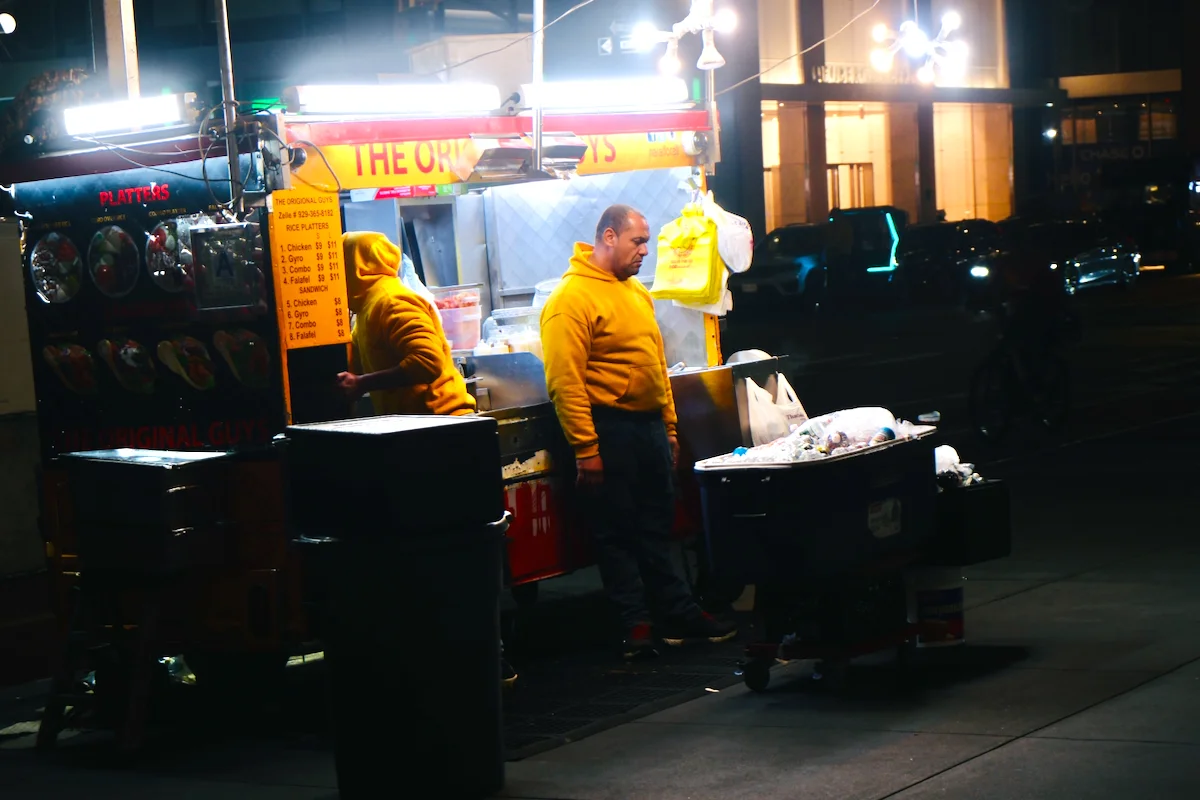
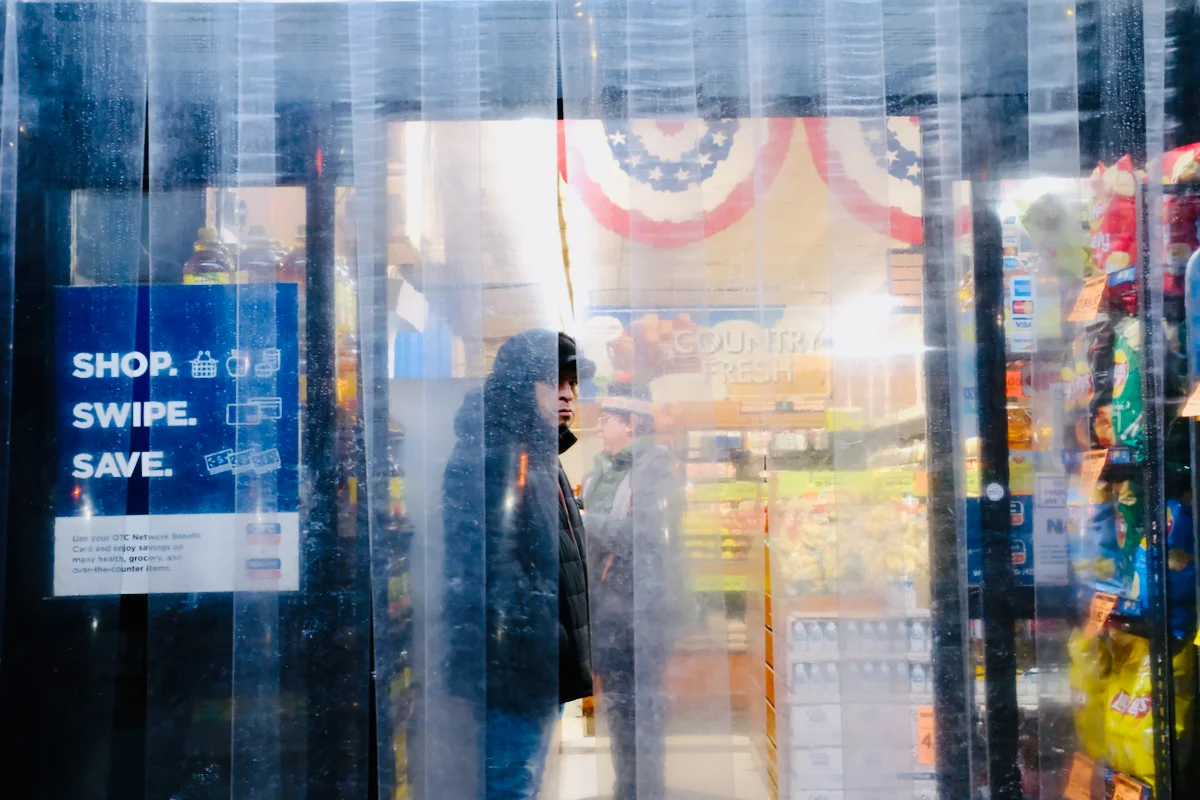
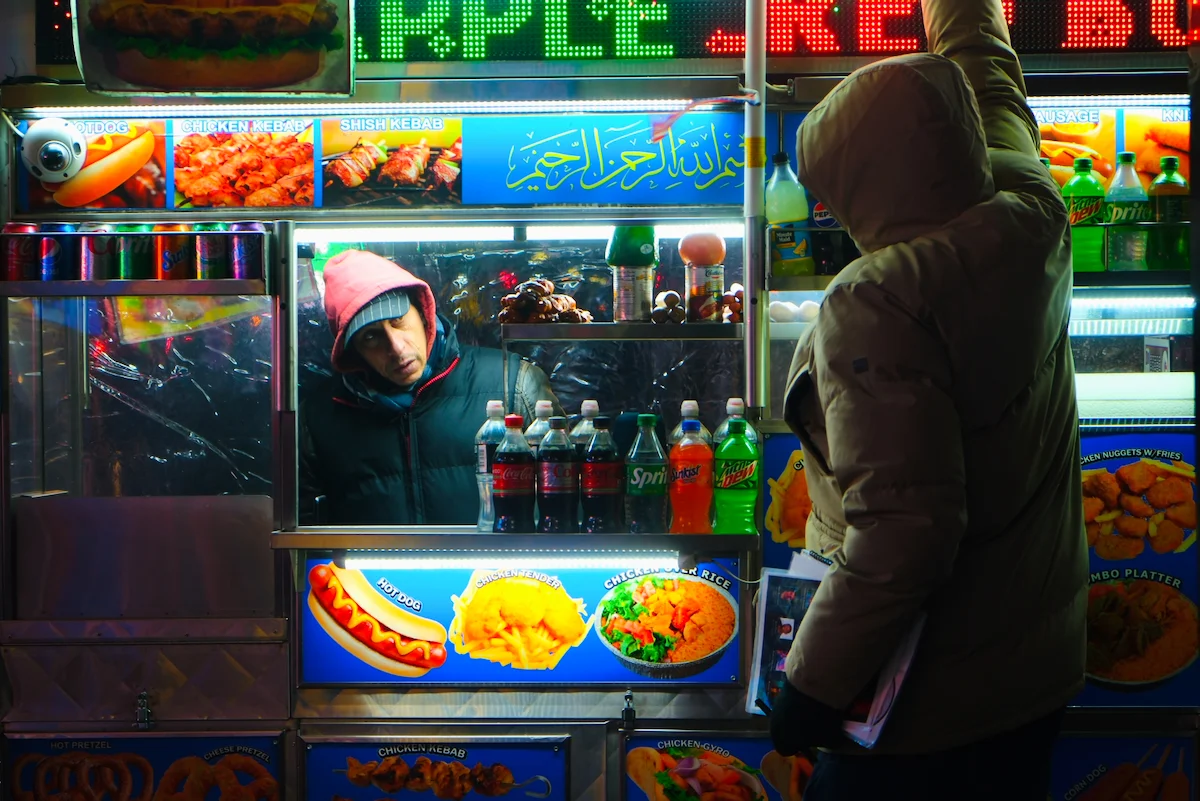
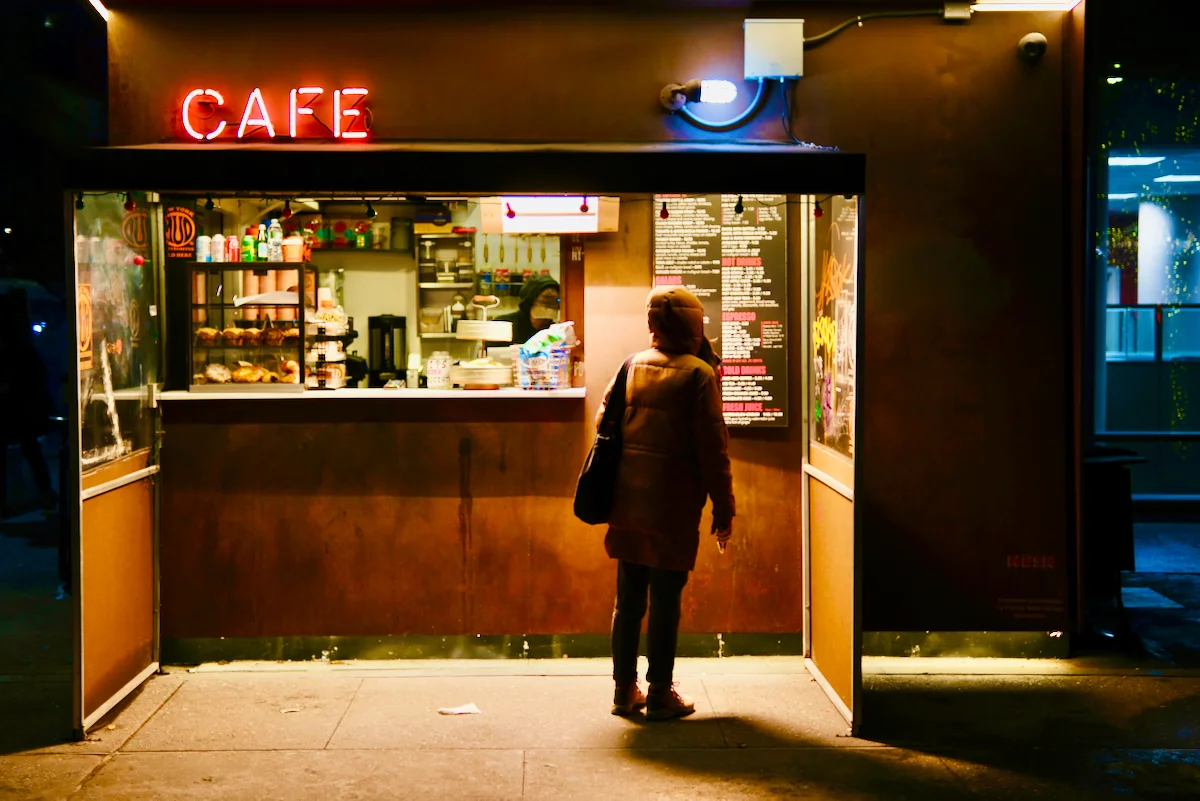
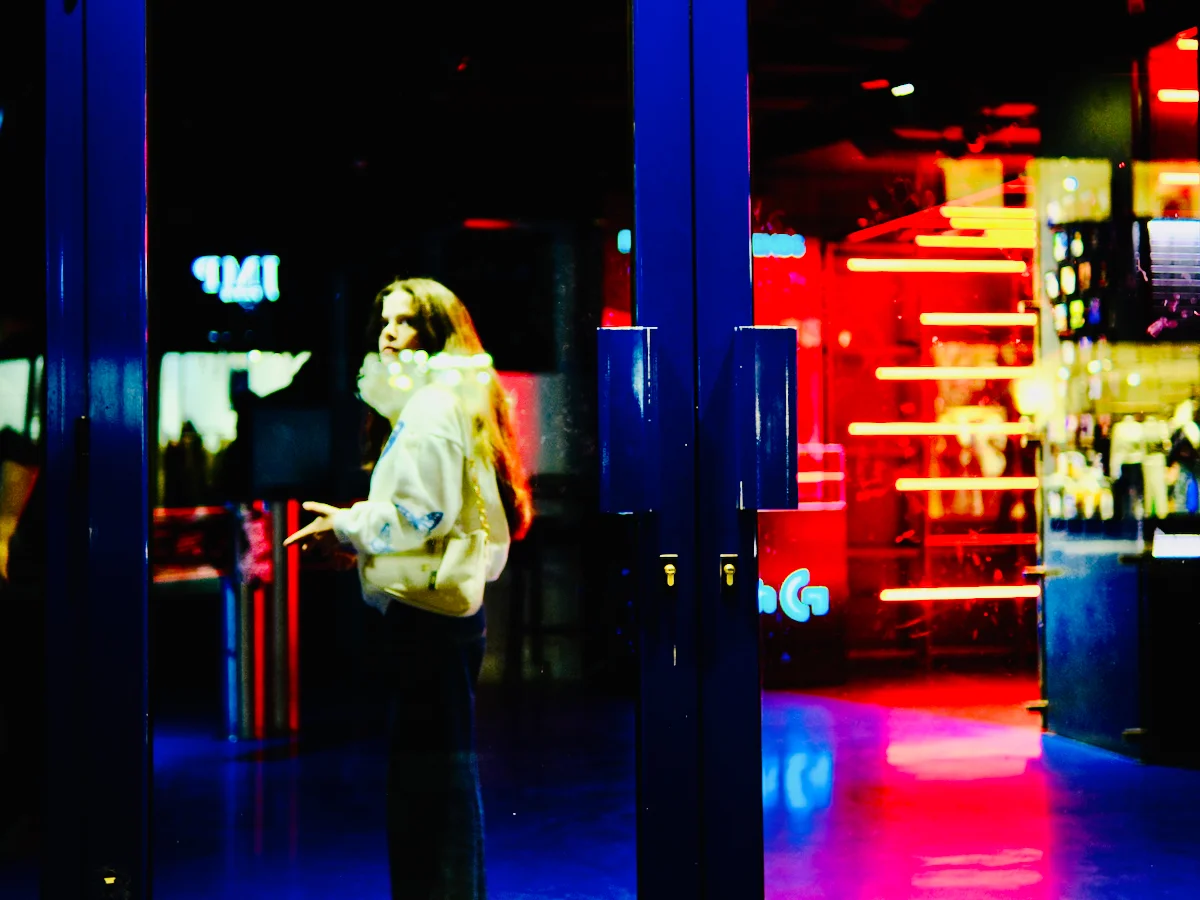
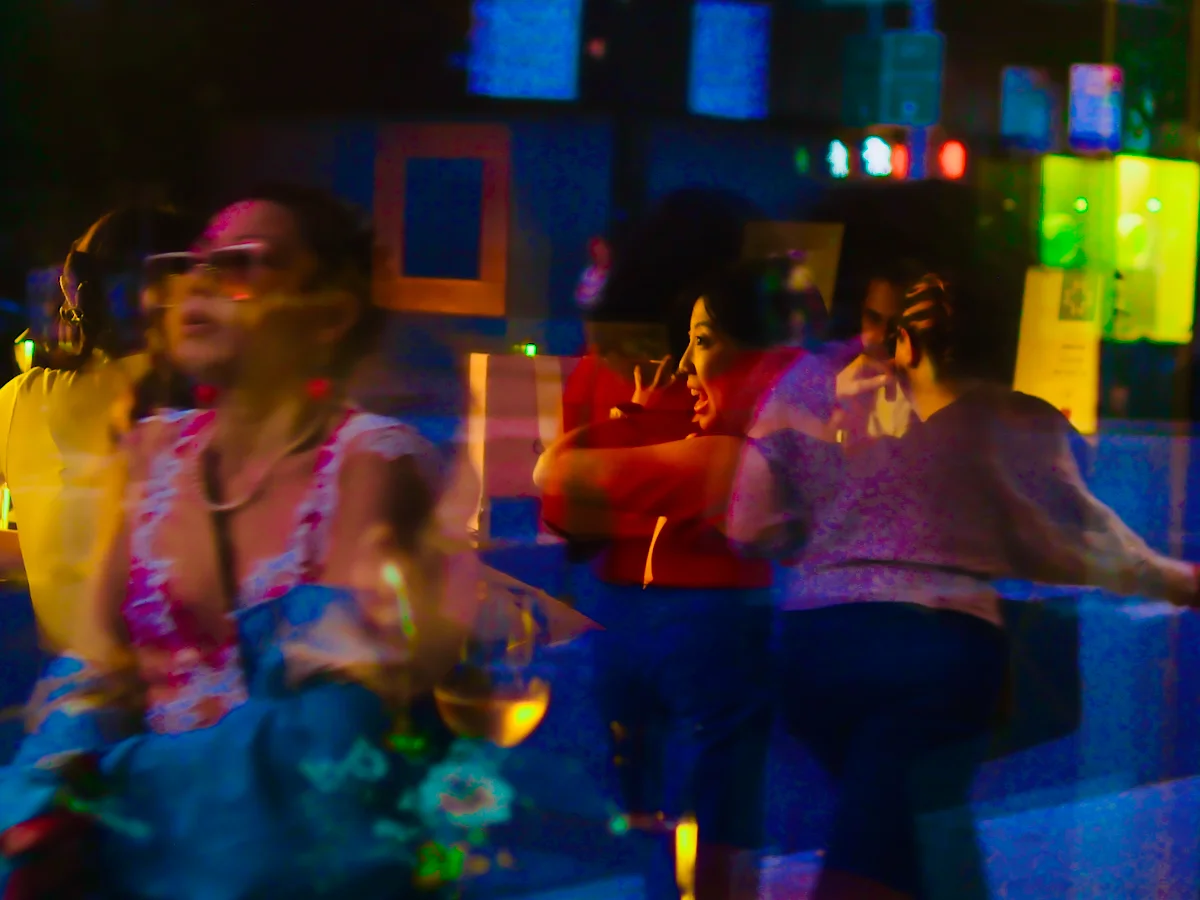
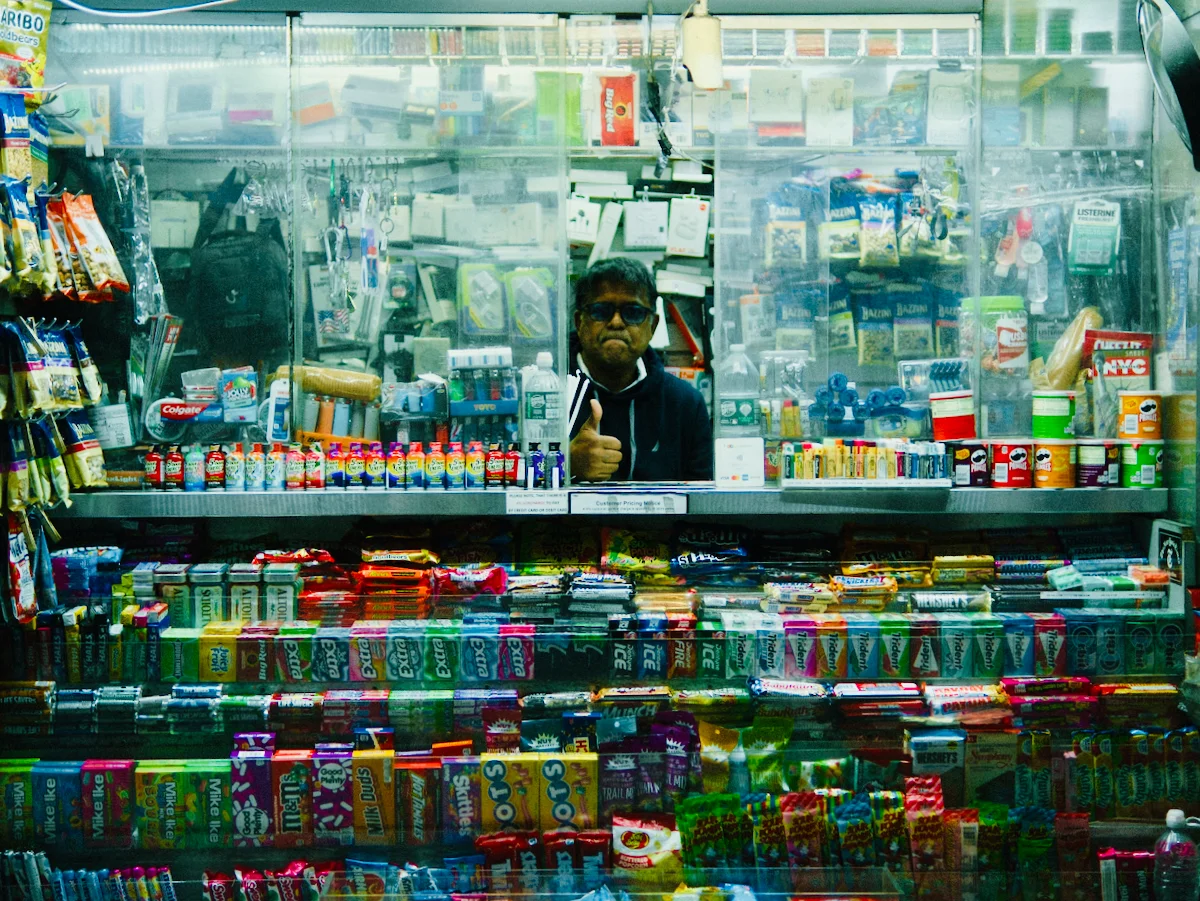
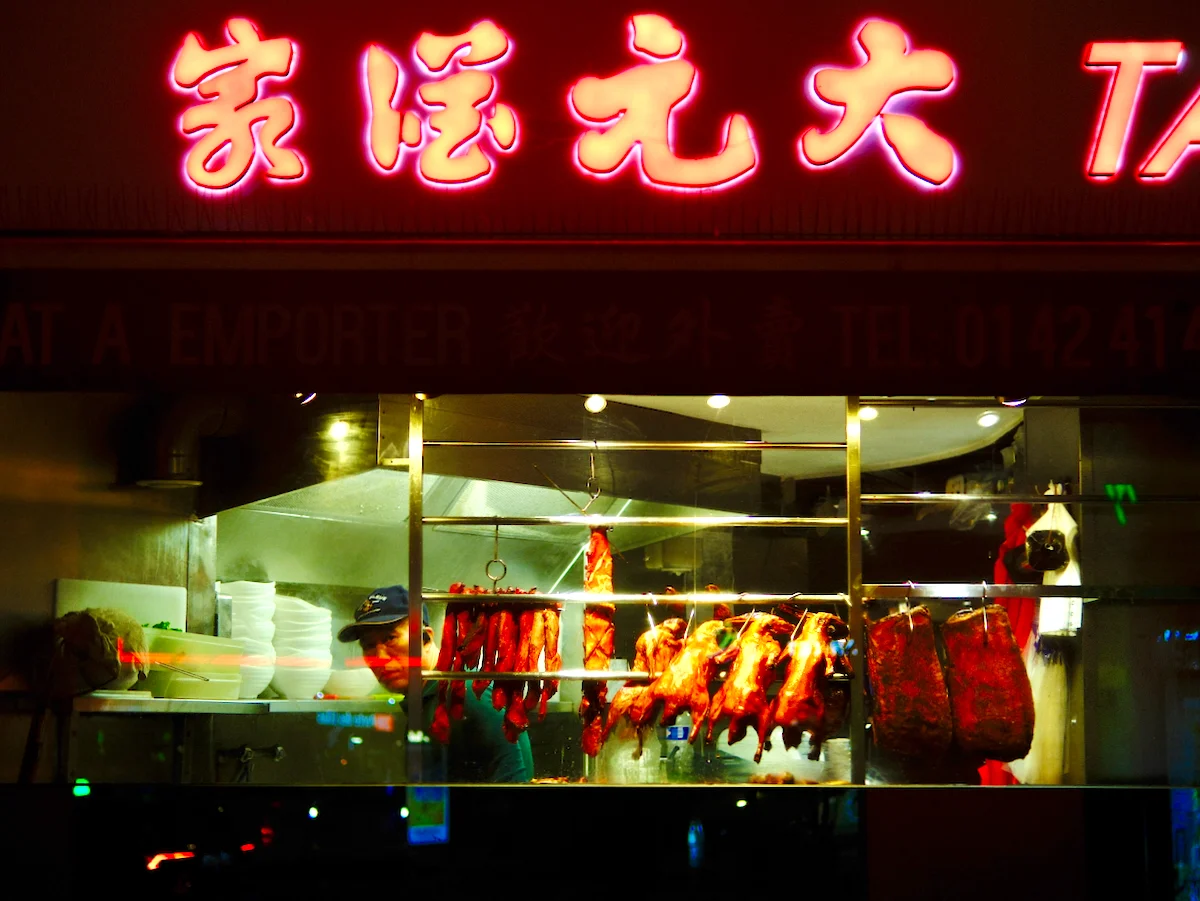
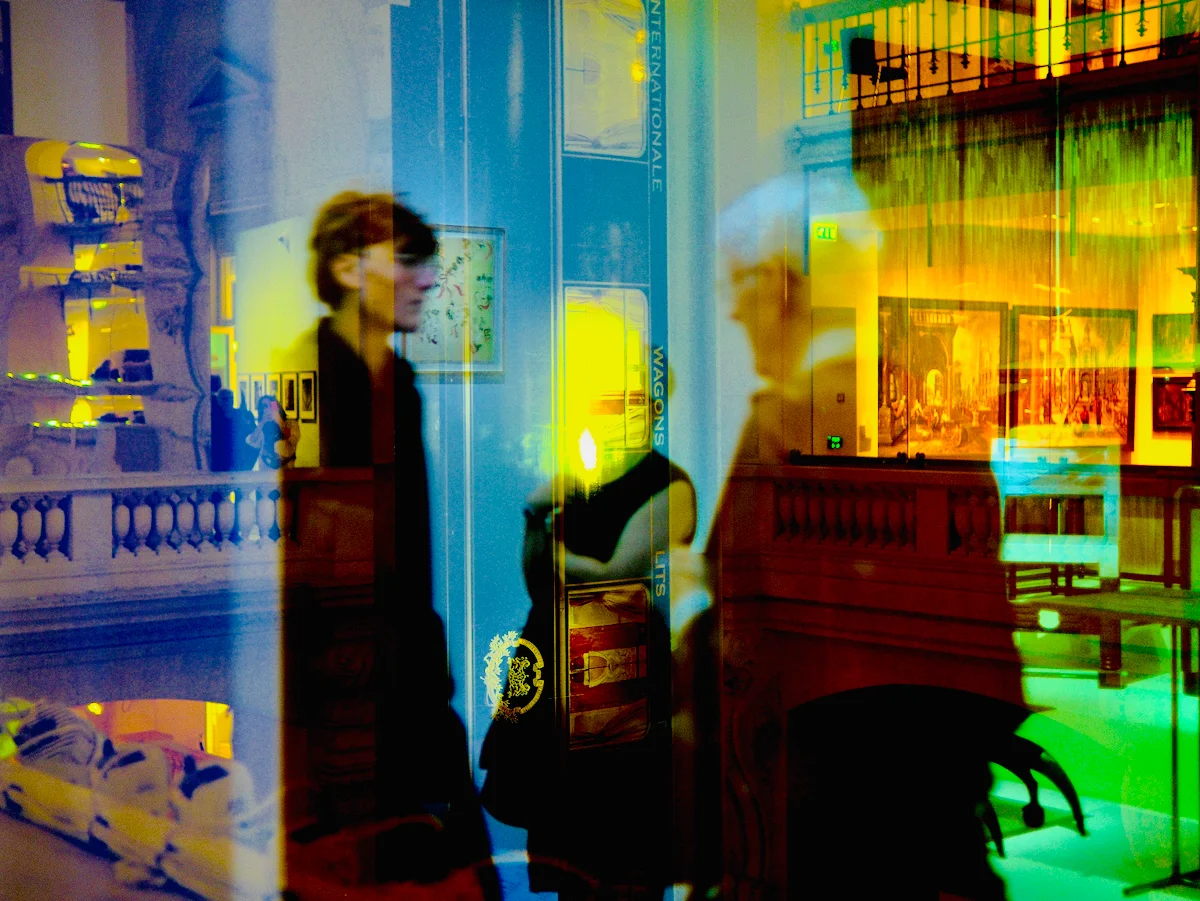
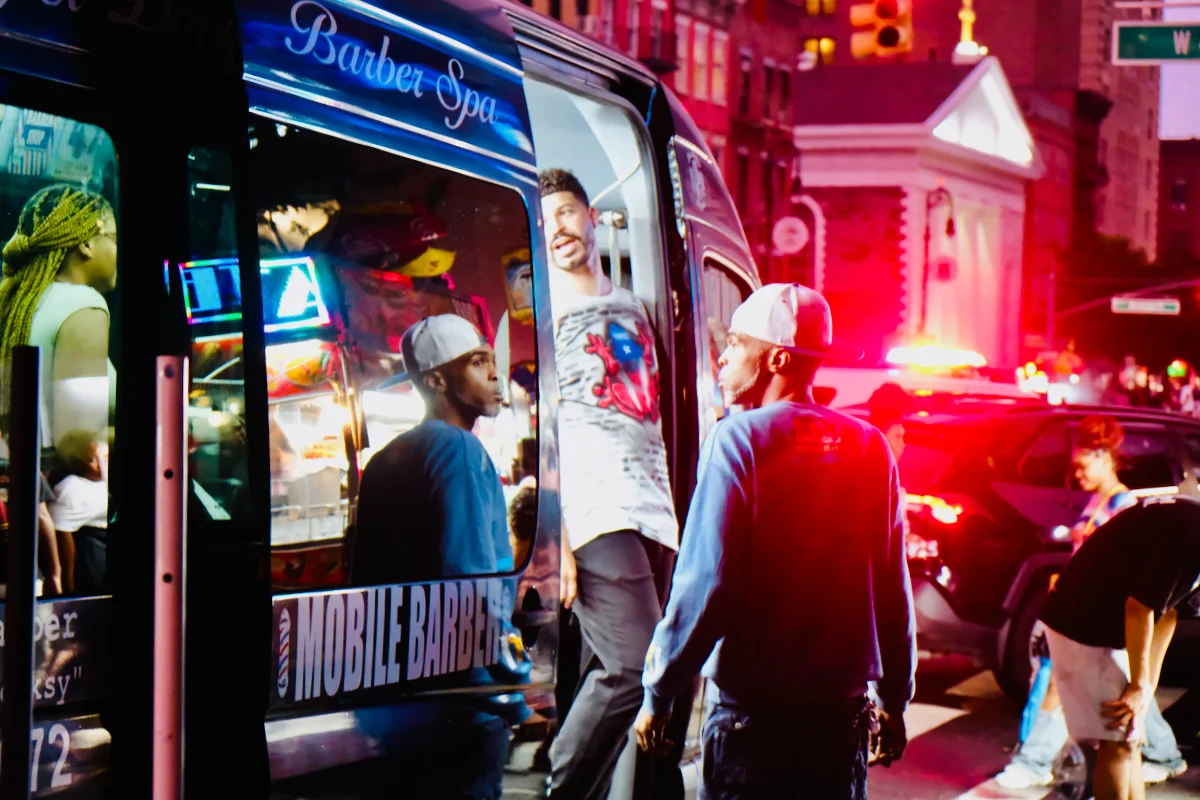
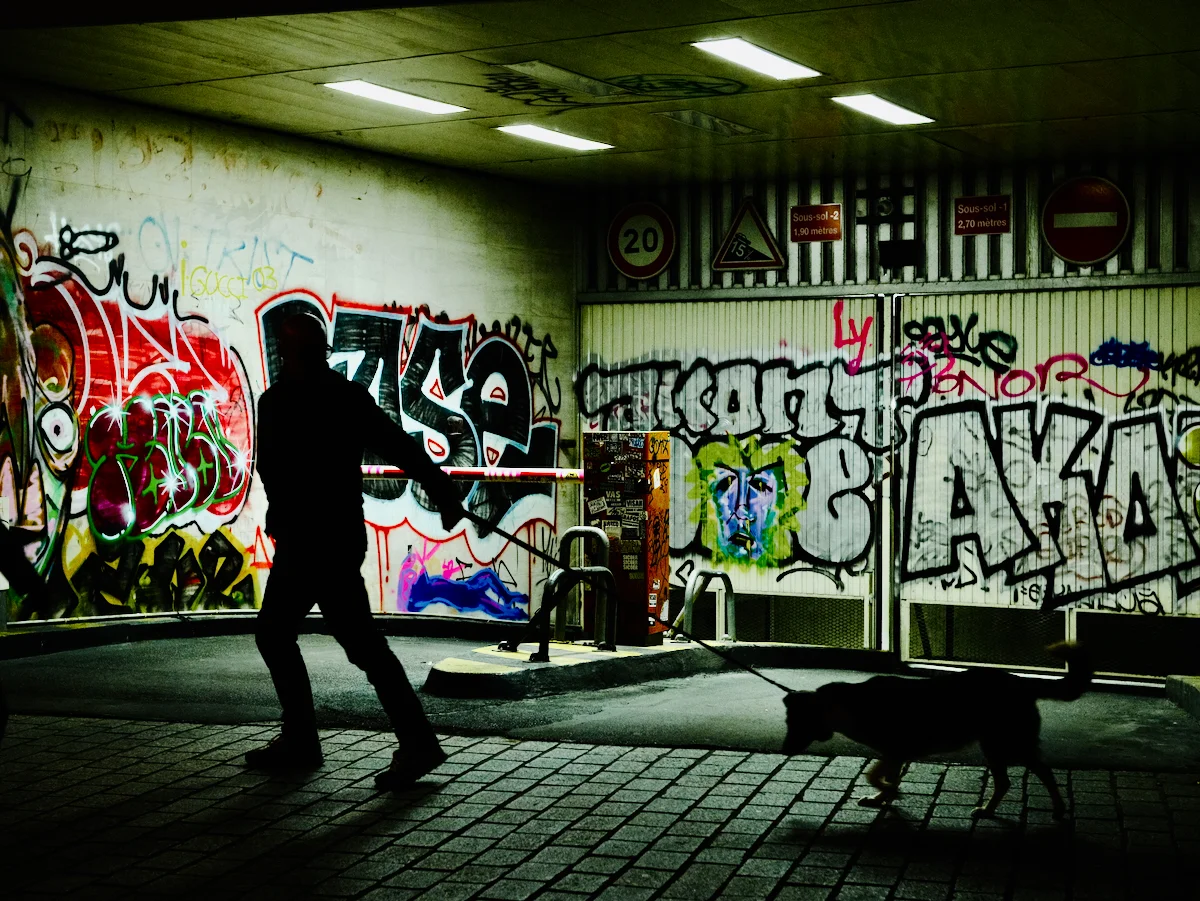
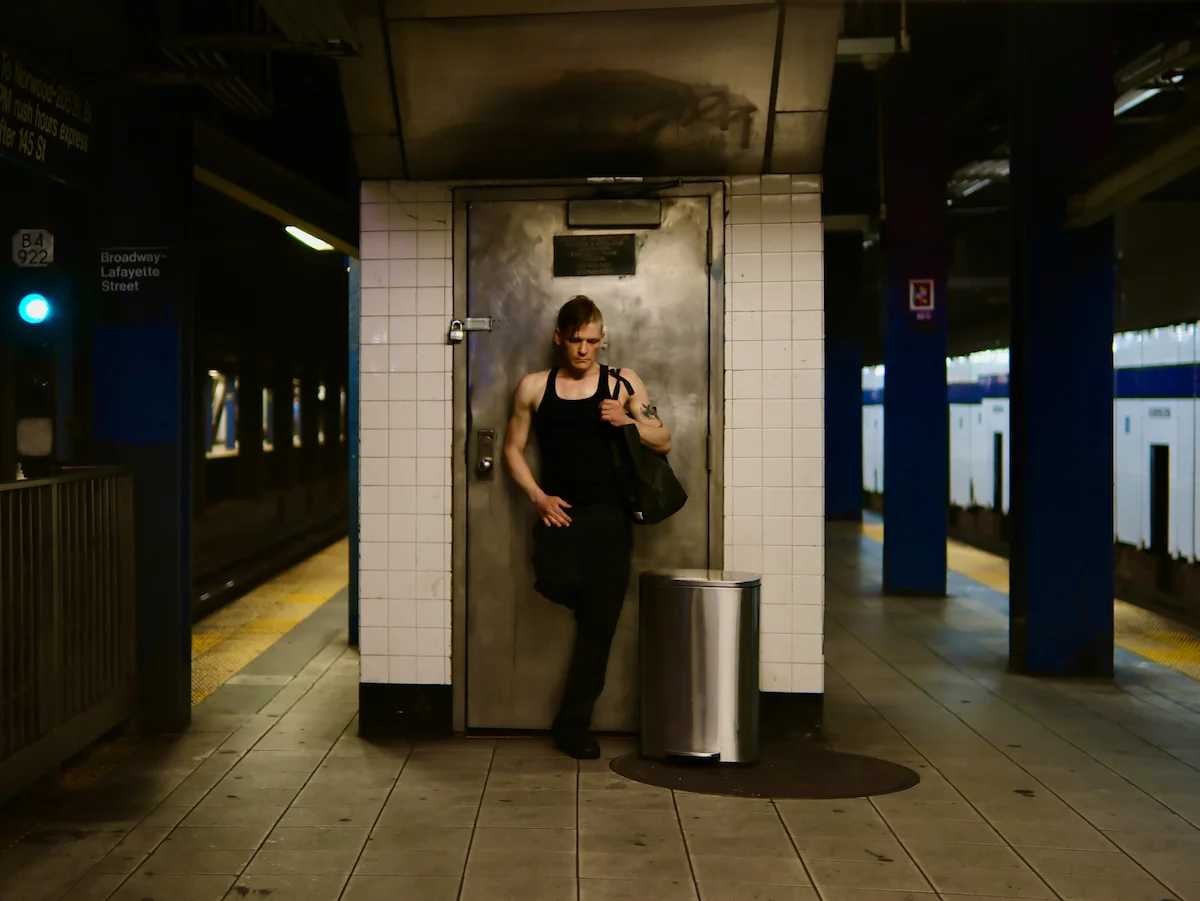
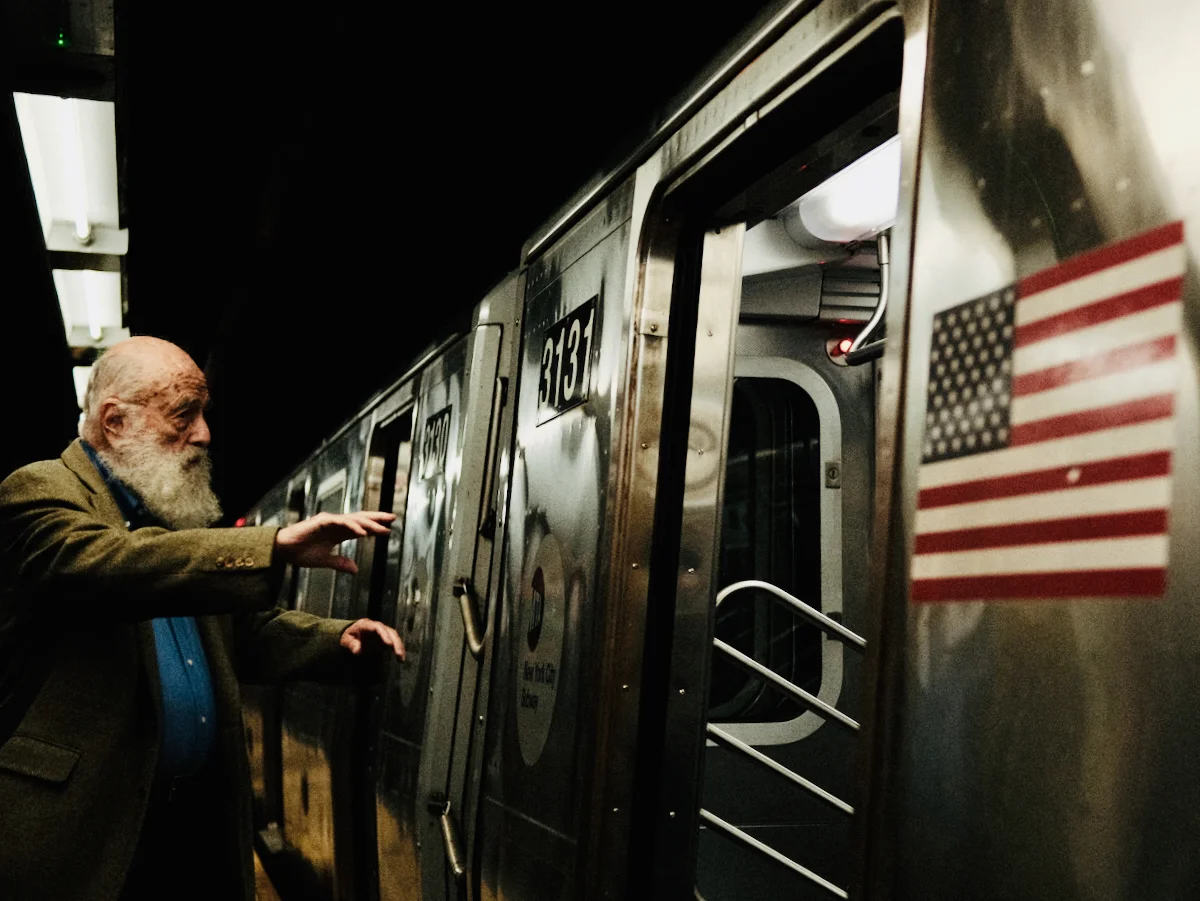
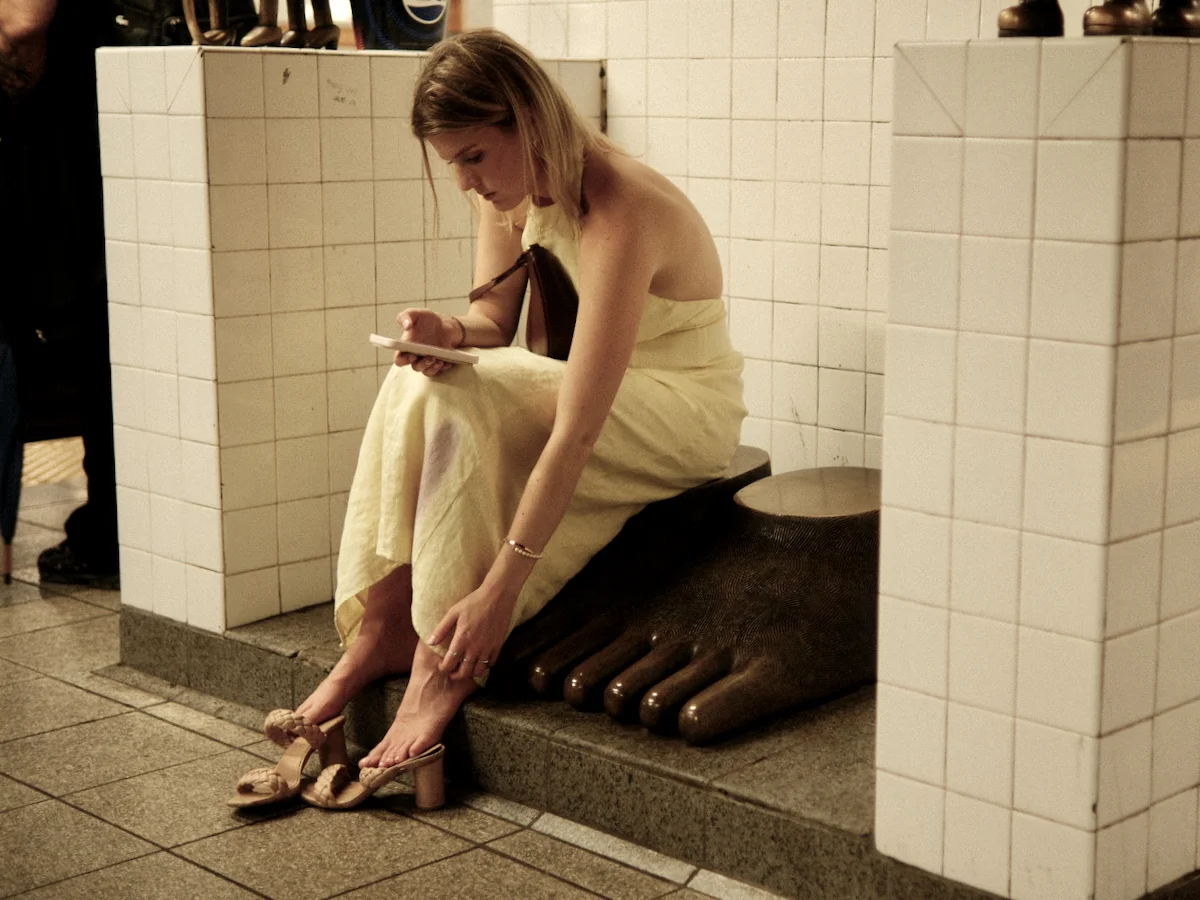
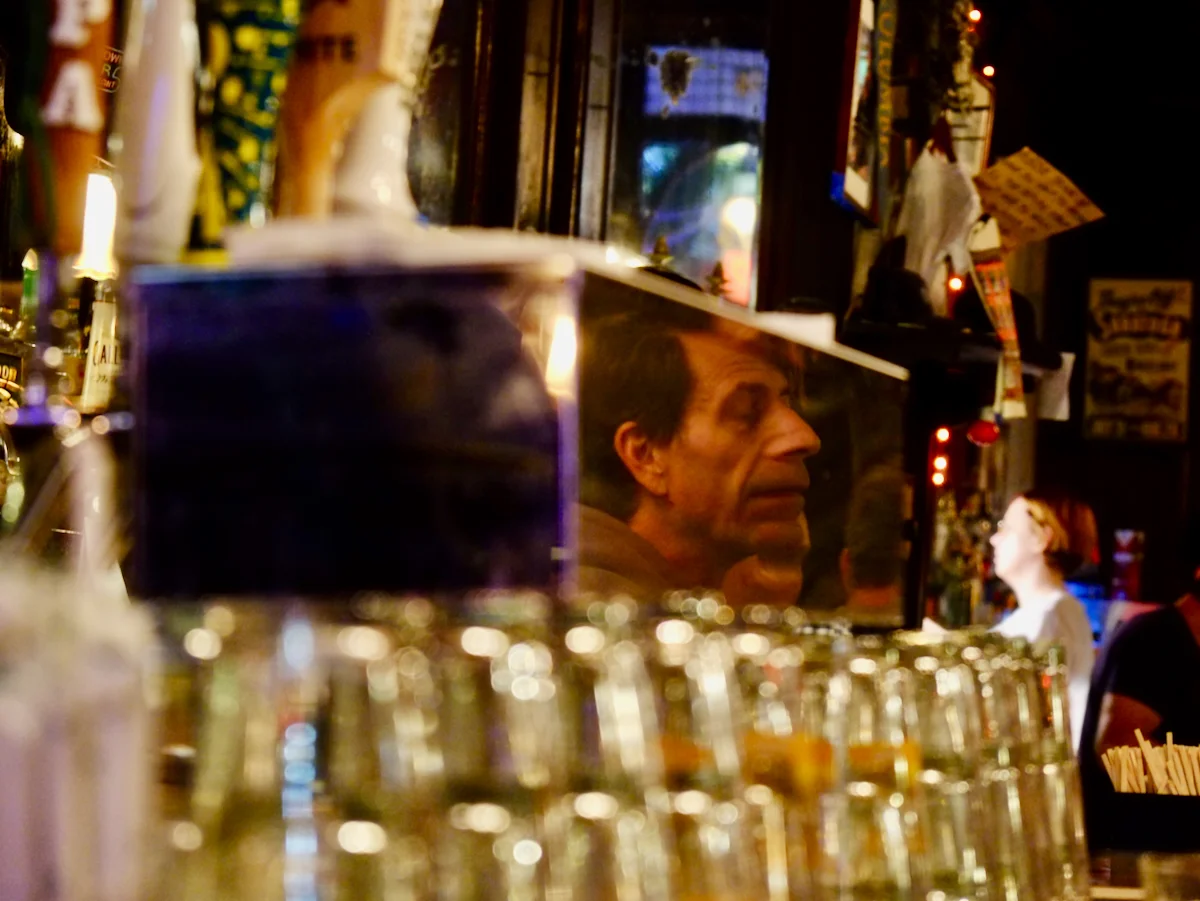
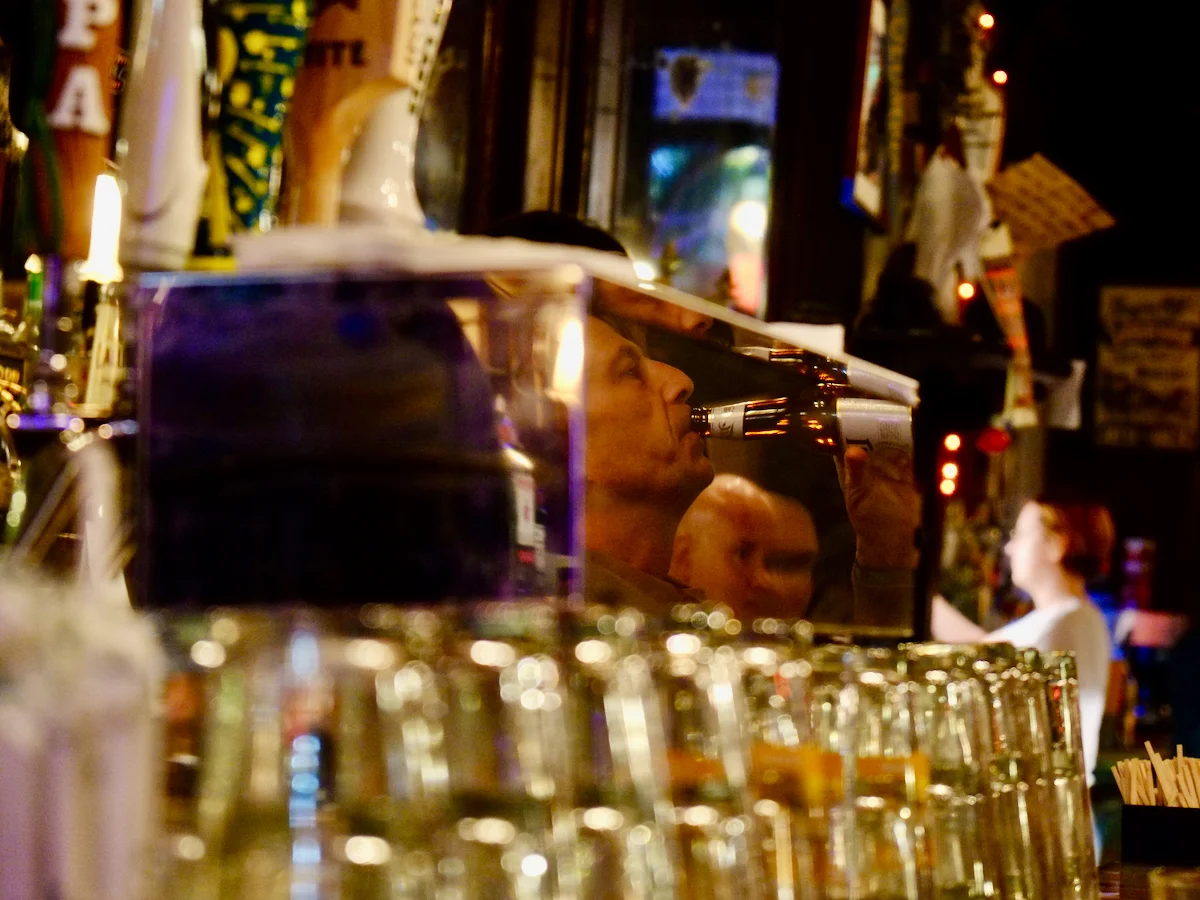
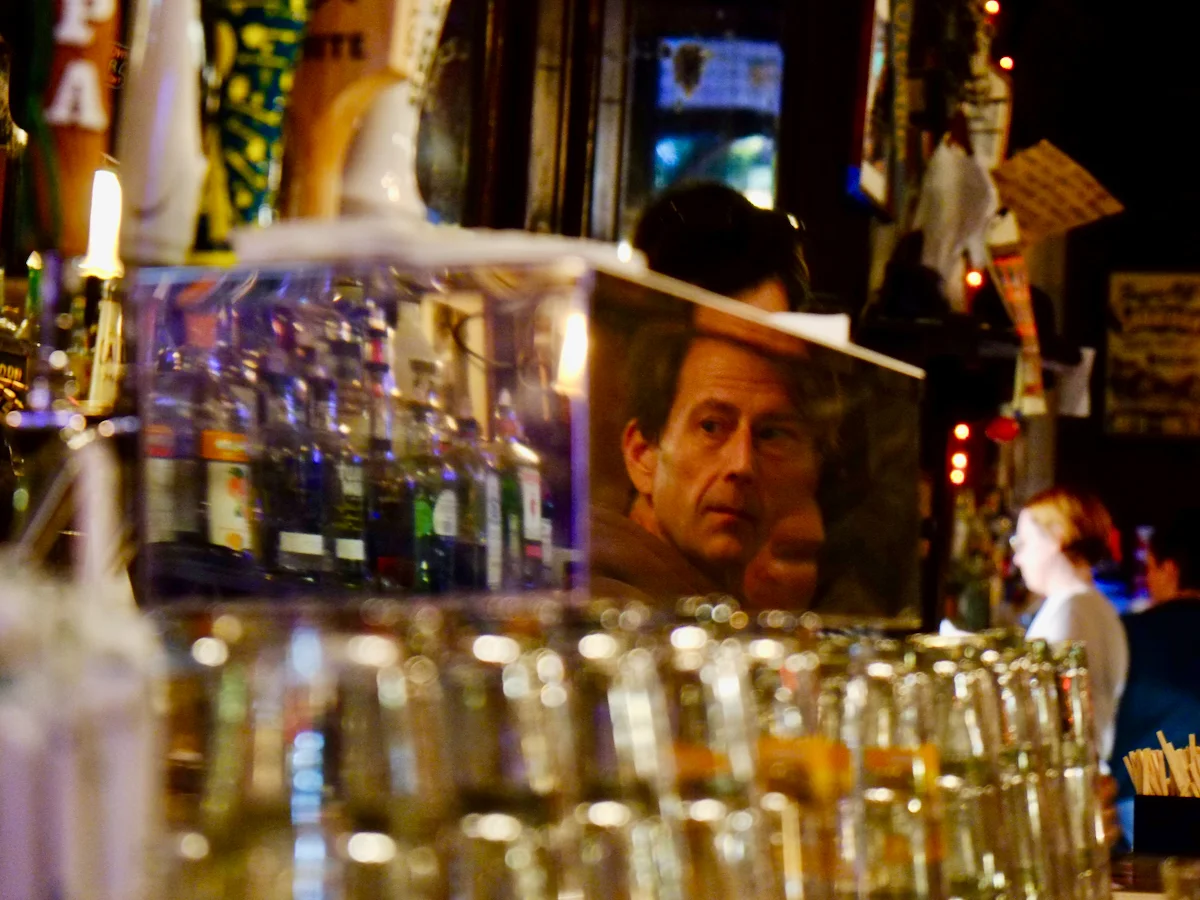
Erik Hadife (b. 1998) is a Lebanese street photographer and filmmaker whose work explores the quiet strangeness of urban life at night. After studying at LSE and MIT, and working in strategy consulting in New York, he left the corporate world to focus fully on his practice. Hadife’s latest work responds to cities that move faster than our ability to notice them. In public spaces shaped by speed, his images slow the pace, drawing attention to fleeting interactions and unguarded moments caught in artificial light. His work has been exhibited internationally, including in New York, Venice, Athens, and Beirut.

Statement
Erik Hadife photographs cities at night, drawn to the quiet moments where something subtle shifts – where the ordinary starts to feel slightly off, and a glance or gesture reveals something beneath the surface. He works instinctively, following artificial light as it cuts through the dark, isolating people and briefly pulling them into focus before they disappear again. His work lingers on a tension at the heart of urban life: being surrounded, yet alone. These images hold on to fleeting encounters – where people cross paths without really meeting – and sit in that strange space between who we are and the environments we’ve built around us.

Awarded Photographer of the Week - Week 14, 2026

 

Inspiring Portfolios

Call for Entries
AAP Magazine #56 Shadows
Publish your work in our printed magazine and win $1,000 cash prizes
 
Stay up-to-date  with call for entries, deadlines and other news about exhibitions, galleries, publications, & special events.

More Great Photographers To Discover

Thomas Annan
Scotland
1829 | † 1887
Thomas Annan was a Scottish photographer, notable for being the first to record the bad housing conditions of the poor. Born in Dairsie, Fife he was one of seven children of John Annan, a flax spinner. After his initial apprenticeship as a lithographic writer and engraver at the Fife Herald in Cupar, he moved to Glasgow in 1849 and worked as a lithographer and engraver for Joseph Swan until 1855. He set up business with George Berwick at 40 Woodlands Road, Glasgow, listing in the 1855 - 56 Glasgow post office directory as calotypists, practitioners of this early form of photography. In 1855, he photographed the ship RMS Persia, under construction on the Clyde, which was probably a commission by engineer, Robert Napier. This photograph was part of a group of images sent to the Photographic Exhibition in connection with the British Association. After dissolving his previous partnership, he established himself in a photographic studio at 116 Sauchiehall Street during 1857. In 1859, the business moved to 200 Hope Street and he was also able to establish a printing works in Hamilton in 1863. First interested largely in architectural photography and then portraits, as well as photographing artworks and maps, in 1866 Annan photographed slum areas of the city. These images were used by Glasgow City Improvement Trust to document the overcrowded, unhygienic conditions ahead of extensive redevelopments. It was this series of photographs, created between 1868 and 1871, entitled Old Closes and Streets of Glasgow, that ensured his posterity. In 1869, Annan purchased the contents of Rock House, which belonged David Octavius Hill, which included many of Hill's photographs and negatives. These were eventually exhibited by Thomas' son, James Craig Annan, and reproduced in photogravure in Alfred Stieglitz's journal Camera Work. Annan's photographs of the Loch Katrine Waterworks were praised in the British Journal of Photography: "The views by Mr. Annan could scarcely fail to be attractive, for in a country so beautiful a clever artist is bound to produce results in keeping with the nature of the subject, and this Mr. Annan has done." Indeed, Annan's work was often praised not only for its aesthetics, but also for its technical virtuosity. Twenty years later, Annan's studio would be singled out by Baden Pritchard for its accomplishments in carbon printing and "beautiful pictures of exteriors and interiors of Scotch strongholds." Thomas Annan purchased the rights to the photogravure process in Britain from Karel Klíč of Vienna in 1883 after visiting the city with his second son, James Craig Annan. James was a noted photogravurist and associated with late nineteenth-century art photography continued in his father's profession, receiving a Royal Warrant as Photographers and Photographic Engravers to Her Majesty in Glasgow. Thomas Annan died on 14 December 1887 at his home in Lenzie. Before his death by suicide, he had experienced a month-long period of "mental aberration". The family business survives to the present day in the form of the Annan Fine Art Gallery, located on Woodlands Road in the West End of Glasgow. A selection of prints from the Glasgow Improvements act 1868 series were displayed in the Scottish National Portrait Gallery from 2011 to 2012. In 2017, the J. Paul Getty Museum curated an exhibition entitled Thomas Annan: Photographer of Glasgow, the first to survey his career and legacy as photographer and printer.Source: Wikipedia
László Moholy-Nagy
Hungary
1895 | † 1946
László Moholy-Nagy (July 20, 1895 - November 24, 1946) was a Hungarian painter and photographer as well as professor in the Bauhaus school. He was highly influenced by constructivism and a strong advocate of the integration of technology and industry into the arts. Moholy-Nagy was born László Weisz in Bácsborsód to a Jewish-Hungarian family. His cousin was the conductor Sir Georg Solti. He attended Gymnasium (academic high school) in the city of Szeged. He changed his German-Jewish surname to the Magyar surname of his mother's Christian lawyer friend Nagy, who supported the family and helped raise Moholy-Nagy and his brothers when their Jewish father, László Weisz left the family. Later, he added "Moholy" ("from Mohol") to his surname, after the name of the Hungarian town Mohol in which he grew up. One part of his boyhood was spent in the Hungarian Ada town, near Mohol in family house. In 1918 he formally converted to the Hungarian Reformed Church (Calvinist); his Godfather was his Roman Catholic university friend, the art critic Ivan Hevesy. Immediately before and during World War I he studied law in Budapest and served in the war, where he sustained a serious injury. In Budapest, on leaves and during convalescence, Moholy-Nagy became involved first with the journal Jelenkor ("The Present Age"), edited by Hevesy, and then with the "Activist" circle around Lajos Kassák's journal Ma ("Today"). After his discharge from the Austro-Hungarian army in October 1918, he attended the private art school of the Hungarian Fauve artist Róbert Berény. He was a supporter of the Communist Dictatorship (known as "Red Terror" and also "Hungarian Soviet Republic"), declared early in 1919, though he assumed no official role in it. After the defeat of the Communist Regime in August, he withdrew to Szeged. An exhibition of his work was held there, before he left for Vienna around November 1919. He left for Berlin early in 1920. In 1923, Moholy-Nagy replaced Johannes Itten as the instructor of the foundation course at the Bauhaus. This effectively marked the end of the school's expressionistic leanings and moved it closer towards its original aims as a school of design and industrial integration. The Bauhaus became known for the versatility of its artists, and Moholy-Nagy was no exception. Throughout his career, he became proficient and innovative in the fields of photography, typography, sculpture, painting, printmaking, and industrial design. One of his main focuses was photography. He coined the term "the New Vision" for his belief that photography could create a whole new way of seeing the outside world that the human eye could not. His theory of art and teaching is summed up in the book The New Vision, from Material to Architecture. He experimented with the photographic process of exposing light sensitive paper with objects overlain on top of it, called photogram. While studying at the Bauhaus, Moholy's teaching in diverse media — including painting, sculpture, photography, photomontage and metal — had a profound influence on a number of his students, including Marianne Brandt. Perhaps his most enduring achievement is the construction of the "Lichtrequisit einer elektrischen Buehne" [Light Prop for an Electric Stage] (completed 1930), a device with moving parts meant to have light projected through it in order to create mobile light reflections and shadows on nearby surfaces. Made with the help of the Hungarian architect Istvan Seboek for the German Werkbund exhibition held in Paris during the summer of 1930, it is often interpreted as a kinetic sculpture. After his death, it was dubbed the "Light-Space Modulator" and was seen as a pioneer achievement of kinetic sculpture. It might more accurately be seen as one of the earliest examples of Light Art. Moholy-Nagy was photography editor of the Dutch avant-garde magazine International Revue i 10 from 1927 to 1929. He resigned from the Bauhaus early in 1928 and worked free-lance as a highly sought-after designer in Berlin. He designed stage sets for successful and controversial operatic and theatrical productions, designed exhibitions and books, created ad campaigns, wrote articles and made films. His studio employed artists and designers such as Istvan Seboek, Gyorgy Kepes and Andor Weininger. After the Nazis came to power in Germany in 1933, and, as a foreign citizen, he was no longer allowed to work, he operated for a time in Holland (doing mostly commercial work) before moving to London in 1935. In England, Moholy-Nagy formed part of the circle of émigré artists and intellectuals who based themselves in Hampstead. Moholy-Nagy lived for a time in the Isokon building with Walter Gropius for eight months and then settled in Golders Green. Gropius and Moholy-Nagy planned to establish an English version of the Bauhaus but could not secure backing, and then Moholy-Nagy was turned down for a teaching job at the Royal College of Art. Moholy-Nagy made his way in London by taking on various design jobs including Imperial Airways and a shop display for men's underwear. He photographed contemporary architecture for the Architectural Review where the assistant editor was John Betjeman who commissioned Moholy-Nagy to make documentary photographs to illustrate his book An Oxford University Chest. In 1936, he was commissioned by fellow Hungarian film producer Alexander Korda to design special effects for Things to Come. Working at Denham Studios, Moholy-Nagy created kinetic sculptures and abstract light effects, but they were rejected by the film's director. At the invitation of Leslie Martin, he gave a lecture to the architecture school of Hull University. In 1937, at the invitation of Walter Paepcke, the Chairman of the Container Corporation of America, Moholy-Nagy moved to Chicago to become the director of the New Bauhaus. The philosophy of the school was basically unchanged from that of the original, and its headquarters was the Prairie Avenue mansion that architect Richard Morris Hunt designed for department store magnate Marshall Field. Unfortunately, the school lost the financial backing of its supporters after only a single academic year, and it closed in 1938. Moholy-Nagy was also the Art Advisor for the mail-order house of Spiegel in Chicago. Paepcke, however, continued his own support, and in 1939, Moholy-Nagy opened the School of Design. In 1944, this became the Institute of Design. In 1949 the Institute of Design became a part of Illinois Institute of Technology and became the first institution in the United States to offer a PhD in design. Moholy-Nagy authored an account of his efforts to develop the curriculum of the School of Design in his book Vision in Motion. Moholy-Nagy died of leukemia in Chicago in 1946. Moholy-Nagy University of Art and Design in Budapest is named in his honour. Works by him are currently on display at the National Gallery of Art in Washington, DC. The software company Laszlo Systems (developers of the open source programming language OpenLaszlo) was named in part in honor of Moholy-Nagy. In 1998, he received a Tribute Marker from the City of Chicago. In the autumn of 2003, the Moholy-Nagy Foundation, Inc. was established as a source of information about Moholy-Nagy's life and works.Source: Wikipedia
Philip-Lorca diCorcia
United States
1951
Philip-Lorca diCorcia (born 1951) is an American photographer. He studied at the School of the Museum of Fine Arts, Boston. Afterwards diCorcia attended Yale University where he received a Master of Fine Arts in Photography in 1979. He now lives and works in New York, and teaches at Yale University in New Haven, Connecticut. diCorcia's work has been exhibited in group shows in both the United States and Europe since 1977 , he participated in the traveling exhibition Pleasures and Terrors of Domestic Comfort, organized by New York's MOMA in 1991. His work was also featured in the 1997 Whitney Biennial at the Whitney Museum of American Art, and, in the 2003 exposition Cruel and Tender at London's Tate Modern. The following year diCorcia’s work was included in Fashioning Fiction in Photography Since 1990 at the MOMA. His most recent series was seen in the Carnegie Museum of Art’s 54th Carnegie International exhibition in Pittsburgh, Pennsylvania. He has also exhibited in Germany (Essen), Spain (Salamanca) and Sweden (Stockholm)[citation needed]. diCorcia received his first solo show in 1985 and from then on he has been featured in one-person exhibitions worldwide, including those at New York's Museum of Modern Art; Paris' Centre National de la Photographie; London's Whitechapel Art Gallery; Madrid's Museo Nacional Centro de Arte Reina Sofía; Tokyo's Art Space Ginza; and Hannover's Sprengel Museum. In March 2009, David Zwirner in New York held an exhibition of one thousand actual-size reproductions of diCorcia's Polaroids, entitled Thousand. Sprüth Magers London showed a series of Philip-Lorca diCorcia's Polaroids in 2011. DiCorcia alternates between informal snapshots and iconic quality staged compositions that often have a baroque theatricality. Using a carefully planned staging, he takes everyday occurrences beyond the realm of banality, trying to inspire in his picture's spectators an awareness of the psychology and emotion contained in real-life situations. His work could be described as documentary photography mixed with the fictional world of cinema and advertising, which creates a powerful link between reality, fantasy and desire. During the late 1970s, during diCorcia's early career, he used to situate his friends and family within fictional interior tableaus, that would make the viewer think that the pictures were spontaneous shots of someone's everyday life, when they were in fact carefully staged and planned in beforehand. He would later start photographing random people in urban spaces all around the world. When in Berlin, Calcutta, Hollywood, New York, Rome and Tokyo, he would often hide lights in the pavement, which would illuminate a random subject in a special way, often isolating them from the other people in the street. His photographs would then give a sense of heightened drama to the passers-by accidental poses, unintended movements and insignificant facial expressions. Even if sometimes the subject appears to be completely detached to the world around him, diCorcia has often used the city of the subject's name as the title of the photo, placing the passers-by back into the city's anonymity. Each of his series, Hustlers, Streetwork, Heads, A Storybook Life, and Lucky Thirteen, can be considered progressive explorations of diCorcia’s formal and conceptual fields of interest. Besides his family, associates and random people he has also photographed personas already theatrically enlarged by their life choices, such as the pole dancers in his latest series. His pictures have black humor within them, and have been described as "Rorschach-like", since they can have a different interpretation depending on the viewer. As they are planned beforehand, diCorcia often plants in his concepts issues like the marketing of reality, the commodification of identity, art, and morality. Source: Wikipedia Philip-Lorca diCorcia is among the most influential and innovative photographers of the past thirty years. Bringing together 125 photographs made from the late-1970s to the present, including selections from all of his distinct series, this exhibition is the first comprehensive survey of diCorcia's work in the United States. DiCorcia's images perch on the lines between fact and fiction, blending a documentary mode with techniques of staged photography. The viewer is often unsure whether a scene has been found or posed by diCorcia, which lends an uncanny quality to the typically mundane imagery the artist presents. Ultimately, his work asks viewers to question the assumed truth of a photograph and to consider alternative ways that images might speak to and represent reality. In the mid-1970s, DiCorcia (born 1951 in Hartford, Connecticut) attended the School of the Museum of Fine Arts, Boston, followed by a Masters of Fine Art in Photography at Yale University. From the very beginning, he pursued a middle ground between two major photographic modes of the period. A modernist documentary style influenced by Walker Evans, Garry Winogrand, and Diane Arbus is evident, but so too is an approach informed by conceptual art, which mobilizes images as cultural archetypes or signs. In all his work, diCorcia captures moments that seem arrested in the chaotic flux of the larger world. From the psychological tension of his staged tableaux to his portraits of pedestrians on city streets to his experimental narrative sequence A Storybook Life, the ultimate effect of diCorcia's photographs is a sense of reality hanging in a threshold, uncertain, unstable, and poetic. Source: www.icaboston.org
Nicolas Tikhomiroff
France
1927 | † 2016
Nicolas Tikhomiroff (March 22, 1927 – April 17, 2016) was a French photographer, of Russian origin. He started working for Magnum Photos in 1959. Tikhomiroff was born in Paris to Russian parents. He received his education at a boarding school away from home with children of a similar background. He was trilingual with Russian as his primary language with French, and English as a secondary language. When he reached the age of seventeen, just following the Liberation of Paris, he joined the French army. After finishing his duties he found a job working for a fashion photographer processing prints. In 1956, Tikhomiroff was inspired by French journalist Michel Chevalier and struck out on his own as a freelance photographer. For the next few years, he spent his time traveling with Chevalier to the Middle East, Africa, among other places. In 1959 Tikhomiroff joined Magnum. Most of his work was on wars such as in Cambodia, Laos, and Vietnam. Famous for his work on World Cinema, he also had a large portfolio of war photography. He was married to Shirley Lou Ritchie, by whom he had a daughter, Tamara Joan Tikhomiroff. He retired in 1987 and lived in Provence, France.Source: Wikipedia Nicolas Tikhomiroff was born in Paris to Russian ‘émigrés’ parents. He spent his school years in a special boarding school for children of a similar background: those with Russian as a first language, followed by French. He joined the army at the age of 17 following the Liberation of Paris, then spent several months in Germany, followed by three years in Indochina. After finishing his military service, Tikhomiroff found work in the darkroom of a fashion photographer. Using a Rolleiflex, he began to take photographs for many magazines, including Marie France. In 1956, a decisive encounter with French journalist Michel Chevalier led him to accompany Chevalier as a freelance photographer. This relationship resulted in long trips to the Soviet Union, Africa, and the Middle East. Tikhomiroff joined Magnum in 1959 and completed numerous photo stories on subjects such as the Algerian War, Vietnam, Cambodia, and Laos. He also contributed to an important Magnum project on World Cinema, meeting Orson Welles, Fellini, Visconti, and many others. He developed a close friendship with Welles while photographing the filming of The Trial and Falstaff. Nicolas Tikhomiroff also undertook advertising and fashion assignments. Although he was never a full member of Magnum Photos, his earlier work is still distributed by the agency. Tikhomiroff retired from professional activities in 1987. He lived in Provence in the south of France, where he spent much of his time working on personal projects and essays.Source: Magnum Photos Magnum member Bruno Barbey says of Nicolas: “As well as a very important portraitist of the celebrities of the 60s (Brigitte Bardot, Jeanne Moreau or Edith Piaf, to name a few), Nicolas was also a concerned photographer, covering USSR in 1957 or De Gaulle’s historic visit to Algeria in 1960." “In a certain way, Nicolas epitomized Magnum’s long-standing tradition, producing both a significant personal work on film set photography and covering world news for the agency. To me, his name will always be linked to his iconic photographs of Orson Wells, notably in Spain on the set of Chimes at Midnight.”Source: British Journal of Photography
Marco Gualazzini
Born in Parma in 1976, Marco Gualazzini began his career as a photographer in 2004, with his home town's local daily, La Gazzetta di Parma. His works include reportage photography on microfinance in India, on the freedom of expression in Myanmar, on the discrimination of minorities in Pakistan. For the last few years he has been covering Africa extensively. He devised and took part in the creation of a documentary for the Italian national TV network RAI on the caste system in India, which has been selected at IDFA- The International Documentary Film Festival Amsterdam, and has been awarded with the Best Camera Work Award at the Aljazeera International Documentary Film Festival 2014. Gualazzini published in national and international titles and he has received numerous accolades, including the Getty Images Grant for Editorial Photography, the PDN and the World Press Photo. Represented by CONTRASTO Agency Resilient is his first book and it's published by ContrastoBooks PUBLICATION: The New York Times, GEO, Al-Jazeera, Paris Match, LIGHTBOX- TIME magazine, Courrier International, L'Express, 6Mois, Internazionale, L'Espresso, InsideOver, CNN, M (Le Monde), Der Spiegel, The Sunday Times Magazine, Newsweek Japan, and Vanity Fair. AWARDS: Nomination award HPA2011- the Humanity photo awards 2011 Finalist CGAP 2011- Microfinance Photograpy contest Short-Listed, premio internacional de fotografia humanitaria Luis ValtueÑa 2011 Short-Listed 3rd Lumix Festival for Young Photojournalism, Hannover 2012 Silver Medal, category press-war, Prix de la Photographie 2013 Premio giornalistico Marco Luchetta- Miran Hrovatin 2013, 1st Prize Getty Images Grants for Editorial Photography Recipient 2013 Short Listed Premio giornalistico Internazionale Marco Luchetta - Miran Hrovatin 2014 Lucie Fondation, Photo Taken Scholarship Recipient 2015 Winner in PDN Photo Annual photo contest 2016 Final 100 to The Other Hundred Educators, The Other Hundred 2016 Photographer of the year All About Photo Awards, 2017 Short Listed - Premio giornalistico Internazionale Marco Luchetta 2017 Wiki Loves Africa, 2nd Prize All About Photo Awards 2019, 4th Prize Wiki Loves Africa, 1st Prize World Press Photo 2019 Photo Contest, Environment, Stories, 1st Prize EXHIBITIONS & SCREENINGS: Palazzo Pigorini, Collettiva sulla città con i fotografi NEOS, Parma, Italy, 2009 Galleria d'arte Camera Sedici, Storie in tre scatti, Milano, Italy, 2010 FoFu Phot'arte, Festival internazionale fotografico, Fucecchio (FI), Italy, 2011 Medicos del Mundo, premio Luis ValtueÑa, Madrid, Spain, 2011 The Humanity photo awards, Memories of Mankind VII, con il patrocinio dell' UNESCO, Beijing, Cina, 2011 3rd Lumix Festival for Young Photojournalism, Hannover, Germany, 2012 Angkor Photo Festival, Angkor, Cambodia, 2013 Les Rencontres d'Arles, Screening, Arles, France, 2013 Visa pour L'image, Screening, Perpignan, France, 2013 'Italy. Another View' Vadehra Art Gallery, India Art Fair, NSIC Exhibition Grounds, New Delhi, India, 2014 One Day in Africa - Spazio Oberdan, Milan, Italy, 2014 "One World" - Photofestival Horizonte, Zingst, Germany, 2014 Angkor Photo Festival, Screening, Angkor, Cambodia, 2015 World Humanitarian Summit, Istanbul, Turkey, 2016 Pune Biennale, Pune, India, 2017 Visa pour l'image, Screening in Campo Santo, Perpignan, France, 2017 Spazio Forma Meravigli, solo exhibition , Milan, Italy, 2019 Palazzo Pigorini, solo exhibition , Parma, Italy, 2019 World Press Photo, World Wide, 2019 RESILIENTI2020 - Installation Art Città di Parma, Parma, 2020
Milos Nejezchleb
Czech Republic
1978
The Czech photographer Miloš Nejezchleb was born in 1978. He lives in the Czech Republic and has got three children. He has only been involved in conceptual photography since 2016; however, he has already won several prestigious international awards. He is the absolute winner of the Fine Art Photography Award in London (2021), where he won the FINE ART PHOTOGRAHER OF THE YEAR title. He is the winner of the Malta International Photo Award (2020), two-time gold medalist in the Trierenberg Super Circuit competition in Linz and he is also, among others, silver medalist in IPA 2021 - International Photography Award. The most characteristic features of his photographs are noticeably colorful elements with a clear focus on the art of photography. Miloš often chooses current social topics, which he processes as stories using photographic series. These stories are narrated by people. He works on such series on his own and ensures the entire Art direction. He himself designs styling, looks for locations and carries out post-production. Besides conceptual art, where he points out currently discussed topics, Miloš has 2long-term thematic photographic cycles which document stories of real people. The most famous of them is photographic cycle "Stronger", in which Milos takes photos of people who have gone through hard times in their lives, and thanks to this experience they have become stronger personalities. Milos is at the beginning of his photographic career. He was fascinated by art photography when he bought his first camera. It happened before the birth of his first daughter. He is currently working on other production-intensive projects.
Barbara Cole
Canada
1953
For the last forty-five years, artist Barbara Cole has been recapturing the otherworldly mysteries of early photography in a body of work that flows in and out of time. Born in 1953 in Toronto, Canada, Cole, eager to shape a place for herself at an early age, quickly turned to art. Immediately out of high school, she began modeling for a newspaper and soon became fashion editor for the following ten years. Her early start in fashion and self-taught practice have informed her intuitive photography that undulates between tradition and invention. Her inventor's spirit is evident in her preference for raw, hands-on photographic methods. From turn-of-the-century cameras, shadow boxes, darkrooms, and tintypes-she engages directly in shaping her images in order to impart deeply personal truths. The underwater photography for which Cole is most known started in the late 1990s. Once, submerged in her pool, she opened her eyes and what she saw reminded her of the Polaroid film she was so fond of until it eventually went out of production. She has been searching for timelessness ever since. The wavy, enigmatic waters are often juxtaposed against weightless figures, forming her signature, velvety dreamscapes. In these figures we see human beings who are just-just-on the verge of forming complete selves, suggesting we are always in the process of recreating ourselves, always striving to reach new heights. As an innovator in her field, Cole ventures into territories full of light and shadow, memory and dreams, with imagery that is nothing short of exaltation. Whether reincorporating twenty-year-old images in current underwater photography, or reimagining a modern format for the turn-of-the-century tintype, Cole's work shortens the distance between past and present. For Cole history is written in water. Cole has held numerous exhibitions across North America, Europe, and the Middle East. Her work has also been extensively commissioned internationally for corporate collections. She has exhibited in the Canadian Embassy in both Tokyo and Washington D.C. The acclaimed documentary series, Snapshot: The Art of Photography II, features an episode devoted exclusively to Cole's photographic practice. Cole currently lives and works in Toronto. Articles Exclusive Interview with Barbara Cole Barbara Cole and Wet Collodion Photographs Galleries Bau-Xi Gallery Galerie de Bellefeuille Art Angels Holden Luntz Gallery NOX Contemporary Art Space
Advertisement
AAP Magazine #56 Shadows
Win a Solo Exhibition in May
AAP Magazine #56 Shadows

Latest Interviews

Exclusive Interview with Jan Janssen
Dutch photographer Jan Janssen explores universal human experiences through his long-term project It Matters, winner of the May 2025 Solo Exhibition. Begun in 2016, the series captures intimate moments of everyday life—love, loss, connection, and belonging—across Central and Eastern Europe. Working in countries such as Turkey, Azerbaijan, and Armenia, Janssen spends extended time within communities, building relationships based on trust and respect. His approach allows him to move beyond observation, revealing deeply human and authentic moments. Rooted in travel and personal discovery, It Matters reflects Janssen’s search for what connects us all in an increasingly divided world. The project is ongoing and will culminate in a photobook scheduled for publication in 2026.
Exclusive Interview with Henk Kosche
German photographer Henk Kosche turns his lens toward the streets of Halle an der Saale, capturing everyday life in the late years of the former German Democratic Republic. At the time, Kosche was studying design and exploring the city with his camera, drawn to the atmosphere of its industrial landscape and the quiet rhythms of daily life. His series Street Photography at the End of the 80s, selected as the Solo Exhibition for July 2025, revisits a body of work created just before a period of profound change. Rediscovered decades later in a small box of 35mm negatives, these photographs offer glimpses of a city and its people at a moment suspended between the familiar and the unknown.
Exclusive Interview with Anastasia Samoylova
Anastasia Samoylova is an American artist whose photographic practice is shaped by close observation and a deep attentiveness to place. Working between documentary and formal exploration, she photographs landscapes, architecture, and everyday scenes with a sensitivity to light, structure, and atmosphere. Since relocating to Miami in 2016, her work has increasingly focused on how environments—both natural and built—carry social, cultural, and emotional traces. We asked her a few questions about her practice and her way of seeing, to better understand the thoughts and experiences that shape her work—while allowing the images themselves to remain open and speak in their own time.
Exclusive Interview with Marijn Fidder
Marijn Fidder is a Dutch documentary photographer whose work powerfully engages with current affairs and contemporary social issues. Driven by a deep sense of social justice, she uses photography to speak on behalf of the voiceless and to advocate for the rights of those who are most vulnerable. Her images have been widely published in major international outlets including National Geographic, CNN Style, NRC Handelsblad, Volkskrant, GUP New Talent, and ZEIT Magazin. Her long-term commitment to disability rights—particularly through years of work in Uganda—culminated in her acclaimed project Inclusive Nation, which earned her the title of Photographer of the Year 2025 at the All About Photo Awards. She is also the recipient of multiple prestigious honors, including awards from World Press Photo and the Global Peace Photo Award. We asked her a few questions about her life and work.
Exclusive Interview with Josh S. Rose
Josh S. Rose is a multidisciplinary artist working across photography, film, and writing. His practice bridges visual and performing arts, with a strong focus on movement, emotion, and the expressive potential of the image. Known for his long-standing collaborations with leading dance companies and performers, Rose brings together authenticity and precise composition—a balance he describes as “technical romanticism.” His work has been commissioned and exhibited internationally, appearing in outlets such as Vogue, at the Super Bowl, in film festivals, and most recently as a large-scale installation for Lincoln Center for the Performing Arts. A sought-after collaborator, he has worked with major artists, cultural institutions, and brands, following a previous career as Chief Creative Officer at Interpublic Group and the founder of Humans Are Social. We asked him a few questions about his life and work.
Interview with Maureen Ruddy Burkhart
Photographer Maureen Ruddy Burkhart brings a quietly attentive and deeply human sensibility to her exploration of the world through images. Shaped by a life immersed in photography, film, and visual storytelling, her work is guided by intuition, observation, and an enduring interest in the emotional undercurrents of everyday life. With a practice rooted in both fine art traditions and documentary awareness, she approaches her subjects with sensitivity, allowing subtle moments to emerge naturally rather than be imposed. Her series Til Death, selected as the Solo Exhibition for February 2025, reflects this long-standing commitment to photography as a space for reflection rather than spectacle. Drawn to moments that exist just outside the expected frame, Burkhart’s images suggest narratives without resolving them, leaving room for ambiguity, humor, and quiet connection. We asked her a few questions about her life and work.
Exclusive Interview with Peter Ydeen
Winner of AAP Magazine #45 Travels, his series reflects this unique vision—capturing the spirit of place through subtle layers of light, color, and emotion. Whether traveling abroad or observing the rhythms of his own surroundings, Ydeen creates images that feel both grounded and enchanted, inviting viewers into a world where reality and reverie meet.
Exclusive Interview with Julie Wang
Chinese-born photographer Julie Wang brings a poetic, contemplative sensitivity to her visual exploration of the world. Having lived for nearly equal parts of her life in China, Europe, and the United States, she approaches her subjects with the nuanced perspective of someone shaped by many cultures. This blend of distance, curiosity, and emotional resonance infuses her work with a quiet depth, allowing her to reveal the fragile beauty and subtle tensions that often pass unnoticed.
Exclusive Interview with Ghawam Kouchaki
American photographer Ghawam Kouchaki brings a sharply observant and introspective gaze to the streets of Japan’s capital. Based in Los Angeles, he approaches Tokyo with the distance — and curiosity — of an outsider, allowing him to uncover the city’s subtle contradictions, quiet tensions, and fleeting gestures that often go unnoticed. His series Tokyo no no, selected as the Solo Exhibition for December 2024, explores the hidden undercurrents of urban life: the unspoken rules, the small ruptures in routine, the poetic strangeness found in everyday moments. Through muted tones, instinctive timing, and meticulous framing, Kouchaki reveals a Tokyo that exists somewhere between reality and imagination — both intimate and enigmatic. We asked him a few questions about his life and work.
Call for Entries
Solo Exhibition May 2026
Get International Exposure and Connect with Industry Insiders