All about photo.com: photo contests, photography exhibitions, galleries, photographers, books, schools and venues.
Win a Solo Exhibition in April 2026 + An Exclusive Interview!
Nat Coalson
Nat Coalson
Nat Coalson

Nat Coalson

Country: United Kingdom
Birth: 1970

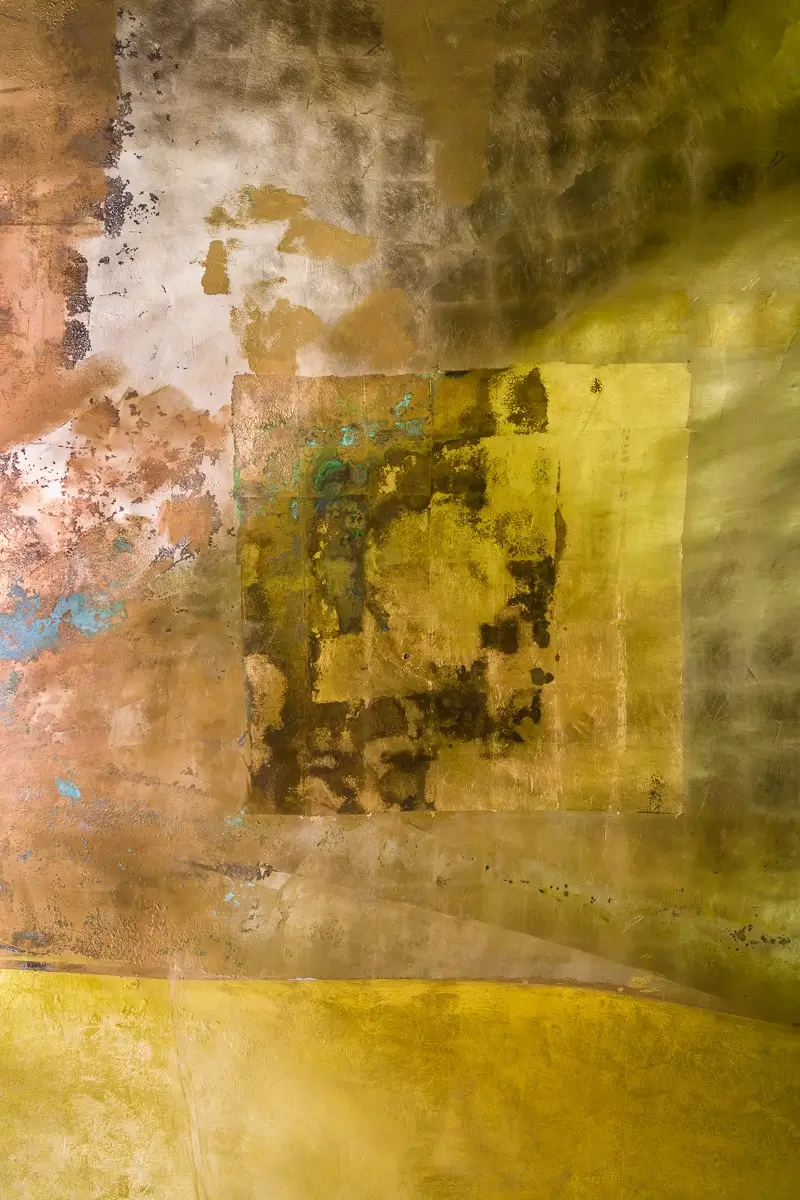
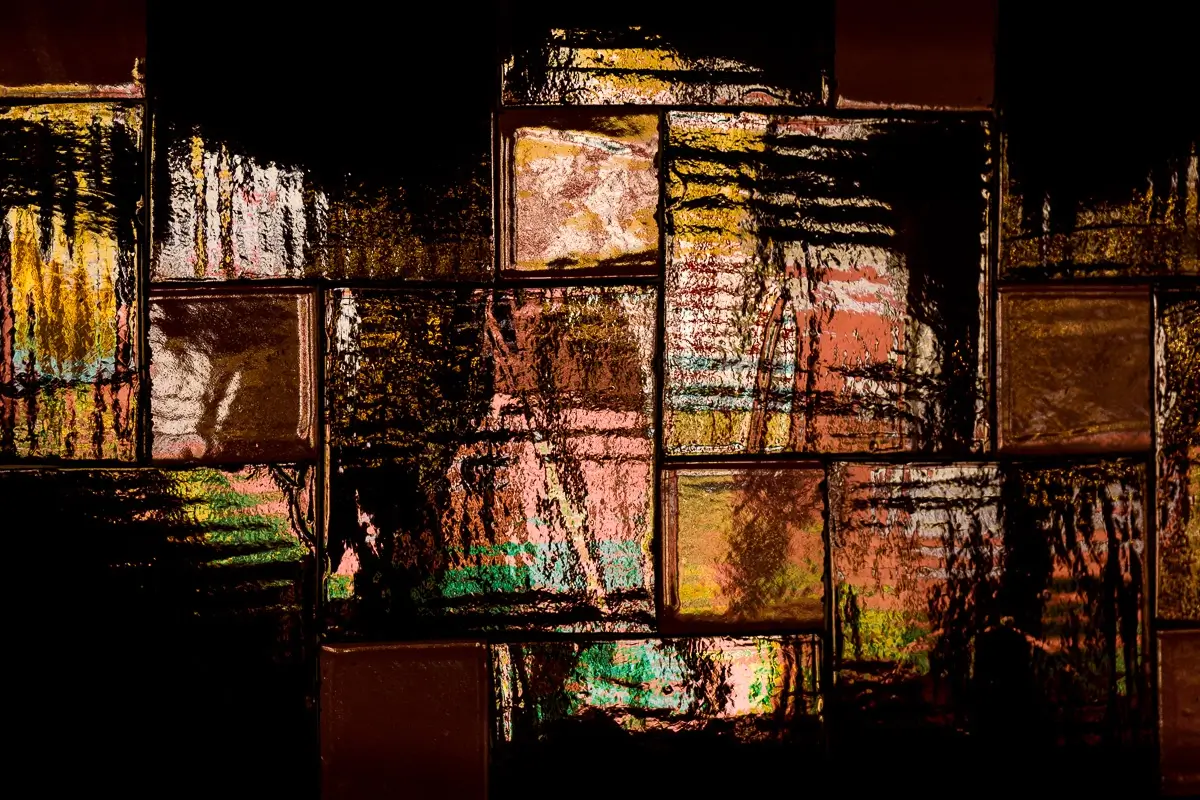
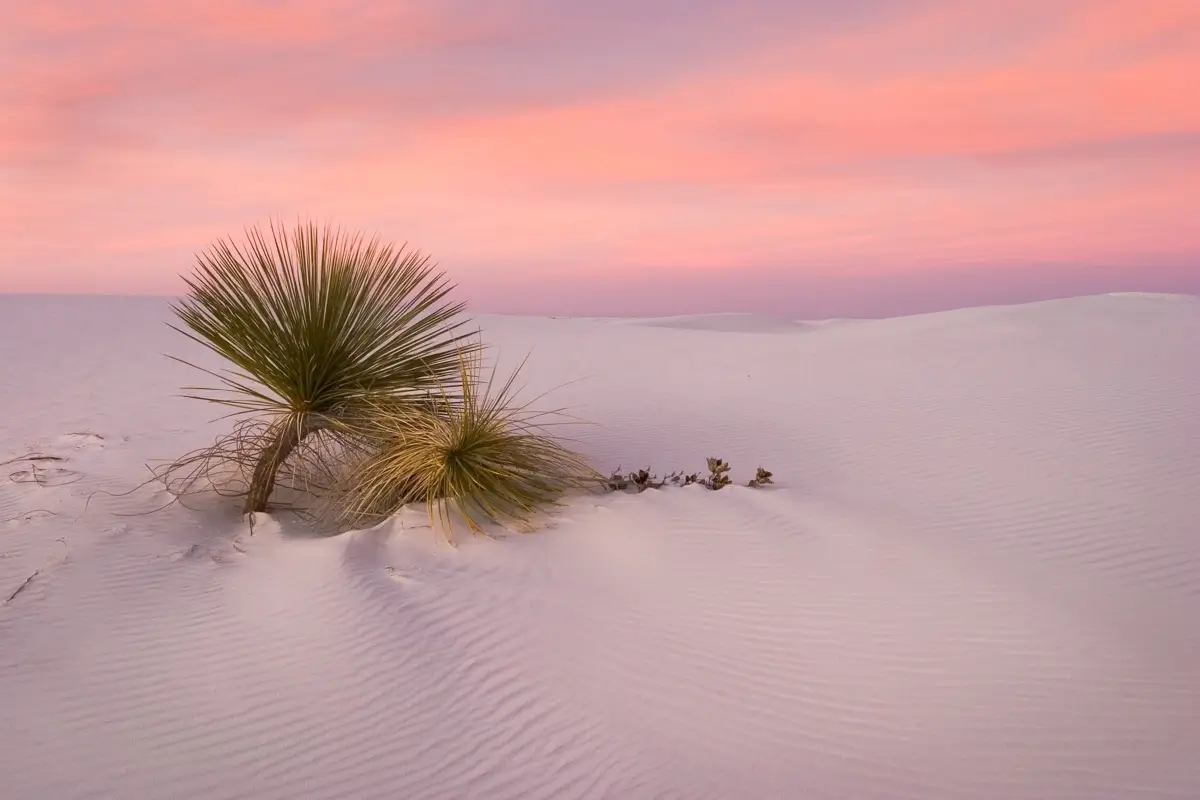
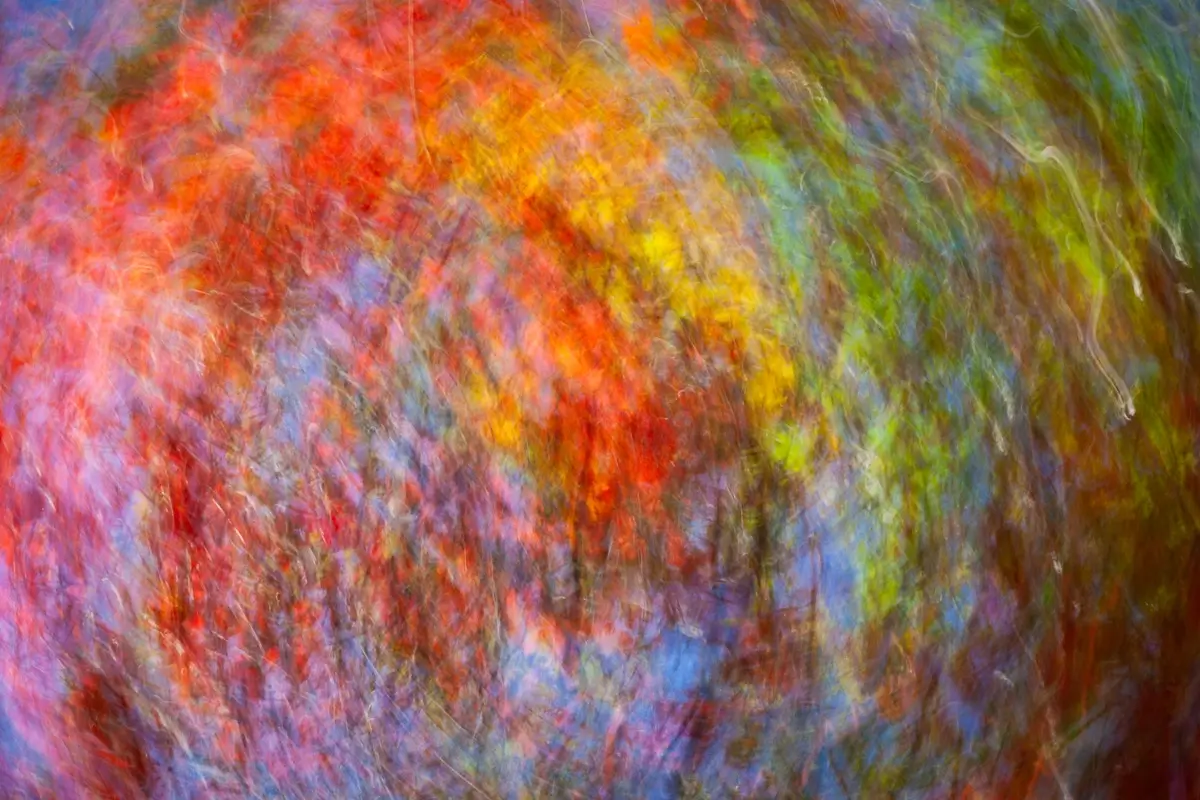
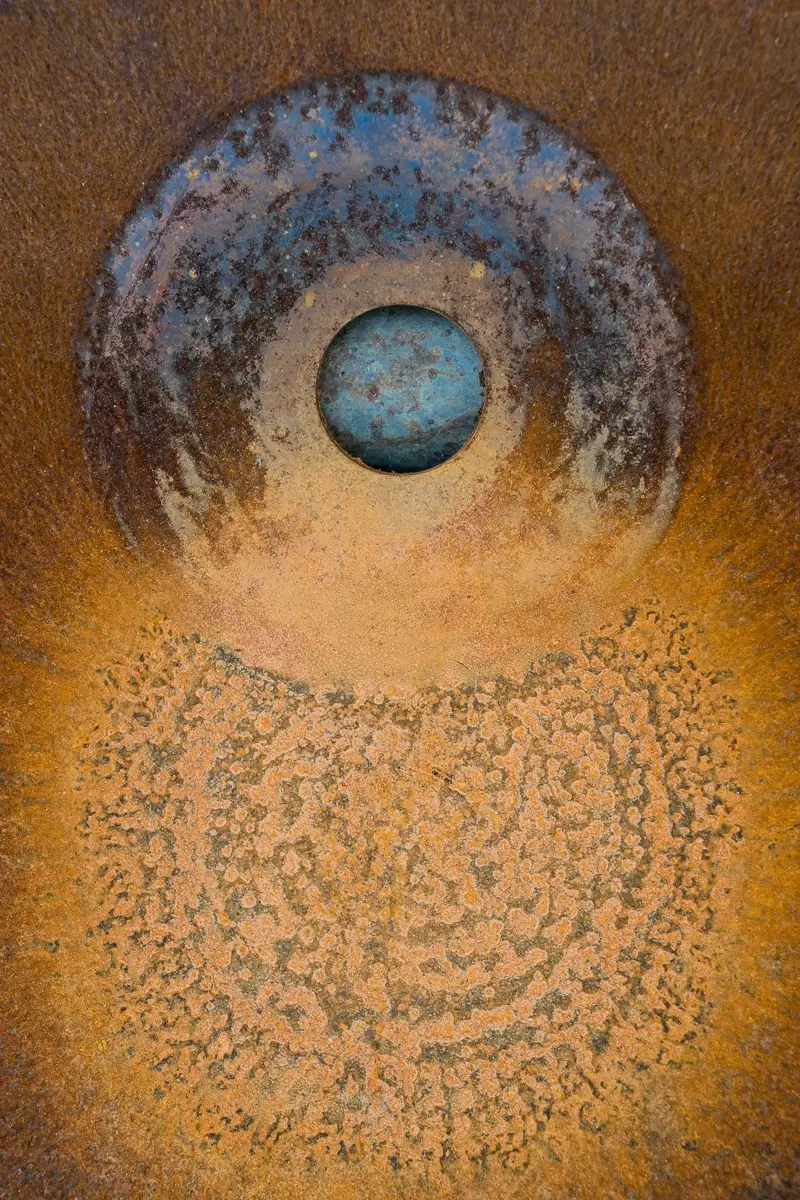
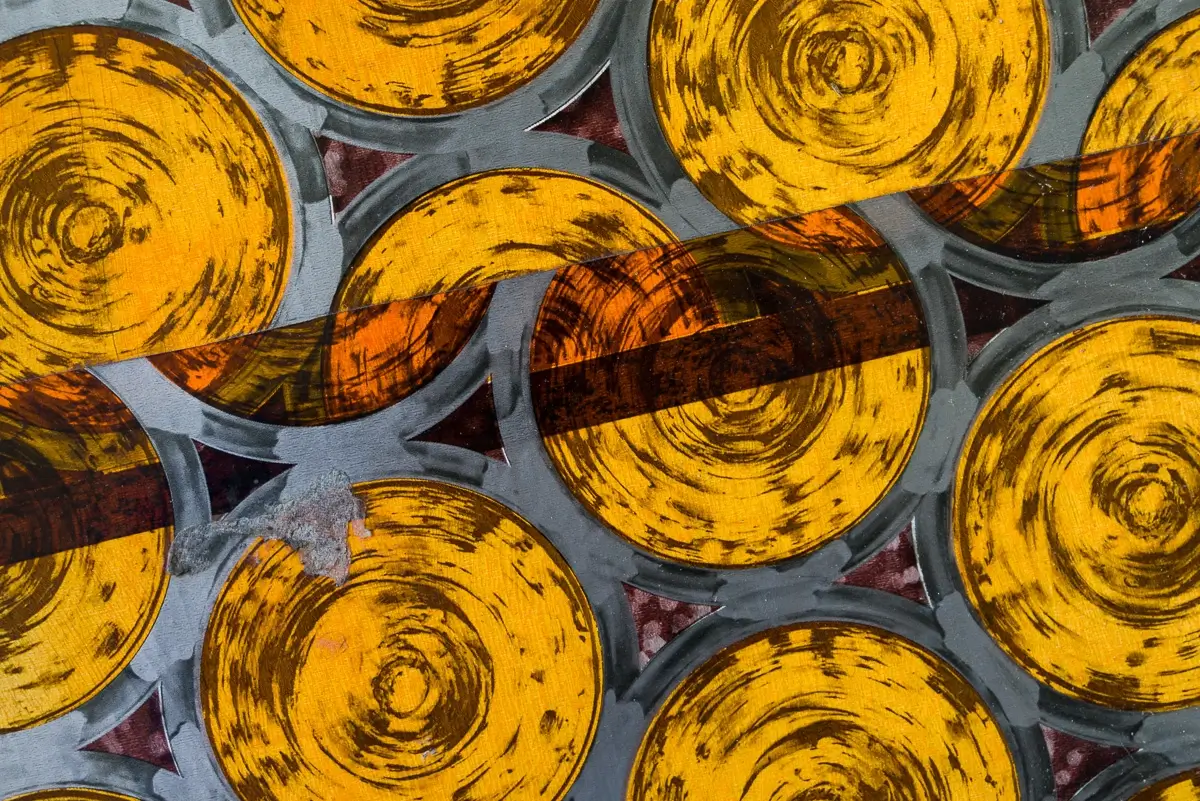
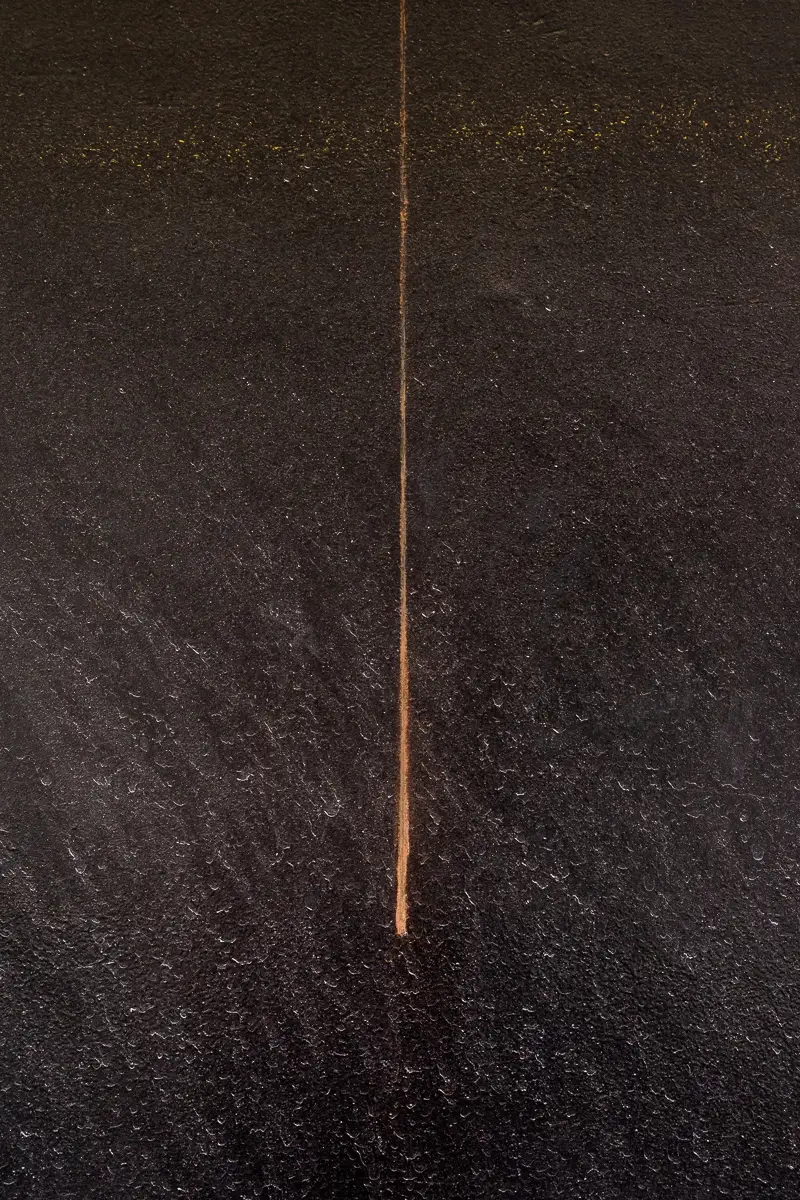
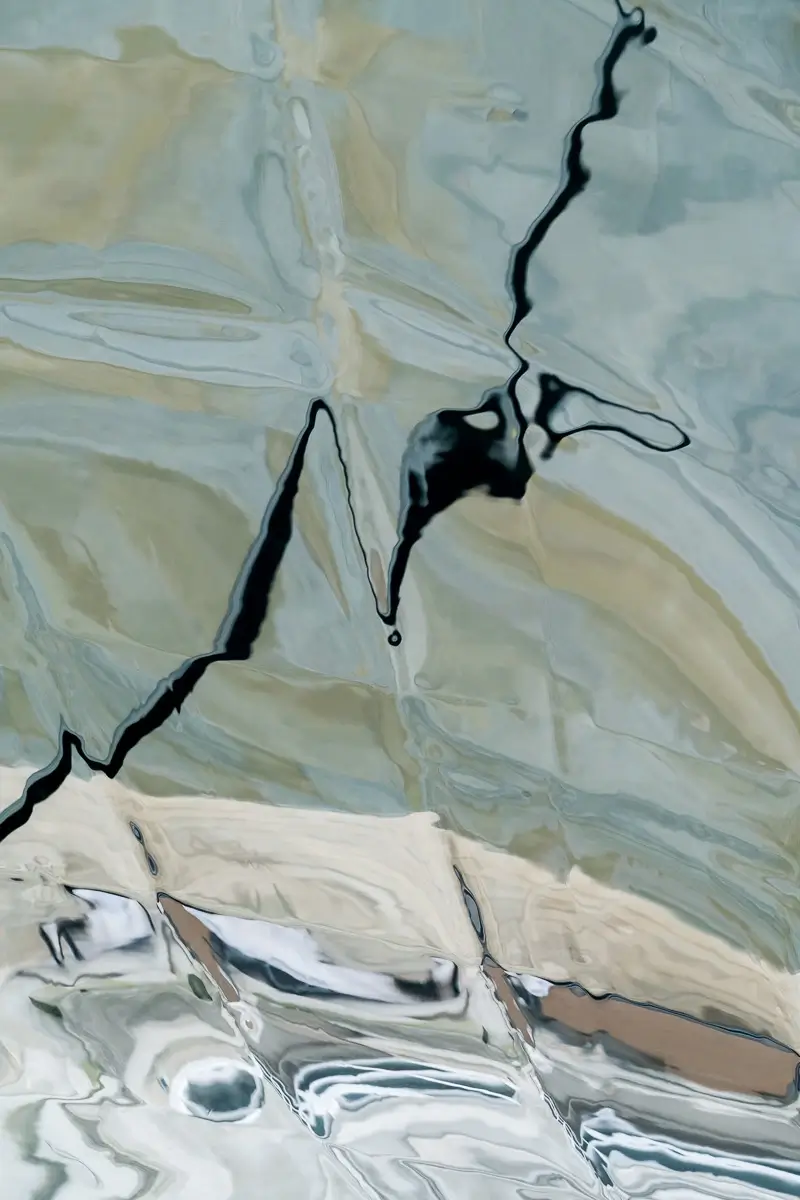
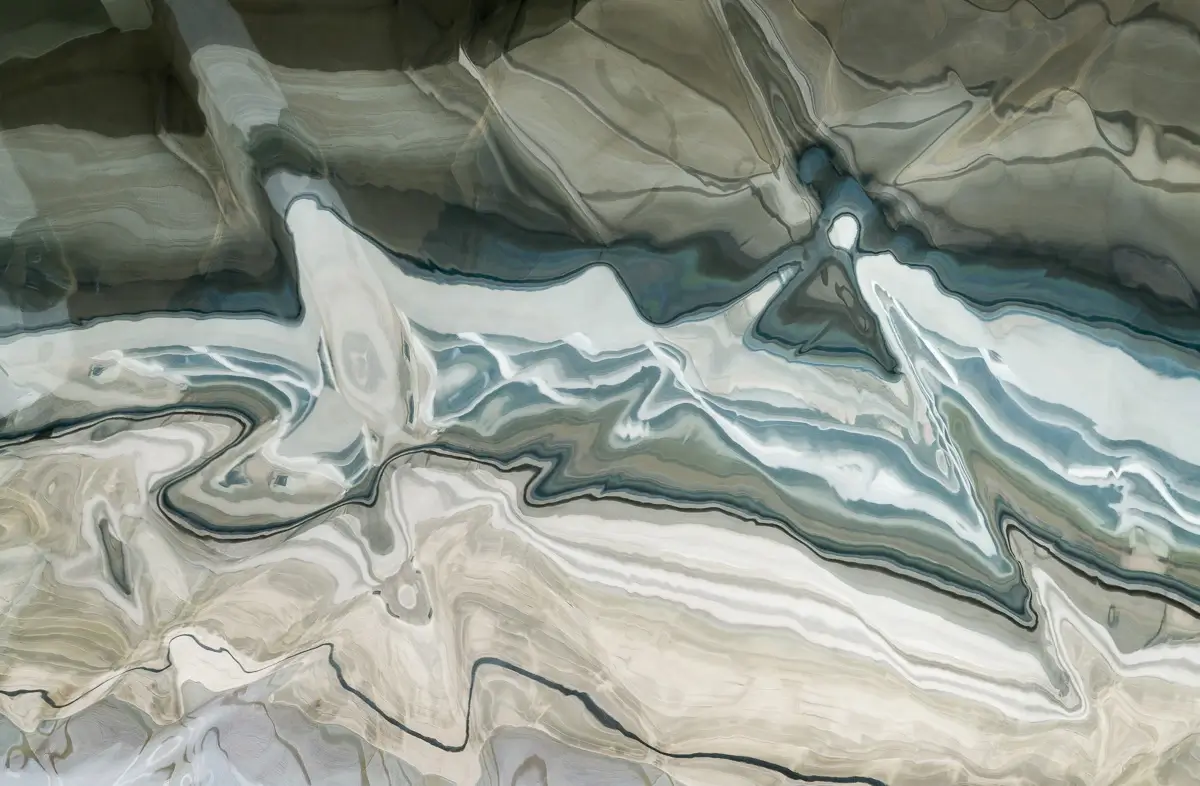
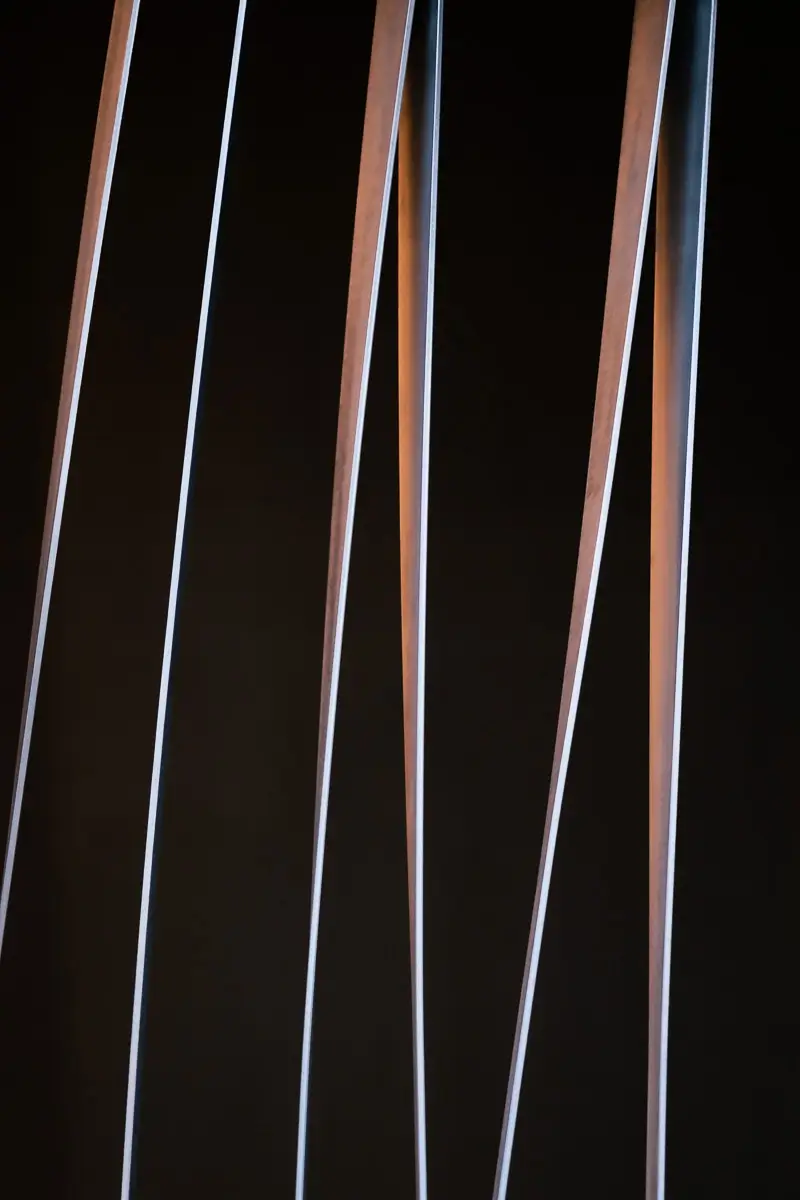
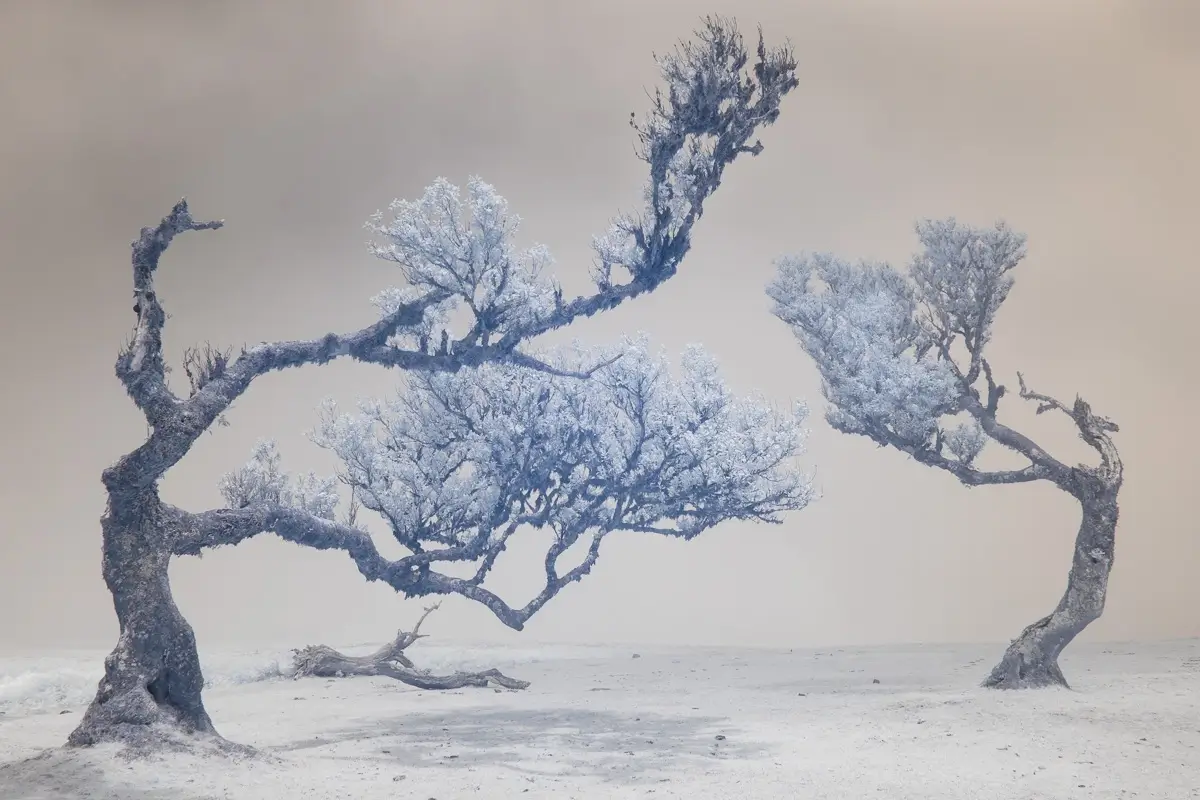
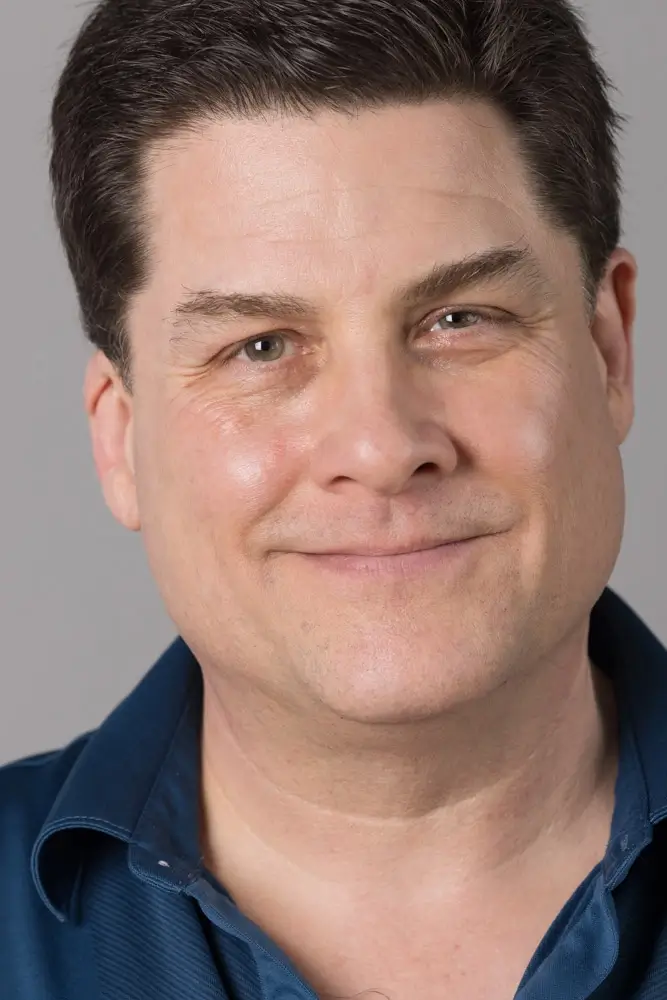
Nathaniel (Nat) Coalson was born and raised in the Rocky Mountains of Wyoming and Colorado USA. His early years were filled with travel, art and music, charting the course for his life in the arts. Although Nat's initial career interests were focused on music, by his late teenage years he began working as a graphic designer and his vocation then turned toward the visual. He studied drawing, painting and illustration, eventually receiving a camera as a gift from his father. With his growing passion for image-making, around 2003 Nat elected to develop his career in fine art photography and this has been his sole professional concentration ever since. Nat was initially inspired by the great masters of landscape photography and honed his craft photographing the mountains and deserts of the American West. But he soon discovered his love for abstraction and began creating non-representational images and photo-based mixed media works, drawing upon his expertise in the graphic arts. Around the same time, he fell in love with Europe, and in his travels began photographing more subjects within the built environment. Following Nat's marriage to his British wife Ruth in 2012 he moved to the UK, from where he continues to explore and photograph the Old World. In 2019 Nat founded a gallery of fine art photography, Gallery Photiq, in Leamington Spa, UK where he exhibits his own work along with fine prints by other notable photographic artists from around the world.

Artist Statement:
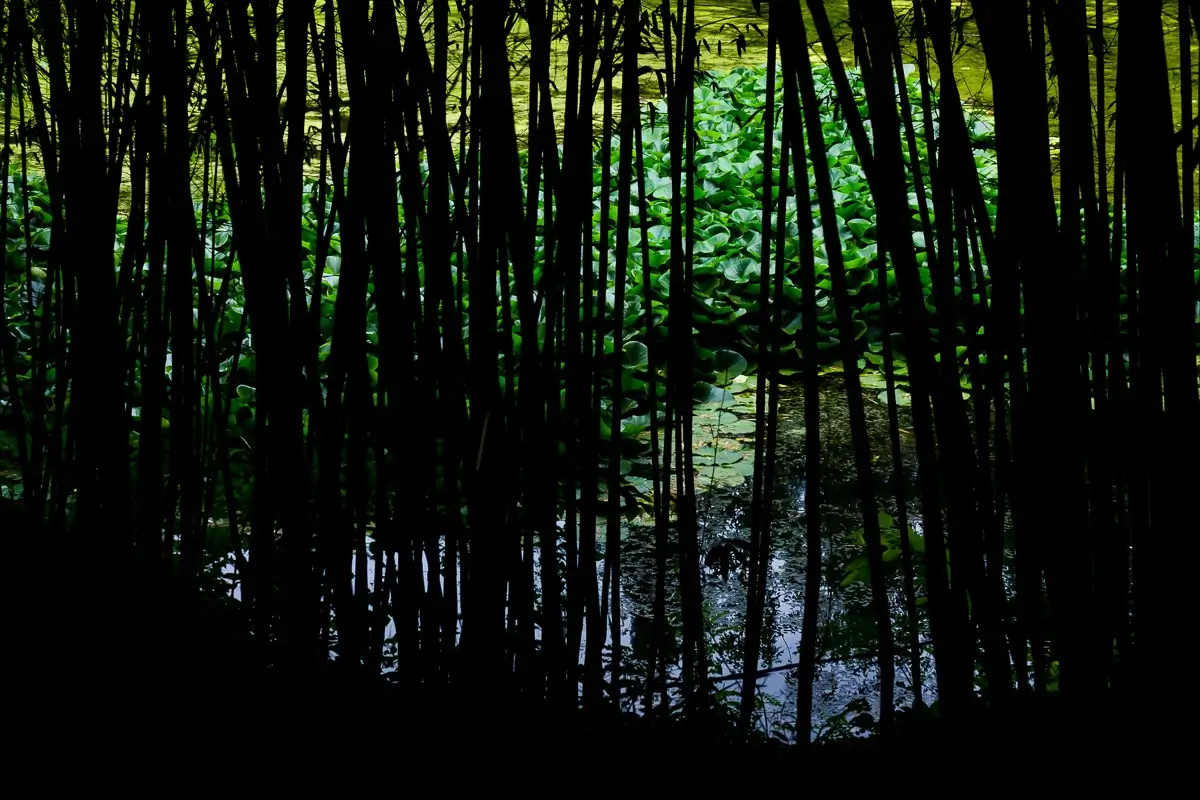
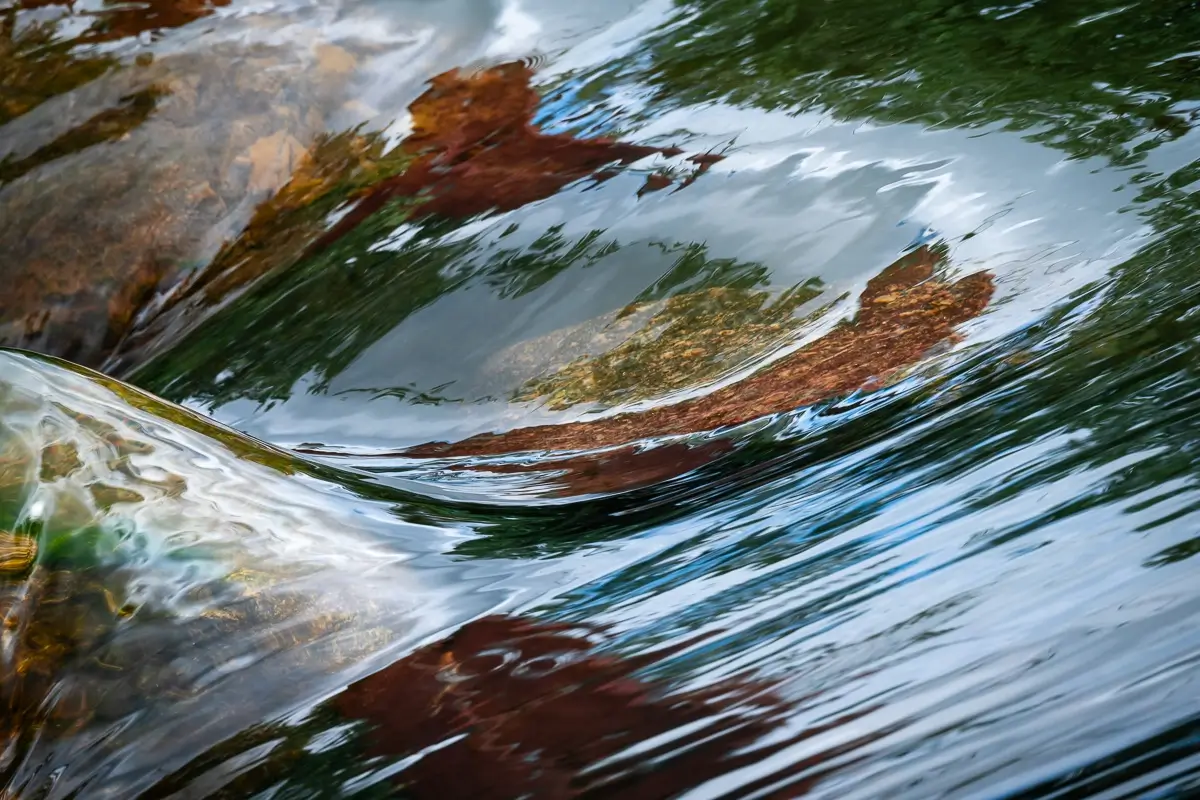
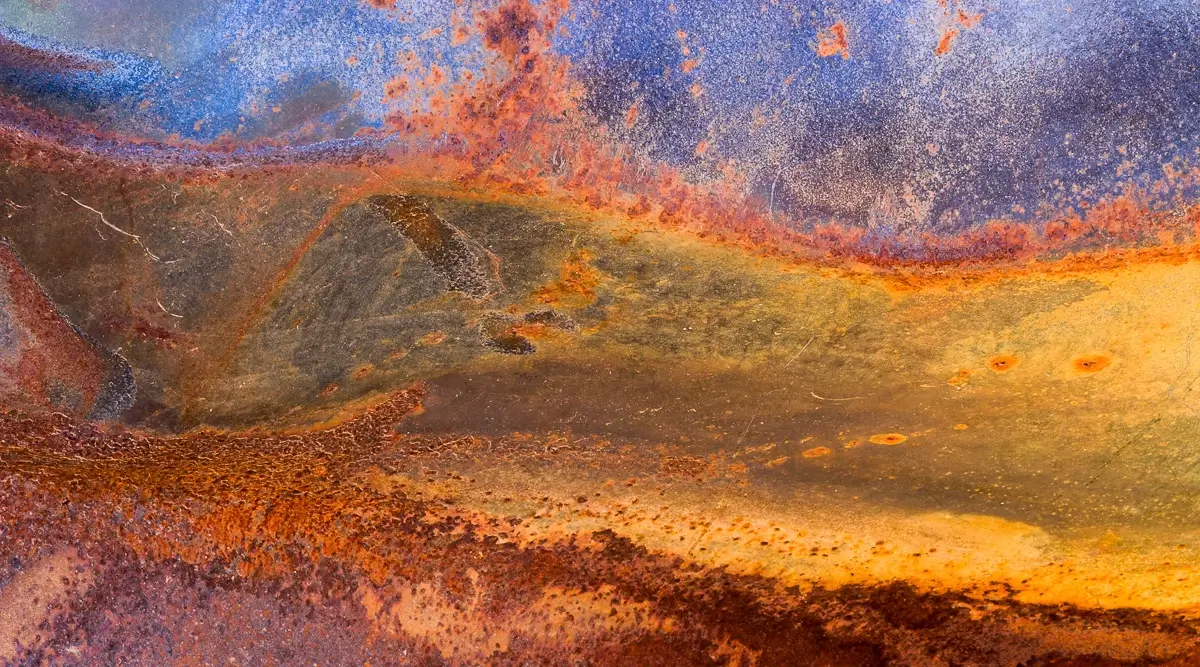
I'm captivated by visual phenomena and take great enjoyment in the beauty of how things appear. More deeply, I'm fascinated by the optical effects of materials and physical matter, and the infinite ways the effects of light interact with objects to produce what we see. I love making photographs that are engaging and beautiful even while the true subject matter isn't readily apparent, and much of my work involves photographing mundane, everyday subjects and scenes that may, at first glance, appear unattractive or uninteresting. I enjoy the challenge of extracting beauty from the most unexpected sources. This mindful practice of noticing the details and finding beauty everywhere has profoundly impacted my life experience in the most positive ways. Sharing my discoveries with others through prints and mixed media artworks brings joy both to myself and the viewers of the work, and this gives great meaning and purpose to my life.

AAP Magazine

AAP Magazine 54 Nature

 

Inspiring Portfolios

Call for Entries
AAP Magazine #56 Shadows
Publish your work in our printed magazine and win $1,000 cash prizes
 
Stay up-to-date  with call for entries, deadlines and other news about exhibitions, galleries, publications, & special events.

More Great Photographers To Discover

Raquel Chicheri
Raquel Chicheri is a freelance photographer.I am from Galicia, Northern Spain but because it was cold and wet I decided to move to Fuerteventura, an island off the coast of Africa which has a much better weather. I loved photography since I was a kid, my father is a great photographer and his work inspired me from the beginning. I studied " comercio internacional" (International commerce or trade) but I only worked one year in that field and then decided to study graphic design which I liked better. I worked a few years but when I met my boyfriend who was a professional windsurfer, I began to take pictures of him and of his trips and it is at that time that I began publishing photos in windsurfing magazines. I am inspired by almost everything, kids, water, animals, street... I don't take pictures in a studio, I take my camera everywhere and when I see something that catches my attention I shoot. I spend most of my time on the beach and I broke several cameras with the sand but I don't care as long as I take good photos. If the situation is right I see it right away, I cannot wait for the situation to develop too much because I usually go for a walk with my children and I have to take care of them. I prefer the situation to be casual, I hope to capture nature and the relationship of people around it. Some situations are magical, when I realize I am in front of something special, my heart beats so fast and the happiness is absolute. There are so many cheesy, affected photos all around, I try to be different. I would love to make a complete series of photos about cuba...All about Raquel Chicheri:AAP: When did you realize you wanted to be a photographer?I realized I wanted to be a photographer when I had my children and I couldn't stop taking photos of them.AAP: Where did you study photography?I studied photography on the life school with the people who shared it with me.AAP:Do you have a mentor?LifeAAP: How long have you been a photographer?Since I met my boyfriend. I used to take windsurfing photos of him for magazines.AAP: Do you remember your first shot? What was it?It was a self-portrait.AAP: What or who inspires you?Life, people, animals, lights, situations...AAP: How could you describe your style?I prefer someone else to do it for me...AAP: What kind of gear do you use? Camera, lens, digital, film?Canon Eos Mark II 5D, my favorite lens is the 50mm f:1,4.AAP: Do you spend a lot of time editing your images?NoAAP: Favorite(s) photographer(s)?Cartier-Bresson, Doisneau, Sally Mann, Mccurry, Newton, Cristina Garcia Rodero, Murray Michel, Man Ray, Jock Sturges, Margaret de lange, Koudelka, Eve Arnold, Saudek... so many..AAP: What advice would you give a young photographer?To be what you are and not what everyone else want you to be.AAP: If you could have taken the photographs of someone else who would it be?My grandmother who already died.AAP: Anything else you would like to share?"and that people who make dates are the same kind who need lines on their writing paper, or who always squeeze up from the bottom on a tube of toothpaste" Julio Cortazar, HOPSCOTCH.
Jan Saudek
Czech Republic
1935
Jan Saudek is an art photographer and painter. He and his twin brother Kaja Saudek are holocaust survivors. Jan Saudek's art work represents a unique technique combining photography and painting. In his country of origin, Czechoslovakia, Jan was considered a disturbed artist and oppressed by authorities. His art gained more prominence during the 1990s, thanks to his collaboration with the publisher Taschen. During the 2000s, Saudek lost all his photo negatives in a matrimonial dispute and his pictures are now displayed on the internet for free. Jan claims they were stolen from him. Jan is the author of many “mise en scene” that were re-taken and copied by other artists. The cliché of a naked man holding a naked newborn baby with tenderness became a picture that was reproduced so many times that the composition became as commonplace as posing for a graduation picture. I still dream of the day when I will take a photograph so beautiful that it can be called love. -- Jan Saudek During his life in communist Czechoslovakia, Jan was labeled by the totalitarian regime as a pornographer. He lived in poverty using the only room in his basement as his studio. A disintegrating wall and a window giving a glimpse into the backyard became the witnesses of his fantasies and collaborations with models of all different sizes and origins. Jan Saudek and his twin brother Karel (also known as Kája) were born to a Slavic (Czech) mother and Jewish father in Prague in 1935. Their mother's family came to Prague from Bohemia, and their father from the city of Děčín in the northwest part of that area. During World War II and after the invasion of the German Nazis, both sides of his family were racially persecuted by the invaders. Many of his Jewish relatives died in the Theresienstadt concentration camp during the war. Jan and his brother Karel were sent to a children's concentration camp for Mischlinge (mixed-blood in German, as Nazis classified Jews as a race distinct from "Aryans"), located in Silesia near the present Polish-Czech border. Their father Gustav was deported to Theresienstadt concentration camp in February 1945. Although their mother and many other relatives died, both sons and father survived the war. A Communist-dominated government gained power after the war to rule the country, enforced by the Soviet Union and considered to be behind the Iron Curtain. According to Saudek's biography, he acquired his first camera, a Kodak Baby Brownie, in 1950. He apprenticed to a photographer, and in 1952 started working in a print shop; he was restricted to this work by the Communist government until 1983. In 1959, he started using the more advanced Flexaret 6x6 camera, and also engaged in painting and drawing. After completing his military service, he was inspired in 1963 by the catalogue for American photographer Edward Steichen's The Family of Man exhibition, and began to work to become a serious art photographer. In 1969, Saudek traveled to the United States, where he was encouraged in his work by curator Hugh Edwards of the Art Institute of Chicago. I have no way of portraying the lives of others. I portray my own. -- Jan Saudek Returning to Prague, Saudek had to work on his photography clandestinely in a cellar, to avoid the attention of the secret police. With his work turning to themes of personal erotic freedom, he used implicitly political symbols of corruption and innocence. In the late 1970s, he became recognized in the West as the leading Czech photographer, and also developed a following among photographers in his own country. In 1983, the first book of Saudek's work was published in the English-speaking world. The same year, he became a freelance photographer; the Czech Communist authorities allowed him to stop working in the print shop, and gave him permission to apply for a permit to work as an artist. In 1987, the archives of his negatives were seized by the police, but later returned. His best-known work is notable for its hand-tinted portrayal of painterly dream worlds, often inhabited by nude or semi-nude figures surrounded by bare plaster walls or painted backdrops. He frequently re-uses elements (for instance, a clouded sky or a view of Prague's Charles Bridge). In this his photographs suggest the studio and tableaux works of mid-19th century erotic photographers, as well as the works of the 20th-century painter Balthus, and of Bernard Faucon. Saudek's early art photography is noted for its evocation of childhood. His later works often portrayed the evolution from child to adult (re-photographing the same composition/pose, and with the same subjects, over many years). Religious motifs and the ambiguity between man and woman have also been some of Saudek's recurring themes. During the 1990s, his work at times generated censorship attempts in the West because of its provocative sexual content. Saudek's imagery has sometimes had a mixed reception internationally. He gained early shows in 1969 and 1970 in the United States and in Australia. In 1970 his work was shown at the Australian Centre for Photography and was welcomed by curator Jennie Boddington at the National Gallery of Victoria. Decades later, by contrast, his photograph Black Sheep & White Crow, which features a semi-naked pre-pubescent girl, was removed from the Ballarat International Foto Biennale in Victoria, Australia just before the opening on 21 August 2011; objections had been made related to allegations of child prostitution for his subject. Saudek's photographs have been featured as covers for the albums of Anorexia Nervosa (New Obscurantis Order), Soul Asylum (Grave Dancers Union), Daniel Lanois (For the Beauty of Wynona), Rorschach (Remain Sedate), and Beautiful South (Welcome to the Beautiful South). Saudek lives and works in Prague. His brother Kája Saudek was also an artist, the best-known Czech graphic novelist.Source: Wikipedia Saudek's pictures display a fondness for sequences that can be traced back to his childhood appreciation of comic books. More obviously, his work is often inspired by the nineteenth-century tradition of photographs of large women posed in lingerie reproduced as postcards (quite possibly also the source of inspiration for Saudek's collection 30 Postcards). His formal training occurred from 1950 to 1952, when Saudek attended Graphic Arts school and took a photography class. Saudek first exhibited in Prague in 1963 at the Hall of the Theatre on the Balustrade; though he continues to show work in his home country occasionally, Saudek's pictures are most widely exhibited in the United States. His work is held by such institutions as the Art Institute of Chicago; Museum of Fine Arts, Boston; The Bibliothèque nationale de France, Paris; Musée Nicephore Nièpce, Chalon-sur-Saone, France; National Gallery of Victoria, Melbourne, Australia; and Photo Art, Basel, Switzerland. Saudek continues to live and work in the Czech Republic.Source: Museum of Contemporary Photography
Colby Deal
United States
1988
Colby Deal is a photographic artist born (b. 1988) and raised in Houston, Texas. He received his Bachelor of Fine Arts in the practice of photography from The University of Houston. Within his practice, he explores the culmination of elements of the psychological environment as well as the physical. He shows the dynamic range of family, community and the individual by combining street photography and portraiture to capture vibrant communities. In recent years he has incorporated the medium of sculpture and public art as a means of preserving cultural characteristics that are being erased and positively influencing his community and others alike. Colby is directly inspired by his upbringing through getting to see his family’s photographs that were mostly taken by his father. This appreciation for slowing down and concentrating on photographing what’s right in front of him, “The Now”, has led him to be more in touch with using analog photography. Colby Deal is an alumni of Project Row Houses residency, Red Line Contemporary Art Center residency in Denver, Colorado and in 2020, was awarded an exhibition at the Houston Museum of African American Culture. Colby became a Magnum nominee member in 2020.Source: Magnum Photos Colby Deal is a firm believer in the potential of photography to be a transformative medium. “Especially now with Covid and how it is separating people, imagery is so important” he says, over video call from outside his home in Houston’s Third Ward, where he has been photographing with the intention to uplift cultural representations of the predominantly Black neighborhood. “People of color and people from under-resourced communities are always shown negative images about themselves,” says Deal, whose practice involves pasting his images onto abandoned buildings and derelict shopfronts. “Imagine being a kid, waking up, getting on the school bus, and seeing yourself displayed monumentally in a positive manner. That can have a strong psychological effect on the way you think about yourself and others. Like seriously, just a glance at an image can change your thought patterns — it can change your whole life.” Adopting a participatory approach, Deal’s process involves a lot of talking and walking. On a typical day, he will drag his large format camera on a wagon, stopping at people’s doorsteps and porches for a drink, smoke, and conversation, about their lives and the condition of their community. “I don’t want to call it a story because I sound like a fucking news reporter,” he laughs, “but what I’ll do is walk around, find things I like, and shoot around it”. The culmination of these excursions is Beautiful, Still, an ongoing collection of over 1,000 black-and-white negatives of street photographs and portraits. The ability to layer these historical, personal, and social contexts in a single image can be cited back to Deal’s childhood and evolution as an artist. Deal was initially self-taught, later enrolling in the Photography BFA at The University of Houston, mostly for “the network,” he says, and to “learn how to better articulate what I was doing”. The documentary photographer, who last month became a Magnum nominee, is also a sculptor, carpenter, graphic designer, and painter. “As a child, everything I found joy in was about art,” says Deal, who was drawing from the age of three, and later developed an obsession with breaking down objects and piecing them back together. “That aspect has played a huge part in what I do today, which is looking at an idea, concept, or message that I want to get across, then starting from the root, and working from there.”Source: British Journal of Photography
David Katzenstein
United States
New York fine arts photographer David Katzenstein has traveled throughout the world on his lifelong artistic journey as a visual chronicler of humanity. Using subject, light, and composition to create visual dynamism, he sets the stage for the viewer to be in the moment with him. His goal is to allow viewers to experience a scene through his eyes-as if they were standing there beside him. Steeped in the tradition of documentary photography, Katzenstein imbues his work with immediacy, emotional engagement, and a deep respect for his subjects. Out of his fascination with ritual, over the years Katzenstein has photographed pilgrimage as practiced in different cultures. While visiting Memphis in the spring of 2017, he was inspired to expand on this theme by embarking on the project OUTSIDE THE LORRAINE MOTEL: Journey to a Sacred Place. The artist was introduced to the Mid-South region in the late 1980s while on assignment for Rolling Stone, documenting the roots of the blues in rural communities of Mississippi and Arkansas. An archive of online exhibitions and projects can be viewed at www.davidkatzenstein.com. In 2018 Katzenstein formed a nonprofit organization whose mission is to create and mount exhibitions of photographs depicting the human experience (www.thehumanexperienceproject.net). Outside the Lorraine: A Photographic Journey to a Sacred Place The National Civil Rights Museum presents the fine art photography exhibition, Outside the Lorraine: A Photographic Journey to a Sacred Place featuring the work of David Katzenstein. The yearlong exhibition highlights the museum as mecca for peacemakers, a place of memory and connection during the museum’s 30th anniversary. The collection of over 90 photos in Outside the Lorraine helps visitors identify with social issues by using fine art photography to connect to the historic place, Dr. King, movement makers, and one another. Viewers are invited to see the sparkle that lies within each print that shimmers, vibrates, and introduces people to a richer experience with fine art photography by making each piece relatable. The National Civil Rights Museum welcomes thousands of visitors a year each carrying an identity influenced by self and society. They bring their assumptions about the Civil Rights Movement. The courtyard is the first place where they confront those assumptions and begin to reconcile them with an alternate perspective of history. A picture tells a thousand words. As a sacred place, the plaza holds the weight of our shared mourning. As a portal, the plaza offers each visitor a pathway to greater self-knowledge and agency. Articles Ritual Distant Journeys Book: Distant Journeys Book: Brownie
Ayumi Tanaka
Sohrab Hura
India
1981
Sohrab Hura (born 17 October 1981) is an Indian photographer based in New Delhi. He is a full member of Magnum Photos. Hura's self-published trilogy Sweet Life comprises the books Life is Elsewhere (2015), A Proposition for Departure (2017) and Look It's Getting Sunny Outside!!! (2018); the latter was shortlisted for Photobook of the Year in the Paris Photo–Aperture Foundation PhotoBook Awards. He has also self-published The Coast (2019) and The Levee (2020). His work has been shown in solo exhibitions in London and in Kolkata, India. Hura was born in Chinsurah, West Bengal, India. He attended The Doon School in Dehradun, Uttarakhand and has a masters in economics from the Delhi School of Economics, University of Delhi. He began making photographs during college with a Nikon FM10 given to him by his father. He is now based in New Delhi, India. Hura's Sweet Life trilogy of books focuses on his relationship with his mother, who was diagnosed with paranoid schizophrenia in 1999, when he was 17 years old. The trilogy's Life Is Elsewhere was made between 2005 and 2011, and Look It's Getting Sunny Outside!!! was made between 2008 and 2014. In 2011 The British Journal of Photography included Hura in its "Ones to Watch." He became a nominee member of Magnum Photos in 2014 (the second Indian photographer to become a nominee member) an Associate member in 2018, and a full member in 2020. Sean O'Hagan, writing in The Guardian, included Hura's The Lost Head and the Bird exhibition in his "The top 10 photography exhibitions of 2017".Source: Wikipedia Sohrab Hura’s vivid, sometimes surreal photography explores his position with the world that he exists in. Though Hura initially worked through the prism of social documentary, he soon turned his strong vision inward, creating visual journals of his life and personal relationships as a means to “find his own logic”. Hura was born on 17th October 1981 in a small town called Chinsurah in West Bengal, India. He grew up with many varied career ambitions but eventually settled on photography, after completing his Masters in Economics at the Delhi School of Economics. His first projects, The River (a series that explores three cities along the river Ganges and its tributary) and Land of a Thousand Struggles (which followed a grassroots movement in rural India that led to an important social security act), were made simultaneously in 2005-06. Though both were made with auspicious intentions, Hura later decided to turn his back on this kind social documentary work and instead focus on issues which reflected his personal experience. Hura’s work has been shown in exhibitions around the world. Upcoming exhibitions include The Levee at Cincinnati Art Museum, The Lost Head & The Bird at True/False Film Festival: Columbia Missouri and La Fete Du Slip, Lausanne and Snow at Kettle’s Yard, Cambridge UK—all in 2019. He has published three books to date: Life is Elsewhere (2015), A Proposition For Departure (2017), Look It’s Getting Sunny Outside!!! (2018) with the fourth, The Coast (2019). He is currently working on a series called SNOW, which looks at Kashmir through the prism of the arrival and melting of snow across the three phases of winter. Hura is currently based in New Delhi, India. He joined Magnum Photos as a nominee in 2014 and became an associate in 2018.Source: Wikipedia
Anaïs Boileau
France
1992
Anaïs Boileau is from the south of France. She completed training in photography and visual communication at ECAL, the art school from Lausanne. She works in 2012 with the photographer Charles Freger and in 2014 she gets a residency at the Hong Kong Design Institute. Her photographic work is presented in various group exhibitions. In 2015, her photographic project Plein Soleil is part of the Black Mirror exhibition in New York, organized by Aperture Foundation, and is presented to Katmandu Photo festival in Nepal. It is selected to Boutographies 2016 projection of the jury and is one of ten finalists presented at the 31st edition of the international fashion and photography festival in Hyères at the Villa Noailles where she received the audience award and the Elie Saab grant.My work "Plein Soleil" is about a kind of community women taking the sun. These are women with golden skin exposing themselves under the omnipresent sun. They stay along the coast of the seaside towns marked by Latin, bright and colorful architecture. There is a temporality game beetween women and architectures because they are modeling in the same way by the sun light. These portraits represents a kind of happy idleness that exist in south. I try to bring a look a bit funny and tender about that women cause it was like a game with them about their image. Lost behind their sunglasses, accessories, women are distant, pensive as absorbed by the sun. We never see their eyes with their solarium glasses and that make them impersonal. Floating Between documentary and fiction, the portraits of this matriarchal community, reveal a desire for exoticism. There is a dimension of artificiality and something false in all that . The idea that they put forward, they refine and polish their bodies but also in the idea that all this is just a world of appearance, of surfaces.
Thomas Hackenberg
Thomas Hackenberg was born in 1963 and lives in the German city of Braunschweig. With first strong influences going back to the work of Henri Cartier-Bresson and German photojournalist Thomas Hoepker, he describes himself as a street photographer today. In the language business by profession and design, in street photography with his heart, Hackenberg characterizes himself as a classical flaneur-with-a-camera – though sometimes definitely more of a long-distance-runner, as he states. For him, a good picture must have a thought-provoking note, some humorous or quirky details, some kind of storyline. He likes pictures that pose questions rather than provide answers, and all of his photos are taken candidly. "What I like so much about street photography is the fact that you step out of the door, and you're right in it: no clumsy gear, you don't have to travel anywhere, you're always there. That's why it is so magical for me, many have said this before: It's positively an obsession! The big theater of life is always open with no closing hours." He also mentions the documentary aspect of street photography: The two old grannies he captured in 1991 in San Gimignano, Italy, one with the Hanimex 110 pocket camera: a time document today. As all the millions of smartphones today will be at some point in the future… Else, he feels drawn to social photography and photojournalism and likes to take photos at demonstrations. Thomas Hackenberg's work was featured by resources and hubs such as EYESHOT, Lensculture, Street Photographers Foundation, and Street Sweeper Magazine. He received Finalist awards in the 2017 edition of the Street Foto San Francisco Festival, Siena International Photo Awards 2020, London Street Photography Festival 2020, Miami Street Photography Festival 2020 and won 3rd Prize in the Fujifilm Moment Street Photo Awards 2020 organized by the Center for the Promotion of Culture in Częstochowa, Poland. Weekly interview at UP Photographers
Laura Berson
France
1987
Laura Gwenaëlle Berson was born in Paris in 1987. She studies Applied Arts, then comedy,script-wrinting and cinema. It is a few years later that she is moving towards a more intuitive photographic, plastic and writing work, enabling her to express everything she doesn't know just as much as the others, with the aim of finding the essence of something. Her conceptualized artistic practice allows her to play on forms, bodies whatever they are, by diving into the heart of the infinitely large and the infinitely small, to try to connect the sensitive but not palpable part that binds the two . Her work oscillates between everything and nothing, here and there, where she moves, like an atom (or electron it depends) free, among others. It is through her raw and spontaneous hypersensitivity that she directs her work towards an intimate questioning, playing on the different strata of reality that accompany it to identify a multi-variable essence. She exhibited solo in 2015 at the Maison de la Mixité in Paris and was present at Fotofever Emerging Talent in November 2016. She got an honorable mention for the Chromatics Photography awards in the landscape section. In 2018, she appeared publicly in a Science Shakers - Mixology session - around the imaging of science, organized by the Institute of Complex Systems in partnership with the CNRS, and won the Moscow Foto awards silver price for her serie Some Seeds. In her series The Intolerante, she tries to highlight the effect of food intolerance on the body, its destructuring of the body see its modification, via its own body damaged and tired by daily pain. Through the Myth of the Endometrium, she traces the course of the disease of endometriosis from which it is reached, passing painful menstruation and infertility to the possibilities of operations in order to be able to transmit life. In her series Silentium, she tries to transcribe relationships to others, difficult, tempestuous, whose links fade or weave over time, in a carnal and organic way.
Advertisement
AAP Magazine #56 Shadows
Win a Solo Exhibition in April
AAP Magazine #56 Shadows

Latest Interviews

Exclusive Interview with Henk Kosche
German photographer Henk Kosche turns his lens toward the streets of Halle an der Saale, capturing everyday life in the late years of the former German Democratic Republic. At the time, Kosche was studying design and exploring the city with his camera, drawn to the atmosphere of its industrial landscape and the quiet rhythms of daily life. His series Street Photography at the End of the 80s, selected as the Solo Exhibition for July 2025, revisits a body of work created just before a period of profound change. Rediscovered decades later in a small box of 35mm negatives, these photographs offer glimpses of a city and its people at a moment suspended between the familiar and the unknown.
Exclusive Interview with Anastasia Samoylova
Anastasia Samoylova is an American artist whose photographic practice is shaped by close observation and a deep attentiveness to place. Working between documentary and formal exploration, she photographs landscapes, architecture, and everyday scenes with a sensitivity to light, structure, and atmosphere. Since relocating to Miami in 2016, her work has increasingly focused on how environments—both natural and built—carry social, cultural, and emotional traces. We asked her a few questions about her practice and her way of seeing, to better understand the thoughts and experiences that shape her work—while allowing the images themselves to remain open and speak in their own time.
Exclusive Interview with Marijn Fidder
Marijn Fidder is a Dutch documentary photographer whose work powerfully engages with current affairs and contemporary social issues. Driven by a deep sense of social justice, she uses photography to speak on behalf of the voiceless and to advocate for the rights of those who are most vulnerable. Her images have been widely published in major international outlets including National Geographic, CNN Style, NRC Handelsblad, Volkskrant, GUP New Talent, and ZEIT Magazin. Her long-term commitment to disability rights—particularly through years of work in Uganda—culminated in her acclaimed project Inclusive Nation, which earned her the title of Photographer of the Year 2025 at the All About Photo Awards. She is also the recipient of multiple prestigious honors, including awards from World Press Photo and the Global Peace Photo Award. We asked her a few questions about her life and work.
Exclusive Interview with Josh S. Rose
Josh S. Rose is a multidisciplinary artist working across photography, film, and writing. His practice bridges visual and performing arts, with a strong focus on movement, emotion, and the expressive potential of the image. Known for his long-standing collaborations with leading dance companies and performers, Rose brings together authenticity and precise composition—a balance he describes as “technical romanticism.” His work has been commissioned and exhibited internationally, appearing in outlets such as Vogue, at the Super Bowl, in film festivals, and most recently as a large-scale installation for Lincoln Center for the Performing Arts. A sought-after collaborator, he has worked with major artists, cultural institutions, and brands, following a previous career as Chief Creative Officer at Interpublic Group and the founder of Humans Are Social. We asked him a few questions about his life and work.
Interview with Maureen Ruddy Burkhart
Photographer Maureen Ruddy Burkhart brings a quietly attentive and deeply human sensibility to her exploration of the world through images. Shaped by a life immersed in photography, film, and visual storytelling, her work is guided by intuition, observation, and an enduring interest in the emotional undercurrents of everyday life. With a practice rooted in both fine art traditions and documentary awareness, she approaches her subjects with sensitivity, allowing subtle moments to emerge naturally rather than be imposed. Her series Til Death, selected as the Solo Exhibition for February 2025, reflects this long-standing commitment to photography as a space for reflection rather than spectacle. Drawn to moments that exist just outside the expected frame, Burkhart’s images suggest narratives without resolving them, leaving room for ambiguity, humor, and quiet connection. We asked her a few questions about her life and work.
Exclusive Interview with Peter Ydeen
Winner of AAP Magazine #45 Travels, his series reflects this unique vision—capturing the spirit of place through subtle layers of light, color, and emotion. Whether traveling abroad or observing the rhythms of his own surroundings, Ydeen creates images that feel both grounded and enchanted, inviting viewers into a world where reality and reverie meet.
Exclusive Interview with Julie Wang
Chinese-born photographer Julie Wang brings a poetic, contemplative sensitivity to her visual exploration of the world. Having lived for nearly equal parts of her life in China, Europe, and the United States, she approaches her subjects with the nuanced perspective of someone shaped by many cultures. This blend of distance, curiosity, and emotional resonance infuses her work with a quiet depth, allowing her to reveal the fragile beauty and subtle tensions that often pass unnoticed.
Exclusive Interview with Ghawam Kouchaki
American photographer Ghawam Kouchaki brings a sharply observant and introspective gaze to the streets of Japan’s capital. Based in Los Angeles, he approaches Tokyo with the distance — and curiosity — of an outsider, allowing him to uncover the city’s subtle contradictions, quiet tensions, and fleeting gestures that often go unnoticed. His series Tokyo no no, selected as the Solo Exhibition for December 2024, explores the hidden undercurrents of urban life: the unspoken rules, the small ruptures in routine, the poetic strangeness found in everyday moments. Through muted tones, instinctive timing, and meticulous framing, Kouchaki reveals a Tokyo that exists somewhere between reality and imagination — both intimate and enigmatic. We asked him a few questions about his life and work.
Exclusive Interview with Tommi Viitala
Tommi Viitala, winner of AAP Magazine #44: Street, is a Finnish photographer celebrated for his striking and cinematic street photography. With a keen eye for atmosphere and composition, he captures fleeting urban moments that reveal the poetry of everyday life. His work often explores the tension between solitude and connection within contemporary cityscapes, blending documentary realism with artistic sensibility. Viitala’s photographs have been exhibited internationally and recognized for their strong visual storytelling and emotional depth. We asked him a few questions about his life and work.
Call for Entries
Solo Exhibition April 2026
Get International Exposure and Connect with Industry Insiders