All about photo.com: photo contests, photography exhibitions, galleries, photographers, books, schools and venues.
ENTER AAP MAGAZINE SHADOWS: GET PUBLISHED AND WIN $1,000 - LAST CALL
Oksana Zhila
Oksana Zhila
Oksana Zhila

Oksana Zhila

Country: Russia

Oksana Zhila was born and grew up in Saint Petersburg, Russia. It was there that she first discovered her inspiration to pursue art — the city’s atmosphere, history, and visual richness deeply shaped her way of seeing and influenced her artistic path.

She graduated from medical university and worked as a doctor for many years. After emigrating to Finland several years ago, she turned to photography, and the study of photographic art became a form of personal transformation and a way of navigating a new reality.

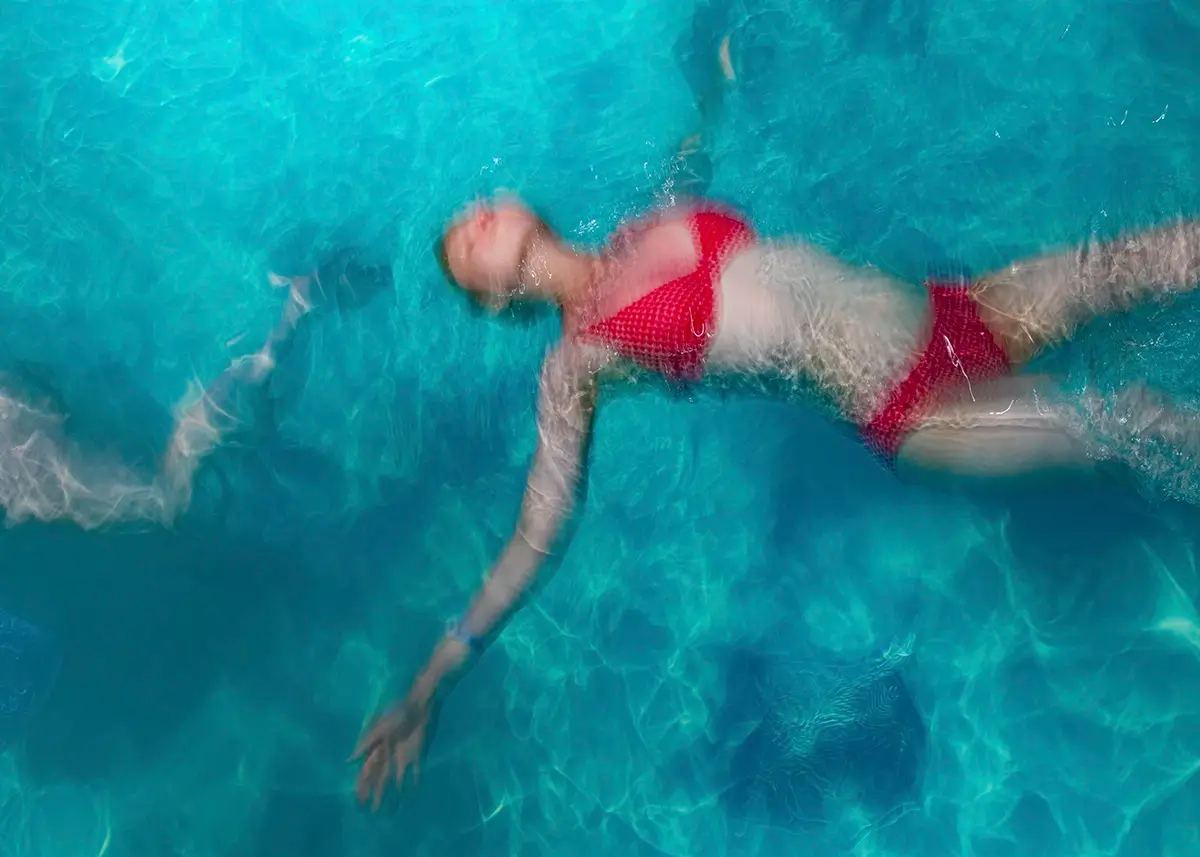
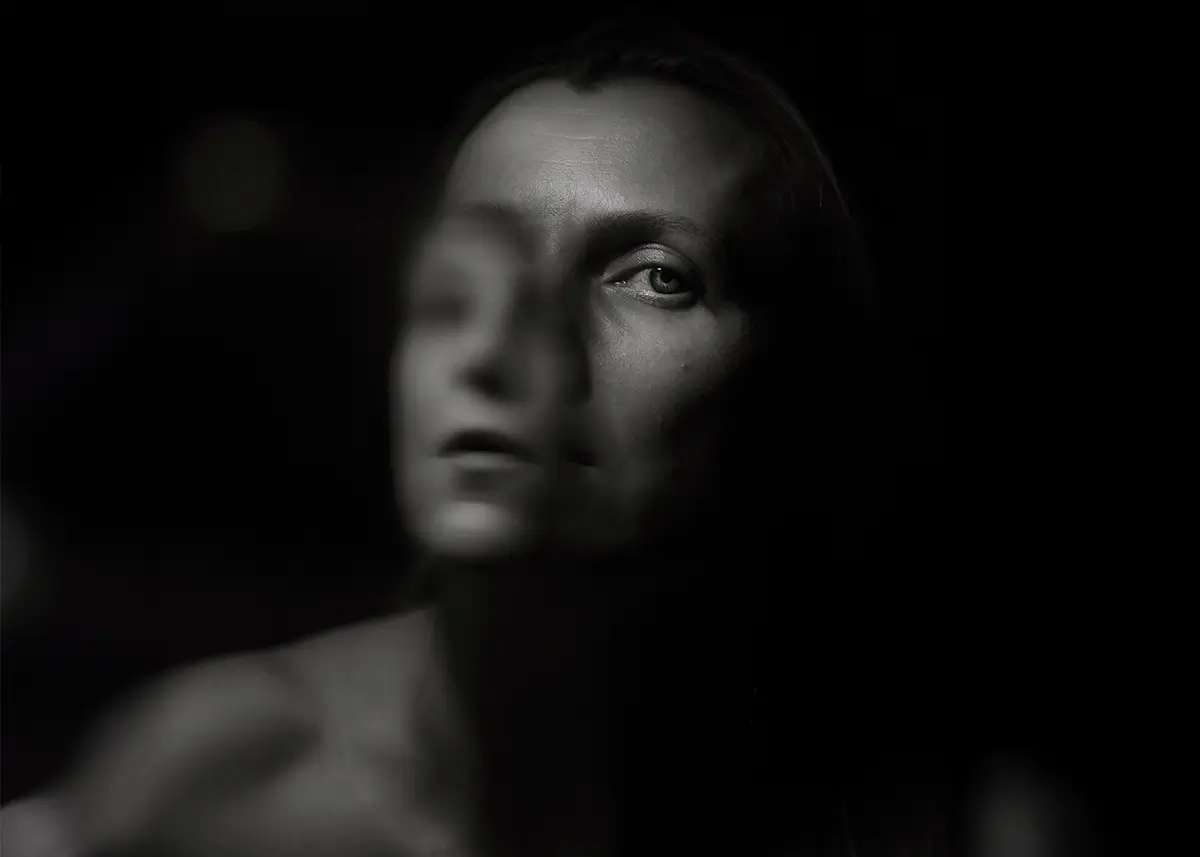
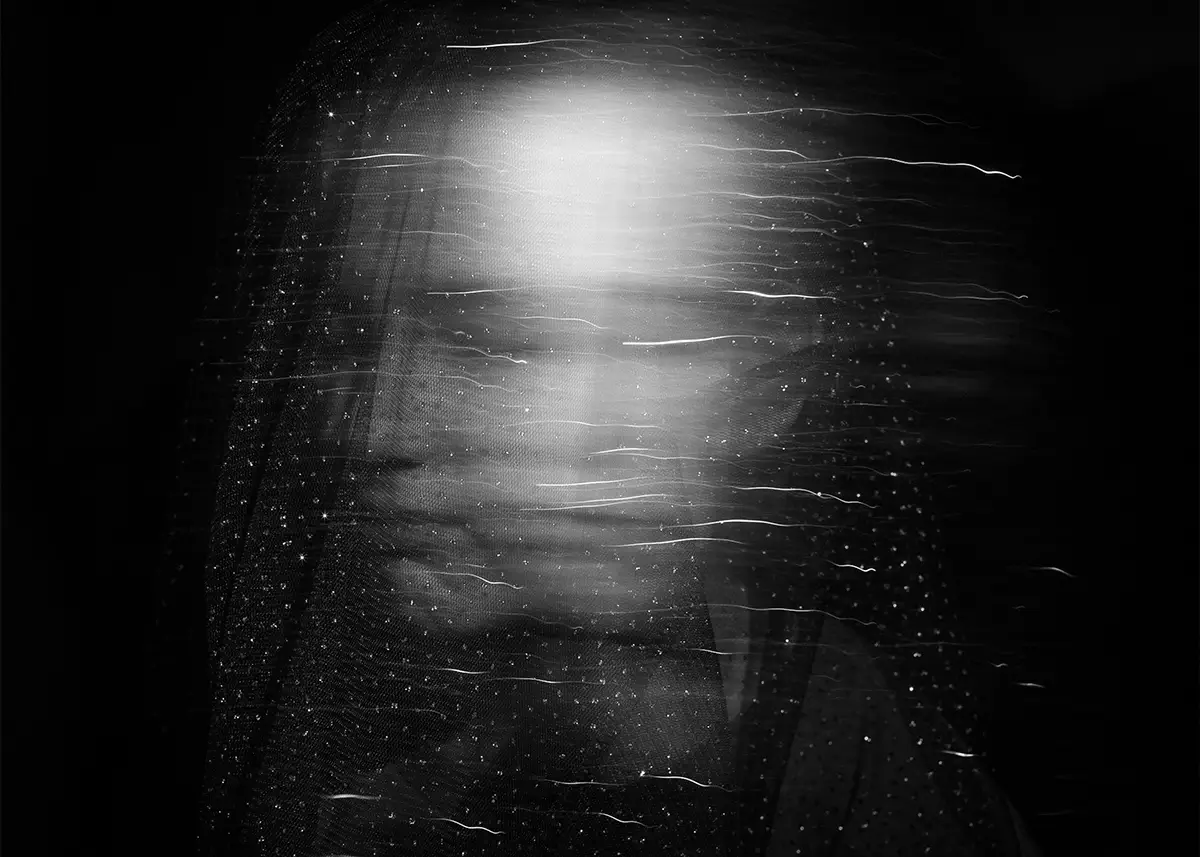
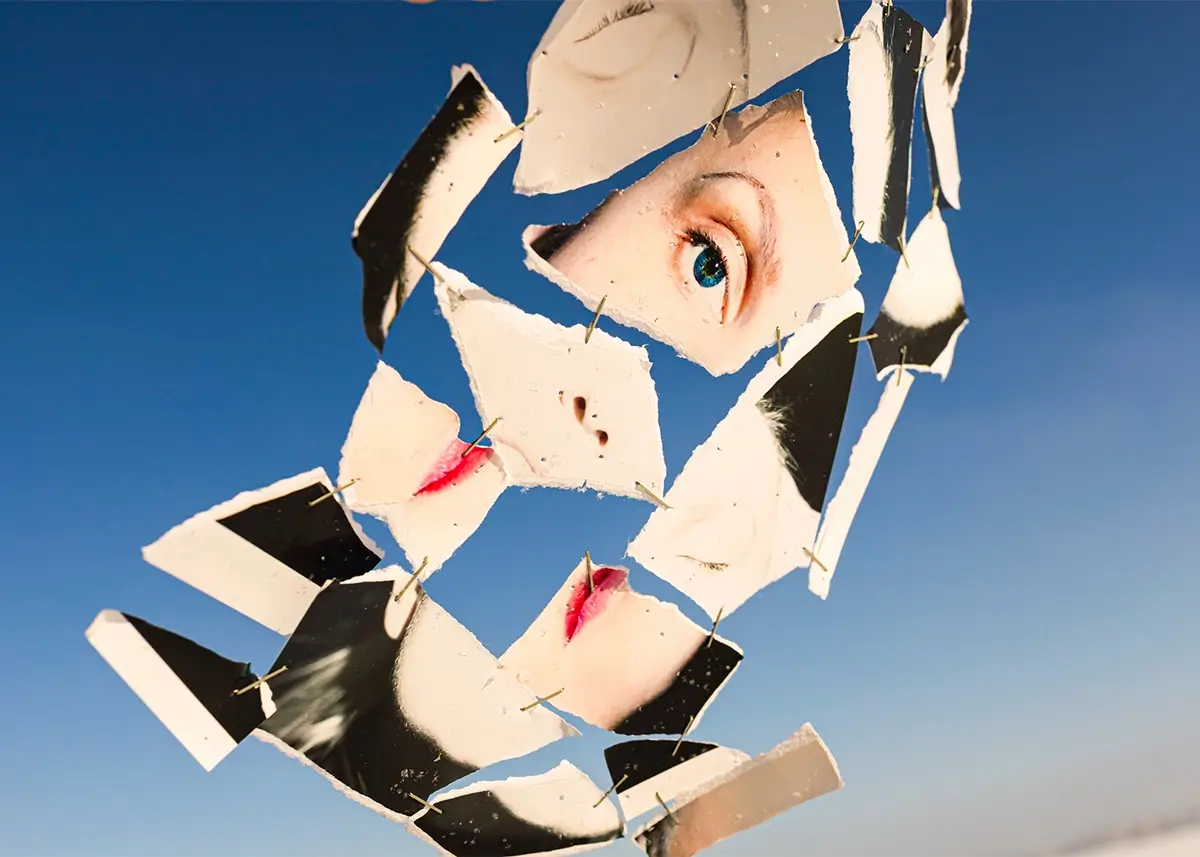
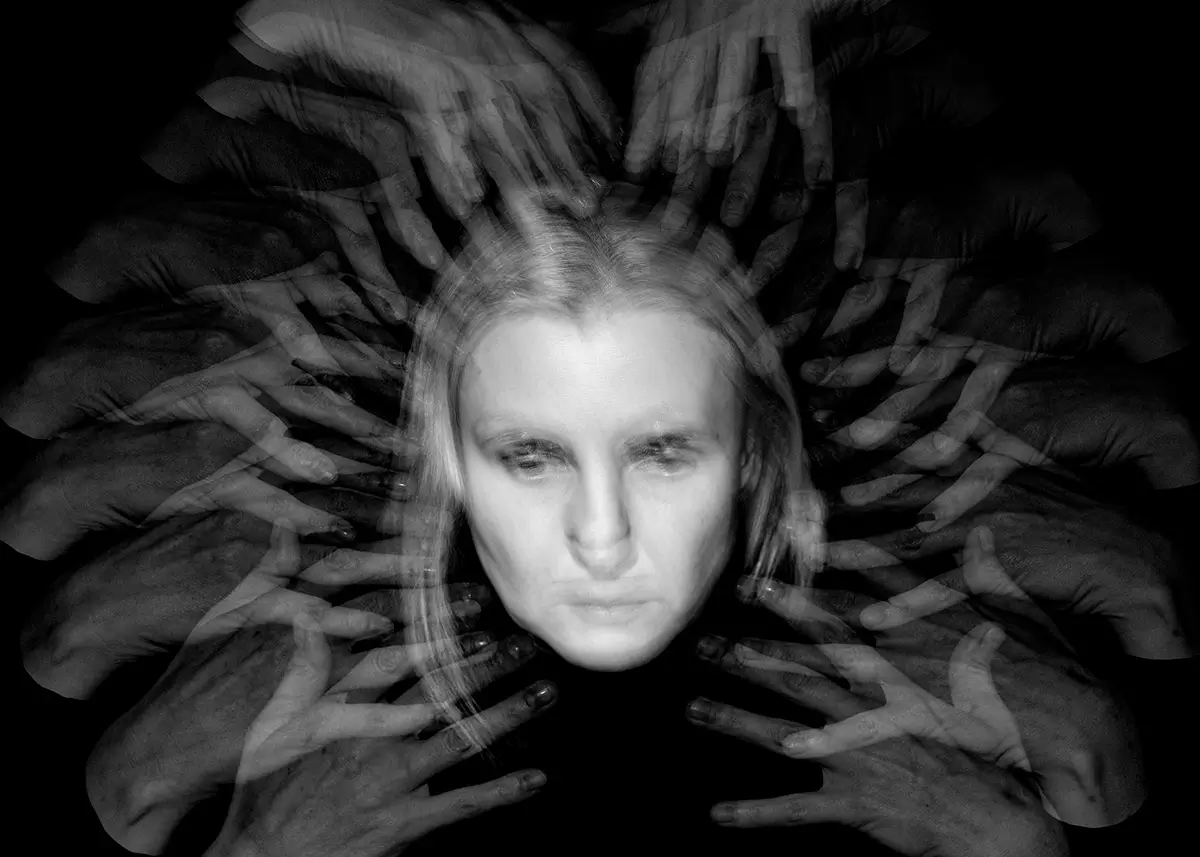
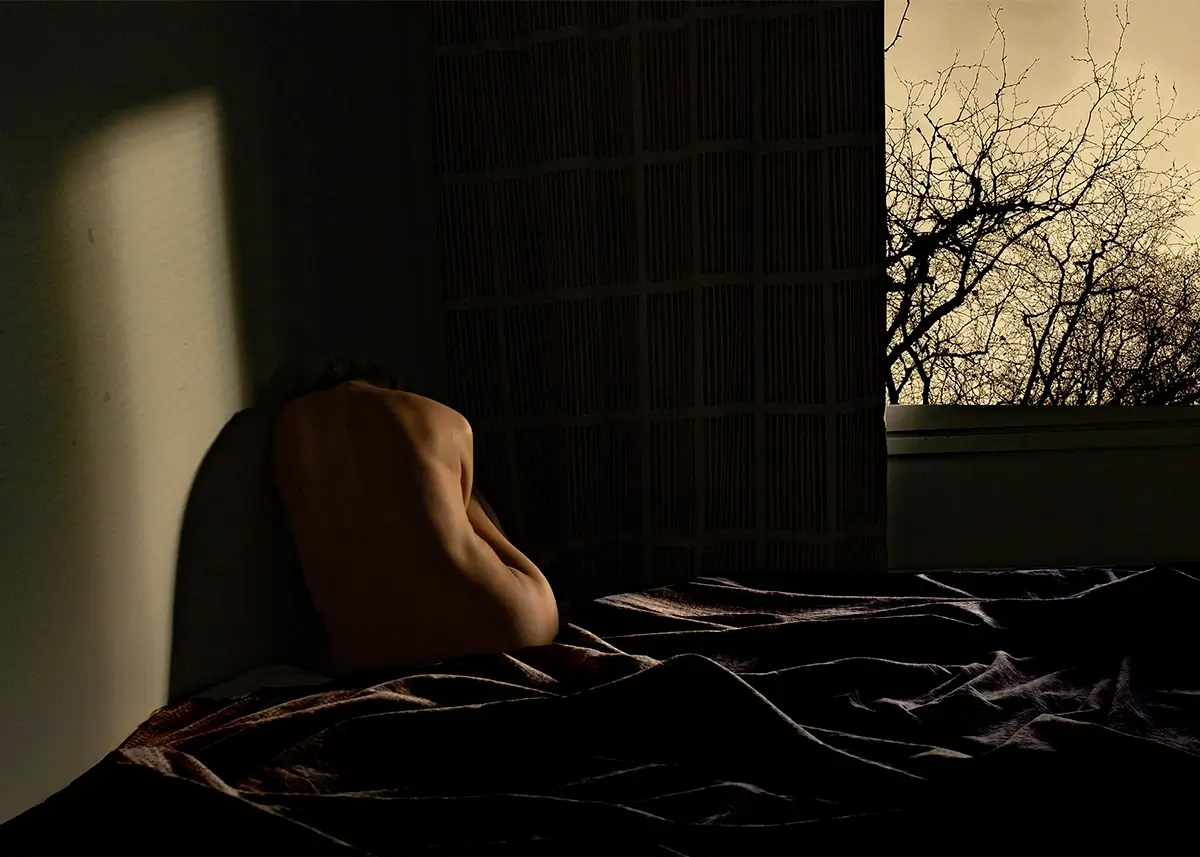
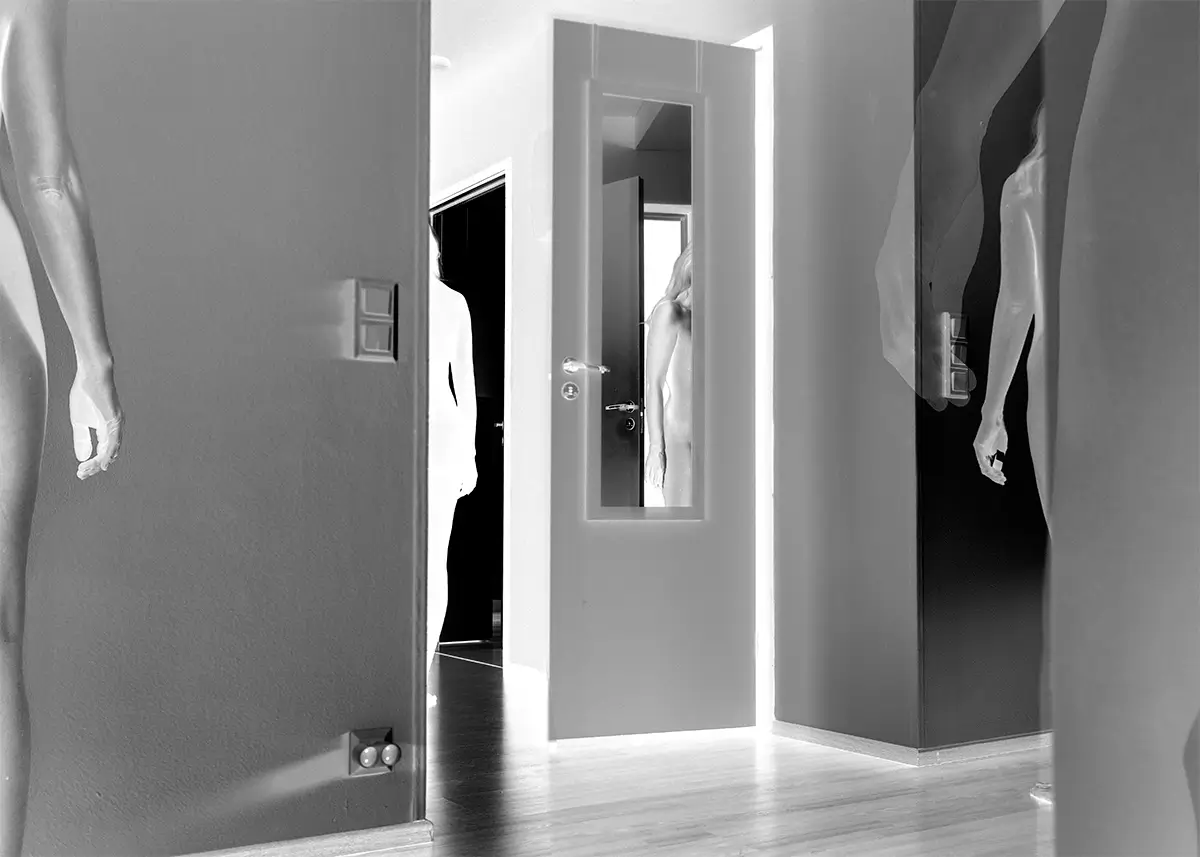
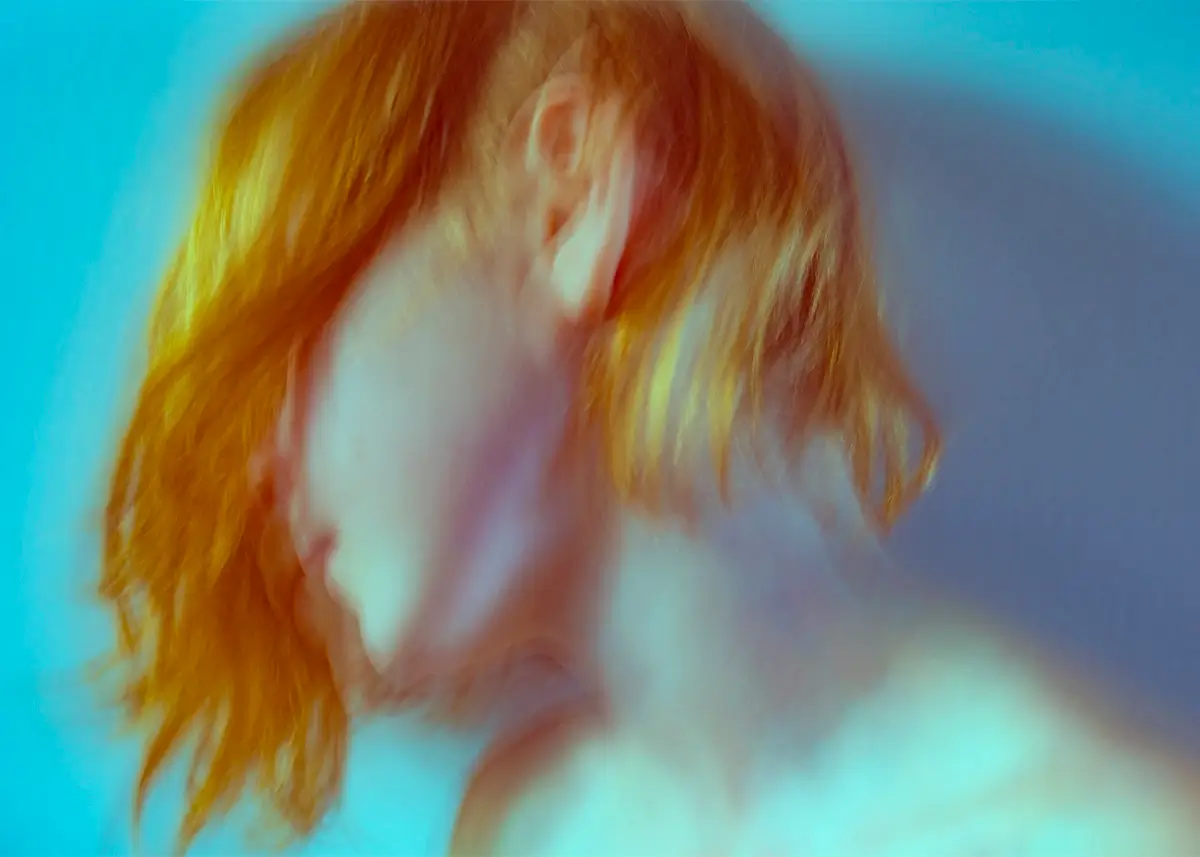
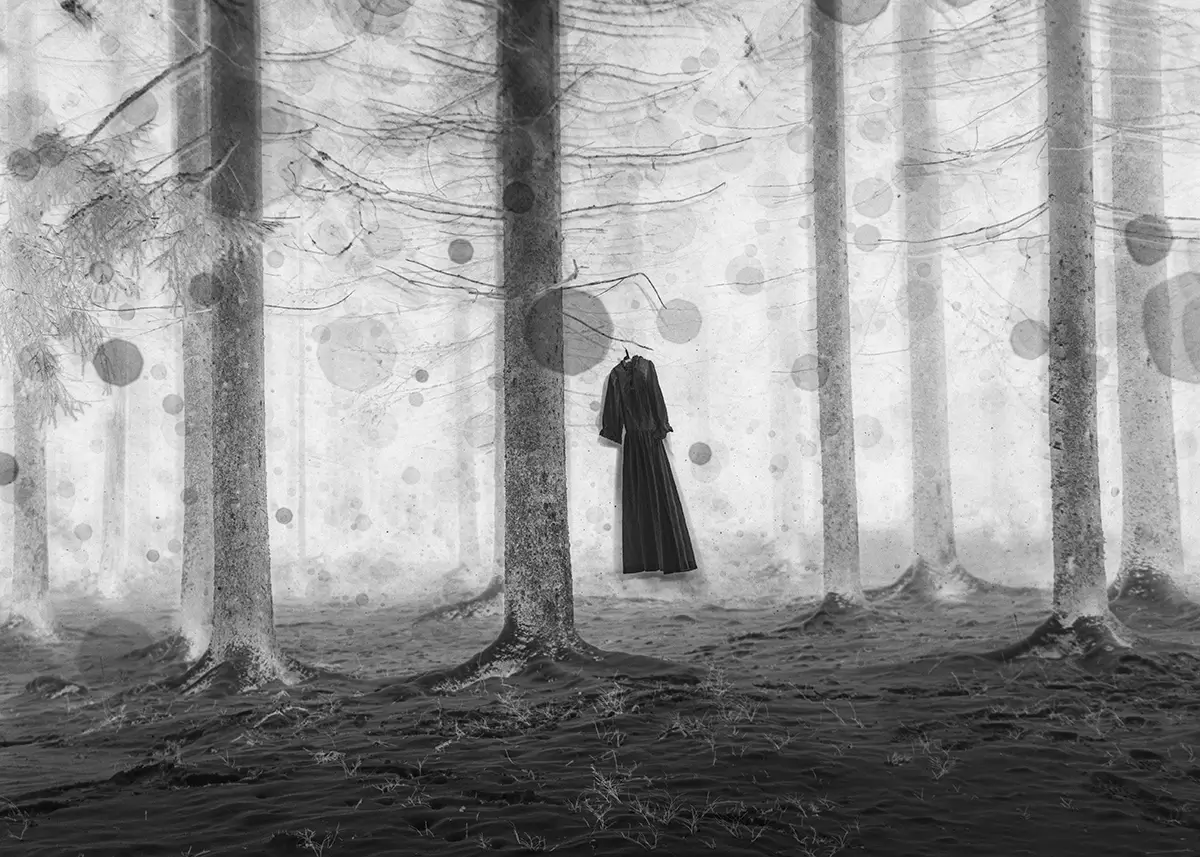
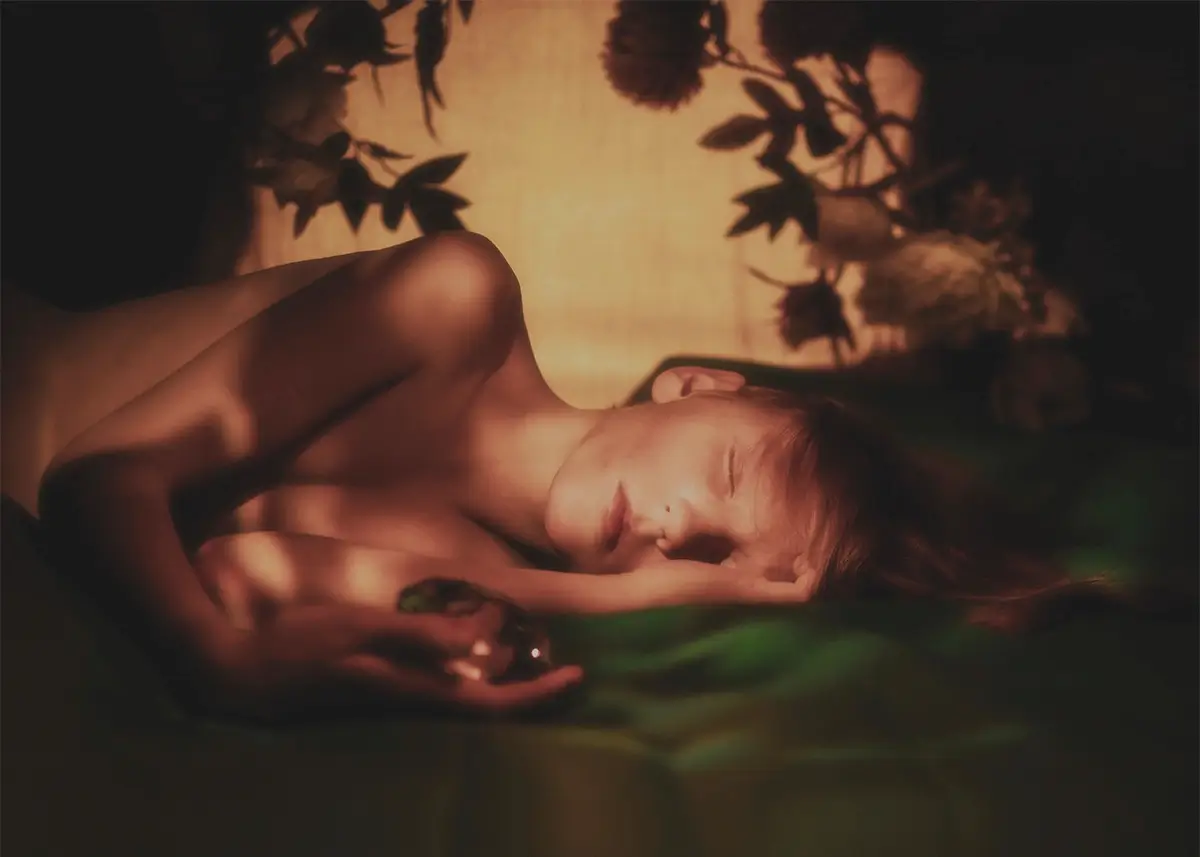
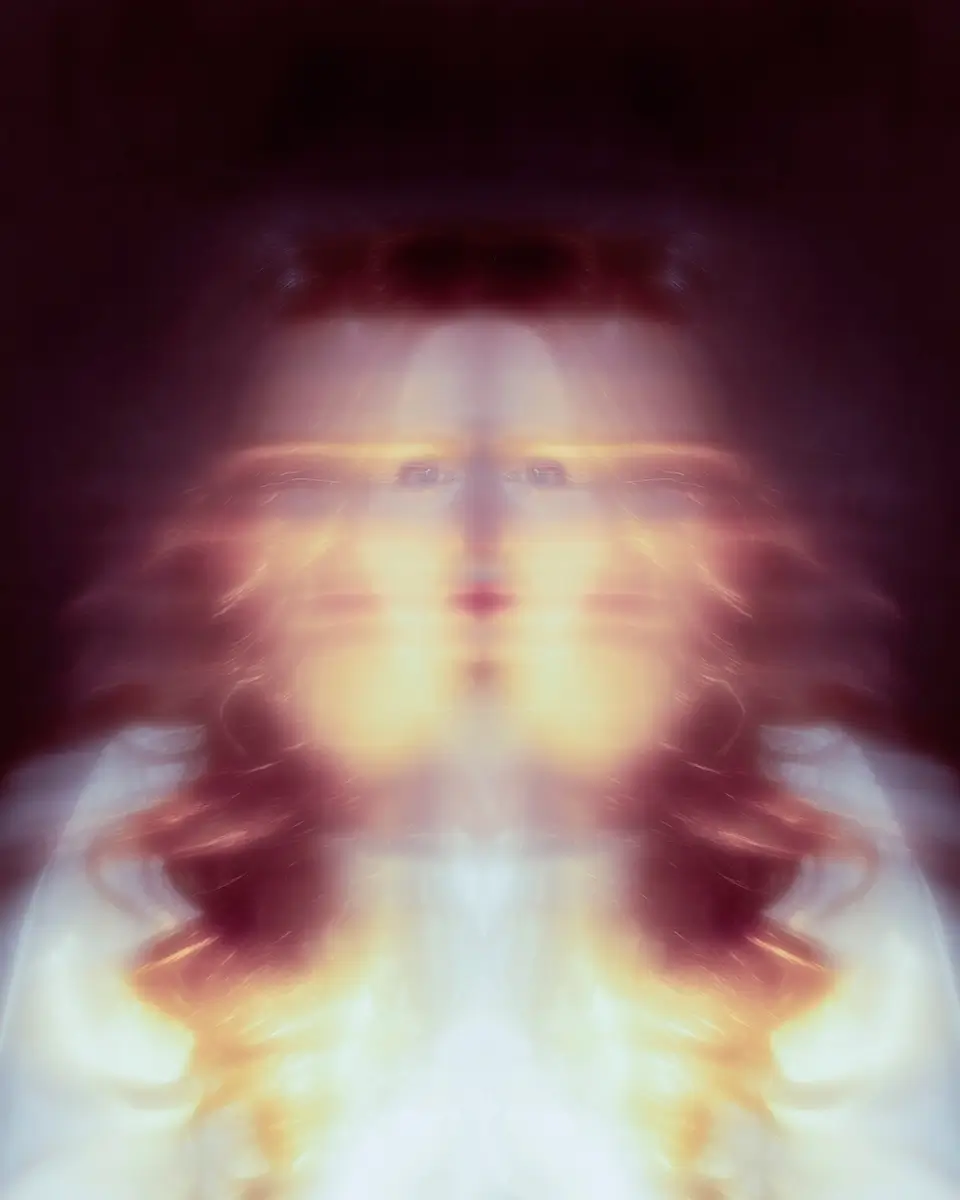
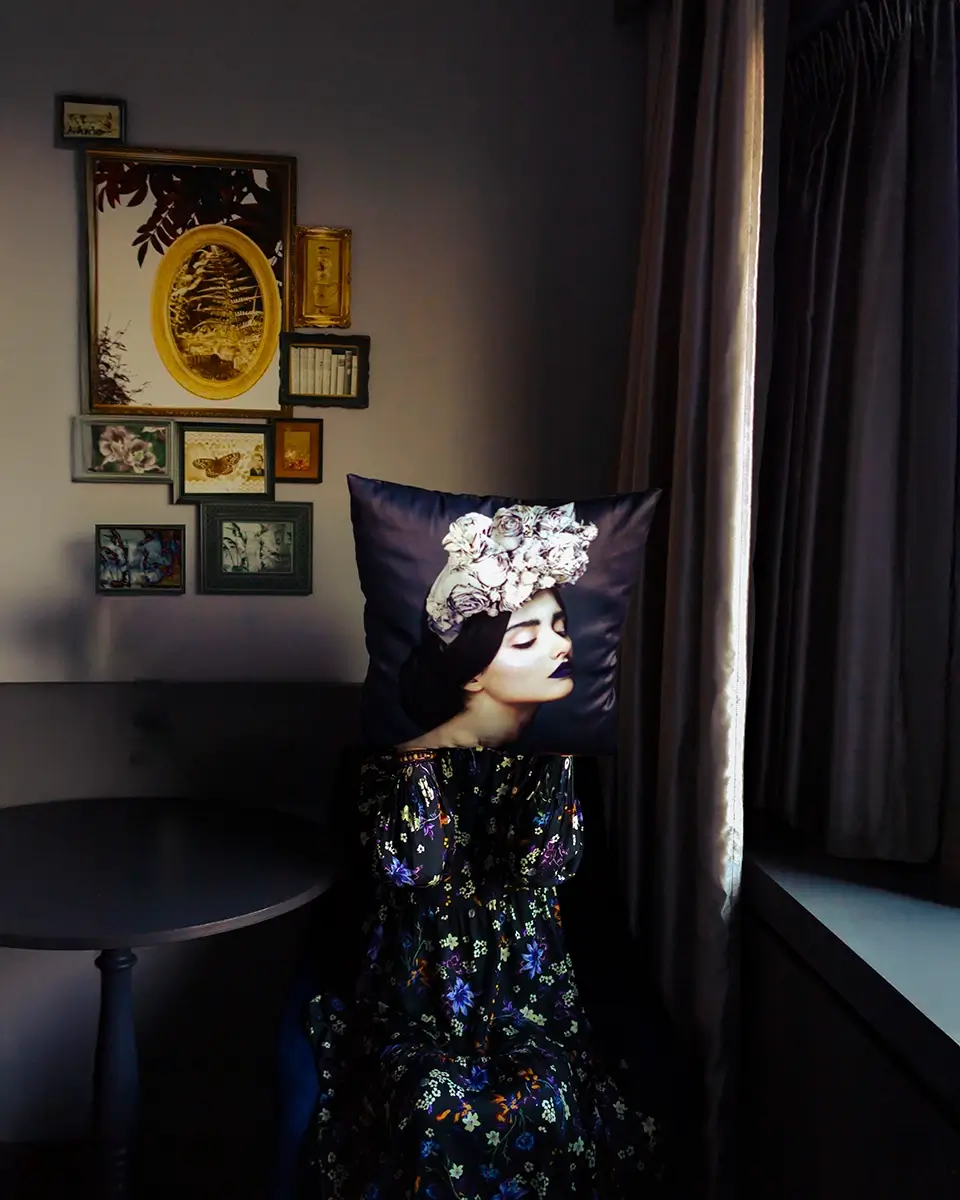
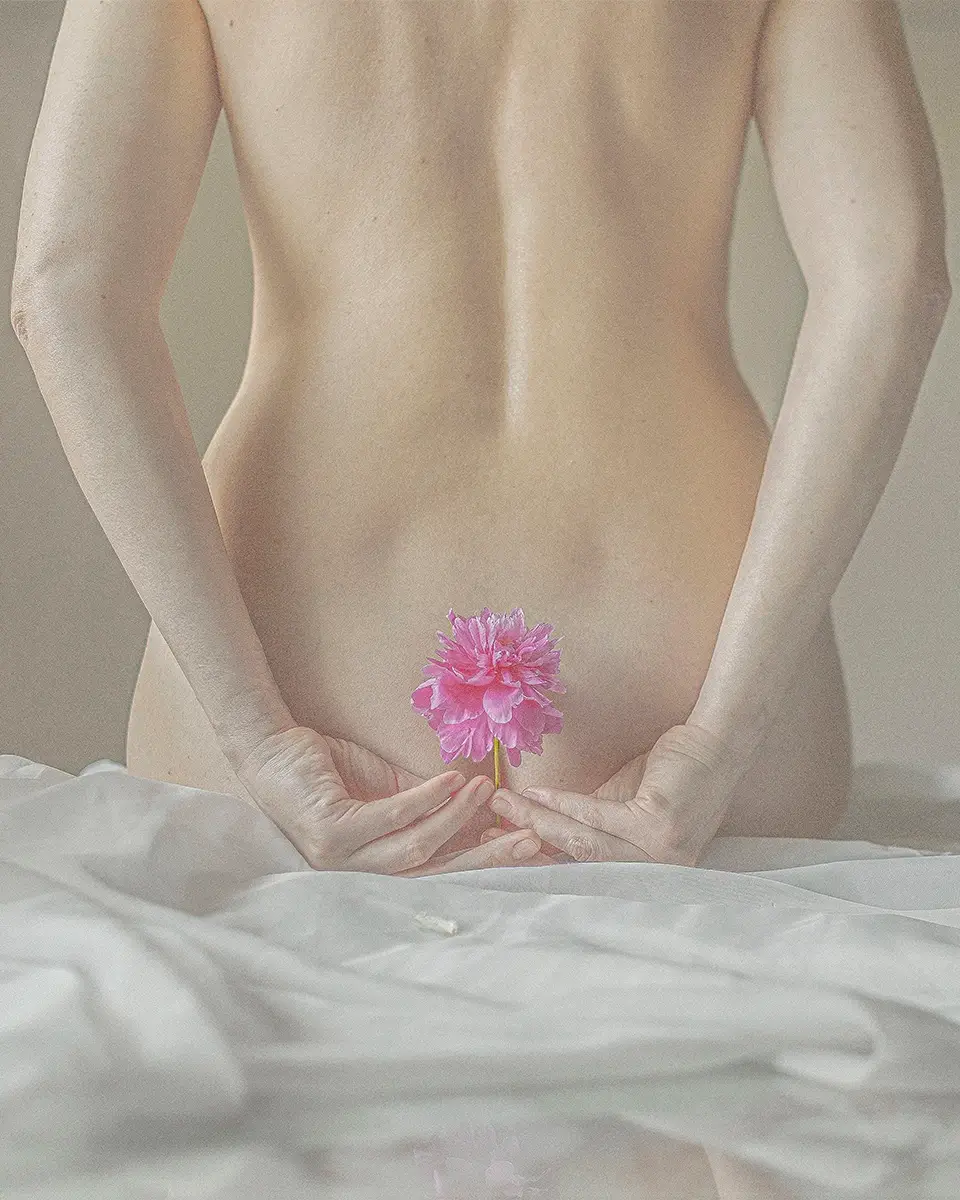
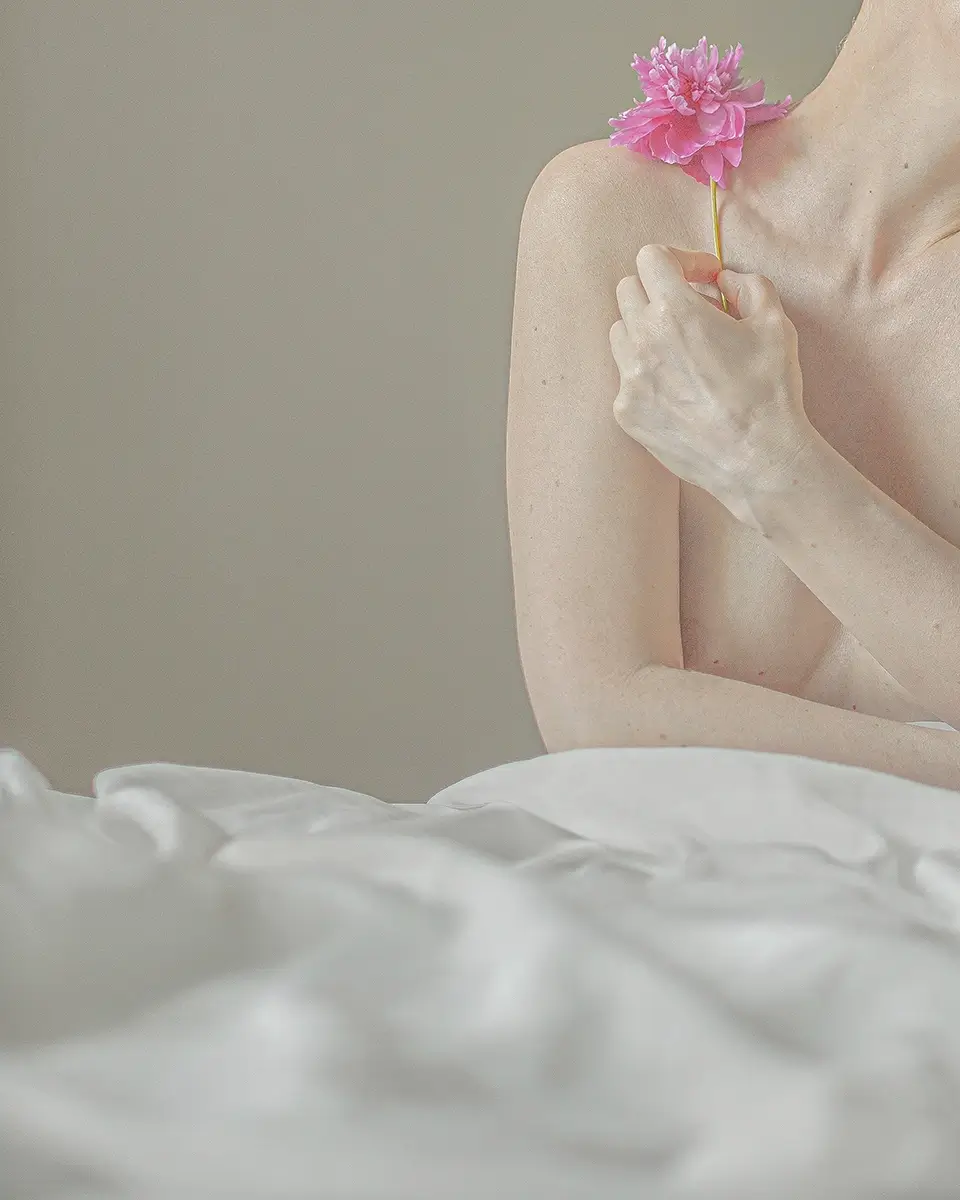
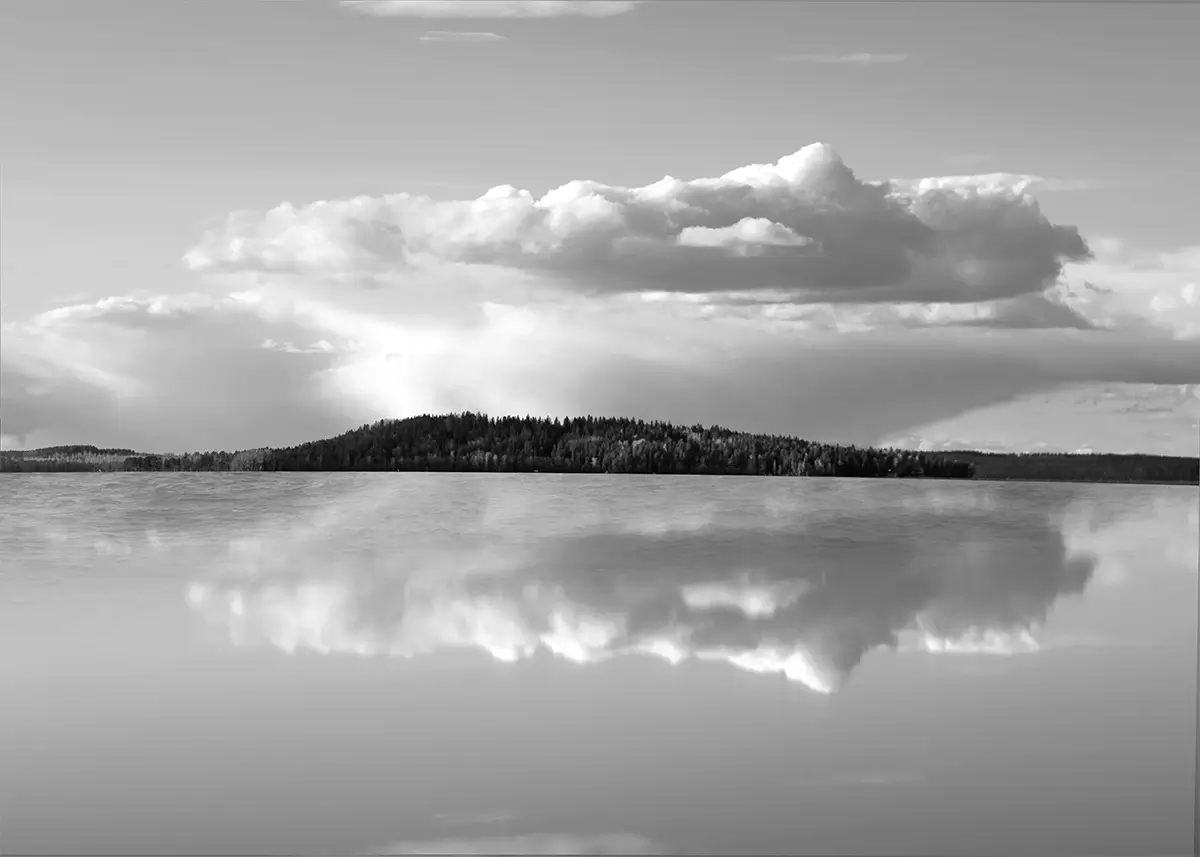
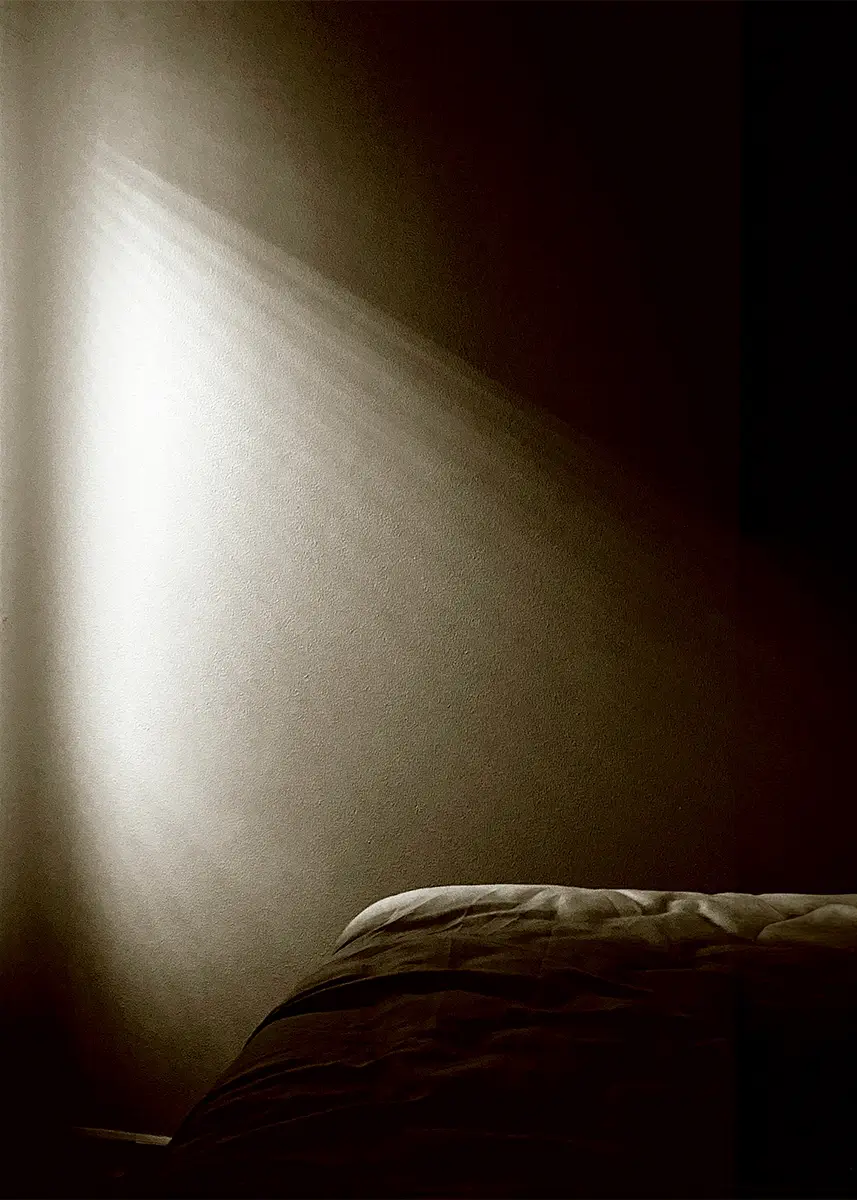
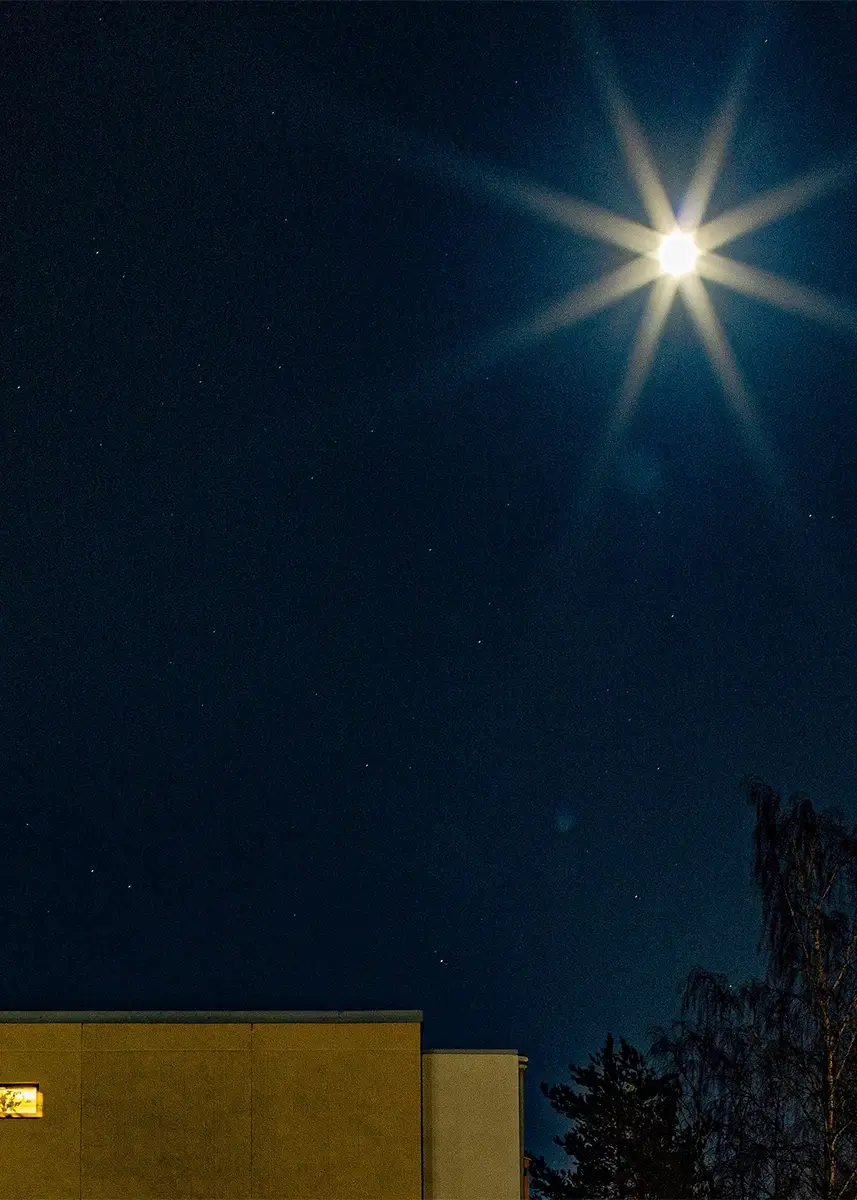
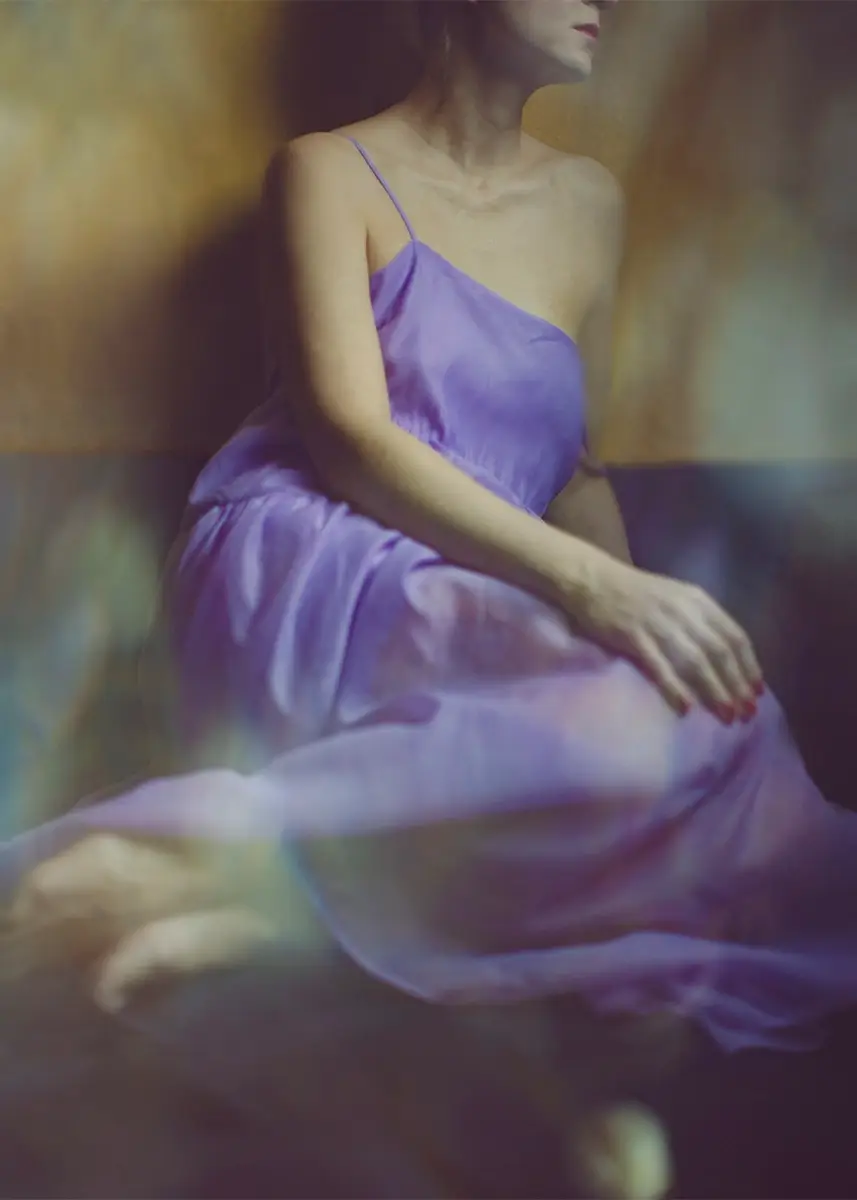
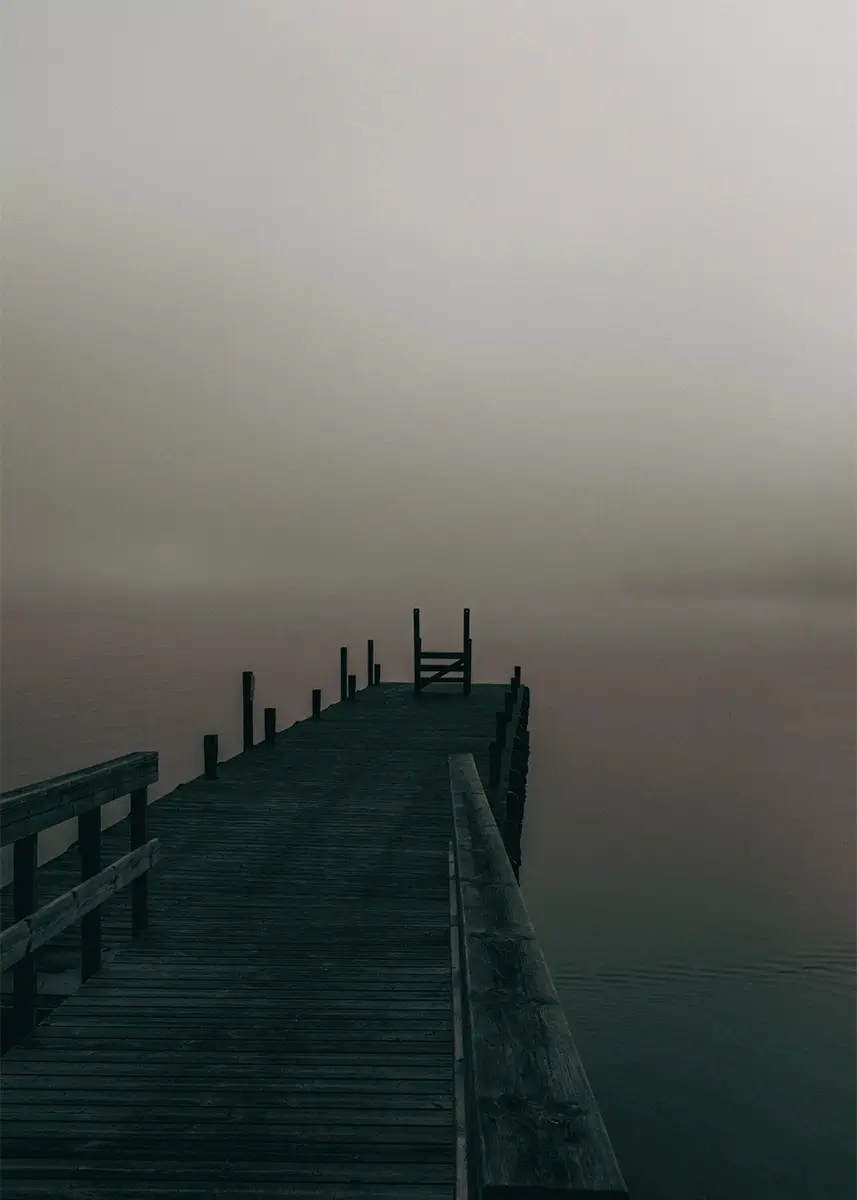
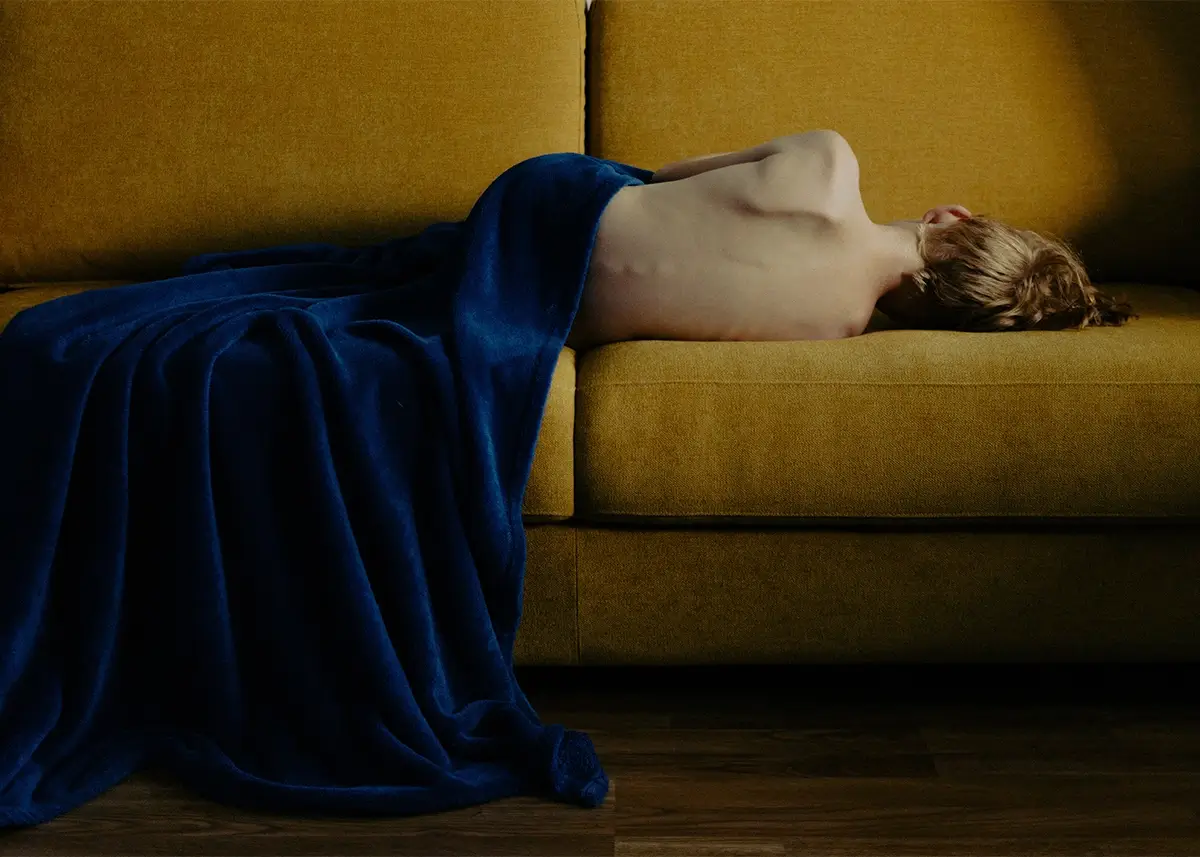
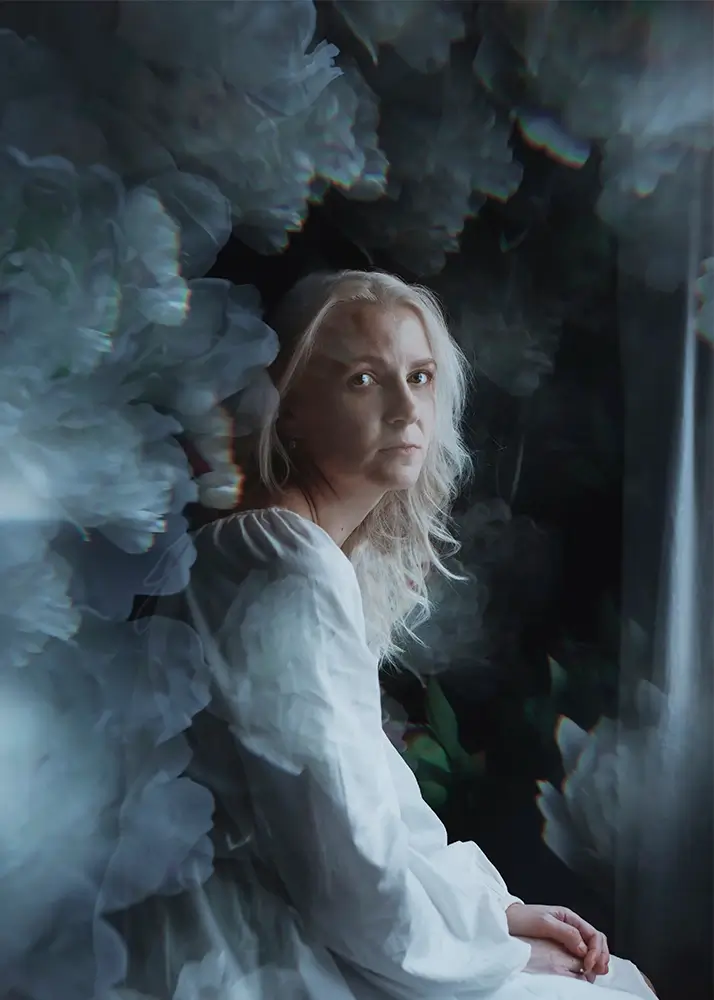
Oksana Zhila works within the field of conceptual and fine art photography, creating psychologically charged images that explore identity, memory, and emotional transformation. In her practice, she often uses multiple exposures, glass, mirrors, and reflective surfaces. Through distortion, repetition, and subtle surreal elements, she constructs visual metaphors that reflect inner psychological landscapes rather than external reality. Her visual language combines portraiture with experimental techniques such as fragmentation and layered compositions, allowing the image to move beyond documentation toward a symbolic and introspective space. Nature, domestic environments, and minimalist interiors often serve as quiet stages where personal narratives unfold, and where the familiar becomes strange and the body itself appears unstable or fragmented.

AAP Magazine:

AAP Magzine 55 Women

 

Inspiring Portfolios

Call for Entries
AAP Magazine #56 Shadows
Publish your work in our printed magazine and win $1,000 cash prizes
 
Stay up-to-date  with call for entries, deadlines and other news about exhibitions, galleries, publications, & special events.

More Great Photographers To Discover

JP Terlizzi
United States
1962
JP Terlizzi is a New York City visual artist whose practice explores themes of memory, relationship, and identity. His images are rooted in the personal and heavily influenced around the notion of home, legacy, and family. He is curious how the past relates and intersects with the present and how that impacts and shapes one's identity. Born and raised in the farmlands of Central New Jersey, JP earned a BFA in Communication Design at Kutztown University of PA with a background in graphic design and advertising. He has studied photography at both the International Center of Photography in New York and Maine Media College in Rockport, ME. His work has been exhibited widely in galleries including shows at The Center for Fine Art Photography, Vicki Myhren Gallery at the University of Denver, The Griffin Museum, Tilt Gallery, Panopticon Gallery, Candela Gallery, The Los Angeles Center of Photography, University Gallery at Cal Poly, and The Berlin Foto Biennale, Berlin, Germany, among others. His solo exhibits include shows at the Rhode Island Center for Photographic Arts, Cameraworks Gallery in Portland, OR and Soho Photo Gallery in Manhattan. Awards and honors include: Critical Mass Top 50 (2019, 2018), Critical Mass Finalist (2016, 2015), Fresh Finalist (Klompching Gallery, 2019), First Look Winner (Panopticon Gallery, 2019) International Portfolio Competition Winner (Soho Photo Gallery, 2018). About The Good Dishes Eating is a physical need, but meals are a social ritual. Utilizing passed down heirlooms of friends and family, The Good Dishes celebrates the memory of family and togetherness by integrating legacy and inheritance. This series focuses on stylized rituals of formal tableware while drawing inspiration from classic still life paintings. Background textiles are individually designed and constructed to reflect patterns found in each table setting while presentation, etiquette and formality are disassociated by using food and fine china in unconventional ways as metaphors for the beauty and intimacy that are centered around meal and table. Discover JP Terlizzi's Interview Read more about JP terlizzi
Shelby Lee Adams
United States
1950
Shelby Lee Adams is an American environmental portrait photographer and artist best known for his images of Appalachian family life. Adams has photographed Appalachian families since the mid-1970s. He had first encountered the poor families of the Appalachian mountains as a child, travelling around the area with his uncle, who was a doctor. His work has been published in three monographs: Appalachian Portraits (1993), Appalachian Legacy (1998), and Appalachian Lives (2003). Adams was the subject of a documentary film by Jennifer Baichwal in 2002 - The True Meaning of Pictures: Shelby Lee Adams's Appalachia. This was shown at the Toronto International Film Festival, and at the Sundance Festival in 2003. The film critiques and defends Adams' method in photographing Appalachian people for his previously published books.Source: Wikipedia Born in Kentucky in the town of Hazard, and later living with his grandparents in Hot Spot, Shelby Lee Adams discovered photography and the arts in high school. It was during this time that the Peace Corps sent a film crew to his town to document the poverty of Appalachia, which sparked Adams' interest in the documentary style. He attended the Cleveland Institute of Art, where in his sophomore year he was exposed to the photographs of the Farm Security Administration. These pictures document the debilitating effects of the Depression in the South during the 1930s. Adams was able to relate to the images and the subjects, inspiring him to make the pictures for which he is now best known, his photographs of the people and culture of Appalachia. He began this project in 1973 and although he has done editorial work for publications like Fortune, GQ, New York Magazine, and the New York Times, he primarily focuses on portraits of the people of Appalachia. Shelby Lee Adams works primarily in black and white. He began with a 35mm camera and then switched to a 4x5. His crisp, poignant images show the people of Appalachia in their simple environments, revealing both the heroic and grotesque side to secluded mountain life. Adams photographs his subjects with an emphasis on the unpretty beauty of their immediate surroundings and their worn faces and clothes, their rudimentary living conditions starkly contrasted against the backdrop of a sublime landscape. But they are not depicted as victims; they confront the camera proudly and matter-of-factly. Shelby Lee Adams considers his subjects his friends, which no doubt lends a level of comfort to the shooting sessions, as they face his large camera. In his most recent work, Adams documents the infiltration of progress and media into the folkways of the Appalachian people, capturing the displacement of an agrarian economy. Drawn to the attractions of pop culture and modern life, the Appalachian people are losing interest in living off the land. Adams' work has received a great deal of recognition. He is the recipient of a survey grant and photography fellowship from the National Endowment for the Arts (1978, 1992), along with an artist support grant four years running from the Polaroid Corporation (1989-92). His photographs are held in the permanent collections of many museums, including the Museum of Modern Art and the Whitney Museum of American Art, both in New York, the Art Institute of Chicago, the Smithsonian American Art Museum in Washington, D.C., the Harvard Fogg Museum in Cambridge, and the Victoria and Albert Museum in London.Source: International Center of Photography
Myrtie Cope
United States
1950
Myrtie Cope is an Atlanta photographer with a focus on architecture and nature. Ms. Cope completed the Summer Intensive and Advanced Intensive certificate programs at Rocky Mountain School of Photography. She is pleased to have both architectural and nature photos in several private and public collections around Atlanta including the Hartsfield-Jackson Atlanta Airport, Emory University Hospital, Broadstone Yards, and the Huntley on Park Avenue. Ms. Cope was honored to receive the Denis Diderot Scholarship to Chateau Orquevaux Artist Residency in Orquevaux, France, in October 2021 and was accepted to the Atelier AIR artist residency in Dangeau, France for Fall 2023. Ms. Cope's work has been included in numerous group exhibitions both nationally and internationally. Her ongoing project photographing historic theaters in the Southeast - ''Second Act'' -was exhibited at Spalding Nix Fine Art in September-November 2021. Ms. Cope was the Nonprofessional winner of the Nature Category in the 19th Julia Margaret Cameron Award for Women Photographers, and she recently won Honorable Mentions in both the Nonprofessional - Nature Category and the Architecture Category in the 20th Julia Margaret Cameron Award for Women Photographers which will be exhibited in Barcelona, Spain. Ms. Cope recently began combining her photography with her sewing skills by embroidering her photographs and creating quilts with cyanotypes on fabric. She is still exploring these techniques and discovering new ways of looking at photography.
Patricia Lagarde
Patricia Lagarde was born in Mexico City, where she currently lives and works. Studies in Communication and Graphic Design. She develops in the middle of photography from an early age. Her work revolves around three fundamental axes; the object as a symbol, the construction of memory and the poetics of space. Her images and artist books have been shown in Museums, Galleries and Fairs in various countries around the world. In Mexico it is represented by Patricia Conde Galería, in San Francisco by The Jack Fischer Gallery. Statement Patricia Lagarde's work is akin to that imaginary construction of an excessive, circular notion of time found in the most conspicuous narratives of magical realism. She grabs such epic dimension of time and submits it to an intimate experience. The signs she works with have no great scenarios of history as spatial references but rather much more discrete enclosures, such as the alchemist's laboratory, a cabinet of curiosities or an antiques collection. Objects that have been touched, used or abandoned are the most recurring personal motives throughout her career. Or perhaps we should say the “aura” of such objects, resulting from the way time has noticed them. Insects, toys, maps and spheres, ancient instruments, clothes, reproductions of works of art, other photographs and other texts are then taken to a ranking ground where the colossal and the tiny are confused, where the distinction between the own and the alien is no longer important, the imaginary and the real hierarchies are reversed and the meaning of usefulness loses relevance. (Author_Juan Antonio Molina)
Burt Glinn
United States
1925 | † 2008
Born in Pittsburgh, Pennsylvania, Burt Glinn served in the United States Army between 1943 and 1946 before studying literature at Harvard University where he edited and photographed for the Harvard Crimson college newspaper. From 1949 to 1950, Glinn worked for Life magazine before becoming a freelancer. Glinn became an associate member of Magnum in 1951 along with Eve Arnold and Dennis Stock - the first Americans to join the young photo agency - and a full member in 1954. He made his mark with spectacular color series on the South Seas. Japan, Russia, Mexico and California. In 1959 he received the Mathew Brady Award for Magazine Photographer of the Year from the University of Missouri. In collaboration with the writer Laurens van der Post, Glinn published A Portrait of All the Russias and A Portrait of Japan. His reportages have appeared in Esquire, Geo, Travel and Leisure, Fortune, Life and Paris-Match. He has covered the Sinai War, the US Marine invasion of Lebanon and Fidel Castro's takeover of Cuba. In the 1990's he completed an extensive photo essay on the topic of medical science. Versatile and technically brilliant, Glinn was one of Magnum's great corporate and advertising photographers. He received numerous awards for his editorial and commercial photography, including the Best Book of Photographic Reporting from Abroad from the Overseas Press Club and the Best Print Ad of the Year from the Art Directors Club of New York. Glinn served as president of ASMP from 1980 - 1981. Between 1972 and 1975 he was president of Magnum, and was re-elected to the post in 1987. In 1981, Burt married Elena Prohaska and their son Samuel Pierson Glinn was born in 1982. Source: burtglinn.com
Saul Leiter
United States
1923 | † 2013
Saul Leiter was an American photographer and painter whose early work in the 1940s and 1950s was an important contribution to what came to be recognized as the New York school of photography. Saul Leiter was born in Pittsburgh, Pennsylvania. His father was a well-known Talmud scholar and Saul studied to become a rabbi. His mother gave him his first camera at age 12. At age 23, he left theology school and moved to New York City to become an artist. He had developed an early interest in painting and was fortunate to meet the Abstract Expressionist painter Richard Pousette-Dart. Pousette-Dart and W. Eugene Smith encouraged Leiter to pursue photography and he was soon taking black and white pictures with a 35 mm Leica, which he acquired for a few Eugene Smith prints. In 1948, he started taking color photographs. He began associating with other contemporary photographers such as Robert Frank and Diane Arbus and helped form what Jane Livingston has termed the New York School of photographers during the 1940s and 1950s. Leiter worked as a fashion photographer for the next 20 years and was published in Show, Elle, British Vogue, Queen, and Nova. In the late 1950s the art director Henry Wolf published Leiter’s color fashion work in Esquire and later in Harper's Bazaar. Edward Steichen included Leiter’s black and white photographs in the exhibition Always the Young Stranger at the Museum of Modern Art in 1953. Leiter’s work is featured prominently in Jane Livingston’s book The New York School (1992) and in Martin Harrison’s Appearances: Fashion Photography since 1945 (1991). In 2008, the Fondation Henri Cartier-Bresson in Paris mounted Leiter's first museum exhibition in Europe with an accompanying catalog. Leiter is the subject of a 2012 feature-length documentary In No Great Hurry - 13 Lessons in Life with Saul Leiter, directed and produced by Tomas Leach. Leiter is a featured subject, among others, in the documentary film Tracing Outlines (2015) by 2nd State Productions. Martin Harrison, editor and author of Early Color (2006), writes, "Leiter’s sensibility . . . placed him outside the visceral confrontations with urban anxiety associated with photographers such as Robert Frank or William Klein. Instead, for him the camera provided an alternate way of seeing, of framing events and interpreting reality. He sought out moments of quiet humanity in the Manhattan maelstrom, forging a unique urban pastoral from the most unlikely of circumstances." Leiter died on 26 November 2013 in New York City.Source: Wikipedia When we do not know why the photographer has taken a picture and when we do not know why we are looking at it, all of a sudden we discover something that we start seeing. I like this confusion. -- Saul Leiter Leiter’s first exhibition of color photography was held in the 1950s at the Artist's Club, a meeting place for many of the Abstract Expressionist painters of that time. Edward Steichen included twenty-three of Leiter's black and white photographs in the seminal 1953 exhibition Always the Young Stranger at the Museum of Modern Art; he also included twenty of Leiter’s color images in the 1957 MoMA conference Experimental Photography in Color. In the late 1950s, the art director Henry Wolf published Leiter's color fashion work in Esquire and later in Harper's Bazaar. However, over the next four decades, Leiter’s noncommercial work remained virtually unknown to the wider art world. He continued to work as a fashion photographer through the 1970s, contributing to such publications as in Show, Elle, British Vogue, Queen, and Nova. Leiter is now held to be a pioneer of early color photography, and is noted as one of the outstanding figures in post-war photography. After several exhibitions at Howard Greenberg Gallery throughout the 1990s, Leiter’s work experienced a surge of popularity after a monograph, Early Color, was published by Steidl in 2006. Early Color was followed by a series of monographs and international exhibitions highlighting the depth and scope of his work in photography and painting, beginning with In Living Color (2006), his first major retrospective at the Milwaukee Museum of Art. Leiter was the subject of several solo shows thereafter, including the Fondation Henri Cartier-Bresson, Paris; the Jewish Historical Museum, Amsterdam; Musée de l’Elysée, Lausanne; and Diechtorhallen, Hamburg.Source: Howard Greenberg Gallery Some photographers think that by taking pictures of human misery, they are addressing a serious problem. I do not think that misery is more profound than happiness. -- Saul Leiter
Advertisement
AAP Magazine #56 Shadows
Win a Solo Exhibition in May
AAP Magazine #56 Shadows

Latest Interviews

Exclusive Interview with Jan Janssen
Dutch photographer Jan Janssen explores universal human experiences through his long-term project It Matters, winner of the May 2025 Solo Exhibition. Begun in 2016, the series captures intimate moments of everyday life—love, loss, connection, and belonging—across Central and Eastern Europe. Working in countries such as Turkey, Azerbaijan, and Armenia, Janssen spends extended time within communities, building relationships based on trust and respect. His approach allows him to move beyond observation, revealing deeply human and authentic moments. Rooted in travel and personal discovery, It Matters reflects Janssen’s search for what connects us all in an increasingly divided world. The project is ongoing and will culminate in a photobook scheduled for publication in 2026.
Exclusive Interview with Henk Kosche
German photographer Henk Kosche turns his lens toward the streets of Halle an der Saale, capturing everyday life in the late years of the former German Democratic Republic. At the time, Kosche was studying design and exploring the city with his camera, drawn to the atmosphere of its industrial landscape and the quiet rhythms of daily life. His series Street Photography at the End of the 80s, selected as the Solo Exhibition for July 2025, revisits a body of work created just before a period of profound change. Rediscovered decades later in a small box of 35mm negatives, these photographs offer glimpses of a city and its people at a moment suspended between the familiar and the unknown.
Exclusive Interview with Anastasia Samoylova
Anastasia Samoylova is an American artist whose photographic practice is shaped by close observation and a deep attentiveness to place. Working between documentary and formal exploration, she photographs landscapes, architecture, and everyday scenes with a sensitivity to light, structure, and atmosphere. Since relocating to Miami in 2016, her work has increasingly focused on how environments—both natural and built—carry social, cultural, and emotional traces. We asked her a few questions about her practice and her way of seeing, to better understand the thoughts and experiences that shape her work—while allowing the images themselves to remain open and speak in their own time.
Exclusive Interview with Marijn Fidder
Marijn Fidder is a Dutch documentary photographer whose work powerfully engages with current affairs and contemporary social issues. Driven by a deep sense of social justice, she uses photography to speak on behalf of the voiceless and to advocate for the rights of those who are most vulnerable. Her images have been widely published in major international outlets including National Geographic, CNN Style, NRC Handelsblad, Volkskrant, GUP New Talent, and ZEIT Magazin. Her long-term commitment to disability rights—particularly through years of work in Uganda—culminated in her acclaimed project Inclusive Nation, which earned her the title of Photographer of the Year 2025 at the All About Photo Awards. She is also the recipient of multiple prestigious honors, including awards from World Press Photo and the Global Peace Photo Award. We asked her a few questions about her life and work.
Exclusive Interview with Josh S. Rose
Josh S. Rose is a multidisciplinary artist working across photography, film, and writing. His practice bridges visual and performing arts, with a strong focus on movement, emotion, and the expressive potential of the image. Known for his long-standing collaborations with leading dance companies and performers, Rose brings together authenticity and precise composition—a balance he describes as “technical romanticism.” His work has been commissioned and exhibited internationally, appearing in outlets such as Vogue, at the Super Bowl, in film festivals, and most recently as a large-scale installation for Lincoln Center for the Performing Arts. A sought-after collaborator, he has worked with major artists, cultural institutions, and brands, following a previous career as Chief Creative Officer at Interpublic Group and the founder of Humans Are Social. We asked him a few questions about his life and work.
Interview with Maureen Ruddy Burkhart
Photographer Maureen Ruddy Burkhart brings a quietly attentive and deeply human sensibility to her exploration of the world through images. Shaped by a life immersed in photography, film, and visual storytelling, her work is guided by intuition, observation, and an enduring interest in the emotional undercurrents of everyday life. With a practice rooted in both fine art traditions and documentary awareness, she approaches her subjects with sensitivity, allowing subtle moments to emerge naturally rather than be imposed. Her series Til Death, selected as the Solo Exhibition for February 2025, reflects this long-standing commitment to photography as a space for reflection rather than spectacle. Drawn to moments that exist just outside the expected frame, Burkhart’s images suggest narratives without resolving them, leaving room for ambiguity, humor, and quiet connection. We asked her a few questions about her life and work.
Exclusive Interview with Peter Ydeen
Winner of AAP Magazine #45 Travels, his series reflects this unique vision—capturing the spirit of place through subtle layers of light, color, and emotion. Whether traveling abroad or observing the rhythms of his own surroundings, Ydeen creates images that feel both grounded and enchanted, inviting viewers into a world where reality and reverie meet.
Exclusive Interview with Julie Wang
Chinese-born photographer Julie Wang brings a poetic, contemplative sensitivity to her visual exploration of the world. Having lived for nearly equal parts of her life in China, Europe, and the United States, she approaches her subjects with the nuanced perspective of someone shaped by many cultures. This blend of distance, curiosity, and emotional resonance infuses her work with a quiet depth, allowing her to reveal the fragile beauty and subtle tensions that often pass unnoticed.
Exclusive Interview with Ghawam Kouchaki
American photographer Ghawam Kouchaki brings a sharply observant and introspective gaze to the streets of Japan’s capital. Based in Los Angeles, he approaches Tokyo with the distance — and curiosity — of an outsider, allowing him to uncover the city’s subtle contradictions, quiet tensions, and fleeting gestures that often go unnoticed. His series Tokyo no no, selected as the Solo Exhibition for December 2024, explores the hidden undercurrents of urban life: the unspoken rules, the small ruptures in routine, the poetic strangeness found in everyday moments. Through muted tones, instinctive timing, and meticulous framing, Kouchaki reveals a Tokyo that exists somewhere between reality and imagination — both intimate and enigmatic. We asked him a few questions about his life and work.
Call for Entries
Solo Exhibition May 2026
Get International Exposure and Connect with Industry Insiders