All about photo.com: photo contests, photography exhibitions, galleries, photographers, books, schools and venues.
FINAL CHANCE to enter All About Photo Awards: $5,000 Cash Prizes - Juror Steve McCurry
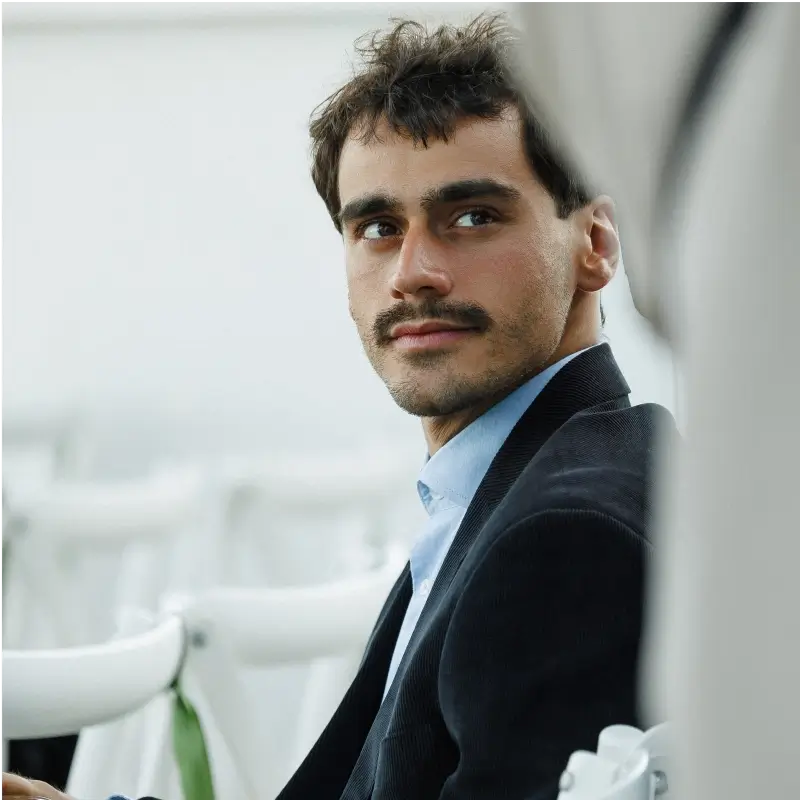
Alessandro Natali
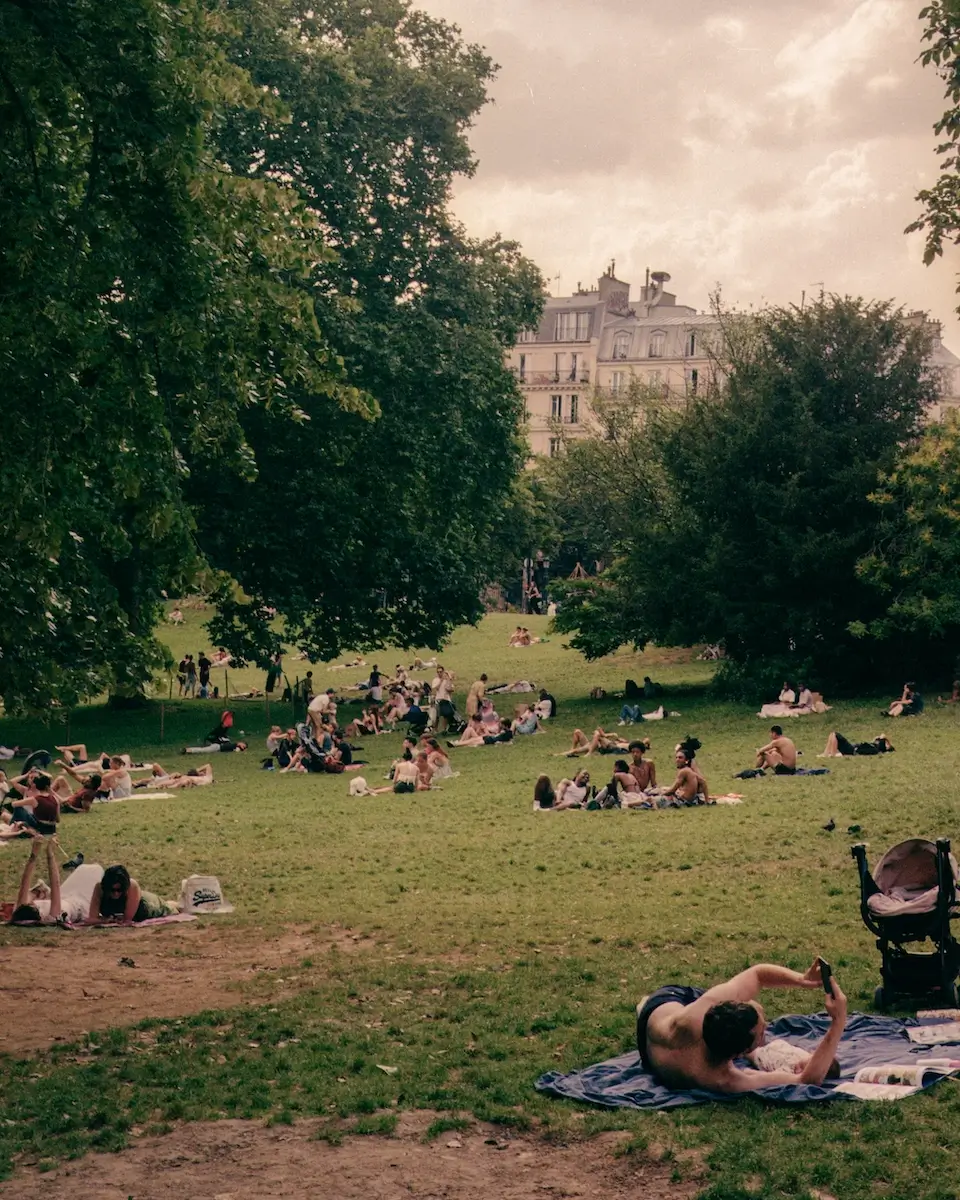
Alessandro Natali
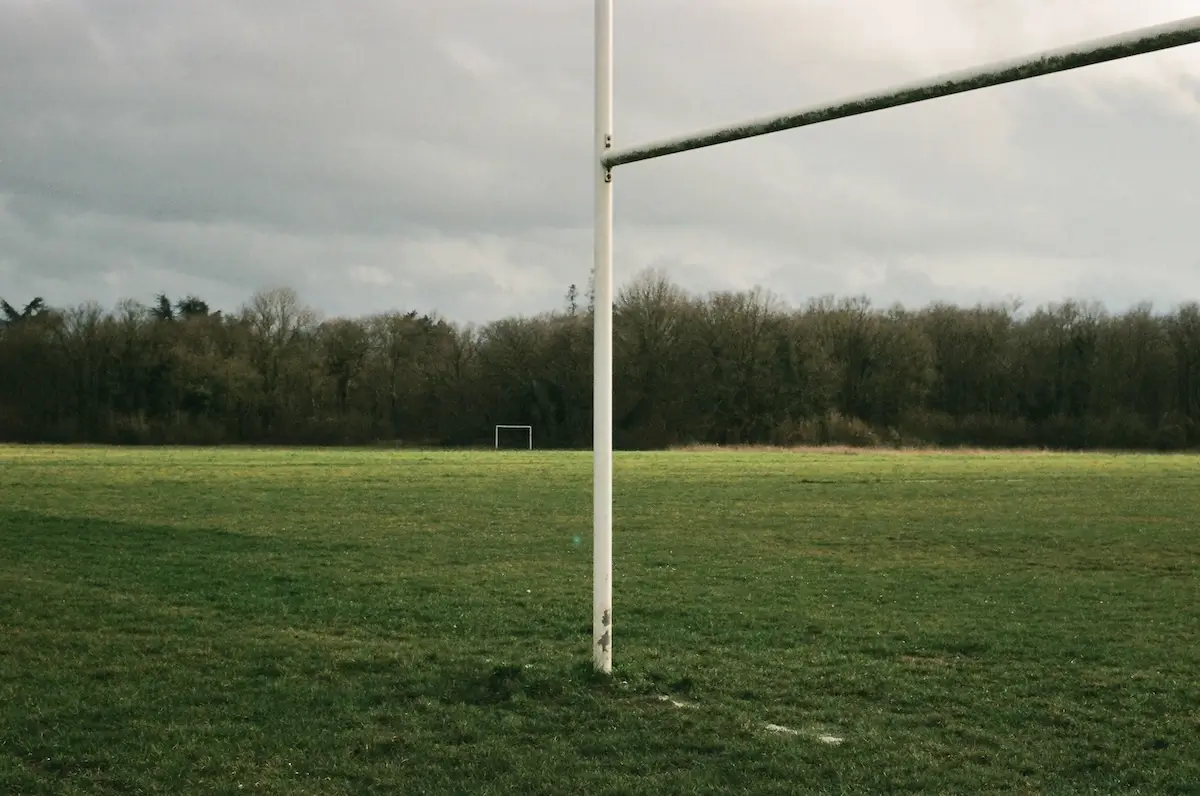
Alessandro Natali

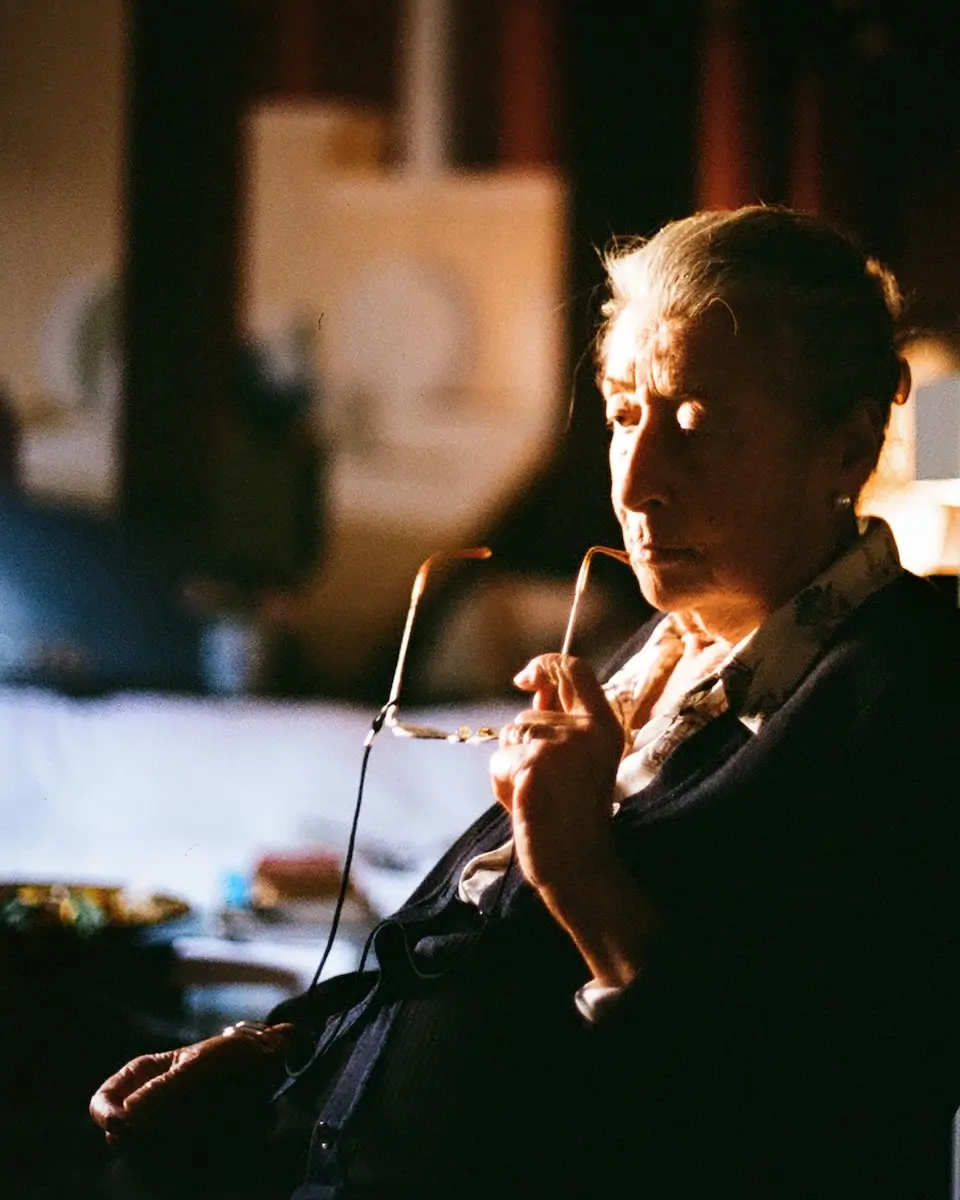
Alessandro Natali

Country: Italy
Birth: 1999

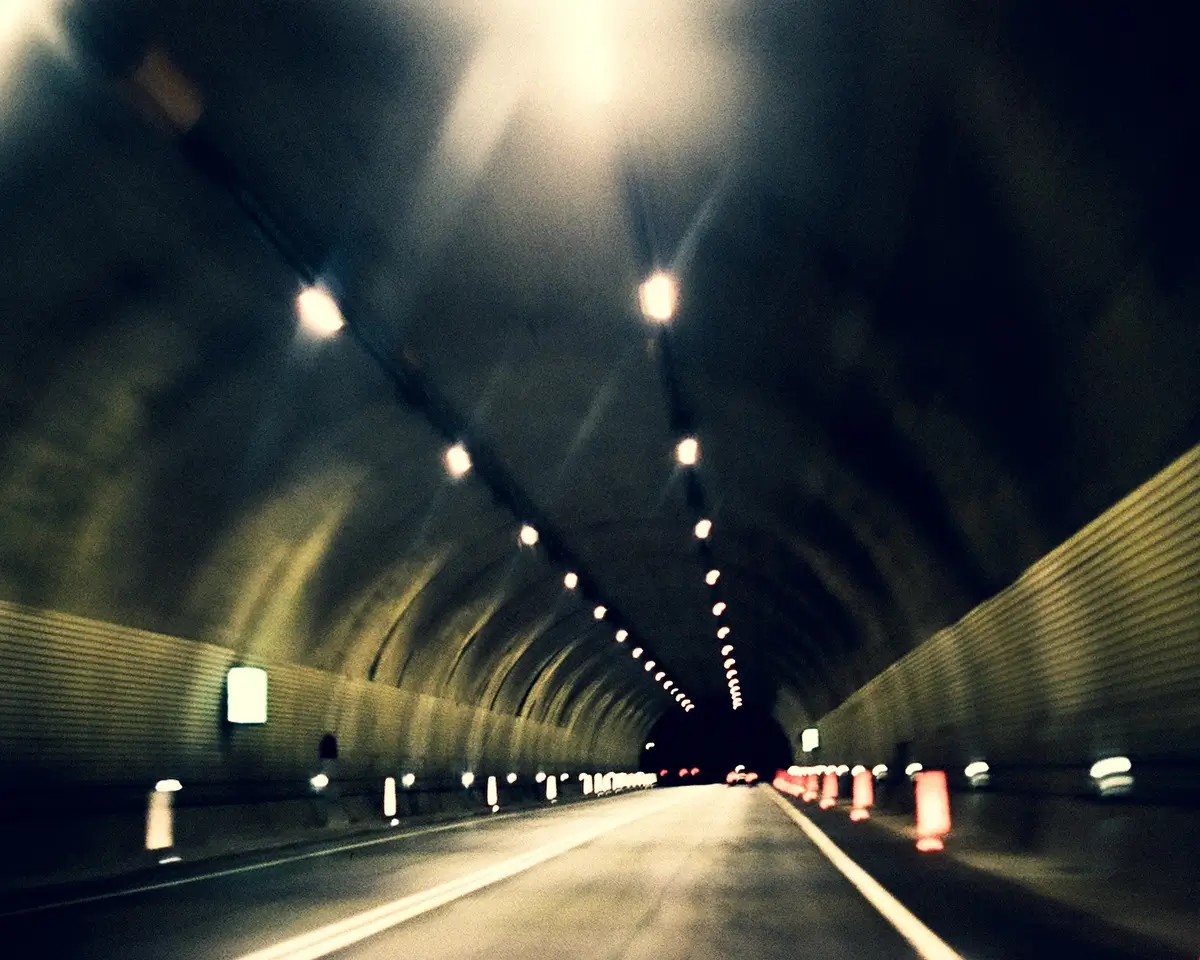
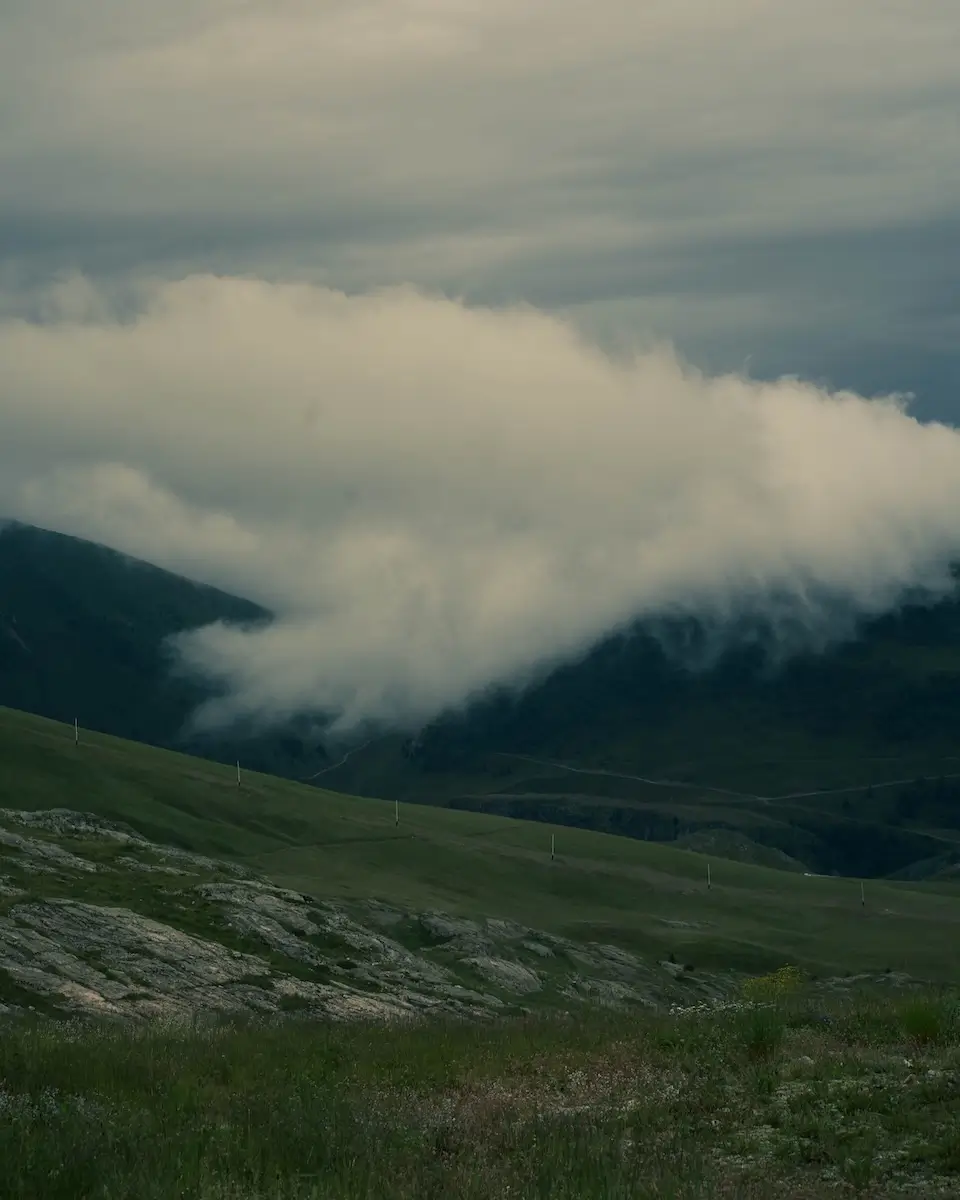
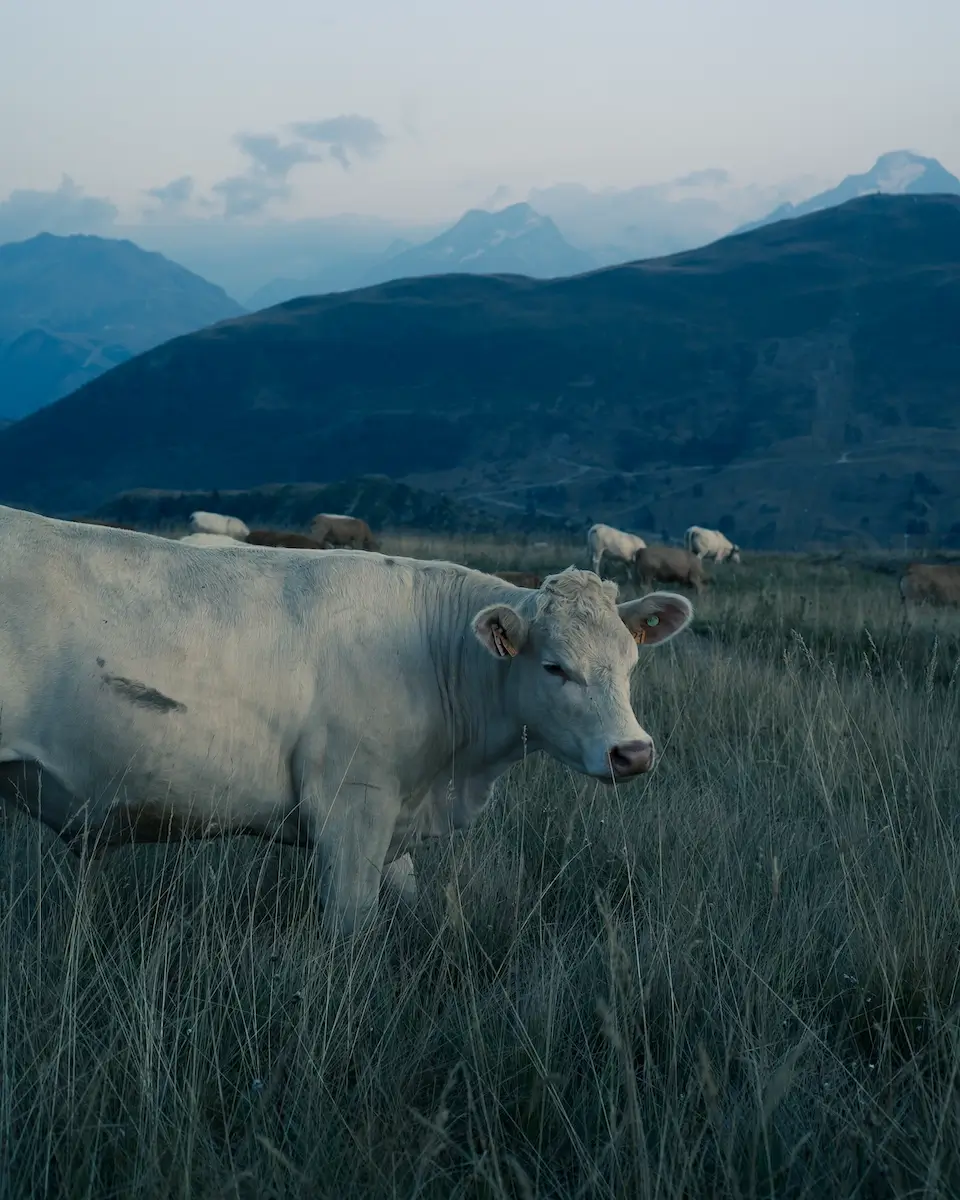
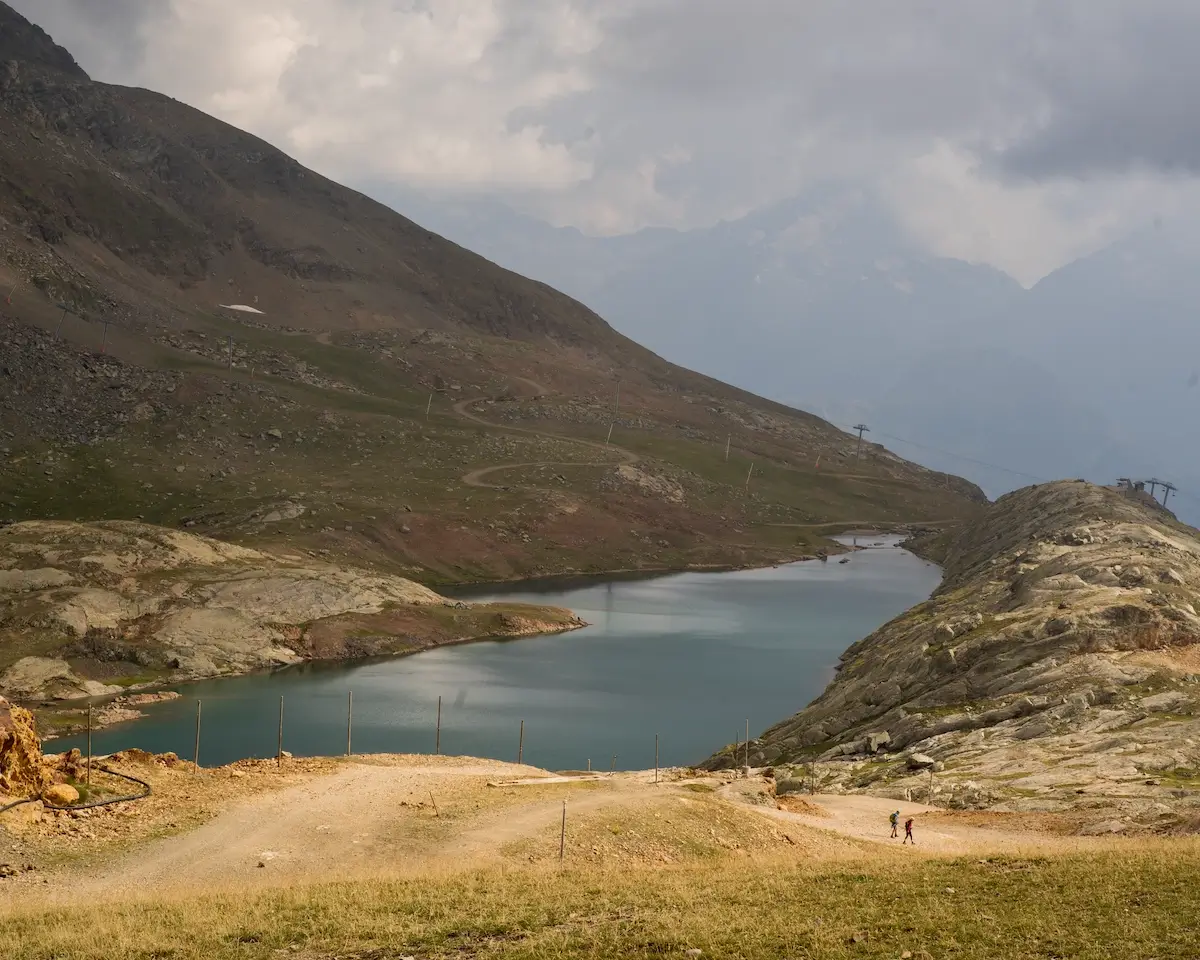
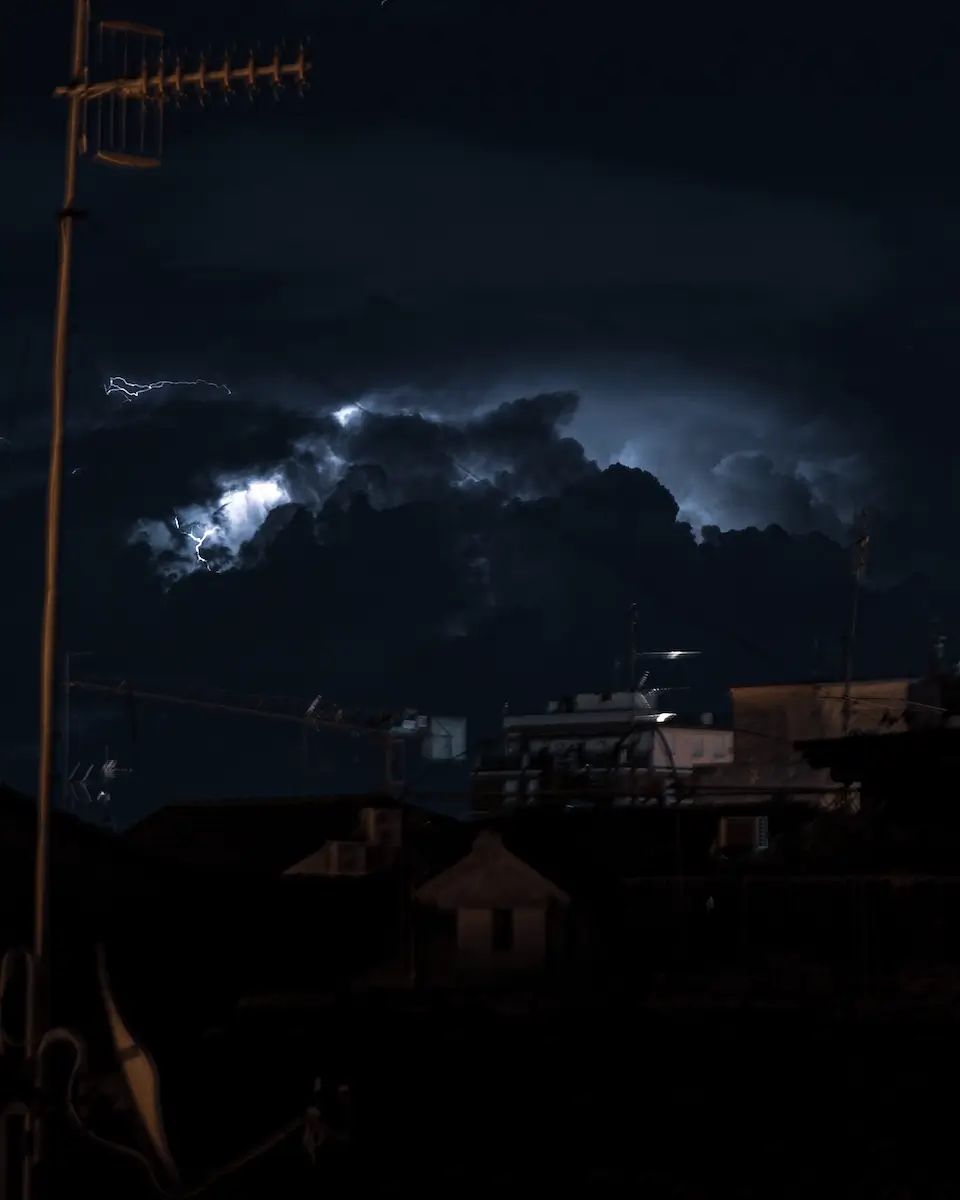
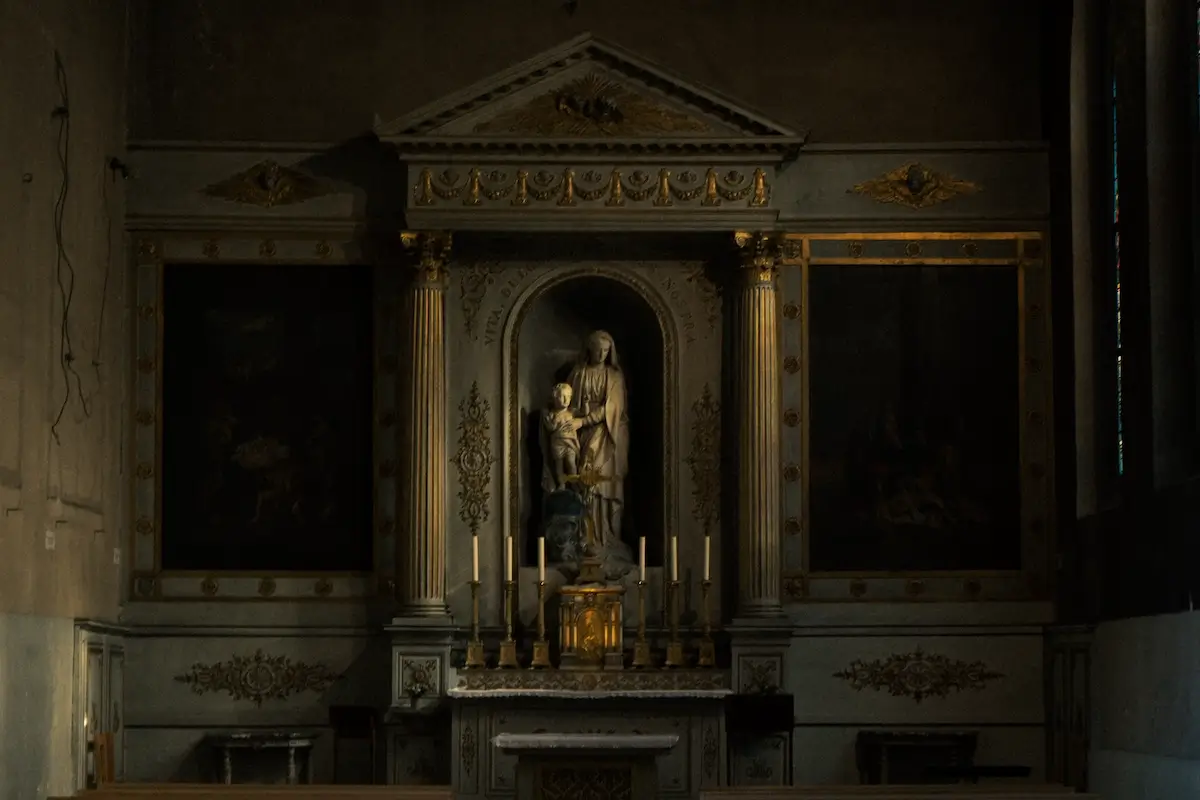
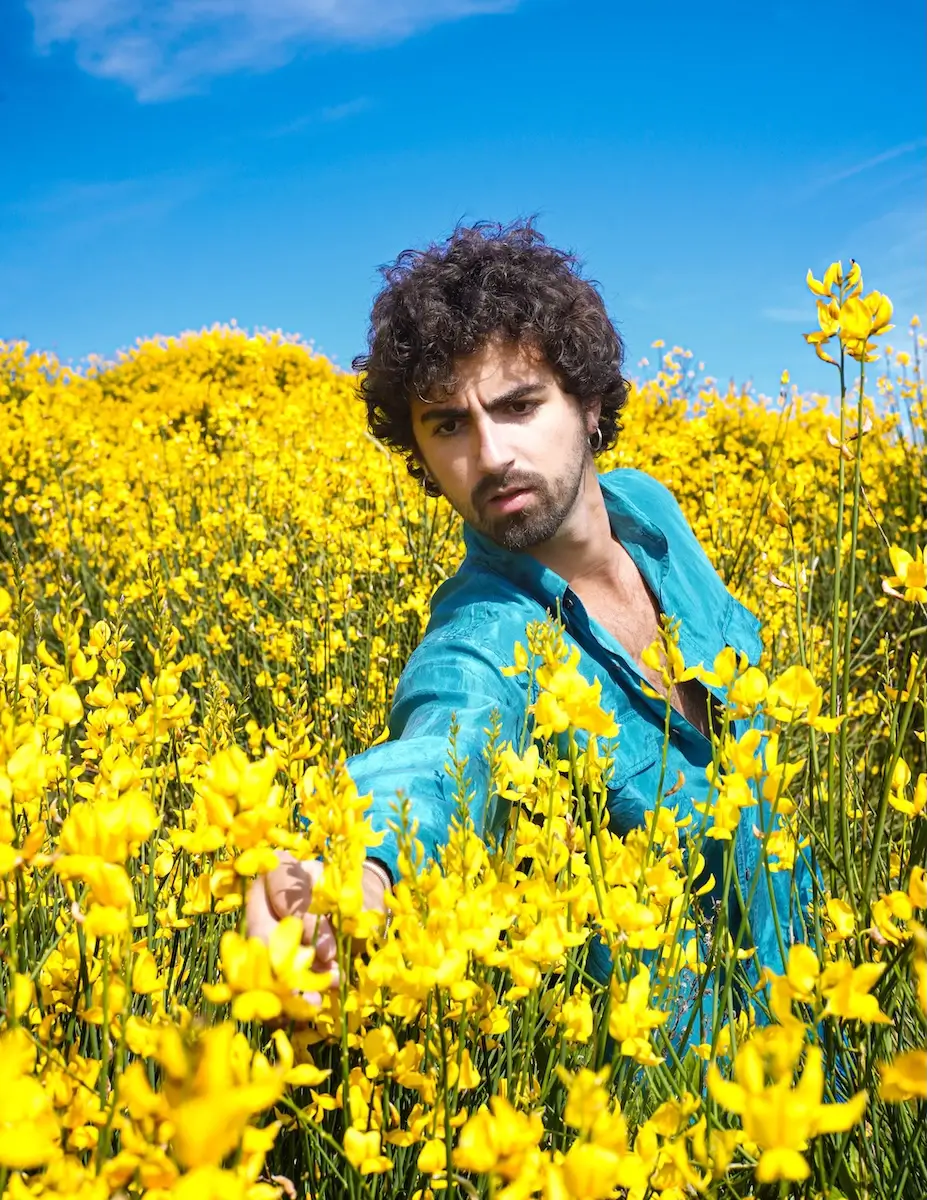
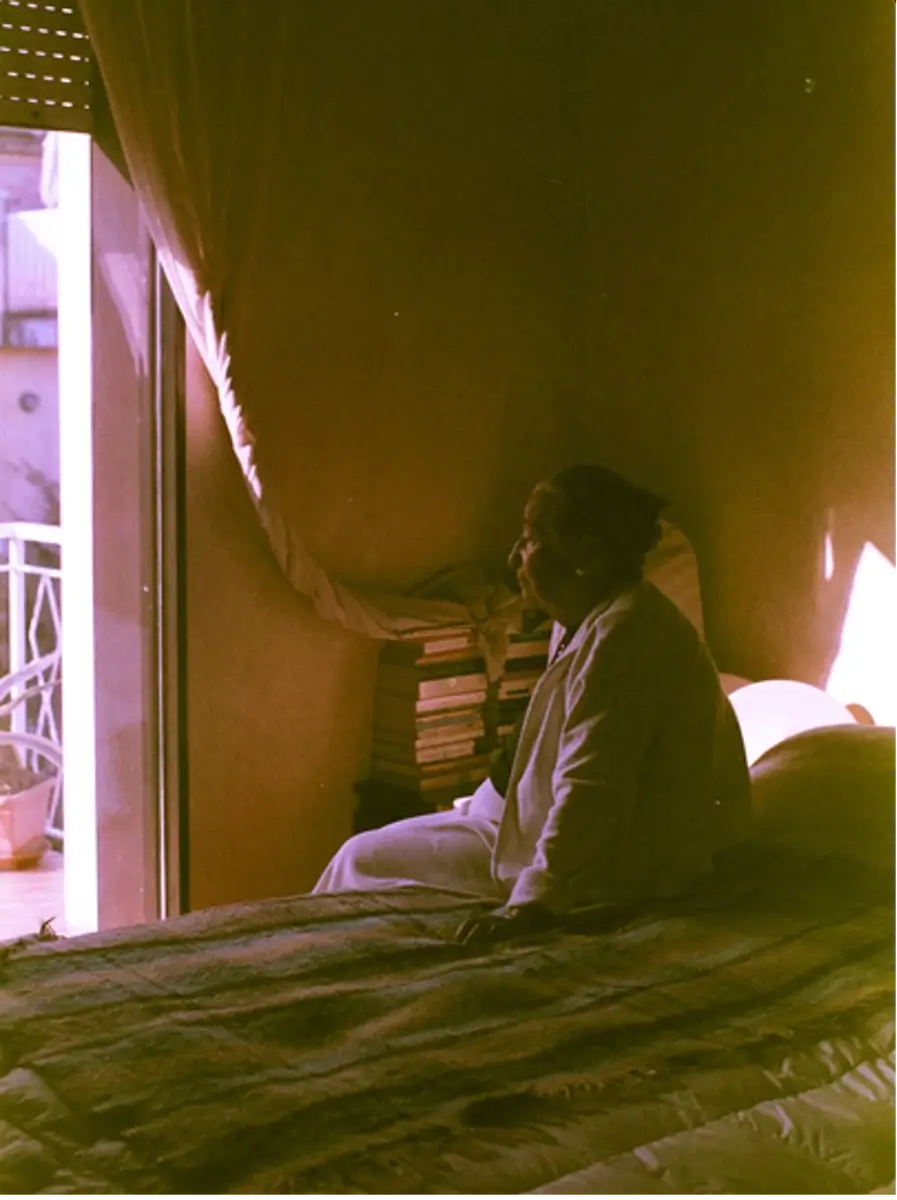
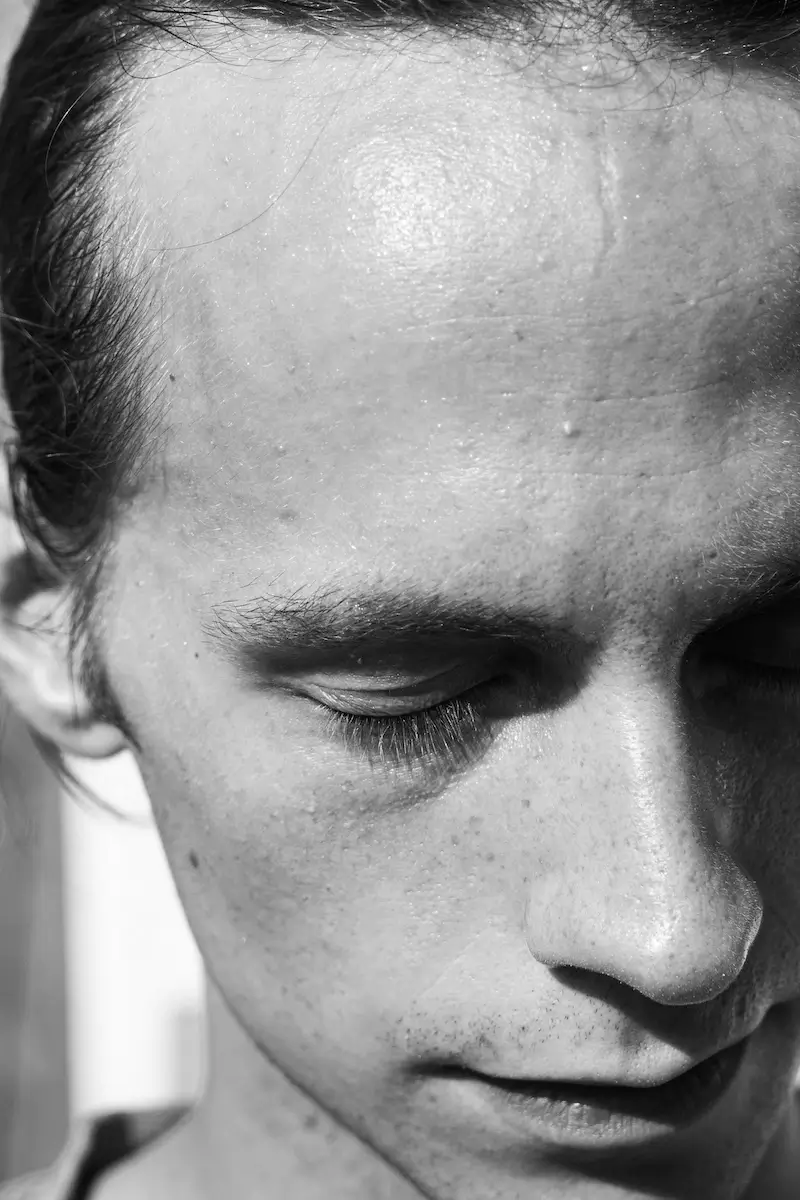
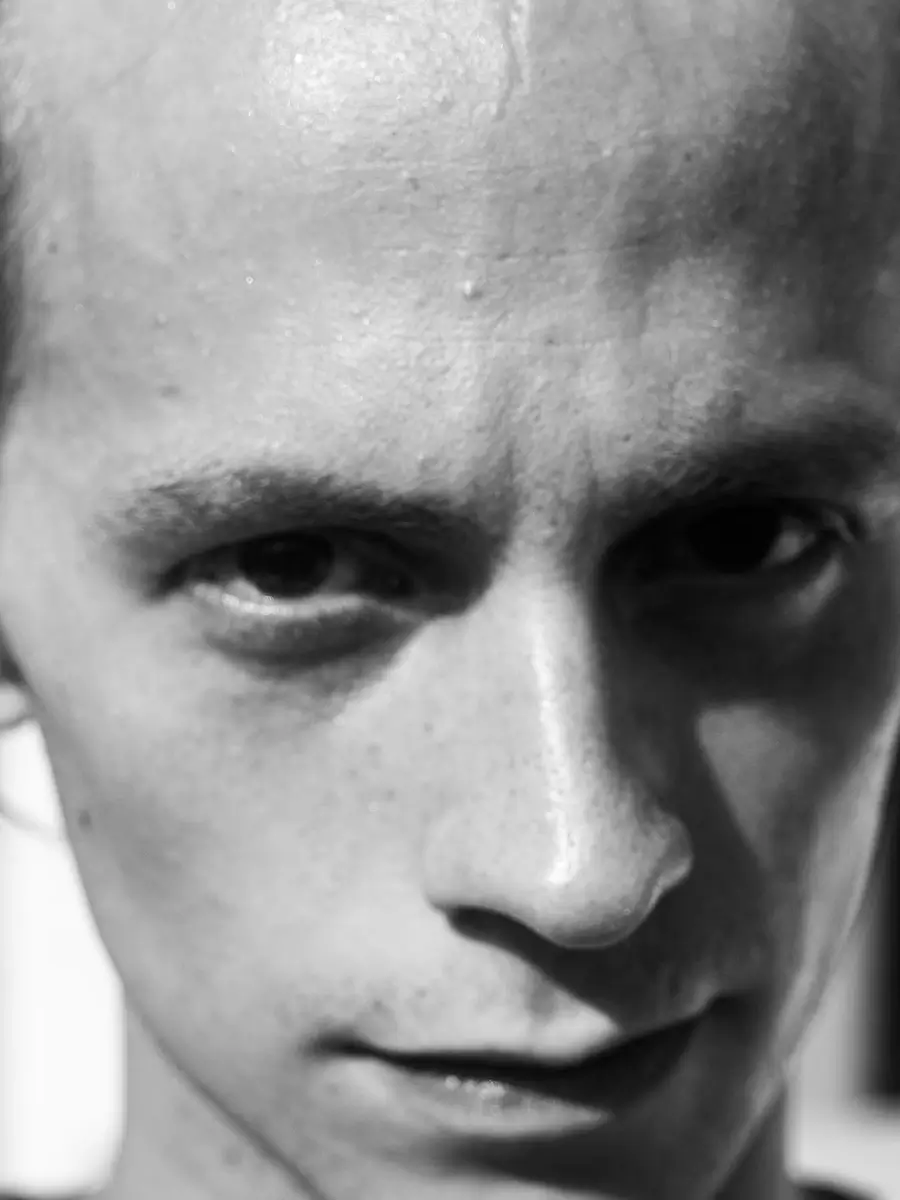
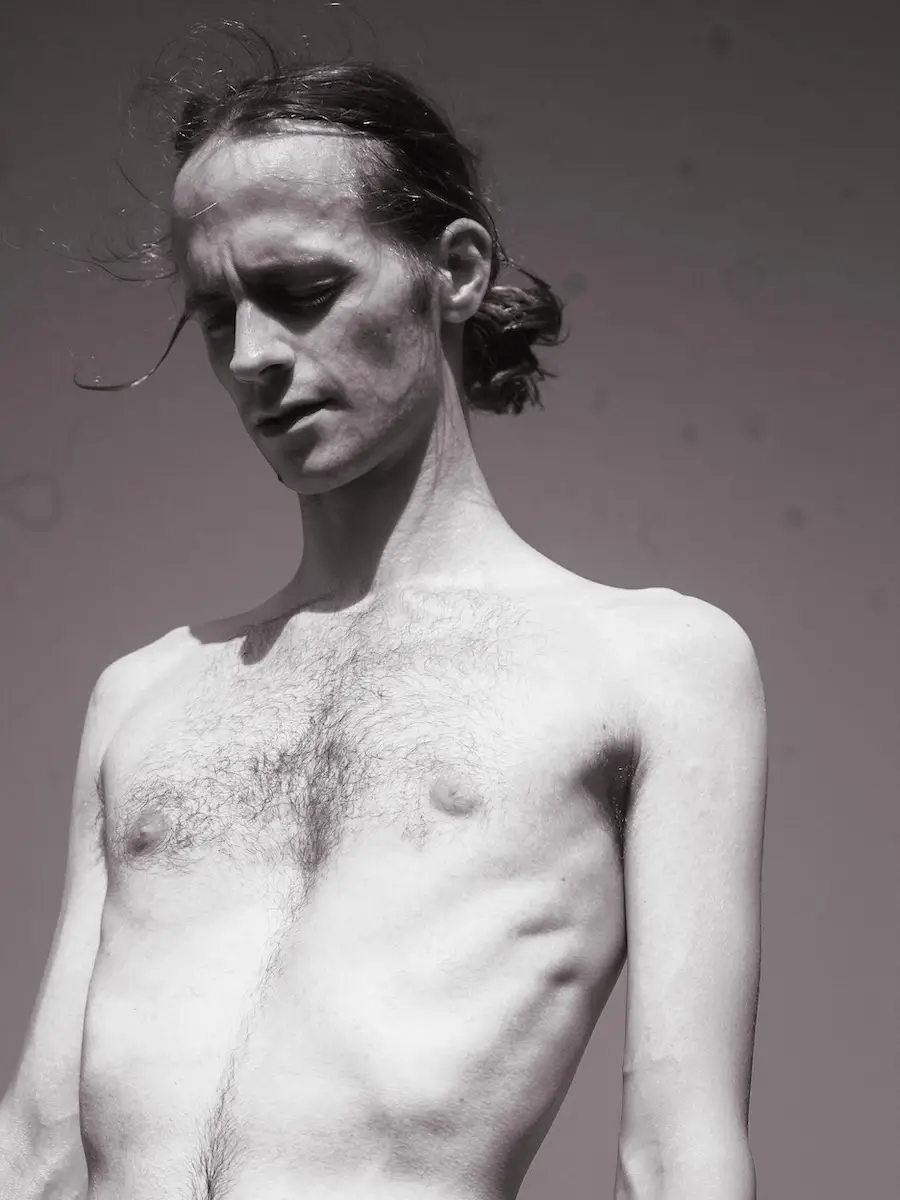
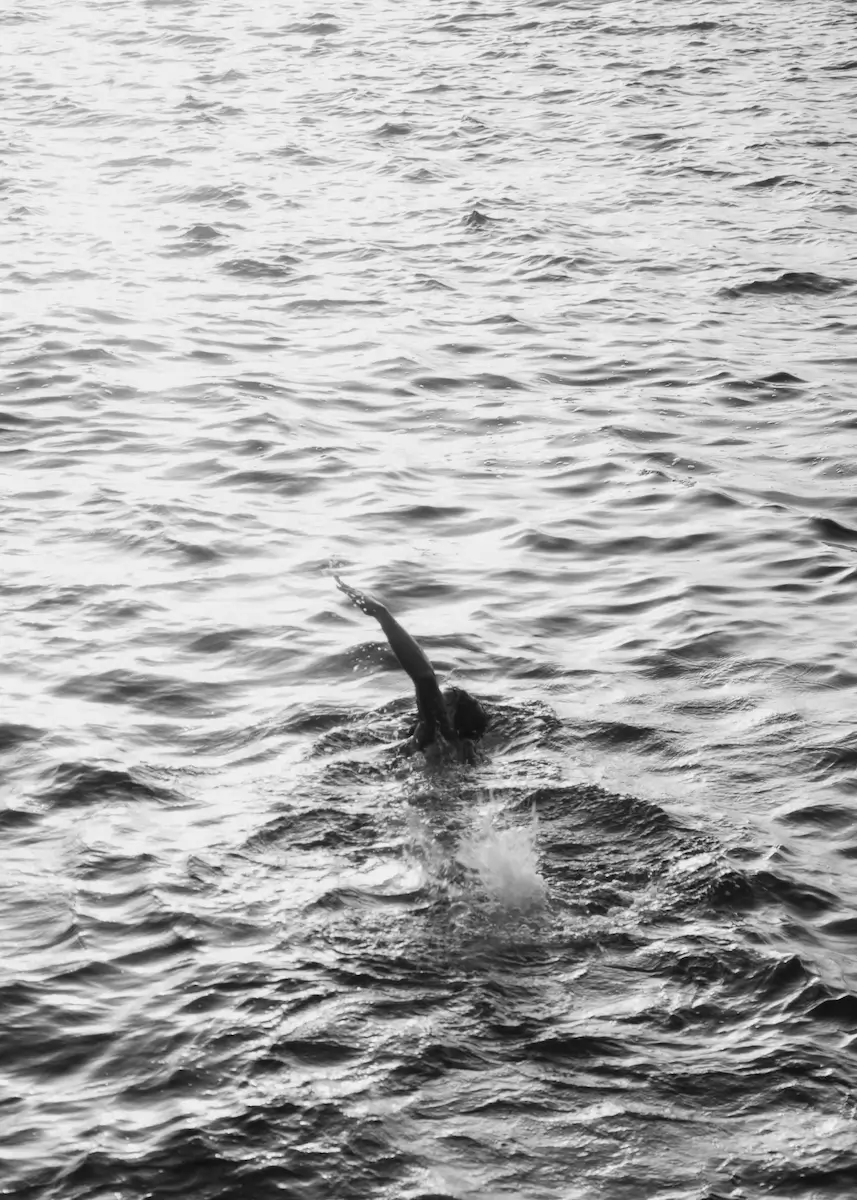
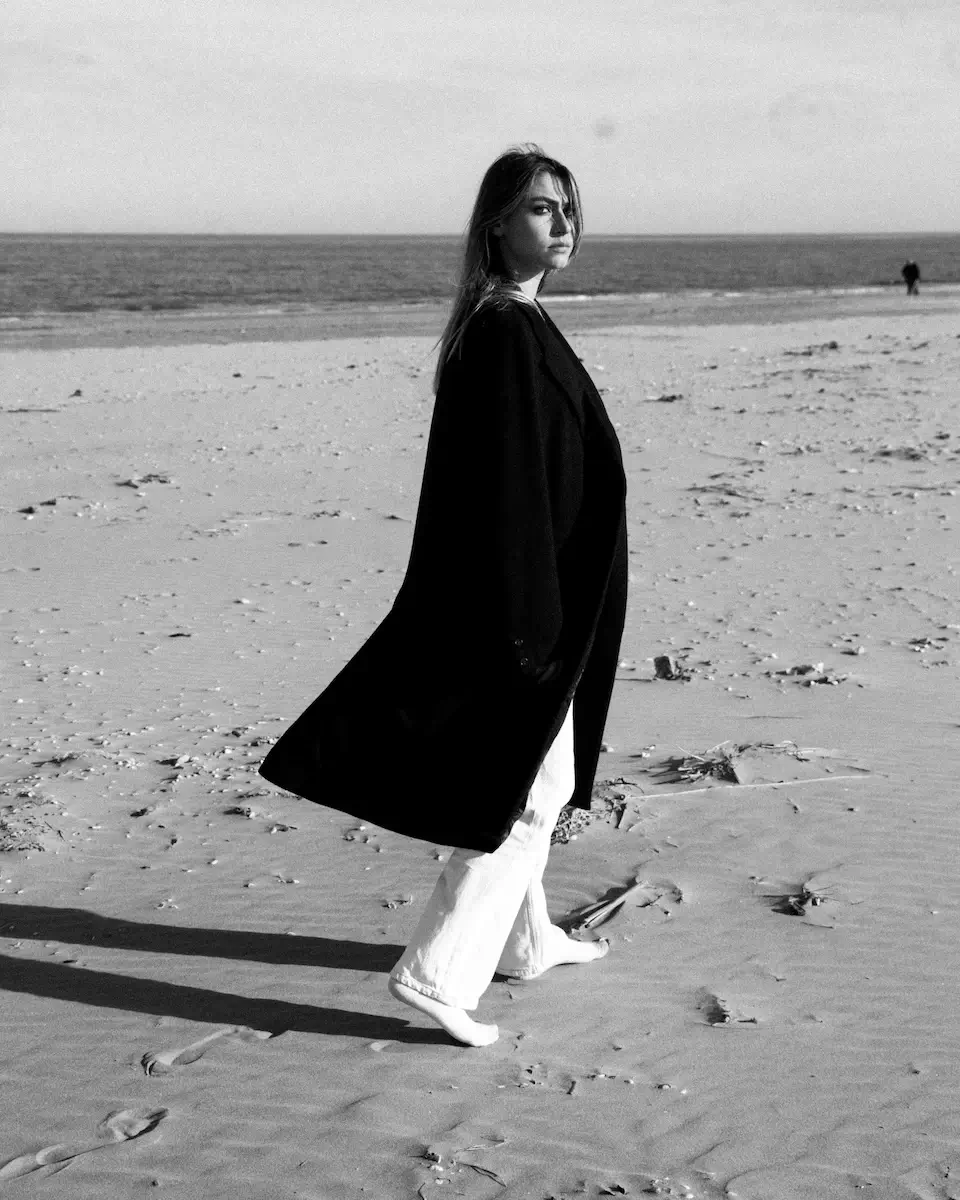
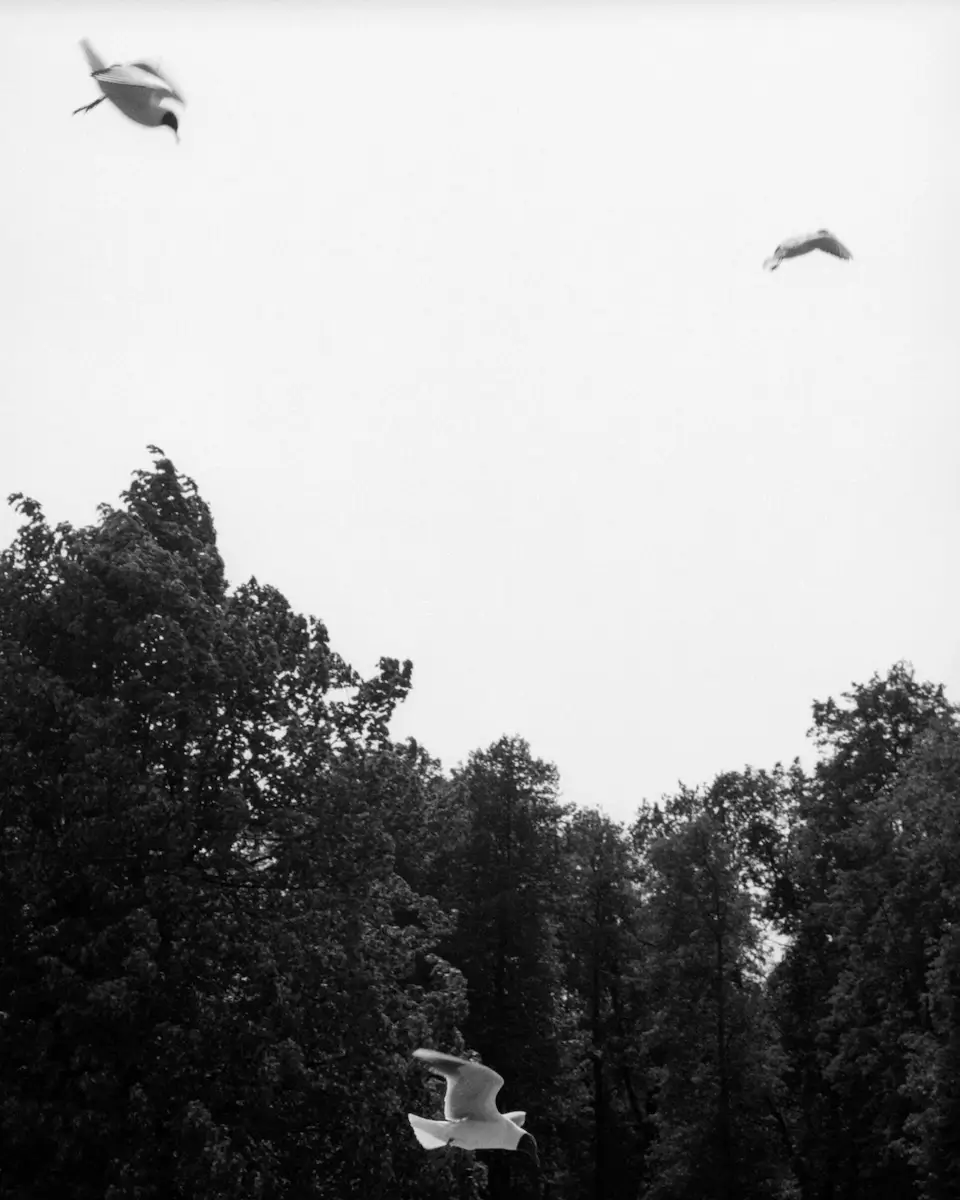
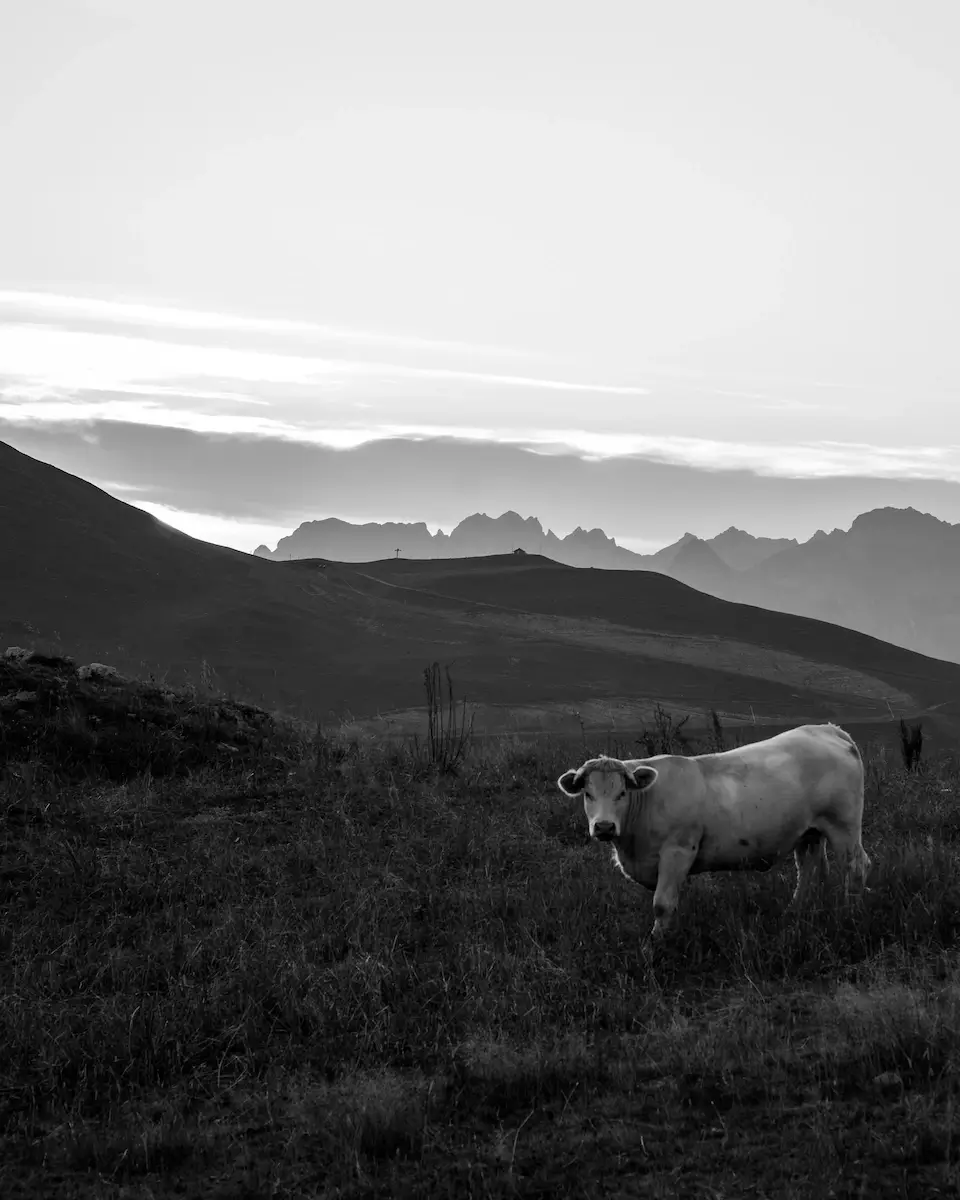
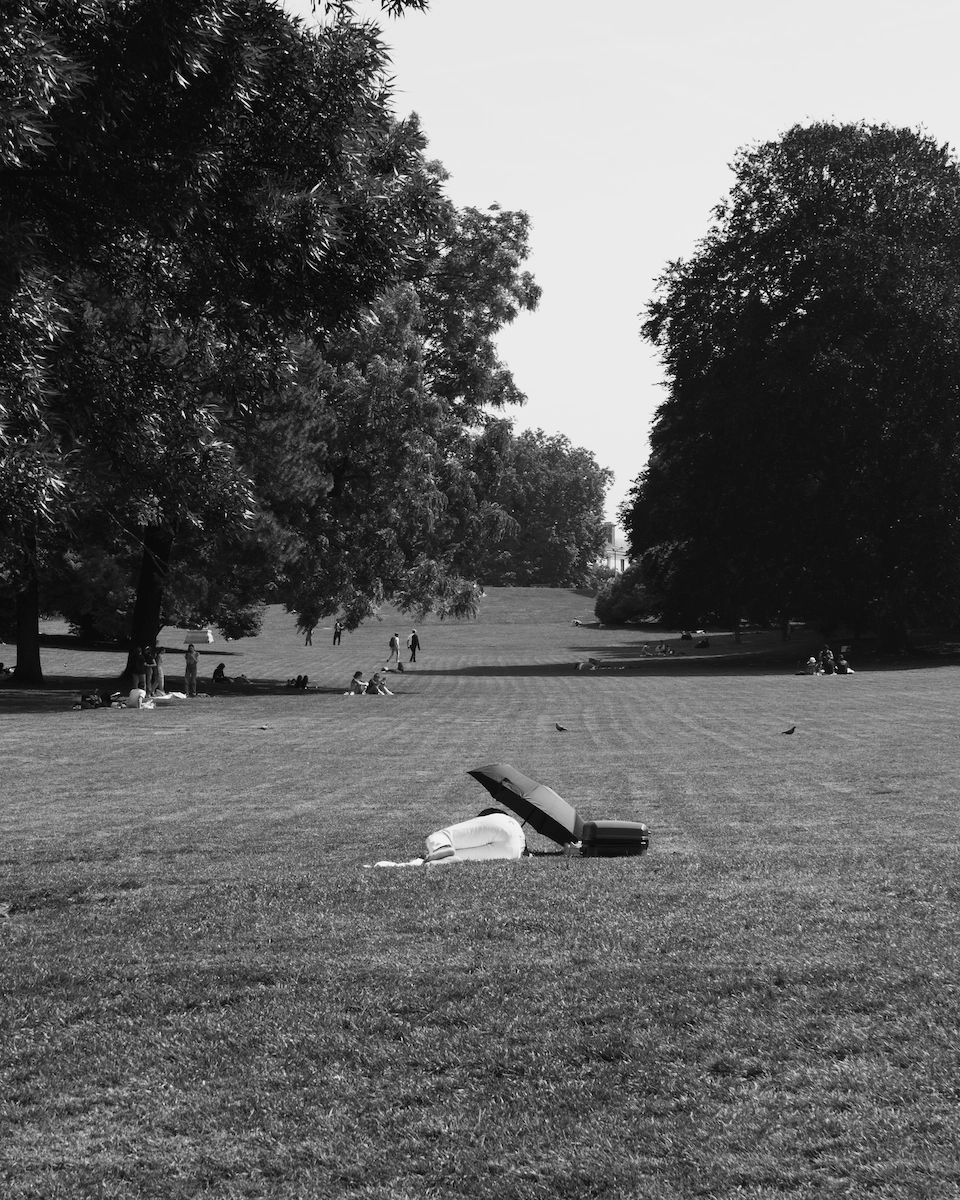
My name is Alessandro, a photographer from Rimini, Italy. Through photography, I explore my inner world and transform emotions into images where others can see themselves reflected. I believe photography is one of the strongest instruments we have to connect as human beings.

AAP Magazine

AAP Magazine 54 Nature
 

Inspiring Portfolios

Call for Entries
All About Photo Awards 2026
$5,000 Cash Prizes! Juror: Steve McCurry
 
Stay up-to-date  with call for entries, deadlines and other news about exhibitions, galleries, publications, & special events.

More Great Photographers To Discover

Kurt Markus
United States
1947
Kurt Markus, self-taught American photographer, was born in rural Montana. Markus is a nationally and internationally published photographer of "unique vision." He has won major awards for his editorial, advertising, and personal work. His photographs demonstrate “extraordinary vision and focus” and are critically renowned. Markus’s personal work began with a focus on American West Cowboys, which is perhaps his most acclaimed subject to this day. "His timeless photographs explore the rugged yet romantic spirit of the cowboy... Markus reveals an era that is all but forgotten today. In his photography, Markus documents a life style of solitude and difficulty, yet to the viewers, a sense of romance; a hard life of plain food, plain surroundings, horses, and exposure to the elements, and yet a simple life free of inherent stress... [He is] a truly amazing photographer of the fashion and travel industry". Since then, he has lived various lives as a photographer, making his mark in landscape, figure study, celebrity, fashion, sports, travel, and more. "Whatever the theme, he is most known for his sense of realism and his decidedly direct and not the least bit artificial approach". Although most of his career has been devoted to photography, he has also created music videos and films. In 1994, Kurt Markus was one of five photographers to participate in a special 25th anniversary edition of Rolling Stone presenting the living legends of rock-n-roll. In 1999, Markus won a Life Magazine Alfred Eisenstaedt Photography Award for his Rolling Stone "Sports Hall of Fame" shots of triathlete, Peter Kotland. In 2003, Markus filmed a music video and photographed the album art for Tori Amos's Scarlet's Walk. "Tori felt that Kurt's love for America went hand-in-hand with the theme." In 2006, Markus filmed Jewel's music video Goodbye Alice in Wonderland spontaneously, after a photo shoot at her Texas ranch. "The homegrown clip beautifully reflects both the song's organic, intimate sound and its powerfully autobiographical story." Markus shot the video entirely with a classic Super 8 camera. The New Yorker praises Markus's photographs in the Staley-Wise exhibition America the Beautiful (March 6 - May 9, 2009). "If anyone steals the show, it’s Kurt Markus, whose six photographs (many of cowboys) are quietly, unfailingly artful". In 2009, David Roberts published The Last of His Kind a biography about famous mountaineer Bradford Washburn. The biography features Markus's portrait of Bradford Washburn at age 93. Roberts says, "Kurt Markus's deft profile of Brad in 'Outside' remains the definitive assessment of Washburn as a master photographer." On July 2, 2009, Kurt Markus again set out with the classic Super 8 camera, this time with his son, Ian Markus, to create a documentary of John Mellencamp's 2009 summer tour and recording, called It's About You. While Kurt shot in 8mm, His son and assisting cameraman, Ian Markus, filmed digitally and captured sound. In 2010, Kurt Markus wrote his screenplay Deep Six. It has gone on to win Los Angeles Cinema Awards' "Merit Award" and Los Angeles Movie Awards' "Honorable Mention." Kurt Markus lives in Kalispell, Montana with his wife Maria. His sons, Weston and Ian, have both assisted him on major shoots and are currently continuing along their own paths in film and photography. "Both of his sons are interested in the world of photography and are following in their father's footsteps."Source: Wikipedia In his book Buckaroo, Markus reflected on himself and his profession, saying this: "I was not born to ranching. I was born a daydreamer, and I know of no slot for one of those on any ranch. At times I am saddened that I am not what I photograph. Always the observer, seldom the participant, what I am made of remains unanswered. My distance protects me, physically and emotionally; from getting as busted up as I ought to sometimes. Which is why you're not going to get the whole truth from me. I have entered into an unspoken, unwritten and generally inscrutable pact with the people I have photographed and lived among: if I promise not to tell all I know about them, they will do the same for me. In most cases, I have more to hide. My consolation is a simple-heartedness I would not exchange. The greenest cowboy alive has my respect, and I have no problem whatsoever photographing people who are possessed with the determination to do what I cannot. The awful truth is that I love all of cowboying, even when everything has gone wrong and it's not looking to get any better. Sometimes I especially like it that way."
Herman Leonard
United States
1923 | † 2010
Herman Leonard was born in 1923 in Allentown, Pennsylvania to Romanian immigrants. At the young age of 9, he first witnessed an image being developed in his brother's darkroom and became enthralled with the magic of photography. As the official photographer for his high school, Herman quickly learned that with a camera in hand, he had an "open sesame" to people and events, that his shyness might have prevented him from experiencing. When it came time for college, Herman chose Ohio University, "The only university at the time that could offer me a degree in Photography." His college studies were interrupted from 1943-1945, as Herman joined the United States Army and was sent to Burma with the 13th Mountain Medical Battalion. He had hoped to be a field photographer, but was ironically assigned as a combat anesthetist when he failed a test, which required him to identify the chemical ingredients of film developer. After the war, Herman returned to college and graduated in 1947 with a Bachelor of Fine Arts Degree. Upon graduation from Ohio University, he took a chance and drove to Ottawa, Canada in hopes of working with a famed portraiture photographer, Yousuf Karsh. Karsh was impressed with his determination and took him on as an apprentice. Herman assisted Karsh in the darkroom and with photographic sittings including, Martha Graham, Harry Truman, and Albert Einstein. Karsh's photographic advice to Leonard, "Tell the truth, but in terms to beauty." During a portrait session with Albert Einstein, Leonard questioned the professor about the connection between a musician and a mathematician. Einstein's response, "Improvisation." Leonard was inspired by these two influential men and applied their credos to his work. In 1948, Herman's passion for jazz brought him to New York City's Greenwich Village, where he set up a small studio at 220 Sullivan Street. He made his way into the swinging clubs of Broadway, 52nd Street and Harlem. With his camera as his free ticket, he offered to shoot publicity stills at the jazz clubs for admission. While shooting at The Royal Roost and Birdland, he quickly developed friendships with the some of the greats of jazz royalty, including Duke Ellington, Miles Davis, Dizzy Gillespie, Charlie Parker, Lena Horne, Billie Holiday, Louis Armstrong, Quincy Jones and many more. His stunning photographs began appearing in Downbeat and Metronome magazines, and on the covers of albums while working for jazz producer Norman Granz. In 1956, he was hired by Marlon Brando as his personal photographer and traveled with him on an extensive research trip throughout the Far East. Upon his return to NYC, he was offered a position at Barclay Records in Paris, France. He continued to photograph the prolific jazz scene, with many of the American jazz artists now living there, he also photographed many French recording artists such as Charles Aznavour, Jacques Brel, Eddy Mitchell and Johnny Hallyday. Paris would be his home for the next 25 years, working from his studio in Paris's Neuilly-sur-Seine neighborhood. He also had a successful career working in advertising, for fashion houses Yves St. Laurent and Dior, as well as many international magazines including Life, Time and early Playboy. In 1980, he left France for a more tranquil life, and moved his family to the Spanish island of Ibiza. During that time he rediscovered his jazz negatives that had been stored in a box under his bed, and in 1985 released his first book, The Eye of Jazz, published by Hachette/Filipachi Publications. In 1988 he moved to London where he had the first exhibition of his jazz photographs at the Special Photographers Company. After rave reviews by the London Times and the BBC, he became an overnight sensation, with 10,000 people coming to the small Notting Hill gallery to view his unseen images. The following year he premiered his first US show, which toured nationally. After living in Europe for over thirty years, he returned to the U.S. In 1992, an exhibit in New Orleans would change his life. He fell in love with the city and moved there to immerse himself in its vibrant and lively jazz scene. He continued to exhibit his work around the world in numerous solo shows. In 1995, Leonard released his second book, Jazz Memories, published by Editions Filipacchi, and in that same year was awarded an "Honorary Masters of Science in Photography" from The Brooks Institute of Photography. Other awards received at this time included the "Milt Hinton Award for Excellence in Jazz Photography," from Jazz Photographer's Association, the "Excellence in Photography Award" from the Jazz Journalists Association, and a "Lifetime Achievement Award" from Downbeat Magazine in 2004. In August 2005, Hurricane Katrina destroyed his home and studio when it was flooded with over 8 feet of water. The storm claimed his life's work, some 8,000 silver gelatin photographs that had been hand printed by him, a master printer in his own right. As the storm blew in, Leonard's crew had gathered the negatives and securely placed them in the care of the Ogden Museum of Southern Art, where they were stored in an upper level vault. At the age of 82, and with his city in ruins, he decided to move with his family to Los Angeles to reestablish his life and business. In 2006, he released his third book, Jazz, Giants, And Journeys: The Photography of Herman Leonard, published by Scala Publishers, Ltd. In the forward to the book, Quincy Jones wrote, "When people think of jazz, their mental picture is likely one of Herman's." Herman Leonard's photographs, now considered fine art collector's items, are a unique record of the jazz scene in the 1940's, 50's and 60's. Throughout his long life, he traveled and lived around the world, capturing images with his distinctive style. Whether he was photographing Miles Davis, Frank Sinatra, Louis Armstrong or a street musician in his home in New Orleans, Herman's smile, warmth and engaging personality continued to open doors for him and his camera; to reveal a world we might have missed. Certainly Herman Leonard's iconic photographs will long be remembered not only for their enduring historic significance, but also for their breathtaking artistic beauty. They are part of the permanent archives of the Smithsonian Museum in Washington, D.C., where they are considered as essential to American music history as Benny Goodman's clarinet or Louis Armstrong's trumpet. His legacy has continued to be honored with major touring exhibitions of his work including the GRAMMY Museum in Los Angeles, Jazz at Lincoln Center in NYC, the San Francisco Jazz Center (SFJAZZ), the National Portrait Gallery in Washington, DC, and The Clinton Presidential Center. President Bill Clinton has called Herman Leonard, "The greatest jazz photographer in the history of the genre." In the last years of his life, Herman Leonard's goal was to bring his entire jazz collection, comprising a visual documentation of America's original art form, back to life and preserve it for future generations. Source: hermanleonard.com
Shoji Ueda
Japan
1913 | † 2000
Shoji Ueda was a photographer of Tottori, Japan, who combined surrealist compositional elements with realistic depiction. Most of the work for which Ueda is widely known was photographed within a strip of about 350 km running from Igumi (on the border of Tottori and Hyogo) to Hagi (Yamaguchi). Ueda was born on 27 March 1913 in Sakai (now Sakaiminato), Tottori. His father was a manufacturer and seller of geta; Shoji was the only child who survived infancy. The boy received a camera from his father in 1930 and quickly became very involved in photography, submitting his photographs to magazines; his photograph Child on the Beach, Hama no kodomo) appeared in the December issue of Camera. In 1930 Ueda formed the photographic group Chugoku Shashinka Shudan with Ryosuke Ishizu, Kunio Masaoka, and Akira Nomura; from 1932 till 1937 the group exhibited its works four times at Konishiroku Hall in Nihonbashi, Tokyo. Ueda studied at the Oriental School of Photography in Tokyo in 1932 and returned to Sakai, opening a studio, Ueda Shashinjo, when only nineteen. Ueda married in 1935, and his wife helped him to run his photographic studio. His marriage was a happy one; his wife and their three children are recurring models in his works. Ueda was active as an amateur as well as a professional photographer, participating in various groups. In 1941 Ueda gave up photography, not wanting to become a military photographer. (Toward the end of the war, he was forced to photograph the result of a fire.) He resumed shortly after the war, and in 1947 he joined the Tokyo-based group Ginryusha. Ueda found the sand dunes of Tottori excellent backdrops for single and group portraits, typically in square format and until relatively late all in black and white. In 1949, inspired by Kineo Kuwabara, then the editor of Camera, Ueda photographed the dunes with Ken Domon and Yoichi Midorikawa. Some of these have Domon as a model, far from his gruff image. The photographs were first published in the September and October 1949 issues of Camera and have been frequently anthologized. Ueda started photographing nudes on the dunes in 1951, and from 1970 he used them as the backdrop for fashion photography. The postwar concentration on realism led by Domon, followed by the rejection of realism led by Shomei Tomatsu, sidelined Ueda's cool vision. Ueda participated in "Japanese Photography" at the New York Museum of Modern Art in 1960 and had solo exhibitions in Japan, but had to wait till a 1974 retrospective held in the Nikon Salon in Tokyo and Osaka before his return to popularity. Ueda remained based in Tottori, opening a studio and camera shop in Yonago in 1965, and in 1972 moving to a new three-storey building in Yonago. The building served as a base for local photographic life. From 1975 until 1994, Ueda was a professor at Kyushu Sangyo University. Critical and popular recognition came from the mid seventies. A succession of book-length collections of new and old appeared. Ueda weathered the death in 1983 of his wife, and continued working well into the 1990s. He died of a heart attack on 4 July 2000. The Shoji Ueda Museum of Photography (Ueda Shoji Shashin Bijutsukan), devoted to his works, opened in Kishimoto (now Hoki, near Yonago) Tottori Prefecture in 1995. Source: Wikipedia
William Heick
United States
1916 | † 2012
William Heick (October 6, 1916 – September 13, 2012) was a San Francisco-based photographer and filmmaker. He is best known for his ethnographic photographs and documentary films of North American Indian cultures. W.R. Heick served as producer-director and chief cinematographer for the Anthropology Department of the University of California, Berkeley on their National Science Foundation supported American Indian Film Project. His photographs capture the life and culture of Native Americans from the Kwakiutl, Kashaya Pomo, Hupa, Navajo, Blackfoot and Sioux. He filmed a number of award winning films in this series along with the documentaries Pomo Shaman and Sucking Doctor, a Pomo doctoring ceremony considered by anthropologists to be one of the most complete and outstanding films of an aboriginal ceremony made to date. William Heick's career in photography began as a naval intelligence photographer during World War Two in the Pacific. After the war he studied photography at California School of Fine Arts (now the San Francisco Art Institute) under such notable teachers as Ansel Adams and Minor White. He became lifelong friends with Imogen Cunningham and Dorothea Lange and regards these two photographers as the primary influences on his photographic work. William Heick filmed two documentaries about Pacific Northwest Indian tribes, Blunden Harbour (1951) and Dances of the Kwakiutl (1951). W.R. Heick worked through most of the 1950s and 1960s as producer-director, assistant historian and cinematographer for the worldwide engineering firm of Bechtel Corporation. While with Bechtel he wrote and filmed documentaries of their major projects with special emphasis on ethnic and social consideration in remote areas of the Arctic, South America, Africa, Greenland, Europe, The Middle East, Australia, Indonesia and the islands of New Guinea and Bougainville. From 1956 to 1964 Heick was involved with C. Cameron Macauley in the American Indian Film Project, a project to document Native American cultures through film and sound recordings, working closely with Alfred Kroeber and Samuel Barrett. William Heick produced two documentaries for the Quakers. Beauty for Ashes documents the Quaker's project to rebuild 40 churches that had been burned by nightriders during Mississippi's racial strife in the turbulent 1960s. Voyage of the Phoenix documents the controversial voyage of the yacht Phoenix, which sailed through the American battle fleet during the Vietnam War to deliver medical supplies to North Vietnam when the bombing of that beleaguered country was at its peak. In the late 1960s and early 1970s W.R. Heick served as cinematographer on three feature films, all for the director/artist Fredric Hobbs: Troika (1969, co-directed by Gordon Mueller), Alabama's Ghost (1973), and The Godmonster of Indian Flat (1973). During the mid-1970s, working as an independent producer with Gordon Mueller, W.R. Heick produced the Indonesian Dance Series. This series, funded with grants from Caltex Pacific Indonesia and Pertamina, documents fourteen traditional dance performances from the islands of Java, Bali, Sumatra and Kalimantan. W.R. Heick's later films include The Other China, a four-part mini-series filmed on location in Taiwan in 1988 documenting the social and cultural fabric of Taiwan. His fine art photography has been exhibited at the San Francisco Museum of Modern Art, the California Palace of the Legion of Honor, the de Young Museum, the Seattle Museum of Art, the Henry Gallery (University of Washington), the Phoebe A. Hearst Museum of Anthropology, and the University Art Gallery (Cal State at Chico) among others. His photographs have been selected for the permanent collections of the Museum of Modern Art, New York, the Smithsonian Institution, the High Museum of Art, Atlanta, the Santa Barbara Museum of Art, and the Monterey Peninsula Museum of Art. In a published Art Scene review Monterey landscape artist and art critic Rick Deregon wrote: "The special qualities of W.R. Heick's images come from the simple relationship between the photographer and subject. With no agenda other than to capture the decisive inspirational moment and to illustrate the human parade Mr. Heick's work transcends straight journalism and aspires to an art of nobility and compassion."Source: Wikipedia William Heick was born October 6th, 1916. Spanning seven decades, Heick's career in photography and filmmaking has covered locations all over the world. Heick grew up in Kentucky and attended the University of Cincinnati. He married Jeanne Ridge in 1942, and served as a naval intelligence photographer in the Pacific during World War II. After the war, he continued his education at San Francisco State University. He also attended the California School of Fine Arts (now known as the San Francisco Art Institute), where he studied photography, painting, and sculpture under distinguished instructors such as Ansel Adams and Minor White. It was during this period that he met and made lifelong friends with photographers Imogen Cunningham and Dorothea Lange, both of whom he regards as primary influences on his photographic work. His fine art photography has been exhibited in institutions such as San Francisco Museum of Modern Art, DeYoung Museum, and Seattle Museum of Art, among many others. He has produced over 200 films and thousands of photographs. At the age of 94, when asked to sum up his prolific career, he simply stated, "it sure beats working!"Source: Peter Fetterman Gallery
Bruce Gilden
United States
1946
An Iconic street photographer with a unique style, Bruce Gilden was born in Brooklyn, New York in 1946. He first went to Penn State University but he found his sociology courses too boring for his temperament and he quit college. Gilden briefly toyed with the idea of being an actor but in 1967, he decided to buy a camera and to become a photographer. Although he did attend some evening classes at the School of Visual Arts in New York, Bruce Gilden is to be considered substantially a self-taught photographer. Right from childhood, he has always been fascinated by the life on thestreets and the complicated and fascinating motion it involves, and this was the spark that inspired his first long-term personal projects, photographing in Coney Island and then during theMardi Gras in New Orleans. Over the years he has produced long and detailed photographic projects in New York, Haiti, France, Ireland, India, Russia, Japan, England and now in America. Since the seventies his work has been exhibited in museum and art galleries all over the world and is part of many collections. The photographic style of Bruce Gilden is defined by the dynamic accent of his pictures, his special graphic qualities, and his original and direct manner of shooting the faces of passers-by with a flash. Gilden’s powerful images in black and white and now in color have brought the Magnum photographer worldwide fame.Gilden has received many awards and grants for his work, including National Endowments for the Arts fellowships (1980, 1984 and 1992), French ''Villa Medicis Hors les Murs'' grant (1995), grants from the New York State Foundation for the Arts (1979, 1992 and 2000), a Japan Foundation Artist Fellowship (1999) and in 2013 a Guggenheim Foundation fellowship.Bruce Gilden has published 23 monographs of his work, among them: Facing New York, 1992; Bleus, 1994; Haiti, 1996 (European Publishers Award for Photography); After The Off, 1999; Go, 2000; Coney Island, 2002; A Beautiful Catastrophe, 2004; Foreclosures, 2013; A complete Examination of Middlesex, 2014. In 2015, Gilden published Face, and Hey Mister Throw Me Some Beads! Un Nouveau Regard Sur la Mobilité Urbaine featuring the commission he did for the French transporation system RATP was released in April 2016. Only God Can Judge Me 2018, Lost And Found 2019, Palermo Gilden 2020, Cherry Blossom 2021.   Bruce Gilden joined Magnum Photos in 1998. He lives in Beacon, New York. Source: www.brucegilden.com Bruce Gilden is one of the most iconic street photographers of our time. Known for his graphic and often confrontational close-ups made using flash, his images have a degree of intimacy and directness that have become a signature in his work. Though he cut his teeth on the sidewalks of New York City where he grew up, he has since made significant bodies of work in Haiti, Japan, Moscow, France, Ireland and India. “I’m known for taking pictures very close,” says Gilden of his practice. “And the older I get, the closer I get.” Gilden was born in Brooklyn, New York in 1946. He studied sociology at Penn State University but didn’t complete the course. Although he briefly flirted with the idea of being an actor, Gilden decided to become a photographer in 1967, when he bought his first camera. He attended evening classes at the School of Visual Arts in New York, but largely considers himself to be self-taught. As well as his many acclaimed personal projects, Gilden has worked on commissions for Louis Vuitton, RATP Parisian transportation system, The Climate Group, and Mission Photographique Transmanche as well as publications including Wallpaper, New York Times Magazine. Gilden has received many awards and grants for his work, including National Endowments for the Arts fellowships (1980, 1984 and 1992), French “Villa Medicis Hors les Murs” grant (1995), grants from the New York State Foundation for the Arts (1979, 1992 and 2000), a Japan Foundation Artist Fellowship (1999) and in 2013 a Guggenheim Foundation fellowship. Since the seventies, his work has been exhibited in museums and galleries all over the world.Source: Magnum Photos
Laura Aguilar
Mexico/United States
1959 | † 2018
Laura Aguilar, a pioneering photographer, used her lens as a powerful tool for social empowerment and representation. Born with a keen eye and a deep sense of empathy, Aguilar sought to challenge the traditional narratives of art history by capturing the beauty and dignity of marginalized communities often overlooked by mainstream society. Aguilar's work defied convention, focusing on subjects that had long been excluded from the artistic canon. From lesbians and Latinas to individuals with disabilities and those whose bodies did not conform to societal norms, Aguilar fearlessly confronted stereotypes and celebrated the diversity of human experience. Her photographs were a testament to the strength, resilience, and inherent worth of each individual, regardless of their background or identity. I wouldn't know what to do with the perfect body. Can we get comfortable with the imperfections? – Laura Aguilar What set Aguilar apart as an artist was not only her choice of subjects but also her meticulous attention to the formal aspects of photography. Drawing inspiration from both modernist and Social Documentary traditions, Aguilar infused her work with a unique perspective informed by her own lived experience as a lesbian Latina. Through her lens, she sought to capture the essence of her subjects in a way that transcended superficial appearances, inviting viewers to connect with the humanity and complexity of each individual. Above all, Aguilar viewed art as a means of giving voice to those who had been silenced or marginalized. Her photographs served as a powerful form of advocacy, challenging viewers to confront their own biases and preconceptions while fostering empathy and understanding. Through her art, Aguilar sought to create a more inclusive and compassionate society, one where all individuals were valued and respected for who they are. I know some people see me as very childlike, naïve. Maybe so. I am. But I will be damned if I let this part of me die! – Laura Aguilar Despite facing obstacles and adversity throughout her life, Aguilar remained steadfast in her commitment to social justice and equality. Her work continues to inspire and provoke, reminding us of the importance of representation and the transformative power of art. Laura Aguilar's legacy lives on through her photographs, which serve as a testament to the enduring strength of the human spirit and the possibility of positive change.
Advertisement
All About Photo Awards 2026
Win a Solo Exhibition in March
All About Photo Awards 2026

Latest Interviews

Exclusive Interview with Anastasia Samoylova
Anastasia Samoylova is an American artist whose photographic practice is shaped by close observation and a deep attentiveness to place. Working between documentary and formal exploration, she photographs landscapes, architecture, and everyday scenes with a sensitivity to light, structure, and atmosphere. Since relocating to Miami in 2016, her work has increasingly focused on how environments—both natural and built—carry social, cultural, and emotional traces. We asked her a few questions about her practice and her way of seeing, to better understand the thoughts and experiences that shape her work—while allowing the images themselves to remain open and speak in their own time.
Exclusive Interview with Marijn Fidder
Marijn Fidder is a Dutch documentary photographer whose work powerfully engages with current affairs and contemporary social issues. Driven by a deep sense of social justice, she uses photography to speak on behalf of the voiceless and to advocate for the rights of those who are most vulnerable. Her images have been widely published in major international outlets including National Geographic, CNN Style, NRC Handelsblad, Volkskrant, GUP New Talent, and ZEIT Magazin. Her long-term commitment to disability rights—particularly through years of work in Uganda—culminated in her acclaimed project Inclusive Nation, which earned her the title of Photographer of the Year 2025 at the All About Photo Awards. She is also the recipient of multiple prestigious honors, including awards from World Press Photo and the Global Peace Photo Award. We asked her a few questions about her life and work.
Exclusive Interview with Josh S. Rose
Josh S. Rose is a multidisciplinary artist working across photography, film, and writing. His practice bridges visual and performing arts, with a strong focus on movement, emotion, and the expressive potential of the image. Known for his long-standing collaborations with leading dance companies and performers, Rose brings together authenticity and precise composition—a balance he describes as “technical romanticism.” His work has been commissioned and exhibited internationally, appearing in outlets such as Vogue, at the Super Bowl, in film festivals, and most recently as a large-scale installation for Lincoln Center for the Performing Arts. A sought-after collaborator, he has worked with major artists, cultural institutions, and brands, following a previous career as Chief Creative Officer at Interpublic Group and the founder of Humans Are Social. We asked him a few questions about his life and work.
Interview with Maureen Ruddy Burkhart
Photographer Maureen Ruddy Burkhart brings a quietly attentive and deeply human sensibility to her exploration of the world through images. Shaped by a life immersed in photography, film, and visual storytelling, her work is guided by intuition, observation, and an enduring interest in the emotional undercurrents of everyday life. With a practice rooted in both fine art traditions and documentary awareness, she approaches her subjects with sensitivity, allowing subtle moments to emerge naturally rather than be imposed. Her series Til Death, selected as the Solo Exhibition for February 2025, reflects this long-standing commitment to photography as a space for reflection rather than spectacle. Drawn to moments that exist just outside the expected frame, Burkhart’s images suggest narratives without resolving them, leaving room for ambiguity, humor, and quiet connection. We asked her a few questions about her life and work.
Exclusive Interview with Peter Ydeen
Winner of AAP Magazine #45 Travels, his series reflects this unique vision—capturing the spirit of place through subtle layers of light, color, and emotion. Whether traveling abroad or observing the rhythms of his own surroundings, Ydeen creates images that feel both grounded and enchanted, inviting viewers into a world where reality and reverie meet.
Exclusive Interview with Julie Wang
Chinese-born photographer Julie Wang brings a poetic, contemplative sensitivity to her visual exploration of the world. Having lived for nearly equal parts of her life in China, Europe, and the United States, she approaches her subjects with the nuanced perspective of someone shaped by many cultures. This blend of distance, curiosity, and emotional resonance infuses her work with a quiet depth, allowing her to reveal the fragile beauty and subtle tensions that often pass unnoticed.
Exclusive Interview with Ghawam Kouchaki
American photographer Ghawam Kouchaki brings a sharply observant and introspective gaze to the streets of Japan’s capital. Based in Los Angeles, he approaches Tokyo with the distance — and curiosity — of an outsider, allowing him to uncover the city’s subtle contradictions, quiet tensions, and fleeting gestures that often go unnoticed. His series Tokyo no no, selected as the Solo Exhibition for December 2024, explores the hidden undercurrents of urban life: the unspoken rules, the small ruptures in routine, the poetic strangeness found in everyday moments. Through muted tones, instinctive timing, and meticulous framing, Kouchaki reveals a Tokyo that exists somewhere between reality and imagination — both intimate and enigmatic. We asked him a few questions about his life and work.
Exclusive Interview with Tommi Viitala
Tommi Viitala, winner of AAP Magazine #44: Street, is a Finnish photographer celebrated for his striking and cinematic street photography. With a keen eye for atmosphere and composition, he captures fleeting urban moments that reveal the poetry of everyday life. His work often explores the tension between solitude and connection within contemporary cityscapes, blending documentary realism with artistic sensibility. Viitala’s photographs have been exhibited internationally and recognized for their strong visual storytelling and emotional depth. We asked him a few questions about his life and work.
Exclusive Interview with Robert Mack
Robert Mack is a California-based visual artist, photographer, and filmmaker. His fine art photography and films have been exhibited widely in the United States and Europe, with major shows at the Baltimore Museum of Art and the Reiss-Engelhorn Museum in Mannheim, Germany. Both institutions hold his work in their permanent collections. Working across different media, Mack has built a career exploring the complexities of human presence and representation. In 1981, while living in Baltimore, he produced The Perkins Project: Not Guilty by Reason of Insanity, a rare photographic and film study inside Maryland’s hospital for the criminally insane. These stark yet compassionate black-and-white portraits remain one of his most powerful and controversial bodies of work.
Call for Entries
All About Photo Awards 2026
$5,000 Cash Prizes! Juror: Steve McCurry