All about photo.com: photo contests, photography exhibitions, galleries, photographers, books, schools and venues.
Submit your Best Project to Win a Solo Exhibition this March!
Sean Du
Sean Du
Sean Du

Sean Du

Country: United States
Birth: 1987

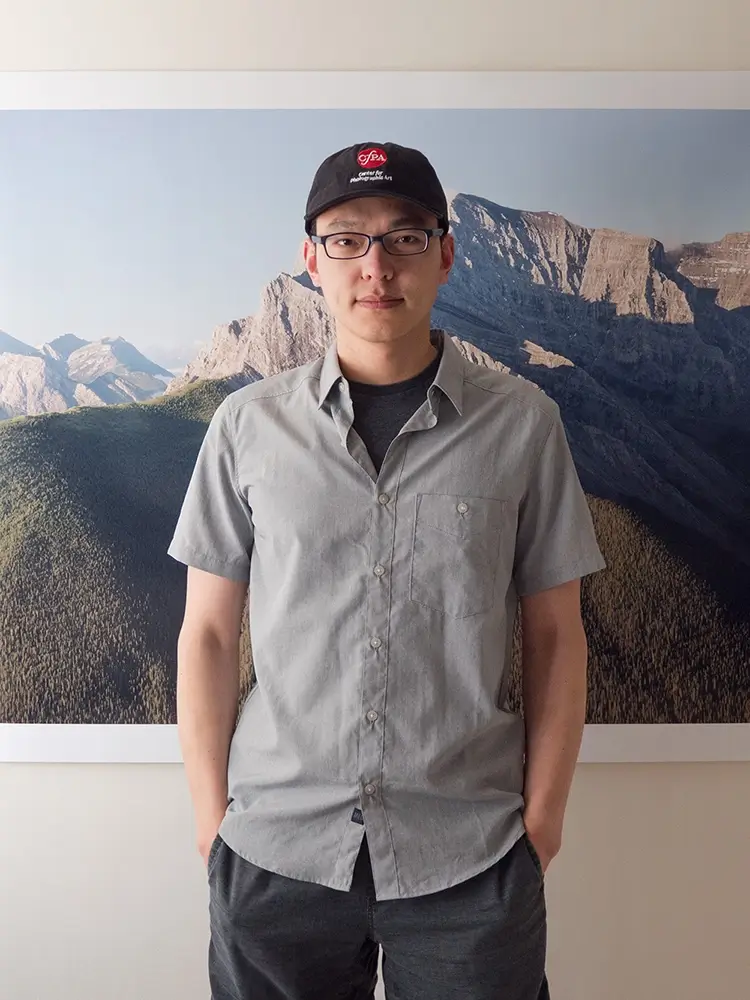
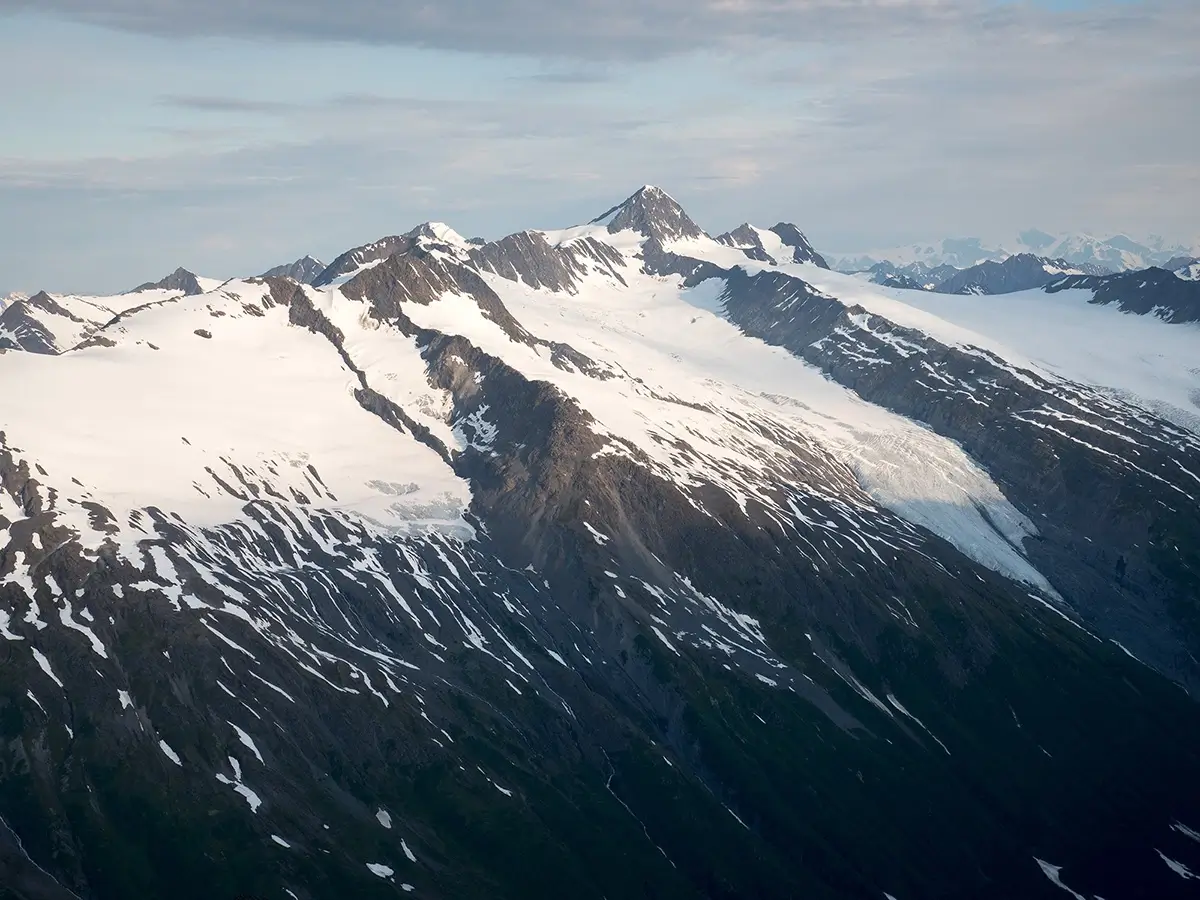
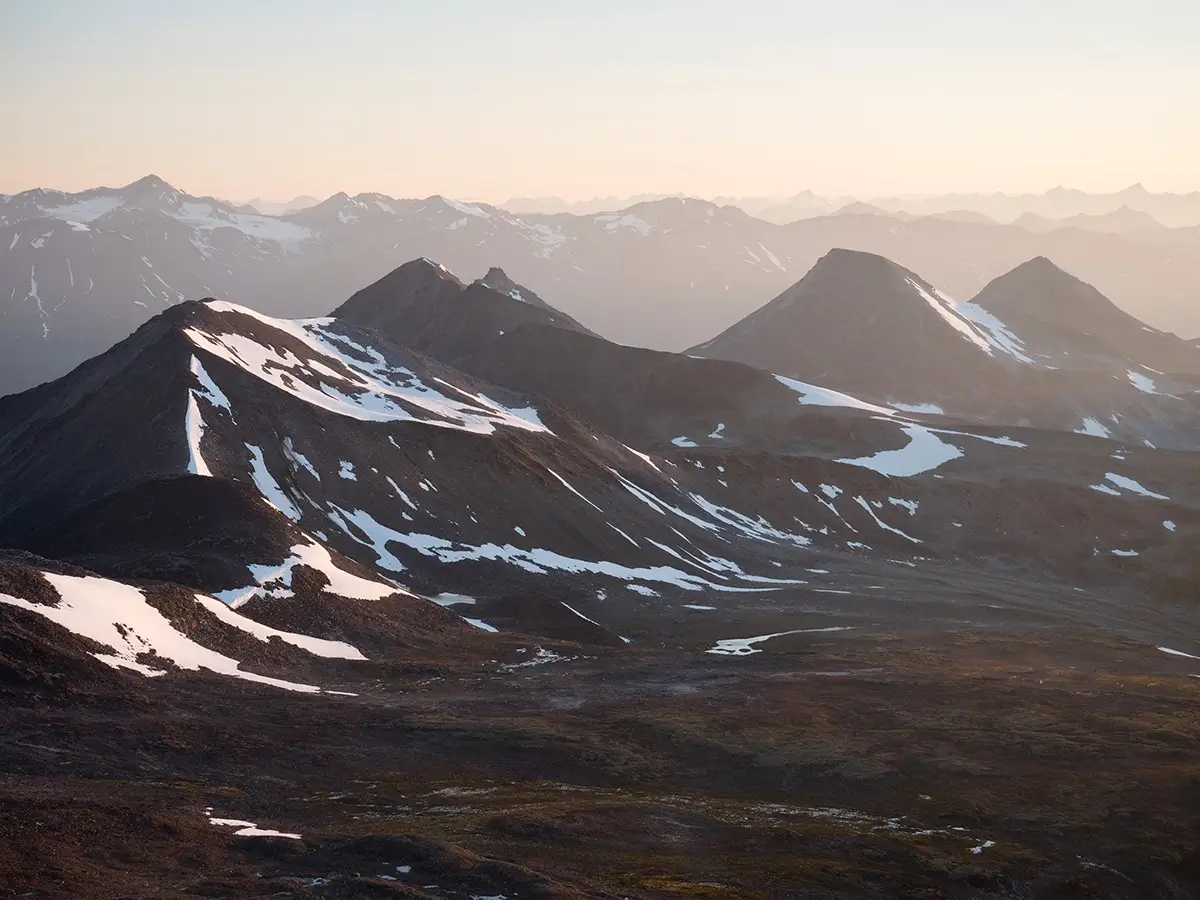
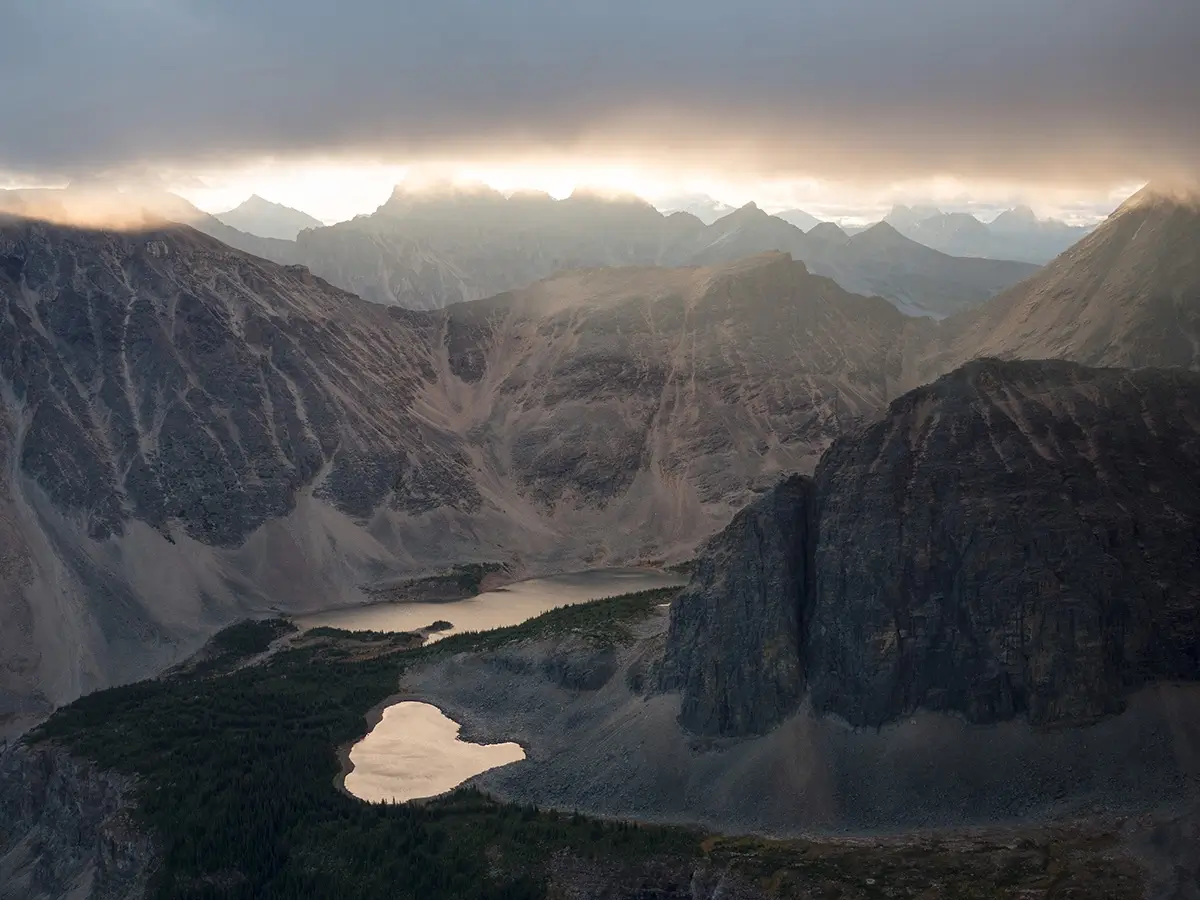
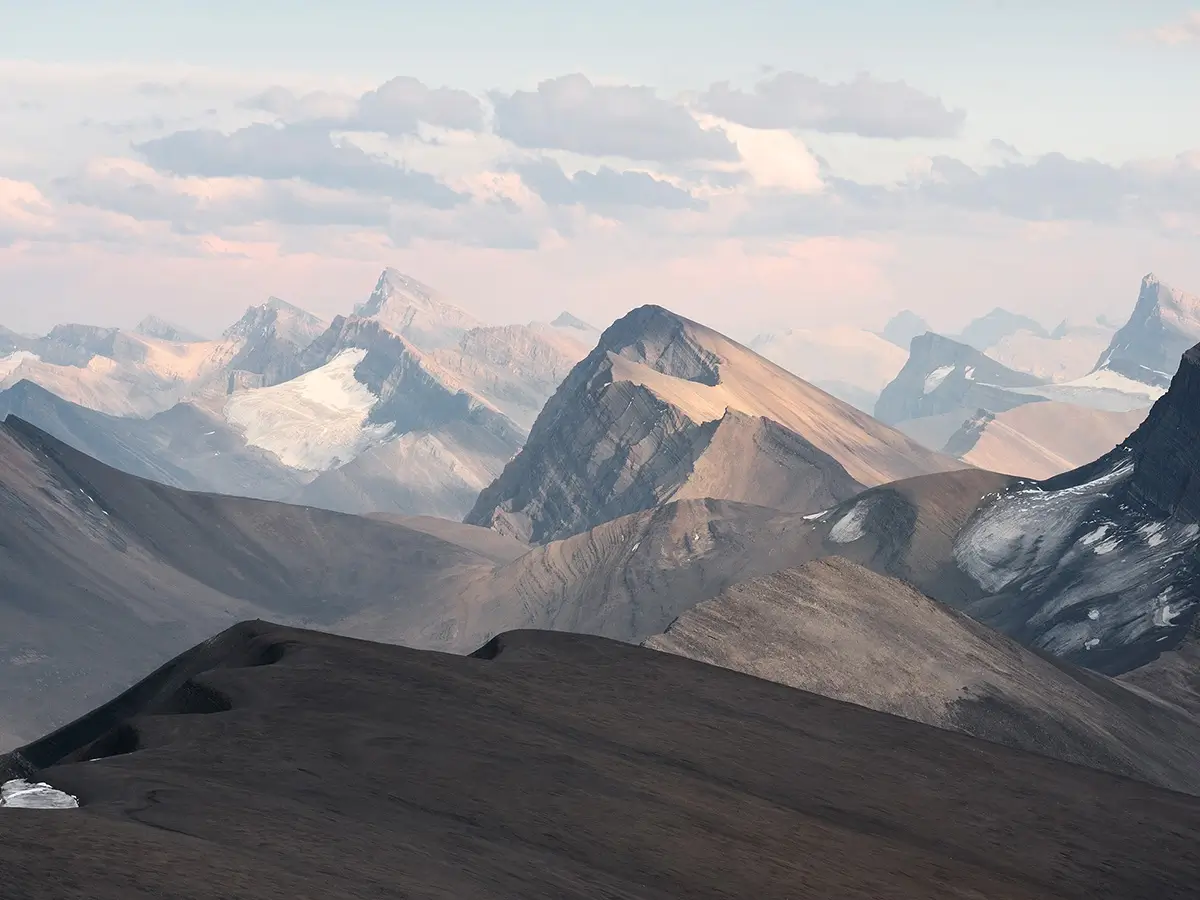
Sean Du is a landscape photographer whose work aims to reconnect us with nature. Born and raised in Taiwan, he developed a fondness for nature at an early age thanks to his family upbringing. He later relocated to the United States and earned a BFA in photography at ArtCenter College of Design. Sean combines his artistic practice and a passion for the wilderness to create many award-winning imageries. His works have been exhibited across the United States, in Canada, and overseas.

Statement:
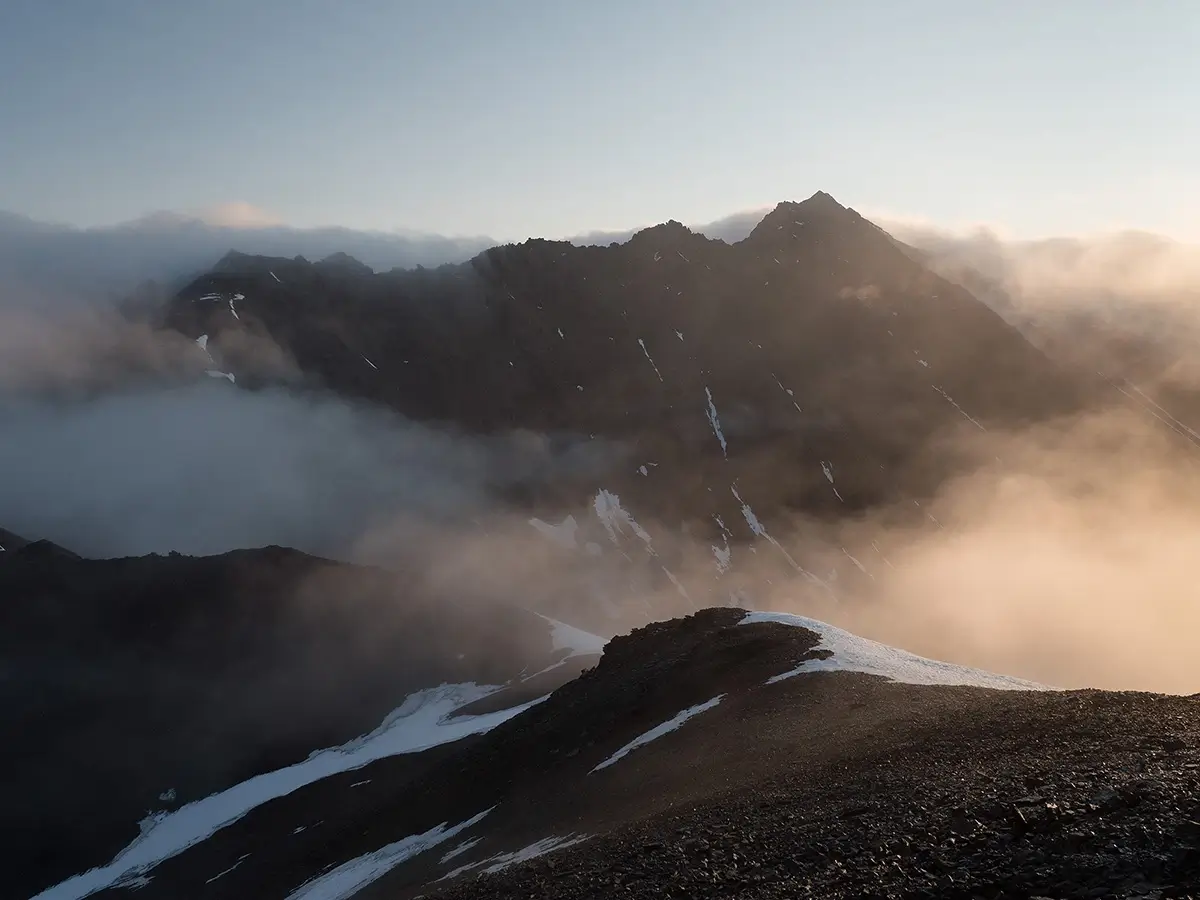
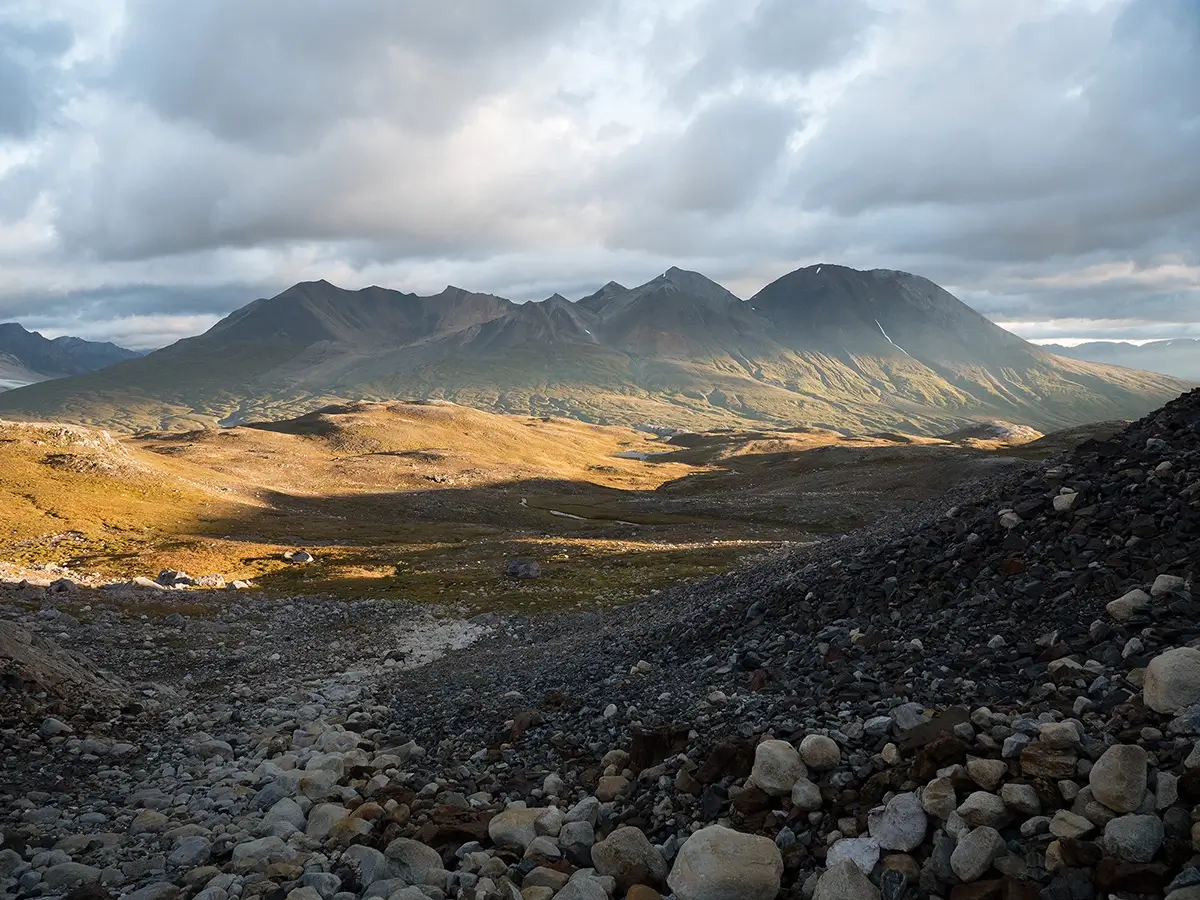
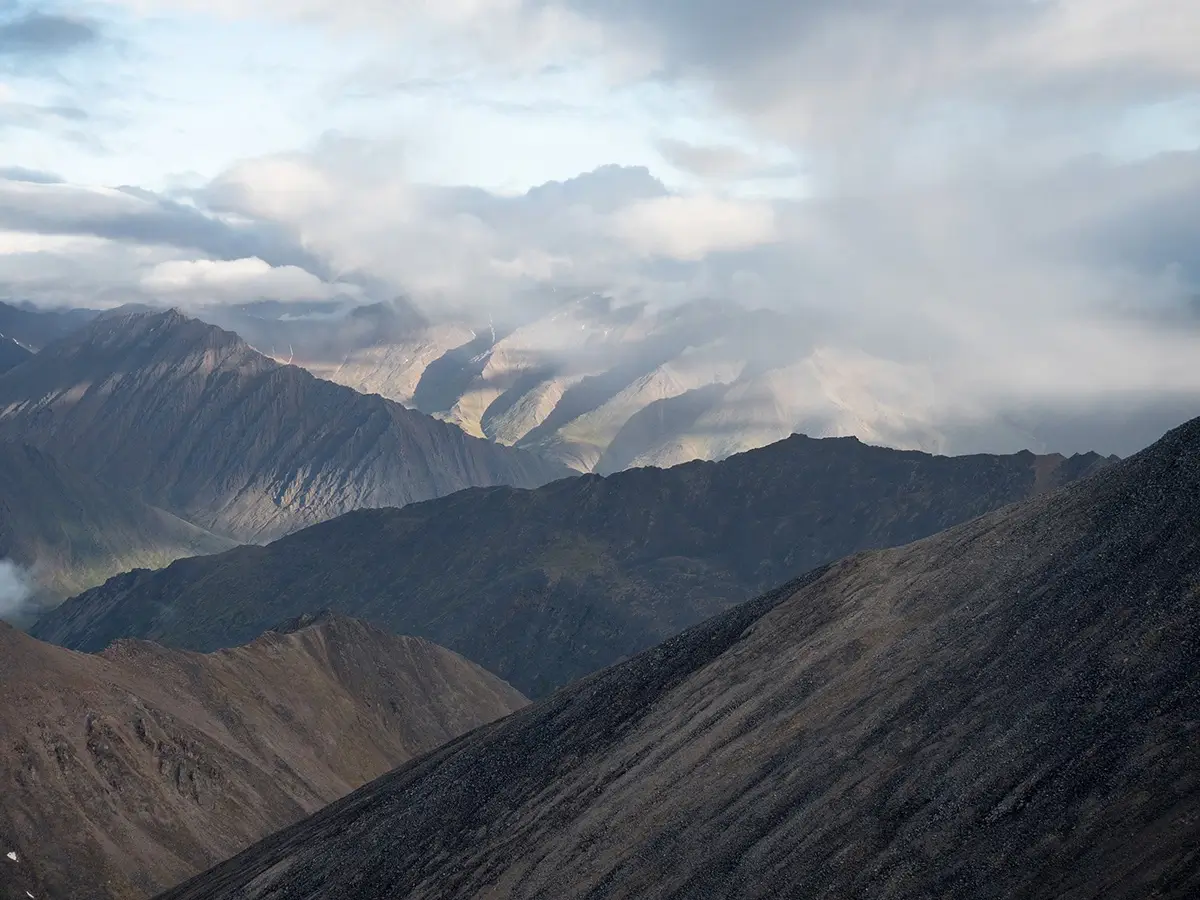
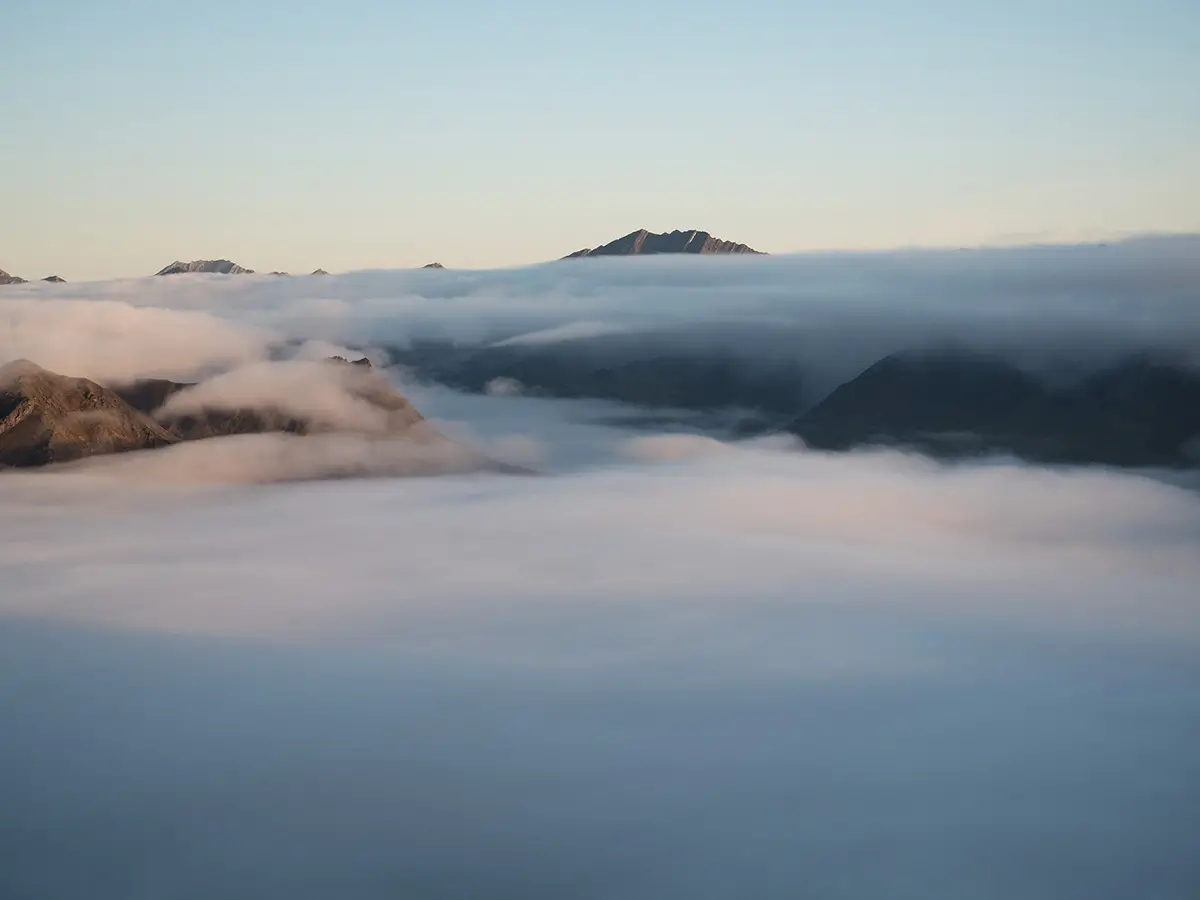
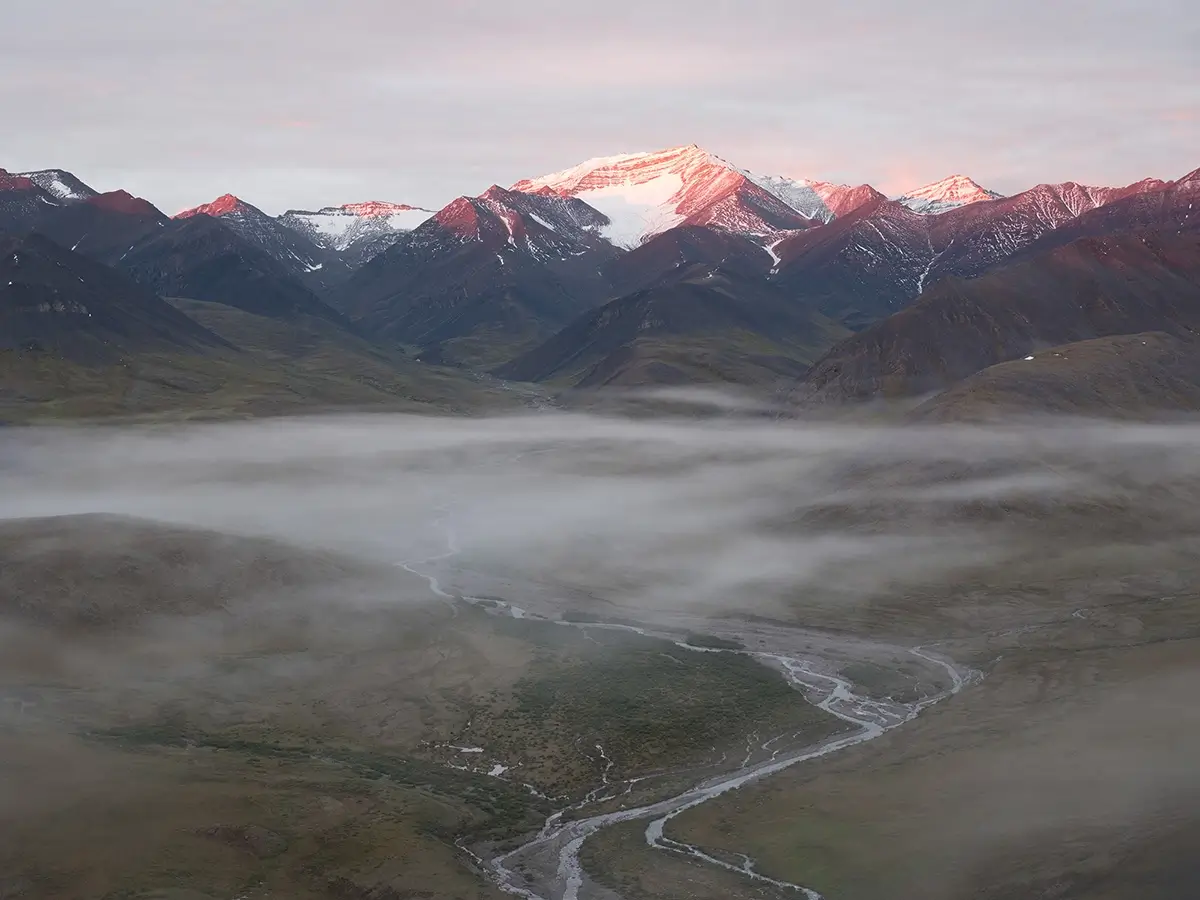
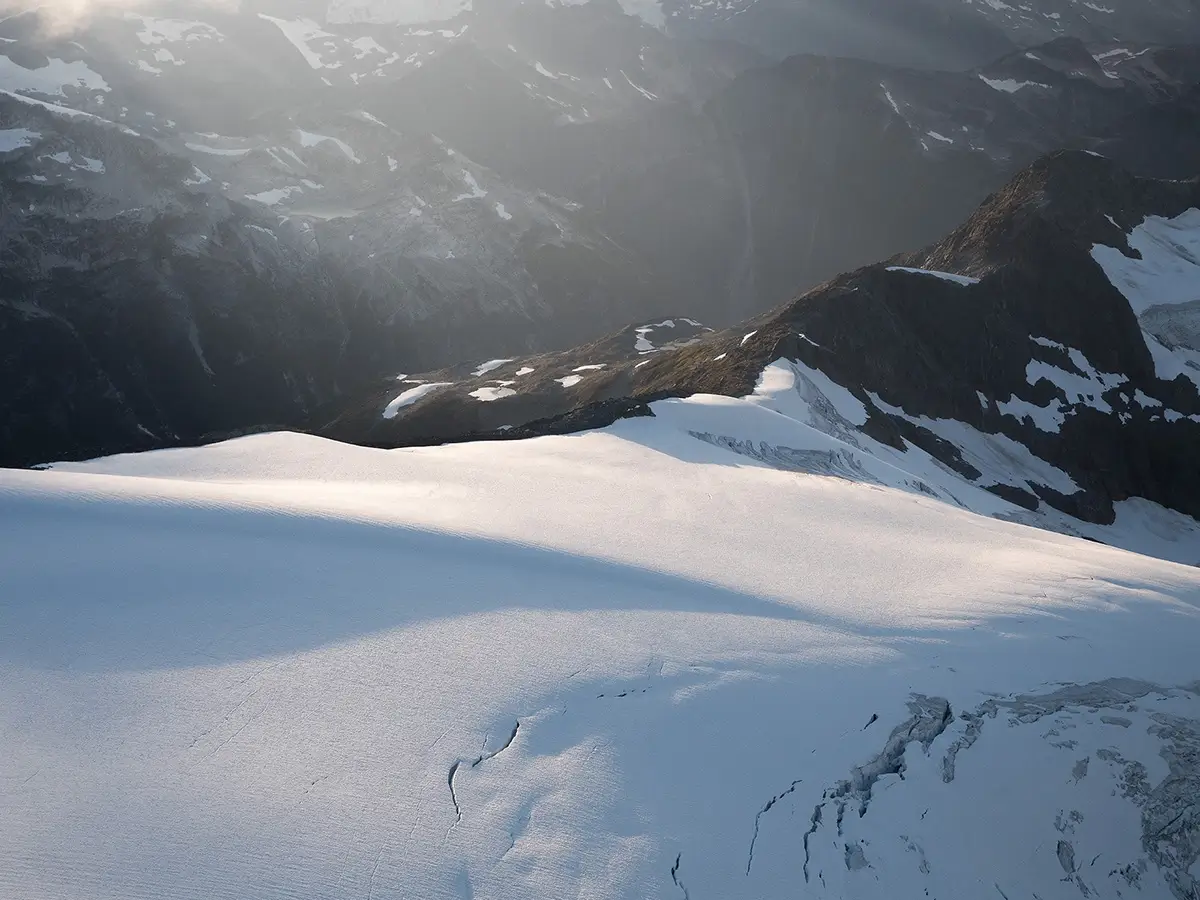
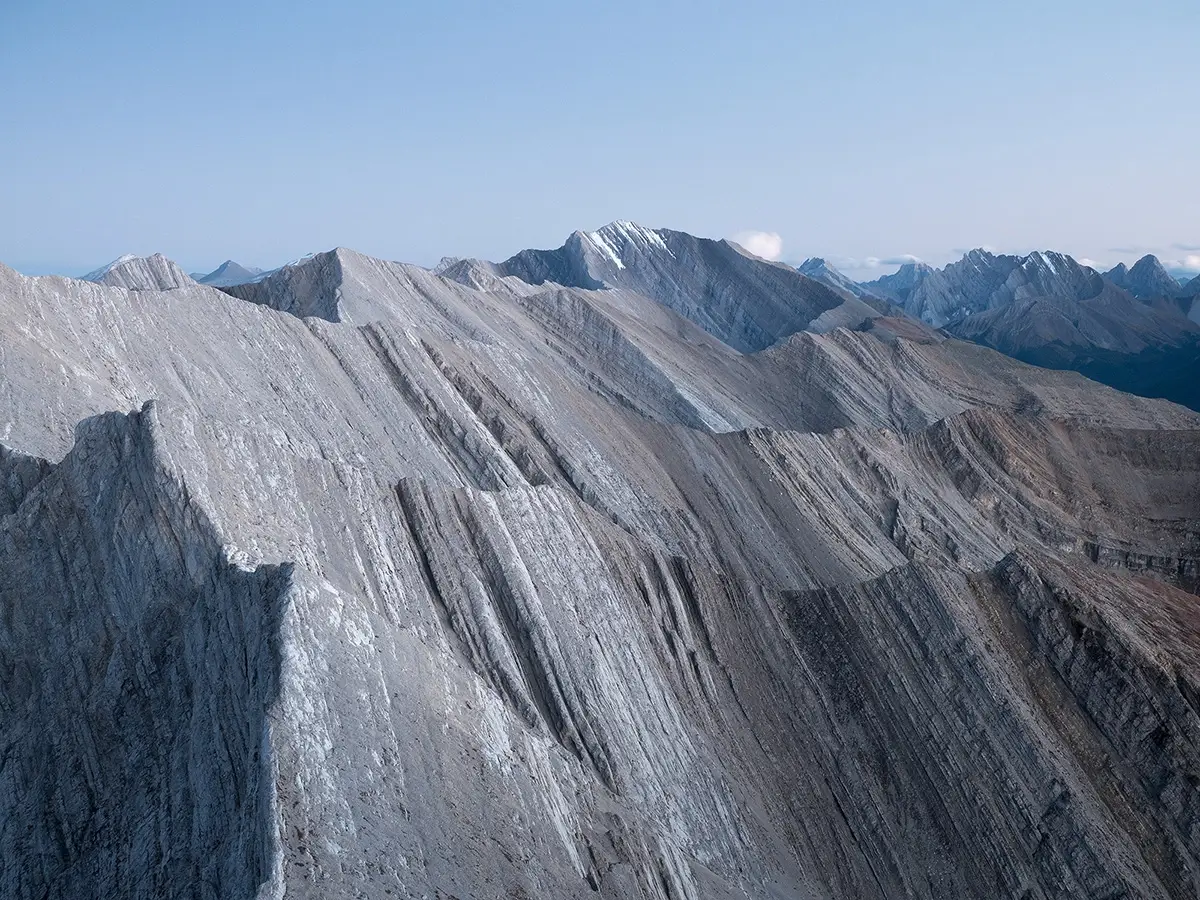
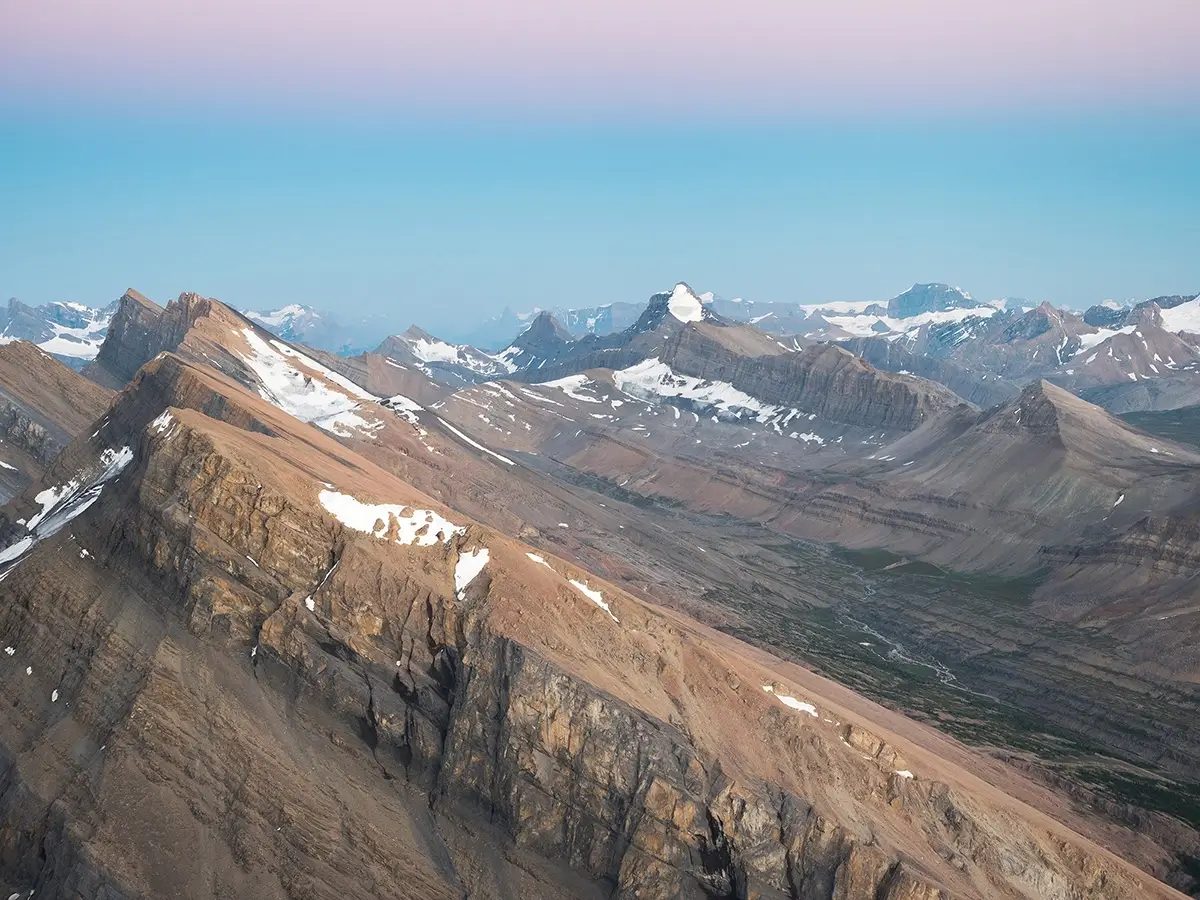
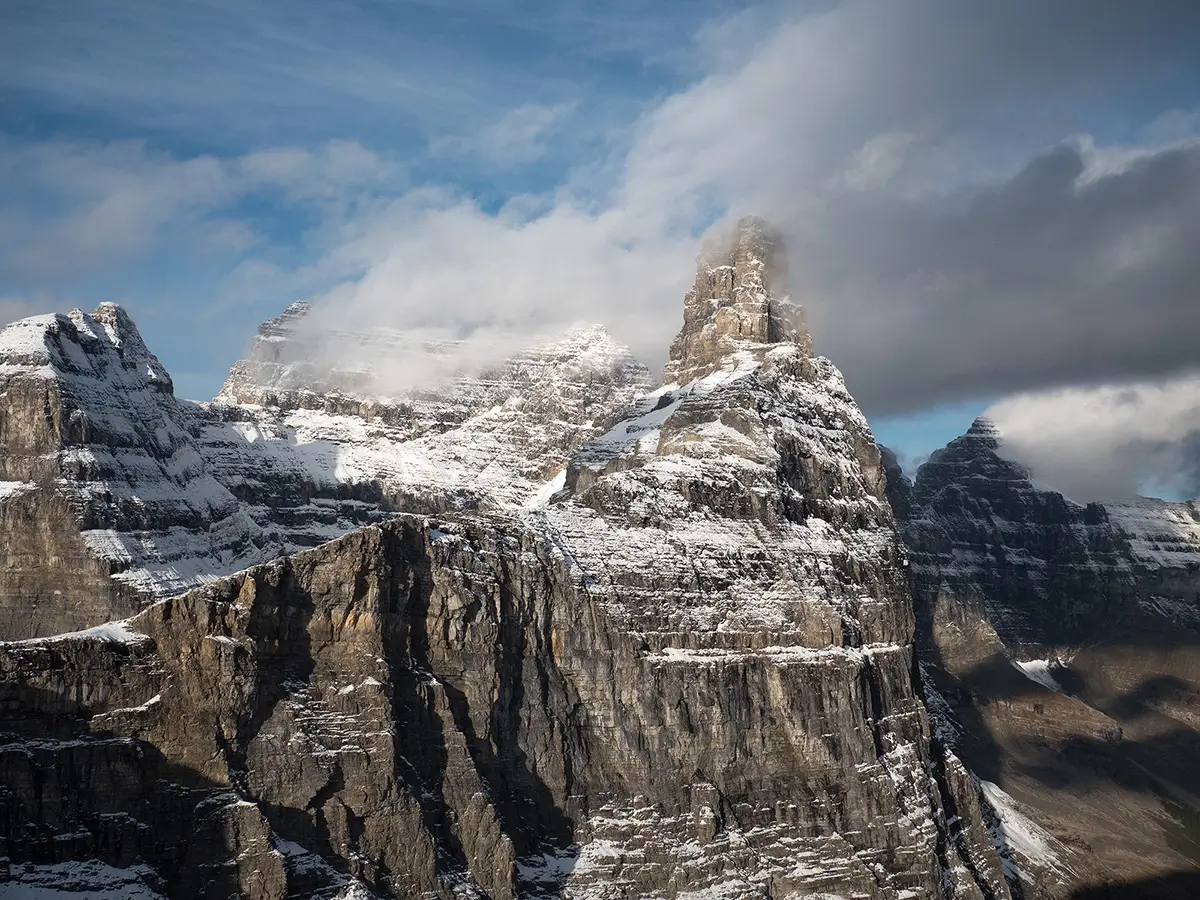
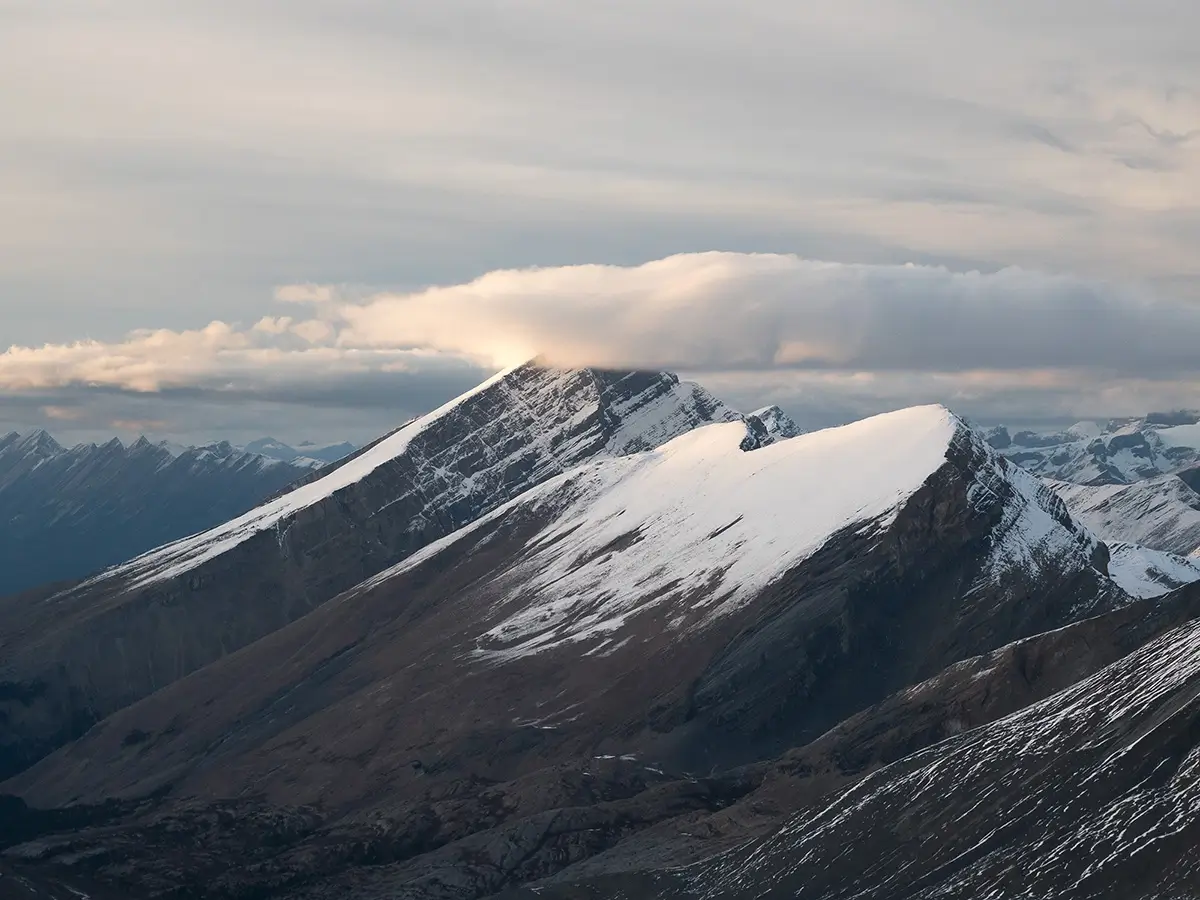
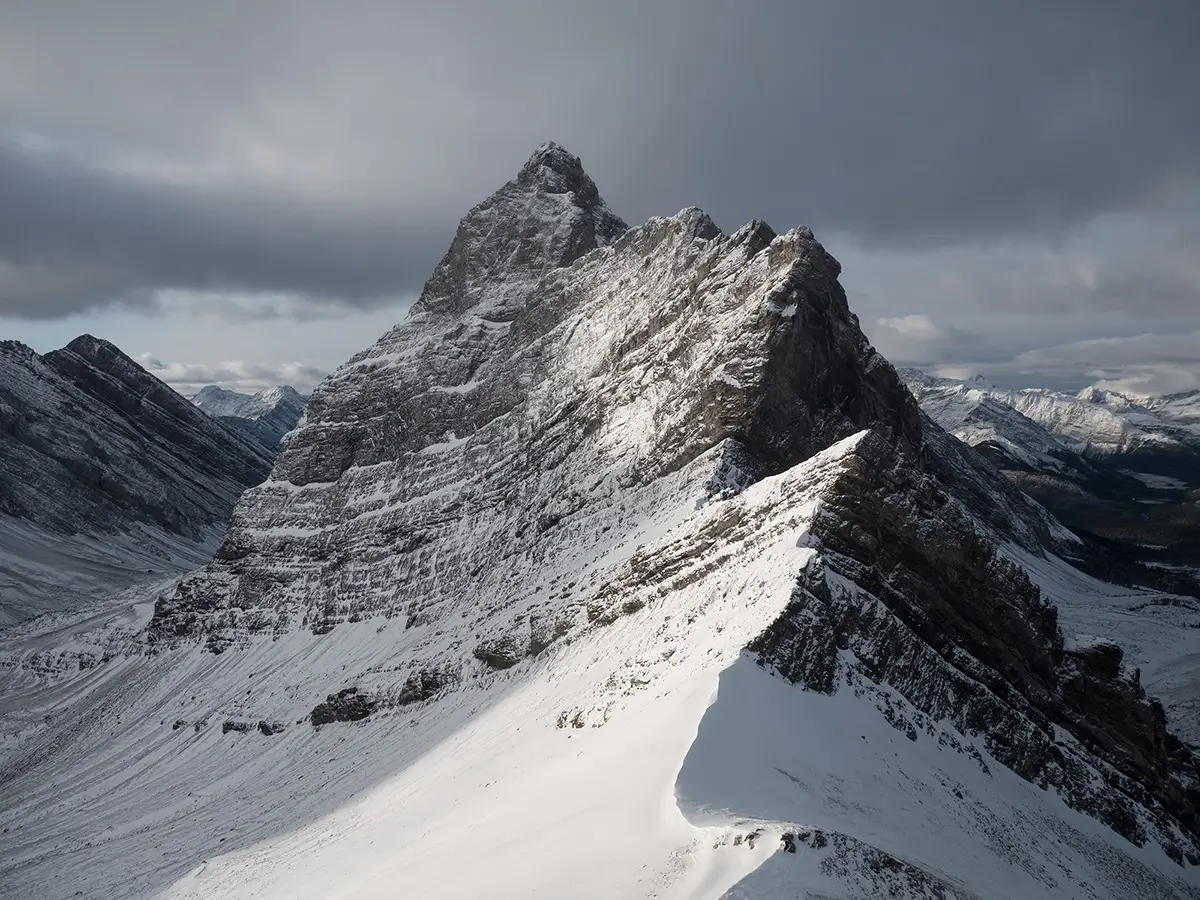
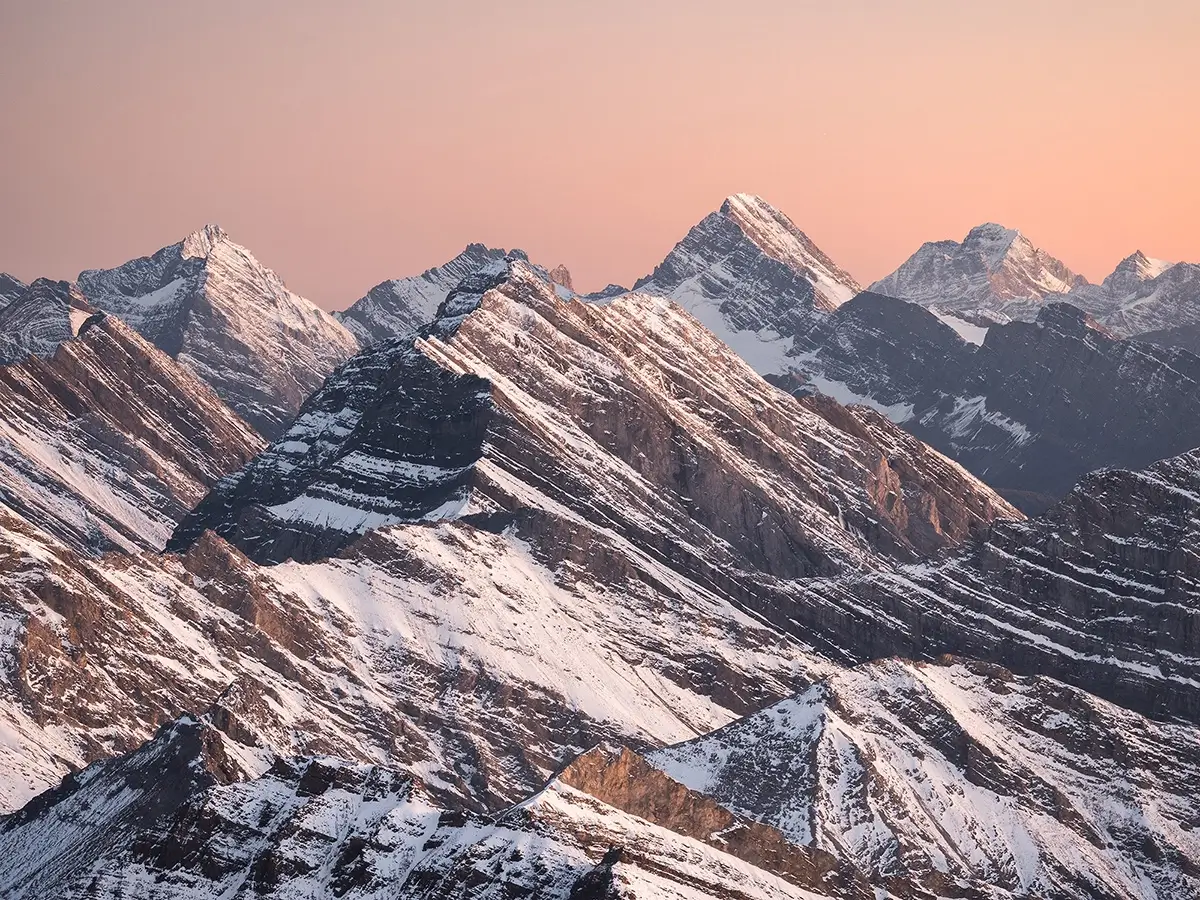
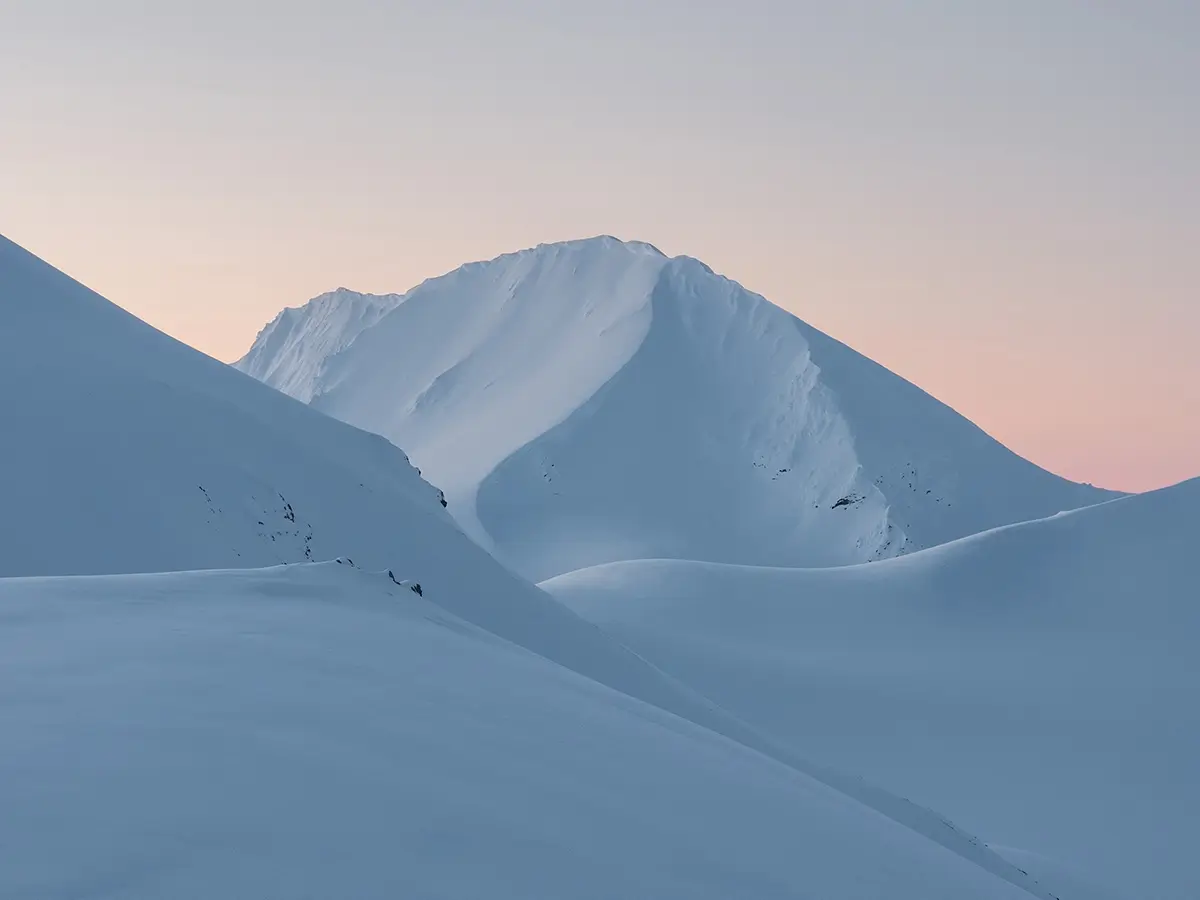
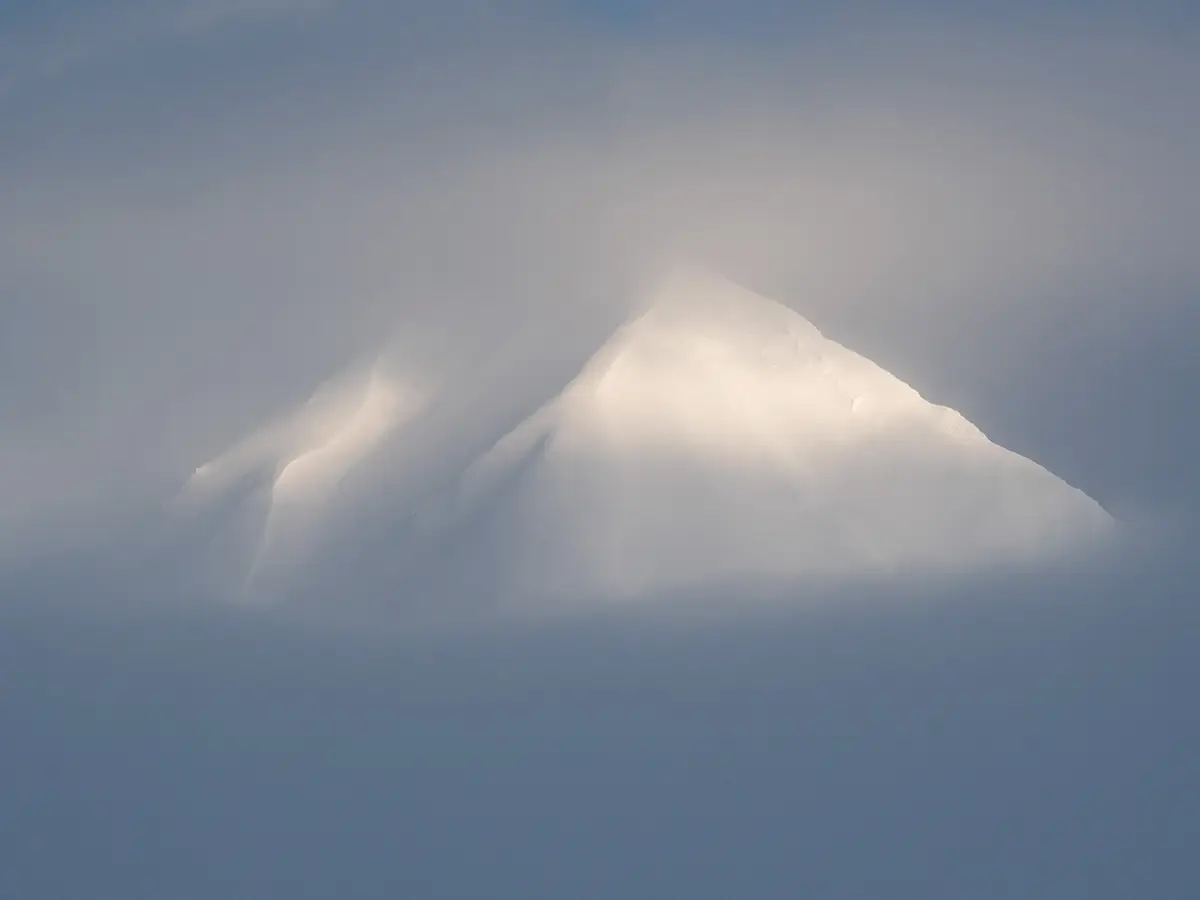
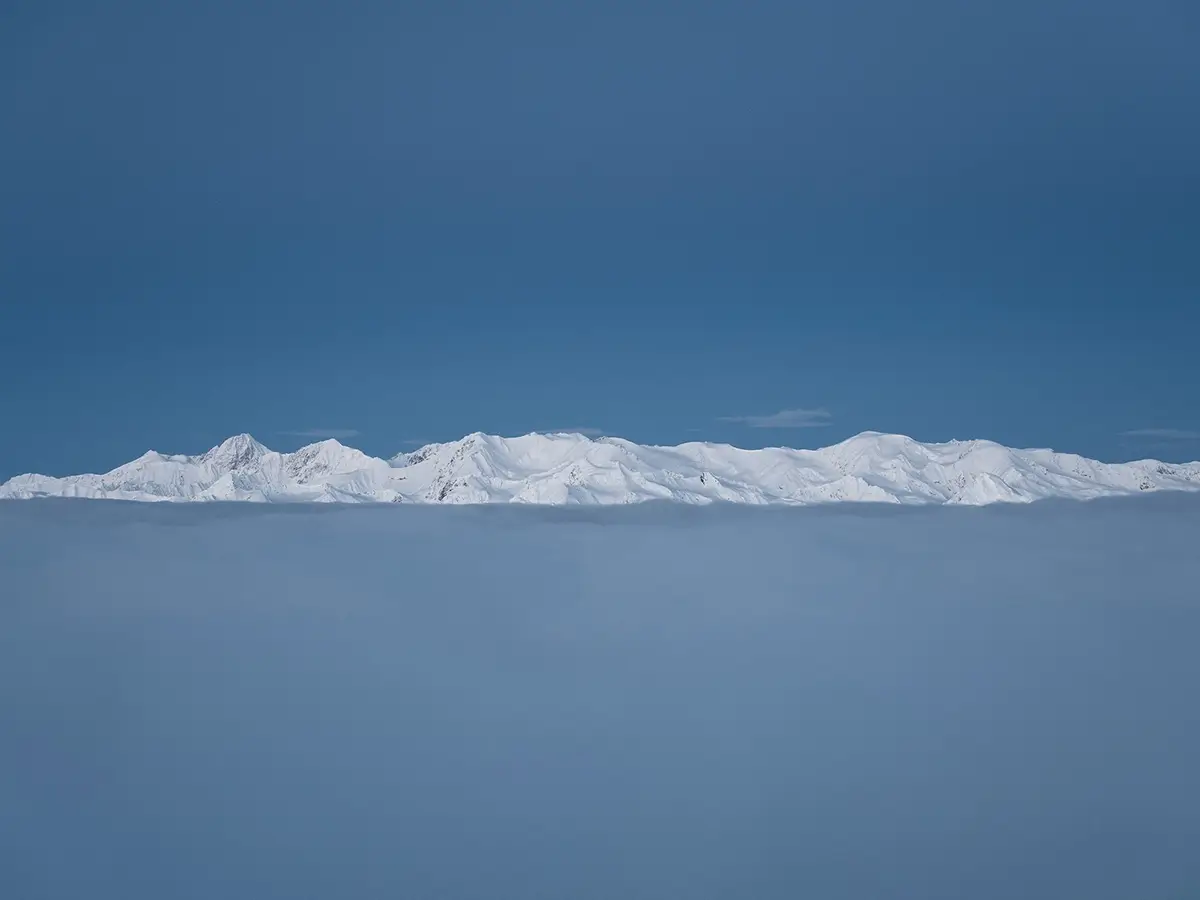
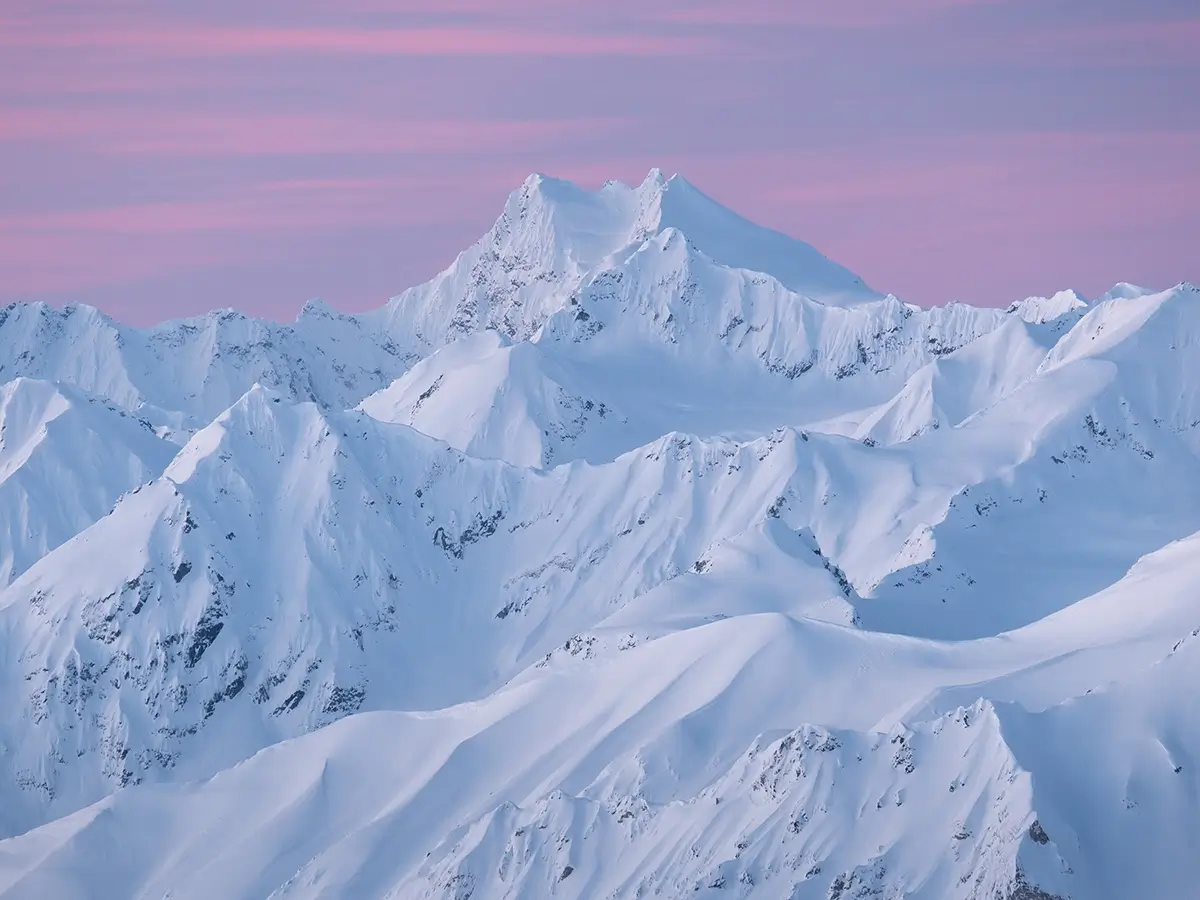
Above the Treeline is an ongoing study that seeks to capture, by way of hiking and climbing, seldom-seen views of North America's mountain wildernesses. Where trees give way to tundra, snow, ice and rock, the power of the Earth-shaping forces becomes evident – as seen in the tilt and fold of the rocks and the remnants of valley-carving glaciers. The physical contact with million-year-old rocks puts the briefness of humans' existence into perspective, but at the same time, establishes an intimate connection between the climber and the Earth. From here, it becomes apparent why the mountains are often referred to as the “beginning places” when one sees trickles of water gaining volume downstream to support complex ecosystems below. What the mountains have returned to me is a renewed capacity for wonder, but more importantly, I hope my passion for the mountains will inspire a greater sense of connection to the land, for it is key to the protection of the places and things we depend on.

AAP Magazine

AAP Magazine 54 Nature

 

Inspiring Portfolios

Call for Entries
AAP Magazine #55 Women
Publish your work in our printed magazine and win $1,000 cash prizes
 
Stay up-to-date  with call for entries, deadlines and other news about exhibitions, galleries, publications, & special events.

More Great Photographers To Discover

Jamie Johnson
United States
1968
Jamie Johnson is a Los Angeles photographer specializing in children and alternative processes. Winner of the Julia Margaret Cameron Portfolio Award and Spider Black and White Photography Award. Her work has been published in many photography magazines and is exhibiting in galleries worldwide. Jamie's work is in the permanent collection of the Hammer Museum in Los Angeles and Archaelogy Museum in Alabama and currently has a show at the Norton Museum of Fine Art in Palm Beach Florida. As a mother and fine art photographer whose bread and butter comes from photography, my passion for faces of the next generation has been a life long focus. I travel the world capturing images children and childhood around the globe. From Laos to Cuba, from the Amazon to India, I have found a universality in the world of children. I have always been particularly interested in observing how girls are raised, examining the morals, values, and education of the next generation of young women. My work has been exhibited Internationally in galleries and museums from New York thru London and Paris, and has been published in dozens of magazines. My Journey with the Irish Travellers I have spent my entire career photographing children all over the world. The last five years I have focused my eyes on the Irish Traveller that live in caravans on the side of the road or in open fields throughout Ireland. The Traveller community are an Irish nomadic indigenous ethnic minority. There is no recorded date as to when Travellers first came to Ireland. This is lost to history but Travellers have been recorded to exist in Ireland as far back as history is recorded. Even with their great history they live as outsiders to society and face unbelievable racism growing up. As a mother of two daughters I became so interested in the culture and traditions and lives of these children. The experience I had photographing the grit and beauty, that is the everyday life of a Traveller child, is one that inspires me everyday. Their deep respect for family and cultural values is refreshing, one that can be quite difficult to find in an age with the convince of social media. Not always immediately accepting of an outsider holding a large camera, I took my time getting to know and understand these faces that represent the new generation. My ever growing fascination with the children of today has lead my all over the world, capturing their innocence or in some cases loss of, in its most raw form. Unlike most children they are unable to refer to a history book to learn about their ancestors, a part of this journey was being able to document an era that is so different to any other I have shot. It is one that is and will always be rapidly changing, everytime I visit it is a whole different world yet with the relationships I have been lucky enough to make, it seems to feel like I never left. I am exponentially grateful the young people documented and that I have come in contact with over my years of visiting are able to call me their friend and I can happily say the same. It is with an honest heart I hope to show that these beautiful children who have great hopes and goals and work everyday to reach their dreams no matter how hard they have to fight racisms and stereotypes placed on them for centuries. A child is an innocent, happy, precious part of the world that should be loved and accepted and encouraged no matter where or how they live. More about The Irish Travellers Order the book
William Eugene Smith
United States
1918 | † 1978
William Eugene Smith was an American photojournalist known for his refusal to compromise professional standards and his brutally vivid World War II photographs. Smith graduated from Wichita North High School in 1936. He began his career by taking pictures for two local newspapers, The Wichita Eagle (morning circulation) and the Beacon (evening circulation). He moved to New York City and began work for Newsweek and became known for his incessant perfectionism and thorny personality. Smith was fired from Newsweek for refusing to use medium format cameras and joined Life Magazine in 1939 using a 35mm camera. In 1945 he was wounded while photographing battle conditions in the Pacific theater of World War II. As a correspondent for Ziff-Davis Publishing and then Life again, W. Eugene Smith entered World War II on the front lines of the island-hopping American offensive against Japan, photographing U.S. Marines and Japanese prisoners of war at Saipan, Guam, Iwo Jima, and Okinawa. On Okinawa, Smith was hit by mortar fire. After recovering, he continued at Life and perfected the photo essay from 1947 to 1954. In 1950, he was sent to the United Kingdom to cover the General Election, in which the Labour Party, under Clement Attlee, was narrowly victorious. Life had taken an editorial stance against the Labour government. In the end, a limited number of Smith's photographs of working-class Britain were published, including three shots of the South Wales valleys. In a documentary made by BBC Wales, Professor Dai Smith traced a miner who described how he and two colleagues had met Smith on their way home from work at the pit and had been instructed on how to pose for one of the photos published in Life. Smith severed his ties with Life over the way in which the magazine used his photographs of Albert Schweitzer. Upon leaving Life, Smith joined the Magnum Photos agency in 1955. There he started his project to document Pittsburgh. This project was supposed to take him three weeks, but spanned three years and tens of thousands of negatives. It was too large ever to be shown, although a series of book-length photo essays were eventually produced. From 1957 to 1965 he took photographs and made recordings of jazz musicians at a Manhattan loft shared by David X. Young, Dick Cary and Hall Overton. In January 1972, William Eugene Smith was attacked by Chisso employees near Tokyo, in an attempt to stop him from further publicizing the Minamata disease to the world. Although Smith survived the attack, his sight in one eye deteriorated. Smith and his Japanese wife lived in the city of Minamata from 1971 to 1973 and took many photos as part of a photo essay detailing the effects of Minamata disease, which was caused by a Chisso factory discharging heavy metals into water sources around Minamata. One of his most famous works, Tomoko Uemura in Her Bath, taken in December 1971 and published a few months after the 1972 attack, drew worldwide attention to the effects of Minamata disease. Complications from his long-term consumption of drugs, notably amphetamines (taken to enable his workaholic tendencies), and alcohol led to a massive stroke, from which Eugene Smith died in 1978. He is buried in Crum Elbow Cemetery, Pleasant Valley, New York. Smith was perhaps the originator and arguably the master of the photo-essay. In addition to Pittsburgh, these works include Nurse Midwife, Minamata, Country Doctor, and Albert Schweitzer - A Man of Mercy. Today, Smith's legacy lives on through the W. Eugene Smith Memorial Fund to promote "humanistic photography." Since 1980, the fund has awarded photographers for exceptional accomplishments in the field.Source: Wikipedia Born and reared in Wichita, Kansas, W. Eugene Smith became interested in photography at the age of fourteen, and three years later had begun to photograph for local newspapers. He received a photography scholarship to the University of Notre Dame, but he left after a year for New York, where he joined the staff of Newsweek and freelanced for LIFE, Collier's, Harper's Bazaar, The New York Times, and other publications. Beginning in 1939, Smith began working sporadically as a staff photographer for LIFE, with which he had a tempestuous relationship throughout the rest of his career. During World War II he was a war correspondent in the Pacific theater for the Ziff-Davis publishing company and LIFE, for whom he was working when he was severely wounded in Okinawa in 1945. After a two-year recuperation, he returned to the magazine and produced many of his best photo essays, including Country Doctor, Spanish Village, and A Man of Mercy. In 1955, he joined Magnum, the international cooperative photography agency founded by Henri Cartier-Bresson, Robert Capa, George Rodger and Chim (David Seymour), and began work on a large photographic study of Pittsburgh, for which he received Guggenheim Fellowships in 1956 and 1957. Smith continued to freelance for LIFE, Pageant, and Sports Illustrated, among other periodicals, for the rest of his career. From 1959 to 1977, he worked for Hitachi in Japan and taught at the New School for Social Research and the School of Visual Arts in New York and the University of Arizona in Tucson. His last photo essay, Minamata, completed in the 1970s, depicted victims of mercury poisoning in a Japanese fishing village. Smith is credited with developing the photo essay to its ultimate form. He was an exacting printer, and the combination of innovation, integrity and technical mastery in his photography made his work the standard by which photojournalism was measured for many years. In recognition of his outstanding contribution to the development of photojournalism, the W. Eugene Smith Memorial Fund was established after his death to support the projects of photographers working in the tradition he established. Source: International Center of Photography
Wang Wusheng
China
1945 | † 2018
Wang Wusheng was born in the city of Wuhu in China's Anhui Province and graduated from Anhui University's School of Physics. Beginning in 1973, Wusheng worked as a photographer for a news magazine in Anhui Province. He studied at the Art Institute of Nihon University in Japan beginning in 1983 and studied for three years at the Tokyo Arts University. Wusheng currently works as a fine art photographer in Tokyo. For more than three decades, Wang Wusheng has been captivated by the beauty of Mount Huangshan, also called Yellow Mountain. Located in the southern part of the Anhui province in northern China, Mount Huangshan has often been described as the world's most beautiful and enchanting mountain. Over many centuries, this mountain, with its seventy-two peaks, has been the subject of Chinese landscape painters, whose singular works are so haunting make it appear impossible for these mountains to exist in nature. Inspired by the legacy of these paintings, Wusheng has sought to portray Mount Huangshan in his own way, expressing his "inner worlds" through this scenic wonder. Wusheng captures mist-shrouded granite peaks emerging from an ever-changing veil of clouds, sculptural craggy rocks on lofty cliffs and weathered, oddly shaped pine trees. He records the appearance of Mount Huangshan in all seasons and at various times of day. As one critic says, "[Wusheng's] pictures are gorgeous, but their beauty does not come directly from the natural scenery. Rather, the mountain's natural wonders have been transformed into artistic spectacles through the artist's commitment to the medium of black-and-white photography, his insistent pursuit of dynamic movement and metamorphic images, and his deep emotional engagement with his subject. His mountain peaks are often densely dark-a kind of velvet darkness that seems full of color."Source: Robert Klein Gallery World-renowned photographer, writer, and broadcaster Tom Ang wrote in 2014 in his book Photography: The Definitive Visual History published by DK this text about Wang Wusheng's art works: Oriental perspectives The fusion of classical Chinese fine art with photography was not achieved until the 1940s. It resulted in a distinctive approach to landscape by combining classical forms with a challenge to the Western representation of space. Photography had reached China and Japan by the 1840s, but long remained an imported art form used primarily by foreigners. Fundamentally it was alien to the aesthetics of Asian fine art. The fine detail of a photograph was at odds with the eastern tradition of depicting a scene with just a few brushstrokes. And whereas Eastern art dealt with symbols-mountains representing wisdom, water standing for the flux of life and so on- photography seemed unremittingly literal and heavy-handed to Asian eyes. Eastern art was also fixedly monochrome: black was Heaven's hue, and too much considered bad for the eyes. Three dimensions in two A further element foreign to Asian minds was the handling of perspective-how three-dimensional space was represented on the flat surface of a print or painting. In Europe, 15th-century thinkers, such as the architect Filippo Brunelleschi, showed that a geometrically accurate way to represent objects in space was to depict parallel sides as if they converged toward a vanishing point on the horizon. Early photography reinforced the dominance of this linear perspective in Western art. Classical Asian art was based on different models of space. It showed space with receding planes, in which a nearer object overlaps and covers part of a further object. This was joined to aerial perspective, which exploits how contrast and clarity naturally diminish the further away things are to express receding space. Asian pictorials By the 20th century. even artists in he West were rebelling against geometrical perspective, most visibly in the Cubist movement, which spilled over to montage effects in modernist photography (see pp. 142-43 and Pp.330-31). Finally, in the 1940s, Long Chin-San (also transliterated Lang Jingshan) in Hong Kong marked the first successful fusion of Asian with European modes. Trained in Photography by a brush-and-ink artist, Long considered a traditional painting "as a composite Image of fragmentary visual memories". From this, Long derived composite photographs using subtle toning and multiple printing techniques to place traditional elements such as calligraphically expressive bamboo shoots, leafless branches, and craggy rocks against a plain ground, suspending his subjects In an indeterminate space. Relationships between elements were defined by aerial perspective and overlapping receding planes. Minimal and calligraphic expressions also came naturally to photographers such as Jiang Peng, but Long's best-known students was Don Hong Qai. Modern interpretation China's Huangshan (Yellow Mountains) is a glaciated mountain range much venerated for its exquisite scenery of 72 steep peaks, often shrouded in mist. The Huangshan inspired its own school of painting, which made extensive use of aerial perspective, Wang Wusheng is a leading modern exponent of the style. Wang was working as a news photographer when he turned his attention to the Huangshan in 1973 In his photographs, he exploited the ultrafine grain of Kodak Technical Pan film to create a modern interpretation of inky-black silhouettes are grouped against the smoothly shifting swathes of mist, their softening tones deftly defining distance. This image is part of the Celestial Realm series, published in book form in 2005. In wang's contemporary interpretation of traditional Chinese black-ink painted landscapes, mist separates the deep velvety darkness of the sharply silhouetted rocks and trees in the foreground from the progressively fuzzier bands of trees and rocks.
George Dambier
France
1925 | † 2011
Born in 1925, Georges Dambier first went to work for painter Paul Colin, where he learnt drawing and graphic design. Then he landed a job as assistant to Willy Rizzo, a famous portraitist photographer (Harcourt’s Studio, Paris Match). There, he discovered photography and was taught the fundamentals of this art, especially lighting. Georges Dambier was 20 when the Second World War came to an end, a moment when the social scene in Paris suddenly took off. Nightlife, subdued during the Occupation, exploded. Le Bœuf sur le toit, Le Lido, la Rose Rouge, Le Lorientais, Le Tabou : he frequented cabarets and jazz clubs in Saint Germain des Prés, where famous artists and celebrities organised glittering parties and balls. One night, he managed to take pictures of Rita Hayworth who had come incognito to a famous night club, Le Jimmy’s. He sold the exclusive images to France Dimanche, a daily magazine recently created by Max Corre and Pierre Lazareff, and won himself a job on the magazine as a photo-reporter. In his new post, he was sent to all over the world to cover current events. However, with his predilection for graphic design and aesthetics, his liking for refined mise-en-scene, and at the urging of many friends, such as Capucine, Suzy Parker, Jacques Fath, Bettina, Brigitte Bardot, Jean Barthet, he was lead towards fashion photography. As Georges Dambier built and perfected his craft, he was hired by Helene Lazareff, director of ELLE, the fashion magazine. She encouraged him and gave him his first assignment as a fashion photographer. Georges Dambier did not conform to the standard technique of taking fashion pictures, with models standing emotionless and seemingly indifferent to the camera. Instead, he showed models smiling, laughing and often in action. His models were surrounded by local people in a market place in Marrakech, or in a village in Corsica, or – and above all – in his beloved Paris. Most of all, it was Georges Dambier’s ability to put his subjects at ease (many of them were friends) that helped him create true, intimate and lasting images. With his delicate style, and refined technique, his work revealed a reality of great elegance. As his career blossomed, he became widely known for his ability to capture the essence of feminine chic and glamour in his images. In 1954, Robert Capa asked him to lead a fashion department at the Magnum Photo Agency. Unfortunately, Capa died a few weeks later, while covering the Indochinese war. Meanwhile, Georges Dambier set up his own studio in Paris, Rue de la Bienfaisance. As a freelance photographer, he continued to contribute to ELLE and other magazines: Vogue, Le Jardin des Modes, Marie France…He also collaborated with Françoise Giroud and Christine Collanges at L’Express. Big advertising campaigns (Synergie, Havas, Publicis), and contracts for many brands such as L’Oréal, Carita, Jacques Dessange followed. In addition to his work in advertising, Georges Dambier did portraits for record covers and posters for his great friend, the producer Eddie Barclay and Jacques Canetti. As his reputation grew, so did opportunities to meet and photograph celebrities from different worlds. He captured the faces of the most notable artists of the 60’s: Sacha Distel, Zizi Jeanmaire, Dalida, Jeanne Moreau… His impressive client list included celebrities (Cerdan, Cocteau…), singers (Johnny Hallyday, Sylvie Vartan, Charles Aznavour...), actors (Alain Delon, Françoise Dorléac, Catherine Deneuve…) and many others. In 1964, Georges Dambier launched his own project: a magazine for young people, dedicated to culture and fashion: TWENTY. He hired young artists and photographers: Just Jaeckin, Jean Paul Goude, Philippe Labro, Copi, Bosc and many others who would later become famous in their own right. Twenty lasted two eventful years. In 1976, he created the magazine VSD with his old friend Maurice Siegel. Georges Dambier led the artistic side of the magazine and headed the photographic section. VSD was an instant success. In the late eighties, Georges Dambier retired to a quieter life in the countryside. He died in May, 2011. Source: Peter Fetterman Gallery
Advertisement
AAP Magazine #55 Wmen
Win a Solo Exhibition in March
AAP Magazine #55 Wmen

Latest Interviews

Exclusive Interview with Anastasia Samoylova
Anastasia Samoylova is an American artist whose photographic practice is shaped by close observation and a deep attentiveness to place. Working between documentary and formal exploration, she photographs landscapes, architecture, and everyday scenes with a sensitivity to light, structure, and atmosphere. Since relocating to Miami in 2016, her work has increasingly focused on how environments—both natural and built—carry social, cultural, and emotional traces. We asked her a few questions about her practice and her way of seeing, to better understand the thoughts and experiences that shape her work—while allowing the images themselves to remain open and speak in their own time.
Exclusive Interview with Marijn Fidder
Marijn Fidder is a Dutch documentary photographer whose work powerfully engages with current affairs and contemporary social issues. Driven by a deep sense of social justice, she uses photography to speak on behalf of the voiceless and to advocate for the rights of those who are most vulnerable. Her images have been widely published in major international outlets including National Geographic, CNN Style, NRC Handelsblad, Volkskrant, GUP New Talent, and ZEIT Magazin. Her long-term commitment to disability rights—particularly through years of work in Uganda—culminated in her acclaimed project Inclusive Nation, which earned her the title of Photographer of the Year 2025 at the All About Photo Awards. She is also the recipient of multiple prestigious honors, including awards from World Press Photo and the Global Peace Photo Award. We asked her a few questions about her life and work.
Exclusive Interview with Josh S. Rose
Josh S. Rose is a multidisciplinary artist working across photography, film, and writing. His practice bridges visual and performing arts, with a strong focus on movement, emotion, and the expressive potential of the image. Known for his long-standing collaborations with leading dance companies and performers, Rose brings together authenticity and precise composition—a balance he describes as “technical romanticism.” His work has been commissioned and exhibited internationally, appearing in outlets such as Vogue, at the Super Bowl, in film festivals, and most recently as a large-scale installation for Lincoln Center for the Performing Arts. A sought-after collaborator, he has worked with major artists, cultural institutions, and brands, following a previous career as Chief Creative Officer at Interpublic Group and the founder of Humans Are Social. We asked him a few questions about his life and work.
Interview with Maureen Ruddy Burkhart
Photographer Maureen Ruddy Burkhart brings a quietly attentive and deeply human sensibility to her exploration of the world through images. Shaped by a life immersed in photography, film, and visual storytelling, her work is guided by intuition, observation, and an enduring interest in the emotional undercurrents of everyday life. With a practice rooted in both fine art traditions and documentary awareness, she approaches her subjects with sensitivity, allowing subtle moments to emerge naturally rather than be imposed. Her series Til Death, selected as the Solo Exhibition for February 2025, reflects this long-standing commitment to photography as a space for reflection rather than spectacle. Drawn to moments that exist just outside the expected frame, Burkhart’s images suggest narratives without resolving them, leaving room for ambiguity, humor, and quiet connection. We asked her a few questions about her life and work.
Exclusive Interview with Peter Ydeen
Winner of AAP Magazine #45 Travels, his series reflects this unique vision—capturing the spirit of place through subtle layers of light, color, and emotion. Whether traveling abroad or observing the rhythms of his own surroundings, Ydeen creates images that feel both grounded and enchanted, inviting viewers into a world where reality and reverie meet.
Exclusive Interview with Julie Wang
Chinese-born photographer Julie Wang brings a poetic, contemplative sensitivity to her visual exploration of the world. Having lived for nearly equal parts of her life in China, Europe, and the United States, she approaches her subjects with the nuanced perspective of someone shaped by many cultures. This blend of distance, curiosity, and emotional resonance infuses her work with a quiet depth, allowing her to reveal the fragile beauty and subtle tensions that often pass unnoticed.
Exclusive Interview with Ghawam Kouchaki
American photographer Ghawam Kouchaki brings a sharply observant and introspective gaze to the streets of Japan’s capital. Based in Los Angeles, he approaches Tokyo with the distance — and curiosity — of an outsider, allowing him to uncover the city’s subtle contradictions, quiet tensions, and fleeting gestures that often go unnoticed. His series Tokyo no no, selected as the Solo Exhibition for December 2024, explores the hidden undercurrents of urban life: the unspoken rules, the small ruptures in routine, the poetic strangeness found in everyday moments. Through muted tones, instinctive timing, and meticulous framing, Kouchaki reveals a Tokyo that exists somewhere between reality and imagination — both intimate and enigmatic. We asked him a few questions about his life and work.
Exclusive Interview with Tommi Viitala
Tommi Viitala, winner of AAP Magazine #44: Street, is a Finnish photographer celebrated for his striking and cinematic street photography. With a keen eye for atmosphere and composition, he captures fleeting urban moments that reveal the poetry of everyday life. His work often explores the tension between solitude and connection within contemporary cityscapes, blending documentary realism with artistic sensibility. Viitala’s photographs have been exhibited internationally and recognized for their strong visual storytelling and emotional depth. We asked him a few questions about his life and work.
Exclusive Interview with Robert Mack
Robert Mack is a California-based visual artist, photographer, and filmmaker. His fine art photography and films have been exhibited widely in the United States and Europe, with major shows at the Baltimore Museum of Art and the Reiss-Engelhorn Museum in Mannheim, Germany. Both institutions hold his work in their permanent collections. Working across different media, Mack has built a career exploring the complexities of human presence and representation. In 1981, while living in Baltimore, he produced The Perkins Project: Not Guilty by Reason of Insanity, a rare photographic and film study inside Maryland’s hospital for the criminally insane. These stark yet compassionate black-and-white portraits remain one of his most powerful and controversial bodies of work.
Call for Entries
AAP Magazine #55 Women
Publish your work in our printed magazine and win $1,000 cash prizes