All about photo.com: photo contests, photography exhibitions, galleries, photographers, books, schools and venues.
FINAL CHANCE to enter All About Photo Awards: $5,000 Cash Prizes - Juror Steve McCurry
Stefano  Battistelli

Stefano Battistelli

Country: Italy
Birth: 1980

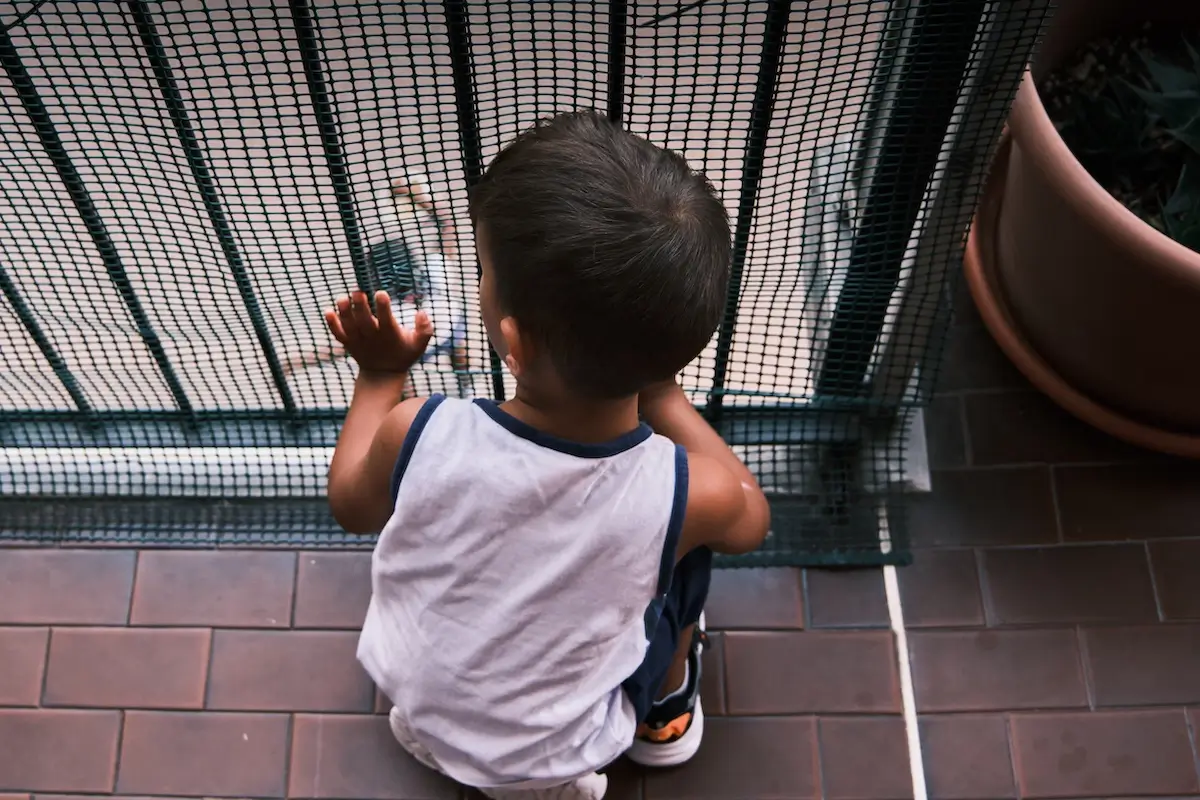
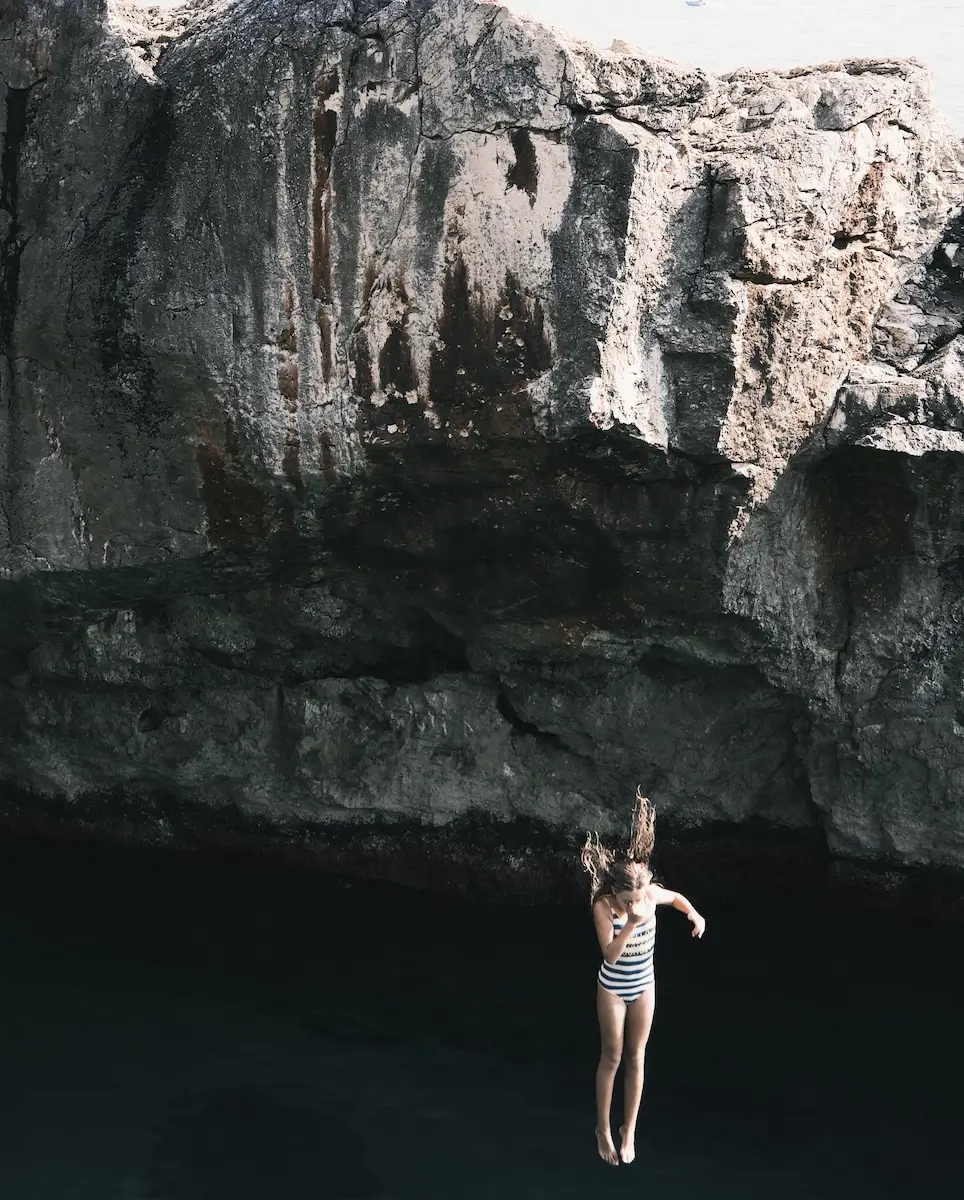
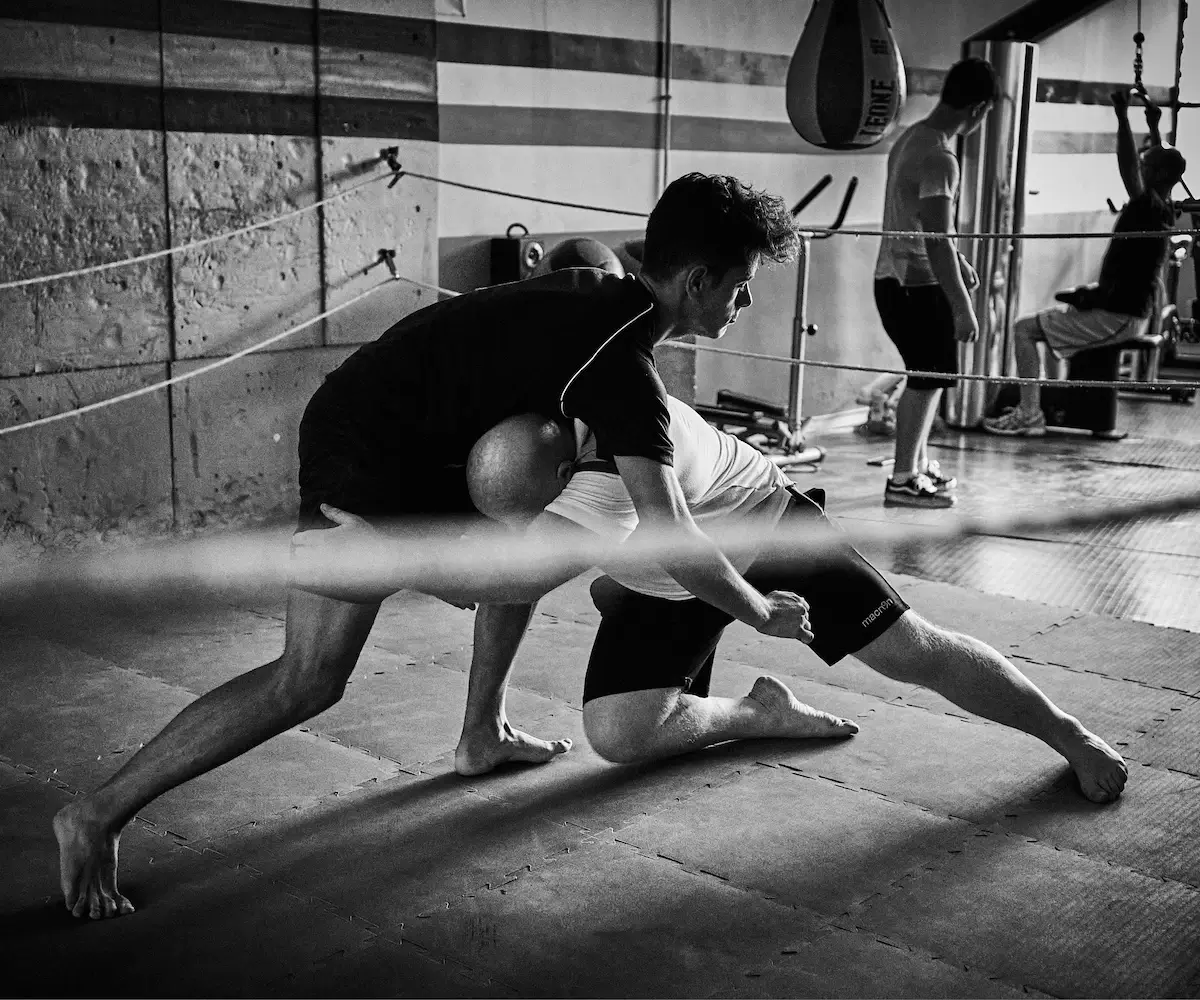
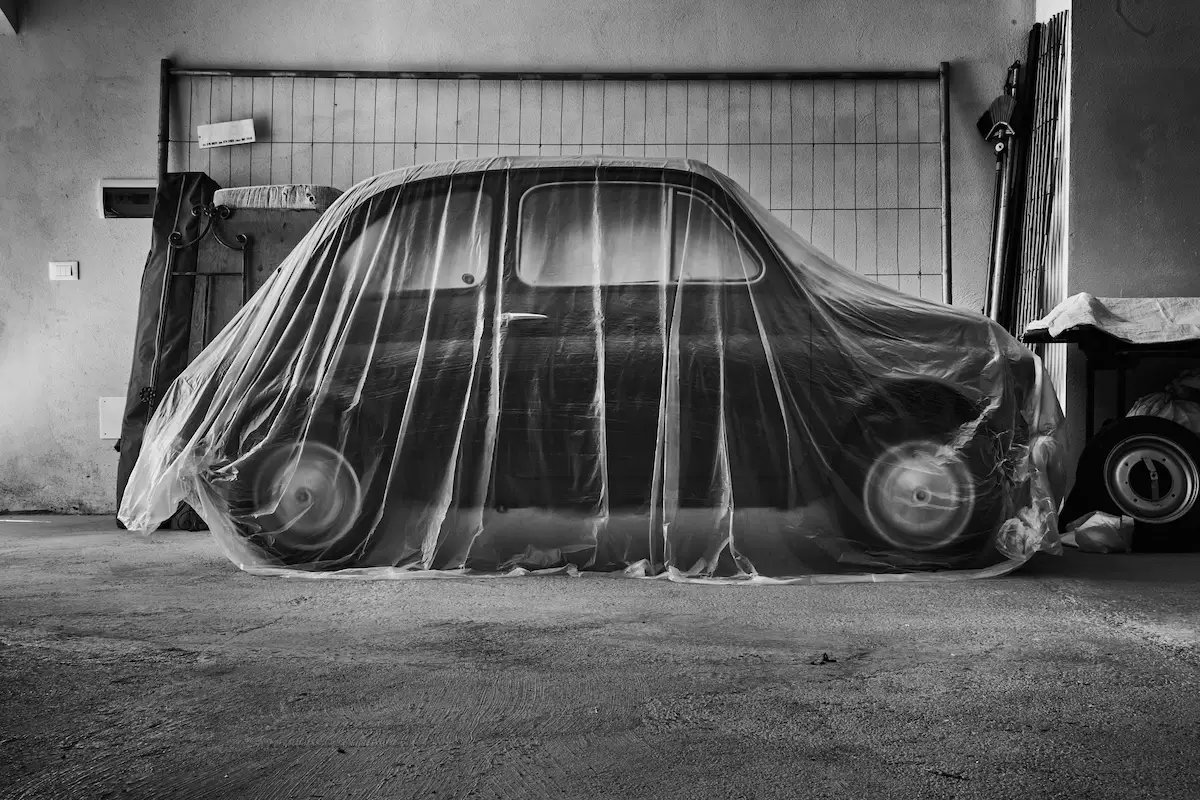
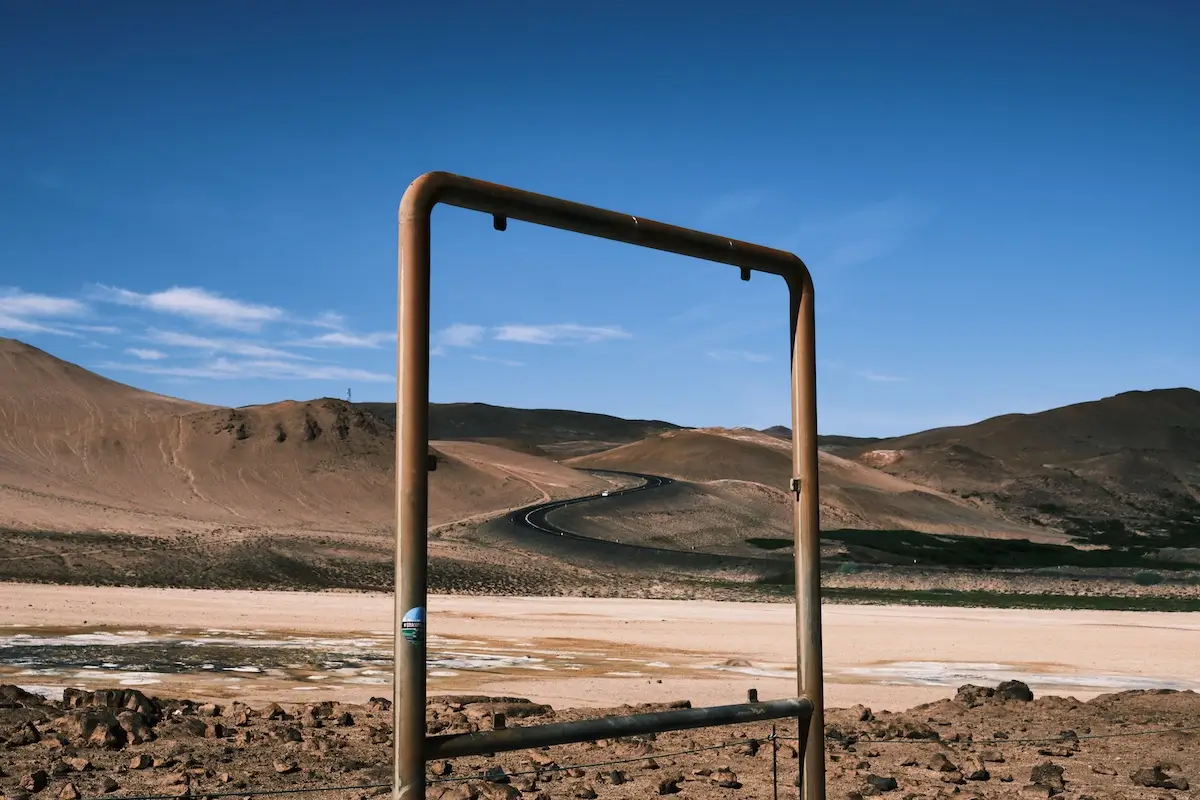
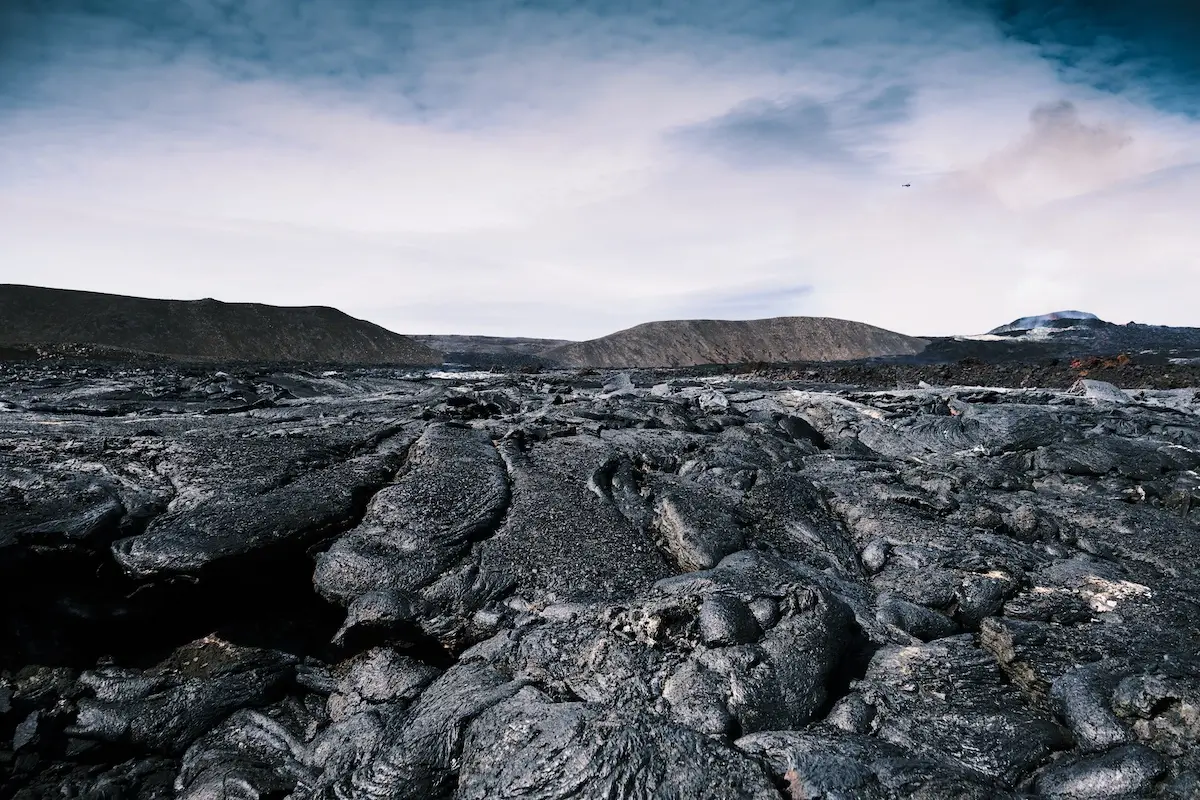
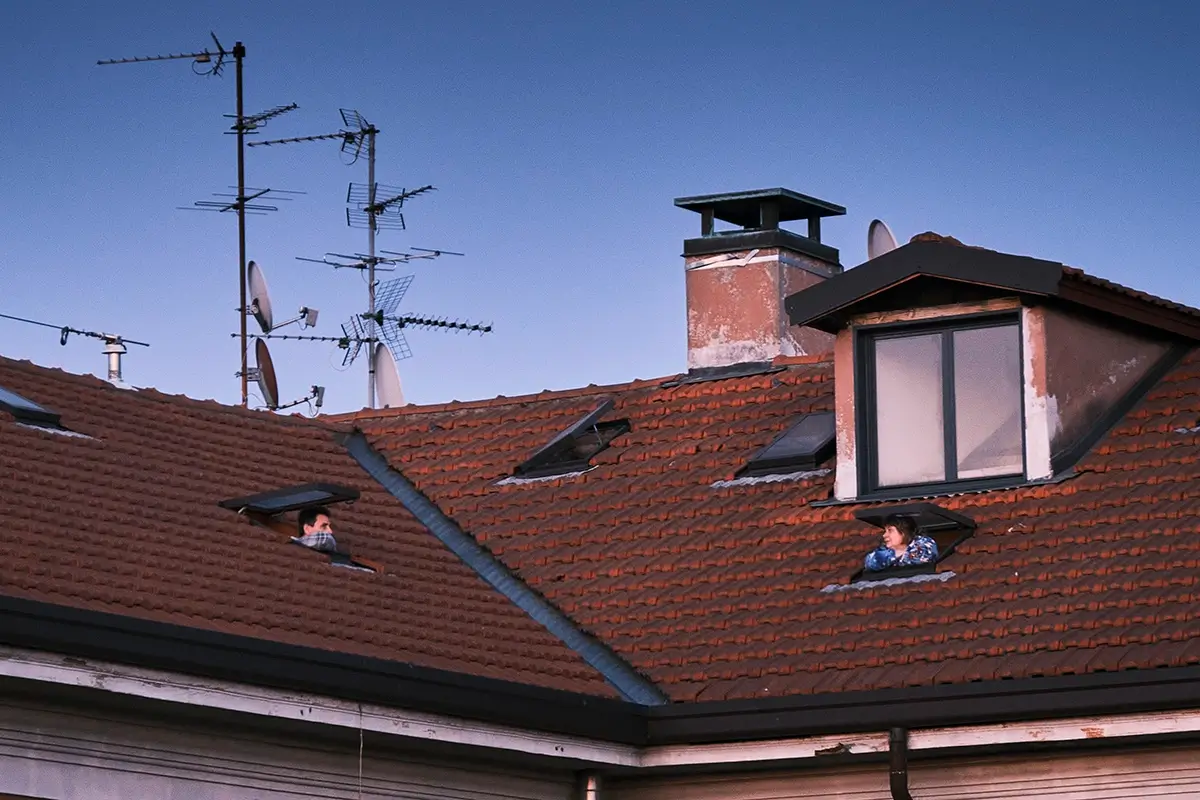
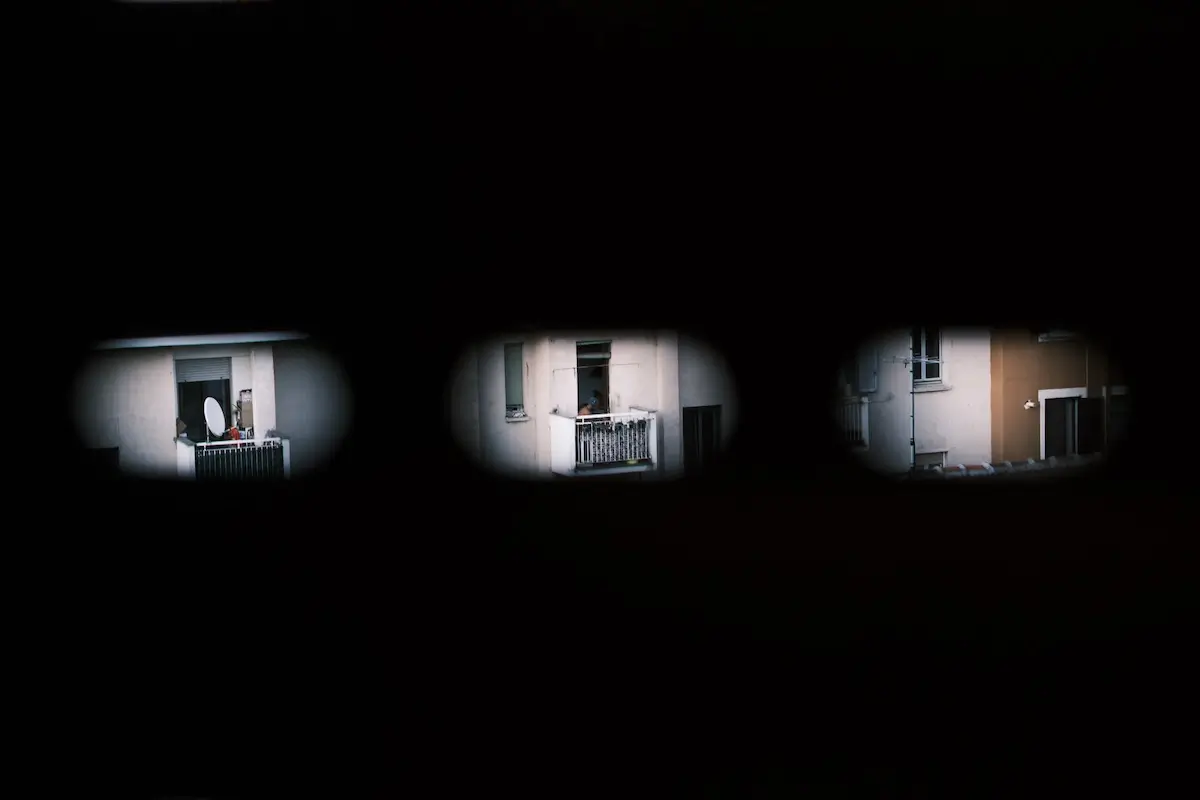
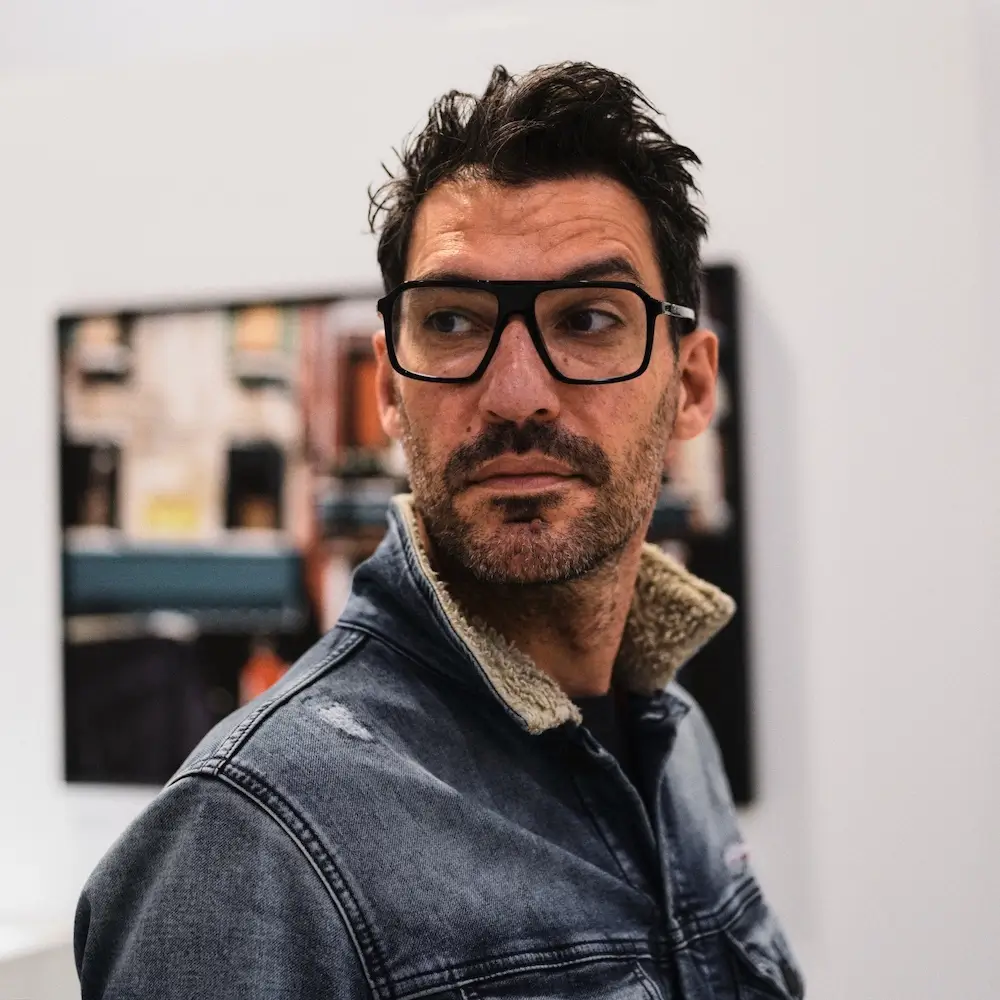
Stefano Battistelli is an Italian photographer based in Milan. Born in the glorious 80s and raised near Rome, he has been living and working there for over a decade. Alongside his photography, he has built a long career in advertising, where he has worked for more than ten years and currently serves as Executive Creative Director at Dentsu Creative Italy, part of one of the world’s largest communication groups. His career began at LePub Milan, one of the most creative advertising agencies globally, where he was appointed Creative Director after just two years and contributed to iconic payoffs such as “Barilla. A sign of love.”

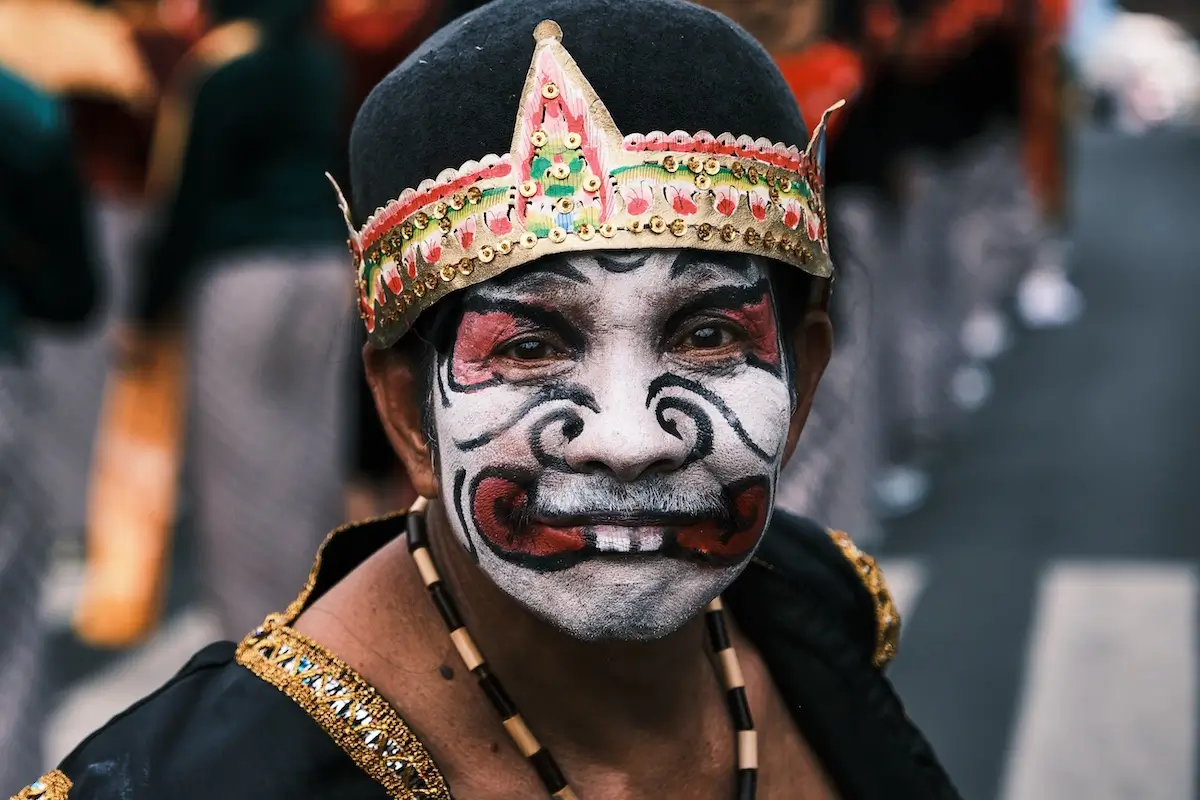
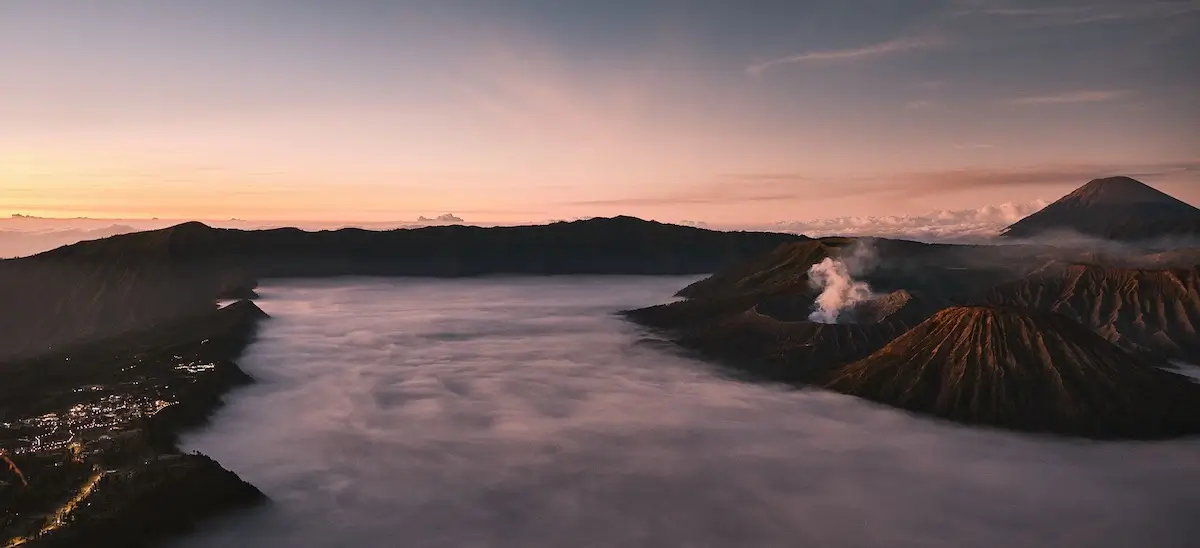
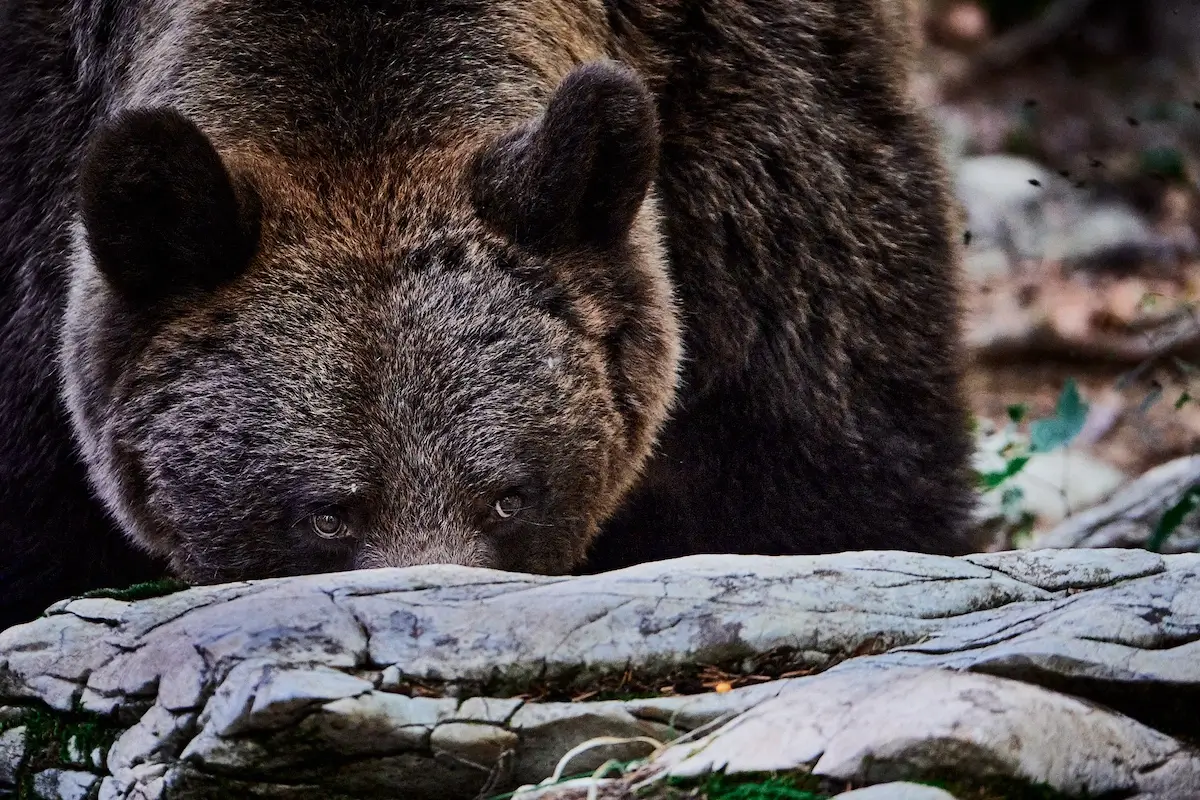
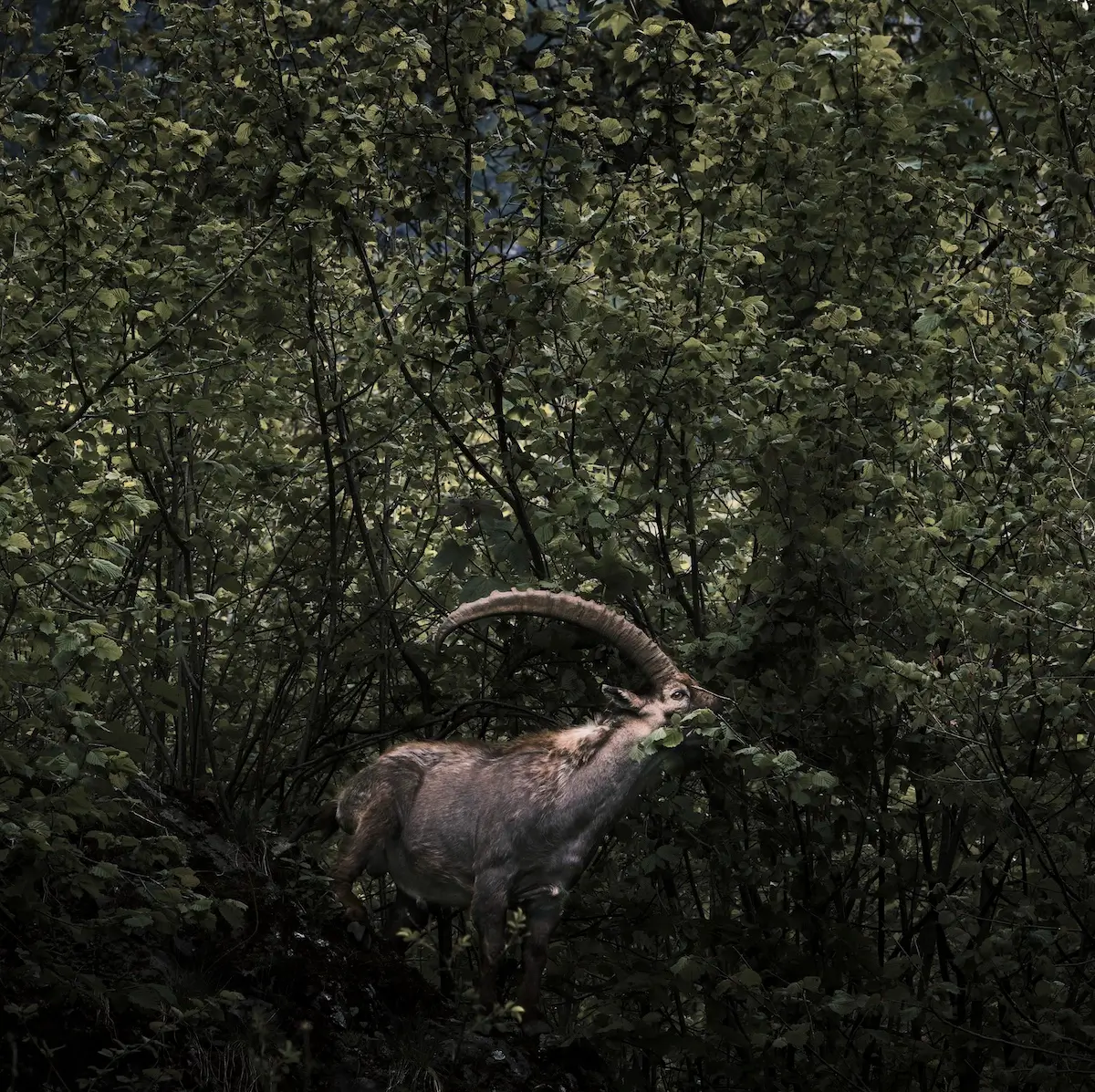
Photography is a true passion for him and ranges from reportage to nature, with a strong focus on social documentary projects. Some of his social reportages have been published and commented on by major Italian national newspapers and widely featured across numerous online magazines. His work has taken him around the world and has been recognized with several international awards, including the Fine Art Photography Award. In 2023, his photography was published by National Geographic Italy. Together with his wife, he enjoys traveling with minimal comforts and has visited more than 30 countries, including Brazil, Myanmar, Borneo, Patagonia, the Galapagos, Japan, Indonesia, Yellowstone, and South Africa.

Stefano works with Fujifilm cameras, but believes that the most important photographic investment he has ever made is not gear, but books by great masters.

AAP Magazine

AAP Magazine 54 Nature

 

Inspiring Portfolios

Call for Entries
All About Photo Awards 2026
$5,000 Cash Prizes! Juror: Steve McCurry
 
Stay up-to-date  with call for entries, deadlines and other news about exhibitions, galleries, publications, & special events.

More Great Photographers To Discover

Eric Kunsman
United States
1975
Eric T. Kunsman (b. 1975) was born and raised in Bethlehem, Pennsylvania. While in high school, he was heavily influenced by the death of the steel industry and its place in American history. The exposure to the work of Walker Evans during this time hooked Eric onto photography. Eric had the privilege to study under Lou Draper, who became Eric’s most formative mentor. He credits Lou with influencing his approach as an educator, photographer, and contributing human being. Eric holds his MFA in Book Arts/Printmaking from The University of the Arts in Philadelphia and holds an MS in Electronic Publishing/Graphic Arts Media, BS in Biomedical Photography, BFA in Fine Art photography, all from the Rochester Institute of Technology in Rochester, New York. Currently, he is a photographer and book artist based out of Rochester, New York. Eric works at the Rochester Institute of Technology (RIT) as an Assistant Professor in the Visual Communications Studies Department at the National Technical Institute for the Deaf and is an adjunct professor for the School of Photographic Arts & Sciences. In addition to lectures, he provides workshops on topics including his artistic practice, digital printing, and digital workflow processes. He provided industry seminars for the highly regarded Printing Applications Lab at RIT. His photographs and books are exhibited internationally and are in several collections. He currently owns Booksmart Studio, which is a fine art digital printing studio specializing in numerous techniques and services for photographers and book artists on a collaborative basis. Eric’s work has been exhibited in over 35 solo exhibitions at such venues as Nicolaysen Art Museum, Hoyt Institute of Fine Art, Los Angeles Center for Digital Art, and numerous university galleries. His work has also been a part of over 150 group exhibitions over the past four years, including exhibitions at the Center for Photography, A. Smith Gallery, SPIVA, San Luis Obispo Museum of Art, Spartanburg Museum of Art, Atlanta Photography Group, CEPA Gallery, Site: Brooklyn, Colorado Photographic Arts Center, Philadelphia Photo Arts Center, and many more. Eric was named one of 10 B&W photographers to watch of 2018 by BWGallerist; B&W Best Photographers of the Year 2019 by Dodho Magazine; won the Association of Photography (UK) Gold Award for Open Series in 2019; Finalist, Top 200 Critical Mass 2019, 2020, 2021; Top 15 Photographers for the Rust Belt Biennial; and Lensculture B&W Jurors’ Pick 2021. His Project Felicific Calculus was also awarded a Warhol Foundations Grant through CEPA Gallery in Buffalo, NY. Eric’s work has also been published in magazines such as; Bloomberg Businessweek, LensWork, Dodho, B&W Photography, Analog Explorations, All About Photo, Black+White Photography (UK), Dek Unu, along with online articles by Analog Forever Magazine, Catalyst: Interview, Texas Photo Society, and others. There's no “given,” formula for what demands Eric’s focus as a photographer. Eric is as drawn to the landscapes and neglected towns of the American southwest as he is to the tensions of struggling rustbelt cities in the U.S. northeast. Eric is attracted to objects left behind, especially those that hint at a unique human narrative, a story waiting to be told. Eric’s current work explores one of those relics: working payphones hidden in plain sight throughout the neighborhood near his studio in Rochester, NY. Associates suggested they signified a high crime area. This project's shown Eric something very different. Felicific Calculus: Technology as a Social Marker of Class, Race, & Economics in Rochester, NY The felicific calculus is an algorithm formulated by jurist and reformer Jeremy Bentham (1748-1832) for calculating the moral rightness of an action by balancing the probable pleasures and pains that it would produce. Bentham, a utilitarian philosopher, believed this calculus could, in principle, help determine the moral status of any considered act. In 2017, I relocated my studio to a different part of Rochester, NY. Colleagues immediately started making comments along the lines of: "...that area's a war zone." My experience with the new neighborhood was positive, so I wanted to discover what visual cues others might be seeing as indicators of a dangerous environment. Several people had mentioned the number of payphones in the area, inferring that only criminals use payphones these days. There really were a lot of payphones in my neighborhood. I began documenting them, and quickly saw that far from being used by criminals, these phones served as a lifeline for some of the poorest residents in the area. Looking deeper, I found the story behind Rochester's payphones reflected an unusually altruistic ‘felicific calculus' by Frontier Communications. Instead of focusing on profits, they had decided to maintain the payphones in poorer neighborhoods for the good of the community. Many policymakers have opted to view payphones as a social indicator of crime, unfortunately leading to ignorant or even dangerous decisions. In Detroit, Michigan, politicians had all public payphones removed without studying or surveying their actual use.They simply assumed the criminal connection. This decision was based on a further assumption that everyone today must own a mobile phone. Decision-makers lacking facts or any real understanding of issues facing citizens from a different economic class just acted on a misperception. Witnessing that type of reflexive judgement from my colleagues drove me to educate myself. I photographed payphones and mapped their locations, then overlaid them with census maps showing economic status, ethnicity, age and sex, and the city crime map. There was an immediate, direct correlation between the poverty level and location of the payphones. Areas with the most payphones coincided with Rochester neighborhoods where the average family incomes are lower than $20,000 annually. There was also no correlation with high crime neighborhoods. Through Felicific Calculus I hope to challenge negative perceptions of social markers that conflate poverty with crime. Though they are relics to most of us, payphones remain important for residents trapped in lower economic circumstances. Life-Lines Throughout the United States This body of work is a series in conjunction with my project “Felicific Calculus: Technology as a Social Marker of Race, Class, & Economics in Rochester, NY,” to demonstrate how many cities throughout the US are facing the same situation. Many individuals are being left behind by technology or labeled throughout the United States due to relying on outdated technology. This series is meant to support the Rochester, NY, project to demonstrate what is occurring in the United States. “Life-Lines Throughout the United States” is a topographic survey of payphones as social markers throughout the United States, along with interactive census data to help visualize the socioeconomic relationship between the individual photograph and each location.
Tianhu Yuan
China
1986
Tianhu Yuan (Tales Yuan) is a self-taught Chinese visual artist based in Chengdu and Chongqing. He has a long-standing interest in ACG-related generalized Nijigen subcultural community, and aims to build a dialogue between mainstream society and subculture through his work. He also focuses on the progress of society to explore the relationship between current technology and future developments. His work has been exhibited at China 29th National Photographic Art Exhibition, RPS IPE165, Galerie Huit Arles, PHOTO IS:RAEL International Photo Festival, Jakarta International Photo Festival, PhEST Festival, Head On Photo Festival and Lishui Art Museum. He was also awarded or shortlisted from Sony World Photography Awards, Fine Art Photography Awards, BJP OpenWalls Arles, BJP Portrait of Humanity, Lucie Foundation Scholarships, PhMuseum Photography Grant, the Meitar Award for Excellence in photography and Head On Photo Awards. Self Iterating of Chongqing A traditional neighbourhood is demolished to make way for bustling shopping districts. People are digging tunnels and building bridges to build railways, leaving behind the mountains and rivers that once defined the city's character. Citizens cope with the extremes of summer in the city known as the furnace of China. It is a city of tradition, but it is also a city looking to the future. In choosing to develop, human beings leave something behind and gain something new. People believe in moving towards a better future at the moment of choice. By capturing these moments of transition and transformation, I aim to highlight the complexities of urban development and the challenges that societies face when balancing progress with environmental preservation. I try to contemplate the role of human beings in shaping our cities and the environment, and to consider the choices we make as we look towards the future. AAP Competitions All About Photo Awards 2025
Richard Learoyd
United Kingdom
1966
Richard Learoyd was born in the small mill town of Nelson, Lancashire, England in 1966. At the age of 15, his mother insisted he take a pinhole photography workshop, which he attributes as the start of his interest in photography. In 1990 he graduated from the Glasgow School of Art with a degree in Fine Art Photography. While there he studied with American photographer Thomas Joshua Cooper. In 1991 Learoyd was awarded an artist-in-residence at the Scottish Ballet. Learoyd taught photography at Bournemouth and Poole College from 1994 until 1999. In 2000, he moved to London where he worked as a commercial photographer. Source: Wikipedia Richard Learoyd’s color images are made with one of the most antiquarian of photographic processes: the camera obscura. Literally translated from Latin as “dark room,” Learoyd has created a room-sized camera in which the photographic paper is exposed. The subject—often a person, sometimes a still life—is in the adjacent room, separated by a lens. Light falling on the subject is directly focused onto the photographic paper without an interposing film negative. The result is an entirely grainless image. The overall sense of these larger-than-life images redefines the photographic illusion. Learoyd’s subjects, composed simply and directly, are described with the thinnest plane of focus, re-creating and exaggerating the way that the human eye perceives, and not without a small acknowledgement to Dutch Master painting. Learoyd’s black-and-white gelatin silver contact prints are made using the negative/positive process invented roughly 170 years ago by Englishman W. H. Fox Talbot. Working with a large and portable camera obscura of his own construction, Learoyd has journeyed outside of his London studio, into the art-historically rich English countryside, along the California coast, and throughout Eastern Europe, producing images that have long been latent in his imagination. The negatives are up to 80 inches wide, resulting in the largest gelatin-silver contact prints ever made. In 2015, Aperture released Richard Learoyd: Day for Night, a comprehensive book of color portraits and studio work, and concurrently, the Victoria & Albert Museum in London mounted a his first solo museum exhibition, Dark Mirror. In 2016, the J. Paul Getty Museum opened a solo exhibition of his large-scale portrait and still-life photographs, which then traveled to the Nelson-Atkins Museum of Art. In 2019, a survey exhibition will open at Fundación MAPFRE in Spain. Learoyd’s work is included in the collections of The Getty, Tate, Victoria & Albert Museum, Centre Pompidou, The Metropolitan Museum of Art, San Francisco Museum of Modern Art, Nelson-Atkins Museum, National Gallery of Canada, and Yale University Art Gallery, among others. Source: Fraenkel Gallery
Ed Kashi
United States
1957
Ed Kashi is a photojournalist, filmmaker and educator dedicated to documenting the social and political issues that define our times. A sensitive eye and an intimate relationship to his subjects are signatures of his work. As a member of the prestigious photo agency VII, Kashi has been recognized for his complex imagery and its compelling rendering of the human condition. “I take on issues that stir my passions about the state of humanity and our world, and I deeply believe in the power of still images to change people’s minds. I’m driven by this fact; that the work of photojournalists and documentary photographers can have a positive impact on the world. The access people give to their lives is precious as well as imperative for this important work to get done. Their openness brings with it a tremendous sense of responsibility to tell the truth but to also honor their stories.” Kashi’s images have been published and exhibited worldwide. Another of Kashi’s innovative approaches to photography and filmmaking produced the Iraqi Kurdistan Flipbook with MediaStorm, which premiered on MSNBC.com in December 2006. Using stills in a moving image format, this creative and thought-provoking form of visual storytelling has been shown in many film festivals and as part of a series of exhibitions on the Iraq War at the George Eastman House. Also, an eight-year personal project completed in 2003, Aging in America: The Years Ahead, created a traveling exhibition, an award-winning documentary film, a website and a book which was named one of the best photo books of 2003 by American Photo. Along with numerous awards, including Second Prize Contemporary Issues Singles in the 2011 World Press Photo contest, UNICEF’s Photo of the Year 2010, a Prix Pictet 2010 Commission and honors from Pictures of the Year International, Communication Arts and American Photography, Kashi’s images have been published and exhibited worldwide, and his editorial assignments and personal projects have generated six books. In 2008, Curse of the Black Gold: 50 Years of Oil in the Niger Delta was published, and June 2009, saw the publication of Kashi’s latest book THREE, based on a series of triptychs culled from more than 20 years of image making. In 2002, Kashi and his wife, writer/filmmaker Julie Winokur, founded Talking Eyes Media. The non-profit company has produced numerous short films and multimedia pieces that explore significant social issues. The first project resulted in a book and traveling exhibition on uninsured Americans called, Denied: The Crisis of America’s Uninsured. “Ed Kashi is intelligent, brave and compassionate. He always understands the nuances of his subjects. He fearlessly goes where few would venture. And he sympathetically captures the soul of each situation. Ed is one of the best of a new breed of photojournalistic artists.” -- David Griffin, Visuals Editor, The Washington Post Articles Ed Kashi talks about Climate Change 1 in 6 by 2030 Books Abandoned Moments A Period in Time
Mostafa Nodeh
Mostafa Nodeh (b. 1980) is an Iranian artist and self-taught photographer based in Guilan, on the northern coast of Iran. He is known for his captivating minimalist landscape photographs in black and white, which, inspired by conceptual photography, are strongly rooted in themes, ideas and symbolism. About the Freedom Collection Global Appeal and Interpretative Depth The Freedom collection showcases how the simplest of elements can carry profound meanings. While some may see in his images themes of hope and resilience, others might interpret them as reflections on personal growth or the changing seasons of life. A Celebration of Universal Themes Mostafa Nodeh’s Freedom is a testament to his belief that freedom is a deeply personal and universal experience. The collection invites viewers to reflect on their journeys, embodying resilience and aspiration through serene imagery. Nodeh’s work serves as an invitation to pause, appreciate the quiet elegance of the world, and find strength in simplicity. Nodeh’s photography reminds us that within each image lies an opportunity to find peace and inspiration, celebrating the beauty of life’s most fundamental experiences. Statement Very poetic and existential in nature, Nodeh's works invite us to reflect on the deeper questions in life. What is the meaning of it? How are we spending it? Or to engage with more politically charged questions such as which lives matter? Or who is disposable? All the while they also hold another important message, which perhaps is the root of Nodeh’s minimalism: ''To me minimal photography is an art in the way that artists learn how to omit the extra elements which seem to be very necessary in such a hectic life. I see it as an international language to communicate with the people round the world'' Awarded Photographer of the Week - Week 49
Jessica Todd Harper
United States
1975
Jessica spent much of her childhood wandering around museums with a sketchbook, copying paintings. This traditional artistic preparation took an unexpected course when she started making photographs as a teenager, but the familiar canvases of her childhood heroes -John Singer Sargent, Whistler, Vermeer- still have their influences today: she is interested in making intimate, psychological portraits, where the environment plays a large role. Jessica Todd Harper uses portraiture to explore the subtle tensions within daily family interactions and the complexity of human relationships. Her work is grounded in art historical tradition, but with a psychological undercurrent that marks its modernity. A silver medalist in the Prix de la Photographie in Paris (2014), she was an Outwin Boochever Portrait Competition prizewinner (2016) and selected that same year for the Taylor Wessing Portrait competition at the National Portrait Gallery in London. Her work will be significantly represented in Kinship, opening at the Smithosonian's National Portrait Gallery in late 2022, and running until 2024. Harper has published two prize-winning books of photography, Interior Exposure (2008) and The Home Stage (2014) (both Damiani Editore). Damiani’s third book of her work, Here, is due out in late 2022. HERE Like 17th-century Dutch painters who made otherwise ordinary interior scenes appear charged with meaning, Pennsylvania-based photographer Jessica Todd Harper (born 1975) looks for the value in everyday moments. The characters in her imagery are the people around her—friends, herself, family—but it is not so much they who are important as the way in which they are organized and lit by Harper. A woman helping her child practice the piano is not a particularly sacred moment, but as in a Vermeer painting, the way the composition and lighting influence the content suggests that perhaps it is. This collection of photographs presented in Harper's third monograph makes use of what is right in front of the artist, what is here, a place that many of us came to contemplate especially during the pandemic. Beauty, goodness and truth can reveal themselves in daily life, as in the Dutch paintings of everyday domestic scenes that are somehow lit up with mysterious import. Harper shows how our unexamined or even seemingly dull surroundings can sometimes be illuminating. Exlusive Interview with Jessica Todd Harper about her Book Here
Advertisement
All About Photo Awards 2026
Win a Solo Exhibition in March
All About Photo Awards 2026

Latest Interviews

Exclusive Interview with Anastasia Samoylova
Anastasia Samoylova is an American artist whose photographic practice is shaped by close observation and a deep attentiveness to place. Working between documentary and formal exploration, she photographs landscapes, architecture, and everyday scenes with a sensitivity to light, structure, and atmosphere. Since relocating to Miami in 2016, her work has increasingly focused on how environments—both natural and built—carry social, cultural, and emotional traces. We asked her a few questions about her practice and her way of seeing, to better understand the thoughts and experiences that shape her work—while allowing the images themselves to remain open and speak in their own time.
Exclusive Interview with Marijn Fidder
Marijn Fidder is a Dutch documentary photographer whose work powerfully engages with current affairs and contemporary social issues. Driven by a deep sense of social justice, she uses photography to speak on behalf of the voiceless and to advocate for the rights of those who are most vulnerable. Her images have been widely published in major international outlets including National Geographic, CNN Style, NRC Handelsblad, Volkskrant, GUP New Talent, and ZEIT Magazin. Her long-term commitment to disability rights—particularly through years of work in Uganda—culminated in her acclaimed project Inclusive Nation, which earned her the title of Photographer of the Year 2025 at the All About Photo Awards. She is also the recipient of multiple prestigious honors, including awards from World Press Photo and the Global Peace Photo Award. We asked her a few questions about her life and work.
Exclusive Interview with Josh S. Rose
Josh S. Rose is a multidisciplinary artist working across photography, film, and writing. His practice bridges visual and performing arts, with a strong focus on movement, emotion, and the expressive potential of the image. Known for his long-standing collaborations with leading dance companies and performers, Rose brings together authenticity and precise composition—a balance he describes as “technical romanticism.” His work has been commissioned and exhibited internationally, appearing in outlets such as Vogue, at the Super Bowl, in film festivals, and most recently as a large-scale installation for Lincoln Center for the Performing Arts. A sought-after collaborator, he has worked with major artists, cultural institutions, and brands, following a previous career as Chief Creative Officer at Interpublic Group and the founder of Humans Are Social. We asked him a few questions about his life and work.
Interview with Maureen Ruddy Burkhart
Photographer Maureen Ruddy Burkhart brings a quietly attentive and deeply human sensibility to her exploration of the world through images. Shaped by a life immersed in photography, film, and visual storytelling, her work is guided by intuition, observation, and an enduring interest in the emotional undercurrents of everyday life. With a practice rooted in both fine art traditions and documentary awareness, she approaches her subjects with sensitivity, allowing subtle moments to emerge naturally rather than be imposed. Her series Til Death, selected as the Solo Exhibition for February 2025, reflects this long-standing commitment to photography as a space for reflection rather than spectacle. Drawn to moments that exist just outside the expected frame, Burkhart’s images suggest narratives without resolving them, leaving room for ambiguity, humor, and quiet connection. We asked her a few questions about her life and work.
Exclusive Interview with Peter Ydeen
Winner of AAP Magazine #45 Travels, his series reflects this unique vision—capturing the spirit of place through subtle layers of light, color, and emotion. Whether traveling abroad or observing the rhythms of his own surroundings, Ydeen creates images that feel both grounded and enchanted, inviting viewers into a world where reality and reverie meet.
Exclusive Interview with Julie Wang
Chinese-born photographer Julie Wang brings a poetic, contemplative sensitivity to her visual exploration of the world. Having lived for nearly equal parts of her life in China, Europe, and the United States, she approaches her subjects with the nuanced perspective of someone shaped by many cultures. This blend of distance, curiosity, and emotional resonance infuses her work with a quiet depth, allowing her to reveal the fragile beauty and subtle tensions that often pass unnoticed.
Exclusive Interview with Ghawam Kouchaki
American photographer Ghawam Kouchaki brings a sharply observant and introspective gaze to the streets of Japan’s capital. Based in Los Angeles, he approaches Tokyo with the distance — and curiosity — of an outsider, allowing him to uncover the city’s subtle contradictions, quiet tensions, and fleeting gestures that often go unnoticed. His series Tokyo no no, selected as the Solo Exhibition for December 2024, explores the hidden undercurrents of urban life: the unspoken rules, the small ruptures in routine, the poetic strangeness found in everyday moments. Through muted tones, instinctive timing, and meticulous framing, Kouchaki reveals a Tokyo that exists somewhere between reality and imagination — both intimate and enigmatic. We asked him a few questions about his life and work.
Exclusive Interview with Tommi Viitala
Tommi Viitala, winner of AAP Magazine #44: Street, is a Finnish photographer celebrated for his striking and cinematic street photography. With a keen eye for atmosphere and composition, he captures fleeting urban moments that reveal the poetry of everyday life. His work often explores the tension between solitude and connection within contemporary cityscapes, blending documentary realism with artistic sensibility. Viitala’s photographs have been exhibited internationally and recognized for their strong visual storytelling and emotional depth. We asked him a few questions about his life and work.
Exclusive Interview with Robert Mack
Robert Mack is a California-based visual artist, photographer, and filmmaker. His fine art photography and films have been exhibited widely in the United States and Europe, with major shows at the Baltimore Museum of Art and the Reiss-Engelhorn Museum in Mannheim, Germany. Both institutions hold his work in their permanent collections. Working across different media, Mack has built a career exploring the complexities of human presence and representation. In 1981, while living in Baltimore, he produced The Perkins Project: Not Guilty by Reason of Insanity, a rare photographic and film study inside Maryland’s hospital for the criminally insane. These stark yet compassionate black-and-white portraits remain one of his most powerful and controversial bodies of work.
Call for Entries
All About Photo Awards 2026
$5,000 Cash Prizes! Juror: Steve McCurry