All about photo.com: photo contests, photography exhibitions, galleries, photographers, books, schools and venues.
Win a Solo Exhibition in April 2026 + An Exclusive Interview!
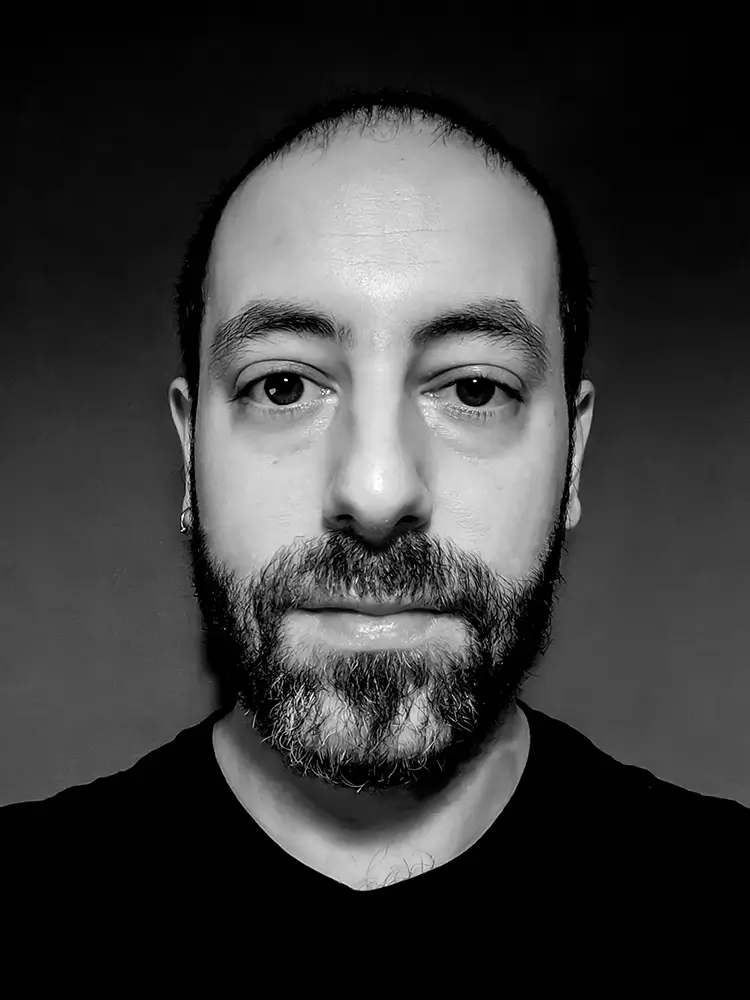
Marco Di Marco
Marco Di Marco
Marco Di Marco

Marco Di Marco

Country: Italy
Birth: 1987

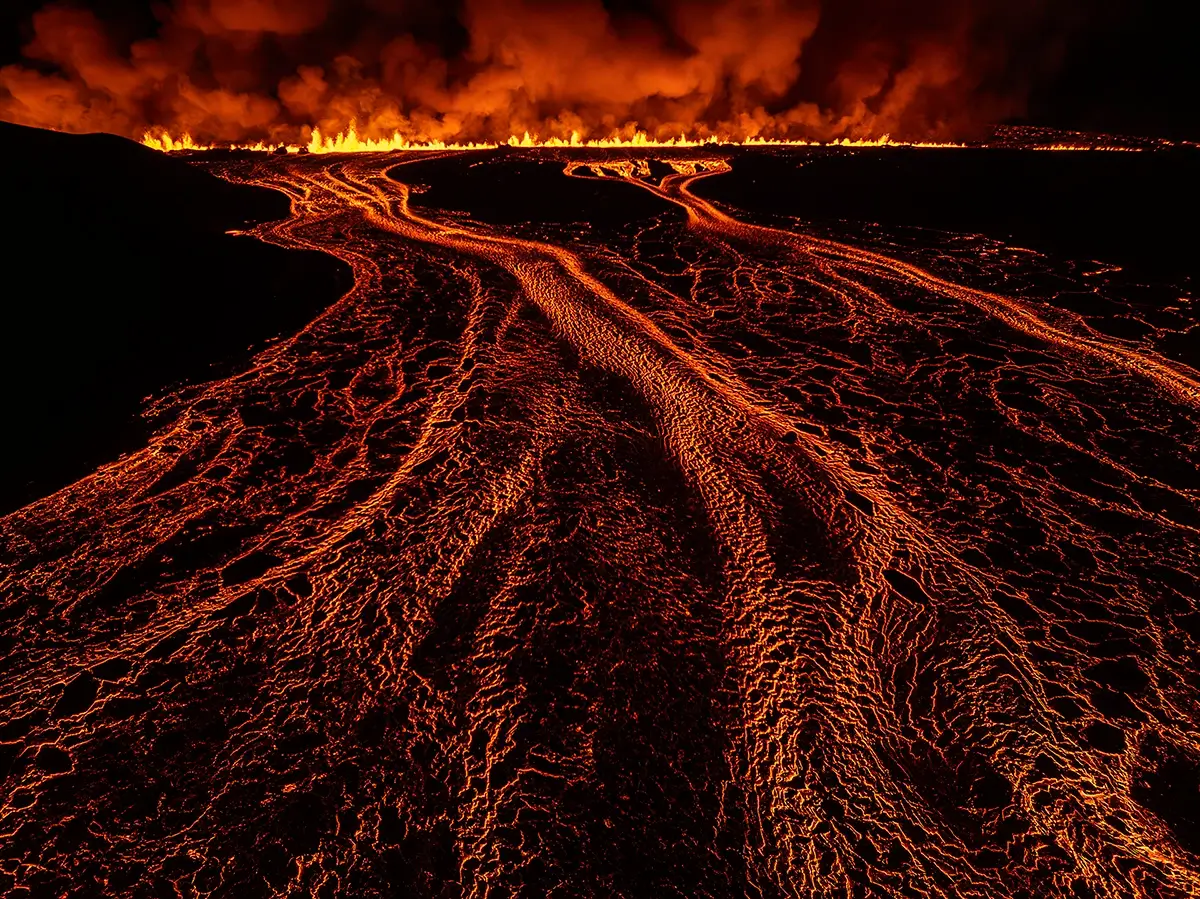
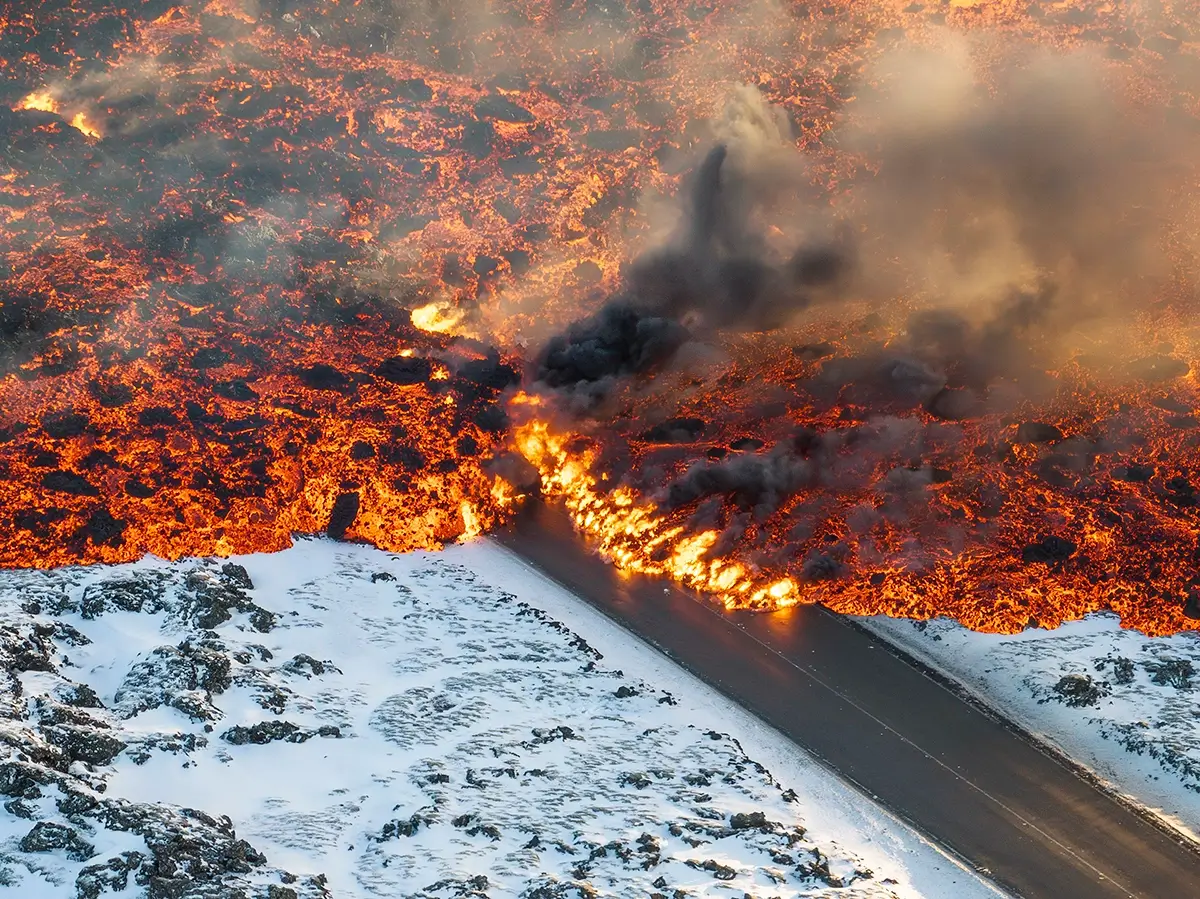
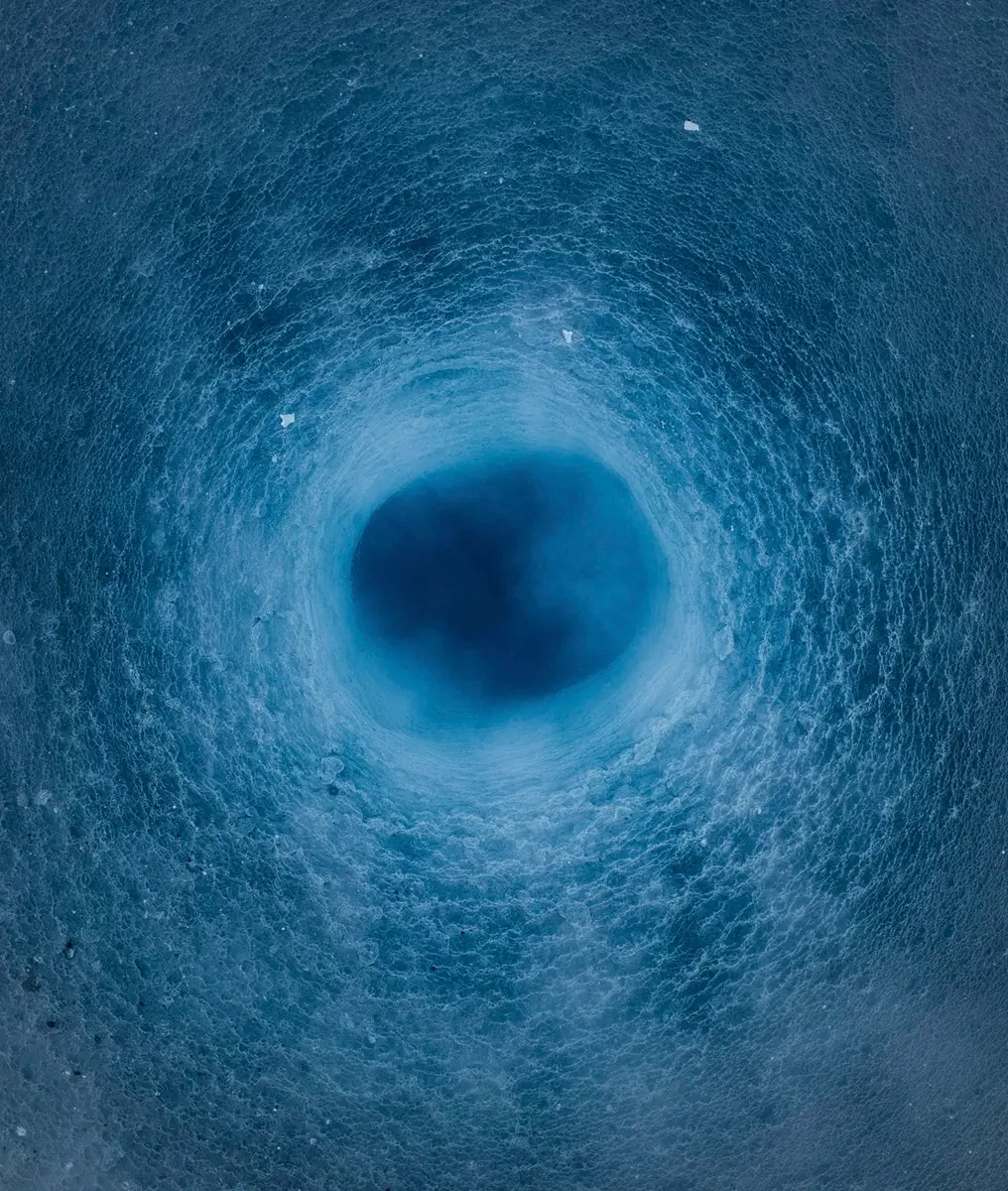
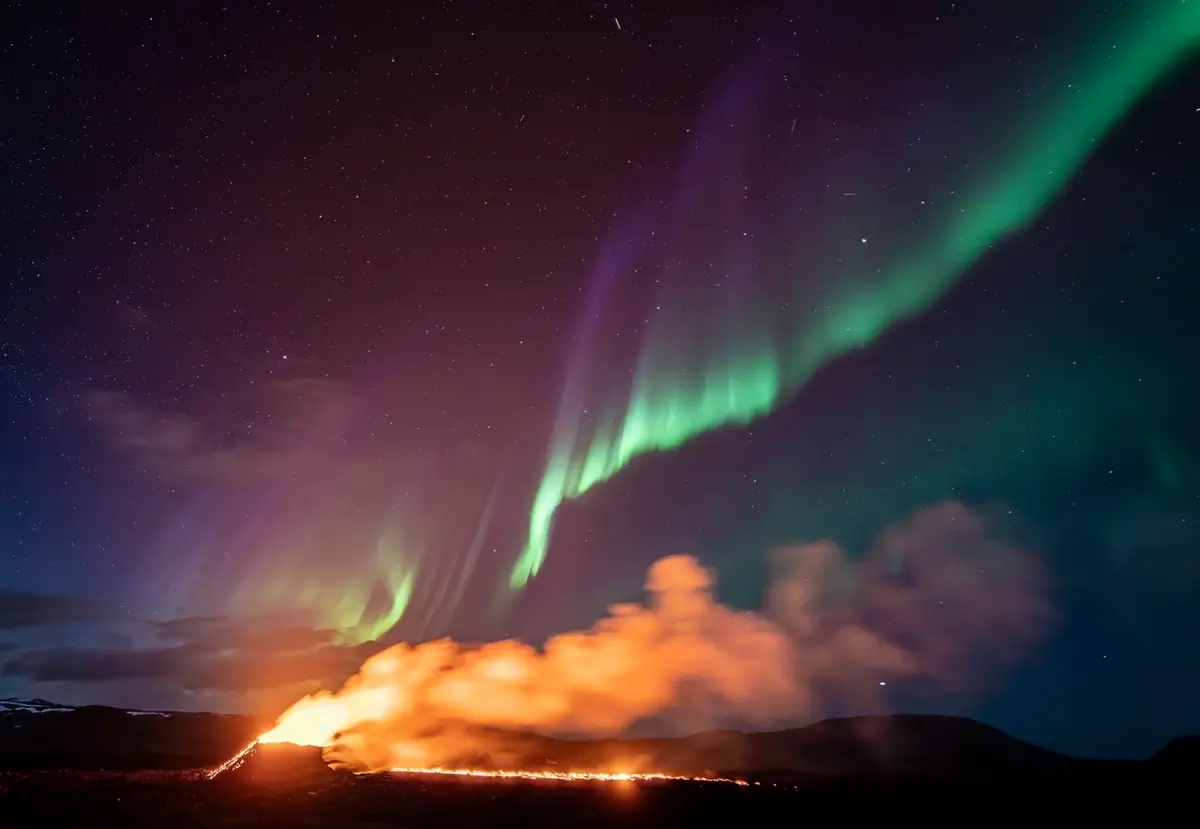
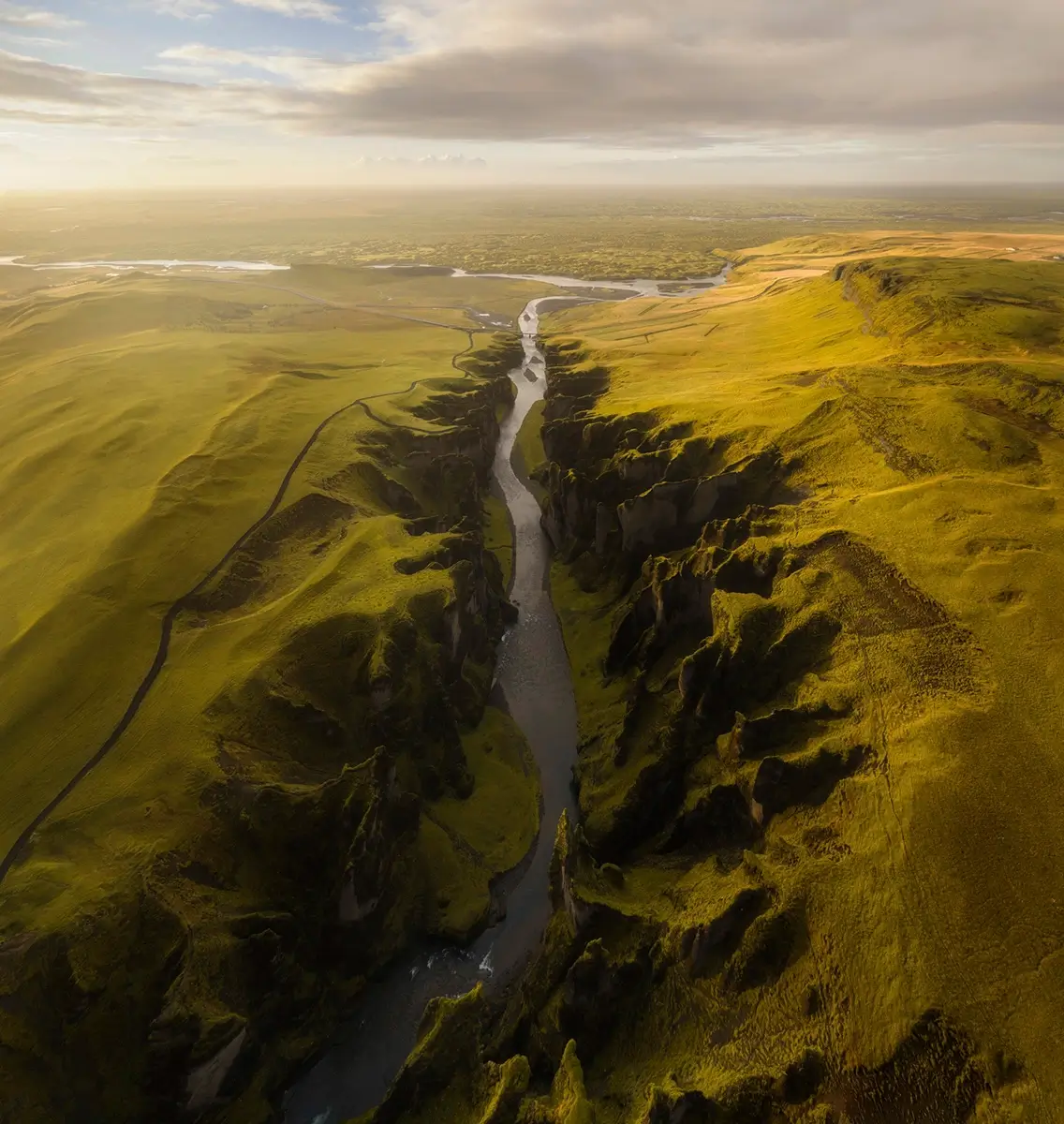
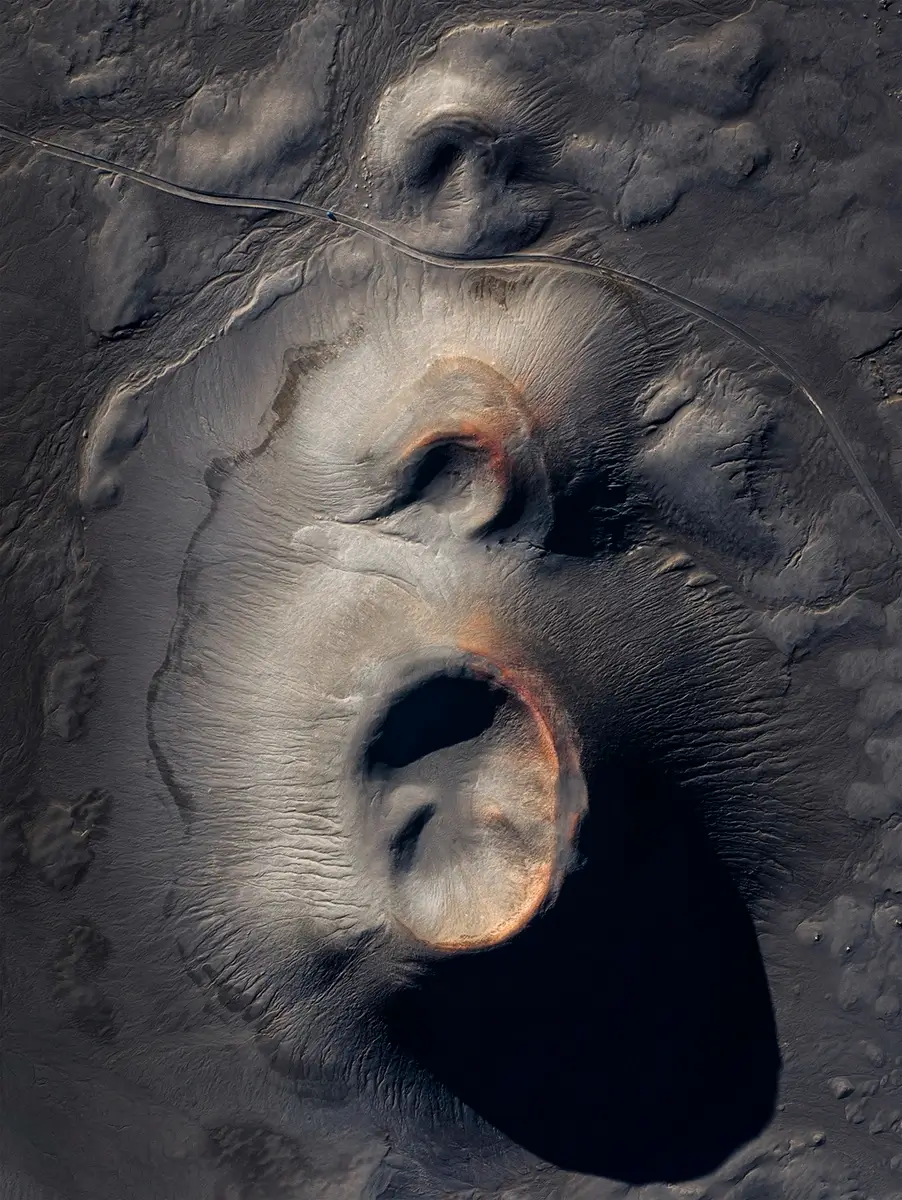
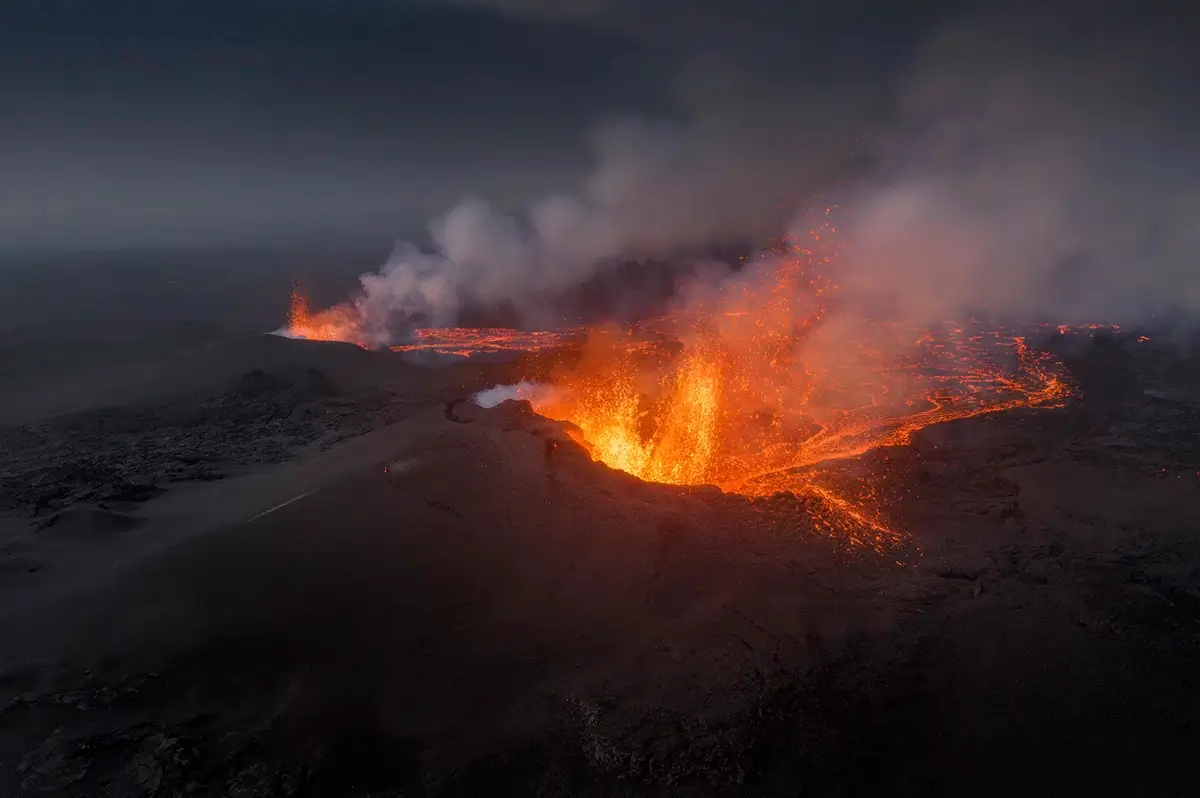
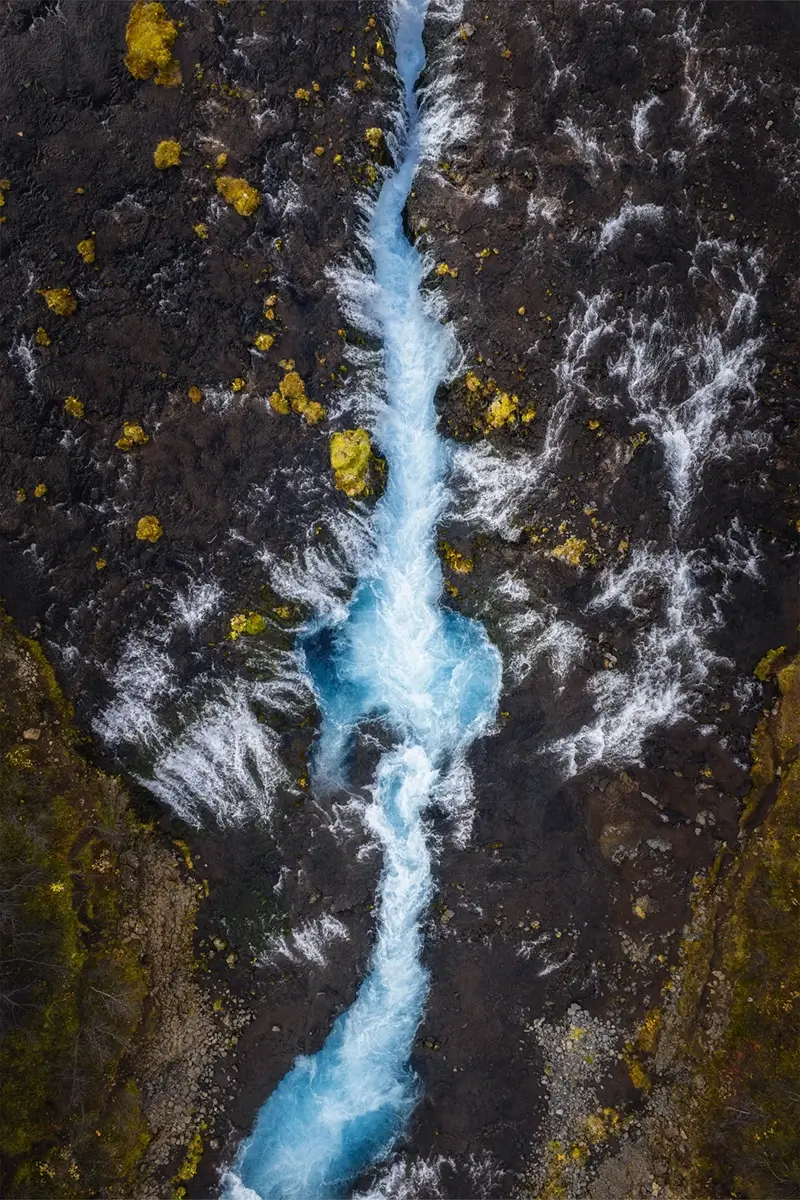
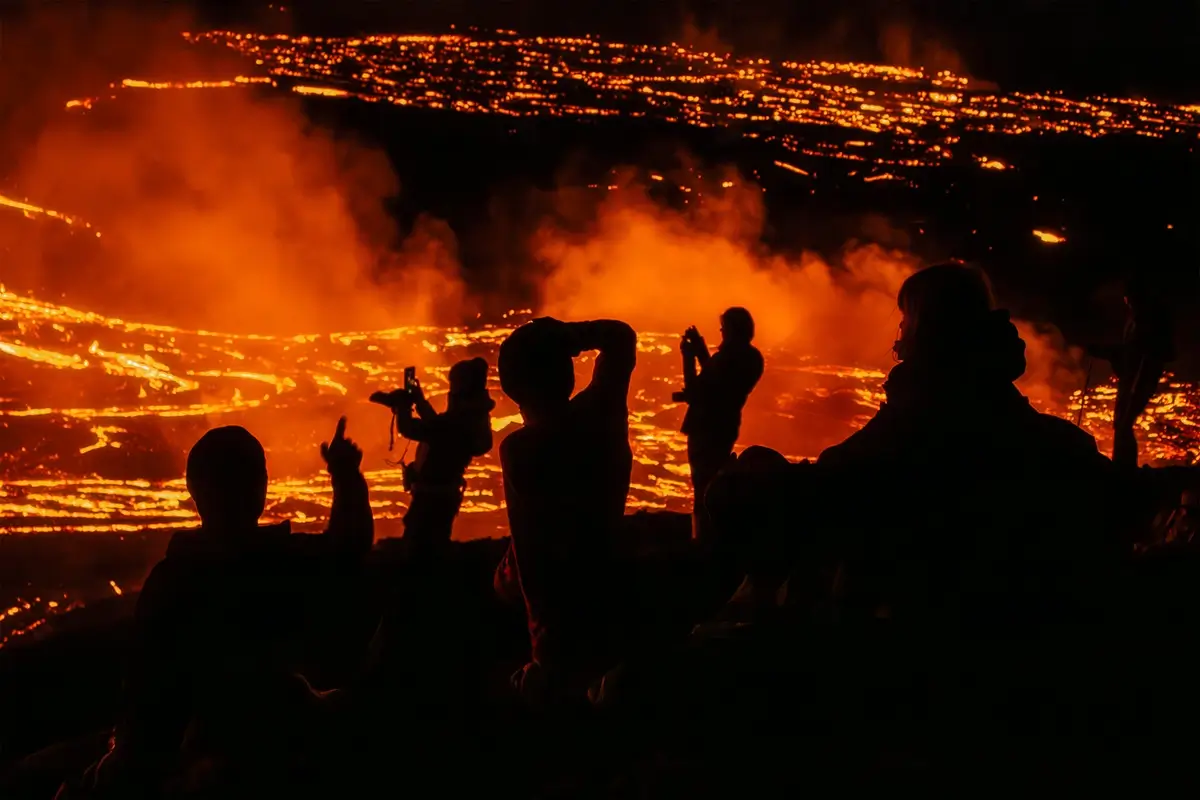
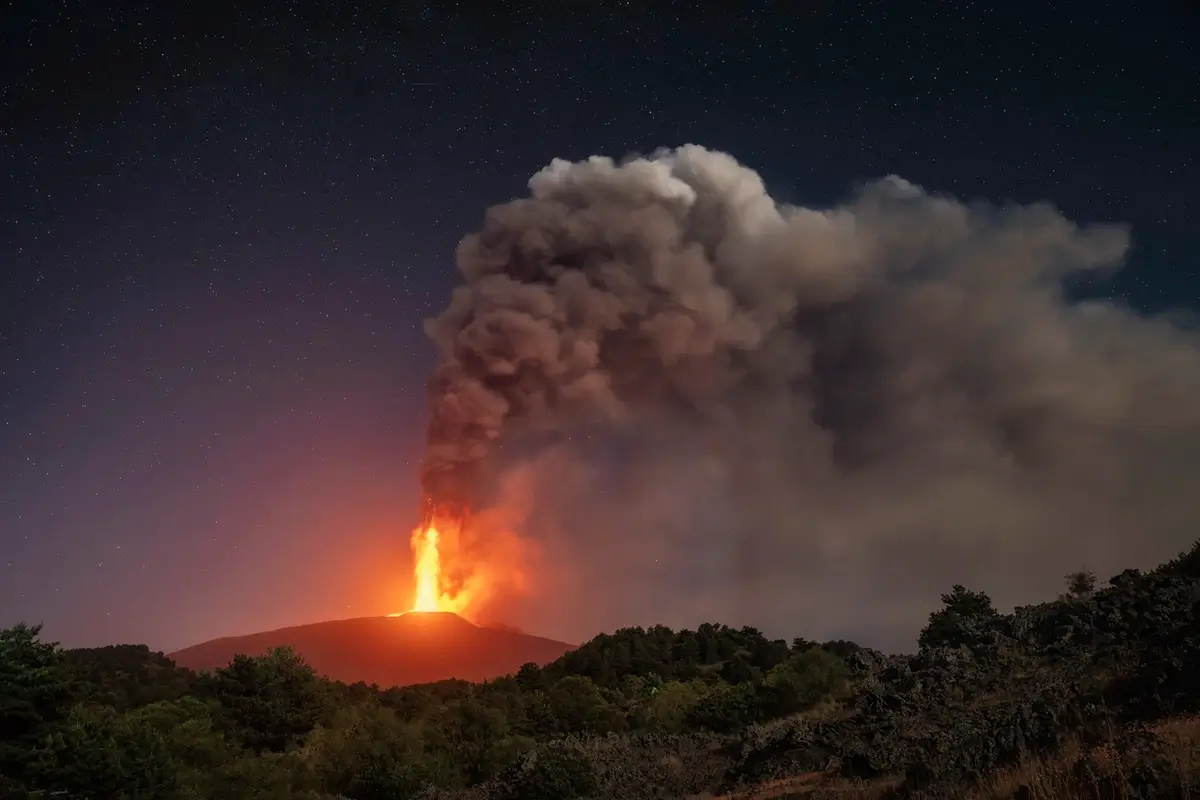
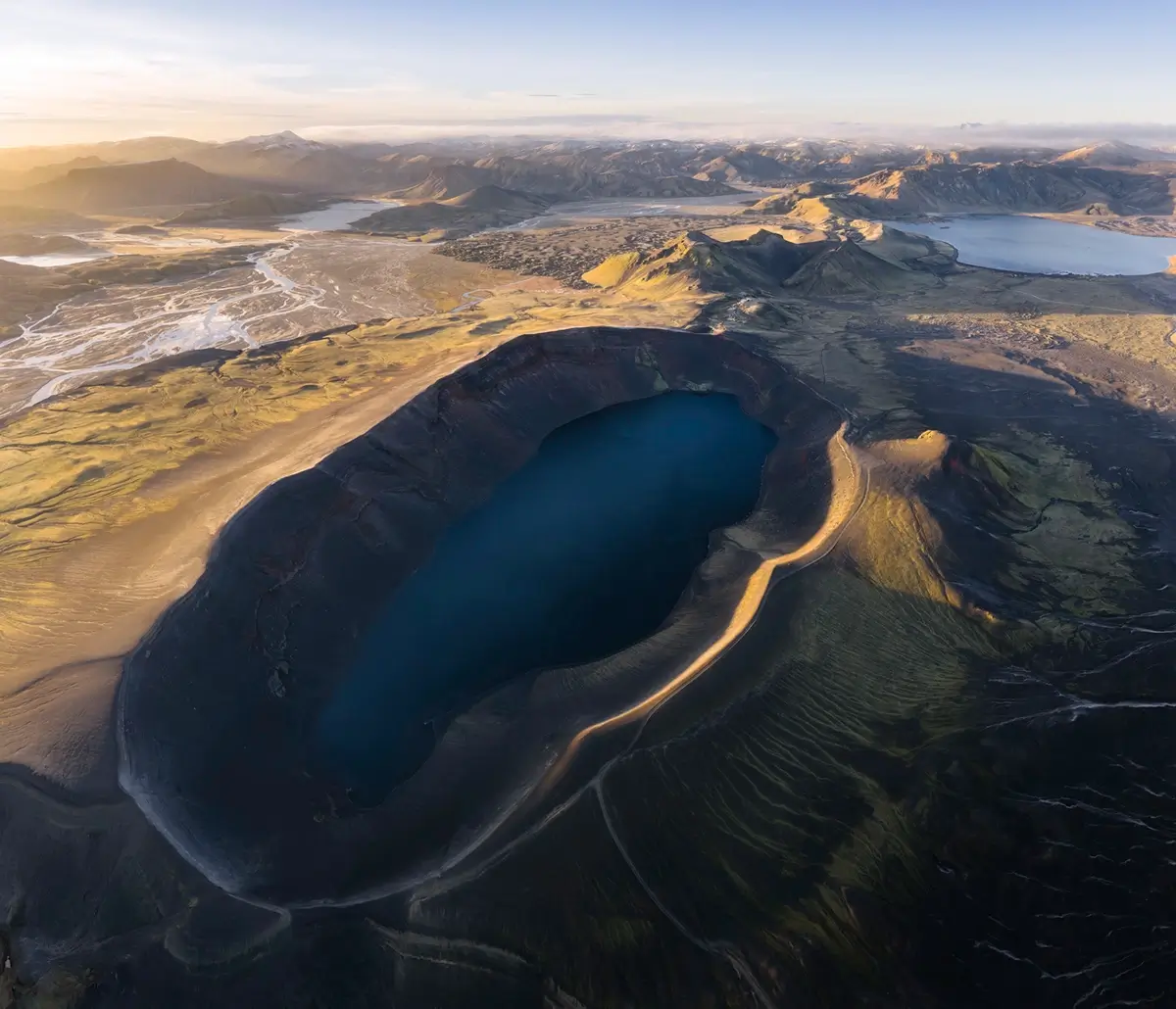
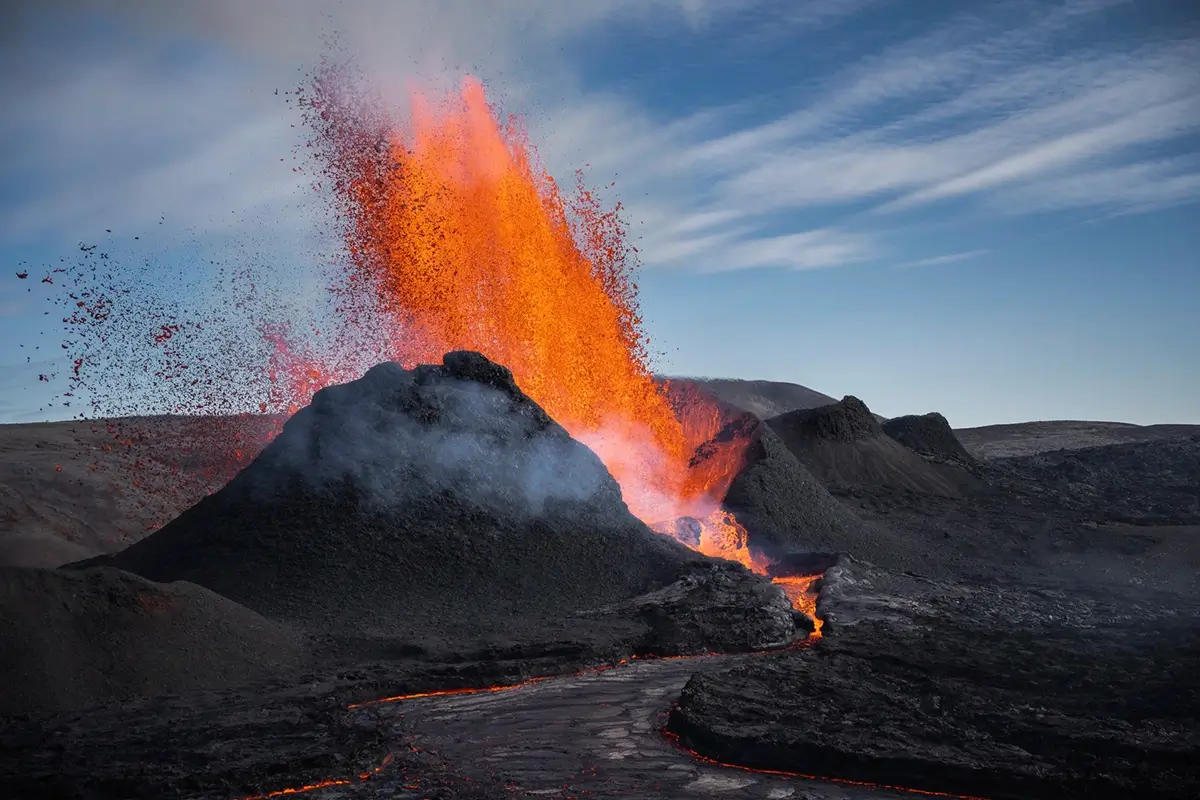
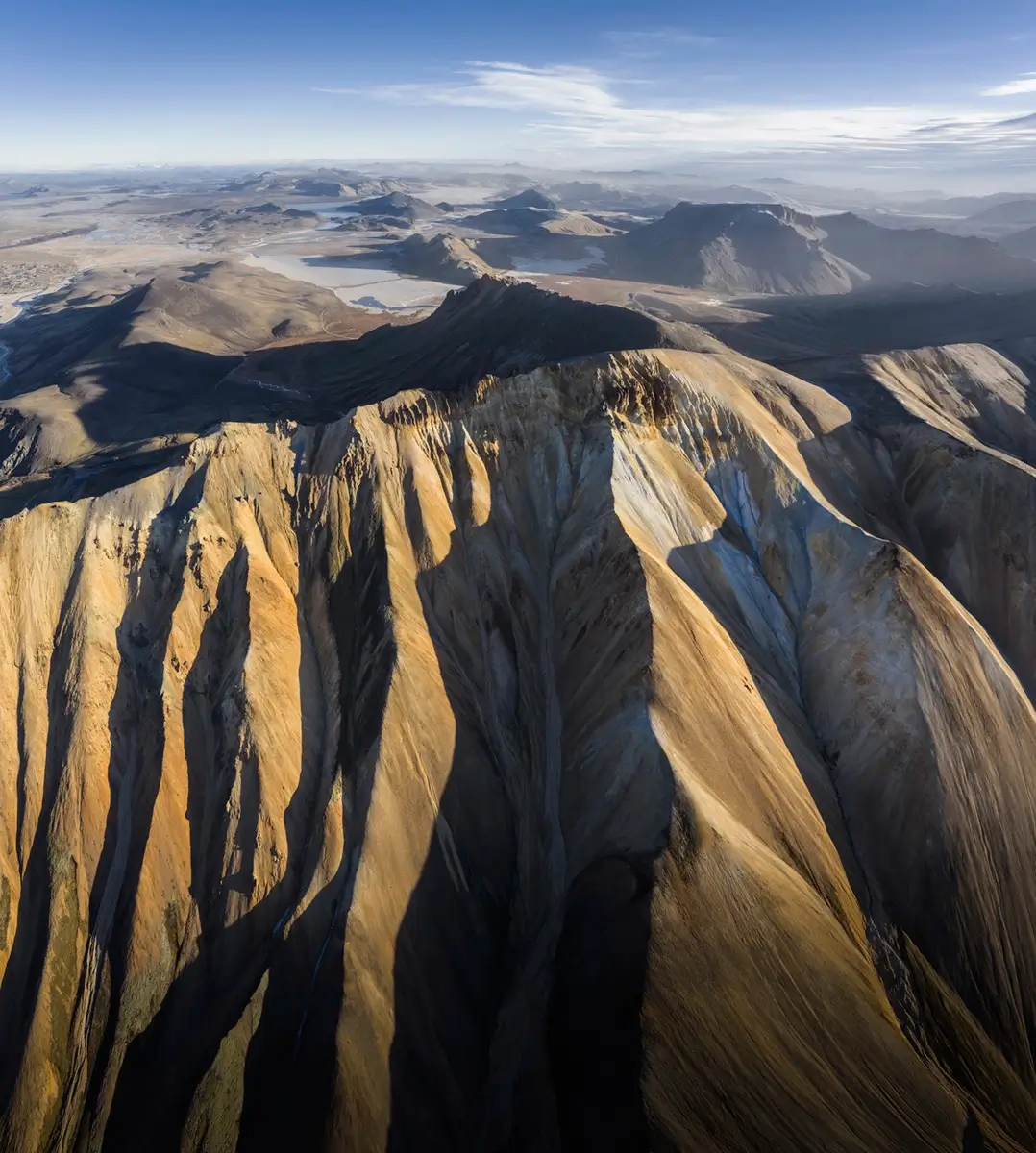
Marco Di Marco is a Sicilian visual journalist and photographer based in Reykjavík, Iceland. He began documenting the eruptions of Mount Etna in 2011 for local news agencies and has been interested in the dialogue between people and active volcanoes ever since. After relocating to Iceland in 2018, he started working as a freelance contributor for The Associated Press, covering volcanic eruptions and other major events on the island. With an academic background in geology and volcanology from the University of Catania and years of fieldwork on Etna and in Iceland, he combines scientific understanding with a reporter’s eye to build clear visual stories about life on unstable areas.

Artist Statement:
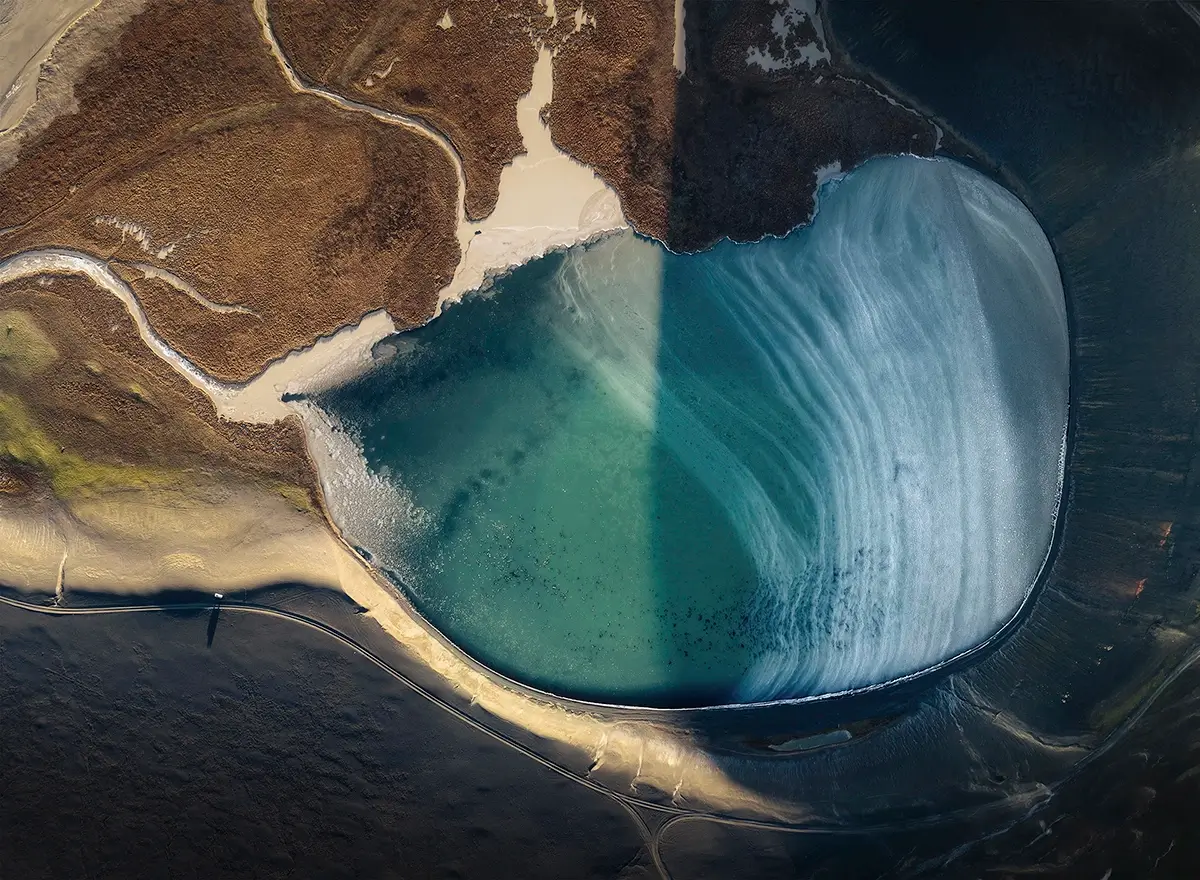
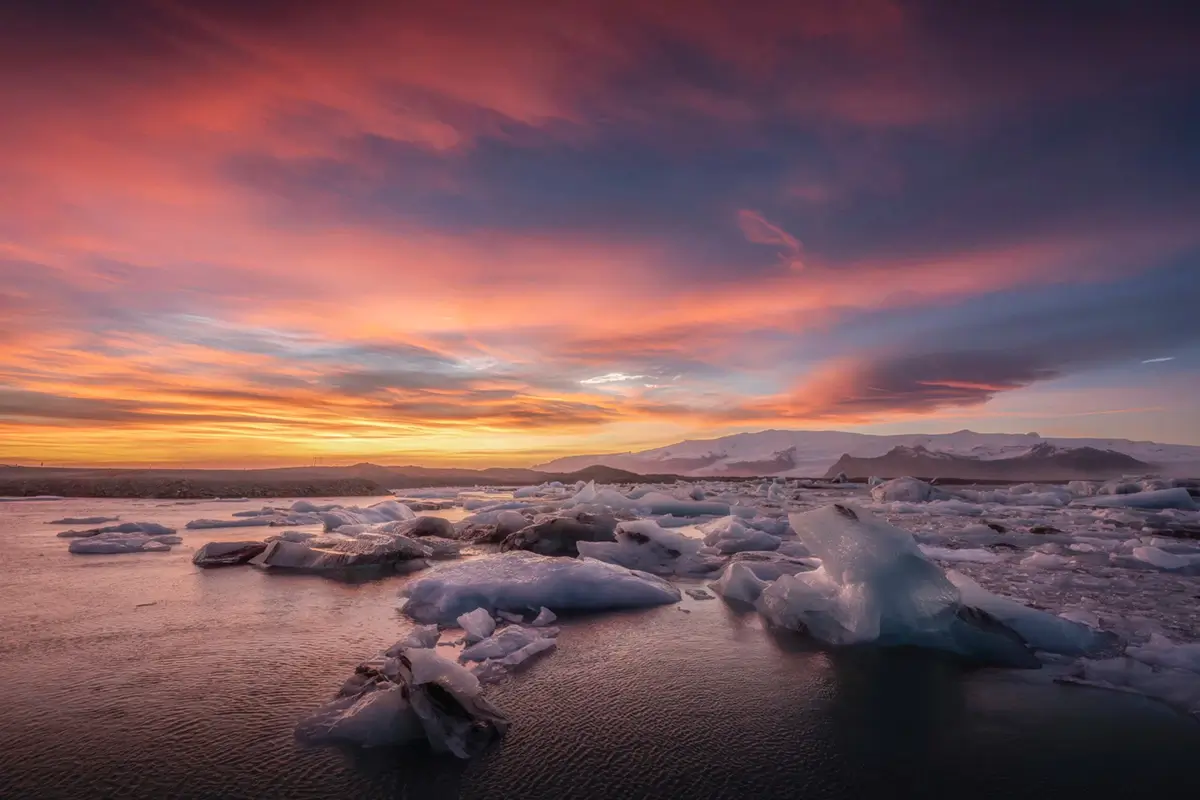
I photograph volcanoes and the landscapes and communities shaped by them. I did not move to Iceland only for the views. What keeps me here is the feeling that the ground is still a work in progress. Eruptions, gas and road closures are part of the daily routine, not only big news moments. My background is in earth sciences and guiding, so I tend to think about how a place works before I think about how it looks in a frame. I often visit the same locations many times, before, during and after an eruption. Some days I work for news outlets, other days I work slowly on long term projects or with small groups of photographers. The approach is similar. I try to show what it is like to live with a landscape that can change fast, instead of treating nature as a distant spectacle. In the end, my pictures are a mix of documentation and personal experience. They are about an island that is always active, but also about the people and life that keeps adapting to it.

AAP Magazine

AAP Magazine 54 Nature
 

Inspiring Portfolios

Call for Entries
AAP Magazine #56 Shadows
Publish your work in our printed magazine and win $1,000 cash prizes
 
Stay up-to-date  with call for entries, deadlines and other news about exhibitions, galleries, publications, & special events.

More Great Photographers To Discover

Cao Luning
China
1990
Cao Luning is a street photographer who lives in Nanjing, Jiangsu Province, China, a city of 8 million people. He only started to do photography 3 years ago and all learnt by himself. For Cao Luning, photography is a means of getting to know and expressing himself. Just like the saying "You are what you read", he also believes "You are what you shoot". He's extremely crazy about Street, Travel and Documentary photography, and the uncertainty and infinite possibilities of them fascinate him. They are just similar to life, you never know what you are going to get tomorrow. You may capture some nice shots, or you might come back empty-handed. Street photographer is his identity. Cao Luning is a street wanderer and likes to watch people. He can linger on the streets all day long without feeling tired or fed up. When he shoots, he focuses on the serendipity of specific colors, light and shadows, gestures and the implied humor of scenes. Cao Luning reckons framing is crucial to a good photograph, and he's been greatly influenced by Henri Cartier-Bresson and his "The Decisive Moment Theory", which He thinks is something that every photographer should pay attention to. His mentors are Mangum Photographer Alex Webb and his wife Rebecca Norris Webb, and they both helped him a lot in developing his own vision. In his opinion, given different situations and scenarios, a good street photographer should swiftly apply different compositions that best suit the scenes, instead of using one or two methods for all situations, because that's not a creative process, it's just mechanical repetitions. Statement I'm a street photographer who started to do photography 3 years ago. For me, photography is a means of getting to know and expressing myself. Just like the saying "You are what you read", I also believe "You are what you shoot". I'm extremely crazy about Street, Travel and Documentary photography, and the uncertainty and infinite possibilities of them fascinate me. They are just similar to life, you never know what you are going to get tomorrow. You may capture many nice shots, or you might come back empty-handed. I'm a street wanderer and I like to watch people. I can linger on the streets all day long without feeling tired or fed up. When I shoot, I focus on the serendipity of specific colors, light and shadows, gestures and the implied humor of scenes. I reckon framing is crucial to a good photograph, and I've been greatly influenced by Henri Cartier-Bresson and his "The Decisive Moment Theory", which I think is something that every photographer should pay attention to. In my opinion, given different situations and scenarios, a good street photographer should swiftly apply different compositions that best suit the scenes, instead of using one or two methods for all situations, because that's not a creative process, it's just mechanical repetitions. Most of the works I submitted were shot during the pandemic in China.. On January 2020, The New Coronavirus Pneumonia (or COVID-19) outbroke in Wuhan, Hubei Province in China and soon spread all over the country. As a result, the Chinese government locked down the whole country, stopped all production activities, restricted intercity transportation, and people were advised not to go outside. I live in Nanjing, Jiangsu Province, a city of 8 million people, and when it was shut down, it was a bit like a ghost town in the beginning, not completely empty, but hard to find people on the streets. However, I found out by the Yangtze River and some parks, there are some citizens. People would go fishing, do sports, exercise or simply relax. So I often go to those places with my camera, trying to capture their life under the influence of Coronavirus. The virus has pressed the pause button for most of us, though it's not a good thing, objectively speaking, it gives us a good opportunity to look inside and review our living states. It offers us a window to slow down and appreciate all the good and beautiful things around us as well. In the meantime, we are also given the possibility to do the things that we always wanted to do. We should cherish it and live in the moment, despite how dreadful the epidemic situation might be, life has to go on. I hope you'll enjoy my works and get to know me better by them.
Christian Werner
Germany
1987
Christian Werner is a freelance multimedia/photojournalist based in Boitzum, Germany. As a teenager he developed his interest in photography while traveling to foreign countries. In 2014 he graduated the photojournalism & documentary photography course at the University of Applied Sciences in Hannover. His main interests are social diversity and global political issues. The areas of interest is mainly the arabic world and culture. Chris worked in various countries in Asia, Africa, Eastern Europe and South America. His work has been exhibited internationally. He welcomes assignments local and overseas. Since 2012, Christian is represented by Agency Laif. Source: World Press Photo Chris, born in 1987, studied from 2009 to 2014 photojournalism and documentary photography at the University of Hanover. He works as a freelance photojournalist and published his photos and stories, among others, in Der Spiegel, Die Zeit, TIME Magazine, The Washington Post and many more. From 2012 -2016 Christian Werner was represented by the German reportage agency laif. In late 2016 Chris is represented by Zeitenspiegel. His photographic focus is the processing of social injustice, conflicts and geopolitical issues. His work has been awarded several times and frequently exhibited internationally. In 2015 Chris participated at the World Press Joop Swart Mastercalss in Amsterdam. 2016 Chris has been chosen in the 30 under 30 Europe Forbes List in the Media category. In late summer 2016 he begins working with MOAS (Migrant Offshore Aid Station). Chris worked in various countries in Asia, Africa, Eastern Europe and South America. Artist Statement "Rubble and Delusion - A Journey Through Assad's Syria With the fall of Aleppo, the regime of Bashar Assad once again controls the country's second-largest city. But is reconciliation possible in the country? A journey through the dictator's rump state. Our journey leads us to the three largest cities in northern and western Syria: Aleppo, Latakia and Homs. Aleppo has become symbolic of the brutal bombing campaign. Latakia, the regime stronghold on the Mediterranean, was largely untouched by the war and is still a popular vacation spot in the summer. And Homs, once the center of the uprising, was destroyed and is now slated to become a model of reconstruction."
Antti Yrjönen
Finland
1992
Antti Yrjönen is a Finnish photojournalist and documentary photographer with over a decade of experience reporting internationally and at home. He works across media and humanitarian contexts, covering conflict, displacement and everyday life in places including Somalia, Syria, South Sudan and Ukraine, while also returning to stories closer to home. He is drawn to stories that can’t be understood in a single visit. Yrjönen revisits places, people and movements over time, building relationships without surrendering his position as a journalist. He works from a simple premise: you cannot photograph what you do not understand. That insistence on understanding shapes both his reporting and the way he edits, sequencing images to create clarity rather than noise. His photographs look for nuance and for the small details that hold a larger story in place, sometimes through quiet humour or a hint of the surreal. For Yrjönen, humour is not a distraction from difficult realities but part of them: a sign of life, especially in hard times. Alongside visual work, he writes on visual culture, journalism ethics, media critique and press freedom, and he occasionally lectures on responsible photojournalism and conflict reporting. His work has been published internationally by outlets including The New York Times, BBC, Le Temps, Bloomberg, Haaretz, Frankfurter Allgemeine Zeitung, Condé Nast Traveller, Helsingin Sanomat and Suomen Kuvalehti, and he has received multiple awards for his photography. He studied photojournalism at Tampere University and is currently developing a long-term book project on polycrisis at the intersection of conflict, climate change and food security. Statement "Photography is how I stay present. Being there matters, but so does being in the moment. I return to the same places and people because understanding takes time, and because you can’t photograph what you don’t understand. My work follows power up and down its chain, from policy rooms to street corners and back again, looking for the human consequences of politics, conflict and crisis. Sometimes a quiet humour slips in, not to soften reality, but to tell it honestly." Awarded Photographer of the Week - Week 05, 2026
Lisette Model
Austria/United States
1901 | † 1983
Lisette Model was an Austrian-born American photographer. She began her creative life as a student of music. Through avant-garde composer Arnold Schönberg, with whom she studied piano, she became exposed to the Expressionist painters of early twentieth-century Vienna. She never formally studied photography but took it up in the 1930s while living in Paris. An early piece of advice received from a colleague "Never photograph anything you are not passionately interested in", became her motto. Model's images can be categorized as "street photography," a style which developed after the invention of the hand-held camera, which made quick, candid shots possible. Through her own complicated personal history, she found intensely empathetic connections with her disparate subjects. Model eventually settled in New York, where she met with quick success as a commercial photographer for Harper's Bazaar magazine and as an artist with her work exhibited at the Museum of Modern Art. For thirty years she taught photography in New York, where she instructed and befriended Diane Arbus.Source: J.Paul Getty Museum Lisette Model was born Elise Amelie Felicie Stern in the family home in the 8th district of Vienna, Austria-Hungary. Her father, Victor, was an Italian/Austrian doctor of Jewish descent attached to the Austro-Hungarian Imperial and Royal Army and, later, to the International Red Cross; her mother Felicie was French and Catholic, and Model was baptized into her mother's faith. She had a brother, Salvatór, who was older by one year. Due to growing anti-Semitism in Austria and her father's struggle with his Jewish-Austrian identity, he had their last name changed to Seybert in February 1903, and six years later, her younger sister Olga was born. According to interview testimony from her older brother, she was sexually molested by her father, though the full extent of his abuse remains unclear. She had a bourgeois upbringing, was primarily educated by a series of private tutors, achieving fluency in Italian, German, and French. Her private education even when the family suffered financial strain after WWI. Despite her privileged upbringing, she frequently recalled her childhood as difficult. At age 19, she began studying music with composer (and father of her childhood friend Gertrude Arnold Schönberg, and was familiar to members of his circle. "If ever in my life I had one teacher and one great influence, it was Schönberg", she said. There is little known about her art education, but her connection with Schönberg exposed her to the contemporary art scene and leading avant-garde artists such as Gustav Klimt. Early exposure to Expressionism was what perhaps influenced her interest in observing people, and subsequently, photography. Model left Vienna with Olga and Felicie for Paris after her father died of cancer in 1924 to study voice with Polish soprano Marya Freund in 1926. Felicie and Olga moved on to Nice, but Lisette stayed in Paris, the new cultural hub after WWI, to continue studying music. It was during this period that she met her future husband, the Jewish, Russian-born painter Evsa Model (1901-1976), whom she went on to marry in September 1937. In 1933, she gave up music and recommitted herself to studying visual art, at first taking up painting as a student of Andre Lhote (whose other students included Henri Cartier-Bresson and George Hoyningen-Huene). From 1926 to 1933 she underwent psychoanalysis for childhood trauma, but little is known about what exact issues to she went for other than that it is believed she was molested by her father in her childhood. These years were referred to as her lonely period, as she frequented cafés alone and struggled to immerse herself into a radically different social group than the bourgeoisie class she had grown up surrounded by. Model bought her first enlarger and camera when she went to Italy. She had little training or interest in photography initially; it was Olga who taught her the basics of photographic technique. Model was most interested in the darkroom process, and wanted to become a darkroom technician. She used her sister as a subject to start her photography. Model claimed that "I just picked up a camera without any kind of ambition to be good or bad", but her friends from Vienna and Paris would go on to say that she had high standards for herself and a strong desire to excel at whatever she did. She also stated that the only lesson she ever got in photography, other than from her sister, was from Rogi André, who told her "Never photograph anything you are not passionately interested in", a quote she would rework later and become well-known for in her teaching career: "Shoot from the gut". André showed Model how to use the Rolleiflex, expanding her practice. Her decision to become a professional photographer came from a conversation in late 1933 or early 1934 with a fellow Viennese émigré and former student of Schönberg, Hanns Eisler (who had previously fled Germany once Hitler came into power). He warned her about the need to survive during a time of high political tension, pushing her to earn a living by photographing. Visiting her mother in Nice in 1934, Model took her camera out on the Promenade des Anglais and made a series of portraits - published in 1935 in the leftist magazine Regards - which are still among her most widely reproduced and exhibited images. These close-cropped, often clandestine portraits of the local privileged class already bore what would become her signature style: close-up, unsentimental and unretouched expositions of vanity, insecurity and loneliness. Model's compositions and closeness to her subjects were achieved by enlarging and cropping her negatives in the darkroom. Additionally, her use of a 2+1⁄4 inch square negative and larger print size were stylistic choices considered unique at a time when a proliferation of street photographers were embracing what was called the minicam. Later examination of her negatives by archivists reveals that the uncropped images include much of the subjects' physical surroundings. Model's edits in the darkroom eliminate those distractions, tightening the focus on the person and excluding extraneous background information. After the publication of the Promenade des Anglais images, or the Riviera series, Model resumed her Paris street photography practice, this time focusing on the poor. Neither Evsa nor Lisette was in possession of French citizenship, and they were well aware of building political tension in Europe, so they emigrated to Manhattan in 1938. Their first home was the Art Deco Master Apartments, but it soon became too expensive and they moved several times in their first few years in New York. The couple, especially Evsa, were known to be very social, frequenting cafés, and especially places with performers that Lisette liked to photograph. Model claimed that she did not take any photographs in the first 18 months she lived in New York, but an envelope dated 1939 contained many negatives of Battery Park, Wall Street, Delancey Street, and the Lower East Side depicting ordinary American people. She quickly became a prominent photographer, and by 1941, she had published her work in Cue, PM's Weekly, and U.S. Camera. She was captivated by the energy of New York City, which she expressed through her separate series Reflections and Running Legs. Interested in American consumerism and a culture very different from her own, Model began photographing Reflections, a series that explored manufactured images, and products or consumers in window reflections. She was recognized for her radical deviation from traditional viewpoint, and preoccupation with notions of glamour and anti-glamour. This series along with her work Running Legs attracted the attention of editors Carmel Snow and Alexey Brodovitch from Harper's Bazaar, a magazine she went on to work for from 1941 through 1955. One of her first assignments was to photograph Coney Island, in which she took some of her most recognized works such as Coney Island Bather". Her vision was of great interest to the editors at Harper's Bazaar, but by the 1950s, her involvement decreased dramatically, and she only published two assignments: A Note on Blindness and Pagan Rome. In 1944, she and Evsa became naturalized U.S citizens. Letters dated that same year revealed Model's family was financially struggling in Europe, and that her mother had died of cancer on October 21. Model eventually became a prominent member of the New York Photo League and studied with Sid Grossman. Despite the League's effort to maintain that it was a cultural, photographic organization, political pressure led to the League's demise in 1951. During its existence, Model was an active League member and served as a judge in membership print competitions. In 1941, the League hosted her first solo exhibition. From 1941 to 1953, she was a freelance photographer and contributed to many publications including Harper's Bazaar, Look, and Ladies' Home Journal. Model's involvement with the New York Photo League became the cause of much strife for her during the McCarthy Era of the 1950s, when the organization came under scrutiny by the House Un-American Activities Committee for suspected connections to the Communist Party. Though the League was not officially a political organization, many of its members used photography as a means for social awareness and change, but Model did not identify herself as a political or documentary photographer. The League was eventually classified as a communist organization by the FBI, who interviewed Model personally in 1954 and attempted to recruit her as an informant. She refused to cooperate with the Bureau, leading to her name being placed on the National Security Watchlist. Because many clients were reluctant to hire somebody who was under FBI suspicion, Model encountered increased difficulty finding opportunities to work, which played a role in her focus shift towards teaching. In 1949, she taught photography at the San Francisco Institute of Fine Arts. She left for California to teach in part for economic reasons and due to her friendship with Ansel Adams, who extended an informal invitation to a teaching position. She stayed from August until at least November of that year as a "Special instructor in documentary photography" in the Department of Photography. She did not produce much of her own work at that time, possibly because of her failure to receive the Guggenheim Fellowship the previous year. In spring 1951, Model was invited to teach at the New School for Social Research in New York City, where her longtime friend Berenice Abbott was also teaching photography. The New School had a liberal, humanistic approach to education and a high number of European refugees on staff. Known for her straightforward way of addressing her students, and unorthodox teaching style, Model realized she had a talent for teaching. Her teaching notebooks make frequent references to using children's art as example to show that art was an exploration of the world, and not a replication of what was already in place. She strongly focused on challenging her students to strive for the subjective experience and the utmost creativity, sometimes inspiring students, but alienating others. She did not tolerate lukewarm effort, and was ruthlessly critical of students' work that lacked passion. She also offered private workshops with Evsa from their apartment. Model's best known pupil was Diane Arbus, who studied under her in 1957, and Arbus owed much of her early technique to Model. Arbus's husband Allan was quoted attributing her development as an artist to Model: "That was Lisette. Three sessions and Diane was a photographer." Larry Fink, Helen Gee, John Gossage, Charles Pratt, Eva Rubinstein and Rosalind Solomon were also students of Model's. For twenty years she taught the program with little variation and routinely followed the same principles. She continued to teach in New York after the passing of her husband Evsa in 1976, both at the New School and at the International Center of Photography. In 1981 she was awarded an honorary Doctorate of Fine Arts by the New School. In 1964, Model once again applied for the Guggenheim Fellowship, and in 1965 she was awarded the fellowship of $5,000 for a period of one year. In 1966 she went to Los Angeles and Las Vegas, with the intention to photograph anti-glamour of American culture. She also went to photograph in Italy, but due to ill health she returned to New York earlier than anticipated, and was diagnosed and successfully treated for uterine cancer. In the 1970s, Model developed rheumatism in her hands, but continued to diligently teach and photograph. The first book of Model's photographs was published in 1979 by Aperture and included a preface by Berenice Abbott. Marvin Israel designed the book. Fifty-two photographs made from 1937 to 1970 were reproduced at a large enough scale to correspond with her preferred dimension of 16 × 20 inches. In early 1970 she applied to the Ingram Merrill Foundation and was awarded $2,500, and in March 1973 she received a Creative Artists Public Service Program award for $2,500. In the later half of her career, Model's work underwent a steep drop in print production. She hadn't stopped shooting photographs; she had simply stopped printing them. Much like some of the hazier details of her biography, the reason for this change has not been conclusively identified. Speculation points toward declining health and self-efficacy, increased energy directed towards teaching, and precarious financial situation as some of the primary causes. Nevertheless, Model continued to shoot and teach until her death. She was especially inspired to photograph when away from home, such as her photographs of students in Berkeley in 1973, Lucerne in 1977, Venice in 1979, and so on. She even returned to Nice, France, for the first time in nearly thirty years. However, she did not find the same inspiration there that she once had when photographing her first influential series Promenade des Anglais. Model's image is included in the iconic 1972 poster Some Living American Women Artists by Mary Beth Edelson. In January 1976, Evsa suffered a heart attack, which required that he be constantly taken care of and monitored. His health continued to decline until his death later that same year. His death deeply affected Lisette, who continued to live in their basement apartment they had shared for many years. Even in her twilight hours, her work was exhibited in Germany, Japan, and the Netherlands, to name a few, and in 1982 she received the Medal of the City of Paris. On March 4, she gave her last lecture at Haverford college, and she died at New York Hospital on March 30, 1983 from heart and respiratory disease.Source: Wikipedia
Dan Fenstermacher
United States
1985
Dan Fenstermacher merges documentary storytelling, and street photography with both humor and activism. Fenstermacher was recently selected as the winner of the 2020 Miami Street Photography Festival International Series Contest and the 15th Annual Smithsonian Photo Contest for the American Experience category. Fenstermacher has photographic experience on four continents including a multi-media internship in Accra, Ghana, as a portrait photographer in Sydney, Australia, a Professor of Fine Arts at Xiangfan University in China, and as an artist-in-residence in San Ramon Costa Rica. His work about mental illness and stigma has been featured in The Huffington Post. He holds a Master of Fine Arts Degree in Photography from San Jose State University, is a member of the Bay Area Photographers Collective, Maverick Photographers, and teaches photography at West Valley Community College. About Food Chain Series Every day the fisherman from the seaside towns of Prampram, Cape Coast, and Ada, Ghana, head out to sea where they fish up to 40 kilometers offshore. For generations families of these communities have fished the Atlantic Ocean. What they catch will determine the livelihood of the community and their families. Rising early to push the canoes in the water and fight with the breaking waves, and after a pause for prayer; the 10-hour workday ensues. Back on land the selling, cleaning, and cooking of the fish is a lively affair. Working hand to mouth, the fish are sold and taken in baskets by families and prepared for frying in oil for the night’s dinner. Some days there are barely any fish from the day’s work. To make matters worse, due to overfishing by many big fleets from China there is a depleted supply of fish. Millions of dollars per year are reported to be taken from the Ghana economy by overfishing from foreign countries. Because of this the government of Ghana has implemented an annual one-month fishing ban on local fisherman. Many do not know how they will make a living for the length of this ban, and fish illegally risking fines in-order-to feed themselves. With supplies of fish dwindling and the broken food chain as a result, these communities have little to fall back on, and the future of the Ghanaian fishing occupation is in danger of being inundated.
Advertisement
AAP Magazine #56 Shadows
Win a Solo Exhibition in April
AAP Magazine #56 Shadows

Latest Interviews

Exclusive Interview with Anastasia Samoylova
Anastasia Samoylova is an American artist whose photographic practice is shaped by close observation and a deep attentiveness to place. Working between documentary and formal exploration, she photographs landscapes, architecture, and everyday scenes with a sensitivity to light, structure, and atmosphere. Since relocating to Miami in 2016, her work has increasingly focused on how environments—both natural and built—carry social, cultural, and emotional traces. We asked her a few questions about her practice and her way of seeing, to better understand the thoughts and experiences that shape her work—while allowing the images themselves to remain open and speak in their own time.
Exclusive Interview with Marijn Fidder
Marijn Fidder is a Dutch documentary photographer whose work powerfully engages with current affairs and contemporary social issues. Driven by a deep sense of social justice, she uses photography to speak on behalf of the voiceless and to advocate for the rights of those who are most vulnerable. Her images have been widely published in major international outlets including National Geographic, CNN Style, NRC Handelsblad, Volkskrant, GUP New Talent, and ZEIT Magazin. Her long-term commitment to disability rights—particularly through years of work in Uganda—culminated in her acclaimed project Inclusive Nation, which earned her the title of Photographer of the Year 2025 at the All About Photo Awards. She is also the recipient of multiple prestigious honors, including awards from World Press Photo and the Global Peace Photo Award. We asked her a few questions about her life and work.
Exclusive Interview with Josh S. Rose
Josh S. Rose is a multidisciplinary artist working across photography, film, and writing. His practice bridges visual and performing arts, with a strong focus on movement, emotion, and the expressive potential of the image. Known for his long-standing collaborations with leading dance companies and performers, Rose brings together authenticity and precise composition—a balance he describes as “technical romanticism.” His work has been commissioned and exhibited internationally, appearing in outlets such as Vogue, at the Super Bowl, in film festivals, and most recently as a large-scale installation for Lincoln Center for the Performing Arts. A sought-after collaborator, he has worked with major artists, cultural institutions, and brands, following a previous career as Chief Creative Officer at Interpublic Group and the founder of Humans Are Social. We asked him a few questions about his life and work.
Interview with Maureen Ruddy Burkhart
Photographer Maureen Ruddy Burkhart brings a quietly attentive and deeply human sensibility to her exploration of the world through images. Shaped by a life immersed in photography, film, and visual storytelling, her work is guided by intuition, observation, and an enduring interest in the emotional undercurrents of everyday life. With a practice rooted in both fine art traditions and documentary awareness, she approaches her subjects with sensitivity, allowing subtle moments to emerge naturally rather than be imposed. Her series Til Death, selected as the Solo Exhibition for February 2025, reflects this long-standing commitment to photography as a space for reflection rather than spectacle. Drawn to moments that exist just outside the expected frame, Burkhart’s images suggest narratives without resolving them, leaving room for ambiguity, humor, and quiet connection. We asked her a few questions about her life and work.
Exclusive Interview with Peter Ydeen
Winner of AAP Magazine #45 Travels, his series reflects this unique vision—capturing the spirit of place through subtle layers of light, color, and emotion. Whether traveling abroad or observing the rhythms of his own surroundings, Ydeen creates images that feel both grounded and enchanted, inviting viewers into a world where reality and reverie meet.
Exclusive Interview with Julie Wang
Chinese-born photographer Julie Wang brings a poetic, contemplative sensitivity to her visual exploration of the world. Having lived for nearly equal parts of her life in China, Europe, and the United States, she approaches her subjects with the nuanced perspective of someone shaped by many cultures. This blend of distance, curiosity, and emotional resonance infuses her work with a quiet depth, allowing her to reveal the fragile beauty and subtle tensions that often pass unnoticed.
Exclusive Interview with Ghawam Kouchaki
American photographer Ghawam Kouchaki brings a sharply observant and introspective gaze to the streets of Japan’s capital. Based in Los Angeles, he approaches Tokyo with the distance — and curiosity — of an outsider, allowing him to uncover the city’s subtle contradictions, quiet tensions, and fleeting gestures that often go unnoticed. His series Tokyo no no, selected as the Solo Exhibition for December 2024, explores the hidden undercurrents of urban life: the unspoken rules, the small ruptures in routine, the poetic strangeness found in everyday moments. Through muted tones, instinctive timing, and meticulous framing, Kouchaki reveals a Tokyo that exists somewhere between reality and imagination — both intimate and enigmatic. We asked him a few questions about his life and work.
Exclusive Interview with Tommi Viitala
Tommi Viitala, winner of AAP Magazine #44: Street, is a Finnish photographer celebrated for his striking and cinematic street photography. With a keen eye for atmosphere and composition, he captures fleeting urban moments that reveal the poetry of everyday life. His work often explores the tension between solitude and connection within contemporary cityscapes, blending documentary realism with artistic sensibility. Viitala’s photographs have been exhibited internationally and recognized for their strong visual storytelling and emotional depth. We asked him a few questions about his life and work.
Exclusive Interview with Robert Mack
Robert Mack is a California-based visual artist, photographer, and filmmaker. His fine art photography and films have been exhibited widely in the United States and Europe, with major shows at the Baltimore Museum of Art and the Reiss-Engelhorn Museum in Mannheim, Germany. Both institutions hold his work in their permanent collections. Working across different media, Mack has built a career exploring the complexities of human presence and representation. In 1981, while living in Baltimore, he produced The Perkins Project: Not Guilty by Reason of Insanity, a rare photographic and film study inside Maryland’s hospital for the criminally insane. These stark yet compassionate black-and-white portraits remain one of his most powerful and controversial bodies of work.
Call for Entries
Solo Exhibition April 2026
Get International Exposure and Connect with Industry Insiders