All about photo.com: photo contests, photography exhibitions, galleries, photographers, books, schools and venues.
Submit your Best Project to Win a Solo Exhibition this March!
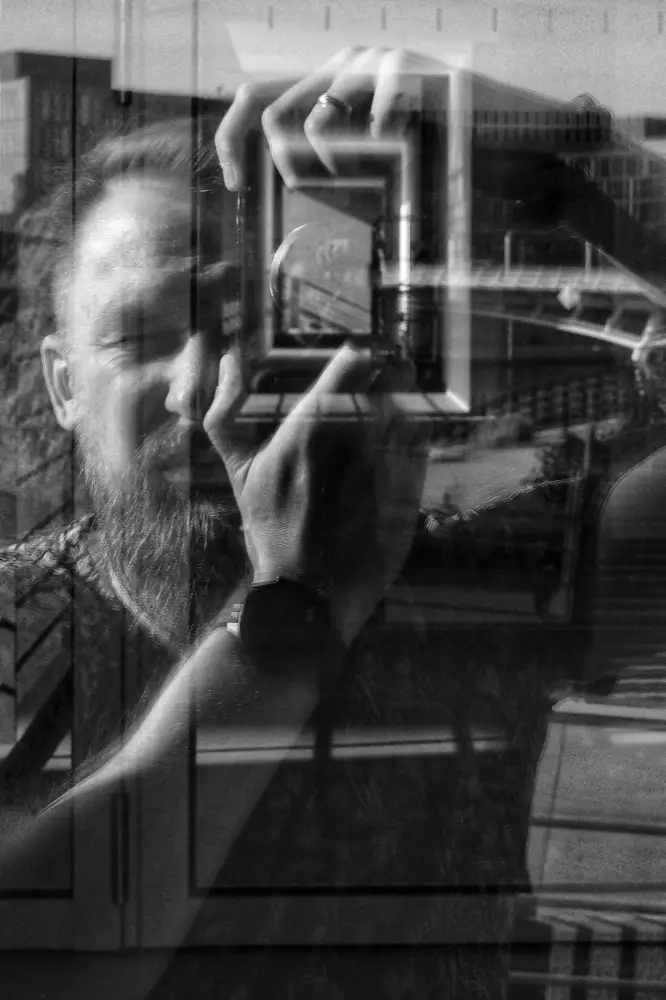
Bartosz Michalik
Bartosz Michalik
Bartosz Michalik

Bartosz Michalik

Country: Poland
Birth: 1982

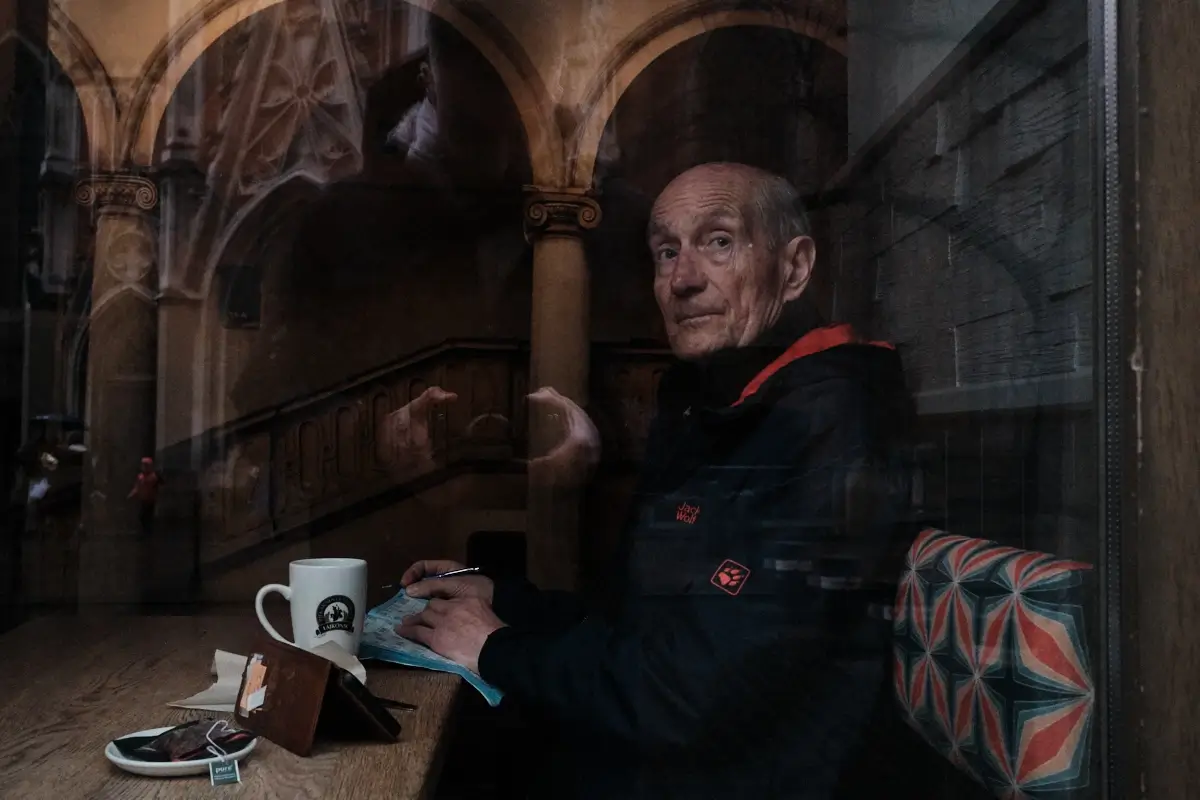
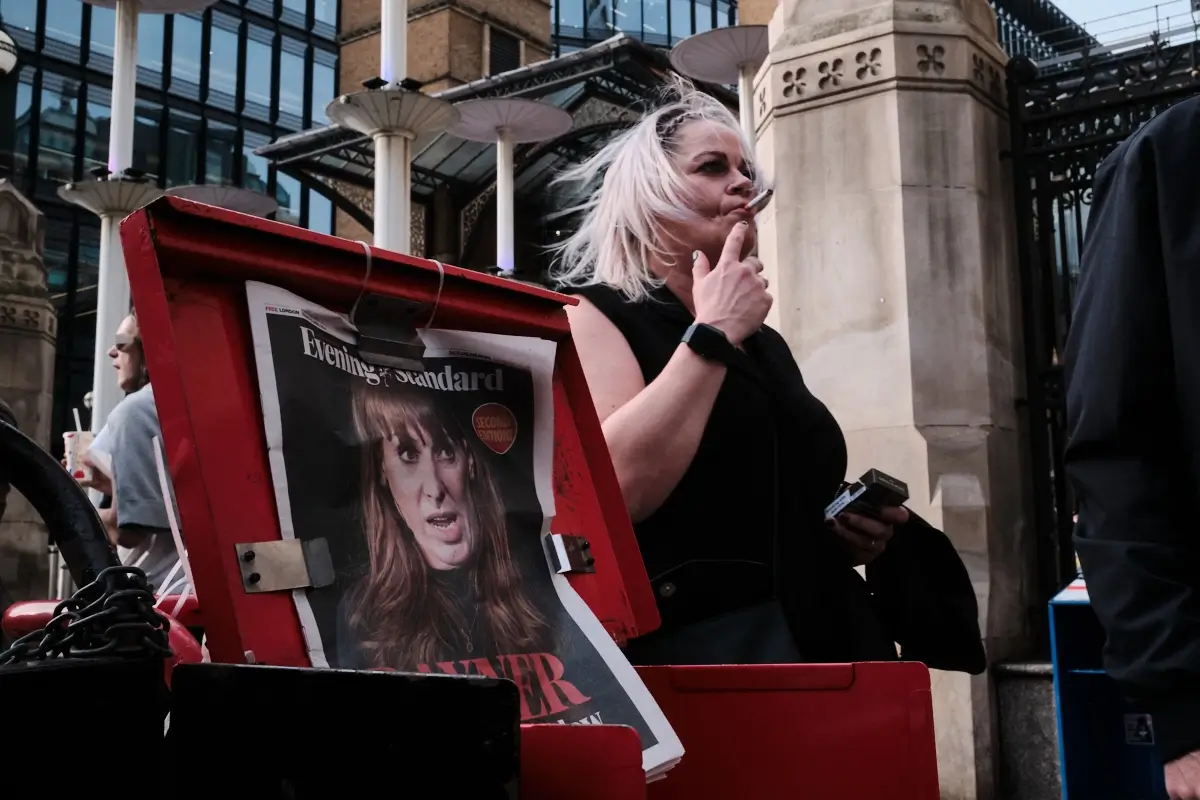
Born in 1982 in Czarnków, Poland. A graduate of Poznań University of Technology and KU Leuven in Belgium. Professionally involved with the IT industry for many years.

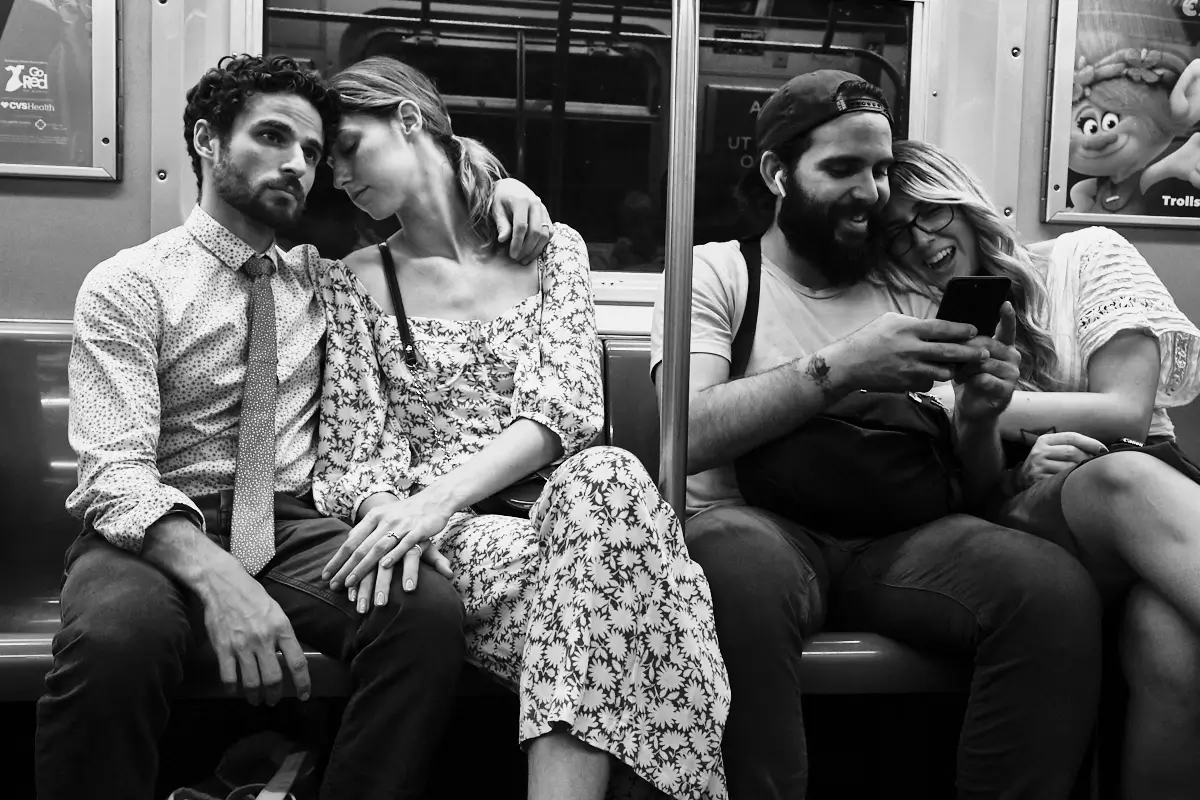
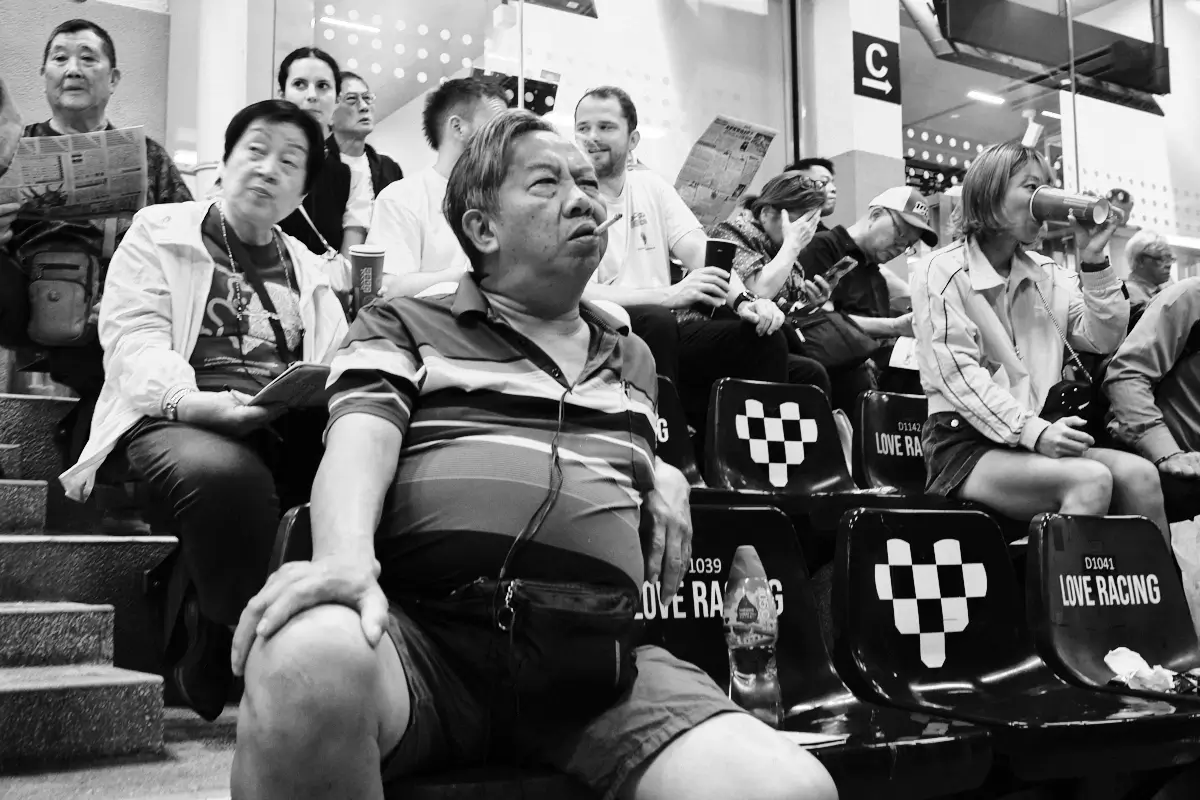
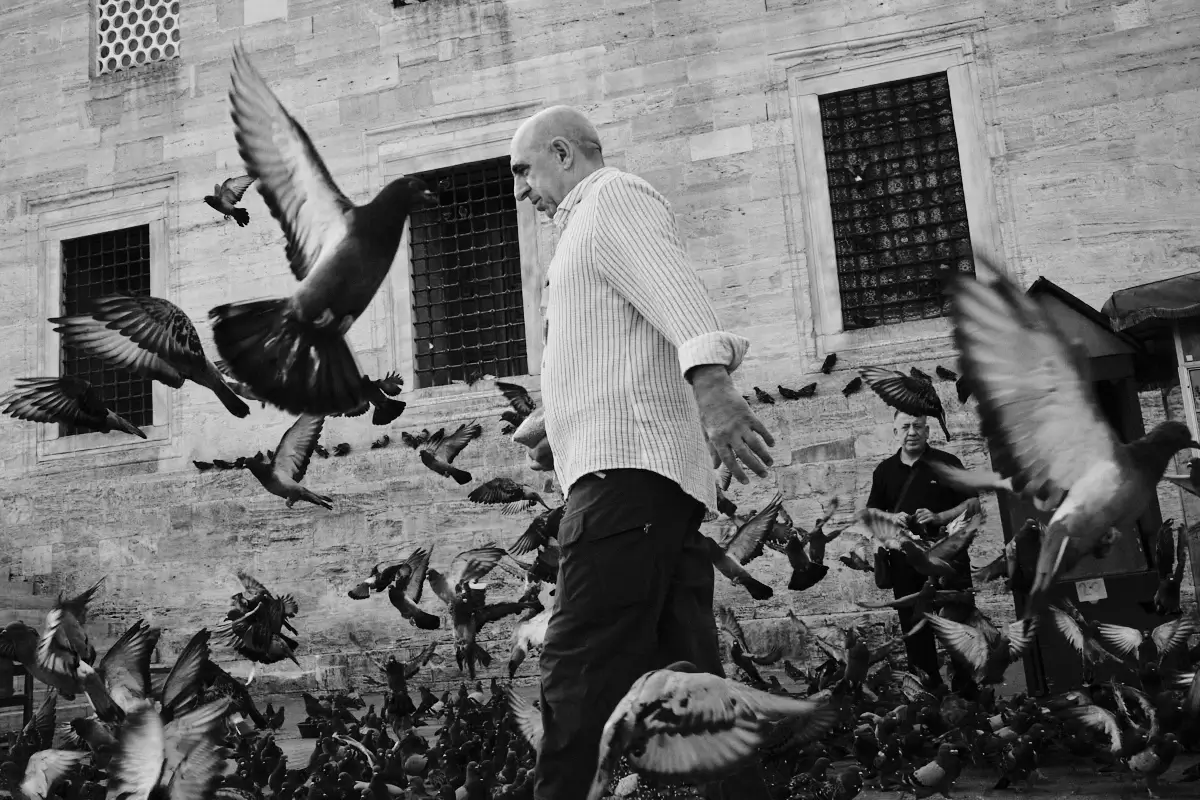
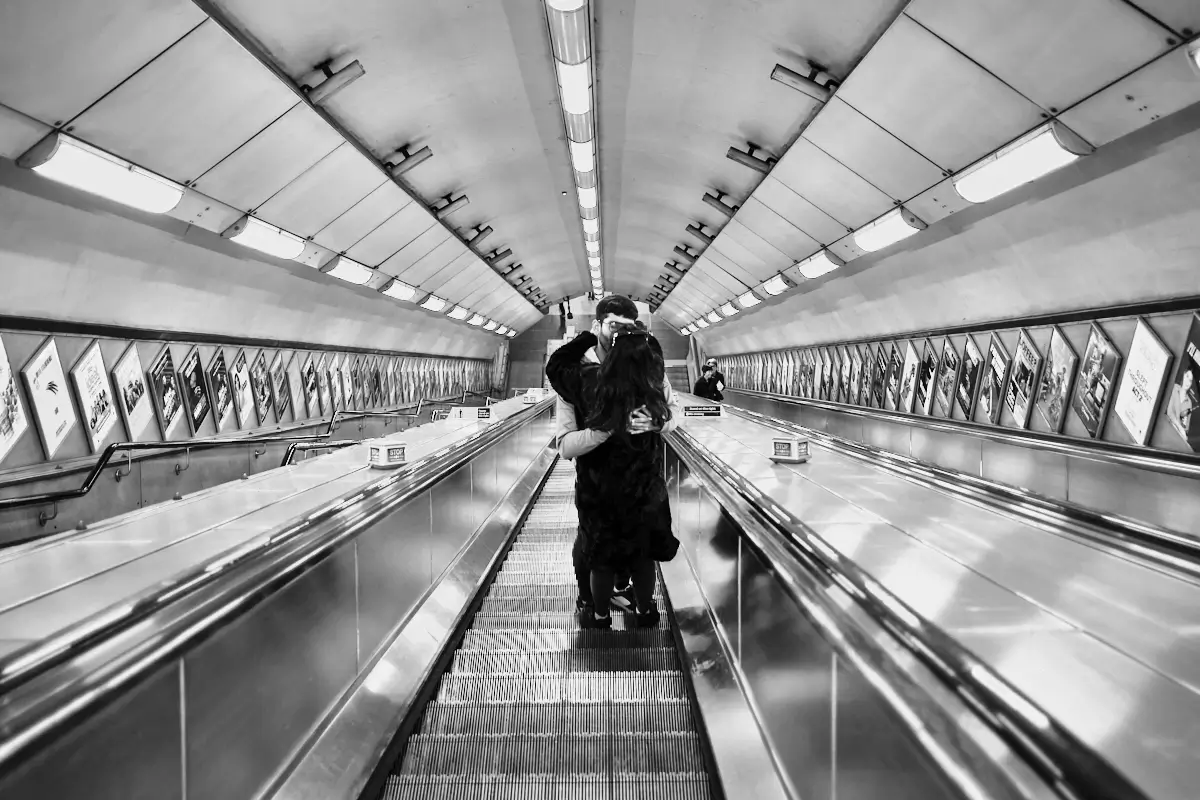
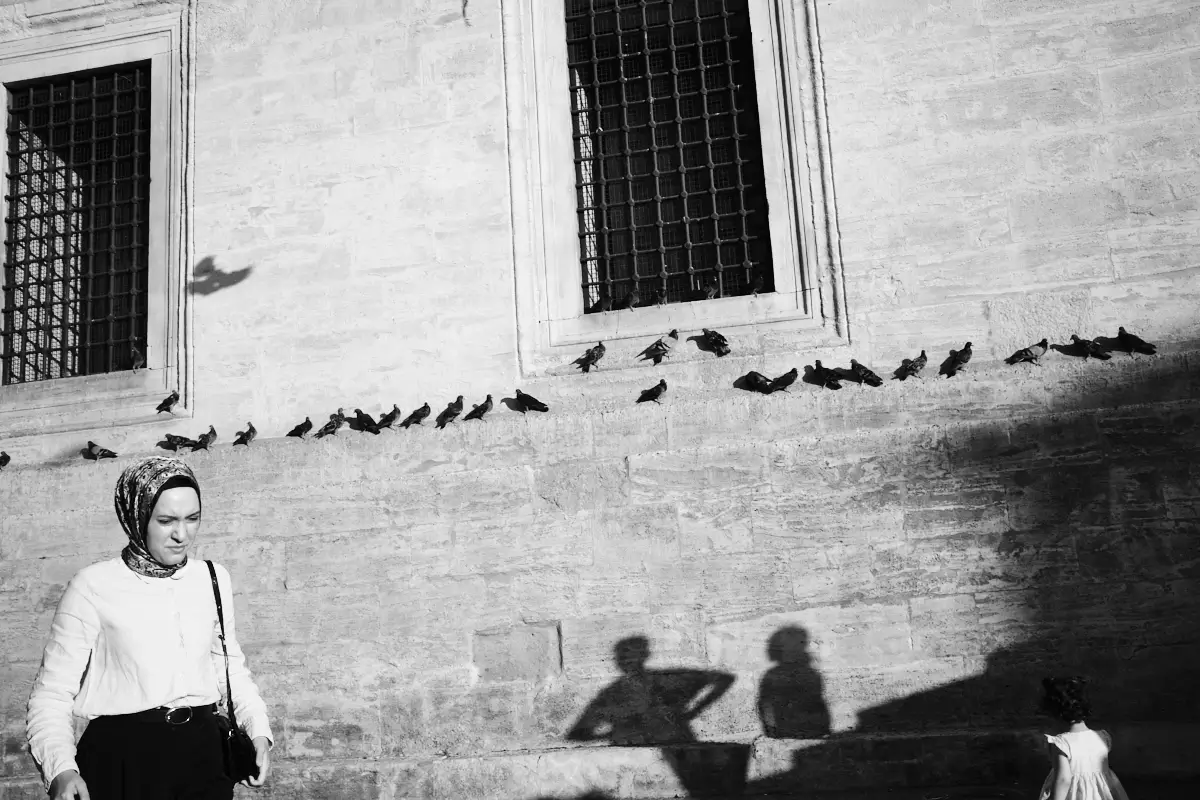
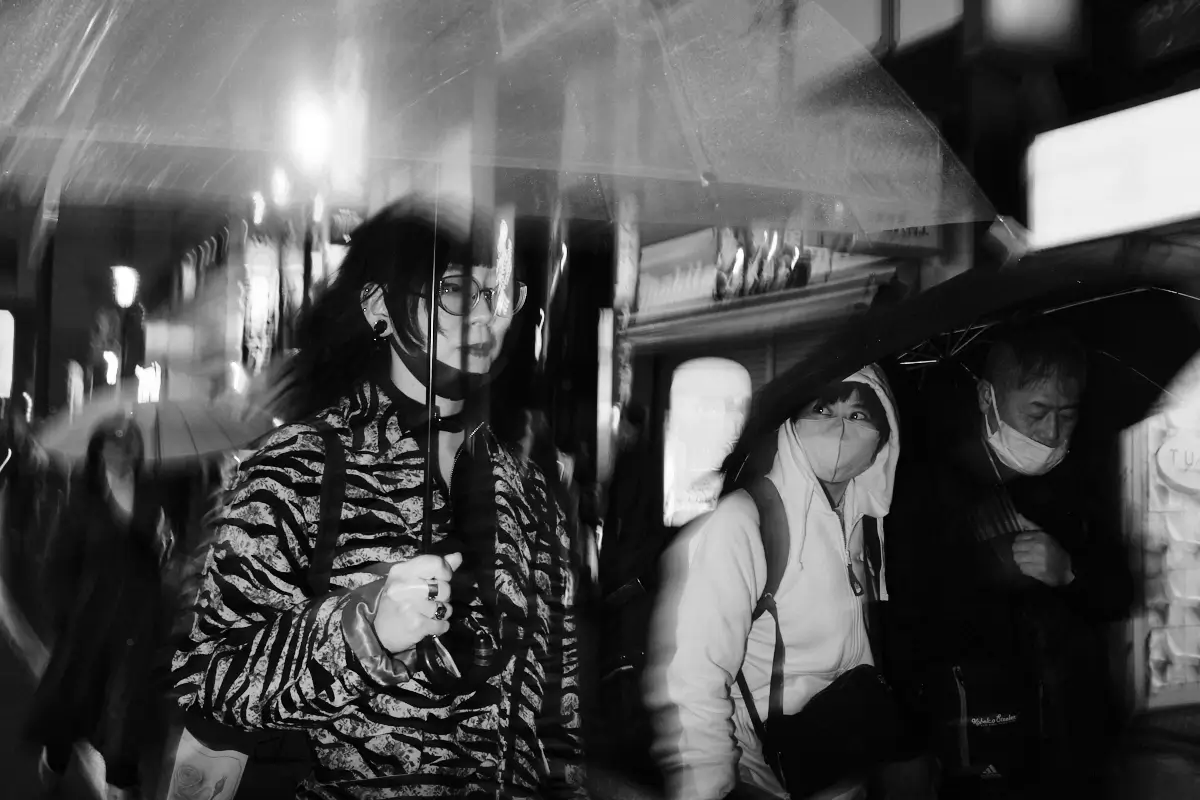
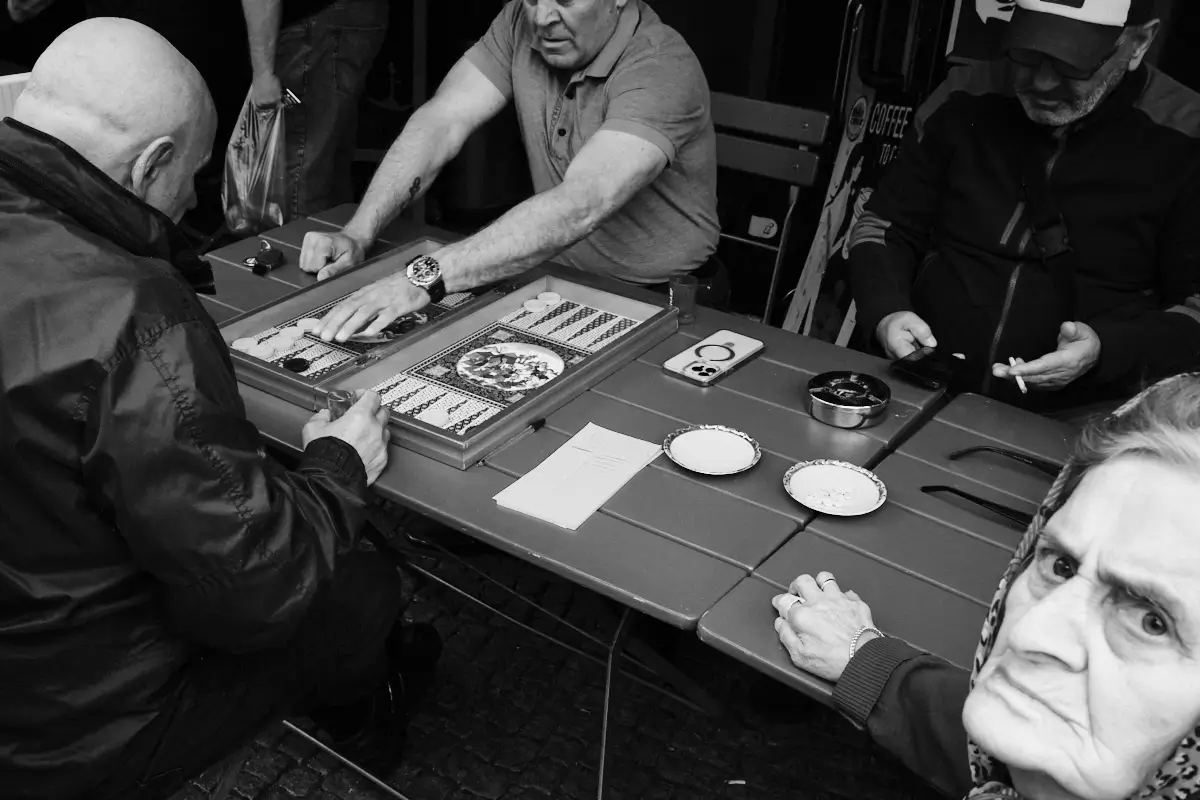
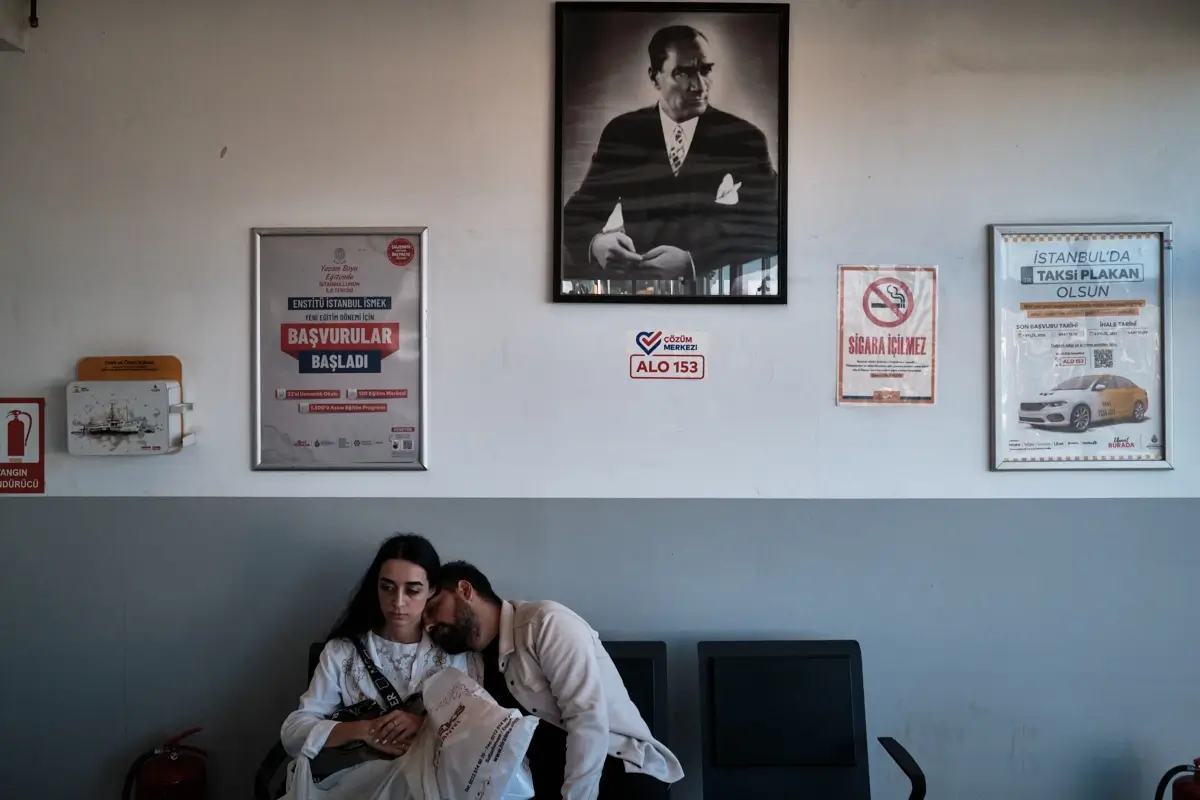
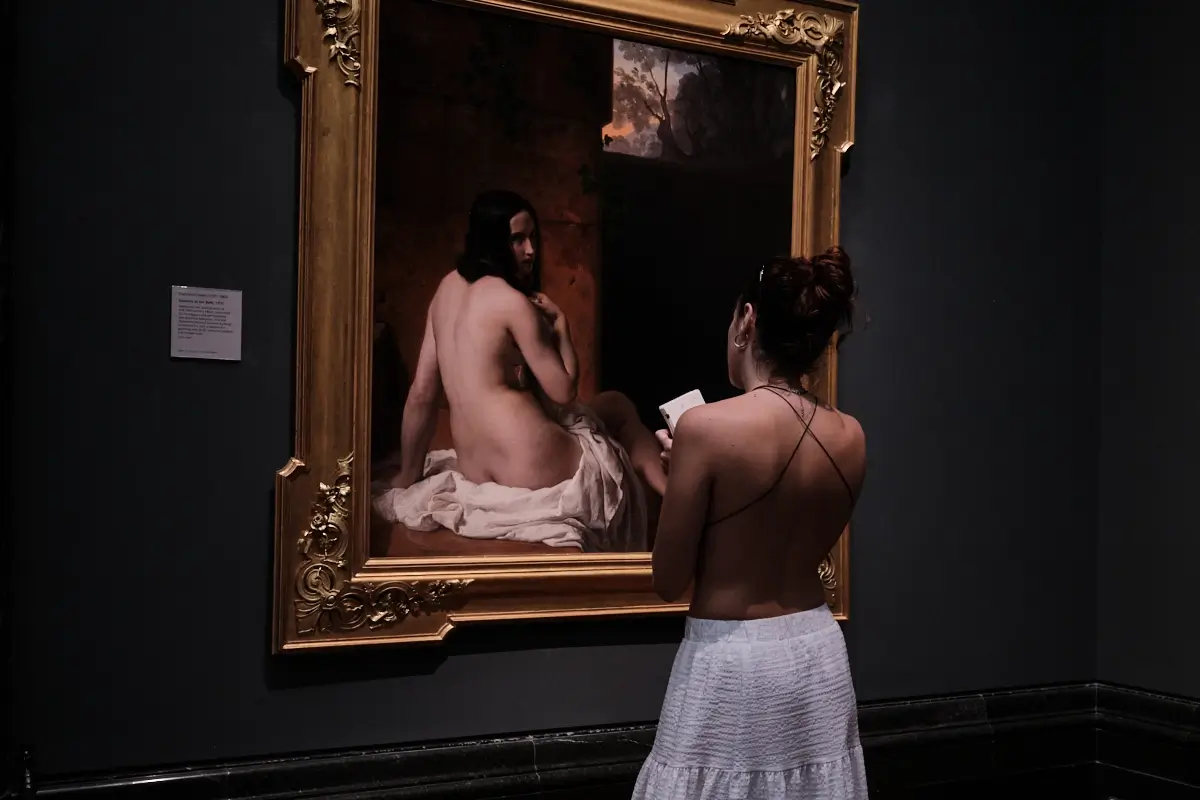
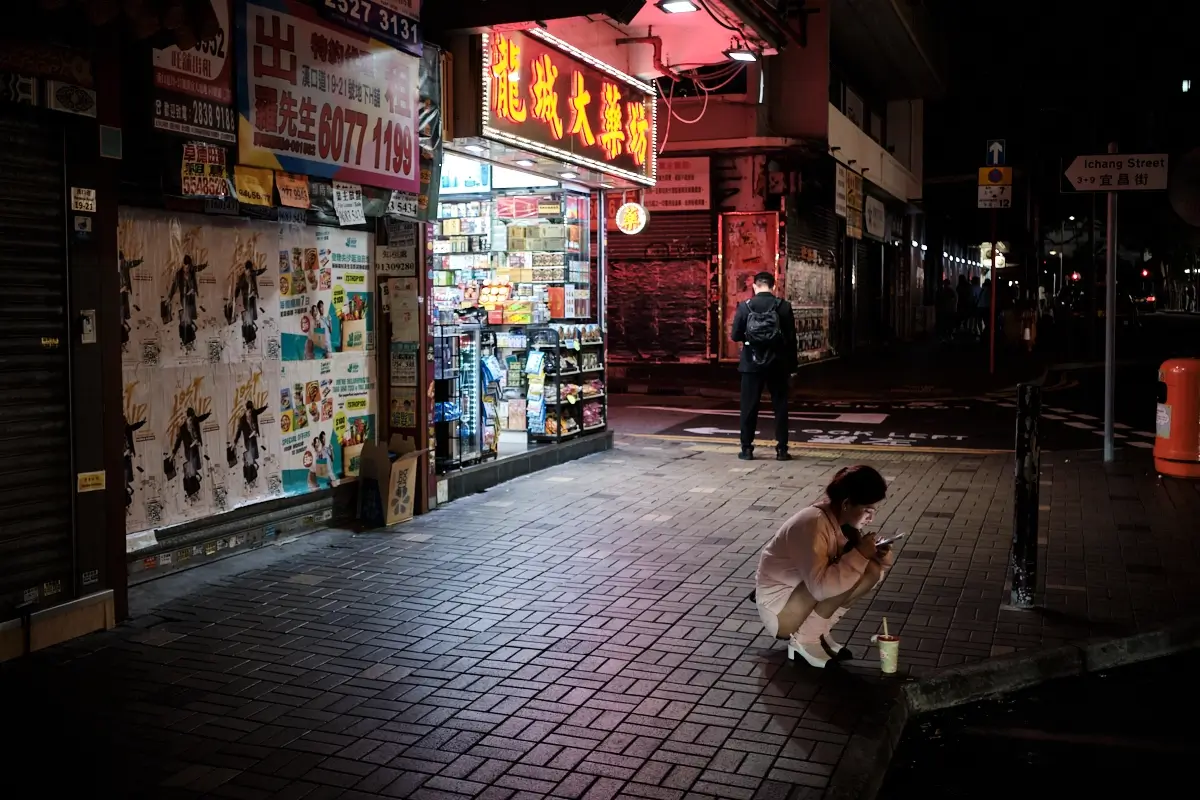
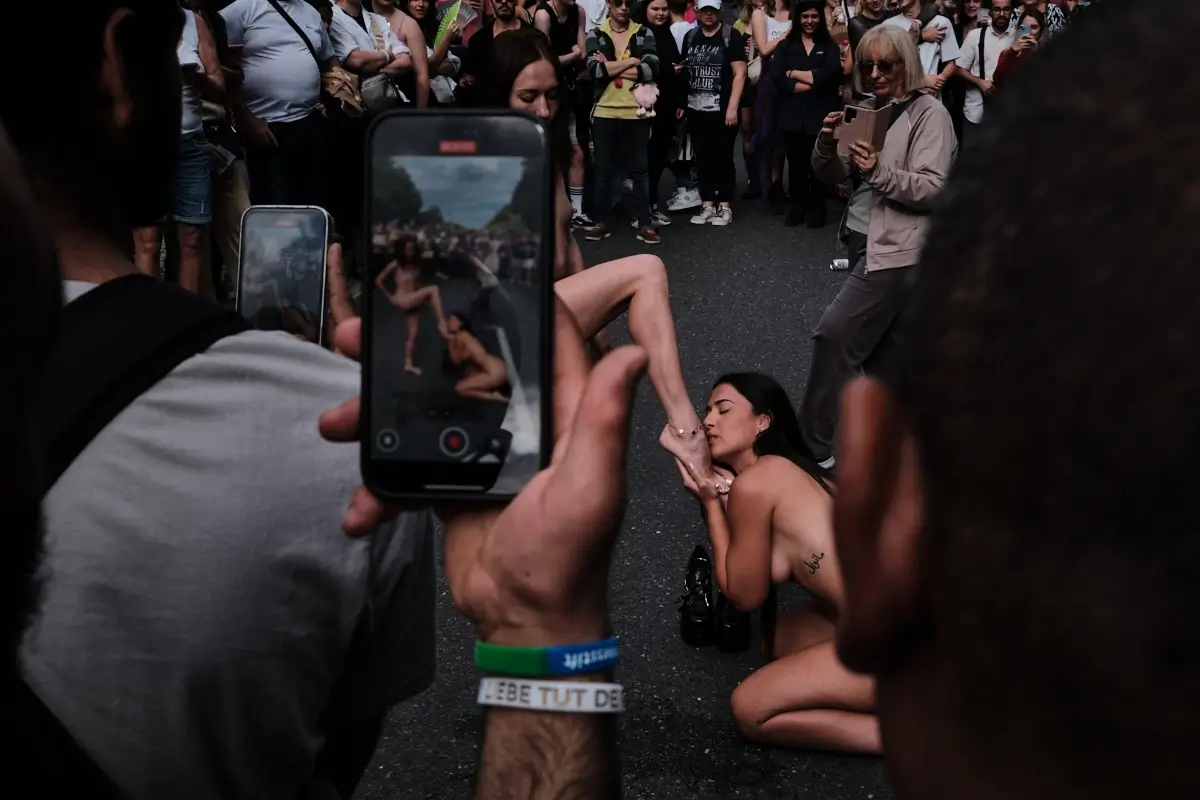
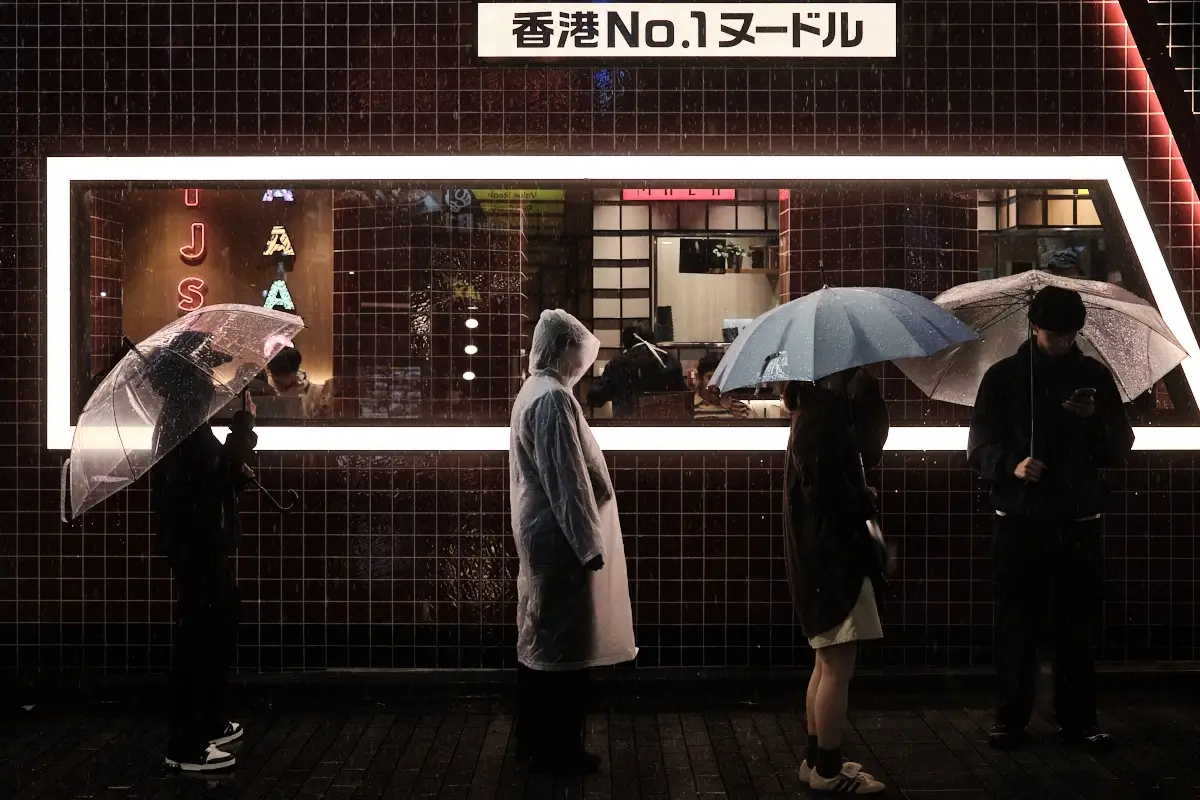
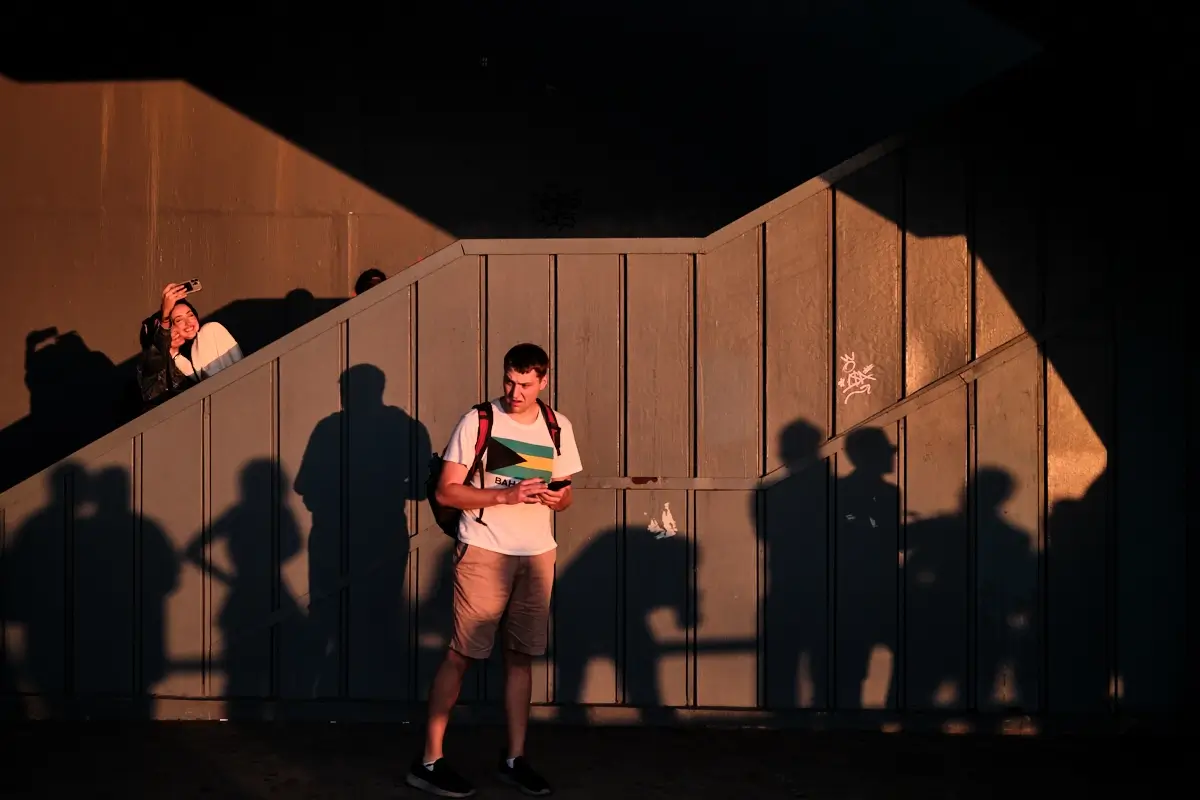
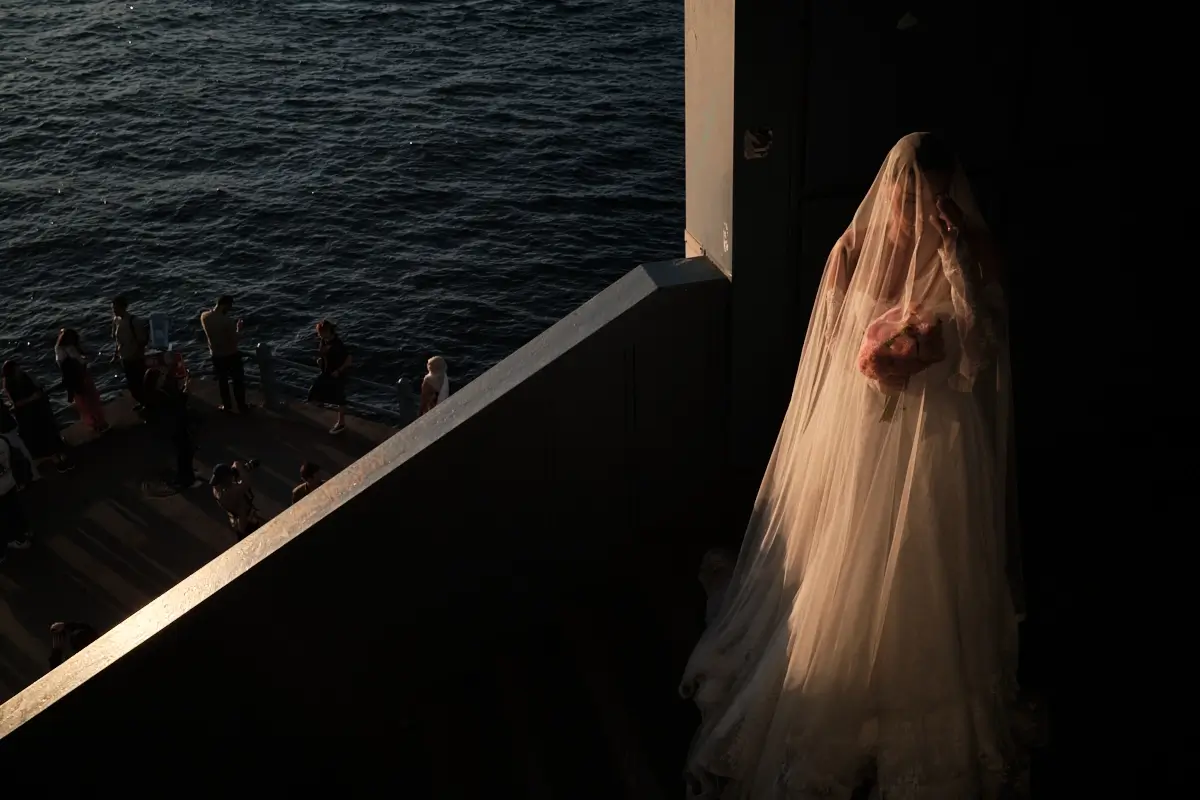
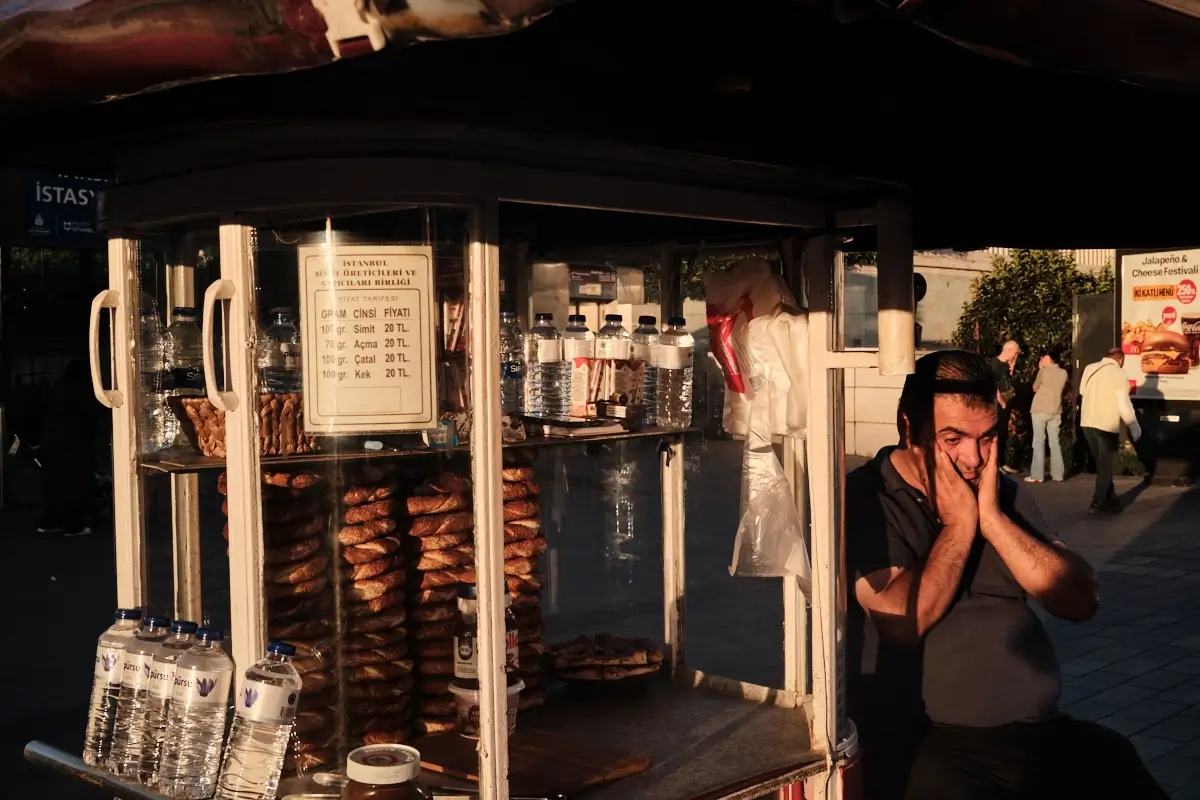
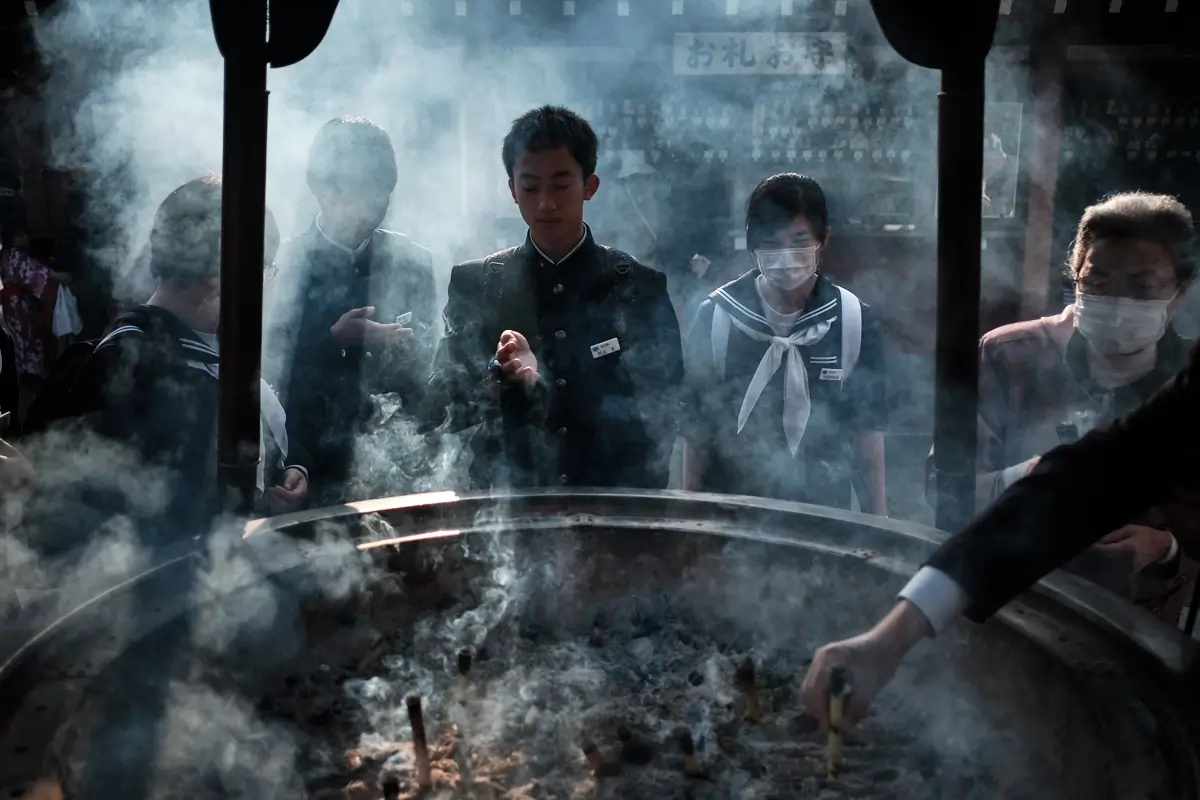
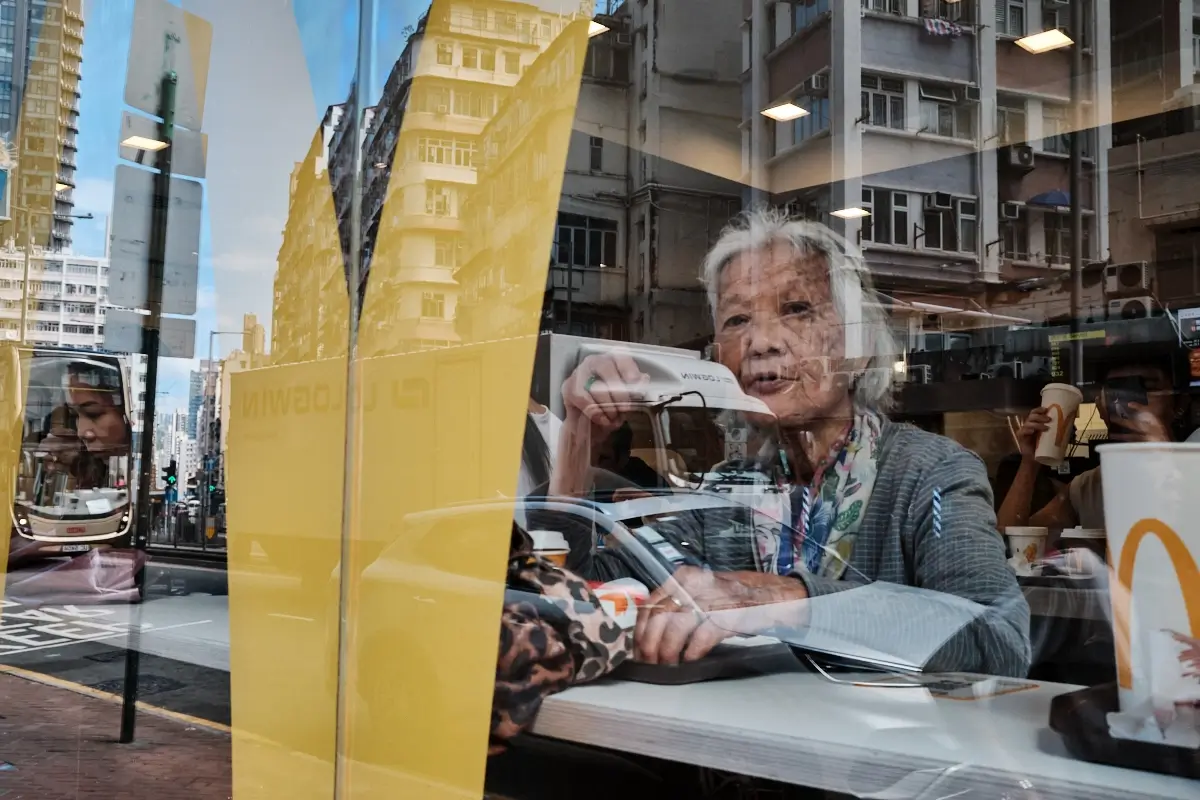
He is fascinated by observing everyday life — regardless of the location. In his photography, he seeks authenticity and fleeting urban moments that are easy to overlook in the pace of daily life.

His work has been shown in several group exhibitions in Poland. He is a member of the Unrecognized Collective. His photographs have been repeatedly recognized by both Polish and international street and travel photography communities.

AAP Magazine

AAP Magazine 52 Street
 

Inspiring Portfolios

Call for Entries
AAP Magazine #55 Women
Publish your work in our printed magazine and win $1,000 cash prizes
 
Stay up-to-date  with call for entries, deadlines and other news about exhibitions, galleries, publications, & special events.

More Great Photographers To Discover

Stéphan Gladieu
Stéphan Gladieu was born in 1969 and lives in Boulogne-Billancourt. He is represented by Olivier Castaing of the School Gallery in Paris and Artco Gallery in Germany, Cape Town and Joshua Tree. He began his career in 1989, covering war & social issues, travelling across Europe,Central Asia, the Middle East (Afghanistan, Iran, Iraq, Israel, Egypt, Pakistan) and Asia (India, Nepal, Vietnam, China, etc). Going back to his beginnings, he very quickly enriched his photographic writing by using portraiture to bear witness to the human condition in the world. His main focus is on his personal and artistic work through series of portraits in which DNA is colour and the play of contrast between subject and background in natural settings. Stéphan Gladieu plays on the iconic character of the frontal image and on the frontier between the real and the unreal. His portraiture has included covering the Saudi Princes, Princesses in Nepal, actors & directors behind the scenes at Cannes Film Festival, politicians, intellectuals, but also everyday people the world over. Stephan still realize international features and portraits series, for international magazines but he is mainly focused on is personal work: human story through colorful portrait collection. On the side of his journalist activity, Stephan is working with private company (LVMH, Danone, TOTAL…) and International institutions (World Bank, UNICEF) to work on their visual identity. Nowadays, Stephan Gladieu’s work is published in leading publications in France and internationally.Source: www.stephangladieu.fr Exclusive Interview with Stephan Gladieu
Oleksandr Rupeta
Ukraine
1981
Oleksandr Rupeta is a documentary photographer from Ukraine working worldwide. He is a member of the Independent Media Trade Union Of Ukraine and the International Federation of Journalists from 2016 and a member of the Ukrainian Association of Professional Photographers and Federation of European Photographers from 2018. As a news and reportage photographer, Oleksandr carries out short and long-term projects about political, cultural, and social life in Europe, Africa, the Middle East, and Asia. His works highlight Ukrainian-Russian conflict, Afghan Red Crescent Society, the life of Iranian Jews community, Sufi Community in Northern Cyprus, people with disabilities in Southern African countries, ethnic minorities in Azerbaijan, LGBT community in the Balkans, elephant conservation in Laos, robotics in Japan, etc. The photos appeared in The New York Times, The Financial Times, The Times, The Guardian, The Economist, Time, Nature, Forbes, National Geographic Traveler and others. His news photos were chosen numerous times as a photo of the day, a photo of the month and a photo of the year in agencies such as NurPhoto, Zuma Press and GettyImages reportage. About Someone in your corner From the middle of the XX century, the tendency of keeping animals as pets has been increased in their number and variety. There are many reasons for this phenomenon. First of all, the technological development improved the overall standard of living. Human attitudes towards animals are becoming of increasing importance and less pragmatic. When a man moves away from nature he begins to use animals as compensation for the lost connection. As a result, animals are engaged in social relations with a human. As family members, pets are changing not only their behavior but also the behavior of the owners. They build complex interdependent relationships. In Ukraine, like the entire post-Soviet space, this tendency has become widespread with gaining independence. Open borders facilitated the transportation of exotic animals and their purchase became quite easy. Keeping unusual animals ceased to be the prerogative of a privileged few. Instead of this came out a problem of the pet owners' ignorance who may have a lack of knowledge of proper exotic pet care. The idea for the project was to explore the mutuality and relationship of the human-animal bond in the modern world, to see and pay attention to the conditions of their interaction and coexistence. The project was created in the summer-fall 2019, throughout Ukraine. The primary eligibility criteria for choosing characters was the exclusion of all occasional owners, zoos, circuses and using animals in entertainment spectacles. But everything turned out to be more complicated than expected. Odd owners often saved their pets from death and mostly they showed true love to the pets. Other characters were chosen from people with a passion for animals. In addition to owning exotic animals as house pets, these people frequently try to link their lives with animals. Some of them organize private or home zoos, some work in pet shops, others try to find work at animal shelters or wildlife sanctuary. The project turned out wider than I planned but each shot in the series elucidates the special human-animal connection.
Buck Holzemer
United States
Buck Holzemer's photography career began at the young age of eight when he climbed onto a garage roof to capture images of his friends playing basketball below. This experience sparked a lifelong fascination with the magic little window of the camera. After an multi-year detour to study the unseen world through physics and mathematics, he returned to the “magic little window” in his late twenties and began a career in photography and soon expanded into filmmaking. Throughout his career, Buck has received numerous accolades, including the prestigious Clio award for television commercials, recognition in the Communication Arts Photography Annual, awards from Print magazine, and the Grand Prize for fine art work from PDN magazine. In 2013, he won a Best of Show award from the International Photography Awards, and in 2019, he received the People's Choice Award from National Geographic. Buck's versatility as an image maker is evident in his work across various photographic genres and his filmmaking projects in Minneapolis, Los Angeles, New York, Milan, and Guatemala. For the past decade, he has collaborated with producer Patti Petrich to create media for Common Hope, a St. Paul based non-profit organization that supports education for children in Guatemala. Through this partnership, he has produced numerous videos and portraits of over 800 Guatemalan children. In recent years, Buck has dedicated his time primarily to personal photographic projects. Awarded Photographer of the Week - Week 05
Herb Ritts
United States
1952 | † 2002
Herb Ritts began his photographic career in the late 70's and gained a reputation as a master of art and commercial photography. In addition to producing portraits and editorial fashion for Vogue, Vanity Fair, Interview and Rolling Stone, Ritts also created successful advertising campaigns for Calvin Klein, Chanel, Donna Karan, Gap, Gianfranco Ferré, Gianni Versace, Giorgio Armani, Levi's, Pirelli, Polo Ralph Lauren, Valentino among others. Since 1988 he directed numerous influential and award winning music videos and commercials. His fine art photography has been the subject of exhibitions worldwide, with works residing in many significant public and private collections. In his life and work, Herb Ritts was drawn to clean lines and strong forms. This graphic simplicity allowed his images to be read and felt instantaneously. They often challenged conventional notions of gender or race. Social history and fantasy were both captured and created by his memorable photographs of noted individuals in film, fashion, music, politics and society. Ritts was committed to HIV/AIDS related causes, and contributed to many charitable organizations, among them amfAR, Elizabeth Taylor AIDS Foundation, Project Angel Food, Focus on AIDS, APLA, Best Buddies and Special Olympics . He was also a charter member on the Board of Directors for The Elton John Aids Foundation.Source: www.herbritts.com Born in Los Angeles, to a Jewish family, Ritts began his career working in the family furniture business. His father, Herb Ritts Sr., was a businessman, while his mother, Shirley Ritts, was an interior designer. He moved to the East Coast to attend Bard College in New York, where he majored in economics and art history, graduating in 1975. Later, while living in Los Angeles, he became interested in photography when he and friend Richard Gere, then an aspiring actor, decided to shoot some photographs in front of an old jacked-up Buick. The picture gained Ritts some coverage and he began to be more serious about photography. During the 1980s and 1990s, Ritts prominently photographed celebrities in various locales throughout California. Some of his subjects during this time included Cher, Tina Turner. Elizabeth Taylor, Vincent Price, Madonna, Denzel Washington, Johnny Depp, Ronald Reagan, David Bowie, Courtney Love, Liv Tyler, Matthew McConaughey, Britney Spears, Björk, Prince, Michael Jackson, Axl Rose, Slash, and Mariah Carey. He also took many fashion and nude photographs of fashion models Naomi Campbell, Stephanie Seymour, Tatjana Patitz, Christy Turlington, and Cindy Crawford, including "Tatjana, Veiled Head, Tight View, Joshua Tree, 1988." Ritts' work with those models ushered in the 1990s era of the supermodel and was consecrated by one of his most celebrated images, "Stephanie, Cindy, Christy, Tatjana, Naomi, Hollywood, 1989" taken for Rolling Stone Magazine. He also worked for Interview, Esquire, Mademoiselle, Glamour, GQ, Newsweek, Harper's Bazaar, Rolling Stone, Time, Vogue, Allure, Vanity Fair, Details, and Elle. From 1996 to 1997 Ritts' work was displayed at the Museum of Fine Arts in Boston, attracting more than 250,000 people to the exhibit, and in 2003 a solo exhibition was held at the Daimaru Museum, in Kyoto, Japan. On December 26, 2002, Ritts died in Los Angeles of complications from pneumonia at the age of 50. Ritts was openly gay, and according to Ritts' publicist, "Herb was HIV-positive, but this particular pneumonia was not PCP (pneumocystis pneumonia), a common opportunistic infection of AIDS. But at the end of the day, his immune system was compromised."Source: Wikipedia
Bruce Davidson
United States
1933
Bruce Davidson began taking photographs at the age of ten in Oak Park, Illinois. While attending Rochester Institute of Technology and Yale University, he continued to further his knowledge and develop his passion. He was later drafted into the army and stationed near Paris. There he met Henri Cartier-Bresson, one of the founders of the renowned cooperative photography agency, Magnum Photos. When he left military service in 1957, Davidson worked as a freelance photographer for LIFE magazine and in 1958 became a full member of Magnum. From 1958 to 1961 he created such seminal bodies of work as “The Dwarf,” Brooklyn Gang,” and “Freedom Rides.” He received a Guggenheim fellowship in 1962 and created a profound documentation of the civil rights movement in America. In 1963, the Museum of Modern Art in New York presented his early work in a solo show. In 1967, he received the first grant for photography from the National Endowment for the Arts, having spent two years witnessing the dire social conditions on one block in East Harlem. This work was published by Harvard University Press in 1970 under the title East 100th Street and was later republished and expanded by St. Ann’s Press. The work became an exhibition that same year at the Museum of Modern Art in New York. In 1980, he captured the vitality of the New York Metro’s underworld that was later published in a book, Subway, and exhibited at the International Center for Photography in 1982. From 1991-95 he photographed the landscape and layers of life in Central Park. In 2006, he completed a series of photographs titled “The Nature of Paris,” many of which have been shown and acquired by the American Academy of Arts and Letters. Davidson received an Open Society Institute Individual Fellowship in 1998 to return to East 100th Street His awards include the Lucie Award for Outstanding Achievement in Documentary Photography in 2004 and a Gold Medal Lifetime Achievement Award from the National Arts Club in 2007. Classic bodies of work from his 50-year career have been extensively published in monographs and are included in many major public and private fine art collections around the world. He continues to photograph and produce new bodies of work.Source: Magnum Photos
Szymon Brodziak
What you see, is who you are - says Szymon Brodziak, the master of black and white photography. The youngest aritist exhibited at the Museum of Photography - Helmut Newton Foundation in Berlin (2015). The best black & white campaign photographer of the world, acclaimed by the jury of FashionTV Photographers Awards, during 2013 Cannes Film Festival. In 2019, Brodziak confrmed his mastery by winning 1st Place in World's Top 10 Black & White Photographers contest curated by OneEyeland. He loves to photograph women. He's inspired mainly by locations, where he brings to life his monochromatic visions. Brodziak received Johnnie Walker Keep Walking Award for constant fulflment of dreams and passion for setting new paths in the search of beauty. In Europe, Brodziak received numerous medals and honourable mentions in various editions of the renowed Prix de la Photographie Paris, both for commercial and personal projects, including the title of Advertising Photographer of the Year (2016). In the USA, he won frst place in Fashion category in two photo competitions: International Photography Awards (2016) and Black and White Spider Awards (2016), which rewards the best monochromatic images from all over the word. His frst photo album ONE had its ofcial premiere in Rome (2014). It presents the frst 10 years of his professional activity. The publication starts with a personal dedication from June Newton, wife to the legendary photographer Helmut Newton. Szymon's new photographic book entitled WHAT YOU SEE IS WHO YOU ARE won a Gold Medal (Book: Cover) and 2 Bronze Medals (Book: Fine Art & Other) at Prix de la Photographie Paris 2019 and also Honorable Mention at 2019 International Photography Awards (USA). The artist's work can be seen and ordered in his own galleries of photography located in Poland and are also available worldwide at Online Shop www.szymonbrodziak.com as well as www.saatchiart.com/brodziak.
James Van Der Zee
United States
1886 | † 1983
James Van Der Zee was an American photographer best known for his portraits of black New Yorkers. He was a leading figure in the Harlem Renaissance. Aside from the artistic merits of his work, Van Der Zee produced the most comprehensive documentation of the period. Among his most famous subjects during this time were Marcus Garvey, Bill "Bojangles" Robinson and Countee Cullen. Born in Lenox, Massachusetts, Van Der Zee demonstrated an early gift for music and was initially aspired to a career as a professional violinist. Van Der Zee's second interest was in photography. He bought his first camera when he was a teenager, and improvised a darkroom in his parents' home. He took hundreds of photographs of his family as well as his hometown of Lenox. Van Der Zee was one of the first people to provide early documentation of his community life in small-town New England. In 1906, he moved with his father and brother to Harlem in New York City, where he worked as a waiter and elevator operator. By now Van Der Zee was a skilled pianist and aspiring professional violinist. He would become the primary creator and one of the five performers in a group known as the Harlem Orchestra. In March 1907, Van Der Zee married Kate L. Brown and they moved back to Lenox to have their daughter, Rachel, born in September. Soon after, they moved to Phoebus, Virginia. In 1908, their son, Emile, was born but died within a year from pneumonia. In 1915, he moved to Newark, New Jersey, where he took a job in a portrait studio, first as a darkroom assistant and then as a portraitist. That same year, he converted to Catholicism and began taking assignments from the Church. He returned to Harlem the following year, just as large numbers of Black immigrants and migrants were arriving in that part of the city. He set up a studio at the Toussaint Conservatory of Art and Music with his sister, Jennie Louise Van de Zee, also known as Madame E Toussaint, who had founded the conservatory in 1911. In 1916, Van Der Zee and Gaynella Greenlee launched the Guarantee Photo Studio on West 125th Street in Harlem. They married in 1918. His business boomed during World War I, and the portraits he shot from this period until 1945 have demanded the majority of critical attention. In 1919, he photographed the victory parade of the returning 369th Infantry Regiment, a predominantly African American unit sometimes called the "Harlem Hellfighters." During the 1920s and 1930s, he produced hundreds of photographs recording Harlem's growing middle class. Its residents entrusted the visual documentation of their weddings, funerals, celebrities and sports stars, and social life to his carefully composed images. Quickly Van Der Zee became the most successful photographer in Harlem. Among his many renowned subjects were poet Countee Cullen, dancer Bill ("Bojangles") Robinson, Charles M. "Daddy" Grace, Joe Louis, Florence Mills, and black nationalist leader Marcus Garvey. By the early 1930s, Van Der Zee found it harder to make an income from his work in photography, partly because of the strained economic circumstances of many of his customers and partly because the growing popularity of personal cameras reduced the need for professional photography. Van Der Zee worked predominantly in the studio and used a variety of props, including architectural elements, backdrops, and costumes, to achieve stylized tableaux vivant in keeping with late Victorian and Edwardian visual traditions. Sitters often copied celebrities of the 1920s and 1930s in their poses and expressions, and he retouched negatives and prints heavily to achieve an aura of glamour. He also created funeral photographs between the wars. These works were later collected in The Harlem Book of the Dead (1978), with a foreword by Toni Morrison. In 1982, at age 96, Van Der Zee photographed 21-year-old painter Jean-Michel Basquiat for the January 1983 issue of Interview magazine. Van Der Zee died in Washington, D.C. on May 15, 1983. Ten years later the National Portrait Gallery exhibited his work as a posthumous tribute. In 1984 Van Der Zee was inducted into the International Photography Hall of Fame and Museum. It’s a hard job to get the camera to see it like you see it. Sometimes you have it just the way you want it, and then you look in the camera and you don’t have the balance. The main thing is to get the camera to see it the way you see it. -- James Van Der Zee Works by Van Der Zee are artistic as well as technically proficient. His work was in high demand, in part due to his experimentation and skill in double exposures and in retouching negatives of children. One theme that recurs in his photographs was the emergent black middle class, which he captured using traditional techniques in often idealistic images. Negatives were retouched to show glamor and an aura of perfection. This affected the likeness of the person photographed, but he felt each photo should transcend the subject. His carefully posed family portraits reveal that the family unit was an important aspect of Van Der Zee's life. "I tried to see that every picture was better-looking than the person ... I had one woman come to me and say 'Mr. VanDerZee my friends tell that's a nice picture, but it doesn't look like you.' That was my style", said VanDerZee. Van Der Zee sometimes combined several photos in one image, for example by adding a ghostly child to an image of a wedding to suggest the couple's future, or by superimposing a funeral image upon a photograph of a dead woman to give the feeling of her eerie presence. Van Der Zee said, "I wanted to make the camera take what I thought should be there." Van Der Zee was a working photographer who supported himself through portraiture, and he devoted time to his professional work before his more artistic compositions. Many famous residents of Harlem were among his subjects. In addition to portraits, Van Der Zee photographed organizations, events, and other businesses.Source: Wikipedia
Amadeusz Swierk
Poland
1995
Amadeusz Świerk (born in 1995) is a documentary photographer based in Wrocław, Poland. Amadeusz strives to be an honest witness of the world. His work is often oriented on minorities – social, ethnic, religious and based on genuine experience of other human and his culture. Interested in ethnicity and natural way of living, he has done projects about Iranian nomads and informal subculture of people escaping society grown around wooden hut located in Polish mountains. Currently he is working on projects about a (in)famous district in the small town of Legnica, opioid addicts and personal, about his family. The Miracle District The story starts in a middle-sized town of Legnica, located in the southwest of Poland. It should have been unremarkable, but after World War II it had the dubious pleasure of stationing some 60,000 Soviet soldiers, who more or less dictated the town's life. During these difficult times, which ended very late in 1993, a small district called Zakaczawie (named from the local river) incidentally became a refuge for Poles' native life. Among the families of Polish railwaymen and strong Romani community relocated into the district by Communists, small businesses, cafes, pubs and cultural venues thrived, despite the dark shadow of the Soviet garrison. When the Curtain fell and the Soviets finally went away, the town of Legnica finally breathed a sigh of relief. Zakaczawie district wasn't especially lucky though. It's being left out by dynamics of Polish capitalism, omitted by investments and falling into disrepair. The ''Miracle District'' nickname of Zakaczawie gained a bitter and ironic edge, but generations of its citizens still retain a strong sense of community. There's crime, poverty and turbulent biographies being written by commercial exclusion, but many people actively decide to stay there despite the challenges. Contemporary Zakaczawie is a living witness of the winds of change, the whims of history putting the social microcosm of its citizens to new tests. It's not easy for them, but they have to live with it, and they do, mostly by simply staying together. This project aims to show that among the very visual poverty and dilapidation of the Miracle District, there are humans - families, friends, neighbors - trying to live their best. The author spent two years between them to go deep beyond the grim appearances, to understand these people as fully as possible, to become a witness - and to show to the world - their everyday, colorful lives, giving them an outward voice. The Miracle District The Shack Hidden among the scenic Karkonosze mountains in southwestern Poland, deep in the woods and well away from the popular tourist trails, The Shack – as its dwellers tend to call it – is a secret meeting place for a special bunch of people. Despite the lack of electricity and internet, every weekend, regardless of the season, The Shack is brimming with trekkers from various walks of life, who typically don’t have the opportunity to meet or interact. They seek shelter from social conventions and develop their own, unique and intimate, small-scale society and culture. The Shack is a place with rich traditions. Located off the beaten Karkonosze tourist trails, since the 1970s it has been popular with various groups of non-conformists. Hippies flocked there to escape the oppression of the Communist authorities. During the political transformations of the 80s, some of them joined Fighting Solidarity (Polish anti-Soviet and anti-communist underground organization), and The Shack became a print-and-distribution center of subversive leaflets. Throughout the years, both political and non-political visitors created a rich set of rules, The Shack’s unwritten code that acts as a tool for introducing newcomers and keeping a low profile. Breaking the code is punished by a system of humorous tasks. Over time, regulars started families and made professional careers, but they handed over The Shack’s traditions to the younger generation of visitors. There is a position of Shack Keeper, who stays there permanently. He lives alone in the wild, taking care of the building and getting along with its guests. He’s the unofficial leader within The Shack. The Keeper usually changes every few years. The Shack somewhat changes too, as Keeper’s personality influences the atmosphere.Today most Shack visitors come on weekends to escape civilization and relax for a bit. The flock of guests increased significantly during the pandemic; people tried to compensate for the scarcity of face-to-face contacts. The sense of belonging is built by working and eating together, among strangers. Guests forage wood from the forest and chop it, prepare meals on the wood-fired stove, share them with others by candlelight, play guitar, sing and dance – all without modern disturbances of internet and smartphones. The Shack dwellers want to experience the traditional way of life and stay among nature. Most appear occasionally, but there are always some who visit it regularly and enjoy it together.
Advertisement
AAP Magazine #55 Wmen
Win a Solo Exhibition in March
AAP Magazine #55 Wmen

Latest Interviews

Exclusive Interview with Anastasia Samoylova
Anastasia Samoylova is an American artist whose photographic practice is shaped by close observation and a deep attentiveness to place. Working between documentary and formal exploration, she photographs landscapes, architecture, and everyday scenes with a sensitivity to light, structure, and atmosphere. Since relocating to Miami in 2016, her work has increasingly focused on how environments—both natural and built—carry social, cultural, and emotional traces. We asked her a few questions about her practice and her way of seeing, to better understand the thoughts and experiences that shape her work—while allowing the images themselves to remain open and speak in their own time.
Exclusive Interview with Marijn Fidder
Marijn Fidder is a Dutch documentary photographer whose work powerfully engages with current affairs and contemporary social issues. Driven by a deep sense of social justice, she uses photography to speak on behalf of the voiceless and to advocate for the rights of those who are most vulnerable. Her images have been widely published in major international outlets including National Geographic, CNN Style, NRC Handelsblad, Volkskrant, GUP New Talent, and ZEIT Magazin. Her long-term commitment to disability rights—particularly through years of work in Uganda—culminated in her acclaimed project Inclusive Nation, which earned her the title of Photographer of the Year 2025 at the All About Photo Awards. She is also the recipient of multiple prestigious honors, including awards from World Press Photo and the Global Peace Photo Award. We asked her a few questions about her life and work.
Exclusive Interview with Josh S. Rose
Josh S. Rose is a multidisciplinary artist working across photography, film, and writing. His practice bridges visual and performing arts, with a strong focus on movement, emotion, and the expressive potential of the image. Known for his long-standing collaborations with leading dance companies and performers, Rose brings together authenticity and precise composition—a balance he describes as “technical romanticism.” His work has been commissioned and exhibited internationally, appearing in outlets such as Vogue, at the Super Bowl, in film festivals, and most recently as a large-scale installation for Lincoln Center for the Performing Arts. A sought-after collaborator, he has worked with major artists, cultural institutions, and brands, following a previous career as Chief Creative Officer at Interpublic Group and the founder of Humans Are Social. We asked him a few questions about his life and work.
Interview with Maureen Ruddy Burkhart
Photographer Maureen Ruddy Burkhart brings a quietly attentive and deeply human sensibility to her exploration of the world through images. Shaped by a life immersed in photography, film, and visual storytelling, her work is guided by intuition, observation, and an enduring interest in the emotional undercurrents of everyday life. With a practice rooted in both fine art traditions and documentary awareness, she approaches her subjects with sensitivity, allowing subtle moments to emerge naturally rather than be imposed. Her series Til Death, selected as the Solo Exhibition for February 2025, reflects this long-standing commitment to photography as a space for reflection rather than spectacle. Drawn to moments that exist just outside the expected frame, Burkhart’s images suggest narratives without resolving them, leaving room for ambiguity, humor, and quiet connection. We asked her a few questions about her life and work.
Exclusive Interview with Peter Ydeen
Winner of AAP Magazine #45 Travels, his series reflects this unique vision—capturing the spirit of place through subtle layers of light, color, and emotion. Whether traveling abroad or observing the rhythms of his own surroundings, Ydeen creates images that feel both grounded and enchanted, inviting viewers into a world where reality and reverie meet.
Exclusive Interview with Julie Wang
Chinese-born photographer Julie Wang brings a poetic, contemplative sensitivity to her visual exploration of the world. Having lived for nearly equal parts of her life in China, Europe, and the United States, she approaches her subjects with the nuanced perspective of someone shaped by many cultures. This blend of distance, curiosity, and emotional resonance infuses her work with a quiet depth, allowing her to reveal the fragile beauty and subtle tensions that often pass unnoticed.
Exclusive Interview with Ghawam Kouchaki
American photographer Ghawam Kouchaki brings a sharply observant and introspective gaze to the streets of Japan’s capital. Based in Los Angeles, he approaches Tokyo with the distance — and curiosity — of an outsider, allowing him to uncover the city’s subtle contradictions, quiet tensions, and fleeting gestures that often go unnoticed. His series Tokyo no no, selected as the Solo Exhibition for December 2024, explores the hidden undercurrents of urban life: the unspoken rules, the small ruptures in routine, the poetic strangeness found in everyday moments. Through muted tones, instinctive timing, and meticulous framing, Kouchaki reveals a Tokyo that exists somewhere between reality and imagination — both intimate and enigmatic. We asked him a few questions about his life and work.
Exclusive Interview with Tommi Viitala
Tommi Viitala, winner of AAP Magazine #44: Street, is a Finnish photographer celebrated for his striking and cinematic street photography. With a keen eye for atmosphere and composition, he captures fleeting urban moments that reveal the poetry of everyday life. His work often explores the tension between solitude and connection within contemporary cityscapes, blending documentary realism with artistic sensibility. Viitala’s photographs have been exhibited internationally and recognized for their strong visual storytelling and emotional depth. We asked him a few questions about his life and work.
Exclusive Interview with Robert Mack
Robert Mack is a California-based visual artist, photographer, and filmmaker. His fine art photography and films have been exhibited widely in the United States and Europe, with major shows at the Baltimore Museum of Art and the Reiss-Engelhorn Museum in Mannheim, Germany. Both institutions hold his work in their permanent collections. Working across different media, Mack has built a career exploring the complexities of human presence and representation. In 1981, while living in Baltimore, he produced The Perkins Project: Not Guilty by Reason of Insanity, a rare photographic and film study inside Maryland’s hospital for the criminally insane. These stark yet compassionate black-and-white portraits remain one of his most powerful and controversial bodies of work.
Call for Entries
AAP Magazine #55 Women
Publish your work in our printed magazine and win $1,000 cash prizes