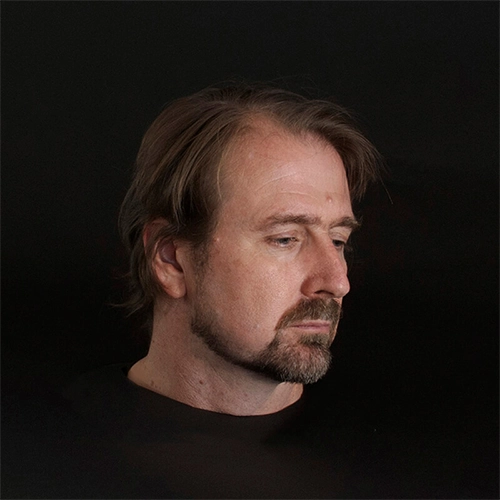
Peter Ydeen is a photographer and artist based in Easton, Pennsylvania, working between New York City and destinations across the globe. Rooted in the tradition of Urban Landscape Photography yet shaped by a distinctly poetic sensibility, his work reveals the quiet complexity of the everyday world. Through his attentive eye, ordinary spaces gain atmosphere, nuance, and an almost dreamlike depth.
Winner of
AAP Magazine #45 Travels, his series reflects this unique vision—capturing the spirit of place through subtle layers of light, color, and emotion. Whether traveling abroad or observing the rhythms of his own surroundings, Ydeen creates images that feel both grounded and enchanted, inviting viewers into a world where reality and reverie meet.
We asked him a few questions about his life, his artistic journey, and the inspirations behind his work.
All About Photo: You originally trained in painting and sculpture before moving into photography. How did
that transition take place, and what ultimately led you to pursue photography—
particularly the urban landscape—as your career?
Peter Ydeen: My serious pursuit of photography came very late, almost by accident, with my first exhibitions
in 2017, just before my 60th birthday. As an artist, I've always needed to make things, and for
many years that need was satisfied through our business, which involved selling African and
Chinese sculpture, organizing exhibitions, creating graphics and displays, and, best of all,
handling thousands of extraordinary artworks. Photography was always part of that work, both as
product photography and in documenting our frequent travel, mostly to China. But it was never
pursued at a professional level; it was simply another tool.
When the business slowed down around 2014, I entered a contest with a photograph I had made
in Xinjiang. It received some recognition, and from there everything began to shift, then
cascading into a passion. I discovered that the camera allowed me to explore the world with the
same intensity I once reserved for painting and sculpture, but with a directness and immediacy
that felt right.
So although I came to photography late, the transition felt natural. The urban landscape,
especially at night, gave me a space where all the threads of my earlier work converged:
structure, atmosphere, narrative, and the quiet presence of people within their environments.
Photography simply became the right medium at the right moment in my life.
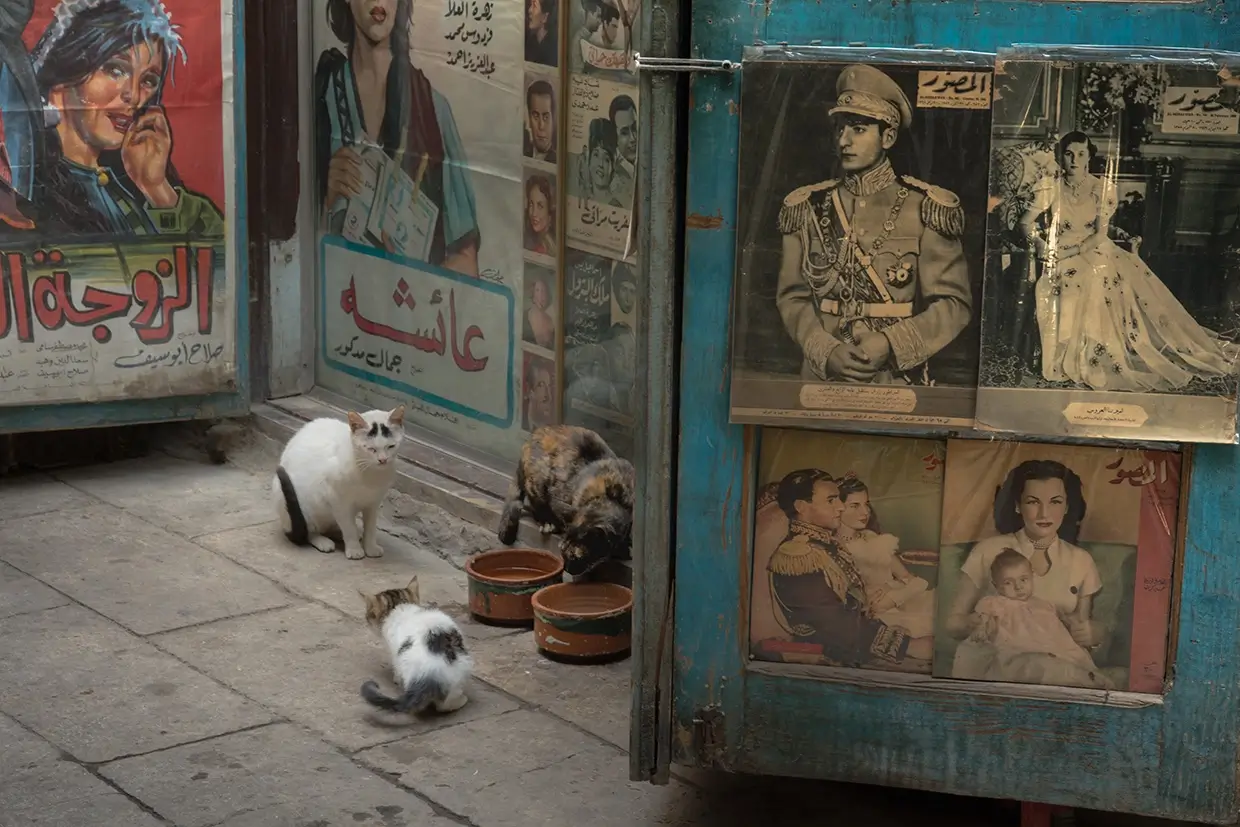
Cat Theatre © Peter Ydeen
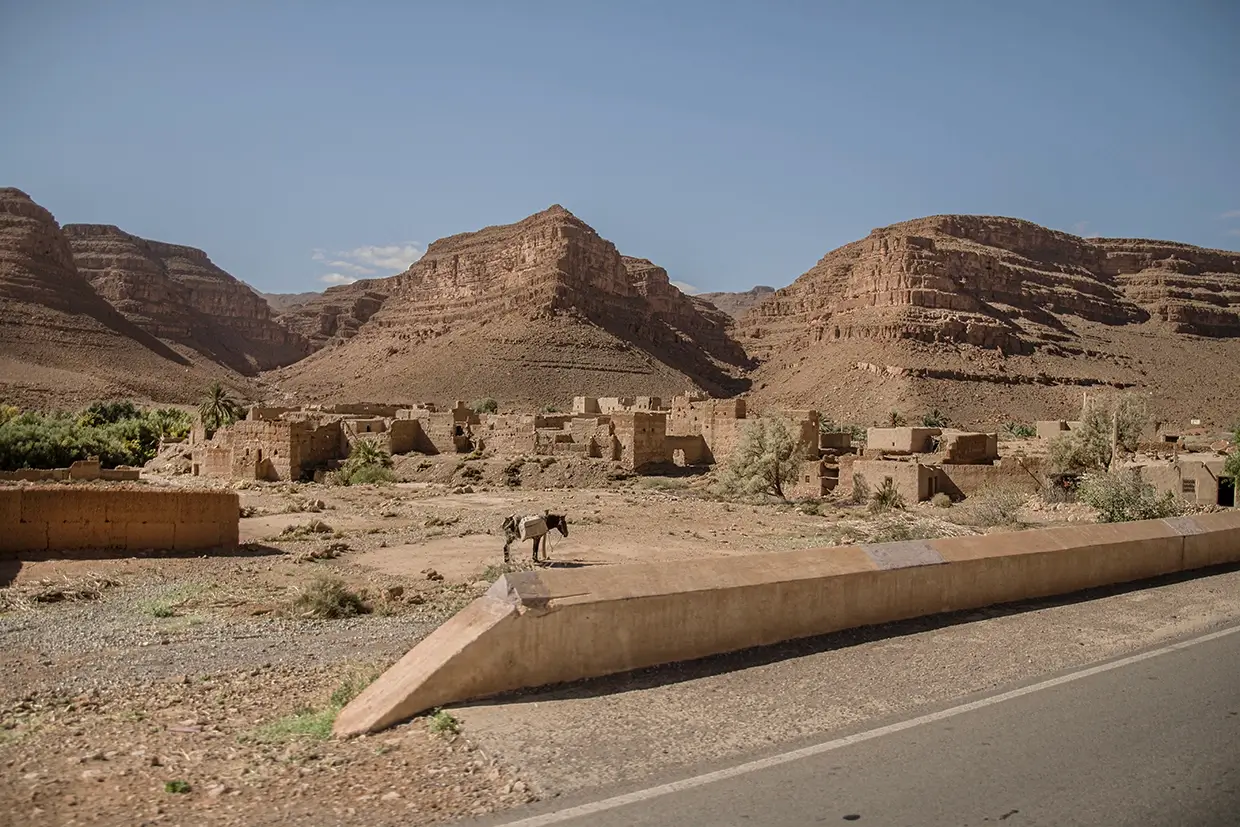
A Donkey in the Village © Peter Ydeen
First, I'd say that my work in architectural model-making was a special experience. In some
ways, it felt like being the king's toymaker. This was in the 1980s, at the very beginning of
computer use, so every model was entirely hand-made. There were only three serious model
shops in New York City at the time, and I eventually became the director of one of them. That
put me in direct collaboration with some of the major architectural offices of the period: Michael
Graves, Philip Johnson, Robert Stern, and especially the visionary Emilio Ambasz, with whom I
later worked exclusively. In fact, one of the Ambasz models I built is currently in his display at
the Venice Biennale, which feels like a fitting echo of that period of my life.
What that time gave me, and what still shapes my photography, is a way of seeing landscape as
form in space. Model-making is about creating three-dimensional concepts; to this day, I see the
urban landscape as a kind of large-scale sculpture, something to move through and inhabit rather
than simply observe.
In 1991 my wife wanted to open a gallery in New York with the Belgian dealer Marc Leo Felix. I
became involved, and a designer from my office, Joaquin Carter, was hired to create the space.
That's where the idea of suspended, two-sided framing originated—a collaboration between
Joaquin and myself. Our gallery, Arts du Monde, mounted many exhibitions, and that experience
formed the roots of my emphasis on display, on creating an environment that people walk inside
of rather than simply look at.
Those early experiences (precision, craft, spatial thinking, and exhibition design) are still the
underlying structure of my photography today.
Whose work has influenced you most?
In photography, the single most important influence for me has always been
George Tice. He was
the catalyst for my night photography, but beyond that, it's the elegant, understated warmth and
quiet optimism that run through all of his images, qualities I continually strive for, even when my
own work is very different from his.
I also return often to
Robert Adams. His ability to photograph nuance is unmatched, and his three
verities have become a foundation for my talks and writing about photography.
Beyond photography, I draw from American Modernists such as Arthur Dove, Marsden Hartley,
and Charles Sheeler. Their clarity of form and sense of structure resonate deeply with me. In
literature and theory, the writings of Susan Sontag and Gaston Bachelard have shaped how I
understand the relationships among images, meaning, and the viewer. And the concept behind the
imaginary worlds created by E.T.A. Hoffmann, and his desire to bring the reader inside them,
have strongly influenced the conceptual direction of my night photography and exhibitions.
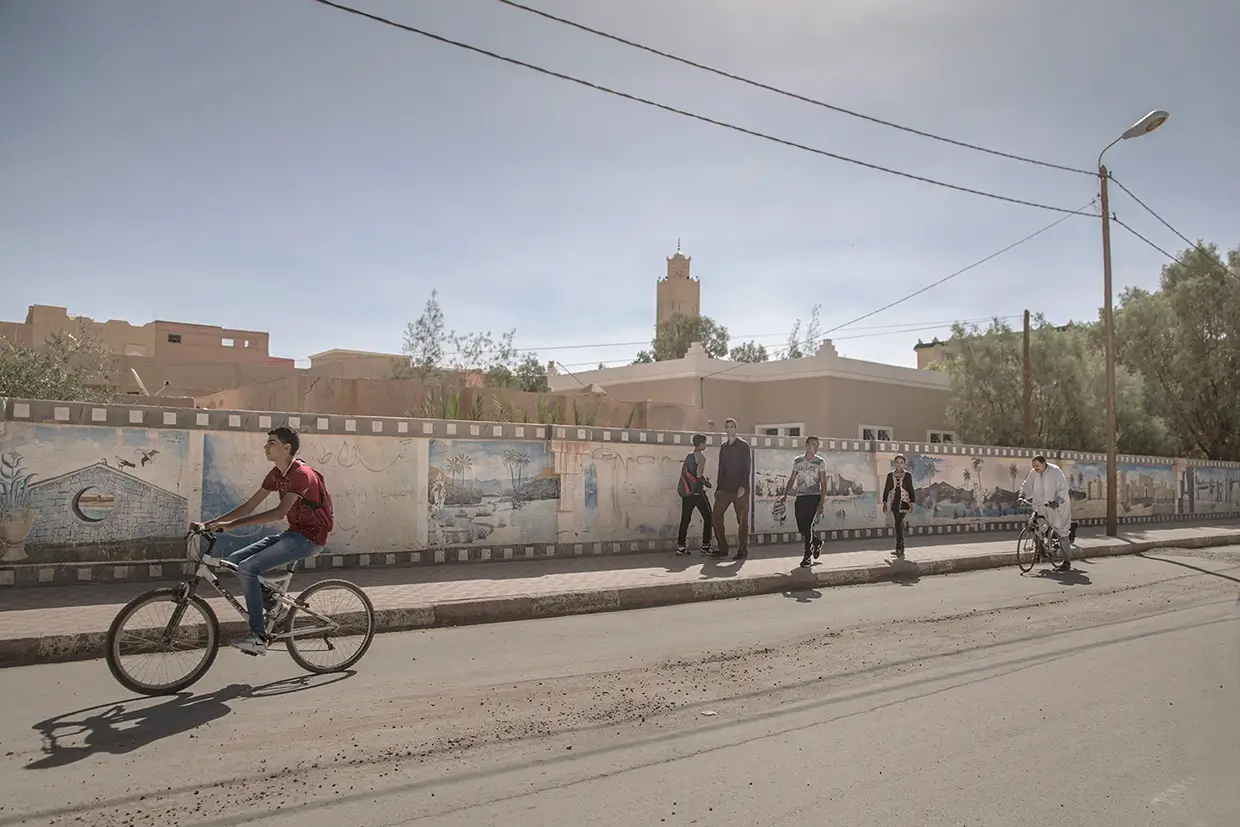
Along the Street © Peter Ydeen
I am a quiet, solitary, and even reclusive person, and photography is a form of conversation for
me. It is an interaction, and nothing if not shared. I get so much visual satisfaction every day, and
I want to give that to others, let them have that same joy. I feel like I have something to offer, a
way to help others see and feel what I experience as I move through these spaces we inhabit
together.
What is the most rewarding part of being a photographer for you?
It's the constant discovery, the discovery of those unheroic moments or seemingly
inconsequential things which come together to become more than the sum of their parts. The
place recorded by the camera creates its own meaning and offers us stories. With
Waiting for
Palms, I still find unprocessed photographs which come back to life, revealing so much I never
saw while shooting. The images continue to unfold, never stop giving.
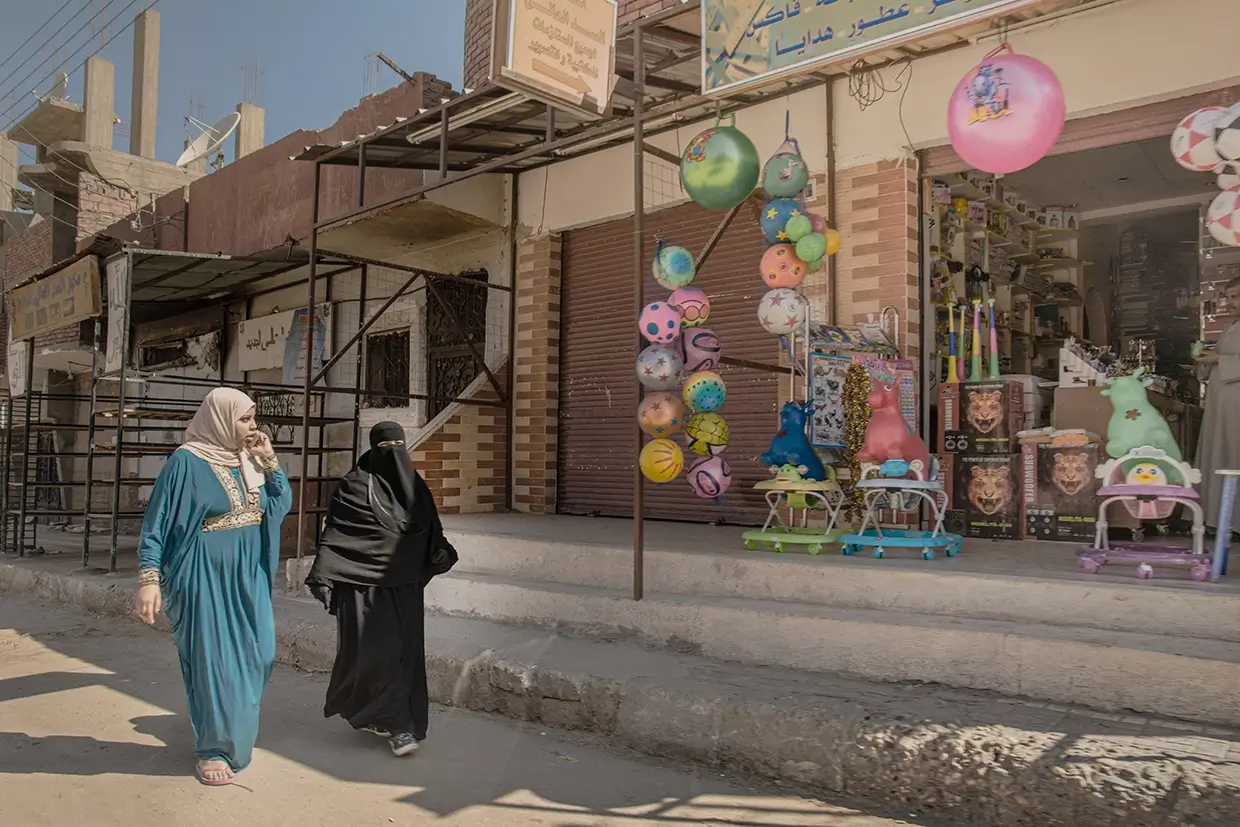
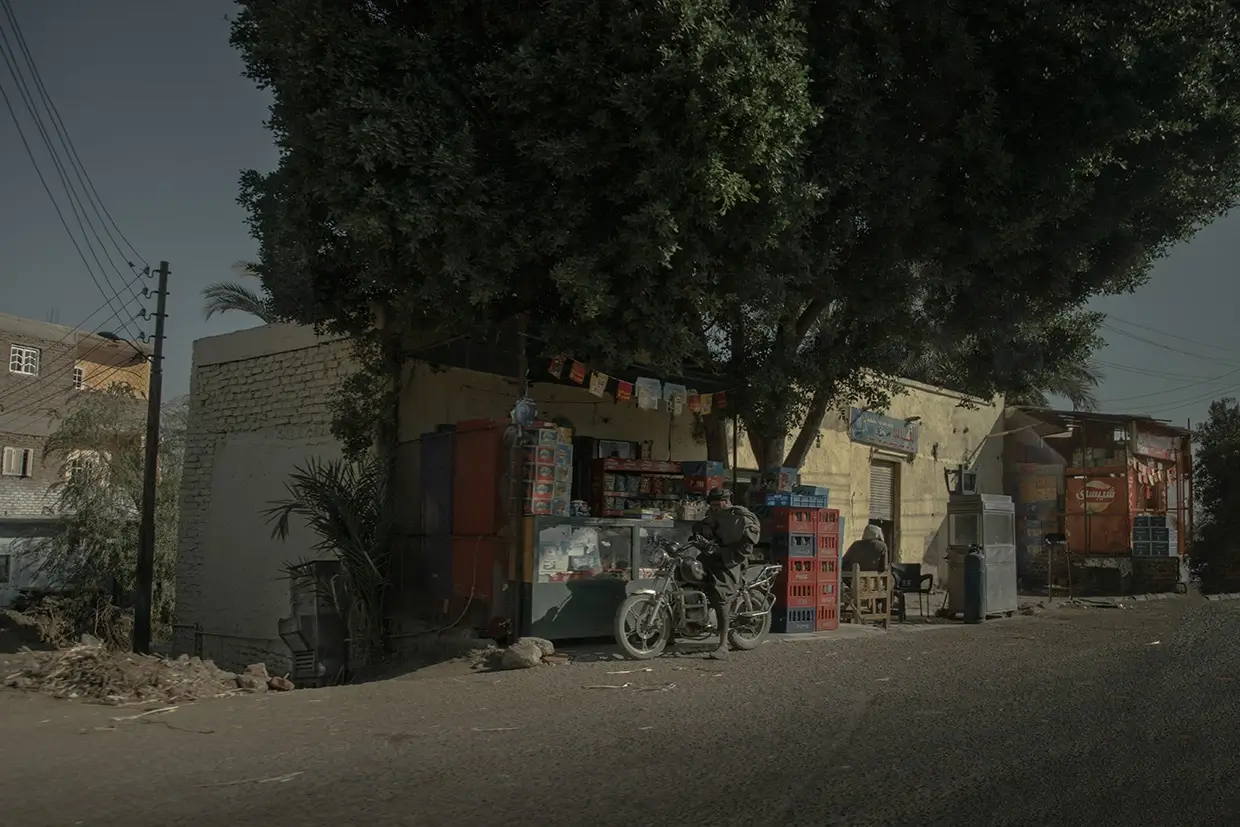
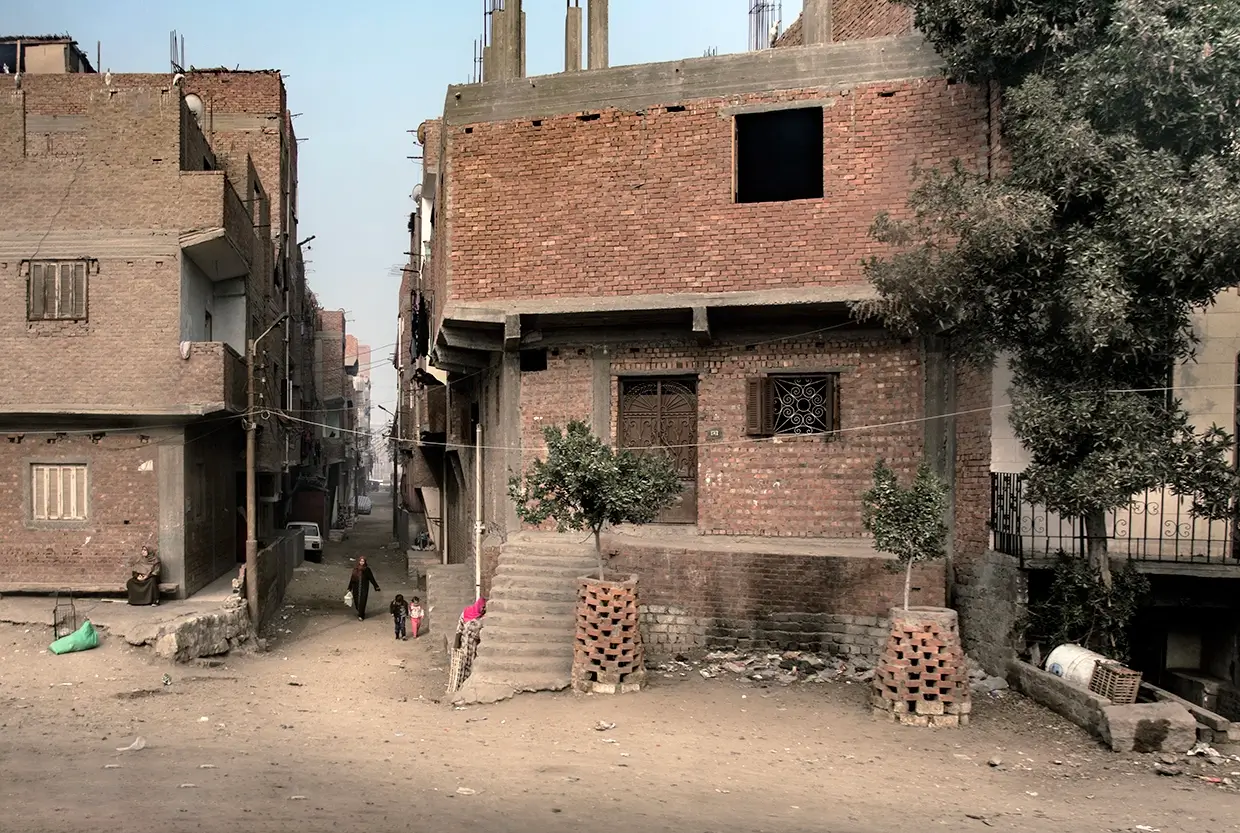
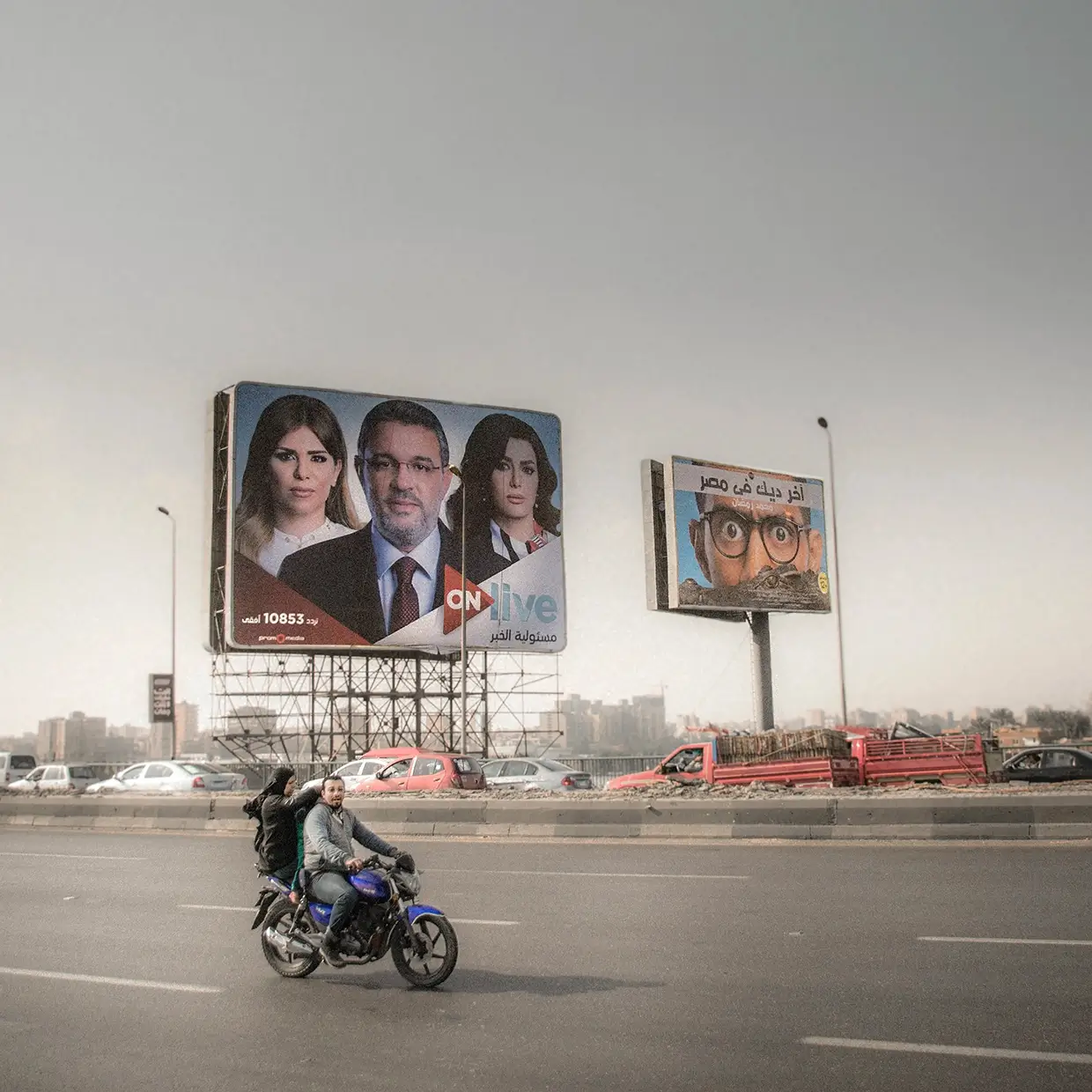
Waiting for Palms was created in Morocco and Egypt. What initially led you to start
photographing in North Africa?
It was purely an accident. The day before a trip to India, we realized our visas weren't going to
work, and so we quickly pivoted and left the next day for Morocco instead. We found a driver on
the train from the airport to Marrakesh, and the rest just fell into place. As we found Morocco so
fascinating, Egypt was a more purposeful choice and took a second trip the following year.
The series captures places that feel both introspective and guarded—a spirit of place
that is private and poetic. What were you hoping to uncover or express through these
images?
This question gives me too much credit. It was less about me trying to uncover something and
more about remaining open to what the images wanted to reveal. They show far more than what I
initially see. In her anthology of Moroccan poetry
Poetic Justice, Deborah Kapchan talks of the
veils that exist partially to protect a reality that the traveler may not be able to fully grasp. I
wasn't trying to understand or grasp the place in that way, but rather to be receptive to what the
experience gave me. What comes back, as you said, is the poetry of the place, but it's the place
offering itself, not me extracting it.
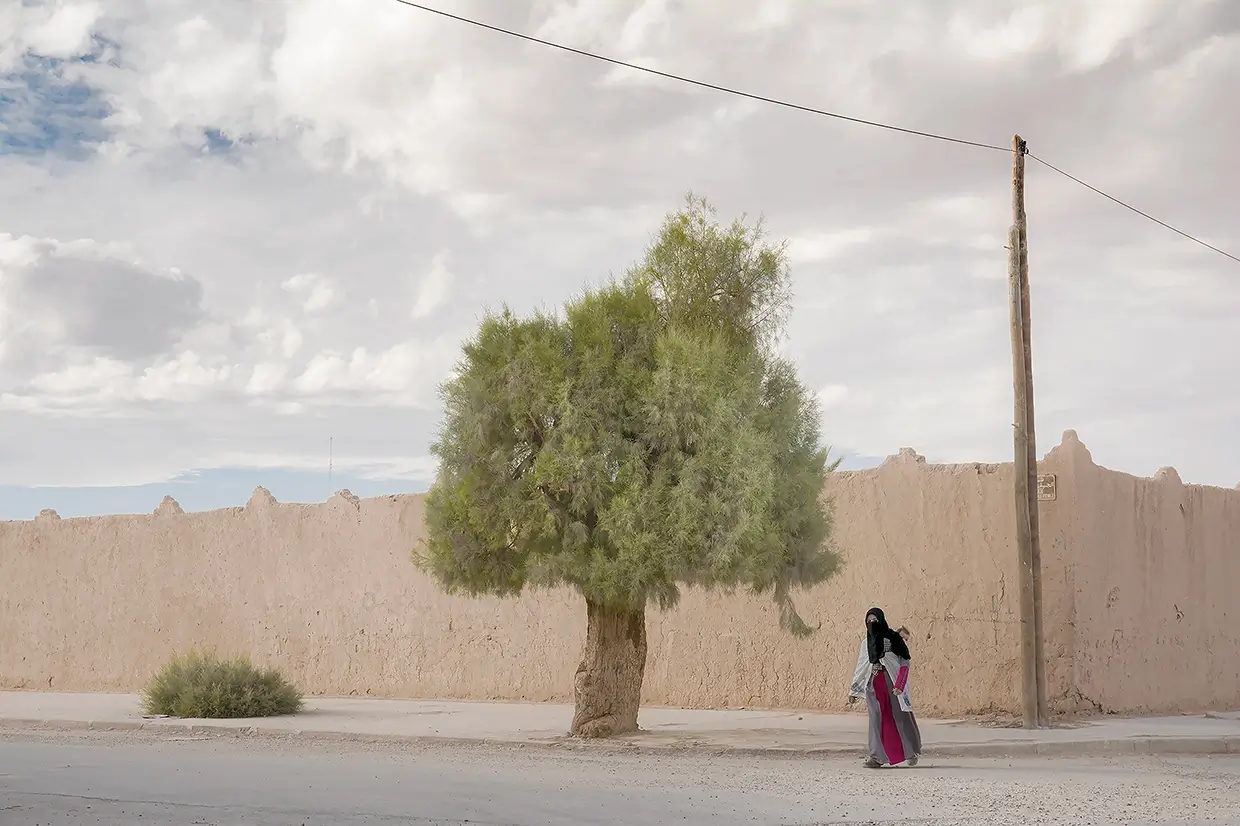
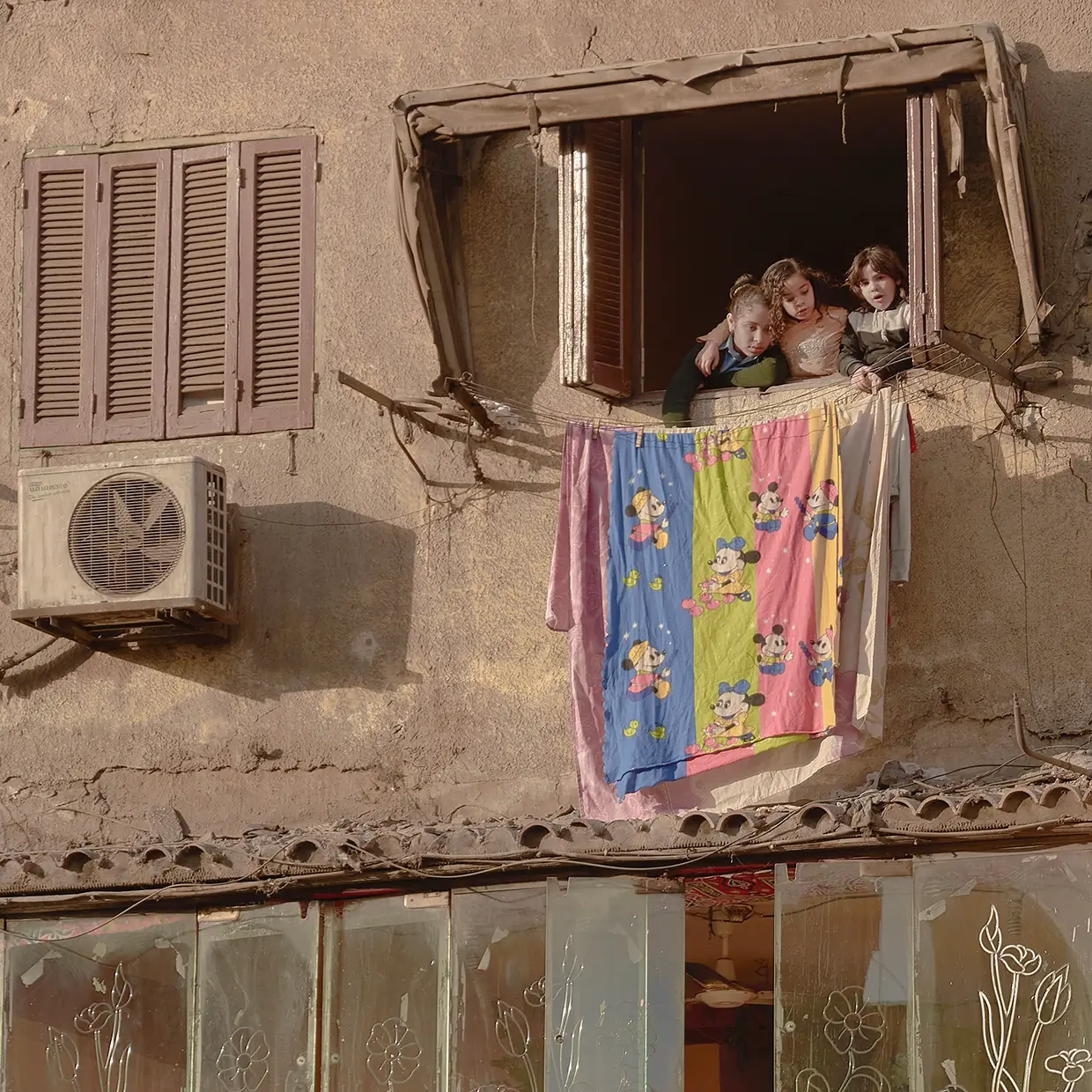
A mother a baby and a tree © Peter Ydeen
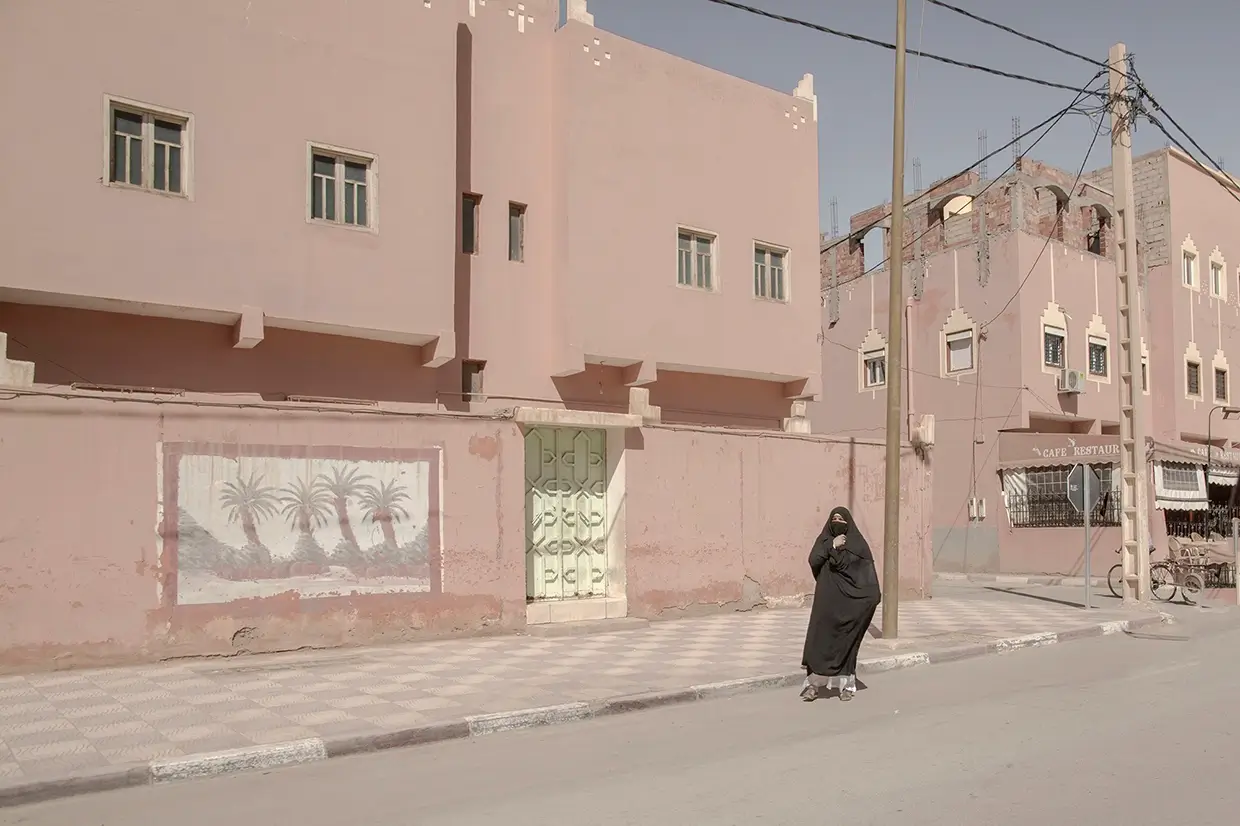
Waiting for Palms © Peter Ydeen
My wife lived in Mali for ten years and so was not jolted in the same way I was. It was my first
time in Africa, and my jaw dropped to my knees. As with every new place, even the smallest
things are different. The United States is relatively homogenous, but Morocco and Egypt are
much more varied. The differences between modernity and the rural areas are far more extreme
because of the entrenched traditions in those rural places. There's also what might seem like
timelessness, but what I experienced as something different: time felt as if a negotiable guest in
the rural areas. It did not control. It is a whole new way of being in the world, and it is
enthralling. The light, the textures, the pace, they all asked something different of me and my
camera.
Was there a particular moment or scene during your travels that crystallized what Waiting
for Palms would become?
Waiting for Palms is still crystallizing. There was no ta-da moment, and when I first came back
and tried to present it, I had no clear sense of what I had found, and so was about to create. The
few magazines that published early versions are fortunately not online anymore. It really has
been coalescing over the past year, almost ten years after it was shot. It's a testament to a
beautiful aspect of photography, the life of an image only begins when engaged, and begins
again with each viewing and each viewer. The work has been revealing itself slowly, but
generously, over time.
The series blends elegance with a sense of quiet tension. How intentional was this
atmosphere, and how much emerged spontaneously during your travels?
That's a perceptive observation, and I think that elegance and tension are inherent to the place
itself. It is an elegance that coexists with the simplicity of the setting and that particular
negotiable sense of time, where people don't seem hurried or frantic. This exists in contrast to a
physically demanding environment, with much of the architecture feeling almost brutal in its
power. So I can't take credit for the relationship between these elements; that's the place as I
encountered it, and as the camera showed it to me. I simply tried to remain attentive and
receptive to what was there.
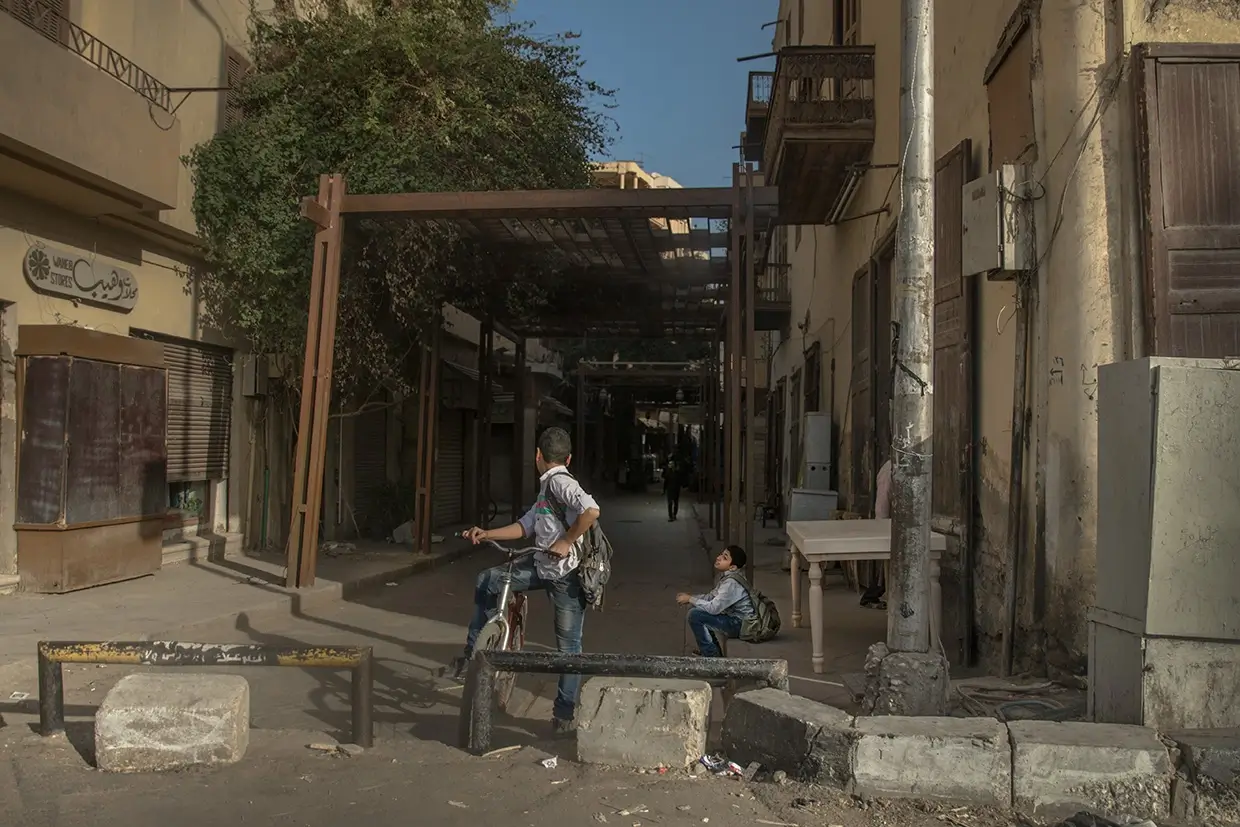
Looking Back © Peter Ydeen
I'm not one to run around with a gaggle of cameras around my neck and a bag full of equipment.
All of the work was shot digitally using two Nikon cameras, a D850 full-frame and a smaller,
lighter D7100 with a crop sensor. I rely on portability for spontaneity. In this series I did not
carry a tripod. For both cameras, I use Nikkor zoom lenses, which give me quick flexibility in
framing, allowing for both some degree of wide-angle and close-up work without changing
lenses.
I tend to work quickly, more on the fringe of street photography, taking many frames of each
subject. An essential tool for this series was actually a car and local driver, which freed my hands
and eyes, provided access to more rural areas, and offered valuable local knowledge.
Do you spend a lot of time editing your work?
I do spend a great deal of time editing my work, although the majority of that time is on
subtleties. There is a unique workflow for each series as the challenges are different. Processing
night photos is very different than processing bright light landscape photos, for example. For a
few elements such as managing highlights and adjusting structure I use Capture One, but this is
more for my night series where there can be issues with dynamic range. The majority of editing
is done in Photoshop RAW. For
Waiting for Palms there is often an issue with haze, while with
Easton Nights my main concern is to reveal a bit more from the shadows. For both I like to
increase clarity, not necessarily sharpness, but more to help things be seen, to bring forward what
was there but obscured.
Then I create separate files for print and online, with different resolutions and adjustments for
translating from the white light of a monitor to white paper, and from the black created by the
absence of light on a monitor to the black created by ink. Conversions from RGB to CMYK are
also challenging. And so while the intention is to remain true to the original image as captured,
there are many factors which require careful editing.
What are you focusing on now, and where do you see your work heading?
I have several exhibitions scheduled for
Waiting for Palms, and so that is my priority right now.
I'm also very near publishing the book
Black White and Gray, which will be out in paperback
very soon, and in hardback early next year. I've been going through all of my earlier series and
completing them with books, one at a time.
Travel photography is becoming more central as I get older. Away is the catch-all for my travel
work, though some destinations warrant their own series, such as
My Utah. My wife and I are
planning to spend more time in Asia. We have a house in Shanghai and want to downsize in
Pennsylvania, so we would have two nodes for travel. Vietnam and India are two big ones on the
list, but more time in Europe as well. Though I've given night photography a rest, I would like to
get back out in the small hours. It is a completely different experience wandering around in the
emptiness at 3 in the morning. I've also wanted to get back into making box art, little imaginary
abstracted dioramas, then photograph them with both the sculpture and image being pieces of art.
I'm not sure if I will get to it, but that would be a possible whole new direction.
Looking back across your various series, what thread—or philosophy—do you feel
connects all your work?
Almost all of my work is about place, with an emphasis on my own positive appreciation and
fascination with those places; what some refer to as the “spirit of place” (which was actually the
title of my Lafayette College exhibit). Even when I use people in my photographs, I'm trying to
show them as part of the gestalt of the place they inhabit. My philosophy is to acknowledge the
limitations of the medium while presenting each image as a beginning, a point of departure
where each viewer can create their own story, which may or may not coincide with mine. But the
overall thread connecting everything is that attempt to capture the poetry of the ordinary.’
Your best memory as a photographer?
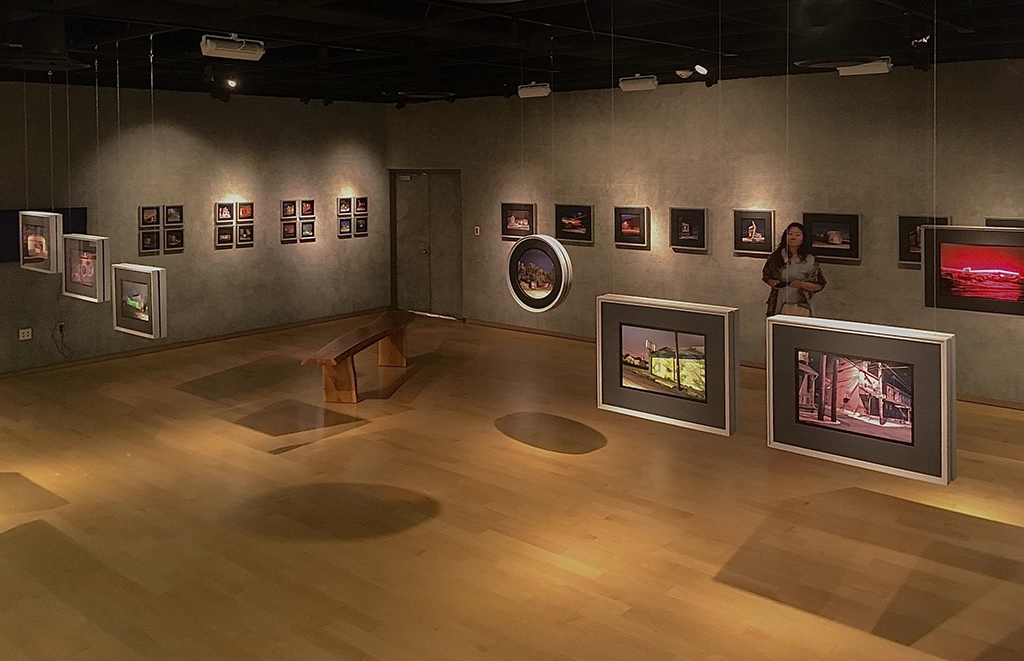
One of my best memories came after the installation of my exhibit at Millersville University,
which featured my first suspended two-sided frames. The installation was entirely conceptual
before hanging as this was my first attempt at a three-dimensional exhibit, and the walls were
covered with beige-ish carpet that I dreaded thinking it would swallow up my simple gray
framing. When I finished, it was beautiful. The texture of the carpet actually set off the framing
perfectly, and the dimmable lighting created a subtle, immersive mood. It became a photography
exhibit you could walk inside of in the same way I wanted viewers to step inside my night
photographs to sit and absorb the magic of those places. The show reflected that vision
completely and was an important moment for the presentation of my photography.
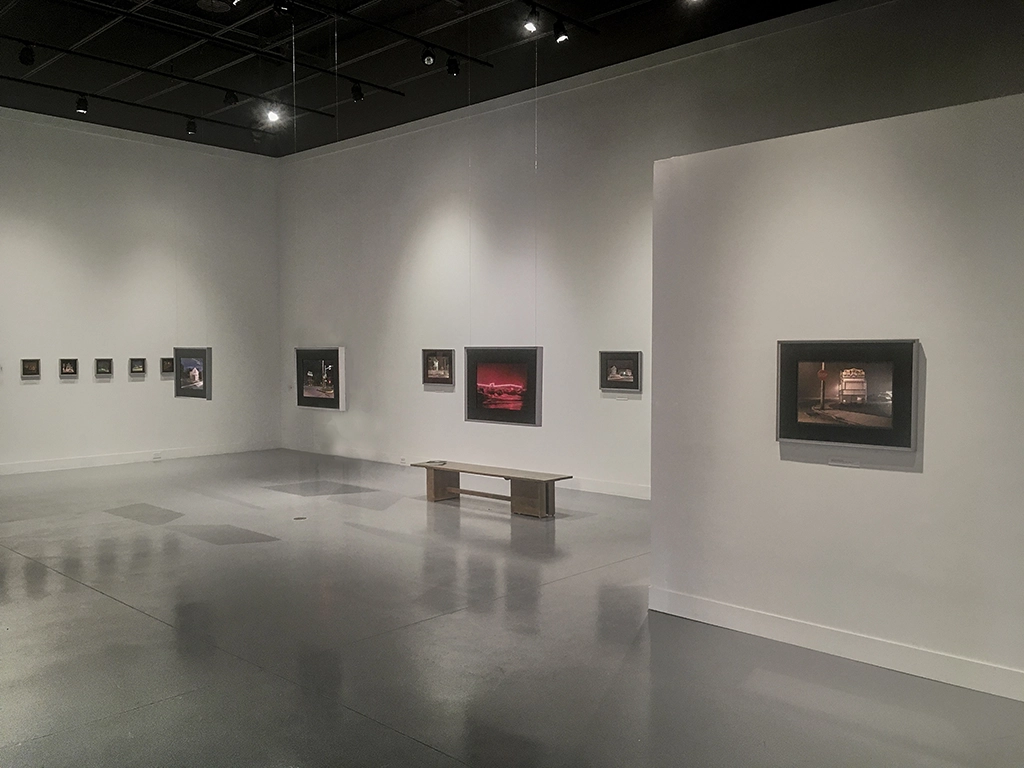
Freedman Gallery © Peter Ydeen
While that first three-dimensional exhibit was aesthetically so rewarding, I didn't bring my
camera during installation, then when I brought it for the takedown, the battery was dead. So my
worst souvenir is from that beautiful show in the form of a set of grainy photos taken on an
iPhone 4.
Anything else you would like to share?
My sincere thanks to All About Photo and the many others out there like you, who have given so
much to myself and countless other photographers. It's your endless work helping others that
helps create the outlets for our work. Too many people take that help for granted. But I know I
speak for many when I say: thank you.