All about photo.com: photo contests, photography exhibitions, galleries, photographers, books, schools and venues.
Final Call to enter All About Photo Awards: $5,000 Cash Prizes - Juror Steve McCurry
Eduardo Salvador
Eduardo Salvador
Eduardo Salvador

Eduardo Salvador

Country: Spain
Birth: 1998

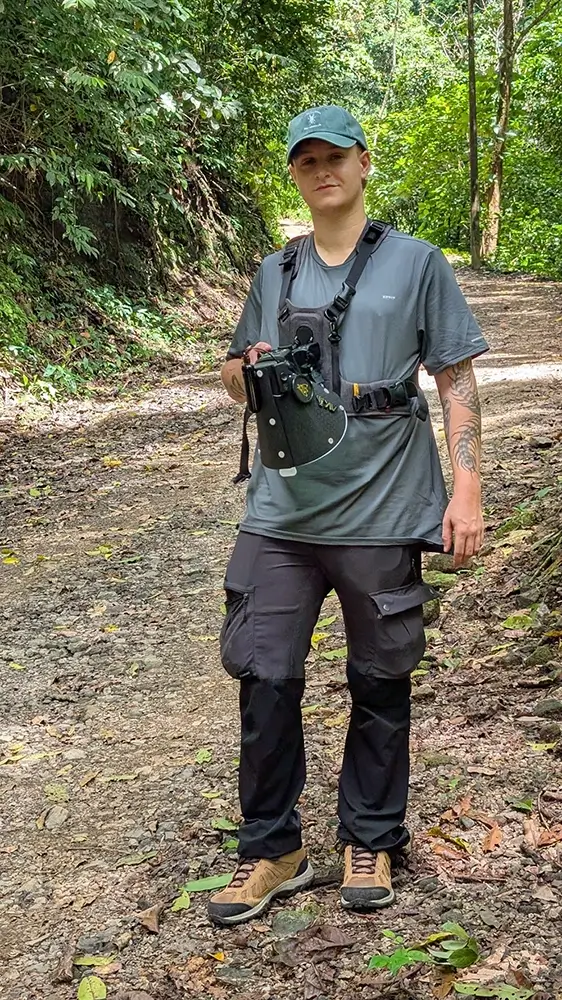
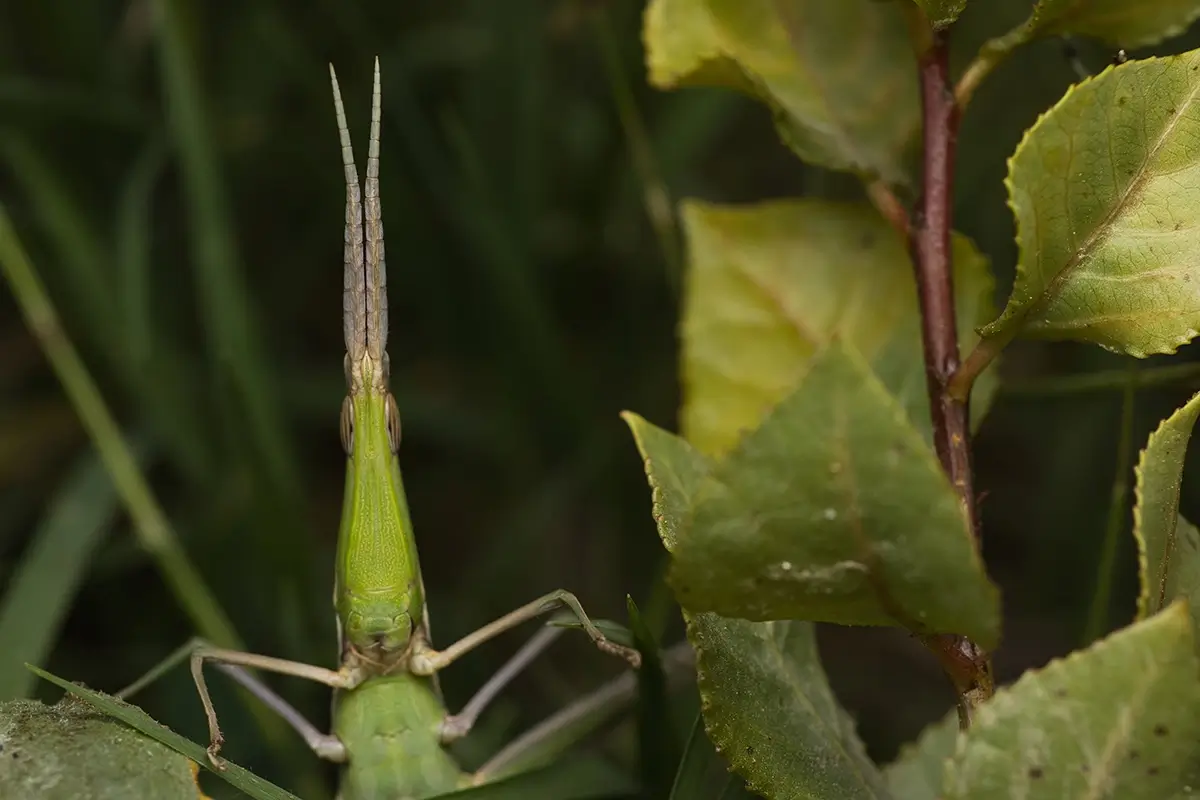
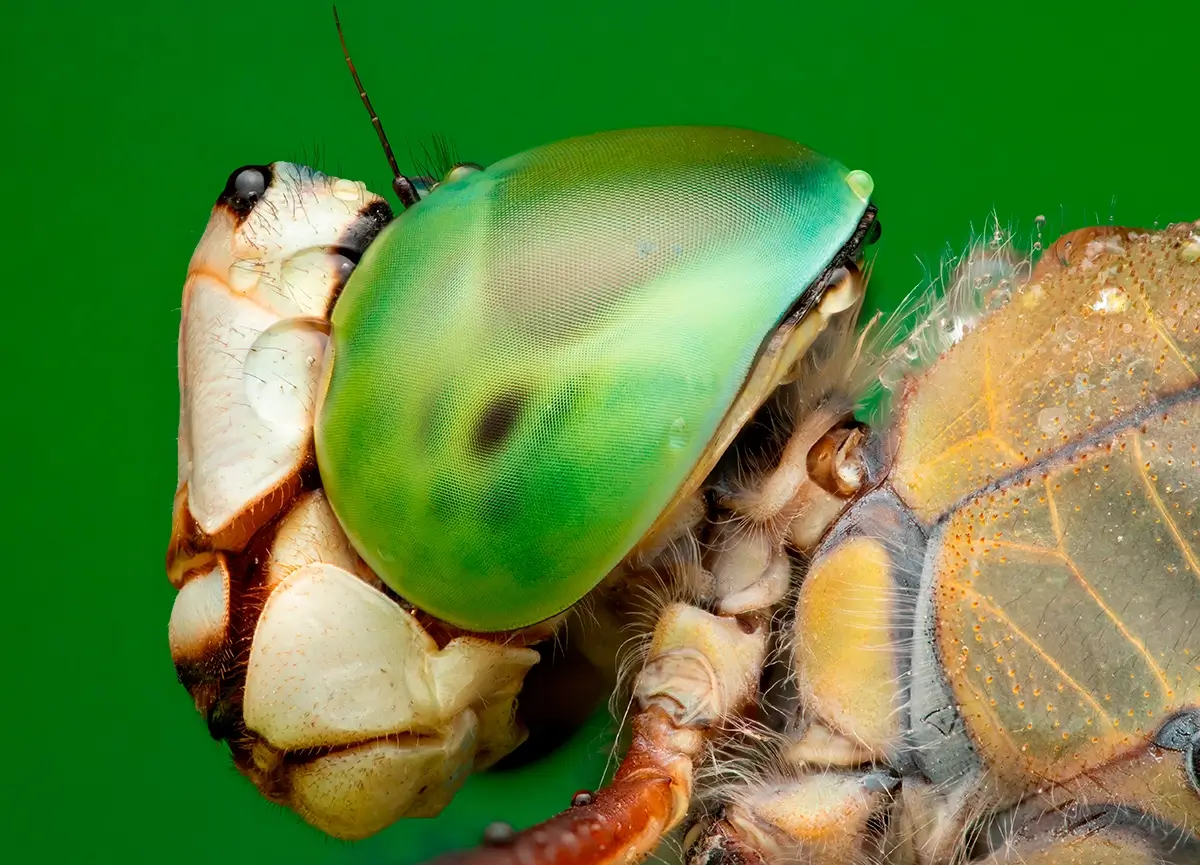
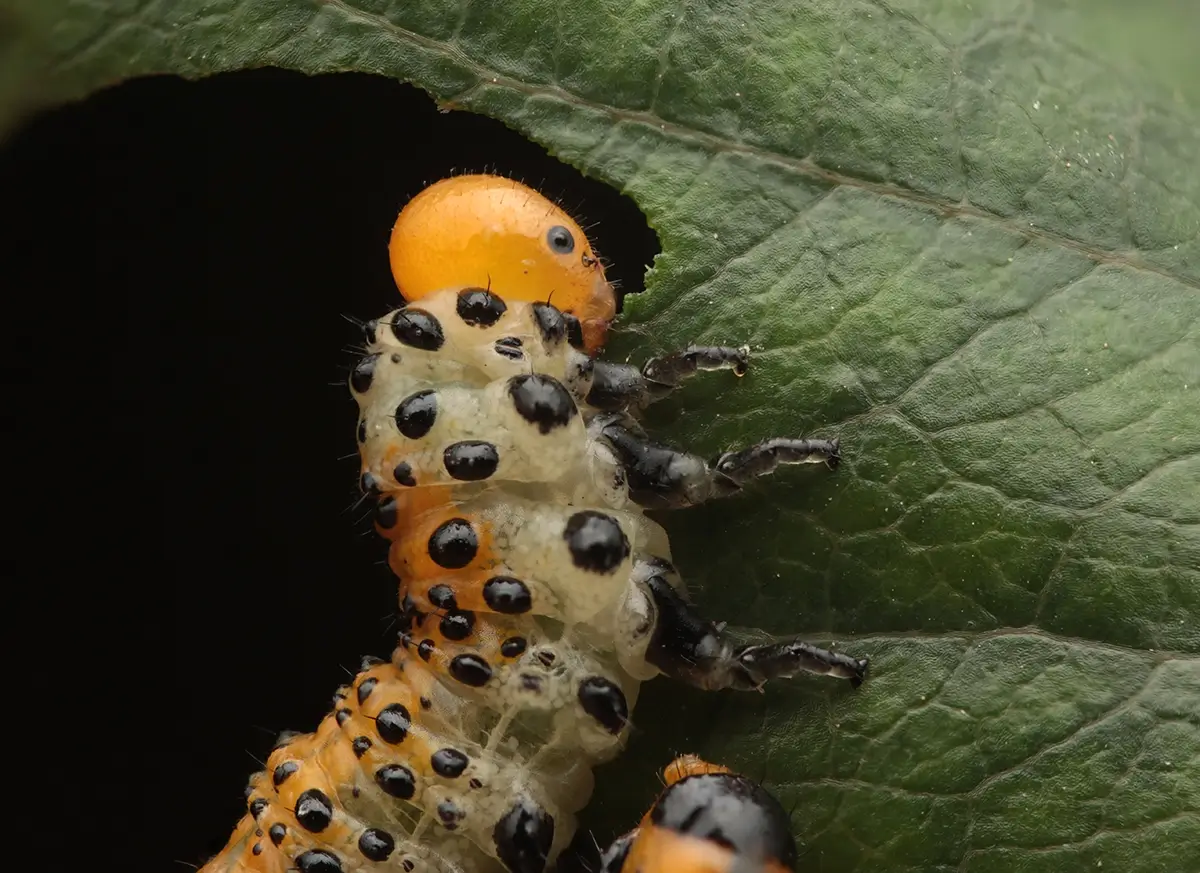
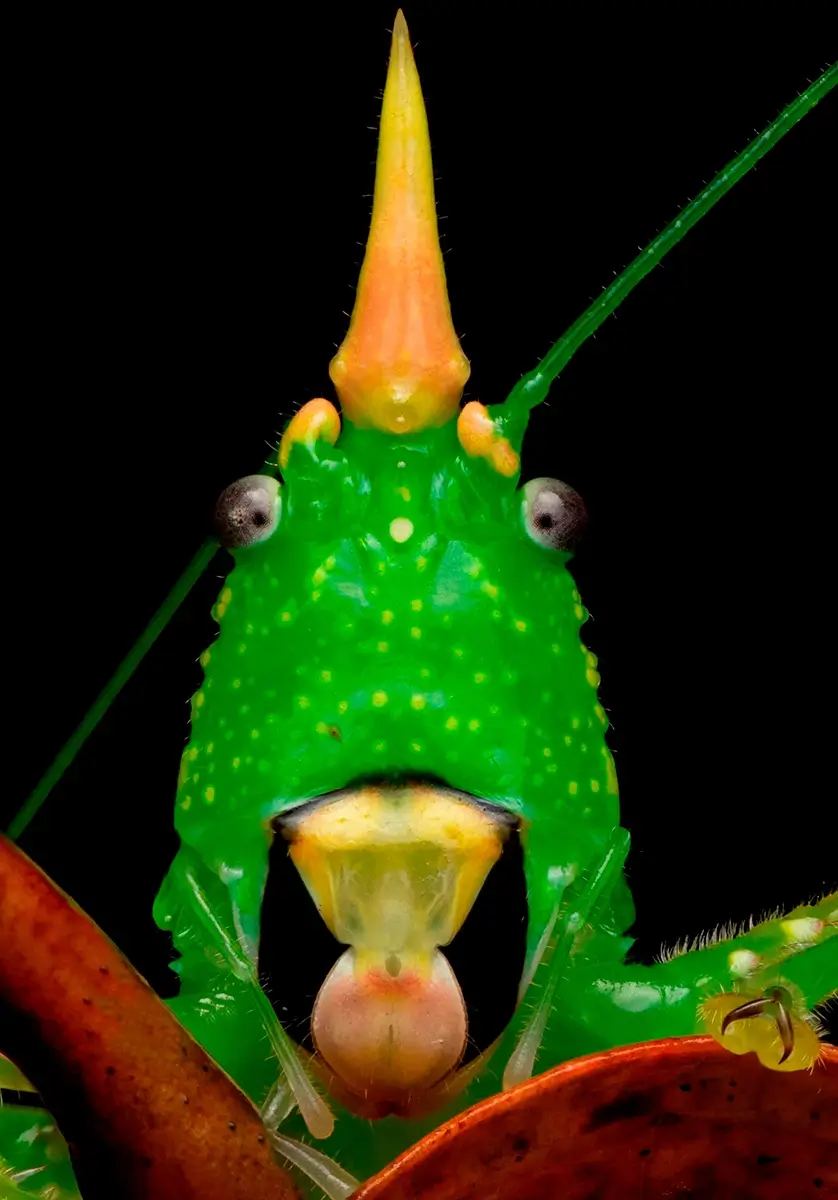
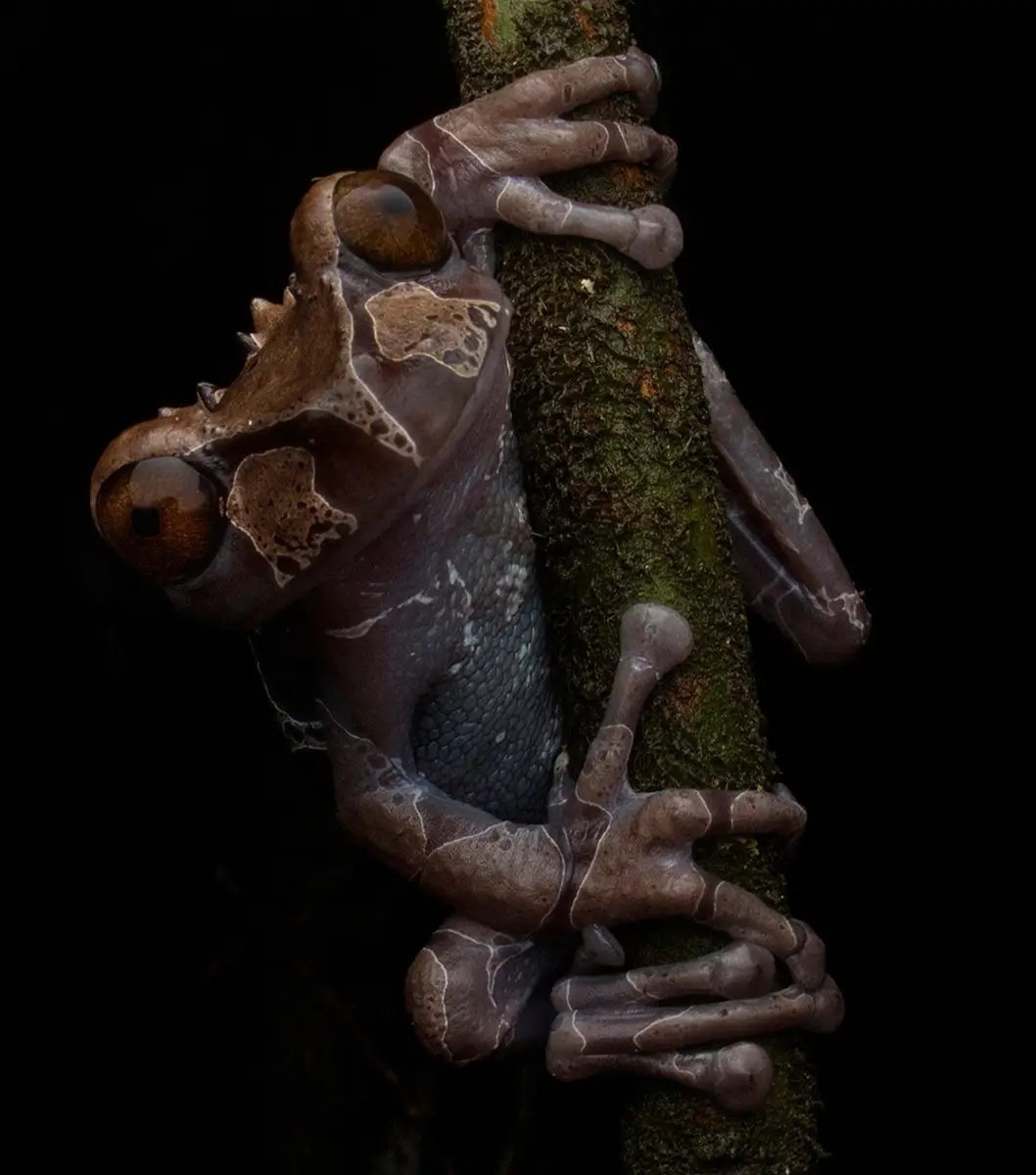
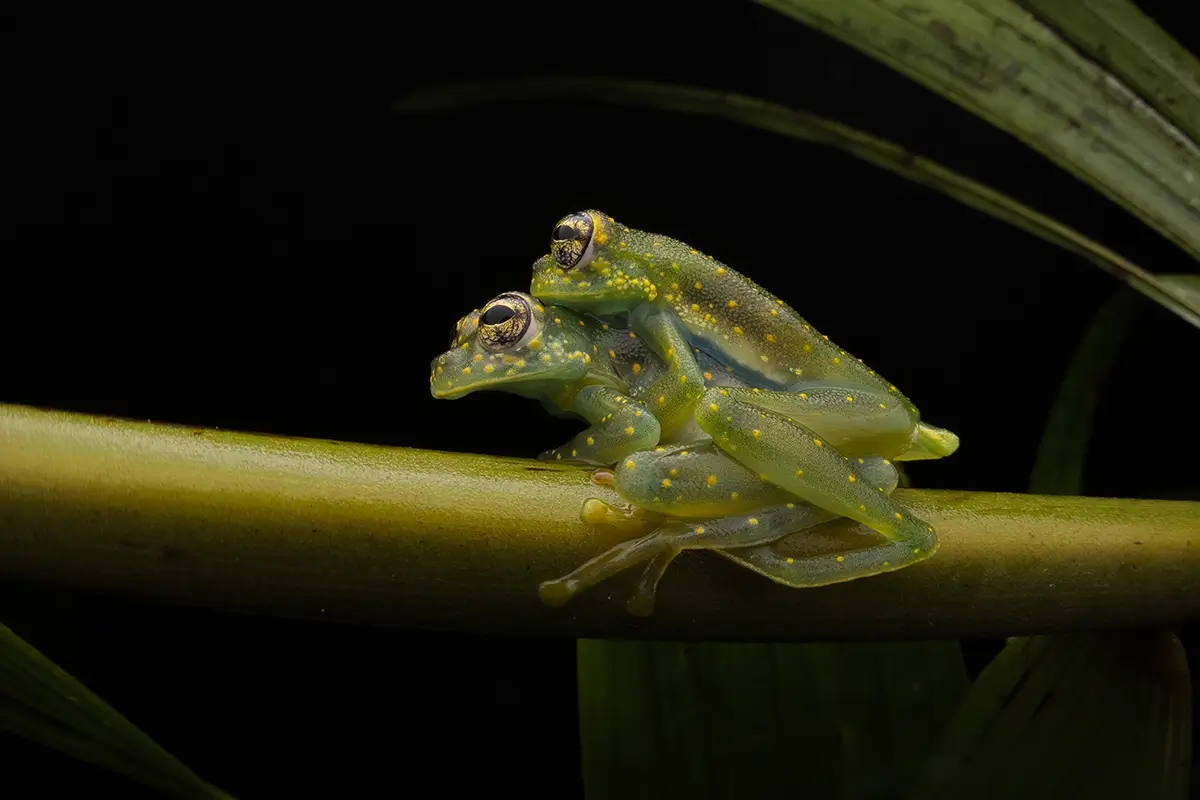
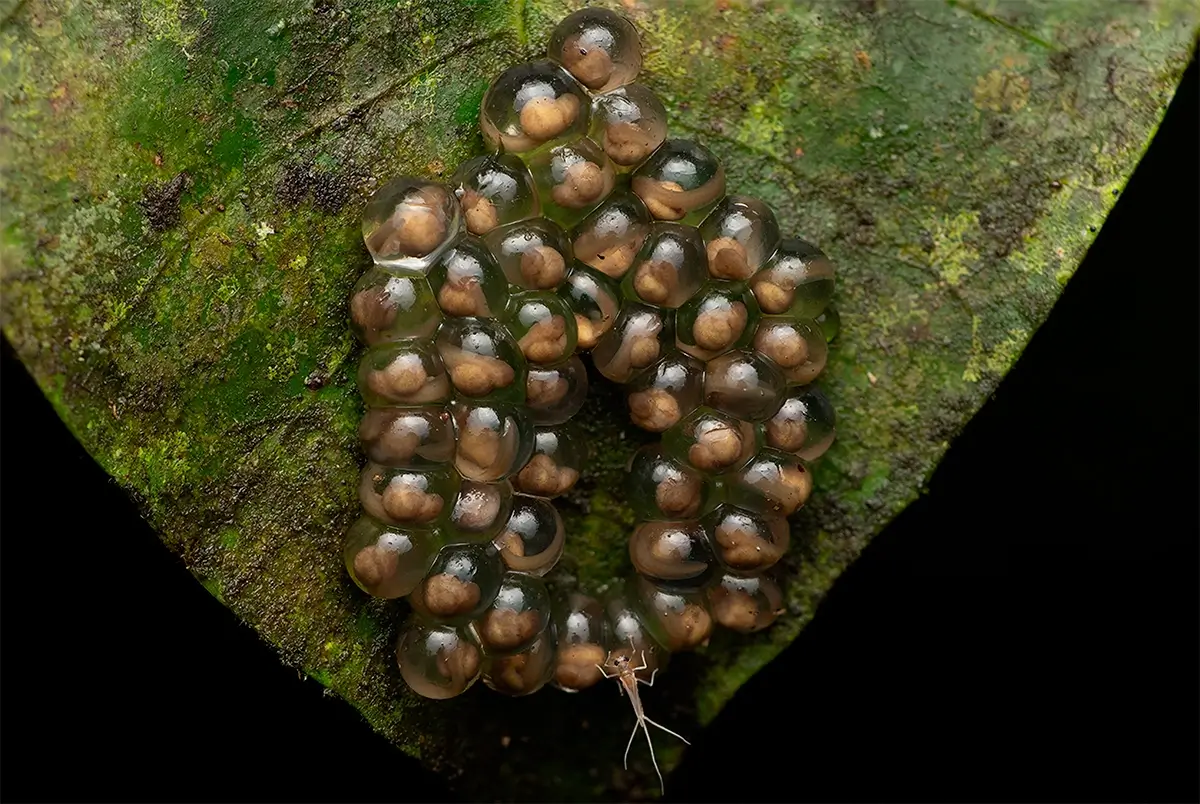
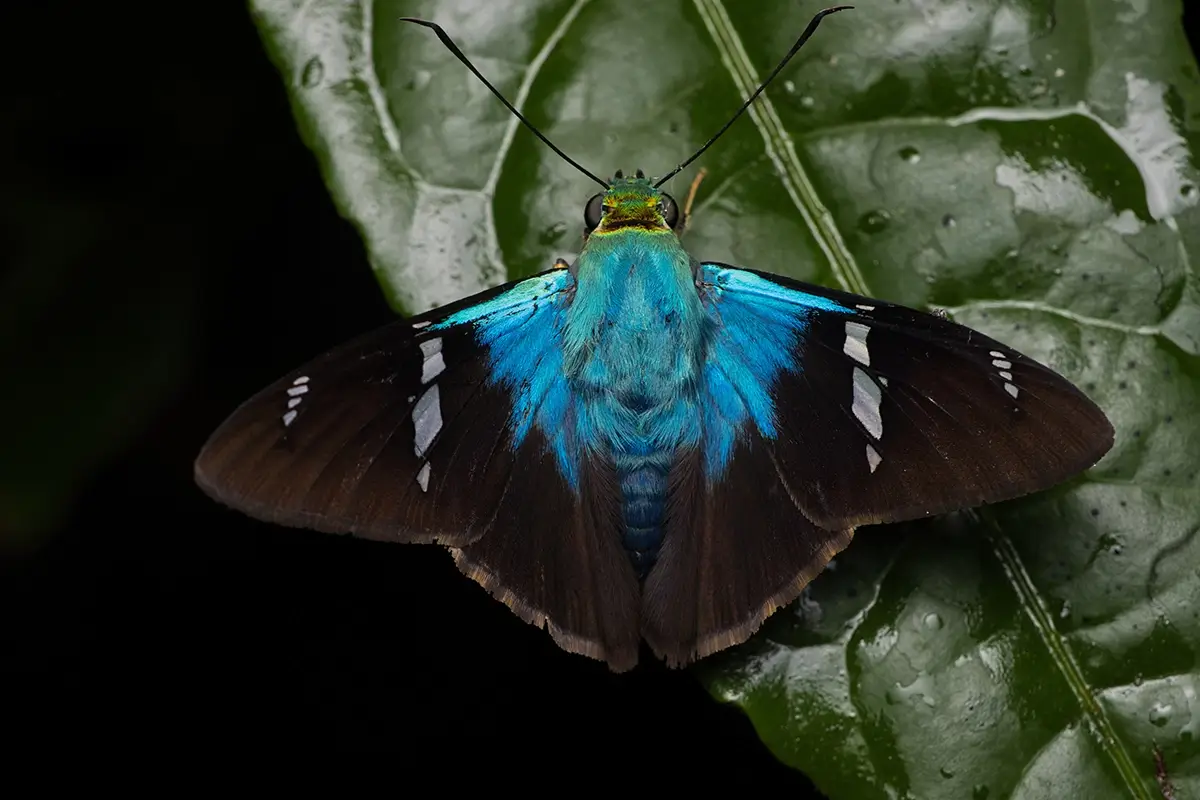
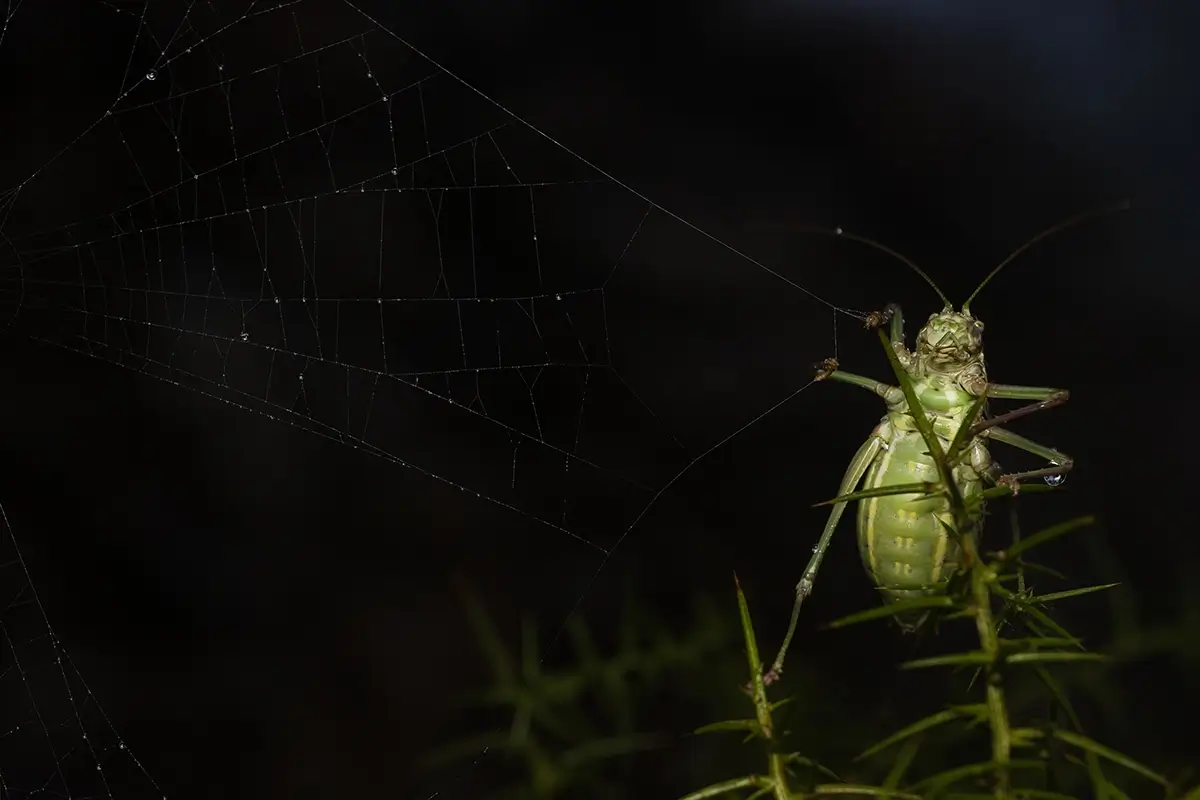
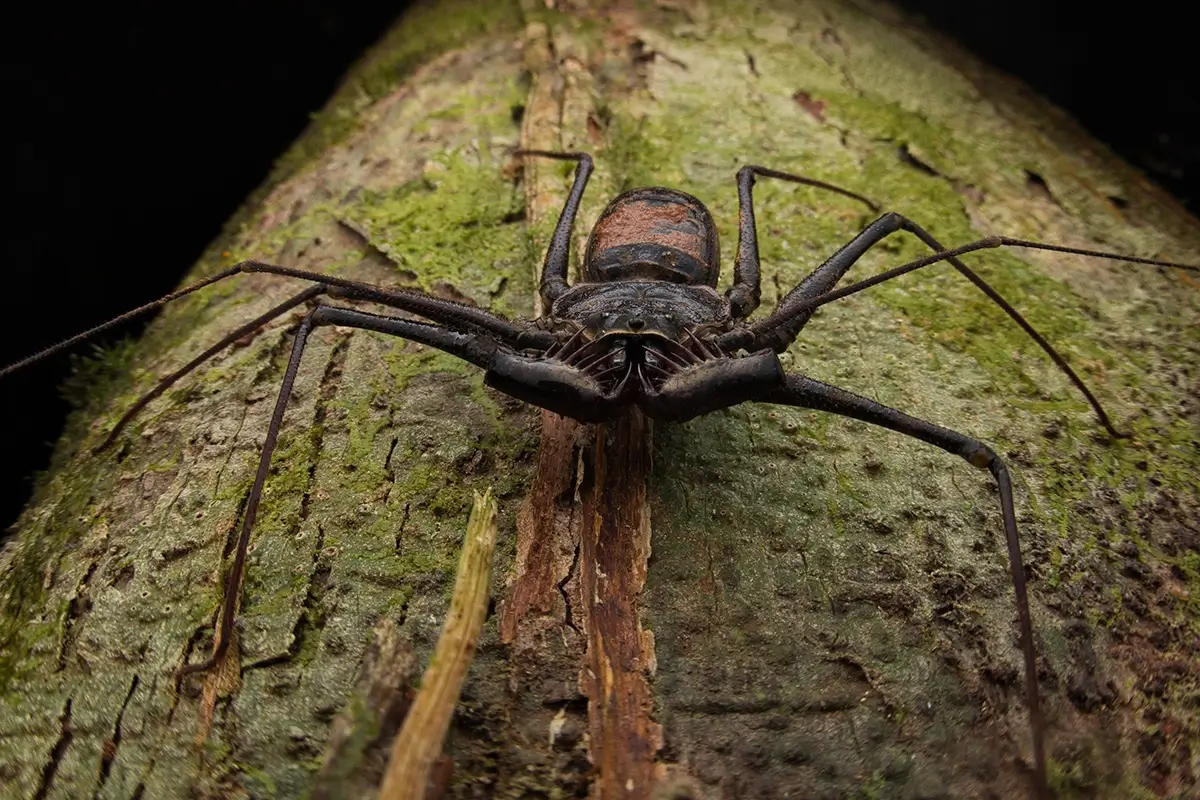
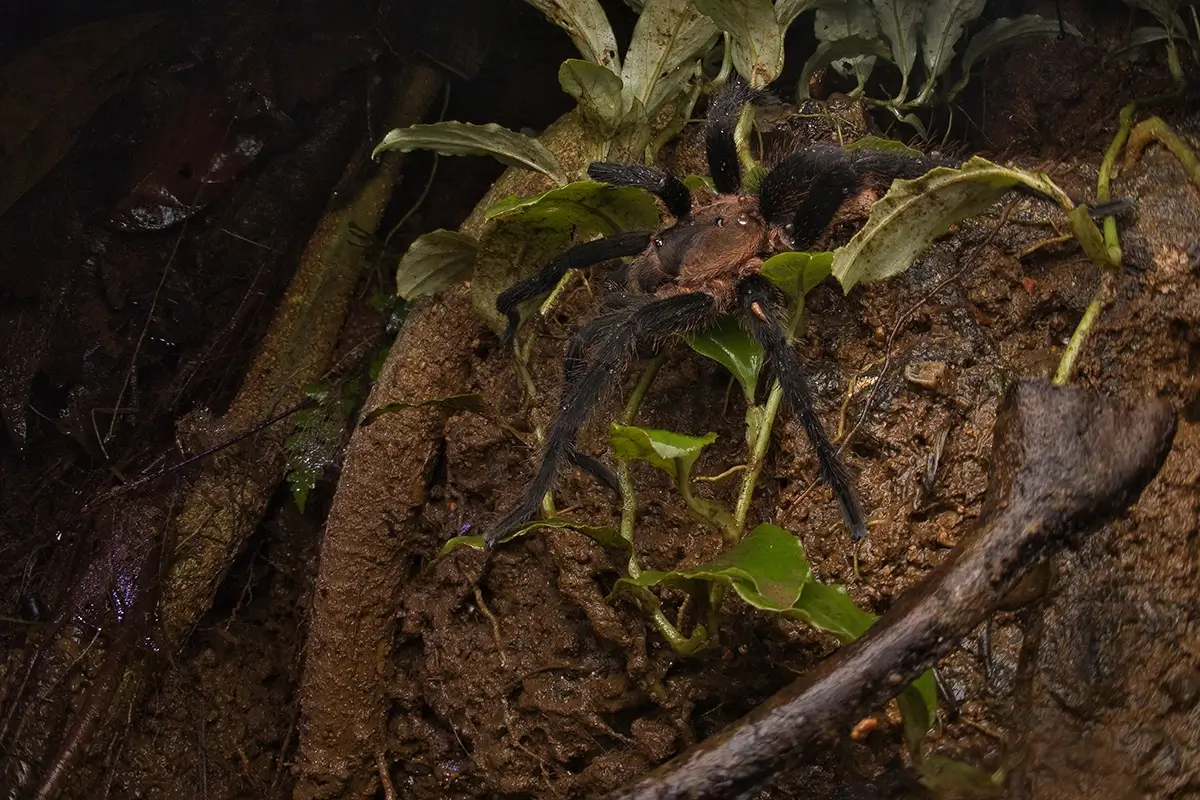
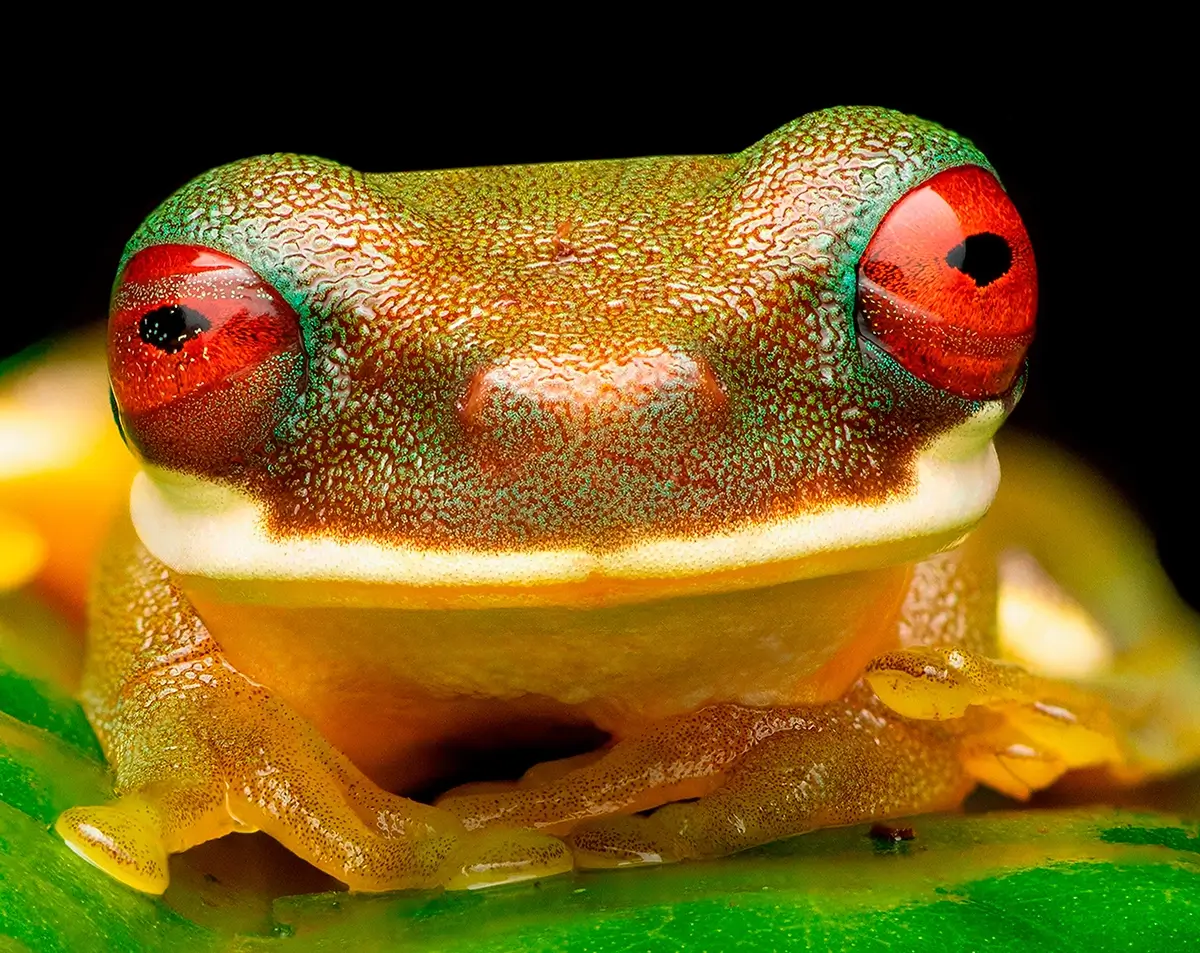
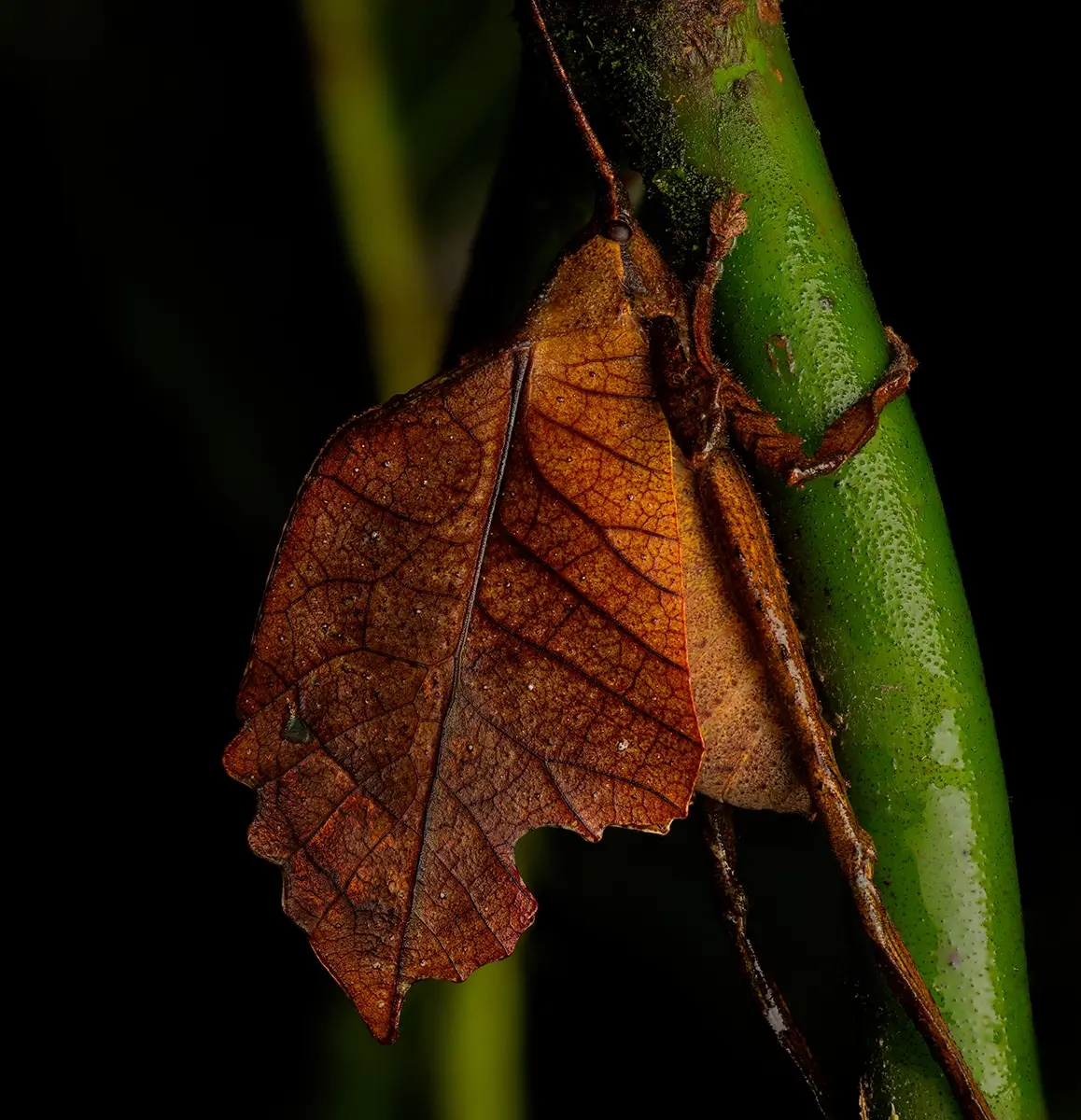
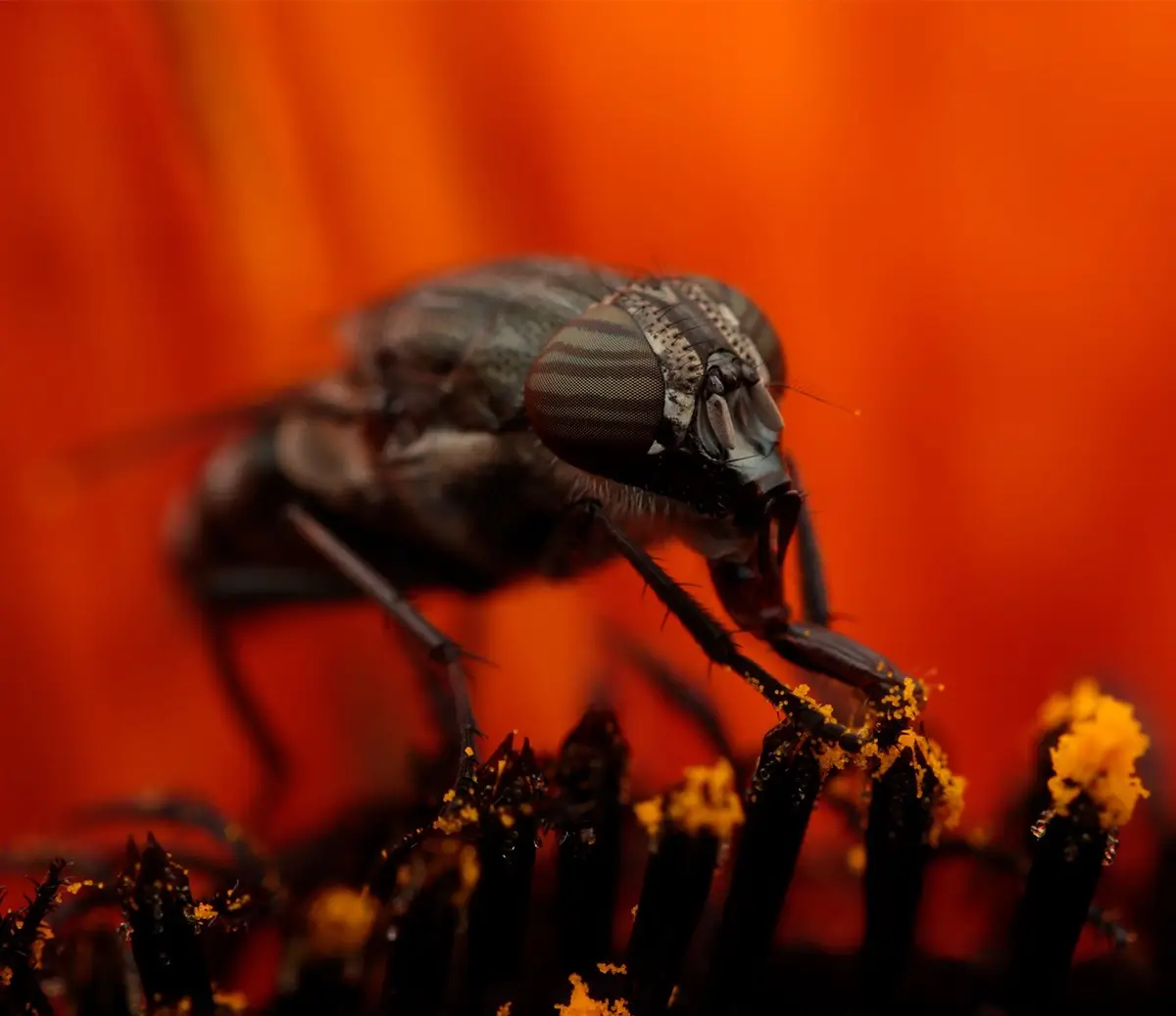
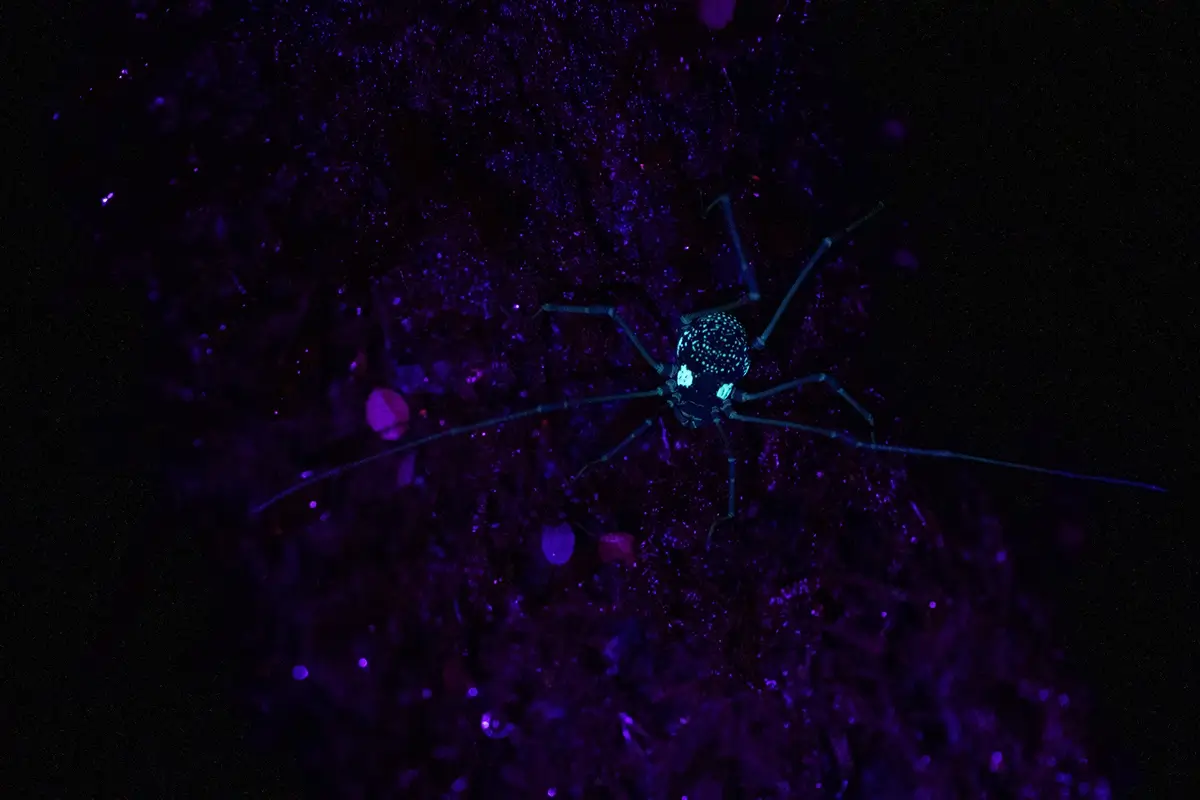
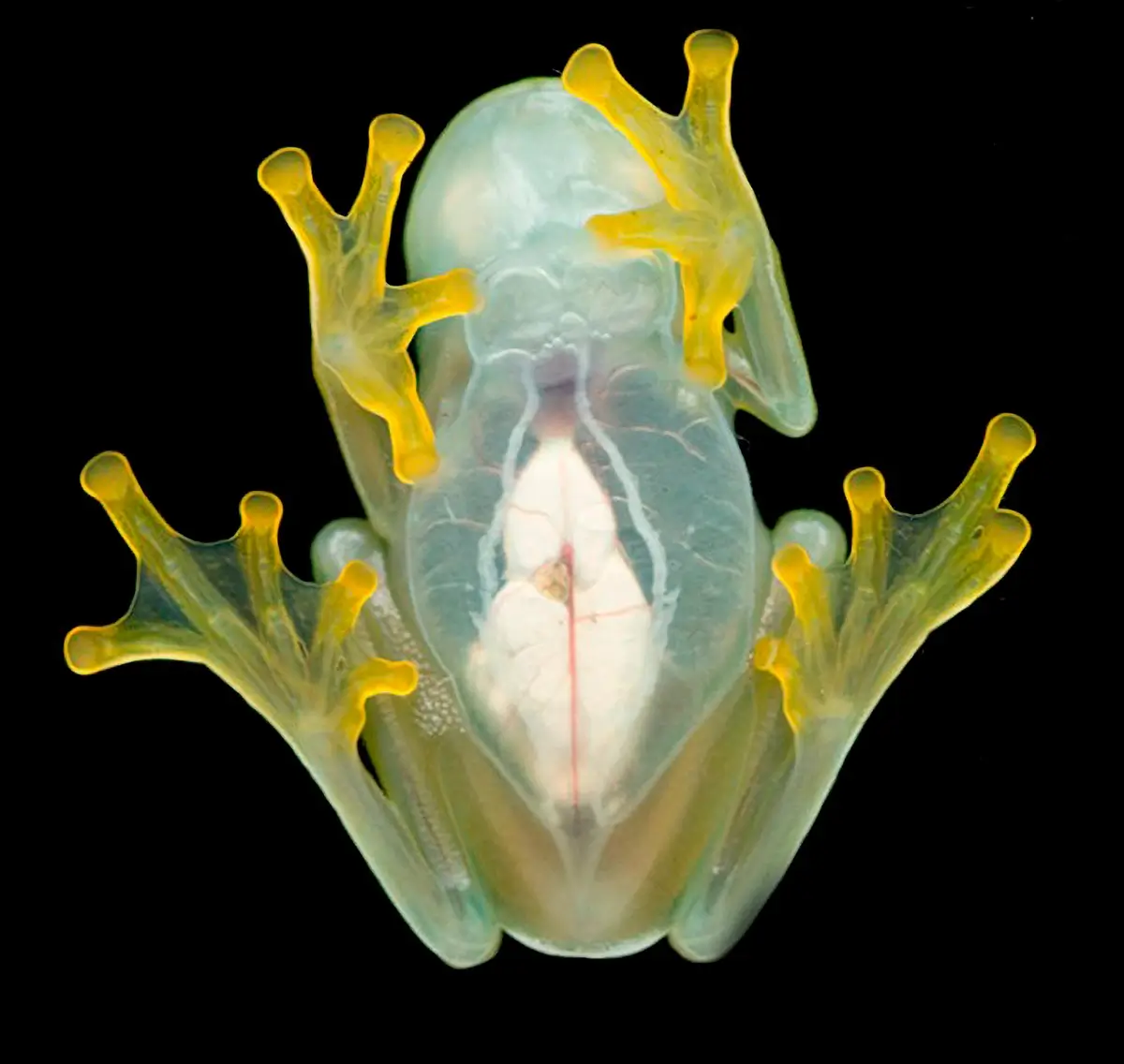
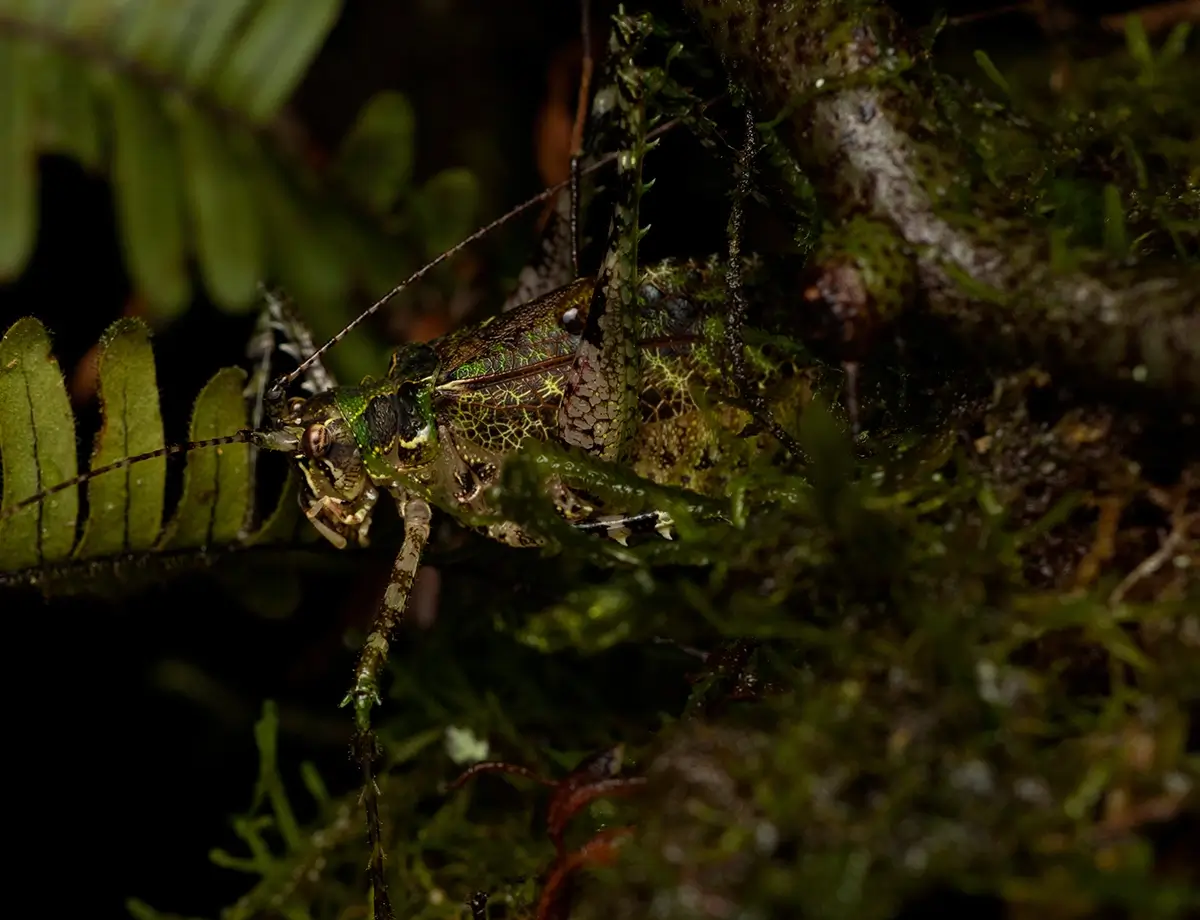
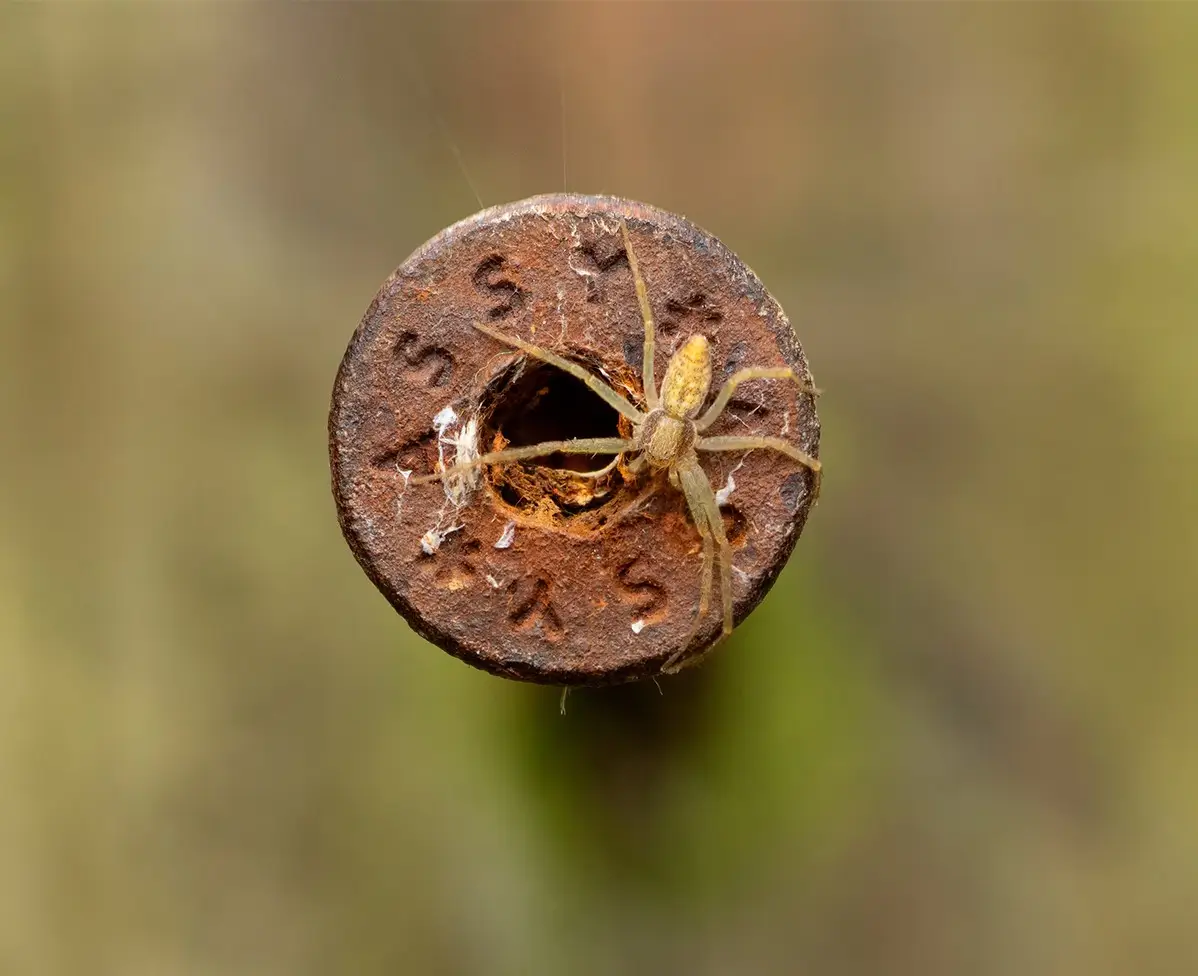
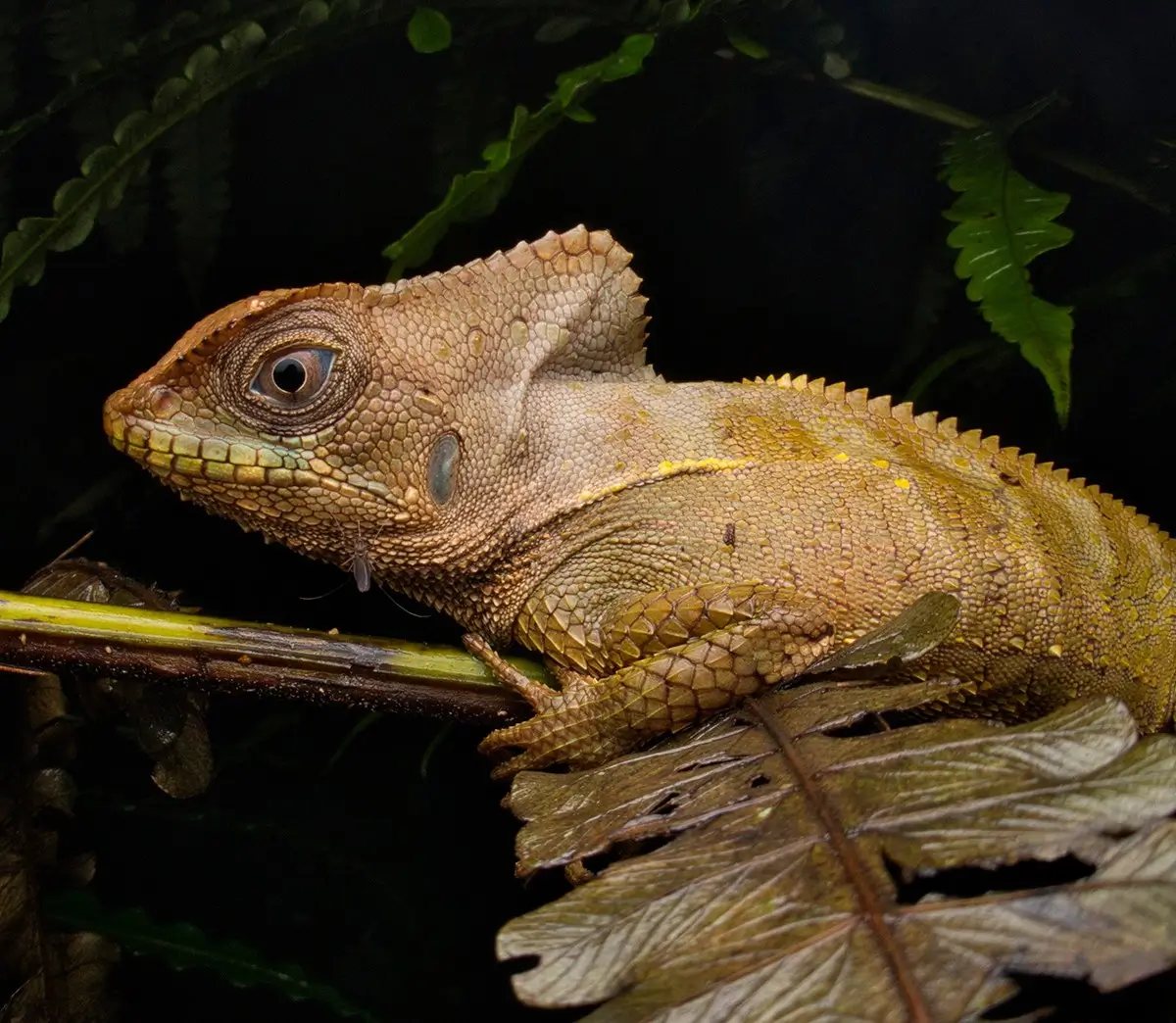
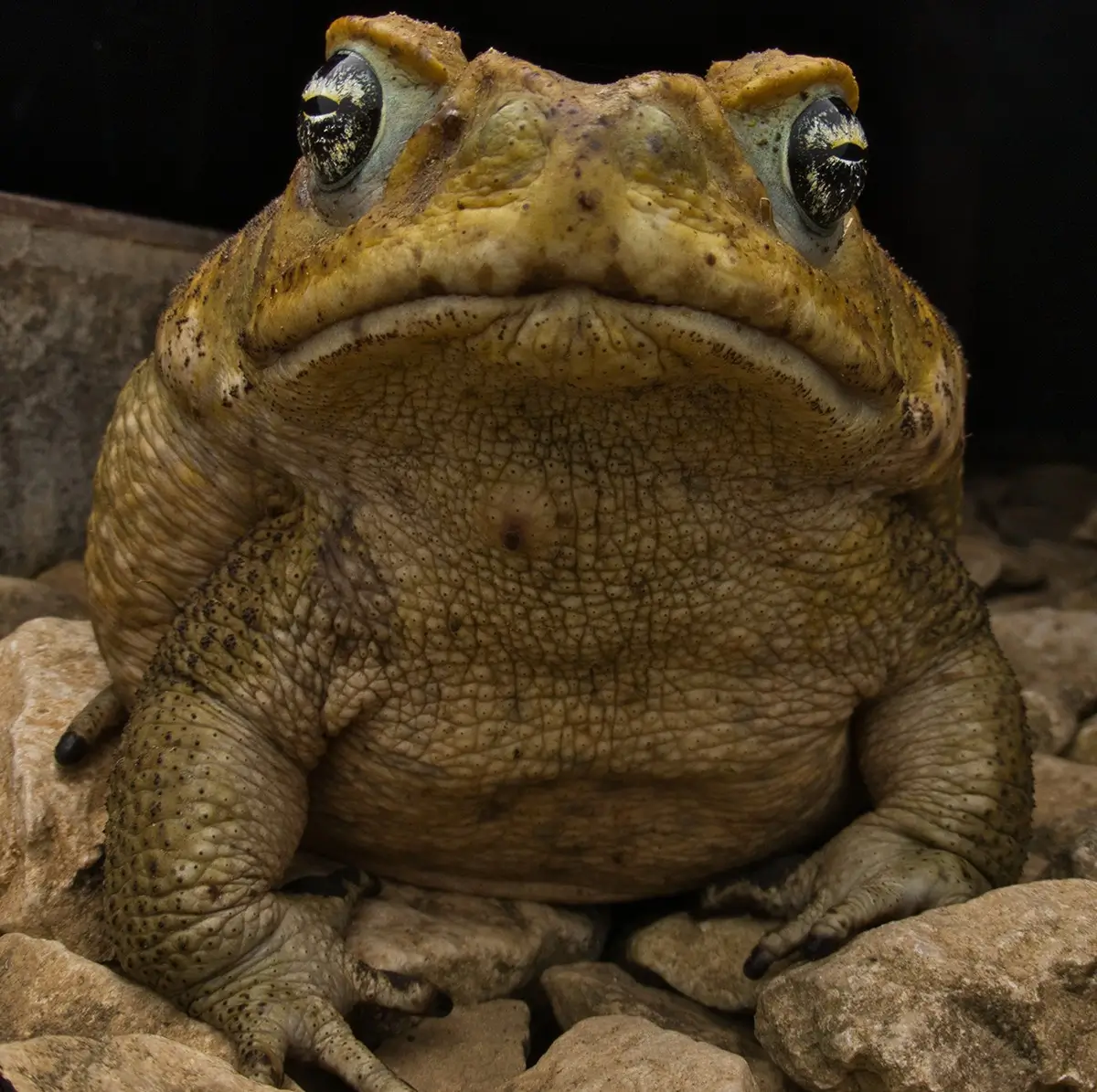
My name is Eduardo Salvador, from Spain,I am 27 years old and I have a degree in Agricultural Engineering. A nature lover, specially passionate about invertebrates since i was a child and i want to share my vision of the world and the importance of conservation through my photography. I decided to buy macro photography equipment and turn my admiration for invertebrates into unforgettable images that seek to change society's view of these animals. I devote my free time to observing and documenting the behaviors and species around me, as well as conveying their great importance in our ecosystems. Through my photography, I try to show details that are imperceptible to the naked eye. What started as a hobby has become an important part of my daily life, and I want to continue improving so that I can show my work around the world.

AAP Magazine

AAP Magazine 54 Nature
 

Inspiring Portfolios

Call for Entries
All About Photo Awards 2026
$5,000 Cash Prizes! Juror: Steve McCurry
 
Stay up-to-date  with call for entries, deadlines and other news about exhibitions, galleries, publications, & special events.

More Great Photographers To Discover

Lala Deen Dayal
India
1844 | † 1905
Lala Deen Dayal, (famously known as Raja Deen Dayal) born in 1844 in Sardhana, Uttar Pradesh, is revered as one of India's most influential photographers. His journey into photography began after he completed his education in engineering at Thomason College of Civil Engineering (now IIT Roorkee). Initially working as a draftsman for the Public Works Department, Deen Dayal's interest in photography soon turned into a passionate pursuit, transforming him into a pioneer of the craft in India. In the late 19th century, when photography was still a nascent field, Deen Dayal's talent quickly garnered attention. He established his first studio in Indore, gaining the patronage of Maharaja Tukoji Rao II. His reputation for capturing intricate details and the essence of Indian life, architecture, and landscapes soon spread, leading to numerous commissions from Indian royalty and British officials. This period marked the beginning of his illustrious career, during which he documented India's rich cultural heritage with a distinctive artistic vision. Deen Dayal's photographic expertise reached new heights when he was appointed the court photographer for the sixth Nizam of Hyderabad, Mahbub Ali Pasha, in 1885. This prestigious position allowed him unparalleled access to the royal family and their opulent lifestyle. His photographs from this era are renowned for their exquisite composition and detail, providing a rare glimpse into the grandeur of princely India. Deen Dayal's work from this period includes portraits, architectural studies, and documentation of royal ceremonies, all characterized by their meticulous attention to detail. Throughout his career, Deen Dayal's contributions to photography extended beyond his royal commissions. He established studios in Mumbai, Indore, and Hyderabad, training a generation of Indian photographers and expanding the reach of professional photography in the country. His innovative techniques and commitment to quality earned him international recognition. In 1897, he was awarded the Royal Warrant by Queen Victoria, a testament to his exceptional skill and the impact of his work on a global scale. Lala Deen Dayal passed away in 1905, but his legacy endures through his extensive body of work that continues to be celebrated for its historical and artistic significance. His photographs are invaluable records of India's architectural and cultural history, capturing the essence of a bygone era with clarity and depth. Deen Dayal's pioneering spirit and dedication to his craft have left an indelible mark on the history of photography, establishing him as a true trailblazer in the field. His work remains a source of inspiration for photographers and historians alike, preserving the rich tapestry of 19th-century India for future generations.
Larry Towell
Canada
1953
Larry Towell (born 1953) is a Canadian photographer, poet, and oral historian. Towell is known for his photographs of sites of political conflict in the Ukraine, Nicaragua, El Salvador, Standing Rock and Afghanistan, among others. In 1988, Towell became the first Canadian member of Magnum Photos. Towell was born in Chatham-Kent, Ontario and grew up in a large family in rural Ontario, attending local schools. At college, he studied visual arts at York University in Toronto, where his interest in photography first began. In 1976 Towell volunteered to work in Calcutta, India, where he became interested in questions about the distribution of wealth and issues of land and landlessness. Returning to Canada, Towell taught folk music and wrote poetry during the 1980s. He became a freelance photographer in 1984. His early work included projects on the Contra war in Nicaragua, the civil war in El Salvador, relatives of the disappeared in Guatemala, and American Vietnam War veterans who worked to rebuild Vietnam. His first magazine essay looked at the ecological damages from the Exxon Valdez oil spill. In 1988, Towell joined the Magnum Photos agency, becoming the first Canadian associated with the group. He has had picture essays published in The New York Times, Life, Rolling Stone, and other magazines. His work has included documentation of the Palestinian-Israeli conflict, Mennonite migrant workers in Mexico, and a personal project on his family's farm in southern Ontario. He works in both film and digital photography formats. He has said "Black and white is still the poetic form of photography. Digital is for the moment; black and white is an investment of time and love." He has also worked with panoramic cameras to documents the impact of natural disasters such as Hurricane Katrina. From 2008 to 2011, Towell traveled five times to Afghanistan to photograph the social effects of the Afghan civil war. Between 2013 and 2015, Towell photographed the above and underground construction work in Toronto's Union Station. In 2015 his photo Isaac's first swim was published by Canada Post as a stamp. In 2016 Towell photographed the Standing Rock protest in Standing Rock, North Dakota. Towell has published books of photographs, poetry, and oral history. He has also recorded several audio CDs of original poetry and songs. Towell lives in rural Lambton County Ontario and sharecrops a 75-acre farm with his wife Ann and their four children.Source: Wikipedia Larry Towell is Canada's most decorated photojournalist and is the country's first photographer to be made a member of Magnum, the world's most prestigious photo agency that was founded by Henry Cartier-Bresson and Robert Capa in 1947. Larry served as Vice-President of Magnum's New York office for several years between 2007 and 2016. After completing a Visual Arts degree at York University, Toronto, he began photographing and writing in Calcutta. He then went on to complete book projects in Central America on the Nicaraguan Contra War and on the relatives of the disappeared in Guatemala. In 1996, Towell completed a monograph based on ten years of reportage in the brutal civil war in El Salvador, followed by a major book on the Palestinians. His fascination with landlessness also led him to the Mennonite migrant workers of Mexico, an eleven-year work he completed in 2000. After receiving the inaugural Henri Cartier-Bresson Award, Larry finished a second critically acclaimed book on the Palestinian-Israeli conflict (No Man's Land, 2005), followed by The World From My Front Porch (2008) and most recently, Afghanistan (2014). Towell's photo stories have been published in many international magazines including; LIFE, The New York Times Magazine, Esquire, Elle, Rolling Stone, The New Yorker, Geo, and Stern. His international photo awards include: The Henri Cartier-Bresson Award (first recipient); several first place World Press awards including the 1994 Photo of the Year; a Hasselblad Award; The Alfred Eisenstadt Award; The Oskar Barnack Award; the first Roloff Beny Book prize, a Paul de Hueck and Norman Walford Career Achievement Award, the Prix Nadar of France, and a British Design and Art Direction (D&AD) Award. Larry is also a gifted writer and musician and is known for his innovative live performances incorporating original music, video, poetry, and stills. He is the author of four music albums, fourteen books, as well as Indecisive Moments (2008), an award-winning short film. Towell has had numerous one person and group exhibitions around the globe and is represented in many international public and private collections. His current projects include the war in Ukraine and Central American migrants crossing Mexico. Larry lives in rural Ontario where he sharecrops a 75-acre farm.Source: www.bulgergallery.com
Matthew O’Brien
United States
Matthew James O’Brien is a photographer from San Francisco whose work celebrates humanity and the natural world. He studied zoology at the University of California at Berkeley. His understanding of the natural world informs his photography and his understanding of humanity. Across all of his work, regardless of the medium, there is one unifying theme— finding beauty, in any circumstance. That could be in the inner-city schools of Oakland, rural Sinaloa, Mexico caught up in narco violence, the dying ranching community across the bay from San Francisco, or war-ravaged Colombia. His work has been exhibited and collected by various institutions including the Library of Congress, the Houston Museum of Fine Arts, the California Museum of Photography, the Fries Museum (Netherlands), the Art Science Museum (Singapore) and el Museo de Arte Moderno de Cartagena (Colombia). Among the awards he has received are a Mother Jones International Fund for Documentary Photography Award, a Community Heritage Grant from the California Council for the Humanities, and a Fulbright Fellowship. He was a Creative Uses Consultant for Polaroid, and has worked extensively with Polaroid films, including No Dar Papaya, his eleven-year exploration of Colombia, which became a book (Icono Editorial/Placer Press). O’Brien also works with video, and teaches photography in English and Spanish. He has taught at UC Berkeley, the Universidad de Antioquia and the Universidad de Medellín in Colombia, among other places. His work has appeared in publications from The Washington Post to Camera Arts. His favorite clients to work with are NGO’s that work to make the world a better place.
Alena Grom
Ukraine
1976
Ukrainian artist and documentary photographer Alena Grom was born in Donetsk. In April 2014 she was forced to leave her hometown due to military events in Eastern Ukraine. Since 2017 she has lived in Bucha, a town outside of Kyiv. As a result of the full-scale invasion of Russia in February 2022, Grom and her family became refugees for the second time, but returned after the de-occupation of Bucha. These events largely affected her artistic practice. Photography became a salvation for Alena and a way to deal with the traumatic reality of war. Since 2016 Alena Grom’s work focuses on places affected by military aggression. Her lens captures victims of the war, migrants and refugees, and war-torn Ukraine in large. However, her photographs are not illustrations of pity or grief. Life in spite of everything is one of the main themes of the artist.Alena Grom’s projects were exhibited extensively in Ukraine and internationally; and recognised by a number of international photography awards Statement: I work at the intersection of conceptual photography and social reporting. Artists and war – these words’ combination evokes pictures sketched by the masters of a battle painting. The protagonist of such a genre is a soldier, a creator of victory. As a rule, society learns about a war from the perspective of a male about how to heroically fight, die and triumph. I narrate the war through subjective experience related to cultural memory, through the creative re-evaluation of my own life and as documented evidence for the events. The idea of my work prevails over the form. The aesthetics in my work is secondary: though being not completely eliminated, it does not constitute the major to me. The aesthetics in the name of a pure form converts things into being useless, and the reality into a dead one. I take a variety of approaches: from reportage to associations play, video, collages, using other people’s photography and archives. All these help me to express the idea and the feelings more deeply. I sincerely believe that art is a power that can encourage people to participate in public dialogue. I create my projects partly in protest against the indifference. I feel responsible to myself and to those who fell victim to the war. An artist holds a responsibility. Together we are constructing a new political reality and an idea for the future. Art always sounds in tune with what is happening around.
Louis Stettner
United States
1922 | † 2016
Louis Stettner was an American photographer of the 20th century whose work included streetscapes, portraits and architectural images of New York and Paris. His work has been highly regarded because of its humanity and capturing the life and reality of the people and streets. Starting in 1947, Stettner photographed the changes in the people, culture, and architecture of both cities. He continued to photograph New York and Paris up until his death. My way of life, my very being is based on images capable of engraving themselves indelibly in our inner soul’s eye. -- Louis Stettner Louis Stettner was born in Brooklyn, New York, where he was one of four children. His father was a cabinet maker, and Louis learned the trade when young, using the money he earned to support his growing love of photography. He was given a box camera as a child, and his love affair with photography began. His family went on trips to Manhattan and visited museums, including the Metropolitan Museum of Art, where his love of art began. At 18, in 1940, Stettner enlisted in the United States army and became a combat photographer in Europe for the Signal Corps. After a brief stint in Europe he was sent to New Guinea, the Philippines, and Japan. Back from the war Stettner joined the Photo League in New York. Stettner visited Paris in 1946 and in 1947 moved there. From 1947 to 1949 he studied at the Institut des Hautes Études Cinématographiques in Paris and received a Bachelor of Arts in Photography & Cinema. He went back and forth between New York and Paris for almost two decades and finally settled permanently in Saint-Ouen, near Paris, in 1990. Stettner still frequently returned to New York. Stettner's professional work in Paris began with capturing life in the post-war recovery. He captured the everyday lives of his subjects. In the tradition of the Photo League, he wanted to investigate the bonds that connect people to one another. In 1947 he was asked by the same Photo League to organize an exhibition of French photographers in New York. He gathered the works of some of the greatest photographers of the era, including Robert Doisneau, George Brassaï, Edouard Boubat, Izis, and Willy Ronis. The show was a big success and was largely reviewed in the annual issue of U.S. Camera. Stettner had begun a series of regular meetings with Brassaï who was a great mentor and had a significant influence on his work. In 1949, Stettner had his first exhibition at the Salon des Indépendants at the Bibliothèque Nationale de France, Paris. Brassaï showed me that it was possible to find something significant in photographing subjects in everyday life doing ordinary things by interpreting them in your own way and with your own personal vision. -- Louis Stettner In 1951 his work was included in the famous Subjektive Fotografie exhibition in Germany. During the 1950s he freelanced for Time Magazine, Life, Fortune, and Du (Germany). While in Paris he reconnected with Paul Strand, who had also left New York because of the political intolerance of the McCarthy era—Strand had been a founder of the Photo League that would be blacklisted and then banned during those years. In the 1970s Stettner spent more time in New York City, where he taught at Brooklyn College, Queens College, and Cooper Union. In his own work, Stettner focused on documenting the lives of the working class in both Paris and New York. He felt that the cities belong to the people who live there, not to tourists or visitors. His upbringing caused him to take great care in capturing the simple human dignity of the working class. He also captured noteworthy architectural images of both cities, including bridges, buildings, and monuments. Stettner produced well-known images, including: Aubervilliers, Brooklyn Promenade, Twin Towers with Sea Gull, Penn Station, and the Statue of Liberty, Battery Park. In his nineties, Stettner turned to a large format camera of the dimensions used by his hero, Paul Strand; an 8×10 Deardorff in order to photograph details of the landscape of Les Alpilles in Provence where Van Gogh often painted, assisted by his wife Janet. Stettner received numerous honors, and in 1950 he was named Life's top new photographer. In 1975 he won First Prize in the Pravda World Contest. Louis Stettner’s works are posthumously managed by the Louis Stettner Estate.Source: Wikipedia
Advertisement
All About Photo Awards 2026
Win a Solo Exhibition in March
All About Photo Awards 2026

Latest Interviews

Exclusive Interview with Marijn Fidder
Marijn Fidder is a Dutch documentary photographer whose work powerfully engages with current affairs and contemporary social issues. Driven by a deep sense of social justice, she uses photography to speak on behalf of the voiceless and to advocate for the rights of those who are most vulnerable. Her images have been widely published in major international outlets including National Geographic, CNN Style, NRC Handelsblad, Volkskrant, GUP New Talent, and ZEIT Magazin. Her long-term commitment to disability rights—particularly through years of work in Uganda—culminated in her acclaimed project Inclusive Nation, which earned her the title of Photographer of the Year 2025 at the All About Photo Awards. She is also the recipient of multiple prestigious honors, including awards from World Press Photo and the Global Peace Photo Award. We asked her a few questions about her life and work.
Exclusive Interview with Josh S. Rose
Josh S. Rose is a multidisciplinary artist working across photography, film, and writing. His practice bridges visual and performing arts, with a strong focus on movement, emotion, and the expressive potential of the image. Known for his long-standing collaborations with leading dance companies and performers, Rose brings together authenticity and precise composition—a balance he describes as “technical romanticism.” His work has been commissioned and exhibited internationally, appearing in outlets such as Vogue, at the Super Bowl, in film festivals, and most recently as a large-scale installation for Lincoln Center for the Performing Arts. A sought-after collaborator, he has worked with major artists, cultural institutions, and brands, following a previous career as Chief Creative Officer at Interpublic Group and the founder of Humans Are Social. We asked him a few questions about his life and work.
Interview with Maureen Ruddy Burkhart
Photographer Maureen Ruddy Burkhart brings a quietly attentive and deeply human sensibility to her exploration of the world through images. Shaped by a life immersed in photography, film, and visual storytelling, her work is guided by intuition, observation, and an enduring interest in the emotional undercurrents of everyday life. With a practice rooted in both fine art traditions and documentary awareness, she approaches her subjects with sensitivity, allowing subtle moments to emerge naturally rather than be imposed. Her series Til Death, selected as the Solo Exhibition for February 2025, reflects this long-standing commitment to photography as a space for reflection rather than spectacle. Drawn to moments that exist just outside the expected frame, Burkhart’s images suggest narratives without resolving them, leaving room for ambiguity, humor, and quiet connection. We asked her a few questions about her life and work.
Exclusive Interview with Peter Ydeen
Winner of AAP Magazine #45 Travels, his series reflects this unique vision—capturing the spirit of place through subtle layers of light, color, and emotion. Whether traveling abroad or observing the rhythms of his own surroundings, Ydeen creates images that feel both grounded and enchanted, inviting viewers into a world where reality and reverie meet.
Exclusive Interview with Julie Wang
Chinese-born photographer Julie Wang brings a poetic, contemplative sensitivity to her visual exploration of the world. Having lived for nearly equal parts of her life in China, Europe, and the United States, she approaches her subjects with the nuanced perspective of someone shaped by many cultures. This blend of distance, curiosity, and emotional resonance infuses her work with a quiet depth, allowing her to reveal the fragile beauty and subtle tensions that often pass unnoticed.
Exclusive Interview with Ghawam Kouchaki
American photographer Ghawam Kouchaki brings a sharply observant and introspective gaze to the streets of Japan’s capital. Based in Los Angeles, he approaches Tokyo with the distance — and curiosity — of an outsider, allowing him to uncover the city’s subtle contradictions, quiet tensions, and fleeting gestures that often go unnoticed. His series Tokyo no no, selected as the Solo Exhibition for December 2024, explores the hidden undercurrents of urban life: the unspoken rules, the small ruptures in routine, the poetic strangeness found in everyday moments. Through muted tones, instinctive timing, and meticulous framing, Kouchaki reveals a Tokyo that exists somewhere between reality and imagination — both intimate and enigmatic. We asked him a few questions about his life and work.
Exclusive Interview with Tommi Viitala
Tommi Viitala, winner of AAP Magazine #44: Street, is a Finnish photographer celebrated for his striking and cinematic street photography. With a keen eye for atmosphere and composition, he captures fleeting urban moments that reveal the poetry of everyday life. His work often explores the tension between solitude and connection within contemporary cityscapes, blending documentary realism with artistic sensibility. Viitala’s photographs have been exhibited internationally and recognized for their strong visual storytelling and emotional depth. We asked him a few questions about his life and work.
Exclusive Interview with Robert Mack
Robert Mack is a California-based visual artist, photographer, and filmmaker. His fine art photography and films have been exhibited widely in the United States and Europe, with major shows at the Baltimore Museum of Art and the Reiss-Engelhorn Museum in Mannheim, Germany. Both institutions hold his work in their permanent collections. Working across different media, Mack has built a career exploring the complexities of human presence and representation. In 1981, while living in Baltimore, he produced The Perkins Project: Not Guilty by Reason of Insanity, a rare photographic and film study inside Maryland’s hospital for the criminally insane. These stark yet compassionate black-and-white portraits remain one of his most powerful and controversial bodies of work.
Exclusive Interview with Alan Schaller About Irys
Alan Schaller is a London-based photographer best known for his striking black-and-white street photography and as co-founder of Street Photography International, one of the largest online communities dedicated to the genre. With years of experience both behind the camera and in building platforms that give visibility to photographers, Schaller has now turned his focus to creating a new digital space for photography itself. His latest venture, Irys, is a photography app designed by photographers, for photographers, with the aim of offering a dedicated platform where images are respected as works of art rather than treated as disposable content.
Call for Entries
All About Photo Awards 2026
$5,000 Cash Prizes! Juror: Steve McCurry