All about photo.com: photo contests, photography exhibitions, galleries, photographers, books, schools and venues.
Final Call to enter All About Photo Awards: $5,000 Cash Prizes - Juror Steve McCurry
Isabella Tabacchi
Isabella Tabacchi
Isabella Tabacchi

Isabella Tabacchi

Country: Italy
Birth: 1992

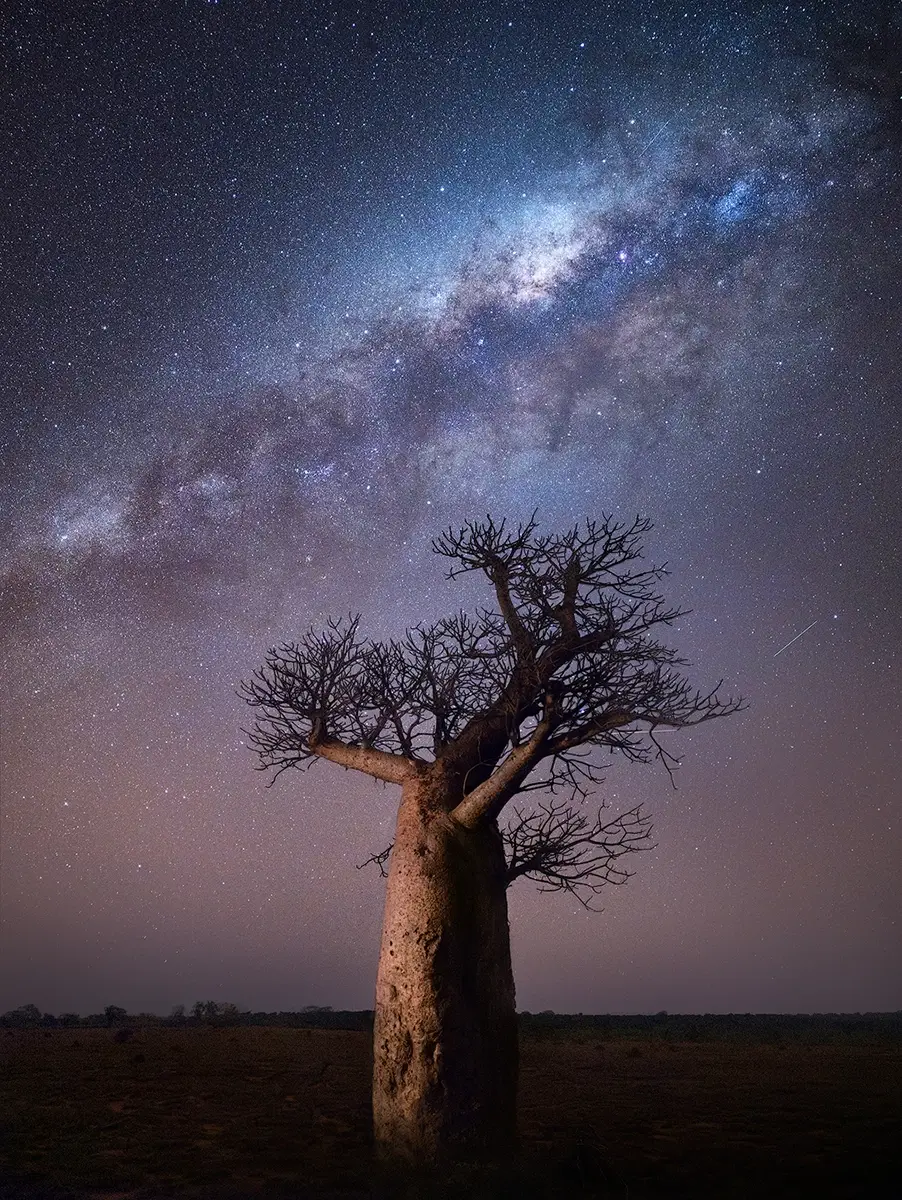
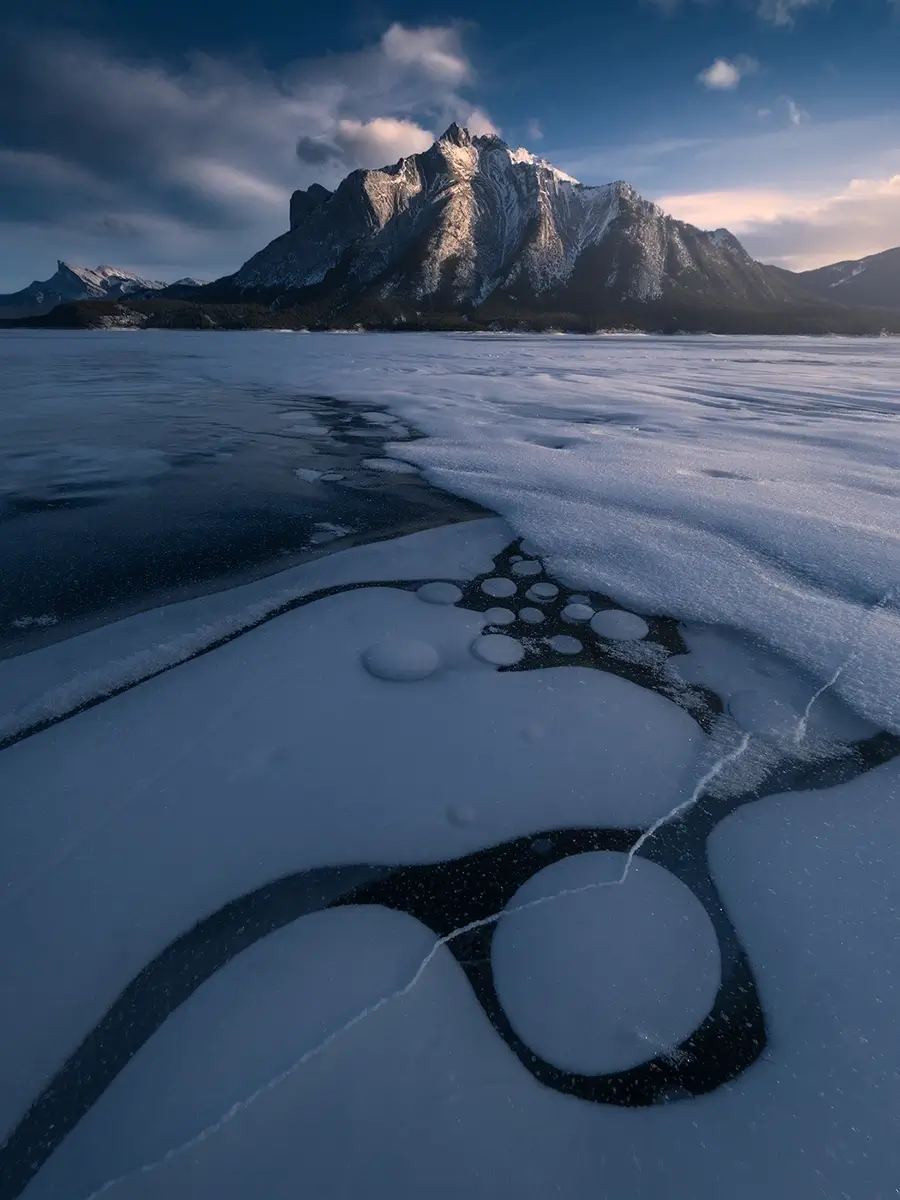
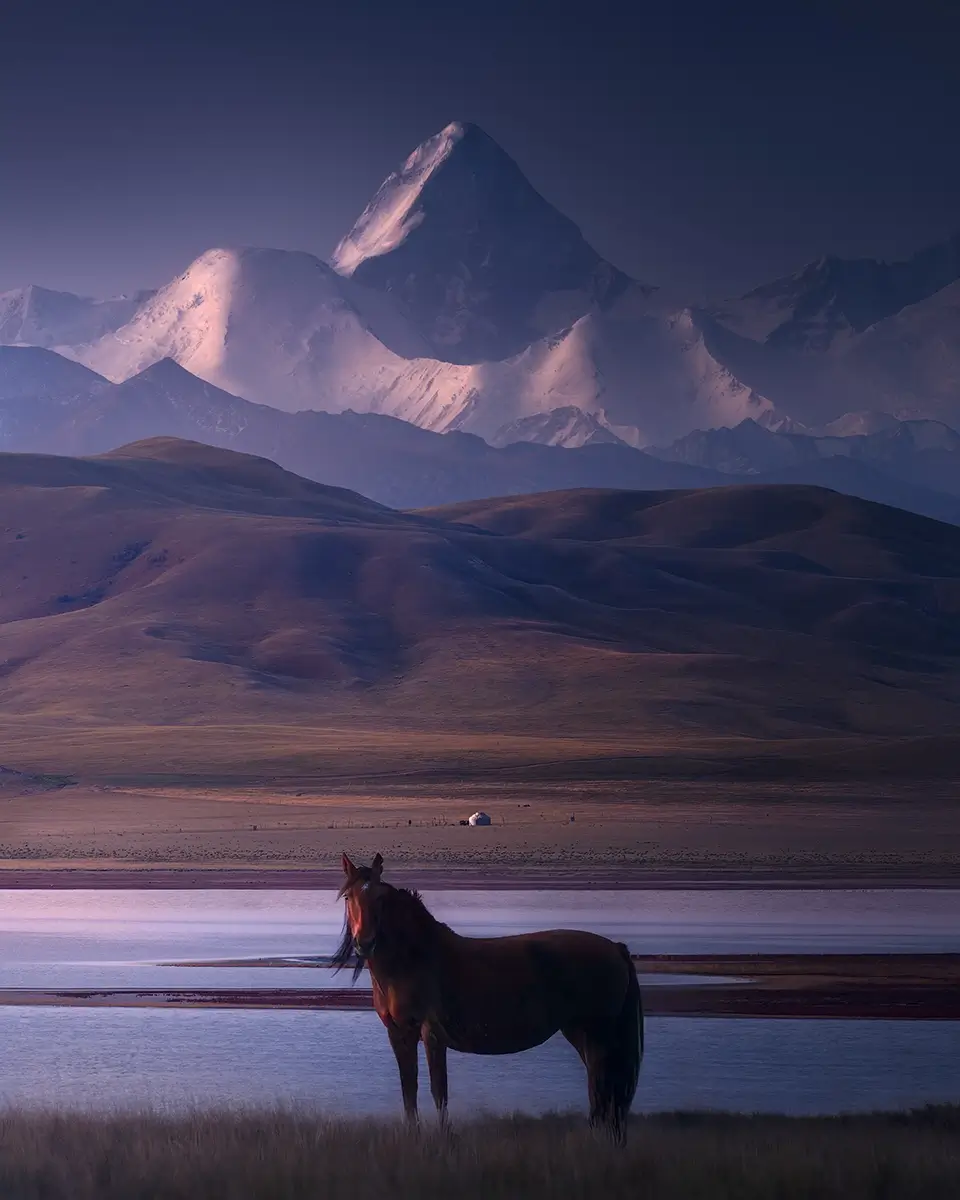
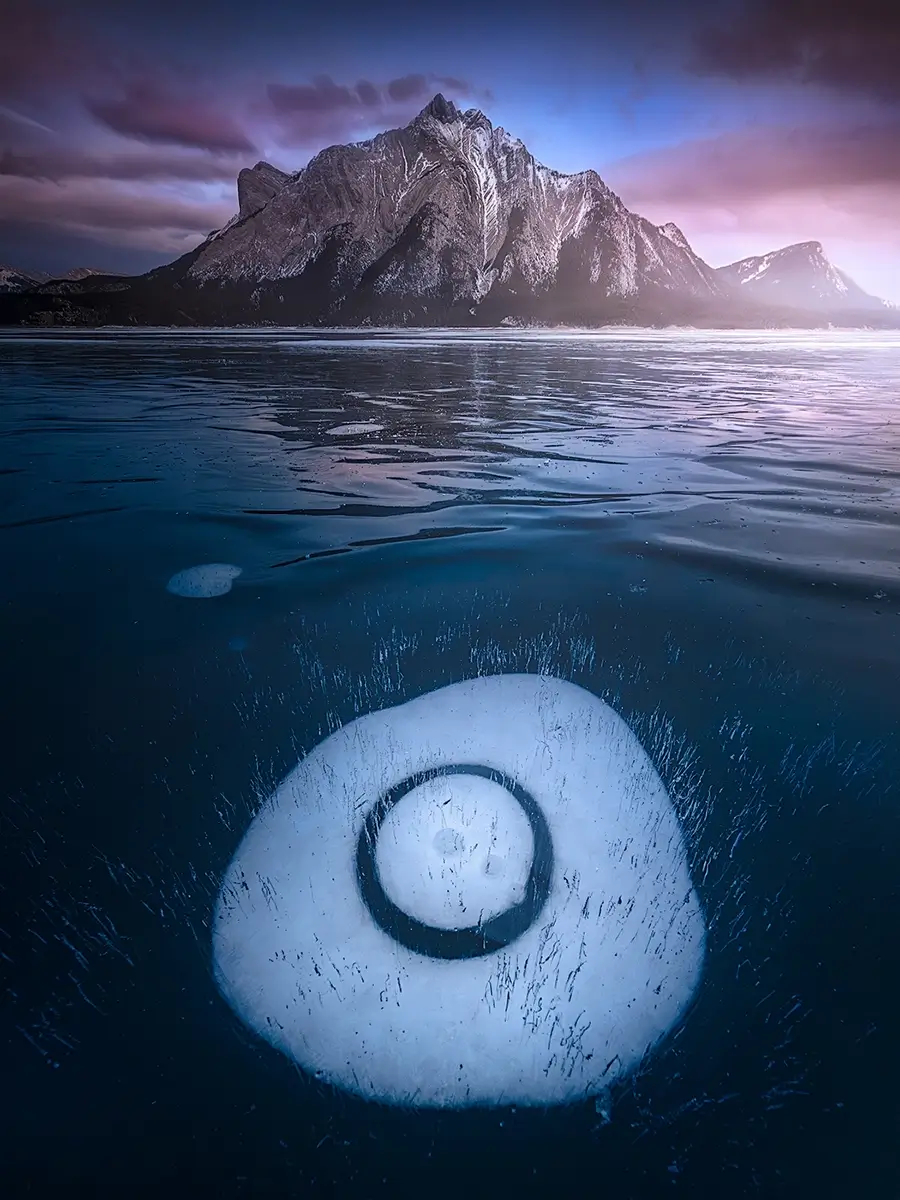
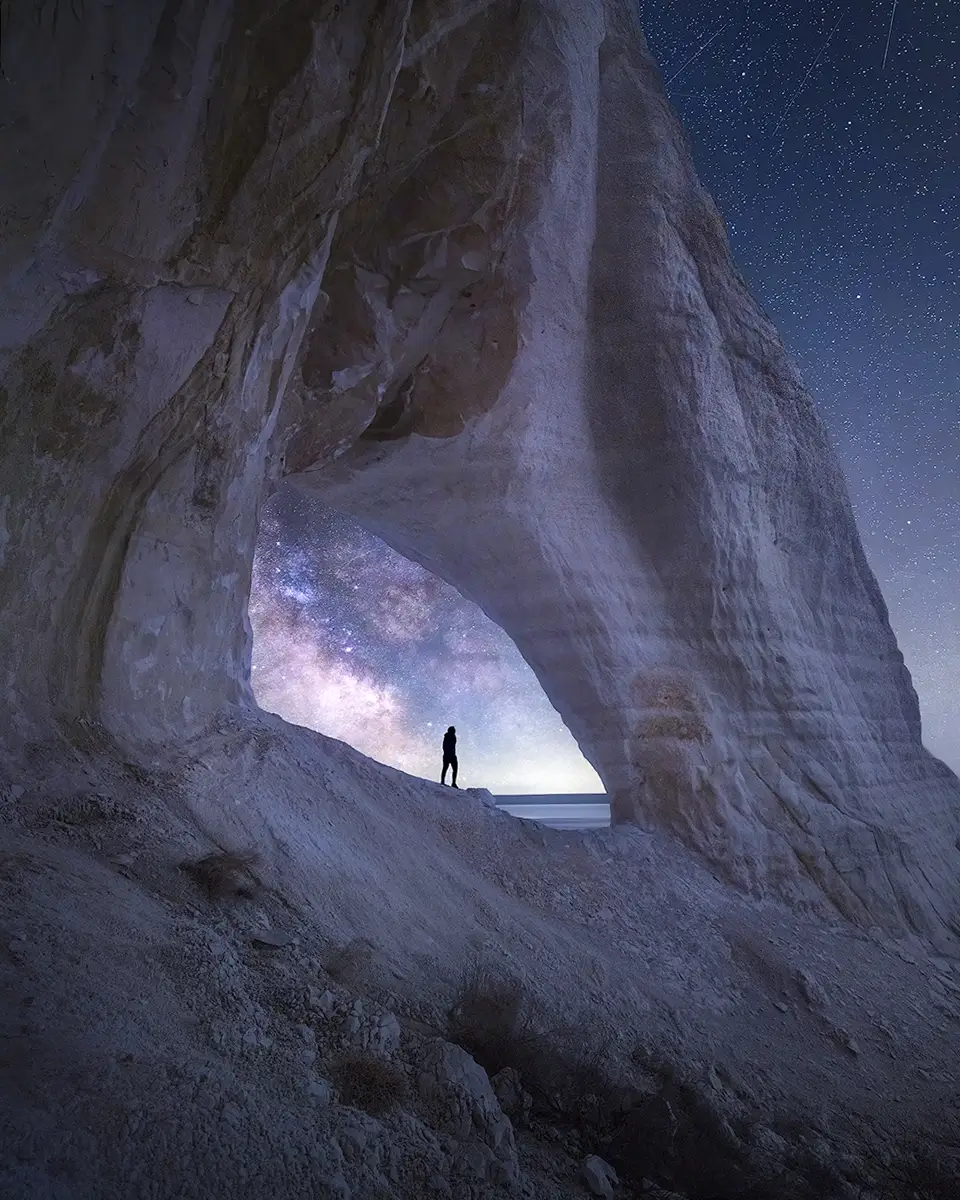
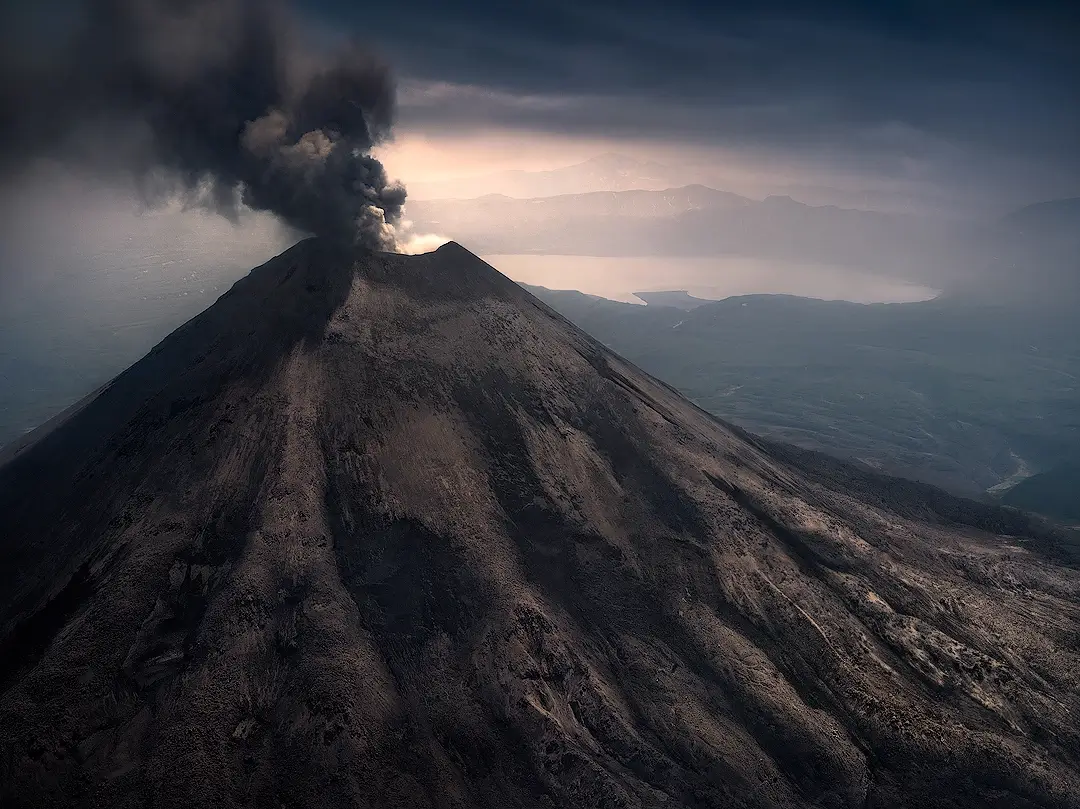
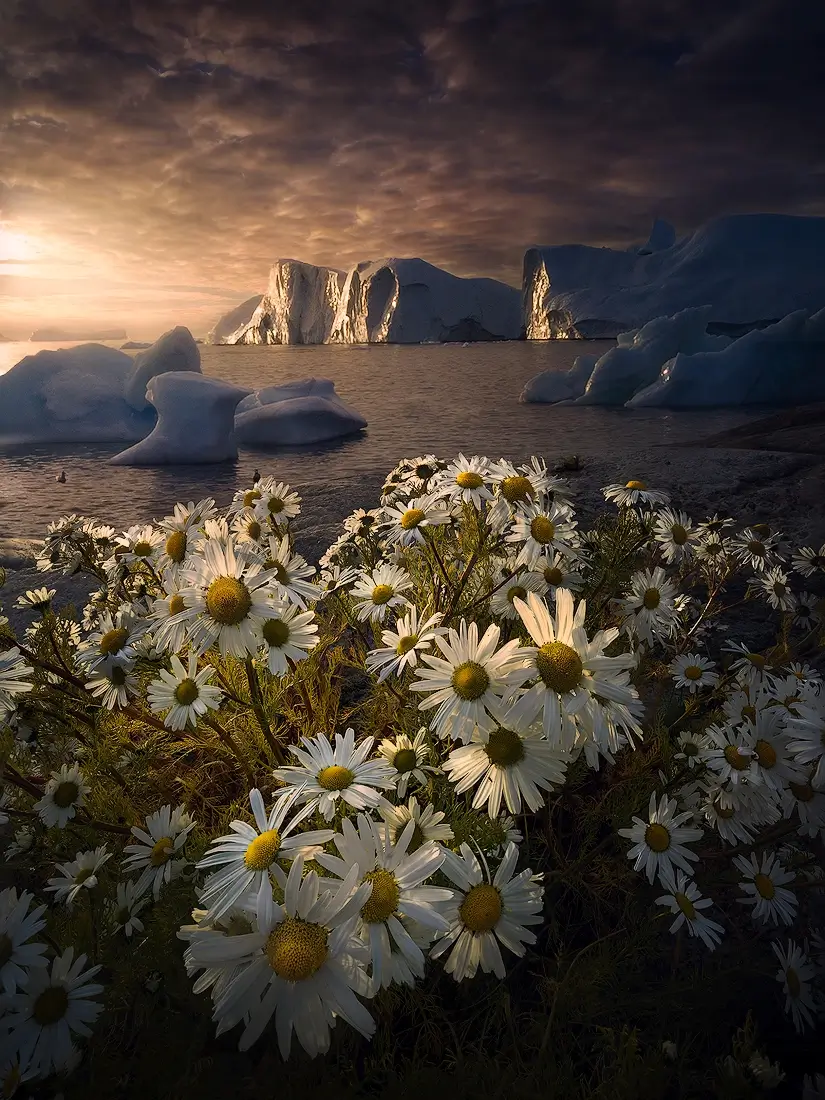
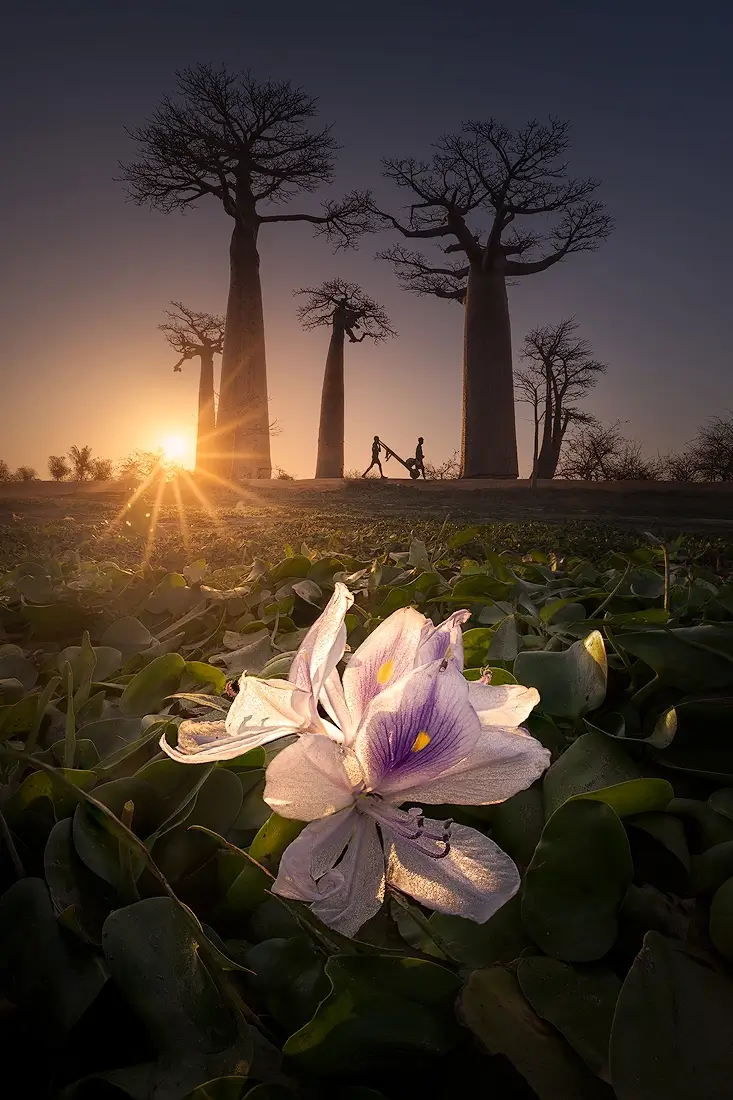
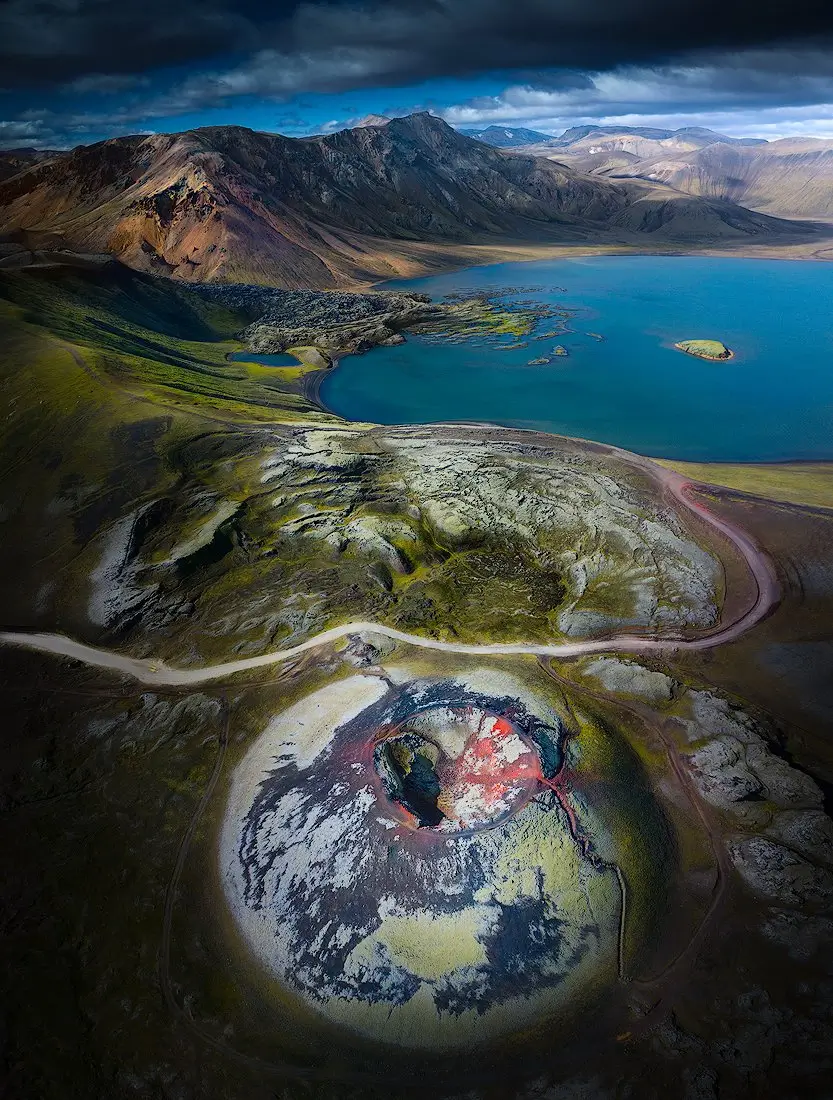
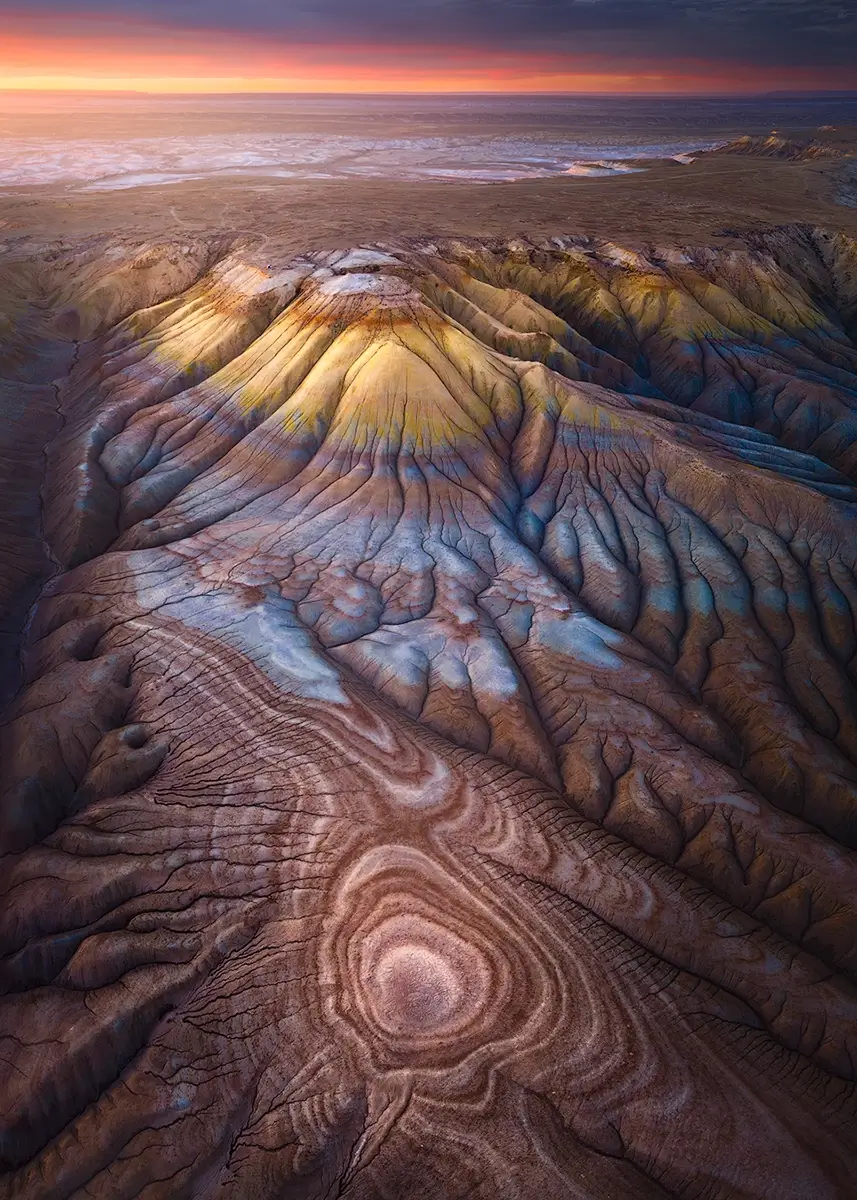
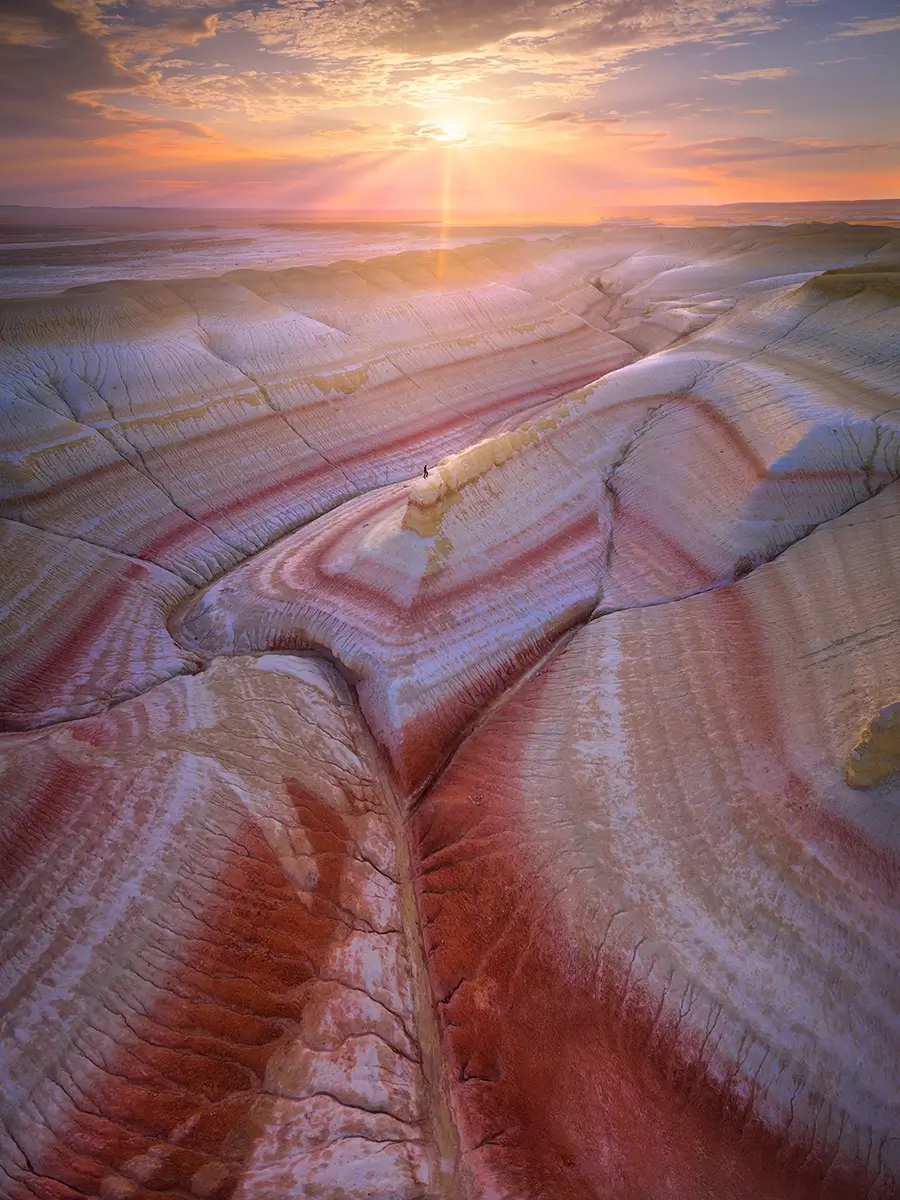
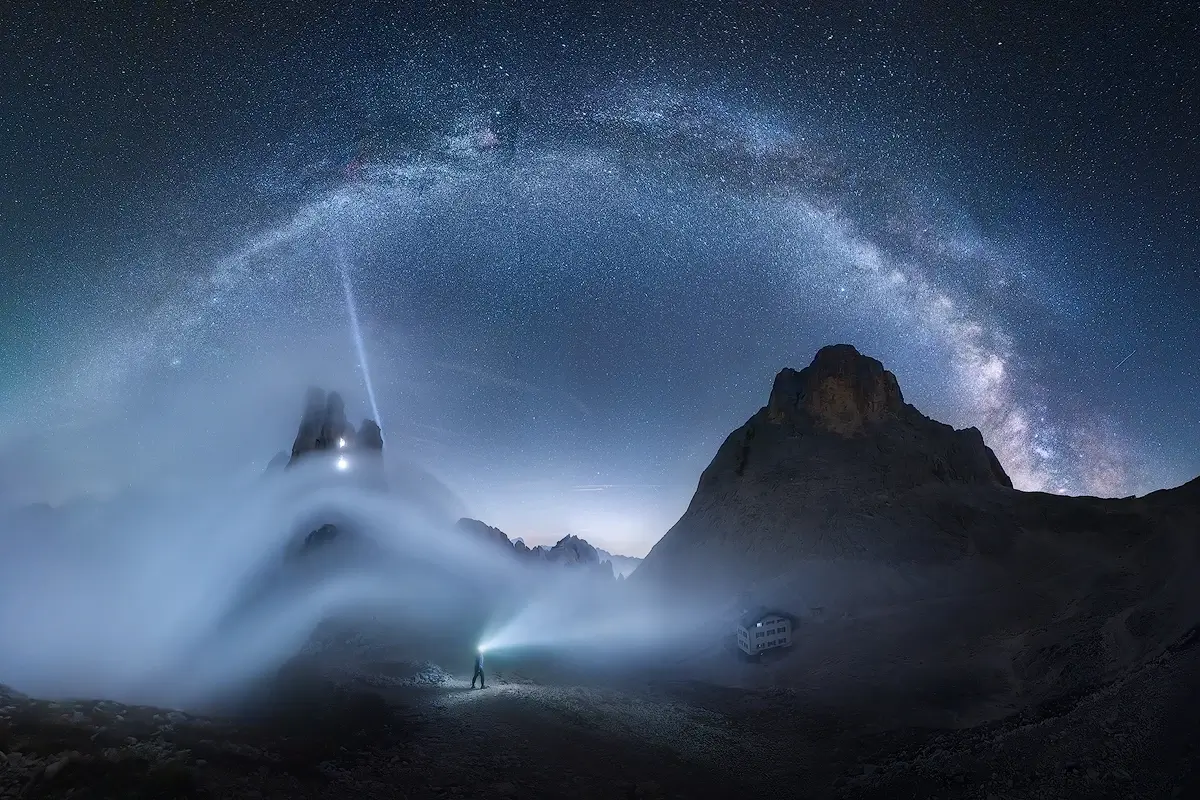
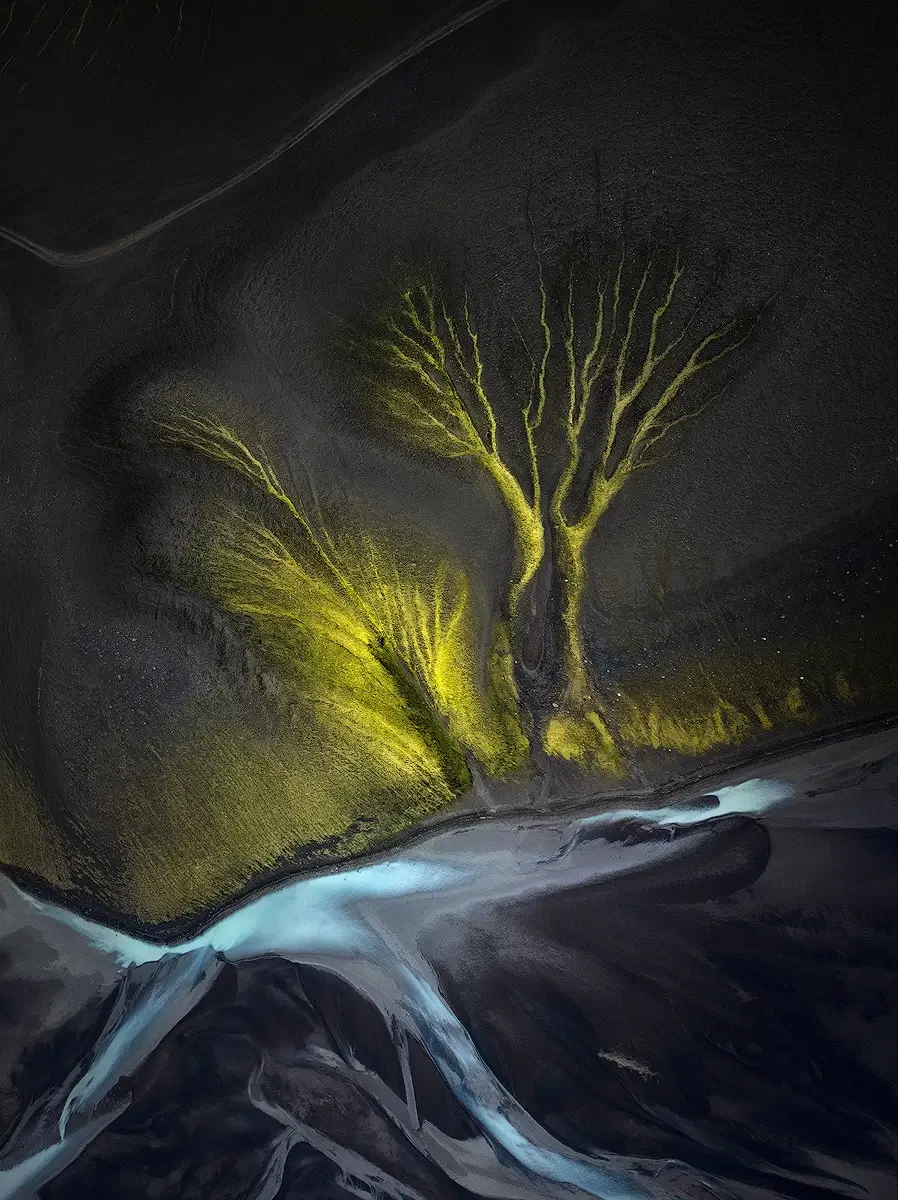
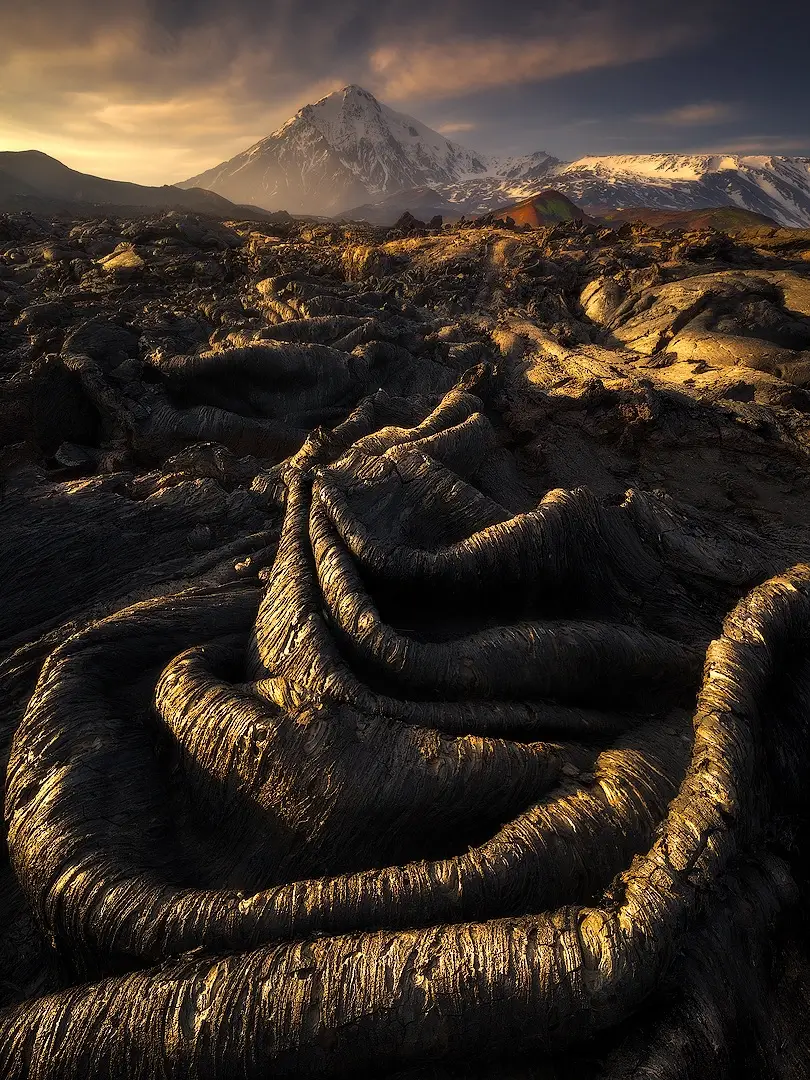
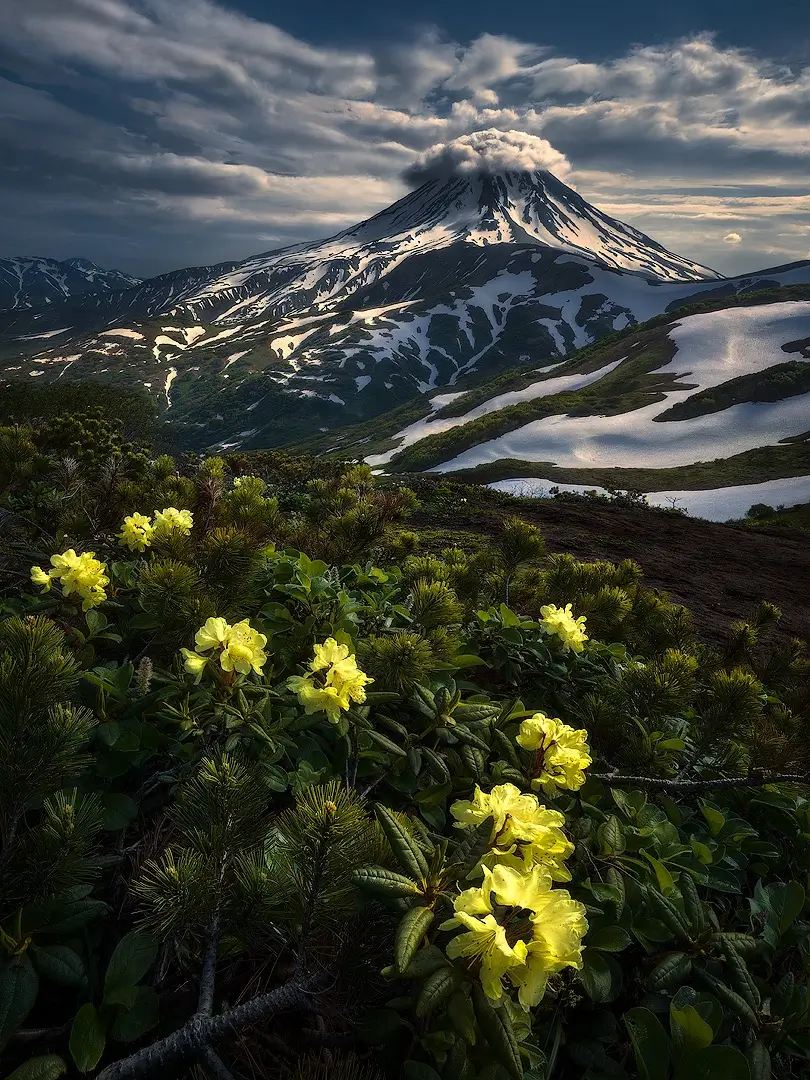
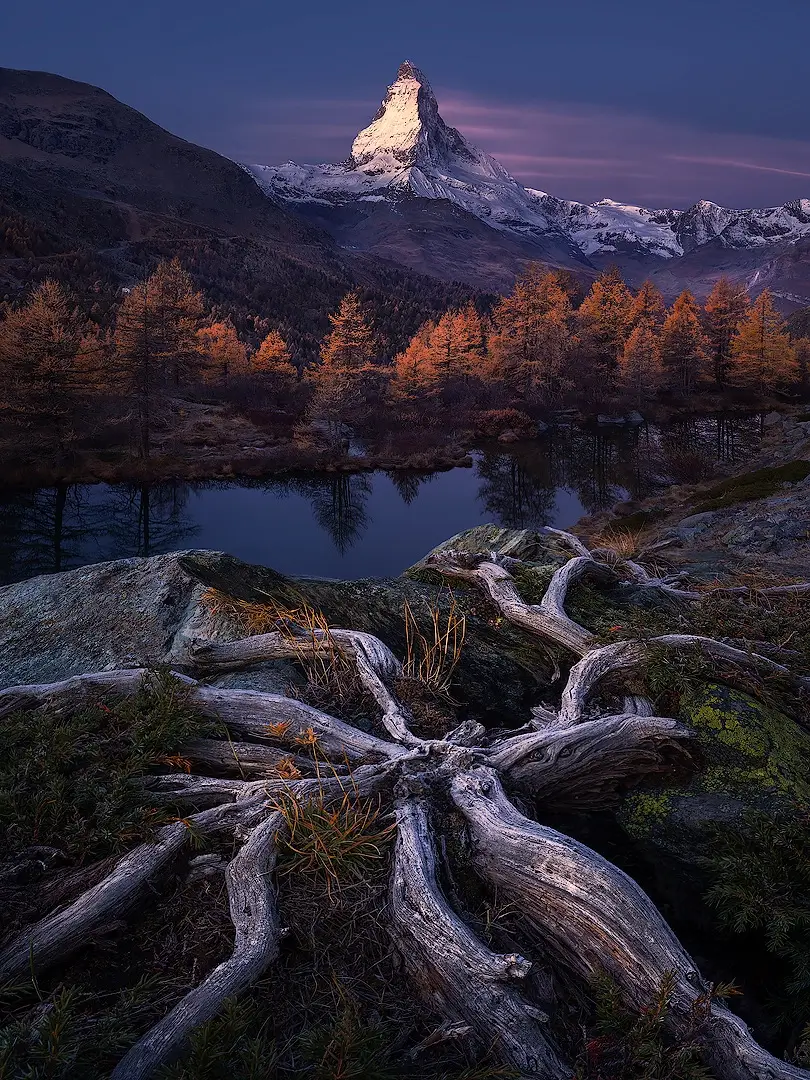
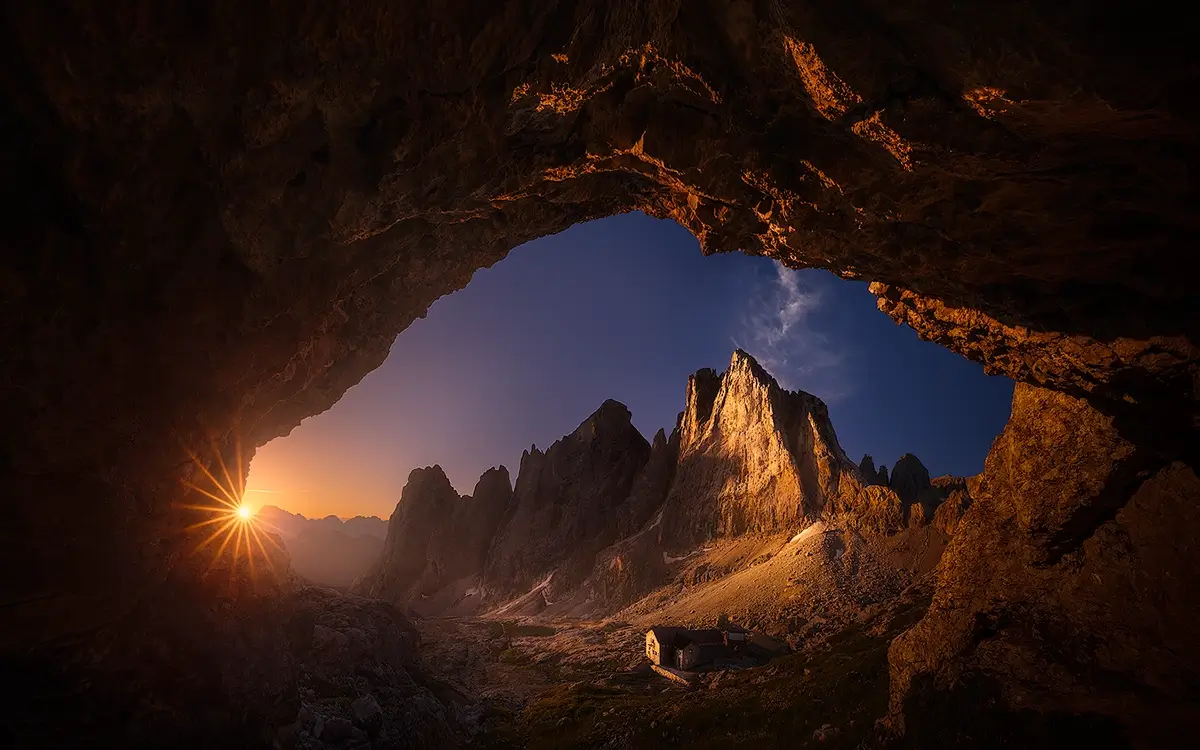
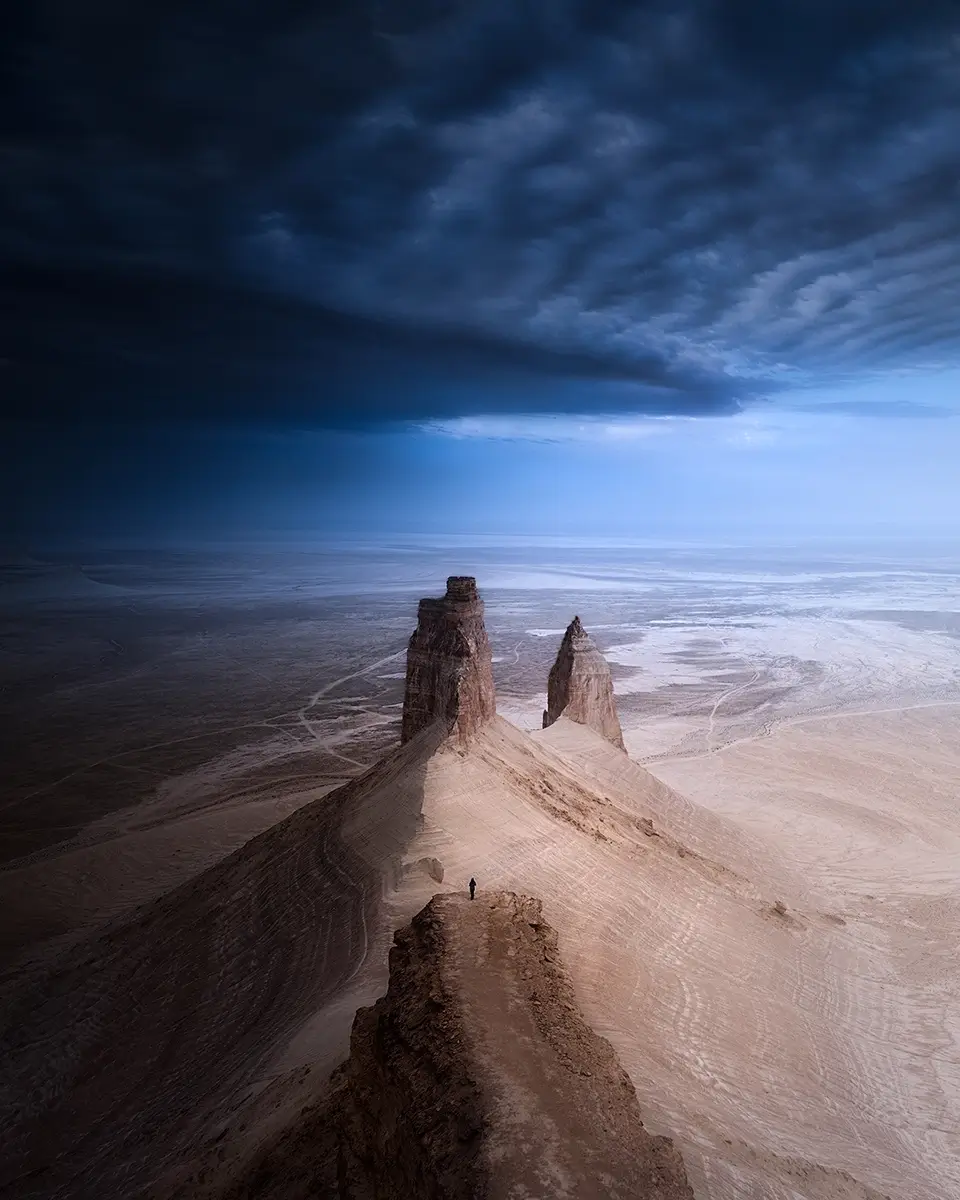
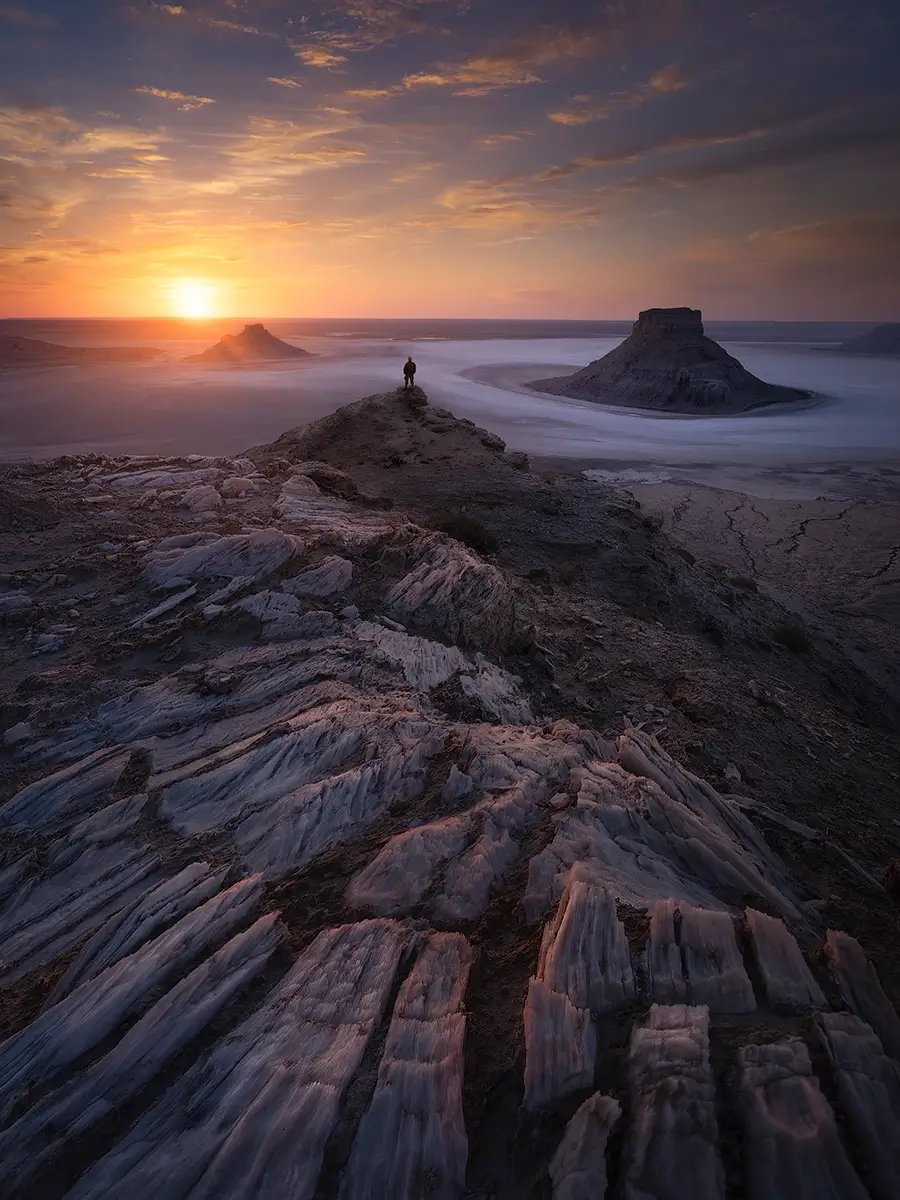
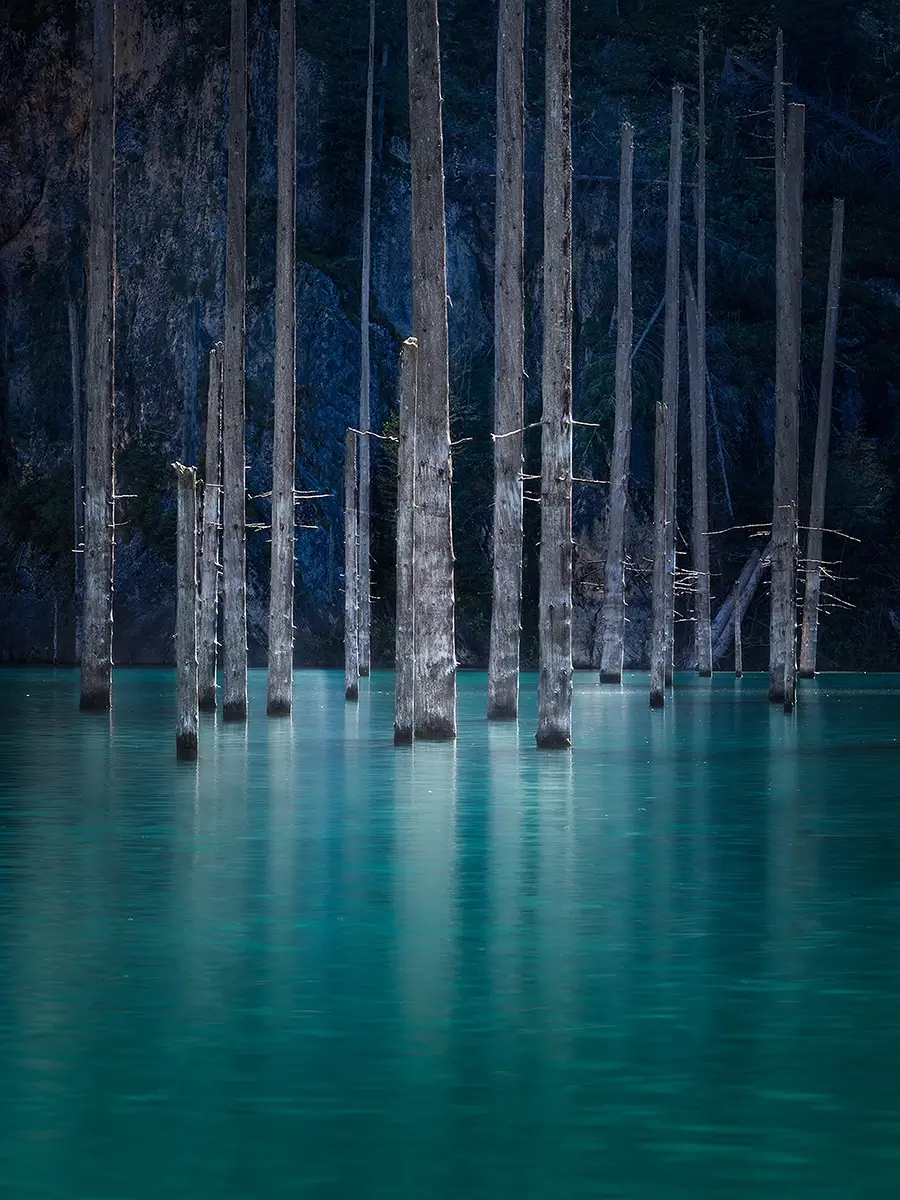
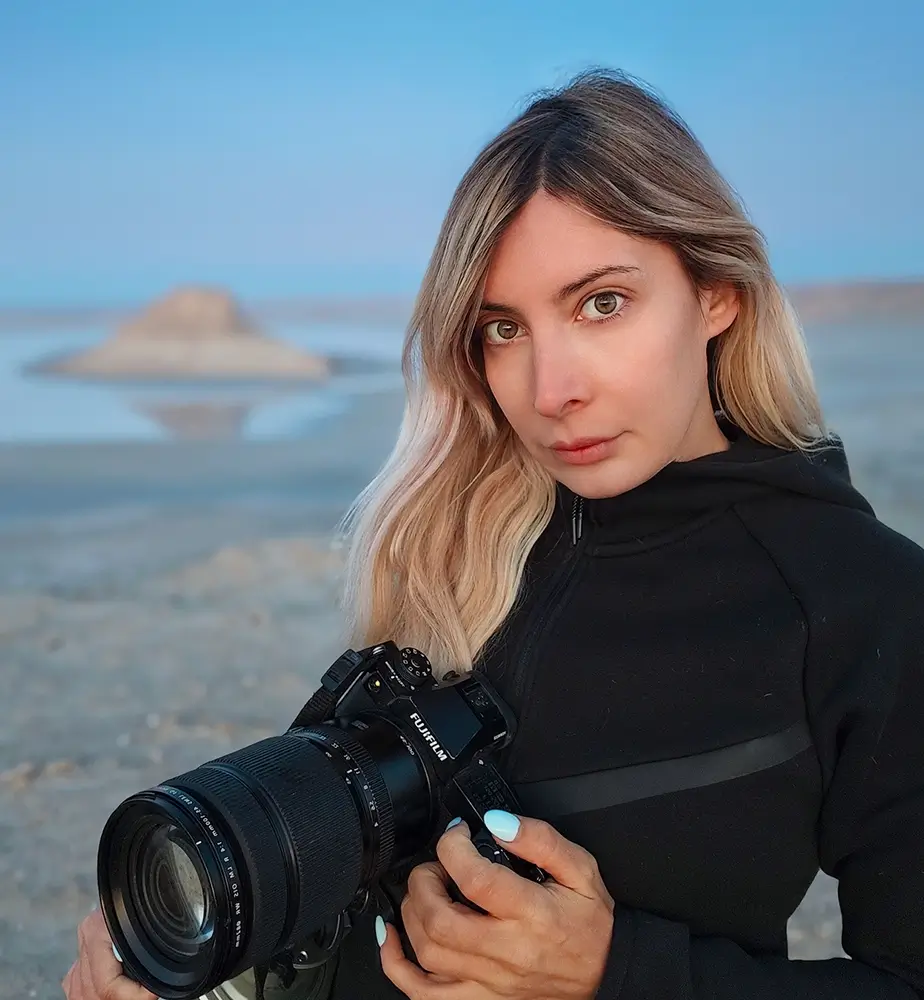
Isabella Tabacchi is an Italian landscape photographer capturing emotional, and dreamlike views of natural landscapes across the globe. With a distinctive style that transforms landscapes into ethereal experiences and always looking for a way to show the contrasts in the natural landscapes, her work has been featured in several publications including National Geographic and has garnered multiple awards such as International Landscape Photographer of the Year (ILPOTY), the Moscow International Foto Awards (MIFA), the Siena Awards, Xposure Awards, and the DJI SkyPixel Annual Contest, Independent Photo Awards and many others.

Isabella loves to evoke profound emotions and meaning through the elements of nature in her photography. Her images invite viewers to see the natural world through a poetic vision that can evoke different feelings.

Artist Statement:
Landscape Photography is not just beauty but a way to express myself.

AAP Magazine

AAP Magazine 54 Nature

 

Inspiring Portfolios

Call for Entries
All About Photo Awards 2026
$5,000 Cash Prizes! Juror: Steve McCurry
 
Stay up-to-date  with call for entries, deadlines and other news about exhibitions, galleries, publications, & special events.

More Great Photographers To Discover

Sumaya Agha
Syria/United States
1970
Sumaya Agha is a freelance photographer based in Portland, OR, who began documenting the Syrian refugee crisis over four years ago in Jordan and Europe. She is of Syrian descent with many aunts, uncles, and cousins still living in Damascus. Sumaya holds a BS in Applied Art and Design with a concentration in Photography from Cal Poly State University in San Luis Obispo, CA and an MPA from Middlebury Institute of International Studies. Her worked appeared in the Huffington Post, BBC Focus on Africa, Forbes Africa, and NPR.org, and she was a still photographer for the Academy Award winning film “The Fog of War.” She has lived in Syria, Liberia, and the United States. Watching from afar as civil war ripped apart Syria, I felt compelled to help the refugees whose lives have been destroyed by the conflict. And with dozens of close relatives enduring the horrors in their hometown of Damascus, I had a personal connection to the crisis. I moved to Amman, Jordan in 2012 and began working as a photographer for humanitarian organizations helping mitigate the crisis that had spilled over from neighboring Syria. While in Jordan, I spent many days in the refugee camps and host communities, getting to know countless families living there and documenting their substandard living conditions. I heard myriad stories of heartbreaking loss and brutality and enduring spirit, and found that hopelessness is pervasive among the young, as they cannot see a future for themselves. In January 2016 I went on assignment to Macedonia and Serbia to photograph the refugees migrating through the Balkans. Throughout the freezing winter, 2,200 refugees per day crossed into Serbia. Up to 10,000 a day crossed in warmer months. They came from Afghanistan, Iraq, and Syria, from a wide range of socioeconomic backgrounds, including many families with young children. The typical journey went like this: flee their home country, take a perilous raft ride from Turkey to Greece, and then move onward through foreign lands in search of a peaceful home. Now that the Balkan borders are closed to refugees, thousands are stranded in Eastern Europe, hoping to be relocated to Western Europe. More than 60,000 refugees are in camps throughout Greece, including Ritsona Refugee Camp, where I went on assignment in July to document the crisis. With no end in sight to the conflict in Syria and elsewhere, the refugee crisis is certain to continue right along with it. That means millions of regular people continuing to seek safety and some sense of normalcy in the absence of peace.
Trent Parke
Australia
1971
Trent Parke (born 1971) is an Australian photographer. He is the husband of Narelle Autio, with whom he often collaborates. He has created a number of photography books; won numerous national and international awards including four World Press Photo awards; and his photographs are held in numerous public and private collections. He is a member of Magnum Photos. Parke was born and brought up in Newcastle, New South Wales; he now lives in Adelaide, South Australia. He started photography when he was twelve. At age 13 he watched his mother die from an asthma attack. He has worked as a photojournalist for The Australian newspaper. Martin Parr and Gerry Badger say that Parke's first book Dream/Life is "as dynamic a set of street pictures as has been seen outside the United States or Japan". In 2003 he and his wife, the photographer Narelle Autio, made a 90,000 km trip around Australia, resulting in Parke's books Minutes to Midnight and The Black Rose. Parke became a member of the In-Public street photography collective in 2001. He became a Magnum Photos nominee in 2002 and a member in 2007; the first Australian invited to join.Source: Wikipedia Trent Parke, the first Australian to become a Full Member of the renowned Magnum Photo Agency, is considered one of the most innovative and challenging photographers of his generation. Moving beyond traditional documentary photography, Parke’s work sits between fiction and reality, offering an emotional and psychological portrait of family life and Australia that is poetic and often darkly humorous. In 2015, solo exhibition The Black Rose, premiered at the Art Gallery of South Australia. Featuring photographs, lightboxes, video, written texts, and books, the exhibition lead viewers through a vast, visual narrative that explored the meaning and transience of life from both personal and universal perspectives. Parke has received numerous awards and accolades. He was a Finalist, with collaborator Narelle Autio, in the 2016 Basil Sellars Art Prize and was Winner of the 2014 Photography Prudential Eye Award. Whilst working as a press photojournalist he won five Gold Lenses from the International Olympic Committee, and multiple World Press Photo Awards in 1999, 2000, and 2005. In 2003 he was awarded the prestigious W. Eugene Smith Grant in Humanistic Photography. Parke’s work has featured in exhibitions and art fairs across the globe and is held in major institutional collections, including the National Gallery of Australia, Museum of Contemporary Art, National Gallery of Victoria, Art Gallery of New South Wales, Art Gallery of South Australia, Artbank, Magnum London and Magnum Paris. In 2014, Steidl released two hardback monographs of Parke’s work, Minutes to Midnight and The Christmas Tree Bucket. The self-published book, Dream/Life, a collaboration with Narelle Autio, was awarded second place in the American Picture of the Year Award for Photography Books in 2000.Source: Stills Gallery
Fenqiang Liu
United States
Rafał Michalak
Poland
1971
Lives and works in Wroclaw, Poland. He studied political science and public relations. Graduate of Academy of Art and Design in Wroclaw with a Master of Arts (Media Art Department). A member of The Association of Polish Art Photographers (ZPAF). He has been associated with the advertising industry and commercial photography for years. In his everyday work he deals with brand communication issues as well as visual identity development for companies and corporations. At the same time, he is actively engaged in creating his own original photography, thereafter presented in exhibitions and published in trade magazines. Winner of many photographic praises and commendations. Human being as individuality and its place in the so fast altering world are the key factors of Michalak’s photographic research. In his photography he is mostly consumed with transgression understood as a conscious and intentional exceeding of bounds and limits that we impose on ourselves or encounter. At the same time, it provides a way to learn more about the hidden depths and makes it possible to experience reality from different points of view. Transgressive approach has characterised Michalak’s personal style of representation, regardless of used technique and medium, ever since he knowingly engaged in fine-art photography. Transgression determines his personal choices in terms of subjects he approaches, and even more so, the message, i.e. the idea behind a photograph, which he believes to be essential.
Mona Singh
Gurgaon, (India) based street/ travel photographer. Capturing emotions is one of the key ingredients in Mona Singh’s work. She firmly believes in making photographs that she resonates with. Even though it is the emotions of her subjects that she is documenting, she finds a reflection of herself in them. Her love for the unexpected and candid moments gives her the ability to find visual order within the chaos of the world and an unparalleled creative vision. She loves to creatively capture the weird and wonderful fleeting moments as they unfold in front of her eyes. She beautifully fuses emotions and art to tell stories through her pictures. Photography for her has been a life-transforming experience. Photography is the love of her life and traveling is like blood in her veins. She loves waking up to new horizons, making new friends and exploring the world. Silent Colors: "Who doesn't like colors? Well, we all do... but these women are considered a curse and have lost the joy and privilege of having colors in their lives. These are the widows of Vrindavan, the abandoned and forgotten souls in one of the holiest cities of India. Thousands of them have made this city their home and the place is known as 'The city of widows'. Sitting cross-legged in a dingy room with a noisy fan, plaster peeling off the walls, watching her favorite Bengali serial on an old T.V. set, Purba (name changed) greeted me by saying 'Radhe Radhe', the only popular way to greet in Vrindavan. She left her family in Bengal and came to the Widows Ashram in Vrindavan after her husband’s death. Many others like her in the room have either been abandoned by their families or have decided to stay away from the societal pressures and people ostracizing them. Breaking the age-old rigid Indian tradition, these widows celebrate Holi, the vibrant festival of colors at the ancient Gopinath temple. Soaked in colors, they throw rose and marigold flower petals at each other and dance with joy. It is a blissful experience for all. It is mesmerizing to see such a sight. Their white saris turn bright and colorful. It is like getting revived in the most tender way."
Shams Radwan
Egypt
1988
Shams Radwan, 26 years old from Egypt, is a passionate storyteller and artist dedicated to capturing and sharing the beauty of life through every detail. Growing up in a country rich in diverse cultures and deep-rooted heritage, Shams has been inspired by the vibrant traditions and stories that shape its identity. Her artistic journey began with a deep fascination for Egypt’s cultural tapestry, which she channels into creative works that celebrate heritage. Through her art, Shams transforms the beauty and narratives of Egypt's traditions into pieces that bridge the gap between past and present. With a focus on preserving cultural identity, she highlights the intricate details and timeless stories that make each tradition unique. For Shams, sharing heritage is more than just a passion—it’s a mission to ensure that these traditions remain alive and appreciated by future generations. Her work continues to inspire and unite, reflecting a deep commitment to preserving and celebrating the legacy of her homeland. Statement "As an artist, my work is deeply rooted in preserving and celebrating the diverse cultural heritage of Egypt. Through my creations, I aim to capture the stories, patterns, and traditions that have shaped generations, transforming them into art that bridges the past and present. My mission is to ensure that these invaluable traditions remain alive, appreciated, and understood, while inspiring future generations to explore the richness of their roots. By weaving the timeless beauty of our heritage into modern narratives, I seek to foster a sense of connection and unity through art." Awarded Photographer of the Week - Week 02
Karen Knorr
United States
1954
Karen Knorr was born in Frankfurt am Main, Germany and was raised in San Juan, Puerto Rico in the 1960s. She finished her education in Paris and London. Karen has taught, exhibited and lectured internationally, including at Tate Britain, Tate Modern, The University of Westminster, Goldsmiths, Harvard and The Art Institute of Chicago. She studied at the University of Westminster in the mid-1970s, exhibiting photography that addressed debates in cultural studies and film theory concerning the ‘politics of representation’ practices which emerged during the late 1970s qnd early 1980s. She is currently Professor of Photography at the University for the Creative Arts in Farnham, Surrey. Karen Knorr produced Belgravia (1979-1981) a series of black and white photographs with ironic and humorous texts that highlighted aspirations, lifestyle and the British class system under the neo liberalist Thatcher era in the late 70’s and early 80’s. Her most well known work called Gentlemen (1981-1983) was photographed in Saint James’s clubs in London and investigated the patriarchal conservative values of Britain during the Falklands war. Karen ’s work developed a critical and playful dialogue with documentary photography using different visual and textual strategies to explore her chosen subject matter that ranges from the family and lifestyle to the animal and its representation in the museum context. In 1986 her work Connoisseurs used colour to explore connoisseurship regarding authenticity, heritage and art in England. Here she introduced elements and staged events in the architectural interiors of Chiswick House, Osterley Park House and the Dulwich Picture Gallery. The use of text and captioning appeared as a device to slow down consumption of the image and to comment on the received ideas of fine art in museum culture. These strategies still appear in her photography today with digital collage of animals, objects and social actors in museums and architecture challenging the authority and power of heritage sites in Europe and more recently in India. Academies (1994- 2001), a series of colour photographs taken in academies and museums across Europe, reflects on the relationship between the production of western fine art, its transmission and consumption. The work continues a critical dialogue with conceptual art, visual culture, feminism and animal studies reflecting an engaged interest in theory and its relation to photographic practice. In 1995 the Academies project included video and installation with wall text transfers in order the explore the relationship between art and science in the staging of transgressive performative events and gestures in museums. Being for Another (1995), an 18 minute video records a young man caressing an 18th century sculpture by Canova in the Victoria and Albert Museum and three lifeclass models enact the lifeclass on the dissecting table of the anatomy theatre of Uppsala University in Lessons (2002). The introduction of a sound glass sculpture with recorded birdsong responded to the furniture and art collection of The Wallace Collection in 2001 synthesizing a 1960’s Pete Seeger song with an actual blackbird’s sound. In her series Fables (2004-2008) photographs mixes analogue and digital photography playfully reconfiguring tales (Ovid, Aesop La Fontaine) with popular culture (Disney and Attenborough) in museums and heritage sites which include Carnavalet Museum, the Museum of Hunt and Nature in Paris, Chambord Castle and the Conde Museum in Chantilly Castle. The visuality of these photographs is rich with reference to the baroque. In the last section of the work, Knorr interrogated the free flowing space of modern architecture in Corbusier’s Villa Savoye reintroducing life into the modernist aesthetic of a building. Since her life changing journey to Rajasthan, India in 2008, Karen Knorr’s work continues to explore Rajput and Mughal cultural heritage and its relationship to questions of feminine subjectivity and animality. India Song, a series of carefully crafted photographs explores the past and its relation to India’s contemporary heritage sites across Rajasthan. Since 2012 Knorr has been visiting Japan to reflect on tradition within contemporary Japan referencing Ukiyo-e prints and folktales connected to Shinto and Buddhist heritage sites.Her first series entitled Monagatari, places animals and humans in temple sites found in Nara, Kyoto, Tokyo and Ohara. Her second related series Karyukai is inspired by the Kano’s 36 portraits of poets also referencing “bijinga” prints of the 17th century. Women photographed by Karen Knorr were asked to compose waka and haiku reflecting on their life and dreams. Source: karenknorr.com About India Song Karen Knorr’s past work from the 1980’s onwards took as its theme the ideas of power that underlie cultural heritage, playfully challenging the underlying assumptions of fine art collections in academies and museums in Europe through photography and video. Since 2008 her work has taken a new turn and focused its gaze on the upper caste culture of the Rajput in India and its relationship to the "other" through the use of photography, video and performance. The photographic series considers men's space (mardana) and women's space (zanana) in Mughal and Rajput palace architecture, havelis and mausoleums through large format digital photography. Karen Knorr celebrates the rich visual culture, the foundation myths and stories of northern India, focusing on Rajasthan and using sacred and secular sites to consider caste, femininity and its relationship to the animal world. Interiors are painstakingly photographed with a large format Sinar P3 analogue camera and scanned to very high resolution. Live animals are inserted into the architectural sites, fusing high resolution digital with analogue photography. Animals photographed in sanctuaries, zoos and cities inhabit palaces, mausoleums , temples and holy sites, interrogating Indian cultural heritage and rigid hierarchies. Cranes, zebus, langurs, tigers and elephants mutate from princely pets to avatars of past feminine historic characters, blurring boundaries between reality and illusion and reinventing the Panchatantra for the 21st century.
Advertisement
All About Photo Awards 2026
Win a Solo Exhibition in March
All About Photo Awards 2026

Latest Interviews

Exclusive Interview with Marijn Fidder
Marijn Fidder is a Dutch documentary photographer whose work powerfully engages with current affairs and contemporary social issues. Driven by a deep sense of social justice, she uses photography to speak on behalf of the voiceless and to advocate for the rights of those who are most vulnerable. Her images have been widely published in major international outlets including National Geographic, CNN Style, NRC Handelsblad, Volkskrant, GUP New Talent, and ZEIT Magazin. Her long-term commitment to disability rights—particularly through years of work in Uganda—culminated in her acclaimed project Inclusive Nation, which earned her the title of Photographer of the Year 2025 at the All About Photo Awards. She is also the recipient of multiple prestigious honors, including awards from World Press Photo and the Global Peace Photo Award. We asked her a few questions about her life and work.
Exclusive Interview with Josh S. Rose
Josh S. Rose is a multidisciplinary artist working across photography, film, and writing. His practice bridges visual and performing arts, with a strong focus on movement, emotion, and the expressive potential of the image. Known for his long-standing collaborations with leading dance companies and performers, Rose brings together authenticity and precise composition—a balance he describes as “technical romanticism.” His work has been commissioned and exhibited internationally, appearing in outlets such as Vogue, at the Super Bowl, in film festivals, and most recently as a large-scale installation for Lincoln Center for the Performing Arts. A sought-after collaborator, he has worked with major artists, cultural institutions, and brands, following a previous career as Chief Creative Officer at Interpublic Group and the founder of Humans Are Social. We asked him a few questions about his life and work.
Interview with Maureen Ruddy Burkhart
Photographer Maureen Ruddy Burkhart brings a quietly attentive and deeply human sensibility to her exploration of the world through images. Shaped by a life immersed in photography, film, and visual storytelling, her work is guided by intuition, observation, and an enduring interest in the emotional undercurrents of everyday life. With a practice rooted in both fine art traditions and documentary awareness, she approaches her subjects with sensitivity, allowing subtle moments to emerge naturally rather than be imposed. Her series Til Death, selected as the Solo Exhibition for February 2025, reflects this long-standing commitment to photography as a space for reflection rather than spectacle. Drawn to moments that exist just outside the expected frame, Burkhart’s images suggest narratives without resolving them, leaving room for ambiguity, humor, and quiet connection. We asked her a few questions about her life and work.
Exclusive Interview with Peter Ydeen
Winner of AAP Magazine #45 Travels, his series reflects this unique vision—capturing the spirit of place through subtle layers of light, color, and emotion. Whether traveling abroad or observing the rhythms of his own surroundings, Ydeen creates images that feel both grounded and enchanted, inviting viewers into a world where reality and reverie meet.
Exclusive Interview with Julie Wang
Chinese-born photographer Julie Wang brings a poetic, contemplative sensitivity to her visual exploration of the world. Having lived for nearly equal parts of her life in China, Europe, and the United States, she approaches her subjects with the nuanced perspective of someone shaped by many cultures. This blend of distance, curiosity, and emotional resonance infuses her work with a quiet depth, allowing her to reveal the fragile beauty and subtle tensions that often pass unnoticed.
Exclusive Interview with Ghawam Kouchaki
American photographer Ghawam Kouchaki brings a sharply observant and introspective gaze to the streets of Japan’s capital. Based in Los Angeles, he approaches Tokyo with the distance — and curiosity — of an outsider, allowing him to uncover the city’s subtle contradictions, quiet tensions, and fleeting gestures that often go unnoticed. His series Tokyo no no, selected as the Solo Exhibition for December 2024, explores the hidden undercurrents of urban life: the unspoken rules, the small ruptures in routine, the poetic strangeness found in everyday moments. Through muted tones, instinctive timing, and meticulous framing, Kouchaki reveals a Tokyo that exists somewhere between reality and imagination — both intimate and enigmatic. We asked him a few questions about his life and work.
Exclusive Interview with Tommi Viitala
Tommi Viitala, winner of AAP Magazine #44: Street, is a Finnish photographer celebrated for his striking and cinematic street photography. With a keen eye for atmosphere and composition, he captures fleeting urban moments that reveal the poetry of everyday life. His work often explores the tension between solitude and connection within contemporary cityscapes, blending documentary realism with artistic sensibility. Viitala’s photographs have been exhibited internationally and recognized for their strong visual storytelling and emotional depth. We asked him a few questions about his life and work.
Exclusive Interview with Robert Mack
Robert Mack is a California-based visual artist, photographer, and filmmaker. His fine art photography and films have been exhibited widely in the United States and Europe, with major shows at the Baltimore Museum of Art and the Reiss-Engelhorn Museum in Mannheim, Germany. Both institutions hold his work in their permanent collections. Working across different media, Mack has built a career exploring the complexities of human presence and representation. In 1981, while living in Baltimore, he produced The Perkins Project: Not Guilty by Reason of Insanity, a rare photographic and film study inside Maryland’s hospital for the criminally insane. These stark yet compassionate black-and-white portraits remain one of his most powerful and controversial bodies of work.
Exclusive Interview with Alan Schaller About Irys
Alan Schaller is a London-based photographer best known for his striking black-and-white street photography and as co-founder of Street Photography International, one of the largest online communities dedicated to the genre. With years of experience both behind the camera and in building platforms that give visibility to photographers, Schaller has now turned his focus to creating a new digital space for photography itself. His latest venture, Irys, is a photography app designed by photographers, for photographers, with the aim of offering a dedicated platform where images are respected as works of art rather than treated as disposable content.
Call for Entries
All About Photo Awards 2026
$5,000 Cash Prizes! Juror: Steve McCurry