All about photo.com: photo contests, photography exhibitions, galleries, photographers, books, schools and venues.
Win a Solo Exhibition in April 2026 + An Exclusive Interview!
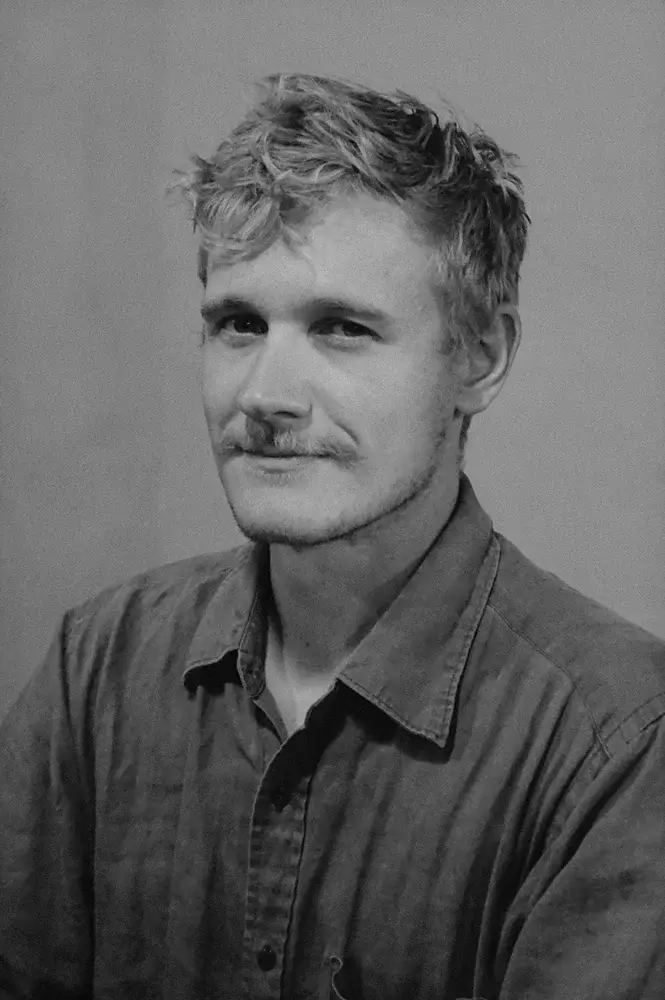
Thibault Belouis
Thibault Belouis
Thibault Belouis

Thibault Belouis

Country: France
Birth: 1992

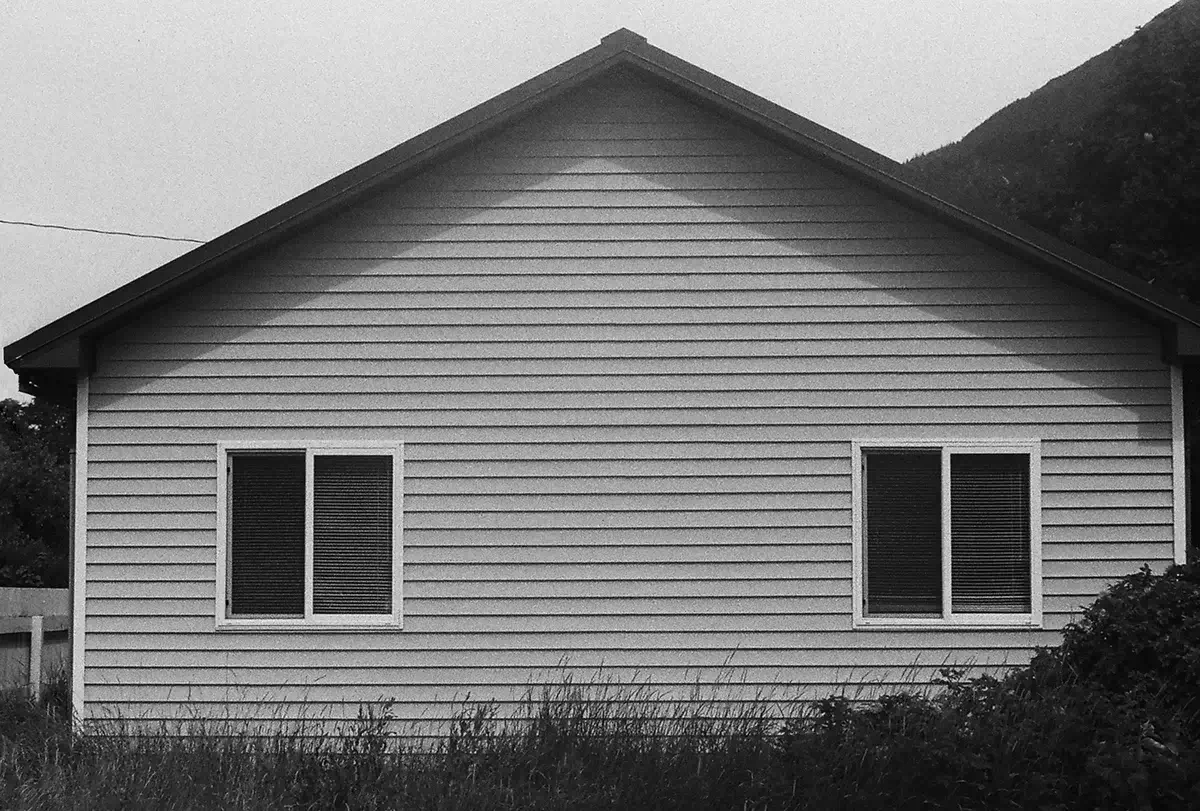
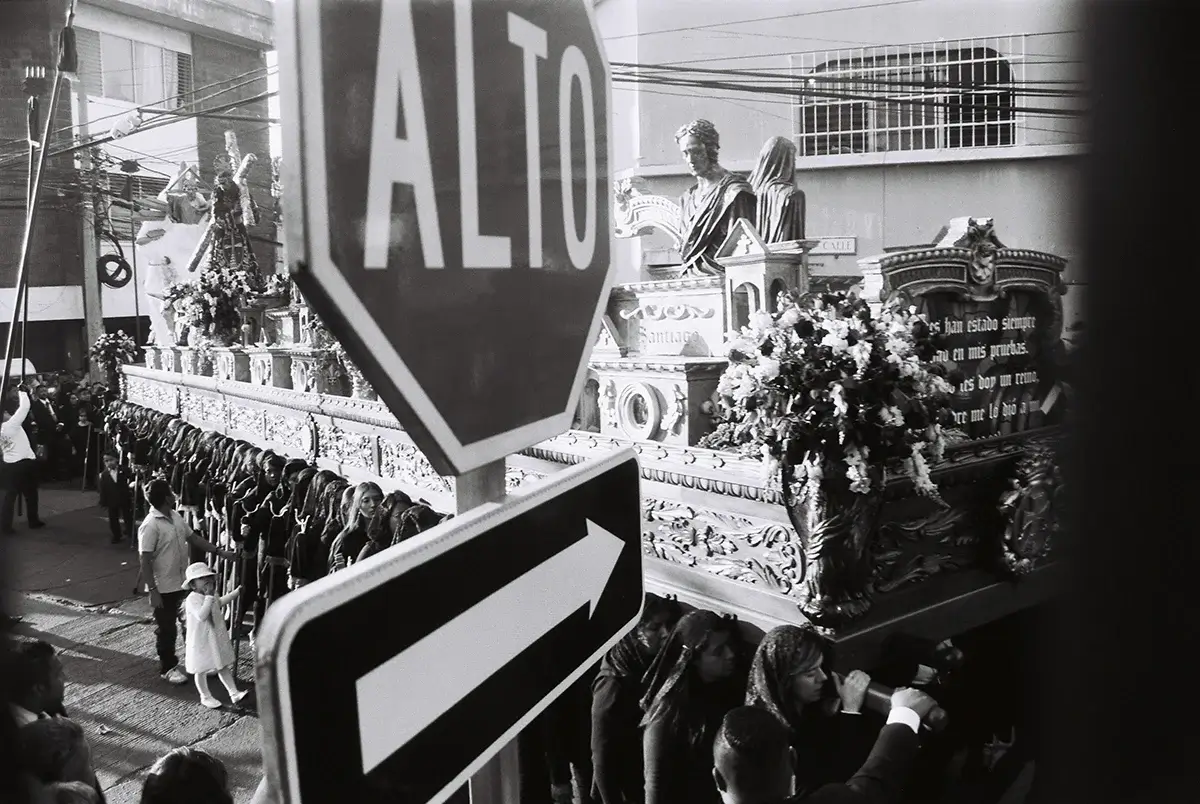
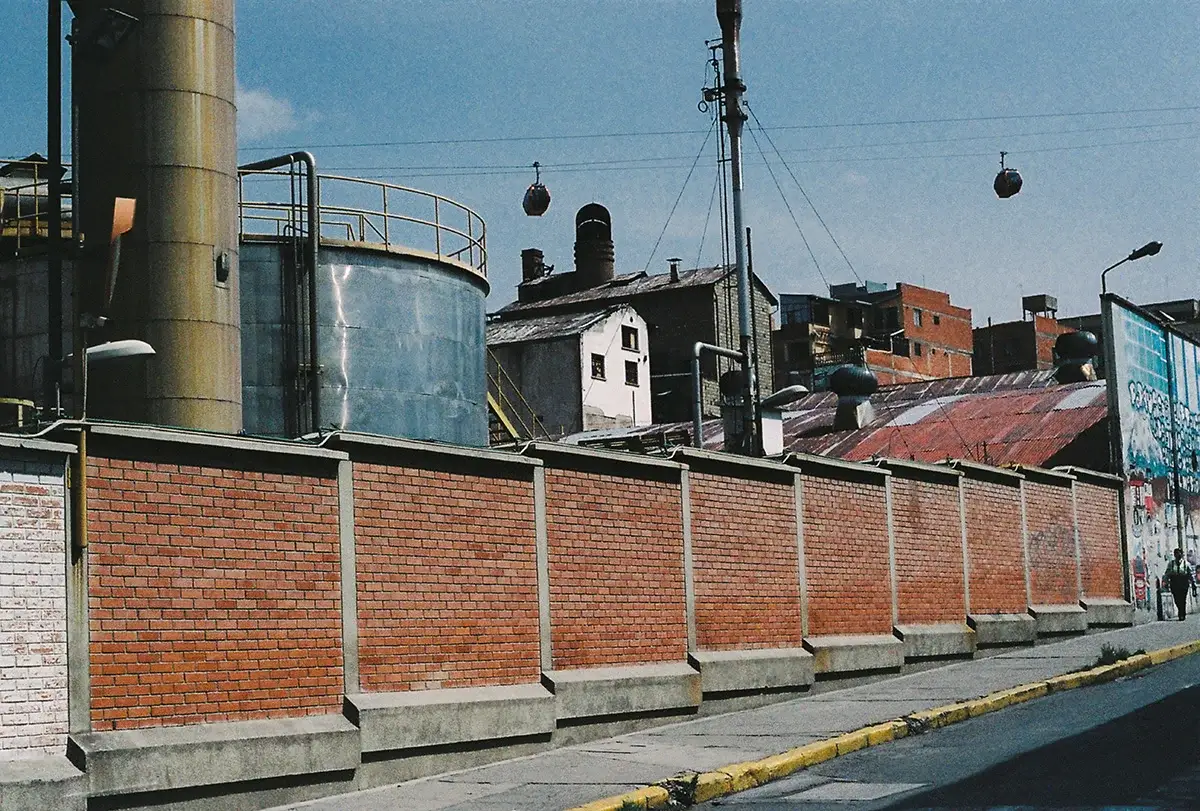
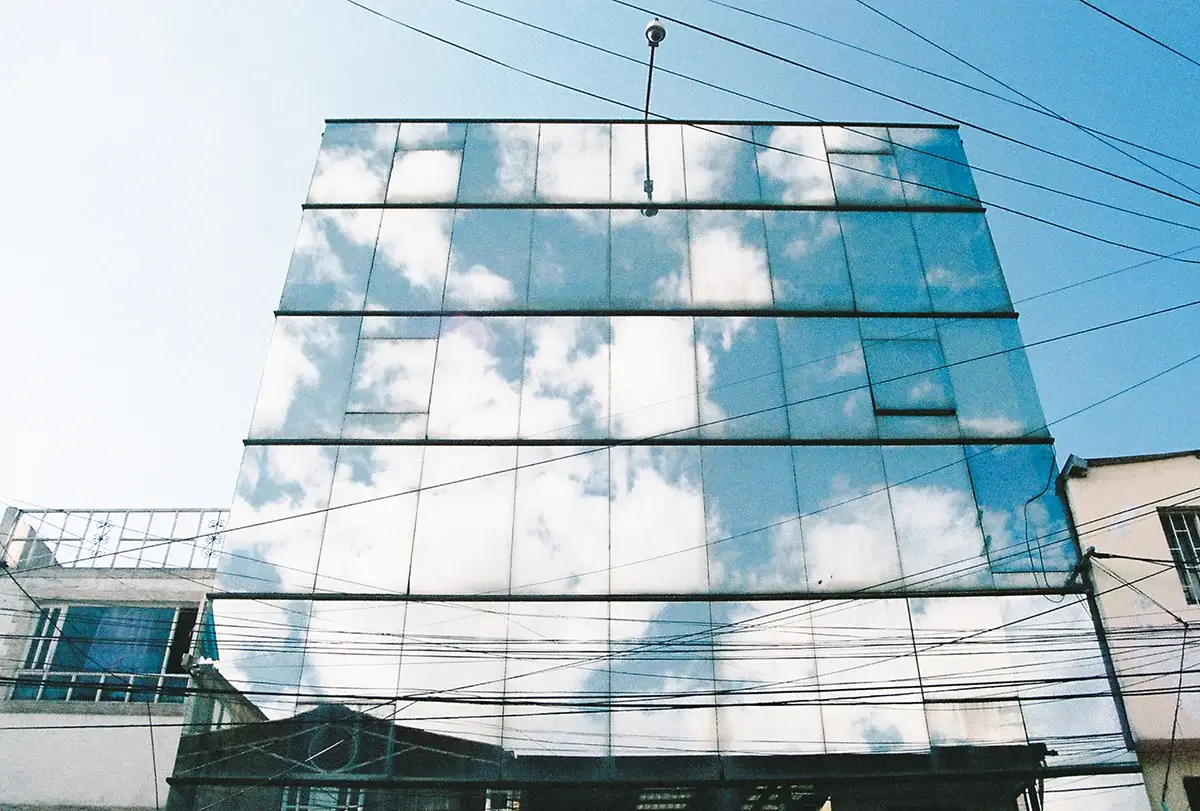
After earning his degree in Graphic Design from the school of art direction and interior architecture Penninghen in Paris in 2015, Thibault Belouis worked as a iconographer for production companies specializing in photography and commissioned films.

In 2018, he joined the production company Passion Pictures (Paris) as an art director. This international company, renowned for its documentaries and animated fi lms, has been recognized multiple times with Academy Awards.

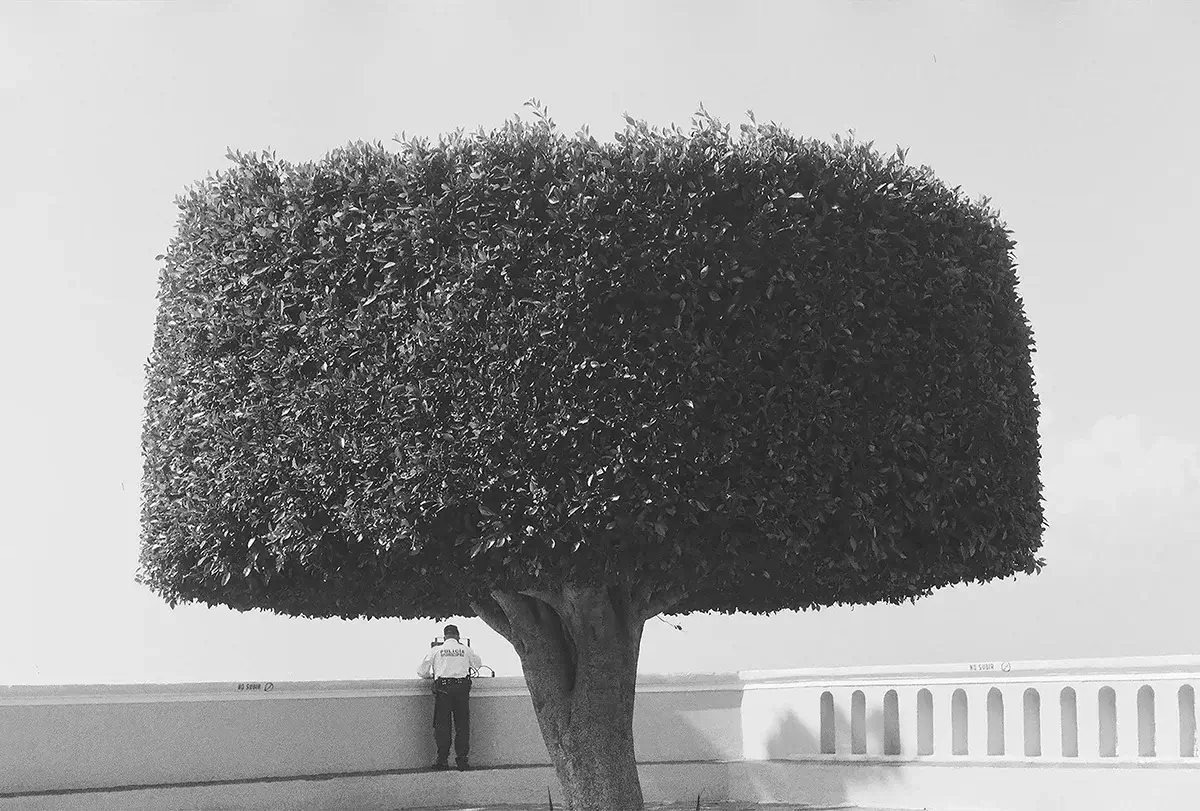
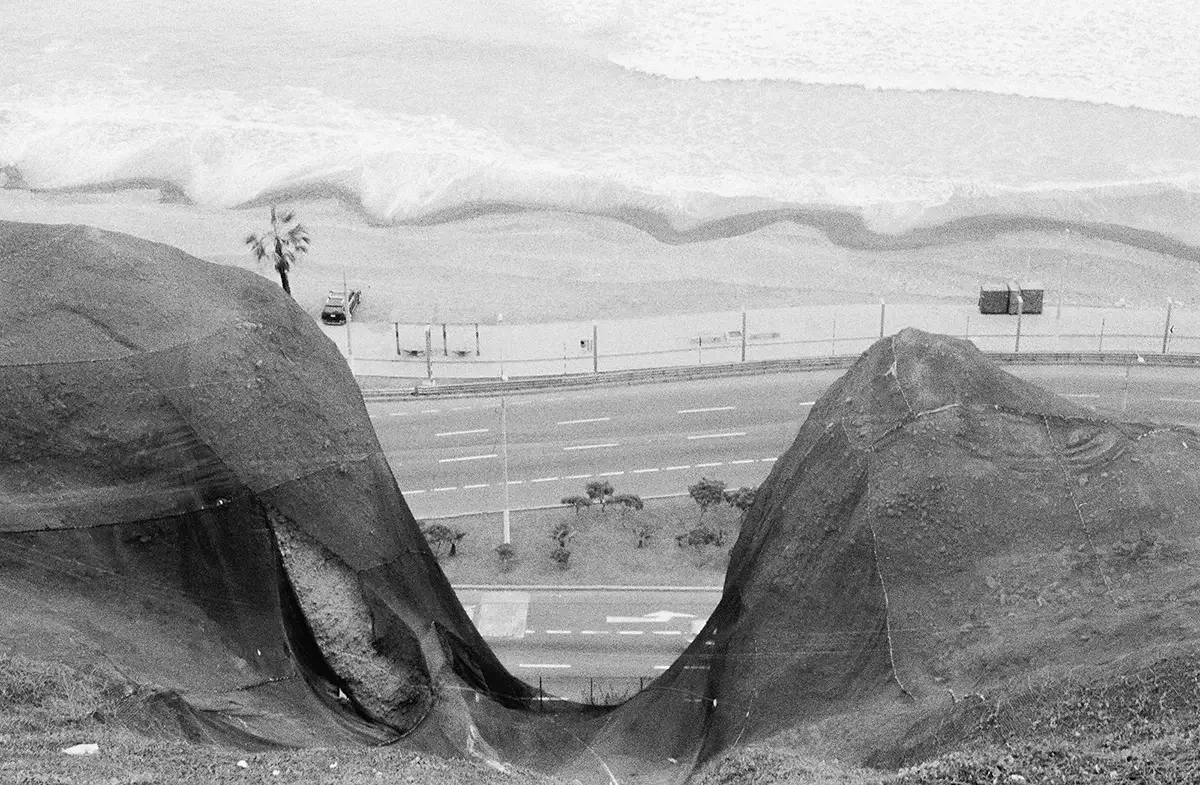
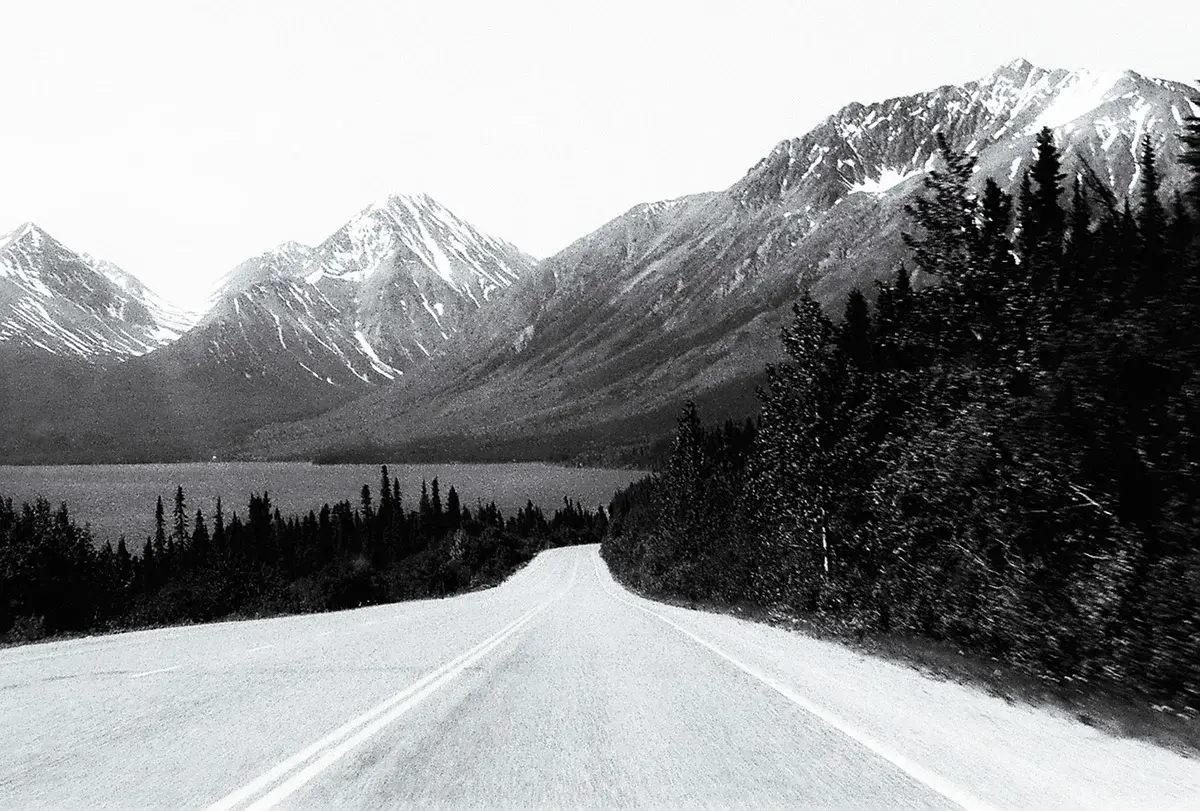
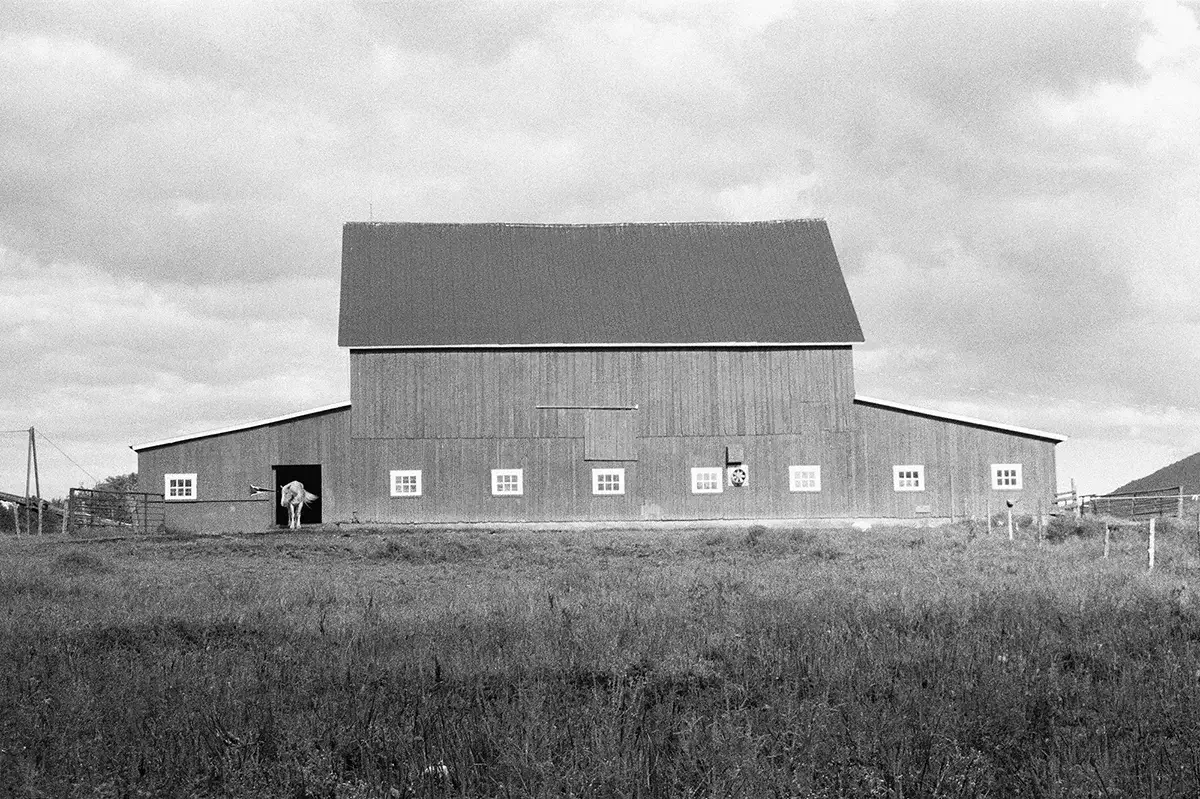
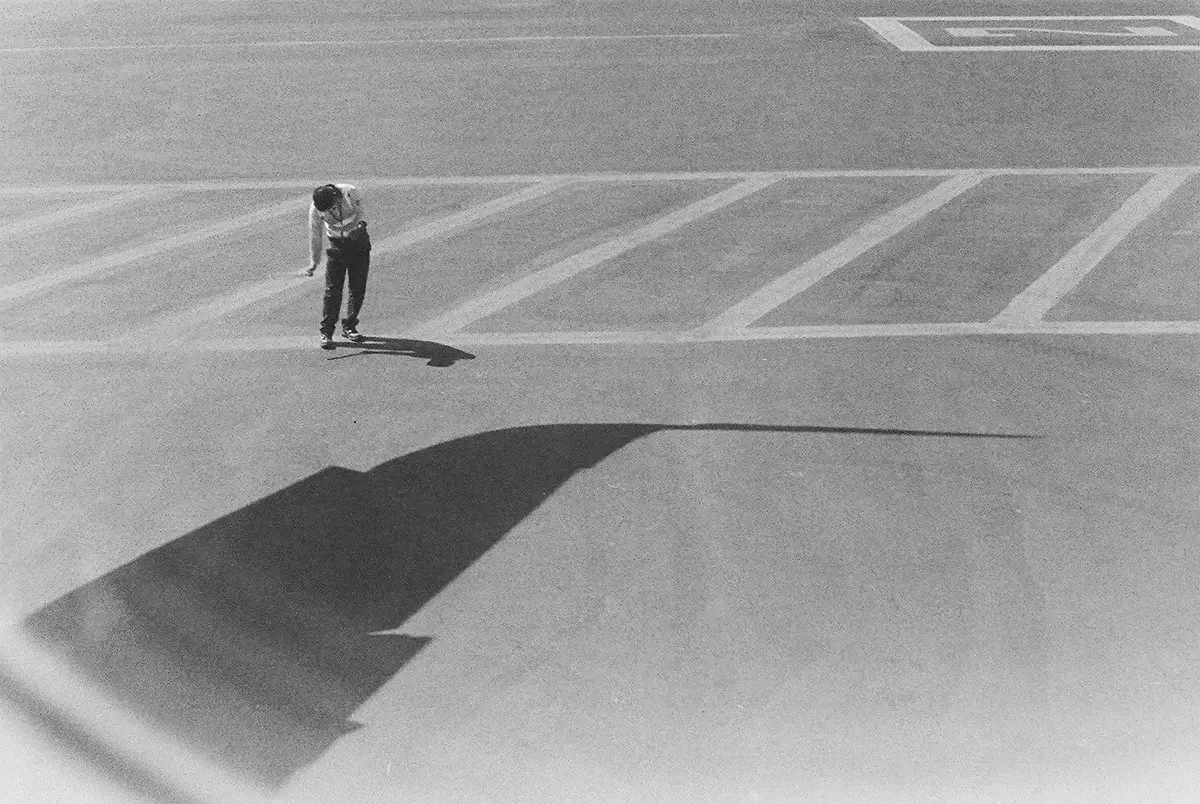
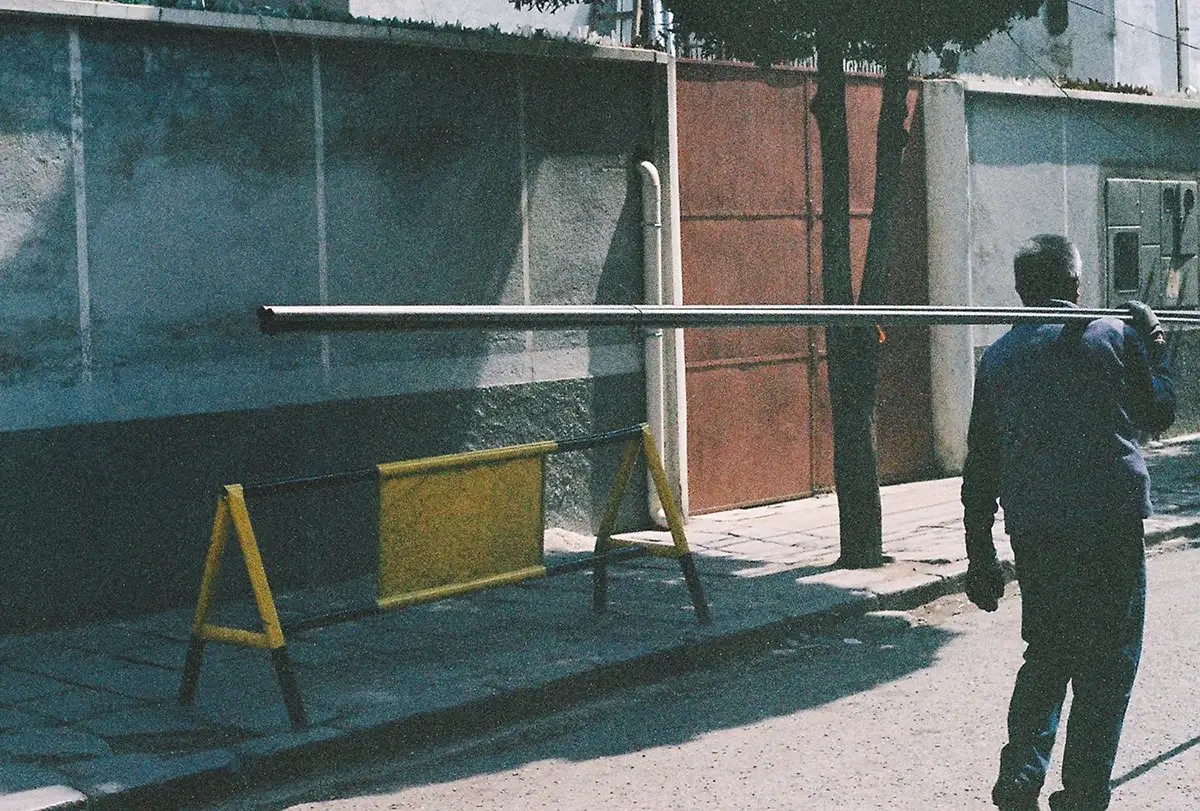
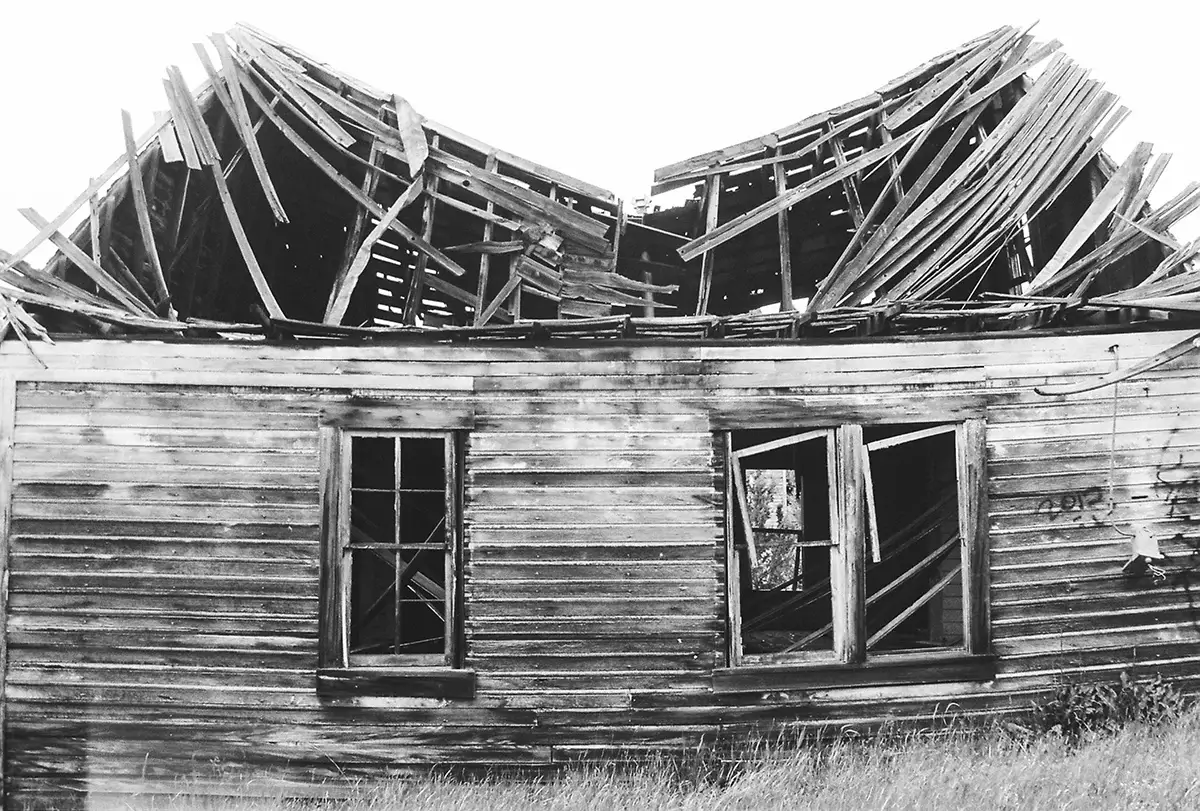
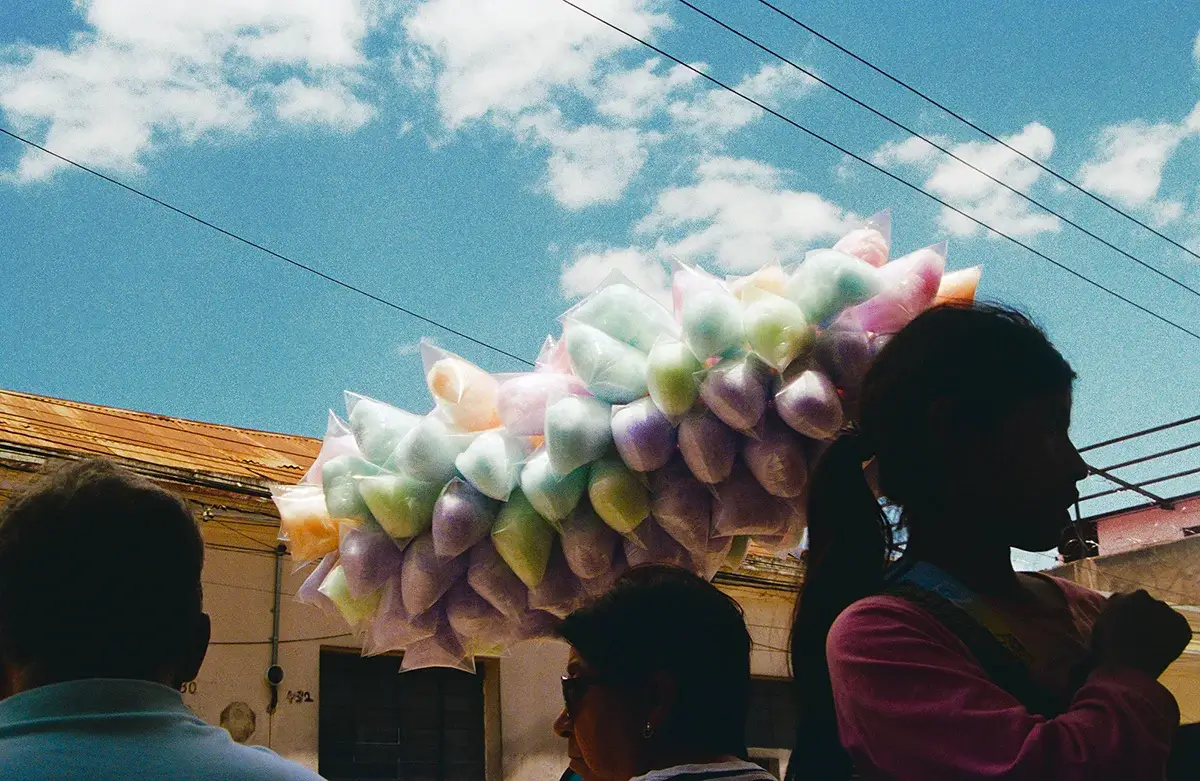
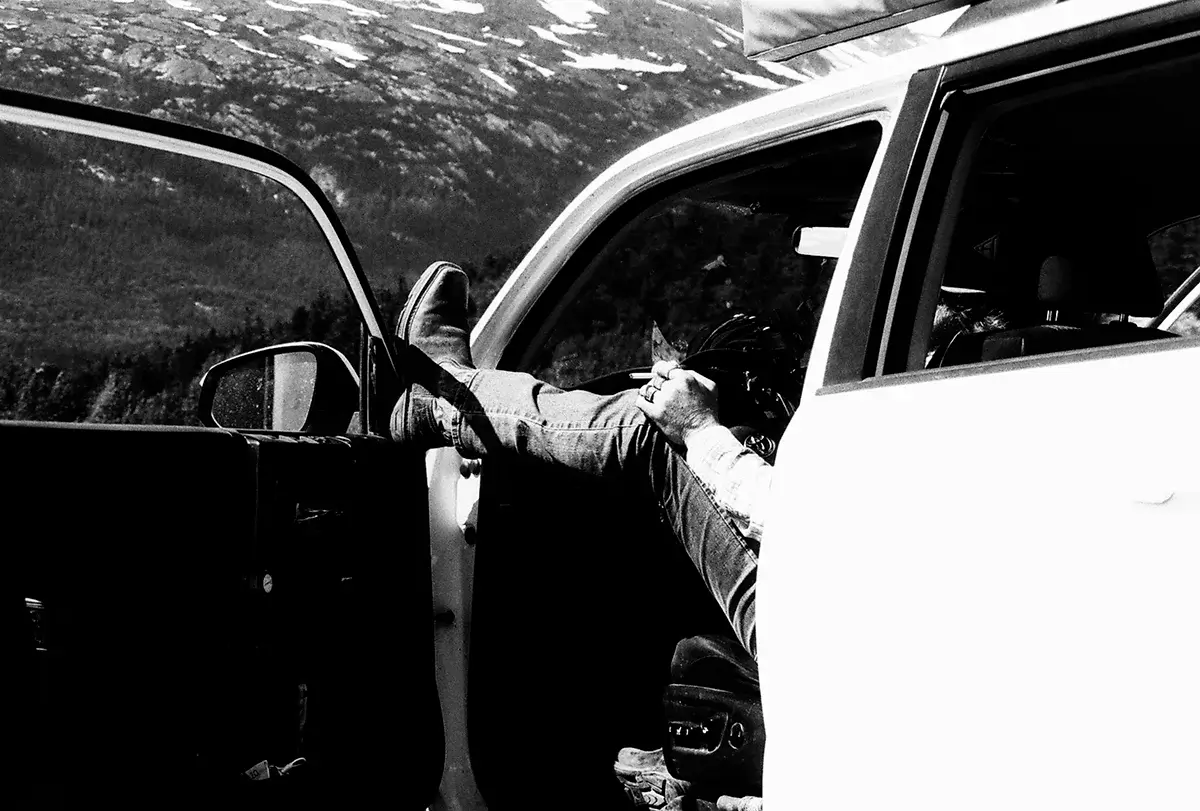
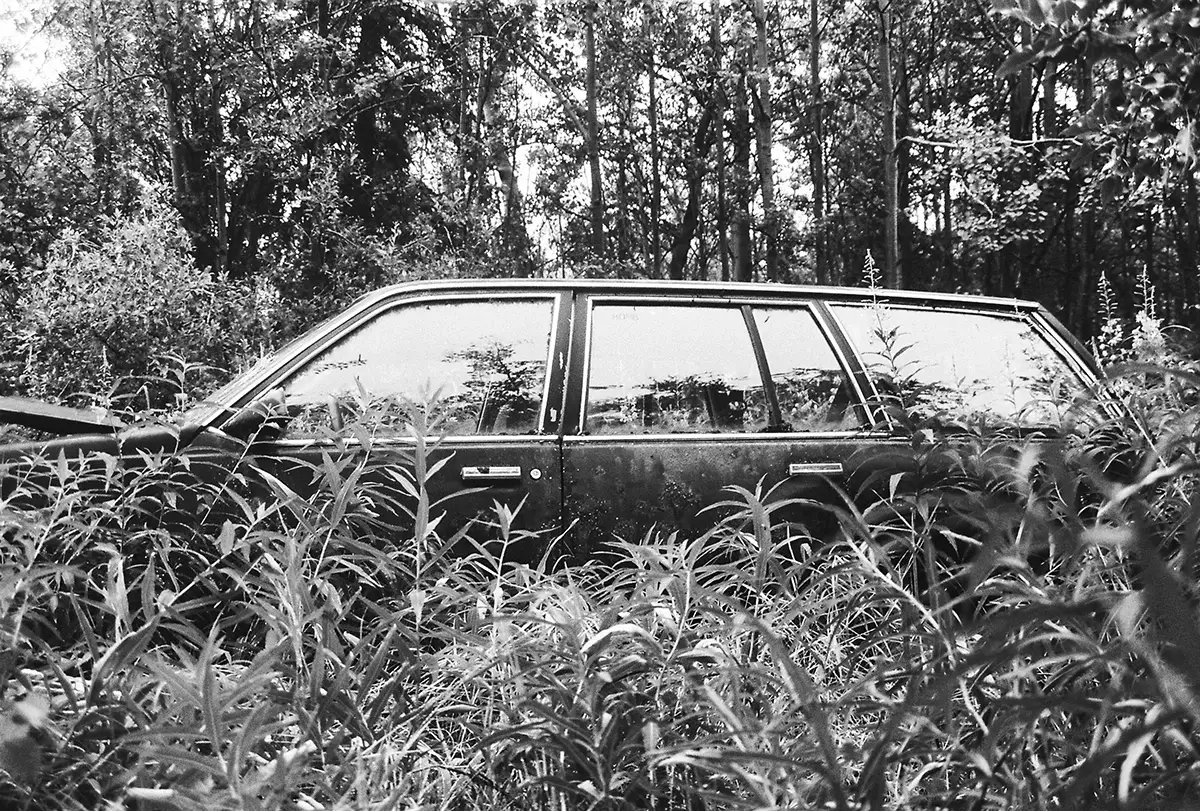
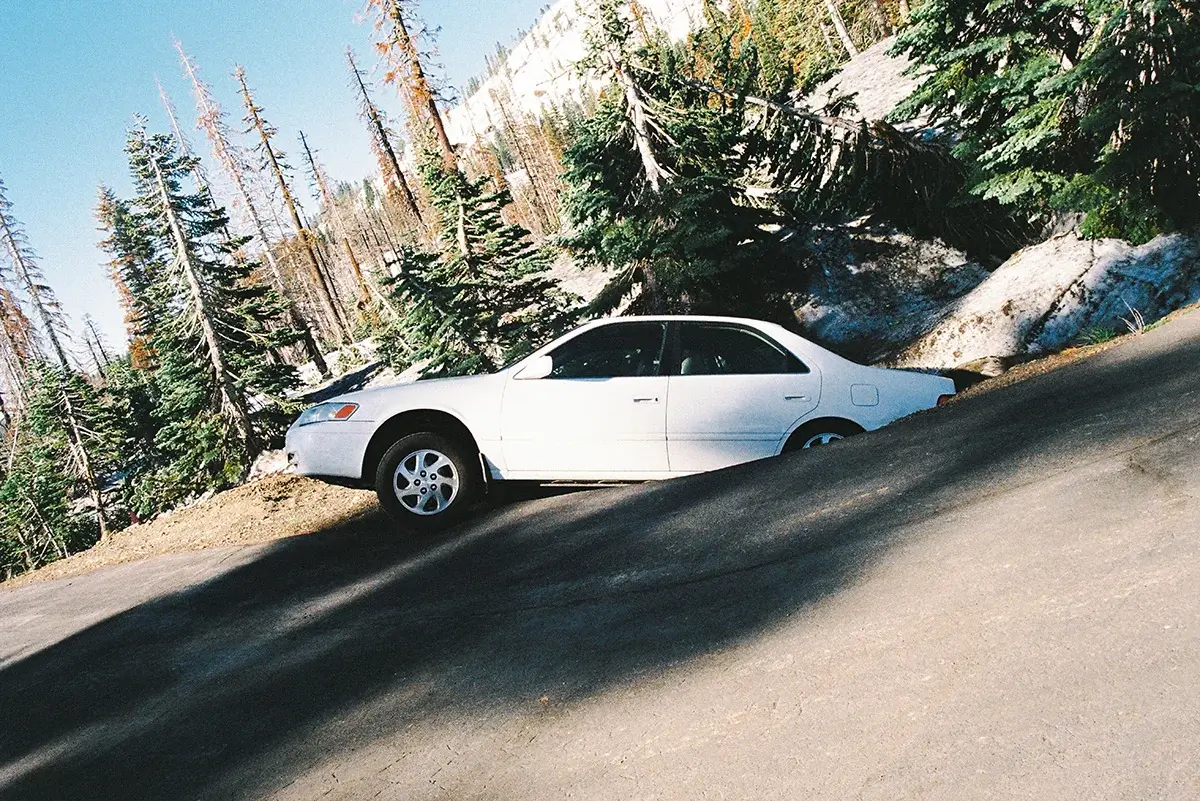
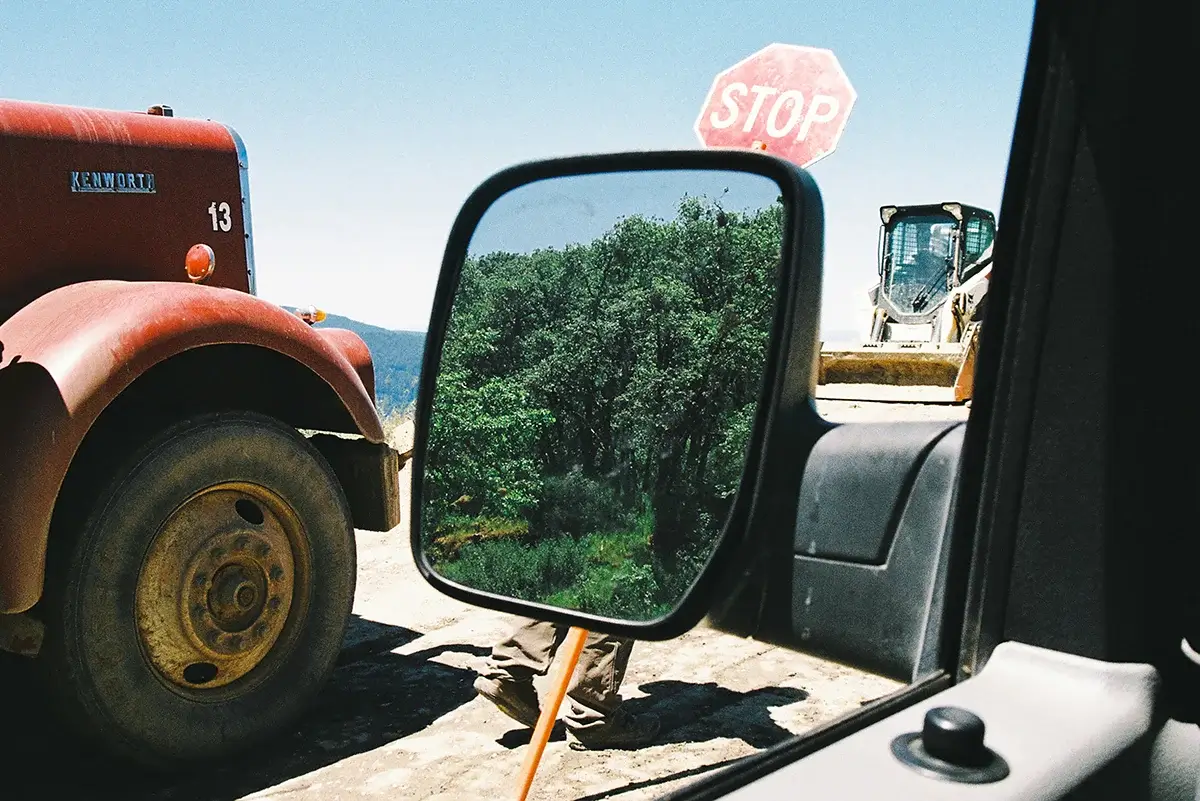
His professional and artistic focus is now on photographic, video, and sound works, exploring the existence of the world around him. He practices photography spontaneously, ranging from landscapes to street photography, aiming above all to capture a certain delicacy through a contemplative and slightly offbeat perspective. The relationship between reality and the image has always fascinated him.

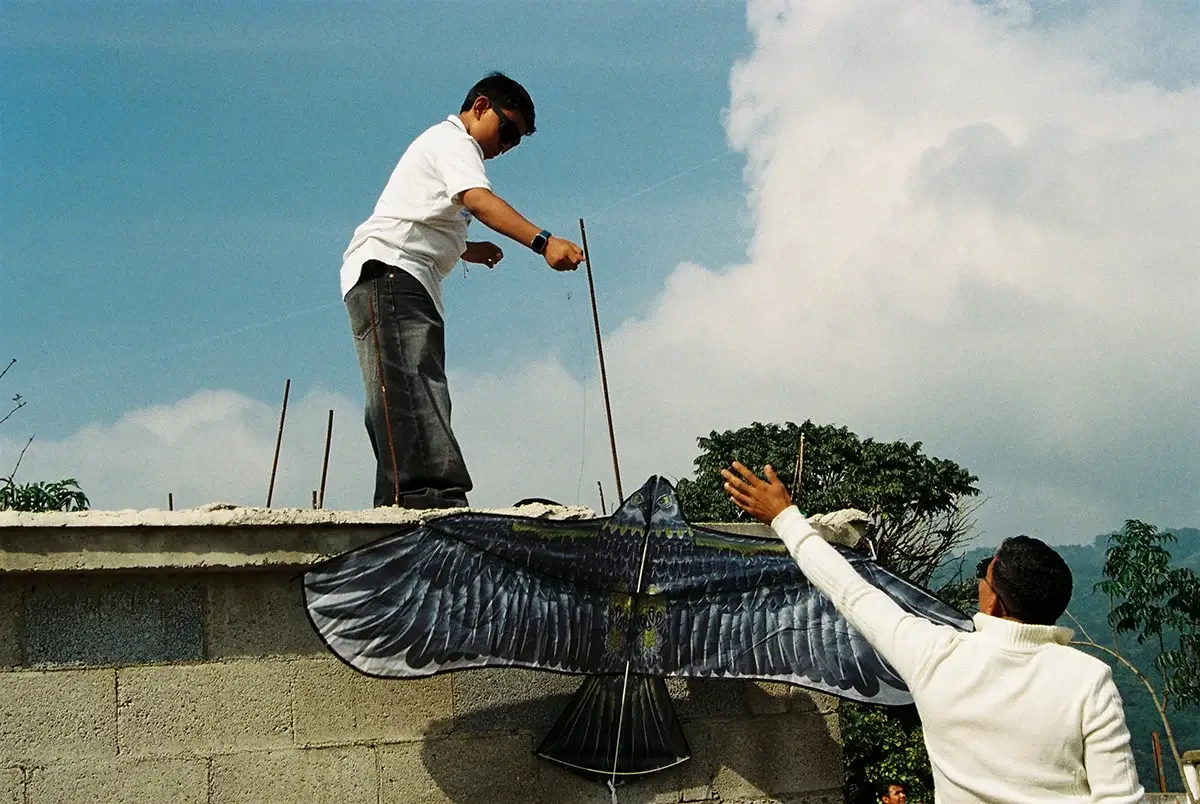
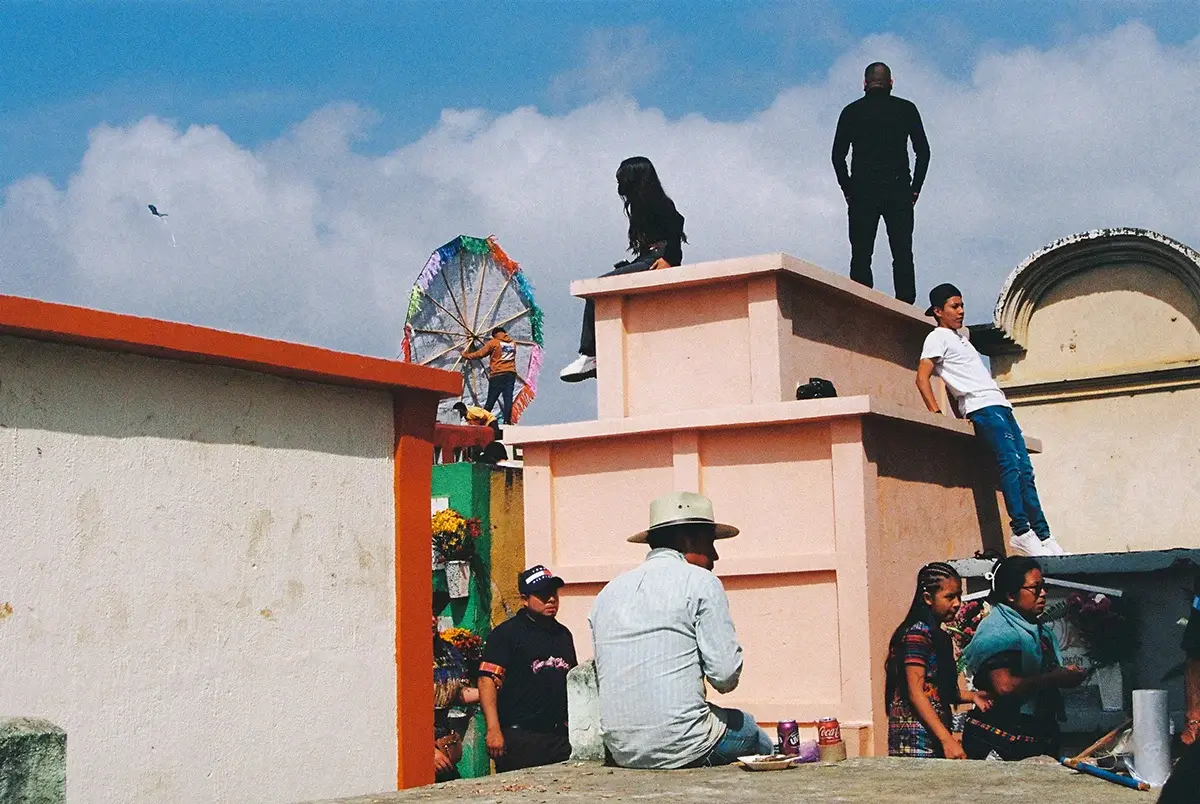
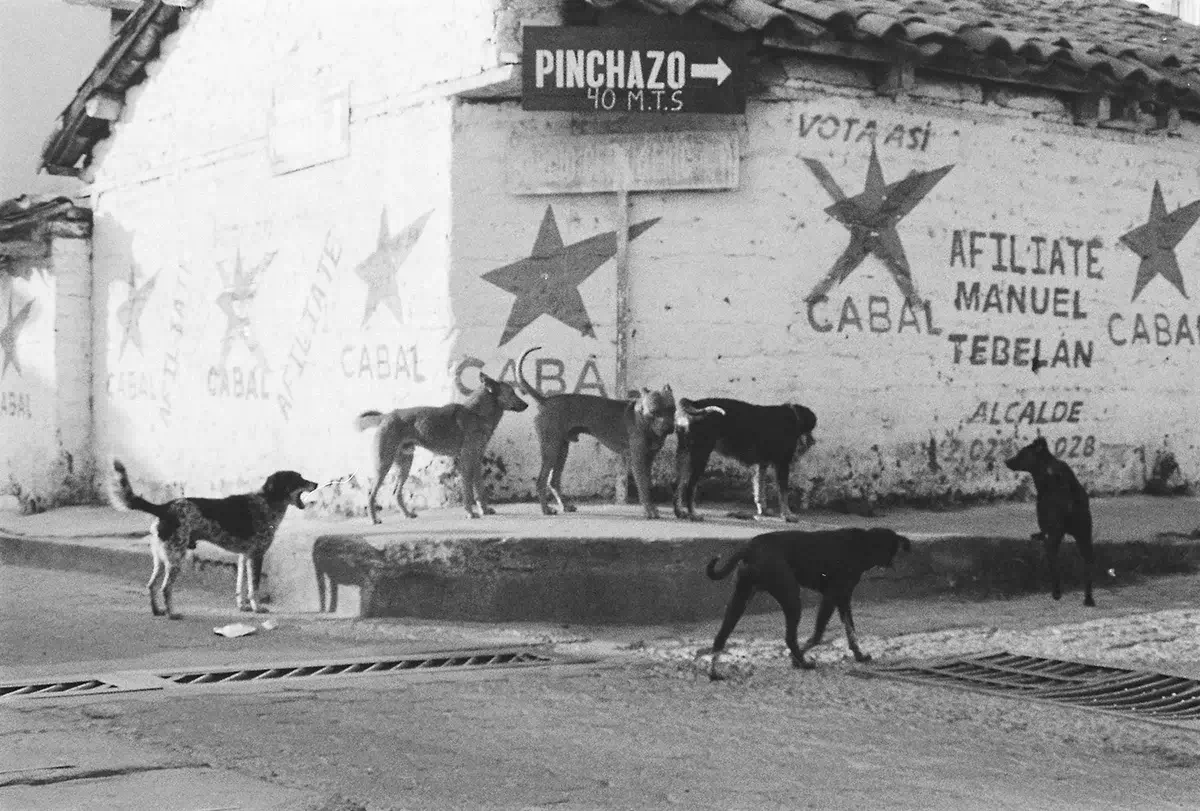
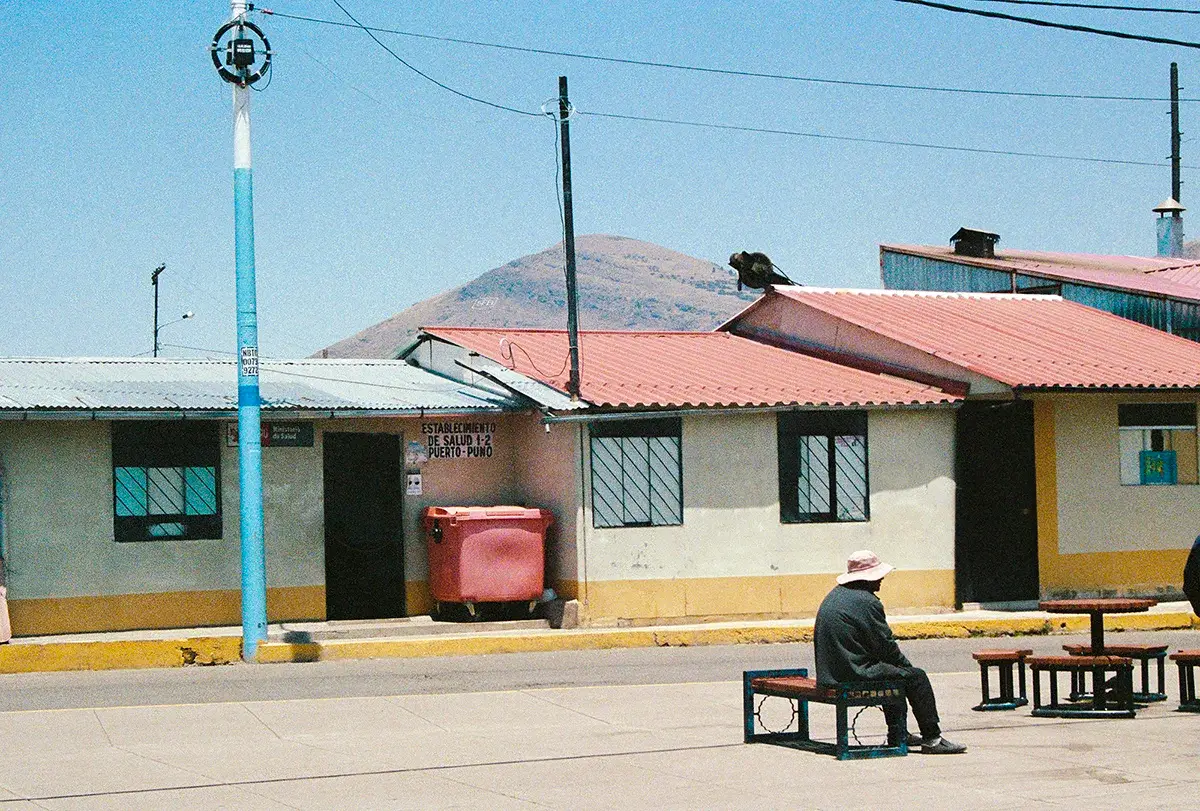
In June 2023, he decided to dedicate himself fully to his artistic sensibility, exploring photography, video, and sound. He then created the photographic series Magnetic Walk, a visual noir tinged with surrealism. That same year, his artistic commitment led him to travel across the Americas for one year, during which he produced Dias Tras Días, a series fi nalist for the Prix Bergger for Black and White Analog Photography 2025. His work was exhibited in November at an exhibition organized by Mathilde Virty in Paris.

In 2026, he will participate in the KIOSKO residency program in Santa Cruz, Bolivia, to develop a project exploring the connection between memory and wild nature.

Awarded Photographer of the Week - Week 04, 2026

 

Inspiring Portfolios

Call for Entries
AAP Magazine #55 Women
Publish your work in our printed magazine and win $1,000 cash prizes
 
Stay up-to-date  with call for entries, deadlines and other news about exhibitions, galleries, publications, & special events.

More Great Photographers To Discover

Janet Sternburg
United States
1943
Janet Sternburg is a fine art photographer, a writer of literary books, a maker of theatre and films, and an educator. Since 1998 when she began taking photographs, her work has appeared in Aperture (2002), that same year on the cover of Art Journal, and in 2003 in The Utne Reader (“A New Lens,” 2003), in which she was selected as one of forty international artists and writers who “with depth, resonance, ideas and insights, challenge us to live more fully.” A monograph of her photographs, Overspilling World: The Photographs of Janet Sternburg, was published in 2016–17 by Distanz Verlag with a Foreword by Wim Wenders, in which he writes, “Photographers don’t have eyes in the back of their heads. Janet Sternburg does.” A second monograph followed in 2021, also from Distanz, I’ve Been Walking: Janet Sternburg Los Angeles Photographs, taken by Sternburg during the COVID-19 pandemic. Her photography has been exhibited in solo shows in New York, Los Angeles, Berlin, Milan, Munich, Mexico, and Korea, where she received a commission for a full-building installation at Seoul Institute of the Arts. In 2018, the USC Fisher Museum of the Arts presented her solo show LIMBUS. She pioneered in the use of disposable cameras to create images in which elements interpenetrate, a visual world without borders. Her literary books include the classic two volumes of The Writer on Her Work (W.W. Norton, 1981 and 1991), called “landmarks” and “groundbreaking” by Poets & Writers magazine; her papers for that book are now archived at the Harry Ransom Center, University of Texas. Other critically praised books followed, among them Phantom Limb (University of Nebraska American Lives Series, 2002) and White Matter (Hawthorne Books, 2016), both using a hybrid form of memoir and essay to probe family, neurology, and history, as well as a collection of poetry, Optic Nerve: Photopoems (Red Hen Press, 2005). Other creative work includes her film, El Teatro Campesino, a feature-length documentary on the Chicano theatre troupe (1969) selected for the New York Film Festival at Lincoln Center; her film Virginia Woolf: The Moment Whole (1971), broadcast on National Educational Television and winner of a Cine Golden Eagle, as well as her play, The Fifth String (2011–2014), about Arab and Jewish expulsions throughout history, produced in Berlin, New York, and Los Angeles. Sternburg lives in San Miguel de Allende, Mexico, and also has a residence in Downtown Los Angeles’ Little Tokyo. She has been the recipient of numerous grants, fellowships, and artist residencies, among them from the National Endowment for the Humanities and MacDowell. She has taught in the Graduate Media Program at The New School University and in the Critical Studies School at the California Institute of the Arts. In 2016, she was co-recipient of the REDCAT Award, given to “individuals who exemplify the creativity and talent that define and lead the evolution of contemporary culture.”
Soumya Sankar Bose
I am a documentary photographer based in India. I did my Post graduate diploma in photography from Pathshala South Asian Media Institute.Born in 1990 Midnapore - Lives and works in KolkataAwards and Fellowships: The Toto-Tasveer Emerging Photographer of the Year. India foundation for the Arts grant for the Project "Let's Sing an Old Song". Magnum Foundation's Photography and Social Justice Fellowship for the Project "Full Moon in a Dark night"Publications: The Telegraph, The Indian Express , Better Photography, Kindle Magazine, Mint Lounge, The Caravan, Wired, A’int-Bad Magazine, Platform, Harmony . As well as online portals such as Scroll.in, The Huffington Post, BBC Online, Gallery Carte Blanche, F-Stop Magazine, Galli Magazine, Fltr , Medium and etc. AAP: Do you have a mentor or role model? Yes, Shahidul Alam who is the principal of Pathshala .And Morten Krogvold was one of my mentor during Chobimela VII .AAP: Do you remember your first shot? What was it?I don't remember my first shot exactly but when I was 7-8 years old, I got a Kodak KB10 from my mother and then I started to capture each and everything around me.AAP: What or who inspires you?My Parents ,Friends, Barnali But mostly my Grand father whose photographs inspire me to become a photographer in my childhood.AAP: How could you describe your style?Once one of my mentor Hasib Zakaria told me that my work is about hyper real. "Hyper reality is seen as a condition in which what is real and what is fiction are seamlessly blended together so that there is no clear distinction between where one ends and the other begins."AAP: What kind of gear do you use? Camera, lens, digital, film?I like to shoot only on 35mm Prime lens in Film and Digital both.AAP: Do you spend a lot of time editing your images? For what purpose?I don't spend lot of time in editing my pictures but what I keep in mind during my editing is that I should not off-tracked.AAP: Favorite(s) photographer(s)?Alec Soth, Stfan bladh, Graciela Iturbide, Diane Arbus, Dayanita Singh and so on.AAP: What advice would you give a young photographer?I am also a young Photographer.AAP: What are your projects?My project documents retired Jatra artists (Jatra is four hundred years old Bengali folk theater which is disappearing day by day) or who have been working in Jatra for more than 25-30 years.AAP: Your favorite photo book?Calcutta Ladies by Dayanita Singh, Fauna and Flora by Dietmar Busse and so on.
Arthur Fields
Ireland
1901 | † 1994
Arthur Fields was an Irish street photographer of Ukrainian descent. He took more than 180,000 photographs of pedestrians on the south end of Dublin's O'Connell Bridge, over more than 50 years. Fields was born into a Ukrainian Jewish family. His family fled antisemitism in Kiev in 1885, and later settled in Dublin. Fields originally ran a sound studio where people could make a recording of their own voice, but later began his photography when he bought a box camera. Fields switched to a Polaroid instant camera later in his career. Field's brother was also a photographer on the bridge. Fields' extensive photographs are recognised as a social record of Dublin from the 1930s to the 1980s, depicting the changing fashions and shopfronts of the city. Nelson's Pillar often featured in Field's photograph until its destruction by Irish republicans in 1966. Fields took an estimated 182,500 photographs of pedestrians on the bridge from the early 1930s until 1985. Notable people photographed by Fields on the bridge included the playwright Brendan Behan, the actors Margaret Rutherford and Gene Tierney, and Prince Monolulu, who claimed to be a chief of the Falasha tribe of Abyssinia, and who wore a headdress and a fur coat. Fields lived in the Dublin suburb of Raheny, and would walk seven miles to and from the bridge each day to work. Field's modus operandi would be to "pretend to take a picture of a passer-by and, when they stopped, he'd take the real one. Then he'd give them a ticket and they could collect the photograph from a nearby studio run by his wife; she developed all the photos." Arthur Fields' work has been documented on the interactive documentary website, Man On Bridge: 50 Years as a Photographer on O’Connell Bridge produced by El Zorrero Films. The website encourages the public to submit their photographs to an online archive. The web project which features an image archive and documentary videos won best website at the Digital Media Awards in 2015. The Man on Bridge project was also a winner of the Arthur Guinness Projects. In December 2014 an exhibition of 3,400 photographs collected for the project was held at the Gallery of Photography in DublinSource: Wikipedia
Maurice Pellosh
Congo
1951 | † 2023
Maurice Bidilou was born on August 15, 1951, in Bouansa (formerly Le Briz). At the age of 16, he moved to Pointe-Noire to live with his brother. After taking on a few odd jobs, his uncle encouraged him to learn a trade. This led Maurice to a 19-month apprenticeship at "Studio Jeanot Père," which he began in exchange for a bunch of bananas, a demijohn of wine, a chicken, and 20,000 CFA francs. During this time, he mastered the art of being a portrait photographer, a craft that would become his lifelong passion. At the time, it was fashionable to have a nickname. Maurice explained that around the age of 11, he played with letters and came up with the word "Pellosh," giving it an American-sounding ending. Long before becoming a photographer, his friends and family were already calling him Pellosh—a name that seemed to foreshadow his destiny. [NB: In French, the word péloche (which sounds the same as Pellosh) means "film."] In December 1973, Maurice Bidilou opened his own photo studio, "Studio Pellosh," near the main market in a bustling neighborhood. The studio remained open until 2016. It quickly became a success. In addition to offering traditional ID photos, "Studio Pellosh" gained a reputation as the go-to place for families, couples, friends, and "sapeurs" eager to immortalize their happiness and symbols of success on film. In the evenings, Pellosh frequented bars, dance halls, and concerts, mingling with the Congolese youth reveling in their newfound independence. Across from Studio Pellosh, the bar-dancing club "Chez Fofo" became his favorite weekend hangout. During the 1970s, the Sape movement—The Society of Ambiance-Makers and Elegant People—was in full swing. The clientele of Pointe-Noire sought carefully crafted souvenir portraits to share with loved ones, often ordering enlargements. These photos became elaborate compositions featuring symbolic accessories of wealth (transistor radios, mopeds, books, cigarettes) and beauty (bags, sunglasses, hats, suits). Artificial lighting allowed for photography at any time of day or night. Starting in 1985, the disappearance of black-and-white development products in Congo forced Pellosh to transition to color photography. A decade later, the rise of digital photography signaled the inevitable end of his studio. Maurice passed away on May 25, 2023, surrounded by decor from his former studio, dozens of Kodak boxes filled with negatives, and photographic equipment. His death, at the age of 71, was caused by severe malaria and a hip fracture. He leaves behind his wife, Jackie, and their six daughters—Mauricette, Aude, Inès, Alida, Ghéraude, and Carmelle—as well as 17 grandchildren, all of whom are proud and dedicated to preserving Maurice’s legacy. Since 2020, this work has been championed by Emmanuèle Béthery, who has brought new recognition to Maurice's artistry.
Advertisement
AAP Magazine #55 Wmen
Win a Solo Exhibition in April
AAP Magazine #55 Wmen

Latest Interviews

Exclusive Interview with Anastasia Samoylova
Anastasia Samoylova is an American artist whose photographic practice is shaped by close observation and a deep attentiveness to place. Working between documentary and formal exploration, she photographs landscapes, architecture, and everyday scenes with a sensitivity to light, structure, and atmosphere. Since relocating to Miami in 2016, her work has increasingly focused on how environments—both natural and built—carry social, cultural, and emotional traces. We asked her a few questions about her practice and her way of seeing, to better understand the thoughts and experiences that shape her work—while allowing the images themselves to remain open and speak in their own time.
Exclusive Interview with Marijn Fidder
Marijn Fidder is a Dutch documentary photographer whose work powerfully engages with current affairs and contemporary social issues. Driven by a deep sense of social justice, she uses photography to speak on behalf of the voiceless and to advocate for the rights of those who are most vulnerable. Her images have been widely published in major international outlets including National Geographic, CNN Style, NRC Handelsblad, Volkskrant, GUP New Talent, and ZEIT Magazin. Her long-term commitment to disability rights—particularly through years of work in Uganda—culminated in her acclaimed project Inclusive Nation, which earned her the title of Photographer of the Year 2025 at the All About Photo Awards. She is also the recipient of multiple prestigious honors, including awards from World Press Photo and the Global Peace Photo Award. We asked her a few questions about her life and work.
Exclusive Interview with Josh S. Rose
Josh S. Rose is a multidisciplinary artist working across photography, film, and writing. His practice bridges visual and performing arts, with a strong focus on movement, emotion, and the expressive potential of the image. Known for his long-standing collaborations with leading dance companies and performers, Rose brings together authenticity and precise composition—a balance he describes as “technical romanticism.” His work has been commissioned and exhibited internationally, appearing in outlets such as Vogue, at the Super Bowl, in film festivals, and most recently as a large-scale installation for Lincoln Center for the Performing Arts. A sought-after collaborator, he has worked with major artists, cultural institutions, and brands, following a previous career as Chief Creative Officer at Interpublic Group and the founder of Humans Are Social. We asked him a few questions about his life and work.
Interview with Maureen Ruddy Burkhart
Photographer Maureen Ruddy Burkhart brings a quietly attentive and deeply human sensibility to her exploration of the world through images. Shaped by a life immersed in photography, film, and visual storytelling, her work is guided by intuition, observation, and an enduring interest in the emotional undercurrents of everyday life. With a practice rooted in both fine art traditions and documentary awareness, she approaches her subjects with sensitivity, allowing subtle moments to emerge naturally rather than be imposed. Her series Til Death, selected as the Solo Exhibition for February 2025, reflects this long-standing commitment to photography as a space for reflection rather than spectacle. Drawn to moments that exist just outside the expected frame, Burkhart’s images suggest narratives without resolving them, leaving room for ambiguity, humor, and quiet connection. We asked her a few questions about her life and work.
Exclusive Interview with Peter Ydeen
Winner of AAP Magazine #45 Travels, his series reflects this unique vision—capturing the spirit of place through subtle layers of light, color, and emotion. Whether traveling abroad or observing the rhythms of his own surroundings, Ydeen creates images that feel both grounded and enchanted, inviting viewers into a world where reality and reverie meet.
Exclusive Interview with Julie Wang
Chinese-born photographer Julie Wang brings a poetic, contemplative sensitivity to her visual exploration of the world. Having lived for nearly equal parts of her life in China, Europe, and the United States, she approaches her subjects with the nuanced perspective of someone shaped by many cultures. This blend of distance, curiosity, and emotional resonance infuses her work with a quiet depth, allowing her to reveal the fragile beauty and subtle tensions that often pass unnoticed.
Exclusive Interview with Ghawam Kouchaki
American photographer Ghawam Kouchaki brings a sharply observant and introspective gaze to the streets of Japan’s capital. Based in Los Angeles, he approaches Tokyo with the distance — and curiosity — of an outsider, allowing him to uncover the city’s subtle contradictions, quiet tensions, and fleeting gestures that often go unnoticed. His series Tokyo no no, selected as the Solo Exhibition for December 2024, explores the hidden undercurrents of urban life: the unspoken rules, the small ruptures in routine, the poetic strangeness found in everyday moments. Through muted tones, instinctive timing, and meticulous framing, Kouchaki reveals a Tokyo that exists somewhere between reality and imagination — both intimate and enigmatic. We asked him a few questions about his life and work.
Exclusive Interview with Tommi Viitala
Tommi Viitala, winner of AAP Magazine #44: Street, is a Finnish photographer celebrated for his striking and cinematic street photography. With a keen eye for atmosphere and composition, he captures fleeting urban moments that reveal the poetry of everyday life. His work often explores the tension between solitude and connection within contemporary cityscapes, blending documentary realism with artistic sensibility. Viitala’s photographs have been exhibited internationally and recognized for their strong visual storytelling and emotional depth. We asked him a few questions about his life and work.
Exclusive Interview with Robert Mack
Robert Mack is a California-based visual artist, photographer, and filmmaker. His fine art photography and films have been exhibited widely in the United States and Europe, with major shows at the Baltimore Museum of Art and the Reiss-Engelhorn Museum in Mannheim, Germany. Both institutions hold his work in their permanent collections. Working across different media, Mack has built a career exploring the complexities of human presence and representation. In 1981, while living in Baltimore, he produced The Perkins Project: Not Guilty by Reason of Insanity, a rare photographic and film study inside Maryland’s hospital for the criminally insane. These stark yet compassionate black-and-white portraits remain one of his most powerful and controversial bodies of work.
Call for Entries
AAP Magazine #55 Women
Publish your work in our printed magazine and win $1,000 cash prizes