All about photo.com: photo contests, photography exhibitions, galleries, photographers, books, schools and venues.
Last Call to Win a Solo Exhibition this February. Juror: Harvey Stein
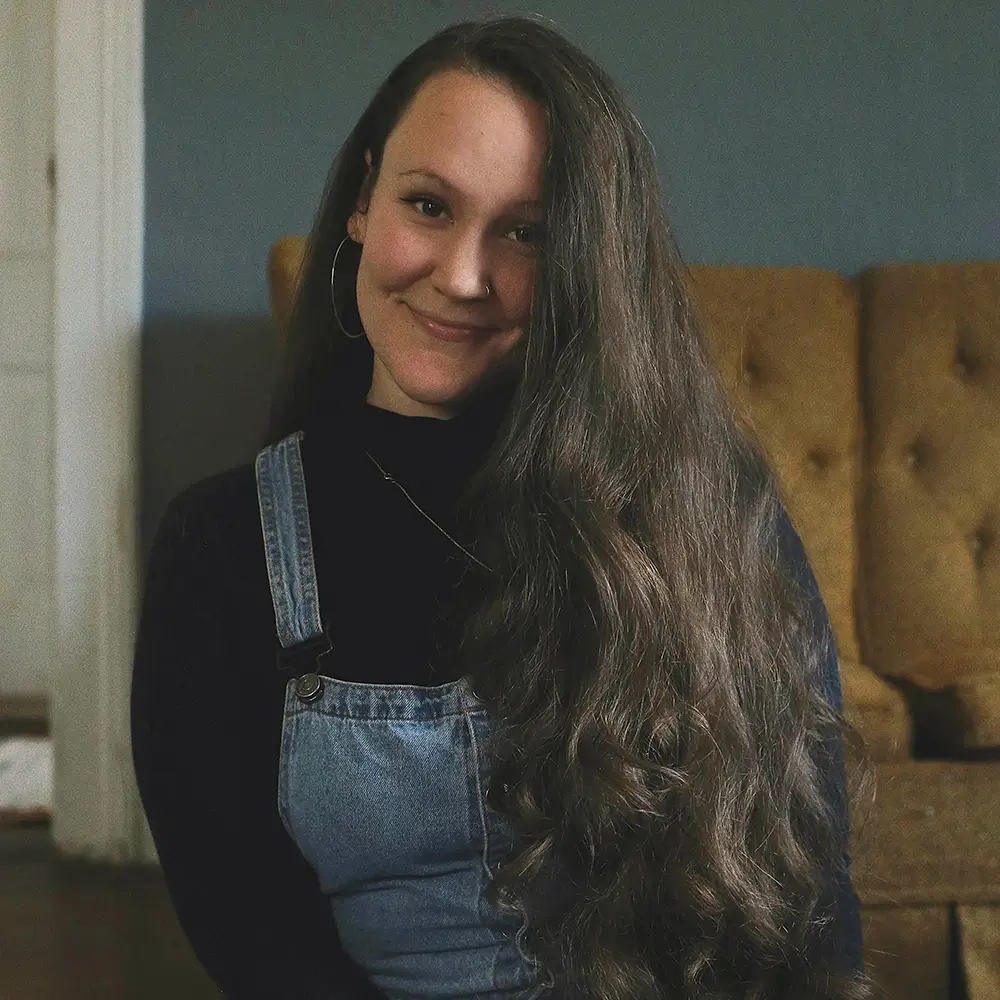
Samantha Yancey
Samantha Yancey
Samantha Yancey

Samantha Yancey

Country: United States

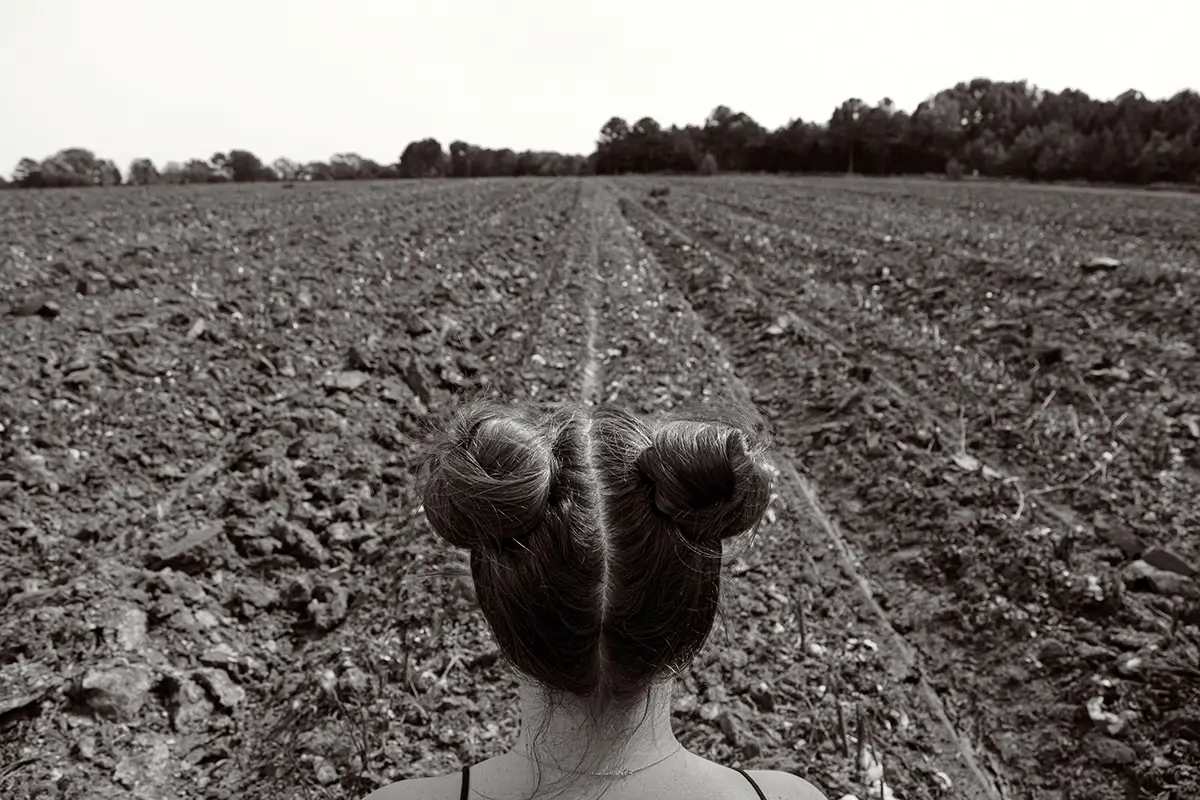
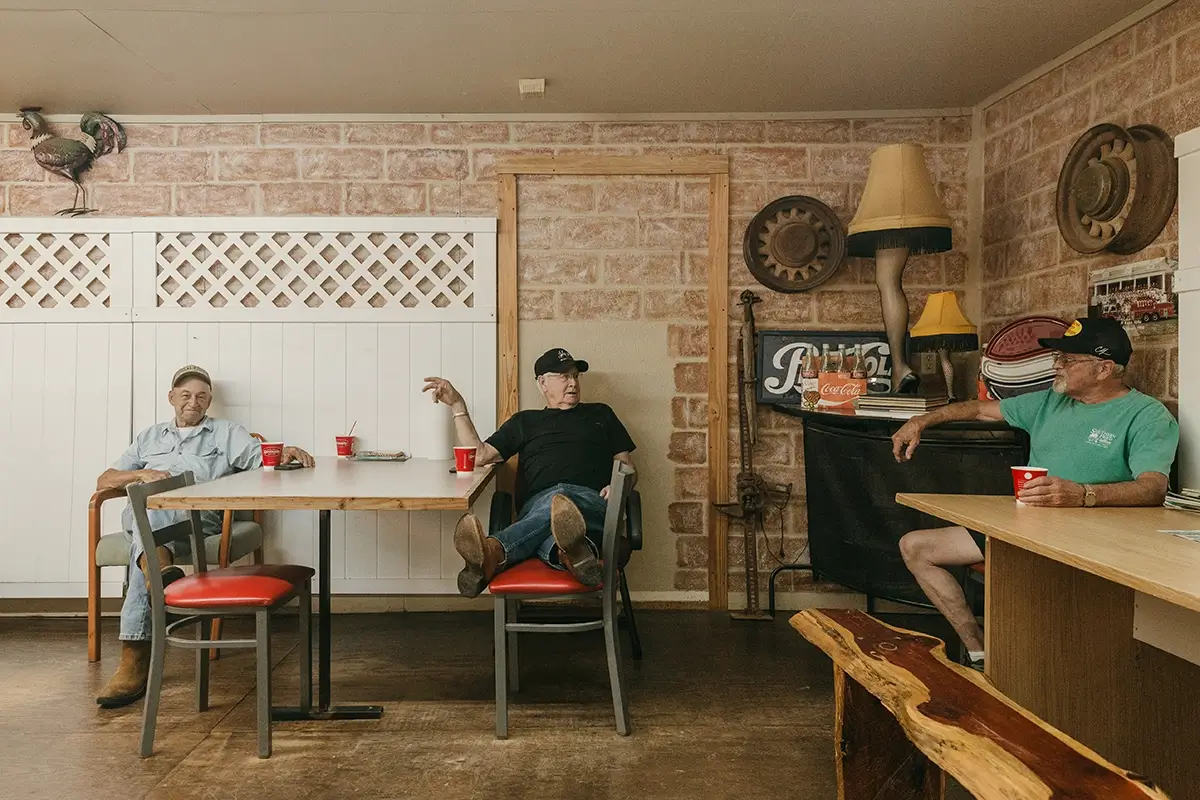
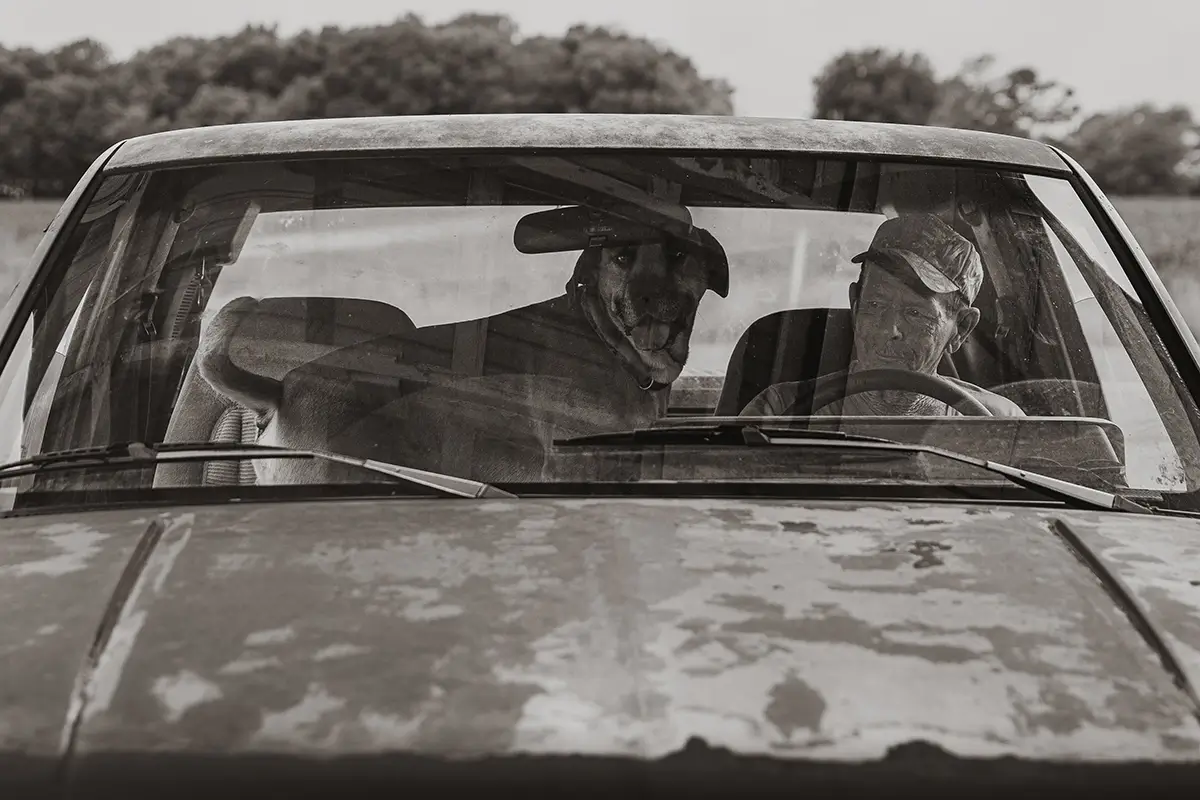
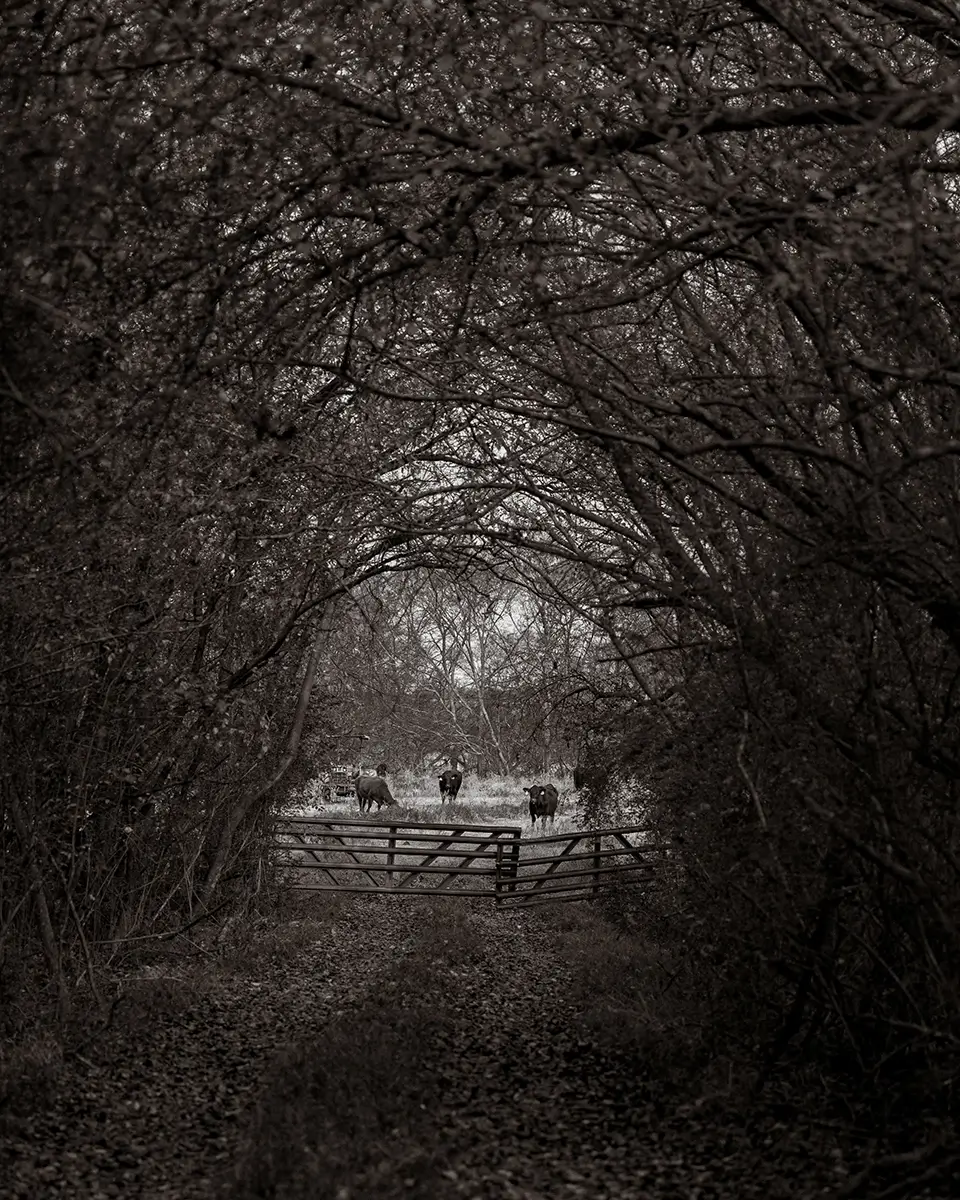
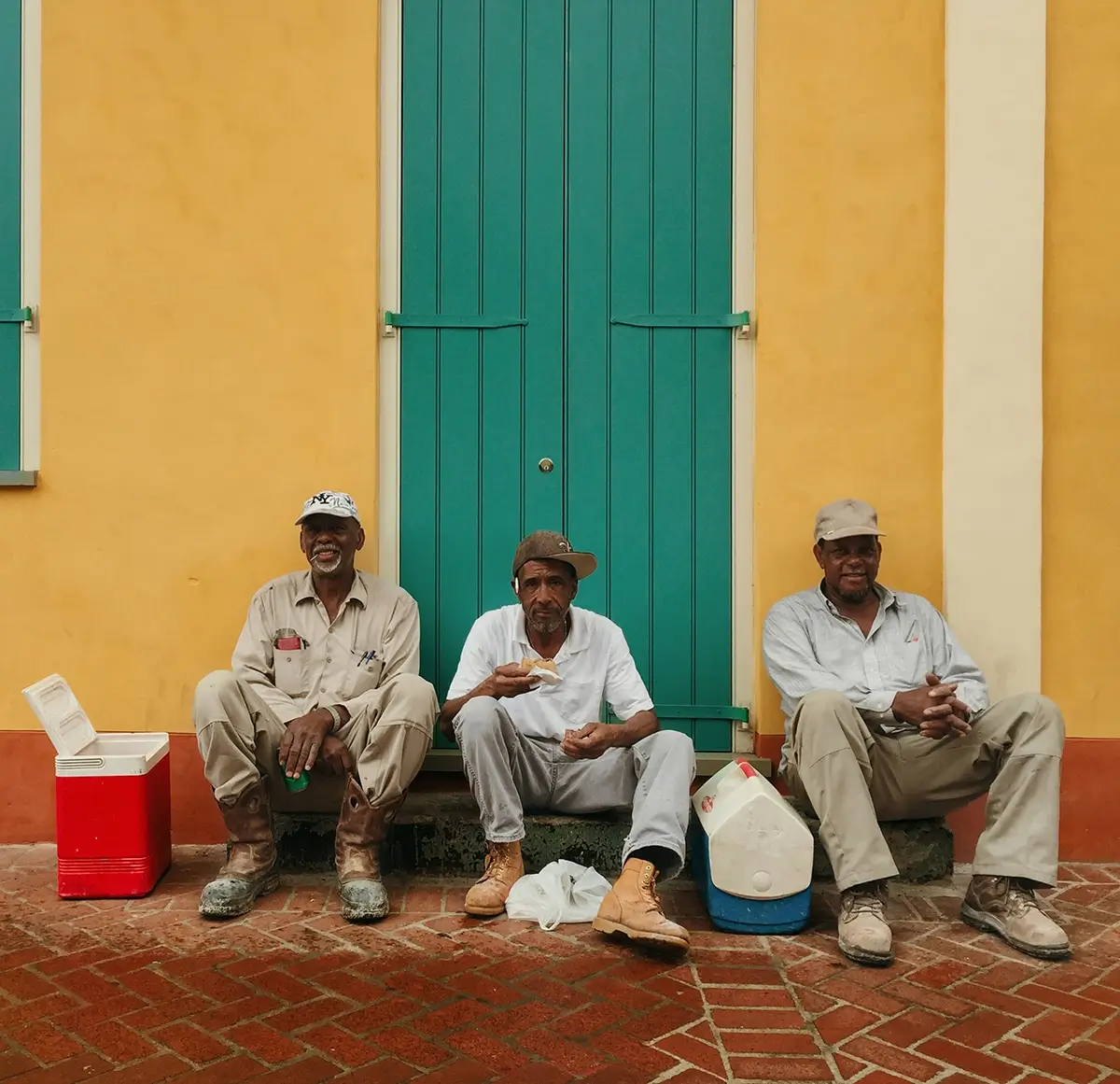
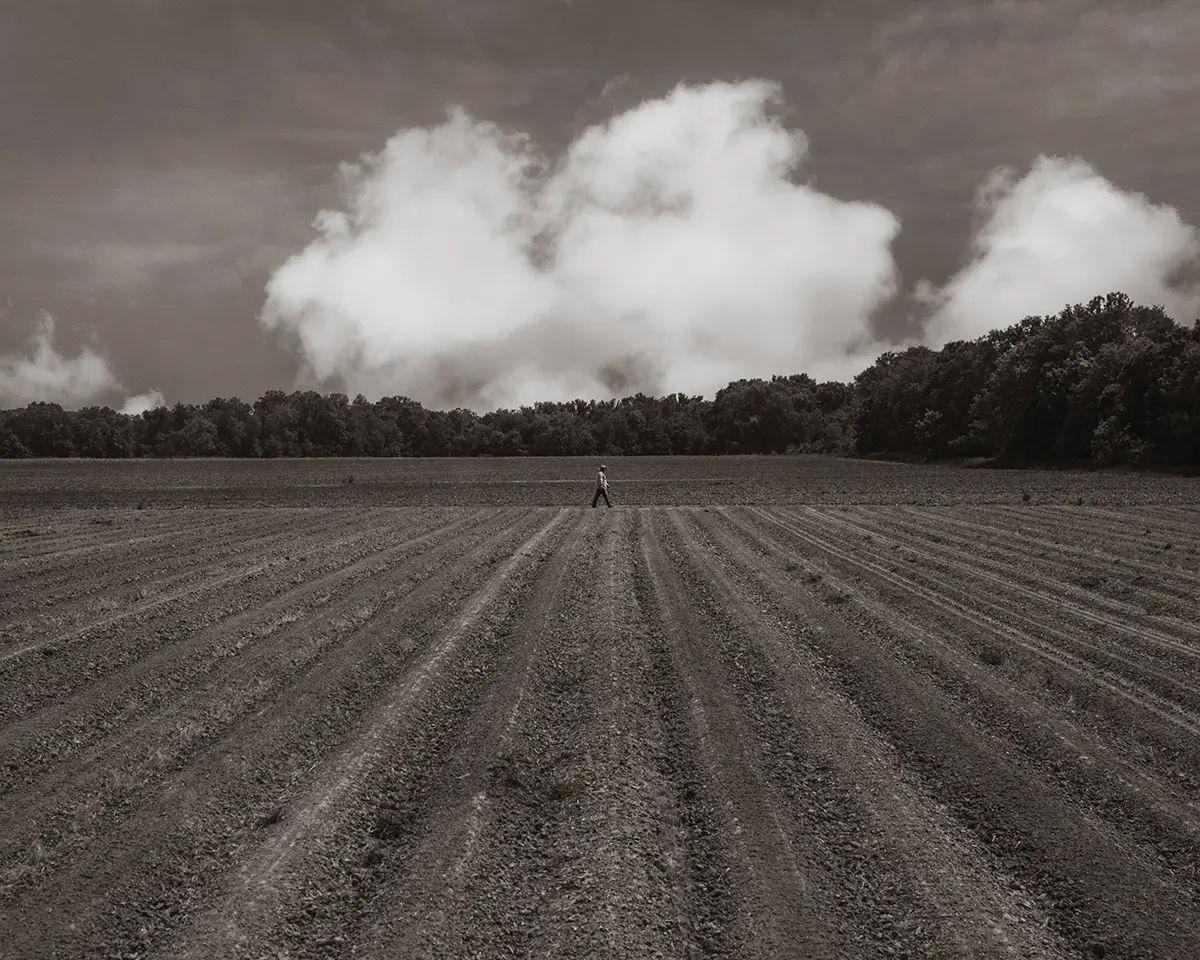
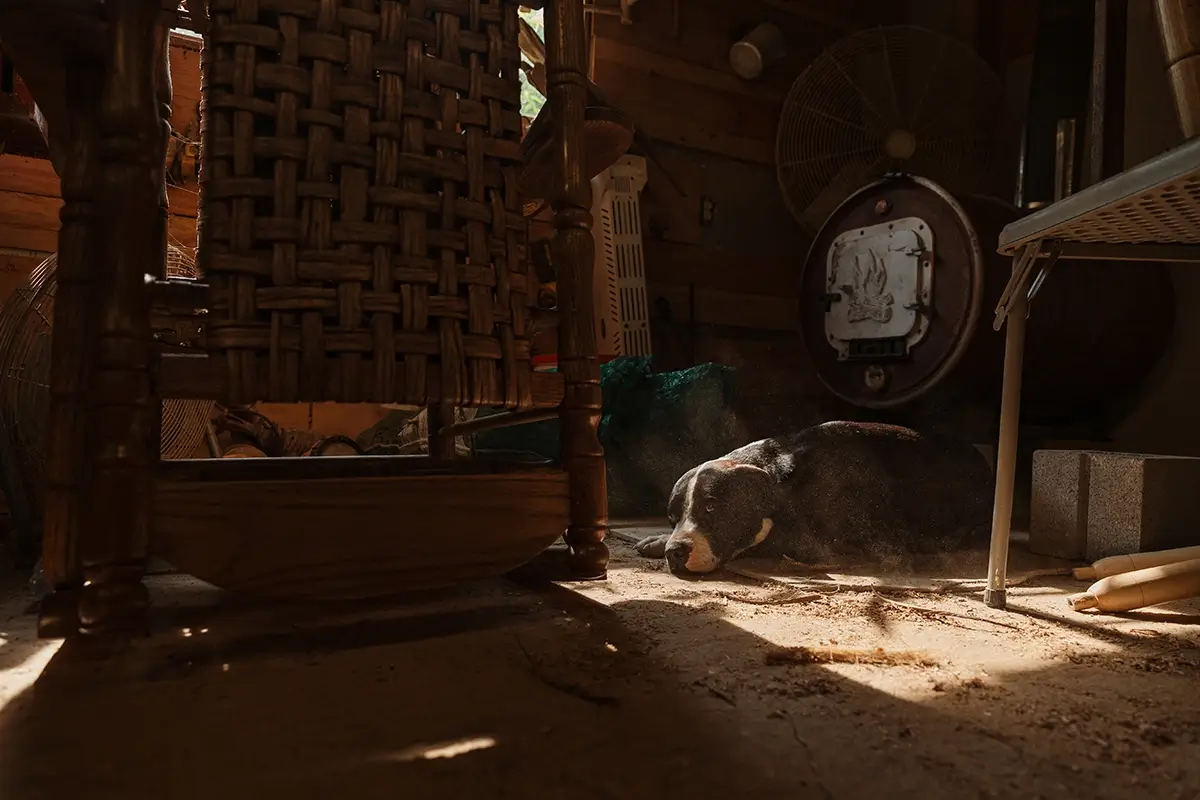
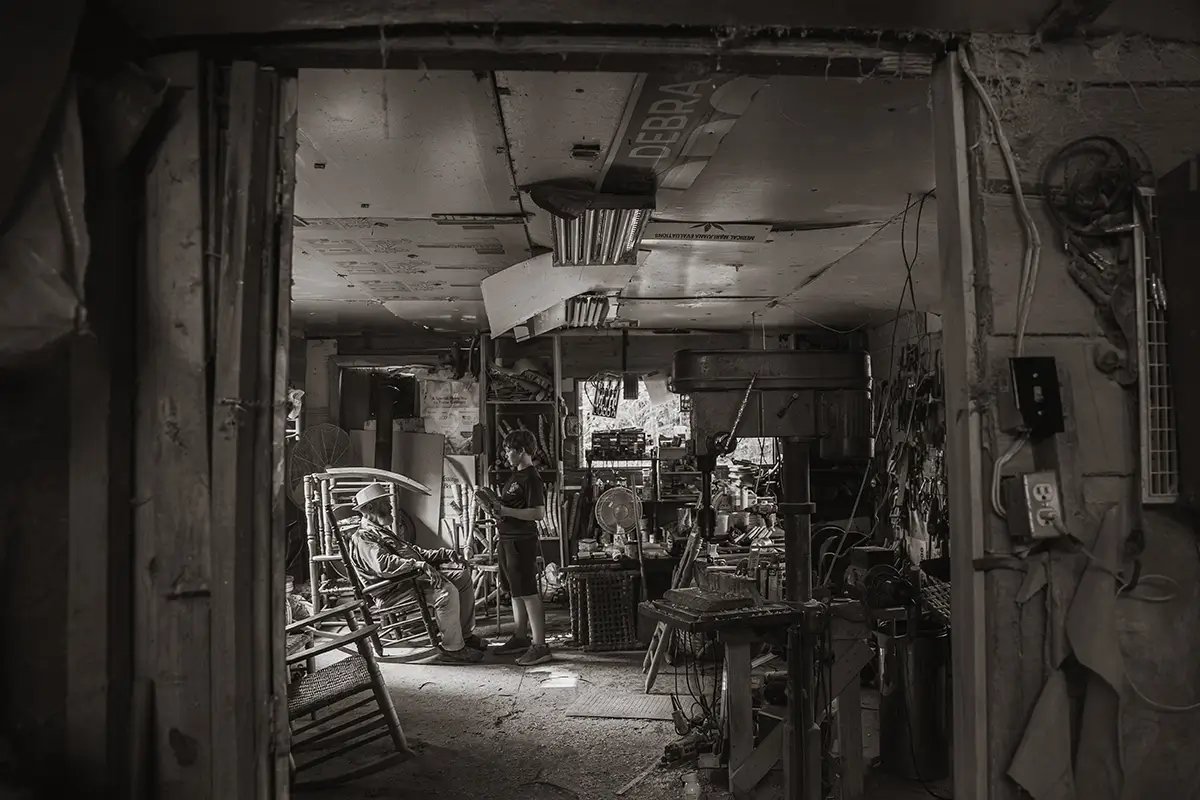
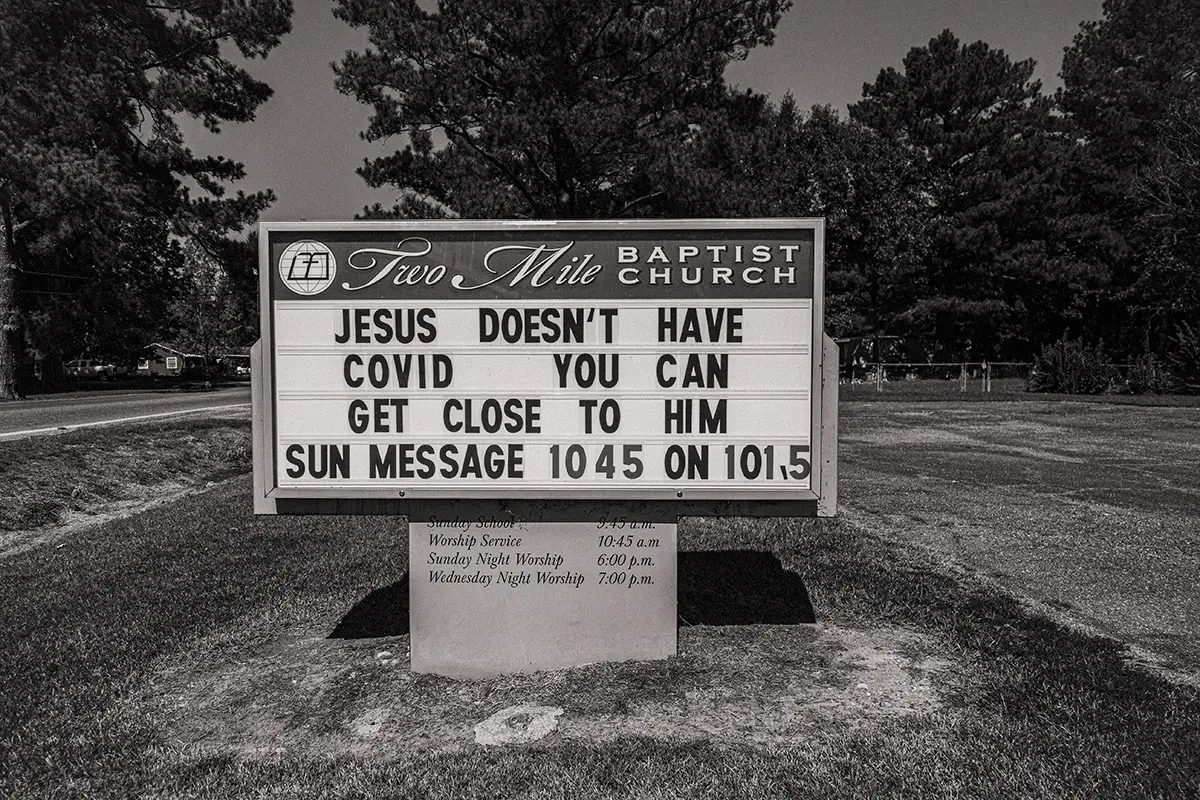
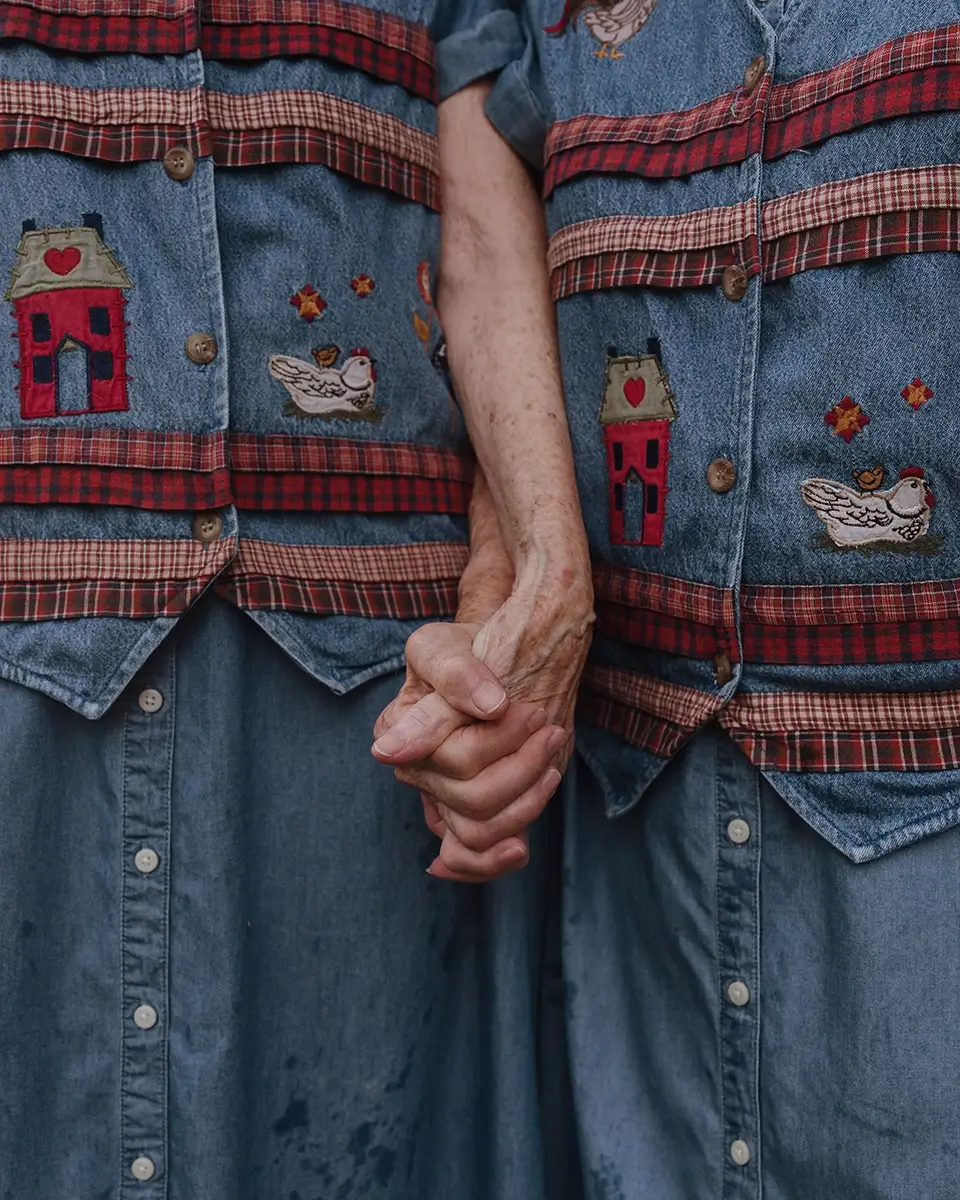
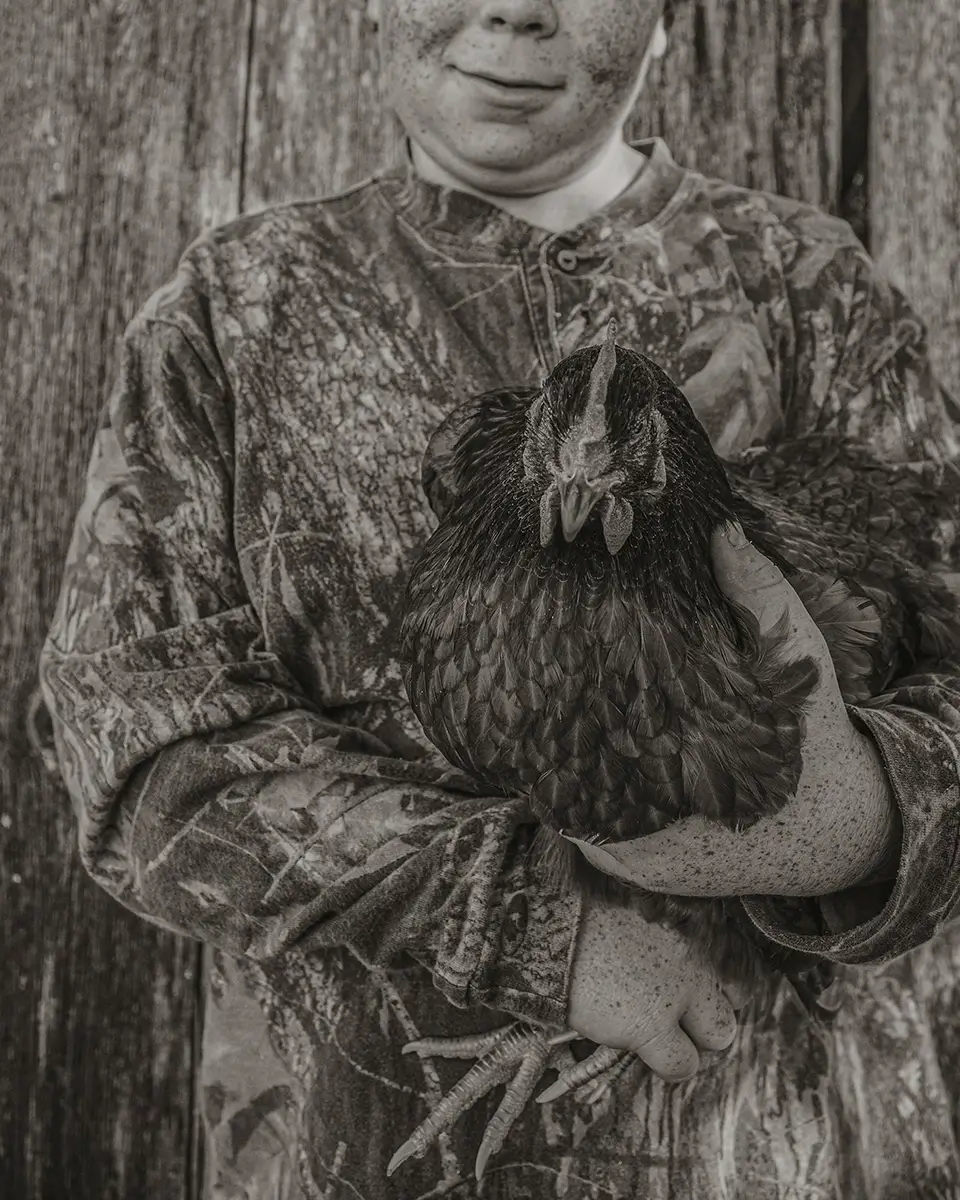
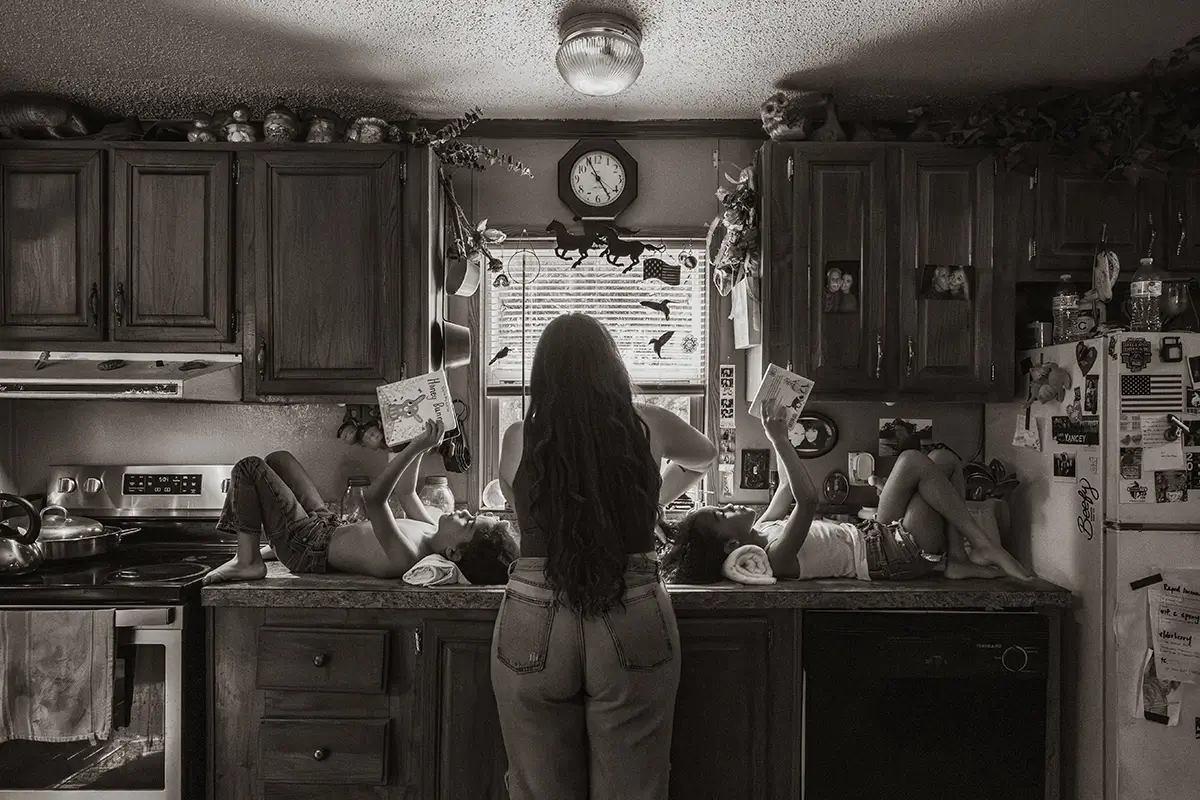
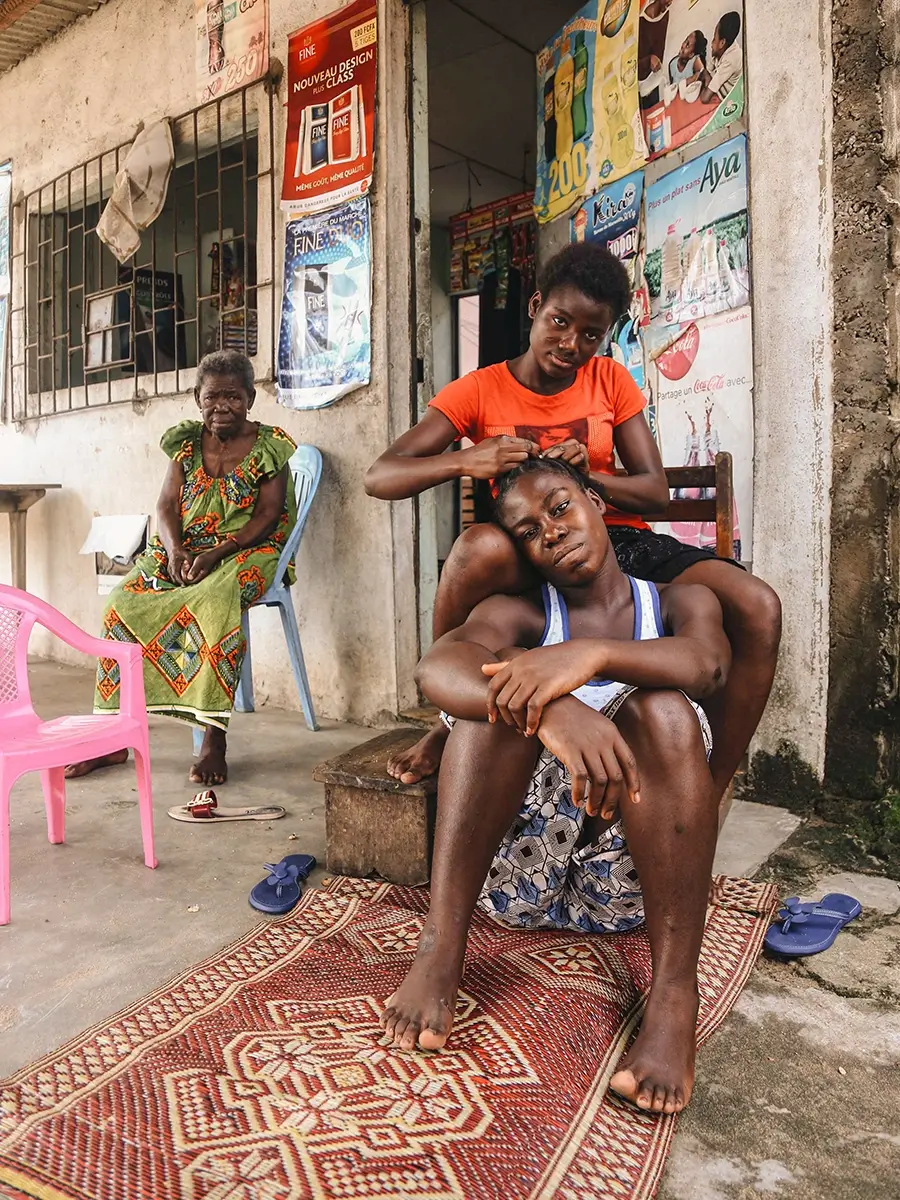
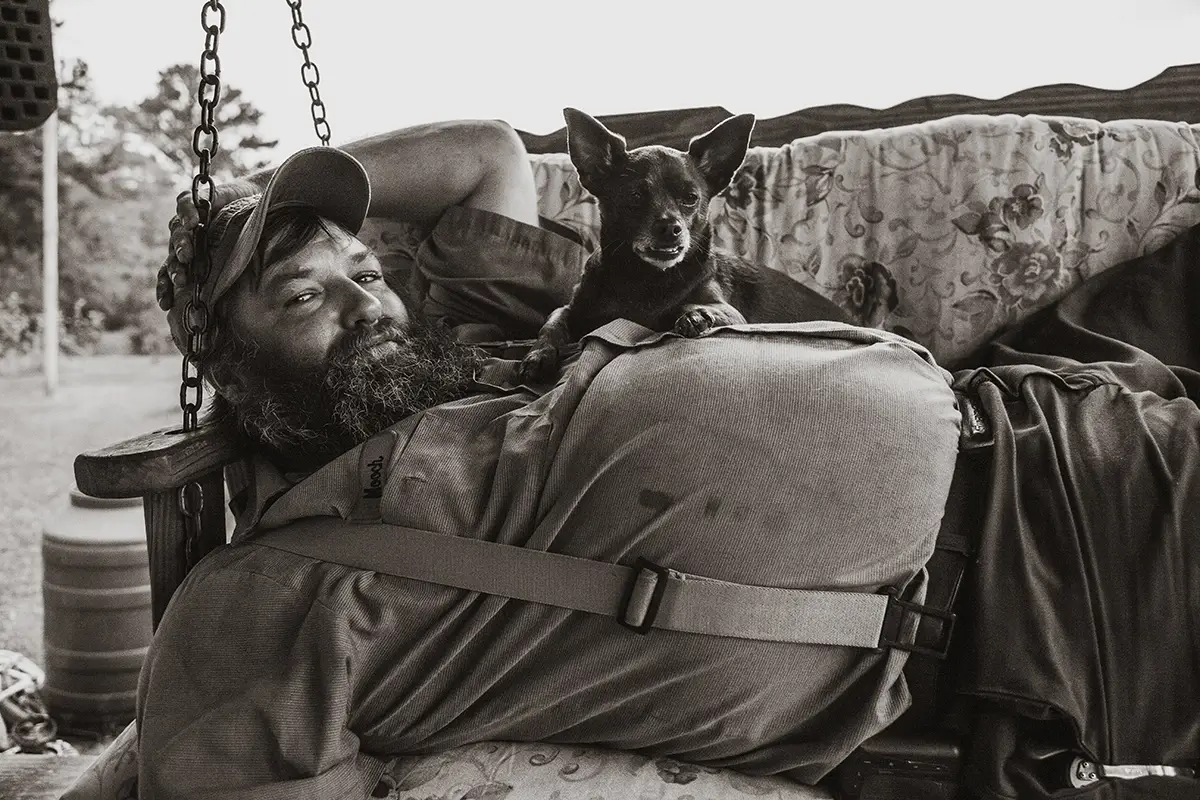
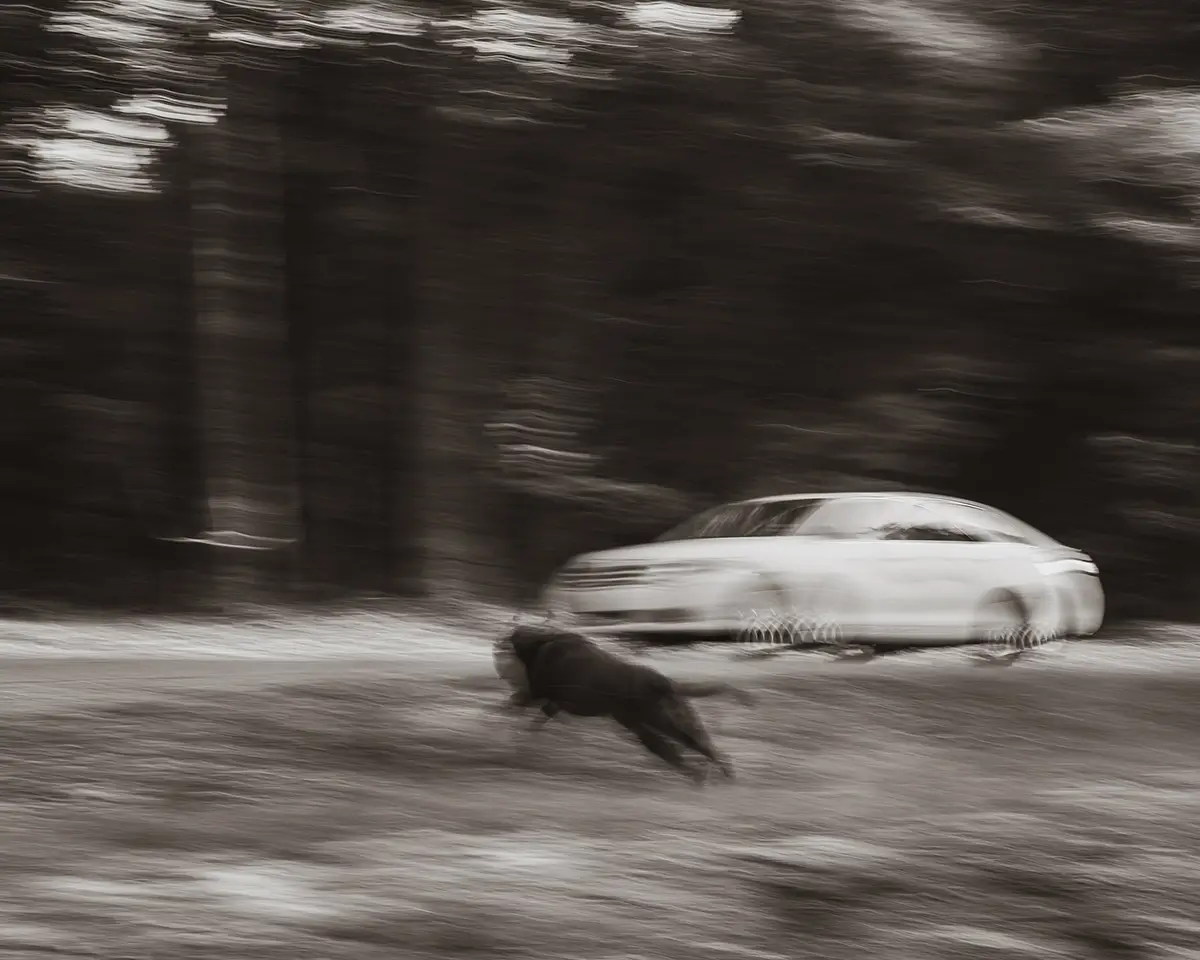
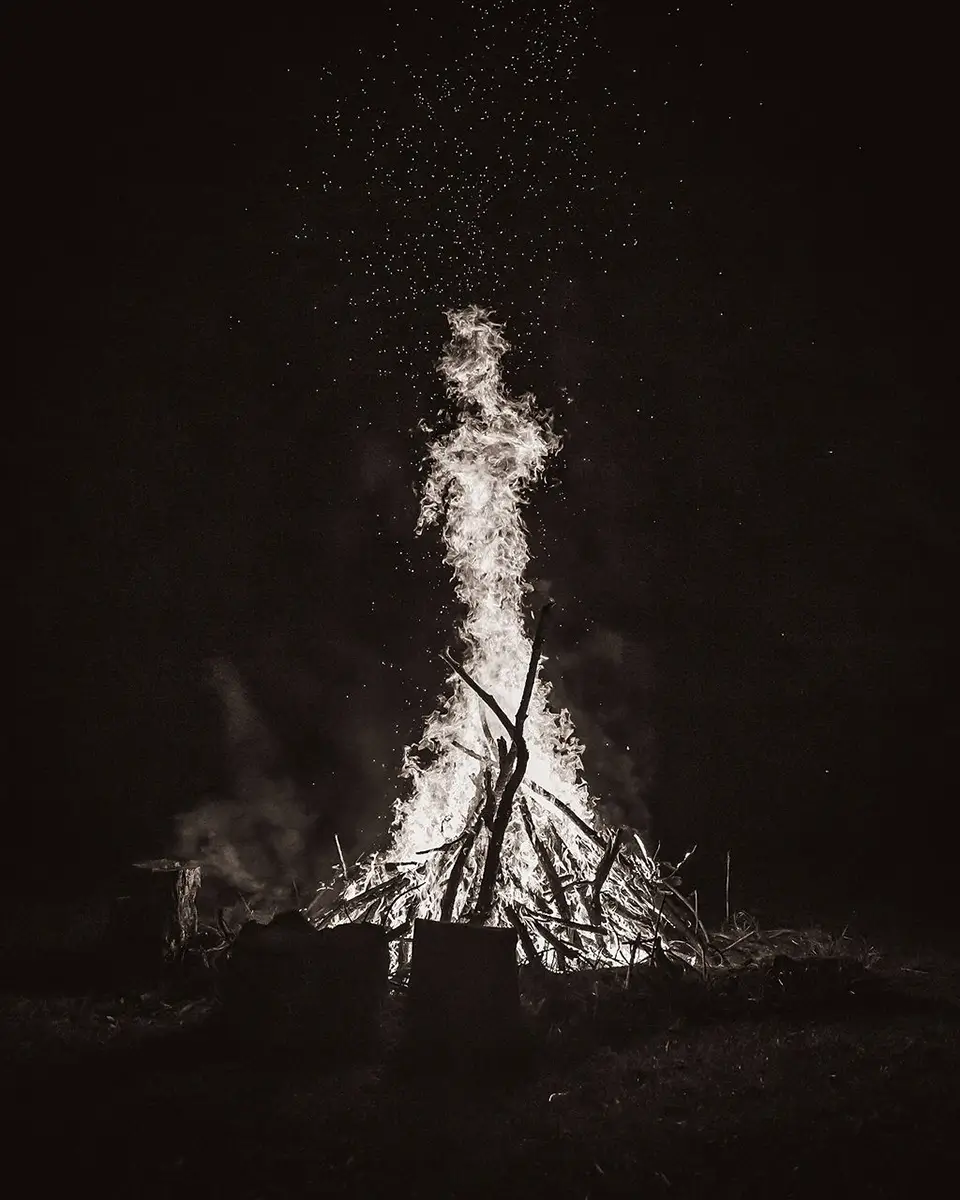
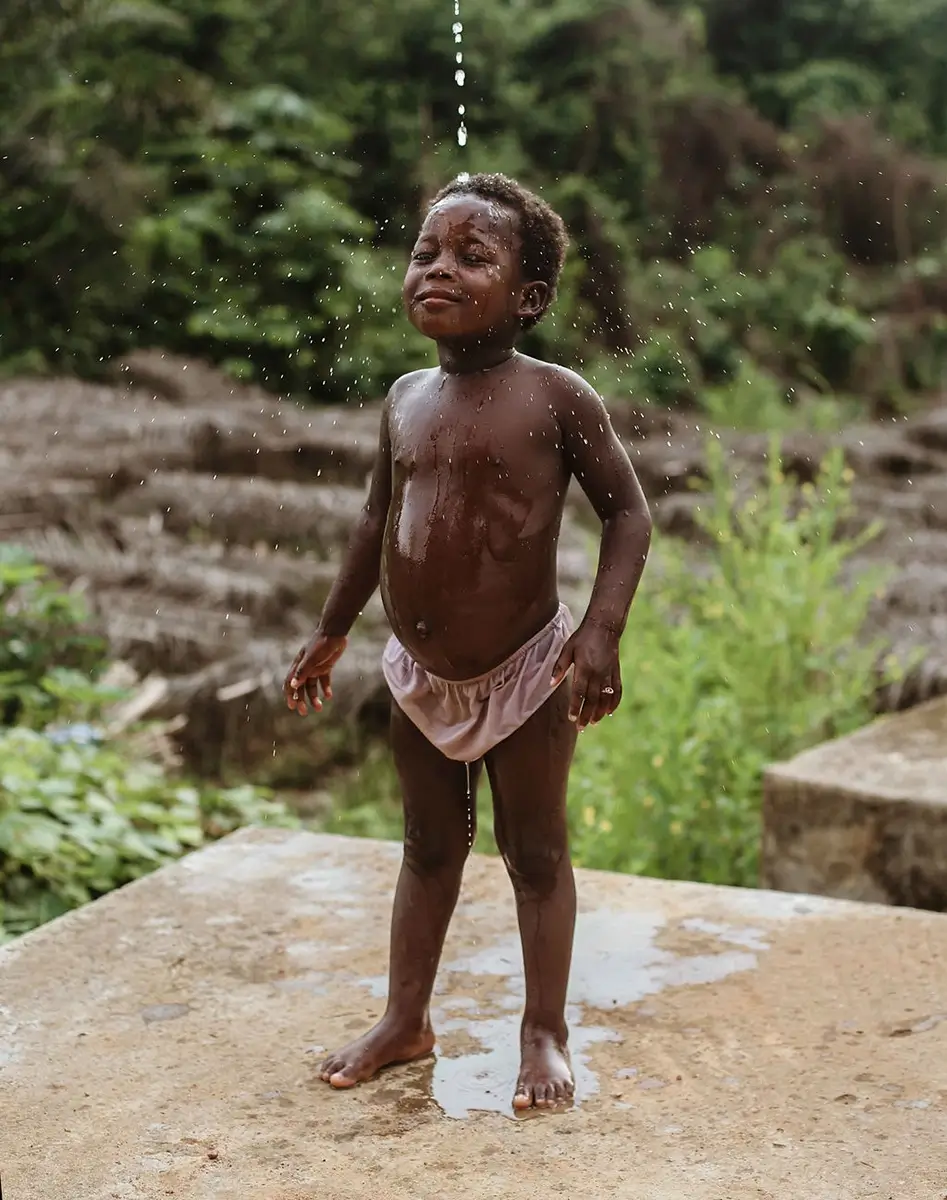
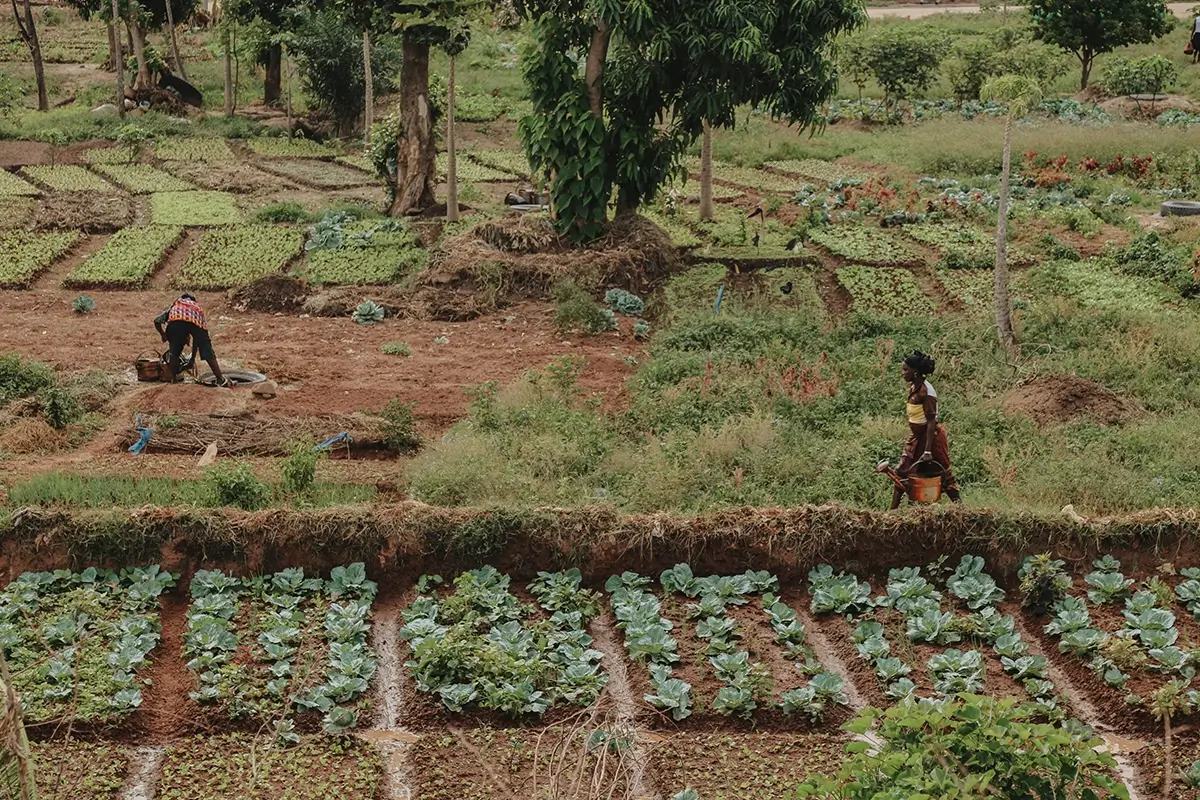
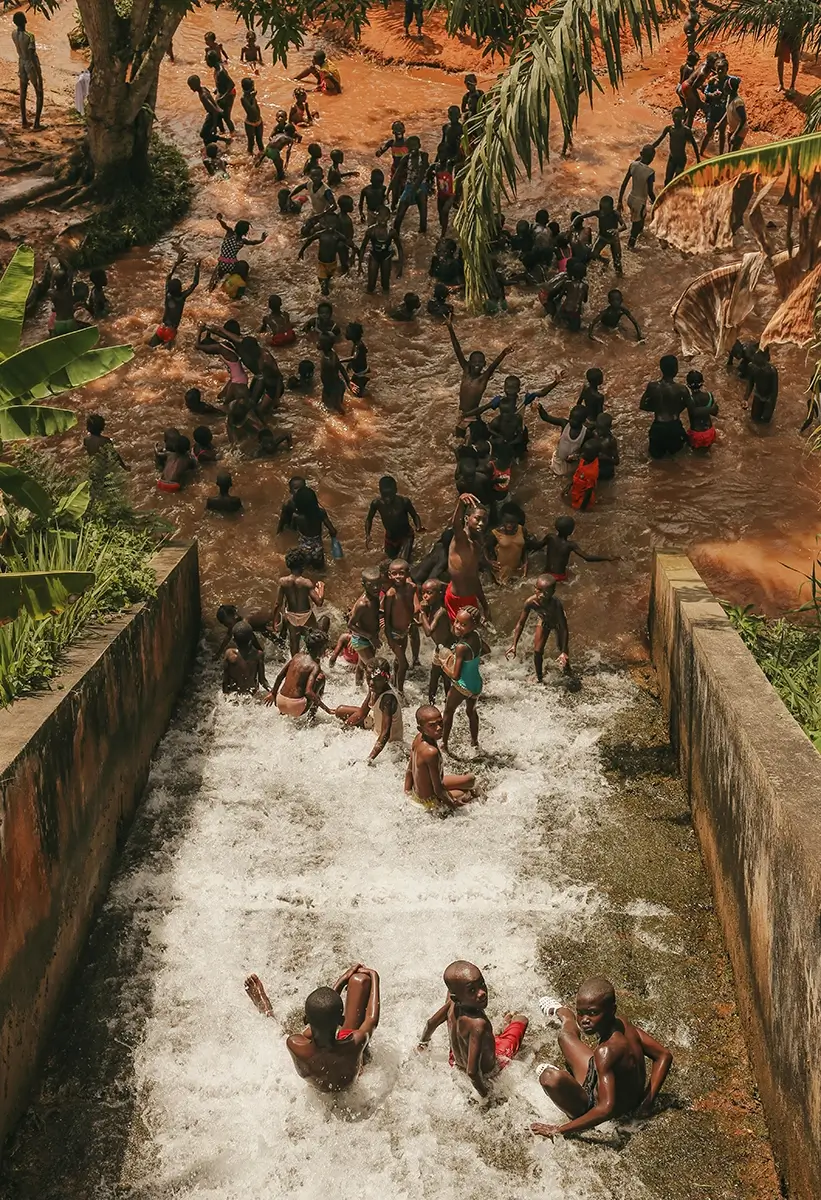
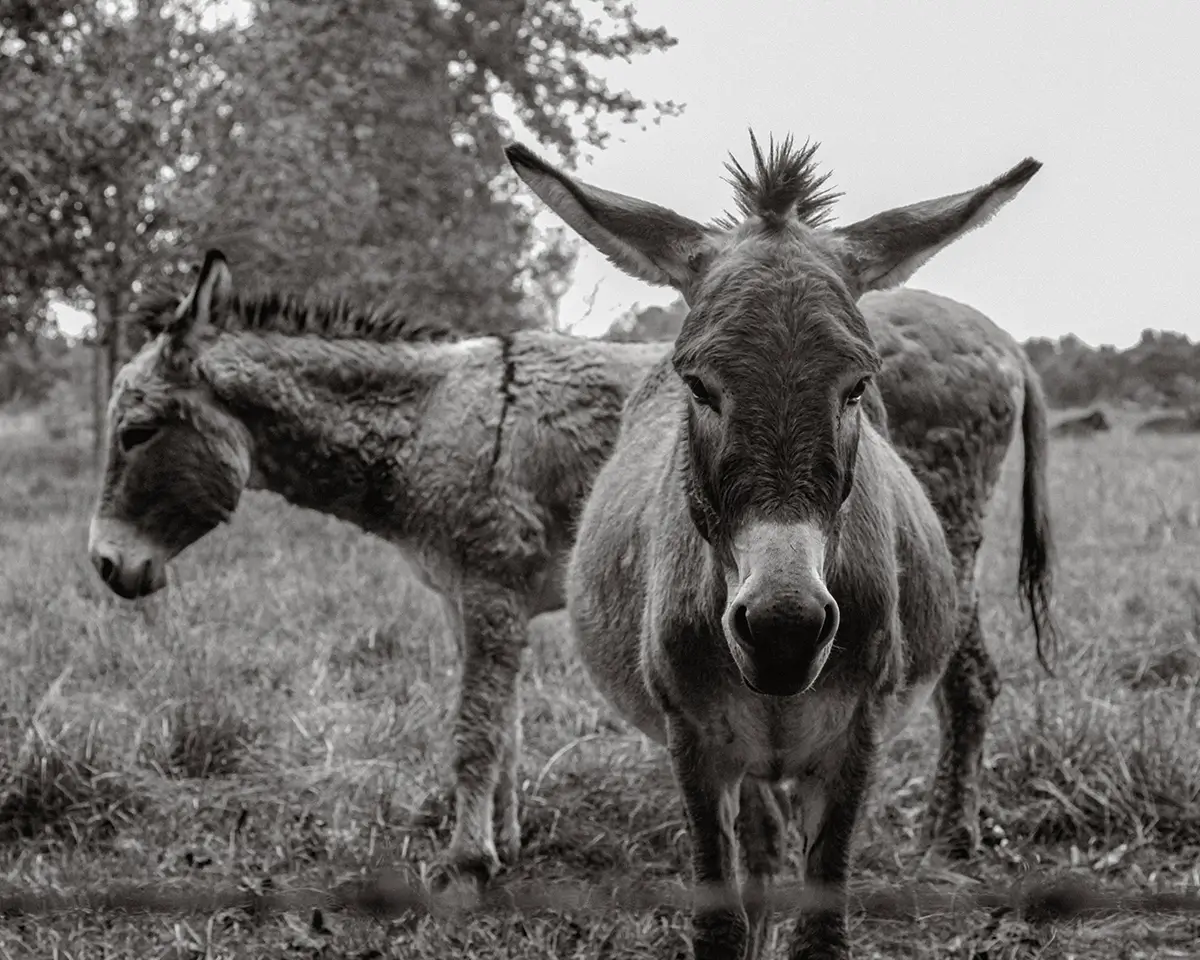
Samantha Yancey is a Mississippi-born artist drawn to the subtle intersections of nature, kinship, and lived experience. Her work has been exhibited internationally and featured in print and online publications. In her recent series, Fay and Gay, she documents the lifelong devotion and unity of twin sisters, capturing quiet strength, tenderness, and daily rituals. Across her work, Yancey explores intimacy and the enduring beauty of everyday life within Southern identity. She holds an Associate’s Degree in Photography from the Art Institute of Atlanta (2012) and lives in Jackson, Mississippi, where she continues to explore the stories and rhythms of the people and places around her.

 

Inspiring Portfolios

Call for Entries
All About Photo Awards 2026
$5,000 Cash Prizes! Juror: Steve McCurry
 
Stay up-to-date  with call for entries, deadlines and other news about exhibitions, galleries, publications, & special events.

More Great Photographers To Discover

 JR
France
1983
JR has the largest art gallery in the world. Thanks to his photographic collage technique, he exhibits his work free of charge on the walls of the whole world - attracting the attention of those who do not usually go to museums. Originator of the 28 Millimeters Project which he started in and around Clichy-Montfermeil in 2004, continued in the Middle East with Face 2 Face (2007), in Brazil and Kenya for Women Are Heroes (2008-2011), the documentary for which was presented at the Cannes Film Festival in 2010 (Critics' Week). JR has created "Infiltrating art". During his collage activities, the local communities take part in the act of artistic creation, with no stage separating actors from spectators. The anonymity of JR and the absence of any explanation accompanying his huge portraits leave him with a free space in which issues and actors, performers and passers-by meet, forming the essence of his work. In 2011 he received the Ted Prize, giving him the opportunity to make a vow to change the world. He created Inside Out, an international participatory art project that allows people from around the world to receive a print of their portrait and then billboard it as support for an idea, a project, an action and share that experience. In 2014, working with the New York City Ballet, he used the language of dance to tell his version of the riots in the Clichy-Montfermeil district. He created The Groves, a ballet and short film, the music for which was composed by Woodkid, Hans Zimmer and Pharrell Williams, and which was presented at the Tribeca Film Festival. At the same time, JR worked in the abandoned hospital of Ellis Island, an important place in the history of immigration - and made the short film ELLIS, with Robert De Niro. In 2016, JR was invited by the Louvre, whose pyramid he made disappear the with the help of an astonishing anamorphosis. The same year, during the Olympic Games in Rio, he created gigantic new sculptural installations throughout the city, to underline the beauty of the sporting gesture. JR & Agnès Varda - Faces, Places. In 2017, he co-directed with Agnès Varda "Faces, Place"s, screened the same year in the official selection out of competition for the Cannes Film Festival. The film won the Golden Eye (for best documentary) and was nominated for a Caesar and an Oscar in the same category in 2018. He has received other awards around the world. In 2013, the first retrospectives of JR's work took place in Tokyo (at the Watari-Um Museum) and the Cincinnati Contemporary Arts Center, followed by exhibitions at the Frieder Burda Museum in Baden Baden in 2014, and at the HOCA Foundation in Hong Kong in 2015. He exhibited in 2018 at the Maison Européenne de la Photographie in Paris, and in 2019 at the San Francisco Museum of Modern Art (SFMOMA) and the Brooklyn Museum. Source: jr-art.net
Simon Roberts
United Kingdom
1974
Simon Roberts is a British photographic artist based in Brighton, UK. Often employing expansive landscape photographs, his approach is one of creating wide-ranging surveys of our time, which communicate on important social, economic and political issues. Roberts has been exhibited widely with We English touring to over thirty national and international venues. He’s had solo shows at the National Media Museum, Bradford, Museum of Contemporary Photography, Chicago, and Museum of Contemporary Art, Shanghai, and been included in numerous group exhibitions. Recent shows include Observers: British Photography and the British Scene (From the 1920s to Now) at Galeria de Arte SESI, Brazil, and Landmark: The Fields of Photography at Somerset House, London. His photographs reside in major public and private collections, including the George Eastman House, Deutsche Börse Art Collection and Wilson Centre for Photography. In recognition for his work, Roberts has received several awards including the Vic Odden Award (2007) - offered for a notable achievement in the art of photography by a British photographer, along with bursaries from the National Media Museum (2007), John Kobal Foundation (2008) and grants from Arts Council England (2007, 2010, 2011, 2014). He was commissioned as the official Election Artist by the House of Commons Works of Art Committee to produce a record of the 2010 General Election on behalf of the UK Parliament. In 2012 he was granted access by the International Olympic Committee to photograph the London Olympics and most recently was made an Honorary Fellow of the Royal Photographic Society, UK (2013). He has published three critically acclaimed monographs, Motherland (Chris Boot, 2007), We English (Chris Boot, 2009) - voted by Martin Parr as one of the best photography books of the past decade - and Pierdom (Dewi Lewis Publishing, 2013). One commentator has described his photographs as “subtle in their discovery and representation of forms of cultural character, which, upon closer inspection, reveal a richness of detail and meaning. They exhibit a disciplined compositional restraint, a richness of palette, and a wealth of narrative incident. Also represented by MC2 Gallery
Edward S. Curtis
United States
1868 | † 1952
Born in 1868 near Whitewater, Wisconsin, Edward Sheriff Curtis became one of America's finest photographers and ethnologists. When the Curtis family moved to Port Orchard, Washington in 1887, Edward's gift for photography led him to an investigation of the Indians living on the Seattle waterfront. His portrait of Chief Seattle's daughter, Princess Angeline, won Curtis the highest award in a photographic contest. Having become well-known for his work-with the Indians, Curtis participated in the 1899 Harriman expedition to Alaska as one of two official photographers. He then accompanied George Bird Grinell, editor of Forest and Stream, on a trip to northern Montana. There they witnessed the deeply sacred Sundance of the Piegan and Blackfoot tribes. Travelling on horseback, with their pack horses trailing behind, they emerged from the mountains to view the valley floor massed with over a thousand teepees - an awesome sight to Curtis and one that transformed his life. Everything fell into place at that moment: it was clear to him that he was to record, with pen and camera, the life of the North American Indian. Edward S. Curtis devoted the next 30 years photographing and documenting over eighty tribes west of the Mississippi, from the Mexican border to northern Alaska. His project won support from such prominent and powerful figures as President Theodore Roosevelt and J. Pierpont Morgan. From 1911-1914 Curtis also produced and directed a silent film based on the mythology of the Rawakiutl Indians of the Pacific Northwest. Upon its completion in 1930, the work, entitled The North American Indian, consisted of 20 volumes, each containing 75 hand--pressed photogravures and 300 pages of text. Each volume was accompanied by a corresponding portfolio containing at least 36 photogravures.Source: www.edwardscurtis.com Edward S. Curtis was born near Whitewater, Wisconsin. His father, a Civil War veteran and minister, moved the family to Minnesota, where Edward became interested in photography. In 1892, Curtis purchased an interest in a photographic studio in Seattle. He married and the couple had four children. He later settled in Los Angeles, where he operated photographic studios at various times on La Cienega Boulevard and in the Biltmore Hotel. As a friend of Hollywood producer Cecil B. DeMille, Curtis was commissioned to make film stills of some of DeMille's films, including the epic, The Ten Commandments. In 1899, he became the official photographer for the Edward Harriman expedition to Alaska and developed an interest Native American culture. Curtis is best known for his documentation of Native American cultures published as The North American Indian. From about 1900 to 1930, he surveyed more than 100 tribes ranging from the Inuits to the Hopi, making more than 40,000 photographs. He made portraits of important and well-known figures of the time, including Geronimo, Chief Joseph, Red Cloud, and Medicine Crow. Source: Etherton Gallery
Peter Allert
Peter Allert co-founded Munich-based Allert&Hoess Photography in 1989, specializing in still life , technical and scientific photography. This brought him while his study of biology before, to start as self-taught photographer. After setting up its own studio in 1991 and establishing its own light, lab and print facilities, the company made its breakthrough in 1992 with a photo series for the portfolio „Joop! – women’s shoes“. Its subsequent client list is long and prestigious: Mercedes Benz, Audi, VW, BMW, Ford, Philip Morris, McDonalds, Ballantines, Wrigleys, Veltins, Wella, Miele, Bosch, Dresdner Bank, Deutsche Bahn AG, Siemens, LogiTech, MAN, Microsoft, GREENPEACE... to name a few. Today his photography actually is artistic. His works now are altogether advanced elaborations. He is working with multiple-exposures and different focus adjustments within a photograph. Additionally he highlights his subjects with spotlights (DEDO Lights) for every individual exposure in different adjustments and configurations.Source: www.peterallert.de Interview with Peter Allert All About Photo: Where did you study photography? Peter Allert: At the age of 7, I've been fascinated by photography. I got my first camera for his birthday and it went right now with this new adventure. During the whole period of schooling and youth I was obsessed with the possibilities of this medium... it was back then to my great passion. My love of nature and my subsequent study of biology, were another fertile ground for the expansion of my photographic works in new and fascinating areas. Later, I got access to advertising photography. I worked very successfully for 17 years in advertising, primarily for the automotive industry and in fashion. Ten years ago, then started my burnout, I was too other-directed and under constant pressure. Finally I lost my soul - I fell emotionally in a Coma, which never ended and I lost all my passion for photography! Only after many painful and difficult years, then a miracle, my miracle! In September 2013, I suddenly felt a new and ever expectant strength in me. She became stronger and stronger and I got my second chance! I quickly realized that I may never work externally determined with photography again - so I had a strong desire to completely new and original ways to go in photography. And so the desire as an artist within the photograph was made to work. AAP: Do you have a mentor? PA: I am self-educator and have teach me everything completely yourself. I have been doing all learned to make all analog laboratory processes such as color negative films and slide films to develop or color enlargements and edit. But also all black & white I have processes teach me ... Method as bromoil print have inspired to my digital workflow in today's time to orient myself to it. I grew up with analog photography and this has shaped me first of all. Thus, I am now very well be able to touch this analog in my image processing to achieve! AAP: How long have you been a photographer? PA: I have worked for over 20 years as a professional photographer. Before that, I financed my studies in Biology with smaller photo jobs. My first photos were nature photography, macro photography of animals and plants. After this the portrait photograph was added. AAP: What or who inspires you? PA: Edward Steichen & Robert Mapplethorpe! Both have always touched my soul in a special way!But in general I consider myself away from These kinds of inspiration! It would be too manipulative and determined by others, to allow more of it than I do this currently... AAP: How could you describe your style? PA: My style has only an analog touch, which often is derived from the early days of analog photography. I am fascinated by this authenticity that has shaped this wonderful photography. The soul of this unique works is always a great motivator for my own photography! AAP: What kind of gear do you use? Camera, lens, digital, film? PA: I'm using a Canon EOS mark II and a zoom ED 21-70 mm and a 100 mm lens for portraits. Lately I have been photographing with the camera of my Gallaxy S4 smartphones .. just for trying new. AAP: Do you spend a lot of time editing your images? For what purpose? PA: My image processing is very complex and requires a lot of time, which I'm taking. Often I need this more than a week! It is a process, similar to an adventure through your own soul. I have to feel all this, sometimes in a painful way - they are pure emotions of myself, which I will in this work with integrate into my images. There is no motivation necessary because it is the pure passion, if the appropriate moment has arrived! It's all about that moment, that when my emotions are ready and my soul opens up entirely! AAP: Favorite(s) photographer(s)? PA: Edward Steichen & Robert Mapplethorpe! AAP: What advice would you give a young photographer? PA: My main advice is: Stay always hear and feel your self-determined and soul in your work! Everything should come from your heart and your soul and feed into your work. AAP: An idea, a sentence, a project you would like to share? PA: Photography is the dierekte wire to my soul - my pictures are the direct reflection of my soul .. this my pictures tell of my feelings and my emotions. Each photo tells its own to profound story. Each image is thus a profound adventure of a portion of my own soul! This means to me that photography today! AAP: Anything else you would like to share? PA: As a little boy I dreamed of good spirits and fairies - I was intrigued by this mystical world! And so this dream accompanied my life ... When I felt my soul again in September 2013, I knew very quickly with this message deal. I was aware that puts a special soul in some, few people! And this I felt ever again. So this new photography had to include this topic. "Ghosts & Fays" and "Souls"!
Dennis Stock
United States
1928 | † 2010
Dennis Stock (July 24, 1928 – January 11, 2010) was an American photojournalist and documentary photographer and a member of Magnum Photos. He was born in New York City and died in Sarasota, Florida. Stock served in the United States Army from 1947-1951. Following his discharge, he apprenticed under photographer Gjon Mili. In 1951, he won a first prize in a Life magazine competition for young photographers. That same year, he became an associate member of the photography agency Magnum. He became a full partner-member in 1954. In 1955, Stock met the actor James Dean and undertook a series of photos of the young star in Hollywood, Dean's hometown in Indiana and in New York City. He took a photograph of Dean in New York's Times Square in 1955 (the year Dean died) that became an iconic image of the young star. It appeared later in numerous galleries and on postcards and posters and was one of the most reproduced photographs of the post-war period. The black and white photograph shows the actor with a pulled up collar on a casual jacket and a cigarette in his mouth on a rain-soaked, gray day. From 1957 until the early 1960s, Stock aimed his lens at jazz musicians, photographing such people as Louis Armstrong, Billie Holiday, Sidney Bechet, Gene Krupa and Duke Ellington. With this series of photographs he published the book Jazz Street. In 1962, he received the first prize at the International Photo Competition in Poland. In 1968, Stock left Magnum to start his own film company, Visual Objectives Inc., and made several documentaries, but he returned to the agency a year later, as vice president for new media and film. In the mid-1970s, he traveled to Japan and the Far East, and also produced numerous features series, such as photographs of contrasting regions, like Hawaii and Alaska. In the 1970s and 1980s he focused on color photography of nature and landscape, and returned to his urban roots in the 1990s focusing on architecture and modernism.(Source: en.wikipedia.org) Dennis Stock was born in 1928 in New York City. At the age of 17, he left home to join the United States Navy. In 1947 he became an apprentice to Life magazine photographer Gjon Mili and won first prize in Life's Young Photographers contest. He joined Magnum in 1951. Stock managed to evoke the spirit of America through his memorable and iconic portraits of Hollywood stars, most notably James Dean. From 1957 to 1960 Stock made lively portraits of jazz musicians, including Louis Armstrong, Billie Holiday, Sidney Bechet, Gene Krupa and Duke Ellington for his book Jazz Street. In 1968 Stock took a leave of absence from Magnum to create Visual Objectives, a film production company, and he shot several documentaries. In the late 1960s he captured the attempts of California hippies to reshape society according to ideals of love and caring. Then throughout the 1970s and 1980s he worked on color books, emphasizing the beauty of nature through details and landscape. In the 1990s he went back to his urban origins, exploring the modern architecture of large cities. His recent work was mostly focused on the abstraction of flowers. Stock generated a book or an exhibition almost every year since the 1950s. He taught numerous workshops and exhibited his work widely in France, Germany, Italy, the United States and Japan. He worked as a writer, director and producer for television and film, and his photographs have been acquired by most major museum collections. He served as president of Magnum's film and new media division in 1969 and 1970.(Source: Magnum Photos)
John Kenny
United Kingdom
In 2006 I developed my style of portrait photography within traditional communities, heavily influenced by the dramatic pictures of chiaroscuro artists. Chiaroscuro is an Italian term which literally means light-dark. Back then, at the very start of my Africa journey, I was buzzing with energy having met people of real magnetism just days into my trip. I was excited by extraordinary people and fascinating cultures and wondered how I could possibly communicate and express these feelings of excitement to friends and family back home.The solution, I imagined, would involve abstracting the remarkable from the not so remarkable: put simply, I felt that the vibrant and intense individuals that I had met in traditional communities would best show their magnetism on camera when they were removed from the (often) dull and dusty backgrounds of their immediate environment. After a few days I started to imagine each of these people in front of me emerging from the nothingness of darkness, with no distractions, hoping that this would provide a real feeling of proximity between the viewer and the person in the picture. I made a conscious decision at that time to leave a more documentary style of environmental portraiture to others. Practicing this new technique in remote African villages in 2006 I had nothing but sunshine and a hut available as a great ‘open studio': so I used these parameters and started experimenting (I've never really liked flash anyway). So it's simply the illumination of natural sunlight, and sun on dry earth, that reaches into the darkness of huts and lights up these remarkable people. Sun and dry earth are the only ingredients required for the lighting in my prints. And of course, you also need to find exceptional people!Falling in love with photography, and the origins of this series:I first fell in love with photography around 2003. I had not been fortunate enough to receive an art or photography education, but I knew back then, when I picked up my first SLR camera, that I had found the perfect way to express myself. Every time I had the camera in my hand I was looking to improve, needing to know what everything and anything looked like once it had been through the photographic process. It was a bit like a mad pursuit of alchemy - throwing everything into the mix to see if any magic came out of the other side. The process of photographic learning is very rarely a simple one, but to me it remains beautiful: discoveries, experimentation and seeing for the first time how a camera distorts and enhances the world.In Africa I seem to have made it my goal to travel through some of the remotest areas of the continent where the reaches of urbanisation and 21st century living are barely detectable. Looking back, this wasn’t my intention when I first arrived there in 2006, but somehow I keep returning to Africa to photograph because I'm fascinated to encounter societies that are able to survive in some of the most arid, isolated and difficult environments that people have settled in. If you haven’t visited these places then the reality of living is not nearly as romantic or idealised as one might imagine. Life takes place against a backdrop of very uncertain resources and enormous hardships, but traditions and hospitality towards outsiders remain intact.I specifically chose to photograph the individuals that you see in these galleries because I had a very real sense of wonder when I met them. Each one of these people had something that attracted me, sometimes a piercing intensity, or an uncommon beauty, that I felt compelled to try and capture. It’s true that I photograph for myself, first and foremost, but a close second is my desire to show others this magnetism that draws one into the eyes of these fascinating people.I have usually travelled alone or with a guide on these journeys, along the way walking and hopping onto overloaded vehicles of every kind to head to remote settlements. Often the destination is a transient, weekly market where hundreds of vibrant, colourful people assemble somewhat incongruously against a dull, dusty backdrop for a few hours. Later in the day they will all melt away with their animals and traded possessions, until the location is again a patch of bone-dry ground with almost nothing to separate it from the rest of the featureless land that typifies much of the African Sahel. It is fascinating to observe this process play out in almost exactly the same way across countless African countries, many of which are separated by hundreds or thousands of miles across this huge continent’s surface.My favourite tools are sharp prime lenses and cameras that let you capture the tiniest pieces of detail: whilst these details may be insignificant alone, when aggregated I feel they help paint the picture of the environment and how each person adapts to theirs.My favourite series of work remains the Northern Kenya series which involved 6 weeks of intense travelling with my guide, Mo, across remote areas without a vehicle and often without any semblance of an idea how to get to the next tiny settlement. The trip was full of unique encounters in locations that seemed to be famous, to me at least, as places where no transport seemed to be heading. On one particular occasion we came across a lone Moran (warrior) emerge into the dawn light, miles from anywhere. He seemed like a mirage: a vibrant vision in pink cloth and bright colourful jewellery, and more acutely so when set against the hazy yellow monotone of land that he emerged from. Even for Northern Kenya, I thought he seemed to be in a remote, featureless location: devoid of any water, and within an hour it would again be blistering hot. Despite these uncomfortable realities - which clearly weighed more heavily on my mind than his - the warrior seemed confident of his bearings and stopped for a moment to exchange pleasantries with Mo and I. A couple of minutes later, after sharing cigarette with my guide, he purposefully set off walking again, to God knows where. This place that looked barren and foreboding, to me at least, was clearly his home.
Michael Joseph
United States
1977
Michael Joseph is a street portrait and documentary photographer. Raised just outside of New York City, his inspirations are drawn from interactions with strangers on city streets and aims to afford his audience the same experience through his photographs. His portraits are made on the street, unplanned and up close to allow the viewer to explore the immediate and unseen. Michael's project “Lost and Found” has been featured on CNN.com, AllAboutPhoto.com and published in magazines internationally. He has been exhibited nationally, notably at Daniel Cooney Fine Art (New York, NY), the Aperture Gallery (New York, NY), Project Basho Gallery (Philadelphia, PA) as well as the Rayko Gallery (San Francisco, CA). He has lectured for Amy Arbus at the International Center of Photography (New York, NY) in portraiture classes at the New England School of Photography (Boston, MA) and taught at the Light Factory (Charlotte, NC). His portraits are held in the permanent collection at the Fort Wayne Museum of Art in Indiana and private collections. He is a 2016 Photolucida Top 50 winner, LensCulture Portrait Award Finalist and a recipient of the fellowship in photography from the Massachusetts Cultural Council. Statement about the "Lost and Found" "We have secrets about traveling you wouldn't believe and we share with no one but ourselves."Huck Lost and Found is a portrait series that examines the individual souls of lost youth who abandon home to travel around the country by hitchhiking and freight train hopping. Within their personal journey driven by wanderlust, escapism or a search for transient jobs, they find a new family in their traveling friends. They are photographed on public streets using natural light, in the space in which they are found. Like graffiti on the walls of the city streets they inhabit and the trains they ride, their bodies and faces become the visual storybook of their lives. Their clothing is often a mismatch of found items. Jackets, pants and vests are self-made like a patchwork quilt, using fabric pieces of a fellow traveler's clothing embellished by metal bottle caps, buttons, safety pins, lighter parts, syringe caps, and patches. The high of freedom however, does not come without consequence. Their lifestyle is physically risky and rampant with substance abuse. Each traveler's story is different, but they are bound by a sense of community. Often unseen and mistaken by their appearances, they are some of the kindest people one might meet. Their souls are open and their gift is time. As one states, “They will give you their time because time is all they have.” And in some cases, in the family they have lost, they have found each other. Find out more about Michael Joseph in this article
Franco Fontana
Italy
1933 | † 2023
Franco Fontana is an Italian photographer, born in Modena, Italy. He is best known for his abstract colour landscapes. He started taking photographs in the 1950s when he was working as a decorator in a furniture showroom. In 1961 he joined a local amateur club in Modena. The experience would be a turning point in his career, and Fontana went on to have his first solo exhibition in 1965 at the Società Fotografica Subalpina, Turin and at the Galleria della Sala di Cultura in Modena in 1968. Since then he has participated in more than 400 group and solo exhibitions. Fontana has photographed for advertising campaigns for brands such as Fiat, Volkswagen, Ferrovie dello Stato Italiane, Snam, Sony, Volvo, Versace, Canon, Kodak, Robe di Kappa, Swissair, and has been a magazine photographer for publications including Time Magazine, Life, Vogue (USA and France), Venerdì di Repubblica, Panorama, and with the Frankfurter Allgemeine Zeitung and the New York Times. Fontana's first book, Skyline, was published in 1978 in France by Contrejour and in Italy by Punto e Virgola with a text by Helmut Gernsheim. Fontana is the art director of the Toscana Fotofestival. He has received numerous awards, such as the 1989 Tokyo Photographer Society of Japan - The 150 Years of Photography - Photographer Award. Fontana is especially interested in the interplay of colours. His early innovations in colour photography in the 1960s were stylistically disruptive. According to art critic Giuliana Scimé, Fontana "destroyed all the structures, practices, and technical choices within the Italian tradition." Fontana uses 35mm cameras, and as noted by Iwan Zahar, deploys distant viewpoints with telephoto lenses to flatten contours in a landscape of crops and fields into bands of intense, saturated colour. This is an effect that Franco Lefèvre has described as dialectical landscapism. Of his use of colour in his 2019 retrospective exhibition Sintesi ('Synthesis') at Fondazione Modena Arti Visive, curator Diana Baldon has observed “His bold geometric compositions are characterised by shimmering colours, level perspectives and a geometric-formalist and minimal language...By adopting this approach during the 1960s, Fontana injected a new vitality into the field of creative colour photography for then multicolour was not in fashion in art photography...The way Fontana shoots, dematerialises the objects photographed, which loose three-dimensionality and realism to become part of an abstract drawing”. Aside from the rural landscape Fontana has applied his graphic sensibility to other subjects: city architecture, portraiture, fashion, still-life and the nude. Fontana's photographs have also been used as album cover art for records produced by the ECM Records jazz label.Source: Wikipedia Fontana's style was shaped in the late 1960s under the influence of Abstract Expressionism and Minimalism. In that his teachers were his older contemporaries, Mark Rothko, Barnett Newman and Ed Reinhardt. Fontana's work with its focus on form and color was quite different from the classical black-and-white art photography that was predominant at that time. His work is in more than 50 museums in the world, including Tokyo Metropolitan Museum of Photography, George Eastman House International Museum of Photography and Film (Rochester), Ludwig Museum (Cologne), San Francisco Museum of Modern Art, the Museum of Fine Arts (Boston), Museum of Modern Art (Paris), The Pushkin Museum of Fine Arts (Moscow), National Gallery of Victoria (Melbourne), Victoria and Albert Museum (London), Galleria d’Arte Moderna - Torino, Museum of Fine Arts, Houston-Texas - USA, Deutch Bank, Banca Unicredit, Italia, UBS Unione Banche Svizzere, Museo Nacional de Bellas Artes- Buenos Aires, Muscadelle Museum of Art - Williamsburg, USA, Mus e WWestlicht, Vienna, IVAM, Museo Internazionale d’Arte Moderna, Valencia, Mus e de l’Elys e, Losanna, Maxxi, Roma, Macro, Roma.Source: francofontanaphotographer.com
Advertisement
All About Photo Awards 2026
Win a Solo Exhibition in February
All About Photo Awards 2026

Latest Interviews

Exclusive Interview with Marijn Fidder
Marijn Fidder is a Dutch documentary photographer whose work powerfully engages with current affairs and contemporary social issues. Driven by a deep sense of social justice, she uses photography to speak on behalf of the voiceless and to advocate for the rights of those who are most vulnerable. Her images have been widely published in major international outlets including National Geographic, CNN Style, NRC Handelsblad, Volkskrant, GUP New Talent, and ZEIT Magazin. Her long-term commitment to disability rights—particularly through years of work in Uganda—culminated in her acclaimed project Inclusive Nation, which earned her the title of Photographer of the Year 2025 at the All About Photo Awards. She is also the recipient of multiple prestigious honors, including awards from World Press Photo and the Global Peace Photo Award. We asked her a few questions about her life and work.
Exclusive Interview with Josh S. Rose
Josh S. Rose is a multidisciplinary artist working across photography, film, and writing. His practice bridges visual and performing arts, with a strong focus on movement, emotion, and the expressive potential of the image. Known for his long-standing collaborations with leading dance companies and performers, Rose brings together authenticity and precise composition—a balance he describes as “technical romanticism.” His work has been commissioned and exhibited internationally, appearing in outlets such as Vogue, at the Super Bowl, in film festivals, and most recently as a large-scale installation for Lincoln Center for the Performing Arts. A sought-after collaborator, he has worked with major artists, cultural institutions, and brands, following a previous career as Chief Creative Officer at Interpublic Group and the founder of Humans Are Social. We asked him a few questions about his life and work.
Interview with Maureen Ruddy Burkhart
Photographer Maureen Ruddy Burkhart brings a quietly attentive and deeply human sensibility to her exploration of the world through images. Shaped by a life immersed in photography, film, and visual storytelling, her work is guided by intuition, observation, and an enduring interest in the emotional undercurrents of everyday life. With a practice rooted in both fine art traditions and documentary awareness, she approaches her subjects with sensitivity, allowing subtle moments to emerge naturally rather than be imposed. Her series Til Death, selected as the Solo Exhibition for February 2025, reflects this long-standing commitment to photography as a space for reflection rather than spectacle. Drawn to moments that exist just outside the expected frame, Burkhart’s images suggest narratives without resolving them, leaving room for ambiguity, humor, and quiet connection. We asked her a few questions about her life and work.
Exclusive Interview with Peter Ydeen
Winner of AAP Magazine #45 Travels, his series reflects this unique vision—capturing the spirit of place through subtle layers of light, color, and emotion. Whether traveling abroad or observing the rhythms of his own surroundings, Ydeen creates images that feel both grounded and enchanted, inviting viewers into a world where reality and reverie meet.
Exclusive Interview with Julie Wang
Chinese-born photographer Julie Wang brings a poetic, contemplative sensitivity to her visual exploration of the world. Having lived for nearly equal parts of her life in China, Europe, and the United States, she approaches her subjects with the nuanced perspective of someone shaped by many cultures. This blend of distance, curiosity, and emotional resonance infuses her work with a quiet depth, allowing her to reveal the fragile beauty and subtle tensions that often pass unnoticed.
Exclusive Interview with Ghawam Kouchaki
American photographer Ghawam Kouchaki brings a sharply observant and introspective gaze to the streets of Japan’s capital. Based in Los Angeles, he approaches Tokyo with the distance — and curiosity — of an outsider, allowing him to uncover the city’s subtle contradictions, quiet tensions, and fleeting gestures that often go unnoticed. His series Tokyo no no, selected as the Solo Exhibition for December 2024, explores the hidden undercurrents of urban life: the unspoken rules, the small ruptures in routine, the poetic strangeness found in everyday moments. Through muted tones, instinctive timing, and meticulous framing, Kouchaki reveals a Tokyo that exists somewhere between reality and imagination — both intimate and enigmatic. We asked him a few questions about his life and work.
Exclusive Interview with Tommi Viitala
Tommi Viitala, winner of AAP Magazine #44: Street, is a Finnish photographer celebrated for his striking and cinematic street photography. With a keen eye for atmosphere and composition, he captures fleeting urban moments that reveal the poetry of everyday life. His work often explores the tension between solitude and connection within contemporary cityscapes, blending documentary realism with artistic sensibility. Viitala’s photographs have been exhibited internationally and recognized for their strong visual storytelling and emotional depth. We asked him a few questions about his life and work.
Exclusive Interview with Robert Mack
Robert Mack is a California-based visual artist, photographer, and filmmaker. His fine art photography and films have been exhibited widely in the United States and Europe, with major shows at the Baltimore Museum of Art and the Reiss-Engelhorn Museum in Mannheim, Germany. Both institutions hold his work in their permanent collections. Working across different media, Mack has built a career exploring the complexities of human presence and representation. In 1981, while living in Baltimore, he produced The Perkins Project: Not Guilty by Reason of Insanity, a rare photographic and film study inside Maryland’s hospital for the criminally insane. These stark yet compassionate black-and-white portraits remain one of his most powerful and controversial bodies of work.
Exclusive Interview with Alan Schaller About Irys
Alan Schaller is a London-based photographer best known for his striking black-and-white street photography and as co-founder of Street Photography International, one of the largest online communities dedicated to the genre. With years of experience both behind the camera and in building platforms that give visibility to photographers, Schaller has now turned his focus to creating a new digital space for photography itself. His latest venture, Irys, is a photography app designed by photographers, for photographers, with the aim of offering a dedicated platform where images are respected as works of art rather than treated as disposable content.
Call for Entries
All About Photo Awards 2026
$5,000 Cash Prizes! Juror: Steve McCurry