All about photo.com: photo contests, photography exhibitions, galleries, photographers, books, schools and venues.
FINAL CHANCE to enter All About Photo Awards: $5,000 Cash Prizes - Juror Steve McCurry
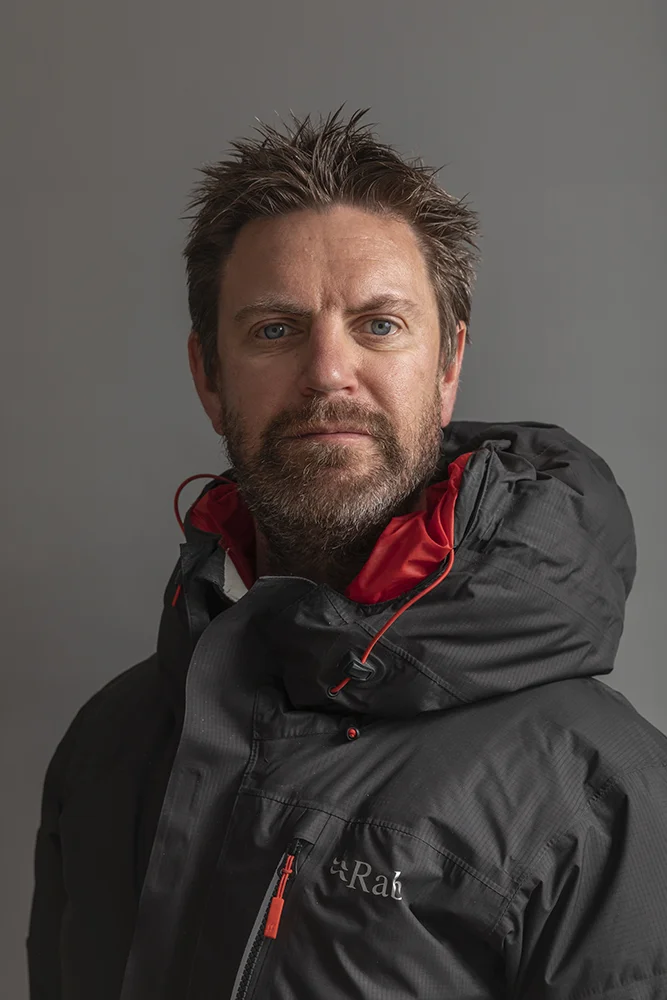
Julian Elliott
Julian Elliott
Julian Elliott

Julian Elliott

Country: United Kingdom
Birth: 1975

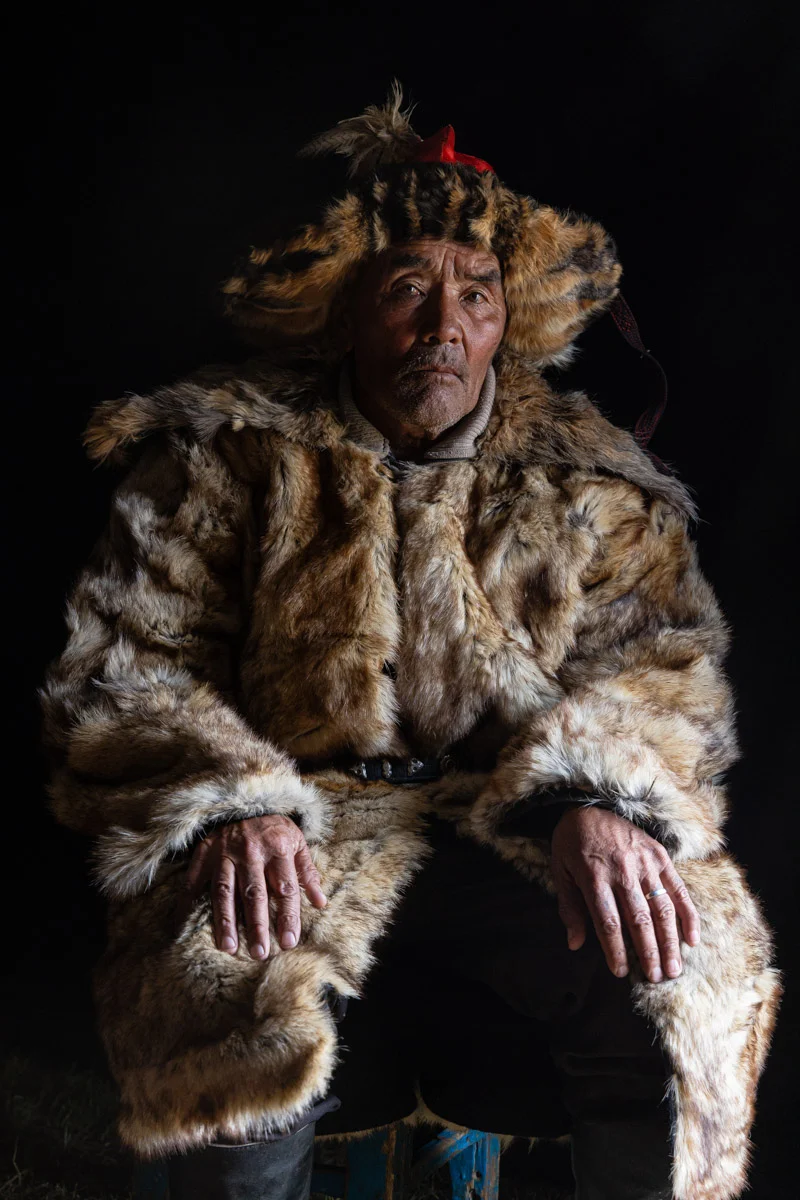
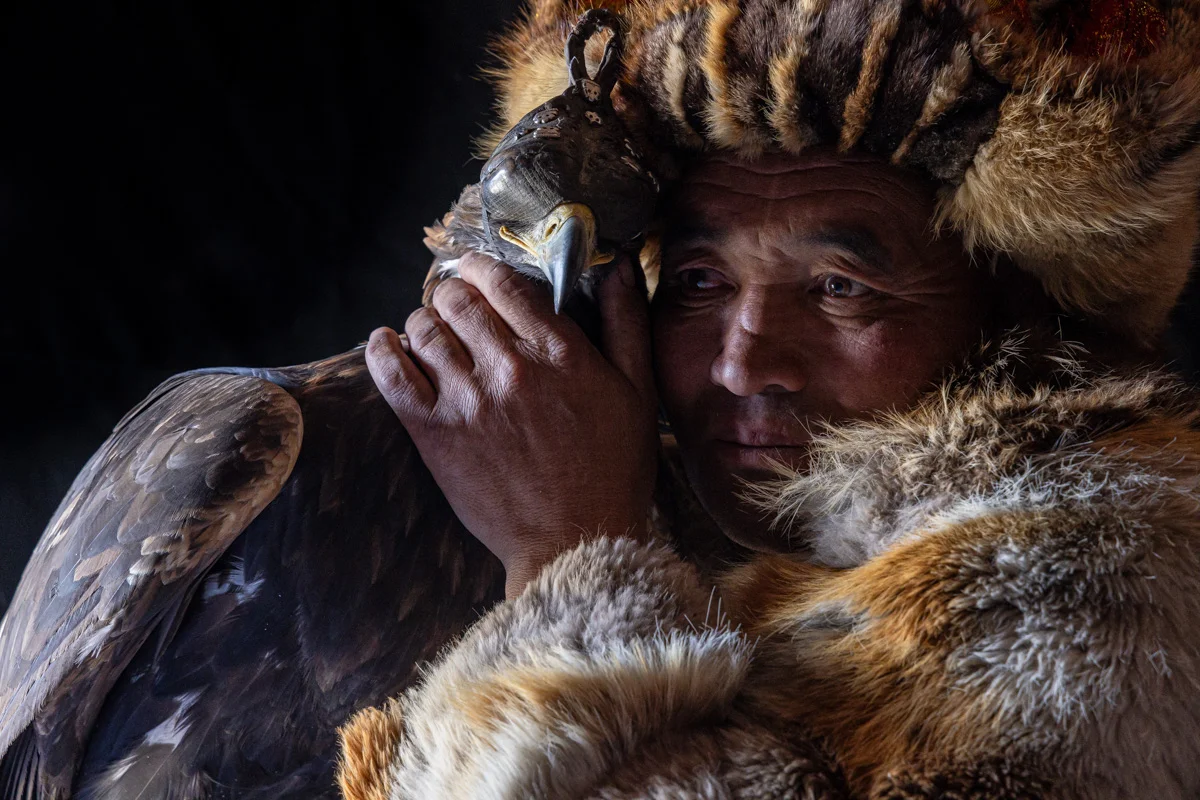
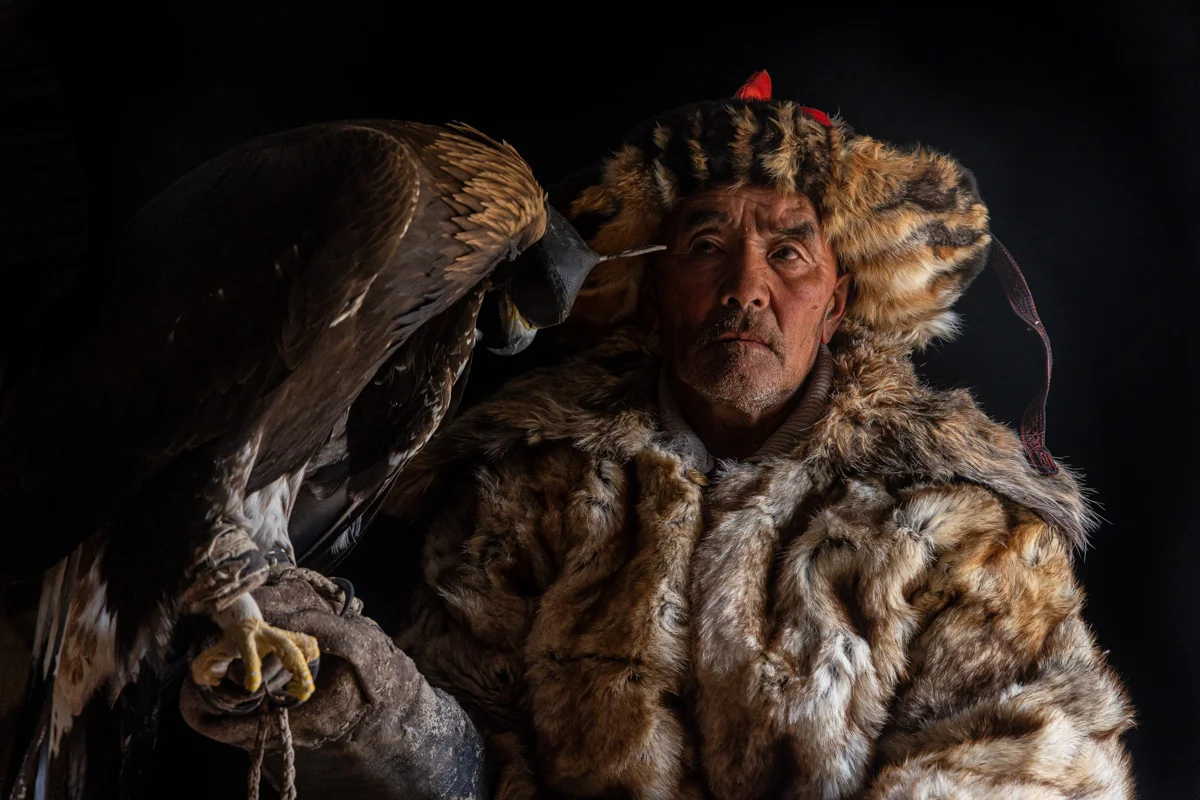
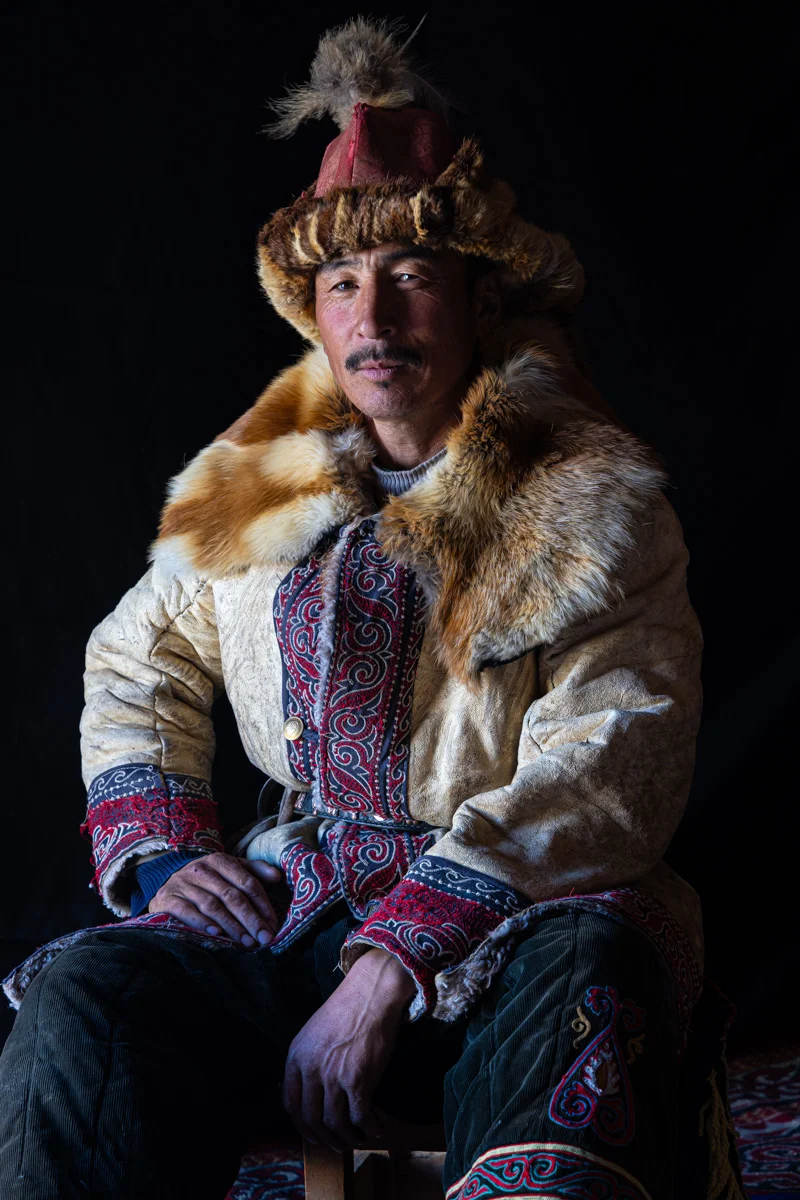
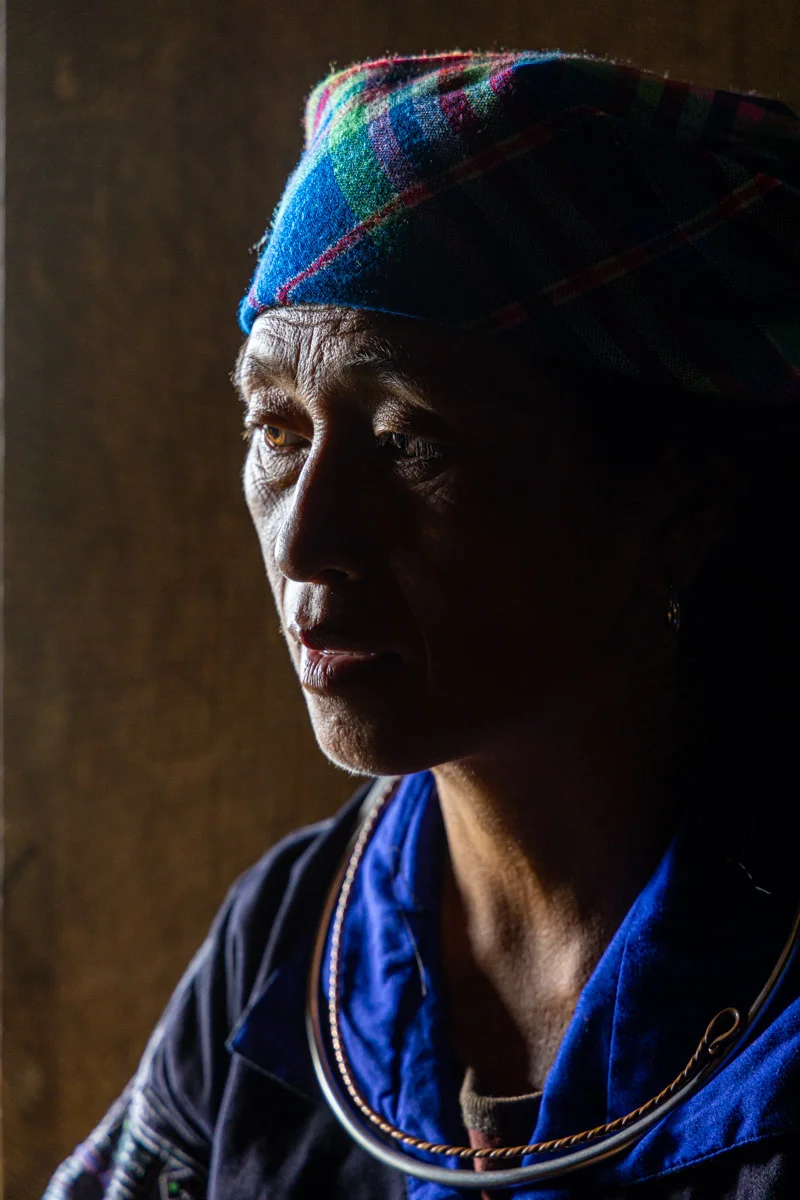
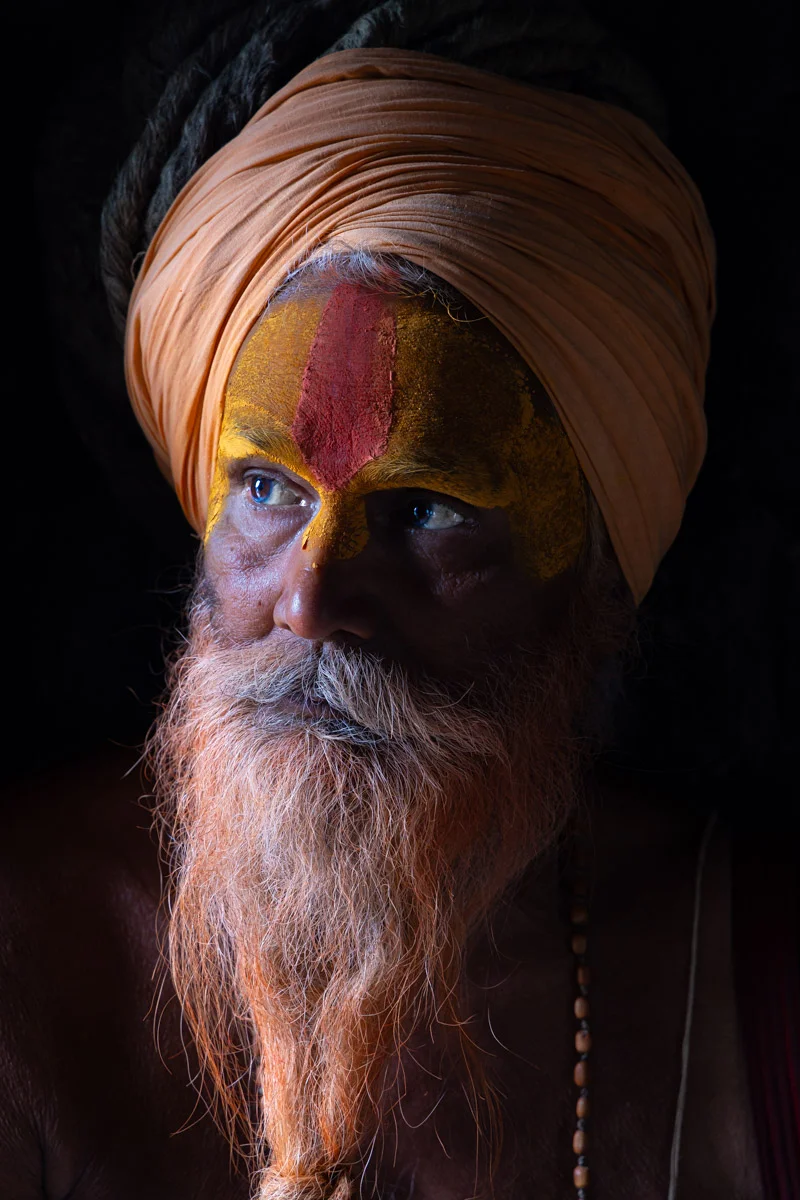
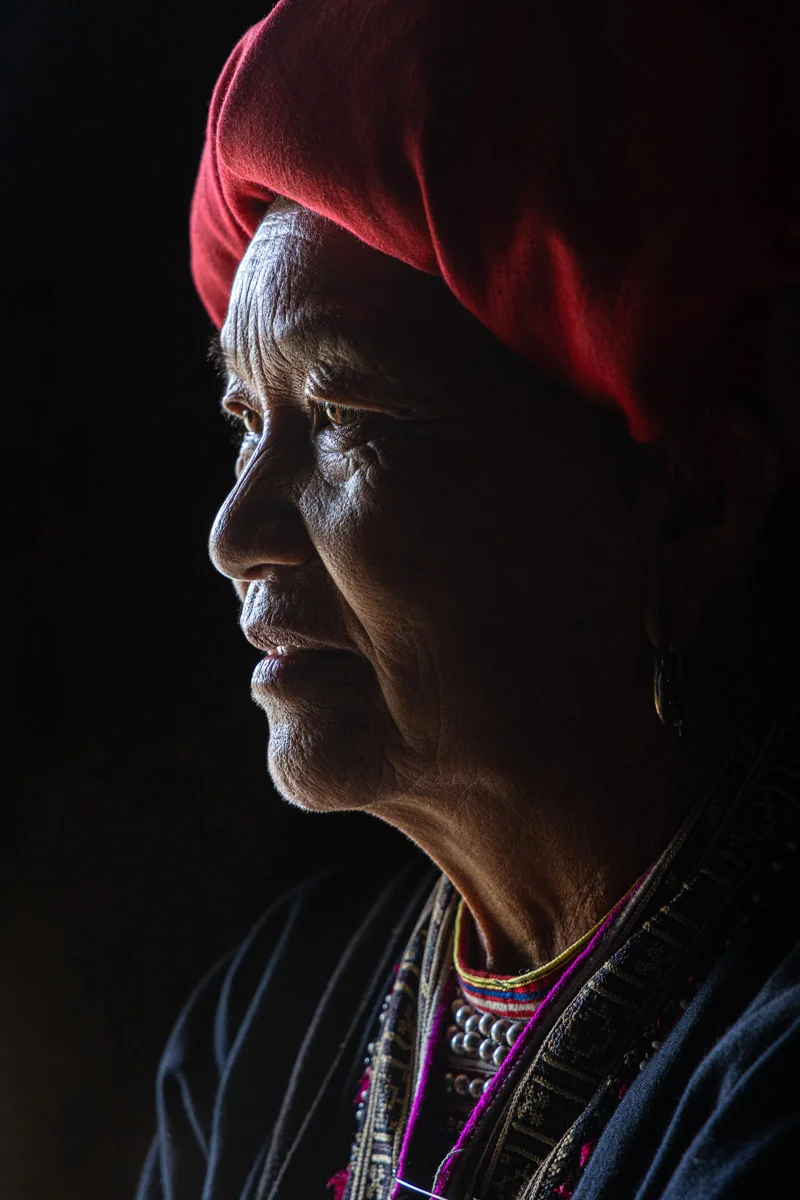
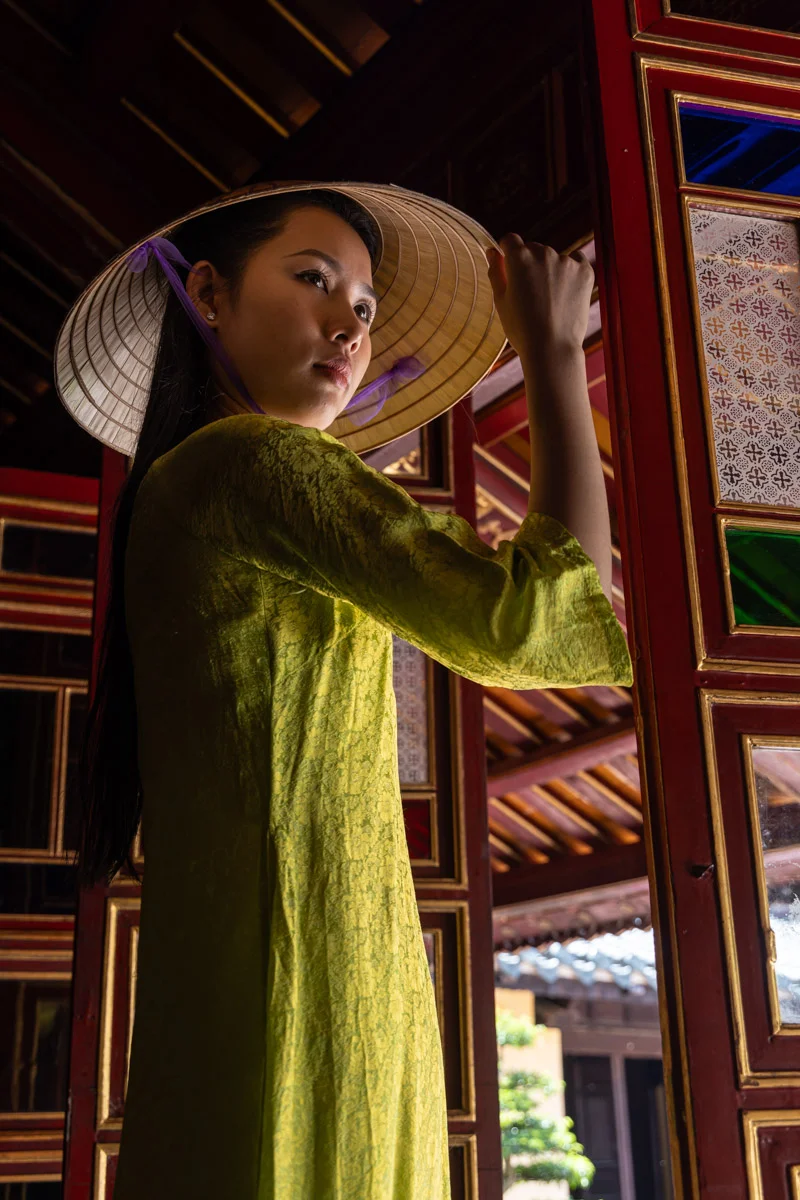
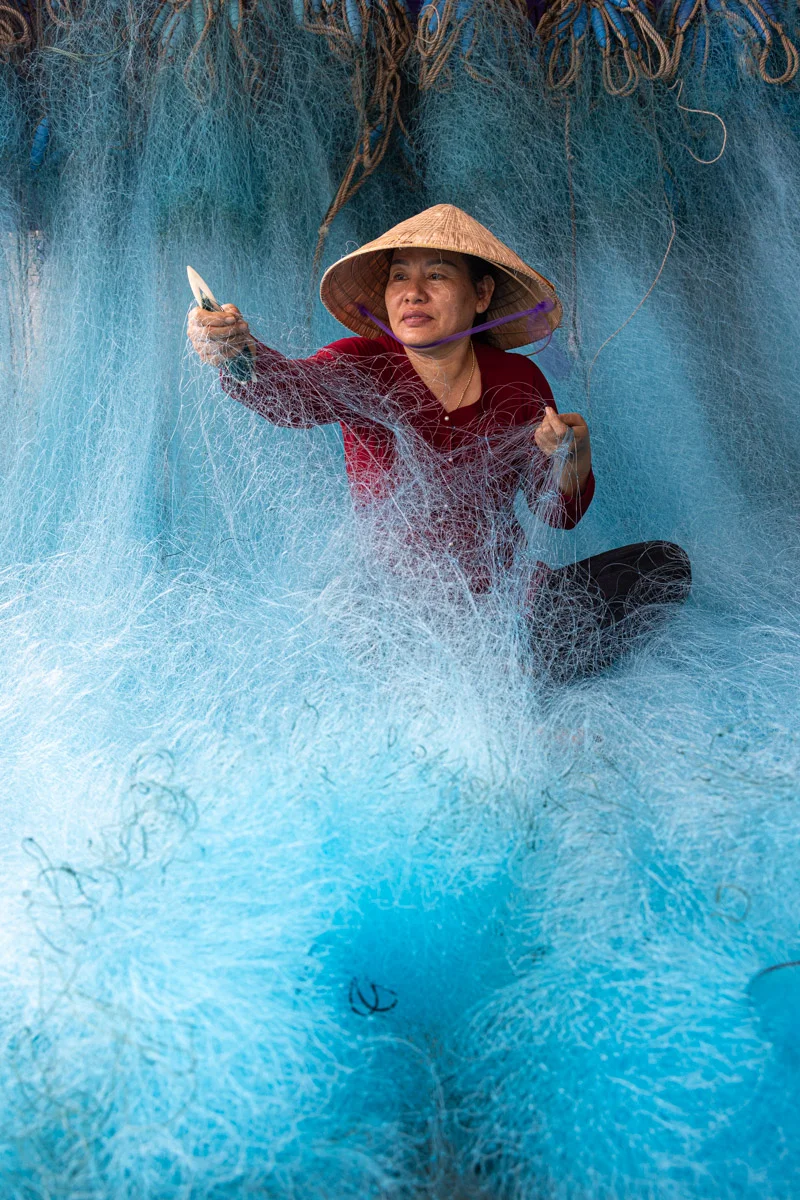
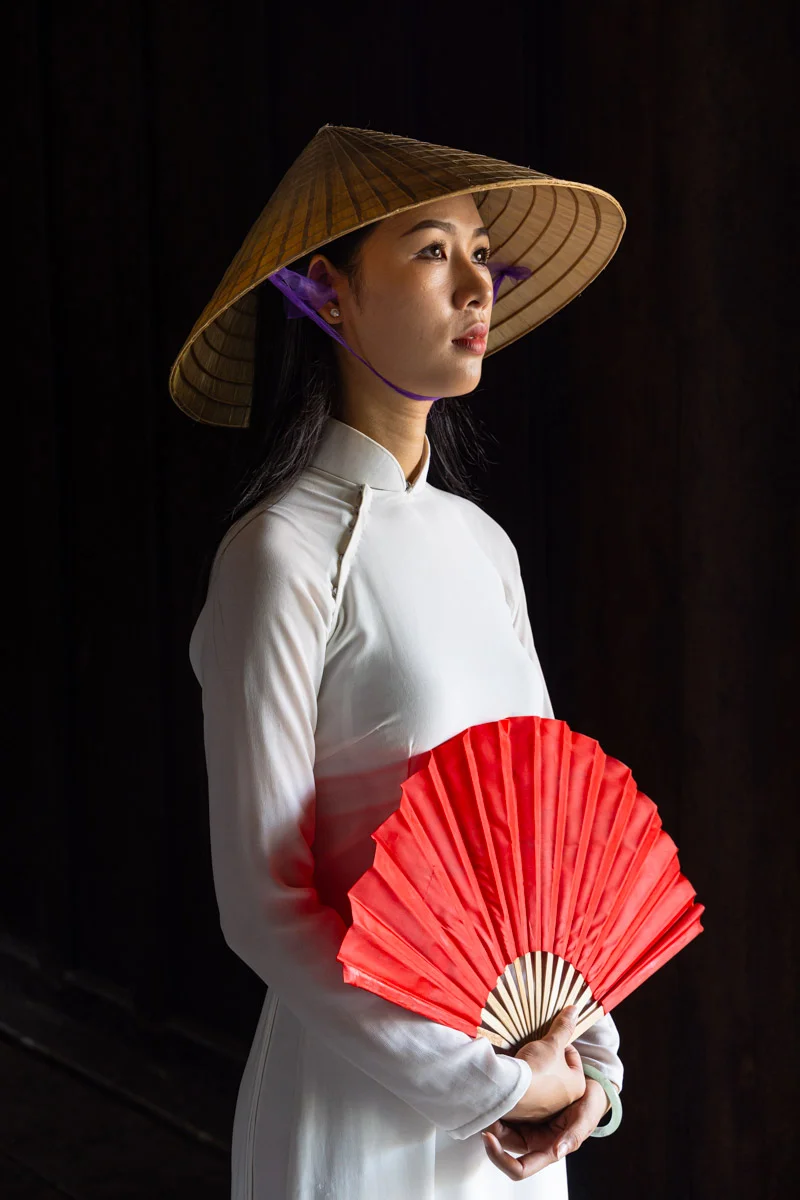
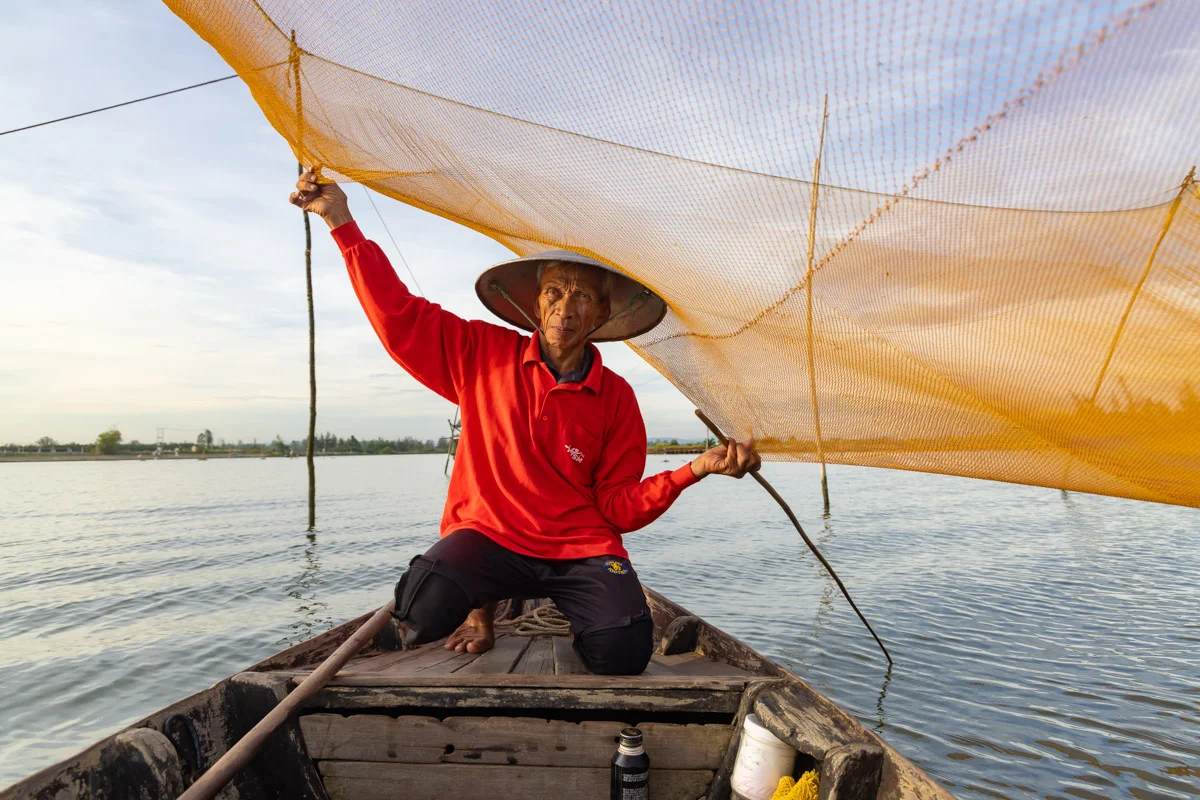
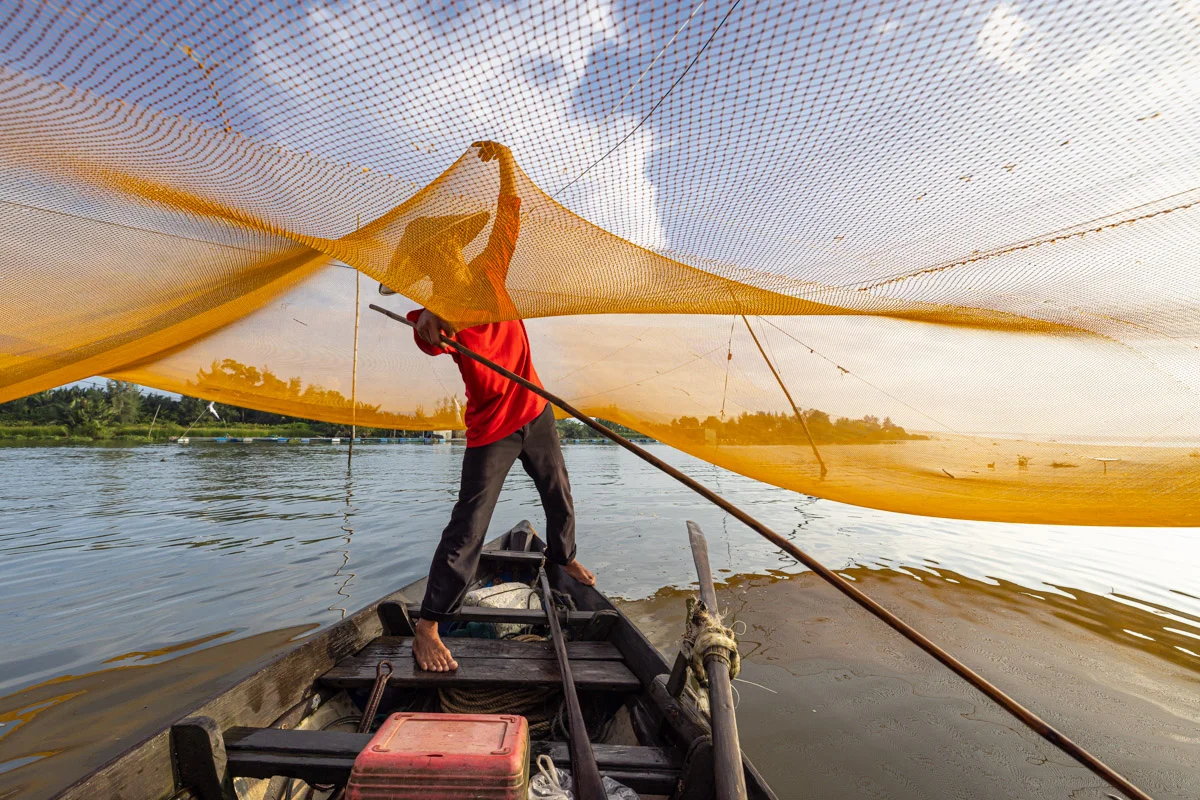
Julian Elliott has been a professional landscape and travel photographer for over 15 years. Having started writing for a number of British photography magazines, he started selling his work through the world-renowned Getty Images. To date, his work has sold in over 40 countries, and he has travelled in over 40 countries, capturing the world around him.

As a travel photographer, Julian likes to specialize in the people, culture, architecture and landscapes of the places he visit. He is particularly drawn to Southeast Asia and Central Asia.

Awarded Photographer of the Week - Week 51, 2025
 

Inspiring Portfolios

Call for Entries
All About Photo Awards 2026
$5,000 Cash Prizes! Juror: Steve McCurry
 
Stay up-to-date  with call for entries, deadlines and other news about exhibitions, galleries, publications, & special events.

More Great Photographers To Discover

Tatiana Bormatova
Tatiana Bornatova is a documentary photographer from Moscow, now is based in Sevastopol. She currently engaged in personal projects in Russia. Her work focuses on topics devoted to social problems and phenomena of modern Russian society. She studied documentary photography and photojournalism at the School of Modern Photography Docdocdoc (St. Peterburg, Russia). Continues to study in the direction of post-documentary photography. Her projects were published in the REGNUM News Agenсу, IZ Magazine, FLIP Magazine, F-Stop Magazine, Dodho Magazine. Tatiana became a participant in the projection festival Nuits Photographiques d’Essaouira (Essaouira, Morocco) and World Biennial Of Student Photography (Novi Sad, Serbia). Underground In ancient underground quarries, all is in full swing by day and night. Both adventurers and serious researchers - speleologists and spelestologists - come here. Speleology is the study of naturally - occurring caves, and spelestology is the study of underground cavities not used for intended purposes. In the fourteenth century, in Outer Moscow people began mining stone underground using closed methods. It lasted until the nineteenth century. Under Stalin, entrance to the underground was strictly forbidden, but this did not stop people going on adventures. In the 1960s, the masses started to venture into the underground. Then they started to blow up the entrances to caves. Access to the underground became much more difficult, but the interest for anthropogenic underground caves did not cease to exist. Starting in the 1980s, spelestologists and enthusiasts again started to look for underground caverns, previously forbidden in Soviet times. The analysis of old rubble, digging up and exploring passages, and topographic surveys all require staying underground for several days at a time. In the caves specialists would start to allocate grottos for toilets, sleeping, eating and collecting water, as well as strengthening areas that were prone to collapsing. The walls were covered with drawings, inscriptions, artefacts and graffiti. These new traditions and rules resulted in the formation of new subcultures. Visiting caves now is very entertaining. More and more often, they are being visited by thrill seekers, people who like to drink, unofficial excursion groups, and bloggers. Often people go underground without knowing basic safety precautions. That said, the risks in underground caves are not few: one could get lost or end up in a rock collapse. Spelestologists think negatively of amateurs who try to prevent filming and unofficial tours. A few of the researchers carry out excavations and study the underground caverns, but the increase in popularity is starting to disturb their work. They try to keep the whereabouts of newly discovered caves secret. The photographs in this project were taken in the Moscow Oblast, in the Syankovsk and Novlensk caves, and also in the Kamkinsk quarry, more well-known as Kiseli.
Jacob Riis
Denmark/United States
1849 | † 1914
Jacob August Riis was a Danish-American social reformer, "muckraking" journalist, and social documentary photographer. He contributed significantly to the cause of urban reform in America at the turn of the twentieth century. He is known for using his photographic and journalistic talents to help the impoverished in New York City; those impoverished New Yorkers were the subject of most of his prolific writings and photography. He endorsed the implementation of "model tenements" in New York with the help of humanitarian Lawrence Veiller. Additionally, as one of the most famous proponents of the newly practicable casual photography, he is considered one of the fathers of photography due to his very early adoption of flash. While living in New York, Riis experienced poverty and became a police reporter writing about the quality of life in the slums. He attempted to alleviate the bad living conditions of poor people by exposing their living conditions to the middle and upper classes. Riis had for some time been wondering how to show the squalor of which he wrote more vividly than his words could express. He tried sketching but was incompetent at this. Camera lenses of the 1880s were slow as was the emulsion of photographic plates; photography thus did not seem to be of any use for reporting about conditions of life in dark interiors. In early 1887, however, Riis was startled to read that "a way had been discovered to take pictures by flashlight. The darkest corner might be photographed that way." The German innovation, by Adolf Miethe and Johannes Gaedicke, flash powder was a mixture of magnesium with potassium chlorate and some antimony sulfide for added stability; the powder was used in a pistol-like device that fired cartridges. This was the introduction of flash photography. Recognizing the potential of the flash, Riis informed a friend, Dr. John Nagle, chief of the Bureau of Vital Statistics in the City Health Department who was also a keen amateur photographer. Nagle found two more photographer friends, Henry Piffard and Richard Hoe Lawrence, and the four of them began to photograph the slums. Their first report was published in the New York newspaper The Sun on February 12, 1888; it was an unsigned article by Riis which described its author as "an energetic gentleman, who combines in his person, though not in practice, the two dignities of deacon in a Long Island church and a police reporter in New York." The "pictures of Gotham's crime and misery by night and day" are described as "a foundation for a lecture called 'The Other Half: How It Lives and Dies in New York.' to give at church and Sunday school exhibitions, and the like." The article was illustrated by twelve-line drawings based on the photographs. Riis and his photographers were among the first Americans to use flash photography. Pistol lamps were dangerous and looked threatening, and would soon be replaced by another method for which Riis lit magnesium powder on a frying pan. The process involved removing the lens cap, igniting the flash powder, and replacing the lens cap; the time taken to ignite the flash powder sometimes allowed a visible image blurring created by the flash. Riis's first team soon tired of the late hours, and Riis had to find other help. Both his assistants were lazy and one was dishonest, selling plates for which Riis had paid. Riis sued him in court successfully. Nagle suggested that Riis should become self-sufficient, so in January 1888 Riis paid $25 for a 4×5 box camera, plate holders, a tripod and equipment for developing and printing. He took the equipment to the potter's field cemetery on Hart Island to practice, making two exposures. The result was seriously overexposed but successful. For three years, Riis combined his own photographs with others commissioned of professionals, donations by amateurs and purchased lantern slides, all of which formed the basis for his photographic archive. Because of the nighttime work, he was able to photograph the worst elements of the New York slums, the dark streets, tenement apartments, and "stale-beer" dives, and documented the hardships faced by the poor and criminal, especially in the vicinity of notorious Mulberry Street. A particularly important effort by Riis was his exposure of the condition of New York's water supply. His five-column story "Some Things We Drink", in the August 21, 1891, edition of the New York Evening Sun, included six photographs (later lost). Riis wrote: "I took my camera and went up in the watershed photographing my evidence wherever I found it. Populous towns sewered directly into our drinking water. I went to the doctors and asked how many days a vigorous cholera bacillus may live and multiply in running water. About seven, said they. My case was made." The story resulted in the purchase by New York City of areas around the New Croton Reservoir, and may well have saved New Yorkers from an epidemic of cholera. Riis tried hard to have the slums around Five Points demolished and replaced with a park. His writings resulted in the Drexel Committee's investigation of unsafe tenements; this resulted in the Small Park Act of 1887. Riis was not invited to the eventual opening of the park on June 15, 1897, but went all the same, together with Lincoln Steffens. In the last speech, the street cleaning commissioner credited Riis for the park and led the public in giving him three cheers of "Hooray, Jacob Riis!" Other parks also were created, and Riis was popularly credited with them as well.Source: Wikipedia
Vee Speers
Australia
or over two decades, Australian Paris-based artist Vee Speers has established herself in the art world with her unforgettable portraits. Her carefully choreographed images are painterly and ethereal, with a visual and metaphorical ambiguity which challenges established narratives. In her iconic series The Birthday Party, she eternalises the innocence of childhood with timeless portraits that are at once hauntingly beautiful and provocative. She dresses, styles and sometimes masks her characters, creating enigmatic stories to blur the line between reality and fiction and highlighting our need to escape into fantasy. Speers succeeds in choreographing characters that offer allegorical glimpses into life, triggering memories and emotions from our own childhood. From the legend of the Phoenix, Speers draws inspiration for her most recent work Phoenix, an evocative story about passion, love and loss and an homage to the anonymous women. In this series Phoenix, the battles are over and the flames and ashes disappear. Emerging is the emboldening force of liberation as these women of all ages are on the threshold of new beginnings. At once powerful and vulnerable, Speers' portraits are timeless symbols of transformation between life and loss and the renaissance of a new identity. Speers' work has been exhibited in museums, galleries, art fairs and festivals around the world, and published in features and on covers of more than 60 international magazines, with 3 sold-out monographs of her work. Her photographs have been acquired by Sir Elton John Collection, Michael Wilson Collection, Hoffman Collection U.S. , Carter Potash Collection, Morten Viskum Collection, Alan Siegel, Lawrence Schiller, DZ Bank, Museum of Fine Arts Houston, Museum 21C, Kentucky, George Eastman House, Beth Rudin Dewoody, Hudson Bay Company Art Fund, CB Collection, Tokyo. More about Vee Speers: AAP: When did you realize you wanted to be a photographer? Vee Speers: I’ve always thought photography was magical as my father had his own darkroom. When I went to art school, I realized that the instant way of capturing an image suited my impatient personality. Where did you study photography?QCA, Brisbane, Australia Do you have a mentor or role model?Not really. I don’t like to follow. What or who inspires you?The cinema is a constant source of inspiration. A story is told, and the way it is filmed can transport you to another time or place. Still images can be the same. How could you describe your style?Playful, beautiful, strange, melancholic, obvious and unexpected. Do you have a favorite photograph or series?The Birthday Party and Bulletproof This is two series photographed 6 years apart using the same children. What kind of gear do you use?Polaroid film and medium format cameras. Do you spend a lot of time editing your images? For what purpose?No, I know right away when I’ve taken a good shot. Or if I haven’t. What advice would you give a young photographer?Know what you want and don’t be distracted from your goal. Don’t listen to what anybody else says. What mistake should a young photographer avoid?Accepting to shoot anything that will compromise his or her personal journey. An idea, a sentence, a project you would like to share?Don’t be afraid.What are your projects?Portraits, portraits and more portraits. Your best memory as a photographer?There are so many. Every time I take a great image, I feel so excited, like everything has lined up perfectly. These are the best memories. The compliment that touched you most?A woman once told me that my work had changed her life. If you were someone else who would it be?Diane Arbus, with all those wonderful and strange people to photograph. Your favorite photo book?Lord of the Flies by William Golding.
Manuel Álvarez Bravo
Mexico
1902 | † 2002
Manuel Álvarez Bravo was a Mexican artistic photographer and one of the most important figures in 20th century Latin American photography. He was born and raised in Mexico City. While he took art classes at the Academy of San Carlos, his photography is self-taught. His career spanned from the late 1920s to the 1990s with its artistic peak between the 1920s and 1950s. His hallmark as a photographer was to capture images of the ordinary but in ironic or Surrealistic ways. His early work was based on European influences, but he was soon influenced by the Mexican muralism movement and the general cultural and political push at the time to redefine Mexican identity. He rejected the picturesque, employing elements to avoid stereotyping. He had numerous exhibitions of his work, worked in the Mexican cinema and established Fondo Editorial de la Plástica Mexicana publishing house. He won numerous awards for his work, mostly after 1970. His work was recognized by the UNESCO Memory of the World registry in 2017.Source: Wikipedia Manuel Álvarez Bravo, one of the founders of modern photography, is considered the main representative of Latin American photography in the 20th century. His work extends from the late 1920s to the 1990s. Alvarez Bravo was born in downtown Mexico City on February 4, 1902. He left school at the age of twelve in order to begin making a contribution to his family's finances after his father's death. He worked at a textile factory for a time, and later at the National General Treasury. Both his grandfather (a painter) and his father were amateur photographers. His early discovery of the camera awakened in him an interest that he would continue to cultivate throughout his life. As a self-taught photographer, he would explore many different techniques, as well as graphic art. Influenced by his study of painting at the Academy of San Carlos, he embraced pictorialism at first. Then, with the discovery of cubism and all the possibilities offered by abstraction, he began to explore modern aesthetics. He had his initiation into documentary photography in 1930: when she was deported from Mexico, Tina Modotti left him her job at the magazine Mexican Folkways. He also worked for the muralists Diego Rivera, José Clemente Orozco and David Alfaro Siqueiros. Álvarez Bravo is an emblematic figure from the period following the Mexican Revolution often called the Mexican Renaissance. It was a time of a creative fertility, owing to the happy though not always tranquil marriage between a desire for modernization and the search for an identity with Mexican roots, in which archaeology, history and ethnology played an important role, parallel to the arts. Alvarez Bravo embodied both tendencies in the field of visual arts. Between 1943 and 1959, he worked in the film industry doing still shots, which inspired him to realize some of his own experiments with cinema. While Manuel Álvarez Bravo was alive, he held over 150 individual exhibitions and participated in over 200 collective exhibitions. According to several critics, the work of this "poet of the lens" expresses the essence of Mexico. However, the humanist regard reflected in his work, the aesthetic, literary and musical references it contains, likewise endow with a truly universal dimension. He died on October 19, 2002, at the age of one hundred.Source: www.manuelalvarezbravo.org Manuel Álvarez Bravo was a teenager when he first picked up a camera and began taking pictures, before he enrolled in night classes in painting at the Academia San Carlos, in 1917, or sought instruction in the darkroom of local German photographer Hugo Brehme. Initially self-taught, Álvarez Bravo’s style developed through study of foreign and local photography journals. In these pages, he first encountered the work of Edward Weston and Tina Modotti, who came to Mexico in 1923; the latter became a close colleague and supporter, introducing Álvarez Bravo to the artists of Mexico’s avant-garde, including Diego Rivera, Frida Khalo, and Rufino Tamayo, as well as encouraging him to send photographs to Weston. In the 1930s, Álvarez Bravo met Paul Strand, traveling with him while he worked in Mexico, and Henri Cartier-Bresson. With Cartier-Bresson and Walker Evans he exhibited in a three-man show at the Julien Levy Gallery, New York, in 1935. Mexico was a cultural hub for many in the international avant-garde in these years; André Breton visited, including Álvarez Bravo in the Exposition of Surrealism he organized in 1940 in Mexico City. Although the artist never identified with Surrealism, it was a major theme in the analysis of his pictures throughout his career. Revealing the influence of his formative years following the Mexican Revolution of 1910, Álvarez Bravo would instead speak of his interest in representing the cultural heritage, peasant population, and indigenous roots of the Mexican people in the face of rapid modernization.Source: Museum of Modern Art
Deb Achak
United States
Raised in New Hampshire, Deb Achak holds a master's degree in social work and is a self-trained photographer and filmmaker. She lives in Seattle, WA with her husband and sons in a grand old home that was once a bed and breakfast. Deb's fine art photography explores natural elements of water and grasses - earth elements with clean, simple compositions meant to calm and soothe. Her children are also a growing subject of her fine art work. Her photographs have been exhibited at the Black Box Gallery, Portland, OR; Sante Fe Photographic Workshops, Sante Fe, NM; the SE Center for Photography, Greenville, SC: and Vermont Center for Photography, Brattleboro, VT. About She Told Us To Trust Our Intuition My mother's last words to my siblings and I before she died were "trust your gut instincts". It's struck me over the years how profound and revolutionary that one simple phrase is. It has become my mantra - my north star. When we still our mind, free it of conscious thought, intuition can be heard and felt, and becomes the perfect guide. Some years ago, I started to notice that when I am in a deep flow with my art, it becomes a meditation and I am able to hear my inner voice with complete clarity. In this series I use water, color, movement and the human form to express the meditative quality I feel when I am in synch with the flow of creating. I seek to capture that single moment where my camera, my intuition, and the natural world are perfectly aligned, and to give gratitude to my mother for bestowing such a powerful parting gift. All the Colors I Am Inside
Advertisement
All About Photo Awards 2026
Win a Solo Exhibition in March
All About Photo Awards 2026

Latest Interviews

Exclusive Interview with Anastasia Samoylova
Anastasia Samoylova is an American artist whose photographic practice is shaped by close observation and a deep attentiveness to place. Working between documentary and formal exploration, she photographs landscapes, architecture, and everyday scenes with a sensitivity to light, structure, and atmosphere. Since relocating to Miami in 2016, her work has increasingly focused on how environments—both natural and built—carry social, cultural, and emotional traces. We asked her a few questions about her practice and her way of seeing, to better understand the thoughts and experiences that shape her work—while allowing the images themselves to remain open and speak in their own time.
Exclusive Interview with Marijn Fidder
Marijn Fidder is a Dutch documentary photographer whose work powerfully engages with current affairs and contemporary social issues. Driven by a deep sense of social justice, she uses photography to speak on behalf of the voiceless and to advocate for the rights of those who are most vulnerable. Her images have been widely published in major international outlets including National Geographic, CNN Style, NRC Handelsblad, Volkskrant, GUP New Talent, and ZEIT Magazin. Her long-term commitment to disability rights—particularly through years of work in Uganda—culminated in her acclaimed project Inclusive Nation, which earned her the title of Photographer of the Year 2025 at the All About Photo Awards. She is also the recipient of multiple prestigious honors, including awards from World Press Photo and the Global Peace Photo Award. We asked her a few questions about her life and work.
Exclusive Interview with Josh S. Rose
Josh S. Rose is a multidisciplinary artist working across photography, film, and writing. His practice bridges visual and performing arts, with a strong focus on movement, emotion, and the expressive potential of the image. Known for his long-standing collaborations with leading dance companies and performers, Rose brings together authenticity and precise composition—a balance he describes as “technical romanticism.” His work has been commissioned and exhibited internationally, appearing in outlets such as Vogue, at the Super Bowl, in film festivals, and most recently as a large-scale installation for Lincoln Center for the Performing Arts. A sought-after collaborator, he has worked with major artists, cultural institutions, and brands, following a previous career as Chief Creative Officer at Interpublic Group and the founder of Humans Are Social. We asked him a few questions about his life and work.
Interview with Maureen Ruddy Burkhart
Photographer Maureen Ruddy Burkhart brings a quietly attentive and deeply human sensibility to her exploration of the world through images. Shaped by a life immersed in photography, film, and visual storytelling, her work is guided by intuition, observation, and an enduring interest in the emotional undercurrents of everyday life. With a practice rooted in both fine art traditions and documentary awareness, she approaches her subjects with sensitivity, allowing subtle moments to emerge naturally rather than be imposed. Her series Til Death, selected as the Solo Exhibition for February 2025, reflects this long-standing commitment to photography as a space for reflection rather than spectacle. Drawn to moments that exist just outside the expected frame, Burkhart’s images suggest narratives without resolving them, leaving room for ambiguity, humor, and quiet connection. We asked her a few questions about her life and work.
Exclusive Interview with Peter Ydeen
Winner of AAP Magazine #45 Travels, his series reflects this unique vision—capturing the spirit of place through subtle layers of light, color, and emotion. Whether traveling abroad or observing the rhythms of his own surroundings, Ydeen creates images that feel both grounded and enchanted, inviting viewers into a world where reality and reverie meet.
Exclusive Interview with Julie Wang
Chinese-born photographer Julie Wang brings a poetic, contemplative sensitivity to her visual exploration of the world. Having lived for nearly equal parts of her life in China, Europe, and the United States, she approaches her subjects with the nuanced perspective of someone shaped by many cultures. This blend of distance, curiosity, and emotional resonance infuses her work with a quiet depth, allowing her to reveal the fragile beauty and subtle tensions that often pass unnoticed.
Exclusive Interview with Ghawam Kouchaki
American photographer Ghawam Kouchaki brings a sharply observant and introspective gaze to the streets of Japan’s capital. Based in Los Angeles, he approaches Tokyo with the distance — and curiosity — of an outsider, allowing him to uncover the city’s subtle contradictions, quiet tensions, and fleeting gestures that often go unnoticed. His series Tokyo no no, selected as the Solo Exhibition for December 2024, explores the hidden undercurrents of urban life: the unspoken rules, the small ruptures in routine, the poetic strangeness found in everyday moments. Through muted tones, instinctive timing, and meticulous framing, Kouchaki reveals a Tokyo that exists somewhere between reality and imagination — both intimate and enigmatic. We asked him a few questions about his life and work.
Exclusive Interview with Tommi Viitala
Tommi Viitala, winner of AAP Magazine #44: Street, is a Finnish photographer celebrated for his striking and cinematic street photography. With a keen eye for atmosphere and composition, he captures fleeting urban moments that reveal the poetry of everyday life. His work often explores the tension between solitude and connection within contemporary cityscapes, blending documentary realism with artistic sensibility. Viitala’s photographs have been exhibited internationally and recognized for their strong visual storytelling and emotional depth. We asked him a few questions about his life and work.
Exclusive Interview with Robert Mack
Robert Mack is a California-based visual artist, photographer, and filmmaker. His fine art photography and films have been exhibited widely in the United States and Europe, with major shows at the Baltimore Museum of Art and the Reiss-Engelhorn Museum in Mannheim, Germany. Both institutions hold his work in their permanent collections. Working across different media, Mack has built a career exploring the complexities of human presence and representation. In 1981, while living in Baltimore, he produced The Perkins Project: Not Guilty by Reason of Insanity, a rare photographic and film study inside Maryland’s hospital for the criminally insane. These stark yet compassionate black-and-white portraits remain one of his most powerful and controversial bodies of work.
Call for Entries
All About Photo Awards 2026
$5,000 Cash Prizes! Juror: Steve McCurry