All about photo.com: photo contests, photography exhibitions, galleries, photographers, books, schools and venues.
Last Call AAP Magazine 54 Nature: Landscape, Wildlife, Flora & Fauna
Savadmon Avalachamveettil

Savadmon Avalachamveettil

Country: Ireland
Birth: 1984

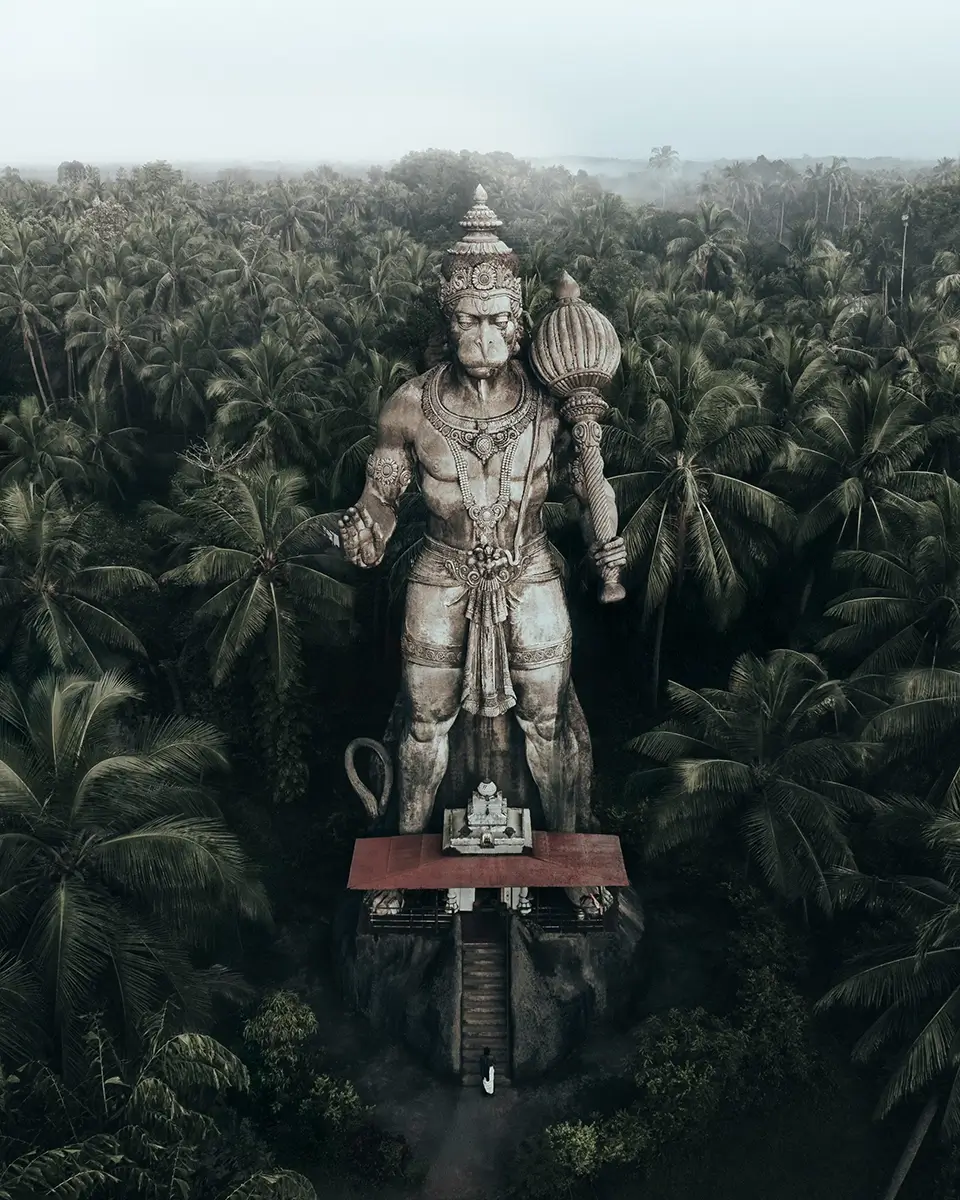
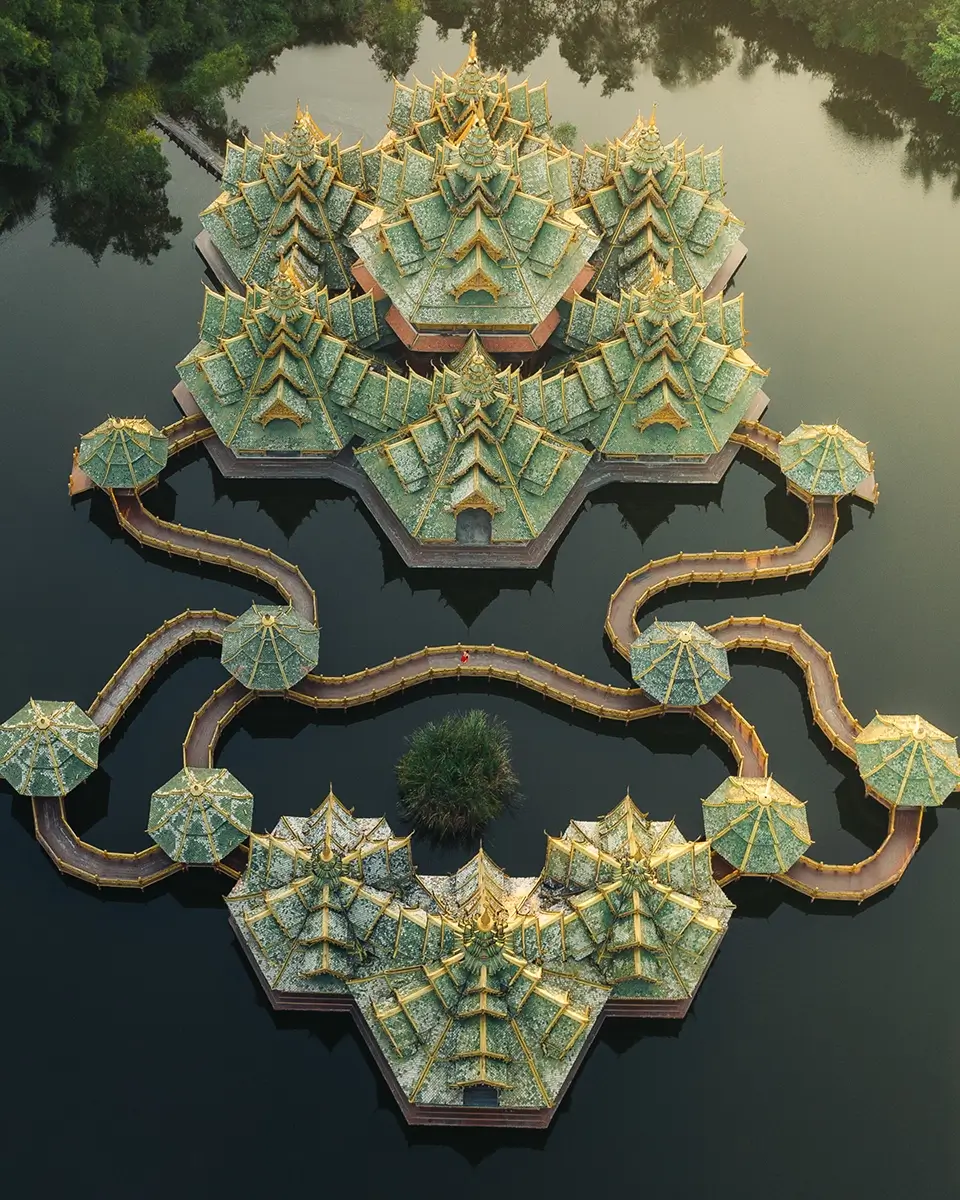
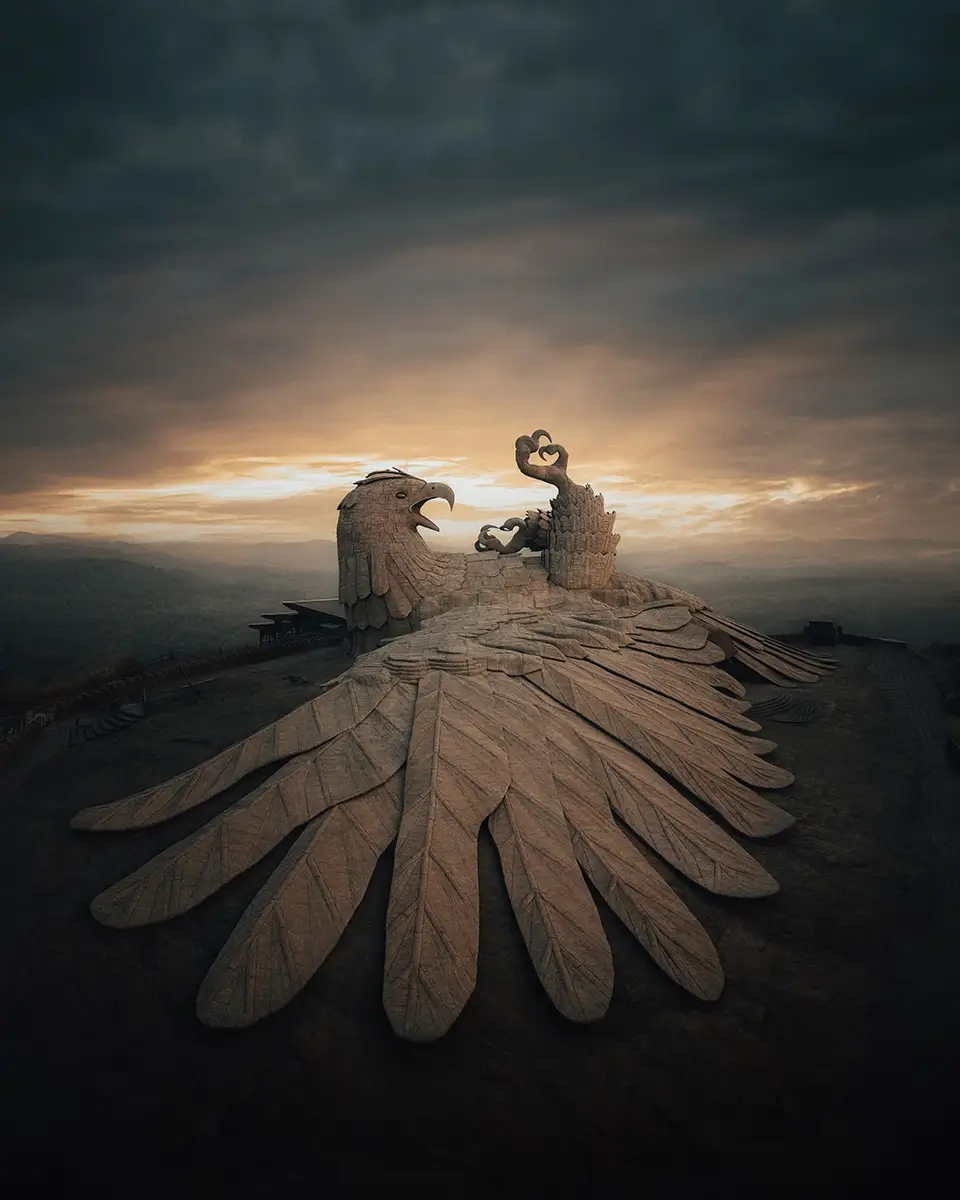
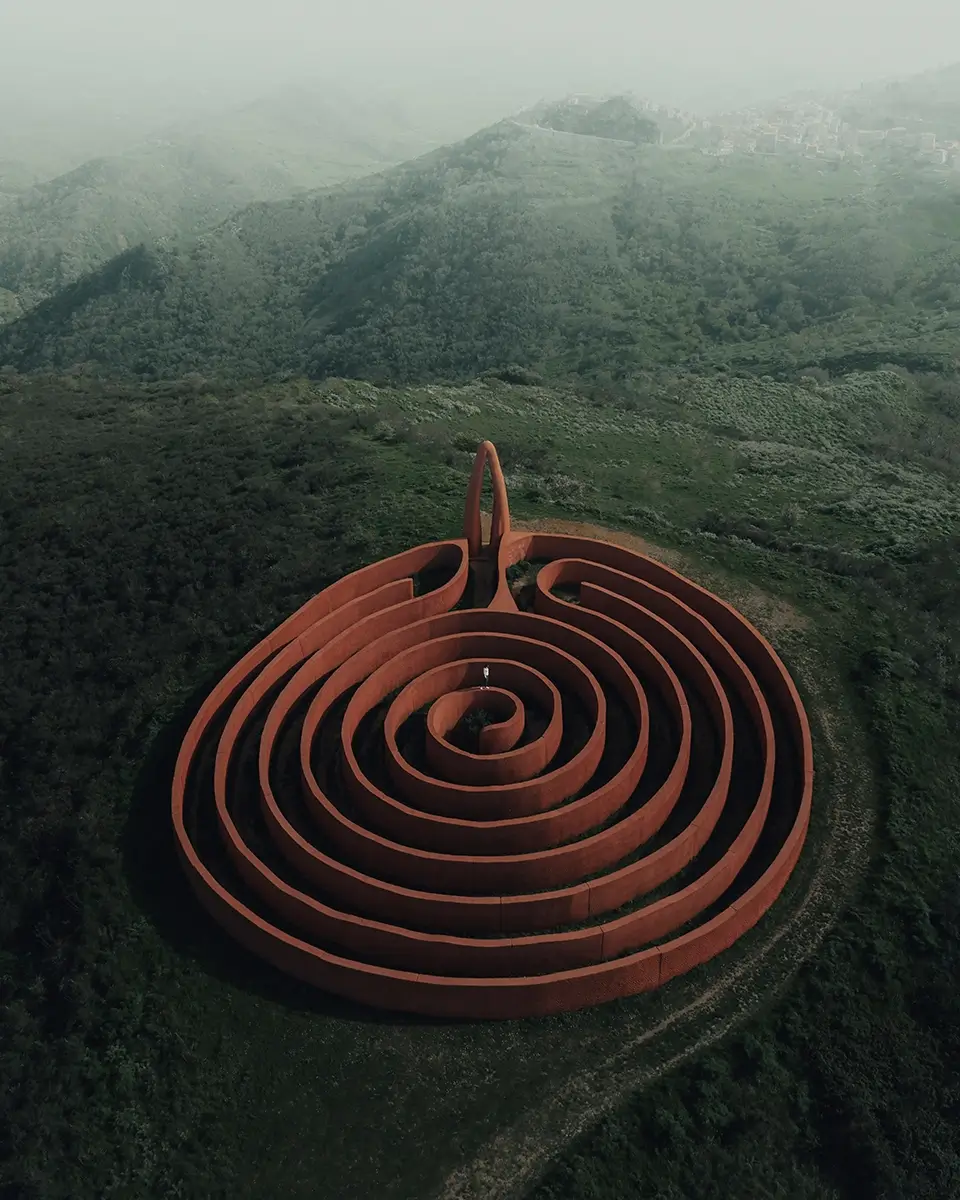
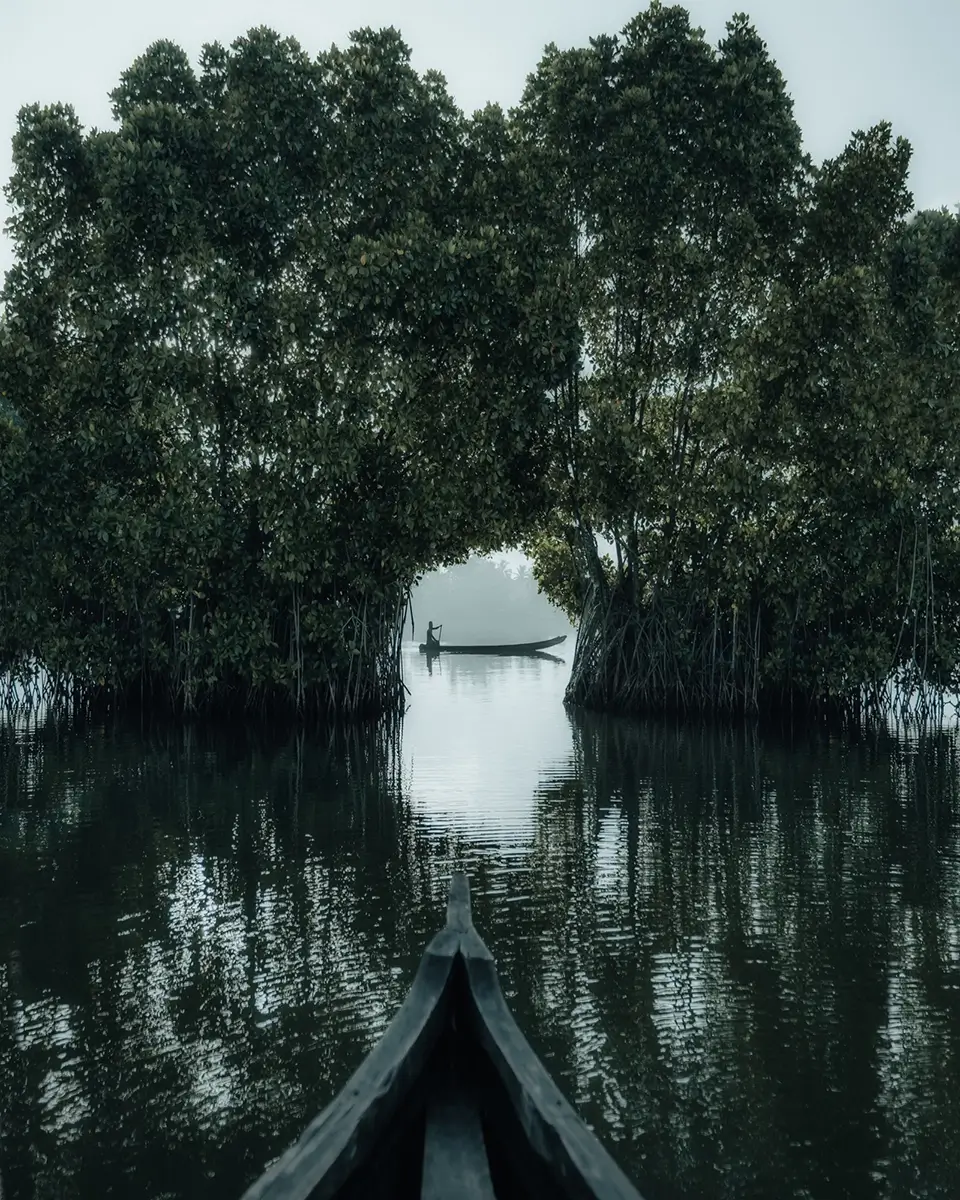
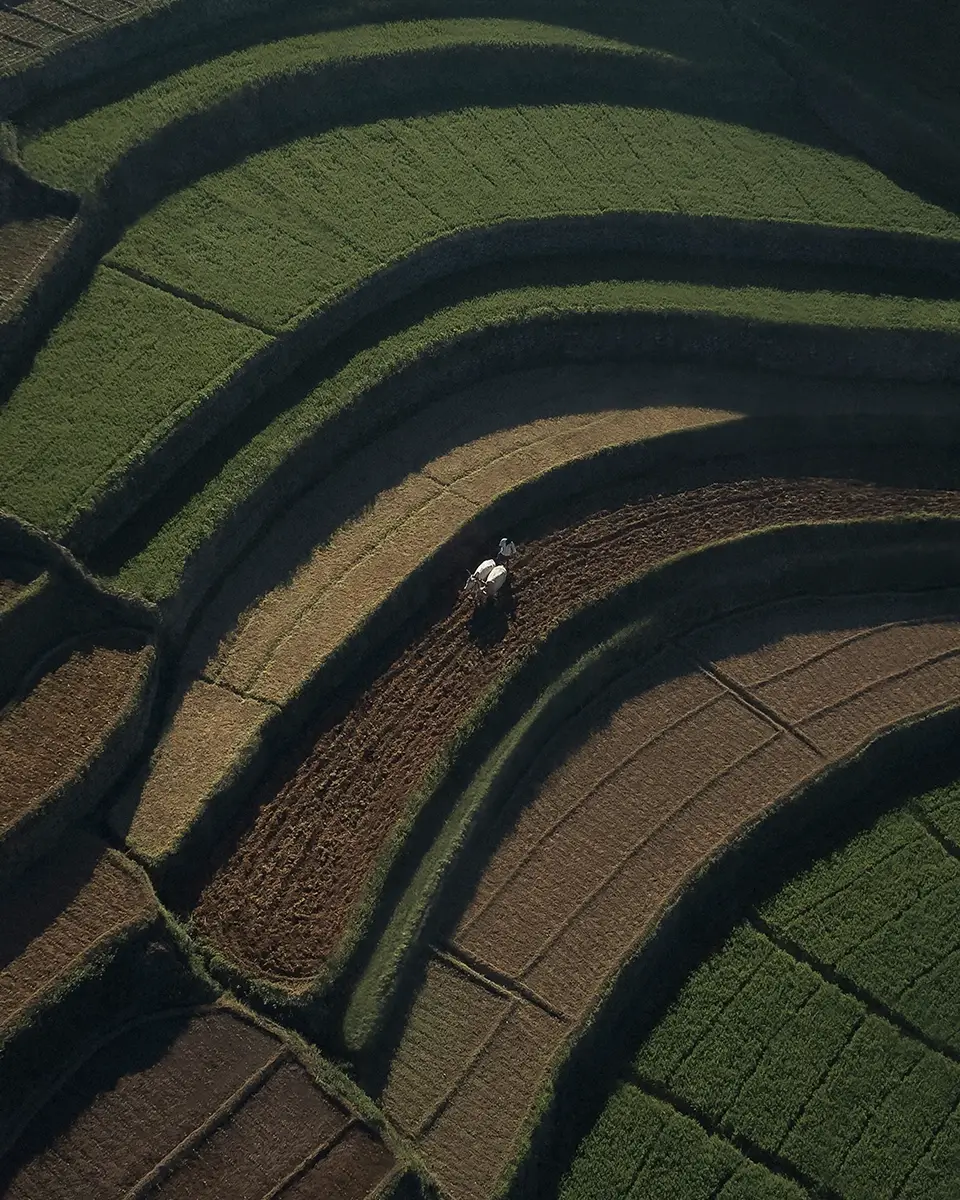
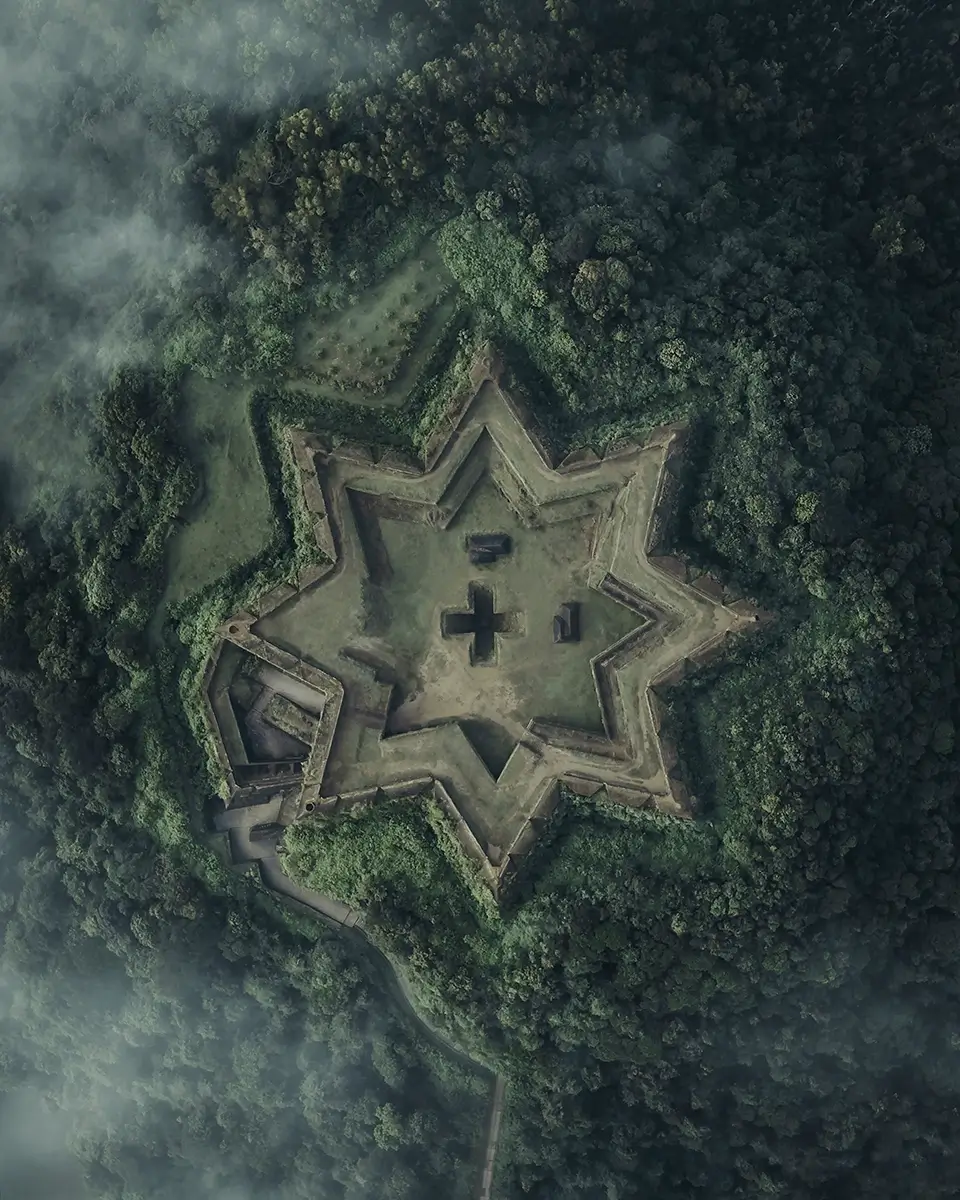
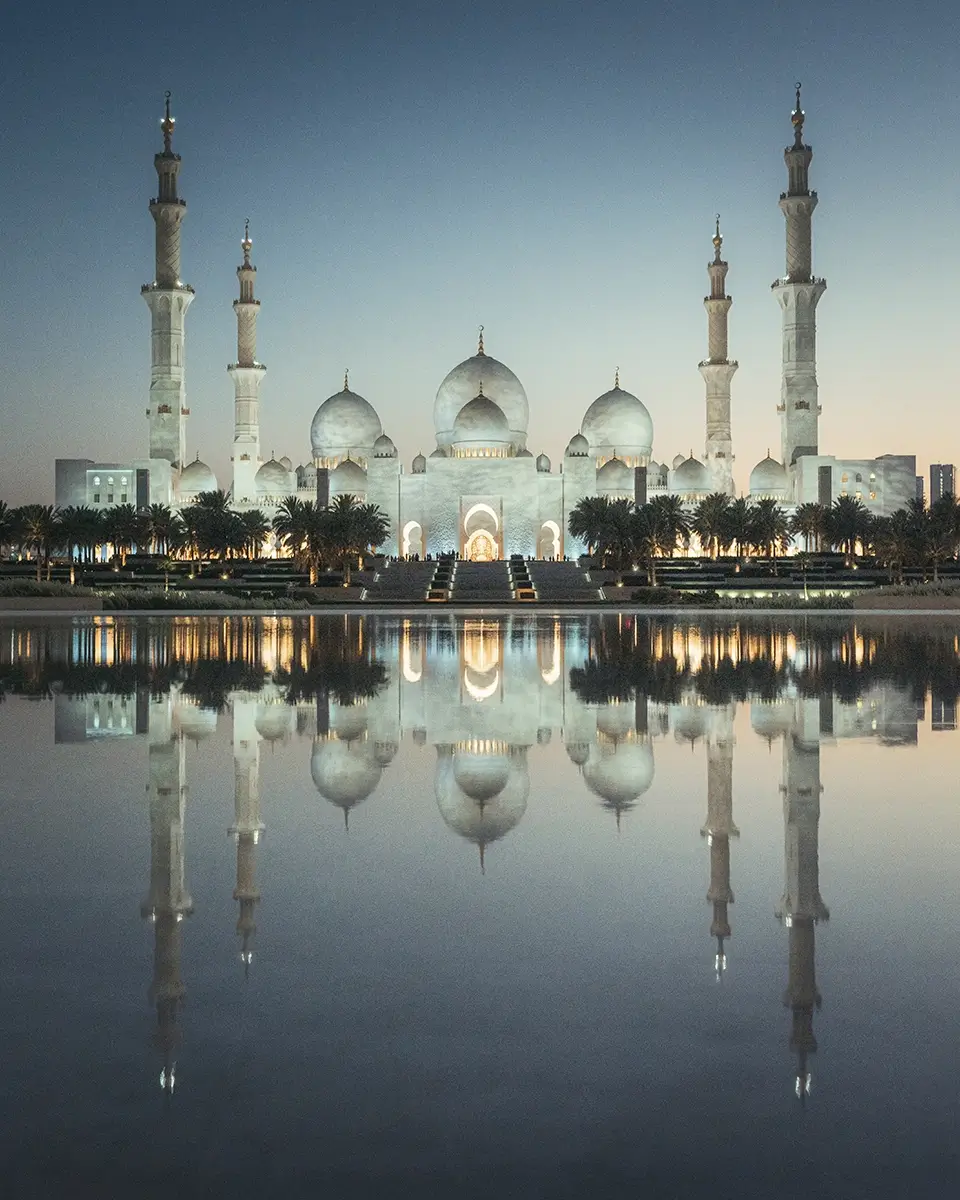
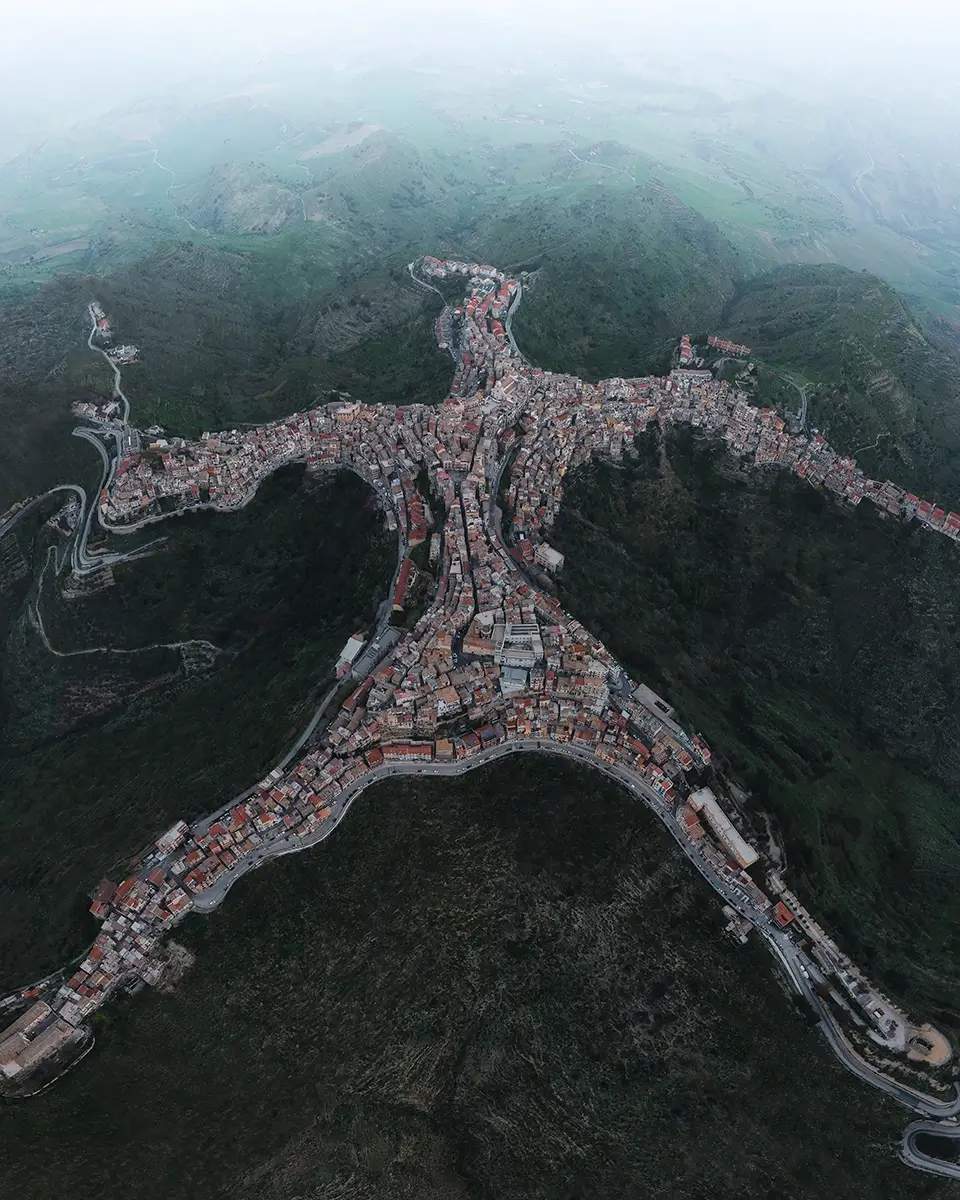
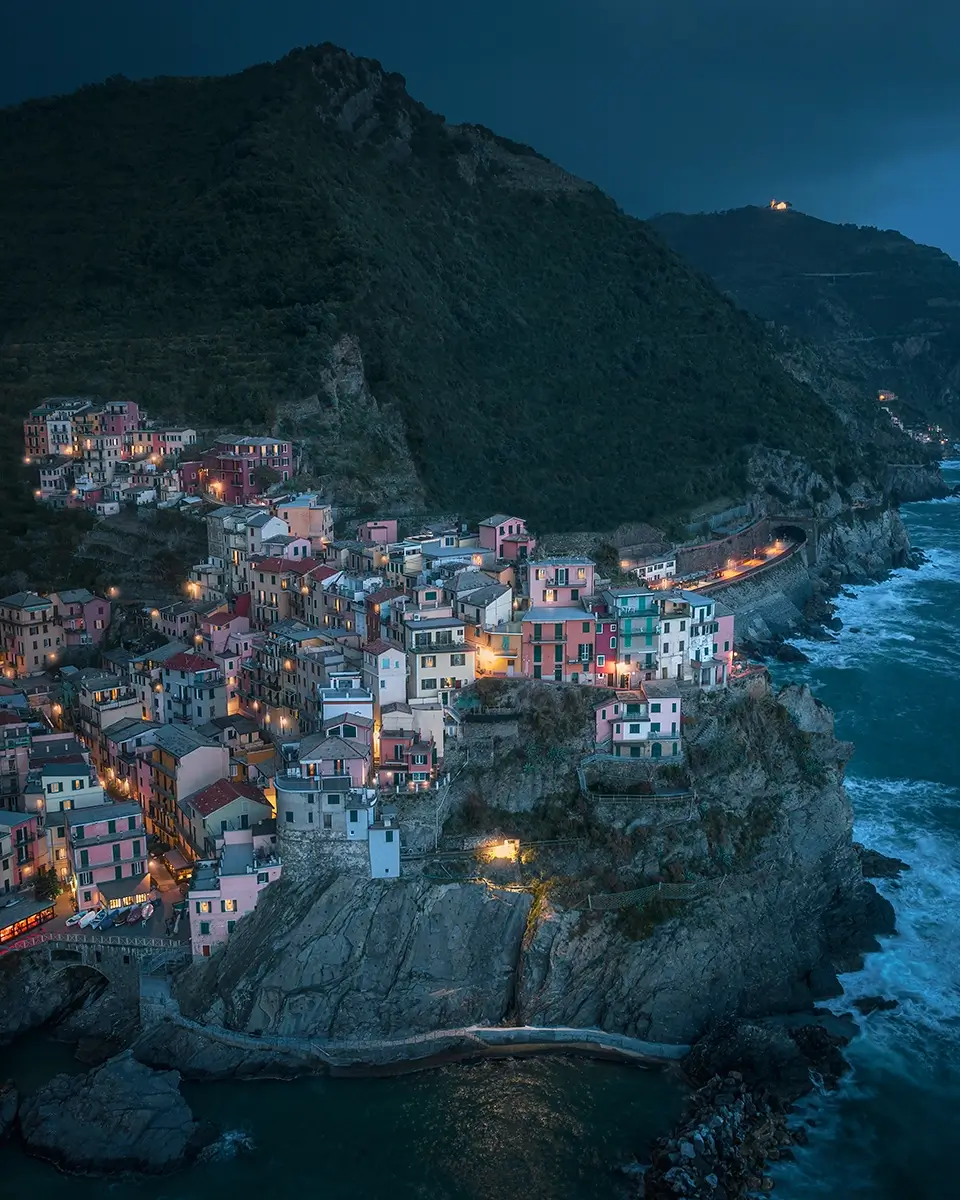
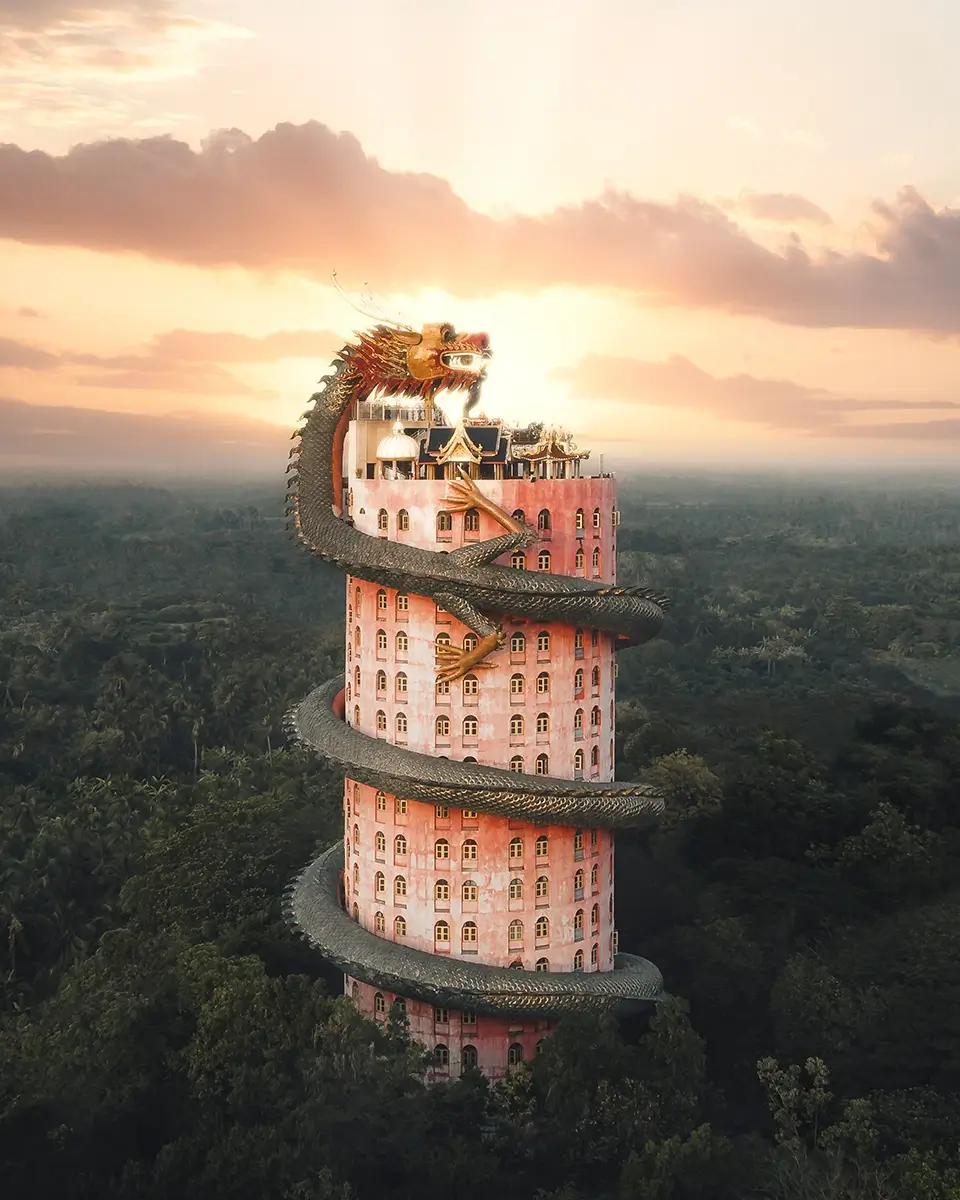
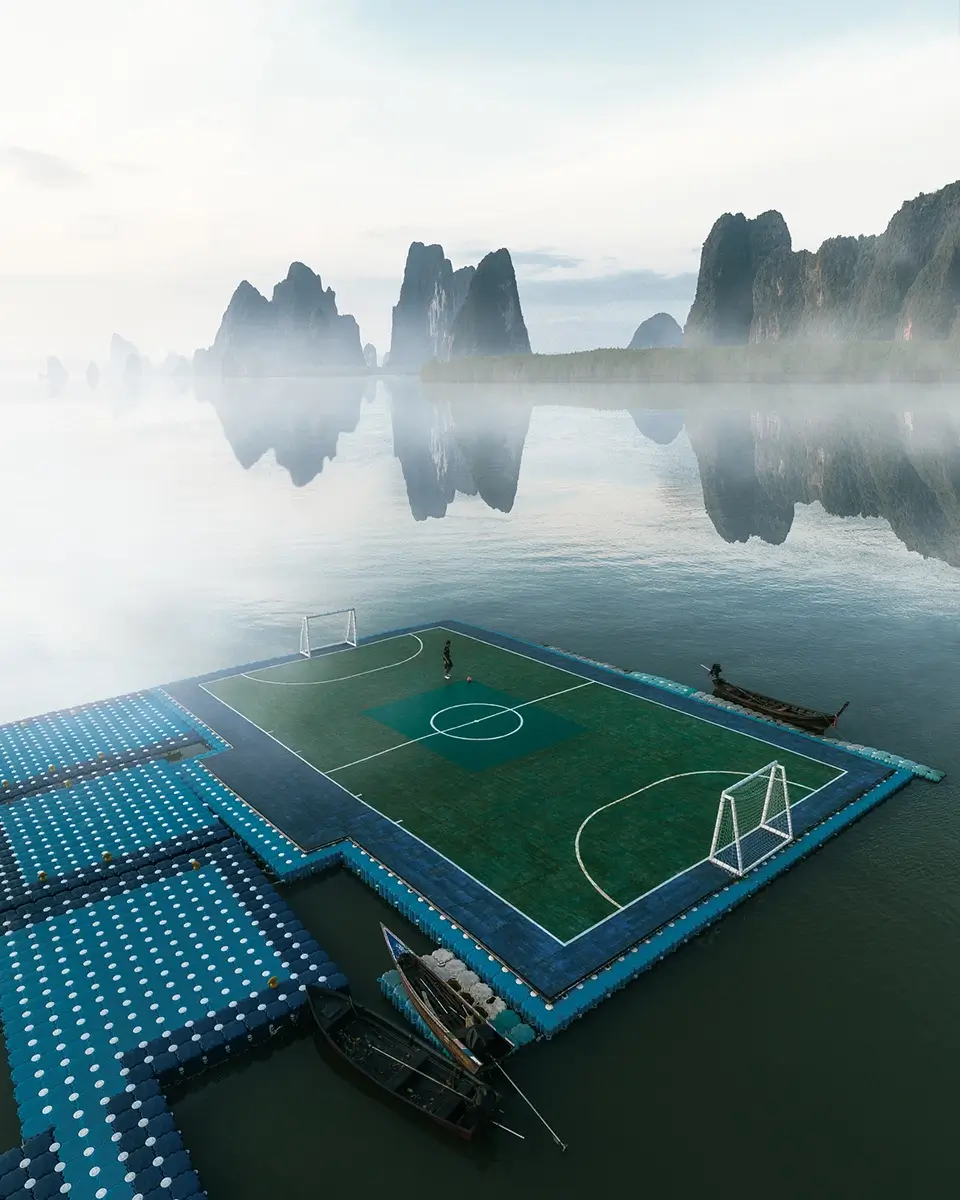
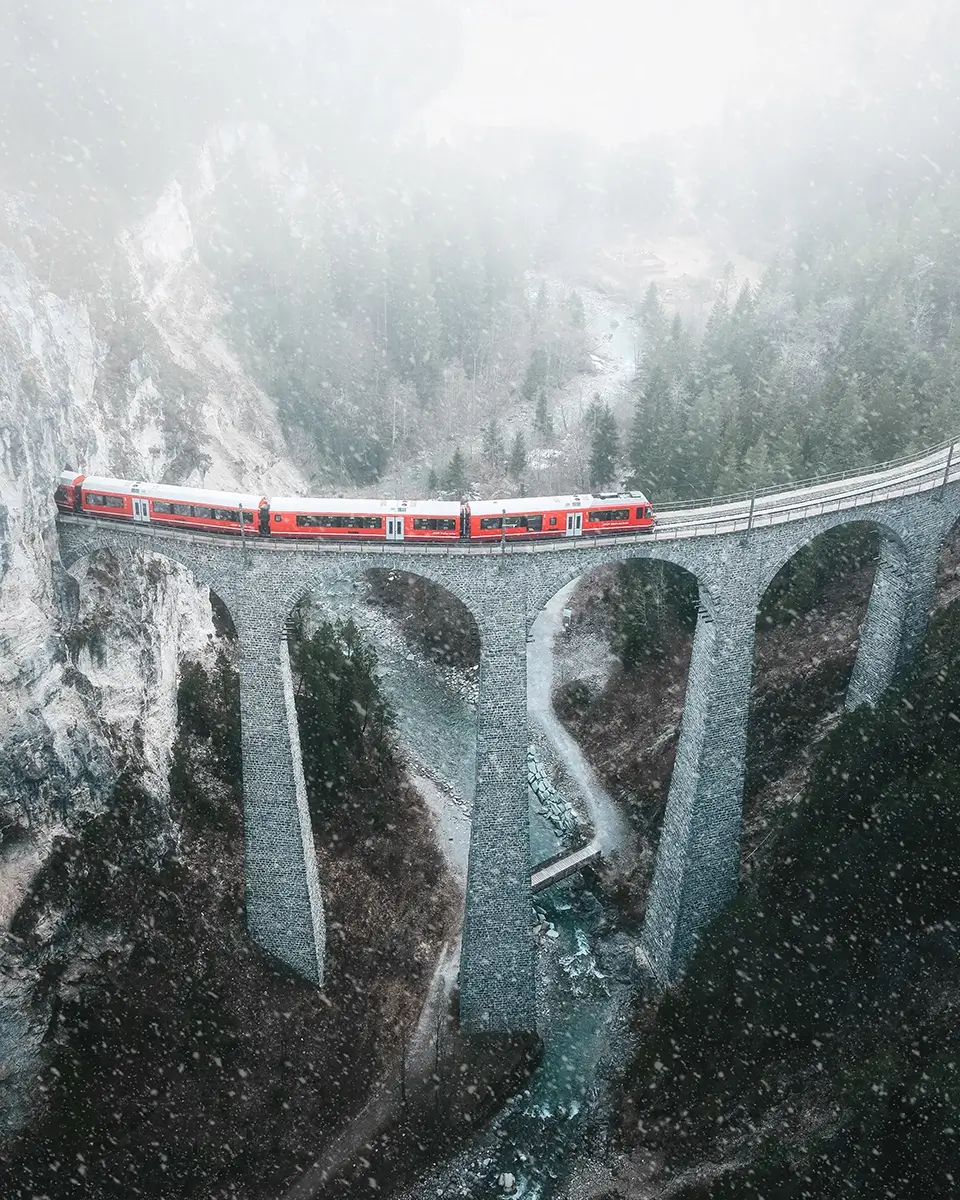
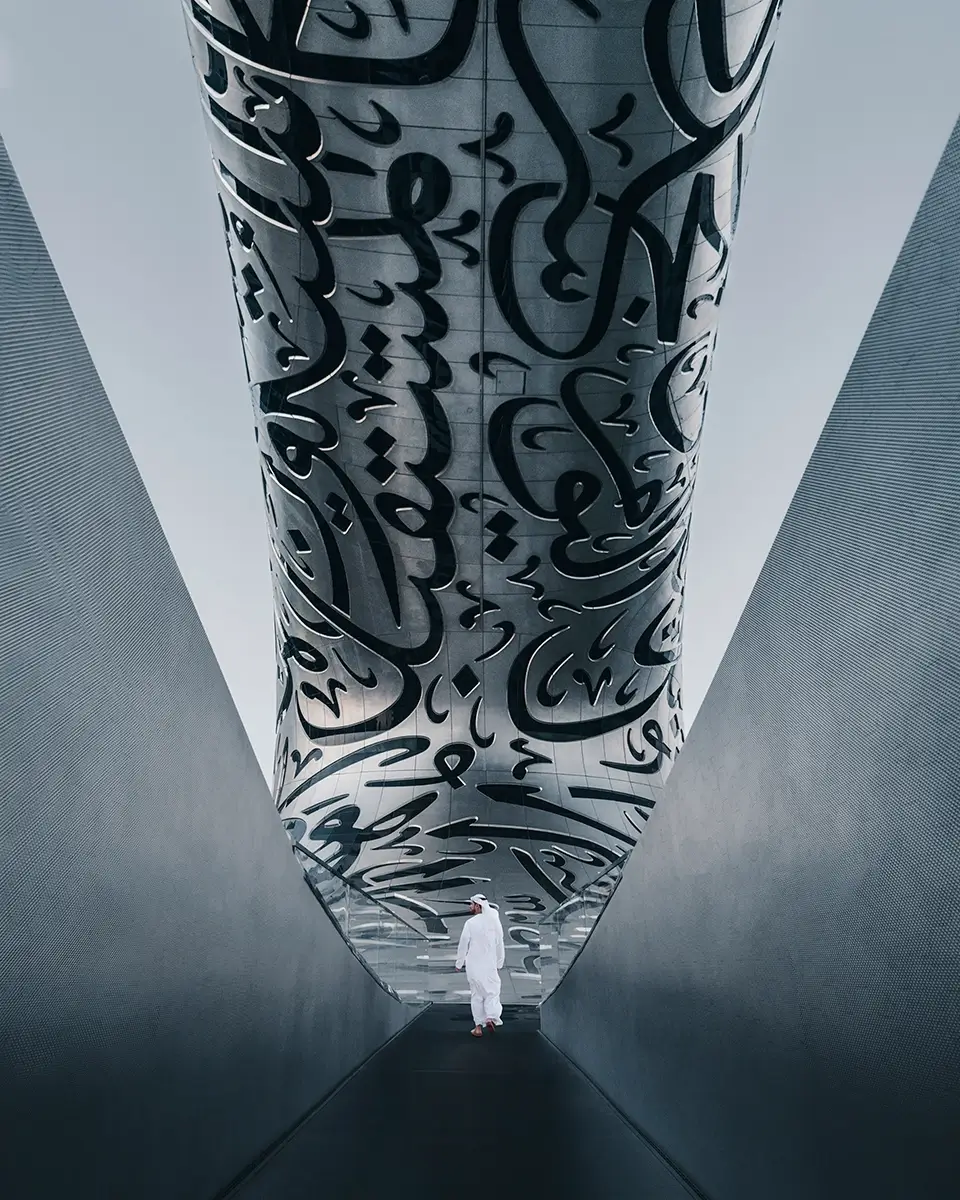
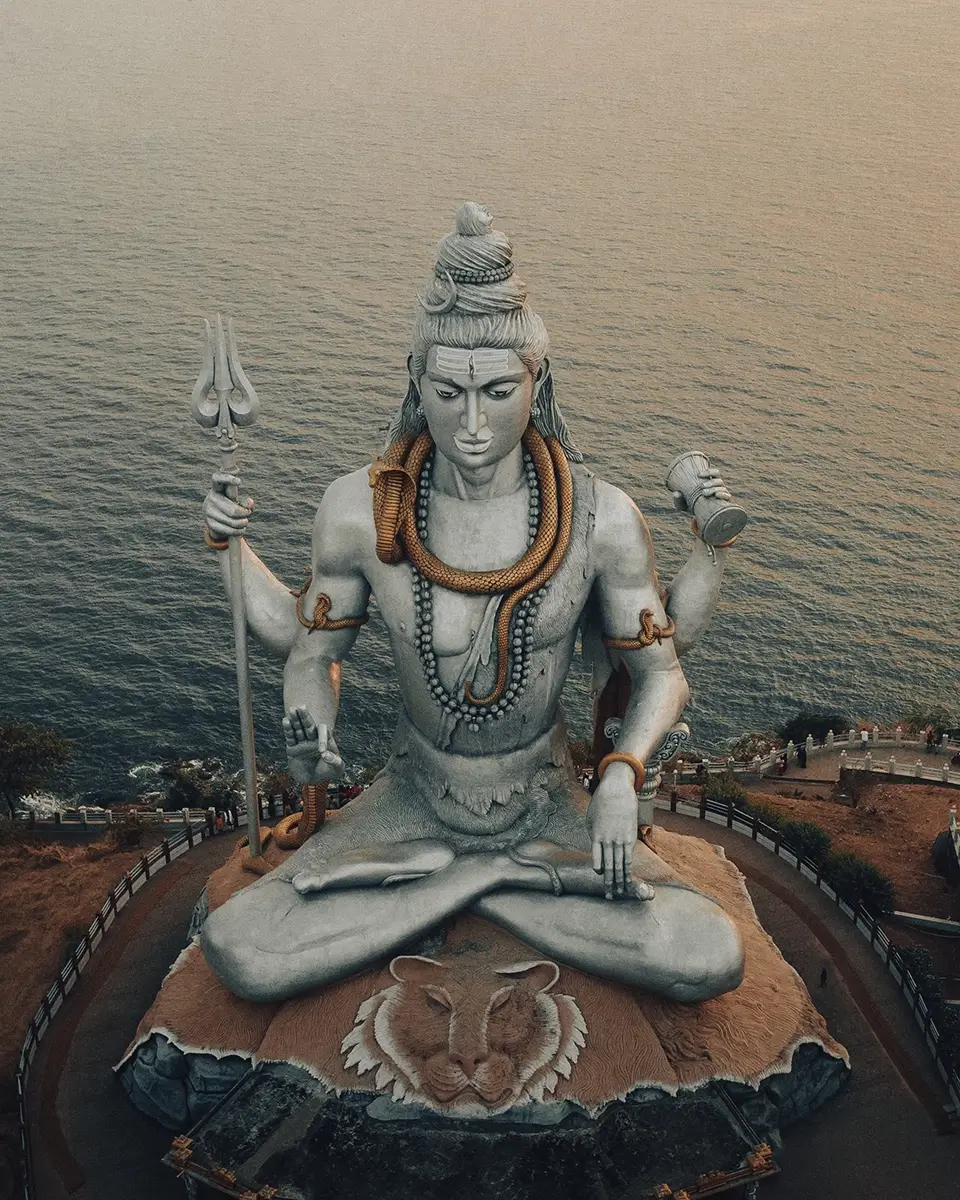
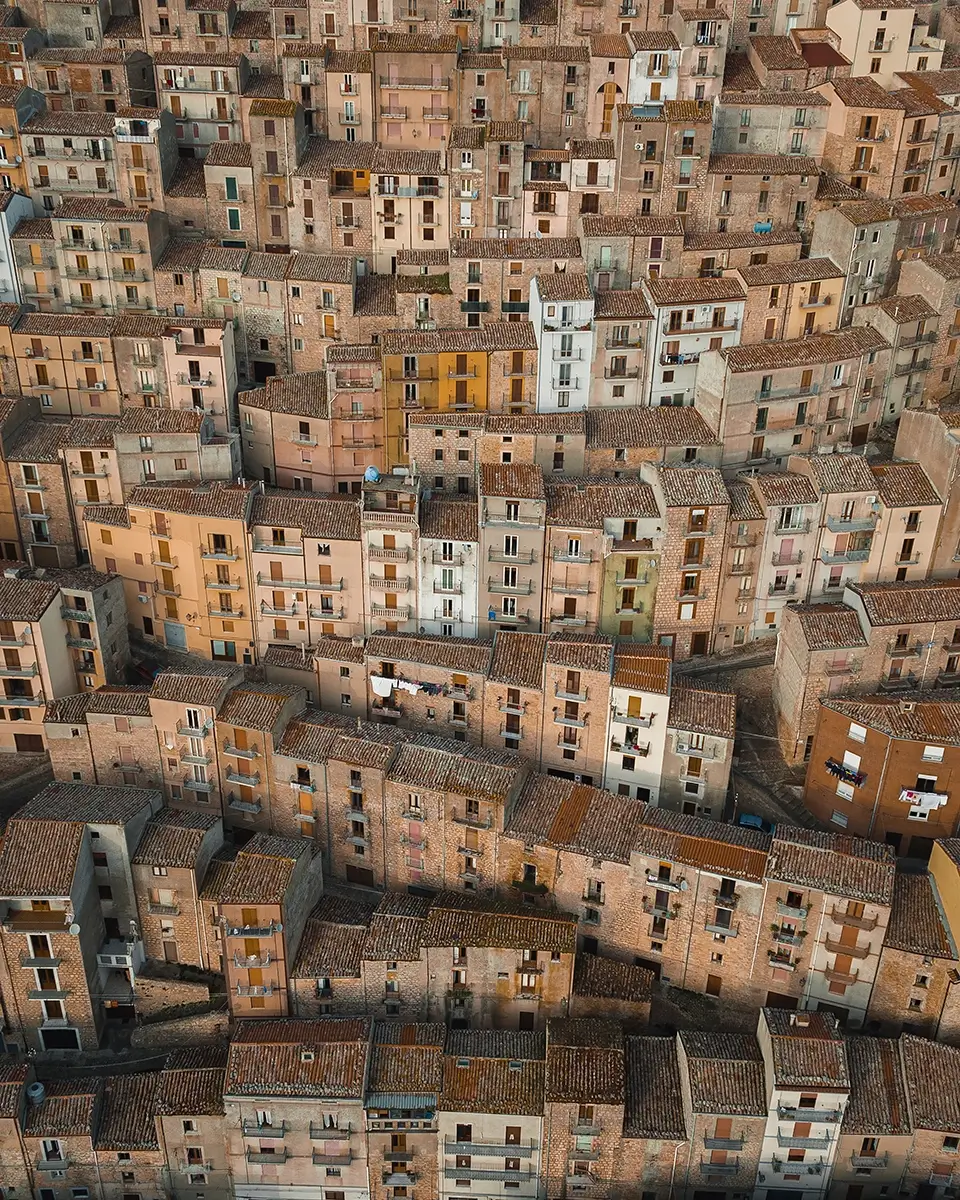
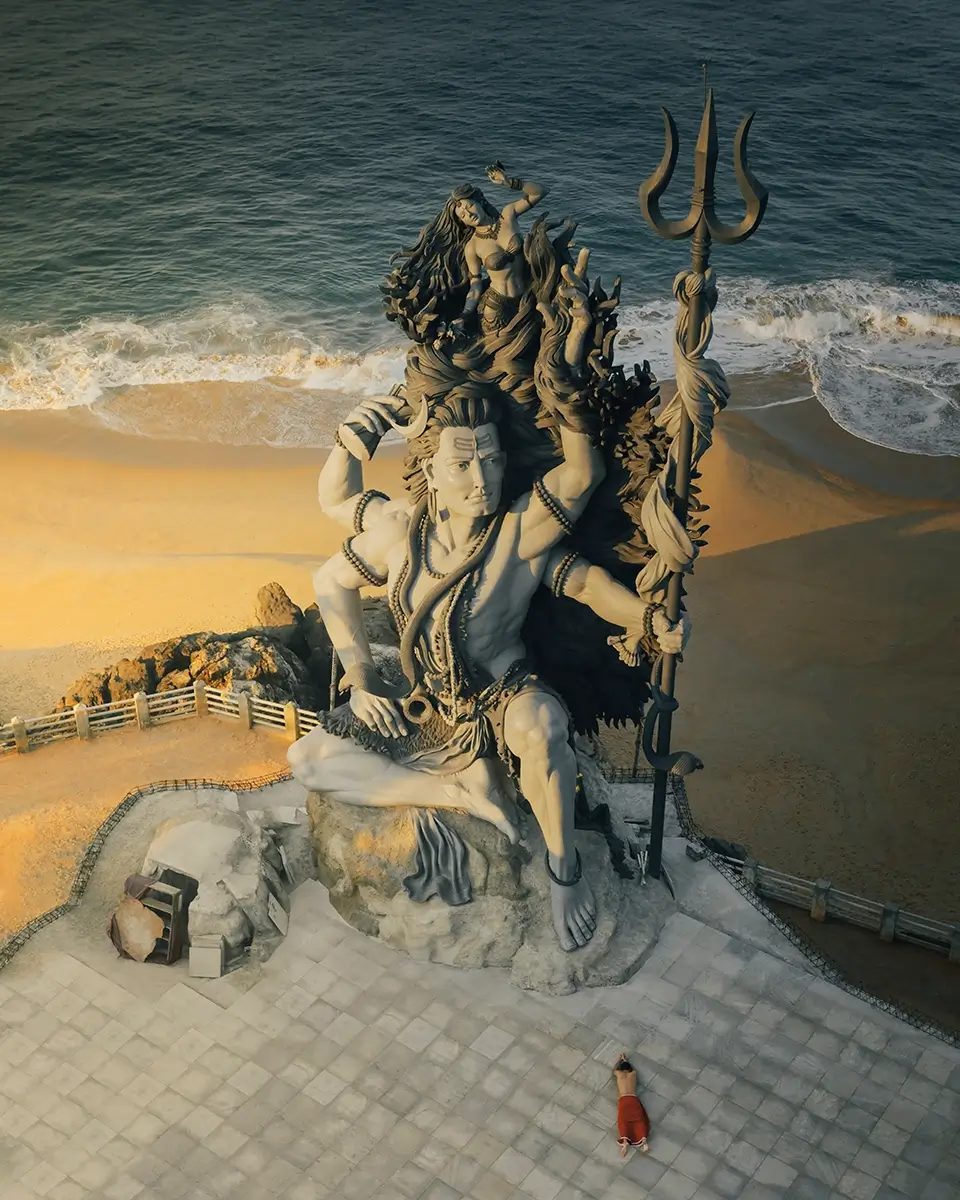
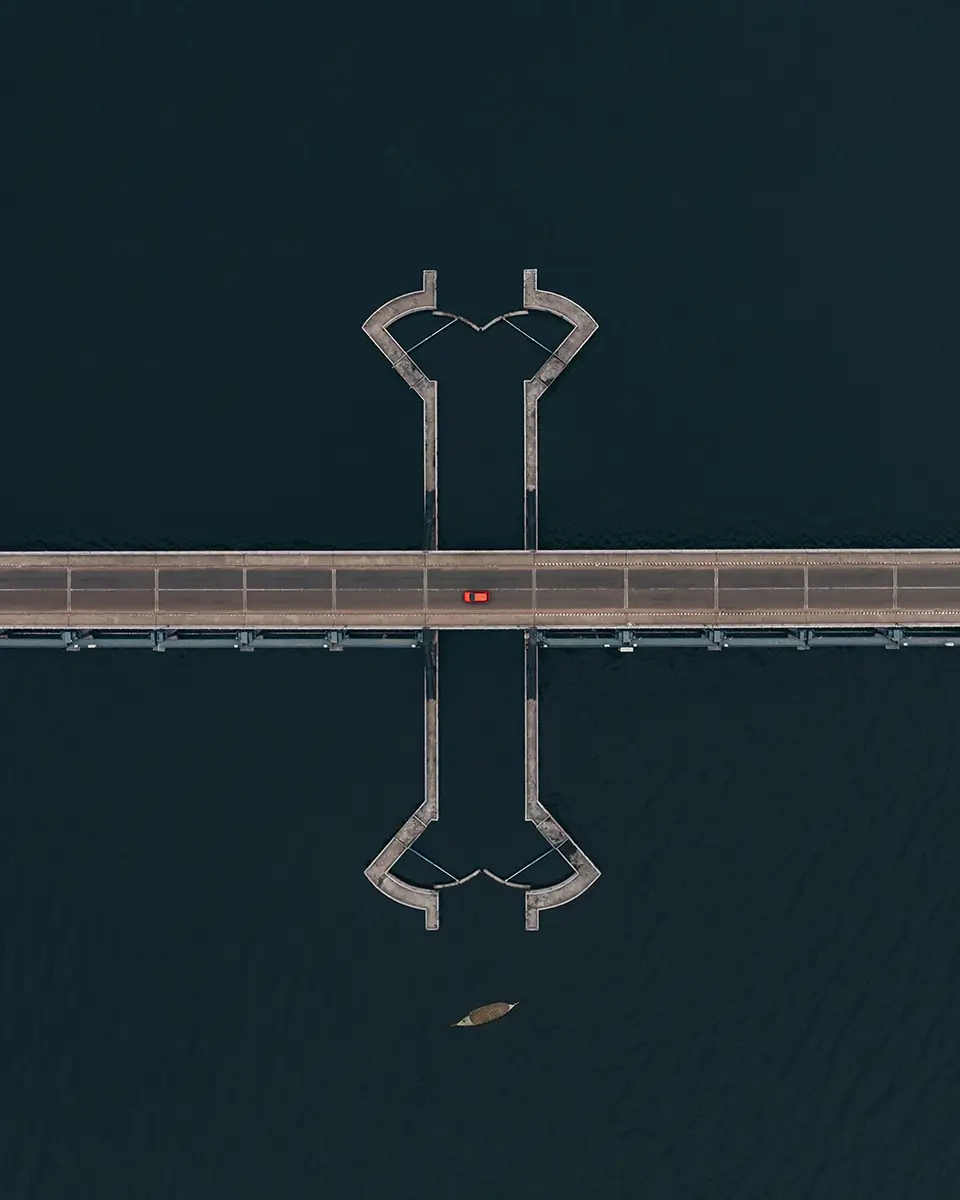
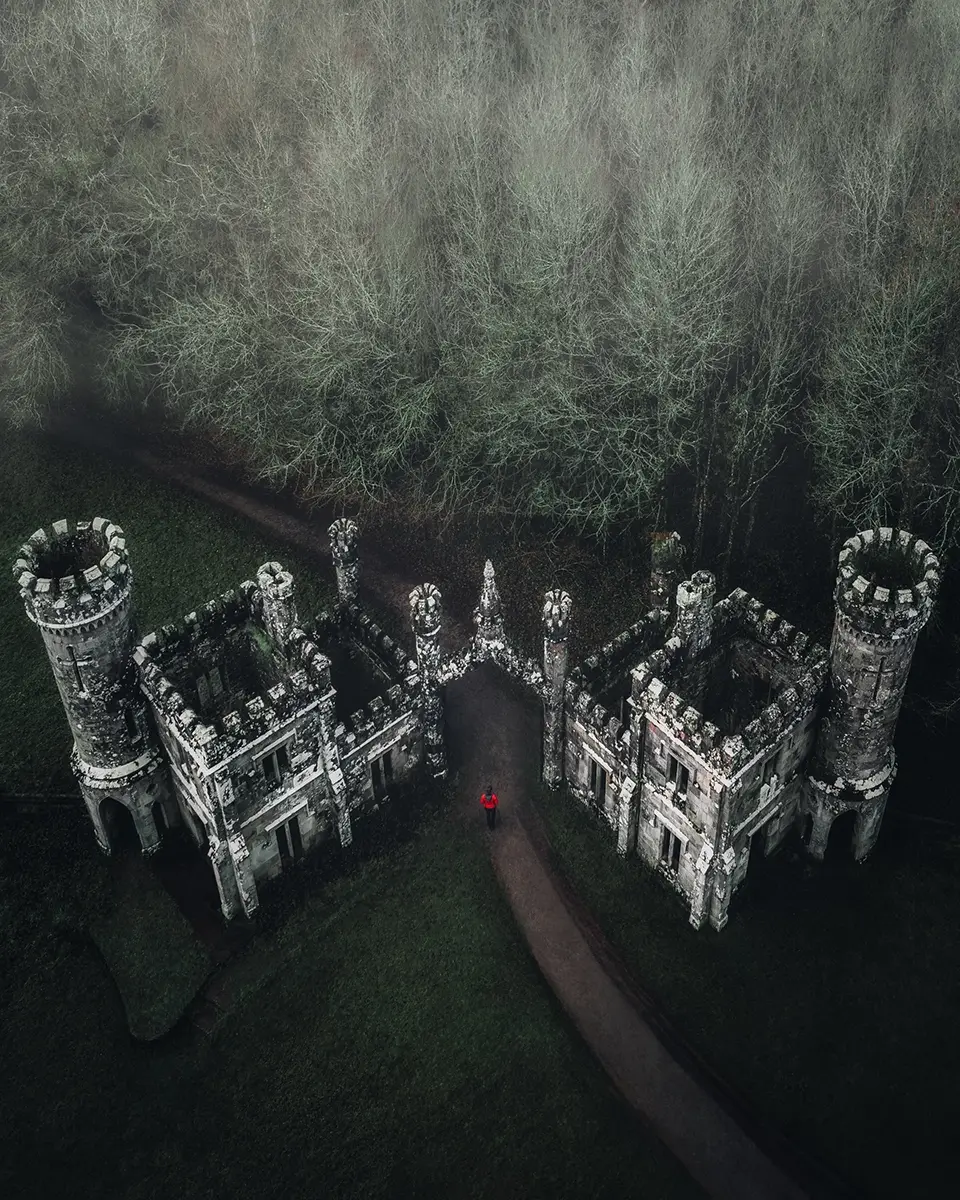
Savad Mon Avalachamveettil, widely known as Savad.monk, is an award winning travel, aerial and commercial photographer born in Kerala and now living in Ireland. A self taught artist, he began his journey with an iPhone and has since gained international recognition for blending culture, scale and emotion in powerful visual stories.

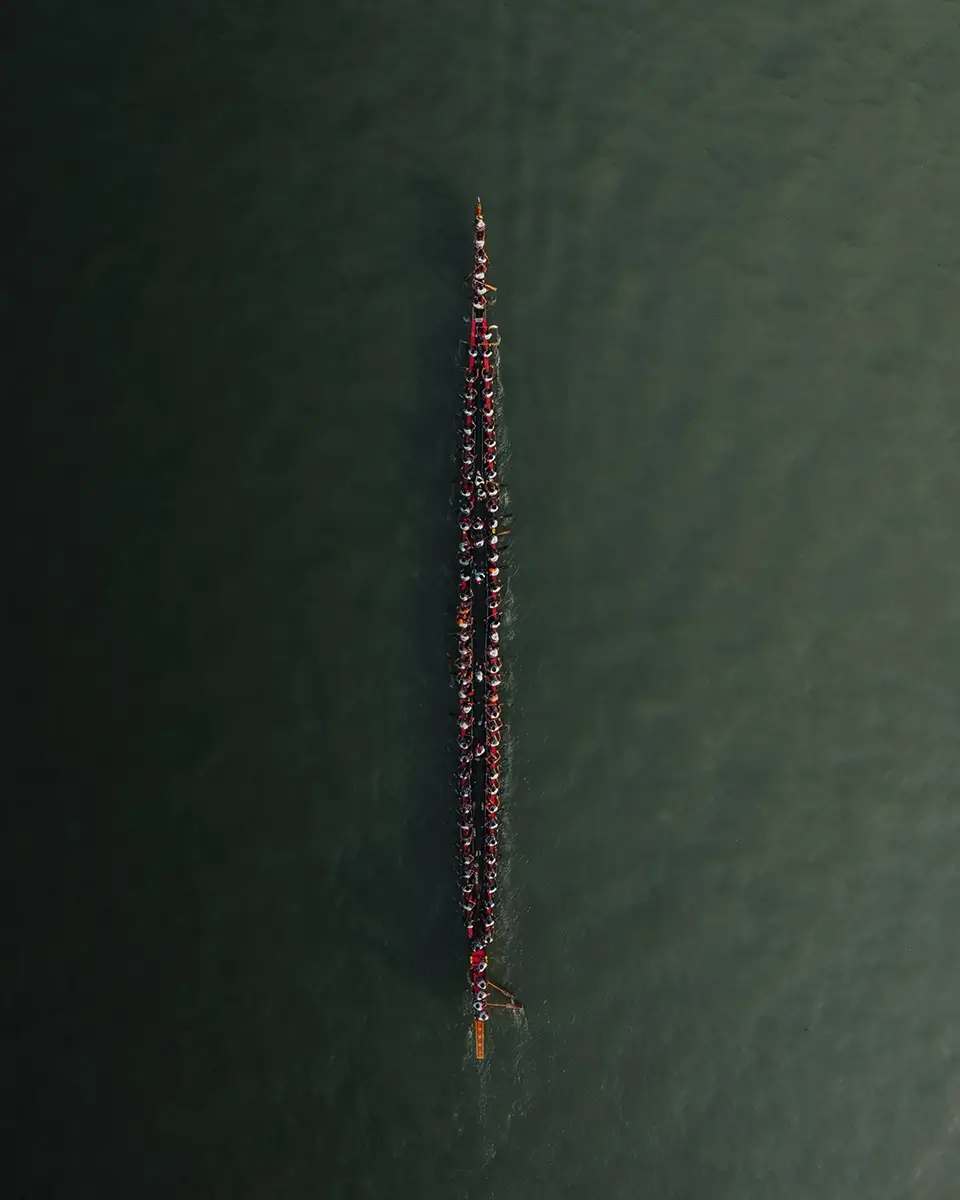
Driven by curiosity for the unseen, Savad captures large cultural gatherings, intricate landscapes and human narratives that often go unnoticed. His distinctive aerial style, rooted in symmetry, geometry and natural patterns, has established him as a rising voice in contemporary visual storytelling.

His work has earned major global honors, including IPA 2025 Event Photographer of the Year and GPA 2025 Professional Photographer of the Year. His photographs have been featured by international platforms such as Bored Panda, Nomadict, Muse.world, 121clicks, and several global photography collectives.

Today, Savad continues to travel and create, documenting human connections and landscapes from both ground and sky, always searching for the story shaped by scale, light and silence.

Statement:
Photography, for me, is not just about capturing a moment, “It is about discovering the hidden stories that shape how we see the world". Through aerial vision and thoughtful composition, I explore how culture, people, and landscapes shape one another. I aim to reveal stories that live beyond the surface stories of movement, memory, and the quiet beauty of our shared world.

AAP Magazine:

AAP Magazine 52 Travels

 

Inspiring Portfolios

Call for Entries
AAP Magazine #54 Nature
Publish your work in AAP Magazine and win $1,000 Cash Prizes
 
Stay up-to-date  with call for entries, deadlines and other news about exhibitions, galleries, publications, & special events.

More Great Photographers To Discover

Dana Stirling
Israel
1989
Dana Stirling is a fine art photographer and the Co-Founder & Editor of Float Photo Magazine since 2014. She is currently based in Queens, New York. She earned her MFA in Photography, Video, and Related Media from The School Of Visual Arts in 2016, following her earlier BA in Photographic Communications from Hadassah College Jerusalem. Dana Stirling's work has been prominently featured in group exhibitions in the United States and internationally, including reputable venues such as Panop-ticon Gallery and Saatchi Gallery. Her photography has gained recognition in various publications, including Buzzfeed, Feature Shoot, Der Grief Magazine and others. why am i sad In the ongoing evolution of my artistic journey, I find myself engaged in a profound process of self-examination, mental health and sadness - using the camera to explore the essence of who I am and my connection to the art of photography. My roots lie in a small town. Within this space, I grappled with a pervasive sense of loneliness that transcended both the physical boundaries and the emotional confines of my surroundings. Even in the company of others, I felt a profound solitude that echoed within and beyond those walls. Home, rather than a sanctuary, was a place where the weight of stress, anxiety, and extensive sadness loomed. Family, instead of offering solace, became a source of inner turmoil. Unspoken but deeply felt, my mother's battle with clinical depression cast a shadow over me. I saw her lose more and more of herself, becoming less and less a person I understood. In my youth, I perceived her sadness as a natural extension of my own sadness, failing to grasp the impact it would have on my journey toward understanding and confronting my own struggles with depression as I grow older. Photography emerged as my lifeline during these moments of isolation. Equipped with my camera, I found solace in the quietude of my room, capturing the silent narratives of everyday objects that became vessels for the unspoken language of my inner dialogue. Photography, in essence, became my personal code, a means of externalizing the words I couldn't articulate verbally. In the silent dialogue with still life, I discovered a form of communication that transcended the limitations of human interaction. Objects, devoid of judgment, spoke the untold stories, becoming my voice in a world where words often fell short. Despite physically distancing myself from the room that once encapsulated my struggles, the weight of sadness remains a constant companion. Photography, once a means of escape, has transformed into a burden, shaping both my emotional state and the aesthetic of my images. The absence of photography leaves me despondent, while the act of capturing images reflects the pervasive cloud of sadness that hovers above me. 'Why Am I Sad' stands as a pivotal exploration, a journey into the intricate relationship between myself and the art of photography, viewed through the lens of my camera. It is an open-ended question, not posed with the expectation of a definitive answer, but rather as a beacon of hope—an invitation to rediscover comfort within the very medium that has been both a refuge and a challenge. My work is an exploration of the interplay between personal struggles and the transformative power of artistic expression. Through the lens, I invite viewers to join me in questioning, in reflecting, and in the shared pursuit of finding solace and meaning within the complex tapestry of existence.
Mark Tuschman
United States
Over the years I have become more motivated to use my photography to communicate in a more socially conscious way—in a way that exposes people to both the degree of human suffering that exists in today’s world and to the courage and fortitude that people manifest to overcome it. In my travels I can easily imagine that I could have been born into completely different circumstances and my worldview would have been radically different, having been influenced by a completely, radically dissimilar environment and culture. Indeed, I know I have been privileged and fortunate to have been born into an affluent culture with tremendous opportunities. I believe that it is especially important for people in our society to understand other cultures and the enormous difficulties that people in other countries face daily in order to simply survive. The human condition is wrought with great uncertainty and suffering, and yet the human spirit and the hope for a better life can grow stronger in the face of adversity. I am constantly inspired by the profound fortitude of people living in difficult conditions and the empathy and commitment of the many who give counsel and aid to those less fortunate. I believe it as my moral obligation to use whatever talents I have as a photographer to transcend our limited worldviews and to help bridge the gap between cultures of affluence and poverty. Photography is a universal language and it is my hope that my images will move viewers to respond not only with empathy, but also with action. It is my intention to photograph people with compassion and dignity in the hope of communicating our interrelatedness. In the words of Sebastiao Salgado whose work I greatly admire, “If you take a picture of a human that does not make him noble, there is no reason to take this picture. That is my way of seeing things.”
Horst P. Horst
Germany/United States
1906 | † 1999
Horst P. Horst (born Horst Paul Albert Bohrmann), was a German-American fashion photographer. The younger of two sons, Horst was born in Weißenfels-an-der-Saale, Germany, to Klara (Schönbrodt) and Max Bohrmann. His father was a successful merchant. In his teens, he met dancer Evan Weidemann at the home of his aunt, and this aroused his interest in avant-garde art. In the late 1920s, Horst studied at Hamburg Kunstgewerbeschule, leaving there in 1930 to go to Paris to study under the architect Le Corbusier. While in Paris, he befriended many people in the art community and attended many galleries. In 1930 he met Vogue photographer Baron George Hoyningen-Huene, a half-Baltic, half-American nobleman, and became his photographic assistant, occasional model, and lover. He traveled to England with him that winter. While there, they visited photographer Cecil Beaton, who was working for the British edition of Vogue. In 1931, Horst began his association with Vogue, publishing his first photograph in the French edition of Vogue in December of that year. It was a full-page advertisement showing a model in black velvet holding a Klytia scent bottle. His first exhibition took place at La Plume d'Or in Paris in 1932. It was reviewed by Janet Flanner in The New Yorker, and this review, which appeared after the exhibition ended, made Horst instantly prominent. Horst made a portrait of Bette Davis the same year, the first in a series of public figures he would photograph during his career. Within two years, he had photographed Noël Coward, Yvonne Printemps, Lisa Fonssagrives, Count Luchino Visconti di Madrone, Duke Fulco di Verdura, Baron Nicolas de Gunzburg, Princess Natalia Pavlovna Paley, Daisy Fellowes, Princess Marina of Greece and Denmark, Cole Porter, Elsa Schiaparelli, and others like Eve Curie. Horst rented an apartment in New York City in 1937, and while residing there met Coco Chanel, whom Horst called "the queen of the whole thing". He would photograph her fashions for three decades. He met Valentine Lawford, British diplomat in 1938, and they lived together until Lawford's death in 1991. Horst adopted a son, Richard J. Horst, whom they raised together. In 1941, Horst applied for United States citizenship. In 1942, he passed an Army physical, and joined the Army on July 2, 1943. On October 21, he received his United States citizenship as Horst P. Horst. He became an Army photographer, with much of his work printed in the forces' magazine Belvoir Castle. In 1945, he photographed United States President Harry S. Truman, with whom he became friends, and he photographed every First Lady in the post-war period at the invitation of the White House. In 1947, Horst moved into his house in Oyster Bay, New York. He designed the white stucco-clad building himself, the design inspired by the houses that he had seen in Tunisia during his relationship with Hoyningen-Huene. Horst is best known for his photographs of women and fashion, but is also recognized for his photographs of interior architecture, still lifes, especially ones including plants, and environmental portraits. One of the great iconic photos of the Twentieth-Century is "The Mainbocher Corset" with its erotically charged mystery, captured by Horst in Vogue’s Paris studio in 1939. Designers like Donna Karan continue to use the timeless beauty of "The Mainbocher Corset" as an inspiration for their outerwear collections today. His work frequently reflects his interest in surrealism and his regard of the ancient Greek ideal of physical beauty. Lighting is more complex than one thinks. There appears to be only one source of light. But there were actually reflectors and other spotlights. I really don’t know how I did it. I would not be able to repeat it. -- Horst P. Horst, on his 1939 photograph Mainbocher Corset His method of work typically entailed careful preparation for the shoot, with the lighting and studio props (of which he used many) arranged in advance. His instructions to models are remembered as being brief and to the point. His published work uses lighting to pick out the subject; he frequently used four spotlights, often one of them pointing down from the ceiling. Only rarely do his photos include shadows falling on the background of the set. Horst rarely, if ever, used filters. While most of his work is in black & white, much of his color photography includes largely monochromatic settings to set off a colorful fashion. Horst's color photography did include documentation of society interior design, well noted in the volume Horst Interiors. He photographed a number of interiors designed by Robert Denning and Vincent Fourcade of Denning & Fourcade and often visited their homes in Manhattan and Long Island. After making the photograph, Horst generally left it up to others to develop, print, crop, and edit his work. One of his most famous portraits is of Marlene Dietrich, taken in 1942. She protested the lighting that he had selected and arranged, but he used it anyway. Dietrich liked the results and subsequently used a photo from the session in her own publicity. In the 1960s, encouraged by Vogue editor Diana Vreeland, Horst began a series of photos illustrating the lifestyle of international high society which included people like: Consuelo Vanderbilt, Marella Agnelli, Gloria Guinness, Baroness Pauline de Rothschild and Baron Philippe de Rothschild, Helen of Greece and Denmark, Baroness Geoffroy de Waldner, Princess Tatiana of Sayn-Wittgenstein-Berleburg, Lee Radziwill, Duke of Windsor and Duchess of Windsor, Peregrine Eliot, 10th Earl of St Germans and Lady Jacquetta Eliot, Countess of St Germans, Antenor Patiño, Oscar de la Renta and Françoise de Langlade, Desmond Guinness and Princess Henriette Marie-Gabrielle von Urach, Andy Warhol, Nancy Lancaster, Yves Saint Laurent, Doris Duke, Emilio Pucci, Cy Twombly, Billy Baldwin, Jacqueline Kennedy Onassis, Amanda Burden, Paloma Picasso and Comtesse Jacqueline de Ribes. The articles were written by the photographer's longtime companion, Valentine Lawford, a former English diplomat. From this point until nearly the time of his death, Horst spent most of his time traveling and photographing. In the mid-1970s, he began working for House & Garden magazine as well as for Vogue. Horst's last photograph for British Vogue was in 1991 with Princess Michael of Kent, shown against a background of tapestry and wearing a tiara belonging to her mother-in-law, Princess Marina, who he had photographed in 1934. He died at his home in Palm Beach Gardens, Florida at 93 years of age.Source: Wikipedia I don’t think photography has anything remotely to do with the brain. It has to do with eye appeal. -- Horst P. Horst
Sim Chi Yin
Singapore
1978
Sim Chi Yin (born 1978) is a Singaporean photographer, based between Beijing, China, and London. She works as a documentary photographer and artist who pursues self-directed projects in Asia and is "interested in history, memory, and migration and its consequences". As well as photography she uses film, sound, text and archival material. The Long Road Home: Journeys Of Indonesian Migrant Workers was published in 2011. Sim is a nominee member of Magnum Photos. Sim Chi Yin was born in Singapore. She learned history and international relations at the London School of Economics on a scholarship. She worked as a print journalist and foreign correspondent at The Straits Times for nine years. In 2010 she quit to work full time as a photographer. Within four years she was working as a photojournalist, getting regular assignments from The New York Times. Her first major work was The Rat Tribe, about blue-collar workers in Beijing. It has been published widely and was shown at the Rencontres d'Arles in 2012. Sim spent four years photographing Chinese gold miners living with the occupational lung disease silicosis, published in the photo essay Dying To Breathe, much of it about He Quangui, also the subject of a short film. She was commissioned as the Nobel Peace Prize photographer in 2017 to make work about its winner, the International Campaign to Abolish Nuclear Weapons. Her photographs of similarities in landscapes related to nuclear weapons, both in the USA and along the China-North Korea border, were exhibited at the Nobel Peace Center museum in Oslo, Norway. In 2014 she became an interim member of VII Photo Agency, a full member in 2016 then left in 2017. In 2018 she became a nominee member of Magnum Photos. She has been awarded a Magnum Foundation Social Justice and Photography fellowship and the Chris Hondros Award. She is newly based in Berlin.Source: Wikipedia Sim Chi Yin’s work combines deep research with intimate storytelling. She explores history, memory, conflict and migration using photography, film, sound, text and archival material, in a multidisciplinary practice. Chi Yin was commissioned as the Nobel Peace Prize photographer in 2017 and created a solo show for the Nobel Peace Centre museum in Oslo on nuclear weapons, combining video installation and still photography. Other notable projects include One Day We’ll Understand, an ongoing excavation of histories from the anti-colonial resistance movement in British Malaya during the early Cold War, Dying to Breathe which chronicled the slow death of a Chinese gold miner from “Black Lung” disease and Shifting Sands, an on-going visual investigation into world’s dependence on a non-renewable resource. Her work has been exhibited in the Istanbul Biennale (2017), at the Institute of Contemporary Arts Singapore, the Annenberg Space For Photography in Los Angeles, Gyeonggi Museum of Modern Art in South Korea, and other galleries and institutions in Europe, the United States and Asia. Her film and multimedia work have also been screened at Les rencontres d’Arles and Visa pour l'Image festivals in France, and the Singapore International Film Festival. She has worked on assignments for global publications, such as The New York Times Magazine, Time Magazine, National Geographic, The New Yorker and Harper's Bazaar. Chi Yin read history at the London School of Economics and Political Science for her first two degrees and was a staff journalist and foreign correspondent for a decade before quitting to become an independent visual practitioner in 2011. She is currently also a PhD candidate on scholarship at King’s College London, in War Studies. Chi Yin became a Magnum nominee in 2018.Source: Magnum Photos Recent solo exhibitions include One Day We’ll Understand, Les Rencontres d’Arles (2021), One Day We’ll Understand, Landskrona Foto Festival, Sweden (2020), One Day We’ll Understand, Hanart TZ Gallery, Hong Kong (2019) and Most People Were Silent, Institute of Contemporary Arts, LASALLE College of the Arts, Singapore (2018), Fallout, Nobel Peace Museum, Oslo (2017). Her work has also been included in group shows such as Most People Were Silent, Aesthetica Art Prize, York Art Gallery, United Kingdom (2019); UnAuthorised Medium, Framer Framed, Amsterdam, The Netherlands; Relics, Jendela (Visual Arts Space) Gallery, Esplanade, Singapore (both 2018); and the Guangzhou Image Triennial ( 2021), the 15th Istanbul Biennial, Turkey (2017). Sim was commissioned as the Nobel Peace Prize photographer in 2017, nominated for the Vera List Center’s Jane Lombard Prize for Art and Social Justice 2020.Source: chiyinsim.com
Ryotaro Horiuchi
Ryotaro Horiuchi was born in Tokyo in 1969. When he was a teenager, he started to work at the furniture studio as an assistant. During his time at the studio, he was asked to take photographs of furniture as its records. And that was the first time he felt his intention to focus on a thing in front of his eyes ''Through The Lends''. And that ''intention'' turned him into ''photo-holic'' by realizing the potential of photographs. Since then, he has been working on his works from Osaka University of Arts and while he was in Germany and till now. Now he is working with ''Descendants of Samurai'' and ''Roma Gypsy'' by taking their portraits. To do so, he keeps focusing on ''the identity'' of them and himself. Falling Waters When I faced the waterfall, my eyes were riveted on the falling waters. The waters kept changing and never became the same figure. I saw the vitality in its overwhelming energy. The waters looked so alive that I felt as if I were photo shooting creatures. These are not scenic photos but portraits of waterfalls. The waters kept moving vigorously with a roaring sound, however, I loved the silence behind it. Quiet Existence I have relatives who emigrated to a foreign country under a state-led migration policy during the pre-war period. They live as minorities in the country. Hearing stories about them as I grew up made me fascinated with people who are defined as minorities. When I was staying in Germany, I later learned that the people who had been closed to me were Roma. I had absolutely no knowledge about Roma at that time and their lifestyle looked just so mysterious to me. Since then, I had been drawn to their strong identity and I visited the area where many Romani people live. I met many other ethnic groups of people who live as minorities there. When I faced their lifestyles, I could see their quiet yet strong identity behind them, which strongly resonated with me. It might be impossible for minorities to maintain their culture without keeping their strong identity. What is identity? The question always makes me ask myself what kind of individuality I retain. Discover Descendants of Samurai
Neal Menschel
United States
Neal Menschel has been a photographer for over 25 years. He has photographed five presidents and traveled the world covering third world politics and development, and environmental issues. He began his career as a photographer for the Anchorage Daily News in Anchorage, Alaska.   As a freelance photographer, Neal’s clients have included The New York Times, Newsweek, MIT, Tufts, Wellesley College, People, Geo, Front Line, Yankee, as well as other publications and numerous corporate clients. Neal also worked as an associate producer and sound recordist on a series of award-winning documentary films for WGBH-Boston, and WBZ-TV, Boston, additionally teaching photography/documentary photography at Boston University. Neal was the Director of Photography and Senior Photographer for the Christian Science Monitor. He has traveled extensively, both nationally and worldwide, specializing in third world politics and development, environmental issues, domestic politics, humanitarian, social, and cultural issues, always with a focus on people and matters of the "human heart." Neal was the Director of Photography for the Salt Institute for Documentary Studies, a graduate and undergraduate training program in photography, radio, and writing, in Portland, Maine. Neal led their photography program for nine years before moving to the San Francisco Bay Area. Many of the students Neal has taught, mentored, and shared his passion for photography and visual storytelling are now successfully carrying on careers in photojournalism and fine art photography. Neal is currently working on a book about West Virginia culture.  He teaches in Stanford University's Continuing Studies Program while he continues his work as a photographer, journalist, teacher, and workshop instructor/leader. Source: nealmenschel.photoshelter.com
Kenneth Josephson
United States
1932
Kenneth Josephson is an American photographer, born on July 1, 1932 in Detroit, Michigan. He completed his elementary education in Detroit. In 1953 after being sent in Germany by the United States Army he was trained in photolithography and aerial reconnaissance photography. In 1957 he earned a Bachelor of Fine Arts from the Rochester Institute of Technology, located in New York. There he studied under Minor White. In 1960 he earned a master's degree from the Institute of Design of the Illinois Institute of Technology. While studying there he was influenced by Aaron Siskind and Harry Callahan. After earning his master's degree in 1960 Kenneth Josephson worked at the School of the Art Institute of Chicago from 1960 to 1997, when he retired. In 1963 he co-founded the Society for Photographic Education with thirty other notable photographers. His works in the 1960s and 1970s which were focused on conceptual photography placed him at the forefront of conceptual photography. In 1972 he was awarded with the Guggenheim Fellowship grant by the John Simon Guggenheim Memorial Foundation. In 1975 and in 1979 he was awarded with the NEA grant by the National Endowment for the Arts agency. Many of his collections are found in museums such as the Metropolitan Museum of Art of New York City, the Museum of Contemporary Art, Chicago, the Smithsonian Institution in Washington, the National Museum of American Art and The Bibliothèque nationale de France in Paris. In 1977 and 1983 many of his works became part of exhibitions in Austria, the United Kingdom, Germany, the Netherlands, Sweden, Switzerland, and France.Source: Wikipedia Kenneth Josephson is recognized as one of the pioneers of conceptual photography. He has explored the concepts of photographic truth and illusion throughout his career, producing a varied oeuvre that utilizes a range of techniques from collage and construction to multiple exposures and single negative photographs. Focusing on what it means to make a picture, Josephson’s work playfully highlights the illusive nature of photography. New York State (1970) is one of Josephson’s most well known photographs, and one of a much larger series incorporating pictures within pictures. We see the artist’s arm, stretching over a body of water, and just above the horizon line he holds a picture of a ship. Positioning this ship so that it appears proportionally equal to a full-sized ship in the distance, the photograph is deliberately composed to draw attention to its artifice. Source: Yancey Richardson In 1963 he became a founding member of the Society for Photographic Education, and in 1964 his work was included in John Szarkowski’s exhibition, “The Photographer’s Eye,” which traveled internationally to forty venues from 1964 to 1972. Josephson received his first museum retrospective in 1999–2000 at the Art Institute of Chicago and the Whitney Museum. His work is featured in numerous collections around the world and his monographs include: Kenneth Josephson Museum of Contemporary Art, Chicago, 1983; Kenneth Josephson: A Retrospective The Art Institute of Chicago, 1999; Kenneth Josephson: The First Fifty Years Stephen Daiter Gallery, 2008; Kenneth Josephson: Matthew 2054 Press and Stephen Daiter Gallery, 2012; Kenneth Josephson: Selected Photographs Only Photography, 2013; and The Light of Coincidence: The Photographs of Kenneth Josephson University of Texas Press, 2016.Source: Gitterman Gallery
Advertisement
AAP Magazine #54 Nature
Win a Solo Exhibition this January
AAP Magazine #54 Nature

Latest Interviews

Exclusive Interview with Peter Ydeen
Winner of AAP Magazine #45 Travels, his series reflects this unique vision—capturing the spirit of place through subtle layers of light, color, and emotion. Whether traveling abroad or observing the rhythms of his own surroundings, Ydeen creates images that feel both grounded and enchanted, inviting viewers into a world where reality and reverie meet.
Exclusive Interview with Julie Wang
Chinese-born photographer Julie Wang brings a poetic, contemplative sensitivity to her visual exploration of the world. Having lived for nearly equal parts of her life in China, Europe, and the United States, she approaches her subjects with the nuanced perspective of someone shaped by many cultures. This blend of distance, curiosity, and emotional resonance infuses her work with a quiet depth, allowing her to reveal the fragile beauty and subtle tensions that often pass unnoticed.
Exclusive Interview with Ghawam Kouchaki
American photographer Ghawam Kouchaki brings a sharply observant and introspective gaze to the streets of Japan’s capital. Based in Los Angeles, he approaches Tokyo with the distance — and curiosity — of an outsider, allowing him to uncover the city’s subtle contradictions, quiet tensions, and fleeting gestures that often go unnoticed. His series Tokyo no no, selected as the Solo Exhibition for December 2024, explores the hidden undercurrents of urban life: the unspoken rules, the small ruptures in routine, the poetic strangeness found in everyday moments. Through muted tones, instinctive timing, and meticulous framing, Kouchaki reveals a Tokyo that exists somewhere between reality and imagination — both intimate and enigmatic. We asked him a few questions about his life and work.
Exclusive Interview with Tommi Viitala
Tommi Viitala, winner of AAP Magazine #44: Street, is a Finnish photographer celebrated for his striking and cinematic street photography. With a keen eye for atmosphere and composition, he captures fleeting urban moments that reveal the poetry of everyday life. His work often explores the tension between solitude and connection within contemporary cityscapes, blending documentary realism with artistic sensibility. Viitala’s photographs have been exhibited internationally and recognized for their strong visual storytelling and emotional depth. We asked him a few questions about his life and work.
Exclusive Interview with Robert Mack
Robert Mack is a California-based visual artist, photographer, and filmmaker. His fine art photography and films have been exhibited widely in the United States and Europe, with major shows at the Baltimore Museum of Art and the Reiss-Engelhorn Museum in Mannheim, Germany. Both institutions hold his work in their permanent collections. Working across different media, Mack has built a career exploring the complexities of human presence and representation. In 1981, while living in Baltimore, he produced The Perkins Project: Not Guilty by Reason of Insanity, a rare photographic and film study inside Maryland’s hospital for the criminally insane. These stark yet compassionate black-and-white portraits remain one of his most powerful and controversial bodies of work.
Exclusive Interview with Alan Schaller About Irys
Alan Schaller is a London-based photographer best known for his striking black-and-white street photography and as co-founder of Street Photography International, one of the largest online communities dedicated to the genre. With years of experience both behind the camera and in building platforms that give visibility to photographers, Schaller has now turned his focus to creating a new digital space for photography itself. His latest venture, Irys, is a photography app designed by photographers, for photographers, with the aim of offering a dedicated platform where images are respected as works of art rather than treated as disposable content.
Exclusive Interview with Guillaume Bonn
With his latest book Paradise, Inc., celebrated documentary photographer Guillaume Bonn takes us deep into the heart of East Africa, where the promises and failures of wildlife conservation collide. Far from offering a romanticized vision of nature, Bonn’s work confronts us with urgent realities: the tensions between local communities and conservation policies, the sacrifices of rangers on the frontlines, and the long-lasting impact of human activity on fragile ecosystems. Spanning more than two decades of fieldwork, the project blends powerful imagery with investigative depth, raising difficult but necessary questions about transparency, accountability, and the Western-led models that dominate conservation. Enriched by the voices of those too often left out of the conversation—including a preface by Maasai leader Ezekiel Ole Katato and an introduction by journalist Jon Lee Anderson—Paradise, Inc. is both a stunning visual journey and a call to action. In the following interview, Guillaume Bonn reflects on the making of Paradise, Inc., the ethical dilemmas at the heart of his work, and the urgent need to rethink our approach to conservation in East Africa and beyond.
Exclusive Interview with Sander Vos
Sander Vos is a fine art photographer based in London whose work seamlessly blends elements of Surrealism with portraiture. Drawing inspiration from his background in design, Vos embraces light and contrast to sculpt striking, graphic compositions. His photographs invite the viewer into a world where revelation and concealment coexist, leaving space for imagination and interpretation.
Exclusive Interview with Tomasz Trzebiatowski Editor-in-chief FRAMES Magazine
Founded in 2020 by photographer, publisher, and classical pianist Tomasz Trzebiatowski, FRAMES Magazine has quickly established itself as a thoughtful space for photography lovers who believe that powerful images deserve to live on paper. Known for its beautifully printed quarterly issues and dynamic international community, FRAMES bridges the gap between tradition and innovation in the photographic world. As editor-in-chief, Trzebiatowski has created not only a publication but a platform that celebrates diverse genres, nurtures dialogue, and champions the tactile experience of print in a digital age. In this interview, he reflects on the journey from founding FRAMES to building a global membership, the challenges of independent publishing, and the future of photography in both print and digital forms.
Call for Entries
AAP Magazine #54 Nature
Publish your work in AAP Magazine and win $1,000 Cash Prizes