All about photo.com: photo contests, photography exhibitions, galleries, photographers, books, schools and venues.
Win a Solo Exhibition this February. Juror: Harvey Stein
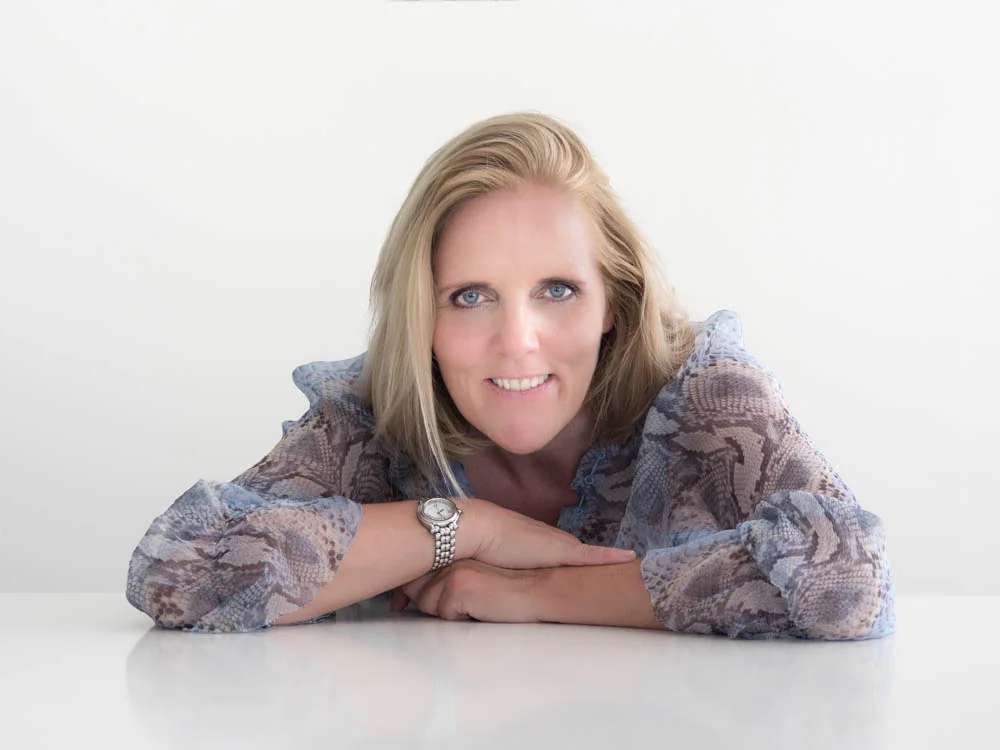
Gabi Steiner
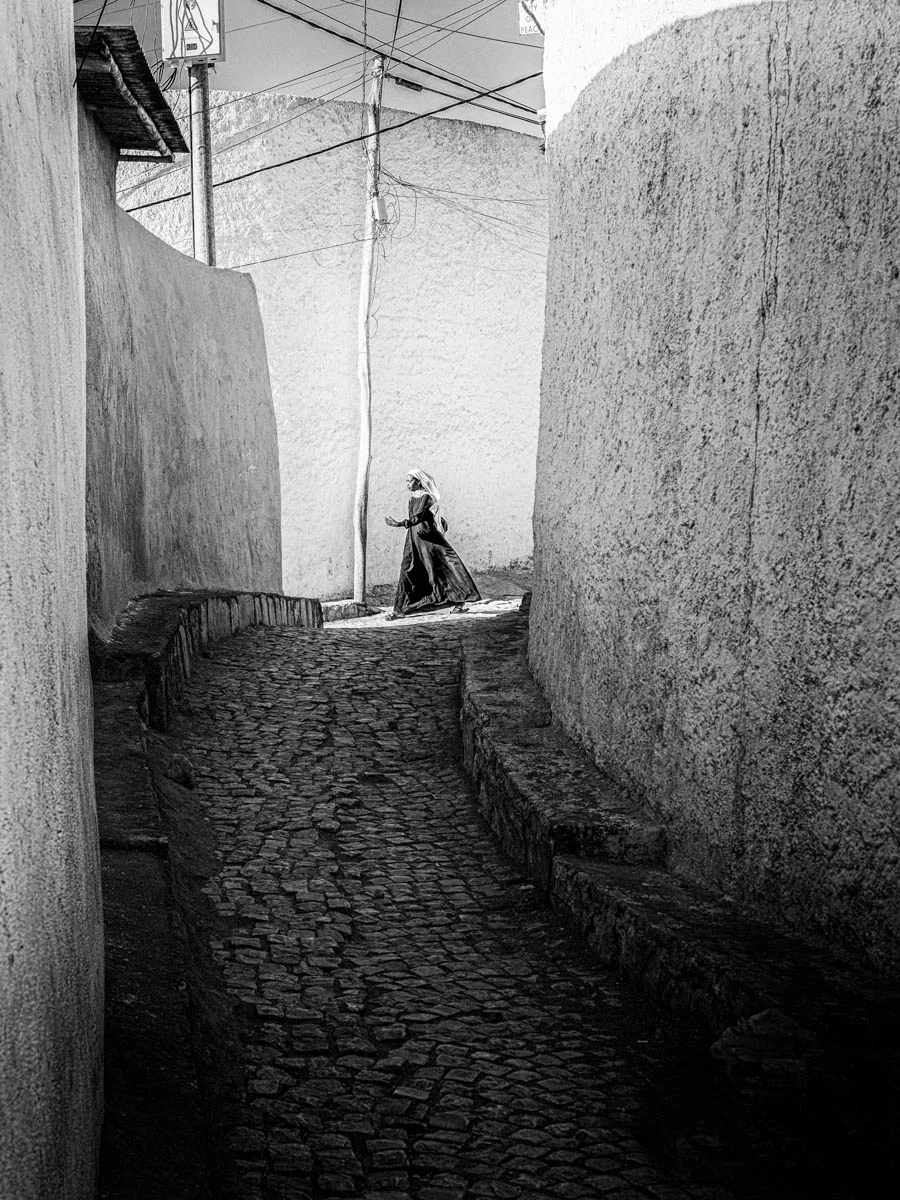
Gabi Steiner
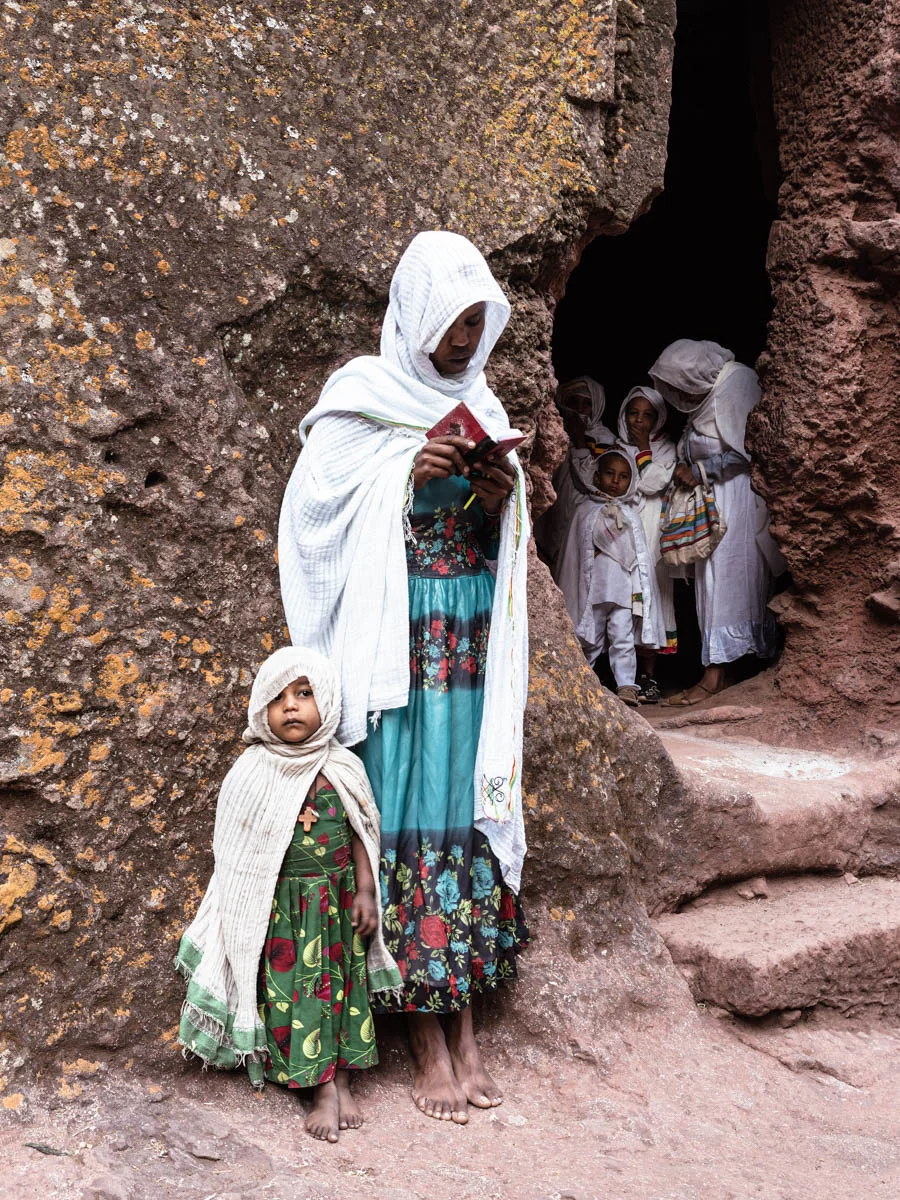
Gabi Steiner

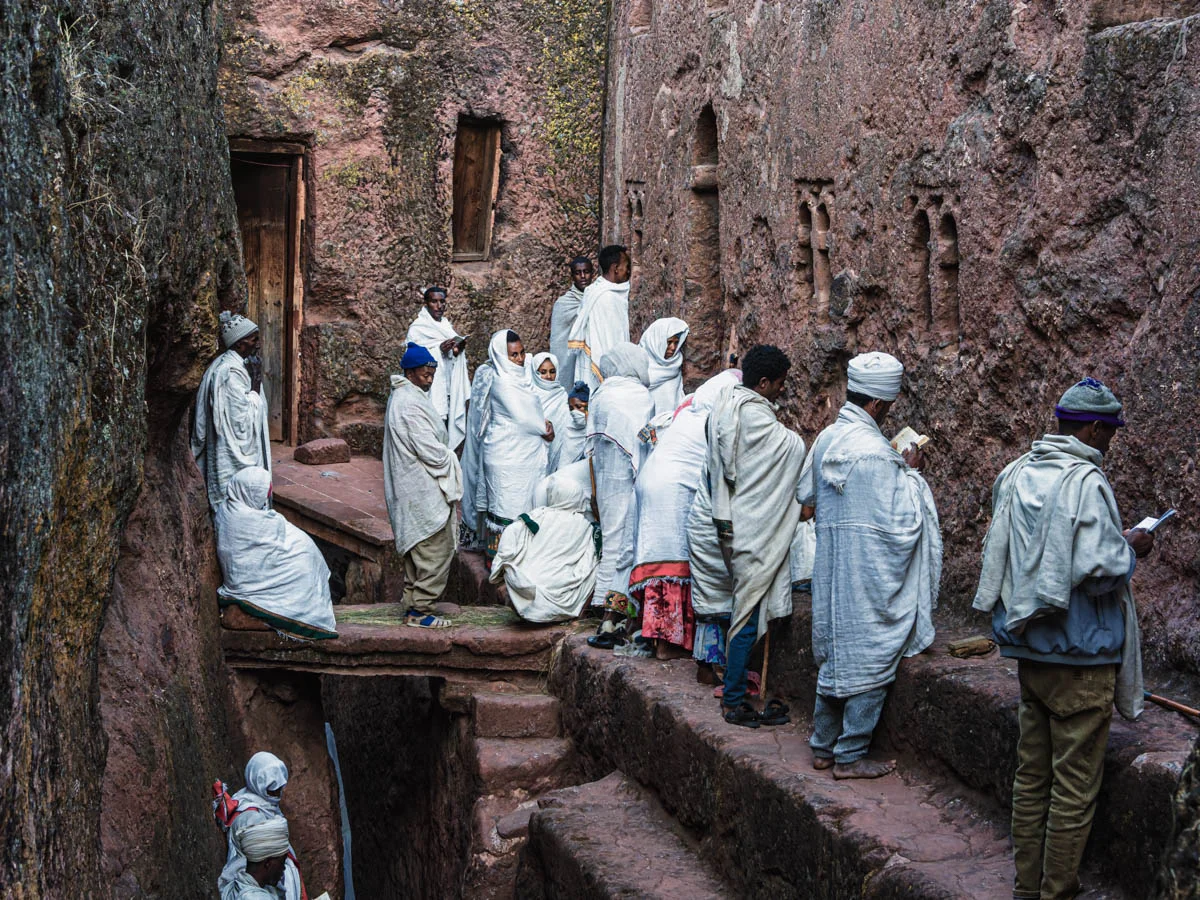
Gabi Steiner

Country: Austria
Birth: 1969

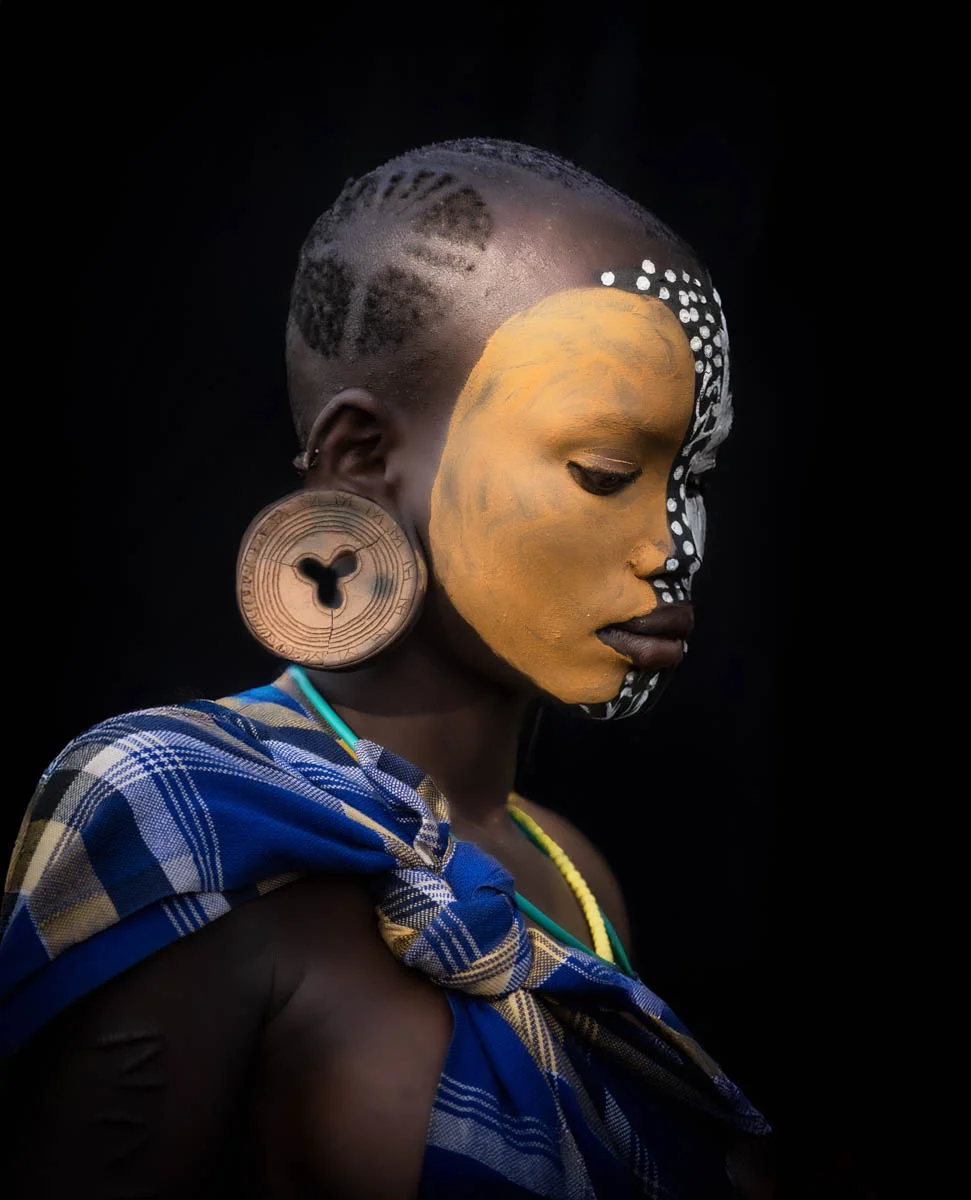
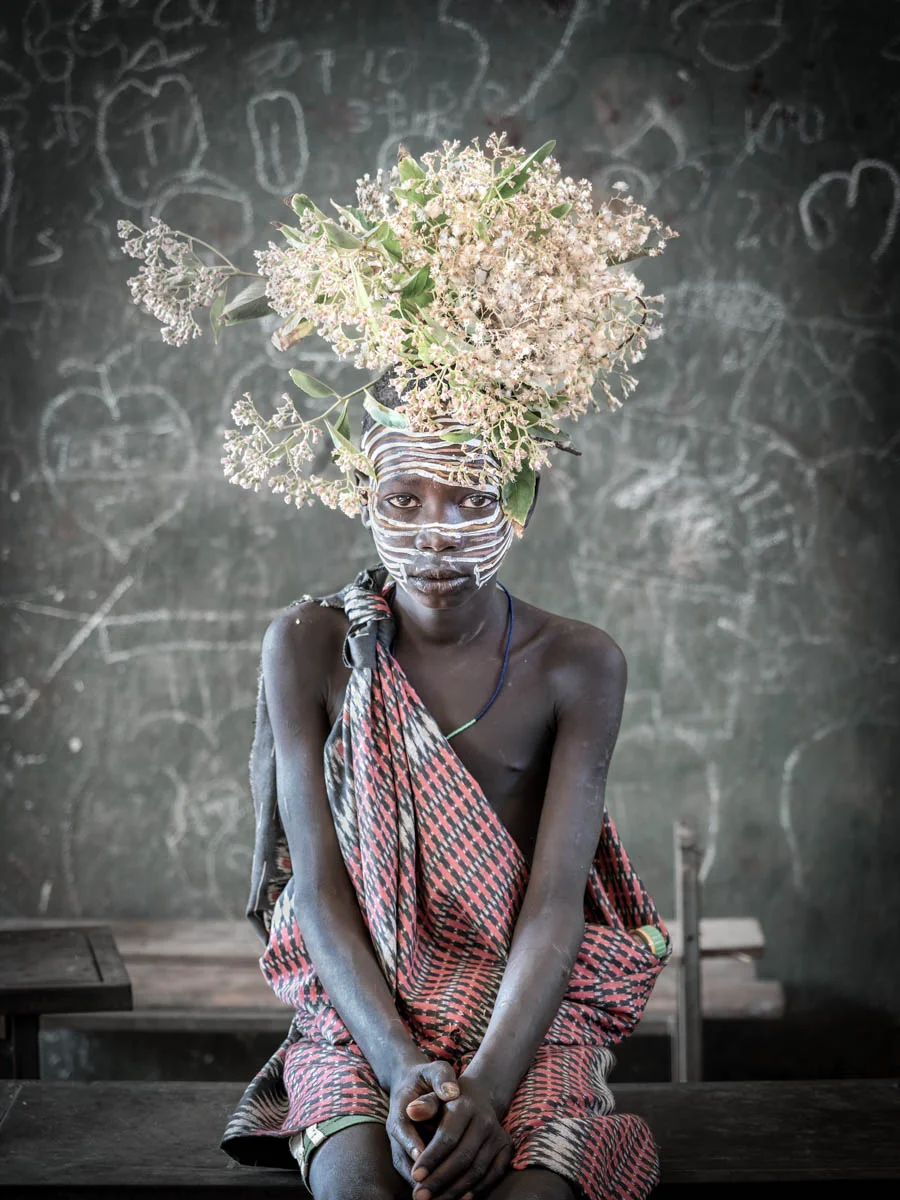
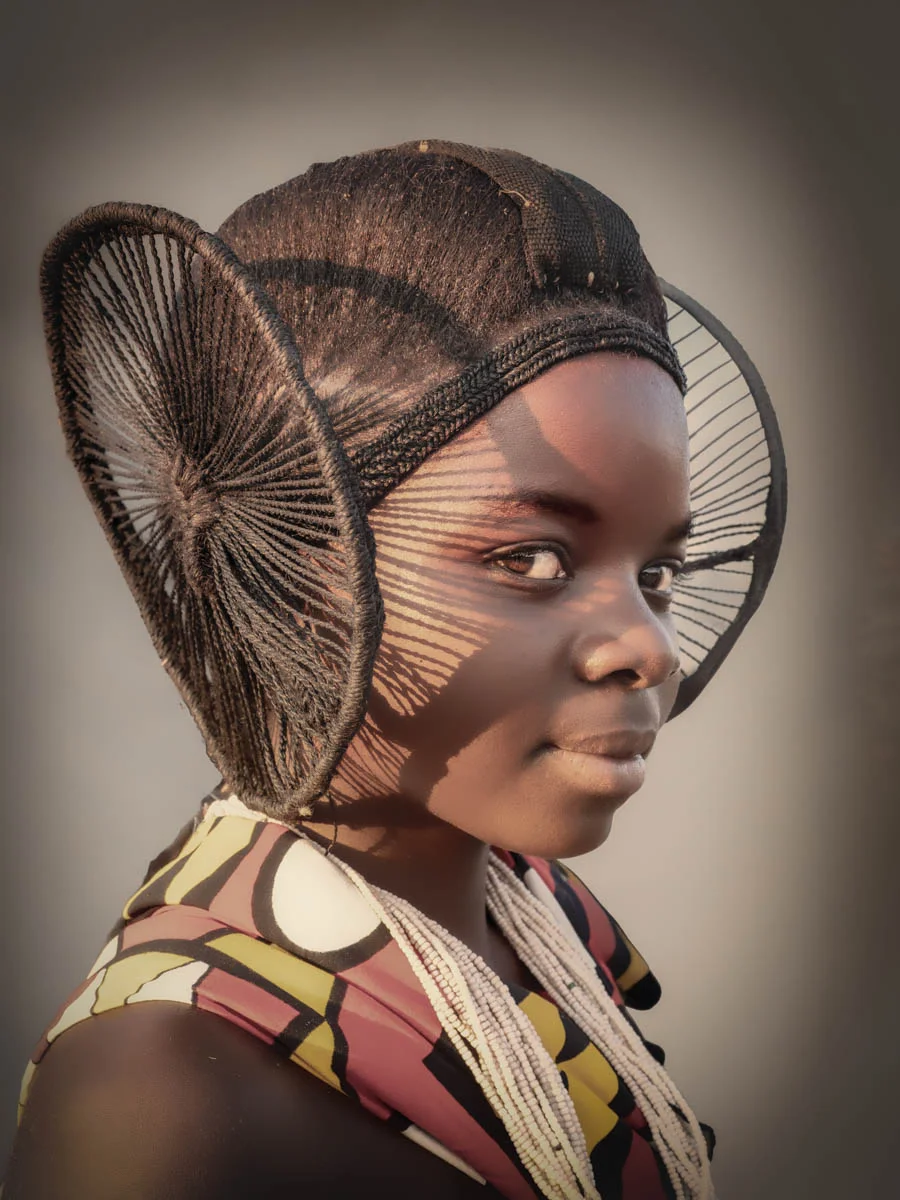
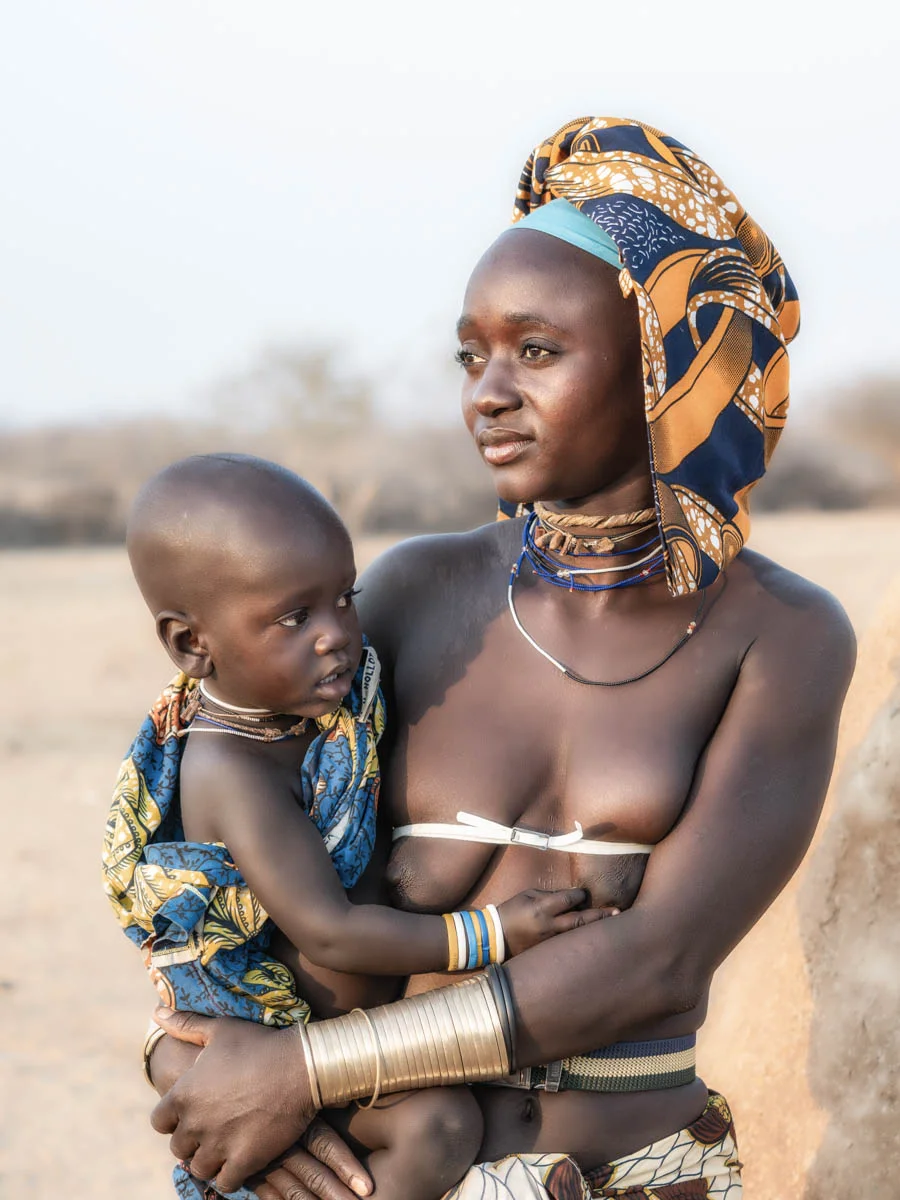
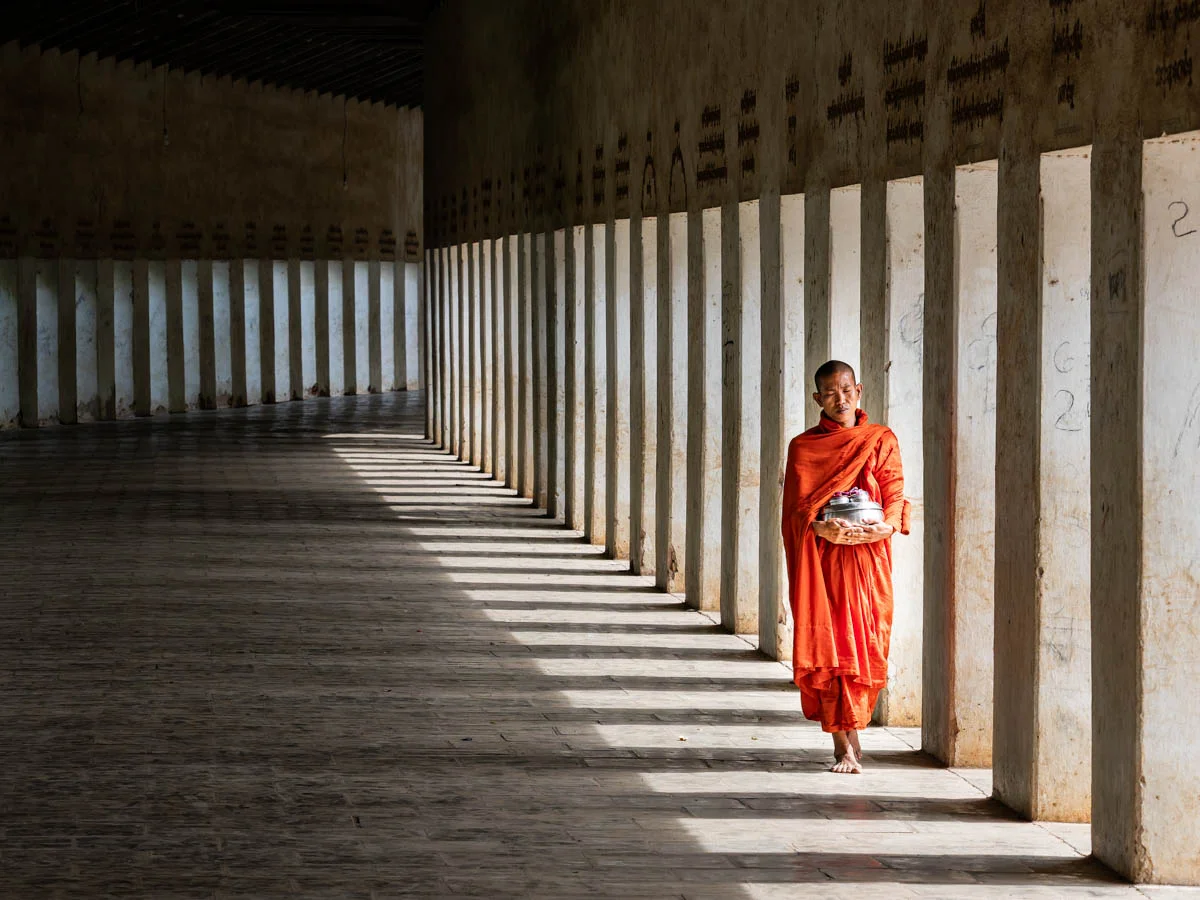
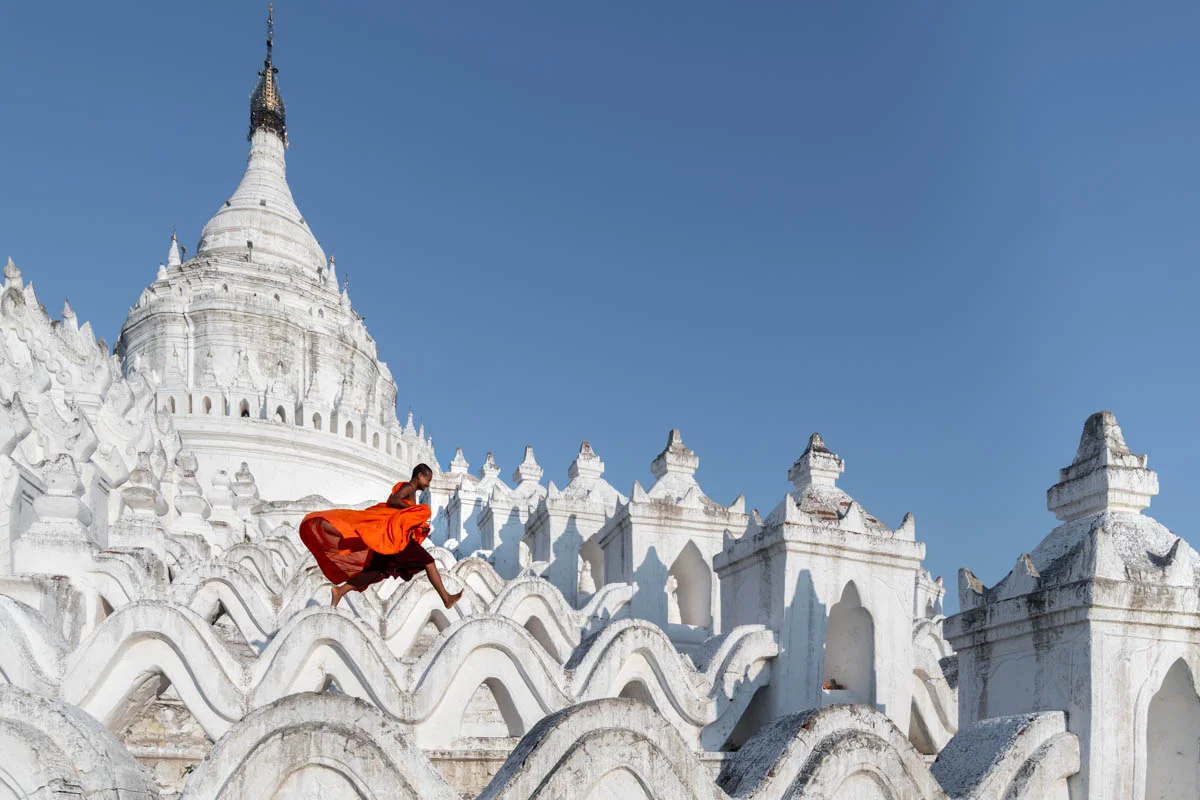
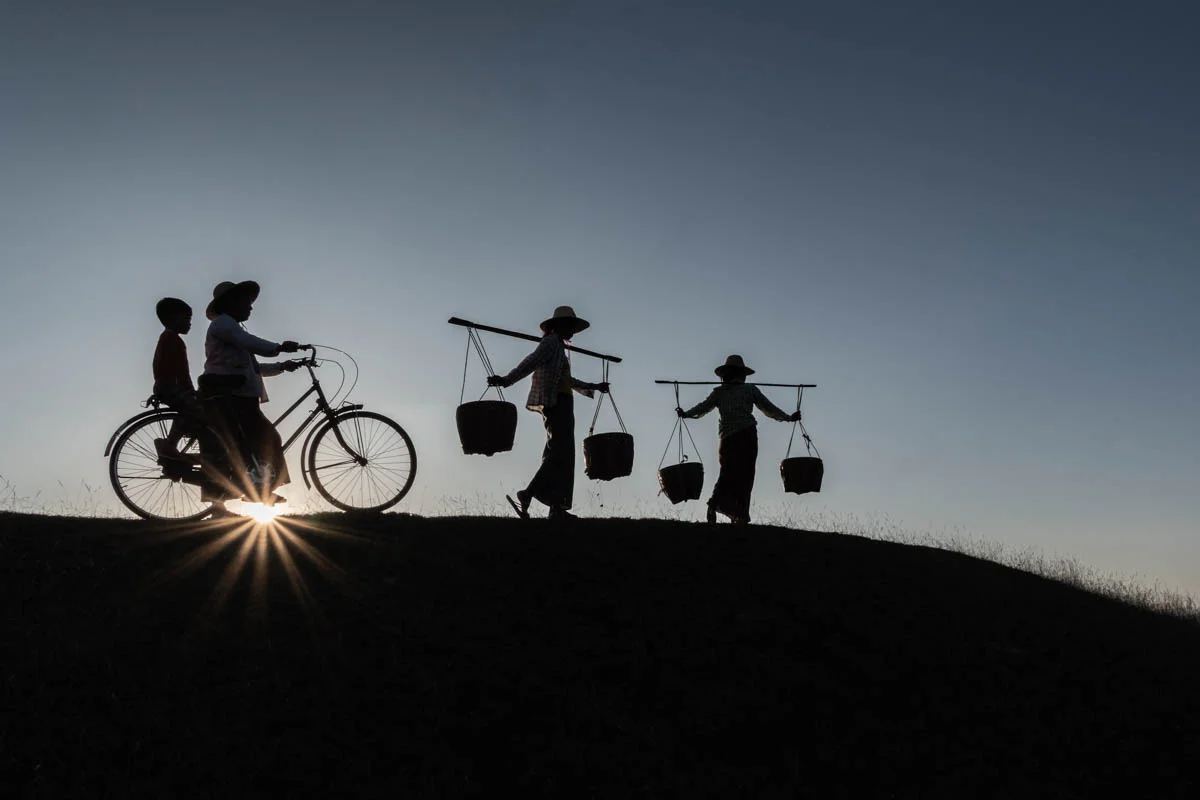
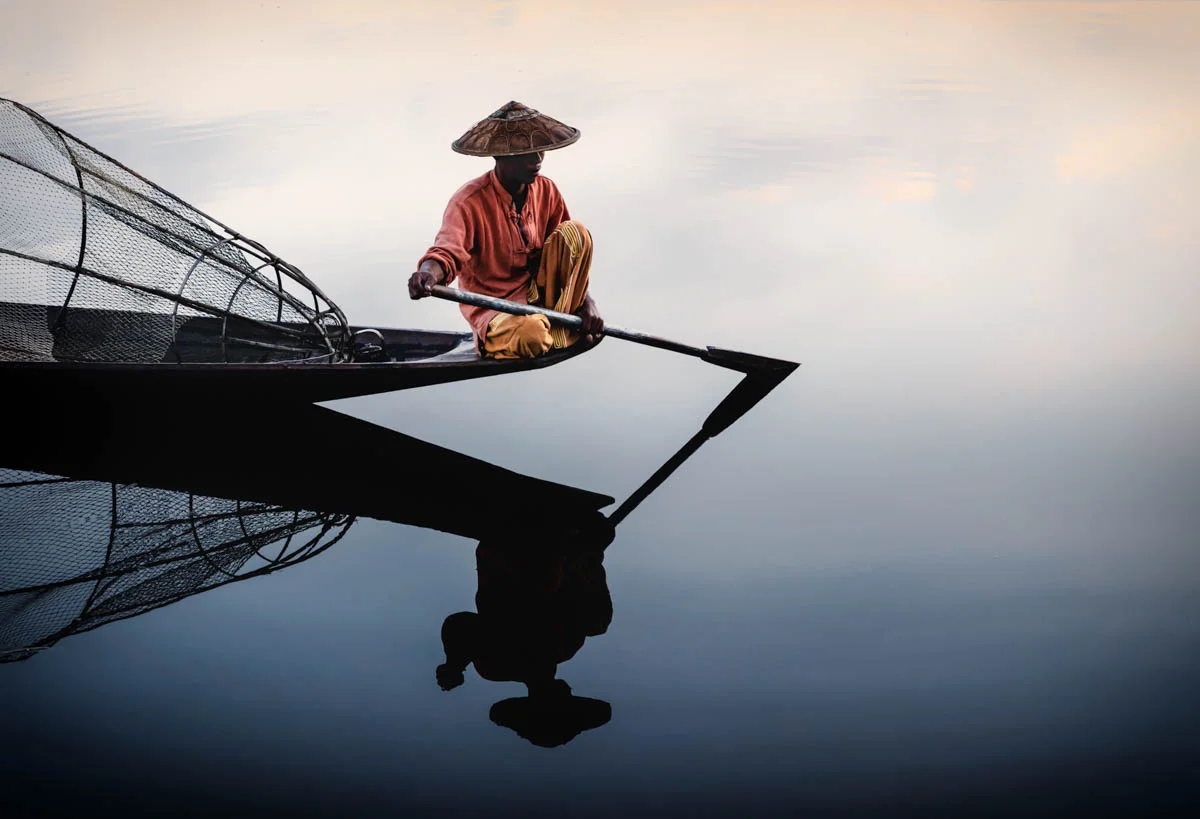
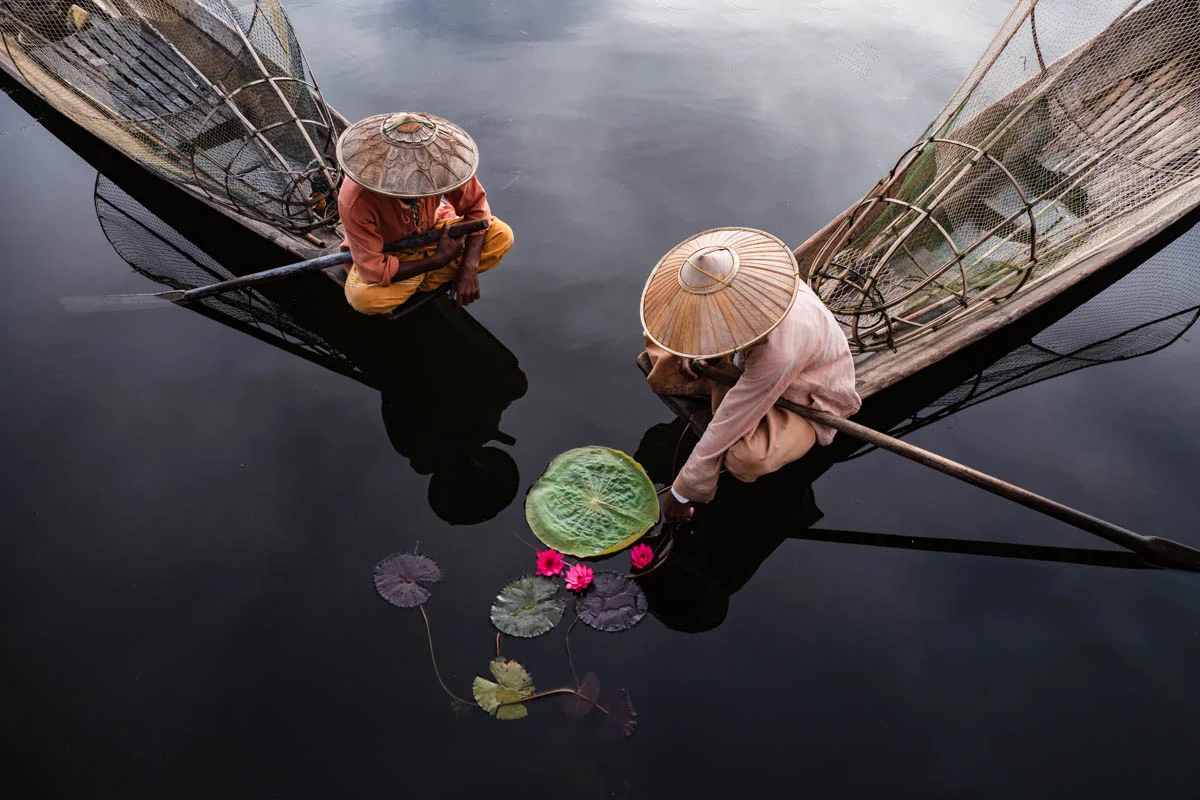
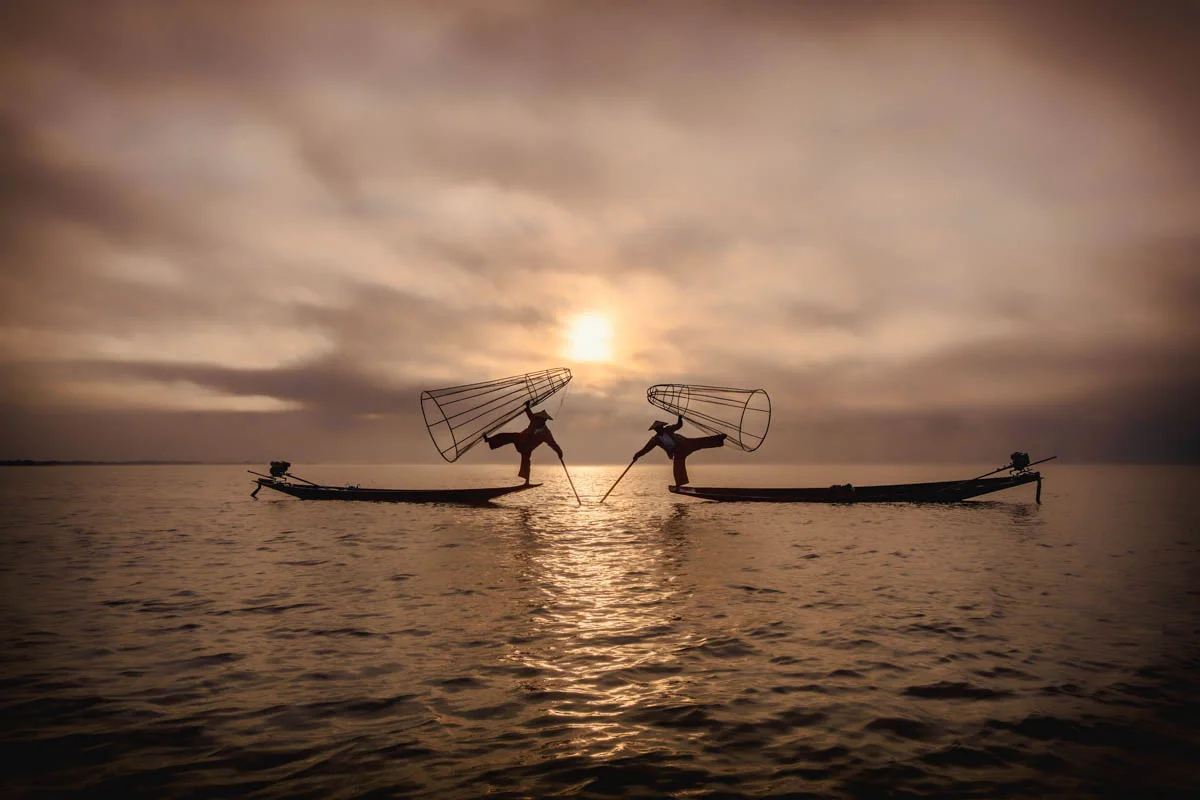
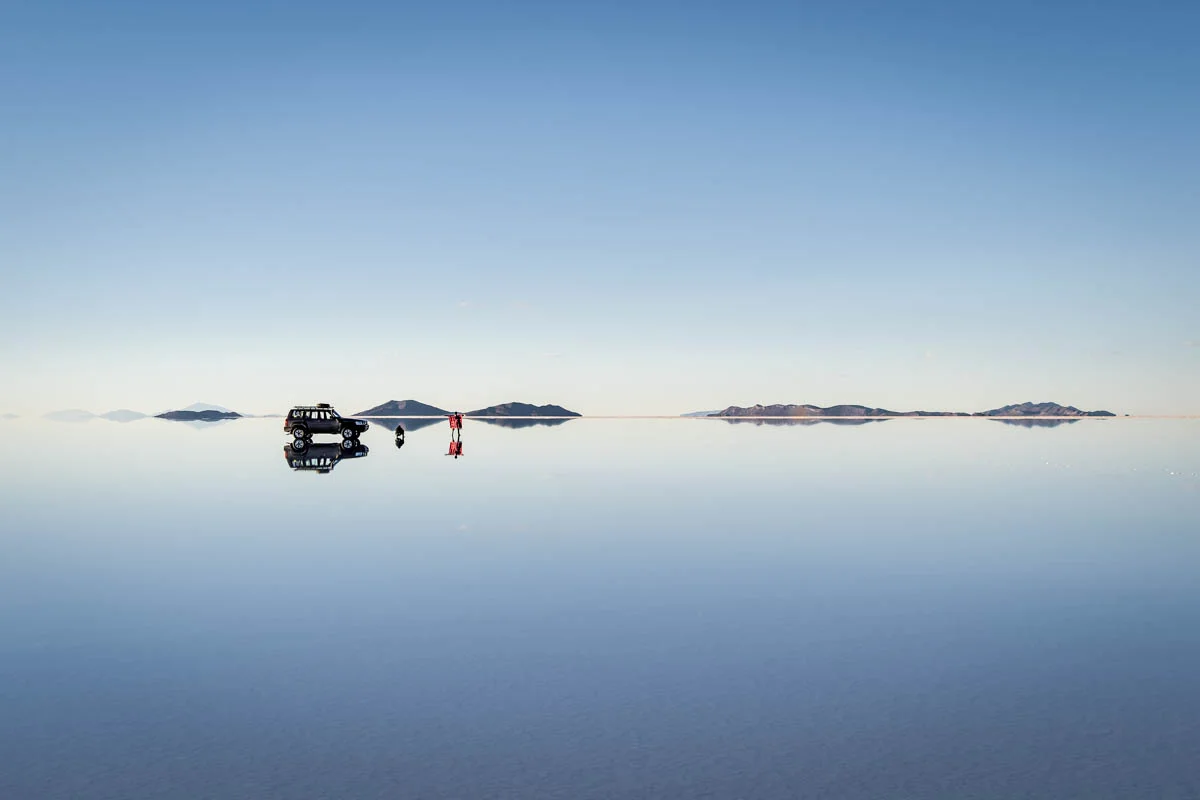
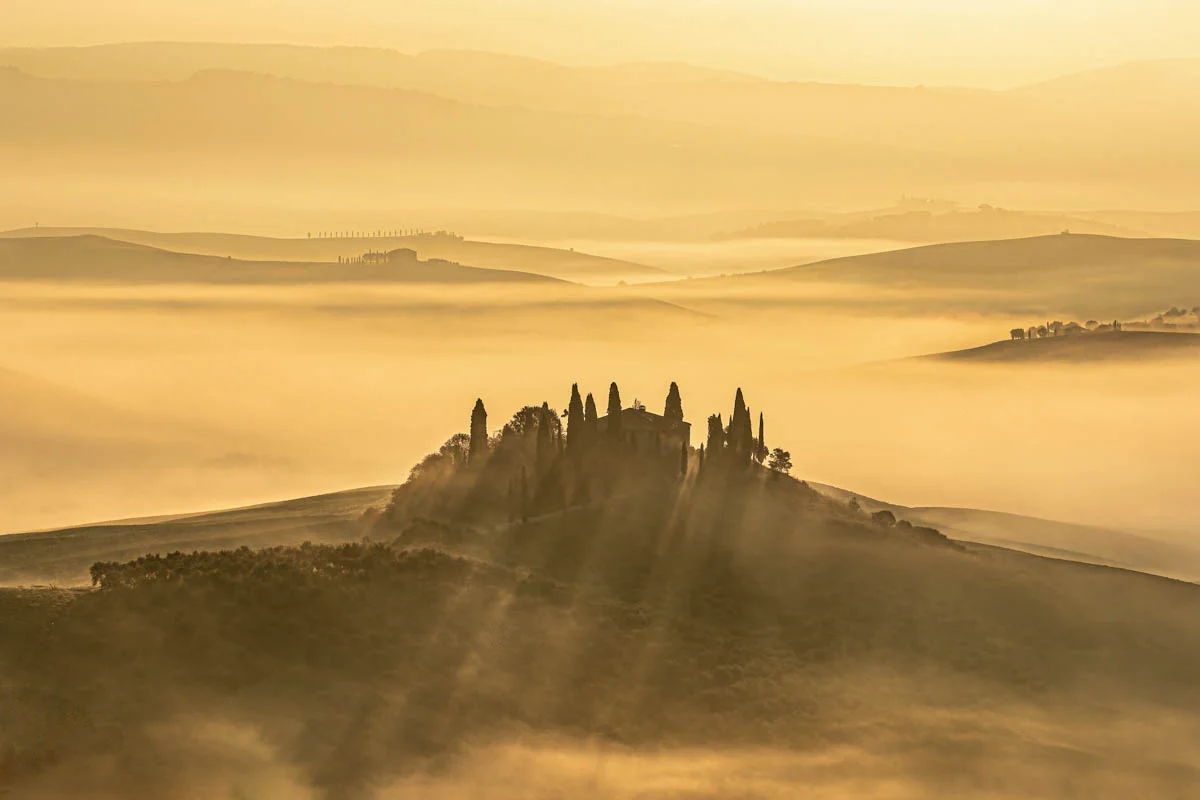
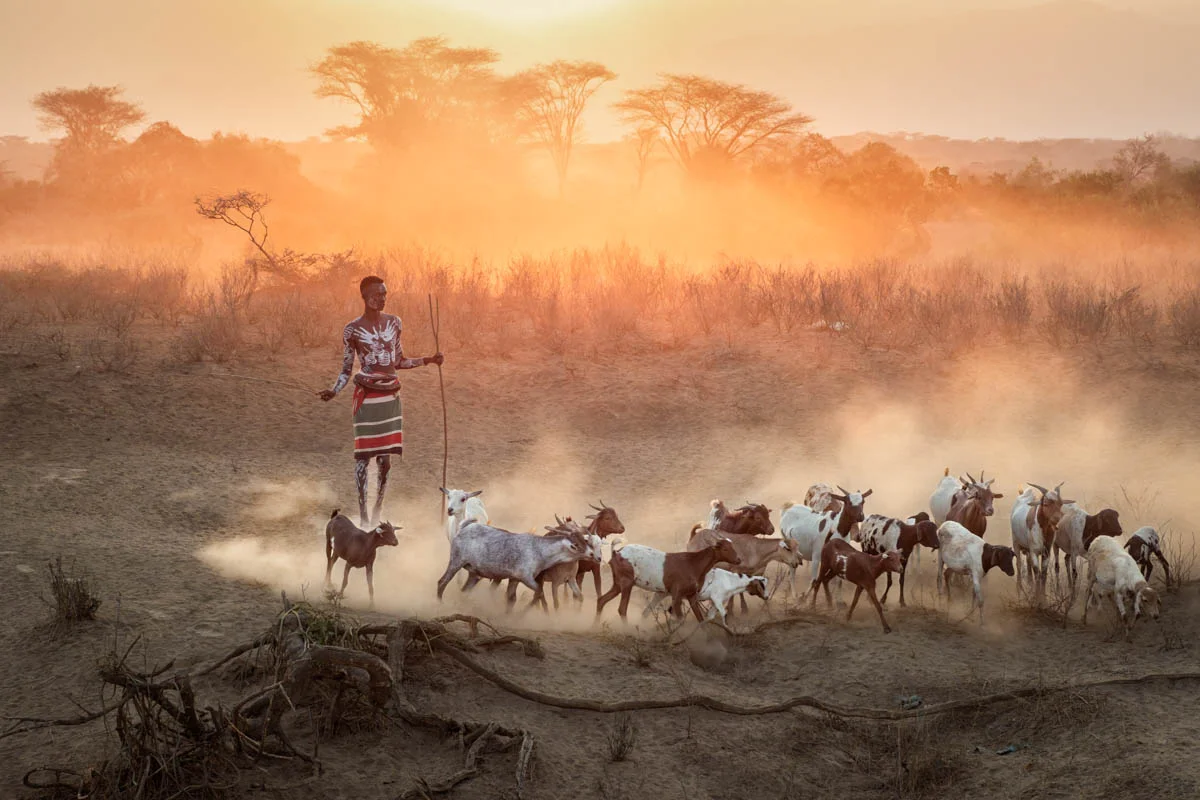
Gabi Steiner is a photographer and passionate traveler based in Austria, driven by a curiosity to explore the world’s hidden corners. She refined her artistic vision through long-term studies at the German photography college Foto-Kunst-Kultur, where she deepened her technique and creative expression. Since this intensive training, photography has blossomed from a simple hobby into a heartfelt passion. Rather than adhering to a specific genre, Gabi uses photography to capture the beauty of life, nature, and human connection. Her work often focuses on the lives and traditions of tribal communities, reflecting a deep respect for cultural preservation. Through her lens, she seeks to evoke emotion and awareness, revealing the diversity and dignity of different cultures.

Statement
"If I manage to get the viewer's full attention and pause for a moment to look closely at my image, then I have achieved my goal."

Awarded Photographer of the Week - Week 46, 2025
 

Inspiring Portfolios

Call for Entries
All About Photo Awards 2026
$5,000 Cash Prizes! Juror: Steve McCurry
 
Stay up-to-date  with call for entries, deadlines and other news about exhibitions, galleries, publications, & special events.

More Great Photographers To Discover

John Kenny
United Kingdom
In 2006 I developed my style of portrait photography within traditional communities, heavily influenced by the dramatic pictures of chiaroscuro artists. Chiaroscuro is an Italian term which literally means light-dark. Back then, at the very start of my Africa journey, I was buzzing with energy having met people of real magnetism just days into my trip. I was excited by extraordinary people and fascinating cultures and wondered how I could possibly communicate and express these feelings of excitement to friends and family back home.The solution, I imagined, would involve abstracting the remarkable from the not so remarkable: put simply, I felt that the vibrant and intense individuals that I had met in traditional communities would best show their magnetism on camera when they were removed from the (often) dull and dusty backgrounds of their immediate environment. After a few days I started to imagine each of these people in front of me emerging from the nothingness of darkness, with no distractions, hoping that this would provide a real feeling of proximity between the viewer and the person in the picture. I made a conscious decision at that time to leave a more documentary style of environmental portraiture to others. Practicing this new technique in remote African villages in 2006 I had nothing but sunshine and a hut available as a great ‘open studio': so I used these parameters and started experimenting (I've never really liked flash anyway). So it's simply the illumination of natural sunlight, and sun on dry earth, that reaches into the darkness of huts and lights up these remarkable people. Sun and dry earth are the only ingredients required for the lighting in my prints. And of course, you also need to find exceptional people!Falling in love with photography, and the origins of this series:I first fell in love with photography around 2003. I had not been fortunate enough to receive an art or photography education, but I knew back then, when I picked up my first SLR camera, that I had found the perfect way to express myself. Every time I had the camera in my hand I was looking to improve, needing to know what everything and anything looked like once it had been through the photographic process. It was a bit like a mad pursuit of alchemy - throwing everything into the mix to see if any magic came out of the other side. The process of photographic learning is very rarely a simple one, but to me it remains beautiful: discoveries, experimentation and seeing for the first time how a camera distorts and enhances the world.In Africa I seem to have made it my goal to travel through some of the remotest areas of the continent where the reaches of urbanisation and 21st century living are barely detectable. Looking back, this wasn’t my intention when I first arrived there in 2006, but somehow I keep returning to Africa to photograph because I'm fascinated to encounter societies that are able to survive in some of the most arid, isolated and difficult environments that people have settled in. If you haven’t visited these places then the reality of living is not nearly as romantic or idealised as one might imagine. Life takes place against a backdrop of very uncertain resources and enormous hardships, but traditions and hospitality towards outsiders remain intact.I specifically chose to photograph the individuals that you see in these galleries because I had a very real sense of wonder when I met them. Each one of these people had something that attracted me, sometimes a piercing intensity, or an uncommon beauty, that I felt compelled to try and capture. It’s true that I photograph for myself, first and foremost, but a close second is my desire to show others this magnetism that draws one into the eyes of these fascinating people.I have usually travelled alone or with a guide on these journeys, along the way walking and hopping onto overloaded vehicles of every kind to head to remote settlements. Often the destination is a transient, weekly market where hundreds of vibrant, colourful people assemble somewhat incongruously against a dull, dusty backdrop for a few hours. Later in the day they will all melt away with their animals and traded possessions, until the location is again a patch of bone-dry ground with almost nothing to separate it from the rest of the featureless land that typifies much of the African Sahel. It is fascinating to observe this process play out in almost exactly the same way across countless African countries, many of which are separated by hundreds or thousands of miles across this huge continent’s surface.My favourite tools are sharp prime lenses and cameras that let you capture the tiniest pieces of detail: whilst these details may be insignificant alone, when aggregated I feel they help paint the picture of the environment and how each person adapts to theirs.My favourite series of work remains the Northern Kenya series which involved 6 weeks of intense travelling with my guide, Mo, across remote areas without a vehicle and often without any semblance of an idea how to get to the next tiny settlement. The trip was full of unique encounters in locations that seemed to be famous, to me at least, as places where no transport seemed to be heading. On one particular occasion we came across a lone Moran (warrior) emerge into the dawn light, miles from anywhere. He seemed like a mirage: a vibrant vision in pink cloth and bright colourful jewellery, and more acutely so when set against the hazy yellow monotone of land that he emerged from. Even for Northern Kenya, I thought he seemed to be in a remote, featureless location: devoid of any water, and within an hour it would again be blistering hot. Despite these uncomfortable realities - which clearly weighed more heavily on my mind than his - the warrior seemed confident of his bearings and stopped for a moment to exchange pleasantries with Mo and I. A couple of minutes later, after sharing cigarette with my guide, he purposefully set off walking again, to God knows where. This place that looked barren and foreboding, to me at least, was clearly his home.
Marjory Collins
United States
1912 | † 1985
Marjory Collins was an American photojournalist. She is remembered for her coverage of the home front during World War II. She was born March 15, 1912 to Elizabeth Everts Paine and writer Frederick Lewis Collins in New York City, and grew up in nearby Scarsdale, Westchester County. She studied at Sweet Briar College and the University of Munich. In 1935, Collins moved to Greenwich Village, and over the next five years she studied photography informally with Ralph Steiner and attended Photo League events. In the 1980s she moved to San Francisco where she obtained an M.A. in American Studies at Antioch College West. Her work as a documentary photographer was taken up by major agencies. As a result of a contribution for U.S. Camera and Travel about Hoboken, New Jersey, she was invited to work for the Foreign Service of the United States Office of War Information. She completed some 50 assignments there with stories about the American way of life and support for the war effort. In line with a new emphasis on multiculturalism, she contributed to photographic coverage of African Americans as well as citizens of Czech, German, Italian and Jewish origin. In 1944 Collins worked freelance for a construction company in Alaska before traveling to Africa and Europe on government and commercial assignments. Thereafter she worked mainly as an editor and a writer covering civil rights, the Vietnam War, and women's movements. In the 1960s she edited the American Journal of Public Health. Collins was very active politically; a feminist, she founded the journal Prime Time (1971–76) "for the liberation of women in the prime of life." In 1977 Collins became an associate of the Women's Institute for Freedom of the Press. Her work is included in the collection of the Museum of Fine Arts Houston. She died in 1985 at the age of 73.Source: Wikipedia By January 1942, Collins had transferred to Washington, DC, to join Roy Stryker's famous team of documentary photographers. Over the next eighteen months, Collins completed approximately fifty different assignments consisting of three thousand photographs. Her upbeat, harmonious images reflected the OWI editorial requests for visual stories about the ideal American way of life and stories that showed the commitment of ordinary citizens in supporting the war effort. Documenting the lives of Americans, discovering my own country for the first time, I was freed of the whims of publicity men wanting posed leg art. -- Marjory Collins During World War II, race and ethnicity consciousness heightened around the globe. United States President Franklin Roosevelt issued Executive Order 8802 on June 25, 1941, to reaffirm a policy of full participation of people of every race, creed, color, and national origin in the national defense program. Multiculturalism became a topic of major importance for government agencies as the United States geared up for war. Collins worked closely with OWI colleagues John Vachon and Gordon Parks and contributed to a substantial photographic study of African Americans. Many of her assignments involved photographing "hyphenated Americans," including Chinese-, Czech-, German-, Irish-, Italian-, Jewish-, and Turkish-Americans. The photographs were used to illustrate publications dropped behind enemy lines to reassure people in Axis-power countries that the United States was sympathetic to their needs. For example, using the popular "day-in-the-life" format favored by picture magazines, Collins portrayed the Winn family at work, at play, and at home. The Winns had arrived in New York from the Czech Republic about 1939 and appeared to be thriving in October 1942. On the job, Collins gave rein to her curiosity about how the other half lived. Roy Stryker wrote in his April 13, 1943 Gossip Sheet for OWI staff, "Marjory is in Buffalo, working on women in industry. This is a special story on women workers for the London Overseas Office." "These photographs should ... portray representative types actually at work rather than posed 'cuties,'" and should show "the very important contribution made towards final victory and how they have adapted themselves to wartime conditions." For one of her topics, Collins covered a young widow (possibly giving her a fictitious name) and her six children, all less than twelve years of age. "Mrs. Grimm's" work outside the home as a crane operator forced heavy responsibility on her older children and required that her younger daughters stay in a foster home Monday through Friday. Some images reveal the family's poverty and their struggle to maintain nutrition and housekeeping ideals. With her social reform interests, Collins felt that this assignment was consistent with Stryker's encouragement to make "pictures of life as it is." She considered the Grimm Family images among her very best, but they also clashed with the glamorized Rosie-the-Riveter concept called for by the OWI. Fellow OWI photographer Alfred Palmer complained that Collins' photographs sometimes showed "the seamy side of life." Palmer and others believed that the OWI had two roles--straight news for publication in the United States and propaganda for overseas audiences. Palmer's news group wanted to clean up photographs, while Stryker's photographers wanted to show how deeply Americans sacrificed to support the war. The Grimm Family photographs are among the last images by Collins that survive in the FSA/OWI Collection. A set of almost fifty photos taken in Tunisia in May and June 1942 are credited to Collins, but no textual records have been found that explain this trip.Source: Library of Congress
Monika Macdonald
Monika Macdonald was born in 1969 in Sweden. She moved to Stockholm where she studied photography after graduation. In 2001 she settled in London and worked as a freelancer, primarily making reportage for newspapers and magazines. She returned to Sweden in 2007 and ever since has focused on working on self initiated projects. In her thick photographs, plenty of souls and flesh, inhabited by strength and vulnerability, Monika Macdonald breathes an unusual eroticism into photography that provokes a vision of interiority rather than fantasy. They invite us to observe moments of abandonment as well as introspection where distant (and yet concrete) beings are grasped in their daily lives as desiring subjects rather than objects of desire. Here the intimate is suggested, and something of the neglected order of existence surfaces. Monika Macdonald shows what remains in the absence, the flesh of everyday life: meeting, abandonment, taste for solitude... The bewitchment of her images lets us penetrate beyond the visible and glimpse this intimacy that is usually killed. "I don't like the idea of taking pictures that much. But I always come back to it. There are no words to describe the feeling of being close to something. That's why I keep going. I oscillate between different worlds to which I try to link myself. My images are memories. To access a sense of loneliness and vulnerability. To be admitted beyond reason, far from what is called reality." Source: Galerie VU' In Absence is a series of images portraying women in their strive to find their own identity in a solitary life. Hulls is a photographic essay about my meeting with the man in a space, without limitation. An intimate room for losing self control. Book to be published beginning of 2020 by André Frère Éditions, France. Edited by Art Director Greger Ulf Nilson.
Teri Figliuzzi
United States
Yousuf Karsh
Canada
1908 | † 2002
Yousuf Karsh is the most renowned portrait photographer of our time. He has perceptively photographed the statesmen, artists, and literary and scientific figures that have shaped our lives in the 20th century. Known for his ability to transform "the human face into legend," many of the portraits that he created have become virtually the image of the great man or woman they portray, whether Winston Churchill, Ernest Hemingway, Albert Einstein, Georgia O'Keefe or Helen Keller. In other words, "to experience a Karsh photograph is to feel in the presence of history itself." His photographs are in major private and public collections throughout the world, the Museum of Fine Arts in Boston holding the largest collection in the US.Source: Weston Gallery Yousuf Karsh was an Armenian-Canadian photographer and one of the most famous and accomplished portrait photographers of all time. ousuf or Josuf (his given Armenian name was Hovsep)[citation needed] Karsh was born in Mardin, a city in the eastern Ottoman Empire (present Turkey). He grew up during the Armenian Genocide where he wrote, "I saw relatives massacred; my sister died of starvation as we were driven from village to village." At the age of 16, his parents sent Yousuf to live with his uncle George Nakash, a photographer in Sherbrooke, Quebec, Canada. Karsh briefly attended school there and assisted in his uncle’s studio. Nakash saw great potential in his nephew and in 1928 arranged for Karsh to apprentice with portrait photographer John Garo in Boston, Massachusetts, United States. His brother, Malak Karsh, was also a photographer famous for the image of logs floating down the river on the Canadian one dollar bill. Karsh returned to Canada four years later, eager to make his mark. In 1931 he started working with another photographer, John Powls, in his studio on the second floor of the Hardy Arcade at 130 Sparks Street in Ottawa, Ontario, close to Parliament Hill. When Powls retired in 1933, Karsh took over the studio. Karsh's first solo exhibition was in 1936 in the Drawing Room of the Château Laurier hotel. He moved his studio into the hotel in 1973, and it remained there until he retired in 1992. Canadian Prime Minister Mackenzie King discovered Karsh and arranged introductions with visiting dignitaries for portrait sittings. Karsh's work attracted the attention of varied celebrities, but his place in history was sealed on 30 December 1941 when he photographed Winston Churchill, after Churchill gave a speech to Canadian House of Commons in Ottawa. The image of Churchill brought Karsh international prominence and is claimed to be the most reproduced photographic portrait in history. In 1967, he was made an Officer of the Order of Canada and in 1990 was promoted to Companion. Of the 100 most notable people of the century, named by the International Who's Who [2000], Karsh had photographed 51. Karsh was also the only Canadian to make the list. Karsh was a master of studio lights. One of Karsh's distinctive practices was lighting the subject's hands separately. He photographed many of the great and celebrated personalities of his generation. Throughout most of his career he used the 8×10 bellows Calumet (1997.0319) camera, made circa 1940 in Chicago. Journalist George Perry wrote in the British paper The Sunday Timesthat "when the famous start thinking of immortality, they call for Karsh of Ottawa." Karsh had a gift for capturing the essence of his subject in the instant of his portrait. As Karsh wrote of his own work in Karsh Portfolio in 1967, "Within every man and woman a secret is hidden, and as a photographer, it is my task to reveal it if I can. The revelation, if it comes at all, will come in a small fraction of a second with an unconscious gesture, a gleam of the eye, a brief lifting of the mask that all humans wear to conceal their innermost selves from the world. In that fleeting interval of opportunity the photographer must act or lose his prize." Karsh said "My chief joy is to photograph the great in heart, in mind, and in spirit, whether they be famous or humble." His work is in permanent collections of the National Gallery of Canada, New York's Museum of Modern Art and Metropolitan Museum of Art, George Eastman House International Museum of Photography and Film, Bibliothèque Nationale de France, the National Portrait Gallery in London, the National Portrait Gallery of Australia and many others. Library and Archives Canada holds his complete collection, including negatives, prints and documents. His photographic equipment was donated to the Canada Science and Technology Museum in Ottawa. Karsh published 15 books of his photographs, which include brief descriptions of the sessions, during which he would ask questions and talk with his subjects to relax them as he composed the portrait. Some famous subjects photographed by Karsh were Field Marshal Lord Alanbrooke, Muhammad Ali, Marian Anderson, W. H. Auden, Joan Baez, Zulfiqar Ali Bhutto, Humphrey Bogart, Alexander Calder, Pablo Casals, Fidel Castro, Madame Chiang Kai-Shek, Joan Crawford, Ruth Draper, Albert Einstein, Dwight Eisenhower, Princess Elizabeth, Robert Frost, Clark Gable, Indira Gandhi, Grey Owl, Ernest Hemingway, Audrey Hepburn, Pope John Paul II, Chuck Jones, Carl Jung, Helen Keller and Polly Thompson, Grace Kelly, Jacqueline Kennedy, John F. Kennedy, Peter Lorre, Pandit Nehru, Georgia O'Keeffe, Laurence Olivier, General Pershing, Pablo Picasso, Pope Pius XII, Prince Rainier of Monaco, Paul Robeson, the rock band Rush, Albert Schweitzer, George Bernard Shaw, Jean Sibelius, Pierre Elliott Trudeau, Andy Warhol, Frank Lloyd Wright, and, arguably his most famous portrait subject, Winston Churchill. The story is often told of how Karsh created his famous portrait of Churchill during the early years of World War II. Churchill, the British prime minister, had just addressed the Canadian Parliament and Karsh was there to record one of the century's great leaders. "He was in no mood for portraiture and two minutes were all that he would allow me as he passed from the House of Commons chamber to an anteroom," Karsh wrote in Faces of Our Time. "Two niggardly minutes in which I must try to put on film a man who had already written or inspired a library of books, baffled all his biographers, filled the world with his fame, and me, on this occasion, with dread." Churchill marched into the room scowling, "regarding my camera as he might regard the German enemy." His expression suited Karsh perfectly, but the cigar stuck between his teeth seemed incompatible with such a solemn and formal occasion. "Instinctively, I removed the cigar. At this the Churchillian scowl deepened, the head was thrust forward belligerently, and the hand placed on the hip in an attitude of anger." The image captured Churchill and the Britain of the time perfectly — defiant and unconquerable. Churchill later said to him, "You can even make a roaring lion stand still to be photographed." As such, Karsh titled the photograph, The Roaring Lion. However, Karsh's favourite photograph was the one taken immediately after this one where Churchill's mood had lightened considerably and is shown much in the same pose, but smiling. In the late 1990s Karsh moved to Boston and on July 13, 2002, aged 93, he died at Boston's Brigham and Women's Hospital after complications following surgery. He was interred in Notre Dame Cemetery in Ottawa. Source: Wikipedia
Oliver Raschka
Germany
1975
Oliver Raschka is a self-taught photographer and holds a doctorate in behavioral economics. His focus is on the visual sociology of the everyday with an emphasis on trauma, identity, the family narrative, youthhood and adolescence. With more than 20 years of experience as an expert on behavioral issues in markets and organizations, he is able to capture the dynamics and peculiarities of social relationships in his photographs. This experience also helps him better understand the nature of psychological effects. For many years, the self-taught photographer has been exploring the theme of family and the search for identity in documentary form. A project that documented the everyday life of two brothers from childhood to adolescence over a total of fifteen years is the subject of two books. Oliver Raschka lives in Stuttgart, Germany. Sorrow Is All The Pain Of Love: Sorrow Is All The Pain Of Love is a visual diary exploring sorrow, trauma and identity. Oliver Raschka investigates how depression, personal traumas caused by drastic events, addiction issues in the family, and deep burnout manifest visually. It’s archival work with photographs from 2004-2025. By using photographs taken unintentionally and unconsciously, Oliver Raschka gains authentic and deep access to what really concerns. The confrontation with visual narratives through active trauma therapy enables alternative possibilities for action. The photographs often represent the symptoms or results of much deeper events that have shaped and preoccupied (unconsciously) a lifetime. The recontextualization of decontextualized photographs from the archive leads to a reawakened sensitivity for the original events. In essence, the work offers a deeper psychogram, showing how the unintentional and unconscious documentation of mental states in search of one's own identity are transformed into photographs in order to process these sensations. As dark as the photographs may appear, everything is ultimately infused with light, which promotes strength, inner power and clarity. The work is therefore about healing and growth and about strengthening mindfulness. Awarded Photographer of the Week - Week 28
Keliy Anderson-Staley
United States
1977
Keliy Anderson-Staley was raised off the grid in Maine, studied photography in New York City and currently lives and teaches photography at the University of Houston in Texas. She earned a BA from Hampshire College in Massachusetts and an MFA in photography from Hunter College in New York. Anderson-Staley’s tintype portrait work was awarded a New York Foundation for the Arts Fellowship and a Puffin Grant. She participated in the Bronx Museum AIM residency program in 2007, the Light Work residency and fellowship in 2010, and the Bakery Photo Collective in Westbrook Maine in 2012. She received a grant in Summer 2011 to prepare a solo exhibition of her series of tintype portraits [hyphen] Americans at Light Work in Syracuse, NY. Her color series about back-to-the-landers in Maine, Off the Grid, was one of five runners-up for the Aperture Portfolio Prize (2009). Off the Grid received the grand prize at the Joyce Elaine Grant exhibition in Denton, TX in 2009 and the Arthur Griffin Award from the Griffin Museum of Photography in 2010. The project was also a finalist for the Duke Center for Documentary Studies/Honickman First Book Prize in 2008. She also recently received funding for her project, Imagined Family Heirlooms via Kickstarter, a crowd-funding website in 2011. Her photographs are in the permanent collections of the Library of Congress, Akron Art Museum, Cedar Rapids Museum of Art, Portland Museum of Art (Maine), and Museum of Fine Arts, Houston. She was the recipient of a New York Foundation for the Arts Fellowship, a Puffin Grant, a fellowship from the Howard Foundation and the Carol Crow Fellowship from the Houston Center for Photography. Her work published in a solo issue of Light Work’s Contact Sheet and has been shown at the National Portrait Gallery of the Smithsonian, Portland Museum of Art, Akron Art Museum, Bronx Museum of Art, Southeast Museum of Photography and the California Museum of Photography, as well as at a number of galleries around the country. Anderson-Staley has been making wet plate collodion tintypes and ambrotypes for ten years. Her fine art and editorial work has appeared in a number of magazines, including Photo District News, New York Magazine, Art and Auction, Hemispheres Magazine, Camerawork, Contact Sheet, Conde Nast Traveler and Esquire Russia. Online, her work has been featured on Flak Photo, Conscientious, Fraction Magazine, PetaPixel, Ahorn Magazine and Daylight Magazine. Her series of tintype portraits was published in 2014 under the title On A Wet Bough by Waltz Books.Source: Catherine Edelman Gallery
Advertisement
All About Photo Awards 2026
Win a Solo Exhibition in February
All About Photo Awards 2026

Latest Interviews

Exclusive Interview with Marijn Fidder
Marijn Fidder is a Dutch documentary photographer whose work powerfully engages with current affairs and contemporary social issues. Driven by a deep sense of social justice, she uses photography to speak on behalf of the voiceless and to advocate for the rights of those who are most vulnerable. Her images have been widely published in major international outlets including National Geographic, CNN Style, NRC Handelsblad, Volkskrant, GUP New Talent, and ZEIT Magazin. Her long-term commitment to disability rights—particularly through years of work in Uganda—culminated in her acclaimed project Inclusive Nation, which earned her the title of Photographer of the Year 2025 at the All About Photo Awards. She is also the recipient of multiple prestigious honors, including awards from World Press Photo and the Global Peace Photo Award. We asked her a few questions about her life and work.
Exclusive Interview with Josh S. Rose
Josh S. Rose is a multidisciplinary artist working across photography, film, and writing. His practice bridges visual and performing arts, with a strong focus on movement, emotion, and the expressive potential of the image. Known for his long-standing collaborations with leading dance companies and performers, Rose brings together authenticity and precise composition—a balance he describes as “technical romanticism.” His work has been commissioned and exhibited internationally, appearing in outlets such as Vogue, at the Super Bowl, in film festivals, and most recently as a large-scale installation for Lincoln Center for the Performing Arts. A sought-after collaborator, he has worked with major artists, cultural institutions, and brands, following a previous career as Chief Creative Officer at Interpublic Group and the founder of Humans Are Social. We asked him a few questions about his life and work.
Interview with Maureen Ruddy Burkhart
Photographer Maureen Ruddy Burkhart brings a quietly attentive and deeply human sensibility to her exploration of the world through images. Shaped by a life immersed in photography, film, and visual storytelling, her work is guided by intuition, observation, and an enduring interest in the emotional undercurrents of everyday life. With a practice rooted in both fine art traditions and documentary awareness, she approaches her subjects with sensitivity, allowing subtle moments to emerge naturally rather than be imposed. Her series Til Death, selected as the Solo Exhibition for February 2025, reflects this long-standing commitment to photography as a space for reflection rather than spectacle. Drawn to moments that exist just outside the expected frame, Burkhart’s images suggest narratives without resolving them, leaving room for ambiguity, humor, and quiet connection. We asked her a few questions about her life and work.
Exclusive Interview with Peter Ydeen
Winner of AAP Magazine #45 Travels, his series reflects this unique vision—capturing the spirit of place through subtle layers of light, color, and emotion. Whether traveling abroad or observing the rhythms of his own surroundings, Ydeen creates images that feel both grounded and enchanted, inviting viewers into a world where reality and reverie meet.
Exclusive Interview with Julie Wang
Chinese-born photographer Julie Wang brings a poetic, contemplative sensitivity to her visual exploration of the world. Having lived for nearly equal parts of her life in China, Europe, and the United States, she approaches her subjects with the nuanced perspective of someone shaped by many cultures. This blend of distance, curiosity, and emotional resonance infuses her work with a quiet depth, allowing her to reveal the fragile beauty and subtle tensions that often pass unnoticed.
Exclusive Interview with Ghawam Kouchaki
American photographer Ghawam Kouchaki brings a sharply observant and introspective gaze to the streets of Japan’s capital. Based in Los Angeles, he approaches Tokyo with the distance — and curiosity — of an outsider, allowing him to uncover the city’s subtle contradictions, quiet tensions, and fleeting gestures that often go unnoticed. His series Tokyo no no, selected as the Solo Exhibition for December 2024, explores the hidden undercurrents of urban life: the unspoken rules, the small ruptures in routine, the poetic strangeness found in everyday moments. Through muted tones, instinctive timing, and meticulous framing, Kouchaki reveals a Tokyo that exists somewhere between reality and imagination — both intimate and enigmatic. We asked him a few questions about his life and work.
Exclusive Interview with Tommi Viitala
Tommi Viitala, winner of AAP Magazine #44: Street, is a Finnish photographer celebrated for his striking and cinematic street photography. With a keen eye for atmosphere and composition, he captures fleeting urban moments that reveal the poetry of everyday life. His work often explores the tension between solitude and connection within contemporary cityscapes, blending documentary realism with artistic sensibility. Viitala’s photographs have been exhibited internationally and recognized for their strong visual storytelling and emotional depth. We asked him a few questions about his life and work.
Exclusive Interview with Robert Mack
Robert Mack is a California-based visual artist, photographer, and filmmaker. His fine art photography and films have been exhibited widely in the United States and Europe, with major shows at the Baltimore Museum of Art and the Reiss-Engelhorn Museum in Mannheim, Germany. Both institutions hold his work in their permanent collections. Working across different media, Mack has built a career exploring the complexities of human presence and representation. In 1981, while living in Baltimore, he produced The Perkins Project: Not Guilty by Reason of Insanity, a rare photographic and film study inside Maryland’s hospital for the criminally insane. These stark yet compassionate black-and-white portraits remain one of his most powerful and controversial bodies of work.
Exclusive Interview with Alan Schaller About Irys
Alan Schaller is a London-based photographer best known for his striking black-and-white street photography and as co-founder of Street Photography International, one of the largest online communities dedicated to the genre. With years of experience both behind the camera and in building platforms that give visibility to photographers, Schaller has now turned his focus to creating a new digital space for photography itself. His latest venture, Irys, is a photography app designed by photographers, for photographers, with the aim of offering a dedicated platform where images are respected as works of art rather than treated as disposable content.
Call for Entries
All About Photo Awards 2026
$5,000 Cash Prizes! Juror: Steve McCurry