All about photo.com: photo contests, photography exhibitions, galleries, photographers, books, schools and venues.
Final Call to enter All About Photo Awards: $5,000 Cash Prizes - Juror Steve McCurry
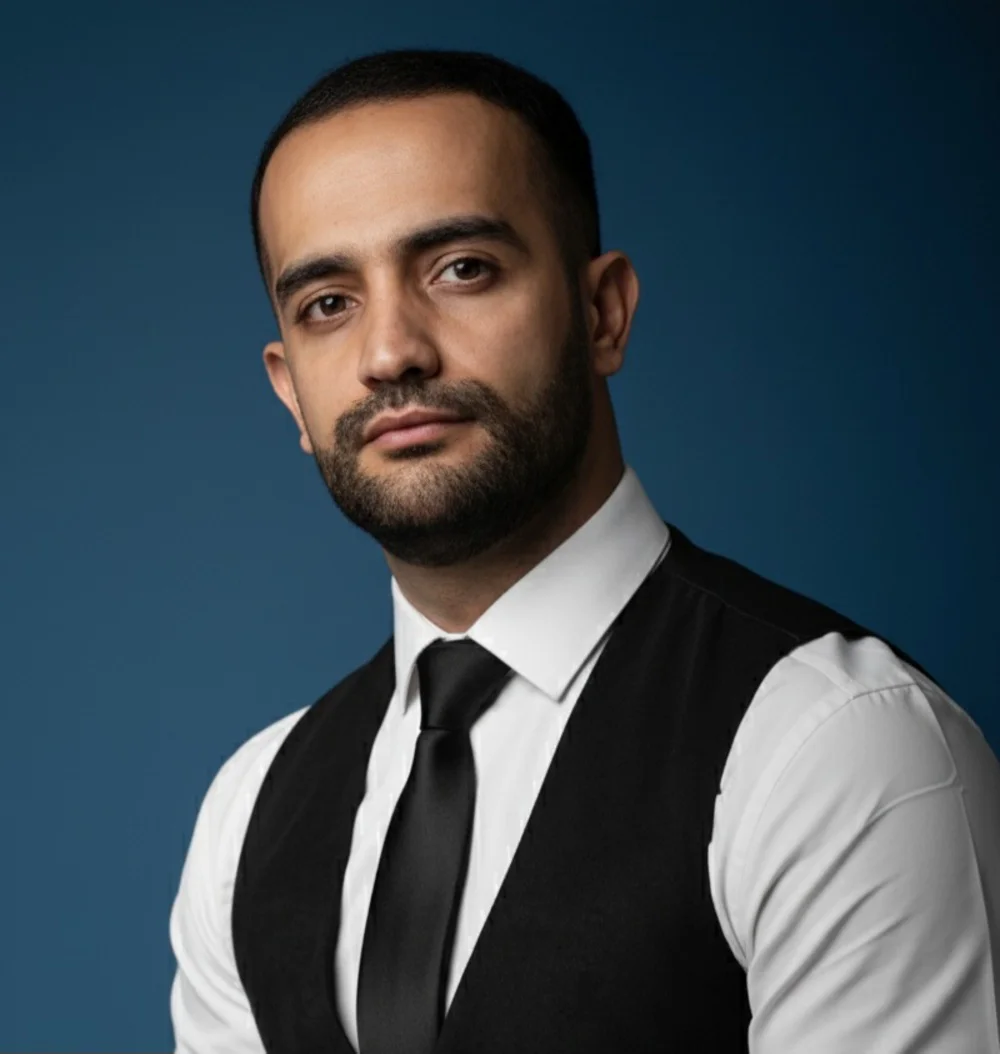
Ali Zolghadri
Ali Zolghadri
Ali Zolghadri

Ali Zolghadri

Country: Iran
Birth: 1993

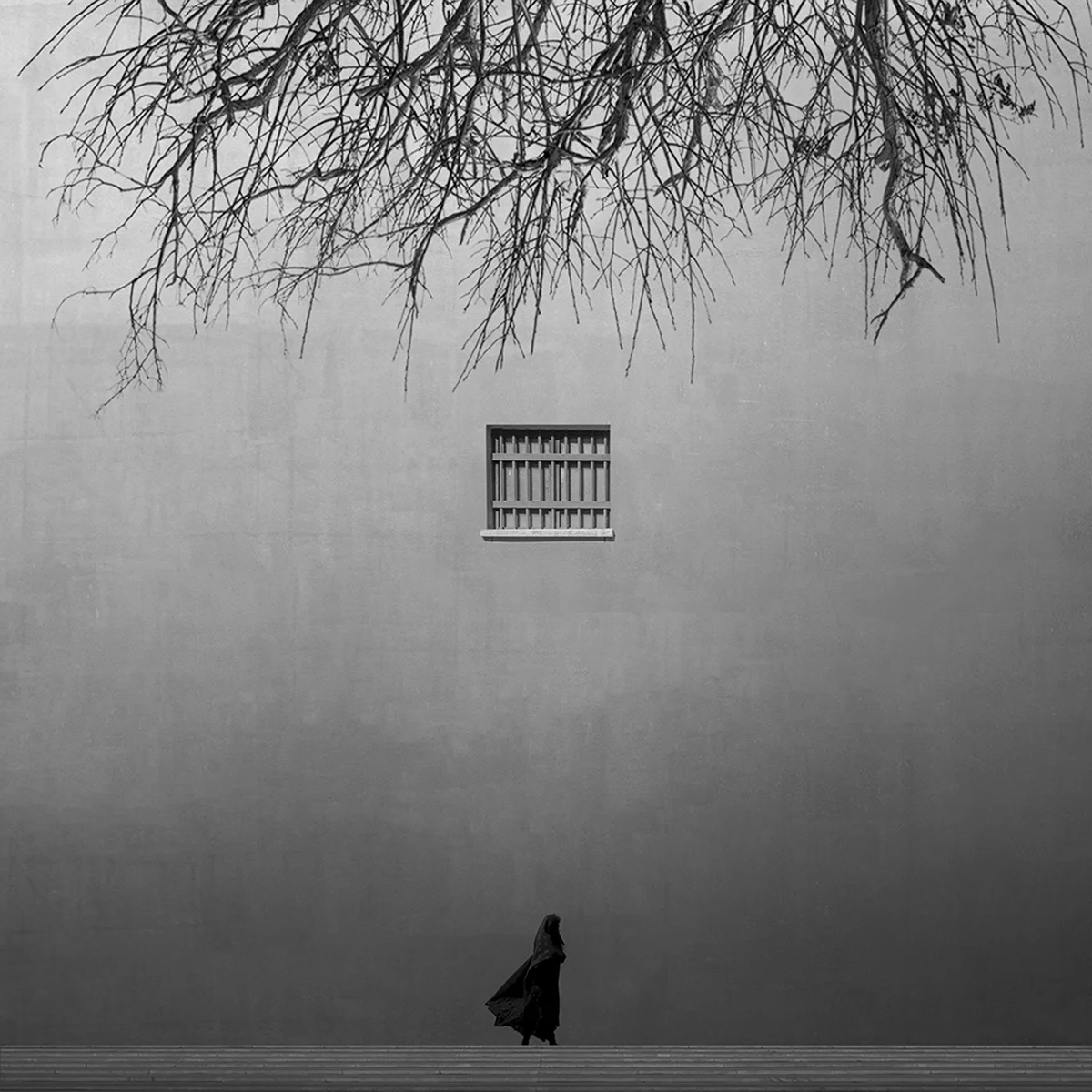
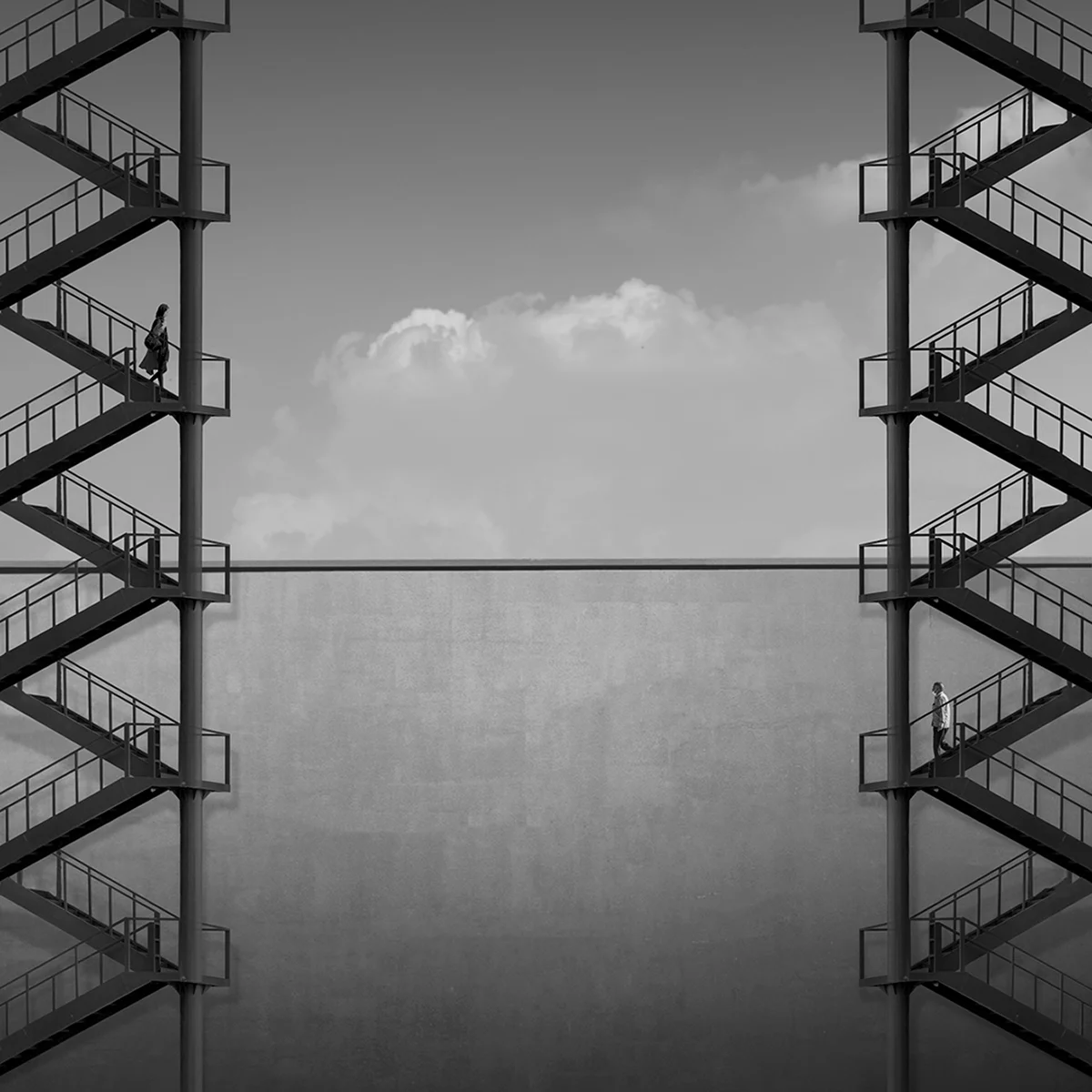
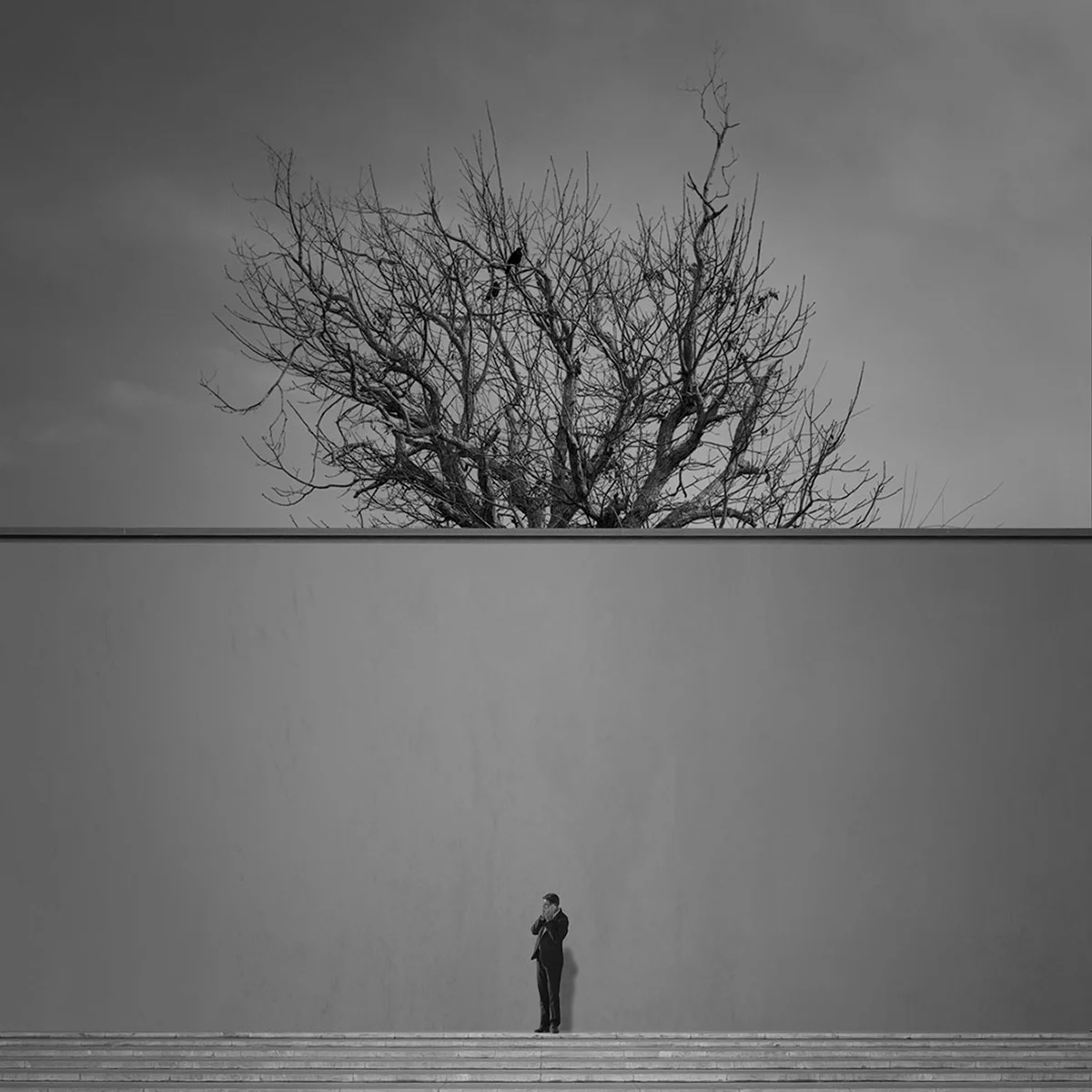
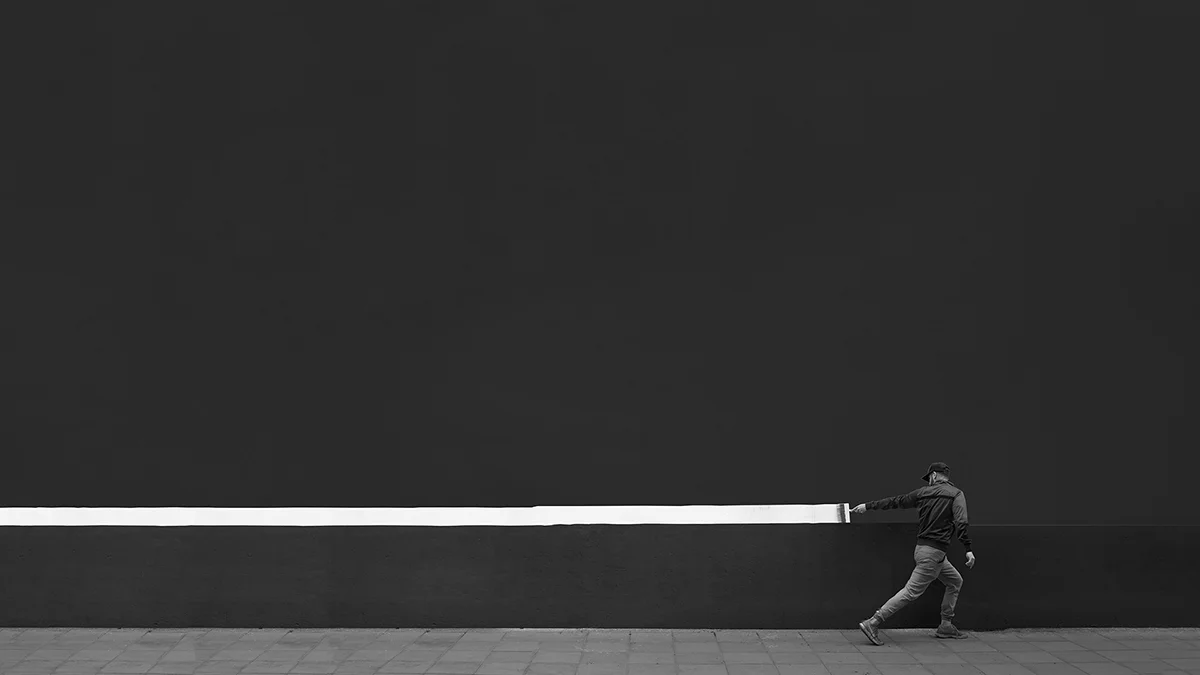
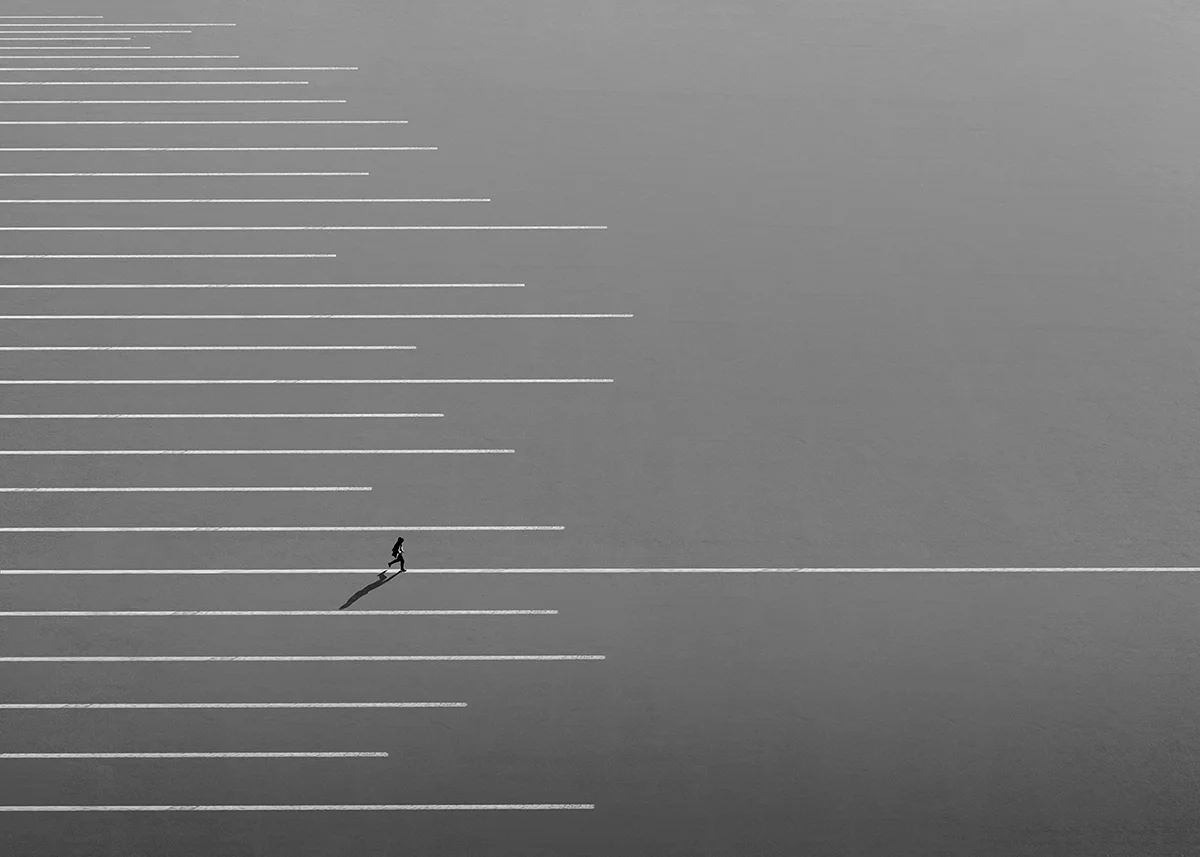
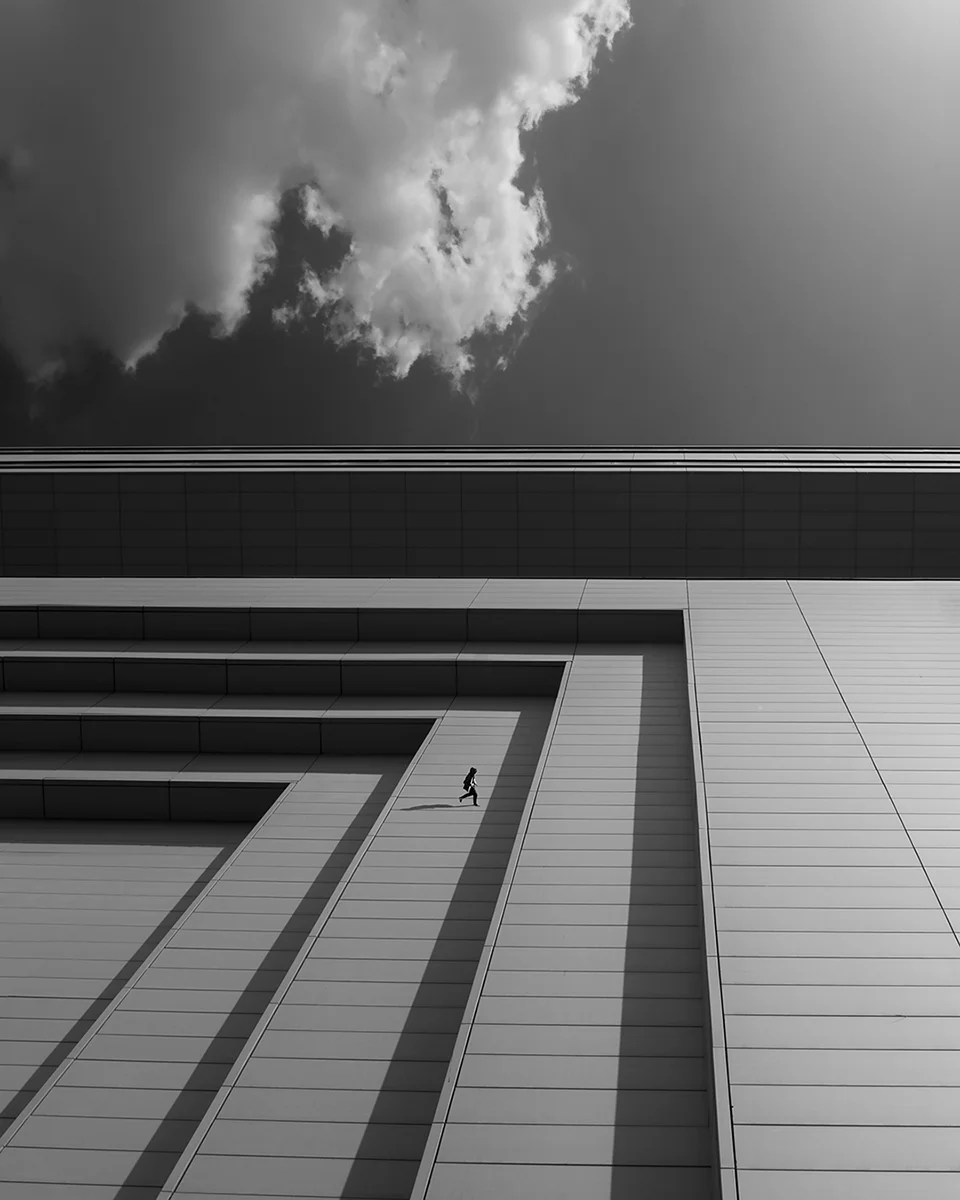
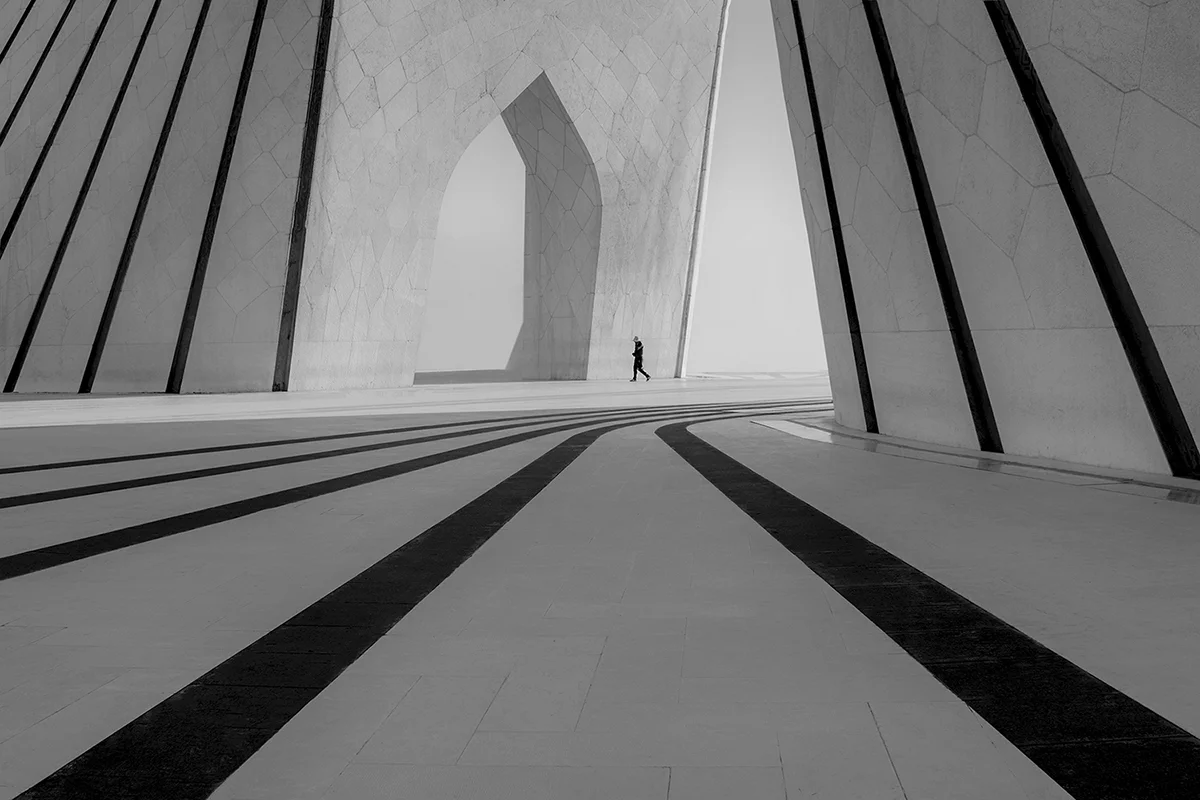
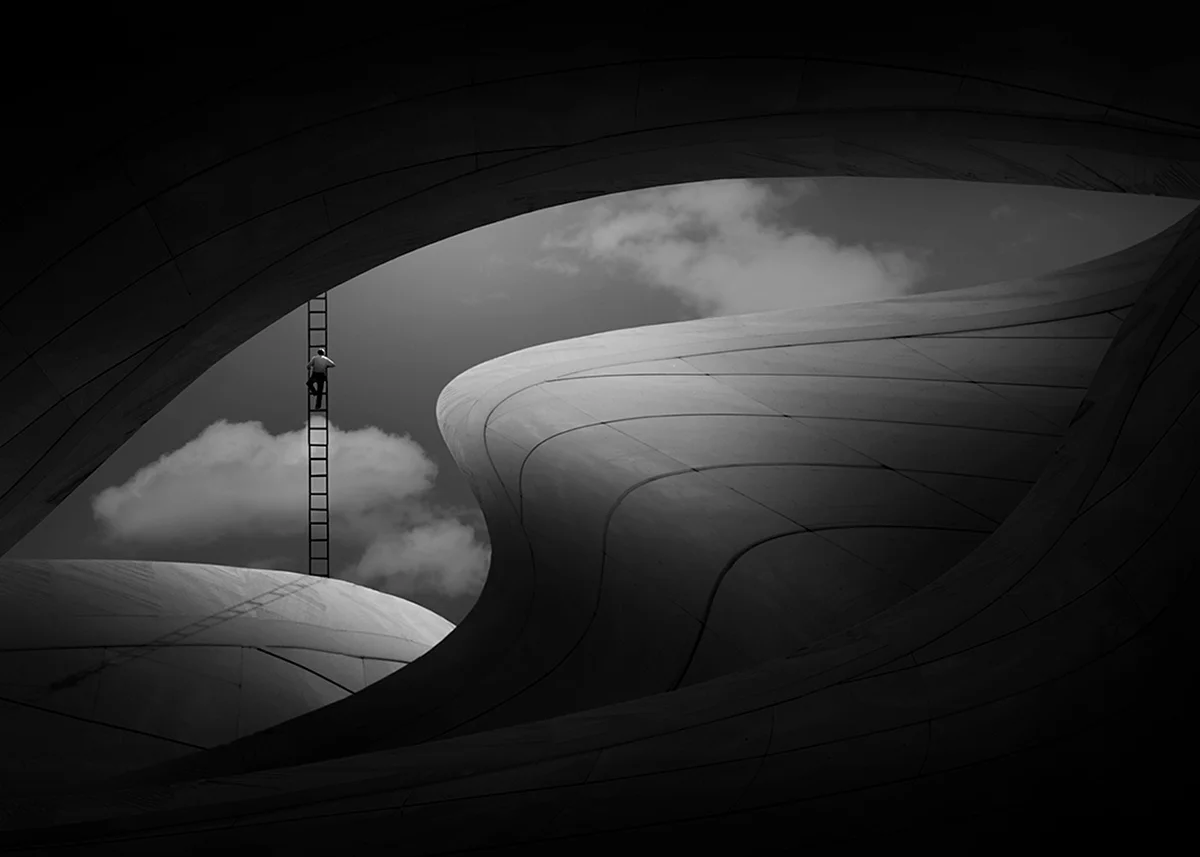
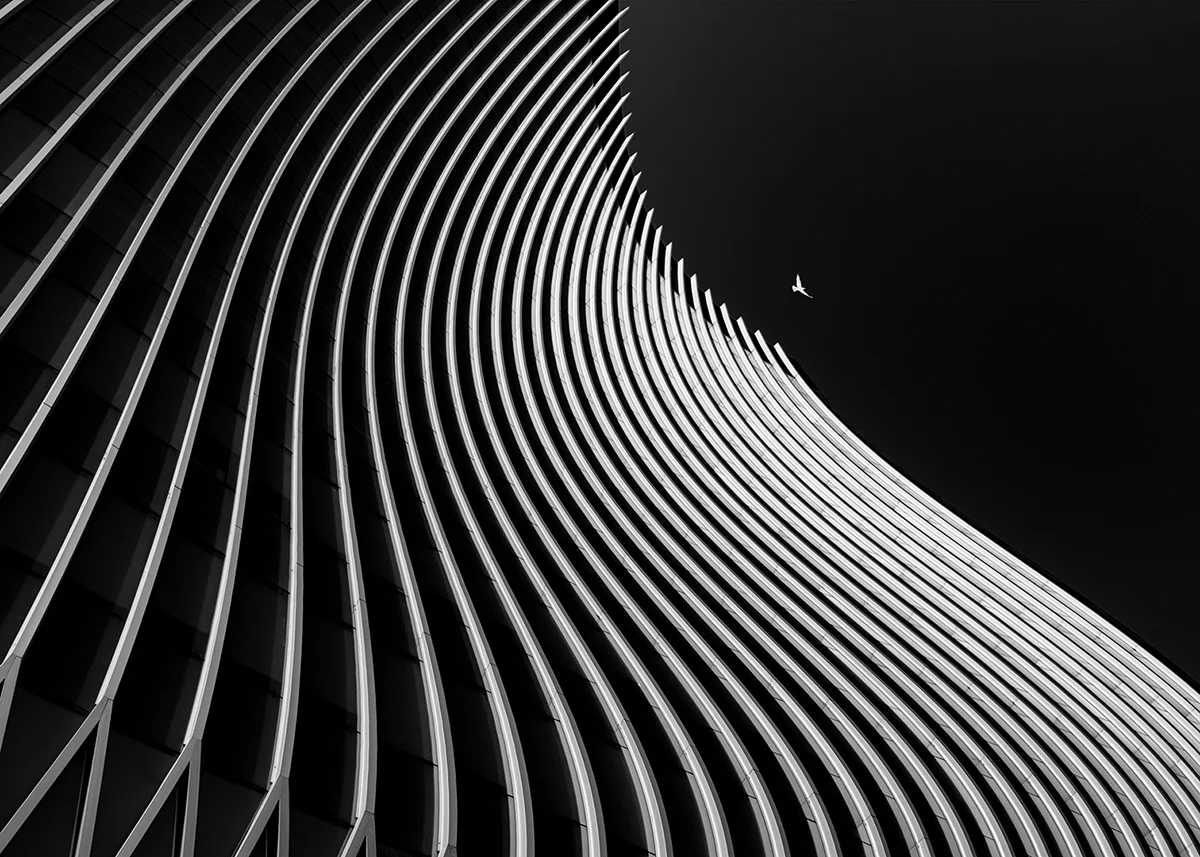
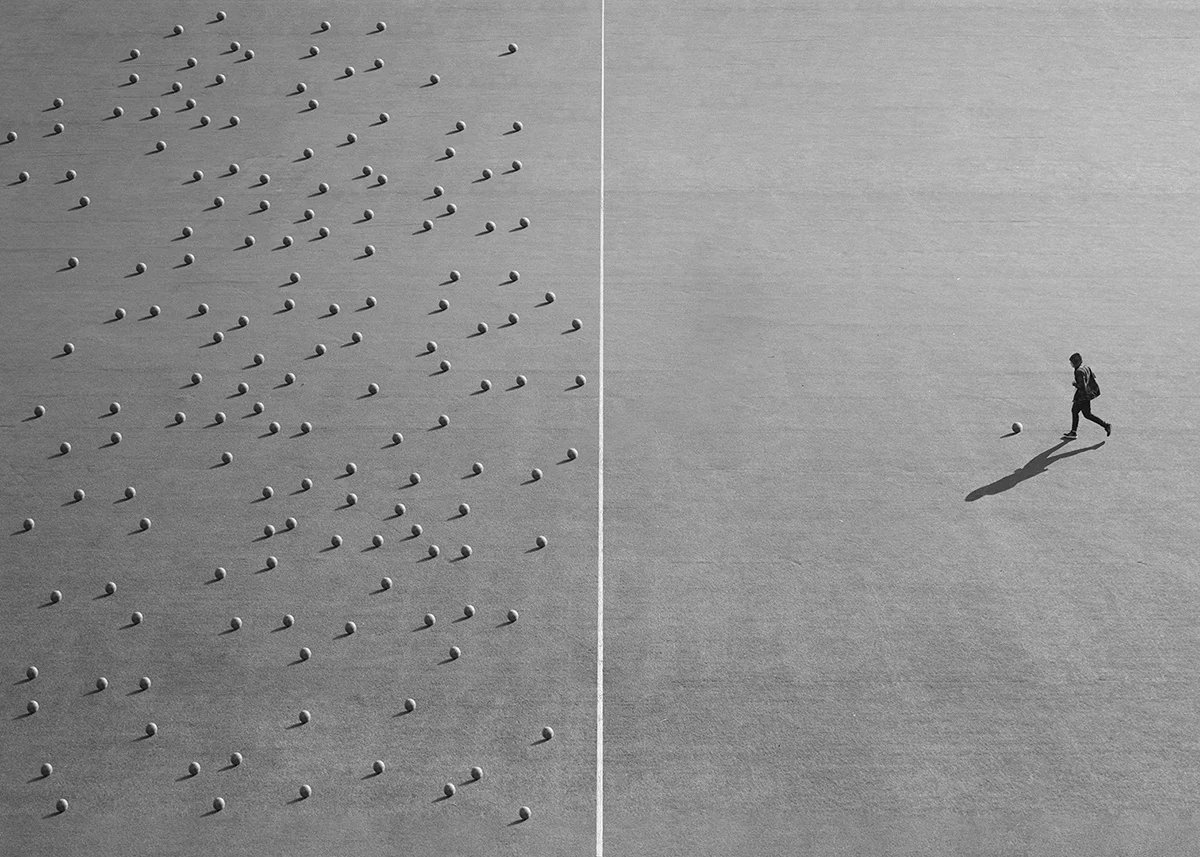
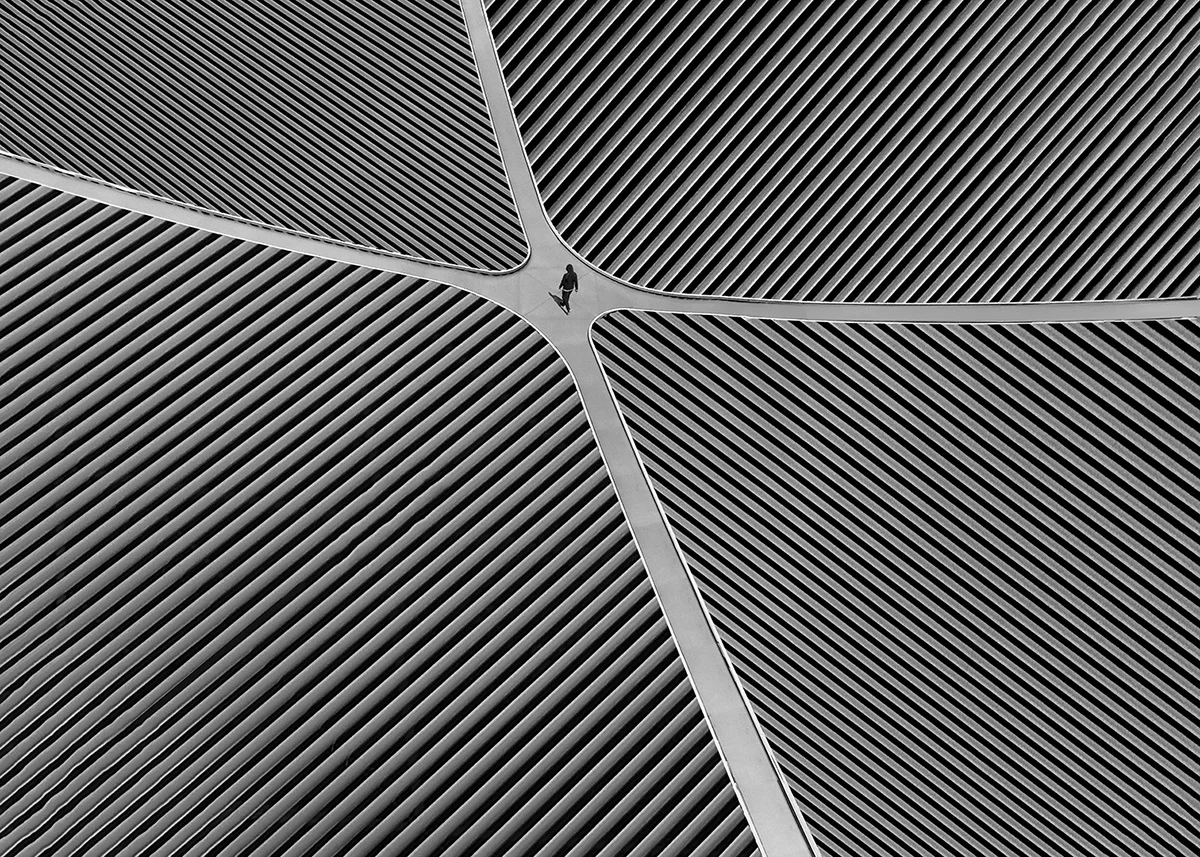
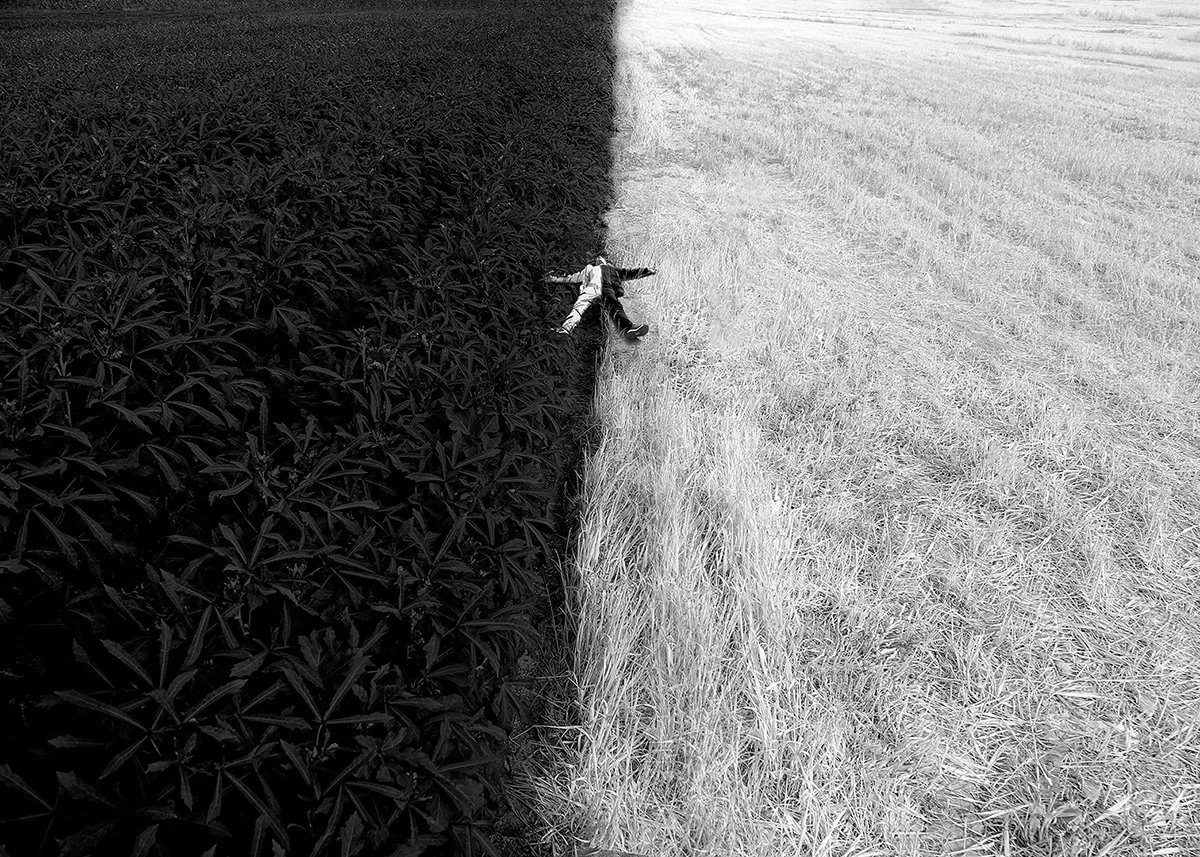
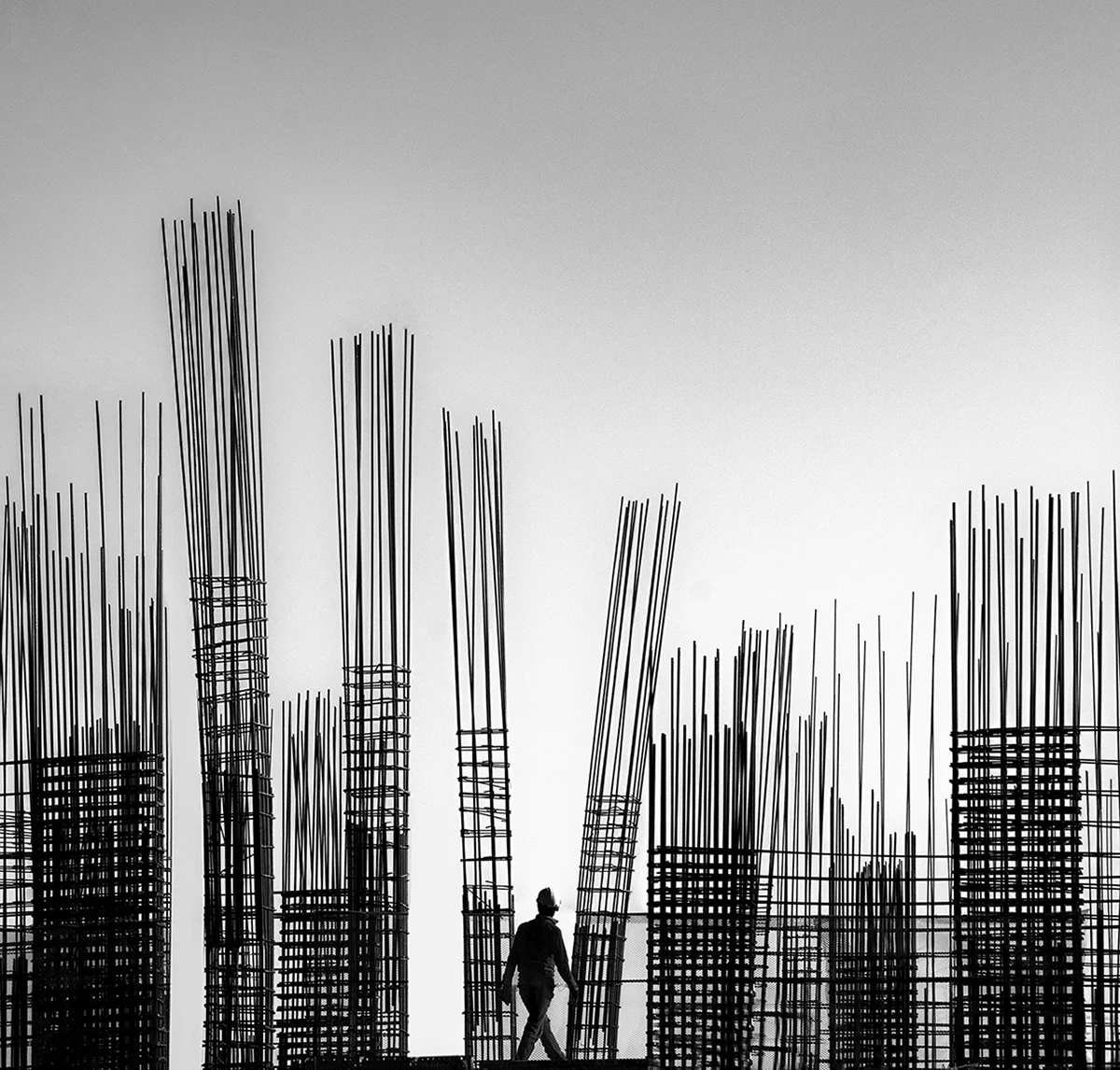
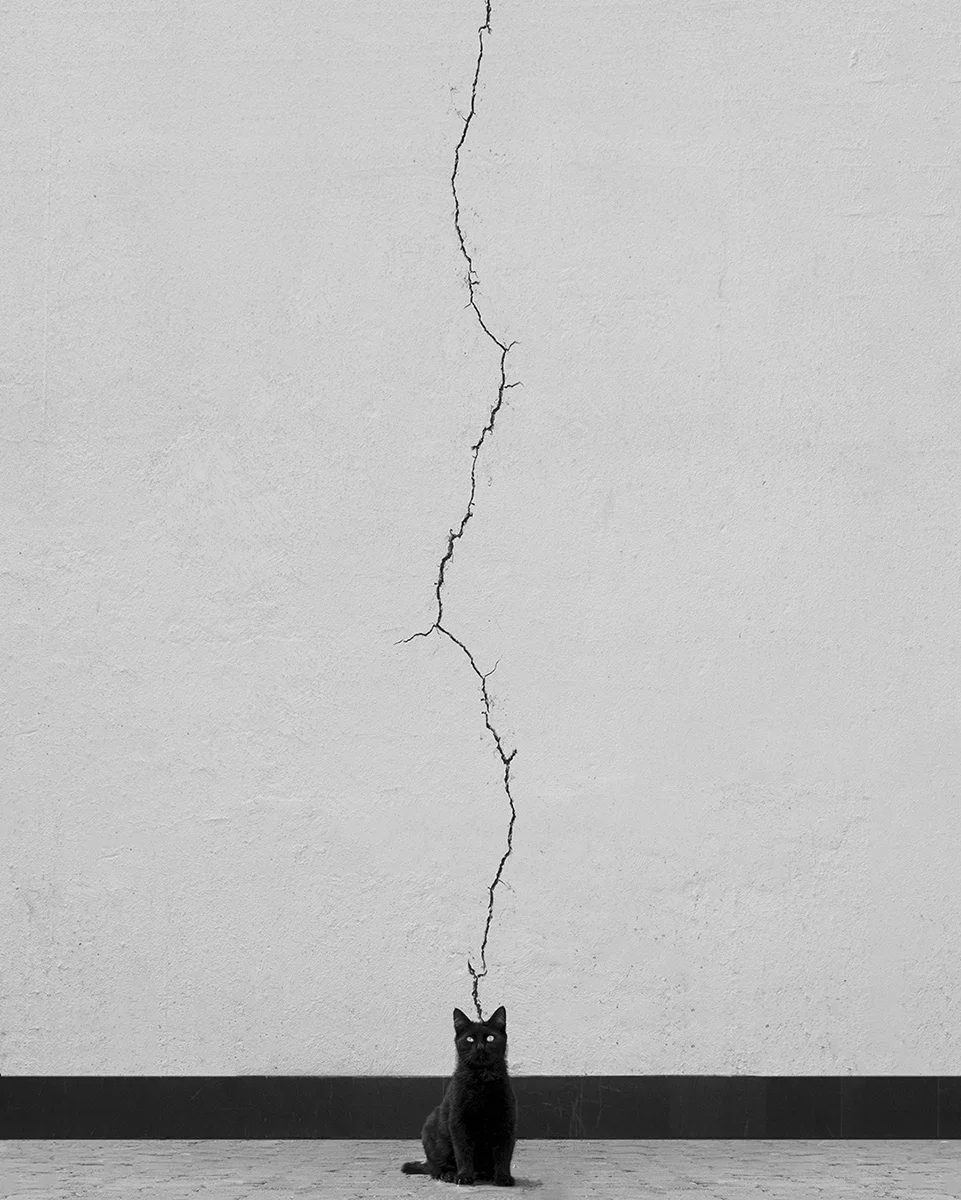
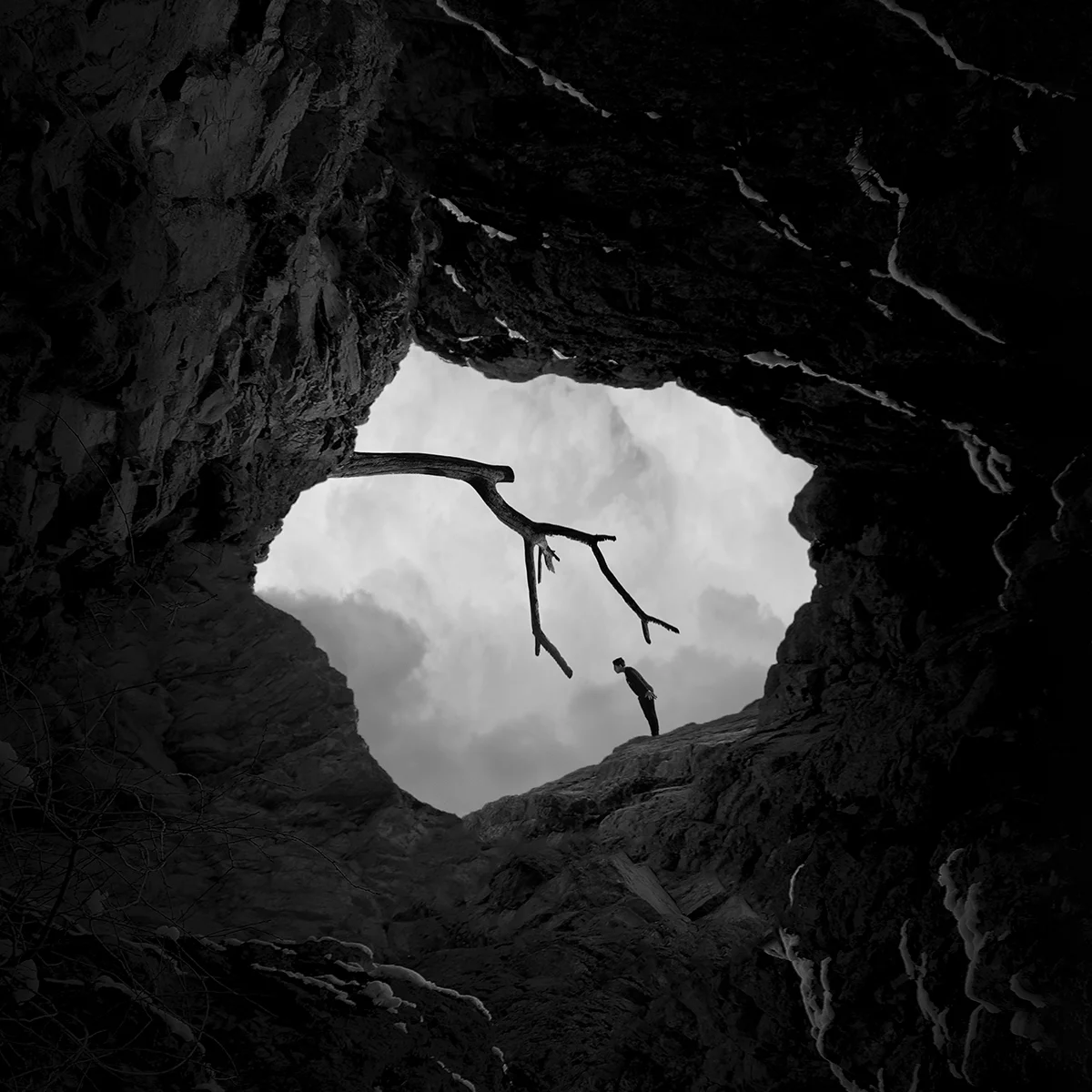
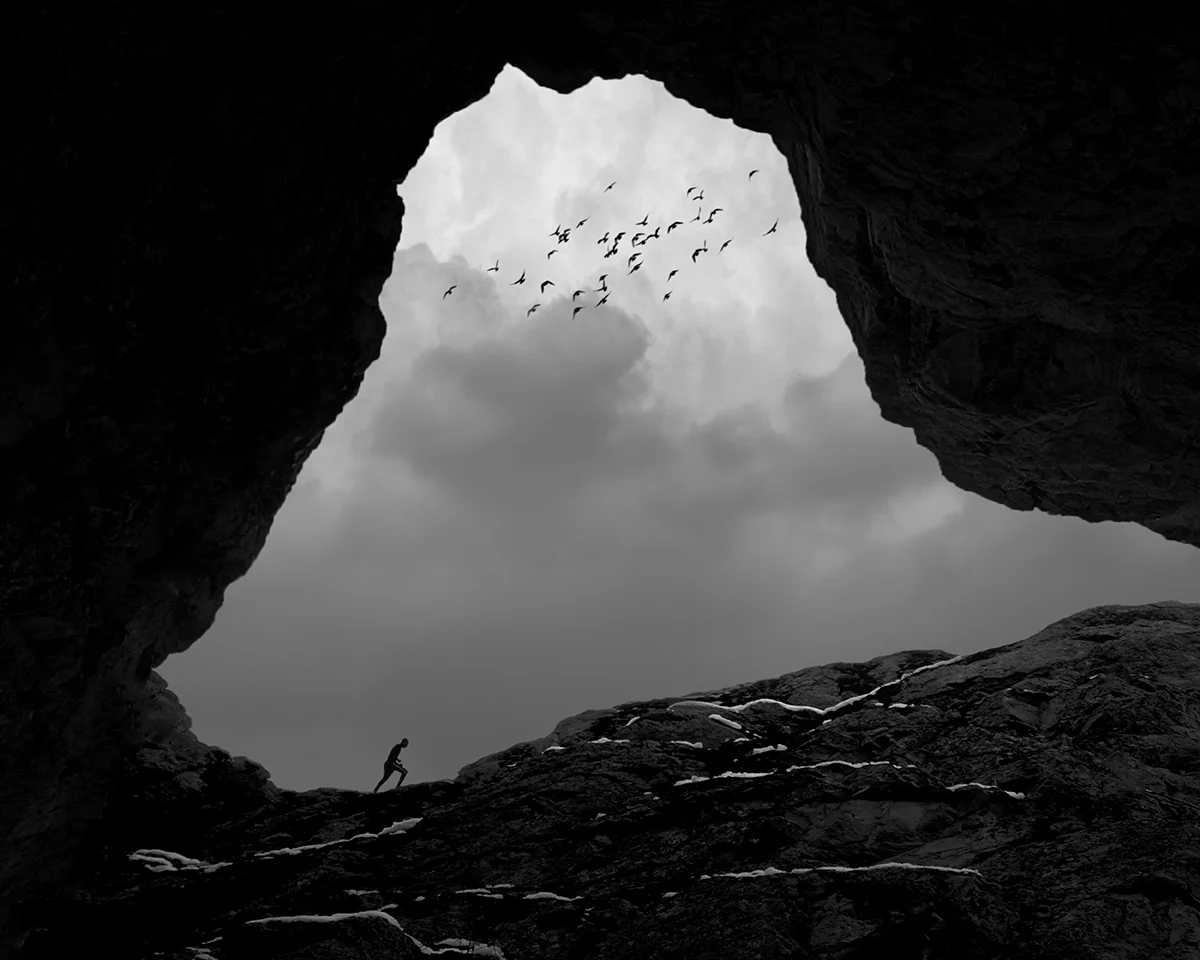
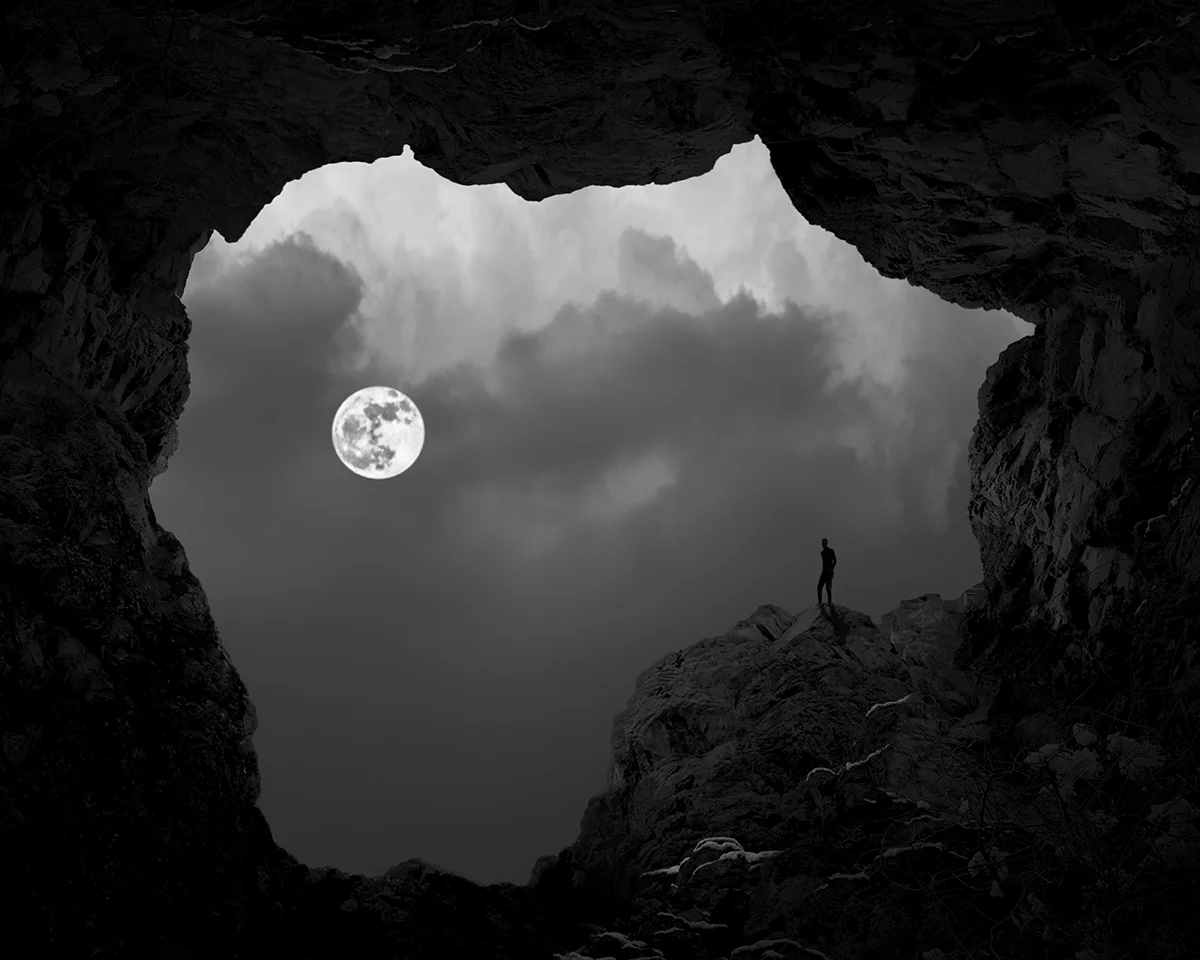
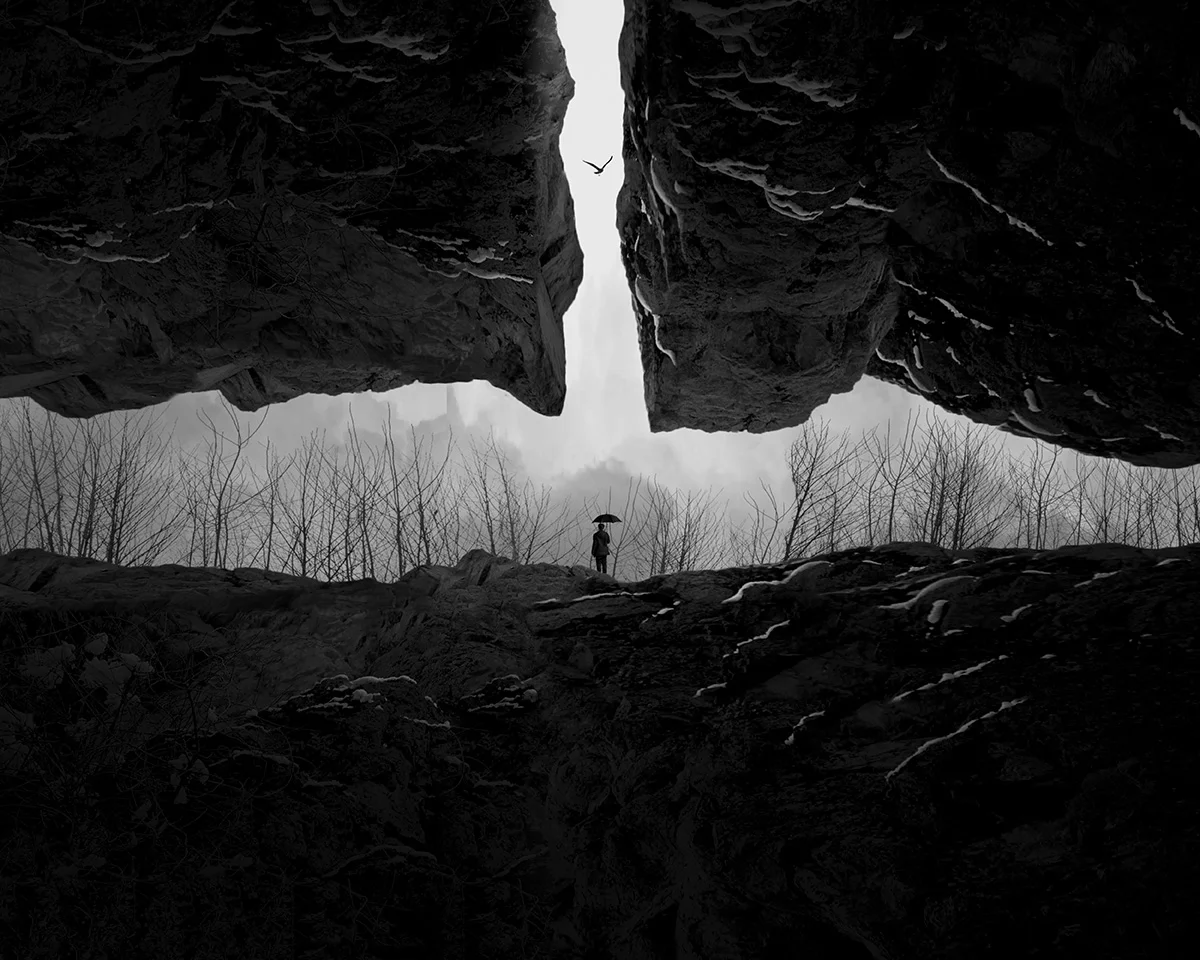
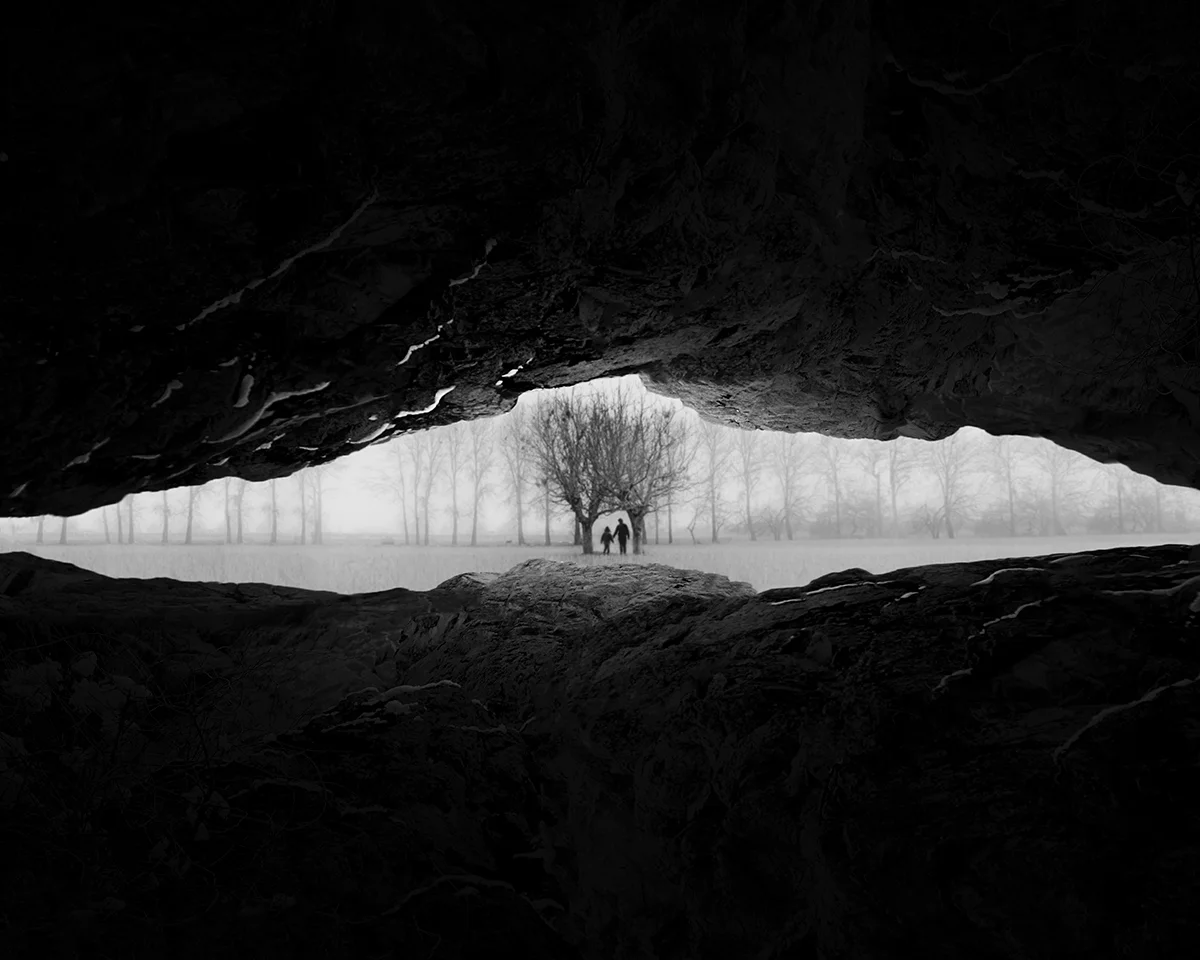
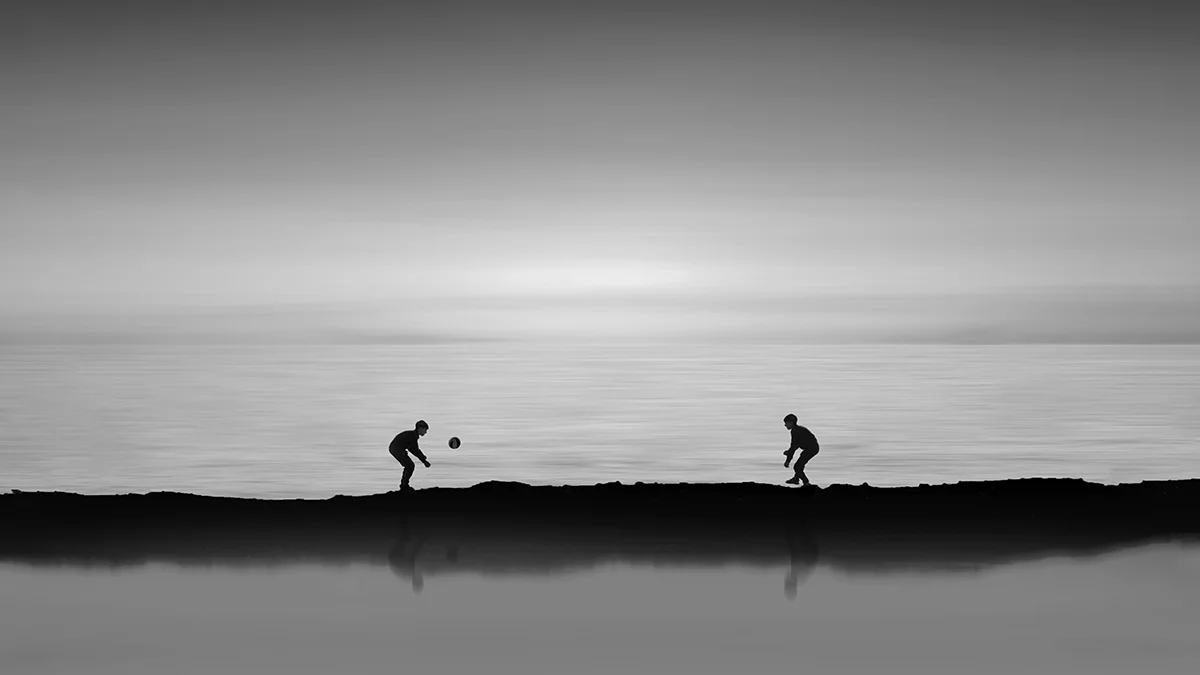
Ali Zolghadri is an internationally acclaimed fine art photographer whose work explores silence, solitude, and the poetic tension between form and emptiness. His black-and-white conceptual compositions merge minimalism with surreal imagination, turning ordinary spaces into contemplative visual experiences.

Winner of over 130 international photography awards from more than 20 countries, Zolghadri’s work has been exhibited in major cities such as Dubai, Paris, New York, Budapest, and Siena. He is the recipient of the UAE Golden Visa for Artistic Excellence.

Currently residing between Tehran and Dubai, he is represented on Artsy (Simine Paris Gallery), and his limited edition works are available on Saatchi Art.

Zolghadri’s art continues to push the boundaries of conceptual fine art photography, offering viewers an introspective dialogue between simplicity, emotion, and form.

Statement
"My art is a reflection of silence — where simplicity becomes meaning, and absence reveals emotion.

Through minimal forms and subtle contrasts, I explore the fragile connection between humanity and the unseen, between light and void. Each image is a quiet attempt to make emptiness speak."


Awarded Photographer of the Week - Week 44, 2025

 

Inspiring Portfolios

Call for Entries
All About Photo Awards 2026
$5,000 Cash Prizes! Juror: Steve McCurry
 
Stay up-to-date  with call for entries, deadlines and other news about exhibitions, galleries, publications, & special events.

More Great Photographers To Discover

Bob Newman
United States
1950
Bob began photographing on a regular basis after retiring as a physician. His images document the challenges and culture within marginalized communities, which are often similar to the underprivileged patients he enjoyed serving. After retirement, photography came to occupy much of this time. Initially his forays were associated with photo trips or workshops. When he first saw images of the Irish Travellers in 2015, he became intrigued. Photographing their culture and lives became his first long-term project. In the last five years, he has returned to visit the Travellers thirteen times, averaging 2-3 visits per year. To date he has visited 30 sites. Returning on multiple occasions has provided an opportunity to take a deep dive into their history and traditions. Statement The Irish Travellers is a long-term photographic project that began in 2016. Often referred to as Pavees, they number about 40,000 in Ireland and are ethnically separate from Romani/Gypsies. No longer nomadic, they now live in extended family roadside camps or halting sites. They are predominantly Irish Roman Catholic, endogamous, and traditional marriages are the norm. The women spend their time with their families, sometimes raising as many as 16 – 18 children. Girls are taught to act and dress provocatively as toddlers. It is exceedingly difficult for Traveller men to find jobs. The unemployment rate is 84%. Most live on a dole from the Irish Government. With time on their hands, horses and dogs play a major role in their lives. They face discrimination and racism because of their differences from the Settled Irish. Despite this, they are a remarkably resilient group who highly prize their culture, traditions and family life. This series focuses on Traveller children.
David LaChapelle
United States
1963
David LaChapelle (born March 11, 1963) is an American commercial photographer, fine-art photographer, music video director, and film director. He is best known for his photography, which often references art history and sometimes conveys social messages. His photographic style has been described as "hyper-real and slyly subversive" and as "kitsch pop surrealism". Once called the Fellini of photography, LaChapelle has worked for international publications and has had his work exhibited in commercial galleries and institutions around the world. David LaChapelle was born in Hartford, Connecticut to Philip and Helga LaChapelle; he has a sister Sonja and a brother Philip. His mother was a refugee from Lithuania who arrived at Ellis Island in the late 1960s. His family lived in Hartford until he was 9. He has said to have loved the public schools in Connecticut and thrived in their art program as a child and teenager, although he struggled with bullying growing up. Then he moved to Raleigh, North Carolina, with his family, where they lived until he was 14, before moving back to Fairfield, Connecticut. He was bullied in his North Carolina school for his sexuality. When he was 15, he ran away from home to become a busboy at Studio 54 in New York City. Eventually, he returned to North Carolina to enroll in the North Carolina School of the Arts. His first photograph was of his mother Helga on a family vacation in Puerto Rico. LaChapelle credits his mother for influencing his art direction in the way she set up scenes for family photos in his youth. LaChapelle was affiliated in the 1980s with 303 Gallery which also exhibited artists such as Doug Ait. After people from Interview magazine saw his work exhibited, LaChapelle was offered work with the magazine. When LaChapelle was 17 years old, he met Andy Warhol, who hired him as a photographer for Interview Magazine. Warhol reportedly told LaChapelle "Do whatever you want. Just make sure everybody looks good." LaChapelle's images subsequently appeared on the covers and pages of magazines such as Details, GQ, i-D, The New York Times Magazine, Rolling Stone, The Face, Vanity Fair, Vogue Italia, and Vogue Paris. LaChapelle's work has been called "meticulously created in a high-gloss, color-popping, hyper-realistic style", and his photos are known to, "crackle with subversive – or at least hilarious – ideas, rude energy and laughter. They are full of juicy life." In 1995 David LaChapelle shot the famous 'kissing sailors' advertisement for Diesel. It was staged at the peace celebration of World War II and became one of the first public advertisements showing a gay or lesbian couple kissing. Much of its controversy was due it being published at the height of the Don't ask, Don't tell debates in United States, which had led to the U.S. Government to bar openly gay, lesbian, or bisexual persons from military service. In a long article published by Frieze in 1996, the advertisement was credited for its "overarching tone of heavy-handed humor and sarcasm". In September 2011 when the Don't ask, Don't tell law was finally removed by President Barack Obama, Renzo Rosso, the founder and president of Diesel, who originally had approved and pushed for the advertisement, said "16 years ago people wouldn't stop complaining about this ad. Now it's finally accepted legally." Themes in LaChapelle's art photography, which he has developed in his Maui home, include salvation, redemption, paradise, and consumerism. It is clear that LaChapelle's moving in this, "new direction highlights his interest and understanding of both contemporary practice and art history". LaChapelle's images "both bizarre and gorgeous have forged a singular style that is unique, original, and perfectly unmistakeable." His photographs have been collected in a number of books. LaChapelle Land (1996) was selected as one of 101 "Seminal Photographic Books of the Twentieth Century" and is "highly valued by collectors". His second book, Hotel LaChapelle (1999), was described as a "garish, sexy, enchanting trip". Heaven to Hell (2006) featured "almost twice as many images as its predecessors", and "is an explosive compilation of new work by the visionary photographer." LaChapelle, Artists and Prostitutes (2006), a limited-edition, signed, numbered book contains 688 pages of photographs taken between 1985 and 2005. Artists and Prostitutes was published by Taschen and includes a photograph of the publisher Benedikt Taschen in a sadomasochism scene.Source: Wikipedia David LaChapelle is a celebrated American photographer and video artist. He is perhaps best known for his commercial fashion portraits of celebrities and models, including photos of Amanda Lepore and Angelina Jolie. LaChapelle’s signature blend of colorful, conceptual imagery bears the influence of both Surrealism and Pop Art. Often humorous or provocative, his use of full or partial nudity in numerous advertisements and editorial shoots prompted Helmut Newton to remark, “A lot of the nudity is just gratuitous. But someone who makes me laugh is David LaChapelle. I think he's very bright, very funny, and good.” An avid consumer of pop culture, LaChapelle is also inspired by the breadth of art history, frequently evoking the compositions or poses of Renaissance paintings. Born on March 11, 1963 in Fairfield, CT, LaChapelle’s early work was noticed by Andy Warhol, who then offered him a job at Interview Magazine in the 1980s. His photographs are included in the collections of the Los Angeles County Museum of Art, the National Portrait Gallery in London, and the Tel Aviv Museum of Art, among others. He currently lives and works in New York, NY.Source: Artnet
Jerry Uelsmann
United States
1934 | † 2022
Jerry N. Uelsmann (born June 11, 1934) is an American photographer, and was the forerunner of photomontage in the 20th century in America. Uelsmann was born in Detroit, Michigan. While attending public schools, at the age of fourteen, there sparked an interest in photography. He believed that through photography he could exist outside of himself, to live in a world captured through the lens. Despite poor grades, he managed to land a few jobs, primarily photographs of models. Eventually Uelsmann went on to earn a BA from the Rochester Institute of Technology and M.S. and M.F.A. degrees from Indiana University. Soon after, he began teaching photography at the University of Florida in 1960. In 1967, Uelsmann had his first solo exhibit at The Museum of Modern Art which opened doors for his photography career. Uelsmann is a master printer, producing composite photographs with multiple negatives and extensive darkroom work. He uses up to a dozen enlargers at a time to produce his final images, and has a large archive of negatives that he has shot over the years. The negatives that Uelsmann uses are known to reappear within his work, acting as a focal point in one work, and background as another. Similar in technique to Rejlander, Uelsmann is a champion of the idea that the final image need not be tied to a single negative, but may be composed of many. During the mid-twentieth century, when photography was still being defined, Uelsmann didn't care about the boundaries given by the Photo Secessionists or other realists at the time, he simply wished to share with the viewer the images from his imagination and saw photomontage as the means by which to do so. Unlike Rejlander, though, he does not seek to create narratives, but rather "allegorical surrealist imagery of the unfathomable". Uelsmann is able to subsist on grants and teaching salary, rather than commercial work. Today, with the advent of digital cameras and Photoshop, photographers are able to create a work somewhat resembling Uelsmann's in less than a day, however, at the time Uelsmann was considered to have almost "magical skill" with his completely analog tools. At the time Uelsmann's work first came to popular attention, photos were still widely regarded as unfalsifiable documentary evidence of events. However, Uelsmann, along with Lucas Samaras, was considered an avant garde shatterer of this popular mindset and help to expand the artistic boundaries of photography. Despite his works' affinity with digital techniques, Uelsmann continues to use traditional equipment. “I am sympathetic to the current digital revolution and excited by the visual options created by the computer. However, I feel my creative process remains intrinsically linked to the alchemy of the darkroom.”[3] Today he is retired from teaching and currently lives in Gainesville, Florida with his third wife, Maggie Taylor.[4] Uelsmann has one son, Andrew, who is a graduate student at the University of Florida. But to this day, Uelsmann still produces photos, sometimes creating more than a hundred in a single year. Out of these images, he likes to sit back and select the ten he likes the most, which is not an easy process. (Source: en.wikipedia.org)
Daniel Sackheim
United States
1962
Daniel Sackheim, born in 1962 in Los Angeles, California, is a photographer and film and television director and producer living and working in Los Angeles. As a director, Sackheim is best known for his work on multiple highly acclaimed television series. Some of his directorial credits include: Game of Thrones, True Detective, The Americans, The Walking Dead, Jack Ryan, Servant, Better Call Saul, The Leftovers, The Man in the High Castle, Ozark, and more recently Lovecraft Country. He has received multiple Emmy nominations, more recently in 2017 for directing the Ozark episode "Tonight We Improvise," which is a category he won in 1997 for an episode of NYPD Blue. In addition to his television work, Sackheim directed the Sony feature film, The Glass House, starring Leelee Sobieski, Diane Lane, and Stellan Skarsgard, and he produced the film, The X-Files: Fight the Future, for 20th Century Fox. Alongside fellow HBO alum Tony To, Sackheim is the co-founder of Bedrock Entertainment, which produces prestige content programming streamers and premium cable platforms. Sackheim's photographic practice translates the filmic league of his career into still photography that explores the nature of mystery, urban environments, and narrative ambiguity. His attraction to spaces dominated by shadows stems from his love of film noir and its predilection for heightened reality. A member of a number of photography centers, he is also a curator for www.streetfinder.site which is a growing community for street photography. Statement A camera is like a keyhole through which one can peer into dark spaces in search of a hidden narrative I've come to define as the unknown. Using photography, I am endeavoring to shine a light on that narrative, bringing it into sharper relief. My work occupies a space dominated by shadows. This attraction to the dark and ambiguous stems from my love of film noir and the heightened reality this filmic language personifies. Like noir, my photography aims to access the subconscious, exploring a world of omnipresent solitude and alienation. Article Exclusive Interview with Daniel Sackheim
Laurence Leblanc
Laurence Leblanc was born in Paris in the early days of June 1967. Starting her artistic training early on, she studied drawing, painting, and gravure as a child at the Musée du Louvre’s Ecole des arts décoratifs. Later on Leblanc studied visual art at the Academie Charpentier, at its historic La Grande Chaumiere workshop located in Paris. "Each of us has to tell something that nobody else can tell" -- Wim Wenders. Leblanc always had a deep desire to convey her world a little differently and it was in that spirit that she covered Peter Gabriel’s Secret World Tour in the 90’s, travelling large parts of the world with the British musican over the next two years. In 1999, Leblanc came to the attention of art critic and curator Régis Durand who described her work as : « It exists in these pictures a kind of familiar fantastic, a mix of ordinary poetry and some strangeness » Whatever the medium, the act of creation for Laurence Leblanc comes after gradual impregnation with the subject and his or her environment. The results are often carefully thought-out and reflect both the expansive and minute of the subject and, their context. Cambodian filmmaker Rithy Panh said of Leblanc that: « Her pictures look like souls… the fuzzyness is not fuzzy, the grainy asppearance is not grain, life is not exactly life. Yet it is not death either, and I like being led on this narrow territory between the two » Leblanc is the winner of awards such as the Villa Médicis Hors–Les–Murs scholarship in 2000, and the HSBC Fondation prize in photographie in 2003. In 2003, Peter Gabriel wrote in the preface of her first book Rithy, Chéa, Kim Sour et les autres "Laurence has continued to explore new areas in her work, and I have watched her develop into an extraordinary artist" Leblanc’s second book Seul l’air was published in 2009 by Actes Sud. At the same time her exhibition Seul l’air consisting of work from Africa was presented at the 40th International Photography Festival in Arles. Always expanding her range of learning and creating, Leblanc responded to radio producer and writer Frank Smith’s proposition to create a sound piece for the Atelier de Création Radiophonique. The final 53 minute sound piece was broadcast on France Culture in July 2008. Leblanc also collaborated on the « Sometimes I think Sometimes I don’t think » project with the Domaine de Chamarande. Bulles de silence, a 19 minutes film, written, produced and directed by Leblanc, was selected and premiered at the Museum’s Night in the Niepce’s Museum in May 2015. Laurence Leblanc silently follows her own solitary artistic path which leads her to the field of contemporary photographic creativity, yet her strongest ally is time, the time given (and taken by the artist) to observe and to mature. Represented by the Claude Samuel gallery in 1999 then by the VU’ gallery from 2001 to 2015 Leblanc is a regular at: Art Paris, Art genève, and at Paris Photo since her début there in 1998. Leblanc’s works can be found in collections ranging from the prestigious National Trust for Contemporary Art in France, the Niépce Museum in Chalon-sur Saône, the French National Library, the HSBC Fondation & Collection, as well as in various private collections includng that of Marin Karmitz. We can see one of her picture in the exhibition « Etranger résident » Marin Karmitz’s collection from 15 october 2017 to 21 january 2018 in la maison rouge – fondation Antoine de Galbert. Source: laurenceleblanc.com
Advertisement
All About Photo Awards 2026
Win a Solo Exhibition in March
All About Photo Awards 2026

Latest Interviews

Exclusive Interview with Marijn Fidder
Marijn Fidder is a Dutch documentary photographer whose work powerfully engages with current affairs and contemporary social issues. Driven by a deep sense of social justice, she uses photography to speak on behalf of the voiceless and to advocate for the rights of those who are most vulnerable. Her images have been widely published in major international outlets including National Geographic, CNN Style, NRC Handelsblad, Volkskrant, GUP New Talent, and ZEIT Magazin. Her long-term commitment to disability rights—particularly through years of work in Uganda—culminated in her acclaimed project Inclusive Nation, which earned her the title of Photographer of the Year 2025 at the All About Photo Awards. She is also the recipient of multiple prestigious honors, including awards from World Press Photo and the Global Peace Photo Award. We asked her a few questions about her life and work.
Exclusive Interview with Josh S. Rose
Josh S. Rose is a multidisciplinary artist working across photography, film, and writing. His practice bridges visual and performing arts, with a strong focus on movement, emotion, and the expressive potential of the image. Known for his long-standing collaborations with leading dance companies and performers, Rose brings together authenticity and precise composition—a balance he describes as “technical romanticism.” His work has been commissioned and exhibited internationally, appearing in outlets such as Vogue, at the Super Bowl, in film festivals, and most recently as a large-scale installation for Lincoln Center for the Performing Arts. A sought-after collaborator, he has worked with major artists, cultural institutions, and brands, following a previous career as Chief Creative Officer at Interpublic Group and the founder of Humans Are Social. We asked him a few questions about his life and work.
Interview with Maureen Ruddy Burkhart
Photographer Maureen Ruddy Burkhart brings a quietly attentive and deeply human sensibility to her exploration of the world through images. Shaped by a life immersed in photography, film, and visual storytelling, her work is guided by intuition, observation, and an enduring interest in the emotional undercurrents of everyday life. With a practice rooted in both fine art traditions and documentary awareness, she approaches her subjects with sensitivity, allowing subtle moments to emerge naturally rather than be imposed. Her series Til Death, selected as the Solo Exhibition for February 2025, reflects this long-standing commitment to photography as a space for reflection rather than spectacle. Drawn to moments that exist just outside the expected frame, Burkhart’s images suggest narratives without resolving them, leaving room for ambiguity, humor, and quiet connection. We asked her a few questions about her life and work.
Exclusive Interview with Peter Ydeen
Winner of AAP Magazine #45 Travels, his series reflects this unique vision—capturing the spirit of place through subtle layers of light, color, and emotion. Whether traveling abroad or observing the rhythms of his own surroundings, Ydeen creates images that feel both grounded and enchanted, inviting viewers into a world where reality and reverie meet.
Exclusive Interview with Julie Wang
Chinese-born photographer Julie Wang brings a poetic, contemplative sensitivity to her visual exploration of the world. Having lived for nearly equal parts of her life in China, Europe, and the United States, she approaches her subjects with the nuanced perspective of someone shaped by many cultures. This blend of distance, curiosity, and emotional resonance infuses her work with a quiet depth, allowing her to reveal the fragile beauty and subtle tensions that often pass unnoticed.
Exclusive Interview with Ghawam Kouchaki
American photographer Ghawam Kouchaki brings a sharply observant and introspective gaze to the streets of Japan’s capital. Based in Los Angeles, he approaches Tokyo with the distance — and curiosity — of an outsider, allowing him to uncover the city’s subtle contradictions, quiet tensions, and fleeting gestures that often go unnoticed. His series Tokyo no no, selected as the Solo Exhibition for December 2024, explores the hidden undercurrents of urban life: the unspoken rules, the small ruptures in routine, the poetic strangeness found in everyday moments. Through muted tones, instinctive timing, and meticulous framing, Kouchaki reveals a Tokyo that exists somewhere between reality and imagination — both intimate and enigmatic. We asked him a few questions about his life and work.
Exclusive Interview with Tommi Viitala
Tommi Viitala, winner of AAP Magazine #44: Street, is a Finnish photographer celebrated for his striking and cinematic street photography. With a keen eye for atmosphere and composition, he captures fleeting urban moments that reveal the poetry of everyday life. His work often explores the tension between solitude and connection within contemporary cityscapes, blending documentary realism with artistic sensibility. Viitala’s photographs have been exhibited internationally and recognized for their strong visual storytelling and emotional depth. We asked him a few questions about his life and work.
Exclusive Interview with Robert Mack
Robert Mack is a California-based visual artist, photographer, and filmmaker. His fine art photography and films have been exhibited widely in the United States and Europe, with major shows at the Baltimore Museum of Art and the Reiss-Engelhorn Museum in Mannheim, Germany. Both institutions hold his work in their permanent collections. Working across different media, Mack has built a career exploring the complexities of human presence and representation. In 1981, while living in Baltimore, he produced The Perkins Project: Not Guilty by Reason of Insanity, a rare photographic and film study inside Maryland’s hospital for the criminally insane. These stark yet compassionate black-and-white portraits remain one of his most powerful and controversial bodies of work.
Exclusive Interview with Alan Schaller About Irys
Alan Schaller is a London-based photographer best known for his striking black-and-white street photography and as co-founder of Street Photography International, one of the largest online communities dedicated to the genre. With years of experience both behind the camera and in building platforms that give visibility to photographers, Schaller has now turned his focus to creating a new digital space for photography itself. His latest venture, Irys, is a photography app designed by photographers, for photographers, with the aim of offering a dedicated platform where images are respected as works of art rather than treated as disposable content.
Call for Entries
All About Photo Awards 2026
$5,000 Cash Prizes! Juror: Steve McCurry