All about photo.com: photo contests, photography exhibitions, galleries, photographers, books, schools and venues.
Win a Solo Exhibition this February. Juror: Harvey Stein
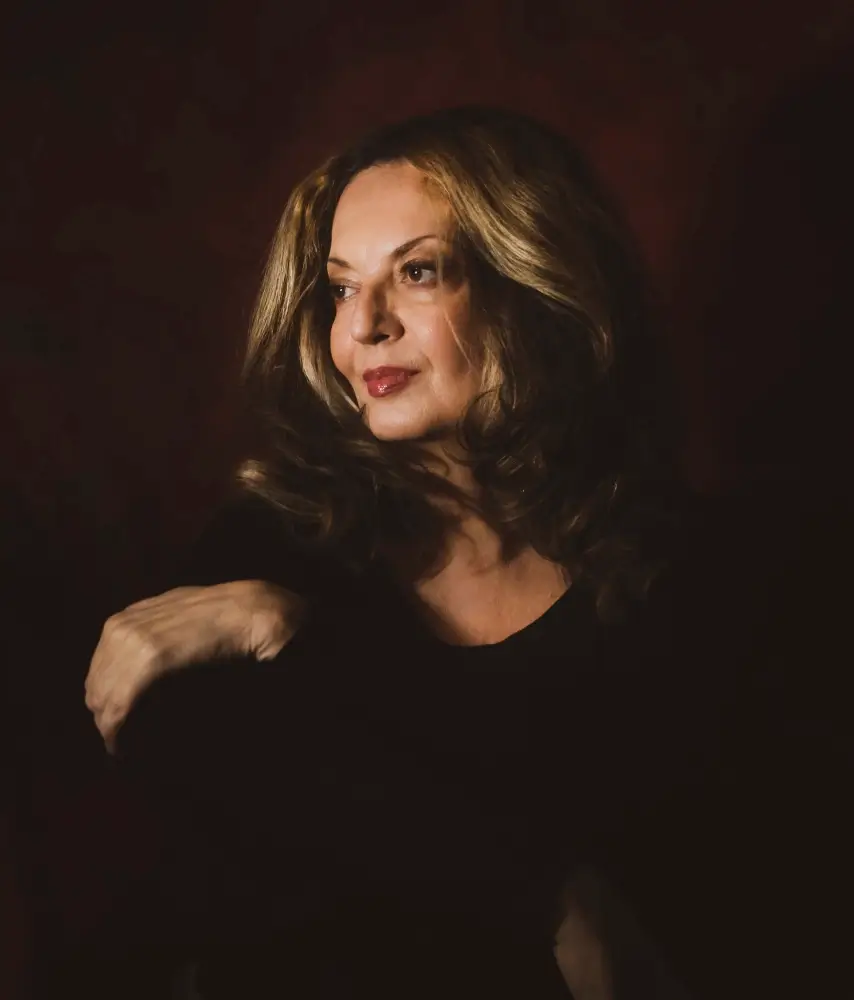
Oana Daian
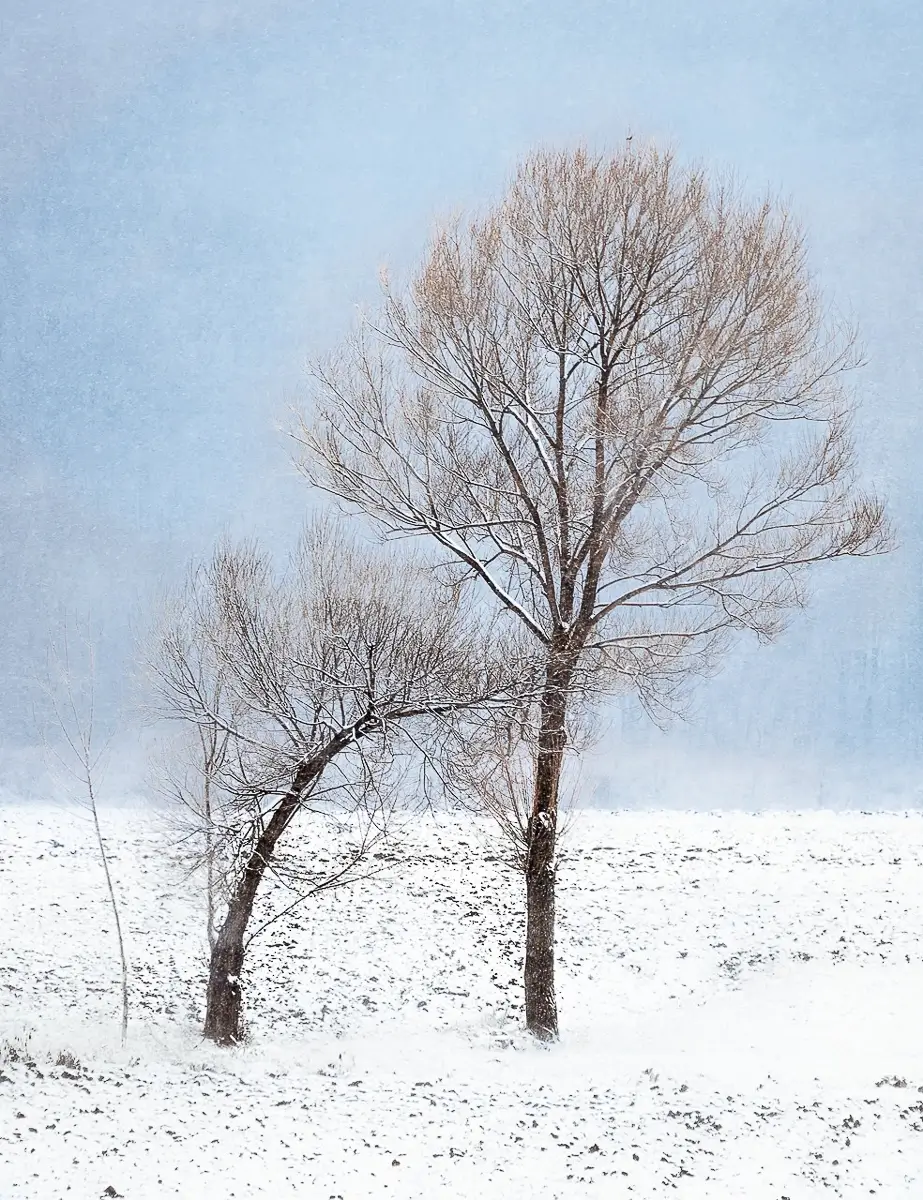
Oana Daian
Oana Daian

Oana Daian

Country: Romania

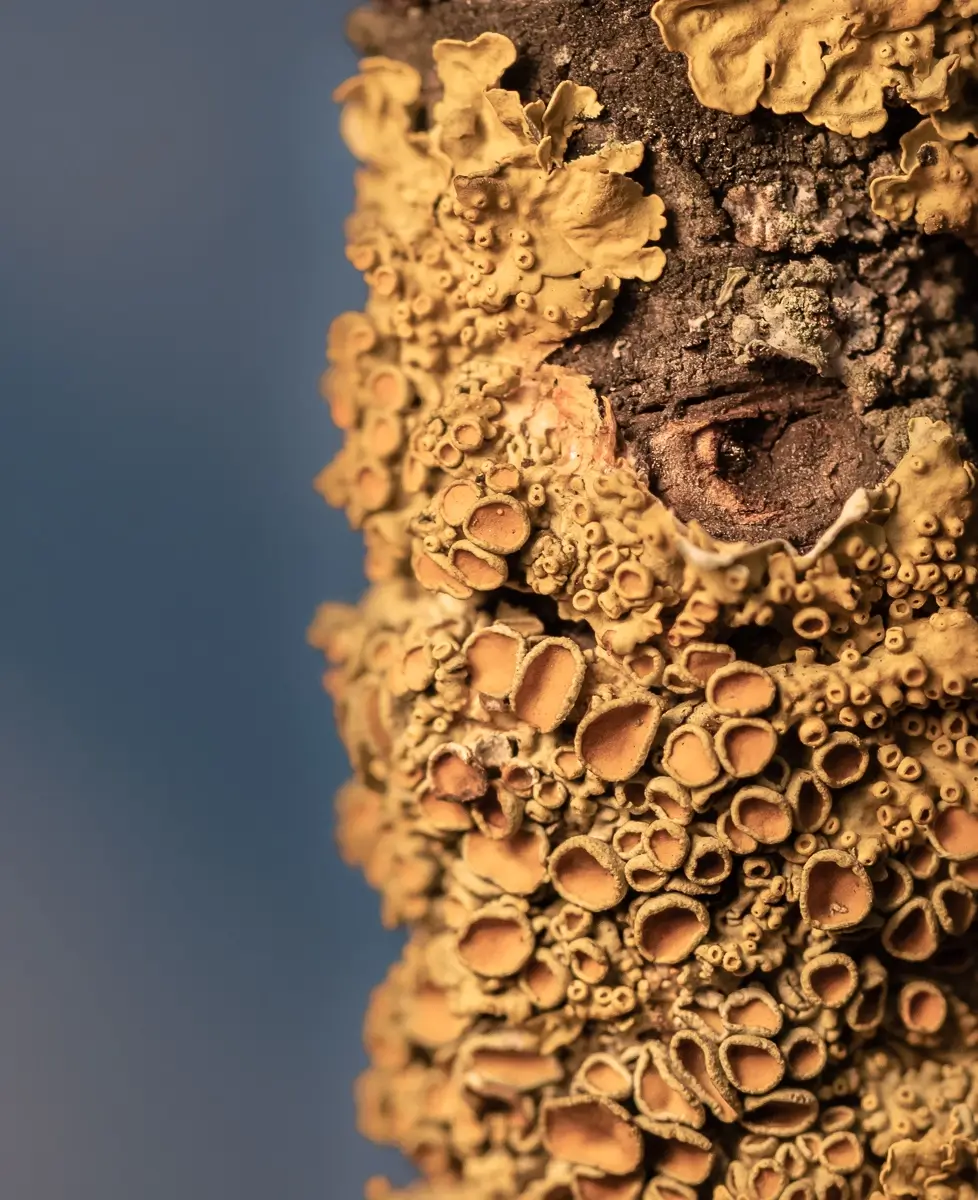
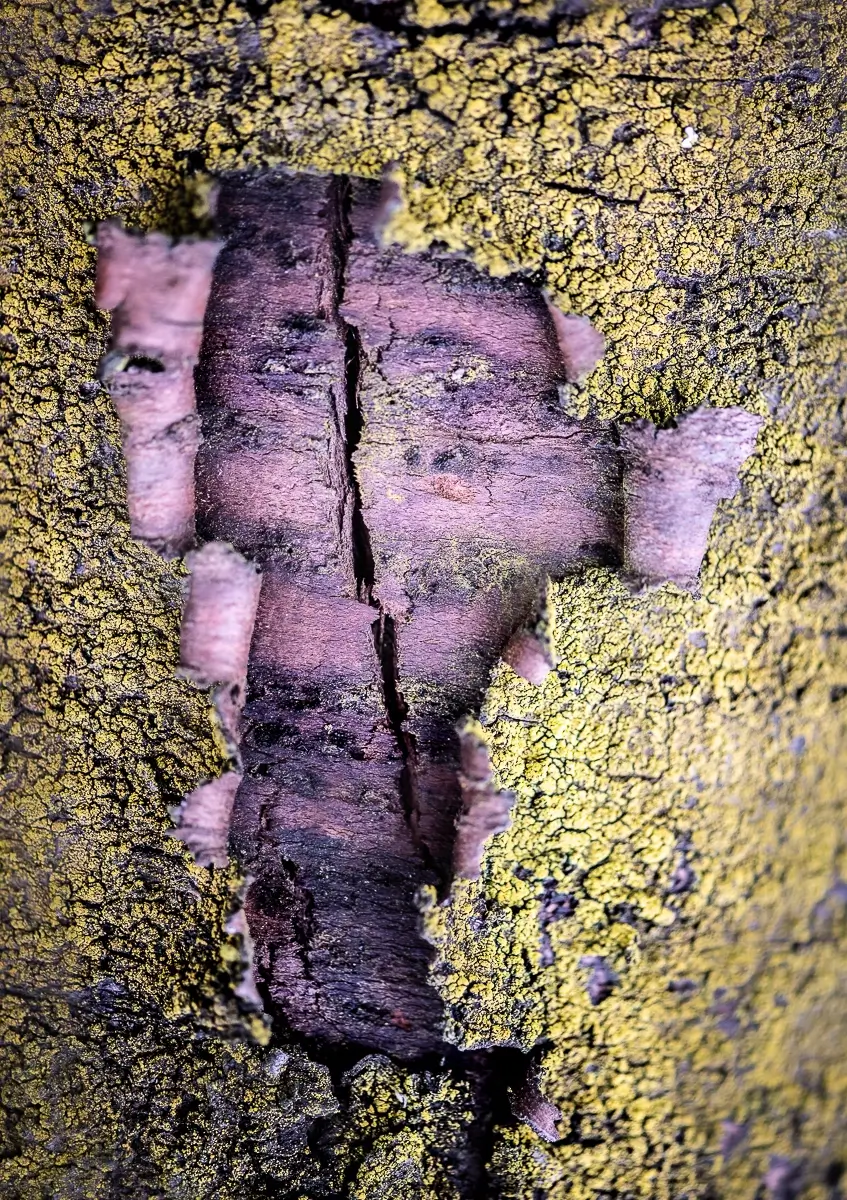
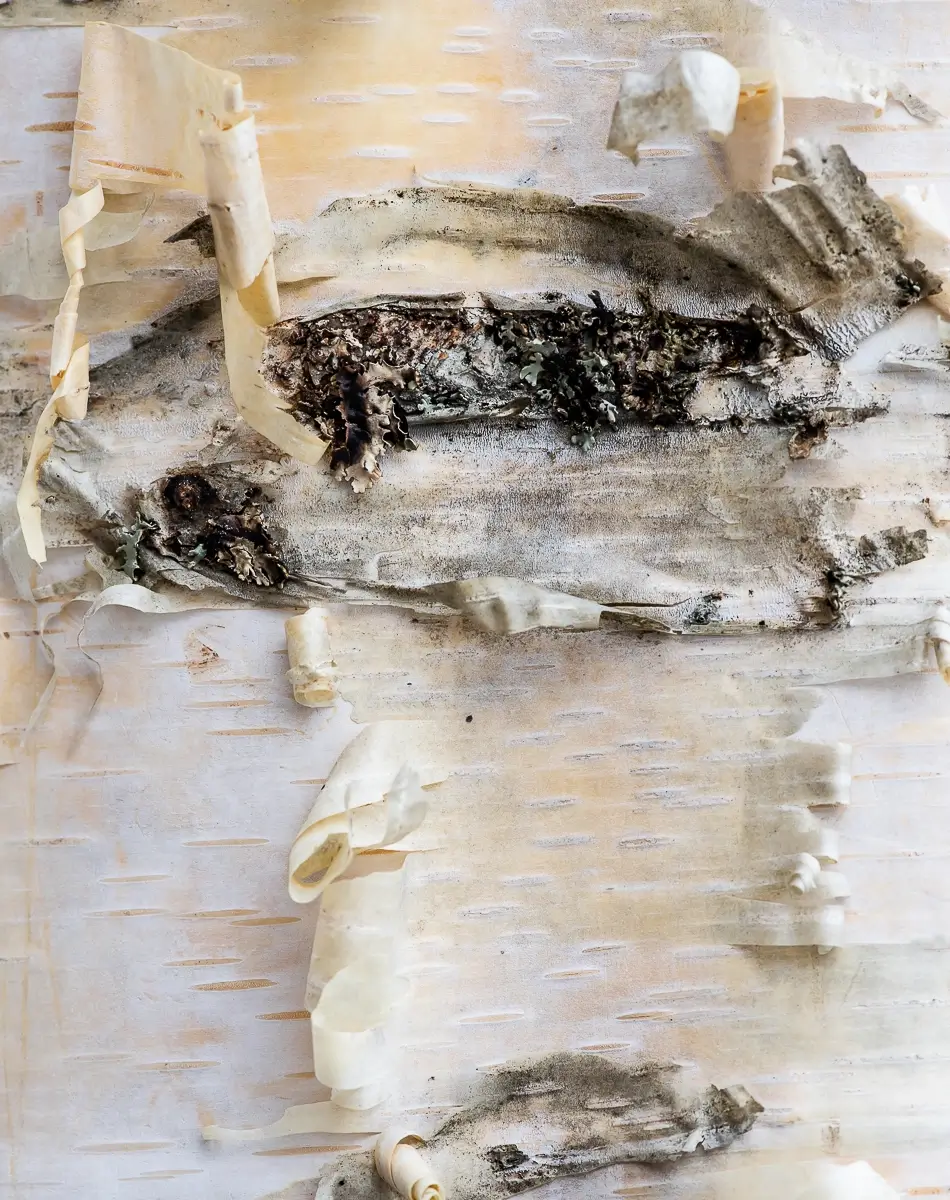
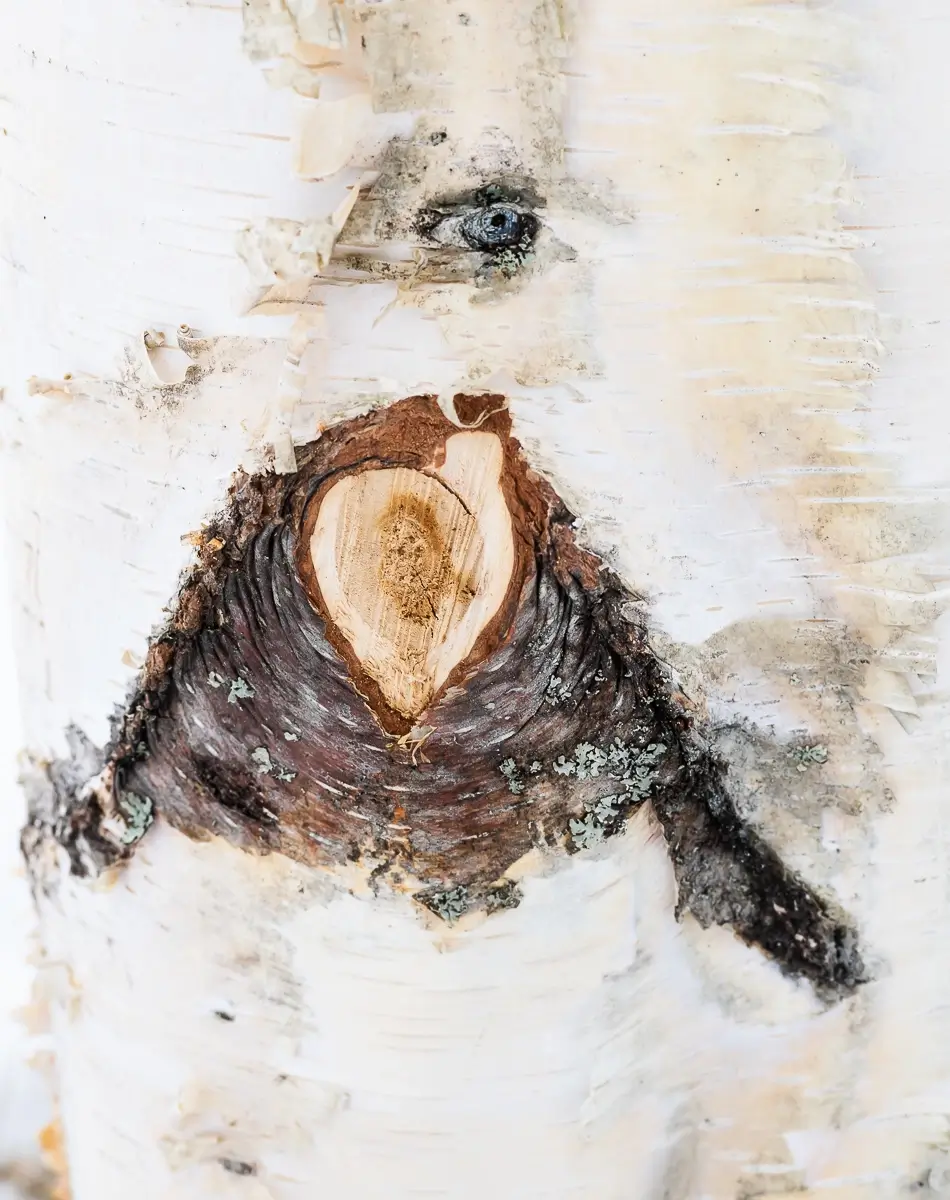
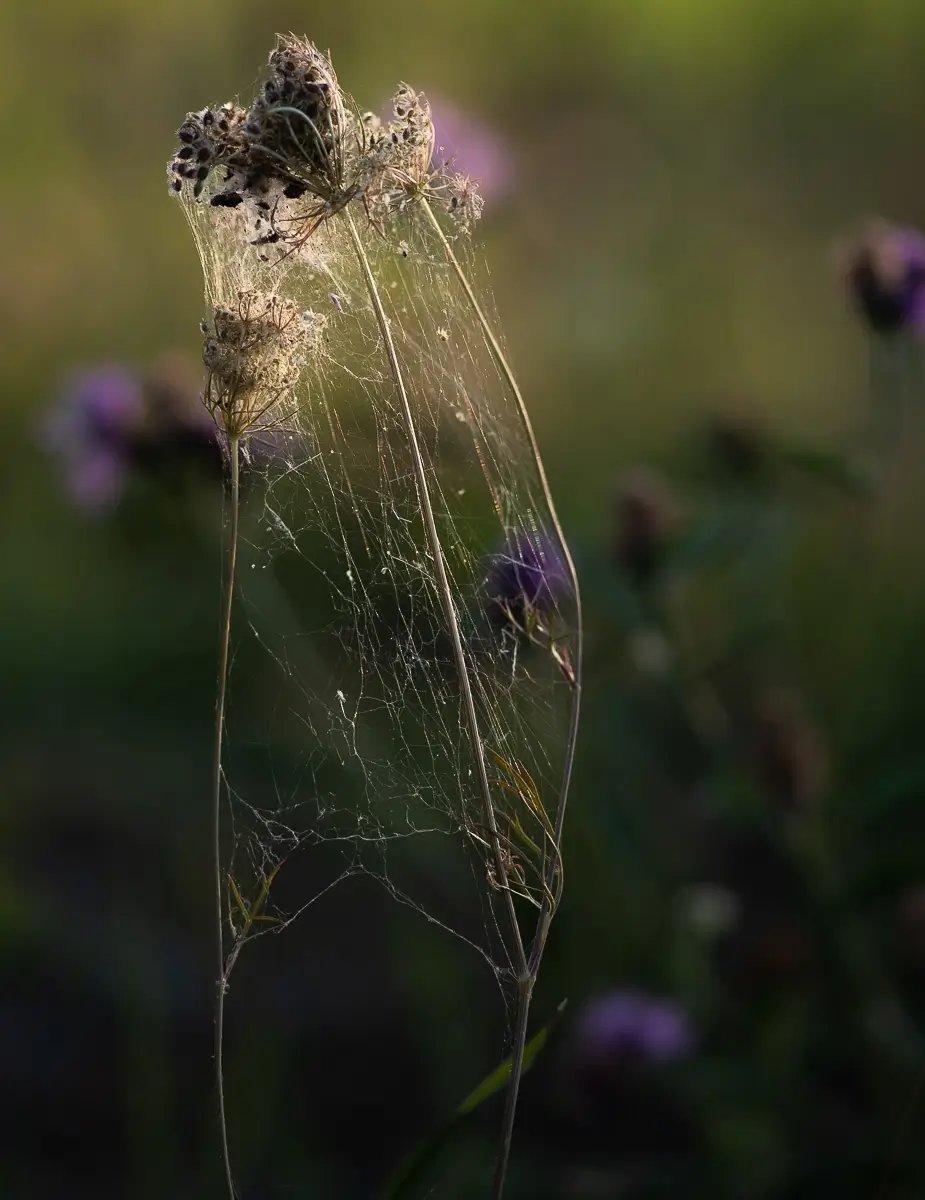
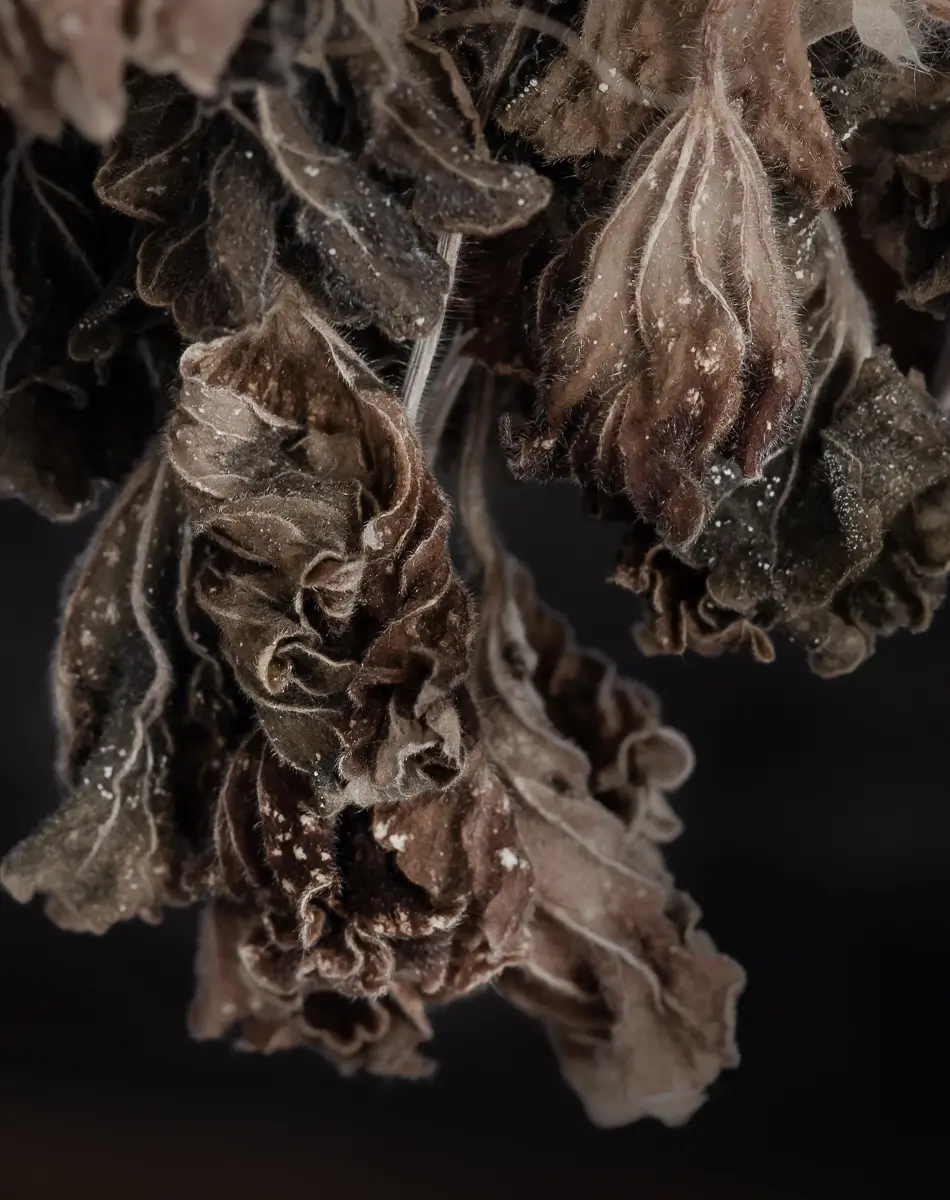
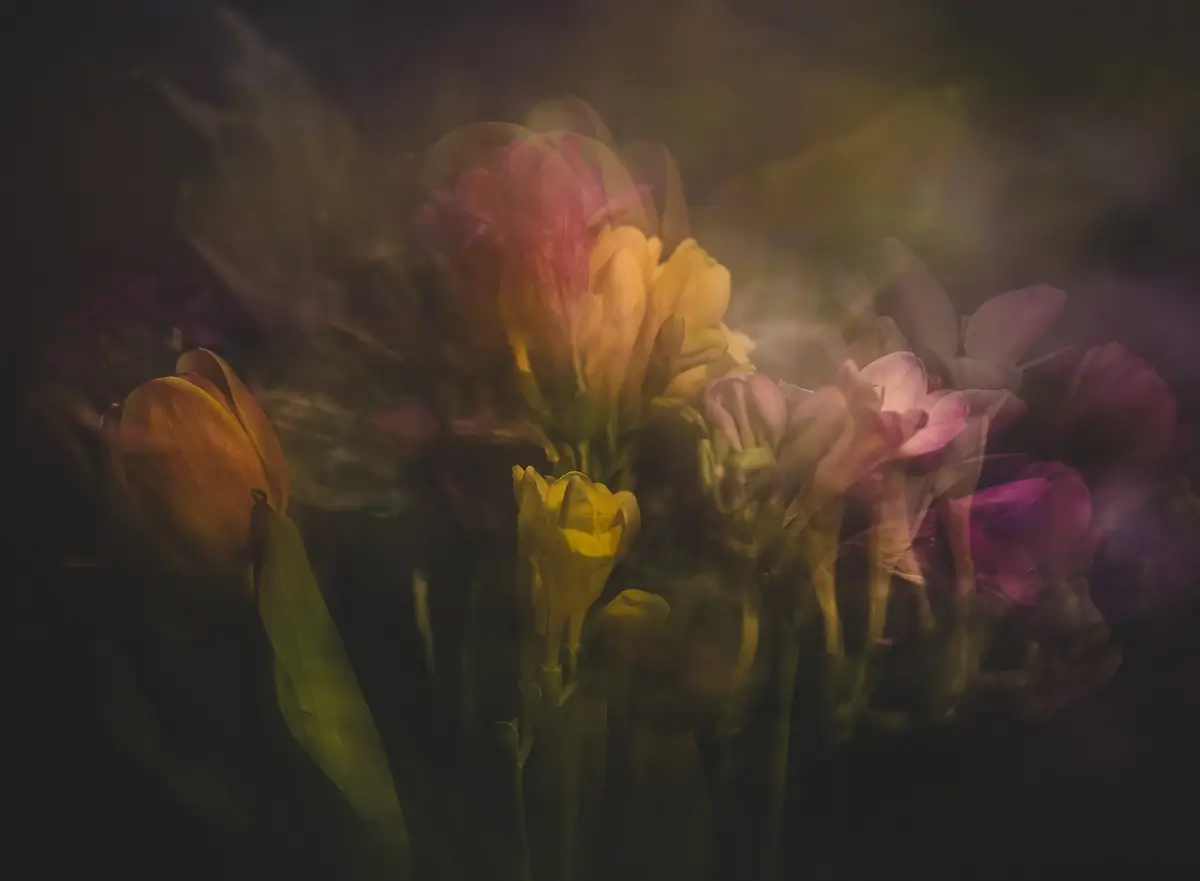
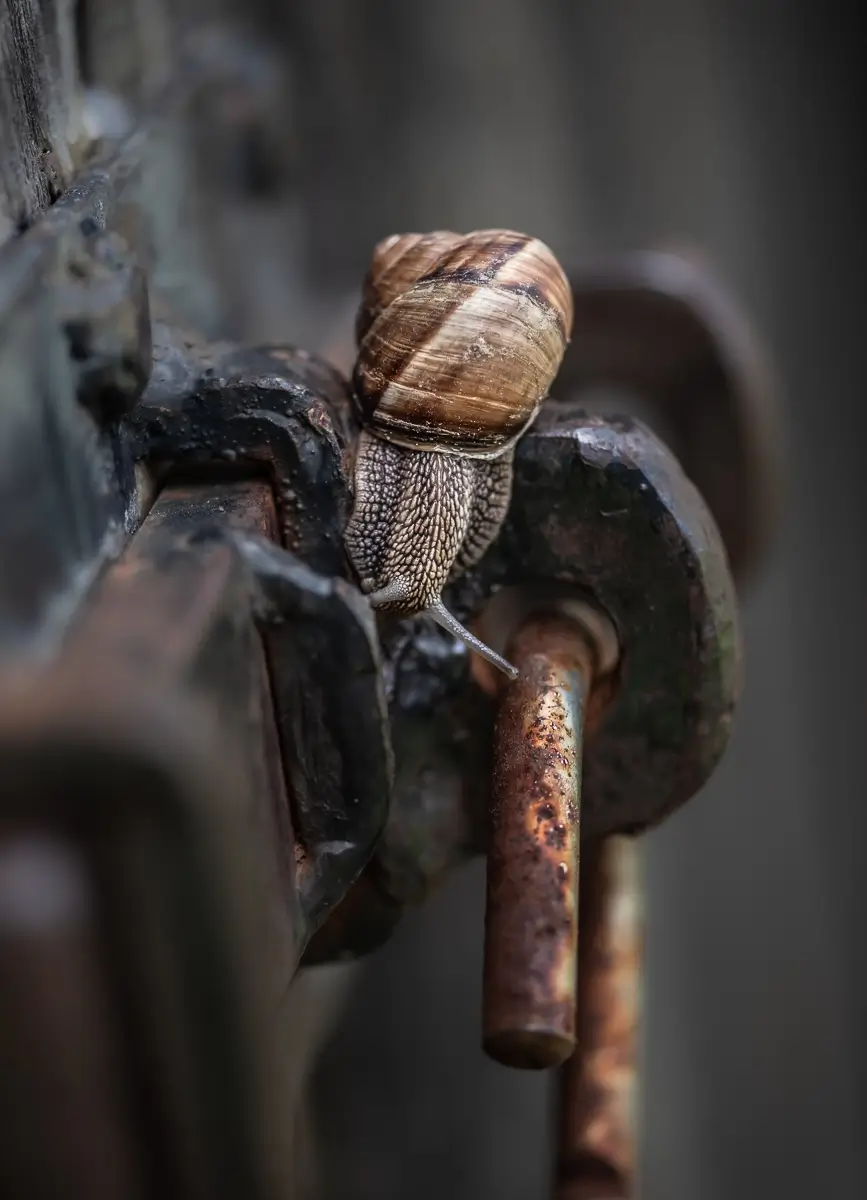
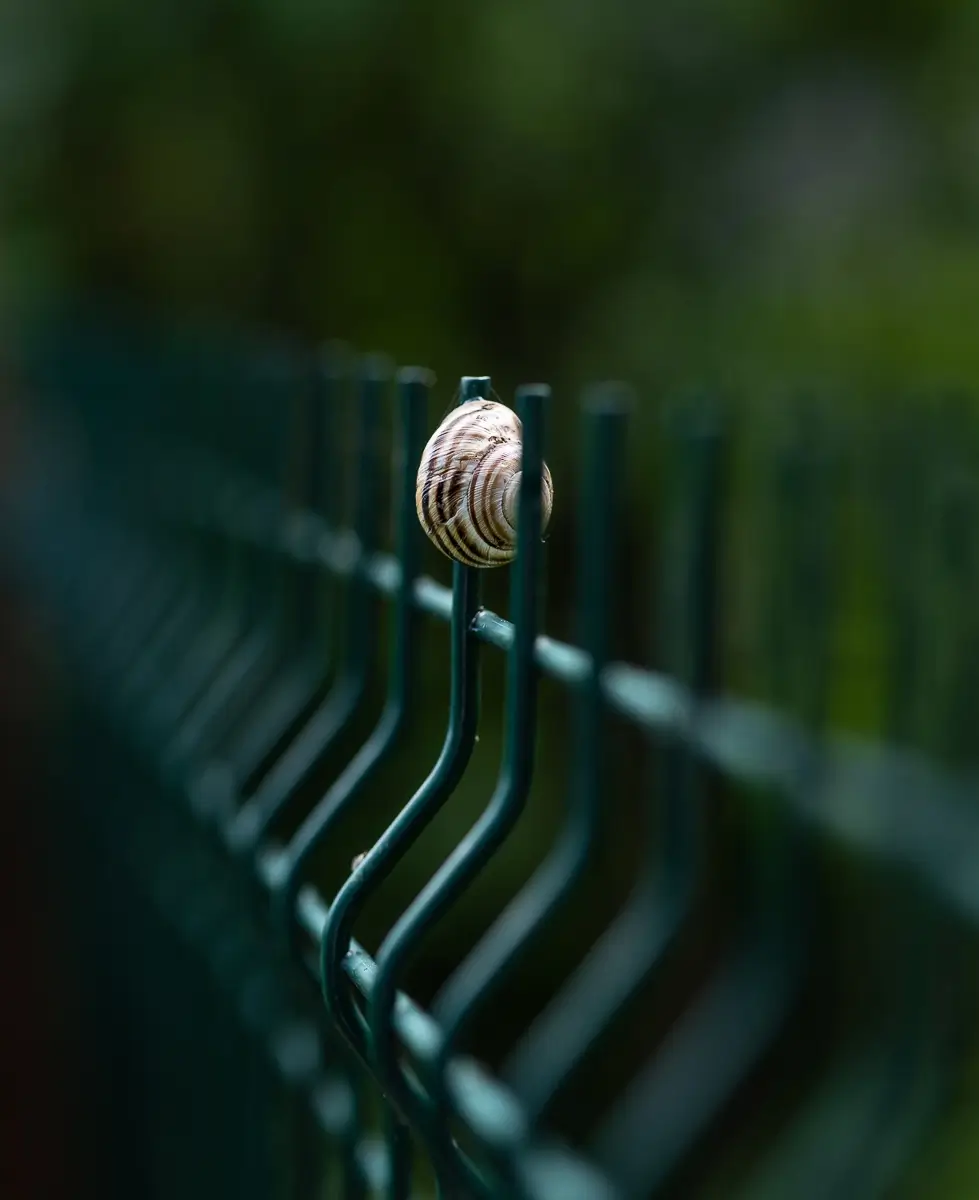
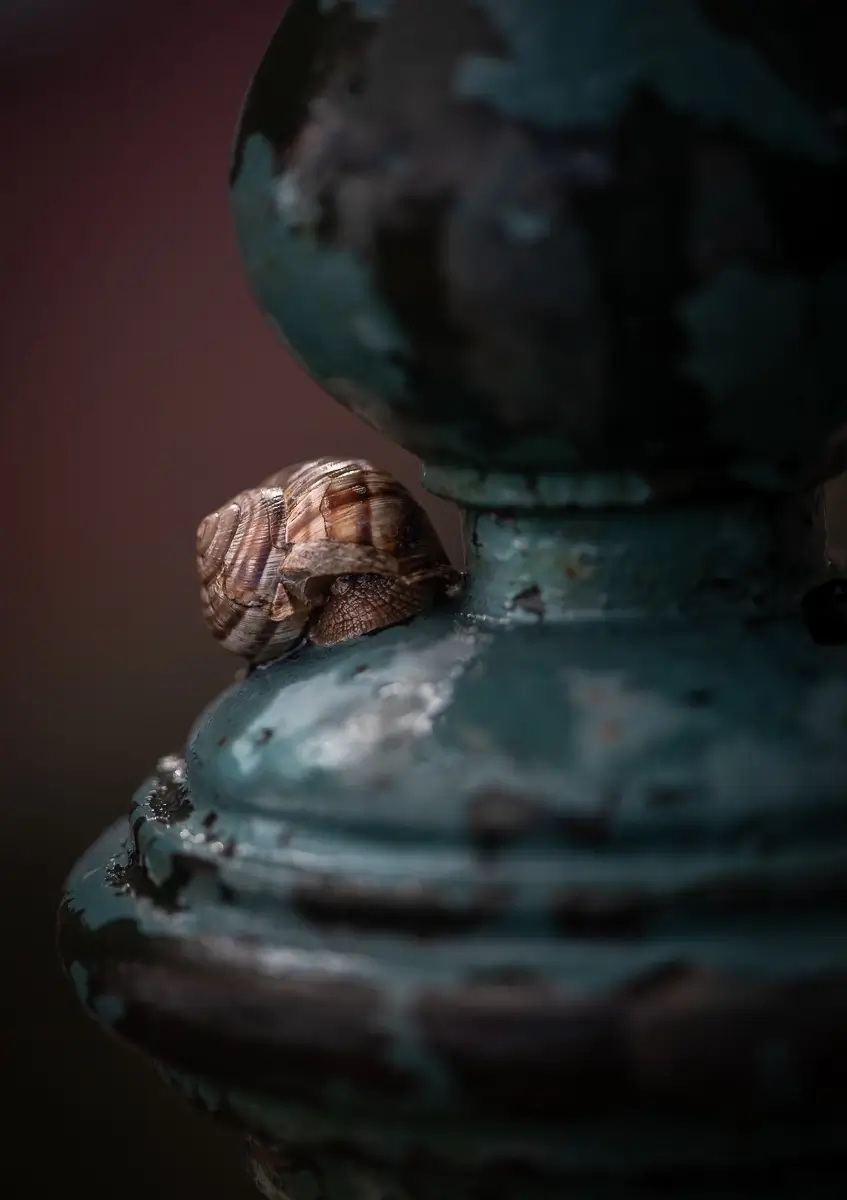
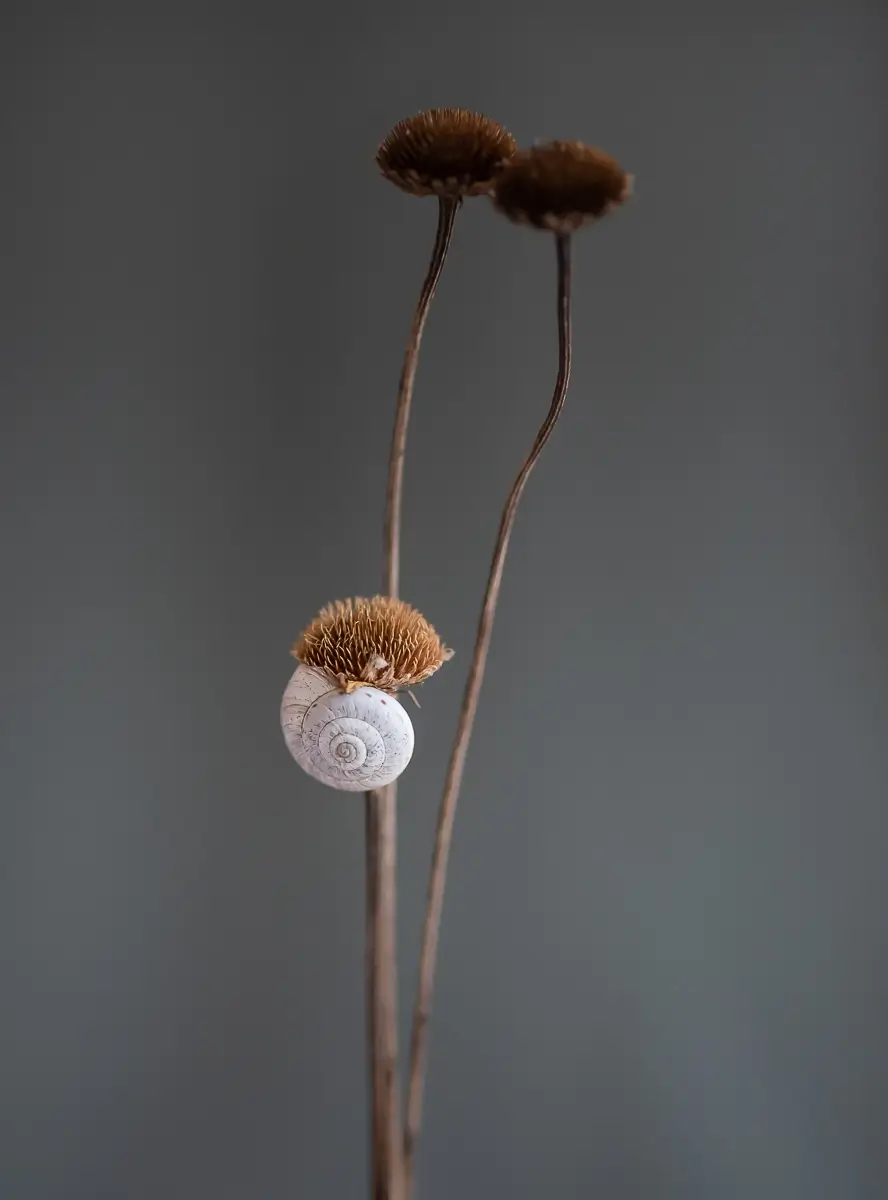
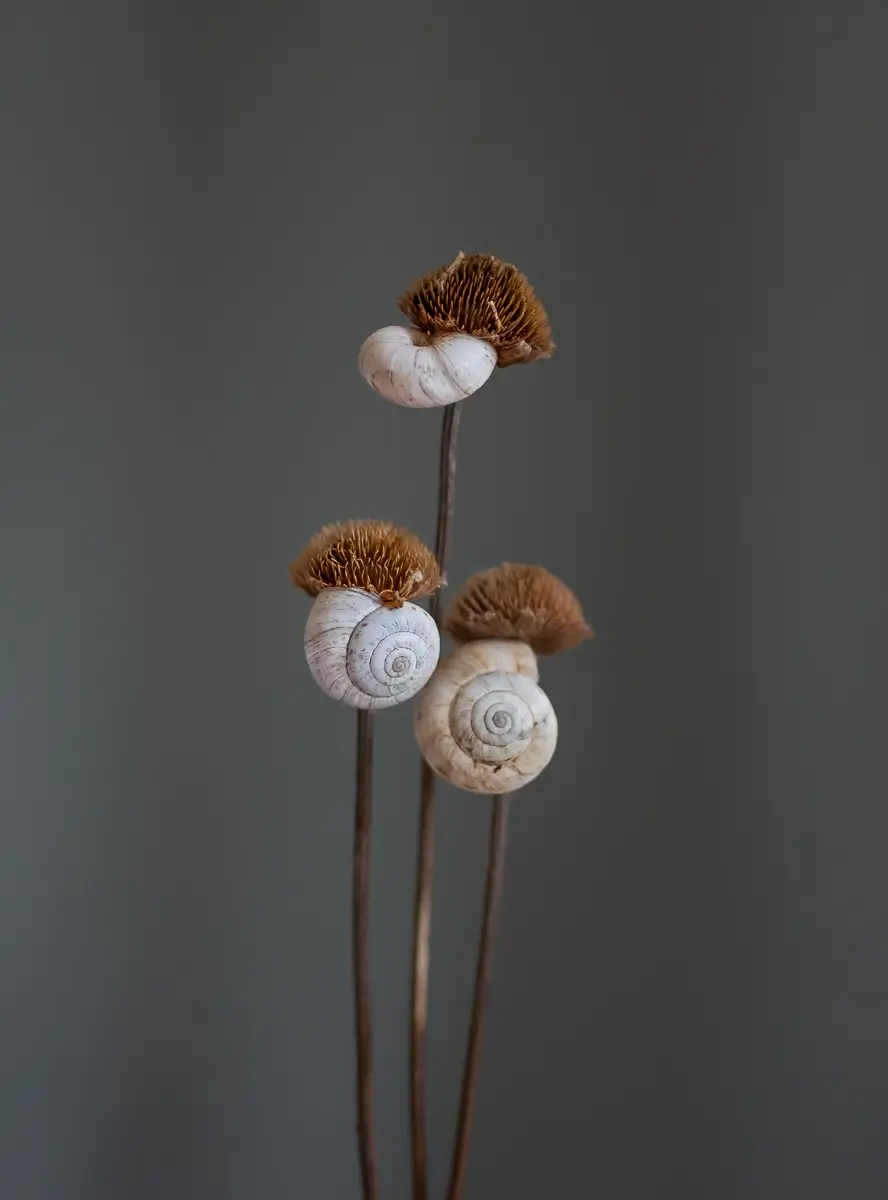
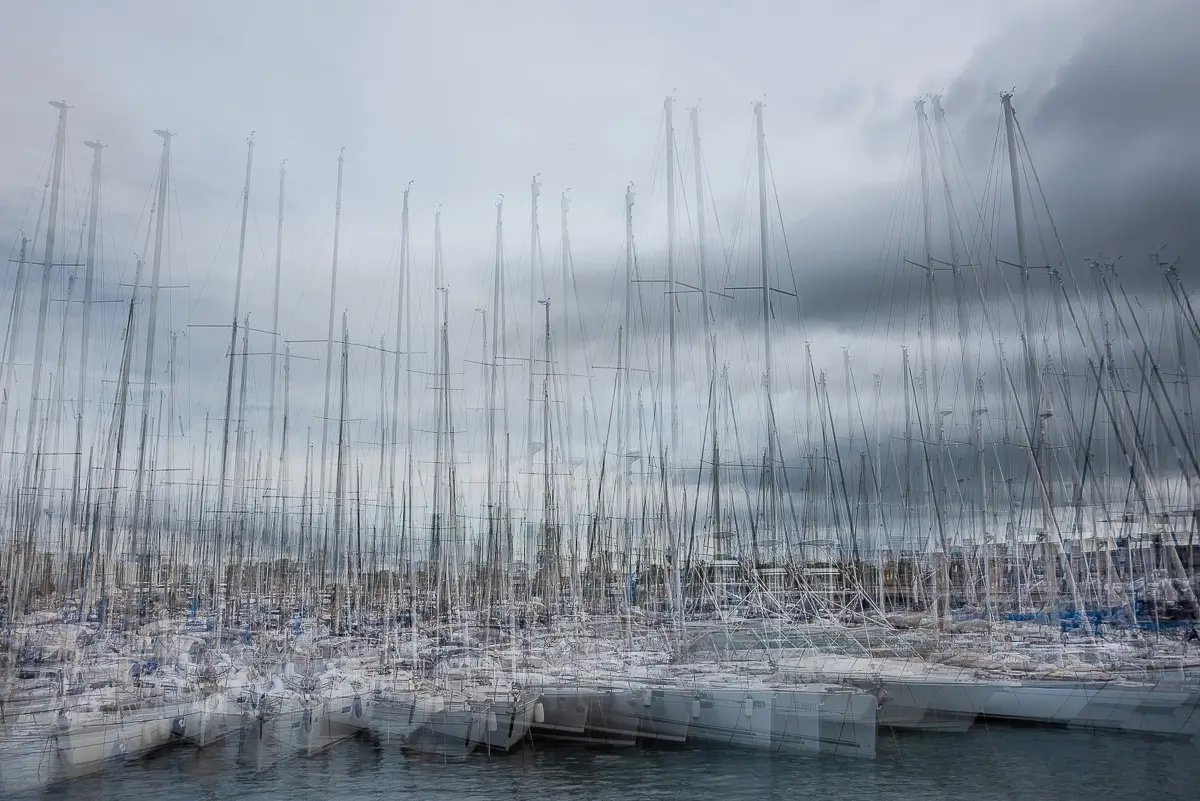
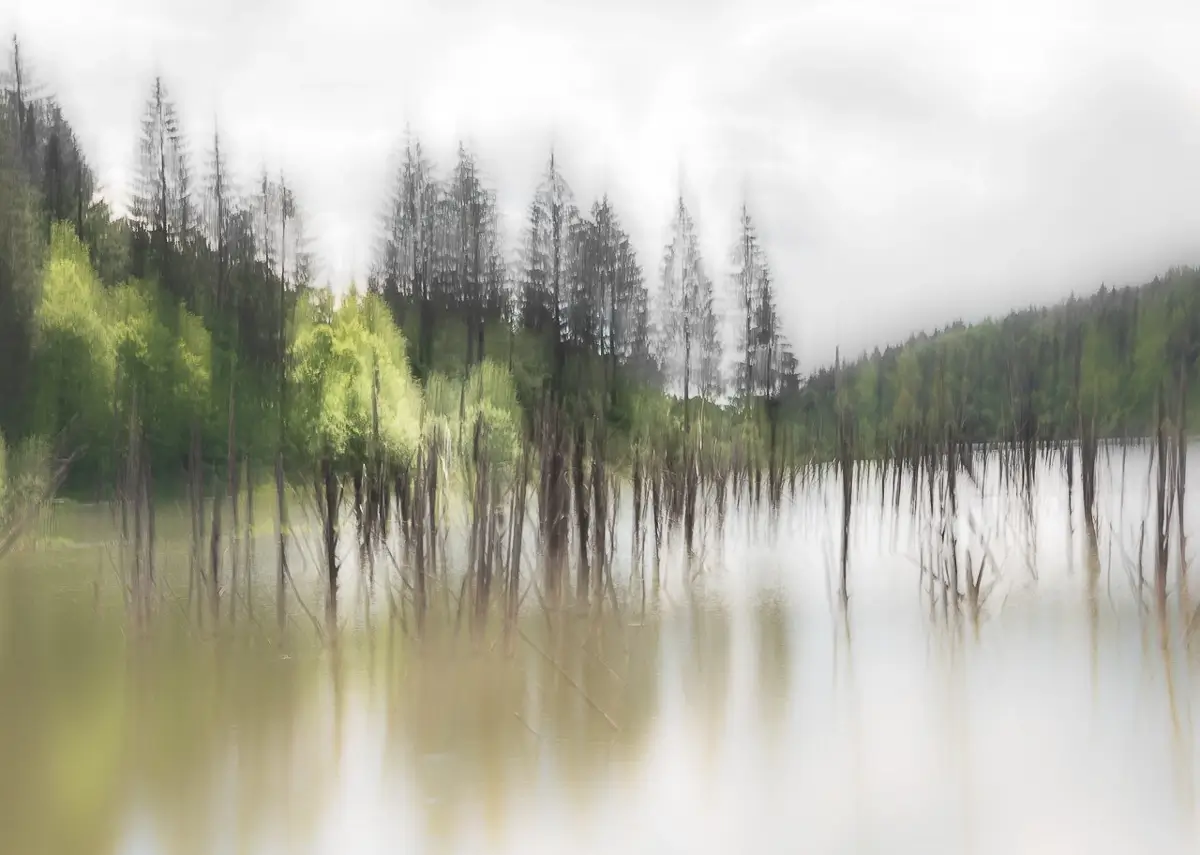
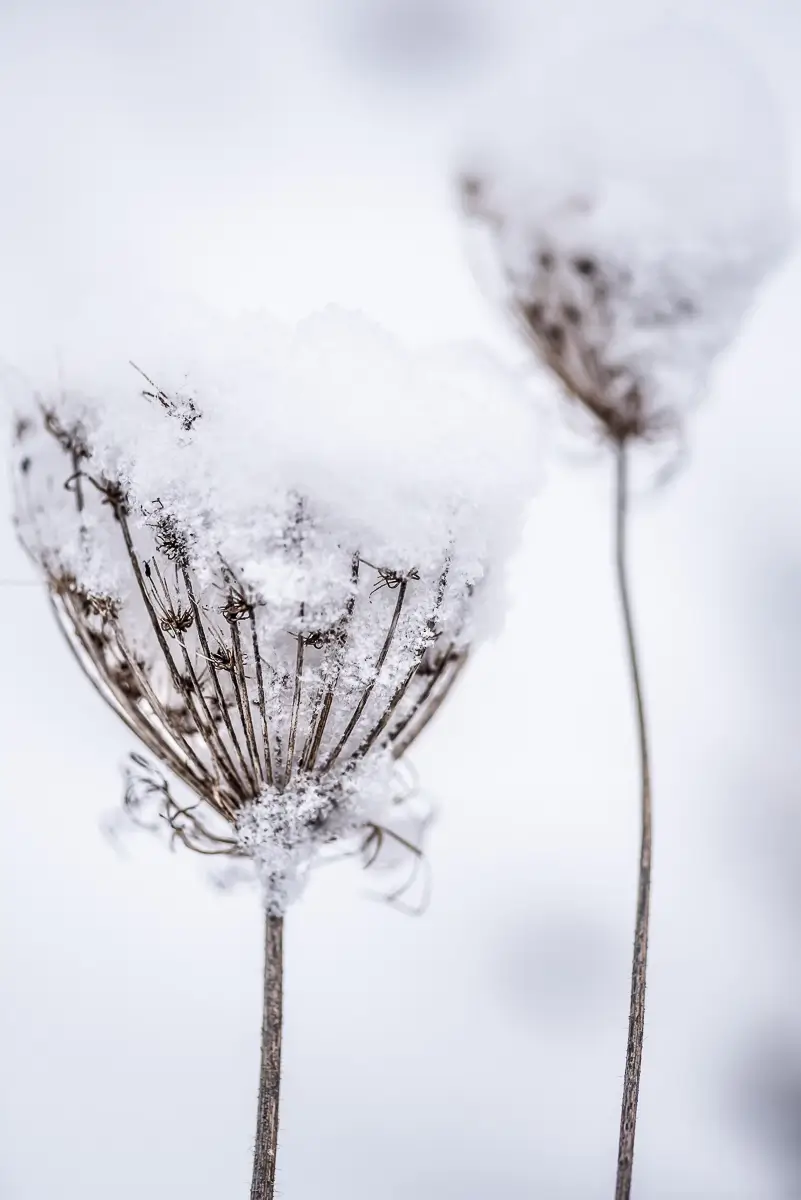
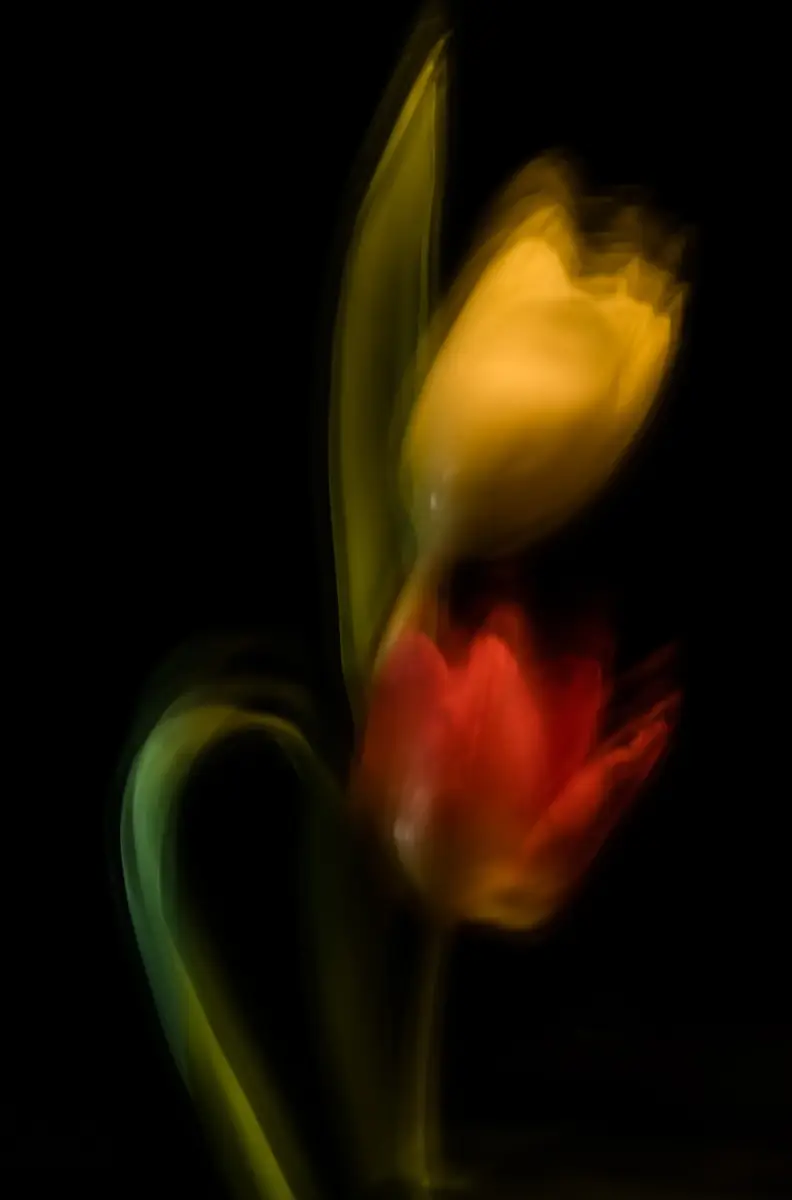
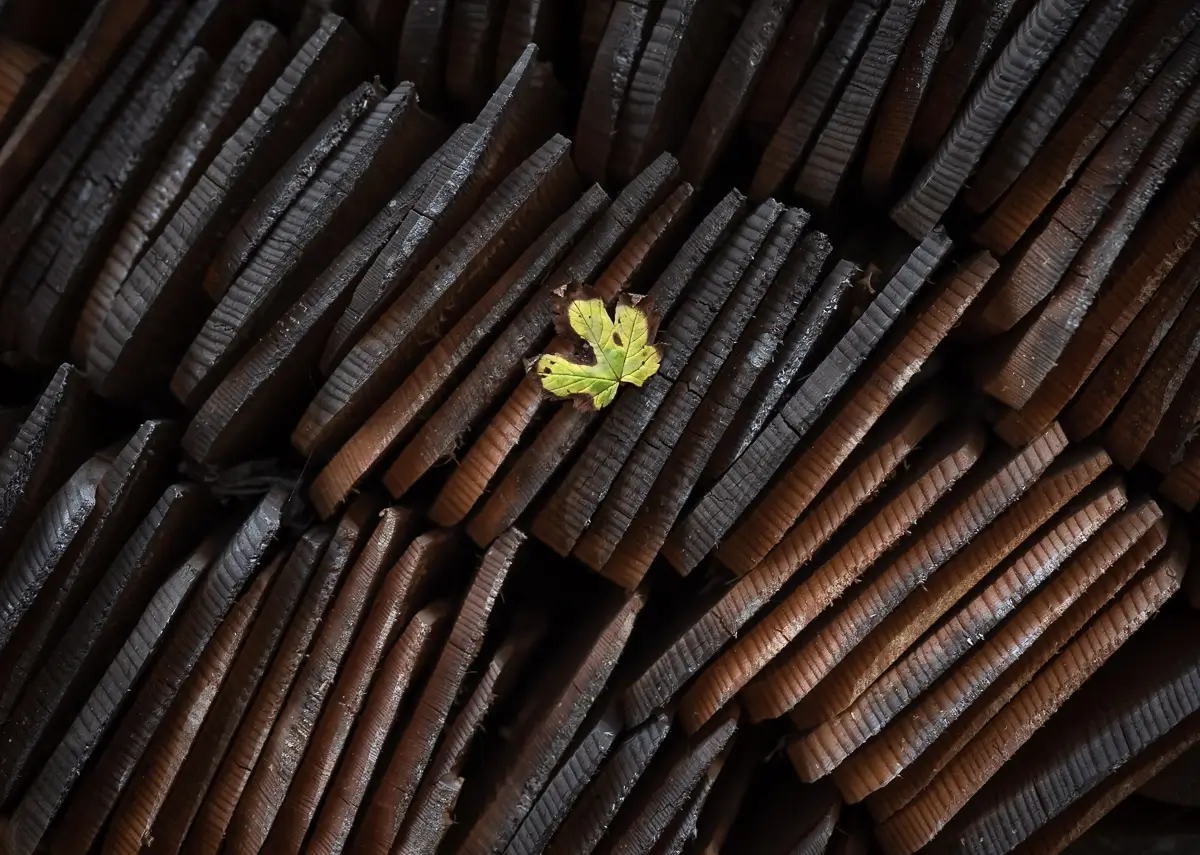
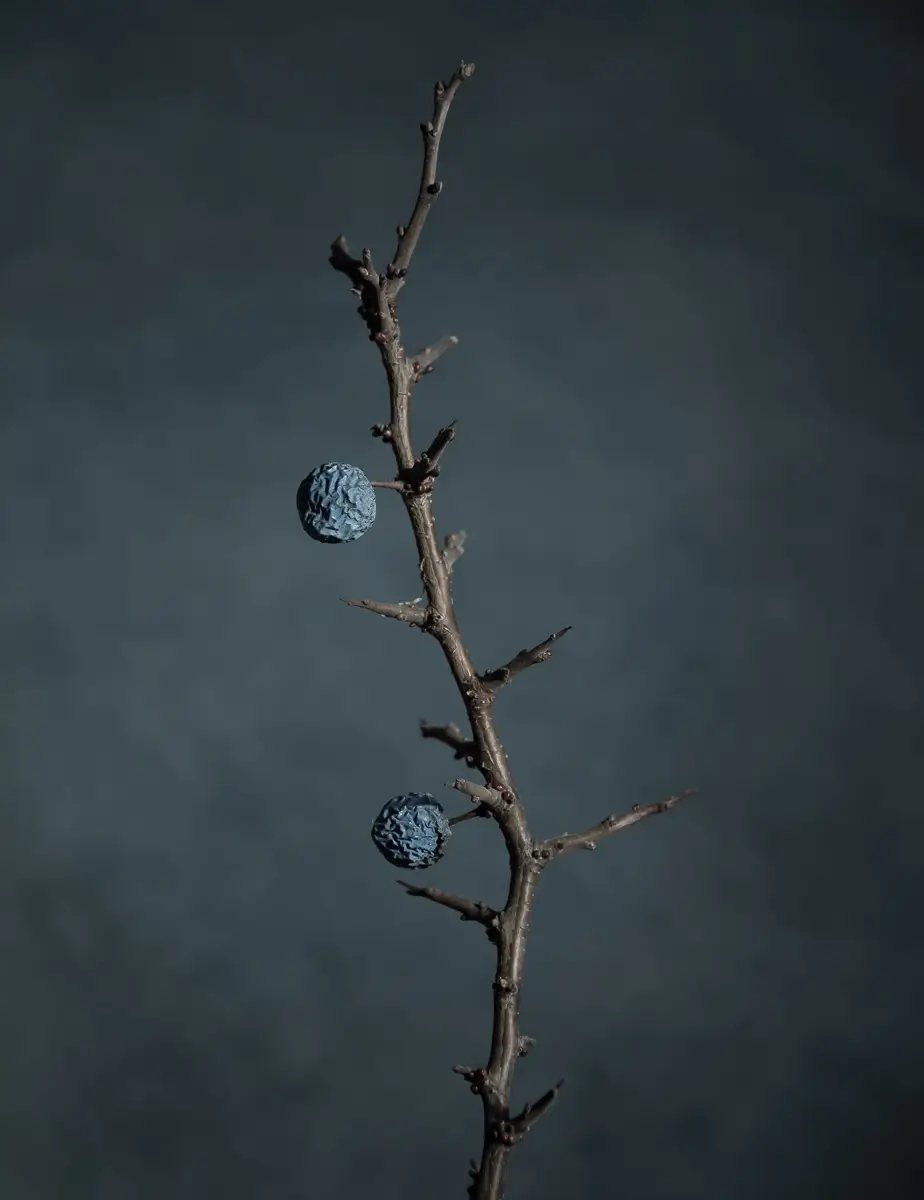
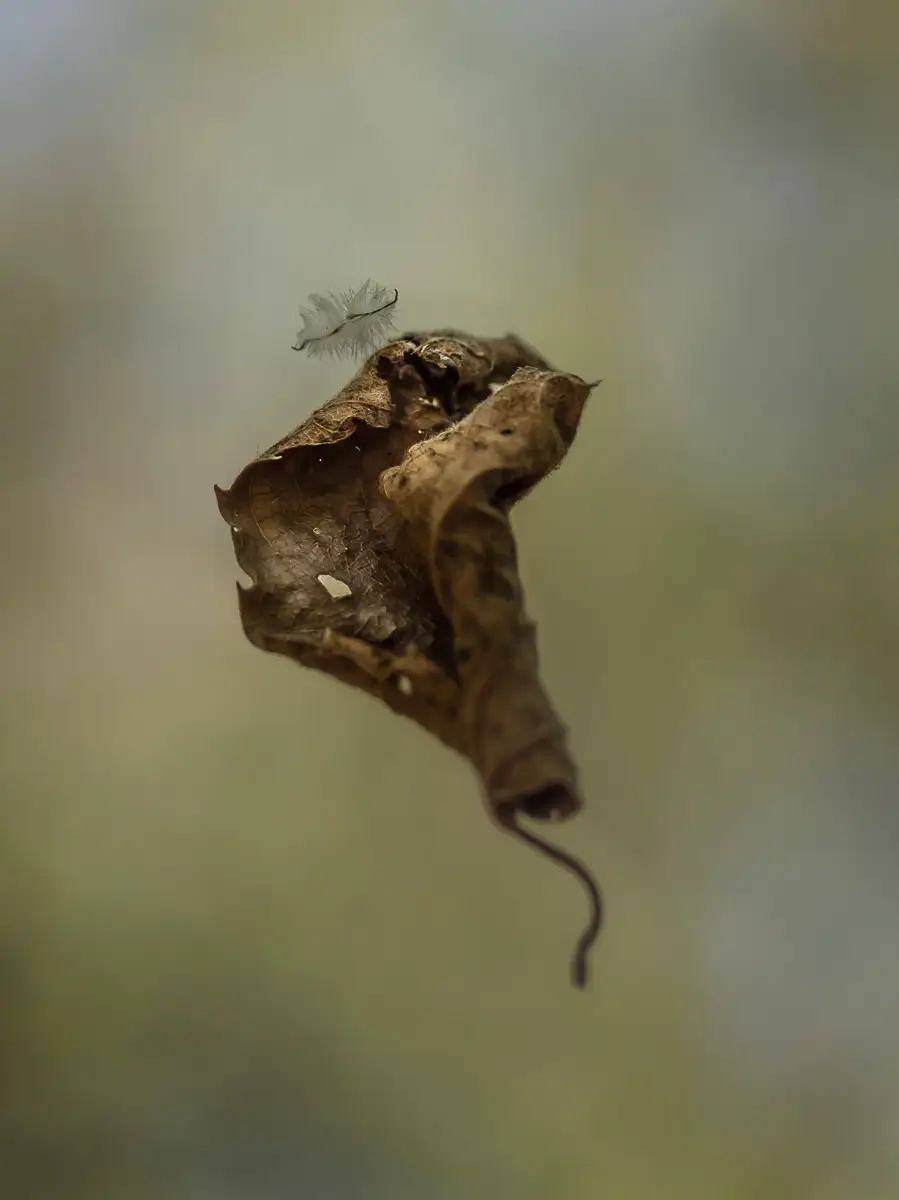
Oana Daian is a photographer from Romania, currently based in Iasi. After a 12-year career in local television, where she worked as a presenter, show producer, and, for the past four years, as a marketing coordinator, she has now chosen to join the team of the National Theatre in Iasi as the institution’s PR representative. Her interest in visual imagery, its composition, and the communication of emotions and information through it was the trigger that inspired her to embark on a magical journey into the world of photography.

Statement:
Nature has always been my silent companion and greatest teacher. Through photography, I seek to capture its details, its distances, its depths, and its essence — all in synchronicity with my own presence within it.Between me and all of this, a camera and a lens that that explore the world beyond and my inner self; two universes resonating in unison, living the same moment and the same emotion, dissolving the boundaries between them and becoming a mirror of all our experiences. I wish for those who look at my photographs to rediscover, in this mirror, the most beautiful part of their soul.

AAP Magazine:

AAP Magazine 51 Colors

 

Inspiring Portfolios

Call for Entries
All About Photo Awards 2026
$5,000 Cash Prizes! Juror: Steve McCurry
 
Stay up-to-date  with call for entries, deadlines and other news about exhibitions, galleries, publications, & special events.

More Great Photographers To Discover

Justyna Neryng
Poland
1981
Born in Poland in 1981, Justyna Neryng spent much of her childhood playing with her father’s cameras and dark room while roaming the forests of Chelmsko on the Czech boarder. As an adult, a mother and an immigrant to Britain, her photography has flourished into a substantial body of portraiture. Perhaps the most evocative of her works are her exquisitely emotive self-portraits that seem to carry the dark spirit of the forest from her childhood as well as potently baring the scares of modern womanhood. They show vulnerability and intimate eroticism as well as a deep sense of isolation and alienation. It is these portraits that have been most published and exhibited in both in her polish homeland and in the UK. More recently Justyna has begun to collaborate with her daughter Nell, on a project called Childhood Lost. Justyna currently produces her works in her adopted home town of Brighton and Hove, where she lives with her daughter. Artist Statement: Childhood Lost is an autobiographical ,self portrait in a different body, ongoing project exploring the nature of portraiture and memory. As a single mother I have found myself exploring notions and representations of childhood. I see my daughter’s experiences of growing up in urban England conflicting with my own experiences of growing up in rural Poland.I must confess that my own childhood is not a source of many happy memories, perhaps the most resonant of which are the times I escaped to a world of fantasy played out in the forests surrounding my home village of Chelmsko. Watching my daughter grow up has in a sense held a mirror to my own memories of the past while experiencing her childhood dreams enacted through play, and story telling. I find myself in a strange place where I can experience my own memories as well as see my daughter’s childhood through my adult eyes. It is these notions I am seeking to explore with the Childhood Lost project. Interweaving childhood nostalgia with the stories and myths of my Polish childhood and those that I share with my essentially British daughter. The project is using these ideas to produce a series of portraits that evoke characters that populate this world we know as childhood. A court of characters from myth and dreams. The images are aesthetically inspired by portraiture from the Golden Age of Dutch painting. By drawing on paintings as inspiration I am hoping to give a timeless feel to the final images. Also key to the project is also the painstaking styling and prop building, which I am using to evoke these different persona played out by my daughter. I want to develop the series in to a substantial set of portraits of my daughter playing the characters of childhood, as well as producing more elaborate set pieces embracing a theatricality that would take the project to the next level. Subject to funding it would also be a dream of mine to be able to revisit the forests of my own childhood and produce work there. Justyna Neryng is a multi-award winning self-taught photographer born in Poland and now living and working in the United Kingdom. She spent much of her childhood playing with her father’s cameras and dark room while roaming the forests of her hometown. She specialises in portraits and nudes, her photography has flourished into a substantial body of portraiture. She is mainly known for her enchanting theatrical portraits of her daughter, a gallery of triumphal characters, captured on a neutral and undefined background, with their fantastic ‘uniforms’ and imperious look . These images are aesthetically inspired by portraiture from the Golden Age of Dutch painting. And her exquisitely emotive self-portraits that seem to carry the dark spirit of the forest from her childhood as well as potently baring the scars of modern womanhood. They show vulnerability and intimate eroticism as well as deep sense of isolation and alienation.Source: justynaneryng.com
Leonard Misonne
Belgium
1870 | † 1943
Leonard Misonne (1870-1943) was a Belgian photographer. Misonne was born on July 1, 1870, in Gilly, Belgium, his lifelong home. Misonne was the seventh son of Louis Misonne, lawyer and industrialist, and Adele Pirmez. He studied mining engineering at the Catholic University of Louvain, but never worked as an engineer. Still a student, he became interested in music, painting and from 1891, in photography which he started to work on exclusively from 1896. Misonne made several trips to Switzerland, Germany and France. He made himself known with his retouched lighting effects. "The subject is nothing, light is everything," he said. Misonne was known for his sense of creating an atmosphere, but his approach is labeled from an artistic point of view as conservative and sentimental. His blurred effects, like the impressionist's approach, earned him the nickname of the "Corot of photography". Misonne first worked mainly with the process of photography obtained from a suspension of silver bromide in gelatin that he learned in 1910 in Paris from the famous photographer Constant Puyo. Then he became an internationally renowned leader in Pictorialism and a well-known figure in avant-garde circles. Most of his shots were taken in Belgium and the Netherlands; they are mainly landscapes, sometimes scenes of beaches and views of Ghent and Antwerp. Misonne suffered from a severe form of asthma and died from it in 1943, in Gilly, Belgium.Source: Wikipedia Misonne said, “The sky is the key to the landscape.” This philosophy is clear in many of Misonne’s images, often filled with billowing clouds, early morning fog, or rays of sunlight. The artist excelled at capturing his subjects in dramatic, directional light, illuminating figures from behind, which resulted in a halo effect. Favoring stormy weather conditions, Misonne often found his subjects navigating the streets under umbrellas or braced against the gusts of a winter blizzard. Misonne’s mastery of the various printing processes that he used is evidenced by the fine balance between what has been photographically captured and what has been manipulated by the artist’s hand in each print. To perfect this balance, Misonne created his own process, called mediobrome, combining bromide and oil printing. The artist’s monochromatic prints in both warm and cool tones convey a strong sense of place and time, as well as a sense of nostalgia for his familiar homeland. Whether the subject is a city street or a pastoral landscape, the perfect light carefully captured by Misonne creates a serene and comforting scene reminiscent of a dreamscape.Source: The Eye of Photography
Joseph Rafferty
United States
1976
Joseph Rafferty's projects are his artistic statements. When he was eight, his mother died. She went on vacation to Hawaii, and returned in a coffin. The boy was immediately uprooted from free and love-filled life, and forced to live with a freshly born-again Christian father, who became Joseph's newly self-appointed spiritual leader. An environmental lawyer who didn't ensure the safety of his own child's environment. Joseph's father silenced individuality, demanded polite compliance, and along with his stepmother, kept a still-grieving child tethered to linear thinking, Joseph did not develop the art of verbal expression. He quickly learned to swallow truth and hide pain. Photography became a powerful thread of connection to his emotion and spiritual ideas, laced with the harsh realities of a flawed culture, and the ironies within his family's worldview. Photography was an open window in his prison, giving fresh breath to a starving soul, and it became a pivotal foundation in his metamorphosis. It provided the theatre of the mind with a stage, creating space for growth and transformation beyond the stifling shell that threatened to entomb. Thriving on the sunshine of his bohemian mother's love. Joseph's nonlinear and free imprinting is counterculture's birthplace, San Francisco a land of a thousand languages, a thousand sexualities. This critical period of exposure deep seeded beliefs and values into the young child's subconsciousness he loved to see love. When his mom passed - her fashion colleagues & community sent words of condolences + small gifts of money. During his military enlistment Joseph would return to the photography store his mom frequented. With the small gifts of cash from letters of condolence he purchased large & medium format cameras and tripods. If I purchase cameras she's always with me. In doing so, he channels her instrumental spirit - a spirit guiding him from the pain and anger of his youth, and led to light. Through loving memory of her unconditional support, Joseph's found a peace and purpose in life, grounded in relationships with his partner and their children, mindful of certain pitfalls in our culture, and dedicated to the unedited, true expression of unique experience. Photography has been a life-line of expression during Joseph's stay on earth, feeling most grounded when his ideas materialize to visual imagery. Motivated by a passion for social justice, Joseph lives in a realm of beauty amongst pain. His visual linguistics are sculpted props and drawings, through which his visceral experiences emerge as a visual tapestry. Weaving images that provoke emotion and encourage empathy for others despite differences, Joseph's visuals are moments of "things as they are experienced psychologically, rather than things as they are scientifically" (William Mortensen). His body of work also influenced by early foundational years among the Redwood trees, his service in the United States Military, and his education at Art Center College of Design. Heavily inspired by Arnold Newman's manipulation of existing light, Joseph captures images with all formats of cameras. His photographic subjects begin with an idea explored through sketches further developed through research (literature, current events, locations, and style), and are materialized through intuitively sculpting of props. Each detail becomes a tool in building a landscape of meaning.
Réhahn
France
1979
Referred to as someone who "captures the souls of his models", (Wanderlust Travel Magazine, 2018) Réhahn is more than just a man behind a camera. Behind each click is a story. Whether the photograph shows a child with startling blue eyes, a woman pulling a needle through indigo fabric or a man walking alone down a brightly painted street, these are more than just images to Réhahn. They are the culmination of an experience. The stories of his subjects as well as his passion to learn more about their culture, diversity and changing traditions are what drives Réhahn's work. Réhahn's unique combination of fine art photography and documentary styles results in images that both inform and mesmerize. His portraits of Vietnam, Cuba, and India are particularly well-known for exactly this reason. They take the viewer along on the voyage to catch a glimpse of authentic interactions with people, their smiles, their wisdom, their daily lives. For Réhahn, photography is a way to approach people, to document what is happening in the present while also learning about the traditions and heritage of their past. Réhahn visited over 35 countries before making Hoi An, Vietnam his home in 2011. His first book Vietnam, Mosaic of Contrasts has been a bestseller since 2014. He followed this success with four subsequent books: Vietnam, Mosaic of Contrasts, Volume ll in 2015; The Collection, Réhahn - 10 Years of Photography in 2017; 100 Iconic Portraits in 2019; and Vietnam Mosaic of Contrasts, Volume III in 2020. In 2016, for International Women's day, Réhahn's portrait of Madam Xong was placed in the permanent collection at the Hanoi Women's museum. The resulting media coverage amassed more than 80 articles and 10 television interviews. Now just over two years later, Réhahn has been featured in international media totaling more than 500 articles and interviews and over 50 television appearances. One memorable career moment took place in 2018. Réhahn was honored during an official ceremony, which was organized to celebrate 45 years of friendship between France and Vietnam. Vietnam's Secretary of the Party, Nguyen Phu Trong, who has since become the President of Vietnam, gifted Réhahn's portrait Madam Xong to French President Emmanuel Macron. In addition to his four COULEURS BY RÉHAHN galleries, Réhahn opened the PRECIOUS HERITAGE museum located in the UNESCO World Heritage site of Hoi An ancient town in 2017 to showcase his portraits of Vietnam's diverse ethnic groups, their traditional costumes, stories, music, and artifacts. The museum is free to the public.
Phil Stern
United States
1919 | † 2014
Phil Stern was an American photographer noted for his iconic portraits of Hollywood stars, as well as his war photography while serving as a U.S. Army Ranger with "Darby's Rangers" during the North African and Italian campaigns in World War II. Settling in Los Angeles after the war, Stern was staff photographer for Look magazine. He also worked for Life magazine and Collier's. He was present on numerous film productions as still photographer, and in that capacity took photographs of a huge cross-section of the film community. Stern's images of Marilyn Monroe, James Dean, Marlon Brando and even musician Louis Armstrong have become widely recognized icons. A lifelong smoker, Stern died at the age of 95 in Los Angeles from COPD and congestive heart failure which he had been battling for over three and a half decades.Source: Wikipedia I’ve taken mountains and mountains of stuff, which I occasionally describe as mountains and mountains of shit. It so happens, there’s a little gem here and a little gem there. You dig out those gems. -- Phil Stern Phil Stern created portraits of stars of the silver screen – including James Dean, Marlon Brando and Marilyn Monroe – that were both iconic and intimate. His subjects looked natural, even self-absorbed or introverted. The lower half of his most famous portrait of James Dean (1955) is a black cable-knit jumper; the upper half reveals Dean’s face only from halfway up his ears. His eyes are rolled up, framed by straight eyebrows. The white plane of Dean’s forehead under a shiny shock of tousled hair, and the pale background, inevitably draw attention to those mischievous eyes, bisecting the frame and challenging the viewer. By contrast, one 1953 image of Marilyn Monroe shows her as wistful and withdrawn, looking into the distance with an air of abstraction, her hands nervously fingering the loosened bow at the waist of her gown. As Stern told Entertainment Weekly in 1993: “I was never interested in the glamour, I was interested in the tears and agony behind it.” His friendship with John Wayne gave him access to perhaps his most subversively casual image. It shows Wayne lighting up, eyeline going straight to a woman’s bared leg. But it’s not what he’s doing but what he’s wearing that draws the viewer’s eye: the cowboy hat and loose jacket conform to type, but below the waist the over-constricting gingham shorts, plump legs and girly espadrilles are a risible disaster. Stern’s pictures of musicians are very different in character. Formal ones – such as of the Rat Pack on stage in 1962 – are mainly of lineups. One senses his preference for the moodiness of Sinatra alone, shot from behind and dressed – as if by Raymond Chandler – in a hat and long mackintosh, pacing down a bleakly dirty corridor towards a dead end. Another Rat Pack member, Sammy Davis Jr, performed a rooftop diamond-shaped jump. Despite his tightly drawn up (and shiny) brogues, his white outfit and right-angled arms with their delicately spread fingers are reminiscent of a Hindu dancer (1947). Stern loved jazz, and he photographed Louis Armstrong in a coincidentally similar pose, not jumping but perched on a stool, trumpet upended on his knee as he looks down and laughs into his chest (1957). Stern enjoyed the image so much that he made a lifesize cardboard cutout of it, and had his own portrait taken alongside. A less artfully composed shot shows Armstrong and Ella Fitzgerald together, in full swing, singing at a studio recording. There was more to Stern’s career than showbiz, however. He enlisted as a combat photographer in the second world war, and won a Purple Heart for his courage and willingness to risk his life picturing infantrymen under fire. Stern documented US troops advancing through north Africa, and was invalided home with severe shrapnel wounds to his arms and neck. In 1943 he returned to cover the Allied invasion of Sicily for Stars and Stripes, the US army magazine. According to his biographer, the journalist Herbert Mitgang: “His pictures of the invasion and its aftermath remain among the most outstanding documents in the annals of combat photography in any war, before or since.” The postwar decades saw a media boom: the heyday of photo magazines and blockbuster movies aimed at a predominantly young mass audience. Stern rode the publicity of a new generation of stars who became, at least in part through his attention, poster pinups. Interviewed later by the Los Angeles Times, he mused on his transfer from war to celebrity photography. “ [The war] very well might have helped me get access ... I don’t really know for sure, because some of them wanted publicity so bad that you didn’t have to have a Purple Heart for that. All you had to have was an expensive camera.”Source: The Guardian Look, Matisse I ain’t. You know how they have on the invitations, “a reception for the artist will be held at...” And I say, “Look, you gotta change this. I’m not an artist. I’m a photographer, a skilled craftsman.” -- Phil Stern
Bruce Weber
United States
1946
Bruce Weber (born March 29, 1946) is an American fashion photographer and occasional filmmaker. He is most widely known for his ad campaigns for Calvin Klein, Ralph Lauren, Pirelli, Abercrombie & Fitch, Revlon, and Gianni Versace, as well as his work for Vogue, GQ, Vanity Fair, Elle, Life, Interview, and Rolling Stone magazines. Weber was born in Greensburg, Pennsylvania, to a Jewish family. His fashion photography first appeared in the late 1970s in GQ magazine, where he had frequent cover photos. Nan Bush, his longtime companion and agent, was able to secure a contract with Federated Department Stores to shoot the 1978 Bloomingdales mail catalog. He came to the attention of the general public in the late 1980s and early 1990s with his advertising images for Calvin Klein, and his portrait of the then young actor Richard Gere. His straightforward black-and-white shots, featuring an unclothed heterosexual couple on a swing facing each other, two clothed men in bed, and model Marcus Schenkenberg barely holding jeans in front of himself in a shower, catapulted him into the national spotlight. His photograph for Calvin Klein of Olympic athlete Tom Hintnaus in white briefs is an iconic image. He photographed the winter 2006 Ralph Lauren Collection. Some of Weber's other earliest fashion photography appeared in the SoHo Weekly News and featured a spread of men wearing only their underwear. The photos became the center of controversy and Weber was told by some that he would never find work as a fashion photographer again. This reputation stuck with him, as he says: "I don't really work editorially in a large number of magazines because a lot of magazines don't want my kind of photographs. It's too risky for them". After doing photo shoots for and of famous people (many of whom were featured in Andy Warhol's Interview magazine), Weber made short films of teenage boxers (Broken Noses), his beloved pet dogs, and later, a longer film entitled Chop Suey. He directed Let's Get Lost, a 1988 documentary about jazz trumpeter Chet Baker. Weber's photographs are occasionally in color; however, most are in black and white or toned shades. They are gathered in limited edition books, including A House is Not a Home and Bear Pond, an early work that shows Eric Nies from MTV's The Real World series, among other models. Weber began collaborating with crooner Chris Isaak in the mid-1980s, photographing Isaak in 1986 for his second album, Chris Isaak. In 1988, Weber photographed a shirtless Isaak in bed for a fashion spread in Rolling Stone. Isaak appeared in Let's Get Lost and Weber has directed a music video for Isaak. Weber photographed Harry Connick, Jr. for his 1991 album Blue Light, Red Light. In 1993, Weber photographed singer-songwriter Jackson Browne for his 1993 album I'm Alive.Source: Wikipedia
Nicola Ducati
Italy
1973
My name is Nicola Ducati I am an Italian photographer, travel and portrait photography is my expressive medium. With my pictures I want to tell stories that create empathy between the viewer and the subject with elegance and authenticity. I was born in a small town among the Italian Alps. I have always lived in a beautiful place that has made me grow and appreciate nature, animals, quiet places and respect for what surrounds us, I think this way of living in the countryside has greatly influenced my photographic sensitivity. I approached the world of photography by chance. As a child, I used to play with an old camera found who knows where, a shabby but fascinating object that soon became a passion. Later, my curiosity led me to experiment with many different genres, from the first landscape, travel photography, and finally the travel portrait. Today I especially like photography, which tells stories but also lets you imagine them, which excites and suggests reflections. A narrating photography. What I like I photograph only what I like and what fascinates me, I am a curious person and i try to find what in the world unites us not what divides us, I mean that I try to bring out those traits of humanity that make us all connected. An exercise to accept with empathy the entropy of our world. My photography is not conceptual, it represents what I see, what I feel important, what excites me or moves me. I love when the emotion and the story hidden inside a picture reaches the observer. I entrust my work and aesthetics photography to the task of telling and giving the observer inspiration and sense of belonging. Photography that responds to this, is a successful one.
Advertisement
All About Photo Awards 2026
Win a Solo Exhibition in February
All About Photo Awards 2026

Latest Interviews

Exclusive Interview with Marijn Fidder
Marijn Fidder is a Dutch documentary photographer whose work powerfully engages with current affairs and contemporary social issues. Driven by a deep sense of social justice, she uses photography to speak on behalf of the voiceless and to advocate for the rights of those who are most vulnerable. Her images have been widely published in major international outlets including National Geographic, CNN Style, NRC Handelsblad, Volkskrant, GUP New Talent, and ZEIT Magazin. Her long-term commitment to disability rights—particularly through years of work in Uganda—culminated in her acclaimed project Inclusive Nation, which earned her the title of Photographer of the Year 2025 at the All About Photo Awards. She is also the recipient of multiple prestigious honors, including awards from World Press Photo and the Global Peace Photo Award. We asked her a few questions about her life and work.
Exclusive Interview with Josh S. Rose
Josh S. Rose is a multidisciplinary artist working across photography, film, and writing. His practice bridges visual and performing arts, with a strong focus on movement, emotion, and the expressive potential of the image. Known for his long-standing collaborations with leading dance companies and performers, Rose brings together authenticity and precise composition—a balance he describes as “technical romanticism.” His work has been commissioned and exhibited internationally, appearing in outlets such as Vogue, at the Super Bowl, in film festivals, and most recently as a large-scale installation for Lincoln Center for the Performing Arts. A sought-after collaborator, he has worked with major artists, cultural institutions, and brands, following a previous career as Chief Creative Officer at Interpublic Group and the founder of Humans Are Social. We asked him a few questions about his life and work.
Interview with Maureen Ruddy Burkhart
Photographer Maureen Ruddy Burkhart brings a quietly attentive and deeply human sensibility to her exploration of the world through images. Shaped by a life immersed in photography, film, and visual storytelling, her work is guided by intuition, observation, and an enduring interest in the emotional undercurrents of everyday life. With a practice rooted in both fine art traditions and documentary awareness, she approaches her subjects with sensitivity, allowing subtle moments to emerge naturally rather than be imposed. Her series Til Death, selected as the Solo Exhibition for February 2025, reflects this long-standing commitment to photography as a space for reflection rather than spectacle. Drawn to moments that exist just outside the expected frame, Burkhart’s images suggest narratives without resolving them, leaving room for ambiguity, humor, and quiet connection. We asked her a few questions about her life and work.
Exclusive Interview with Peter Ydeen
Winner of AAP Magazine #45 Travels, his series reflects this unique vision—capturing the spirit of place through subtle layers of light, color, and emotion. Whether traveling abroad or observing the rhythms of his own surroundings, Ydeen creates images that feel both grounded and enchanted, inviting viewers into a world where reality and reverie meet.
Exclusive Interview with Julie Wang
Chinese-born photographer Julie Wang brings a poetic, contemplative sensitivity to her visual exploration of the world. Having lived for nearly equal parts of her life in China, Europe, and the United States, she approaches her subjects with the nuanced perspective of someone shaped by many cultures. This blend of distance, curiosity, and emotional resonance infuses her work with a quiet depth, allowing her to reveal the fragile beauty and subtle tensions that often pass unnoticed.
Exclusive Interview with Ghawam Kouchaki
American photographer Ghawam Kouchaki brings a sharply observant and introspective gaze to the streets of Japan’s capital. Based in Los Angeles, he approaches Tokyo with the distance — and curiosity — of an outsider, allowing him to uncover the city’s subtle contradictions, quiet tensions, and fleeting gestures that often go unnoticed. His series Tokyo no no, selected as the Solo Exhibition for December 2024, explores the hidden undercurrents of urban life: the unspoken rules, the small ruptures in routine, the poetic strangeness found in everyday moments. Through muted tones, instinctive timing, and meticulous framing, Kouchaki reveals a Tokyo that exists somewhere between reality and imagination — both intimate and enigmatic. We asked him a few questions about his life and work.
Exclusive Interview with Tommi Viitala
Tommi Viitala, winner of AAP Magazine #44: Street, is a Finnish photographer celebrated for his striking and cinematic street photography. With a keen eye for atmosphere and composition, he captures fleeting urban moments that reveal the poetry of everyday life. His work often explores the tension between solitude and connection within contemporary cityscapes, blending documentary realism with artistic sensibility. Viitala’s photographs have been exhibited internationally and recognized for their strong visual storytelling and emotional depth. We asked him a few questions about his life and work.
Exclusive Interview with Robert Mack
Robert Mack is a California-based visual artist, photographer, and filmmaker. His fine art photography and films have been exhibited widely in the United States and Europe, with major shows at the Baltimore Museum of Art and the Reiss-Engelhorn Museum in Mannheim, Germany. Both institutions hold his work in their permanent collections. Working across different media, Mack has built a career exploring the complexities of human presence and representation. In 1981, while living in Baltimore, he produced The Perkins Project: Not Guilty by Reason of Insanity, a rare photographic and film study inside Maryland’s hospital for the criminally insane. These stark yet compassionate black-and-white portraits remain one of his most powerful and controversial bodies of work.
Exclusive Interview with Alan Schaller About Irys
Alan Schaller is a London-based photographer best known for his striking black-and-white street photography and as co-founder of Street Photography International, one of the largest online communities dedicated to the genre. With years of experience both behind the camera and in building platforms that give visibility to photographers, Schaller has now turned his focus to creating a new digital space for photography itself. His latest venture, Irys, is a photography app designed by photographers, for photographers, with the aim of offering a dedicated platform where images are respected as works of art rather than treated as disposable content.
Call for Entries
All About Photo Awards 2026
$5,000 Cash Prizes! Juror: Steve McCurry