All about photo.com: photo contests, photography exhibitions, galleries, photographers, books, schools and venues.
FINAL CALL TO ENTER AAP MAGAZINE PORTRAIT: PUBLICATION AND $1,000 CASH PRIZES
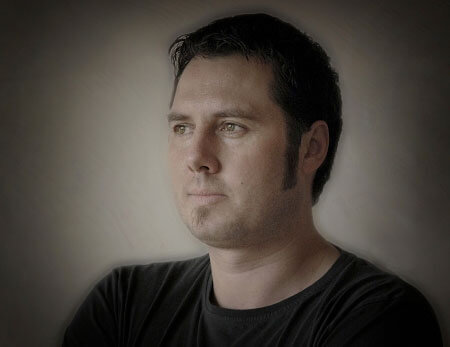
Kerekes Istvan
Kerekes Istvan
Kerekes Istvan

Kerekes Istvan

Country: Hungary
Birth: 1977

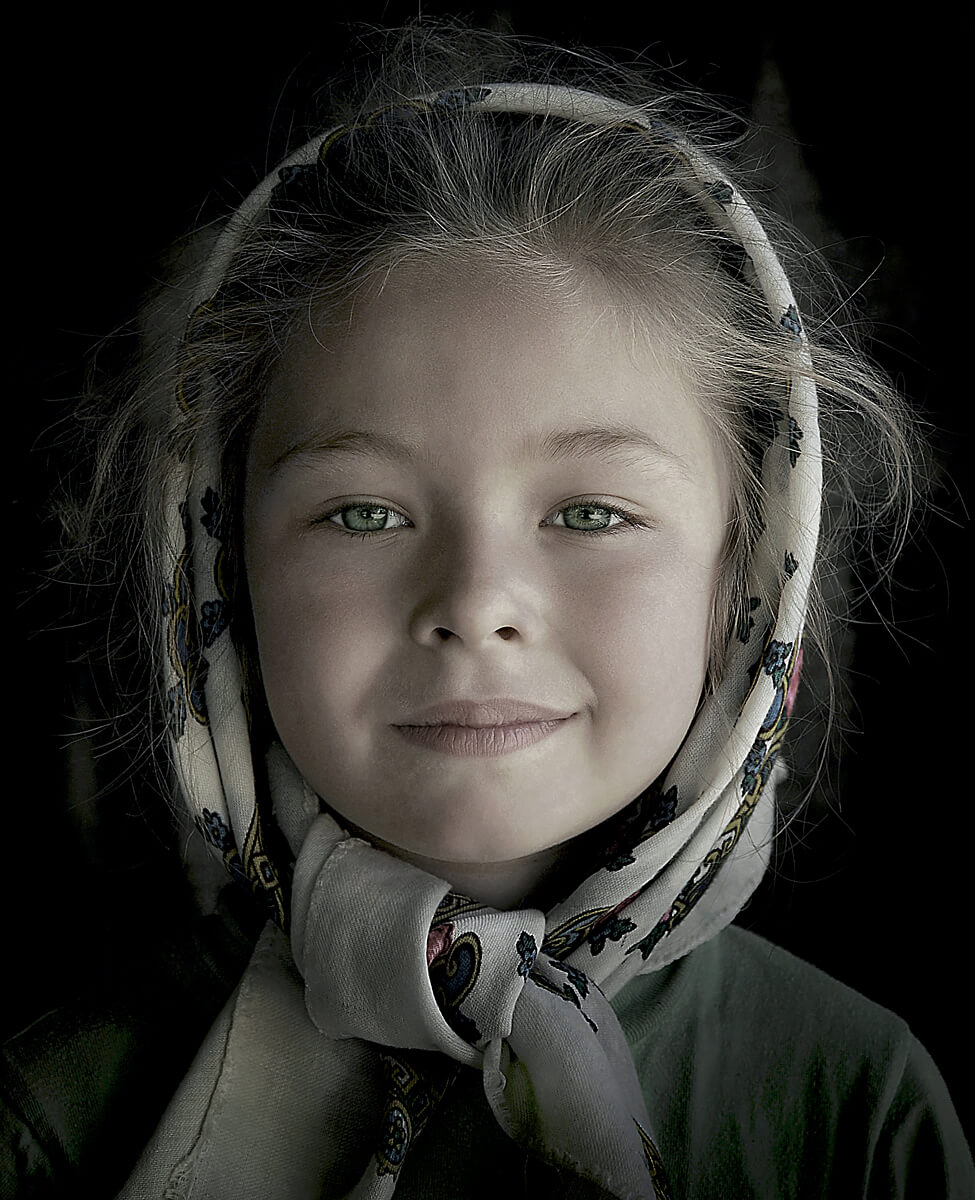
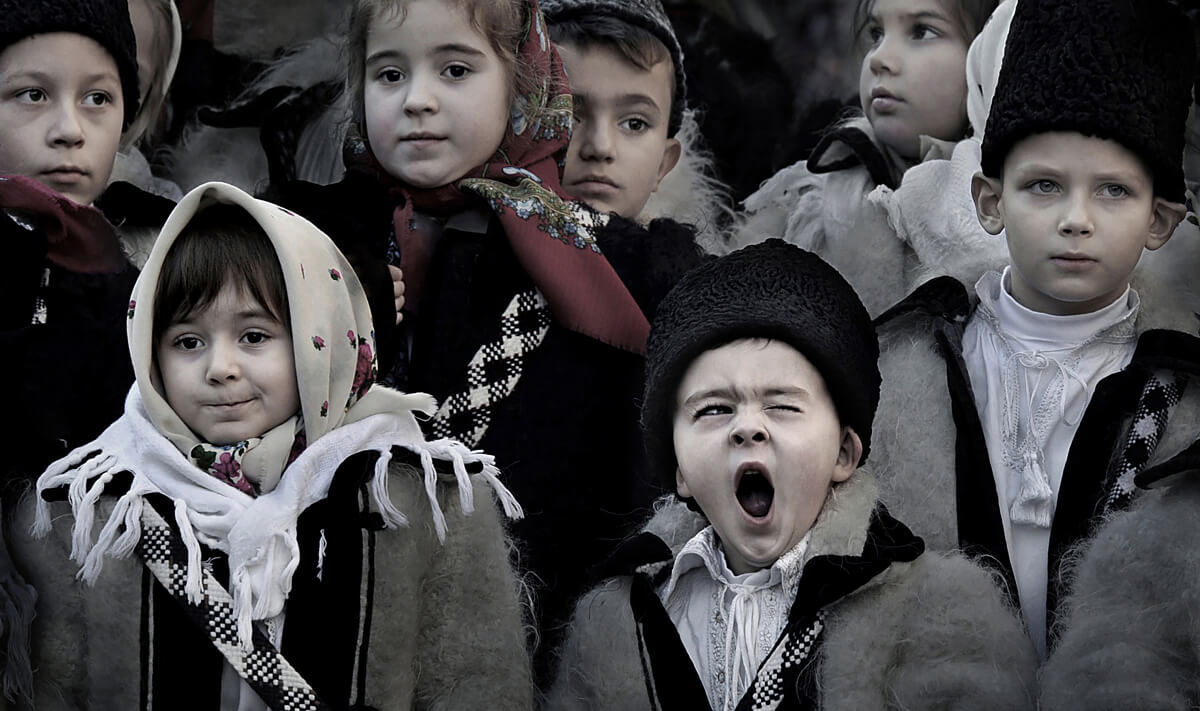
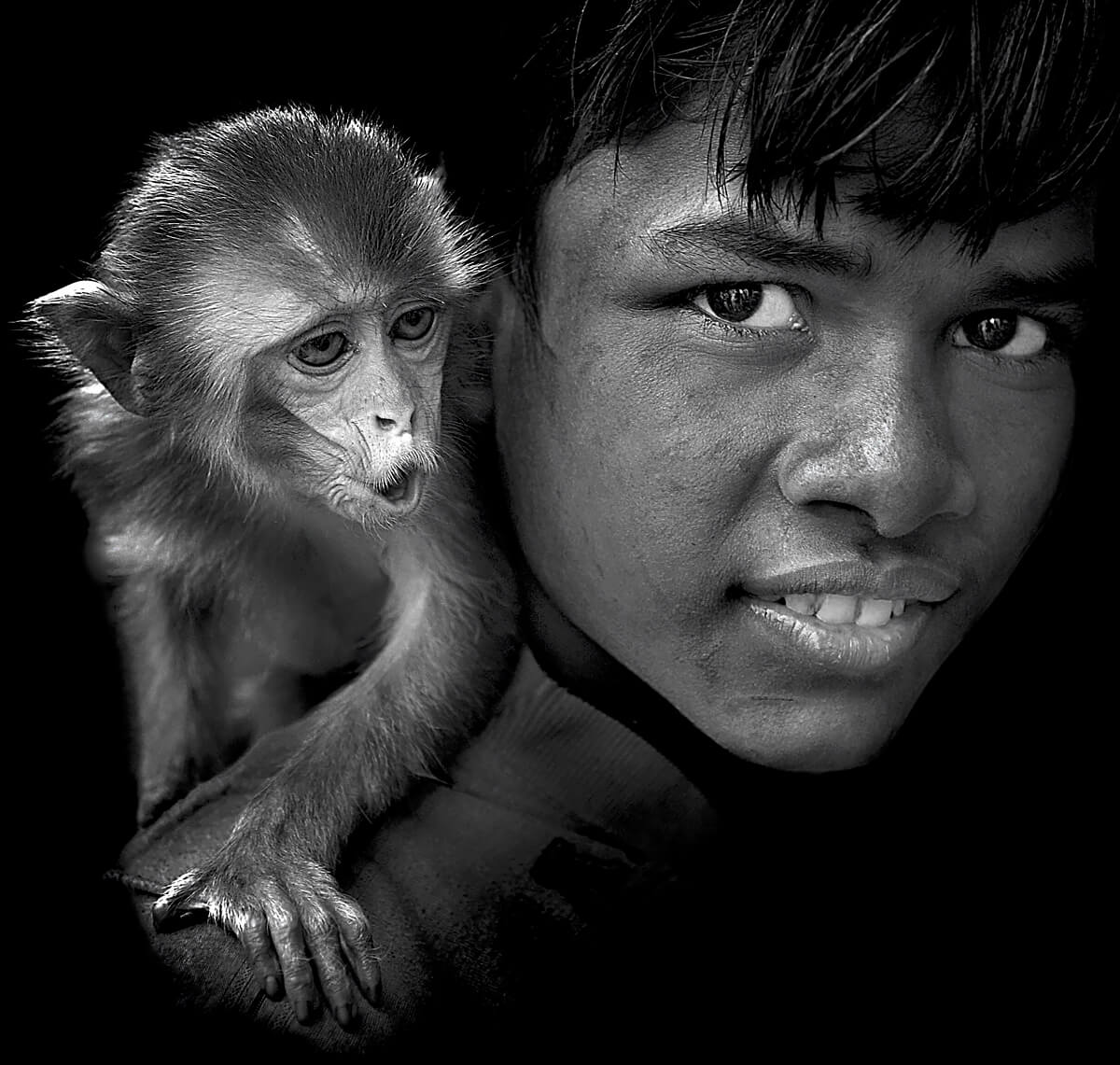
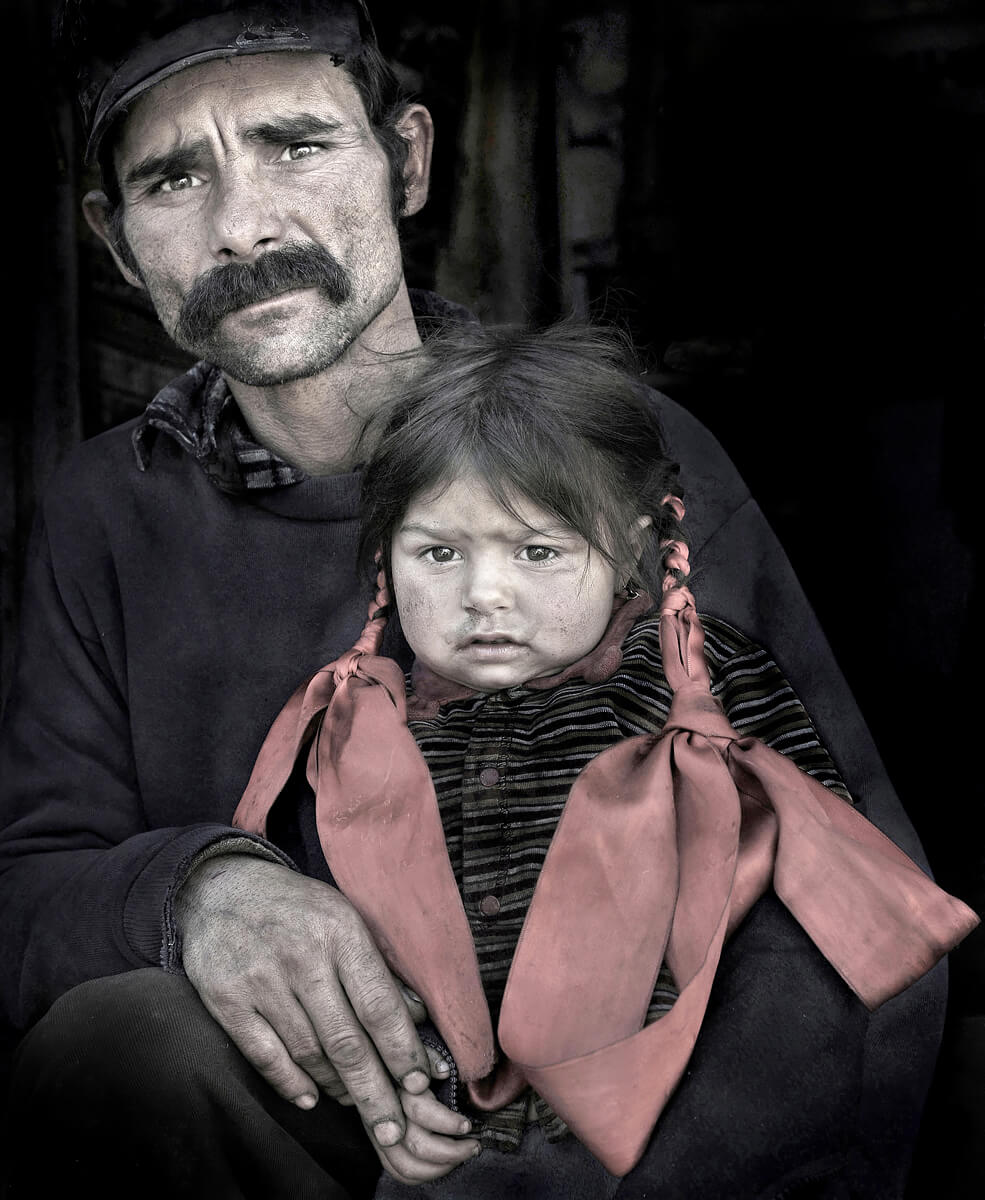
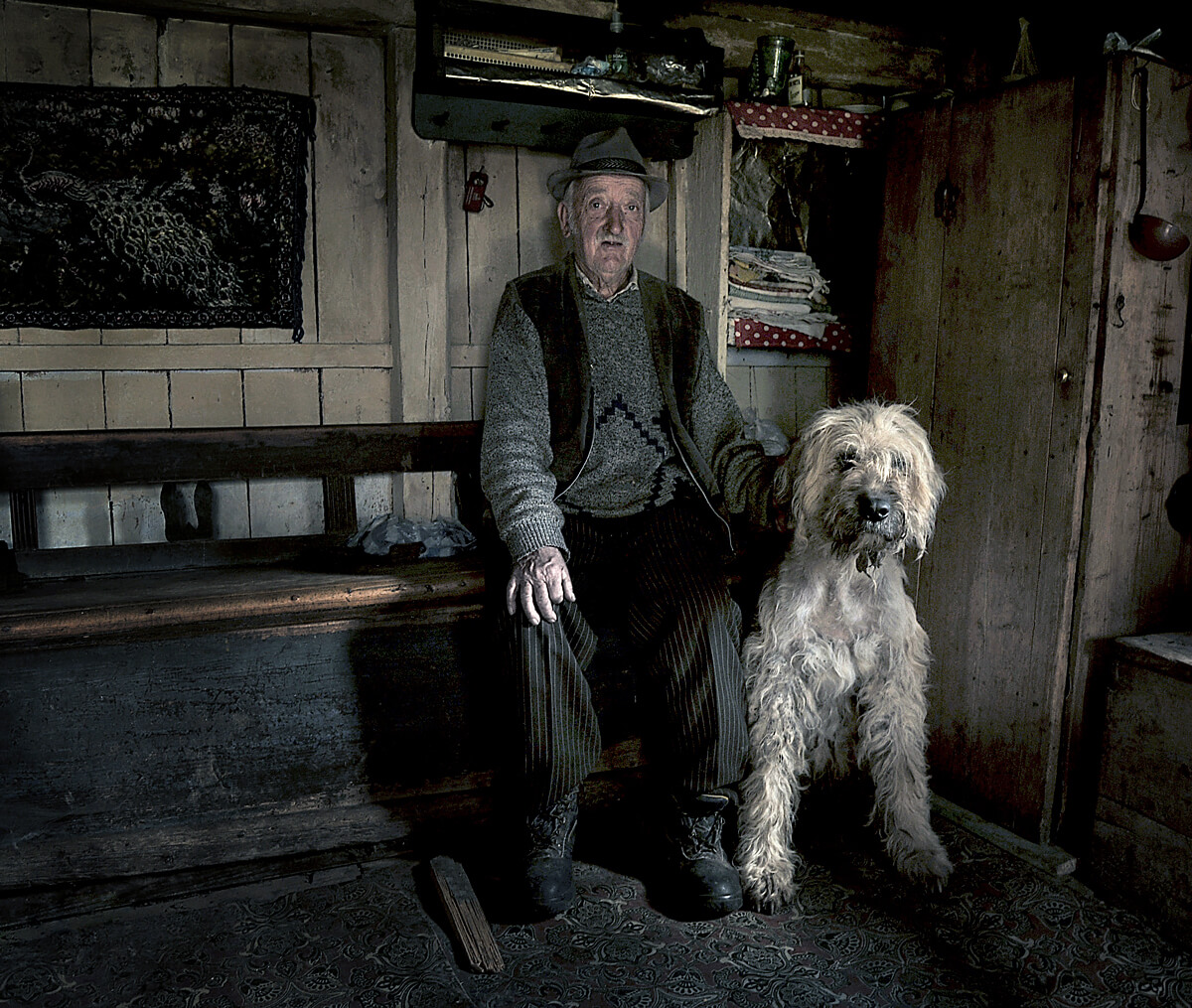
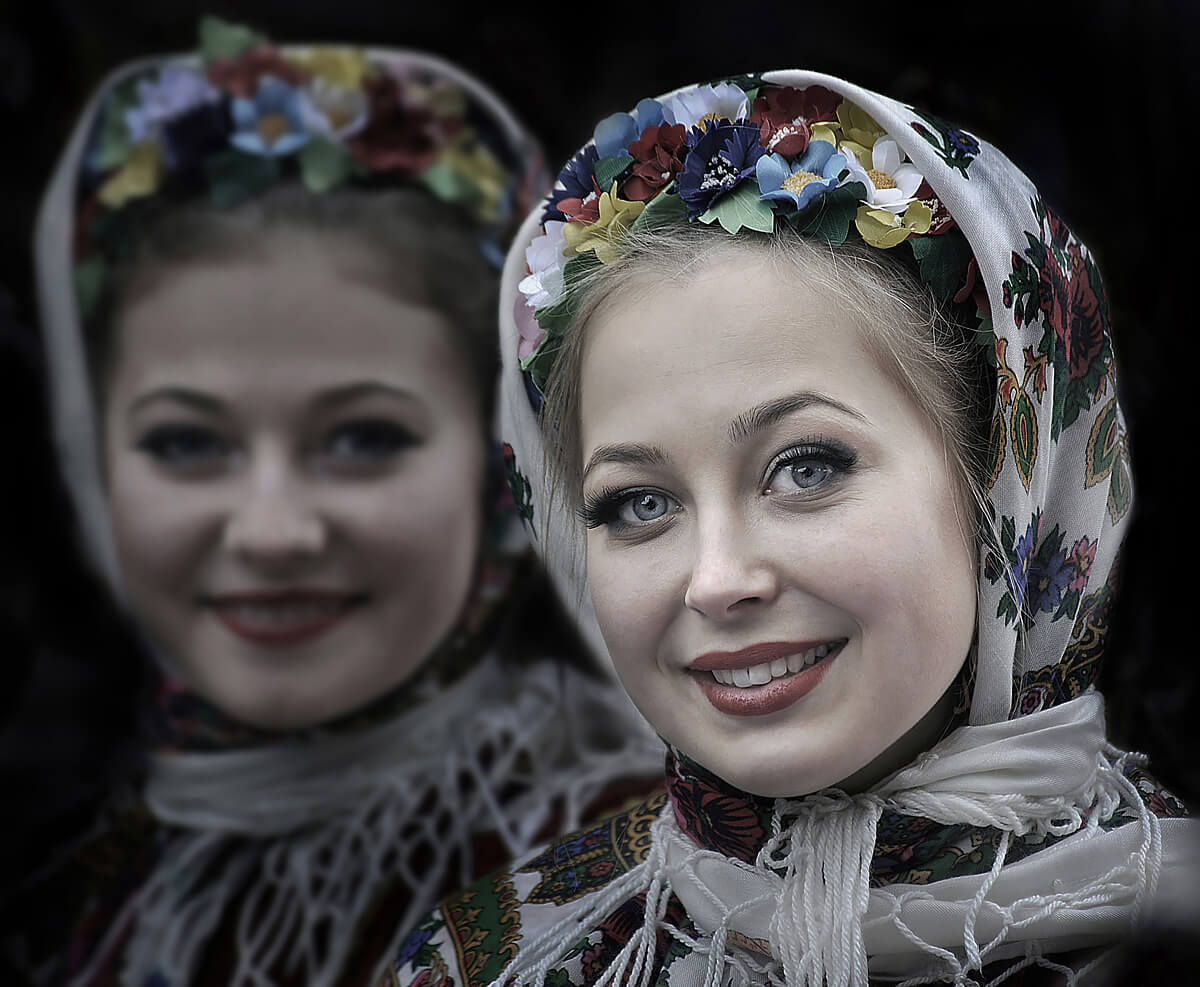
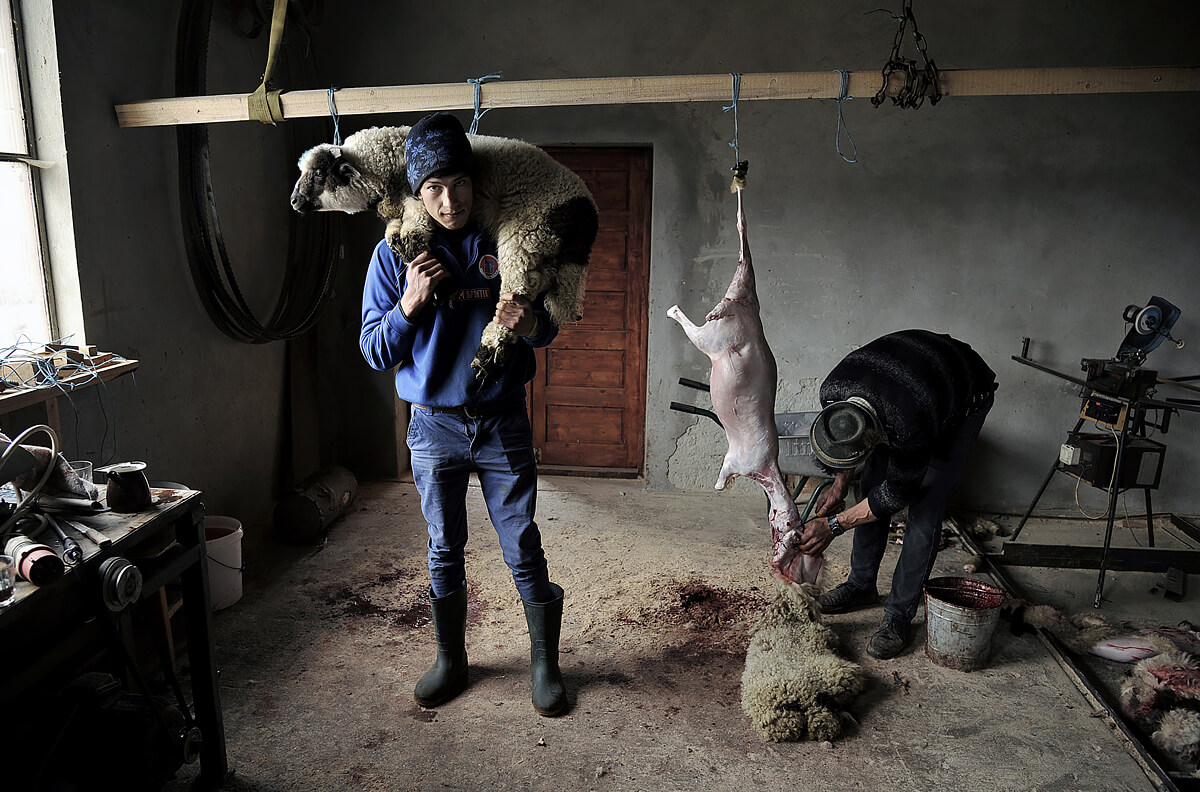
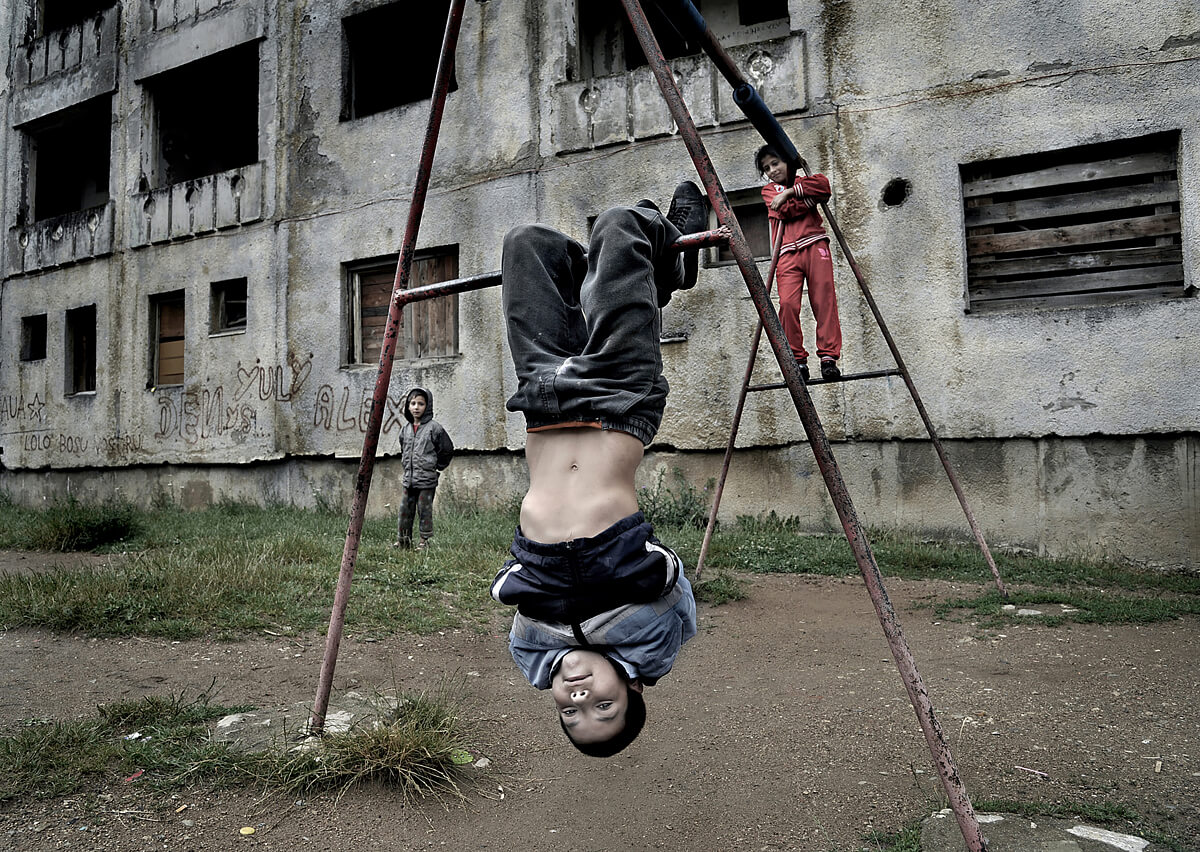
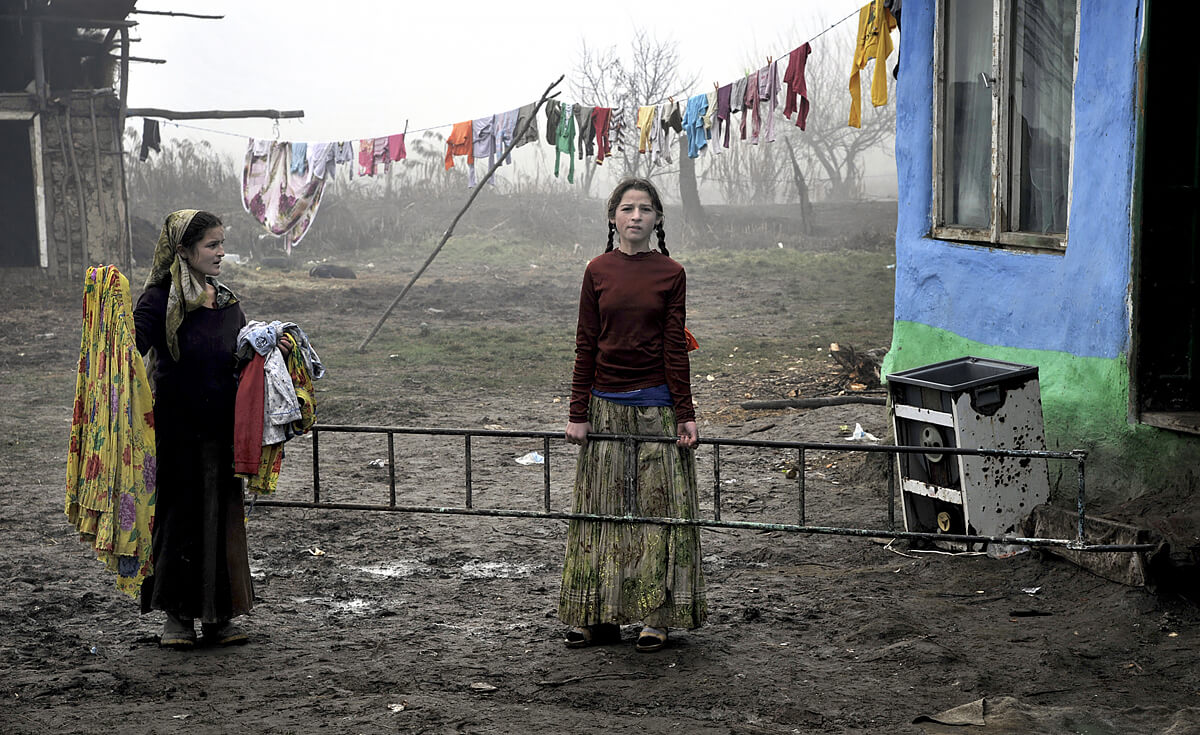
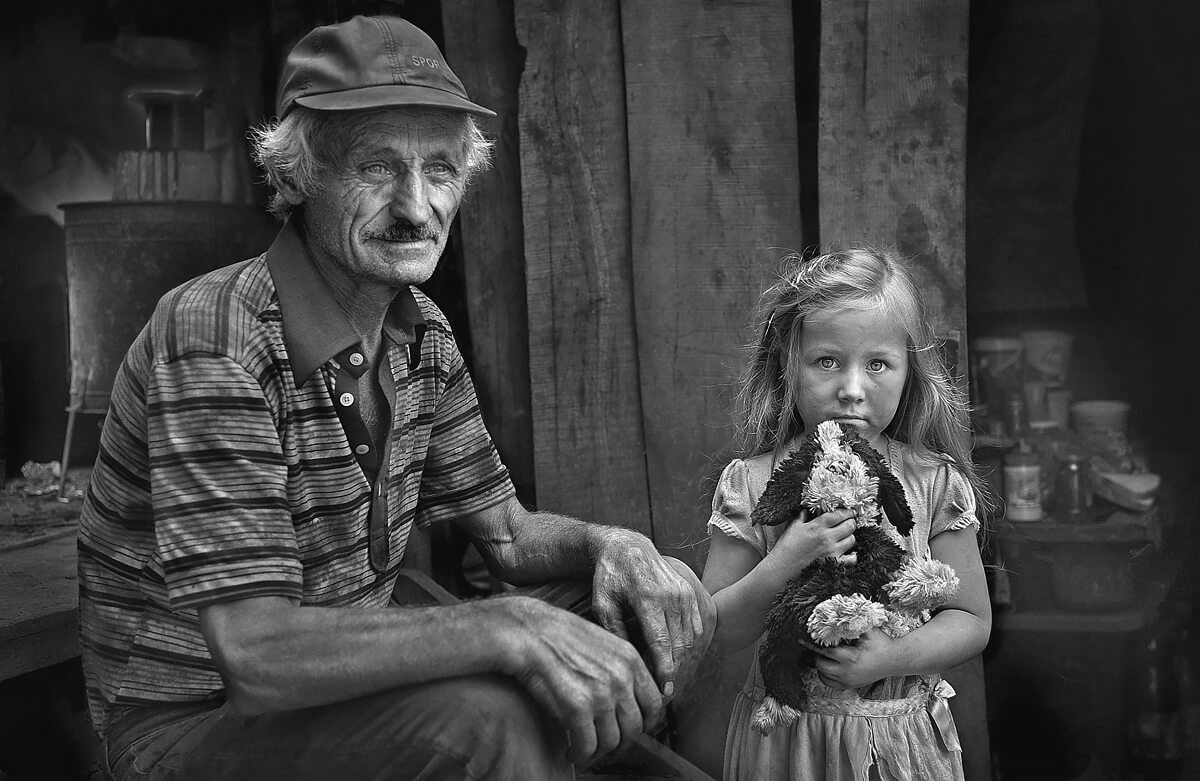
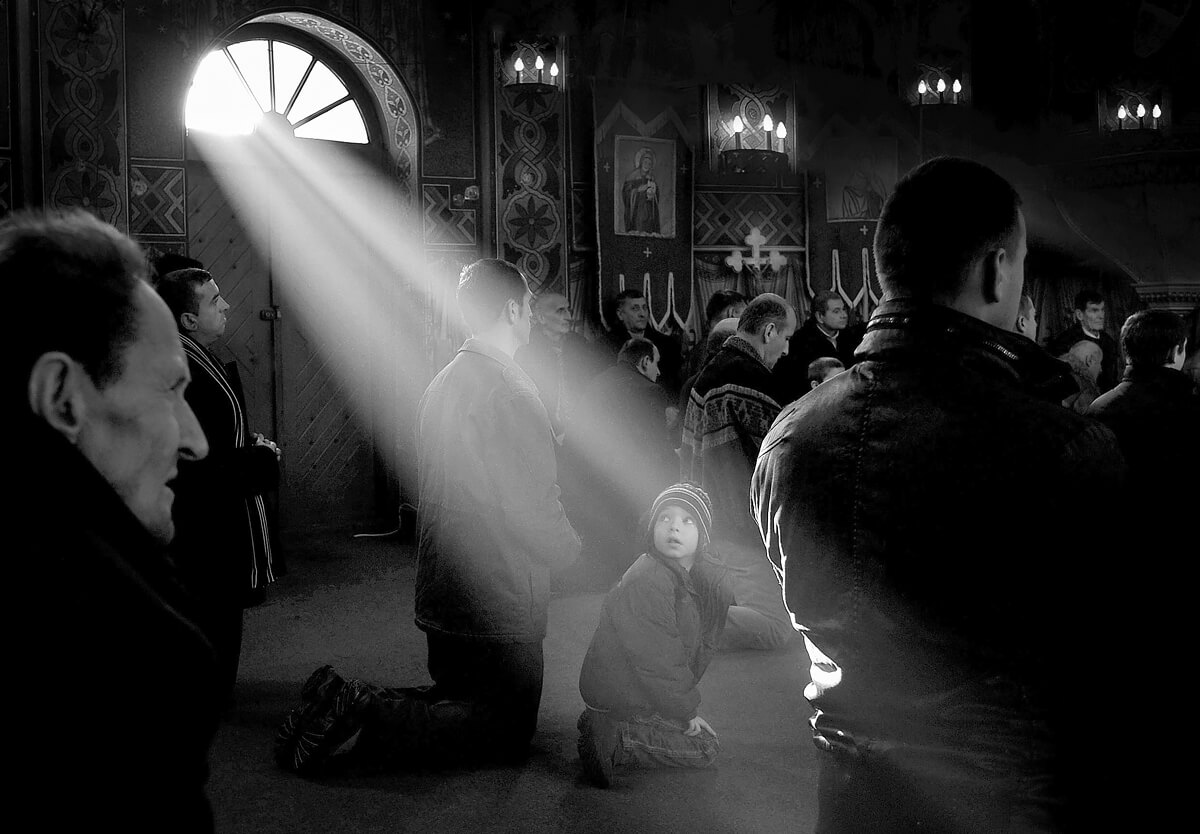
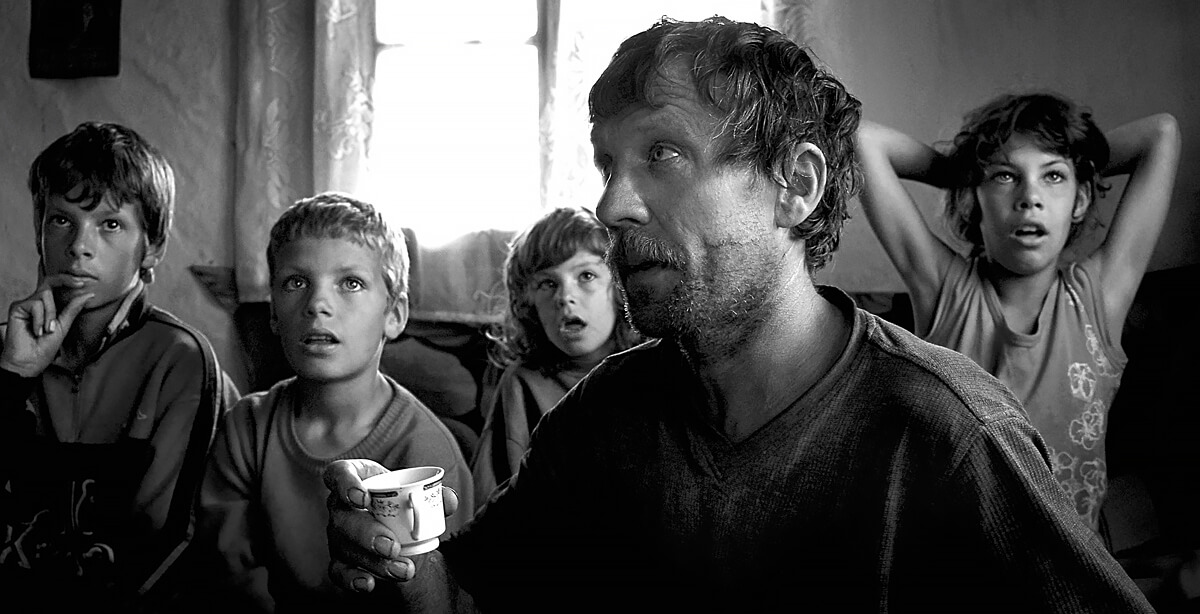
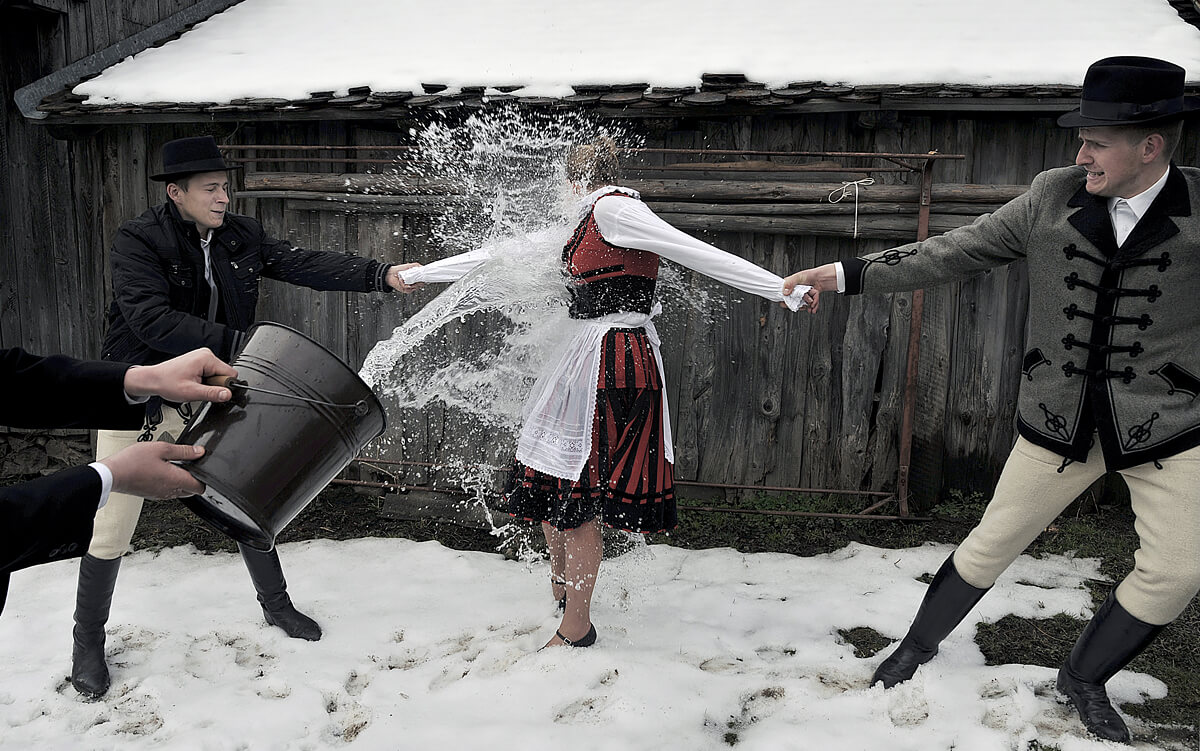
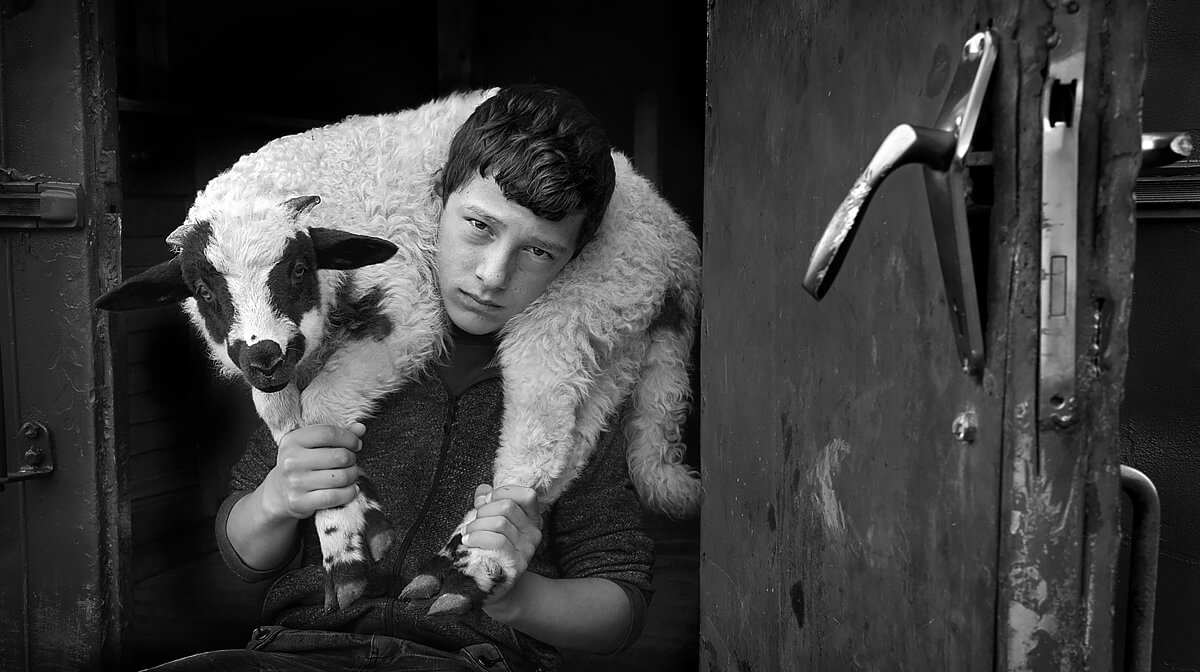
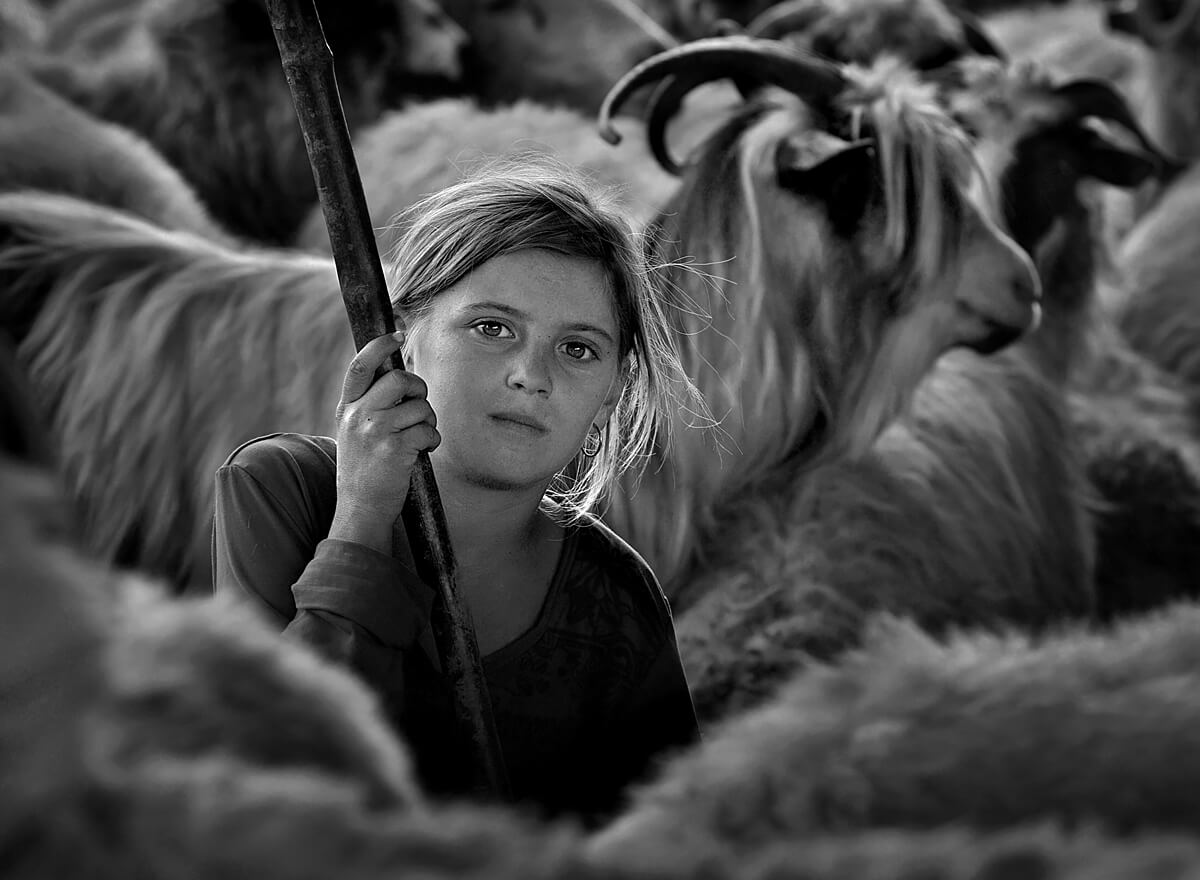
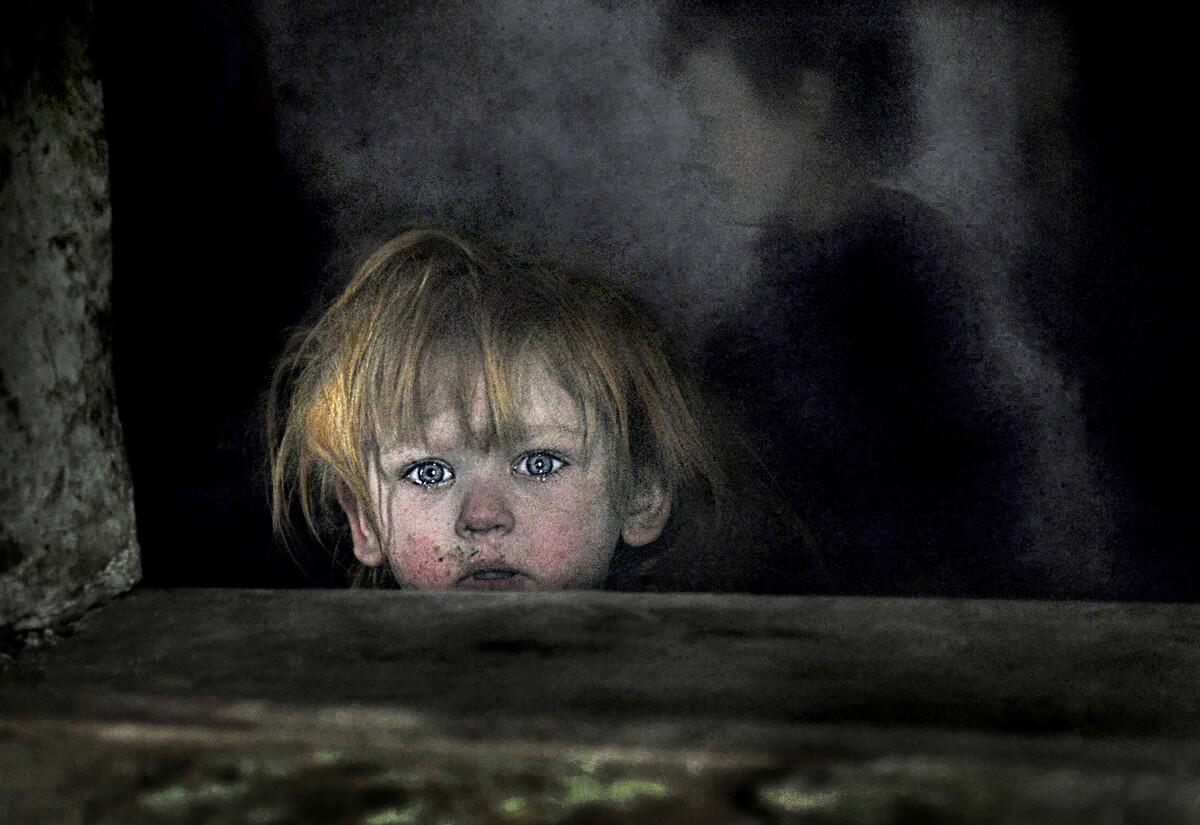
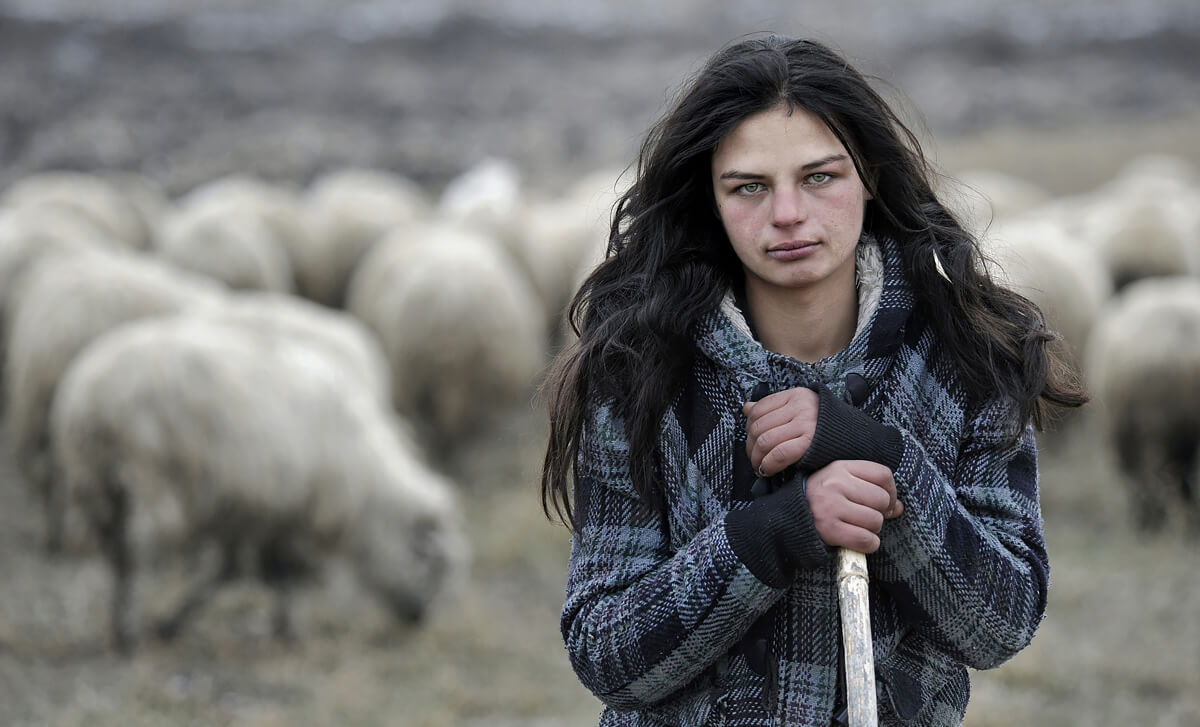
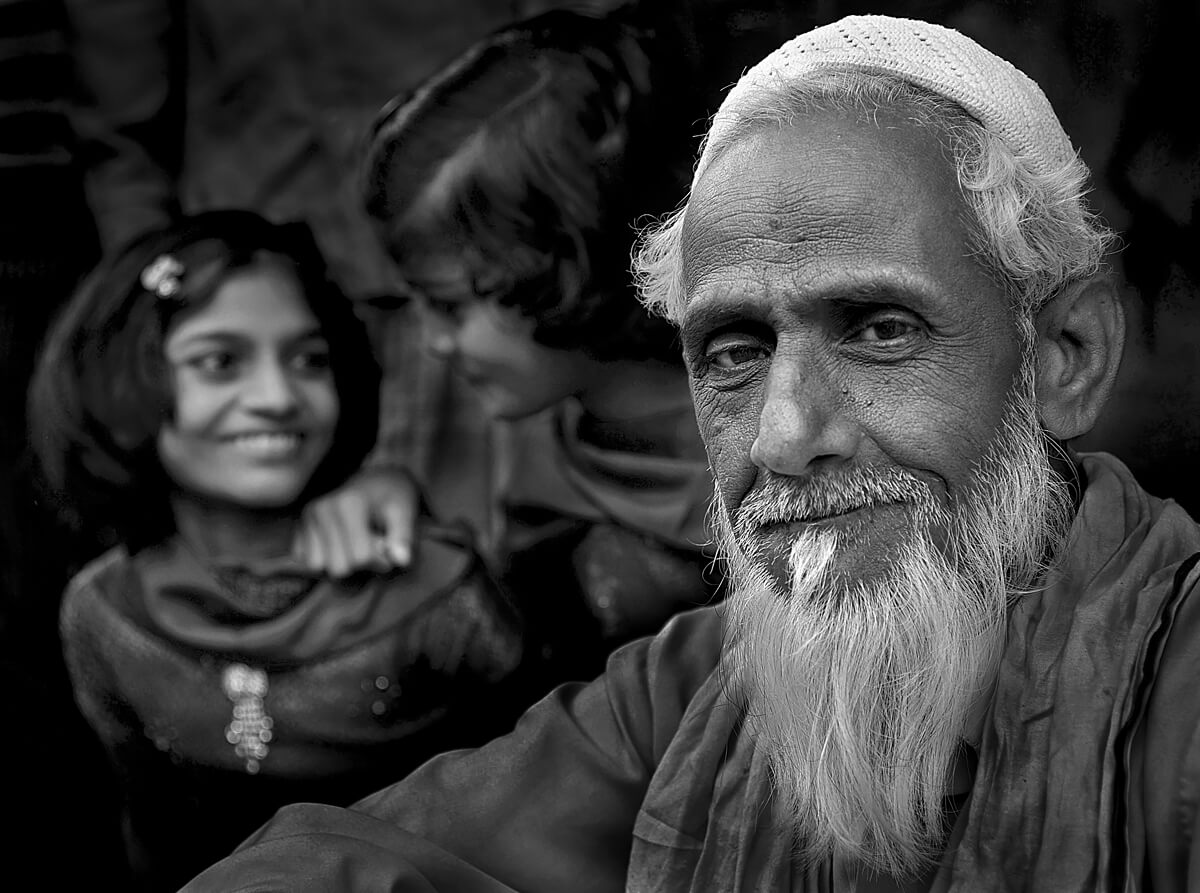
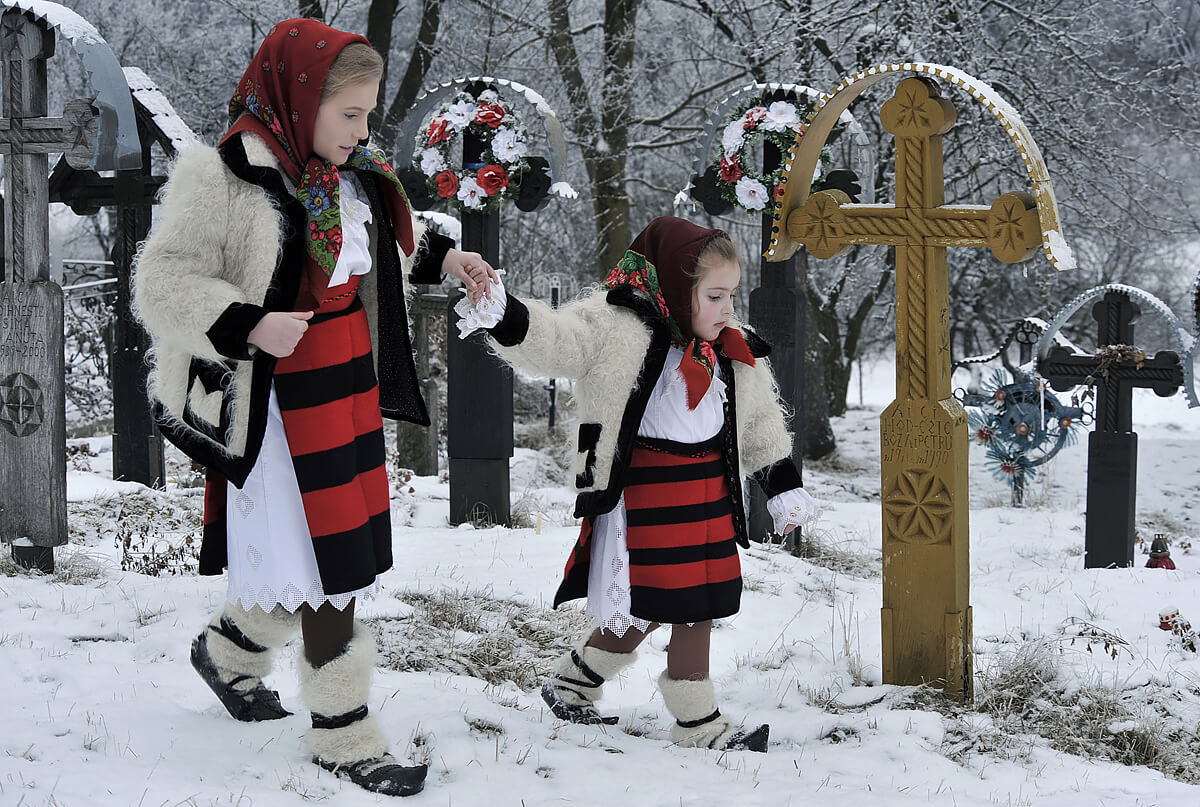
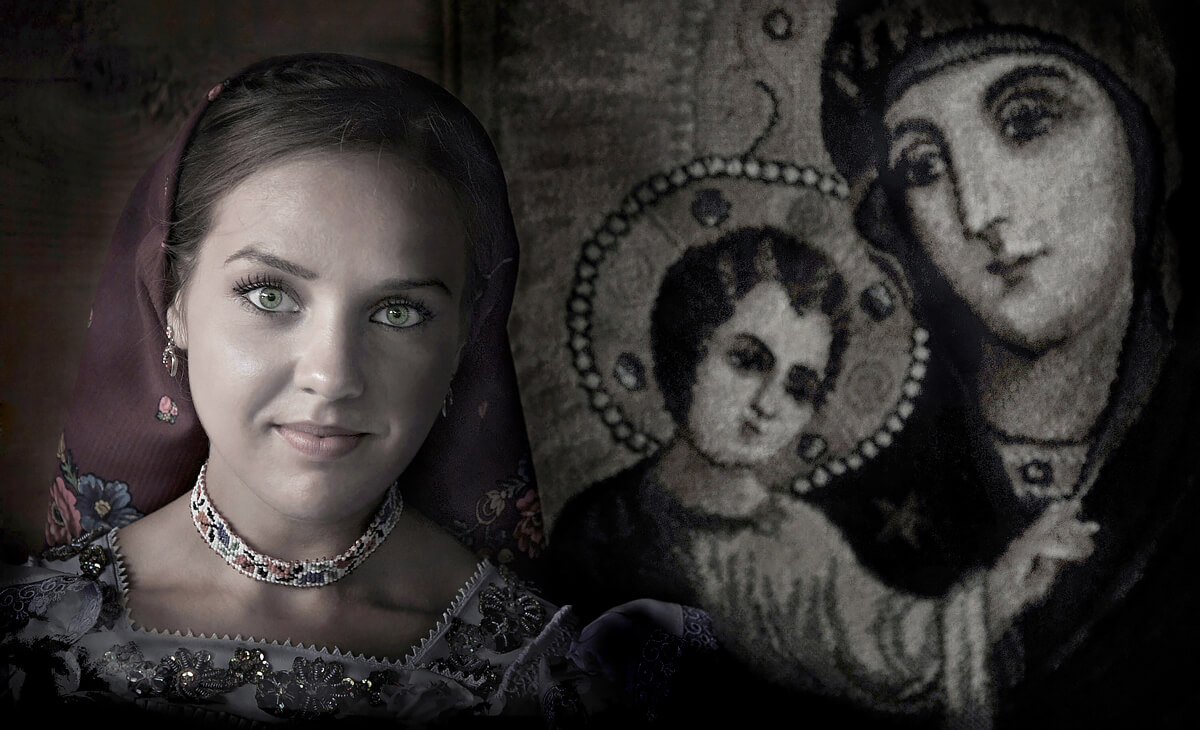
Kerekes István (1977), teacher, freelancer artist photographer. So far he has won more than 2000 prizes and awards in international and national photo competitions. In 2018, he was the world’s youngest who received for the achievement in the field of art photography, the Excellence FIAP Diamond3 distinction (EFIAP/d/3) bestowed by FIAP (International Federation of Photographic Art). When he get this honor it was only six photo artists with this distinction in the world. Also this year for the photographic achievement the President of Hungary honored him with Hungarian Gold Cross Order of Merit. His most famous work is a portrait entitled Yelena, which has set an absolute unique record result having won over 400 awards in 53 countries on 6 continents.
 

Inspiring Portfolios

Call for Entries
AAP Magazine #57 Portrait
Publish your work in our printed magazine and win $1,000 cash prizes
 
Stay up-to-date  with call for entries, deadlines and other news about exhibitions, galleries, publications, & special events.

More Great Photographers To Discover

Jack Savage
United Kingdom
1980
Jack Savage is a fine art photographer, digital and mixed media artist and gallery owner. Born in Northampton, England (1980) - He was educated at Nottingham University, where he carries an MA in American Studies and Film. Winner of over 100 international professional photography awards -he produces a unique brand of artworks using the varying mediums of studio portraiture, landscapes, street photography, mixed media photographic art, and digital psychedelic creations from what he labels "His Unconscious Soul". Savage's multi-faceted works have gained international recognition and acclaim - resulting in several prestigious international prizes, including most notably The Pangea Prize from Siena Photo Awards, Gold from the Shatto Gallery - Los Angeles, Photographer of the Year from The Spider Awards - Beverly Hills California and Gold in consecutive years from Tokyo Foto Awards. Over the last few years, he has exhibited his artworks internationally, in countries such as Italy, France, Greece, Hungary, Germany, USA and throughout the UK. Jack is currently represented by Singulart, Paris, The Zari Gallery, London, The Opulent Art Gallery, London, and ThePassePartout Gallery, Milan, Italy. In 2022 Jack became an influential gallerist, with the formation of The Influx Gallery, Notting Hill - London - showcasing the very best of contemporary art from around the world. Jack Savage is one of the UK’s most celebrated fine art photographers, acclaimed for his haunting black-and-white "Definitive Ambiguities" series. A certified Adobe Photoshop CC expert, Savage fuses classical film noir lighting with precise post-production to create images steeped in moral ambiguity, repressed desire, and an undercurrent of violence. Winner of the Pangea Prize at the Siena International Photo Awards, two consecutive Gold medals at the Tokyo International Foto Awards, Photographer of the Year at the Black & White Spider Awards (Los Angeles), and First Place at the Mono Awards, Savage draws heavily on the cinematic language of Otto Preminger and Orson Welles. His work echoes the words of historian Alain Silver, who described film noir as “a cinema of moral uncertainty and dangerous seduction,” and James Ursini, who noted its “dark urban poetry.” All portraits in this series feature residents from Savage’s hometown of Northampton, England, intensifying what Ursini might call the “claustrophobic menace” of the Midlands’ urban landscape. From shadow-draped alleys to the spectral “men in hats,” Savage’s noir vision transforms everyday streets into charged stages of human drama, where desire and danger meet in a single frame.
Alex Majoli
Italy
1971
Alex Majoli (b. 1971, Italy) is a photographer whose work has focused on the human condition and the theater within our daily lives. He has received many awards including the Guggenheim Fellowship in 2015, the W. Eugene Smith Grant(2017), the Getty Images Grant For Editorial Photography 2009, and the Infinity Award for Photojournalism in 2003. He has been a member of Magnum Photos since 2001 and is represented by Howard Greenberg Gallery NY.Source: LensCulture At the age of 15, Alex Majoli joined the F45 Studio in Ravenna, working alongside Daniele Casadio. While studying at the Art Institute in Ravenna, he joined Grazia Neri Agency and traveled to Yugoslavia to document the conflict. He returned many times over the next few years, covering all major events in Kosovo and Albania. Majoli graduated from art school in 1991. Three years later, he made an intimate portrayal of the closing of an asylum for the insane on the island of Leros, Greece, a project that became the subject of his first book, Leros. In 1995 Majoli went to South America for several months, photographing a variety of subjects for his ongoing personal project, Requiem in Samba. He started the project Hotel Marinum in 1998, on life in harbor cities around the world, the final goal of which was to perform a theatrical multimedia show. That same year he began making a series of short films and documentaries. After becoming a full member of Magnum Photos in 2001, Majoli covered the fall of the Taliban regime in Afghanistan, and two years later the invasion of Iraq. He continues to document various conflicts worldwide for Newsweek, The New York Times Magazine, Granta and National Geographic. Majoli, in collaboration with Thomas Dworzak, Paolo Pellegrin and Ilkka Uimonen, had an extremely successful exhibition and installation Off Broadway in New York in 2004, which traveled to France and Germany. He then became involved in a project for the French Ministry of Culture entitled BPS, or Bio-Position System, about the social transformation of the city of Marseilles. A recently completed project, Libera me, is a reflection on the human condition. In 2013 Majoli, in collaboration with Pellegrin, completed a massive photographic project in the Congo, which resulted in a his largest book project to date being published with Aperture, in 2015.Source: Magnum Photos At the age of fifteen, Alex Majoli joined the F45 photo agency in Ravenna, Italy, and he graduated from the city’s art Institute in 1991. While in art school, Majoli became a member of Grazia Neri Agency and traveled to Yugoslavia to document the ongoing political conflict. In 1995, Majoli published his first book documenting the patients in a mental hospital that was formerly used as a military hospital in Leros, Greece. That same year he traveled to Brazil where he started the project Tudo Bom. In this, he visualizes the darker side of a complex society where daily life is often shaped by hardship and violence. Majoli has been working on this project for twenty years. The series Hotel Marinum that Majoli started in 1998 documents life in harbor cities around the world and was inspired by his life growing up in the port of Ravenna. Majoli has been a member of Magnum Photos since 2001 and has worked on assignments for a variety of publications, including The New York TIME Magazine, Newsweek, The New Yorker, and National Geographic. Majoli has been inspired by the theories of the Sicilian playwright Luigi Pirandello, who believed there is a thin line between theater and real-life and that people take on a role in their daily lives. Over the years, the photographer has examined this philosophy more fully. Majoli does not aspire to document reality. Rather, in his more personal projects, he explores this idea of people as actors in their own lives. In his most recent work, he uses powerful strobe lights to make his subjects aware of the roles they play in the scene that he records. The result is cinematic; the dark surroundings of a scene highlight powerful human emotions.Source: International Center of Photography
Bettina Rheims
France
1952
Bettina Rheims, born Bettina Caroline Germaine Rheims is a French artist and photographer. She began her career with a series of images of striptease dancers and acrobats, and over the years she became one of the most notable persons behind the lens. "I adore flesh. I am a skin photographer," she says famously, and that perfectly explains her work. It is raw and erotic, frequently involving nudity and stuffed animals, and she achieves a visceral emotion that captivates the audience. Some of her most well-known pieces raise problems of gender, androgyny, and transsexuality. Although Bettina Rheims began with obscure and marginalized subjects, her later assignments included advertising campaigns for fashion and major brands like Chanel and Lancôme, as well as prominent international magazines. Madonna, Charlotte Rampling, Catherine Deneuve, Kylie Minogue, Claudia Schiffer, and many others were photographed by Rheims. And there's something indisputably human and true in every photograph she takes, perhaps too natural and personal. I have always believed that whether the work is my idea or a commission, it is personal work.... In the end, as my old master Helmut Newton used to say, there are only two kinds of pictures: the good ones and the bad ones. -- Bettina Rheims Bettina Rheims was born in Neuilly-sur-Seine, France. She is the daughter of the French Academy's Maurice Rheims. She began her career as a photographer in 1978, at the age of 26, after working as a model, a journalist, and running an art gallery. Initially, she accomplished a lot of commissioned work, such as record covers for Jean-Jacques Goldman and celebrity portraits. She devoted herself entirely to photography beginning in 1980. She created a series of images of strippers and acrobats, which were presented in two personal exhibits in Paris in 1981, at the Centre Pompidou and the Galerie Texbraun. Encouraged by her success, she began work on a series of plush animal portraits, which were shown in Paris and New York. In 1982, Rheims' Animal series allowed her to focus her lens on a different type of nudity: stuffed animals with fixed looks, "which seemed to desire to express something beyond death." "I had to capture their stare," the photographer claimed. The photographer questioned gender, androgyny, and transsexuality in Modern Lovers (1989-1990). Les Espionnes (1992) and Kim (1993) were two subsequent publications on the same subject (1994). At the same time she took portrait images for worldwide magazines and advertising campaigns (Well and Chanel), created her first fashion series, worked on cover sleeves, and film posters, and in 1986 directed her first advertising campaign. Her female portraits were published in a monograph, Female Trouble, in 1989, and exhibited in Germany and Japan. The next year, she created Modern Lovers, a series of portraits of androgynous youths that were presented in France, the United Kingdom, and the United States, as well as being published in book form. I still find myself having to justify being a woman taking pictures of naked women. It never occurred to me that there was something bizarre about it, it always felt very natural. -- Bettina Rheims Bettina Rheims began work on one of her major series, Chambre Close, in the early 1990s (1990-1992). This was her first color work, and it marked the beginning of her partnership with novelist Serge Bramly, in which her images were combined with the writer's fiction. Chambre Close is a parody of the first pornographic images in form — chambers with fading walls and old-fashioned wallpaper — but in substance, it attempts to stage amateur models in stances that play on the eroticism and misunderstanding between those looking and those displaying themselves. At the close of his presidential campaign in 1995, Jacques Chirac allowed Rheims to work behind the scenes on a series of images depicting the last moments of the election. Following the election, the French Republic's Presidency commissioned Bettina Rheims to create the official picture of Jacques Chirac. According to Libération, she intended to give the President "the easygoing look of the great heroes in westerns." The decade ended with the publishing of the book I.N.R.I. and its accompanying exhibition in 1999. I.N.R.I. constructs a philosophical debate on the history of the crucifixion through images of episodes from Christ's life, from the Annunciation to the Ascension, once again connecting the gaze of Rheims with the writing of Serge Bramly. Bettina Rheims advocated "modern illustrations, following the advent of photography, cinema, and advertising imagery, as if Jesus were to return today." The release of this work was highly contentious in France. During two long stays in Shanghai in 2002, Bettina Rheimsmade a series about the city. "The initial impressions of a visitor coming in Shanghai are of people with deep-rooted ancestral rituals and customs who have thrown themselves into the frenzied race of the modern world." Rheims, blending into this 'alternative way of thinking,' offers us a fresh perspective on the enigma that is China's coexistence with its millenary traditions, avant-garde facet, official elements, and underground qualities. Rheims exhibited Héroïnes, a piece that was essentially an homage to sculpture, at the Galerie De Noirmont in 2005. On this occasion, the photographer worked with designer Jean Colonna to outfit the women in unique outfits. "Thus, old haute couture gowns were reassembled on each of these contemporary icons. These unusually beautiful women then toyed with a stone, which became their pedestal for a brief while." Bettina Rheims collaborated with Serge Bramly again at the end of the 2000s, and Rose, c'est Paris was shown at the Bibliothèque Nationale de France in 2010. Bettina Rheims and Serge Bramly crafted a fictional thread from autobiographical parts for the photographic story. In this piece, Paris plays "the role of the muse more than the subject, and [appears] in an almost allegorical manner through the figures weaved into a story." A young woman we'll call B. is hunting for Rose, her twin sister who she thinks has vanished. Rose, c'est Paris is presented as a "great mysterious series," a genre beloved by surrealists, and is divided into thirteen episodes in which we discover, among other things, an unusual or obscure Paris that is voluntarily timeless." Exhibited in 2012 in Düsseldorf, the Gender Studies series pursues the questioning of gender representation. The device linking image and sound (by Frédéric Sanchez) presents 27 sound portraits of young men and women who responded to a request the photographer posted on Facebook. The photos are accompanied by interview clips and have featured in several exhibitions and a book. Rheims has also worked on advertising campaigns for fashion and big brands, such as Chanel and Lancôme, as well as taking portraits of famous women for international magazines. Rheims says that she has been inspired by Diane Arbus and Helmut Newton as well as by the work of early painters.
Justine Kurland
United States
1969
Justine Kurland was born in Warsaw, New York. She earned her B.F.A. from the School of Visual Arts in 1996. She went on to Yale University and graduated with an M.F.A. in 1998. Kurland first gained public notice with her work in the group show Another Girl, Another Planet (1999), at New York's Van Doren Waxter gallery. The show included her large c-print staged tableau pictures of neo-romantic landscapes inhabited by young adolescent girls, half-sprites, half juvenile delinquents. This was her first exhibition of a photographic interest that lasted from 1997, when she began taking pictures of her mentor Laurie Simmons's babysitter and her friends, to 2002. Altogether, Kurland published 69 pictures of girls in a series called Girl Pictures. The staged photos take place in urban and wilderness settings, with girls depicted as though to imply they are runaways, hopeful and independent. As landscapes, she chose the "secret places" of late childhood; wasteland on the edges of suburbia, "owned" only by a feral nature and unsupervised children. Her book Spirit West (2000) featured similar work on a more ambitious scale. In early 2001 Kurland spent several months in New Zealand, where she created similar work with schoolgirls there. In her show Community, Skyblue (2002), Kurland turned to document the utopian communes of Virginia and California, highlighting the unworldly aspirations of the communards by having them appear naked in her pictures and showing them as only distant figures in their landscape. In 2003 she had European solo shows Golden Dawn (London) and Welcome Home (Vienna), based around these series of commune images. Old Joy (2004) turns to men. She shows visionaries trekking naked into the wilderness, where they undergo spiritual experiences. In her 2004 show Songs of Experience, she explored medieval and Biblical imagery. In 2005 she had a solo show in Japan. After having a son, Kurland began to photograph pregnant women and new mothers (Mama Baby, 2004-2007). Her son's interest in trains would lead her to photograph hobos and trains from 2007 to 2011 (This Train Is Bound for Glory); as he grew up, she became interested in American masculinity, and created photographs of cars and mechanics (Sincere Auto Care, 2014-2015). Kurland's work appears on the cover and liner notes of French electronic/shoegaze group M83's 2004 album Dead Cities, Red Seas & Lost Ghosts, as well as the covers of the EP releases for the album. In an article in ArtForum (April 2000) she talked of her inspirations: "I'm always thinking about painting: nineteenth-century English picturesque landscapes and the utopian ideal, genre paintings, and also Julia Margaret Cameron's photographs. I started going to museums at an early age, but my imagery is equally influenced by illustrations from the fairy tales I read as a child." Selections from her work Highway Kind were published in the book The Open Road: Photography & the American Road Trip by David Campany.
Fred Herzog
Canada
1930 | † 2019
Fred Herzog devoted his artistic life to walking the streets of Vancouver as well as almost 40 countries with his Leica, photographing - mostly with color slide film - his observations of the street life with all its complexities. Herzog ultimately became celebrated internationally for his pioneering street photography, his understanding of the medium combined with, as he put it, "how you see and how you think" created the right moment to take a picture. Fred was born Ulrich Herzog in Stuttgart, Germany in 1930 and spent his childhood in Rottweil, Germany. He lost both of his parents during the war, and in 1946 Herzog went to work as an apprentice in his grandparents' hardware store. Disillusioned by the ravages of war and the situation in Germany, he emigrated to Canada in 1952 and settled in Vancouver in 1953. During the next several years. Herzog studied photography magazines while working aboard ships for the CPR steamship line, and in 1957 he was hired as a medical photographer at St. Paul's Hospital. In 1961, he became the head of the Photo/Cine Division in the Department of Biomedical Communications at UBC, and in 1970 was appointed Associate Director of the Department. Herzog was also hired as an Instructional Specialist in the Fine Arts Department at Simon Fraser University in 1967, and in 1969 became an instructor in the Fine Arts Department at UBC. Herzog had a walking route through Vancouver that enabled him to build friendships with other photographers and neighborhood residents and gave him an acute understanding of the daily life and soul of Vancouver. Over the course of several decades, Herzog produced a substantial body of color photographs, taking urban life, second-hand shops, vacant lots, neon signage, and the crowds of people who have populated city streets over the past years as his primary subjects. Herzog's use of color was unusual in the 1950s and 60s, a time when fine art photography was almost exclusively associated with black and white imagery. Additionally, Herzog photographed using Kodachrome slide film which was notoriously difficult to print. For decades he remained virtually unknown until his mid-seventies when printing technology caught up, allowing him to make archival pigment prints that matched the exceptional color and intensity of the Kodachrome film. A retrospective exhibition, Fred Herzog: Vancouver Photographs, was held at the Vancouver Art Gallery in 2007 and was the first major recognition of Herzog's body of work. Herzog exhibited his work both in Canada and internationally, including the exhibitions Fred Herzog: Photographs, C/O Berlin, Germany (2010), Fred Herzog: A Retrospective, Equinox Gallery, Vancouver (2012), Eyes Wide Open! 100 Years of Leica Photography, Haus der Photographie, Hamburg, Germany (2015), Photography in Canada, 1960-2000, National Gallery of Canada, Ottawa (2017), and many others. In 2010 Herzog received an Honorary Doctorate from Emily Carr University of Art and Design, and in 2014 he received the Audain Prize for Lifetime Achievement in the Visual Arts. An artist profile on Herzog was featured on the Knowledge Network for the series Snapshot: The Art of Photography II in 2011. In 2014, Herzog's photograph Bogner's Grocery (1960) was released as a limited edition stamp as part of Canada Post's Canadian Photography Series. Herzog died on September 9, 2019 at age 88.Source: Wikipedia
Janet Sternburg
United States
1943
Janet Sternburg is a fine art photographer, a writer of literary books, a maker of theatre and films, and an educator. Since 1998 when she began taking photographs, her work has appeared in Aperture (2002), that same year on the cover of Art Journal, and in 2003 in The Utne Reader (“A New Lens,” 2003), in which she was selected as one of forty international artists and writers who “with depth, resonance, ideas and insights, challenge us to live more fully.” A monograph of her photographs, Overspilling World: The Photographs of Janet Sternburg, was published in 2016–17 by Distanz Verlag with a Foreword by Wim Wenders, in which he writes, “Photographers don’t have eyes in the back of their heads. Janet Sternburg does.” A second monograph followed in 2021, also from Distanz, I’ve Been Walking: Janet Sternburg Los Angeles Photographs, taken by Sternburg during the COVID-19 pandemic. Her photography has been exhibited in solo shows in New York, Los Angeles, Berlin, Milan, Munich, Mexico, and Korea, where she received a commission for a full-building installation at Seoul Institute of the Arts. In 2018, the USC Fisher Museum of the Arts presented her solo show LIMBUS. She pioneered in the use of disposable cameras to create images in which elements interpenetrate, a visual world without borders. Her literary books include the classic two volumes of The Writer on Her Work (W.W. Norton, 1981 and 1991), called “landmarks” and “groundbreaking” by Poets & Writers magazine; her papers for that book are now archived at the Harry Ransom Center, University of Texas. Other critically praised books followed, among them Phantom Limb (University of Nebraska American Lives Series, 2002) and White Matter (Hawthorne Books, 2016), both using a hybrid form of memoir and essay to probe family, neurology, and history, as well as a collection of poetry, Optic Nerve: Photopoems (Red Hen Press, 2005). Other creative work includes her film, El Teatro Campesino, a feature-length documentary on the Chicano theatre troupe (1969) selected for the New York Film Festival at Lincoln Center; her film Virginia Woolf: The Moment Whole (1971), broadcast on National Educational Television and winner of a Cine Golden Eagle, as well as her play, The Fifth String (2011–2014), about Arab and Jewish expulsions throughout history, produced in Berlin, New York, and Los Angeles. Sternburg lives in San Miguel de Allende, Mexico, and also has a residence in Downtown Los Angeles’ Little Tokyo. She has been the recipient of numerous grants, fellowships, and artist residencies, among them from the National Endowment for the Humanities and MacDowell. She has taught in the Graduate Media Program at The New School University and in the Critical Studies School at the California Institute of the Arts. In 2016, she was co-recipient of the REDCAT Award, given to “individuals who exemplify the creativity and talent that define and lead the evolution of contemporary culture.”
Charles Scowen
United Kingdom
1852 | † 1948
Charles Thomas Scowen (11 March 1852 – 24 November 1948) was a British photographer during the nineteenth century. He was active as a photographer from 1871 to 1890, working in Sri Lanka and British India in the early 1870s. By 1876 Scowen had established a studio, Scowen & Co, in Kandy and by the 1890s, he had opened a second in Colombo. His work, which included landscapes and portraits of Malay women, is noted for its lighting, technically superior printing, and strong compositional qualities. Scowen's photographs are represented in the collections of the J. Paul Getty Museum, Yale University Art Gallery, the Art Institute of Chicago, the Metropolitan Museum of Art, and the Museum of Fine Arts, Boston. Charles Scowen became a tea planter before retiring and returning to England around the turn of the century. He died in Sudbury, Suffolk, aged 96.Source: Wikipedia Described as the Pearl of the Indian Ocean, the island Ceylon was conquered by the English in 1796 and for many years was at the center of the spice and trade routes. Rich in ivory, cinnamon, coffee, tea, gems, and pearls the island became increasingly accessible during the nineteenth century. Its exotic scenery was well documented by commercial photographers throughout the nineteenth century. One of the most accomplished and successful photographic firms working in Ceylon was Charles T. Scowen and Co. Scowen and his team produced records for the tourist market, as well as for commerce and industry. These documents included images of plantation economies, railroad, native people, architectural city views, and ancient ruins. The photographs are of superior quality, representing the rich beauty and detail found only in an albumen print.Source: Joseph Bellows Gallery
Advertisement
AAP Magazine #57 Portrait
Win a Solo Exhibition in June
AAP Magazine #57 Portrait

Latest Interviews

Exclusive Interview with Carolyn Moore
American photographer Carolyn Moore explores the inner landscape of emotion, memory, and personal transformation through a deeply intuitive photographic practice. Her work unfolds as a quiet dialogue between artist and viewer, where images become a space for reflection, vulnerability, and connection.
Exclusive Interview with Luca Desienna and Laura Estelle Barmwoldt
For over seven years, Of Lilies and Remains has explored the depths of the goth and darkwave underground, unfolding in Leipzig—a city long associated with a vibrant and enduring subcultural scene. Moving between iconic gatherings such as Wave-Gotik-Treffen and more intimate moments on the fringes, the project offers a rare and immersive glimpse into a world often misunderstood, yet rich in expression and community. Created by Luca in collaboration with Laura Estelle Barmwoldt, the work embraces a cinematic and deeply personal approach. Rather than documenting from a distance, it moves within the scene itself, capturing its atmosphere, its codes, and its quiet contradictions. The title Of Lilies and Remains hints at this duality—where beauty and darkness, fragility and strength coexist. As the book prepares for its release, we spoke with both artists about the origins of the project, their process, and what it means to document a subculture that continues to evolve while remaining true to its spirit.
Exclusive Interview with Matthew Finley
American photographer Matthew Finley turns inward, using photography as a way to explore identity, memory, and emotional truth. Based in Los Angeles, his practice moves between performance, gesture, and found imagery, creating a visual language that is both intimate and deeply personal
Exclusive Interview with Jan Janssen
Dutch photographer Jan Janssen explores universal human experiences through his long-term project It Matters, winner of the May 2025 Solo Exhibition. Begun in 2016, the series captures intimate moments of everyday life—love, loss, connection, and belonging—across Central and Eastern Europe. Working in countries such as Turkey, Azerbaijan, and Armenia, Janssen spends extended time within communities, building relationships based on trust and respect. His approach allows him to move beyond observation, revealing deeply human and authentic moments. Rooted in travel and personal discovery, It Matters reflects Janssen’s search for what connects us all in an increasingly divided world. The project is ongoing and will culminate in a photobook scheduled for publication in 2026.
Exclusive Interview with Henk Kosche
German photographer Henk Kosche turns his lens toward the streets of Halle an der Saale, capturing everyday life in the late years of the former German Democratic Republic. At the time, Kosche was studying design and exploring the city with his camera, drawn to the atmosphere of its industrial landscape and the quiet rhythms of daily life. His series Street Photography at the End of the 80s, selected as the Solo Exhibition for July 2025, revisits a body of work created just before a period of profound change. Rediscovered decades later in a small box of 35mm negatives, these photographs offer glimpses of a city and its people at a moment suspended between the familiar and the unknown.
Exclusive Interview with Anastasia Samoylova
Anastasia Samoylova is an American artist whose photographic practice is shaped by close observation and a deep attentiveness to place. Working between documentary and formal exploration, she photographs landscapes, architecture, and everyday scenes with a sensitivity to light, structure, and atmosphere. Since relocating to Miami in 2016, her work has increasingly focused on how environments—both natural and built—carry social, cultural, and emotional traces. We asked her a few questions about her practice and her way of seeing, to better understand the thoughts and experiences that shape her work—while allowing the images themselves to remain open and speak in their own time.
Exclusive Interview with Marijn Fidder
Marijn Fidder is a Dutch documentary photographer whose work powerfully engages with current affairs and contemporary social issues. Driven by a deep sense of social justice, she uses photography to speak on behalf of the voiceless and to advocate for the rights of those who are most vulnerable. Her images have been widely published in major international outlets including National Geographic, CNN Style, NRC Handelsblad, Volkskrant, GUP New Talent, and ZEIT Magazin. Her long-term commitment to disability rights—particularly through years of work in Uganda—culminated in her acclaimed project Inclusive Nation, which earned her the title of Photographer of the Year 2025 at the All About Photo Awards. She is also the recipient of multiple prestigious honors, including awards from World Press Photo and the Global Peace Photo Award. We asked her a few questions about her life and work.
Exclusive Interview with Josh S. Rose
Josh S. Rose is a multidisciplinary artist working across photography, film, and writing. His practice bridges visual and performing arts, with a strong focus on movement, emotion, and the expressive potential of the image. Known for his long-standing collaborations with leading dance companies and performers, Rose brings together authenticity and precise composition—a balance he describes as “technical romanticism.” His work has been commissioned and exhibited internationally, appearing in outlets such as Vogue, at the Super Bowl, in film festivals, and most recently as a large-scale installation for Lincoln Center for the Performing Arts. A sought-after collaborator, he has worked with major artists, cultural institutions, and brands, following a previous career as Chief Creative Officer at Interpublic Group and the founder of Humans Are Social. We asked him a few questions about his life and work.

Interview with Maureen Ruddy Burkhart
Photographer Maureen Ruddy Burkhart brings a quietly attentive and deeply human sensibility to her exploration of the world through images. Shaped by a life immersed in photography, film, and visual storytelling, her work is guided by intuition, observation, and an enduring interest in the emotional undercurrents of everyday life. With a practice rooted in both fine art traditions and documentary awareness, she approaches her subjects with sensitivity, allowing subtle moments to emerge naturally rather than be imposed. Her series Til Death, selected as the Solo Exhibition for February 2025, reflects this long-standing commitment to photography as a space for reflection rather than spectacle. Drawn to moments that exist just outside the expected frame, Burkhart’s images suggest narratives without resolving them, leaving room for ambiguity, humor, and quiet connection. We asked her a few questions about her life and work.
Call for Entries
AAP Magazine #57 Portrait
Publish your work in our printed magazine and win $1,000 cash prizes