All about photo.com: photo contests, photography exhibitions, galleries, photographers, books, schools and venues.
Final Call to enter All About Photo Awards: $5,000 Cash Prizes - Juror Steve McCurry
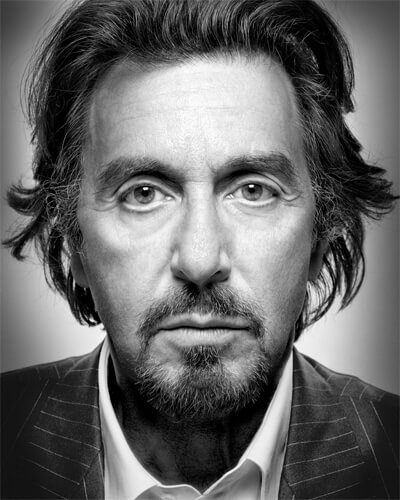
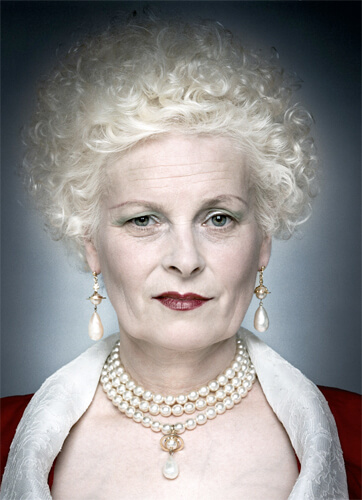
Platon (Antoniou)
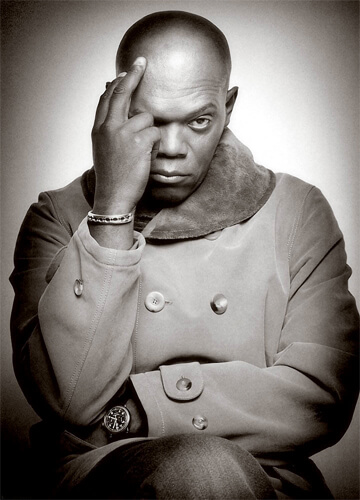
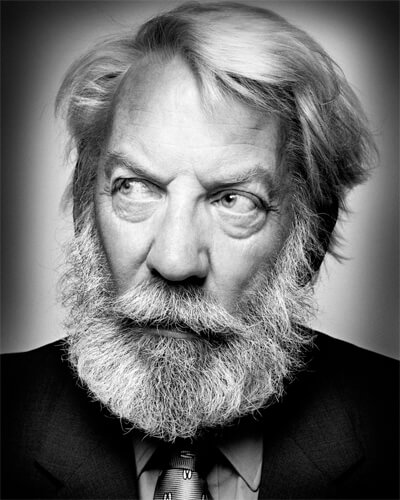
Platon (Antoniou)
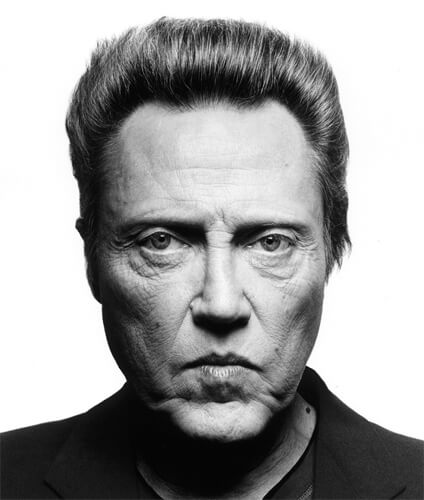
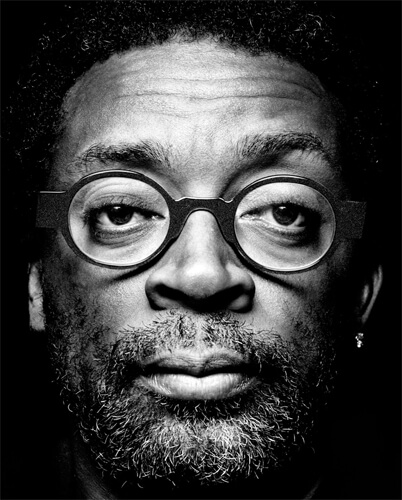
Platon (Antoniou)

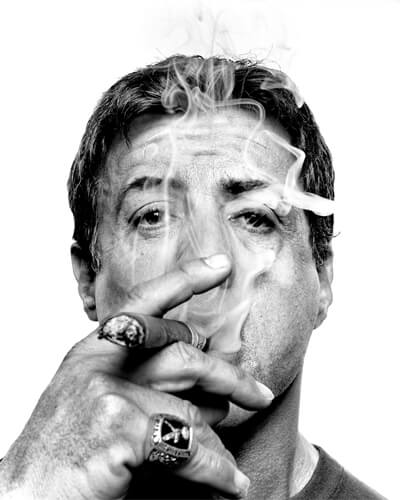
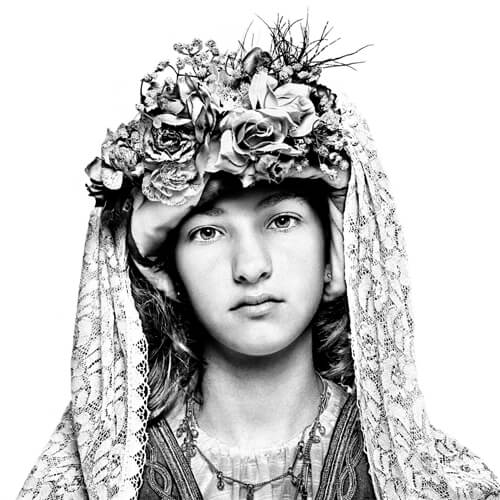
Platon (Antoniou)

Country: United Kingdom
Birth: 1968

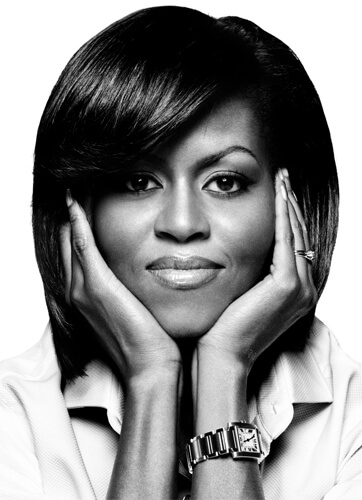
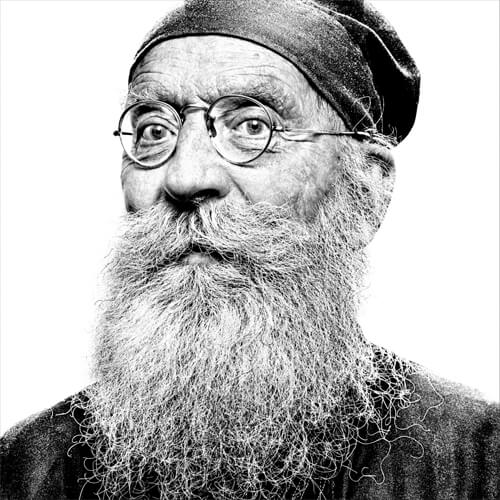
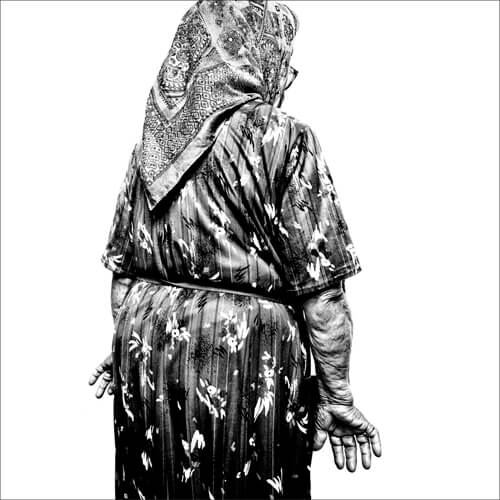
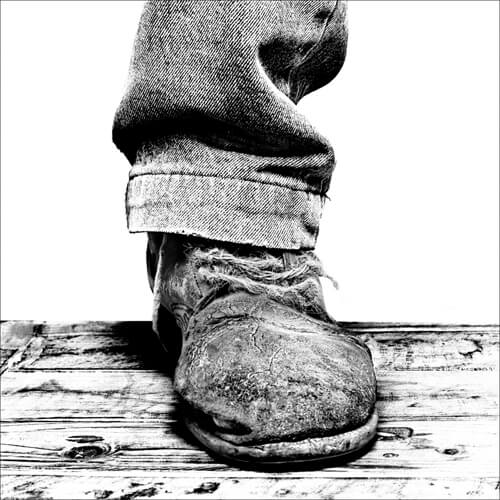
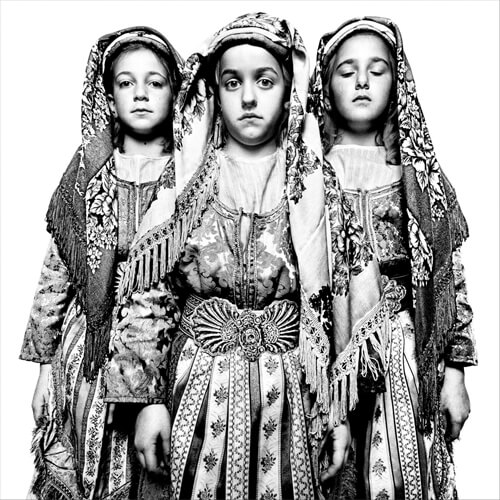
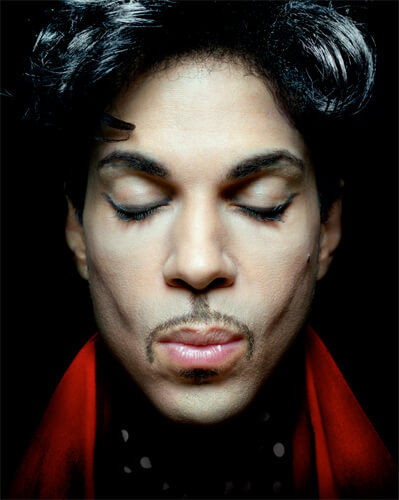
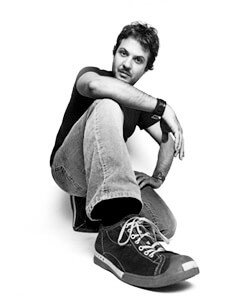
Born in London in 1968, Platon was raised in the Greek Isles until his family returned to England in the 1970's. He attended St. Martin's School of Art and after receiving his BA with honors in Graphic Design, went on to receive an MA in Photography and Fine Art at the Royal College of Art. After working for British Vogue for several years, he was invited to NY to work for the late John Kennedy Jr. and his political magazine, 'George'. After shooting portraits for a range of international publications including Rolling Stone, the New York Times Magazine, Vanity Fair, Esquire, GQ and the Sunday Times Magazine, Platon developed a special relationship with Time magazine, producing over 20 covers.

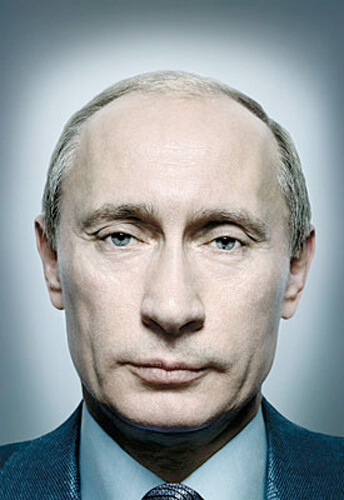
In 2007 Platon photographed Russian Premier Vladimir Putin for Time Magazine's Person Of The Year Cover. This image was awarded 1st prize at the World Press Photo Contest. In 2008 he signed a multi-year contract with the New Yorker. As the staff photographer, he has produced a series of large-scale photo essays, two of which won ASME Awards in 2009 and 2010. Platon's New Yorker portfolios have focused on many themes including President Obama's Inauguration, the U.S Military, portraits of world leaders and the Civil Rights Movement.

The following year, Platon teamed up with the Human Rights Watch to help them celebrate those who fight for equality and justice in countries suppressed by political forces. These projects have highlighted human rights defenders from Burma as well as the leaders of the Egyptian revolution. Following his coverage of Burma, Platon photographed Aung San Suu Kyi for the cover of Time - days after her release from house arrest.

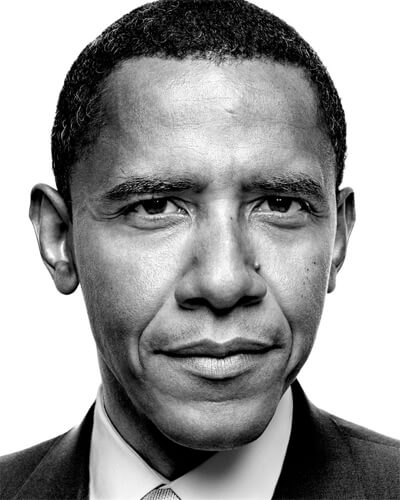
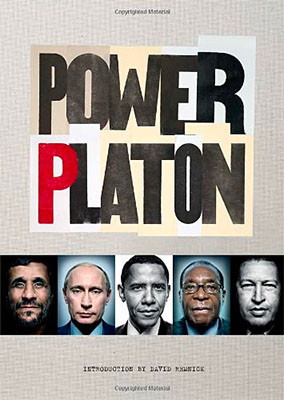
In 2011, Platon was honored with a prestigious Peabody Award for a collaboration on the topic of Russia's Civil Society with The New Yorker Magazine and Human Rights Watch. Platon's first monograph 'Platon's Republic', was published in 2004 by Phaidon Press. To coincide with its publication, the work was exhibited internationally, in London at the ex-Saatchi Gallery as well as the Milk Gallery in New York. His second book, 'Power' - a collection of portraits of over 100 world leaders - was published in 2011 by Chronicle and following its success was selected by Apple to be released as an app. The book includes portraits of Barack Obama, Mahmoud Ahmedinejad, Dmitry Medvedev, Benjamin Netanyahu, Hugo Chavez, Mahmoud Abbas, Tony Blair, Robert Mugabe, Silvio Berlusconi, and Muammar Qaddafi.

In recent years, public speaking has progressively played a major role in Platon's career as communicator and storyteller. He has been invited to be a keynote speaker at the World Economic Forum in Davos, Yale, the London School of Economics, the National Portrait Gallery in London and the International Center of Photography in NY. He has also appeared on a range of television media including Charlie Rose (PBS), Morning Joe (MSNBC), Fareed Zakaria's GPS (CNN) and the BBC World News.

Between 2011-2013, Platon's work has been exhibited in galleries both domestically and abroad. He has exhibited in New York at the Matthew Marks Gallery and the Howard Greenberg Gallery, as well as internationally at the Colette Gallery in Paris, France. The New York Historical Society also exhibited a solo show of Platon's Civil Rights photographs, which remain as part of the museum's permanent collection. Other permanent collections holding Platon's photography include The Florida Museum of Photographic Arts in Tampa, Florida and The Westlicht Museum for Photography in Vienna, Austria. Platon's advertising credits include the United Nations Foundation, Credit Suisse Bank, Exxon Mobil, Diesel, the Wall Street Journal, Motorola, Nike, Converse, Verizon, Vittel, Levi's, IBM, Rolex, Ray-Ban, Tanqueray, Kenneth Cole, Issey Miyake, Moschino, Timex and Bertelsmann among others. Platon lives in New York with his wife, daughter and son.

(Source: www.platonphoto.com)
 

Selected Books

Inspiring Portfolios

Call for Entries
All About Photo Awards 2026
$5,000 Cash Prizes! Juror: Steve McCurry
 
Stay up-to-date  with call for entries, deadlines and other news about exhibitions, galleries, publications, & special events.

More Great Photographers To Discover

Philipp Bolthausen
United States
Akzidenz currently living and working between Paris and New York. His education focused around art and communication studies in Paris and New York, where he lived and worked for many years before returning to Paris. He presently works as an art director for some of the mosthigh-end luxury brands worldwide.This background has a rooted presence in his work - in that he is less interested in the representational qualities of the photograph, focusing more on the exploration of the fringes of each terrain. This focus stems from the will to not use photography as a traditional means of representation of reality but creating a platform for discourse and thought. In order to achieve this dais, he tries to invent his own visual language, using multi-exposures, superposition, juxtaposition and ‘sequentiality’ to interpret, rewrite and therefore, relate to manufactured experiences which are being created on a daily basis by mass media.In short his photography can be summed into Objects, which create an intrinsic world of their own, or in his own words: “My works aren’t pictures of something, but objects about something.”Akzidenz purposefully chooses to use the 20th century medium of film allowing him to see, and therefore place the present into perspective. The choice of black & white and grain become the signifiers that depict and foster the equivalence of life and shape within his work. The single ‘effects’ of contemporary post-processing are not important to his work, to the point that he refuses to use such ‘effects’ - anything beyond the traditional workflow of the darkroom is prohibited in his work.
Erberto Zani
Italy
1978
Erberto Zani (Parma, Italy, 1978) is a journalist and documentary photographer who specializes in human rights issues. Graduate at school of applied Arts Paolo Toschi in graphic design, after the studies in History of Art at University of Parma he worked as a photographer in advertisement sector (1998-2004). Journalist and photographer for the newspaper Gazzetta di Parma (2004-2007) and editor in chief for some local magazines, he becomes freelance in 2008. During these years he documented the destruction created by the earthquake in Haiti, the climate crises in Sahel, the Maha Kumbh Mela in India, the daily life inside the ship breaking yards in Bangladesh, the exodus of Rohingya from Myanmar, the refugee camps in Lebanon, Greece and Uganda, the effects of the war in Marawi city / Philippines. Actually, Zani is working on two long term documentary projects, both around the world: Dark World, about the illegal mineral's extraction, and Survivors, about acid attack victims. Awarded in several international contests, his images are published on several books and dozens of international magazines. He lives in Basel, Switzerland. Books Urban Visions (ed. Blurb, 2021), Elemental Fashion (ed. Blurb,2019), Exodus (ed. Blurb, 2018), Kied Pologo (ed. Stamperia, 2017), Aftermath (ed. Stamperia, 2016), Black World (ed. Stamperia, 2015), Maha Kumbh Mela (ed. Stamperia, 2014), Tsiry (ed. Stamperia, 2014), Babanagar-Colombia (ed. Stamperia, 2013), Sahel (ed. Stamperia, 2012), Hope (ed. Stamperia, 2011), Haiti, fragments (ed. Stamperia, 2010), Drops of Life (ed. Stamperia, 2010), Da Borgo San Donnino al Passo della Cisa (ed. Publiprint, 2006). Publications WHO (World Health Organization), UNESCO (United Nations Educational Scientific and Cultural Organization), USAID (United States Agency for International Development), AMURT Global Network, John Hopkins Bloomberg School of Public Health, Development Gateway, Id21 (Institute of Development Studies University of Sussex), Planeta Salud, ICF Macro, GTZ (Deutsche Gesellschaft für Technische Zusammenarbeit), UNIPID (Finnish University Partnership for International Development), March (Maternal Reproductive & Child Health), The Appalachian Voice, AIP (Journal of Chemical Physics), Gazzetta di Parma, L'Informazione di Parma, Diario, Africa, Nigrizia, Popoli, Redattore Sociale, Repubblica.it, Treatment Action Campaign, CORE Group, Solidarietà e Cooperazione CIPSI, Witness Journal, Tsiry Parma Onlus, E gli Altri? Onlus, Solidarietà Muungano Onlus, Dodho Magazine, Phosmag, Terra Nuova, L'Espresso, Rex Shutterstock agency, Associated Press agency, Fotodom agency, Sipa agency, Scanpix agency, Puzzlepix agency, Le Journal du Dimanche, DeStandaard, Enough Project, Life Force Magazine, LesEchos.fr, vdi-nachtrichten.com, 20 minutes.fr, stimmenafrikas.de, wisdom wander.pl, Loveless, Illume Oy, Global Witness, QCode magazine, Street Art United States, Art Works Projects, Libéma Fun Factory, TheJournal.ie, MSN.com, Fotopolis.com, Mymodernmet.com, Traveller24.com, The Telegraph, Metro.se, All About Photo, Click Magazine, Musagetes Foundation, Vogue Italia, Alamy.com, DeAbyDay, Rai3 Tg3 Mondo, FotoNostrum, Camilo Egas Museum - MuNa, DocuMagazine, Korper magazine. Awards All About Photo: 2nd place Portrait, 2021 Art Limited: 3rd place in Reportage & Press Awards, 2021 Umbra International Photography Awards: Main category "People" winner, 2020 Smithsonian Photo Contest: Finalist, 2020 Art Limited Awards: 1st place in Reportage & Press Awards 2019 Chromatic Photography Awards: 1st place in Wildlife / Animal and 2nd place in Portrait, 2019 PX3 - Prix de la Photographie Paris: 1st place in Advertising / Book cover and 1st place in Book / People categories, 2019 Moscow Photography Awards: Gold medal in "Book / People" category , 2018 Monochrome Photography Awards: 1st and 2nd place, category "Photojournalism", 2017 IPA - International Photography Awards: 2nd place, category Book Documentary, 2016 PX3 - Prix de la Photographie Paris: Gold medal in Professional Book Documentary and Bronze medal in Professional Book People category, 2016 Exhibitions 2021 Town Hall, Möhlin, Switzerland (30/04 - 30/06) 2020 Museo Camilo Egas - MuNa, Quito, Ecuador, 16/10 - 05/12 2019 MIPA - Malta International Photo Award exhibition, Malta Postal Museum 16/02 - 16/03 (Valletta, Malta) 2018 ImagOrbetello Festival, Sale di Piazza del Popolo, 25/08 - 08/09 Orbetello (Italy), 2018 PX3 - Paris Photography Prize winner’s exhibition at the Espace Beaurepaire (Paris, 10-14 July) 2017 ImagOrbetello Festival, Sala Imago, Piazza del Popolo, Orbetello (Italy) 2017 "Black World" book at Image Text Ithaca Symposium, Ithaca College Campus (June 30th)2017 "Black World" book at Reading room at MAGNUM Foundation, New York City (June 17th) 2017 "Black World" book at Carnegie Museum of Art, PGH Photo Fair, Pittsburgh (29-30 April) 2016 Photo "Finding coltan" for permanent collection at The Design Museum, Londo, UK 2014 IPA Best of Show, Thonglor - Roof top gallery, Bangkok, Thailand 2009 "Sguardi a Sud-Est", Sorbolo (PR, Italy) Centro Civico 2007 "Sguardi a Sud-Est", Fidenza (PR, Italy) Palazzo Orsoline.
Jeff Brouws
United States
1955
Jeff Brouws, born in San Francisco in 1955, is a self-taught artist. Pursuing photography since age 13, where he roamed the railroad and industrial corridors of the South Bay Peninsula, Brouws has compiled a visual survey of America's evolving rural, urban and suburban cultural landscapes. Using single photographs as subtle narratives and compiling typologies to index the nation's character, he revels in the "readymades" found in many of these environments. Influenced by the New Topographic Movement, the artist books of Ed Ruscha (to whom Brouws paid homage with his Twentysix Abandoned Gasoline Stations project in 1992) as well as the writings of cultural geographers like J.B. Jackson, Dolores Hayden, John Stilgoe, Mike Davis and Leo Marx, Brouws has combined anthropological inquiry with a somber aesthetic vision mining the overlooked, the obsolete, and the mundane. Initially engaged with what Walker Evans termed the "historical contemporary" along America's secondary highways beginning in the late 1980s, over the following twenty years Brouws has extended this inquiry into the everyday places occupied by most Americans – the franchised landscapes of strip malls, homogenized housing tracts and fast food chains. Since moving to the Northeast in the late 1990s, Brouws has also investigated inner city areas, abandoned manufacturing sites, and other commercial ruins found in Buffalo, Detroit, Cleveland and Youngstown. His photographs of these discarded spaces—the byproducts of de-industrialization, white flight, disinvestment, and failed urban policy—suggest an underlying disparity throughout a country that purports economic equality and social justice for all. Alongside his photographic practice, for the past thirty years Brouws has researched and written about the historic and aesthetic development of railroad photography in America, authoring and editing numerous books on the subject including The Call of Trains: Railroad Photographs by Jim Shaughnessy, A Passion for Trains: The Railroad Photography of Richard Steinheimer, and his most recent publication (edited with Wendy Burton) Some Vernacular Railroad Photographs. In 2013 Brouws (along with co-editors Wendy Burton and Hermann Zschiegner and authors Phil Taylor and Mark Rawlinson) published Various Small Books: Referencing the Various Small Books by Ed Ruscha (MIT Press). This was a multi-year, collaborative project involving ninety artists from around the world. Honoring Ruscha’s seminal books from the 1960s and 70s like Twentysix Gasoline Stations, VSB went on to become the defacto catalog for the Ed Ruscha: Books & Co exhibition staged at the Gagosian Gallery, New York and the Museum Brandhorst in Munich. Brouws’s photography is represented by The Robert Mann Gallery, The Robert Koch Gallery, The Robert Klein Gallery, and The Craig Krull Gallery. His work is in numerous private and public collections including the Whitney Museum of American Art, Princeton University Art Museum and San Francisco Museum of Modern Art.
Odette England
Australia
1975
Odette England is an Australia/British artist who uses photography, performance, writing, and the archive to explore relationships between autobiography, gender, place, and vernacular photography. England is currently Visiting Artist-in-Residence at Amherst College in Massachusetts. She is also a resident artist of the Elizabeth Foundation for the Arts Studio Program in New York. Her work has shown in more than 90 solo, two-person, and group exhibitions worldwide. Notable venues include the George Eastman Museum, Museum of Contemporary Photography Chicago, New Mexico Museum of Art, Fort Wayne Museum of Art, RISD Museum, Center for Photography at Woodstock, Colorado Photographic Arts Center, Philadelphia Photo Arts Center, Photographic Resource Center Boston, MacDonald Stewart Art Center Ontario, Perth Center for Photography in Australia, State Library of South Australia, HOST Gallery London, and the Durham Art Museum & Gallery in England. England has regularly received funding through competitive grants and fellowships. These include the CENTER $5,000 Project Launch Award (2012); two grants - $4,865 and $2,315 - from the Andrew W. Mellon Foundation (2018-2019); the Anonymous Was a Woman $1,500 Grant (2020); Color Lab $2,000 Dean's Council Research Fellowship (2020); and the Center for Fine Art Photography Director's Award (2015), among others. She has received fellowships to attend residencies in Australia, Greece, Hungary, Iceland, Spain, and the United States including the invitation-only Robert Rauschenberg Foundation residency working with Guggenheim Fellow, Jennifer Garza-Cuen. England's first edited volume Keeper of the Hearth was published by Schilt Publishing in March 2020, with a foreword by Charlotte Cotton. The book is part of England's Winter Garden Photograph project which includes an exhibition at the Houston Center for Photography opening September 2020. England's photographs are held in public collections including the Brooklyn Art Library, the Fort Wayne Museum of Art, George Eastman Museum, Hungarian Multicultural Center, Museum of Contemporary Photography, New Mexico Museum of Art, Rhode Island School of Design, Robert Rauschenberg Residency, and Texas A&M University. Award-related exhibitions include the 2015 Australian Photobook of the Year; Magenta Foundation Flash Forward Emerging Photographers awards (UK winner, twice); HotShoe Magazine Photofusion Photography Award (1st prize); Director's Choice Award at the Medium Festival of Photography's ‘Size Matters' exhibition (1st prize); Px3 Prix De La Photographie competition (1st prize, People's Choice Award); and the Photo Review Photography Competition. Her work has been published in contemporary art journals, magazines, and newspapers including American Photo, Photograph, The Brooklyn Rail, The Photo Review, Photo District News, Hotshoe International, British Journal of Photography, Australian Art Monthly, Musee, GUP, SPOT, JRNL, The Guardian (United Kingdom) and Der Standaard (Belgium). England has given artist talks and critiques at Harvard University, Princeton University, Stanford University, Brown University, the School of Visual Arts in New York, Amherst College, the Penumbra Foundation, Kenyon College, Syracuse University, Lesley College of Art & Design, University of Melbourne, and the Art Gallery of South Australia, among others. She received a four-year fully-funded Research Training Program Scholarship to complete her PhD at the Australian National University in 2018. She also has an MFA in Photography with Honors from the Rhode Island School of Design and an MA in Communication, Culture and Language from the University of South Australia. England is a permanent US resident and lives and works in Providence, Rhode Island and New York City. Her work is represented in the US (east coast only) by Klompching Gallery.
Anastasia Egonyan
Ukraine/Armenia
1987
Anastasia Egonyan (b.1987, Kharkiv, Ukraine) is an international artist of Armenian descent based in Berlin. Her practice is driven by emotional fluctuations and psychological experiences that are deeply rooted in her introspective life experiences. She continues to balance a longstanding practice in photography with evolving focus on painting and textile. Frequent engagement with family narratives, Armenian ancestry, and the exploration of female fragility are closely integrated into the evolving sense of self, as she continues to expand her approach across diverse mediums. Anastasia integrates textiles and predominantly natural materials into her artistic practice, delving into the tactile and symbolic dimensions of her heritage. Her work includes manual photo transfer techniques, traditional Armenian sheep wool, and the delicate use of pearls. By incorporating Armenian words and common phrases into her creations, she preserves and celebrates her cultural identity. Anastasia finds profound symbolism in the simplicity of everyday life while honouring the strength and resilience of women through historical and cultural lenses. Egonyan’s artistic practice is grounded in psychological self-reflection, where themes of ancestral heritage and identity gradually unfold. Her use of oil paint, textile, photography collages, and mixed media often employs layering techniques to shield the vulnerable aspects of emotional and personal experience. These layers, whether of paint or fabric, serve to shield the intimacy of these personal explorations, preserving a sense of privacy while concealing the raw intensity of the truth. The act of layering thus becomes an allegory, creating a barrier between the deeply personal and the viewer, who may not yet be prepared for such exposure. ցավդ տանեմ - I take your pain mixed media (textile, wool, photography transfer) 220 x 320 cm With love for the people of Artsakh who lost their homes. My family heritage originates from the village of Togh (Տող) in the Hadrut region, Artsakh. The great ancestor wrote at the entrance of his chamber “I did not allow that people from Armenia be taken captive.” In September 2023, history took a different course as the indigenous people of Artsakh were forcibly displaced. Over 100,000 individuals lost their homes, and the land now falls under the control and administration of occupying forces, with the region being transformed into a nature reserve. I take your pain is an object that represents the traditional Armenian way of making wool blankets. With the use of sheep wool and cotton fabric it is quilted in the original manner, following the rectangular shape. It is common for every Armenian family to own several of these blankets and mattresses, which are typically crafted by the women of the household. The object is composed of multiple layers of textile and wool, forming a mosaic of fabrics sourced from my collection of vintage scraps and family garments. It connects to my family, my current residence, my place of birth, and the lost land that forever holds my heart and soul.
Leo Rubinfien
United States
1953
Leo Rubinfien, born in Chicago, Illinois, is a photographer and essayist from the United States. He currently resides and works in New York City. Rubinfien rose to popularity in the 1970s as a member of a group of artist-photographers who experimented with new color processes and materials. In 1981, Leo Rubinfien had his first one-person exhibition at Castelli Graphics in New York, and he has since had solo exhibitions at the Metropolitan Museum of Art, the San Francisco Museum of Modern Art, the Cleveland Museum of Art, the Seattle Art Museum, the Corcoran Gallery of Art in Washington, DC, the National Museum of Modern Art in Tokyo, and the Cantor Arts Center at Stanford University. He is the author of two photobooks, A Map of the East (Godine, Thames & Hudson, Toshi Shuppan, 1992) and Wounded Cities. Leo Rubinfien is also a prolific writer, having produced numerous extensive essays on famous twentieth-century photographers. He contributed a memoir, Colors of Daylight, to Starburst: Color Photography in America, 1970-1980 (Kevin Moore, Cincinnati Art Museum / Hatje Caantz 2010), and wrote Wounded Cities, a long personal and historical essay about the September 11th, 2001 attacks and the years that followed. He was the Guest Co-curator of Shomei Tomatsu's retrospective at the San Francisco Museum of Modern Art from 2001 to 2004, and he is the co-author of Shomei Tomatsu / Skin of the Nation (Yale University Press, 2004). Since 2010, he has served as Guest Curator for the San Francisco Museum of Modern Art's exhibition of Garry Winogrand's work, which will embark on a world tour in 2013. The Metropolitan Museum of Art, the Museum of Modern Art, the San Francisco Museum of Modern Art, the Whitney Museum of American Art, the Cleveland Museum of Art, the Seattle Art Museum, the Tokyo Metropolitan Museum of Photography, the Corcoran Gallery of Art, the Bibliothèque Nationale de France, the Yale University Art Gallery, the Cantor Arts Center at Stanford University, and the Fogg Museum have all acquired Rubinfien's work. Leo Rubinfien has received fellowships from the Guggenheim Foundation, Japan Foundation, Asian Cultural Council, and New York University's International Center for Advanced Studies, and he was given the Gold Prize at the 5th Lianzhou International Photography Festival in 2009.
Khanh Phan Thi
Vietnam
1985
Hi I'm Khanh Phan, I'm 34 and I'm from Vietnam. I was born in 1985. I was born in Quỳnh Phụ, Thái Bình, a mainly agricultural land. My parents were farmers. I currently work at the bank and I am a bank teller. Photography is my passion. After a broken marriage in 2017, I was heartbroken and desperated and losing faith in life. Then I thought, I couldn't be like this forever, I needed to get over it and I bought a camera. First I went to take photos of flowers in a park near my house, then I realized that Vietnam, my beloved country, has so many hidden fabulous natural and cultural scenes that only few places in the world have. I have been to many places, met and learned about the different regional customs and practices. I then took those pictures, posted them on social media, and became popular with my friends. Photography has changed my life, got me through difficult times and is now my only personal joy today. At first I received strong opposition from my family. My mother thinks photography is too dangerous. I often have to go to the sunrise photograph from 4 am, come home after sunset. There are nights when I wait for the night dew, or milkyway, I have to be outside all night. My mother worried that I would be in danger of being robbed because women who go out late at night are very dangerous. And with my income, my mother is afraid that I will not be able to take care of my son and maintain a stable life if i pursues photography because photographic equipment is very expensive. I have never taken a class in photography and photoshop, I myself researched and practiced on photoshop and learned the experience for myself. I have been taking pictures for 2 years. Finally, with my own efforts, I received some small awards in photography, my mother believed in me and she supported my work. Vietnam is a country with many feudal dynasties. The Vietnamese family is mainly patriarchal. Today Vietnamese women know how to fight for gender equality, a few participate in politics and hold important positions in the state, but the gender discrimination is still quite clear. In addition to working for a living as a man does, we also hold the maternity role, take care of childeren and family, do the houseworks and rarely have the time to do the things we love. In order to persue my passion for photography, I have to sacrifice my happiness. I could not get married again. My income is about 15 million VND per month (about 600$ per month). With that income, it is enough to raise my son and still has a small part of it for photography enthusiasts including equipments and travel expenses. I often had to take pictures alone, and experienced many life-threatening things like staying in the cemetery alone at night when waiting for the sunrise at the churchs in Thanh Xa, Bao Loc, Lam Dong, wrestling with waves at Hang Rai, Phan Rang seashores, climbing mountains, or wading into swamps. Sometimes I forget I'm a woman. I have won a number of awards such as Sonyworld award 2019, Skypixel 2019, Drone award of Siena 2019 but some people do not recognize my ability and efforts. They think I'm lucky and for the reason that I am a woman. Vietnam from Above Vietnam is a beautiful country with a diverse culture. Each region will have many unique cultural features with traditional villages that are hundreds of years old. The Vietnamese people stick to the traditional profession and take it as a way of gratitude to their ancestors. Although the traditional profession is very hard and low-income compared to other modern jobs, the artisans still stick to the profession as flesh and blood and want to pass it on to future generations. The daily lives and jobs of Vietnamese workers are recorded from above.
Angelika Kollin
Estonia
1976
Angelika Kollin is a 44 year old Estonian photographer currently based in Tampa, Florida. She is self-taught and engages with her passion for photography and art as a tool of exploration of interhuman connections, intimacy, and/or the absence of such. Angelika has spent the last 8 years living in African countries (Ghana, Namibia, South Africa), where she explored the same topic in a variety of different cultures and economic conditions. More and more it strengthens her belief that despite many circumstances in life, the one thing that shapes us the most is our relationship with our parents. Through intense artistic evolution she has arrived at her current and ongoing project You Are My Mother/Father. Statement: My main project for the year 2020 became You are my Mother that subsequently expanded into You are my Father. As the covid pandemic rolled over the world, many of us found ourself going back to basics and spending more times with our families. I started photographing my project in April, while we were still in complete lockdown in Cape Town,South Africa. Initially I only wanted to document an act of acceptance and joining I witnessed between a mother and her adult daughter. Afterwards I continued to explore same "story" in other mother/child connections, examining the impact it has on my own family life and on my audience. There is no groundbreaking story occurring in my project, and yet, at least for myself, I am learning to understand the significance and value of connection to our family and how it shapes us for the rest of our life.
Advertisement
All About Photo Awards 2026
Win a Solo Exhibition in March
All About Photo Awards 2026

Latest Interviews

Exclusive Interview with Marijn Fidder
Marijn Fidder is a Dutch documentary photographer whose work powerfully engages with current affairs and contemporary social issues. Driven by a deep sense of social justice, she uses photography to speak on behalf of the voiceless and to advocate for the rights of those who are most vulnerable. Her images have been widely published in major international outlets including National Geographic, CNN Style, NRC Handelsblad, Volkskrant, GUP New Talent, and ZEIT Magazin. Her long-term commitment to disability rights—particularly through years of work in Uganda—culminated in her acclaimed project Inclusive Nation, which earned her the title of Photographer of the Year 2025 at the All About Photo Awards. She is also the recipient of multiple prestigious honors, including awards from World Press Photo and the Global Peace Photo Award. We asked her a few questions about her life and work.
Exclusive Interview with Josh S. Rose
Josh S. Rose is a multidisciplinary artist working across photography, film, and writing. His practice bridges visual and performing arts, with a strong focus on movement, emotion, and the expressive potential of the image. Known for his long-standing collaborations with leading dance companies and performers, Rose brings together authenticity and precise composition—a balance he describes as “technical romanticism.” His work has been commissioned and exhibited internationally, appearing in outlets such as Vogue, at the Super Bowl, in film festivals, and most recently as a large-scale installation for Lincoln Center for the Performing Arts. A sought-after collaborator, he has worked with major artists, cultural institutions, and brands, following a previous career as Chief Creative Officer at Interpublic Group and the founder of Humans Are Social. We asked him a few questions about his life and work.
Interview with Maureen Ruddy Burkhart
Photographer Maureen Ruddy Burkhart brings a quietly attentive and deeply human sensibility to her exploration of the world through images. Shaped by a life immersed in photography, film, and visual storytelling, her work is guided by intuition, observation, and an enduring interest in the emotional undercurrents of everyday life. With a practice rooted in both fine art traditions and documentary awareness, she approaches her subjects with sensitivity, allowing subtle moments to emerge naturally rather than be imposed. Her series Til Death, selected as the Solo Exhibition for February 2025, reflects this long-standing commitment to photography as a space for reflection rather than spectacle. Drawn to moments that exist just outside the expected frame, Burkhart’s images suggest narratives without resolving them, leaving room for ambiguity, humor, and quiet connection. We asked her a few questions about her life and work.
Exclusive Interview with Peter Ydeen
Winner of AAP Magazine #45 Travels, his series reflects this unique vision—capturing the spirit of place through subtle layers of light, color, and emotion. Whether traveling abroad or observing the rhythms of his own surroundings, Ydeen creates images that feel both grounded and enchanted, inviting viewers into a world where reality and reverie meet.
Exclusive Interview with Julie Wang
Chinese-born photographer Julie Wang brings a poetic, contemplative sensitivity to her visual exploration of the world. Having lived for nearly equal parts of her life in China, Europe, and the United States, she approaches her subjects with the nuanced perspective of someone shaped by many cultures. This blend of distance, curiosity, and emotional resonance infuses her work with a quiet depth, allowing her to reveal the fragile beauty and subtle tensions that often pass unnoticed.
Exclusive Interview with Ghawam Kouchaki
American photographer Ghawam Kouchaki brings a sharply observant and introspective gaze to the streets of Japan’s capital. Based in Los Angeles, he approaches Tokyo with the distance — and curiosity — of an outsider, allowing him to uncover the city’s subtle contradictions, quiet tensions, and fleeting gestures that often go unnoticed. His series Tokyo no no, selected as the Solo Exhibition for December 2024, explores the hidden undercurrents of urban life: the unspoken rules, the small ruptures in routine, the poetic strangeness found in everyday moments. Through muted tones, instinctive timing, and meticulous framing, Kouchaki reveals a Tokyo that exists somewhere between reality and imagination — both intimate and enigmatic. We asked him a few questions about his life and work.
Exclusive Interview with Tommi Viitala
Tommi Viitala, winner of AAP Magazine #44: Street, is a Finnish photographer celebrated for his striking and cinematic street photography. With a keen eye for atmosphere and composition, he captures fleeting urban moments that reveal the poetry of everyday life. His work often explores the tension between solitude and connection within contemporary cityscapes, blending documentary realism with artistic sensibility. Viitala’s photographs have been exhibited internationally and recognized for their strong visual storytelling and emotional depth. We asked him a few questions about his life and work.
Exclusive Interview with Robert Mack
Robert Mack is a California-based visual artist, photographer, and filmmaker. His fine art photography and films have been exhibited widely in the United States and Europe, with major shows at the Baltimore Museum of Art and the Reiss-Engelhorn Museum in Mannheim, Germany. Both institutions hold his work in their permanent collections. Working across different media, Mack has built a career exploring the complexities of human presence and representation. In 1981, while living in Baltimore, he produced The Perkins Project: Not Guilty by Reason of Insanity, a rare photographic and film study inside Maryland’s hospital for the criminally insane. These stark yet compassionate black-and-white portraits remain one of his most powerful and controversial bodies of work.
Exclusive Interview with Alan Schaller About Irys
Alan Schaller is a London-based photographer best known for his striking black-and-white street photography and as co-founder of Street Photography International, one of the largest online communities dedicated to the genre. With years of experience both behind the camera and in building platforms that give visibility to photographers, Schaller has now turned his focus to creating a new digital space for photography itself. His latest venture, Irys, is a photography app designed by photographers, for photographers, with the aim of offering a dedicated platform where images are respected as works of art rather than treated as disposable content.
Call for Entries
All About Photo Awards 2026
$5,000 Cash Prizes! Juror: Steve McCurry