All about photo.com: photo contests, photography exhibitions, galleries, photographers, books, schools and venues.
Final Call to enter All About Photo Awards: $5,000 Cash Prizes - Juror Steve McCurry
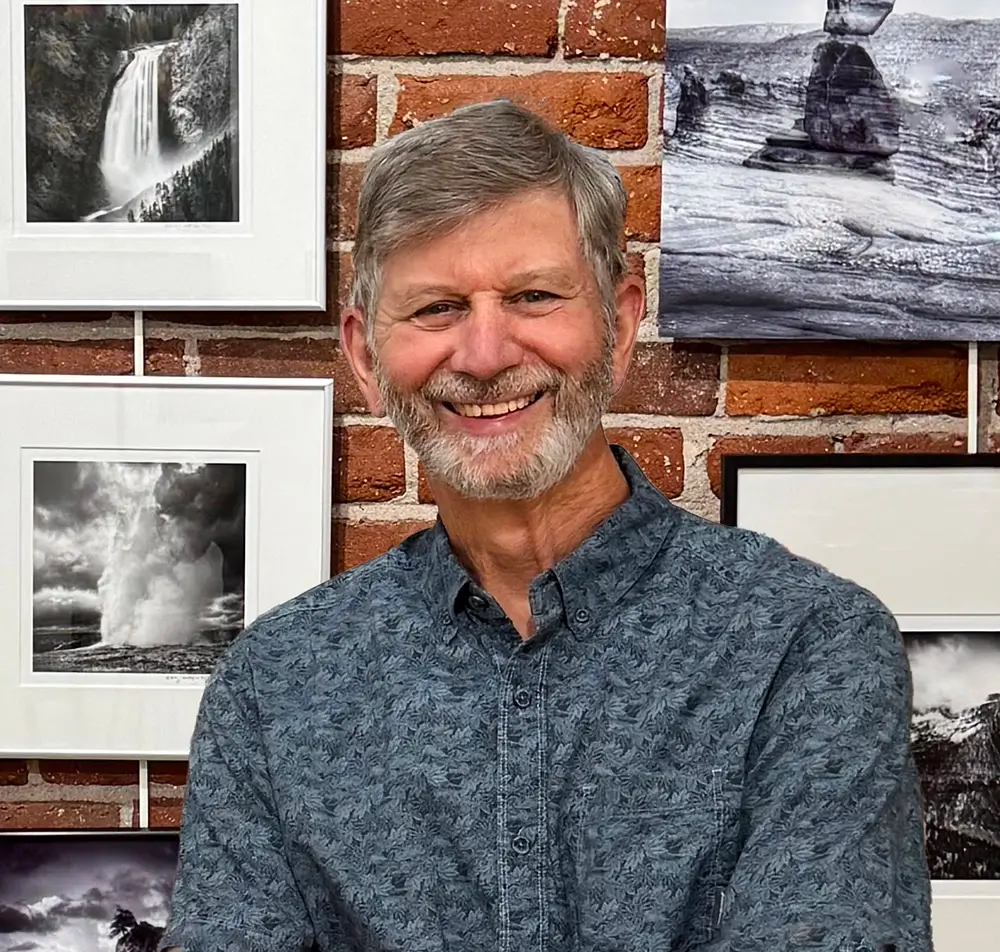
Gary Wagner
Gary Wagner
Gary Wagner

Gary Wagner

Country: United States
Birth: 1950

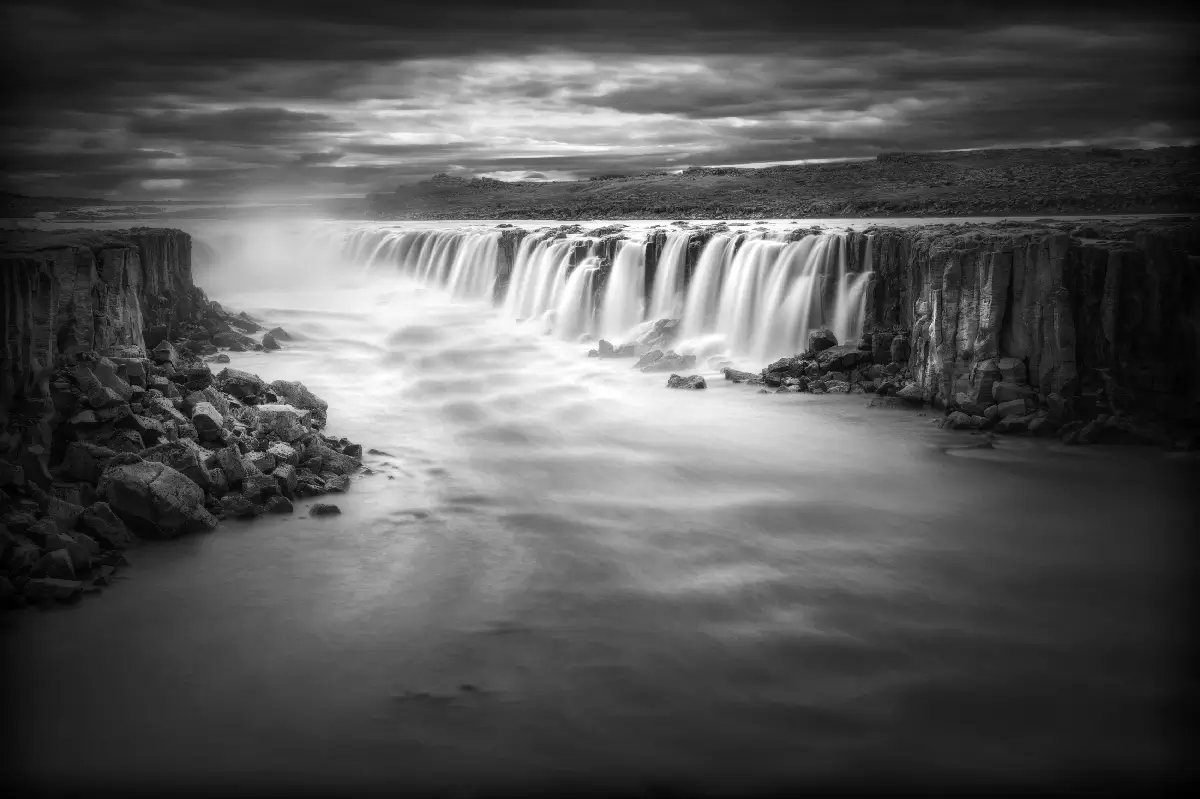
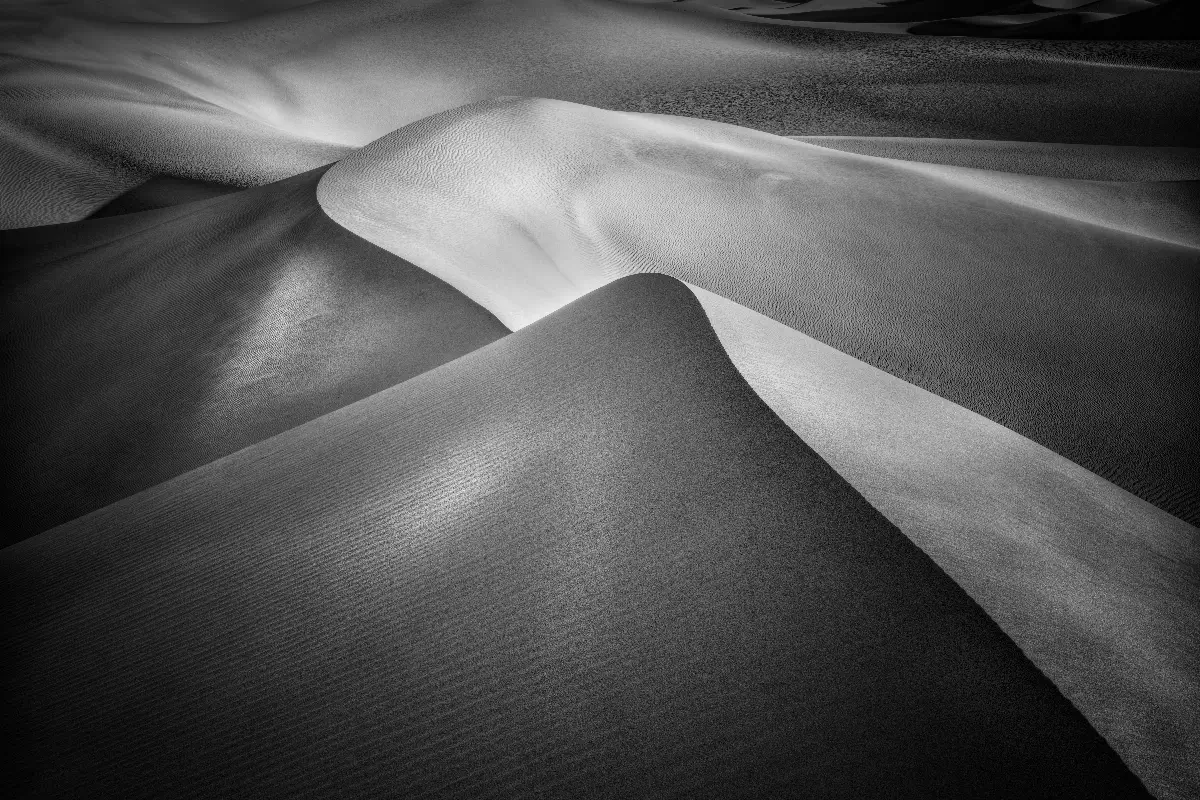
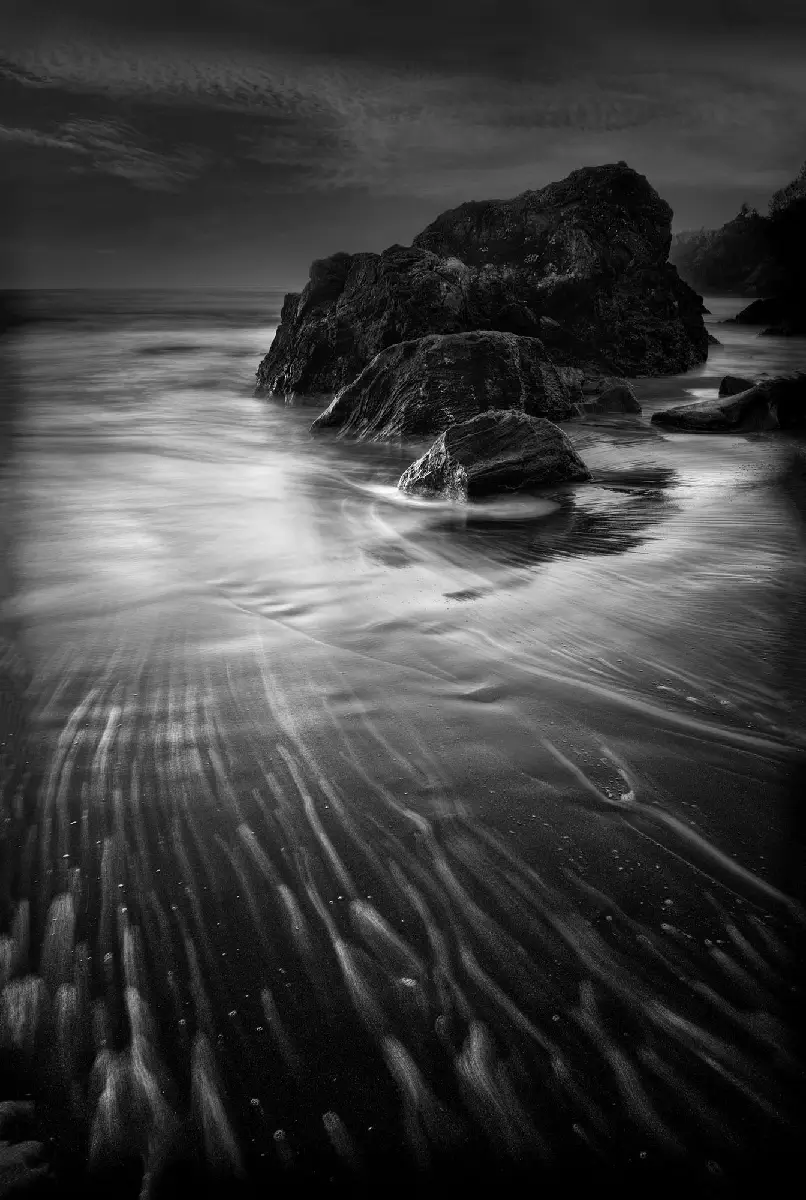
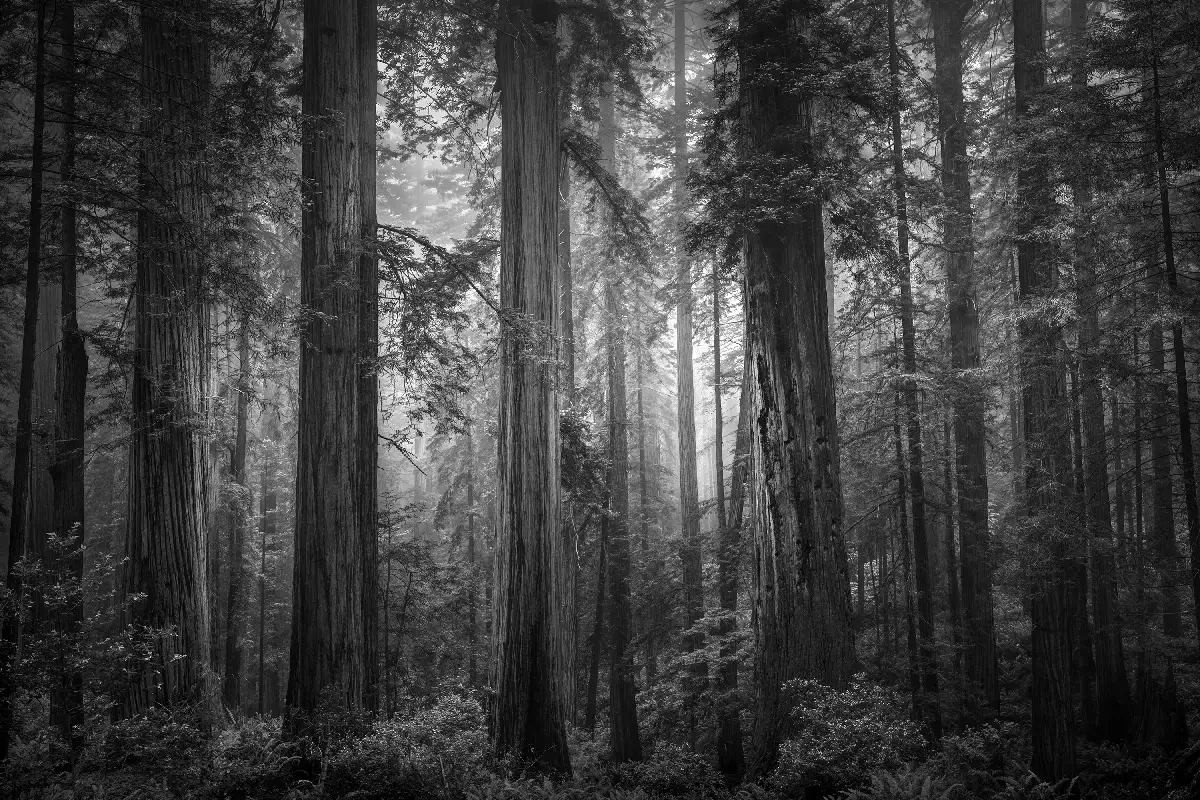
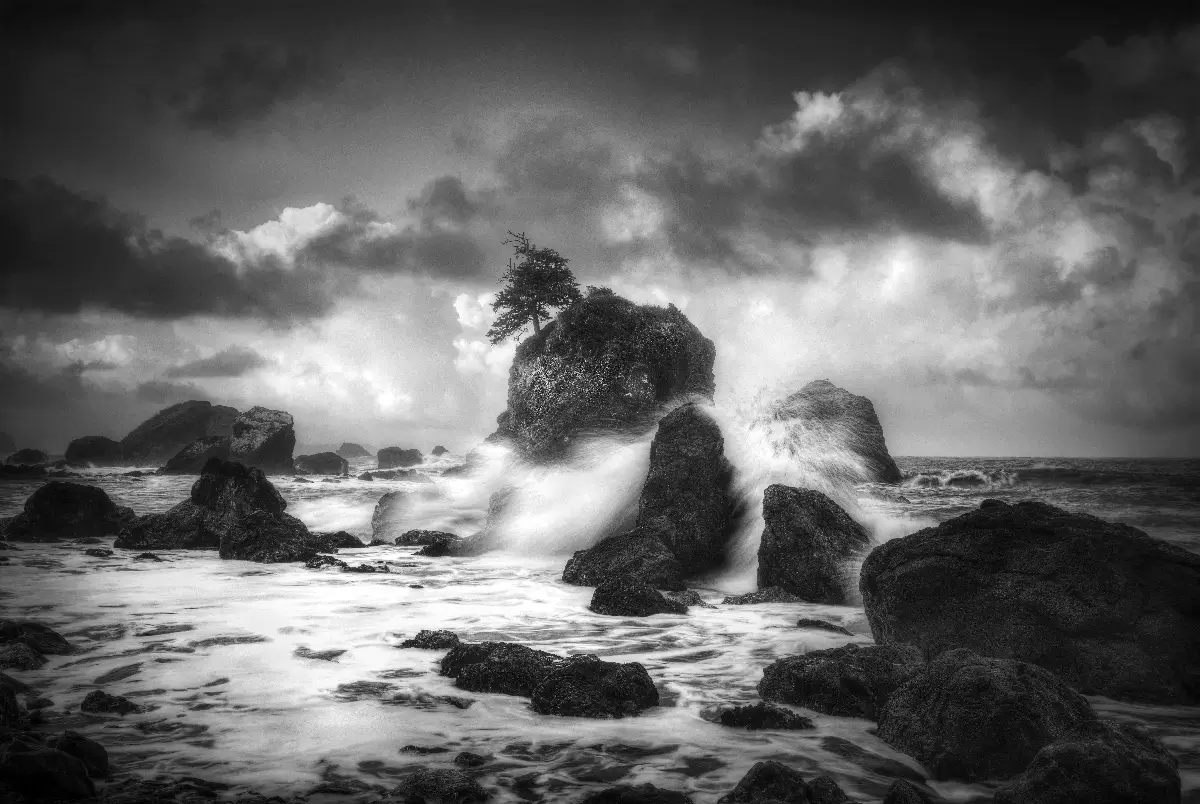
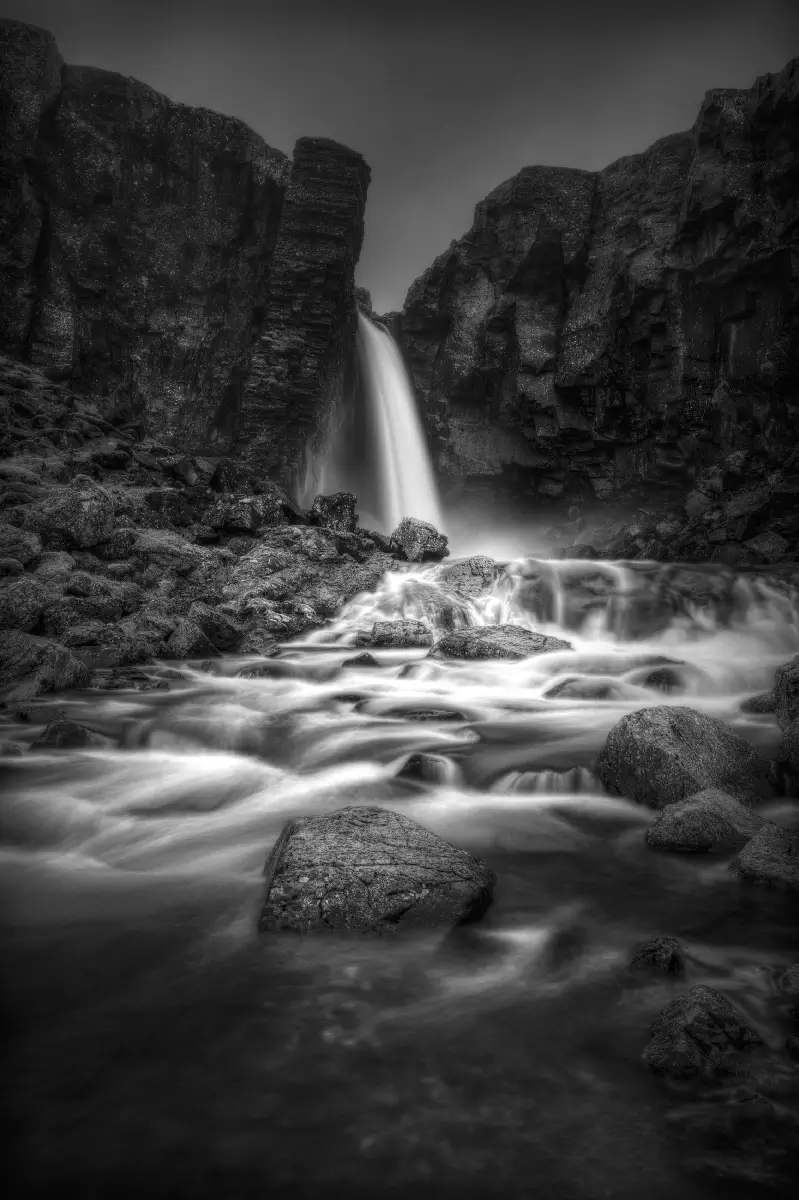
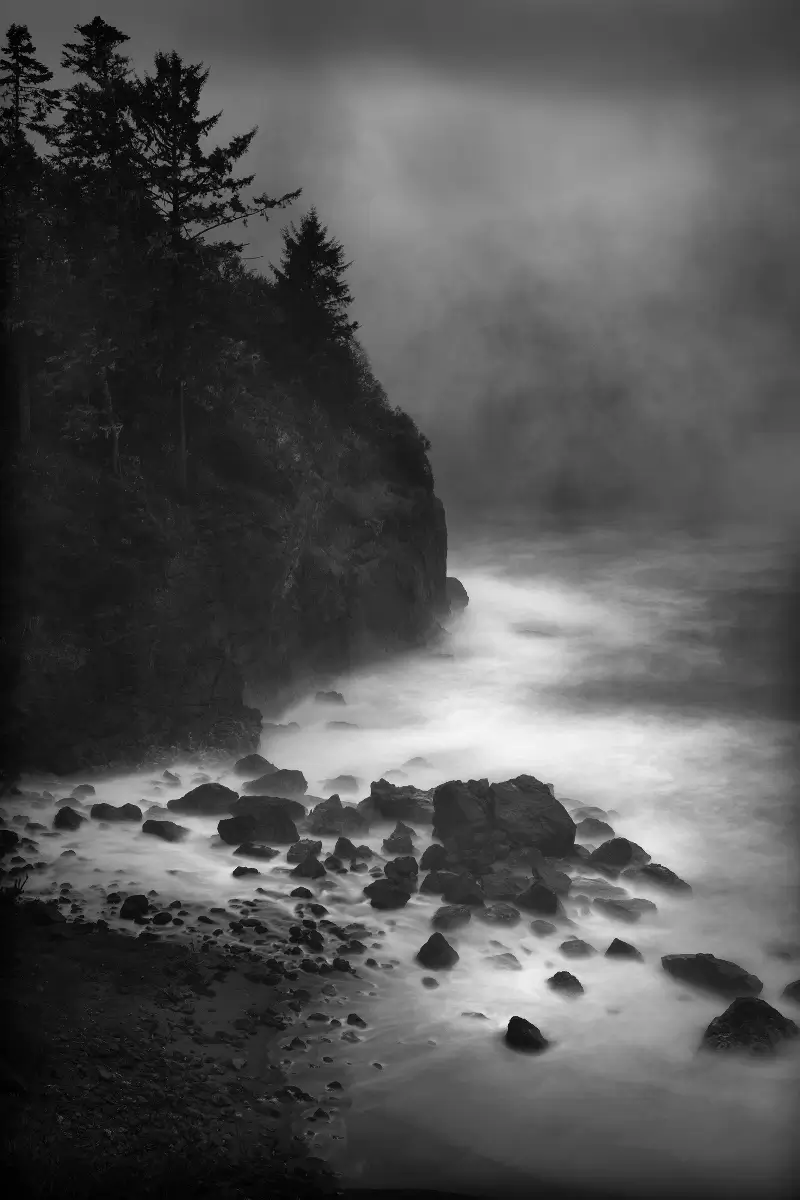
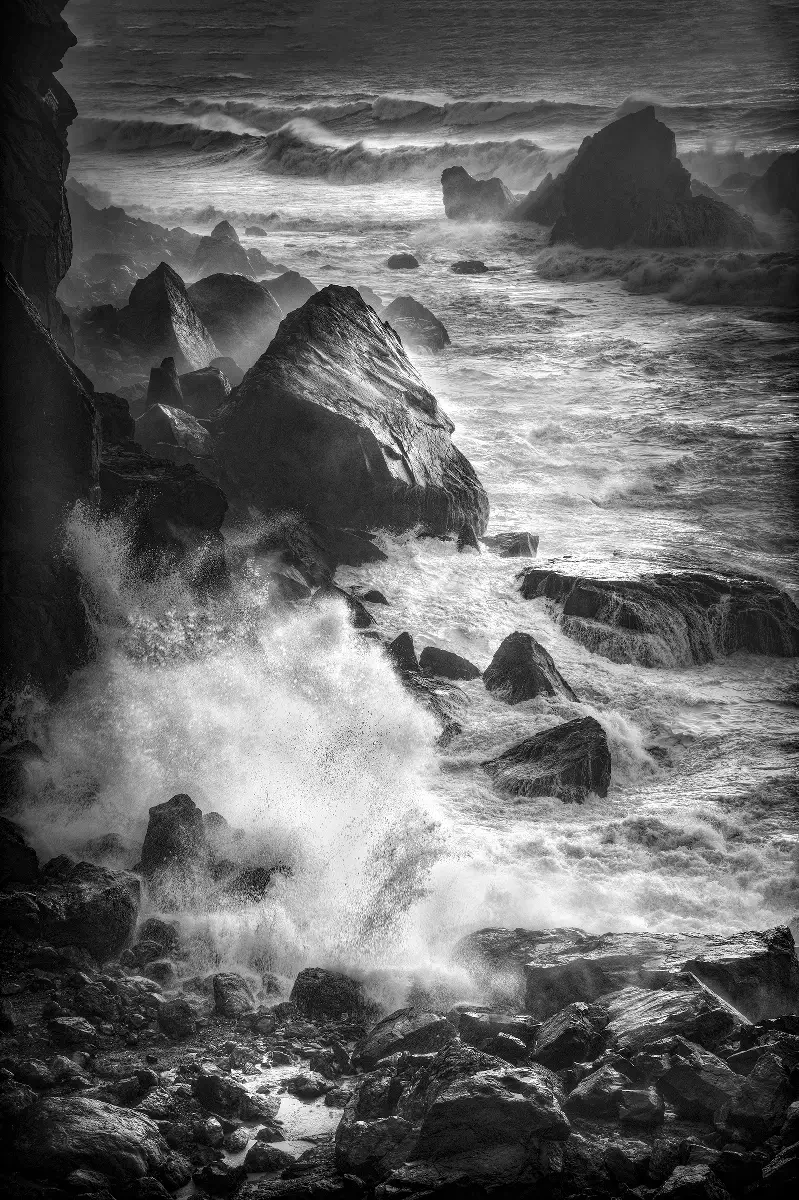
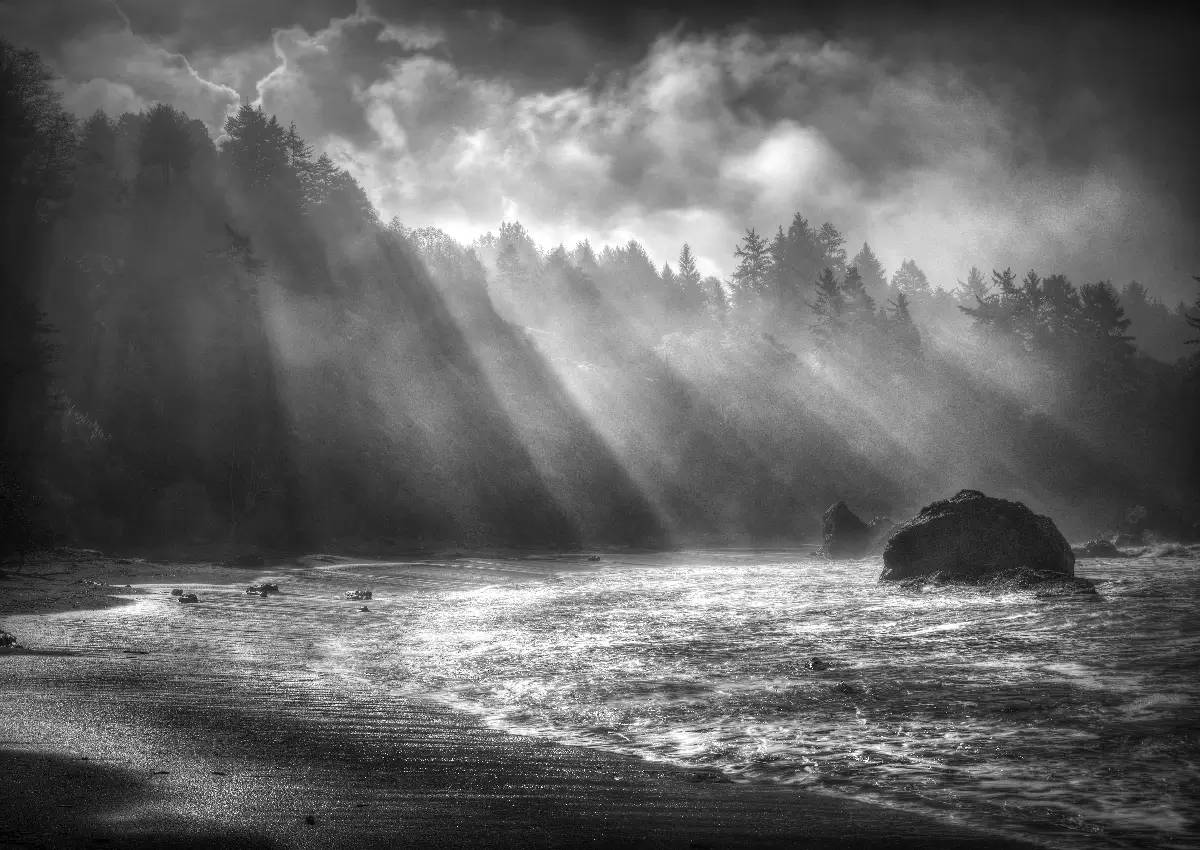
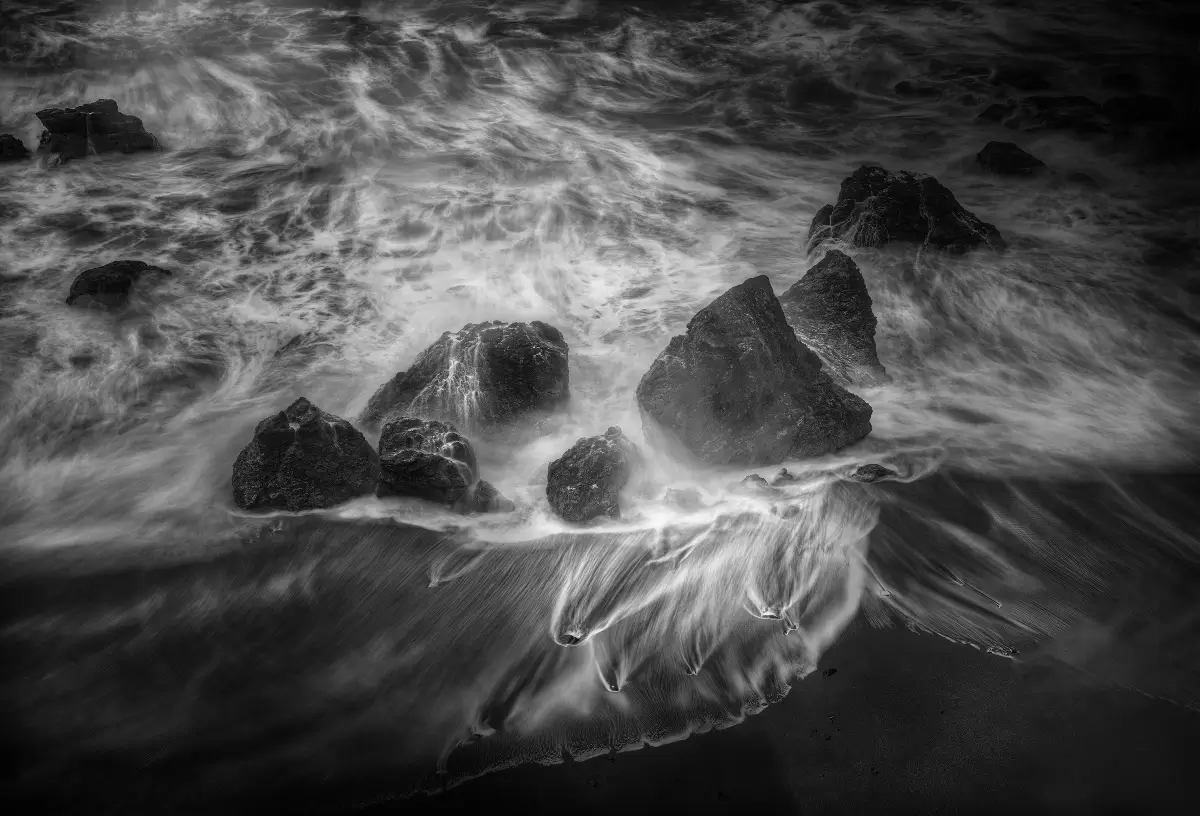
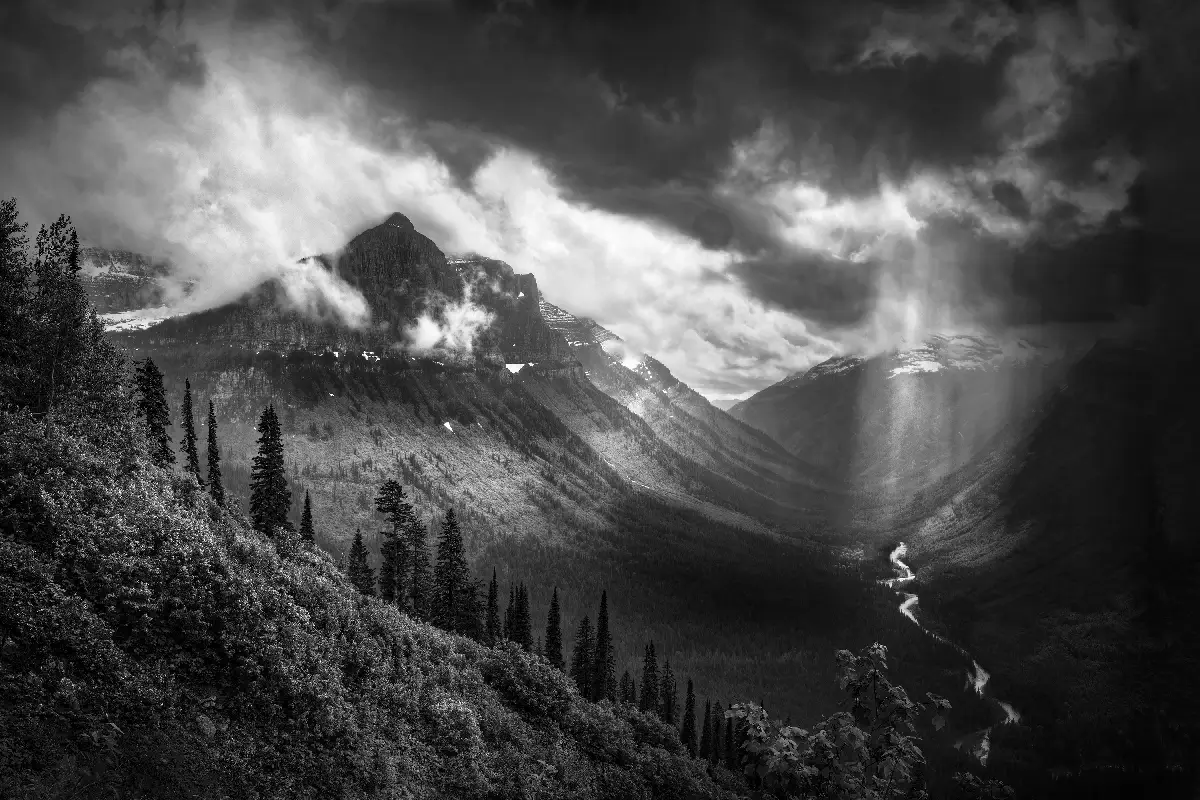
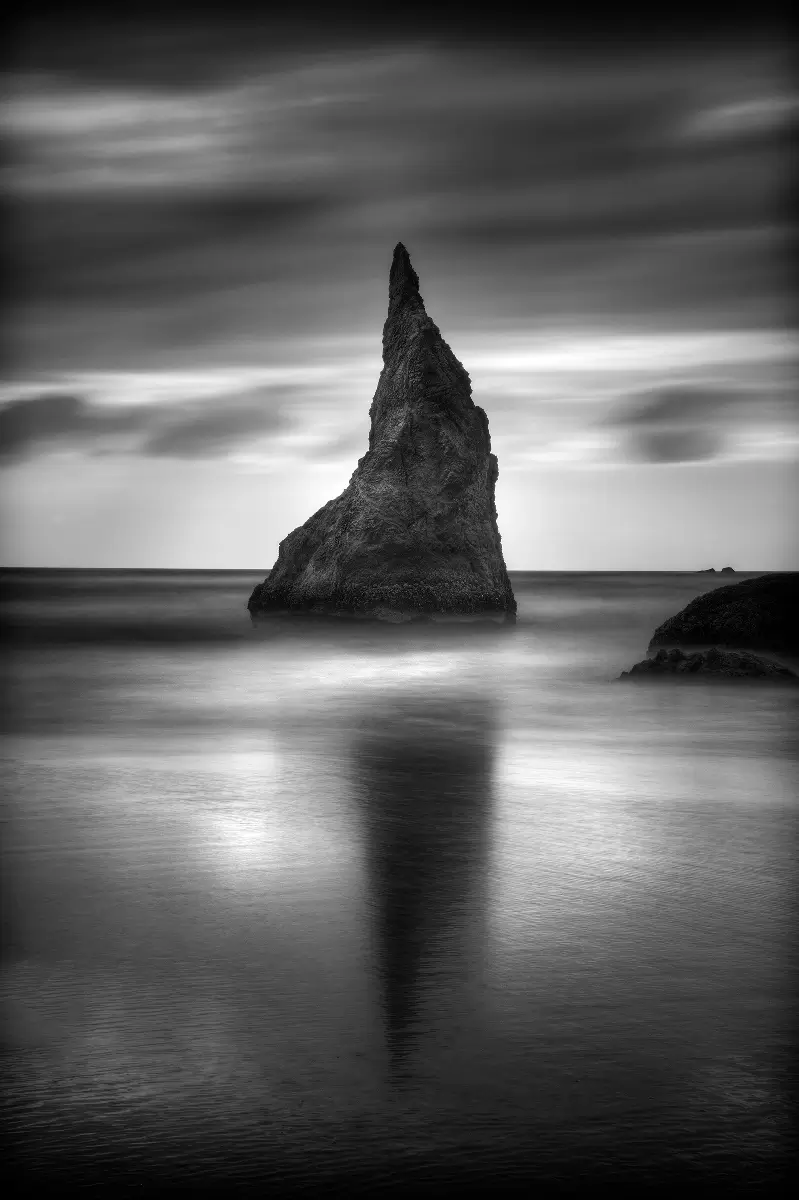
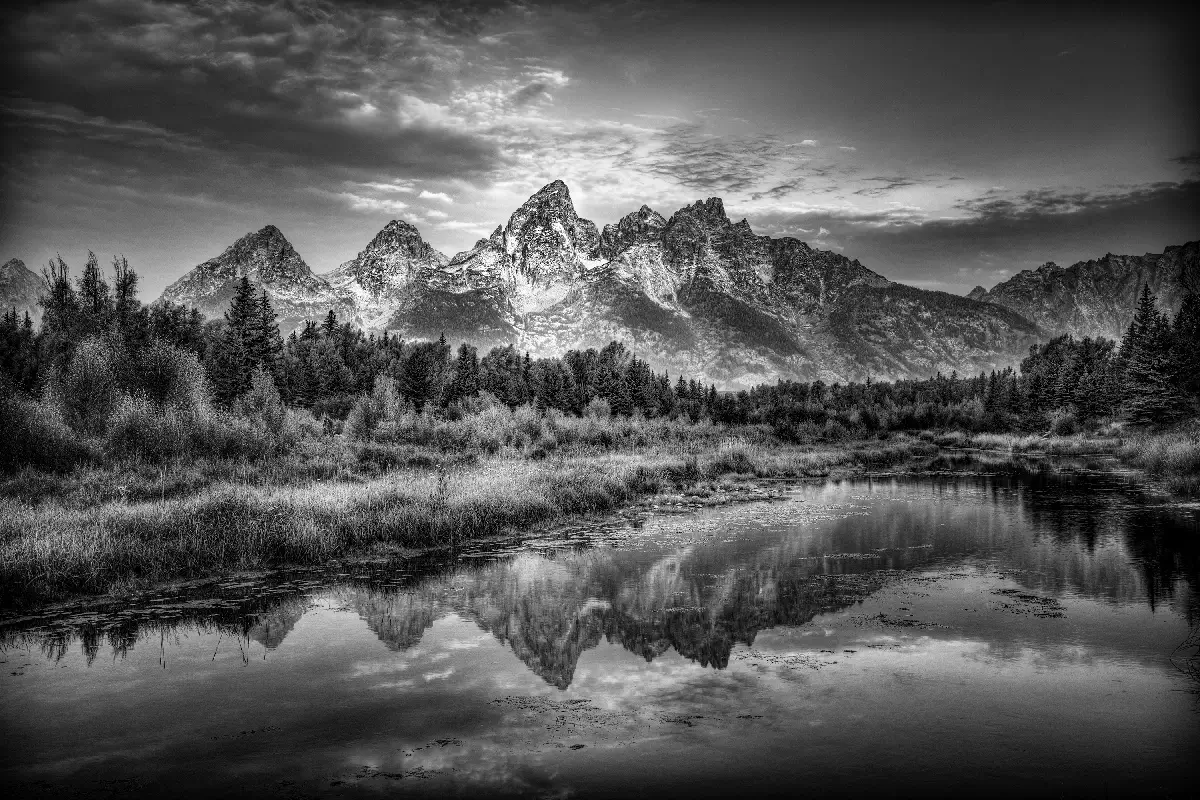
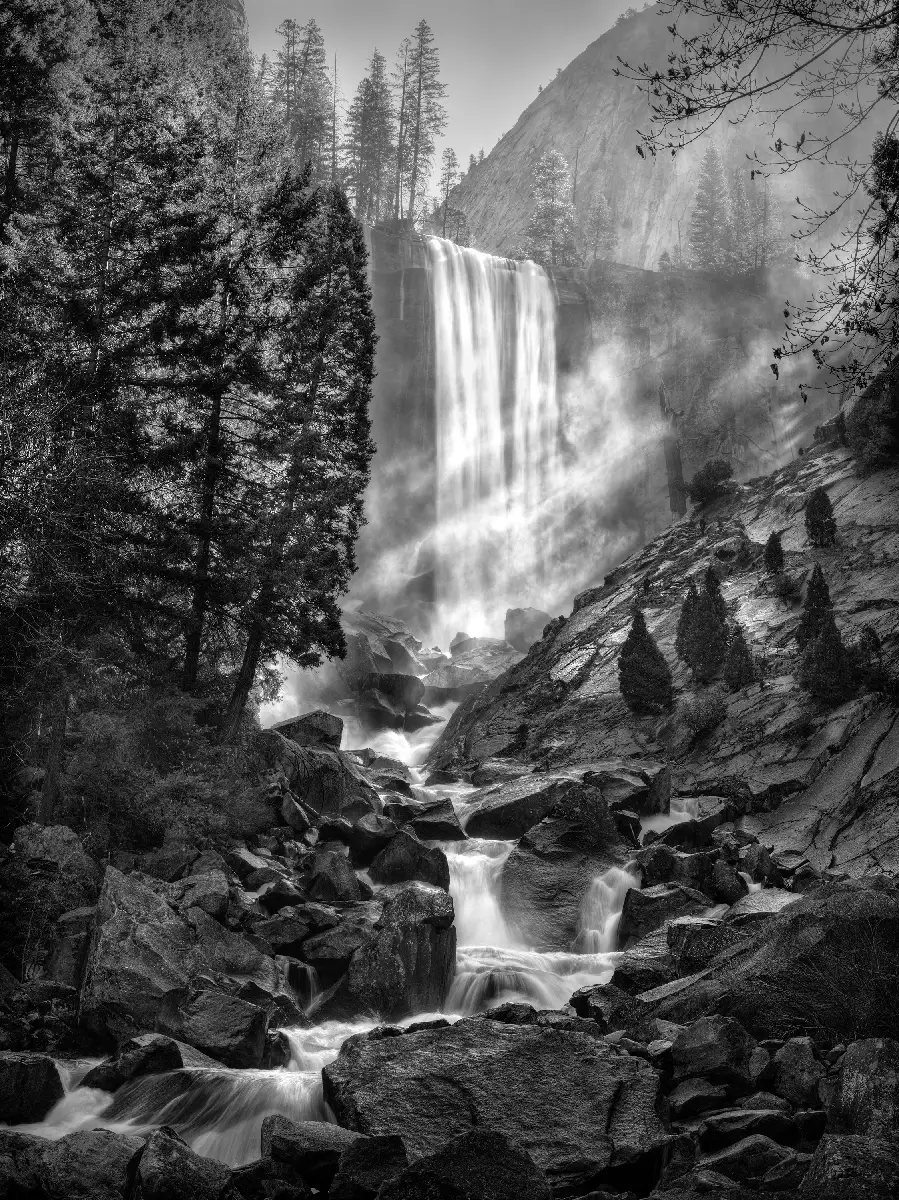
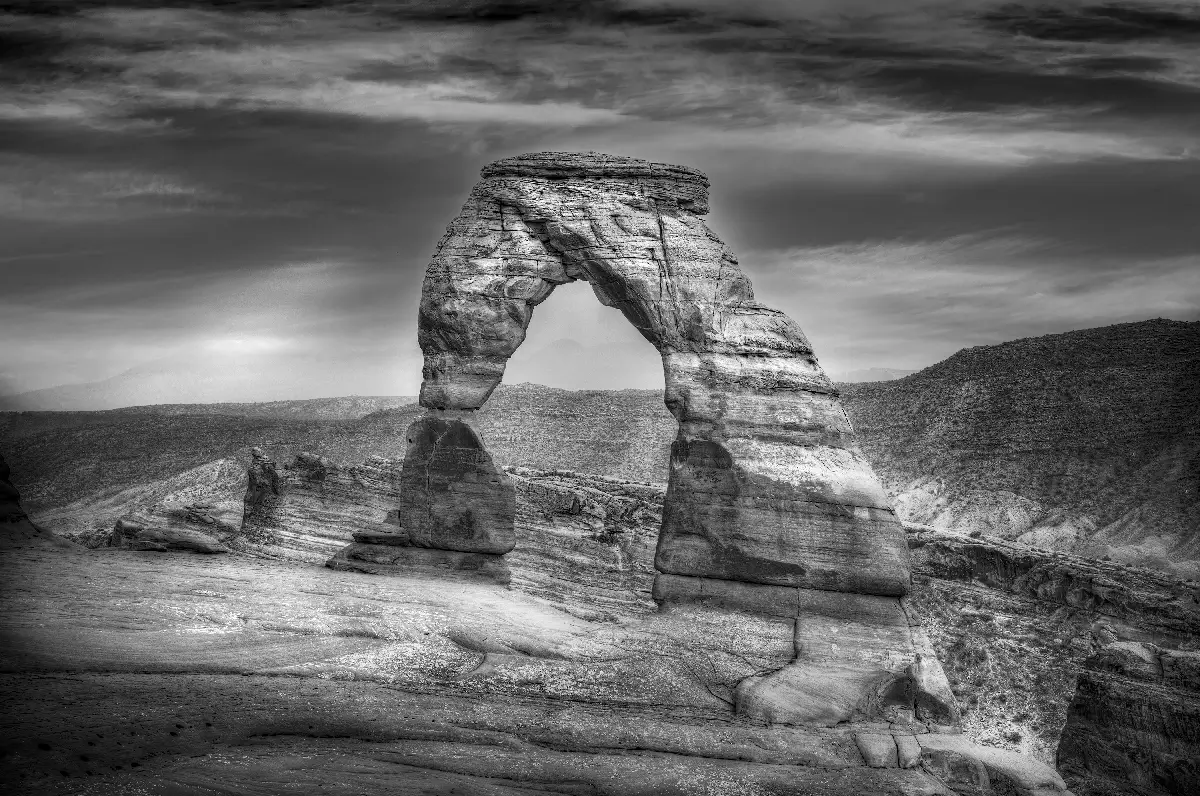
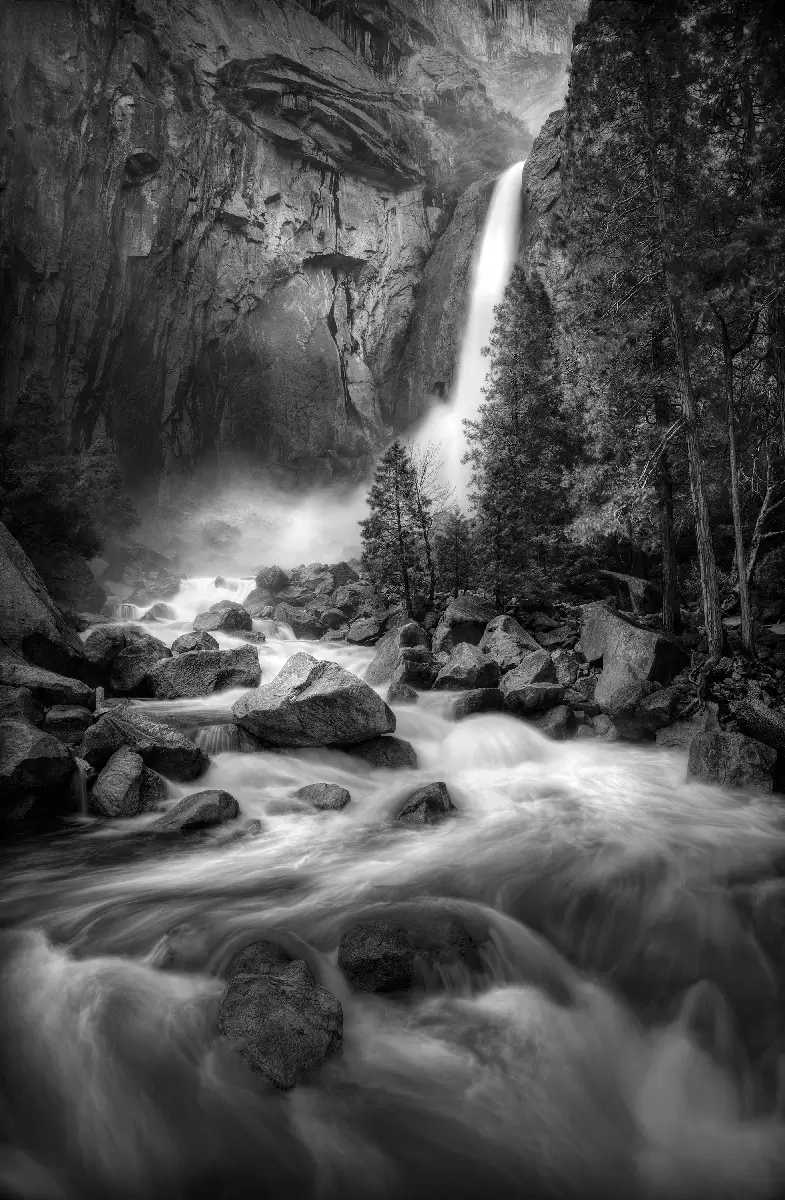
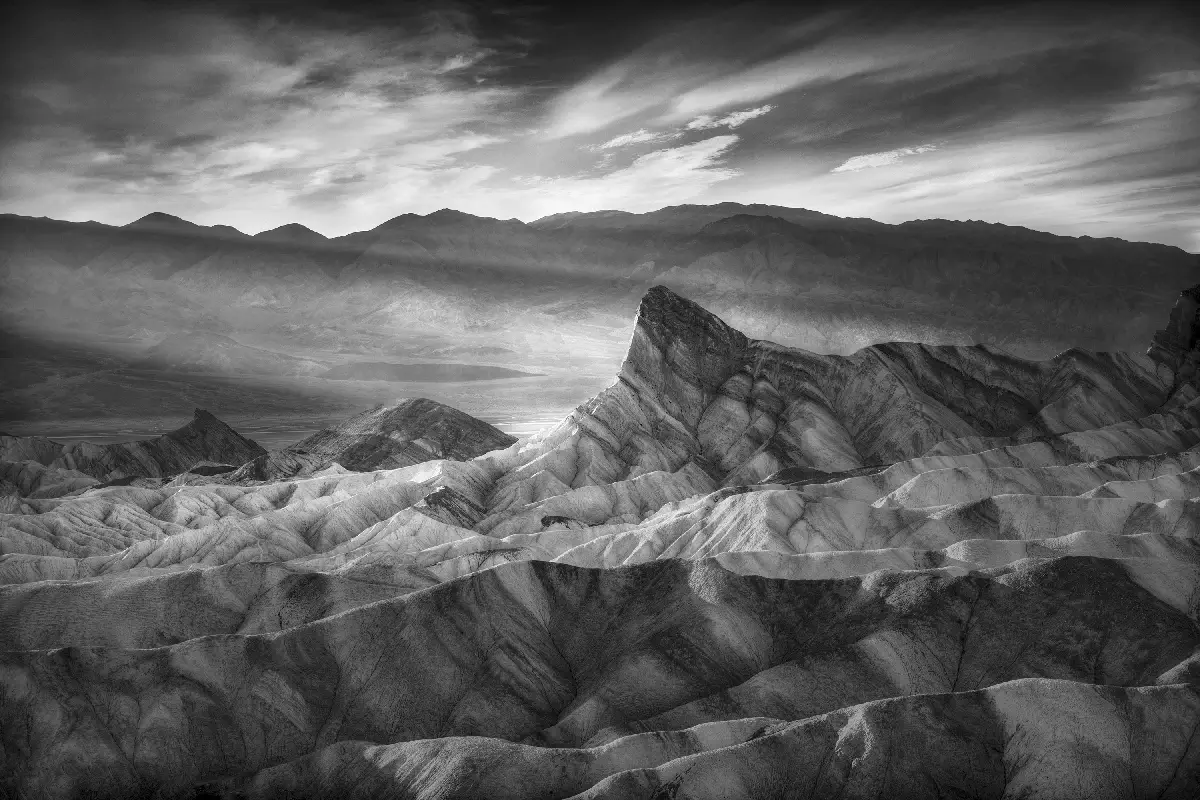
Born in Chicago, Gary Wagner developed an early passion for photography during his high school years. He went on to study at Indiana University and later at the Brooks Institute in California. Now living and working in the Pacific Northwest, Gary is widely recognized for his expressive black-and-white landscape photography. His work has been featured in magazines and exhibited in galleries across the country. In addition to his photographic career, he is an accomplished author, with books published by Amherst Media as well as independently. Through his images, Gary continues to engage viewers and collectors, driven by a lifelong dedication to conveying the essence of the natural world.

Artist Statement:
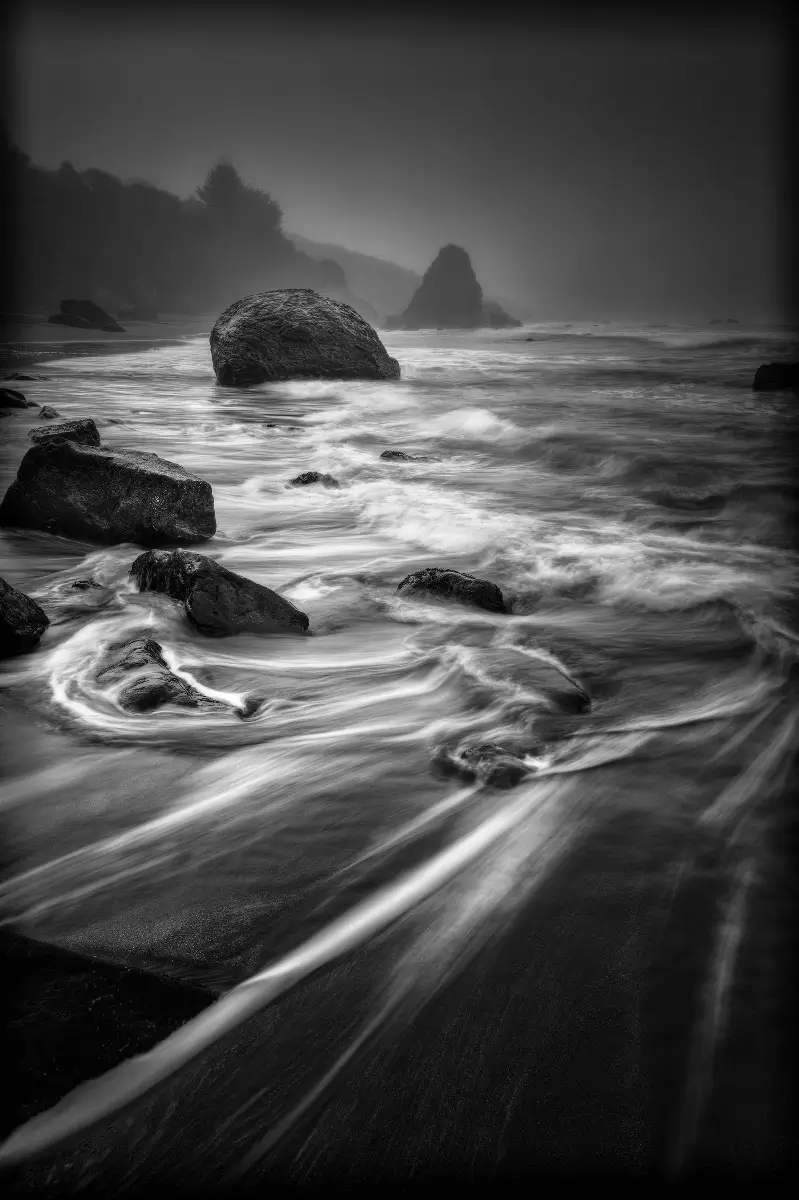
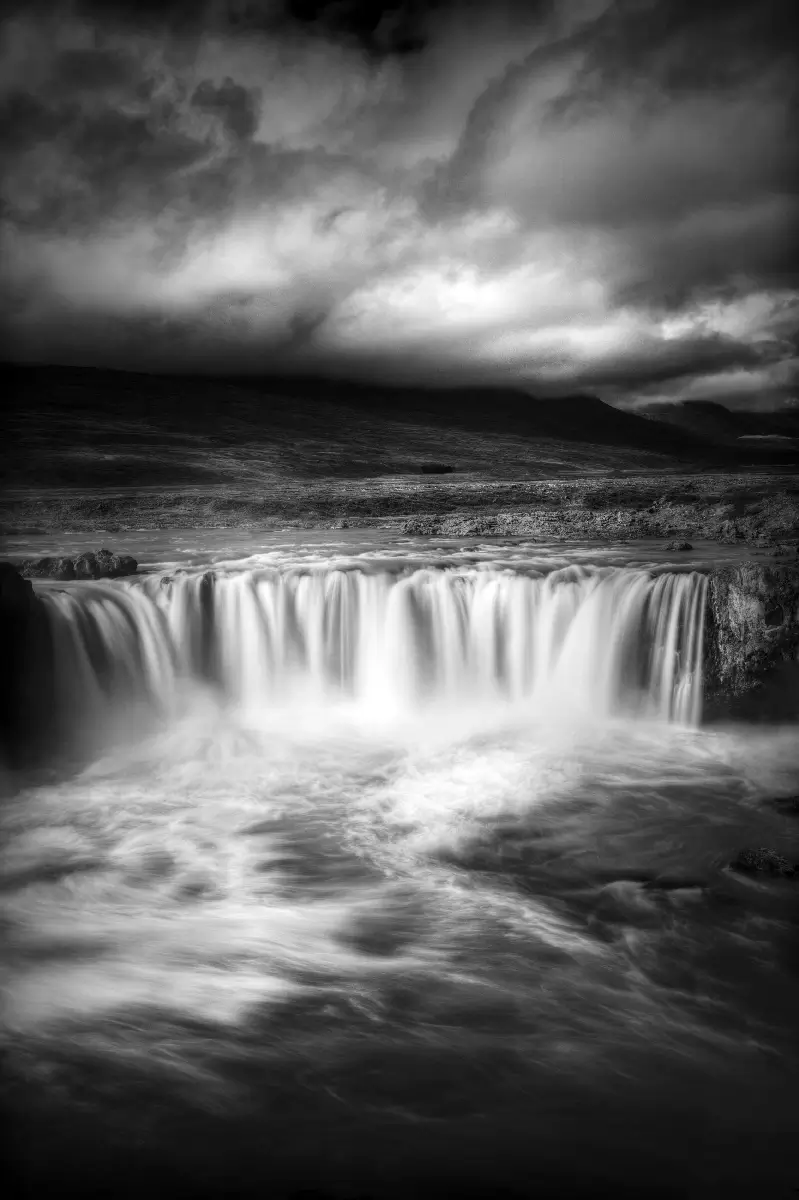
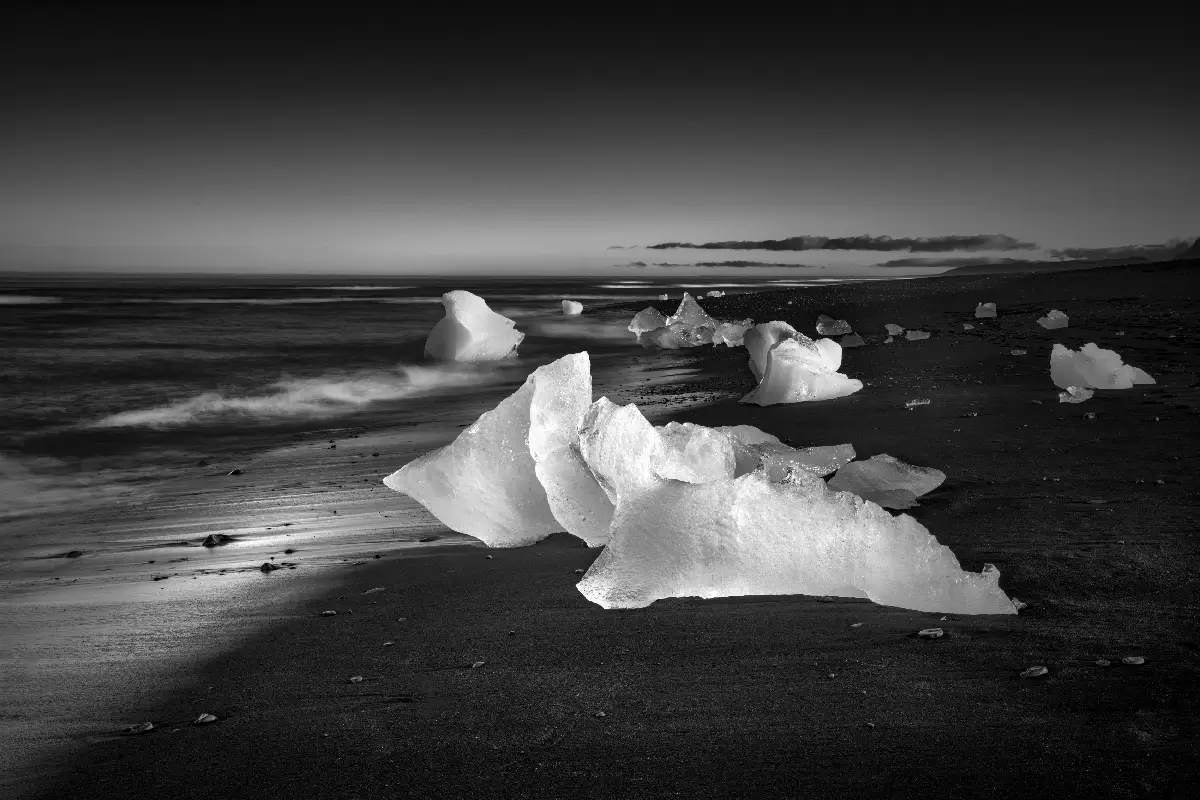
Seascapes, landscapes, and the world around me serve as my studio. Within these ever-changing environments, I find both freedom and inspiration, allowing me to create personal interpretations of nature’s elements and scenic vistas. The landscape is a dynamic and challenging subject, constantly transformed by shifting light and the changing seasons. I often return to my favorite locations throughout the year, discovering them anew each time. The sand along the shore, the depth of water in streams, and the way light strikes the rocks are never the same twice. This continual transformation fuels my excitement and passion for creating art. I choose to work exclusively in black and white, a medium that distills the landscape to its essential shapes, lines, and tones. By removing color, I am able to reveal the true character of a scene and convey the emotional resonance I experience in the moment. Today’s photographic tools offer endless creative possibilities, enabling me to further explore and share my vision. Through my work, I strive to honor the natural order and beauty of the earth while expressing my own emotional response to land, sea, and light. I hope this perspective encourages viewers to experience these landscapes in a new and meaningful way.

AAP Magazine

AAP Magazine 54 Nature

 

Inspiring Portfolios

Call for Entries
All About Photo Awards 2026
$5,000 Cash Prizes! Juror: Steve McCurry
 
Stay up-to-date  with call for entries, deadlines and other news about exhibitions, galleries, publications, & special events.

More Great Photographers To Discover

Eli Reed
United States
1946
Eli Reed, born Ellis Reed, is a photojournalist and photographer from the United States. Reed was Magnum Photos agency's first full-time black photographer and the author of several publications, including Black In America. Several pictures from that project have won awards in juried exhibits and exhibitions. Eli Reed was a Nieman Fellow at Harvard University from 1982 to 1983 and is now a clinical professor of photojournalism at The University of Texas at Austin. In 1982, he was a runner-up for the Pulitzer Prize in Feature Photography. Reed has received the World Press Award and the Overseas Press Club Award, as well as being a Sony Global Imaging Ambassador. He received a Lucie Foundation Award for Documentary Photography in 2011. Reed's photography was featured at the prestigious Visa pour l'image Festival Du Photoreportage in Perpignan, France, in 2015. Reed was asked to talk at the Schomburg Center for Research in Black Culture in October 2015 as part of their Visually Speaking series. He was a keynote speaker at National Geographic Magazine′s Photography Seminar in Washington, D.C. in January 2016. Stop talking theory... and do not over-think the image. Lose the ego and let the photograph find you. Observe the life moving like a river around you and realise that the images you make may become part of the collective history of the time that you are living in. -- Eli Reed Eli Reed grew up in Perth Amboy, New Jersey. At the age of ten, he took his first snapshot, of his mother near the Christmas tree. Self-taught in photography, he credits his direction to mentor Donald Greenhaus rather than formal education. He graduated in 1969 from the Newark School of Fine and Industrial Arts, where he studied illustration. Reed began working as a freelance photographer in 1970. His work from the Lebanon war (which he covered between 1983 and 1987), the 1986 Haiti coup against Baby Doc Duvalier, and the 1989 US military intervention in Panama attracted the attention of Magnum in 1982. Reed joined the agency as a full member in 1988. In the same year Reed photographed the effects of poverty on America's children for a film documentary called Poorest in the Land of Plenty, narrated by Maya Angelou. He went on to work as a stills and specials photographer for major motion pictures. His video documentary Getting Out was shown at the New York Film Festival in 1993 and honored by the 1996 Black Film-makers Hall of Fame International Film and Video Competition in the documentary category. Reed's special reports include a long-term study on Beirut (1983-87), which became his first, highly acclaimed book Beirut, City of Regrets, the ousting of Baby Doc Duvalier in Haiti (1986), US military action in Panama (1989), the Walled City in Hong Kong and, perhaps most notably, his documentation of African-American experience over more than twenty years. Spanning the 1970s through the end of the 1990s, his book Black in America includes images from the Crown Heights riots and the Million Man March. The main thing for me is that I'm happy that I've been able to work as a professional photographer. What is at the core of my work is, in essence, a mediation on being a human being. -- Eli Reed Reed began photographing movies and performers in 1992 and is a member of the Society of Motion Picture Still Photographers (SMPSP). Reed mostly shoots with the Olympus E-3, E-30, and EP-1 cameras. Eli Reed has taught at the Maine Photographic Workshop, the Wilson Hicks Symposium at Miami University in Florida, the Southeastern Museum of Photography in Daytona Beach, Florida, the Smithsonian Institution in Washington, D. C., San Francisco State University, Harvard University, the Boston Institute of Art, the Academy of Fine Art in San Francisco, the University of Texas at Austin, Columbia University, Empire State College in New York, New York University, and the International Center of Photography.
Martin Munkácsi
Hungary
1896 | † 1963
Martin Munkácsi (born Mermelstein Márton; Kolozsvár, Hungary, May 18, 1896; died July 13, 1963, New York, NY) was a Hungarian photographer who worked in Germany (1928–34) and the United States, where he was based in New York City. Munkácsi was a newspaper writer and photographer in Hungary, specializing in sports. At the time, sports action photography could only be done in bright light outdoors. Munkácsi's innovation was to make sports photographs as meticulously composed action photographs, which required both artistic and technical skill. Munkácsi's legendary big break was to happen upon a fatal brawl, which he photographed. Those photos affected the outcome of the trial of the accused killer, and gave Munkácsi considerable notoriety. That notoriety helped him get a job in Berlin in 1928, for the Berliner Illustrirte Zeitung, where his first published photo was a race car splashing its way through a puddle. He also worked for the fashion magazine Die Dame. More than just sports and fashion, he photographed Berliners, rich and poor, in all their activities. He traveled to Turkey, Sicily, Egypt, London, New York, and famously Liberia, for photo spreads in the Berliner Illustrirte Zeitung. The speed of the modern age and the excitement of new photographic viewpoints enthralled him, especially flying. There are aerial photographs; there are air-to-air photographs of a flying school for women; there are photographs from a Zeppelin, including the ones on his trip to Brazil, where he crosses over a boat whose passengers wave to the airship above. On March 21, 1933, he photographed the fateful Day of Potsdam, when the aged President Paul von Hindenburg handed Germany over to Adolf Hitler. On assignment for the Berliner Illustrirte Zeitung, he photographed Hitler's inner circle, although he was a Jewish foreigner. In 1934, the Nazis nationalized the Berliner Illustrirte Zeitung, fired its Jewish editor-in-chief, Kurt Korff, and replaced its innovative photography with pictures of German troops. Munkácsi left for New York, where he signed on, for a substantial $100,000, with Harper's Bazaar, a top fashion magazine. In a change from usual practice, he often left the studio to shoot outdoors, on the beach, on farms and fields, at an airport. He produced one of the first articles in a popular magazine to be illustrated with nude photographs. His portraits include Katharine Hepburn, Leslie Howard, Jean Harlow, Joan Crawford, Jane Russell, Louis Armstrong, and the definitive dance photograph of Fred Astaire. Munkácsi died in poverty and controversy. Several universities and museums declined to accept his archives, and they were scattered around the world. Berlin's Ullstein Archives and Hamburg's F. C. Gundlach collection are home to two of the largest collections of Munkácsi's work.Source: Wikipedia
Jefferson Caine Lankford
United States
1993
Jefferson Caine Lankford is a photographer born and currently based in the United States. He uses a range of photographic techniques including alternative, analog, and digital practices. Jefferson earned a BFA in photography at East Carolina University in 2016 and also attended the Australian National University, located in Canberra, Australia - where he studied documentary photography. His work focuses on a variety of subjects, ranging from environmental concerns and foreign cultures to the various aspects of the American South, such as agriculture, poverty, and society. To Be, Rather Than to Seem The American South has an essence that sparingly reveals itself, thus requiring unprecedented determination and patience to photograph all its splendor. Nevertheless, and despite its elusiveness, this essence I am chasing - permeates; it lingers in the air of North Carolina, and when discovered, puts on a magnificent display. This essence appears in the eyes of a jet-black cat within an abandoned barn: it agonizes within the face of an elderly Amish man; it breathes deep within the shadow of a stray dog crossing a back road; it flourishes within the wings of starlings above a farm after heavy rain; it shines on a dilapidated door in the middle of nowhere, and it tirelessly works in the tobacco fields without complaint. Over the past three years, I have traveled throughout many impoverished towns and across countless acres of farmland to document and share an original story of existence - life and death as it occurs in rural North Carolina. The photographs within this ongoing project, To Be, Rather Than to Seem - provides a window for others to witness these fleeting moments for themselves and embrace the beautiful raw essence of my homeland.
Norman Parkinson
United Kingdom
1913 | † 1990
Sir Norman Parkinson, CBE (21 April 1913 – 15 February 1990) was a celebrated English portrait and fashion photographer.Parkinson (birth name Ronald William Parkinson Smith) was born in London, and educated at Westminster School. He began his career in 1931 as an apprentice to the court photographers Speaight and Sons Ltd. In 1934 he opened his own studio together with Norman Kibblewhite. From 1935 to 1940 he worked for Harper's Bazaar and The Bystander magazines. During the Second World War he served as a reconnaissance photographer over France for the Royal Air Force. In 1947 he married the actress and model Wenda Rogerson. From 1945 to 1960 he was employed as a portrait and fashion photographer for Vogue. From 1960 to 1964 he was an Associate Contributing Editor of Queen magazine. In 1963 he moved to Tobago, although frequently returned to London, and from 1964 until his death he worked as a freelance photographer.Parkinson always maintained he was a craftsman and not an artist. From his early days as a photographer up to his death he remained one of the foremost British portrait and fashion photographers. His work, following the lead of Martin Munkacsi at Harper's Bazaar, revolutionised the world of British fashion photography in the '40s by bringing his models from the rigid studio environment into a far more dynamic outdoor setting. Humour played a central role in many of his photographs which often included himself. As well as magazine work he also created celebrated calendars featuring glamorous young women.(Source: en.wikipedia.org)
Lotta Lemetti
Finland
1995
Lotta Lemetti is a photographer with a unique vision that embraces the beauty of the simple and mundane. Her minimal aesthetic carries through the diverse work she loves to make and she's not afraid to use alternative processes, mixed media and graphic design in her image making. The native of Finland obtained her Bachelor of Fine Arts in Photography from the NewYork Film Academy, and was also the recipient of the highly prestigious Fulbright undergraduate award in 2015, one of only 3 Finnish winners that year and the only grantee in the field of arts. Her work has since been exhibited in galleries around the world, including New York, Los Angeles, Italy, and Finland. Lotta is constantly sought after by leading artists in her field, and has worked alongside many, including award-winning photographer and visual artist Amanda Rowan, named Chromatic Photographer of the Year 2018 for her achievements in color photography and Photo District News' The Curator Fine Art competition in Still Life in 2019, whose work has been exhibited in Photo LA, and Paris Photo as well as the Wall Street Gallery and the Leica Gallery in Los Angeles, and on display at the Palms with Damien Hirst, Jean-Michel Basquiat, Andy Warhol, and Takashi Murakami, and Photographer/Visual Artist Naomi White, winner of Photo District News' Objects of Desire award and has exhibited throughout North America and Europe, including with Tobey Fine Arts, Christopher Henry Gallery and the Lower Manhattan Cultural Council in New York. In 2018, Lemetti's latest photography series Kekta won the title of Latitude Life APS Photographer of the Year. Kekta was then exhibited in New York and the city of Pravisdomini, Italy. Ms. Lemetti's work has been featured in FAYN Magazine, U+I Magazine, NewBeauty Magazine, PhotoVogue and FLOAT Magazine. Kekta is an exploration of cultural blending and national identity. These photographs originate from her own experience of living between two cultures. She created scenes that are inspired by the immemorial beliefs of unity between humans and nature, and cultural traditions that have been passed on for generations in the form of oral folk tales about Finnish mythology. The stories are hand picked from the Finnish national epic Kalevala, which is a book of poems collected from different regions of Finland and then stitched together into one cohesive story. I took these individual stories and photographed them in a variety of American landscapes, with people from different ethnic backgrounds, creating a new narrative of polycultural identity. Today, we live in a global age, which means that we must reconsider the old ways of thinking about national identity. People are no longer bound by the geographical borders of countries and only a few places on earth can be said to remain monocultural. Bigger metropolis cities are starting to resemble a ‘human mosaic' in which we are moving from multiculturalism, which emphasises the coexistence of different individual cultures to polyculturalism, which indicates the integratedness of the cultures.
Jerry Uelsmann
United States
1934 | † 2022
Jerry N. Uelsmann (born June 11, 1934) is an American photographer, and was the forerunner of photomontage in the 20th century in America. Uelsmann was born in Detroit, Michigan. While attending public schools, at the age of fourteen, there sparked an interest in photography. He believed that through photography he could exist outside of himself, to live in a world captured through the lens. Despite poor grades, he managed to land a few jobs, primarily photographs of models. Eventually Uelsmann went on to earn a BA from the Rochester Institute of Technology and M.S. and M.F.A. degrees from Indiana University. Soon after, he began teaching photography at the University of Florida in 1960. In 1967, Uelsmann had his first solo exhibit at The Museum of Modern Art which opened doors for his photography career. Uelsmann is a master printer, producing composite photographs with multiple negatives and extensive darkroom work. He uses up to a dozen enlargers at a time to produce his final images, and has a large archive of negatives that he has shot over the years. The negatives that Uelsmann uses are known to reappear within his work, acting as a focal point in one work, and background as another. Similar in technique to Rejlander, Uelsmann is a champion of the idea that the final image need not be tied to a single negative, but may be composed of many. During the mid-twentieth century, when photography was still being defined, Uelsmann didn't care about the boundaries given by the Photo Secessionists or other realists at the time, he simply wished to share with the viewer the images from his imagination and saw photomontage as the means by which to do so. Unlike Rejlander, though, he does not seek to create narratives, but rather "allegorical surrealist imagery of the unfathomable". Uelsmann is able to subsist on grants and teaching salary, rather than commercial work. Today, with the advent of digital cameras and Photoshop, photographers are able to create a work somewhat resembling Uelsmann's in less than a day, however, at the time Uelsmann was considered to have almost "magical skill" with his completely analog tools. At the time Uelsmann's work first came to popular attention, photos were still widely regarded as unfalsifiable documentary evidence of events. However, Uelsmann, along with Lucas Samaras, was considered an avant garde shatterer of this popular mindset and help to expand the artistic boundaries of photography. Despite his works' affinity with digital techniques, Uelsmann continues to use traditional equipment. “I am sympathetic to the current digital revolution and excited by the visual options created by the computer. However, I feel my creative process remains intrinsically linked to the alchemy of the darkroom.”[3] Today he is retired from teaching and currently lives in Gainesville, Florida with his third wife, Maggie Taylor.[4] Uelsmann has one son, Andrew, who is a graduate student at the University of Florida. But to this day, Uelsmann still produces photos, sometimes creating more than a hundred in a single year. Out of these images, he likes to sit back and select the ten he likes the most, which is not an easy process. (Source: en.wikipedia.org)
Lucien Clergue
France
1934 | † 2014
Lucien Clergue was born in Arles. From the age of 7, he learned to play the violin. Several years later, his teacher revealed to him that he had nothing more to teach him. From a family of shopkeepers, he could not pursue further studies in a conservatory. In 1949, he learned the rudiments of photography. Four years later, at a corrida in Arles, he showed his photographs to Pablo Picasso who, though subdued, demanded to see others. Within a year and a half, young Clergue worked with the goal of sending photos to Picasso. During this period, he worked on a series of photographs of traveling entertainers, acrobats and harlequins, the Saltimbanques. He also worked on a series whose subject was carrion. On 4 November 1955, Lucien Clergue visited Picasso in Cannes. Their friendship lasted near 30 years until the death of the Master. The book, Picasso my Friend retraces the important moments of their relation. Clergue has taken many photographs of the gypsies of southern France, and he was instrumental in propelling the guitarist Manitas de Plata to fame. In 1968 he founded, along with his friend Michel Tournier the Rencontres d’Arles photography festival which is held in Arles in July. His works was presented during the festival from 1971–1973, 1975, 1979, 1982–1986, 1989, 1991, 1993, 1994, 2000, 2003, 2007. Clergue has illustrated books, among these a book by writer Yves Navarre. Clergue’s photographs are in the collections of numerous well-known museums and private collectors. His photographs have been exhibited in over 100 solo exhibitions worldwide, with noted exhibitions such as 1961, Museum of Modern Art New York, the last exhibition organized by Edward Steichen with Lucien Clergue, Bill Brandt and Yasuhiro Ishimoto. Museums with extensive inventory of photographs by Lucien Clergue include The Fogg Museum at Harvard University and the Museum of Fine Arts, Boston. His photographs of Jean Cocteau are on permanent display at the Jean Cocteau Museum in Menton, France. In the US, the exhibition of photographs of Jean Cocteau was premiered by Westwood Gallery, New York City. In 2007, the city of Arles honored Lucien Clergue and dedicated a retrospective collection of 360 his photographs dating from 1953 to 2007. He also received the 2007 Lucie Award. He is named knight of the Légion d'honneur in 2003 and elected member of the Academy of Fine Arts of the Institute of France on 31 May 2006, on the creation of a new section dedicated to photography. Clergue is the first photographer to enter the Academy to a seat devoted to photography.Source: Wikipedia (…) Until I saw Picasso…I lived in the most perfect solitude and did my work without thinking of anything beyond that. After seeing Picasso and being received by him in Cannes when he repeated: “I’ve never seen anything like it, I’ve never seen anything like it”, I thought, or rather I let myself be convinced that despite my 21 years the time had perhaps come to begin showing my work. -- Correspondence Jean Cocteau, Lucien Clergue Lucien Clergue frequented Pablo Picasso for twenty years, being received on numerous occasions at his villa the California, in Cannes and at Notre-Dame-de-Vie in Mougins where he made his last portrait of the artist in 1971, two years before his death. Picasso, enthusiastic about Clergue’s images of dead animals and the circus children, considered him to be a greater photographer than Henri Cartier Bresson, and complimented him by saying: Clergue’s photographs are the good Lord’s sketchbooks! Or again was quoted in one of Cocteau’s lettres to Clergue, dated 1956: Picasso told me… his complete admiration for your series Stomachs. “You could, he said, sign Renoir”. Thanks to Picasso, the young photographer was able to meet not only Jean Cocteau, but also the historian and art collector Douglas Cooper, who opened up his extraordinary collection of books and artworks to the young man, avid for visual stimulation. Picasso’s generosity to Clergue and his admiration for the work of the budding photographer resulted in many collaborations, notably Picasso’s illustration for the cover of Corps mémorable in 1957, where Clergue’s images accompanied Paul Eluard’s poems; or again, the poster for Clergue’s first exhibition in Cologne in 1958 and then the cover for the book Poesie der Photographie in 1960.Source: lucien-clergue.com
Walker Evans
United States
1903 | † 1975
Walker Evans was an American photographer best known for documenting the effects of the Great Depression for the Farm Security Administration (FSA). The large-format, 8x10-inch camera was used extensively by Evans during the FSA period. As a photographer, he aspired to create images that are "literate, authoritative, transcendent". Many of his works are in museum permanent collections, and he has had retrospectives at places like the Metropolitan Museum of Art or George Eastman House. Walker Evans was born into a wealthy family in St. Louis, Missouri, to Jessie (née Crane) and Walker. His father worked as an ad executive. He grew up in Toledo, Chicago, and New York City. In 1922, he graduated from Phillips Academy in Andover, Massachusetts. He attended Williams College for a year, studying French literature and spending most of his time in the library, before dropping out. In 1926, he returned to the United States to join the edgy literary and art crowd in New York City after spending a year in Paris. Among his friends were John Cheever, Hart Crane, and Lincoln Kirstein. From 1927 to 1929, he worked as a stockbroker's clerk on Wall Street. Evans began photographing in 1928, while living in Ossining, New York. In 1930, he published three photographs (Brooklyn Bridge) in Hart Crane's poetry collection The Bridge. Dock-worker, Havana, Cuba, 1932© Walker Evans Archive, The Metropolitan Museum of Art After spending a year in Paris in 1926, Walker Evans returned to the United States to join the edgy literary and art crowd in New York City. John Cheever, Hart Crane, and Lincoln Kirstein were among his friends. He was a clerk for a stockbroker firm in Wall street from 1927 to 1929. Evans took up photography in 1928 around the time he was living in Ossining, New York. In 1930, he published three photographs (Brooklyn Bridge) in the poetry book The Bridge by Hart Crane. Lincoln Kirstein sponsored a photo series of Victorian houses in the Boston area in 1931. In 1933, he photographed the revolt against dictator Gerardo Machado in Cuba for the publisher of Carleton Beals' then-upcoming book, The Crime of Cuba. Evans briefly met Ernest Hemingway in Cuba.  With the camera, it’s all or nothing. You either get what you’re after at once, or what you do has to be worthless. -- Walker Evans Evans began a two-month photographic campaign for the Resettlement Administration (RA) in West Virginia and Pennsylvania in 1935. From October to December, he continued to photograph for the RA and, later, the Farm Security Administration (FSA), primarily in the South. While still working for the FSA, he and writerJames Agee were sent on assignment to Hale County, Alabama, by Fortune magazine for a story that the magazine later decided not to run. Allie Mae Burroughs, 1935 or 1936© Walker Evans Archive, The Metropolitan Museum of Art Let Us Now Praise Famous Men, a groundbreaking book published in 1941, featured Evans' photographs and Agee's text detailing the duo's stay with three white tenant families in southern Alabama during the Great Depression. Its detailed account of three farming families paints a heartbreaking picture of rural poverty. In her 1980 book Diana & Nikon: Essays on the Aesthetic of Photography, critic Janet Malcolm noted a similarity to the Beals' book, pointing out the contradiction between Agee's prose and the quiet, magisterial beauty of Evans' photographs of sharecroppers. The three families, led by Bud Fields, Floyd Burroughs, and Frank Tingle, lived in the Hale County town of Akron, Alabama, and the landowners told them that Evans and Agee were "Soviet agents," though Allie Mae Burroughs, Floyd's wife, later recalled her dismissing that information. Evans' photographs of the families immortalized their misery and poverty during the Great Depression. For its 75th anniversary issue, Fortune returned to Hale County and the descendants of the three families in September 2005. When Evans and Agee visited the Burroughs family, Charles Burroughs, who was four years old at the time, was "still angry" at them for not even sending the family a copy of the book; Floyd Burroughs' son was also reportedly angry because the family was "cast in a light that they couldn't do any better, that they were doomed, ignorant." The secret of photography is, the camera takes on the character and personality of the handler. -- Walker Evans Walker Evans remained with the FSA until 1938. An exhibition, Walker Evans: American Photographs was on display at Museum of Modern Art in New York that year. This was the museum's first exhibition devoted solely to the work of a single photographer. The catalogue also included an essay by Lincoln Kirstein, whom Evans had met in his early days in New York. Evans took his first photographs in the New York subway in 1938, with a camera hidden in his coat. Many are Called was a book that collected these stories in 1966. Evans collaborated with and mentored Helen Levitt in 1938 and 1939. Evans, like such other photographers as Henri Cartier-Bresson, rarely spent time in the darkroom creating prints from his own negatives. He only loosely supervised the printing of most of his photographs, sometimes only attaching handwritten notes to negatives with printing instructions. Evans was an avid reader and writer who joined Time Magazine's staff in 1945. He then worked as an editor at Fortune magazine until 1965. That same year, he joined the faculty of the Yale University School of Art as a photography professor. Evans completed a black and white portfolio of Brown Brothers Harriman's offices and partners for publication in Partners in Banking, which was published in 1968 to commemorate the private bank's 150th anniversary. He also shot a long series with the then-new Polaroid SX-70 camera in 1973 and 1974, after age and poor health made it difficult for him to work with elaborate equipment. In 1971, the Museum of Modern Art held another exhibition of his work, simply titled Walker Evans. Walker Evans died in 1975 at his home in Lyme, Connecticut. The Estate of Walker Evans donated its holdings to New York City's The Metropolitan Museum of Art in 1994. The Metropolitan Museum of Art is the sole owner of all Walker Evans works of art in all media. The only exception is a group of about 1,000 negatives in the Library of Congress collection that were created for the Resettlement Administration (RA) / Farm Security Administration (FSA). Evans's RA / FSA works are free to use. Evans was inducted into the St. Louis Walk of Fame in 2000. Images: © Walker Evans Archive, The Metropolitan Museum of Art
Advertisement
All About Photo Awards 2026
Win a Solo Exhibition in March
All About Photo Awards 2026

Latest Interviews

Exclusive Interview with Marijn Fidder
Marijn Fidder is a Dutch documentary photographer whose work powerfully engages with current affairs and contemporary social issues. Driven by a deep sense of social justice, she uses photography to speak on behalf of the voiceless and to advocate for the rights of those who are most vulnerable. Her images have been widely published in major international outlets including National Geographic, CNN Style, NRC Handelsblad, Volkskrant, GUP New Talent, and ZEIT Magazin. Her long-term commitment to disability rights—particularly through years of work in Uganda—culminated in her acclaimed project Inclusive Nation, which earned her the title of Photographer of the Year 2025 at the All About Photo Awards. She is also the recipient of multiple prestigious honors, including awards from World Press Photo and the Global Peace Photo Award. We asked her a few questions about her life and work.
Exclusive Interview with Josh S. Rose
Josh S. Rose is a multidisciplinary artist working across photography, film, and writing. His practice bridges visual and performing arts, with a strong focus on movement, emotion, and the expressive potential of the image. Known for his long-standing collaborations with leading dance companies and performers, Rose brings together authenticity and precise composition—a balance he describes as “technical romanticism.” His work has been commissioned and exhibited internationally, appearing in outlets such as Vogue, at the Super Bowl, in film festivals, and most recently as a large-scale installation for Lincoln Center for the Performing Arts. A sought-after collaborator, he has worked with major artists, cultural institutions, and brands, following a previous career as Chief Creative Officer at Interpublic Group and the founder of Humans Are Social. We asked him a few questions about his life and work.
Interview with Maureen Ruddy Burkhart
Photographer Maureen Ruddy Burkhart brings a quietly attentive and deeply human sensibility to her exploration of the world through images. Shaped by a life immersed in photography, film, and visual storytelling, her work is guided by intuition, observation, and an enduring interest in the emotional undercurrents of everyday life. With a practice rooted in both fine art traditions and documentary awareness, she approaches her subjects with sensitivity, allowing subtle moments to emerge naturally rather than be imposed. Her series Til Death, selected as the Solo Exhibition for February 2025, reflects this long-standing commitment to photography as a space for reflection rather than spectacle. Drawn to moments that exist just outside the expected frame, Burkhart’s images suggest narratives without resolving them, leaving room for ambiguity, humor, and quiet connection. We asked her a few questions about her life and work.
Exclusive Interview with Peter Ydeen
Winner of AAP Magazine #45 Travels, his series reflects this unique vision—capturing the spirit of place through subtle layers of light, color, and emotion. Whether traveling abroad or observing the rhythms of his own surroundings, Ydeen creates images that feel both grounded and enchanted, inviting viewers into a world where reality and reverie meet.
Exclusive Interview with Julie Wang
Chinese-born photographer Julie Wang brings a poetic, contemplative sensitivity to her visual exploration of the world. Having lived for nearly equal parts of her life in China, Europe, and the United States, she approaches her subjects with the nuanced perspective of someone shaped by many cultures. This blend of distance, curiosity, and emotional resonance infuses her work with a quiet depth, allowing her to reveal the fragile beauty and subtle tensions that often pass unnoticed.
Exclusive Interview with Ghawam Kouchaki
American photographer Ghawam Kouchaki brings a sharply observant and introspective gaze to the streets of Japan’s capital. Based in Los Angeles, he approaches Tokyo with the distance — and curiosity — of an outsider, allowing him to uncover the city’s subtle contradictions, quiet tensions, and fleeting gestures that often go unnoticed. His series Tokyo no no, selected as the Solo Exhibition for December 2024, explores the hidden undercurrents of urban life: the unspoken rules, the small ruptures in routine, the poetic strangeness found in everyday moments. Through muted tones, instinctive timing, and meticulous framing, Kouchaki reveals a Tokyo that exists somewhere between reality and imagination — both intimate and enigmatic. We asked him a few questions about his life and work.
Exclusive Interview with Tommi Viitala
Tommi Viitala, winner of AAP Magazine #44: Street, is a Finnish photographer celebrated for his striking and cinematic street photography. With a keen eye for atmosphere and composition, he captures fleeting urban moments that reveal the poetry of everyday life. His work often explores the tension between solitude and connection within contemporary cityscapes, blending documentary realism with artistic sensibility. Viitala’s photographs have been exhibited internationally and recognized for their strong visual storytelling and emotional depth. We asked him a few questions about his life and work.
Exclusive Interview with Robert Mack
Robert Mack is a California-based visual artist, photographer, and filmmaker. His fine art photography and films have been exhibited widely in the United States and Europe, with major shows at the Baltimore Museum of Art and the Reiss-Engelhorn Museum in Mannheim, Germany. Both institutions hold his work in their permanent collections. Working across different media, Mack has built a career exploring the complexities of human presence and representation. In 1981, while living in Baltimore, he produced The Perkins Project: Not Guilty by Reason of Insanity, a rare photographic and film study inside Maryland’s hospital for the criminally insane. These stark yet compassionate black-and-white portraits remain one of his most powerful and controversial bodies of work.
Exclusive Interview with Alan Schaller About Irys
Alan Schaller is a London-based photographer best known for his striking black-and-white street photography and as co-founder of Street Photography International, one of the largest online communities dedicated to the genre. With years of experience both behind the camera and in building platforms that give visibility to photographers, Schaller has now turned his focus to creating a new digital space for photography itself. His latest venture, Irys, is a photography app designed by photographers, for photographers, with the aim of offering a dedicated platform where images are respected as works of art rather than treated as disposable content.
Call for Entries
All About Photo Awards 2026
$5,000 Cash Prizes! Juror: Steve McCurry