All about photo.com: photo contests, photography exhibitions, galleries, photographers, books, schools and venues.
Win a Solo Exhibition in June 2026 + An Exclusive Interview!
Bernice Williams
Bernice Williams
Bernice Williams

Bernice Williams

Country: United States

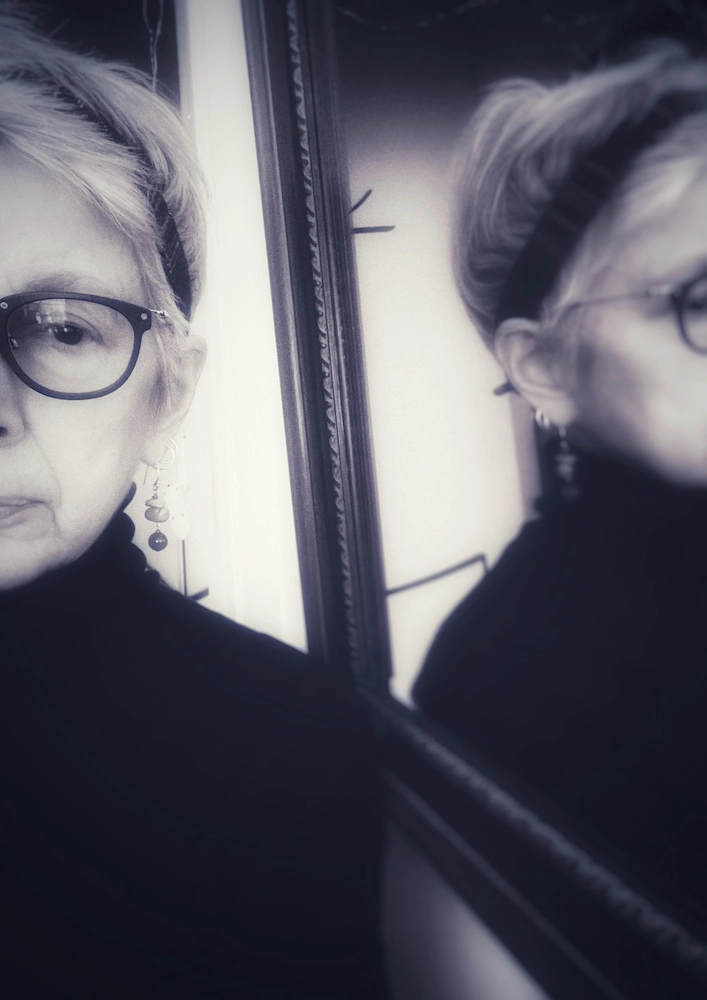
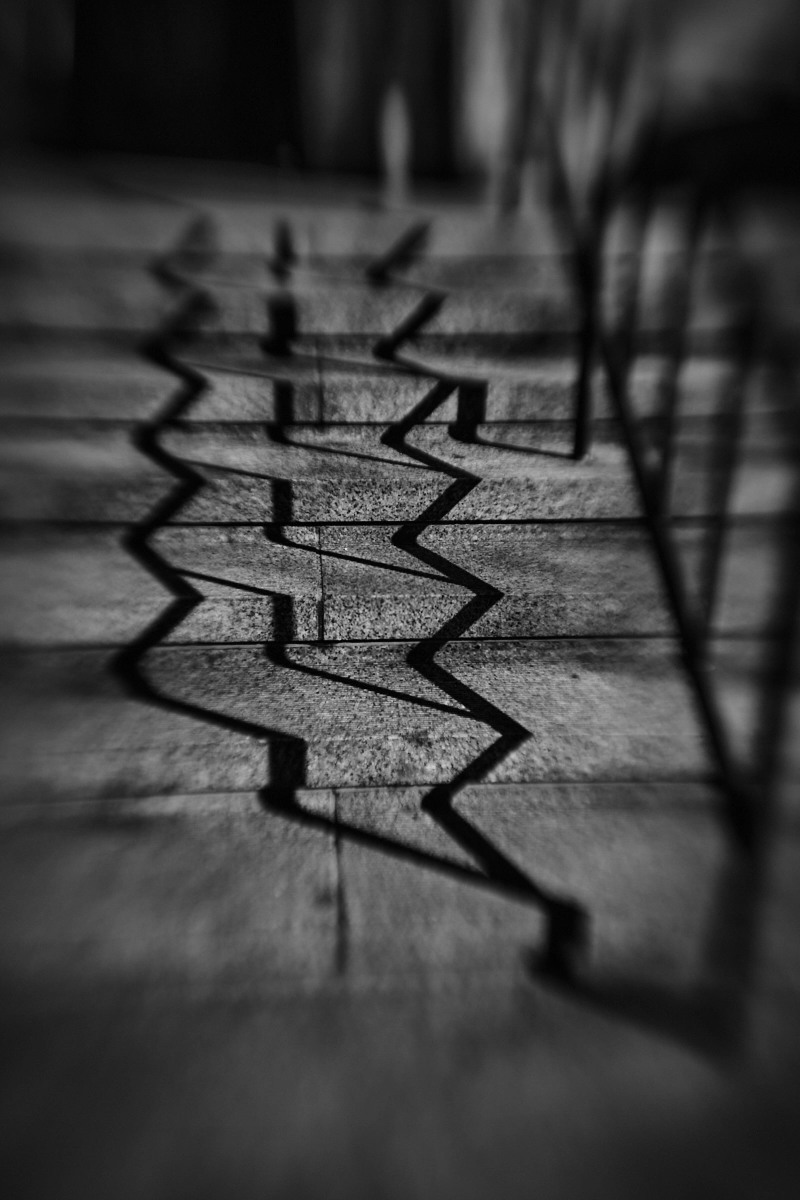
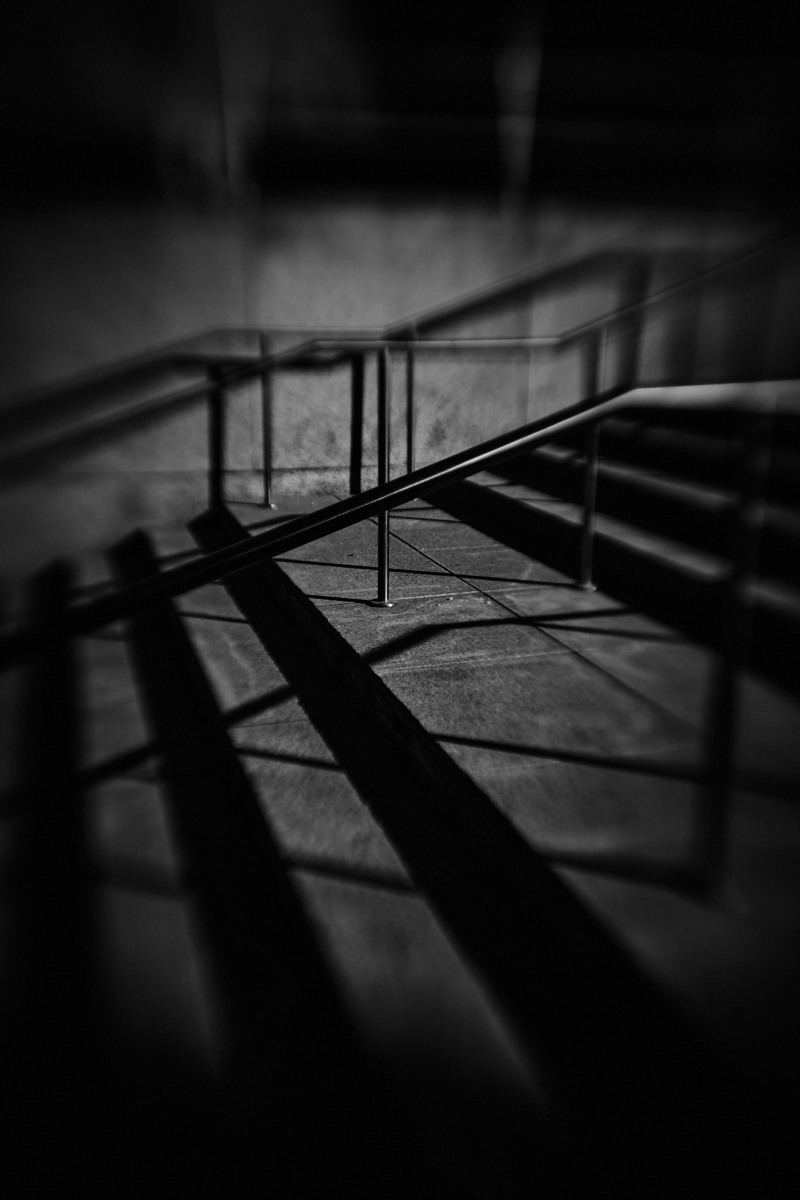
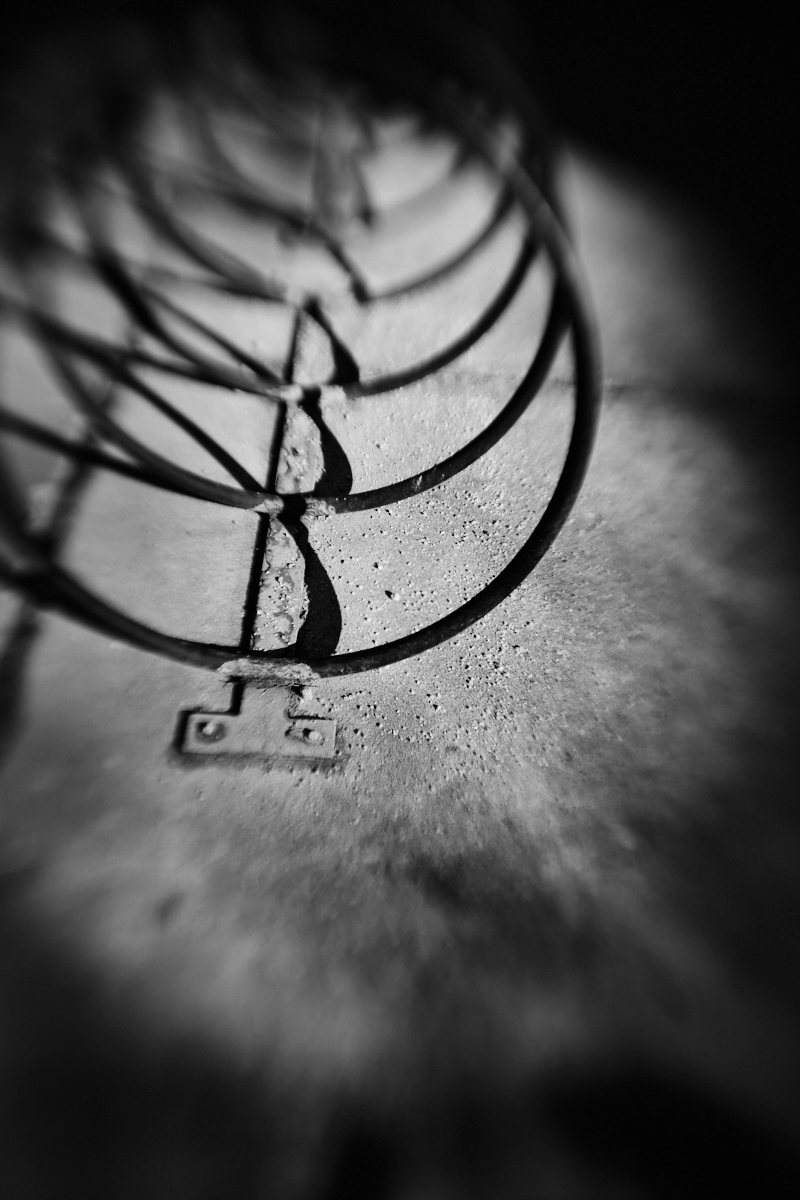
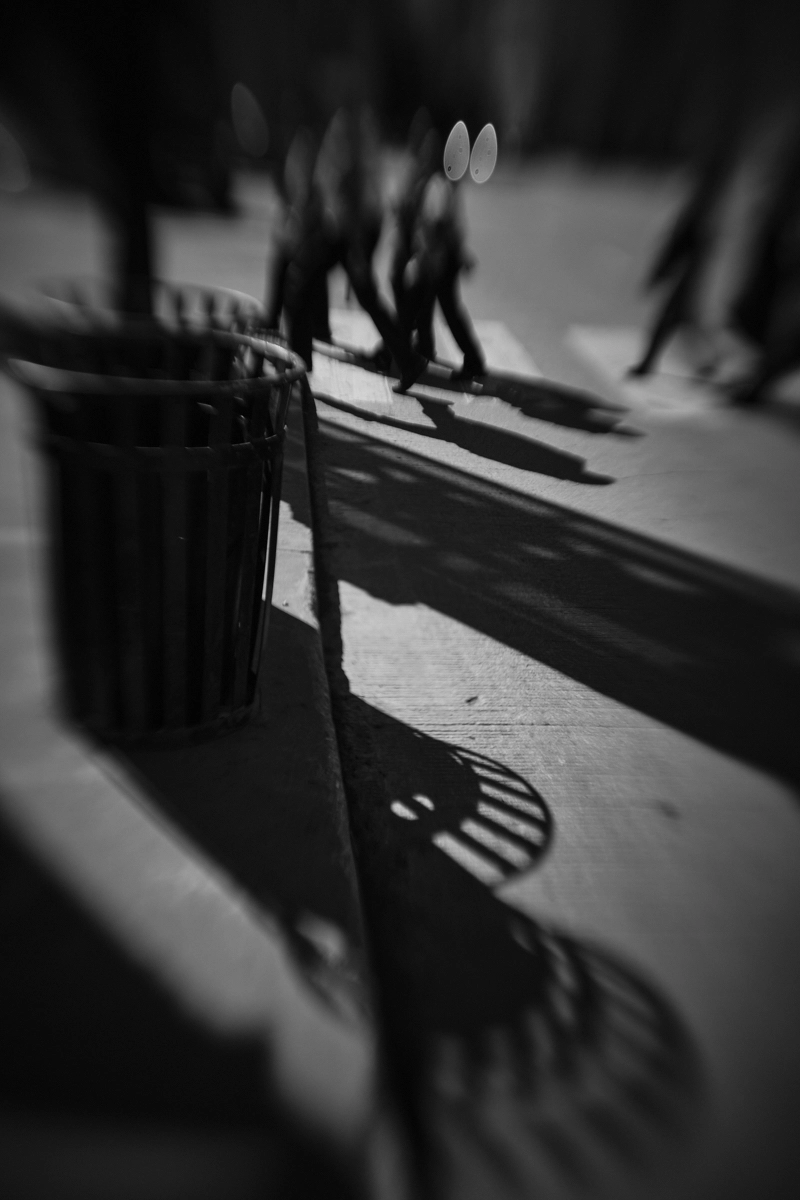
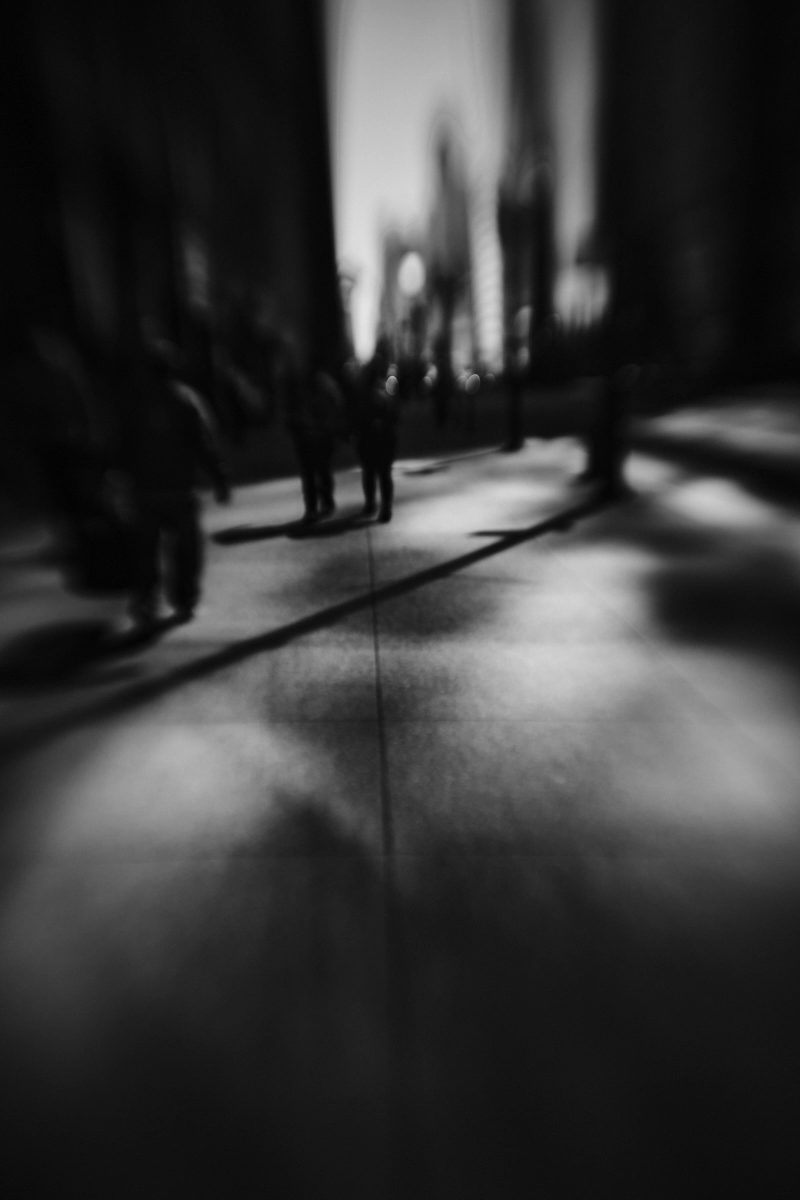
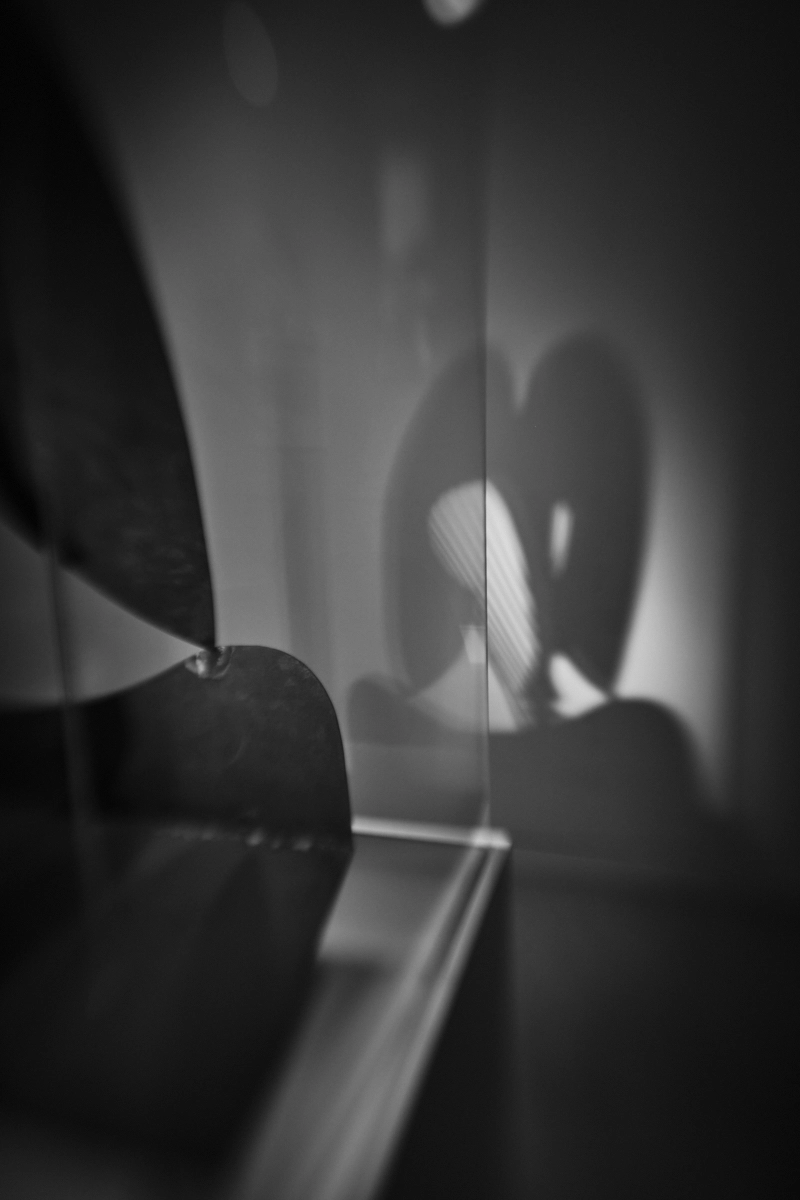
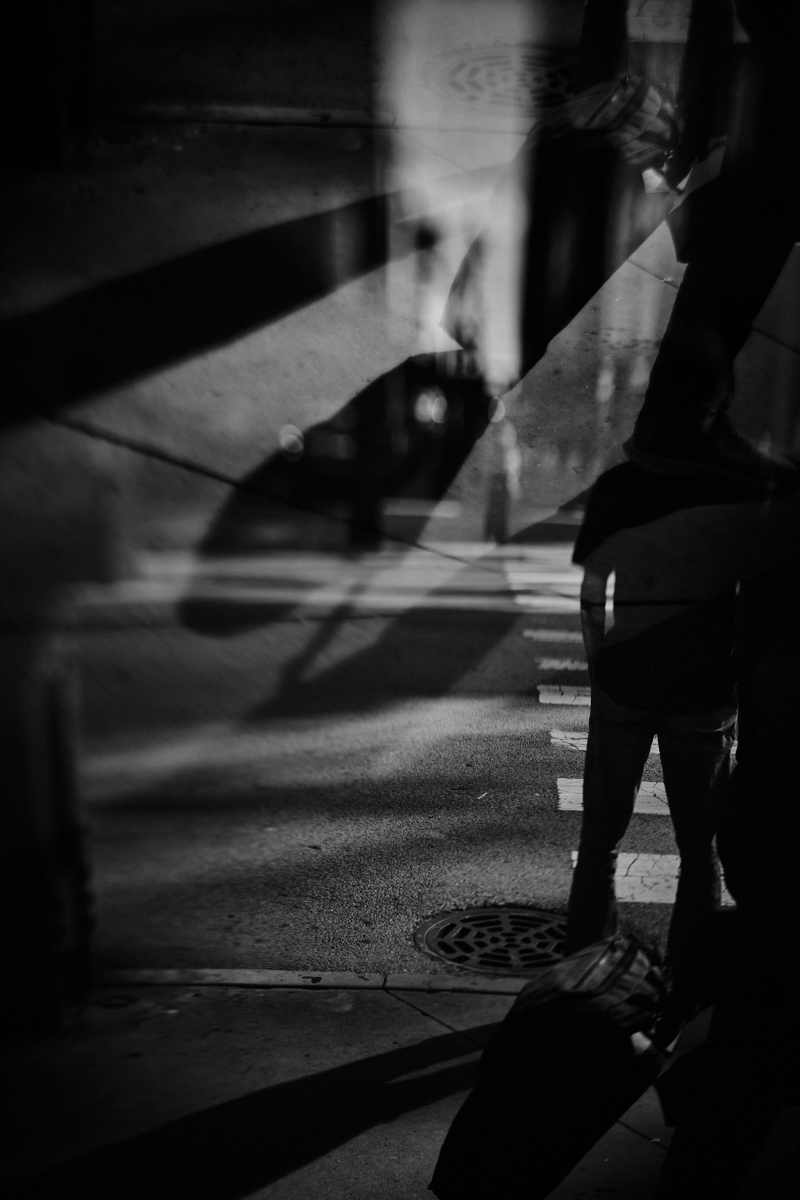
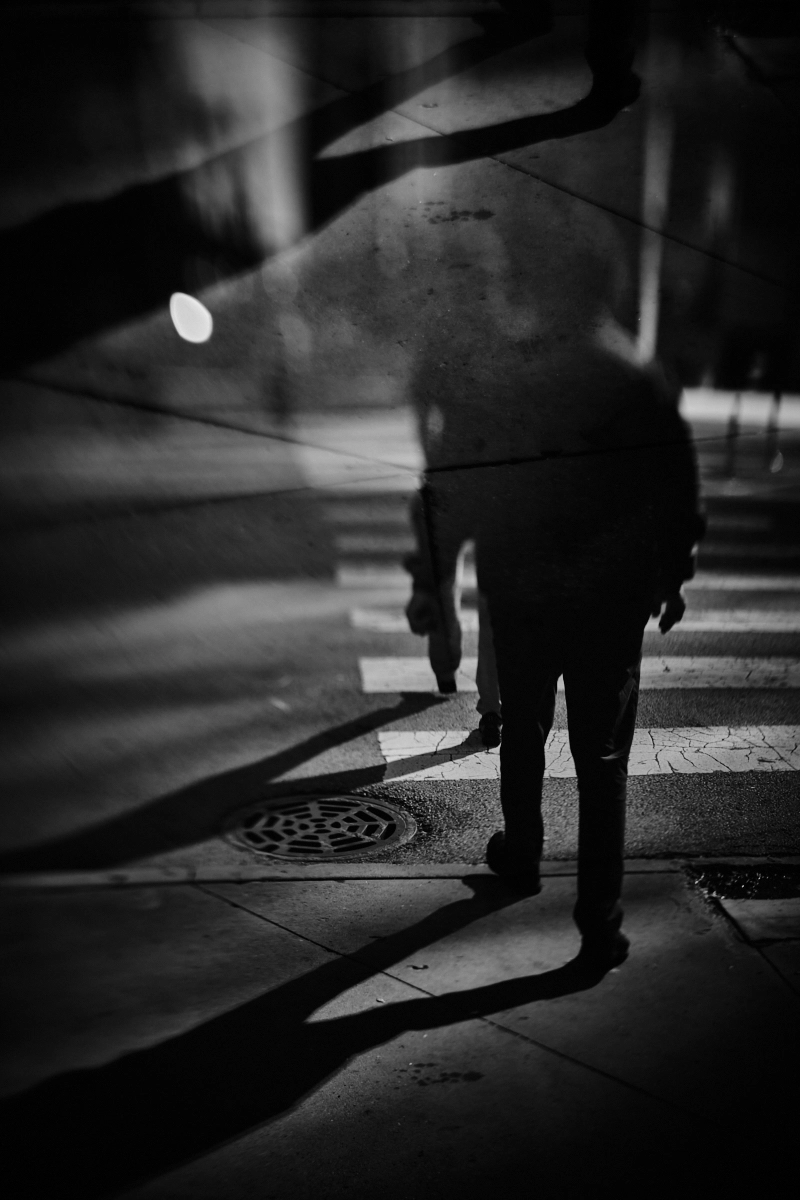
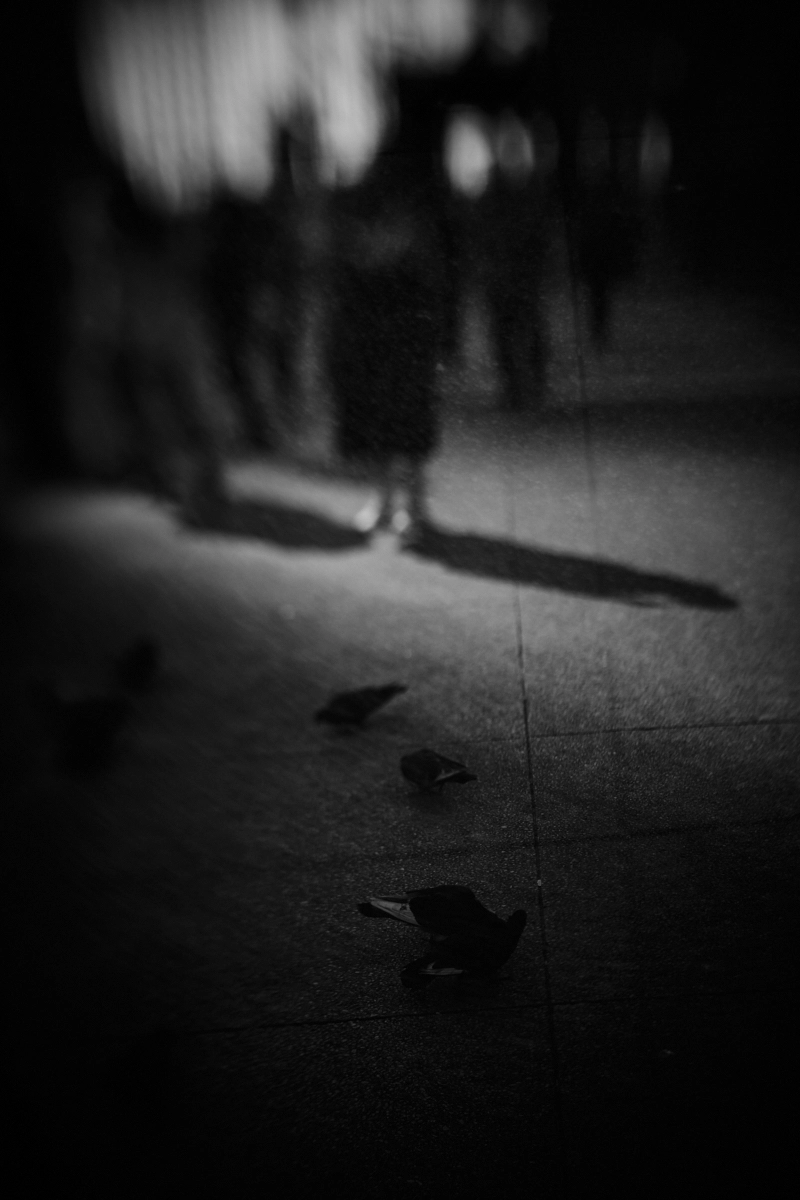
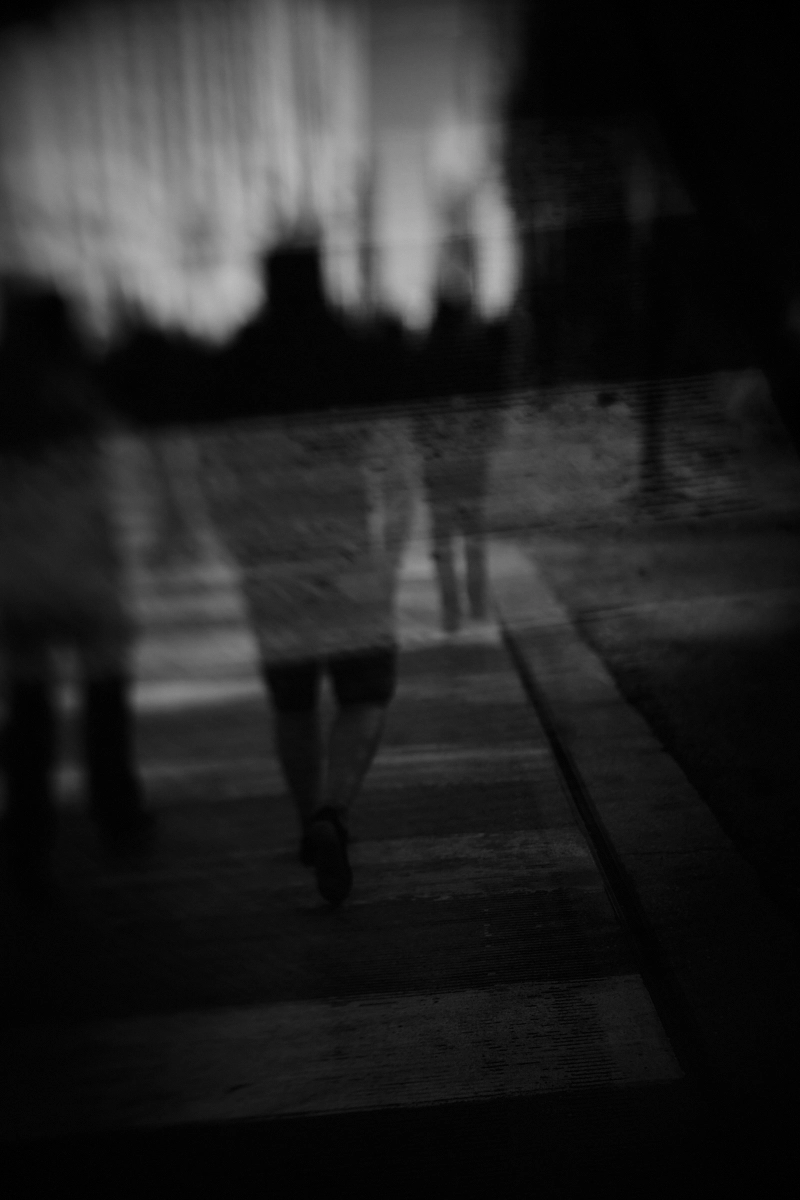
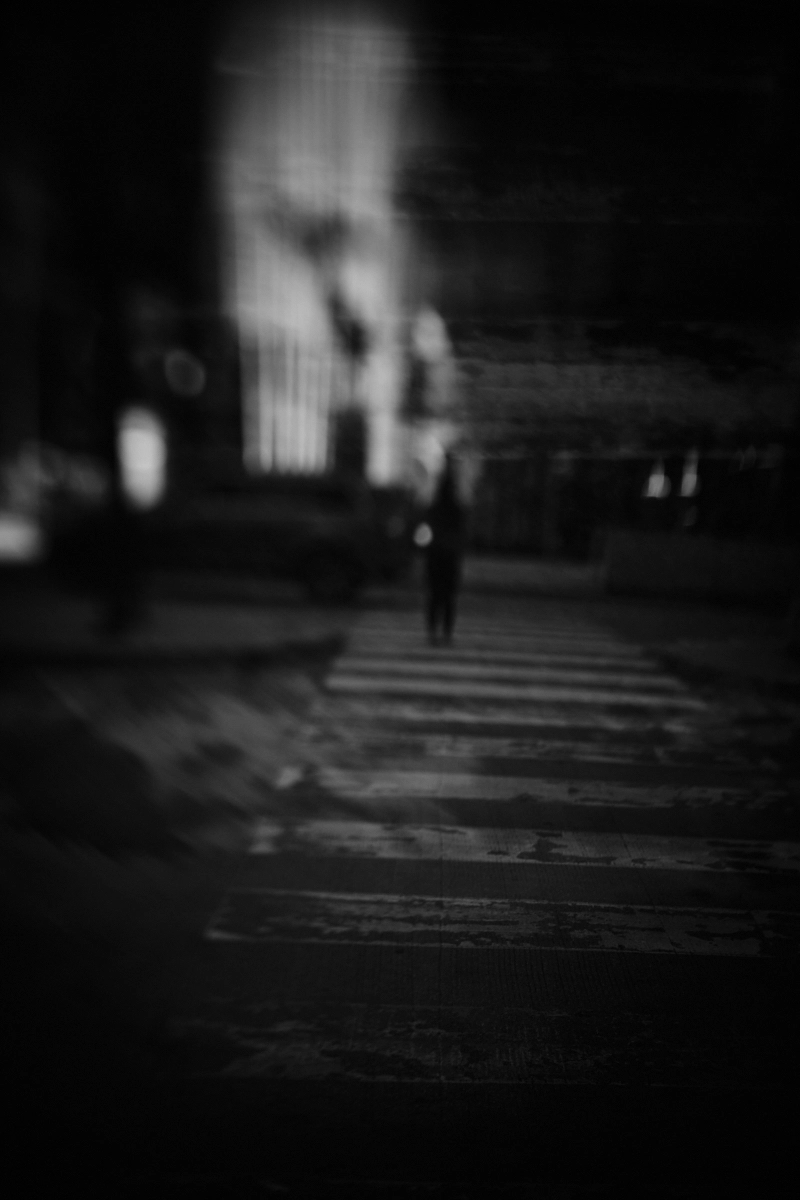
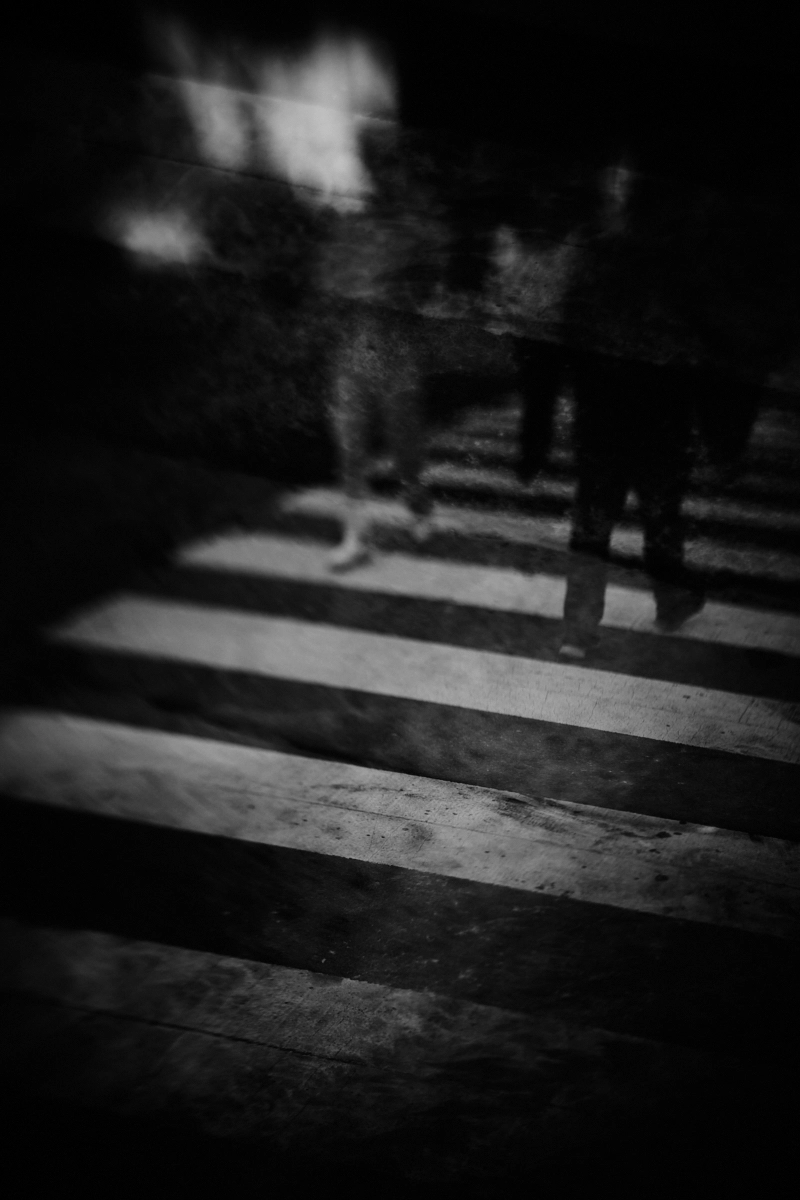
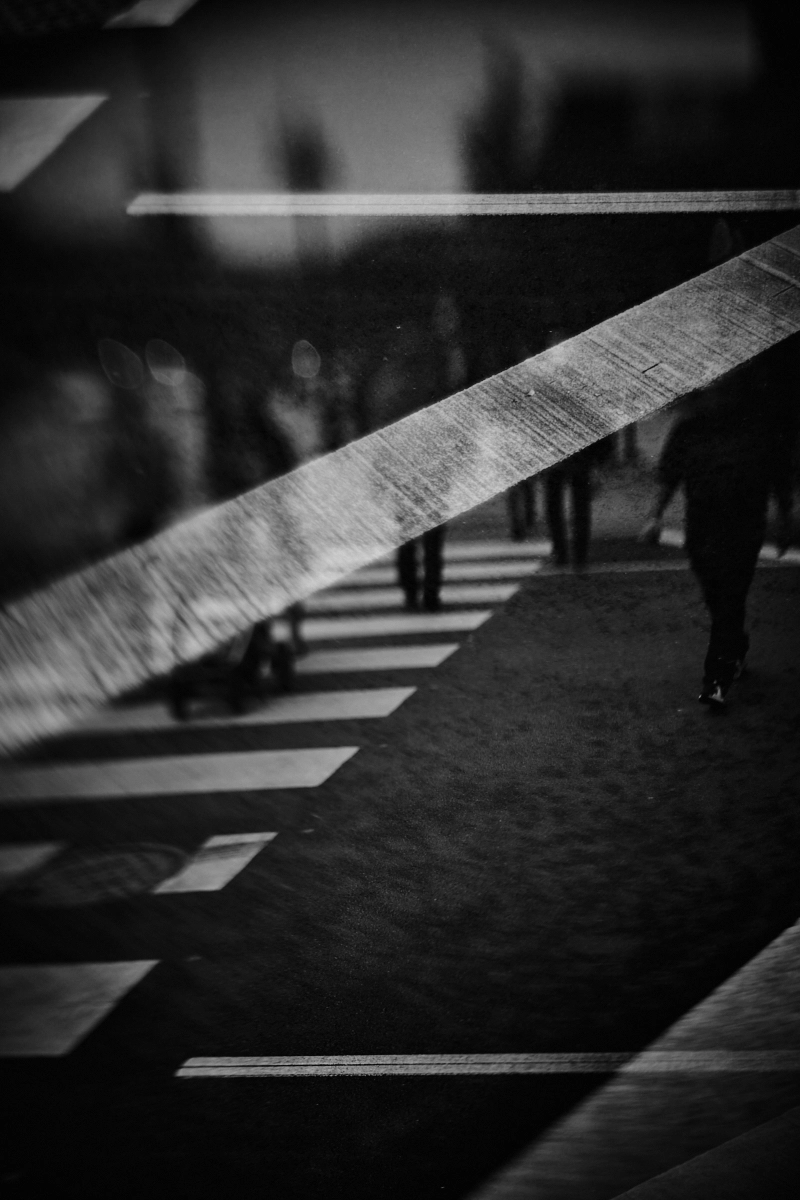
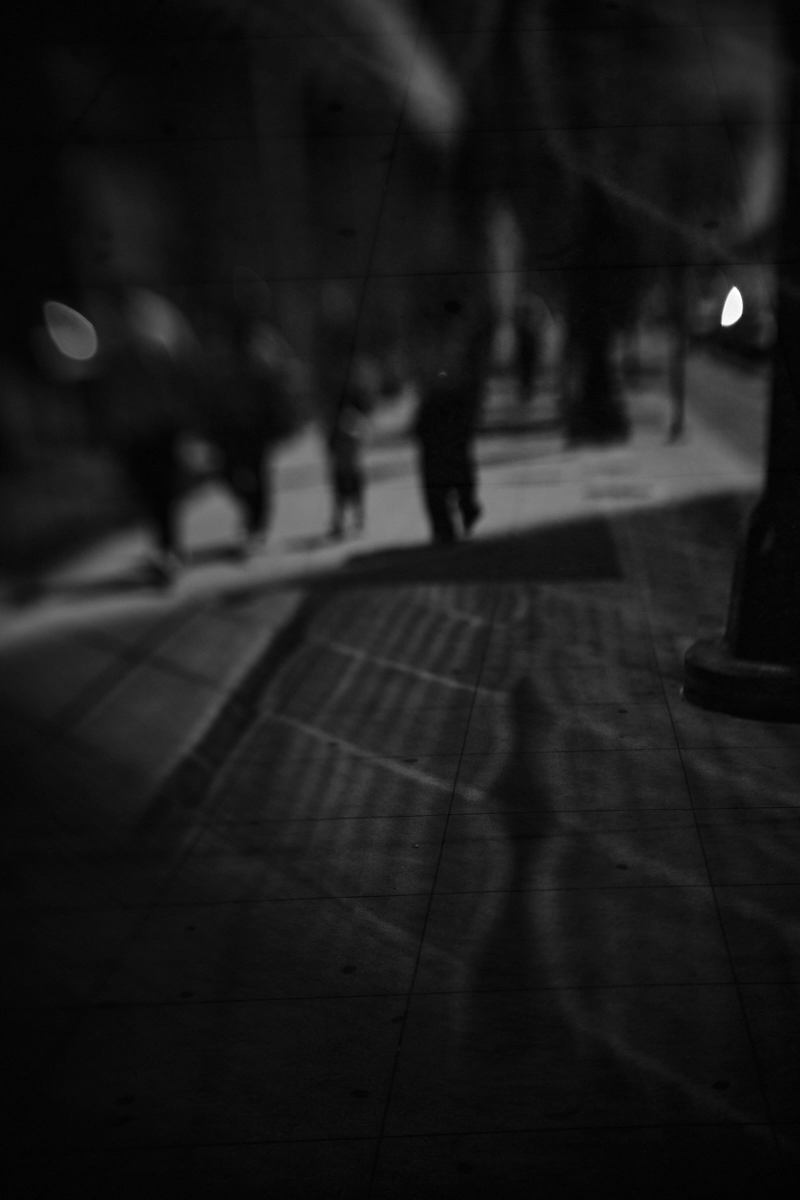
I was born in a small country town near Pittsburgh, PA, where I went to university and studied painting and sculpture. To be a painter was my dream! For several years I lived in Papua New Guinea and then moved to Sydney, Australia. In both places I worked with clay, mostly high-fired white earthenware, creating minimalist hand built forms. Eventually I returned to the U.S., first to New York City, and then to Chicago where I now live. I’ve come full circle and returned to my first love of painting, but now I paint with light!

All About Photo Competitions

AAP Magazine 39 Shadows
AAP Magazine 56 Shadows
 

Inspiring Portfolios

Call for Entries
AAP Magazine #58 B&W
Publish your work in our printed magazine and win $1,000 cash prizes
 
Stay up-to-date  with call for entries, deadlines and other news about exhibitions, galleries, publications, & special events.

More Great Photographers To Discover

Aaron Siskind
United States
1903 | † 1991
Aaron Siskind was born on December 4, 1903 in New York. He was the son of Russian Jewish immigrants and the fifth of six children. After receiving his Bachelor of Social Science degree from the College of the City of New York in 1926, he went on to teach high school English in the New York public school system for 21 years. His first loves were music and poetry, but he took an interest in photography after his 1929 wedding, when he received his first camera as a honeymoon present. He began his career in photography as a documentarian in the New York Photo League in 1932. From 1936 to 1940, he oversaw the League’s Feature Group as they created documentary photo essays of political importance, fueled by a desire for social change.On the invitation of Harry Callahan, Siskind joined the faculty of the Institute of Design in Chicago in 1951, taking over as head of the photography program in 1961, when Callahan left. Siskind and Callahan, famous for their synergy as teachers and photographers, reunited in 1971 when SIskind left the Institute of Design for the Rhode Island School of Design where Callahan then taught. Siskind continued to teach at RISD until his retirement in 1976. He traveled broadly, making multiple trips to Mexico and Italy, including a stint in Rome, funded by his 1966 John Simon Guggenheim Memorial Fellowship.Siskind died at age 87 in Providence, Rhode Island. The Aaron Siskind Centennial Celebration took place in 2003 and 2004, with exhibitions at more than a dozen institutions across the country, each devoted to a different period or theme of his life and work.
Brad Walls
Australia
1992
Brad Walls is an Australian aerial photography based in Sydney. Best known for his use of close up top downs, Brad specialises in aerial portraiture and a minimalistic approach to aerial photography. Utilising one of the first consumer drones, Brad Walls stumbled across his passion for aerial content through stitching small video clips together taken during his extensive travels. 18 months on, Brad has refined his skillset, with a vision to strive and see the world from a different angle creating the perfect metaphor for his work. Pools From Above Pools From Above is an ode to the beauty found in the shapes, colours and textures of swimming pools. This unique and never-before-seen perspective uses Walls' clean, minimal aesthetic to visually showcase interesting pools from around the world. Inspired by his travels throughout Southeast Asia and within his own home country of Australia, Walls' journey initially began by capturing the bodies of water simply to document holiday memories. It wasn't until picking up the bestselling Annie Kelly coffee table book Splash: The Art of the Swimming Pool, however, that Walls would start investing time and passion into curating a series, stating that "As I turned each page of Kelly's book, a wave of childhood nostalgia washed over me, spending hours in the pool over summer." Paying powerful homage to Kelly, Walls' series chooses to keenly focus on pools' elements of composition from a bird's eye view. "I fell in love with the lines, curves and negative space of the pools, which - without alternate perspective from a drone - would have been lost." Pools From Above is also an integral part of a much larger project which is aimed at a book release in the not-too-distant future, as Walls says "The response from viewers has been positive, asking for the series to be amongst their coffee table books." Looking ahead, once the world finally re-opens, Walls has no plans of slowing down. He plans to capture even more world-renowned swimming pools across an array of idyllic locations, including Palm Springs, Mexico and the Mediterranean. Since bursting onto the photography scene in early 2019, Walls has gone on to produce award-winning photographs and garner worldwide media attention, with a primary focus on capturing aerial portraits of sportspeople like synchronized swimmers, gymnasts and ice skaters from unique perspectives and angles that audiences are normally unable to see.
Henri Cartier-Bresson
France
1908 | † 2004
Born in Chanteloup, Seine-et-Marne, Henri Cartier-Bresson developed a strong fascination with painting early on, and particularly with Surrealism. In 1932, after spending a year in the Ivory Coast, he discovered the Leica - his camera of choice thereafter - and began a life-long passion for photography. In 1933 he had his first exhibition at the Julien Levy Gallery in New York. He later made films with Jean Renoir. Taken prisoner of war in 1940, he escaped on his third attempt in 1943 and subsequently joined an underground organization to assist prisoners and escapees. In 1945 he photographed the liberation of Paris with a group of professional journalists and then filmed the documentary Le Retour (The Return). In 1947, with Robert Capa, George Rodger, David 'Chim' Seymour and William Vandivert, he founded Magnum Photos. After three years spent travelling in the East, in 1952 he returned to Europe, where he published his first book, Images à la Sauvette (published in English as The Decisive Moment). He explained his approach to photography in these terms, "For me the camera is a sketch book, an instrument of intuition and spontaneity, the master of the instant which, in visual terms, questions and decides simultaneously. It is by economy of means that one arrives at simplicity of expression." From 1968 he began to curtail his photographic activities, preferring to concentrate on drawing and painting. In 2003, with his wife and daughter, he created the Fondation Henri Cartier-Bresson in Paris for the preservation of his work. Cartier-Bresson received an extraordinary number of prizes, awards and honorary doctorates. He died at his home in Provence on 3 August 2004, a few weeks short of his 96th birthday.Source: Magnum Photos His technique: Henri Cartier-Bresson almost exclusively used Leica 35 mm rangefinder cameras equipped with normal 50 mm lenses or occasionally a wide-angle for landscapes. He often wrapped black tape around the camera's chrome body to make it less conspicuous. With fast black and white films and sharp lenses, he was able to photograph almost by stealth to capture the events. No longer bound by a huge 4×5 press camera or an awkward medium format twin-lens reflex camera, miniature-format cameras gave Cartier-Bresson what he called "the velvet hand [and] the hawk's eye." He never photographed with flash, a practice he saw as "Impolite...like coming to a concert with a pistol in your hand." He believed in composing his photographs in the viewfinder, not in the darkroom. He showcased this belief by having nearly all his photographs printed only at full-frame and completely free of any cropping or other darkroom manipulation. Indeed, he emphasized that his prints were not cropped by insisting they include the first millimetre or so of the unexposed clear negative around the image area resulting, after printing, in a black border around the positive image. Henri Cartier-Bresson worked exclusively in black and white, other than a few unsuccessful attempts in color. He disliked developing or making his own prints and showed a considerable lack of interest in the process of photography in general, likening photography with the small camera to an "instant drawing". Technical aspects of photography were valid for him only where they allowed him to express what he saw: "Constant new discoveries in chemistry and optics are widening considerably our field of action. It is up to us to apply them to our technique, to improve ourselves, but there is a whole group of fetishes which have developed on the subject of technique. Technique is important only insofar as you must master it in order to communicate what you see... The camera for us is a tool, not a pretty mechanical toy. In the precise functioning of the mechanical object perhaps there is an unconscious compensation for the anxieties and uncertainties of daily endeavor. In any case, people think far too much about techniques and not enough about seeing." He started a tradition of testing new camera lenses by taking photographs of ducks in urban parks. He never published the images but referred to them as "my only superstition" as he considered it a 'baptism' of the lens. Henri Cartier-Bresson is regarded as one of the art world's most unassuming personalities. He disliked publicity and exhibited a ferocious shyness since his days in hiding from the Nazis during World War II. Although he took many famous portraits, his own face was little known to the world at large (which presumably had the advantage of allowing him to work on the street in peace). He dismissed others' applications of the term "art" to his photographs, which he thought were merely his gut reactions to moments in time that he had happened upon. "In photography, the smallest thing can be a great subject. The little human detail can become a leitmotiv."Source: Wikipedia Henri Cartier-Bresson has intuitively chronicled decisive moments of human life around the world with poetic documentary style. His photographs impart spontaneous instances with meaning, mystery, and humor in terms of precise visual organization, and his work, although tremendously difficult to imitate, has influenced many other photographers. His photographs may be summed up through a phrase of his own: "the decisive moment," the magical instant when the world falls into apparent order and meaning, and may be apprehended by a gifted photographer.Source: International Center of Photography
Ofir Barak
My name is Ofir Barak, I'm a photographer based here in Jerusalem. I can honestly say that I have been an artistic person all my life. I started out as a painter and was very passionate about it from a very early age. In 2013 I was lacking the motivation to create I was frustrated and I decided to put it aside and look for a new path to express myself through art. I needed to travel somewhere and clear my mind and look for answers. In order to move beyond my struggle, I needed to surround myself with every form of art I could find - literature, poetry, paintings, architecture - anything goes. I remembered that the museums in D.C have free admission, so I decided to go there. Each day I wandered into a different museum and enjoyed the art galleries. One day, accidentally, I entered an exhibition of a photographer from the wrong side - where people exit. I didn't know who the photographer was, but I was struck by his images. At that moment, I had an epiphany - this is what I want to do. This is what I can do. I spent two hours at the gallery and realized that I just couldn't consume it all in once. I went back there three more times to learn about the photographer - Garry Winogrand and each time I focused on different photographs. In the exhibition there was also a small screening room showing his famous talk at Rice University. I took a notebook with me each visit and sat at the corner of the room - writing down what I want to achieve and how. After returning home, i decided to work on a first project of my own. Between the years 2014 and 2017, I photographed constantly and on a weekly basis the neighborhood of Mea Shearim. I attended protests, holidays and weekdays tring to present a full documentation of a religious society here in Jerusalem. After 3 years and 15k pictures, a self published book was released under the title of "Mea Shearim - The streets". The project was well received within the world of photography rewarding me a Magnum Photos prize for the street photograph of the year, and a nomination for a Hasselblad masters in 2018. Parts of the project were exhibited in different locations including the jewish museum in berlin, the Lucie foundation - Month of photography photo book exhibition in the Us and many others. After completing this project, I have realized it has now become a starting point to a much larger project regarding religion in Jerusalem and a three parts books. The book is sold here at the event and if you liked the talk, feel free to take a look in the open copy and purchase one. About the Streets of Mea Shearim During the 1870s the city within the walls of Jerusalem were undergoing a serious crisis. An increase in population, especially in the Jewish quarter, resulted in high housing prices and poor sanitation.The Ottoman government failed to remove garbage dumps and eventually the pollution seeped into the water pits, causing a rise in disease and mortality rates among the population within the walls. This drove the Jewish community to establish neighborhoods outside the walls, and by 1873 four such neighborhoods were built - "Mishkenot Sha'ananim" (1880), "Mahane Israel" (1886), "Nahalat Shiva" (1869) and "Beit David" (1873). A small group of about one-hundred young Ashkenazi Jews who believed that moving outside the walls would help them improve their standard of living, decided in 1874 to combine their resources. They were able to purchase a tract of land outside the walls for a new settlement. It would have one-hundred houses and would serve as the fifth neighborhood outside the city walls. The name which they chose for that piece of land, Mea Shearim, was derived from a verse in the Torah portion that was read in the week the neighborhood was founded: "Isaac sowed in that land, and in that year he reaped a hundredfold (Mea Shearim); God had blessed him" (Genesis 26:12). Construction began around April 1874, by both Jewish and non-Jewish workers. Contractors, builders and plasterers were Christian Arabs from Bethlehem, and Jewish craftsmen also contributed. By December 1874, the first ten houses were standing. At first Mea Shearim was a courtyard neighborhood, surrounded by four walls with gates that were locked every evening. By October 1880, 100 apartments were ready for occupancy and a lottery was held to assign them to families. Between the years 1881 and 1917, more houses and neighborhoods were built. New neighborhoods surrounded Mea Shearim and helped establish a large Jewish presence outside the walls. By the turn of the century there were 300 houses, a flour mill, and a bakery. Mandatory Palestine under British administration had been carved out of Ottoman southern Syria after World War I. The British civil administration in Palestine operated from 1920 until 1948. During its existence the country was known simply as Palestine. The British regime was welcomed by the residents of Mea Shearim, who maintained good relations with the authorities for the good of the neighborhood. As a result, access roads to the area were improved, the neighborhood markets prospered, old shops were renovated, and new shops opened. Mea Shearim continued to grow, and by 1931 it was the third largest neighborhood in Jerusalem. This growth enhanced the neighborhood's status and importance, but daily life became more difficult, as many of the houses were populated with a large number of people resulting in sanitary conditions that endangered their health. The neglect of the Ottoman regime continued to set the tone, and lack of proper drainage caused rain to flood the streets and even people homes. There was a rise in poverty, resulting not only in a deterioration of the houses outer appearance but also in a spread of diseases. The neighborhood's uniform appearance also began to change, as different kinds of constructions materials came into use, resulting in non-uniform façades. Cheap tin became an alternative to the Jerusalem stone commonly used for construction. In 1948 the Arab-Israeli war broke out and Jerusalem was divided between two countries - Israel and Jordan. The border was very close to Mea Shearim and the neighborhood suffered from military attacks and damage to buildings. Within the next 20 years ,the neighborhood would suffer from decreasing population as the children of the second founding generation moved to orthodox neighborhoods nearby, leaving as few as 170 houses occupied out of a total of 304. In later years the residents returned and the population grew once again. The population remained isolated and segregated, because it refused to cooperate with the government of Israel. Street posters (Pashkvilim) began to appear on a public walls calling on residents not to serve in the Israeli army, not to vote or be elected to the Israeli parliament, and not to participate in Israel's Independence Day celebrations. Today, Mea Shearim remains loyal to its old customs and preserves its isolation in the heart of Jerusalem while trying to stave off the modern world; it is, in a way, frozen in time. The numerous renovations of houses at the end of the 20th century hardly affected the appearance of the neighborhood. They are still common today but fewer in numbers. Houses that were built over one hundred years ago stand alongside a few new ones. The life of the Hasidic community still revolves around strict adherence to Jewish law, prayer, and the study of Jewish religious texts. The large majority of the people are Ashkenazim; there are hardly Sephardic Jews in the neighborhood. In addition to some well-to-do family there are also many needy ones, which are helped by local charity institutions. The traditional dress code remains in effect here; for men and boys it includes black frock coats and black hats. Long, black beards cover their faces and many of them grow side curls called "payots".Women and girls are urged to wear what is considered to be modest dress - knee-length or longer skirts, no plunging necklines or midriff tops, no sleeveless blouses or bare shoulders. Some women wear thick black stockings all year long, and married women wear a variety of hair coverings, from hats to wigs and headscarves. The common language of daily communication in Mea Shearim is Yiddish, in contrast to the Hebrew spoken by the majority of Israel's Jewish population. Hebrew is used by the residents only for prayer and religious study, as they believe that Hebrew is a sacred language to be used only for religious purposes. This is the story of the ongoing battle between the old and the new, the past versus the present, this is the everyday life of a city within a city. My grandmother and I had a special bond. We developed a habit that once a week, usually on Mondays, we cleared our schedule and sat down to discuss the photographs I took. We talked the stories behind the photos, the people, even how the weather affected the light in the pictures. At first, photography was something foreign for both of us and with time, we developed a passion for it. We loved our gatherings and anticipated them every week. In early 2014 things changed, we had fewer opportunities for our weekly routine as her health had begun to deteriorate. She received treatments on a weekly basis and eventually had to be under medical supervision and hospitalized. On one of the visits as I sat by her bed, I wanted to ease her mind from the treatments she received and asked if she would like to see a photograph I took the day before. She immediately said yes and was very enthused when I showed her the photograph. We ended up taking and analyzing the photo as we used to, freeing our minds from the hospital room we were in. Neither of us knew that it would be our last time together. After her death, I decided to do a project based on the last photograph she ever saw. This one photo has led me on a journey, photographing the streets of Mea Shearim. Discover The Christians of Jerusalem
Édouard Baldus
France
1813 | † 1889
Édouard Baldus was a French landscape, architectural and railway photographer, born on June 5, 1813 in Grünebach, Prussia. He was originally trained as a painter and had also worked as a draughtsman and lithographer before switching to photography in 1849. In 1851, he was commissioned for the Missions Héliographiques by the Historic Monuments Commission of France to photograph historic buildings, bridges and monuments, many of which were being razed to make way for the grand boulevards of Paris, being carried out under the direction of Napoleon III's prefect Baron Georges-Eugène Haussmann. The high quality of his work won him government support for a project entitled Les Villes de France Photographiées, an extended series of architectural views in Paris and the provinces designed to feed a resurgent interest in the nation's Roman and medieval past. In 1855, Baron James de Rothschild, President of Chemin de Fer du Nord, commissioned Baldus to do a series of photographs to be used as part of an album that was to be a gift to Queen Victoria and Prince Albert as a souvenir of their visit to France that year. The lavishly bound album is still among the treasures of the Royal Library at Windsor Castle. In 1856, he set out on a brief assignment to photograph the destruction caused by torrential rains and overflowing rivers in Lyon, Avignon, and Tarascon. He created a moving record of the flood without explicitly depicting the human suffering left in its wake. Baldus was well known throughout France for his efforts in photography. One of his greatest assignments was to document the construction of the Louvre museum. He used wet and dry paper negatives as large as 10x14 inches in size. From these negatives, he made contact prints. To create a larger image, he put contact prints side by side to create a panoramic effect. He was renowned for the sheer size of his pictures, which ranged up to eight feet long for one panorama from around 1855, made from several negatives. Despite the documentary nature of many of his assignments, Baldus was inventive in overcoming the limitations of the calotype process (described here). He often retouched his negatives to blank outbuildings and trees, or to put clouds in white skies; in his composite print of the medieval cloister of St. Trophime, in Arles (1851), he pieced together fragments of 10 different negatives to capture focus in-depth in a panoramic view of the interior space and also render detail in the brightly lit courtyard outside. He died in 1889 in Arcueil, France.Source: Wikipedia Baldus was one of the great calotypists of the 1850s, producing works of an unprecedented range and scale. He moved to Paris in 1838 to study painting alongside other future photographers such as Le Gray, Le Secq, and Nègre. He frequently retouched his paper negatives, adding pencil and ink, to add clouds or clarify details, then printing his own large-scale negatives. He was also adept at stitching several negatives together to re-create architectural views, most famously in his views of the cloisters of Saint Trophime. Famed especially for his depiction of architecture, Baldus not only documented the modernization of Paris but also traveled widely through France recording modernity and new construction - including new railways and aqueducts, as well as the building of the new Louvre. In 1851 the Commission des Monuments Historiques cited Baldus as one of the five best architectural photographers and he was commissioned to record the monuments of France for what became known as the Mission heliographic. His beginnings in photography are not well documented before his participation in the Mission héliographique, although it is known that he took photographs of Montmajour in 1849.Source: James Hyman Gallery "Everyone knows Mr. Baldus," a reviewer wrote in 1859. By the mid-1850s, Édouard-Denis Baldus was the most successful photographer in France and at the height of his career. He began as a painter, turning to photography in 1849 when paper negatives were just becoming popular. Throughout much of his life, he listed himself in city directories as "peintre photographe" (painter photographer), in reference more to his training than to his practice. In 1851 Baldus became one of the forty founding members of the Société Héliographique, the first photographic organization in the world. Baldus specialized in images of the landscape, architecture, and railways. In 1851 the Commission des Monuments Historiques (Historic Monuments Commission) asked Baldus to document architecture in France. These assignments, which were awarded to several photographers, were called missions héliographiques. In 1855 Baldus received his largest commission to document the construction of the Musée du Louvre. Photographic enlargements were not yet possible in the 1850s, so Baldus's photographs were contact prints from negatives as large as 10 x 14 inches. He often joined together several negatives to produce panoramas, creating images on an even grander scale.Source: The J. Paul Getty Museum
Ed Sievers
United States
1932 | † 2002
Ed Sievers was born in 1932 in St. Louis, MO, the son of a family doctor that made house calls and an aspiring opera singer. He attended Grinnell College, graduating with a degree in Speech in 1954. His first job was as a creative writer for Hallmark Cards. The slogans he penned were notable for the wry wit and wisdom with which he commented on the human condition. At the same time, his interest in the arts was expanding from the literary to the visual, and would ultimately lead him in a new direction. In 1966 he was accepted into the MFA program at the Rhode Island School of Design to study photography with Harry Callahan. Upon graduation in 1968 he joined the faculty of California State University, Northridge, as a specialist in fine art photography. He took up residence in the Carlton Hotel in Venice Beach and soon realized he had walked into a street photographer's dream. Originally designed as a resort community modeled after its Italian namesake, Venice had fallen on hard times. Buildings were in disrepair and rents were cheap. Influenced by the Bohemian lifestyle of its poets, artists, students and a struggling lower class, the boardwalk suddenly sprang to life. There were musicians, dancers, jugglers, mimes, magicians, comedians, roller skaters, fortune tellers, gritty street people and colorful hippies. And, of course, there was the sprawling nude beach. Throngs of gapers flocked from throughout Southern California to enjoy the expressive spirit of the moment. But that was only on weekends. A quieter, more sensitive mood prevailed during the week. The gentle gestures of holocaust survivors at the Israel Levin Center. The recovering alcoholics quietly heading home after Al-Anon meetings. The homeless searching for food and drink. The once cheerful cottages longing for attention. The iconic murals. The myopic murals. The motions of a people not sure of what lay ahead. Within a decade the Venice that Ed knew had been swallowed up by rampant commercialism and the inexorable influx of the nouveau riche. Upon his death in 2002, the Edwin R. Sievers Memorial Award was established to share his vision with future students; "His approach to photography was straight forward: use the nuances of available light to enhance the subject, whatever that may be: ordinary, quirky, or sublime." Source: Robert Mann Gallery
Advertisement
AAP Magazine #58 B&W
Win a Solo Exhibition in June
AAP Magazine #58 B&W

Latest Interviews

Exclusive Interview with Carolyn Moore
American photographer Carolyn Moore explores the inner landscape of emotion, memory, and personal transformation through a deeply intuitive photographic practice. Her work unfolds as a quiet dialogue between artist and viewer, where images become a space for reflection, vulnerability, and connection.
Exclusive Interview with Luca Desienna and Laura Estelle Barmwoldt
For over seven years, Of Lilies and Remains has explored the depths of the goth and darkwave underground, unfolding in Leipzig—a city long associated with a vibrant and enduring subcultural scene. Moving between iconic gatherings such as Wave-Gotik-Treffen and more intimate moments on the fringes, the project offers a rare and immersive glimpse into a world often misunderstood, yet rich in expression and community. Created by Luca in collaboration with Laura Estelle Barmwoldt, the work embraces a cinematic and deeply personal approach. Rather than documenting from a distance, it moves within the scene itself, capturing its atmosphere, its codes, and its quiet contradictions. The title Of Lilies and Remains hints at this duality—where beauty and darkness, fragility and strength coexist. As the book prepares for its release, we spoke with both artists about the origins of the project, their process, and what it means to document a subculture that continues to evolve while remaining true to its spirit.

Exclusive Interview with Matthew Finley
American photographer Matthew Finley turns inward, using photography as a way to explore identity, memory, and emotional truth. Based in Los Angeles, his practice moves between performance, gesture, and found imagery, creating a visual language that is both intimate and deeply personal
Exclusive Interview with Jan Janssen
Dutch photographer Jan Janssen explores universal human experiences through his long-term project It Matters, winner of the May 2025 Solo Exhibition. Begun in 2016, the series captures intimate moments of everyday life—love, loss, connection, and belonging—across Central and Eastern Europe. Working in countries such as Turkey, Azerbaijan, and Armenia, Janssen spends extended time within communities, building relationships based on trust and respect. His approach allows him to move beyond observation, revealing deeply human and authentic moments. Rooted in travel and personal discovery, It Matters reflects Janssen’s search for what connects us all in an increasingly divided world. The project is ongoing and will culminate in a photobook scheduled for publication in 2026.
Exclusive Interview with Henk Kosche
German photographer Henk Kosche turns his lens toward the streets of Halle an der Saale, capturing everyday life in the late years of the former German Democratic Republic. At the time, Kosche was studying design and exploring the city with his camera, drawn to the atmosphere of its industrial landscape and the quiet rhythms of daily life. His series Street Photography at the End of the 80s, selected as the Solo Exhibition for July 2025, revisits a body of work created just before a period of profound change. Rediscovered decades later in a small box of 35mm negatives, these photographs offer glimpses of a city and its people at a moment suspended between the familiar and the unknown.
Exclusive Interview with Anastasia Samoylova
Anastasia Samoylova is an American artist whose photographic practice is shaped by close observation and a deep attentiveness to place. Working between documentary and formal exploration, she photographs landscapes, architecture, and everyday scenes with a sensitivity to light, structure, and atmosphere. Since relocating to Miami in 2016, her work has increasingly focused on how environments—both natural and built—carry social, cultural, and emotional traces. We asked her a few questions about her practice and her way of seeing, to better understand the thoughts and experiences that shape her work—while allowing the images themselves to remain open and speak in their own time.
Exclusive Interview with Marijn Fidder
Marijn Fidder is a Dutch documentary photographer whose work powerfully engages with current affairs and contemporary social issues. Driven by a deep sense of social justice, she uses photography to speak on behalf of the voiceless and to advocate for the rights of those who are most vulnerable. Her images have been widely published in major international outlets including National Geographic, CNN Style, NRC Handelsblad, Volkskrant, GUP New Talent, and ZEIT Magazin. Her long-term commitment to disability rights—particularly through years of work in Uganda—culminated in her acclaimed project Inclusive Nation, which earned her the title of Photographer of the Year 2025 at the All About Photo Awards. She is also the recipient of multiple prestigious honors, including awards from World Press Photo and the Global Peace Photo Award. We asked her a few questions about her life and work.
Exclusive Interview with Josh S. Rose
Josh S. Rose is a multidisciplinary artist working across photography, film, and writing. His practice bridges visual and performing arts, with a strong focus on movement, emotion, and the expressive potential of the image. Known for his long-standing collaborations with leading dance companies and performers, Rose brings together authenticity and precise composition—a balance he describes as “technical romanticism.” His work has been commissioned and exhibited internationally, appearing in outlets such as Vogue, at the Super Bowl, in film festivals, and most recently as a large-scale installation for Lincoln Center for the Performing Arts. A sought-after collaborator, he has worked with major artists, cultural institutions, and brands, following a previous career as Chief Creative Officer at Interpublic Group and the founder of Humans Are Social. We asked him a few questions about his life and work.
Interview with Maureen Ruddy Burkhart
Photographer Maureen Ruddy Burkhart brings a quietly attentive and deeply human sensibility to her exploration of the world through images. Shaped by a life immersed in photography, film, and visual storytelling, her work is guided by intuition, observation, and an enduring interest in the emotional undercurrents of everyday life. With a practice rooted in both fine art traditions and documentary awareness, she approaches her subjects with sensitivity, allowing subtle moments to emerge naturally rather than be imposed. Her series Til Death, selected as the Solo Exhibition for February 2025, reflects this long-standing commitment to photography as a space for reflection rather than spectacle. Drawn to moments that exist just outside the expected frame, Burkhart’s images suggest narratives without resolving them, leaving room for ambiguity, humor, and quiet connection. We asked her a few questions about her life and work.
Call for Entries
Win A Solo Exhibition in June
Get International Exposure and Connect with Industry Insiders