All about photo.com: photo contests, photography exhibitions, galleries, photographers, books, schools and venues.
Win a Solo Exhibition in June 2026 + An Exclusive Interview!
Garry Waller
Garry Waller
Garry Waller

Garry Waller

Country: United Kingdom
Birth: 1973

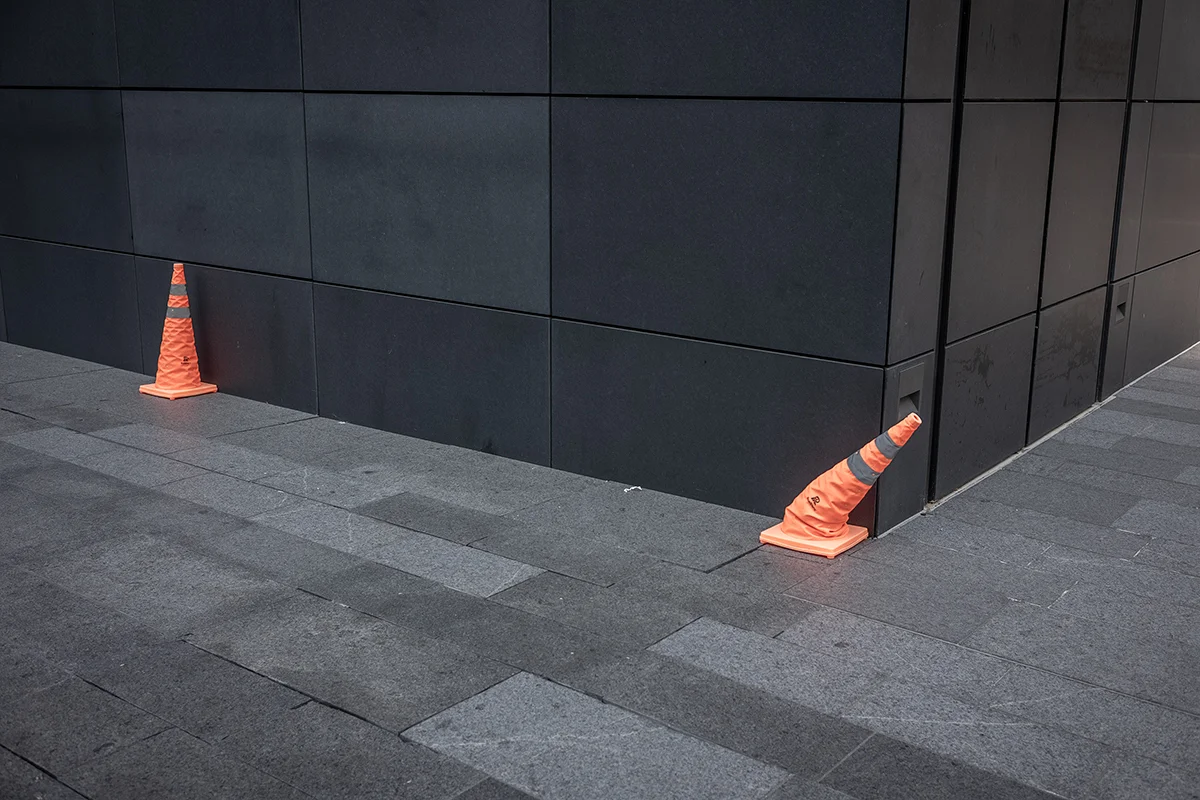
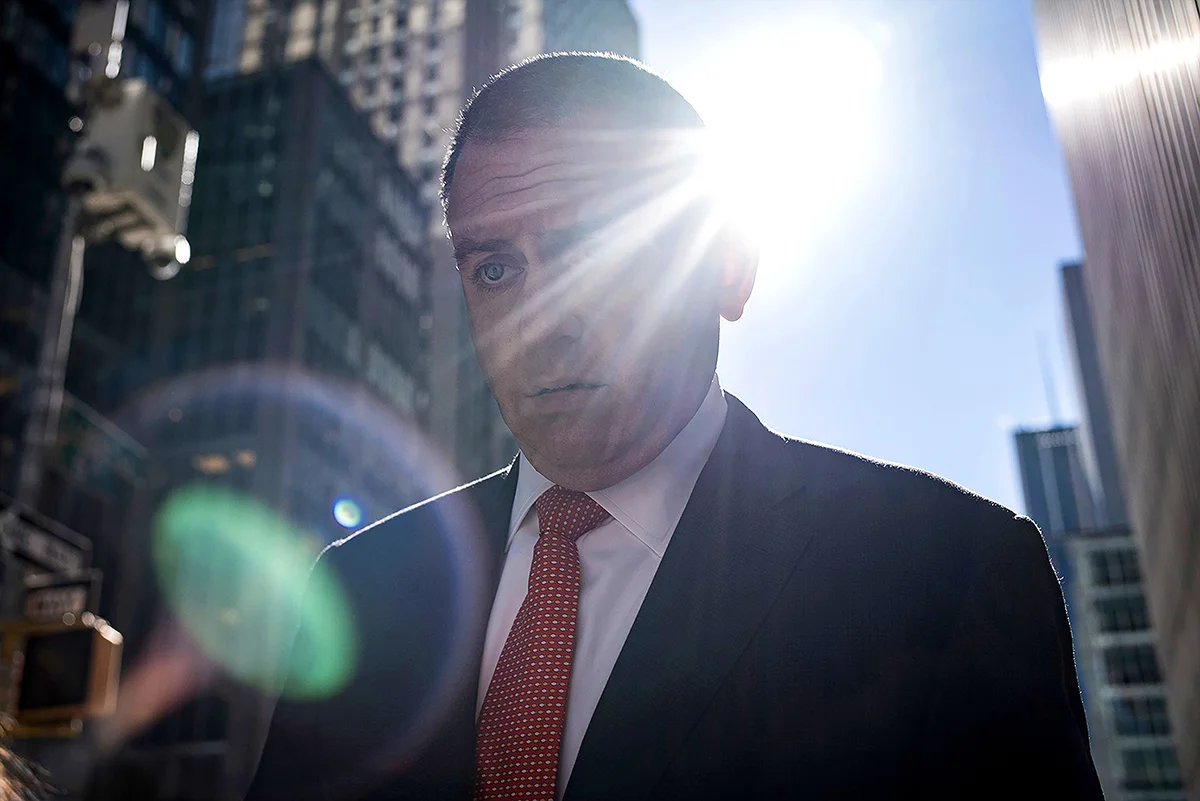
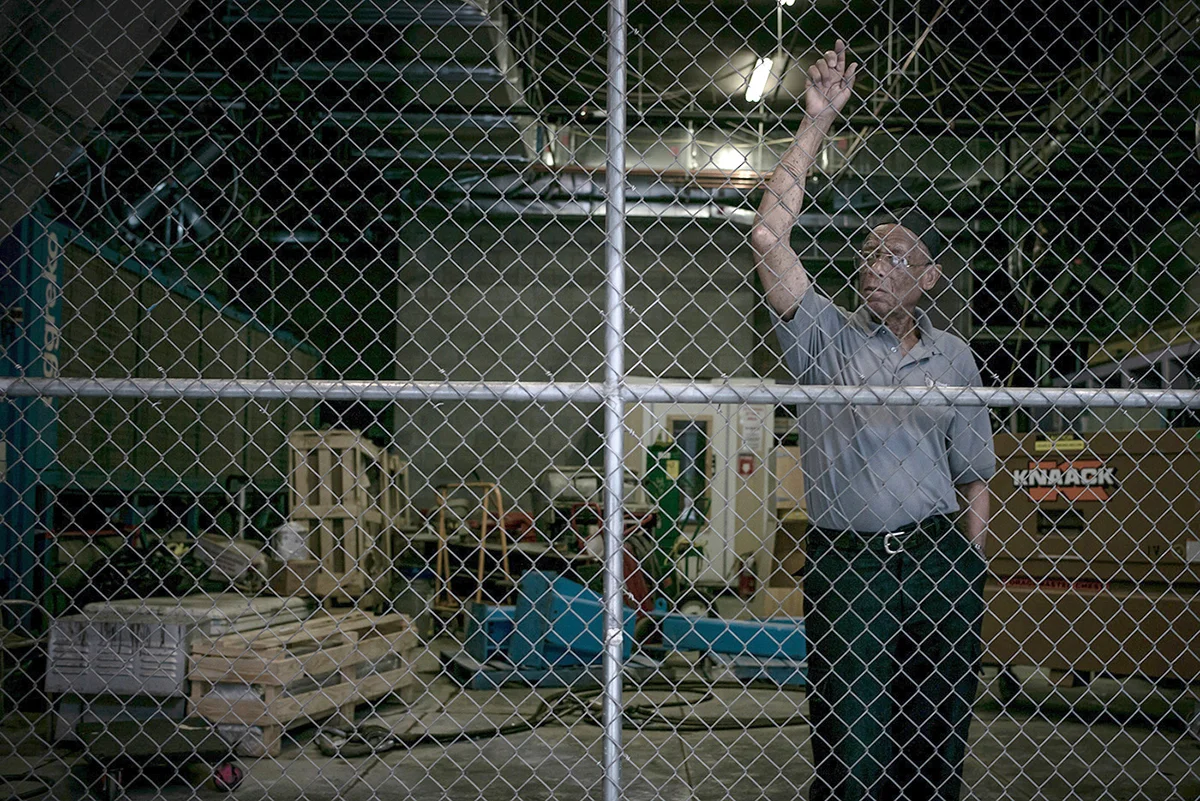
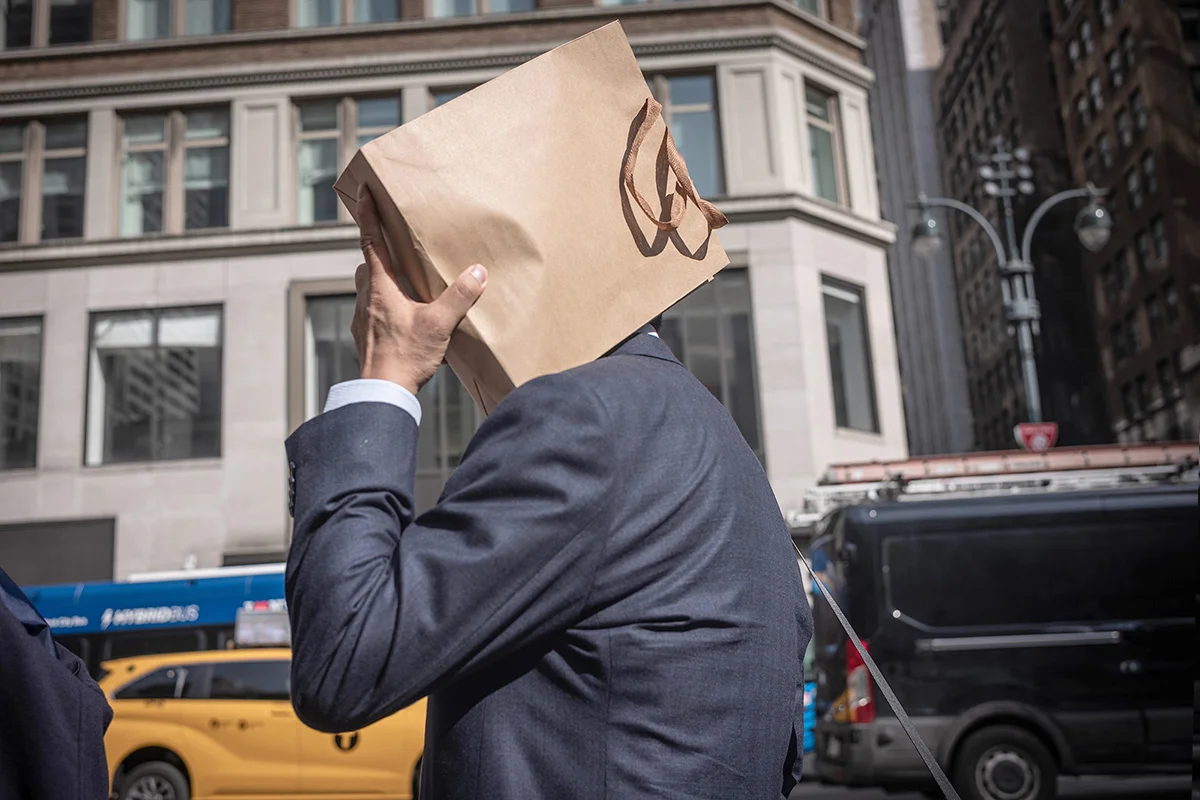
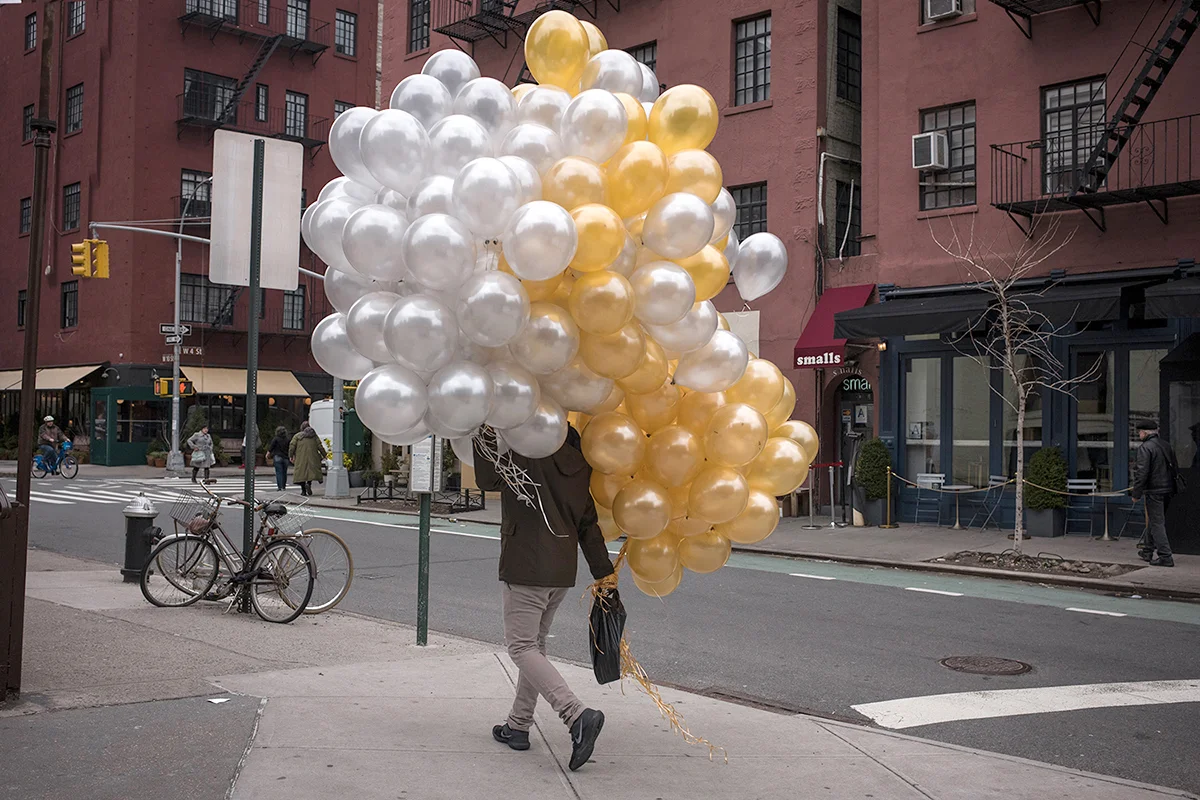
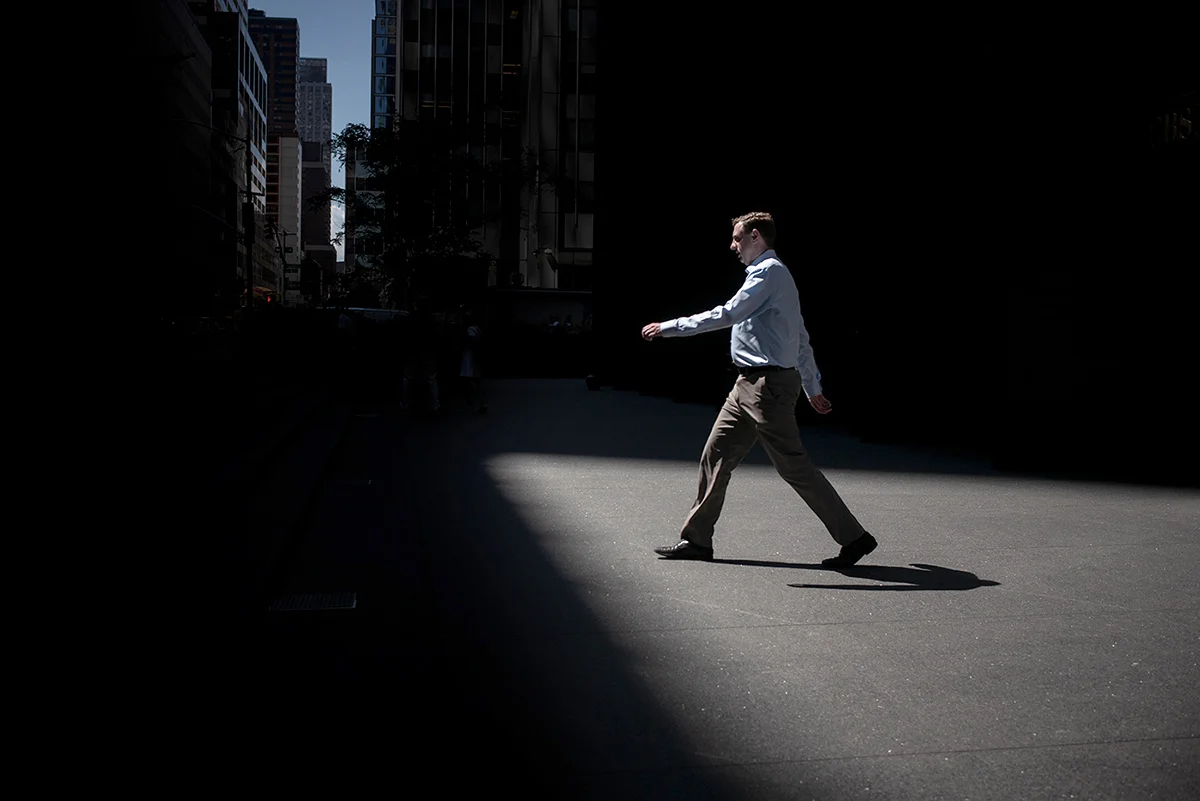
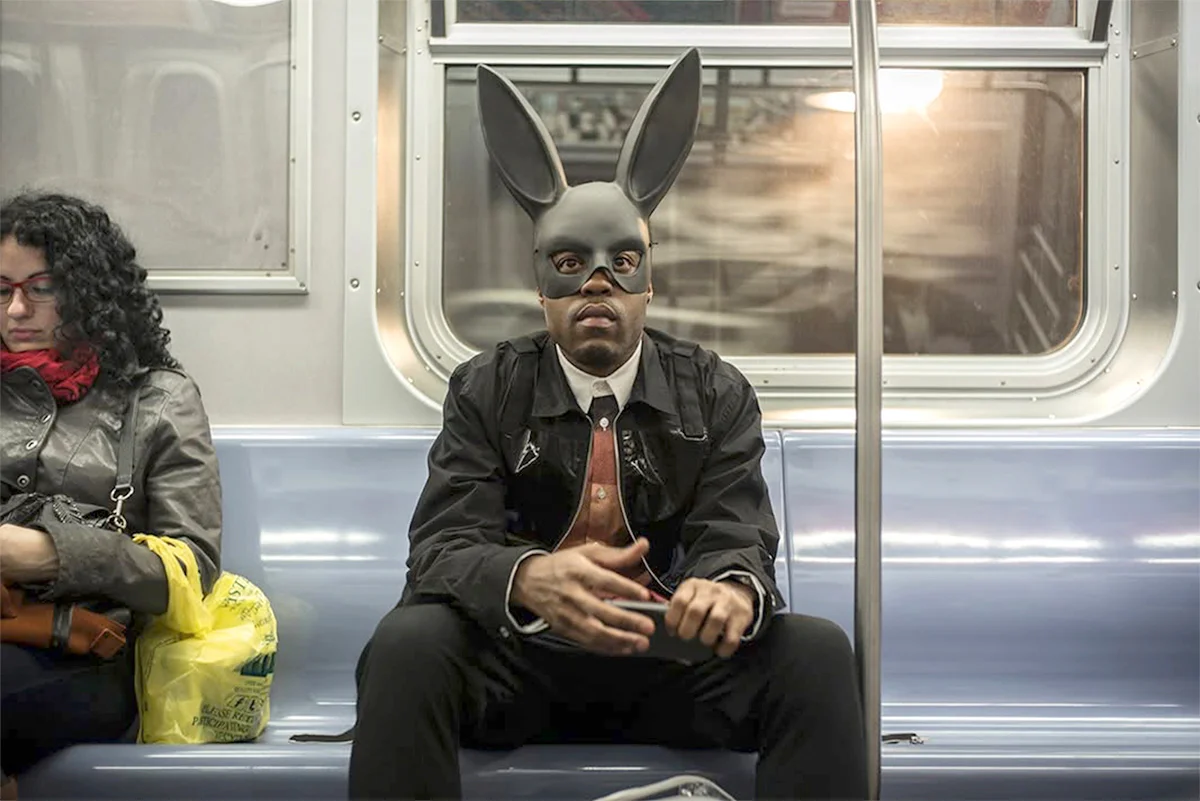
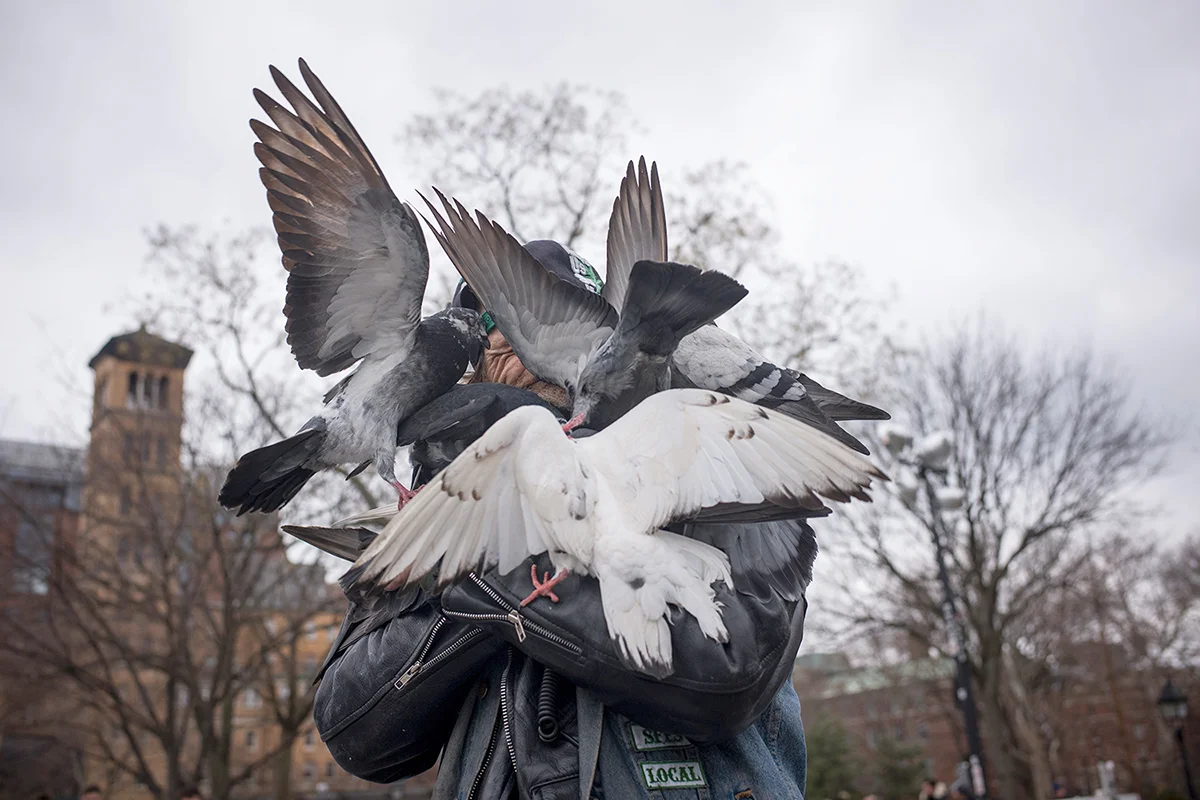
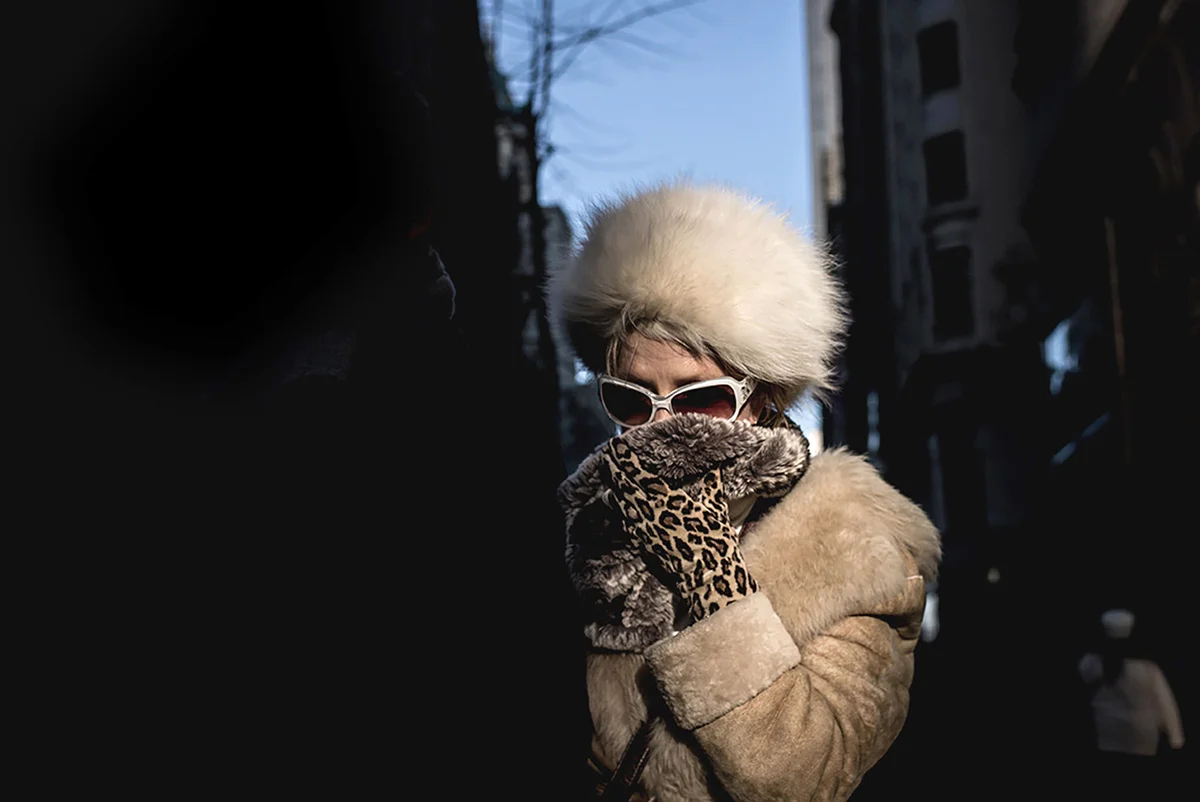
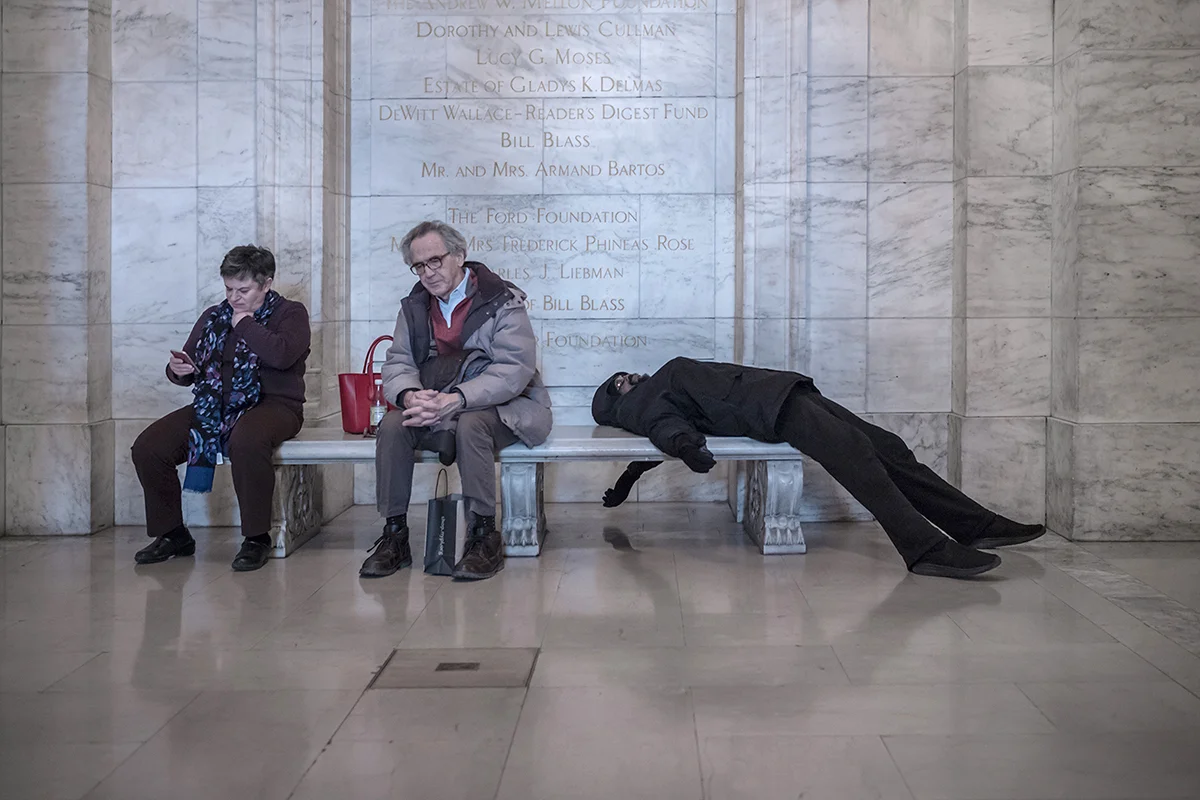
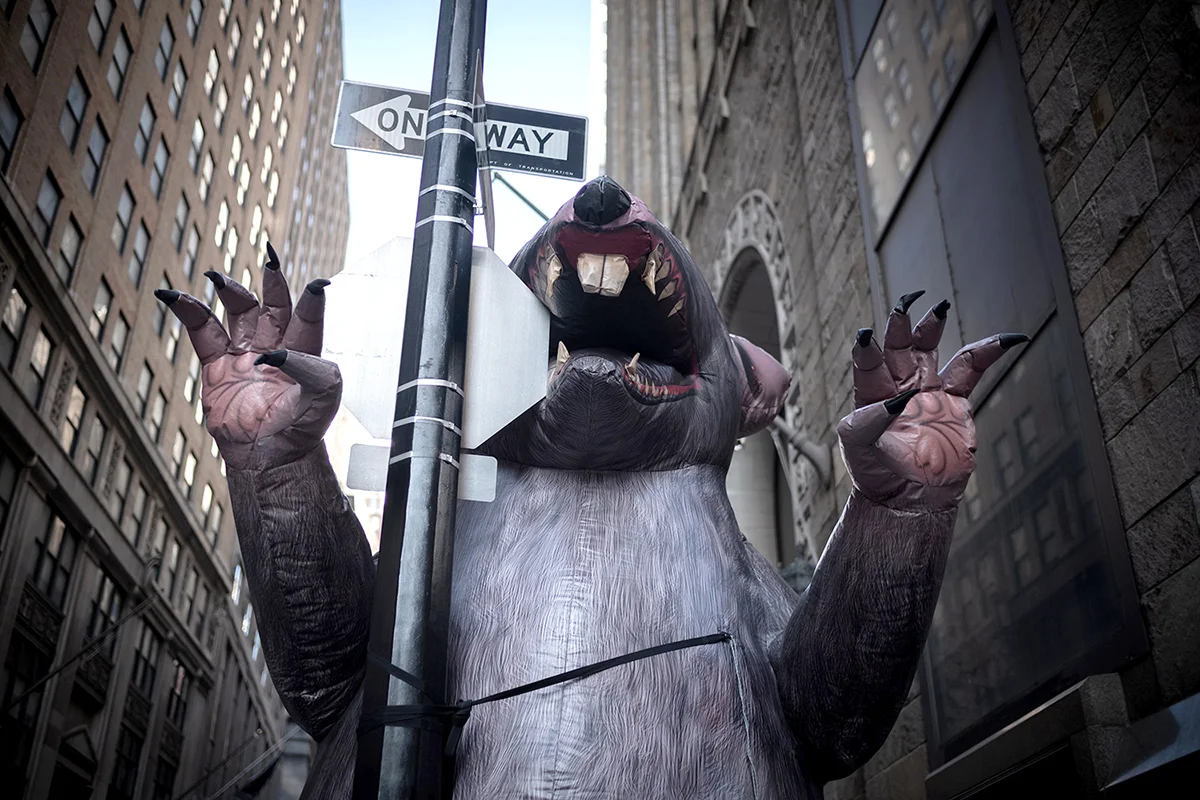
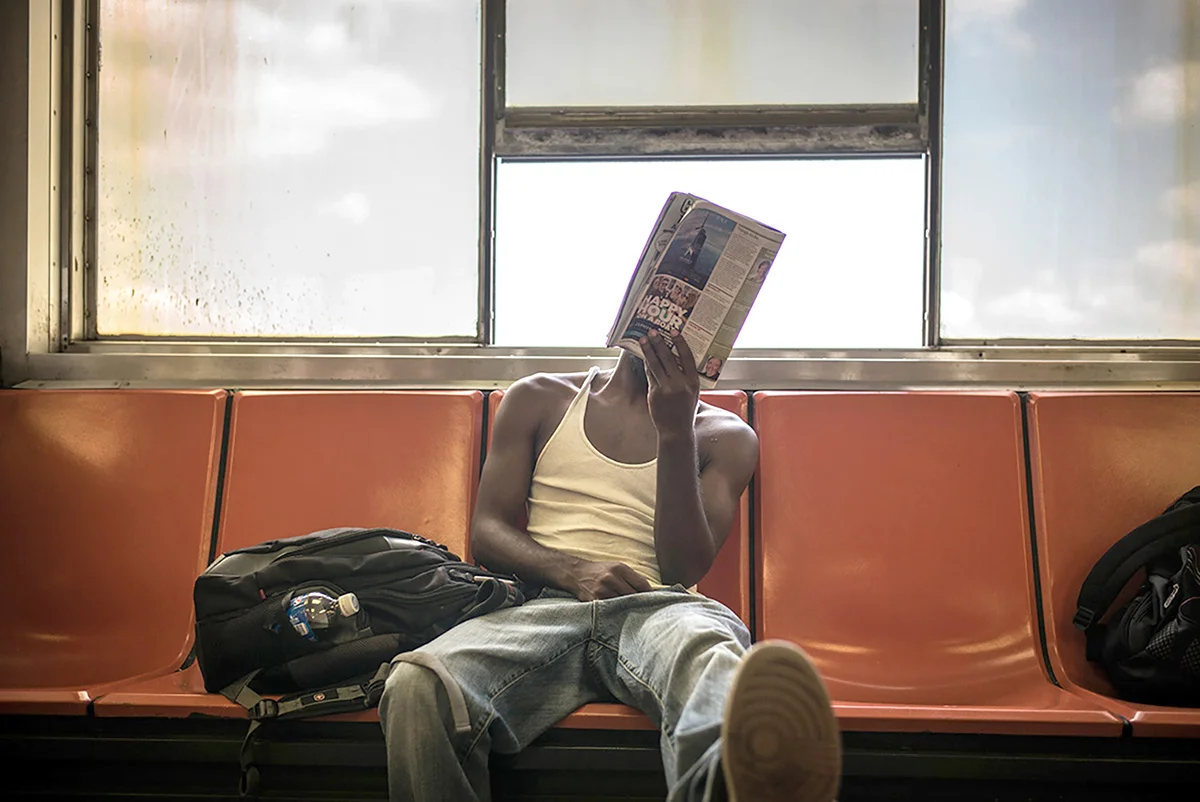
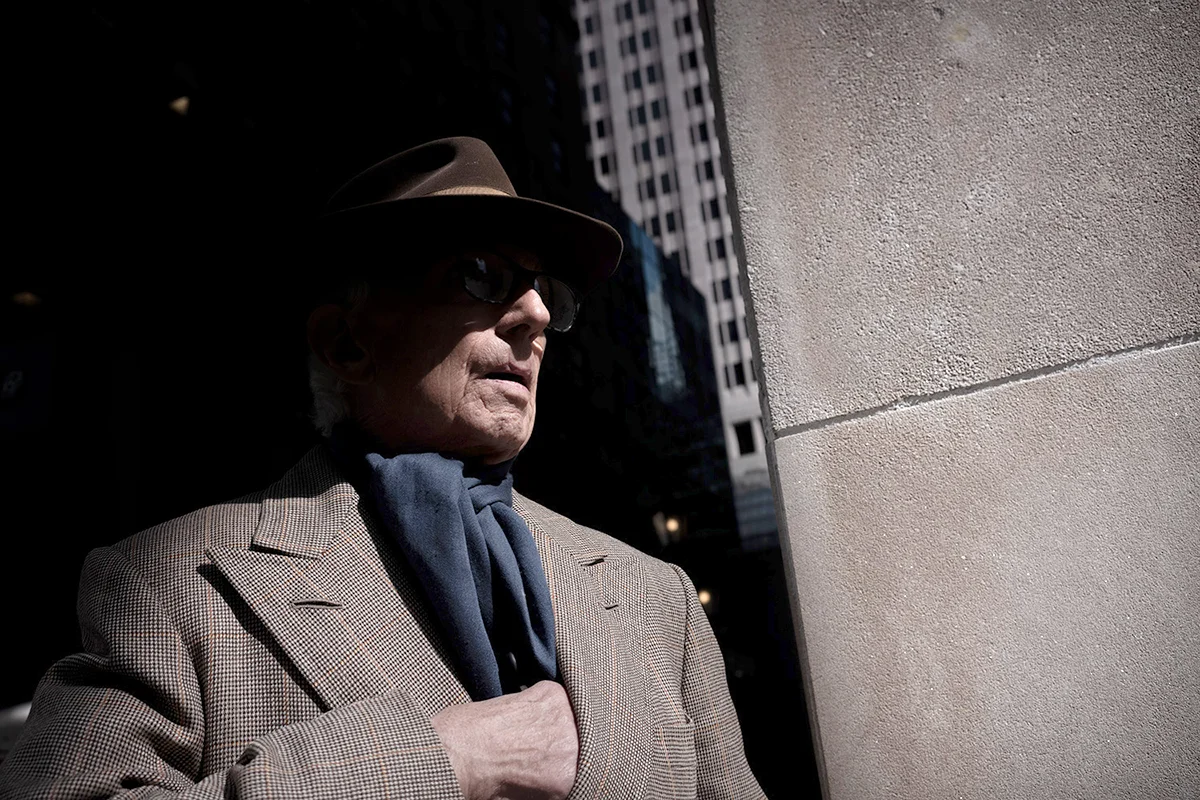
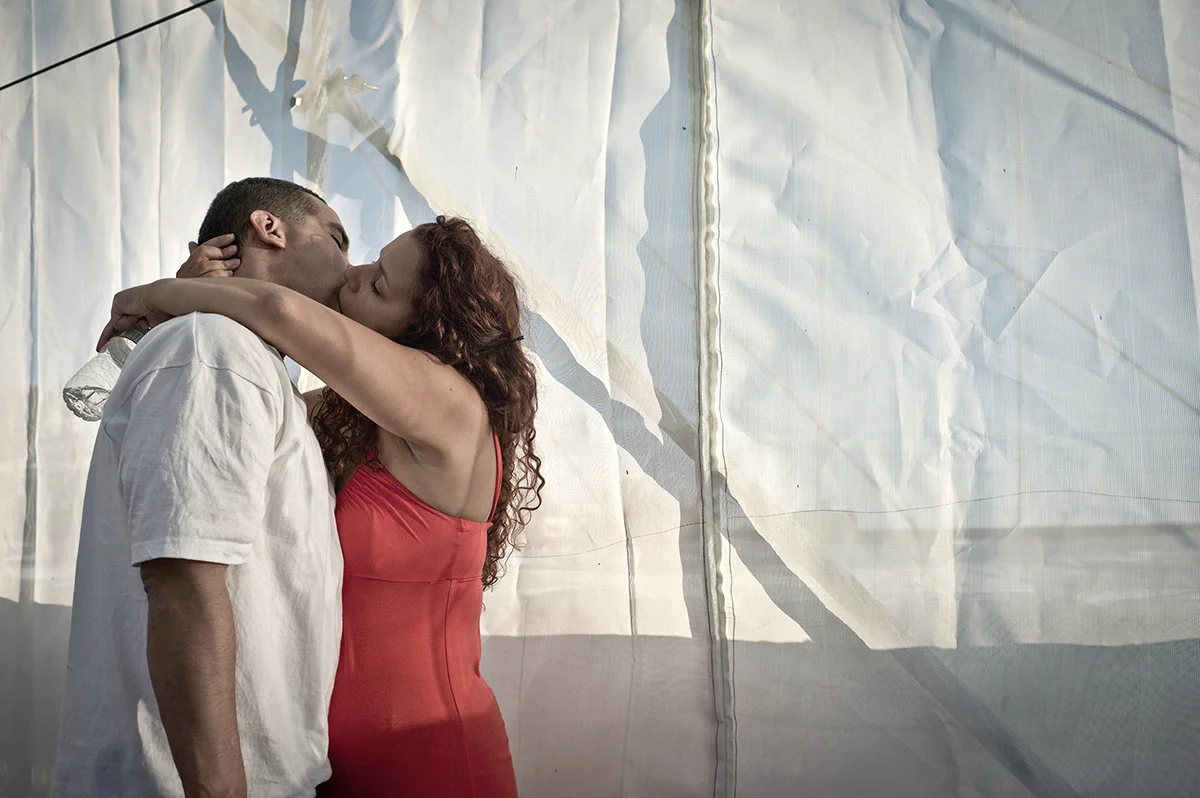
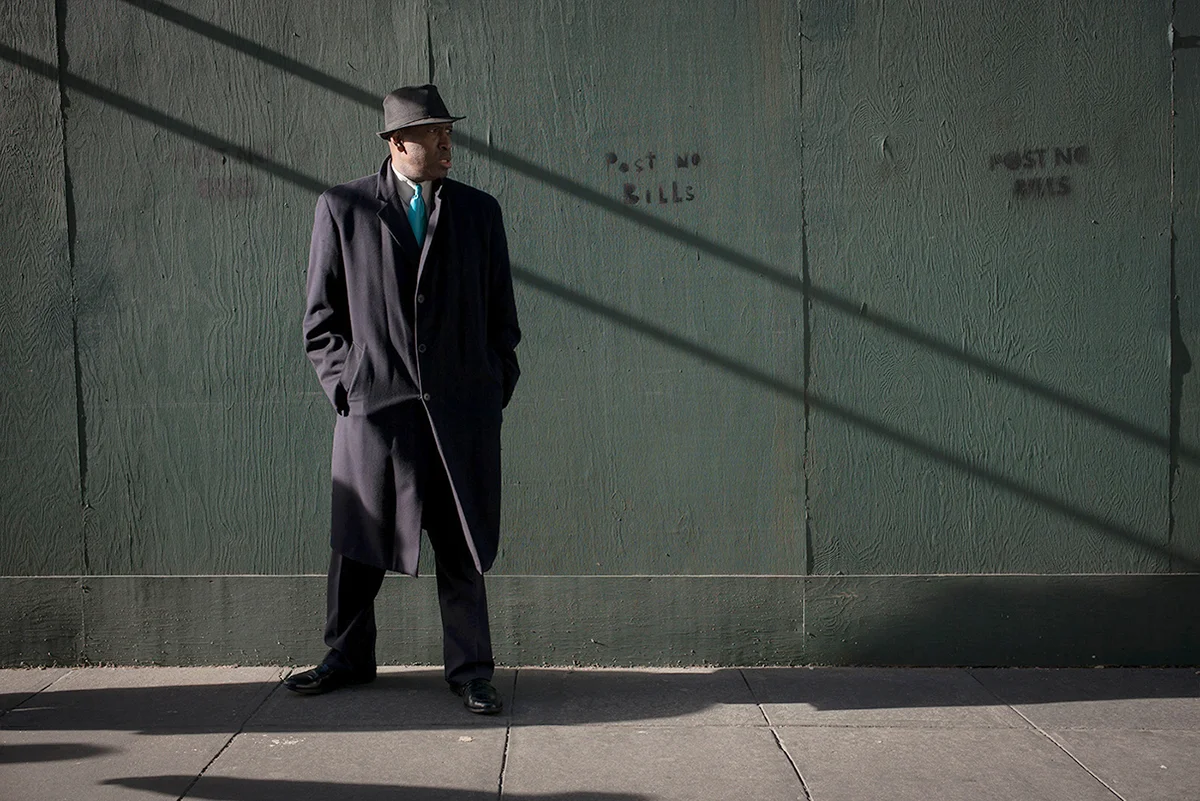
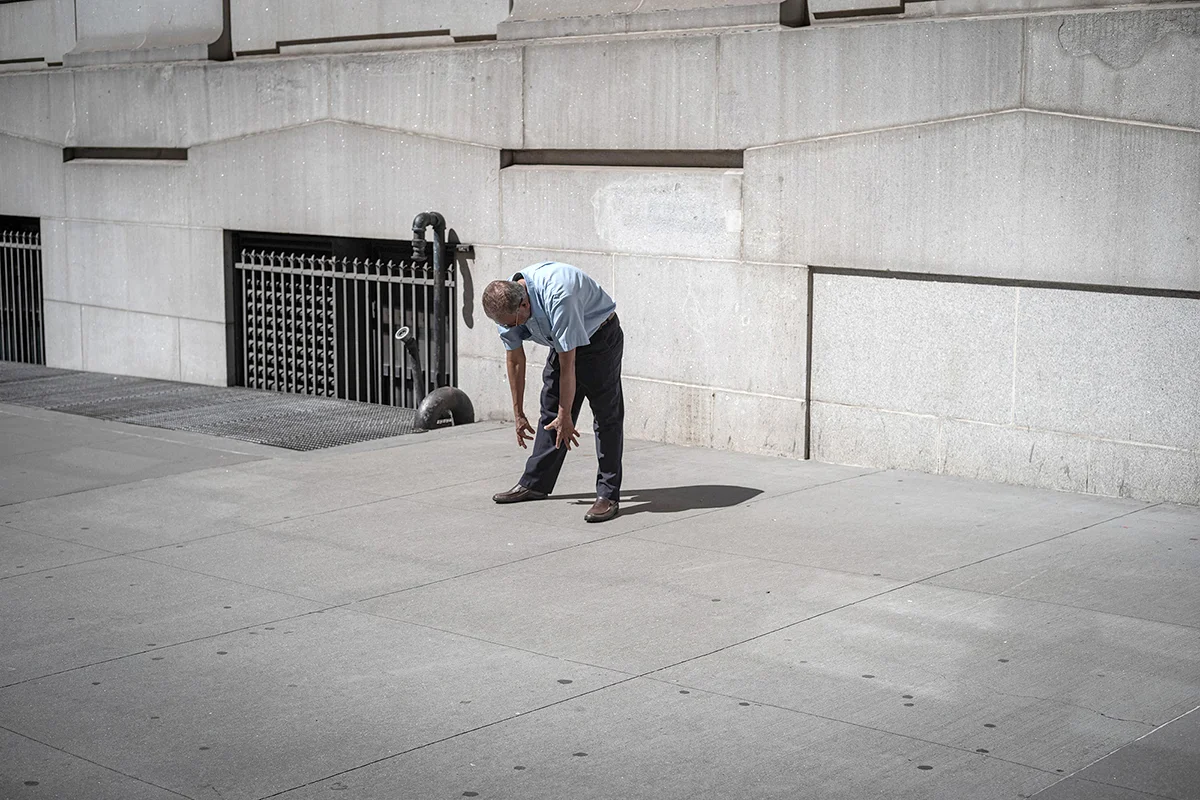
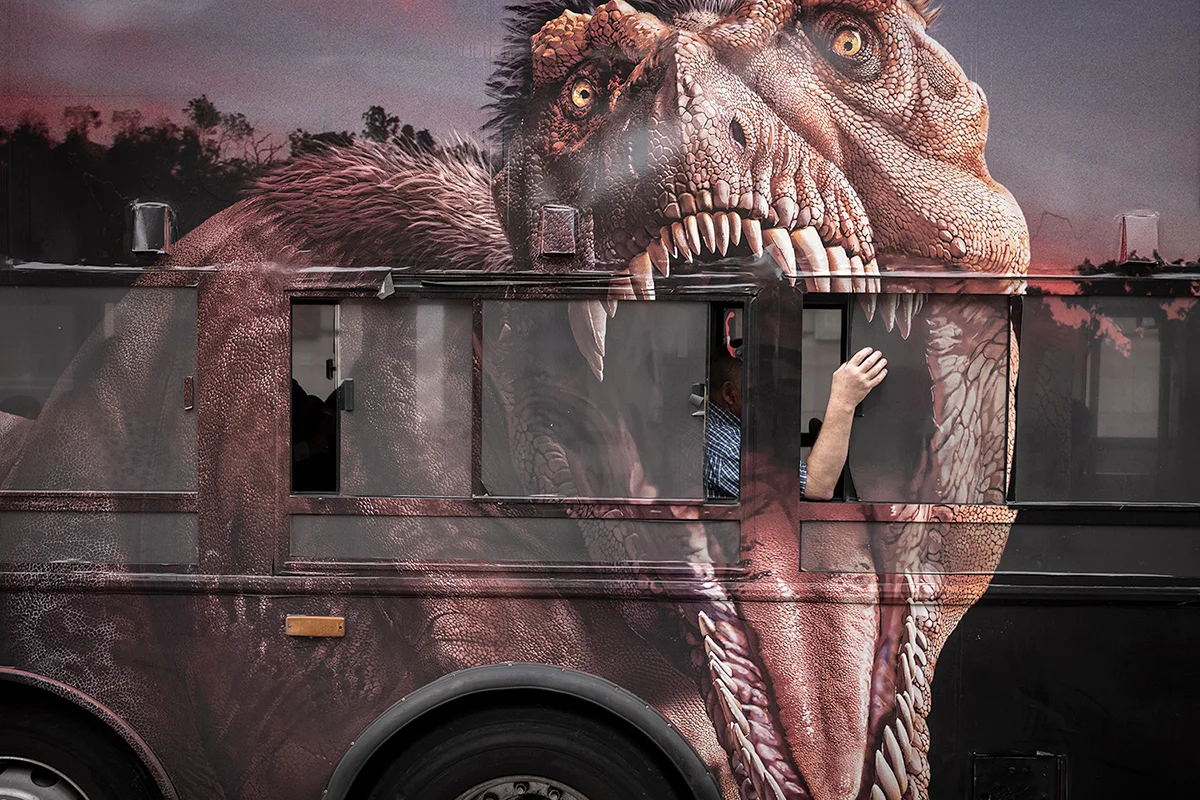
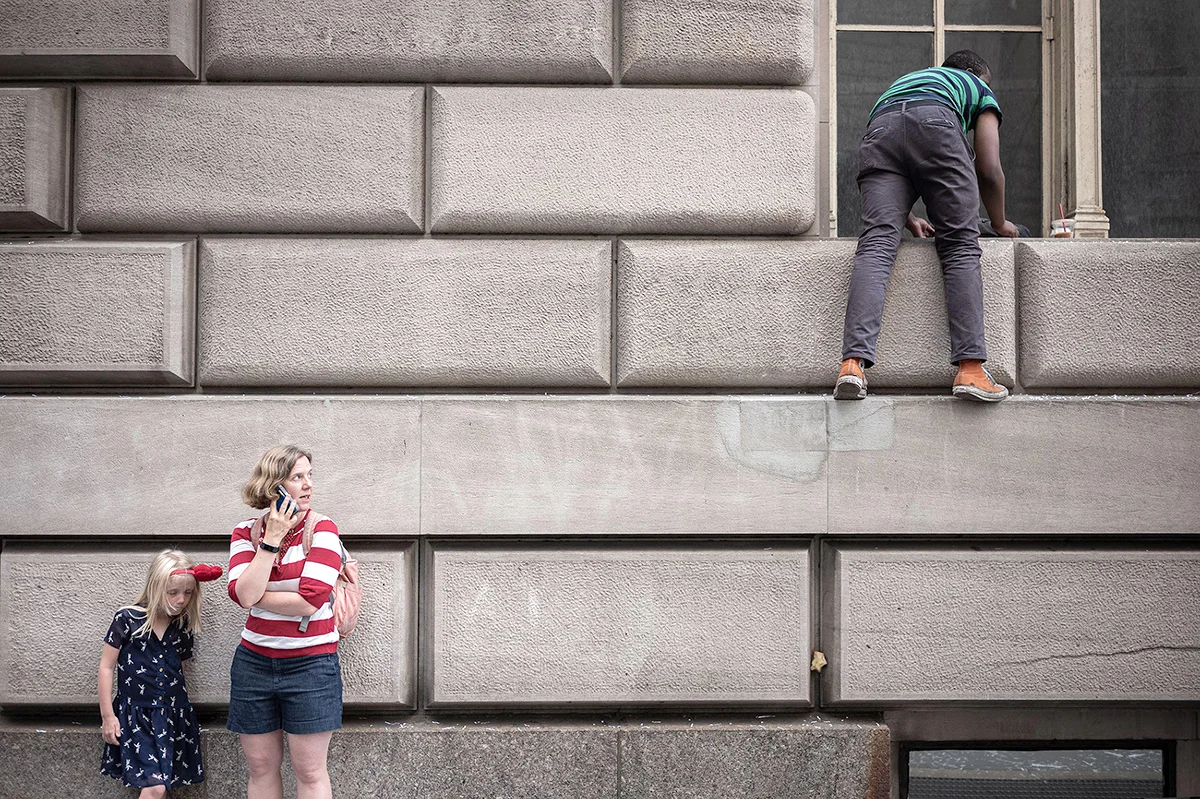
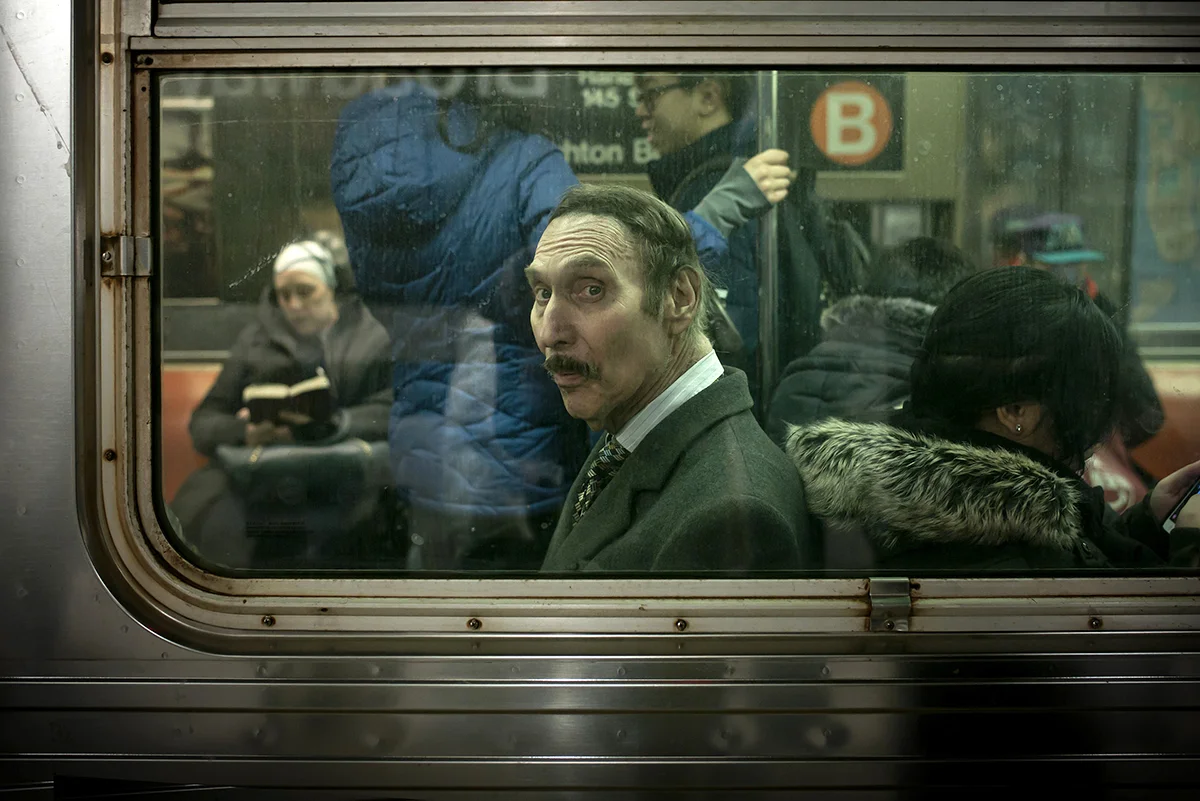
Originally from the UK and currently living in the United States, Garry Waller has been a keen street photographer for over two decades. He is rarely happier than when he’s wandering with his camera, drawn to the unscripted encounters that unfold around him. The photos lean into the rhythm of everyday life, gestures, and occasional coincidences that often pass unnoticed but, for a split second, align into something visually compelling.

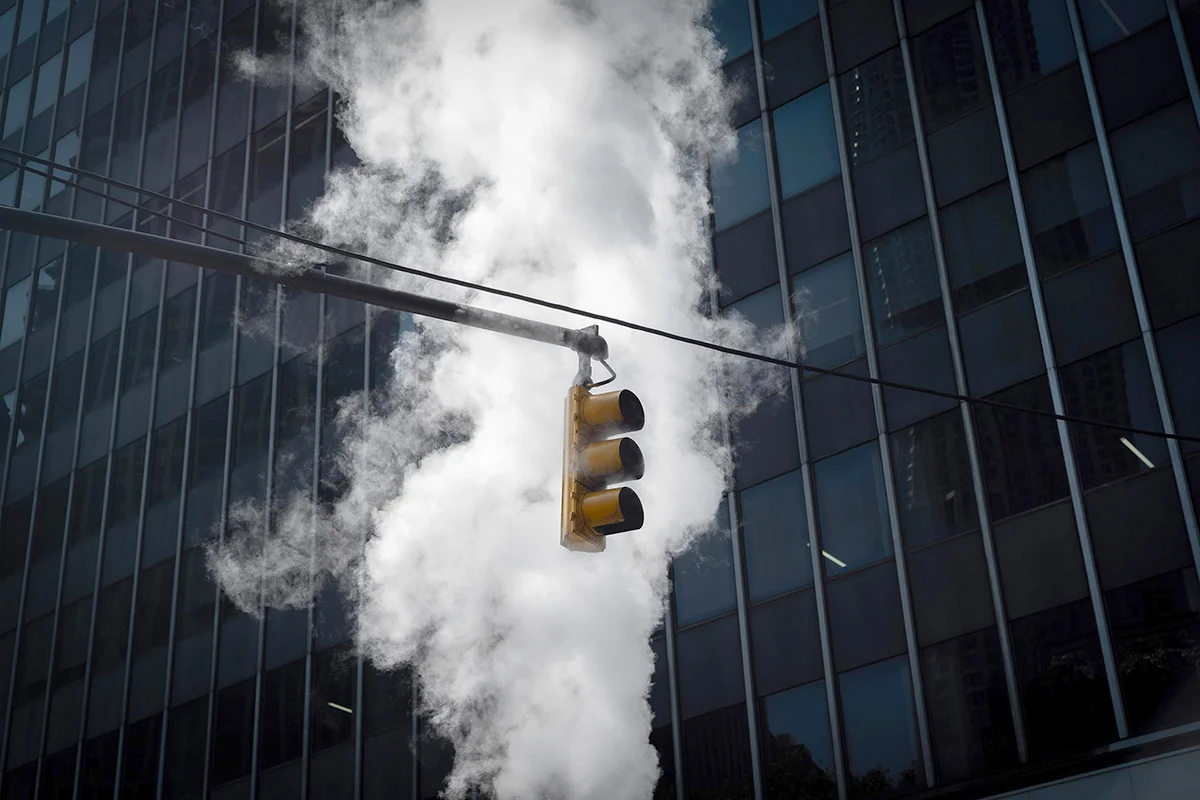
Working primarily on the streets of New York City, Waller’s background in graphic design shapes the way he sees. An awareness of composition, balance, color, and negative space runs through his images, often giving even the most fleeting scenes a sense of structure and clarity. Lines, forms, and visual rhythm play as much of a role as the human subjects within the frame.

Travel is sometimes an extension of this practice. Not to document destinations in a conventional way, but to explore how different places, and the people he encounters, reveal their own visual language. Whether the focus is on NYC or places further afield, his work remains consistent in its intent: to find visual interest in the everyday and elevate passing moments into still frames that reward a closer look.

All About Photo Competitions

Photographer of the Week 19, 2026

 

Inspiring Portfolios

Call for Entries
AAP Magazine #58 B&W
Publish your work in our printed magazine and win $1,000 cash prizes
 
Stay up-to-date  with call for entries, deadlines and other news about exhibitions, galleries, publications, & special events.

More Great Photographers To Discover

Francis Malapris
Schizothymic baby-boomer, at the age of 12 Francis takes refuge in computer science and excels in this field despite social and academic failure. In 1996, as he becomes an engineer, he meets the need to preserve memories of the Moment and tries photography. Gradually, this utopia fades to give way to the sensitivity he has so long repressed. 20 years later, he is an accomplished self-taught artist through the study of technique and the masters who inspire him such as Raymond Depardon, Rafael Minkkinen and Daido Moriyama. Key encounters have formed his photographic approach to bring him to social contact and staging. He then abandons computer sciences to exploit his bubbling creativity, full of sensitivity. The human being is then at the center of his work, after the fashion of the "Self" (Freud), which lies between unconscious desires and moral standards. Affected by the death of a friend, he undertakes a strong introspection that will highlight neuroses that he crystallizes through nude photography. In 2011, he begins the IN SITU project about mental escape, a phenomenon that concerns him. In 2014, he develops a shooting process to build the AQUATIC series. In 2017, the images encounter a great success, are published and exhibited at the FEPN in Arles, namely with the festival bill. With his installation in the heart of the Saint Anne chapel, Francis goes beyond photography to offer a contemporary art installation which sublimates female energy. Artist Statement "The human element is a fantastic material. I like observing bodies, their movements and expressions, sometimes with the idea of appropriating them. The part that fascinates me the most, because almost inaccessible, is the soul, at the head of the personality with its tastes, emotions and especially its history. Then comes the complex relationship to society, which evolves with environment and time. I approach the person naturally with openness and sensitivity, on the lookout for singularities that may resonate in me. From object, 'the other' becomes a proper individual, whose distinguishable particles and sub-particles I highlight. The main theme of the work I am presenting is that of the relation to reality: whereas the physical body is submitted to the present, imagination is free to roam without constraint in time and space. The ambiguity of this permanent oscillation between rational and irrational, resignation and escape, motivates me in my research where letting go is the motto. The plurality of my projects illustrates the richness of mental spaces that I have visited. Whether dreamlike or real, I put limits only on the possible interpretation of the codes that I use."
Werner Bischof
Switzerland
1916 | † 1954
Bischof was born in Zürich, Switzerland. When he was six years old, the family moved to Waldshut, Germany, where he subsequently went to school. In 1932, having abandoned studies to become a teacher, he enrolled at the Kunstgewerbeschule in Zürich, where he graduated cum laude in 1936. From 1939 on, he worked as an independent photographer for various magazines, in particular, du, based in Zürich. He travelled extensively from 1945 to 1949 through nearly all European countries from France to Romania and from Norway to Greece. His works on the devastation in post-war Europe established him as one of the foremost photojournalists of his time. He was associated into Magnum Photos in 1948 and became a full member in 1949. At that time Magnum was composed of just five other photographers, its founders Robert Capa, Henri Cartier-Bresson, George Rodger, David Seymour, and Ernst Haas. The focus of much of Bischof's post-war humanist photography was showing the poverty and despair around him in Europe, tempered with his desire to travel the world, conveying the beauty of nature and humanity. In 1951, he went to India, freelancing for Life, and then to Japan and Korea. For Paris Match he worked as a war reporter in Vietnam. In 1954, he travelled through Mexico and Panama, before flying to Peru, where he embarked on a trip through the Andes to the Amazonas on 14 May. On 16 May his car fell off a cliff on a mountain road in the Andes, and all three passengers were killed. Source: Wikipedia Werner Bischof was born in Switzerland. He studied photography with Hans Finsler in his native Zurich at the School for Arts and Crafts, then opened a photography and advertising studio. In 1942, he became a freelancer for Du magazine, which published his first major photo essays in 1943. Bischof received international recognition after the publication of his 1945 reportage on the devastation caused by the Second World War. In the years that followed, Bischof traveled in Italy and Greece for Swiss Relief, an organization dedicated to post-war reconstruction. In 1948, he photographed the Winter Olympics in St Moritz for LIFE magazine. After trips to Eastern Europe, Finland, Sweden and Denmark, he worked for Picture Post, The Observer, Illustrated, and Epoca. He was the first photographer to join Magnum with the founding members in 1949. Disliking the ‘superficiality and sensationalism’ of the magazine business, he devoted much of his working life to looking for order and tranquility in traditional culture, something that did not endear him to picture editors looking for hot topical material. Nonetheless, he found himself sent to report on the famine in India by Life magazine (1951), and he went on to work in Japan, Korea, Hong Kong and Indochina. The images from these reportages were used in major picture magazines throughout the world. In the autumn of 1953, Bischof created a series of expansively composed color photographs of the USA. The following year he traveled throughout Mexico and Panama, and then on to a remote part of Peru, where he was engaged in making a film. Tragically, Bischof died in a road accident in the Andes on 16 May 1954, only nine days before Magnum founder Robert Capa lost his life in Indochina. Source: Magnum Photos
Rod Harbinson
United Kingdom
During the initial emergence of coronavirus in 2020, Rod published a photobook: Zen in the Time of Corona - A photographic homage to Japanese Buddhism during the Coronavirus pandemic: Writer, photographer and filmmaker, Rod often reports in Asia, drawing attention to critical environmental and human-rights issues. From deforestation in Borneo, to mining protests by Cambodian fisherfolk, his stories and investigations have appeared in books, documentaries and over fifty high-profile academic and media titles. Long engaged in climate change, forest, Indigenous rights and biodiversity issues, he has a record of working with non-profit, academic and media organisations and has a Masters in Environment and Development. He led the Environment and Climate Change Programmes at Panos London, was a founder of the Climate Change Media Partnership, and editor of seven magazines and academic journals. His 2014 documentary, 'Defenders of the Spirit Forest' explores efforts by Cambodian people to defend the last forests in the country. It premiered at Glasgow's Document international Human Rights film festival. During the Kosovan war, Rod led the Kosovan Information programme at the British Refugee Council. Here he produced a film about returning refugees and published a book about the conflict, which featured his photographic coverage of the war. He worked with several organisations in the 1990's to stop the global spread of genetically engineered crops, and to uphold the rights of Indigenous people and small farmers, over their land and genetic resources. This came during a global rise of social movements questioning the rapid acceleration of neo-liberal economic globalisation. Actively engaged, Rod photographed this period of dynamic social change. His forest investigations and campaigning, have profiled numerous concerns and highlighted environmental crimes. He has documented mineral mining conflicts in forest regions in Madagascar, Zambia, Laos and the Philippines, to name a few. He also co-produced a book on campaigns to save Europe's Forests. Agencies representing his photography, Zuma Press and Polaris Images, carry his news and feature stories. He shares his expertise through freelance and consultancy work. Born in the UK in 1966, when not publishing books, Rod explores the outside world with a camera and the inner world through meditation and yoga. Zen In The Time Of Corona
Bill Burke
United States
1943
William M. Burke is an American photographer and educator known for his 20 years of documentary photography in Vietnam and neighboring countries, detailing the effects of war. Bill Burke was born in 1943 in Derby, Connecticut. In 1966, he received a B.A. degree in Art History from Middlebury College. He continued studies at Rhode Island School of Design (RISD), and received a B.F.A degree in 1968 and a MFA degree in 1970, while studying with photographer Harry Callahan. In 1971, he started teaching at the School of the Museum of Fine Arts in Boston. In 1978, he became a Guggenheim fellow in photography. His work is included in many public collections including the Smithsonian American Art Museum, San Francisco Museum of Modern Art, Princeton University Art Museum, Museum of Modern Art, Museum of Fine Arts, Boston, among others.Source: Wikipedia Since 1971 he has taught at the School of the Museum of Fine Arts in Boston. While he has contributed to the Christian Science Monitor and published his work in Fortune and Esquire, Burke prefers to present personal travelogue images in series in books and exhibitions. His monographs include They Shall Cast Out Demons (1983), Bill Burke Portraits (1987), I Want to Take Picture (1987), and Mine Fields (1994). He has exhibited alone and in groups at ICP and elsewhere. Bill Burke, who failed his draft physical, was spared the experience of many of his contemporaries who fought in the Vietnam War. Since the 1970s he has photographed his travels through Asia not to document military atrocities, but to record his personal reactions. His work reflects a fascination with historical events and sites, yet his interest is broader than the topical documentation of photojournalism. The independent spirit of works such as Robert Frank's The Americans (1959) informs Burke's approach to his subjects: he recognizes his outsider status, and the black-and-white photographs of his many trips to Cambodia are as much about the personal impact and experience of being a witness as they are about the cultures he visits. This visitor status is important: Burke makes no pretense trying to develop a photo essay with political overtones, in the tradition of American documentary photography of the 1930s.Source: International Center of Photography
Peter van Agtmael
United States
1981
Peter van Agtmael (born 1981) is a documentary photographer based in New York. Since 2006 he has concentrated on the wars in Iraq and Afghanistan, and their consequences in the United States. He is a member of Magnum Photos. Van Agtmael's photo essays have been published in The New York Times Magazine, TIME Magazine, The New Yorker and The Guardian. He has published three books. His first, 2nd Tour Hope I Don't Die, was published by Photolucida as a prize for winning their Critical Mass Book Award. He received a W. Eugene Smith Grant from the W. Eugene Smith Memorial Fund to complete his second book, Disco Night Sept. 11. His third, Buzzing at the Sill, was published by Kehrer Verlag in 2016. He has twice received awards from World Press Photo, the Infinity Award for Young Photographer from the International Center of Photography and a grant from the Pulitzer Center on Crisis Reporting. Van Agtmael was born in Washington D.C. and grew up in Bethesda, Maryland. He studied history at Yale, graduating in 2003. He became a nominee member of Magnum Photos in 2008, an associate member in 2011, and a full member in 2013. After graduation he received a fellowship to live in China for a year and document the consequences of the Three Gorges Dam. He has covered HIV-positive refugees in South Africa; the Asian tsunami in 2005; humanitarian relief efforts after Hurricane Katrina's effects on New Orleans in 2005 and after the 2010 Haiti earthquake, the filming of the first season of TV series Treme on location in New Orleans in 2010; the Deepwater Horizon oil spill in 2010, Hurricane Sandy in 2012 and its aftermath, Nabi Salih and Halamish in the West Bank in 2013 and the 2014 Israel–Gaza conflict and its aftermath. Since 2006 he has concentrated on the wars in Iraq and Afghanistan, and their consequences in the United States. He first visited Iraq in 2006 at age 24 and has returned to Iraq and Afghanistan a number of times, embedded with US military troops. Later he continued to investigate the effects of those wars within the US. In 2007 his portfolio from Iraq and Afghanistan won the Monograph Award (softbound) in Photolucida's Critical Mass Book Award. As part of the prize Photolucida published his first book, 2nd Tour, Hope I Don’t Die. With work made between January 2006 and December 2008, this "is a young photojournalist’s firsthand experience: the wars’ effects on him, on the soldiers and on the countries involved." The 2012 W. Eugene Smith Grant for Humanistic Photography provided $30,000 to work on his second book, Disco Night Sept. 11, which "chronicles the lives of the soldiers he has met in the field and back home."Source: Wikipedia
Tatiana Bormatova
Tatiana Bornatova is a documentary photographer from Moscow, now is based in Sevastopol. She currently engaged in personal projects in Russia. Her work focuses on topics devoted to social problems and phenomena of modern Russian society. She studied documentary photography and photojournalism at the School of Modern Photography Docdocdoc (St. Peterburg, Russia). Continues to study in the direction of post-documentary photography. Her projects were published in the REGNUM News Agenсу, IZ Magazine, FLIP Magazine, F-Stop Magazine, Dodho Magazine. Tatiana became a participant in the projection festival Nuits Photographiques d’Essaouira (Essaouira, Morocco) and World Biennial Of Student Photography (Novi Sad, Serbia). Underground In ancient underground quarries, all is in full swing by day and night. Both adventurers and serious researchers - speleologists and spelestologists - come here. Speleology is the study of naturally - occurring caves, and spelestology is the study of underground cavities not used for intended purposes. In the fourteenth century, in Outer Moscow people began mining stone underground using closed methods. It lasted until the nineteenth century. Under Stalin, entrance to the underground was strictly forbidden, but this did not stop people going on adventures. In the 1960s, the masses started to venture into the underground. Then they started to blow up the entrances to caves. Access to the underground became much more difficult, but the interest for anthropogenic underground caves did not cease to exist. Starting in the 1980s, spelestologists and enthusiasts again started to look for underground caverns, previously forbidden in Soviet times. The analysis of old rubble, digging up and exploring passages, and topographic surveys all require staying underground for several days at a time. In the caves specialists would start to allocate grottos for toilets, sleeping, eating and collecting water, as well as strengthening areas that were prone to collapsing. The walls were covered with drawings, inscriptions, artefacts and graffiti. These new traditions and rules resulted in the formation of new subcultures. Visiting caves now is very entertaining. More and more often, they are being visited by thrill seekers, people who like to drink, unofficial excursion groups, and bloggers. Often people go underground without knowing basic safety precautions. That said, the risks in underground caves are not few: one could get lost or end up in a rock collapse. Spelestologists think negatively of amateurs who try to prevent filming and unofficial tours. A few of the researchers carry out excavations and study the underground caverns, but the increase in popularity is starting to disturb their work. They try to keep the whereabouts of newly discovered caves secret. The photographs in this project were taken in the Moscow Oblast, in the Syankovsk and Novlensk caves, and also in the Kamkinsk quarry, more well-known as Kiseli.
Mitch Dobrowner
United States
Advertisement
AAP Magazine #58 B&W
Win a Solo Exhibition in June
AAP Magazine #58 B&W

Latest Interviews

Exclusive Interview with Carolyn Moore
American photographer Carolyn Moore explores the inner landscape of emotion, memory, and personal transformation through a deeply intuitive photographic practice. Her work unfolds as a quiet dialogue between artist and viewer, where images become a space for reflection, vulnerability, and connection.
Exclusive Interview with Luca Desienna and Laura Estelle Barmwoldt
For over seven years, Of Lilies and Remains has explored the depths of the goth and darkwave underground, unfolding in Leipzig—a city long associated with a vibrant and enduring subcultural scene. Moving between iconic gatherings such as Wave-Gotik-Treffen and more intimate moments on the fringes, the project offers a rare and immersive glimpse into a world often misunderstood, yet rich in expression and community. Created by Luca in collaboration with Laura Estelle Barmwoldt, the work embraces a cinematic and deeply personal approach. Rather than documenting from a distance, it moves within the scene itself, capturing its atmosphere, its codes, and its quiet contradictions. The title Of Lilies and Remains hints at this duality—where beauty and darkness, fragility and strength coexist. As the book prepares for its release, we spoke with both artists about the origins of the project, their process, and what it means to document a subculture that continues to evolve while remaining true to its spirit.
Exclusive Interview with Matthew Finley
American photographer Matthew Finley turns inward, using photography as a way to explore identity, memory, and emotional truth. Based in Los Angeles, his practice moves between performance, gesture, and found imagery, creating a visual language that is both intimate and deeply personal
Exclusive Interview with Jan Janssen
Dutch photographer Jan Janssen explores universal human experiences through his long-term project It Matters, winner of the May 2025 Solo Exhibition. Begun in 2016, the series captures intimate moments of everyday life—love, loss, connection, and belonging—across Central and Eastern Europe. Working in countries such as Turkey, Azerbaijan, and Armenia, Janssen spends extended time within communities, building relationships based on trust and respect. His approach allows him to move beyond observation, revealing deeply human and authentic moments. Rooted in travel and personal discovery, It Matters reflects Janssen’s search for what connects us all in an increasingly divided world. The project is ongoing and will culminate in a photobook scheduled for publication in 2026.
Exclusive Interview with Henk Kosche
German photographer Henk Kosche turns his lens toward the streets of Halle an der Saale, capturing everyday life in the late years of the former German Democratic Republic. At the time, Kosche was studying design and exploring the city with his camera, drawn to the atmosphere of its industrial landscape and the quiet rhythms of daily life. His series Street Photography at the End of the 80s, selected as the Solo Exhibition for July 2025, revisits a body of work created just before a period of profound change. Rediscovered decades later in a small box of 35mm negatives, these photographs offer glimpses of a city and its people at a moment suspended between the familiar and the unknown.
Exclusive Interview with Anastasia Samoylova
Anastasia Samoylova is an American artist whose photographic practice is shaped by close observation and a deep attentiveness to place. Working between documentary and formal exploration, she photographs landscapes, architecture, and everyday scenes with a sensitivity to light, structure, and atmosphere. Since relocating to Miami in 2016, her work has increasingly focused on how environments—both natural and built—carry social, cultural, and emotional traces. We asked her a few questions about her practice and her way of seeing, to better understand the thoughts and experiences that shape her work—while allowing the images themselves to remain open and speak in their own time.
Exclusive Interview with Marijn Fidder
Marijn Fidder is a Dutch documentary photographer whose work powerfully engages with current affairs and contemporary social issues. Driven by a deep sense of social justice, she uses photography to speak on behalf of the voiceless and to advocate for the rights of those who are most vulnerable. Her images have been widely published in major international outlets including National Geographic, CNN Style, NRC Handelsblad, Volkskrant, GUP New Talent, and ZEIT Magazin. Her long-term commitment to disability rights—particularly through years of work in Uganda—culminated in her acclaimed project Inclusive Nation, which earned her the title of Photographer of the Year 2025 at the All About Photo Awards. She is also the recipient of multiple prestigious honors, including awards from World Press Photo and the Global Peace Photo Award. We asked her a few questions about her life and work.
Exclusive Interview with Josh S. Rose
Josh S. Rose is a multidisciplinary artist working across photography, film, and writing. His practice bridges visual and performing arts, with a strong focus on movement, emotion, and the expressive potential of the image. Known for his long-standing collaborations with leading dance companies and performers, Rose brings together authenticity and precise composition—a balance he describes as “technical romanticism.” His work has been commissioned and exhibited internationally, appearing in outlets such as Vogue, at the Super Bowl, in film festivals, and most recently as a large-scale installation for Lincoln Center for the Performing Arts. A sought-after collaborator, he has worked with major artists, cultural institutions, and brands, following a previous career as Chief Creative Officer at Interpublic Group and the founder of Humans Are Social. We asked him a few questions about his life and work.
Interview with Maureen Ruddy Burkhart
Photographer Maureen Ruddy Burkhart brings a quietly attentive and deeply human sensibility to her exploration of the world through images. Shaped by a life immersed in photography, film, and visual storytelling, her work is guided by intuition, observation, and an enduring interest in the emotional undercurrents of everyday life. With a practice rooted in both fine art traditions and documentary awareness, she approaches her subjects with sensitivity, allowing subtle moments to emerge naturally rather than be imposed. Her series Til Death, selected as the Solo Exhibition for February 2025, reflects this long-standing commitment to photography as a space for reflection rather than spectacle. Drawn to moments that exist just outside the expected frame, Burkhart’s images suggest narratives without resolving them, leaving room for ambiguity, humor, and quiet connection. We asked her a few questions about her life and work.
Call for Entries
Win A Solo Exhibition in June
Get International Exposure and Connect with Industry Insiders